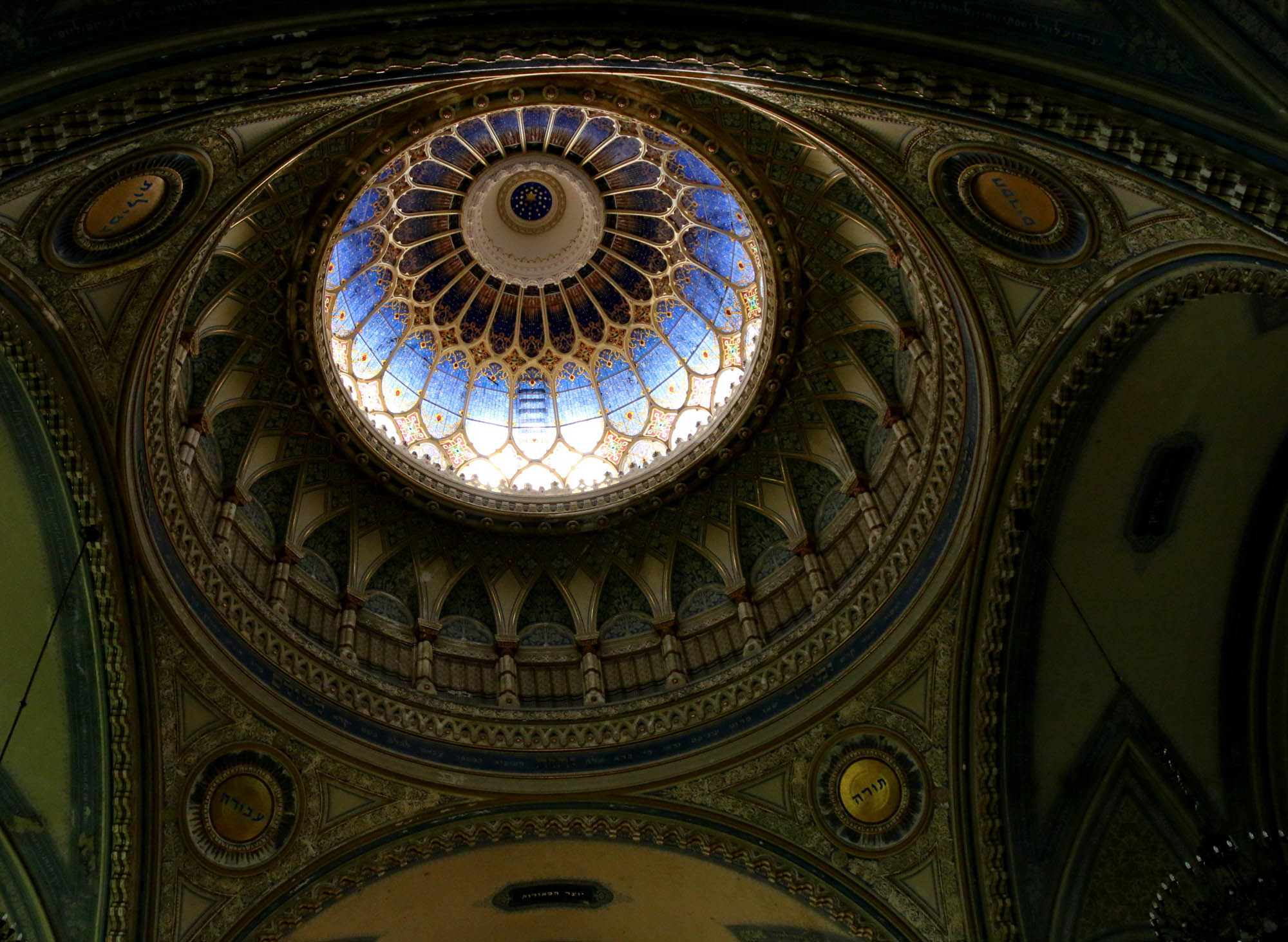
 The 1867 Emancipation Act – which today a hundred and forty-nine years ago was unanimously approved by the Hungarian Parlament – opened the way for the social rise of Hungarian Jews. At the same time, the Austro-Hungarian Compromise brought a never seen economic boom for the whole country. The Jewish bourgeoisie had every reason to think that Canaan is already here (as it was said in another context by the great contemporary poet Sándor Petőfi).
This feeling, this proud and confident mood of social and economic emancipation manifested itself in the great synagogues built at the end of the century. As Tamás Halbrohr, emeritus superior of
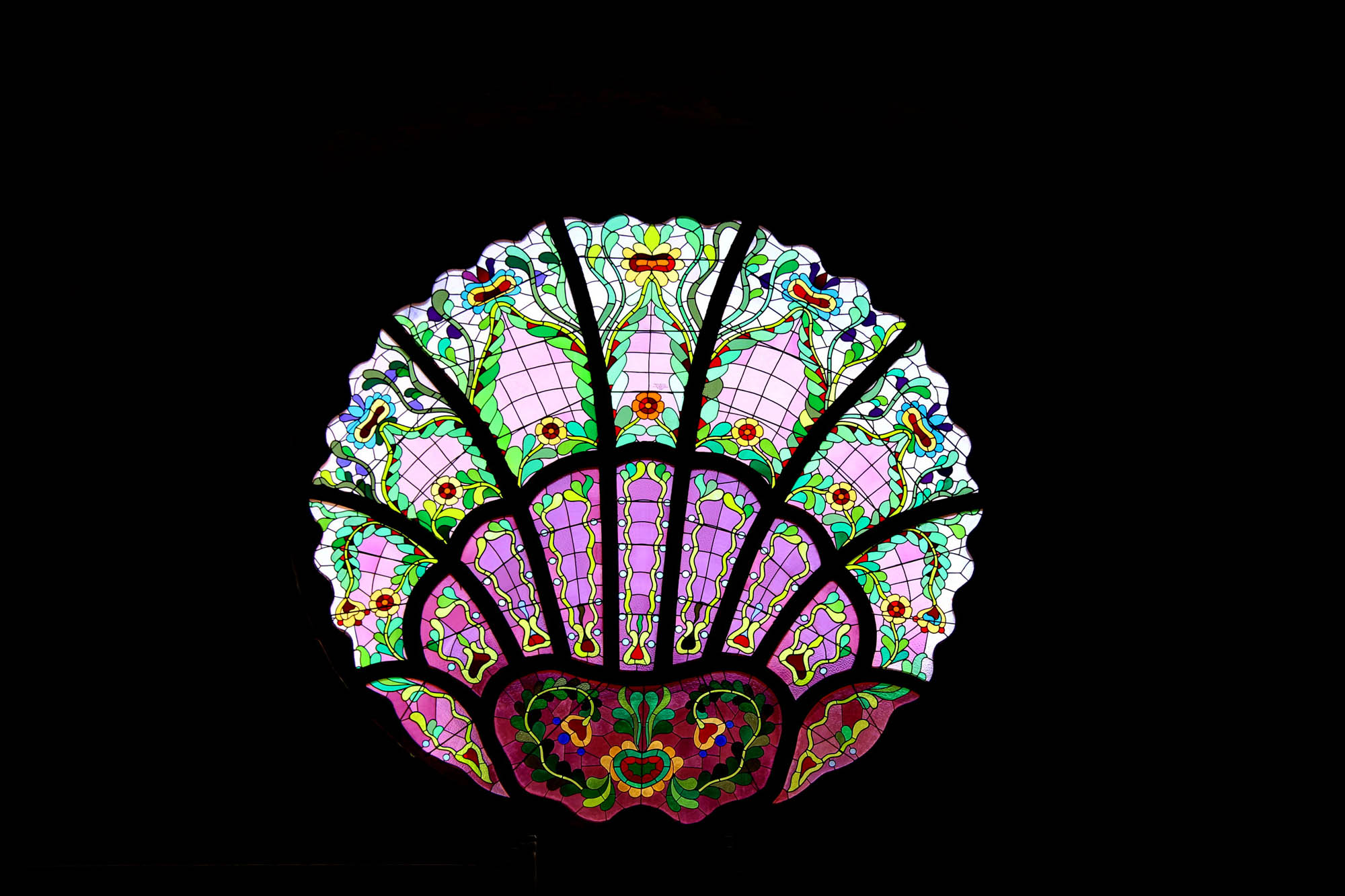
 the synagogue of Szabadka/Subotica cites the words of their builders, “we build not synagogues, but Jewish temples”, sacred centres on a par with Christian churches, whose representative design and architectural solutions also recall the Jerusalem Temple and the golden age associated with it. Such were the great synagogues of the big cities, Budapest, Pozsony/Bratislava, Nagyvárad/Oradea, Szeged, whose historicist and often orientalist style refer to the thousands of years of Jewish history. Or the impressive synagogues of the great Hungarian plains, Hódmezővásárhely, and, above all, Szabadka/Subotica, which used the motifs of the “Hungarian Art Nouveau”, devised by the architects of Budapest, for the expression of their identification with the Hungarian nation.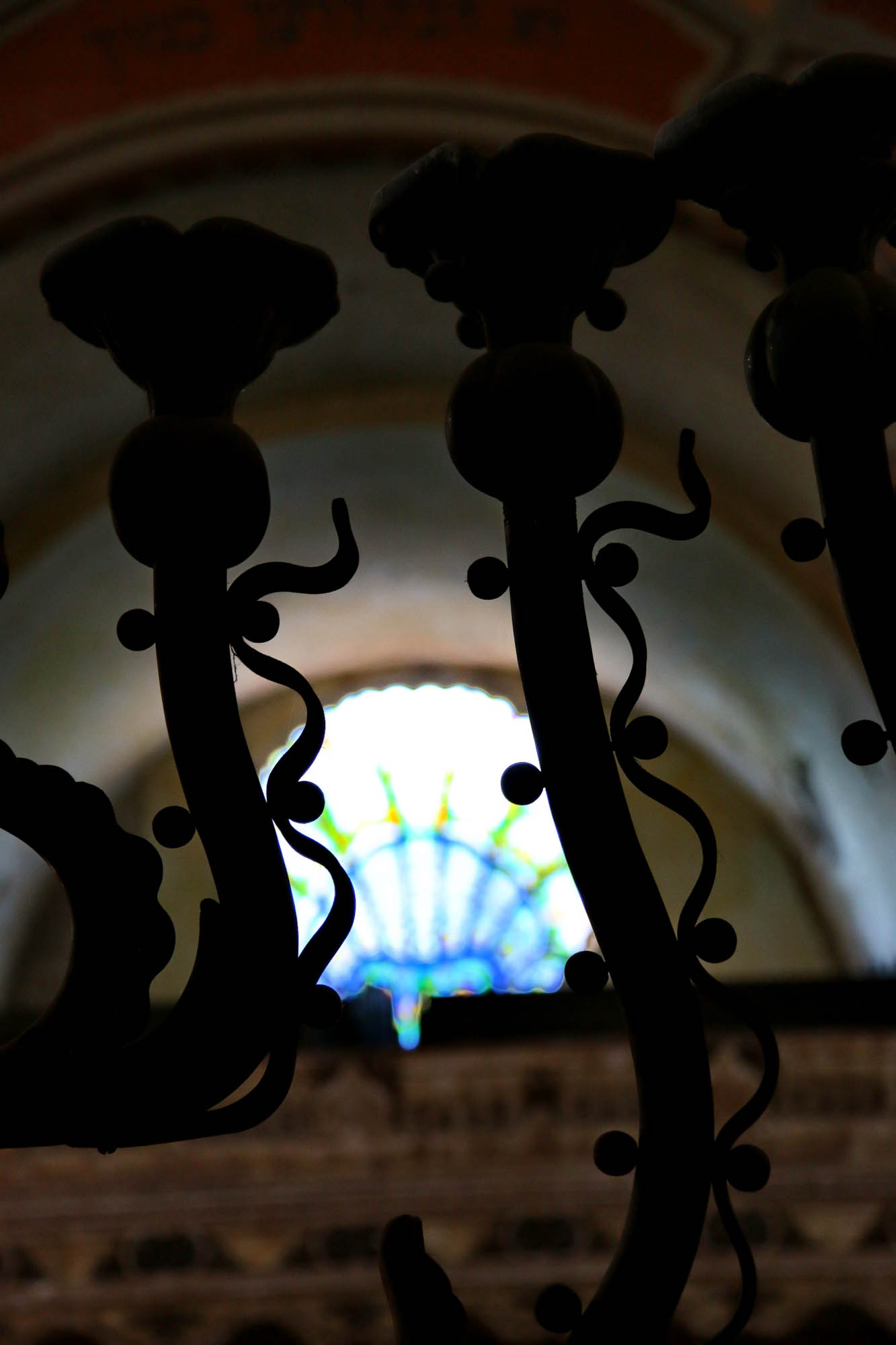
We visited these magnificent Jewish temples over the past year with Eti Peleg’s shooting team. In each location we talked with art historians, architects, local historians, members of the local communities, to evoke the intentions of the one-time builders and commissioners, and the spirit of the age formulated in the buildings. The spirit of an age which, if not seen with our hindsight, through the prism of a half-century later tragedy, we really can consider as the golden age of Hungarian Jewry.
The movie has been completed, now we are looking for distributors. In the meantime we publish the following short summary. And once again thank everyone who helped in its preparation.


 Come with us to…
 Atlantis
 Bestiary
 Bohemia+Prague
 Books, exhibitions, music, film
 Brave old world
 Caucasus
 Cemeteries
 Crimea
 Get to know the
 Images of the East
 Lightwriting
 Lwów/Lemberg
 Mallorca
 Message on the wall
 The Museum of Propaganda
 Odessa
 Paper Museum
 Persian letters
 The Jewish heritage


1 comentario:
As always beautifully composed - thank you
https://twitter.com/rupertbu/status/804280795951169536
Publicar un comentario