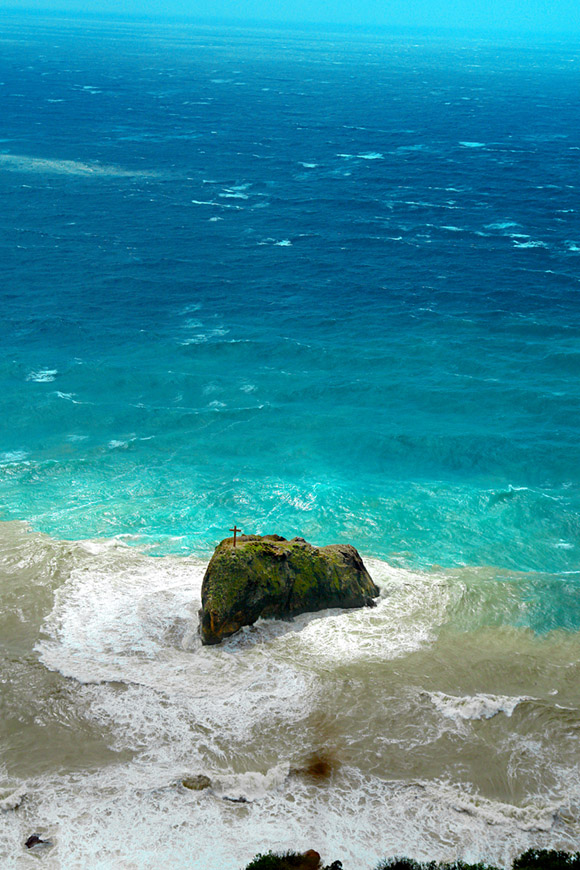
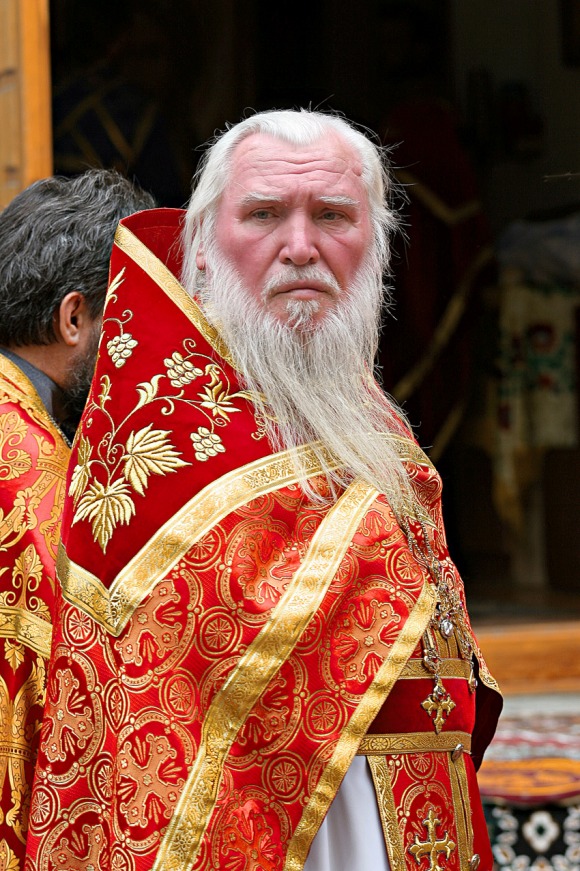
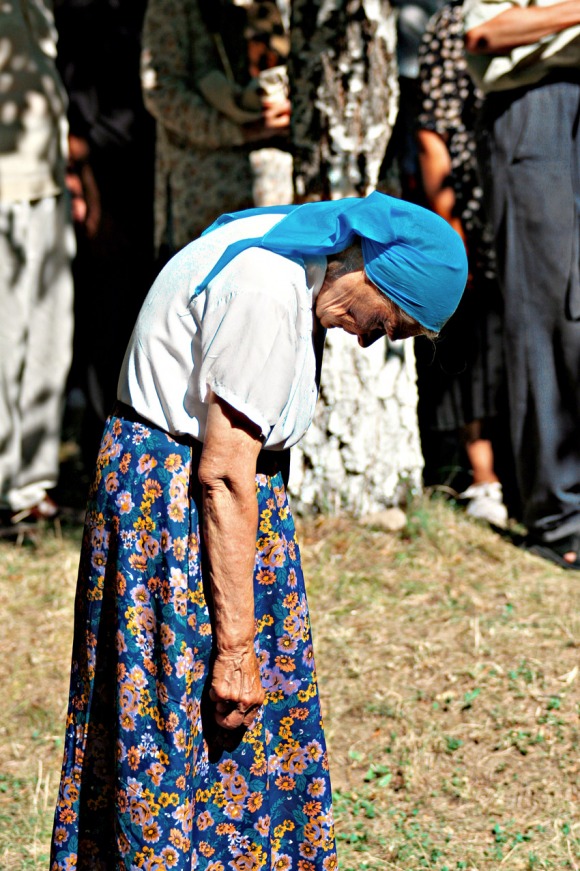
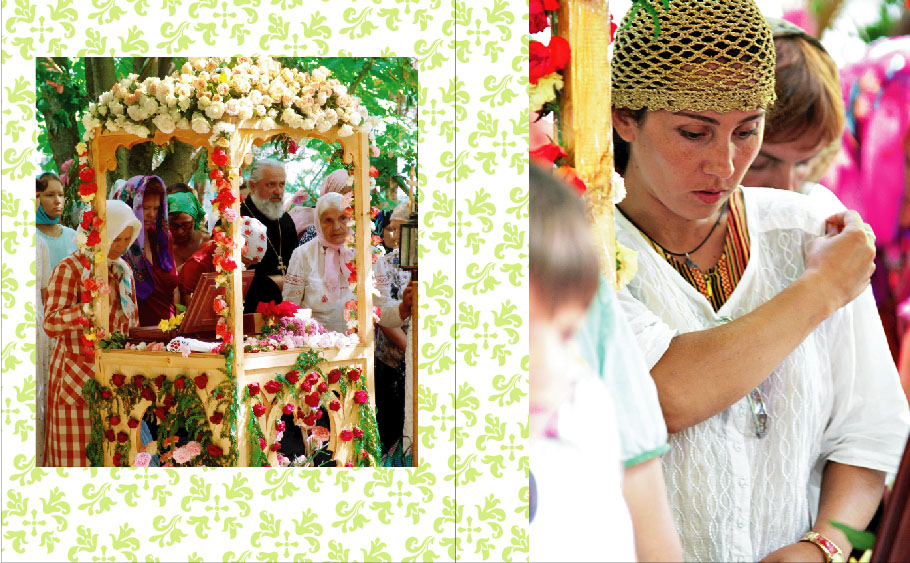
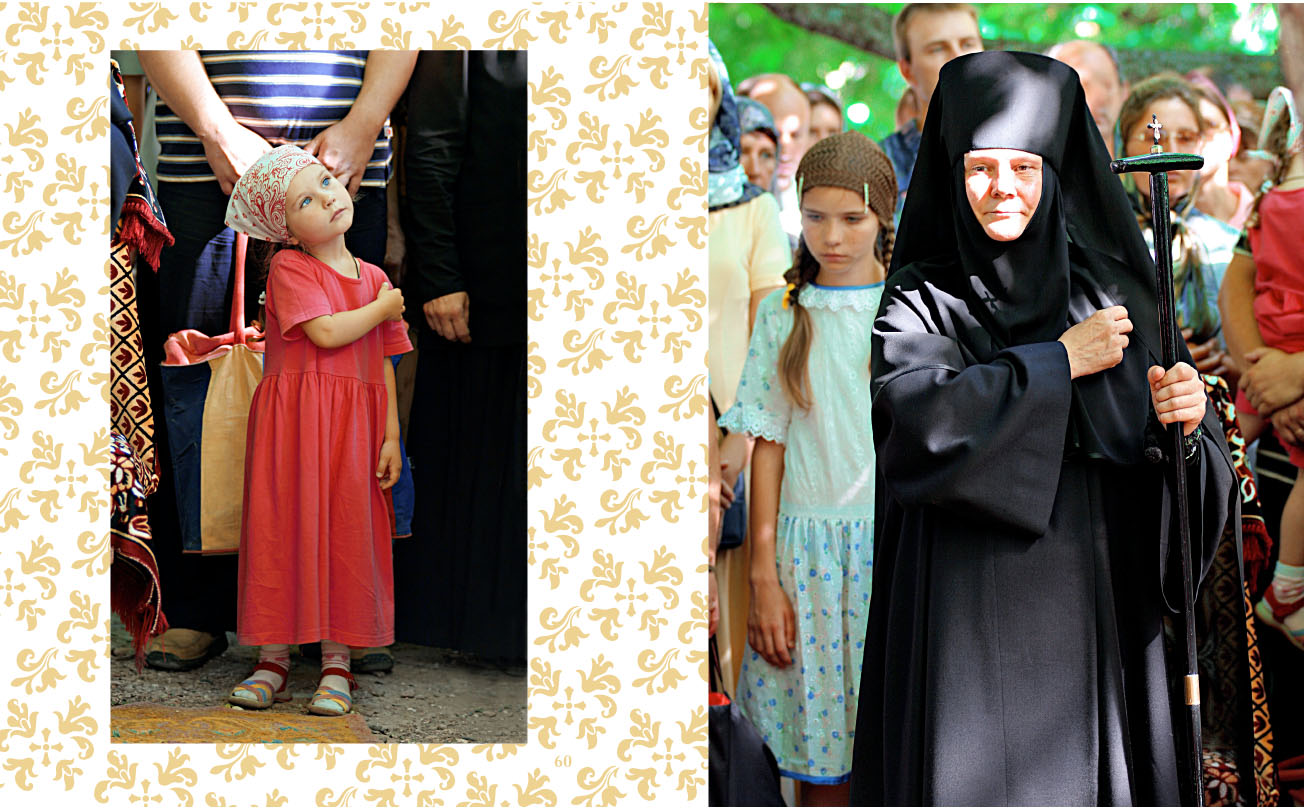
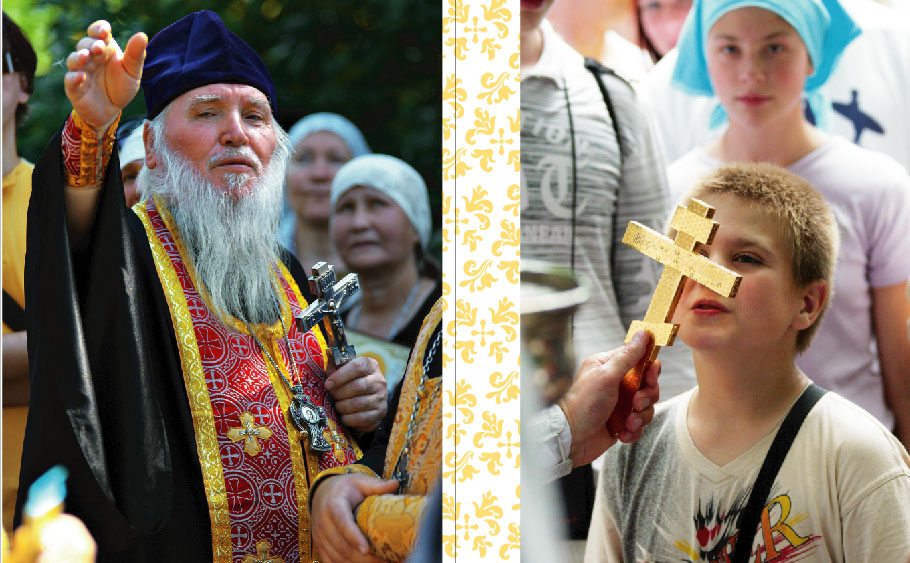
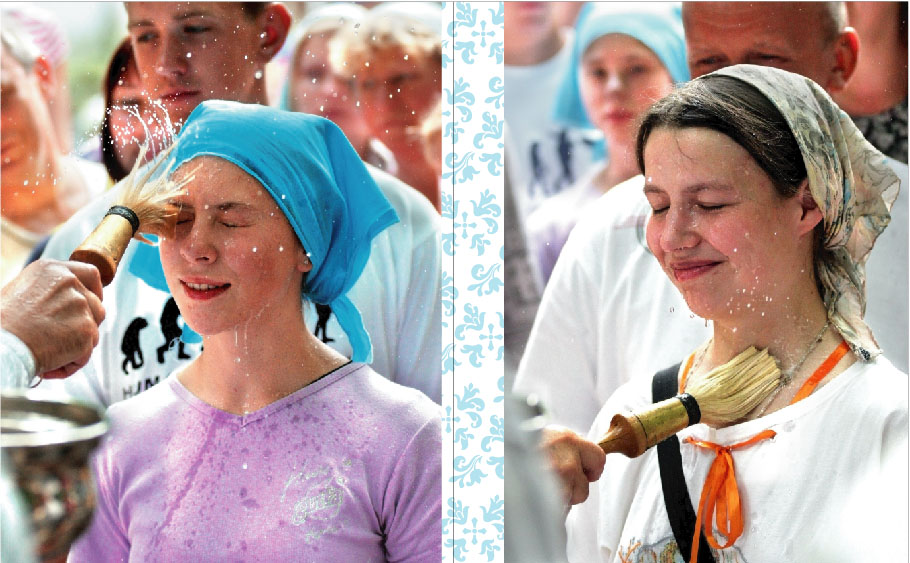
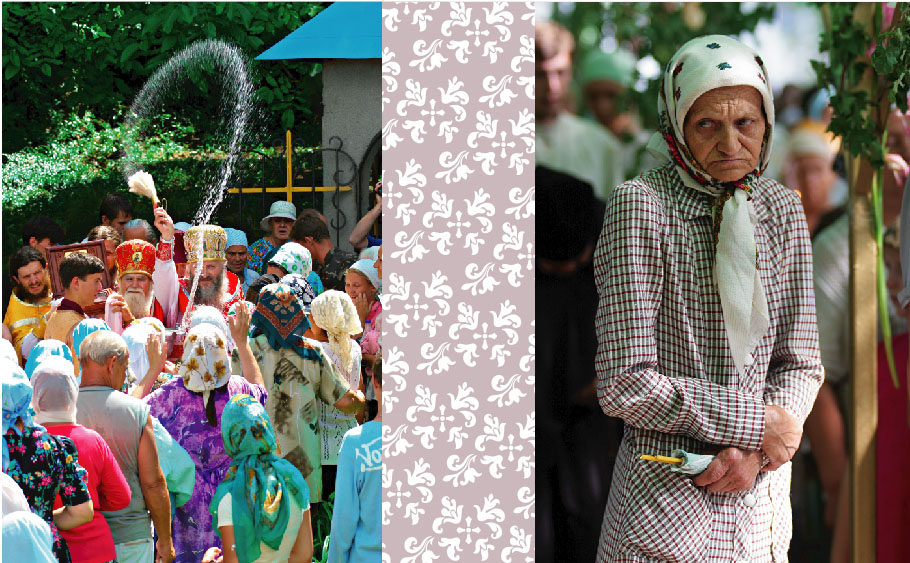
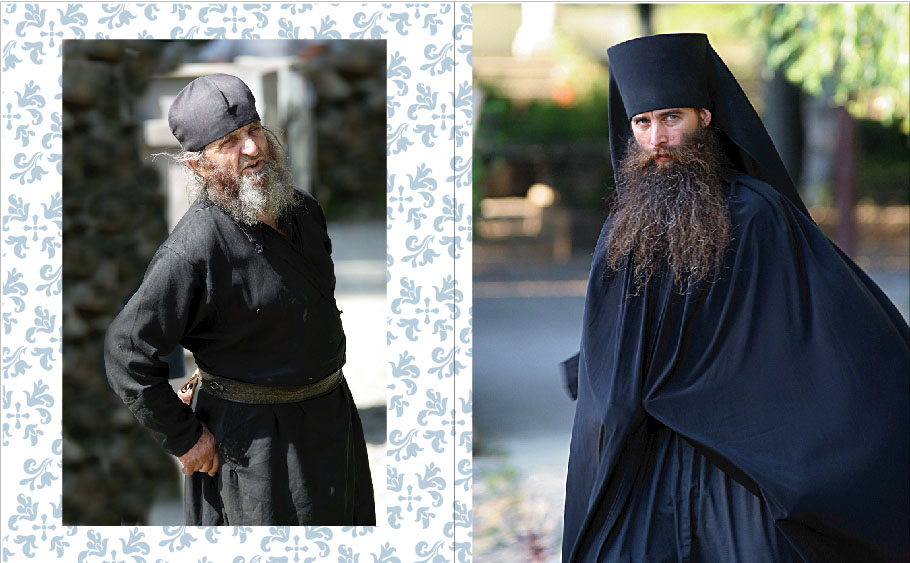
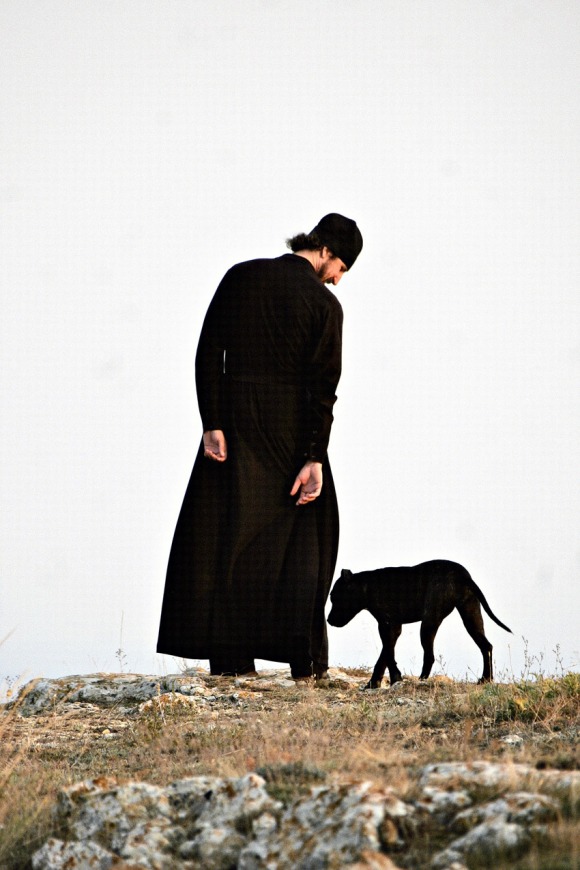
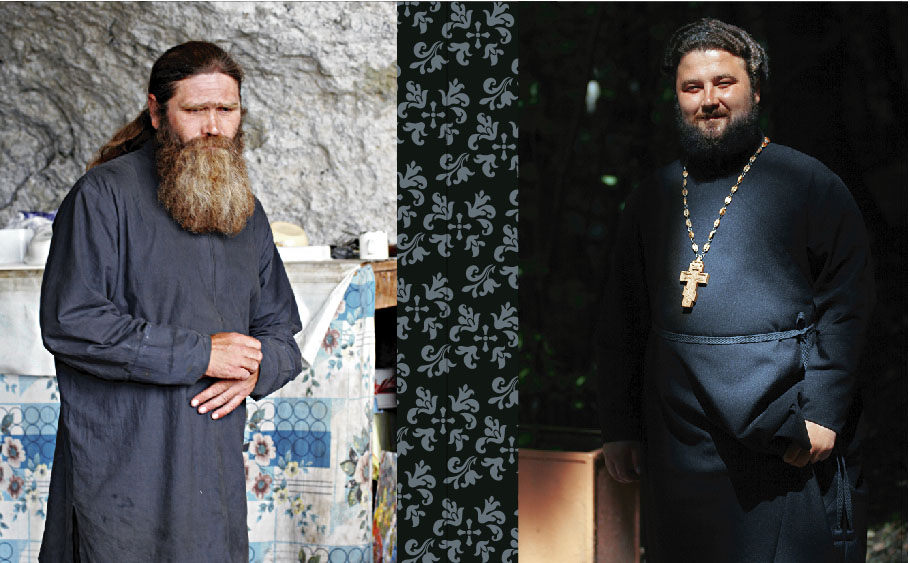
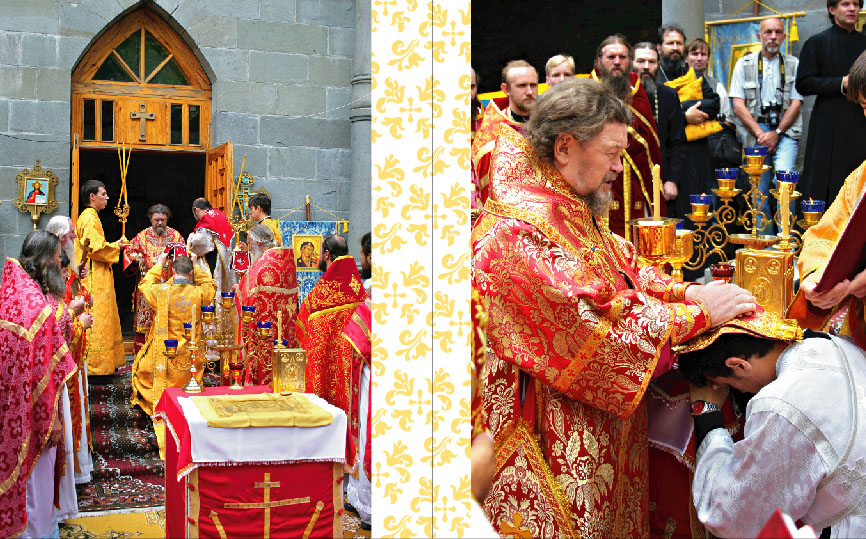
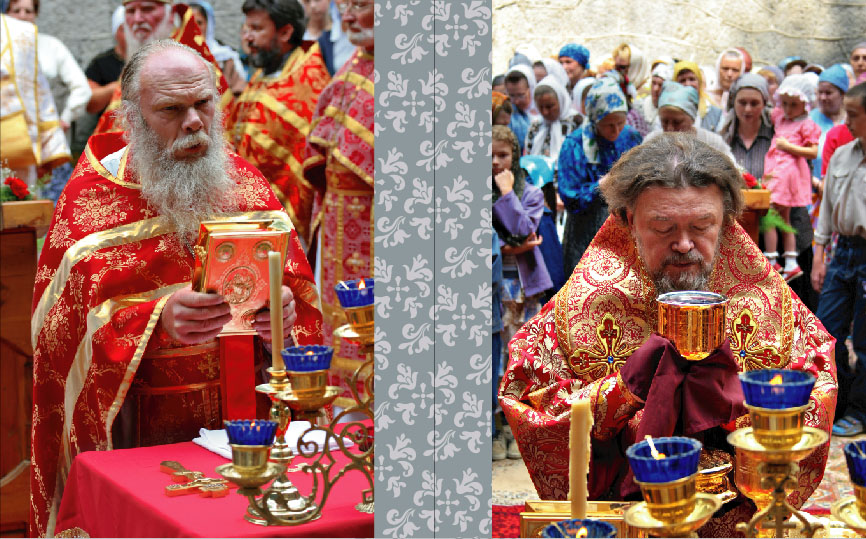
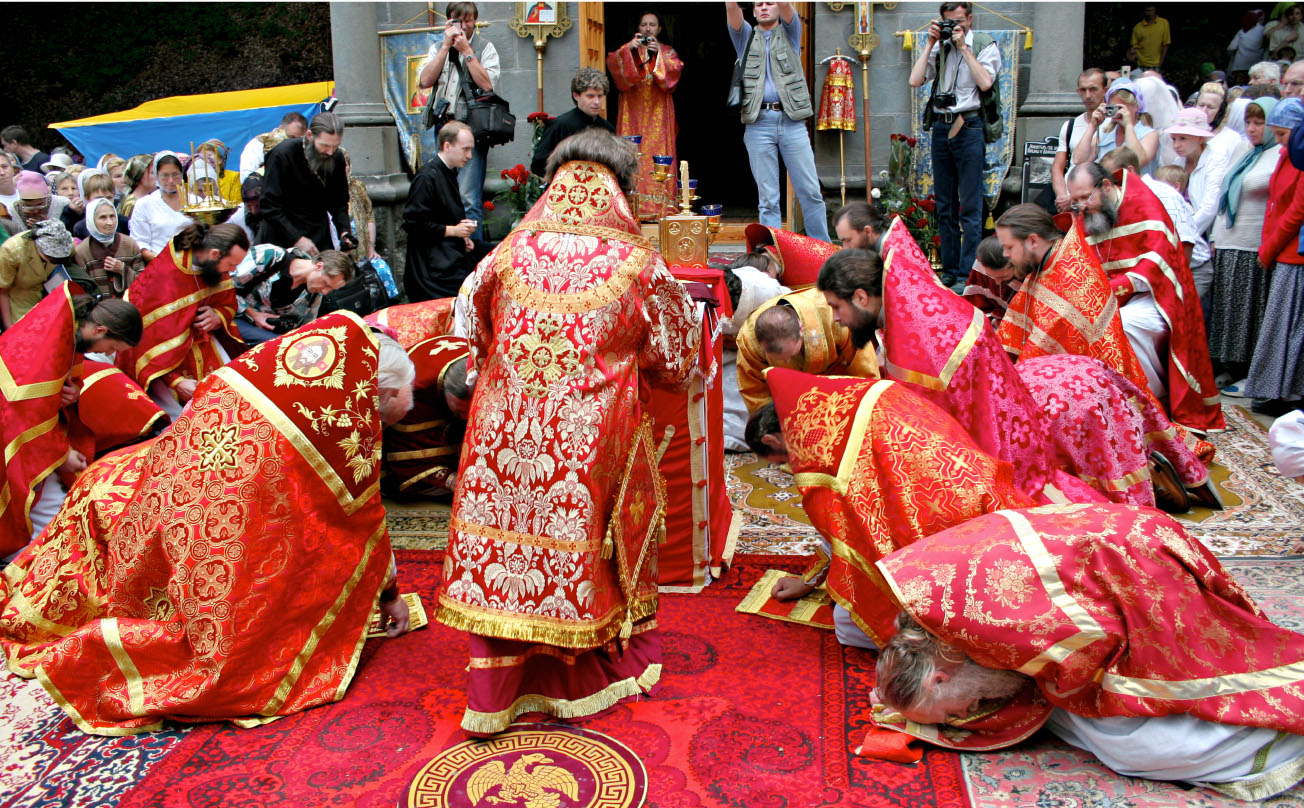
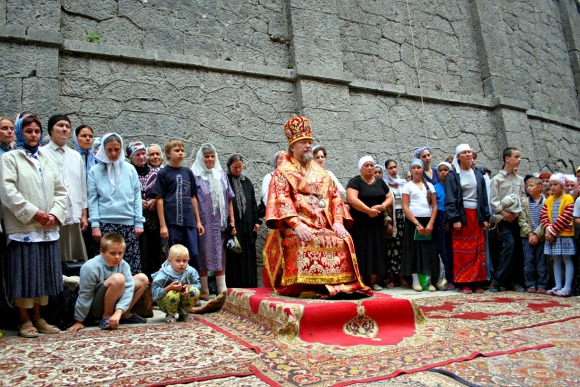
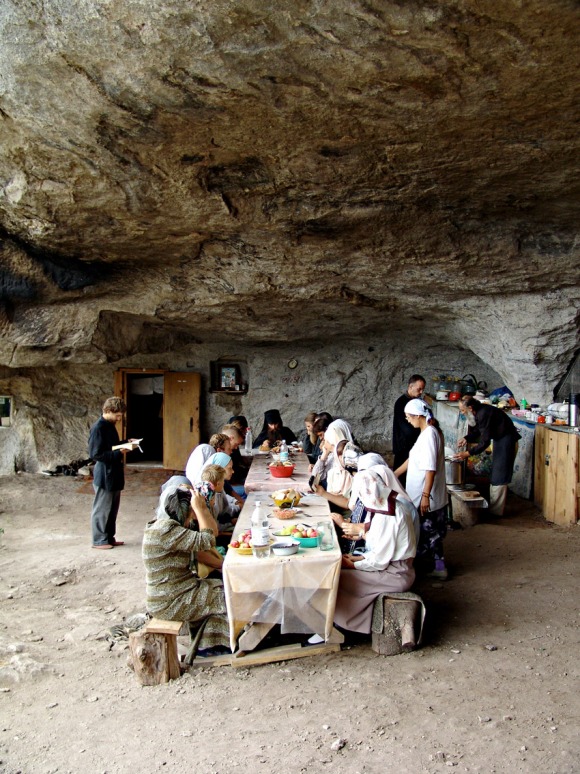
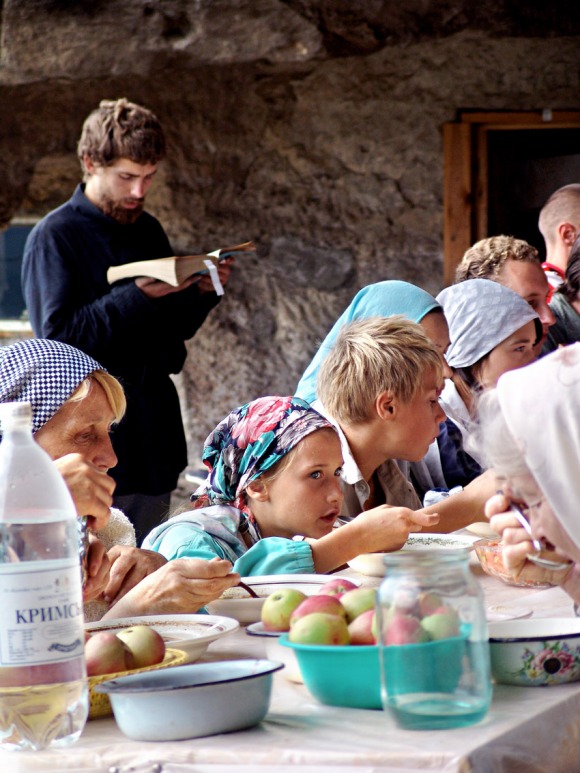
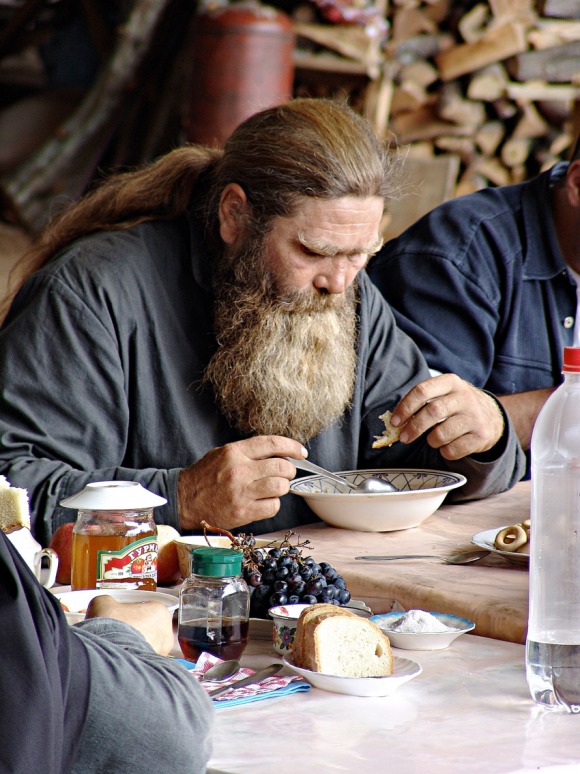
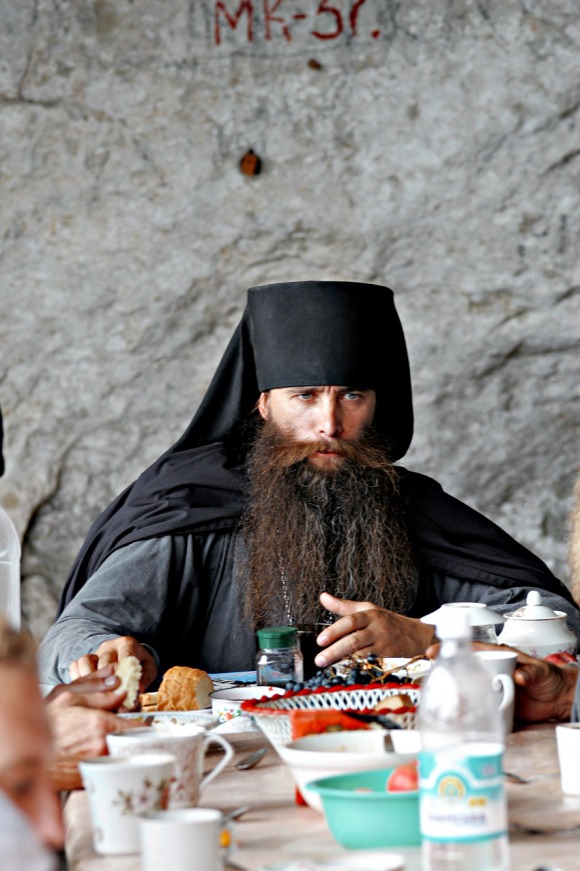
 This is the title of the unpublished photo album of Yuri Gladky from Simferopol, about which the author writes this in the selection published on the internet:
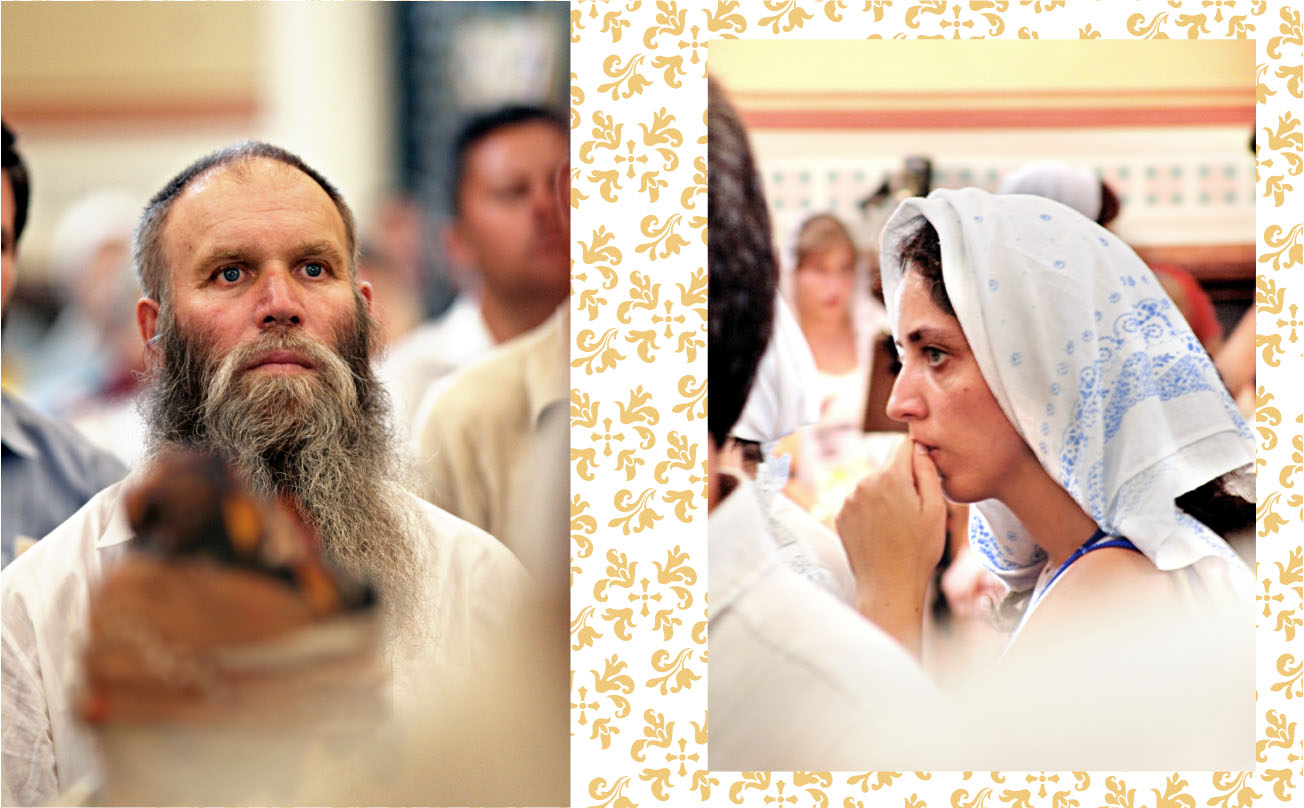
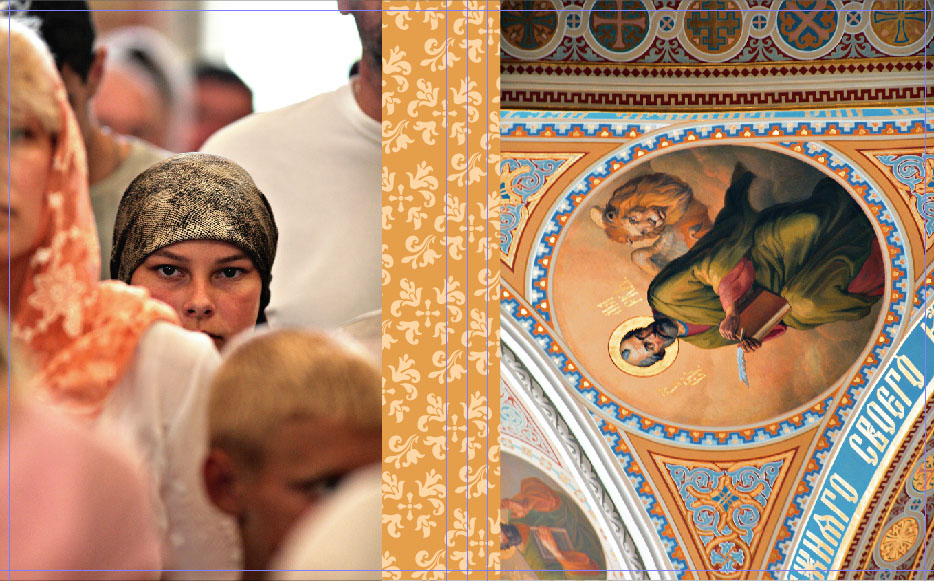
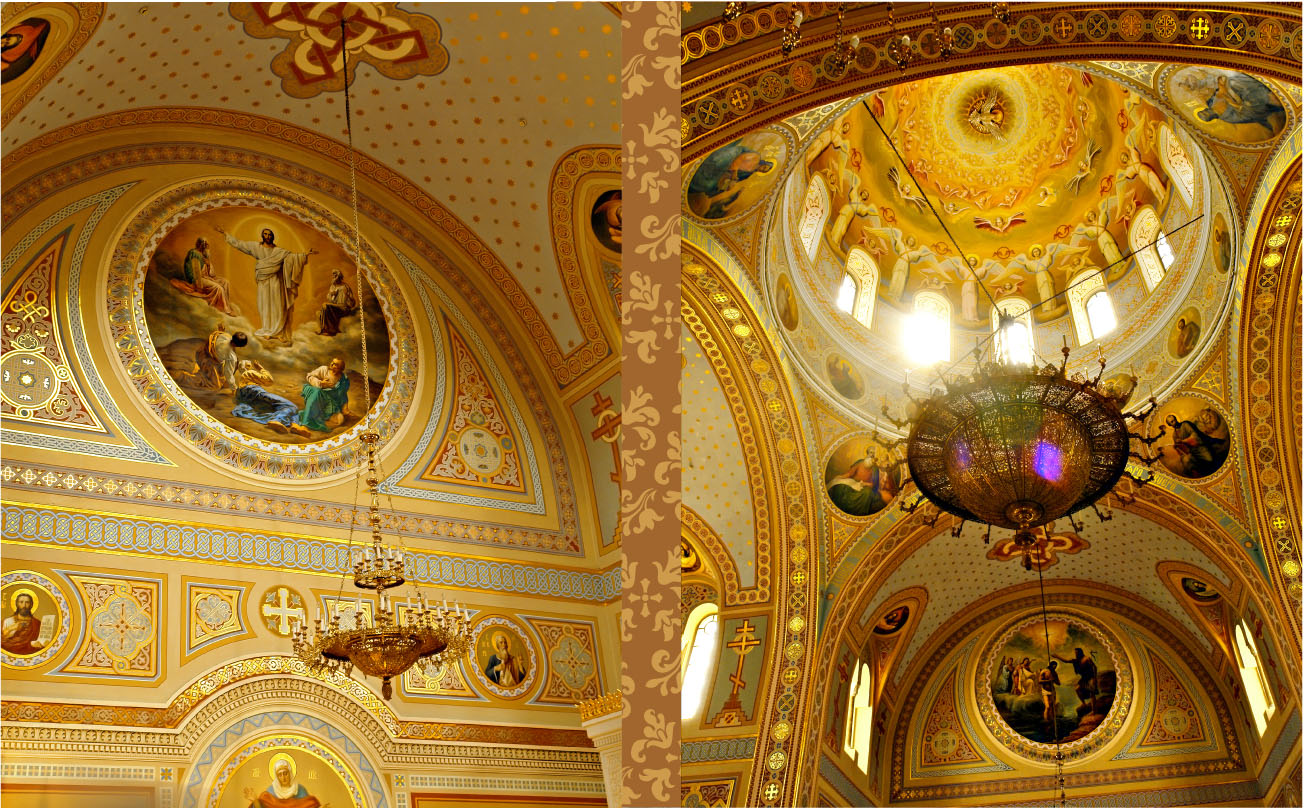
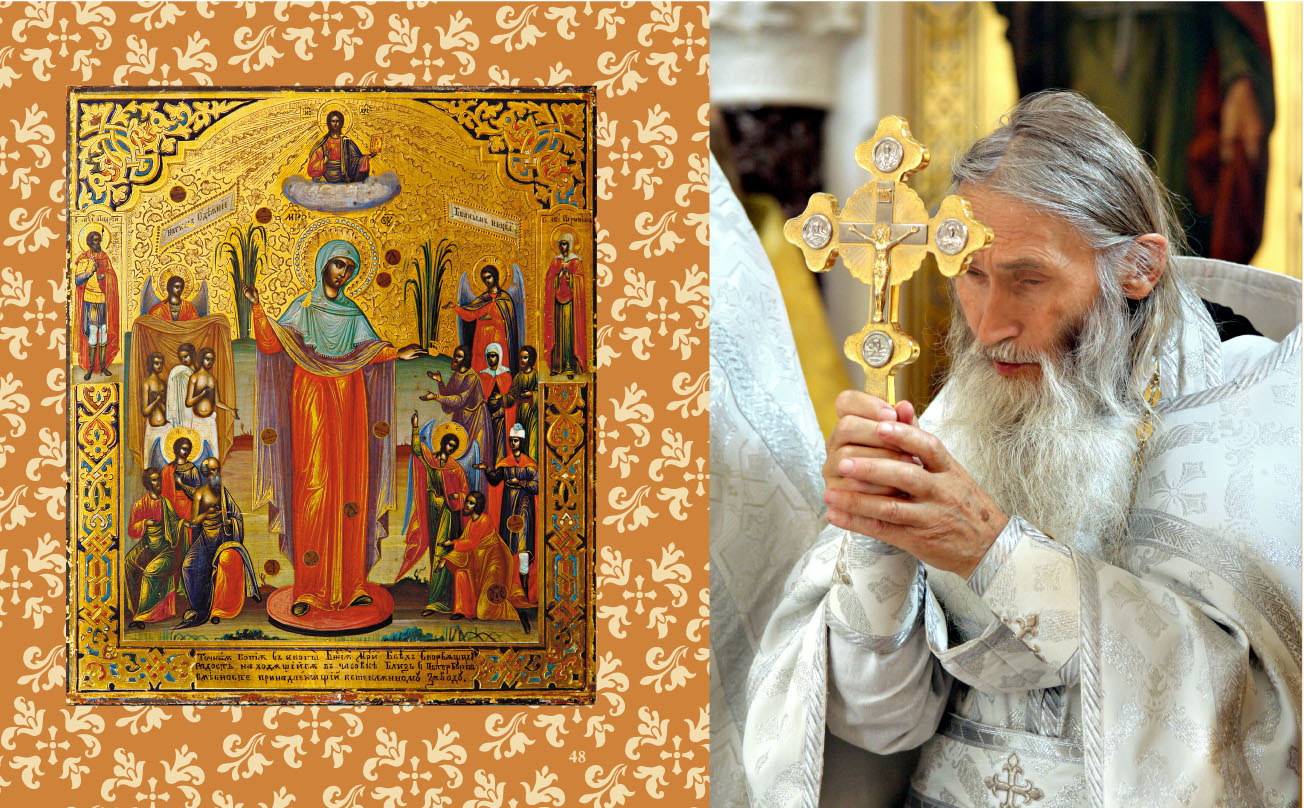
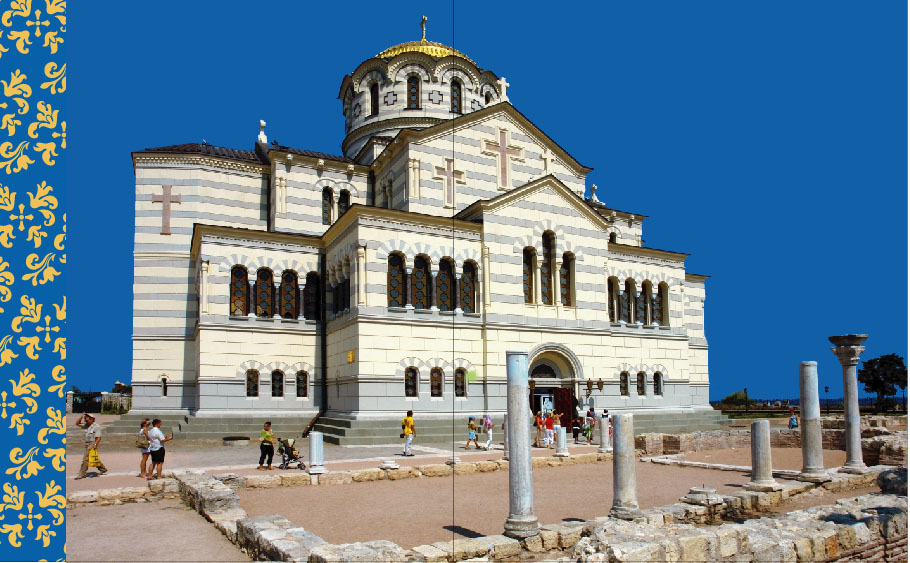
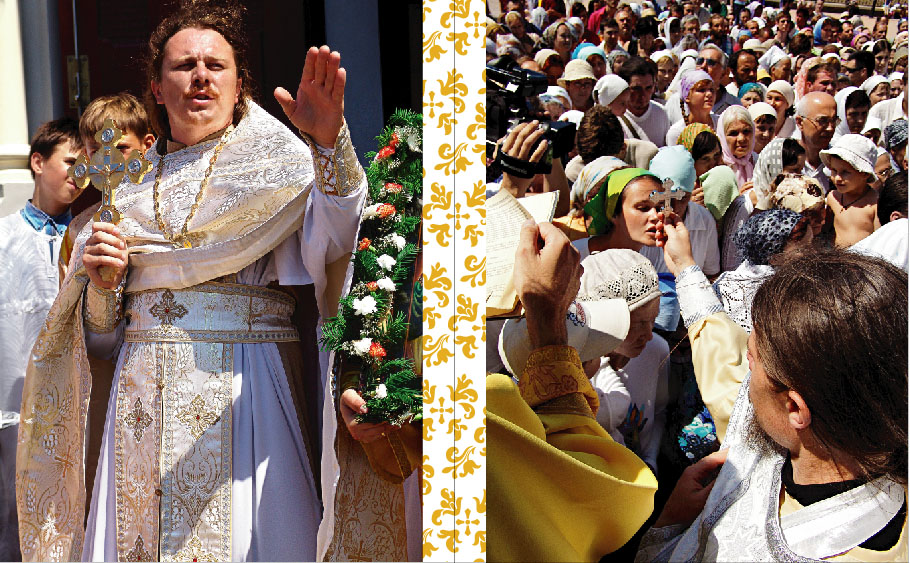
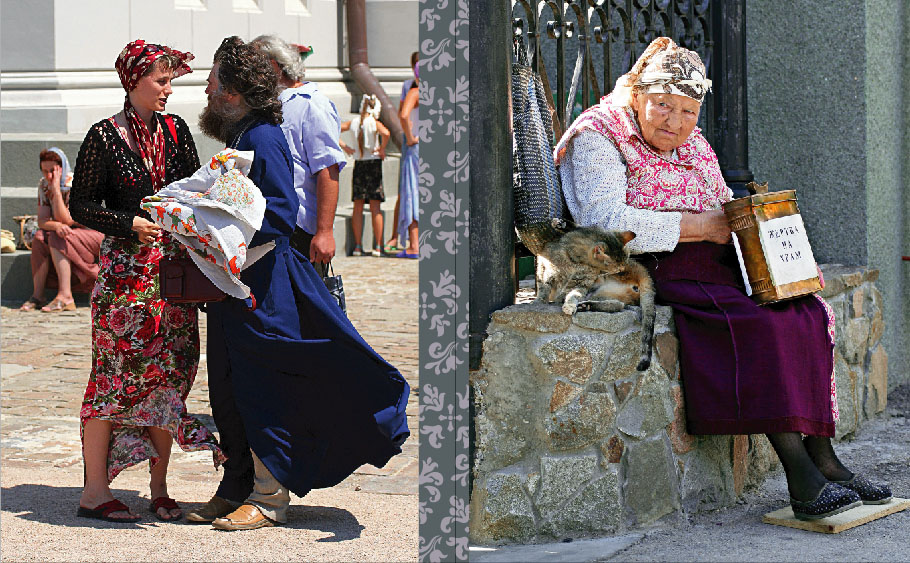
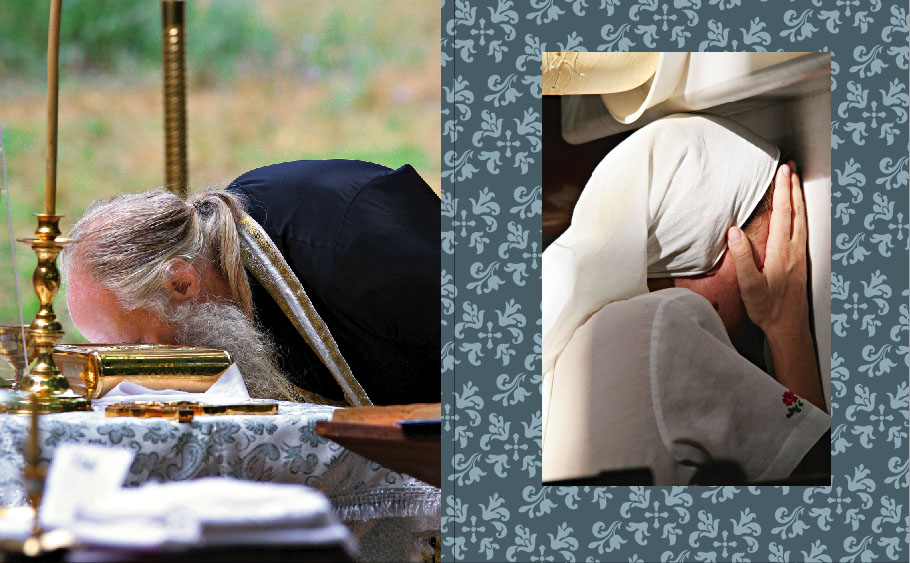
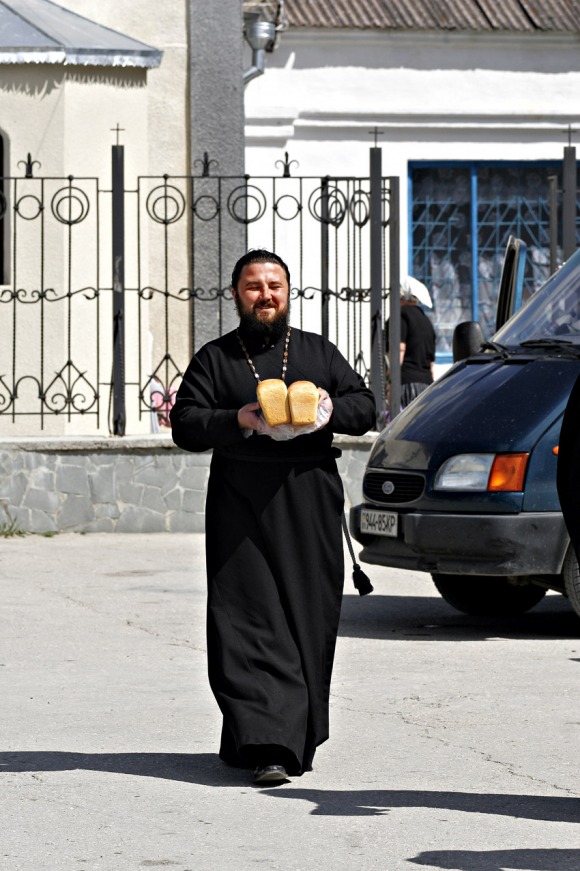
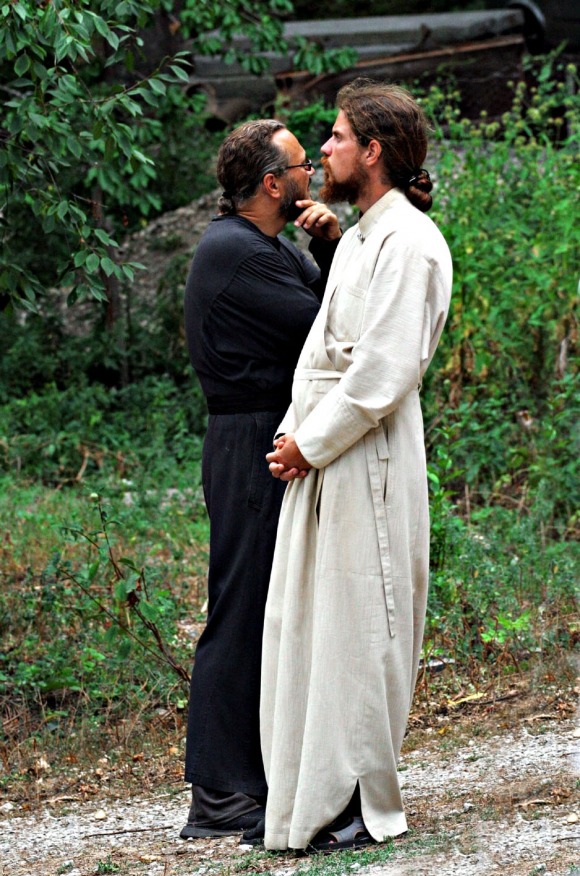
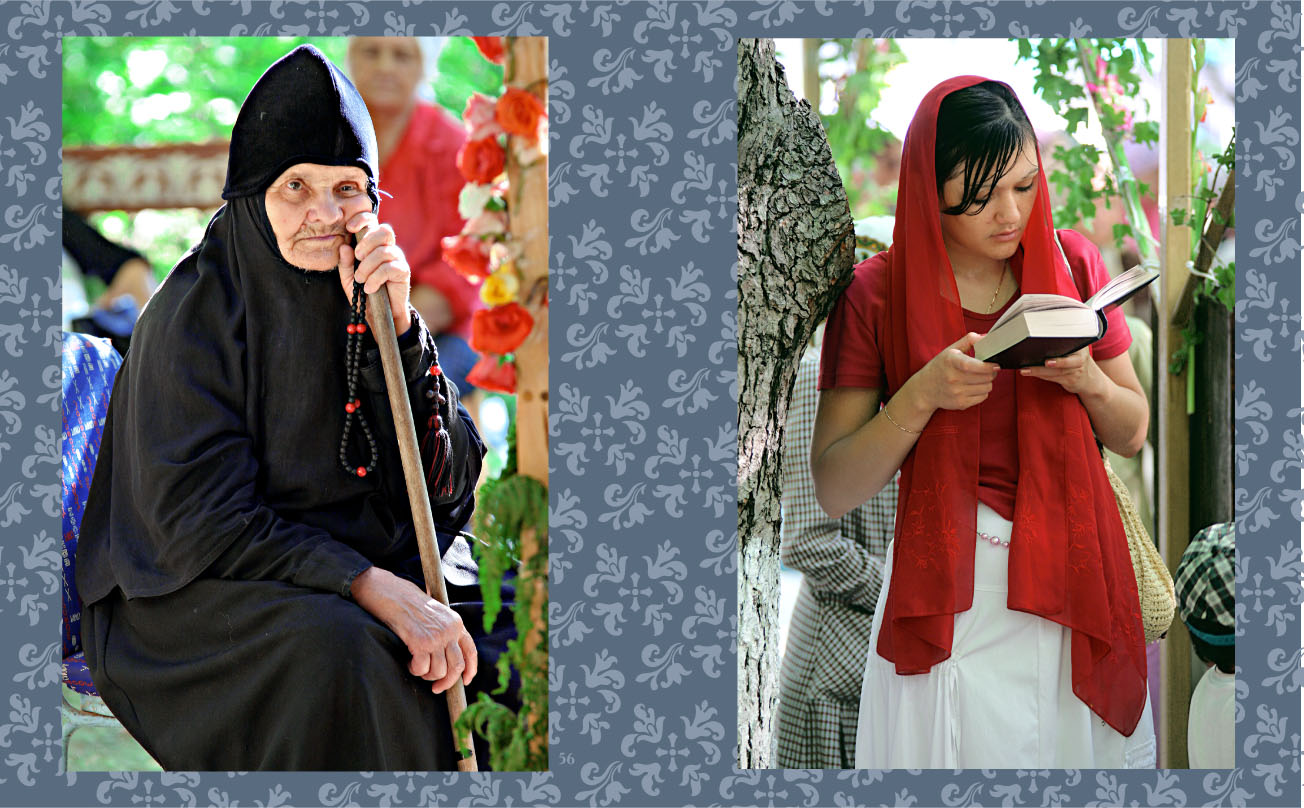
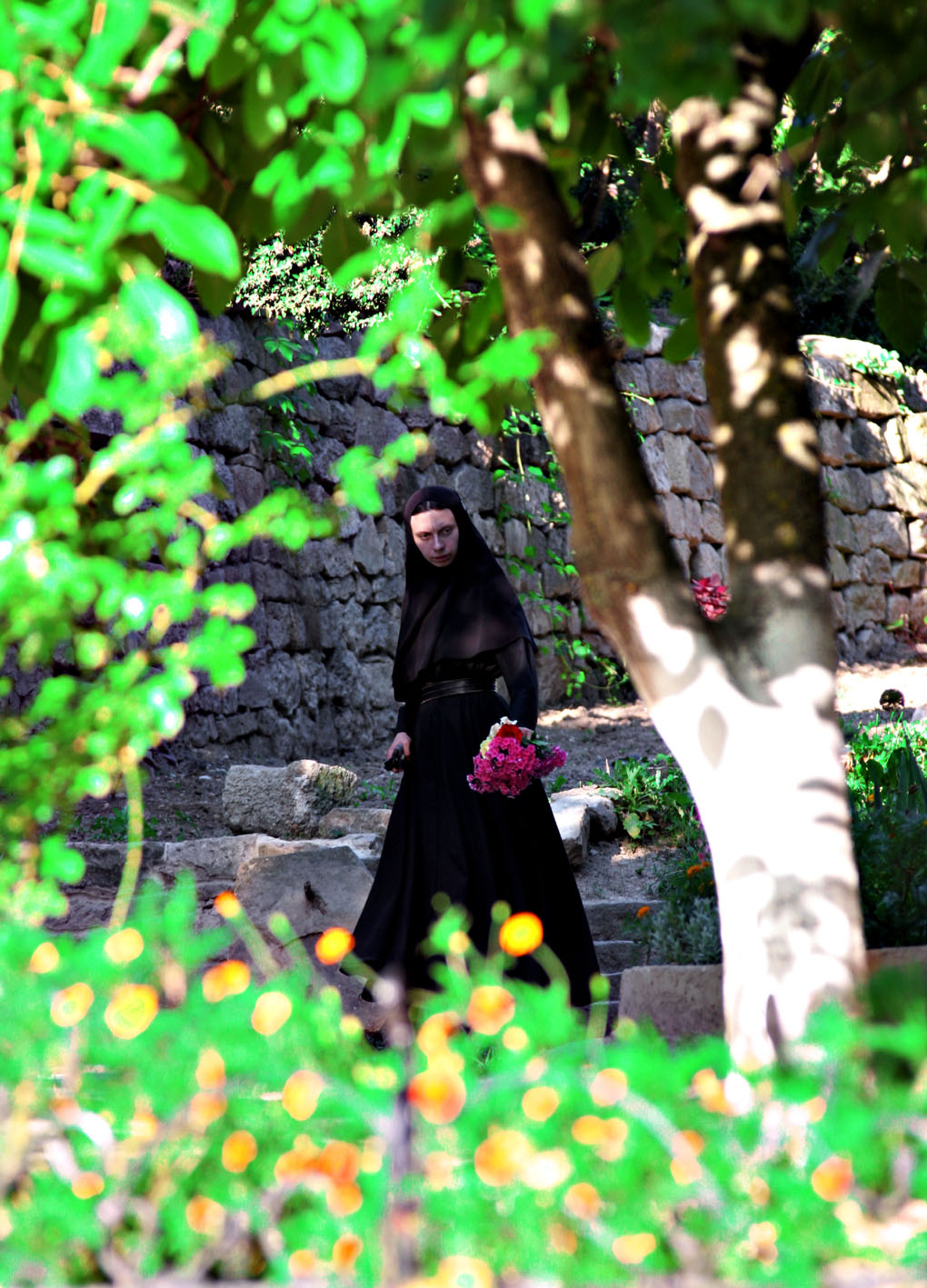
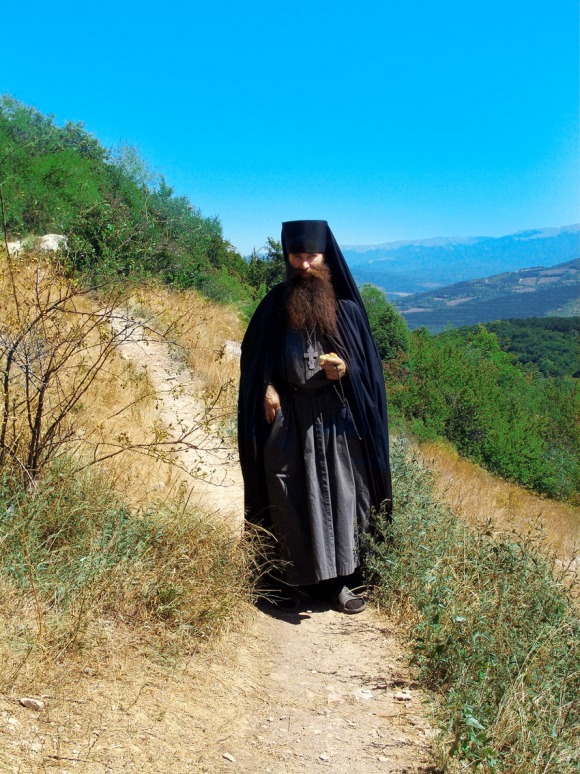
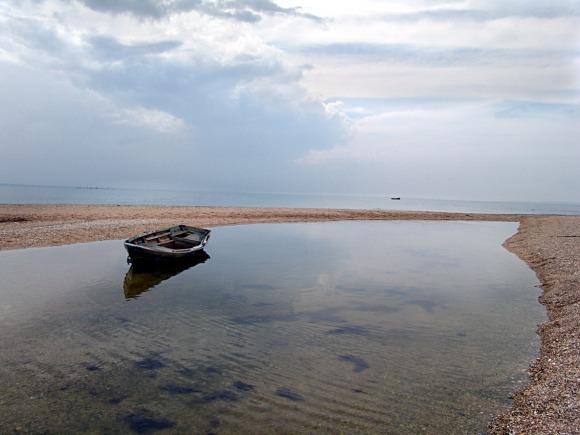
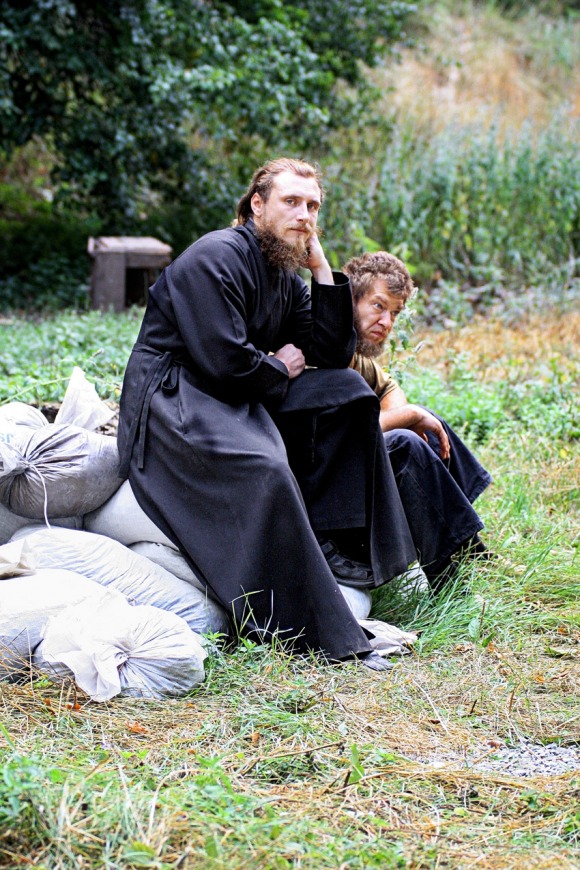
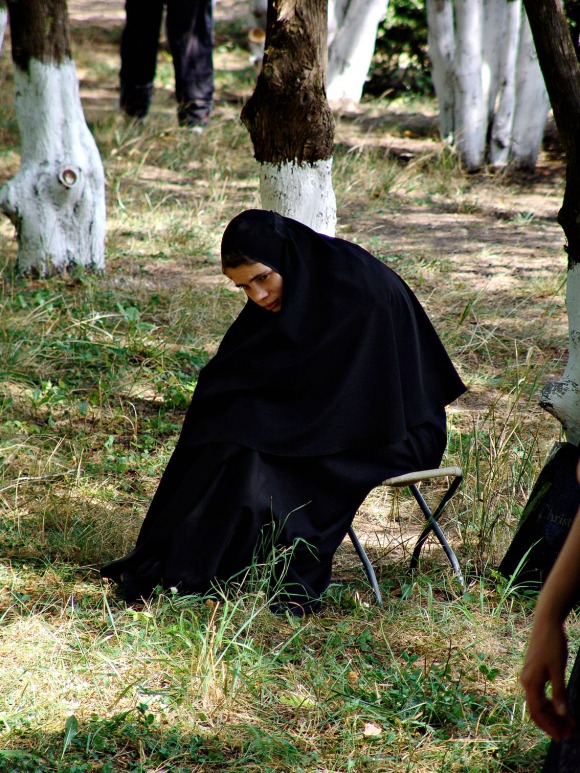
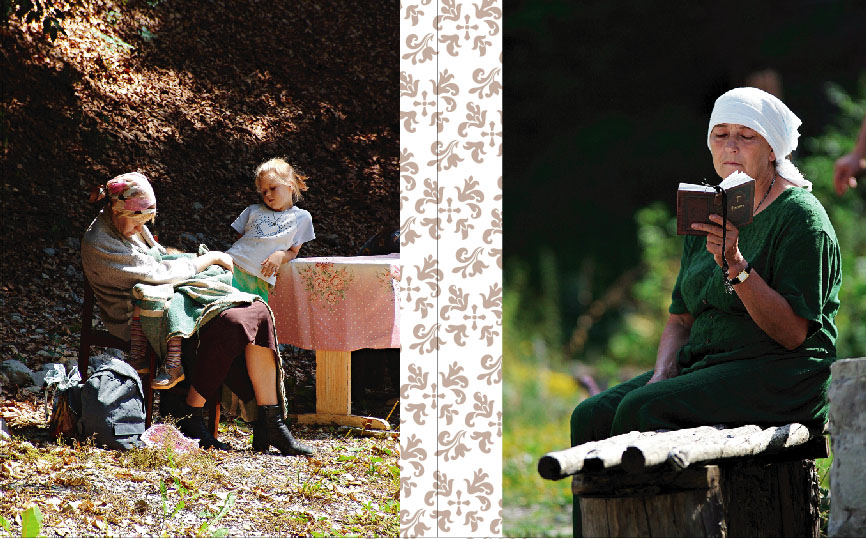
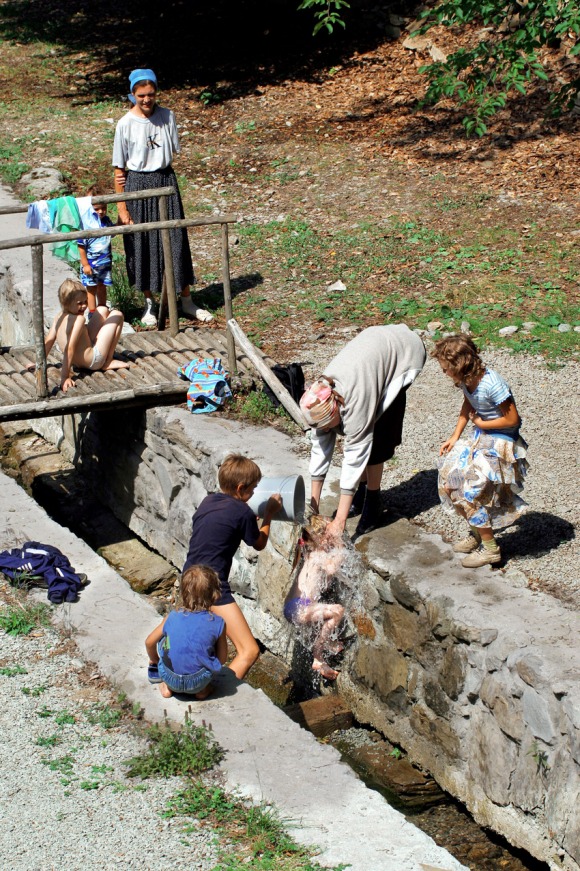
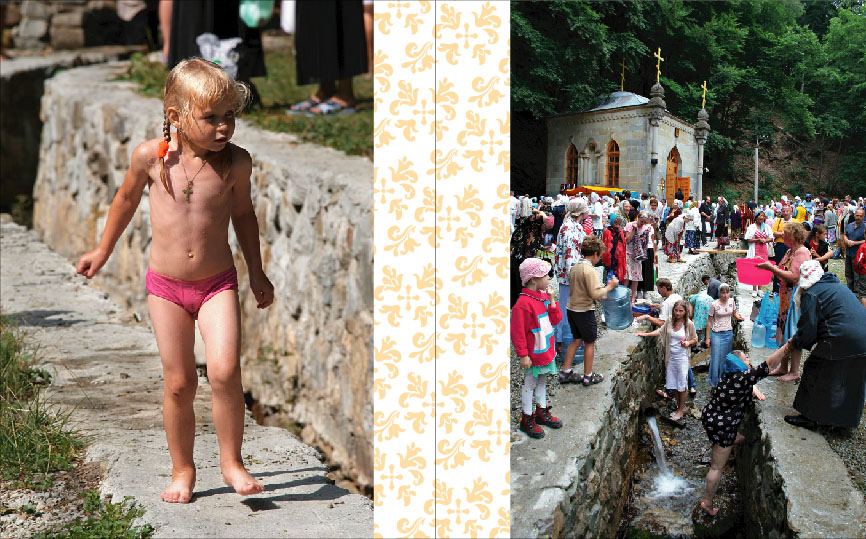
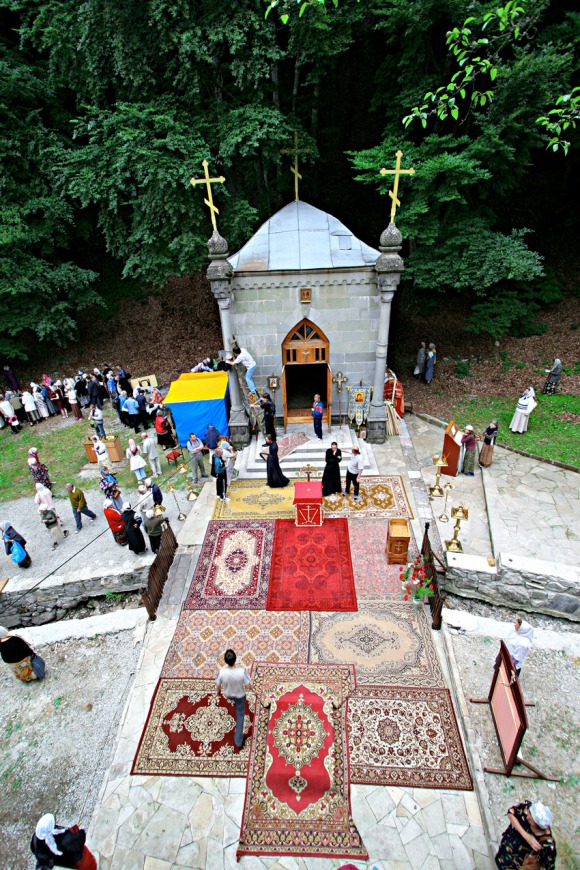
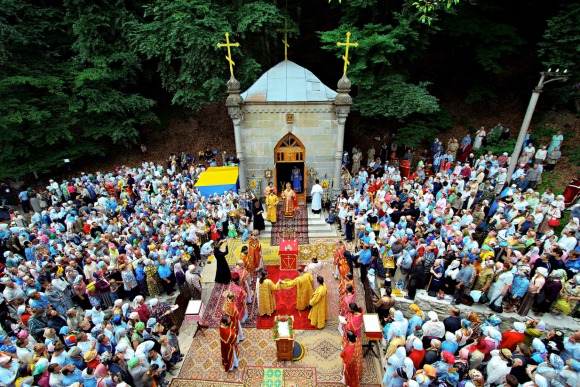
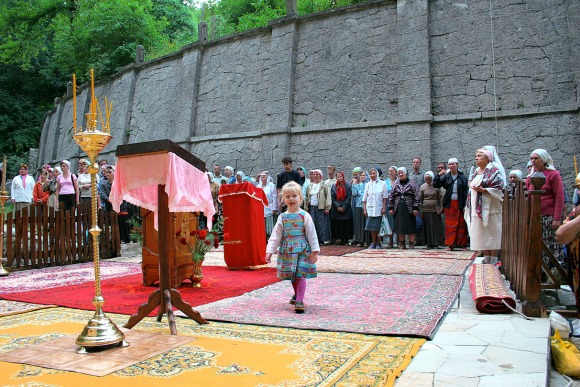
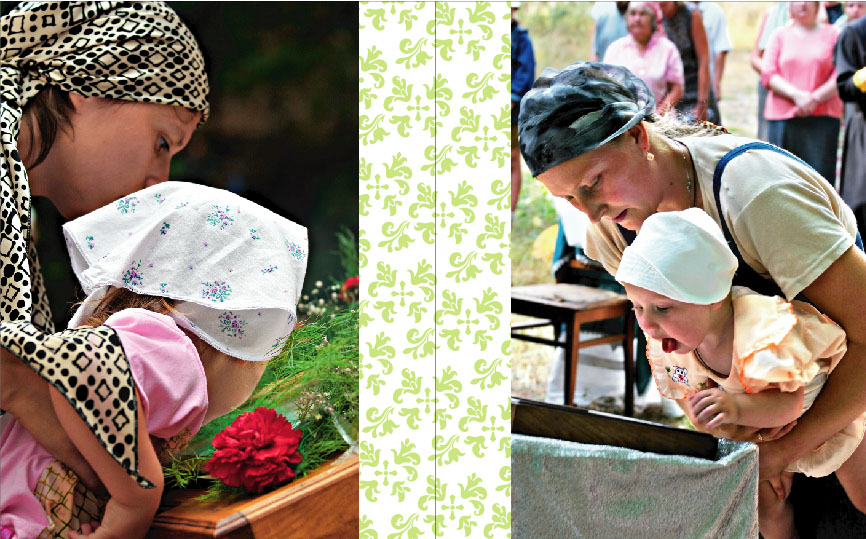
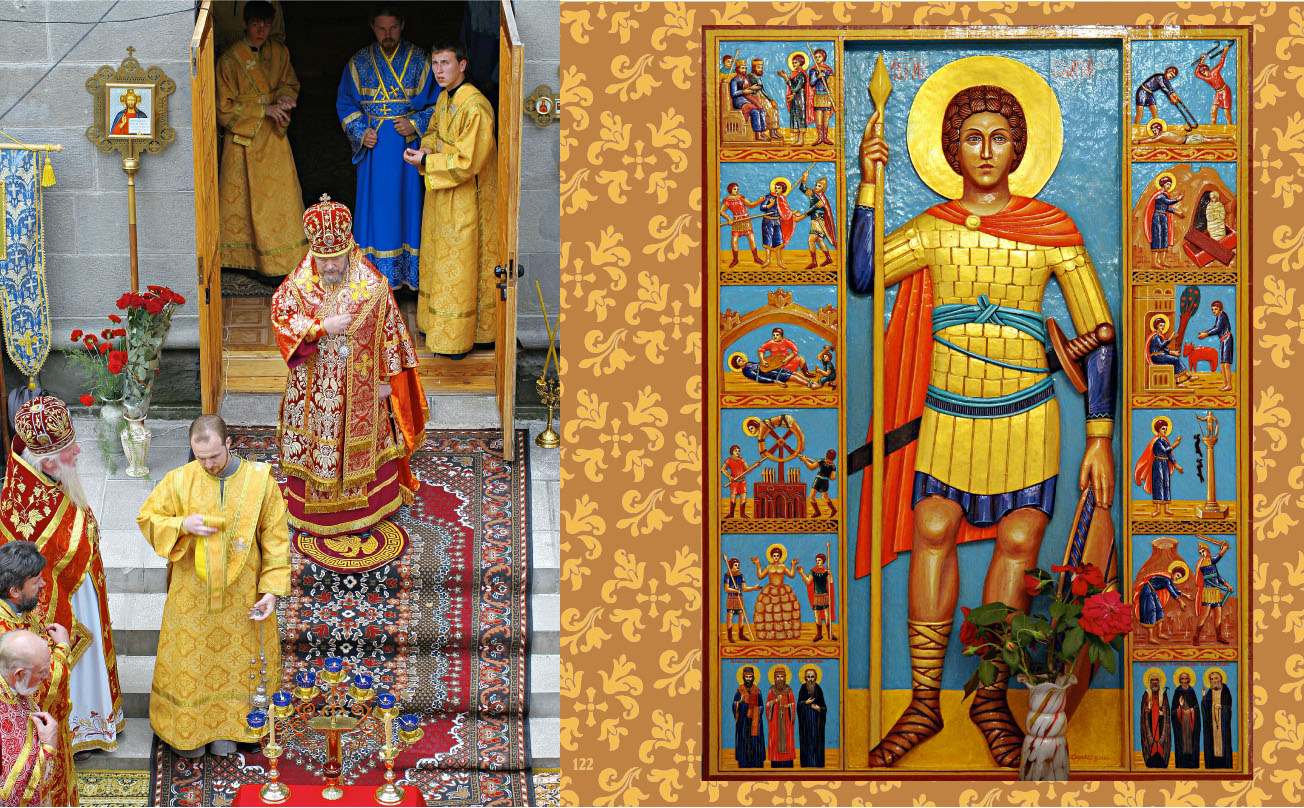
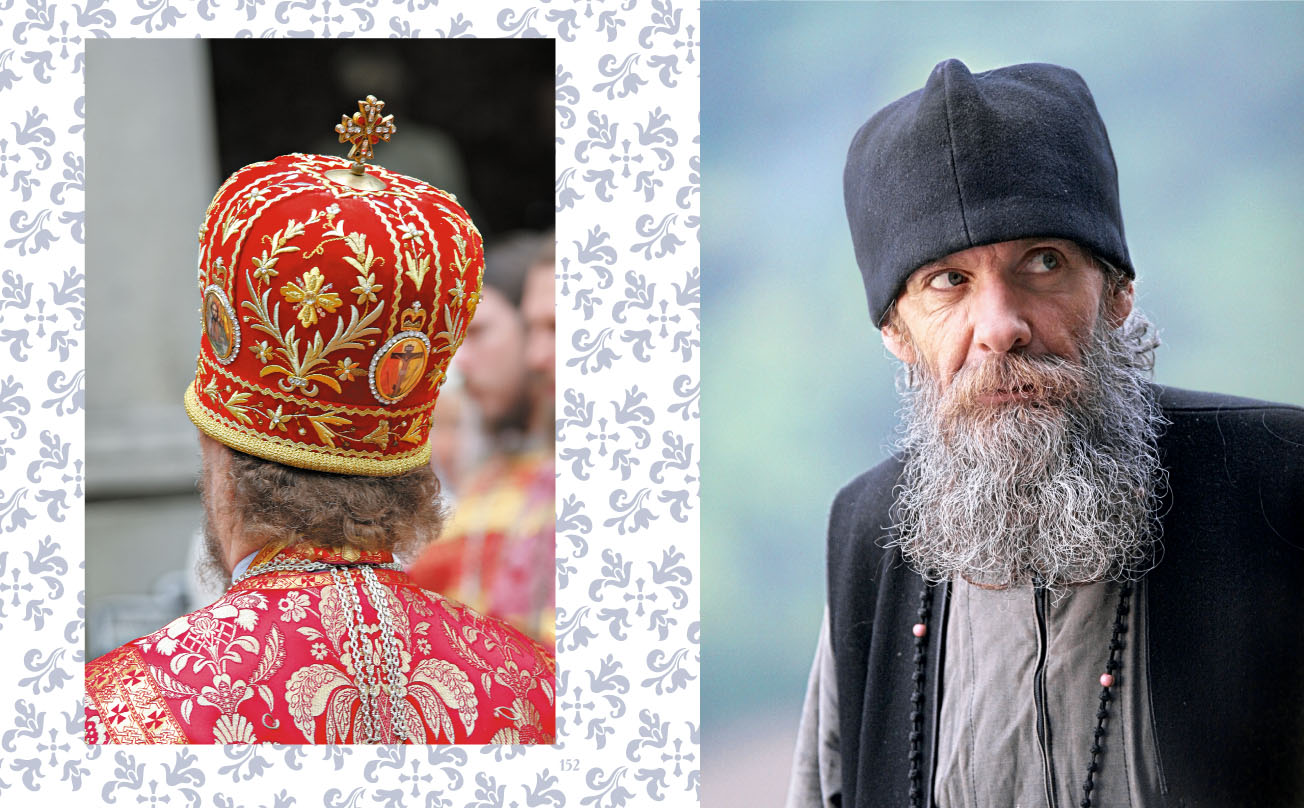
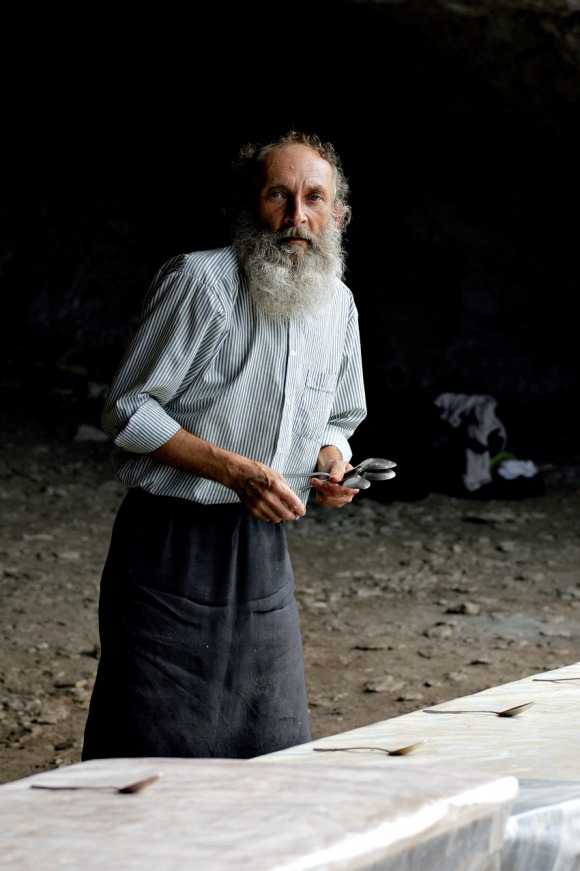
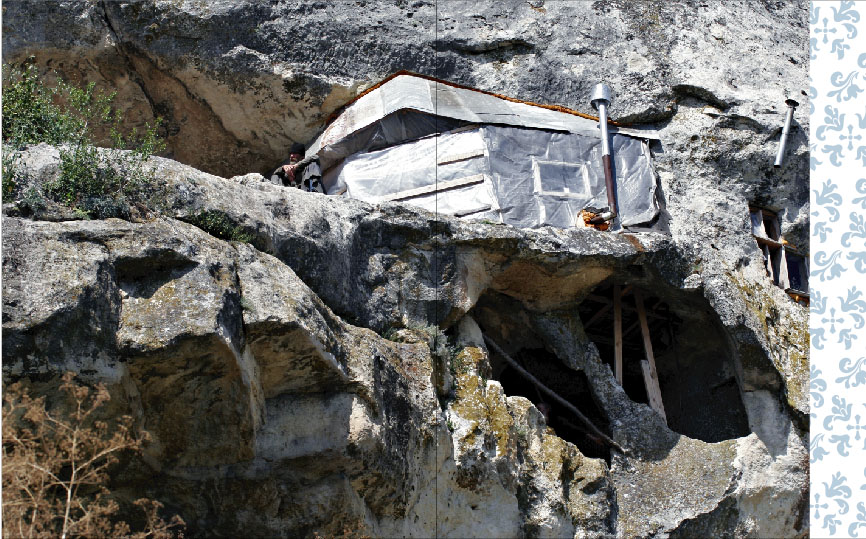
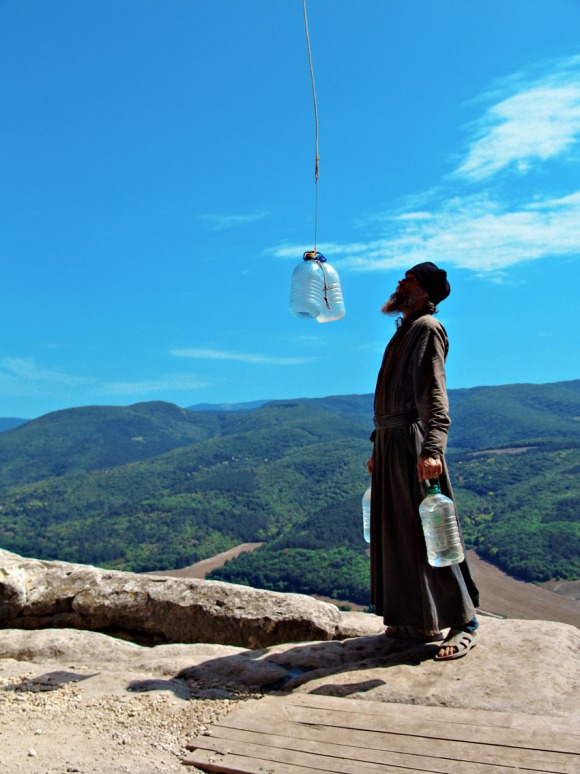
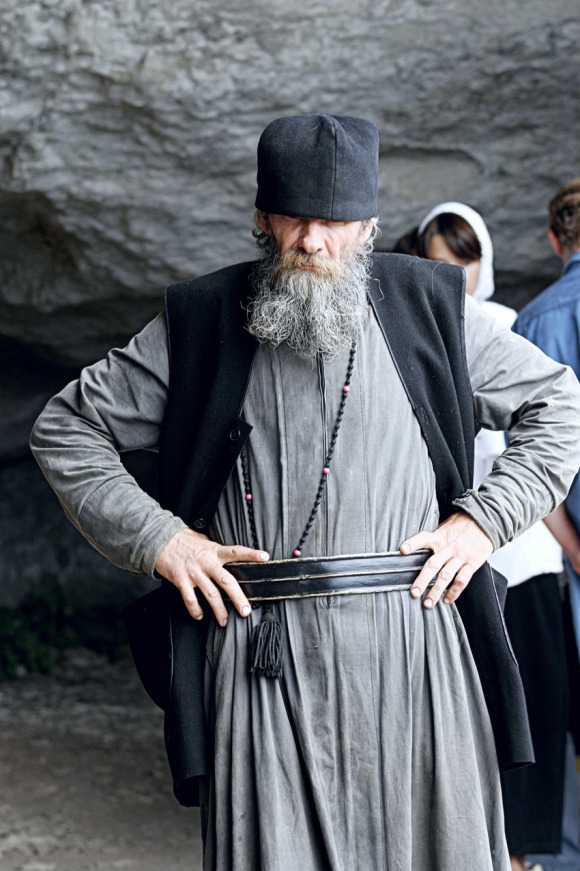
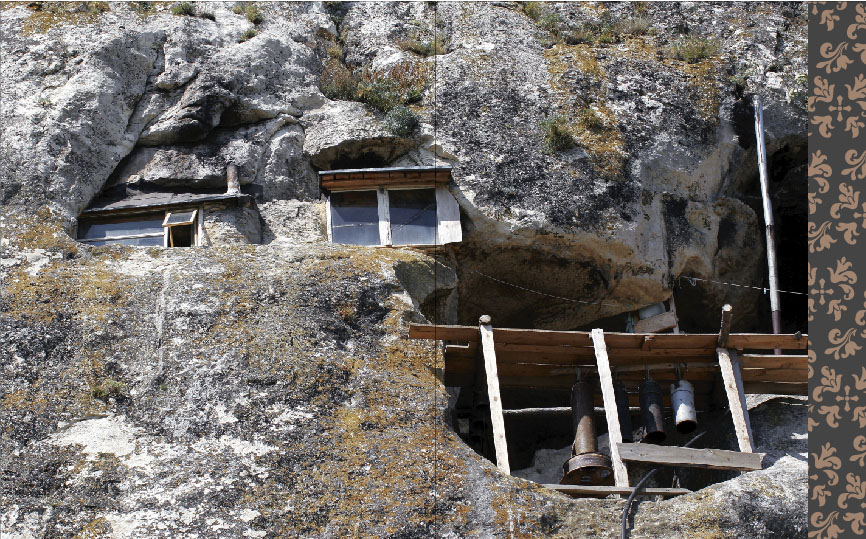
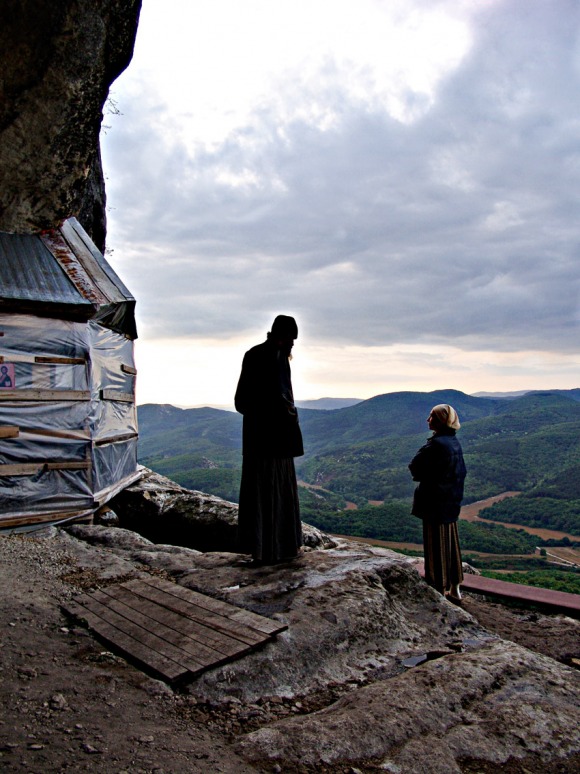
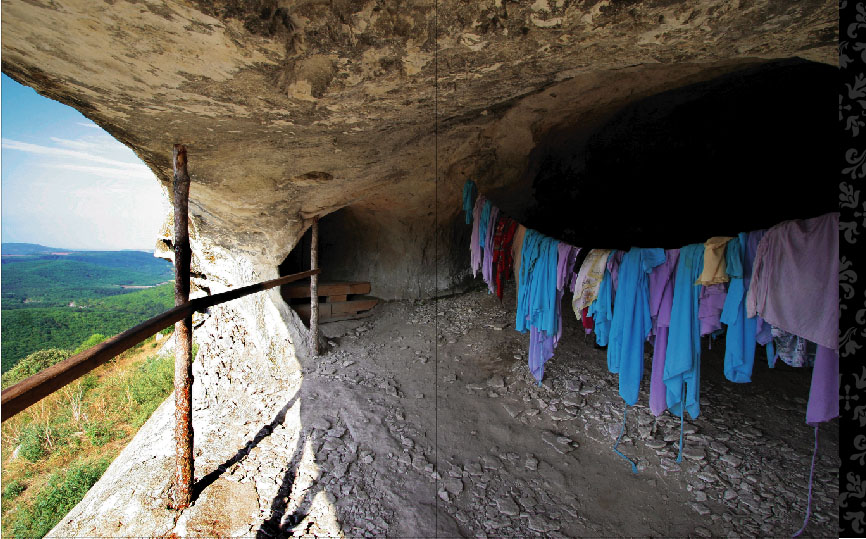
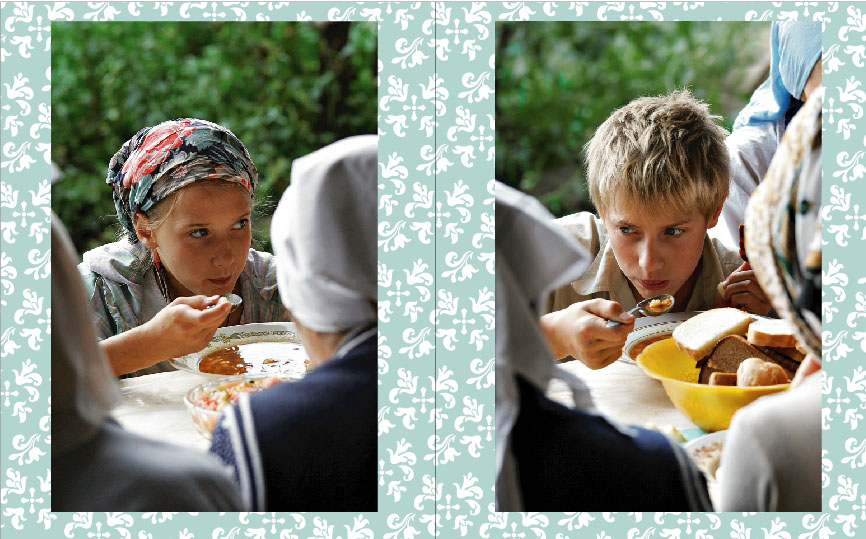
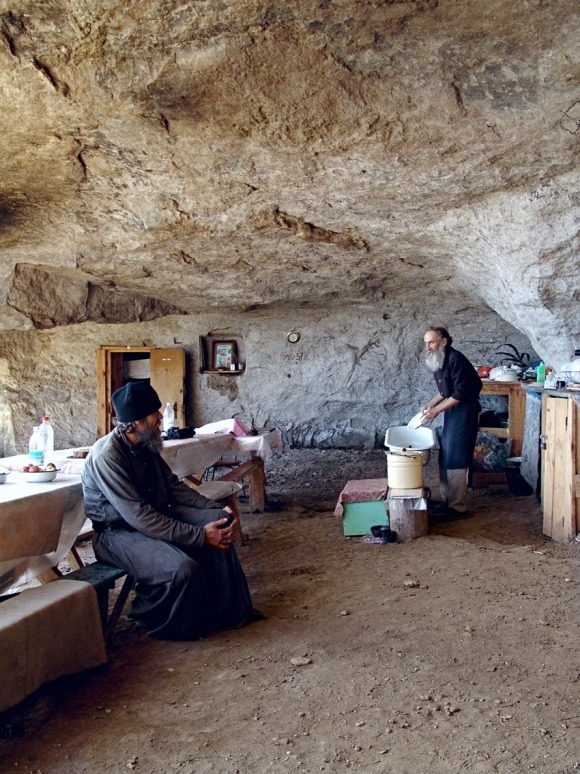
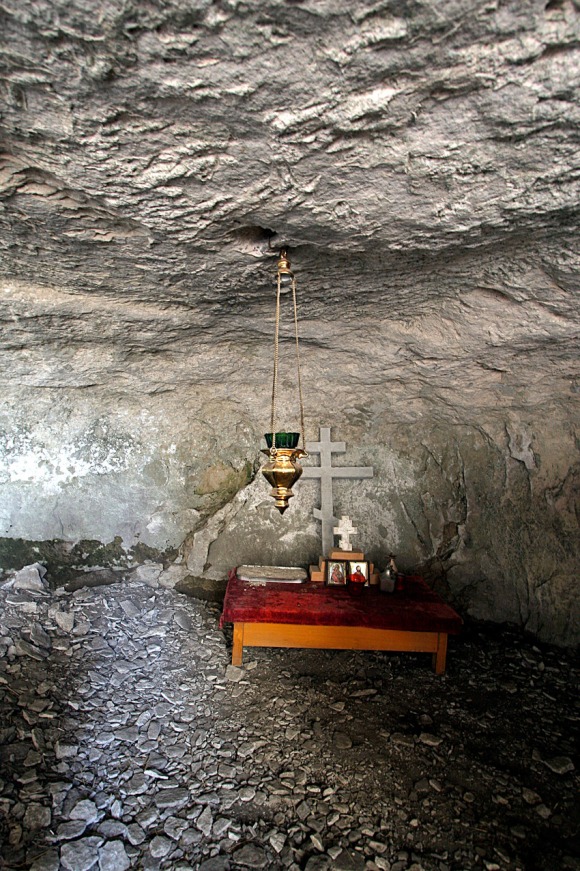
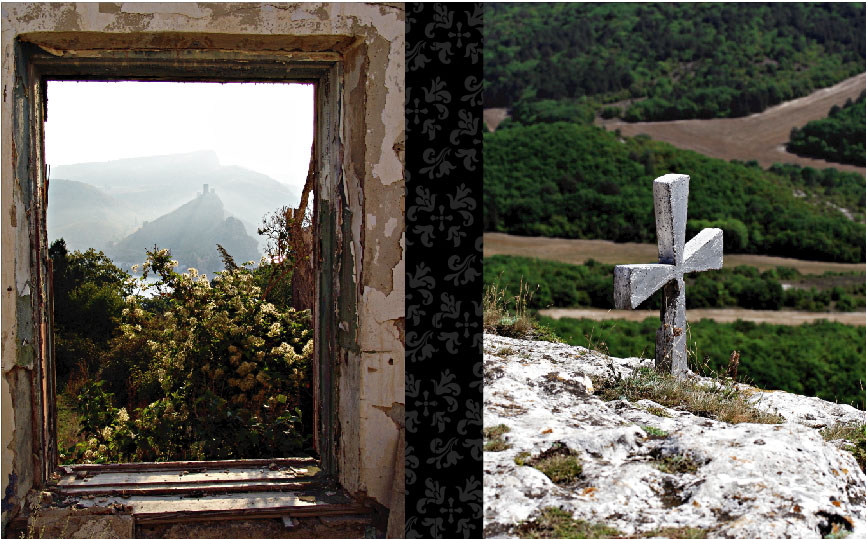
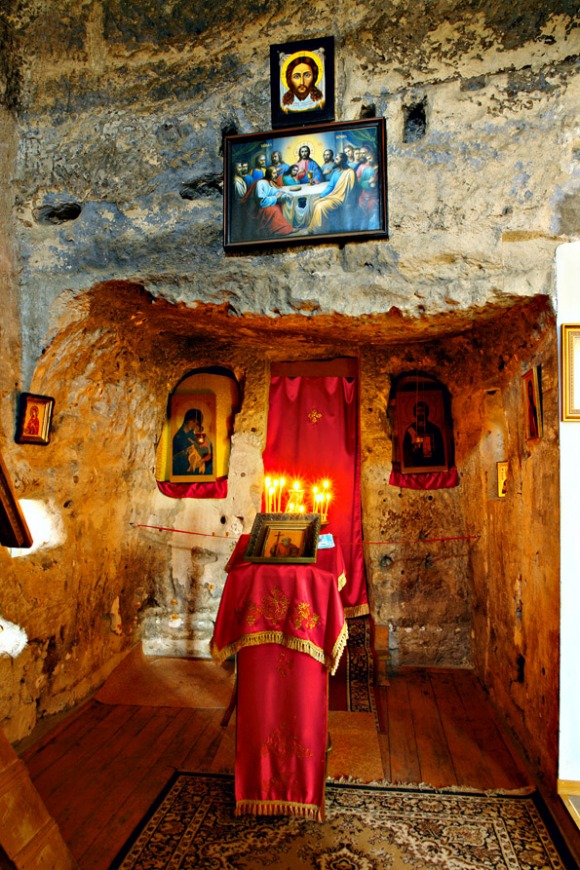
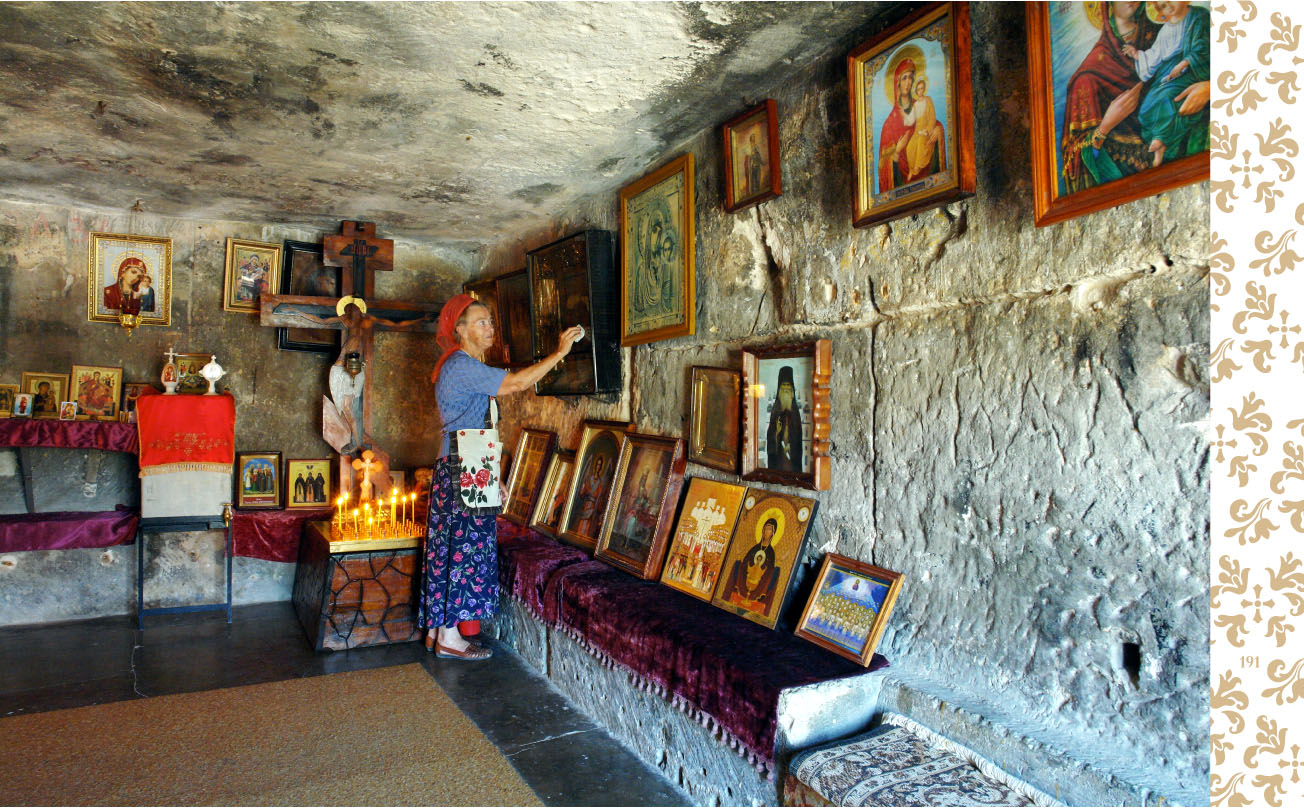
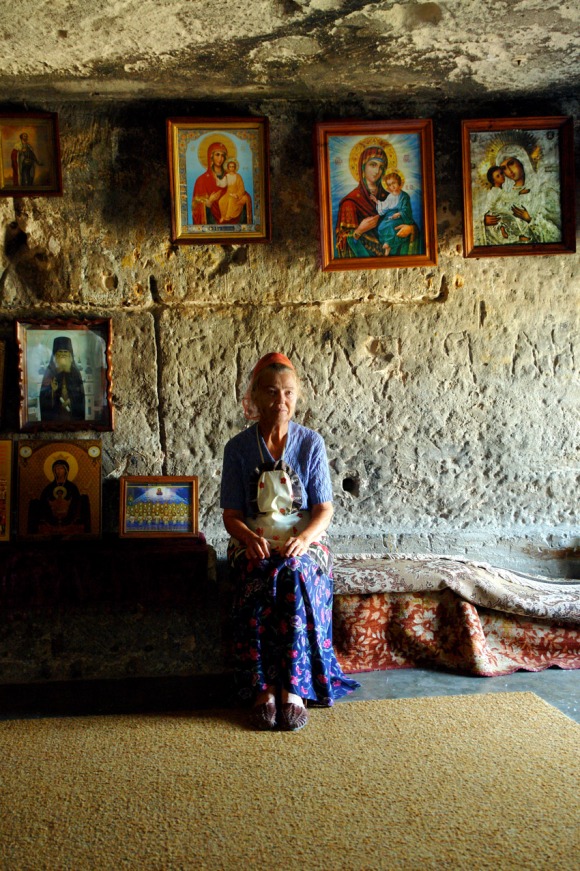
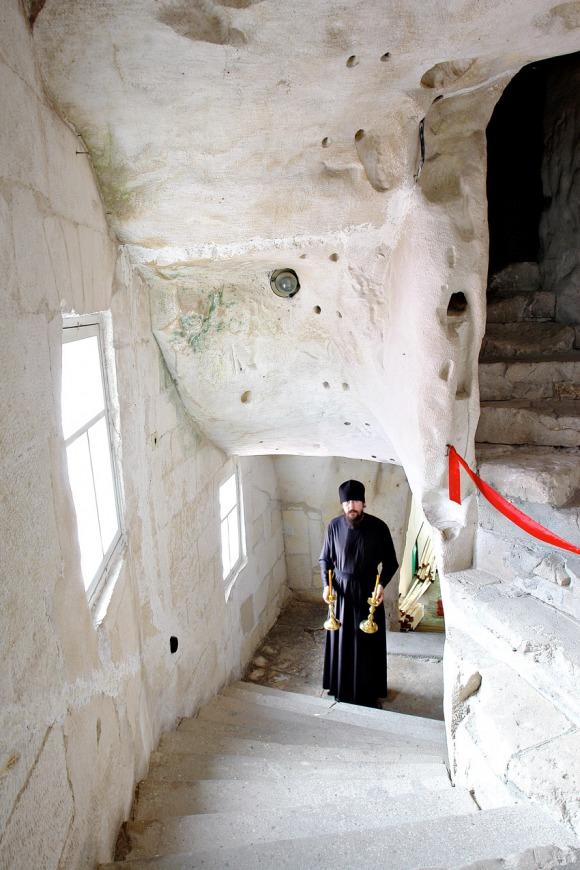
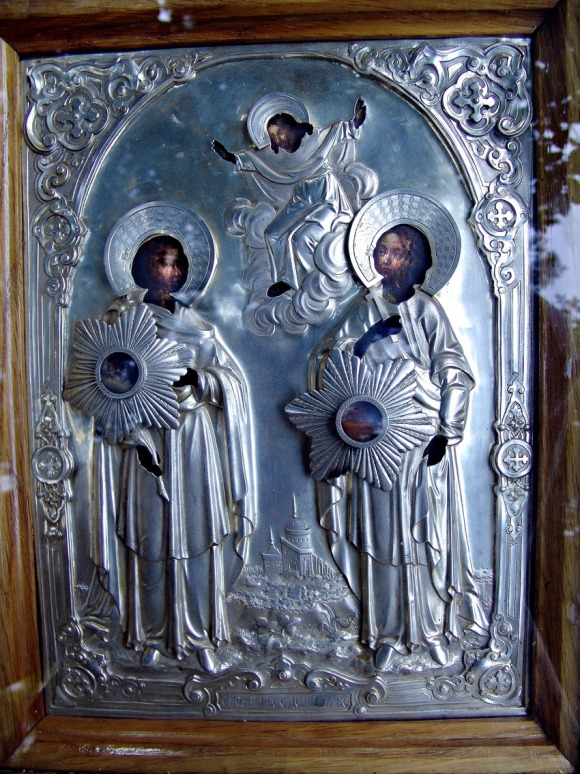
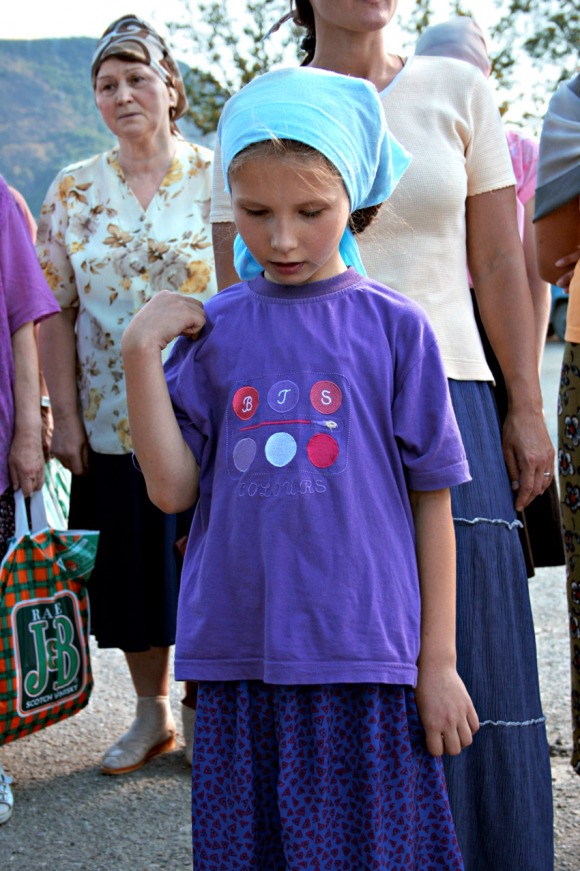
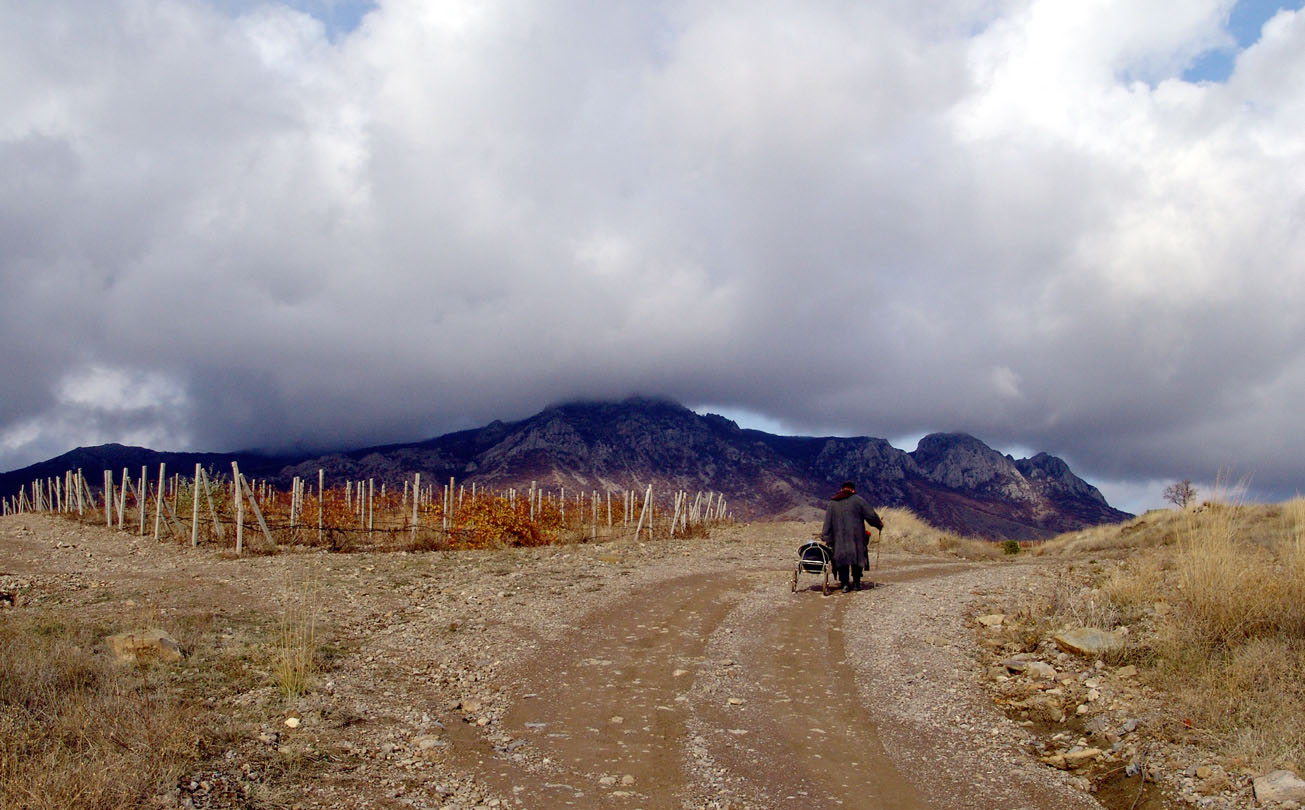
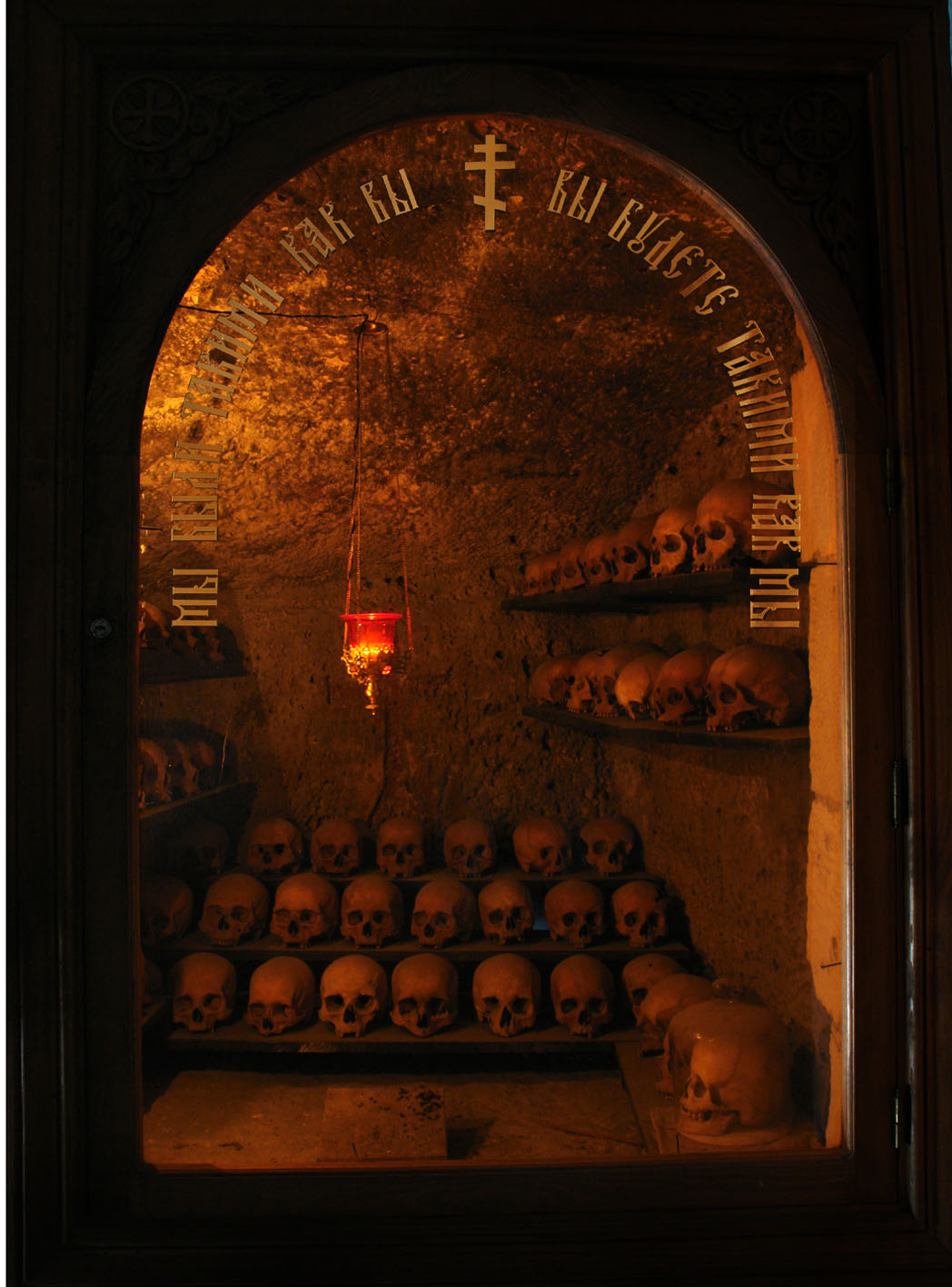
One more book that was composed but not published because of the crisis. More than 200 pages. During the composition I checked more than 15 thousand pictures. Here, of course, I can show only a part of them, and their order has also changed a bit. Locations: St. Vladimir’s Cathedral in the Chersonese (founded in 1861, restored in the 2000s); Mangup Cave Monastery (8th c.), Topolevka, St. Paraskeva Female Monastery (1864), St. Cosmas and Damian Cave Monastery (8-9th c.). I used working material, so the images come in different formats.
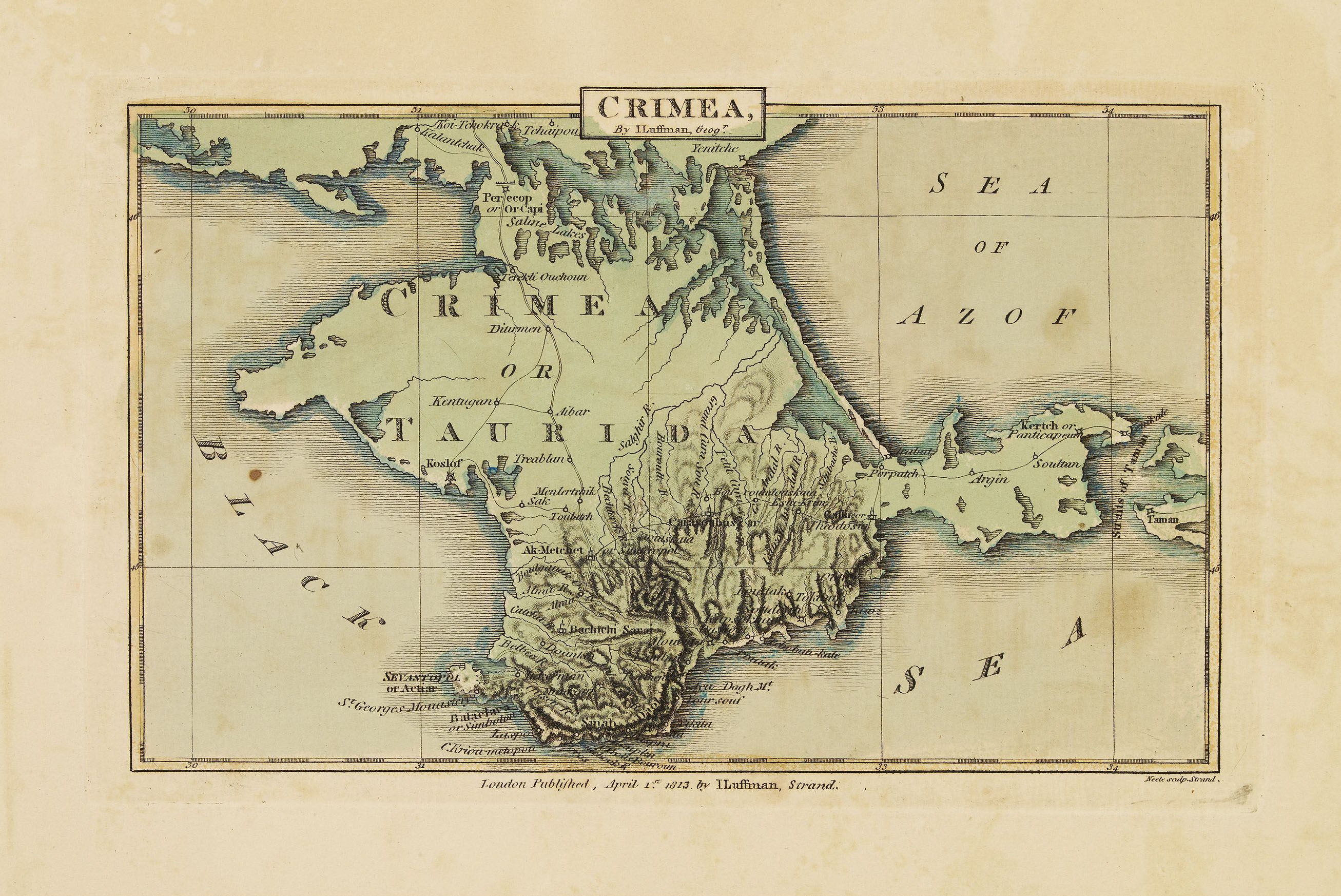
 Map of the Crimea from the atlas by J. Luffman (London 1815-1816, here in full size) with the locations of the monasteries photographed by Yuri Gladky *
The Crimean peninsula is the cradle of Russian Christianity: Prince Vladimir got baptized here, in the monastery of Kersun on the territory of modern Sevastopol in 988. The southern mountain ranges of the peninsula have been home since ancient times to many Byzantine Greek, Armenian and Russian monasteries. And although in the past century there was much destruction here as well, the monasticism has survived and is now thriving again, just as the mass pilgrimage to the several monasteries in the mountain.




 Come with us to…
 Atlantis
 Bestiary
 Bohemia+Prague
 Books, exhibitions, music, film
 Brave old world
 Caucasus
 Cemeteries
 Crimea
 Images of the East
 Lightwriting
 Lwów/Lemberg
 Mallorca
 Message on the wall
 The Museum of Propaganda
 Odessa
 Paper Museum
 Persian letters
 The Jewish heritage