
In Slovakia, a member state of the European Union which propagates the free movement of persons, goods and ideas, the government has submitted to the parliament and the parliament has accepted the law ordaining that in the official communication and in the public health and social institutions the staff can speak in Hungarian – the language of the ethnic minority which amounts to 20% of the country’s population – to the Hungarian clients only in those settlements where at least 20% of the population is Hungarian. Thus for example in many towns a Hungarian doctor or nurse is obliged to speak in Slovak to an old Hungarian patient or inhabitant of a retirement home even if this latter does not really understand anything other than her or his own mother tongue – just because out in the town there live more Slovaks than a certain number, although they are absolutely not interested in the affair between the doctor and the patient. Furthermore, in public – that is, for example in the Hungarian newspapers – only the Slovak version of geographical names can be used, although all of them has their Hungarian name which has been in use for a thousand years among Hungarians. (For English speakers: imagine that from tomorrow you can only say and write “Moskva” instead of “Moscow”, or “Österreich” instead of “Austria”.) The inscriptions of all monuments have to be translated into Slovak. Those disobeying the law
or incorrectly using the Slovak language are penalized 5000 – five thousand – euros.
I could not pick out from the law whether it only limits the use of Hungarian language. If yes, then this is a linguistic discrimination that is unparalleled in the EU (as if for example in Madrid clerk and client were allowed to use any language in which they understand each other,
except for Catalan). If no, then the case is that in Slovakia a post-office employee or a ticket agent can be legally fined five thousand euros for having given information in English to a Western European tourist.
Some apparent protestation can be perceived on the Hungarian side, but this is all the same. Either the law will remain, or it will be revised by the European Union – for example on the basis of the
European Charter for Regional and Minority Languages, also accepted in 2001 by the Slovakian parlament –, the present nationalistic Slovakian government has attained its object anyway: they have confirmed the sympathy of their nationalist voters for the approaching elections.


If you cross the Slovakian border at Ipolyság and go ahead on the Korpona-Zólyom-Besztercebánya main road, after thirty kilometers, at Hontnémeti you have to turn to the left in the direction of Selmecbánya.
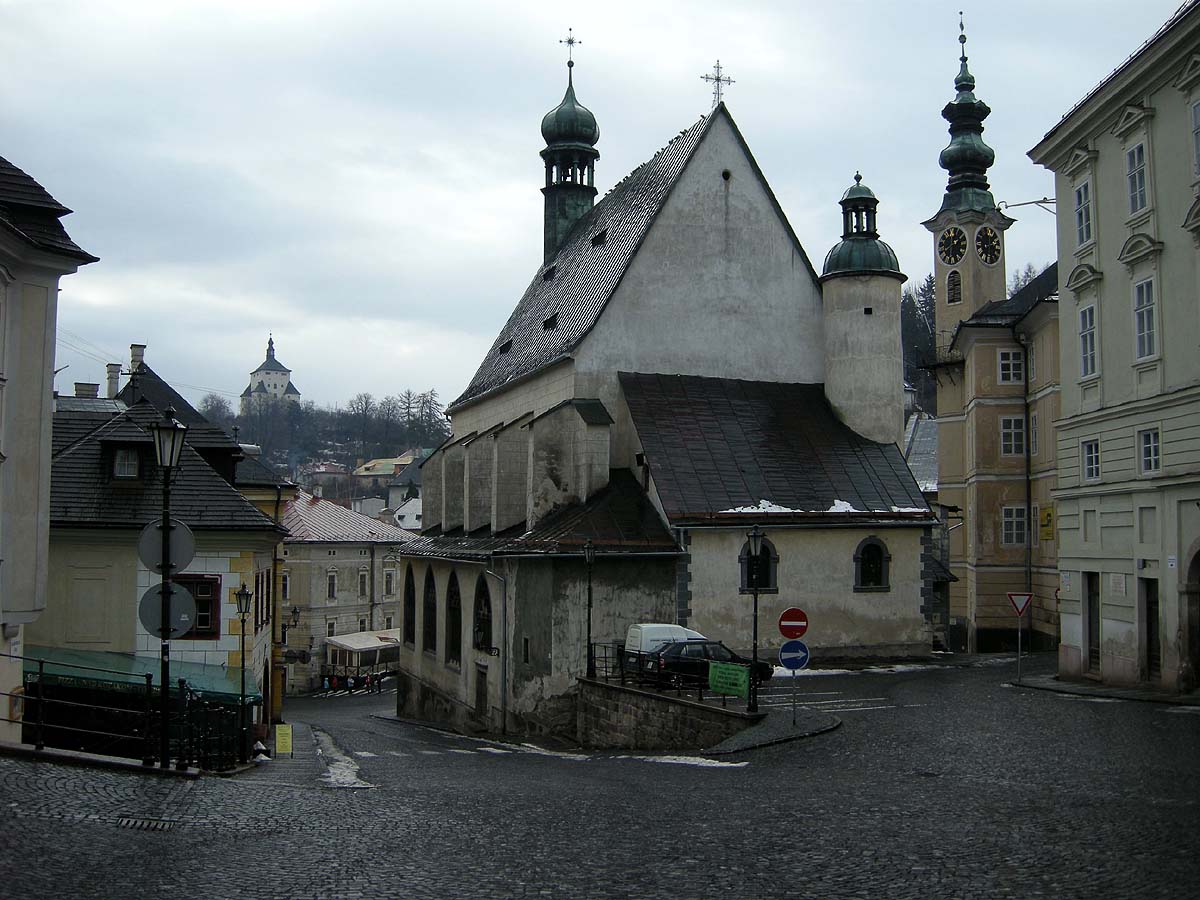
The road meanders in the romantic valley of the Selmec stream, passing through Berencsfalu and Szentantal in whose Baroque Koháry Castle the Bulgarian tsar (grandson of the King of Portugal and great-great-grandchild of the last Koháry) lived till 1918, until it finally arrives to the captivating medieval town of
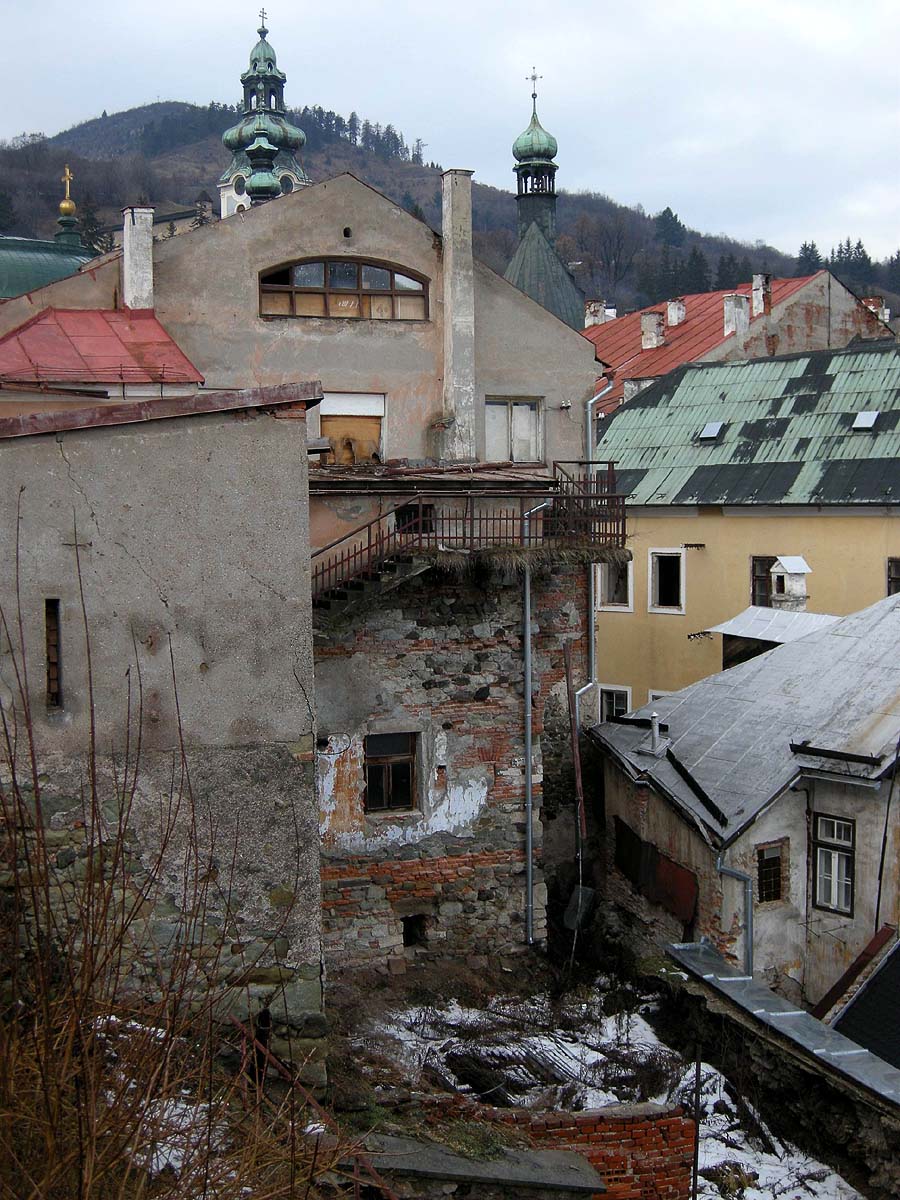
Selmecbánya, built in a deep valley basin, above – and from the opulence of – the richest gold and silver mines of medieval Europe.
The beautiful road passes among high mountains, closely following the stream, flanked here and there by a cross or a stone. I remember when, passing here for the first time by bicycle as a teenager, night fell on us after Berencsfalu, and in the dark we looked for a place to stay on the other side of the stream. We set up the tent among large stones. Only in the morning we discovered that we had slept among Jewish tombstones. Since then I wish to find that place again.

In Berencsfalu and Szentantal the roadside monuments multiply: John of Nepomuk, Florian, Mary, Rochus, Trinity, most of them due to the piety of the Koháry family. From 1629 the Kohárys were the landlords of this region and its protectors against the Turks. The most illustrious member of the family,
István Koháry (1649-1731) even suffered prison as he refused to render the castle of Fülek to the Turk. In the solitude of his three years of imprisonment he became a poet, and a good one at that.

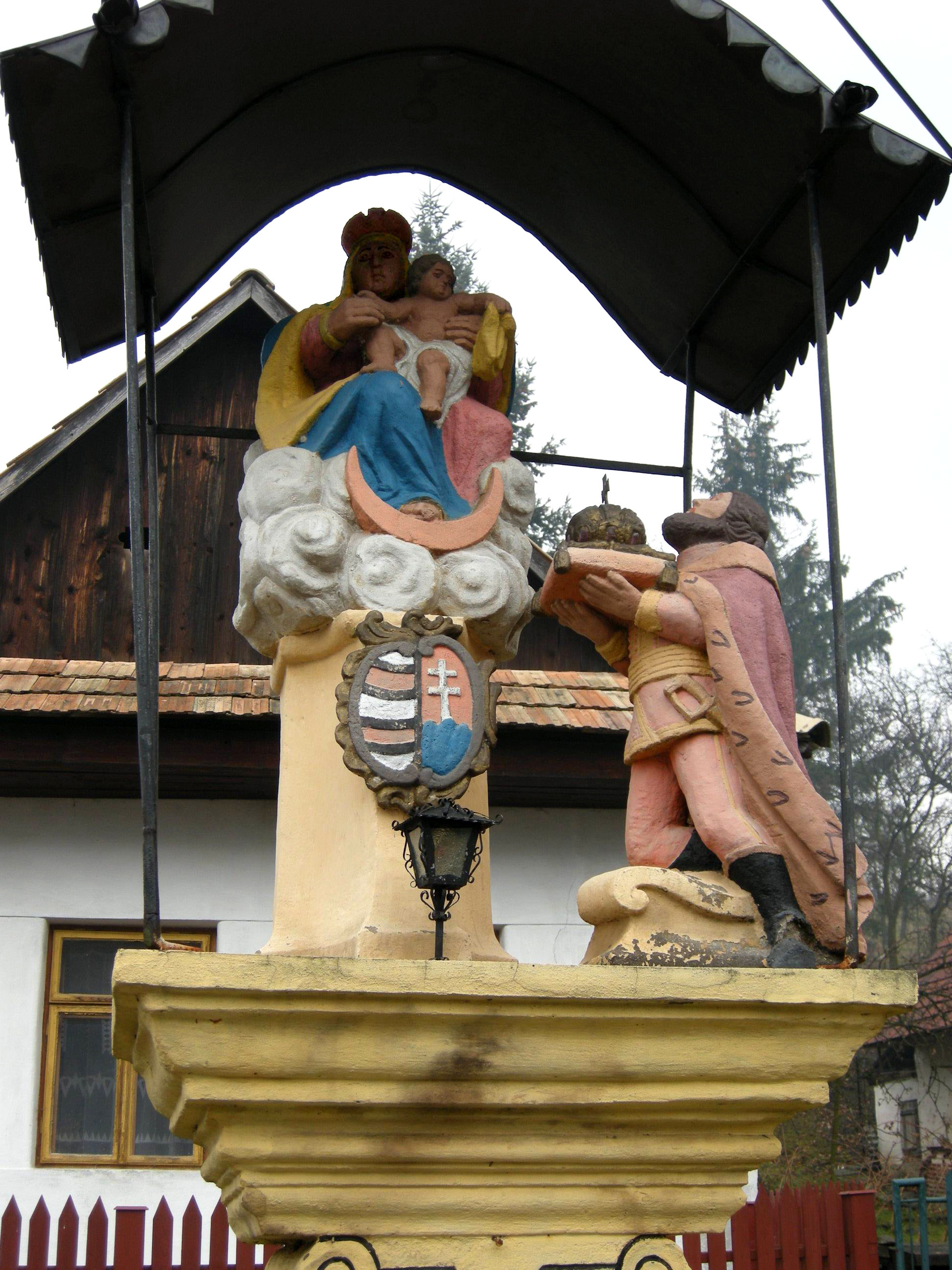
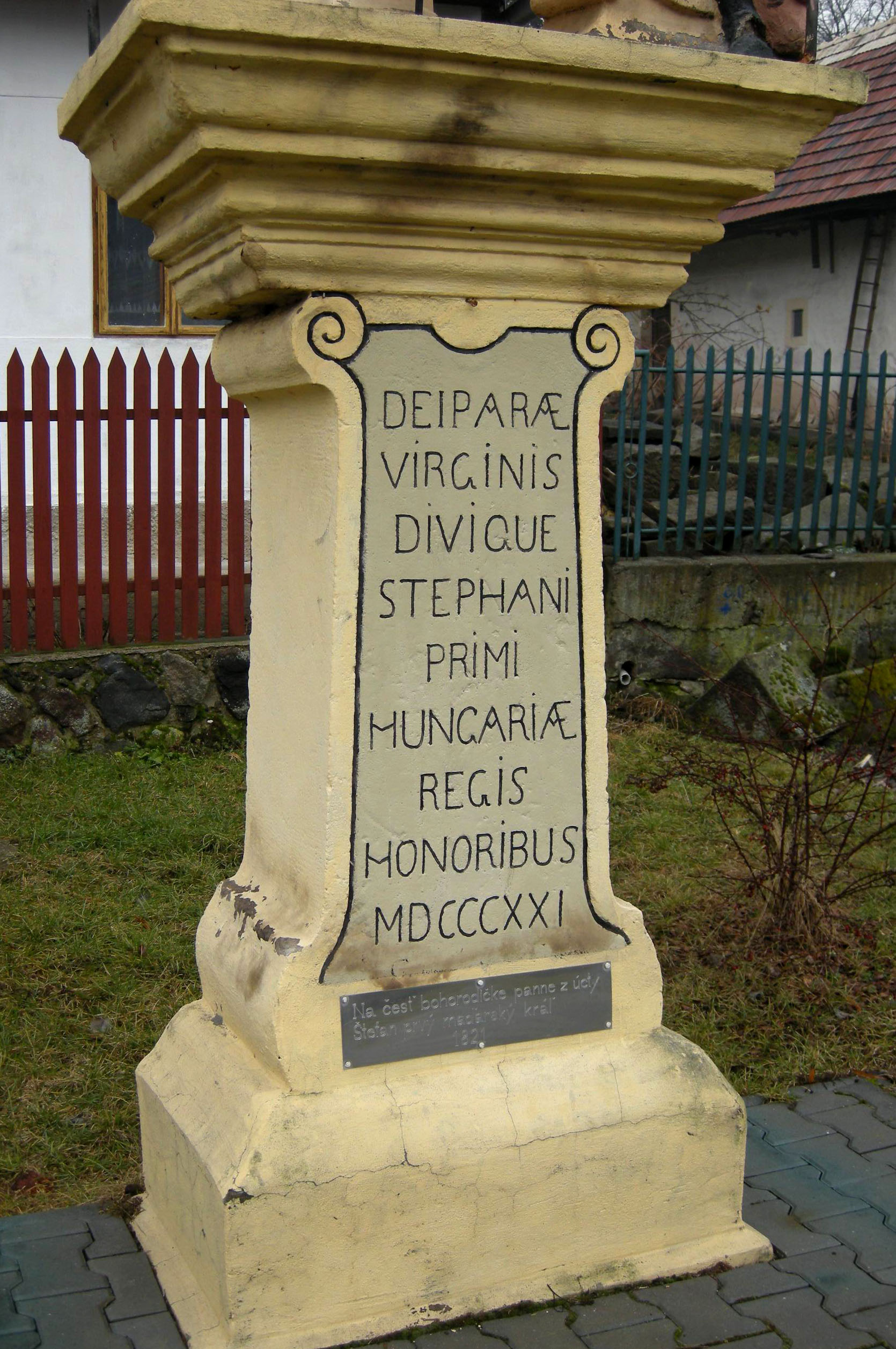
The first statue we encounter as we arrive to Berencsfalu represents the well known scene of the official legend of
Saint Stephen, first King of Hungary and founder of the Hungarian state, when the old King after the death of his only son offered his crown and country to the Holy Virgin, who is sitting here enthroned above the Hungarian coat of arms and trampling the Turkish half moon under her feet. This scene that had been represented since the 12th century gained great popularity from the 17th century onwards and was the theme of several altarpieces and literary works. As a free-standing sculpture, however, it is absolutely unique. According to
Ernő P. Szabó, the Berencsfalu statue was also the copy of an altarpiece, that of the Koháry chapel in the neighboring Szentantal.

The inscription of the monument is:
“In honor of the God-bearing Virgin and of Saint Stephen, first king of Hungary, 1821”. The
Deipara, that might sound unusual to the readers accustomed to Classical Latin, is a loan translation of Greek
Θεοτόκος, “God-bearing”, which is not only an
epitheton ornans, but the Virgin’s “official title” since the Council of Ephesus in 431 in opposition to the Nestorian standpoint, according to which Mary was only the mother of Christ’s
human nature. And the attribute
Divus, “divine” of Stephen was a favorite synonyme for
Sanctus in the humanist Latin of the Renaissance and Baroque period.
On the pedestal of the statue, like a preparation for the new law on language use, they have also fixed a Slovak translation of the inscription. This, however markedly differs from its original not only in the quality of its material and making, but also in its text.

In fact, the Slovak text sounds like this:
“In glory of the God-bearing Virgin, out of honor. Stephen, the first Hungarian king, 1821.” However short this text may be, the translator succeeded in committing four errors in it, an achievement that already deserves credit.
The first error is that he rendered the word “honor”
(honos) with two synonyms
(česť, úcta), although this was syntactically absolutely not necessary: it is obvious that this “out of honor” is a mere complement added to end of the phrase. The probable reason is that while in Latin the construction “in honor of” is always in plural by convention
(honoribus), the translator, ignorant of the reason, tried to render the plural with a duplication of the Slovak equivalent.
The second error is that while the two Latin genitives make it unambiguous that the statue was set up in honor of the Virgin
and Saint Stephen, according to the Slovak text it was erected only to the Virgin, and namely by none else than King Stephen (997-1038) himself – in 1821!
The third error is that the adjective “Saint” falls off before the name of Stephen. Either because the translator did not understand the humanist
divus, or because he did not consider Stephen, King of Hungary worthy of this qualification.
The fourth error is that in the Latin Stephen is “King of Hungary”, while in the Slovak “Hungarian king”. This difference is much greater in Slovak than in English. Pre-1918
Hungaria was a multinational state, whose various ethnic groups before the rise of 19th-century nationalisms declared themselves, for example in the registers of foreign universities, for
hungarus, at best adding their mother tongue:
sclavus. The Czech and Slovak languages use a special term for this historical country and identity:
Uhorsko and
uhorský, and they call only post-1918 Hungary and people of Hungarian mother tongue
Maďarsko and
maďarský. Calling Saint Stephen a
maďarský kráľ instead of the correct
uhorský kráľ (as it is used in every Slovak historical texts,
for example here) is just as much an anachronism as the statement that the statue was erected by him – in 1821.
The trend of the translation errors is clear. As the leader of the Slovak nationalist party Ján Slota styled a
“clown on horseback” Saint Stephen, who is also revered by the Slovaks as their first saintly king as it is attested by hundreds of Slovakian altarpieces and prayer books, so the translator would like to kick him out of the nine hundred years old common Slovak-Hungarian history. Let him not be
uhorský, only
maďarský, let him not be holy, and chiefly let there be no statue erected in his honor in Slovakian land.
On top of it all, the Slovak translation even includes two errors of orthography. The one is
bohorodičke panne written in minuscule, and the other is
“z úcti” instead of the correct
“z úcty”: a typical error of the uneducated which was later emended by scratching. All included, the exact Slovak translation of the Latin inscription would sound like this:
Na česť Bohorodičke Panne a prvého uhorského kráľa svätého Štefana, 1821.
There is only one question left. Given that Latin was the official language of both the Roman empire and the Hungarian kingdom
(Uhorsko), should the commissioner of the Slovak inscription pay the fine of 5000 for the
incorrect use of language in sestertii or in florins of gold?


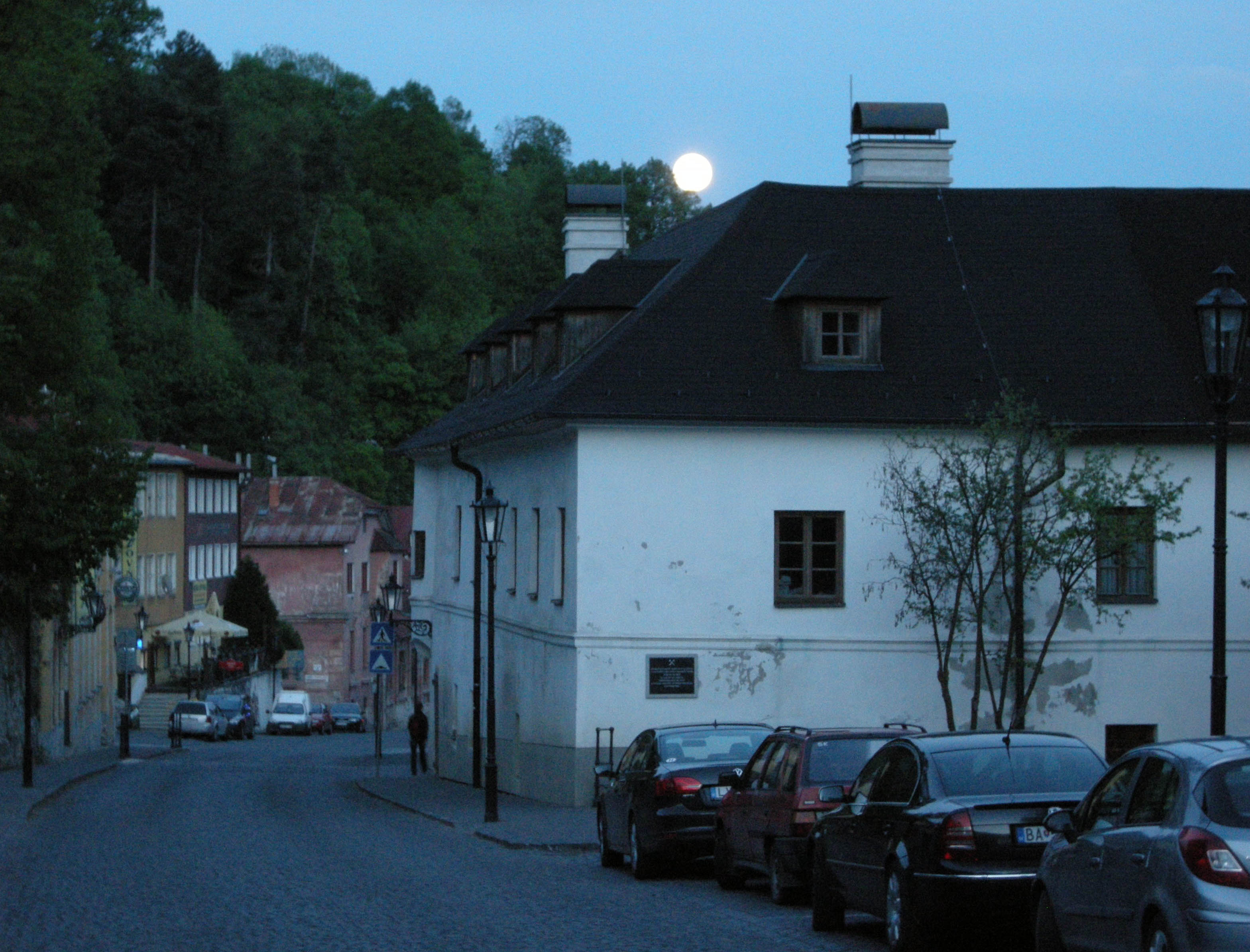
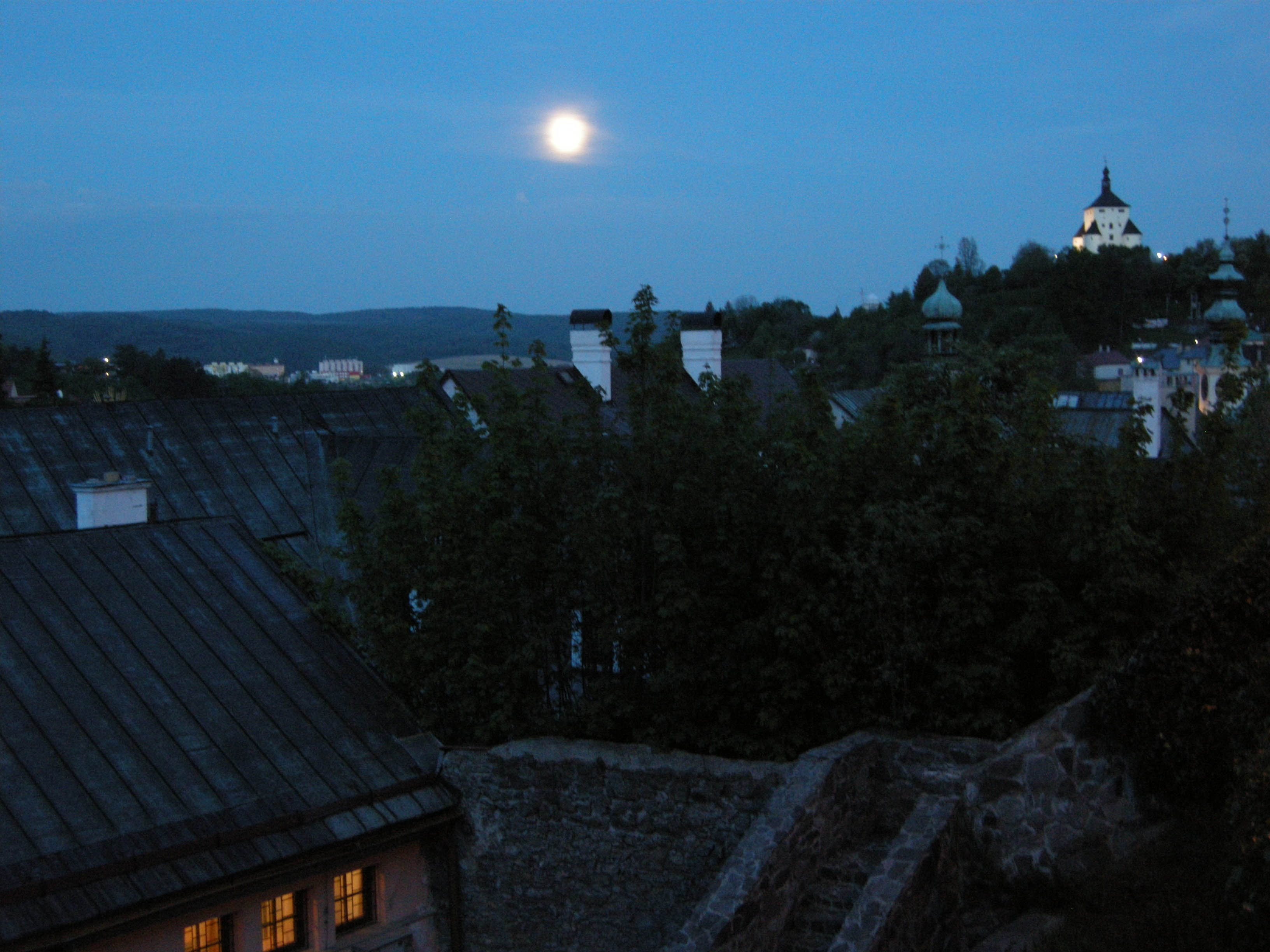
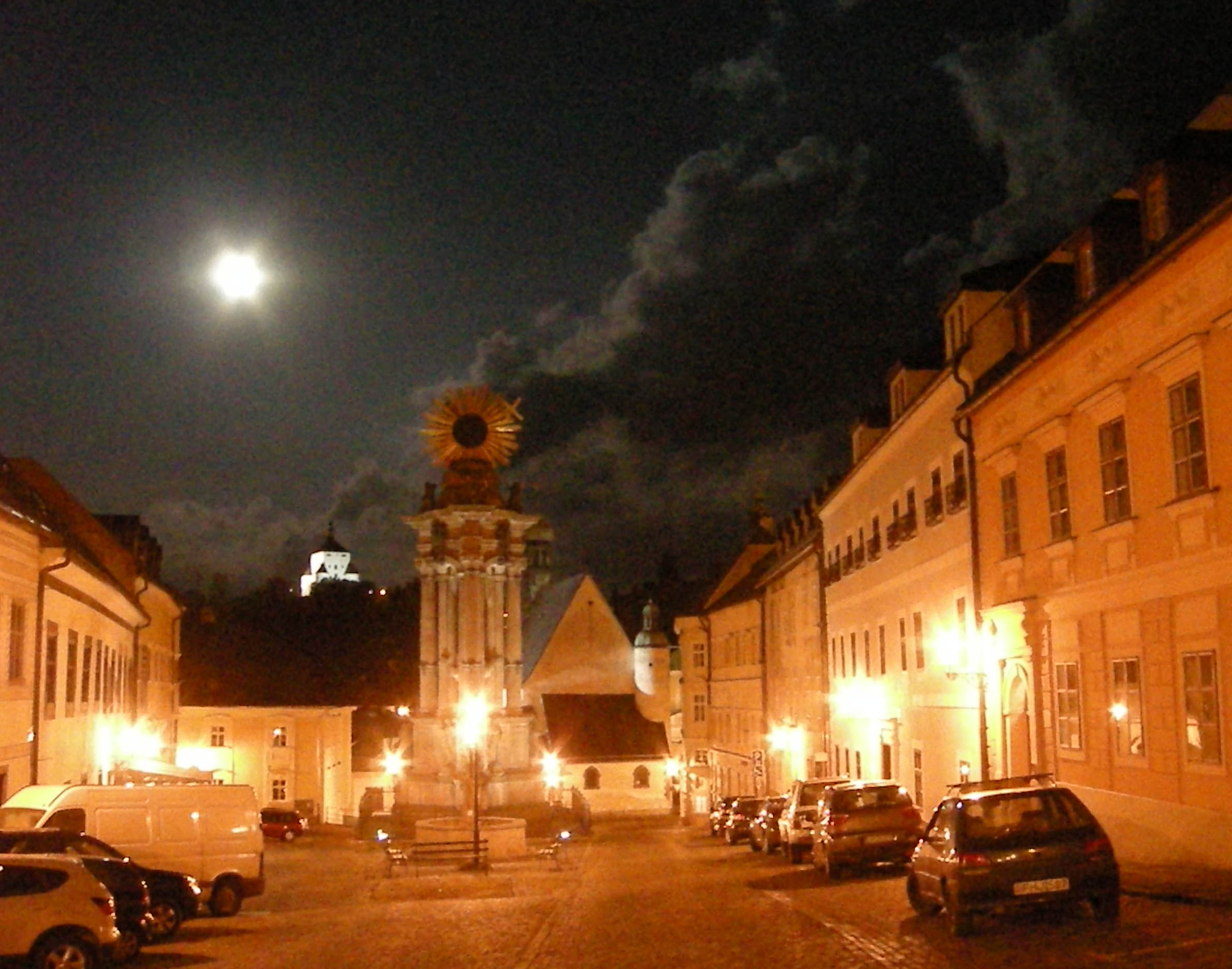
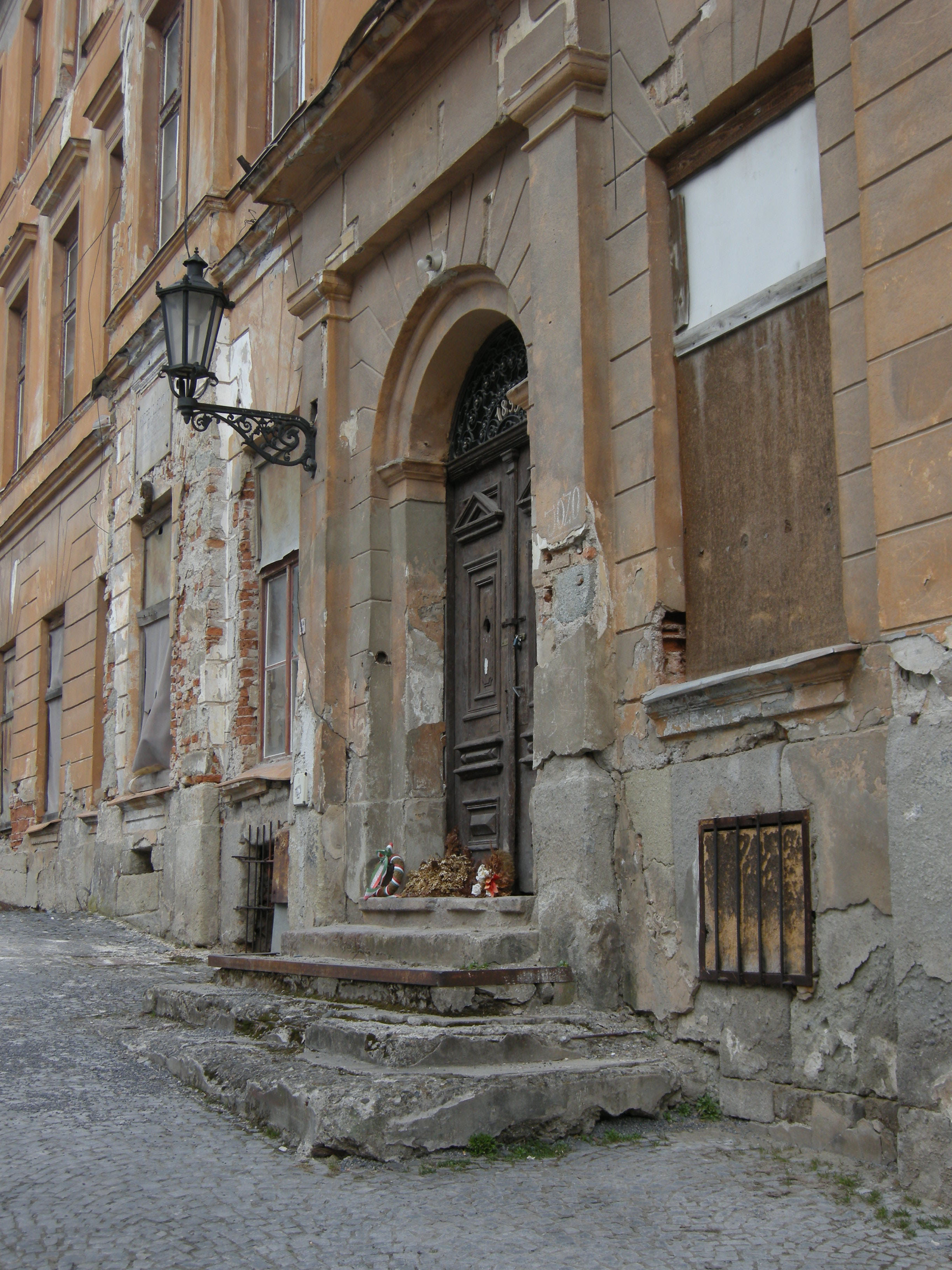
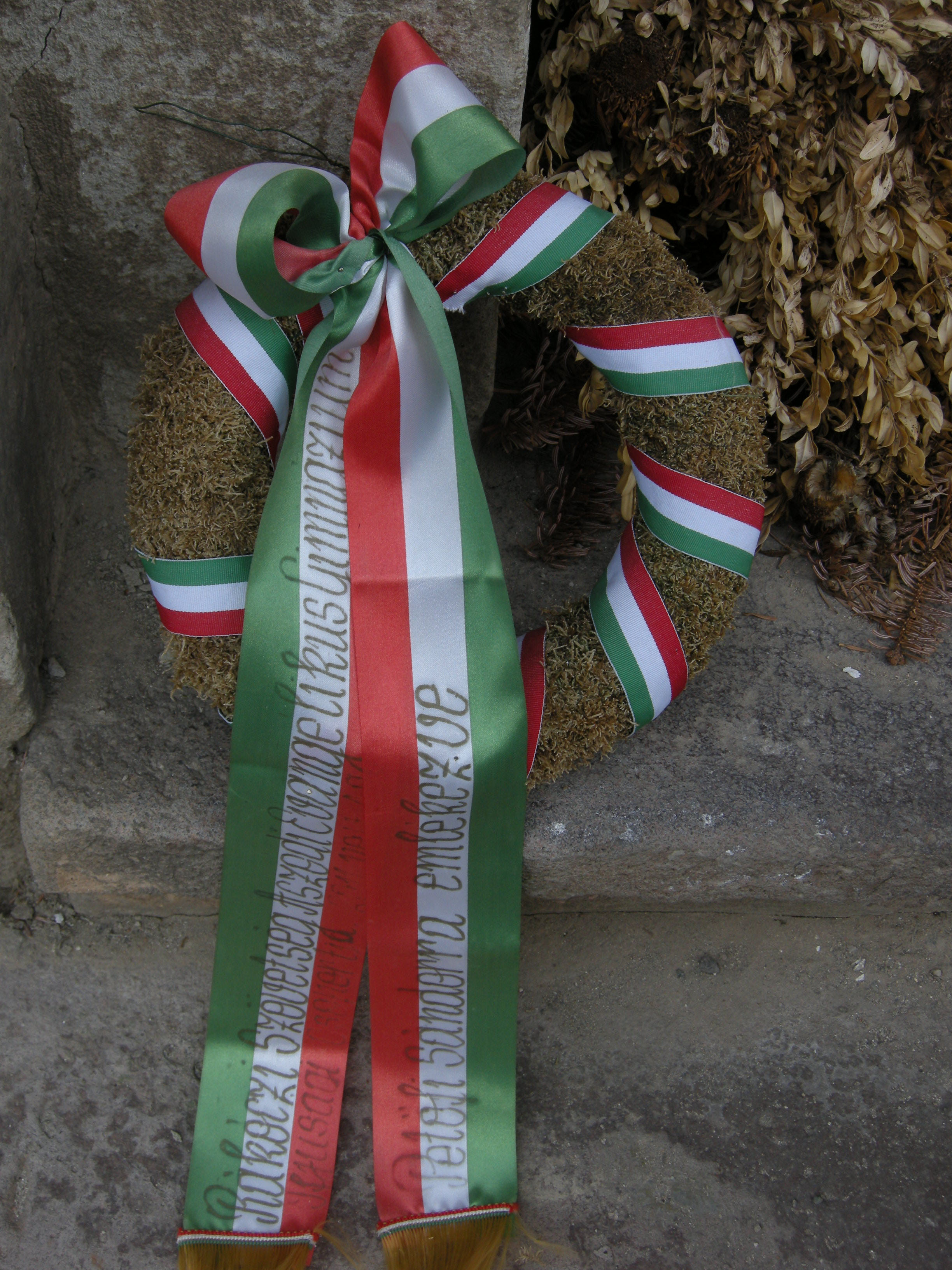

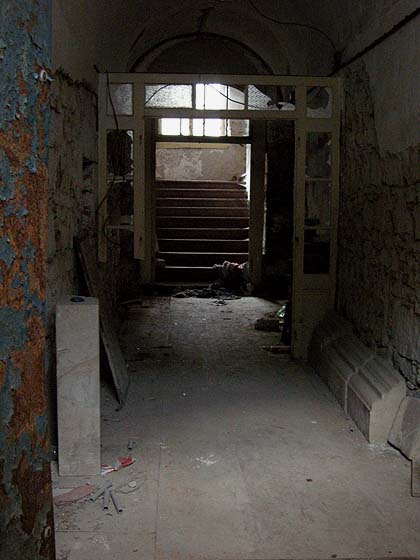
 The once famous Lyceum on the Trinity Square in Selmecbánya, where the poet Sándor Petőfi studied in 1838-1839. Today Banská Štiavnica, Slovakia.
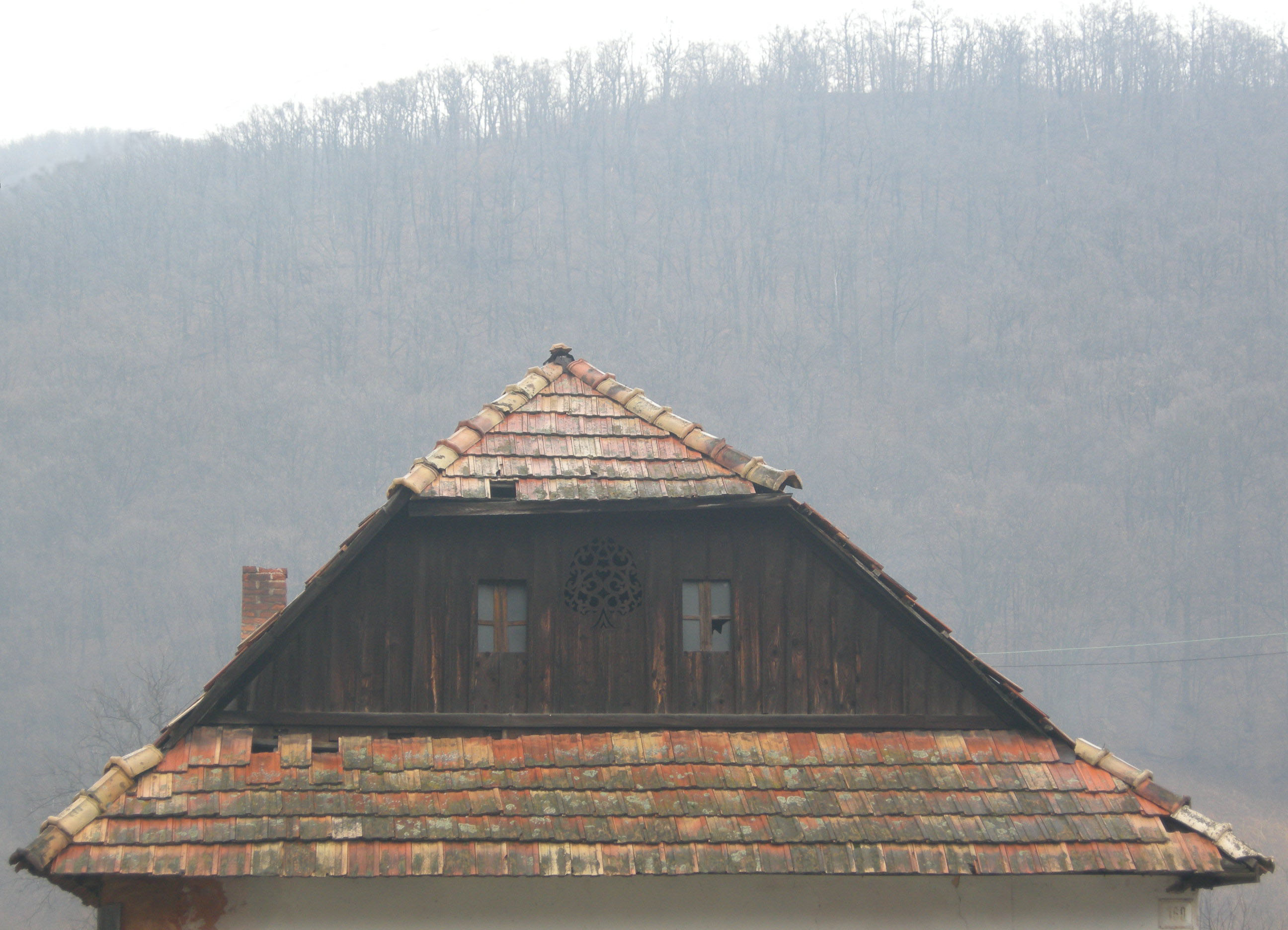
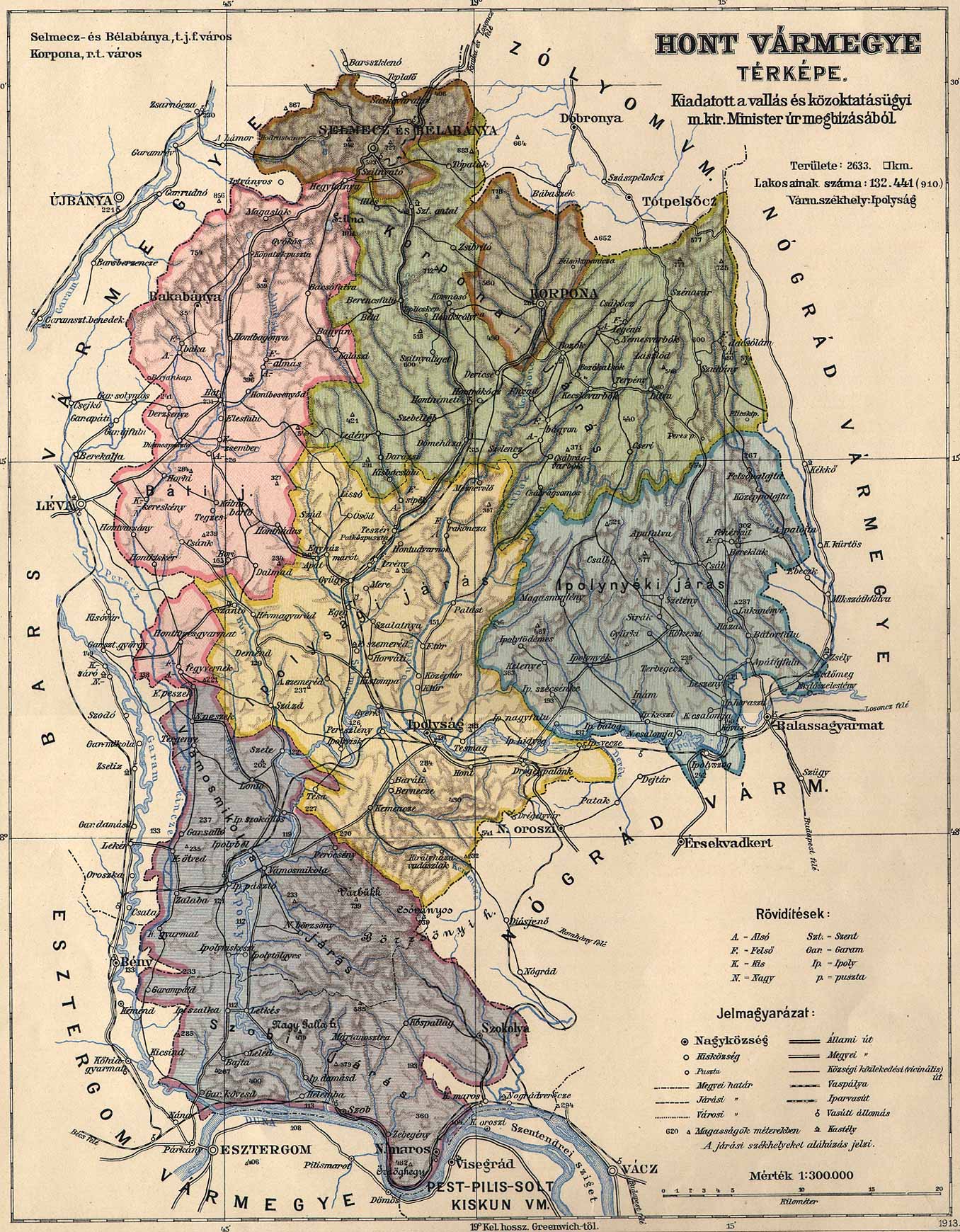 If you cross the Slovakian border at Ipolyság and go ahead on the Korpona-Zólyom-Besztercebánya main road, after thirty kilometers, at Hontnémeti you have to turn to the left in the direction of Selmecbánya.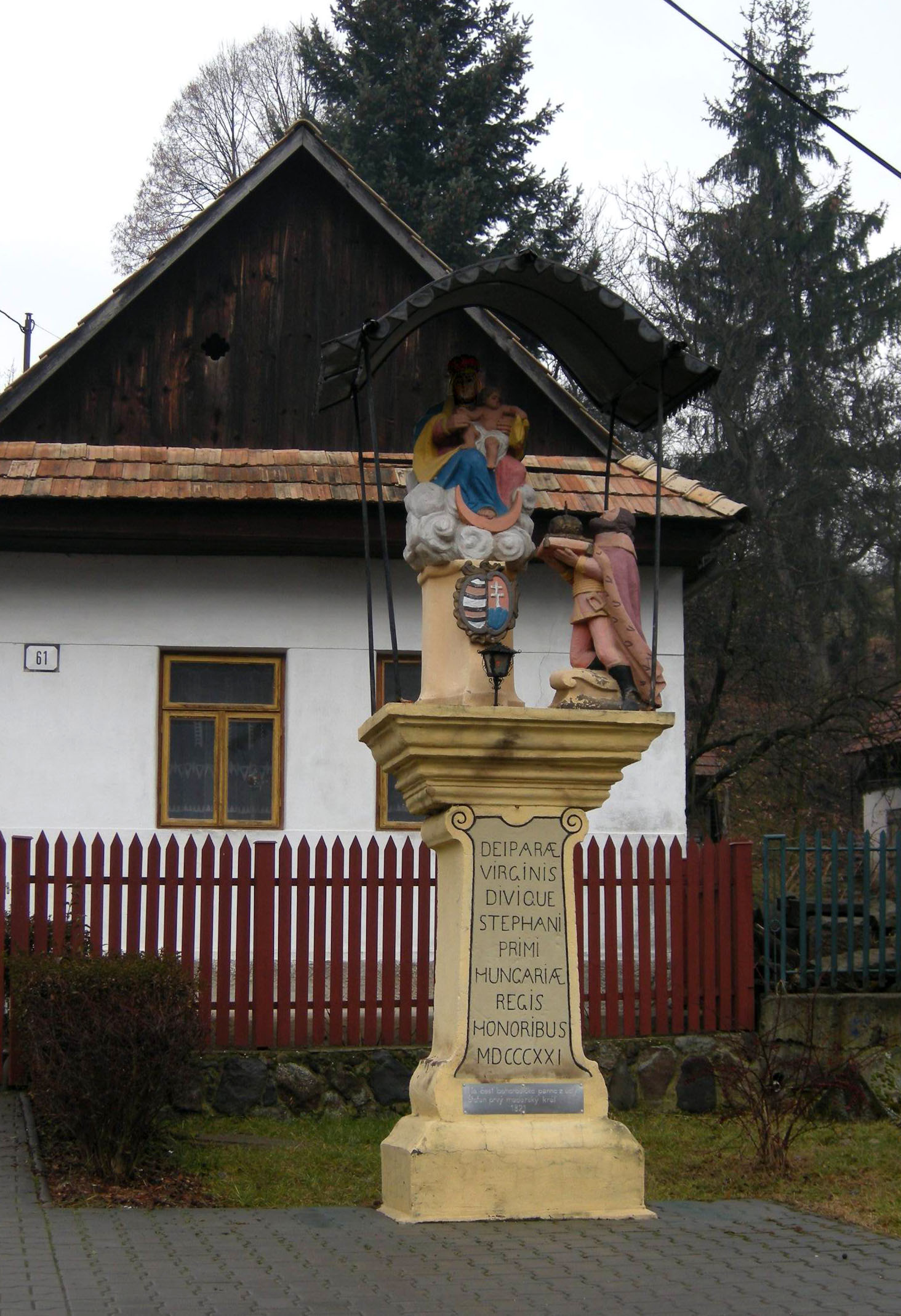


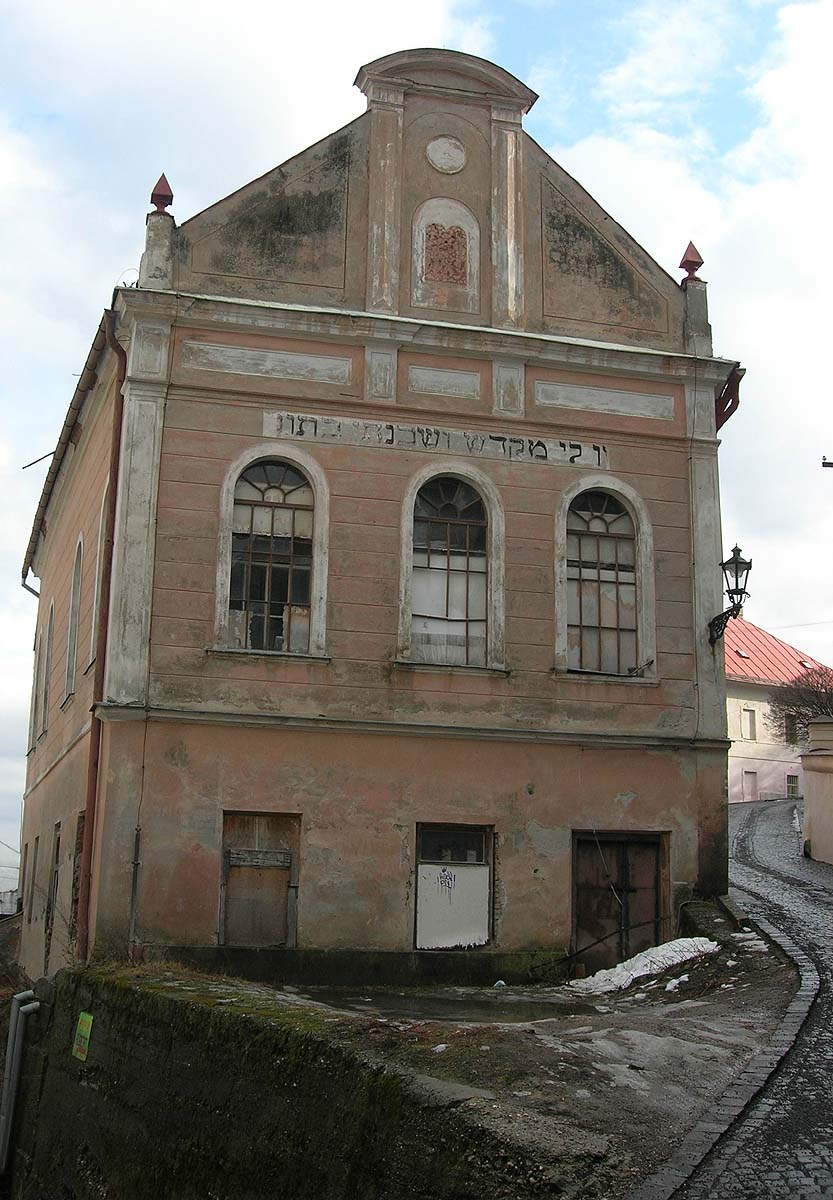

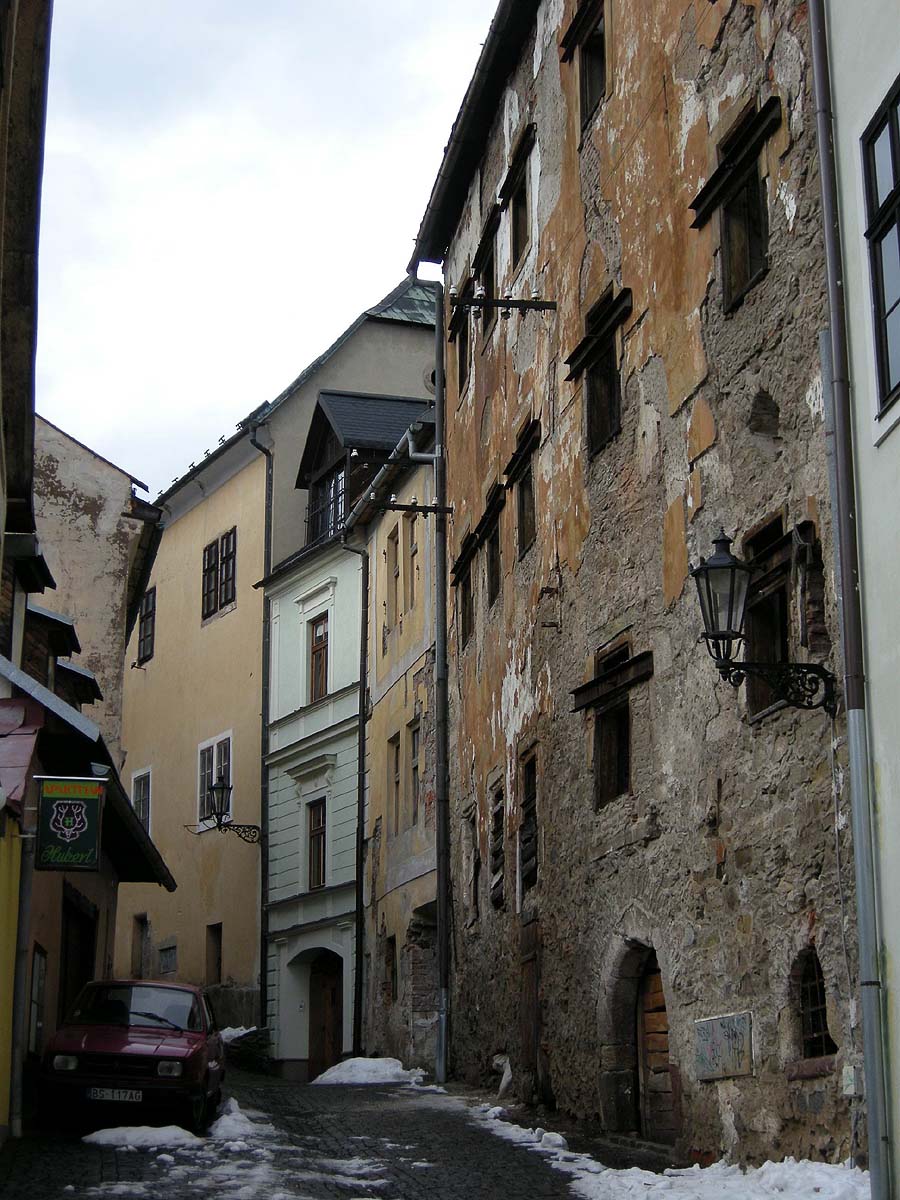
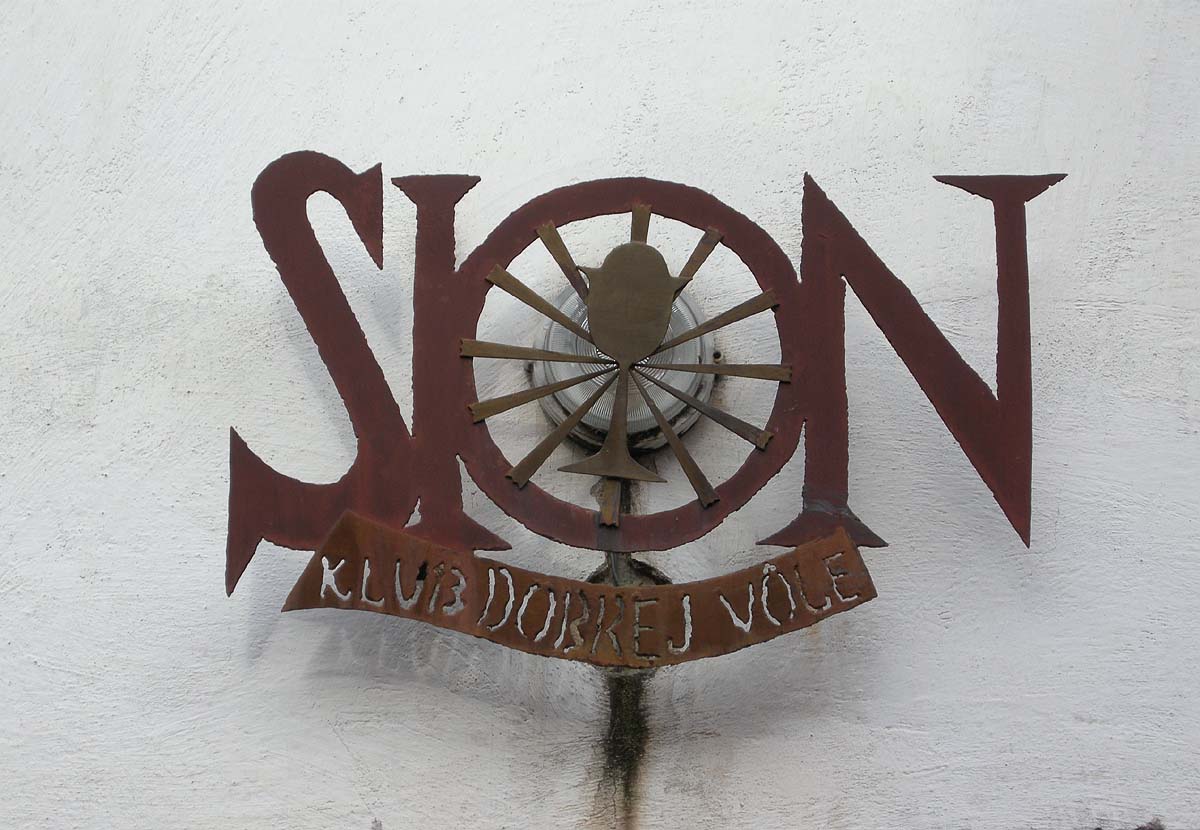
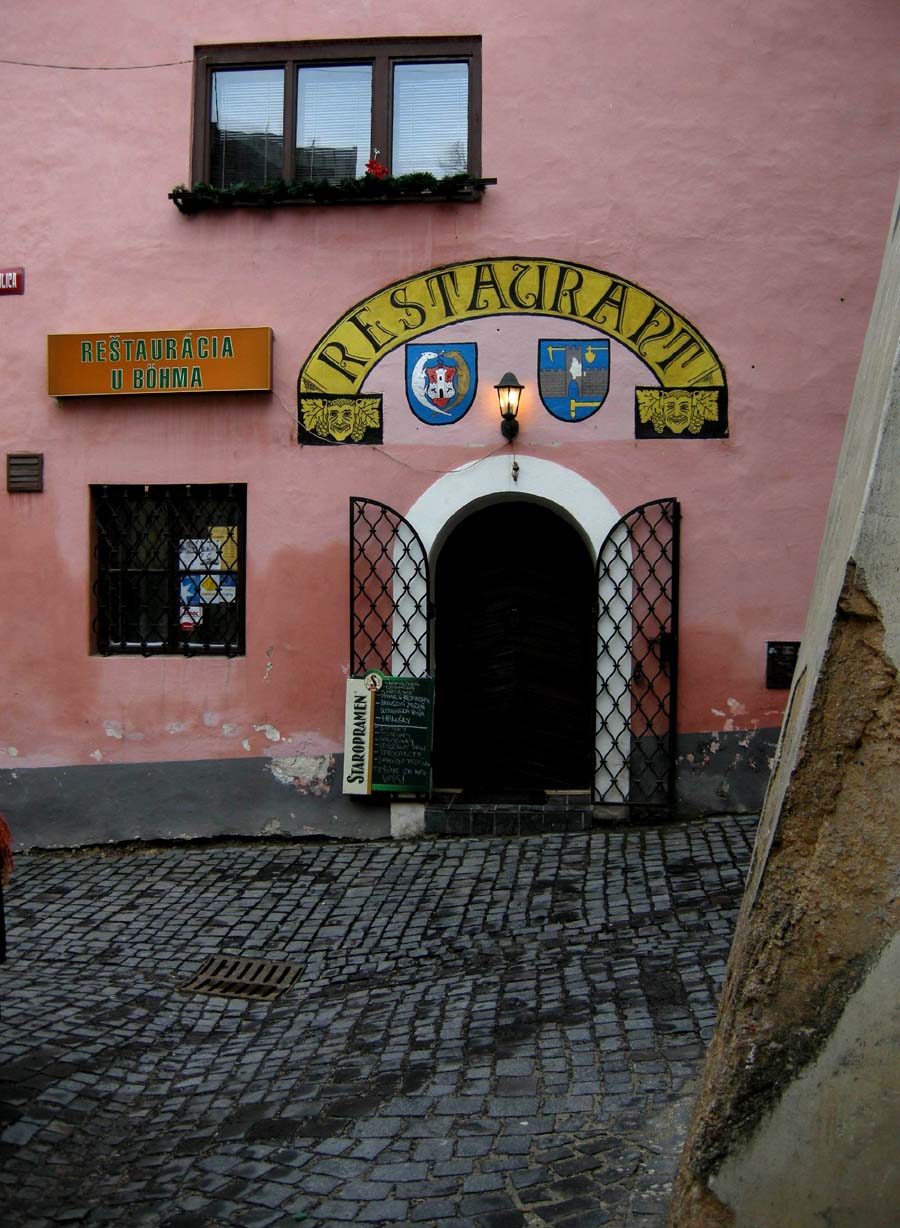

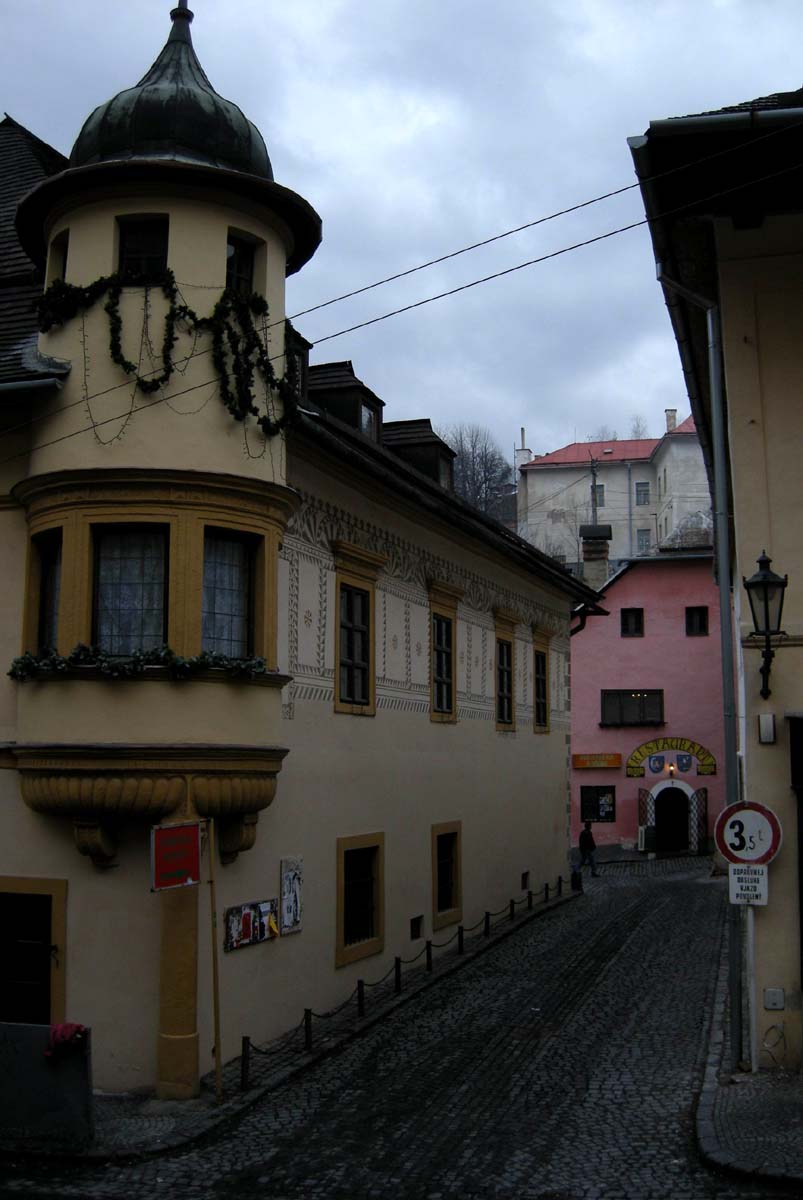
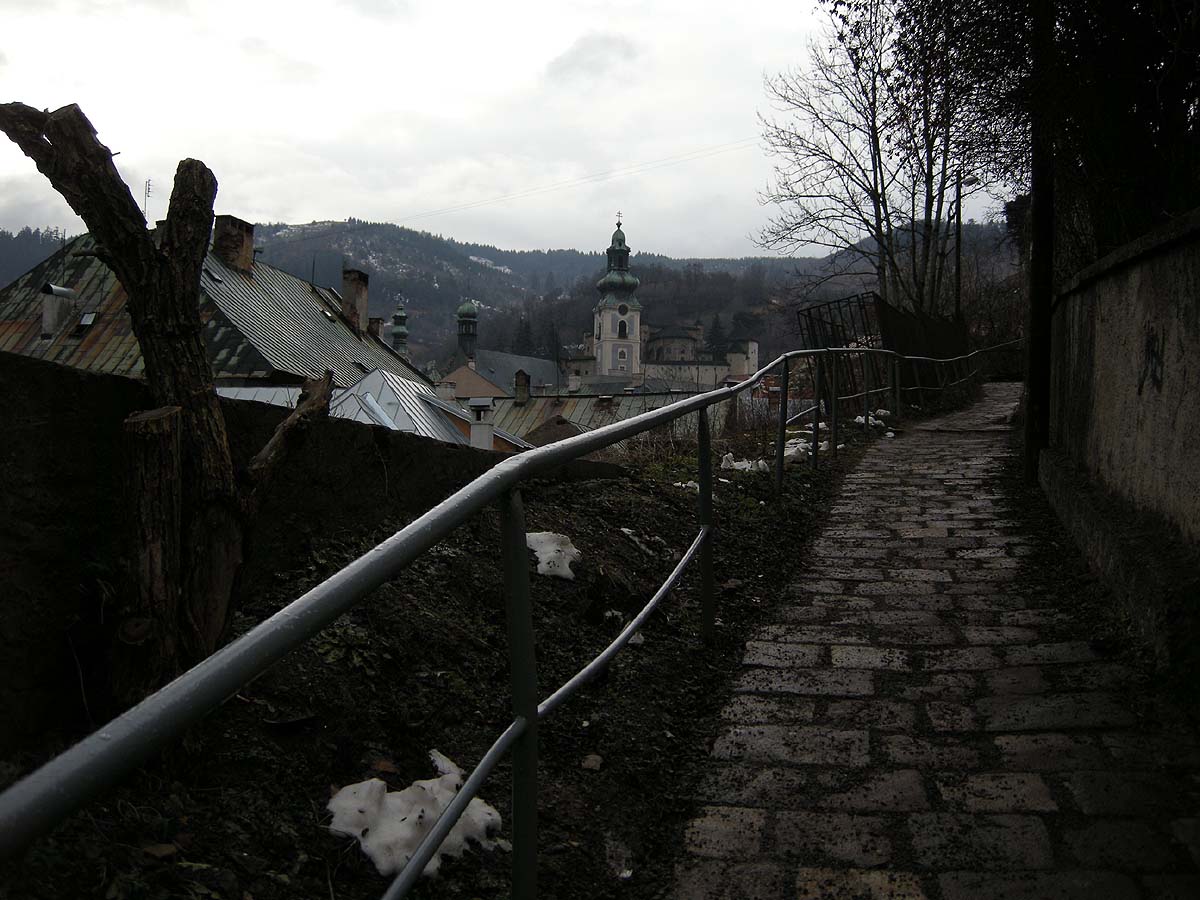
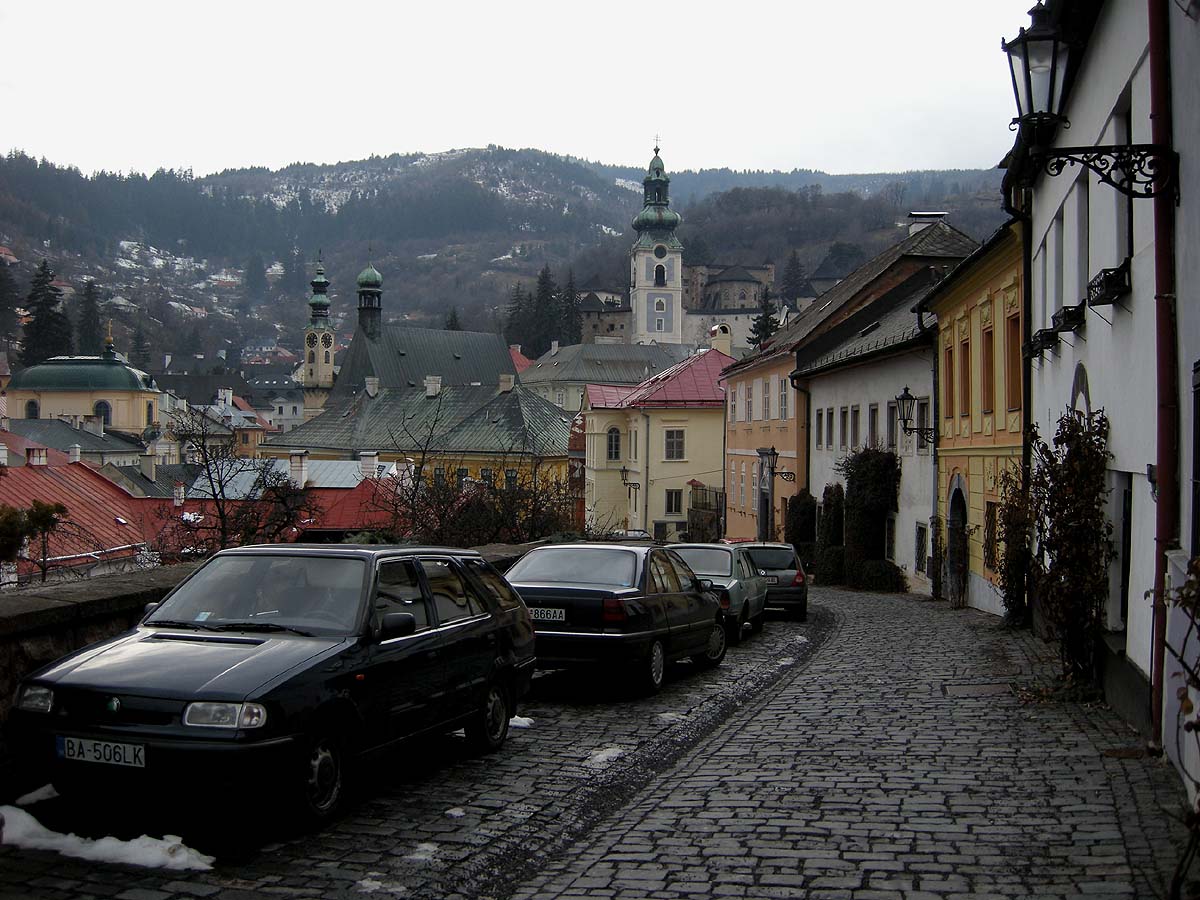
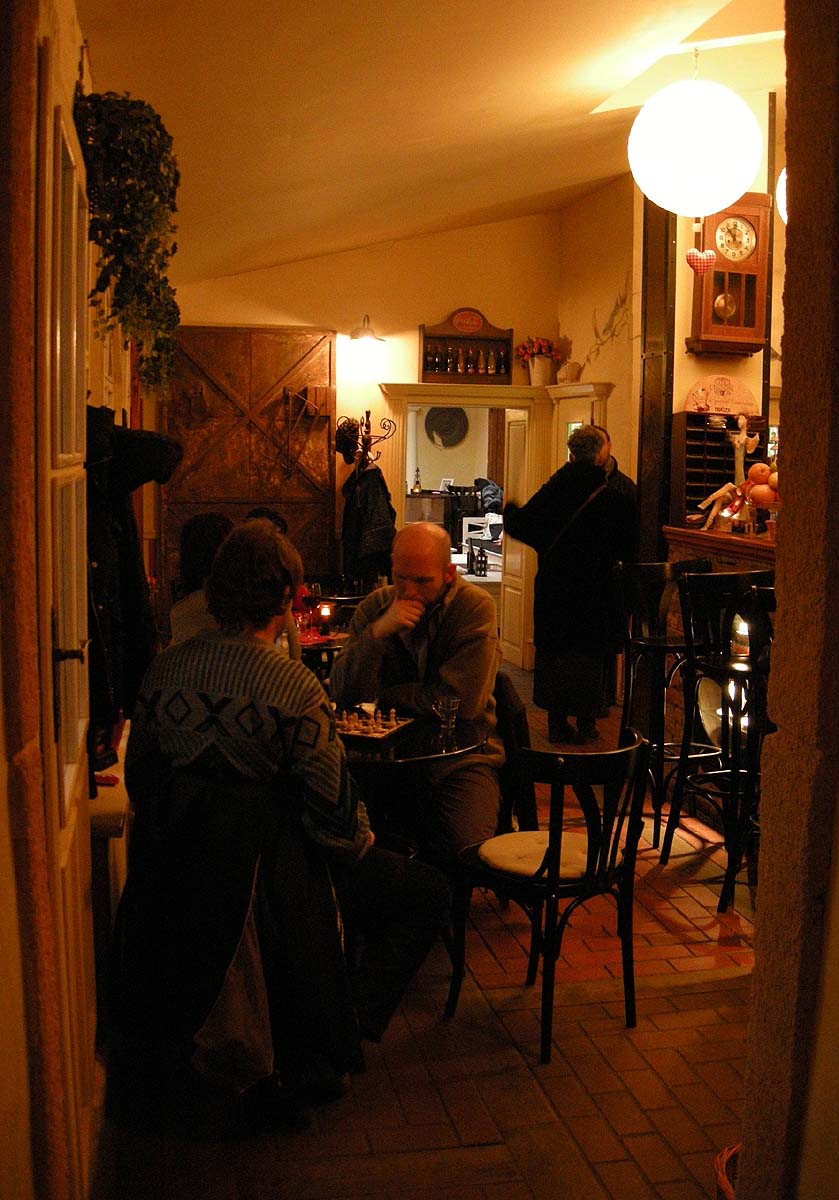
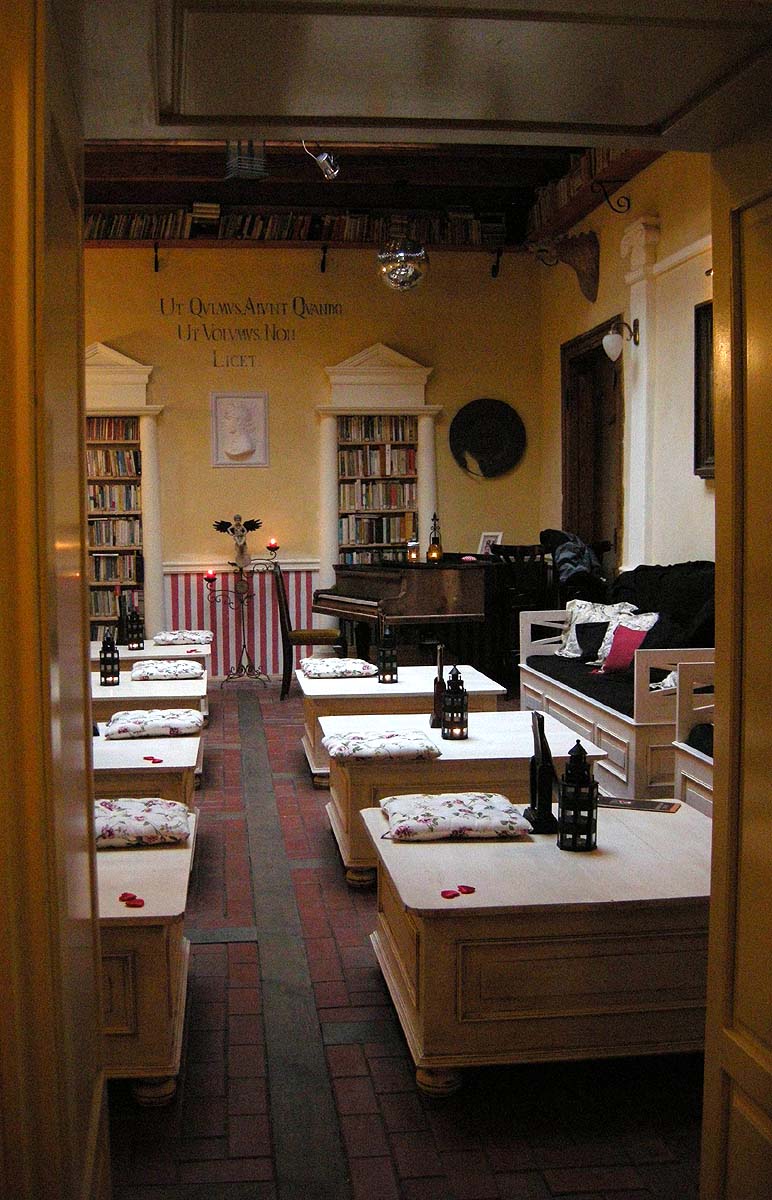
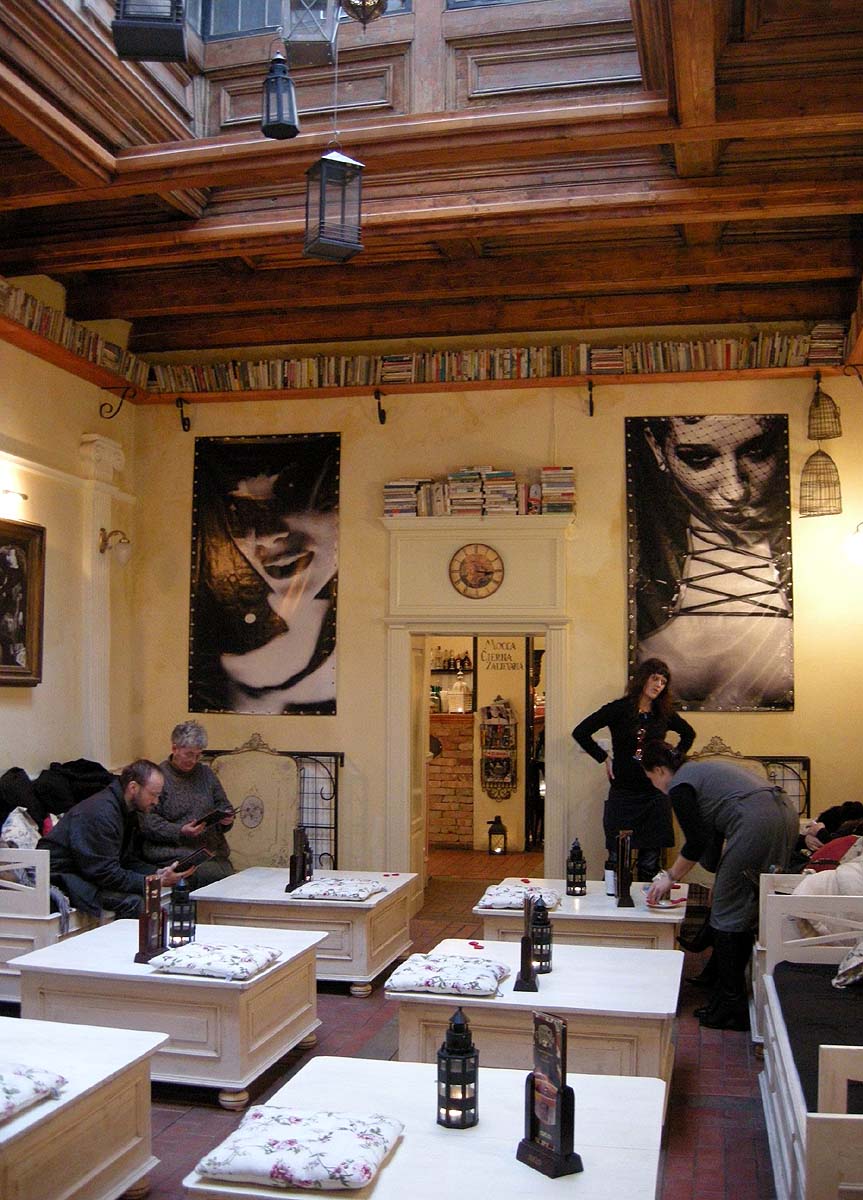

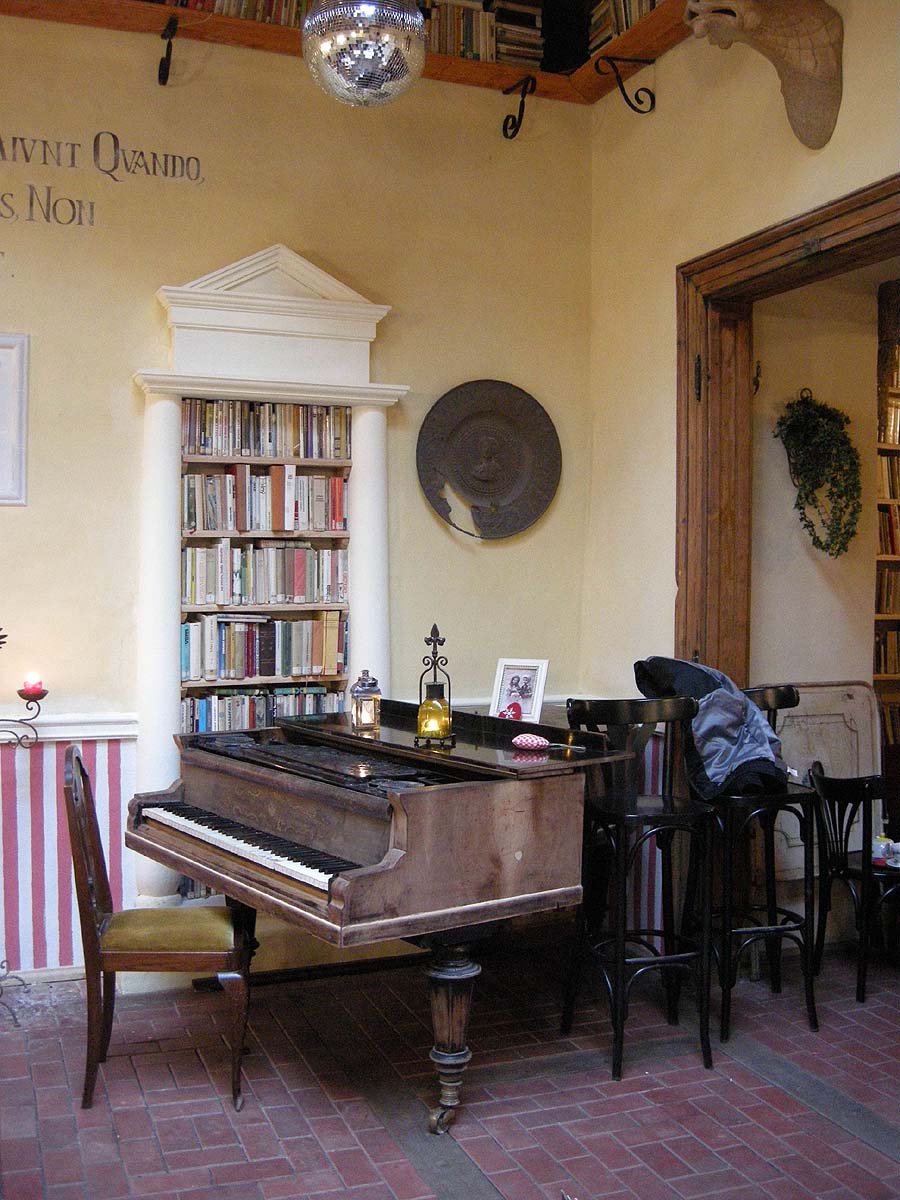

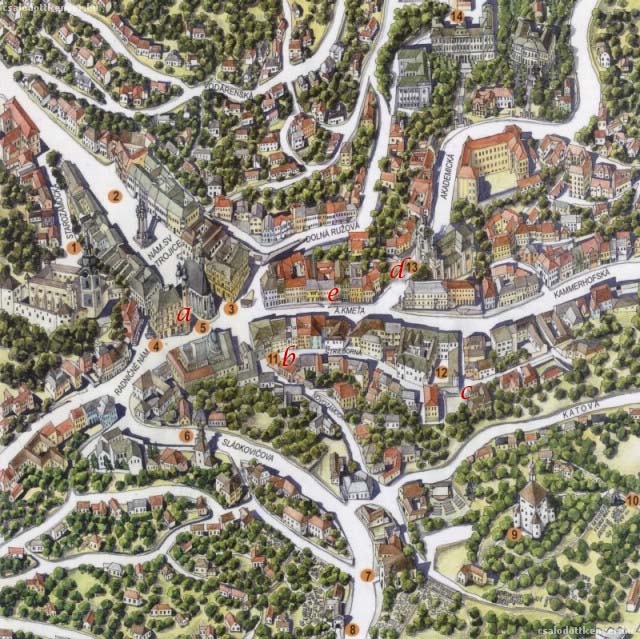 a: town hall; b: synagogue; c: Reštaurácia u Böhma; d: Art Café; e: Café Divná Pani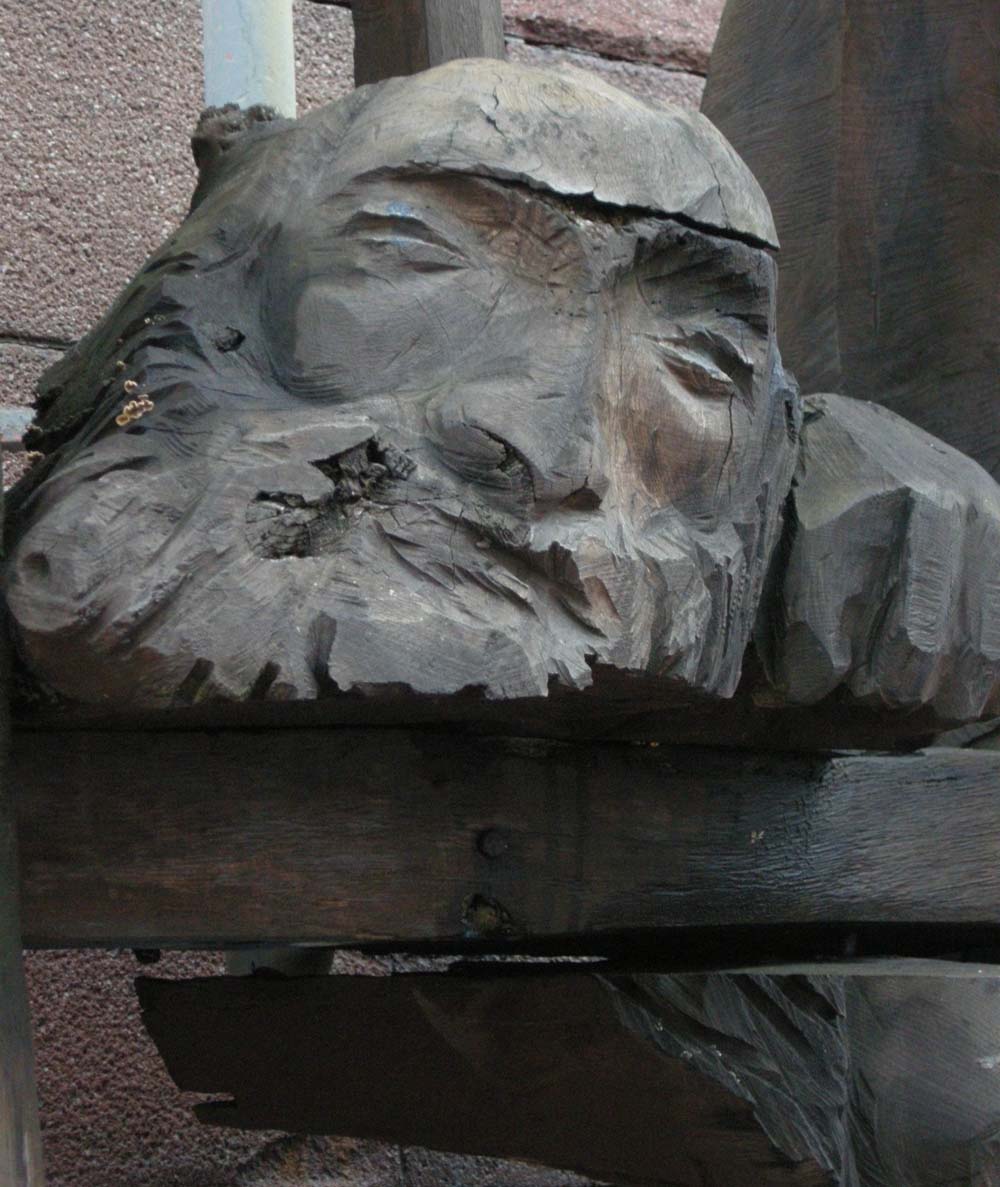


 where we daily publish new photos about our travels around the world:


 Come with us to…
 Atlantis
 Bestiary
 Bohemia+Prague
 Books, exhibitions, music, film
 Brave old world
 Caucasus
 Cemeteries
 Crimea
 Get to know the
 Images of the East
 Lightwriting
 Lwów/Lemberg
 Mallorca
 Message on the wall
 The Museum of Propaganda
 Odessa
 Paper Museum
 Persian letters
 The Jewish heritage