
In the last days of March 1506, just before the Feast of the Annunciation, the oldest and holiest church of Western Christianity —  the Basilica of Saint Peter in Rome — began to be dismantled. The culprits were no pagans or heretics, but Christ’s own earthly representative and Saint Peter’s successor himself: Pope Julius II.
The official reason was the supposed disrepair of the ancient basilica, founded by Emperor Constantine the Great. But for the megalomaniac pontiff, it was the perfect excuse for yet another grand project — to join the ranks of his other colossal commissions: the never-finished tomb designed by Michelangelo, the Sistine Chapel he had the same artist paint, and the papal apartments he had Raphael decorate. Now he wanted something even more monumental — a new mother church for Christianity that would also immortalize his name.
The project broke not only the old basilica but also the Church itself. The indulgences sold to fund construction sparked Martin Luther’s protest — and the Reformation. Two centuries later, the endeavor limped to an uninspired close: a vast but characterless barn of a church, a patchwork of banal architectural ideas. Its colossal scale is diminished by a mediocre façade, and even its one saving grace — Bernini’s grand colonnade — was visually “deflated” when Mussolini drove his grand avenue straight up to it in the 1930s.
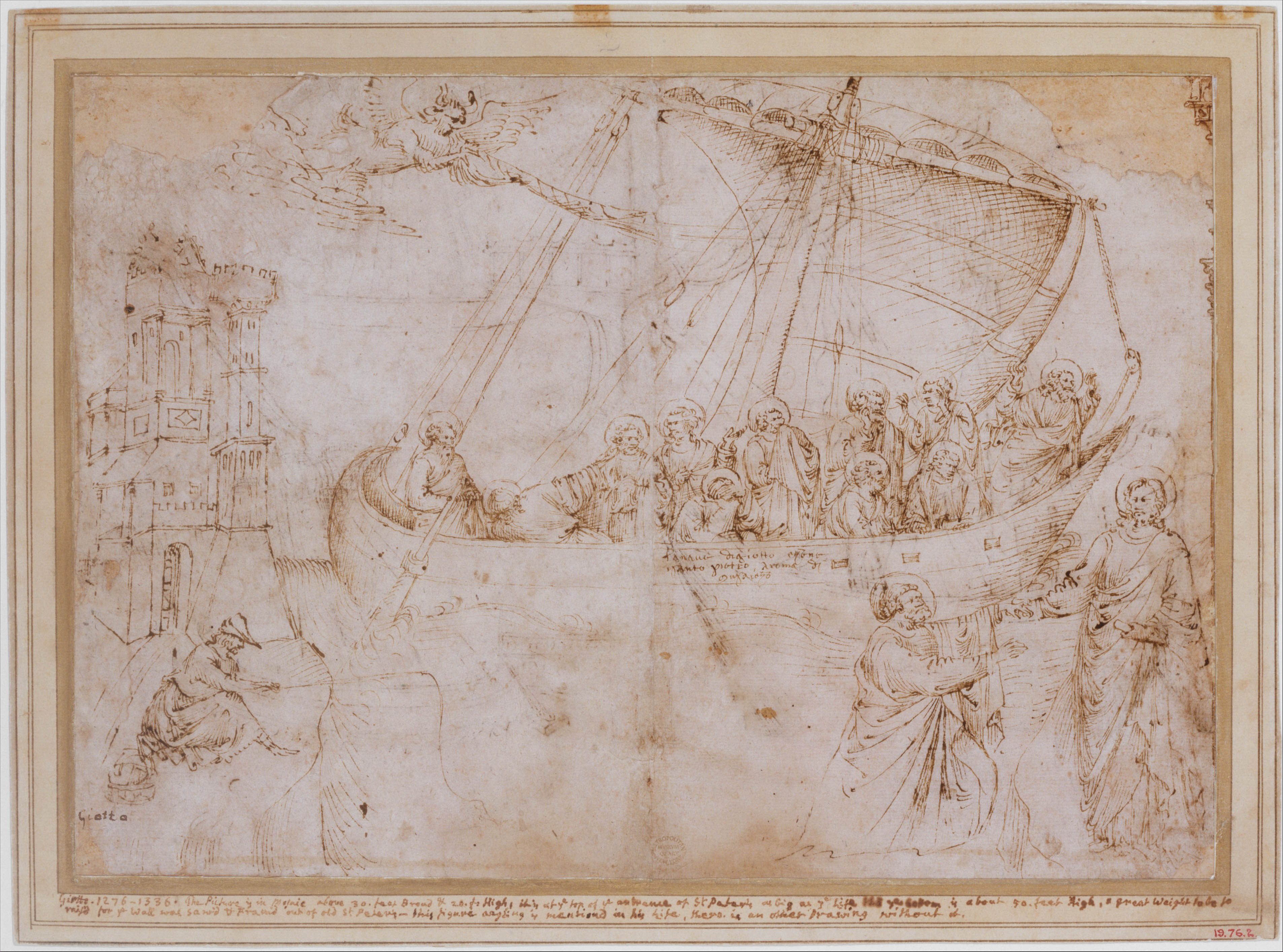
Something else perished, too — a true emblem of the Church, a jewel of the old basilica, and one of the masterpieces of a new artistic age. The façade of the old basilica had once been adorned with a monumental mosaic by Giotto: the Navicella, or The Boat of Saint Peter. The work was commissioned sometime between 1300 and 1330 by Cardinal Jacopo Gaetani Stefaneschi, the same patron who had Giotto paint the triptych now kept in the Vatican Picture Gallery.
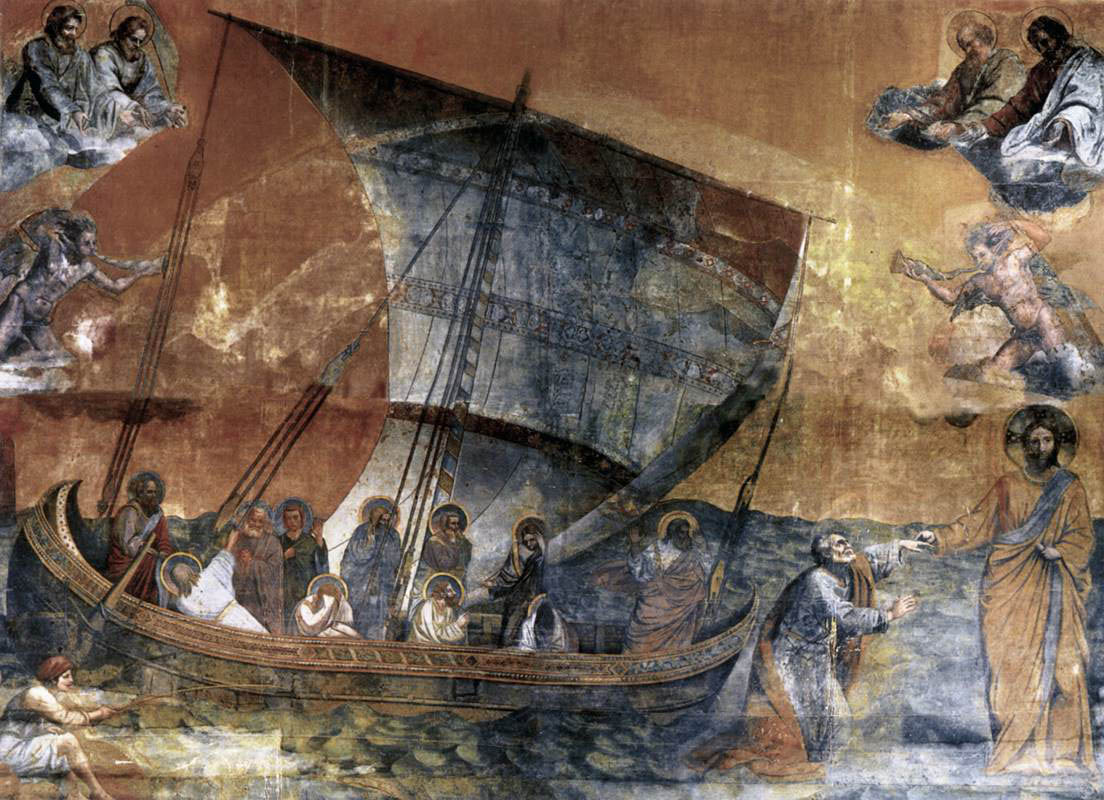
The mosaic depicted the scene from Matthew 14:24–32 — when the apostles’ boat is tossed by a storm and Christ appears, walking upon the waves. Peter longs to walk on the water too. Christ beckons him, and Peter takes a few miraculous steps before doubt overcomes him and he begins to sink — until Christ reaches out, saving him and pulling him back into the boat. The image is as symbolic as the story itself: the Church represented by the boat, and Peter — the pope — wavering between faith and frailty as he struggles to steer it through the storm.
 Parri Spinelli’s free copy of the mosaic, ca. 1420, Metropolitan Museum of Art, New York
The demolition of the old basilica and the construction of the new one advanced gradually, from the apse toward the façade. By 1610, the works had reached the front of the church. By then, the basilica’s clergy had recovered from their initial shock and began rescuing what they could. The mosaic was detached and reassembled, but in the process, much of its original character was lost. The version that Orazio Manenti installed above the interior doorway of the new basilica in 1674 is more a weak Baroque imitation than a faithful restoration. One doubts Giotto would have claimed paternity for it.

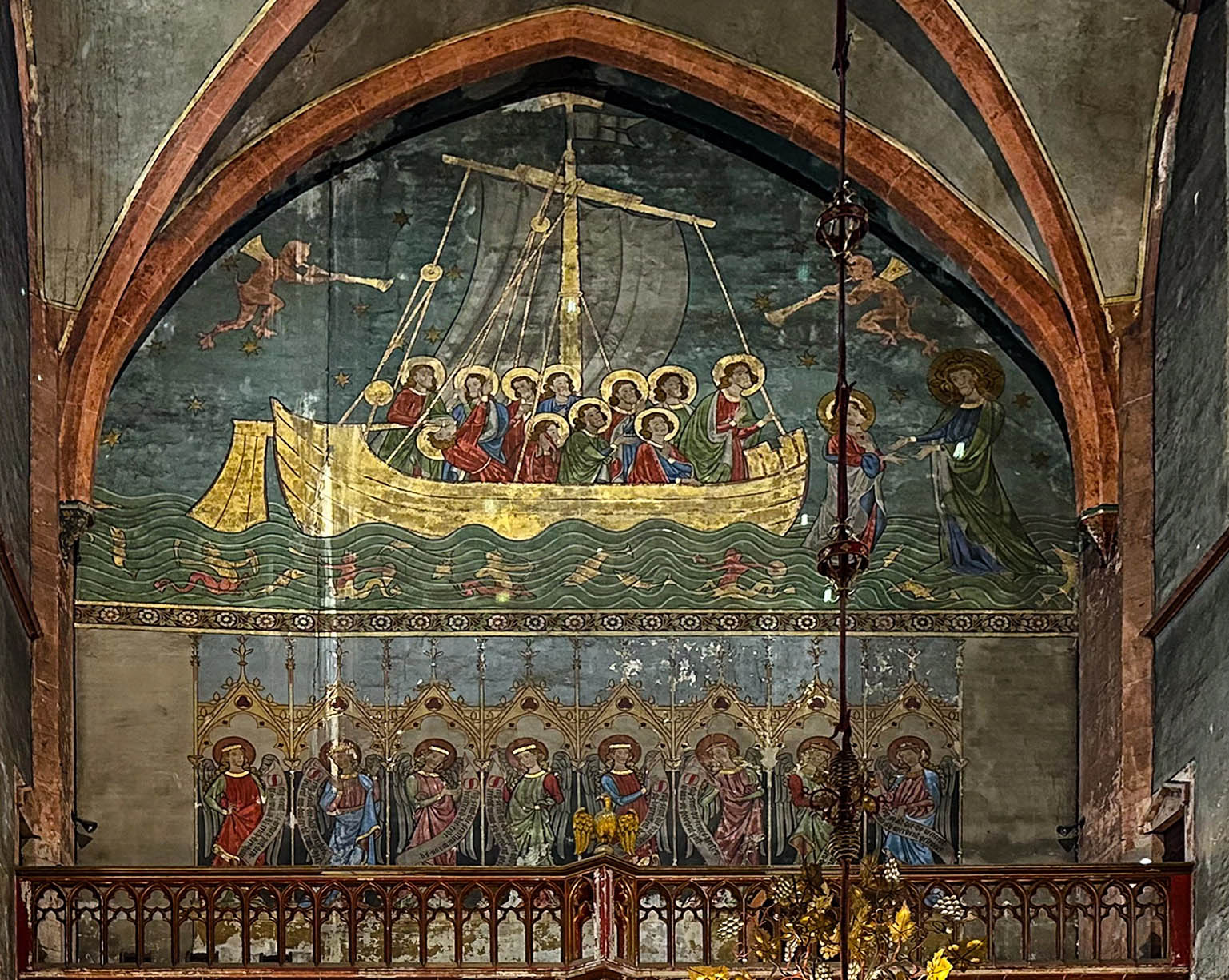
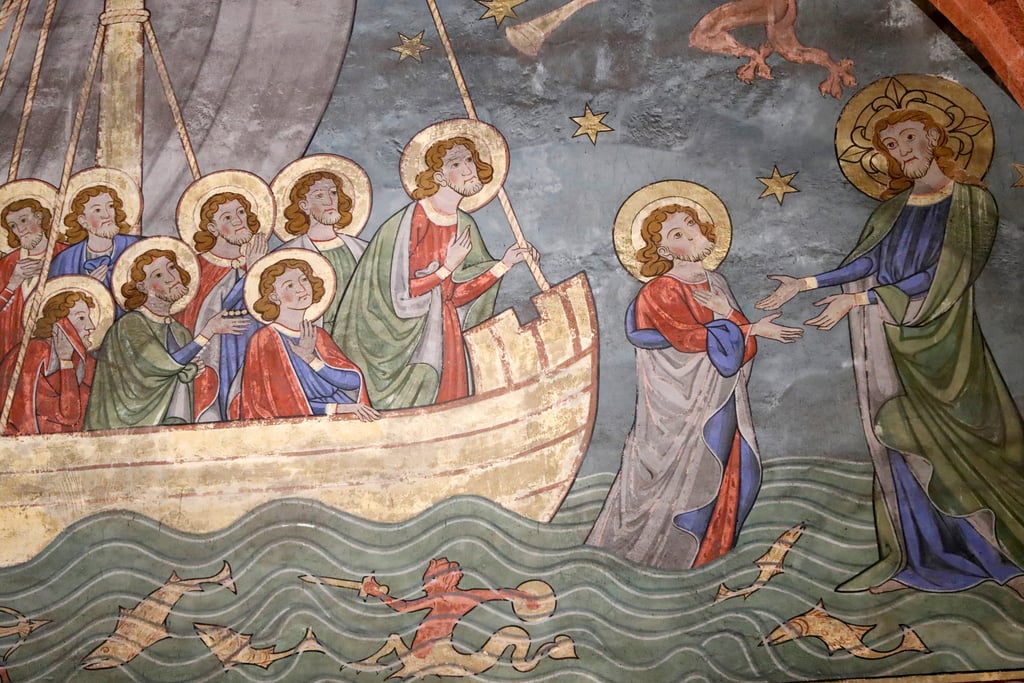
Fortunately, several contemporary copies of the original mosaic survive — and they are of far higher quality than the mutilated remnant in Rome. One of the finest can be seen in Strasbourg, in the Church of Saint Pierre Le Jeune, where the composition — contemporary with Giotto’s original — was reimagined north of the Alps in the Gothic style that was fashionable there.


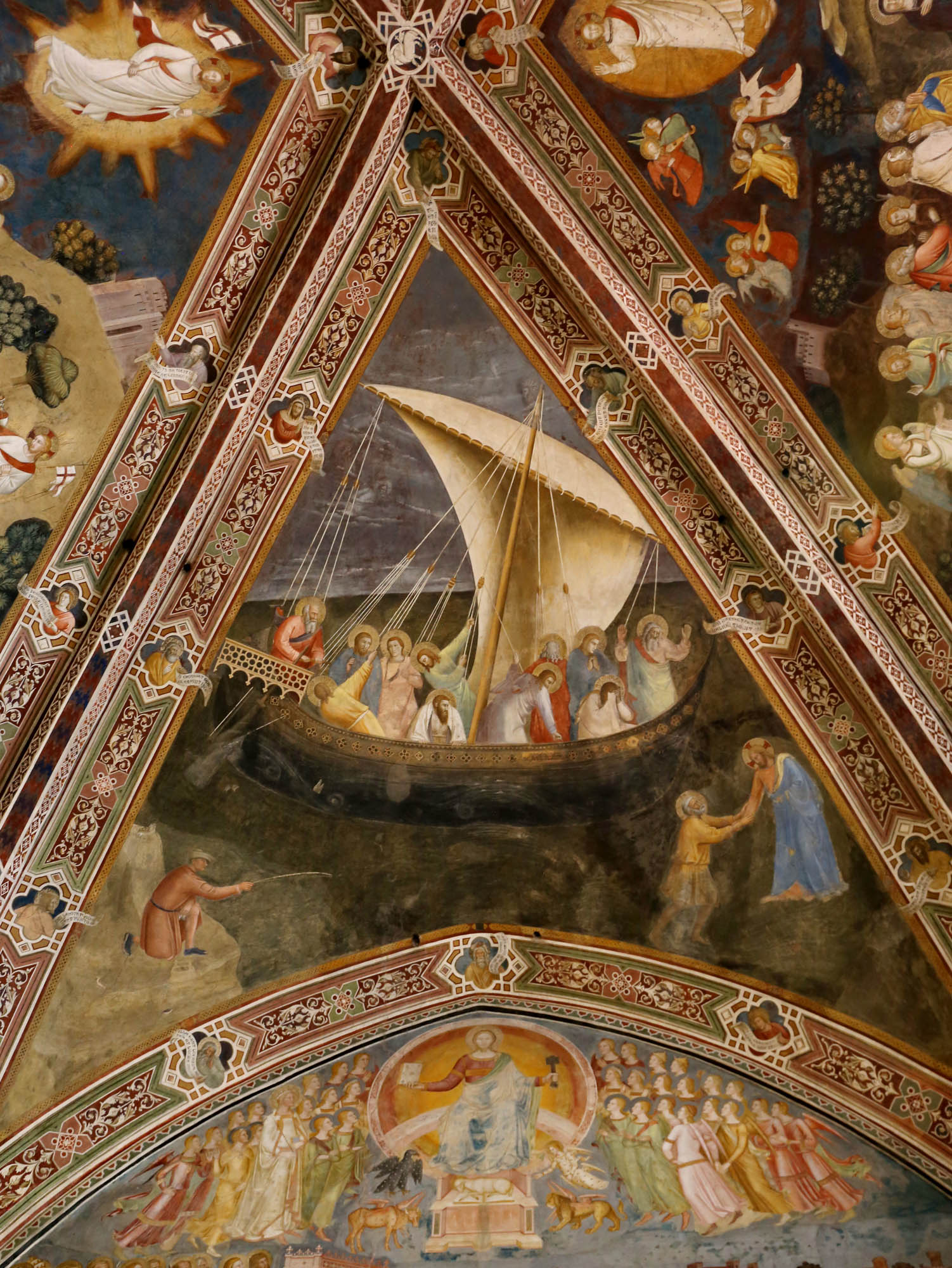
Another, painted not long after, was executed by Andrea di Bonaiuti between 1365 and 1367 in the so-called Spanish Chapel of Santa Maria Novella in Florence — a version I’ll soon write more about in detail. In Bonaiuti’s fresco, the wind-blowing demons have vanished, replaced by a fisherman on the left — utterly absorbed in his fishing, oblivious to the miraculous scene before him, like the fisherman in Brueghel’s Fall of Icarus.

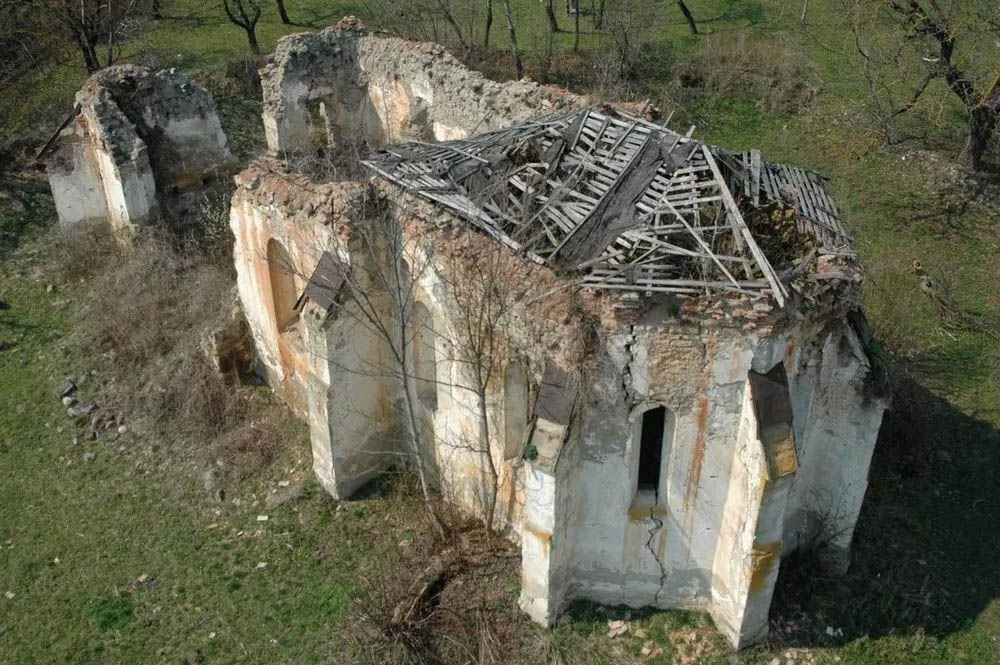
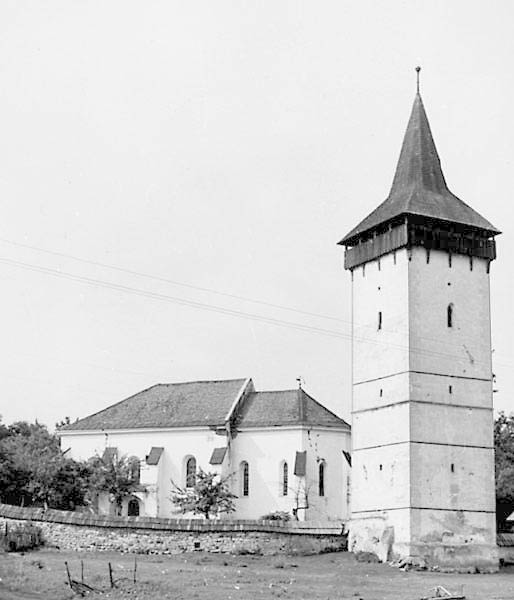
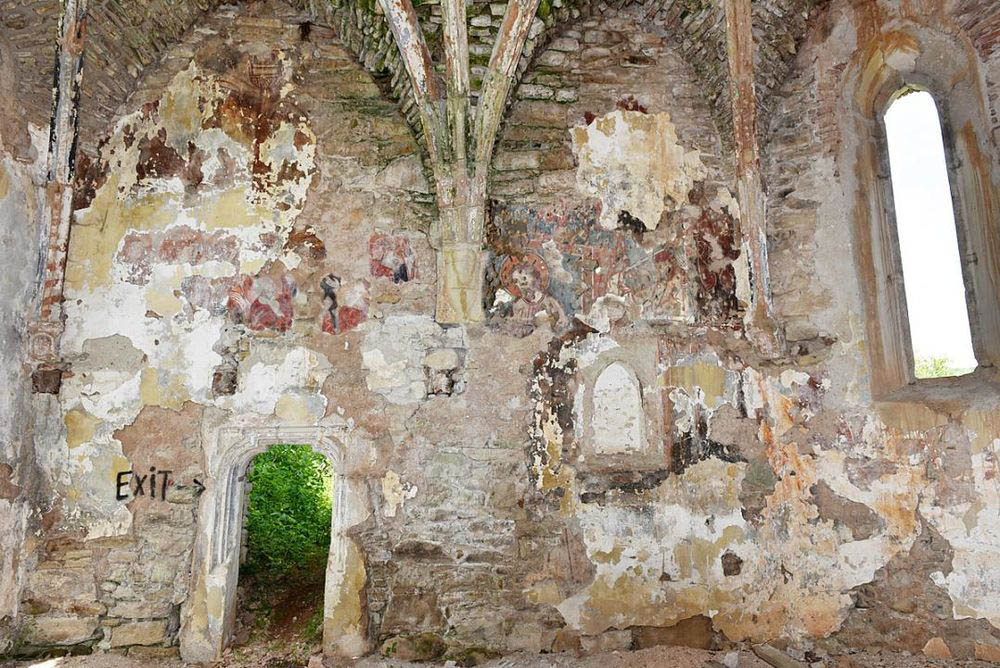
And in 2016, fragments of a 14th-century copy were uncovered in the ruins of the medieval Saxon church of Kiszsolna (Senndorf/Jelna) in Transylvania. Along with those in Strasbourg, Florence, and Pistoia, it is one of only four contemporary European reproductions of Giotto’s Navicella. The composition can only be recognized by the trained eye, so rather than reproducing the image here, I’ll direct readers to art historian Tekla Szabó’s excellent study, which also shows how Giotto’s design inspired other contemporary frescoes in Transylvania and Upper Hungary — depicting sailing ships that symbolized either the Church itself or the martyrdom of Saint Ursula and her companions. An article of the since defunct Népszabadság nicely summarized the importance of that discovery.
 The church of Kiszsolna today and in the 1940s, with the remaining fresco fragments in the sanctuary


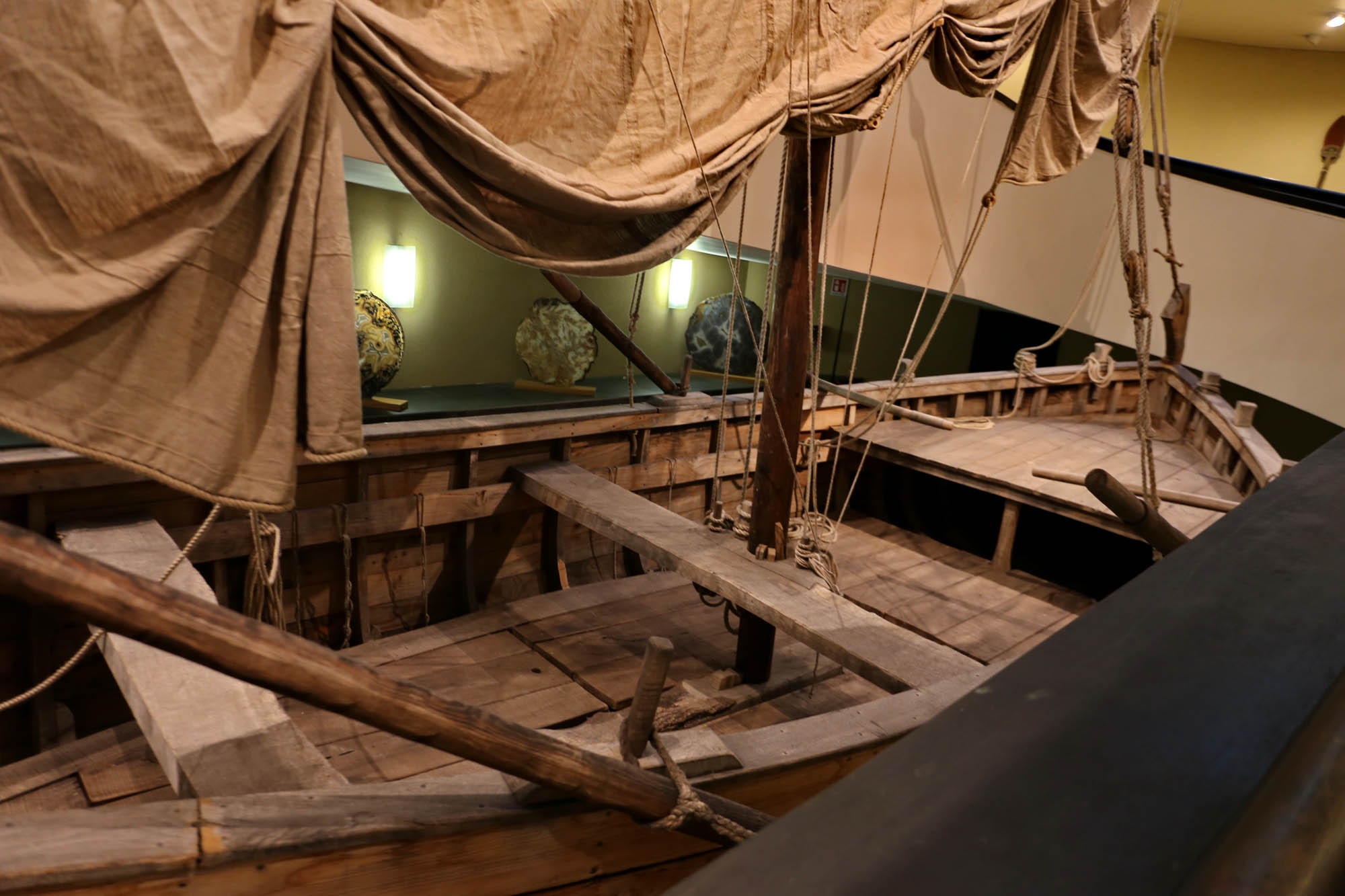
A year ago, however, another boat arrived in the Vatican — no less symbolic than Giotto’s mosaic vessel. In 1986, when the water level of the Sea of Galilee dropped unusually low, archaeologists discovered in the mud a nine-meter-long sailing boat — a typical fishing vessel from the time of Christ, with four oars and room for twelve men. Carbon dating and ceramic analysis placed it between 50 BC and 50 AD, meaning it could well have belonged to Peter or one of his fellow fishermen.
A replica of this Galilee Boat, made for the Aponte family — a seafaring dynasty from the Bay of Naples active since the 17th century — was presented to Pope Francis in March 2023, just before the Feast of the Annunciation.
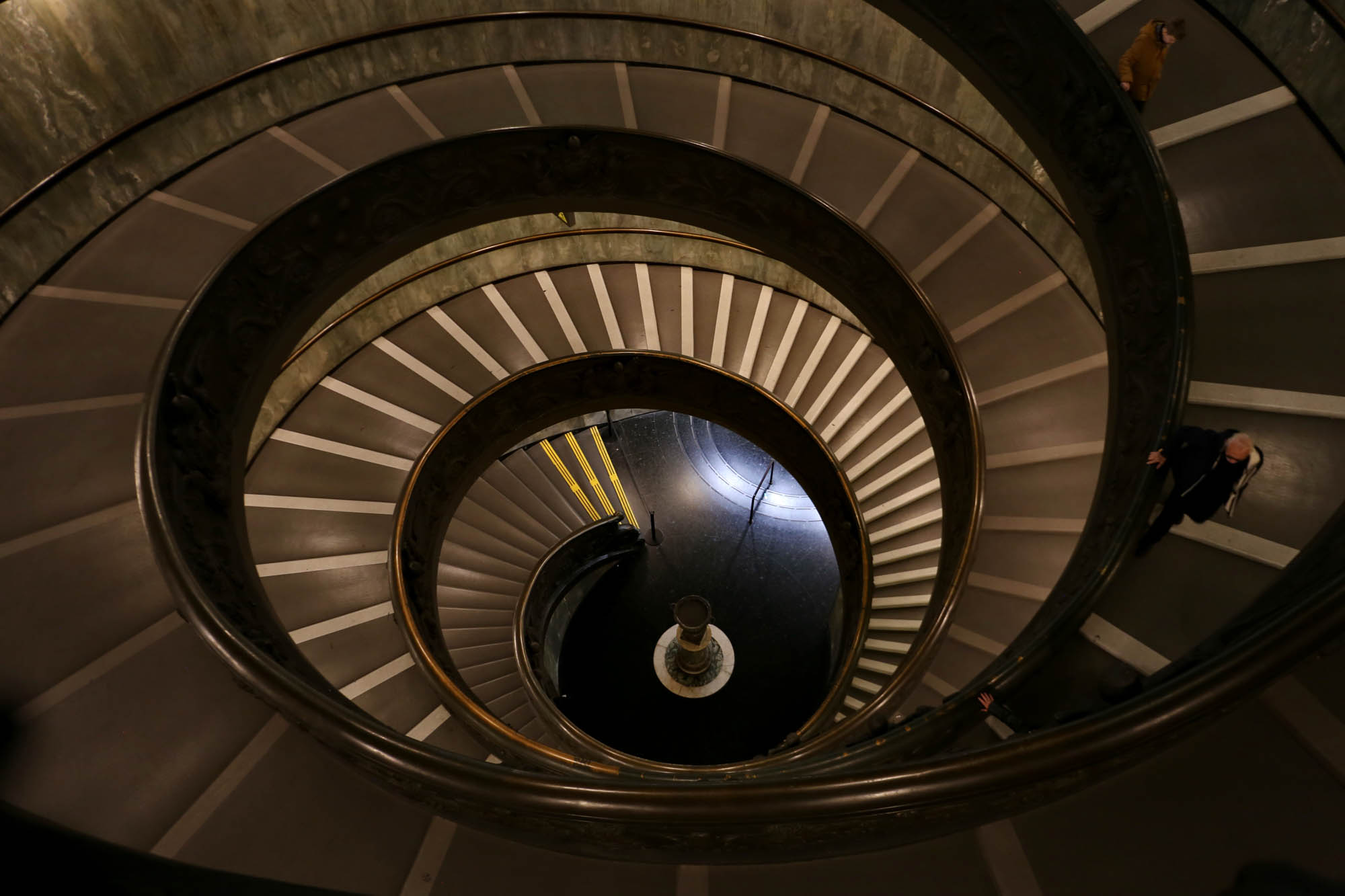
This Boat of Saint Peter, though not mounted on the basilica’s façade, now welcomes modern pilgrims at the entrance to the Vatican Museums, set in the middle of the grand staircase leading up to the galleries — a quiet reminder of the Church’s origins, and an anchor cast deep into time.



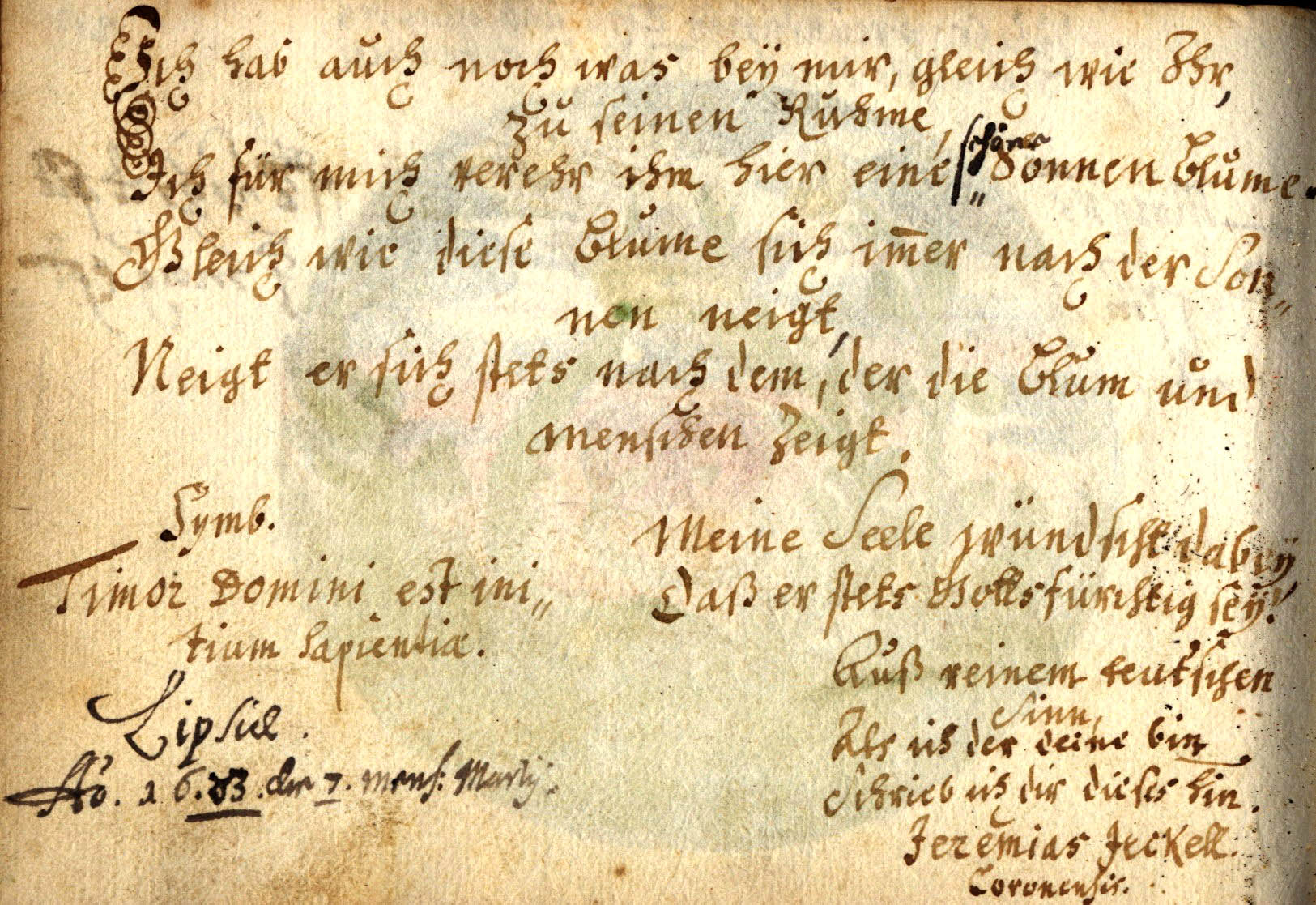
 The album amicorum, friends’ album, or memoriae causa, collection for the purpose of good memory, was an inevitable item in the meagre luggage of the students wandering from university to university in Europe between the 16th and 19th centuries. Upon setting out, their family members and friends, and in the various cities, their professors, fellow students or distinguished patrons, wrote in them some warm words of erudite aphorisms. The several thousand albums which have survived give a good opportunity for reconstructing the network of the early modern intelligentsia and the usual routes of their university studies.



 Come with us to…
 Atlantis
 Bestiary
 Bohemia+Prague
 Books, exhibitions, music, film
 Brave old world
 Caucasus
 Cemeteries
 Crimea
 Get to know the
 Images of the East
 Lightwriting
 Lwów/Lemberg
 Mallorca
 Message on the wall
 The Museum of Propaganda
 Odessa
 Paper Museum
 Persian letters
 The Jewish heritage


