Sayat Nova: Dun en glkhen (Entreaty of the king before his exile), Gaguik Mouradian, solo kamanche, 3’40”

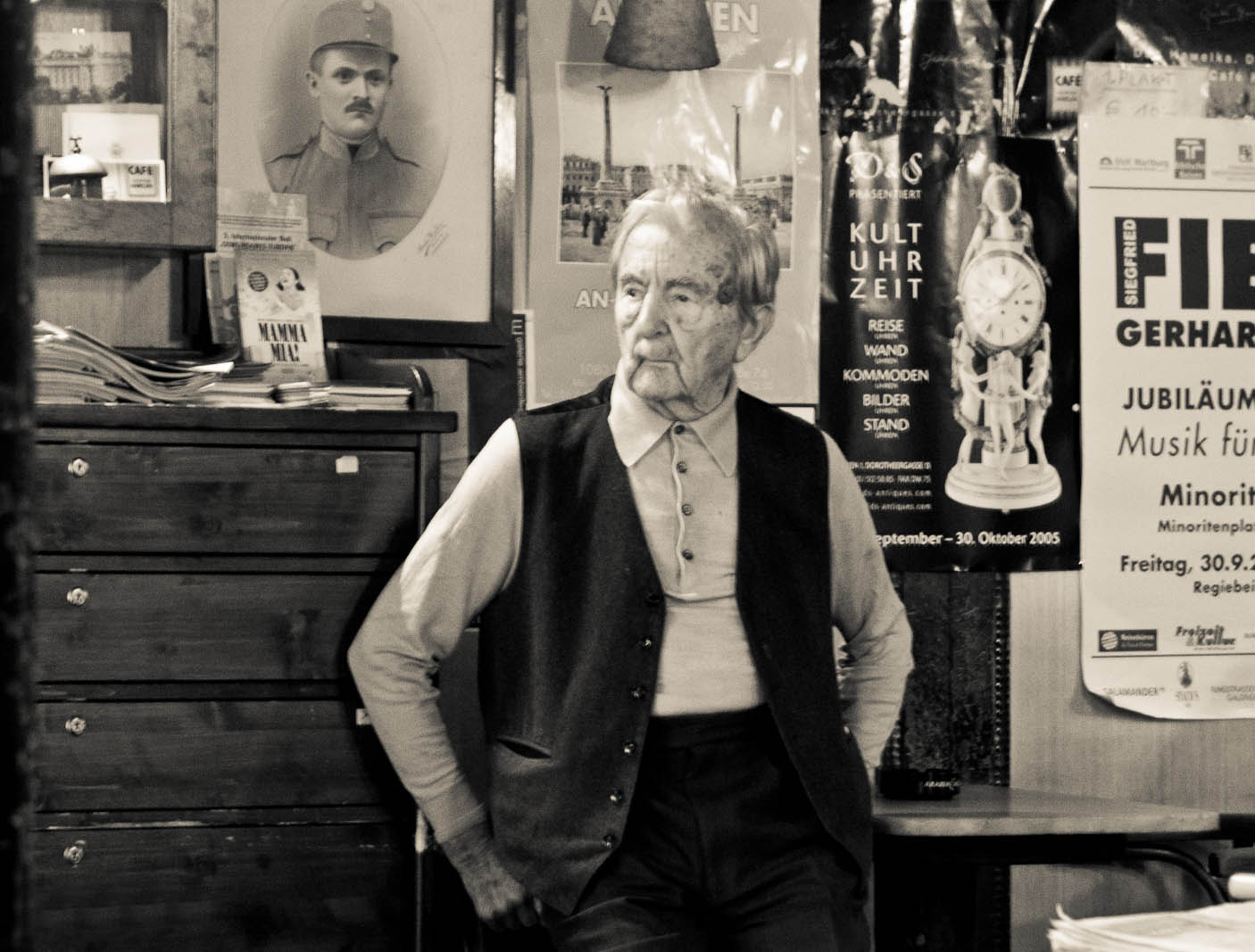
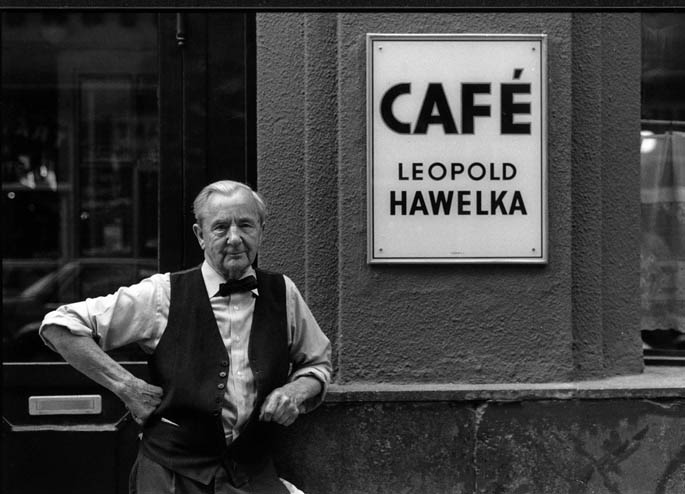
 “Although Leopold Hawelka cannot remember the Emperor, he acts as if he saw His Majesty every day. Who has once visited Café Hawelka, will know what I mean. Herr Leopold is blessed with that science of clairvoyance, which is the privilege of the truly great restaurateurs, and thanks to which he finds out all your wishes. Herr Leopold is just sitting in the corner, under the weight of his hundred years, sipping coffee, straightening his bow-tie, you get up from the table because you want to piss, and Herr Leopold exactly know that you stood up for a piss, so he points where you find the bathroom.
  The situation is similar if you stood up for any other reason, Leopold finds out that one more coffee, five wines plus four apricot brandies.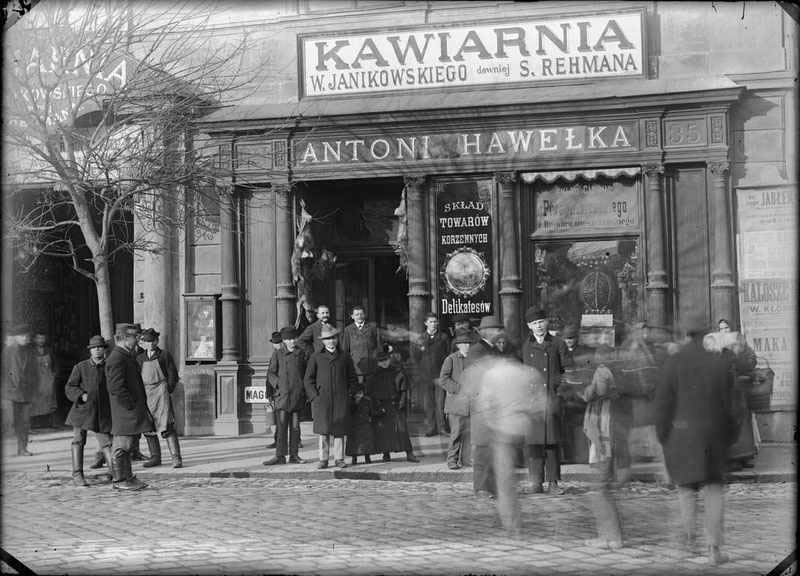
 have always ben excellent in his shop, he won the title of Purveyor to the Imperial and Royal Court. Ah, if one was permitted to print on his products in the local language, that Purv. to the Imp. and Roy.! He no longer needed any other letter of recommendation, any consumer’s recognition, laurels, professional honors, golden and silver balances, copper groschens or Michelin stars. “Purveyor to the Imperial and Royal Court”, that’s all. Even the kids in Czernowitz know that His Majesty only consumes the finest things.
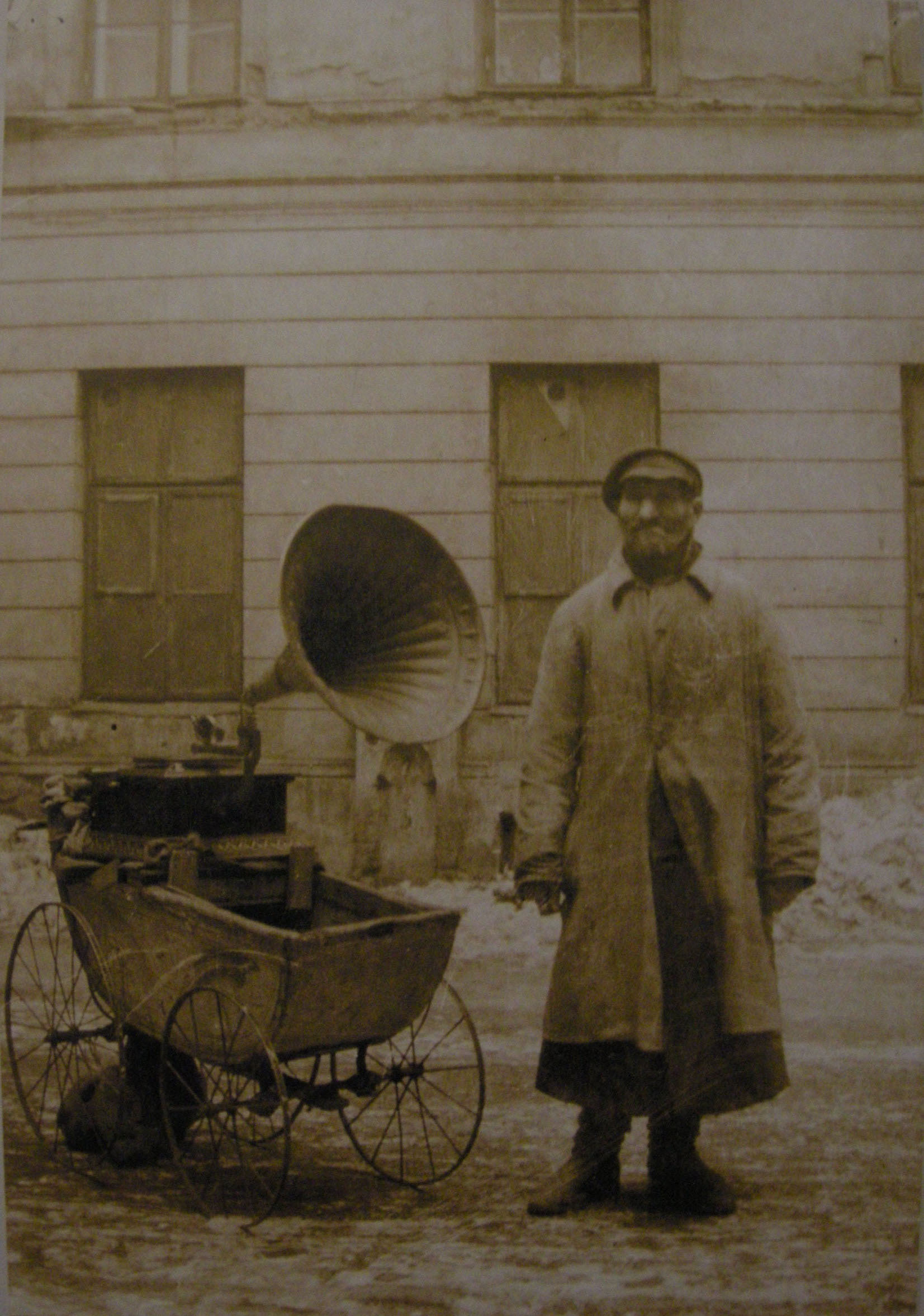 “Exploiting the talents of Josele Rozenblat. Josele Rozenblat’s singing is flowing from the beggar’s gramophone. People throw money for the music to the beggar from the windows. By “carrying” Josele in a push-chair from one courtyard to another, the Jew manages to earn a living in Warsaw.”
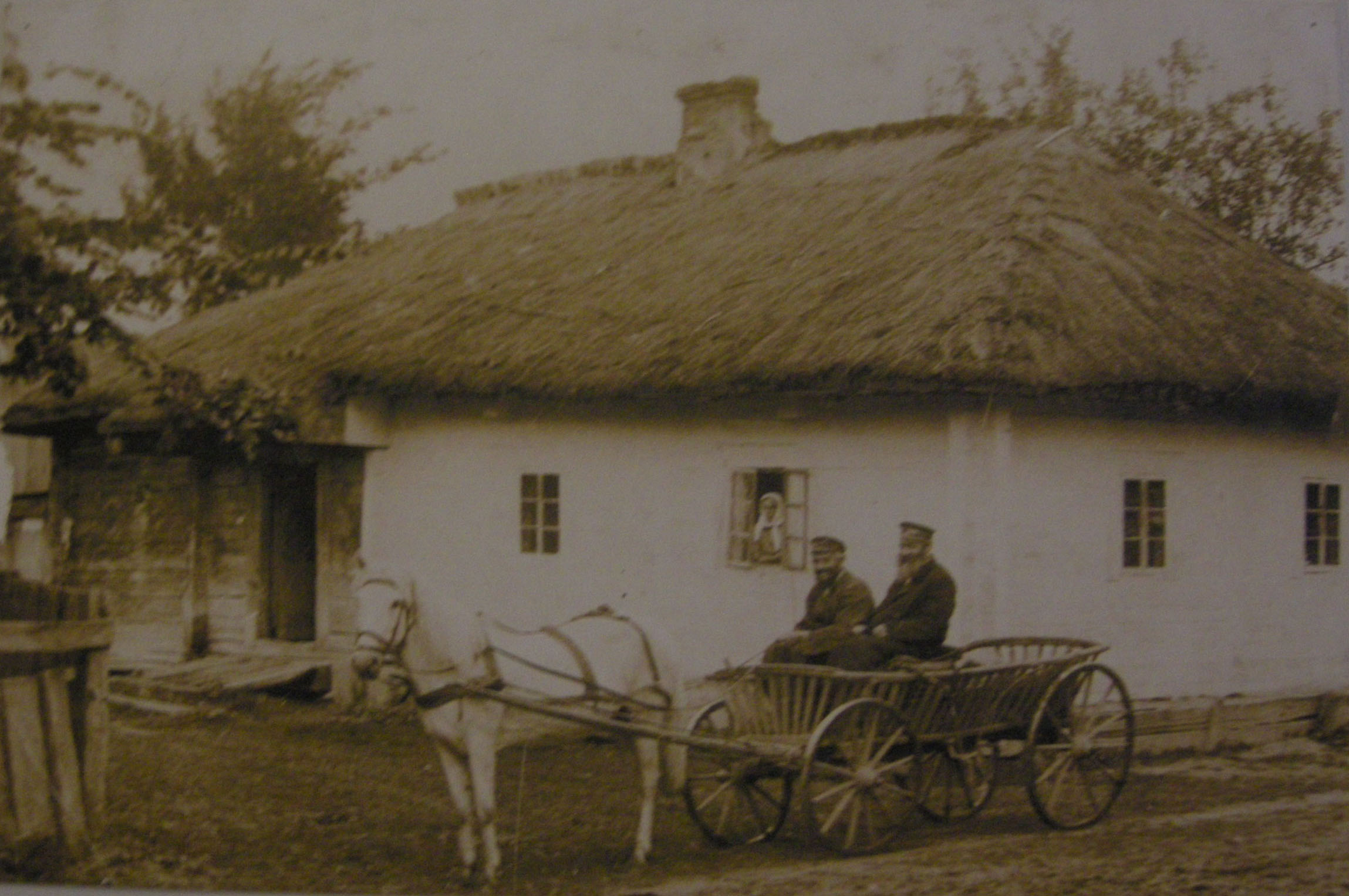
 “Jewish idyll in a new Ukrainian village. A Jewish house in Orszyce (Żytomierz district). The peasants earn their living by carrying the Jews around the village. In this old peasant house grew up the famous cantor Mordechaj Hirszman, now popular all over America. His aunt is looking from the window.”
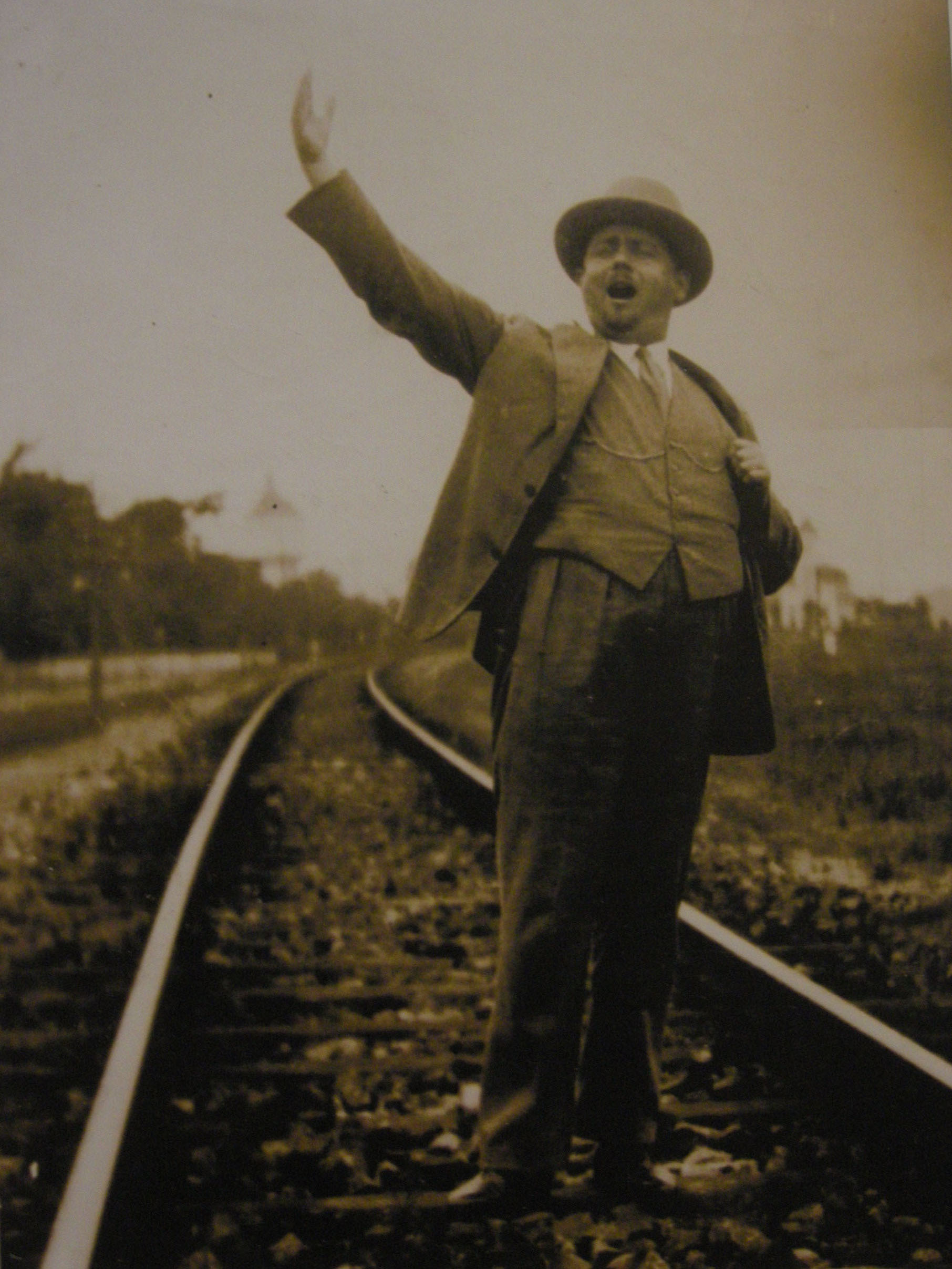 “The Warsaw cantor Gerszon Sirota.”
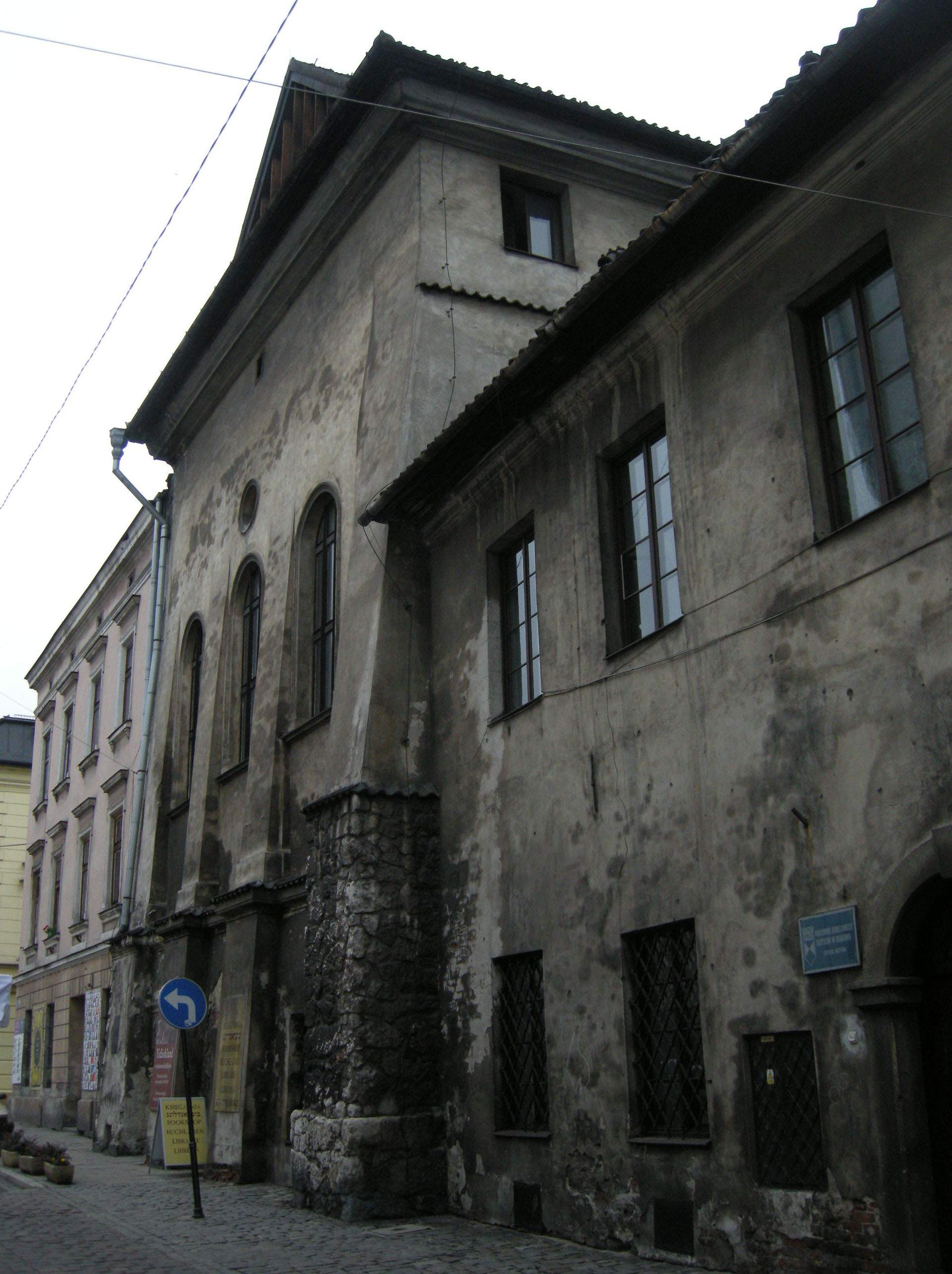 La Sinagoga alta de Cracovia debió edificarse bien entrado el siglo XVI —quizá, según precisan algunos autores, entre 1556 y 1563— y nos consta su existencia en 1697. Su nombre proviene de que el lugar de oración no estaba en la planta baja, sino en el piso inmediatamente superior, igual que en la Sinagoga alta de Praga, también del siglo XVI. De hecho, es la sinagoga más alta entre la docena de ellas con que cuenta Cracovia. En el edificio contiguo se instituyó una escuela de Talmud en 1810.
 Explotando el talento de Josele Rozenblat. El canto de Josele Rozemblat surge del gramófono del mendigo. Desde las ventanas, la gente le echa monedas para que suene su música. «Transportando» a Josele de un patio a otro, el judío consigue ganarse la vida en Varsovia..
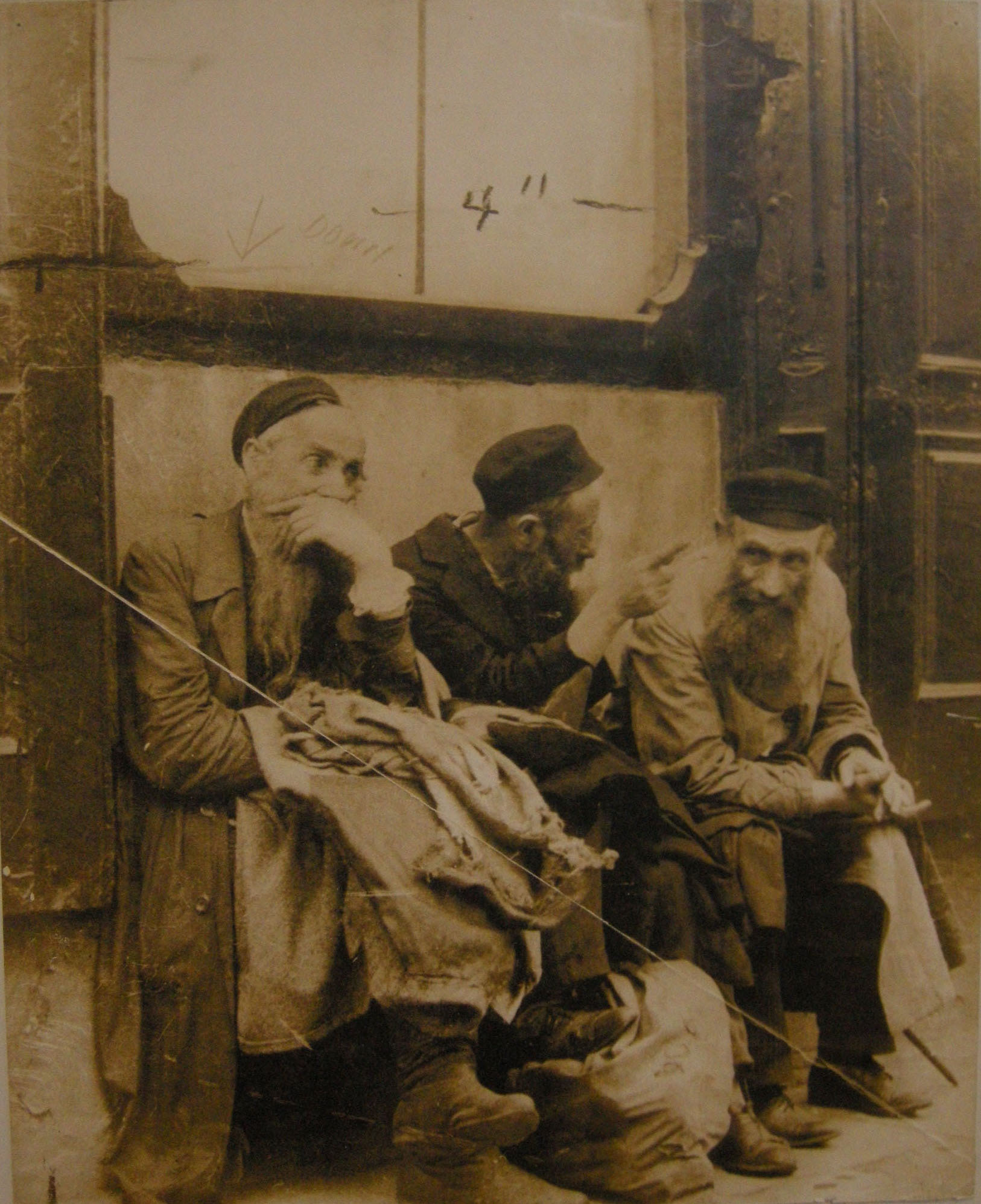 Comerciantes de Varsovia que venden ropa vieja. Van normalmente de un patio a otro. Ahora están descansando un momento en el escalón de una entrada. El hombre que habla en el centro suelta un discurso político a sus dos colegas. Los dos hombres mayores le prestan poca atención, más ocupados en sus propios problemas. Aún no han ganado el suficiente dinero para el sabbat.
 En una sala de la Asociación de Artistas Judíos de Varsovia. En la Asociación de Artistas Judíos de América juegan habitualmente a «finagel», que aquí se considera particularmente aburrido hoy en día, así que en su lugar juegan a «damka»…
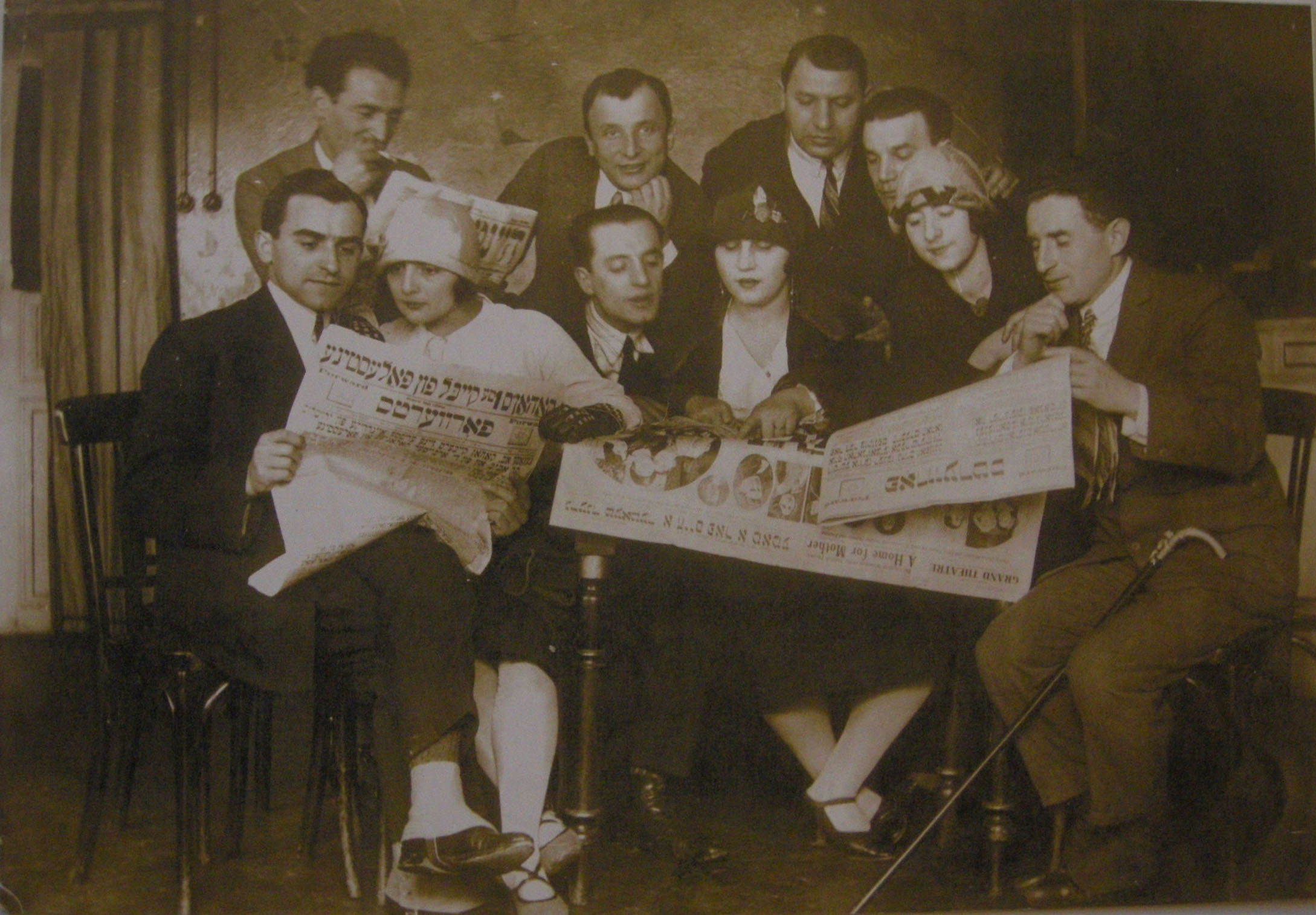 En la Asociación de Artistas Judíos de Varsovia. Un grupo de hombres y bellas mujeres artistas estudian nuevas obras americanas publicadas en la revista «Forwerts», así como las ilustraciones de la sección de arte.
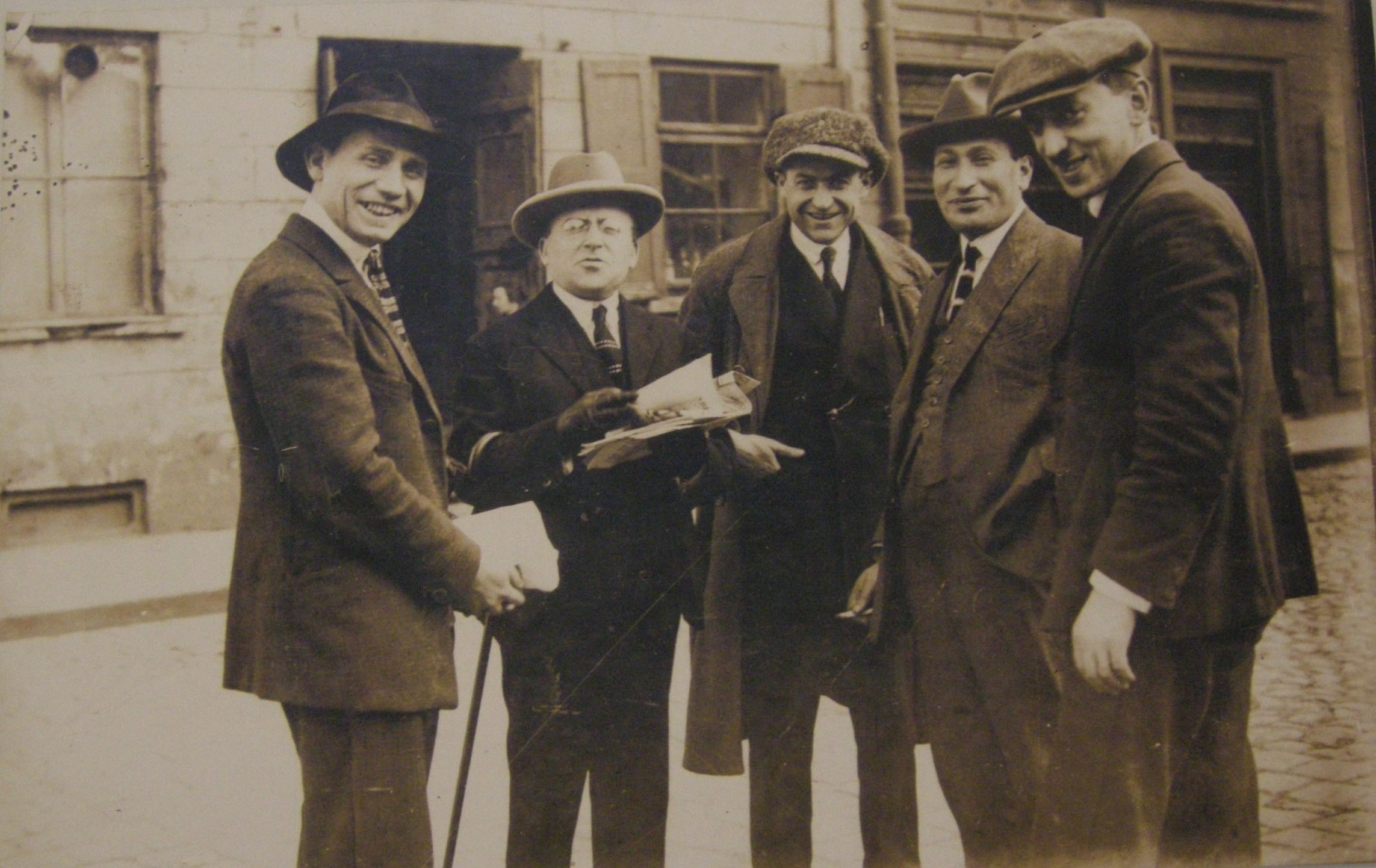 Un grupo de jóvenes miembros «bunds» de Varsovia.
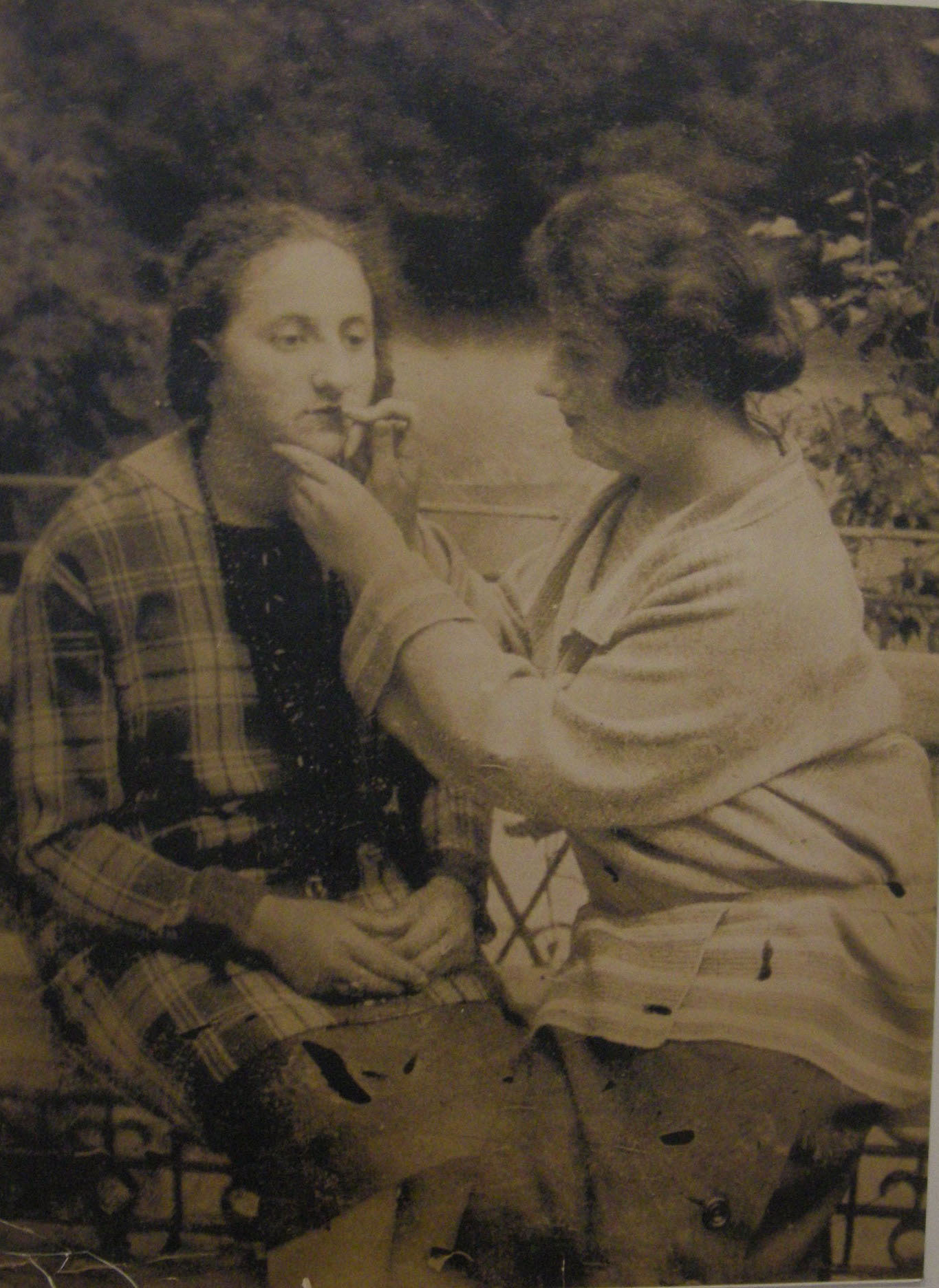 Chicas de Varsovia. Sin nada mejor que hacer, se sientan en un barco del parque Saski y se pintan los labios.
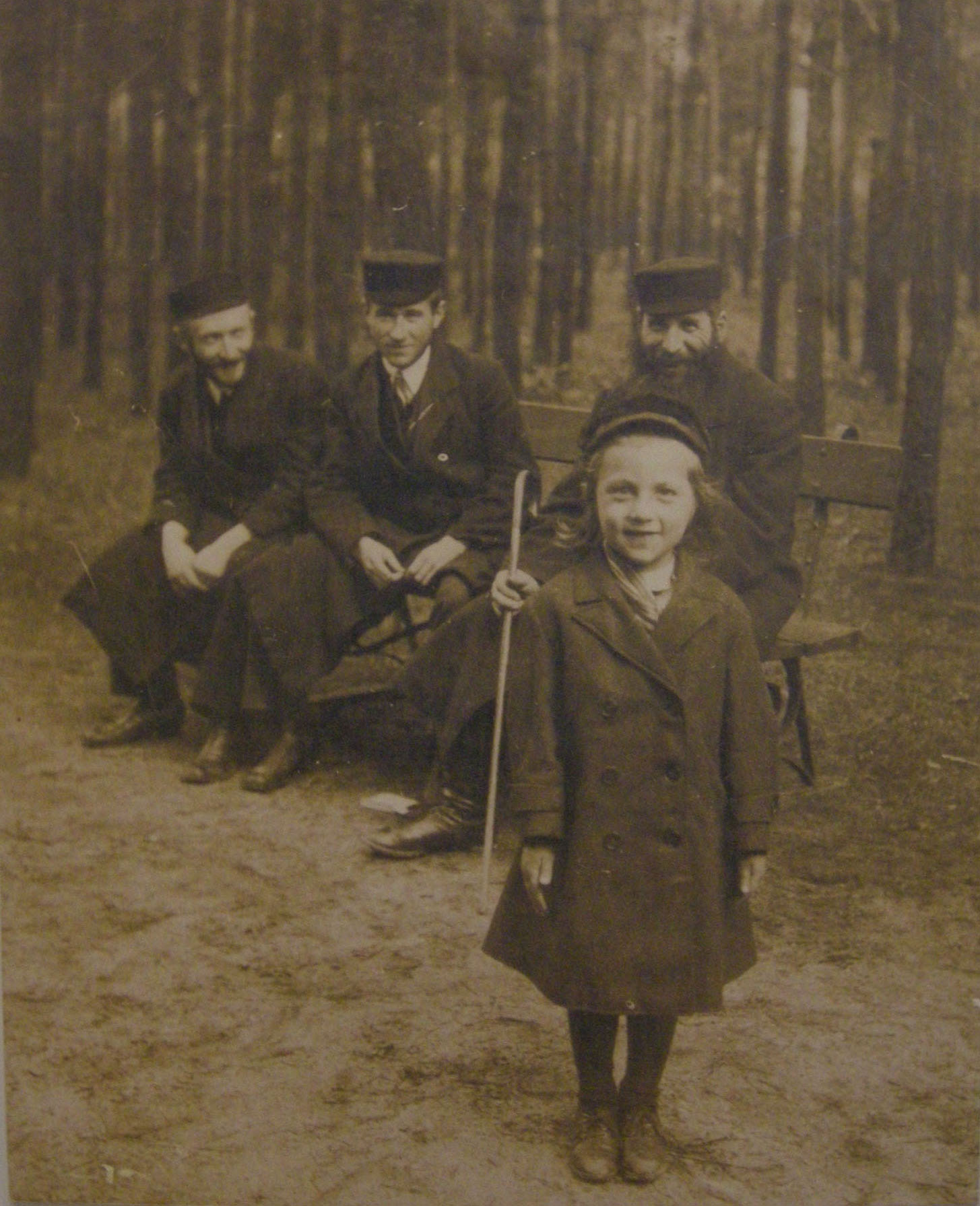 Pequeño rabino. El heredero del rabino de Aleksandrow (una pequeña ciudad polaca) de paseo por Ciechocinek en compañía de tres judíos jasídicos.
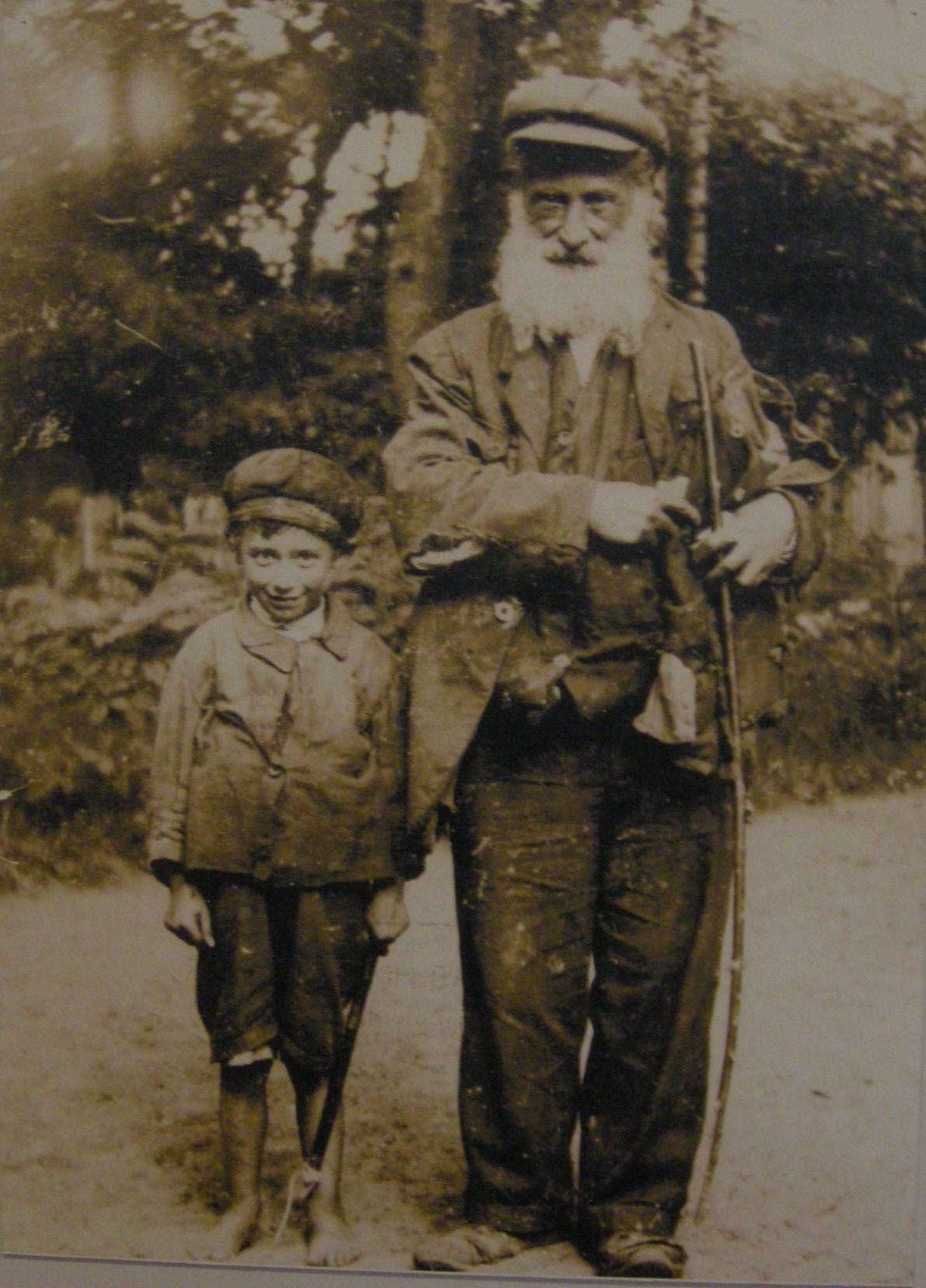 Un abuelo con su nieto de camino a visitar los balnearios próximos a Otwock (Polonia). Fotografía tomada especialmente para «Forwerts».
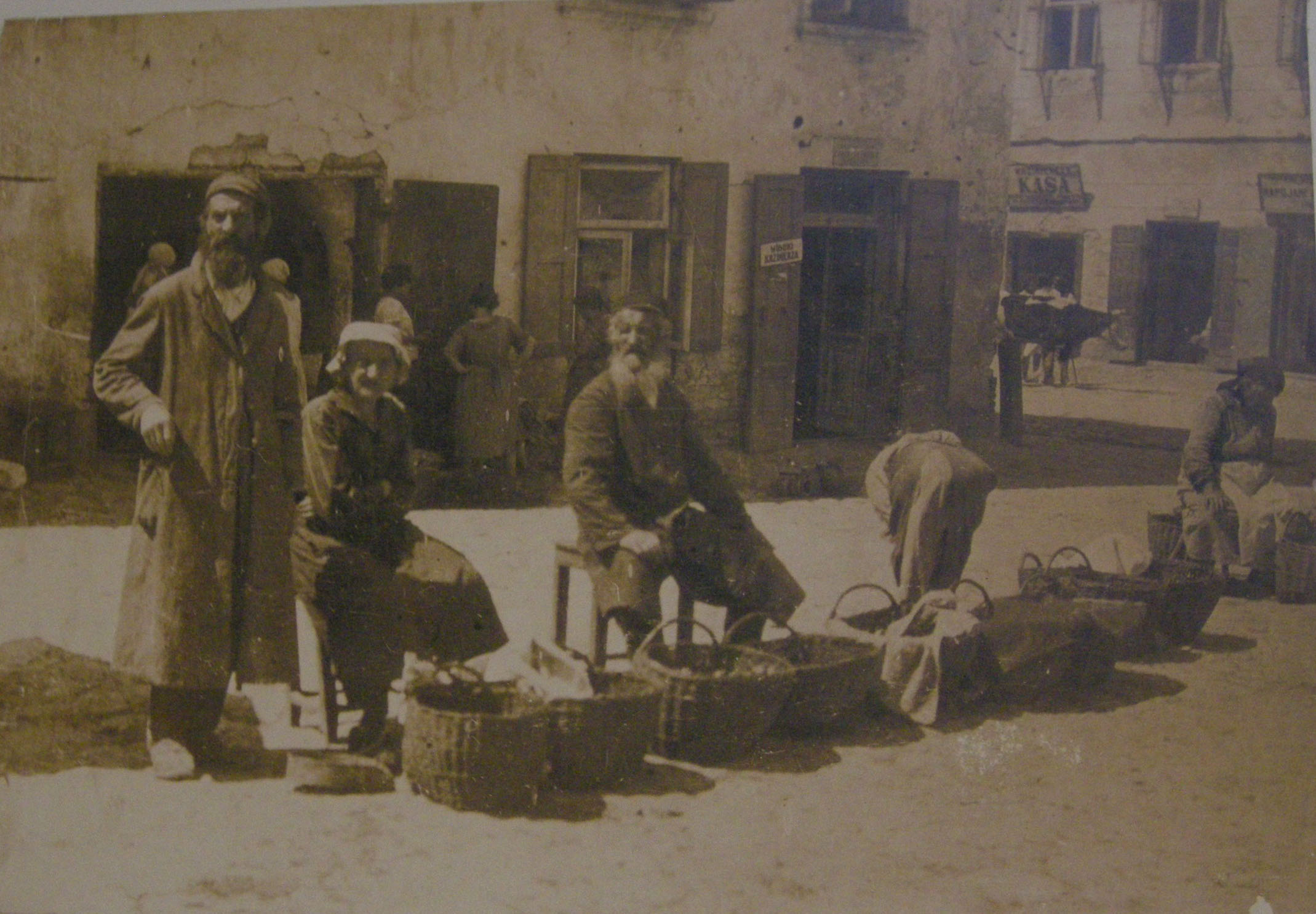 Comerciantes judíos con cestas de hortalizas y fruta en el mercado de Kazimierz (Polonia).
 Chicos de la escuela (jéder) jugando en las calles de Falenica (cerca de Varsovia). Cortejo judío en un pueblo ucraniano nuevo. Una casa judía en Orszyce (distrito de Żytomier). Los campesinos se ganan la vida llevando a los judíos por el pueblo. En esta vieja casa campesina creció el famoso cantor Mordechai Hirzsman, ahora popular en toda América. Su tía es quien mira por la ventana.
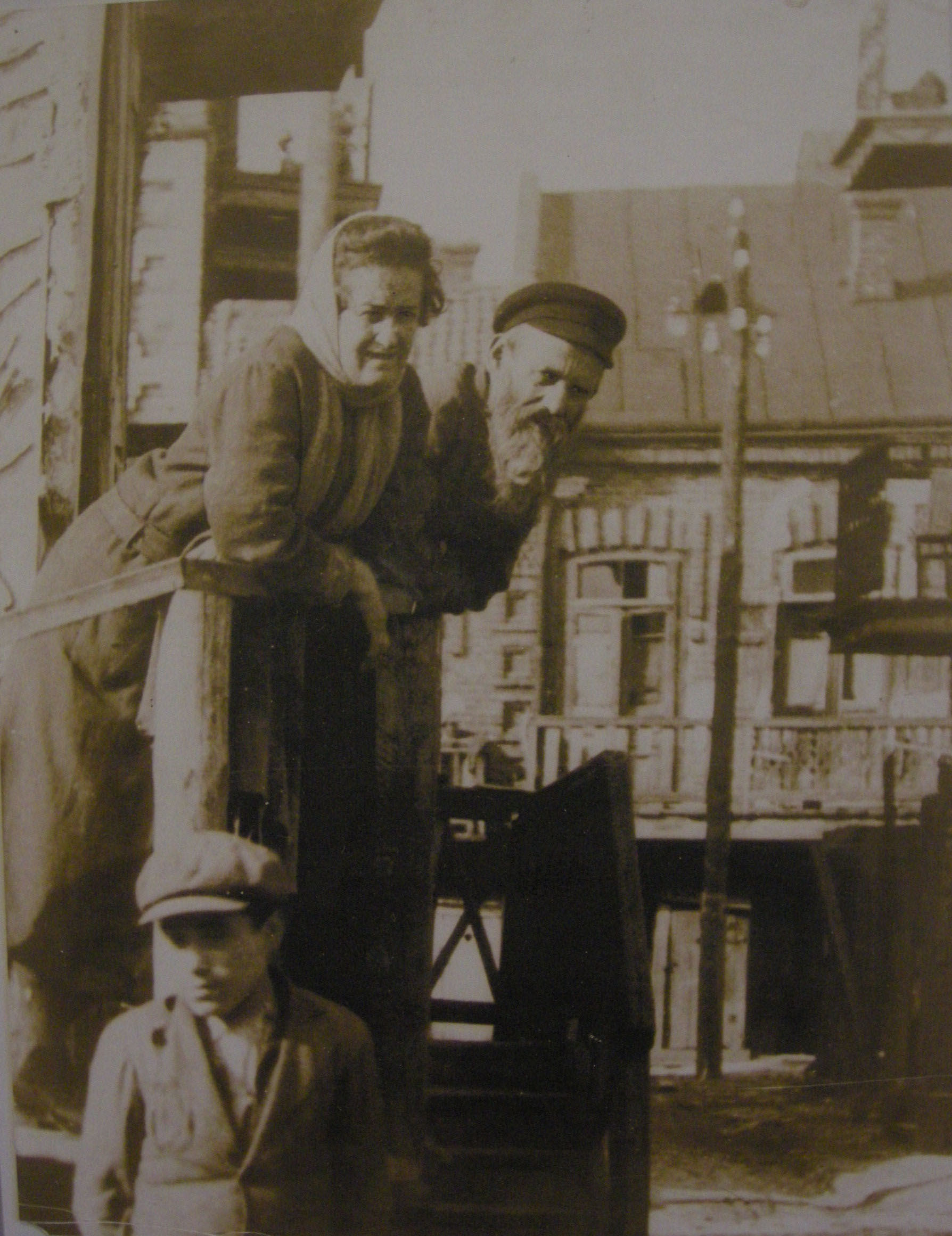 En el balcón, un hombre y una mujer de Równe (Volinia) se permiten un respiro en el aire primaveral que corre por la estrecha calle de su casa en el pueblo.
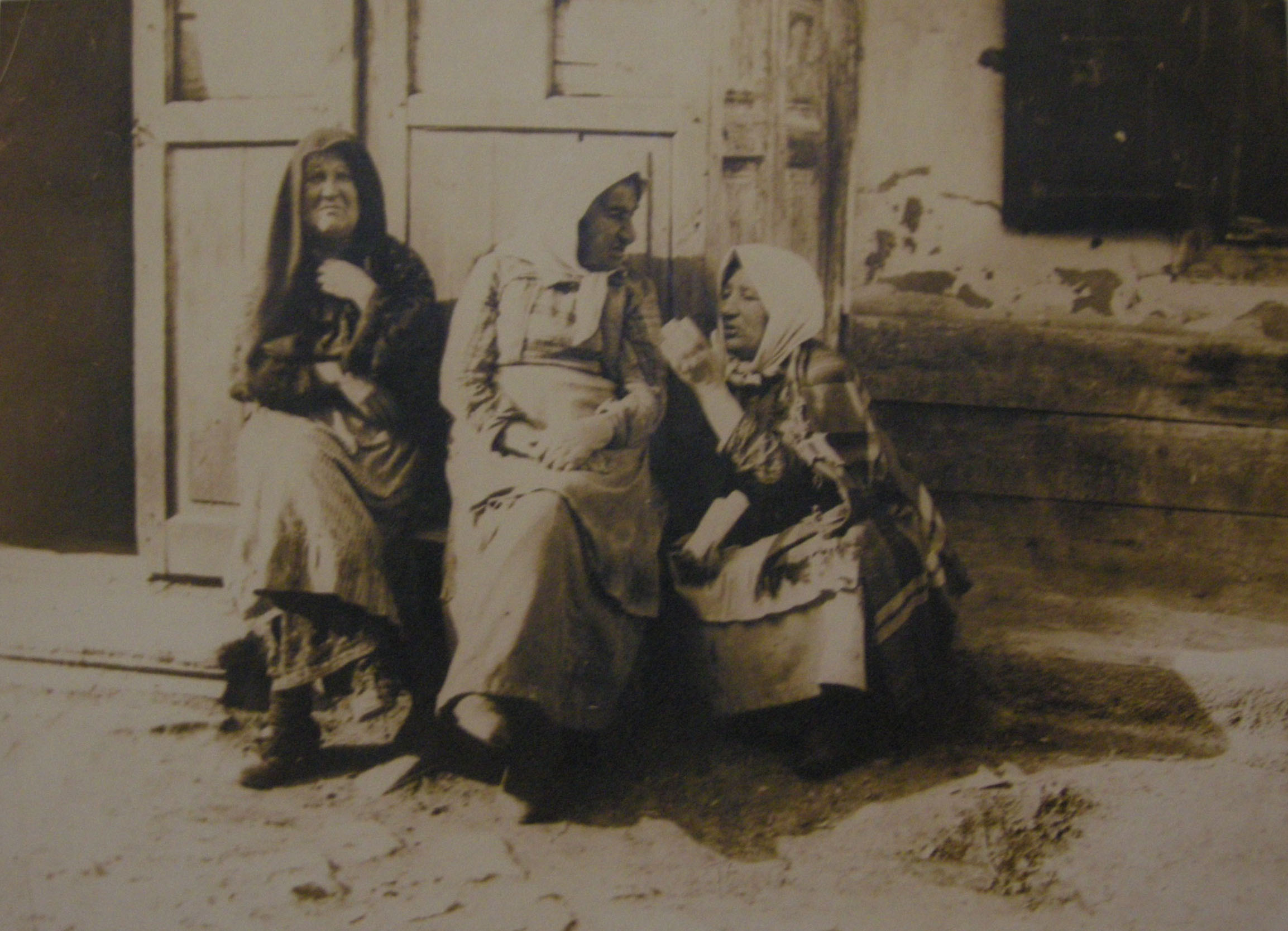 Escena de Równe (Volinia). Tres mujeres se sientan a murmurar a la puerta de la casa. Fotografía tomada para «Forwerts».
 Szymon Josef, cochero de Rożyszcze (pueblo de Volinia, hoy Polonia) con su calesa y caballos. Llevó a la mitad de los habitantes del pueblo a la estación del tren —todos partieron a América. Ahora no tiene a nadie a quien llevar…
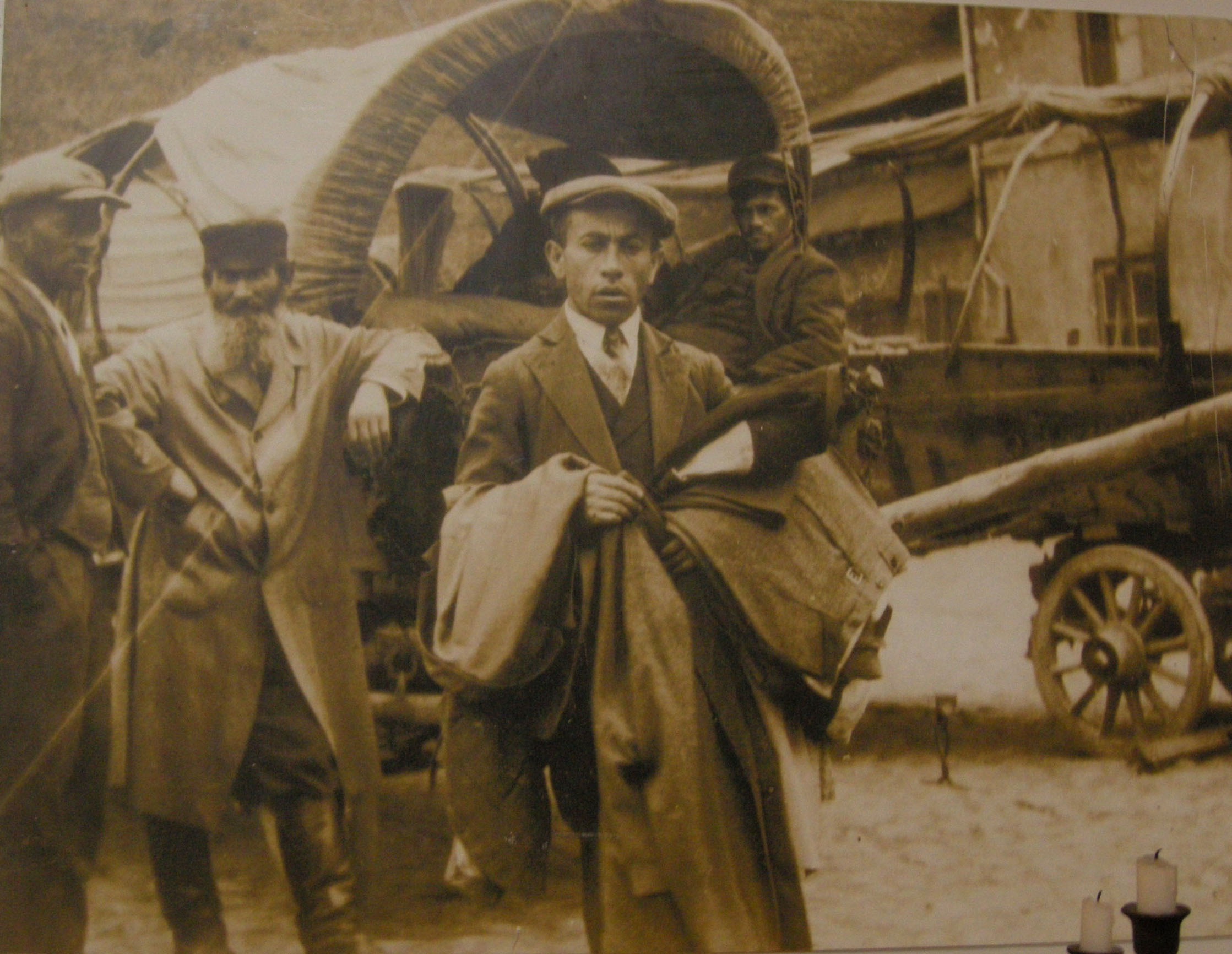 Judíos de clase media en el balneario polaco de Krznica, en los años 30. Después de tomar el baño, discuten de política.
 El valentón de Brajtbard. Mojsze Hoc, cochero de Ciechanow, es el judío más fuerte de Polonia. Deja Varsovia para partir hierros y cadenas y emular las hazañas de Zisze Brajtbard.
 Jokel Manufakturist coloca sus pertenencias en el pequeño carrito y da vueltas con ellas por Ciechocinek (un balneario en Polonia) tratando de vender sábanas y colchas.
 El antiguo rabino de Odesa, Icchak Heler, autor de los libros Chemdat Icchak y Torat Icchak. Salió de Rusia hacia Polonia y se estableció en Ciechocinek (un balneario polaco). Lleva las ropas tradicionales jasídicas. Está sentado en un banco con una sombrilla, mientras aspira el aire fresco.
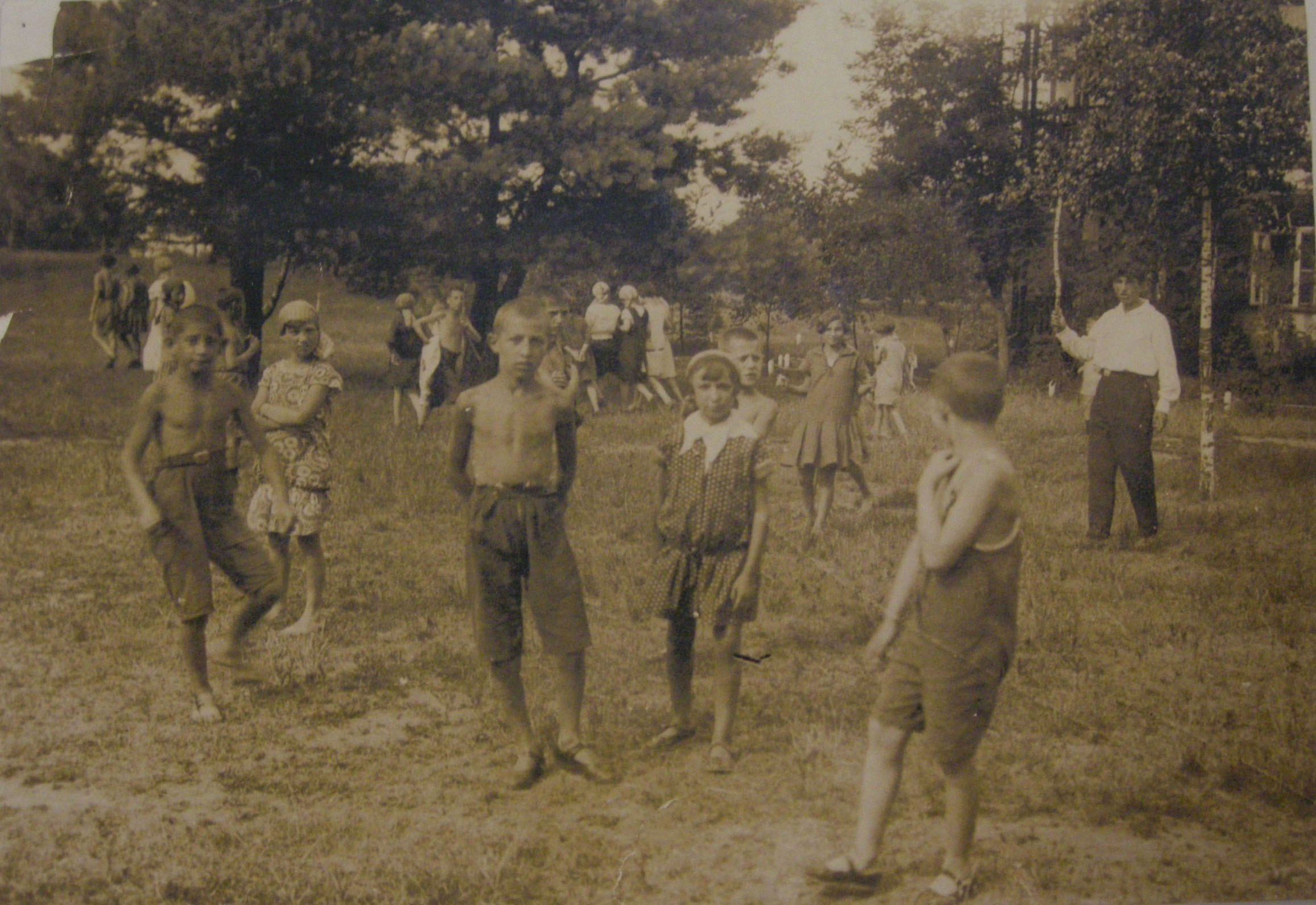 En el sanatorio Madem de Międzeszyn (cerca de Varsovia). Este año, como es lo normal, alberga a 200 muchachos de familias pobres. A los chicos se les da comida, ropa y son atendidos por médicos. Los chicos de esta foto juegan bajo el sol en el patio haciendo mucho ruido.
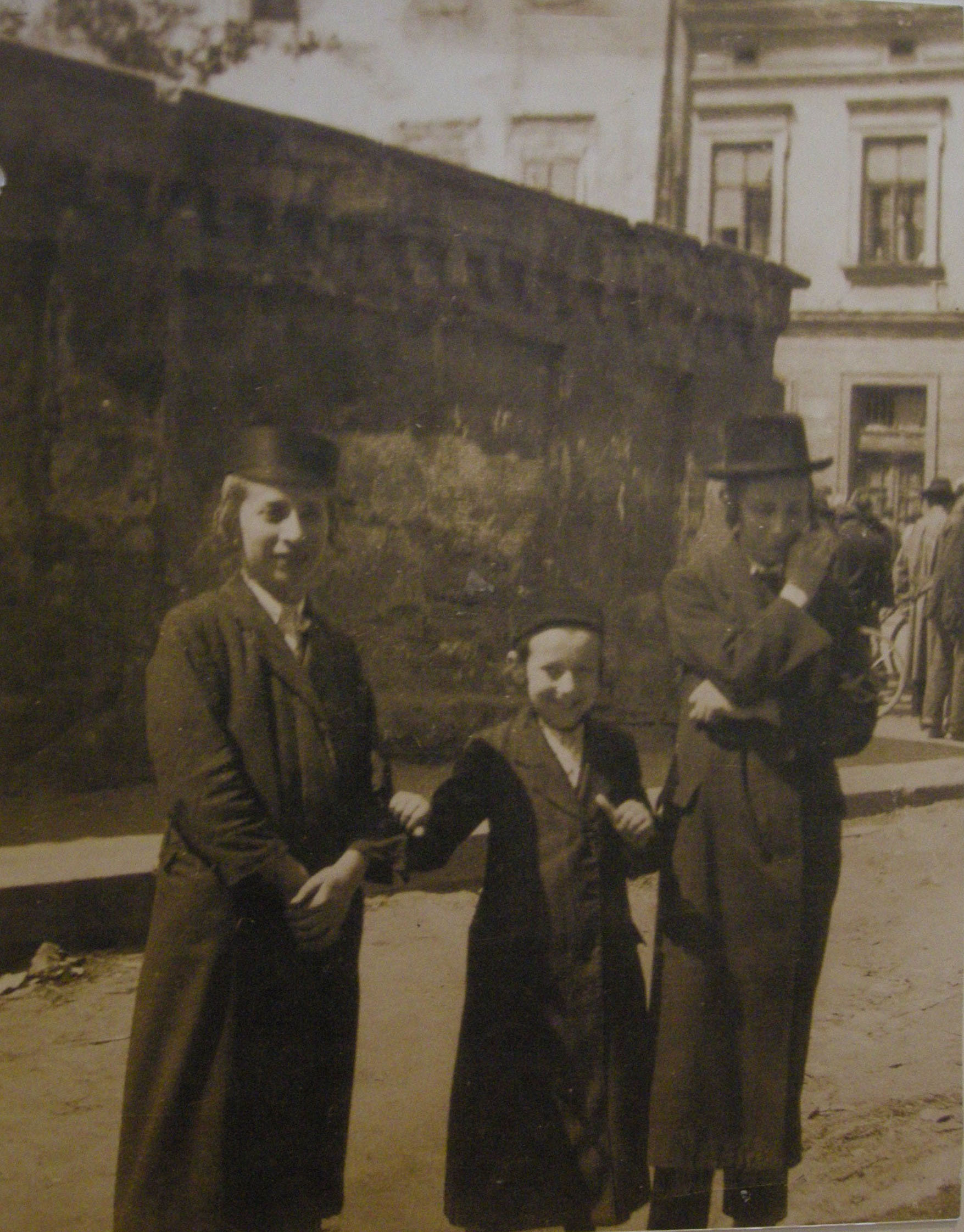 Chicos de Cracovia de familias jasídicas.
 Jóvenes jasídicos de Varsovia, de buena familia, circulando por Nalewki. Fotografía tomada para «Forwerts»
 Vista de Varsovia. Escena de Wołówka —zona de Varsovia donde se compra y vende ropa vieja.
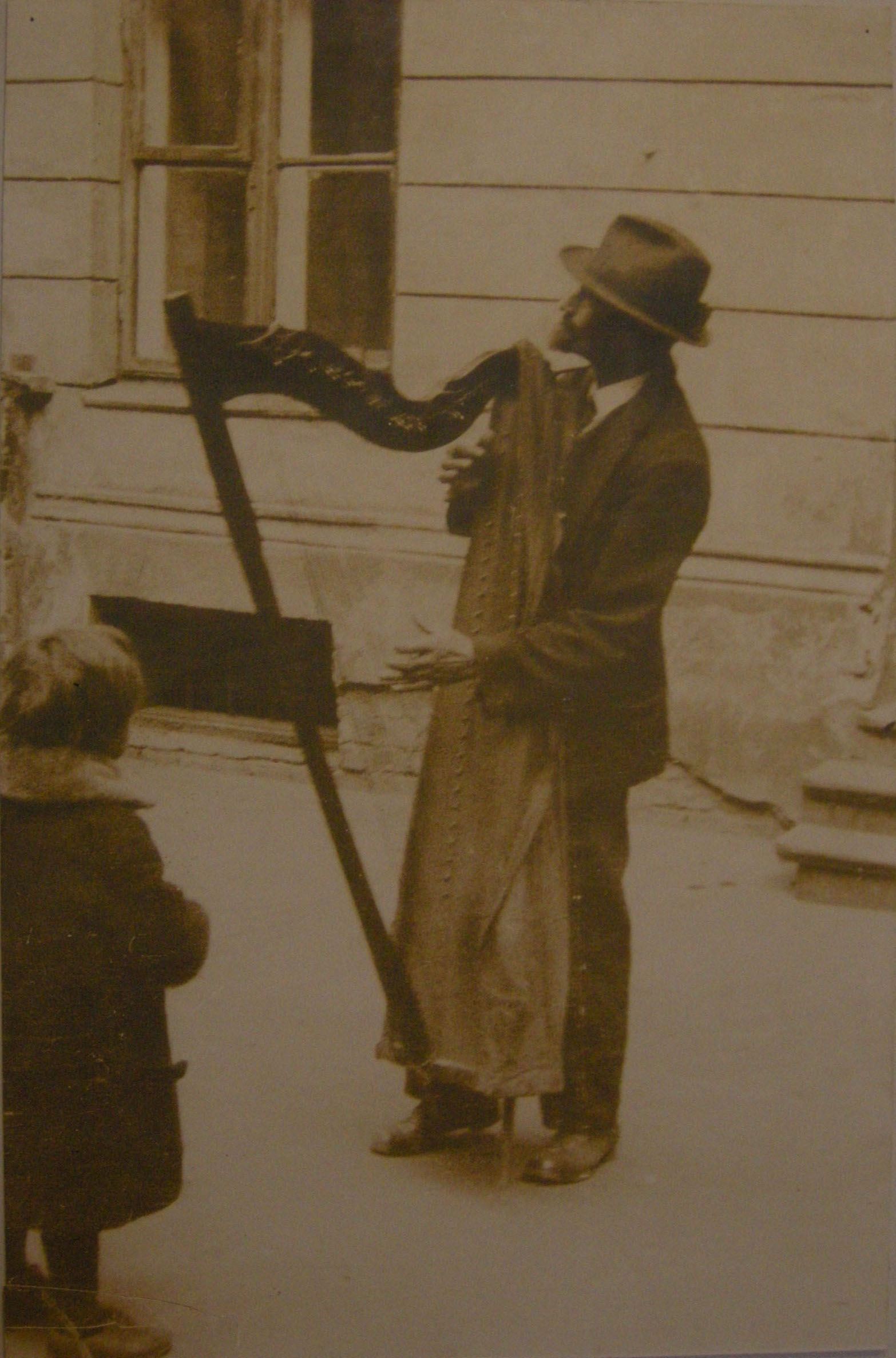 En otra época solía tocar el arpa bajo la ventana de su amada. Ahora, con el arpa, consigue unas pocas monedas por los patios de Varsovia.
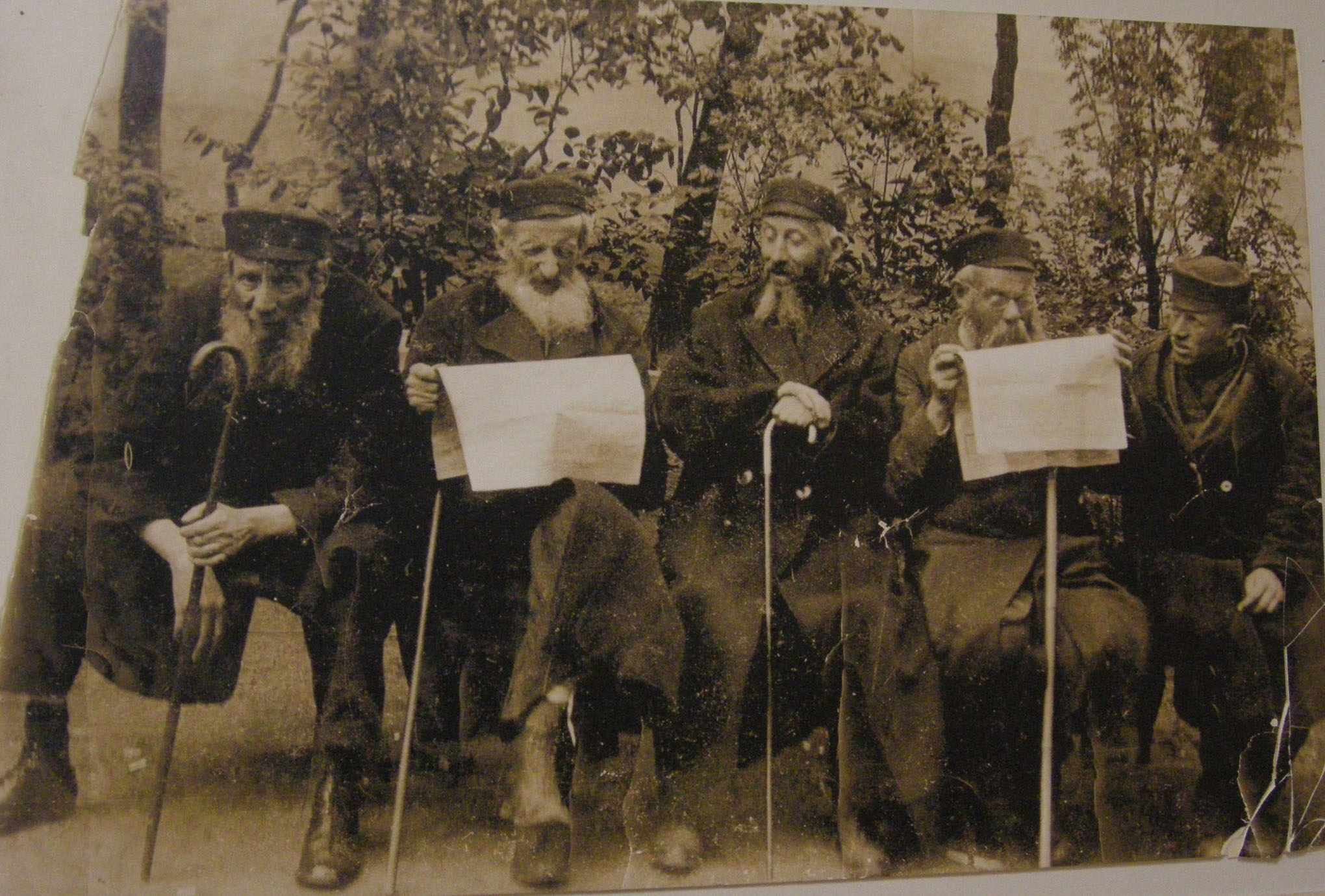 Últimas noticias. Los viejos judíos de Varsovia están tan absortos leyendo los periódicos que no han advertido al fotógrafo. la foto se tomó en el parque Krasińskich de Varsovia para «Forwerts».El cantor de Varsovia, Gerszon Sirota.
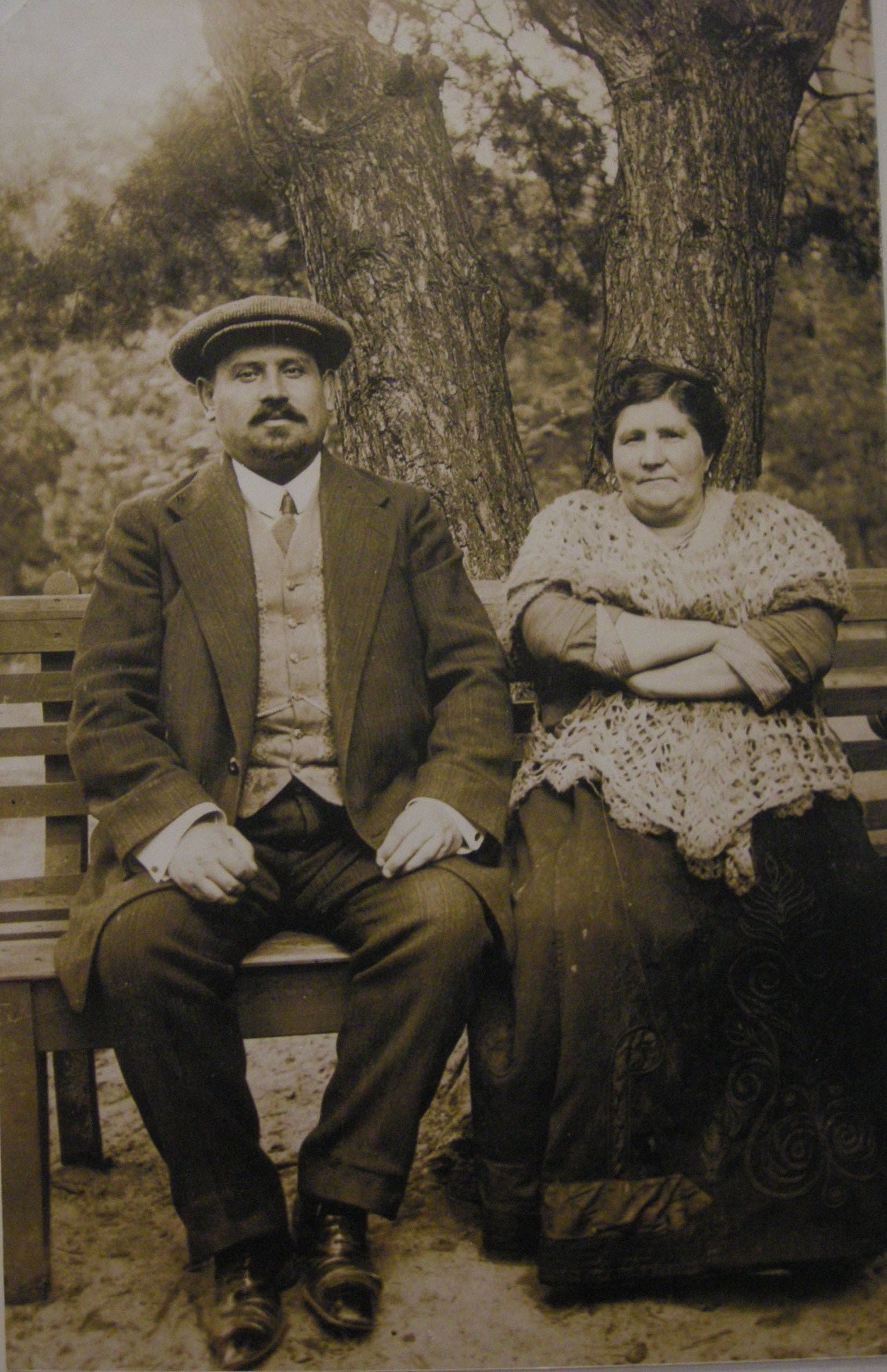 El cantor de Varsovia, Gerszon Sirota, con su esposa. Fotografía tomada en casa de M. Kipnis.

 where we daily publish new photos about our travels around the world:



 Come with us to…
 Atlantis
 Bestiary
 Bohemia+Prague
 Books, exhibitions, music, film
 Brave old world
 Caucasus
 Cemeteries
 Crimea
 Get to know the
 Images of the East
 Lightwriting
 Lwów/Lemberg
 Mallorca
 Message on the wall
 The Museum of Propaganda
 Odessa
 Paper Museum
 Persian letters
 The Jewish heritage