Switch over to our new blog! • ¡Pásese a nuestro nuevo blog!

The renewed version of our blog, with more features, a richer design, and available in nine languages, can be read here: https://wangriver.com

The new version also includes the old posts, often in expanded form. If you are curious about the updated version of this post, replace “riowang.blogspot.com/” in the URL with “riowang.studiolum.com/”, and the new link will most likely lead you there.


La versión renovada de nuestro blog, con más herramientas, un diseño más rico y disponible en nueve idiomas, se puede leer aquí: https://riowang.com

La nueva versión también incluye las publicaciones antiguas, a menudo en una forma ampliada. Si tiene curiosidad por la versión actualizada de esta entrada, sustituya «riowang.blogspot.com/» en la URL por «riowang.studiolum.com/es/», y el nuevo enlace probablemente le llevará allí.

Mostrando entradas con la etiqueta Croatian. Mostrar todas las entradas

Bale!


To Andrea, for birthday
Bale. In many languages it means something good: in Persian yes, in Spanish okay (cf. Latin valet), in Istrian Croatian, a beautiful little town, two thousand years old, known in Italian as Valle, which was founded by the Roman legionaries in valle, one valley back from the coast, to defend Pola, the most important Roman port of Istria, against the Hysters attacking hysterically from the Karst mountains. The town has since accepted Christianity, it sometimes resisted and sometimes gave in, under siege, to the the Uskok pirates, it immortalized the visit of Casanova with a memorial plaque, and it somehow avoided the horror of the foibe, in which the Italian population of the peninsula was rounded up into the karst caves by the partisans of Tito and shot. Basically nothing happened.

bale1 bale1 bale1 bale1 bale1 bale1 bale1 bale1 bale1 bale1 bale1 bale1 bale1 bale1

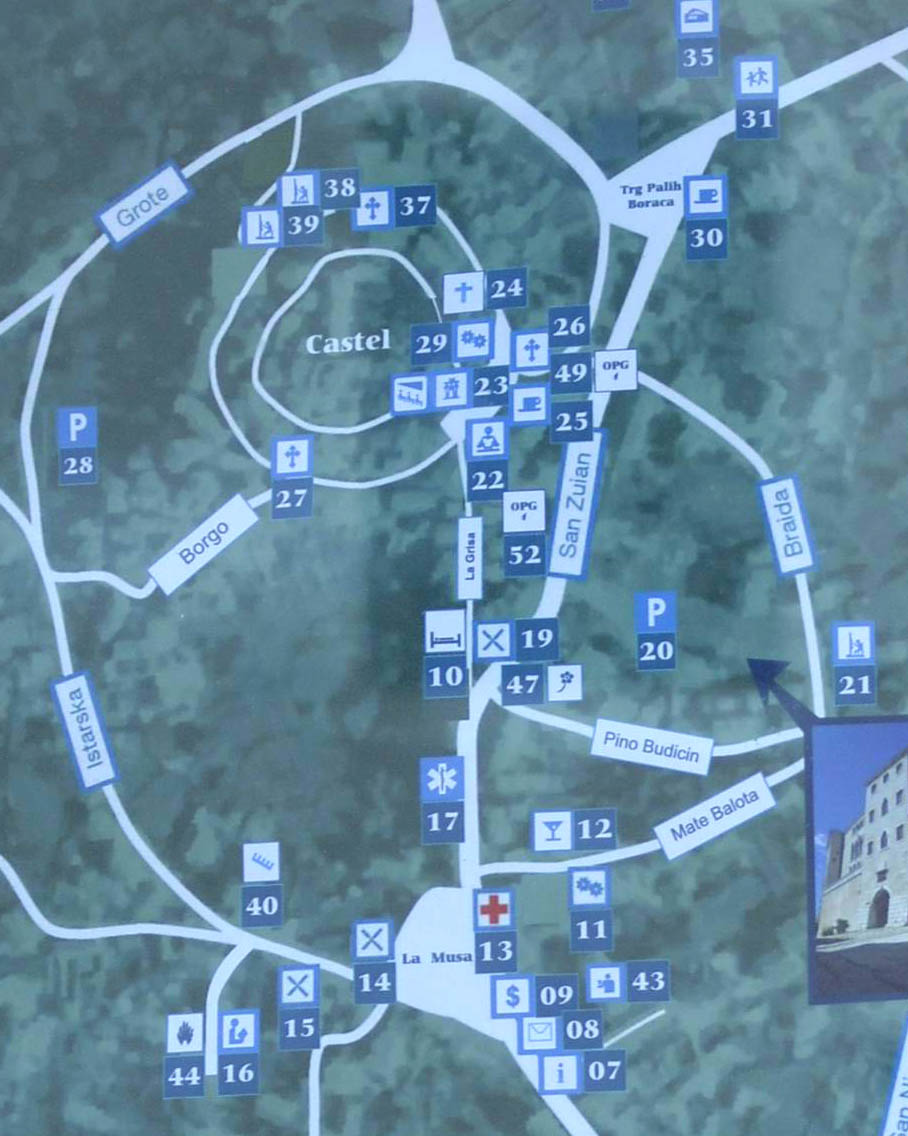
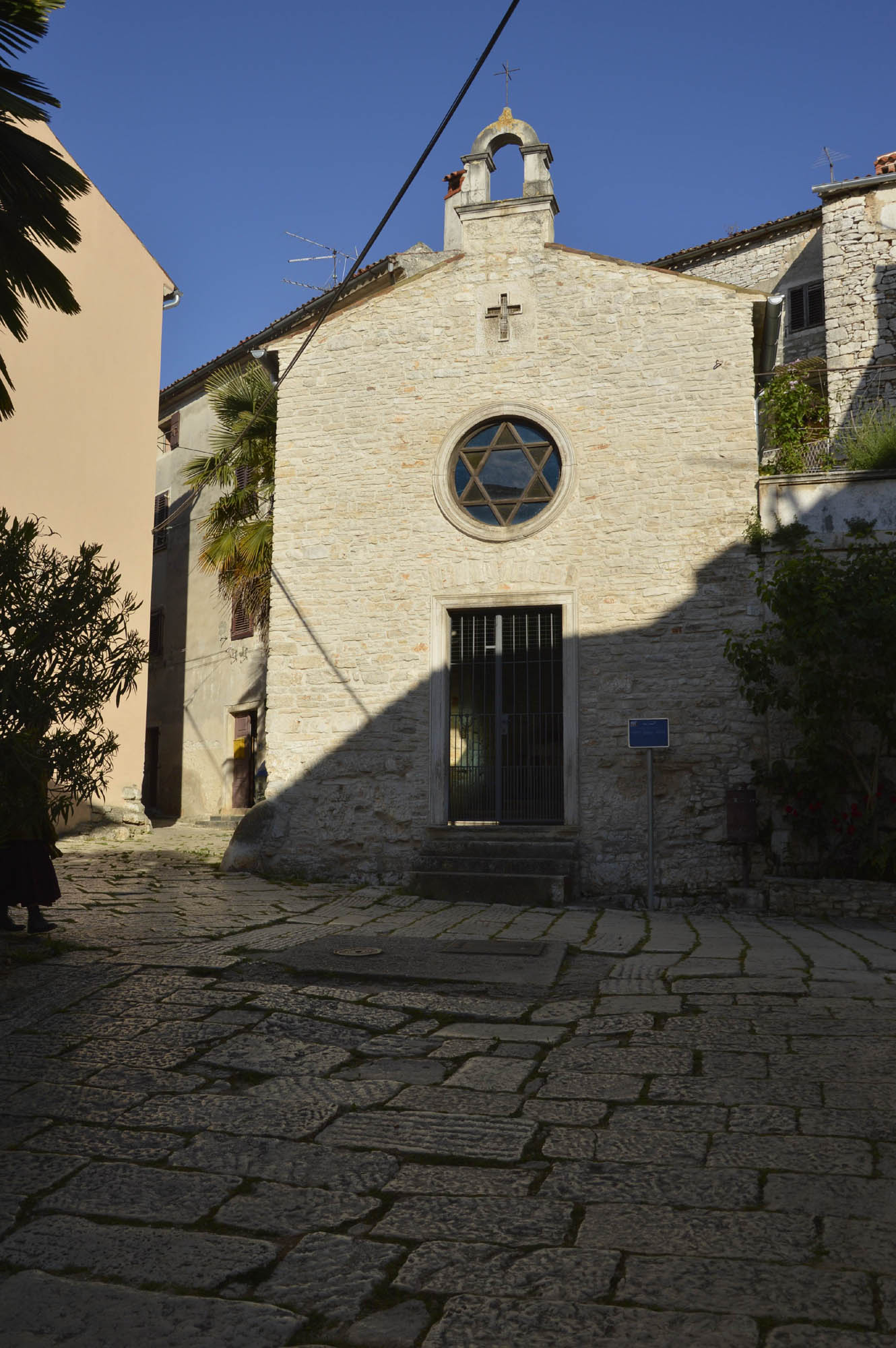
In the middle of the maze of medieval walls there is the Castel, the medieval castle converted from the Roman watch-tower, with two rings of streets around it, the entire thing cannot be larger than a hundred meters. Where the road forks from the outer ring towards the Borgo, a suburb, there stands the church of St. Helena, number 27 on the map, a typical Italian Gothic chapel, with a towerless triangular façade.

However, on this façade, so usual for an Italian town, we see something unusual.
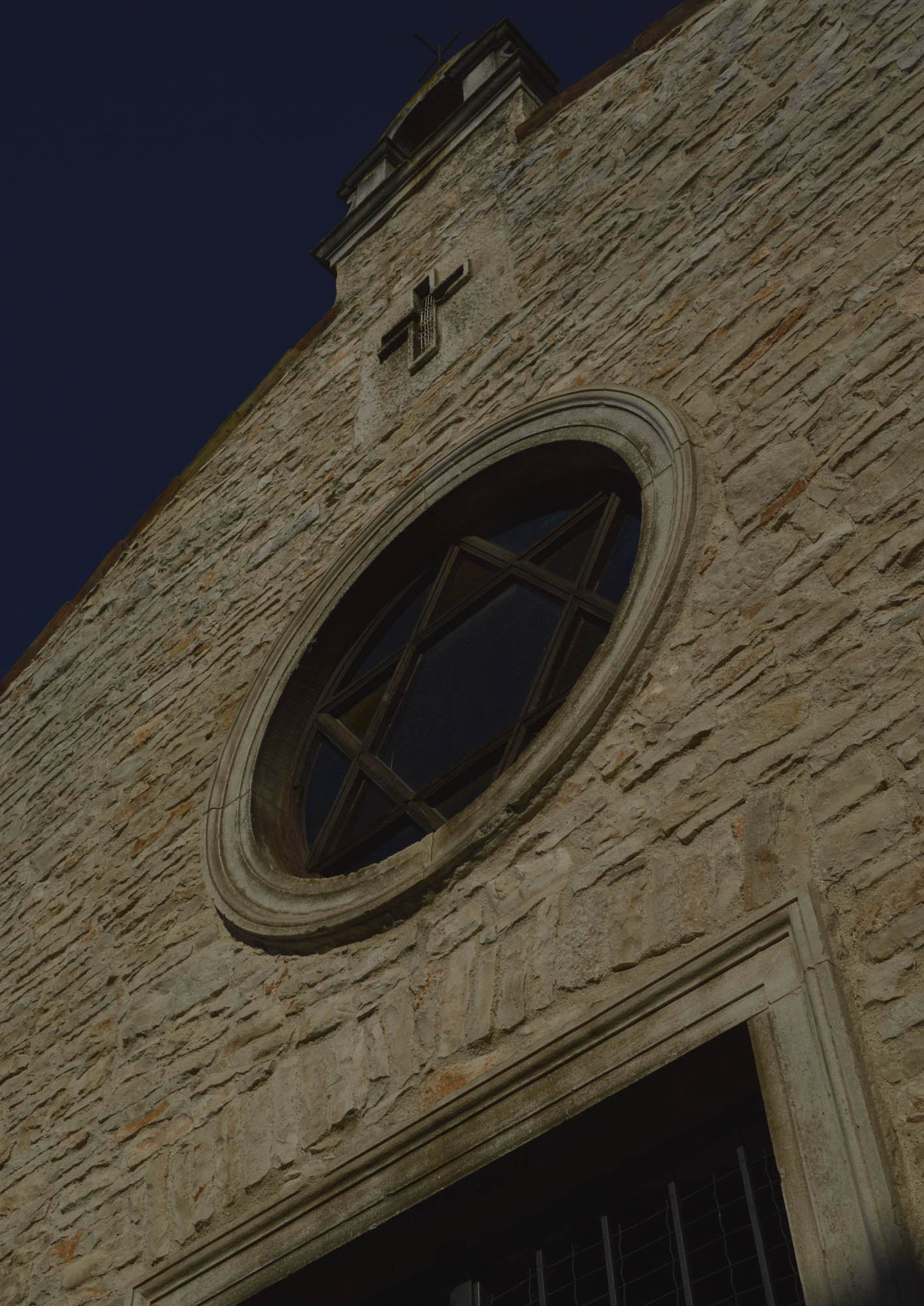

The constellation of the cross and the six-pointed star has already lured a number of guidebook writers into hopeless talmudic speculations. György Fehér’s Istria, as well as the Horvát tengerpart (The Croatian coast) by the silver-tongued Sándor Szarka, the unsurpassed juggler of guidebook phrases, both unequivocally state that the prayer house was used for centuries by Catholics and Jews together, hence the double sign.

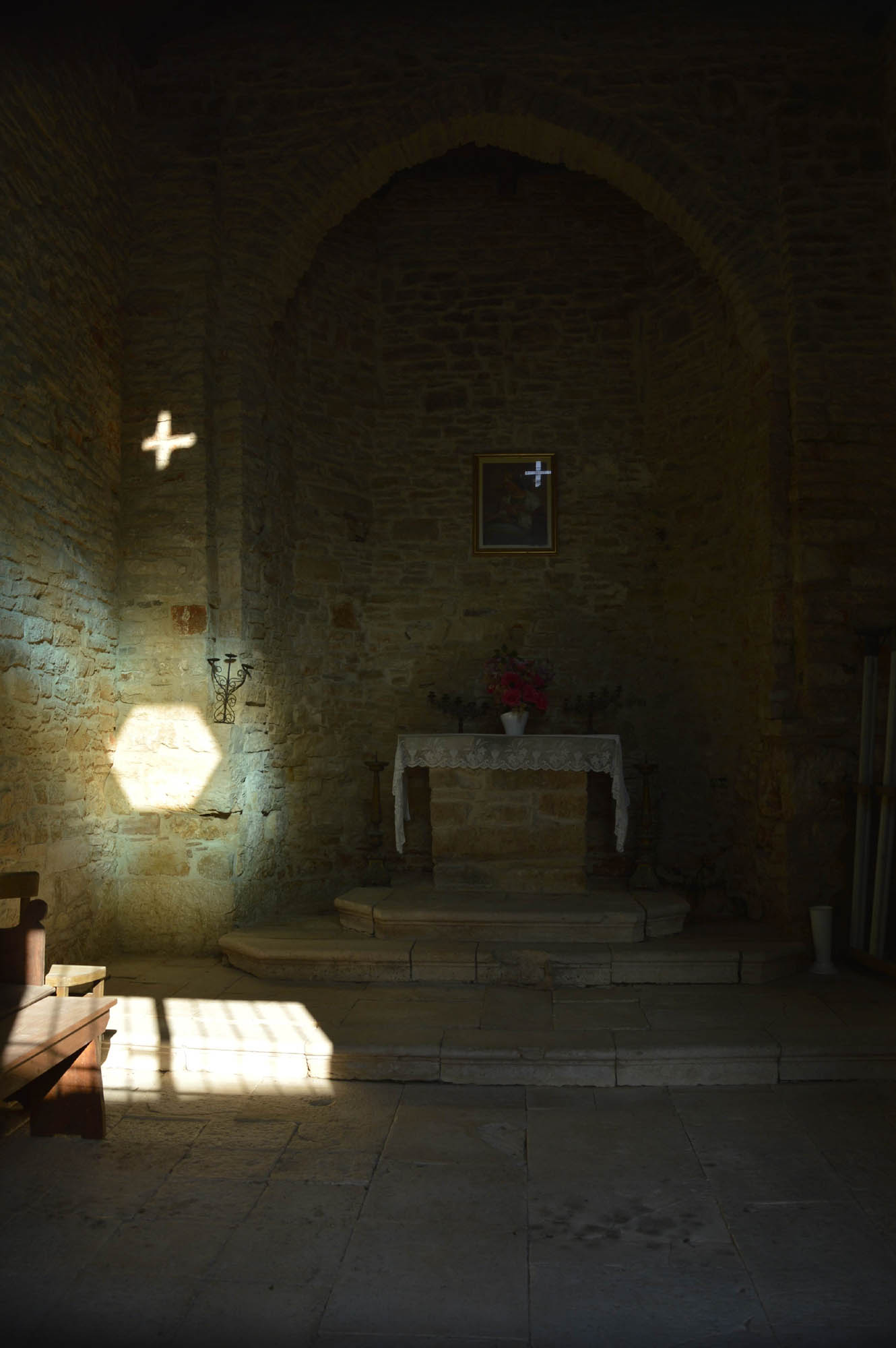
But such a claim can only be made by someone who has personally never used either a Catholic, or a Jewish prayer house. Beyond the fact that in the Middle Ages, most Christians did not willingly tolerate Jews in the same city, let alone in the same prayer house, and Jews would also not willingly sing our Lord, the God, is One in a place where every symbol seemed a blasphemy against this, how would have they celebrated, for example, Passover, when even the private houses had to be cleared of all fermentable grain, in a place where the Sacrament must permanently be present in the form of bread?

Besides, according to the Jewish Encyclopedia, no Jews ever lived in Bale. The Istrian town councils authorized the establishment of five wealthy Jewish families in five towns – Isola, Pirano, Rovigno, Pola and Veglia – for the purpose of money lending, but from the 17th century, the “monti di pietà”, the pawnshops set up by the Istrian citizenship, gradually took over, and these few Jews left the peninsula for Trieste.
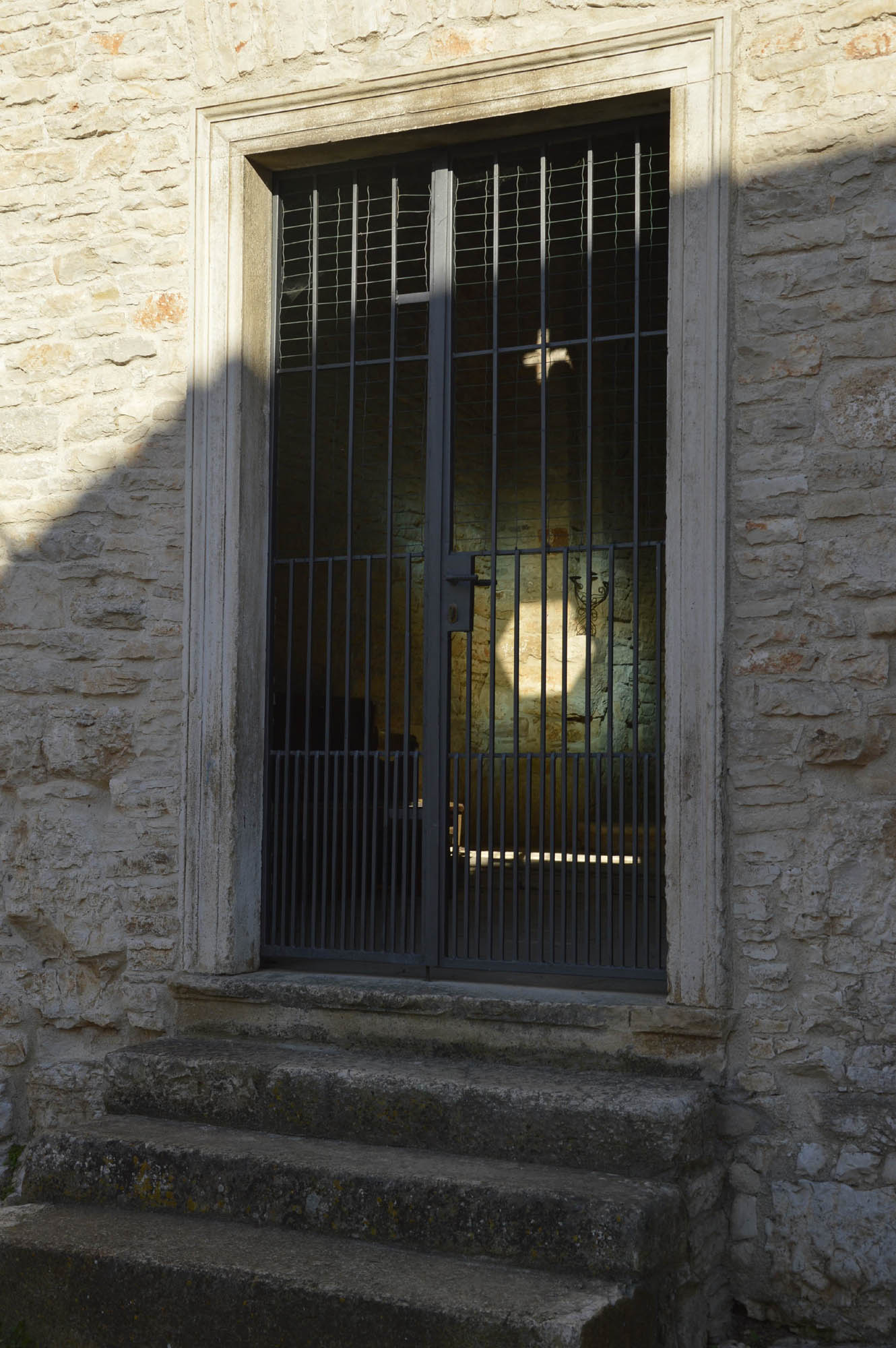

We are wandering the streets of the medieval town with the Hungarian Jewish Cultural Association, and, impressed as we are with this little jewel-box, we try to decipher the liturgical riddle. In the Cathedral they are about to begin the Mass, but it is delayed, because I have detained the priest in the sacristy. “What do you know about this?” “To tell the truth, I’m not from around here, I come from the next town to celebrate Mass. But I, too, have noticed it. The local parish members say that they added the Star of David because St. Helena was a Jew.” He asks for my e-mail address, to investigate further, and to let me know what he finds out.


I have not yet received an e-mail from him, and I did not have the heart to tell him that Empress St. Helena was no Jew. Even if were not already historically incorrect, if would be liturgically impossible. It would probably be better to think that in the eyes of the locals, a third Jew, along with Jesus Christ and the Virgin Mary, strengthens the cohesion of Christians and Jews.

bale2 bale2 bale2 bale2 bale2 bale2 bale2 bale2 bale2 bale2 bale2

The Three Graces


Today I went to the Deutsches Historisches Museum in Berlin to see the First World War exhibition, heralded with great fanfare. It is vain to waste many words on the exhibition, when a single one describes it: boring. In the basement, in one large room, a turbulent installation tries to present the entire history of WWI. The attempt is a complete failure. Anyone who does not already know the progress of the war in detail will not be able to assemble into one coherent picture the objects exhibited in separate stalls, which are labeled with the names of various theatres of operation, and presented in an “ach, wie schrecklich, der Krieg!” way to maximize the emotional effect. And anyone who knows it will clearly see the random and commonplace character of the selections. I would have not even written about it, if, just before the exit, in the stall dedicated to the post-war developments, I had not caught sight of one last exhibition object.
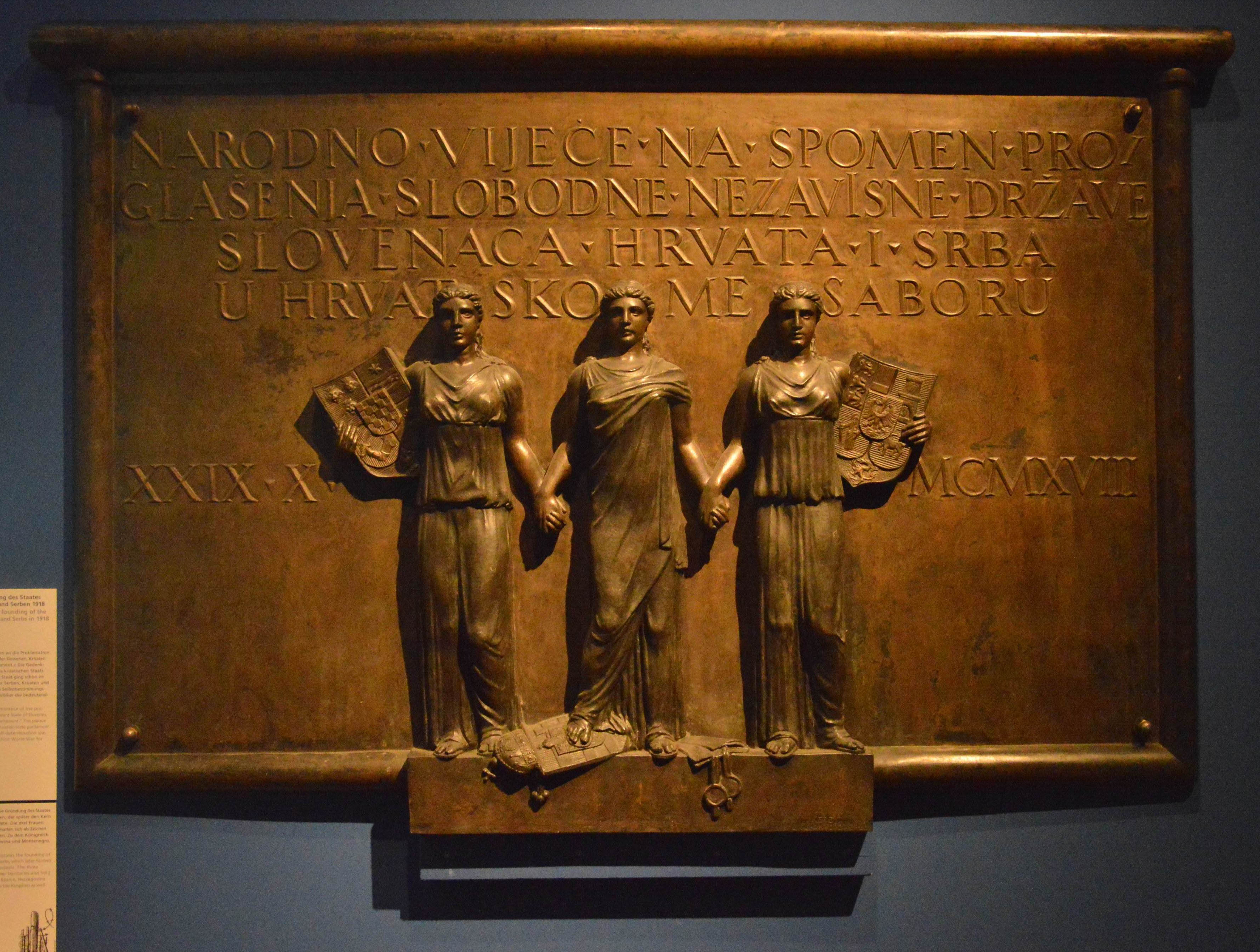

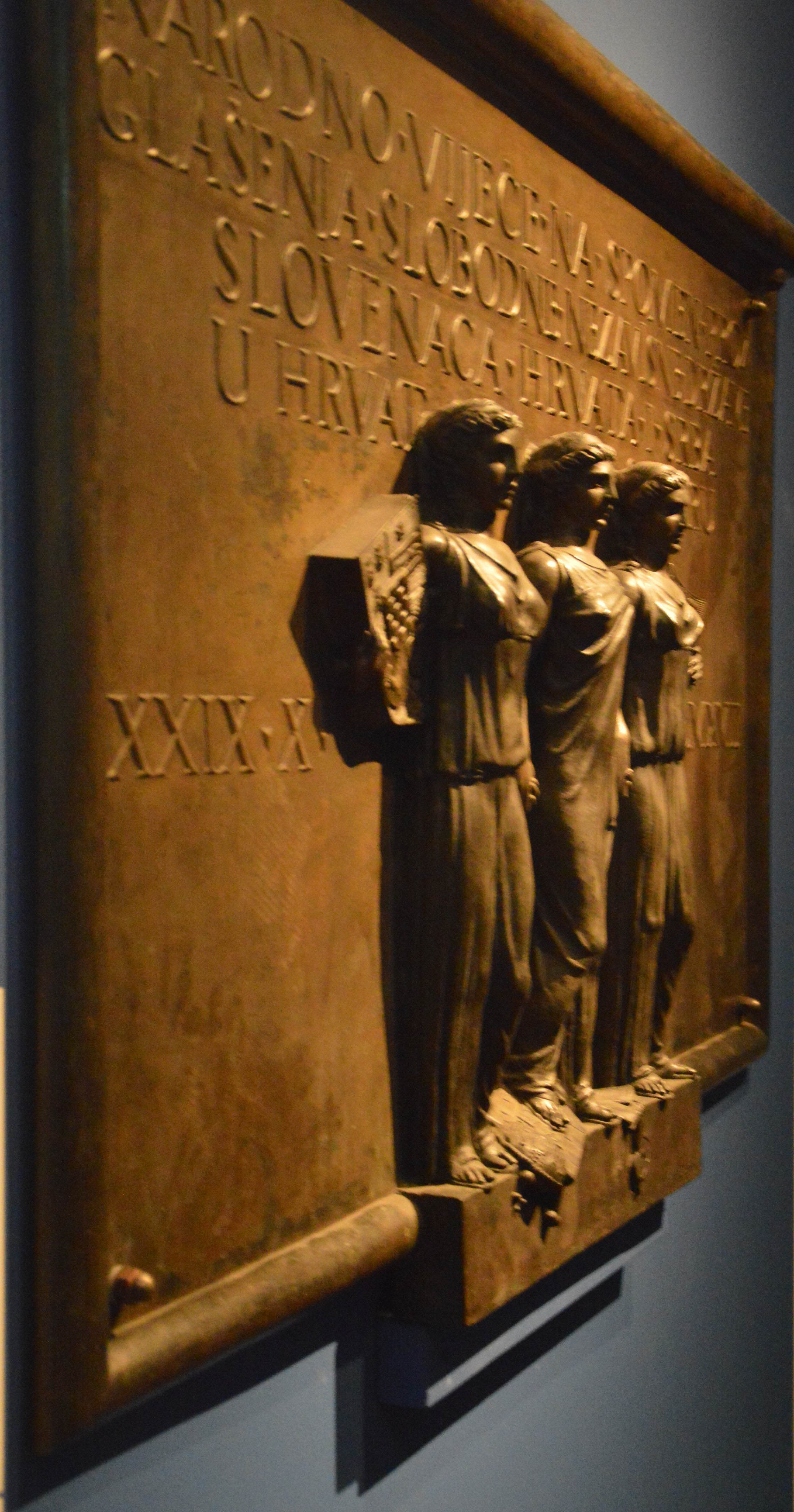
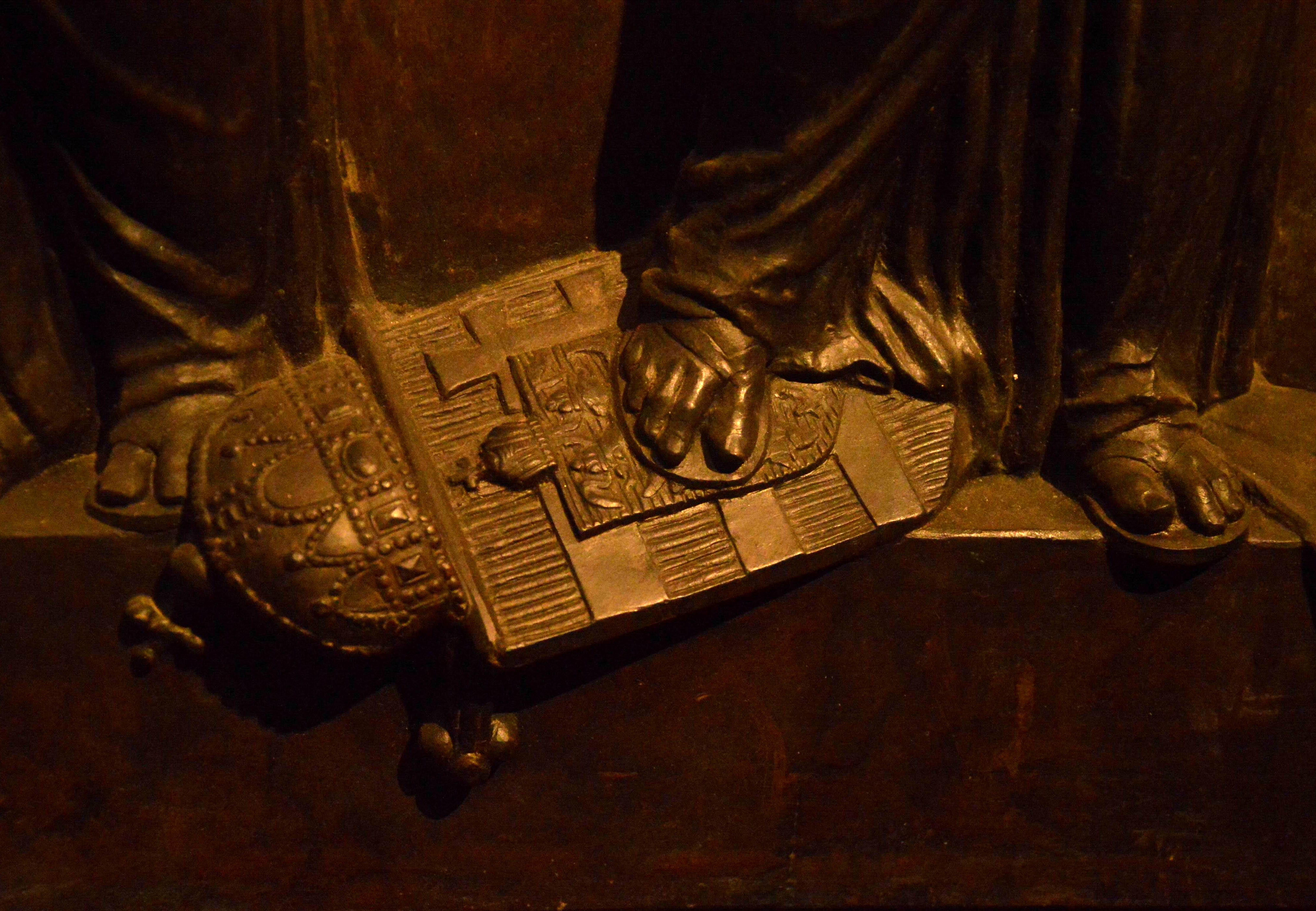
The more or less one meter wide bronze plaque once adorned the building of the Croatian Parliament in Zagreb, while today it is preserved in the Croatian Historical Museum. According to its inscription – “narodno vijeće na spomen proglašenja slobodne nezavisne države slovenaca hrvata i srba u hrvatskome saboru, XXIX. X. MCMXVIII.” – it was raised by the national council to commemorate the proclamation of the free and independent state of the Slovenes, Croats and Serbs on 29 October 1918. The three female figures in classical dress, personifying the three peoples, hold hands. The figures on the left and right hold in their free hands the coats of arms of Greater Croatia and Greater Serbia, assembled from a wide variety of regions. The figure in the middle has both hands full, yet she is not left without a coat of arms either. She has it under her foot.


If the three South Slavic brother nations want to celebrate their union on the wall of the Croatian Parliament, let them do so, although the sincerity of the gesture is seriously questioned by the permanent fratricide against each other they have been committing ever since, both by the pen and the machine gun. But that on this occasion they found it necessary to immortalize, aere perennius, the treading on the (heraldically defective) coat of arms of Hungary, with which Croatia fought on the same side through WWI; which they did not win, but were separated from it by virtue of the treaty of peace; and with which they were for eight hundred years in personal union, and fought together against the Ottoman empire and its Balkan marauders, so that here they also tread on their own coat of arms and eight hundred years of history – this already belongs to the pathology of the newly created Eastern European small states. And it also illustrates, together with thousands of similar gestures, why that treaty of peace, of which today we commemorate the ninety-fourth anniversary, can remain a living psychological and emotional burden, beyond all historical considerations and necessity.

Ivo Kerdić, the sculptor, creator of several patriotic post-WWI sculptures and medals, seems to have thoroughly learned the principles of Roman classicism in his study trips. However, it seems that neither he nor his commissioners had ever heard about the most important principle of classical Rome, with which it could preserve its conquests and under which they would flourish, and which is summed up in four words as the art of government by Virgil in the famous verse 6.853 of Aeneis:

parcere subiectis et debellare superbos
spare the subdued and vanquish the arrogant

To learn the second half of the principle, they had plenty of time between 1991 and 2001. The first half, however, they seem never to have learned.

Dissolving: Europe from North to South

Lemberg/Lwów (Galicia, once Austrian Empire, then Poland, later Soviet Union, now Ukraine), c. 1900, from here

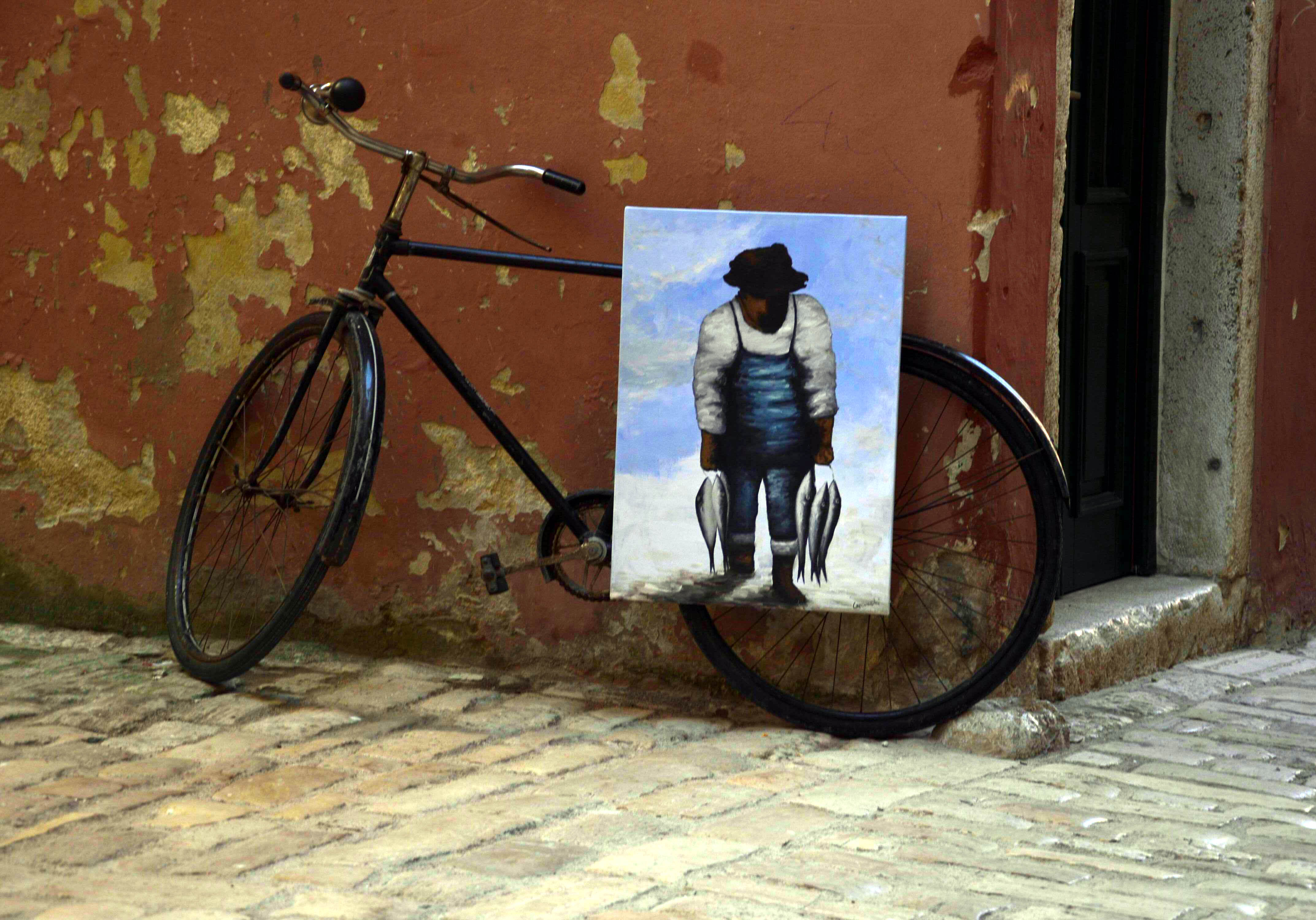
Rovinj/Rovigno (Istria, once Austrian Empire, then Italy, later Yugoslavia, now Croatia), 25 May 2014

Layers of time / Escrito en el tiempo


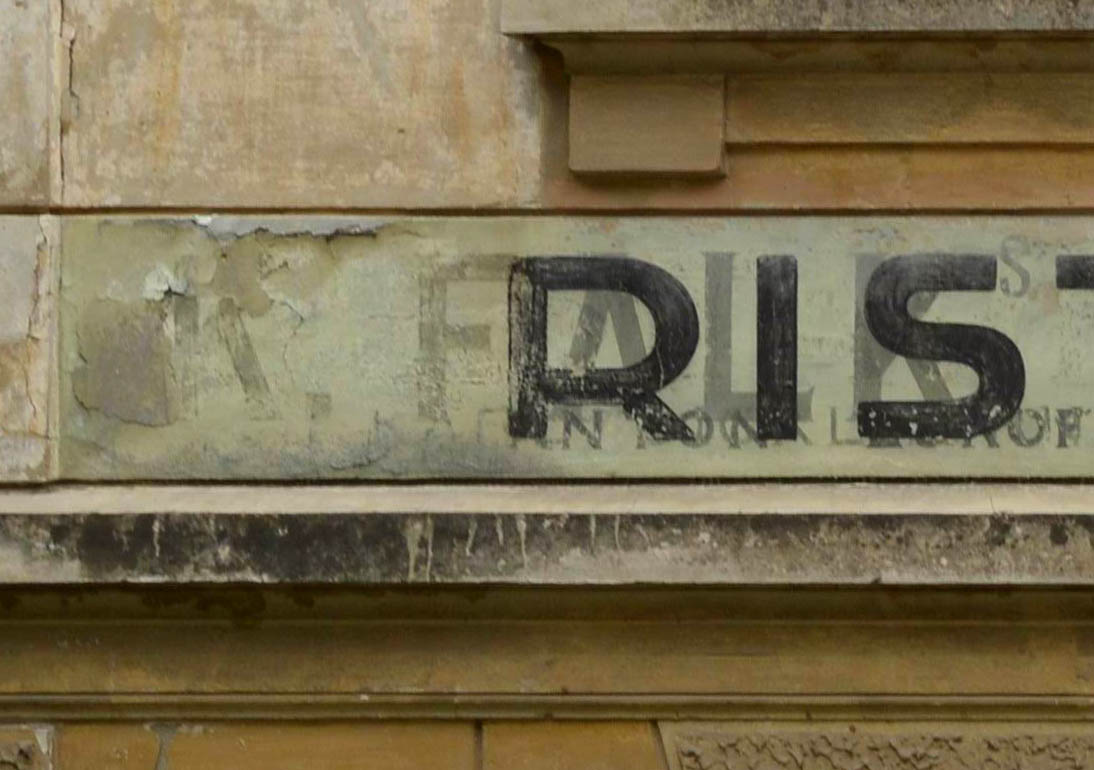
Ghost inscriptions of restaurateurs following each other in the same place, in Abbazia, the most elegant resort place of the former Austro-Hungarian Monarchy. Who knows more about them?   Letras fantasmas que se resisten a desaparecer y emergen unas sobre otras en Abbazia, el lugar de descanso más elegante de la antigua Monarquía Austro-Húngara. ¿Quién sabe alguna historia de esta esquina de Europa?

falk falk falk falk falk falk falk falk falk falk falk falk falk falk falk falk falk

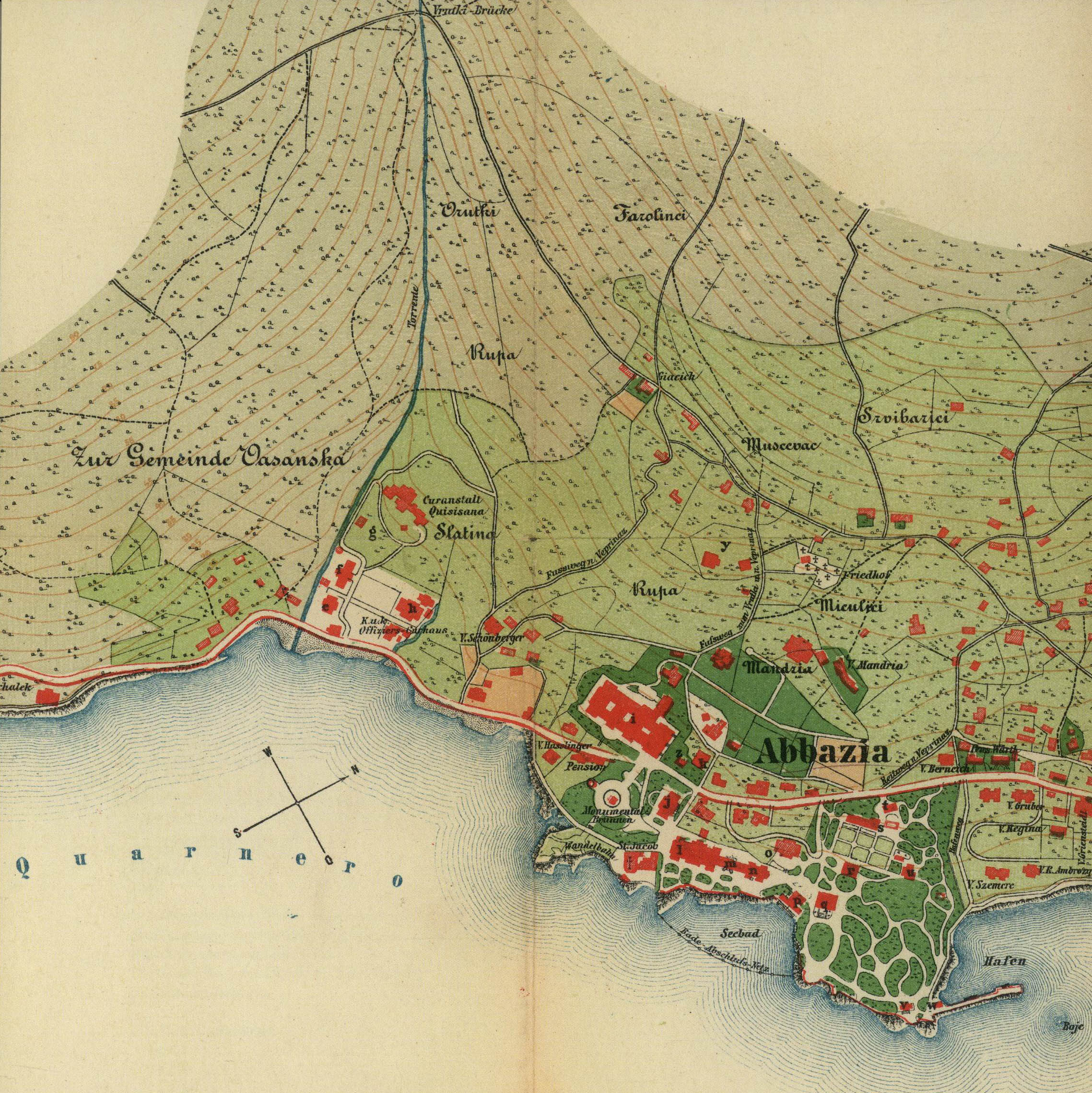
Still a villa suburbana at the turn of the century (enlarge here), today at the corner of Veprinački put and ulica Joakima Rakovca.   Era aún una villa suburbana a la vuelta del siglo (ampliar plano), hoy languidece en la esquina del camino de Veprinac con la calle Joakim Rakovec.

And now you investigate!

We have already read on Río Wang about the “exotic” places where, at the very end of WWII, the completely desperate and for its survival struggling Hungarian Arrow Cross puppet government was able to send the Hungarian soldiers. In the following – hopefully with the collaboration of our readers – we will unveil the last (?) protocol journey of the Arrow Cross government.
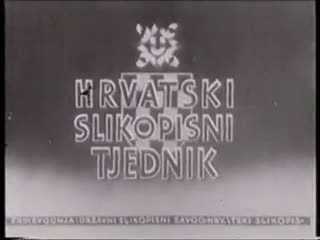

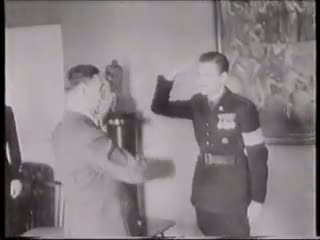
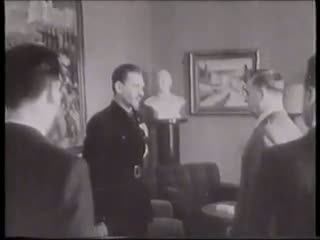
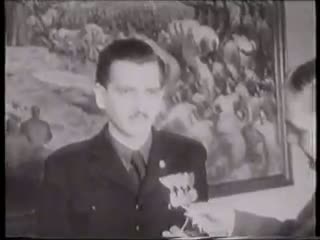
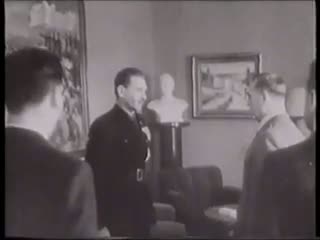
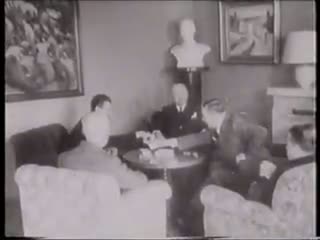
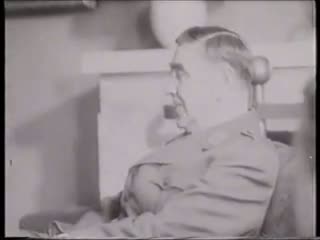
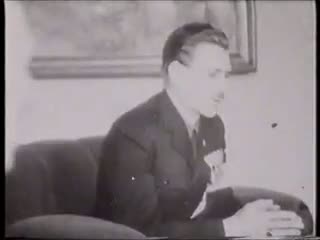
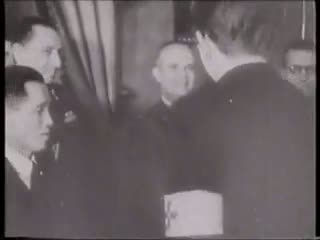
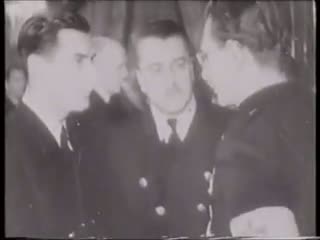
The Hrvatski Slikopisni Tjednik, the Croatian Picture Weekly was between 1941 and 1945 the newsreel of the Independent State of Croatia. The very first frames of the 166th edition present a meeting, where Ante Pavelić, the Poglavnik receives a delegation in Arrow Cross uniforms, and he also awards one of its members.


Right, Minister of Foreign Affairs
Dr. Gábor Kemény, opposite him
perhaps Ante Bilić, Croatian
Embassy Secretary in Budapest
 

What is surprising in this simple protocol news, is that, according to the numbering of the newsreel, the event had to take place in late February, or rather early March 1945, in a period when the power of the Arrow Cross regime was practically limited to the northwesternmost corner of Hungary. Who was the person awarded? How did they organize the journey to Zagreb through the two countries suffering from continuous battles and air strikes? We are looking forward to the answers of our readers to such questions.

Unfortunately I have found only one copy of this newsreel number 166, from which the soundtrack of the first 10 minutes is missing (in my experience this is a quite common feature in the surviving Croatian newsreels). Once a full sound copy were found, it would solve this small historical mystery, but in the meantime – you investigate!

A sada neka istraže Vi!

Već ste mogli čitati u Río Wang da naposljetku drugog svjetskog rata kabinet strelastih križeva je poslao Madarske vojnike u daleka države. Sada – pomoću Vas – želimo da otkrijemo detaljezadnjeg međunarodnog putakabineta strelastih križeva.


Hrvatski Slikopisni Tjednik je bio služben dnevnik Nezavisne Države Hrvatske između 1941 i 1945 godine. U brojem 166 sa slikama ilustrirala susret, gdje Ante Pavelić, Poglavnik NDH-a primi delegaciju u uniformi strelastih križeva i odlikuje jednog člana te delegacije.


Sa desne strane dr. Gábor Kemény
ministar vanjskih poslova. Pored
njega 
najverovatnije Ante Bilić,
tajnik 
veleposlanstva
Budimpesta.
 

Pronalazak tee slike doista jeveliko iznenađenje. Taj susret se trebalo dogoditi prema broju HST-a na posljetku veljače 1945 – ili čak početkom ožujka. Kad režim strelasta križeva je nazočio samo u Kisalföldu (Mala Nizija). Tko je bio ukrašen? Kako su mogli organiziratie put za vrijeme borbe? Očekivamo Vaše rješenje.

Nažalost broj 166 HST-a, kojeg sam našao na Internetu, nema ton. Dok nabavimo verziju sa tonom, tada ćemo lakše razriješiti malu tajnu – ali sada neka istraže Vi!