Switch over to our new blog! • ¡Pásese a nuestro nuevo blog!

The renewed version of our blog, with more features, a richer design, and available in nine languages, can be read here: https://wangriver.com

The new version also includes the old posts, often in expanded form. If you are curious about the updated version of this post, replace “riowang.blogspot.com/” in the URL with “riowang.studiolum.com/”, and the new link will most likely lead you there.


La versión renovada de nuestro blog, con más herramientas, un diseño más rico y disponible en nueve idiomas, se puede leer aquí: https://riowang.com

La nueva versión también incluye las publicaciones antiguas, a menudo en una forma ampliada. Si tiene curiosidad por la versión actualizada de esta entrada, sustituya «riowang.blogspot.com/» en la URL por «riowang.studiolum.com/es/», y el nuevo enlace probablemente le llevará allí.

Mostrando entradas con la etiqueta sculpture. Mostrar todas las entradas

Messages from Mesopotamia

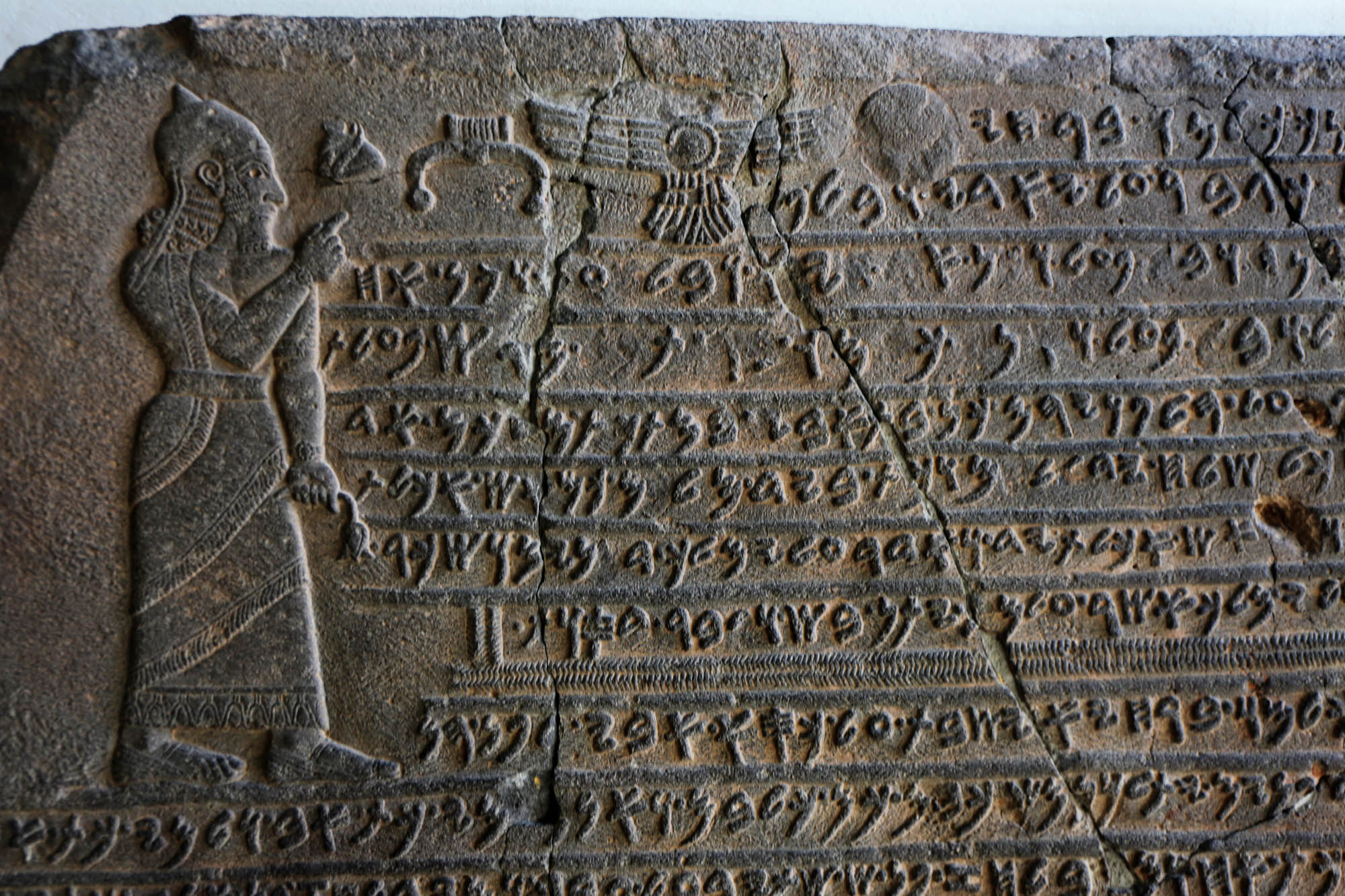
From the illustrations in our history books, it may seem that in the inscriptions left to us from the Ancient East, it is mainly the current ruler who tries to set his own exchange rate higher than everyone else’s. As in this stele preserved in the Pergamon Museum in Berlin, circa 820 BC, on which Kilamuwa, King of Samʿal, belittles his own ancestors:


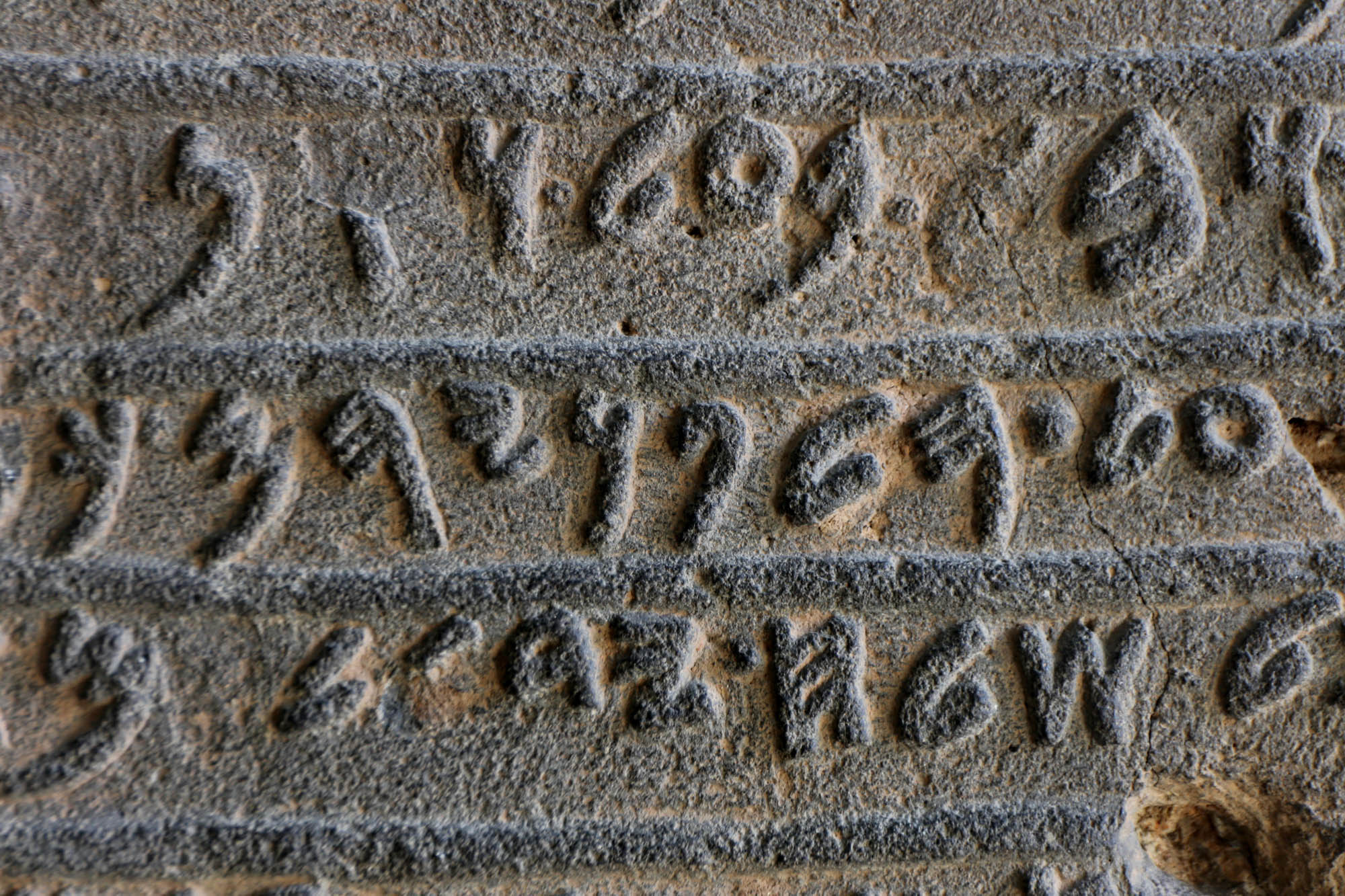
“I am Kilamuwa, son of King Chaya. King Gabar ruled over Samʿal, but achieved nothing. Then came Bamah, and he achieved nothing. Then there was my father Chaya, but he accomplished nothing. Then there was my brother Shaʿil, but he also accomplished nothing. But I Kilamuwa, the son of TML, what I accomplished, not even their predecessors accomplished!” (Translation by J. C. Gibson, see the full text here)
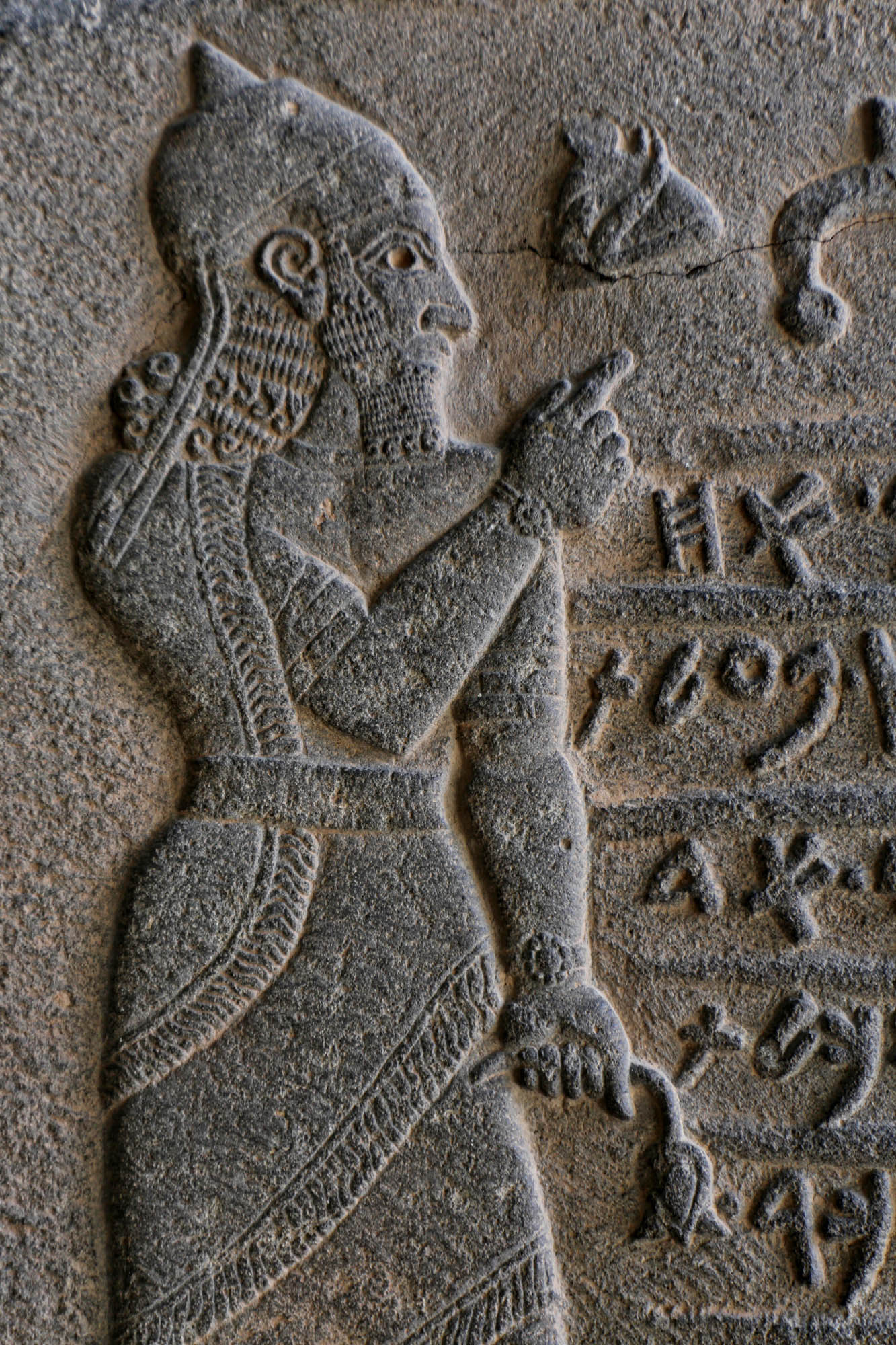
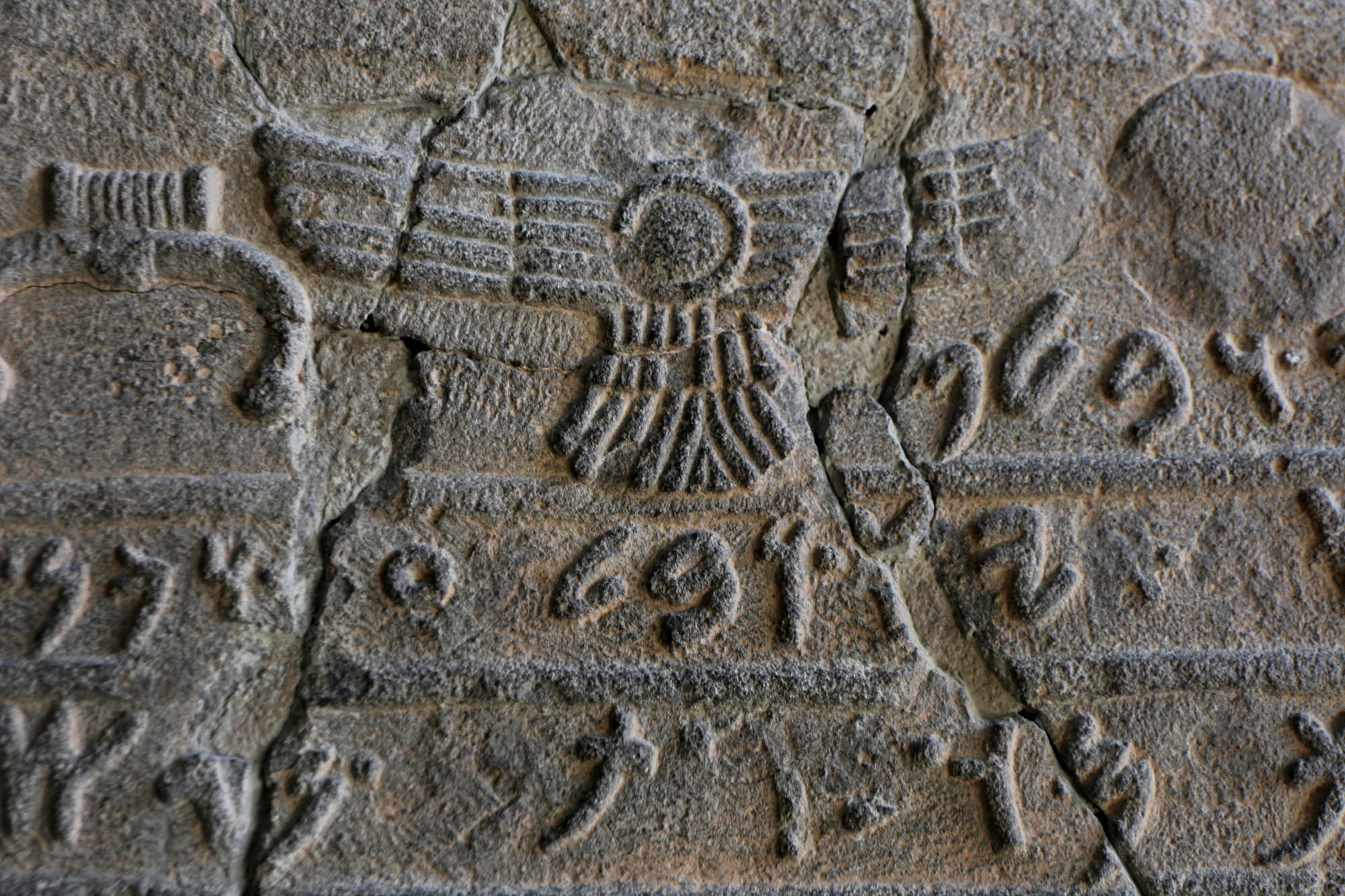
The Kilamuwa stele was written in Aramaic letters, but – exceptionally – in Phoenician language

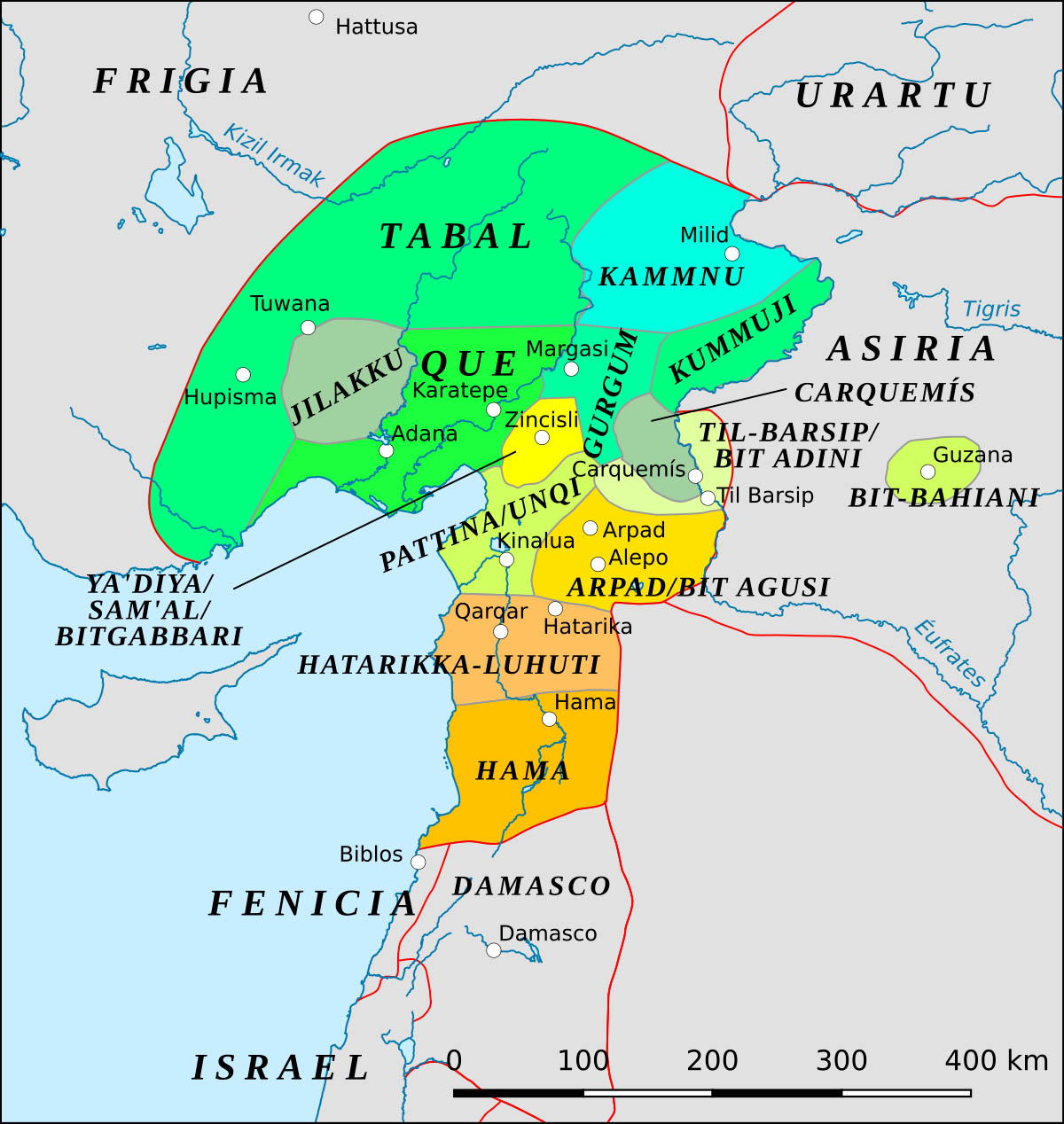
The kingdom of Samʿal flourished roughly where I am writing this, near what is now Gaziantep in southern Turkey. It was one of the small Aramaic/Neo-Hittite city-states that arose as a result of the momentary decline of the surrounding Hittite and Mesopotamian great powers after 1200 BC, at the junction of the Anatolian highlands and the plains, only to be absorbed by the newly rising Assyrian empire in the 7th century BC. (I have already written about the adventurous exploration of one of these small kingdoms, Guzana/Tell Halaf.) The imposing ruins of its capital under Zincirli Hill were excavated beginning in 1888 with German and later American cooperation. Some of the finds are exhibited in the Pergamon Museum in Berlin, while the other part are in the museums of the cities of southern Turkey, which we are currently visiting. These excellent but little-known museums add a lot to the well-known objects of the Pergamon’s Aramaic exhibition.

The North Mesopotamian Aramaic/Neo-Hittite kingdoms around 1000 BC

The Kuttamuwa stele in the Gaziantep museum also comes from Samʿal. However, this was not erected by the king, but by one of his officials. And it is not talking about worldly glory, but about what they know best here in Anatolia: eating.


“I, Kuttamuwa commissioned this stele for myself while still living. I placed it in the eternal chamber and established a feast at this chamber: a bull for hadad Qarpatalli, a ram for NGD/R SWD/RN, a ram for Šamš, a ram for Hadad of the Vineyards, a ram for Kubaba, and a ram for my soul (NBŠ) that will dwell in this stele. Henceforth, whoever of my sons or of the sons of anybody should come into possession of this chamber, let him take from the best of his vineyard as an offering year by year. He is also to perform the slaughter prescribed above in proximity to my soul, and is to apportion for me a leg-cut.”

Kuttamuwa’s soul is eating a leg-cut with the best of the vineyards of Mesopotamia, whose descendant are the still excellent wines of Tur Abdin. As a bonus, this text is the very first mention of a soul separate from the body in the Middle East
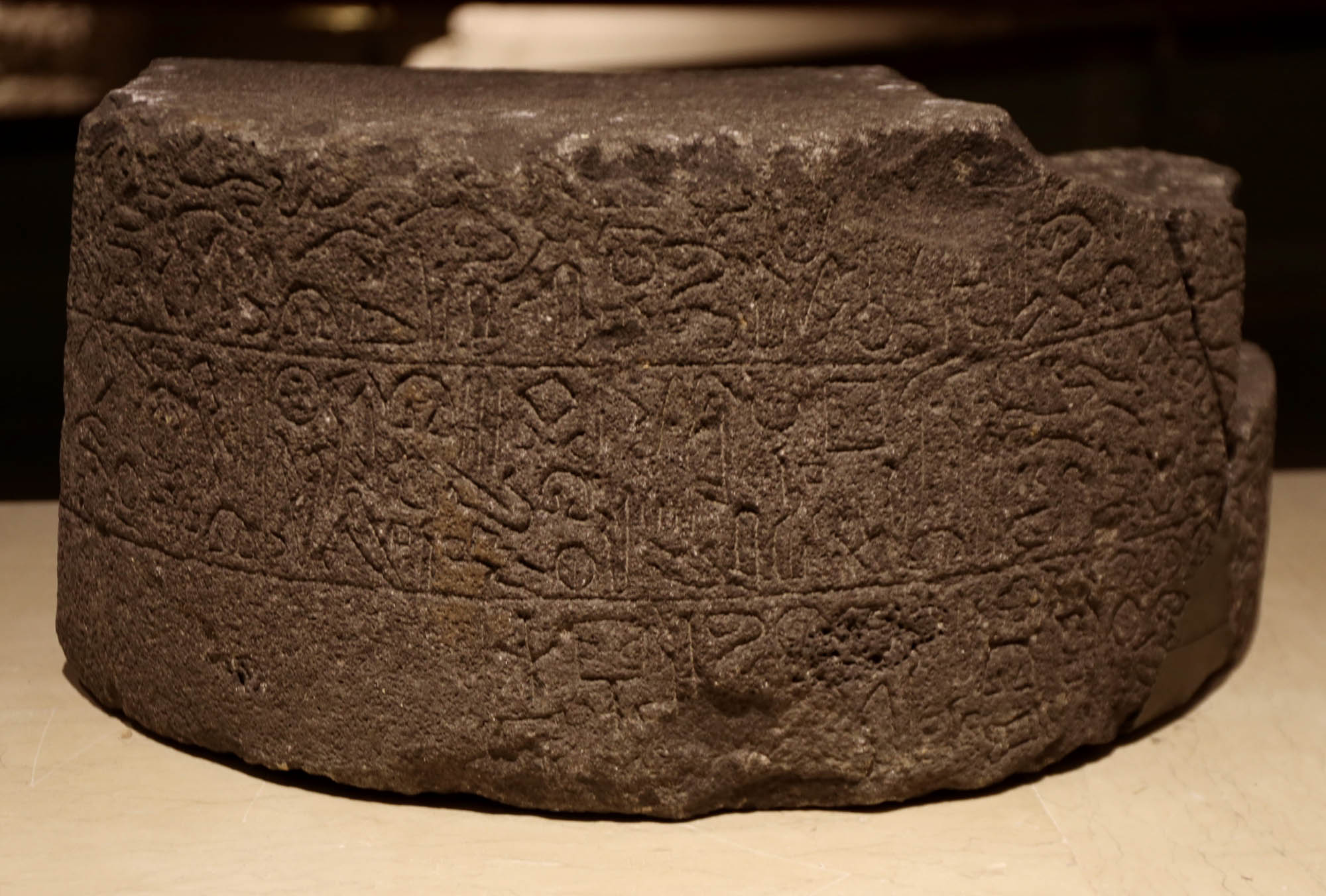
Eating is also the center of official documents such as this 8th-century BC real estate contract from the Kingdom of Carchemish, written in Luvian hieroglyphs. The capital of this kingdom was also near where I am now, on the banks of the Euphrates, on today’s Turkish-Syrian border, where in 605 BC, a great battle between Egypt and Babylonia, also mentioned in the Bible, took place. Most of the findings from Carchemish can be seen today in the Gaziantep and Ankara museums. In the document, the banquet guarantees the validity of the transaction, and the clause does not refer to the criminal code or the jurisdiction of an arbitration court as a sanction, but to the highest judicial authority.


“This house was sold by the son of XXX to Kamonis, and by him to the son of his brother, Parisarmas, grandson of Papitatis, who said: «We will give him 24 mina of silver, and we, Urasarmas from Ihasa, Pamu…, Muwas… and Kumawaris, the Dog, will give him a feast. We will give a great feast to the Lord of WASHA. And whoever takes this house from my son, grandson, or his son, may the heavenly Tarhunzas, Karhuhas and Kubaba, the moon and the sun, and Parakaras, rise against him, and crush his head.”

The following relief ensemble also comes from Carchemish. On its three panels, the local ruler does not speak of his own glory either, but rather shows his sons’ photo album like a happy father.
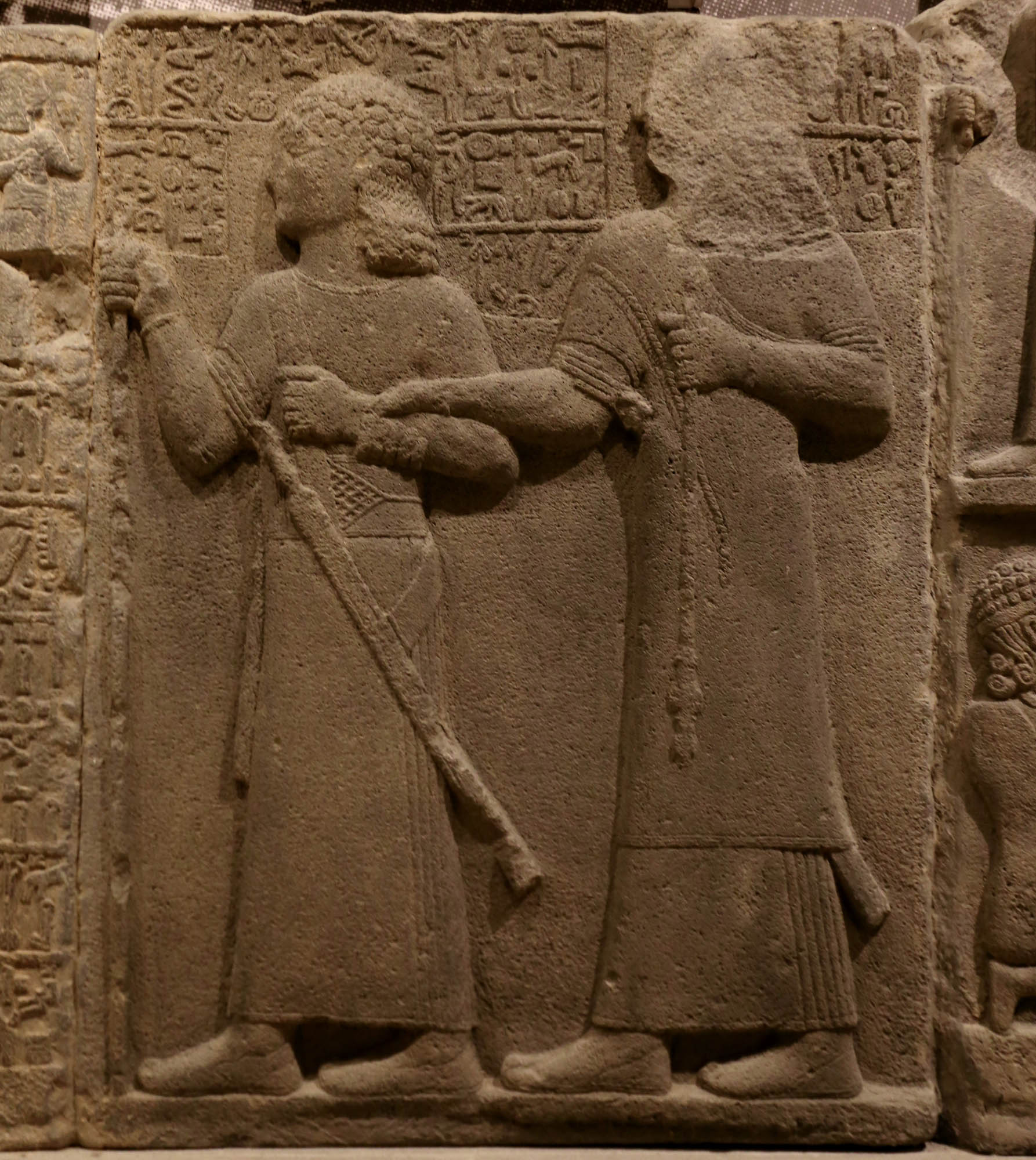

“This is Kamani here, and those are his younger brothers. Here I take him by the hand, and order him over the temple, although he is still a child.”

mezopotamia3 mezopotamia3 mezopotamia3 mezopotamia3 mezopotamia3 mezopotamia3 mezopotamia3 mezopotamia3 mezopotamia3

The second panel shows seven younger brothers, accompanied by a dwarf, taking sheep bones into the playrom and playing with it. Earlier, I painted a world-scale panel about the sheep bone, or astragalus, or five stones game. I wrote there that the ancient Greeks considered the game to be of Anatolian origin, and on this relief we now see precisely this origin.
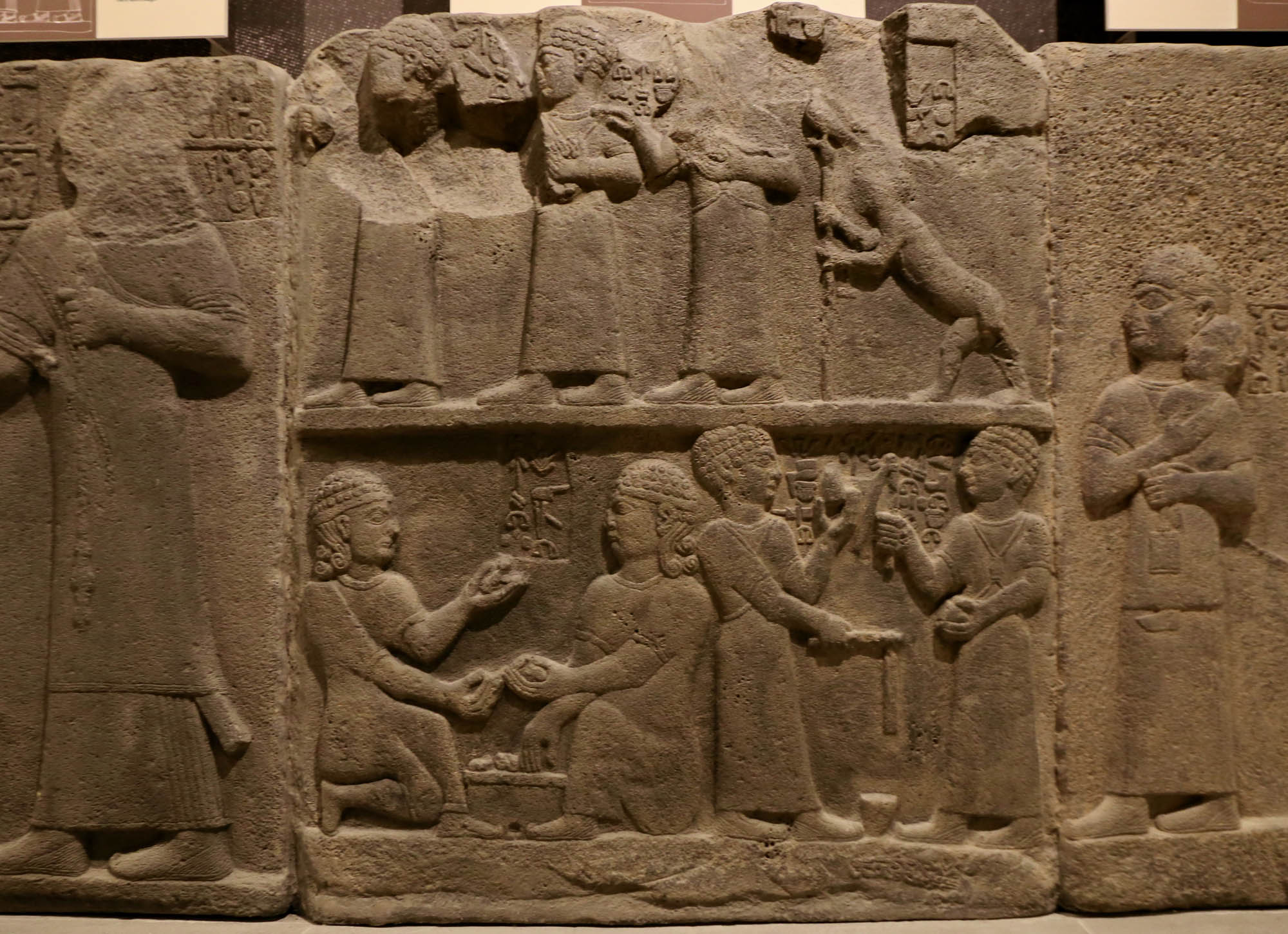

“Malitispa, Astitarhunza, Tarnitispa, Isikaritispa, Sikara, Halpawari, Yahilatispa.”

mezopotamia4 mezopotamia4 mezopotamia4 mezopotamia4 mezopotamia4 mezopotamia4 mezopotamia4 mezopotamia4 mezopotamia4 mezopotamia4 mezopotamia4 mezopotamia4

On the third page of the album, there is only one child, the smallest, the dearest, the Benjamin (and we can only hope that his brothers’ envy will not make him a Joseph). The maid carrying the child is also leading a calf. It is not known whether the two are related, or whether the babysitter was simply charged with calf herding as well.
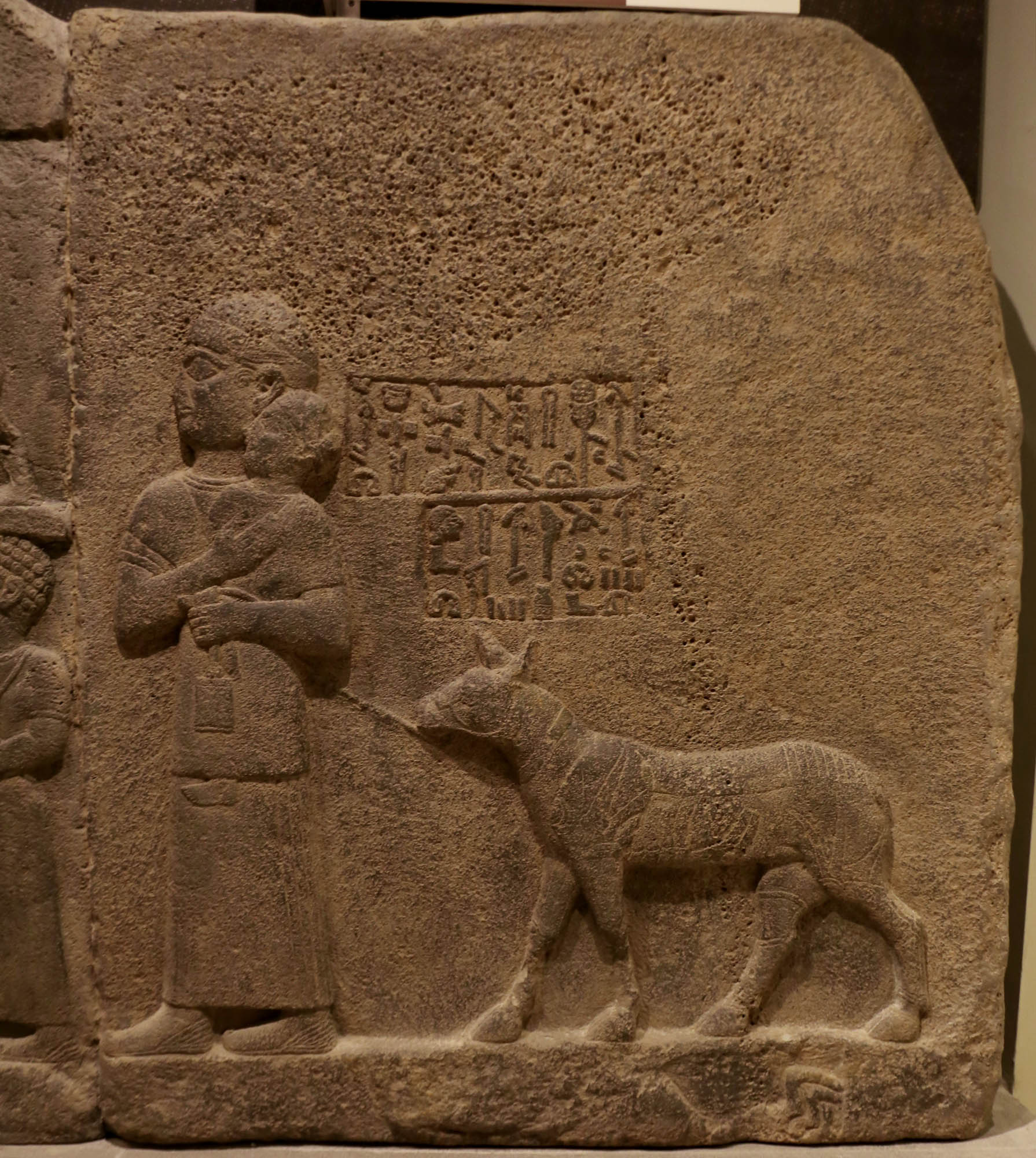

“And this is Tuwarsai, the longed-for child of the ruler, chosen to rule.”

mezopotamia5 mezopotamia5 mezopotamia5

The most shocking ancient inscription in the Mesopotamian museums also does not speak of glory, but of its passing. In the 7th c. BC, the small Aramaic/Neo-Hittite kingdoms fall one after the other to the expanding Assyria. The Assyrian army and Assyrian rule were notorious for their cruelty, which was reinforced as a self-image by the Assyrian royal inscriptions. it is therefore all the more poingant to read the clay tablet in which the commander of the besieged Assyrian garrison of Tušhan, Mannu-ki-Libbali, pleads for reinforcements in 611 BC, before the city is captured by the Babylonians. The letter paints the coming final blow, the vulnerability and destruction of the defenders in such apocalyptic tone that no Assyrian text would have ever allowed itself before. As if a Russian commander surrounded in Donetsk were to write a pleading letter to his superiors, refuting the official Russian propaganda. However, all this was in vain. Mannu-ki-Libbali could not know that his capital, Nineveh, had fallen shortly before.
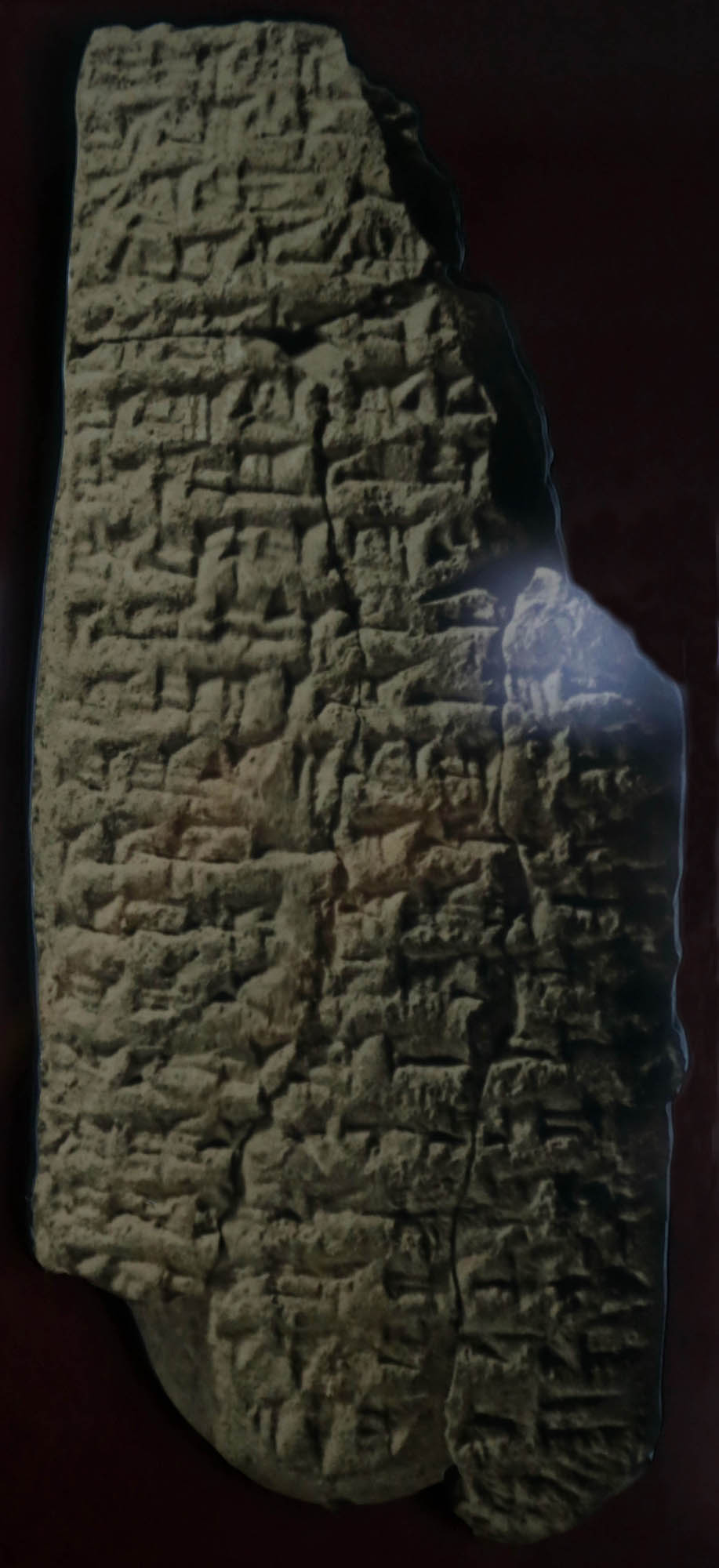

“For horses, Assyrian and Aramaic scribes, officers, clerks, blacksmiths, gunsmiths, carpenters, bow and arrow makers, tailors and patchers, to whom shall I turn? None of them remained in the city. Who should I give orders to? What should I do? My lord said: «We all row in the same boat.» And now I alone shall die? Because the end of this is death.”


However, Tušhani’s final fall did not take place until two and a half thousand years later. The Ilısu Dam, built on the Tigris River between 2006 and 2014, raised the river level by a hundred meters, flooding huge areas, hundreds of settlements and archaeological sites, including the ten-thousand-year-old historical city of Hasankeyf, and also Tušhani, which was excavated by the University of Akron (Ohio) in a rush before the flooding. What remains from the city, including Mannu-ki-Libbali’s letter, is today to be seen only in the Diyarbakır Museum.

The last summer. Hasankeyf’s Seljuk-era bridge and old town shortly before the flood

It was night out there


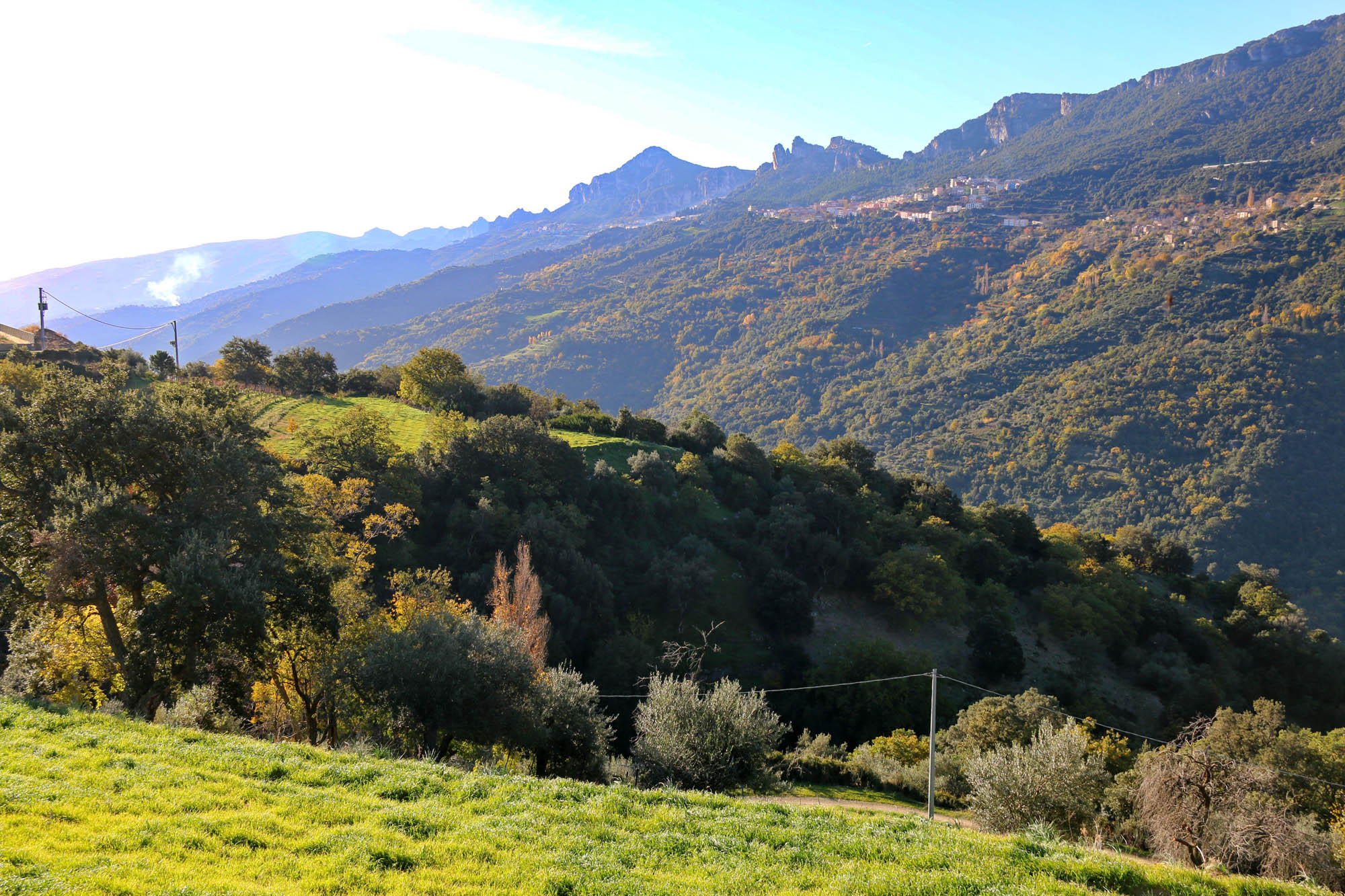
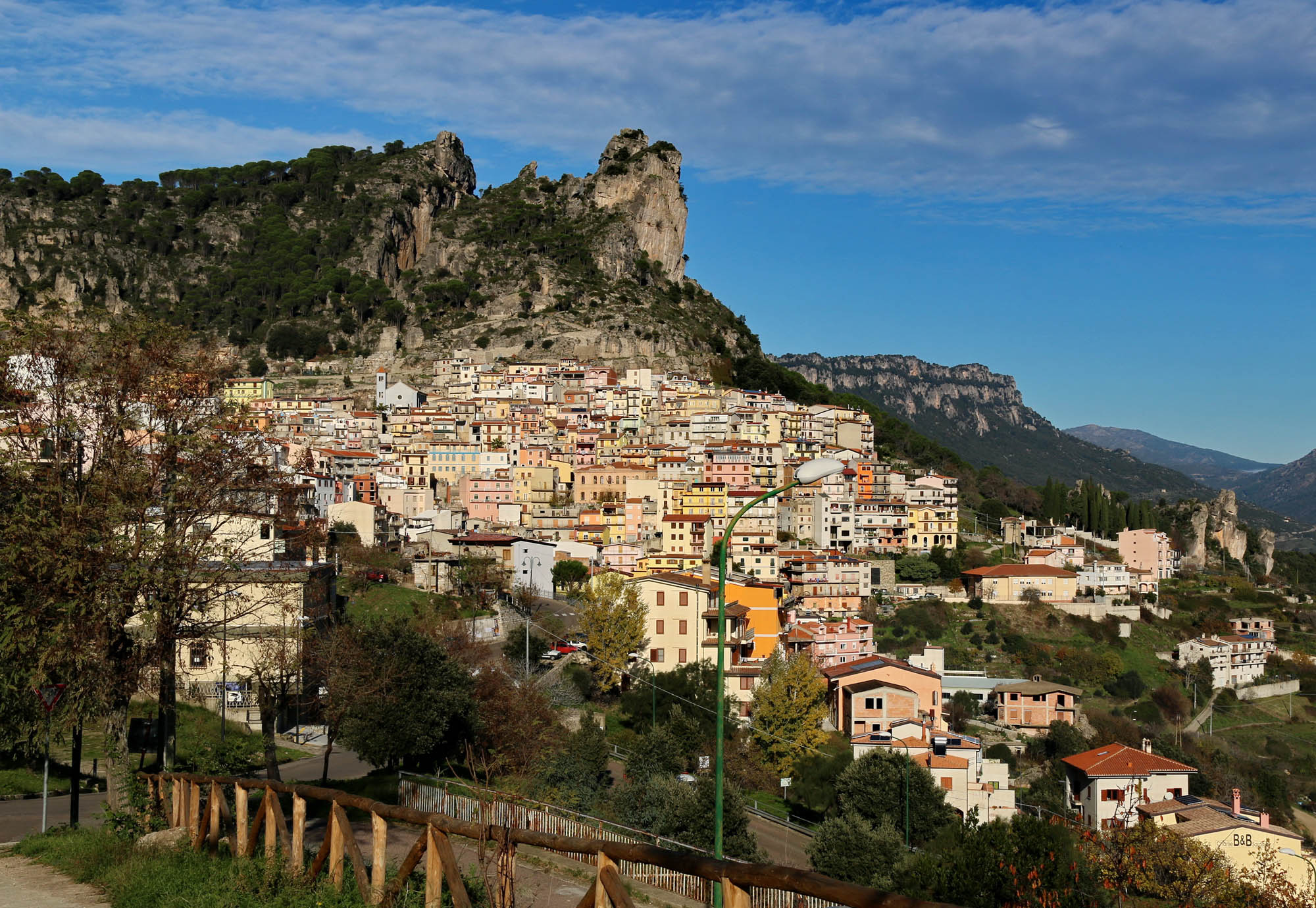
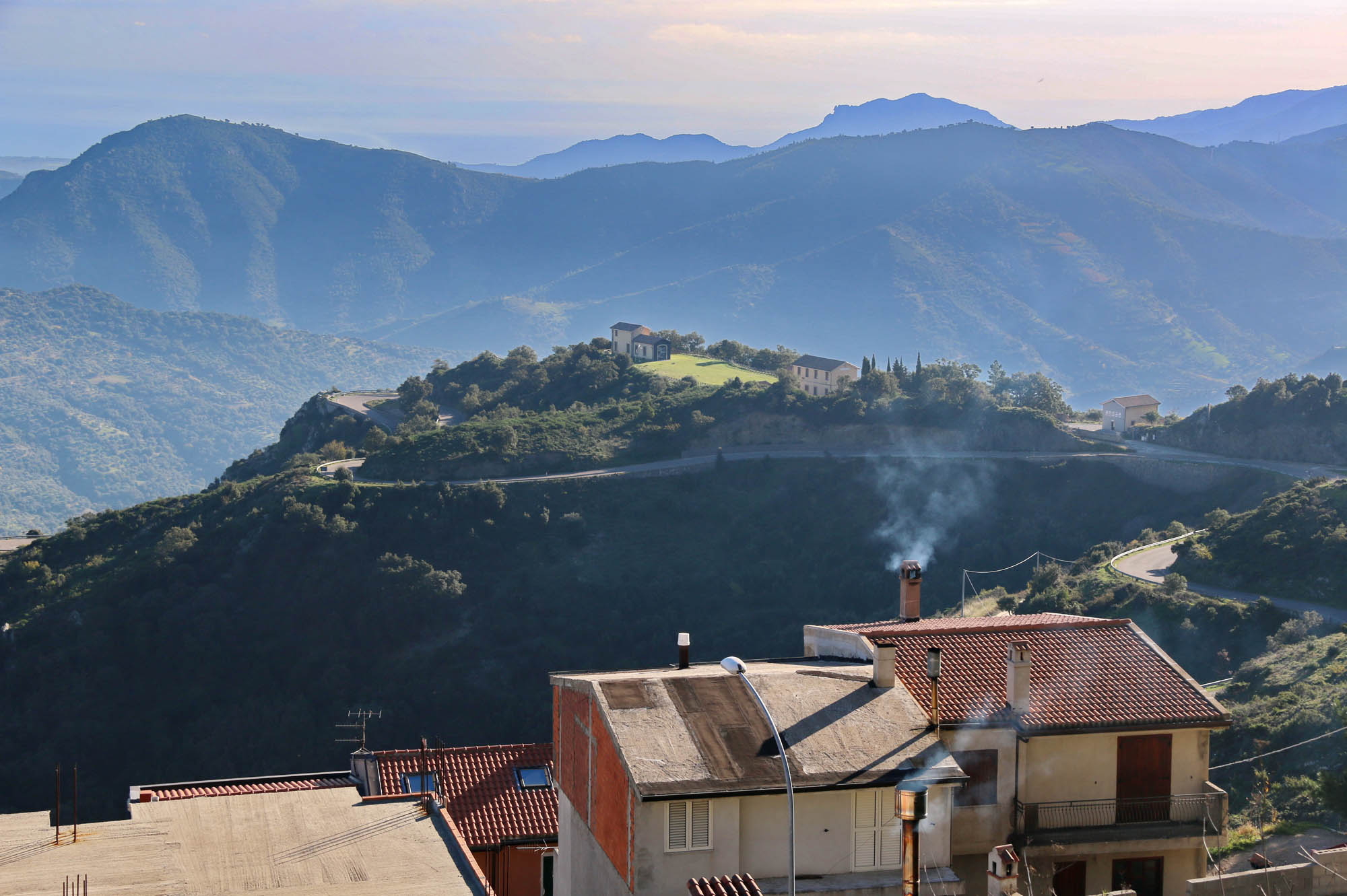
The valley of Riu Pardu in Ogliastra, the eastern mountainous region of Sardinia is, as the locals say, an island on the island. The river runs in a deep valley between the two huge mountain ranges of the Tricoli and the Tacchi, and the pastoral villages, Gàiru, Osini, Ulassai, Jerzu, climb up on the steep slopes from the eternally shaded depths of the canyon, toward the light. For thousands of years closed off the external world, and inspired by the bizarre forms of the butte rocks of Tacchi, they populated the region with strange creatures, the evil and good spirits of darkness and light, which still live in their tales and songs.


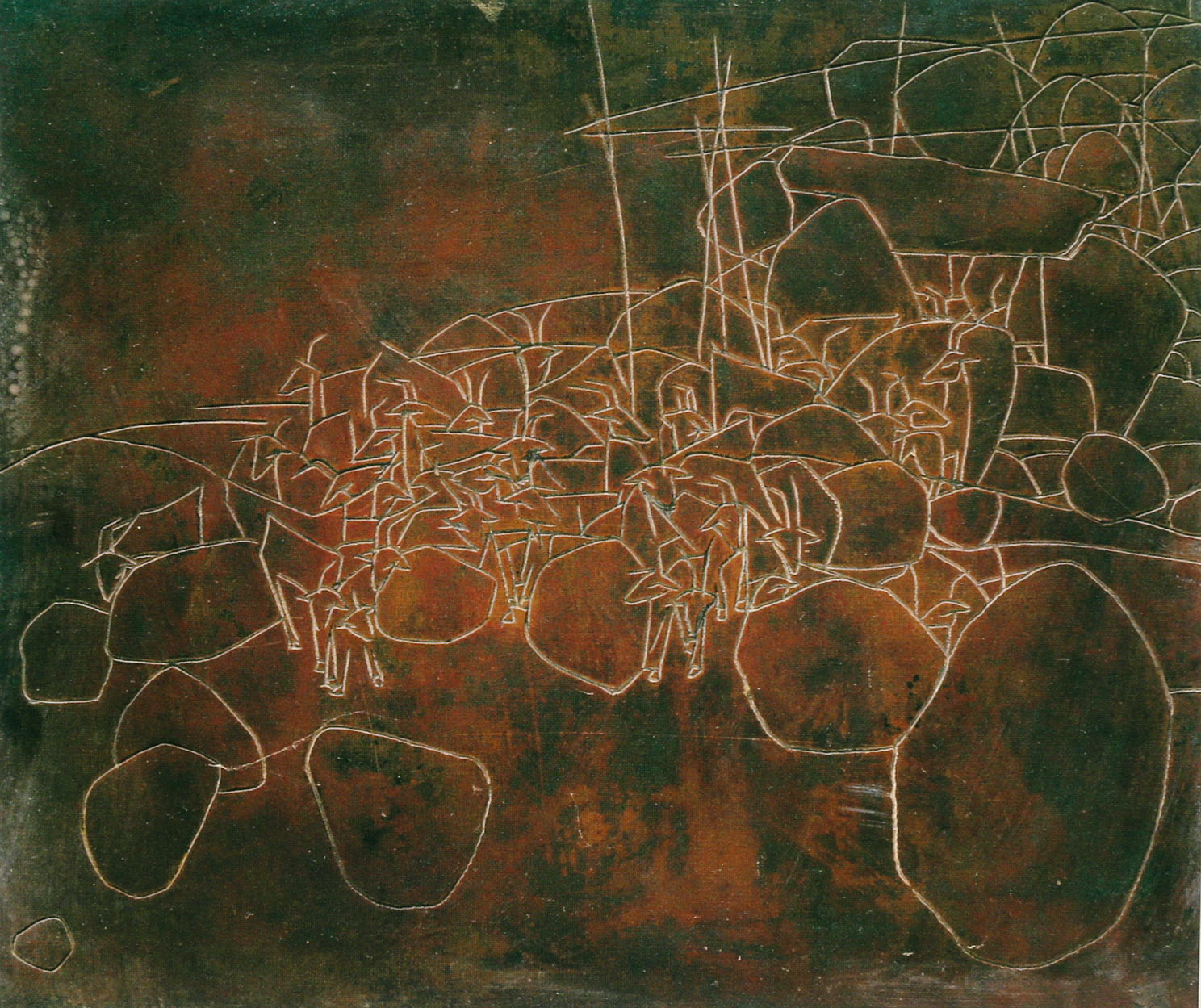
Here, in Ulassai, in a shepherd’s family blessed with great imaginative power and quite a few artists, was born one of Sardinia’s most important modern artists, Maria Lai. She was lucky: her Italian language teacher discovered her talent, and she was able to complete high school in Rome. Then, since World War II had cut off the island from the mainland, she became acquainted with modern art during her years in Venice. Only her artistic bequest returned to Ulassai, to the former railway station established as a memorial museum. However, her pictures, statues, textiles throughout show the amorphous cliffs and deep fissures of the Sardinian mountains, their animals and shepherds, the basic experience of the contrast of light and darkness, and the stars, which are as bright here only in a very few places of the world.

The Stazione dell’Arte dedicated to Maria Lai on the hilltop, about which we are going to write soon.

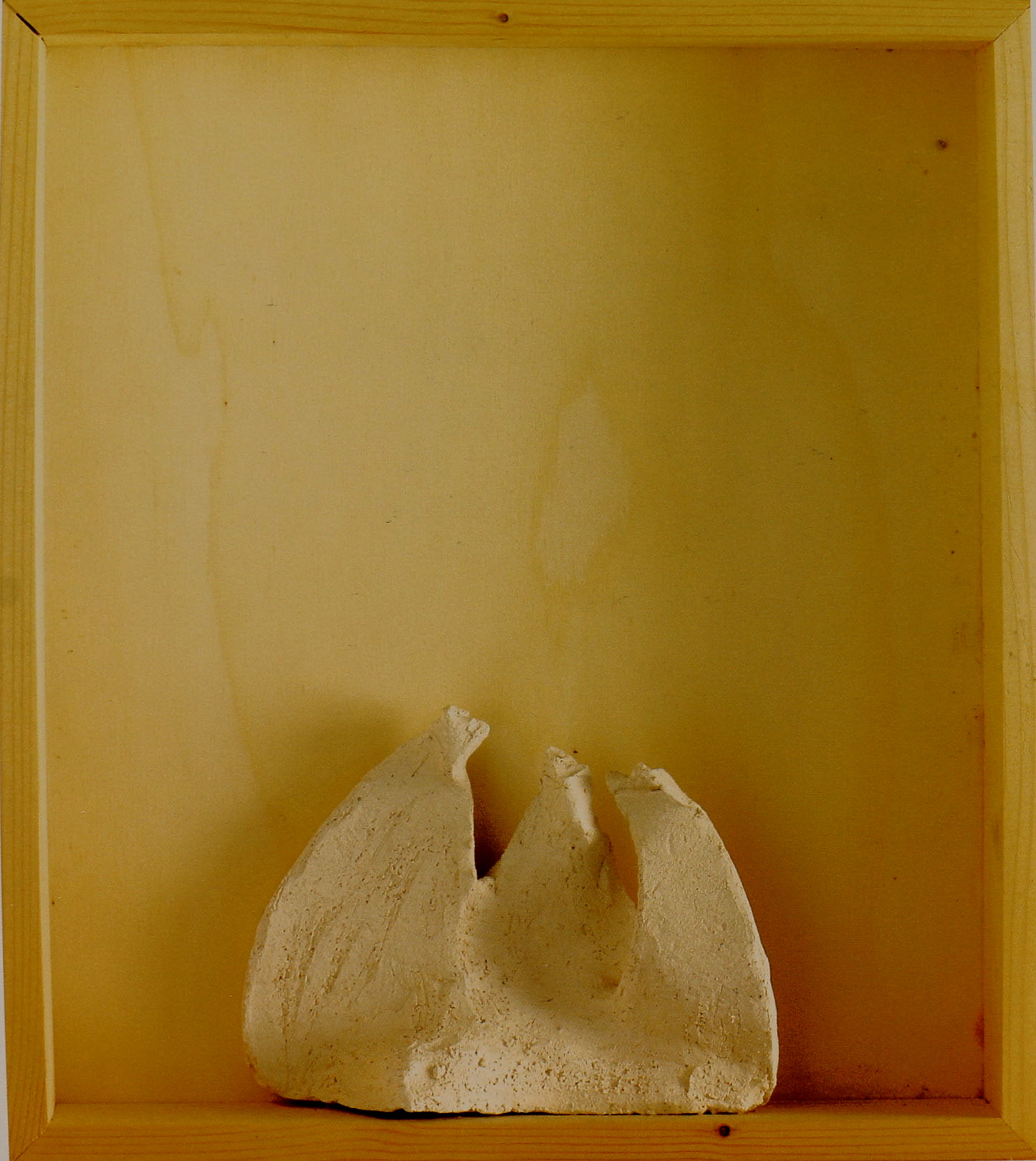
The Italian mountains inspired also the manger of Bethlehem, in which the medieval imagination displays the encounter of darkness and light through the medium of religious theater, and with the motifs of the shepherds, the animals, the stars. The first Nativity manger was set up at Christmas 1223 in Greccio, in the Central Italian mountains by St. Francis, who was especially susceptible to such games, and the presepe has since become a basic genre of Italian popular art. In 2006, Maria Lai organized an exhibition in Cagliari of her presepi, made mainly in the 1960s, with the title It was night out there. The scenes, rendered in sweeping contours or collages, are surrounded by a box frame, which makes them three-dimensional. The pebbles and found objects stepping out on the edge of the box, and the similarly lapidary figures, which recall the relics of prehistoric Sardinian art, open up the compositions, and link them with the vastness of the mountains of Ogliastro.


Peppino Marotto and Coro di Neoneli: Sa Ninnia (shepherd’s lullaby)

sardegna4 sardegna4 sardegna4 sardegna4 sardegna4 sardegna4 sardegna4 sardegna4 sardegna4 sardegna4 sardegna4 sardegna4 sardegna4 sardegna4 sardegna4 sardegna4 sardegna4 sardegna4 sardegna4 sardegna4 sardegna4 sardegna4 sardegna4 sardegna4 sardegna4 sardegna4 sardegna4 sardegna4 sardegna4 sardegna4 sardegna4 sardegna4 sardegna4 sardegna4 sardegna4 sardegna4 sardegna4 sardegna4 sardegna4 sardegna4 sardegna4


Mutaciones

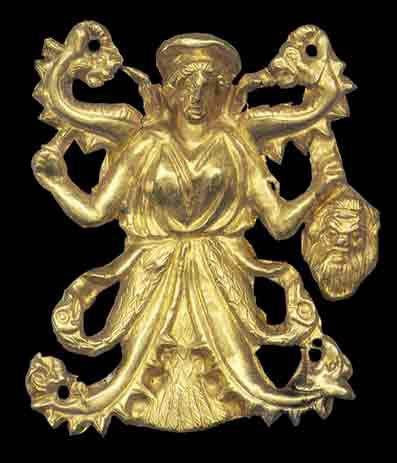
Diosa con piernas como serpientes (quizá Mixoparthenos), oro. obra griega, mitad del s. IV a.C., procedente de Kul Oba kurgan, de aquí

Los escitas, jinetes nómadas de origen iraní (la lengua viva más próxima es la de Osetia, perteneciente al grupo oriental del nuevo persa) aparecieron alrededor del siglo séptimo antes de Cristo al norte del Mar Negro, y tras expulsar a los cimerios pronto ocuparon la región entre los Cárpatos y el Cáucaso. A finales de la Edad Media, su memoria –junto con la de los sármatas y hunos– sólo sobrevivía en oscuros mitos del origen de algunos pueblos de Europa Central. Para la Europa antigua y medieval, su nombre servía para aludir en general, y durante largo tiempo, a cualquier pueblo nómada procedente del Este (aunque al respecto tampoco la forma usada por Heródoto aclara mucho), y la versión acadia (askuza/iskuza) que llegó al hebreo bíblico como אשכנז Askenaz, significaría los judios de Europa Central en la diáspora.
Cuando aparecen, sin embargo, son «los primeros bárbaros» de la historia de Europa, los primeros pueblos nómadas de Asia descritos en detalle por fuentes occidentales, especialmente Heródoto. Las costumbres atribuidas a los escitas, también contadas por Herodoto en el cuarto libro de su Historia (como que hacían tazas con los cráneos de sus enemigos) se convirtieron con el tiempo en tópicos de la literatura antigua y medieval europea, y se encuentran por igual en las descripciones de otros pueblos nómadas del Este.

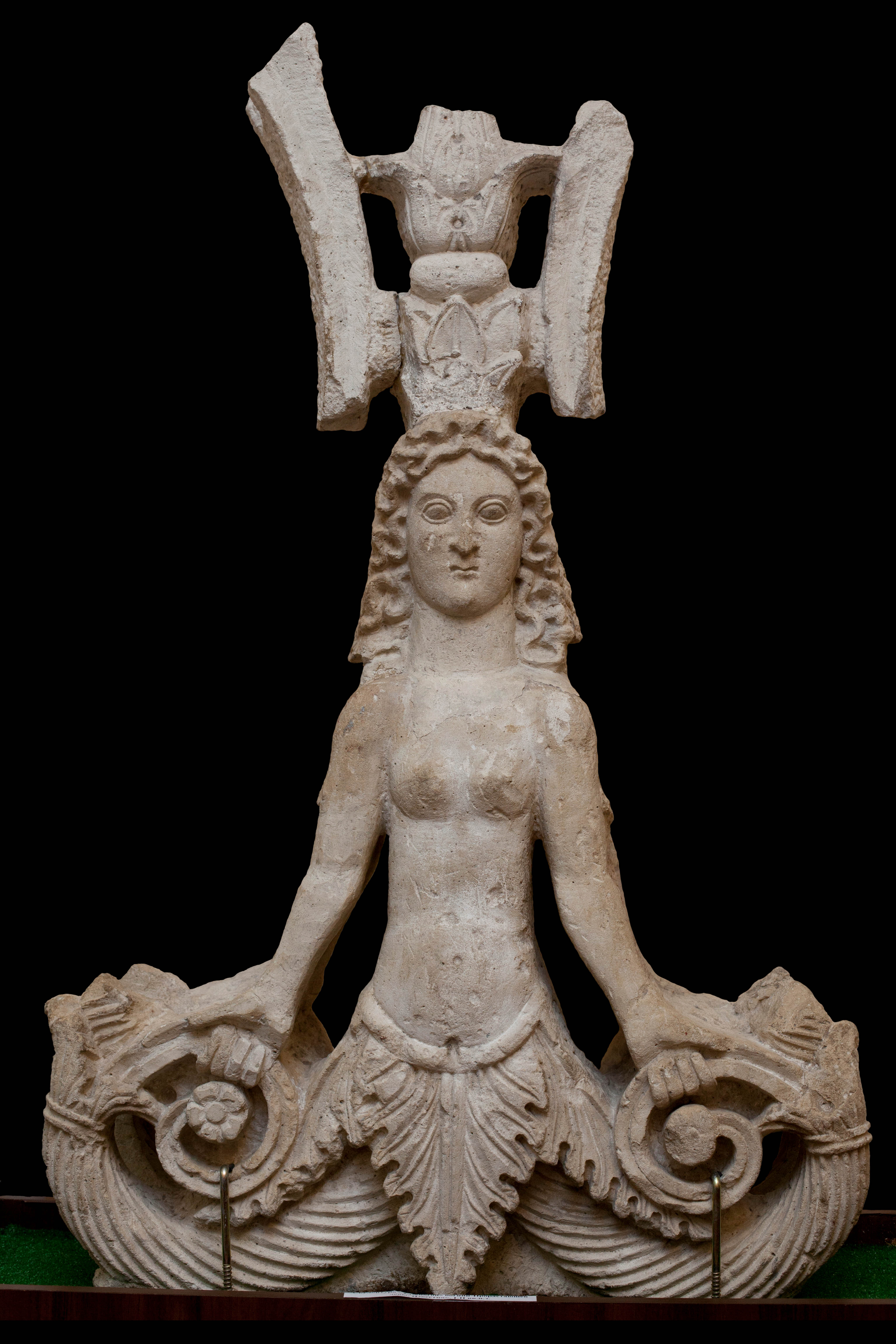
Mixoparthenos del lapidario de Kerch.
De la actual gran exposición crimea del LVR-Landesmuseum, Bonn.

Heródoto narra varios mitos del origen escita, entre ellos uno que le fue contado «por los griegos que vivían a lo largo del Ponto». La historia dice que Heracles, cuando conducía el ganado de Gerión por el territorio de la futura Escitia, perdió las yeguas de su carro al guarecerse de una tormenta de nieve. Buscándolas llegó hasta una tierra llamada Hylaia (o Tierra Boscosa), donde en una cueva se encontró con un ser conocido como Mixoparthenos, que reinaba sobre la región. En la parte superior de su cuerpo era mujer pero tenía forma de serpiente doble en la parte inferior. Aquel ser le confesó que los caballos estaban en su poder y que, a cambio de devolvérselos, el héroe tendría que dormir con ella. Heracles finalmente engendra tres hijos –Agatirso, Gelono y Escita– con Mixoparthenos y le dice que aquel que sea capaz de doblar el arco de su padre y ceñirse como él su tahalí, merecerá ser rey de la región. Lo logró el hijo menor, Escita, antepasado de los reyes de Escitia; y así los escitas «en memoria de la copa de oro que colgaba del tahalí de Heracles, todavía llevan allí pendientes sus copas».

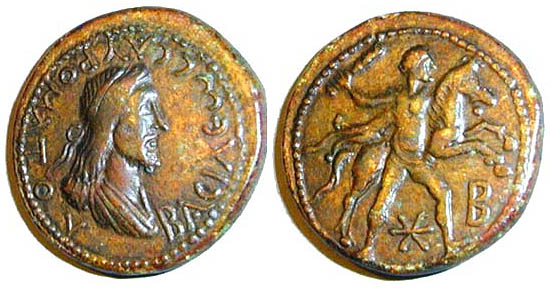
Octavo trabajo de Heracles: capturar a los caballos comedores de hombres del rey tracio Diomedes. Moneda de Sauromates II, rey del Bósforo, s. II. Fuente.

La extraña especie de sirena de esta historia mixta, que involucra elementos griegos y orientales, se convertiría pronto, según señala Neal Ascherson, en símbolo del Reino del Bósforo, que incluye las colonias griegas de la costa norte del Mar Negro y que contiene una mezcla cultural griega-escita-tracia, y también de su capital, Pantikapaion (hoy Kerch) hasta su destrucción en el siglo cuarto. Sin embargo, Ascherson menciona una supervivencia posterior todavía más interesante de la figura de Mixoparthenos:

«Mixoparthenos sobrevivió de otra manera totalmente práctica. Se convirtió en manilla o asa. Su cuerpo delgado, curvado hacia el exterior, pero enganchado por la cabeza y las piernas de serpiente, se convirtió en un agarradero ornamental en las asas de las tazas de cerámica al horno, o remachada y soldada en los cuellos de bronce o vasijas de vidrio. Se quedó sin nombre pero siguió siendo útil mucho después de que su ciudad se hiciera cenizas y sus hijos salieran de la historia.

Ignorada, la madre de los escitas vive aún entre nosotros. El otro día, en una de las antiguas estaciones ferroviarias de los Habsburgo en Budapest, noté algo extraño al tirar de la pesada puerta doble del despacho de billetes. En mi mano, de latón desgastado y pulido por millones de viajeros había una mujer desnuda dividida por debajo del ombligo en dos serpientes enroscadas» (Neal Ascherson: El Mar Negro)


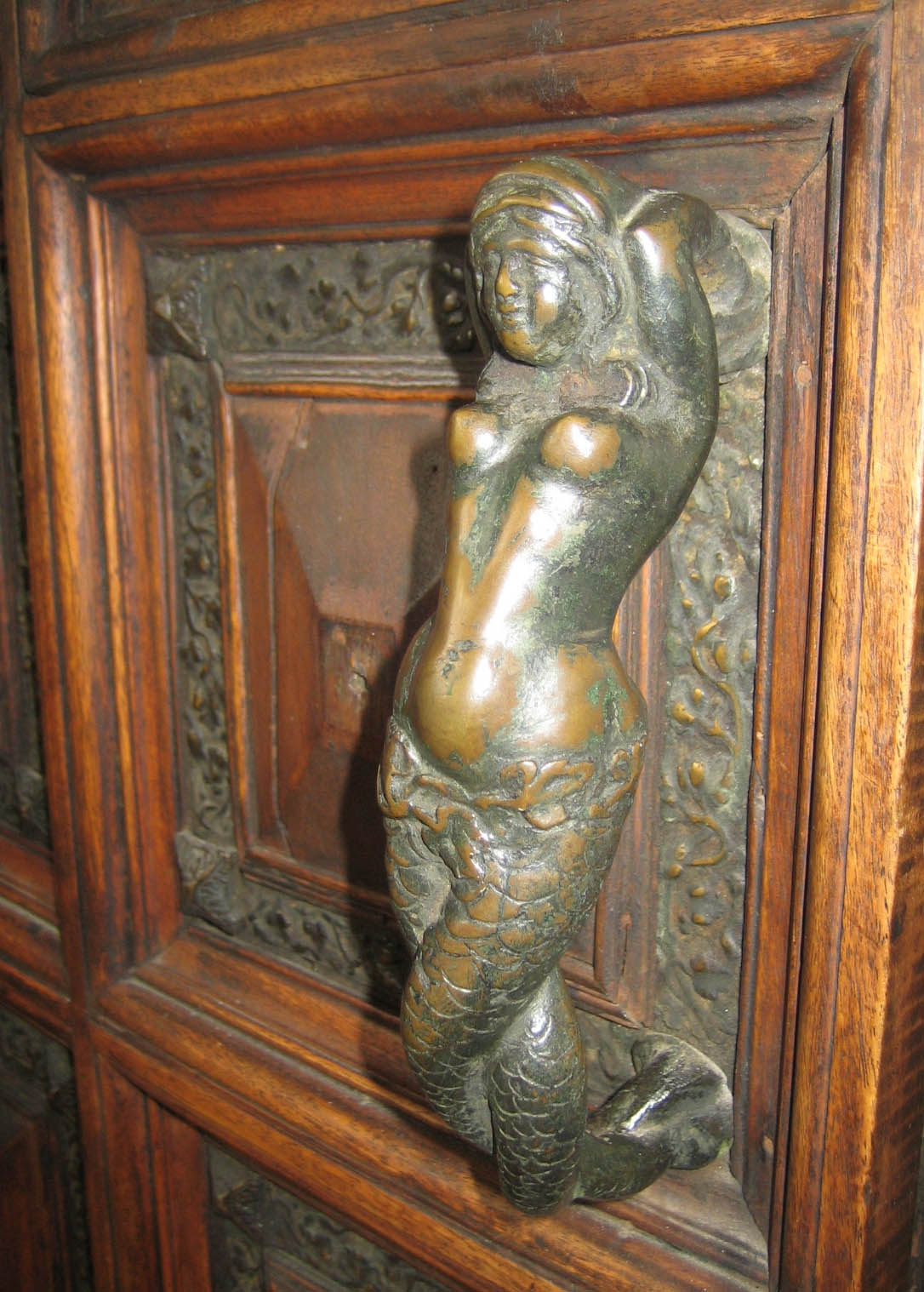
No es la de Budapest pero se le parece. Picaporte del Virginia Center for Architecture, de aquí

Hemos buscado en vano sus huellas en las estaciones de tren de Budapest, Mixoparthenos no se dejó ver. El picaporte hallado por Ascherson debe haber sido reemplazado. Pero ni siquiera así ha desaparecido sin dejar su huella. Aunque su figura se ha ido fundiendo poco a poco con la de las sirenas normales y corrientes (más precisamente, con su vieja versión de dos colas, la melusina, de la que podríamos encontrar tantos emblemas que la representan), la matriarca escita dividida en una serpiente de dos colas todavía puede ser contemplada hoy en día en lugares tan insólitos como el logo de la cadena Starbuck de cafeterías.

La sirena del logo de Starbucks se ha ido transformando poco a poco en algo más aséptico y estilizado, quizá «cursi». Ver acerca de ello el artículo del escritor natural de Odesa Michael Krakovskiy.

Mutations

Snake-legged goddess (perhaps the Mixoparthenos), gold plaque. Greek work, mid-4th c. BC, from the Kul Oba kurgan, from here

The Scythians, these nomadic horsemen of Iranian origin (their closest living language relative is the Ossetian, which belongs to the Eastern New Iranian group) appeared around the 7th century BC to the north of the Black Sea, and by ousting the Kimmerians they soon occupied the region between the Carpathians and the Caucasus. By the late Middle Ages their memory – together with that of the Sarmatians and Huns – only survived in obscure Central European origin myths. For the ancient and medieval Europe, their name usually meant for a long time all the nomadic peoples coming from the East (although in this respect even Herodotus’ wording is not very clear), and the Akkadian version (askuza/iskuza), which went over into biblical Hebrew in the form of אשכנז ashkenaz, would indicate the Central European Jews in the diaspora.
When they appear, however, they are the “first barbarians” in the history of Europe, the first Asian nomadic people described in detail by western sources, especially Herodotus. The customs attributed to the Scythians, also reported by Herodotus in the fourth book of his History (such as making a drinking cup from the enemy’s skull), later become topoi in the ancient and medieval European literature, and we will also find them in the descriptions of other nomadic peoples from the East.

The Mixoparthenos from the lapidary of Kerch.
From the current great Crimean exhibition of the LVR-Landesmuseum, Bonn.

Herodotus narrates several Scythian origin myths, including one told to him “by the Hellenes living along the Pontus”. This story says that Heracles, while driving the cattle of Geryon in the territory of the future Scythia, lost his horses in a snowstorm. In search of them, he arrived at a land called Hylaia, where in a cave he met the Mixoparthenos, the queen of the region. The being with a female upper body and a snake-like lower body let him know that the horses are at her, but in exchange for their return, the hero had to sleep with her. Heracles finally begets three sons – Agathyrsus, Gelonus and Scythes – to the Mixoparthenos, and tells her, that whichever of the three would be able to bend his father’s bow and could put on his belt, would deserve to be the king of the region. This will be the youngest son, Scythes, ancestor of the kings of Scythia, while the Scythians, “to commemorate the drinking bowl hanging from Heracles’ belt, still wear drinking bowl on their belts.”

The eighth mission of Heracles: to seize the man-eating horses of the Thracian king Diomedes. Coin of Sauromates II, King of Bosporus, 2nd c. AD. Source.

The siren-like creature of this mixed story, including both Greek and eastern elements, as Neal Ascherson points out, soon would become a symbol, that of the Bosporan Kingdom embracing the Greek colonies along the northern Black Sea coast and having a mixed, Greek-Scythian-Thracian culture, as well as of its capital, Pantikapaion (today Kerch), until its destruction in the 4th century AD. However, Ascherson also mentions an even more interesting survival of the Mixoparthenos:

“But the Mixoparthenos lived on in another, entirely practical way. She became a handle. Her slender body, curving outwards but held in again at head and serpent-legs, became an ornamental lug baked onto the rims of pottery cups, riveted or welded to the necks of bronze and glass vessels. She remained nameless but useful long after her city had burned down and her children had left history.

No longer recognised, the Mother of the Scythians still lives among us. The other day, in one of the old Habsburg railway stations in Budapest, I felt something unusual as I pulled open the heavy double-door of the ticket-office. There in my hand, in worn-away brass polished by millions of travellers, was a naked woman divided below her navel into two coiled serpents.” (Neal Ascherson: The Black Sea)


Not Budapest, but looks like. The door handle of the Virginia Center for Architecture, from here

But I looked in vain for its traces in the railway stations in Budapest, the Mixoparthenos could not be found. The door-handle seen by Ascherson probably has been replaced. But even so it has not disappeared without a trace. Although its figure has merged with the common sirens (more closely, their two-tailed version, the melusina), the Scythian matriarch ending in a two-tailed snake still can be seen today, namely in a highly unusual place, the logo of the Starbuck coffee houses.

The siren of the Starbucks logo gradually became more and more “shy”. See about this the article by the Odessa-born Michael Krakovskiy.

The cemetery of Ieud

Dan Dinescu: The upper church in Ieud (click for the full image)
From the album The Wooden Architecture of Maramureș, 1997

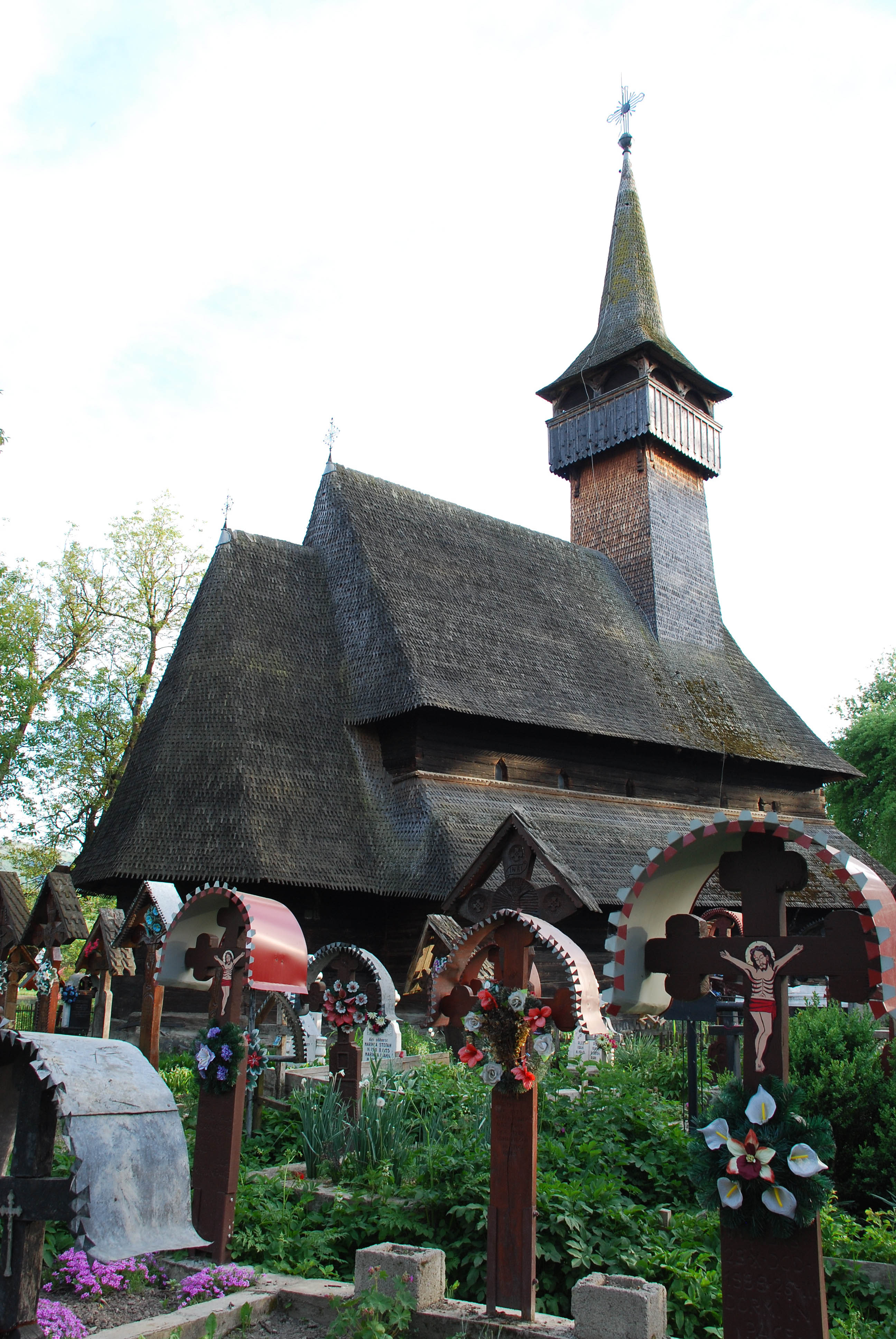
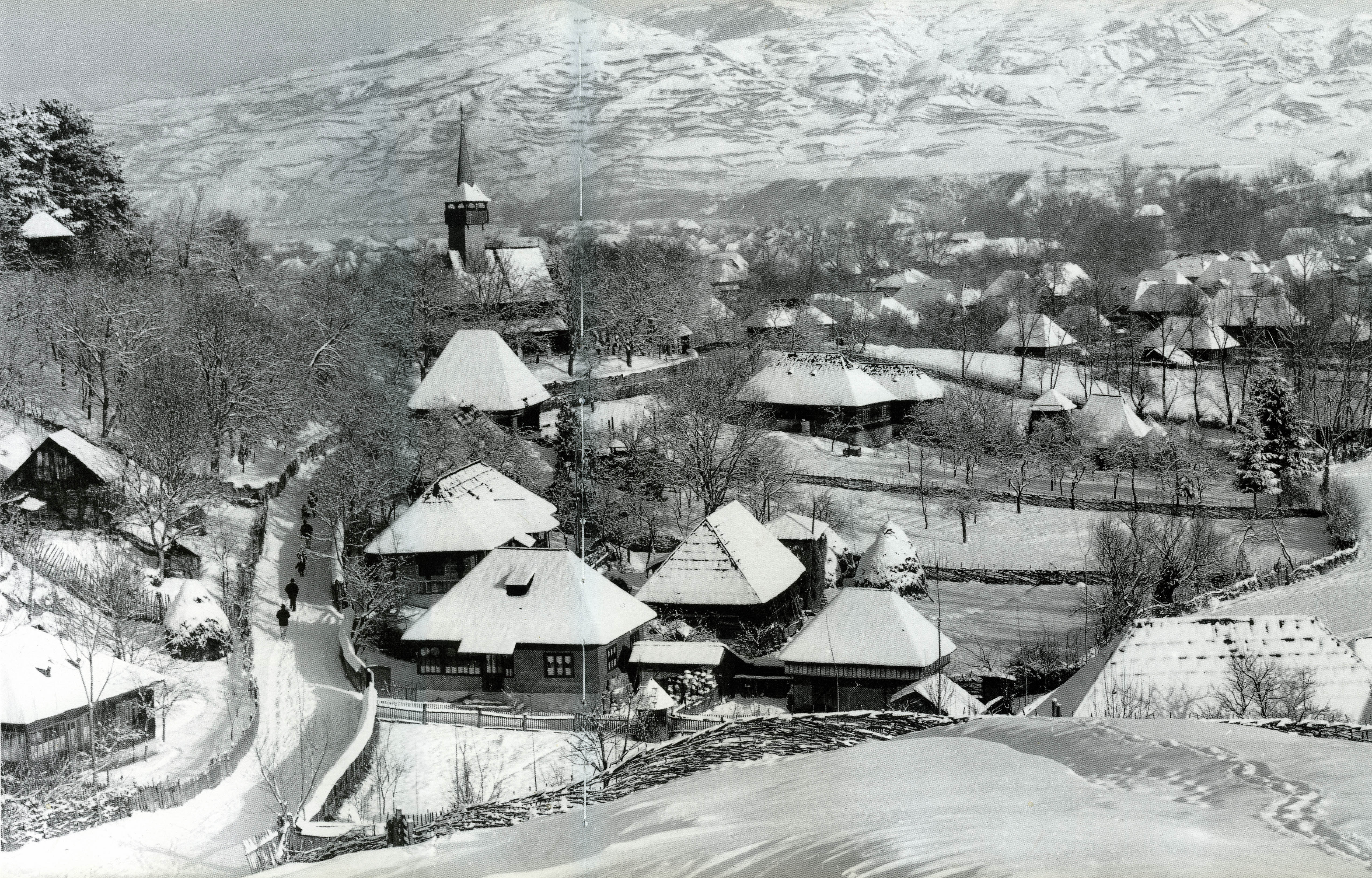
The upper church of Ieud is considered the oldest wooden church in Maramureș, with the year of construction of 1364. The present building, however, is only as original as the ax, whose head was replaced twice and its handle three times. Due to the recurring Tatar invasions, it burnt down several times, and each time it was rebuilt, for the last time in the late 17th century. Nevertheless, it still retains the Gothic shape characteristic of the wooden churches of Maramureș, which markedly differ from the Rusyn wooden churches with squat towers and central domes, to the north of the upper reaches of the Tisza. Inside it is adorned by naive folk murals with the fanciful depiction of the Last Judgement, and outside it is embraced with the no less fanciful old cemetery of the village.


jeuddeal1 jeuddeal1 jeuddeal1 jeuddeal1 jeuddeal1 jeuddeal1 jeuddeal1 jeuddeal1 jeuddeal1 jeuddeal1 jeuddeal1 jeuddeal1 jeuddeal1 jeuddeal1 jeuddeal1 jeuddeal1

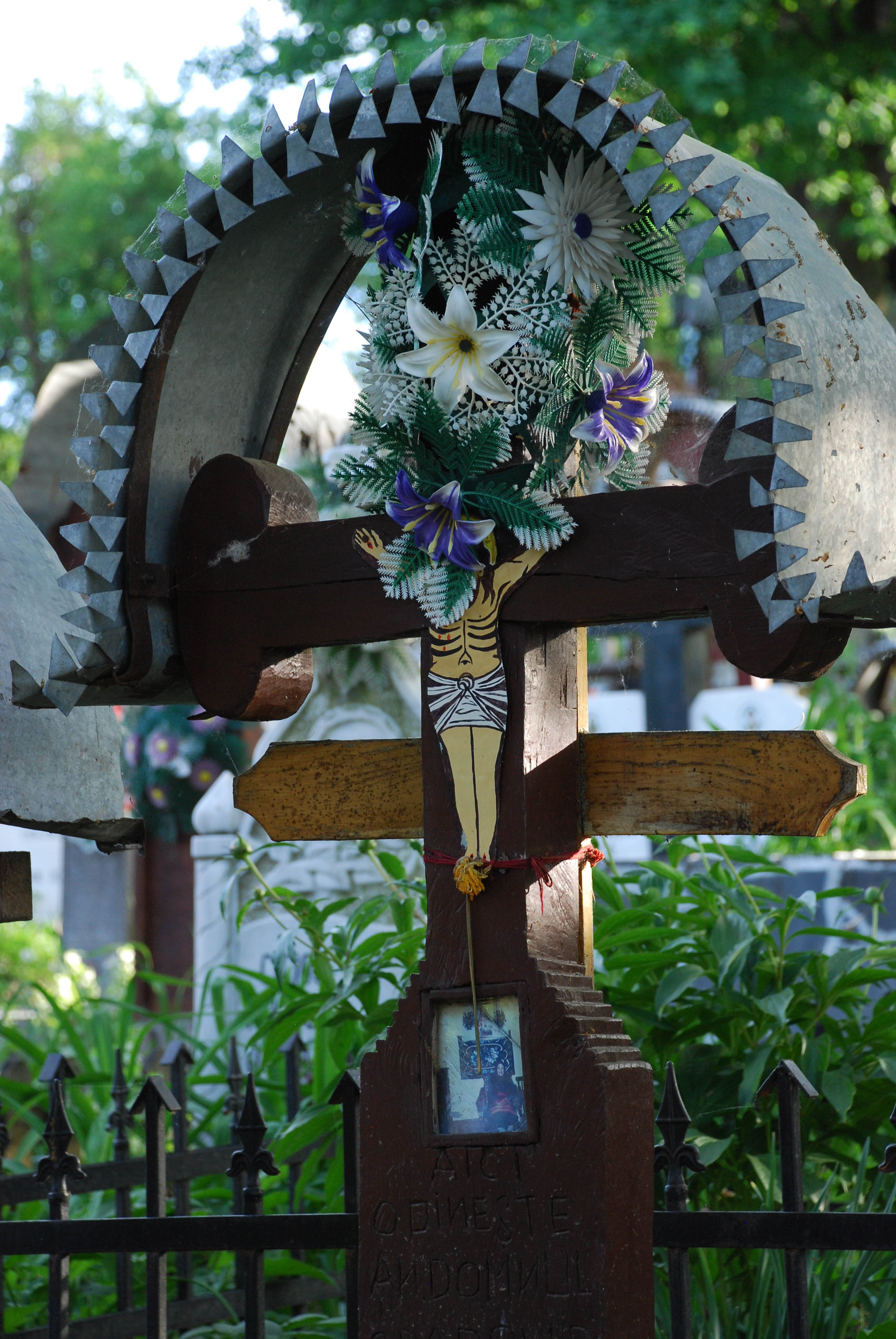
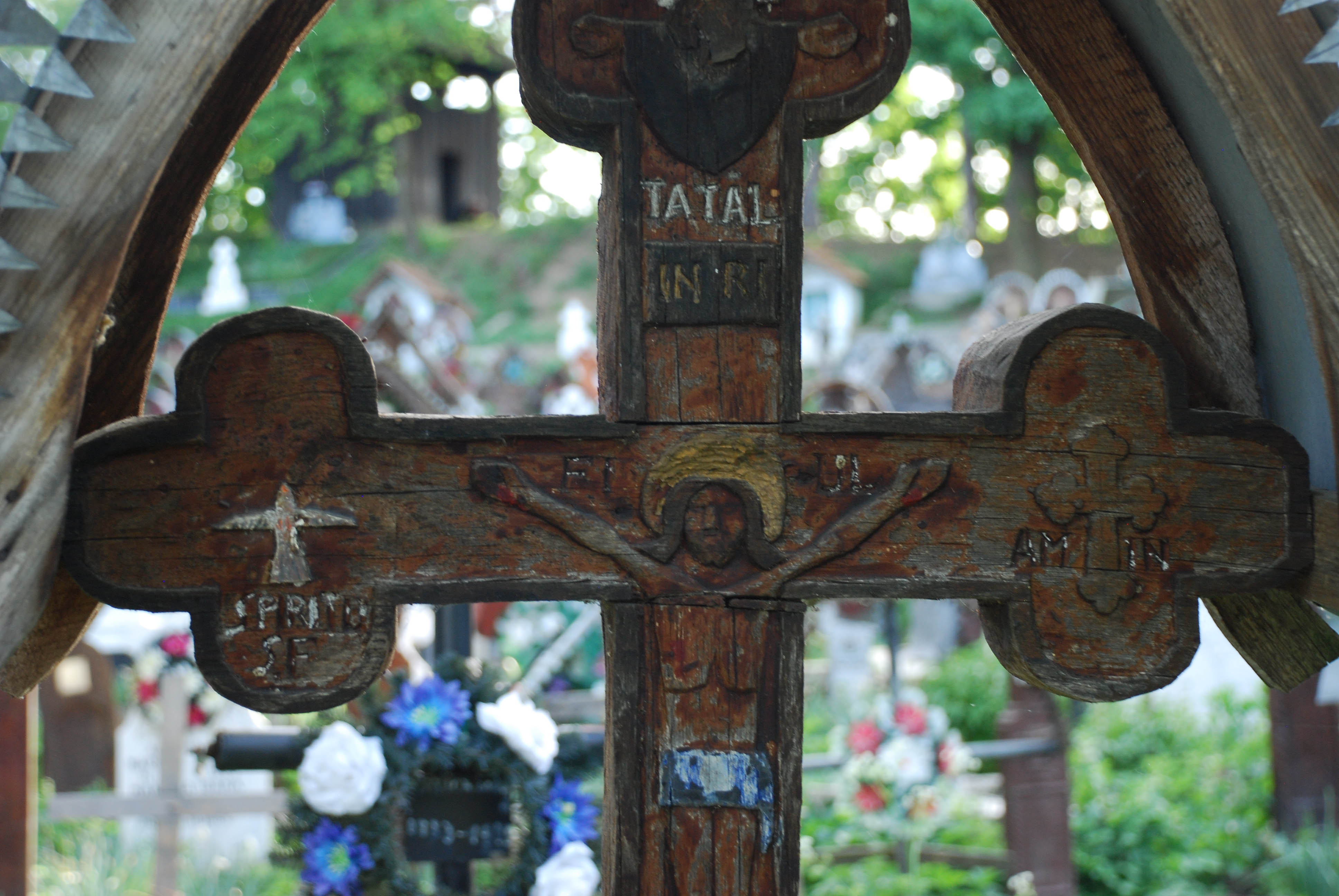
Every cemetery has its own unique motifs, copied from generation to generation and from tomb to tomb by the members of the local community; motifs, which distinguish the graveyard even from that of the next village. In Ieud these are the photographs in folk costume inserted in the legs of the crucifixes, and the multitude of tin Christs, the aesthetics of redundancy, which is characteristic also for the inside of the wooden churches, nevertheless the sight of a million little Christs puzzle the unsuspecting visitor.


jeuddeal2 jeuddeal2 jeuddeal2 jeuddeal2 jeuddeal2 jeuddeal2 jeuddeal2 jeuddeal2 jeuddeal2 jeuddeal2 jeuddeal2 jeuddeal2 jeuddeal2 jeuddeal2 jeuddeal2 jeuddeal2 jeuddeal2 jeuddeal2 jeuddeal2

The cemetery also has a separate geniza corner, where the crucifixes left without a tomb – as they bear the image of Christ, so cannot be destroyed – wait in silence for the end of times.


jeuddeal4 jeuddeal4 jeuddeal4 jeuddeal4 jeuddeal4 jeuddeal4 jeuddeal4 jeuddeal4 jeuddeal4 jeuddeal4 jeuddeal4

In another corner of the cemetery a new grave is being digged. “Hello, hello!” calls the gravedigger’s sister the tourist roaming among the crucifixes, like a naively painted siren, but fortunately she does not offer us the grave, but rather țuică, plum brandy for twenty-five lei, and necklines made of glass beads. Although a peasant woman, she easily switches from Romanian to French and Italian. “Where did you learn it so well?” “Well, I took my language book in the evening, and I crammed it.” She carefully re-ties her scarf for the photo, then she gives me the address where we can bring it the next time, and at the same time buy some more țuică. When I ask her about the Jewish cemetery, she pops up: “Sure, I’ll take you there.” But this will be already the next story.


jeuddeal3 jeuddeal3 jeuddeal3 jeuddeal3 jeuddeal3