
 У Луврі відкрилася нова виставка. Міжнародна виставка з винятково цінними предметами, які ніколи не експонувалися за кордоном.
Це не є чимось незвичайним на виставці. Але все інше є. Справа в тому, що предмети були передані музею не в борг, а на зберігання. До Франції їх везли не зі звичайною страховкою, а під броньованим військовим прикриттям. Експозиція складається лише з п’яти предметів – хоча чотири з них належать найдавнішим і найціннішим представникам своєї тематики. У виставки немає каталогу, лише короткі інформаційні написи французькою, англійською та – українською. І через відсутність каталогу та стислість написів зовсім не зрозуміло, що виправдовує амбітну назву: «Походження священних образів».
На перші питання можна відповісти з щоденних новин, а на останнє – лише з сучасної літератури про ікони, і це власне мета цього посту. Але давайте спершу розберемося з першими.
Ще в травні Лувр оголосив, що найцінніші артефакти Національного музею Києва під військовим прикриттям перевезуть через Польщу та Німеччину до Парижа, де вони знайдуть притулок від воєнних руйнувань і пограбувань. Справді, згідно зі звітом ЮНЕСКО за жовтень 2022 року, російські окупанти знищили або пограбували в Україні 468 культурних об’єктів та установ, у тому числі 35 музеїв. Тому українська держава намагається зберегти артефакти, що знаходяться під загрозою зникнення, в іноземних колекціях. Наприклад, Музей Ватикану взявся за збереження ікон Києво-Печерського монастиря під час війни. Цей монастир належав Українській Православній Церкві, номінально залежній від Москви, поки Українська держава не передала його в березні цього року іншій, київській, автокефальній Православній Церкві України, яка була затверджена Константинополем у 2018 році. Російська преса негайно почала поширювати новини про те, що українська держава хоче прикрити західні поставки зброї, відправивши на Захід мистецькі скарби «Російської Церкви», і що ці скарби ніколи більше не побачать в Україні.
Під час іншої війни, десятиліття тому, ми, угорці, були б дуже щасливі, якби в Європі була країна, де ми могли б зберегти наші скарби мистецтва від знищення та пограбування ворогом. Почекайте, які вороги? Ну, росіяни. Але не було, тому що угорська держава подбала, як тоді, так і тепер, щоб ми не мали друзів у Європі, тільки той, чию дупу ми цілували, поки її знищення не потягло нас із собою. Ось чому частина наших мистецьких скарбів досі – свідомо чи таємно – перебуває в Росії, де закон 1998 року проголосив їх репараційний характер, тобто ми ніколи більше не побачимо їх в Угорщині. Тепер маємо радіти, що українська держава, яка бореться за власну свободу та свободу всієї Європи, все ще має друзів у Європі, які допомагають, щоб ці скарби людства зберігалися та залишалися доступними для фахівців та відвідувачів.
Оскільки первісною метою було не експонування, а збереження, не дивно, що більшість артефактів, вивезених на Захід, зараз неможливо побачити, але вони консервуються та реставруються за допомогою пожертвувань громадських фондів. Тим не менш, Лувр домовився з Національним музеєм Києва, що, частково як жест прихильників цих громадських фундацій, п’ять особливо цінних ікон буде виставлено на загальний огляд з 14 червня по 6 листопада.

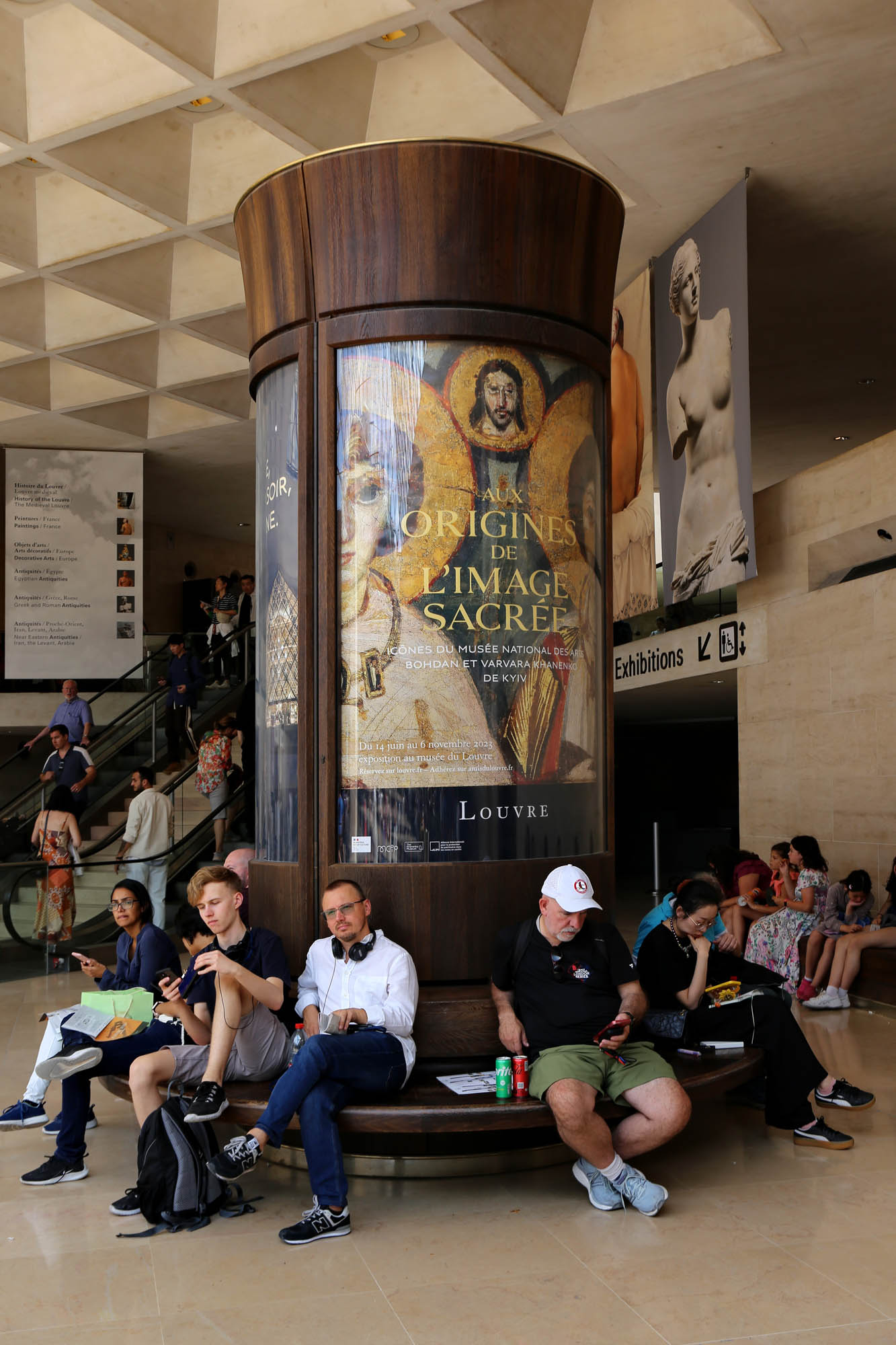
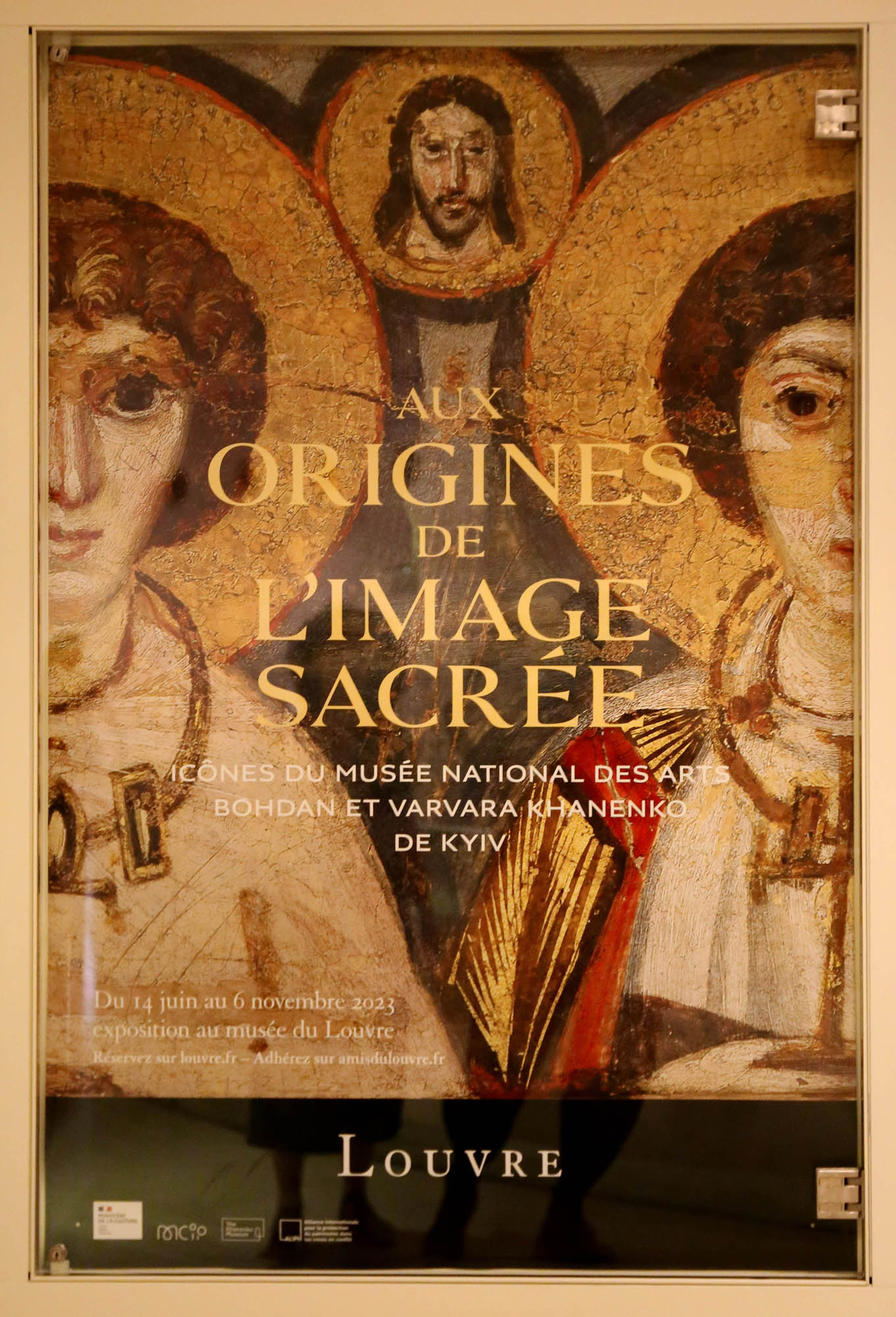
Зазначу лише в дужках, що окрім підтримки, прихильникам доводиться ще й боротися за те, щоб побачити об’єкти. Нинішня концепція масового музею Лувру спрямована на те, щоб якнайшвидше перевести відвідувачів від контролю квитків до Мони Лізи, а потім повернутися до виходу. Цей маршрут позначений тисячею стрілок, а всі інші – майже жодною. А обслуговування оперує інформацією з відомим французьким менталітетом: якщо Бог дав тобі роботу, то Він, очевидно, дав і розум. Тож вони з неперевершеною впевненістю спрямовують вас у нескінченні коридори, у кінці яких напевно немає виставки ікон. Одна з мадемуазель хоче неодмінно відправити нас назад до входу, мовляв, щоранку вона бачила там цей плакат виставки, який ми, власне, просто сфотографували там серед усіх інших плакатів. Отже, ми пройшли близько чотирьох кілометрів музеєм, а на першому поверсі, під сходами, в проході між класичною грецькою та ісламською виставками ми виявили п’ять ікон, розміщених у напівтемряві, але освітлених чудовими прожекторами.
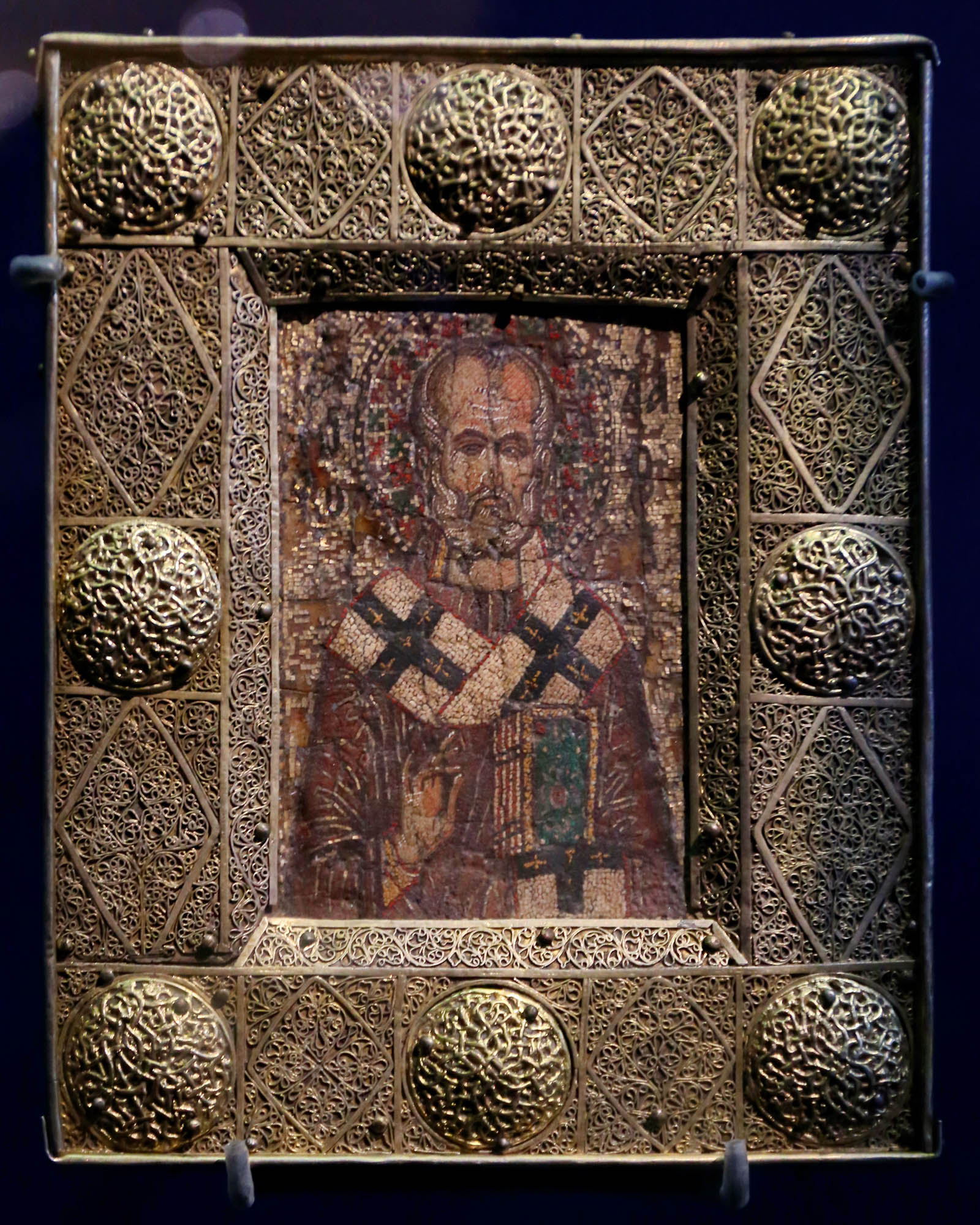
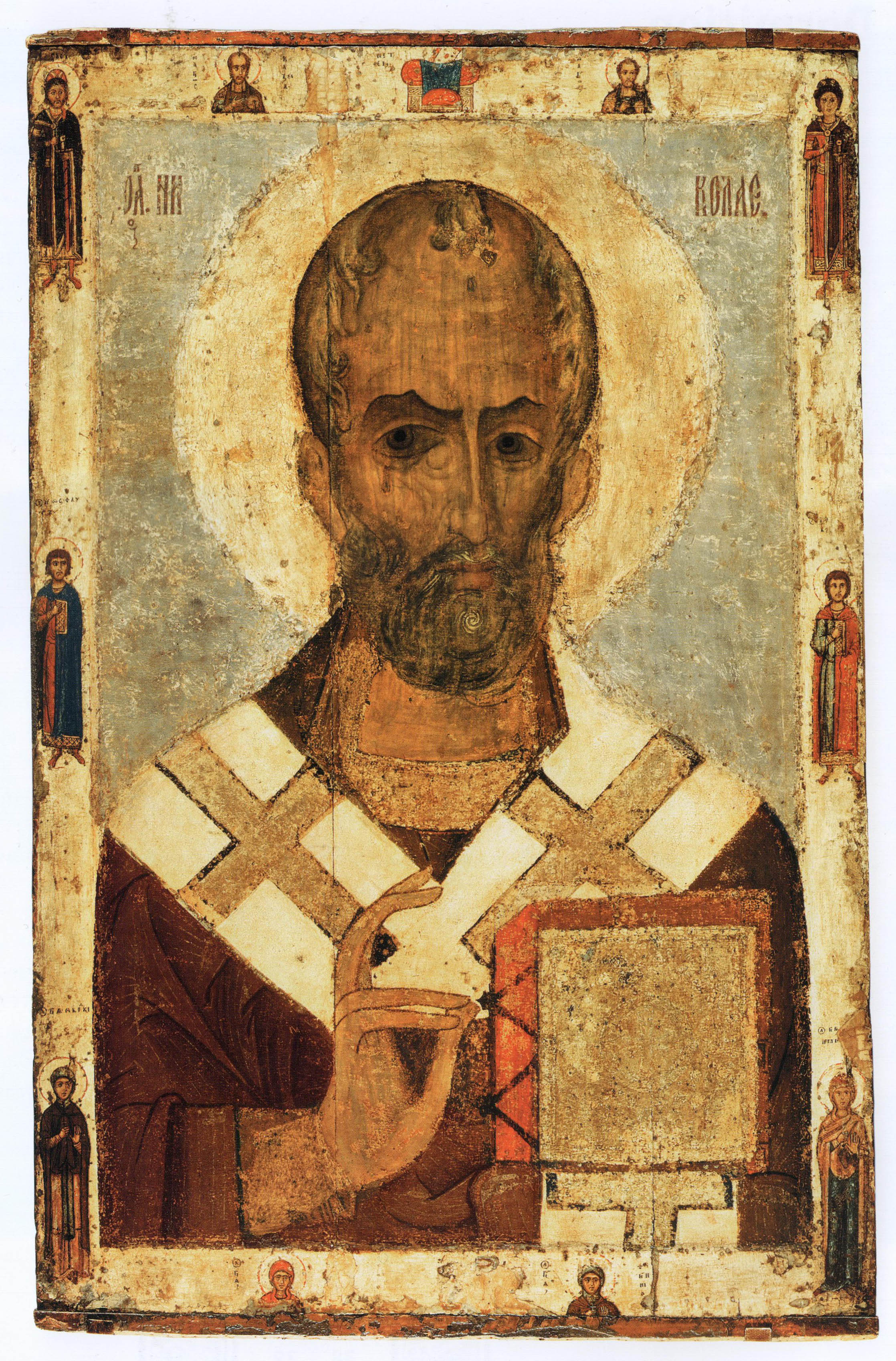
Перша ікона — мікромозаїка кінця XIII — початку XIV ст. Окрім прекрасної срібної філігранної рами – ймовірно, візантійської роботи – вона в основних рисах повторює новгородську іконографію святителя Миколая, як і новгородська її сучасниця, що зберігається в Третьяковській галереї.


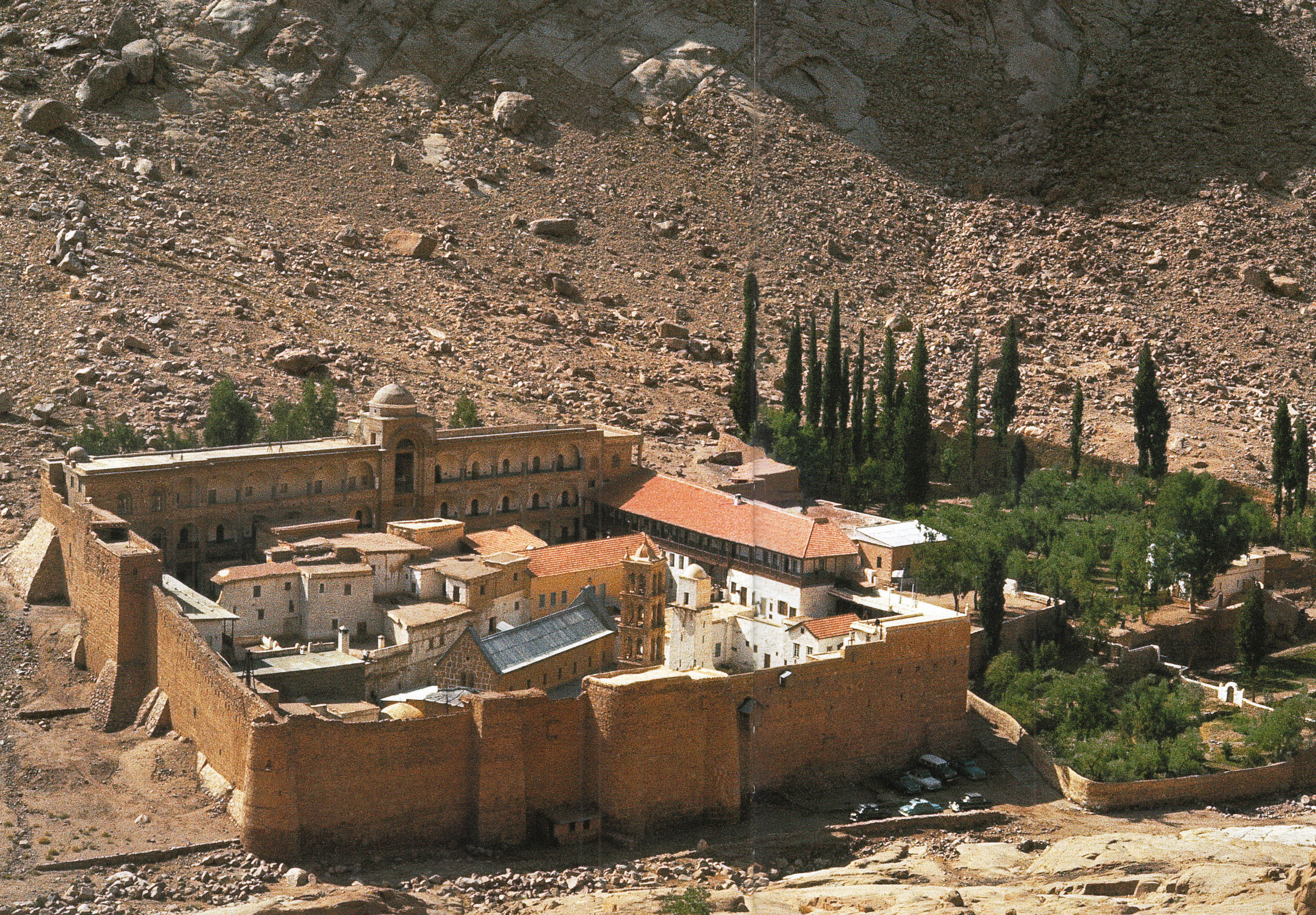
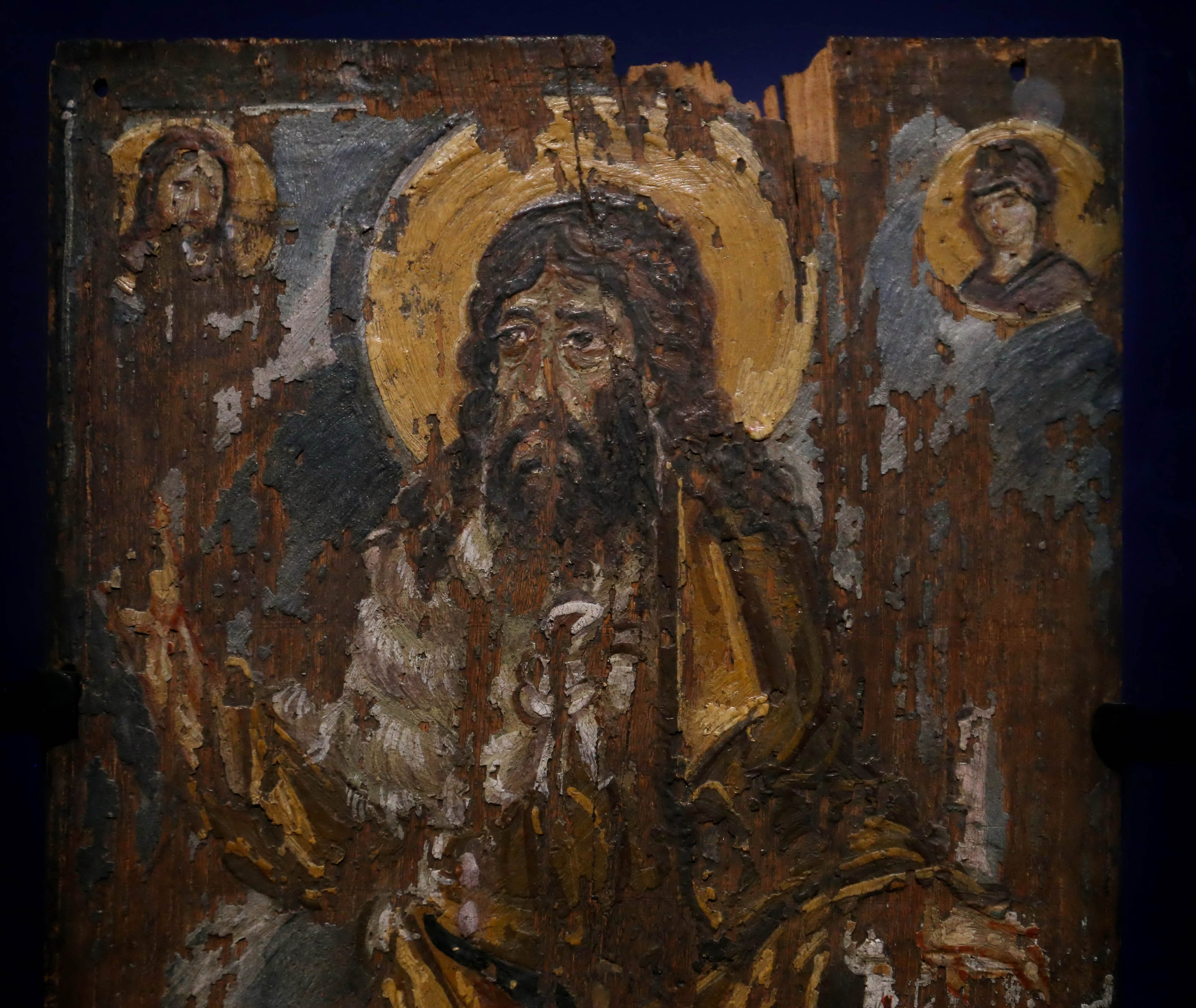
Справжній сюрприз приходить лише після цього. Чотири ікони з монастиря святої Катерини на Синаї, ймовірно, усі з 6 століття, часу найдавніших відомих християнських ікон. Від часу знищення ікон Візантією у VIII-IX століттях збереглося ледве десяток християнських панно, переважна більшість із них у монастирі Св. Катерини на Синаї, куди не дійшла рука візантійців-знищувачів образів. Ці чотири ікони привіз звідти Порфирій Успенський (1804-1885), одеський архімандрит, сходознавець і археолог, який був призначений головою Російської православної місії в Єрусалимі в 1842 році, і в наступні чотири роки він багато подорожував християнським Східом від монастирів Афону через Святу Землю до Синаю. Його подорожній опис, опублікований у двох томах у 1856 році, не описує, як він придбав ікони та інші художні скарби на Синаї. Відвідуючи Синайський монастир, не намагайтеся наслідувати його!
 Монастир Святої Катерини на Синаї
Подорожній опис із детальним описом відвіданих монастирів та їхніх мистецьких скарбів не привернув особливої уваги. Але коли історик мистецтва Никодим Кондаков (1844-1925) представив на Московському археологічному з’їзді в 1890 році чотири ікони, привезені отцем Успенським і залишені ним у скарбниці Київського архієпископа, вони викликали фурор і значною мірою сприяли пожвавленню інтересу в іконах. Австрійський історик мистецтва Йозеф Стшиговський, який особливо цікавився східною традицією, опублікував їх опис через рік у I томі Byzantinische Denkmäler, і відтоді вони були загальновизнаними витоками християнського іконопису, хоча кілька інших сучасників зберігаються в Синайському монастирі. У 1917 році, коли Архієпископську скарбницю було націоналізовано, ікони були передані до Київського національного музею, який був названий на честь і виріс із спадщини великих київських колекціонерів - подружжя Богдана та Варвари Ханенків. За століття, що минуло з моменту їх «відкриття», дуже небагато іноземних відвідувачів мали можливість побачити їх у реальності.
Техніка ікон є особливою з точки зору пізніших епох. Панно того періоду — не лише християнські ікони, а й язичницькі вотивні малюнки, єгипетські портрети мумій і навіть грецькі мармурові статуї — були розписані за допомогою техніки енкаустики, під час якої пігменти змішували з розплавленим бджолиним воском, а потім випалювали на поверхні за допомогою нагрітого залізного інструменту. Це надавало картинам характерний, глибокий, вогненний колір, схожий на олійний живопис тисячу років потому.
Порівняння із сучасними жанрами також є натяком на причини назви виставки: «Походження сакральних образів». Відповідно до давнішої християнської традиції, християнство від початку використовувало ікони. Вони в основному посилаються на євангеліста святого Луку, який, як кажуть, перший написав образ Діви Марії. Сьогодні в різних місцях зберігається не менше чотирьох десятків копій цієї святої ікони. Звичайно, всюди оригінал.
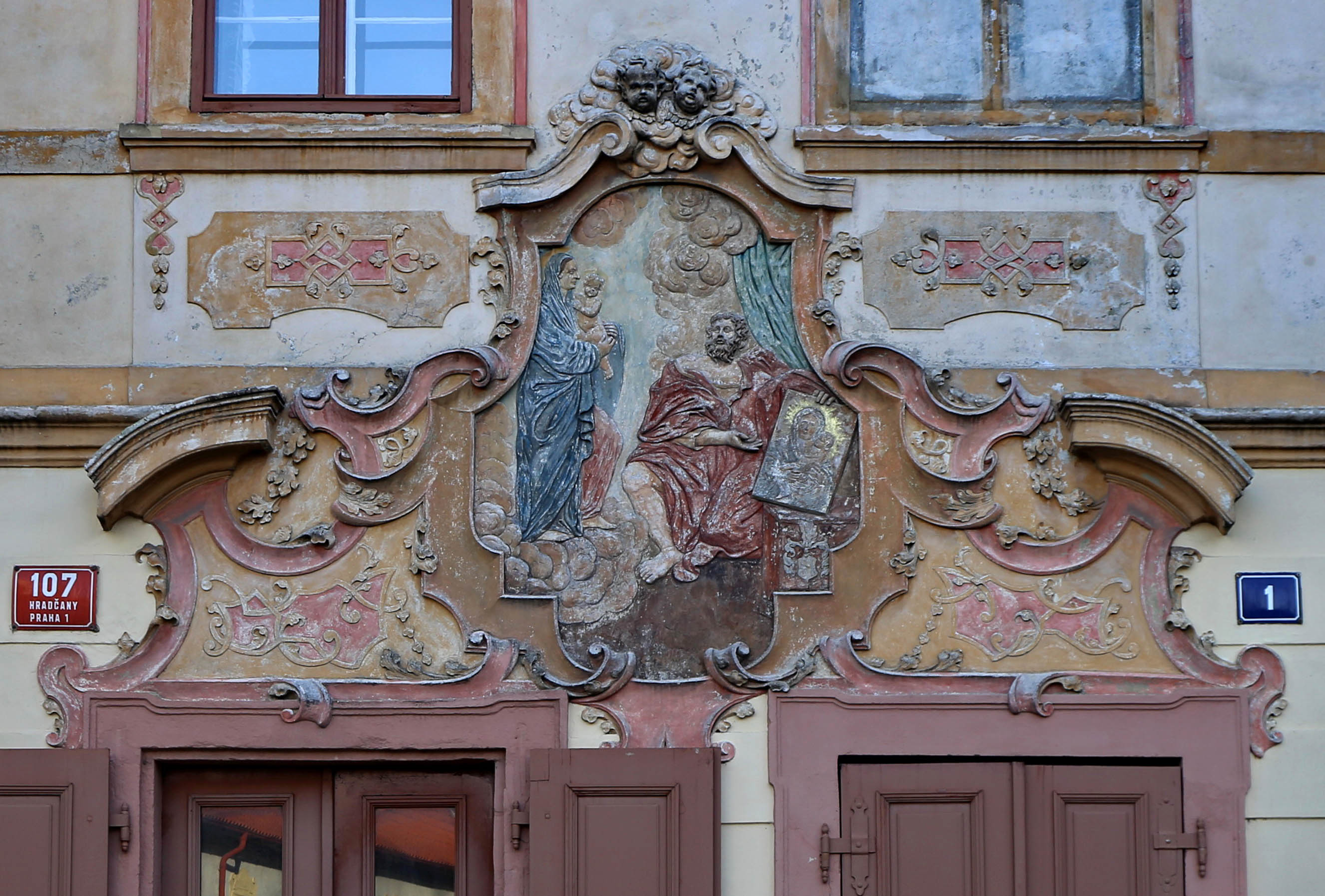
 Празька пивоварня U Černého vola, «Чорний віл», також отримала свою назву від символічної тварини євангеліста Луки, яка малює свою святу картину над входом у паб.
Однак мистецтвознавча література останніх десятиліть бачить цю історію інакше. Християнство, яке виросло з єврейського середовища, спочатку було аніконічною релігією: воно не практикувало і не потребувало образів. Почало сприймати їх, коли до нього приєдналися грецькі, римські та єгипетські віруючі, чия попередня релігійна чи цивільна культура включала використання зображень, і вони були адаптовані до християнських тем. Ганс Белтінг у «Bild und kult» (1990) в основному досліджує християнські парафрази римських політичних образів, тоді як Томас Ф. Метьюз у «The dawn of Christian art in panel paintings and icons» (2016) вказує, що перші відомі християнські ікони насправді є адаптаціями грецьких ікон і єгипетських релігійних вотивних панно. Християни починають використовувати зображення, спочатку лише прості символи в катакомбах, у 2-3 століттях, і потрібно ще 2-3 століття, поки вони не переймуть і адаптують язичницький релігійний живопис, який був дуже поширений у той час. Отже, перші ікони датуються VI століттям не тому, що попередні не збереглися, а тому, що найперші були зроблені саме в той час. І вони майже такі ж, як ви бачите тут, у Луврі.

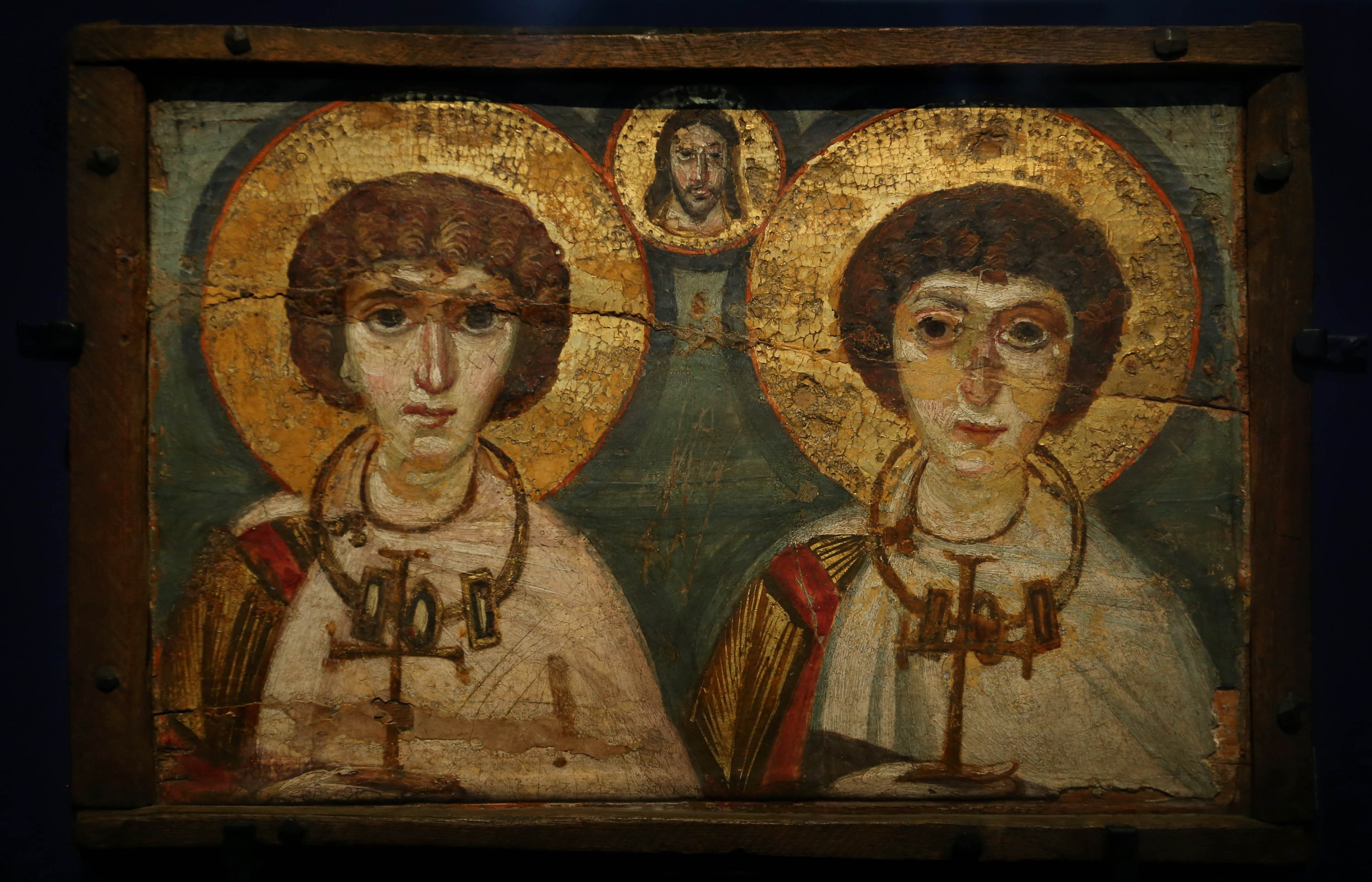
Перша ікона — портрет преподобних Сергія і Вакха. Ці двоє грецьких воїнів прийняли мученицьку смерть на початку IV століття під час гонінь на християн за імператора Галерія. Вони були поховані в сирійській Ресафі — відомому як Сергіополь у Візантії — де над їхньою гробницею була споруджена важлива святиня, а їхній культ поширився по всьому стародавньому світу. Малий собор Святої Софії в стамбульському районі Султанахмет, який був побудований у 6 столітті як своєрідний взірець, щоб його дизайнери показали, що їх інноваційна архітектурна споруда міцно стоятиме в новозбудованому соборі Святої Софії, також присвячений їм.
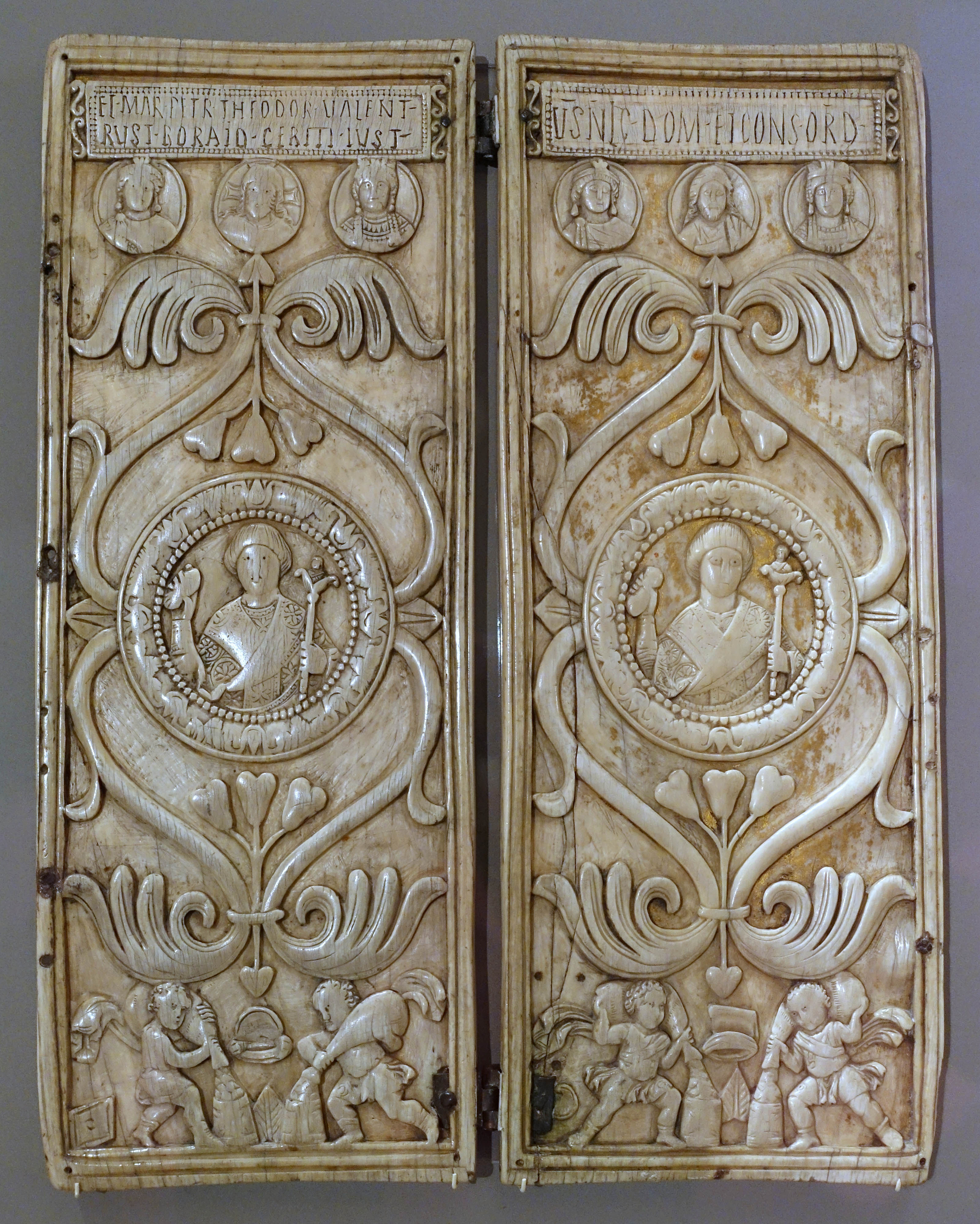
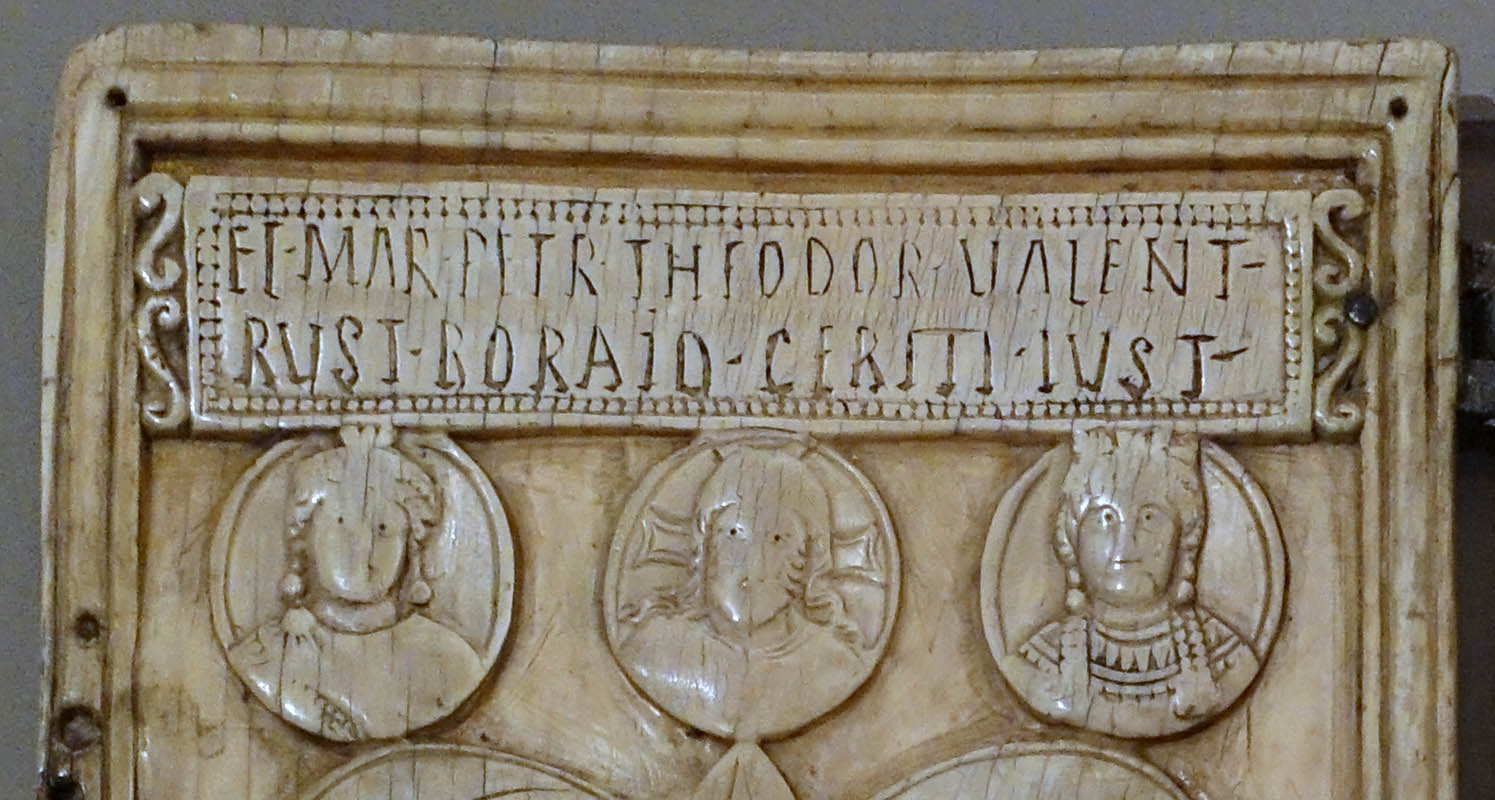
На цій іконі вони зображені наполовину, у військовій формі, як на надгробках римських патриціїв. А над ними в маленькому медальйоні зображено лик Христа. Це композиційне рішення також сходить до римських офіційних уявлень. Римські чиновники мали звичай зображувати себе з образом свого начальника, зазвичай імператора, у медальйоні над головою. У випадку святого це було замінено зображенням його настоятеля - Христа. На диптиху зі слонової кістки V століття консула Юстина з Музею Боде в Берліні зображено не один, а три медальйони над головою консула: Христос посередині та імператорська пара по обидва боки від нього.


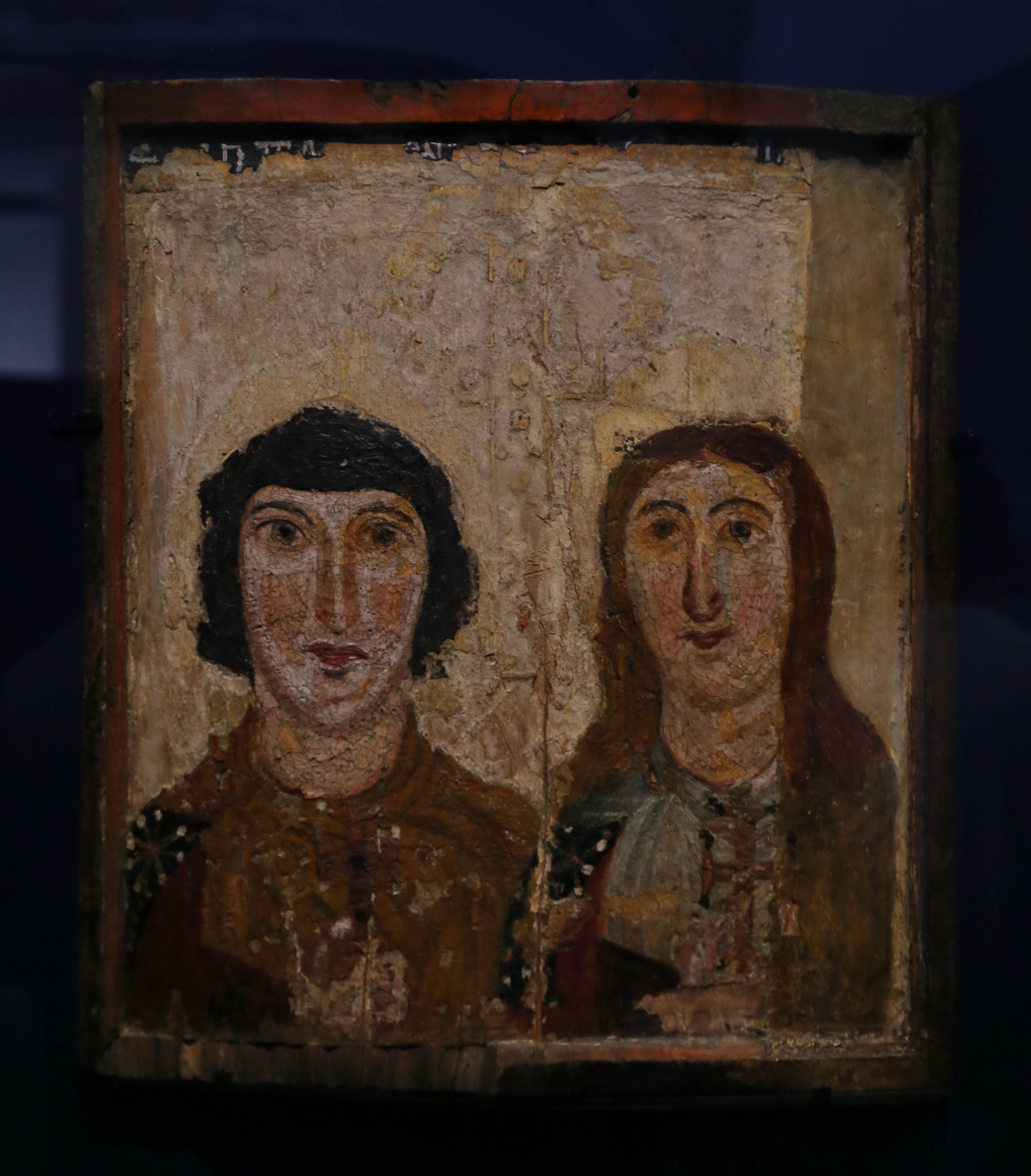
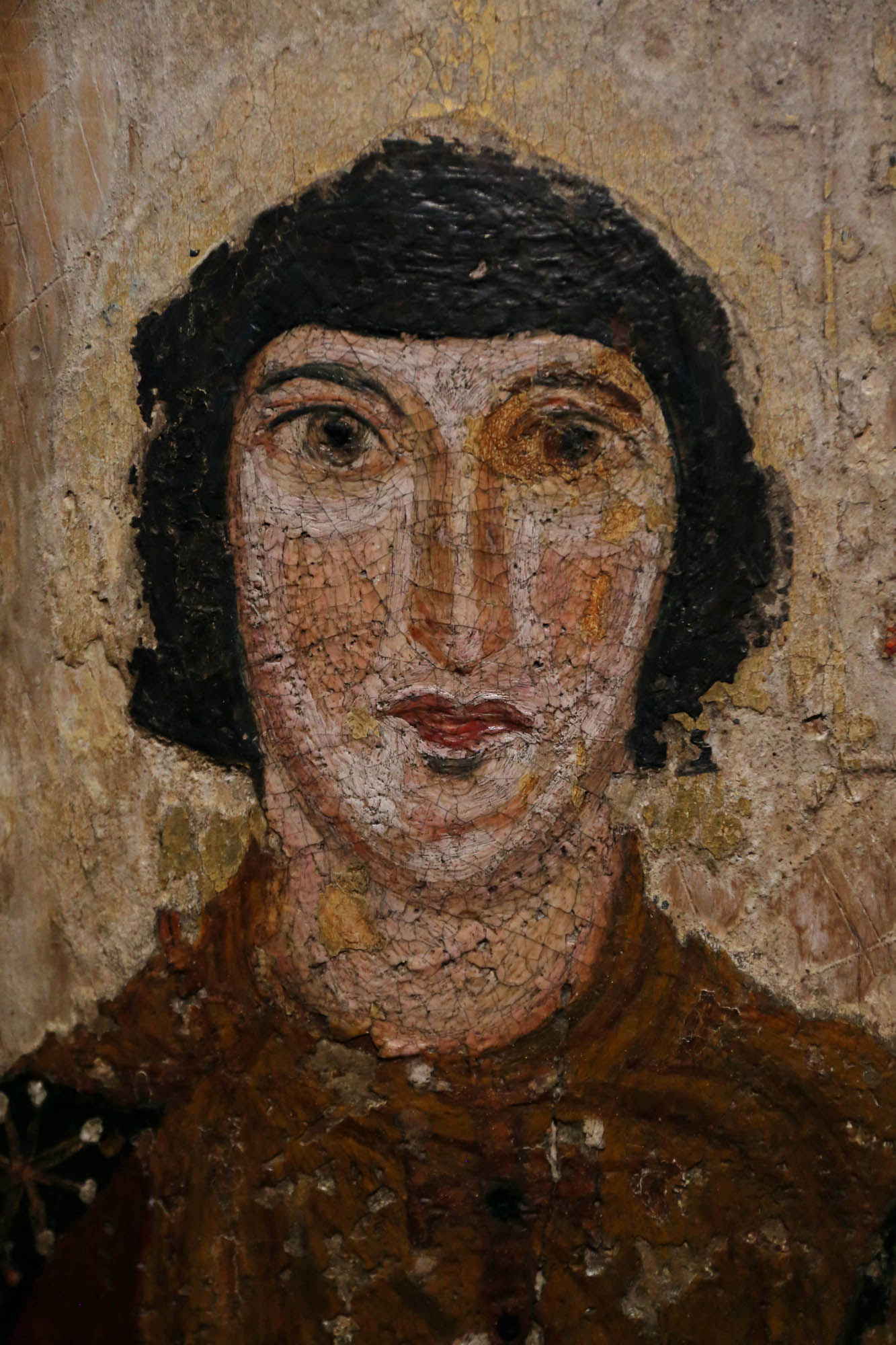
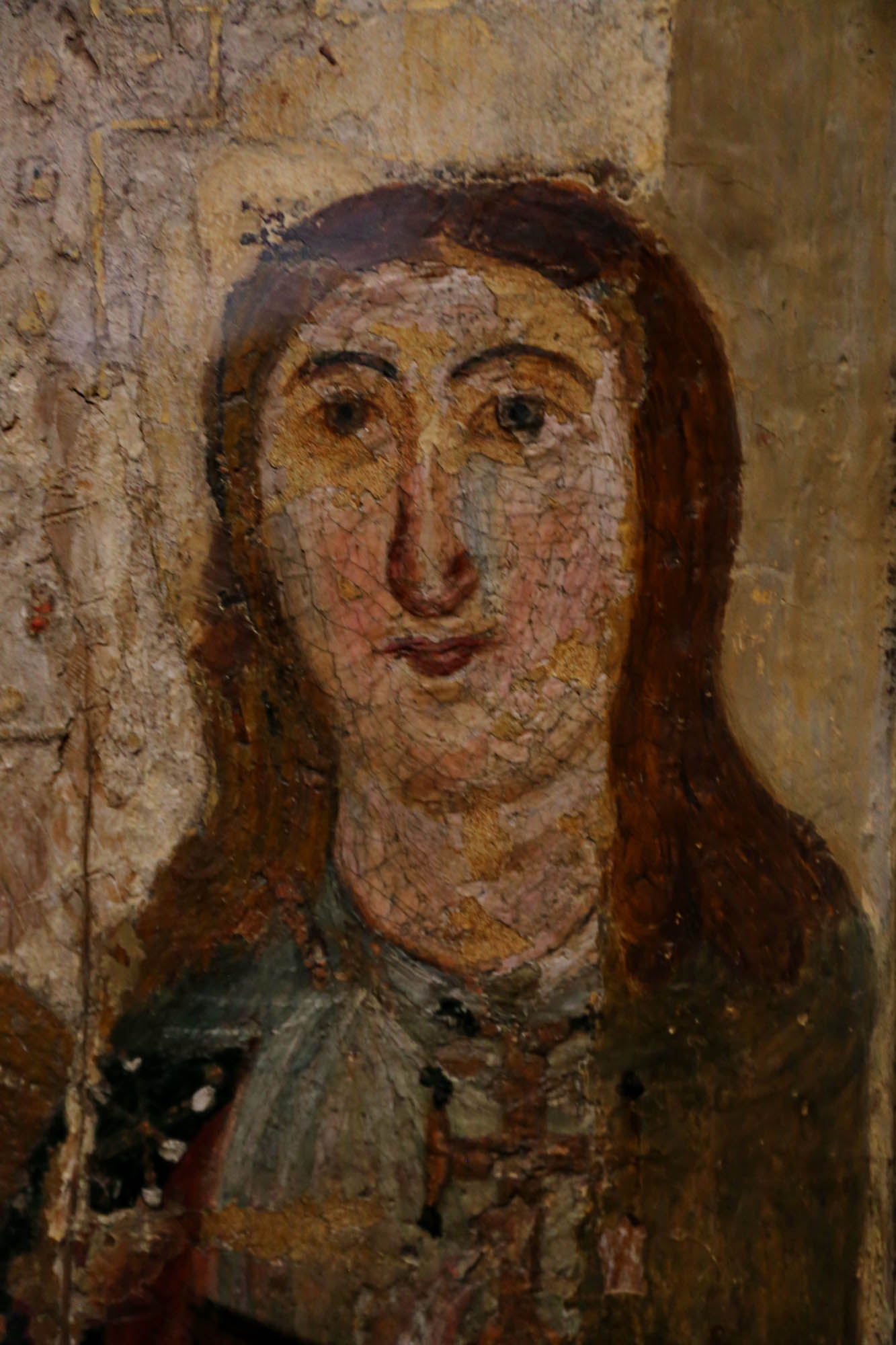
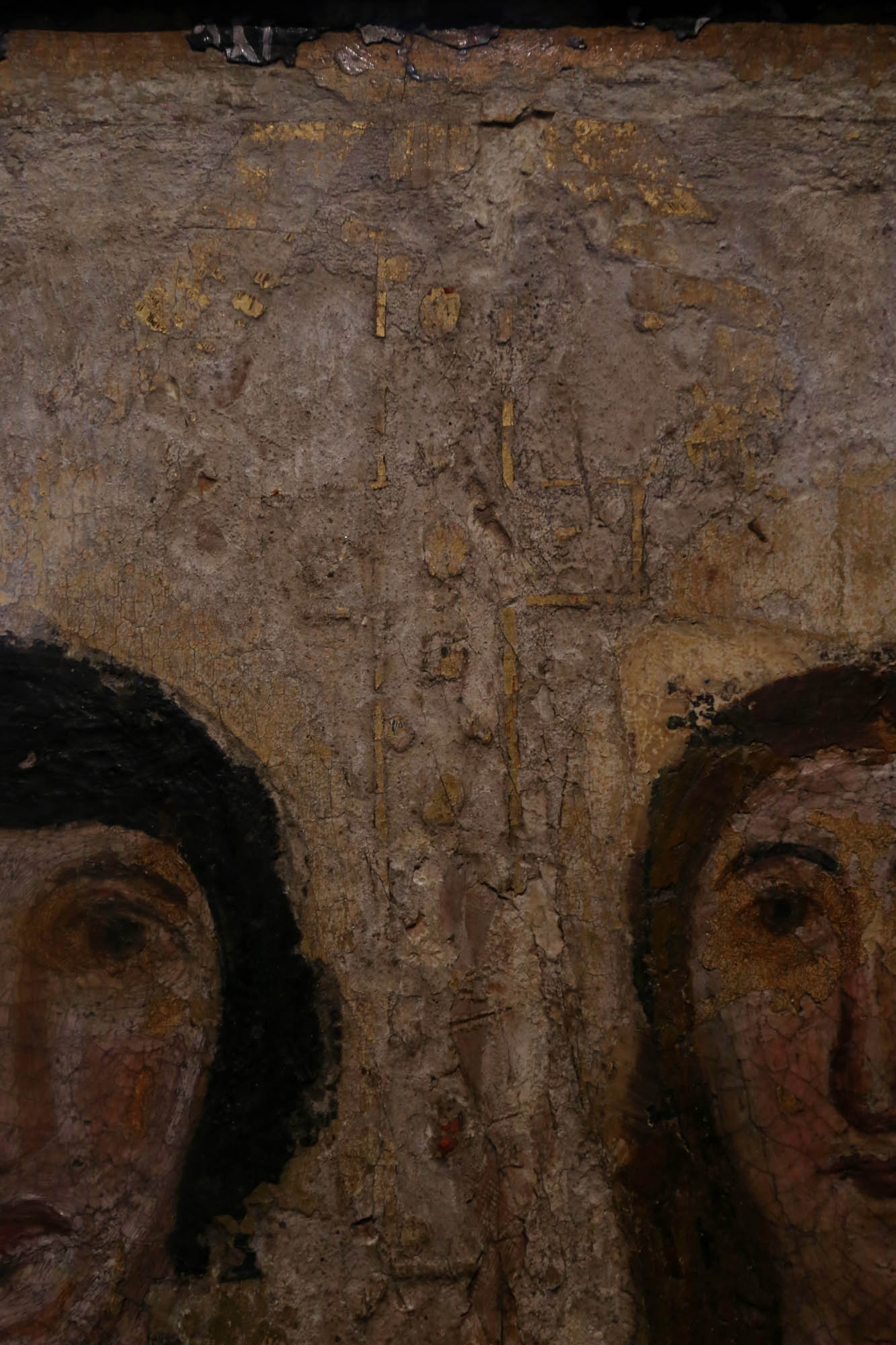
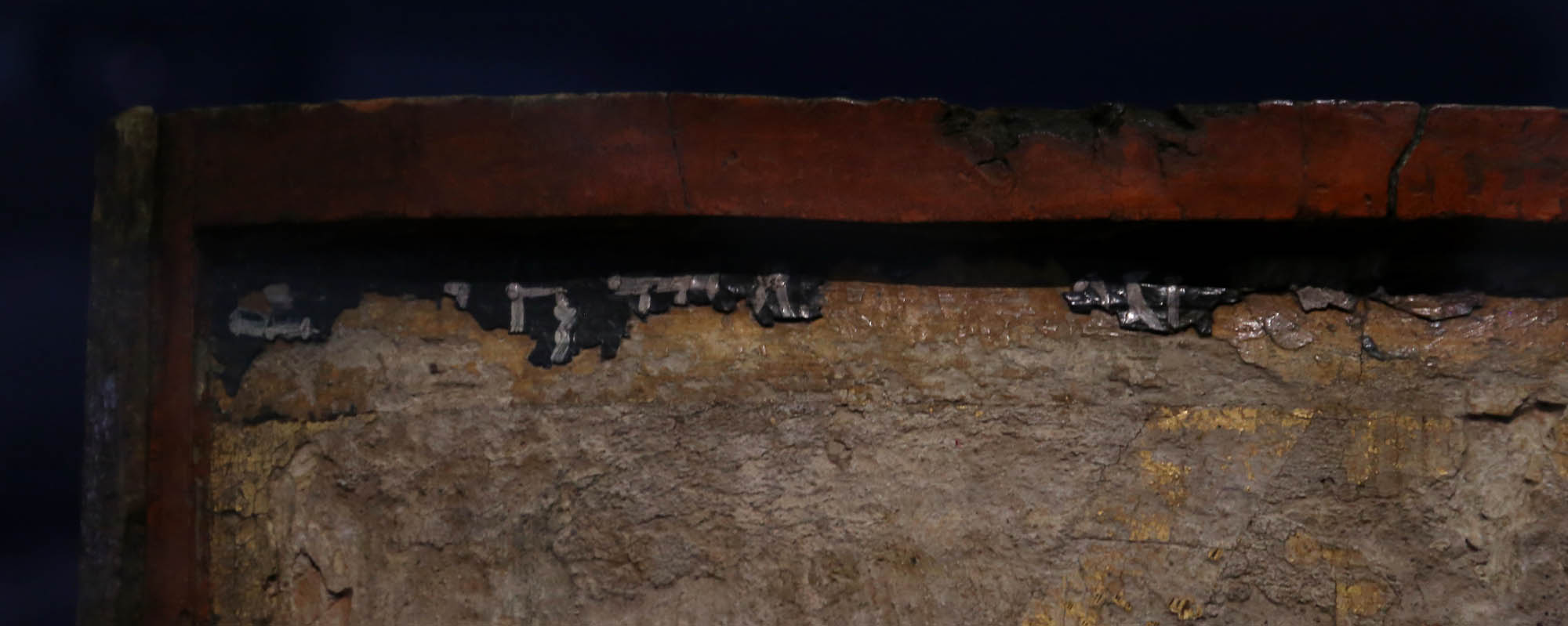
На наступній іконі також зображені мученики св. Платон і Глікерія у вигляді нагробного портрета. Перший жив у 4 столітті в Анкірі (сьогоднішня Анкара), другий у 2 столітті в Траянополі. На одній іконі їх об’єднує те, що їхнє свято було 24 жовтня. Ця картина написана більш невмілою рукою, ніж попередня, але біло-червоні відблиски обличчя та кольори вбрання показують, що він принаймні знав, що він мав малювати. Можливо, панель пережила кілька перефарбувань, що також не підвищило її якість. З правого боку замість енкаустики олійною фарбою додано смужку, яка різко відмежовується від оригінального живопису. Між двома святими - фрагменти позолоченого хреста, прикрашеного коштовним камінням, і залишки напису під верхнім краєм. Розшифровка останніх проливає світло на особи мучеників.


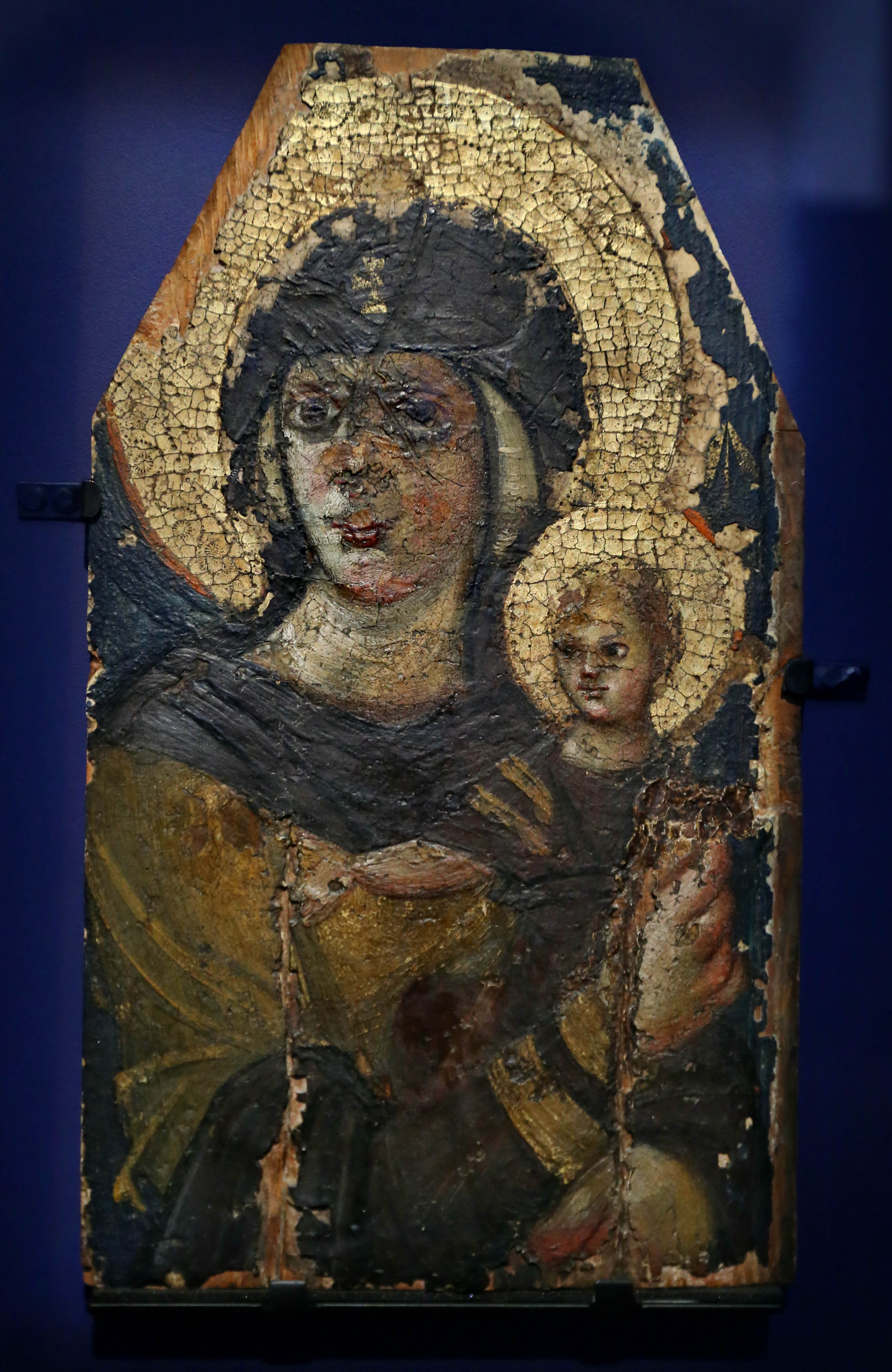
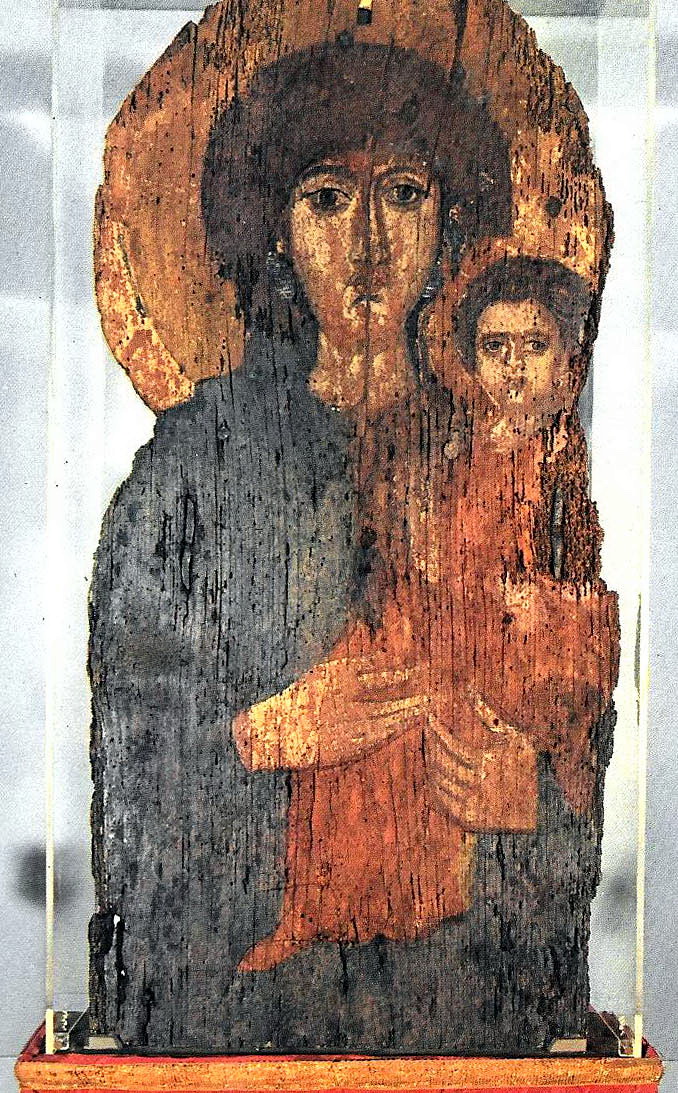
Третя ікона – дуже гарна Богородиця з Дитятком Ісусом. Ганс Белтінг особливо звертає увагу на те, наскільки ця ікона, зроблена з контрапунктом, є більш класичною, ніж не набагато пізніша ікона Богородиці в римському Пантеоні, яка вже представляє жорстку середньовічну позу «показу».


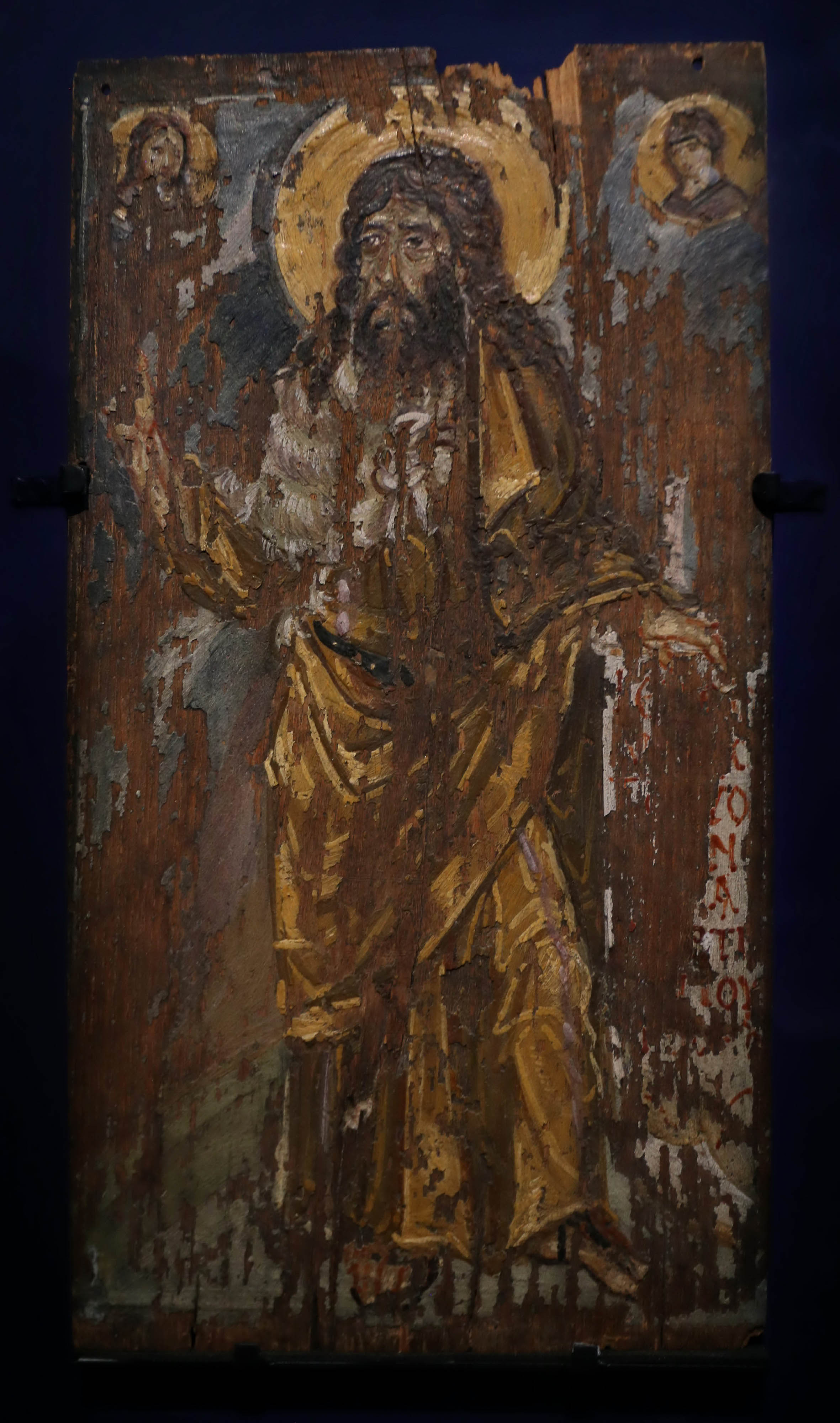
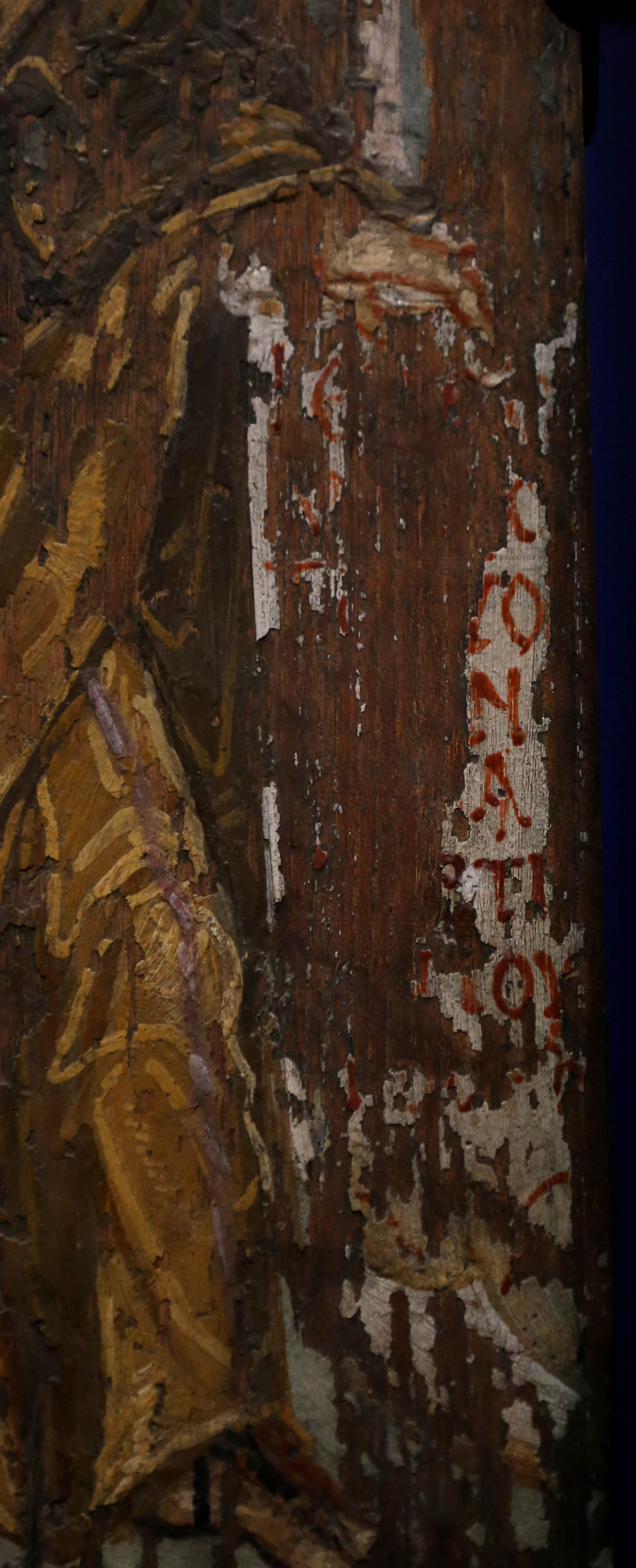
Нарешті, четверта ікона, зображення св. Іоанна Хрестителя, демонструє структуру, подібну до ікони Сергія і Вакха. Тут також «настоятель» Іоанна, Христос, постає в медальйоні. На нього вказують слова з Євангелія (Ів. 1, 29-30) св. Іоанна Хрестителя: «Ось Агнець Божий!». Це можна було прочитати і на фрагментарному написі, який він ніс у руці. З іншого боку, у подібному медальйоні, з’являється образ Діви Марії, і таким чином три фігури утворюють особливу деисусну групу – центральну потрійну групу іконостасу, – в якій Богоматір та св. Ісус не з обох сторін, як зазвичай, щоб милосердно судити людство, але один з тієї ж небесної висоти, що й він, а інший на землі, відповідно до його земної форми.


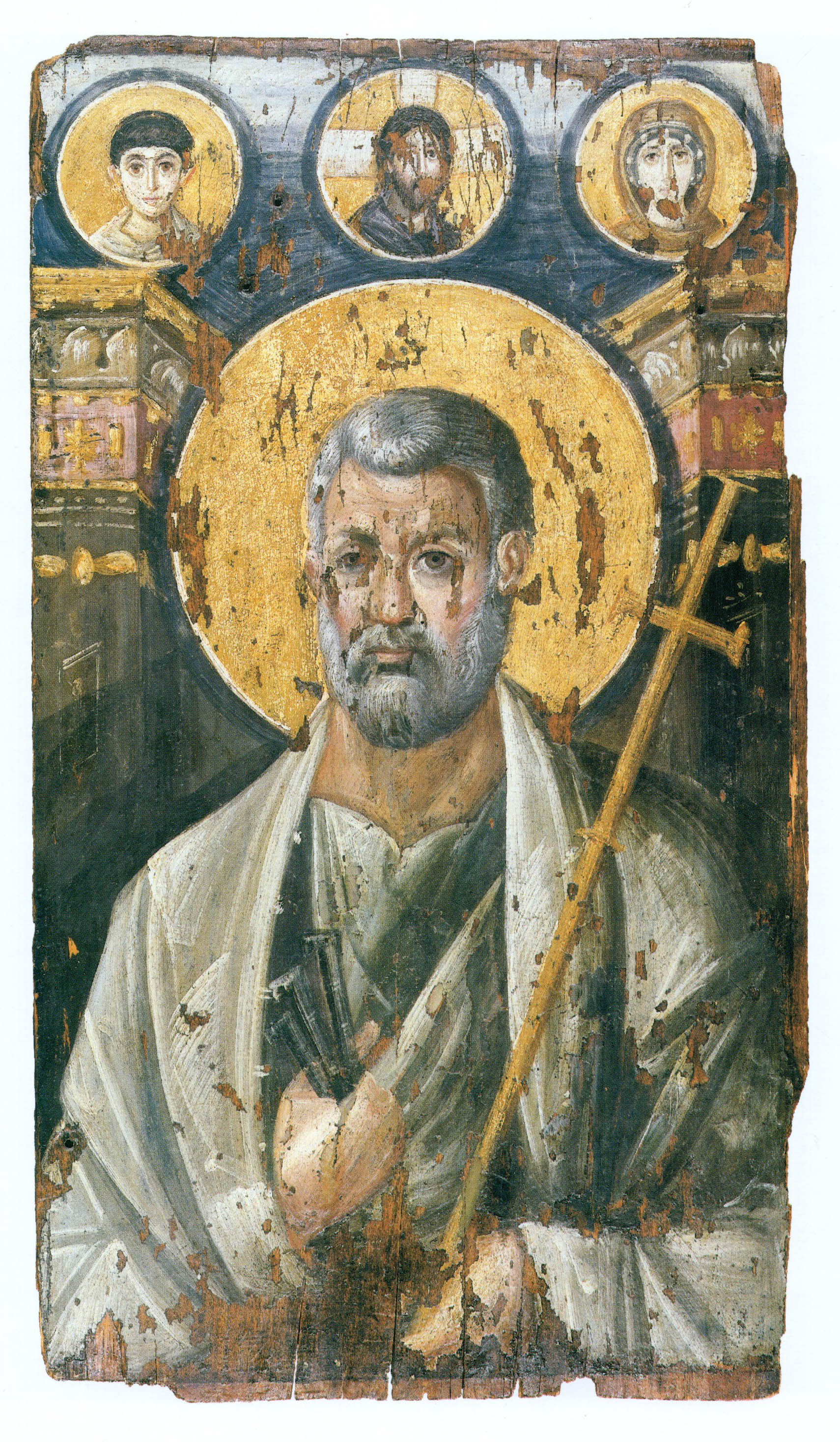
Таке рішення медальйонів використано і на іконі, яку отець Успенський залишив у Синайському монастирі, але яку Белтінг за стилістичними ознаками пов’язує з іконами, що прибули до Києва. На цій іконі, також із VI ст., зображено святого Петра з медальйонним зображенням Христа над головою, а також два інших медальйони поруч із цим останнім, у яких дослідники здебільшого бачать матір і сина, які замовили ікону й подарували її монастирю.

Підводячи підсумки, це причина, чому ця виставка, зведена до чотирьох образів, може носити назву «Походження священних образів». Його докладне пояснення, звичайно, вимагало б докладного каталогу, який би розповідав вам малюнок за малюнком та проілюстрований кількома іншими образами, що говорять Белтінг і Метьюз у своїх роботах. Сподіваємося, що це також народиться, і ми зможемо прочитати його о шостій годині вечора після війни «в Чаші». А точніше у Чорного Вола.









 Come with us to…
 Atlantis
 Bestiary
 Bohemia+Prague
 Books, exhibitions, music, film
 Brave old world
 Caucasus
 Cemeteries
 Crimea
 Get to know the
 Images of the East
 Lightwriting
 Lwów/Lemberg
 Mallorca
 Message on the wall
 The Museum of Propaganda
 Odessa
 Paper Museum
 Persian letters
 The Jewish heritage


