Switch over to our new blog! • ¡Pásese a nuestro nuevo blog!
The renewed version of our blog, with more features, a richer design, and available in nine languages, can be read here: https://wangriver.com
The new version also includes the old posts, often in expanded form. If you are curious about the updated version of this post, replace “riowang.blogspot.com/” in the URL with “riowang.studiolum.com/”, and the new link will most likely lead you there.
La versión renovada de nuestro blog, con más herramientas, un diseño más rico y disponible en nueve idiomas, se puede leer aquí: https://riowang.com
La nueva versión también incluye las publicaciones antiguas, a menudo en una forma ampliada. Si tiene curiosidad por la versión actualizada de esta entrada, sustituya «riowang.blogspot.com/» en la URL por «riowang.studiolum.com/es/», y el nuevo enlace probablemente le llevará allí.
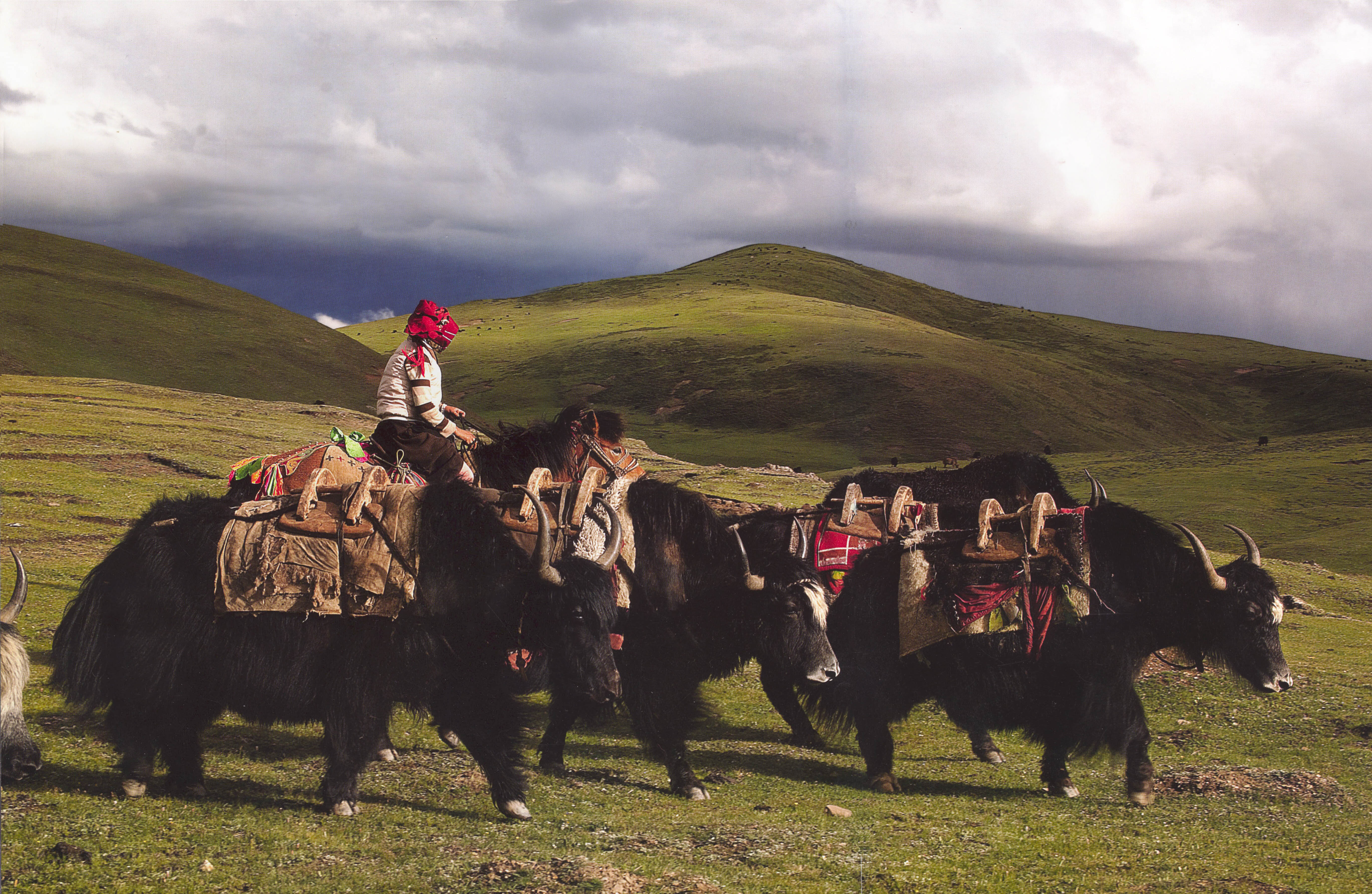
But ever since I saw this photo, taken by Michael Yamashita not far from here, and published in his photo album on the tea-horse-road Shangri-La. Par la route du thé et des chevaux (2012), I cannot look at it without seeing, instead of the curved spine of the tile-roofed fence, the backbone of the yak.
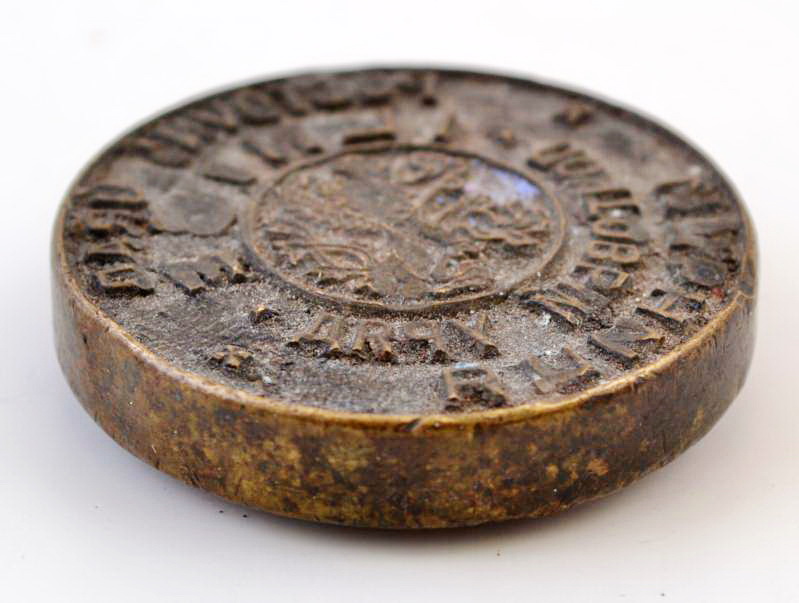
Postage stamps are often associated with surprisingstories. A more surprising story than the following one, however, you won’t read today, as they say in the tabloids. The following object showed up today on an auction site:
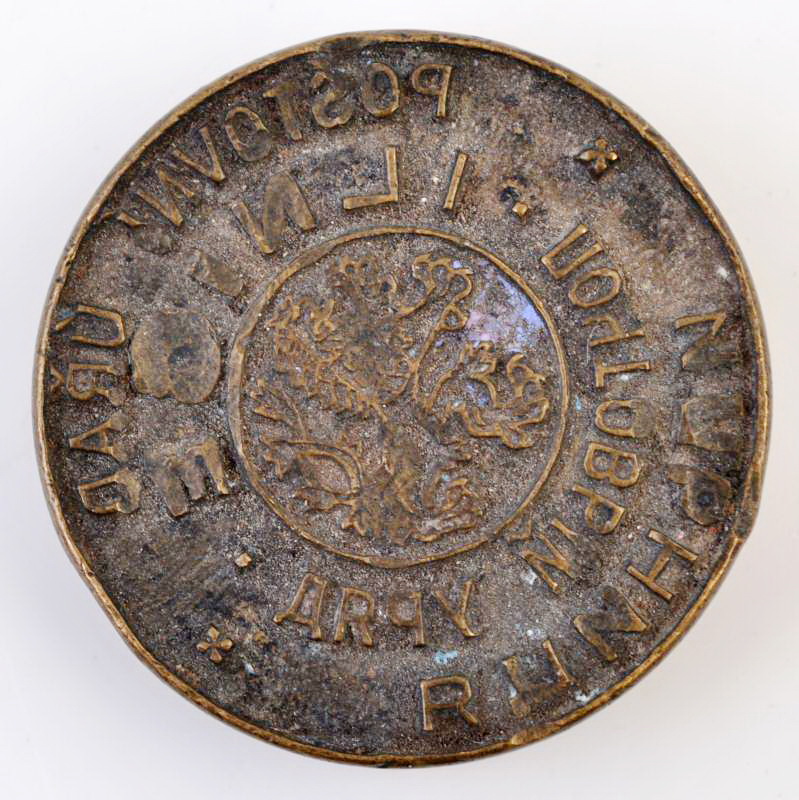
“Postage stamp labeled Poštovní úřad Ilnice in Czech and Serbian, from the Albanian settlement of Ilnice / ca 1910 Albania, Ilnice, Czech postal station seal maker 36 mm”
Truly it must have been a historic moment, the culmination of the multiculturalism of “the happy times of peace,” when the first post office opened in the Albanian mountain town of Ilnicë, among the picturesque mountains of the Balkans, not far from today’s Macedonian border. And what a post office! With a bilingual, Czech and Serbian stamp, and with the two-tailed lion instead of the two-headed Austrian imperial or Albanian royal eagles. All this in 1910, four years before the Great War, and eight years before the great Central European border shifts. What harmony of the Central European nations! Oh, if it had just stayed this way!
But it has not. And perhaps it never was this way. After all, what is the source of this localization? The fact is, that if we search for “Ilnice”, Google points to the Albanian town. There is no other result. If, however, we use a minimum of common sense, we then think about where and when they used Czech and Cyrillic official labels simultaneously under the auspices of the two-tailed lion, and we realize that it could be only in the diametrically opposite corner of the former Austro-Hungarian Monarchy, in Rusinsko, annexed from Hungary to Czechoslovakia in 1920. And then it is already easy to find, not far from Nagyszőlős/Vinogradov, along the Ilnitska stream, the village of Ilonca (in Czech Ilnice, in Rusyn Ильниця, in Romanian Ilniţa, by the modern Ukrainian official name Ільниця), of which no historical names, like those on the stamp, are known by Google.
In linguistics, a “faux-ami”, false friend is a word that sounds similar in two languages, but has a different meaning in each. Such as Czech Ilnice and Albanian Ilnicë. The above auction description also points out that, without due care and criticism of the sources, Google also may be your false friend.
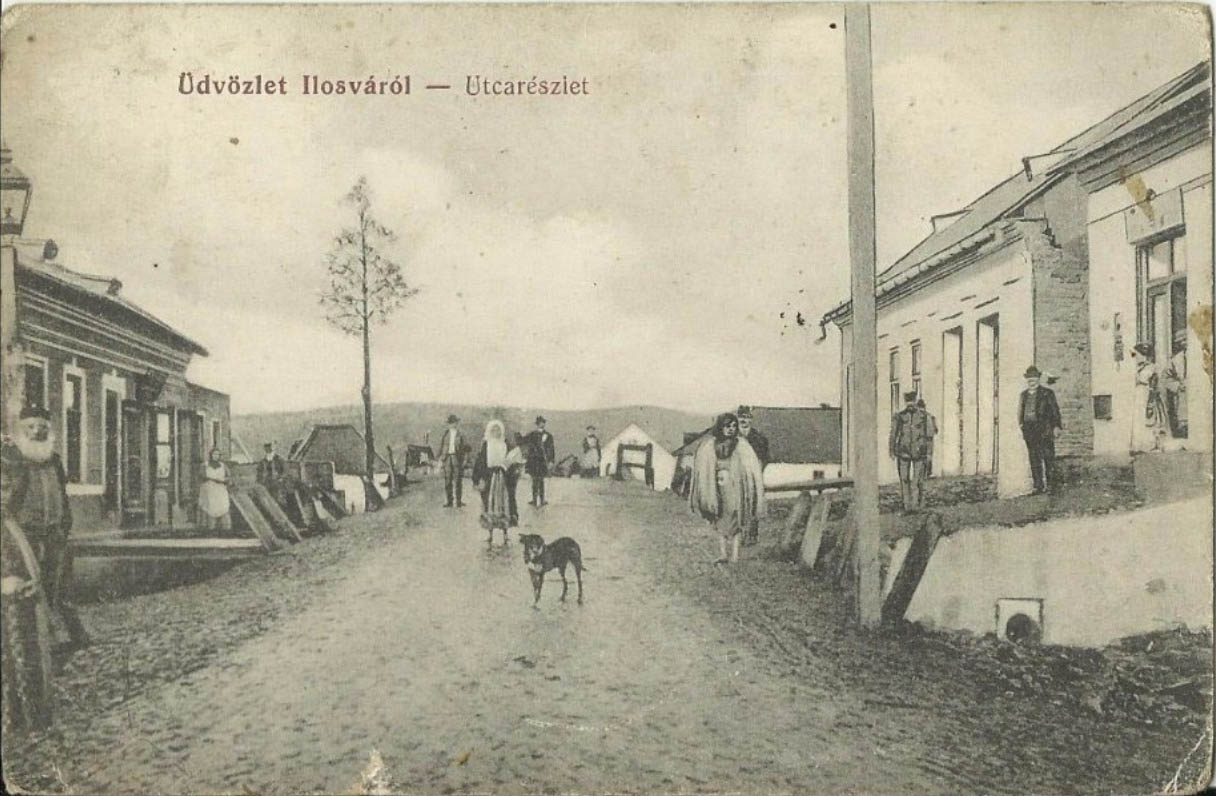
We could find no contemporary postcard from Ilonca. This is from the neighboring Ilosva, which lay closer to the main road and he railway, and so could be counted on for more postcard customers. After all, it is still closer to Ilonca than the Albanian Ilnicë.
Los sellos de correos van generalmente unidos a historiascuriosas. Y una bastante sorprendente es la que os contamos ahora. Ved el objeto que se mostraba hoy mismo en una casa de subastas:
«Sello de correos con la leyenda Poštovní úřad Ilnice en checo y serbio, del asentamiento albanés de Ilnice / ca. 1910. Albania, Ilnice, Tampón del servicio de correos checo 36 mm.»
En verdad tuvo que ser un momento histórico, la culminación del multiculturalismo de los «felices tiempos de paz», cuando se inauguró la primera oficina de correos en la montañosa ciudad albanesa de Ilnicë, entre las pintorescas montañas de los Balcanes, no lejos de la actual frontera con Macedonia. ¡Y vaya oficina de correos! Con un sello bilingüe, checo y serbio, y con el león de dos colas en lugar de las águilas bicéfalas del imperio austriaco o las águilas albanesas reales. Todo esto en 1910, cuatro años antes de la Gran Guerra y ocho años antes de que cambiara la larga frontera de Europa Central. ¡Qué armonía entre las naciones de aquella Centroeuropa! ¡Ay, si hubiera permanecido así!
Pero no lo hizo. Y tal vez nunca fue así. Después de todo, ¿cuál es la fuente real de esta ubicación? El hecho cierto es que si buscamos «Ilnice», Google apunta a la ciudad albanesa. No nos da más resultados. Sin embargo, si utilizamos un mínimo de sentido común y pensamos dónde y cuándo se utilizarían simultáneamente esos estampillados oficiales checos y cirílicos bajo los auspicios del león de dos colas, nos percataremos de que solo podría ser en un rincón diametralmente opuesto de la antigua monarquía austro-húngara: en Rusinsko, anexada de Hungría a Checoslovaquia en 1920. Y entonces ya nos será fácil encontrar, no lejos de Nagyszőlős/Vinogradov, siguiendo la corriente del Ilnitska, el pueblo de Ilonca (en checo, Ilnice, en rusino Ильниця, en rumano Ilniţa, y en su moderno nombre oficial ucraniano Ільниця), del cual ni un solo nombre histórico, como los del sello, es conocido por Google.
En lingüística, un «faux-ami», falso amigo, es una palabra que suena similar en dos idiomas pero tiene un significado diferente en ambos. Así ocurre con el checo Ilnice y el albanés Ilnicë. De la descripción de la subasta anterior también aprendemos que, sin el debido cuidado y visión crítica de las fuentes, Google también puede ser tu falso amigo.
No hemos podido encontrar ni una sola postal contemporánea de Ilonca. Esta que colocamos aquí es de la vecina Ilosva, ciudad más próxima a la carretera principal y al ferrocarril, razón por la cual debía contar con más clientes de correos. Nos vale. Después de todo, está más cerca de Ilonca que la albanesa Ilnicë.
Kamal-ol-Molk (with a stick) among his students at the Academy of Fine Arts in Tehran
Kamal-ol-Molk, the most renowned Persian painter of the late 19th century – in whose house we will stay in Kashan – captivated his audience mainly with his genre pictures. The style introduced by him was, so to speak, the counterpart of European Orientalism. While the latter crammed the large and luxurious spaces of romantic and academic painting with the exciting motifs of the mysterious Orient, Kamal-ol-Molk made the customary small and intimate pictures for Persian homes, which had clear colors, only a few figures, and no image depth, more attractive for a Persian audience increasingly receptive to European culture. He used art techniques acquired in Italy, the realistically shaped bodies, representations of the states of mind reflected on the faces, and European perspective. It is no coincidence that reproductions of his paintings, preserved in the formal imperial collections – The fortune-teller, The Jewish hucksters, Goldsmiths in Baghdad, Musicians, Noruz festival and the rest – are still common decorations in homes and public spaces alike.
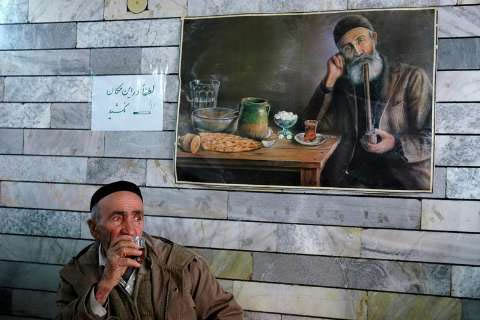
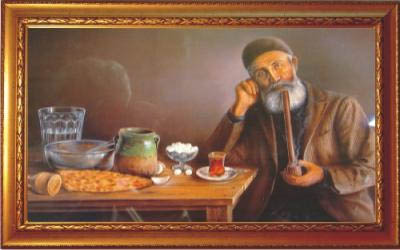
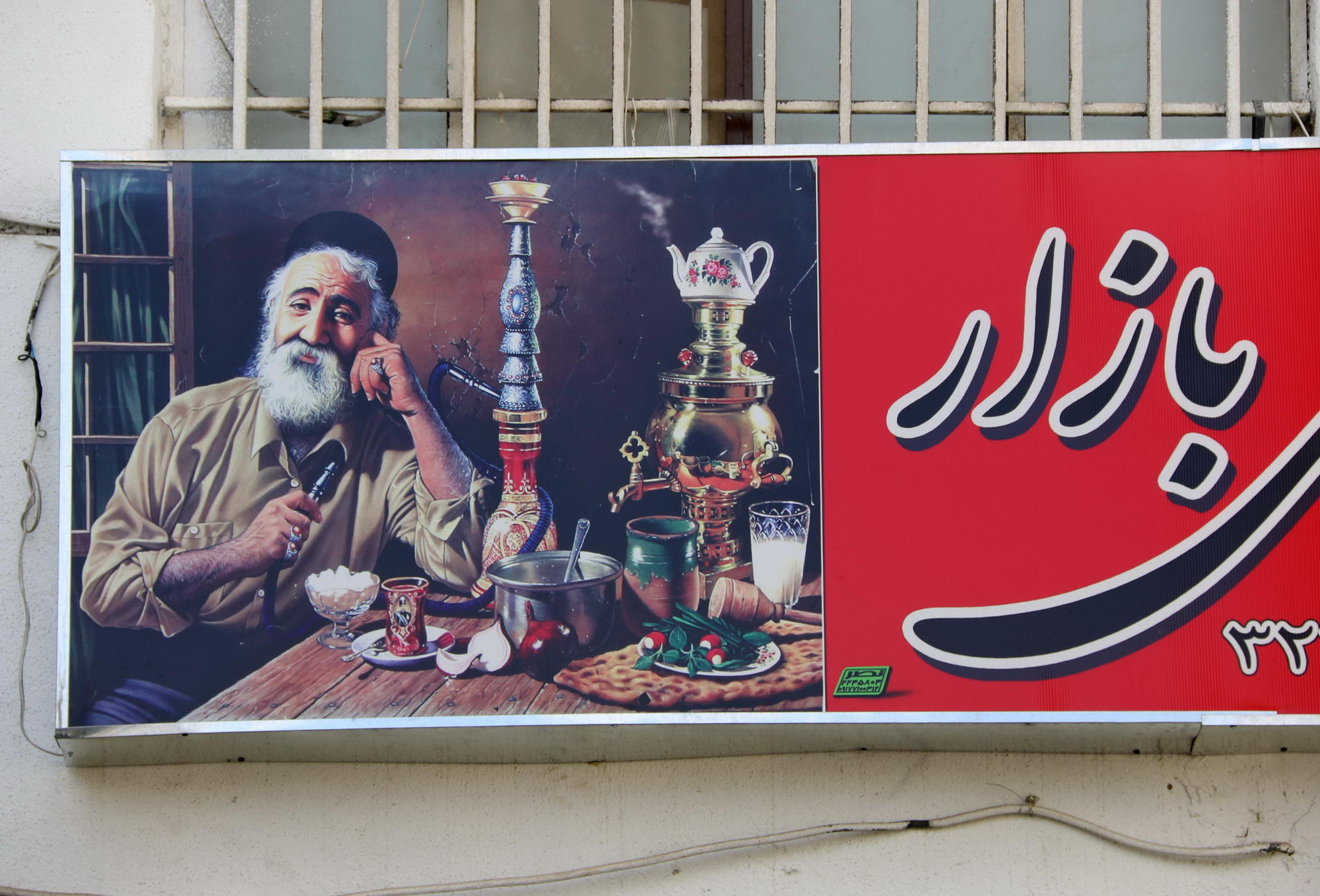
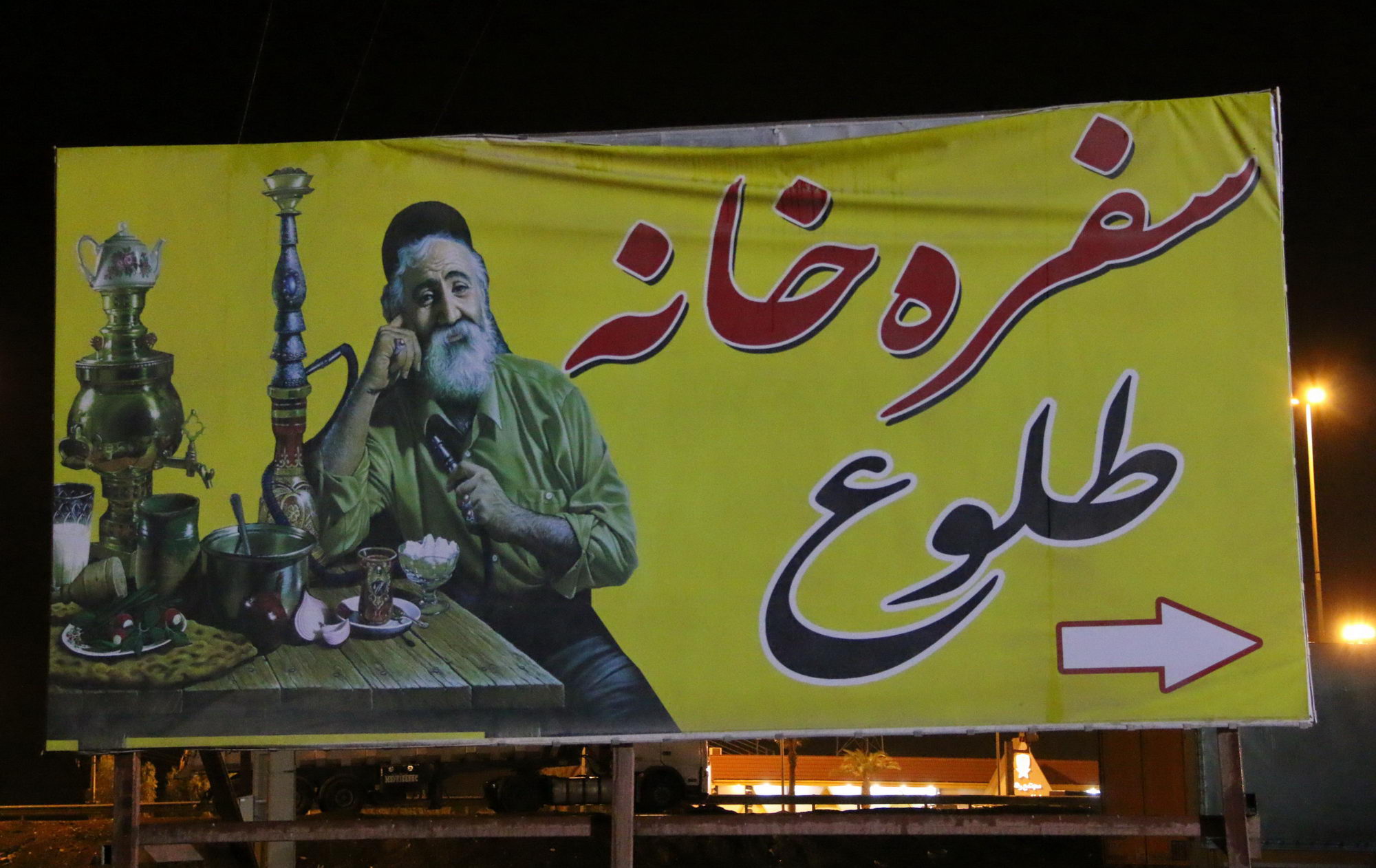
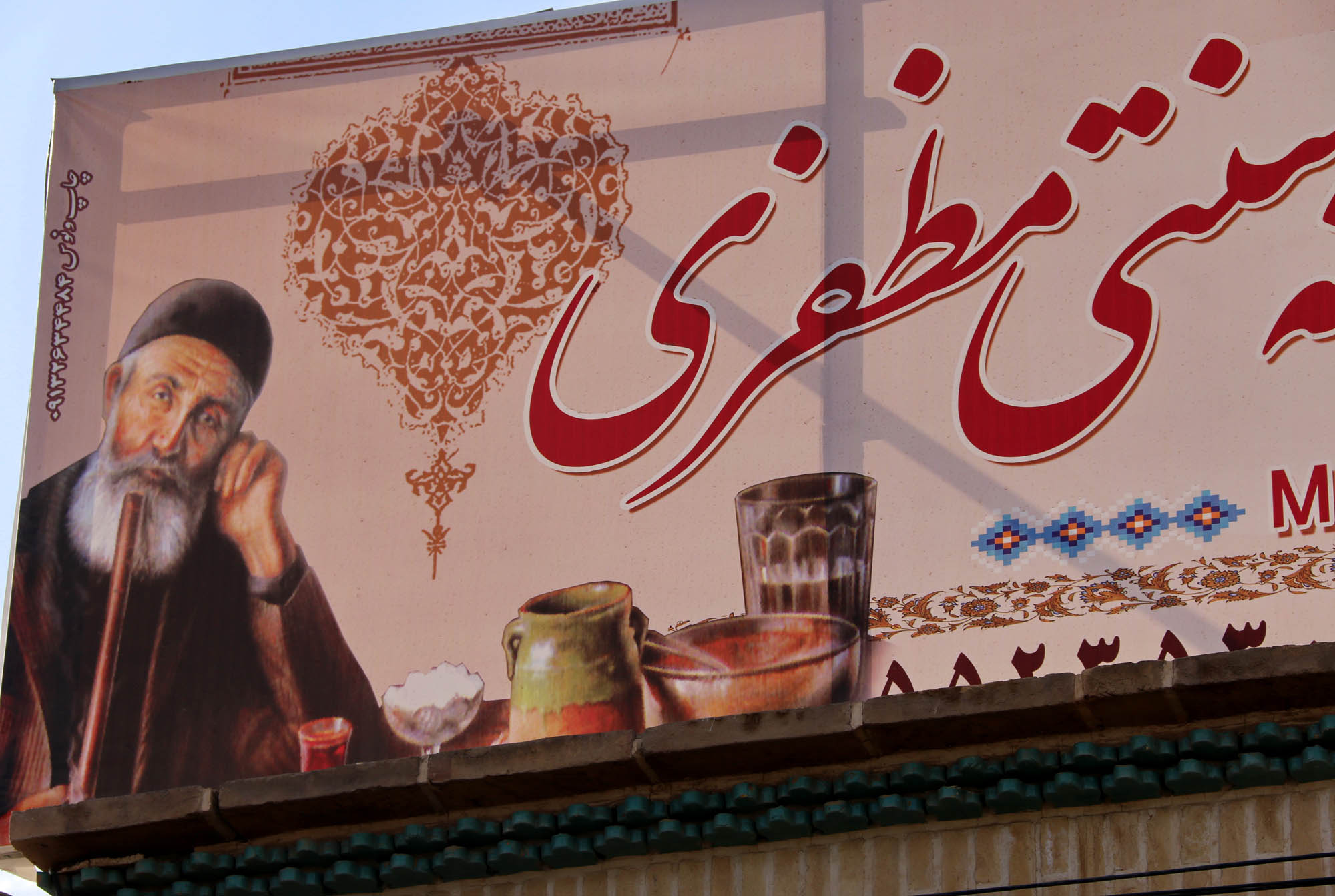
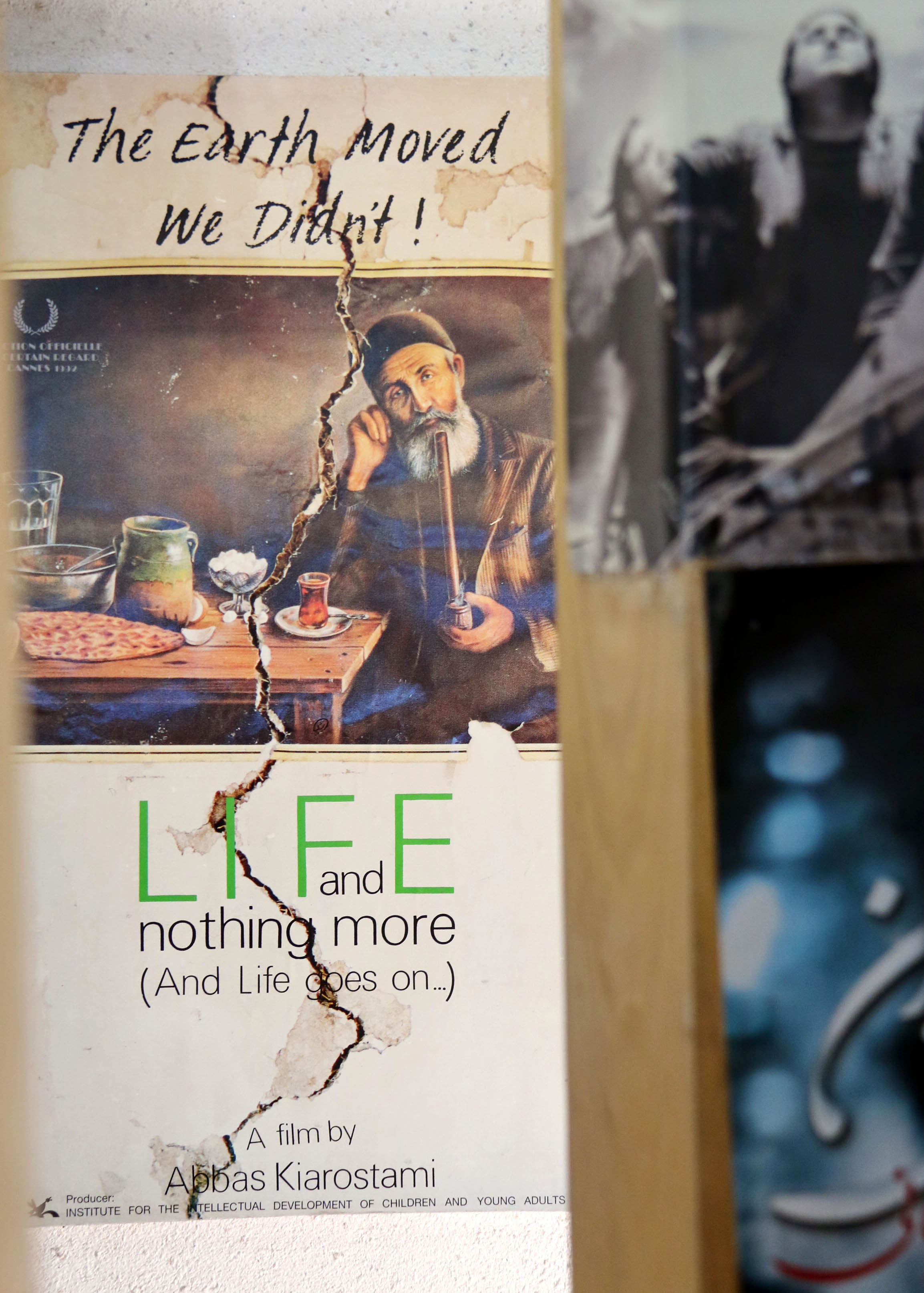
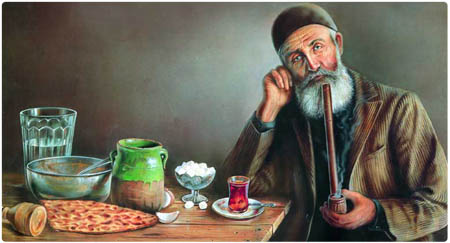
But one picture surpasses all the rest in popularity. In this, a bearded old man is sitting and smoking his pipe at a modestly laid table. We encounter this painting again and again in every city, on the walls of private rooms, workshops and cafés, and even on the shop signs of tea houses and restaurants. And what is even more surprising, the picture has been completely folklorized. They freely change and complement it in the individual reproductions to their preference, showing a hookah in the coffee houses, and with a lavishly laid table in the restaurants, depending on what is needed in the actual place.
The historic little town of Masuleh along the Caspian Sea
The popularity of the picture was undoubtedly bolstered by the fact that it plays an important symbolic role in one of the most important Iranian films of the last two decades, Life and nothing more (or, as it is known in Europe, And life goes on, 1992) by Abbas Kiarostami. This film is a continuation of the first really successful film by the then fifty-year-old Kiarostami, Where is the friend’s house? (1987), which we also mentioned. In the second film, the actor playing Kiarostami and his son travel from Tehran in a battered car up to the mountains of Gilan, just a few days after the earthquake that caused fifty thousand casualties, to learn whether the two young protagonists of the previous film in the village of Koker survived the catastrophe. Along with the presentation of destruction and mourning, the film, as its title suggests, primarily lets you feel the great strength and determination the survivors as they work to make the houses inhabitable again and the villages liveable, to make new families as soon as possible, so life can again go on. The film had a veritable therapeutic effect in Iran, and this treatment of the tragedy gave enormous encouragement and strength to the entire society. It is no coincidence that Kiarostami soon made a third successful film, Through the olive trees (1994), based on the meticulous analysis of one key scene in And life goes on. These three films, often called by critics “The Koker trilogy” because of the common location, is considered to be the most outstanding of Kiarostami’s works, is still well known in Iran, and its impact is palpable on the whole of Iranian cinema.
One of the climaxes of And life goes on is almost exactly in the middle of the film, when the main character stops in a ruined village, and slowly studies the remains of the houses, which are beautiful even in ruins, with the green Gilani mountains in the background. On a porch which has remained intact, he looks long at this reproduction of Kamal-ol-Molk, which was cut almost in the middle by a huge crack running from the top to the bottom of the wall, but despite this, the old man keeps on smoking just as peacefully, as if nothing had happened. The beauty and power of this scene offers a key to the whole film. It is no coincidence that this picture was put on the poster of the film, which after twenty years still can be seen in many clubs or bookstores. I photographed it in a CD shop on Vali-Asr Avenue.
It is therefore surprising, that while the image plays such an important role in the visual culture of modern Iran, and whomever you ask will consider it the best painting by Kamal-ol-Molk, nevertheless you won’t find it in any album or on any website dedicated to the master. You have to search long on the Persian web, before you find a little story, which is variously formulated on different sites:
“Around 1940, two photographers went to the town of Maragh next to Kashan to take photos of the atmosphere of the landscape, the people, and the mausoleum of Baba Afzal. They had lunch in the tea house of the village, where an old man, who had just finished his modest lunch, lit his pipe. They took a photo of him as well, and returned to Tehran. Only after the development of the photo they discovered how beautiful it was, and they put it on the studio wall.
Not long after the owner of the Laleh café went to the studio to have himself photographed. He saw on the wall the picture of the old man with the pipe, the tea and the rest of the lunch on the table. He liked it, purchased it, and hung it on the wall of his café. The photo hung on the wall for years, until one day a painter came to the café to drink a cup of coffee and smoke a cigarette. He liked the photo, and immortalized it in painting. It took only a few years, and the painting was copied all over the country, on pictures, posters and shop signs, on the walls of tea houses, cafés and restaurants, in every city and along the roads…”
The story has been just as noticeably folklorized as the image. The Laleh – Tulip – café, the famous coffee house of pre-revolutionary Tehran has long since closed, so we will never know how the original photograph looked, which was so attractive to the painter that he converted it into a painting in the manner of Kamal-ol-Molk, and he even added to it the signature of the master. Or will we?
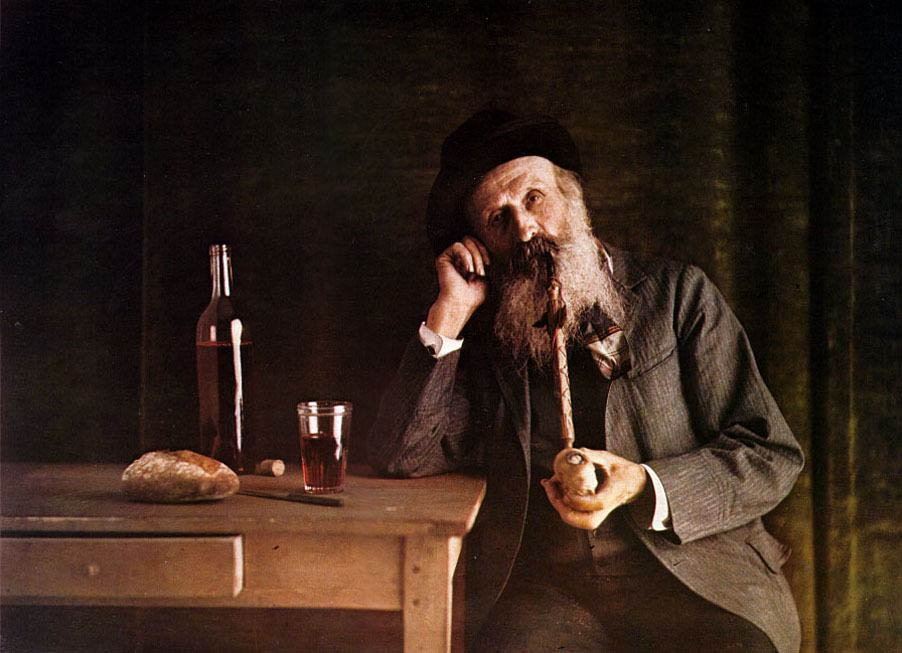
This photo was taken in 1907 by the Lumière brothers with the autochrome process patented by them in the same year. It is obvious that this pipe-smoking and wine-drinking Parisian old man had to be the model of the “Persianized” painting.
That is, the best painting of Kamal-al-Molk, the national painter, is not his own work, and not even an individual work, but a collective creation. It does not even have an authentic original, and this is why it could be folklorized and adapted in so many versions. Its birth was due to the reception of a European model and its adjustment to Persian patterns, and its popularity to the fact that it appears as an anonymous work and a collective symbol in a key scene of one of the most important movies about the issues of Iranian fate. All this together makes it truly Iranian, a work of such style and significance, that if Kamal-ol-Molk had seen it, he would surely authenticate it with his own signature.
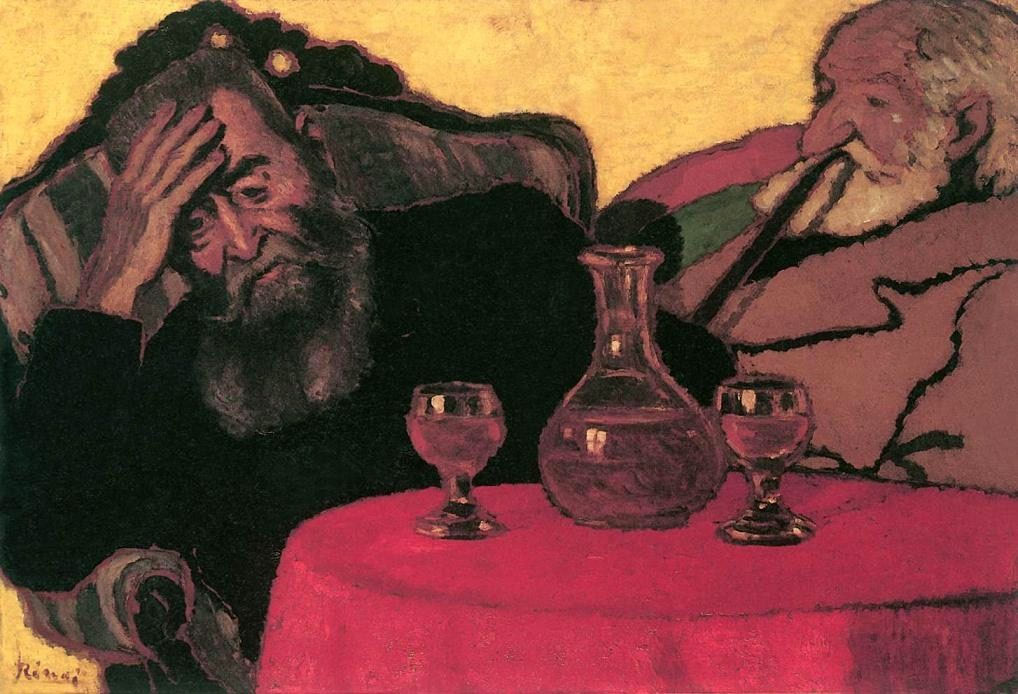
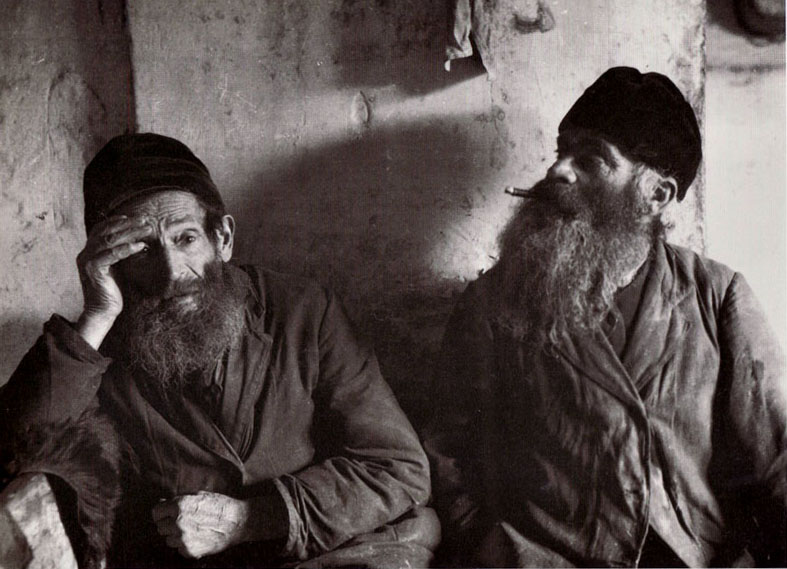
The story could end here, the mystery solved. But, fortunately, every mystery solved creates a new one begging for resolution. The configuration of the pipe, the wine and the old man with a large white beard incites our visual memory. What does it remind us of? We got it. That early visual parallel where the two old gentlemen in József Rippl-Rónai’s My father and Uncle Piacsek drinking red wine (1907) are sitting in exactly the same pose as the two old Galician Jews in Alter Kacyzne’s photo twenty years later. The photo of the Lumière brothers, although it was made in the same year as Rippl-Rónai’s painting, is clearly not a model of any of the two. Nevertheless, its figure seems to perform the role of both old men at once: his pose is similar to the one at the left, his pipe to that on the right side. And if you really want, you can also bring into this Hungarian-Jewish-French-Persian conjunction a later (1936) sketch by Kamal-ol-Molk himself, where a big-bearded old man is reading in the pose of the left side figure. Are these mere visual coincidences? Or an unconscious pictorial topos, an iconologic formula of the period? And the mystery goes on.
József Rippl-Rónai: My father and Uncle Piacsek drinking red wine, 1907
“Byale (Biała Podlaska, Lublin province), 1926. Father and son. To protect himself from the
Evil One, Leyzer Bawół, the blacksmith, will not say how old he is, but he must be
over one hundred. Now his son does the smithing and the old man has become
a doctor. He sets broken arms and legs.” Photo by Alter Kacyzne
Lemberg, Gas Lamp Café in the Armenian Renaissance house, where in 1853 a Pole and a Hungarian invented kerosene. The four floors of the café are decorated with photos, newspaper clippings, shares and objects of use in the fin-de-siècle oil fields of Galicia. In the glass-enclosed top floor with open views over the rooftops of old Lemberg, a typical red-painted Soviet-era wall board with red fire buckets and shovel. “Do you know why the bottom of the fire bucket was pointed in those days?” asks András. “So it would not be stolen. Because like this, it could not be used for anything else.”
Leópolis, Café Luz de Gas en la casa renacentista armenia donde en 1853 un polaco y un húngaro inventaron el queroseno. Los cuatro pisos de la cafetería están decorados con fotos, recortes de periódico, cacharros variopintos y objetos de uso cotidiano en los campos petroleros del fin de siglo en Galizia. En la planta superior acristalada que mira sobre los tejados de la antigua Leópolis cuelga de la pared un tablero pintado de rojo, típico de la era soviética, con cubos de incendio también rojos y una pala. «¿Por qué se harían estos cubos en forma de cono en aquella época?», se pregunta András. «Así nadie se los llevaba. Con esta forma no podían utilizarse para otra cosa».
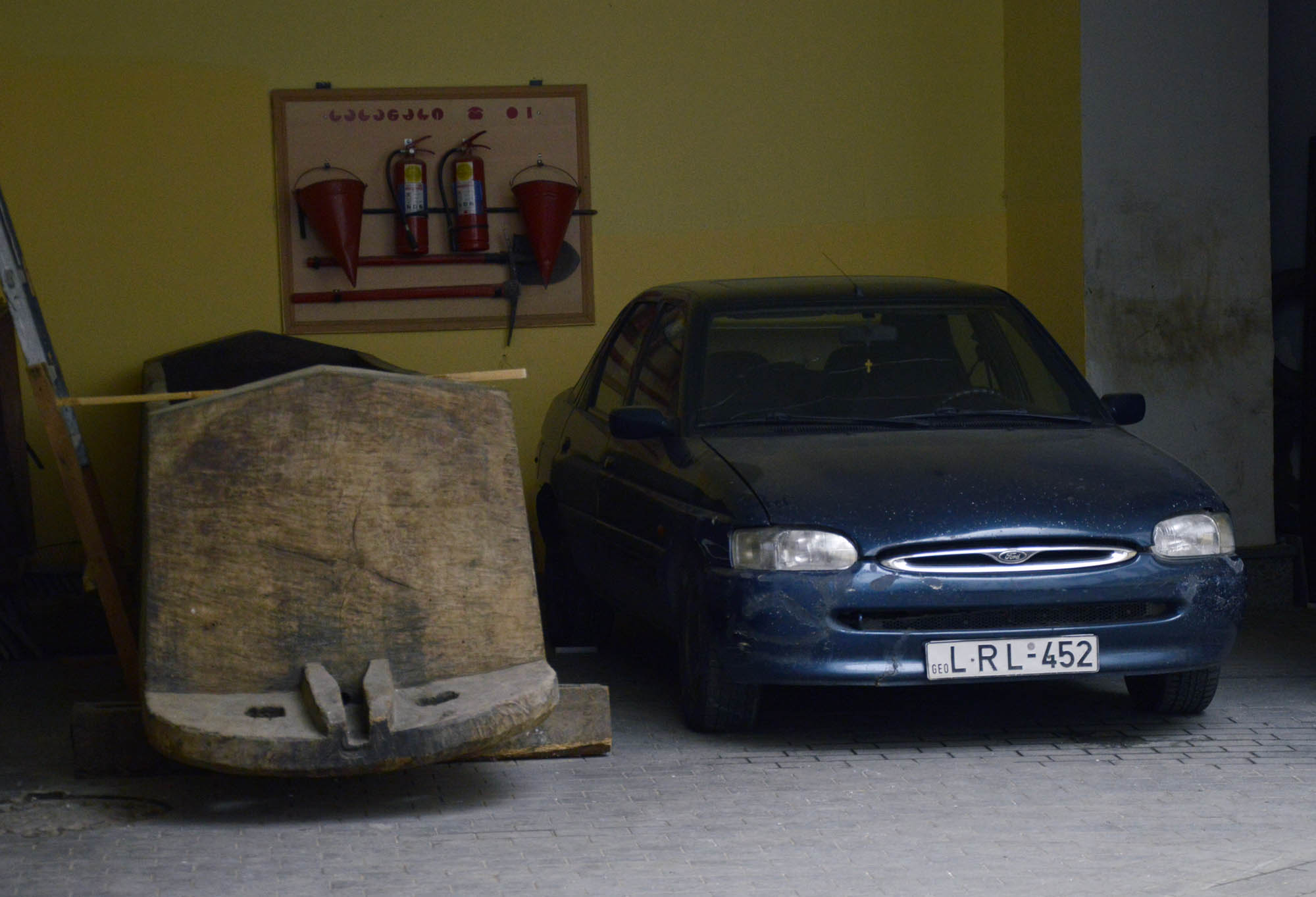
Kutaisi, Georgia, inner courtyard of the city museum, with old Georgian grape treading tub • Kutaisi, Georgia, patio interior del museo de la ciudad con una antigua artesa para pisar la uva
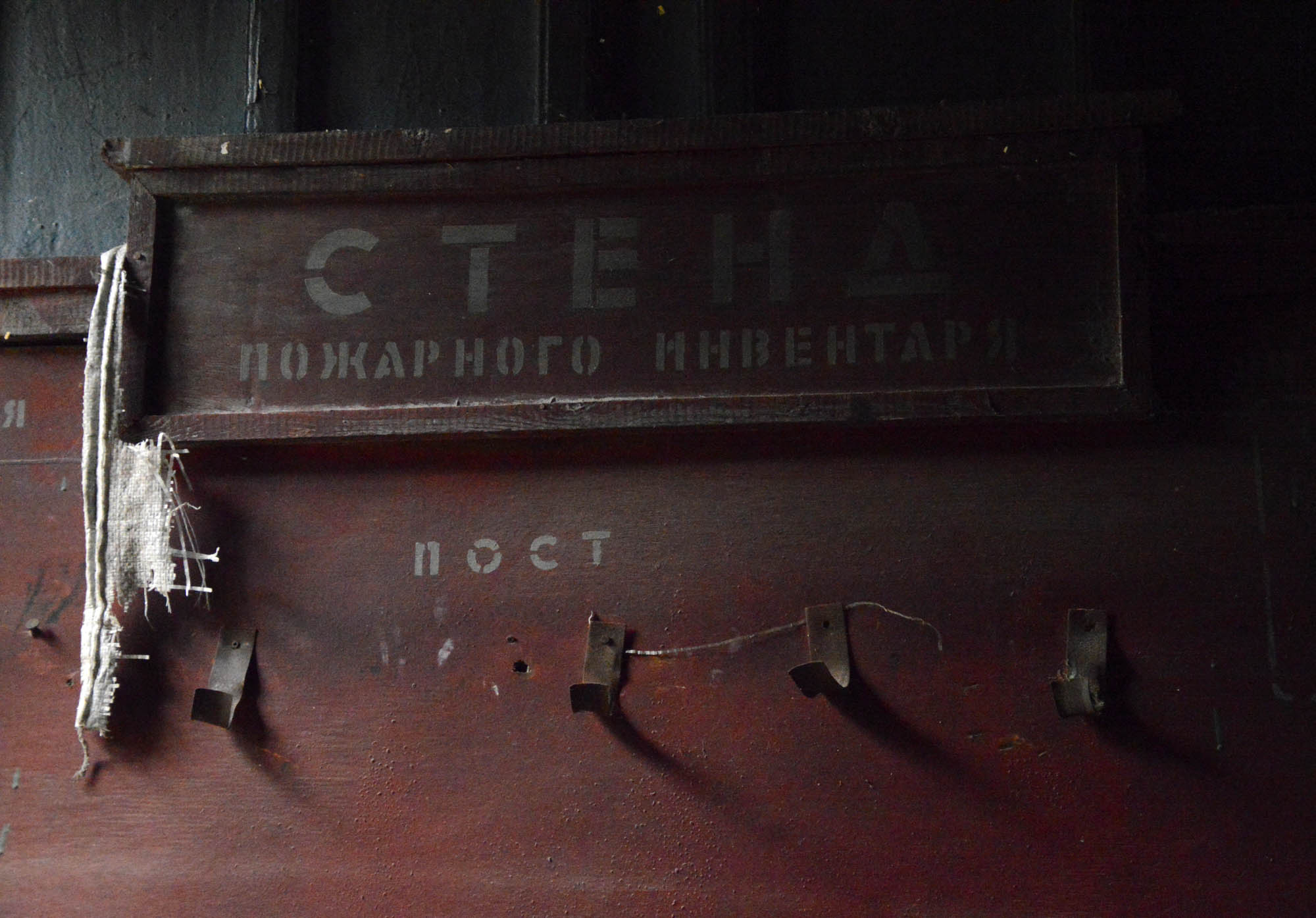
Abastumani, Southern Georgia, inside an Armenian church that was converted into bakery in Soviet times and then left to decay • Abastumani, Georgia del Sur, en el interior de la iglesia armenia transformada en horno de pan en tiempos soviéticos y luego abandonada
Khiva, service courtyard of Said Niyaz Sholikorbay mosque. Stealing from a mosque would have been embarrassing even in Soviet times • Jiva, patio de servicio de la mezquita Said Niyaz Sholikorbay. Robar en una mezquita habría sido vergonzoso incluso en la época soviética.
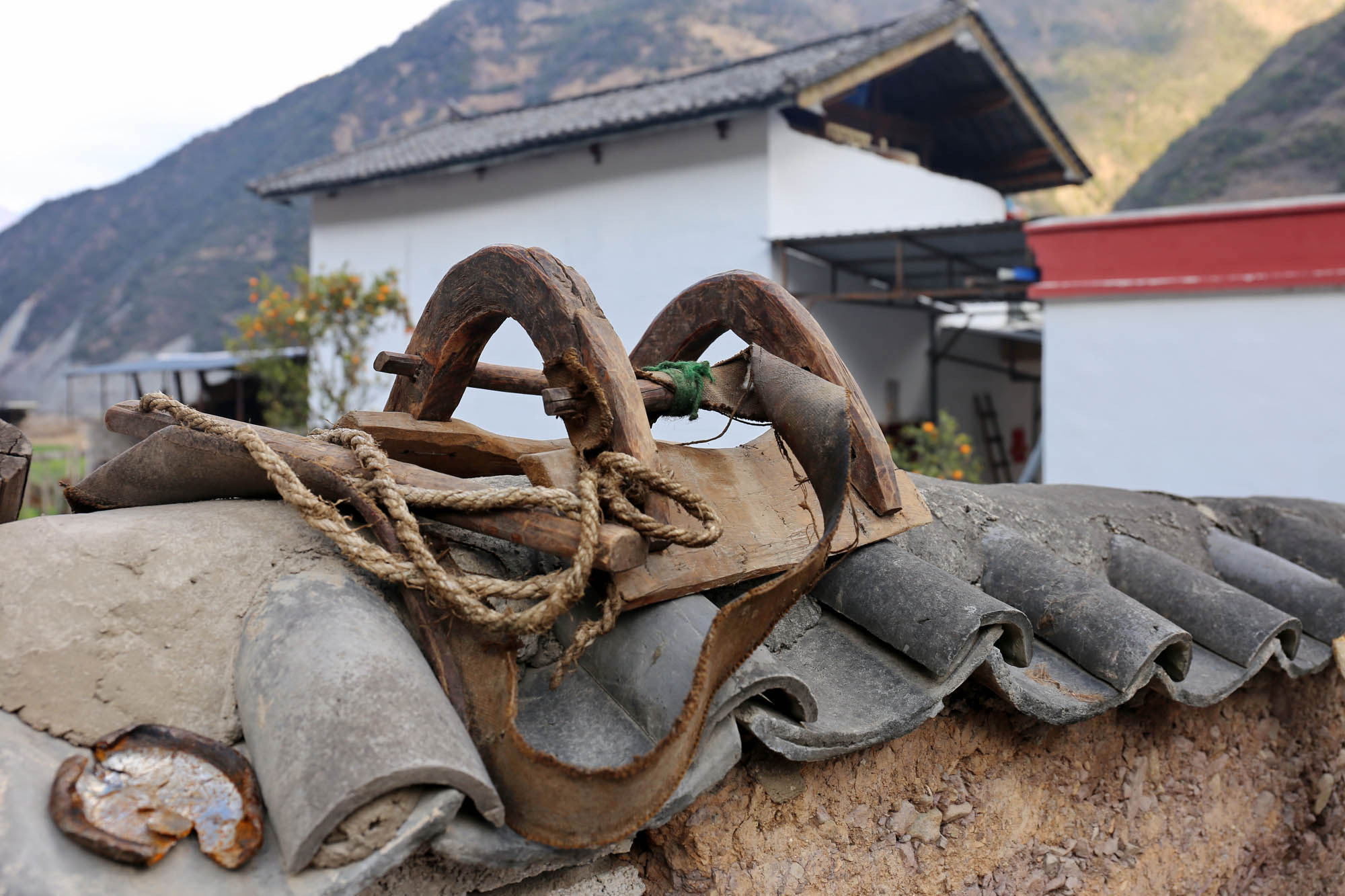

 What kind of saddle is this on the fence, in the Lisu-Tibetan village of Cizhong/Cedro? If you asked me on the spot, I certainly would have guessed horse or mule.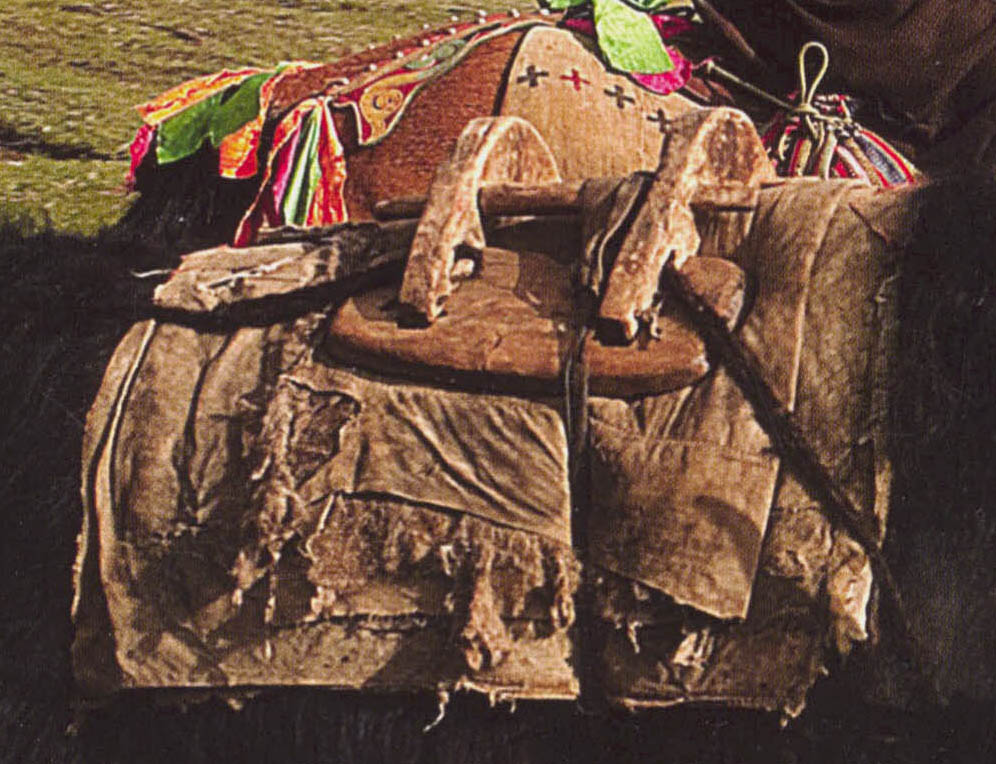


 Postage stamps are often associated with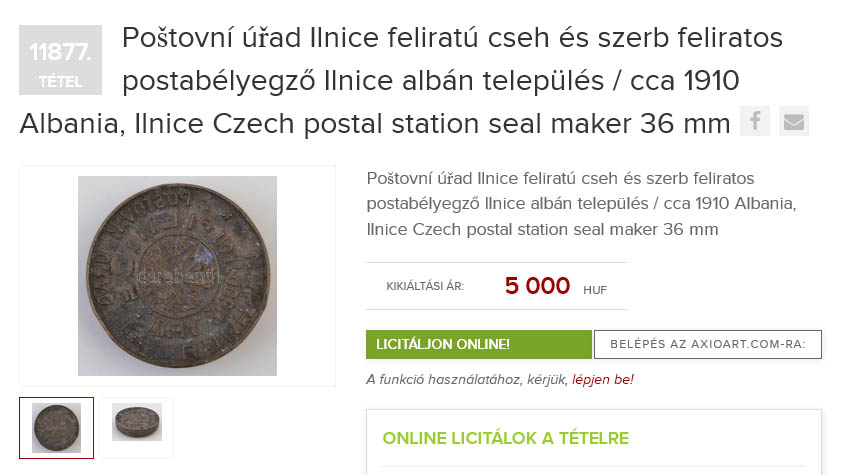
 Los sellos de correos van generalmente unidos a






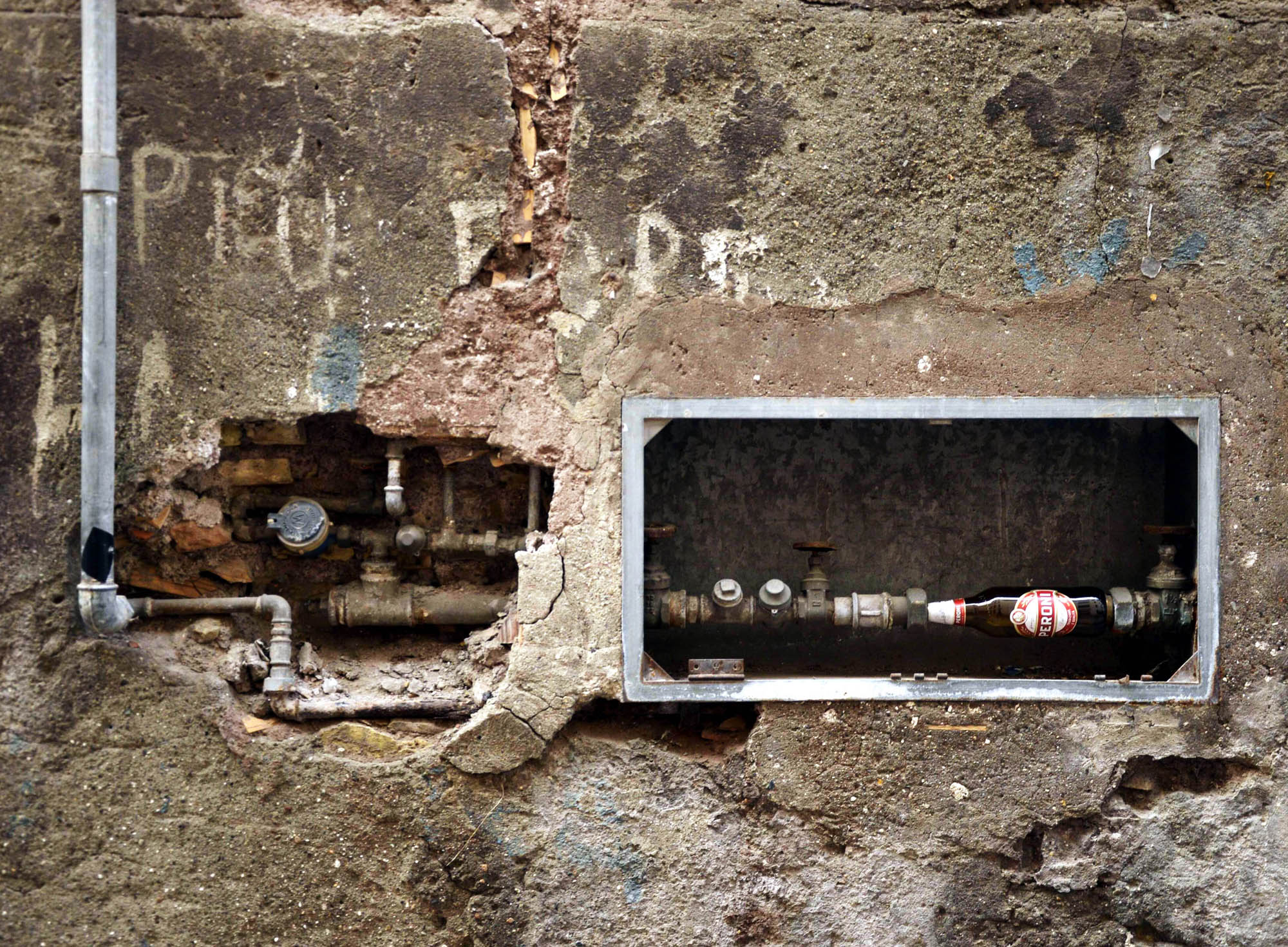
 This morning in the Trastevere. A knotty problem, isn’t it?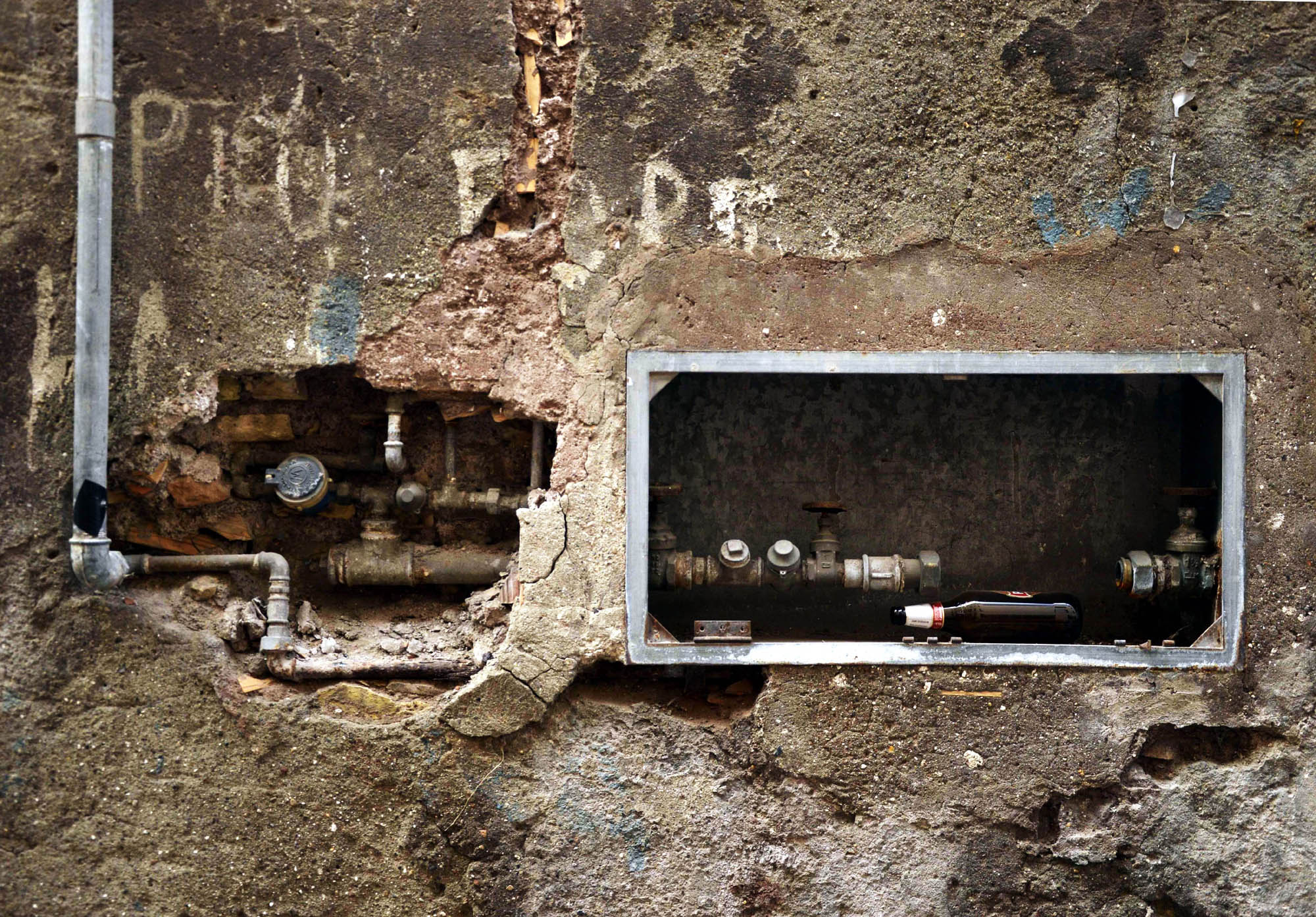




 Come with us to…
 Atlantis
 Bestiary
 Bohemia+Prague
 Books, exhibitions, music, film
 Brave old world
 Caucasus
 Cemeteries
 Crimea
 Get to know the
 Images of the East
 Lightwriting
 Lwów/Lemberg
 Mallorca
 Message on the wall
 The Museum of Propaganda
 Odessa
 Paper Museum
 Persian letters
 The Jewish heritage


