Switch over to our new blog! • ¡Pásese a nuestro nuevo blog!

The renewed version of our blog, with more features, a richer design, and available in nine languages, can be read here: https://wangriver.com

The new version also includes the old posts, often in expanded form. If you are curious about the updated version of this post, replace “riowang.blogspot.com/” in the URL with “riowang.studiolum.com/”, and the new link will most likely lead you there.


La versión renovada de nuestro blog, con más herramientas, un diseño más rico y disponible en nueve idiomas, se puede leer aquí: https://riowang.com

La nueva versión también incluye las publicaciones antiguas, a menudo en una forma ampliada. Si tiene curiosidad por la versión actualizada de esta entrada, sustituya «riowang.blogspot.com/» en la URL por «riowang.studiolum.com/es/», y el nuevo enlace probablemente le llevará allí.

Mostrando entradas con la etiqueta God. Mostrar todas las entradas

The sea


This was the title of the book from which, more than thirty-five years ago, I first learned what the sea is. In the propaganda novel of Klára Fehér a little girl, thanks to the takeover of the Communist Party after 1945, becomes a successful medical researcher. The transcendental climax of her internal transformation following the external one is when Ágnes first catches sight of the sea about which her grandmother told her in her childhood:

“…And then her grandmother always stood up from the bench, she shuffled with heavy steps into the kitchen, and she lifted down the picture hanging on the wall above the iron bed.
It was an unframed card, a printed color picture. The sea.
A light blue, unclouded sky, a smooth, azure water surface. At the meeting of sky and sea, a snow-white ship, and a fresh green palm leaf emerging mysteriously from somewhere in the infinite blue.
– The sea – the old woman said solemnly. – Look… it nowhere has a coast, the sea is infinite, it reaches the stars…”

“…The sea is green as the molten glass, cheerfully slamming the shore. The children ride its foaming waves with rubber animals. Ágnes runs into the hot, salty water, she is swimming on the splashing waves, she is exulting, she is drunk with joy. Well, this is the sea, then!
Wherever she sees, sky and sea are embracing each other. The infinity is color turquoise, and at the edge of the horizon a little white dot: a ship. She is swimming, swimming on the emerald water, and she sees herself, the image of her childhood, her grandmother, the picture above the iron bed covered with a coarse blanket. The colored postcard: sea, ship and palm tree. If there is happiness, then she imagined it always like this.
…She cannot part with the water. She goes to the shore, sits on the rock, lies down on the sand, and lovingly looks the infinite water. By midday the sea becomes dark blue, a smooth, dark blue mirror, no ripple disturbs its surface. In the afternoon it suddenly starts to wave, it becomes gray-brown, rough, inscrutable. At dusk it is dark green as the rocks, only at the horizon it is red, where it bathes the sun.
What if she remained motionless on the shore, if she kept sitting here on the rock, watching the swaying giant until she would feel dizzy and would fall into it… what if she now set on running toward the depths?”


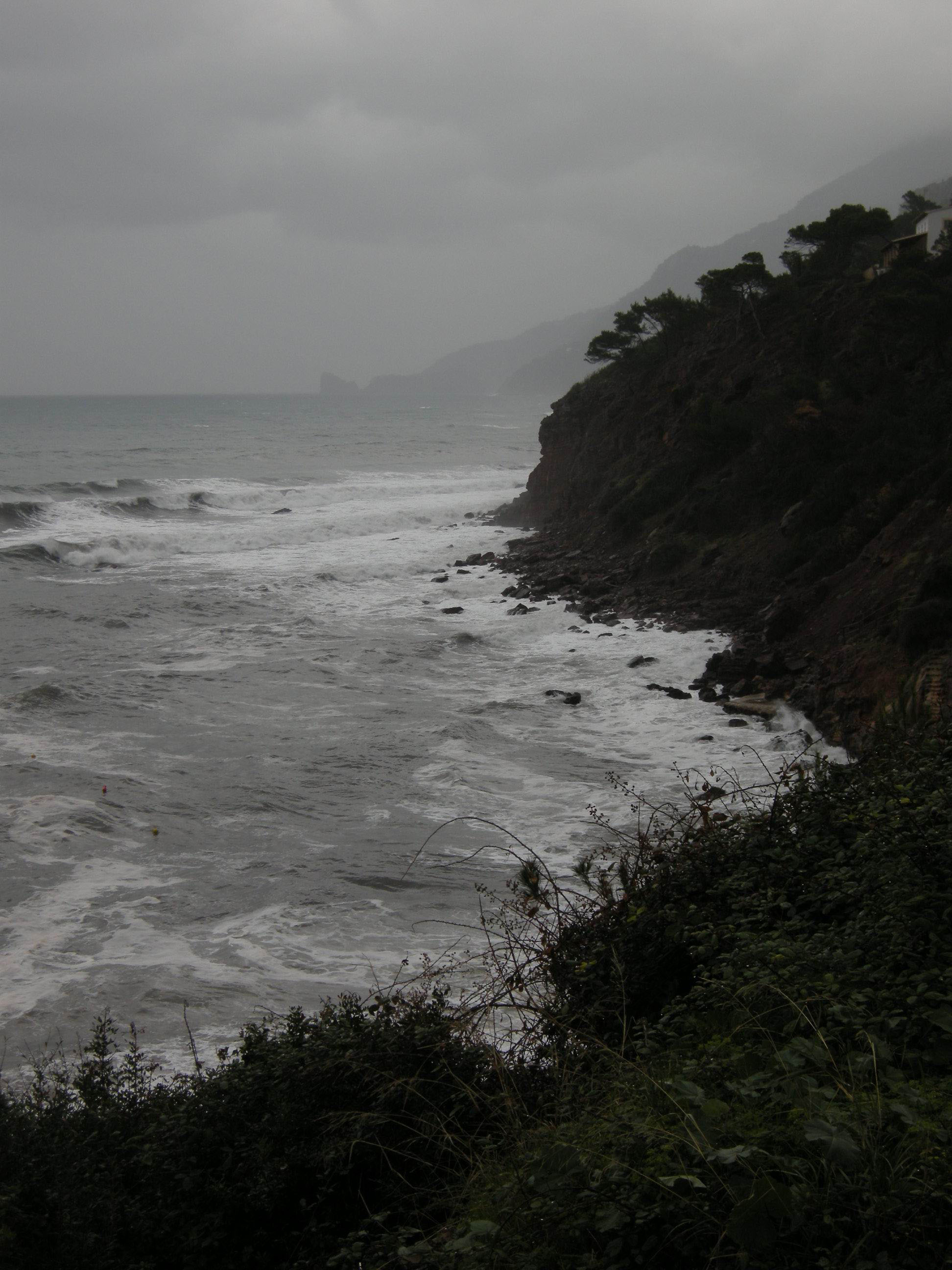
I thought much about the sea. In the early eighties, during a student exchange program, our university team went to the Netherlands. On a cold, rainy autumn afternoon they took us to the sea. I could not move away from the coast. It really was infinite. Not that kind of stupid infinity like one plus one to the infinity. But infinitely vast, complex, vivid and beautiful. And one could play with it. I went to the edge and at every swell I tried to stand to the farthest point where it would come out. The Dutch did not understand it and they indignantly pushed me, soaking wet as I was, into the bus.

Not long after, my friends from the Yugoslavian Vojvodina took me to the Adriatic Sea. We went to places where there was hardly any tourist. I was lying on the shore of a small island. All was filled with the smell of resin. No person was around me, only the sea. I felt someone watching me. As I turned back, deers were staring at me from the pine groove. One of course knows that the sea is not infinite, but its beauty is so many-sided and so intensive that this knowledge does not matter. This beauty even raises you above the inevitable terror of experiencing your own limitations. And no matter how few you are able to receive of it, by way of that you will connect yourself with the sea.

From then on, I dreamed of the sea and longed for the sea.

Twenty years ago I was converted. The infinity has opened for me. Some years ago I noticed that the sea is not so painfully lacking any more. Nevertheless, the things that refer to the person beloved will always remain dear to us.
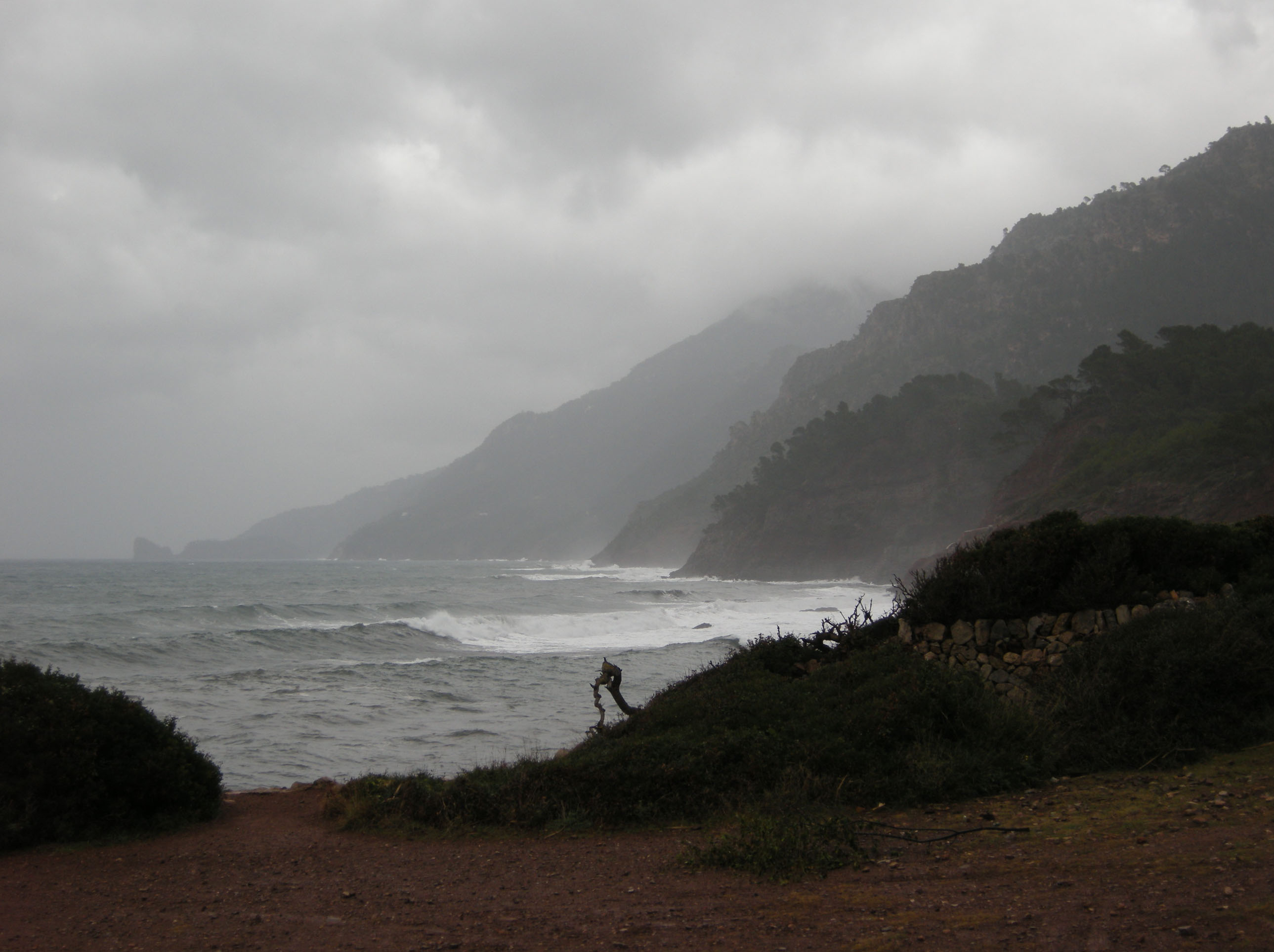

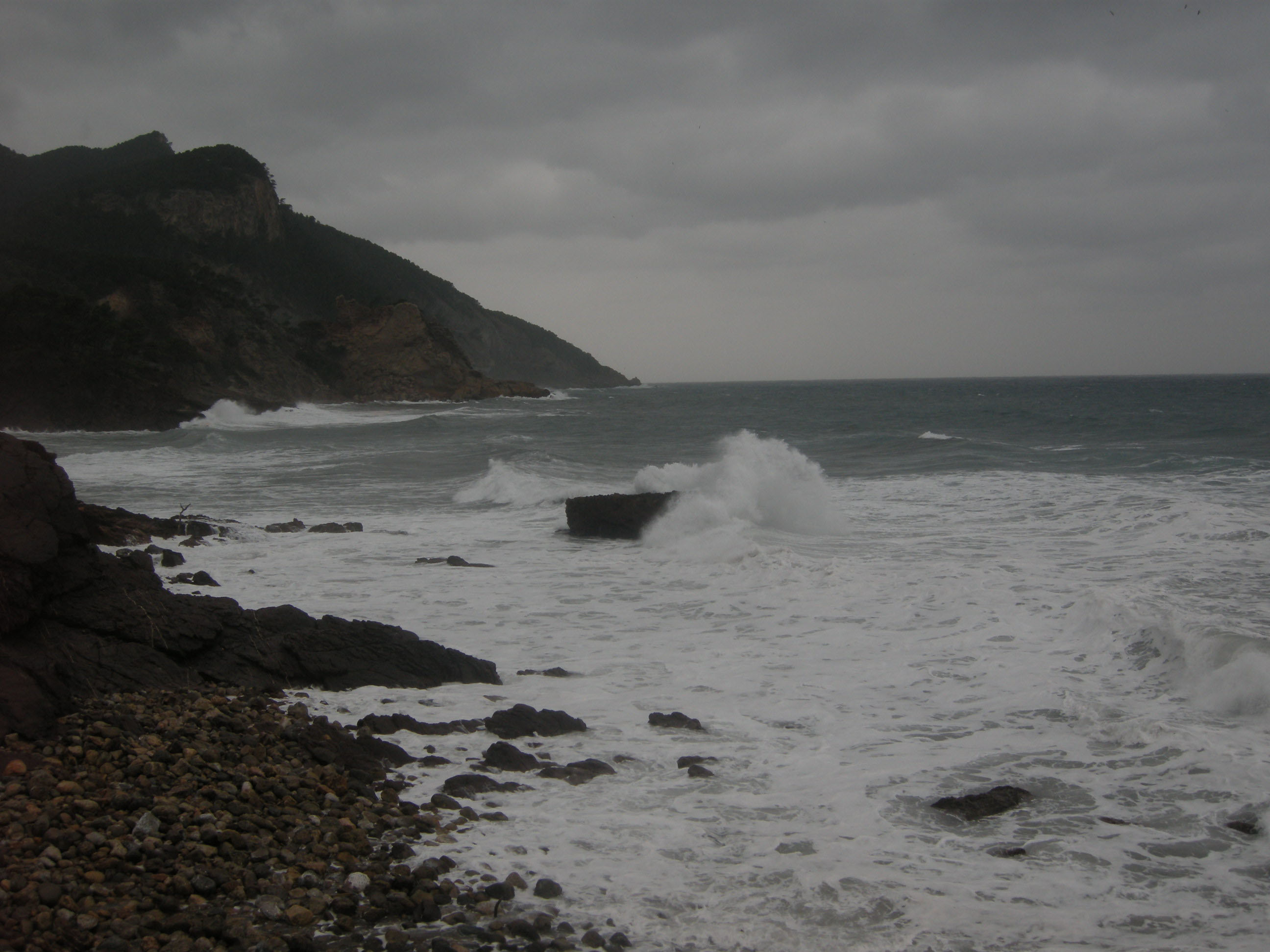
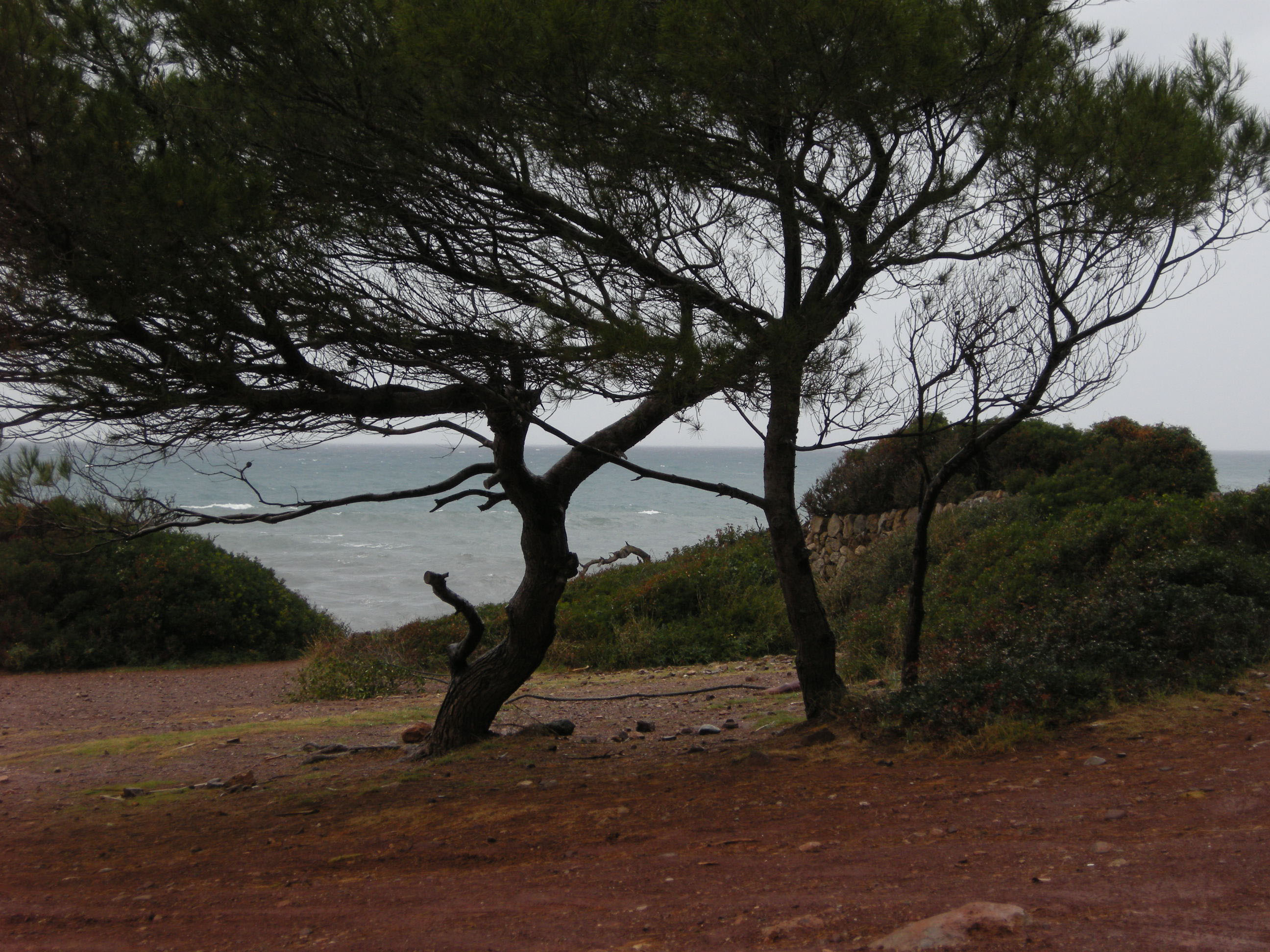
These pictures were taken just a year ago on the shore of Port d’es Canonge in Mallorca. Not far from here, in the seashore cathedral of Palma within some minutes – just like every Christmas night since seven hundred years – the medieval Song of the Sibyl will resound.


El Cant de la Sibiŀla, Mallorca. Jordi Savall, Montserrat Figueras, La Capella Reial de Catalunya, 1998 (36'50)

Dawn bird

“Bismillah bird” composed of the letters of the Quranic verse Bismillah al-rahman al-rahim, “In the name of God, the compassionate, the merciful. Calligraphy by Khaleelullah Chemnad.

Para significar la divinidad, un persa habla de un pájaro que de algún modo es todos los pájaros.

To signify the godhead, a Persian speaks of a bird that somehow is all birds.

Jorge Luis Borges, El Aleph, 1949

So distinguished is the place occupied by the bird in Persian art and poetry, like for example in the As strangers by the modern Sufi poet Hushang Ebtehaj, set to music by the Kamkars and illustrated by us with another Bismillah bird, or in the closing picture of the Budapest photo series by Omid H. Hassam, which immediately reminded me the cover of the beautiful album Saz-e khamush, “Silent lute” by Mohammad Reza Shajarian, the greatest singer of Persian classical music.

Shajarian, Saz-e khamush, Silent lute, album cover
On this album Shajarian is accompanied by Kayhan Kalhor on kamanche, and by Hossein Alizadeh on tar, the typical 8-shaped Iranian lute. Both are the most excellent Iranian masters of their instruments, and their music has been included more than one time in our blog. Tombak, the Iranian drum is played by Homayun, son of Shajarian.

The same four artists recite in the video below the poem Morgh-e sahâr, “Dawn bird” by the greatest 20th-century Persian poet Malek o-Sho’arâ Bahâr. The performance was registered at the famous Bam concert of 2003, organized by Shajarian in the aid of the survivors of the Bam earthquake which had produced 30,000 casualties. The audience cries in ecstasy just like we cried together with the whole audience when in 2007 the master sung this song in Isfahan.

Several versions of this song can be found on the net and on Persian albums: by the same group three years later, where the artists can be observed better, by the duo of Shajarian and the Azeri kamanche player Habil Aliov, transposed in an authentic Azeri style, or in the solo of the talented young tar player Sahba Motalebi. It is worth to read their comments as well, because they reveal a little bit what this song means for Iranians.

Since the 1960’s this poem has become one of the most popular Persian songs with the melody of Morteza Neydavud and in the performance of Shajarian. Perhaps also because 20th-century Iranian history was not in short of dawn-waitings, as it is attested by the earlier quoted Comets and nights.


Morgh-e sahâr nâle sar kon
dagh-e ma-râ tâzeh tar kon
z âh-e sharar bâr in ghafash-râ
bar shekan o zir o zebar kon.
Bolbol-e par baste-ze konj-e ghafash dar â
naghme-ye âzâdi-ye no'e bashar sar â
v’az nafasi
arse-ye in khâk-e tude-râ.
Zolm-e zâlem yor-e sayyâd
âshiyânem dâde bar bâd.
Ey Khodâ ey falak ey tabi'at
shâm-e târik mâ-râ sahar kon.
مرغ سحر ناله سر کن
داغ مرا تازه تر کن
ز آه شرر بار ، این قفس را
بر شکن و زیر زبر کن
بلبل پر بسته ز کنج قفس درا
نغمه آزادی نوع بشر سرا
وزنفسی عرصه این خاک توده را
پر شرر کن
ظلم ظالم ، جور صیّاد
آشیانم ، داده بر باد
ای خدا ، ای فلک ، ای طبیعت
شام تاریک ما را سحر کن


Dawn bird, sing with sorrow,
remind me of my fresh pain,
with your burning breath
break and open this cage.
Captive nightingale, fly out of your cage,
start to sing the song of freedom,
and with one breath
set to fire the sluggish earth.
The cruelty of tyrants, the injustice of hunters
has broken my nest put to winds.
Oh God, oh world, oh nature
turn our dark night into dawn.

Nightingale – as we would like to expose it in a later post – is a topos of Persian poetry for the human soul, or more precisely for the human soul longing for God. (It is not just a coincidence that Eastern Sephardic poetry also took it over in this meaning, just like the topos of the bird representing God.) And in Persian thought the longing for God is very closely connected with the longing for the liberation from the limitations of this world, for absolute freedom. Where a Hungarian, with the famous verse of Petőfi, says “Liberty, love”, a Persian says “Liberty, God” in a thousand sophisticated ways. This is why they can sing – and they indeed do sing – this song as a psalm, a hymn and a movement song in one.

A supporter of Mir Hussein Mousavi on the eve of the Iranian elections of 2009, with a bird on his leafletA leaflet advertising the name of presidential candidate Mir Hussein Mousavi
on the eve of the Iranian elections of June 12, 2009.

The rooster is crowing for the second time

Imre Ámos: Dreaming rabbi, 1938Imre Ámos: Dreaming rabbi, 1938

Thanks to the inspiring comment of Julia to the post on The rooster is crowing, some fantastic new connections have been revealed between the Hungarian-Jewish folk song and the Sephardic love song.

As I wrote, the thin bond between the two songs is ensured by the piyut Tzur mi-shelo which has lent two Hebrew lines to the first song and the melody to the other one. Their similarities, however, go way beyond this. Both songs have the same scene-setting: a green forest and blooming trees. The time of the day is also identical, the dawn announced by the crowing of the rooster in the first song and by the song of the nightingales on the trees in the second one. This latter motif easily escapes the uninitiated eye, but a reader well versed in old Spanish poetry will recognize a characteristic topos of the genre borrowed from the literature of the Arabic golden age: the nocturnal intimacy of the lovers is ended by the early morning song of the birds that announces the coming of a new day and the lovers' bitter separation.

Another significant feature shared by both poems is that the beloved one appears in the allegoric form of a bird, and that the singer keeps calling this bird with a painful and yearning heart.

But why does she call him? Both poems give the very same quite striking and unexcepted answer to this question: to save her! The word “salvame” explicitly figures in the last verse of the Sephardic song, while the last strophe of The rooster is crowing explicitly links the definite union of the lover and her beloved to the coming of the Messiah, the Savior.

We could not have rounded off more beautifully our round trip revealing the intricate network of relations between the Hungarian Hasidic song, the Sephardic love song and the pious Hebrew liturgical poem.

Aberdeen Bestiary: Perindens

The Garden

Gauss
He thought about the Last Judgement. He did not believe that something like this could ever happen. The accused can set up a defence, some questions might be quite embarrassing to God. Insects, filth, pain. Everything is so imperfect. Even space and time are so slappily created. He thought that if he had to come before tribunal, he would raise some issues.

Some decades pass, and Gauss as a geometer stays for the night in an unknown old provincial castle in Northern Germany. The following morning he has to meet the owner, in order to ask his permission for cutting down some trees on the estate which obstruct the work of land-surveying.

He felt relieved as he found a lattice gate which opened to the garden.

The garden was created with amazing care: palm trees, orchids, orange trees, bizarre-shaped cactuses and
all kinds of plants, such as Gauss has not even seen on pictures. Gravel creaked under his shoes, a lian swept the cap off his head. Some sweetish smell was spreading, flawed fruits were laying on the earth. The vegetation became denser and the road narrower, he had to duck his head as he walked along. What a waste! He could only hope he would at least not meet unknown insects. He creeped through between two palm trunks, but his overcoat got caught and he almost stumbled against a thorn-bush. And then he found himself on a meadow. The count, still negligee, with tousled hair and barefoot, was sitting there in an armchair and having a tea.

Appealing, said Gauss.

It was much more beautiful before, said the count. Nowadays the garden staff is expensive and the French soldiers quartered here also destroyed a lot. He only recently came back. He was in Switzerland as an emigrant, but now the circumstances have changed temporarily. Sir geometer does not want to sit down?

Gauss looked around. There was only one chair, and the count was sitting on it. Not necessarily, he said vaguely.

Well, said the count. Then they can start to negotiate.

It’s mere formailty, said Gauss said. In order to have a free look at the measure point of Scharnhorst, he should cut down three trees in the countly forest and pull down a shed which apparently has been empty for years.

Scharnhorst? There is no person who can see that far!

Oh yes there is, said Gauss, as far as light beams are used. He developed a tool which is able to send flashing signals to an unimaginable distance. By this for the first time the connection between the Earth and the Moon became possible.

The Earth and the Moon, echoed the count.

Gaus nodded smiling. He exactly knew what was now happening inside the skull of the old blockhead.

As far as the trees and the shed are concerned, said the count, they were estimated wrongly. The shed is indispensable. The trees are valuable.

Gauss sighed. He would have liked to sit down. How many of these conversations he had to conduct already! Of course, he said wearily, but let us not go too far. He knows well what is worth those few trees and the hut. In these times the state should not be burdened excessively.

Patriotism, said the count. Interesting. Especially if he is called upon by someone who recently was a French official

Gauss stared at him.

The count sipped into his tea and asked him not to misunderstand him. He does not blame anyone. Times were difficult and everyone behaved as opportunities allowed.

Napoleon, said Gauss, refrained from the bombardment of Göttingen because of him!

The count nodded. He did not appear surprised. Not everyone was so lucky to enjoy the respect of the Corsican.

And almost none had such merits, said Gauss.

The count looked contemplatively into his cup. In any case, sir geometer is not as inexperienced with regard to business as he pretends to be.

Gauss asked how he should understand this.

Sir geometer will presumably pay him with the means of payment accepted in the whole country, won’t he?

Of course, said Gauss.

Then, however, the question arises whether the state reimburses sir geometer for his expenses in gold. For if it is indeed so, then he can realize a pretty exchange profit. One does not have to be a mathematician to notice it.

Gauss turned red.

At least not the so-called prince of mathematicians, said the count, who would certainly not fail to notice it.

Gauss folded his hands behind his back and gazed at the orchids grown on the palm trunks. There is nothing illegal in it, he said.

No doubt, the count said. He is certain that sir geometer looked after it. By the way, he admires very much the work of geometers. It is a strange job to wander back and forth with instruments.

Only if it is practiced in Germany. Whoever does the same in the Cordilleras, is celebrated as a discoverer.

The count shook his head. It must be difficult even so, especially if one has family at home. Sir geometer has a family, doesn’he? Is his wife a brave woman?

Gauss did not answer. The sun appeared too bright to him, the plants annoyed him. He asked whether they could speak about the purchase of the trees. He has to go, his time is limitd.

It cannot be that limited, said the count. If one is the author of the Disquisitiones Arithmeticae, then, in effect, he should not hurry any more.

Gauss looked with shock at the count.

Just do not be so modest, said the count. In all his life he did not read read anything more remarkable than the chapter on the division of the circle. He found some ideas which were illuminative even to him.

Gauss laughed.

Really, really, said the count, he was speaking seriously.

It is surprising, said Gauss, to meet someone here who is interested in such things.

He should rather say knonwledge, the count said. His interest is rather limited. But he always considered it important to enlarge his knowledge even beyond the limits of his interest. And if they are already here: he heard that sir geometer wanted to tell him something.

Pardon?

An old history. Grievances. Annoyances. And moreover a complaint as well.

Gauss rubbed his forehead. It began to be warm. He had no idea what this man was speaking about.

Surely not?

Gauss looked at him without understanding.

If not, then not, said the count. As for the trees, he gives them free of charge.

And the shed?

It also.

But why, asked Gauss, and he got scared of himself. What a silly mistake!

Should always everything be justified? Out of love towards the state, as it can be expected of a citizen of it. Out of appreciation towards sir geometer.

Gaus thanked by bowing. Now he has to leave, his good-for-nothing son is waiting for him, he has to cover the whole distance to Kalbsloh.

The count returned the greeting with a quivering gesture of his narrow hand.


Dogs of God

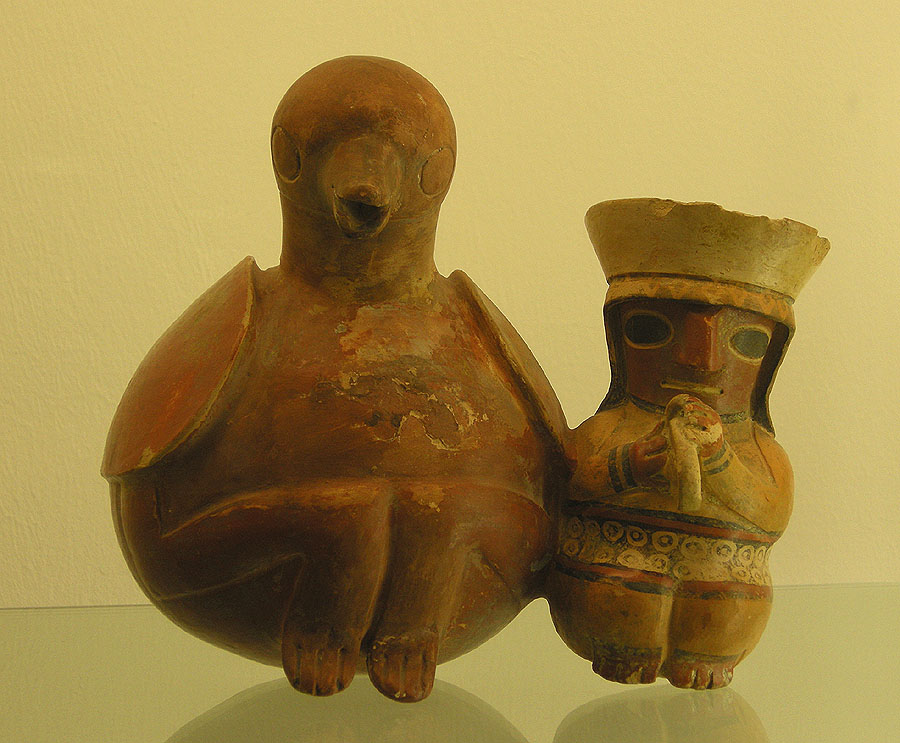
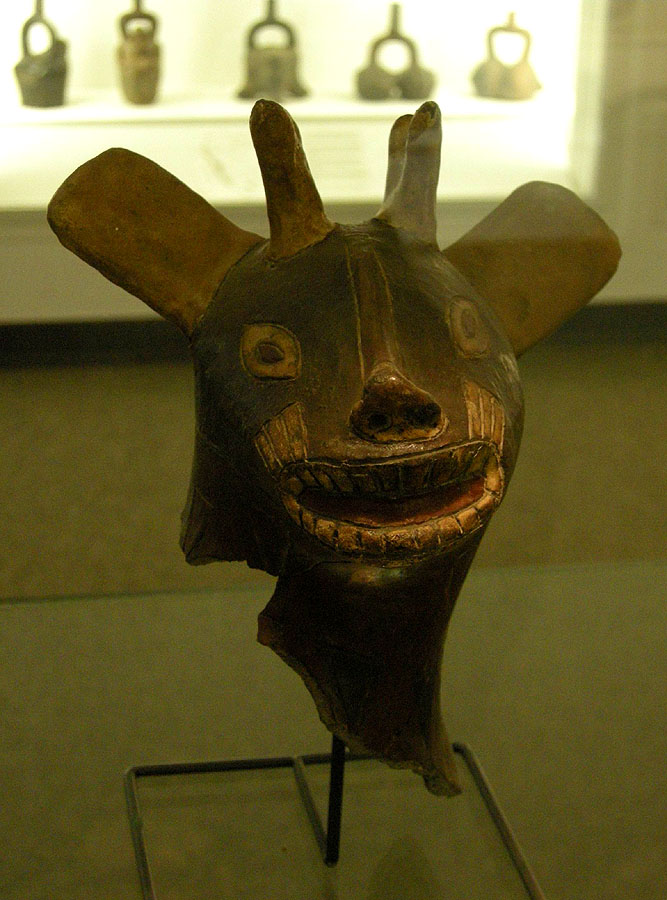
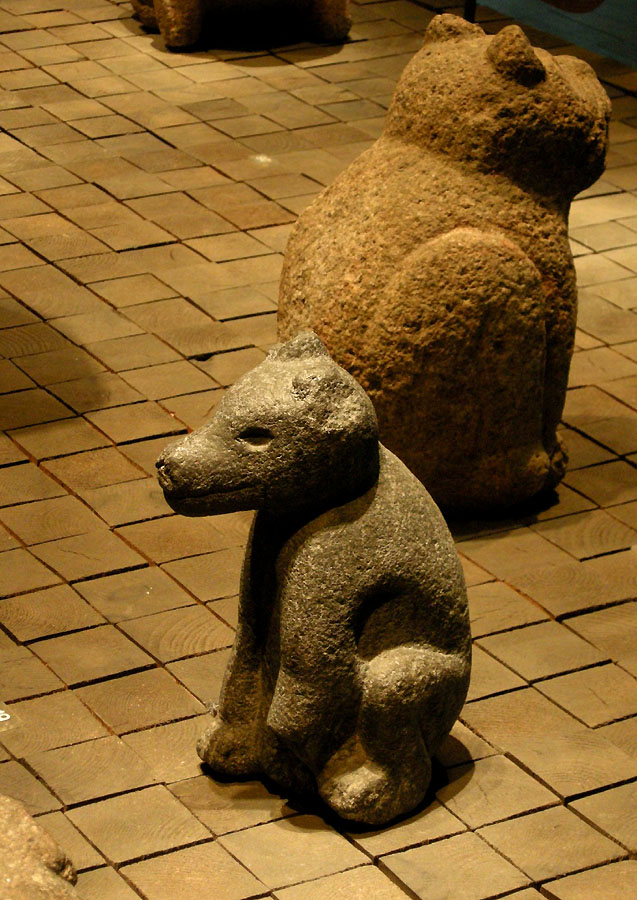
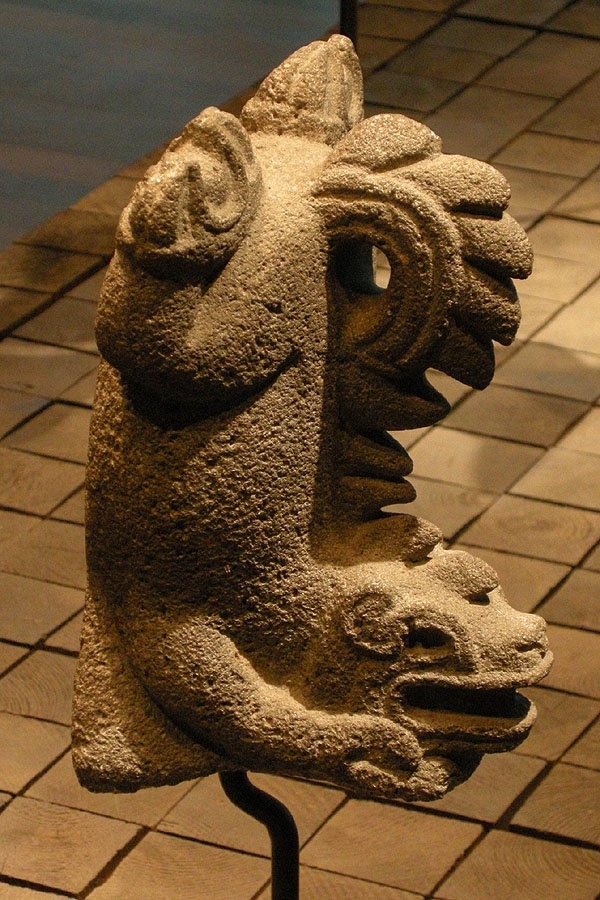
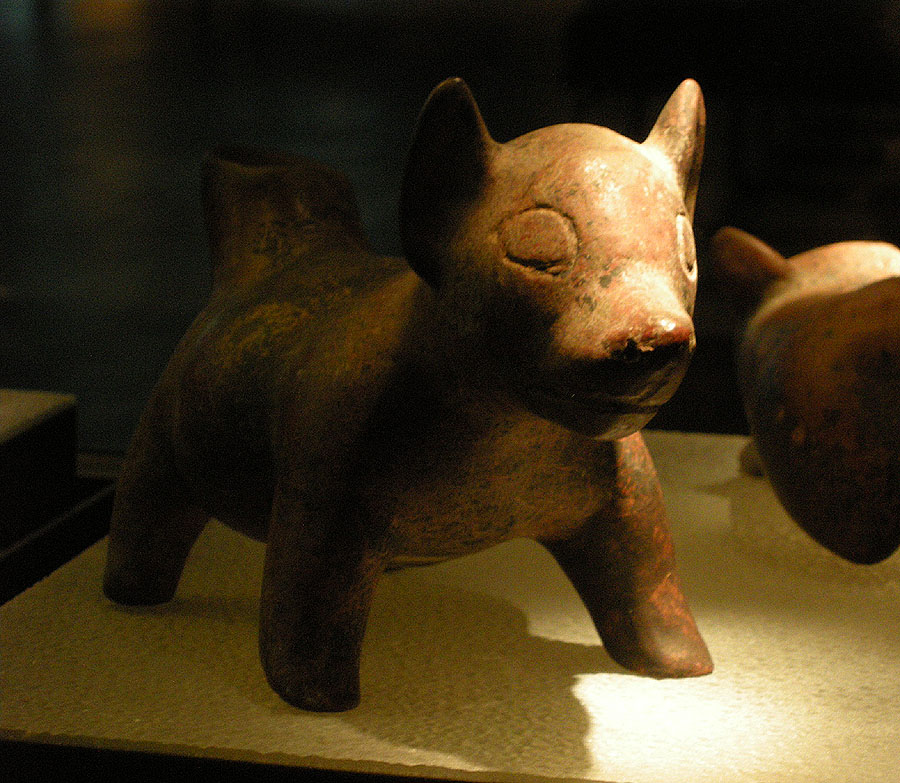
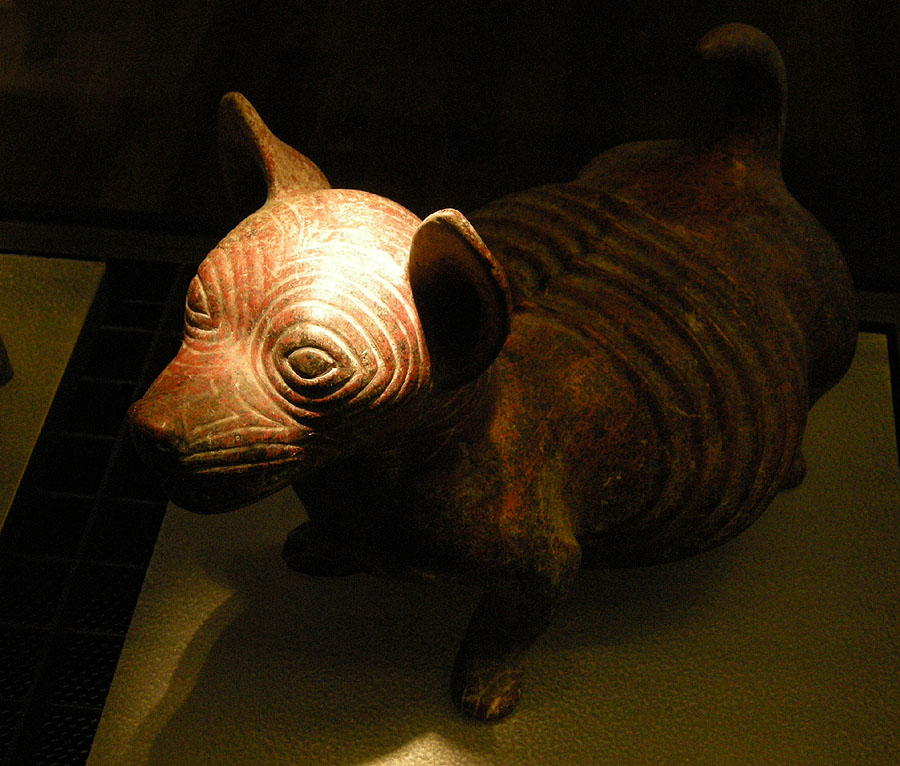
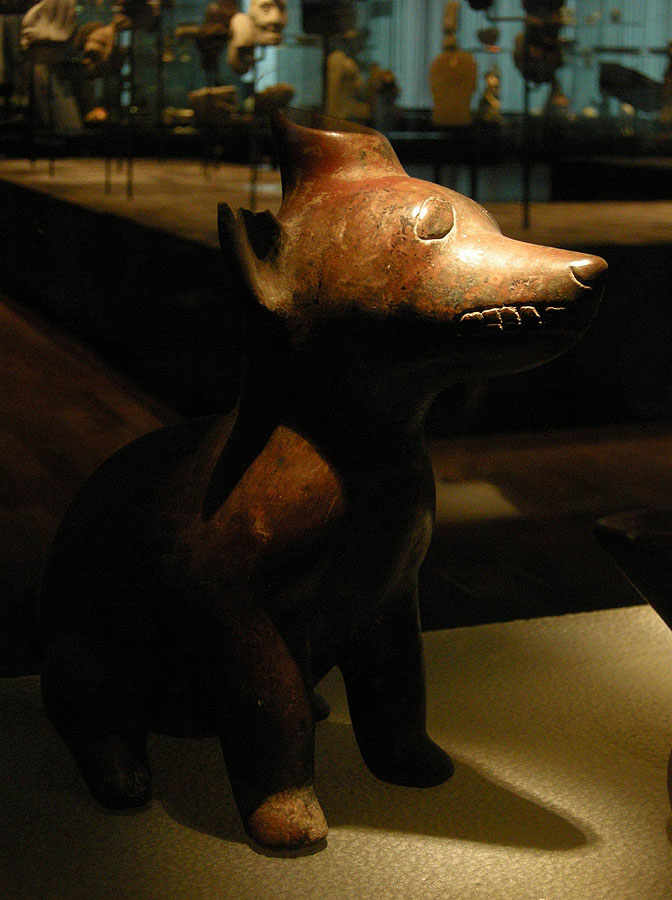
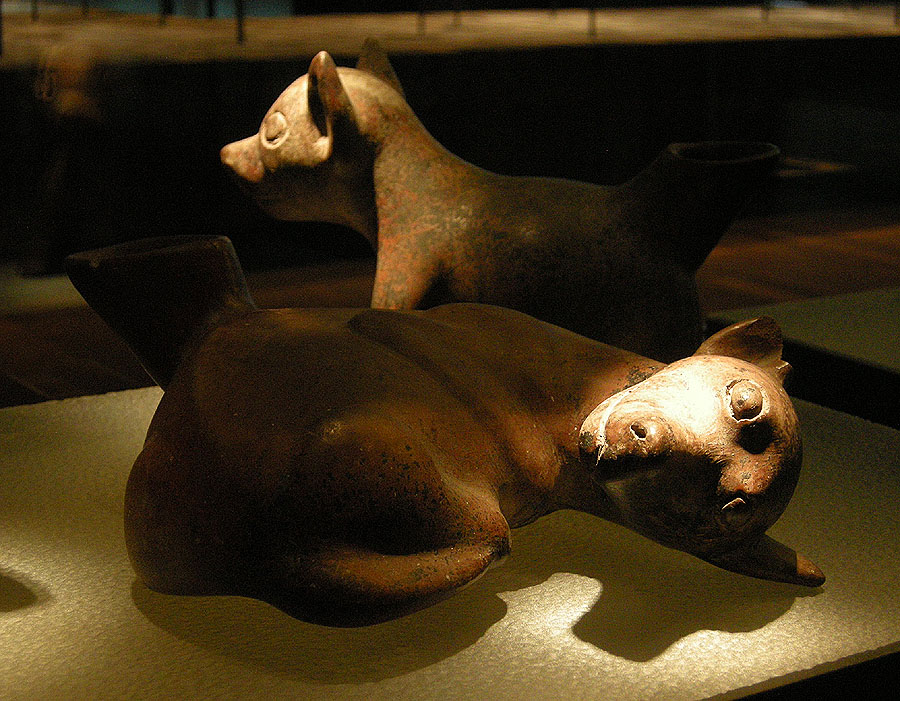
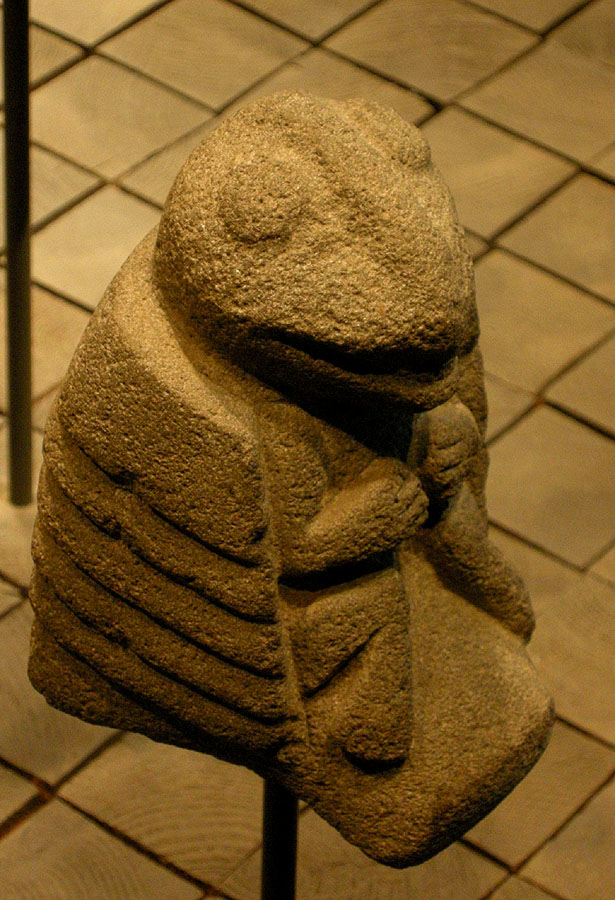
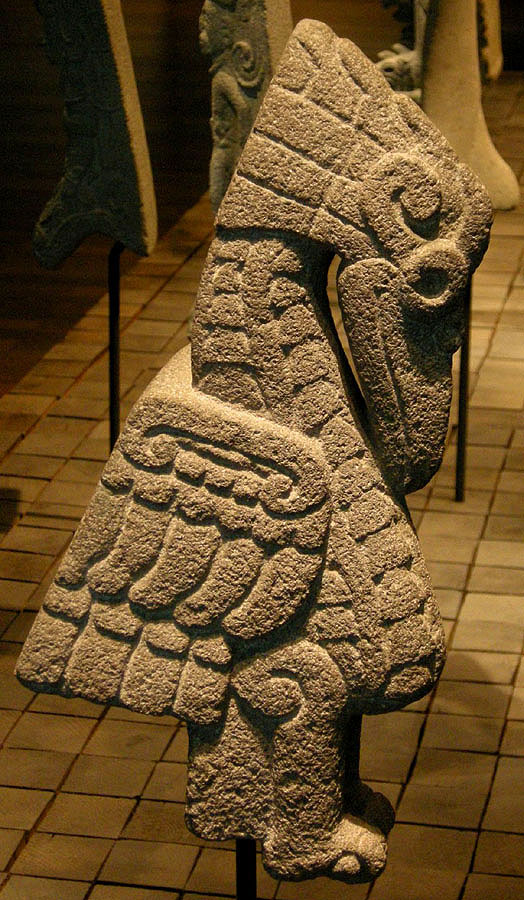
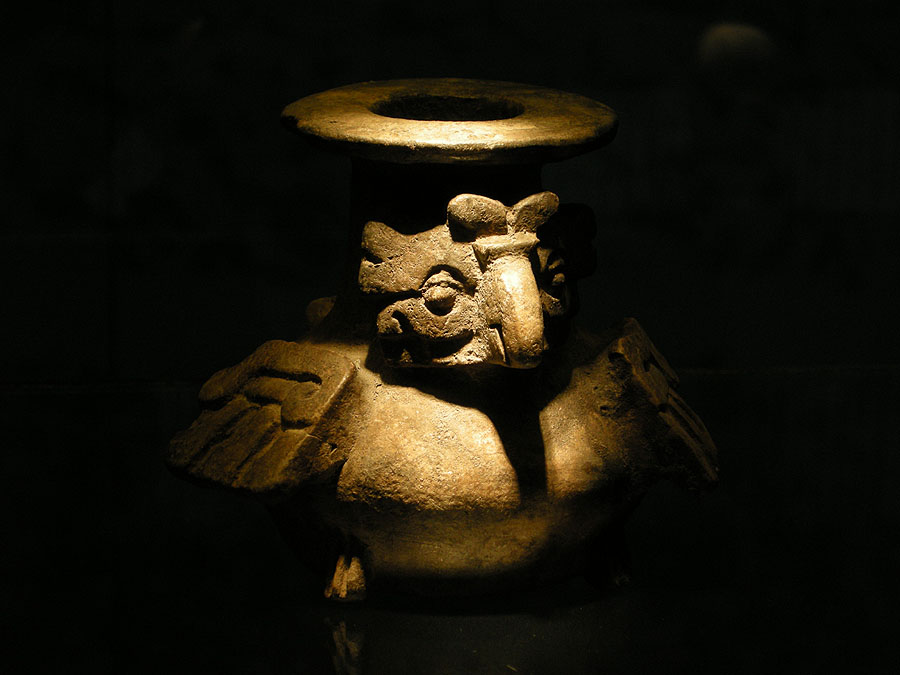
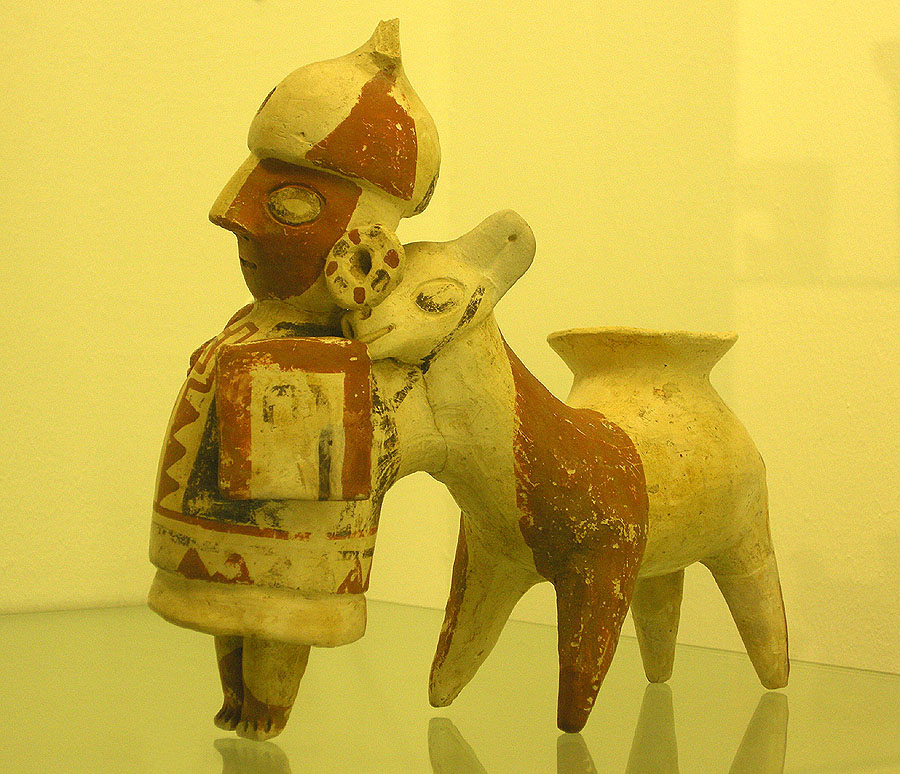
Not all of them are dogs. But all are looking with the same openness and confidence as the dog looks at its master. In the safety of the created being and in the presence of the Master taking care of the creation. In the Mesoamerican exhibition of the Dahlem Museum of Berlin.

With all its eyes the animal world
beholds the Open. … Free from death.
Only we see death; the free animal has its demise
perpetually behind it and before it always
God, and when it moves, it moves into eternity,
the way brooks and running springs move.

Mit allen Augen sieht die Kreatur
das Offene. … Frei von Tod.
Ihn sehen wir allein; das freie Tier
hat seinen Untergang stets hinter sich
und vor sich Gott, und wenn es geht, so gehts
in Ewigkeit, so wie die Brunnen gehen.

(Rilke, Eighth Elegy)

Berlin, Dahlem Museum, Mesoamerican ceramics: a big bird with an Indian
Berlin, Dahlem Museum, Mesoamerican ceramics: head of a dear
Berlin, Dahlem Museum, Mesoamerican ceramics: dog statue
Berlin, Dahlem Museum, Mesoamerican ceramics: frog statue
Berlin, Dahlem Museum, Mesoamerican ceramics: bird (pelican)
Berlin, Dahlem Museum, Mesoamerican ceramics: bird (owl)
Berlin, Dahlem Museum, Mesoamerican ceramics: lama with his master
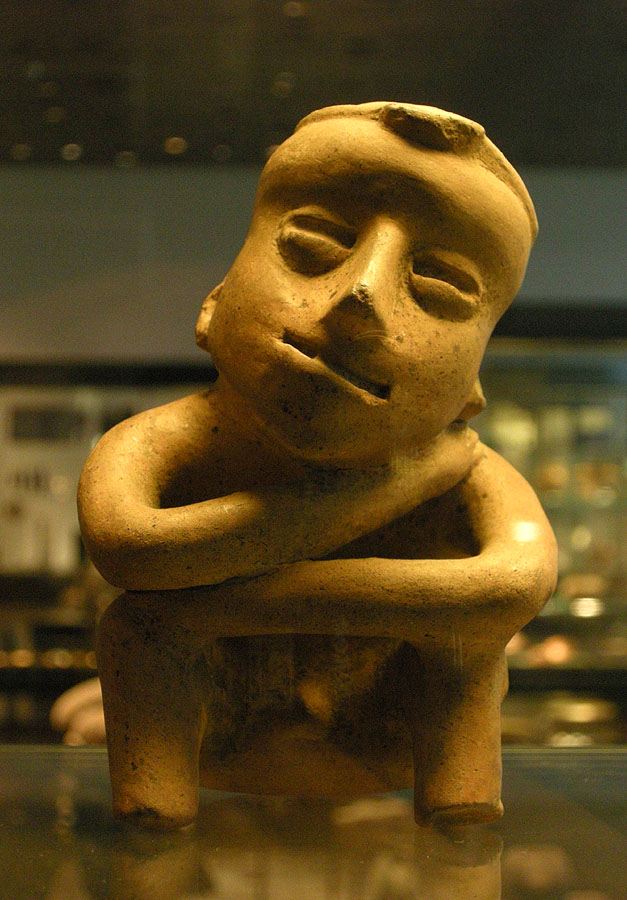
Berlin, Dahlem Museum, Mesoamerican ceramics: man
Ethologists write that during the several thousand years passed on the side of the man, the dog became a being that is genetically dependent on man and is only able to accomplish itself in a symbiosis with him. It is not a being closed in itself as the majority of animals are, but is open to man: he is the center of its existence. It can become wild, but by this it also becomes deformed, unlike other animals, while if it lives in a real closeness to man, it is somehow able to rise above the limits of its own animal existence.

As a man living in a real closeness to dogs, I have been watching for several years this strange metamorphosis of them, and I can imagine on this model the relationship between man and God. As it was quoted from Saint John of the Cross by his companion Brother Eliseo (at that time living, by chance, in a Mexican Carmelitan monastery):

When a very simple sister once asked him why the frogs were jumping into the water when she was nearing to the pond in the garden of the monastery, he replied that for the frogs the depth of the pond is that place, that center where they feel safe and where nobody can hurt them. Let her act the same, that is, let her avoid the creatures and submerge to the depth and in her own center who is God and let her hide in Him.

Man – again unlike the majority of animals – is not a being closed in himself, but by constitution is open to God. His “center” is not in himself, but in Him. And like the dog, he also has only two choices of either turning away from this center and thus getting deformed, or trying to get increasingly nearer to Him, and thus rising above the limits of his human existence.

It is precisely John of the Cross and Teresa of Avila who describe this anthropology in the most detailed way.

And yet, upon that warm, alert animal
is the weight and care of enormous sadness.
For what sometimes overwhelms us always
clings to it, too—a kind of memory that tells us
that what we're now striving for was once
nearer and truer and attached to us
with infinite tenderness. Here all is distance,
there it was breath.
..
Und doch ist in dem wachsam warmen Tier
Gewicht und Sorge einer großen Schwermut.
Denn ihm auch haftet immer an, was uns
oft überwältigt – die Erinnerung,
als sei schon einmal das, wonach man drängt,
näher gewesen, treuer und sein Anschluss
unendlich zärtlich. Hier ist alles Abstand,
und dort wars Atem.