Switch over to our new blog! • ¡Pásese a nuestro nuevo blog!

The renewed version of our blog, with more features, a richer design, and available in nine languages, can be read here: https://wangriver.com

The new version also includes the old posts, often in expanded form. If you are curious about the updated version of this post, replace “riowang.blogspot.com/” in the URL with “riowang.studiolum.com/”, and the new link will most likely lead you there.


La versión renovada de nuestro blog, con más herramientas, un diseño más rico y disponible en nueve idiomas, se puede leer aquí: https://riowang.com

La nueva versión también incluye las publicaciones antiguas, a menudo en una forma ampliada. Si tiene curiosidad por la versión actualizada de esta entrada, sustituya «riowang.blogspot.com/» en la URL por «riowang.studiolum.com/es/», y el nuevo enlace probablemente le llevará allí.

Mostrando entradas con la etiqueta Bucharest. Mostrar todas las entradas

Balance of a hundred years


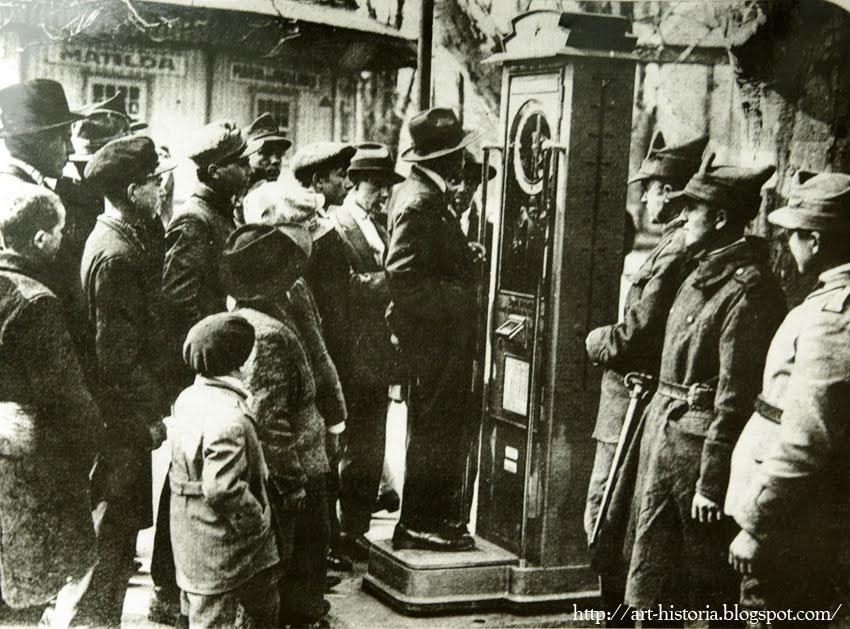
The Art historia blog offers one more photo by Nicolae Ionescu, but in a separate post, as do we. The picture from the 1920s shows the public scale set up in Bucharest’s old town, on the St. George Square working to full capacity. Who knows why it was so popular? Slender build was no fashion at that time yet, and anyway, it is only men standing in queue to it, soldiers, students, idlers mixed.

But the most interesting thing is that the scale has been running continuously ever since. True, not exactly in this place. The blog author, Radu Oltean found it a few hundred meters further, in the Cişmigiu Park, on the shore of the boating lake. According to his research, it has been running there since its setting up, for nearly a hundred years. They had to switch it ten times for different coins, but to repair never. Fortunately, since most probably there would be nobody to do the job.
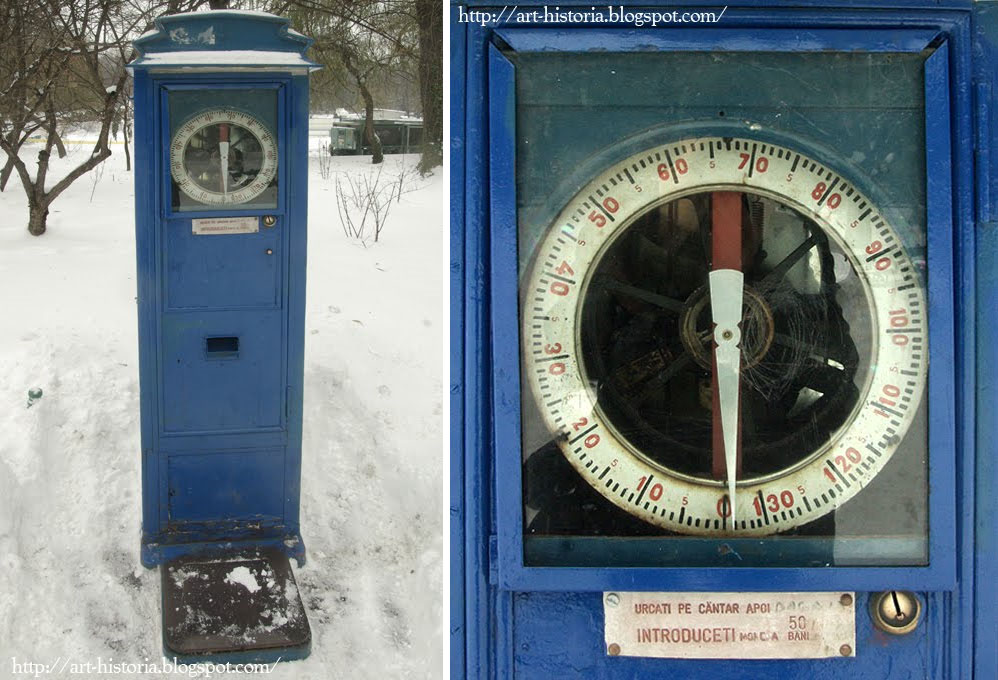

“Almost nothing has survived from the street furniture of inter-war Bucharest” – writes Oltean. – “The destructive fury of the Golde Age [i.e. the Ceauşescu era] cleaned off virtually every street sign, bench, advertising column, curb or news-stand. This scale is one of the few survivors.”


Blog readers also found it out that the scale was made by the Max Sielaff Maschinenfabrik in Berlin’s Neukölln, around 1900 according to the catalog of the Jeger Automatensammlung. Its colleagues still operating in the Berlin subway stations are shown in a complete flickr photo series.


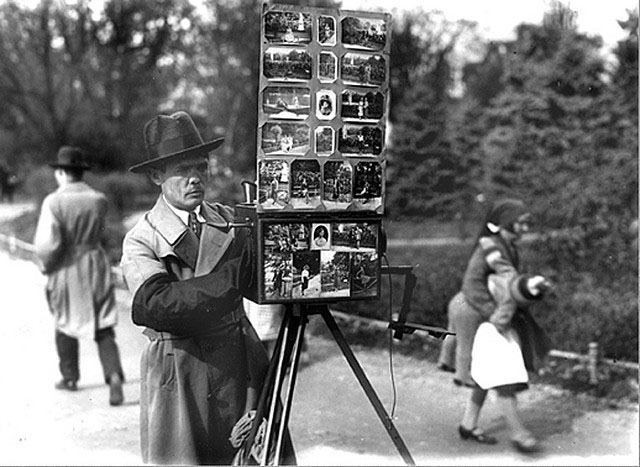
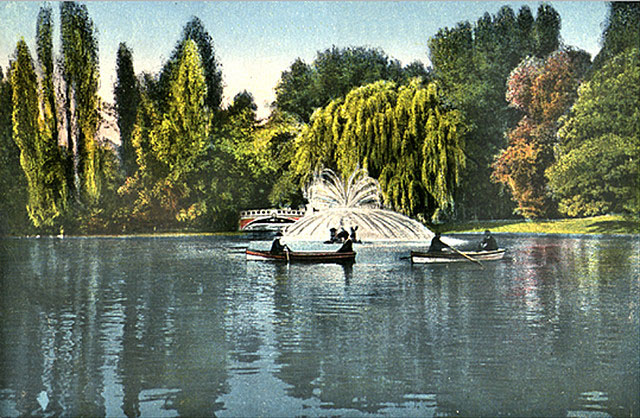
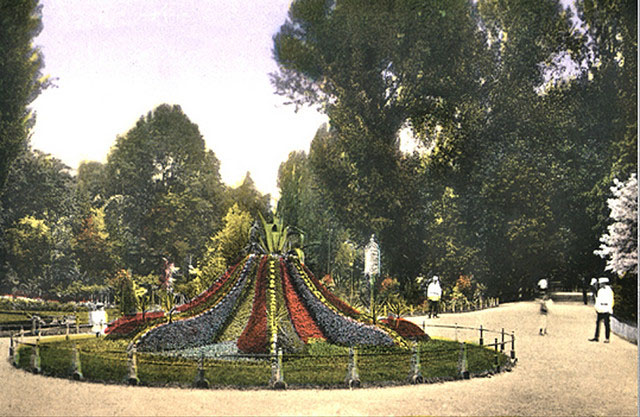
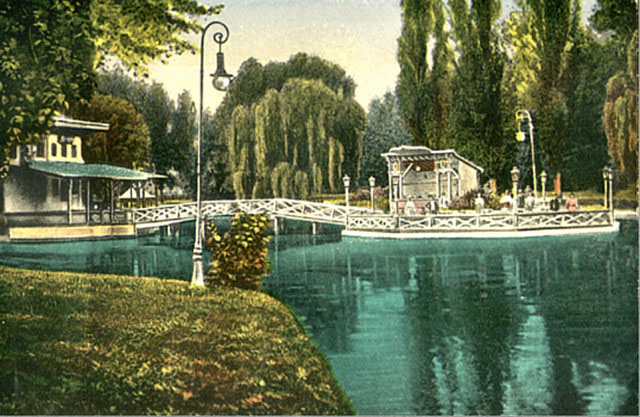
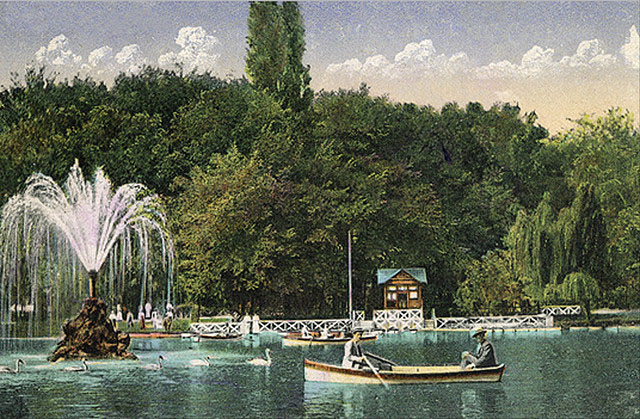
The Cişmigiu Park was established at mid-1800 as a walking park around the lake laying at that time at the edge of the old town. Between the two wars it was already embraced by the city, and it has become a boating lake, a favorite place of entertainment for the people of Bucharest, and the scene of several popular novels. Here stood the famous Thierry restaurant, which was demolished after the communist takeover, and a large number of amateur photographers offered their services around the lake.

The visitor is caught by an Oriental feeling at the mere hearing of the name, since its origin, the Turkish ceşme, “fountain” is a Persian loan word which originally means both “source” and “eye”. The Cişmigiu is the only remaining eye of Bucharest. The other, once adjacent one, of which only the name – Parcul Izvor, Fountain Park – recalls the former lake, was annihilated in the 80s, during the building of the “White House”, together with the greatest part of old Bucharest.



Shadows in Bucharest


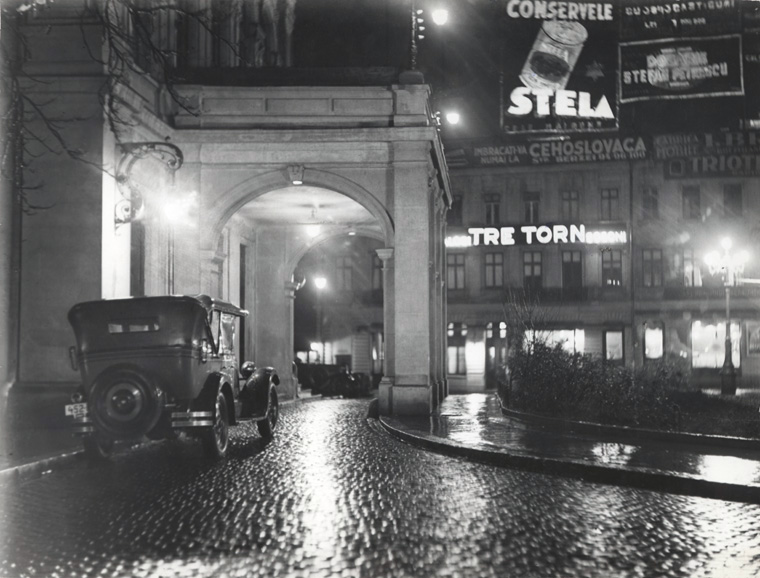
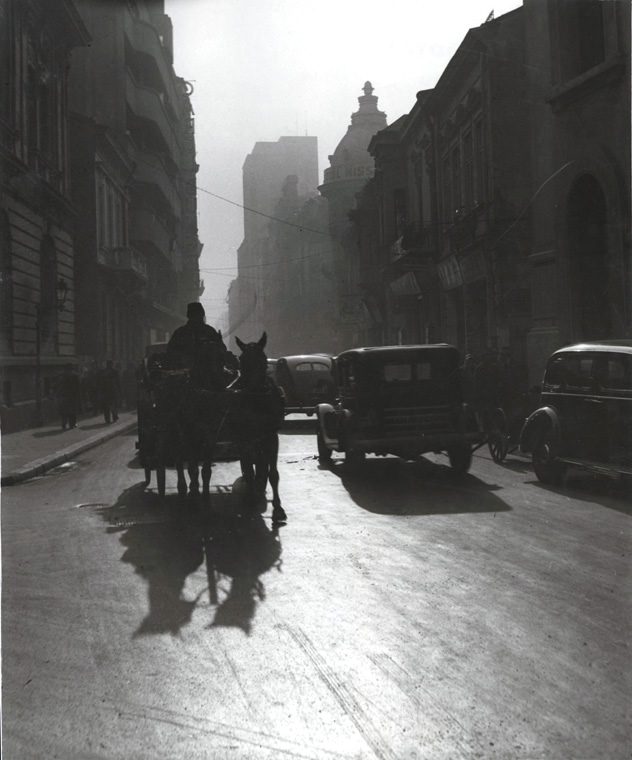
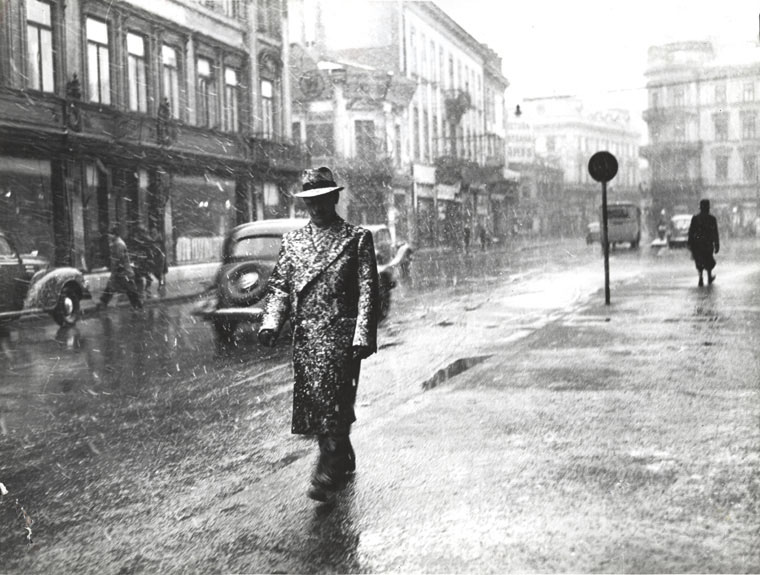
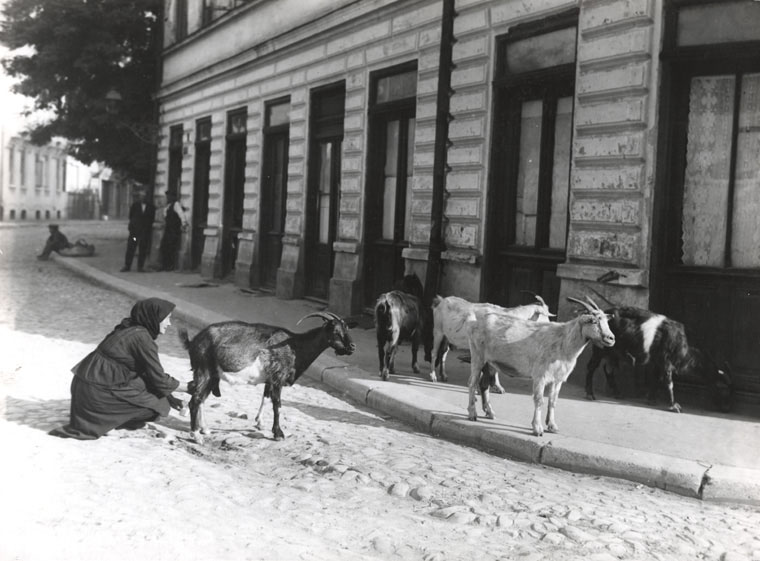
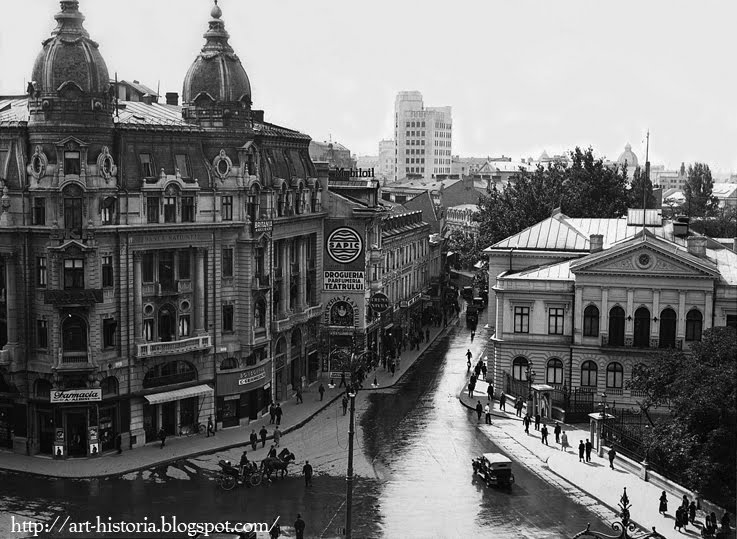
We have already written, that between the two world wars Bucharest was micul Paris, “little Paris”, the city of luxury and of an exaggerated desire for life. And as usual, light had its shadow: the rural masses who came to try luck in the city, the suburban slums, and the thriving underworld, described by Fănuş Neagu in And the angel cried. And light and shadow were fixed by the camera of the same person, Nicolae Ionescu.


Nicolae Ionescu (1903-1975) during World War I had to interrupt school and start to work as a printer in the Cultura Naţională publisher. Here his boss and fatherly friend Dimitrie Demetrian, who had studied in Germany, introduced him to modern technology, including photography. In 1927 he became a photographer of the Royal Army, and regularly photographed Bucharest and the countryside: today his photos illustrate most of the retro photo albums on old Bucharest. At that time he conceived the idea of a future Romanian Photo Museum, for which he systematically took photos every summer in a different region of the country. In 1930 he worked several months in France in the Lyon studio of the Lumière brothers and in Paris with Pathé-Nathan, whose influence can be clearly seen in his photos of Bucharest from the 1930s. In 1937 he was appointed technical director of the daily Adevarul. From this position he was removed in 1940 by the Iron Guard as “a servant of Jews and traitors”. Before that, however, he prevented the Jewish employees from setting on fire the palace of Adevarul as a protest against the Guard. For this he was officially condemned during Communism as having “obstructed the activity of illegal communists”, and he could not get a job for a decade. In 1945 he founded the publisher Enciclopedia Fotografică which was confiscated from him in 1947. Since then he lived on casual works and on the support of colleagues until 1956 when he was admitted to the Art History Research Institute as a photographer. He retired from there, handing over the materials prepared for the planned “Romanian Photo Museum” to the academic library.
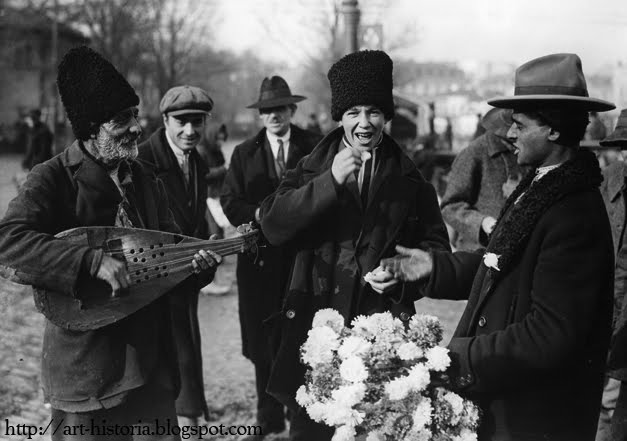
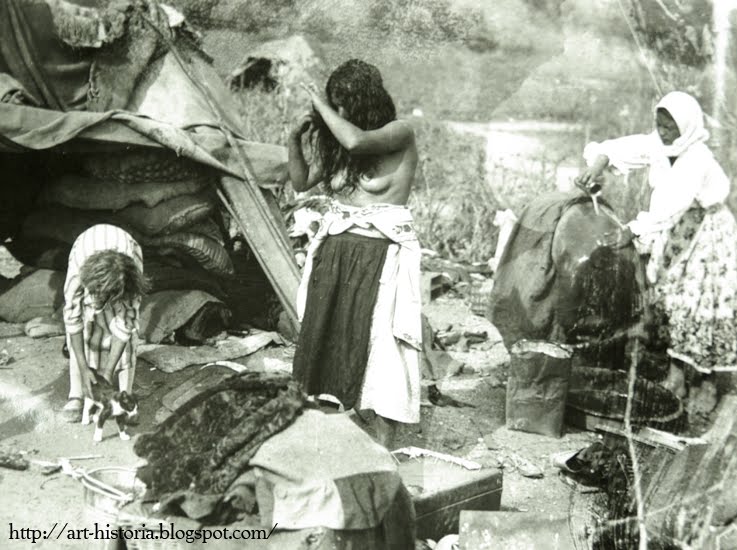


The excellent Romanian blog Art Historia recently published a selection from the photos taken by Ionescu between 1925 and 1935 in the poor neighborhoods of Bucharest: around Bibescu square, along the Dâmboviţa, on the fairs and the famous Moşilor Market in the suburbs, on the flea market of the Jewish quarter, in the “Valley of Tears” neighborhood behind the Bellu cemetery. The captions were written by Ionescu himself on the back of the photos.

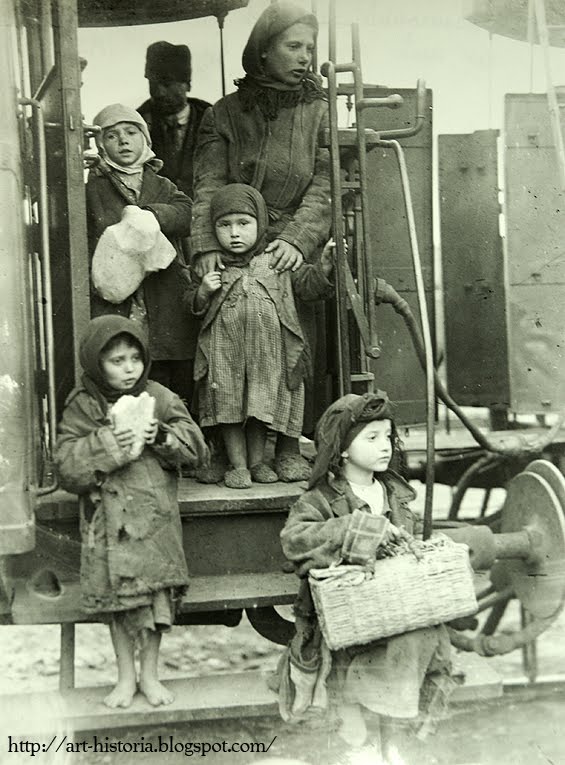
One of the numberless peasant families looking for luck in Bucharest (1929)

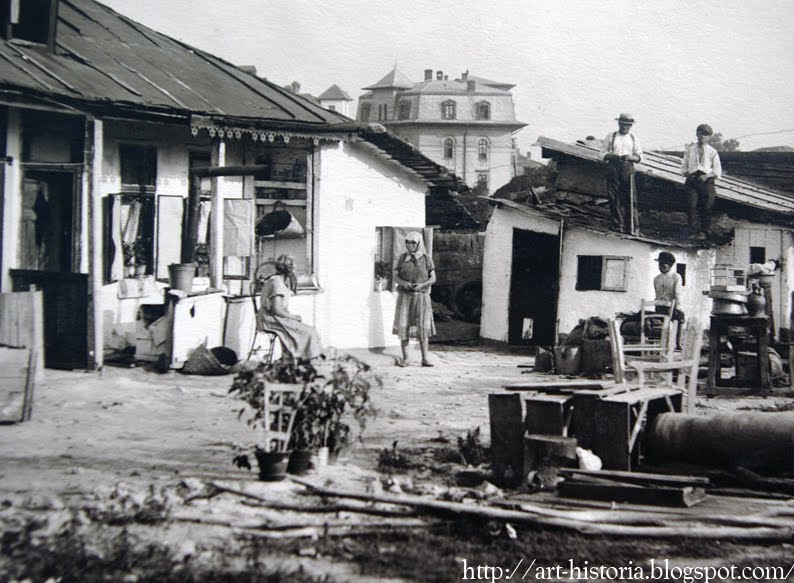
Slum on the outskirts

Each neighborhood had its “devil’s wheel”. At Easter the payment was a painted egg (1927)

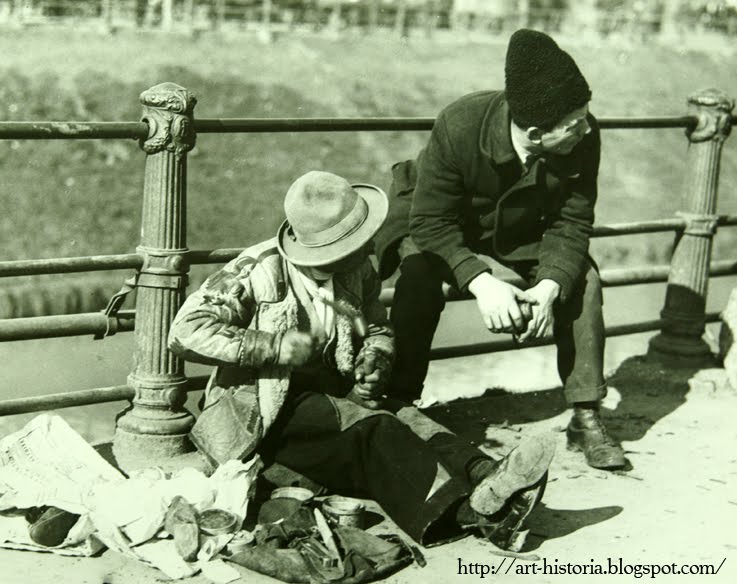
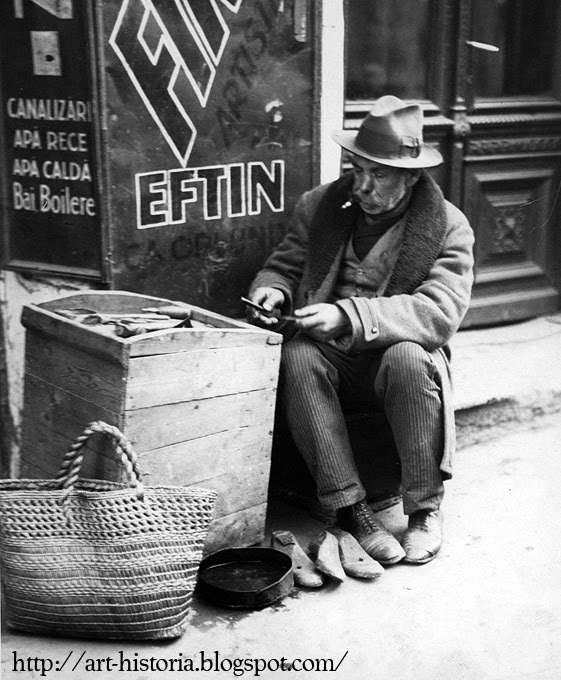
Traveling shoes and slippers repairer along the Dâmboviţa (1932)

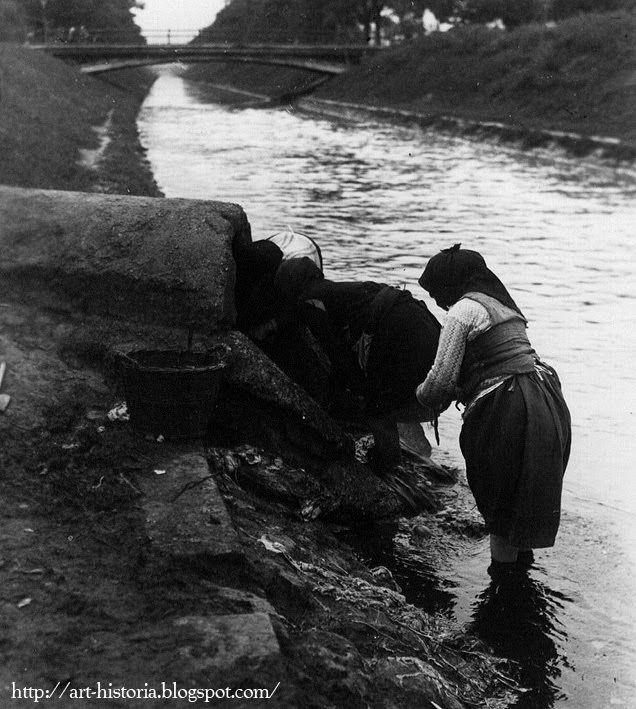
(without caption) Washing at the pipe leading ground or source water into the Dâmboviţa

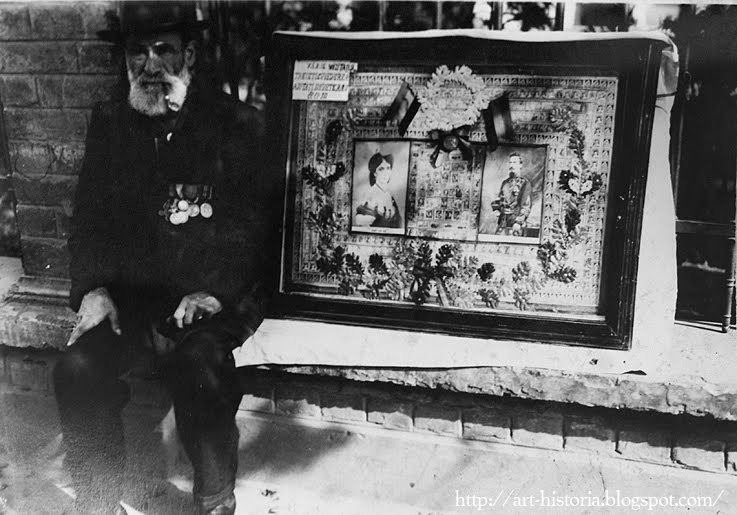
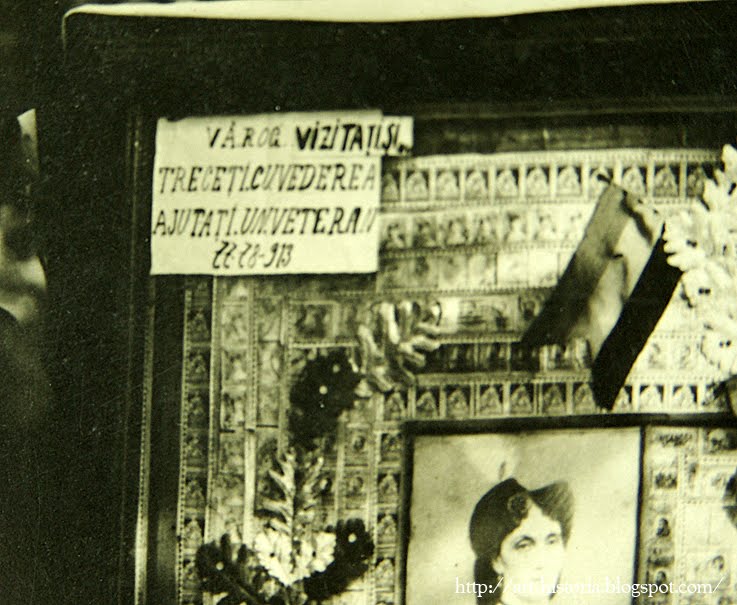
A war invalid in front of the Domniţa Bălaşa church with the portrait of the royal couple and an inscription on it asking for donations


A traveling shoe-repairer

A traveling lute-player (cobzar) around Bibescu square


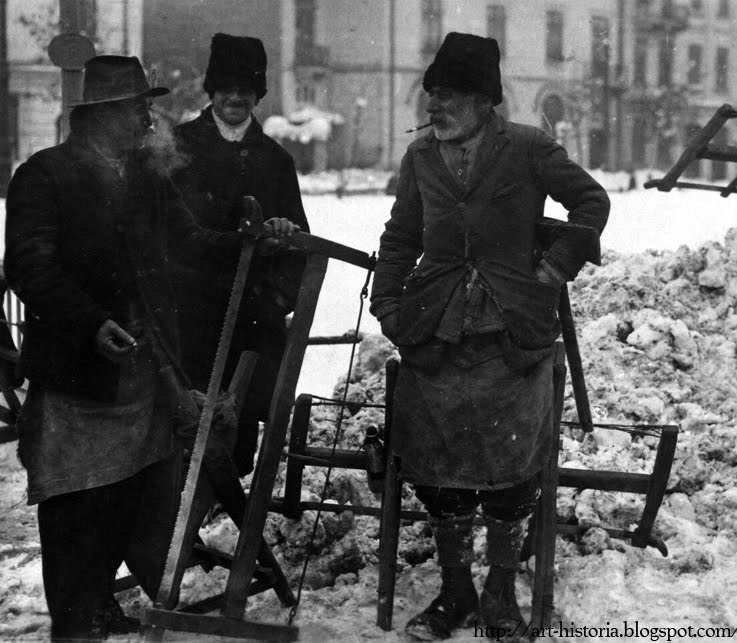
Lumberjacks

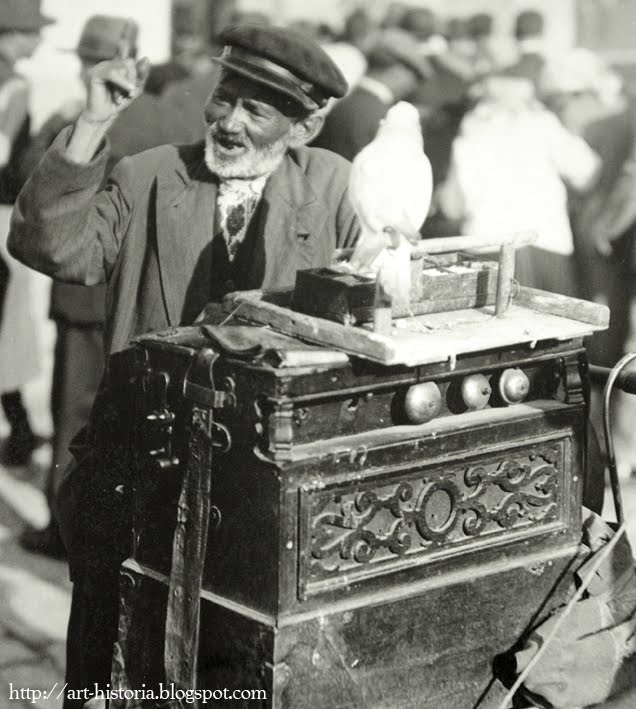
Organ-grinder with a parrot

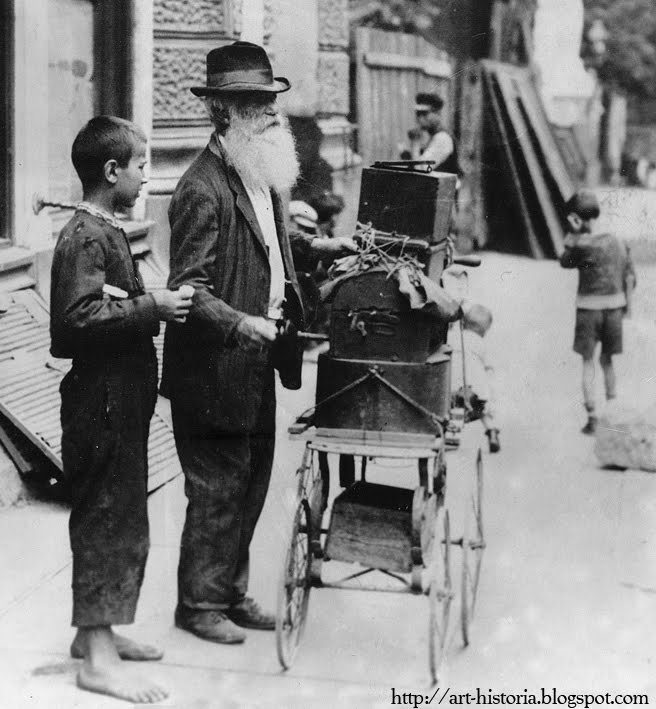
Organ-grinder with white beard and a barefoot boy

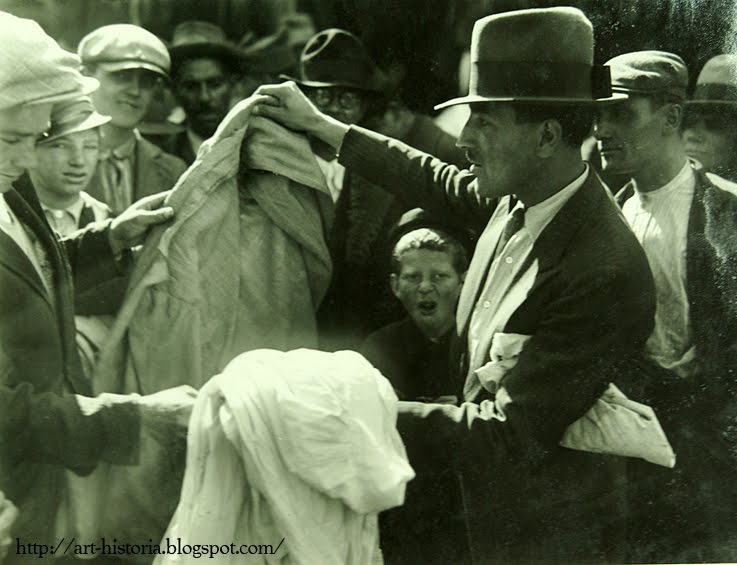
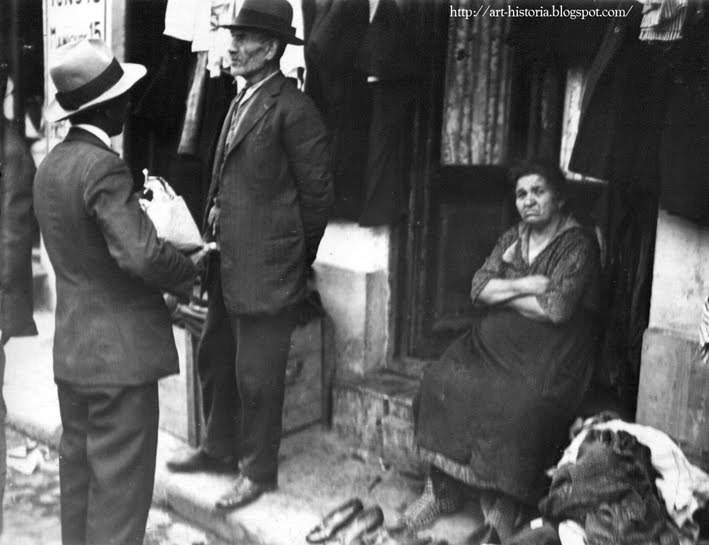
Used clothes-seller on the Taica Lazăr (the flea market in the Jewish quarter, today the Baia de Fier street)

On the Taica Lazăr

Used and repaired shoes on the Taica Lazăr

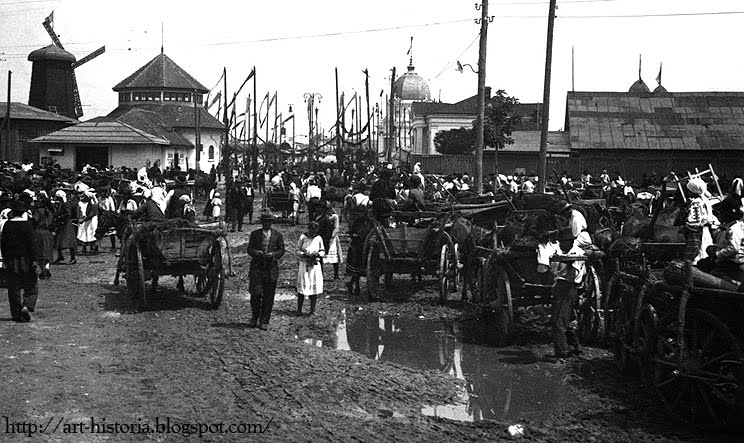
Terrible mud on the Obor, the Moşilor Market

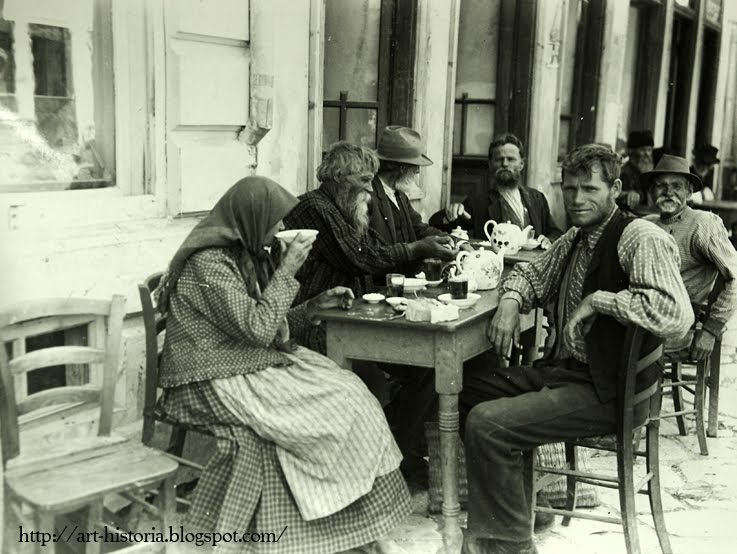
Lipovans (Russians from the Delta of the Danube) in a tea house of the Dudeşti quarter

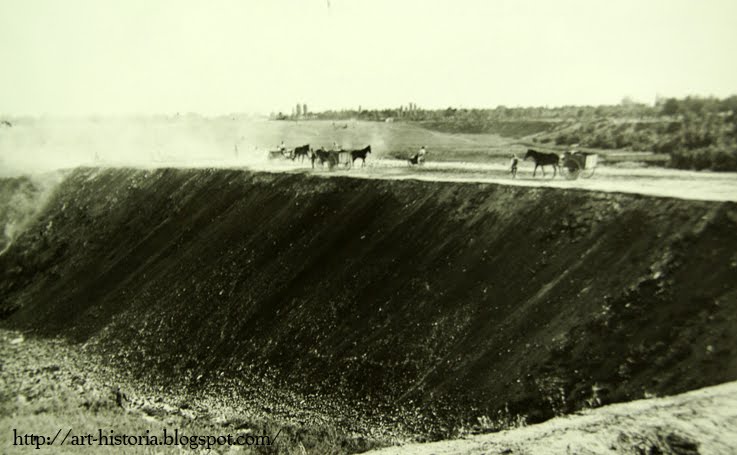
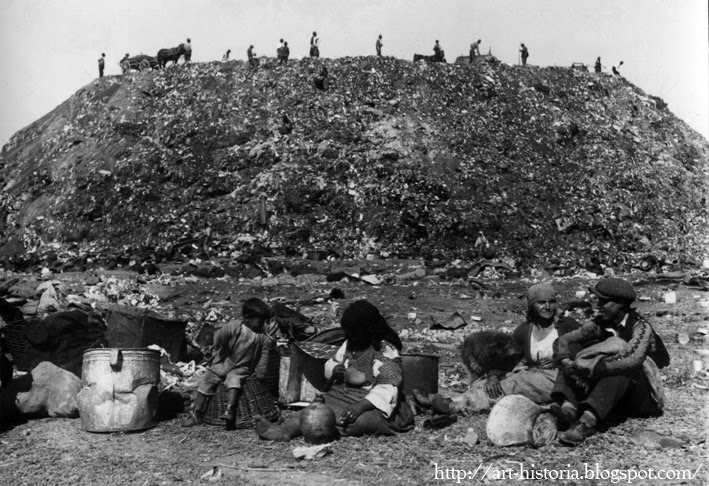
Dumping ground in the “Valley of Tears”, behind the Bellu cemetery (on the place of the Park of the Youth established in the 1960s)

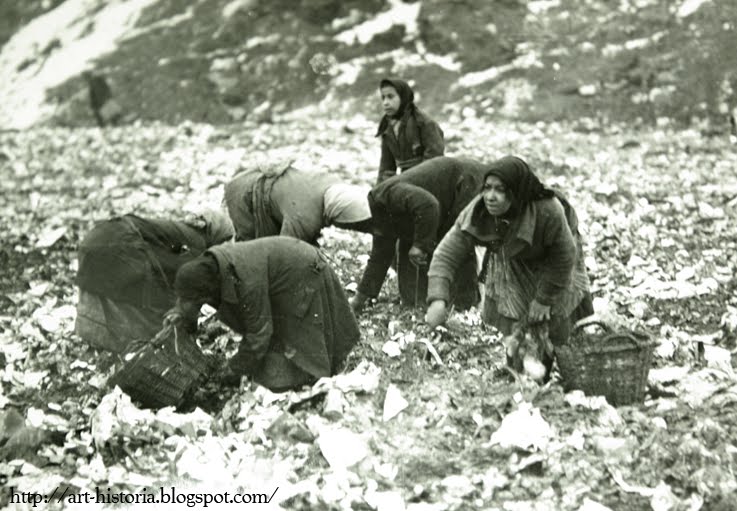
Rubbish-hunters in the Valley of Tears


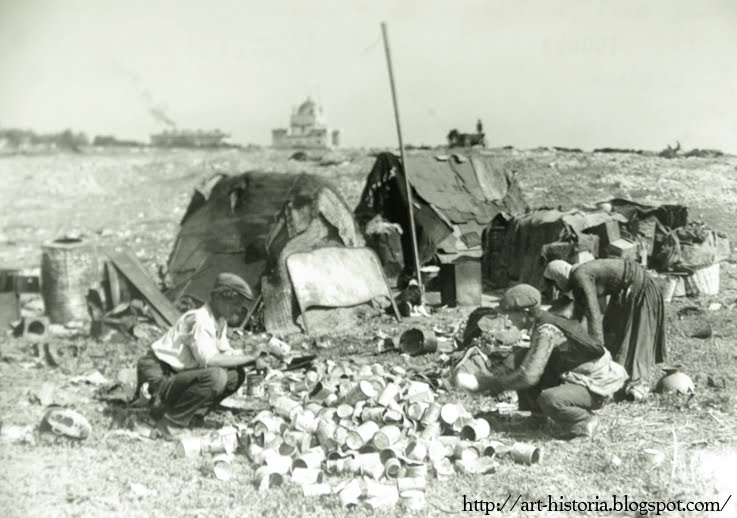
Sorting empty cans in the Valley of Tears. In the background, the silhouette of a crematorium

Preparations for the wedding in Vitan (1929)

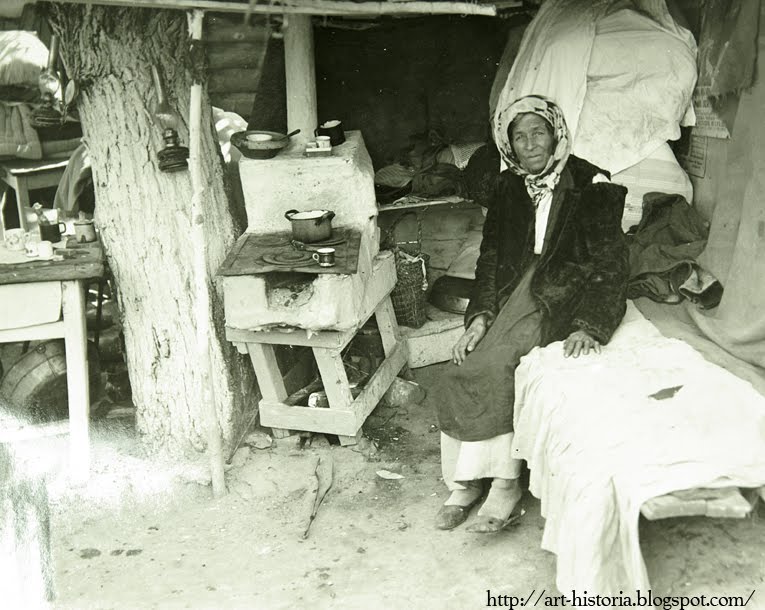
Interior of a “flat” in the Ouatu Pit (the Grant quarter)

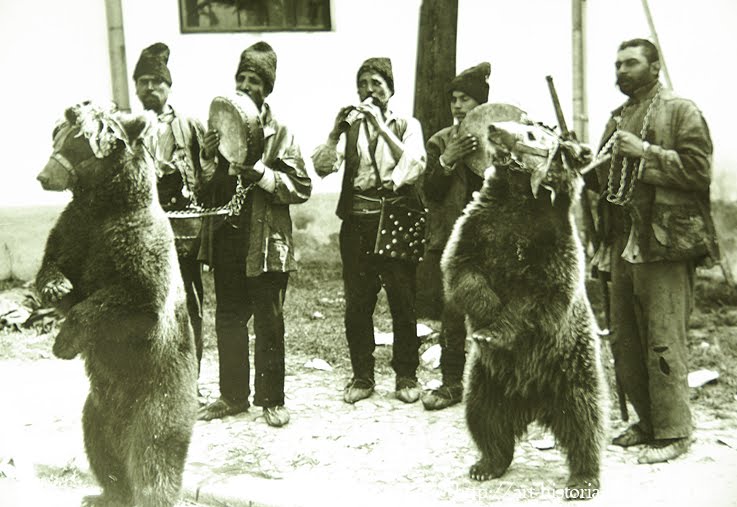
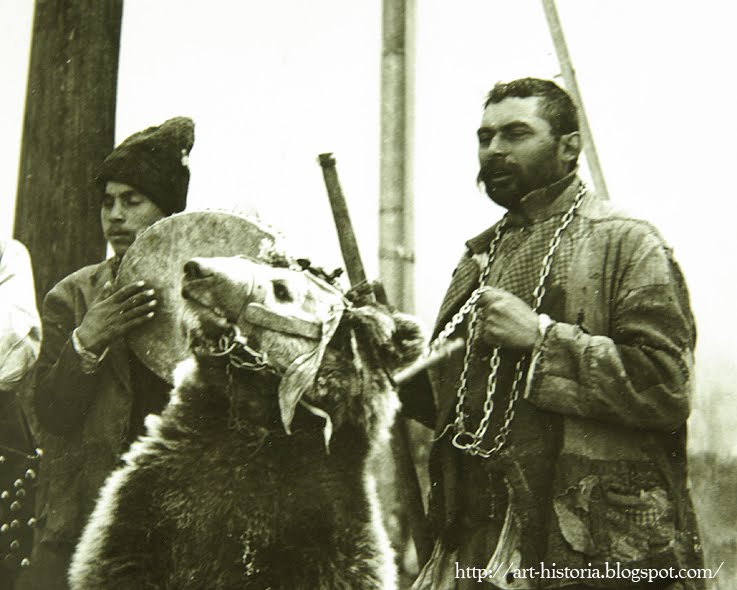
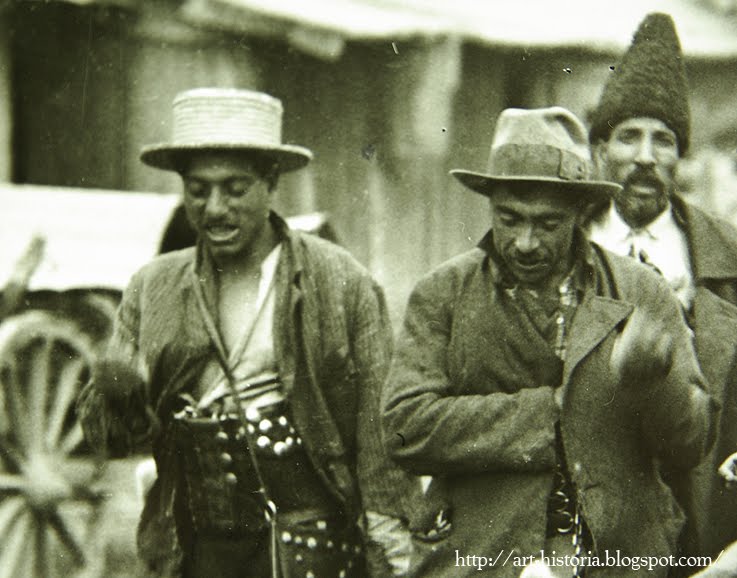
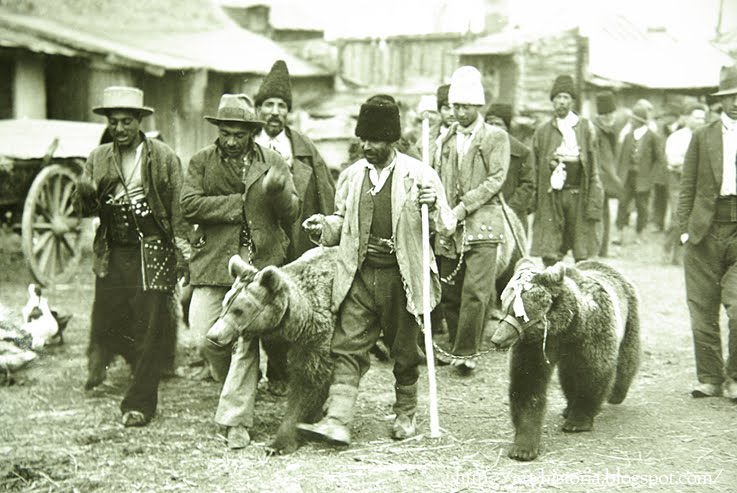
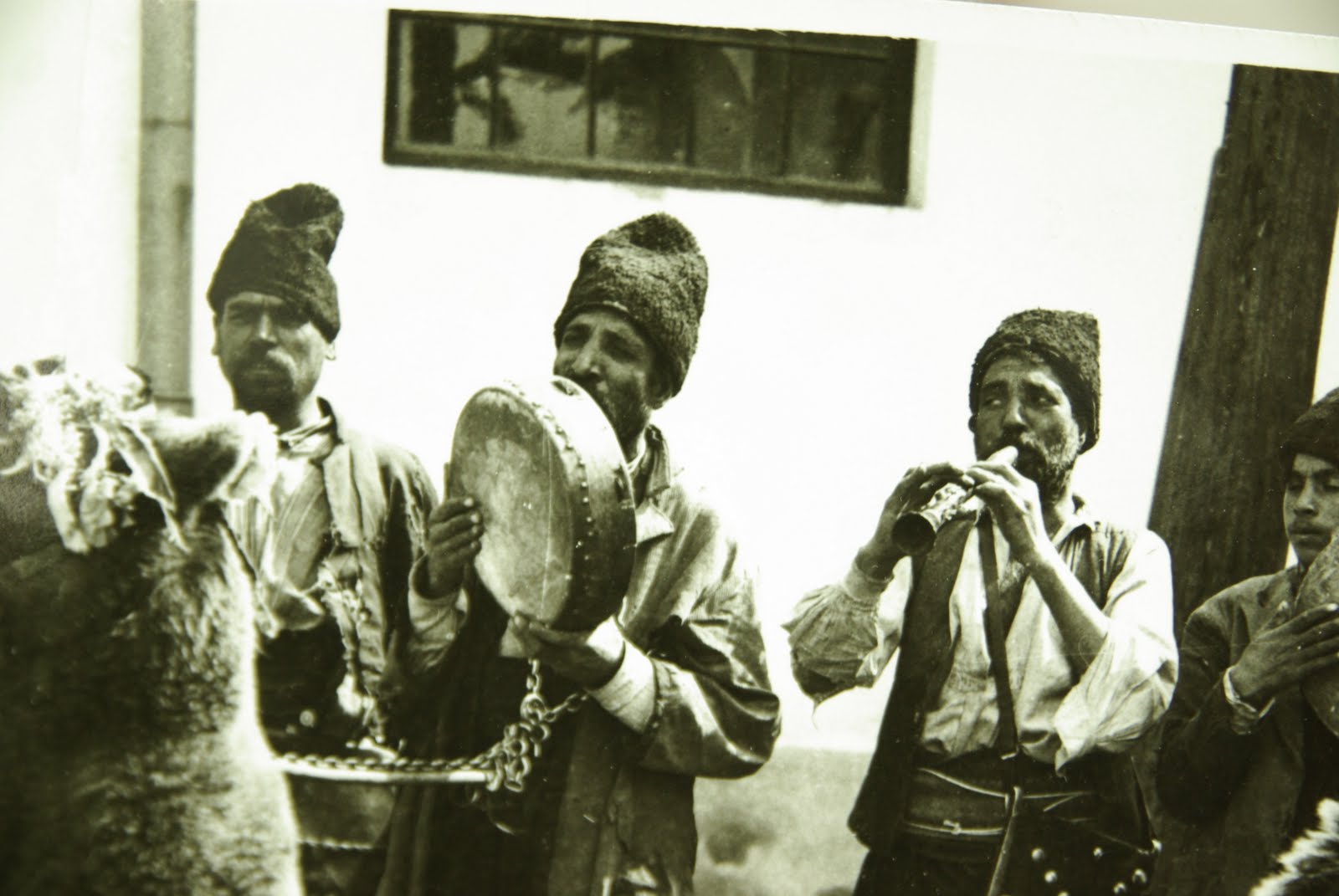
And finally there are – still there are – the bear-leading Gypsies as well.