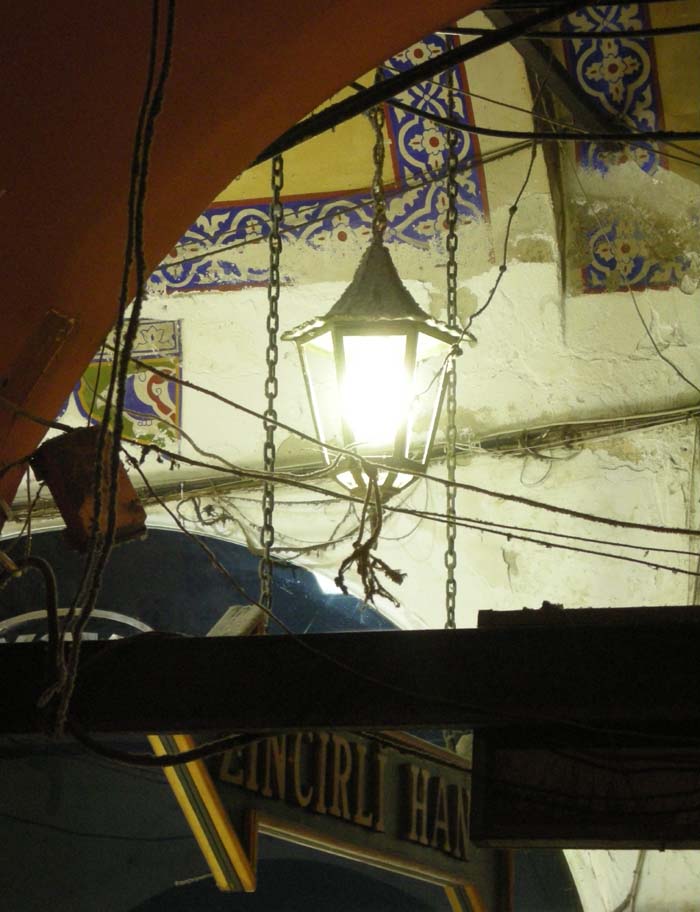
Pero antes de subir al tren que nos llevará a Persia dejad que os muestre algunas estampas de Estambul. Aunque solo sea porque luego no voy a poder enseñaros muchas fotos de Persia —ya os diré por qué—. Pero, también, por si de este modo logro sacar a Wang Wei (o Pei Di) fuera de su isla, y que también él quiera sumergirse en las maravillas de la Polis.
Entre estas maravillas la primera es el bazar.

El bazar fue la gran leyenda de nuestros años ochenta. Cientos de autobuses salían de Hungría hacia el Oriente Próximo más próximo y el bazar de Estambul se llenaba de vulgares marcopolos que luego volverían gloriosamente cargados de tesoros conservados a través de las fronteras turca, búlgara, serbia, rumana y húngara. Oro a precio de ganga, lencería y chaquetas de cuero. En todas aquellas fronteras había que pagar un porcentaje irregular a los funcionarios de aduanas, los accidentes eran frecuentes en las carreteras terribles de los Balcanes, y no era rara la ocasión en que pillaban a un traficante de heroína en el autobús: en este caso todo el pasaje quedaba retenido varios días en la frontera. Pero nada de eso importaba. Cuando pregunté a la mujer de nuestro carpintero, la señora Cinege, que una vez al mes sale de su pequeño pueblo al norte de Hungría para aumentar con estos negocios el sueldo que gana como contable, qué valía la pena comprar en el bazar, miró embelesadamente al cielo a través de sus gafas de muchas dioptrías y respondió: “Todo”.

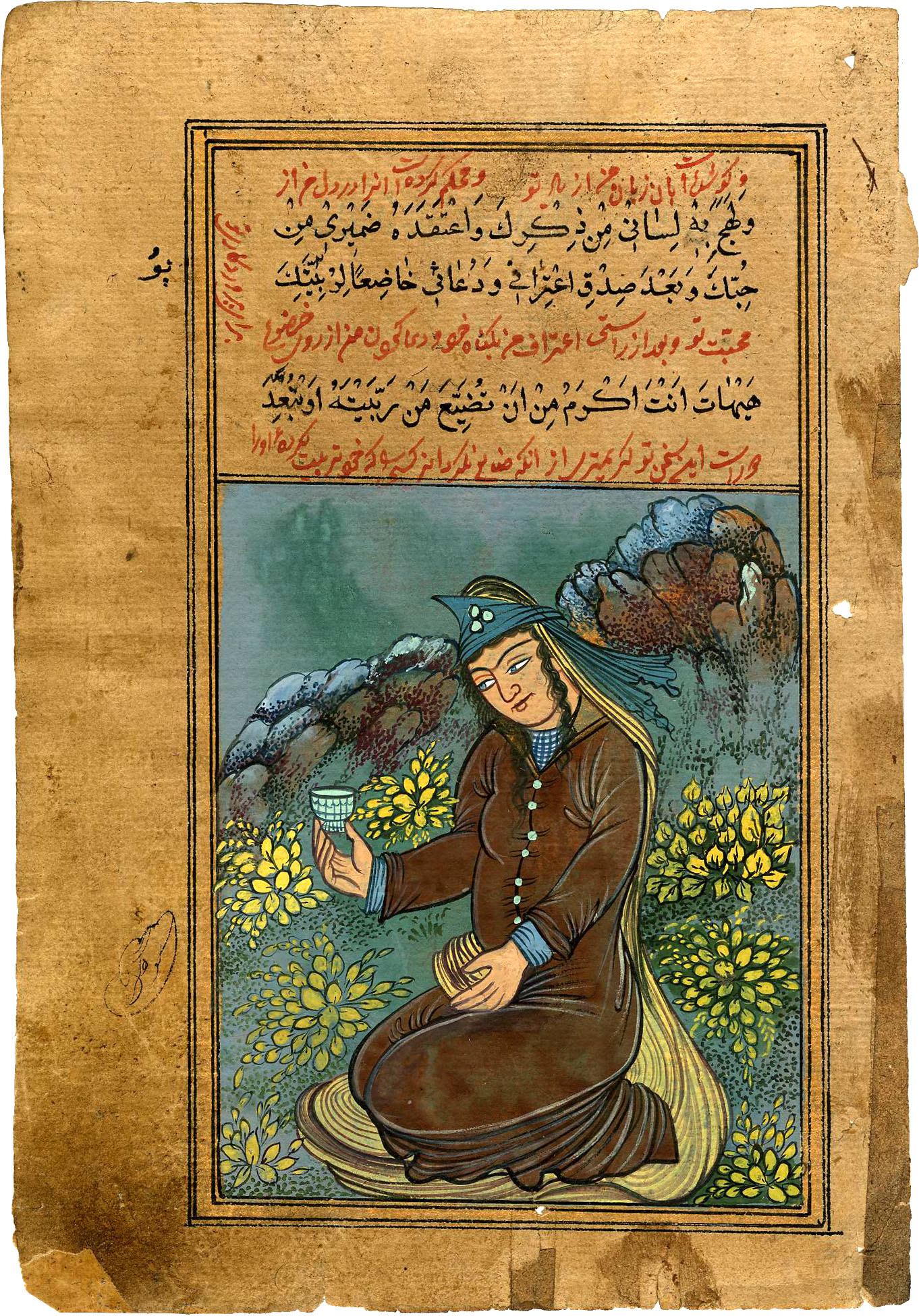
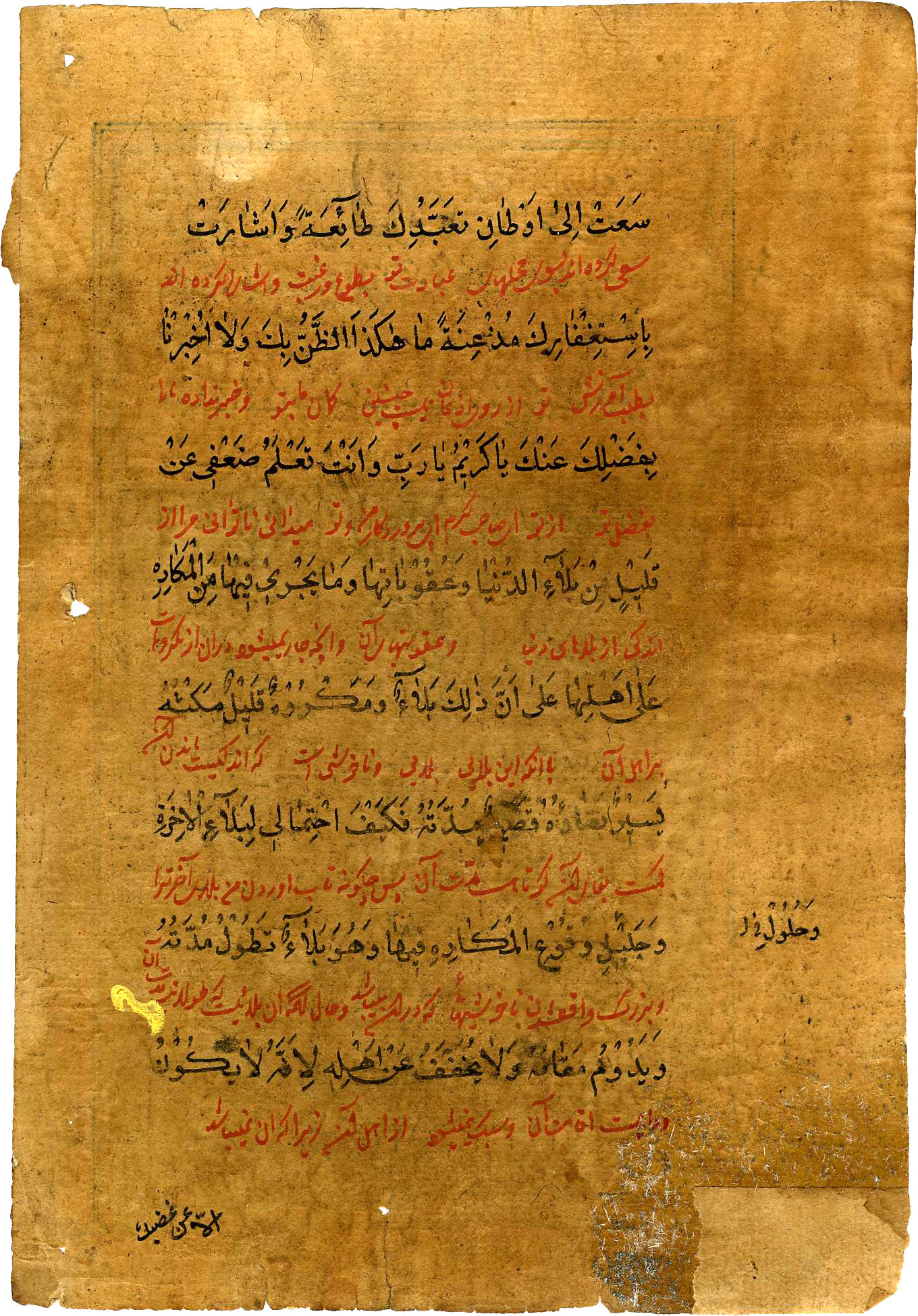
El bazar empieza al norte de la principal vía este-oeste Millet Caddesi con el ordenado Gran Bazar cubierto de una multitud de pequeñas bóvedas (ver Kapaliçarşi, que significa Bazar Cubierto, a la izquierda del mapa de una entrada anterior). Desde aquí se extiende sin interrupción hasta llegar al Bazar Egipcio o de las Especias, rodeado de un alto muro, a los pies del Puente Gálata, en la ensenada de Eminönü donde antaño entraban los barcos cargados con especias indias. Y al oeste del Gran Bazar empieza el Bazar de los Libros en cuyas pequeñas tiendas pueden comprarse por igual modernos textos académicos o manuscritos medievales. Aquí estudié por un largo rato las decoradas miniaturas de un manuscrito médico del renacimiento persa en hojas sueltas: un aga sentado en una almohada trazaba con el dedo el paso de un trago de café a través de sus intestinos abiertos, y, a toda página, en la corona de una muela unos diablillos cubiertos de fuego martillaban el yunque infernal.

De camino a Persia pasamos una tarde en el bazar. Más allá de los largos pasillos profusamente provistos de letreros rusos, alemanes y españoles, detrás de esas callejuelas para turistas llenas de joyeros, artesanos de la piel y anticuarios, nos perdimos varias horas por el laberinto de los pasillos interiores, antiguos caravasares transformados en patios semiocultos, fuentes colocadas como centros de recogimiento y casas de té arrebujadas en las esquinas. En un cruce, una pareja francesa estudiaba una sección de un enorme e indesplegable mapa del bazar. Les pregunté dónde lo habían conseguido y me dijeron que era regalo del mercader al que habían comprado una alfombra. Como consuelo me advirtieron de que era igual de complicado orientarse llevando uno.

 En efecto, no exploramos de verdad el bazar hasta la segunda vez que lo pisamos, de vuelta de Persia. Disponíamos entonces de otra tarde sin prisas y a estas alturas ya habíamos visitado los bazares de cinco grandes ciudades persas, así que estábamos familiarizados con precios y mercancías. Sabíamos entonces dónde merecía la pena entrar y dónde no, y la oferta persa, mucho más barata, nos hacía superfluo entrar ya en un un buen número de tiendas.
Fue cuando descubrimos el barrio afgano, en la esquina noroeste del bazar, no lejos de la puerta de Yorgancilar. Aquí al fin encontramos las recias joyas nómadas por las que habíamos suspirado en Persia, el rubab, el laúd afgano que ya desde hacía tanto quería comprar y los coloreados tejidos fabricados a mano por los nómadas de la región noreste de la frontera persa. Y todo por un precio tan bajo que más sonaba a Persia que a Turquía. Y, encima, podíamos hablar en persa con unos comerciantes que agradecían con su alegre sorpresa utilizar, a miles de millas de distancia, su lengua materna con un rumi extranjero. El idioma compartido crea pronto familiaridad y ahora me resulta evidente que el persa es la lengua de cultura común en esta inmensa región que cubre de Estambul a Cachemira y desde el delta del Volga y la estepa turcomana hasta el Golfo Pérsico, igual como el francés lo fue en la Europa de hace un siglo.
En la estrecha tienda de Öztürk vimos unos bonitos bolsos modernos, kelim combinado con un hermoso cuero rojo cereza. Pero aquí el precio era más serio: unos cien euros cada uno. En los zocos persas esta cantidad sería locura, aunque luego vimos que en Budapest pedían el triple por algo parecido (y no tan bueno). Hubo que convencer a Kata a la fuerza para que comprara uno por más que su bolso ya estaba muy maltrecho después del viaje. Tuvimos que volver una y otra vez a la tienda para que se decidiera. El alto y melífluo vendedor nos recibía como a viejos clientes, con una delicada cortesía. Nos preparó té de manzana y decidió que yo iba vestido de sufí. Resultó ser aprendiz de sufí y al mencionarle que me gustaba Rumi movió la cabeza con respetuoso asentimiento. Al salir con nuestro bolso oí cómo hacía un detallado relato de nuestro pedigrí y ocupaciones a sus amigos, que por entonces ya se habían reunido en la tienda.
En la tienda de instrumentos musicales de Ali Baba (mucho mejor que lo que deja suponer su tarjeta comercial) curioseamos un buen rato entre los laúdes turcos. Probé el saz de largo mástil y el oud turco, menor que el árabe. El chico de la tienda tocaba en un grupo tradicional turco y trabajaba allí para luego poder dedicarse tranquilamente, por las tardes, a ensayar el saz. Nos dijo que probaba él personalmente cada instrumento en cuanto llegaba a la tienda y, en efecto, tenía unos cuantos cuidadosamente templados con buen sonido. Y tampoco eran caros: los saz iban entre setenta y trescientas liras (de cuarenta a ciento setenta euros), mientras que los mejores ouds no llegaban a cuatrocientas liras (unos doscientos veinte euros). Probamos por turnos los instrumentos. Yo intentaba imitar sus melodías turcas, mientras él cambiaba los temas turcos tradicionales por blues y hasta ragtimes en el saz. Entretanto, un cliente calvo, grueso, de cuello de toro, gesticulaba en inglés ante el mostrador de la tienda de música al otro lado del pasillo. “Ho’ much this smo’ guitar? Ho’ much you gimme that?” El chico escuchaba vociferar al hombre con una sonrisa. “¿Americano?, pregunto. “No”, responde. “Es israelí”. “No son malos clientes”, añade, “normalmente compran, pero antes hablan muchísimo”. Una mujer francesa que ha comprado una guitarra pregunta ahora con desconfianza si la caja es nueva (aparentemente lo es). Este negocio exige enormes dosis de paciencia. Por ejemplo, yo no compro ningún instrumento, ni siquiera después de haber probado tantos. Al menos, no por ahora. Quizá cuando vuelva la próxima vez, inshallah, porque habrá que volver al bazar más pronto o más tarde.
Entre estas maravillas la primera es el bazar.
El bazar fue la gran leyenda de nuestros años ochenta. Cientos de autobuses salían de Hungría hacia el Oriente Próximo más próximo y el bazar de Estambul se llenaba de vulgares marcopolos que luego volverían gloriosamente cargados de tesoros conservados a través de las fronteras turca, búlgara, serbia, rumana y húngara. Oro a precio de ganga, lencería y chaquetas de cuero. En todas aquellas fronteras había que pagar un porcentaje irregular a los funcionarios de aduanas, los accidentes eran frecuentes en las carreteras terribles de los Balcanes, y no era rara la ocasión en que pillaban a un traficante de heroína en el autobús: en este caso todo el pasaje quedaba retenido varios días en la frontera. Pero nada de eso importaba. Cuando pregunté a la mujer de nuestro carpintero, la señora Cinege, que una vez al mes sale de su pequeño pueblo al norte de Hungría para aumentar con estos negocios el sueldo que gana como contable, qué valía la pena comprar en el bazar, miró embelesadamente al cielo a través de sus gafas de muchas dioptrías y respondió: “Todo”.
El bazar empieza al norte de la principal vía este-oeste Millet Caddesi con el ordenado Gran Bazar cubierto de una multitud de pequeñas bóvedas (ver Kapaliçarşi, que significa Bazar Cubierto, a la izquierda del mapa de una entrada anterior). Desde aquí se extiende sin interrupción hasta llegar al Bazar Egipcio o de las Especias, rodeado de un alto muro, a los pies del Puente Gálata, en la ensenada de Eminönü donde antaño entraban los barcos cargados con especias indias. Y al oeste del Gran Bazar empieza el Bazar de los Libros en cuyas pequeñas tiendas pueden comprarse por igual modernos textos académicos o manuscritos medievales. Aquí estudié por un largo rato las decoradas miniaturas de un manuscrito médico del renacimiento persa en hojas sueltas: un aga sentado en una almohada trazaba con el dedo el paso de un trago de café a través de sus intestinos abiertos, y, a toda página, en la corona de una muela unos diablillos cubiertos de fuego martillaban el yunque infernal.
De camino a Persia pasamos una tarde en el bazar. Más allá de los largos pasillos profusamente provistos de letreros rusos, alemanes y españoles, detrás de esas callejuelas para turistas llenas de joyeros, artesanos de la piel y anticuarios, nos perdimos varias horas por el laberinto de los pasillos interiores, antiguos caravasares transformados en patios semiocultos, fuentes colocadas como centros de recogimiento y casas de té arrebujadas en las esquinas. En un cruce, una pareja francesa estudiaba una sección de un enorme e indesplegable mapa del bazar. Les pregunté dónde lo habían conseguido y me dijeron que era regalo del mercader al que habían comprado una alfombra. Como consuelo me advirtieron de que era igual de complicado orientarse llevando uno.

 En efecto, no exploramos de verdad el bazar hasta la segunda vez que lo pisamos, de vuelta de Persia. Disponíamos entonces de otra tarde sin prisas y a estas alturas ya habíamos visitado los bazares de cinco grandes ciudades persas, así que estábamos familiarizados con precios y mercancías. Sabíamos entonces dónde merecía la pena entrar y dónde no, y la oferta persa, mucho más barata, nos hacía superfluo entrar ya en un un buen número de tiendas.
Fue cuando descubrimos el barrio afgano, en la esquina noroeste del bazar, no lejos de la puerta de Yorgancilar. Aquí al fin encontramos las recias joyas nómadas por las que habíamos suspirado en Persia, el rubab, el laúd afgano que ya desde hacía tanto quería comprar y los coloreados tejidos fabricados a mano por los nómadas de la región noreste de la frontera persa. Y todo por un precio tan bajo que más sonaba a Persia que a Turquía. Y, encima, podíamos hablar en persa con unos comerciantes que agradecían con su alegre sorpresa utilizar, a miles de millas de distancia, su lengua materna con un rumi extranjero. El idioma compartido crea pronto familiaridad y ahora me resulta evidente que el persa es la lengua de cultura común en esta inmensa región que cubre de Estambul a Cachemira y desde el delta del Volga y la estepa turcomana hasta el Golfo Pérsico, igual como el francés lo fue en la Europa de hace un siglo.
En la estrecha tienda de Öztürk vimos unos bonitos bolsos modernos, kelim combinado con un hermoso cuero rojo cereza. Pero aquí el precio era más serio: unos cien euros cada uno. En los zocos persas esta cantidad sería locura, aunque luego vimos que en Budapest pedían el triple por algo parecido (y no tan bueno). Hubo que convencer a Kata a la fuerza para que comprara uno por más que su bolso ya estaba muy maltrecho después del viaje. Tuvimos que volver una y otra vez a la tienda para que se decidiera. El alto y melífluo vendedor nos recibía como a viejos clientes, con una delicada cortesía. Nos preparó té de manzana y decidió que yo iba vestido de sufí. Resultó ser aprendiz de sufí y al mencionarle que me gustaba Rumi movió la cabeza con respetuoso asentimiento. Al salir con nuestro bolso oí cómo hacía un detallado relato de nuestro pedigrí y ocupaciones a sus amigos, que por entonces ya se habían reunido en la tienda.
En la tienda de instrumentos musicales de Ali Baba (mucho mejor que lo que deja suponer su tarjeta comercial) curioseamos un buen rato entre los laúdes turcos. Probé el saz de largo mástil y el oud turco, menor que el árabe. El chico de la tienda tocaba en un grupo tradicional turco y trabajaba allí para luego poder dedicarse tranquilamente, por las tardes, a ensayar el saz. Nos dijo que probaba él personalmente cada instrumento en cuanto llegaba a la tienda y, en efecto, tenía unos cuantos cuidadosamente templados con buen sonido. Y tampoco eran caros: los saz iban entre setenta y trescientas liras (de cuarenta a ciento setenta euros), mientras que los mejores ouds no llegaban a cuatrocientas liras (unos doscientos veinte euros). Probamos por turnos los instrumentos. Yo intentaba imitar sus melodías turcas, mientras él cambiaba los temas turcos tradicionales por blues y hasta ragtimes en el saz. Entretanto, un cliente calvo, grueso, de cuello de toro, gesticulaba en inglés ante el mostrador de la tienda de música al otro lado del pasillo. “Ho’ much this smo’ guitar? Ho’ much you gimme that?” El chico escuchaba vociferar al hombre con una sonrisa. “¿Americano?, pregunto. “No”, responde. “Es israelí”. “No son malos clientes”, añade, “normalmente compran, pero antes hablan muchísimo”. Una mujer francesa que ha comprado una guitarra pregunta ahora con desconfianza si la caja es nueva (aparentemente lo es). Este negocio exige enormes dosis de paciencia. Por ejemplo, yo no compro ningún instrumento, ni siquiera después de haber probado tantos. Al menos, no por ahora. Quizá cuando vuelva la próxima vez, inshallah, porque habrá que volver al bazar más pronto o más tarde.




 Come with us to…
 Atlantis
 Bestiary
 Bohemia+Prague
 Books, exhibitions, music, film
 Brave old world
 Caucasus
 Cemeteries
 Crimea
 Get to know the
 Images of the East
 Lightwriting
 Lwów/Lemberg
 Mallorca
 Message on the wall
 The Museum of Propaganda
 Odessa
 Paper Museum
 Persian letters
 The Jewish heritage


