
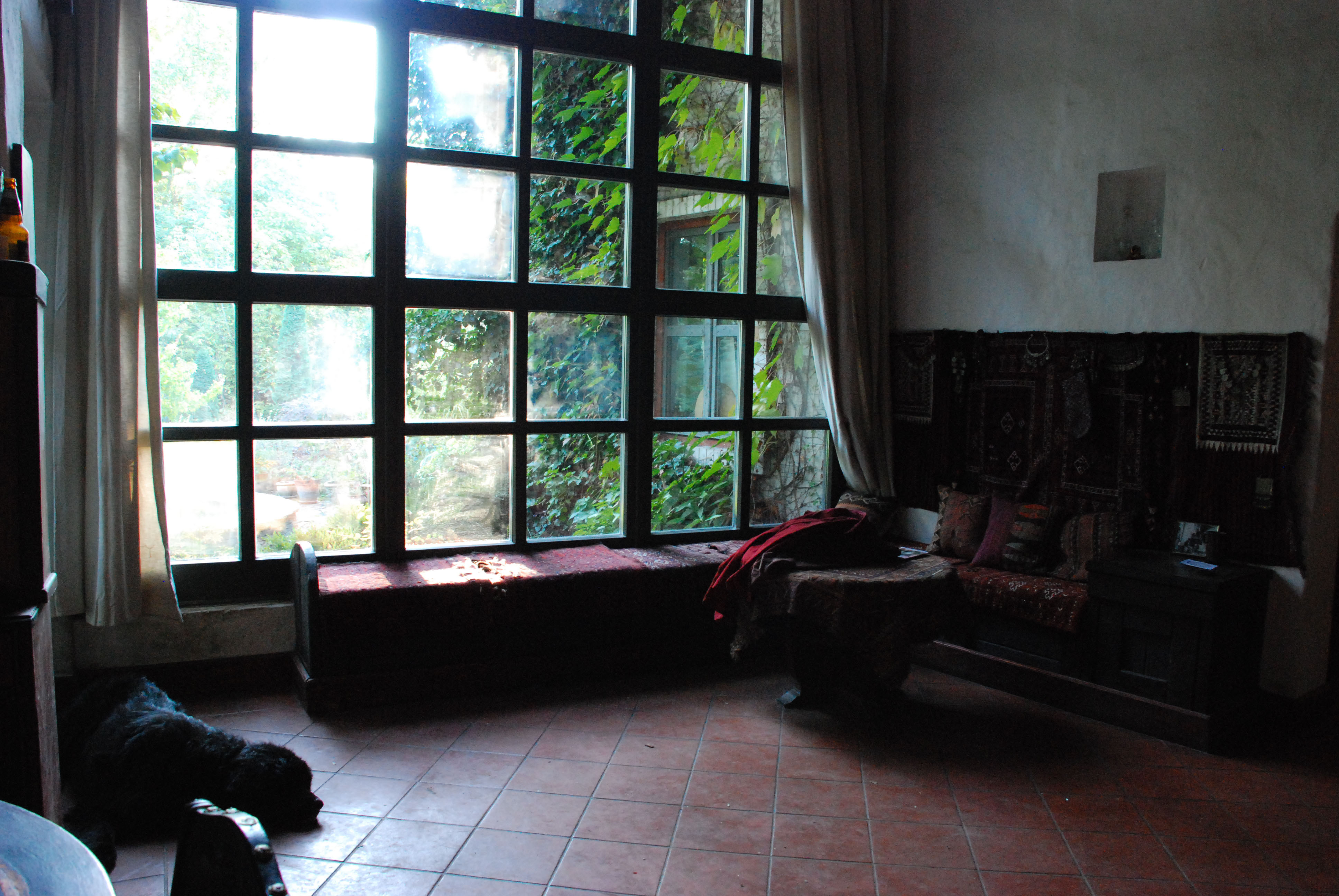
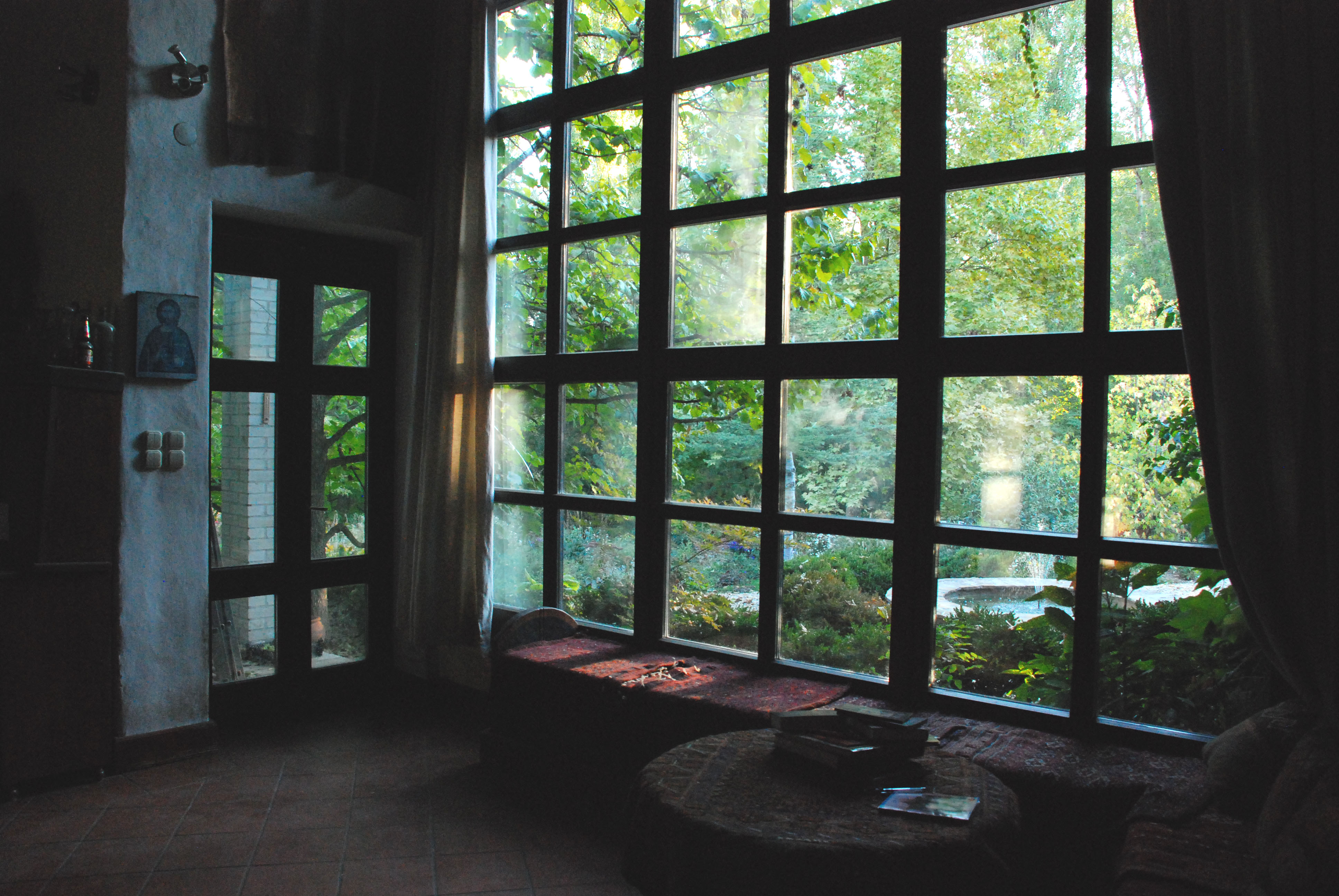
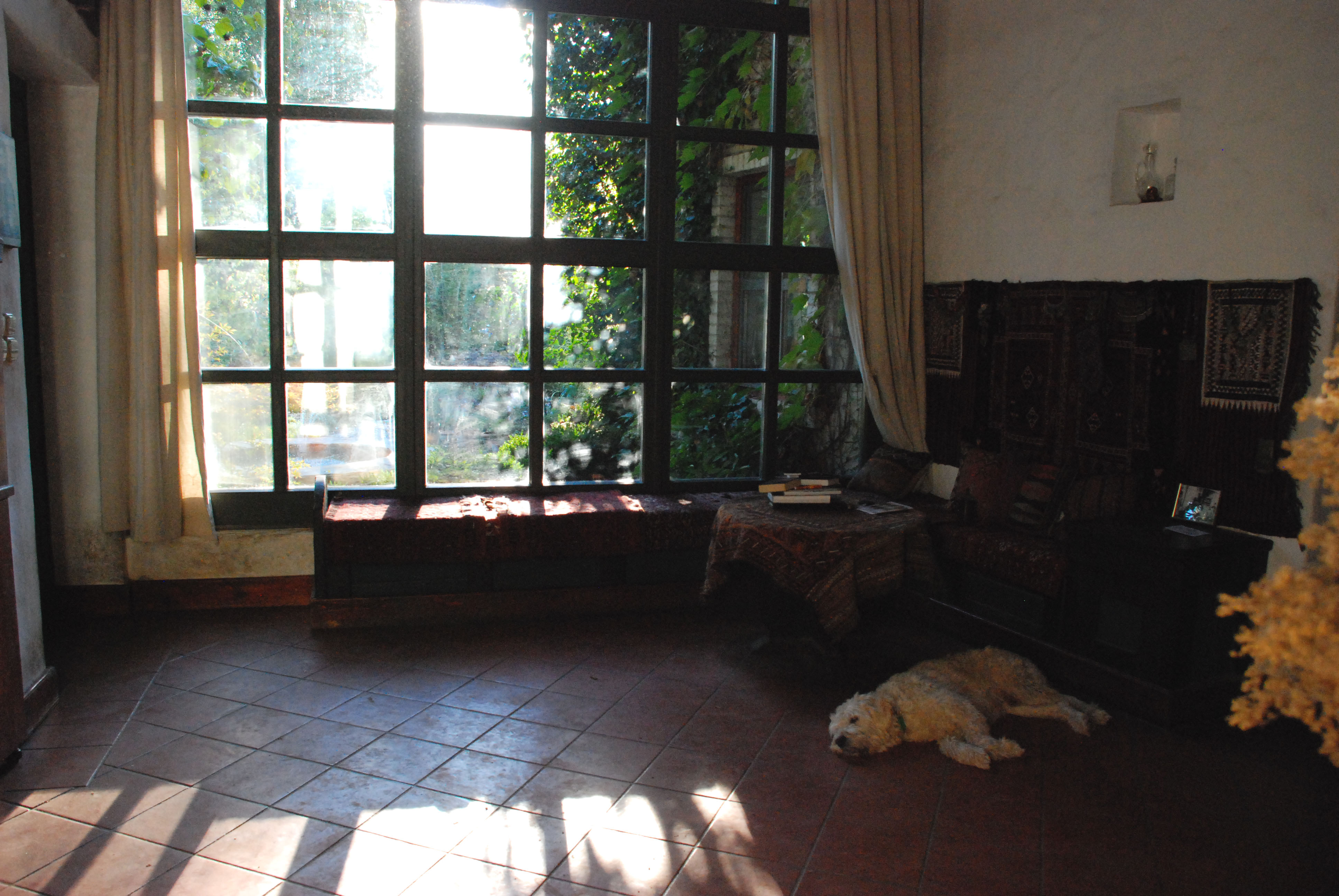
Early Sunday morning, the sun just starts to shine in. On the days when it is too cold to drink my tea and pray
in the garden, I sit on this bench and watch the garden from here.

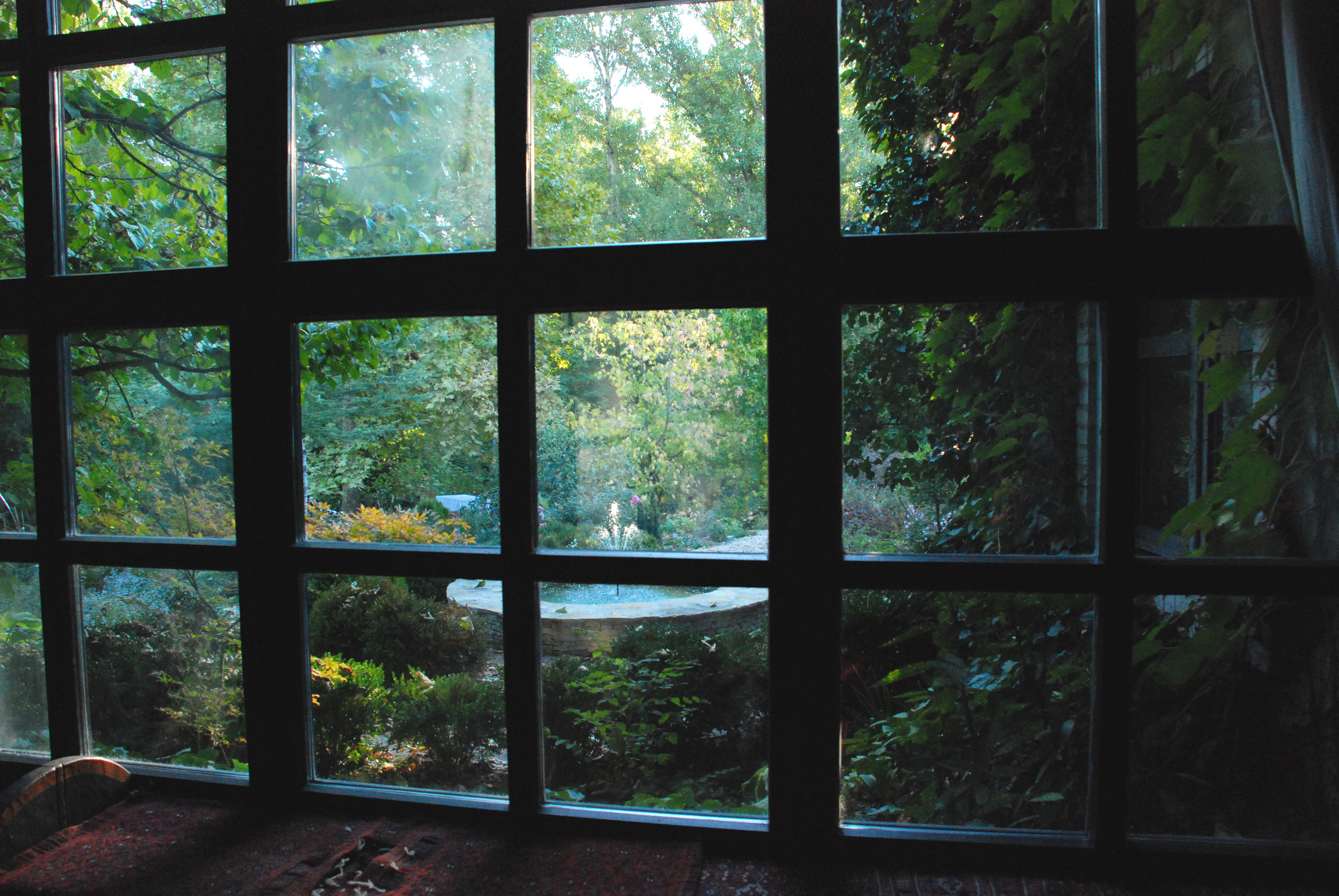
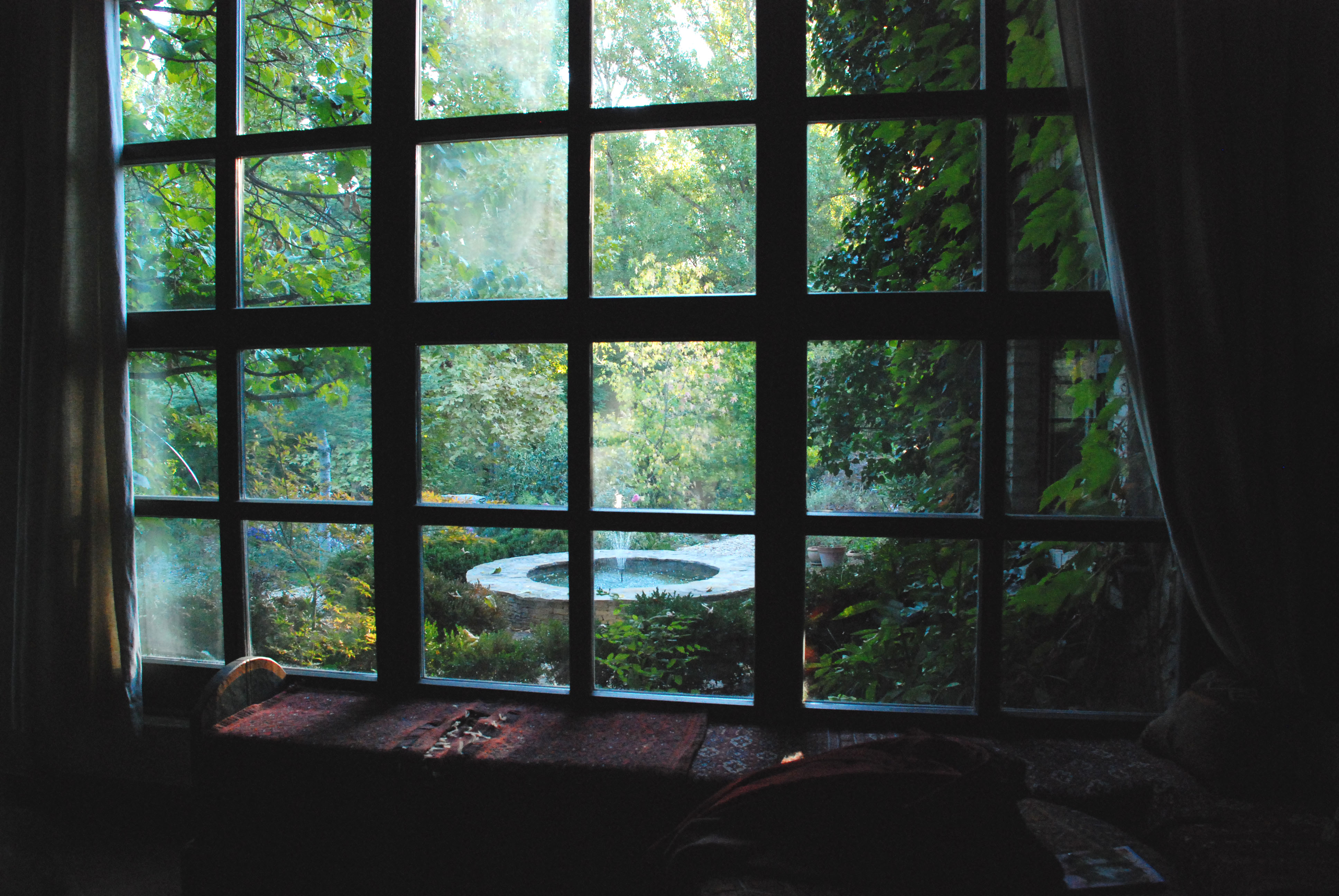
This is what I see before me on this Sunday morning.


Opposite, the door to the garden.

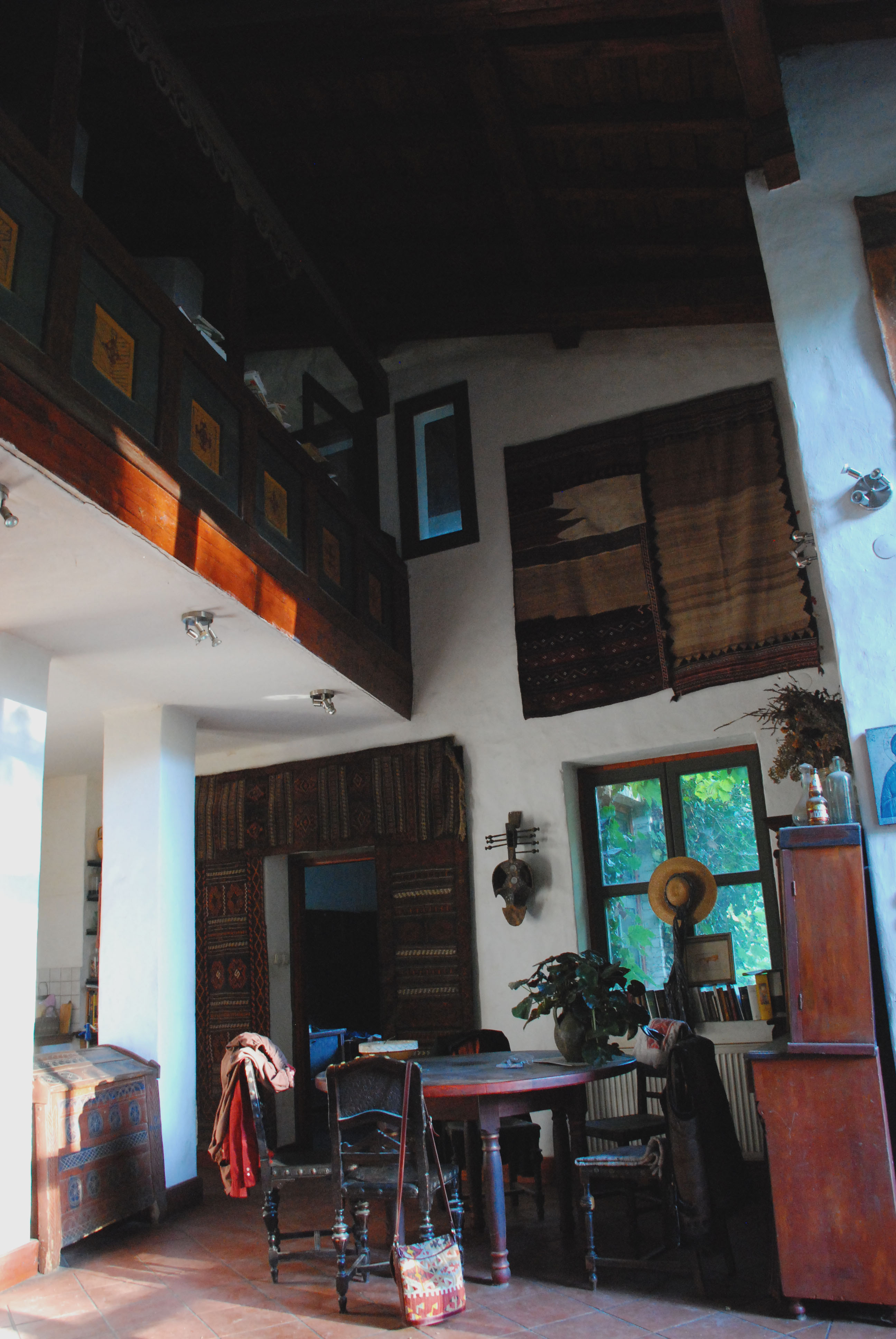
This is what I see to the left. Between the two columns, a century old pine chest, and around the door, Afghan kilims. We bought them fifteen years ago in the Afghan carpet shop in Hajós street when nobody was interested in nomadic rugs yet. Probably they are the world’s cheapest nomadic carpet shop: some pieces are cheaper than on the spot, over there. It’s their secret how they do that.

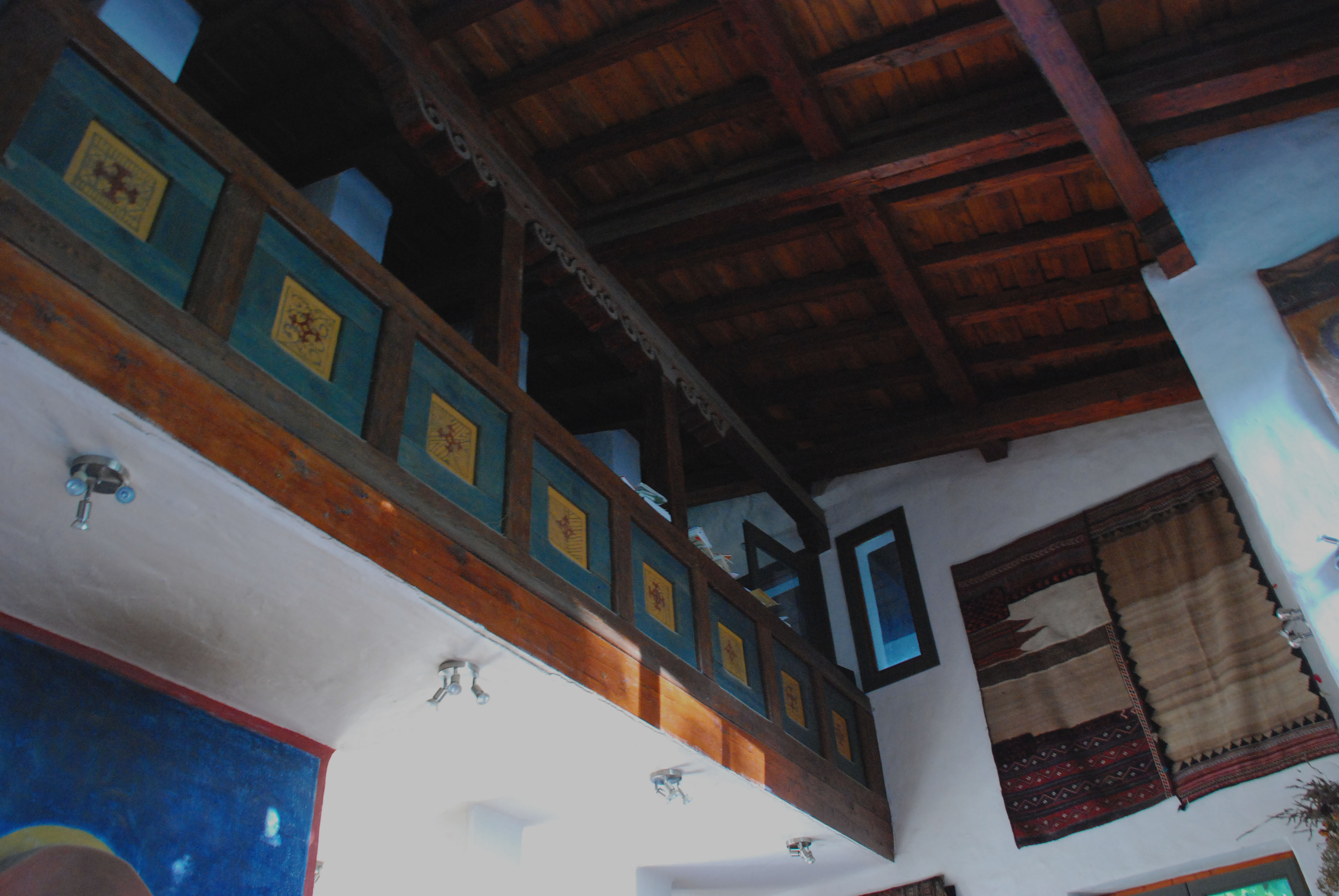
Behind the gallery bar, our library.

The carpet to the left is made of a Qasqai camel foal hair rug and two Bakthiari flour sacks which I sewed together. The Qasqais and Bakhtiaris are two nomadic tribes in the western Iranian mountains, which, just like the other tribes in the area, produce fantastic hand-woven fabrics. We received them in Isfahan, in the bazaar, from the collection of Akbar Keshani with whom we spent a day and who asked us to take care of them as if he gave us his own children. The felt to the right was painted by me. If I remember well, it was in 1991 that we visited the exhibition of the ethnographic museum of Vienna on the carpets of an Afghan nomadic tribe. I wove for years, and I know a little bit about carpets. I was totally amazed by the incredibly high quality of their works. We spent several hours at the exhibition. Before exiting the room, we found a small table on the wall which explained that this tribe does not exist any more, they were destroyed during the war in Afghanistan. I made the felt in their memory, with a motif frequently used by them.

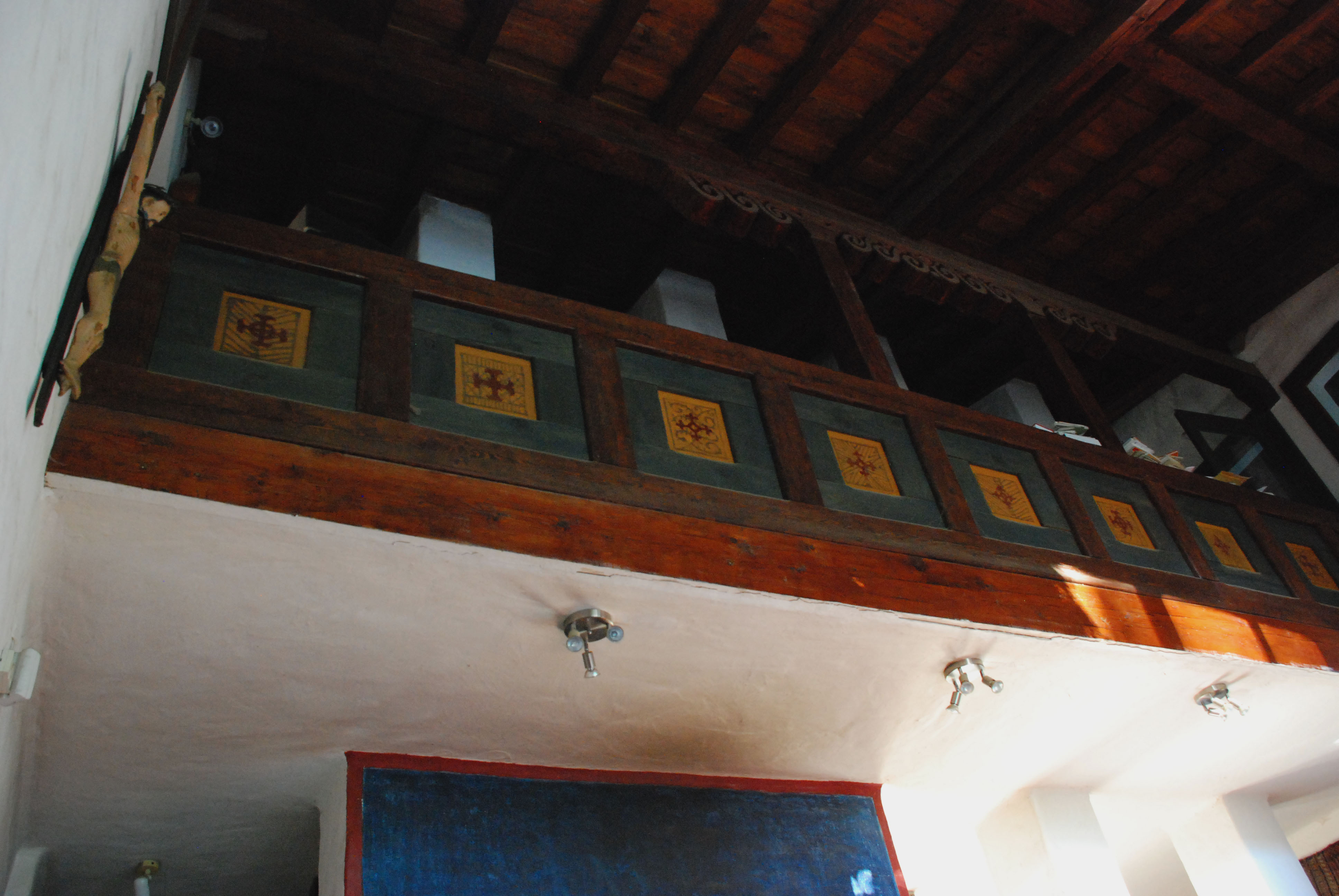
The beam of the gallery was carved by Tamás on the model of a mosque’s beam in Swat, a Northern Pakistani valley famous for its archaic wood carving. And the gallery bar was made by us and painted with medieval Armenian cross patterns.

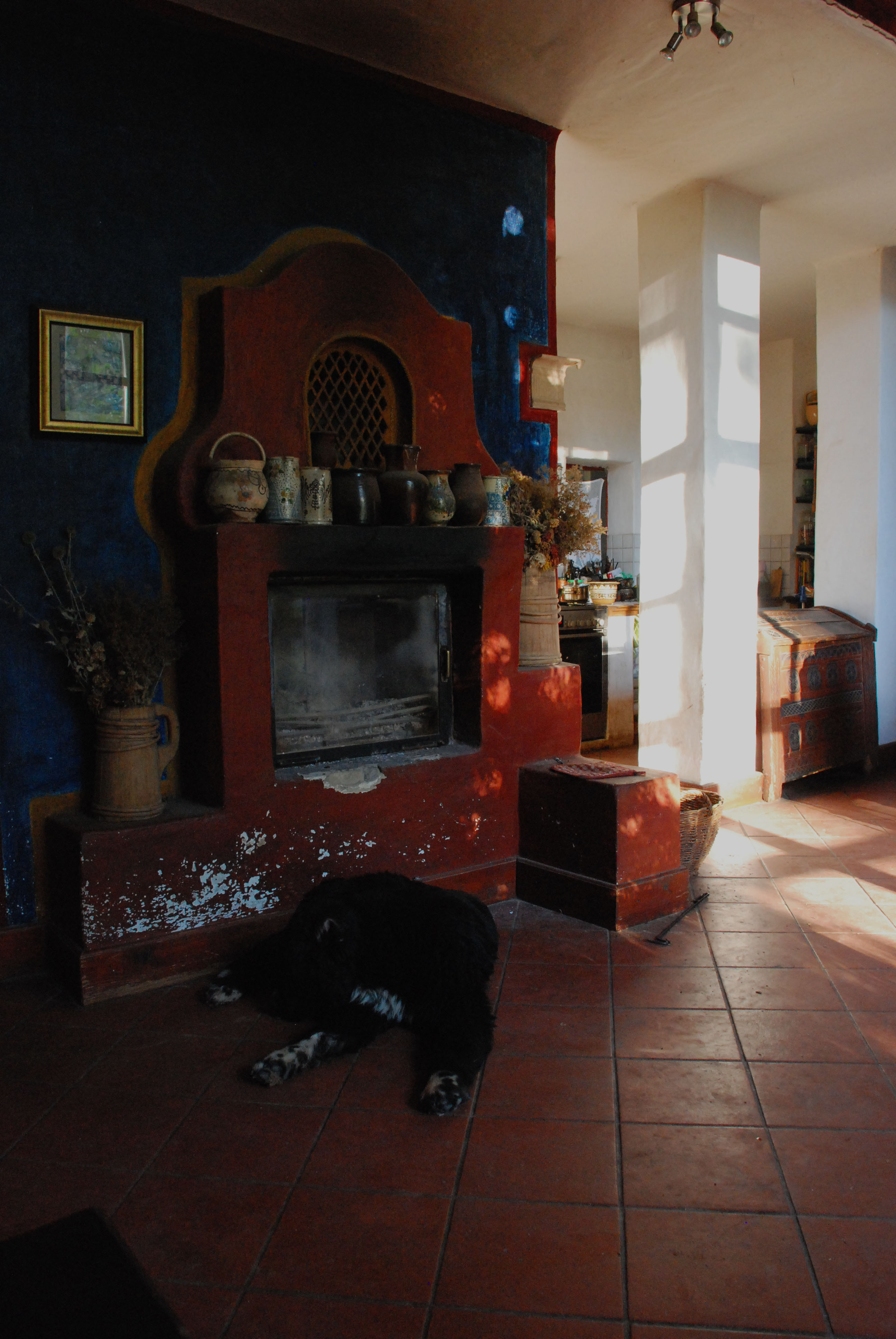
This is the fireplace with the footprints left by
Brumi. I usually repaint it every year after the heating season. I hope that I can do this year’s repainting next week.

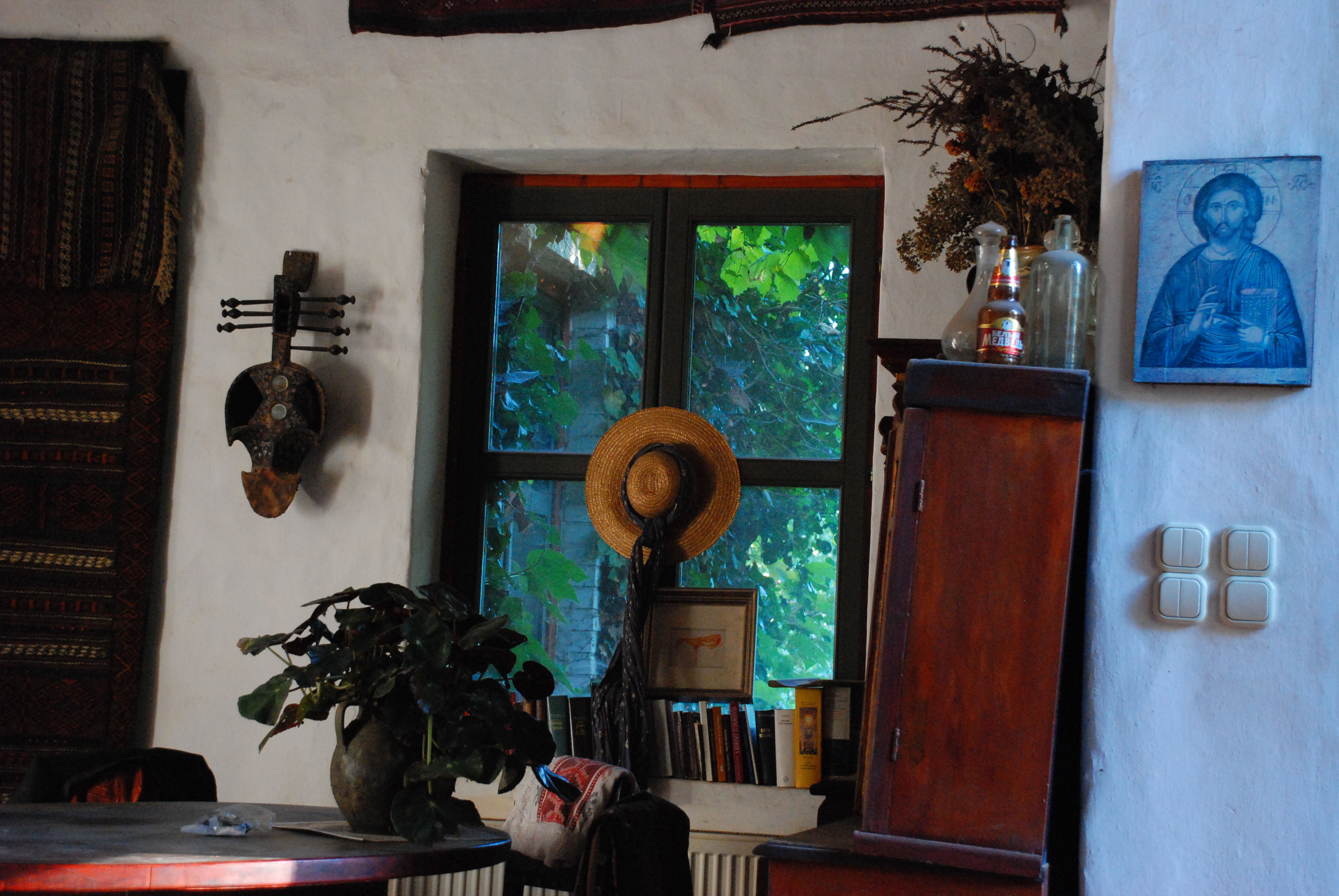
The cabinets were found thrown out on the street in the seventh district twenty years ago, the straw hat is from the fair of Csíkszendomonkos/Sândominic in the Eastern Carpathians. The shawl on it from Southern India – Kerala –, where we were scanning medieval Syriac manuscripts in the jungle. The lute on the wall is a short-necked Afghan rubab
used by one of our favorites, the Kurdish
Kamkars Ensemble, formed by eight brothers. We bought it in the Istanbul
Great Bazaar from Afghan merchants who, having seen how good owners of it we would be, gave it for a low price. The copy of a Serbian icon of the Christian Museum of Esztergom was made by Tamás’ sister for the inauguration of our house.

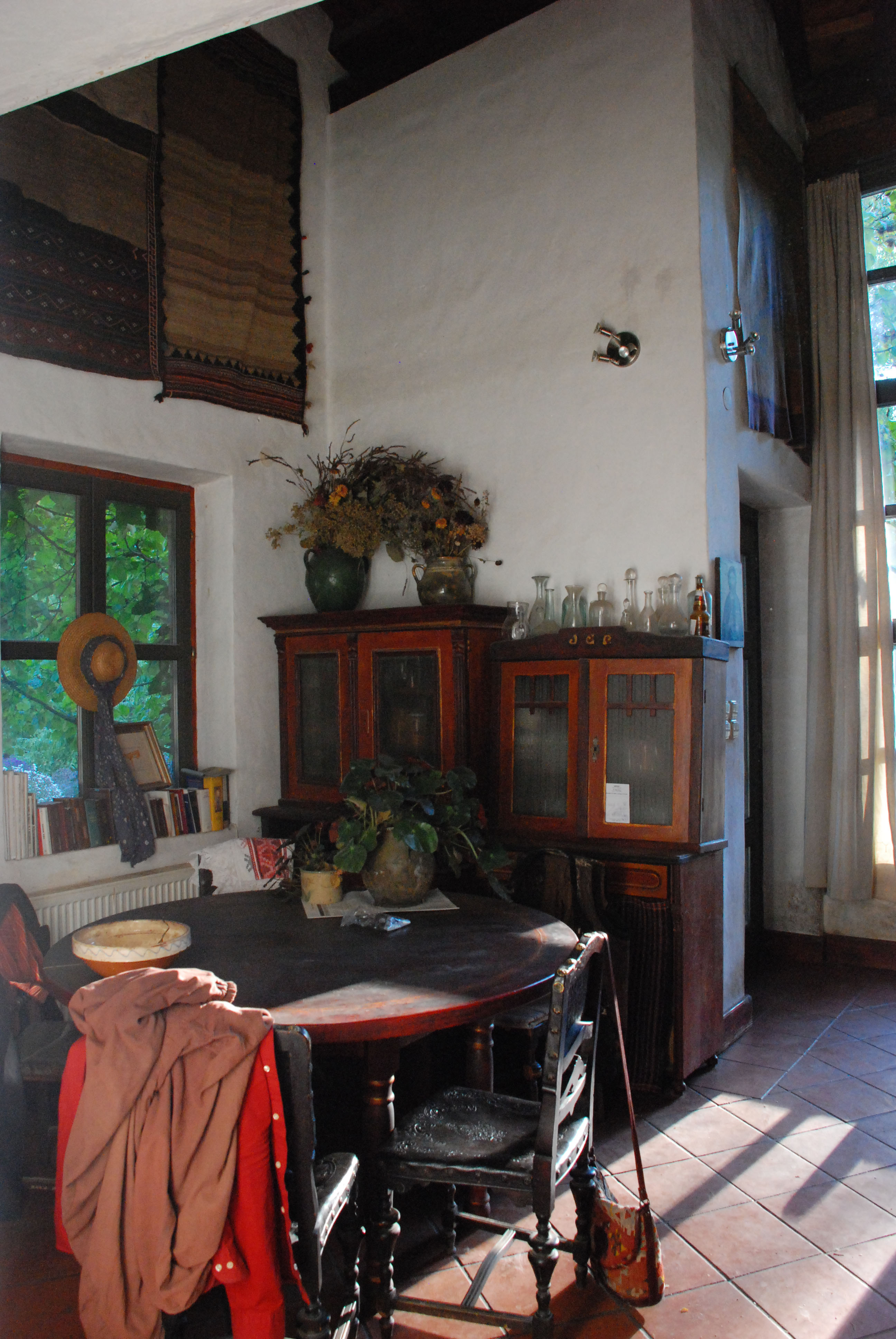
This is the front side of the cabinets found. I painted them over. On the right one there is, instead of a door, a woven
katrinca from the archaic Hungarian group of Csángós living in Moldova. The table was made on the basis of Tamás’ designs by the same Northern Hungarian village carpenters who also made our roof, and it was painted by me.

And now the sun is finally out. Have a nice day everyone!
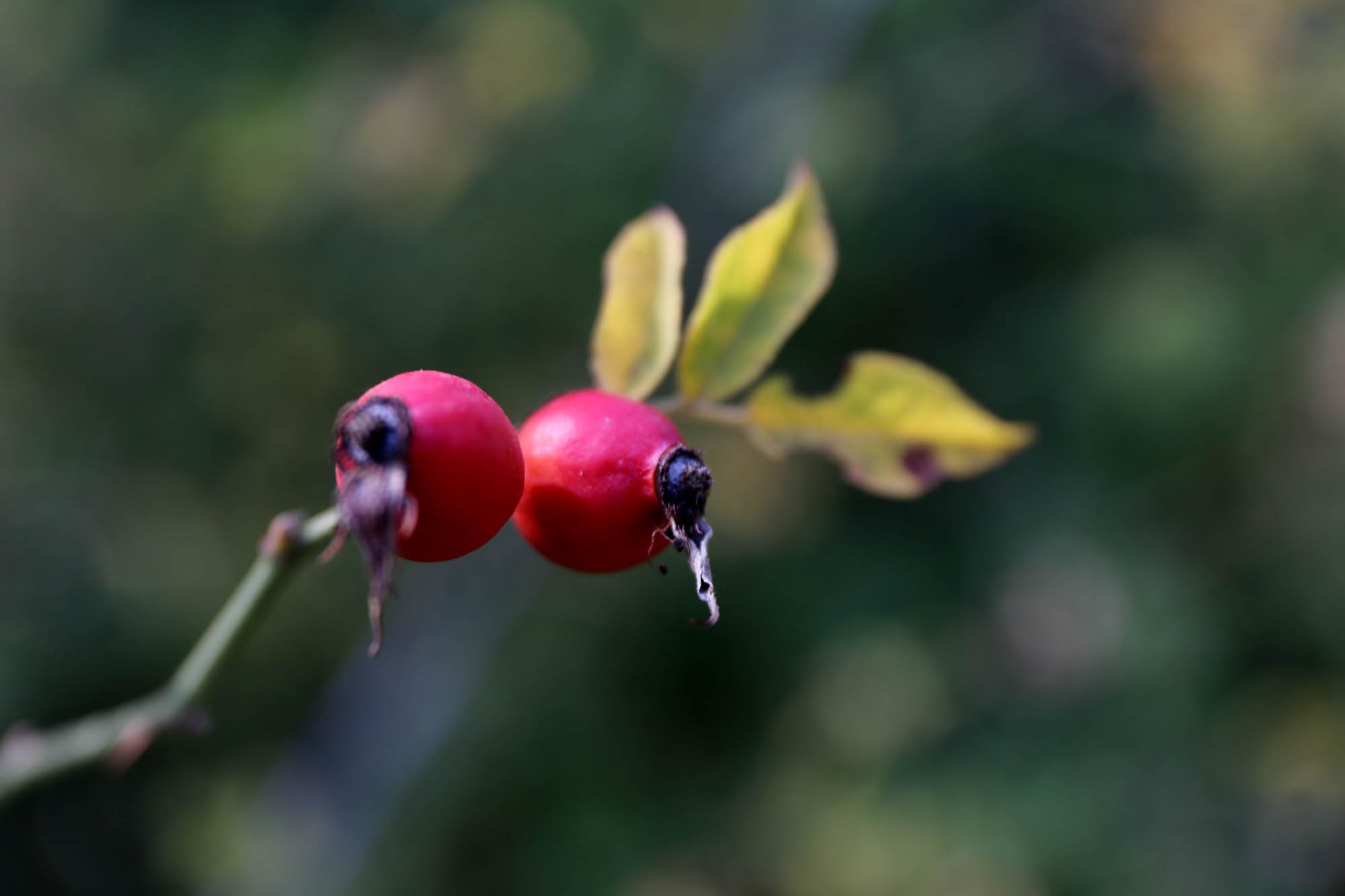
 Won’t you come and see
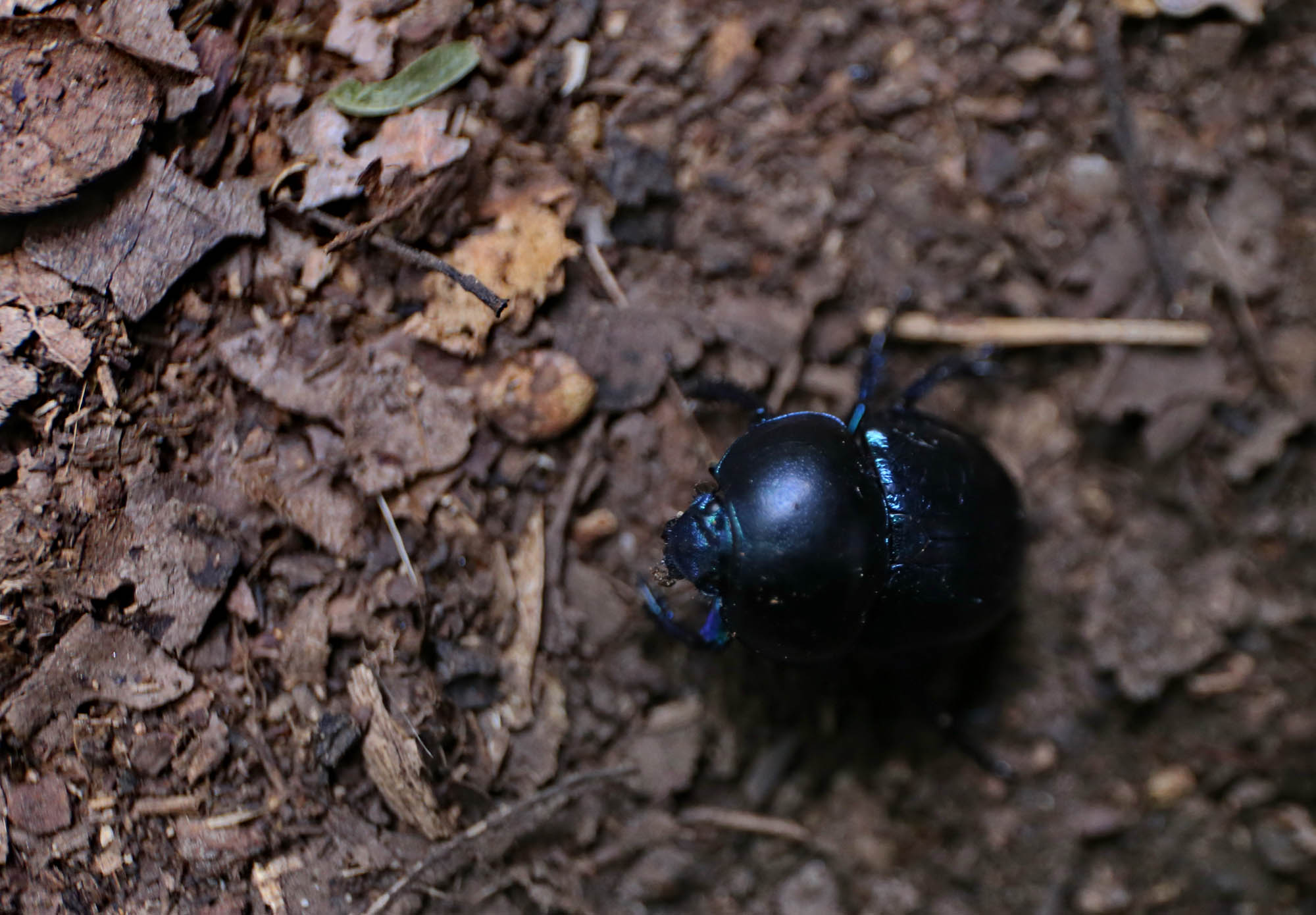
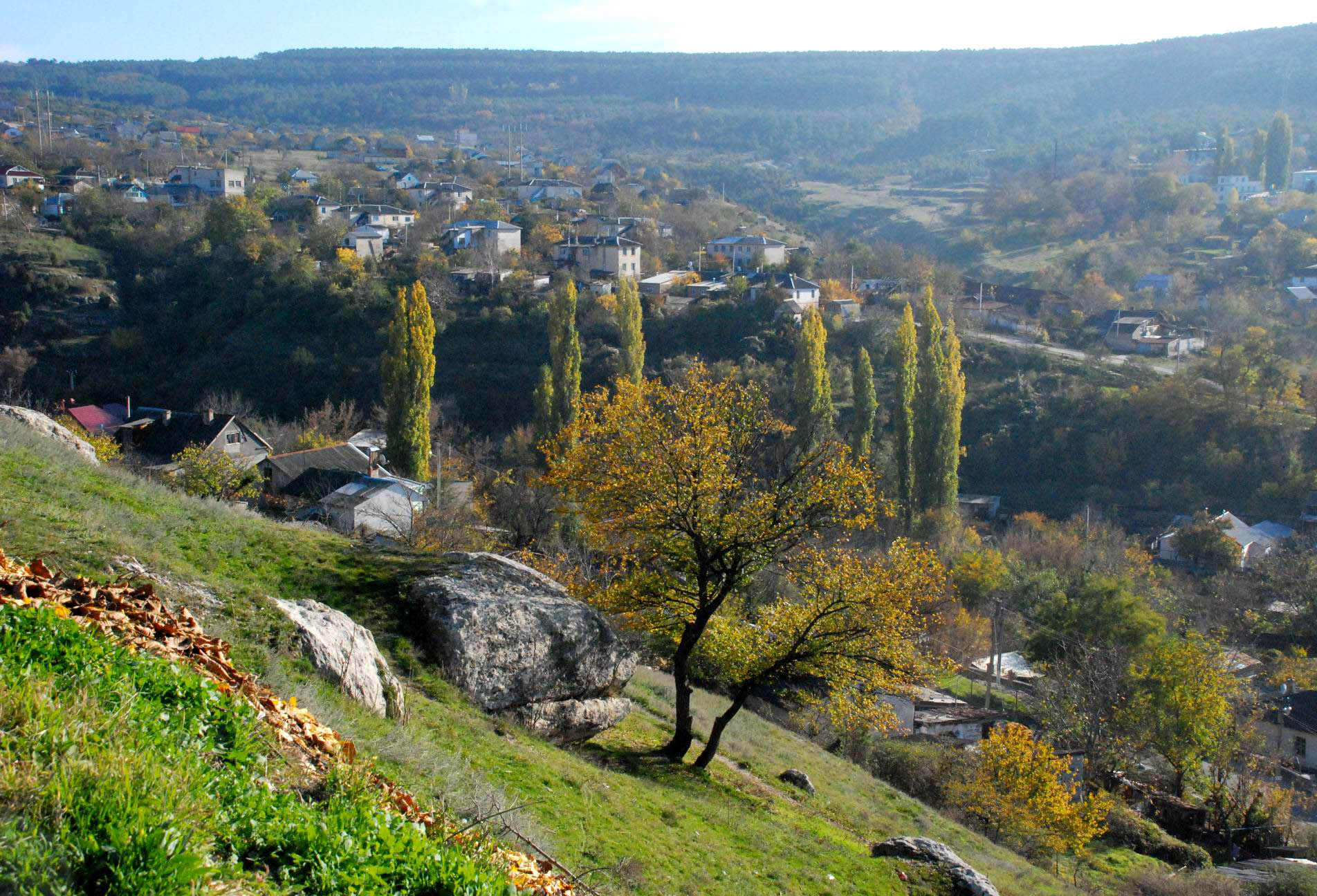

 Sitting in Dilyara Khanum’s Tatar inn, high above the valley, under the stone sphinxes, from my window I see the sunny valley. Smokes of litter burning rise, the golden hour caresses through the poplars, like once, long time ago in Csömör, I can hear the muezzin’s song from the old mosque and the lowing of the cows pasturing under the stone sphinxes.

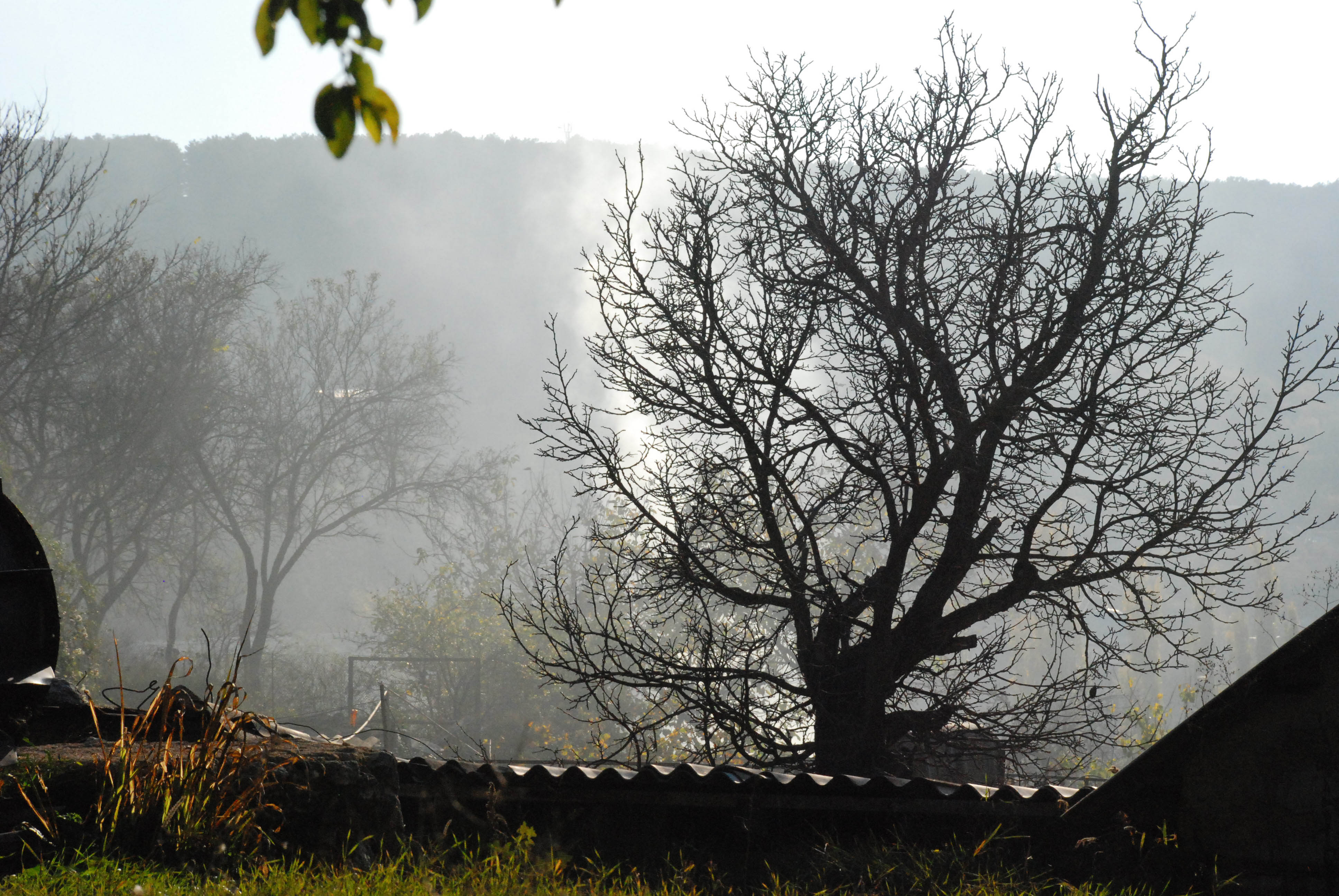

 rain will fall again


 where we daily publish new photos about our travels around the world:





 Come with us to…
 Atlantis
 Bestiary
 Bohemia+Prague
 Books, exhibitions, music, film
 Brave old world
 Caucasus
 Cemeteries
 Get to know the
 Images of the East
 Lightwriting
 Lwów/Lemberg
 Mallorca
 Message on the wall
 The Museum of Propaganda
 Odessa
 Paper Museum
 Persian letters
 The Jewish heritage