Switch over to our new blog! • ¡Pásese a nuestro nuevo blog!

The renewed version of our blog, with more features, a richer design, and available in nine languages, can be read here: https://wangriver.com

The new version also includes the old posts, often in expanded form. If you are curious about the updated version of this post, replace “riowang.blogspot.com/” in the URL with “riowang.studiolum.com/”, and the new link will most likely lead you there.


La versión renovada de nuestro blog, con más herramientas, un diseño más rico y disponible en nueve idiomas, se puede leer aquí: https://riowang.com

La nueva versión también incluye las publicaciones antiguas, a menudo en una forma ampliada. Si tiene curiosidad por la versión actualizada de esta entrada, sustituya «riowang.blogspot.com/» en la URL por «riowang.studiolum.com/es/», y el nuevo enlace probablemente le llevará allí.

Mostrando entradas con la etiqueta dissolving. Mostrar todas las entradas

Dissolving: The wonder

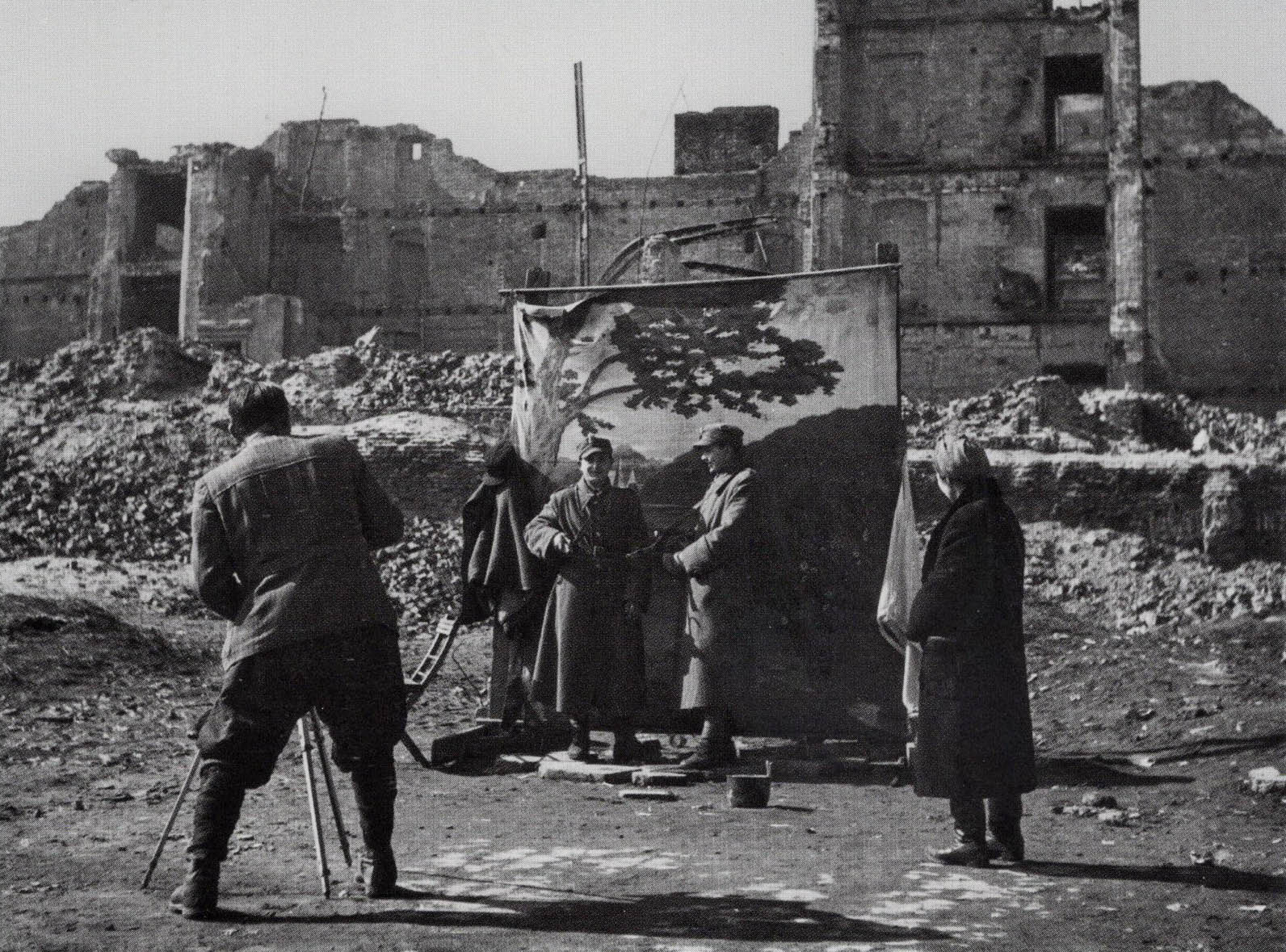
In a photo by the Portuguese Andre Boto, a man in a suit stretches out a mountain landscape photographed in bright colors and minute details on a sheet in front of a depressingly polluted industrial area, so that the viewer does not have to face reality. In the Czech Marko Jindřich’s picture from 1945, the amateur photographer stretches out a similarly idyllic landscape sheet in front of the ruins of destroyed Warsaw, so that the survivors can capture themselves in front of a usual, more optimistic photographer’s background.

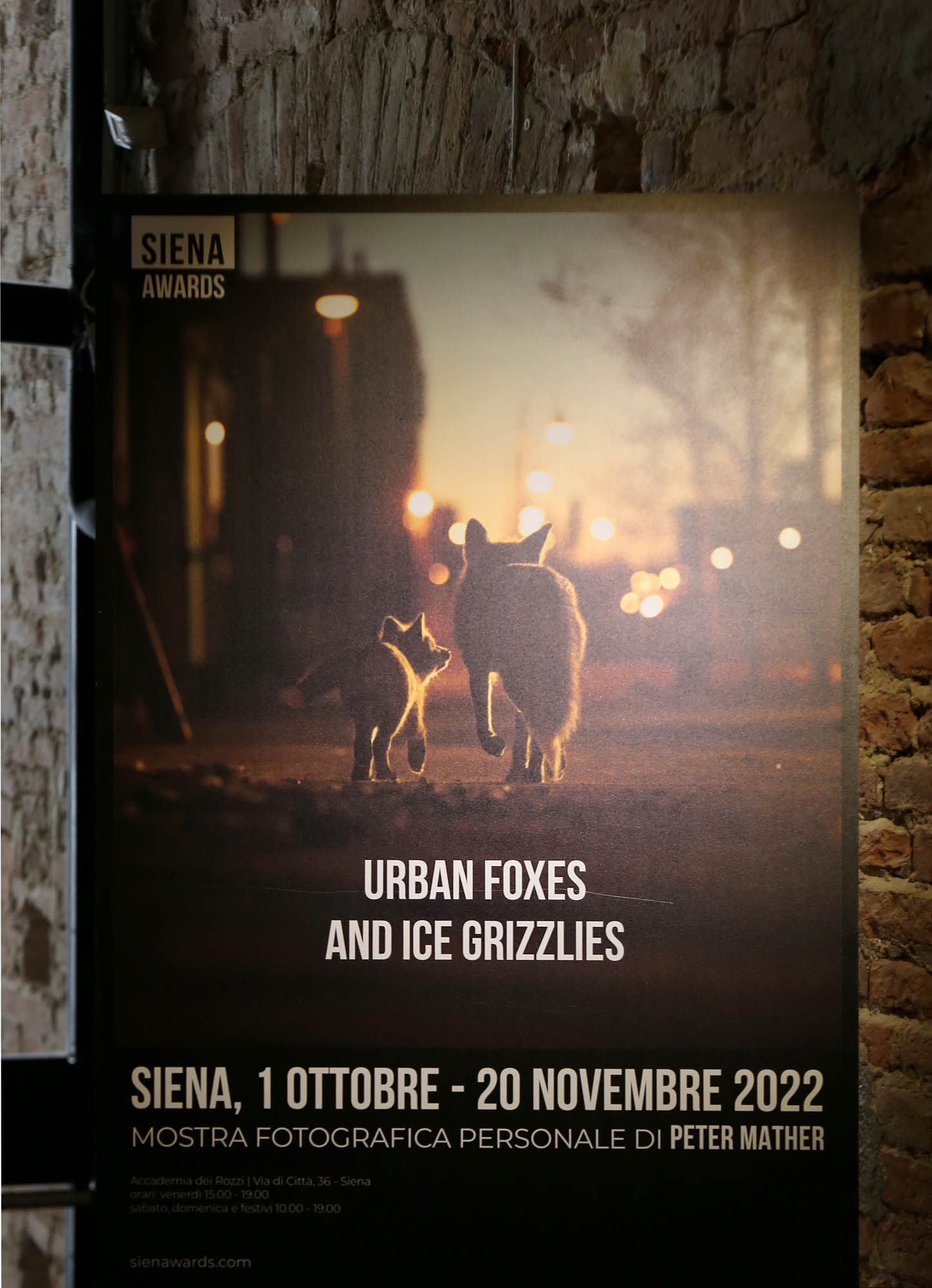
Boto’s picture was chosen this October as the “photo of the year” out of 48,000 pictures submitted to the Creative Photo Awards of Siena. The finalist photos of the competition were exhibited in October and November in Siena’s Palazzo Pubblico.
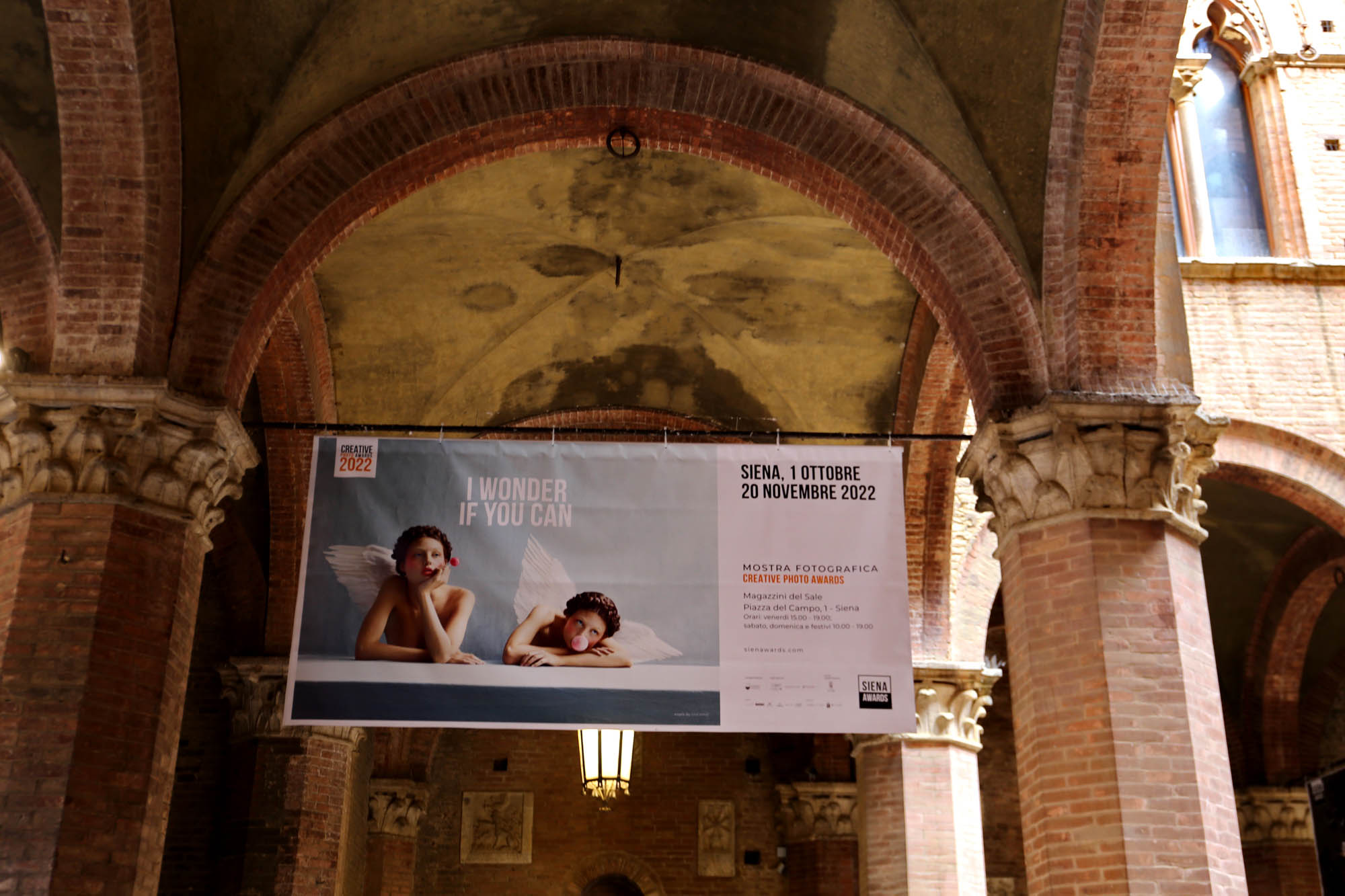
The theme of this year’s competition is “I wonder if you can”, from which most of the pictures chose wonder as the keyword. The only exception is the Bulgarian Yuri Vasilyev’s Fish, you can!, which plays with the two meanings of ʻcan’.

But what is wonder? In most of the pictures in Palazzo Pubblico, it is the replacement of the usual reality with another, brighter reality, exactly as is depicted in the winning photo. Still lifes constructed and bodies dressed as Netherlandish paintings, visually elaborated concepts, landscapes with the obligatory lonely tree filtered to the extremities, a musician as a modern Orpheus moving the world as in a Surrealist paiting. The wonder that we await, which is fundamentally diffrent from reality, and which never comes.

creativephotoawards1 creativephotoawards1 creativephotoawards1 creativephotoawards1 creativephotoawards1 creativephotoawards1 creativephotoawards1 creativephotoawards1 creativephotoawards1 creativephotoawards1 creativephotoawards1 creativephotoawards1 creativephotoawards1

In only a few pictures does the true meaning of wonder appear: the epiphany. The wonder that is always present and sometimes shines on. The entry of authenticity into reality, or rather the cathartic recognition of its presence in reality.

Roddy Macinnes: Honeymoon in Finland


Dissolving: A long march

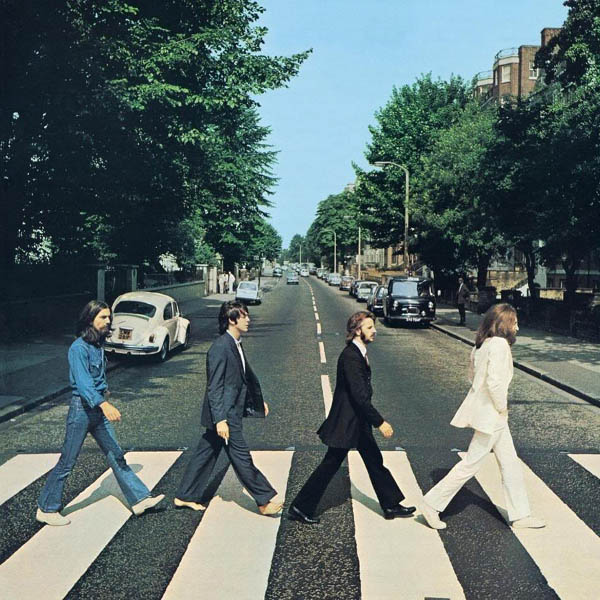
Abbey Road, London. Iain Macmillan’s photo to Beatles’ Abbey Road album. 8 August 1969, right before the break-up of the band

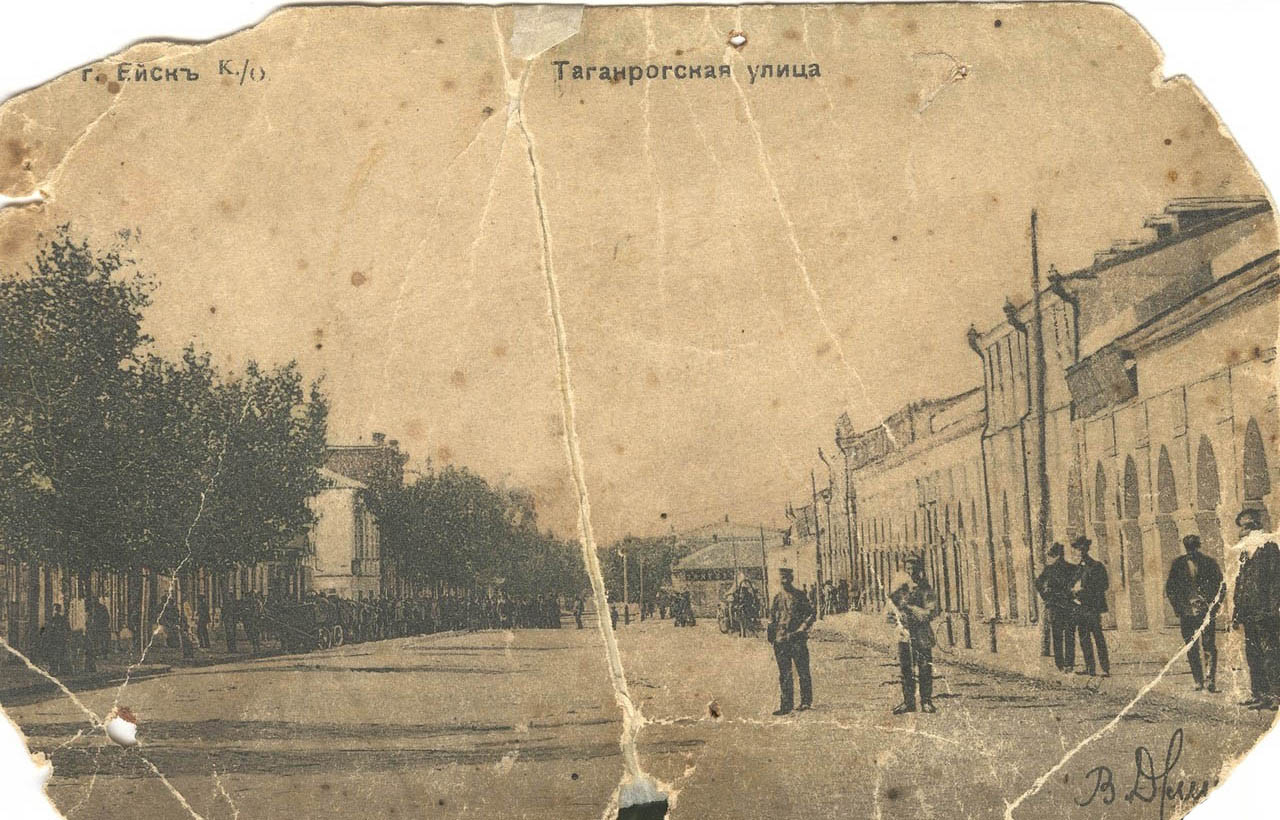
Black Sea Road, Yeisk, a spa and trading town on the Azov Sea shore. 1910s, right before the break-up of the empire

And once we are sitting in the time machine, let’s take a look at some more views of Yeisk, this charming little town that had three large streets with beautiful eclectic buildings and a Singer sewing machine shop, a harbor and a steamship company, a girls’ gymnasium and a park, and they even drilled an arthesian well, introduced the railway, and started to build the first railway bridge right before the break-up of the empire. The water on the main street still exists today. For the painting of a pedestrian crossing, there was no time left.

yeisk1 yeisk1 yeisk1 yeisk1 yeisk1 yeisk1 yeisk1 yeisk1 yeisk1 yeisk1 yeisk1 yeisk1 yeisk1 yeisk1 yeisk1 yeisk1 yeisk1 yeisk1 yeisk1 yeisk1 yeisk1 yeisk1 yeisk1 yeisk1 yeisk1 yeisk1 yeisk1


Dissolving: The fall of Icarus

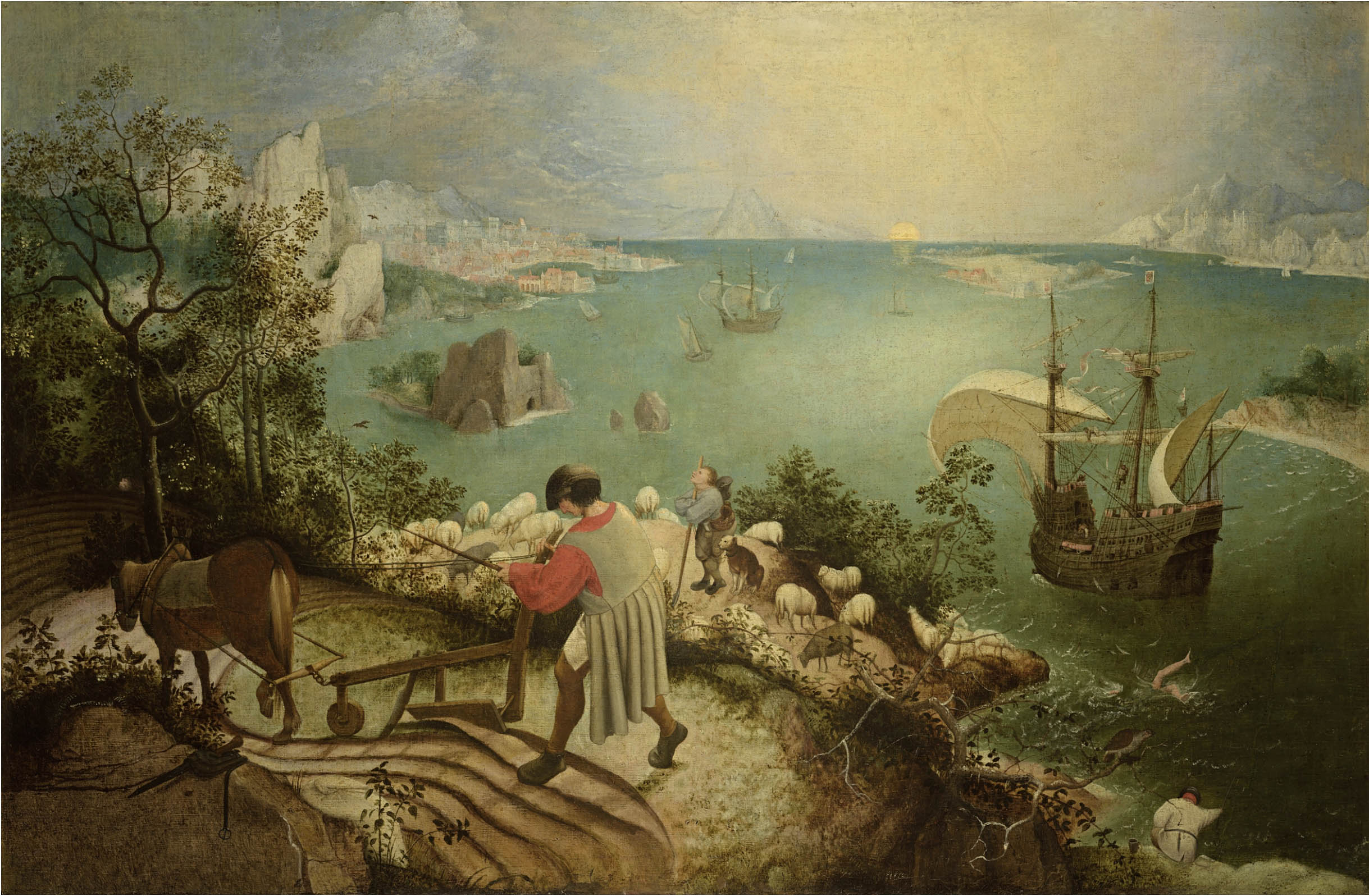
Pieter Bruegel the Elder: The fall of Icarus, 1560 (probably a copy after Bruegel’s lost original of 1558). Brussels, Royal Museum of Fine Arts

W. H. Auden: Musée des Beaux-Arts, Brussels 1938

About suffering they were never wrong,
The Old Masters: how well they understood
Its human position; how it takes place
While someone else is eating or opening a window or just walking dully along;

How, when the aged are reverently, passionately waiting
For the miraculous birth, there always must be
Children who did not specially want it to happen, skating
On a pond at the edge of the wood:
They never forgot
That even the dreadful martyrdom must run its course
Anyhow in a corner, some untidy spot

Where the dogs go on with their doggy life and the torturer’s horse
Scratches its innocent behind on a tree.

In Brueghel's Icarus, for instance: how everything turns away
Quite leisurely from the disaster; the ploughman may
Have heard the splash, the forsaken cry,
But for him it was not an important failure; the sun shone
As it had to on the white legs disappearing into the green
Water; and the expensive delicate ship that must have seen
Something amazing, a boy falling out of the sky,
Had somewhere to get to and sailed calmly on.


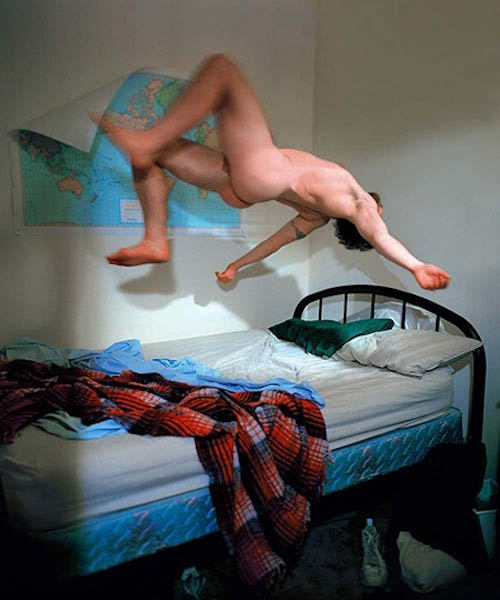
Kerry Skarbakka: Photo from the series Struggle

Disolución: Revelaciones • Dissolving: Revelations

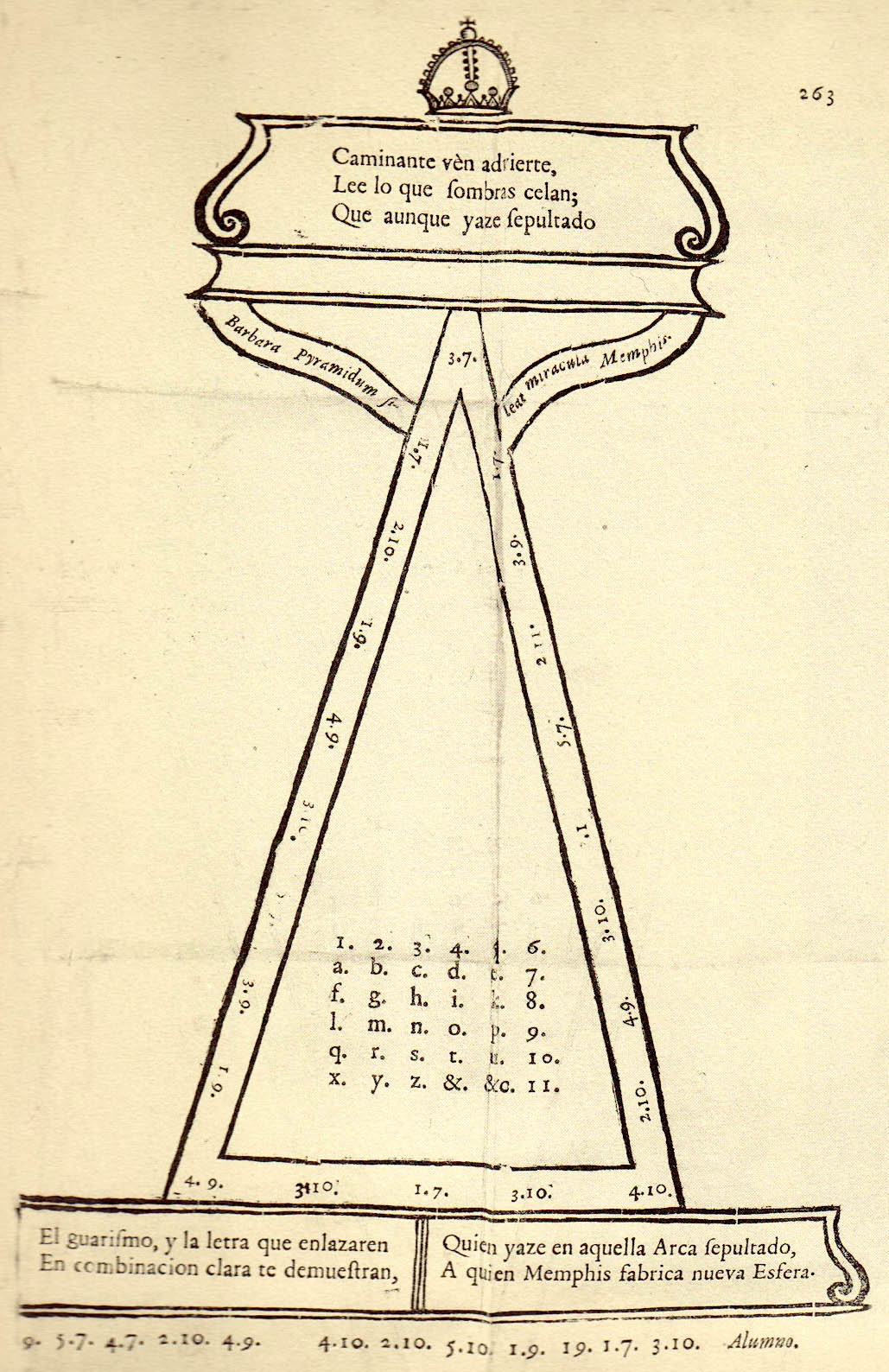
“Wanderer, come nearer to see, what hides in the shadow. For though he lies buried,
the letters indicated by the combination of numbers will clearly reveal
who rests in this coffin, who Memphis is preparing
a new celestial sphere for.”
*

Lágrimas amantes de la excelentísima Ciudad de Barcelona [...] en las Magníficas Exequias que celebró a las Amadas y Venerables Memorias de su difunto Rey y Señor don Carlos II [...] Descríbelas Joseph Rocaberti. Barcelona: Juan Pablo Martí, 1701, p. 263. El texto debe completarse siguiendo la secuencia numérica. Para la muerte de Carlos II, sin descendencia y desencadenadora de la larga guerra mundial conocida como Guerra de Sucesión, la generalidad de las imprentas hispanas ofrecieron de manera exagerada —reveladora de una necesidad de saturar, de colmatar la superficie gráfica cuando tan poco bueno se podía augurar— todo tipo de muestras de poesía visual, enigmática o «metamétrica». Tears of Love, shed by the eminent City of Barcelona […] in the magnificent mourning rituals dedicated to the beloved and venerated memory of her deceased King and Lord, don Carlos II […] Described by Joseph Rocaberti. Barcelona: Juan Pablo Martí, 1701, p. 263. The text is to be supplemented according to the numeric combinations. Charles II died without a heir, and his death ignitd the long world war known as the War of the Spanish Succession. Most of the Spanish printers paid a tribute to the memory of the deceased ruler with a variety of exaggerated visual, enigmatic and “metametric” poems, which clearly reveal, what an effort it was to fill the blank pages when there was so little good to say.


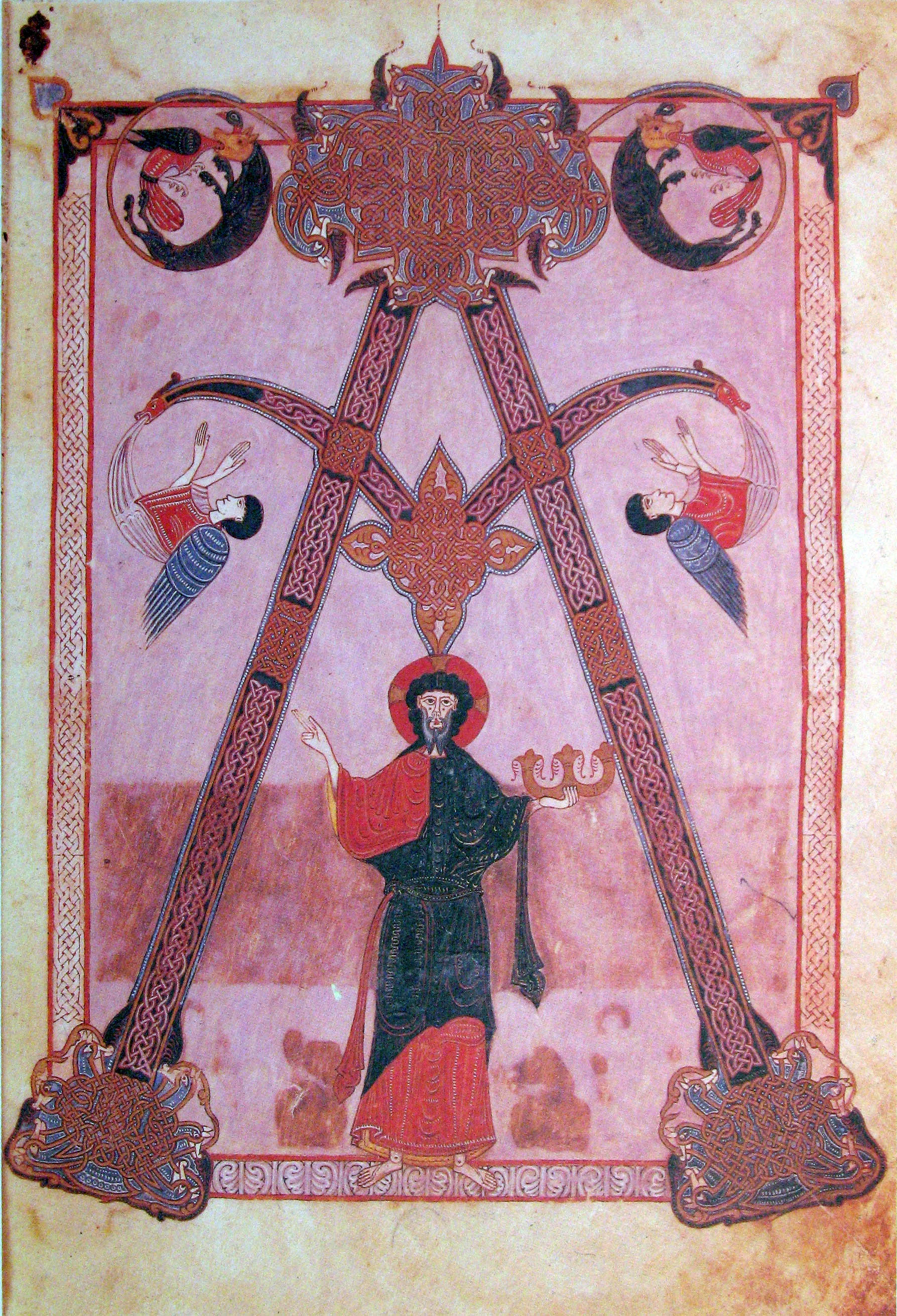
Letra A (alfa). Folio 6 del Comentario del Apocalipsis, encargado por el rey Fernando I al beato Facundo. Lo acabó en 1047 (Biblioteca Nacional de Madrid). Cristo, de pie bajo la inicial y apuntando hacia ella, tiene la letra Omega en la mano: «Yo soy el Alfa y Omega, el Principio y el Fin, dice el Señor» (Ap 1:8)Initial A (alfa) on fol. 6 of the Commentary to John’s Revelations, illuminated by Beatus Facundus (see the history of these codex) for Ferdinand I of Castille and León (completed in 1047, Madrid, Biblioteca Nacional). Christ, standing under the initial and pointing to it, holds the letter omega in His hand: “I am the Alpha and the Omega, the Beginning and the End, says the Lord” (Rev 1:8)

Dissolving: From sea to sea

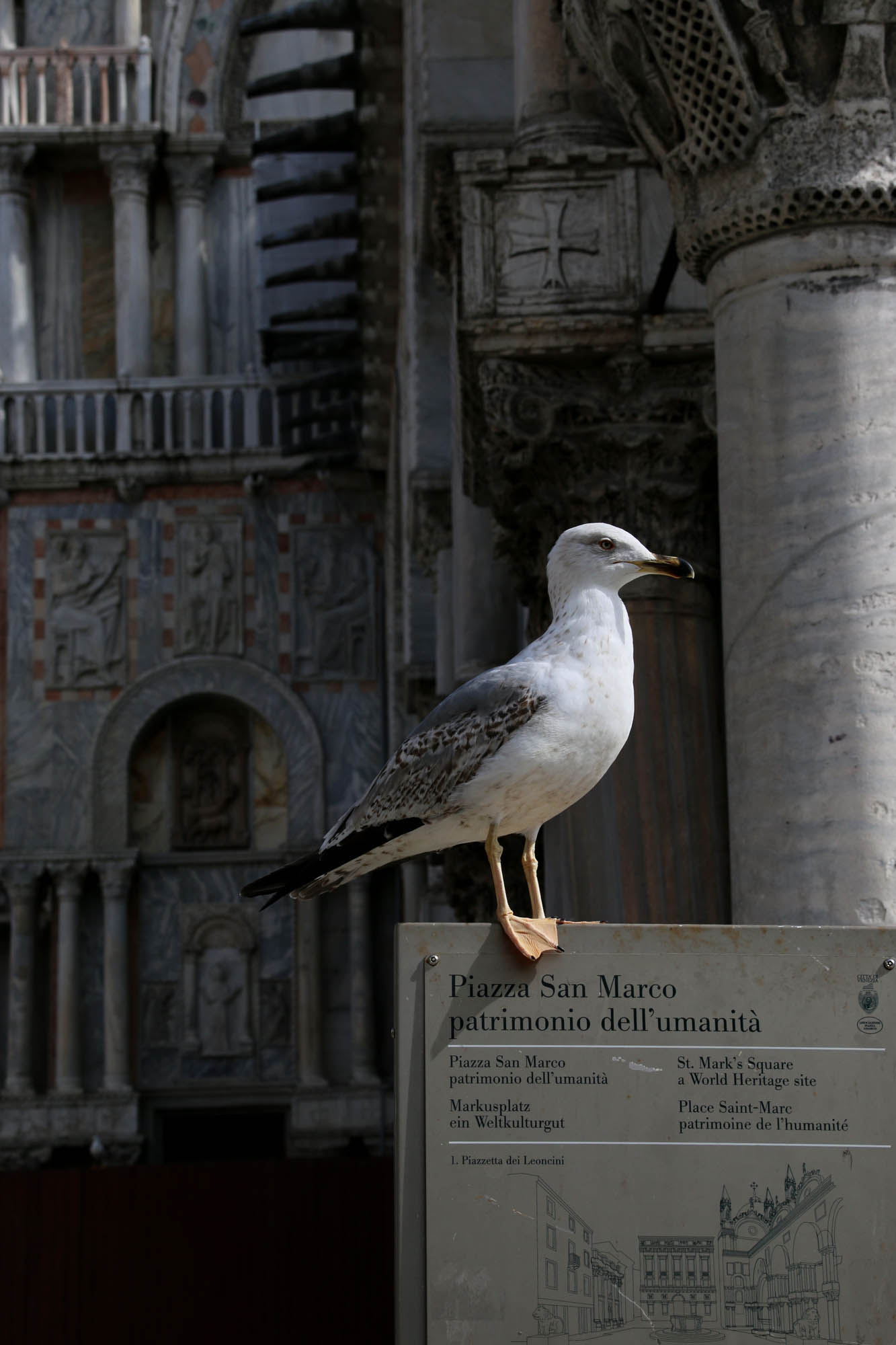
Bird in Byzantine ornamental frame. Venice, St. Mark’s Square, 12-13th century

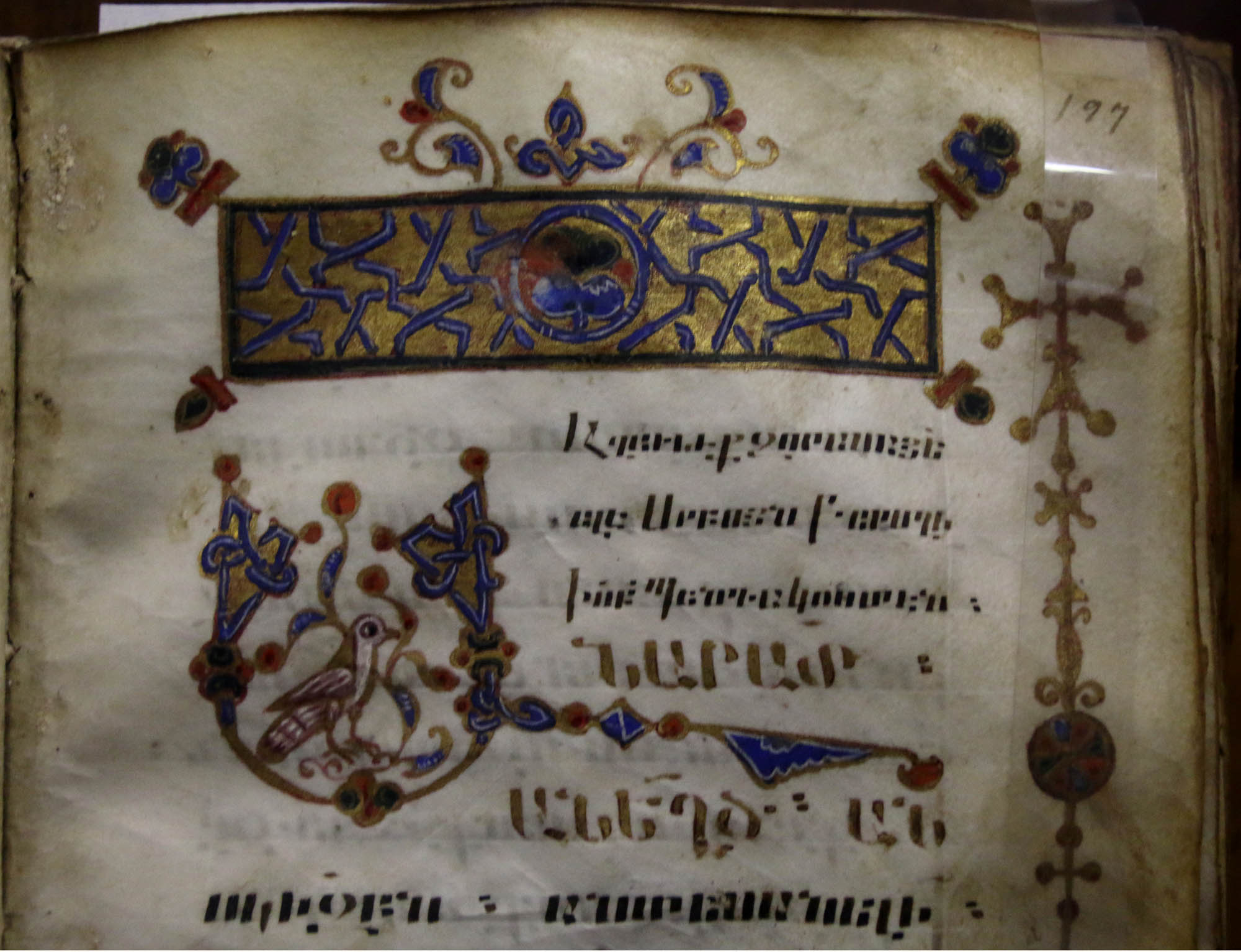
Bird in Armenian ornamental frame. Venice, St. Lazarus Island, Armenian monastery, MS 1159, 12-13th century

Dissolving: Crossing the river

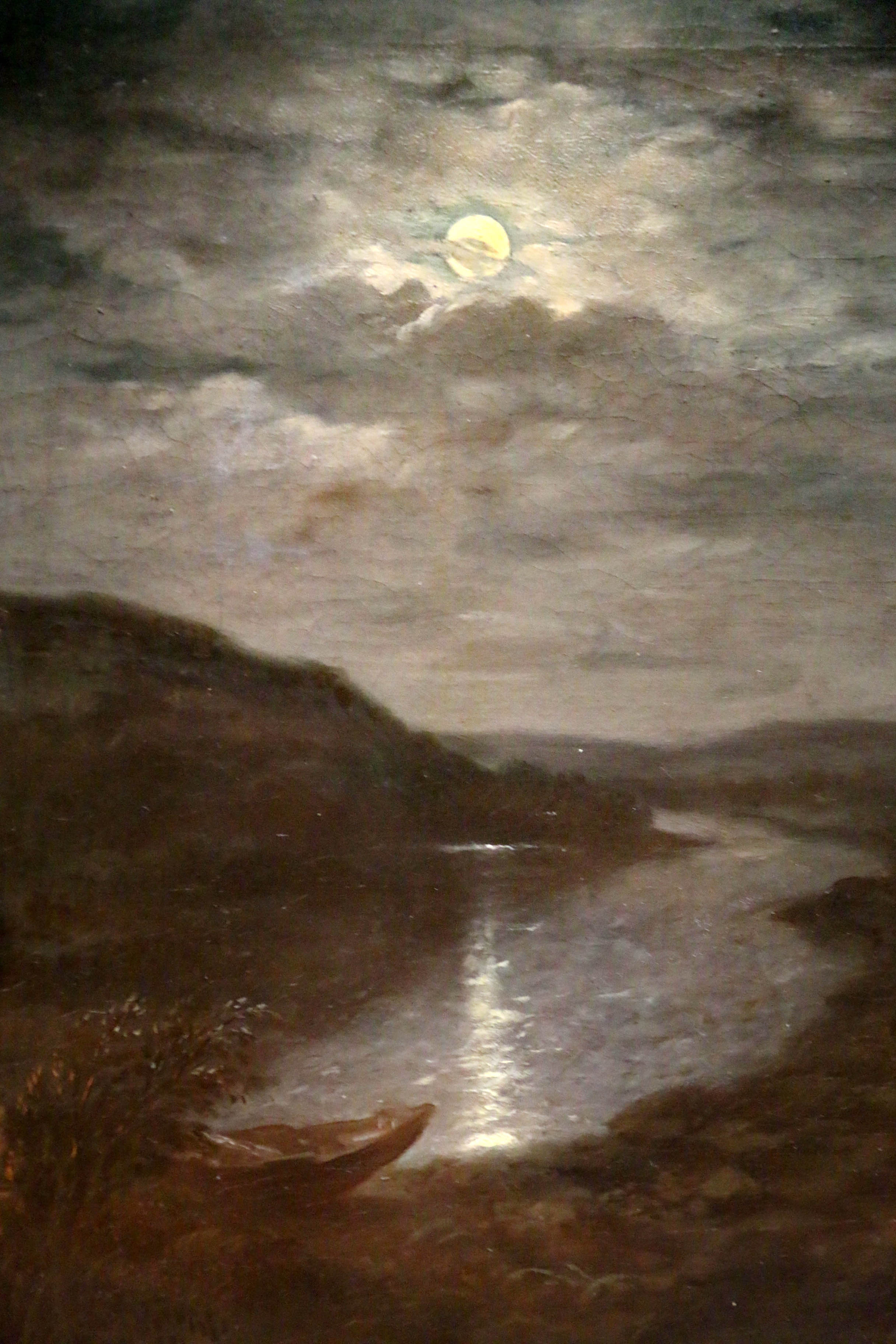
Anton Graff: The Elbe under Dresden, ca. 1800. Gemäldegalerie Alter Meister, Dresden

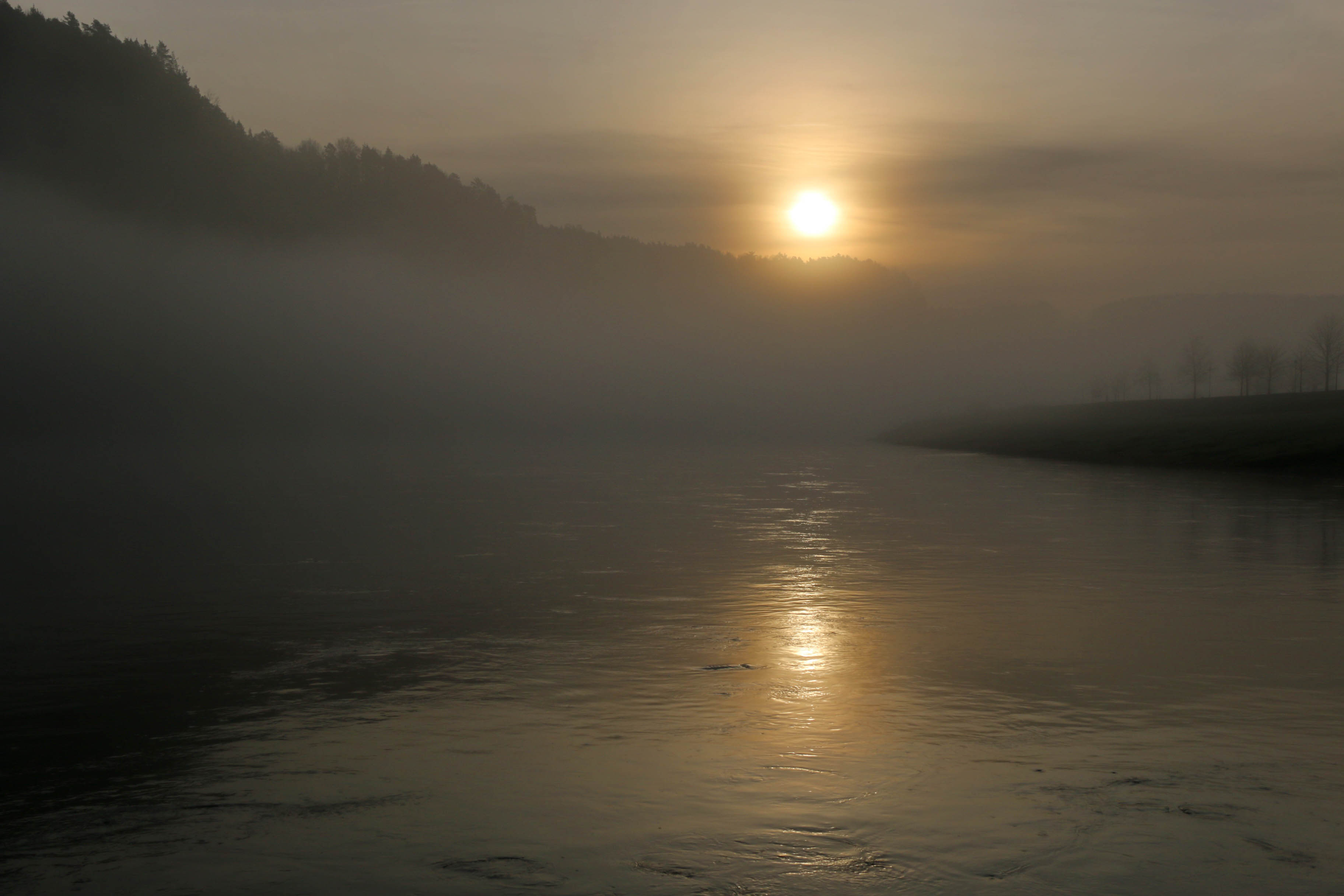
Crossing the Elbe at sunrise, the day before yesterday


Walter writes:

Dániel’s new post touched me but not with words. So I reply in kind, but blogger comment does not accept images.

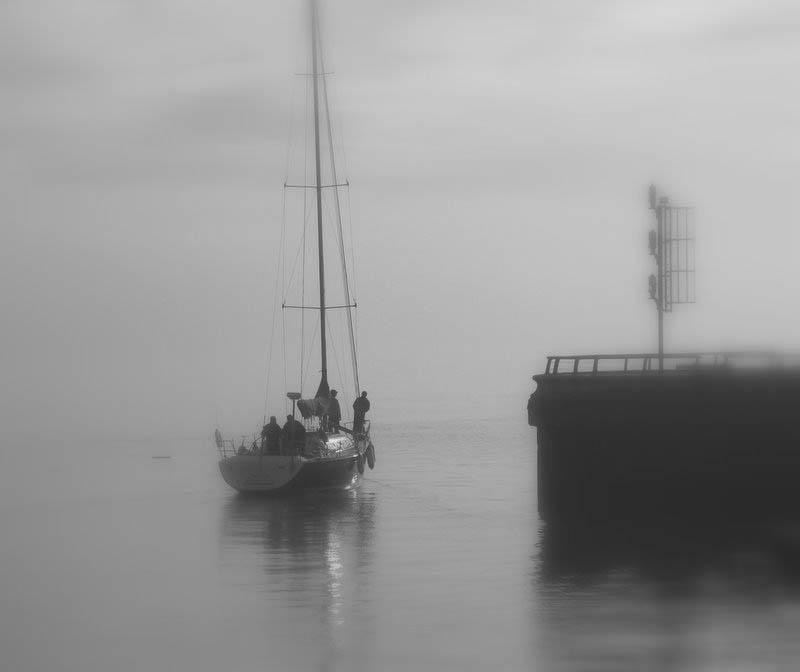
We live in the Old Town part of Kingston upon Hull five minutes walk from the Humber Estuary with all its moods (much flooding in the rivers feeding the Humber). That day there was no sound other than the mournful foghorn and muffled voices from the boat leaving on the tide: I felt the same stepping out of time that Dániel alludes to.

Over 2.2 million Jewish immigrants passed through Hull in the century before 1914. Hilary’s family stayed here possibly because they had no money for onward passage. The Jewish community here is now in decline, a few hundred remain, but the history is still to be found in the detail in which you specialise.

Dissolving: They are here

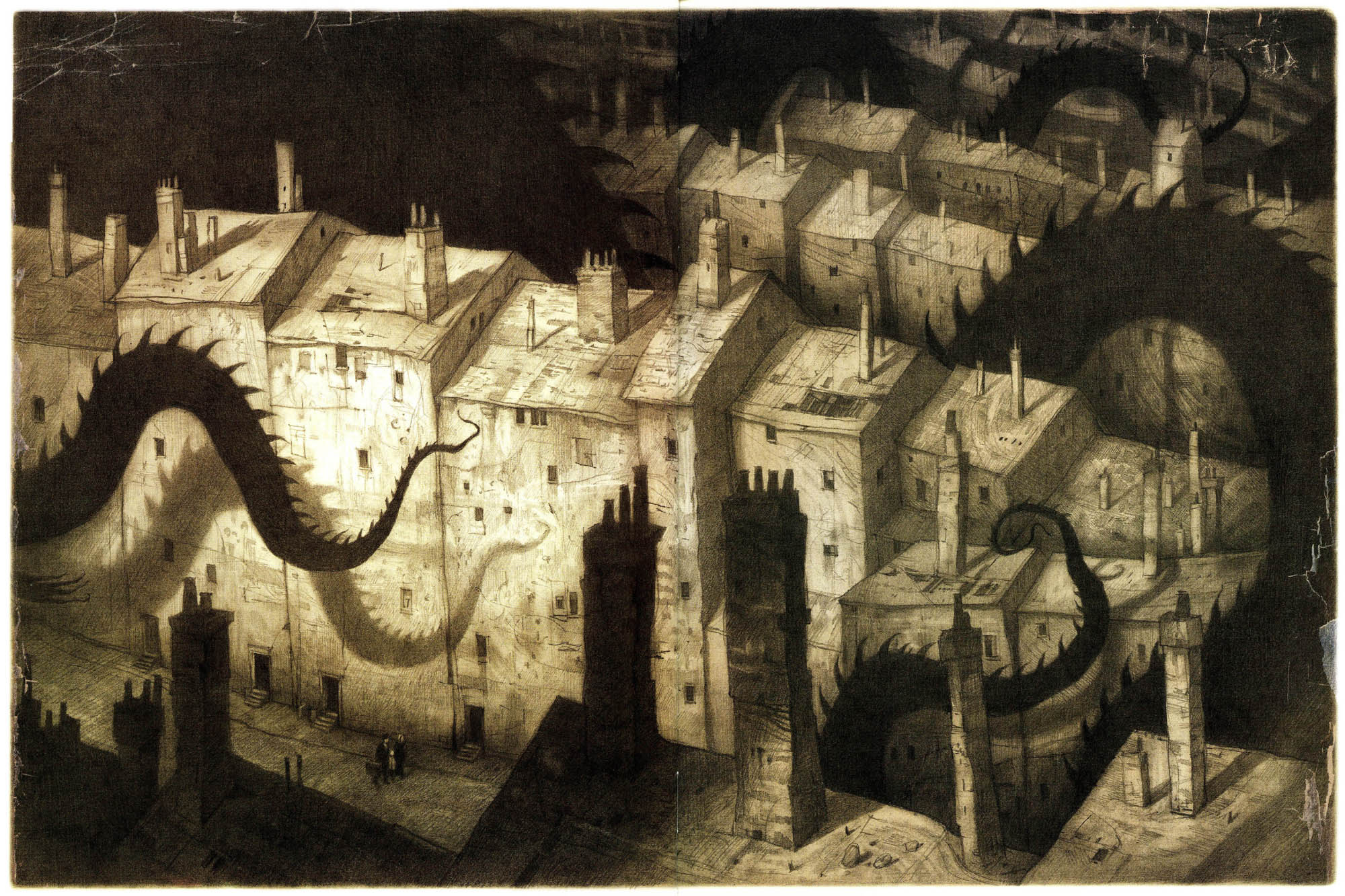
Shaun Tan: The Arrival, 2007

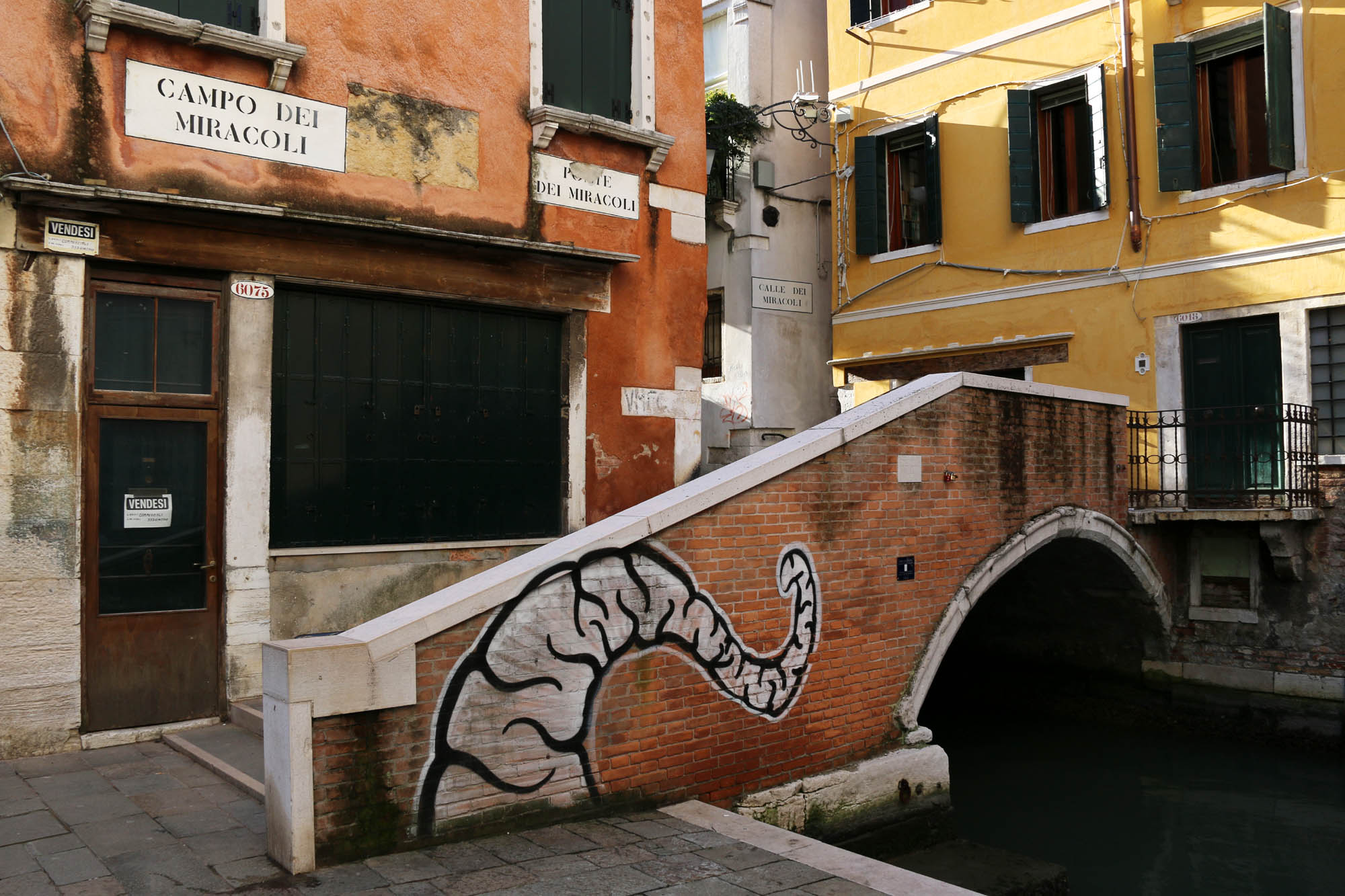
Venice, Campo dei Miracoli, 2015

Dissolving: The eternal music of the Balkans at lake Balaton

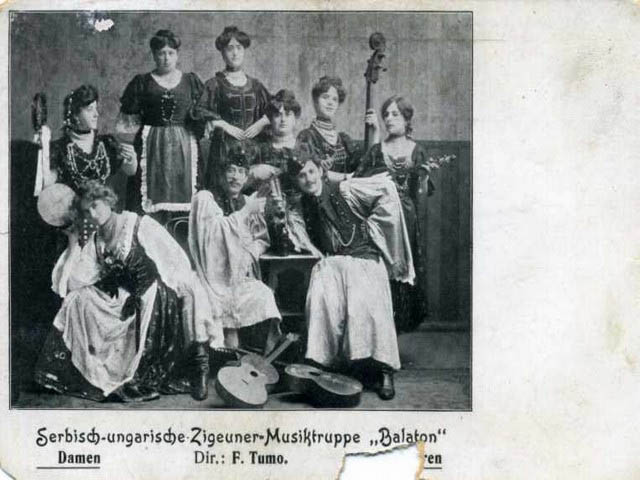
The “Balaton” Serbian-Hungarian (!) Gypsy band performing in the theater of Czernowitz. Early 20th century, from here.

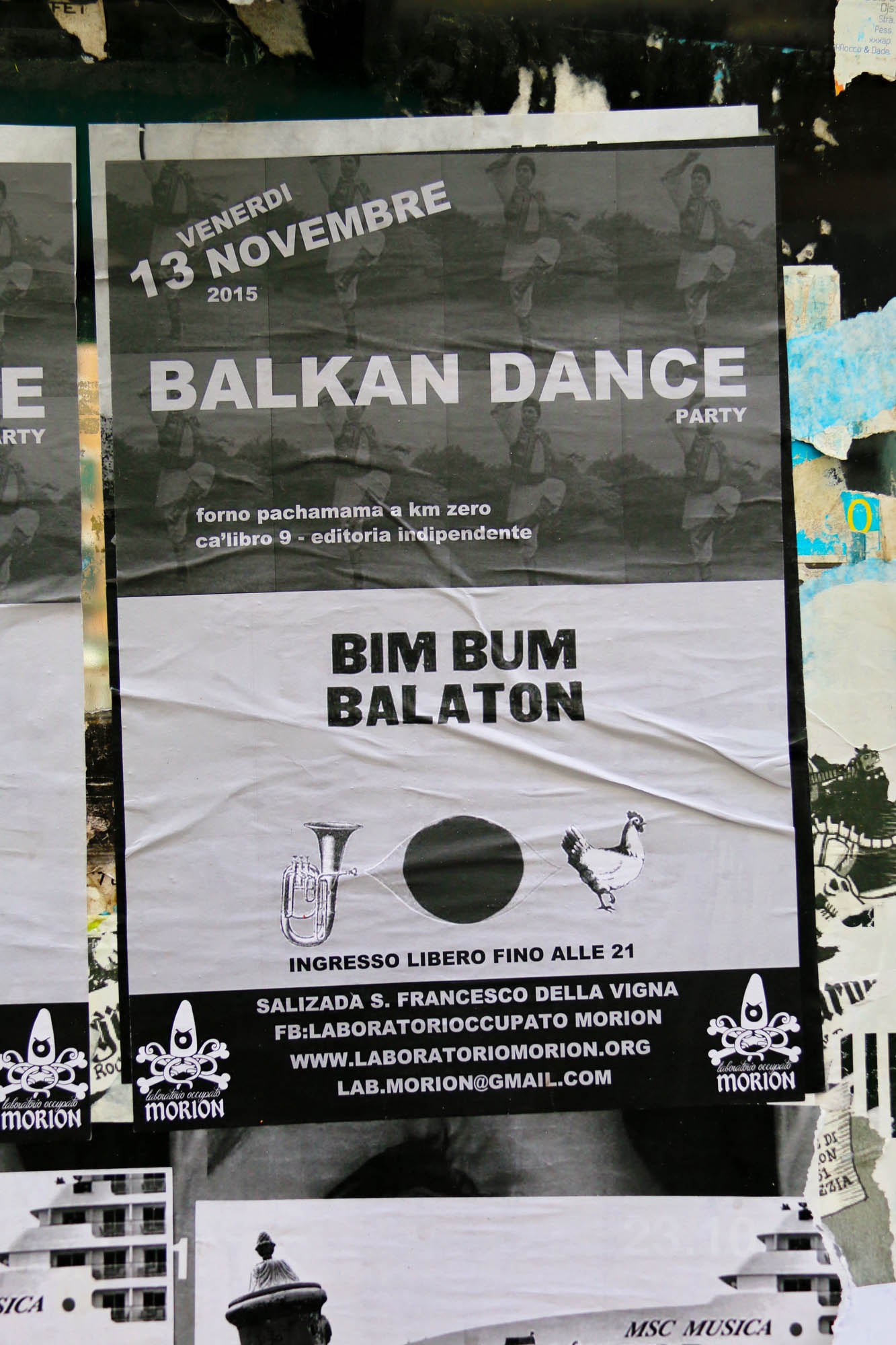
Venice, 2015

After the Flood / Tras el Diluvio


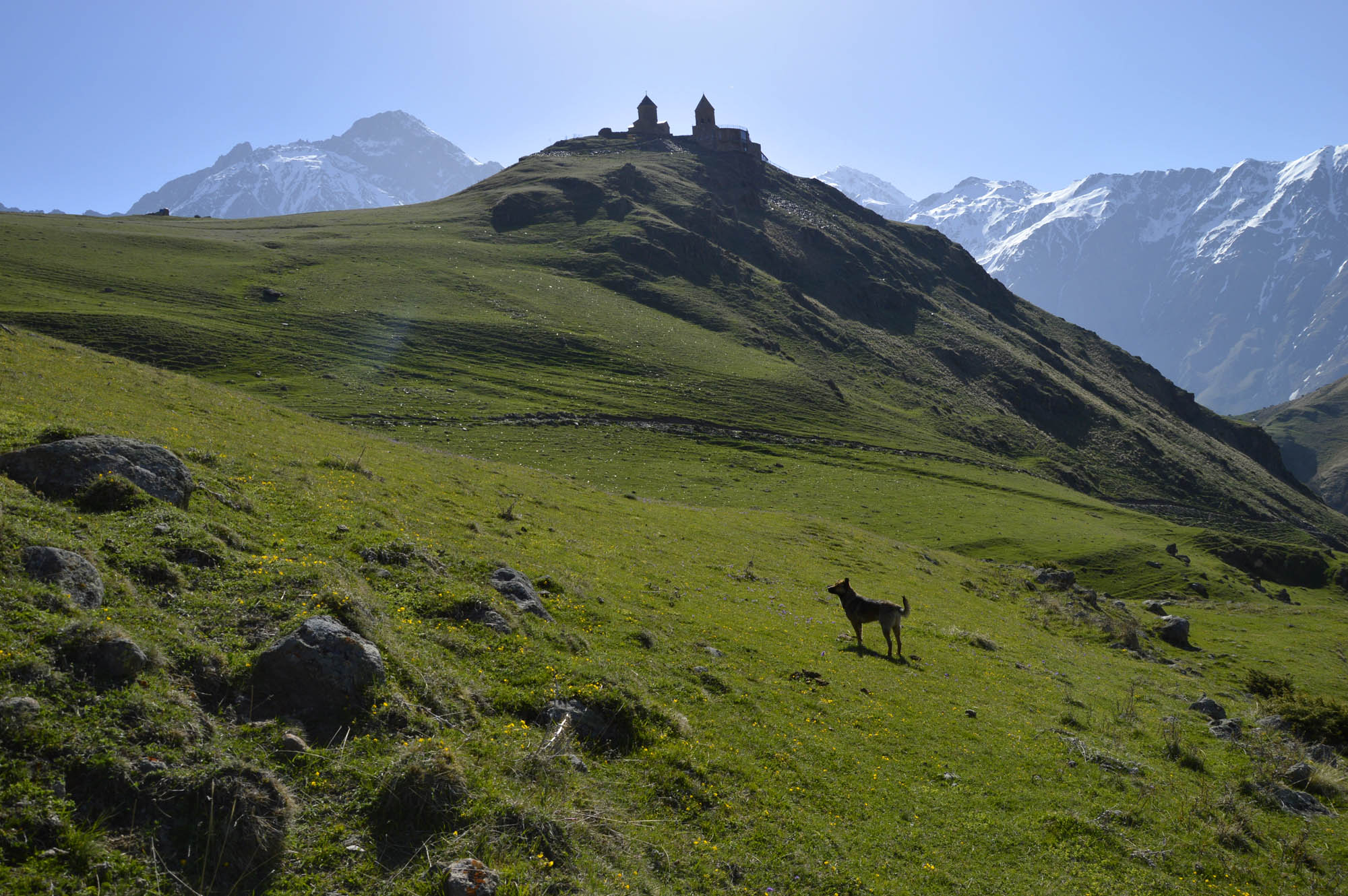
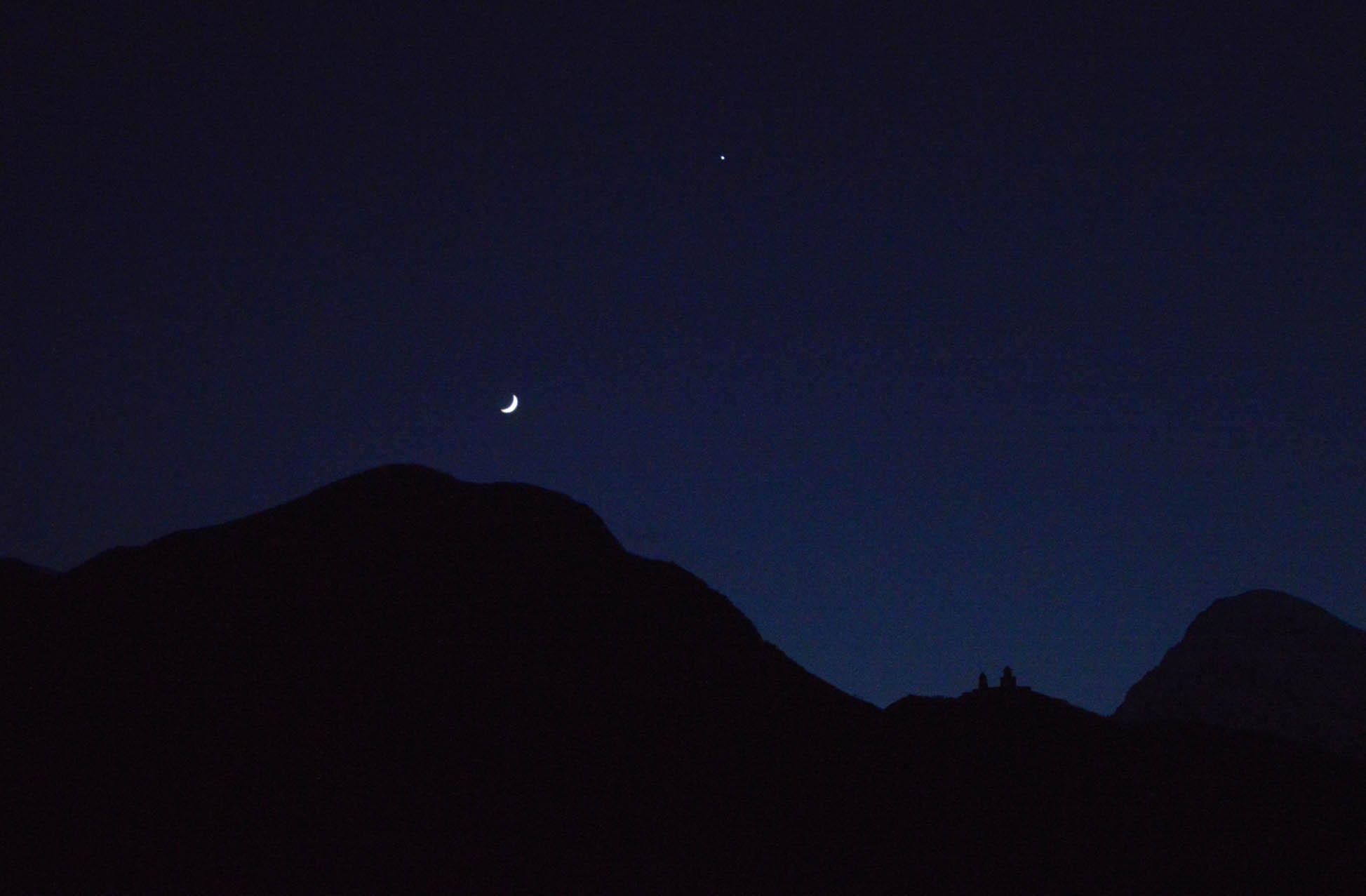
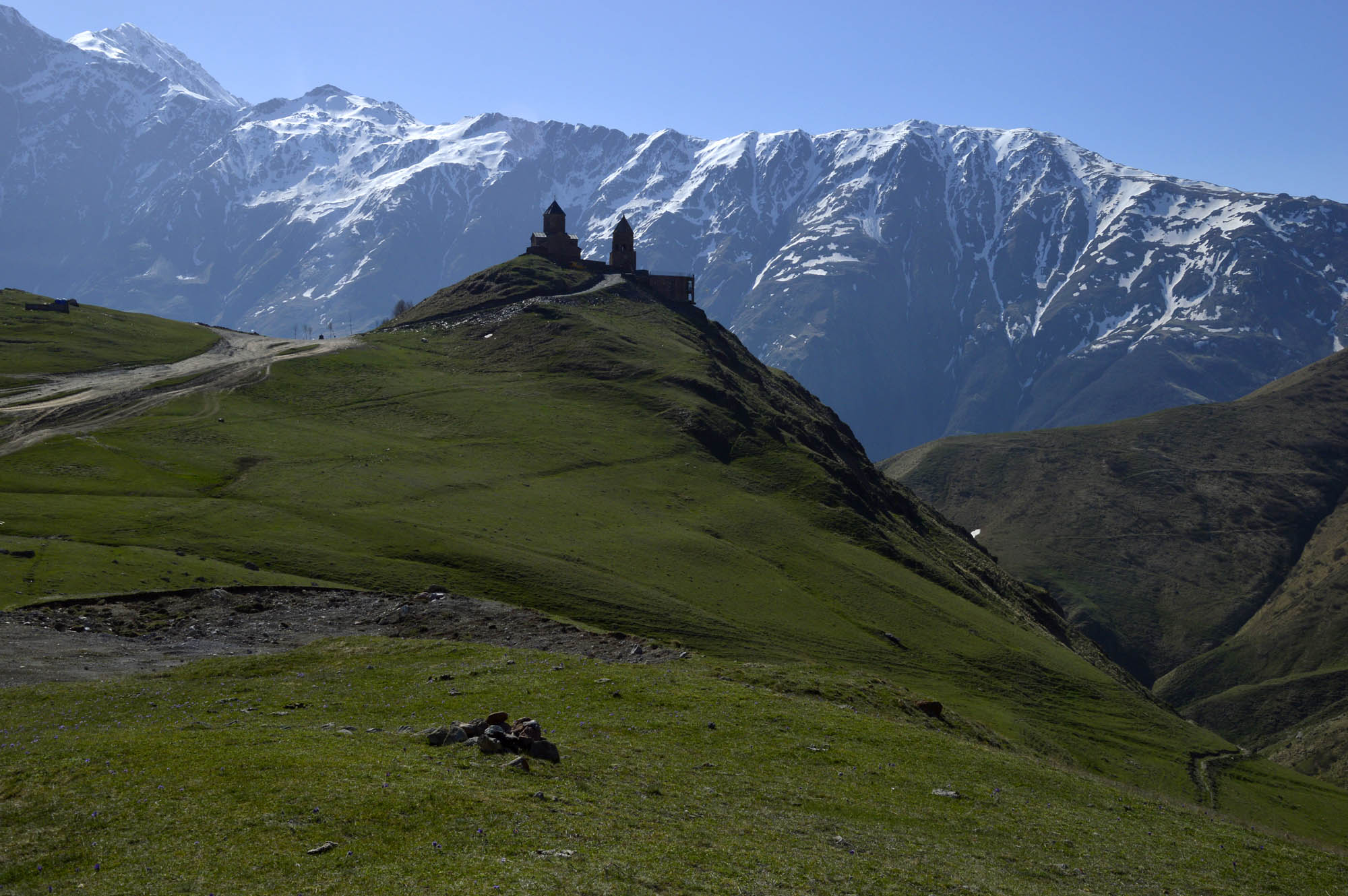
The Holy Trinity Church of Gergeti was built so high up, just beneath Kazbegi Peak, right under the “roof of the Caucasus”, that, just as they say about other sites – the San Apollinare in Classe in Ravenna, or some other prominent churches –, this alone was not inundated by the Flood.

La iglesia de la Santísima Trinidad de Gergeti fue construida tan arriba, justo abajo de la cumbre del Kazbegi, en el «techo del Cáucaso», que, tal como se dice de otros lugares –San Apolinario en Ravena y otras iglesias elevadas–, es el único lugar no anegado por el Diluvio.


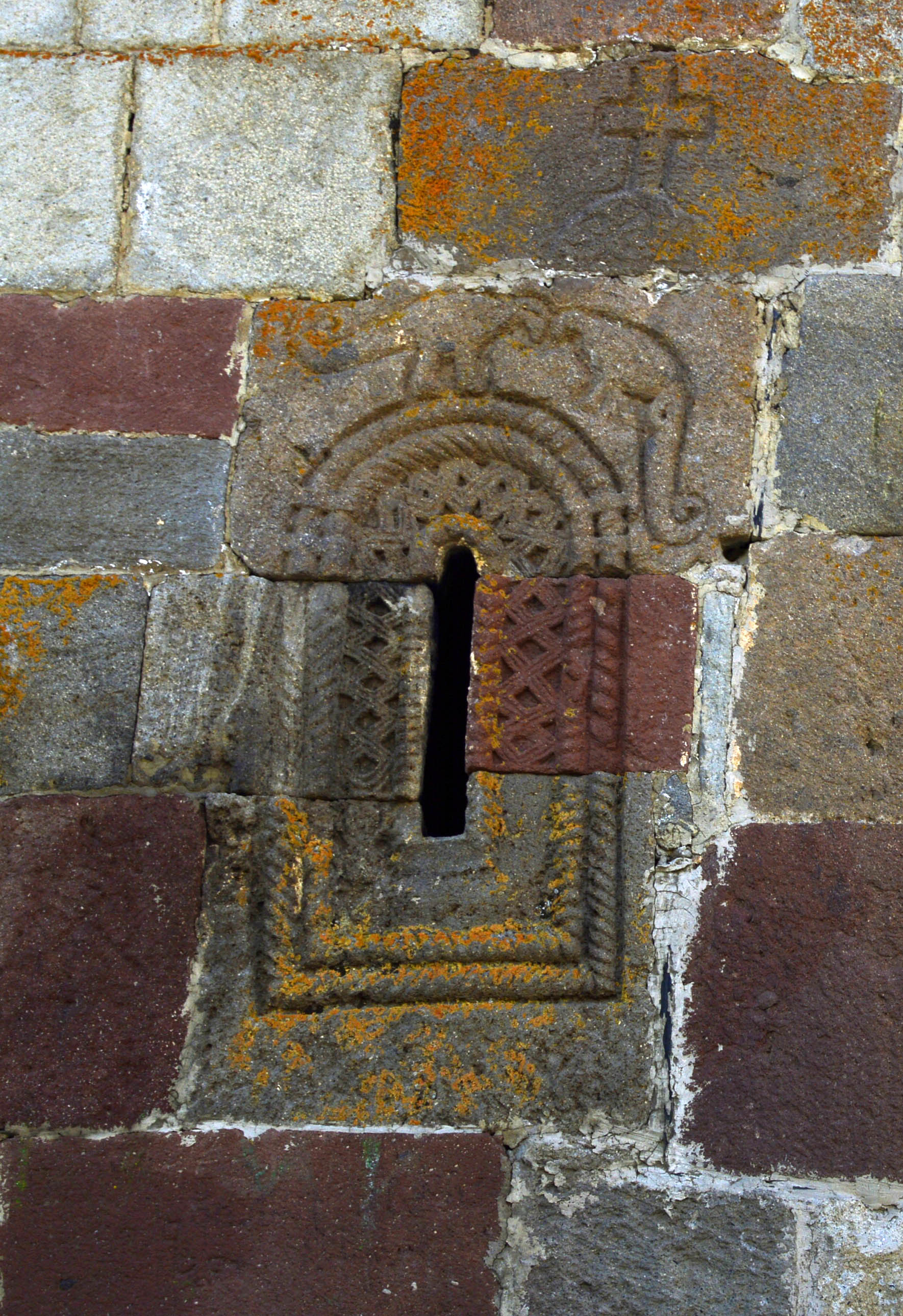
Thus the dinosaurs survived the great world catastrophe only here, and it is attested by the 12th-century window of the bell tower of the church.

Así, los dinosaurios sobrevivieron solo aquí a la gran catástrofe, como demuestra esta ventana del siglo XII del campanario de la iglesia.


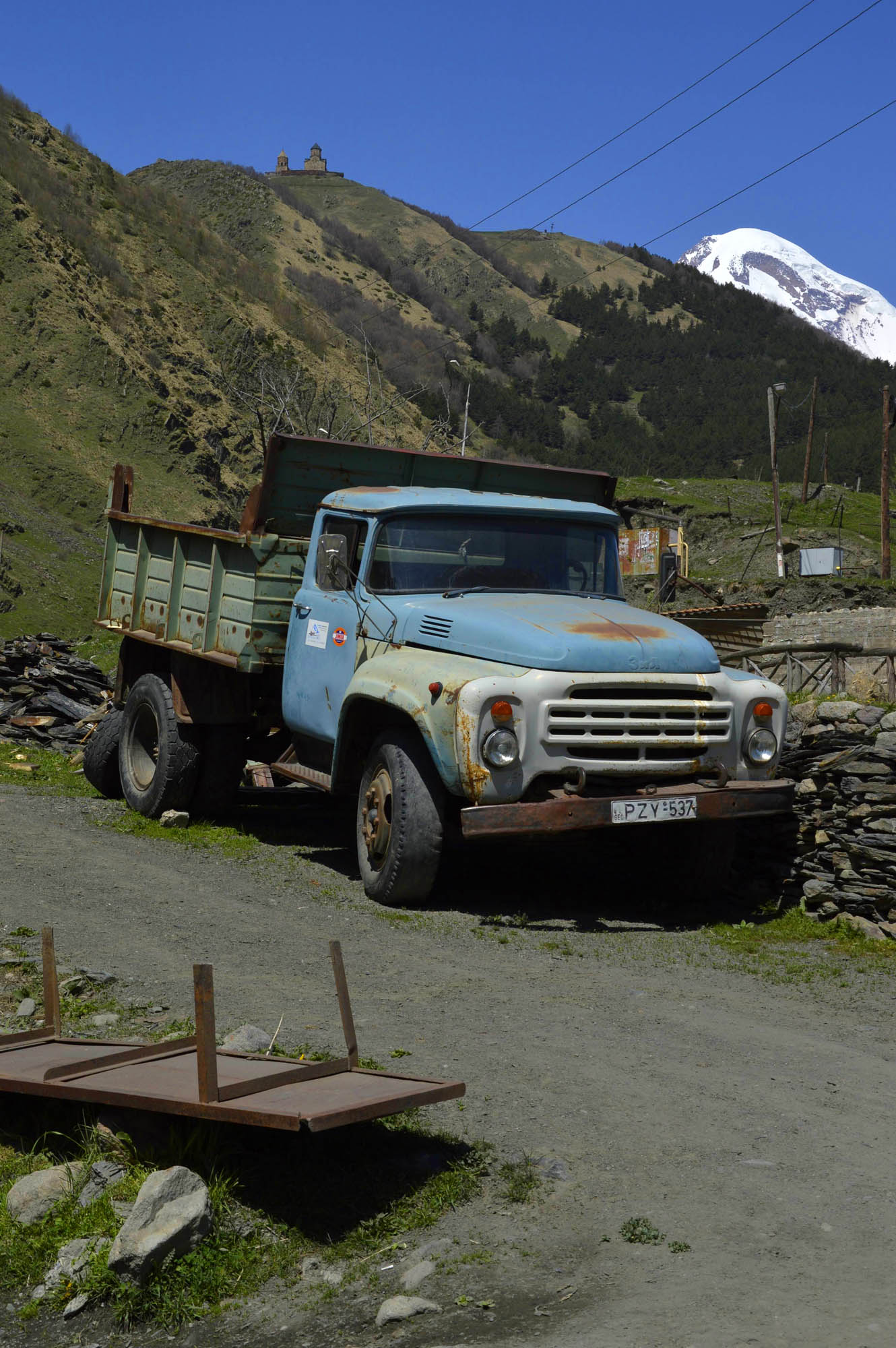
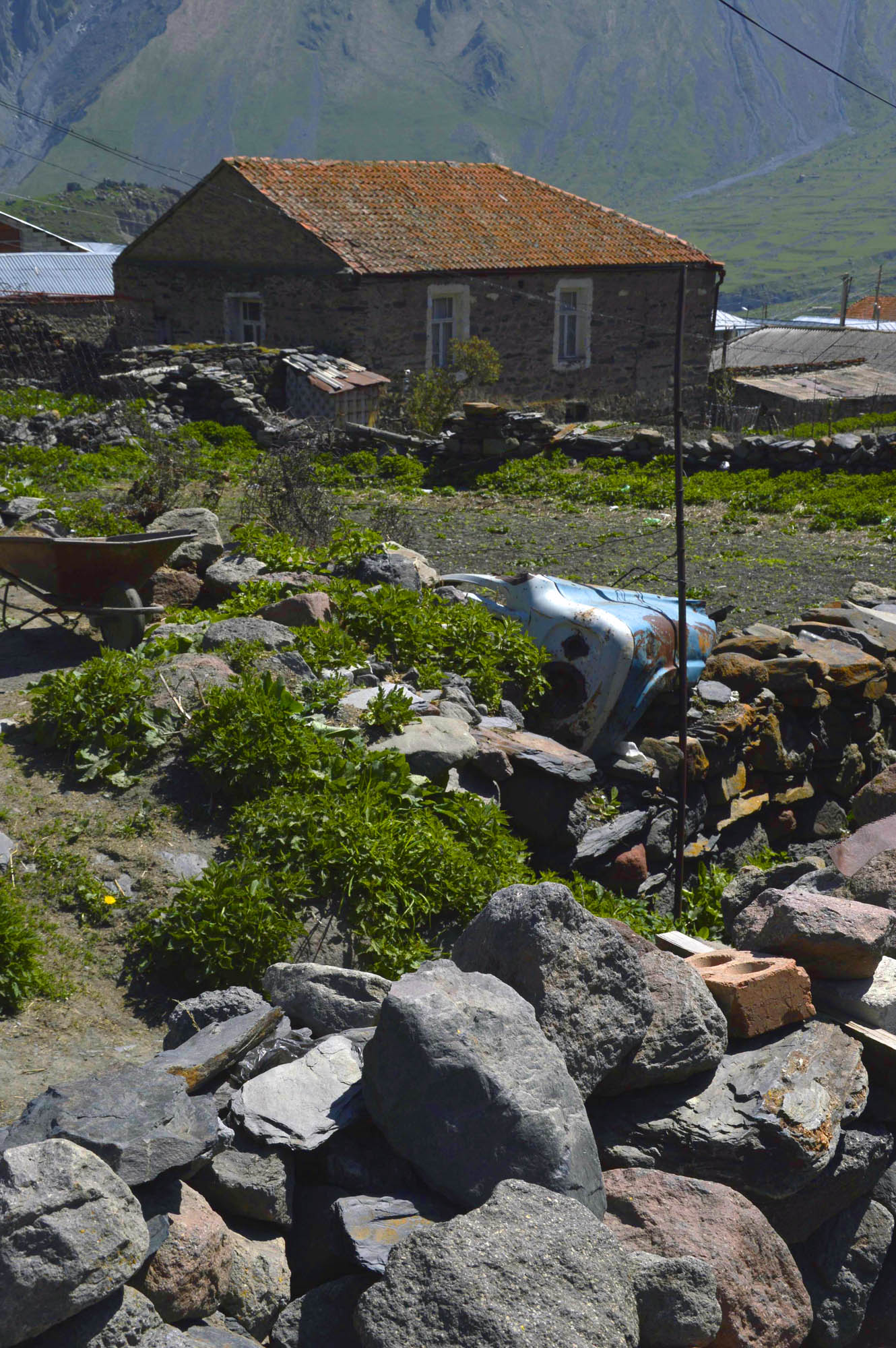
Their descendants still stroll about in the village. And the bones of the dead ones are incorporated by the locals in their dry-stacked stone fences.

Sus descendientes aún merodean por el pueblo. Y los huesos de algunos cadáveres son utilizados por los lugareños para tender sus vallas.


As the rest of Georgia, which lies to the south of the Jvari Pass, was converted by St. Nino in the 4th century, so Gergeti, lying to the north of it, was converted by a certain St. Dino already before the Flood. His companion represented in the carving of the window is St. Trichontosaurus, who, after some failed attempts to spell it, was left out of the legend, so his name has not survived.

Al igual que el resto de Georgia, que yace al sur del paso de Jvari, fue convertida por Santa Ninó en el s. IV, así Gergeti, al norte, fue convertida por cierto San Dino ya antes del Diluvio. Su mascota representada en el relieve de la ventana es san Tricontosaurio, que tras varios intentos fallidos de deletrearlo, fue apartado de la leyenda de modo que su nombre no fue registrado en su momento.

Dissolving: “...cor meum vigilat”


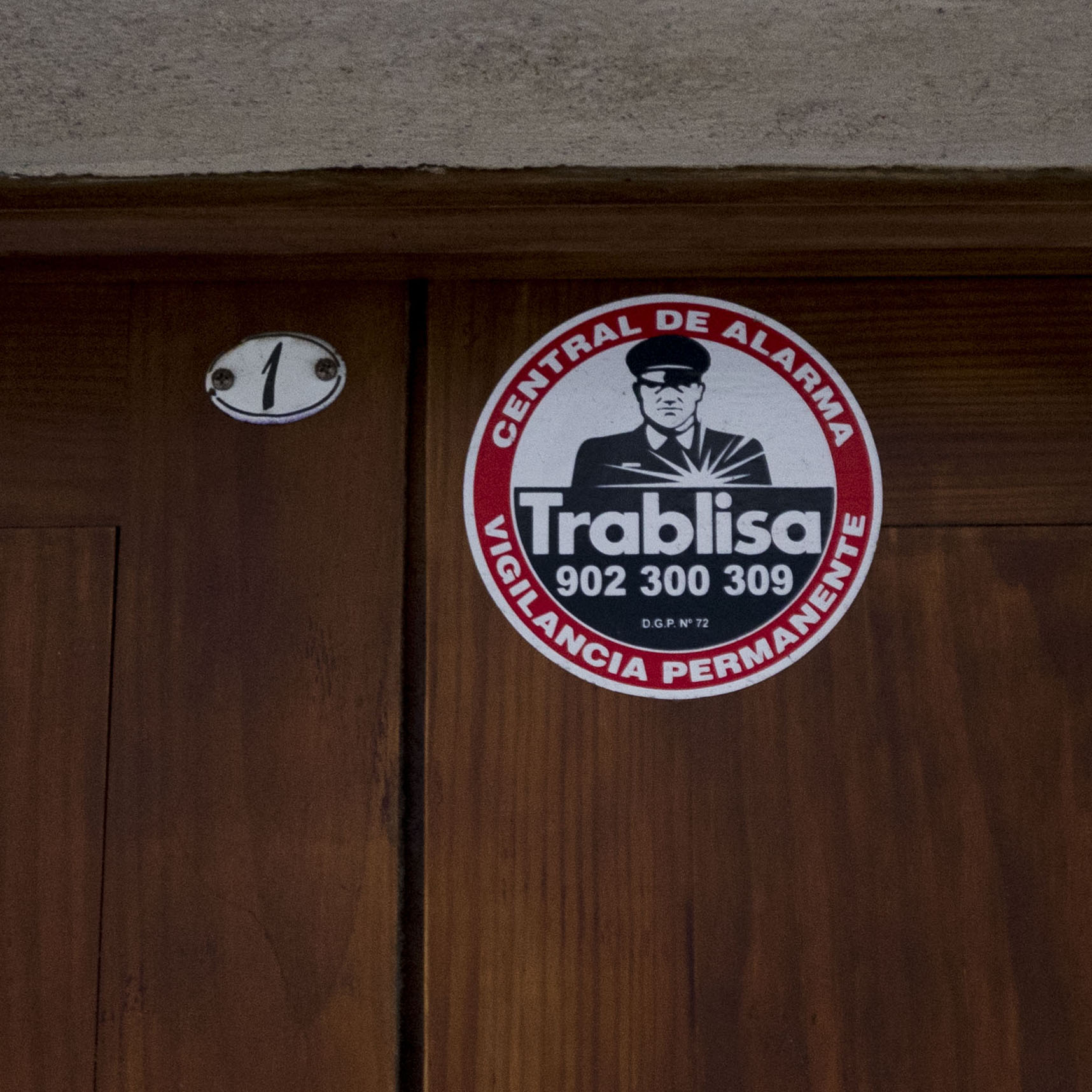
Surely we see here another example of that hidden life of images, which impressed Aby Warburg so much, that he presented it as a separate phenomenon, called Pathosformel, in his 1905 study about Dürer’s relationship to classical antiquity. It is a more or less unconscious and timeless survival of expressive pictorial formulas, which here takes shape in the form of the rays emanating from the heart of the security guard.
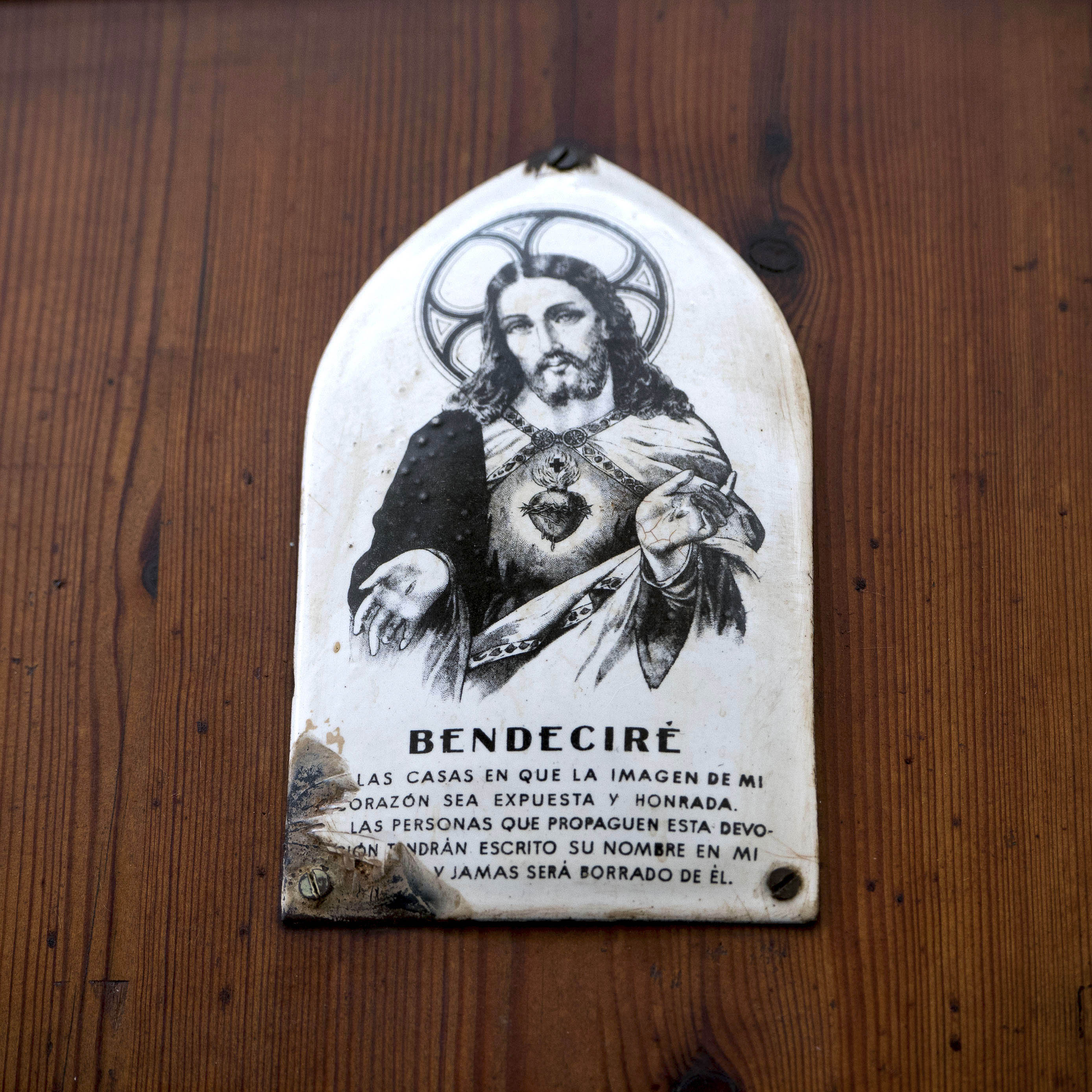
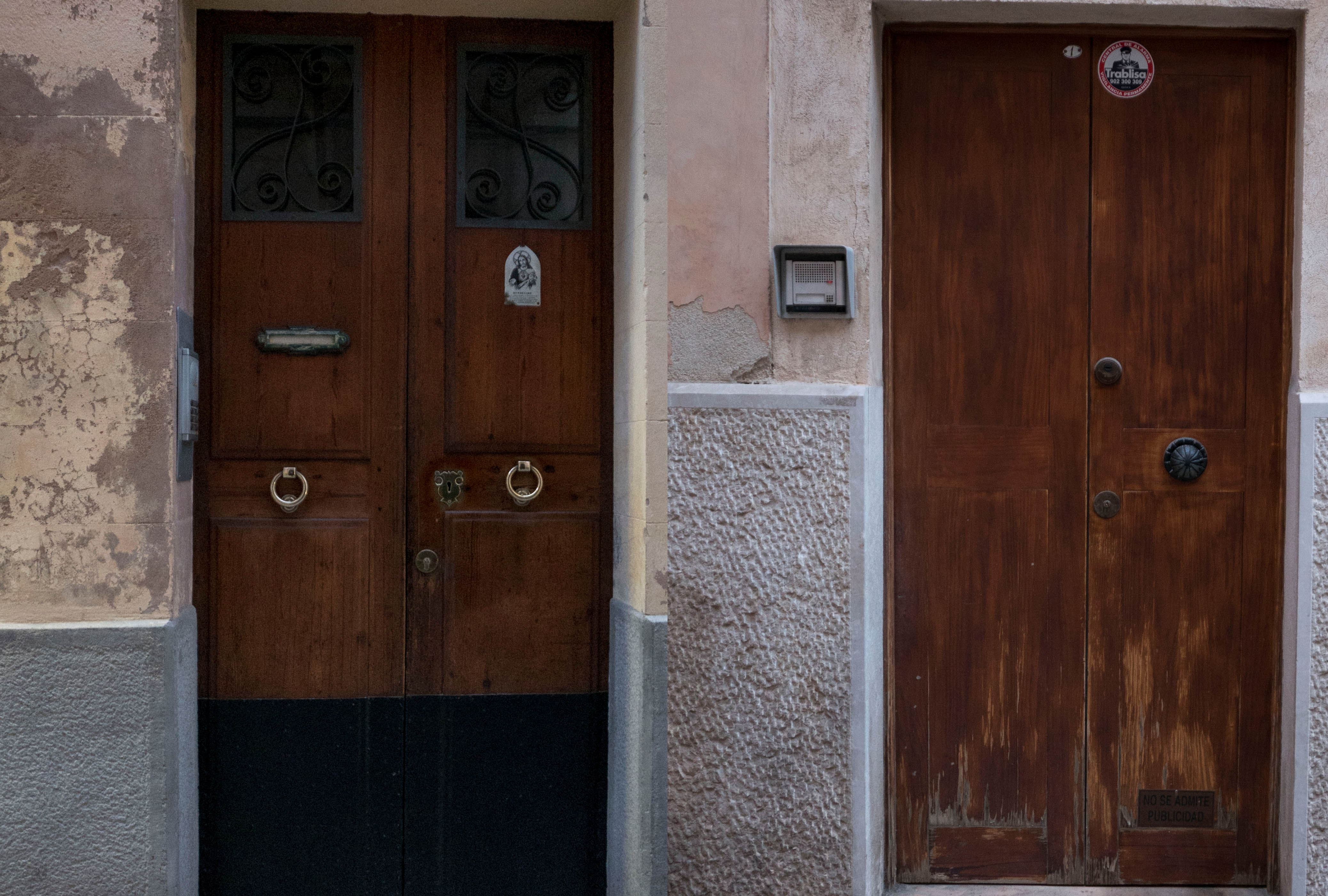
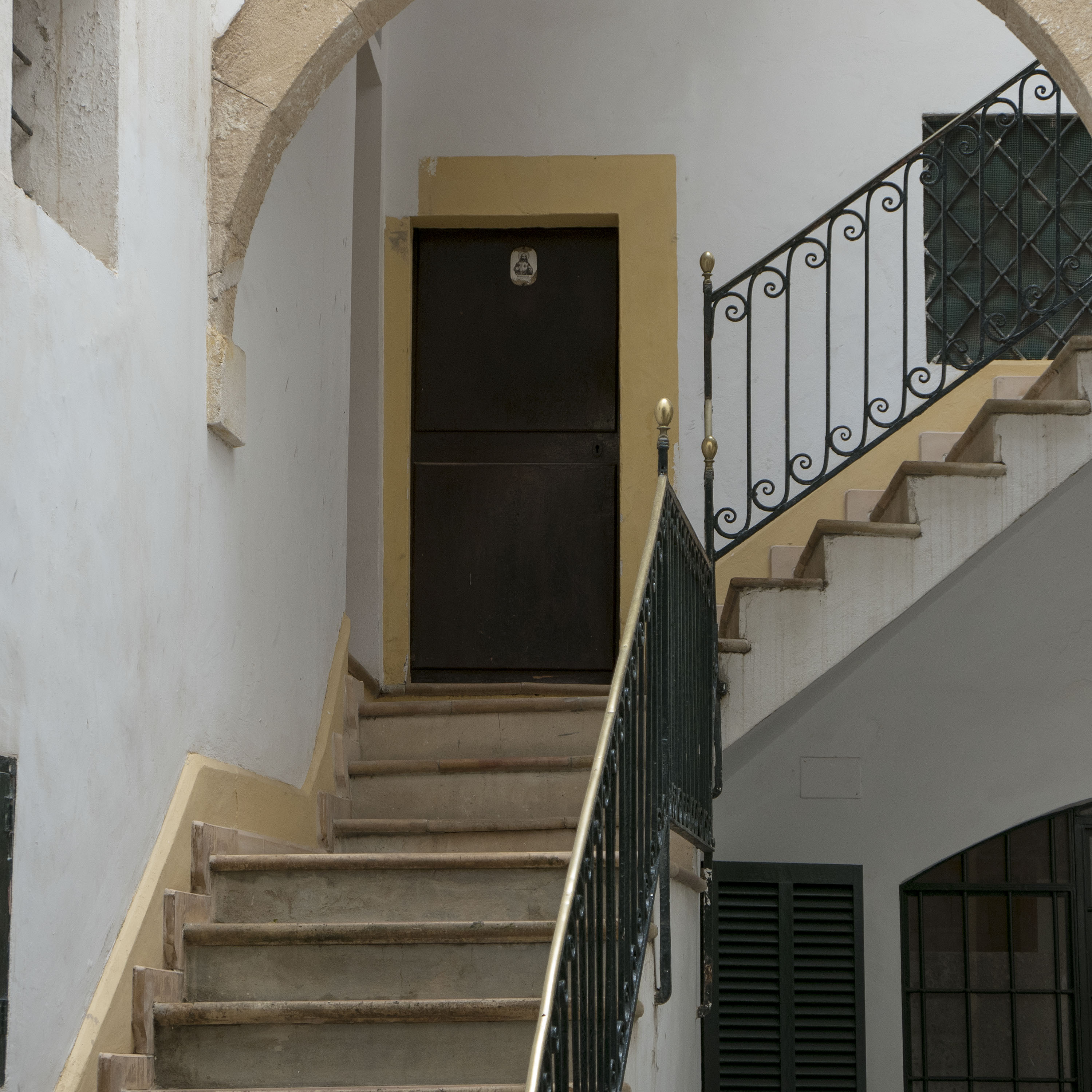

The two doors are separated by only a few meters in the old town of Palma. The first one is in carrer del Call, opposite the “Las Olas” restaurant. The other at the corner of carrer de Sant Alonso and Santa Clara.

Carrer de Pont i Vich

The Sacred Heart of Jesus plaques, with the uppercase “BENDECIRÉ” (“I will bless”) label * were once present on almost all the doors of the city. Today only a few survive on the inner doors that open directly to the apartments. On the street front, only a few decaying ones have been left. Their place is occupied by the new type of image, whose presence is bound to a monthly fee.


Claudio Monteverdi: Sacred Music. Roberto Gini, Lavinia Bertotti & Ensemble Concerto. “Ego dormio et cor meum vigilat” (I’m sleeping, but my heart is watching)