Switch over to our new blog! • ¡Pásese a nuestro nuevo blog!

The renewed version of our blog, with more features, a richer design, and available in nine languages, can be read here: https://wangriver.com

The new version also includes the old posts, often in expanded form. If you are curious about the updated version of this post, replace “riowang.blogspot.com/” in the URL with “riowang.studiolum.com/”, and the new link will most likely lead you there.


La versión renovada de nuestro blog, con más herramientas, un diseño más rico y disponible en nueve idiomas, se puede leer aquí: https://riowang.com

La nueva versión también incluye las publicaciones antiguas, a menudo en una forma ampliada. Si tiene curiosidad por la versión actualizada de esta entrada, sustituya «riowang.blogspot.com/» en la URL por «riowang.studiolum.com/es/», y el nuevo enlace probablemente le llevará allí.

Mostrando entradas con la etiqueta propaganda. Mostrar todas las entradas

Ancient glory

November 7th is a day of glory. Everyone knows this, especially those who were reminded of it at school ceremonies before 1990, or had to drive across the square named after it on the way to Buda or the City Park. But that it would also become a day of glory for Iran? That’s a brand-new development—freshly minted just yesterday.

Iran’s relationship with glory has cooled off in recent times. Signs have appeared before, stretching even into the distant past—way back to the Battle of Karbala in 680, where the Shiites suffered their greatest defeat, commemorated annually as Ashura, their biggest religious holiday. You could say their entire social-psychological makeup is ritualistically trained to accept defeat. Yet even among these recurring setbacks, a particularly deep low came this past June, when Israeli and American forces swiftly pulverized Iran’s air defenses and bombed its nuclear facilities.

The Iranian regime, sharp-eyed enough to assess this as its own total failure and a questioning of its half-century-long existence, delivered a resounding response to the West yesterday. True, it had to reach far back in time to the last measurable victory: Shapur II, the Sasanian shah, at Edessa in 260, triumphing over the Roman Emperor Valerian. The emperor and his army vanished into the Persian Empire, and Shapur had the triumph immortalized on the rock tomb near Persepolis—a relief showing the defeated emperor kneeling before the mounted shah, his cloak draped over his shoulder, pathetically puffed up by a totally inappropriate pathos formula.

According to reports, the Iranian regime, allegedly at Supreme Leader Khamenei’s personal suggestion, commissioned a statue version of that relief—and unveiled it yesterday, November 7th, Friday, in the heart of Tehran at Enghelab Square, literally “Revolution Square.” The statue, the Iranian press notes, is a serious warning to the West. Crowds cheered the unveiling, which didn’t hurt that it came with a pop concert.

The message is made clear by two gigantic figures, a Sasanian and a modern Persian warrior, with the inscription on their shields: مقابل ایرانیان دوباره زانو مزید moqâbel-e Irâniyân dobare zânû mizid “Time to kneel before the Iranians… again”. Although the message is written in Persian — a language largely unfamiliar to the West — the seas surrounding Iran are labeled in English. This suggests that the designers probably downloaded a map of their own country from a Western website as well—a curious form of kneeling, one might say

The West will probably decode this “serious warning” and panic a little. But there’s another, subtler layer here worth decoding. Until now, the regime had strictly avoided glorifying pre-Islamic Persian history—first, because it represented the jahiliyyah, the age of ignorance before the true faith, and second, because the Pahlavi shahs, overthrown in the 1979 revolution, had built their legitimacy precisely on that history. Perhaps for the first time, the regime is centering a Sasanian shah in its celebratory narrative. And right on the central square, renamed from Shah Square to Revolution Square. Does this imply that the era of Islamism has blown its course, and that the country, like any state of a failed ideology, must now lean on tried-and-true nationalism to shore up its legitimacy?

The monumental tableau vivant staged by Shah Reza Pahlavi in 1971 at Persepolis for the 2,500th anniversary of the Persian Empire has long been considered banal, pompous, and petty. The Enghelab Square version adds to this mediocrity with genuinely dreadful cinematography.

Of course, Iran wasn’t the first to give an example of defeating a paper tiger. Christianity has suffered similarly humiliating blows, when in 1453 the Turks captured Constantinople, shattering its self-esteem and sense of security. The impact resonated across the West, and on that occasion, we commemorated a very old victory against paganism: Piero della Francesca’s fresco cycle of the Legend of the True Cross in the Franciscan church of Arezzo (1450–63). Its final scene depicts Emperor Heraclius, in 628 at the Battle of Nineveh, defeating Shah Khosrow II of Persia and recovering the True Cross stolen from Jerusalem. The shah kneels on the ground among the Christian commanders, whom Piero, unlike in earlier images, updates with contemporary clothing instead of Roman armor. As if to say: “Watch out, Muslims! Just as we got our revenge on the pagans back then, we’ll take Constantinople back too.” The pagans are still waiting, perhaps growing weary by now.

Both works share a tension between glorious past and shameful present, a way to soothe helplessness and ignite hope through a historical example. But you know what? As the old joke goes: ours is prettier.

Estatuas errantes en Tirana

El espectro del comunismo recorre Tirana en forma de estatuas errantes que no encuentran su lugar.
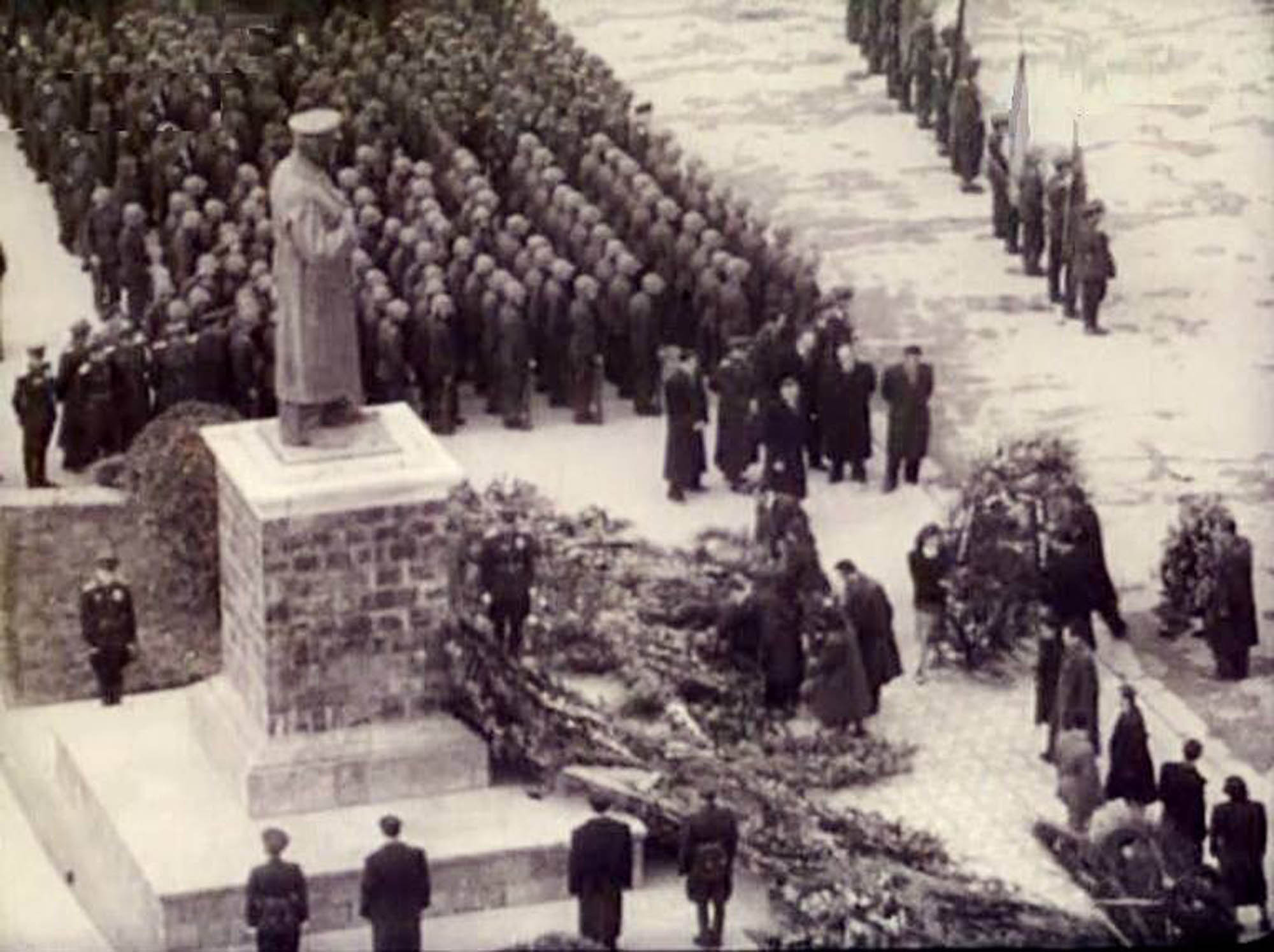
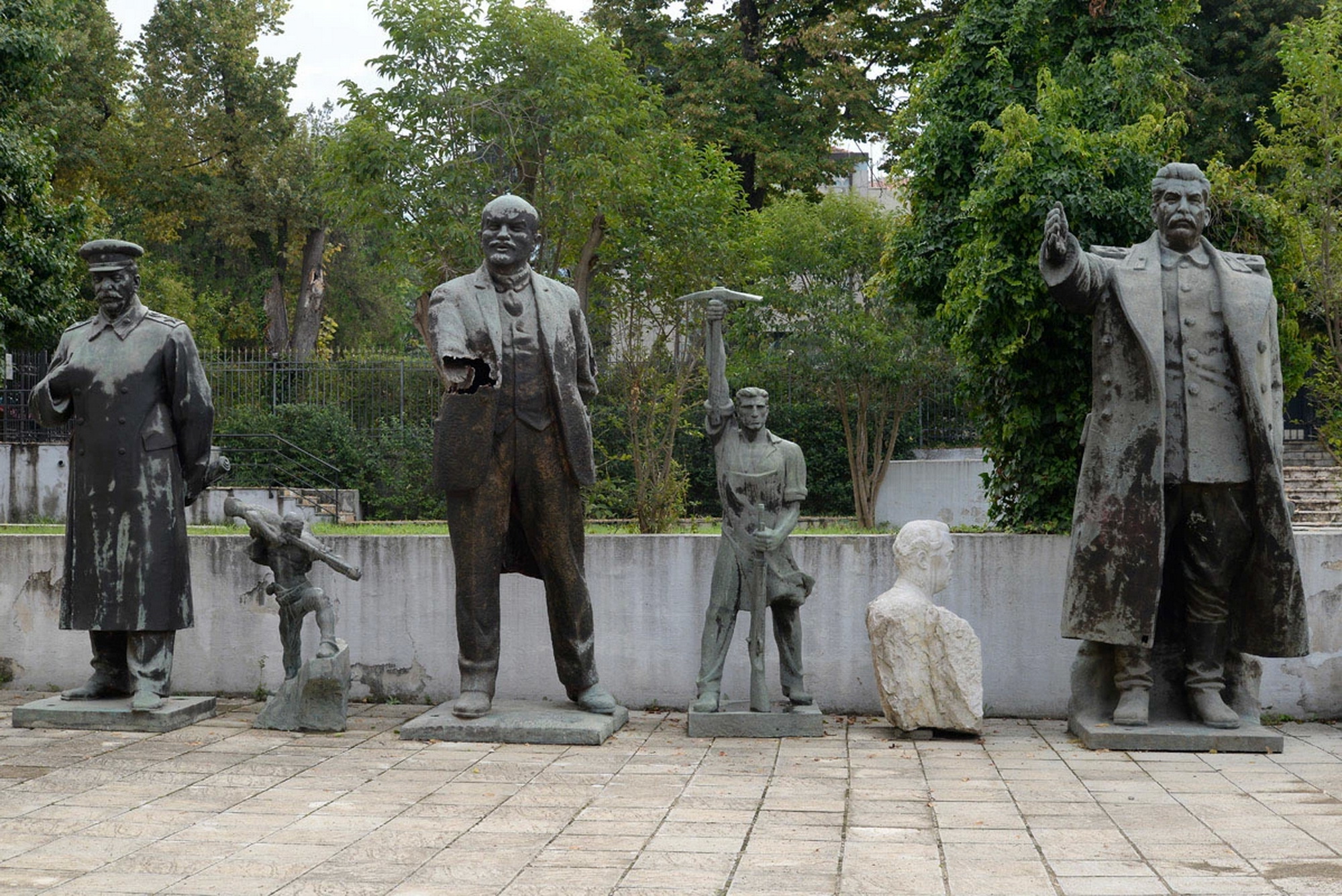
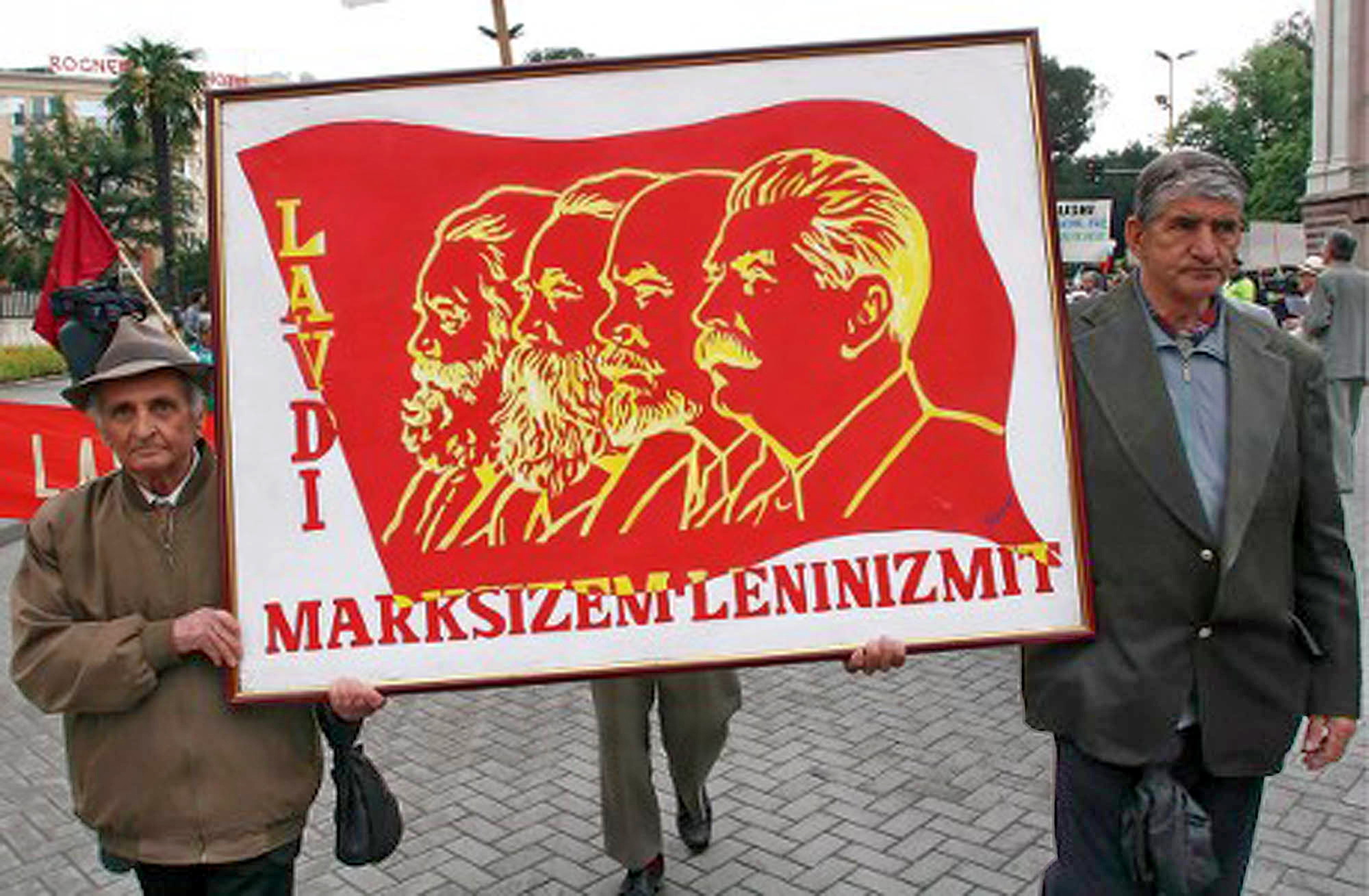
Las monumentales estatuas de bronce de Stalin y Lenin se erigían, antes de la caída del socialismo, en dos de las principales plazas de Tirana. La de Stalin ocupaba la plaza principal, sobre el pedestal donde hoy se encuentra la estatua de Skanderbeg (ya escribí «Pero la piedra permanece», sobre el papel imprescindible que jugaron los pedestales de los monumentos de regímenes anteriores como bases ready-made para las estatuas del nuevo sistema). La de Lenin, hacia el sur, en el bulevar Dëshmorët e Kombit, es decir, de los Mártires del Pueblo.

Con el cambio de régimen, los manifestantes de 1991 derribaron de sus pedestales estos símbolos que se habían vuelto insufribles. Pero no tuvieron la previsión de machacarlos, como sí en Budapest en 1956, y aquellos líderes literalmente caídos hallaron refugio en el patio trasero de la Academia de Bellas Artes, a la sombra del antiguo palacio real, frente a la pirámide construida como mausoleo de Enver Hoxha. Allí sobrevivieron las accidentadas décadas de la democracia albanesa, con la esperanza de que el pueblo regresara algún día al culto a la personalidad más acorde con sus tradiciones, y entonces volvería a ser su hora. Mientras tanto no estaban a la vista de nadie, pero quien sabía de ellos podía entrar libremente al patio y fotografiarlos.

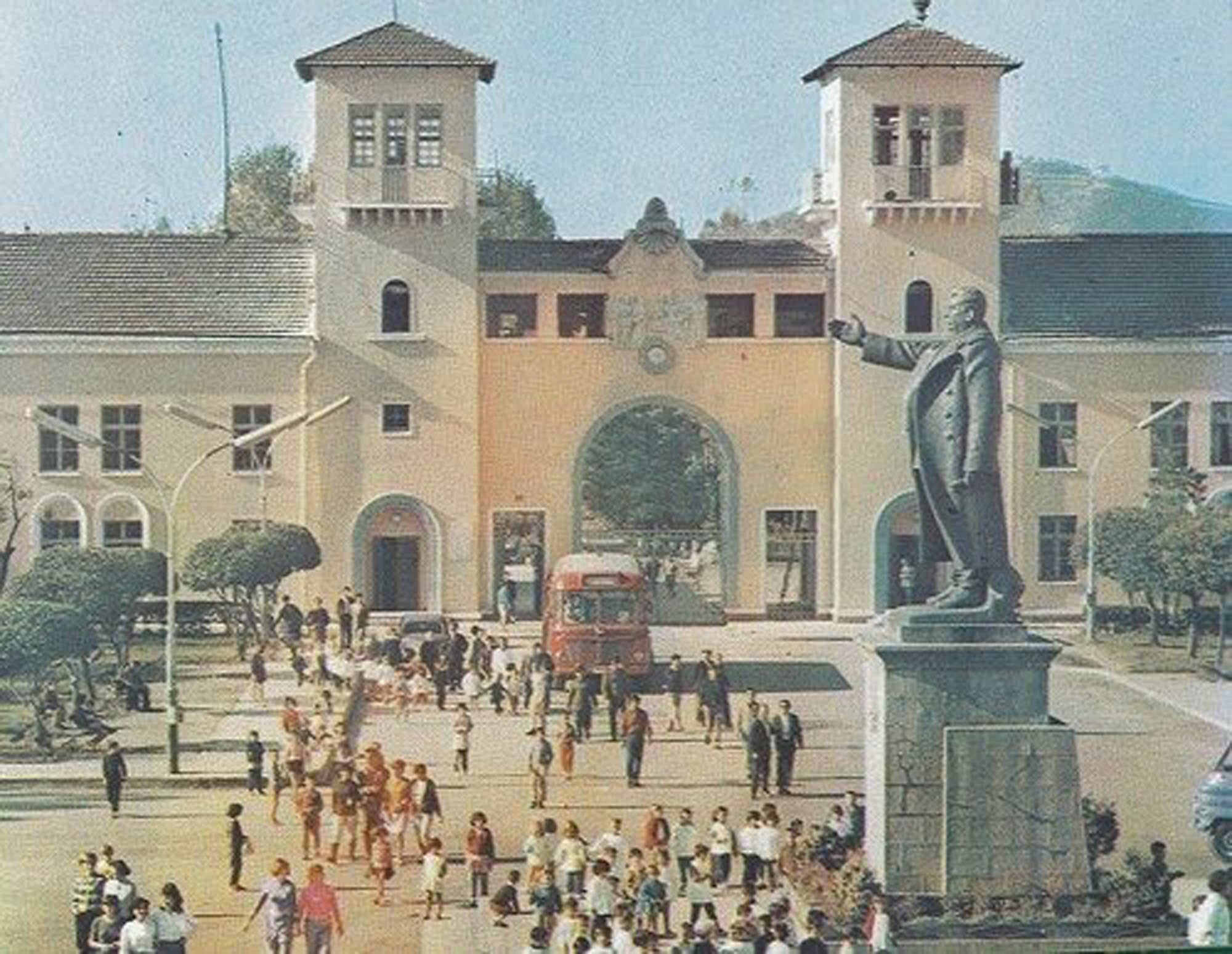
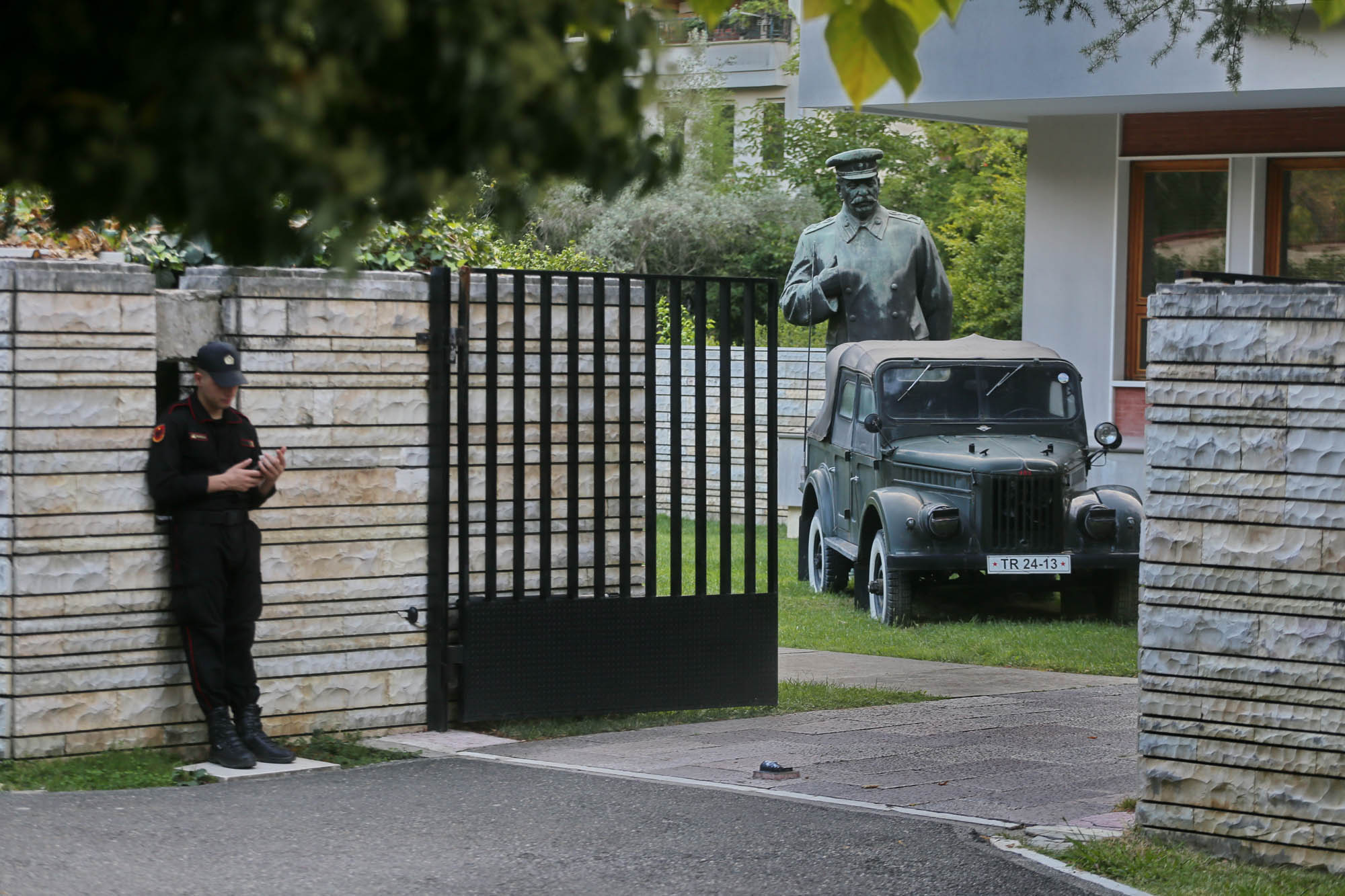
La otra gran estatua de Stalin, visible en el lado derecho de la foto, no estaba en el centro de la ciudad, pero sí en un lugar destacado, delante del ayuntamiento del barrio Kombinat, al suroeste del centro y sede de las grandes fábricas textiles, como muestra la foto siguiente:

Sin embargo, al amparo del Covid, como en otros lugares, mucho cosas cambiaron también en Tirana. Tras cinco años quise volver a visitar el patio, pero me encontré con una escena como la de Boka en Los muchachos de la calle Pál. En el patio y sus alrededores se alzaba ya la estructura de hormigón de un nuevo edificio; las estatuas habían desaparecido. Pregunté al policía de guardia frente a la entrada, pero al mencionar los nombres su rostro se endureció y en inglés me respondió que no sabía inglés.

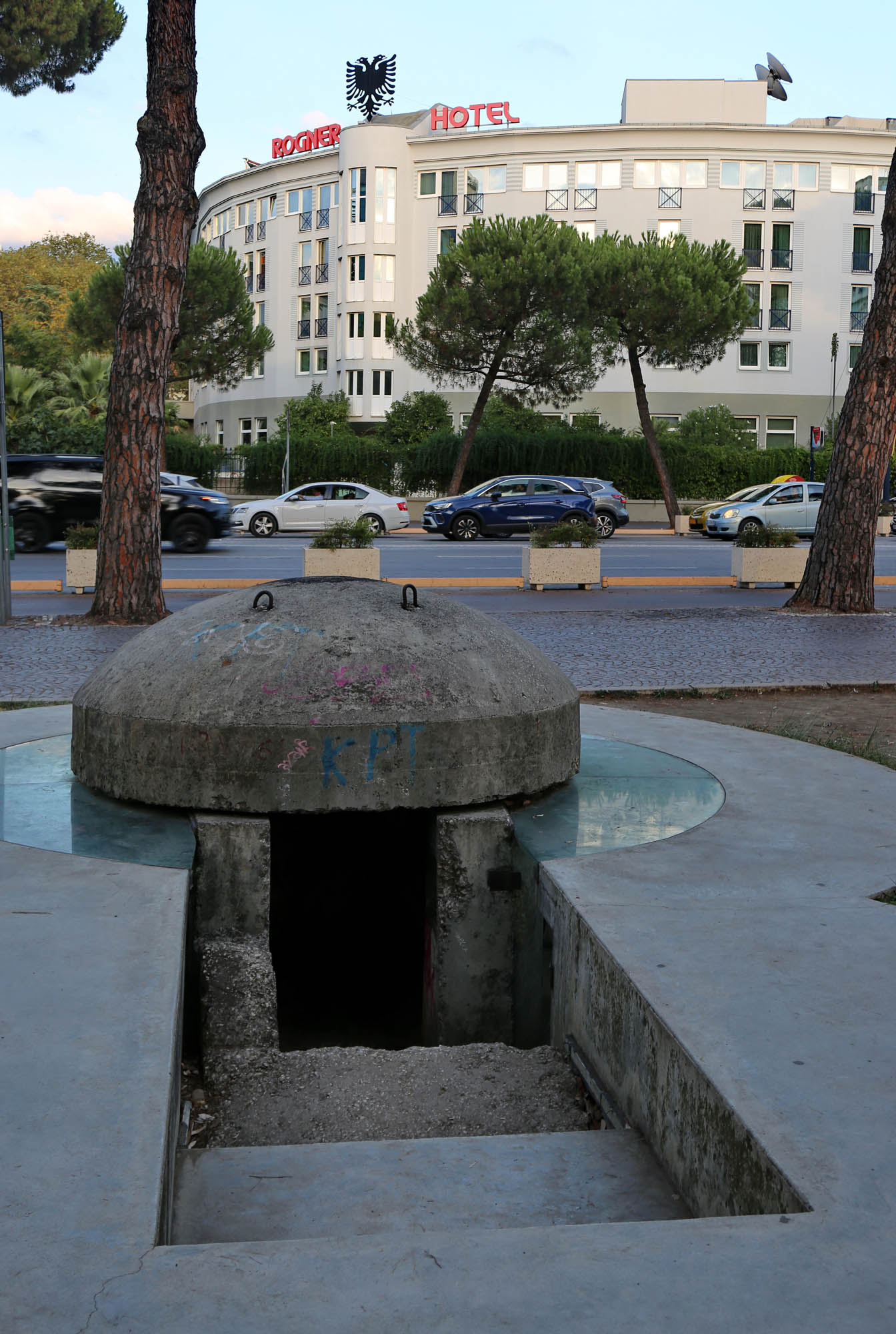
Junto al búnker de hormigón dedicado a las víctimas del comunismo, un guía improvisado se dirigía a unos turistas italianos. Le pregunté y con soltura me indicó el camino hacia la villa de Mehmet Shehu.

Mehmet Shehu, que pasó de hijo de mullah a revolucionario ardiente, voluntario en la Guerra Civil española y fanático seguidor de Stalin, se ganó el reconocimiento de Enver Hoxha con su intransigente purga como comandante en jefe del ejército popular albanés tras 1944. Hoxha le recompensó con el puesto vacante de Koçi Xoxe, ministro del Interior purgado. Durante toda su vida Shehu fue la figura número dos tras Hoxha, manteniendo siempre una línea dura. Cuando en una visita a Moscú Jruschov le preguntó cuál consideraba el mayor crimen de Stalin, Shehu le respondió sin rodeos: “que no lo eliminó a usted a tiempo”. Fue él también quien selló la alianza fraterna entre los dos últimas bastiones del estalinismo, China y Albania, que perduró hasta la caída del sistema.

Pero Shehu no sobrevivió hasta entonces. El 17 de diciembre de 1981 fue hallado muerto en su villa, con un disparo en el pecho. La versión oficial habló de suicidio. Poco después, arrestaron a su hermano, esposa, hijo y dos hijas. Todos murieron en prisión en los años 80. Su hijo menor, Bashkim Shehu, tras la caída del socialismo, intentó reivindicar su memoria afirmando que su padre fue víctima de un asesinato político, y lo dijo abiertamente en televisión. Como suele ocurrir en las mitologías, detrás de los hechos había que buscar a una mujer: el hermano de Shehu se había enamorado de una mujer de familia poco afín al régimen; algunos de sus parientes estaban en EE.UU. y otros, no por casualidad, en cárceles albanesas. El jefe de la temida policía secreta, la Sigurimi, intentó convencer a Shehu de que influyera en su hermano, pero él solo respondió: «Es joven. Que ame.»

La versión de Bashkim Shehu cobra fuerza porque tras la muerte de su padre no solo su familia desapareció en prisión, sino que él mismo resultó ser un astuto espía yugoslavo, estadounidense y ruso. Enver Hoxha lo escribió abiertamente en su libro de 1982 Los titistas, dedicando varios capítulos a describir su perfidia.

Sobre la caída y muerte de Shehu apareció otro libro mucho más legible, años después de los hechos y del fin del régimen: El sucesor (Pasardhësi), de Ismail Kadaré, considerada quizá su obra más grande.

Pues bien, en su jardín hallaron un nuevo hogar Stalin y Lenin. En el mejor sitio, junto a su último devoto. Una señal al inicio del camino privado prohíbe el paso, prohibición que refuerza un guardia armado con gestos inequívocos. Dicen que la casa la usa el gobierno para actos protocolarios. En cualquier caso, vimos salir un coche negro blindado, y el guardia lo saludó militarmente. ¿Acaso sigue siendo sede de la policía secreta? Sería acorde con el espíritu de las estatuas.

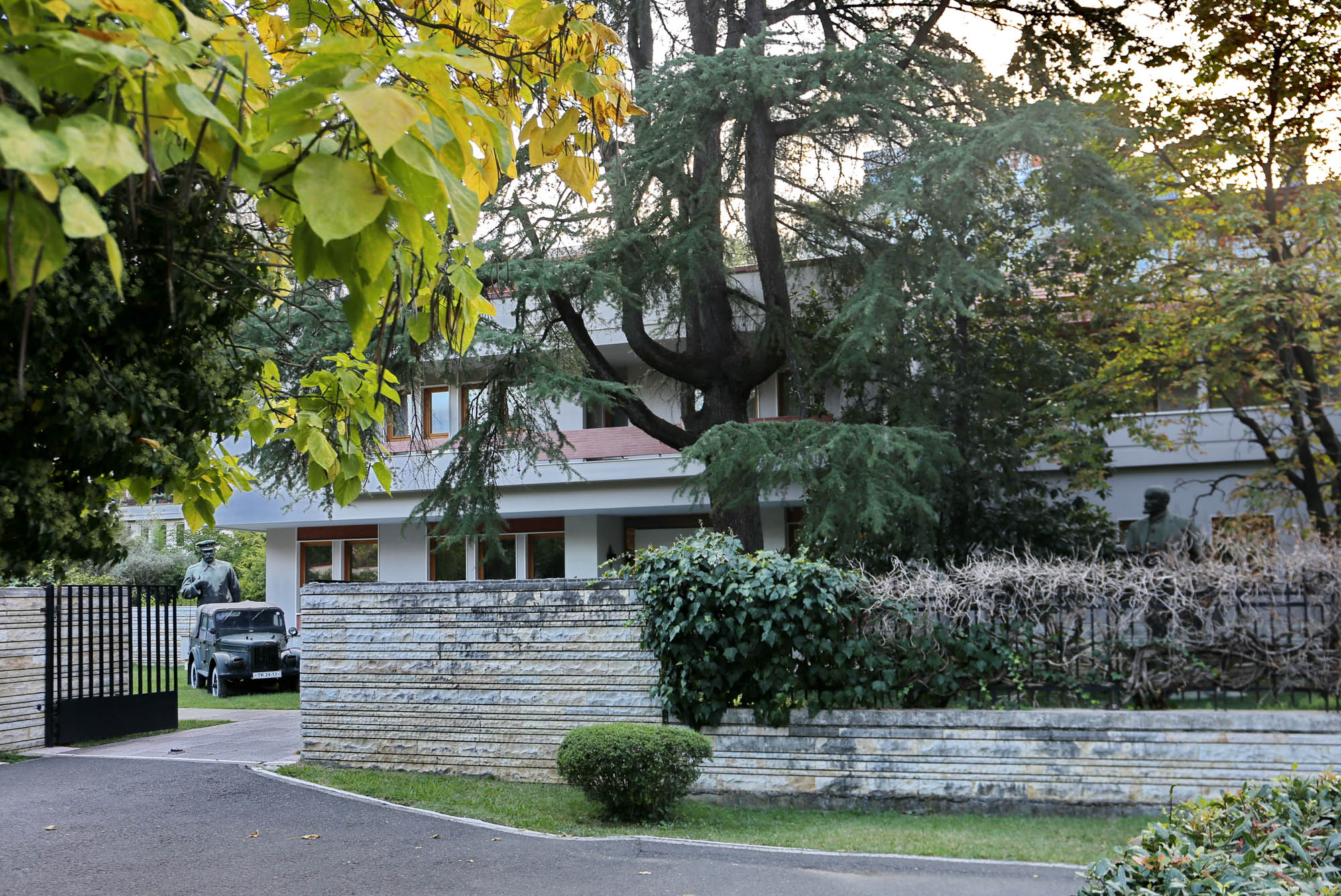
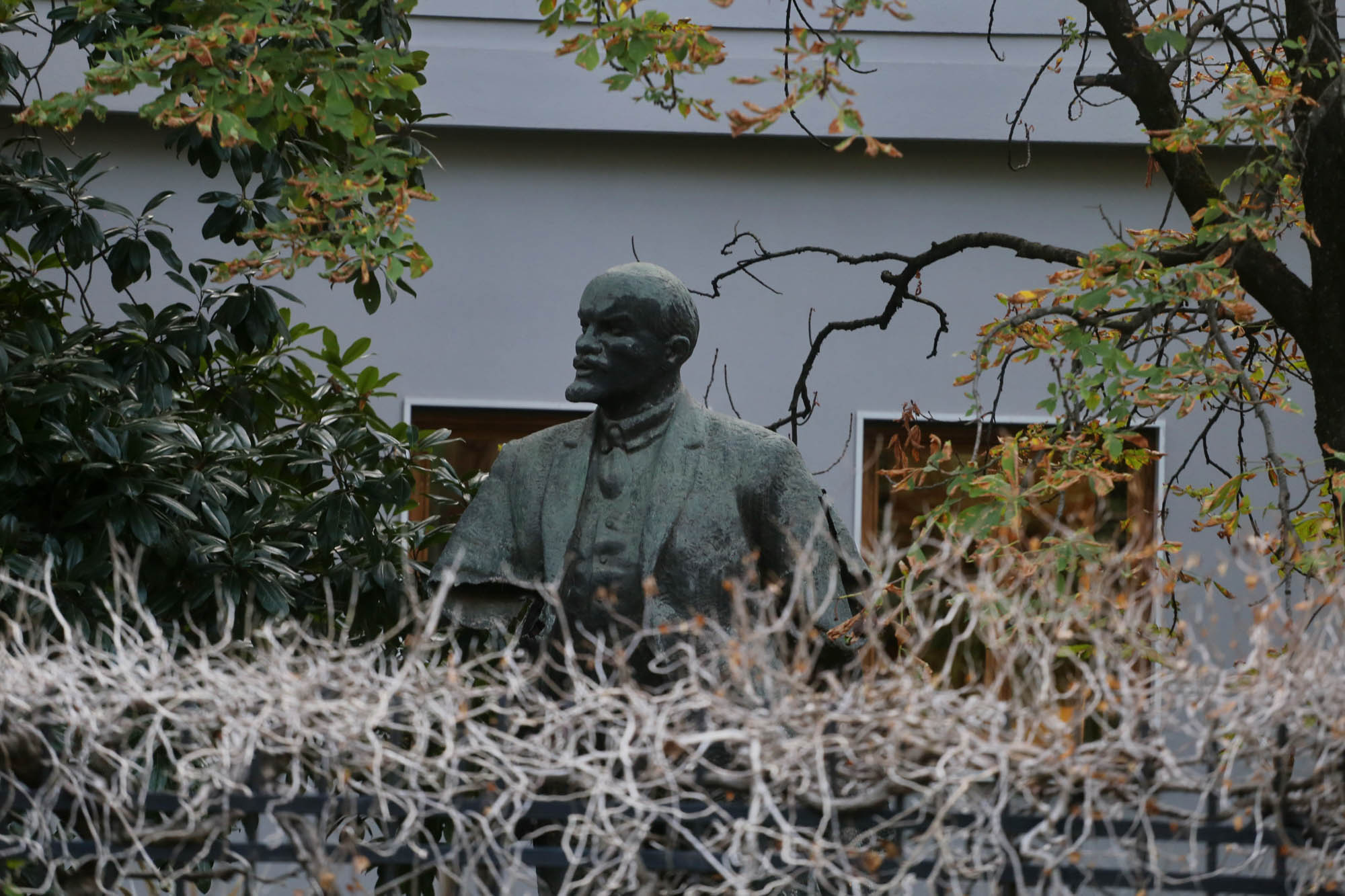
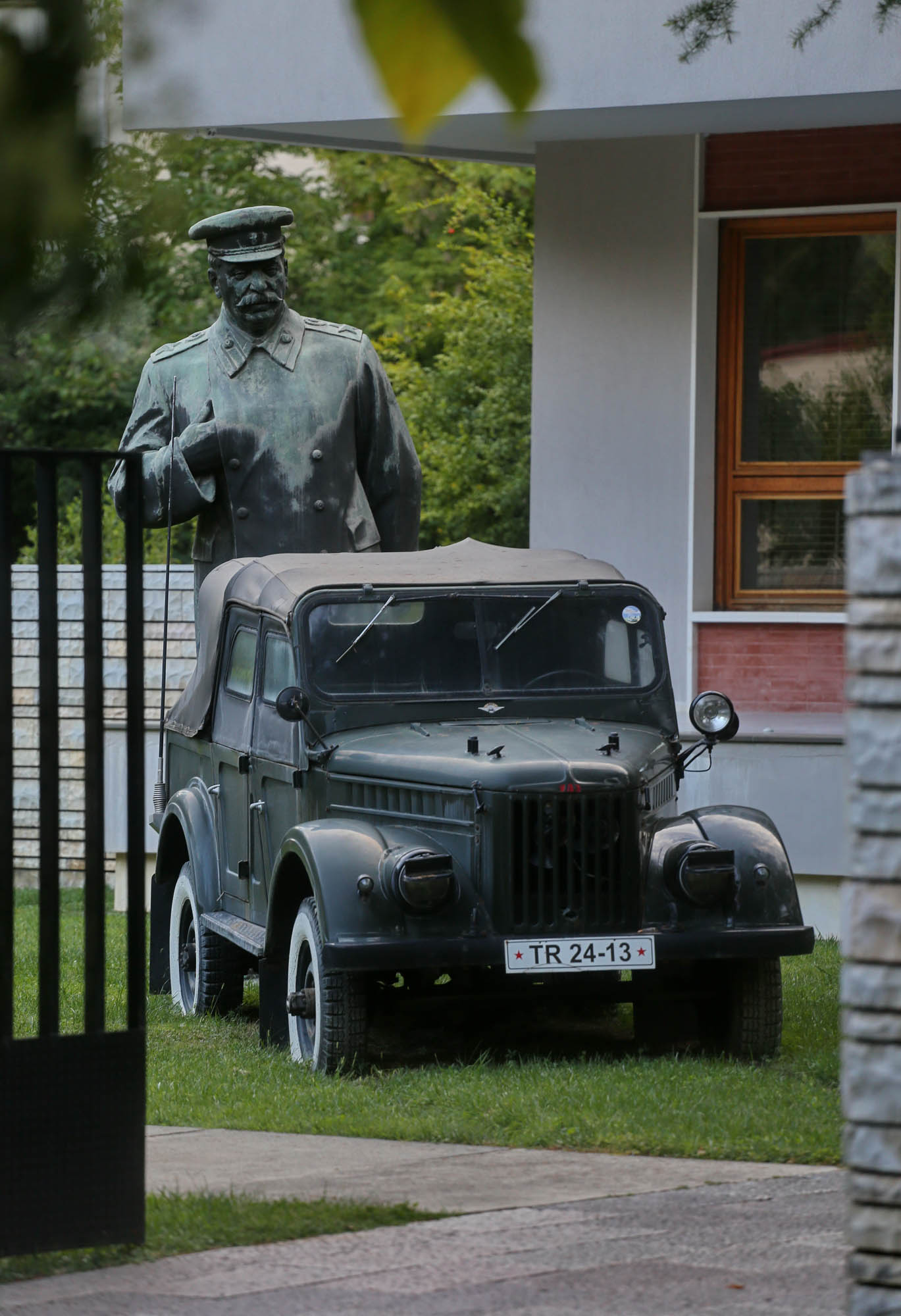
Aunque no podamos acercarnos a la puerta, desde el parque vecino podemos fotografiar la villa y las estatuas visibles. Bajo los árboles se distingue bien la cabeza de Lenin, y justo tras la puerta se alza Stalin, con el infame coche negro de la Sigurimi, un UAZ soviético, hoy un clásico. ¿Será que los veteranos comunistas siguen usando ese coche para que entren en ambiente de inmediato?

El régimen, sin embargo, aprendió algo: para legitimar la presencia de las estatuas adoptó un argumento tomado de la oposición. Según este, las estatuas se encuentran allí como una instalación artística. Extraño argumento en una época en que la definición del arte incluye cada vez más la interactividad, es decir, que no solo la mano del artista, sino también el ojo del espectador hace el arte. Aquí, escondidas en el jardín de la villa y manteniendo alejados a los posibles espectadores con fuerzas de seguridad, cumplen más bien la definición medieval del arte, donde bastaba con que Dios lo viera.

No sé si quiero ese nuevo y bello mundo, que a todas luces ya se prepara, en el que esta instalación volverá a recibir plena publicidad.

Wandering statues in Tirana

The spectre of communism still haunts Tirana—today not through ideology, but in the form of wandering statues with no place to call home.

Before the fall of socialism, monumental bronze statues of Stalin and Lenin dominated Tirana’s two central squares. Stalin stood on the main square, on the very pedestal where Skanderbeg now sits astride his horse. (As I once noted in a post, pedestals from toppled regimes have often served as ready-made foundations for the symbols of the new.) Lenin, meanwhile, gazed over Dëshmorët e Kombit, or the Avenue of the Martyrs of the People.

When the regime collapsed in 1991, protesters pulled the symbols of dictatorship from their pedestals. Unlike in Budapest in 1956, however, no one had the foresight to cut them into pieces. The literally fallen leaders were instead dragged into the back courtyard of the nearby Academy of Arts, in the shadow of the old royal palace and opposite the pyramid built as Enver Hoxha’s mausoleum. There they lingered through the turbulent decades of Albanian democracy, hoping that the people would one day return to the personality cult most in line with their traditions, and then their day would dawn again. Meanwhile they were out of sight, yet never entirely hidden. Anyone who knew the way could wander into the yard and photograph them.

The other large statue of Stalin on the right side of the picture stood not in the city center, but in a similarly prominent location, in front of the city hall of the southwestern Kombinat district, home to the large textile factories, as the photo below shows:

But then came Covid, and as in many places, Tirana changed unnoticed. Yesterday, when, after five years, I returned to the courtyard, the scene was unrecognizable. A skeletal concrete frame of a new building towered over the site; the statues had vanished. I asked the policeman across the street, but at the mention of their names his face froze, and he muttered in English—ironically—that he did not understand English.

Next to the bunker-museum dedicated to the victims of communism, a self-styled guide was lecturing to Italian tourists. He pointed me instead toward Mehmet Shehu’s villa.

Shehu is one of Albania’s most tragic figures: a mullah’s son, then a fiery revolutionary, volunteer in the Spanish Civil War, and fanatical disciple of Stalin. After 1944, as commander of the People’s Army, his ruthless purges won Enver Hoxha’s trust. Following the downfall of Koçi Xoxe, Shehu became interior minister in his place, and for decades remained the regime’s number two, a hardliner to the end. During one visit to Moscow, Khrushchev asked him what he considered Stalin’s greatest crime. Shehu, blunt as ever, replied: “That he didn’t get rid of you in time.” He also brokered the unlikely brotherhood between Albania and China, the last two Stalinist fortresses, a bond that lasted until communism itself collapsed.

But Shehu did not live to see that collapse. On December 17, 1981, he was found dead in his villa with a bullet wound in his chest. Officially, he had committed suicide. Soon after, his brother, wife, son, and two daughters were arrested; all died in prison during the 1980s. Only his younger son, Bashkim, survived, later insisting that his father had been assassinated for political reasons. He explained on television that behind the affair lay, as myths often suggest, a woman. Shehu’s brother had fallen in love with someone from the wrong family – relatives abroad in the U.S., others languishing in Albanian jails. When the feared secret police, the Sigurimi, asked Shehu to intervene, he simply replied: “He’s young. Let him love.”

After Shehu’s death, Hoxha smeared him in his 1982 book The Titoists, devoting entire chapters to portraying him as a Yugoslav, American, and Soviet spy, which confirms Bashkim’s claim, that his father was a victim of political murder.

Another, far more readable book about Shehu’s downfall and death appeared long after the events and the collapse of the regime: Ismail Kadare’s novel The Successor (Pasardhësi). Many regard it as perhaps the author’s greatest work. The reason for this is, of course, the personally lived experience of that era.

And yet, it is in Shehu’s garden that Stalin and Lenin have now found their final home. The last faithful servant shelters the last faithful statues. At the entrance of the service road to the villa a sign warns against entry, reinforced by the stern gestures of an armed guard. The villa, is allegedly used by the government for protocol events. As we watch, a black armored car rolls out, saluted by the guard. One wonders if the secret police still operate here – fitting company for the bronzed ghosts of Stalinism.
Though visitors are kept from the gate, the statues can still be seen and potographed from the neighboring park. Beneath the trees Lenin’s head juts out unmistakably; just inside the entrance stands Stalin, flanked by the Sigurimi’s infamous black car—a Soviet ZIS, now a collector’s antique. Do they still use it, one wonders, to fetch elderly communists, ensuring they feel immediately at home?

However, the regime must have learned something from the methods of the opposition. To justify the statues’ presence, the regime now claims they are merely an art installation. It is a curious argument in an age when art is increasingly defined by interactivity, when a work becomes complete only through the viewer’s eye. Hidden in a villa garden, guarded from public view, these statues fulfill instead a medieval definition of art – visible only to God.

But I am not sure I wish to see the brave new world, already in the making, in which this installation will return to full public view again.

Happy Easter

“Down with Easter!”

Easter – as we have amply documented here among the Poemas del Río Wang – is celebrated in many ways in many places around the world, where it is celebrated at all. It may sound surprising, but it was also celebrated in the Soviet Union in the 1930s. This 1933 photo testifies to this.

The inscription on the school board reads: “Who was in church at Easter?” and the little pioneers write down the names of those they know were there. We can only imagine what happens next: if you were lucky enough to experience similar harassment in Hungary in the 1970s, you have an advantage.

Some data: Between 1929 and 1941, only 500 of the 29,000 churches in the Soviet Union remained open, and in 1937 alone, 85,000 Orthodox priests were executed.
But let’s look at the bright side of life: according to this, during the bloody persecution of the church between 1929 and 1941, there was still a church somewhere in the Soviet Union where Easter services were held, a priest to hold it and some believers to attend it.

Although this is not certain either. After all, under what circumstances could this picture have been taken? It is unlikely that the official photographer was there at the time of a spontaneous school humiliation and caught it on camera. Most of the official photos taken in the 1930s are pre-arranged propaganda photos. This picture may also fit into the great anti-religious campaign between 1929 and 1941, and illustrates not an actual, but a desired practice. There may no longer have been a functioning church in the site. Just as the fat and greedy priests who were often paraded as enemies in the campaign had already been completely killed or deported to labor camps.

“Training for Easter”

However, if there was no church, then there were no churchgoers either. Then the picture does not depict a real humiliation, and the names are fictitious. Which also has its bright side.

Mussolini in new edition

April 25. Italy’s day of liberation from Fascism.

I recently wrote about how Mussolini’s frasi celebri – quotes from his historical speeches, which, writes Umberto Eco, “marked all my childhood, and whose most significant passages we memorized in schools” – can still be read on many walls in Sicily. This may indicate that Sicilians still look with some nostalgia to the days that brought the island some economic boom and a harsh suppression of the mafia. Or also the fact that Italians are generally quite indifferent to political slogans, and actually don’t care if the inscription is there or not. This would probably be the most painful to Mussolini in hindsight. And finally, it also shows how the façades of many buildings have not been renovated for at least eighty years.

The problem emerges when they are finally being renovated.

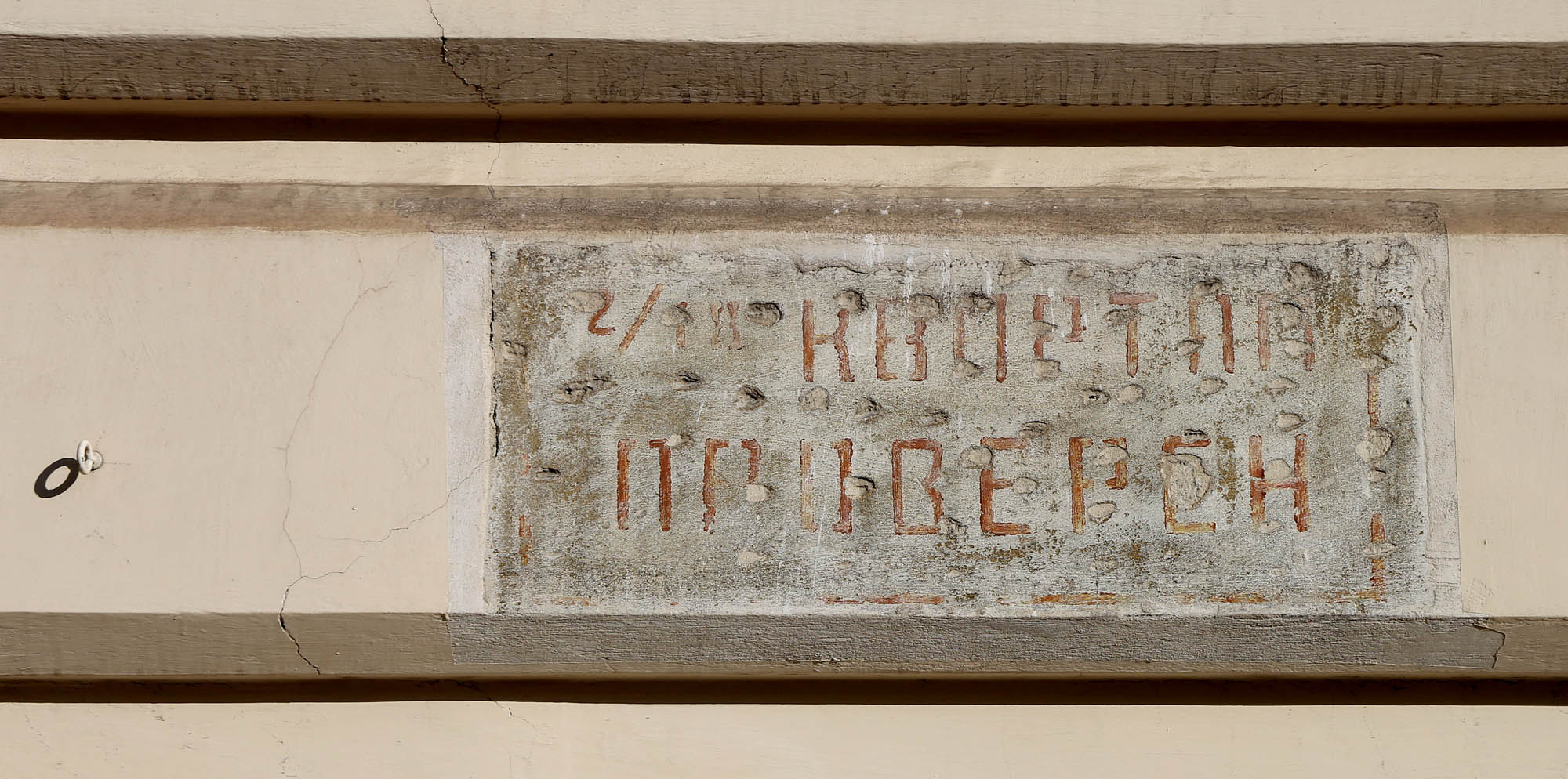
Just ten years ago I wrote about those brush-painted or stenciled wall inscriptions in Budapest, on which the occupying Soviet army announced in Russian, in the spring of 1945, that Мин нет, i.e. the house had been searched and no mines were found in it. When I was a high school student, there were still plenty of such historical relics all over the city, but after the change of regime in 1990, they were not spared during the renovation of the façades, and they disappeared one after another. At the time of the 2013 post, I had only found two of them intact. Even a friend of mine, a restorer wrote me that he himself had removed one during the restoration of the façade of the palace at Andrássy út 4. While in Vienna, at the restoration of Bäckerstraße 13, special attention was paid to the preservation of the Soviet sign. Incidentally, this is the iconic house where The Third Man (1949) was filmed at the same time as the inscription was created.

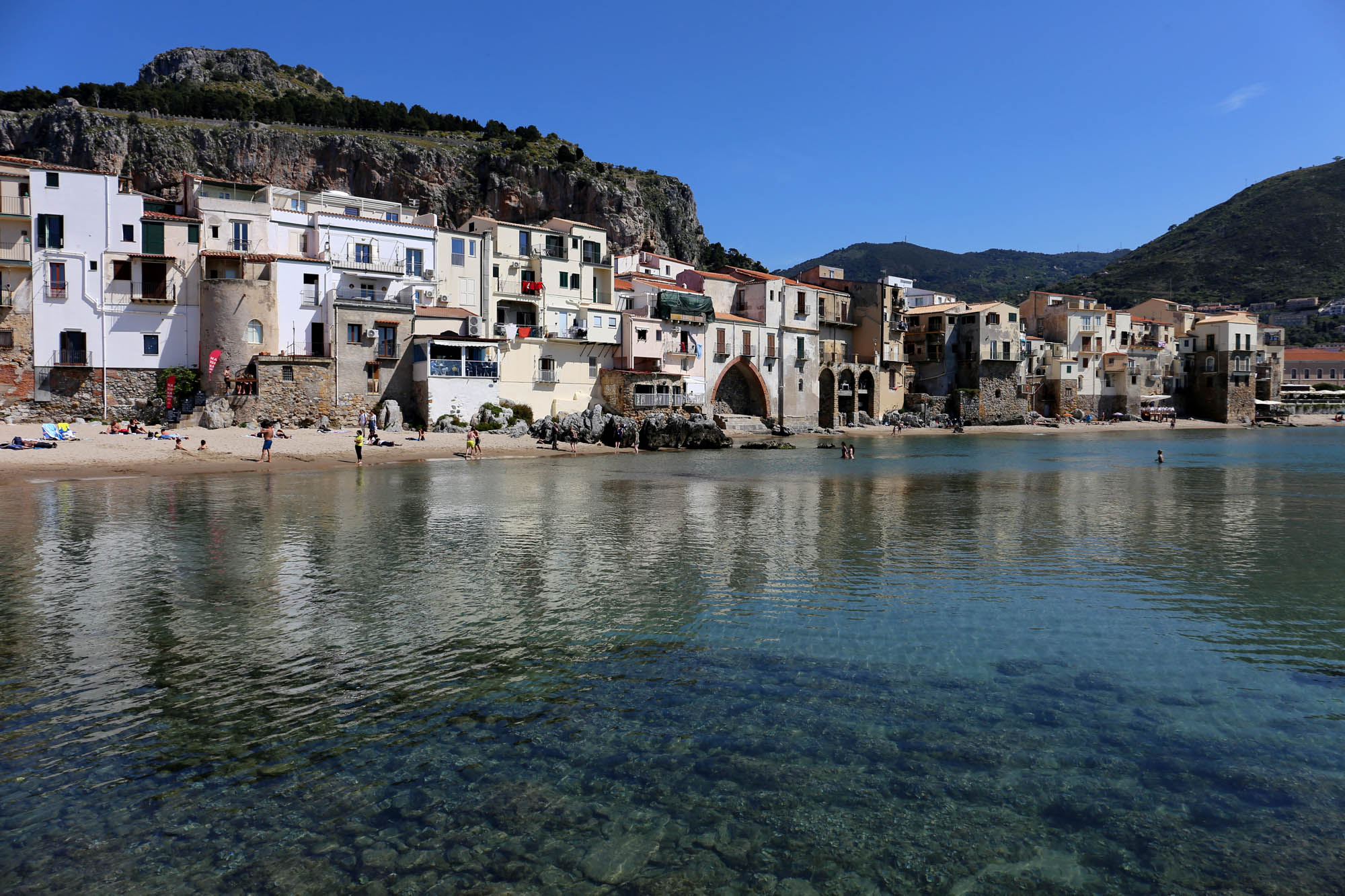
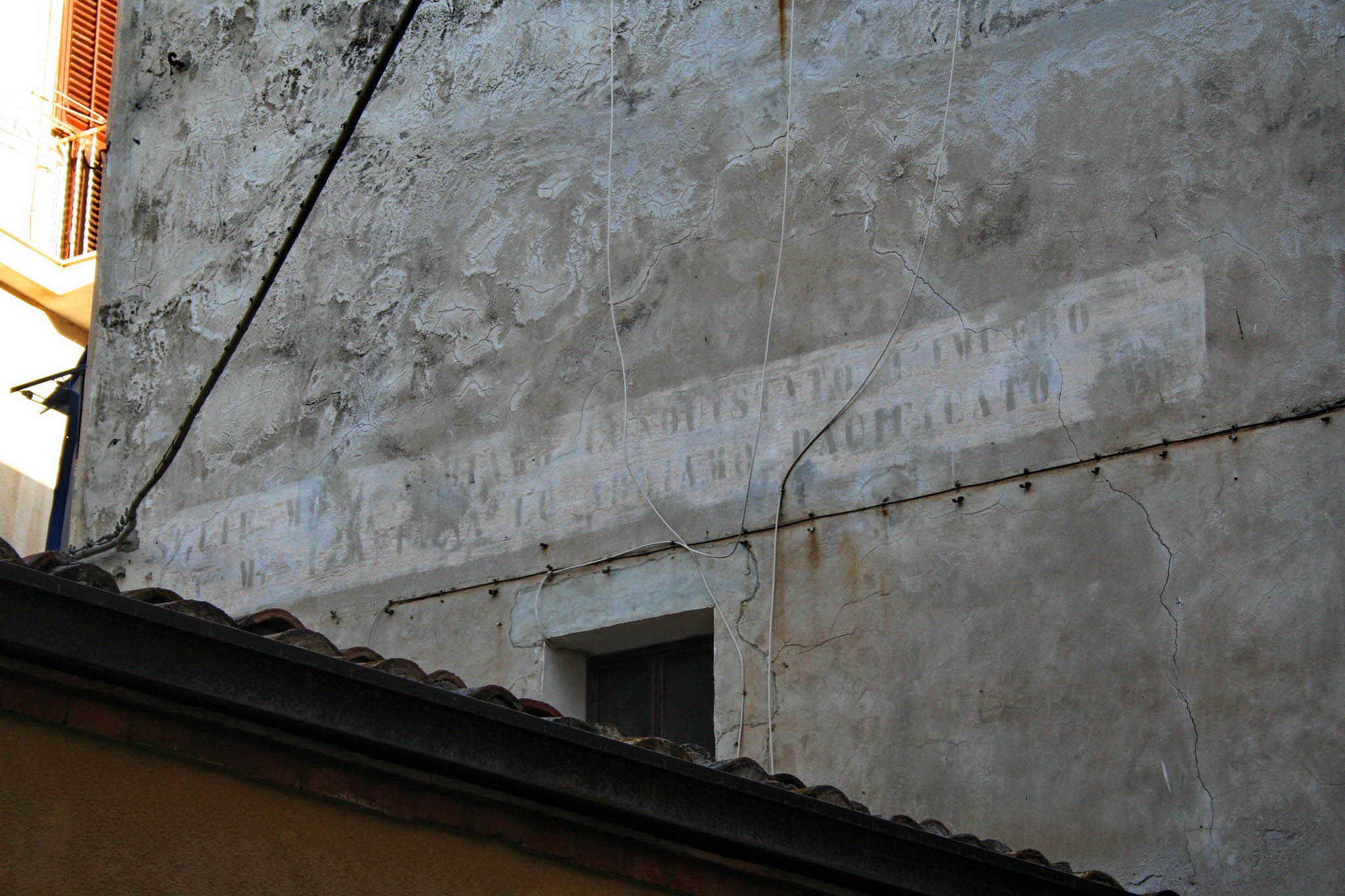
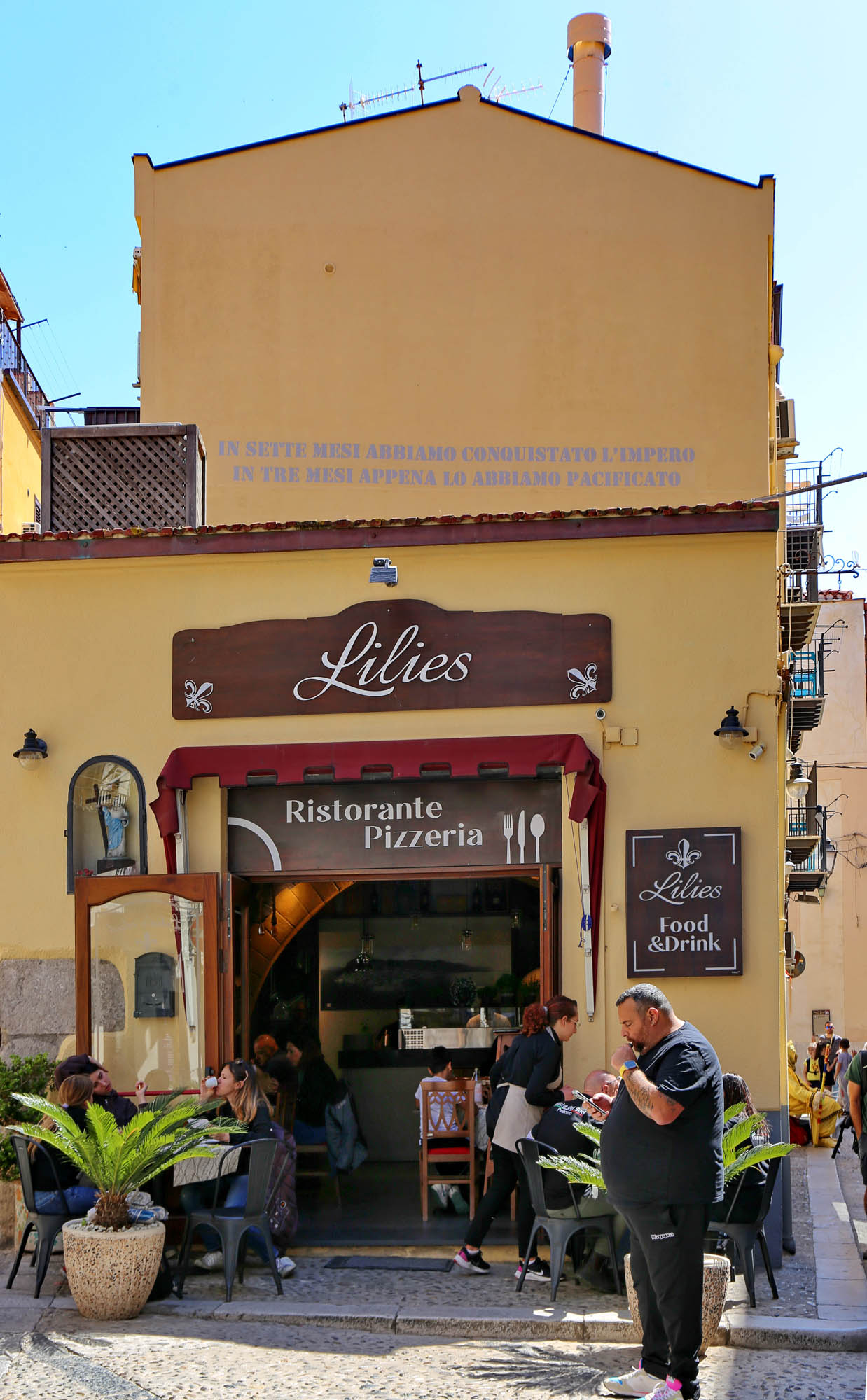
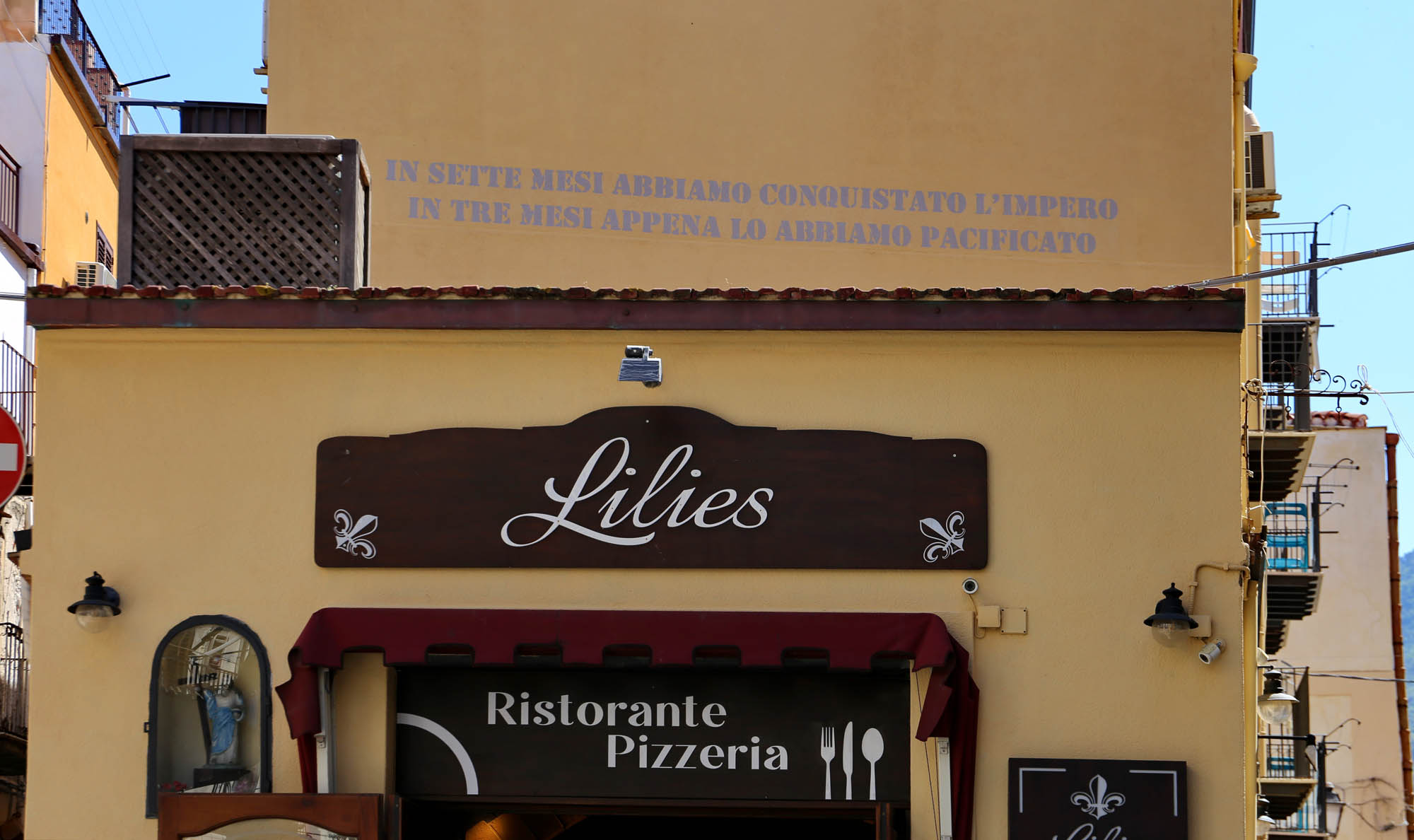
Around this time last year, the owners of Lilie’s Café in Cefalù, roughly on the right edge of the panorama above, faced a similar dilemma. The façade of the building displayed for eighty years, increasingly worn, this quote of Mussolini:

«In sette mesi abbiamo conquistato l’Impero, in tre mesi appena lo abbiamo pacificato.»

“In seven months we conquered the Empire, and we pacified it in exactly three months.”

This quote is from Mussolini’s speech of December 18, 1936, given to the residents of Pontinia, the new town founded on drained Agro Pontino. It refers to the occupation of Ethiopia, which was conquered by brutal methods during the seven months between October 3, 1935 and May 5, 1936. In fact, Mussolini considered it to be part of the great Mediterranean Roman empire to be restored, so much that he was also willing to accept international sanctions for it (about which see the Gangi marble plaque, presented in the previous post).

For eighty years, the inscription did not disturb anyone, just like all the other ones throughout Sicily. But in October 2021, Harrison Ford came to Cefalù to film the last episode of the Indiana Jones series. The location was Lilie’s Café, which was renamed Clemente Cafè, and the sign on its façade was covered with a large Cinzano advertisement.

And when filming ended in January 2022, they left a generous sum of money to the bar to restore the façade. That’s when the question became relevant: what to do with the inscription? It is one thing to indifferently watch it disappear for eighty years, and another thing to intentionally remove it during restoration, or, on the contrary, to preserve it when there was an opportunity to remove it.

This question sharply divided Cefalù at this time last year. The local and provincial newspapers interviewed the residents one after another. These either feverishly demanded the removal of the inscription “reminding of the most terrible crimes in history”, or voted to keep it as a historical memento.

In the end, the second solution won, with the support of the local office of the protection of monuments, but in a rather contradictory way. The façade was completely repainted, and the inscription was subsequently repainted on it – with a modern typography different from the original, in a different color, and on a slightly different place.

“In this way, it’s worth nothing more than a graffiti hastily painted in the night”, says a comment in the Postazioni militari in Sicilia 1940-1943 Facebook group.

The result is actually worse than that. The action did not preserve the original historical memento painted in 1936, but merely updated the memory of Mussolini’s saying. At its sight, you don’t feel like seeing a historical ghost sign, but that this saying, which reminds us of a tragicomic “Empire” created through genocide and despite international public opinion and sanctions, is still important to someone there. Between the two original alternatives, removal and preservation, this third was certainly the worst choice.

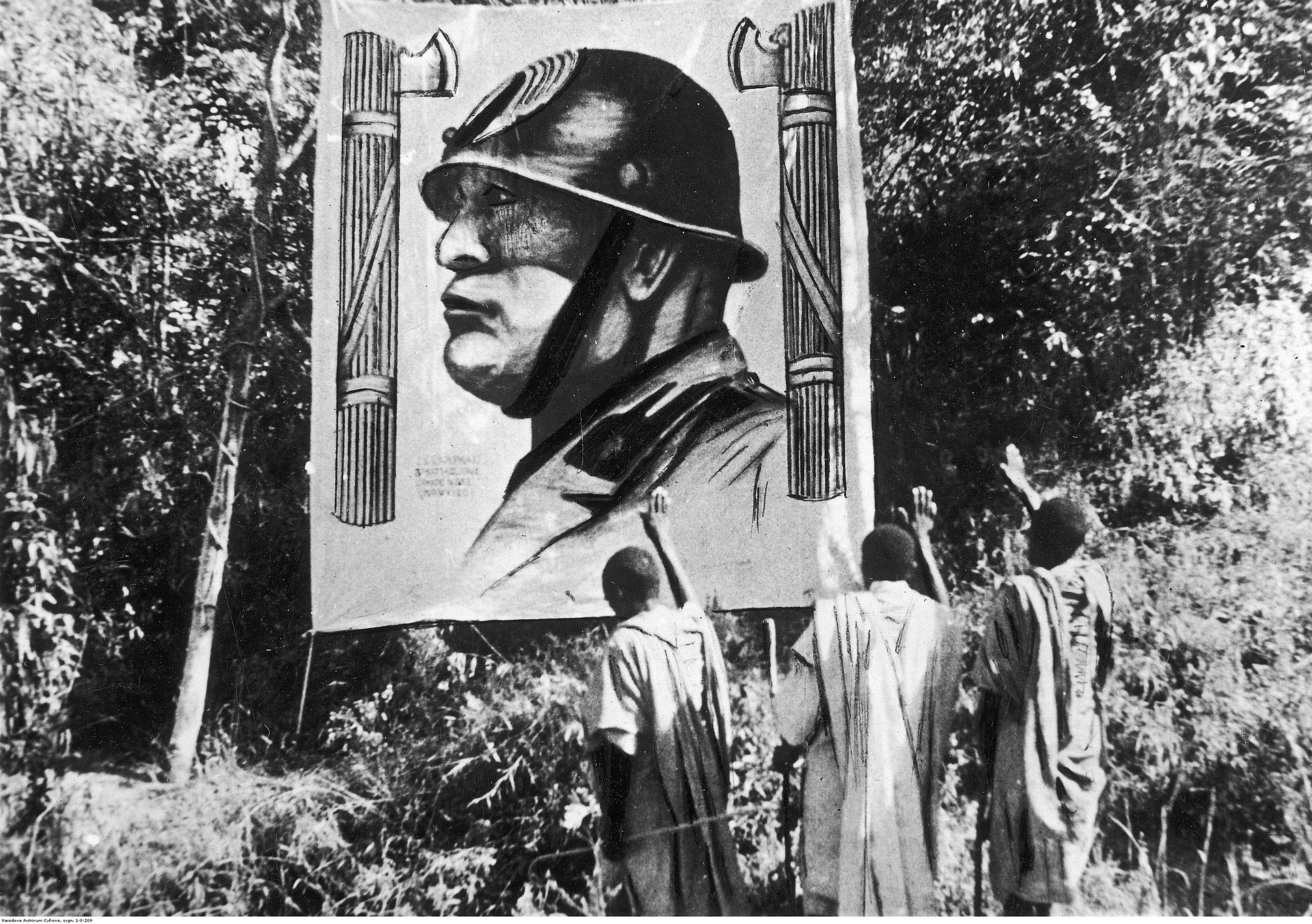
Ethiopians greeting Mussolini’s portrait in occupied Mekele, November 1935

Posed Jews

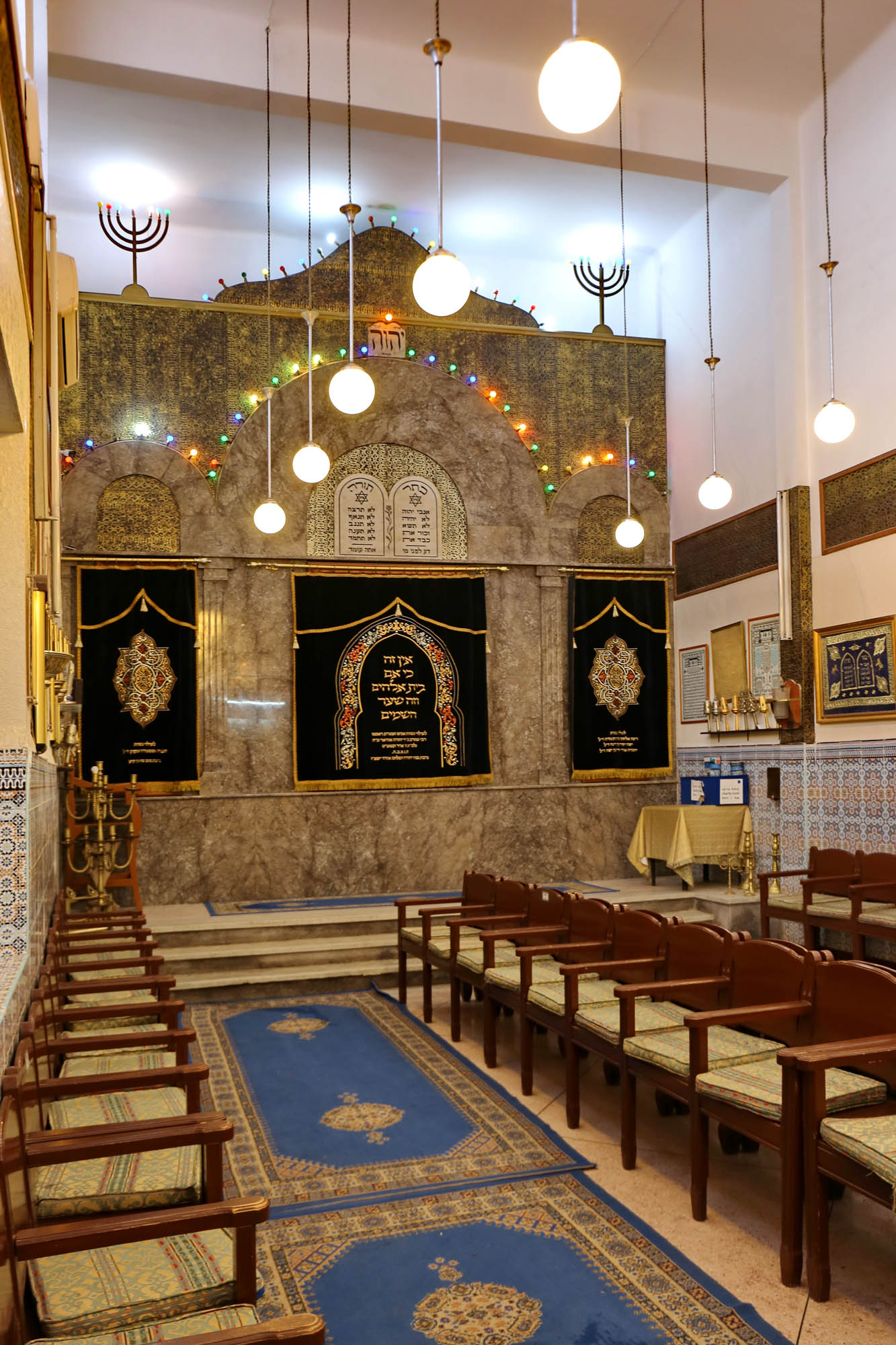
The Slat al-Azama or Lazama synagogue in Marrakesh was founded in 1492, which suggests that its founders were the Sephardic Jews expelled from Spain in that year. Today, the synagogue stands on Talmud Torah Street in the Mellah, the Jewish quarter, but it was not originally built there. How can this be? No, they did not move the synagogue there, but the Jewish quarter here. In 1557, the then-enthroned Saadi dynasty began the construction of “Renaissance” Marrakesh by building a beautiful mosque in the middle of the bazaar and surrounding it with a comprehensive urban development, the wealthy Mouassin district. And for the Jews living there up to then, they created the Mellah here, around the Lazama, right next to the royal palace: partly for a more effective protection, and partly so that the sultan would always have the inexhaustible wallet at hand.

The Jews resettled here were mainly Berber Jews, the oldest Jewish inhabitants of Morocco, about whom I have written before. Today, a photo exhibition organized in the synagogue’s former yeshiva testifies to their traditional culture, and especially to their schools active in the villages of the Atlas. These often employed Ashkenazi Hasidic rabbis as teachers who settled in Morocco from the 19th century, and they were financially supported by French Jews from the early 20th century.

lazama1 lazama1 lazama1 lazama1 lazama1 lazama1 lazama1 lazama1 lazama1

The synagogue, which is the only functioning synagogue in Marrakesh after the aliyah of the 1950s and 1960s, is no longer a reminder of those times. In the 1930s and 1990s, it was renovated with the support of American and Israeli Jews,in the uncharacteristic modern style usual there.

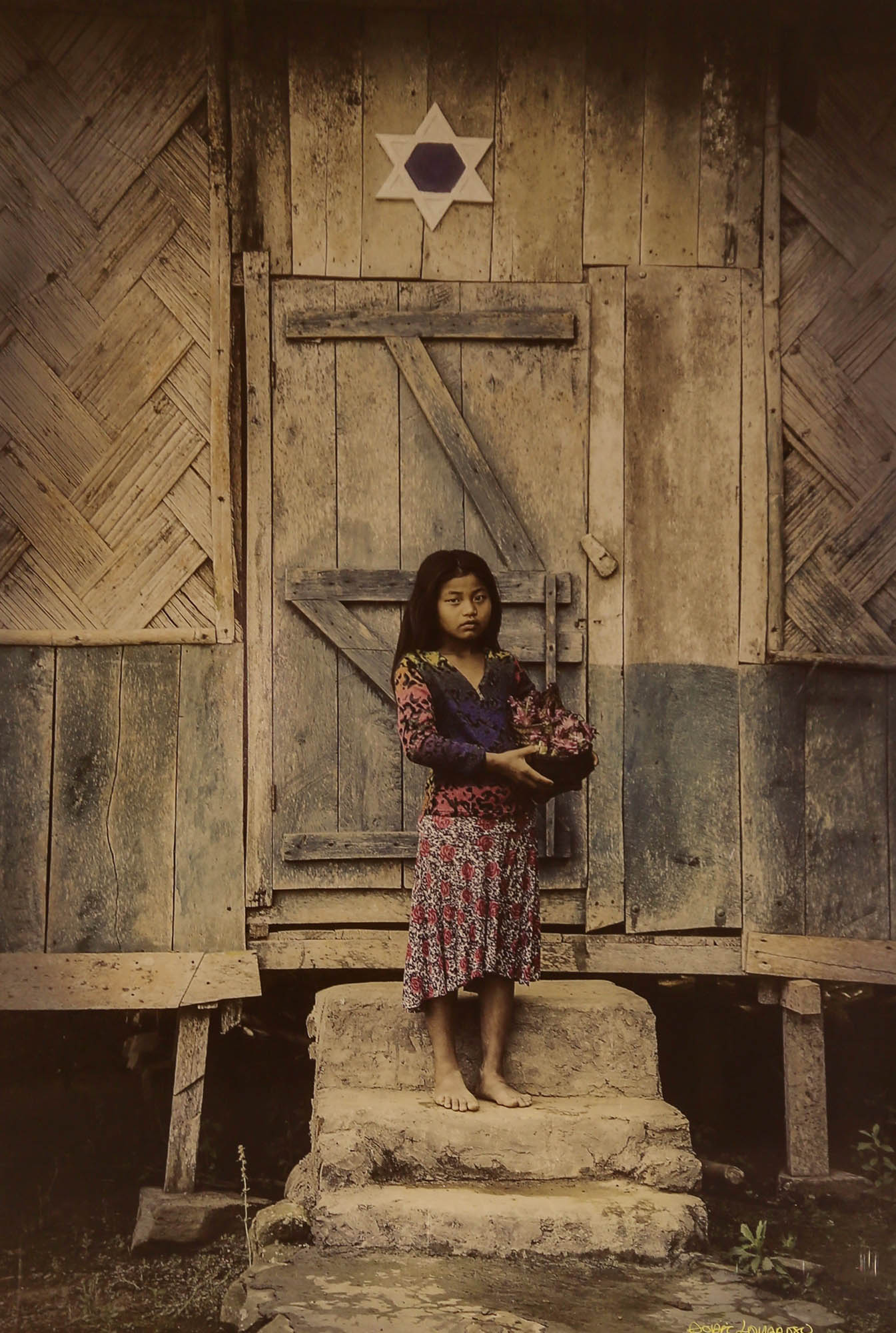
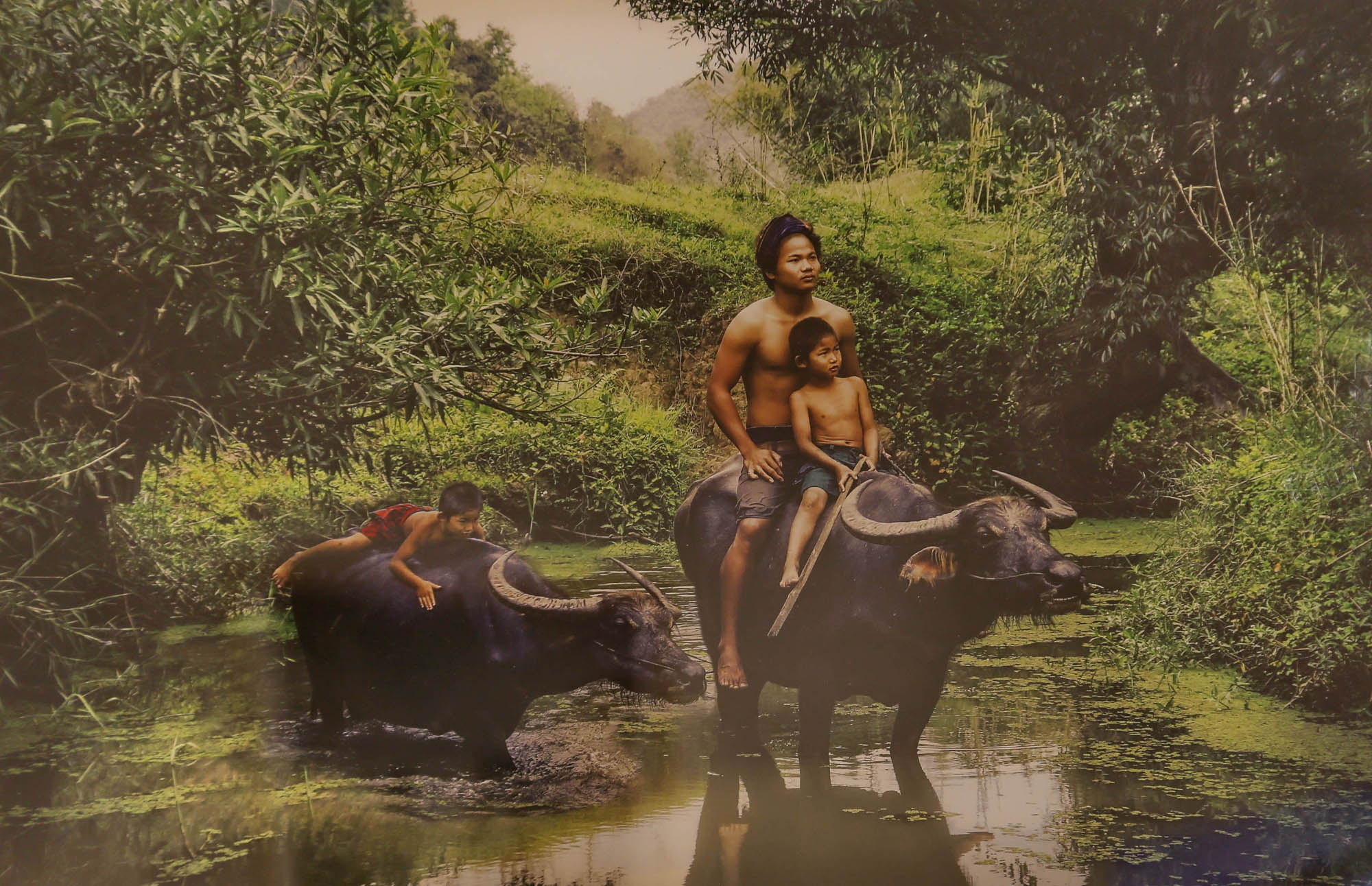
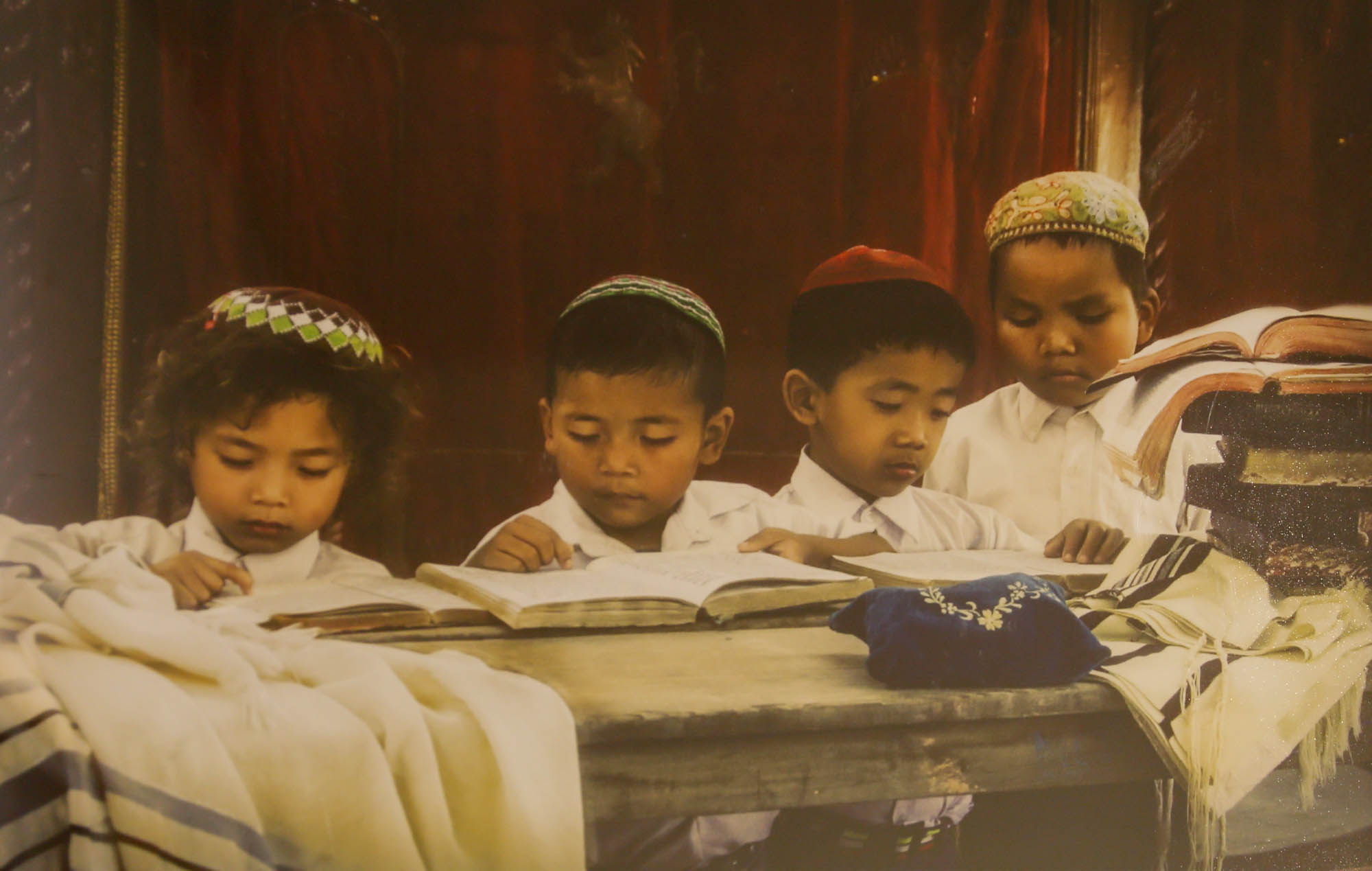
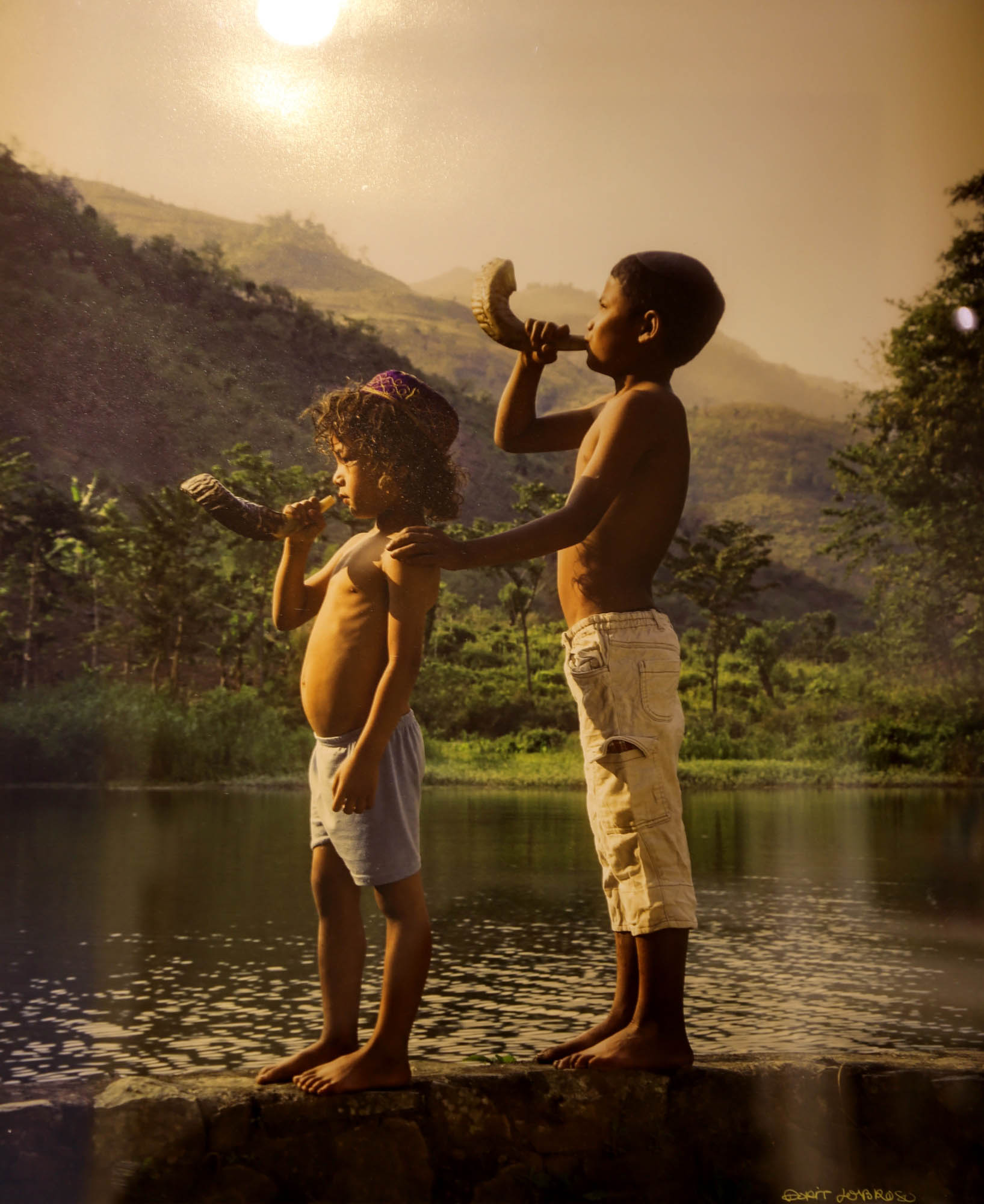
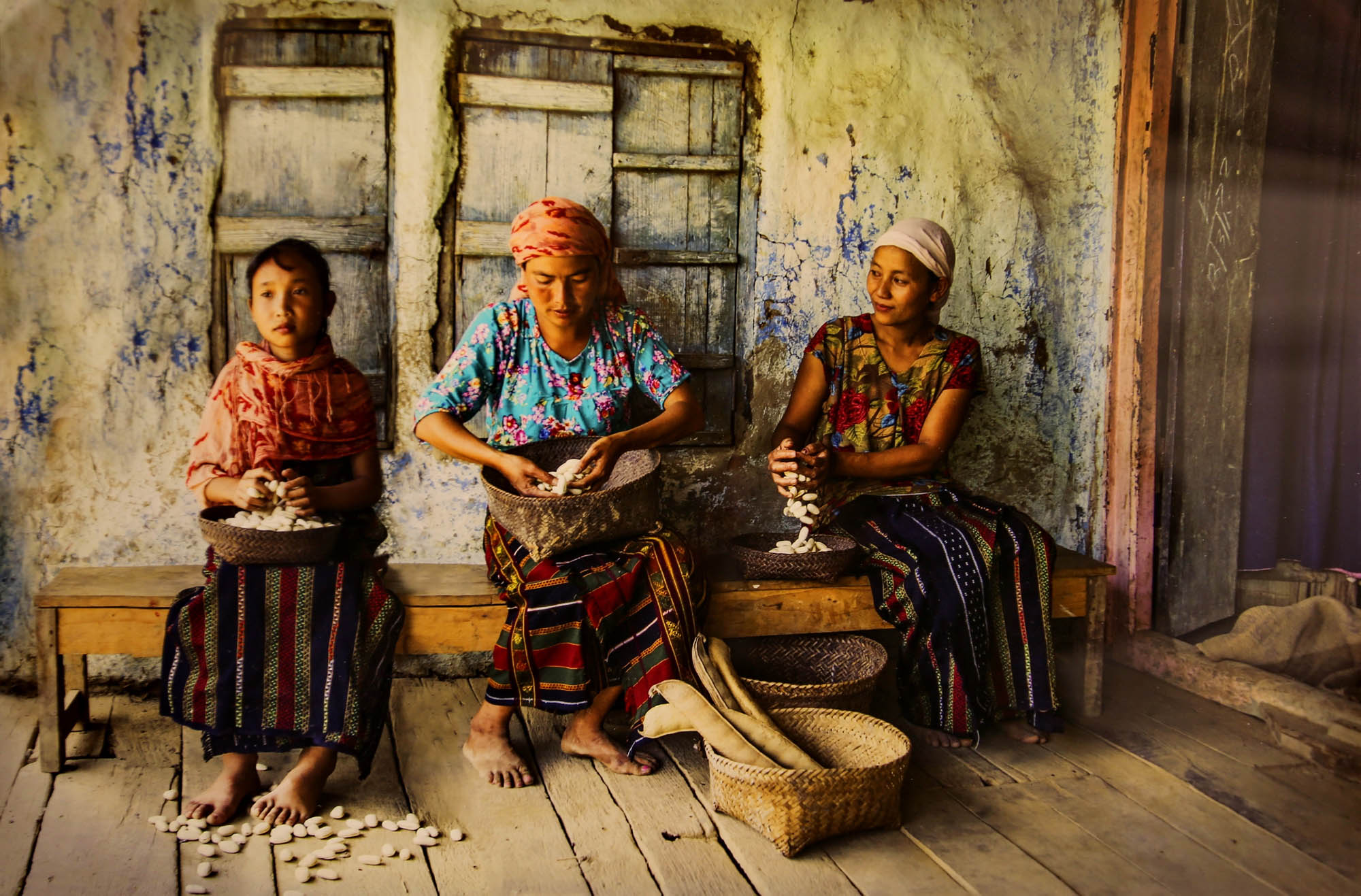
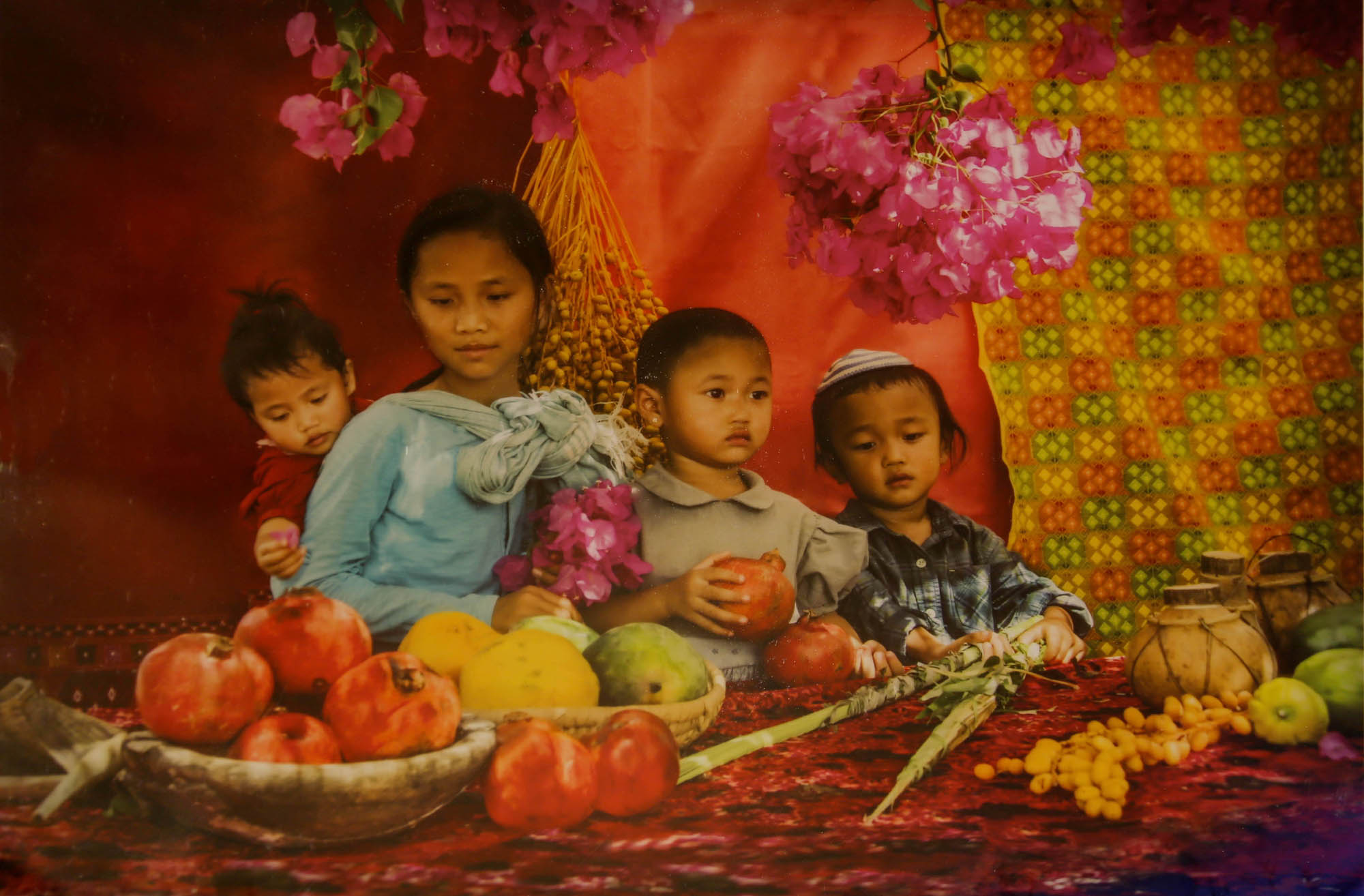
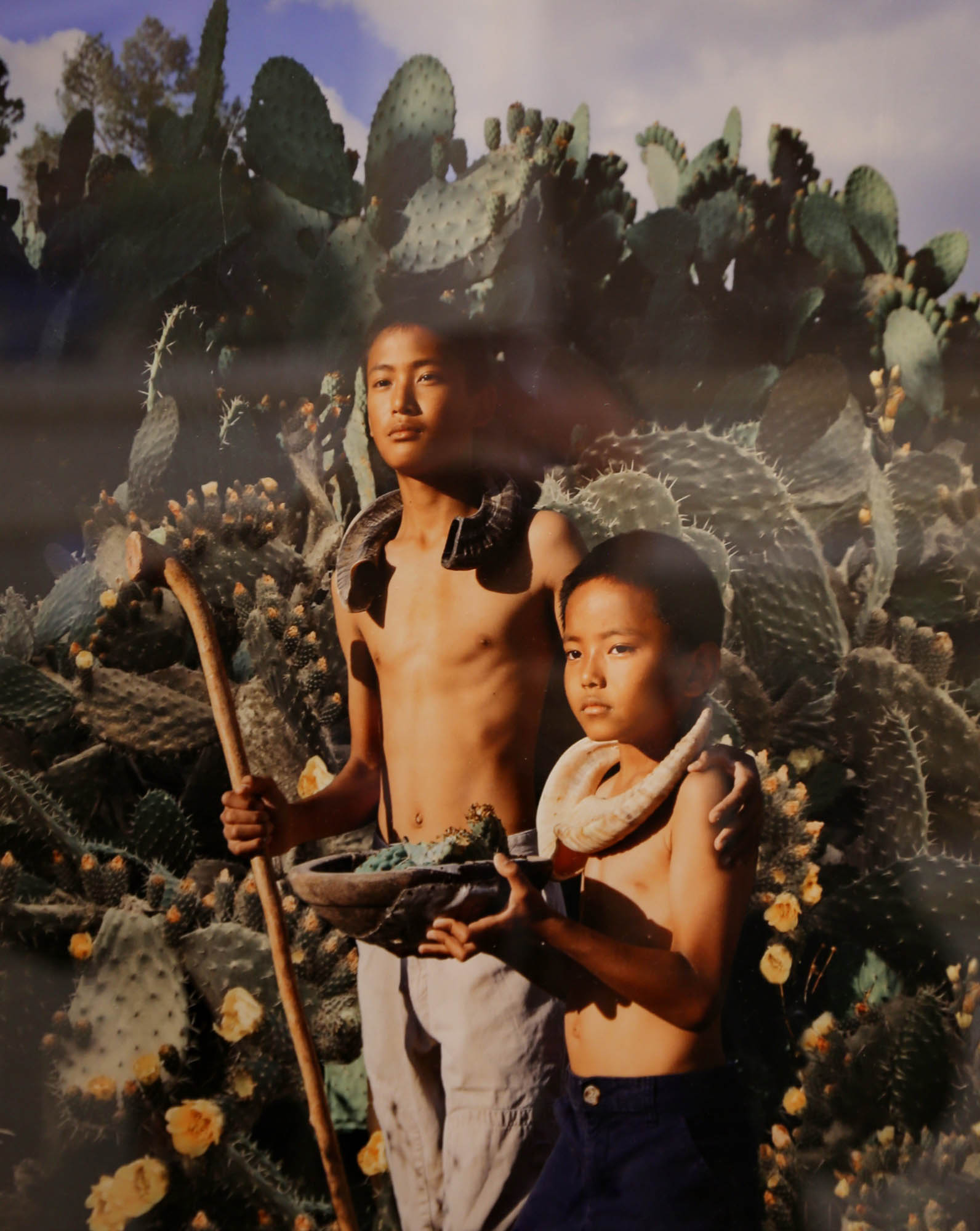
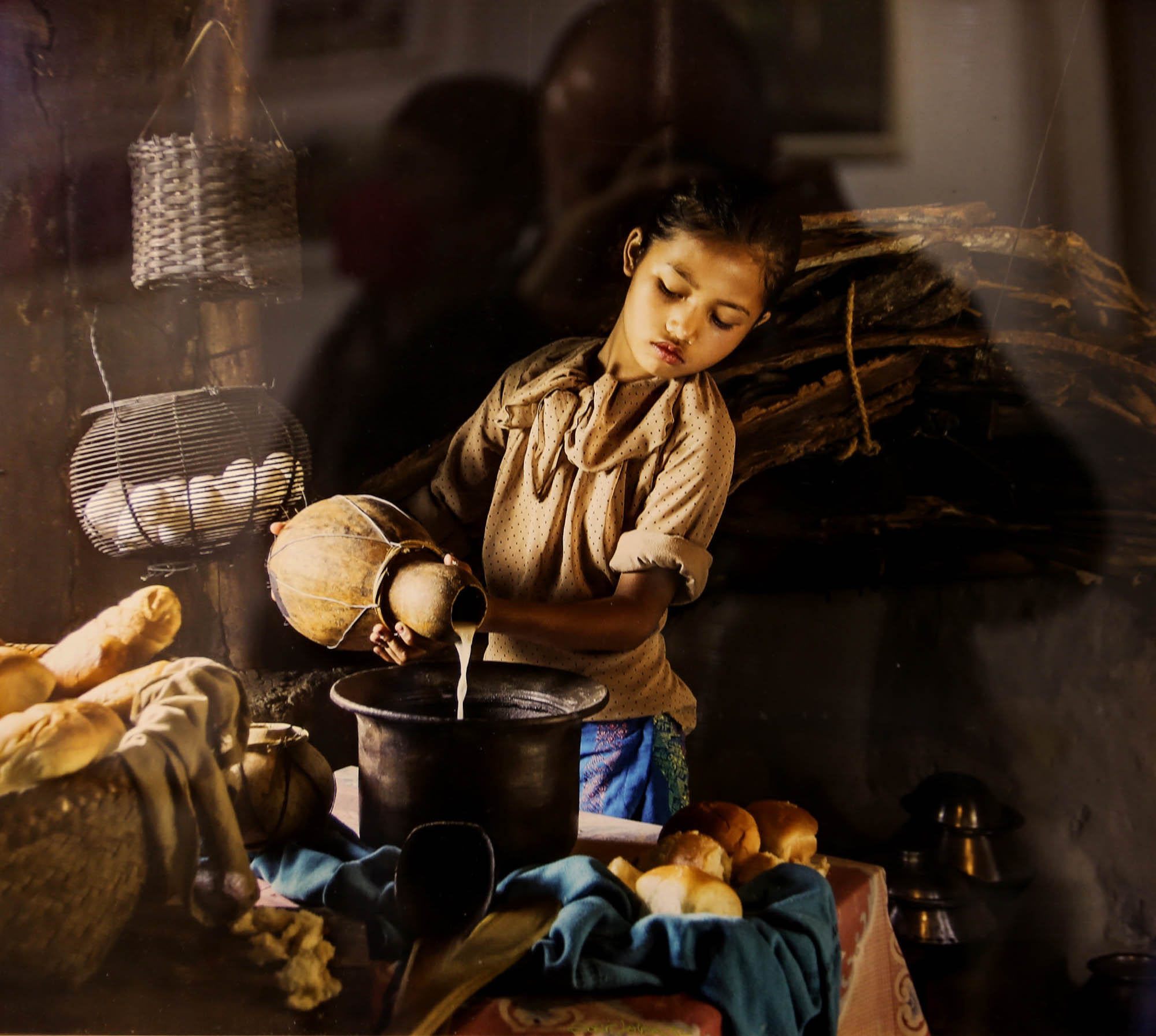
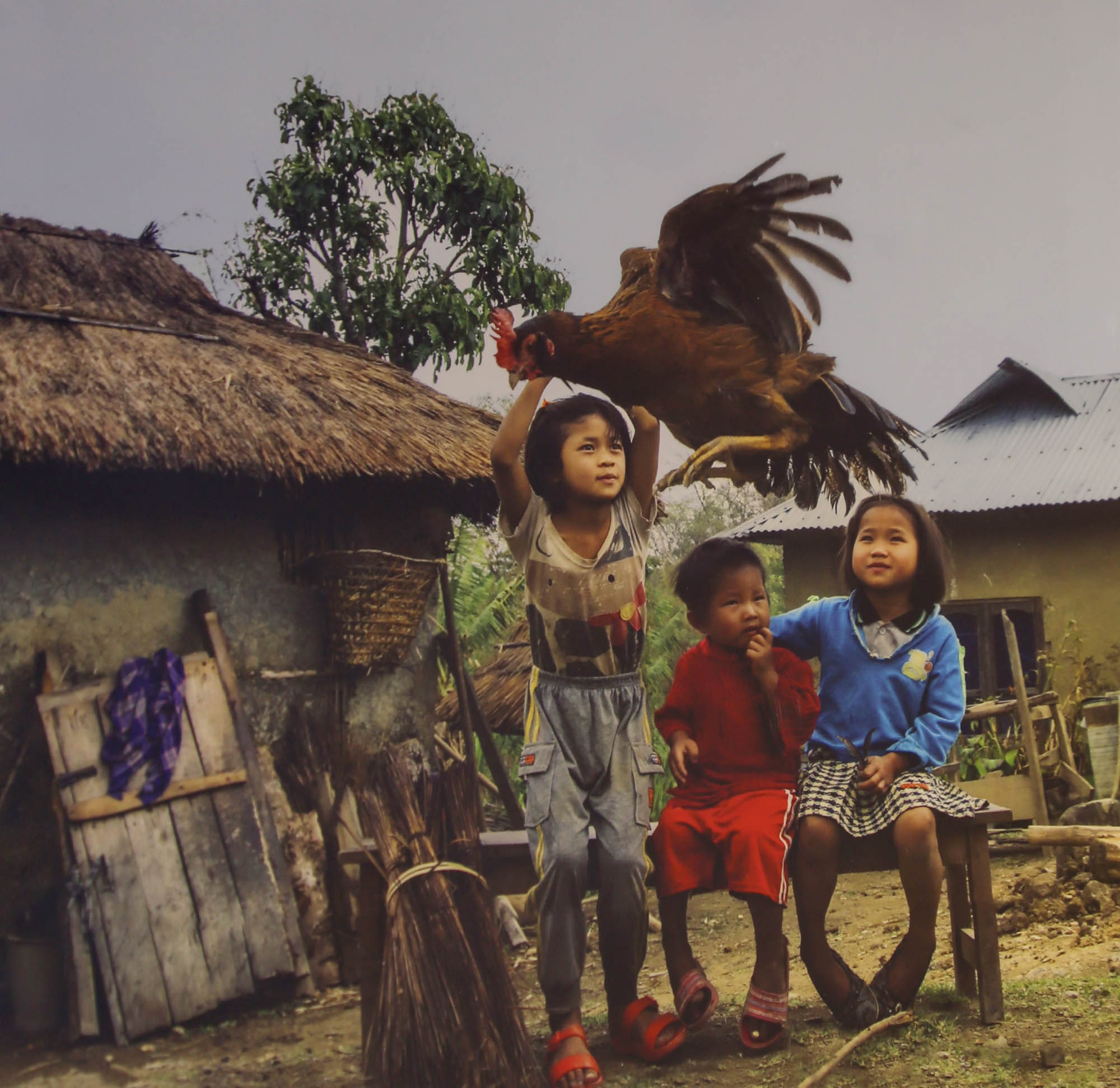
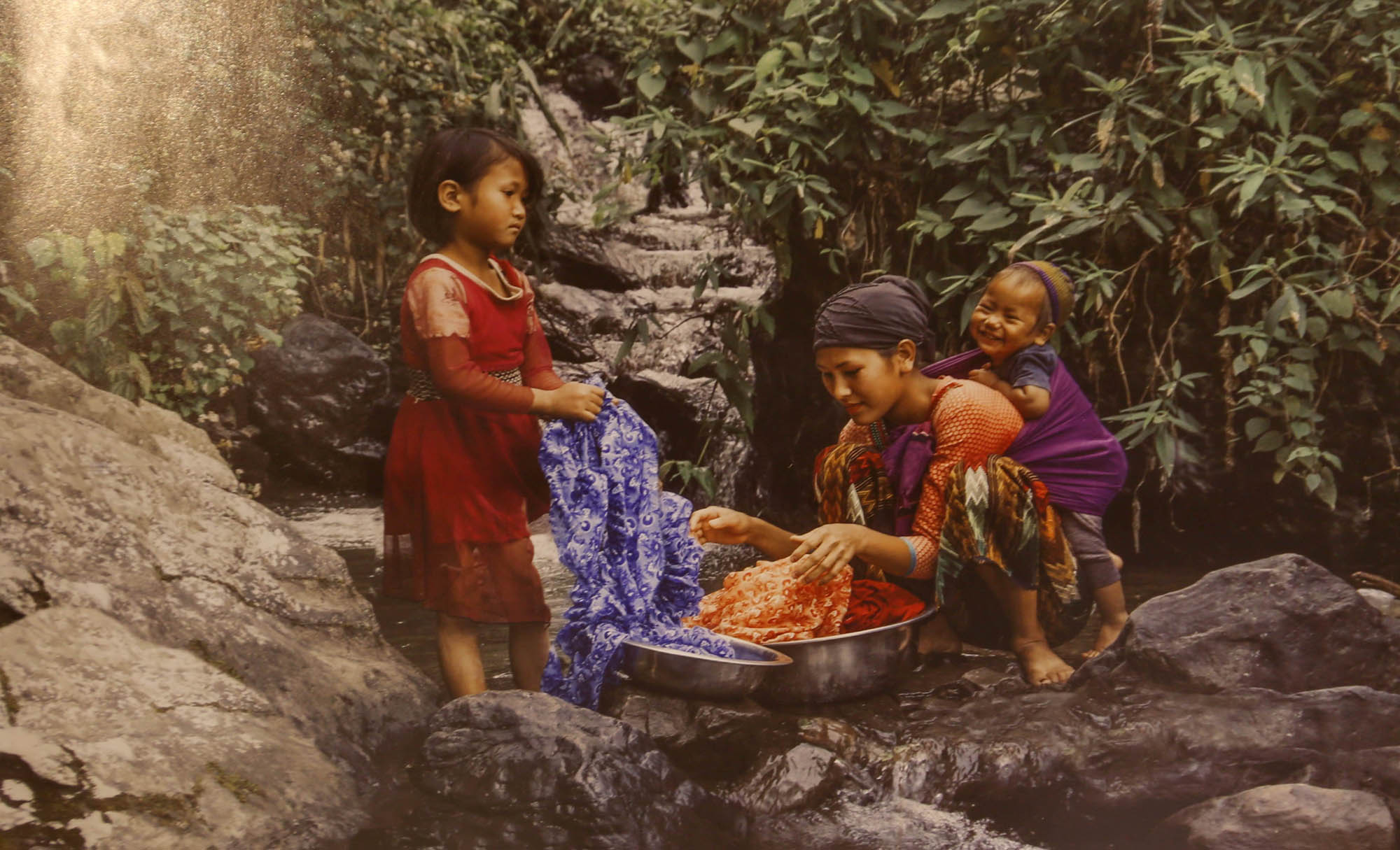
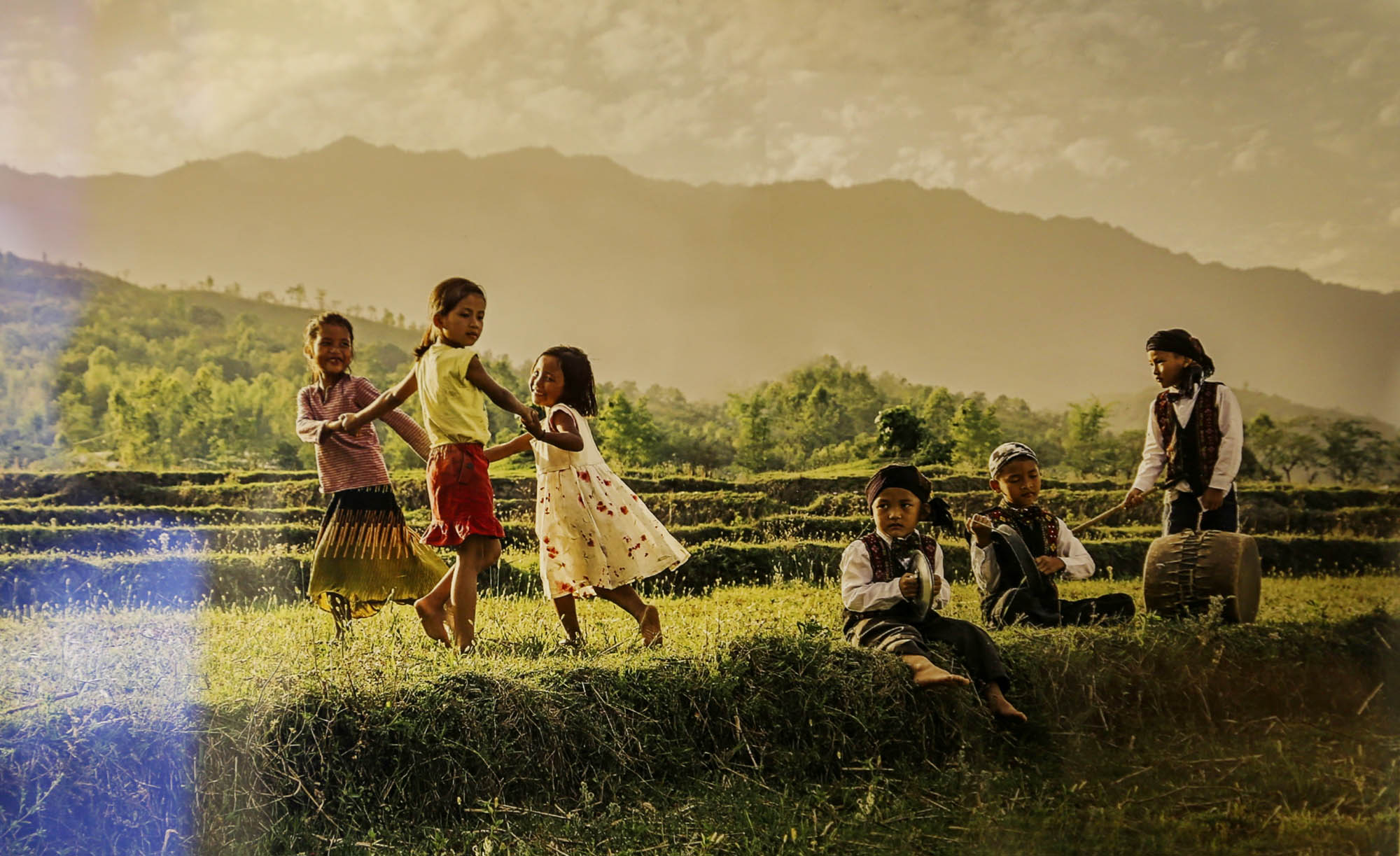
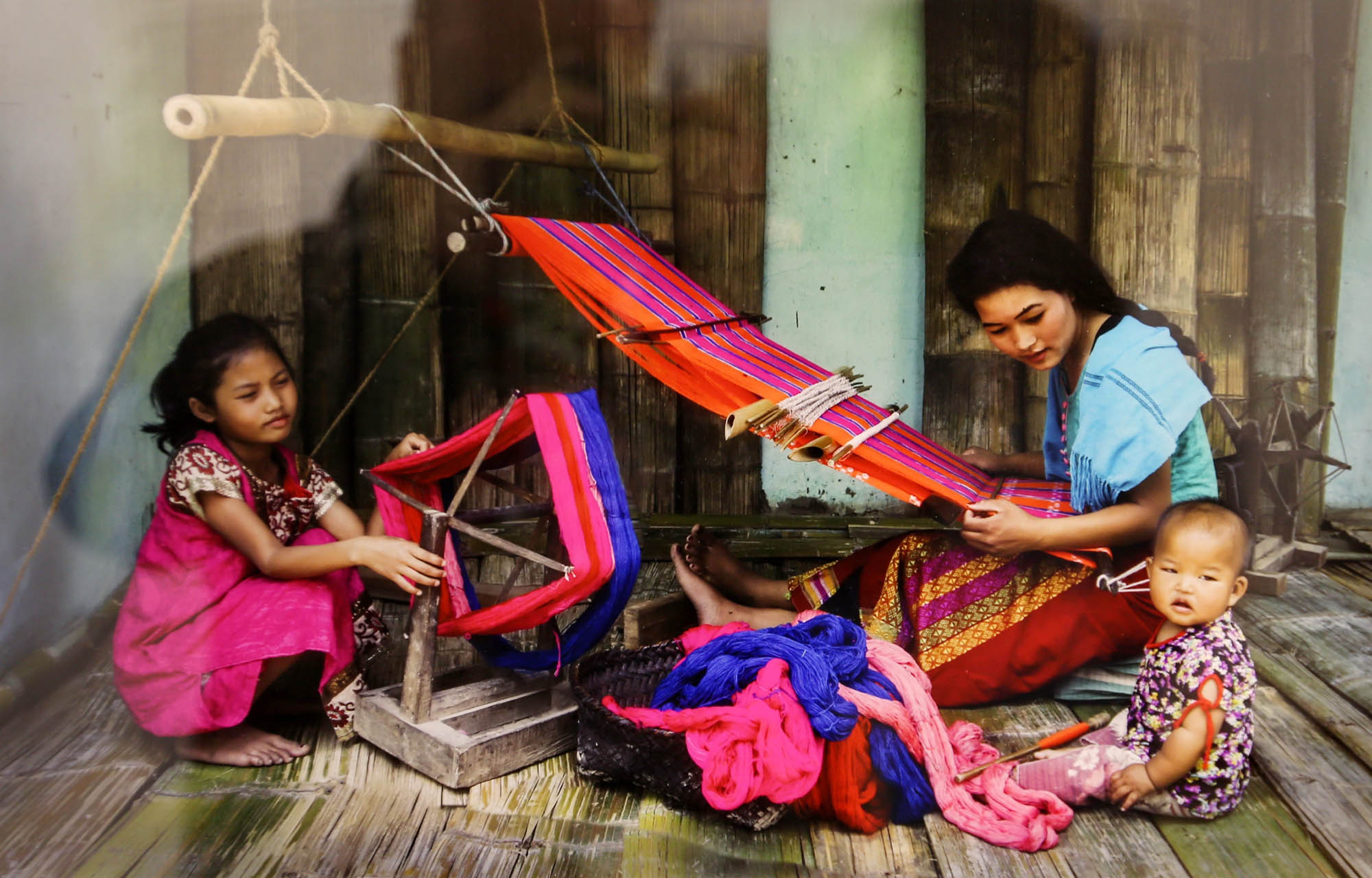
In these months, this Jewish mix is enriched by a new, exotic shade. In two rooms of the yeshiva, a photo exhibition was opened from the pictures of Dorit Lombroso from Israel, which presents a very interesting Jewish group from India, the Bnei Menashe, the sons of Menasseh.

Menasseh’s sons, writes the exhibit’s introduction, live in North-East India, in the swampland between Mizoram and Manipur. They speak various versions of the local Tibeto-Burman languages. Before the 19th century, they were animists and feared bounty hunters. They were converted to Christianity by British missionaries, and from the parallels between their own mythology and the Bible, they came to the conclusion that they were actually Jews, and that their mythical ancestor, Manmási, was none other than Menasseh, the son of patriarch Joseph.

That’s it for the introduction. However, Israeli anthropologists * also add that the main evidence forthe parallels was that in 1951, one of the leaders of the then already Christian Mizo-Kuki-Chin tribes had a dream revealing him that his people came from Israel. With his followers, he founded a syncretic Presbyterian revival movement that recognized Jesus as the Messiah, but adopted several precepts of Jewish law and also incorporated many elements of pre-Christian local folklore into its cult.

The awakening to Jewish roots, writes Shalva Weil, probably would not have happened without the British Christian missionaries, who, wherever they appeared in the 19th century, tried to show out the traces of the “ten lost Jewish tribes” displaced by the Assyrians in the local population. Their most spectacular achievement is the Mormon Church, which, according to the self-produced second season of the Bible, The Book of Mormon, is descended from the ten tribes that fled to South America. It is quite ironic that the Mizo-Kuki-Chin tribes found their own Jewish identity through the guidance of lunatic Christian missionaries.

The movement would probably have remained a local Protestant cult, had Rabbi Eliyahu Avichail, the founder of the Amishav organization working to resettle the lost Jewish tribes to Israel, not noticed them in 1983. Rabbi Avichail learned about the sensational discovery from a Mizo insurance agent, and he immediately traveled to the scene. During his local research, he found that the local legends in fact contain some elements that can be paralleled with the Bible. Based on these, he willingly recognized the ethnic group as Jews and introduced orthodox Jewish teachings among them. He even obtained money – from fundamentalist Christian organizations working to promote the Second Coming – to settle them in Israel, but the Israeli government did not recognize Menasseh’s sons as eligible for aliyah.

In the meantime, as it usually happens, another Jewish organization, Shavei Israel, was also created to repatriate the lost tribes under the leadership of Michael Freund, a columnist for The Jerusalem Post, and the two men deadly fell out with each other. This was also facilitated by the fact that Menasseh’s sons also quarreled with each other regarding the leading clans – if nothing else, this is a strong evidence for their Jewishness. By 2005, Shavei Israel had Shlomo Amar, the Sephardic Chief Rabbi of Israel, declare the Jewish descent of this ethnic group and its eligibility for aliyah. From then on, about 3000 of the movement’s members moved to Israel, where they were sent to Gaza and the occupied territories in the West Bank as Jewish settlers, to increase the Jewish population, for bullet catchers and, lacking other professional qualifications, for soldiers. This was probably the main motivation for right-wing Jewish politics to recognize the Mizo-Kuki-Chin as Jews.

There were also many opponents of the recognition. DNA tests carried out in the meantime and Israeli academics both testified against the group’s Jewish origins. The local Presbyterian church and Hindu organizations, the other Mizo-Kuki-Chin tribes who deny that Menasseh’s sons are different from them, and the Indian government, which looks suspiciously at another outward-looking people in the border region already plagued by numerous separatist movements, have raised their voices against the local proselytizing activities of the Israeli rabbies.

Dorit Lombroso’s photos definitely cast their vote in favor of the group’s Jewishness. The photographer captures the bearers of exotic Jewish blood renewal in the style of the orientalizing-idealizing soft porno portraits known from her site. In the bosom of unspoiled nature, the young swampland Jews perform the ceremonies of Judaism or their own traditional works that can be paralleled with biblical Jews, in their most beautiful clothes – which are often so new that they are probably costumes borrowed for the occasion – and in front of beautiful settings, rich fabrics, piles of holy books and carefully installed objects of the tradition. Serious-looking boys and girls with eyes cast into the future, dancing in fields of flowers and under blossoming trees, practicing traditional male and female roles. A growing generation of Jewish settlers. It’s like seeing propaganda photos of the settlement to Palestine from the 1920s and 1930s. And that is probably the case.