  |   |
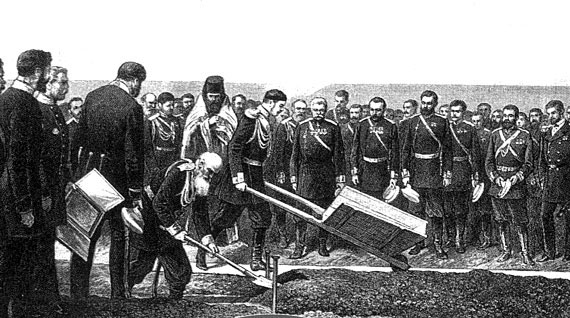
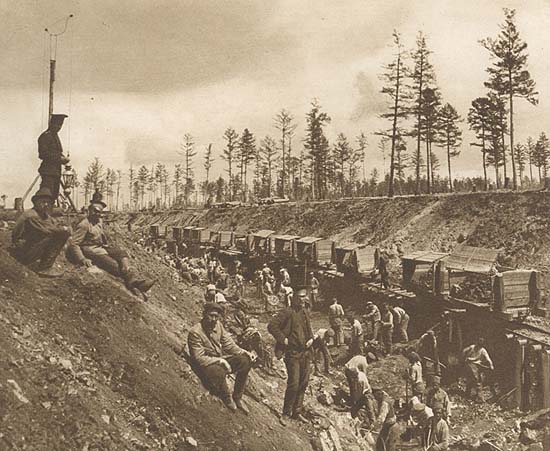
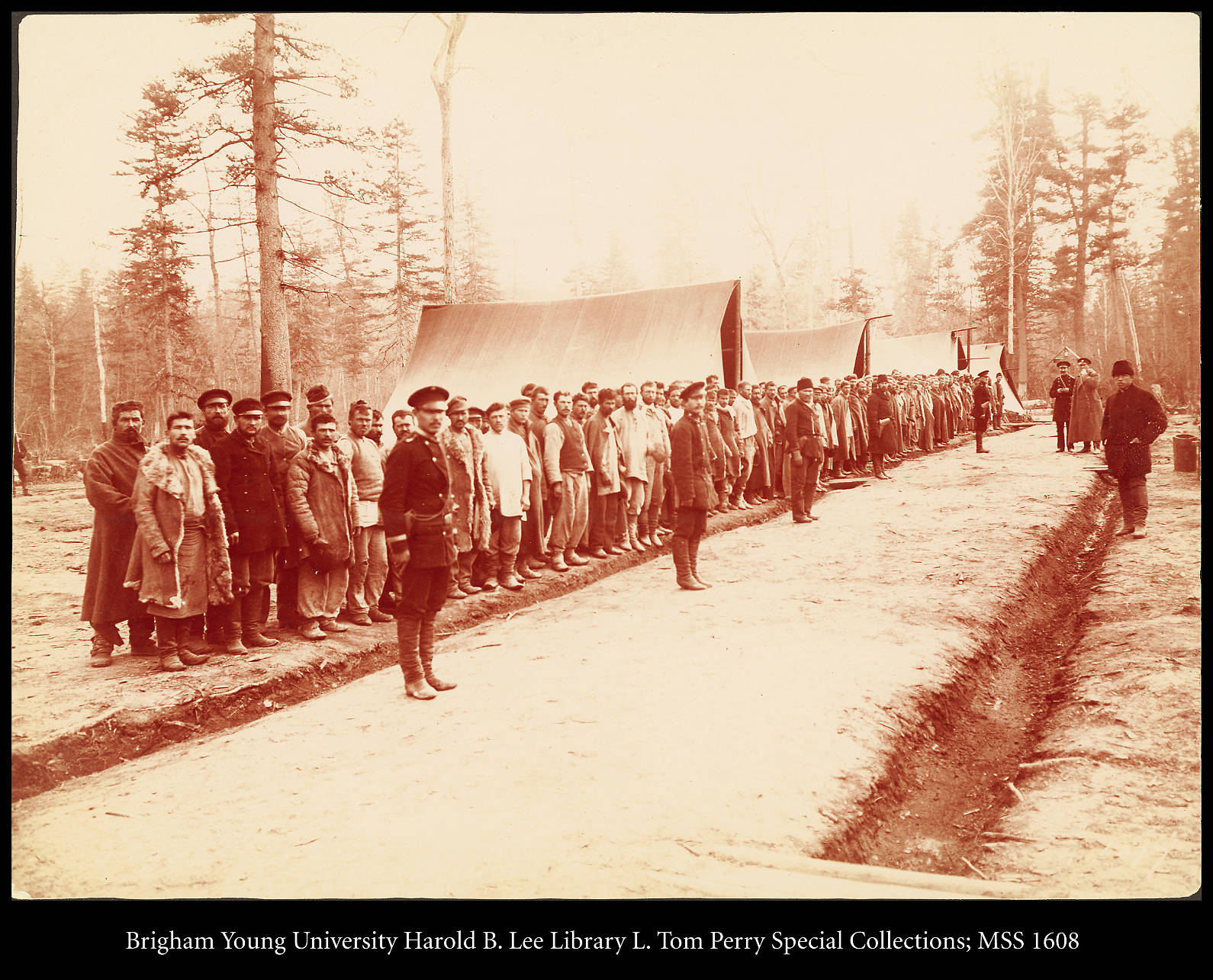
In the extra three days I was waiting for some new, exciting material to pop up on the Russian net for the round anniversary, but it seems that the best available documents were already published on the hundred and tenth anniversary. At that time I also collected a large archive material on the construction and early years of the railway which now I began to gradually publish. Now I will start with those people who placed the foundation stones subsequent to that of Tsarevich Nicholas, not to mention the sleepers and the ballast: the forced laborers.
Igor Rasteryaev: Russian Way. The title-giving song of the CD Русская дорога (2011).
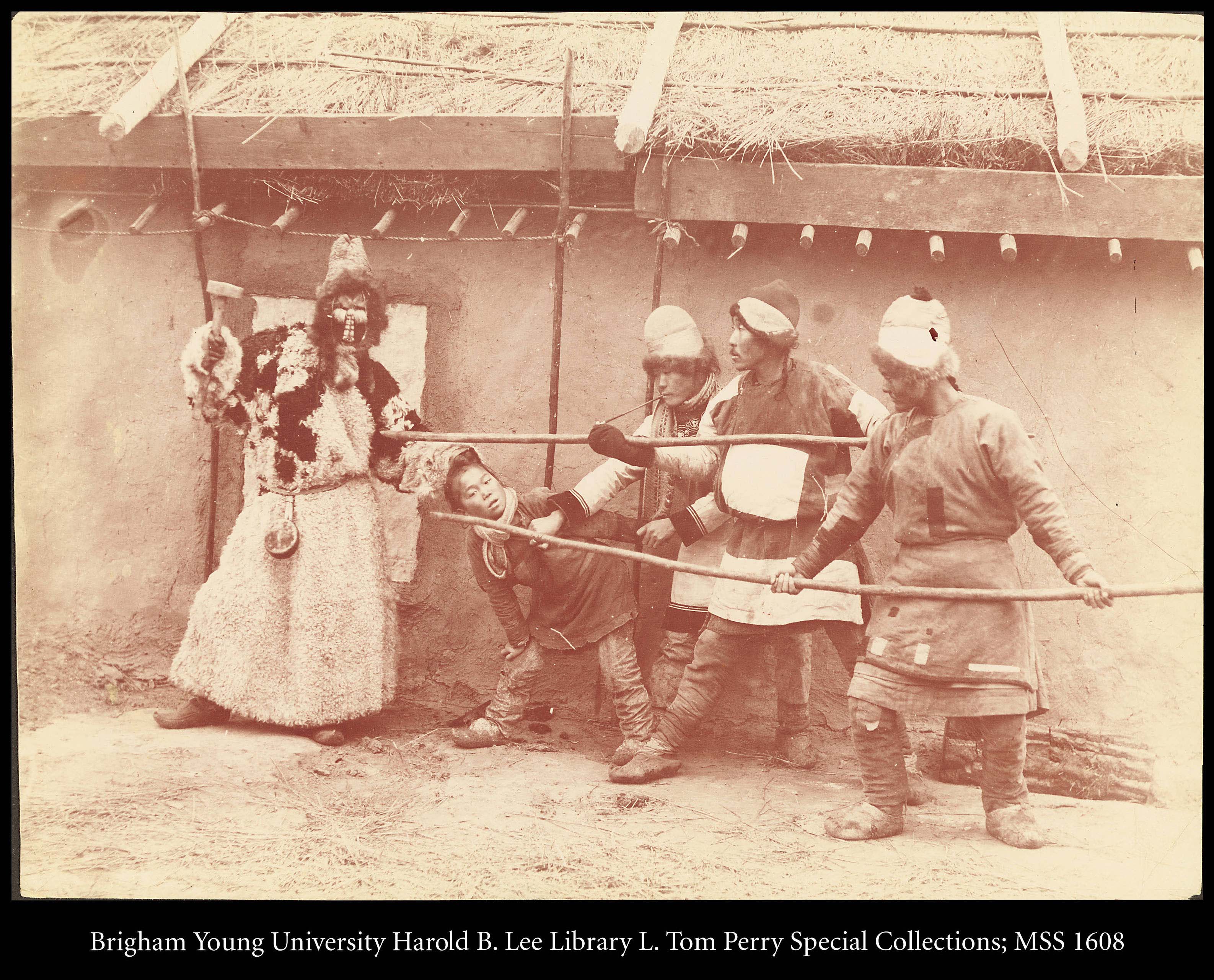
On the convicts building the Trans-Siberian Railroad between 1891 and 1903 several photos survived, not only by Russian photographers, but – what only twenty years later would have been unthinkable – by American photographers as well, and by one of the best known contemporary American photographers at that, William Henry Jackson (1843-1942).
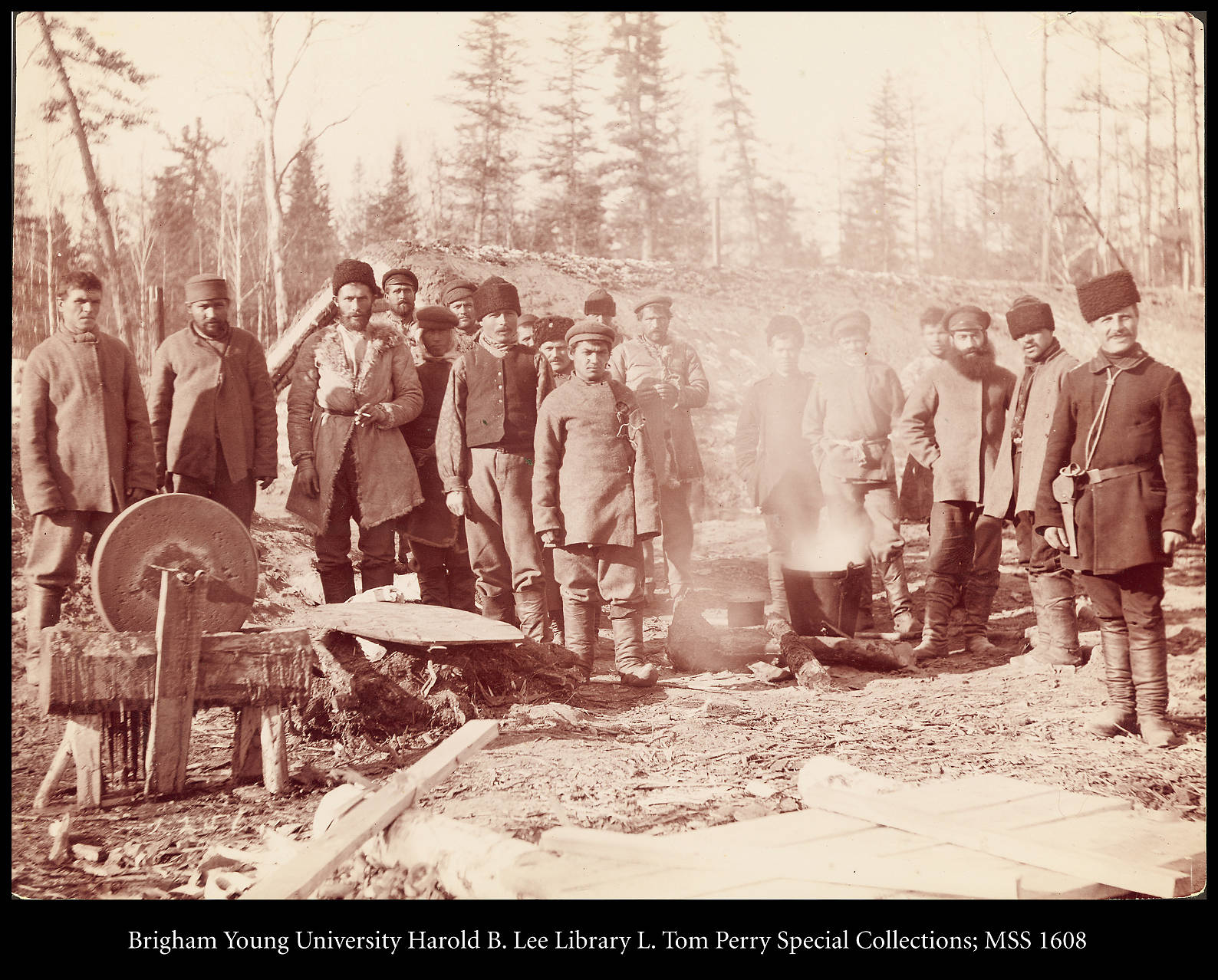
In the USA Jackson became famous as the photographer of the West from the end of the 1860s when, by traveling all along the Union Pacific Railroad, he took ten thousand photos on behalf of Edward Anthony in New York, which were then distributed in several albums and prints. It is not so well known, however, that thanks to his experiences as an outdoor and railway photographer, between 1894 and 1896 he also signed with the World’s Transportation Commission to take photos of the construction of the Trans-Siberian Railroad in the Far East.
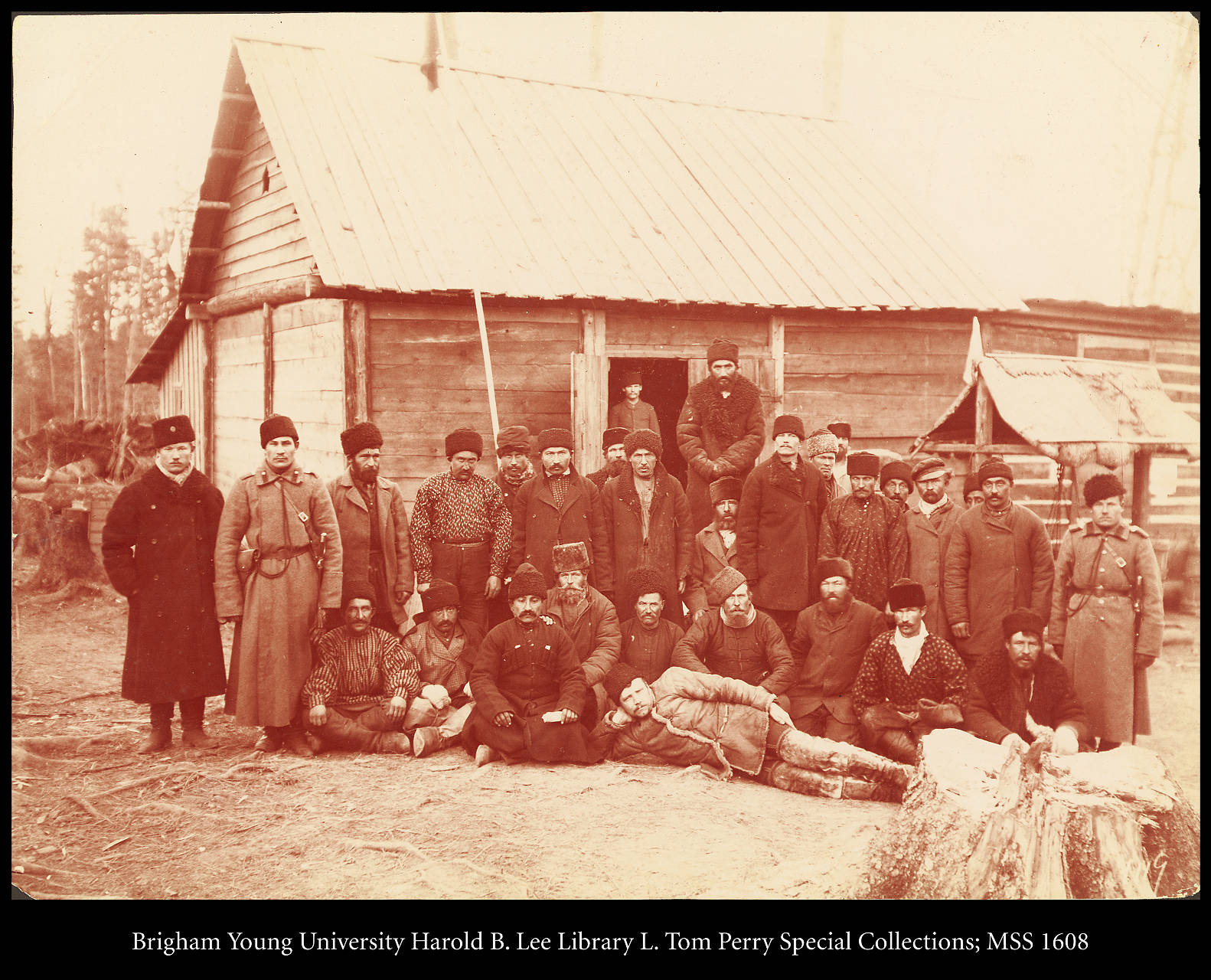
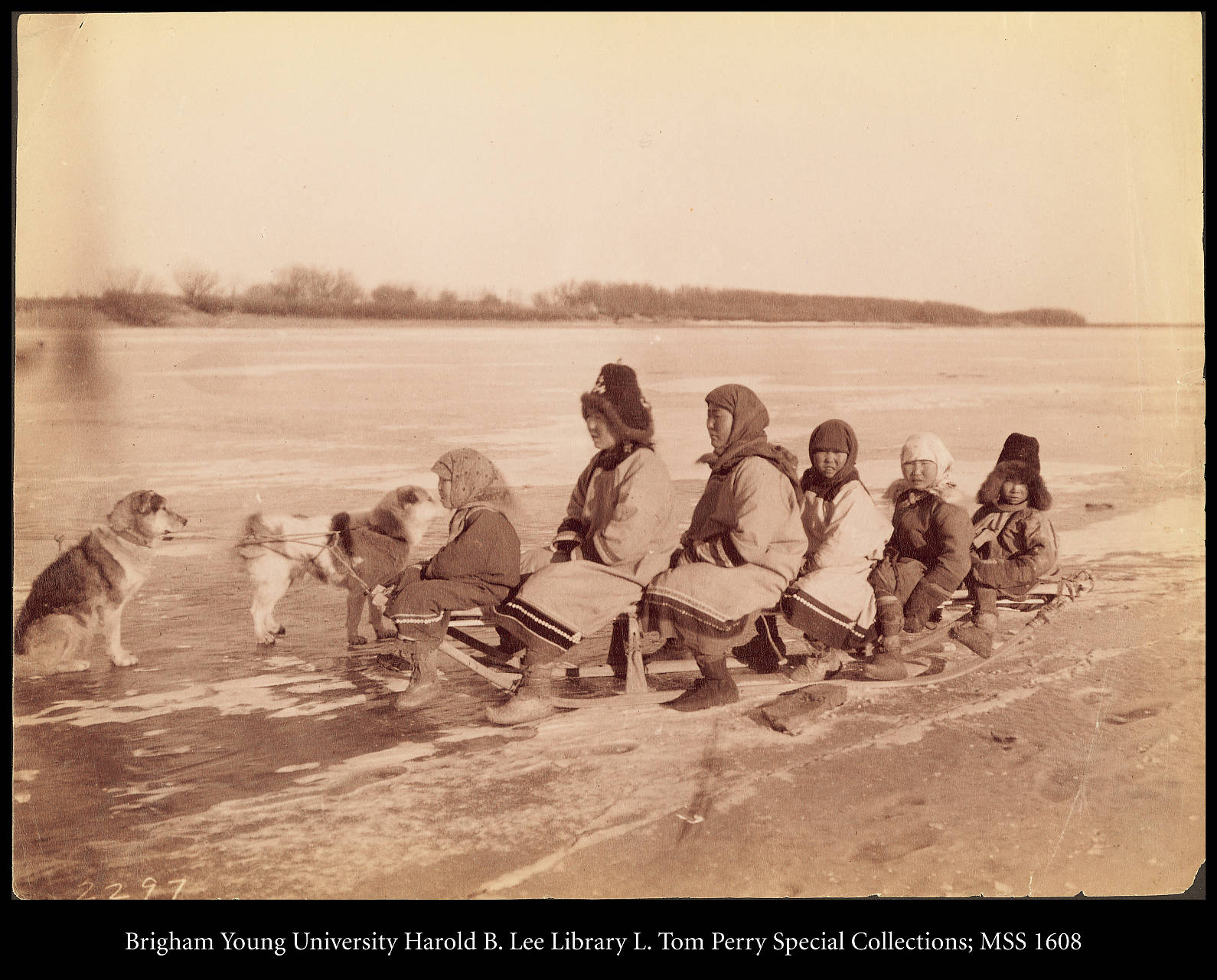
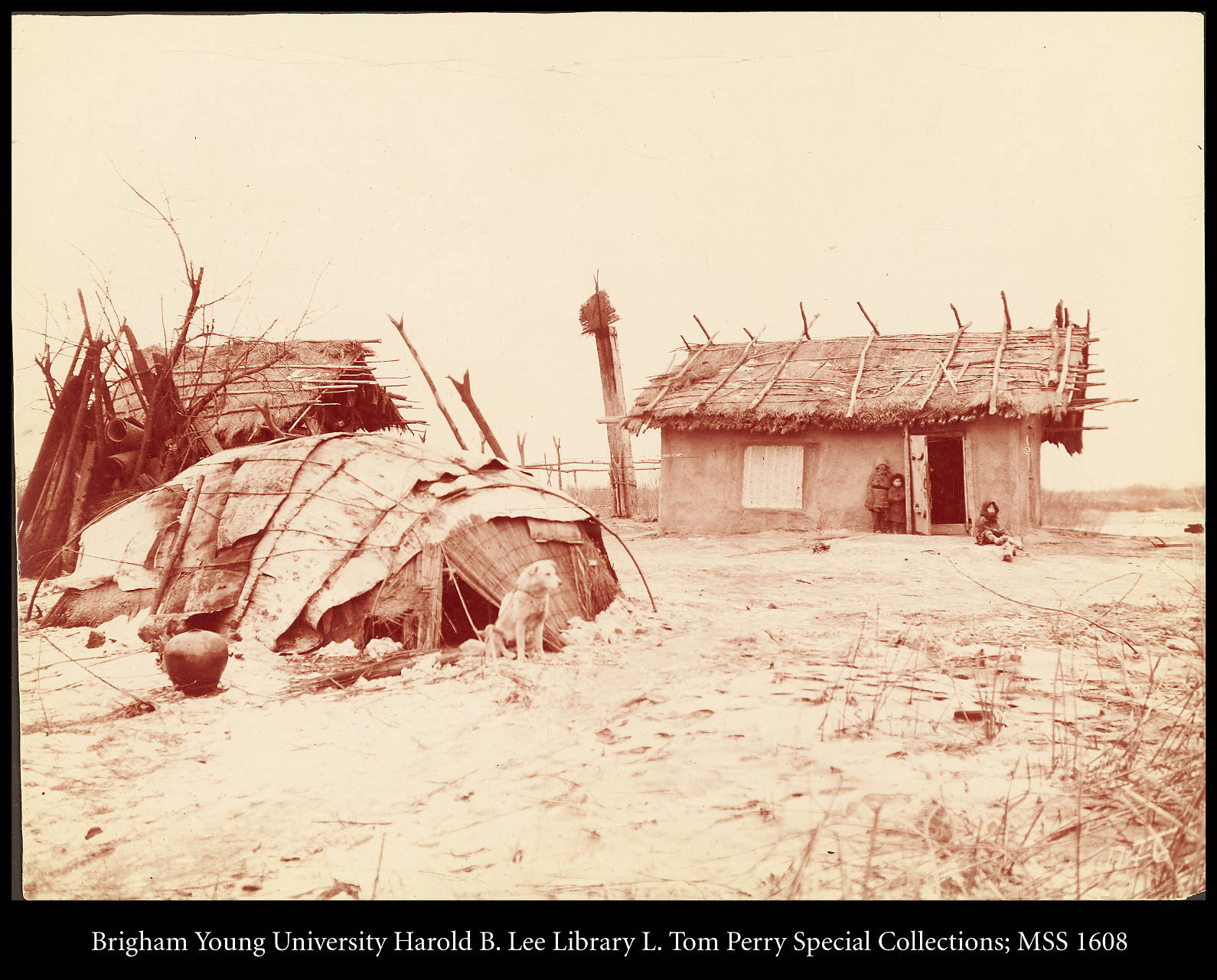
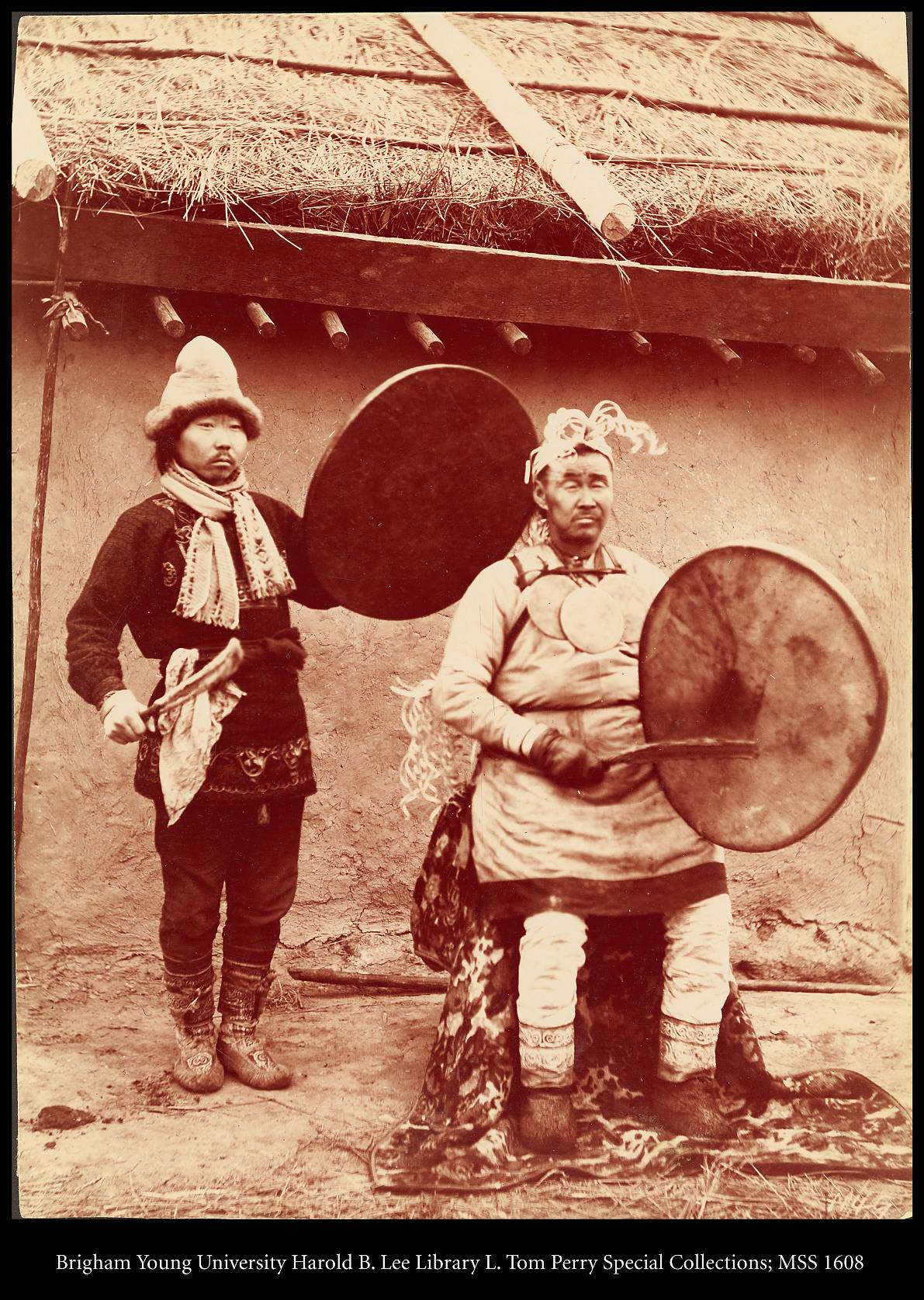
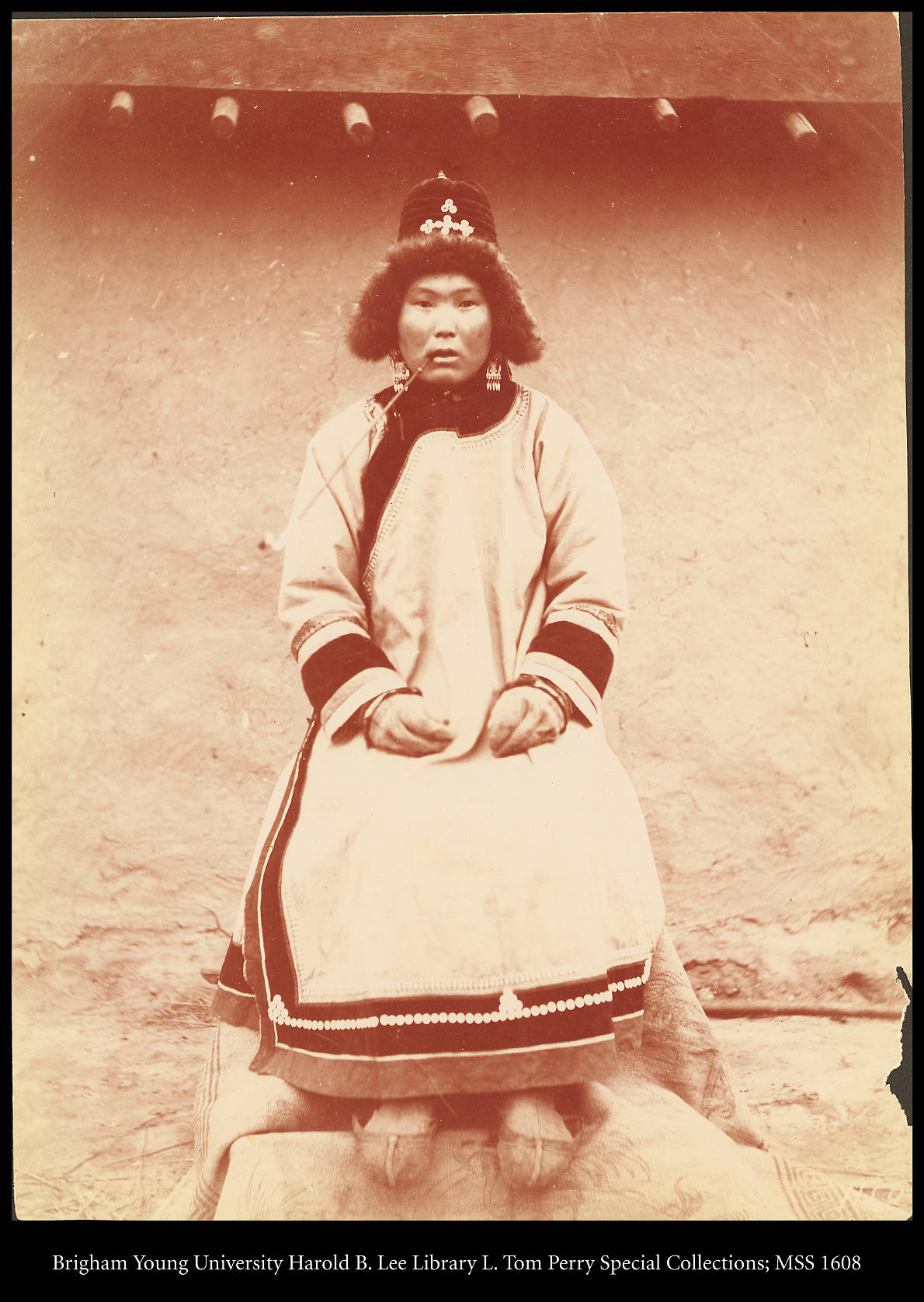
A series of these photos are kept in the L. Tom Perry special collection of the Library of Brigham Young University which also published a part of them in their database. From there they were collected out by one-way, and from her borrowed by us. Since the meaningful details of the large glass negatives would be lost in small size, therefore we include only the central cuts in the page, and by clicking on them you can see the entire photo in a larger size.
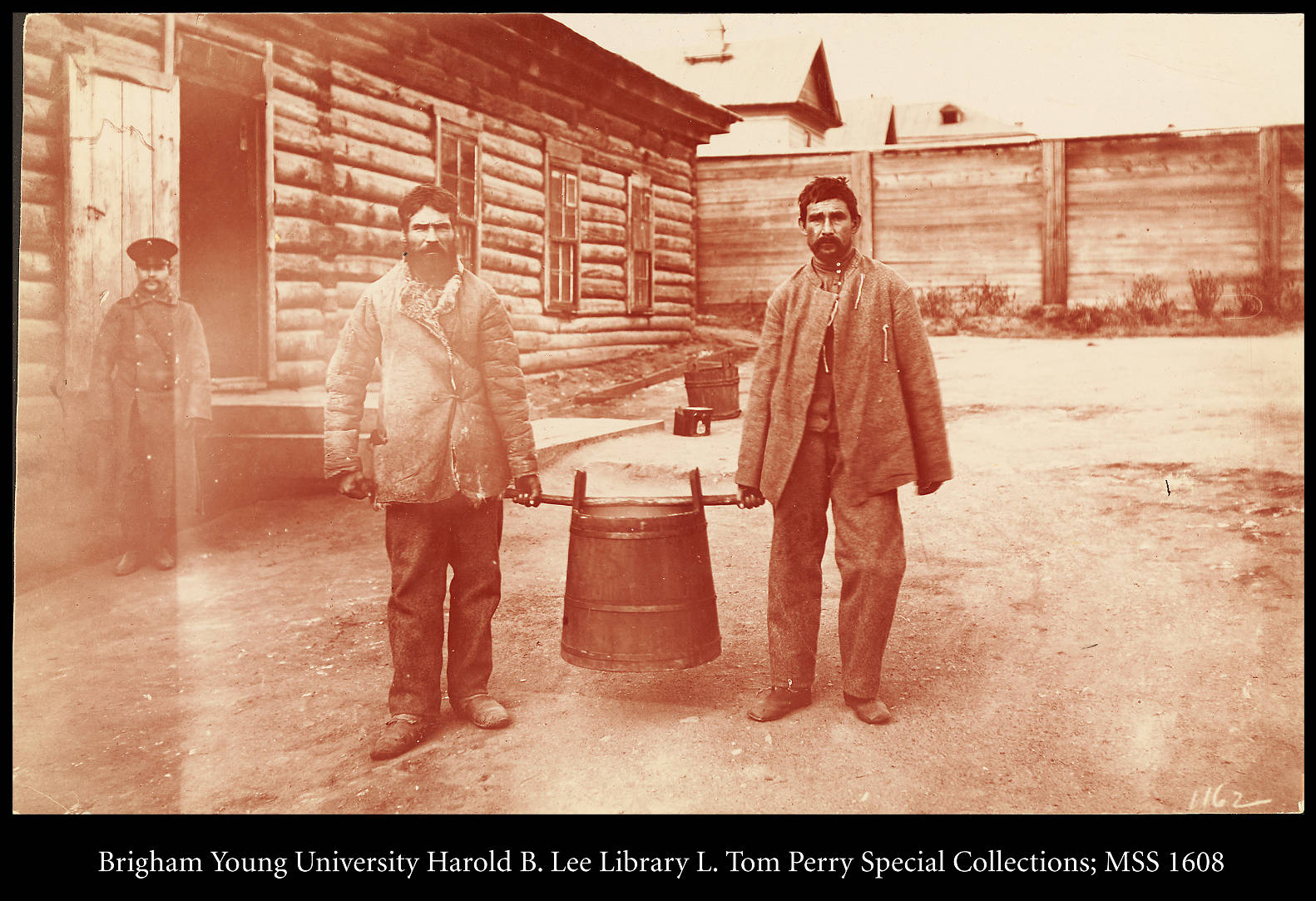
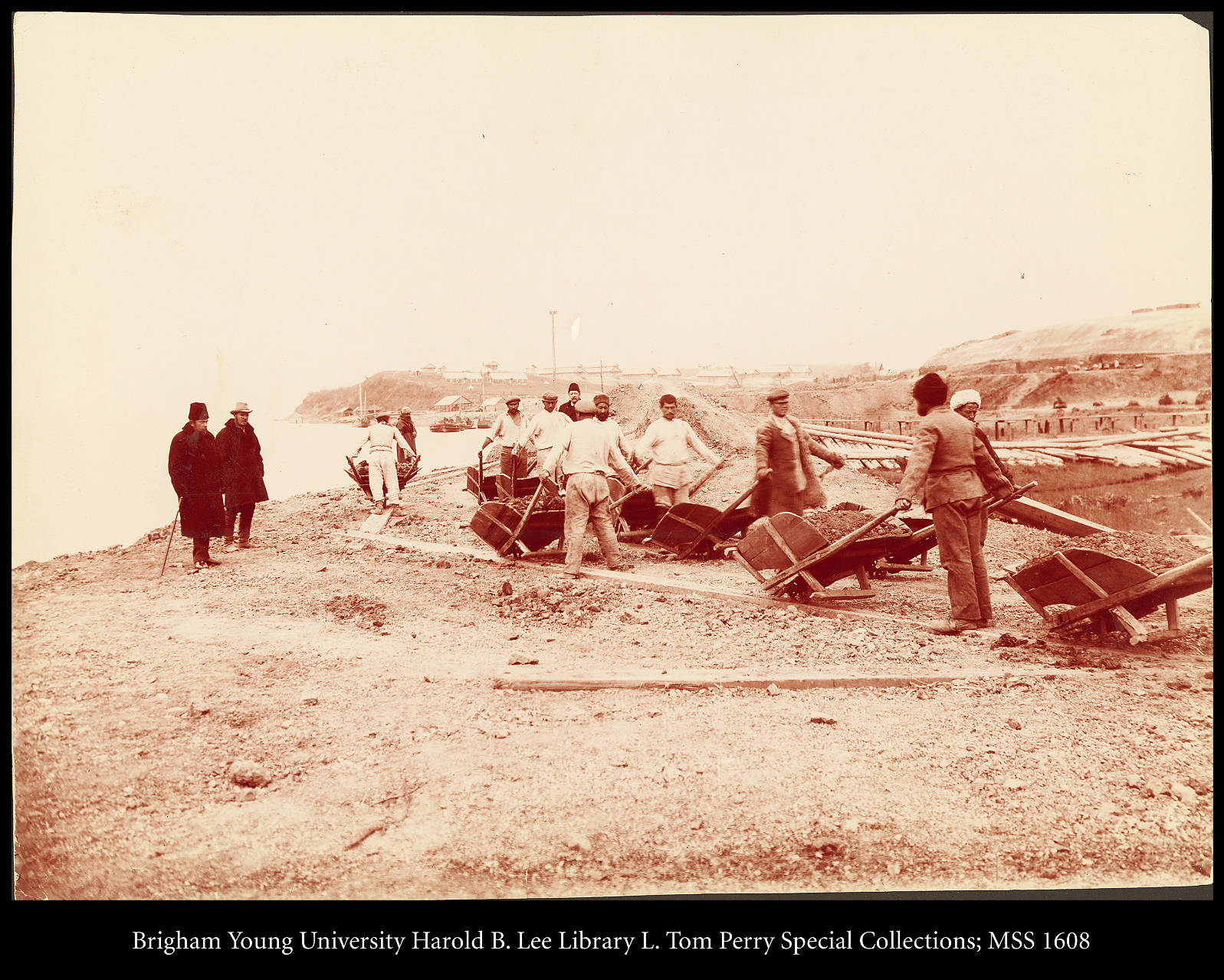
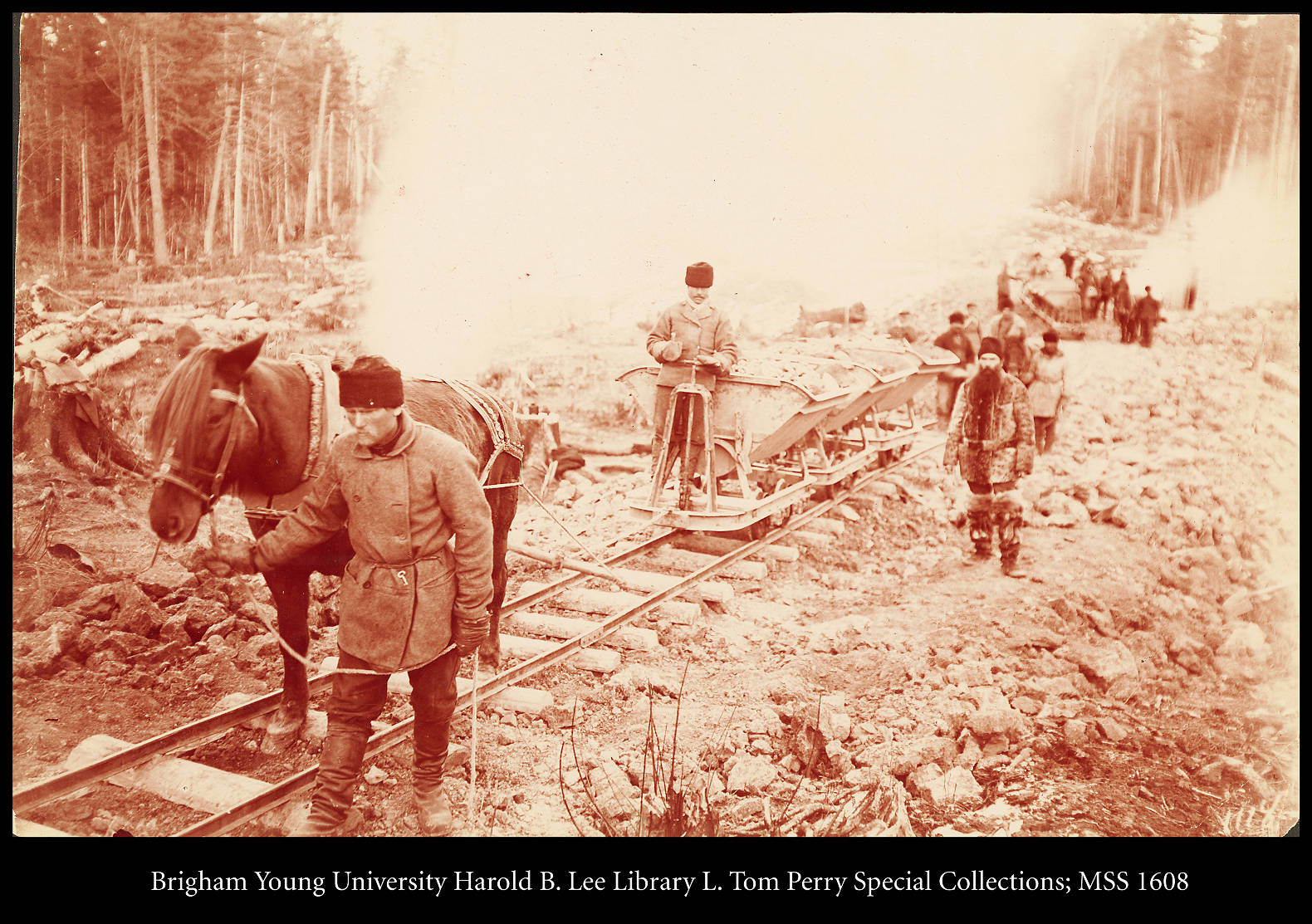
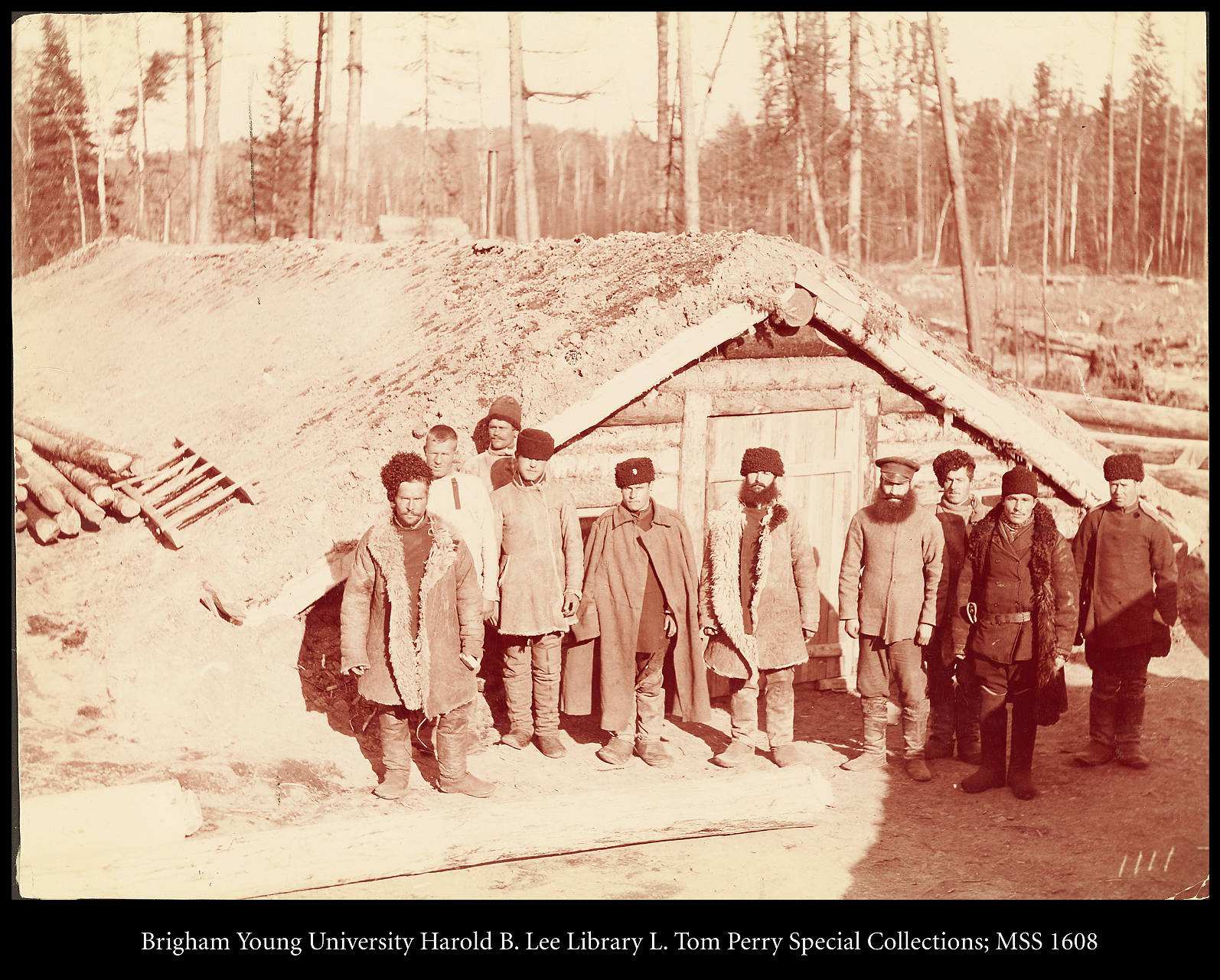
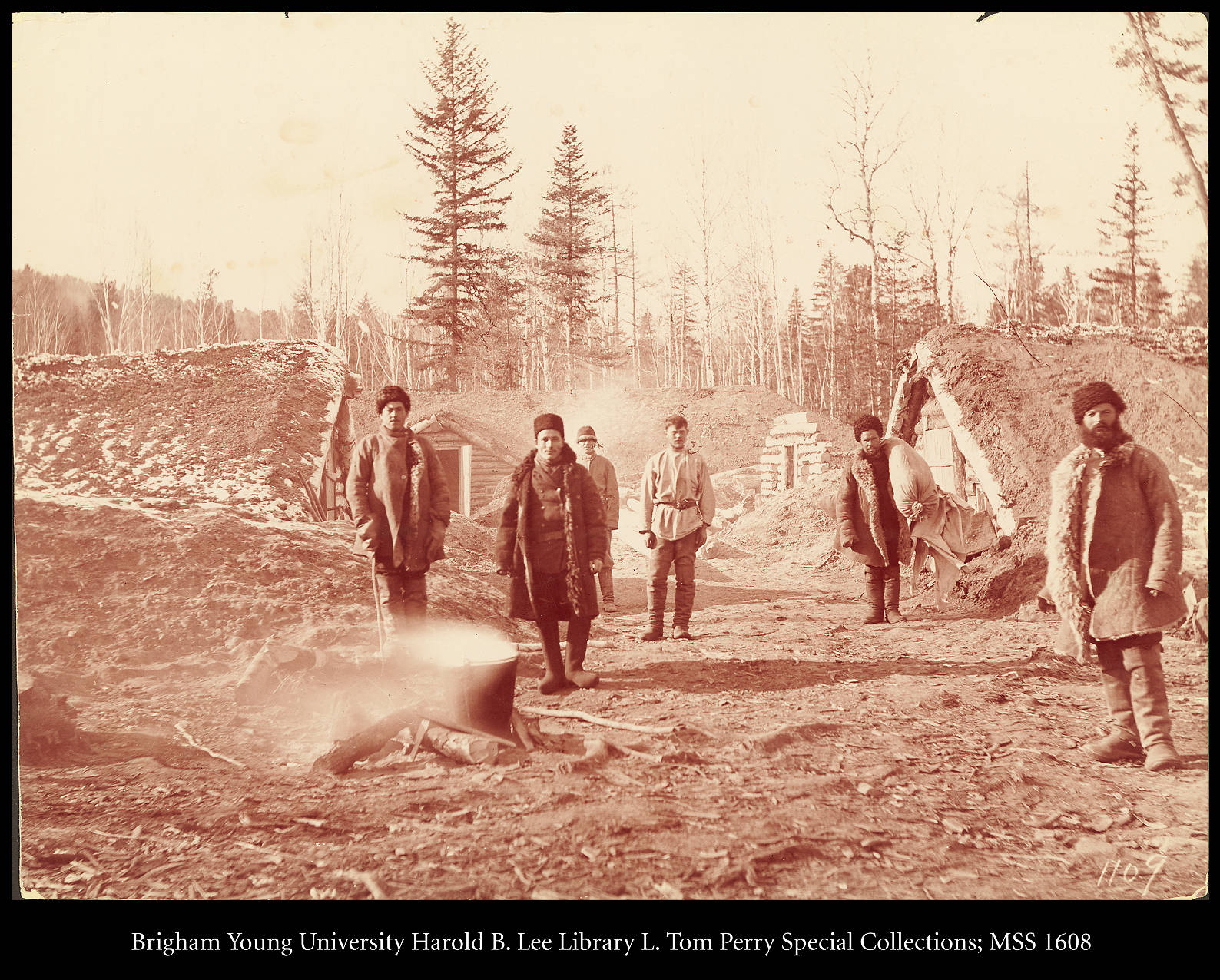
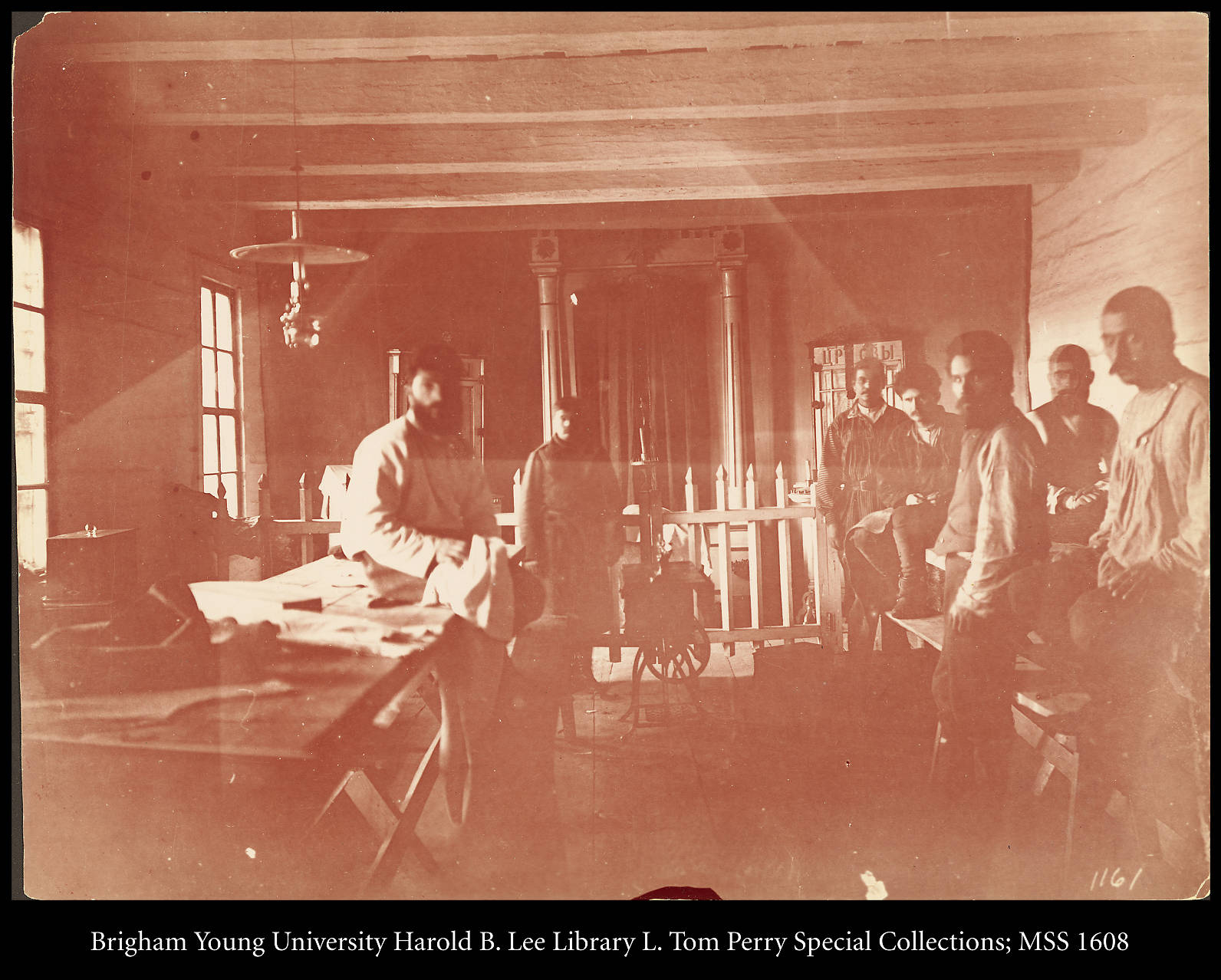
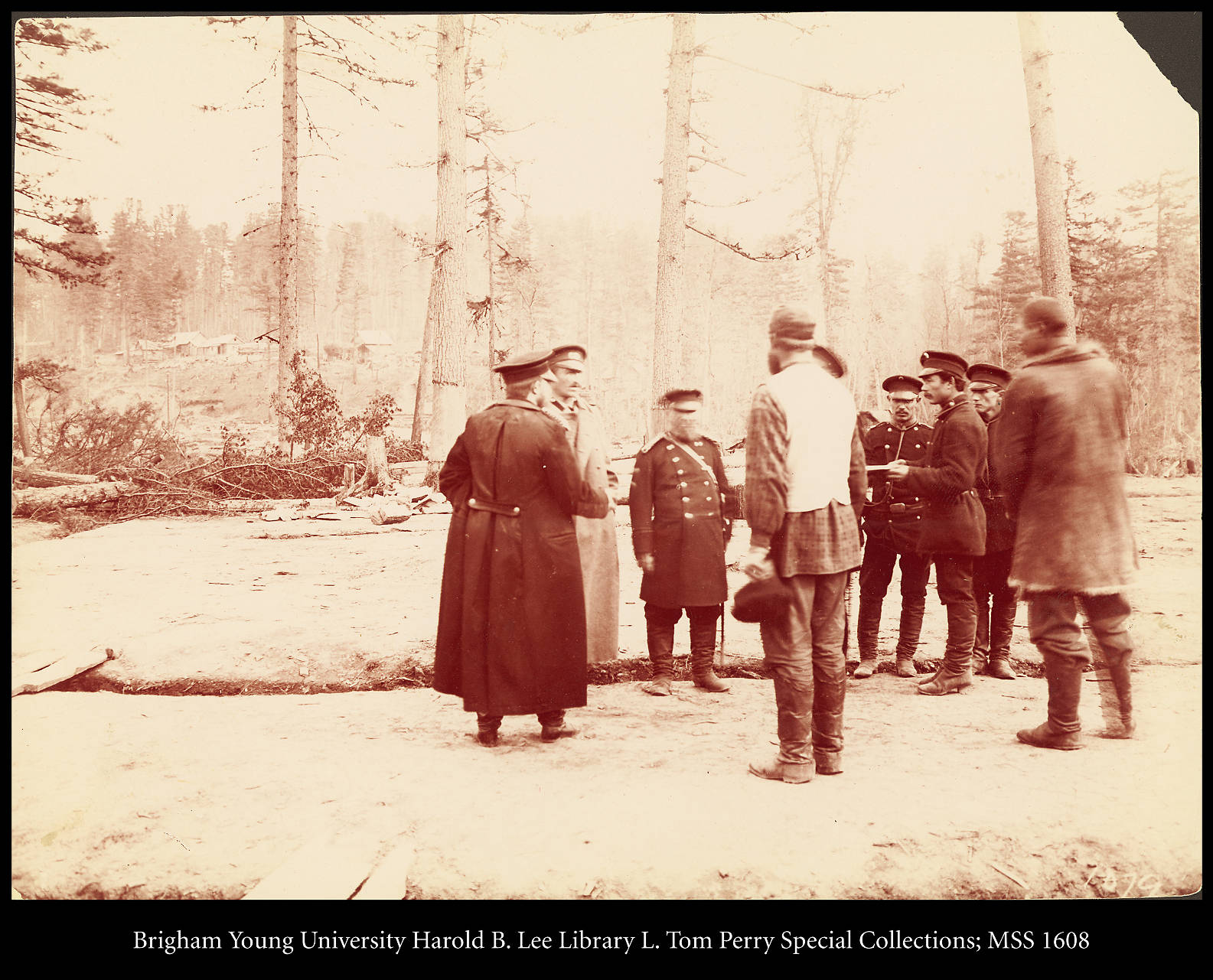

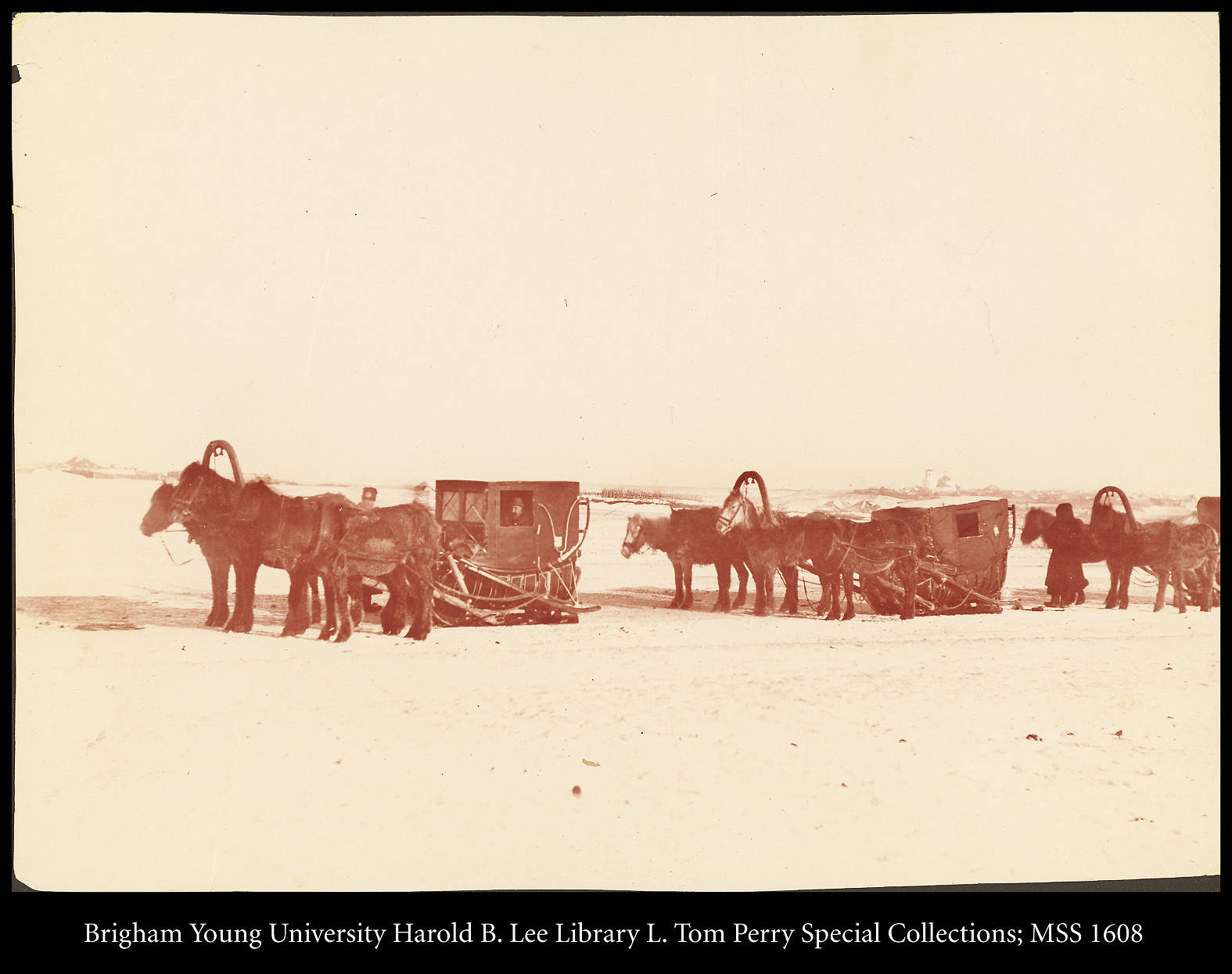
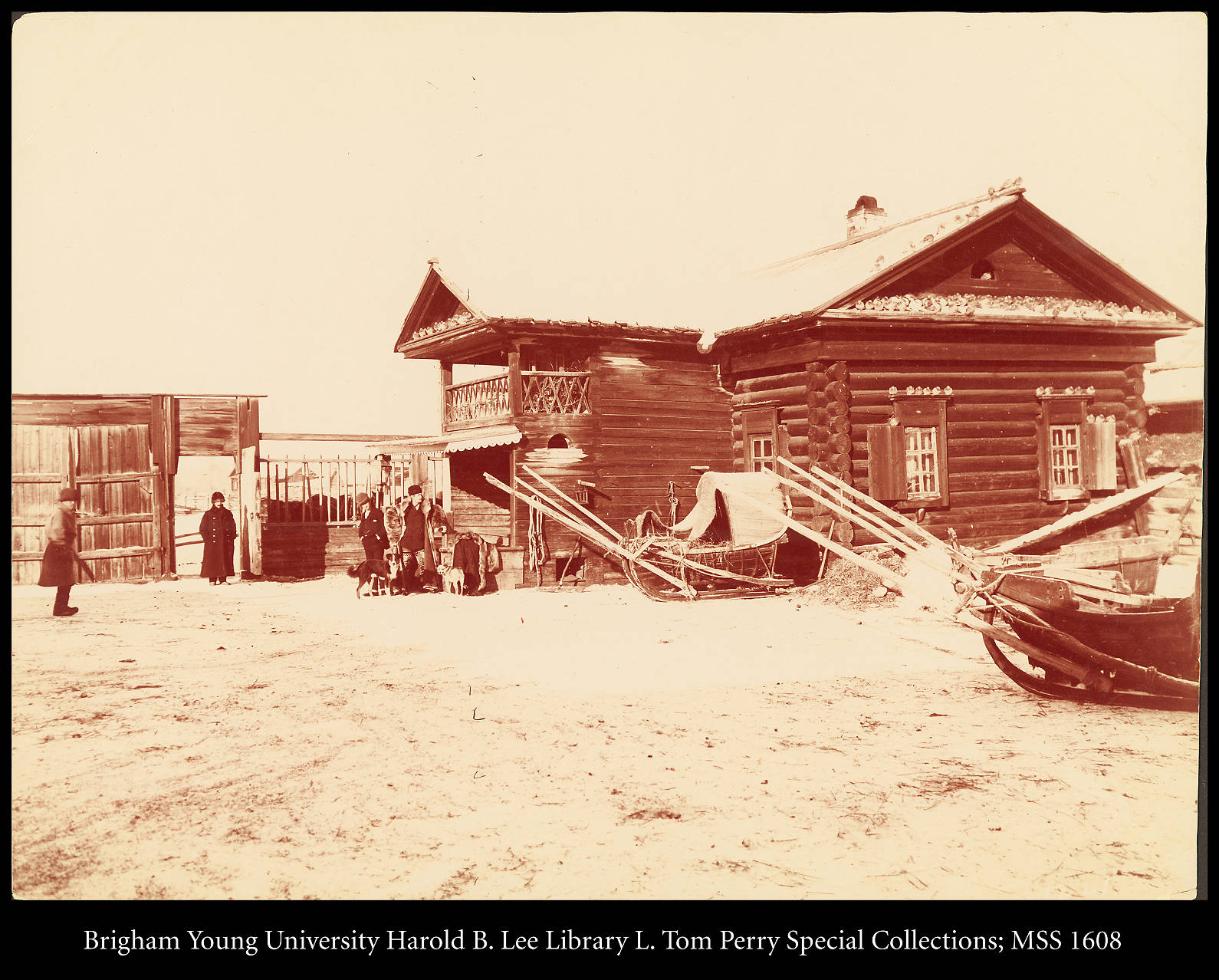
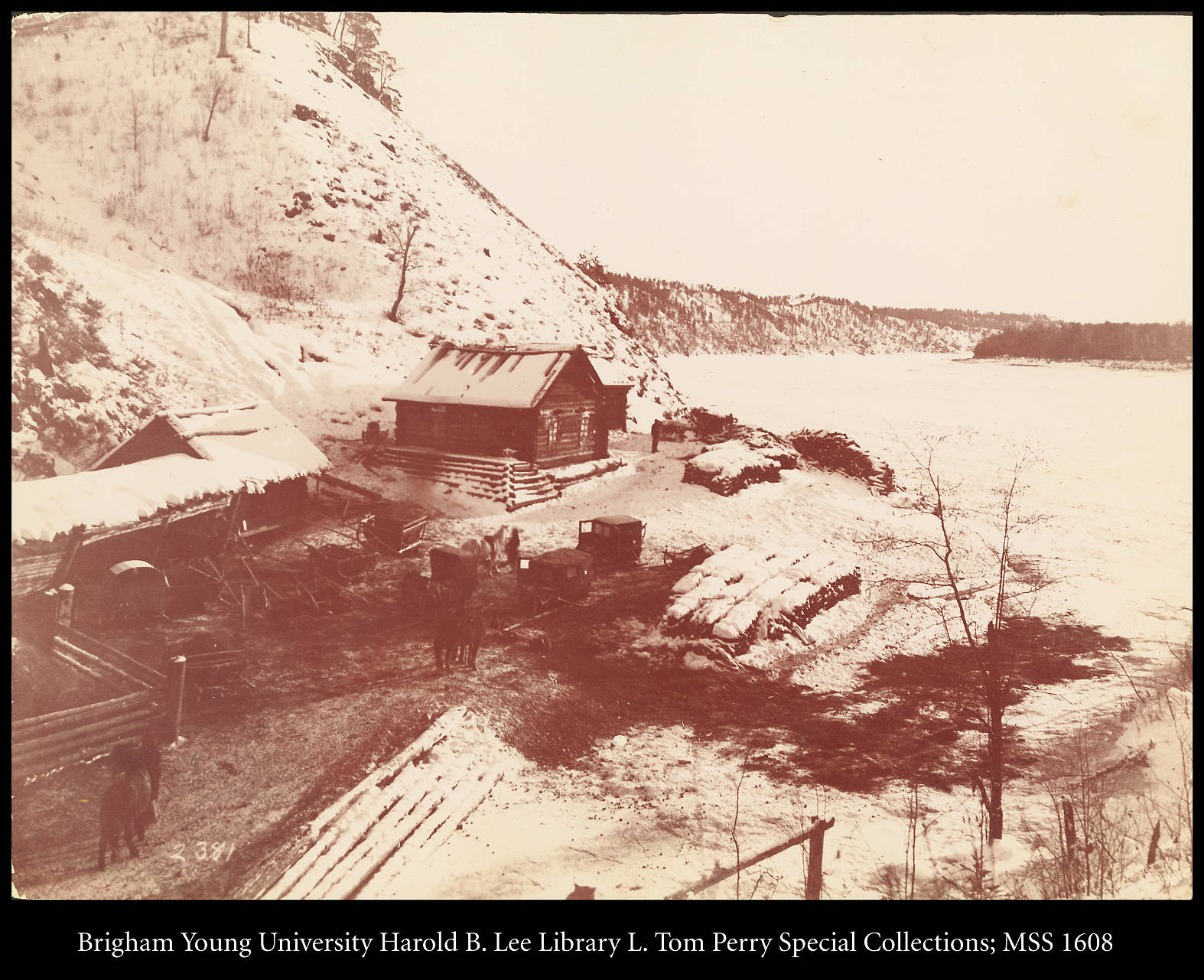
Jackson also photographed the post stations where they changed sledge equipages, together with the coachmen, horses, inn-keepers and camel caravans.

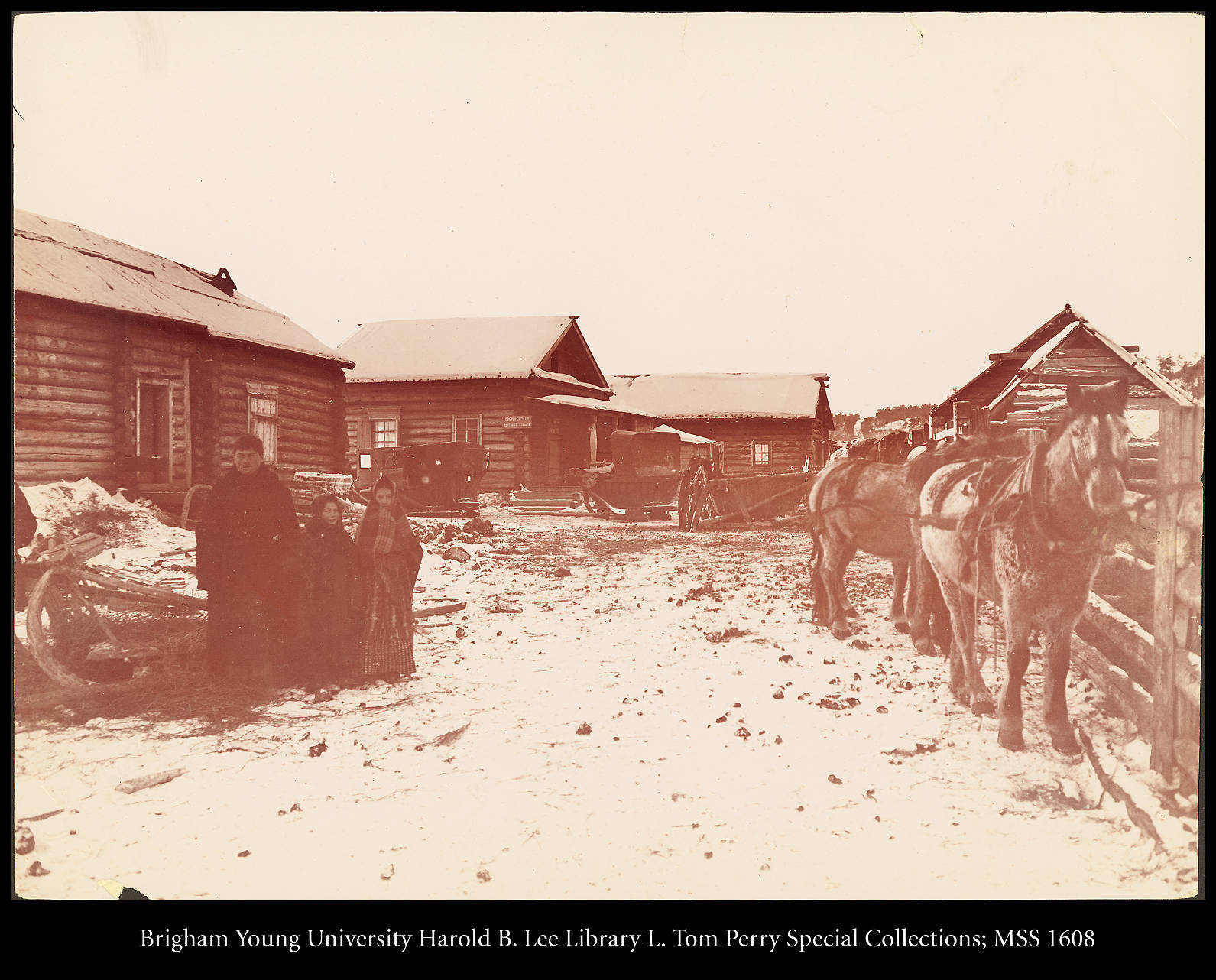
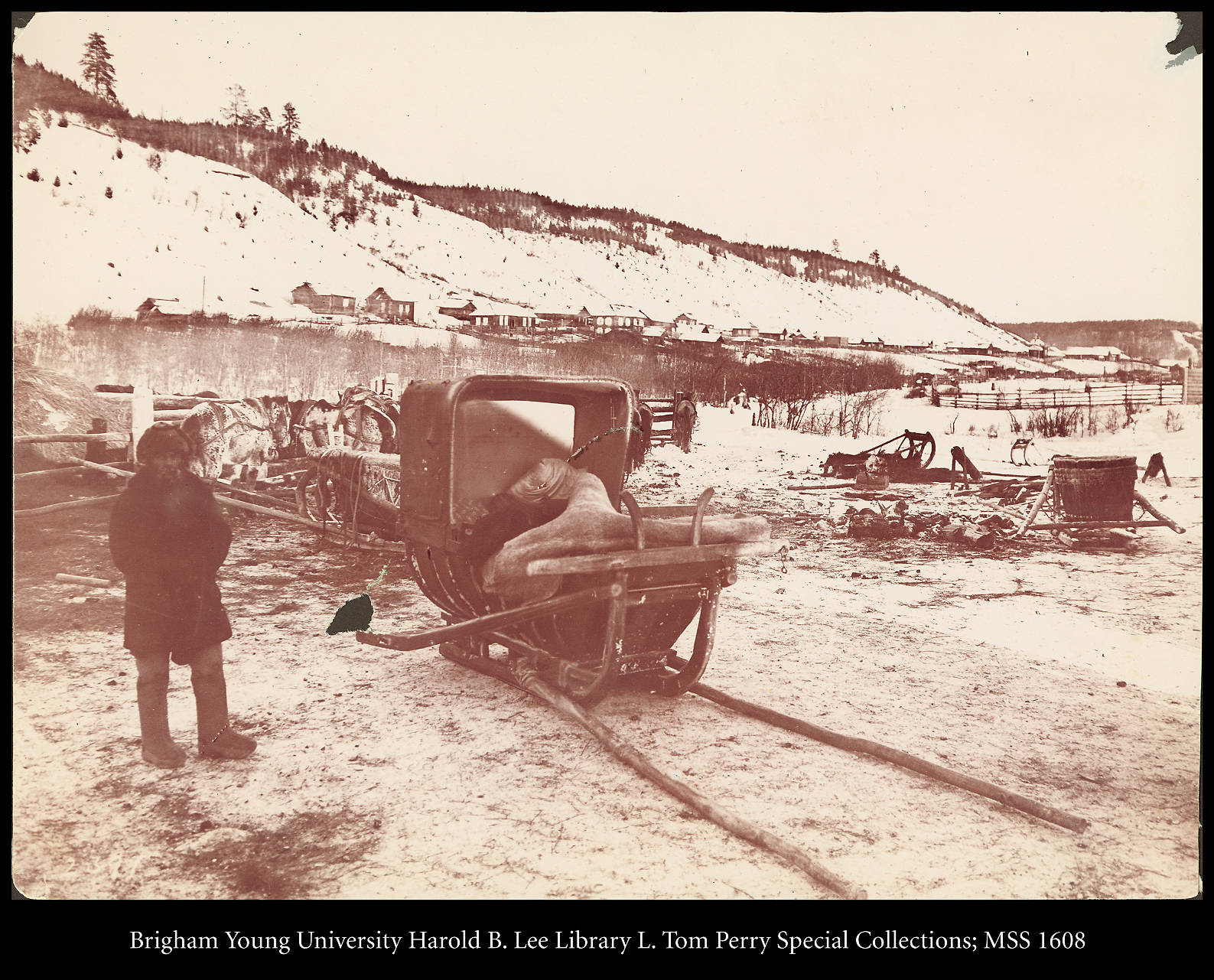
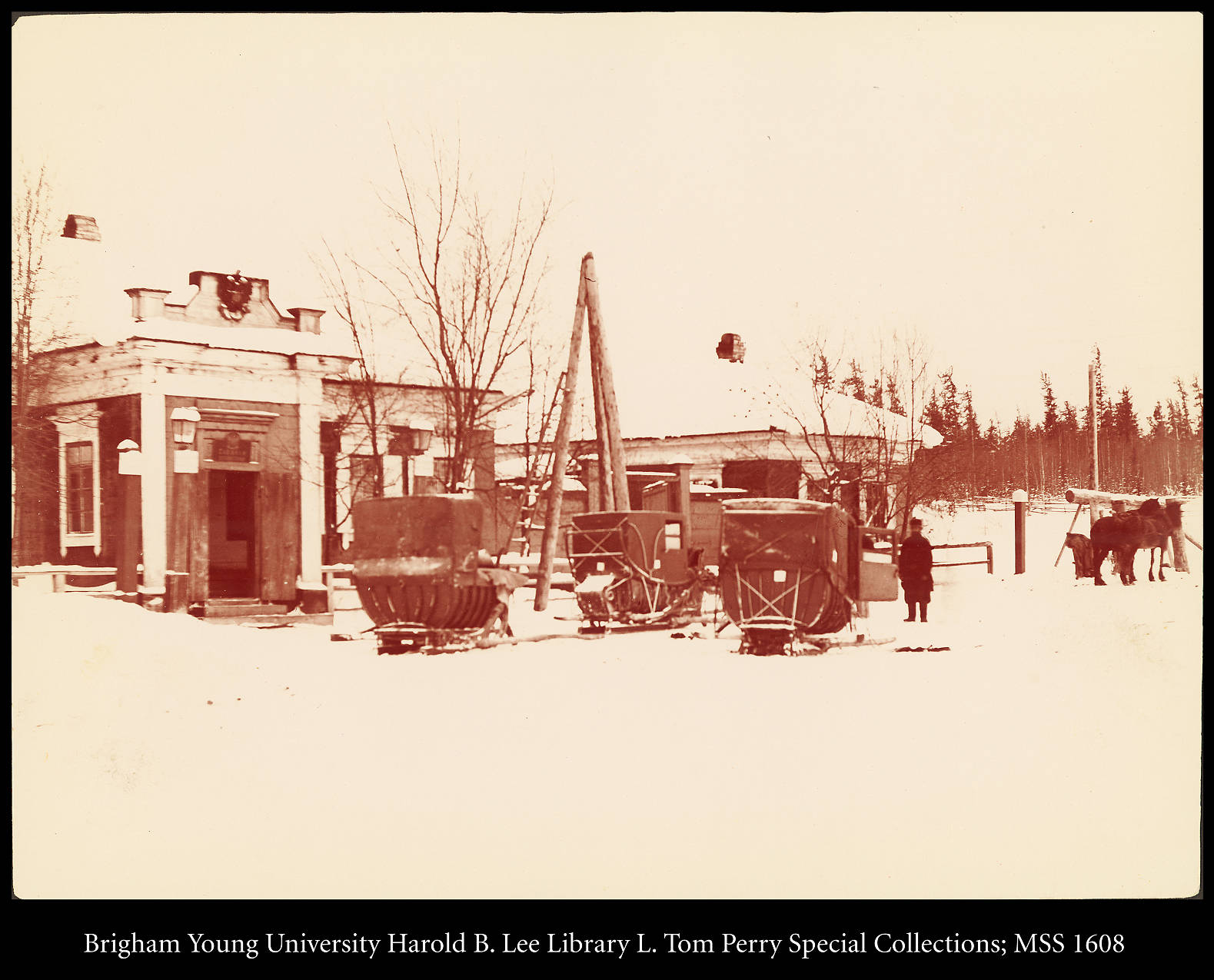
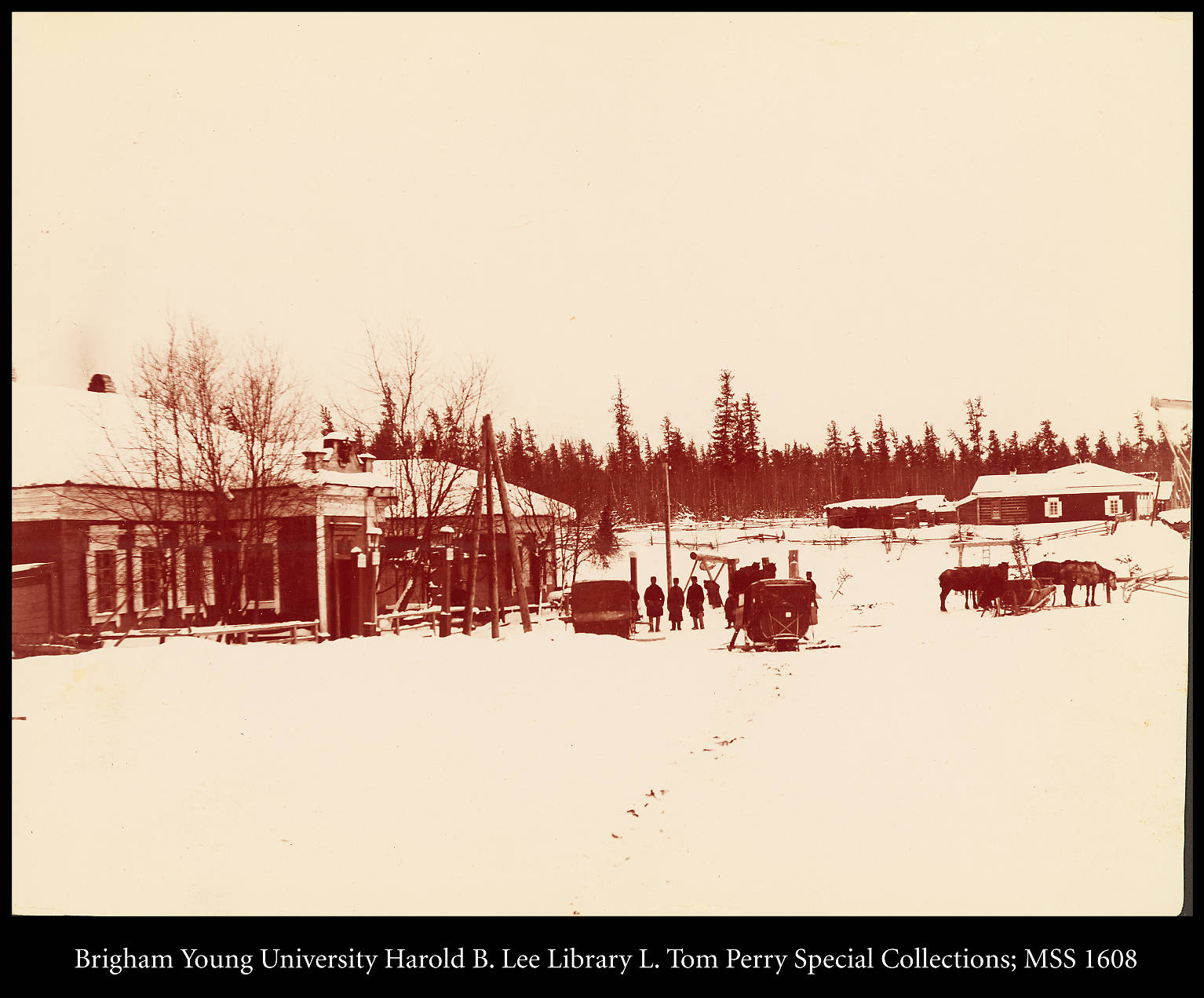
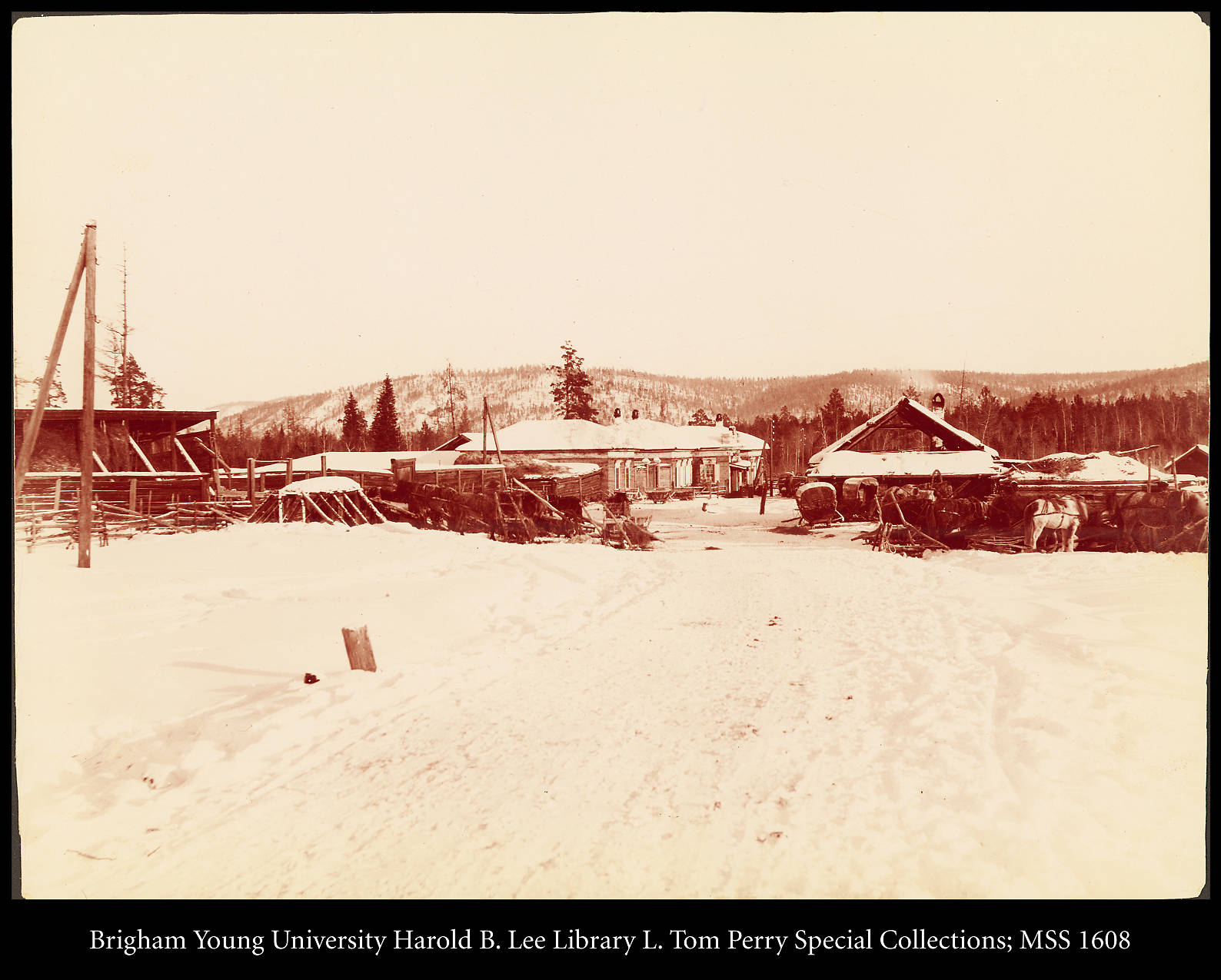
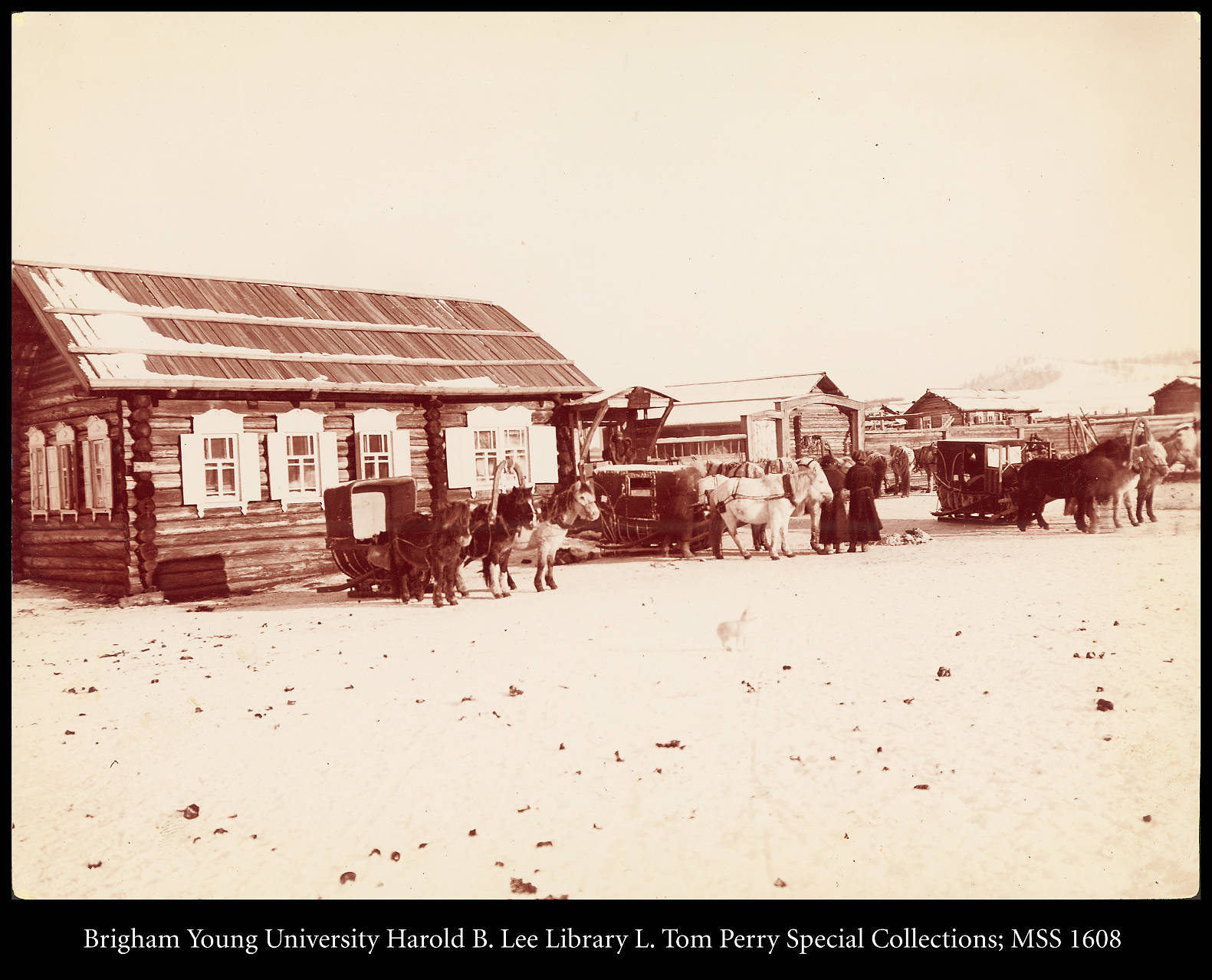
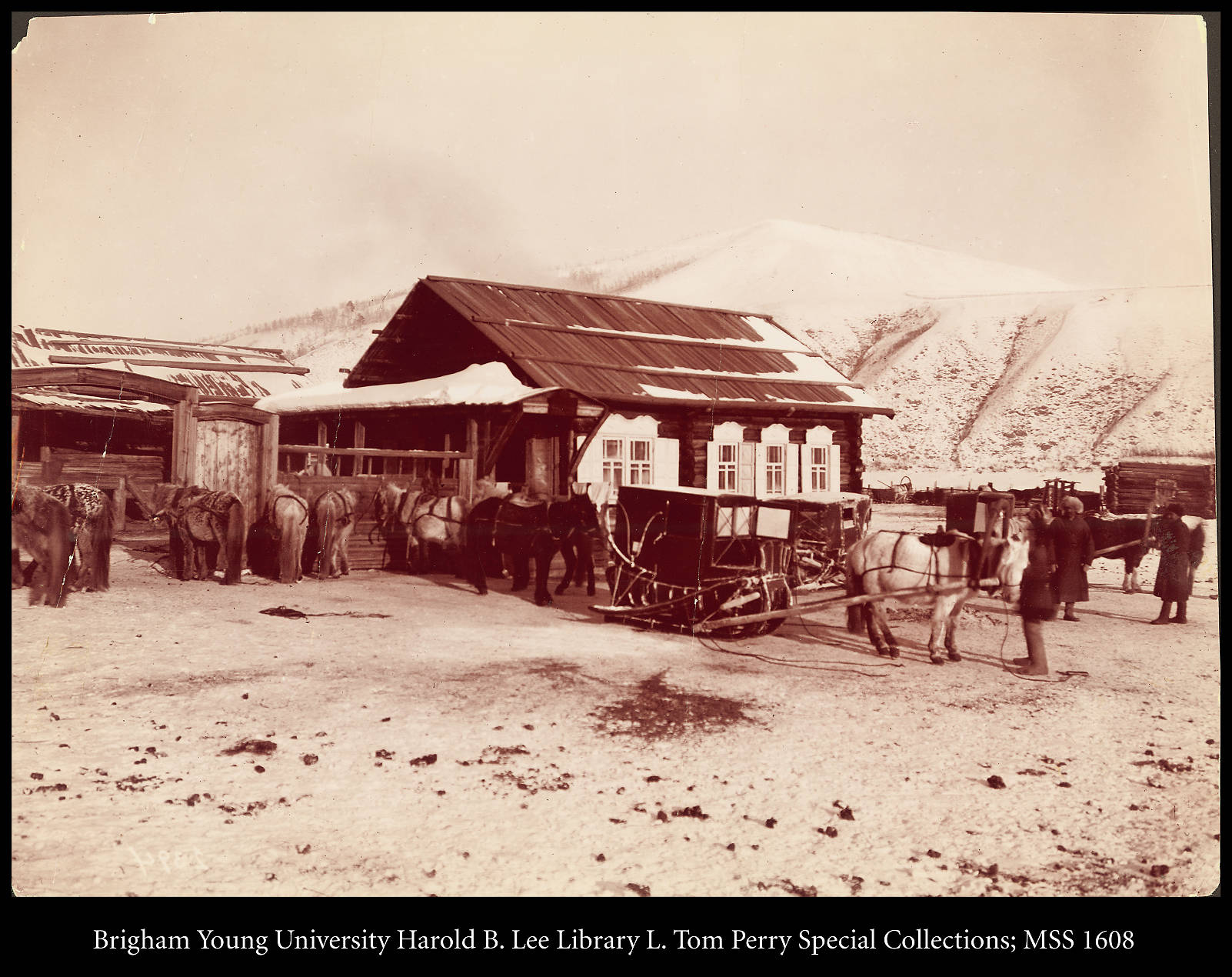
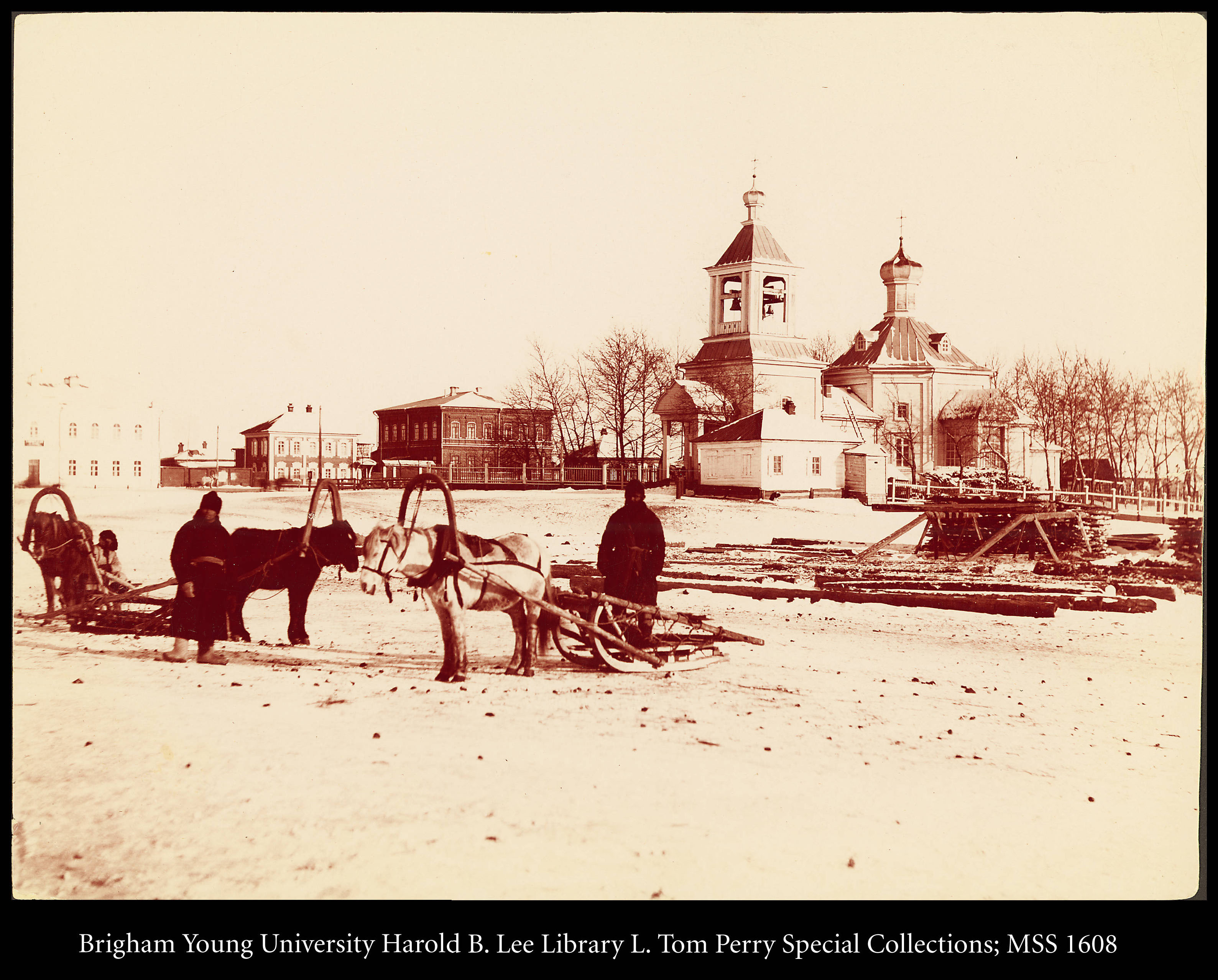
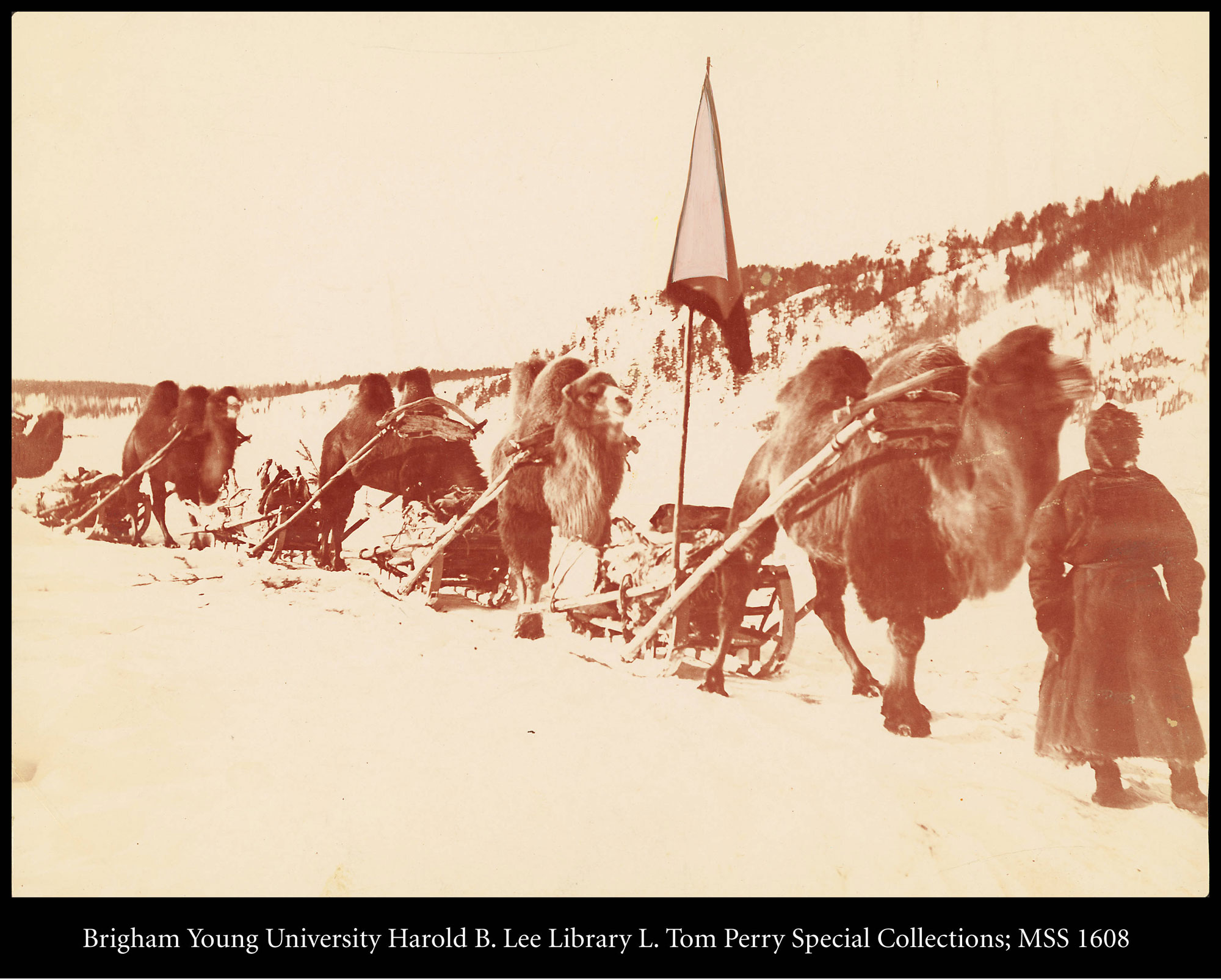
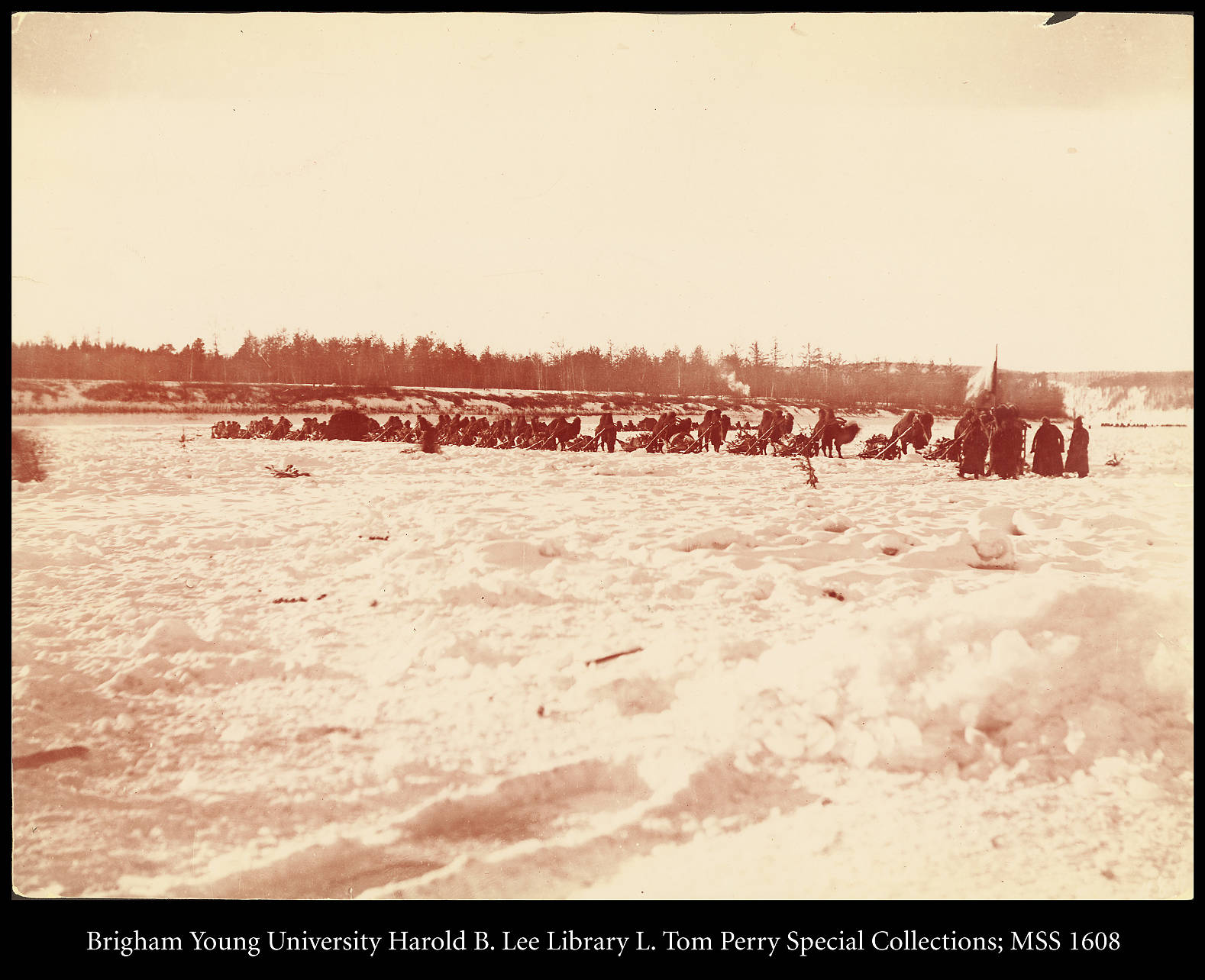 A camel caravan crossing the frozen Amur
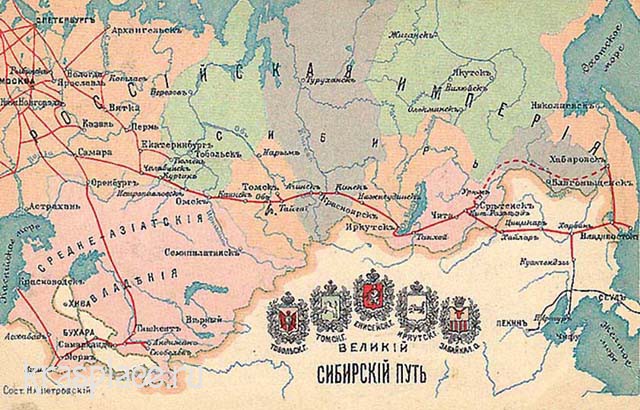
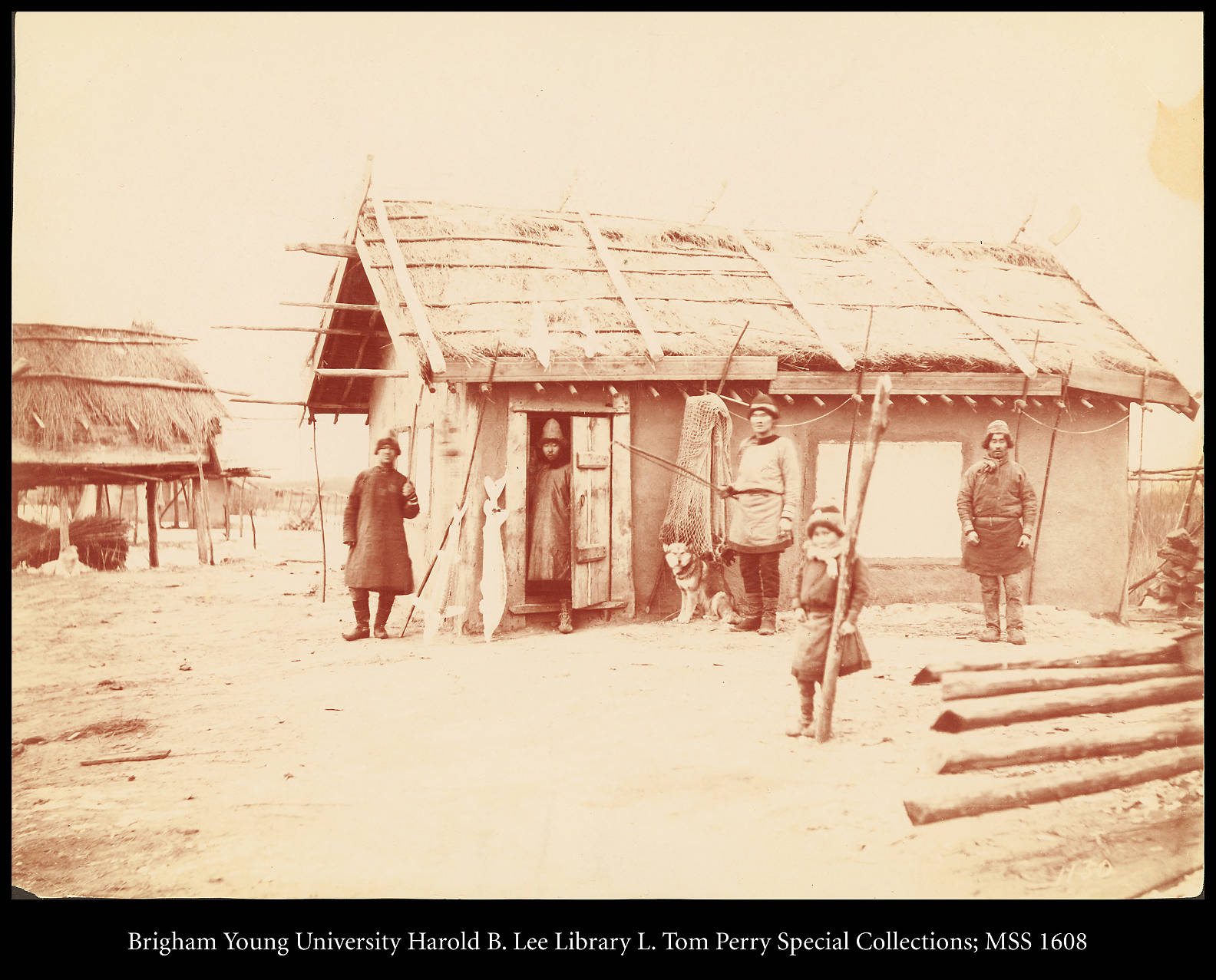
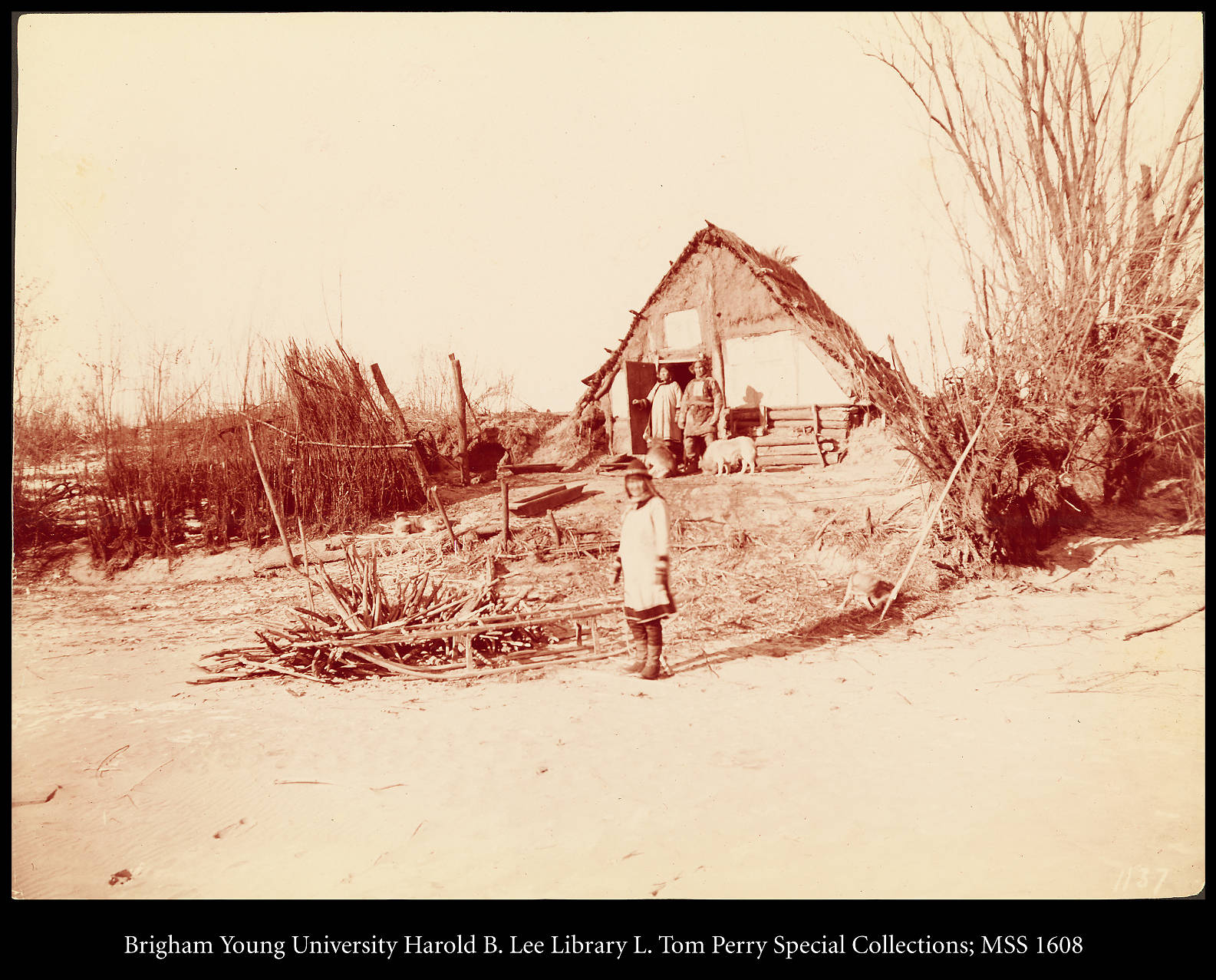
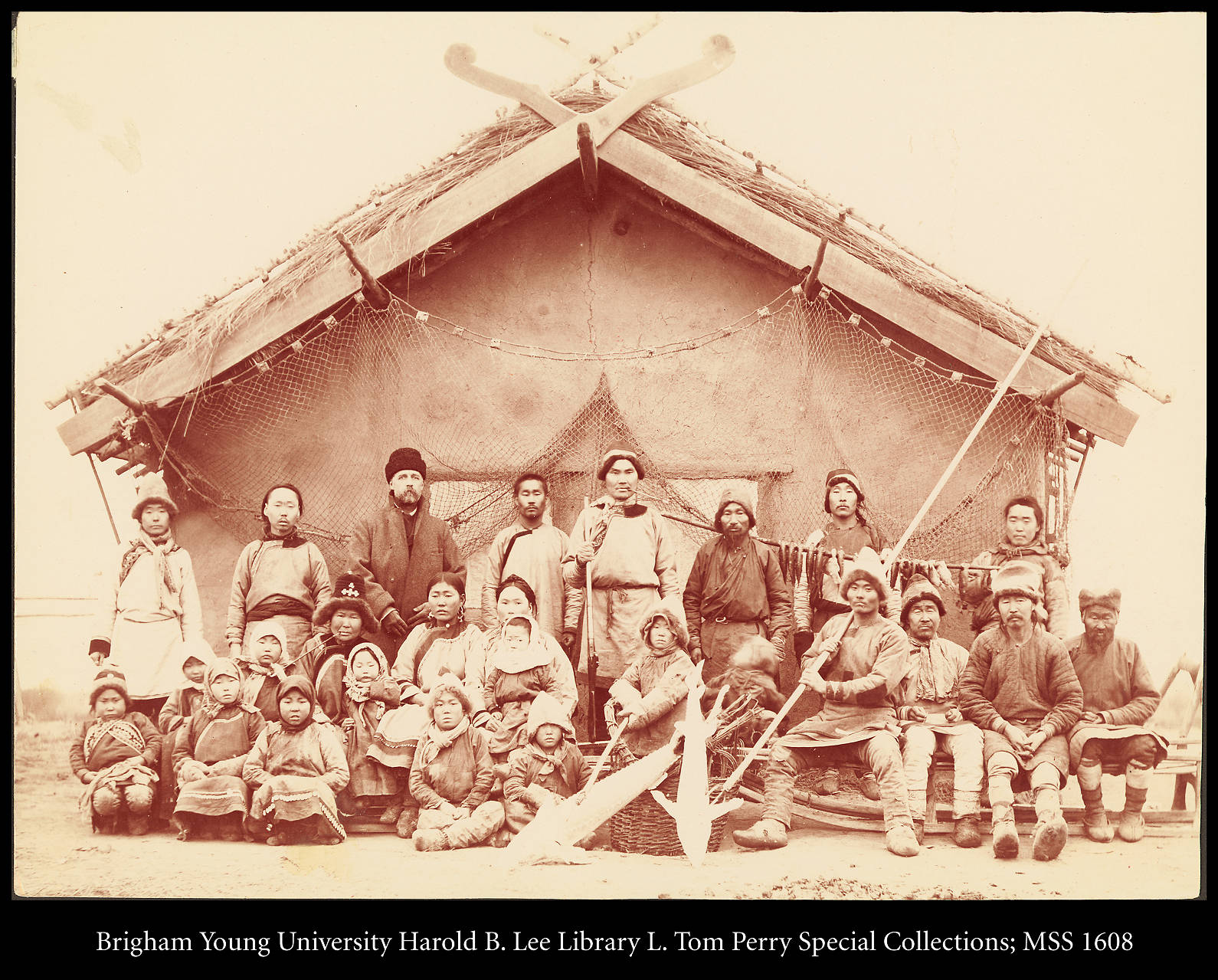
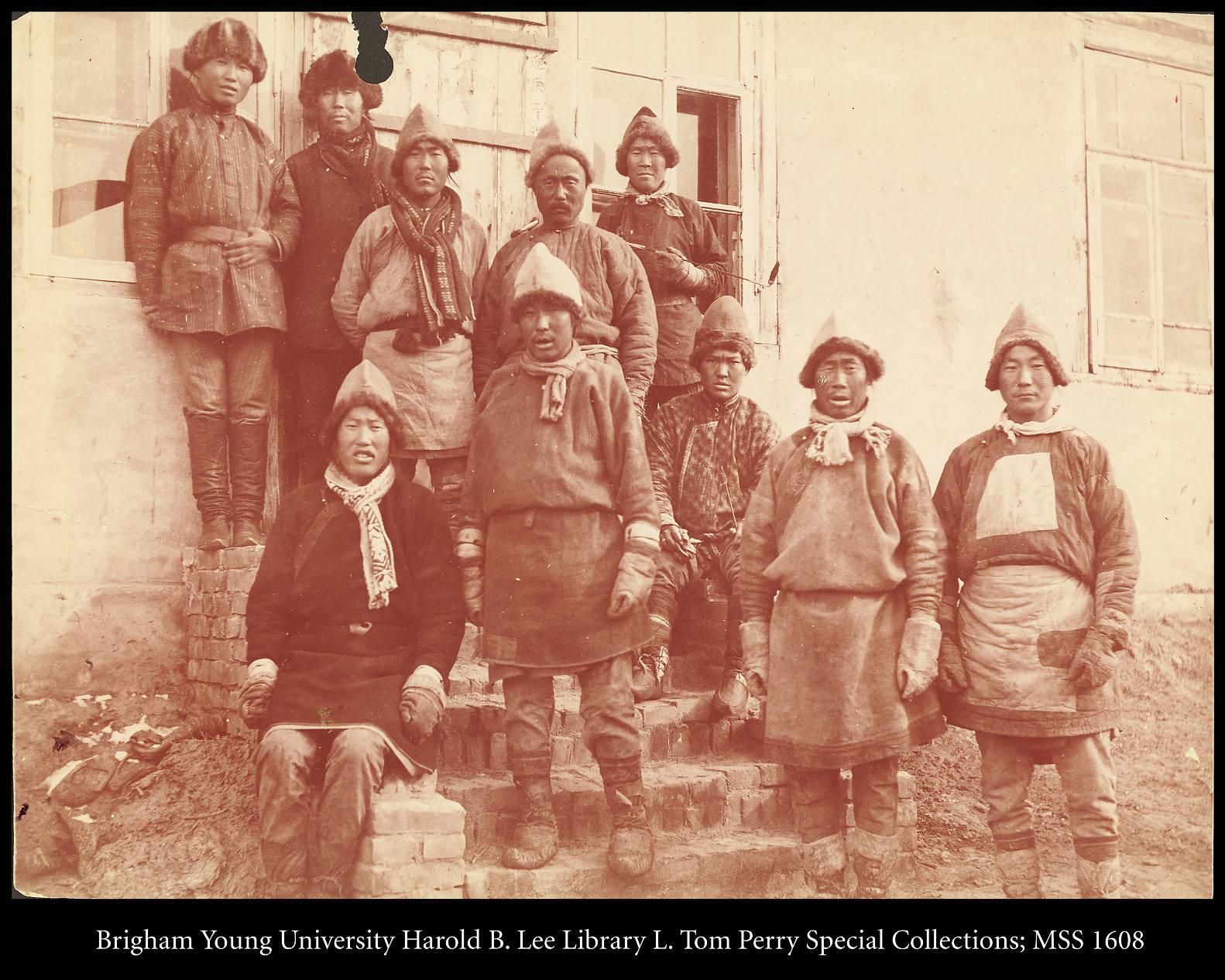
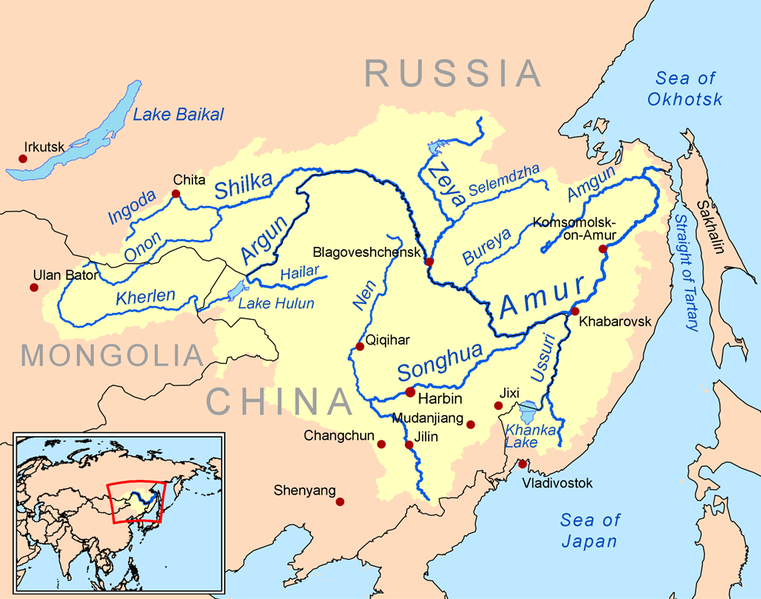 The construction of the track of the railway starting from Vladivostok at that time was about the middle reach of the Russian-Chinese border river Amur – in Chinese 黑龙江, Hēilóngjiāng, “Black Dragon”. This region, marked with a red dot on the map, has been traditionally inhabited by the fishing tribes of Tunguz Nanais, mentioned as “fish-skin clothed Tatars” in earlier sources. It was just at that time, in consequence of the railroad constructions, that Russian ethnographers also started to discover this region, including Vladimir Arsenev who in his famous novel published in 1923 set a memory to his old Nanai guide between 1902 and 1907, Dersu Uzala. The American expedition also passed through this region and made several photos on the Nanai fishermen. To Jackson, who during his roaming in the American West had lived and photographed for decades between American Natives, this must have been a well known situation which is also attested by his relaxed and informal photos. I do not know whether at that time – and in sight of the soon following changes, at any time – it was given to anyone else to take photos among the native inhabitants of both the farthest West and the farthest East.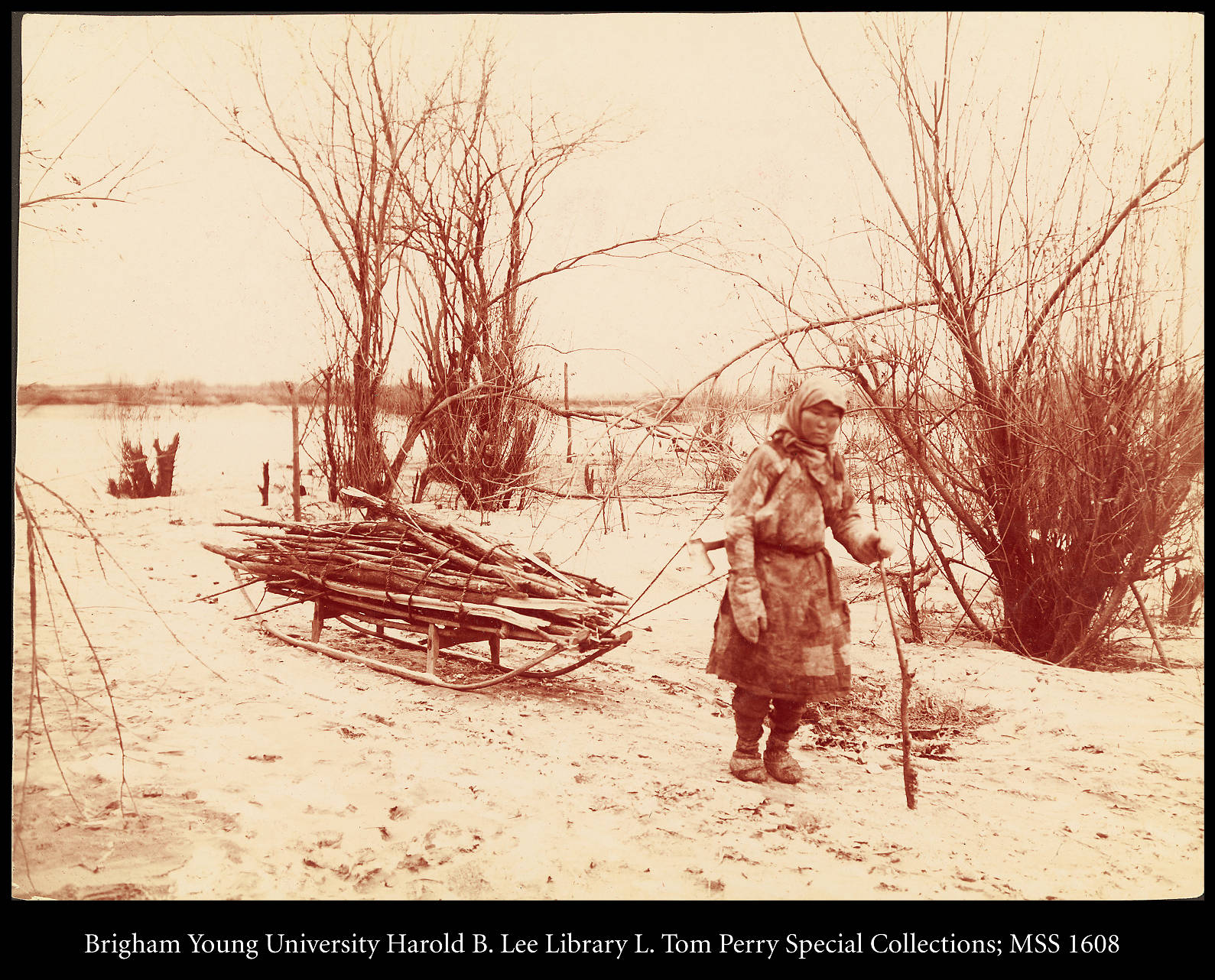











 Come with us to…
 Atlantis
 Bestiary
 Bohemia+Prague
 Books, exhibitions, music, film
 Caucasus
 Cemeteries
 Crimea
 Lwów/Lemberg
 Mallorca
 Message on the wall
 The Museum of Propaganda
 Odessa
 Paper Museum
 Persian letters
 The Jewish heritage


