Switch over to our new blog! • ¡Pásese a nuestro nuevo blog!

The renewed version of our blog, with more features, a richer design, and available in nine languages, can be read here: https://wangriver.com

The new version also includes the old posts, often in expanded form. If you are curious about the updated version of this post, replace “riowang.blogspot.com/” in the URL with “riowang.studiolum.com/”, and the new link will most likely lead you there.


La versión renovada de nuestro blog, con más herramientas, un diseño más rico y disponible en nueve idiomas, se puede leer aquí: https://riowang.com

La nueva versión también incluye las publicaciones antiguas, a menudo en una forma ampliada. Si tiene curiosidad por la versión actualizada de esta entrada, sustituya «riowang.blogspot.com/» en la URL por «riowang.studiolum.com/es/», y el nuevo enlace probablemente le llevará allí.

Persian travel sketches


Sunday morning. Rome has been packed for the feast of the Immaculate Conception. The crowd is emanating from the station, police must direct traffic in the subway, and it is not possible to board the buses. So I walk in the bright sunlight to the Piazza dei Santi Apostoli, the Odescalchi Palace, where, for three days, one can see the items prepared for the book auction of Minerva Auctions. Including one, which is extremely important from both the Hungarian and the Orientalist perspective: the Oriental travel album of Count Fedor Karacsay.

This album, so writes the auction catalog, includes thirty-eight colored drawings on Anatolian and Persian folk costumes, soldiers, cities. What makes them special is their date and the person who compiled them. The cover of the album bears the date “1853, 1854, 1855”: this is the age of Persia’s opening to the West. And its compiler, or, in fact, as we shall see, artist, was a Hungarian aristocrat who played a prominent role in this opening. And moreover, one decade before the journey of Arminius Vambery, he is generally considered the first great Persian traveler.

In the library of the palace I am received by the expert of the auction house Silvia Ferrini. She personally shows me the album, whose drawings were mounted on low quality Eastern cardboard, which breaks even if touched too forcefully. To my great delight, she agrees that I can take a photo of each page of the album. I appreciate the historical significance of the moment. These hastily made photos will testify to a unique historical document, which emerged only for three days from the obscurity of a private collection in Rome, to most likely disappear again for at least one generation into another private collection.

While I am ordering my photos in my hotel room in Rome, Dani Kálmán in Budapest is compiling the author’s biography:
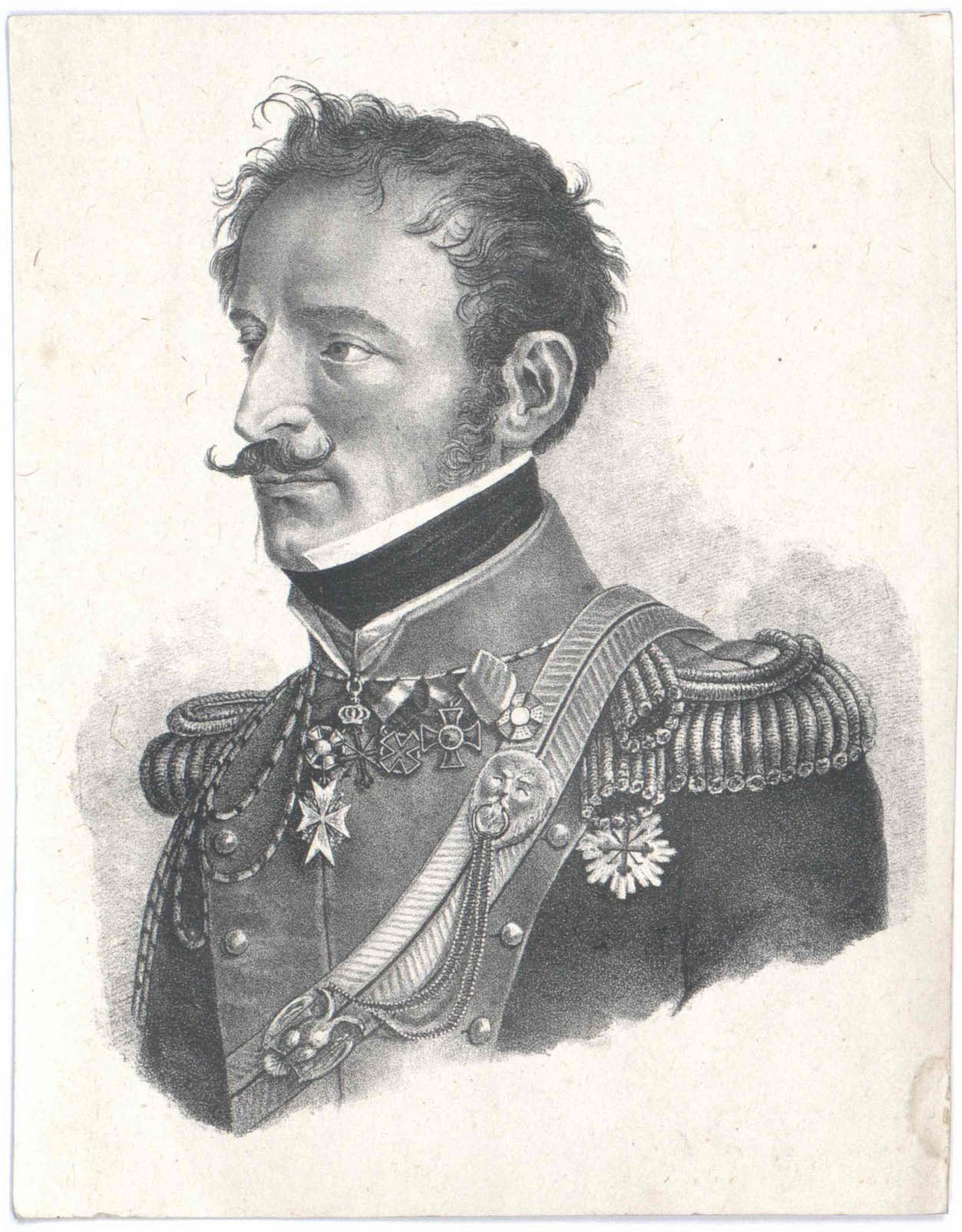
Portrait of Count Fedor Karacsay from the picture archive of the Austrian National Library.

Hungarian travelers have long wandered the paths of Persia. Initially only with political purposes, to forge a coalition against the emerging, and then powerful Ottoman Empire, but later a new scientific interest has also joined these efforts. However, while the journeys of such great Orientalists as Ármin Vámbéry or Sándor Kégl are well documented, the history of Hungarian-Iranian connections has a less well-known key figure as well: Count Fedor Karacsay of Vályeszáka.

Fedor Karacsay (1787-1859) is today perhaps best known as a painter, if he is known at all. The various online art databases, copying each other, close short his biography by mentioning his activity as a painter and graphic artist, who “illustrated ethnographic works”, and one aquarelle of him is kept by the Hungarian Historical Gallery. However, he also produced maps, and he was a fertile writer as well. The multi-volume Szinnyei Lexicon of Hungarian authors mentions eight of his works in German and French, but by
searching on the web you can also find some works not figuring in Szinnyei. These include military handbooks, a treatise on the popular Bell-Lancaster teaching method, and several guide books in French on Sicily, Rome, Naples, London, and last but not least, Moldavia, Bukovina, Wallachia and Bessarabia.
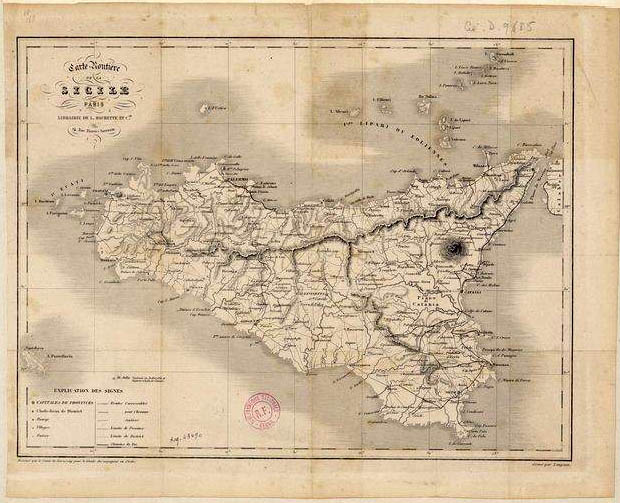
Map of Sicily drawn by Fedor Karacsay in his guide book

However, about his life we do not know much more than what Szinnyei writes. He graduated in the Theresianum, the Military Academy of Wiener Neustadt, and then he had a varied career. In 1805 he was a cadet of the Liechtenstein hussar regiment, and in 1813 he served as a lieutenant in the Dresden battle ending with Napoleon’s victory. Later he was the chamberlain of Archduke Miksa József of Hapsburg-Este, more or less of his age, then commander of space of the 1st Lanceman’s Regiment in Mantova. In the 1830s he was the town commander of Cattaro (today Kotor in Montenegro). At this time he drew vedutas on the Kotor Bay, reported the Viennese court about the internal situation, and he allegedly had good relations with Petrović-Njegoš Petar II, Vladika (Prince-Bishop) of Montenegro. His book on Montenegro was first published in 1836, heavily censored for current political reasons. On 15 July 1849, in the last days of the Hungarian War of Independence against Austria, the Hungarian government sent him as an envoy first to the Pasha of Belgrade, then the Serbian government, and finally, at the end of September, he was already in Istanbul, as the representative of the Hungarian nation.

Our last European report about Fedor Karacsay is the letter sent by him on 25 May 1853 from Brünn to the great Hungarian politician Ferenc Deák, which was read by the academician Ferenc Kubinyi at the meeting of the Department of History of the Hungarian Academy of Sciences. The literature makes references to this letter, but its content is not known in detail, only in the summary that appeared in the 1853 yearbook of the Academy. According to this, Karacsay was ready to research and collect any material concerning “the origins and ancient representatives” of Hungarians. By the time of the reading, he also sent his first report from Tehran, mentioning that he would be soon sent to Herat, Balkh and Bokhara, and that he also hopes to reach Samarkand, which was the seat of the Uighurs, whom he considered the ancestors of Hungarians. We do not know how much he was able to realize from these great plans, certainly initiated with great enthusiasm, during the six years standing before him. What is certain is that six years later he died with the rank of General, on 2 July 1859 in Tehran.

The Qajar Period, the “long 19th century” of Persia, the age of the opening to the West, which later proved so fatal to the country, reached its peak in the three European journeys of Shah Naser al-Din (reigned 1848-1896) in 1873, 1878 and 1889, during which he also touched Budapest. One of the most important events, which determined the whole cultural life of late 19th-century Persia, was the foundation of Dar al-Fanum, the first Iranian institution of higher education, in 1851. The polytechnic was founded by Amir Kabir (1807–1852), the controversial and short-lived vizier of Naser al-Din, who, during his five-years (1848-1852) of employment proved to be one of the main motors of modernization. Although the shah, because of court intrigues, let him to be killed in 1852, the college could go on operating. In addition to arts education, it focused on natural sciences. The professors, coming from Europe, initially mainly from Austria, taught medicine, mathematics and geology, but photography also had its faculty. This science, which in Europe was considered a “bourgeois art”, appeared in Persia only a few years after its invention, and enjoyed the personal patronage of the Shah. Great emphasis was placed on military and engineering education, aiming at the strengthening of the Iranian fortresses and the reform of the army. We do not exactly know the reason which brought Count Karacsay to Persia, but his professional experience undoubtedly played an important role. It is certain that, in addition to his tasks of military organization, mapping and teaching, in 1854 he was also appointed General Staff of the Shah. Today’s Iranian history considers him the organizer of modern Iranian army.


The special feature of the album is, thus, that it was put together by someone who knew contemporary Persia from inside and thoroughly, and nevertheless he was able to watch it with the eyes of the outsider, and represent it with a European perspective for the European viewer.


The collection, bound in blue velvet and entitled “ALBUM” in metal letters, consists of forty numbered pages. The first page is the frontispiece, showing the title in Persian and French: یادآوری برای ولایت شرقی, Yâdâverî-ye barâye vilâyet-e sharkî (Remembering the Eastern province[s]), and Souvenirs d’Orient, and the author’s name: dessinés par le Comte F. Karacsay en 1853, 1854, 1855. The second page is the French-language contents of the volume. The third page, the first drawing of the volume represents the young Naser al-Din Shah, as if to increase the “official” character of the volume. It is further enhanced by adding the caption also in Persian: ناصرالدین شاه ایران, Nâsir al-Din Shâh-e Îrân, Naser al-Din, King of Persia. We do not know whether it was drawn by Karacsay. It is missing the signature “Ky”, figuring in all the other drawings, and its style is also different from them. This can be also due to the fact that the portrait was not made after life, but copied from a Persian miniature, a version of Muhammad Isfahani’s recent monarchial portrait. An important difference is that, in the drawing in the album, he wears the insignia of the Persian chief military commander, a light blue ribbon.

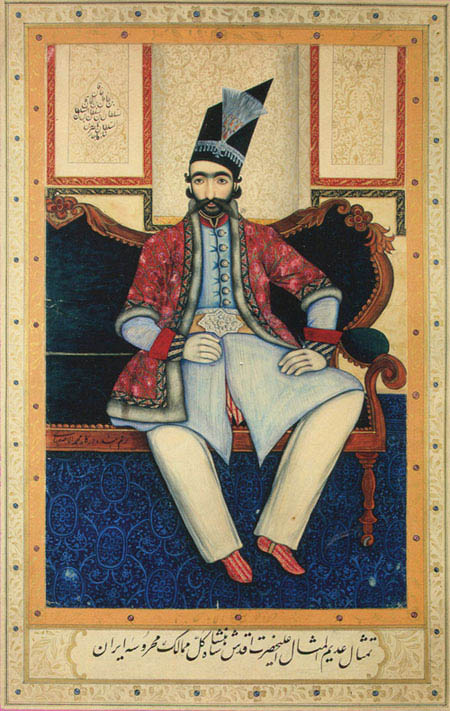
Muhammad Isfahani: The young Naser al-Din Shah, early 1850s

The following fourteen, and then three more drawings (4-17, and 23-25) represent ethnographic types, whom Karacsay must have met on his way from Constantinople to Persia, or later in the country: Turks from Constantinople, Trapezunt, and Sinope, Anatolian and Persian Kurds, Nestorian Assyrians from Greater Armenia (who, during the genocide of 1915, would eventually flee to Persia, around Lake Urumiya), Persians, Turkmens from Tehran.

The next five drawings (18-22) represent the figures of the new, European-type army, whose modernization was Karacsay’s assigned task.

And finally the remaining fifteen drawings (26-40) show cities from Trapezunt through the Anatolian mountins to Tehran, and one (39) from Khorasan, which, together with no. 23 representing an Afghan warrior from Herat, refers to the fact that Karacsay, immediately after reaching Persia, went to the Eastern borders of the country. It is interesting that Arminius Vámbéry walked along the same path, described in detail in his Persian Travelogue, and he also reports about his encounter with Shah Naser al-Din, but he does not mention a single word about Karacsay, although he must not have been indifferent to the fact that, from the point of this reception, that the name of Hungarians had already been introduced at the Court of Persia.


The starting price of this extraordinary document of Oriental and Hungarian studies is fixed in 3-4 thousand euros in the auction catalog. It would be very good if it found its deserved place in a Hungarian public collection. However unlikely this might be, we want to give it a chance with this entry.

Späti


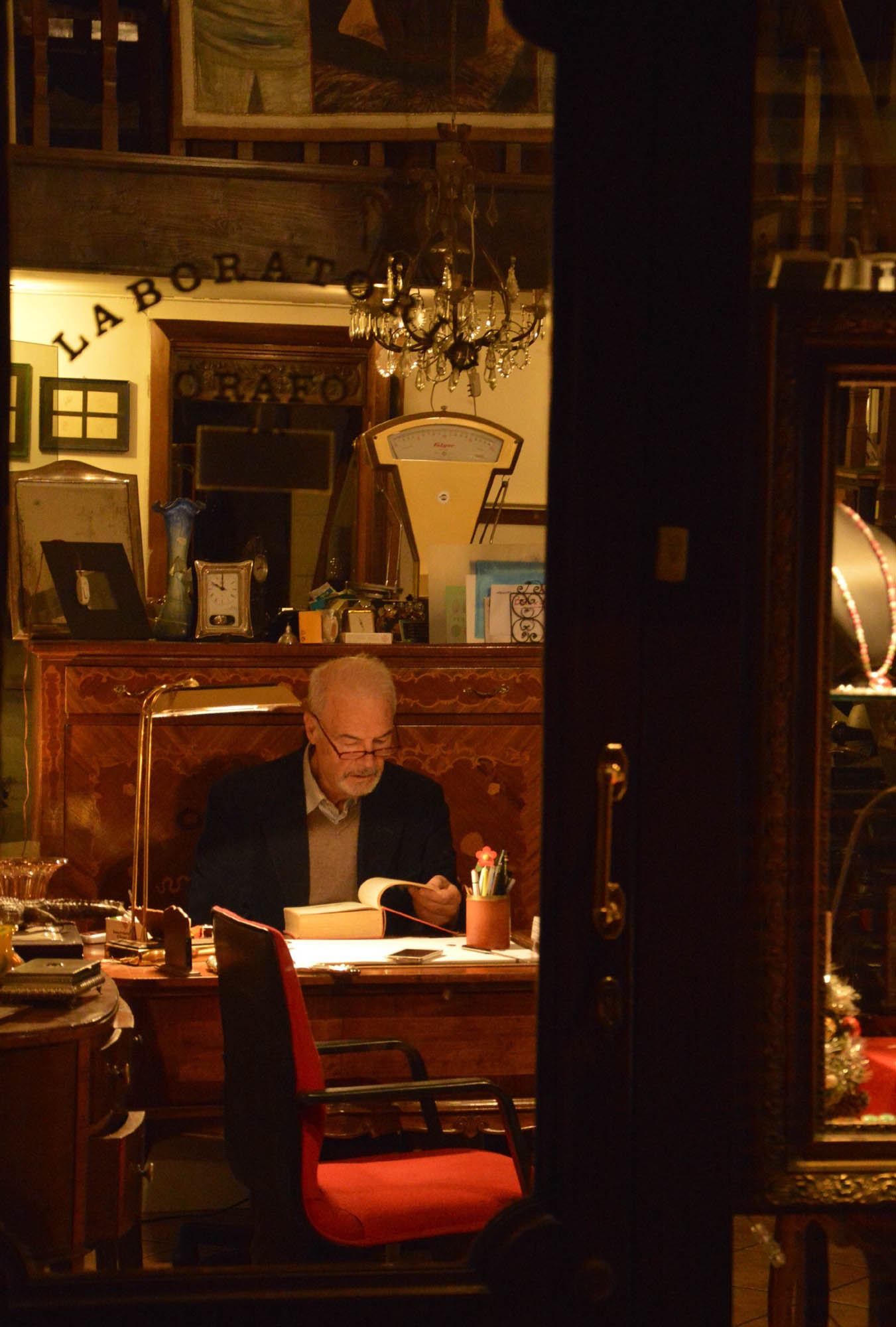
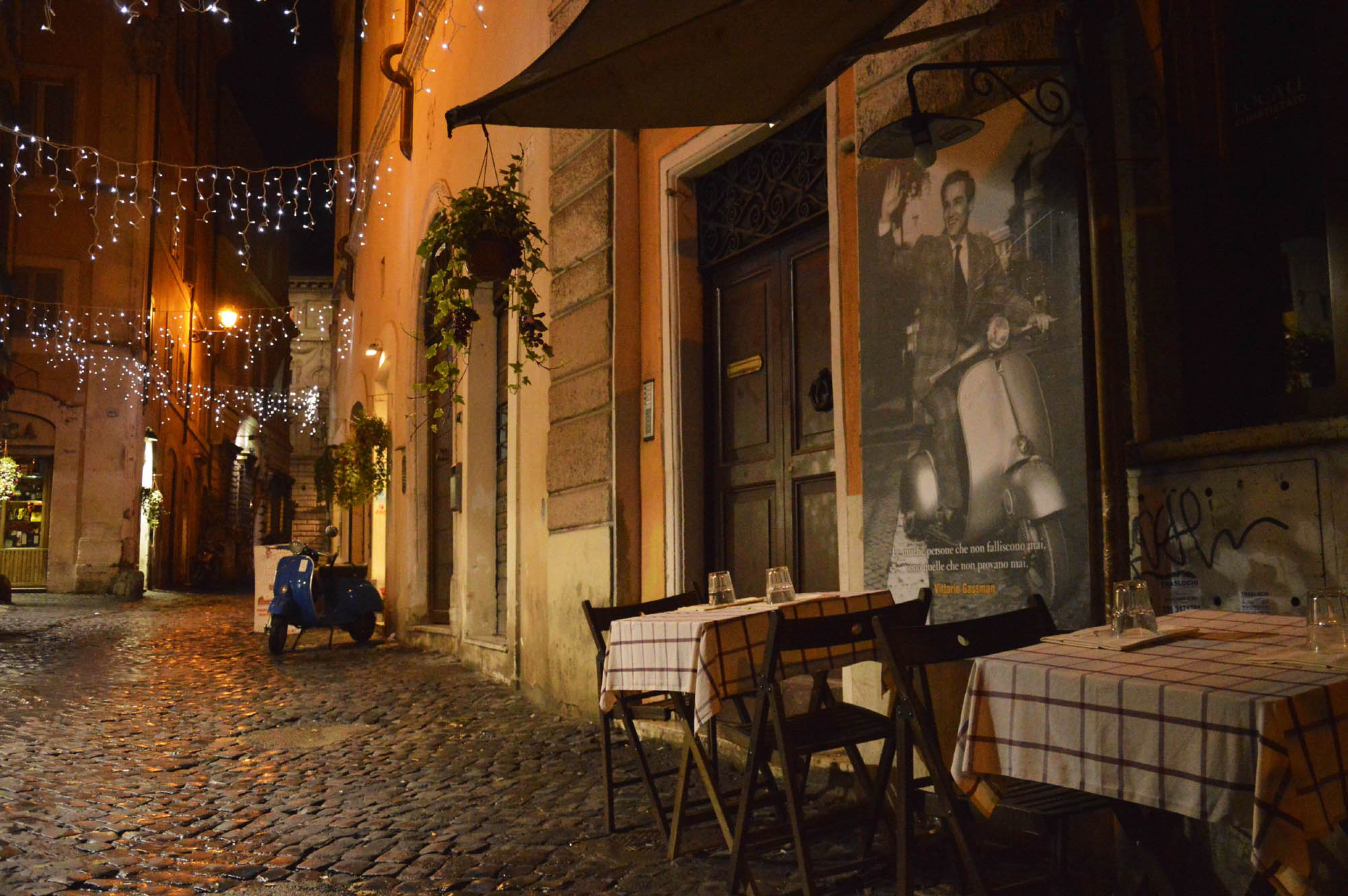
A smart, handsome man bent above a bulky volume at late hour in the goldsmith’s shop at Via delle Coppelle. Here begins the novel.
Rain in Rome


romerain romerain romerain romerain romerain romerain romerain romerain romerain romerain romerain romerain romerain romerain romerain

At the cradle of Galician Hasidism

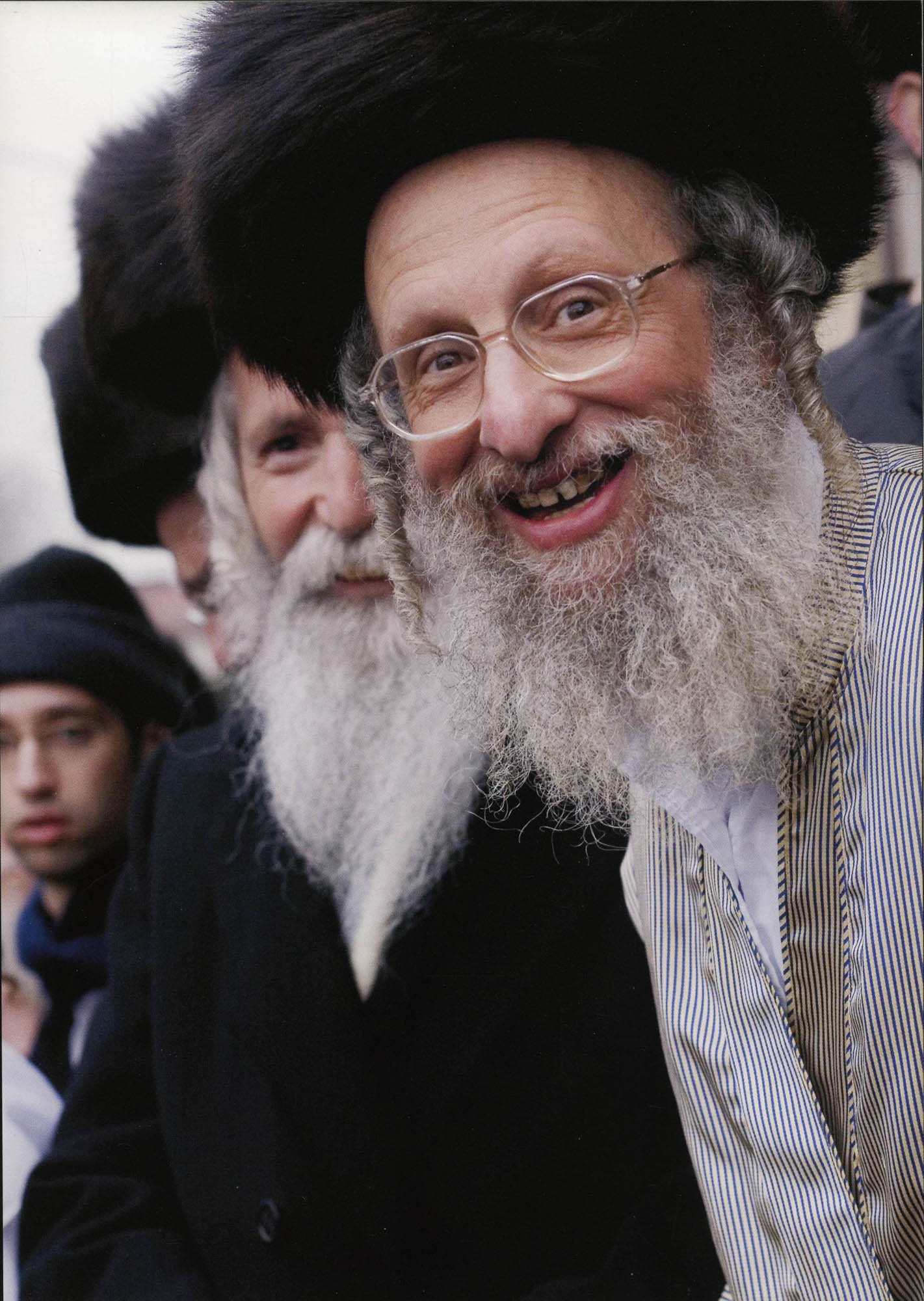
Leżajsk, at the tomb of Rabbi Elimelech. Photo by Adam Krzykwa


This post was written for the monthly news of the Hungarian Jewish Cultural Association.
The pious maysele says that when Rabbi Elimelech of Leżajsk, the greatest tsaddik of his age, was asked by his Hasidic followers whether the Messiah to come would be Hasidic or mitnaged, the opponent of Hasidism, the Rabbi, after a brief hesitation, said that he would be an opponent. But Rabbi, how can the Eternal One afford this? asked the startled believers. Well,  said the Rabbi, if he were a Hasid, the opponents would not believe in him. But the faith of the Hasids is so infinitely large, that they will believe in him anyway, whoever he may be.

Leżajsk, at the tomb of Rabbi Elimelech. Photo by Adam Krzykwa

The Hasidim have long since disappeared from Poland. But the memory of their infinitely large faith is still kept alive in two places, by two small neighboring towns, which we will visit as the cradle of Galician Hasidism during our tour next year: Leżajsk and Łańcut.

Leżajsk, at the tomb of Rabbi Elimelech. Photo by Adam Krzykwa

When Baal Shem Tov, may his memory be blessed, returned his soul to his Creator in the Podolian Mezhibozh, where his tomb is still revered, the heir of his teachings, Maggid Dov Ber transferred his seat to Mezerich, in the northern part of present-day Ukraine. Here he founded the “holy company” of his disciples, whose task it was to establish the teachings of Hasidism in the western part of Poland, later Galicia, also.

Leżajsk, tomb of Rabbi Elimelech

The greatest of the disciples, Elimelech, after the death of his master, settled in the little town of Leżajsk – in Yiddish, Lizhensk –, to the south of Lublin, with the result being that this shtetl became the first major center of Hasidism in Poland. A number of institutions, which are today inextricably linked to Hasidism, have their origin here. Here, the Rabbi wrote his Torah commentary entitled Noam Elimelech, which was the first to explain the task of the tsaddik as a spiritual leader who elevates his community to God and guides it in this world. Here he founded the first “tsaddik court”, maintained by the gifts of his followers. Here emerged the custom of the kvitli enclosed with the donations, the slip of paper listing the physical and spiritual problems of the believers, who awaited their resolution from the rabbi. These slips are still today placed by the Hasidim, full of hope, on the tombs of the great tsaddiks. And here is still revered the grave of Elimelech, to which thousands of people make pilgrimage from all over the world, not just on the anniversary of his death, on the 21th day of the month Adar, but every day of the year, offering their kvitlis with “infinitely large faith” to the benevolence of the tsaddik.

lezajsk1 lezajsk1 lezajsk1 lezajsk1 lezajsk1 lezajsk1 lezajsk1 lezajsk1 lezajsk1 lezajsk1 lezajsk1 lezajsk1 lezajsk1 lezajsk1 lezajsk1 lezajsk1 lezajsk1 lezajsk1 lezajsk1 lezajsk1 lezajsk1 lezajsk1
Photos by Adam Krzykwa

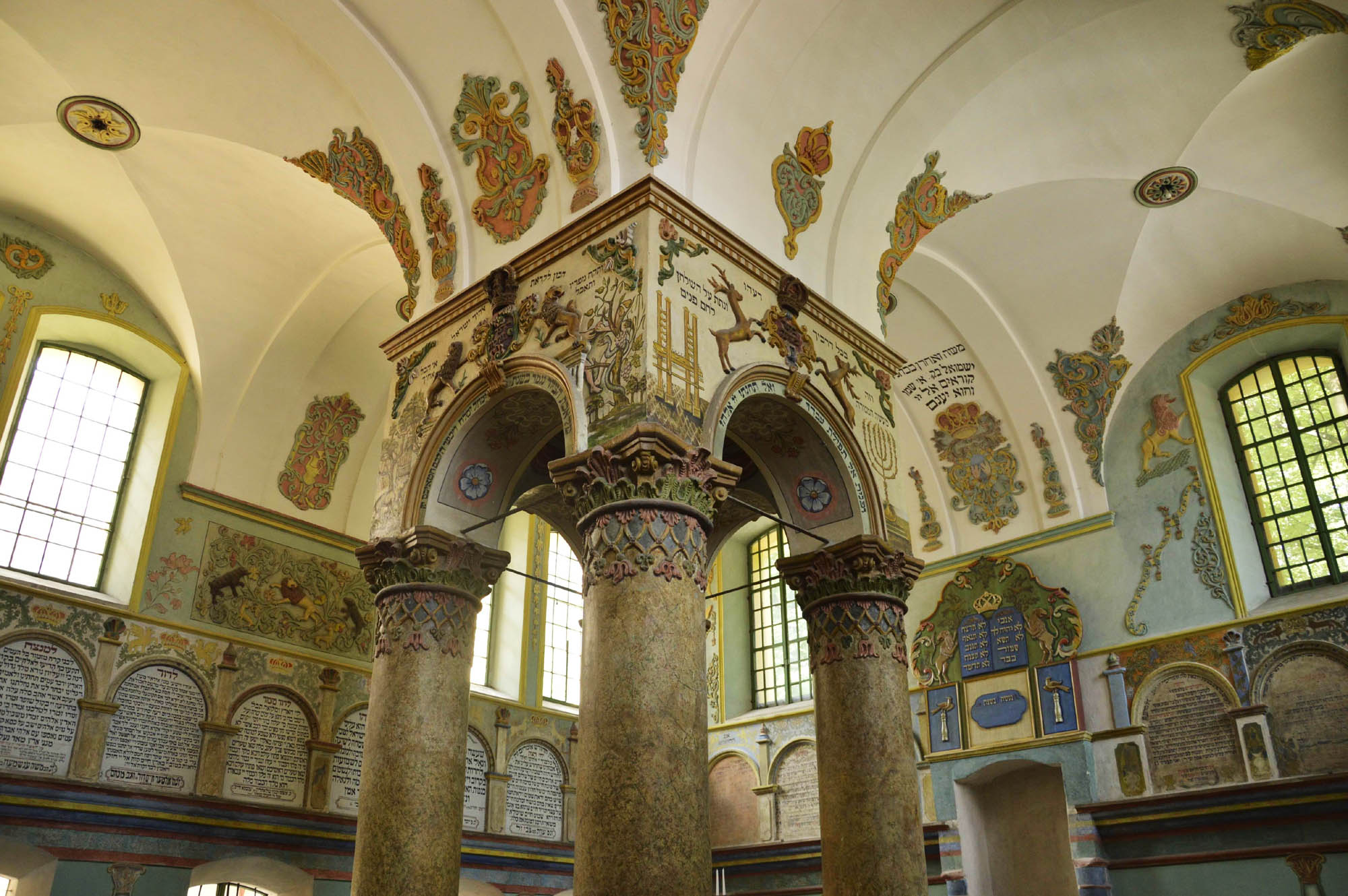
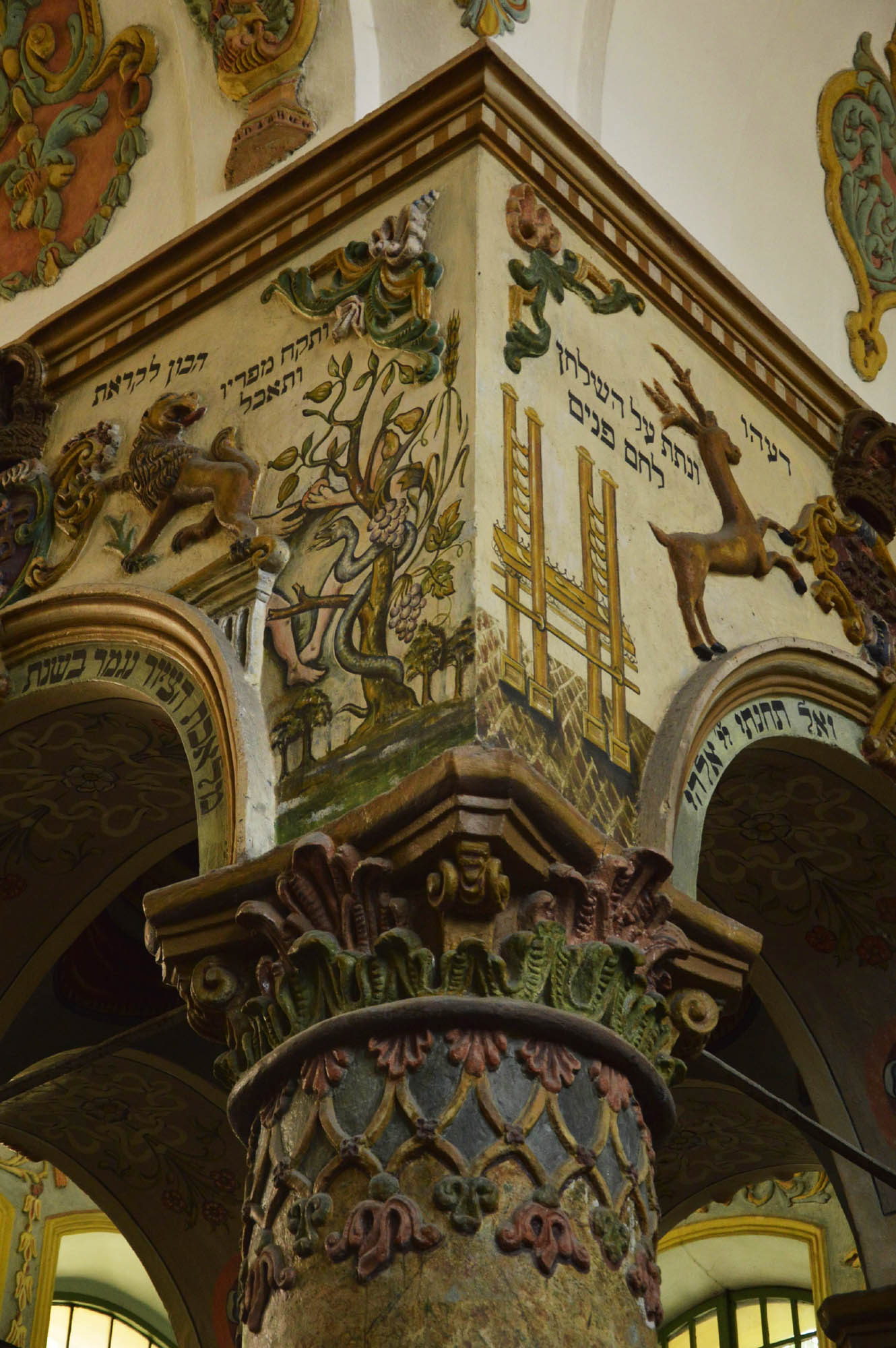
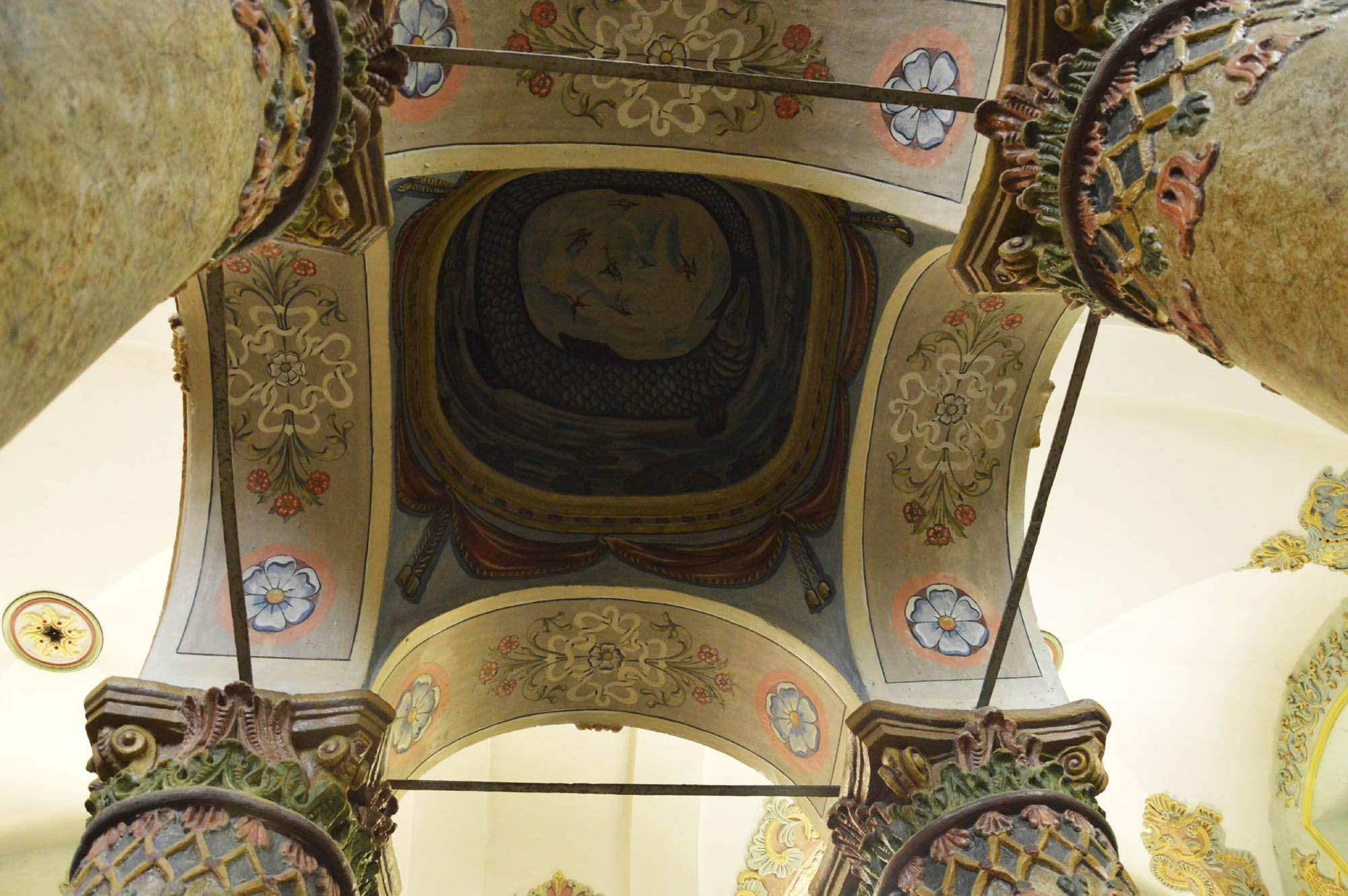
The disciple of Elimelech, Rabbi Jacob, the other major early tsaddik, the future “Seer of Lublin”, started his activity next to his master, in the neighboring town of Łańcut. In the late 18th century, the Hasidic community of Łańcut lived its heyday under the protection of the Lubomirski Princes, with whose permission and support they built, right next to the Ducal Palace, one of the most beautiful synagogues of Poland. The synagogue belongs to that Baroque building type often called the “Polish synagogue”, whose examples also exist outside of Poland – e.g. in the Slovakian Bártfa/Bardejov, the Hungarian Mád, or the Moravian Nikolsburg/Mikulov –, and whose ceiling is divided by the four massive stone colums of the central bima into nine vaulted sections, thus giving a spacious and majestic impression even in a relatively small space.


But the specialty and stunning effect of the synagogue of Łańcut comes not only from this, but primarily from the fact, that the images of the naive and folkloric world of the medieval Jewish manuscripts and Baroque Hasidic tombstones move into the building and take possession of the entire interior of the synagogue. The walls, the façade of the bima, and the ceiling are entwined with a lavish, lush vitality by the stucco ornamentation, painted in vivid colors, in whose open fields deers, lions, birds, wonderful fish-bodied and deer-headed creatures, biblical scenes and symbols, stars and the signs of the zodiac make the building mystic and broaden its universal dimensions, fascinating the simple Hasid with the impression of such richness, that he had never met in his life.


It is said, that when Rabbi Elimelech stood before the Heavenly Judge, he said with humbly bowed head: “I did not pray and did not study the Torah”. So the judgment said: “Well, then to hell with you.” But the angels raised Elimelech, and took him to heaven, according to his merits. When Elimelech lifted his eyes, he exclaimed: “How merciful is the Eternal One, and how beautiful heaven can be, if already hell is like this!” This is what the simple Hasid might have felt, when upon entering into the synagogue of Łańcut, lifting his eyes.


In the first edition of Rabbi Elimelech’s main work Noam Elimelech, small stars can be seen above certain words, which, according to the commentators, suggest some hidden meaning. But according to the Rebbe of Klausenburg, Yekutiel Yehudah, the situation is reversed, and “the stars of the sky are the comments to the stars of Noam Elimelech”. And you can see this in the synagogue of Łańcut.

lezajsk2 lezajsk2 lezajsk2 lezajsk2 lezajsk2 lezajsk2 lezajsk2 lezajsk2 lezajsk2 lezajsk2 lezajsk2 lezajsk2 lezajsk2 lezajsk2 lezajsk2 lezajsk2 lezajsk2 lezajsk2 lezajsk2 lezajsk2 lezajsk2 lezajsk2 lezajsk2 lezajsk2 lezajsk2 lezajsk2

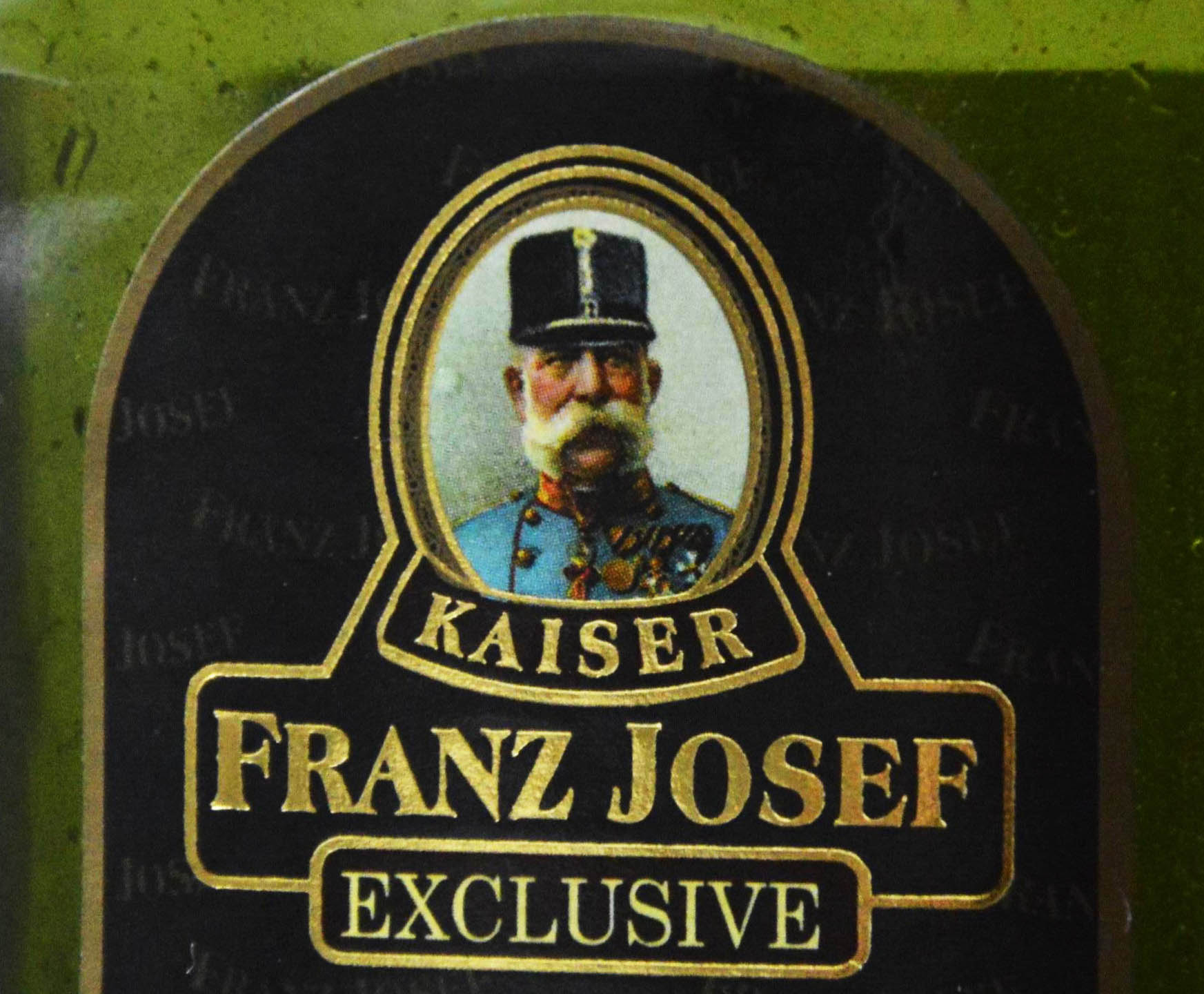
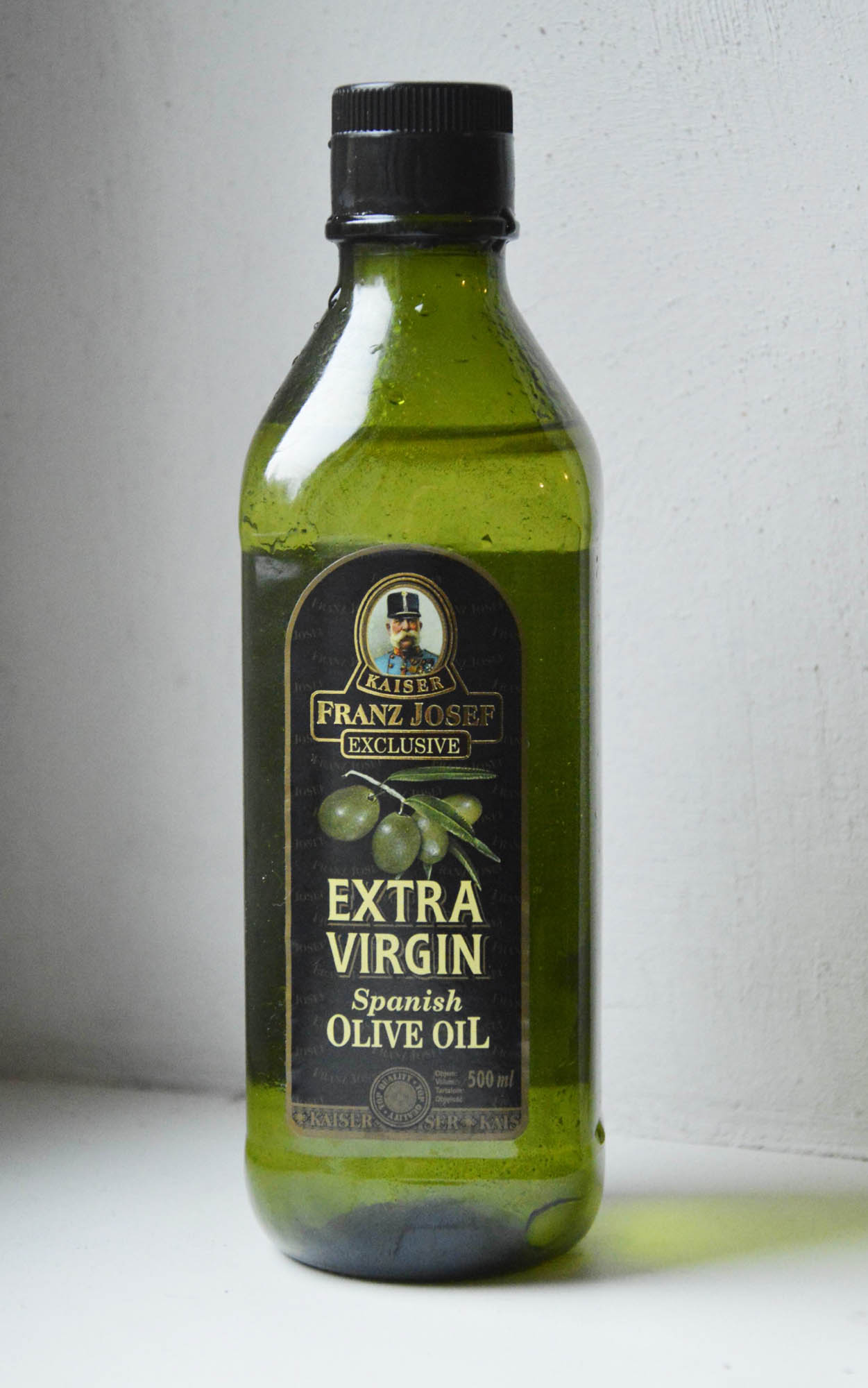
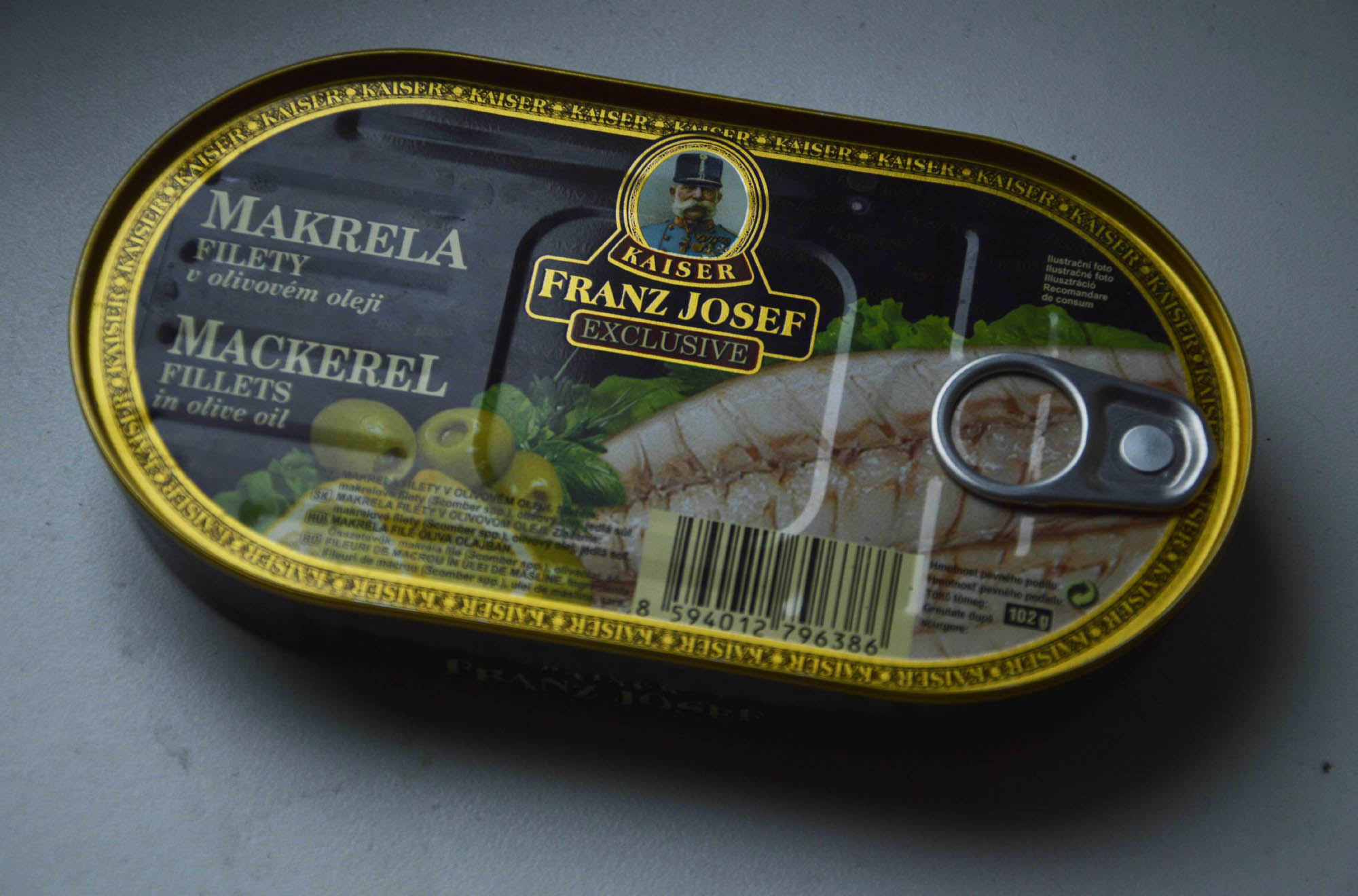
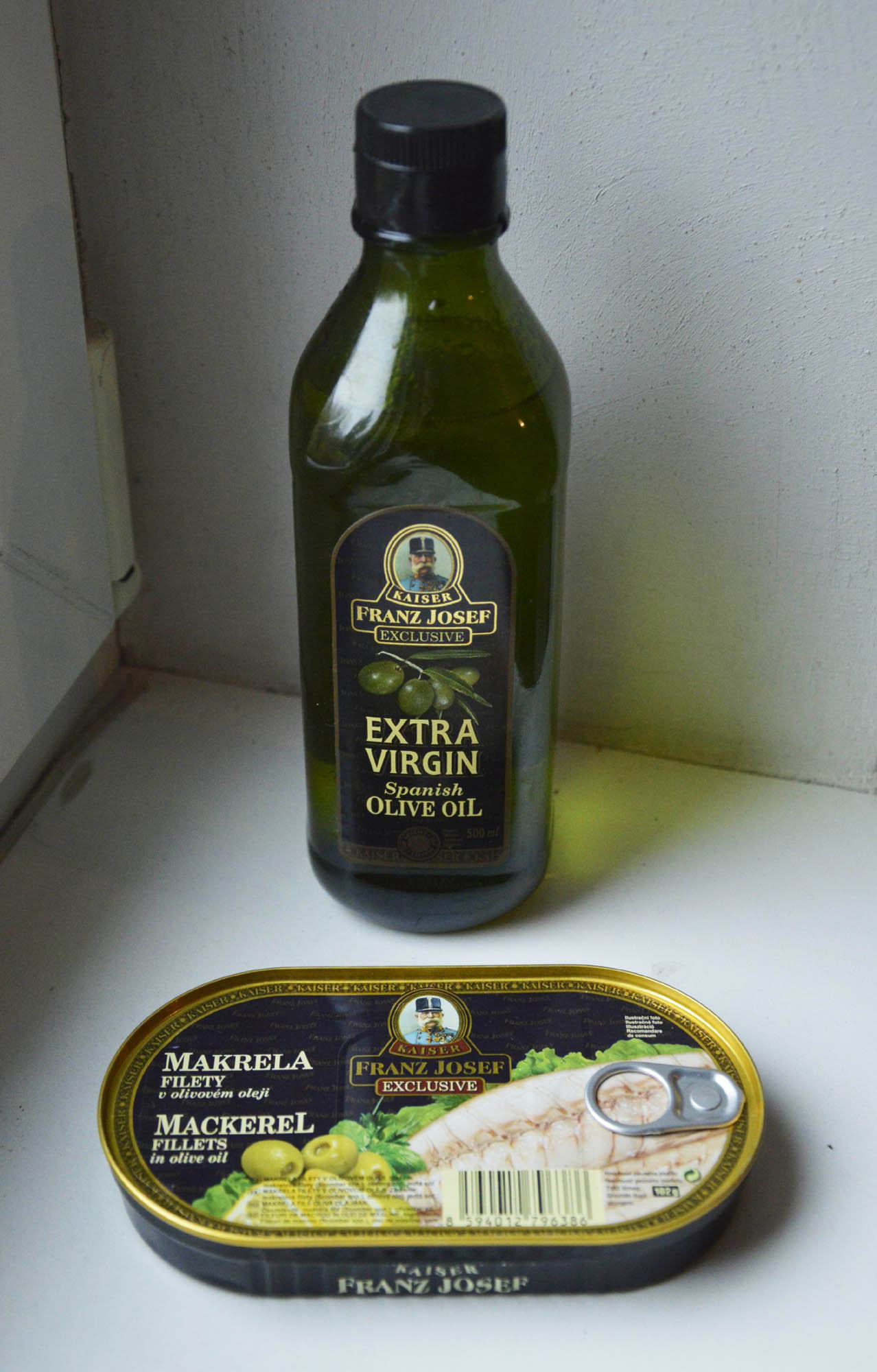
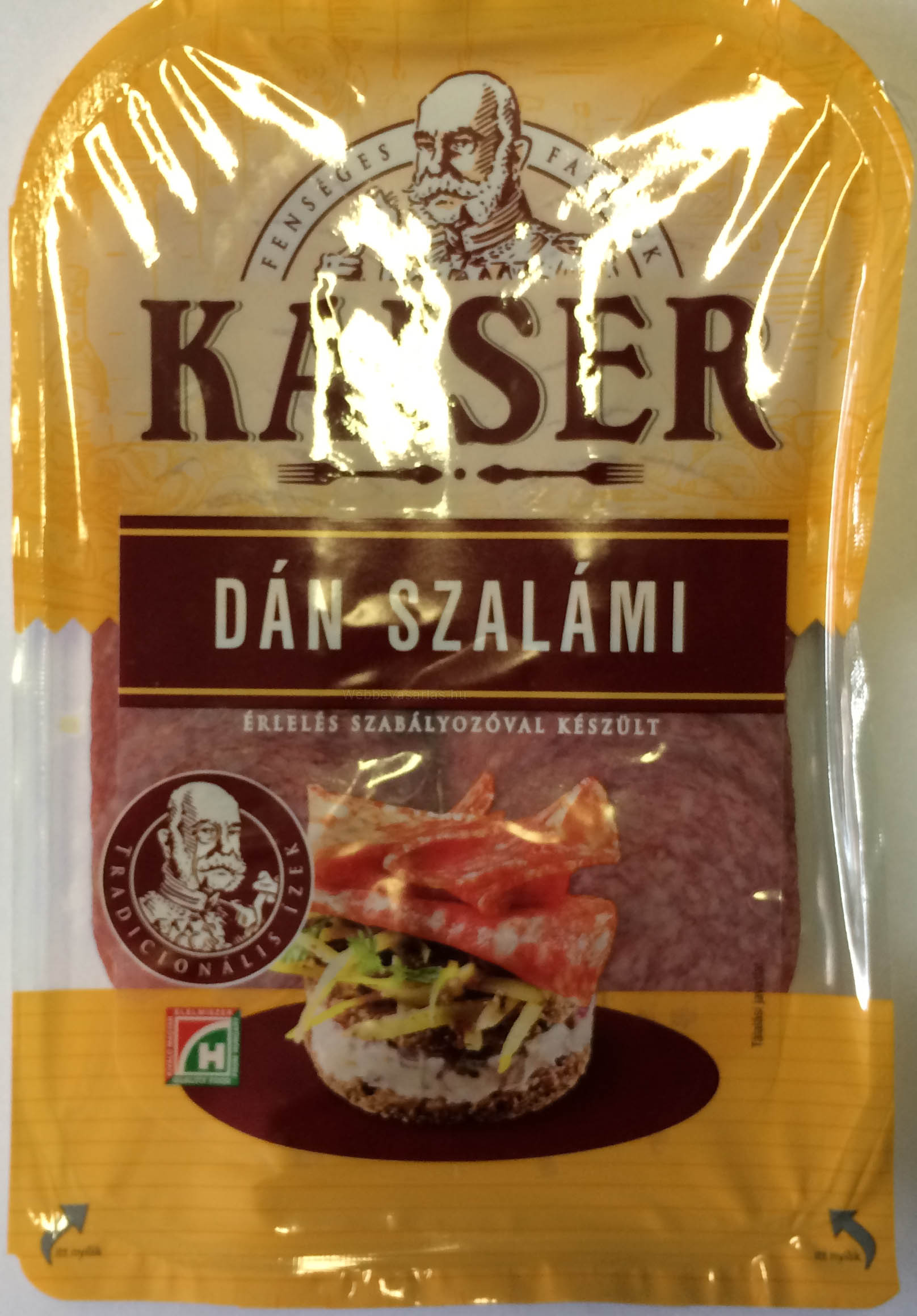
Would you buy from this man…


…extra virgin Spanish olive oil, in the Czech Republic?


Or Atlantic mackerel filets?


Oh yes, there was a time, when both the Andalusian mar de olivos and the Atlantic Ocean washed the shores of the Hapsburg Empire. However, this was more than two centuries before the Czech sea withdrew itself from under the scepter of Francis Joseph. Despite this, or perhaps exactly for this reason, the Czech Republic is flooded with nostalgia for the monarchy. Apparently anything can be sold with Francis Joseph, Sissi, or old prints of the First World War.


True, in other former member countries of the Monarchy you can also find products, which no k. u. k. supplier has ever delivered to the table of His Majesty.


However, in the Czech Republic the image of the Emperor is particularly unfitting for any food. Since Švejk, the risks of hygiene it involves are widely known.


Secrets of Prague


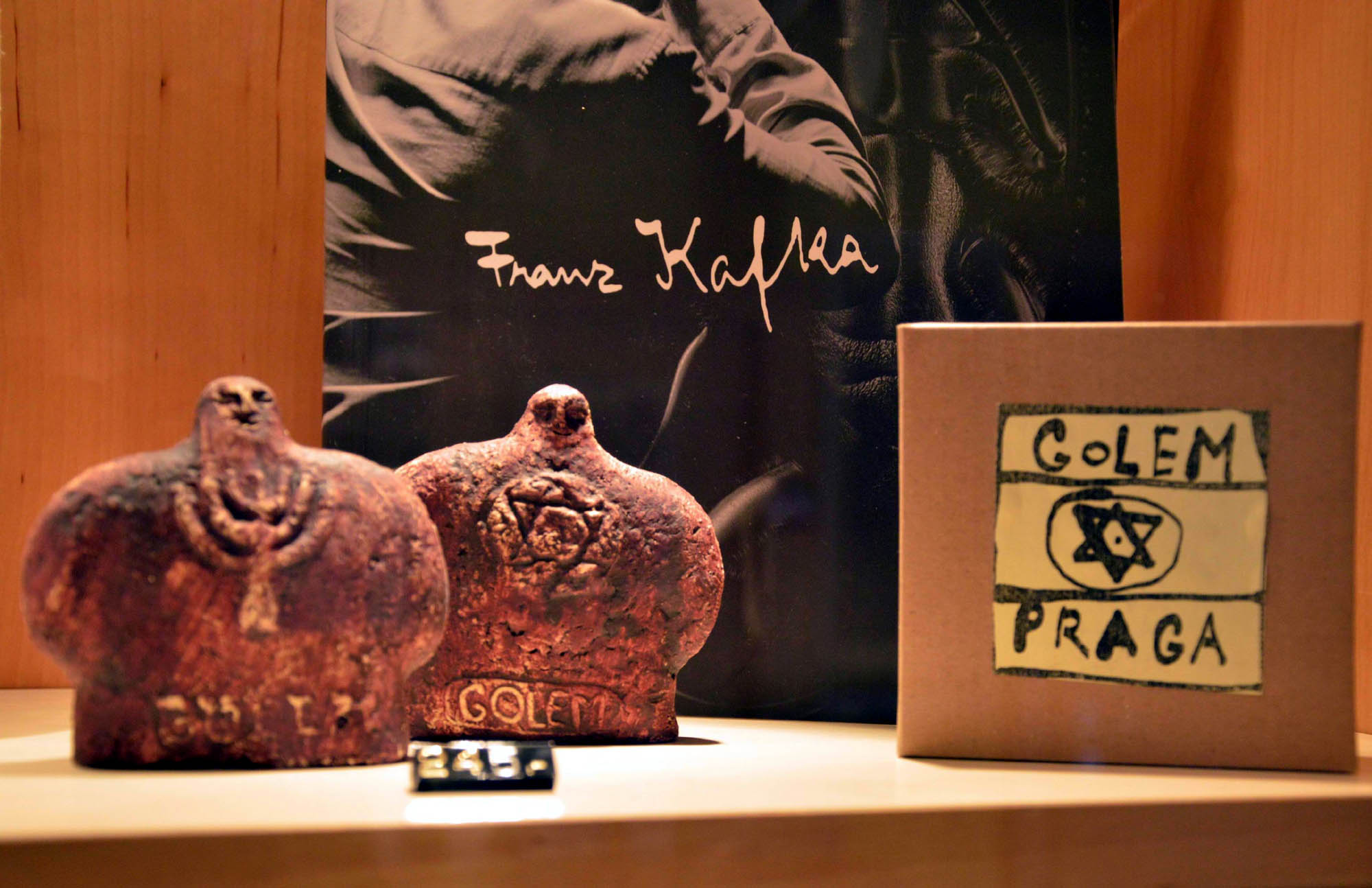
Every decent guide book and tour guide tries to sell Prague as a city of secrets. In review, these secrets fall into three main topics: the Golem/Jewish quarter, Kafka, and the alchemists of Emperor Rudolph. Or even mix and match among them, if the guests wish.


This is a high standard, and I cannot fall short. So I also invite our readers to explore the secrets of Prague in the first days of next year, the first occasion of our series of thematic city tours in Prague.

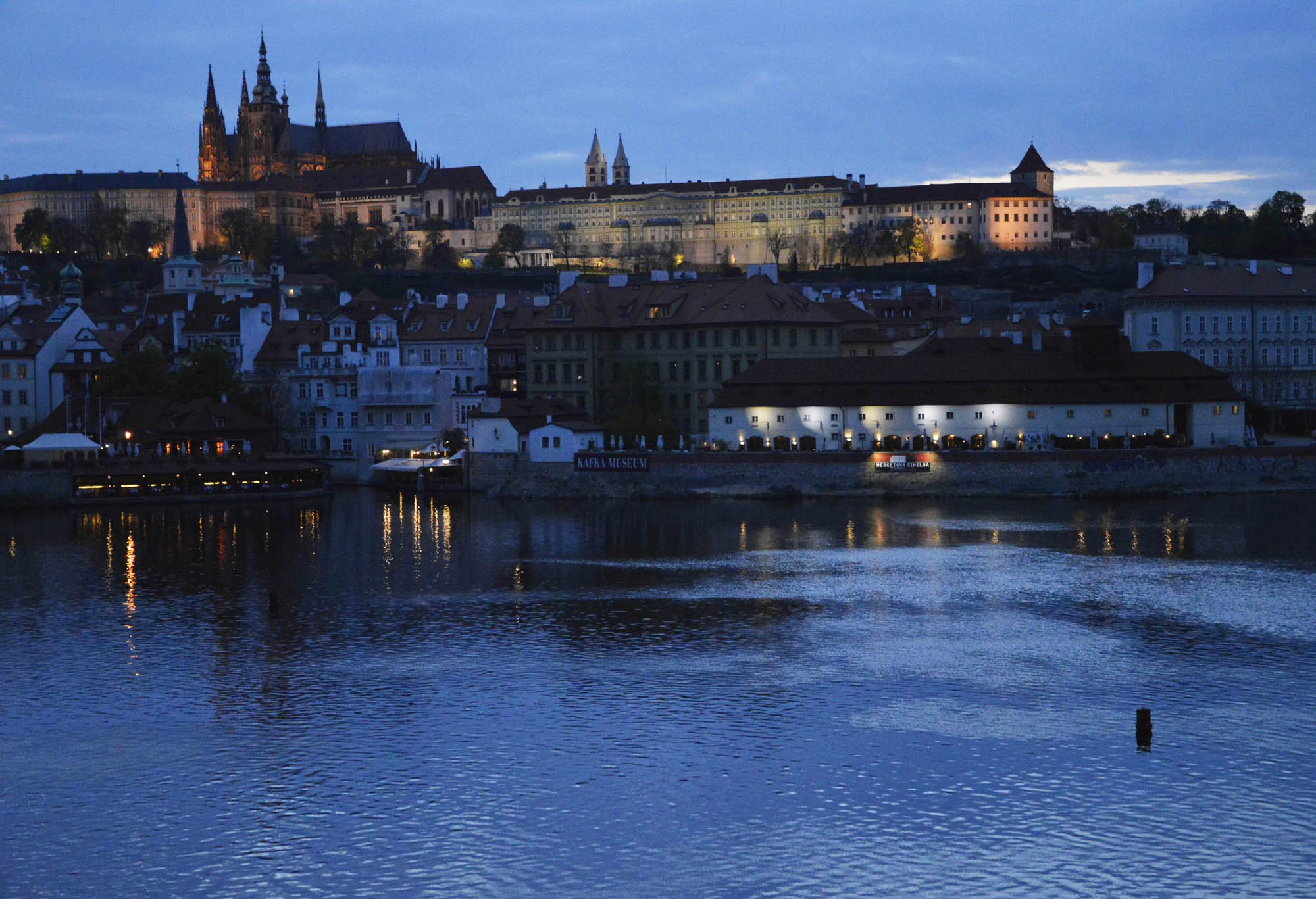
During two days we will walk through the Jewish quarter, and moreover, two quarters for the price of one: the visible and the invisible, the present cemetery-synagogue island nestled in the shadow of the Art Nouveau palaces, and that far greater, vanished quarter, which used to be the history-making Jewish neighborhood of Prague, and which we will call to life with the help of old photos and maps. We will have our share of Kafka, too, as during our old town tour we will visit the surviving coffee houses where he and his literary friends hung out, and the ones where the father and his industrialist colleagues spent their time at the turn of the century. And we will also encounter the memory of alchemists, as we walk through the little streets below the castle, and learn about the history of each of their houses.


Because, in contrast to our earlier Galician, Southern Bohemian or Maramureș-Bukovinian tours, where we surveyed large areas over a relatively short time, this tour is planned as a slow walk around the quarters of Prague, and a detailed acquaintance with the history of the houses and their inhabitants, the restaurants and their guests. Of course, we cannot cover the entire city in two days, but we will survey, to the depth of an urban exploration, the core of the Old Town and the Jewish quarter, and, on the other side of the river, the little-known streets under the castle and on the Lesser Side. And during the year, I plan to regularly organize further thematic tours on the literary life of the turn-of-the-century and interwar Prague, the modern architecture of Prague, Prague under Nazi occupation and Communist rule, the industrial quarters and suburbs of Prague, the always-lively Prague of beer pubs and Hrabal… And, aside from football and politics, Prague is a topic on which everybody is an expert, and I gladly look forward to any suggestions, as well as any comments and personal memories during the tours.

The date is the first weekend of next year, with an arrival on 2 January (Friday) night, and departure on 4 January (Sunday) in the evening. Our accommodation is a few minutes away from the castle, in a four-star hotel. The participation fee for the two days is, depending on the number of participants, 100-110 euros (hotel with breakfast + guided tours). If you are interested, please write, without any obligation, by Thursday (4 December) at wang@studiolum.com. On the basis of this I will ask for a final quotation for the hotel rooms, and then I will write to each respondent, asking for a definite commitment.

prsec prsec prsec prsec prsec prsec prsec prsec prsec prsec prsec prsec prsec prsec prsec prsec prsec prsec prsec prsec

Pink postcards 7


Name of the sender: Károly Timó, 1st Hungarian Royal Infantry Regiment
Address of the sender: 3rd Substitute Battalion, 2nd Section

Address: To the honored Miss Antónia Zajác
3rd district, Kis-Korona Street 52
Budapest


on 2 December
My dear son.
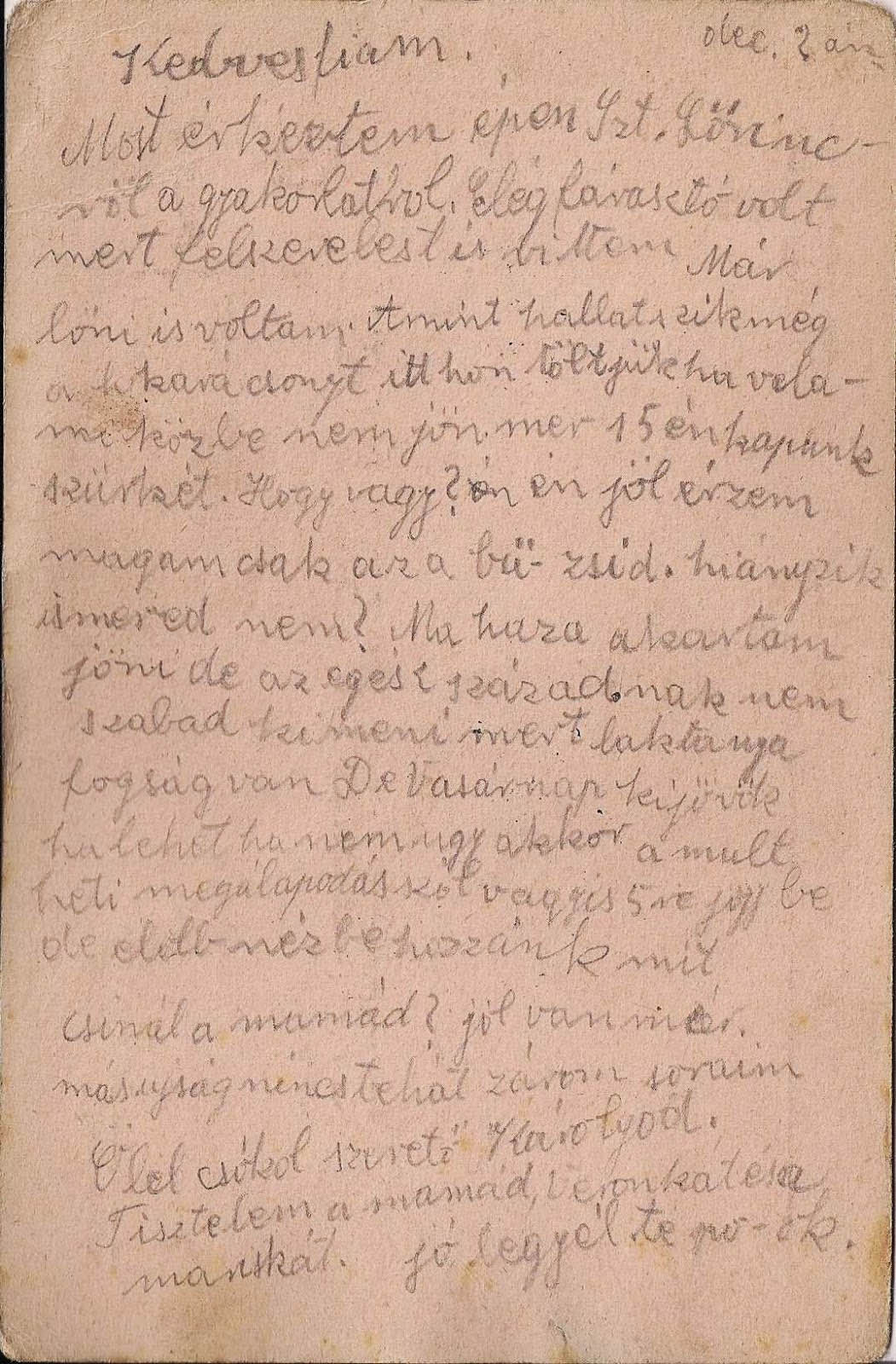
I have just come from Szt.Lőrinc, the exercise. It was pretty tiring, because I also carried the equipment. I was all ready to shoot. It is heard that we will spend even Christmas here, if nothing happens. Because we get the grey [uniform] on the 15th. How are you? I feel good, I only miss that di-jew. You know him, don’t you? Today I wanted to come home, but the whole battalion is banned from going out, because we are confined to barracks. But on Sunday I will come out, if possible. If not, then as we agreed last week, that is, come at five, but first look in on us.

What is your mother doing? Is she already well?
There is no more news, so I close my lines.
Kisses and embraces from your loving Károly.
Greetings to your mother, Veronika and Mariska.
Be good, you go-er.


Previous letters (indicated in grey on the map):

Budapest, 28 November 1914
Budapest, 27 November 1914
Budapest, 18 November 1914
Budapest, 27 October 1914
Debrecen, 25 September 1914
Szerencs, 28 August 1914
“This day is a feast”
[The vague and groundless rumors only add to the uncertainty of the soldiers. If on 15 December they get the grey, that is, the marching uniform ready for the front, then there will not be enough time to leave before Christmas. Or, on the contrary, there is enough time to be delivered to the front before the holiday.

On the northern front perhaps they slowly succeed to force back the Russian troops over the ridge of the Carpathians. This is why they are still waiting in the barracks, albeit in grey, and secretly hoping that the substitute battalions, marching sections, marching battalions, insurgents, and other units indecipherable for the civilians, trained to fill up the 1st Hungarian Royal Infantry Regiment, will remain in Budapest until Christmas.

After so long a time it is difficult to find out what those affectionate abbreviations mean. We do not even try.


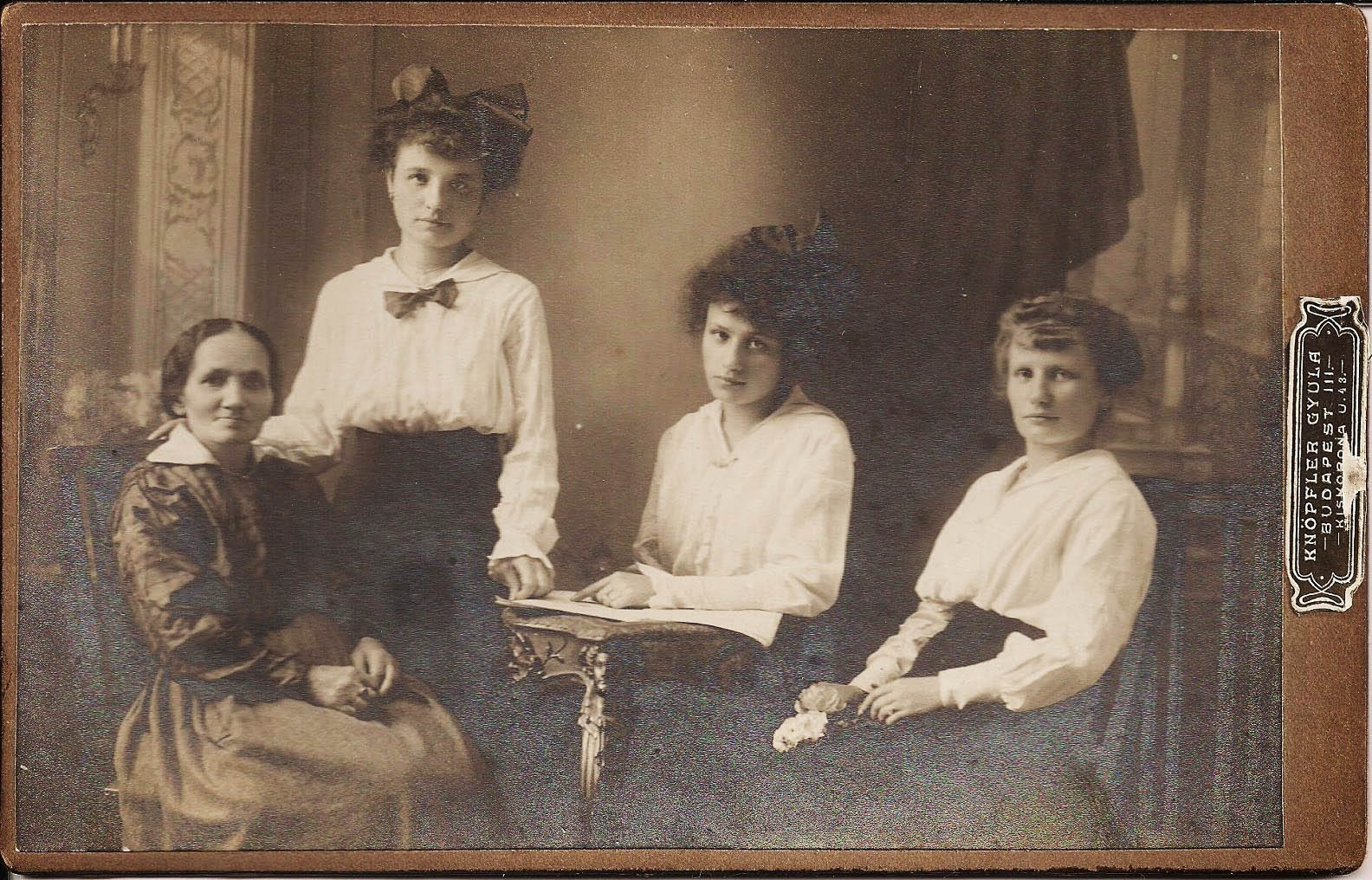
And finally a photo, also from the bottom of a shoebox. It represents those mentioned in the farewell at the end of the postcard: to the left, the ever-ailing mother, and to the right, Antónia (Janka). The two girls in the middle are Mariska and Veronika (or vice versa?)]

Next postcard: 11 December 1914

Una resurrección malograda


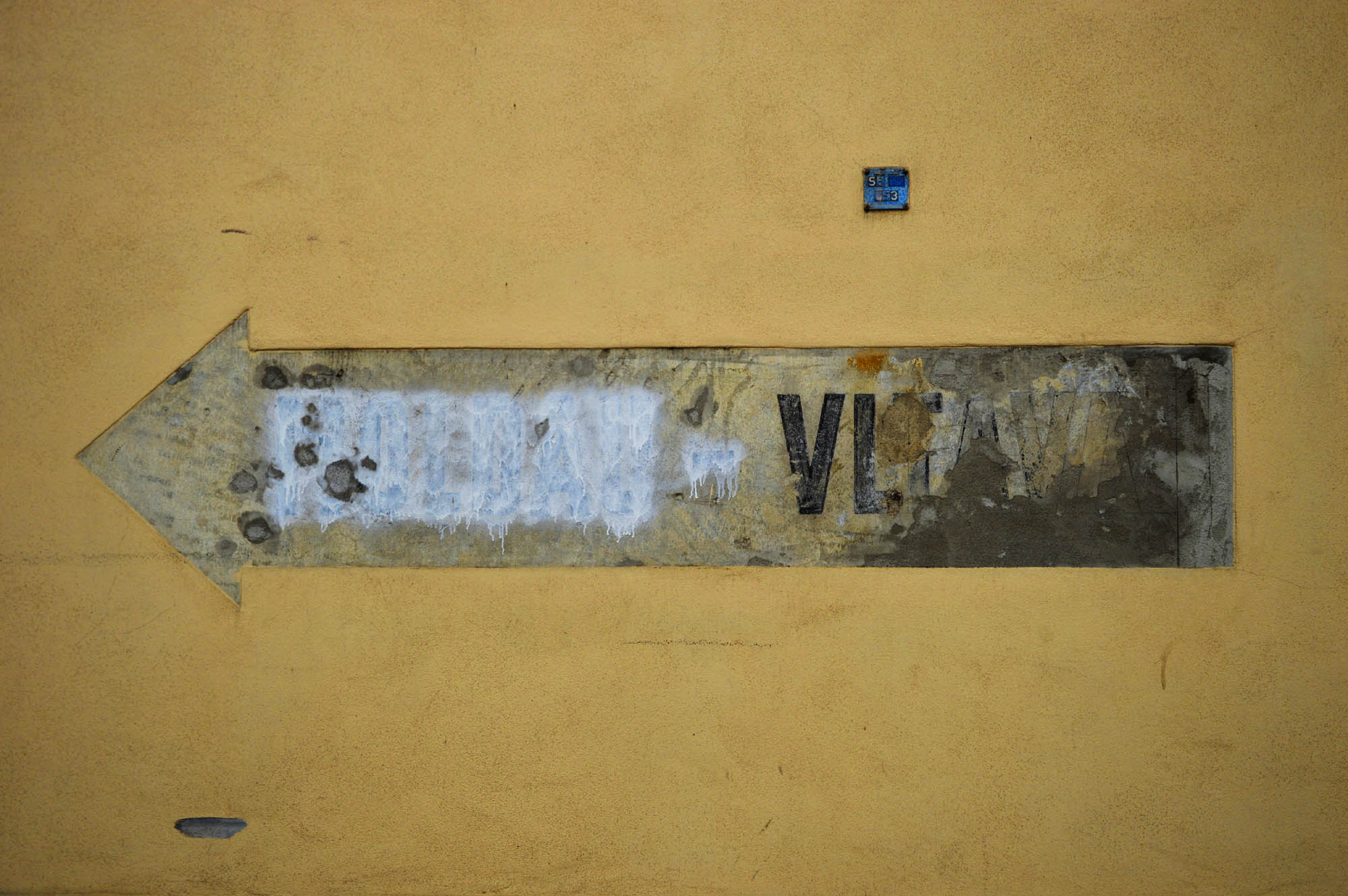
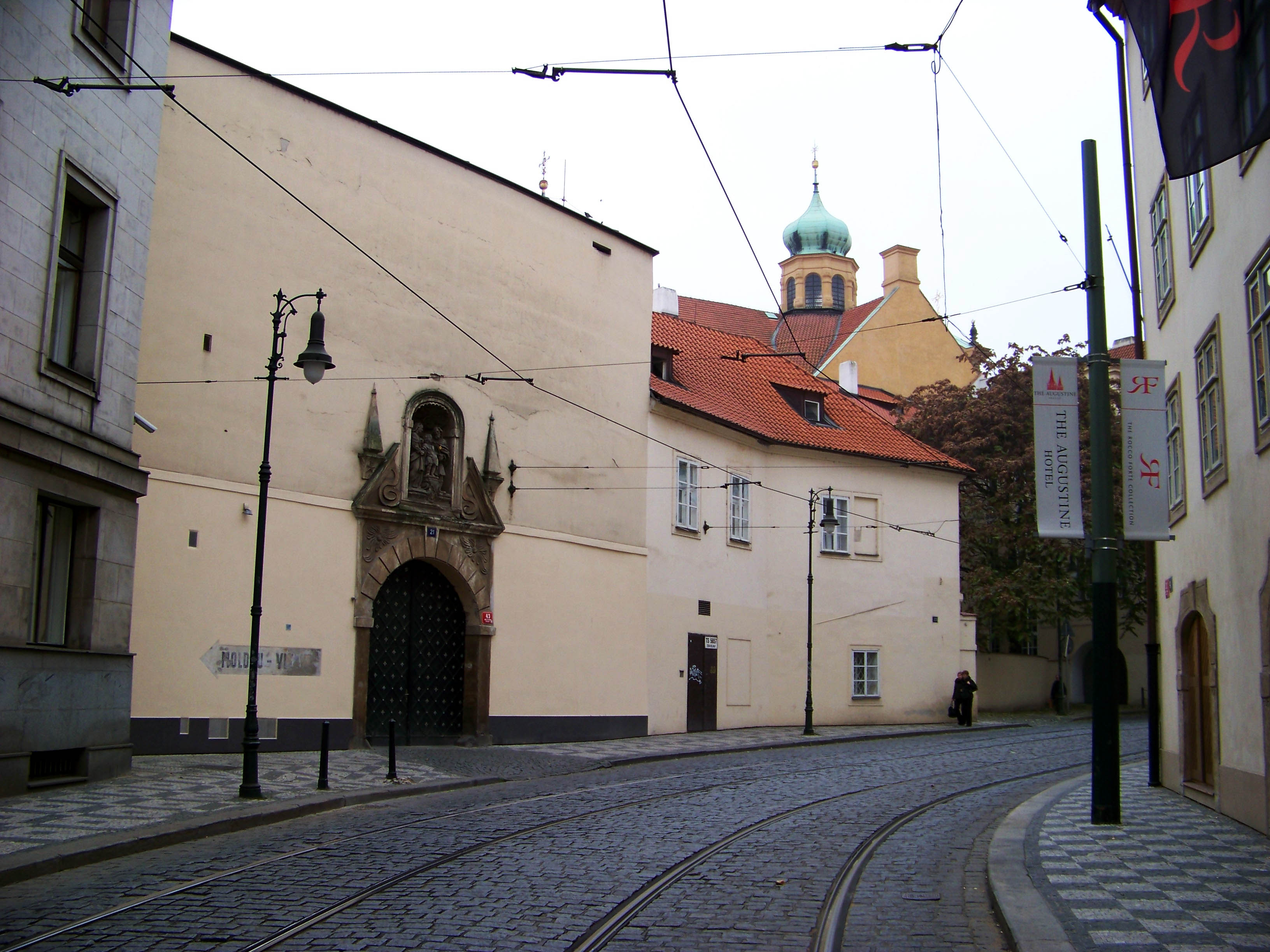
En el barrio de Malá Strana de Praga, en la calle Letenská, donde el tranvía rueda bajo los contrafuertes de la iglesia de los Agustinos, junto a la puerta del antiguo convento carmelita, una señal fantasma de antes de la Guerra fue recientemente restaurada. Es una flecha que apunta en dirección al río nombrándolo en los dos idiomas de una Praga durante un tiempo bilingüe: MOLDAU y VLTAVA.

Mejor dicho, debería nombrarlo, pues la mitad alemana de la inscripción ha sido cuidadosamente cegada con pintura blanca en algún momento posterior al redescubrimiento.


En el transcurso de las grandes desubicaciones de Europa del Este en la década de 1940, a una parte de las inscripciones públicas que revelaban un conflicto racial, nacional o de clase, se les dio la oportunidad de sobrevivir en sus muros bajo una capa de pintura hasta que se extinguieran los viejos odios y las personas que los encarnaban, para resucitar luego en una sociedad más madura, más sabia y comprensiva, donde ya no serían destruidas, sino recuperadas y apreciadas como signos conmemorativos de la historia y de un mundo culturalmente más rico —y tal vez mejor—. Así ha ocurrido en Lemberg, donde las inscripciones en yidis o polaco tienen ahora su propio espacio, con blogs y publicaciones impresas; también en Wroclaw, donde son restauradas y se publica un catálogo académico con las inscripciones alemanas de la antigua Breslau; o en Abbazia, donde el cartel o el letrero multilingüe ya no es un recordatorio de la opresión extranjera sino de la edad de oro del centro turístico más famoso de la monarquía austro-húngara.

En Praga, la sociedad aún no tiene la suficiente madurez para que el nombre del Vltava se pueda leer sobre un muro en la lengua materna de sus tres millones de compatriotas deportados o asesinados, en la lengua materna de Franz Kafka y de Bedrich –nacido Friedrich– Smetana; un letrero que está tan sólo a una esquina de distancia del museo dedicado al primero, y a dos esquinas del río cantado por el segundo.

Los fantasmas, obviamente, no existen.

El letrero antes de ser tachado. Foto de Wikipedia fechada en 17 de noviembre de 2011

A hurried resurrection


In Prague’s Malá Strana, on Letenská Street, where the street car slips under the buttresses of the Augustinian church, next to the gate of the former Carmelitan convent, a pre-war ghost sign came recently to light. The arrow indicates the direction of the river in both languages of the once bilingual Prague: MOLDAU and VLTAVA.

That is, it would indicate it. Because the German half of the inscription was made unreadable with white paint at some time after the discovery.


In the course of the great Eastern European landslides of the 1940s, a part of the public inscriptions which became racial, national or class enemies, was given a chance to survive under wall painting until the extinction of the former hatreds and the people carrying them, and to resurrect themselves in a more mature, wiser and more understanding society, where they are no longer destroyed, but rather restored and appreciated as memorial signs of history and of a more multicolored and perhaps better world. This happened in Lemberg, where the Polish and Yiddish inscriptions now have their own cult, blog and printed publications, in Wrocław, where they restore and publish in academic catalog the inscriptions of German Breslau, or Abbazia, where the multilingual signboard is not any more a reminder of the foreign oppressors, but rather of the golden age of the most famous resort of the Austro-Hungarian Monarchy.

In Prague, society is not yet mature enough so that the name of Vltava could be read in the mother tongue of their three million deported or killed compatriots, and in the mother language of Franz Kafka and of Bedřich – born Friedrich – Smetana, just one corner from the museum of the first, and two corners from the river sung by the second.

Ghosts, obviously, do not exist.

The sign before being painted over in a Wikipedia photograph dated 17 November 2011