Switch over to our new blog! • ¡Pásese a nuestro nuevo blog!

The renewed version of our blog, with more features, a richer design, and available in nine languages, can be read here: https://wangriver.com

The new version also includes the old posts, often in expanded form. If you are curious about the updated version of this post, replace “riowang.blogspot.com/” in the URL with “riowang.studiolum.com/”, and the new link will most likely lead you there.


La versión renovada de nuestro blog, con más herramientas, un diseño más rico y disponible en nueve idiomas, se puede leer aquí: https://riowang.com

La nueva versión también incluye las publicaciones antiguas, a menudo en una forma ampliada. Si tiene curiosidad por la versión actualizada de esta entrada, sustituya «riowang.blogspot.com/» en la URL por «riowang.studiolum.com/es/», y el nuevo enlace probablemente le llevará allí.

Le voyageur cartographe


Longtemps, les érudits de l’étoile Sirius ont étudié la Terre. Parfois, de siècle en siècle, quand ils en ont eu les moyens, leur Académie a envoyé quelque voyageur visiter ce monde étrange et en rapporter de nouvelles connaissances. Cette fois, ils ne commirent qu’une erreur : déposer le voyageur dans une rue de Budapest sans lui avoir au préalable enseigné le hongrois.

Il erra plusieurs jours dans la ville, dormant dans les cours et les cages d’escaliers, écoutant les voix, déchiffrant les enseignes et les affiches, sans que rien ne vienne le libérer du mystère de la langue. Le voyageur était patient et par bien des aspects la ville était familière — bien qu’elle lui soit hermétique. Tout ressemblait à ce qu’on lui avait appris, tout lui rappelait son manuel d’architecture de 3ème année, les habitants comme les objets sortaient des livres qu’il avait étudiés, il avait reconnu les tramways et déniché le métro — mais il restait dans une étrange confusion : il lui manquait la clef pour pénétrer dans la ville.

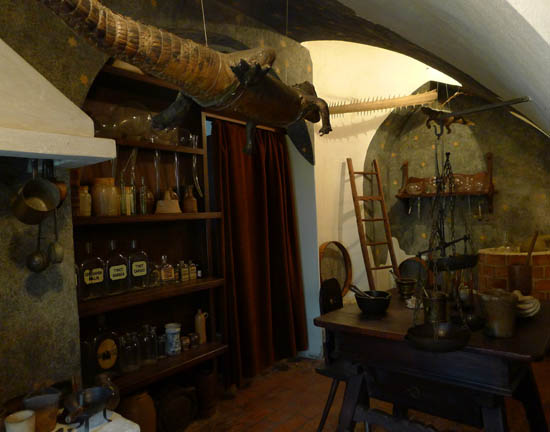
Puis, un matin, il poussa la porte du petit musée de la pharmacie, dans une vieille maison tout en haut de Buda. Les deux dames qui bavardaient serrées l’une contre l’autre se séparèrent avec de petits cris de joie, l’une lui tendit son billet (il n’était pas dépourvu de monnaie, les érudits de Sirius avaient veillé à tout) tandis que l’autre lui glissait dans la main une liasse de fiches d’information en plusieurs langues, pleines de noms et de dates. Il ne s’embarrassa pas à les lire.

Il traversa rapidement la première pièce, étudia de plus près la seconde, reconnu la tête de momie dans la vitrine, admira l’étrange créature marine,  vérifia chaque bocal.


Et arriva devant le cabinet de l’alchimiste.


Il reconnut immédiatement la chauve-souris. Presque trois siècle plus tôt, un autre voyageur venu de Sirius jusqu’en France avait rapporté dans ses bagages cet étrange animal qui lui semblait si français, ni tout à fait ceci, ni vraiment cela. La chauve-souris s’était merveilleusement acclimatée sur Sirius et avait fait l’objet de nombreuses études savantes.
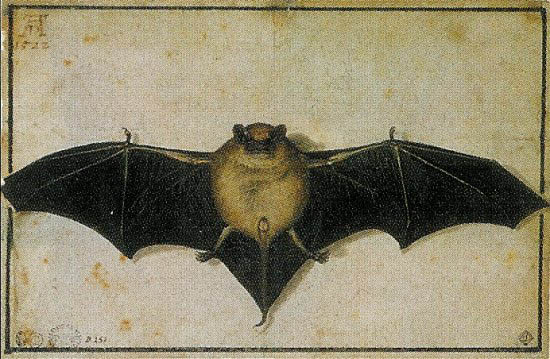
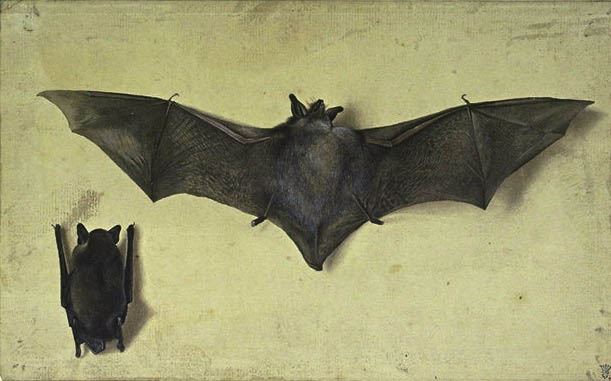

Il comprit enfin parfaitement où il se trouvait.
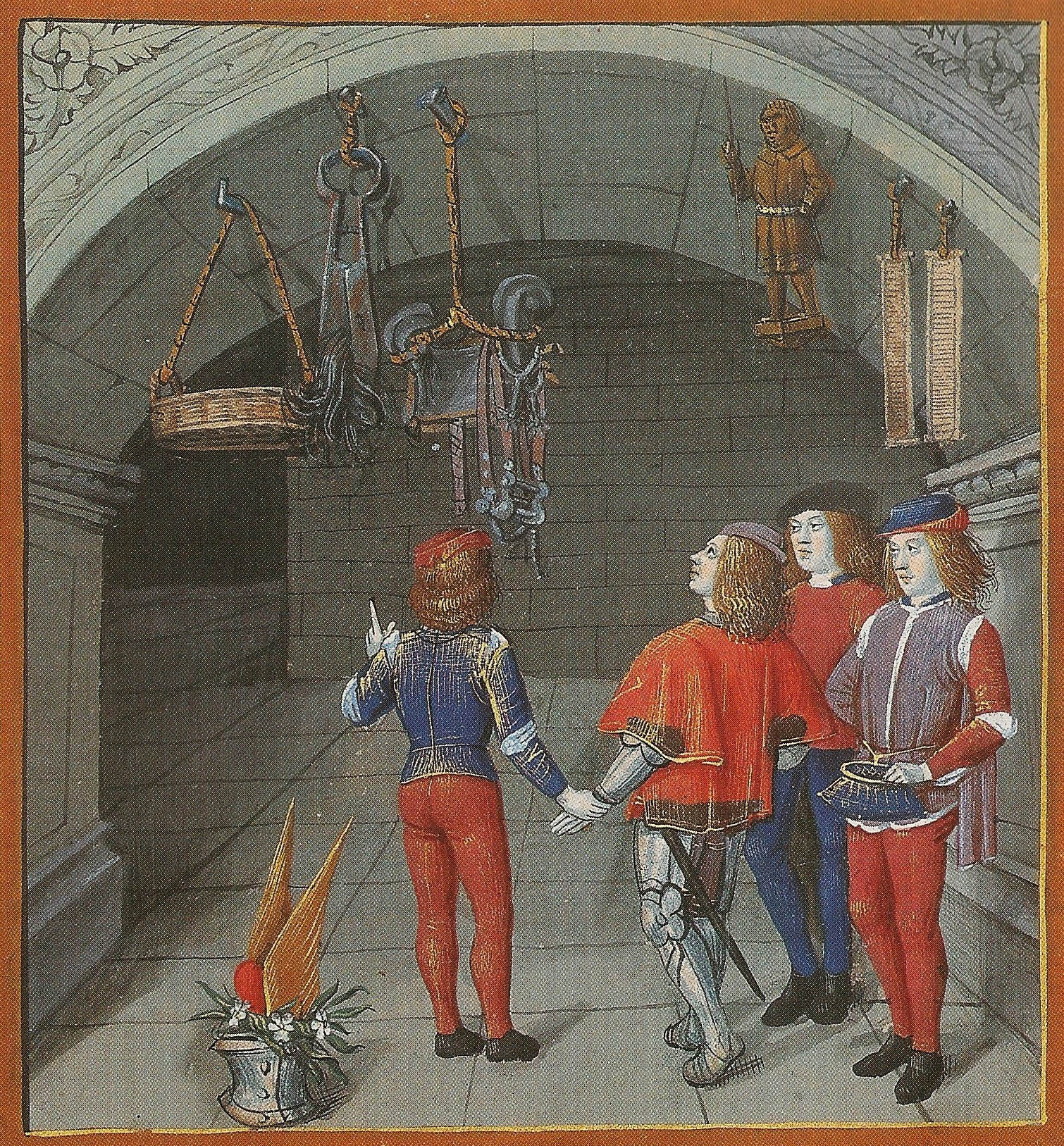
Le Cuer d’Amour espris, René d’Anjou, c. 1480 – 1485, Bnf.

De ce petit bazar de l’hermétique, il possédait la langue : ces messieurs de l’Académie, avec leurs hauts chapeaux pointus, là-bas sur Sirius, lui avaient enseigné (avec force ricanements) ces étranges croyances humaines. Comment à force de mêler les éléments, les alchimistes voulaient découvrir le secret de la vie — l’immortalité même. Notre voyageur de Sirius, du haut de toute la lassitude de ses milliers d’années, ne pouvait que sourire à une telle prétention.
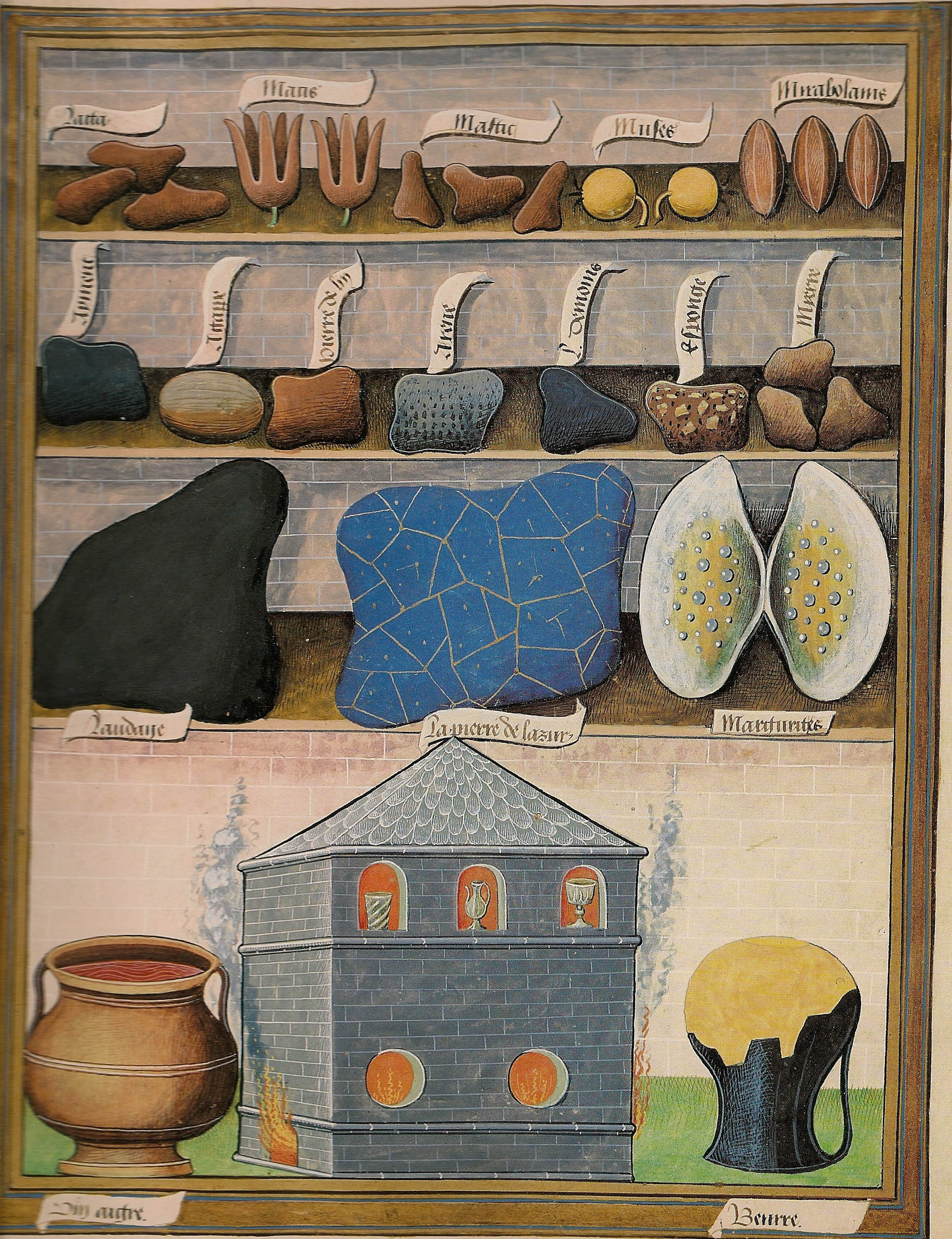
Mattheus Platerus, c. 1470.

Mais il n’y avait plus à regretter d’ignorer le hongrois. Tous les codes d’un savoir ancien, alchimie et astronomie, s’ouvraient devant lui et il lui suffirait désormais d’en chercher les signes dans la ville.

Alchimistes et astronomes, astrologues et anatomistes, chacun dans sa recherche de la perfection du monde avait tracé des lignes, relié des espaces et dessiné le savoir qu’il construisait. Le mouvement du ciel reliait les éléments et les entrainait dans sa course, le feu, l’eau et l’air apparaissaient comme de petites planètes à égale distance de la Terre, le froid côtoyait le chaud et au centre, une griffe rouge figurait le mystère ultime.

Angleterre, c. 1080, St John’s College, Oxford.
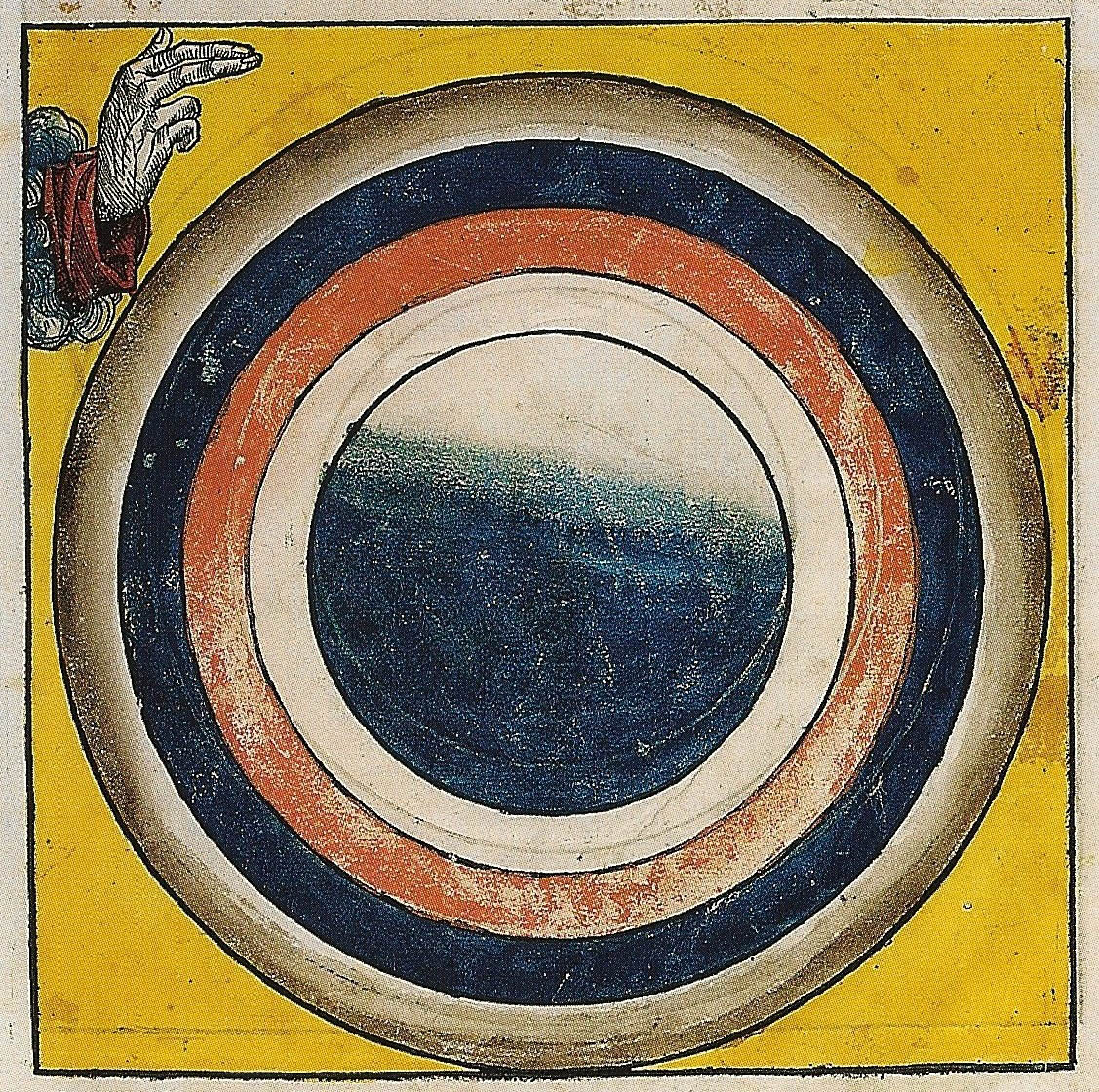
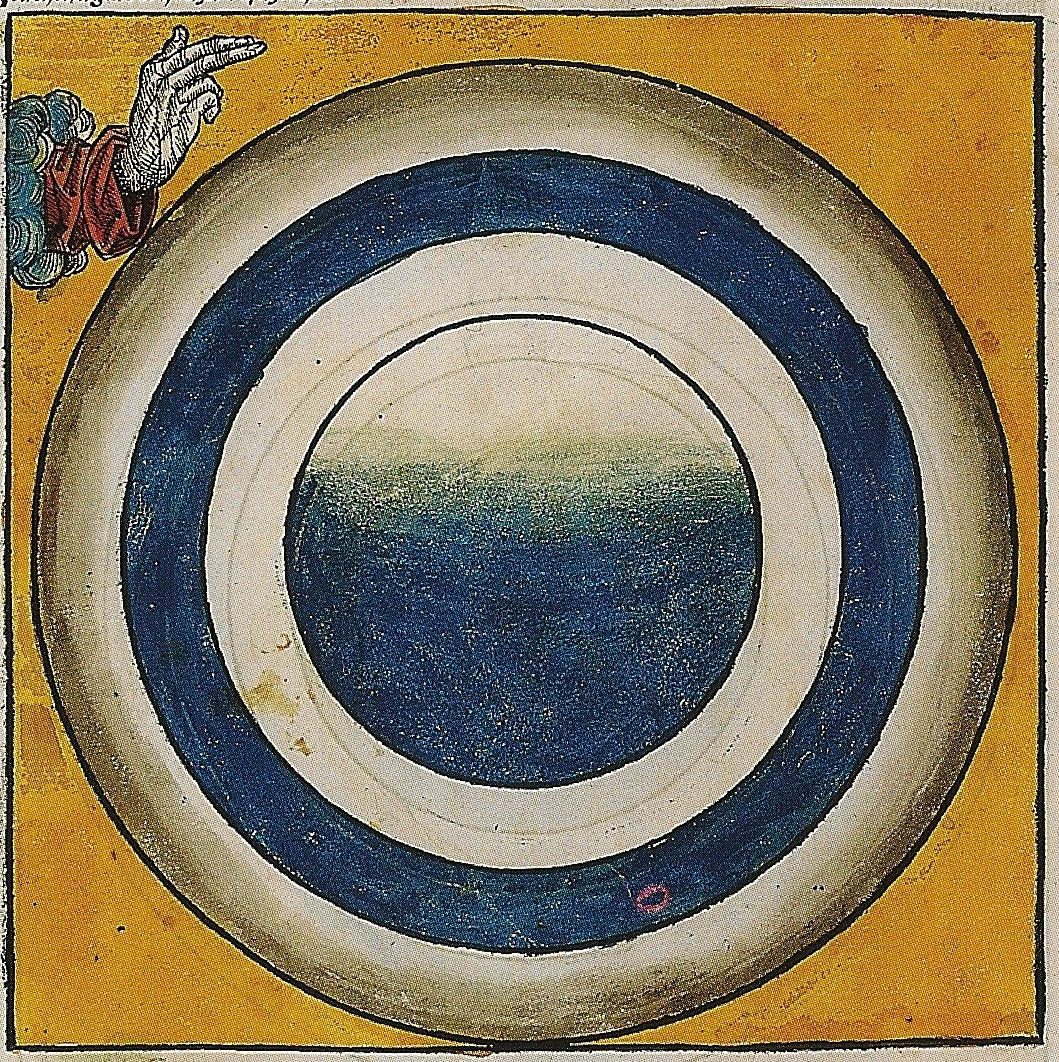

Chroniques de Nuremberg, Anton Kroburger, 1493 (Bnf)

Dans ce savoir, Dieu créait le monde et les sphères se superposaient, les ciels se succédaient, les planètes veillaient. Notre voyageur, bien que venu de Sirius avec un tout autre bagage, aimait cette vision : et si son errance l’avait mené au chœur de la ville jusqu’à cette petite chauve-souris, c’était signe qu’il lui fallait repartir dans Budapest avec l’œil de l’alchimiste.

Il n’eut pas à chercher longtemps car les représentations du monde étaient sur tous les murs. Même les couleurs avaient à peine changé depuis les temps anciens— mais c’était une conception du monde inattendue.
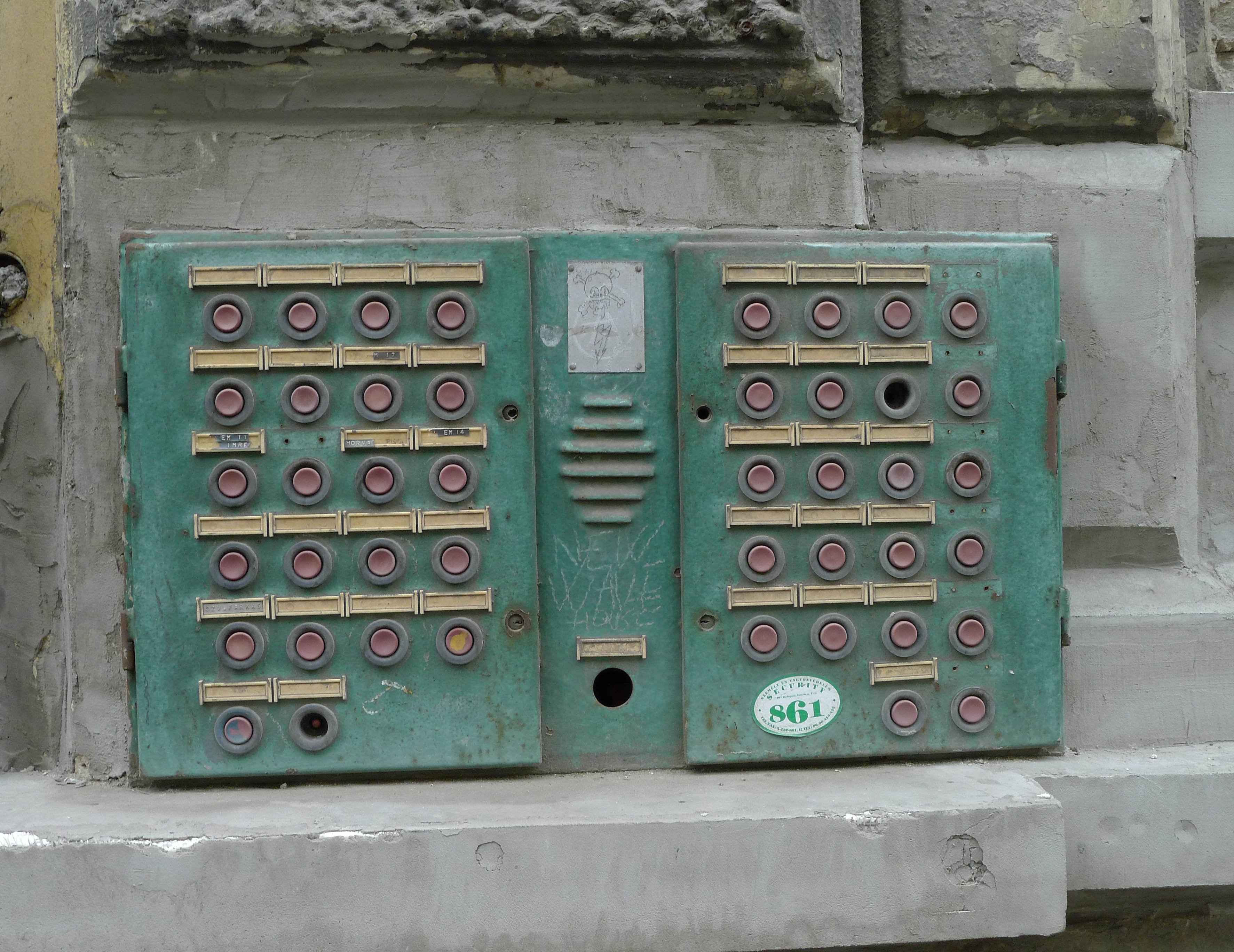

Il s’étonna de l’apparente symétrie de ce système avant de noter les trous et l’interruption des lignes sur la droite. Plaça Dieu au centre, derrière les stries. Estima le système ante-copernicien, identifia la lune (une face visible et une face obscure) dans les deux cercles en bas à gauche et le soleil dans le trou noir central (mais pourquoi noir ?). S’interrogea sur le « 861 ».

Savoura ses progrès.

Il reprit sa course dans la ville et trouva immédiatement des immeubles pour donner raison à son intuition géométrique.


Il compara ses découvertes avec le tracé des lignes du tramway et y lut d’étranges déviations.
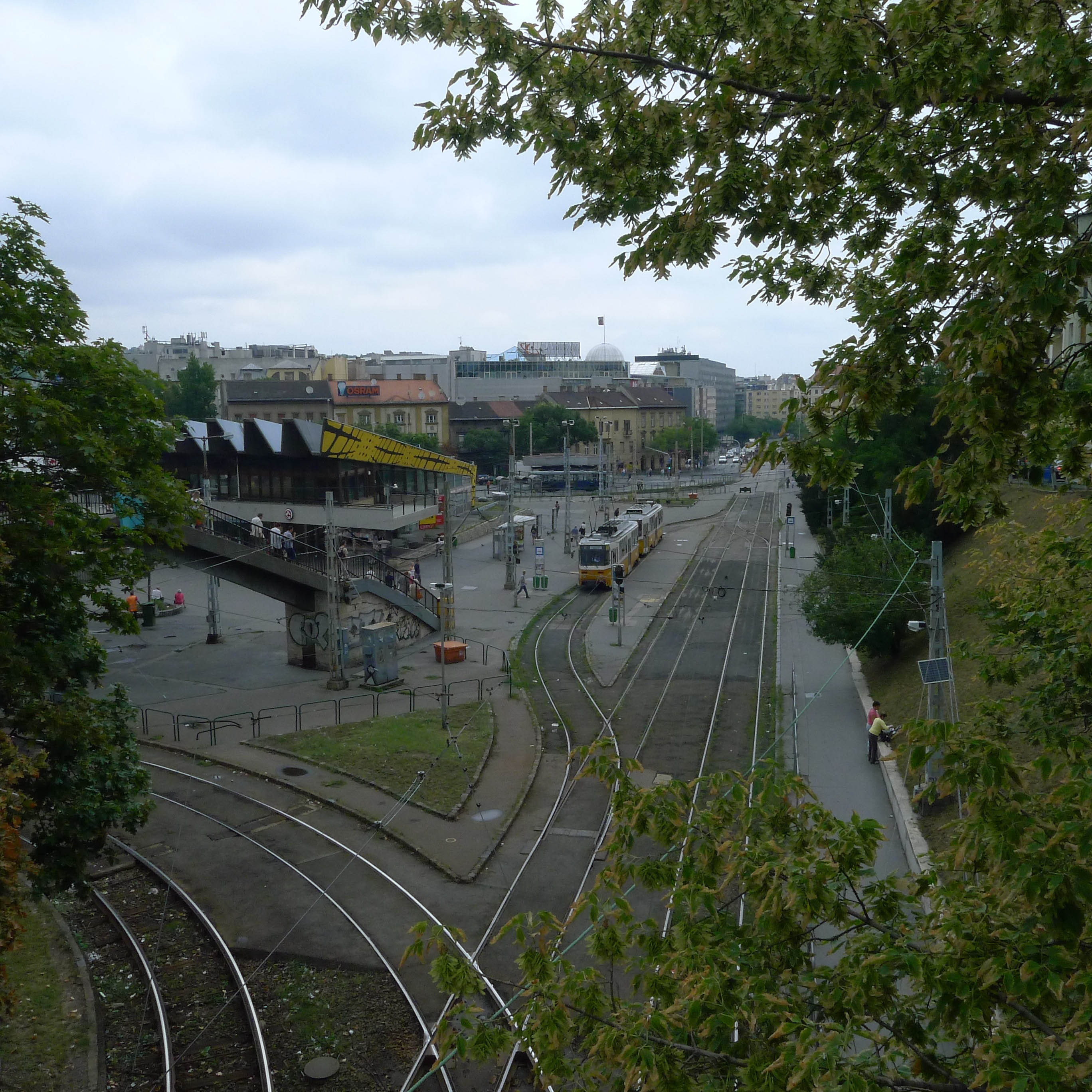

Se pouvait-il que la ville ait choisi la courbe de préférence à la ligne droite qui semblait gouverner sa pensée de l’espace ? Qu’à l’intérieur d’un système rigide et archaïque la ville ne soit que dissidence ? évitement ? fuite ? contournements ?

Après tout, ces immeubles en tours et en volutes étaient peut-être un manifeste en réaction au système de la ligne, une forme d’hérésie triomphante à la gloire de la courbe.


Et puis, partout, les architectes avaient disséminés des corps dans la pierre. Se pouvait-il que ce fût le dernier maillon de l’hérésie ? Une pensée de l’espace qui porte le corps en étendard ? Le corps comme matrice du monde ? Des étoiles aux corps, il n’y a qu’un pas à qui choisit de lire le ciel jusque dans la plus mystérieuse des créations.
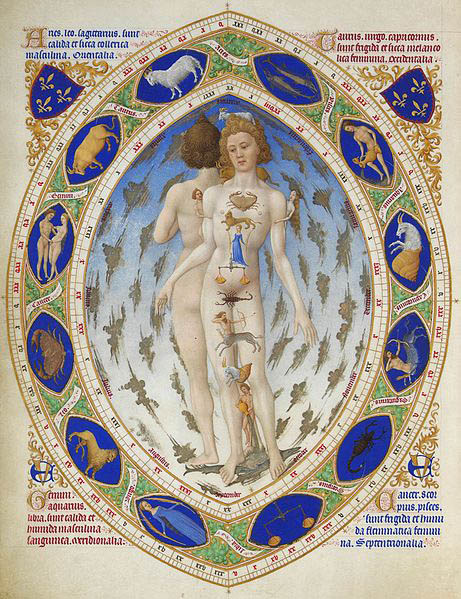
L’Homme anatomique, ou Homme zodiacal, Frères de Limbourg, 1485-1486, f.14v., musée Condé, Chantilly

Une multitude de corps éparpillée sur les murs de la ville. Sans doute aussi quelque étrange culte funéraire avait fait de Budapest une immense nécropole.  Le voyageur qui, sur Sirius, vit sa quasi immortalité dans des cubes de verre lisse apprécie ce rappel constant à la mort, ces immeubles sarcophages qui s’effritent, ces corps mutilés ou héroïsés, ces chevaliers glorieux et ces robustes ouvriers, ces têtes coupées et ces masques.


Enfin notre voyageur, déambulant dans les rues de Budapest, put déchiffrer signe après signe et, peut-être, comprendre le hongrois.
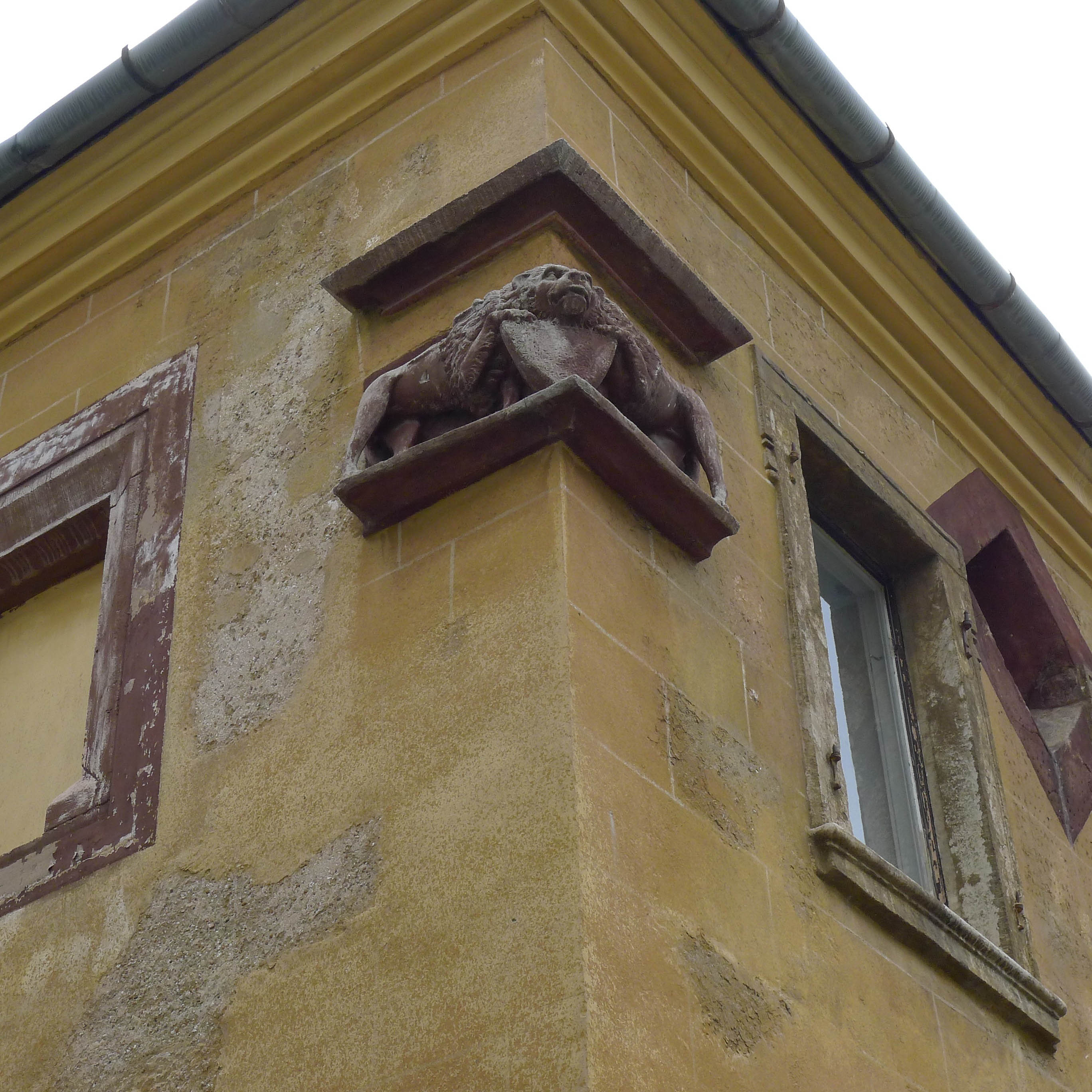

Ici, on adore une chimère.
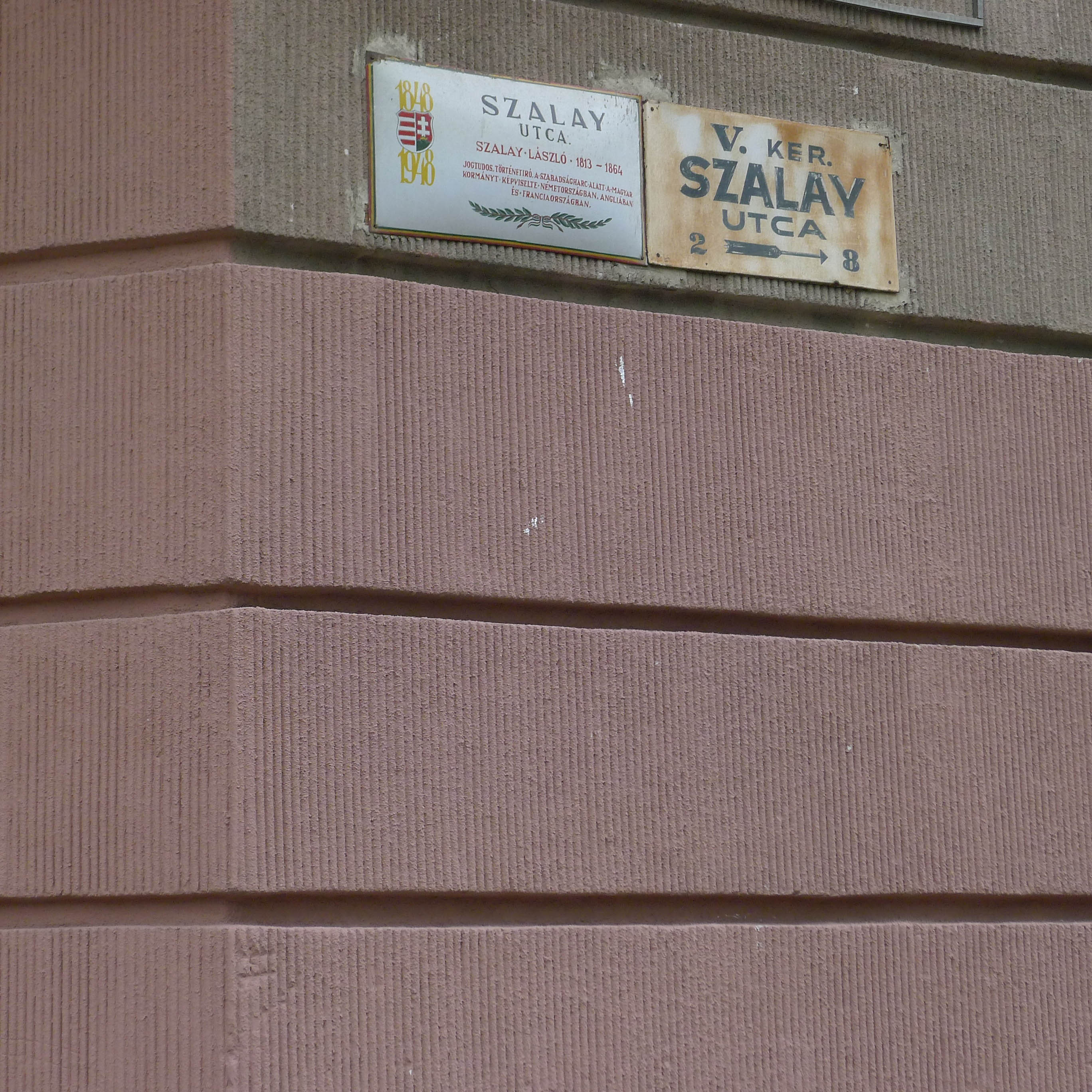

Là, on redouble les formules propitiatoires.


Et partout, ces feuilles collées puis déchirées, ces messages codés, ces étranges boites couvertes de chiffres, d’éclairs rouges, ces papiers timbrés punaisés, ces compteurs fixés aux tubes qui relient les espaces supérieurs aux profondeurs de la Terre.
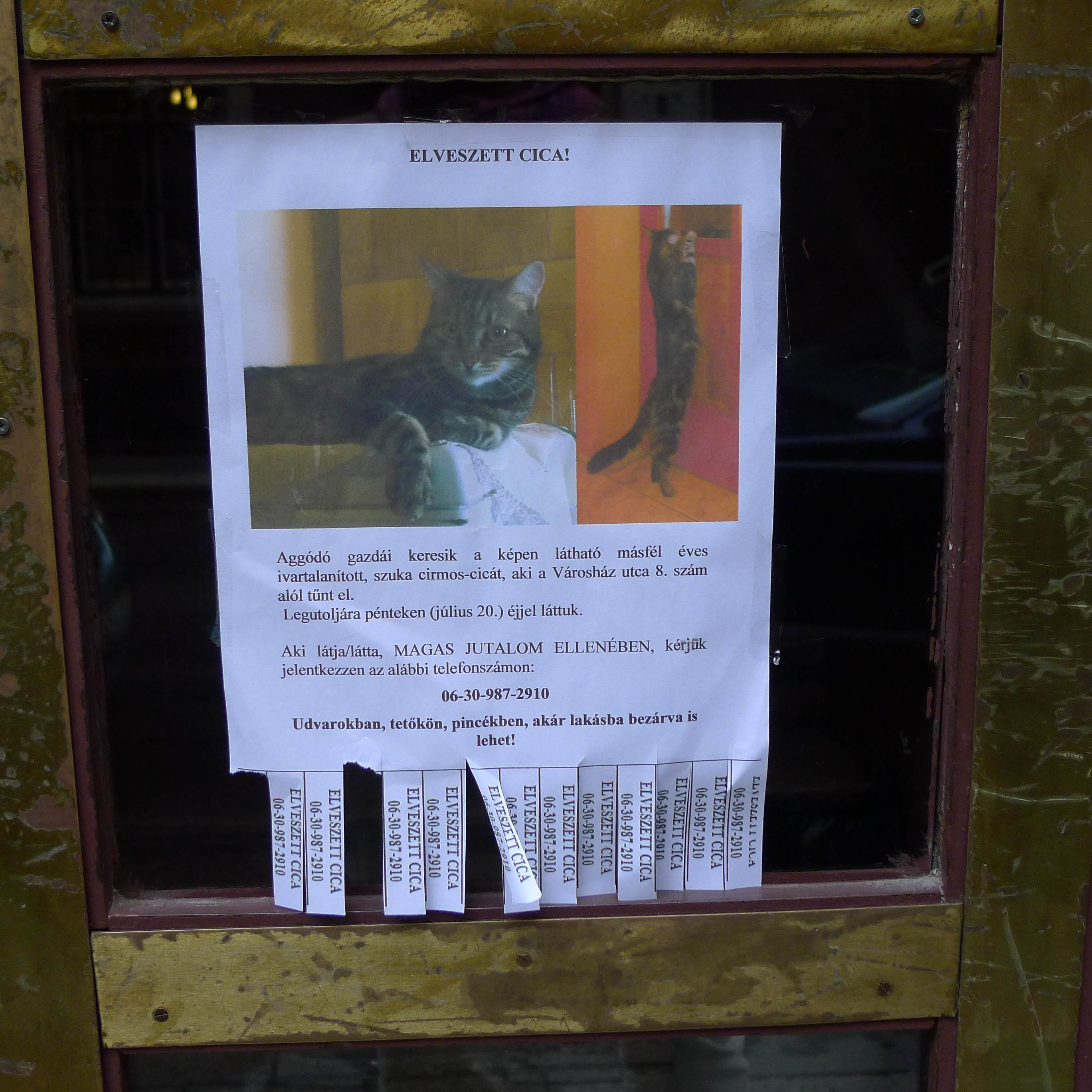

Cette dernière feuille lui resta incompréhensible. Que pouvaient être ces lambeaux de papier à demi arrachés ? des prières ? des prières chiffrées ? Les dieux des habitants de Budapest seraient-ils mathématiciens ? chats ? chats et mathématiciens ?


Le voyageur pouvait enfin dessiner une carte mentale de la ville de Budapest. En hongrois. Toute en lignes, en signes, en planètes, en coordonnées, en rayonnement, en souffle de vie.

Et s’il avait pu fermer les yeux, s’il avait su rêver (mais on rêve très peu sur Sirius), avant de quitter les lieux pour visiter d’autres mondes encore, il aurait pu maintenant peupler la ville de nouveaux habitants, créés à son image.
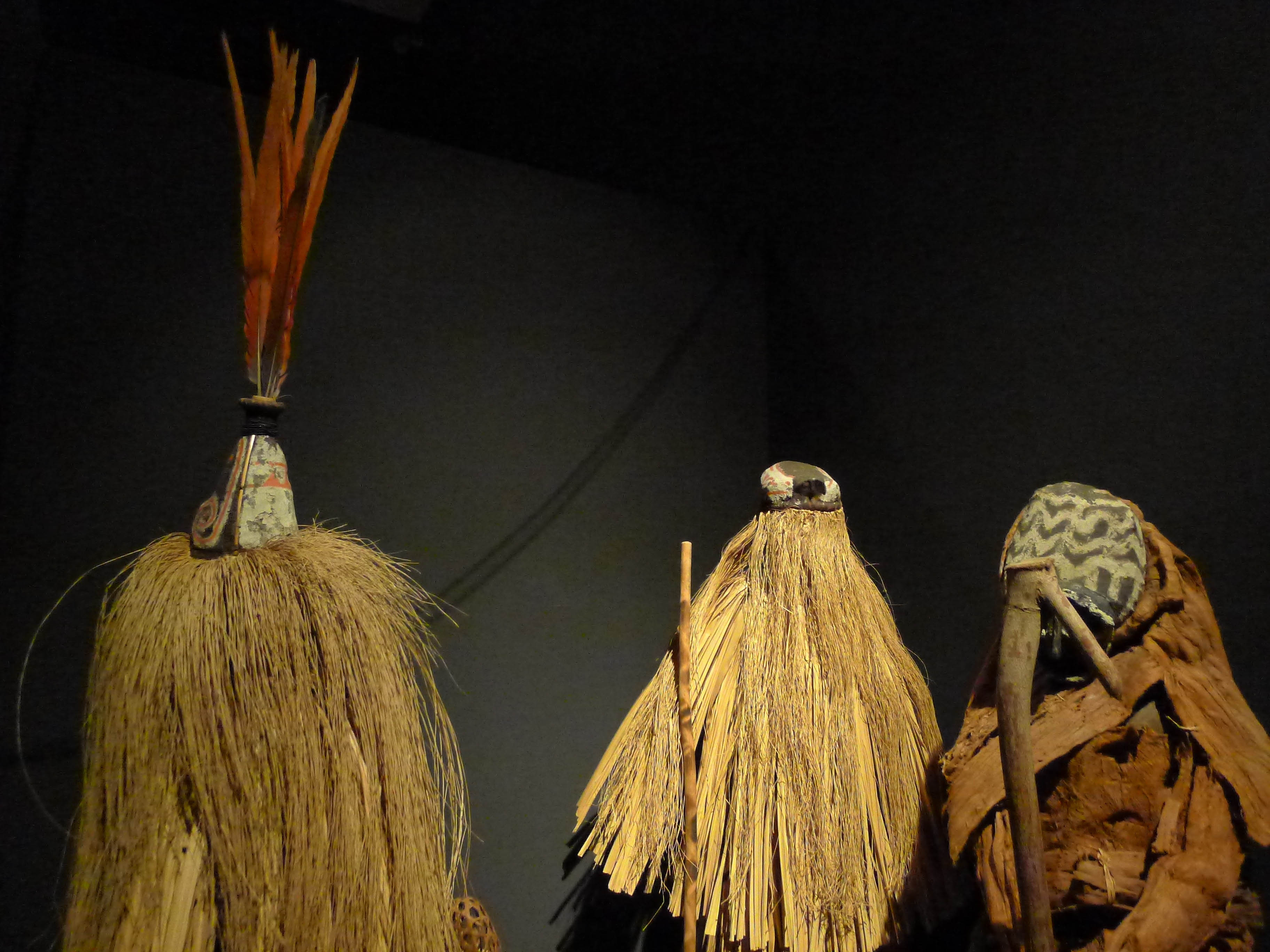
Exposition « Amazonia », musée d’Ethnographie, Budapest

Odessa Tales


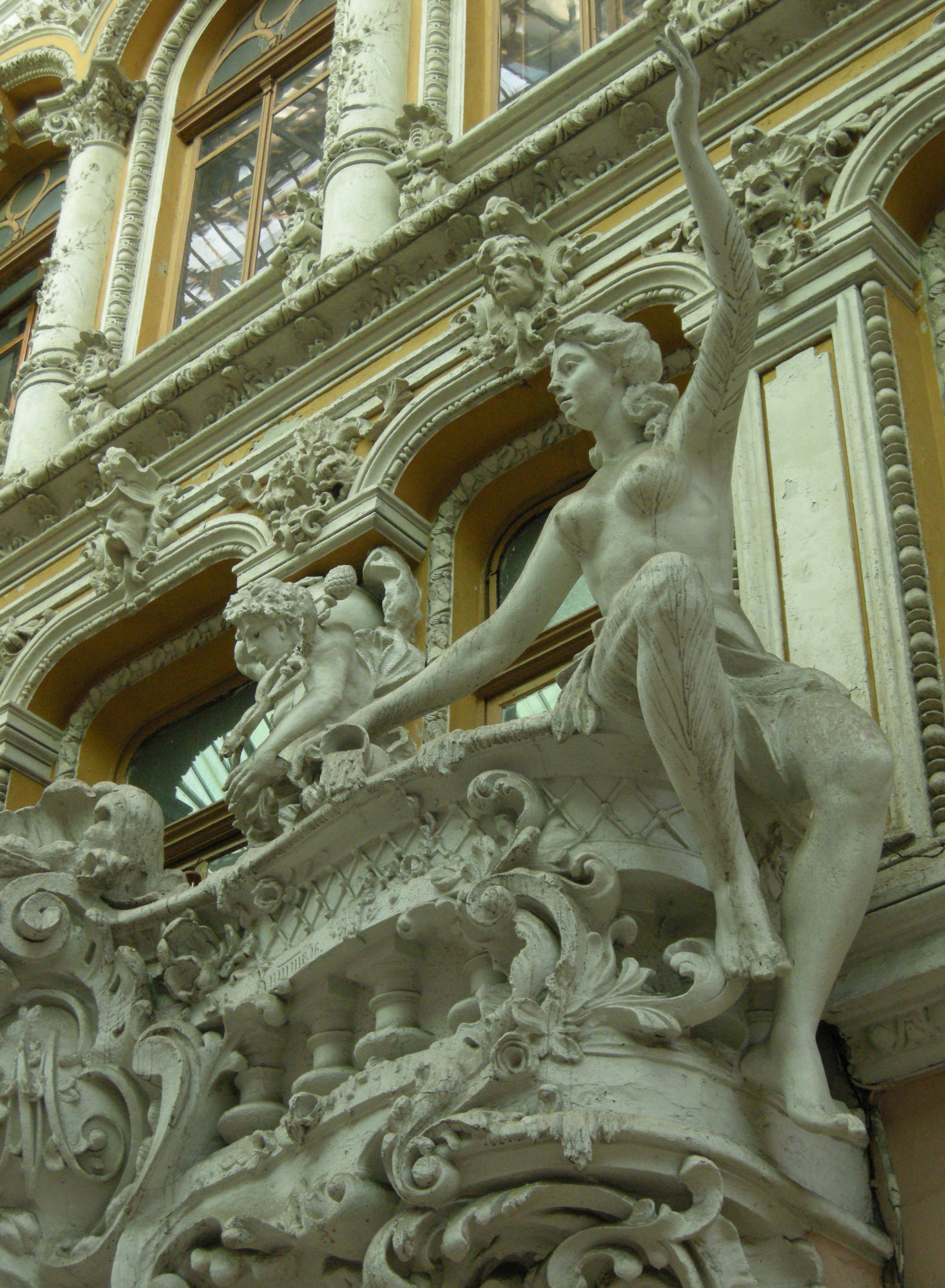
The Opera House, the city’s pride, built in 1887 by Fellner and Helmer, the star architects of Belle Epoque Europe, their mark is the facade with the bulge on the ground floor area and the two floors high window above it, just like on the Comedy Theater of Budapest, planned by them eighteen years later. Next to it, the Salieri Café, and opposite it, already in full agreement, the Mozart Restaurant, and one house away the Figaro Confectionery – a bias unworthy of an opera city: the Italian opera fans, I tell it in advance, would look in vain for a Verdi Pizzeria or a Nabucco Night Club, just like the Russian fanatics for a Godunov Pirogda or a Kiev Great Gate rustic pub. This section of the Lanzherovskaya Street belongs to the few ones which have already heard the word of capitalism in this city of chaotic parking, and they collect money for the temporary occupation by a private car of the public land maintained of public taxes. “Jonapot” (good day, in Hungarian), says the parking guard after he navigated me in between two black BMWs. “Budapest, Kecskemet.” “Were you there as a tourist?” I ask surprised. “Oh, not.” “Did you work?” “Yes”, he says. Then he still remembers: “Szekesfehervar”. And this recalls me an old Soviet joke, and a bulb is lit on in my head. “Did you serve as a Soviet soldier in Hungary?” I ask. “Yes”, he says with relief that it was not his duty to utter it. “And how was it like?” “Oh, very good”, he says. “It was in 1975. Davnym-davno, long, long ago. God but we were young!” “Balaton!” also comes to his mind. “What did you do at the Balaton? Went there for a holiday?” I ask naively. “Ah, kapali, we dug like moles”, he says. I recall the common Soviet-Hungarian winter tank exercises in the Bakony mountains, to the north of this popular resort lake, I was never such cold in my life. “I also dug with you ten years later”, I say. “Oh, of course!” he says. “We traded with each other, sold and bought, whoever had what, we got along very well.” As I am picking out of my pocket the twenty hrivnyas parking fee, after fourteen he generously beckons, he estimates the former friendship at a value of six hrivnyas.

As I return a hour later, I find him closely next to the car. His face brightens up when he sees me. “Esztergom”, he blurts out as a long-sought treasure. “The cathedral at the river. Along the border.” “Were you inside, too?” “Once, on a seventh of November sightseeing.” “Nem tudom (I don’t know)”, he adds as I’m moving out with the car. “That’s all I know in Hungarian.” “The most important thing a common soldier has to know”, I encourage him. “In fact, nothing more was necessary”, he says.


The cars parking behind the Deribasovskaya narrow down the once two-lane street to one, the oncoming cars give way to each other at the gap on the principle of the two small goats. A huge black mafia BMW is pressing forward through the gap against me. I recall Ilya Varlamov’s thumb rule of the highway code of Odessa: the more expensive car has the priority. However, that’s not why I start to reverse, but because I would do so in Budapest as well. I beckon to the BMW, it slowly starts to come. When it arrives at my side, the window rolls down, the bald head is leaning out. I already look forward to its enriching with a new item my collection of Russian abuses. “Keszenem szépen” (thank you, in Hungarian with a Russian accent), he says smiling. I even have no time to smile back, BMWs are always in a hurry.


Walking all the morning in the Moldavanka, looking for the traces of Babel. The Moldavanka is not any more the gangland it once was. True, the house of Misha Yaponchik is still standing, with Benya Krik’s dove-cot in the courtyard, but the area became a decent working class district during the decades of socialism, with factories closed down and an unemployment high above the country’s average. A telling fact is that the only café in the entire neighborhood is on the main square, run by the charity of the Orthodox Saint Michael Church together with a children’s playground and a children’s deposit during the worship. “But why did you come out here in the suburbs?” the café auntie asks me. “No tourist has ever come here.” “I have read the stories of Isaac Babel, and I was curious about the neighborhood about which he wrote.” “Babel was a great writer”, she is nodding intently. “But do you know what? Go a little bit into our church as well. There one finds peace.”


Chinese brick


This addiction might be familiar to you. Photographing the ruins stirs up the treasure-hunter in me. I must go back, I must go back! I feel of having left there something. Yeah, like those beautiful little metal doves, which decorated the window boxes! How nice it would be to save them. If I leave them there, they will go to the rubbish anyway, nobody will pick them out. They have almost no weight, it is not worth to dig for them, and it is so uncomfortable to take them off the external facade. True, it would not be easy to me either.

I can easily turn into the plot, no gates, no dogs, only the mud crumpled by the machinery.
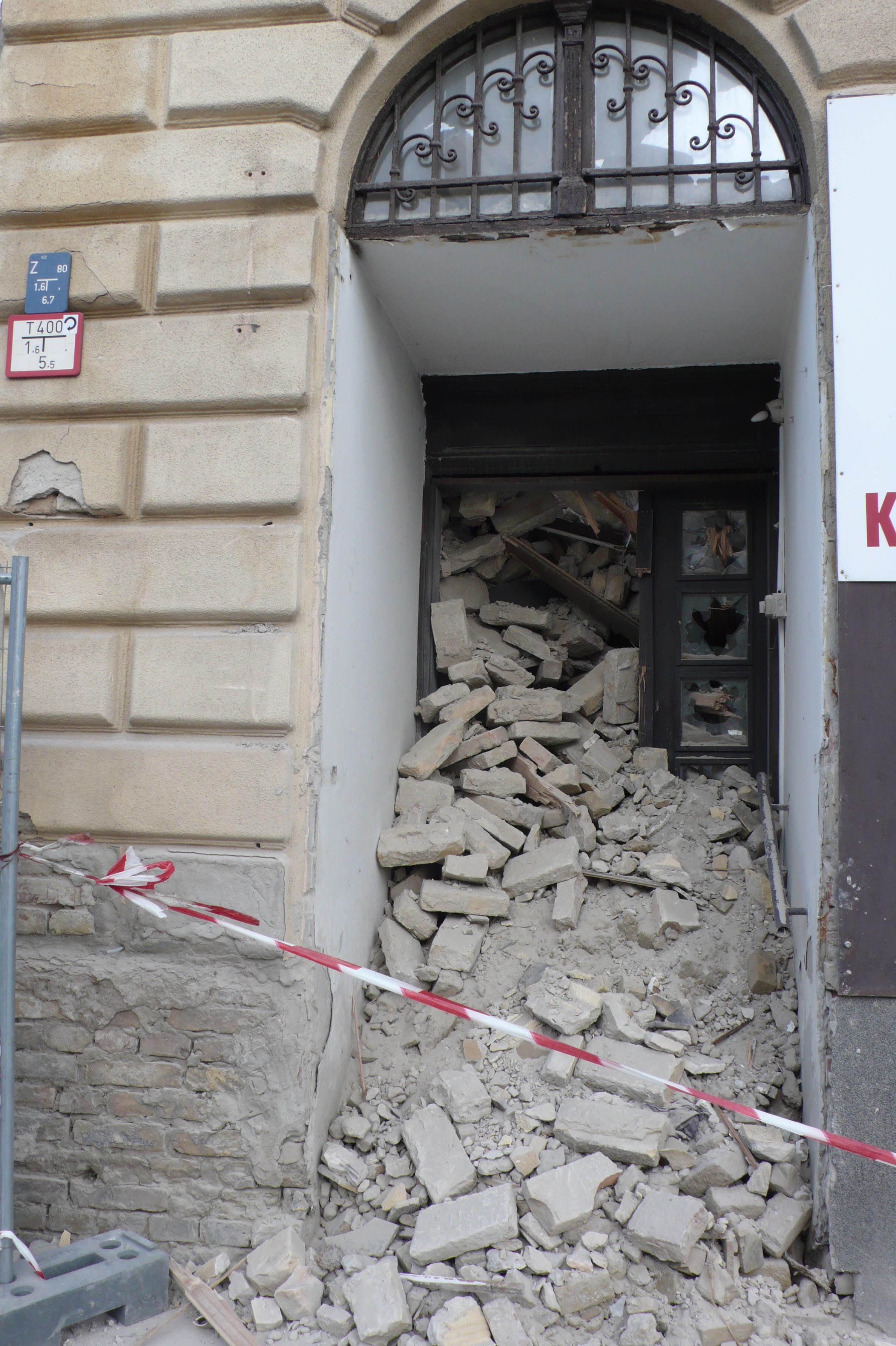
I take some pictures, a gutted out dollhouse, green flowered plastic floor, a small table desperately holding the bricks which tumbled upon it, light falls on the abandoned mirror of the bathroom in the second floor, an upset morocco game, dust, dust. The outside corridor is still held by a couple of beautiful cast iron columns on the opposite side, too bad for them, they will also get spoiled, how good it would be to build a house.


A sharp whistle, well, that’s for me. And it is good that not for the dogs.
That I should get out of here, quickly, as this is a private property, say the three men coming.
The one even having a waist-belt is the security guard, the one even having no shirt is Lacika. Then we end up talking, even the pigeons come into play, actually they cannot help me, but I should come back in work time and speak with the representative of the builder, if it is important. So many people try to rake things out of here, perhaps I will also succeed. Meanwhile, I do not feel it so important any more, these few pictures will do, where could I take the metal doves. There’s not much wasted here, whatever can have a new host will have it, the best I can have from here are the pictures, I will not go into picking irons.

In the meantime the small, thin man says that he is the guard of the demolition at the other side of the street, if I want to take photos, he willingly lets me in. He is bringing the water in two plastic jugs, because in his place there is no running water any more. And one must wash himself with something.

He pulls aside the plank fence, we get in. The bike almost cannot stand in the two inch deep loose dust, well, most of the former building has been already cleaned off, some of it is still standing at the borders of the plot, it is the most difficult to demolish there. Laci says that they were left so for the time being out of fear that it would fall into the next courtyard, which belongs to another office building. And on the other side, along Váci út, because the traffic goes there.


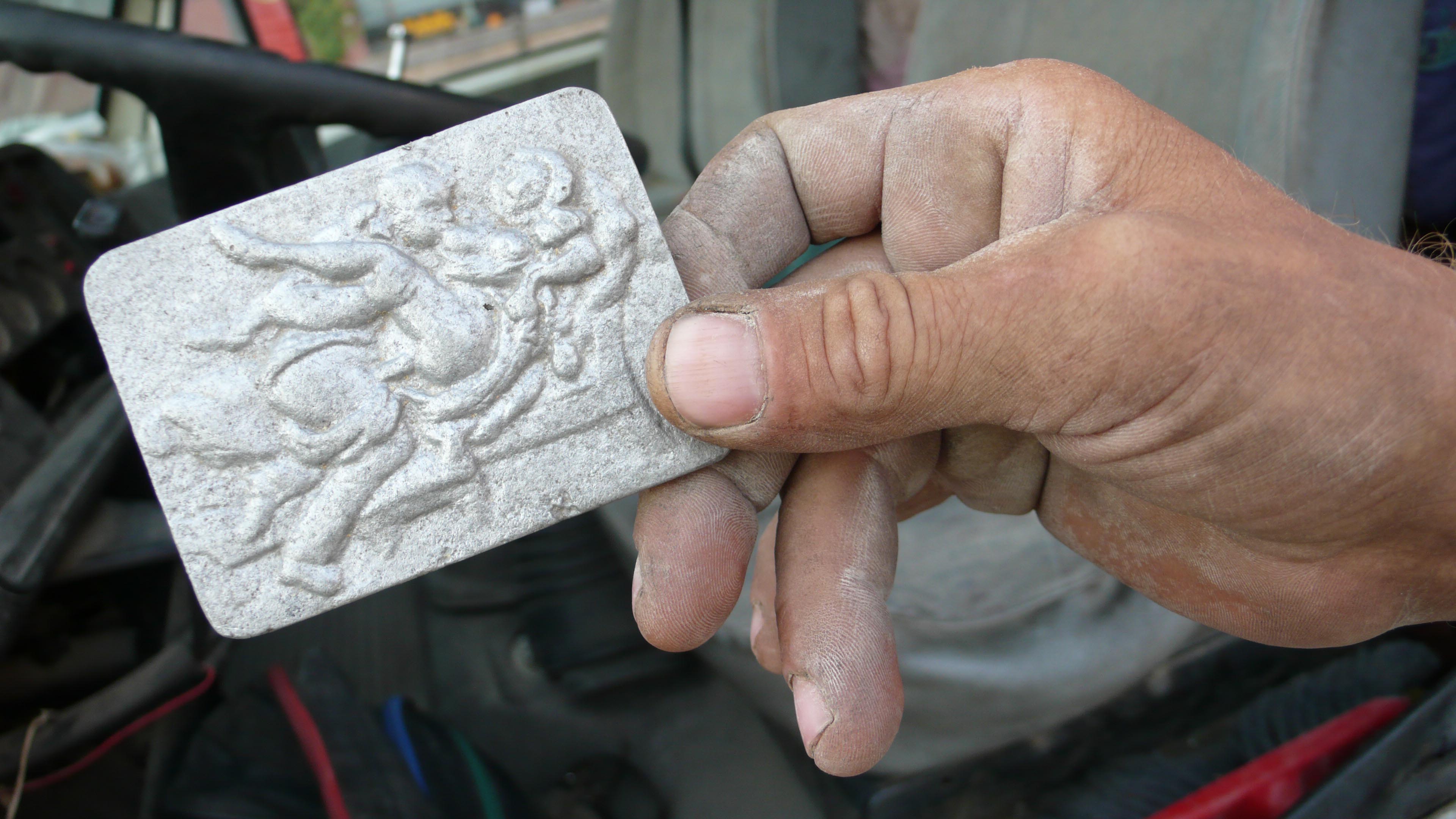
And how many good used bricks are there. For example these with the inscription RKF. A huge amount of them. Sometimes people come and buy of them, to build them into the garage or the fence, for decoration. But there are a few ones that are really rare, for example this square one, with a Chinese symbol.

The “Chinese symbol” – really beautiful. Do you know what it means?

But they have left so many things here, he says, even good furniture, tables, double beds. It will be not a few bucks to buy them again. You could also pull the wires from the walls. They could be recycled. True, one can no longer go up to the still standing part.
This is where he usually sleeps. What? In the front seat? Yes, across them. It is good soft. Here he has put that beautiful brick which he cannot find now, perhaps someone has thrown it out, it seems. Well, one can find all sorts of good things anyway.


Faces


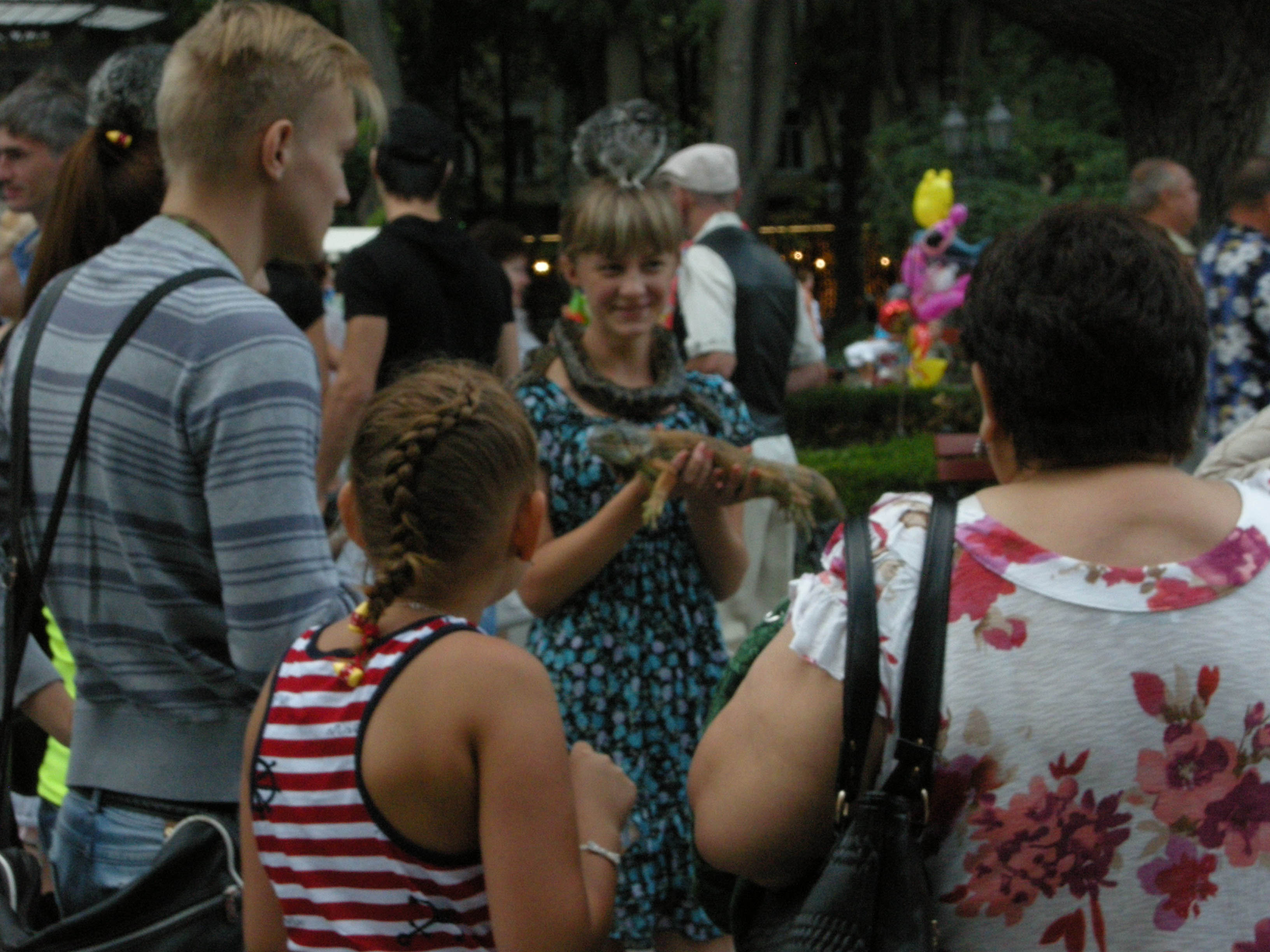
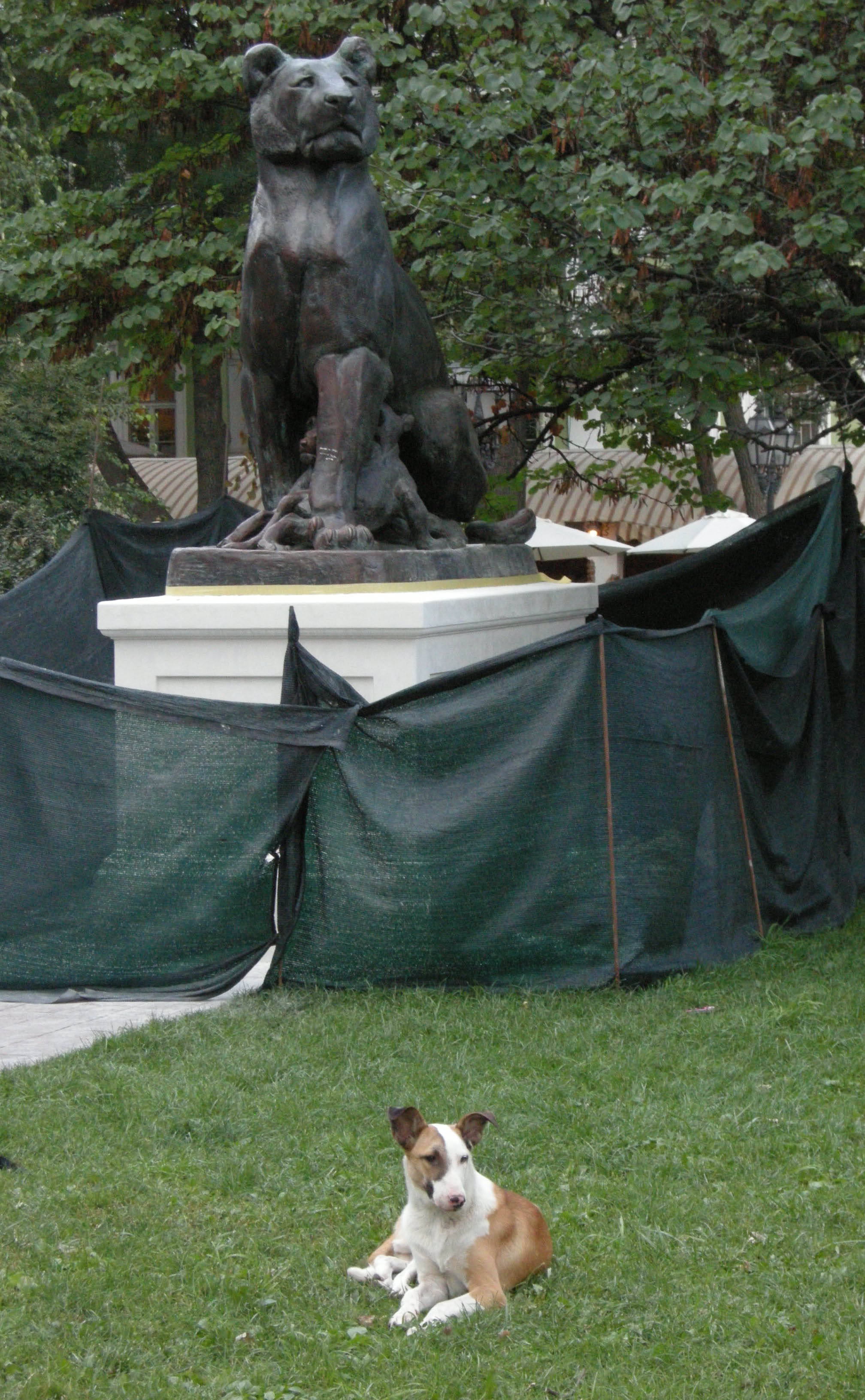
from the City Park of Odessa, donated to the city in 1806 by the Catalan admiral of Catherine the Great’s fleet and the founder of Odessa, José de Ribas. Here I saw for the first time that in addition to a lion, proclaiming the glory of a city, they also erect a statue to a female lion, symbolizing the homeliness of the same city. It is this homeliness that the city’s inhabitants relive when they come here to look and to be looked at, to photograph and to be photographed, with the statue of the singer Utyosov, with one of the Twelve Chairs, with chinchillas, boas, leguans, and each other.


Leonid Utyosov: У Черного Моря – At the Black Sea


Return of saints

For even the Son of Man did not come to be served,
but to serve, and to give his life as a ransom for many. Mark 10:45

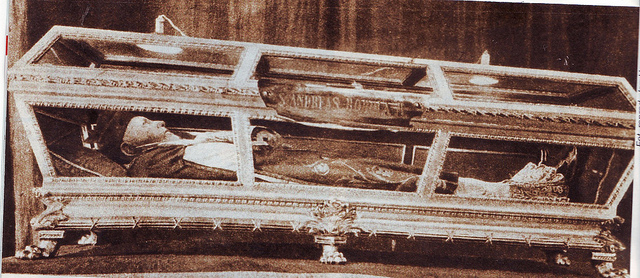
Andrzej Bobola is one of the most popular Polish saints, the Martyr of Poland. He was captured by the Cossacks as a missionary during the Bohdan Khmelnytsky uprising, brutally tortured and finally murdered.


His remains were found miraculously intact in 1701. In October 1853 he was beatified by Pius IX, and in April 1938 canonized by Pius XI. After several adventures, even including some detours to the Soviet Union and Italy, his body was brought back to Poland in June 1938, and – just like the Holy Right Hand of St. Stephen, King of Hungary in the same year, the millennial of his death – carried around Poland in a special train.


In the Catholic Poland this was of course a great social event. The train stopped at many places, and thousands of the faithful made their pilgrimage to the coffin. A film report on the trip was made by the Polska Agenczyja Telegraficzna (PAT).

For the Faith and Fatherland

One cut was made at the station which in 1938 did not mean more than one of the princely titles of the Habsburgs.

Pilgrims at the railway station of Oswięcim (Auschwitz), with Bobola’s coffin in the foreground

Nearly three years later many Polish priests came back to this place, obviously not of their own accord. One of them was the former novice of Lwów/Lemberg and the later prelate, publisher of papers and operating radio stations, Maximilian Kolbe.

Maximilian Kolbe – the bearded figure on the left – in 1938. In the middle, President Ignacy Móscicki

On the first of August 1941, in retaliation for an escape, the camp commander sentenced to death ten captives, including the 40-year old Franciszek Gajowniczek, a former officer with two children. At the declaration of the sentence, Gajowniczek started sobbing: “What will happen to my children and my wife?” Hearing this, Kolbe volunteered to take over the death sentence. The ten prisoners were locked together in a bunker to be starved to death. For two weeks, continuous prayer and singing was heard from the bunker, where the captives gradually died. Two weeks later only the agonizing Father Kolbe was alive, who was finally killed by a lethal injection, on 14 August, just seventy-one years ago. His corpse ended in the crematorium, just like that of millions of others. In his agony, he engraved with his fingernail the crucified Christ on the wall of his cell.

Franciszek Gajowniczek

Maximilian Kolbe was beatified in 1971 by Paul VI, and canonized in 1982 by the Polish pope, John Paul II. Franciszek Gajowniczek took part at both events: he lived a wonderfully great age, and died at the age of 94.

A portrait of Maximilian Kolbe in Szombathely, Hungary