Switch over to our new blog! • ¡Pásese a nuestro nuevo blog!

The renewed version of our blog, with more features, a richer design, and available in nine languages, can be read here: https://wangriver.com

The new version also includes the old posts, often in expanded form. If you are curious about the updated version of this post, replace “riowang.blogspot.com/” in the URL with “riowang.studiolum.com/”, and the new link will most likely lead you there.


La versión renovada de nuestro blog, con más herramientas, un diseño más rico y disponible en nueve idiomas, se puede leer aquí: https://riowang.com

La nueva versión también incluye las publicaciones antiguas, a menudo en una forma ampliada. Si tiene curiosidad por la versión actualizada de esta entrada, sustituya «riowang.blogspot.com/» en la URL por «riowang.studiolum.com/es/», y el nuevo enlace probablemente le llevará allí.

Lions on the wing


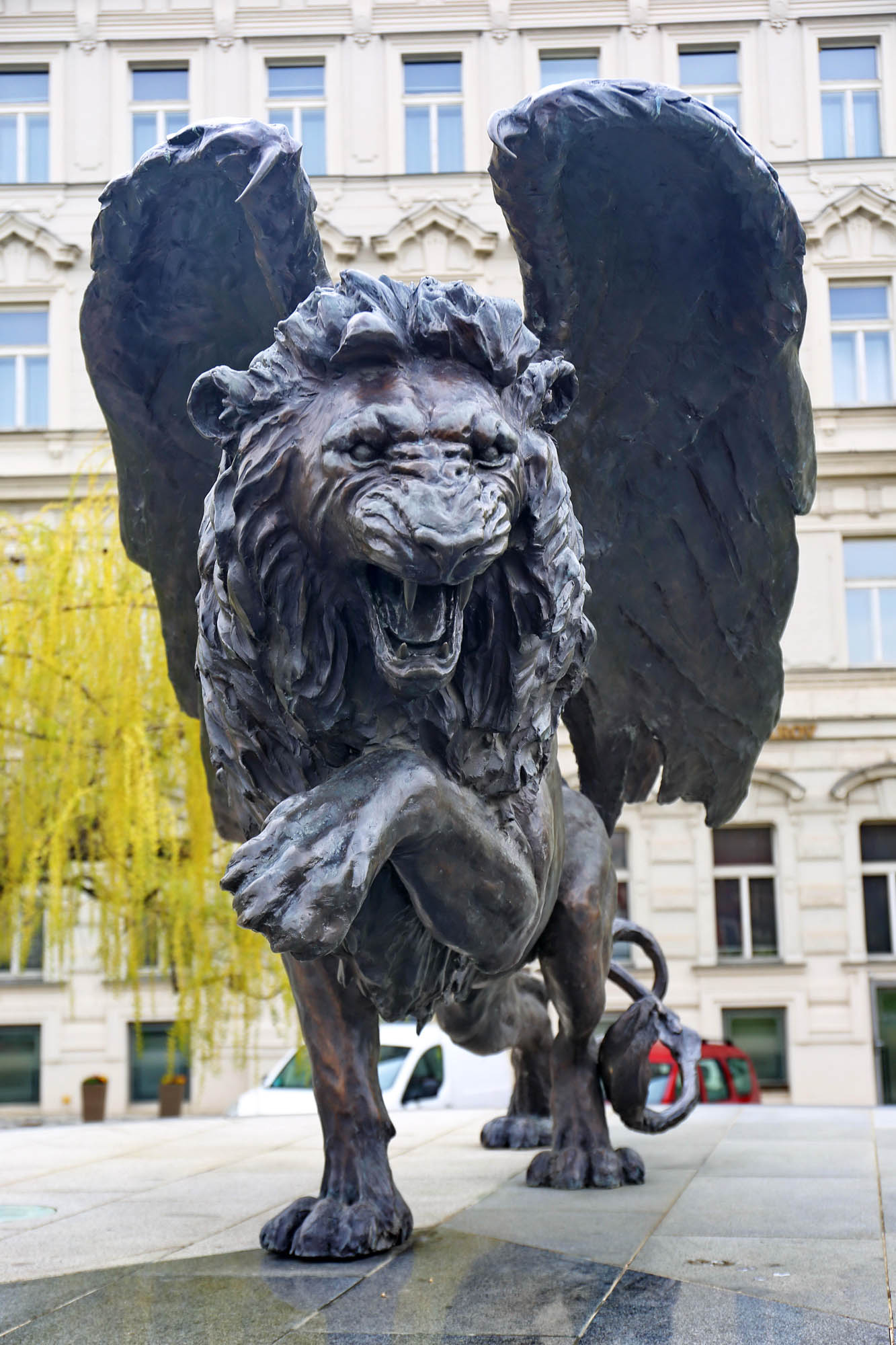
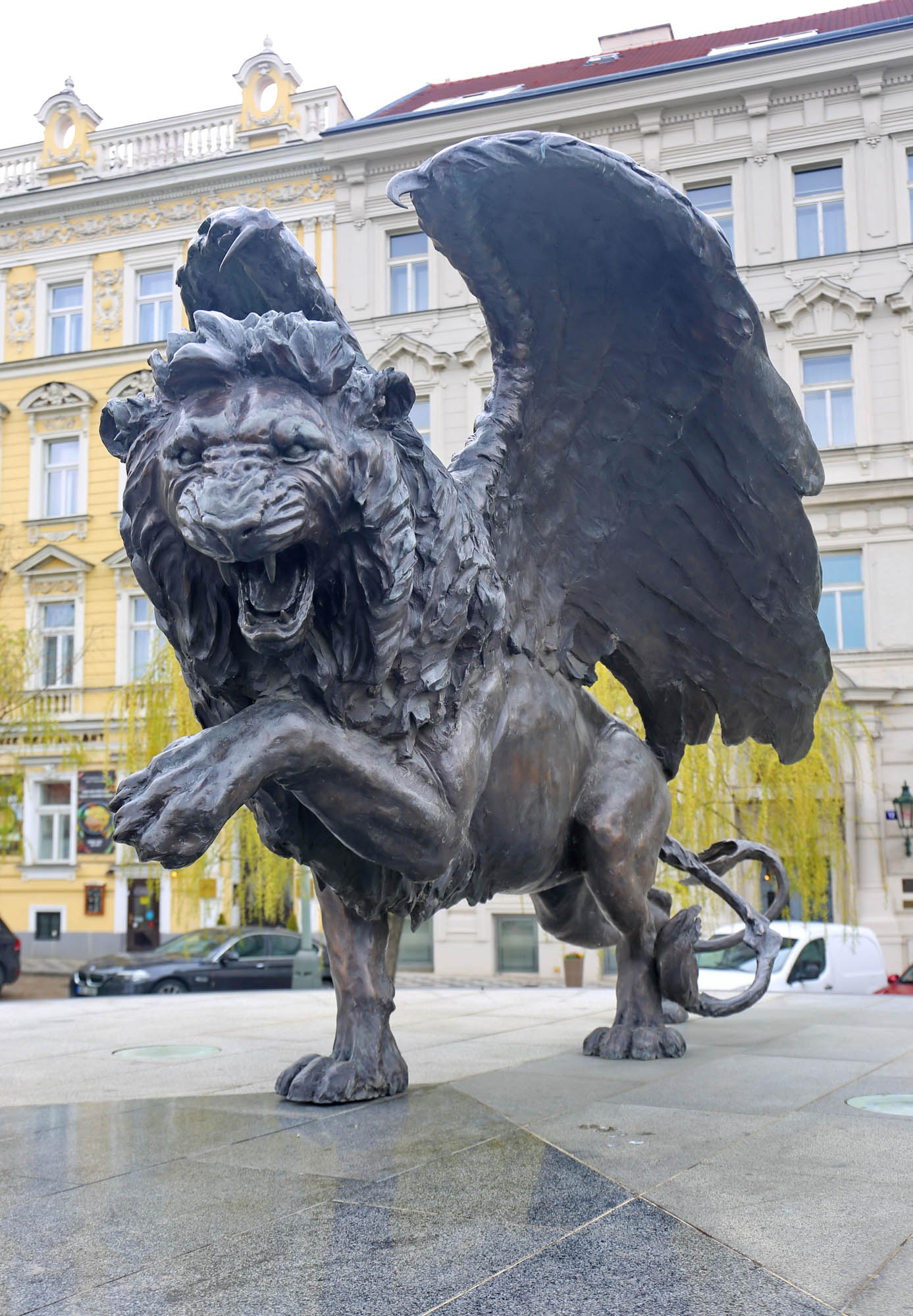
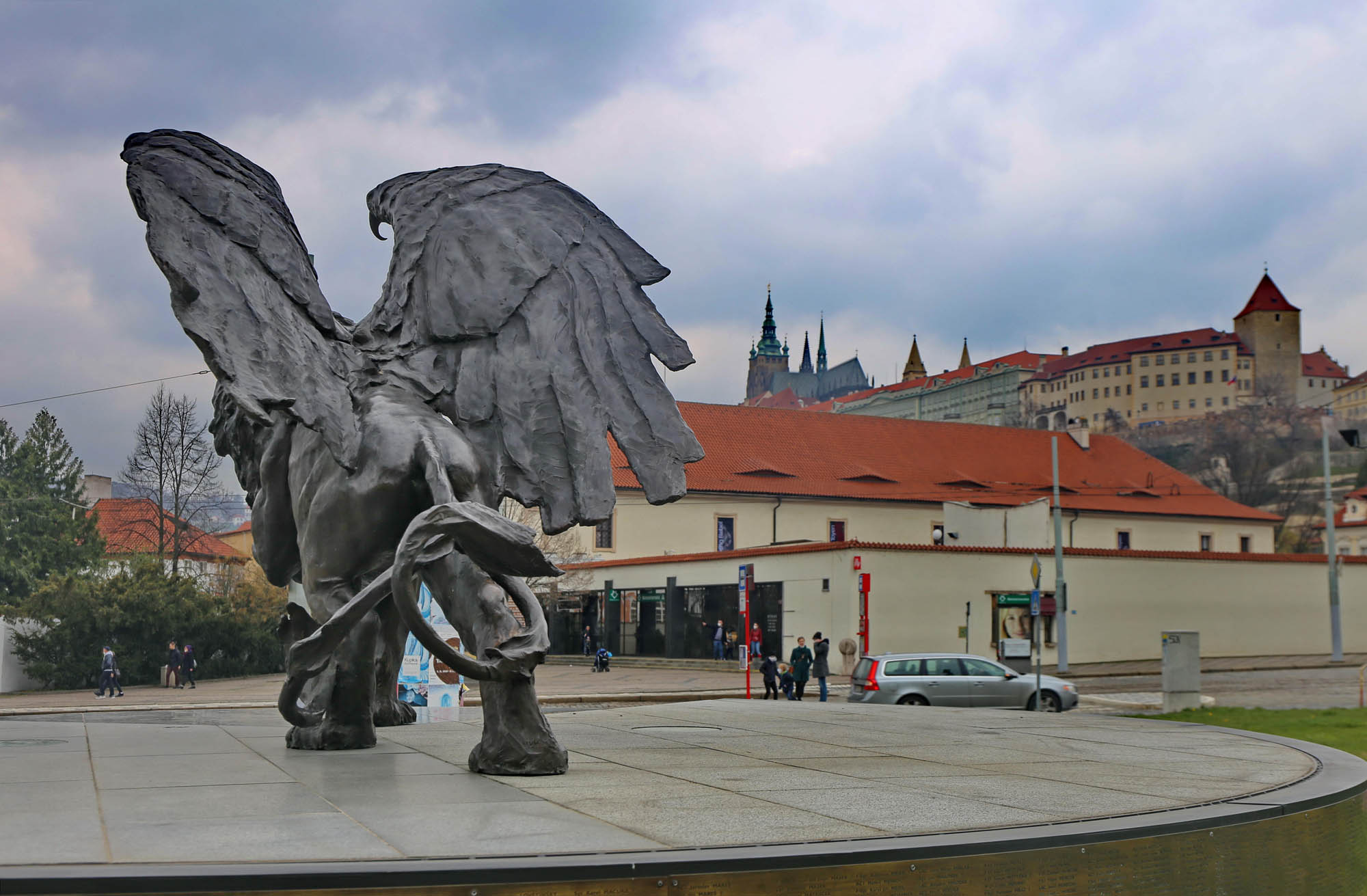
When future extraterrestrials wonder which living beings went extinct together with mankind in the 21st century, they will come to the surprising conclusion that several mammals had winged variants, and, although their fossil remains have not survived, representations of them will be easy to find. Altogether, man, cattle and lions have each had winged subspecies, it will be concluded. But the most peculiar mutation had to have been the winged lion with the double tail, either as a result of one of the nuclear accidents that had preceded the destruction of humanity, or as a development along with the wings for aerodynamic balance. In the absence of a fossil skeleton, evidence of this two-tailed winged lion will only exist in the form of a statue on the former Klárov Square of the former Prague, on the bank of the Vltava, next to the Lesser Side bridgehead of the Mánes Bridge.
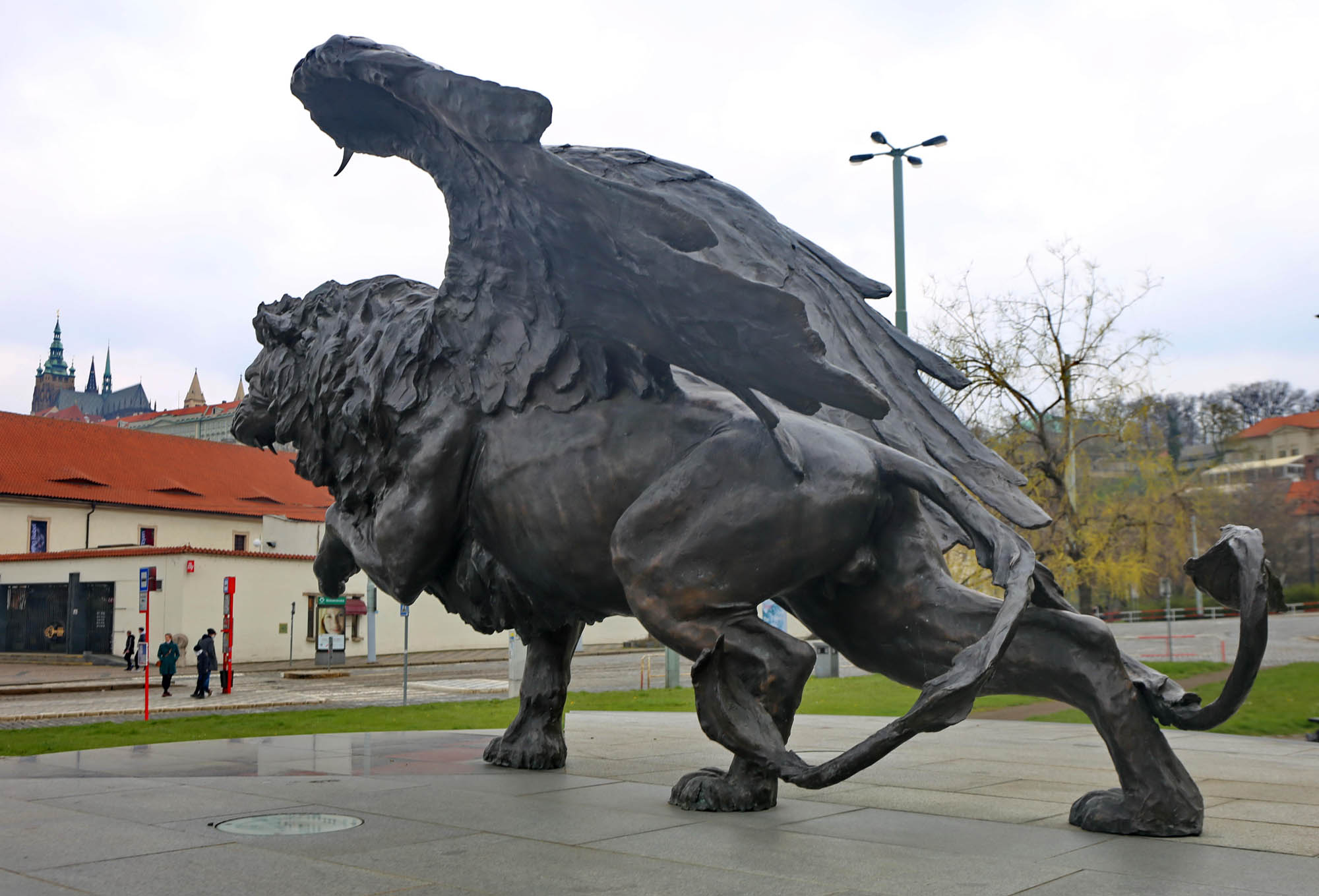

The statue, erected through the fundraising efforts of the British community in Czechia, commemorates the winged Czech lions who, in the 1940s, protected the ground-going British lions against the attacks of the German eagles.

The air force of the Czechoslovak Republic was established in 1918 and ceased to exist exactly twenty years later, when the invading German army disbanded them and confiscated their planes. The Luftwaffe offered to take the Czech pilots, too, but the vast majority of them preferred to emigrate. Many joined the Polish Air Force, and they fought on their side in September 1939, but then fled the country with the rest of the Polish army, and continued to fight the Germans in the skies above other lands. The statue, erected as a gift from the British community in Czechia, commemorates the 2,500 Czech pilots who defended Britain during the “Battle of England” i.e. the ongoing German air strikes of 1940 and 1941.


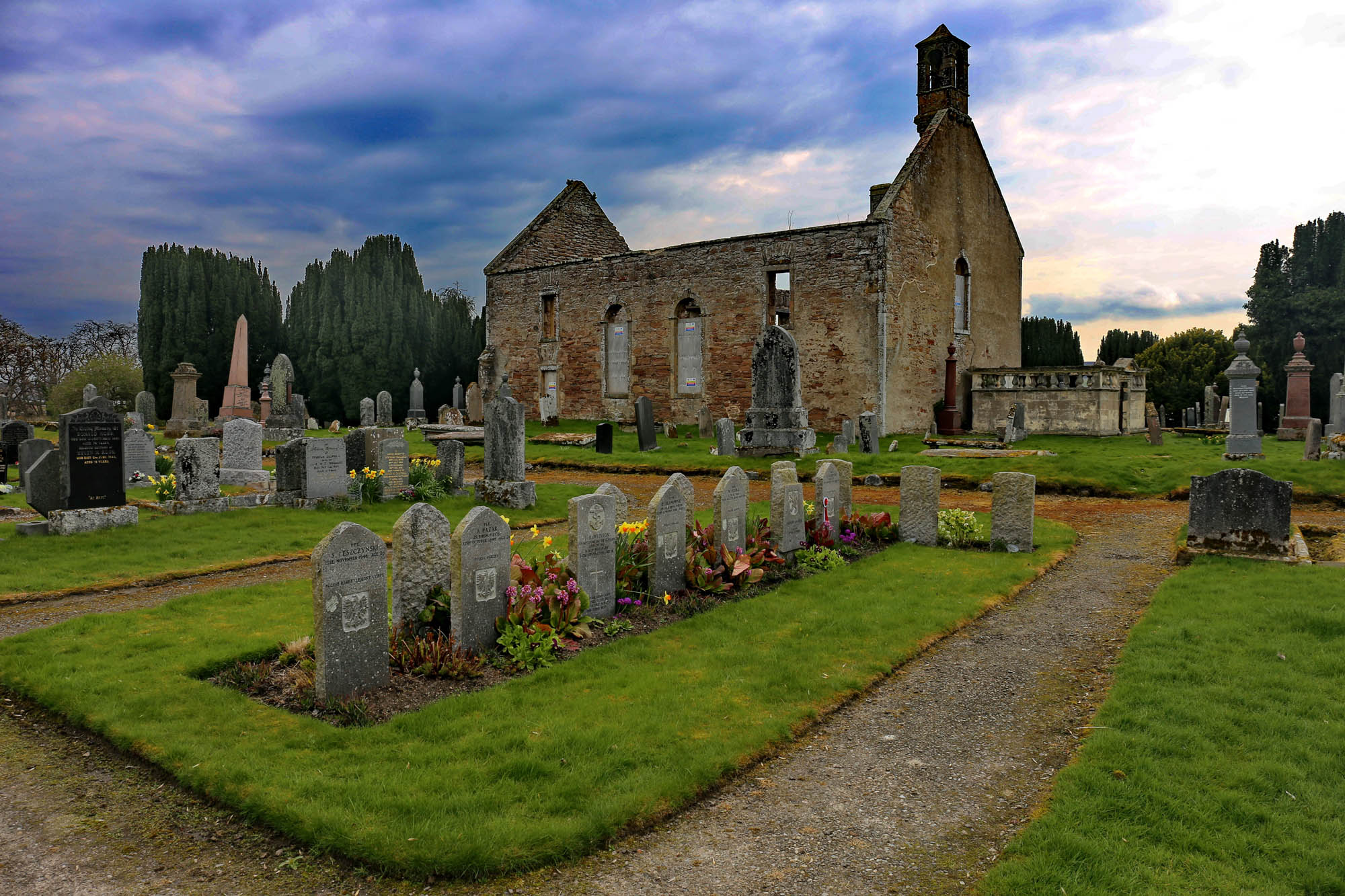
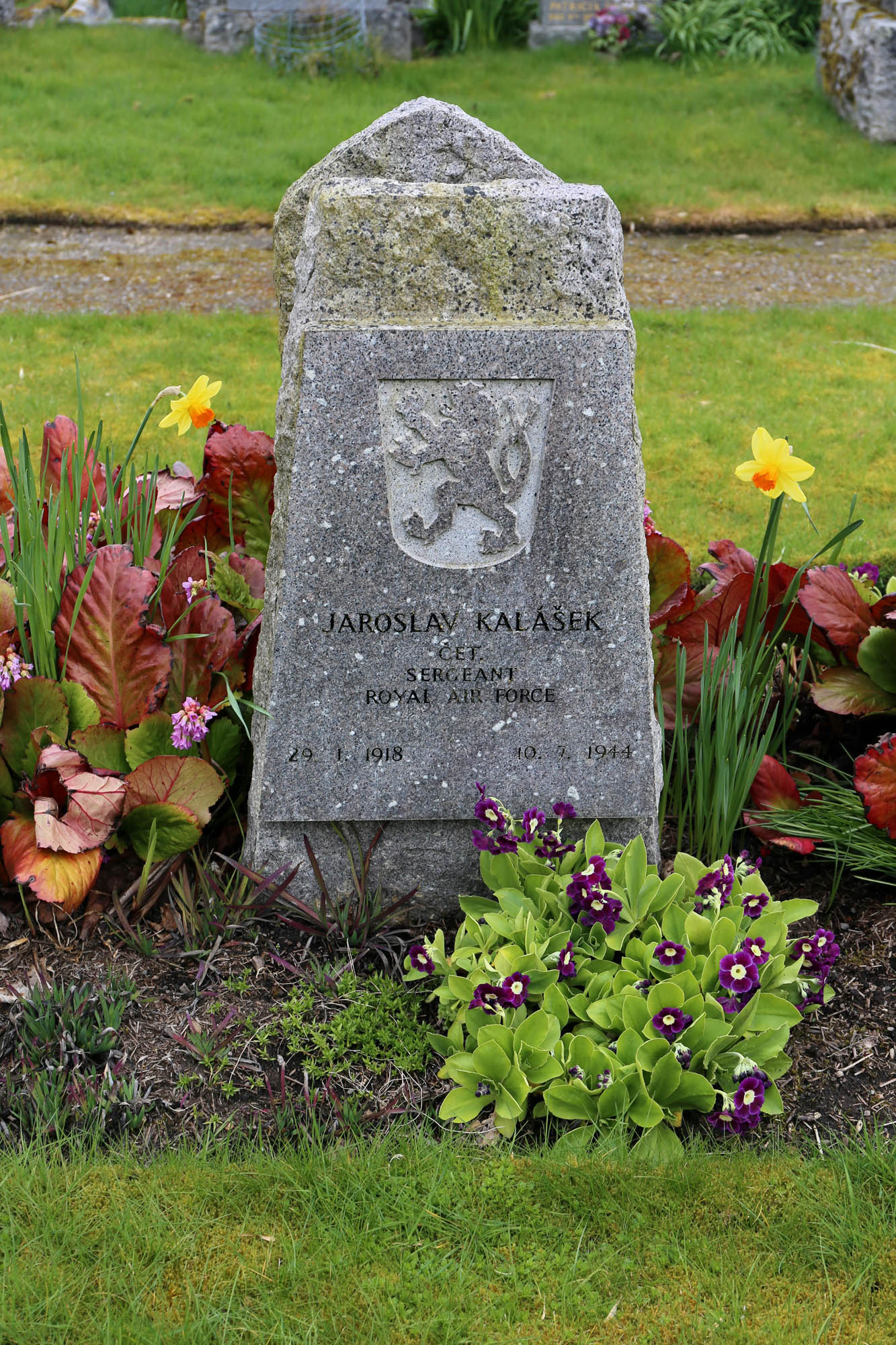
Looking at the statue, I recall an earlier encounter with such a lion. It was in northern Scotland, on the banks of Cromarty Firth, in the cemetery of the now-perished village of Kiltearn (in local Gaelic, Cill Tighearna). Lloyd and I turned off the main road onto a dirt road leading to the cemetery right on the beach for the ruins of the medieval church and the tombs of the medieval Scottish lairds. We were very surprised to see, among the tombs of the lairds and burghers, a small plot of military graves from the 1940s, of three Canadians, twelve Poles and one Czech pilot.
klarov1 klarov1 klarov1 klarov1 klarov1 klarov1 klarov1 klarov1


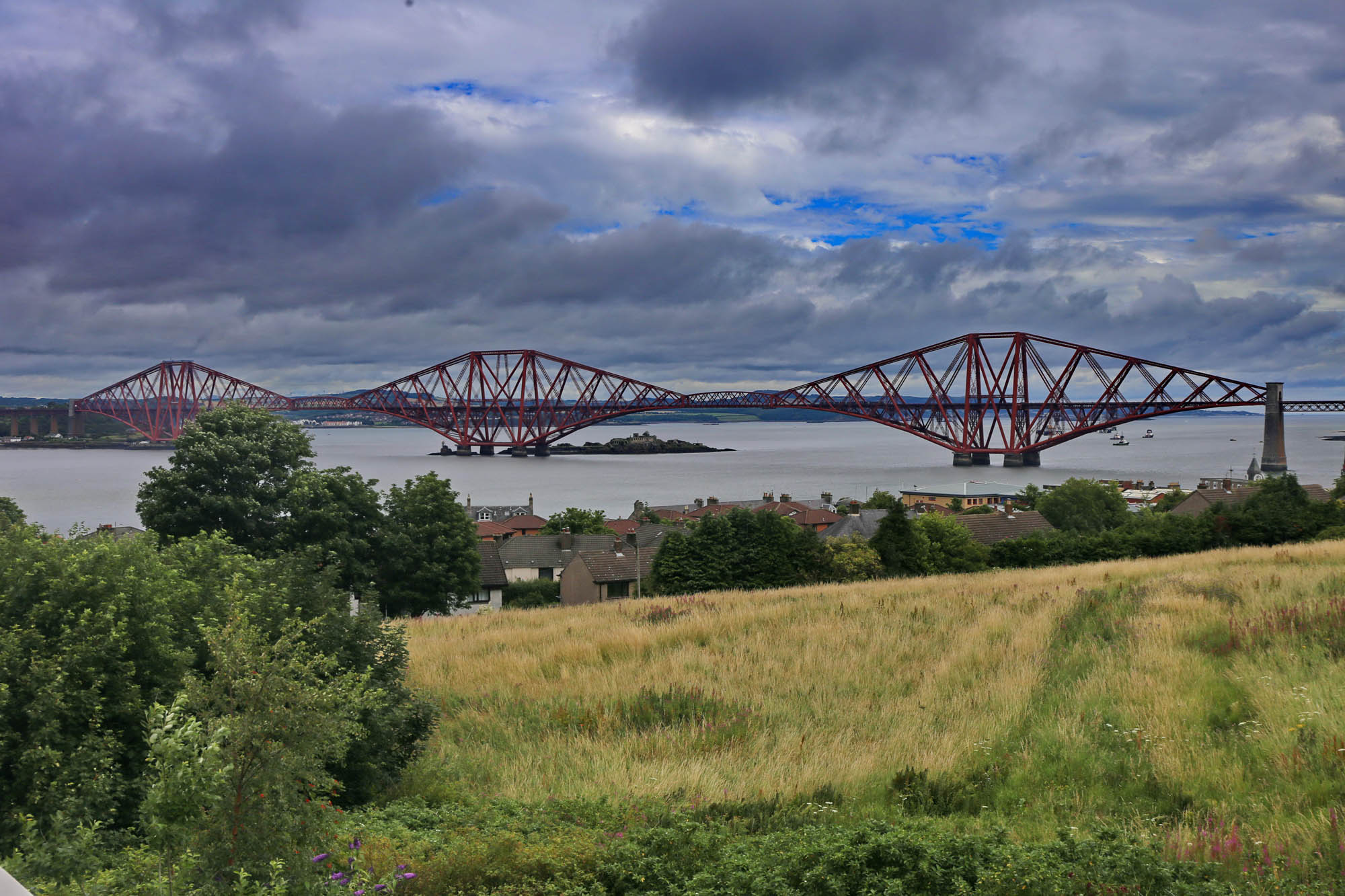
The Czech sergeant, Jaroslav Kalášek was of the same age as the Czechoslovak Air Force: he was born in 1918 and died in 1944. According to the Czech war graves register, he fled to England in 1939, through Hungary and France, that is, together with the Polish army, which, after the coordinated German-Soviet invasion of Poland, was given a free escape route by Hungary, despite the displeasure of the German ally. He served in the coast guard unit of the British Air Force, which defended the industrial centers of Scotland against German airstrikes, thus making that coast a bit of a Czech sea. Their resistance is remembered, in addition to the war graves, by the artificial island in front of the middle pillar of the World Heritage Forth Bridge, with the remains of an air defense battery protecting Scotland’s east coastline.

Those of the Czech winged lions who survived the war were awaited by the damnatio memoriae at home. During the decades of Cold War, it was forbidden to talk about the service of Czech pilots in the British Army. Nevertheless, the regime remembered precisely who took part in this officially non-existent service: they were persecuted, imprisoned as enemies of the system, forced into menial jobs, and denied pensions. They were rehabilitated only after the Velvet Revolution, by a decree of Václav Havel on 29 December 1989, which restored their rank, pension and place in the historical memory of the country.

The erection of the winged two-tailed lion in 2014 also belongs among the gestures of restoring historical memory. However, it does not please everyone. A 2014 issue of Český rozhlas published, under the title “Circus in Klárov”, a legitimate criticism on the various postmodern sculptures spotted in this amorphous square of the Lesser Side, including “the extremely poorly modeled lion by the British sculptor Colin Spofforth, who makes kitschy sculptures exclusively for shopping mails, and whose work was never allowed out in public spaces”.

But Praga has even endured worse statues. This one will also remain as an imprint of our age, or at most a metronome will be put in its place.

Signs of homeland


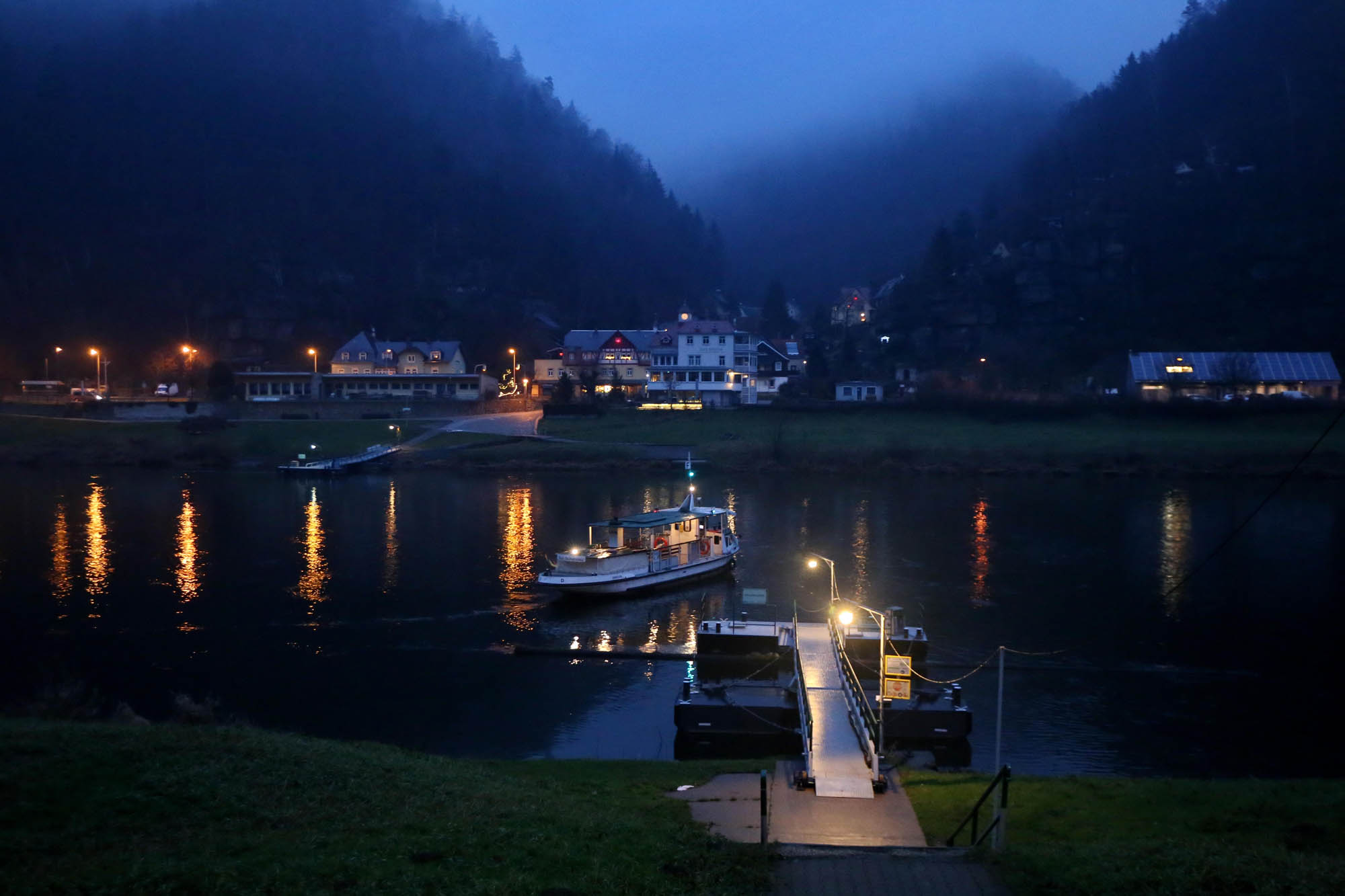
In hard times like these, one gets used to skinning a weasel with a stone ax. When traveling from Berlin to Prague, I instinctively get off at Bad Schandau to take the local train to the border town of Schmilka, where I cross the Elbe by ferry, then walk on hiking trails over to the Czech side, where I take the bus in the border village Hřensko to the first town, Děčín, to catch the train to Prague. But times are changing, and nowadays packaged weasel fillets are available in the store, as they used to be. When getting off in Bad Schandau, on the neighboring track there is already a small Czech train with the lofty label “Děčín, main railway station”. Whatever may ensue, I board it, as if it were a normal world. Crossing the border is officially still bound to a 48-hour Covid test, but the car is full of Czech guest workers, and none of them is waving it to show it off. The conductor goes around, selling tickets in Czech. The closely watched train rolls along undisturbed to the other side. Welcome to the East European Absurd.


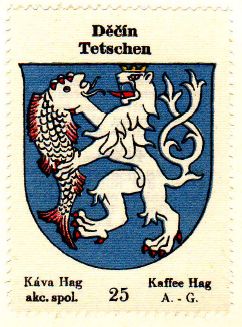
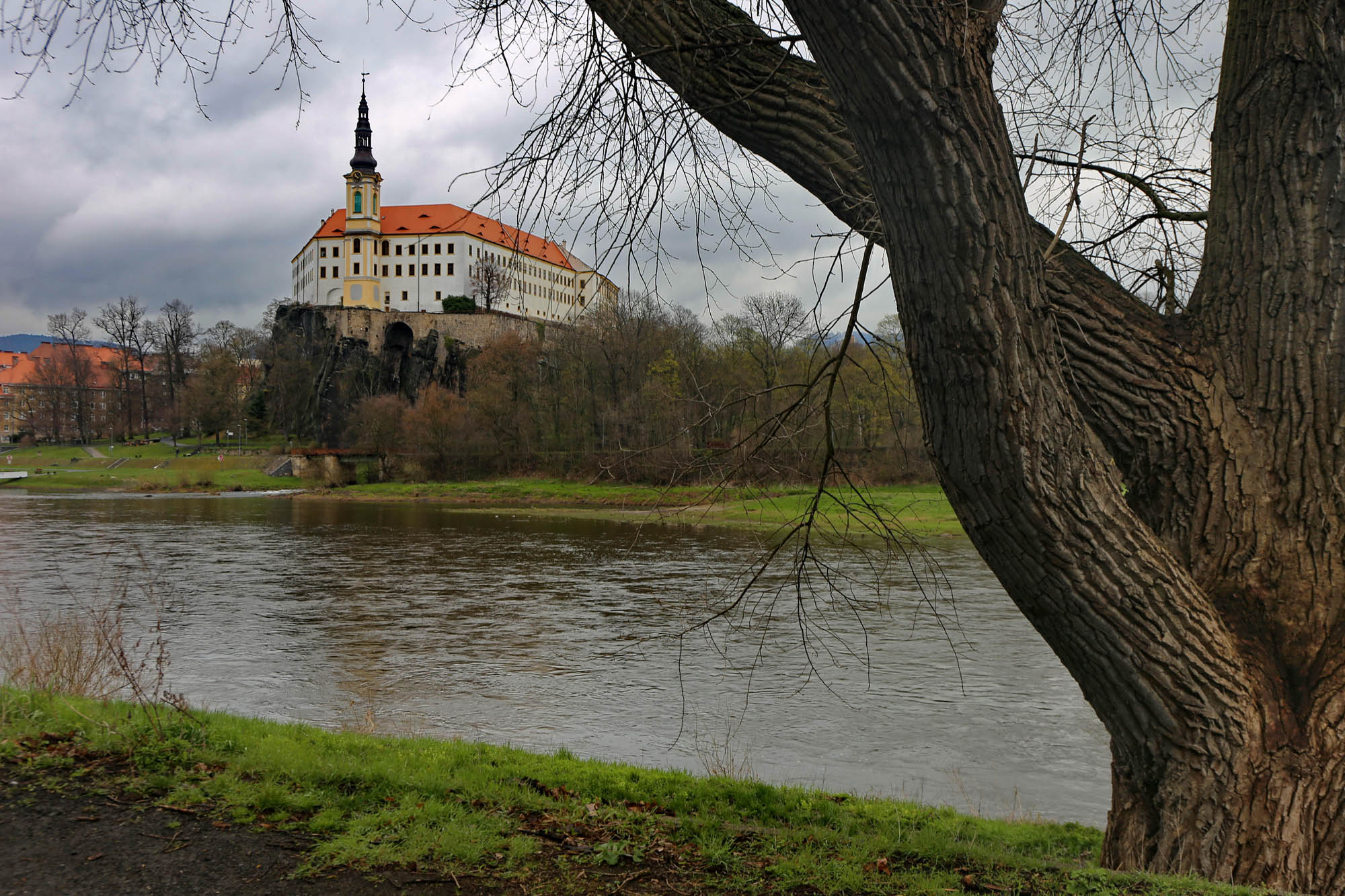
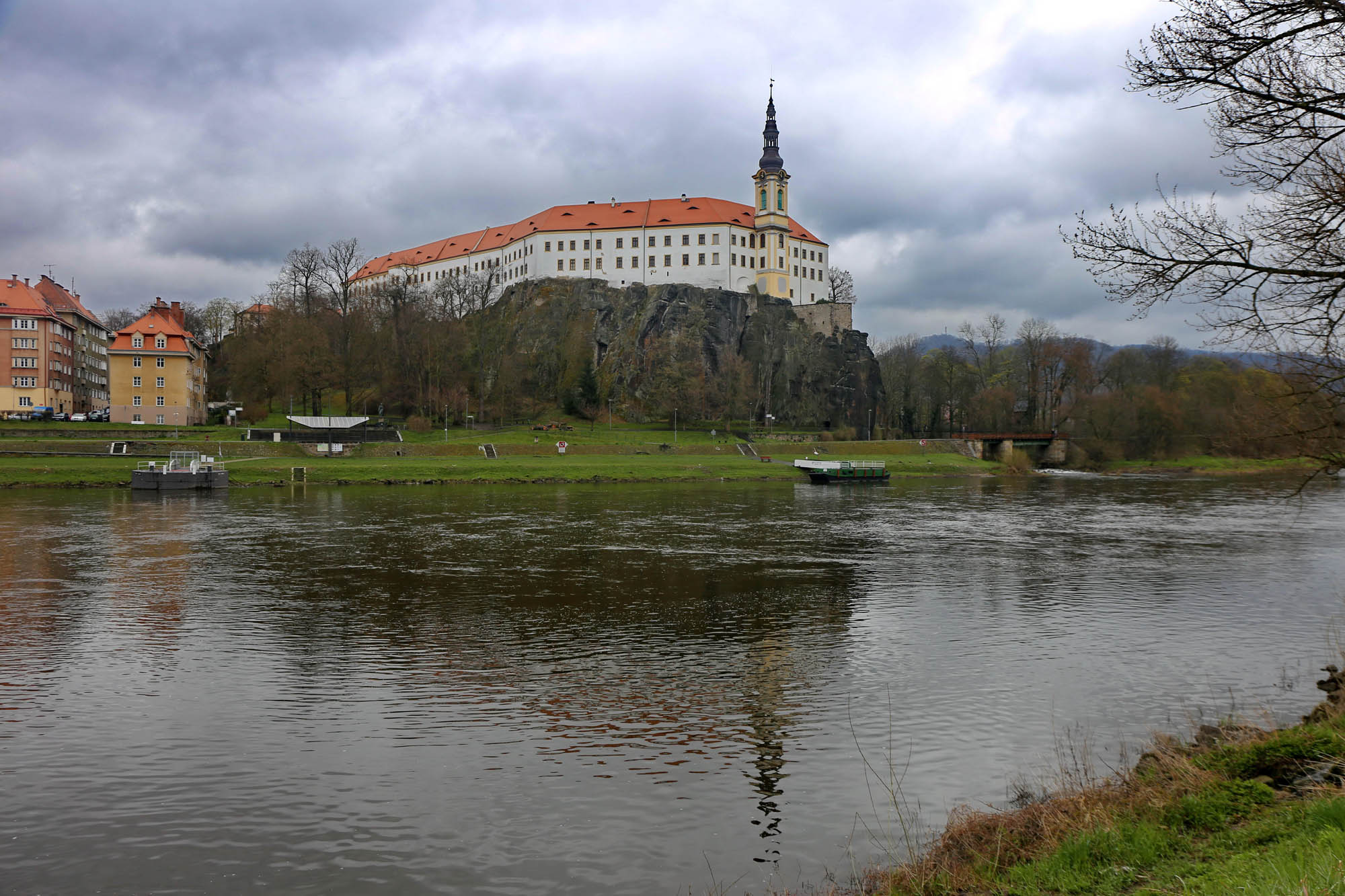
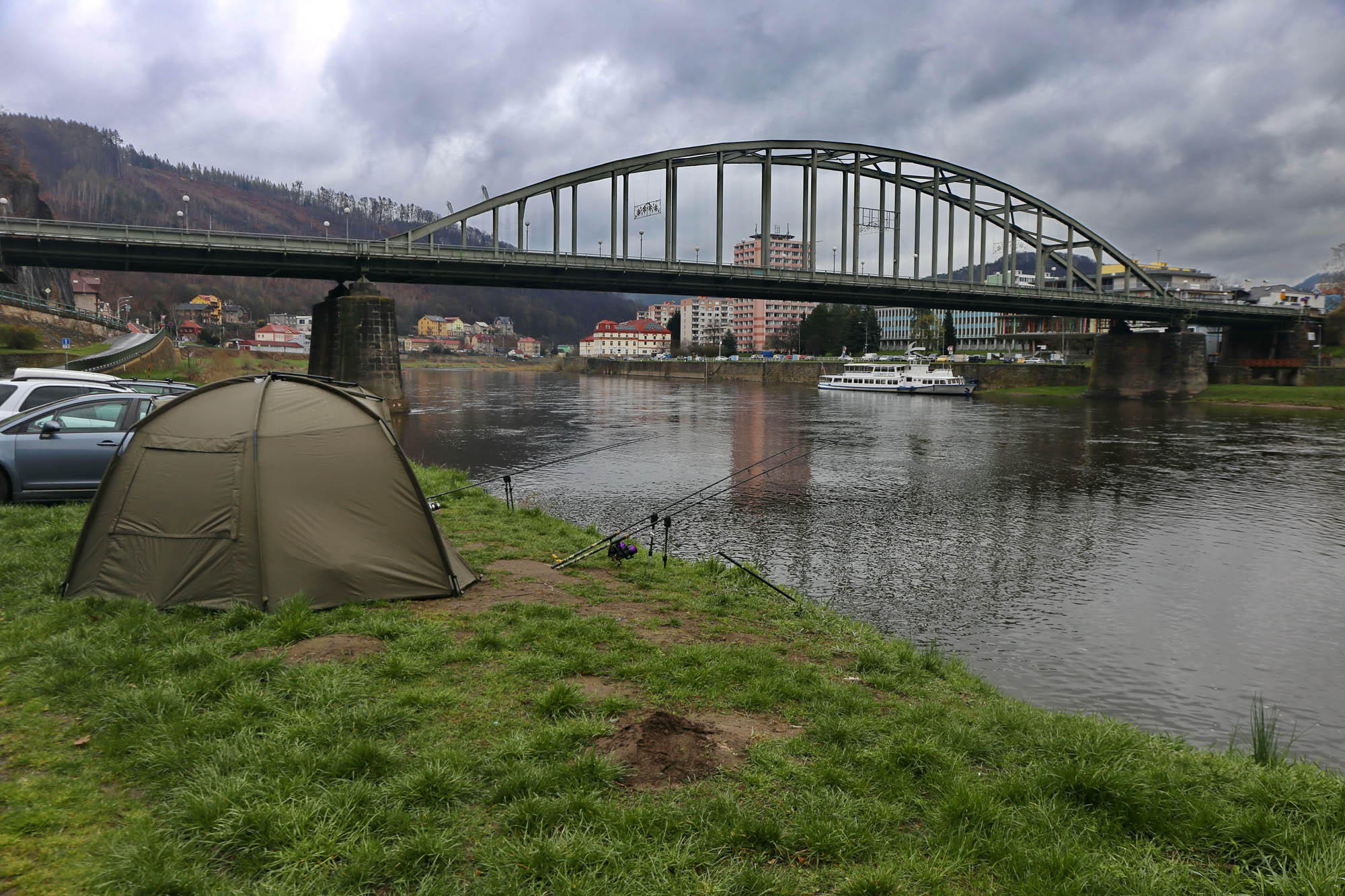
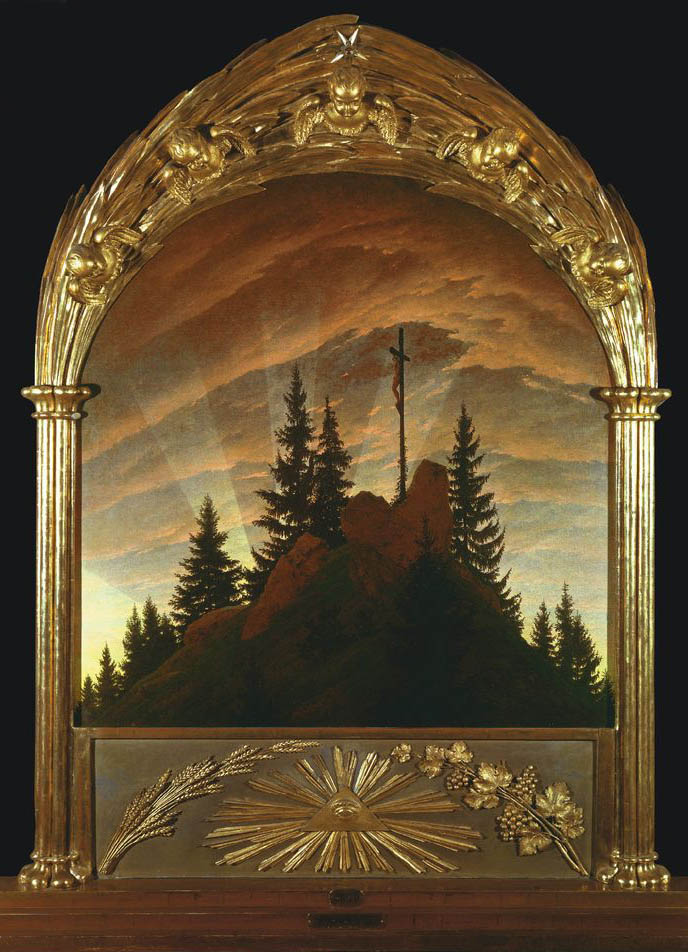
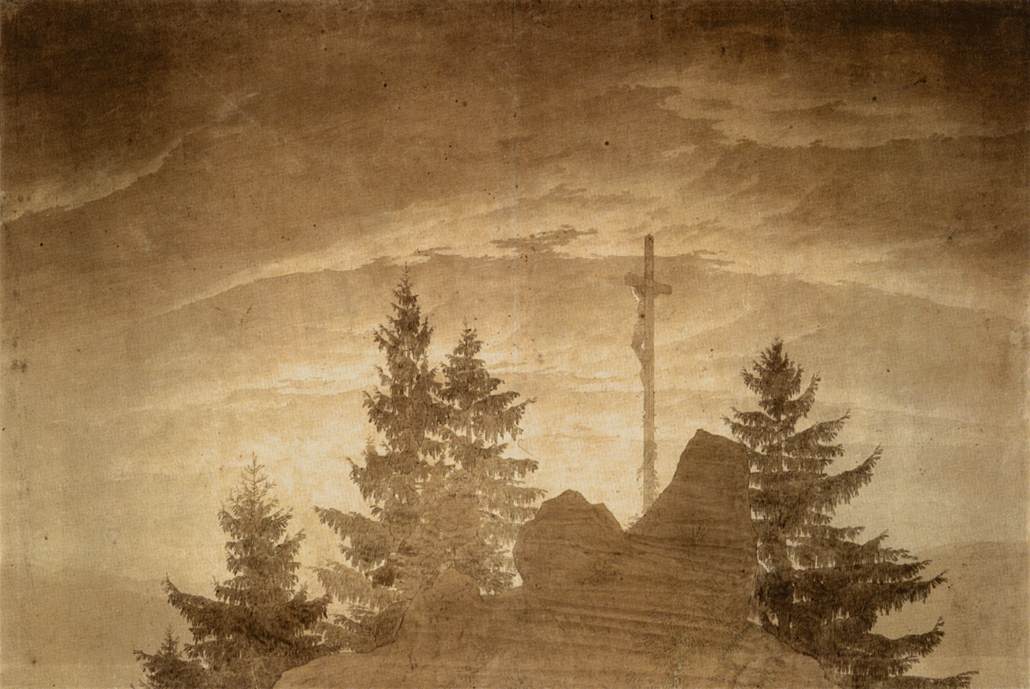
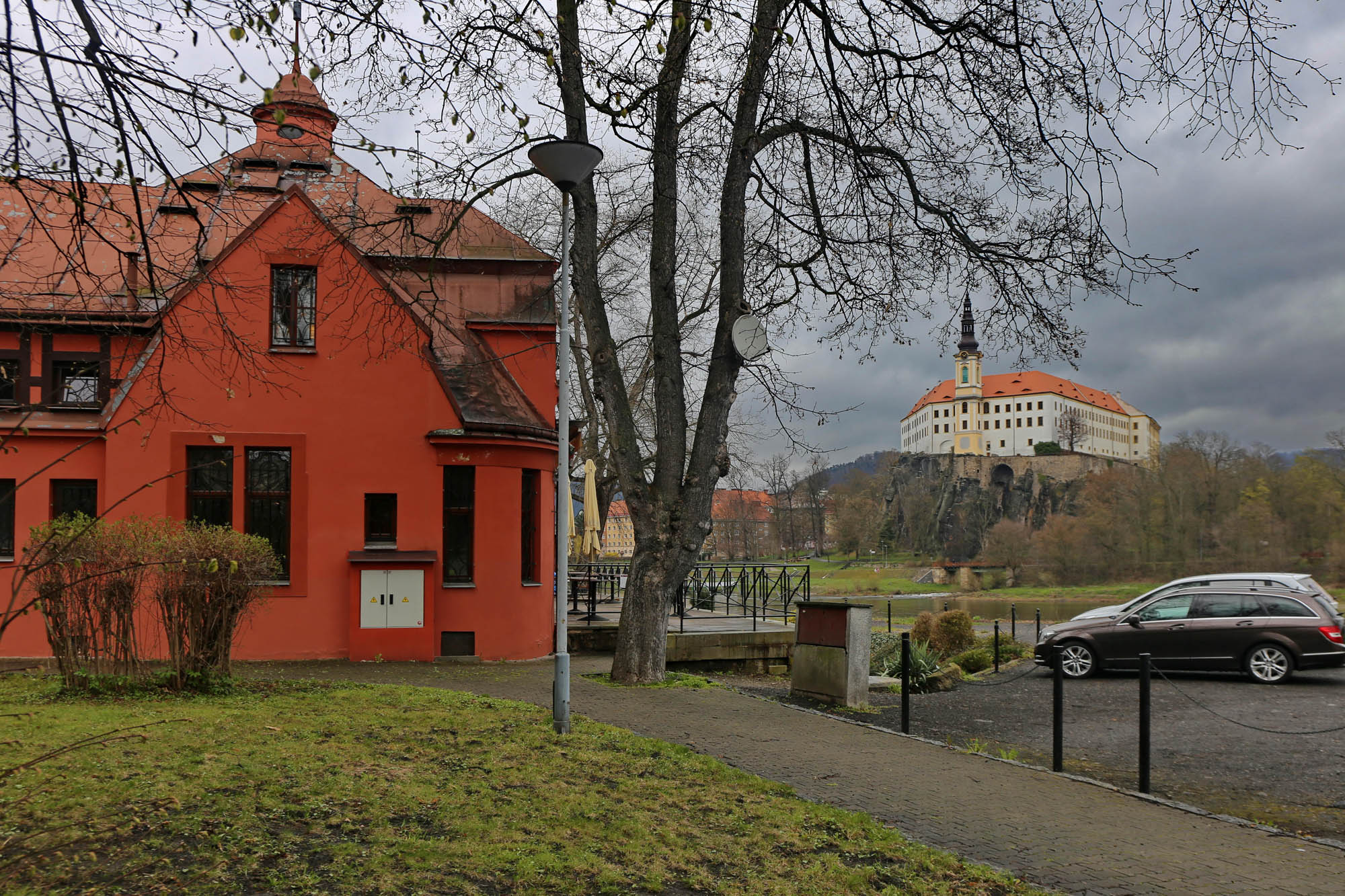
I still have one hour until the train to Prague. I walk out in the town. Děčín – Tetschen – was a German spa town in the Bohemian/Saxon Switzerland until the deportation of the Sudeten Germans in 1946. This is still remembered by the Art Nouveau villas that decay in melancholy. Over the Elbe, on the edge of town rises the Tetschen Castle, founded in the 12th century, and then rebuilt in Renaissance and Baroque style. In 1808, Caspar David Friedrich painted his Tetschen Altarpiece (or Mountain Cross) for its chapel, where he for the first time elevated nature to the rank of religious painting, according to the creed of German Romanticism. The pines and the crucifix that rise on a lonely cliff fit very much to the castle rising on a sandstone cliff on the banks of the Elbe. And here Chopin wrote his “Valse brillante”, whose melancholic ebbs and flows coincide well with the atmosphere of the river pulsating beneath the castle and of the former small German town forgotten on the other bank.


Chopin: Valse brillante Op. 34. No. 2. a minor. Performed by Arthur Rubinstein


Caspar David Friedrich: Tetschen Altarpiece or Mountain cross, 1808. Dresden, Galerie Neue Meister

The sketch of the painting (1805-6), on the basis of which Countess Theresia von Thun-Hohenstein ordered the altarpiece

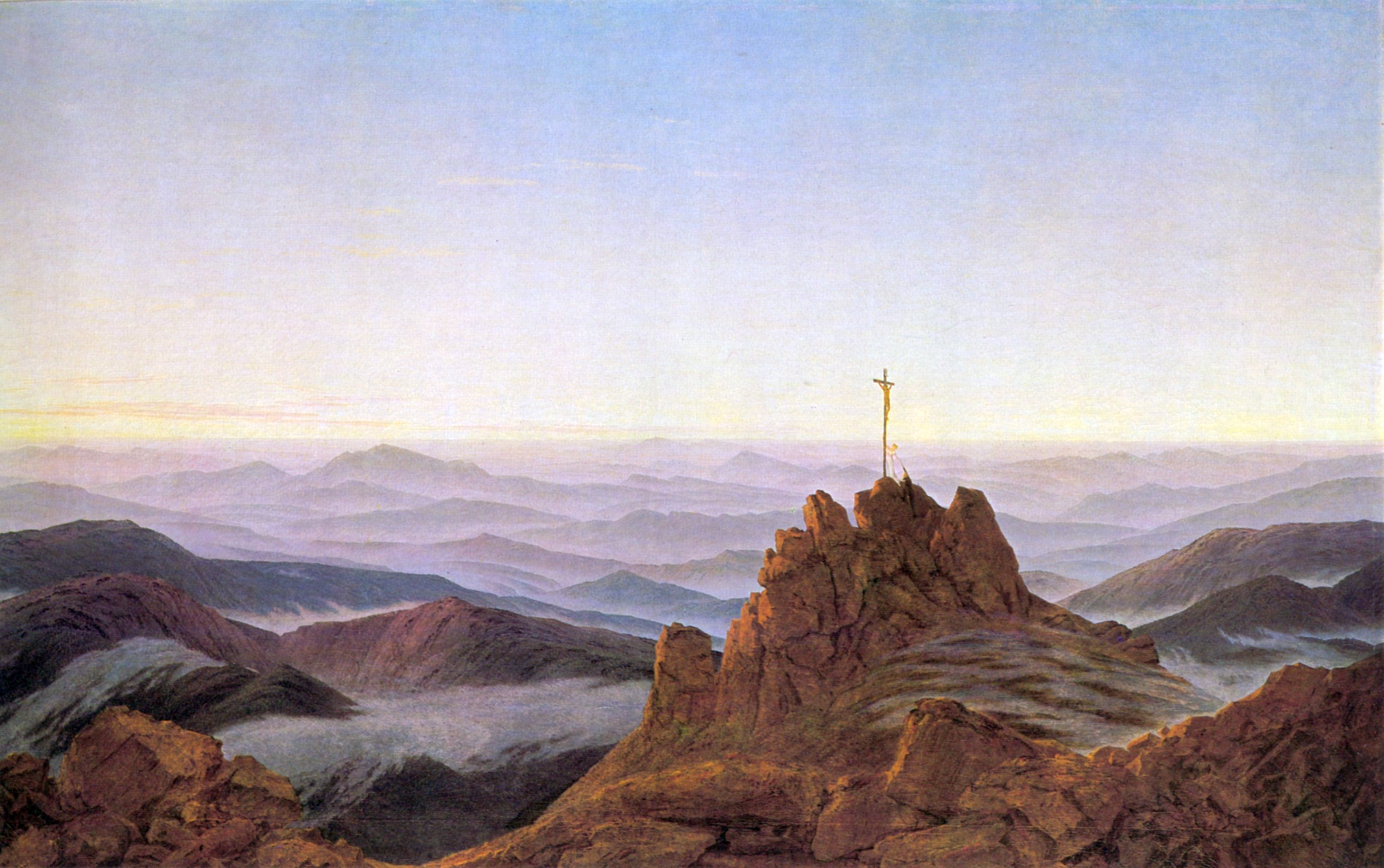
Caspar David Friedrich: Morning in the Giant Mountains, 1810-11. Berlin, Schloss Charlottenburg

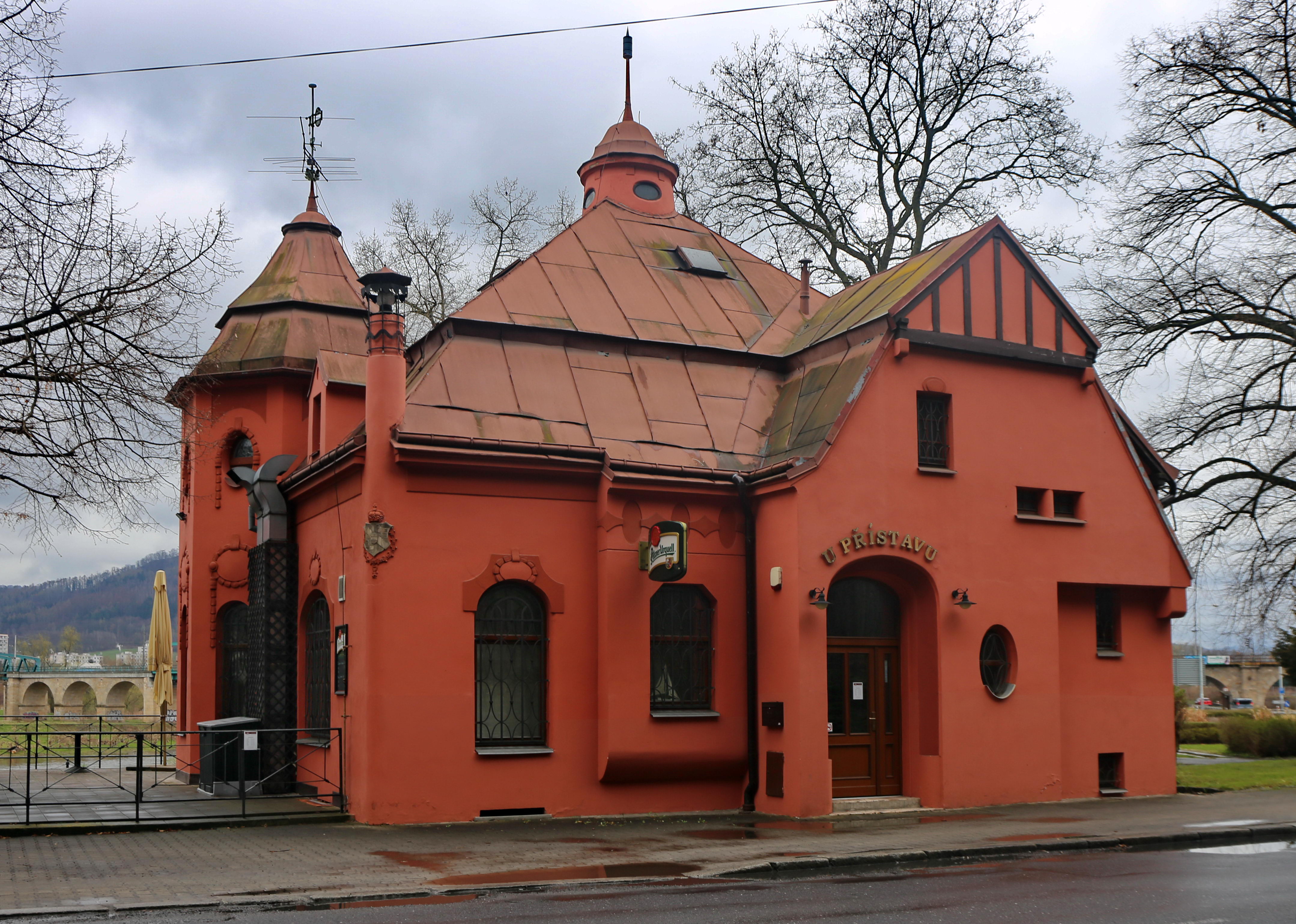
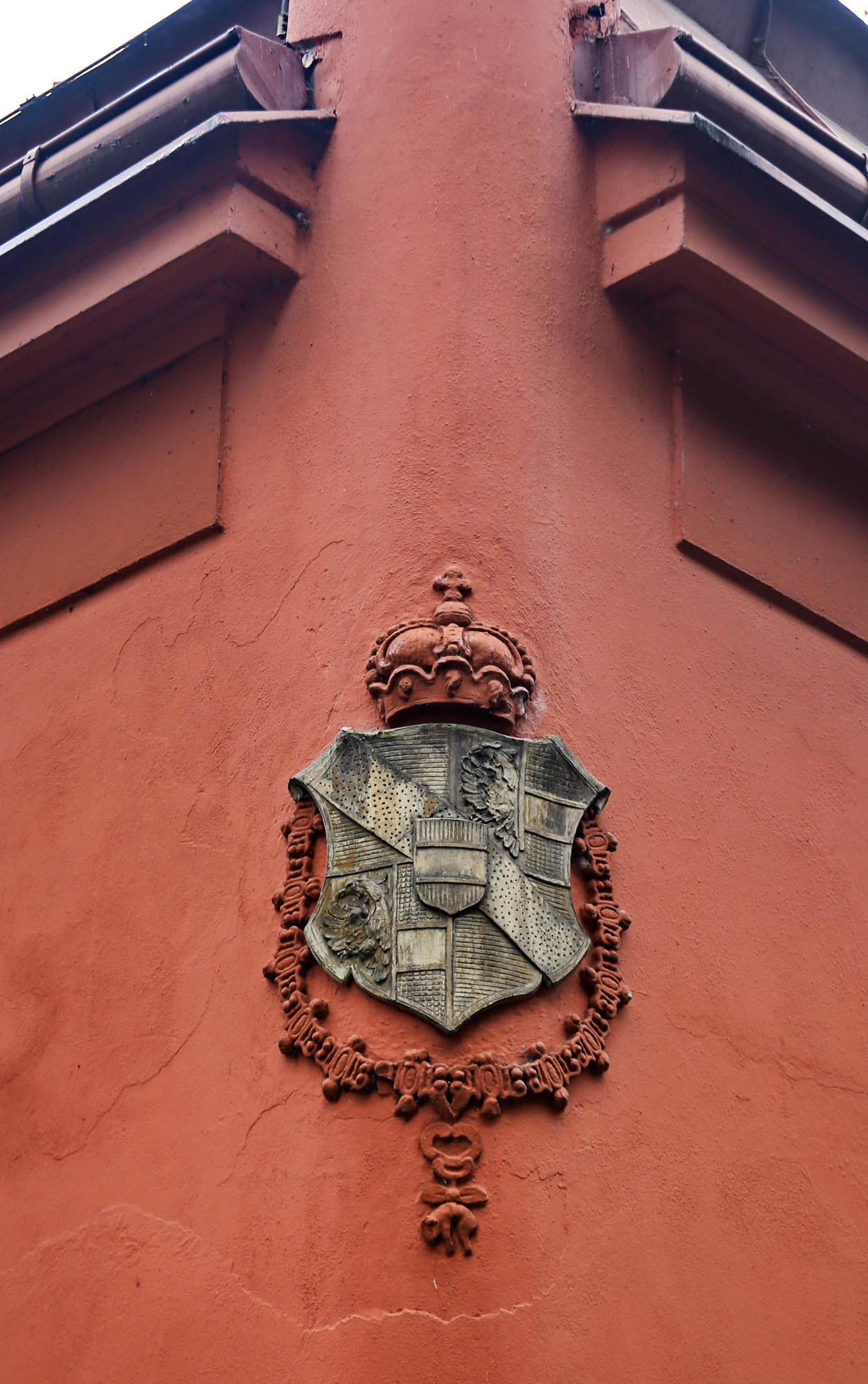
There is an Art Nouveau restaurant on this side of the river, opposite the castle. It is also reminiscent of a lonely castle, and sometimes it was the first house of the city for a passenger coming from Germany. So it was probably the former customs house. This is indicated by the name of the restaurant – U Přístavu, To the Harbor, while there has been no harbor here for a long time –, but even more so by the carefully preserved Austrian imperial coat of arms on the corner of the building.


The portrait of the emperor could be shat upon in rebellious Prague, the column of Mary, tied to the Habsburg power, pulled down by revolutionary vandals, but here, in the German Sudetenland, which was not so enthusiastic about the collapse of the Monarchy, the symbol of former unity was preserved. And now that nostalgia for the Monarchy is once again appreciating such relics, it has been nicely restored as well. So as for centuries before, now again it welcomes those coming from Germany to the territory of the former Monarchy. Welcome home.


A brewery on the Skadarlija


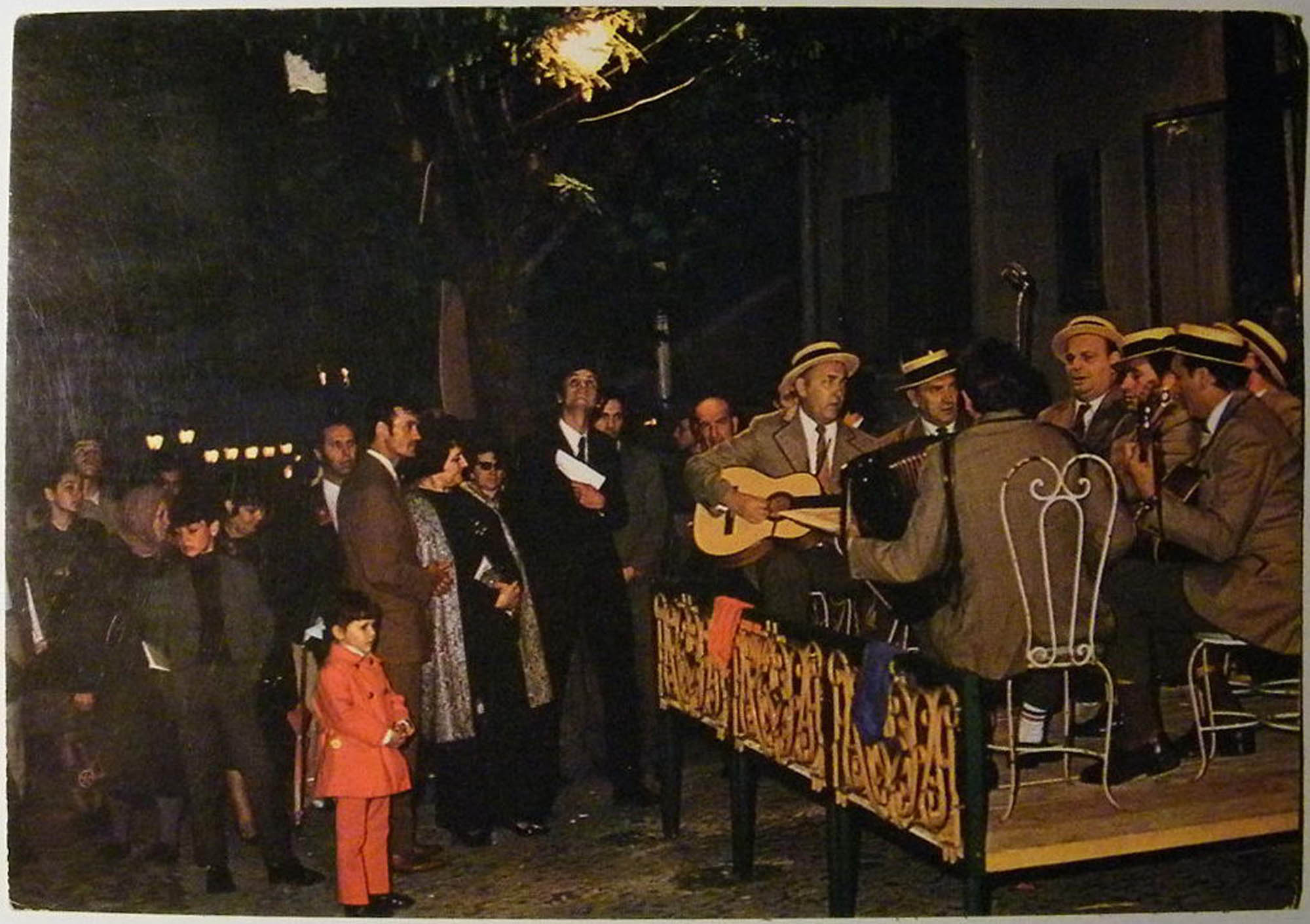
The Skadarlija, Belgrade’s bohemian street, descends from the old town to the suburbs. Its lower end at the market is marked by an Ottoman-style fountain, a copy of the Sebilj at the Sarajevo market, while at the upper end, there is a memorial column, whose long text lists the great kafanas – cafés, music pubs – that worked in the street in the past century, as well as the great poets, painters, musicians and other literati that made the kafanas famous in Belgrade and across the country.


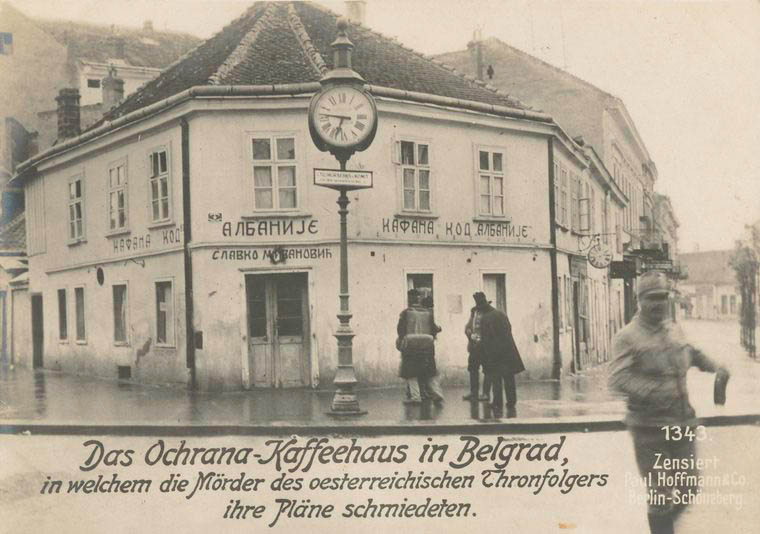
Some nearby pubs were made famous by other kinds of people. Near the upper part of the Skadarlija stood the kafana Kod Albanije, founded in 1860, where the assassins of Franz Ferdinand in Sarajevo wove their plans in 1914. Since we have already dedicated a special picture post to their oeuvre in Sarajevo, let us have a picture of its Belgrade bridgehead as well. In 1939 it was replaced by the Palata Albanija.


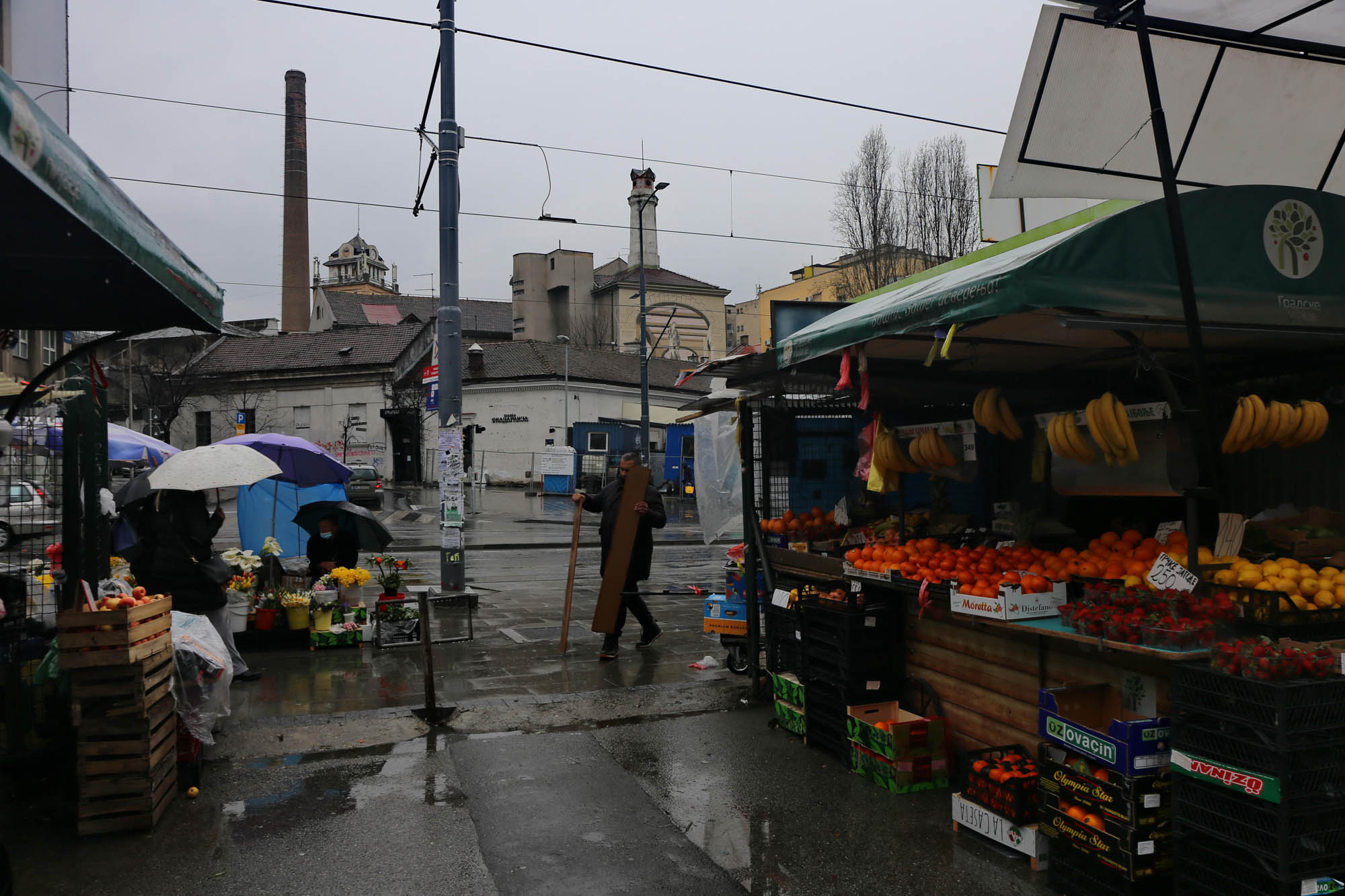
In the early 19th century, after the removal of the ramparts of the fortress of Belgrade, Gypsies settled here, along the Bibijin stream running down between the ramparts, which also determined the trail of the Skadarlija. The Gypsy quarter, like the Albaicín in Granada, Rixdorf in Berlin or Tabán in Budapest, soon became a bohemian residential area, and later a suburban party neighborhood, far from the iron fist of urban regulation. Its development was facilitated by the large brewery built in 1892 by the Czech Bajloni company in the lower part of the street, which constantly supplied the kafanas with fresh Aleksandar beer.


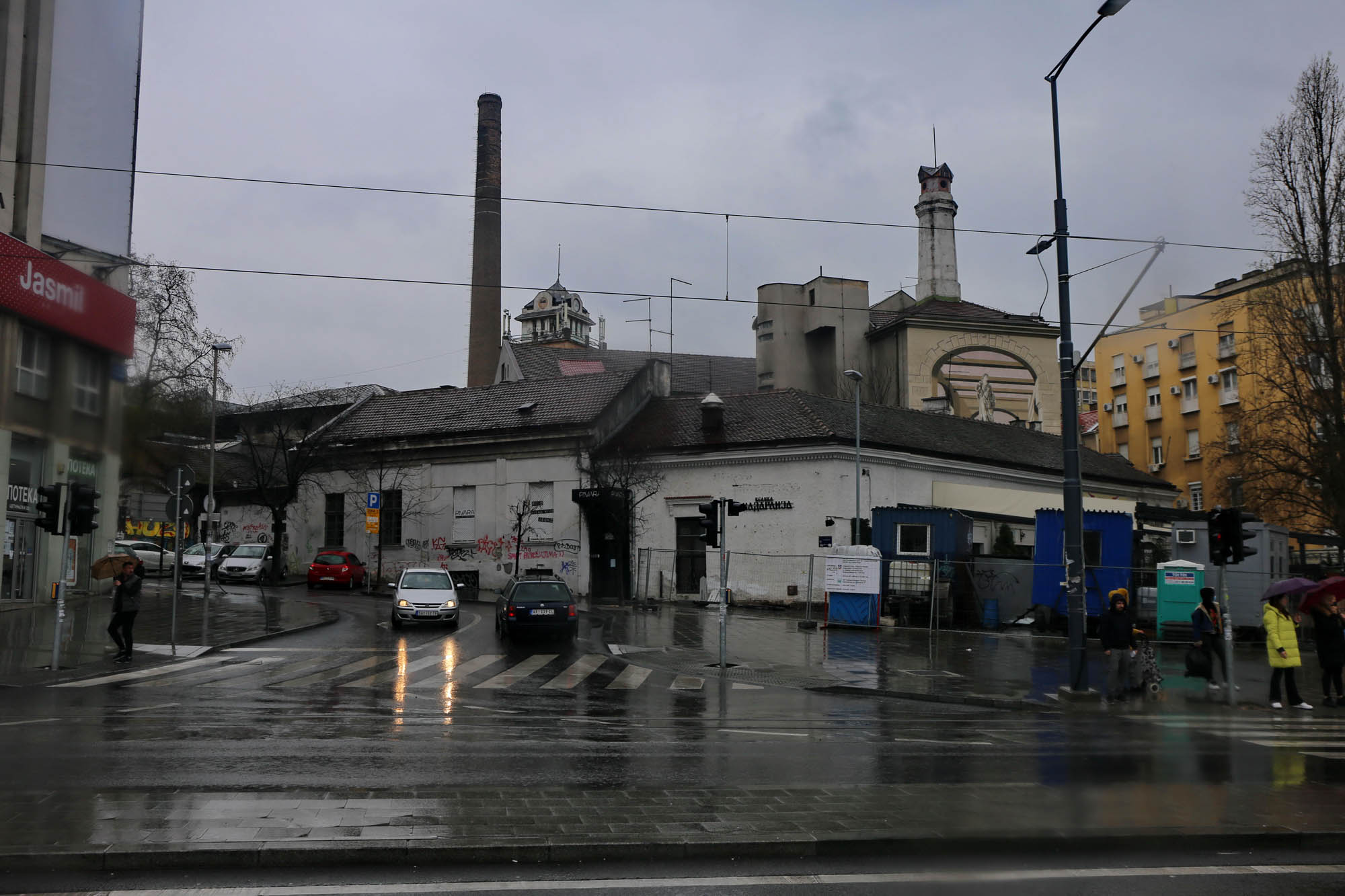
In 1945, the brewery was merged in the all-encompassing state-owned BiH brewery chain, which went bankrupt in the early 2000s. The huge block of the factory was recently converted for new purposes. On its Skadarlija Street front, the Bohemian Hotel has opened, which, with the factory’s preserved façade and its painted retro architecture, as well as with the use of industrial elements in the interiors and rooms, strives to maintain the visual heritage of the neighborhood. And within the factory’s block, corridors, inner courtyards and warehouses, a seemingly spontaneous maze of small bars has developed, enlarging the street’s old school entertainment choice with the characteristic ruin pub feeling of recent decades.

The forced closures imposed by covid is used for renovation in the Skadarlija district. The allegedly hundred-year-old cobblestones are being re-laid on the streets, and the ruin pubs reconsider their furnishings. A walk in the once bustling, now empty complex is a spooky urbex experience. It is like wandering among the ribs of a long-extinct gigantic animal with an unknown anatomy. What would Berlin not give for such scenery, magnificently ruined and then set up with a well-considered spontaneity.


Slonovski Bal: Papazička Rečenica. From the CD Slonovski Bal: Džumbus (2006)

skadarlija skadarlija skadarlija skadarlija skadarlija skadarlija skadarlija skadarlija skadarlija skadarlija skadarlija skadarlija skadarlija skadarlija skadarlija skadarlija skadarlija skadarlija skadarlija skadarlija skadarlija skadarlija skadarlija skadarlija skadarlija skadarlija skadarlija skadarlija skadarlija skadarlija skadarlija skadarlija skadarlija skadarlija skadarlija skadarlija skadarlija skadarlija skadarlija skadarlija skadarlija skadarlija skadarlija skadarlija skadarlija skadarlija skadarlija skadarlija skadarlija skadarlija skadarlija skadarlija


A border trip


From my Prague scholarship, granted by Agosto Foundation for Modern Art, I choose an unfamiliar route home to Berlin. On the way, I would like to see the Pravčická brána or Prebischtor, the largest natural stone arch in Europe, on the Czech-German border, in the Saxon and Czech Swiss sandstone mountains.

The Pravčická brána, as it lives in my imagination

I travel by train to the Czech border station Děčín (until the resettlement of its German population in 1946, Tetschen). There I change to the two-hourly bus that takes me along the Elbe to the border town of Hřensko (Herrnskretschen).

Before the war, the town was a popular resort in the Sudetenland, on the banks of the Elbe and at the feet of the “Swiss mountains”, with Art Nouveau hotels and villas, hiking trails to the Prebischtor and other lookout points, and boats into the picturesque Kamnitzklamm (Edmundová soutěska), the gorge of the Kamnitz/Kamnice river. In the spindle-shaped town center along the river, turn-of-the-century hotels and restaurants stand around the Baroque church of St. John of Nepomuk, including the Art Nouveau building of the former acetylene gas factory, founded in 1905 for public lighting and later, with the spreading of electricity, converted into a villa.

prebisch1 prebisch1 prebisch1 prebisch1 prebisch1 prebisch1

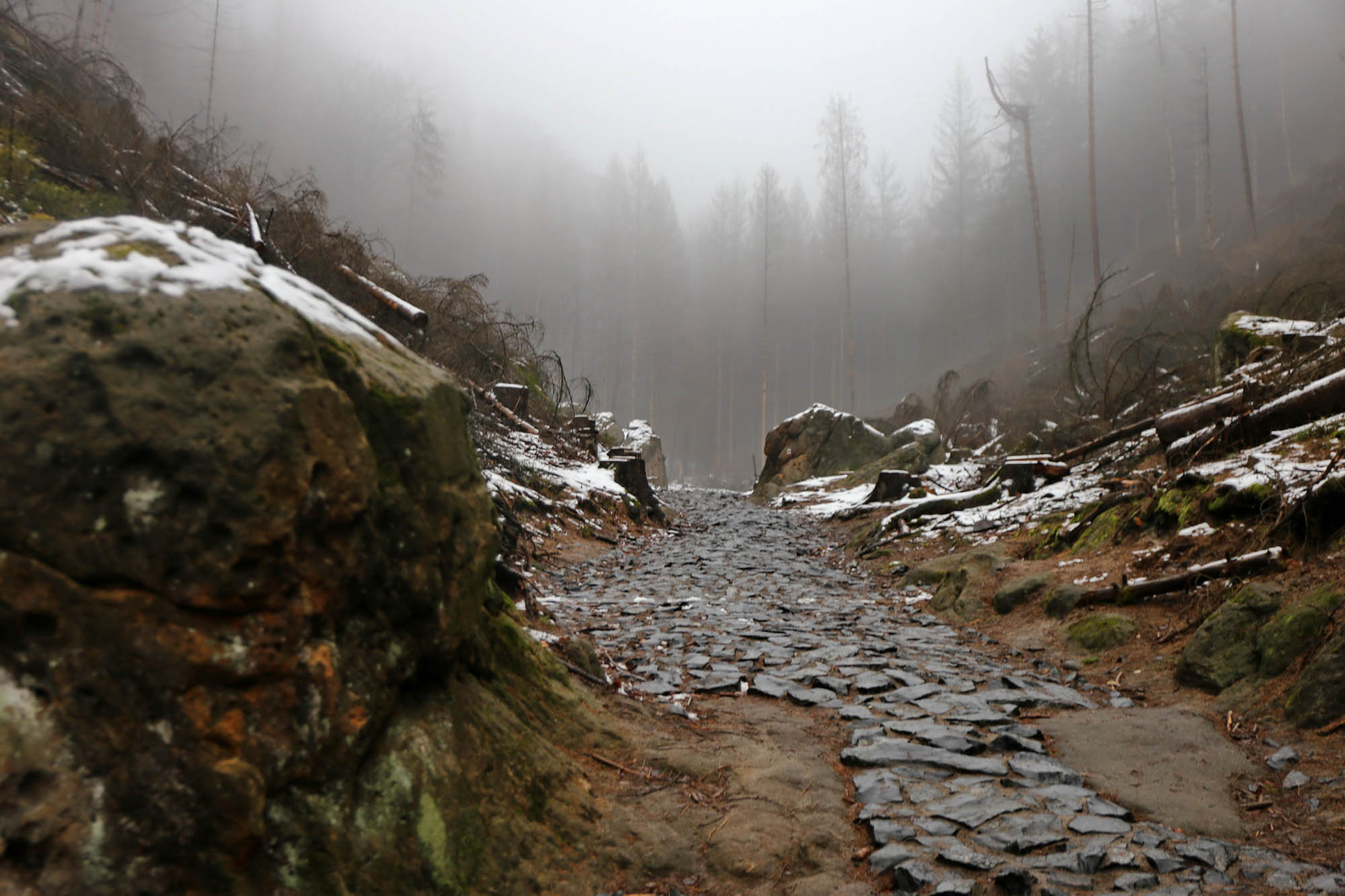
The Gabriela or Lynx trail to the Prebischtor forks off the main road three kilometers above the town. It winds between high rock walls, pines, oaks and beech trees at the bottom of Dlouhý důl, the Long Valley. In some places it is still covered with basalt cubes. According to old recollections, before the war, in the German world, the whole road was paved with basalt, since there was so much tourist traffic to the Prebischtor. On this, gentlemen could go up to the attraction on horseback and ladies in horse-drawn carriages.


prebisch2 prebisch2 prebisch2 prebisch2 prebisch2 prebisch2 prebisch2 prebisch2 prebisch2

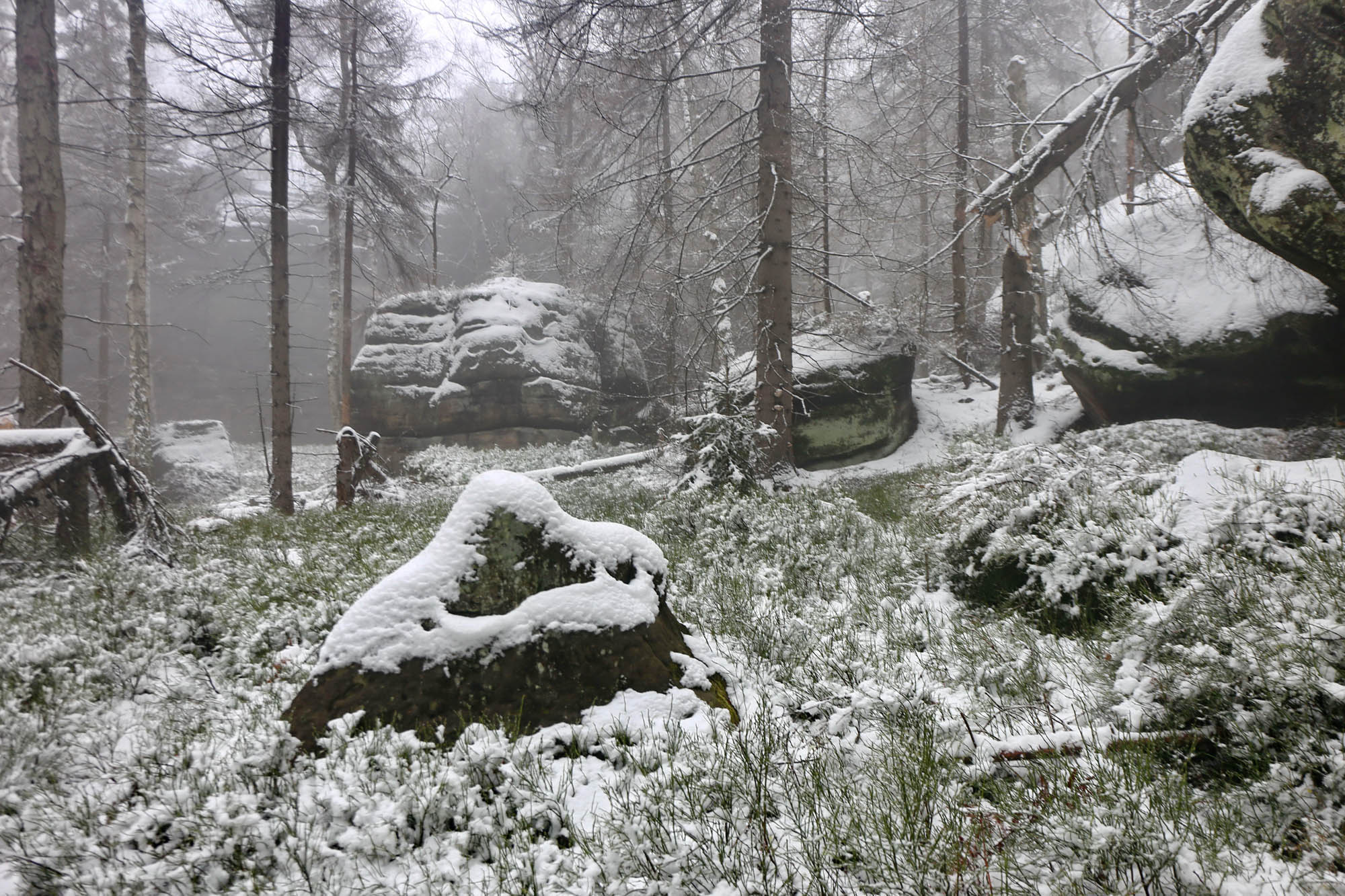
Not long past noon, but fog is already coming down heavily. Suddenly the weather cools down, and soon the snow starts to fall as well.

prebisch3 prebisch3 prebisch3

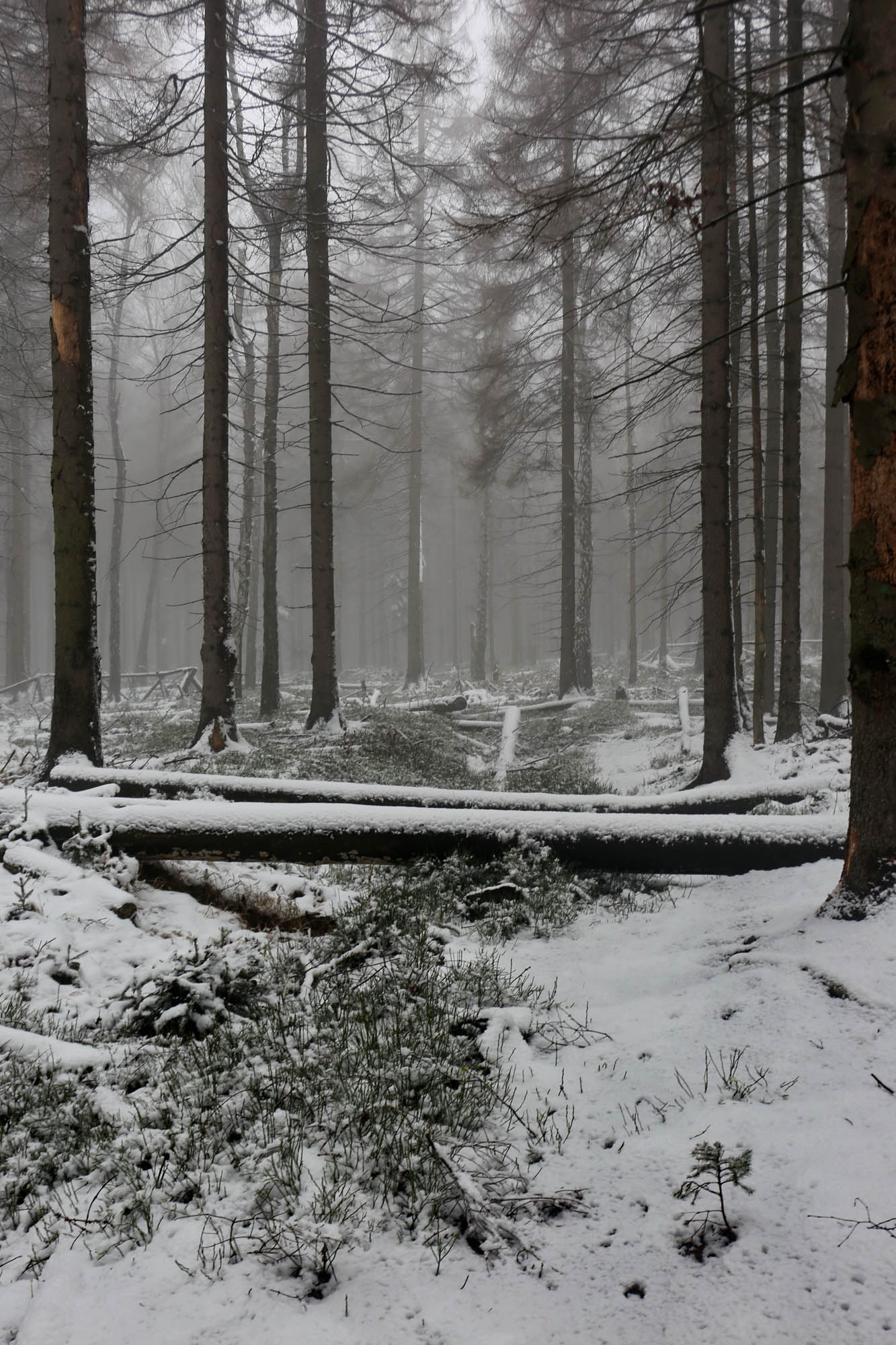
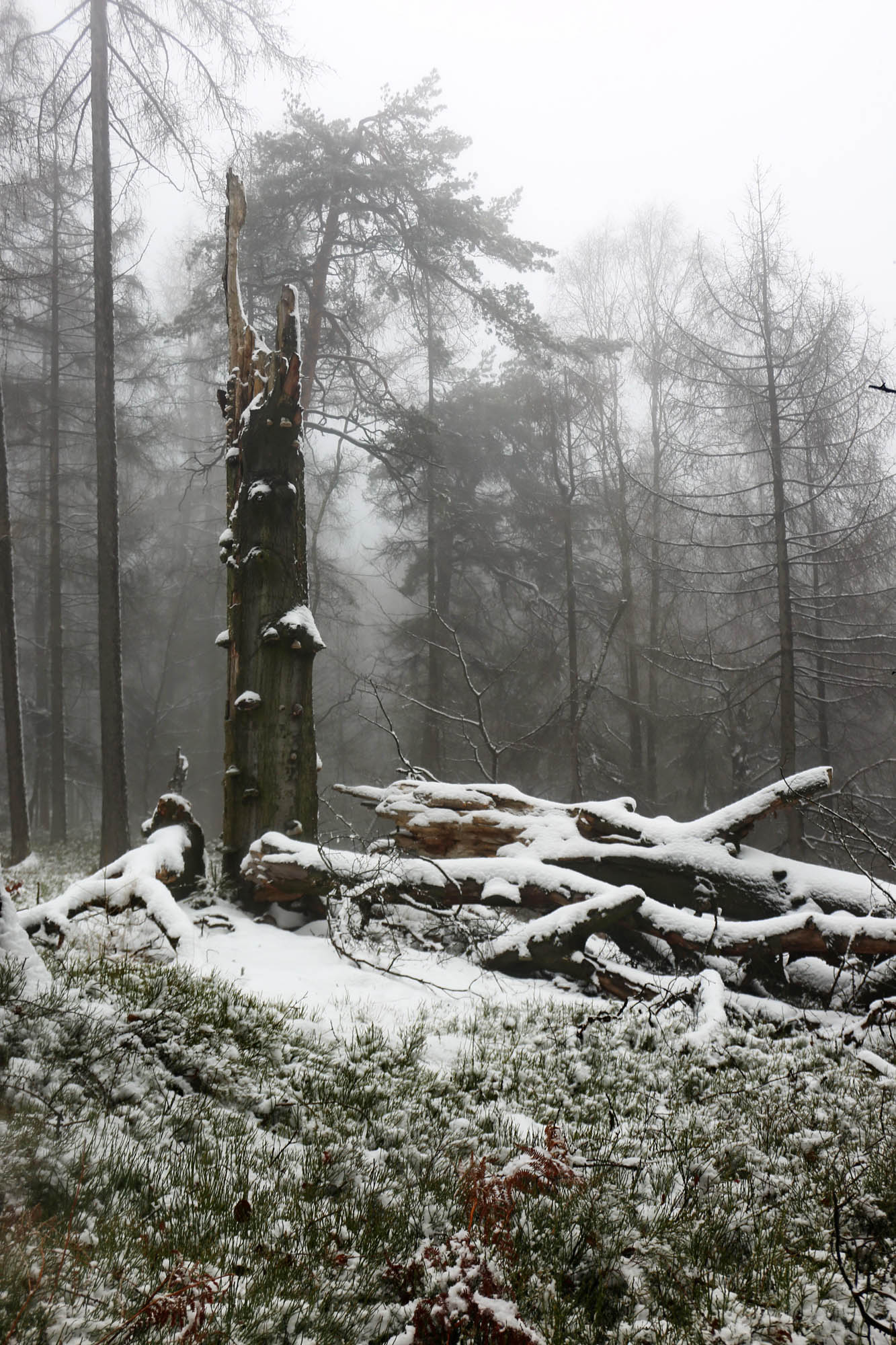
In the nature reserve, fallen trees are not cleared. They remain there in the cycle of nature. They are only towed off the tourist roads, but not from the unmarked roads, as we will see later.
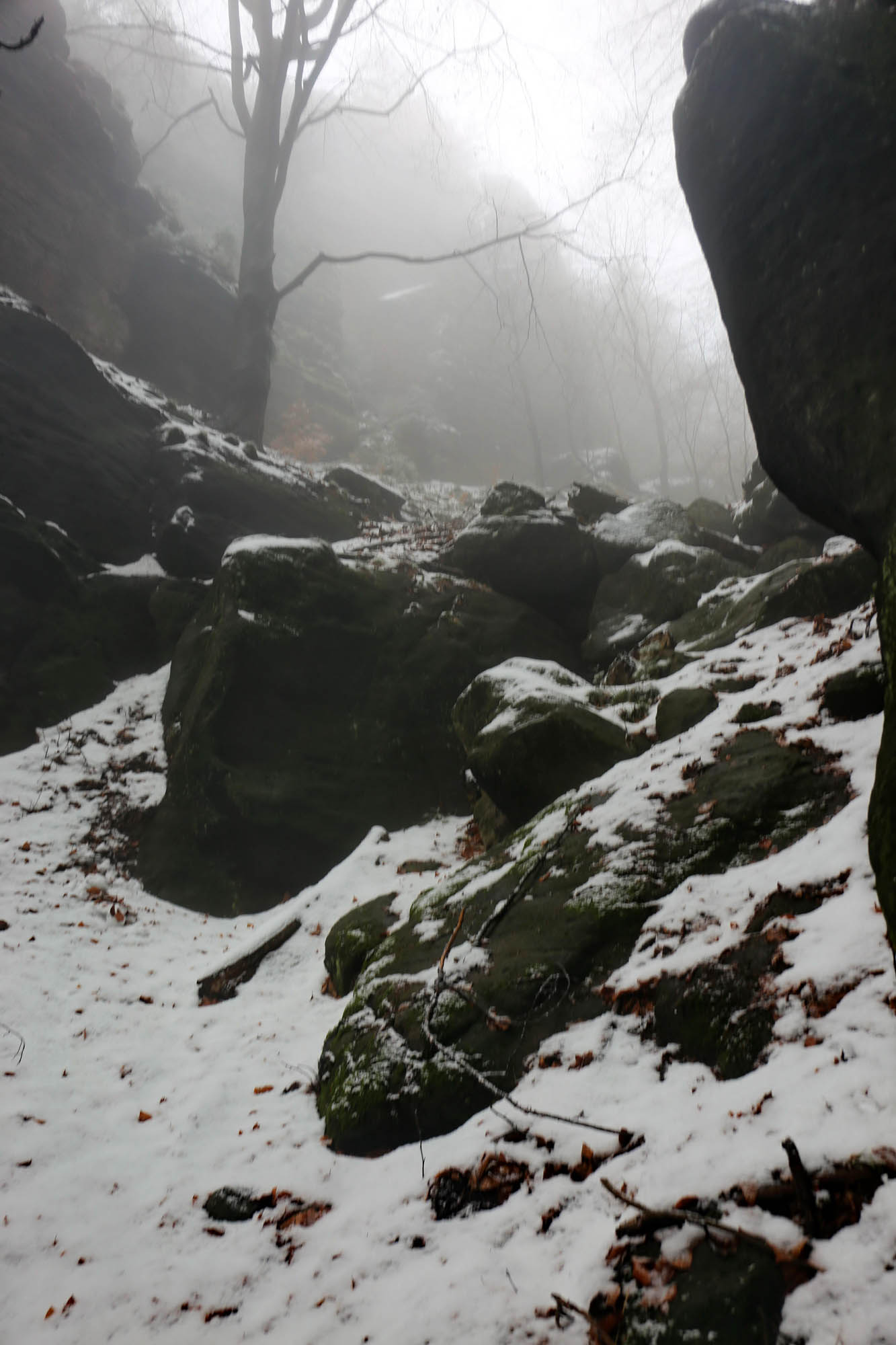
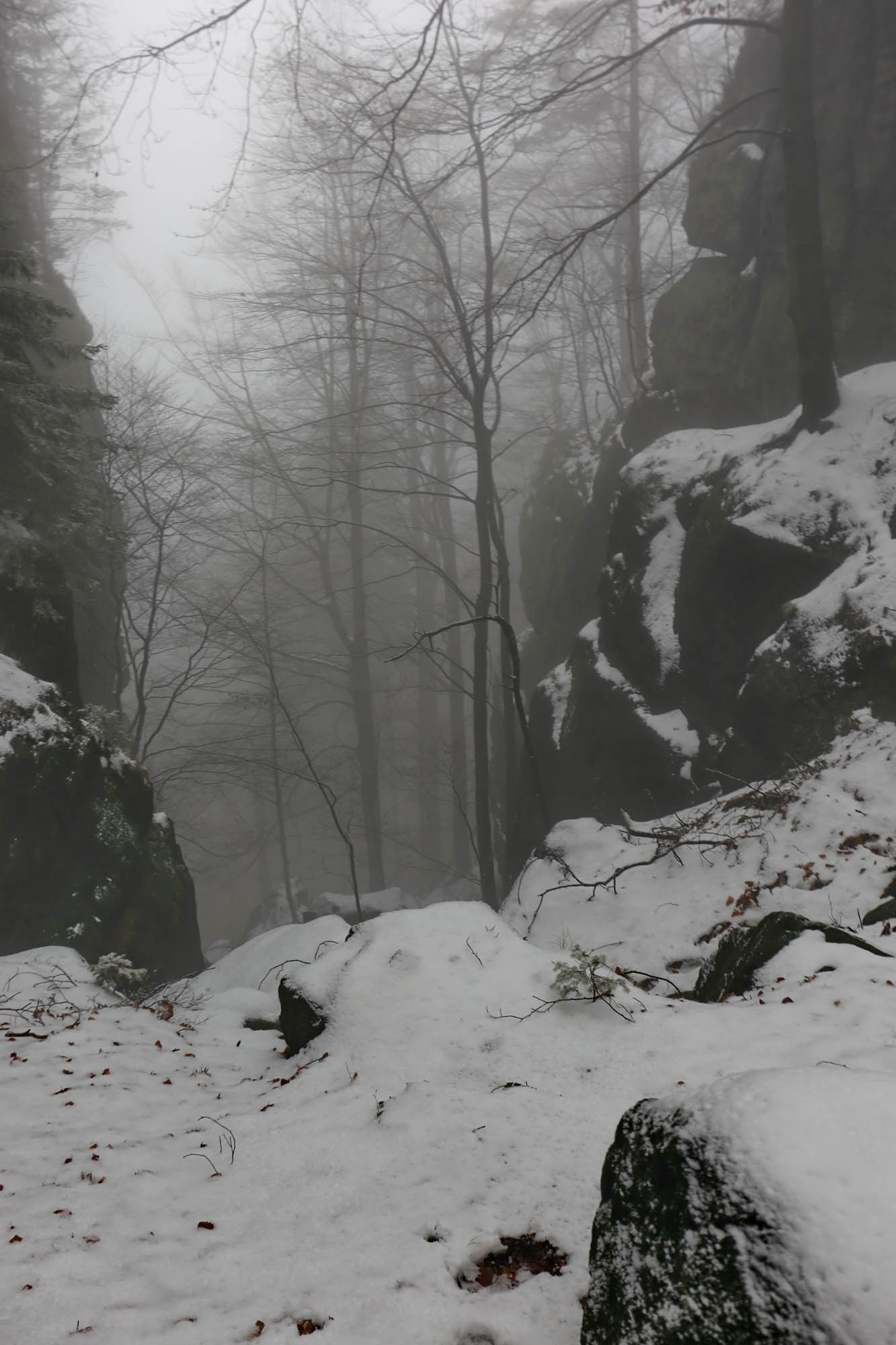
prebisch4 prebisch4 prebisch4

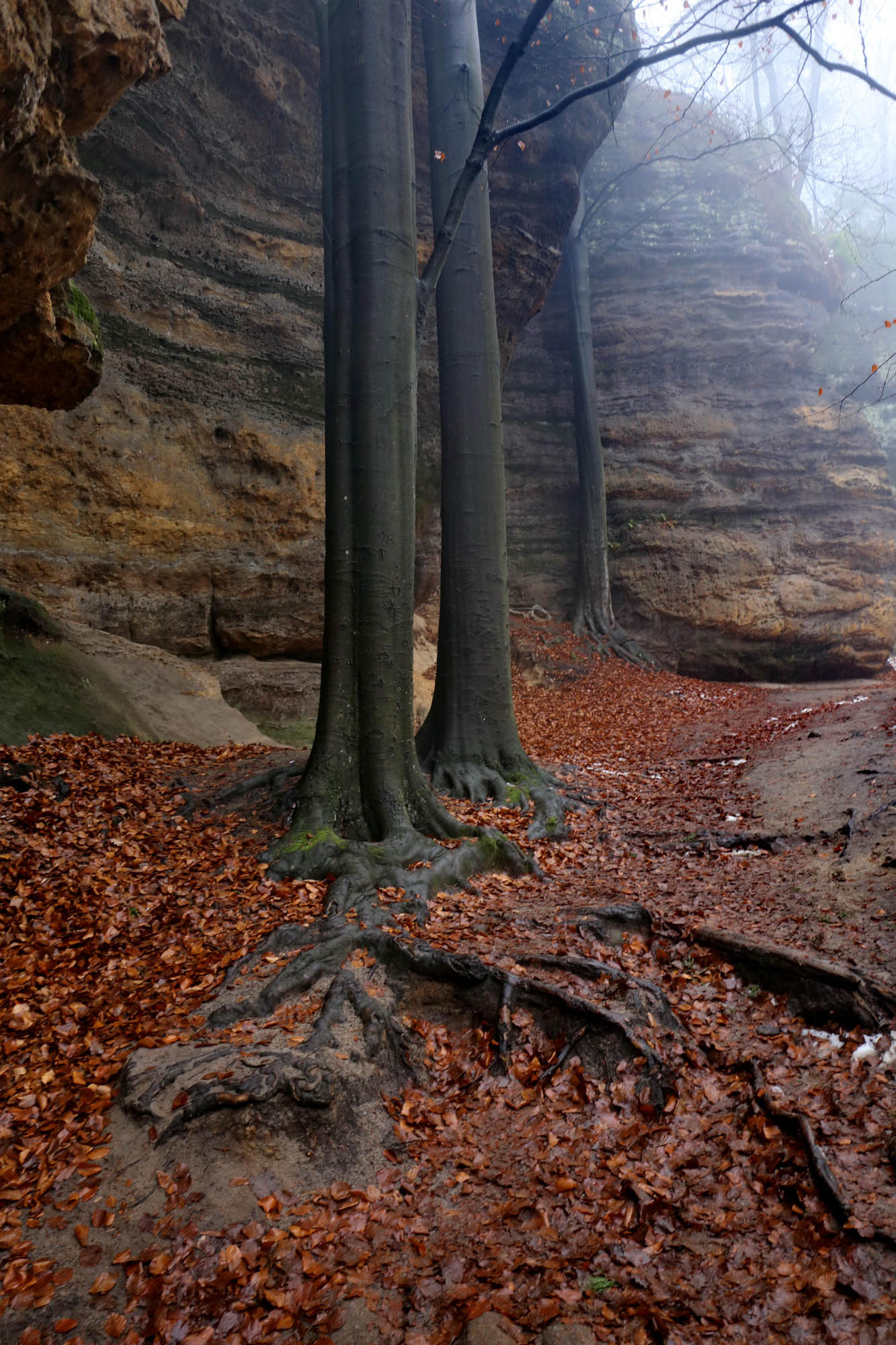
On the uncovered paths, erosion washes the roots into magnificent vascular networks.


prebisch5 prebisch5 prebisch5 prebisch5 prebisch5

The trail turns unexpectedly in front of the Prebischtor cliff. Stepping on the small valley bridge, the sandstone arch formed by erosion suddenly rises, with a barren black tree with Japanese contours in front of it. The really nice view would open from the other side, but the road leads through a ticket office which is closed now, in covid times.


prebisch6 prebisch6 prebisch6 prebisch6 prebisch6 prebisch6

Turning back to the Gabriela trail, soon a steep trail climbs on the back of the Prebischtor cliff. It is marked in the tourist map, but otherwise it is almost invisible, especially under the freshly fallen snow. I slide back on it again and again. A spasm settles in both of my legs by the time I get to the top of the two hundred meters, where the trail joins the Fremdenweg.


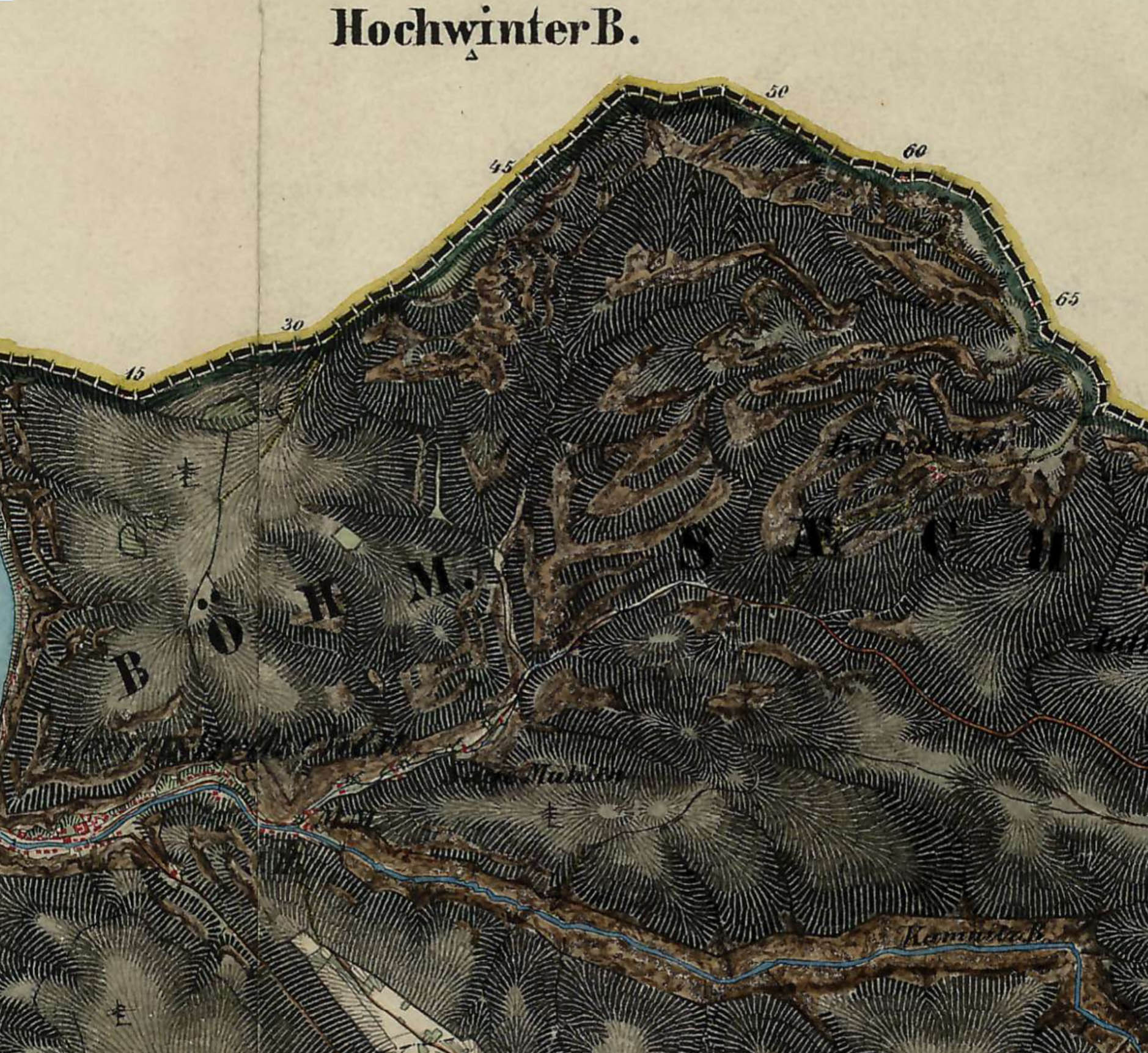
The Fremdenweg was the first tourist route in Saxon Switzerland, roughly between 1790 and 1851. It was established by the artists of the Dresden court, beginning with Adrian Zingg and Anton Graff, who were the first to come here to paint the bizarre rocks of the sandstone mountains. By the early 1800s it was an already established route, described in detail by Carl Nikolai and Wilhelm Götzinger in their ever-expanding guidebooks written for an ever-growing educated audience. Its exact route was reconstructed by Matthias Krell in his 1998 dissertation. The second Hapsburg military survey from 1843-1853 already shows it on the map of Bohemia.


The Malerweg, developed by the Saxon Tourist Office in the 20th century as the main tourist route in Saxon Switzerland, only partially follows the Fremdenweg. It obviously does not even come over to Bohemia, unlike the Fremdenweg, of which this one section alone bears the original name. Today, however, few walk on it, partly because it is not a marked tourist route, and partly because it requires a paperless border crossing, which is legal but still unusual for EU citizens.


Hřensko and surroundings. The route of the border trip branches off the main road in the middle of the map section and goes northeast to the border, and then west along the border to the Elbe, as indicated by the red dots. It’s worth zooming in. I did not use this map for the tour, but the very detailed Locus Map tourist map, but it only has an Android version, so I cannot insert it here.

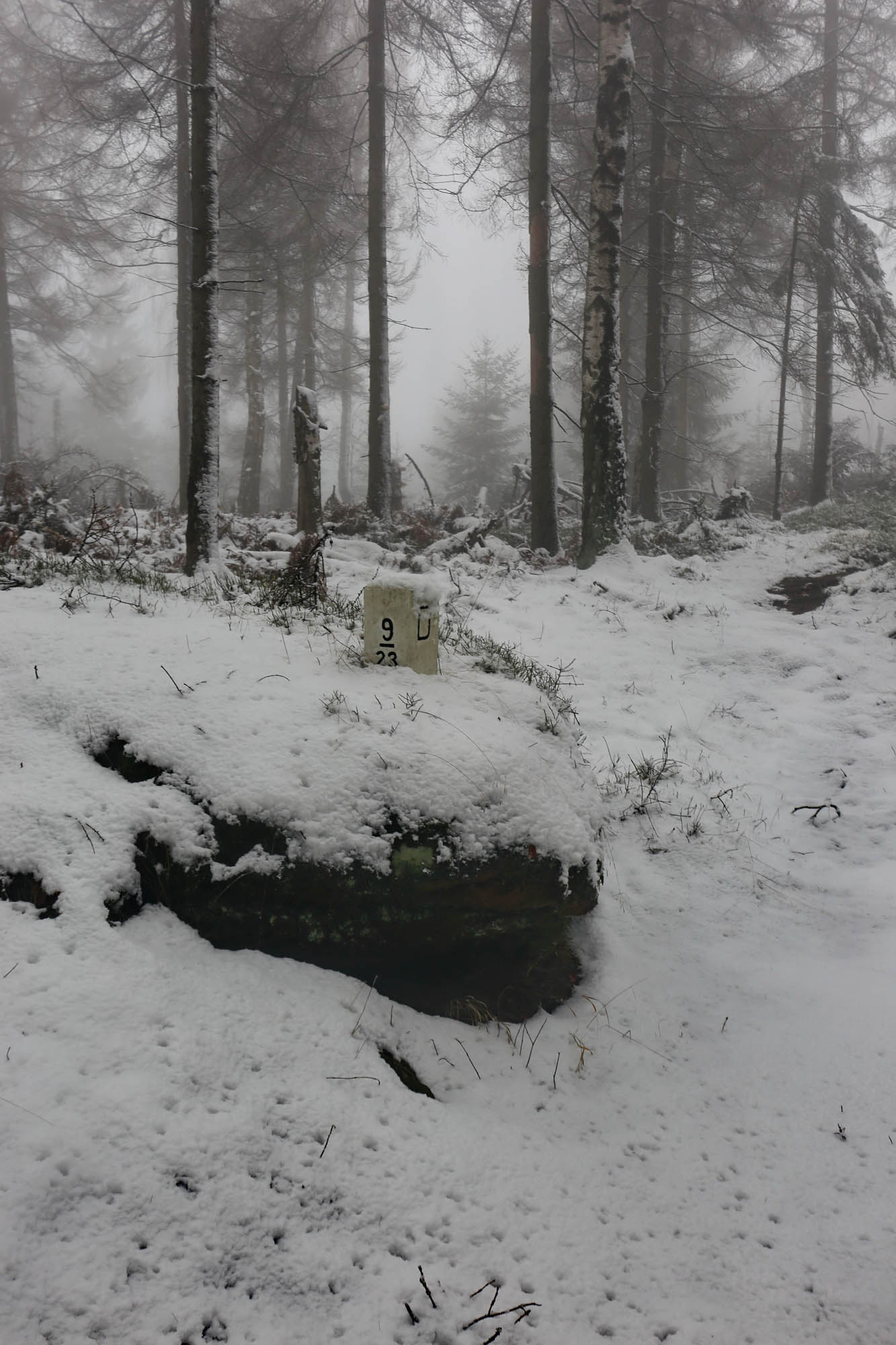
The German border is only five hundred meters away along the Fremdenweg. To the right, the edge of the steep valley full of fog is bordered by scary barren trees, as if Caspar David Friedrich had been here (as he was indeed). At the end of the ridge, the road branches in four directions. I would like to follow the Fremdenweg for a while longer, but it is closed by fallen trees, so I head west to the Elbe on the Grenzweg along the border, lined with border stones on both sides.


prebisch7 prebisch7 prebisch7 prebisch7 prebisch7 prebisch7 prebisch7 prebisch7 prebisch7 prebisch7 prebisch7 prebisch7 prebisch7 prebisch7 prebisch7

After a while, the Grenzweg ends in a steep-walled swampy cauldron. The way out is blocked by fallen trees. I have to fight myself over to the parallel Fremdenweg. Here and later throughout the journey, the deer and wild boar runs in the snow are of great help in avoiding the huge logs. They, knowing the terrain well and preferring to follow the trodden paths, avoid the fallen trees with good intuition and ergonomy.


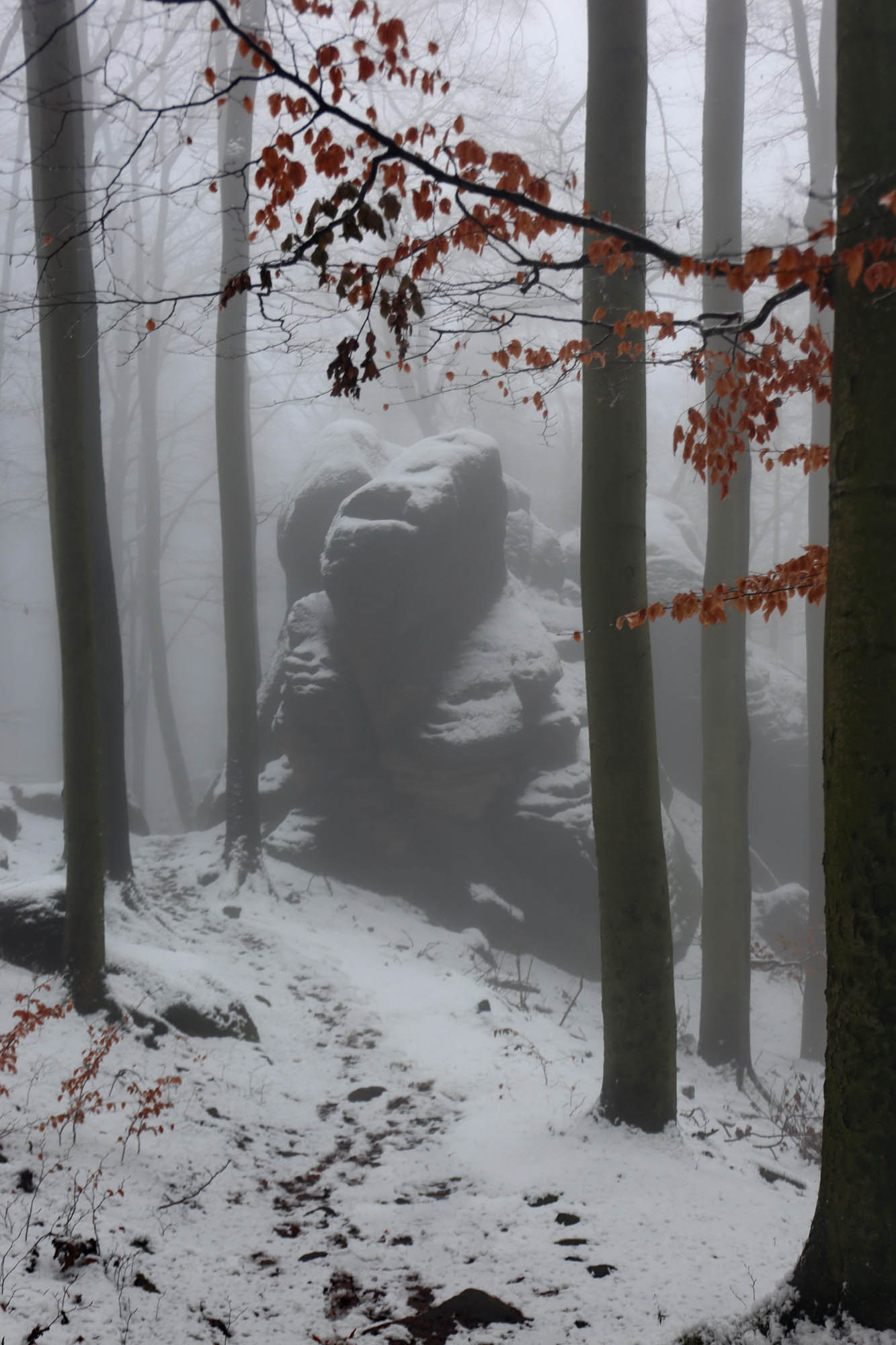
Several cliffs along the Fremdenweg show why this route was preferred by Romantic painters. The largest is the Lion Rock group, the monumental pieces of a collapsed large sandstone column, around which the trail goes in a large loop.


prebisch8 prebisch8 prebisch8 prebisch8 prebisch8 prebisch8 prebisch8

Nevertheless, the Fremdenweg is no runway either. It is also thickly covered with fallen tree trunks. Fortunately, the forest animals have already marked the recommended bypass in the snow. I make the three-kilometer trip in nearly two hours. After a while, the trail arrives at the border and runs along the border line, together with the Grenzweg. Again, border stones and bilingual inscriptions warning of the state border on both sides. In the meantime, it is twilight, I am cold, and the battery is exhausted. From now on, I have to navigate by heart.


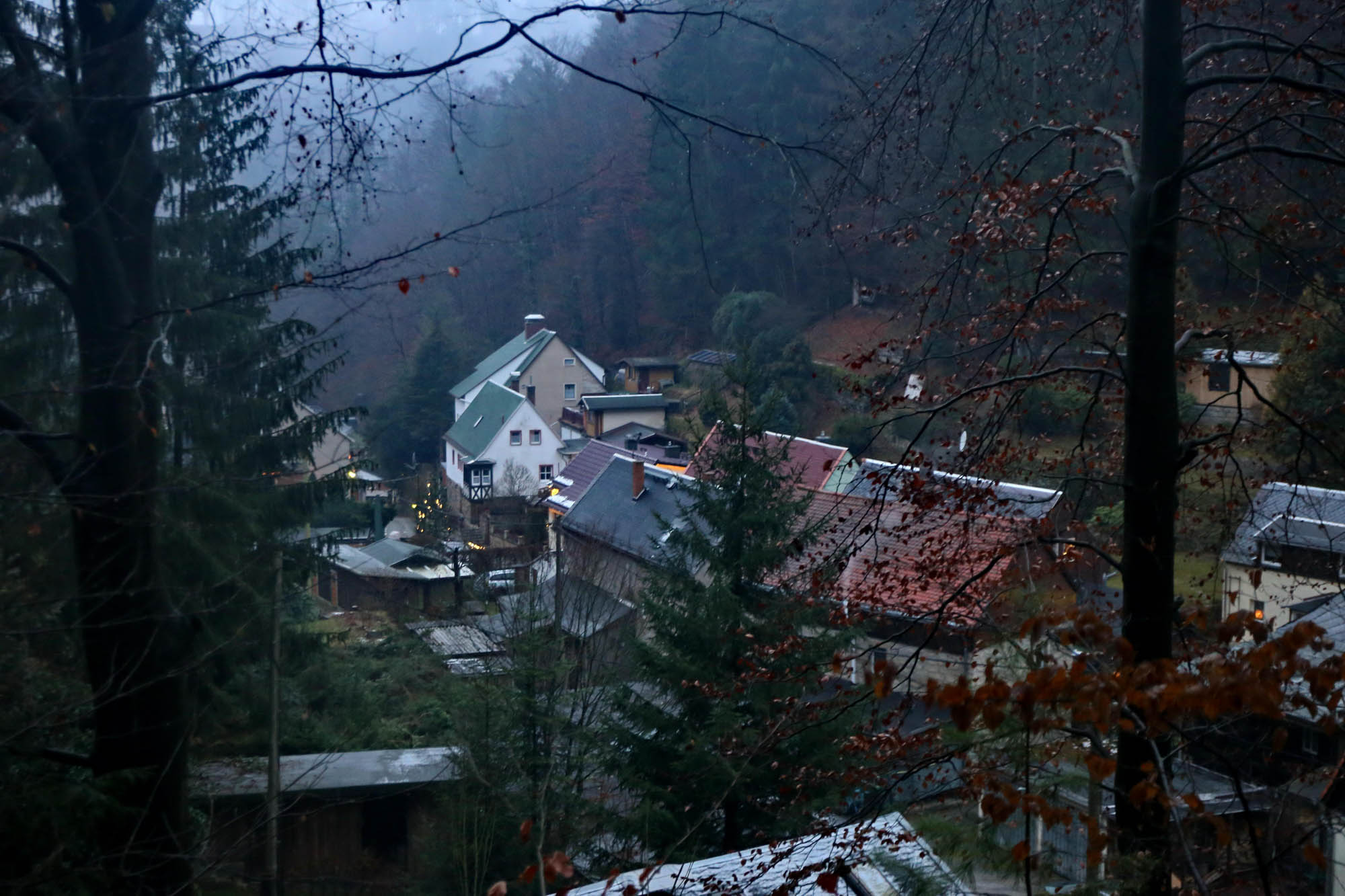
Then the road branches off to the north, and it soon becomes the green-marked tourist route, the Malerweg. In addition to the markings, the numerous footprints and half-built snowmen also show that this is a beaten path. The swampy terrain is also made accessible by a wooden grid in many places. I pass under the Großer Winterberg, and turn onto the Bergsteig, the hundreds of steps leading down to the river. The most exciting of the bizarre rock formations that line the trail is a three-headed troll, which awaits the tourist stumbling down unsuspectingly with its mouth open and its eyes closed. At this point of twilight and fatigue, it provides a very convincing performance.


prebisch9 prebisch9 prebisch9 prebisch9 prebisch9 prebisch9 prebisch9 prebisch9 prebisch9 prebisch9 prebisch9 prebisch9 prebisch9 prebisch9 prebisch9 prebisch9 prebisch9 prebisch9 prebisch9 prebisch9

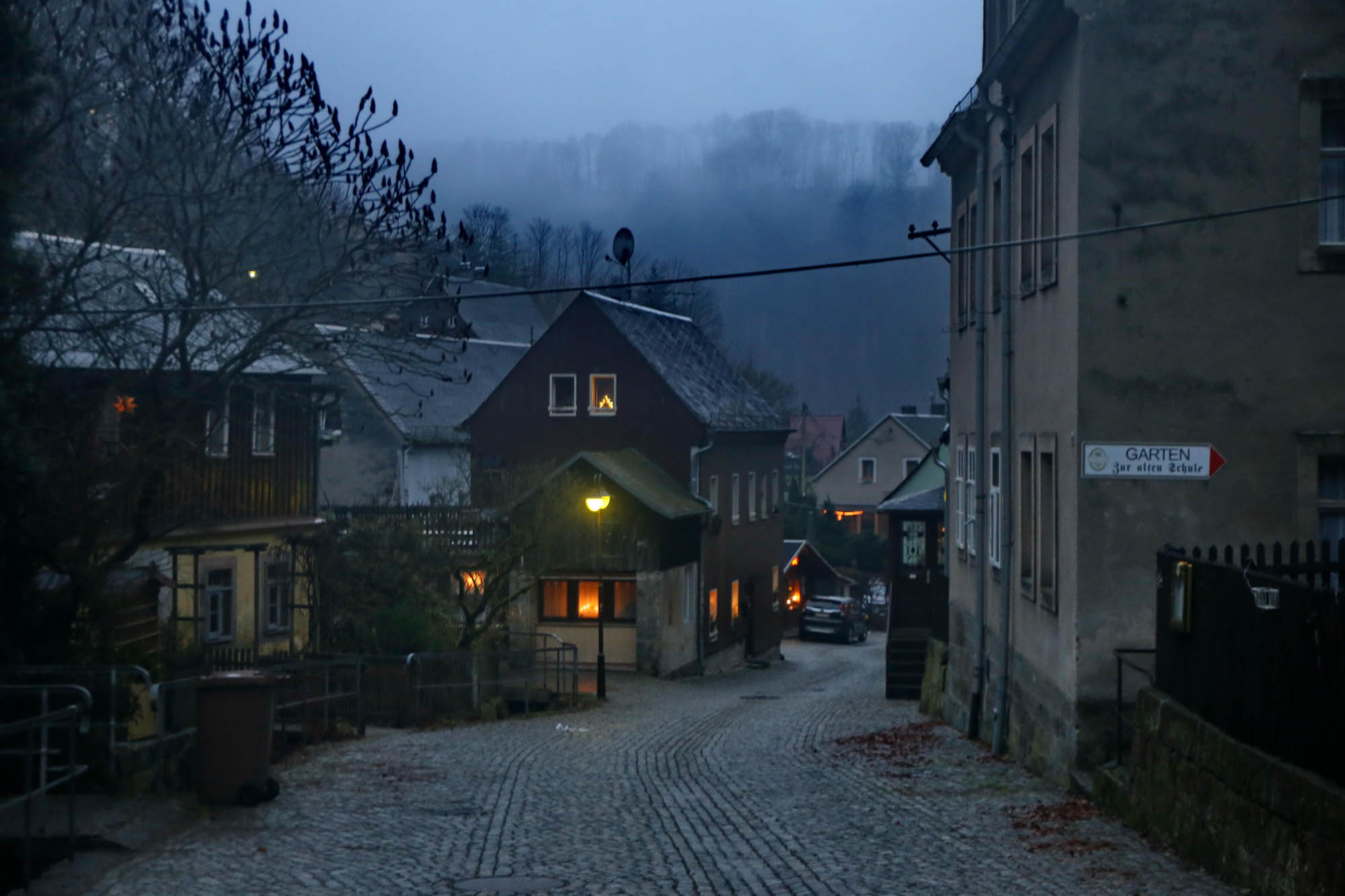
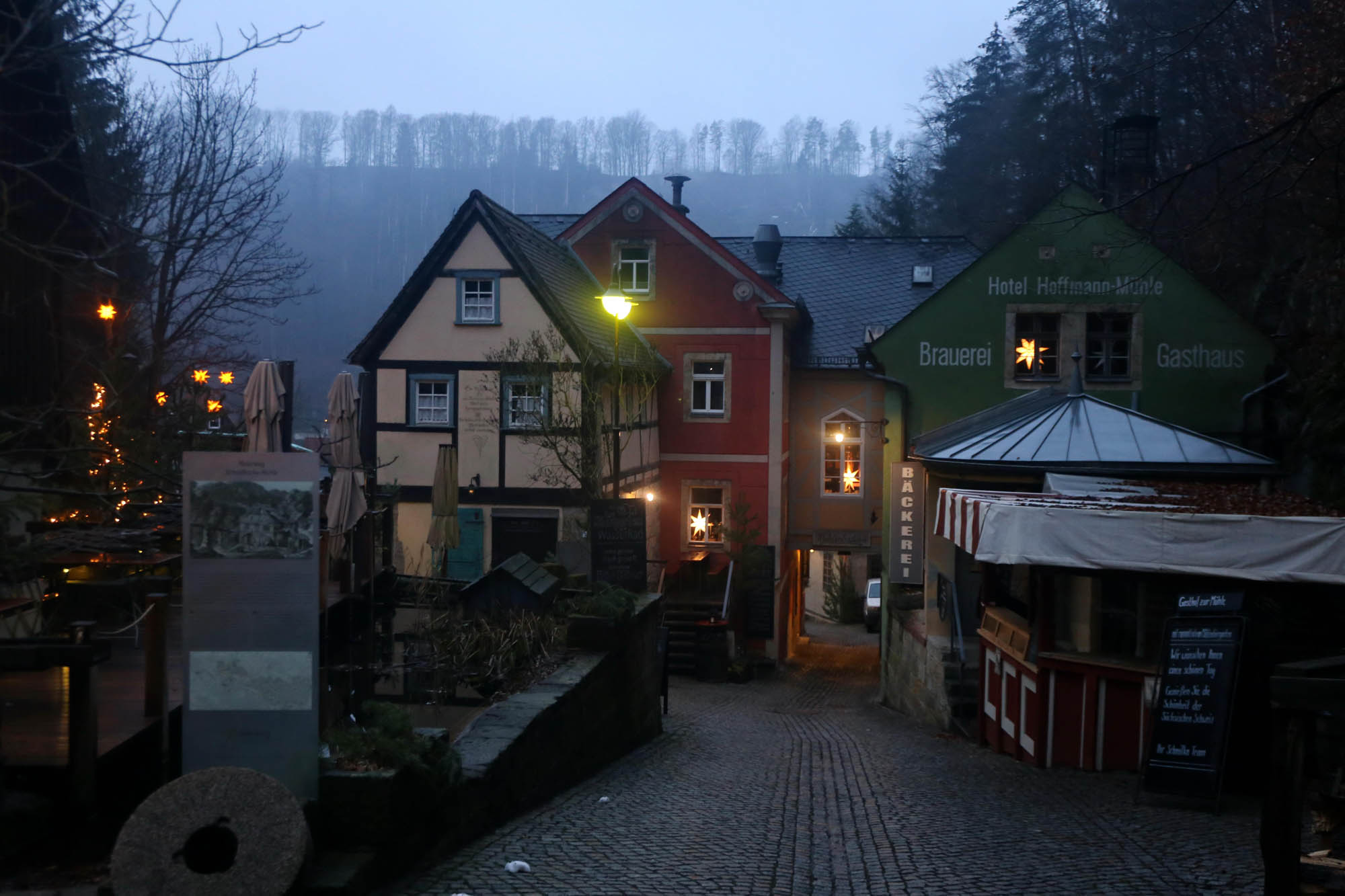
In Schmilka, the last German border town along the Elbe, the lights come on just as I reach above the town on the Bergsteig. Timing was good. I would have hated to do any part of this trip in the dark.


The Schmilka mill today (above) and in the engraving of Adrian Ludwig Richter (1803-1884) from Dresden (below)


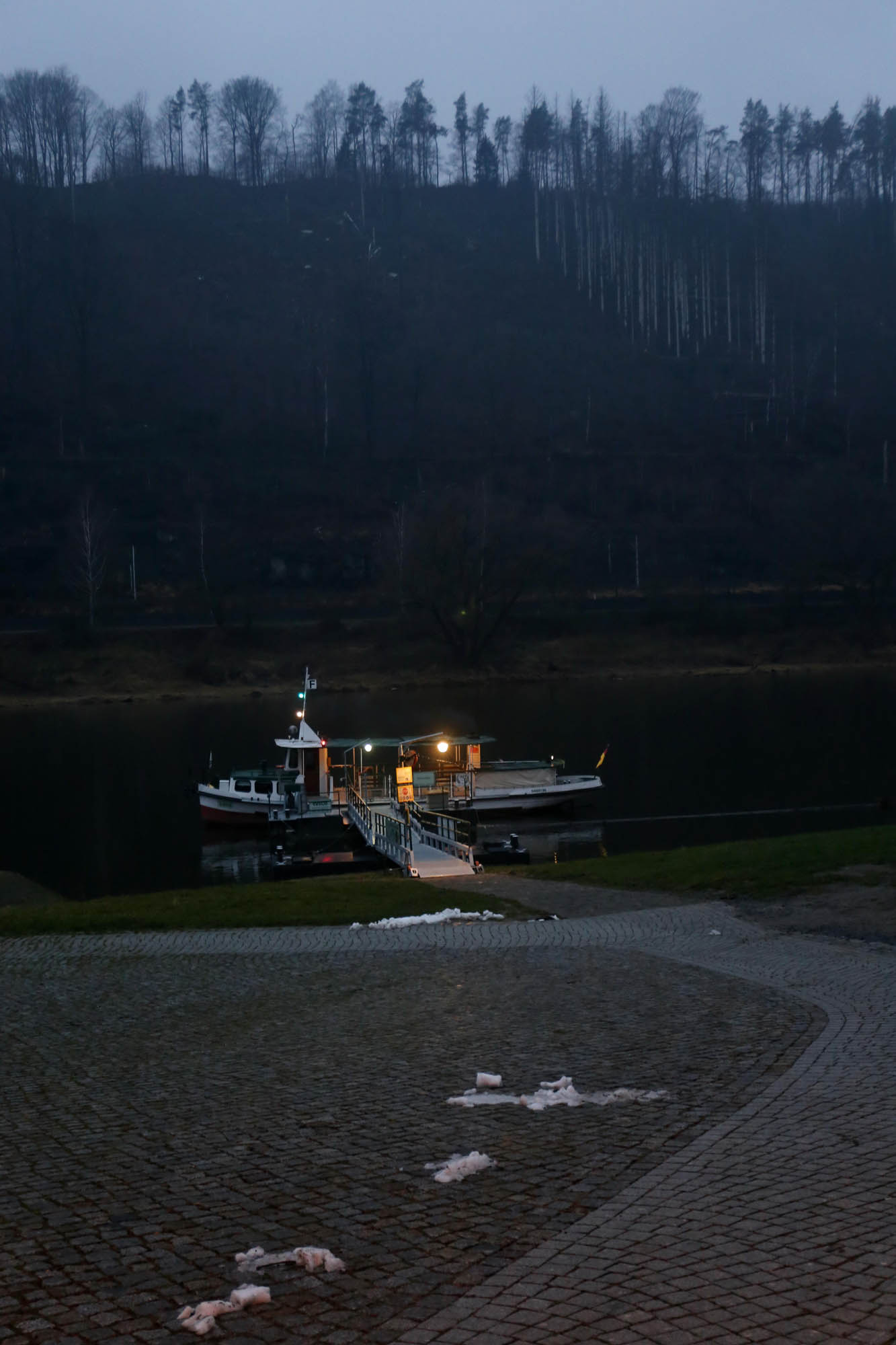
The ferry runs until night. I cross the Elbe to the narrow-gauge railway on the other bank. I transfer to the Berlin express in Dresden.