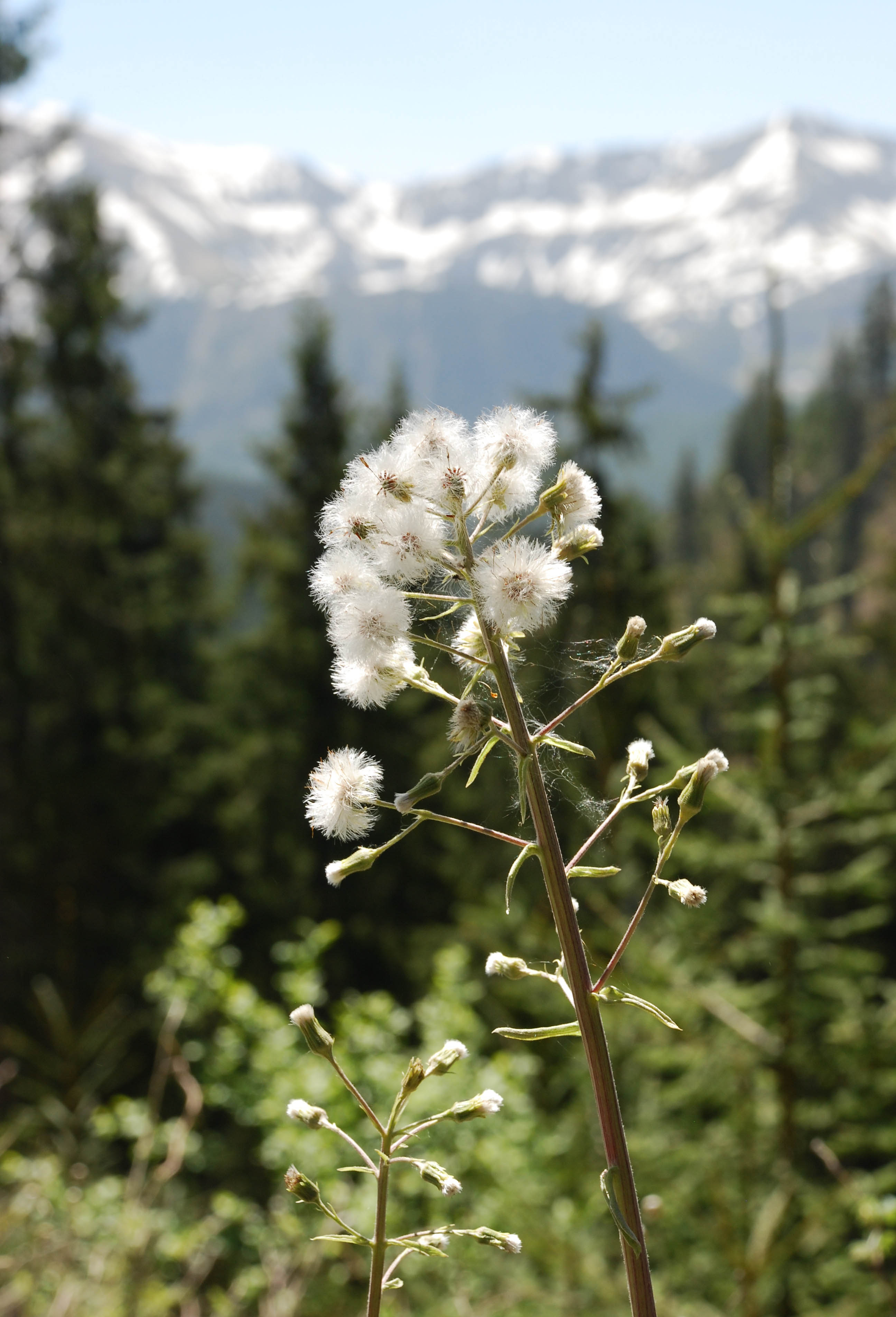
 Prislop, Borsai Pass, crossing from Maramureș to Bukovina
 Who can name them?
The renewed version of our blog, with more features, a richer design, and available in nine languages, can be read here: https://wangriver.com
The new version also includes the old posts, often in expanded form. If you are curious about the updated version of this post, replace “riowang.blogspot.com/” in the URL with “riowang.studiolum.com/”, and the new link will most likely lead you there.
La versión renovada de nuestro blog, con más herramientas, un diseño más rico y disponible en nueve idiomas, se puede leer aquí: https://riowang.com
La nueva versión también incluye las publicaciones antiguas, a menudo en una forma ampliada. Si tiene curiosidad por la versión actualizada de esta entrada, sustituya «riowang.blogspot.com/» en la URL por «riowang.studiolum.com/es/», y el nuevo enlace probablemente le llevará allí.

 where we daily publish new photos about our travels around the world:


 Atlantis
 Bestiary
 Bohemia+Prague
 Books, exhibitions, music, film
 Brave old world
 Caucasus
 Cemeteries
 Crimea
 Get to know the
 Images of the East
 Lightwriting
 Lwów/Lemberg
 Mallorca
 Message on the wall
 The Museum of Propaganda
 Odessa
 Paper Museum
 Persian letters
 The Jewish heritage
4 comentarios:
My guesses:
Ranunculus, Buttercup or Celandine
Anemone (nemorosa), Wood Anemone
Primula (veris), Cowslip
Equisetum, Horsetail
Taraxum (officinale), Dandelion
Campanula (?) or Hyacinthoides (Bluebell)(?)
Veronica (Speedwell)
In what language / in how many languages :)? Ветреница, калужница, одуванчик, хвощи, вероника первоцвет... It's pretty sweet to roll the names on one's tongue, and sometimes I can't resist giving folksy Russian names to expat flowers too, for a better emotional connection with the plants.
Thanks for the solutions! And yes, I wanted to say, that in as many languages as you know (local/folk versions included). The Ranunculus was identified by Róbert Zsófi in the Facebook as Caltha palustris, and the blue Veronica as Veronica chamaedrys. But what is the fluffy white plant on the beginning picture?
No, those composites are a stronger challenge! But I have a suspiciously similar picture myself ;)
Publicar un comentario