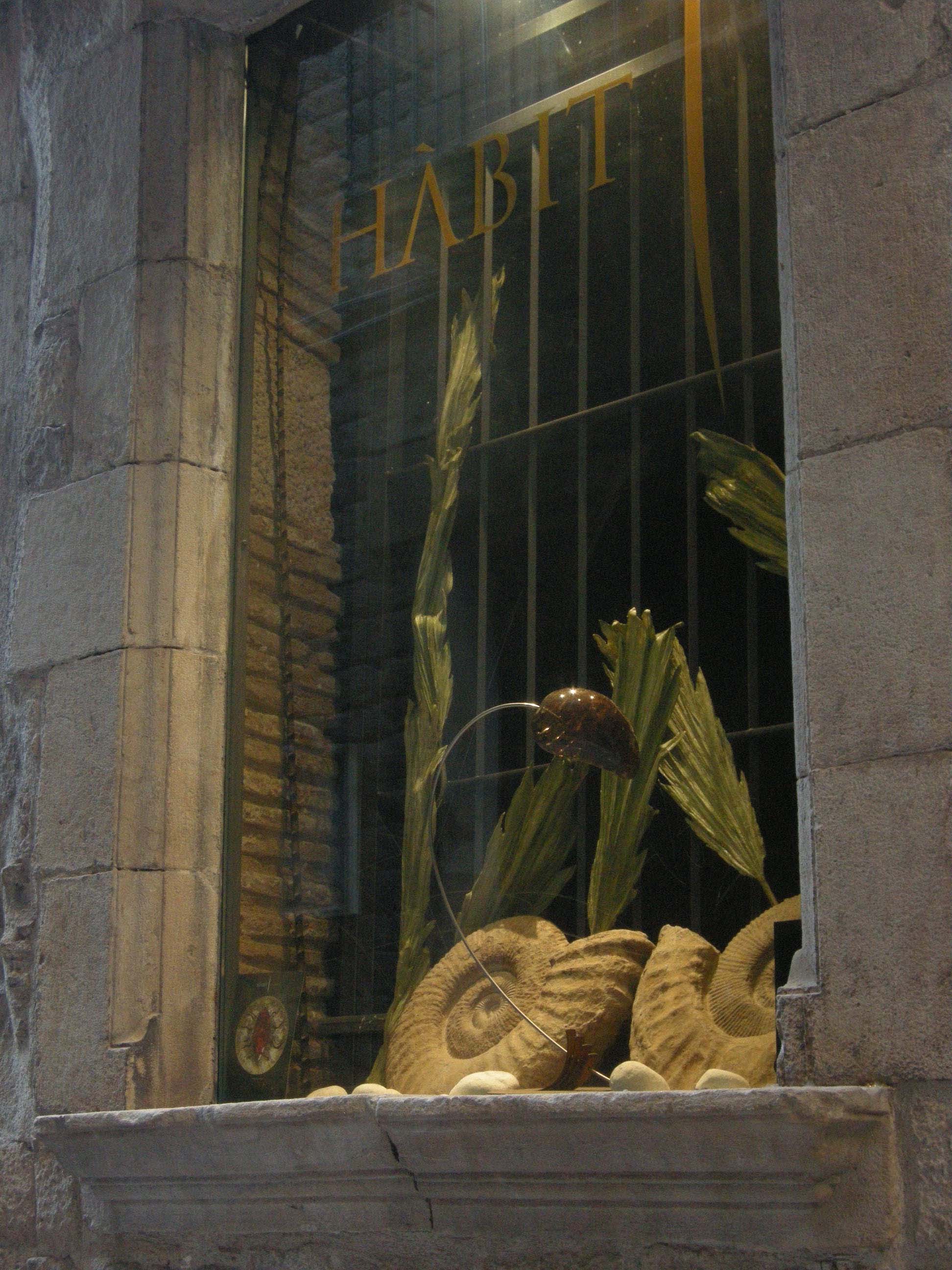
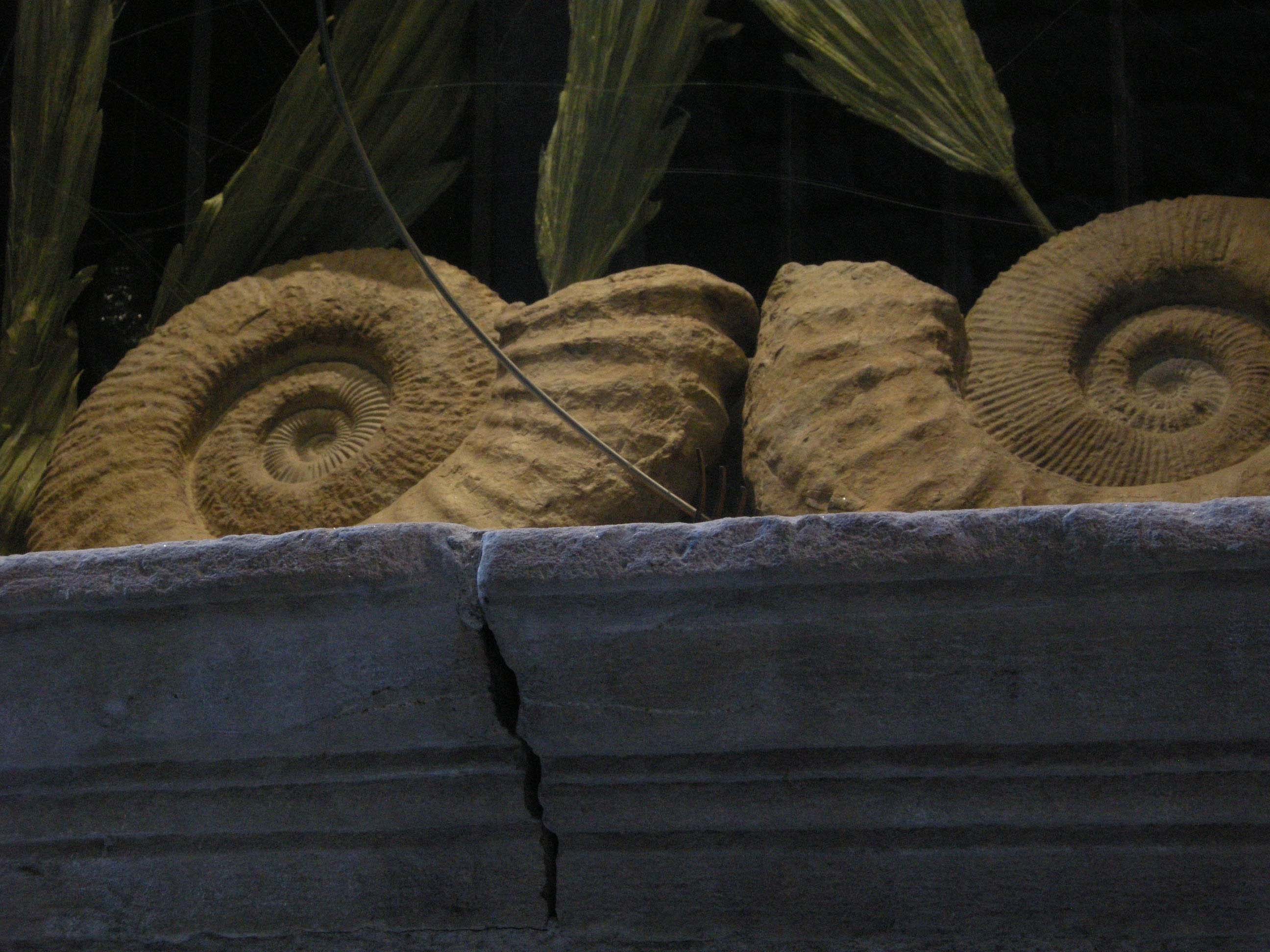
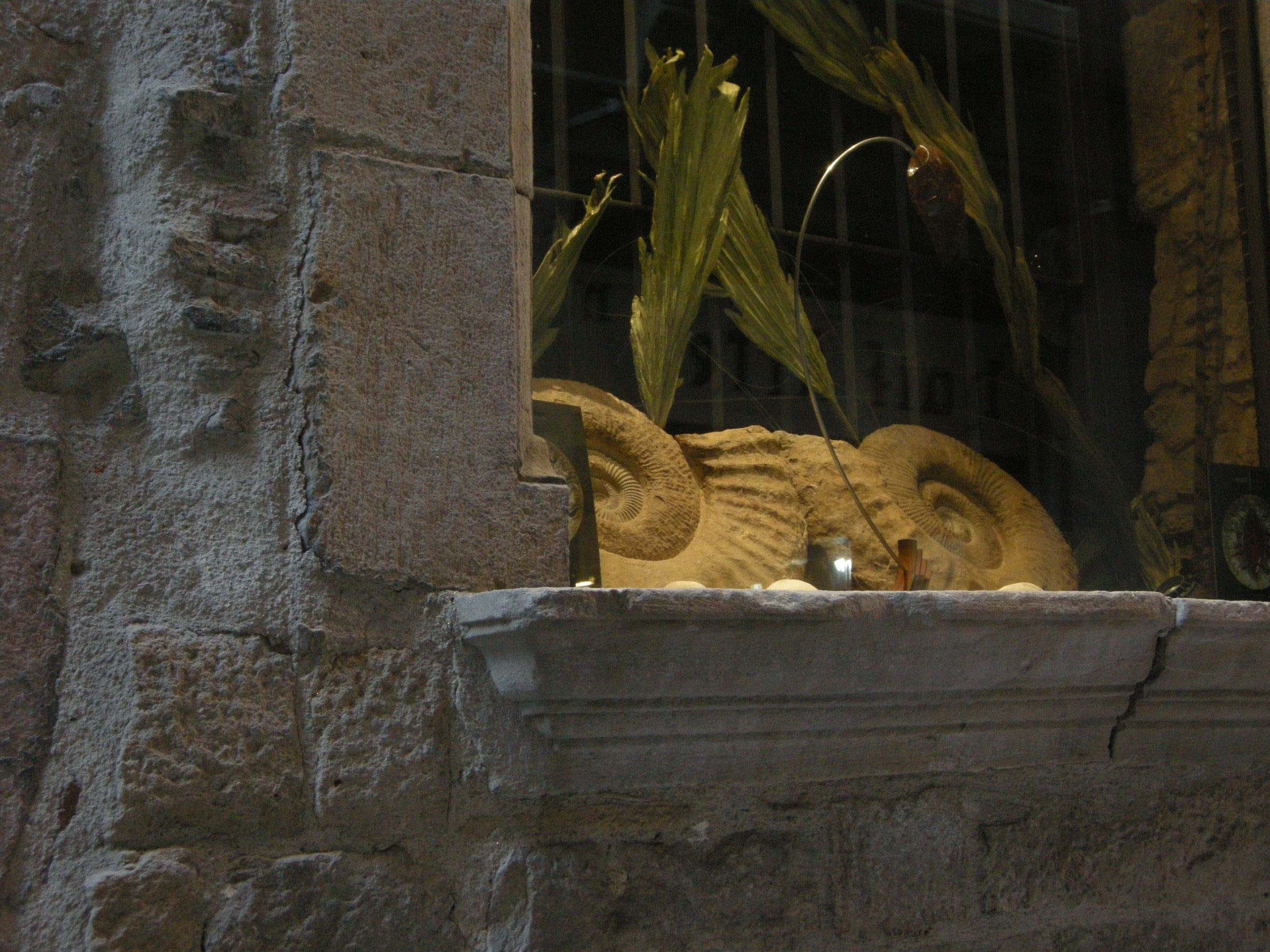
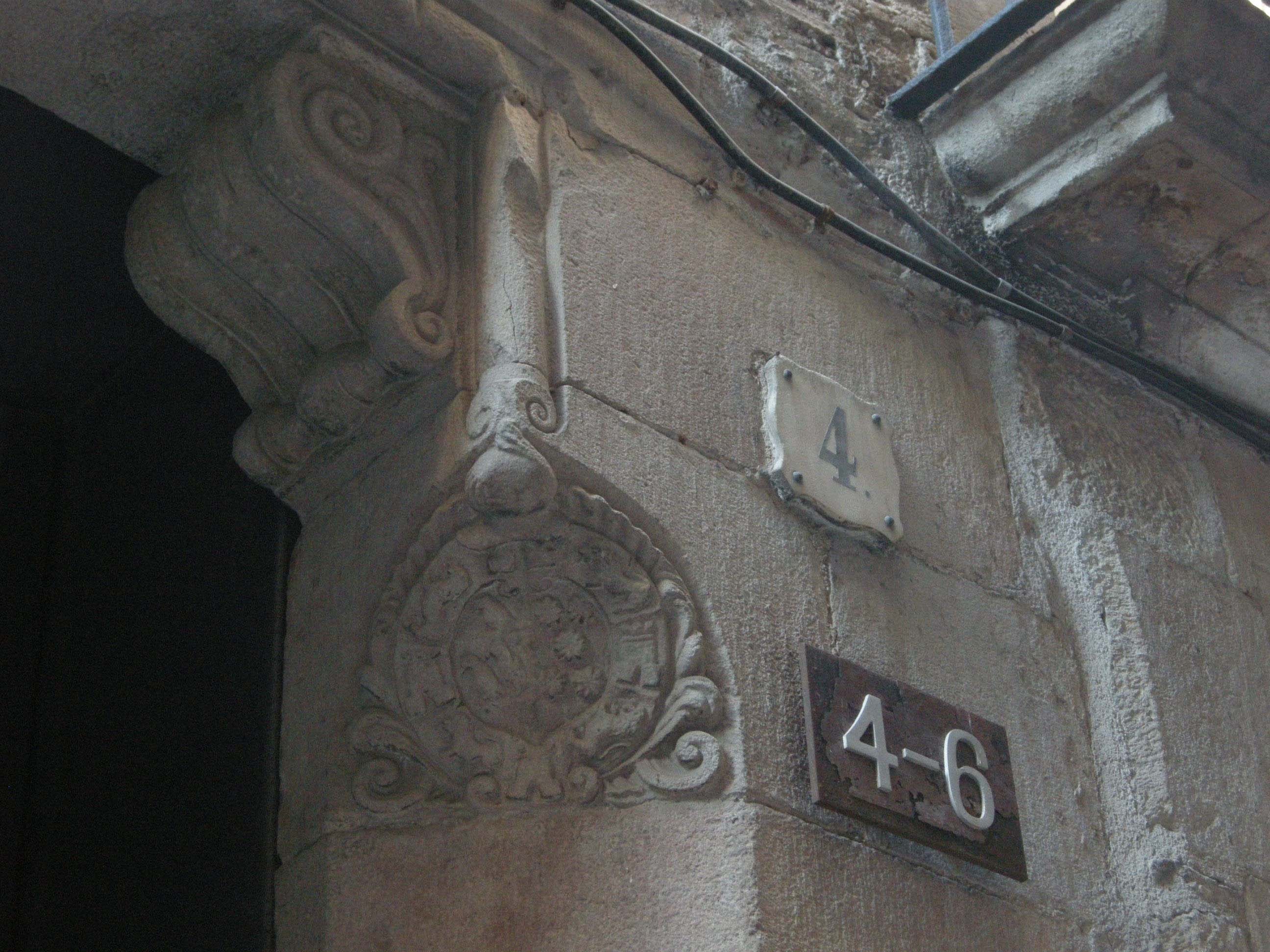

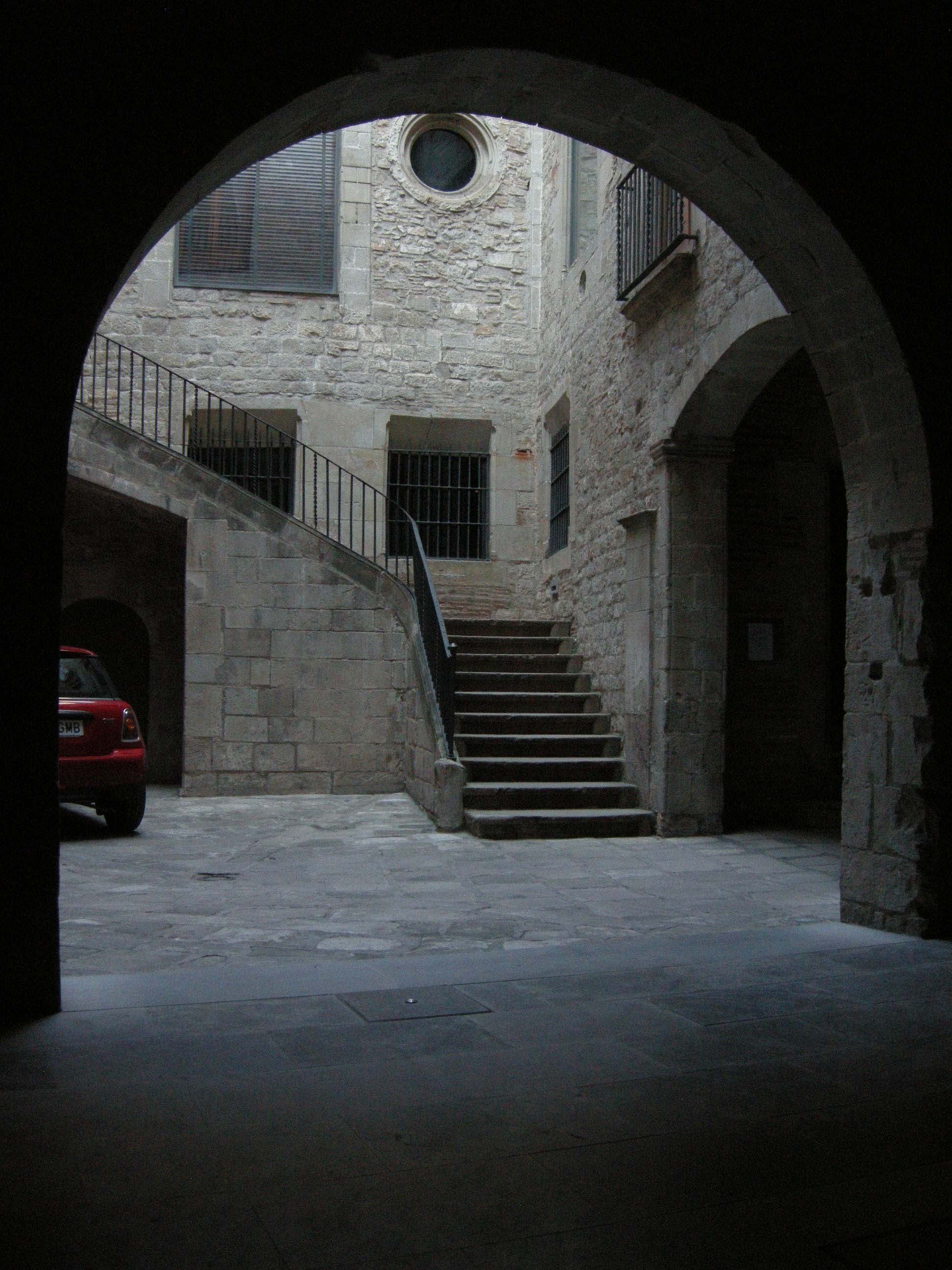


 The little Gothic courtyard opening from the alley of Carrer dels Lledó is a jewel box not only in a metaphoric sense. But the jewel shop and exhibition room Atelier Hàbit is just as hidden within it as the house itself: a pearl within a shell. I also get to know only from an invitation to an exhibition that the 13th-century building is today called Palacio/Palau Pallejà. Somewhere inside the house there are also frescoes hiding from the first great 14th-century workshop of Catalan Gothic art.
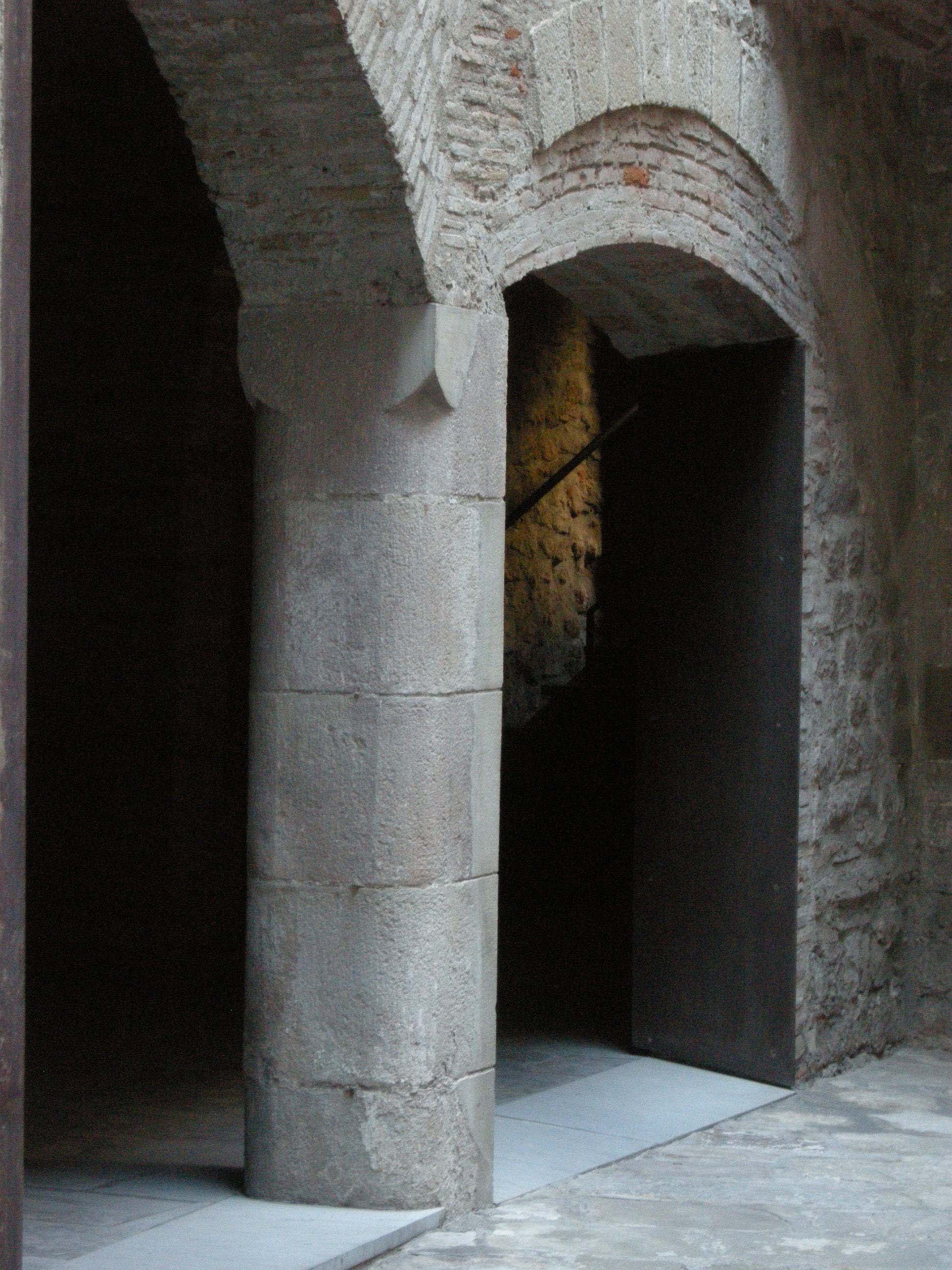
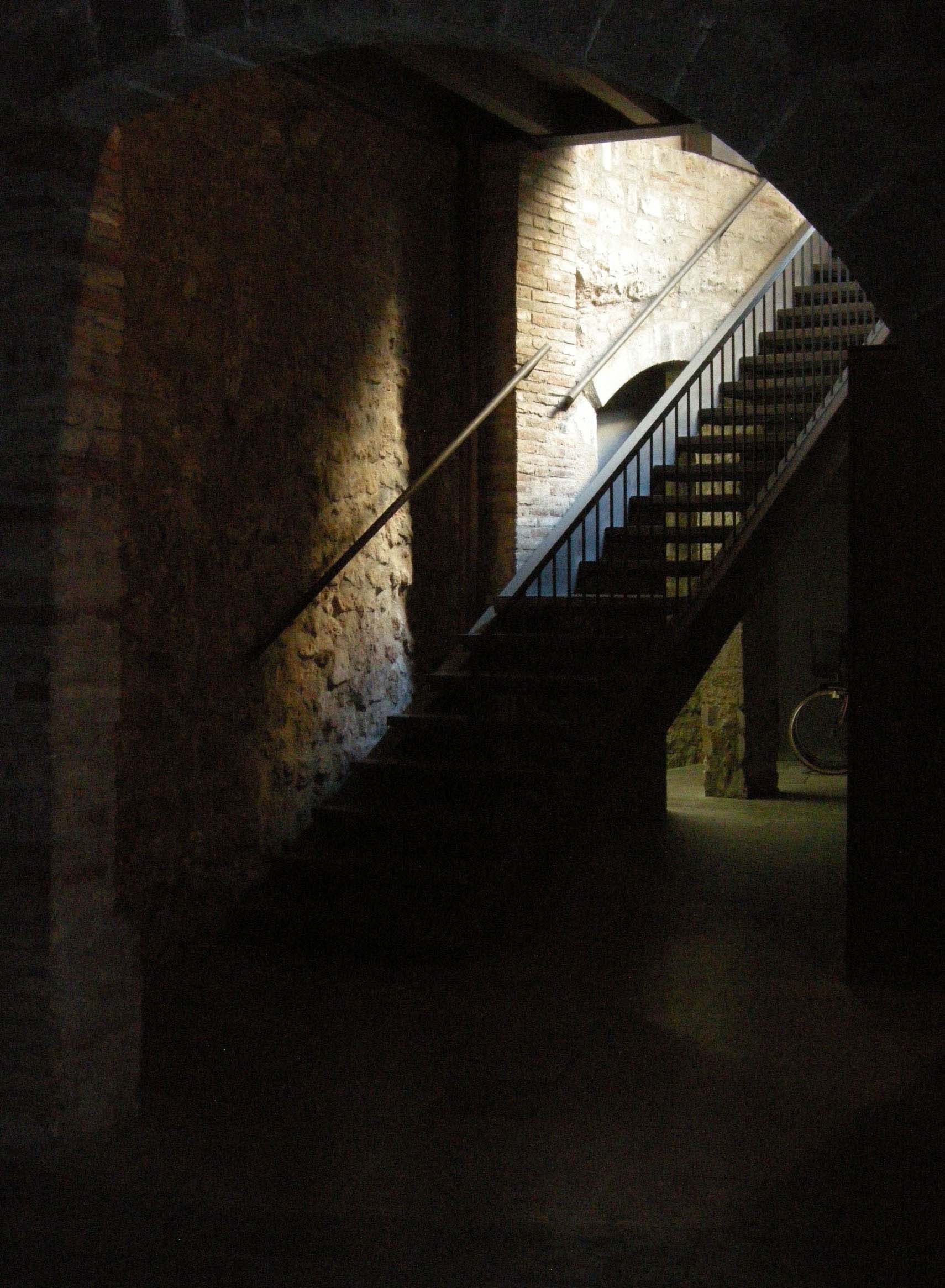
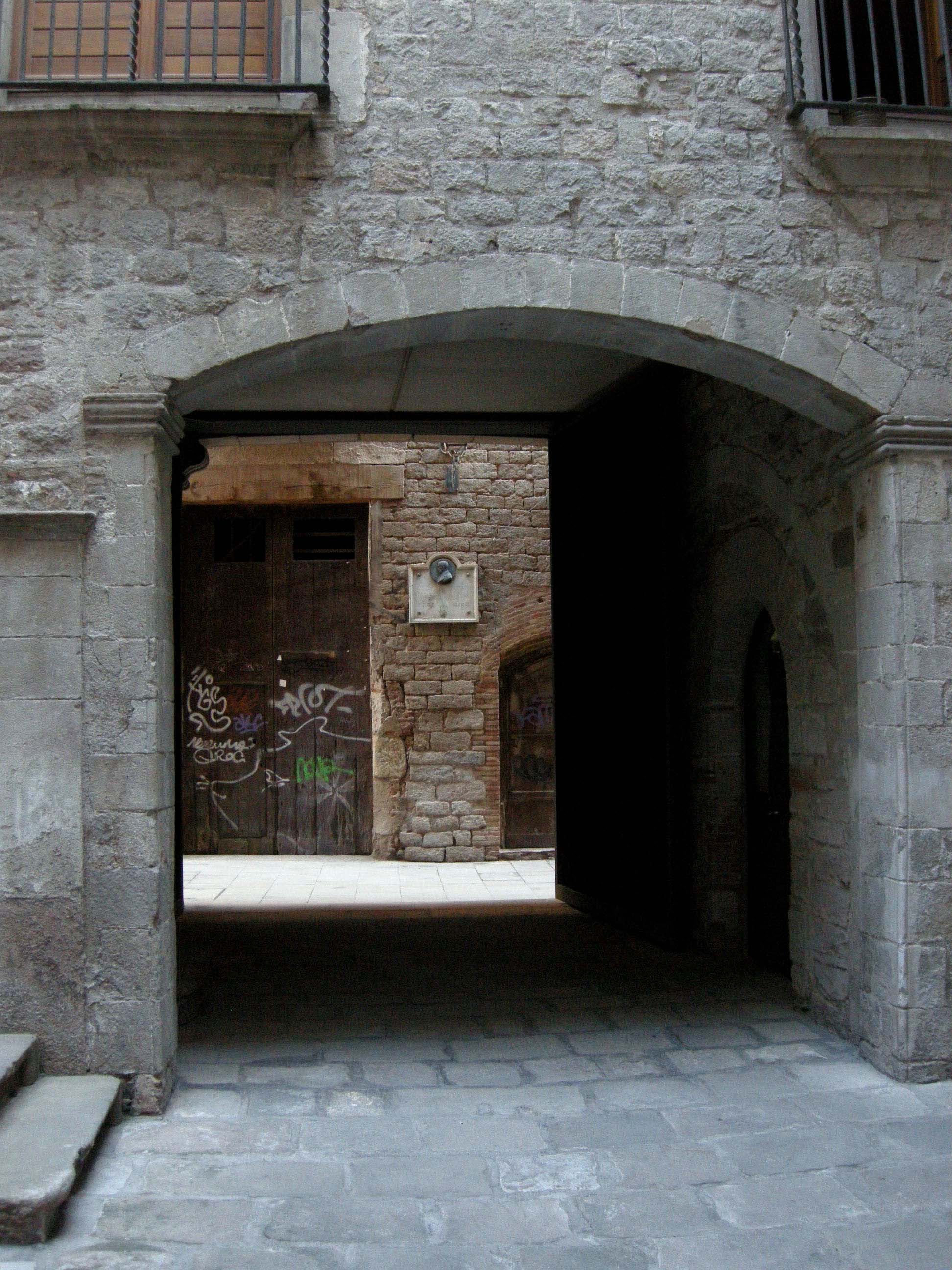
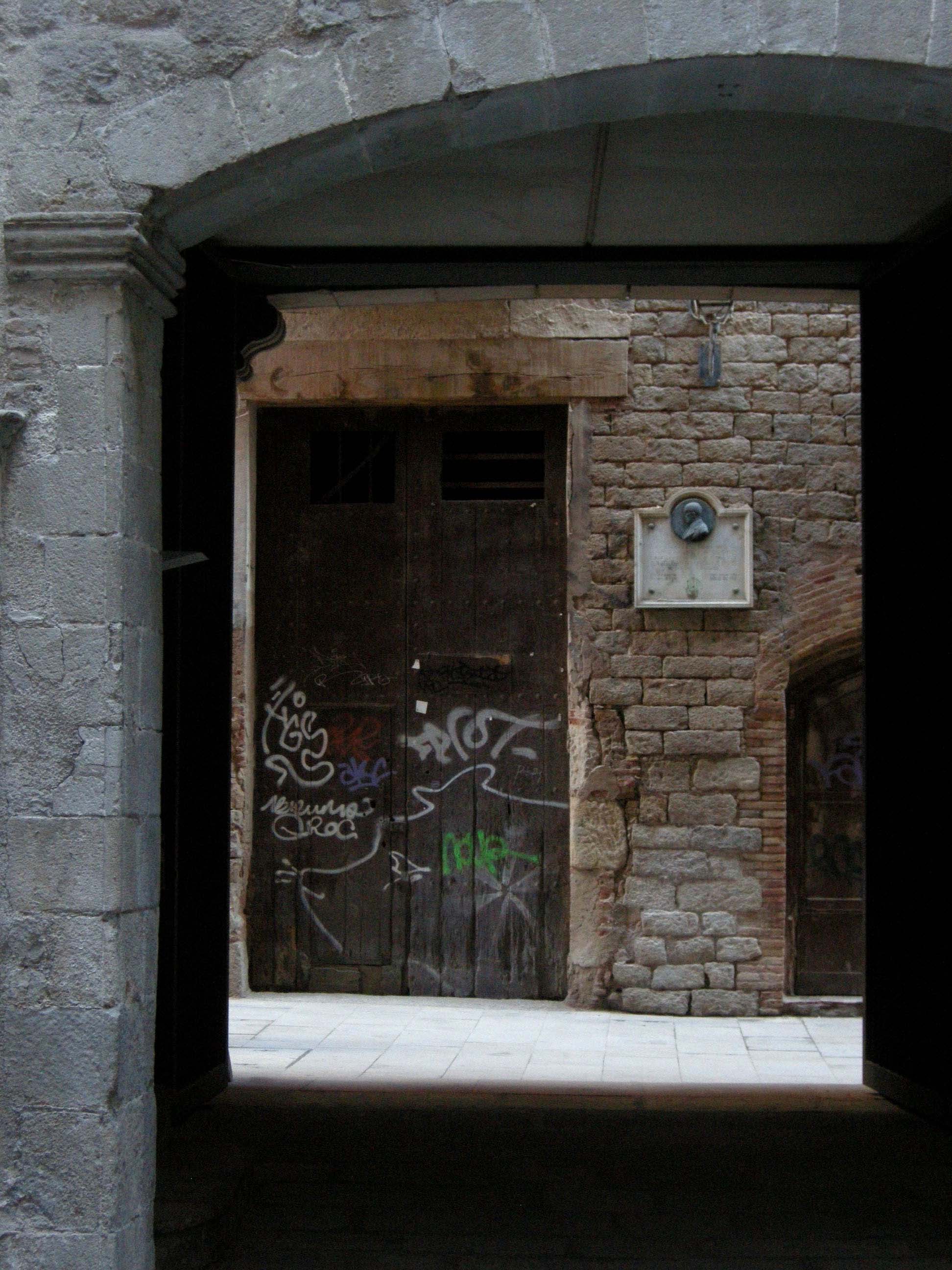
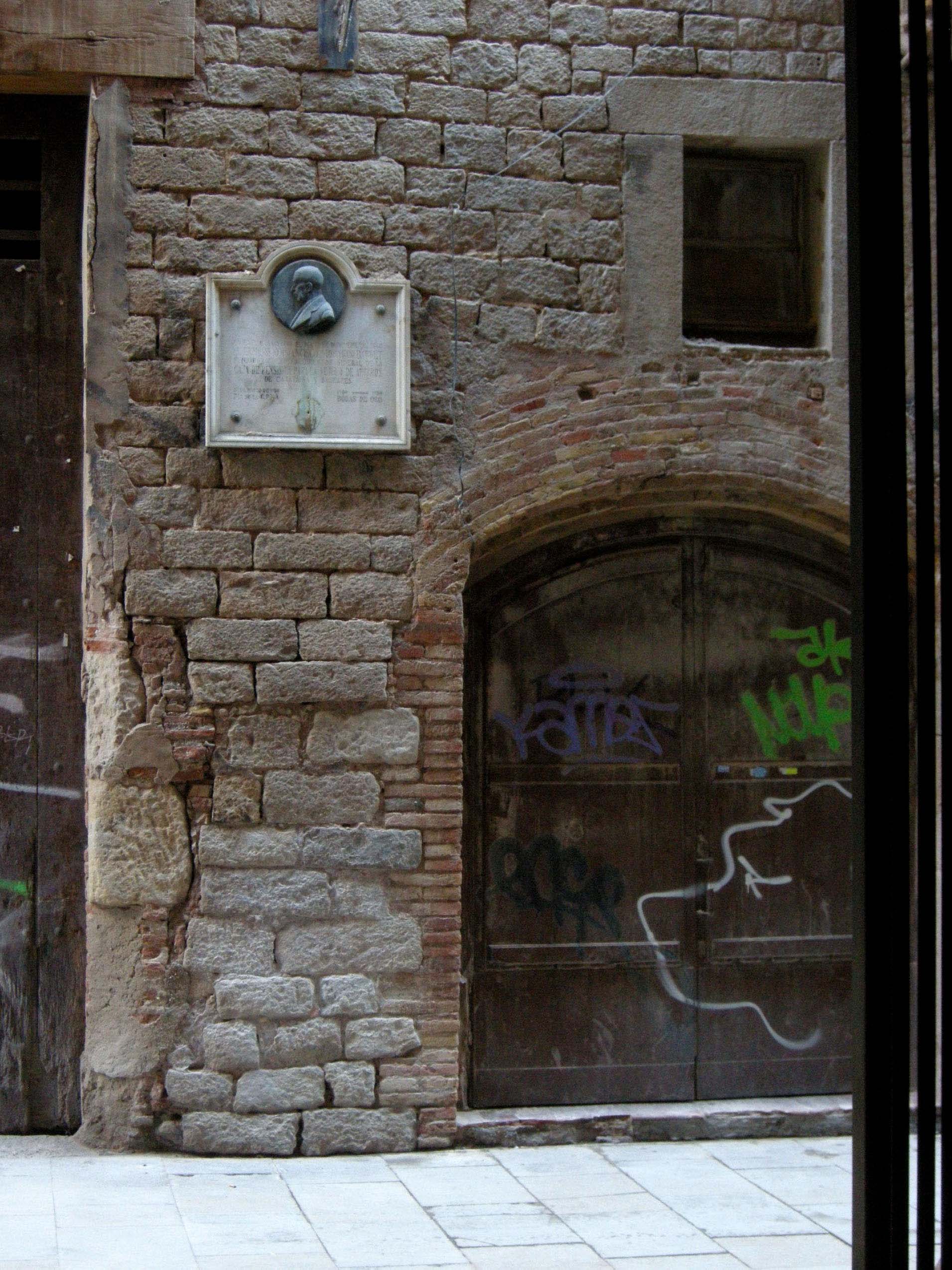
Around the house, as in the light of a street lamp, the fabric of the medieval city slowly begins to unfold. Suddenly this today somewhat neglected corner of the Barri Gòtic, like an old Spanish manor house, reveals the traces of a much more glorious past. The little square of Saint Justus and Pastor around the corner – today just one of Barcelona’s many lovely medieval squares – used to be the main square of the Roman soldier’s town Barcino in the protection of the crossing of the town’s two main streets, and later royal seat of the Visigothic Hispania. And the Just y Pastor basilica – today the center of the Sant’ Egidio community already known to us from Rome and Moscow – was the seat of the bishop of Barcelona until the Gothic cathedral was built at the northern gate of the city. Here are some of the oldest noble families’ palaces, such as the Palau Moxó at the corner of the square, or at the end of the little street starting from the square the Palau Requesens, formerly seat of the governor of Catalonia and since 1902 that of the Literary Academy of Barcelona. They also include the Pallejà palace, on whose wall towards the square the earliest public fountain of Barcelona with the representation of the first Catalan rulers was established at the time when the palace still bore the name of the ancient Catalan family of the Fivellers.


 Come with us to…
 Atlantis
 Bestiary
 Bohemia+Prague
 Books, exhibitions, music, film
 Brave old world
 Caucasus
 Cemeteries
 Crimea
 Get to know the
 Images of the East
 Lightwriting
 Lwów/Lemberg
 Mallorca
 Message on the wall
 The Museum of Propaganda
 Odessa
 Paper Museum
 Persian letters
 The Jewish heritage


No hay comentarios:
Publicar un comentario