Switch over to our new blog! • ¡Pásese a nuestro nuevo blog!
The renewed version of our blog, with more features, a richer design, and available in nine languages, can be read here: https://wangriver.com
The new version also includes the old posts, often in expanded form. If you are curious about the updated version of this post, replace “riowang.blogspot.com/” in the URL with “riowang.studiolum.com/”, and the new link will most likely lead you there.
La versión renovada de nuestro blog, con más herramientas, un diseño más rico y disponible en nueve idiomas, se puede leer aquí: https://riowang.com
La nueva versión también incluye las publicaciones antiguas, a menudo en una forma ampliada. Si tiene curiosidad por la versión actualizada de esta entrada, sustituya «riowang.blogspot.com/» en la URL por «riowang.studiolum.com/es/», y el nuevo enlace probablemente le llevará allí.
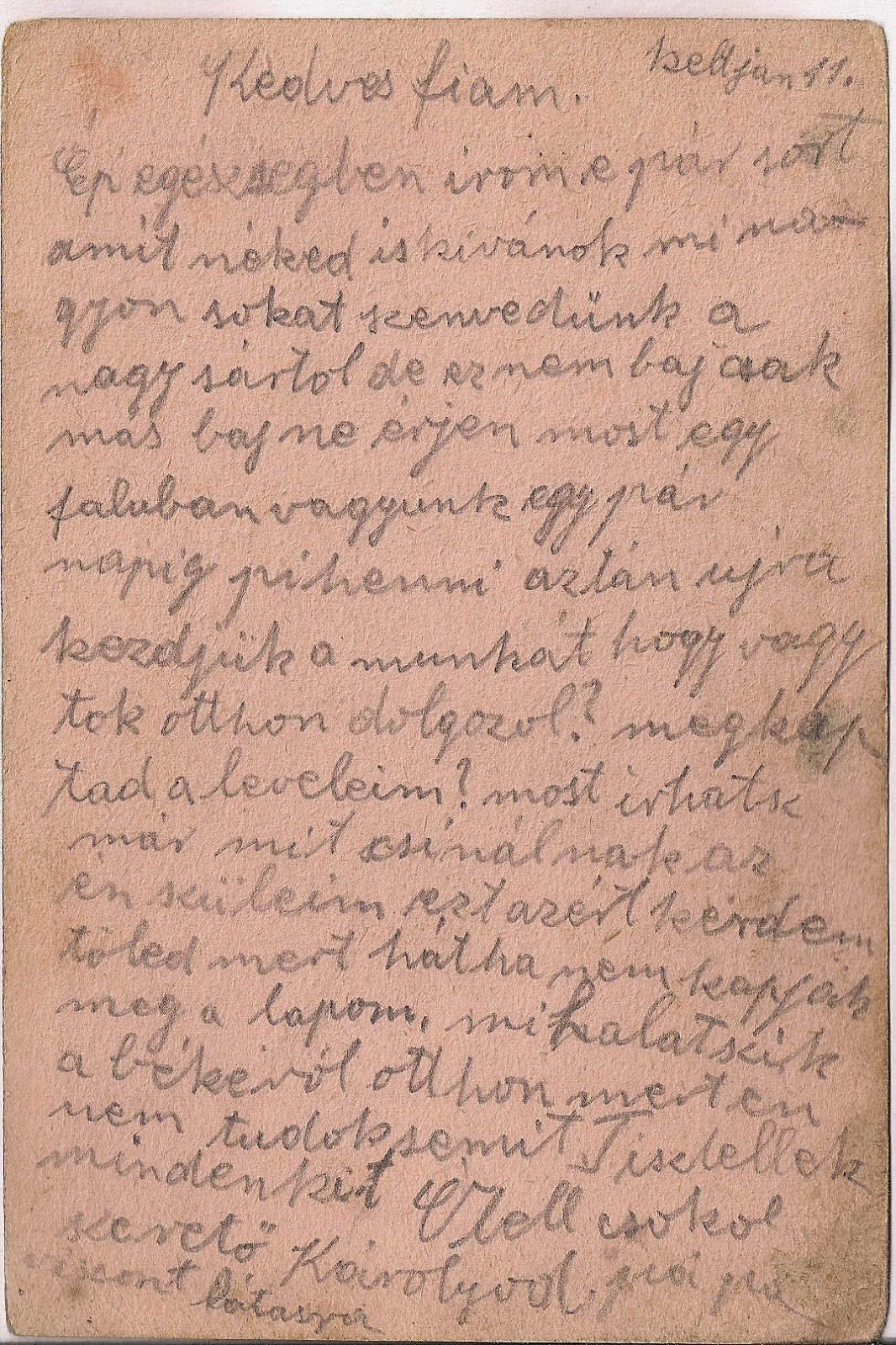
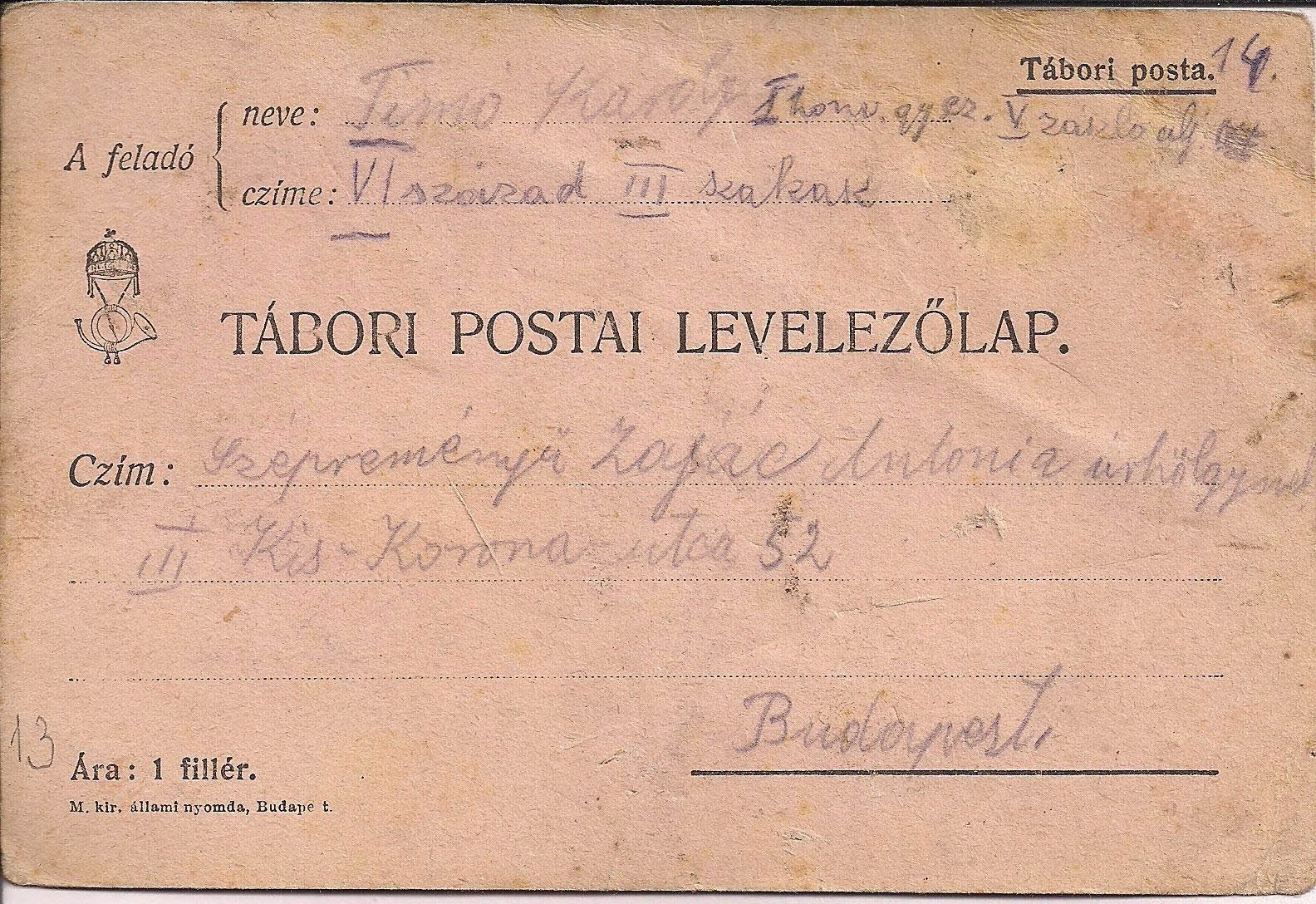
My dear son I write these few lines in health, which I wish to you as well. We have suffered a lot from the great mud, but this is not such a big problem, let there be no bigger. Now we are in a village, we have a few days rest, and then we will start the work again. How are you at home, are you working? Have you received my letters? Now you can already write me. What are my parents doing? I ask because perhaps they do not receive my postcards. What do you hear about peace at home? Because I do not know anything. I greet you and everyone. Embraces and kisses from your loving Károly bye bye, see us soon
[“From the Budapest headquarters we report to the soldiers of the First Infantry Regiment of Budapest, somewhere around the Dukla and Uzsok Passes, that the players of our literature fight with varying success on the war front.
Aladár Kuncz and Andor Németh missed the connection of the trains to the front, so they were interned by the enemy.
Mihály Babits, Béla Hamvas and Ernő Szép are already disillusioned with the rapid success. The latter still has his sword, but it wears a German inscription: Live and let live. The weapon itself will disappear only in a future, bigger war.
Béla Hamvas, this devout soldier gets along mentally quite well. Far away is the time, almost one year, when he, misunderstanding the offensive of some Brusilov, will collapse.
Géza Gyóni is continuously acquiring the ammunition for his defeatist poem in the fortress of Przemyśl. At least he is still living, but we suspect that he would hardly stand the circumstances of a possible captivity.
In the hinterland, Frigyes Karinthy and his influential acquaintances fight a successful war against the offensives attacking in the form of call-ups. Mihály Babits and the unruly Endre Ady have long been revised.
Regarding the request of private Károly Timó, special effort will be made to drown our soldiers in the mud, rather than in the frosty snowfalls coming with beautiful dreams. Unfortunately, in consequence I have to reply that snow-winged peace is yet to be expected. By the way, Endre Nagy diligently writes his field postcards to his wife, just like you, honorable Mr. Soldier.
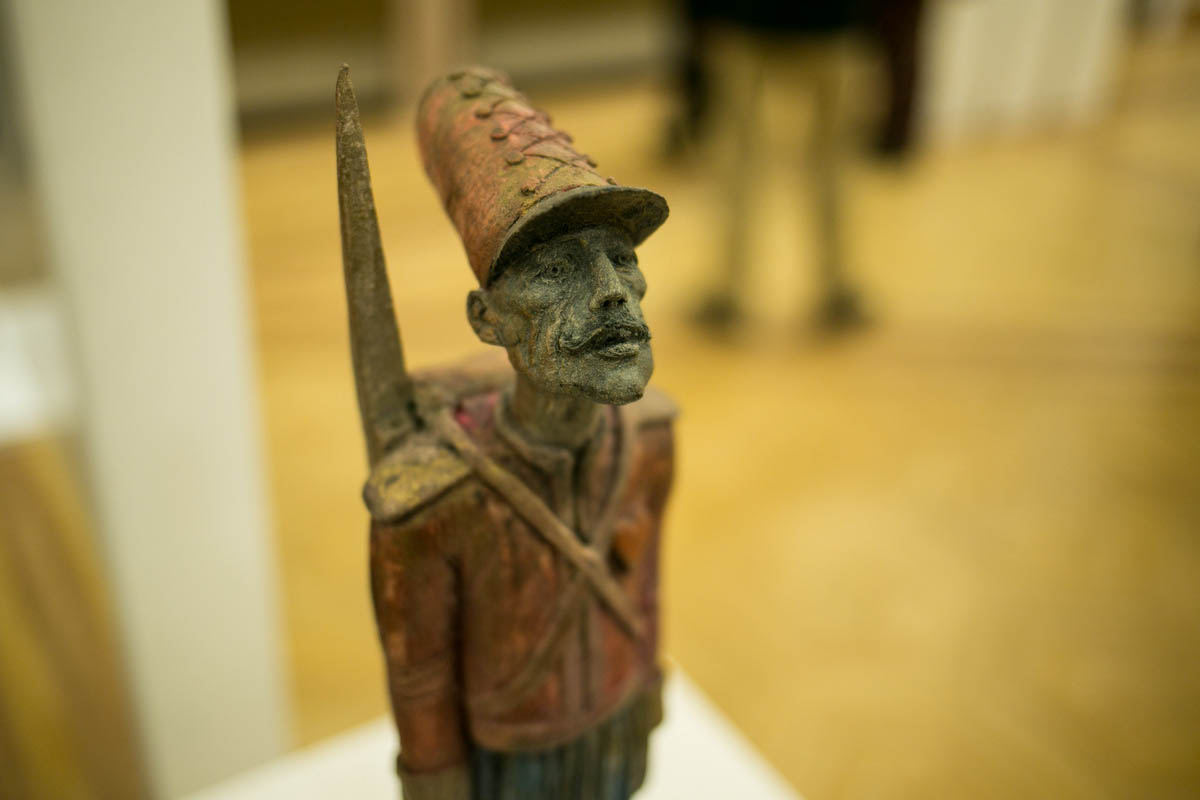
On 10 January of this year I have inspected the exhibition of the Petőfi Museum of Literature on the fate of the Hungarian writers in the great war, and I decided to give one more year to this exhibition, full of all sorts of bad scribblers. Their Deckungs are a bit impractical, some exhibition labyrinths compiled by way of idealistic Potemkin walls, not nearly as practical, as ours in the previous post. If the next year takes place in this spirit, too, then I will have recourse to the competent authority, and have the exhibition closed on 10 January 2016.
And Károly! You braid-maker! If in the mountain passes you meet a certain soldier called Nick Bottom (the devil knows how he got such a civilian name), tell him that it will be good to take care of him!
Höfer, Lt.Gen.
Deputy Chief of the General Staff”
This part of the daily war reports somehow was not included in the published official version.]
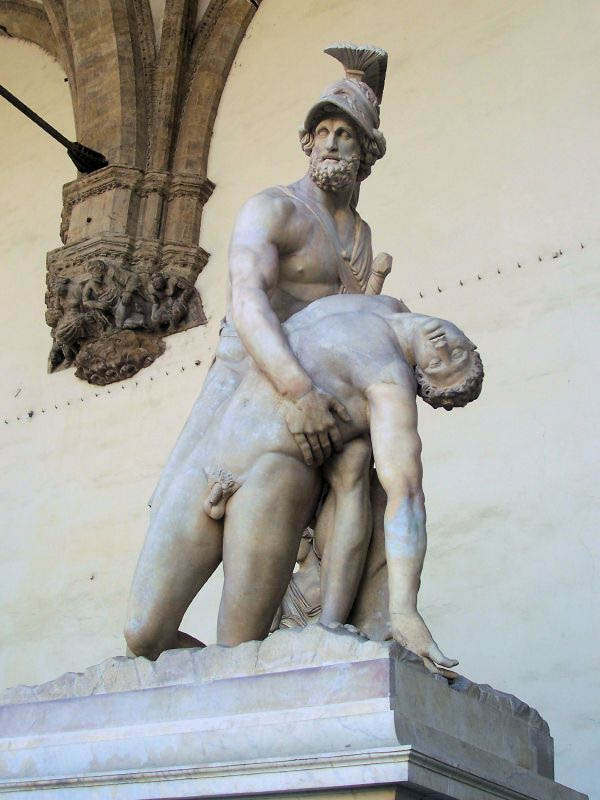
Pasquino was once a king. He was called Menelaus, and he carried the body of Patroclus from under the walls of Troy, killed by Hector, as it is seen in the Roman copy made after the original of Pergamum, under the arcades of the Loggia dei Lanzi in Florence.
Rome, however, does not tolerate the kings, and the statue of Menelaus that is to be found here was much less lucky. By the time it came to light during the foundation works of the Orsini palace – at whose wall it stands until this day –, the land of the Brutus had deprived it of its members, its face and its identity.
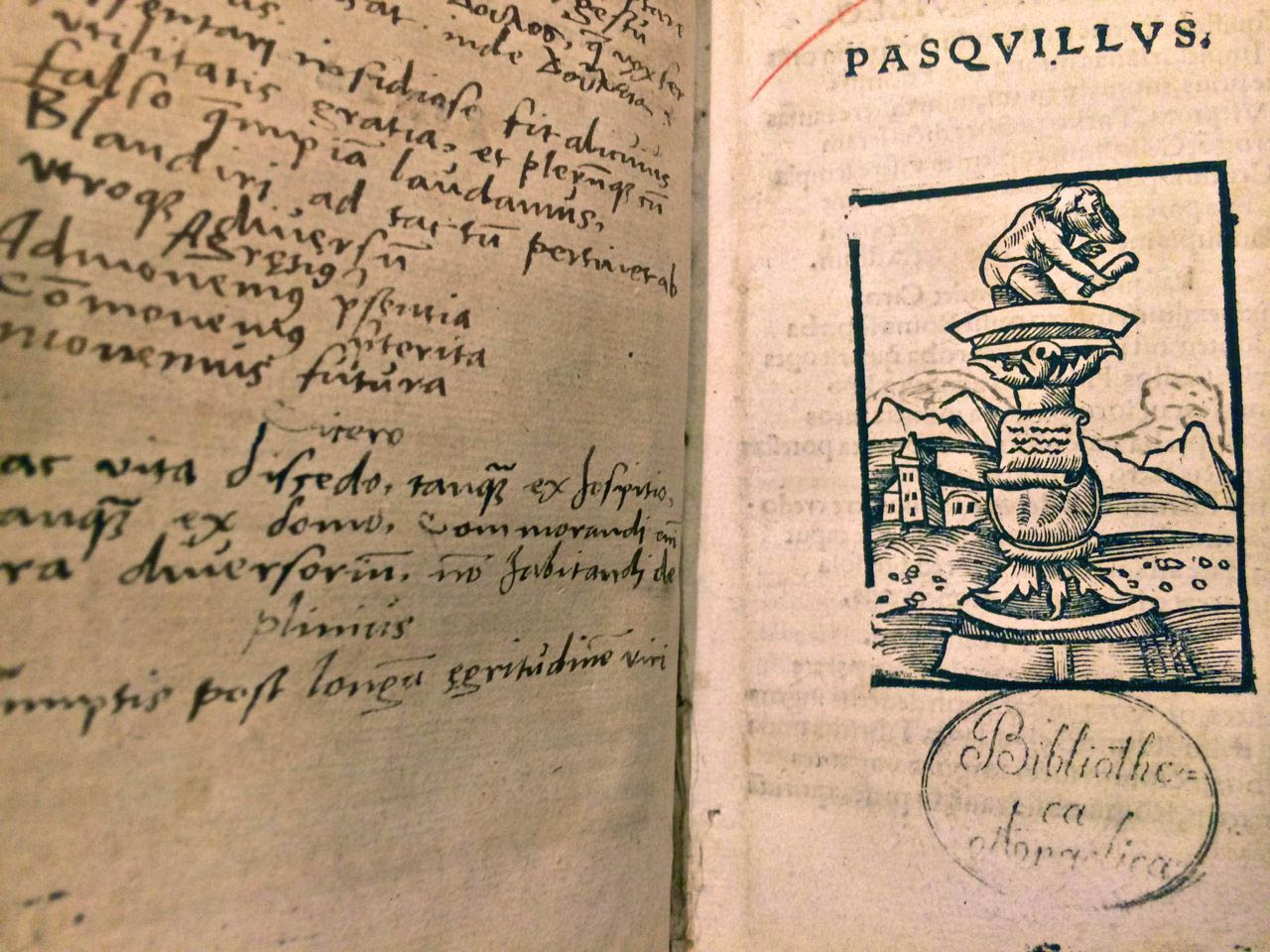
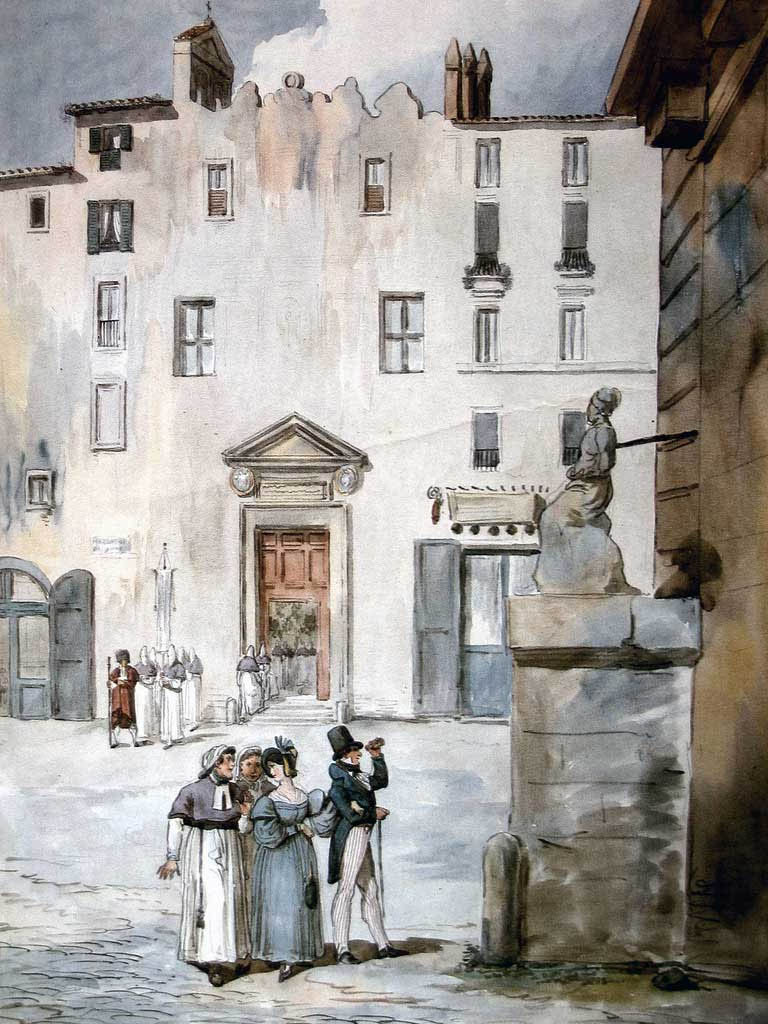
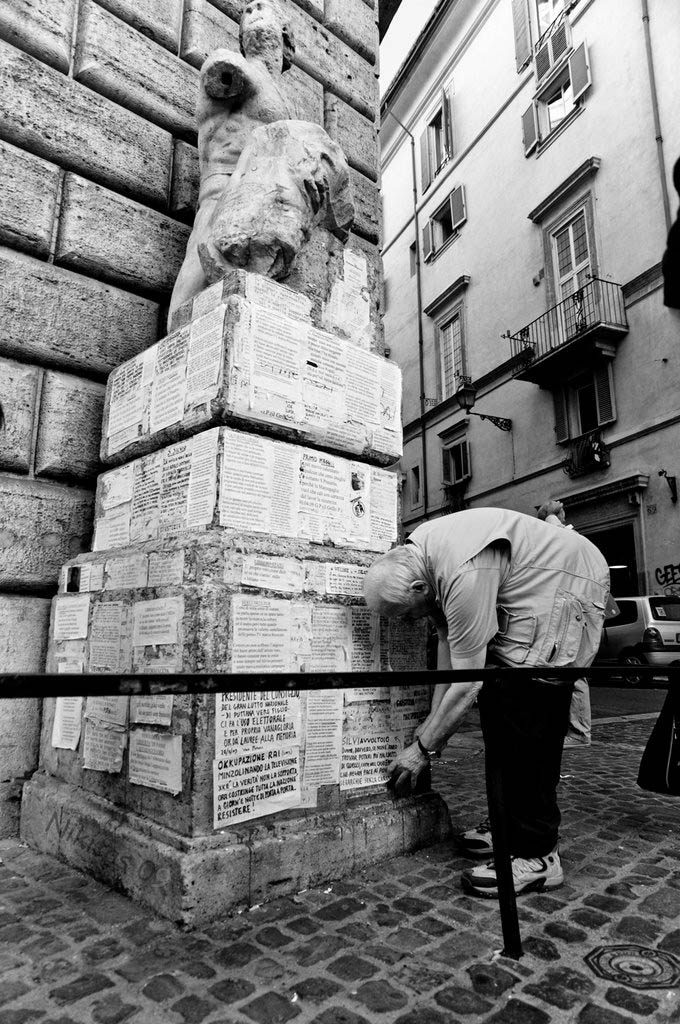
The people of Rome, however, which nestles on its own history just as comfortably as it does under the arcades of the ancient monuments, gave him a new identity. They called him Pasquino – or in Latin Pasquillus, “Small Pasquale” – after the local tailor, who was just as small and curved as the statue, and whose chief merit was – as described by his contemporary, Lodovico Castelvetro – that due to his Vatican clientele, he came home day after day with the juiciest gossip, and passed it on with the most biting commentary to the local community. After his death, this function was taken over by Pasquino, on whose pedestal, night after night, savagely biting political pamphlets in verse – pasquinades or pasquils – saw the moonlight, and Rome’s people happily got up before sunrise to read, memorize and pass them on, before they were ripped down by the morning patrol.
Pasquino throughout the centuries

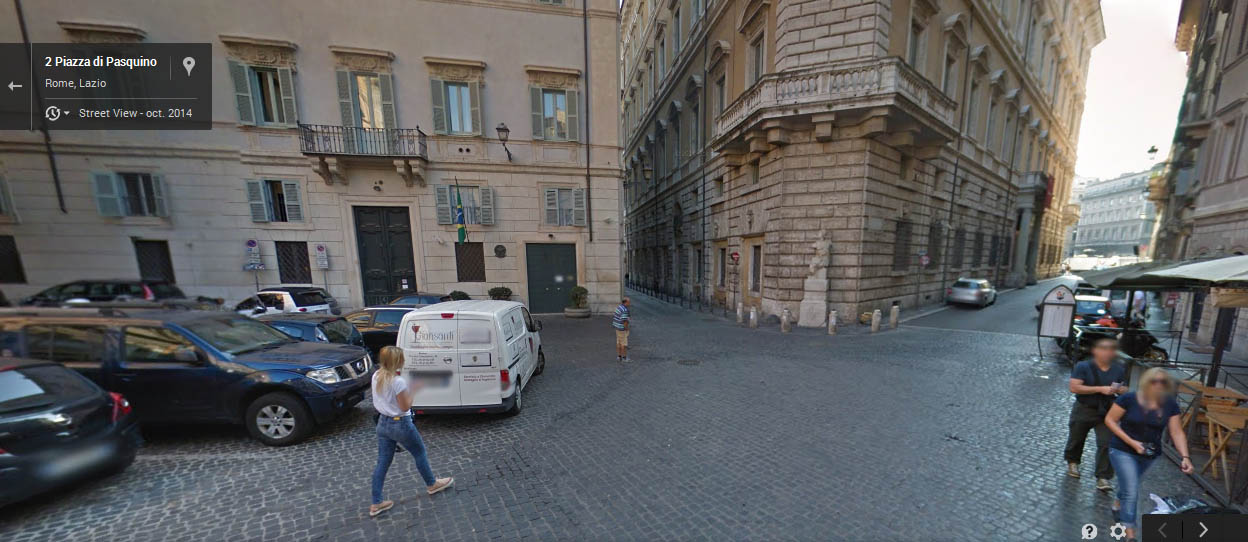
Piazza Navona and its environment on Giambattista Nolli’s 1748 map. Number 620 is Piazza Pasquino (at that time still Piazza Parione), and 621 the Orsini palace, with the statue of Pasquino marked in red at its corner. Below: Pasquino statue in Google Street View
The pasquils, these early Romaleaks, were obviously leaked by well-informed and educated courtiers from the papal court and cast in artistic form in the Roman vernacular, and they were also published in regularly updated volumes beyond the Alps. They clearly irritated their main target, the leaders of the city and the papal state. The Netherlandish Adrian VI, the last northern pope before John Paul II, who in the early 16th century hoped to create order in Rome, wanted to throw the statue in the Tiber, but his advisers – among them certainly a good number of authors – convinced him that this is still the most effective safety valve for draining the dissatisfaction of the people of Rome. Two centuries later, Benedict XIII inflicted the death penalty on the authors of the poems, but to no avail. Pasquino became the uncrowned king of Rome, a dreaded tyrant of popes, politicians and celebrities.
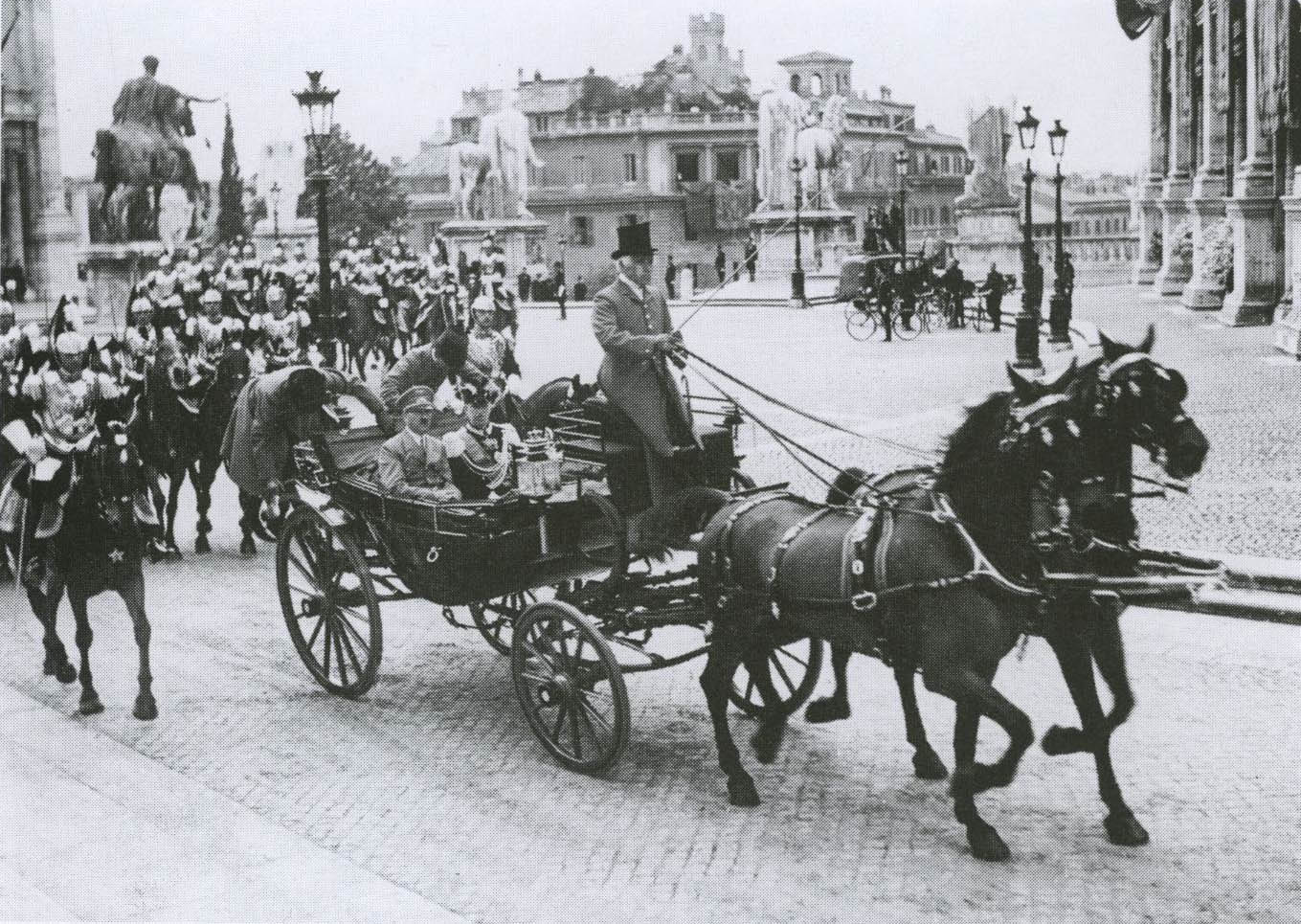
Hitler and Victor Emmanuel III are driven to the ceremonial reception in the Capitol, 8 May 1938
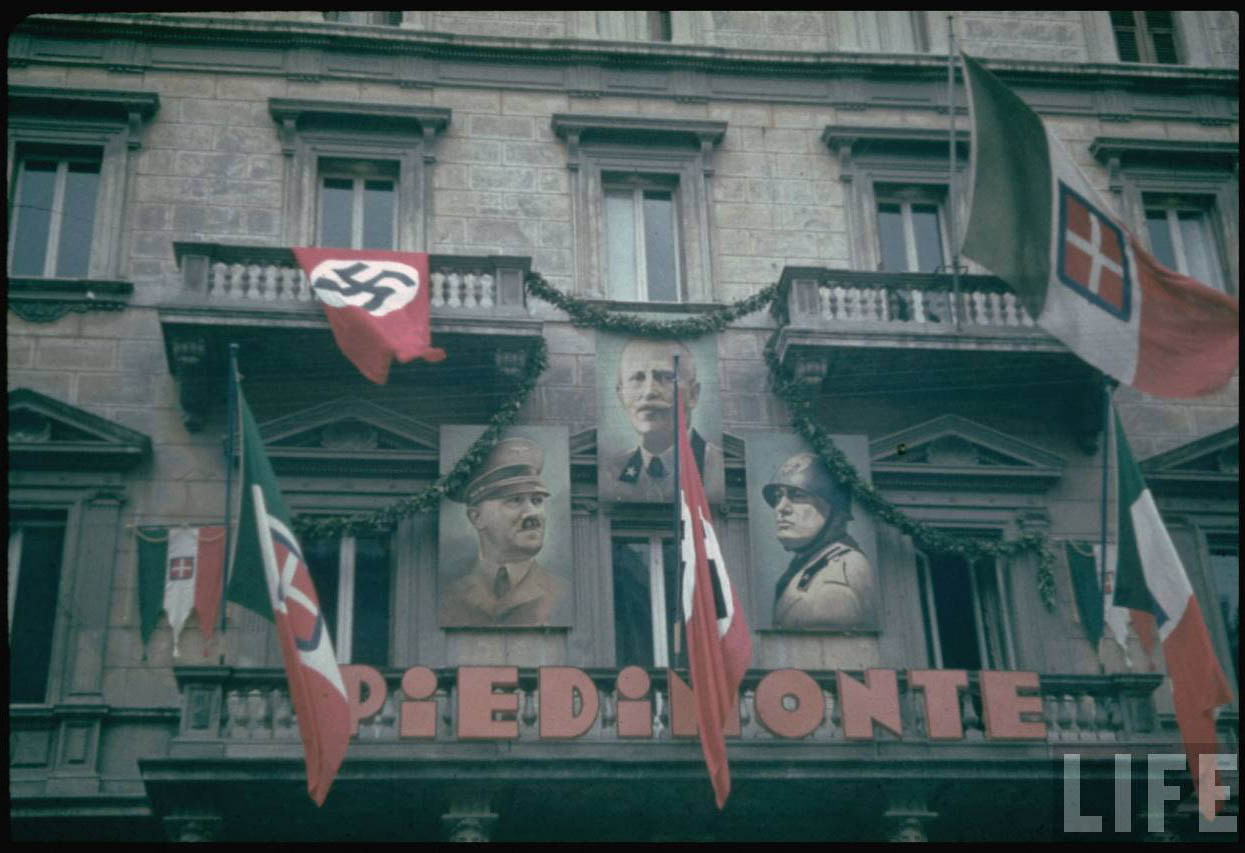
In 1938, Hitler, who reached the summit of his international recognition, had a solemn visit to allied Italy, including Rome, Florence, and Naples. At the railway station in Rome he was received by King Victor Emmanuel III and Prime Minister Benito Mussolini. Hitler took a seat on the King’s side in the ceremonial carriage, and the procession drove under the papier maché triumphal arches along the Via dei Fori Imperiali, next to the Colosseum. This zone hd only just a little while before been “cleaned” by Fascist town planning from every living medieval and Renaissance addition, and converted into that solemn and dead zone of ancient monuments in the middle of Rome, that we see today, as it is graphically described by the popular name for this process: lo sventramento di Roma, “the disembowelment of Rome”.
But if rulers meet in Rome, Pasquino must also be there. On the morning of the visit, the uncrowned king of Rome greeted his colleague in a verse on his pedestal:
Roma, de travertino
vestita de cartone,
saluta l’imbianchino
suo prossimo padrone!
Rome, from marble converted to paper, greets the house-painter, her future master.
We do not know how Hitler returned the greeting. We also do not know how Pasquino foresaw the events of September 1943. But in two thousand years he must have seen enough of the past to glimpse into the future even without a face, like his companion, the two-faced Janus on the bridge over the Tiber, at the entrance to the ghetto. About whom we will discuss in a new post.
The metro is a network system of linear spaces where masses of people come together, pass through, and part, while in motion through an underground system of escalators, tunnels, platforms and corridors, with the objective of each person getting from a point A and arriving to a point B.
As an underground system, the metro is necessarily a space apart from the happier face of the city in sunlight, being confined beneath it to dark, meandering passages, and comprising a Hades, an underworld, with rats and dirt and clotted grease. The metro, despite its historical novelty, feels ancient. A clinging smell hangs in the air, a mixture of electricity, sweat, sausage, and machine oil. It is a kind of wormhole that sucks up human particles on the surface, and then spits them out elsewhere. Its riders submerge, as if in a submarine, and each stop, each rise to the surface, is a new little world, a planet unto itself, a unique urban context. The metro strings them together like a necklace of pearls on a black thread.
Subjectively, the metro is a particular set of sensations involving rhythm and kinesis, muscular control modulated by visual and auditory stimuli, and individuals moving through its linear spaces behave in the manner of a particle stream. A person moves either with or against the flow, an invisible, but particularly salient force. One feels it rather strongly in the legs and in the torso, a momentum of the physical weight of the body, and its intentionality, dynamically altered in close coordination with all the other passing human particles, each also with their own moment and intent. It is self-arranging, and thus somewhat chaotic, and hence, unpredictable. People rush, generally plowing forward, and observing cues that land them in the right spot. Someone might stop short, an outwardly random event, and it is instantly perceived by fellow particles, if they are alert, and they adjust accordingly. But in the main, flow predominates and the sharp edges of all other forces are smoothed away in submission to its bidding.
I was met with a stark example of this flow once in Saigon, where I was confronted with the normally straightforward problem of crossing a major street. A gapless, stopless, torrent of traffic raged, like water in a bursting river, like corpuscles in a bloodstream. Crossing flows of traffic were delicately interleaving at the intersection, rather that stopping and taking turns. How to get across? Anyone reckless enough to dare to venture into this cosmic inevitability would surely be trampled beneath a hundred bicycles, a dozen motorcycles, a car, or a city bus. Sensing my perplexity, an old man came and stood at the edge of the street next to me. With a look that said, “Watch how I do it!” he started across. Encouraged by his intrepid example, I followed. Enlightenment came. I immediately understood that to keep moving at a regular speed was safe, but one must never, ever stop. Stopping in flow introduces a random event; it creates unpredictability and chaos. Just keep moving. The flow is all.
In Kiev, once, the opposite happened. Trying to enter the metro at the train station, I saw a crowd of hundreds of people funneling in through a single open door of the metro station. An entire wall of maybe ten doorways was available, of these, nine were locked tight. Overhearing a conversation, I came to understand the meaning of this conundrum. Overcrowding on the metro platform was so common in Kiev, that it was dangerous to let too many people onto the platform at once, lest someone be accidentally pushed onto the tracks. This was the simple solution, use brute force to reduce the flow so the overcrowded trains could carry riders away at a rate that brought an equilibrium of safety.
When in the flow, little conscious thought is needed to obey it. Instinctively one seeks to hold momentum and personal space, observing signs, pausing only at points where one is in need of finding bearings. We pass like phantoms beneath harsh lights of mercury vapor, and our faces, bled of color, only dimly recognize one another as fellow humans. Tight within our sensate imaginary cocoons, the psychic shells that float through space along with us, we are sometimes, in this place, as alone as we can ever be. Our tribal brethren are reduced to merely the cold stream of their firmer embodiments, a charged plasma alongside which we slide, and usually, ignore. Perhaps we do so too easily.
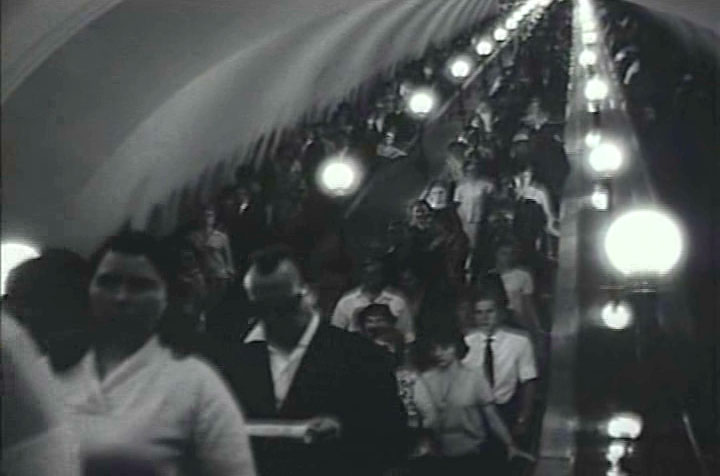
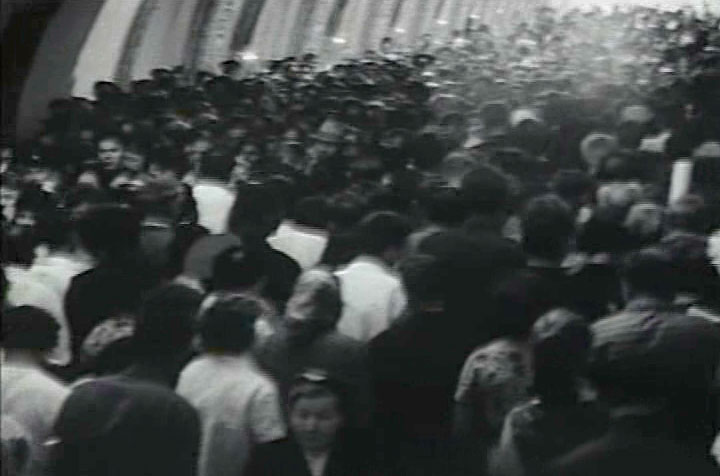
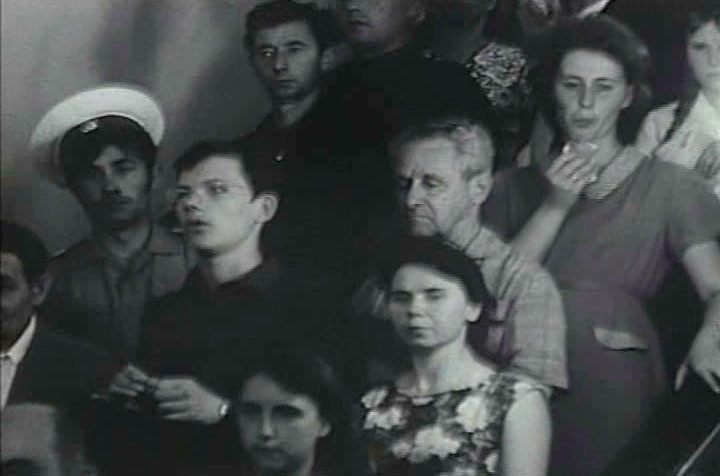
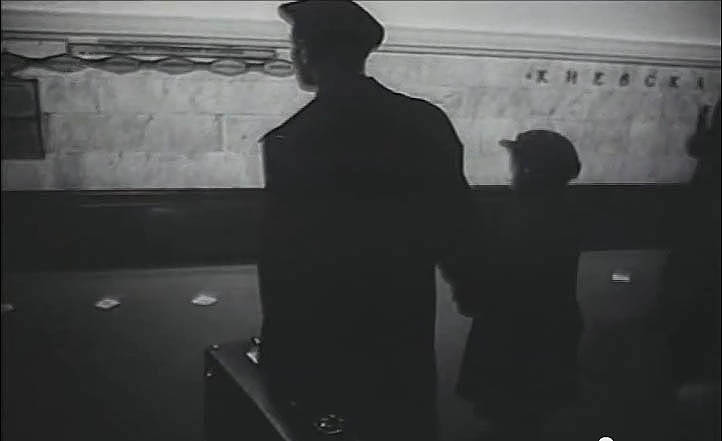
The short film Metrum was made by Ivan Balaďa in 1967 under the Czechoslovak Army’s film unit. In it, Balaďa’s camera wanders the Moscow metro system, purposely moving against the crowd so we can study the faces and postures of thousands of passing people, finding on them a thousand worries, quotidian and existential. In counterpoint to the incidental sounds of the metro and shoe heels tapping on hard pavement, we hear choral singing from the Orthodox mass. Conceived by its producers as a propaganda film to extoll the metro, when Balaďa’s piece was finally screened, it was shelved by censors.
An endless rain of passengers descends and ascends the escalators, like the ladder of Jacob, in what, a grotesque parody of the cycles of nature? Because the camera is always in motion, a sea of heads becomes a sea of souls, yearning, striving, struggling souls; here is our parody, the metro is the path of the soul through life. Some figures are silhouetted, dark, secretive; other faces find the light and we can read something of their character. They are anonymous in their numbers, each one is everyone, a symbolic being. Early, the camera finds and briefly follows a pregnant woman the passage; later in the film another woman cradles a sleeping child as she waits for her train, a pietà. A lone passenger scrutinizes a schematic map, trying to find the one true answer. An abrupt cut, and a train roars into the station, shimmering with light and the squeak of brakes, the same kind of wagons that, not so long ago, ran on Prague’s metro lines. People get off and on, and the flow continues.
The final shot leaves little doubt. We emerge from a tunnel, and the overexposed frame blinds us with white light, recalling the stories survivors tell of their near-death experiences.
In the early 60s, Soviet singer-songwriter Bulat Okudzhava (Булат Окуджава) wrote and performed Song of the Moscow Metro (Песенка О Московском Метро). Its themes, instinctively or purposely, are strongly echoed in Balaďa’s film.
Bulat Okudzhava: Песенка О Московском Метро
Мне в моем метро никогда не тесно,
потому что с детства оно, как песня,
где вместо припева, вместо припева:
– Стойте справа! Проходите слева!
Порядок вечен, порядок свят.
Те, что справа, стоят, стоят.
Но те, что идут, всегда должны
держаться левой стороны.
In my metro, it is never crowded,
because since childhood, like a song,
sings its choir. The choir sings:
“Stand to the right! Walk on the left!”
The order is eternal, the order is holy,
Those on the right, they stand, they stand.
But to those who are walking, you must
always walk on the left-hand side.
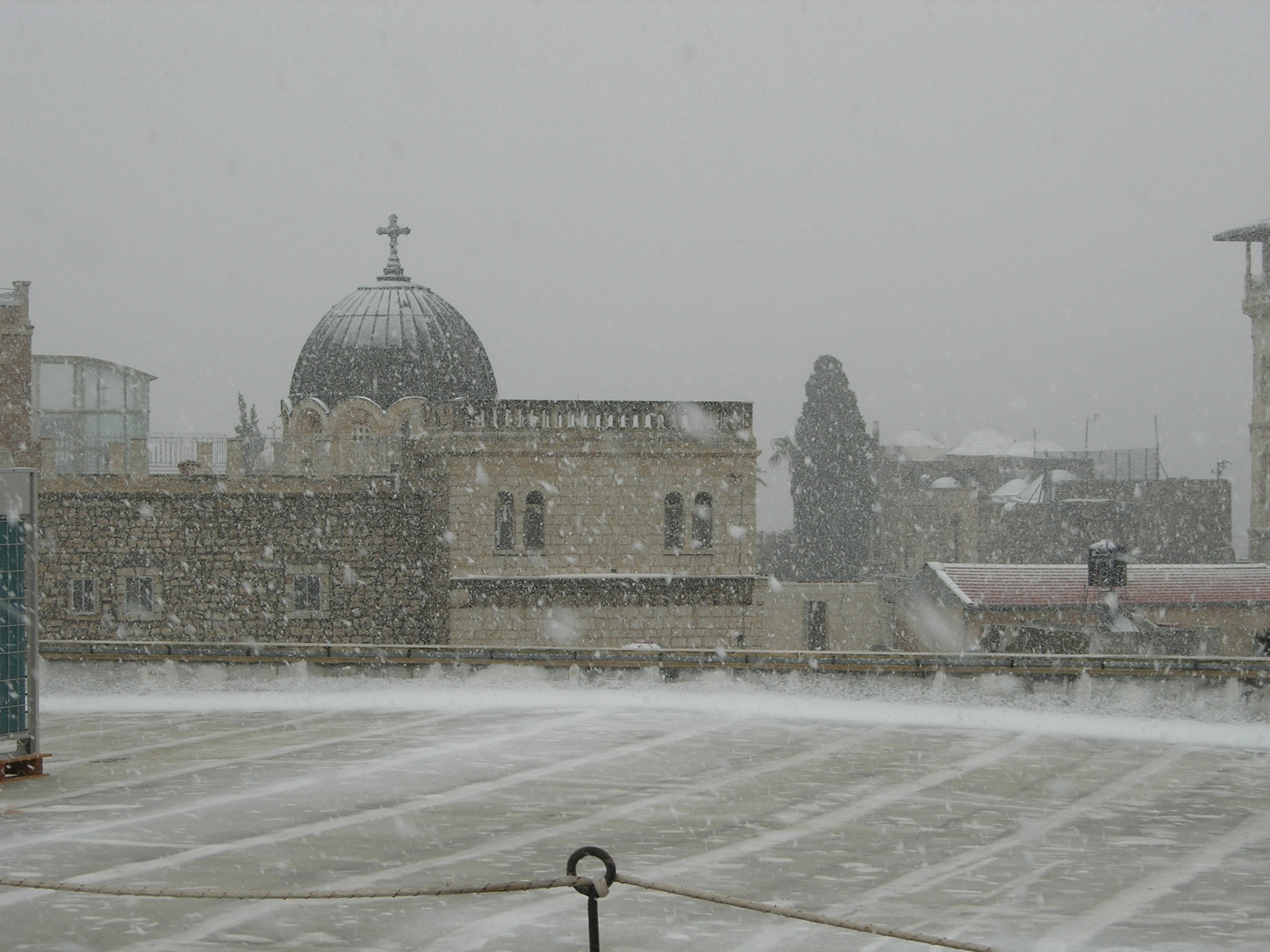
A childhood dream. Freshly fallen snow, a walk on the hillside in the twilight, on the crunching snow, the light of the candelabra dissolving as the milk loaf, the sound of the snow being bumped off the branches. A dream becoming increasingly unreal with global warming. In only a few places has it become a reality. Jerusalem, for example, where Két Sheng / Gyuri captured the following scene:
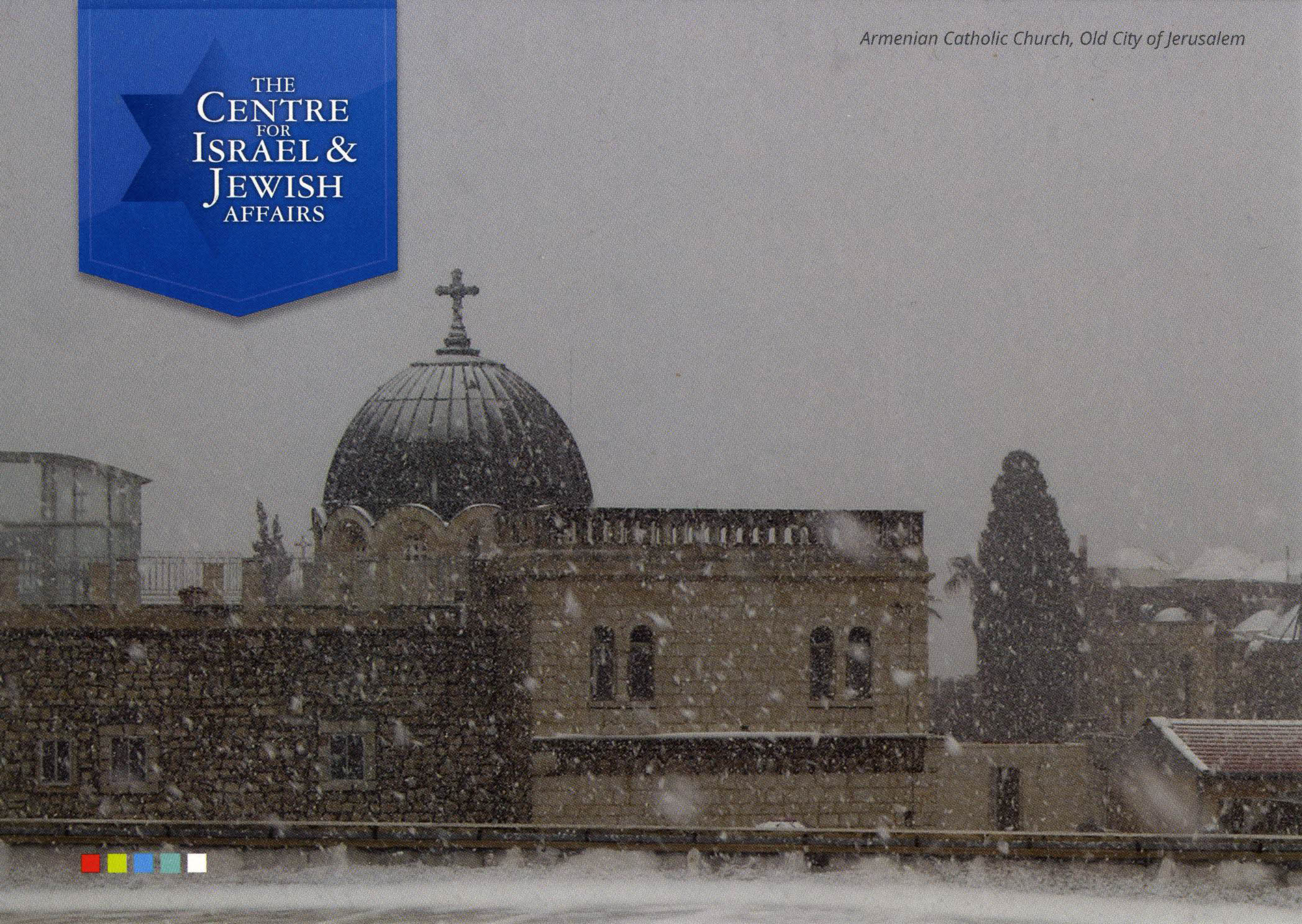
The countries poor in snow, what can they do? They borrow their Christmas postcards from countries rich in snow. This is what Canada does, from where in November we received this message:
I work for a non-profit organization in Canada. I saw a beautiful picture in your blog, which I would gladly use for our Christmas postcard. Would you please give permission?
Of course.
As to why the Canadian The Centre of Israel & Jewish Affairs sends a Christmas postcard, it can be questioned only by the most nitpicky. In fact, Hanuka and Christmas exactly coincided this year. And to make ecumenism even more complete, I received this postcard exactly today, on the day of the Orthodox Christmas, from Gyuri, who received a bunch of them from the Centre as a complimentary copy. So I forward it to our readers as long as the feast lasts.
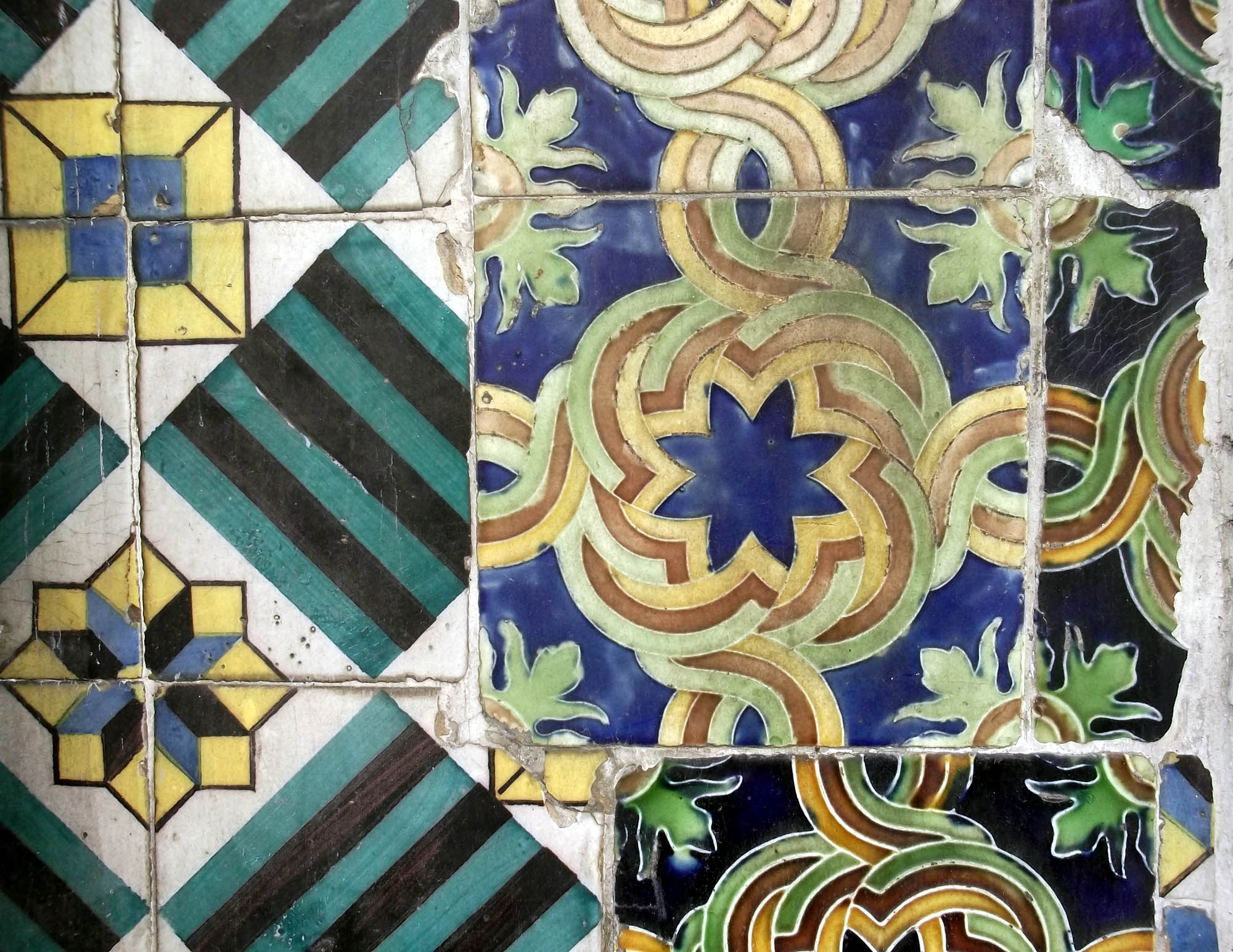
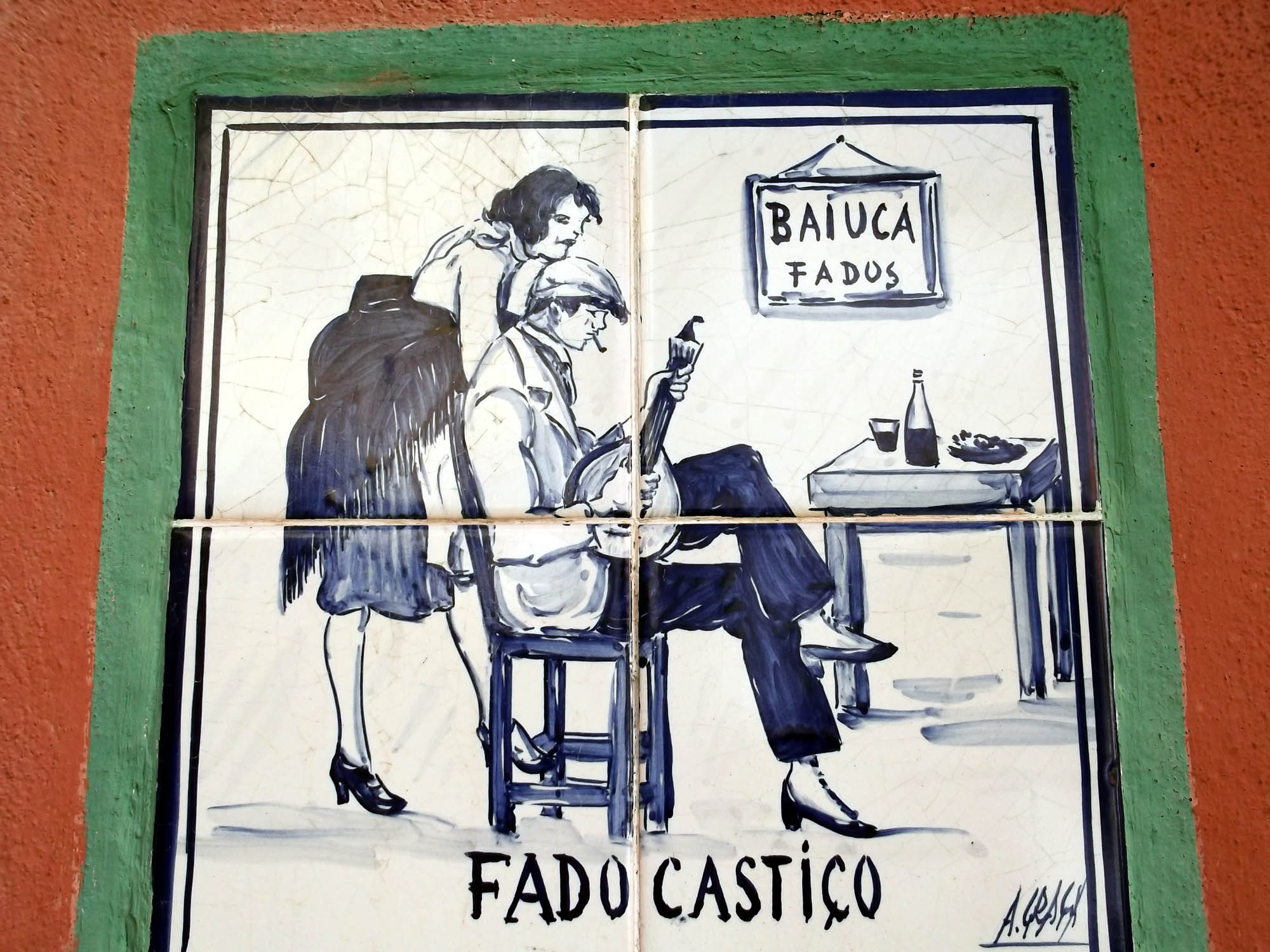
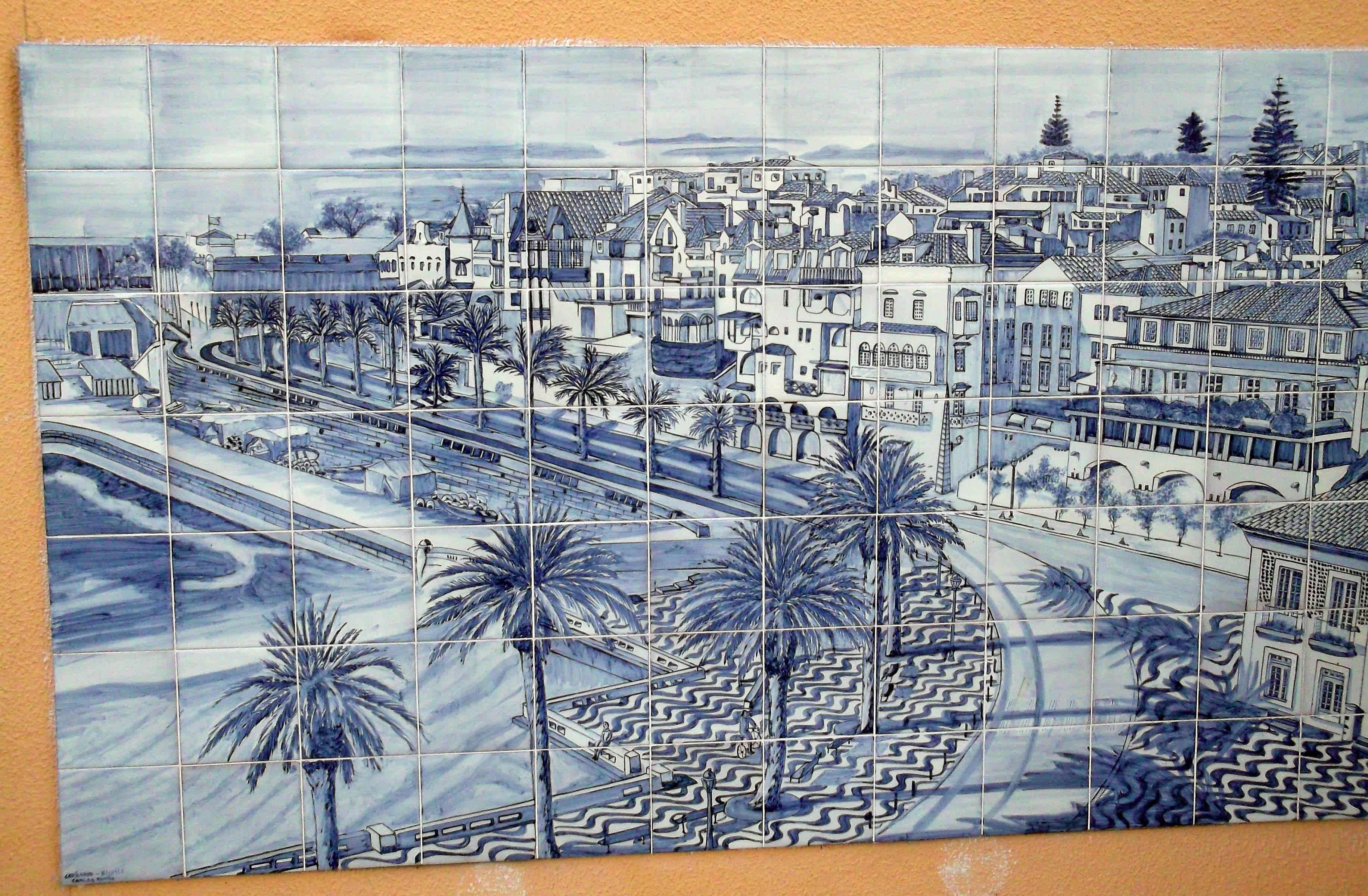
“Azulejo (Portuguese: [ɐzuˈleʒu], Spanish: [aθuˈlexo], from the Arabic word zellige زليج) is a form of Spanish and Portuguese painted tin-glazed ceramic tilework. Azulejos are found on the interior and exterior of churches, palaces, ordinary houses, schools, and nowadays, restaurants, bars and even railways or subway stations.”
My dear son, I am letting you know that I am healthy. I have just arrived here, but I already want to be at home. Now it is very quiet here, and for the last couple of days there have been hardly any battles. They say that there is a 21-day truce, and peace negotiations are going on, is this true? We are in a village behind the firing line, it is the third day that we have a rest. There is nothing here, matches, tobacco, candles, everything is empty, but do not send anything, because it will get lost on the way. Have you received the other postcards? How are you? Otherwise, do not worry about me. Embraces and kisses from your loving Károly Now you can already write, mind the address: field post 14, as above
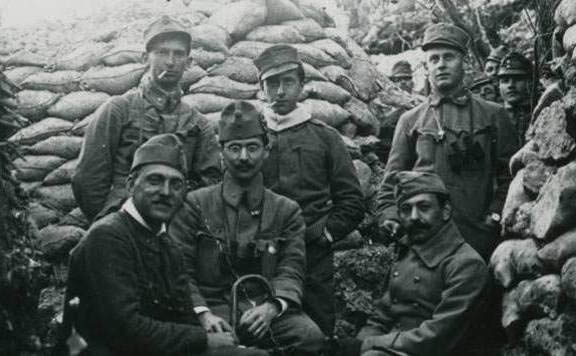
[Around Christmas and New Year, the fierce fighting around Dukla subsides for a few days. In the first four or five days of the year, the units of the regiment stroll about Felsőhunkóc, Ladomérvágás, again Felsőhunkóc, Kismedvés, Bátorhegy.
The quiet immediately suggests to the soldiers in the trenches the realization of their dreams. Waiting for a truce and peace negotiations.
The official memory of the regiment is slightly different:
“The 1st Budapest Regiment began the second year of the world war with faith in God and confident hope. Already in the early morning everyone welcomes the news that our supreme warlord, our grey-haired monarch anxious for his people, our Apostolic King, His Majesty Francis Joseph I, as well as our Army Commander Archduke Frederick, and the Corps Commander of the 1st Regiment, Archduke Joseph, adored by his troops, greeted their armies by telegraph on the occasion of the New Year.”
They could have sent some matches and candles as well.]
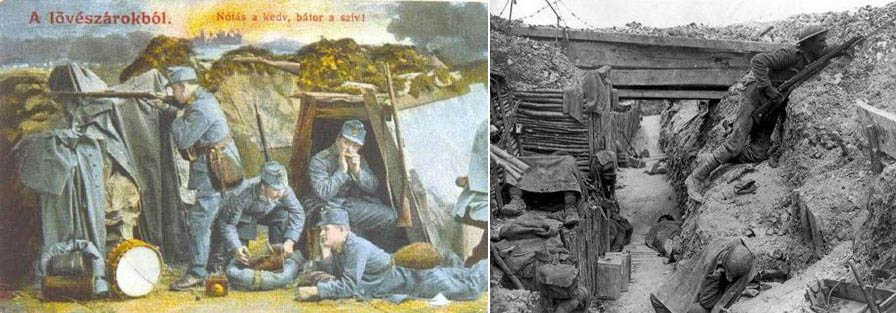
Life in the trenches, 1915. Propaganda and reality.
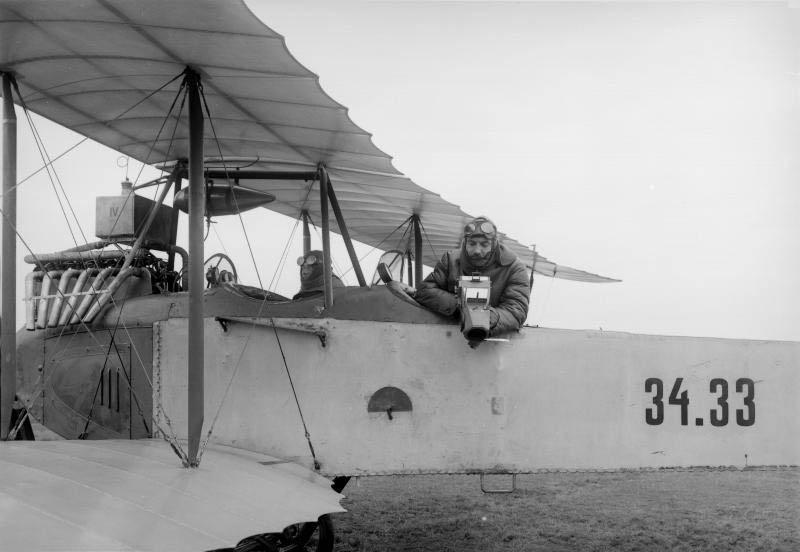
The beginnings of aerial photography. Kolomea, Galicia, 1916. Los inicios de la fotografía aérea. Kolomea, Galizia, 1916.
The beginnings of aerial bombardment. Kolomea, Galicia, 1916
The First World War as the first technical revolution of the twentieth century. “The war that started with horses and ended with tanks,” as they say. In fact, with airplanes, if you look at the continuation, where the pilots of Trieste joining the Poles stopped Budyonny’s Red Cavalry.
La Primera Guerra Mundial como primera revolución técnica del siglo veinte. «La guerra que empezó con caballos y acabó con tanques», se dice. De hecho, con aviones, si se atiende a la continuación, cuando los pilotos de Trieste junto con los polacos detuvieron a la Caballería Roja de Budyonny.
A double-decker, with bellows camera, hand-released bomb. Kolomea, the chief town of the Hutsul land, 1916. From the Cтapi фoтo Cтaниcлaвoвa site. Who knows more about it?
Un biplano, con cámara de fuelle, bomba de lanzamiento manual. Kolomea, principal ciudad del territorio hutsul, 1916. De Cтapi фoтo Cтaниcлaвoвa site. ¿Alguien sabe más de estas imágenes?
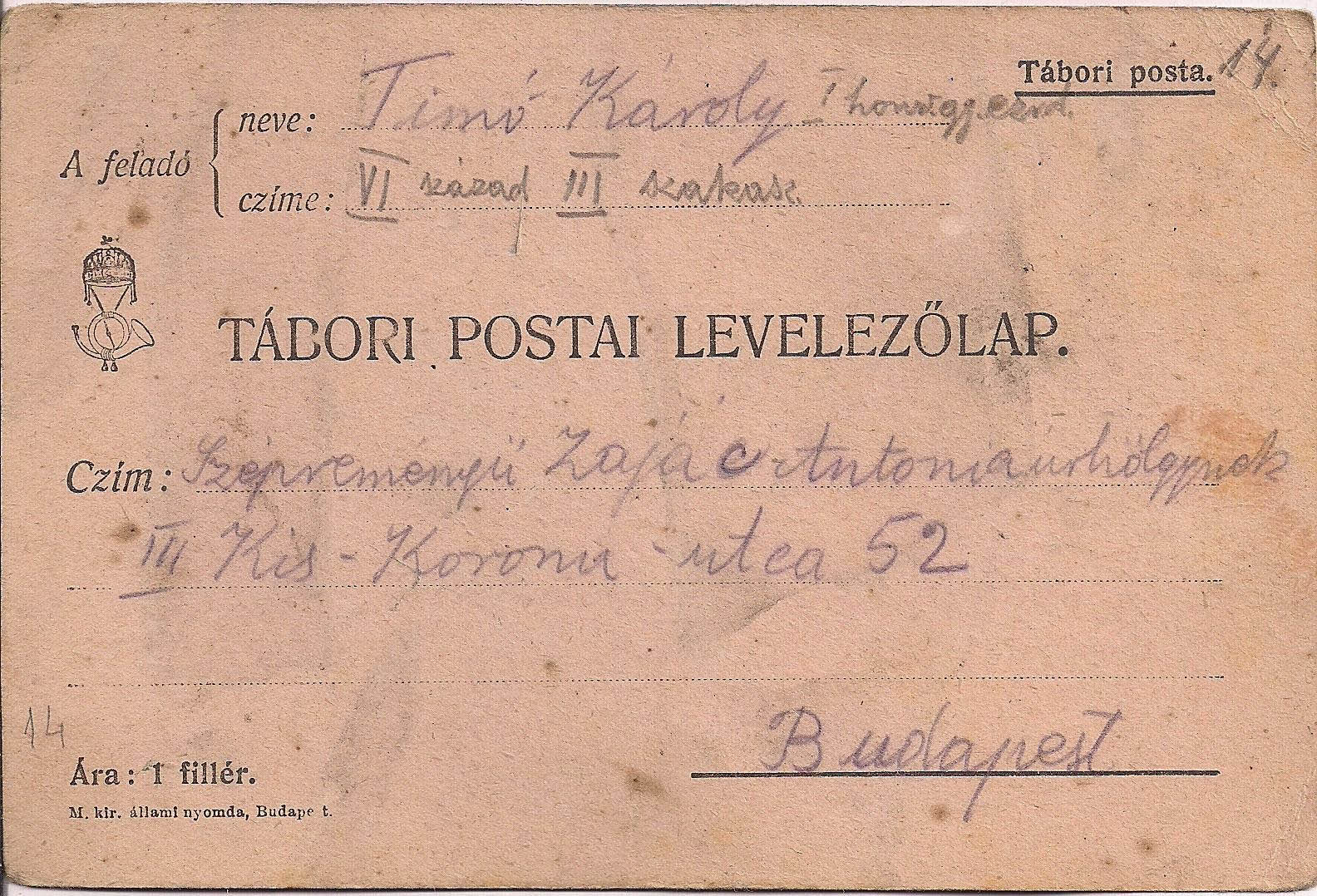
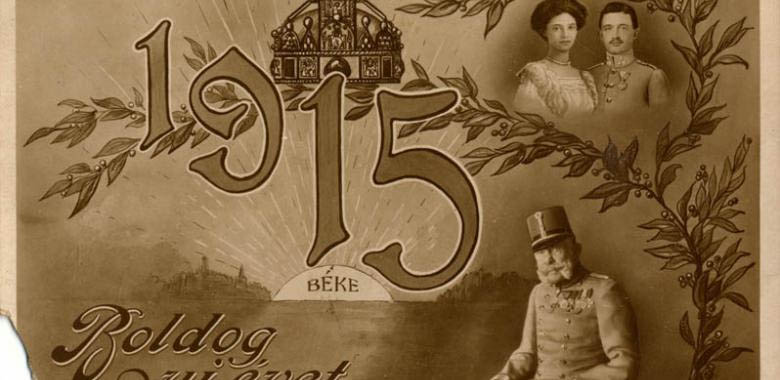
 Date 11 Jan [1915]

 Next postcard: 30 January 1915
















 Come with us to…
 Atlantis
 Bestiary
 Bohemia+Prague
 Books, exhibitions, music, film
 Brave old world
 Caucasus
 Cemeteries
 Crimea
 Get to know the
 Images of the East
 Lightwriting
 Lwów/Lemberg
 Mallorca
 Message on the wall
 The Museum of Propaganda
 Odessa
 Paper Museum
 Persian letters
 The Jewish heritage


