Switch over to our new blog! • ¡Pásese a nuestro nuevo blog!

The renewed version of our blog, with more features, a richer design, and available in nine languages, can be read here: https://wangriver.com

The new version also includes the old posts, often in expanded form. If you are curious about the updated version of this post, replace “riowang.blogspot.com/” in the URL with “riowang.studiolum.com/”, and the new link will most likely lead you there.


La versión renovada de nuestro blog, con más herramientas, un diseño más rico y disponible en nueve idiomas, se puede leer aquí: https://riowang.com

La nueva versión también incluye las publicaciones antiguas, a menudo en una forma ampliada. Si tiene curiosidad por la versión actualizada de esta entrada, sustituya «riowang.blogspot.com/» en la URL por «riowang.studiolum.com/es/», y el nuevo enlace probablemente le llevará allí.

El largo camino a Ushguli


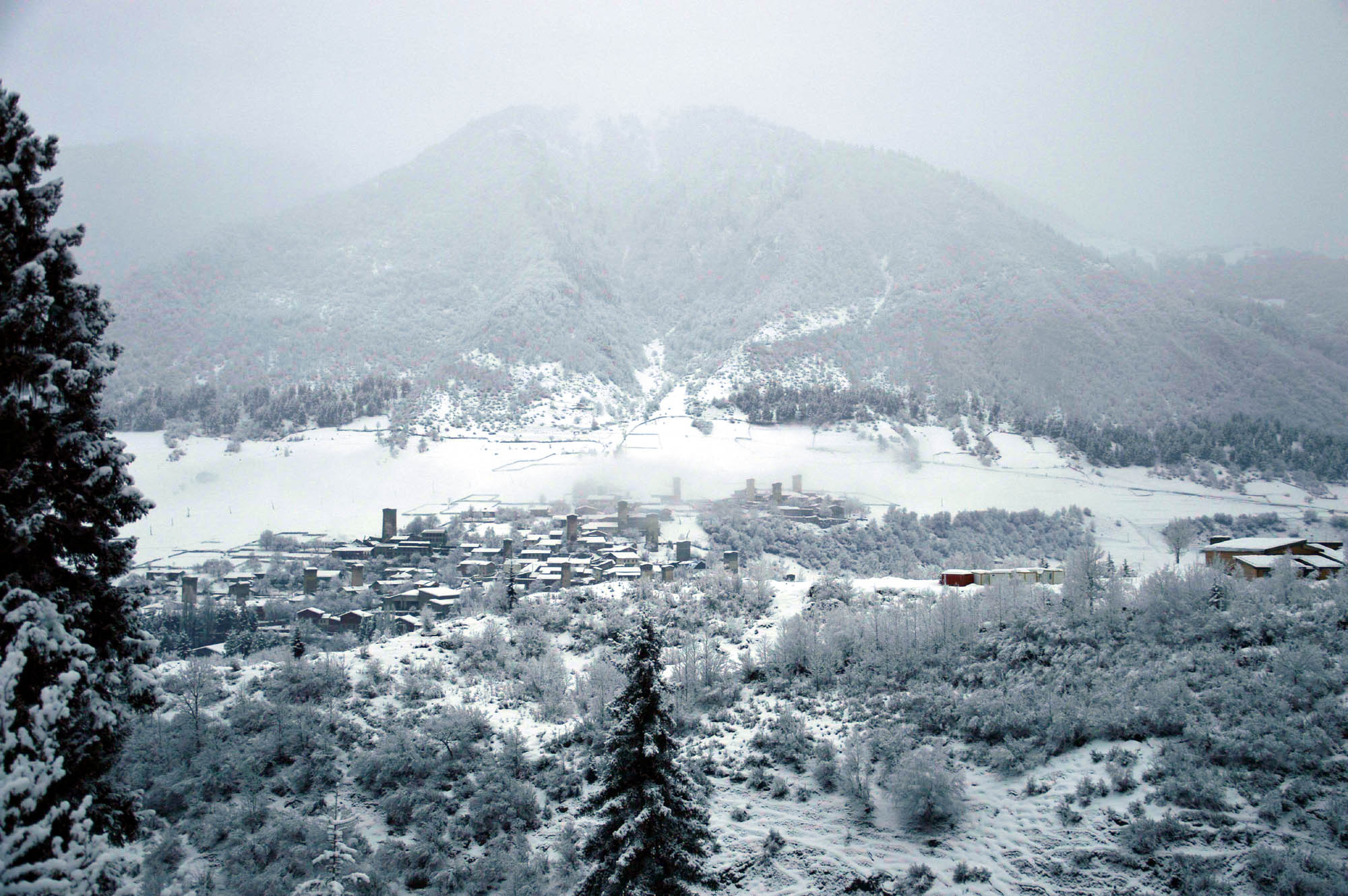
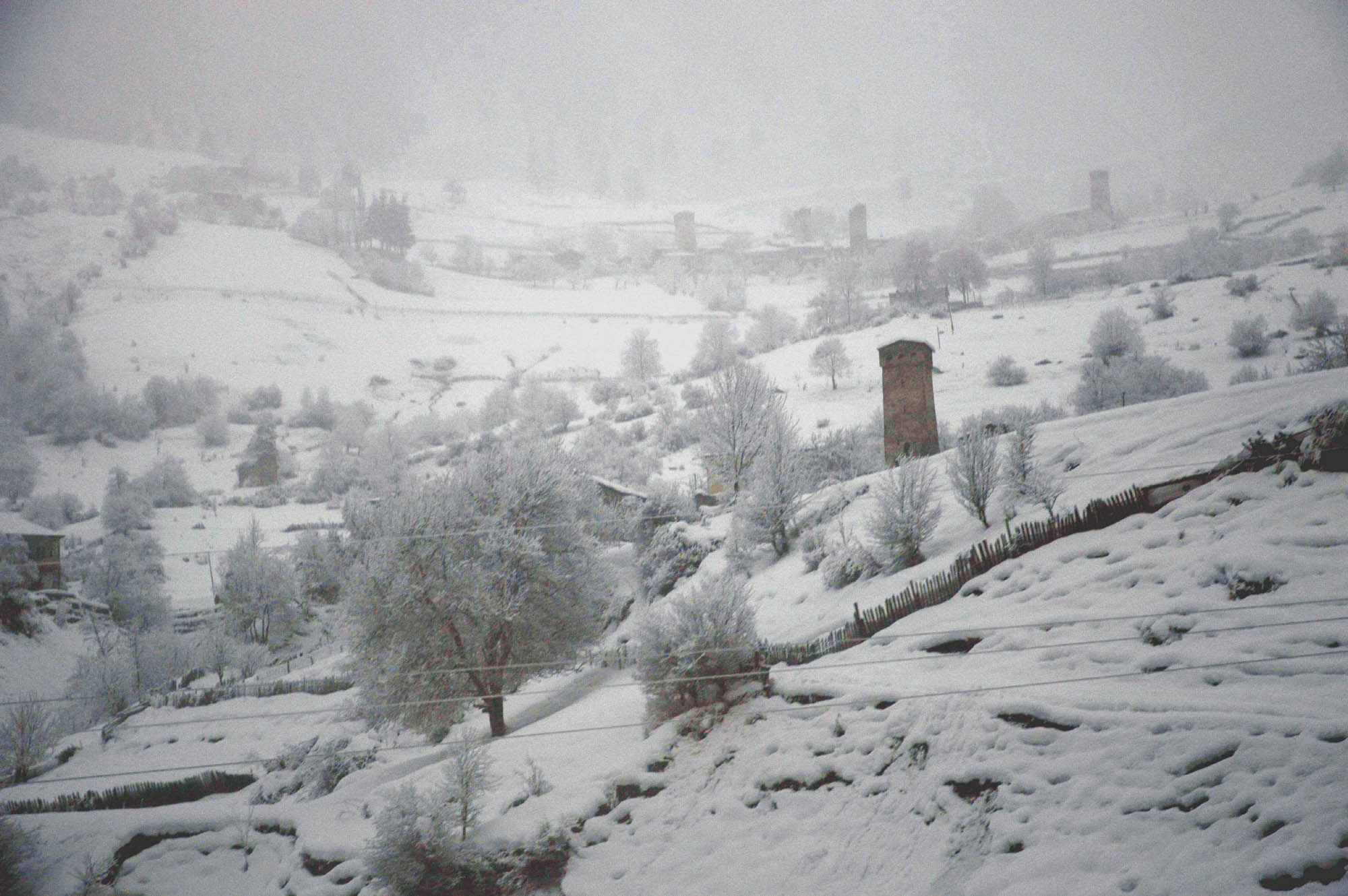
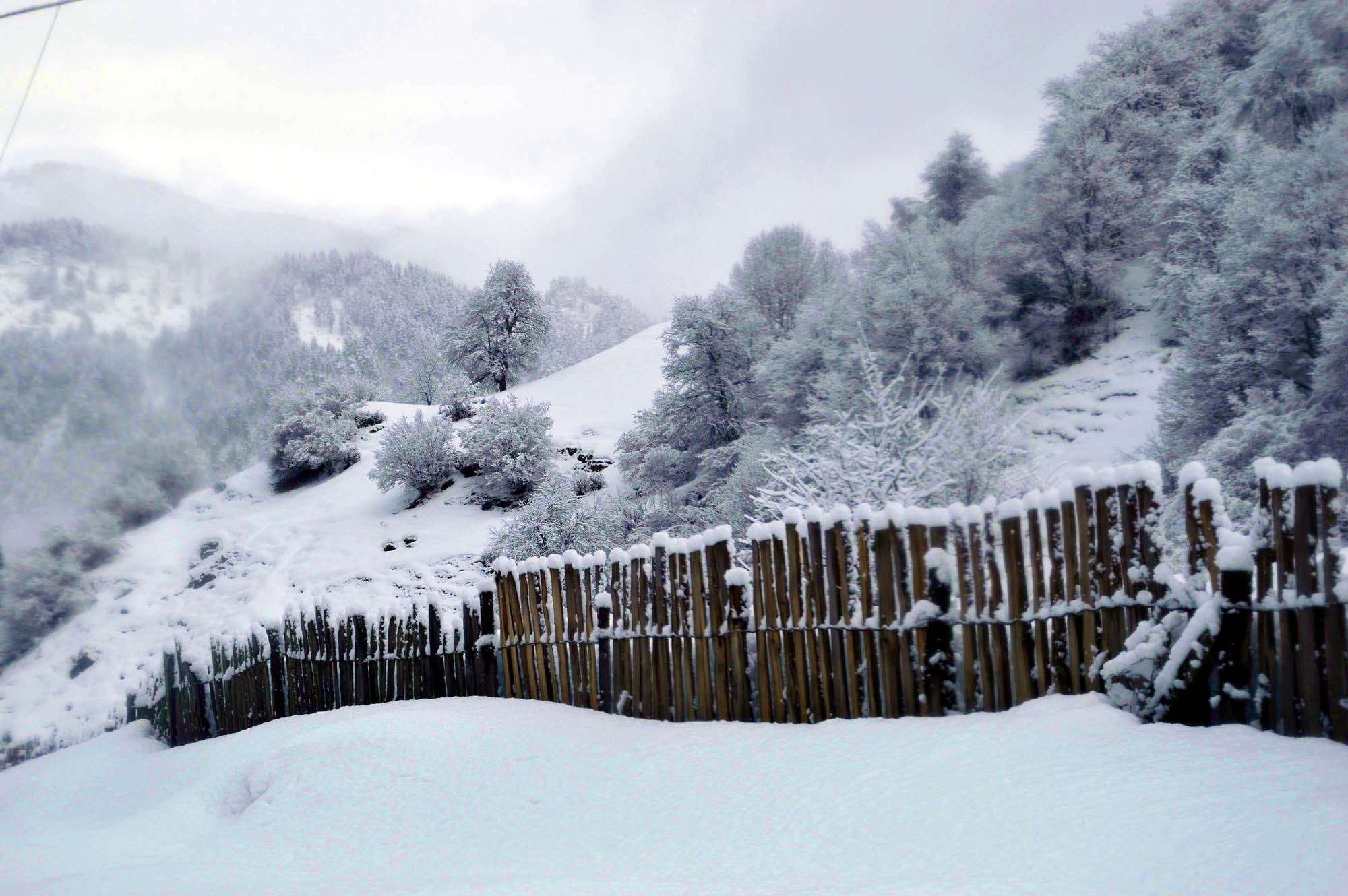
Abro los ojos antes del amanecer en el albergue en Mestia y veo que ha nevado durante la noche. Ni el más ligero soplo de aire. En la luz neblinosa cada tejado, cada árbol, cada valla se perfila con una línea brillante de  blanco puro. Montoncitos de exquisita fragilidad sobre todas las formas, hasta en la rama más pequeña. Los cables eléctricos, combados con elegancia de poste a poste, se han convertido en gruesas cintas blancas, la nieve se ha acomodado con cuidadoso equilibrio, copo a copo, sobre los tendidos eléctricos hasta alcanzar casi cuatro dedos de altura, una imposible tracería que la corriente más leve destruirá.

Nos ponemos en marcha para Ushguli en una furgoneta todo terreno conducida por el dueño de la casa de huéspedes. Las calles de la ciudad están desiertas a esta hora, los charcos reflejan nuestros faros en un rosa helado. El carraspeo del motor alborota a los perros que aumentan sus gruñidos y nos persiguen ladrando por las calles de las afueras hasta convencerse de que no volveremos atrás.

Al salir de la ciudad nos encontramos en una carretera estrecha, tapada por la nieve que de vez en cuando se disuelve en regueros de fango. Corre ceñida a los contornos del valle del río Inguri, casi un torrente zigzagueante alimentado por los surcos que labran los regatos aleatorios del deshielo. Derrumbes, baches, piedras que nos hacen ir frenando o deteniéndonos del todo cuando el conductor ha de salir a estudiar qué tipo de obstáculo se le ha puesto delante. Luego, manejando con habilidad el volante y las marchas cortas, vadea hasta el otro lado entre sacudidas y balanceos. Y seguimos adelante. Así, de este modo, calculamos que recorrer los 40 km hasta Ushguli nos llevará tres o cuatro horas. A veces, en un paso especialmente malo hay que salir a empujar. Hundimos los pies en la nieve y con todas nuestras fuerzas ayudamos a los neumáticos, que resbalan girando como galaxias de goma en un universo de hielo, a encontrar una superficie de agarre y poner de nuevo rumbo a Ushguli.

ushguli1 ushguli1 ushguli1 ushguli1 ushguli1 ushguli1 ushguli1 ushguli1 ushguli1 ushguli1 ushguli1 ushguli1 ushguli1 ushguli1 ushguli1 ushguli1 ushguli1 ushguli1 ushguli1 ushguli1 ushguli1


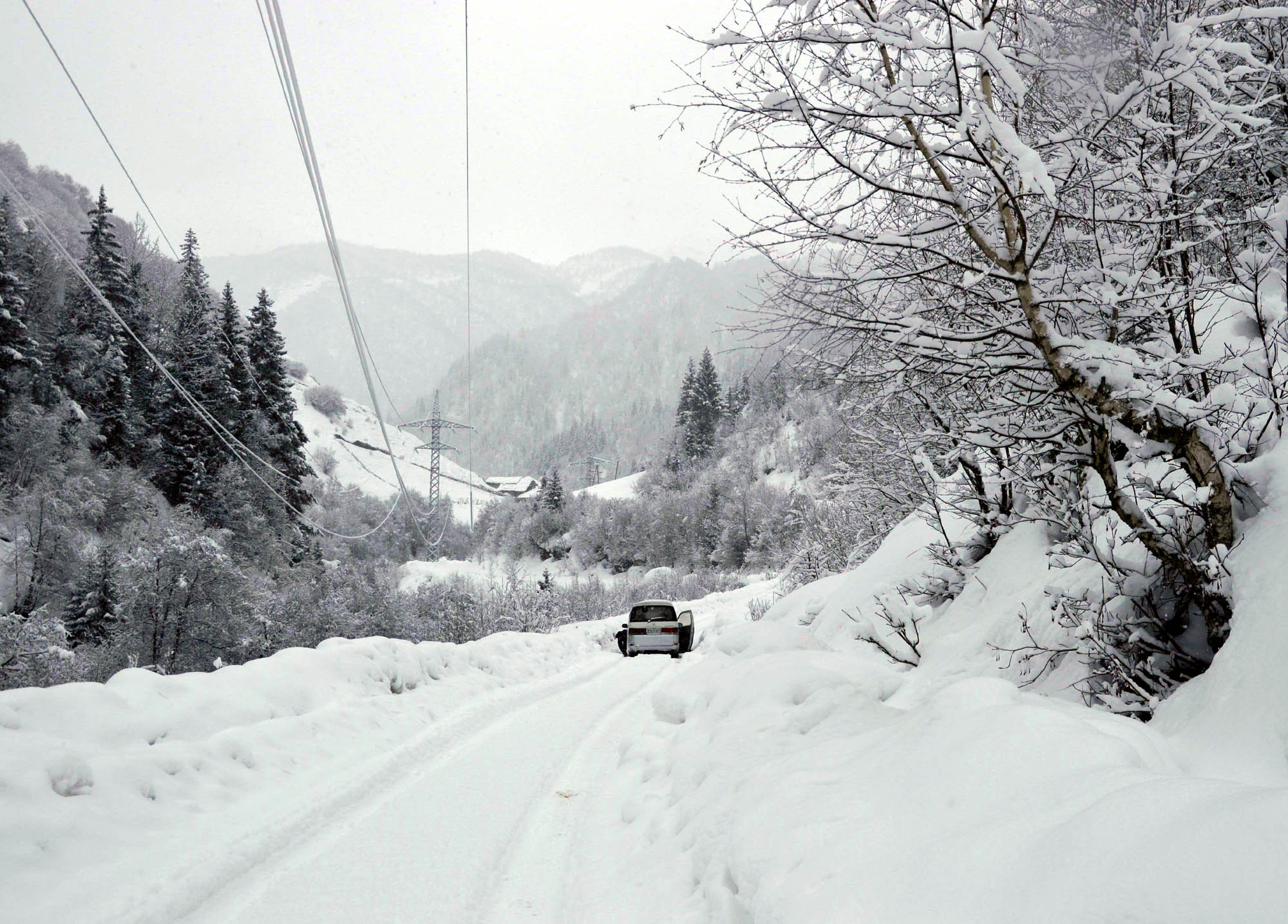
Saliendo de una curva, un arroyo corta la calzada en un profundo surco que arrastra también algunos pedruscos. Palmo a palmo, con enorme cuidado, logramos llegar casi al otro lado y el chófer está a punto de dar el último acelerón para salir de la zanja. En este instante uno de los neumáticos delanteros desplaza abruptamente un canto rodado. La furgoneta pierde el control y la panza golpea el suelo con el violento sonido de roca contra acero. Sigue el silencio de una parada completa. El motor no funciona. Intenta arrancarlo varias veces pero no hay manera. Al chocar sobre la roca se ha estropeado el sistema de alimentación de combustible.

Telefonea al pueblo de al lado y en pocos minutos llega otro vehículo con tres hombres, seguidos de un cuarto montado a pelo en un caballo pardo. Después de mucha discusión y movimientos de cabeza con el capó abierto, el conductor se decide a tumbarse bajo el coche para inspeccionar los daños.

ushguli2 ushguli2 ushguli2 ushguli2 ushguli2 ushguli2 ushguli2 ushguli2 ushguli2 ushguli2 ushguli2 ushguli2 ushguli2 ushguli2


Decide hacer otra llamada, esta vez a un pariente suyo que vive en Mestia, para que venga y nos lleve él el resto del camino. Asistimos entonces admirados al espectáculo de nuestra difunta furgoneta remolcada por un yunta de cuatro bueyes, dos machos con cuernos, delante, que guían a dos vacas, detrás, por la carretera de montaña que sube a Kala, el pueblo más cercano, donde el nuevo conductor se reunirá con nosotros.

ushguli3 ushguli3 ushguli3 ushguli3 ushguli3 ushguli3 ushguli3 ushguli3 ushguli3 ushguli3 ushguli3 ushguli3 ushguli3

Caminamos delante de los bueyes. Pasamos ante unas casas abandonadas cuyas ventanas con persianas torcidas boquean mudas en un desmoronamiento de yeso. Suponemos que a medida que la atracción por el estilo de vida moderno se hace más realizable la gente simplemente descarta este tipo de construcciones por otras mejores y en mejores lugares. Ahora no nos resulta difícil percibir el aislamiento de pleno invierno en este lugar inaccesible. Una interpretación notablemente fina de la cara de Stalin decora el yeso de uno de los muros.

ushguli4 ushguli4 ushguli4 ushguli4 ushguli4 ushguli4 ushguli4 ushguli4 ushguli4 ushguli4 ushguli4 ushguli4 ushguli4 ushguli4 ushguli4 ushguli4

Al poco nos despedimos del primer piloto y subimos al jeep del sustituto. Como para señalar que se inicia un nuevo capítulo en la aventura, tras unas cuantas curvas el carácter de la carretera también cambia. Se hace más estrecha, un poco más burda, más traicionera. Tiene un grado menos de consolidación que el tramo anterior, con una gran pared de roca a nuestra izquierda y una caída amenazante a la derecha. A medida que el sol empieza a asomarse de manera intermitente tras la manta de nubes, una imagen como de otro mundo se despliega ante nosotros: montañas en fantasmales sudarios de nieve, erizadas de árboles negros, contra un cielo azul profundo, entreverado de nubes.

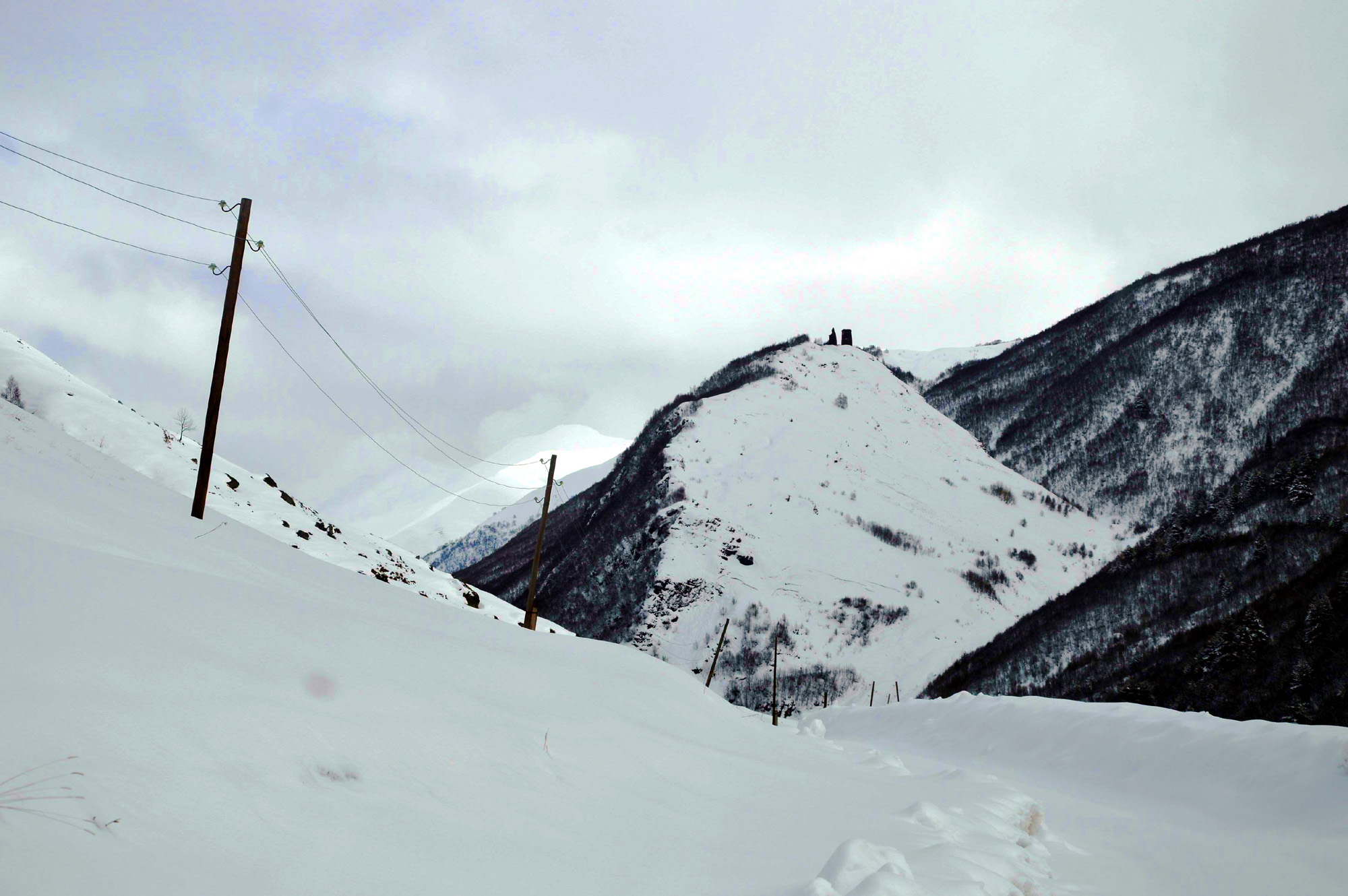
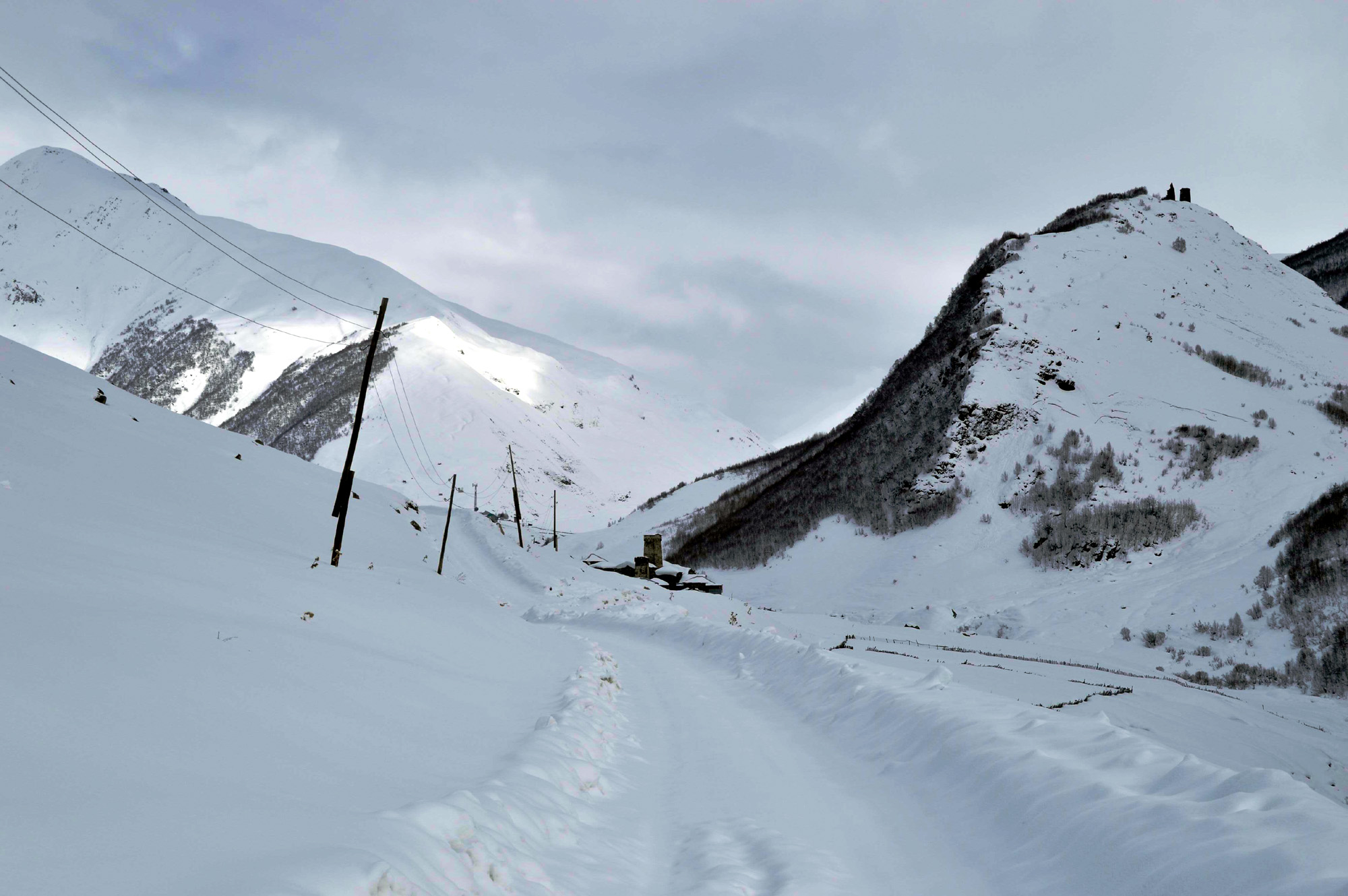

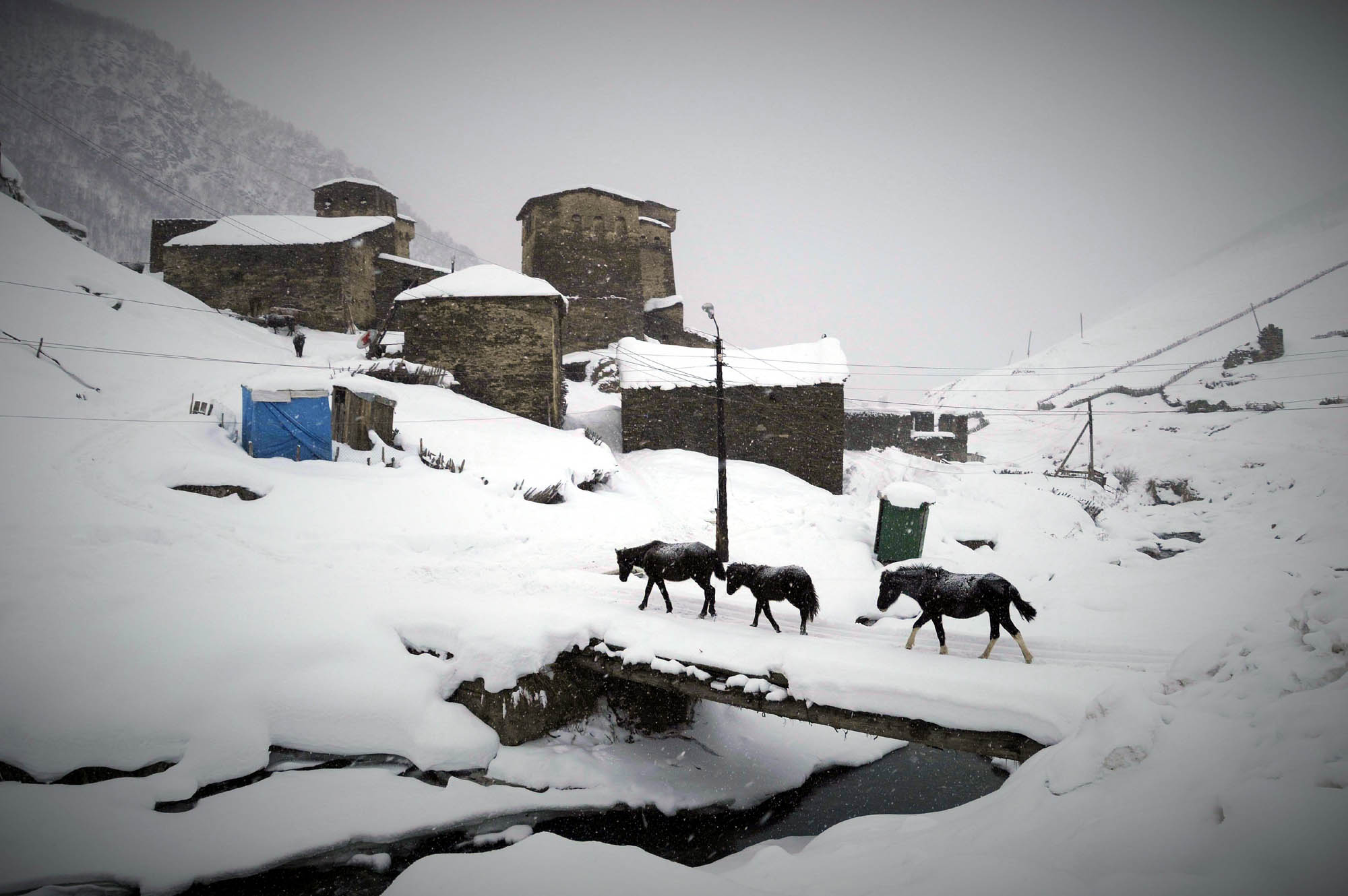
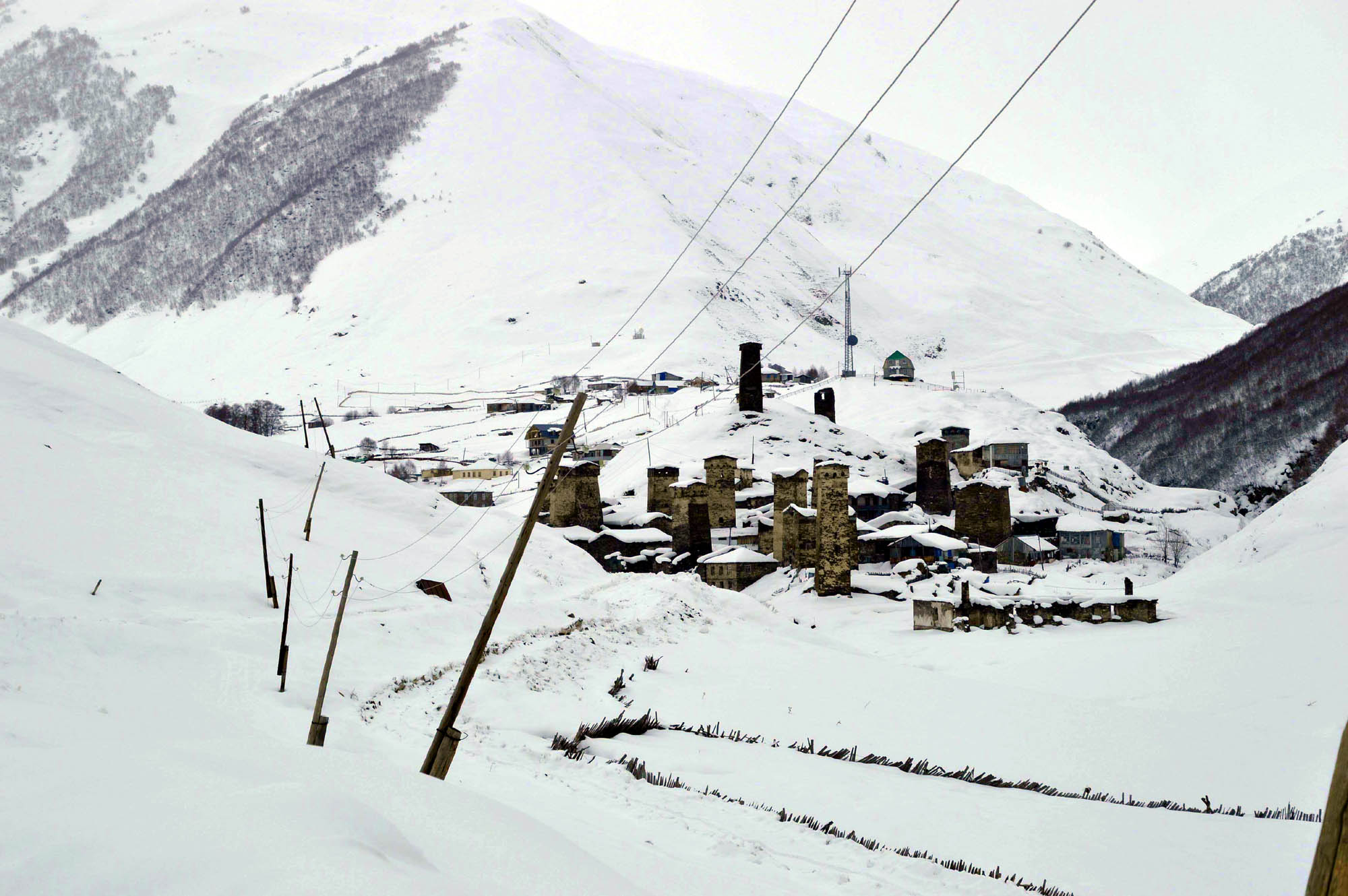
Llegamos a Ushguli al final de la tarde, en su alto y remoto valle, sin ni una sola carretera de acceso antes de la década de 1930, y aún aparentemente inmune al paso del tiempo. Rodean el pueblo unas laderas blancas suaves de campos cubiertos de nieve que se elevan gradualmente hasta los picos dominantes allá arriba. Apenas queda una hora de luz para explorar las torres defensivas svan, las estructuras más características de la región, o para tener una primera idea de esta población extraordinaria. Es patrimonio mundial declarado por la UNESCO y se define como el asentamiento más alto de Europa que permanece habitado todo el año.
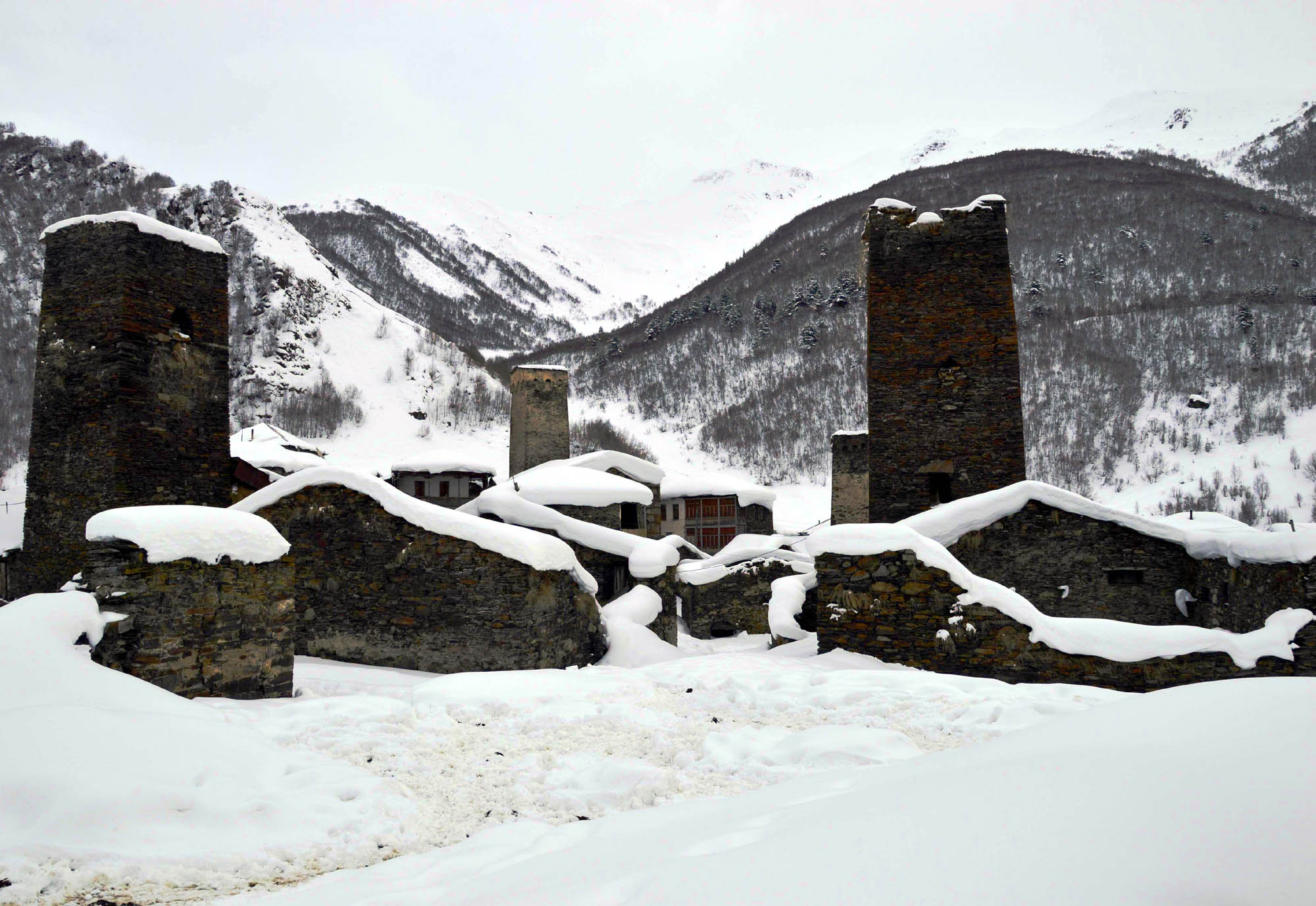

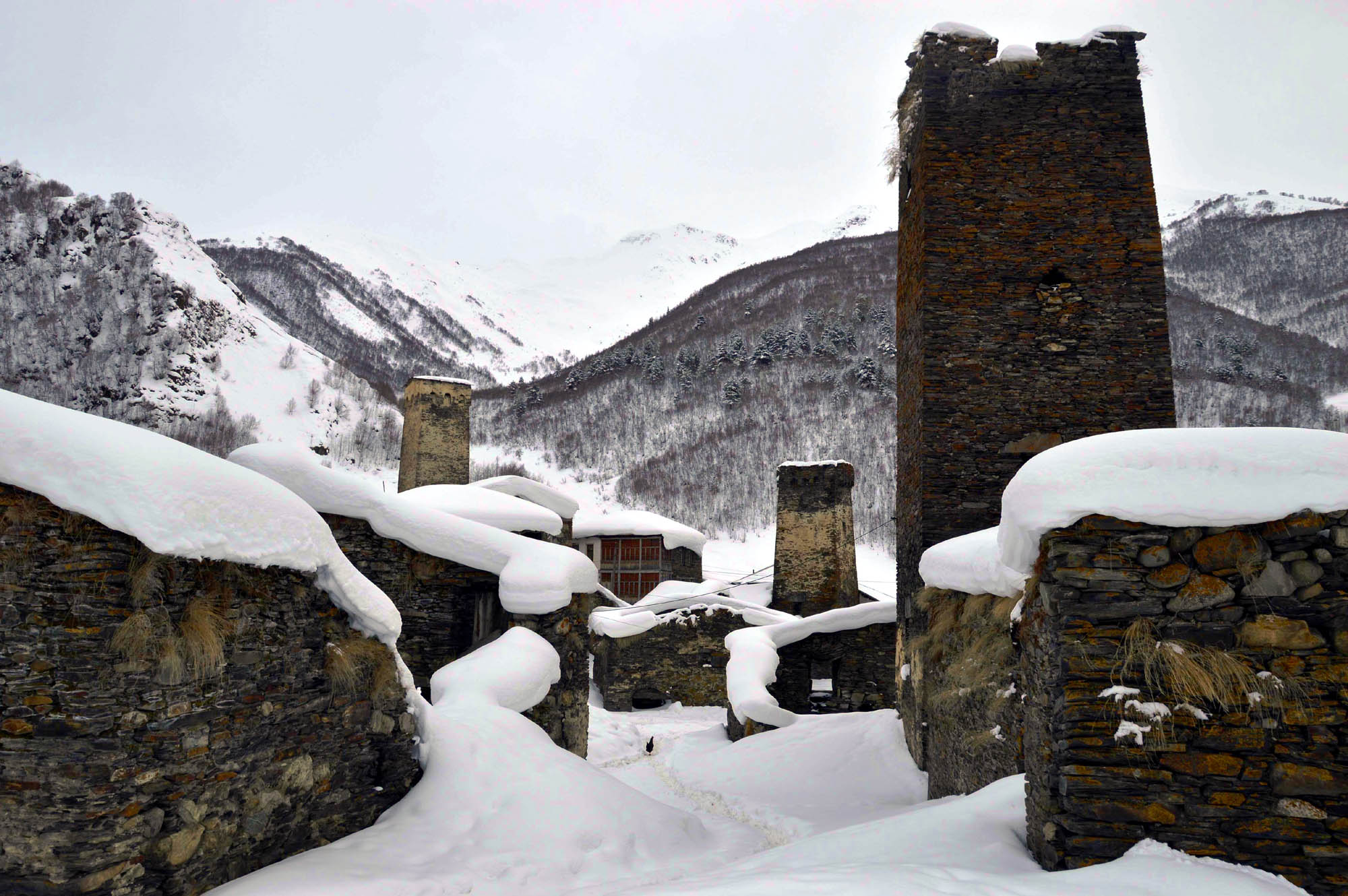
Paseamos entre las milenarias edificaciones de la aldea inferior, algunas datan del siglo VIII. De vez en cuando se ve una vaca o algún caballo de osamenta triste, pero no hay personas. Nos envuelven las paredes de lascas grises, irregulares, que dan vida a líquenes de color naranja oxidado y esconden finas briznas de hierba, ahora seca. Rompe el silencio de tanto en tanto un gallo, el ladrido de un perro o el mugido de una vaca descontenta. Una pequeña jauría de perros semisalvajes con pinta de tener hambre ha advertido nuestra presencia e intentamos seguir tomando fotos en la poca luz que queda sin perderlos de vista.

ushguli5 ushguli5 ushguli5 ushguli5 ushguli5 ushguli5 ushguli5 ushguli5 ushguli5 ushguli5 ushguli5 ushguli5 ushguli5 ushguli5 ushguli5 ushguli5 ushguli5 ushguli5 ushguli5


ushguli6 ushguli6 ushguli6 ushguli6 ushguli6 ushguli6 ushguli6 ushguli6 ushguli6 ushguli6 ushguli6 ushguli6 ushguli6 ushguli6 ushguli6 ushguli6 ushguli6 ushguli6 ushguli6


Finalmente, nos reunimos con el conductor en la carretera principal, en el núcleo superior de casas. Estamos fríos y hambrientos, sin haber comido nada desde el desayuno. El conductor nos propone ir a casa de una gente que conoce, de modo que escalamos a resbalones y tropezones el sendero rocoso que aquí hacen pasar por calle de pueblo. De camino nos cruzamos con un grupito de niños que vuelven a casa al salir de la escuela local. Les acompaña un gran perro ovejero de raza caucásica y son guiados por dos muchachos que nos saludan con orgullo en inglés. Devolvemos el saludo dándoles la enhorabuena y sonríen corriendo sendero abajo.

Llegamos a la casa. Una mujer se asoma a la ventana para observarnos. Nos invita a entrar en una cocina cálida, humeante, donde está preparando la khachapuri para la cena familiar. Nos hace un hueco en la mesa.
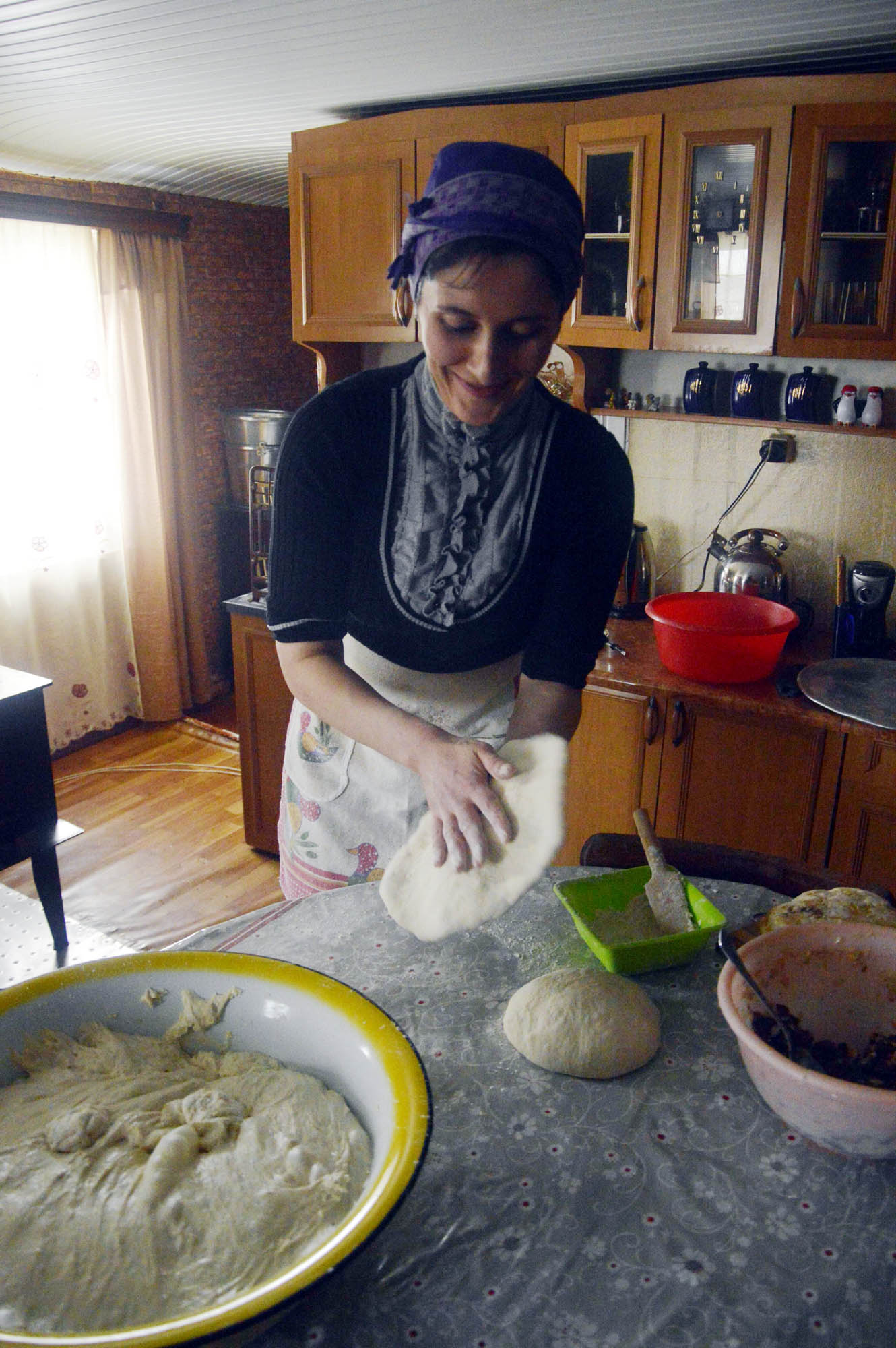

Su suegro, de unos setenta años, entra en la cocina atraído por el ruido de los huéspedes («Un huésped es un regalo de Dios», dice un viejo refrán georgiano). Trae consigo una botella de aguardiente casero. Nos cuenta que durante la época soviética fue piloto de aviación con base en Kiev, y ahora enseña ruso a los niños de la escuela. Cuando comemos brinda con nosotros tres veces (tres veces es la costumbre, nos dice), por la familia, por la amistad, y para que no haya guerra en Donetsk, ni en Abjasia, ni Osetia del Sur.
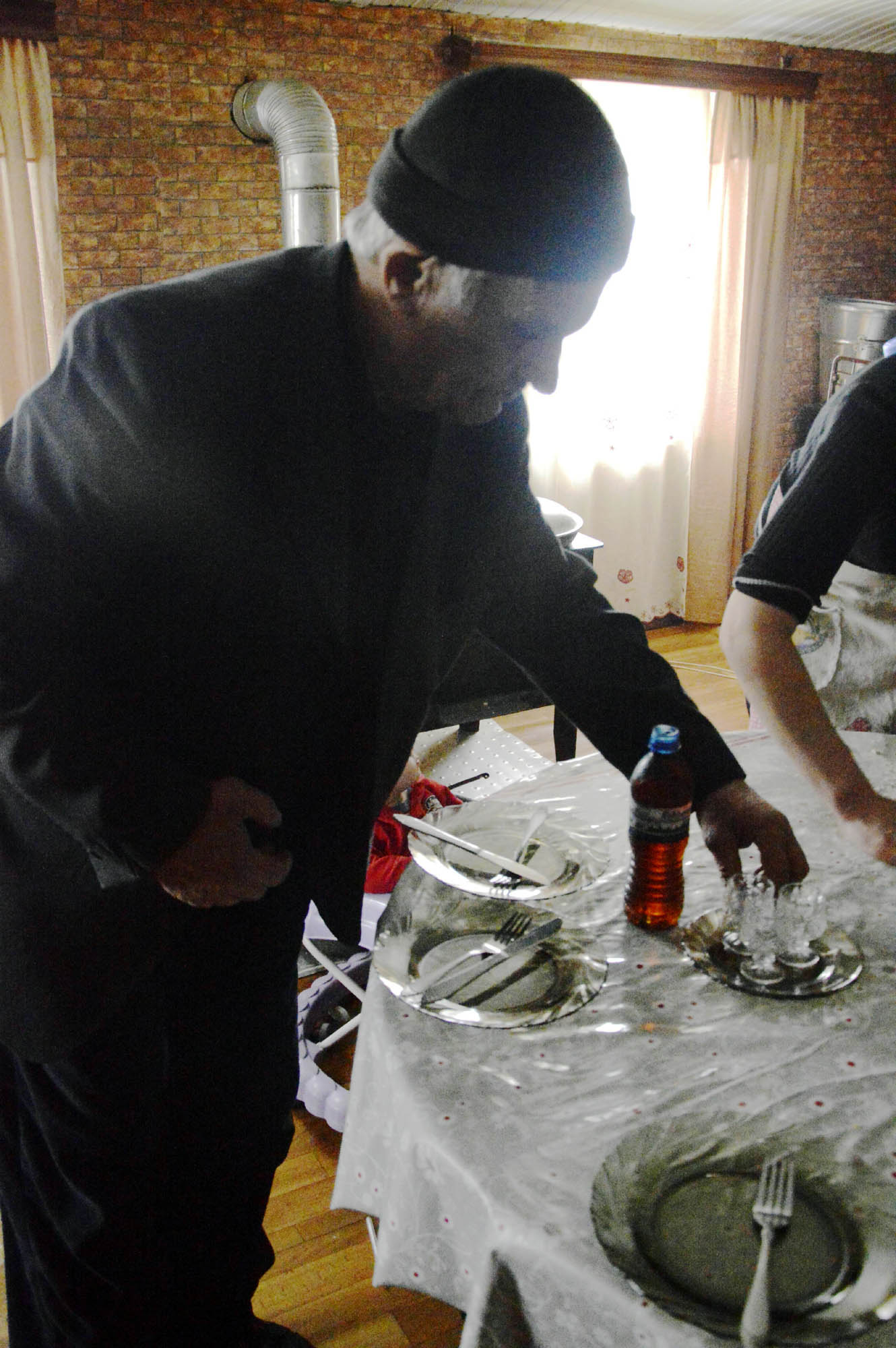

Más tarde, ya de noche, de vuelta en Mestia nos reunimos de nuevo con el primer chófer durante la cena en su albergue. Las mujeres de la casa nos sirven abundantes platos de magnífica comida casera y una jarra de vino blanco. Entre buenos tragos y los inevitables, pero sinceros, brindis a la amistad y similares, nos dice con orgullo, «Ha sido muy útil esa avería, así habéis sido testigos de cómo mis vecinos me respetan y vienen a ayudarme cuando los necesito».


A long road to Ushguli


Awakening before dawn in our guesthouse in Mestia, I see that it has snowed in the night. The air had been very still, and in the misty light, every rooftop, tree and fence is outlined with a sparkling trim of purest white, piled with exquisite fragility atop every form, down to the smallest twig. Electrical wires, sagging gracefully from pole to pole, became fat white ribbons, snowflakes delicately placed a hand’s width high and narrow as the wire itself, a fine tracery that the slightest air current would surely destroy.
We set off for Ushguli in a four-wheel drive van driven by the proprietor of our guest house. The streets of the town are largely empty at this early hour, and puddles of water that formed in the road catch the light of our headlamps, glazing the pavement with dazzling rosy light. The thrum of the vehicle’s motor stirs the local hounds into a snarling frenzy, and they chase us away, into the countryside, barking at our rear tires until they are satisfied that we are not turning back.


Leaving the town, the road we find is narrow and snow-packed, occasionally dissolving into troughs of dark slushy mud. It hews closely to the contours of the valley of the river Inguri, a zig-zagging rivulet of ruts, broken by random streams of trickling melt water. These washouts and bumps, intermittent obstacles to traverse, either slow us down, or completely stop us as the driver pauses to consider what has been placed before him. Then, skillfully playing the gear train and steering wheel, he creeps us across, jolting and rocking, and we go on. Continuing in this manner, we expect to travel the 40 km to Ushguli in three or four hours. Sometimes, crossing a bad spot, we get out and push, our feet braced deep in the wet snow, and our muscles straining to help the tire treads, spinning like rubber galaxies in a universe of ice, bite into a fresh surface and find traction.


ushguli1 ushguli1 ushguli1 ushguli1 ushguli1 ushguli1 ushguli1 ushguli1 ushguli1 ushguli1 ushguli1 ushguli1 ushguli1 ushguli1 ushguli1 ushguli1 ushguli1 ushguli1 ushguli1 ushguli1 ushguli1


As we round a bend, we can see ahead of us a small creek cutting across the road, dredging a deep furrow in the road surface, and flowing around some rough boulders. Carefully inching forward, we are almost across, and our driver is about to gun it for the momentum needed to climb out of the depression. But the front tire abruptly slips off a boulder, striking our undercarriage with the troubling grinding sound of unyielding rock against steel. We lurch to a complete stop, and the engine dies. The driver tries repeatedly, but cannot restart it. Struck by the boulder, the fuel line has been crimped.

He phones ahead to the next village, and in a few minutes, another vehicle arrives with three men, followed by a fourth riding bareback on a brown horse. After much discussion and head-wagging over the open engine compartment, the driver finally crawls under the vehicle to inspect the damage.


ushguli2 ushguli2 ushguli2 ushguli2 ushguli2 ushguli2 ushguli2 ushguli2 ushguli2 ushguli2 ushguli2 ushguli2 ushguli2 ushguli2


It is decided to make another phone call, this time to driver’s relative who lives in Mestia, for him to come and take us up the rest of the way. Then we admire the spectacle of our broken-down vehicle being towed by a team of four oxen, two horned males in front leading two cows, up the mountain road to Kala, the next village, where the new driver will meet us.

ushguli3 ushguli3 ushguli3 ushguli3 ushguli3 ushguli3 ushguli3 ushguli3 ushguli3 ushguli3 ushguli3 ushguli3 ushguli3

We walk ahead of the oxen. We pass some abandoned houses, yawning wrecks with shutters askew and crumbling plaster. As the attraction of a modern way of life grew strong, I suppose, people had simply discarded these buildings for better living conditions elsewhere. It was not hard to imagine, considering the isolation that must be felt in the dead of winter in an inaccessible place like this. A particularly fine rendition of Stalin’s face is scratched into the plaster of one of the houses.

ushguli4 ushguli4 ushguli4 ushguli4 ushguli4 ushguli4 ushguli4 ushguli4 ushguli4 ushguli4 ushguli4 ushguli4 ushguli4 ushguli4 ushguli4 ushguli4

Soon after that, we say goodbye to the first driver, and climb into the jeep of the second. As if to further signal a new chapter in this adventure, after a few bends, the character of the road, too, changes. It becomes narrower, a bit more raw, more treacherous. It has even more of an unfinished quality than the previous stretch, with a sheer wall of rock to our left, and a perilous drop to our right. As the sun begins to peek out intermittently from behind its blind of clouds, we see an otherworldly vista unfold before us, mountains in ghostly shrouds of snow, bristling with black trees, against cloud-dappled skies of the deepest blue.


We arrive in Ushguli late in the afternoon, nestled in its high, remote mountain valley, unreachable by any road at all before the 1930s, and still apparently untroubled by the passing of time. It sits encircled by gentle white slopes of snow-covered fields that rise gradually up to the dominating peaks that surround it. We have scarcely an hour of daylight left to explore the Svan defensive towers, the characteristic structures of the place, and get a sense of this extraordinary settlement. A UNESCO world heritage site, it is cited as the highest settlement in Europe that is inhabited the year round.


We wander among the thousand-year old structures of the lower village, some dating from the 8th century, occasionally encountering a skinny cow or a sad-looking horse, but no people. Walls composed of irregular flat gray stone, home to rusty orange lichens and dry tussocks of fine grass, surround us. The quiet is broken by an occasional cock-crow, barking dog, or the mooing of a discontented cow. A small pack of hungry-looking, semi-wild dogs take note of our presence, and we keep wary of them, at the same time trying to make as many photographs as we can in the waning light.


ushguli5 ushguli5 ushguli5 ushguli5 ushguli5 ushguli5 ushguli5 ushguli5 ushguli5 ushguli5 ushguli5 ushguli5 ushguli5 ushguli5 ushguli5 ushguli5 ushguli5 ushguli5 ushguli5


ushguli6 ushguli6 ushguli6 ushguli6 ushguli6 ushguli6 ushguli6 ushguli6 ushguli6 ushguli6 ushguli6 ushguli6 ushguli6 ushguli6 ushguli6 ushguli6 ushguli6 ushguli6 ushguli6


Eventually, we rejoin the driver on the main road further up in the small group of villages. We are cold and hungry, breakfast having been our only meal that day. He proposes taking us to the house of some people he knows, and so we slip, stumble and climb up the crude rocky trail that passes for a village street. Along the way, we come to a small group of children, heading home from the local school, accompanied by a big Caucasian sheep dog. They are led by a pair of small boys, who greet us proudly in English. I greet them back, congratulating them, and they smile and continue scurrying down the trail to the lower part of the village.

We come to a house, and a woman responds to our knock, peering at us from a window. She invites us into a warm steamy kitchen, where she is already preparing the khachapuri for her family’s evening meal. We are given places at the table.


Her father-in-law, some seventy years old, enters the room at the sound of guests arriving (“A guest is a gift from God,” goes the old Georgian saying), bringing with him a bottle of home-made brandy. He informs us that, during Soviet times, he had been an airplane pilot based in Kiev, and he now teaches Russian to children at the local school. As we eat, he toasts with us three times (thrice is the custom, he tells us), to family, to friendship, and that there may be no war in Donetsk, Abkhazia, and South Ossetia.


Later in the night, back in Mestia, we reunite with the first driver over supper at his guest house. The women of the house serve us plates of seriously good homemade food and a pitcher of chilled white wine. Between glasses drunk down and the inevitable, but heartfelt, toasts to friendship and the like, he tells us with pride, “It was useful to have that breakdown, so now you see how my neighbors respect me and come to help me when I need it.”

White Easter

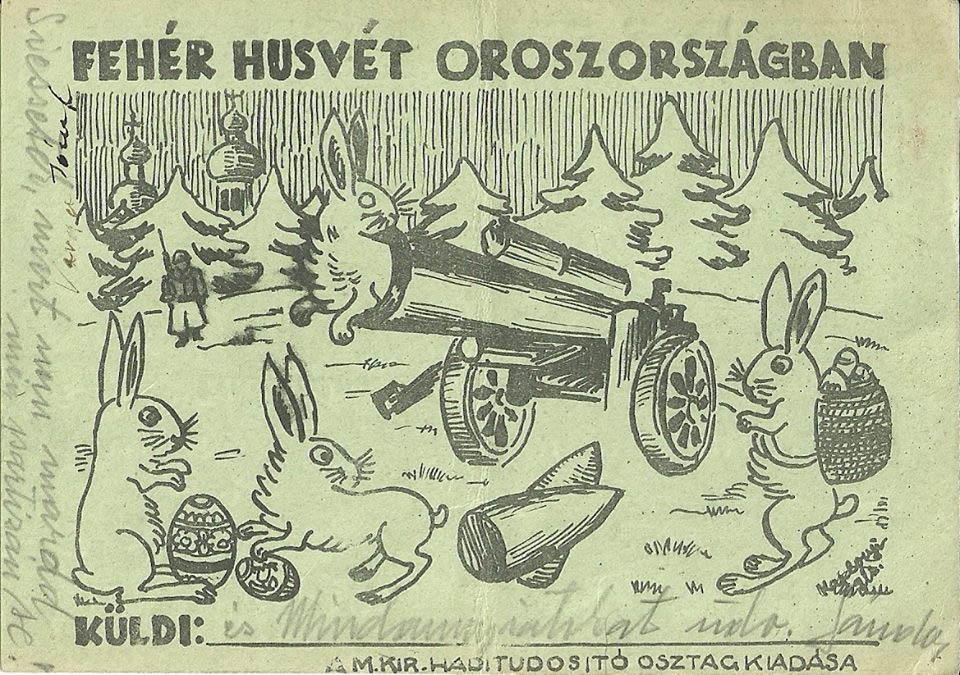
Happy Easter! (“White Easter in Russia”, 1942. From János Fellner’s collection)

The land of forgotten songs


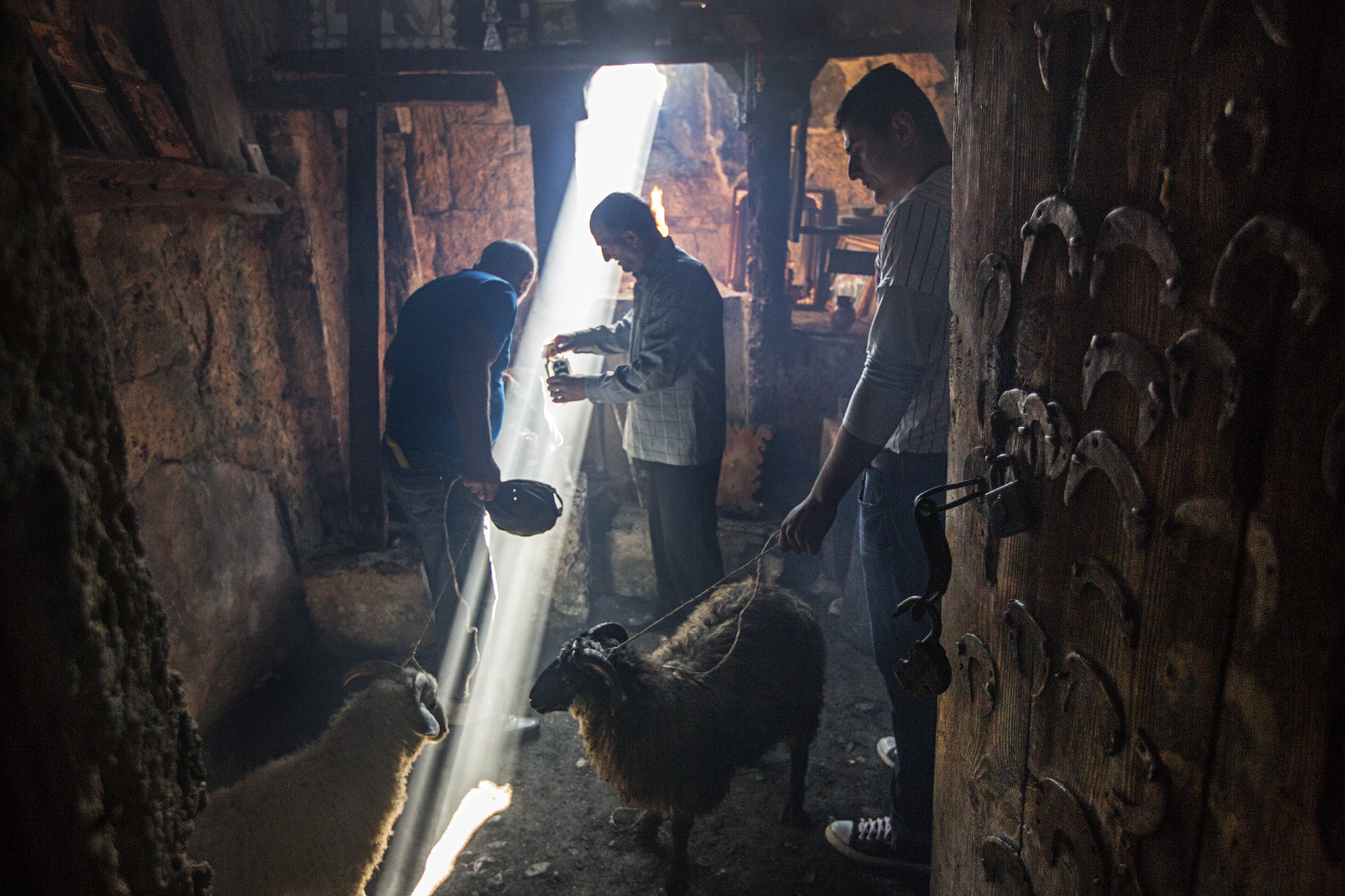
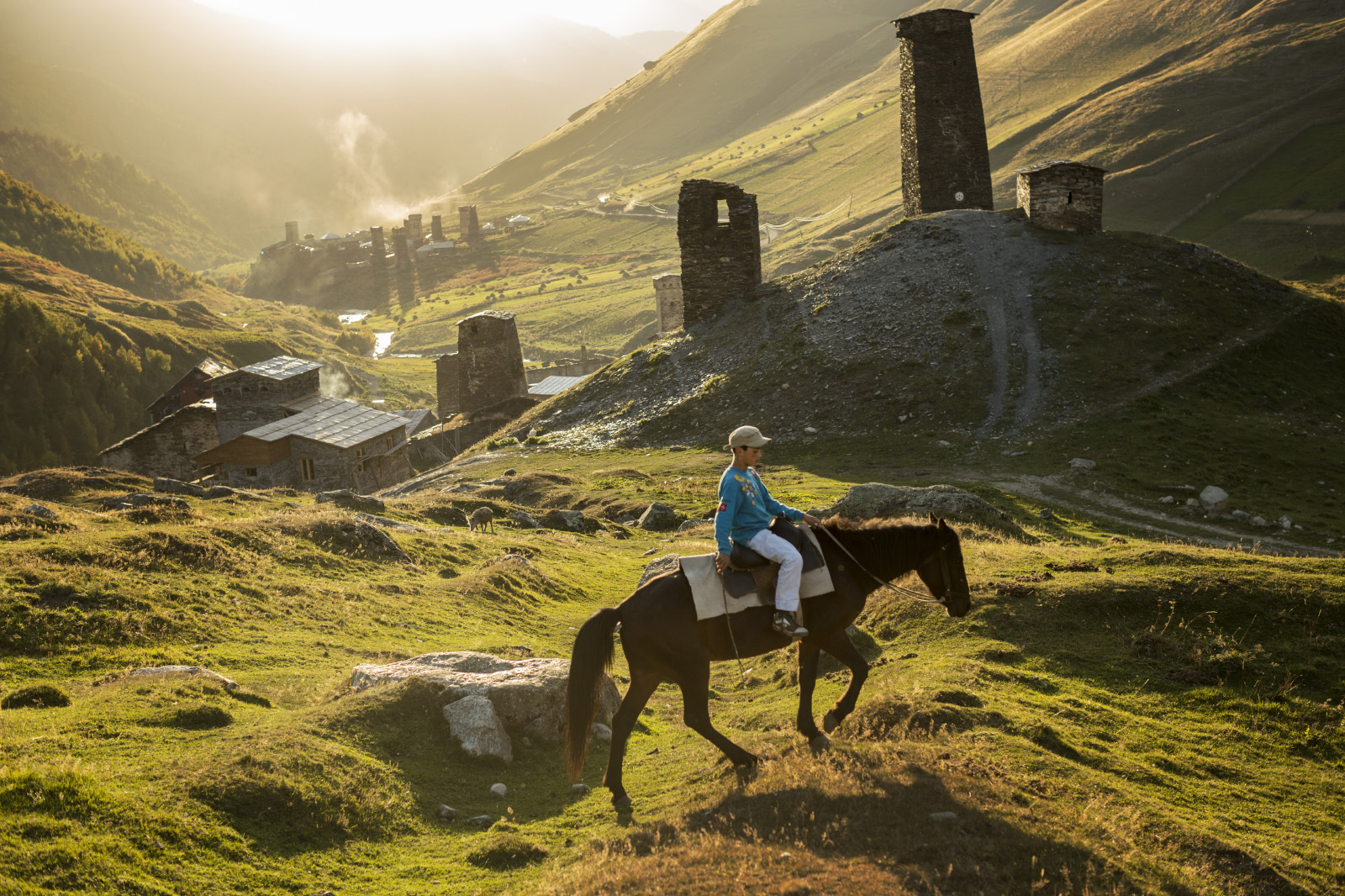
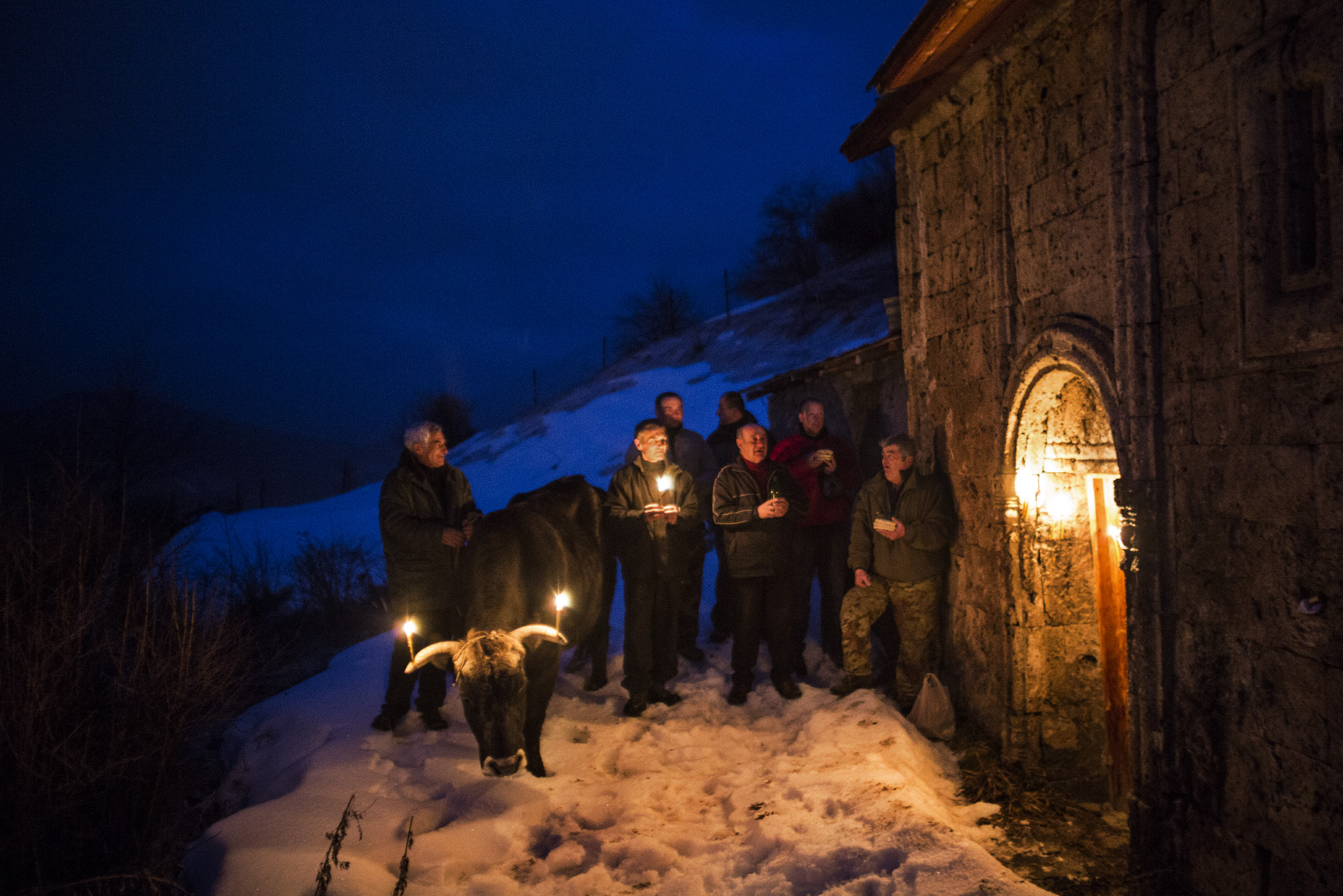
Horsemen in dreamlike landscapes, men leading a bull to the church gate, with burning candles on its horns, young girls singing ancient songs with inward-looking glance. And towers everywhere, rising in groups or alone, closed, dark towers. Aaron Huey has been coming back for sixteen years to Svaneti, for thirteen years he has been photographing this region. Ten of his photos were published in the October 2014 edition of National Geographic as illustrations to Brook Larmer’s beautiful essay on Svaneti, but in his portfolio he has five times more.
Chanters of St. Panteleimon: Aslanuri Mravaljmier. Greeting song

svan1 svan1 svan1 svan1 svan1 svan1 svan1 svan1 svan1 svan1 svan1 svan1 svan1 svan1


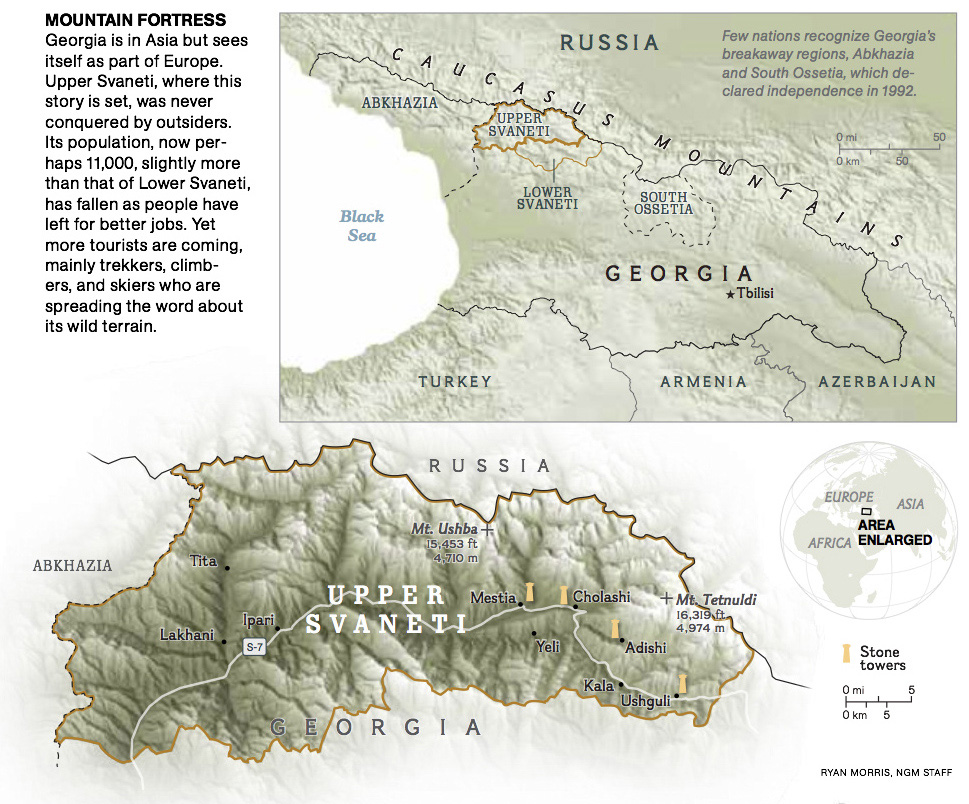
“Over the course of history many powerful empires – Arab, Mongol, Persian, Ottoman – sent armies rampaging through Georgia, the frontier between Europe and Asia. But the home of the Svans, a sliver of land hidden among the gorges of the Caucasus, remained unconquered until the Russians exerted control in the mid-19th century. Svaneti’s isolation has shaped its identity – and its historical value. In times of danger, lowland Georgians sent icons, jewels, and manuscripts to the mountain churches and towers for safekeeping, turning Svaneti into a repository of early Georgian culture.

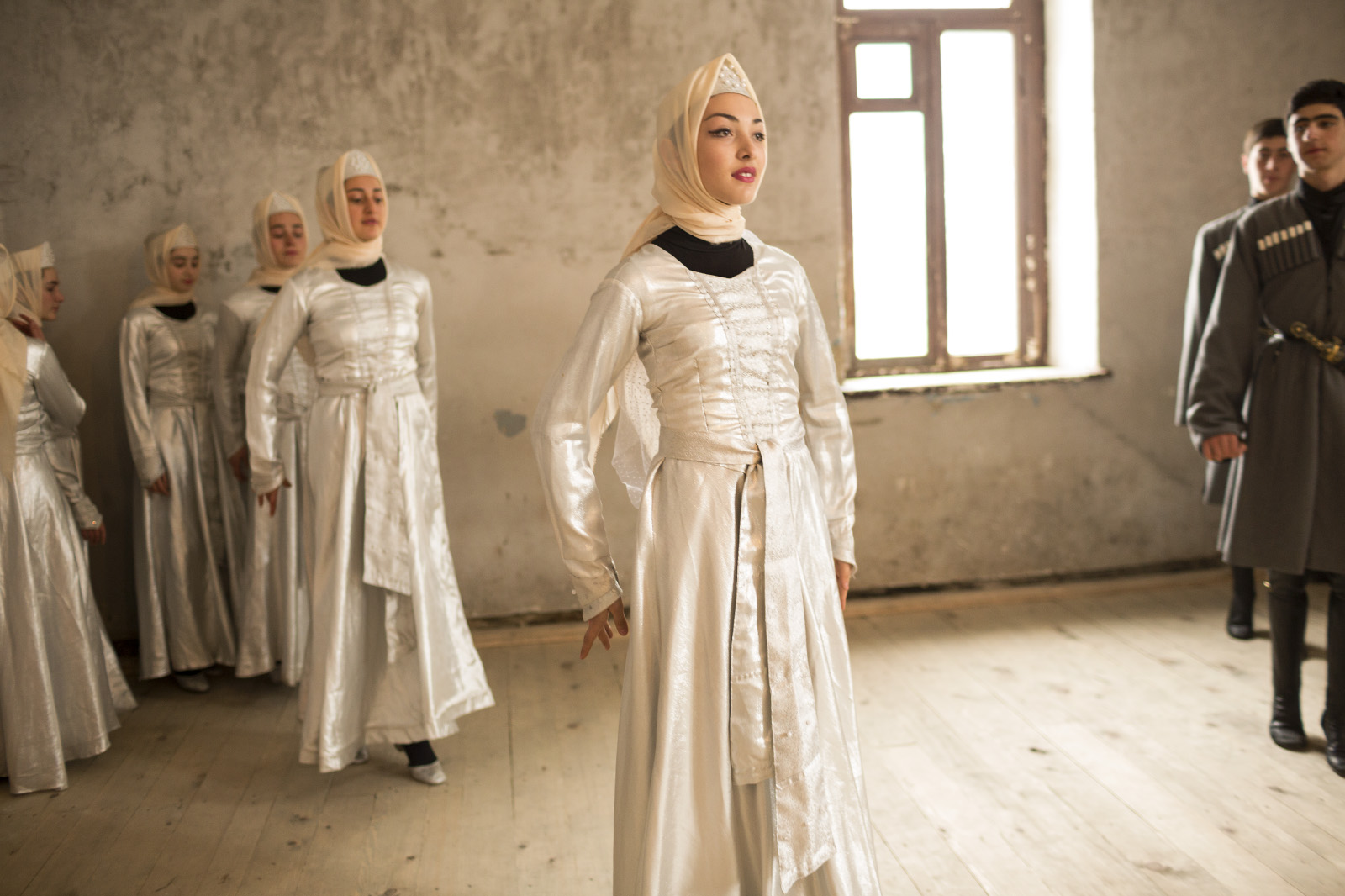
In their mountain fastness the people of Svaneti have managed to preserve an even older culture: their own. By the first century B.C. the Svans, thought by some to be descendants of Sumerian slaves, had a reputation as fierce warriors, documented in the writings of the Greek geographer Strabo. By the time Christianity arrived, around the sixth century, Svan culture ran deep – with its own language, its own densely textured music, and complex codes of chivalry, revenge, and communal justice.

If the only remnants of this ancient society were the couple of hundred stone towers that rise over Svan villages, that would be impressive enough. But these fortresses, built mostly from the 9th century into the 13th, are not emblems of a lost civilization; they’re the most visible signs of a culture that has endured almost miraculously through the ages. The Svans who still live in Upper Svaneti – home to some of the highest and most isolated villages in the Caucasus – hold fast to their traditions of singing, mourning, celebrating, and fiercely defending family honor. «Svaneti is a living ethnographic museum,» says Richard Bærug, a Norwegian academic and lodge owner who’s trying to help save Svan, a largely unwritten language many scholars believe predates Georgian, its more widely spoken cousin. «Nowhere else can you find a place that carries on the customs and rituals of the European Middle Ages.»”


Zedashe Ensemble: Raidio. Song for bull sacrifice


svan2 svan2 svan2 svan2 svan2 svan2 svan2 svan2 svan2 svan2 svan2 svan2 svan2 svan2

“Going about his chores in his traditional woolen camp, Kaldani embodies the persistence of Svan culture – and the peril it faces. He is one of the few remaining fully fluent speakers of Svan. He is also one of the last village mediators, who have long been called upon to adjudicate disputes ranging from petty theft to long-running blood feuds. The obligation to defend family honor, though slightly tempered today, led to so many vendettas in early Svan society that scholars believe the stone towers were built to protect families not just from invaders and avalanches but also from one another.

In the chaos after the fall of the Soviet Union, blood feuds returned with a vengeance. «I never rested,» Kaldani says. In some cases, after negotiating a blood price (usually 20 cows for a murder), he brought feuding families to a church and made them swear oaths on icons and baptize one another. The ritual, he says, ensures that the families «will not feud for 12 generations.»”


Mzetamze Ensemble: Iavnana. Healing song


svan3 svan3 svan3 svan3 svan3 svan3 svan3 svan3 svan3 svan3 svan3 svan3 svan3 svan3

“The song of love and vengeance begins softly, with a lone voice tracing the line of an ancient melody. Other voices in the unheated room off Mestia’s main square soon join in, building a dense progression of harmonies and counter-melodies that grows in urgency until it resolves in a single note of resounding clarity.

This is some of the world’s oldest polyphonic music, a complex form that features two or more simultaneous lines of melody. It predates the arrival of Christianity in Svaneti by centuries. Yet none of the musicians in the room this autumn afternoon is over 25. When the session ends, the young men and women spill out into the square, chatting and laughing and air kissing – and thumbing their mobile phones. «We’re all on Facebook,» says Mariam Arghvliani, a 14-year-old girl who plays three ancient stringed instruments (including an L-shaped Svan wooden harp) for her youth folk ensemble, Lagusheda. «but that doesn’t mean we forget our heritage.» Still, her talent might have withered, along with Svan musical tradition, were it not for a youth program launched 13 years ago by Svaneti’s charismatic cultural crusader, Father Giorgi Chartolani.

Sitting in his church’s graveyard, Chartolani recalls the post-Soviet tumult that endangered a culture already weakened by nearly seven decades of Communist suppression. «Life was brutal then,» he says, stroking his long beard. The priest nods at the tombstones, some etched with the images of young men killed in feuds. «Villages were emptying out, our culture was disappearing,» he says, noting that 80 out of 120 known Svan songs have disappeared in the past two generations. «Something had to be done.» His program, which has taught traditional music and dance to hundreds of students like Arghvliani, was, he says, «a light in the darkness.»“


The Lagusheda Ensemble in Stary Sącz, Poland, on 1 June 2014

In the video composed by the National Geographic, Aaron Huey talks about how he got to Svaneti as a backpacker student, how he stayed with a family that “adopted” him, and how he fell in love with this land and these people, to be able to make such intimate images of them.


“The first time I went to Svanetia I was not planning in going to Svanetia. I wasn’t a photographer yet, I was a backpacker. But this is the story that made me a photographer. I met a German linguist who told me about a place where people still spoke a language that had never been written, that was surrounded by 17-18 thousand foot peaks, so this German linguist drew a map on a napkin for me, and I transferred it into my journal, and I left the next day. And on the bus ride into the mountains a woman turned around on me after about two hours, and said: «Where are you going?» I told this woman I’d camp when the bus stops at the end of the road. And she just looked at me, and she said «No, kid. Please, don’t do that.» And she took me with her and she took me to a wedding.

These stories are not just about making pretty frames. We tell the stories of entire peoples. So if we do the story right, we preserve those things, you know. That’s what our job is. To preserve that poetry. So many people have never heard of Svanetia, or this region of the Georgian Republic, or this people, the Svans, this may be the only thing they ever read about this people. And I think that’s what I look for now in all of my projects.”