Our new co-author, Dániel Szávoszt-Vass, author of two of the best Hungarian geographical blogs, the Danubian Islands and Pangea, now launches a new series on the territories detached from Germany at the end of WWI. These small regions with their once multi-ethnic population and with their particular histories meandering away from the mainstream fit well to the similar stories at río Wang. (Studiolum)
*
The territorial losses of Germany after WWI were by no means as great as those of Hungary or Turkey, but they had a much greater influence on world history. True, it was deprived of its colonies amounting to about four million square kilometers, but the country itself lost only 13% of its core territory. Nevertheless, these losses almost all took place in the most humiliating way. A propos of a German irredentist stamp series found in a family album, we will visit one by one these territories: Alsace-Lorraine, Danzig, Posen, Upper Silesia, Southern Schleswig, the Memel region, Eupen-Malmedy, and a small, almost unknown piece of land: the Hlučín area (Hultschiner Ländchen). This last one is where we begin.

It is not widely known that the newly formed Czechoslovakia – whose mere name was misleading, for on the basis of the proportion of its ethnic groups it should rather have been called Czechogermanoslovakohungaroruthenia, given that it had at least twice as many Germans as Slovaks – also took part in the post-WWI retailoring of Germany. The territory annexed by them, the Hultschiner Ländchen, is quite peripheral in the various sources; it usually does not deserve more than a mere mention. Images and texts on it are also available in very small numbers.
The new Czech and Moravian borders run almost without interruption through German-speaking areas. There was only one small area outside the historical borders which could not escape the attention of the new government. In Upper Silesia (before WWI an integral part of the German Empire) around

the town of Hultschin/Hlučín, there lived a Slavic group speaking an Old Moravian dialect mixed with German. In this rustic landscape nestled in the hills of the Eastern Sudetes, between Ostrava and Opava, the population did not reach 5000 even in the largest town. Before 1918, the Hultschiner Ländchen/Hlučín Territory did not exist as either a geographical or as an administrative unit: it was only the southern part of the Ratibor Kreis.
According to article 83 of the Versailles Treaty, the Hlučín Territory – with an uncertain area, the data varies between 286 and 316 square kilometers – was to be annexed by Czechoslovakia. The territory was probably secured by the Czechs for themselves at the end of the war, because the Upper Silesian referendum held in 1920 did not affect this small area. So the local population had no chance to officially decide whether they wanted to belong to Germany, Czechoslovakia or (no mistake) to Poland.
 Territorial losses of Germany in the Treaty of Versailles (from here)
 The territory affected by the Upper Silesian referedum (reedited, from here)
Nevertheless, the inhabitants of Hultschin/Hlučín did not acquiesce in the decision of the great powers. In November 1919 a large-scale counter-Czech demonstration was held in the area. And as for a referendum, they also held their own on the basis of Wilsonian principles, but it was never recognized as officially binding by the Czech government. The vast majority of the local population, 93.7% of 48,466 people, voted in favor of Germany, despite the fact that only 15%, or 6,500 persons (in Czech sources, 10%, or 4,500 persons), were German-speaking. In spite of the referendum, on 4 February 1920 the Czech army entered the territory. They must have been quite surprised when, instead of the shower of flowers due to liberators, the masses marching in front of the soldiers sang “Deutschland, Deutschland über alles”.
 Czech soldiers on the main square of Hultschin, 1920. From the family archive of Pavel Strádal, from here
 “The injustice against the Hultschin Territory”. The proportion of the votes for the German parties (black) and the Czech ones (white); the German schools (black triangles), and the manipulation of the electorial districts in the interest of a Czech majority. “Without plebiscite and despite the protest of the population on 4 February 1920, Czechoslovakia seized: one town and 37 communities with 50,000 inhabitants and 333 square kilometers of fruitful (productive) land and two coal mines. With the exception of those in Zauditz and Thröm, all German language schools have been closed. German instruction is only available through 30 private teaching centers!” (from here)
Due to the uncertain border demarcation, the accurate determination of the German-Czech border dragged on until 1924. The affiliation of the German-inhabited settlements of Sandau, Haatsch
and Owschütz, as well as the farms of Rakowiec and Lichtenhof falling to
“no man’s land”, was finally decided by the Council of Ambassadors in
1923. In terms of the memorandum, which was favorable to the Czechs, Sandau and Haatsch went to Czechoslovakia, while the Lichtenhof and Rakowiec farms returned to Prussia. In the two German villages occupied by the Czech army, the locals tore out the border stones and destroyed the sentry box at the new border. The Czechoslovak army was able to restore order only later, with the help of five infantry, one artillery and one scout battalion.
 Hultschin. The postcard series of the Deutsches Ostbund on the alienated territories

The inclusion of the Hlučín Territory in the new state did not go smoothly. The Czech power shut down the German schools and laid off the teachers. In the census, only people with German names were counted as Germans, the rest were automatically registered as Czech. Whoever protested against this, such as Alois Bitta, the parish priest of Ludgerstal, was fined by 2000 crowns. The parents protesting against the school closures, who did not allow their children to go to the new Czech schools, were also fined. Prison sentences were quite common, due to the ongoing protests, so that the jail of Hlučín was simply called by the locals “the German House”. About 4-5000 people fled to Germany because of persecution and unemployment.
In the first elections under Czechoslovak sovereignty, the German parties obtained 76.4% among the population, which was “Moravian in language, but German in feeling”
* And in 1935 – by which time everyone would have thought the troubled waters were calmed – the Sudeten German Party led by Heinlein won 65% (according to other sources, 75%). In light of this, it is easy to understand why in 1938 the Moravians of Hlučín received the German soldiers with a shower of flowers for the liberators.
 Hultschin, the Ring. With a festive stamp: “After 20 years of servitude, the liberated Hultschin greets its Führer, 8 October 1938.” The postcard was sent a week later.

 One day earlier at the border of Machendorf/Machnín, waiting for the German army.
 The German army marching into Asch/Aš
The annexation of the Hultschin Territory was humiliating to Germany not because of its size, but rather because of its principle. While Czechoslovakia, supported by the great powers, and with reference to the self-determination of peoples, was able to negotiate a new border for the 40 thousand Moravians in Germany (who had absolutely no intention of joining Czechoslovakia), the 3.5 million Germans on the other side of the border waited in vain for the same on the principle of reciprocity and self-determination.


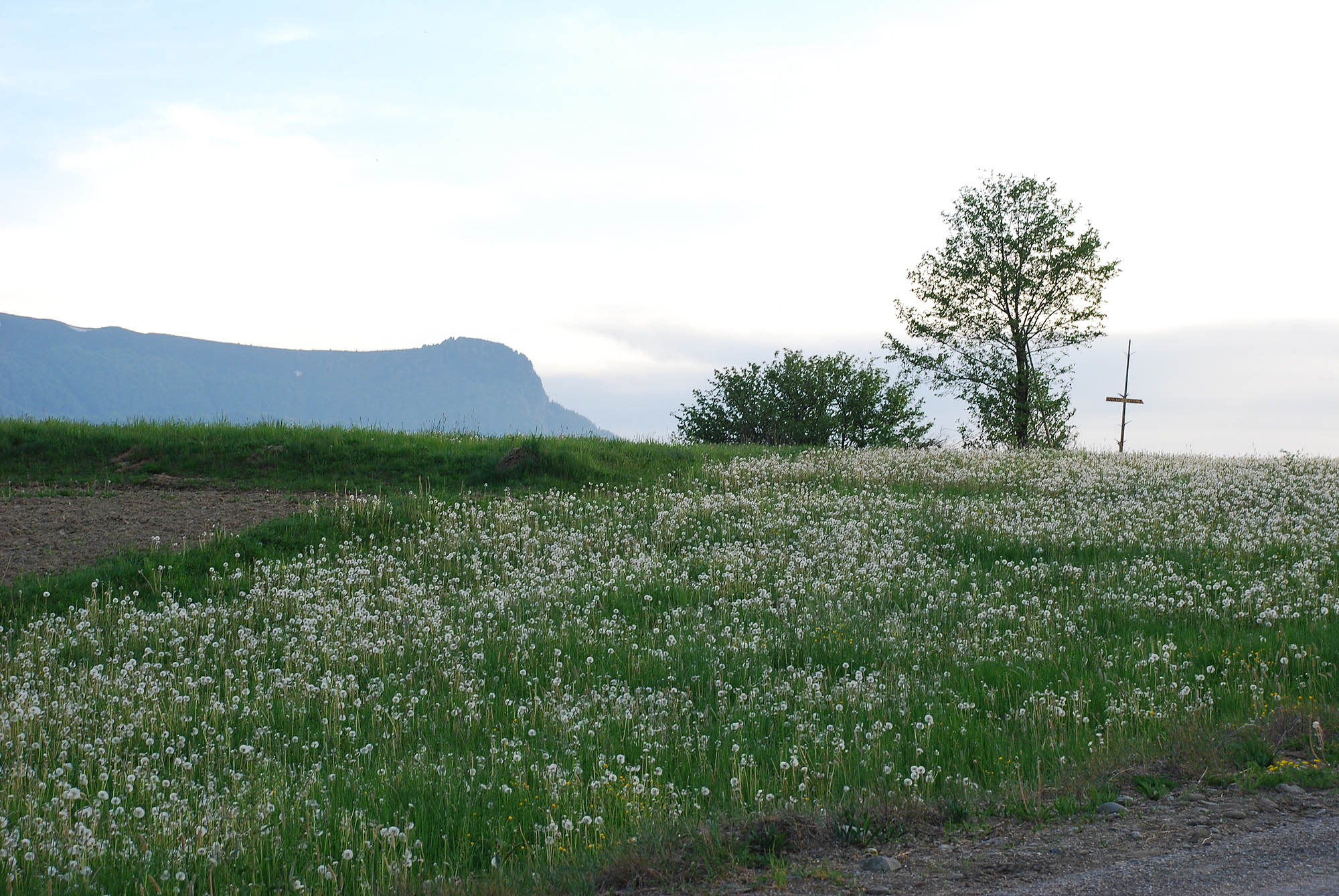
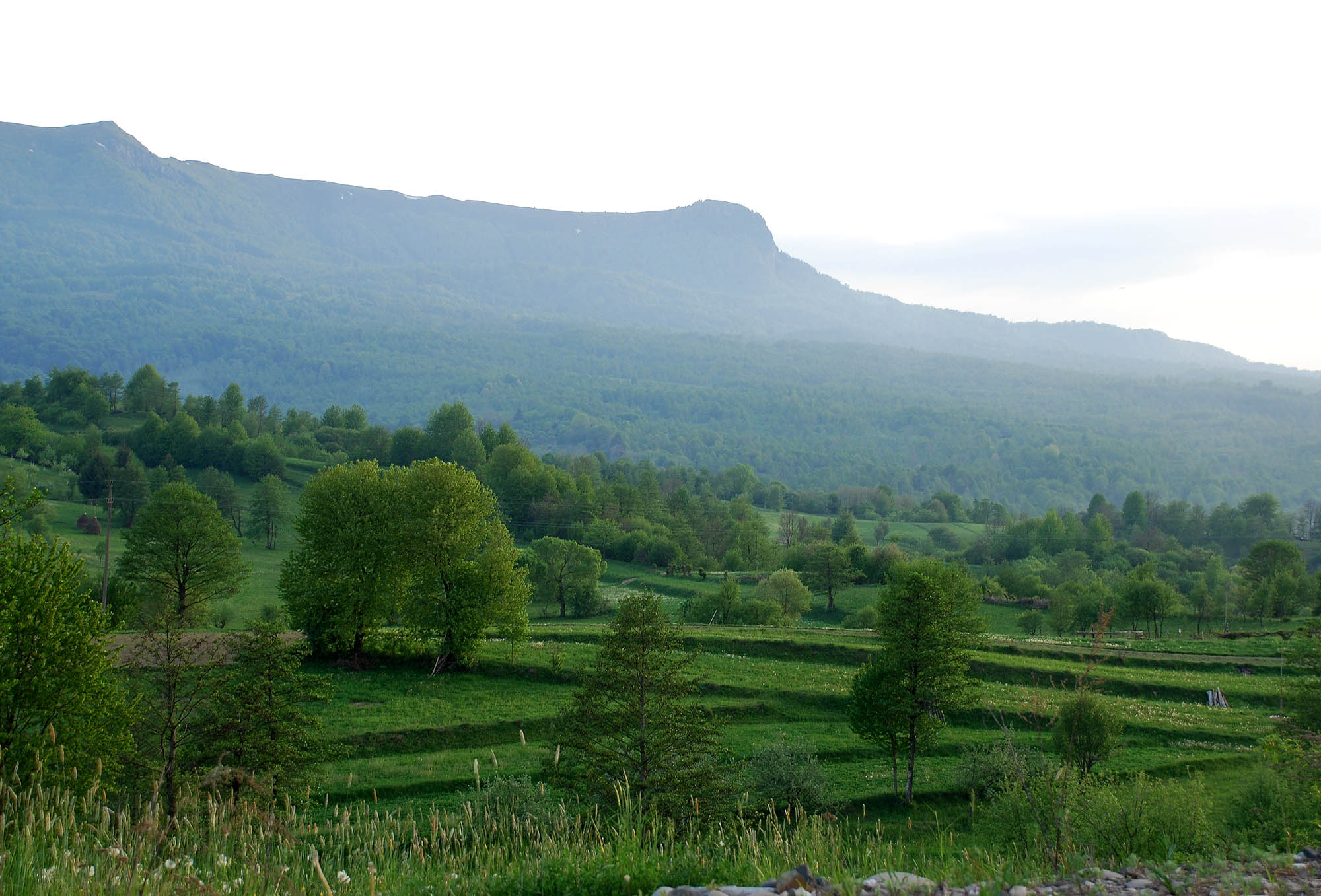
 Southwestern part of the former county of Maramureș, the region of the wooden churches.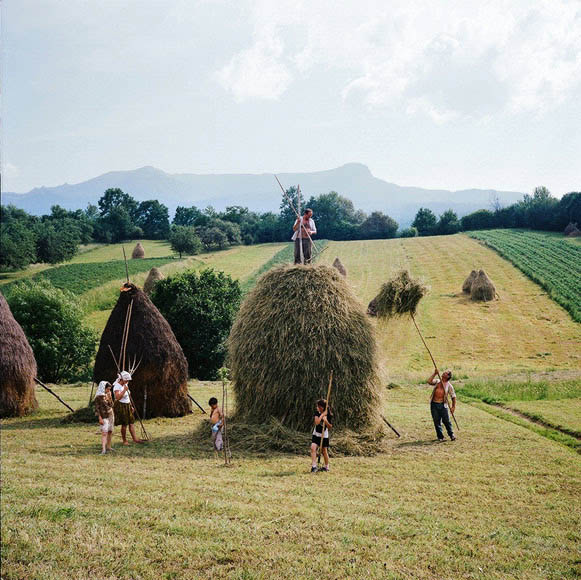

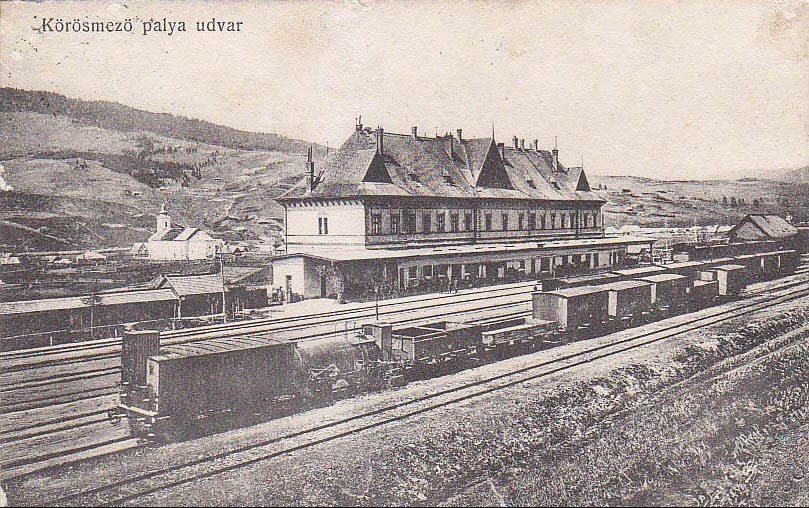
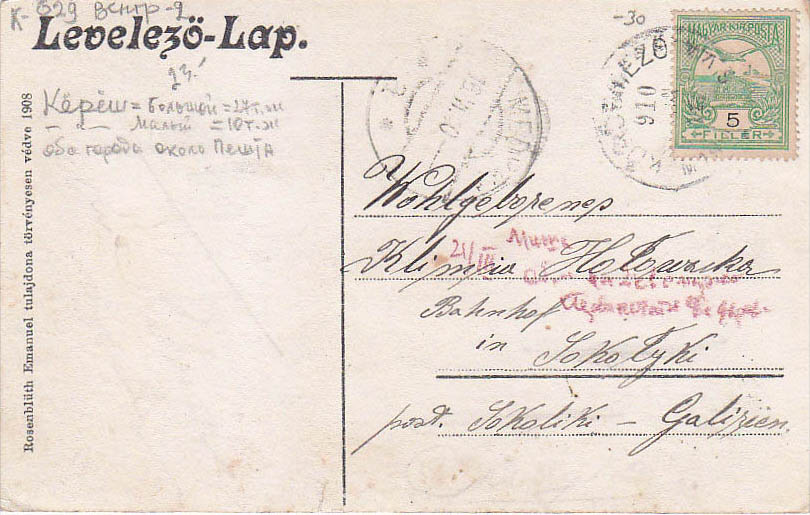

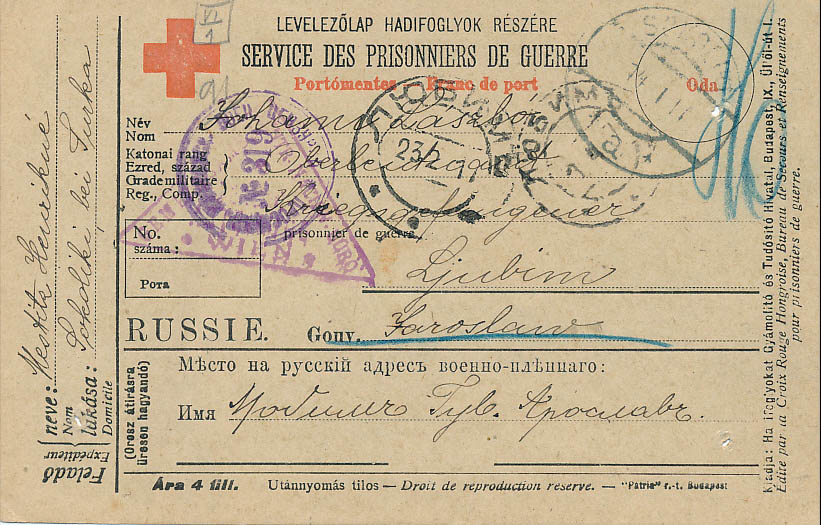 A postcard sent to a Hungarian prisoner of war from Sokolik to the Russian POW camp, after 1918
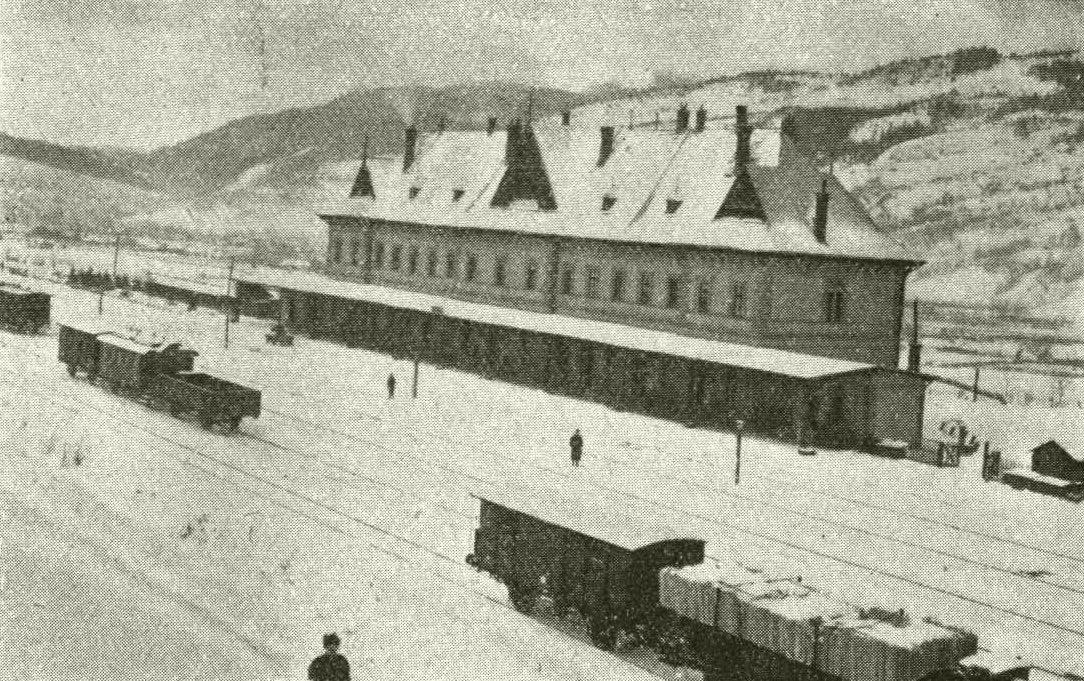
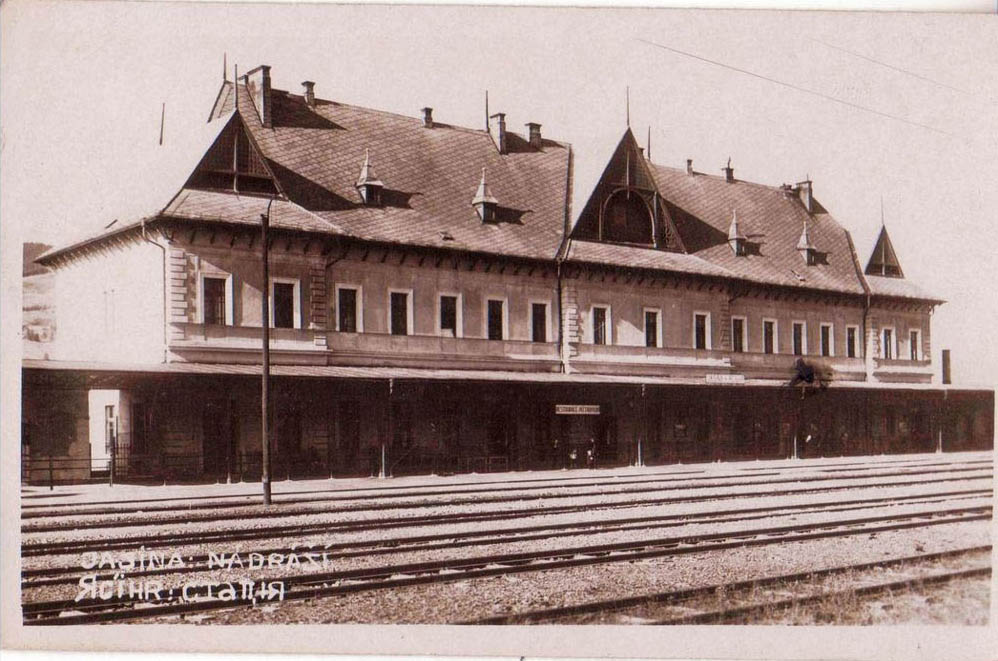 The railway station after 1920. The new state power of that time was also not really prepared: the Czech Ž and one of the Russian Я’s were written mirrored, and a н has been omitted from Станція.
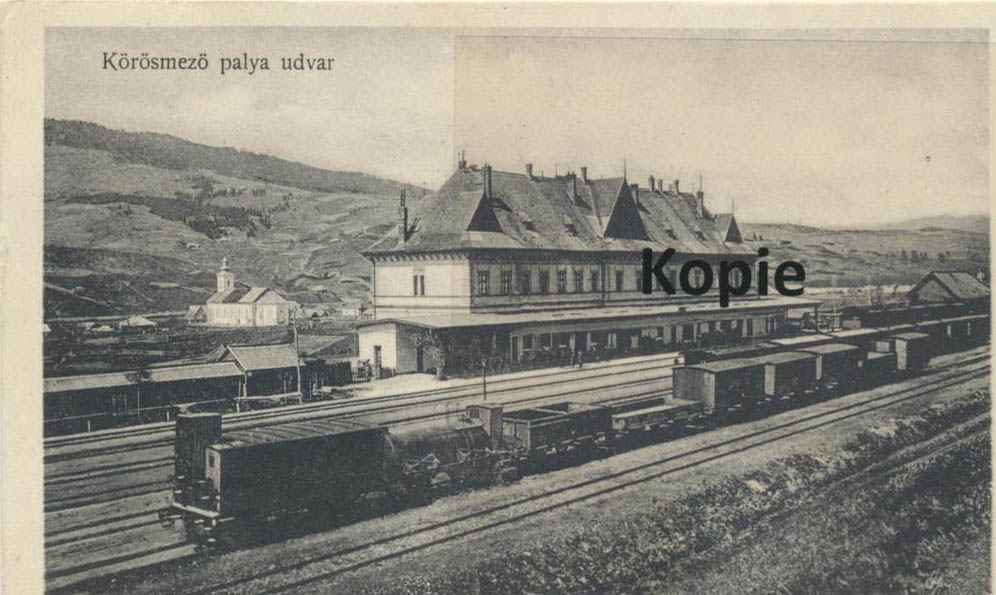 A letter to a sweethart in Vienna. Military field post, 5 August 1915. The road to the eastern front went through this station just like in 1917 or 1941.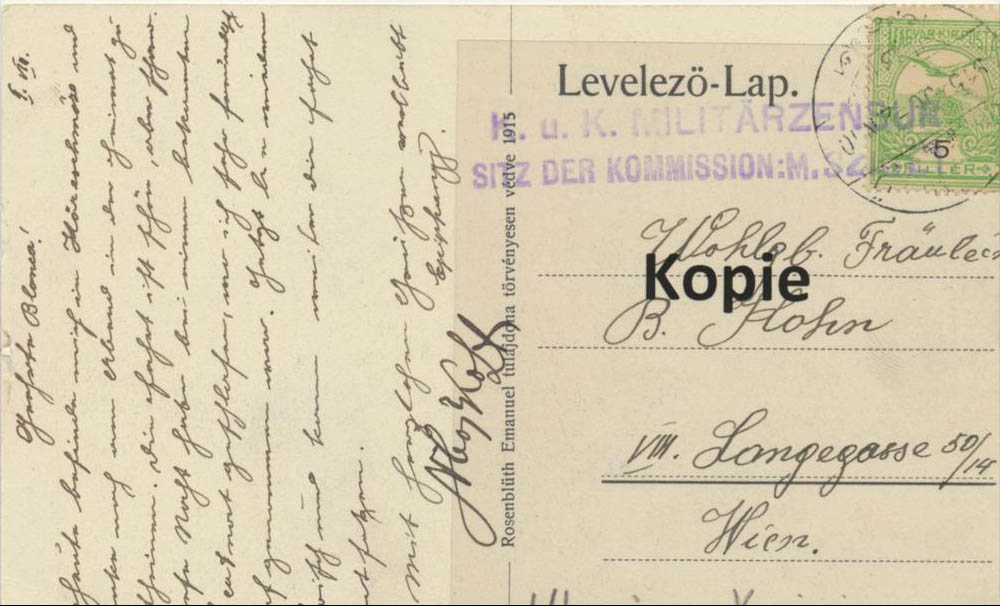
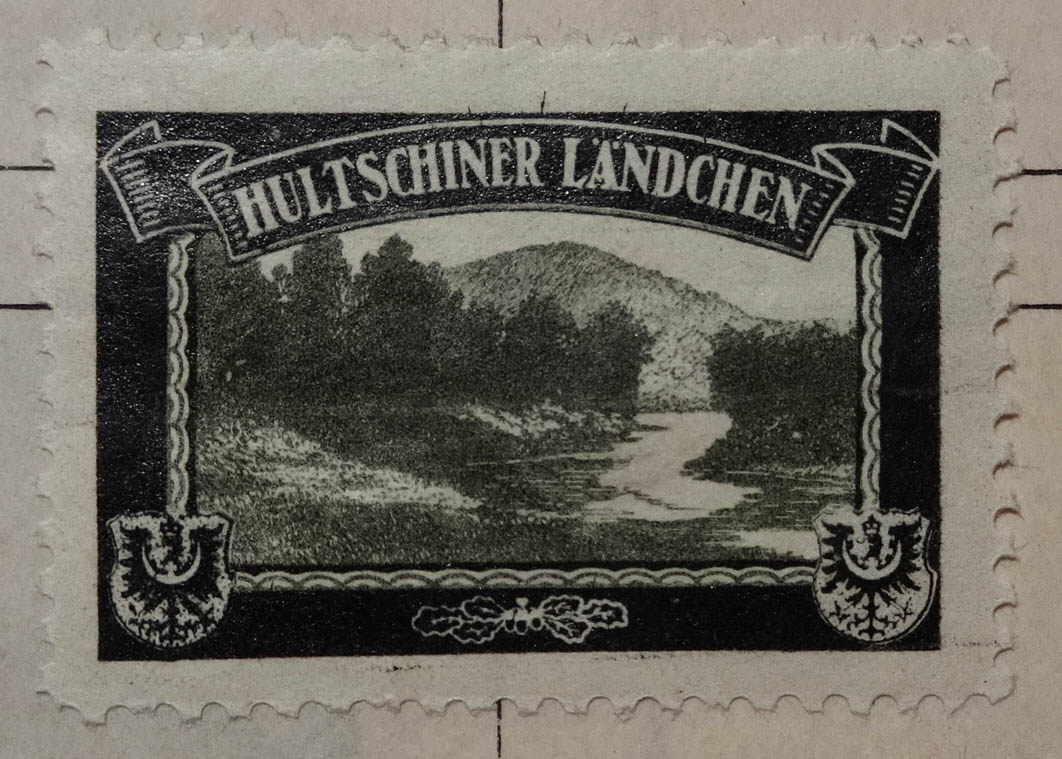
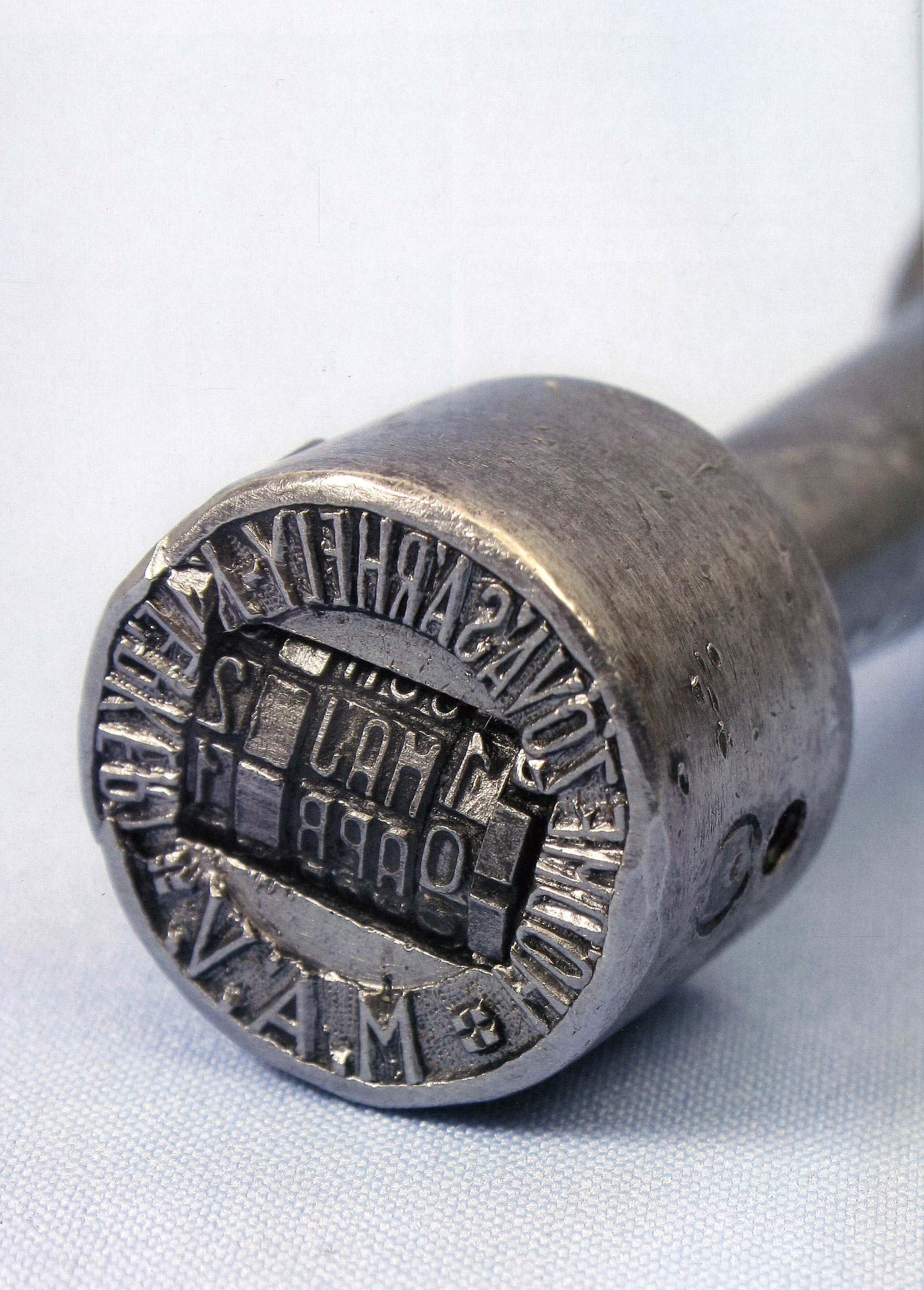 Not that stamp, but from the same time. From here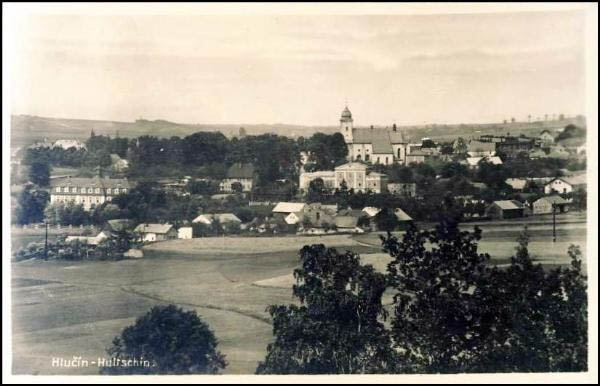


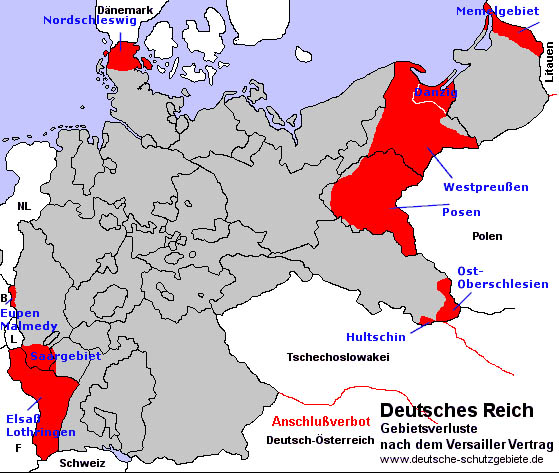 Territorial losses of Germany in the Treaty of Versailles (from here)
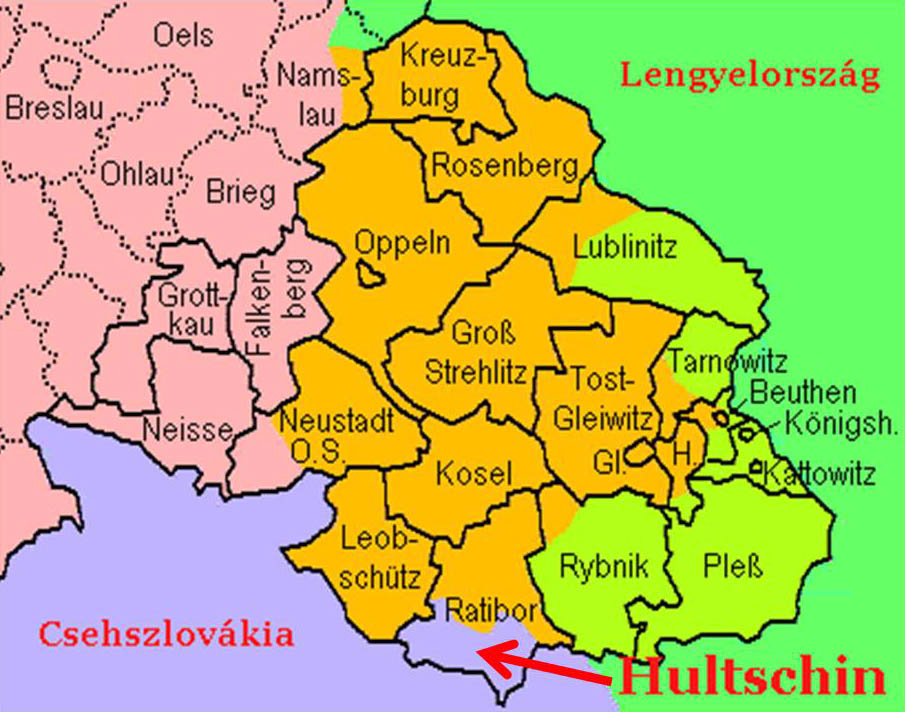 The territory affected by the Upper Silesian referedum (reedited, from here)
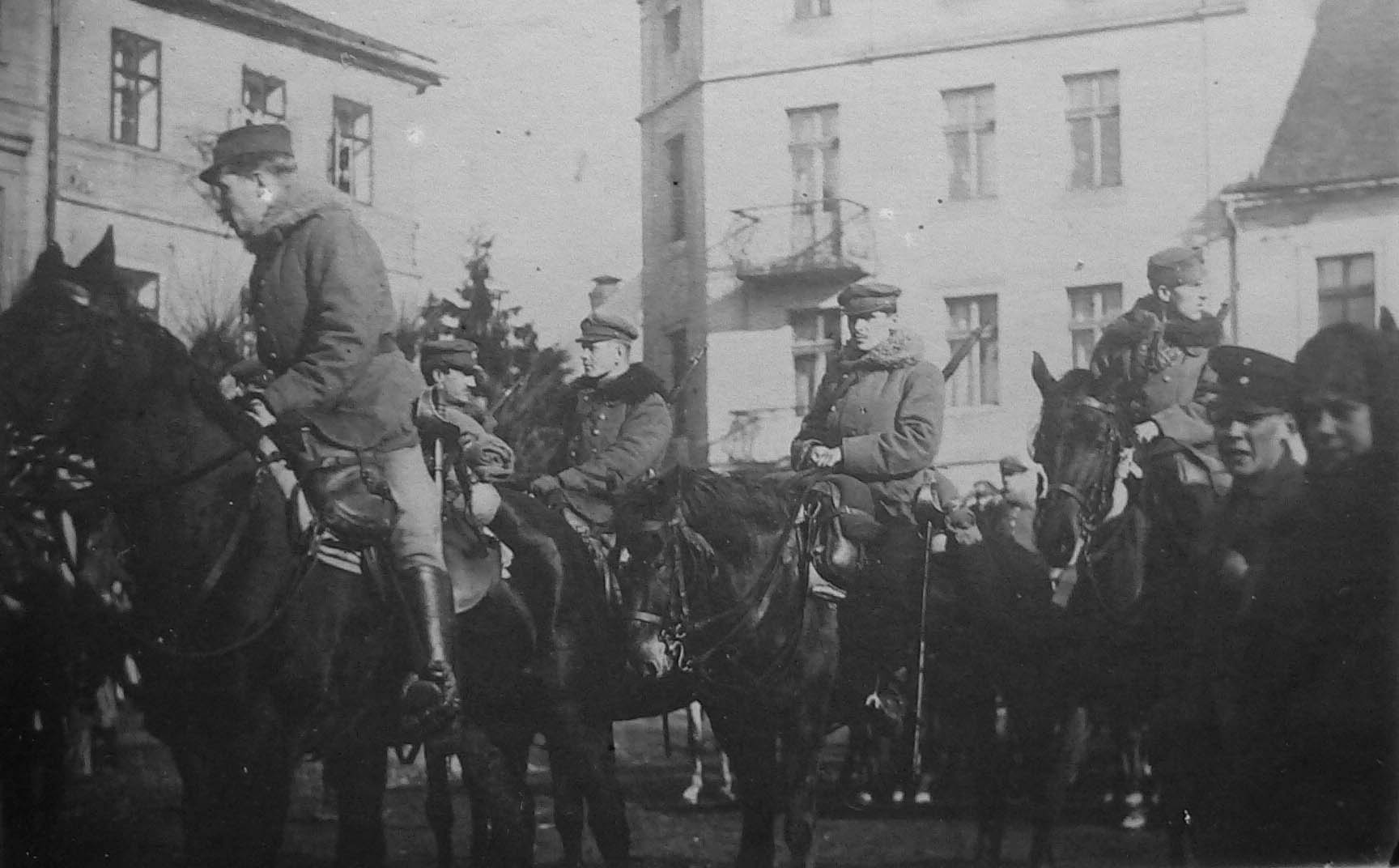 Czech soldiers on the main square of Hultschin, 1920. From the family archive of Pavel Strádal, from here
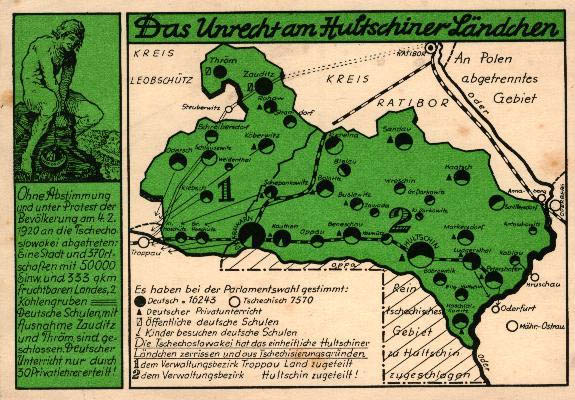 “The injustice against the Hultschin Territory”. The proportion of the votes for the German parties (black) and the Czech ones (white); the German schools (black triangles), and the manipulation of the electorial districts in the interest of a Czech majority. “Without plebiscite and despite the protest of the population on 4 February 1920, Czechoslovakia seized: one town and 37 communities with 50,000 inhabitants and 333 square kilometers of fruitful (productive) land and two coal mines. With the exception of those in Zauditz and Thröm, all German language schools have been closed. German instruction is only available through 30 private teaching centers!” (from here)
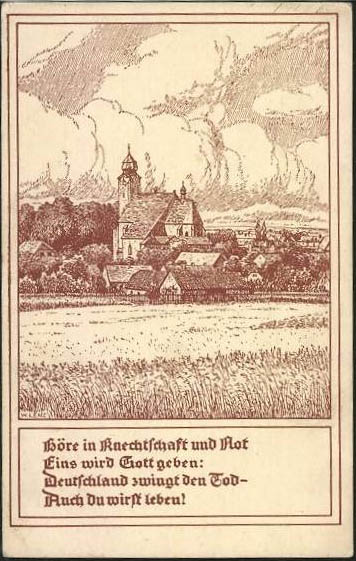 Hultschin. The postcard series of the Deutsches Ostbund on the alienated territories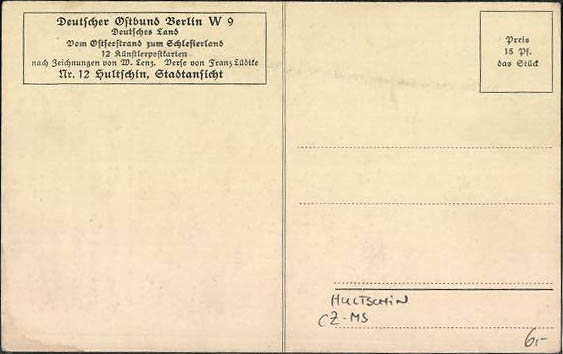
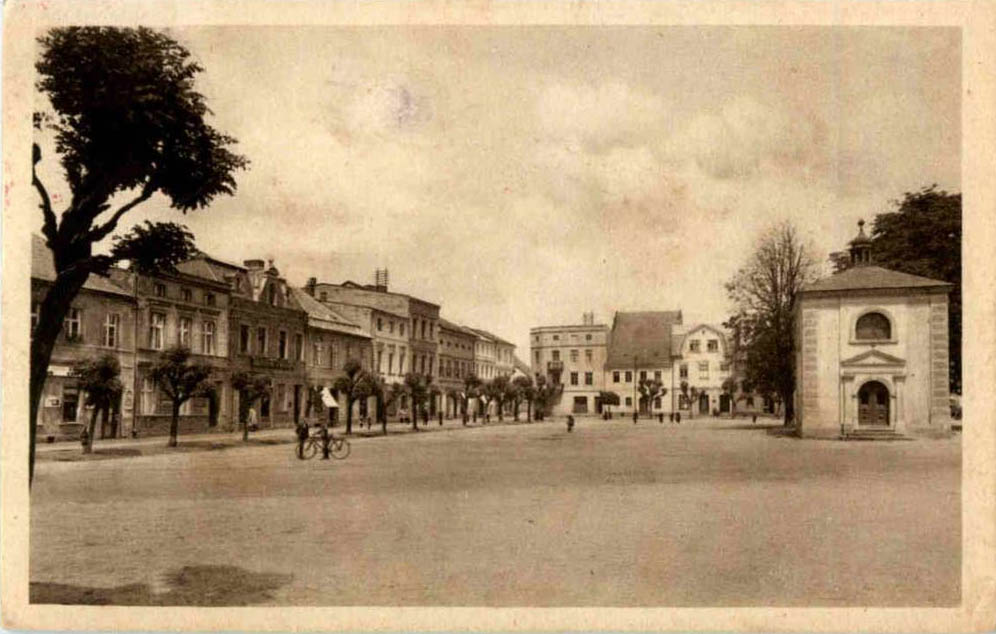 Hultschin, the Ring. With a festive stamp: “After 20 years of servitude, the liberated Hultschin greets its Führer, 8 October 1938.” The postcard was sent a week later.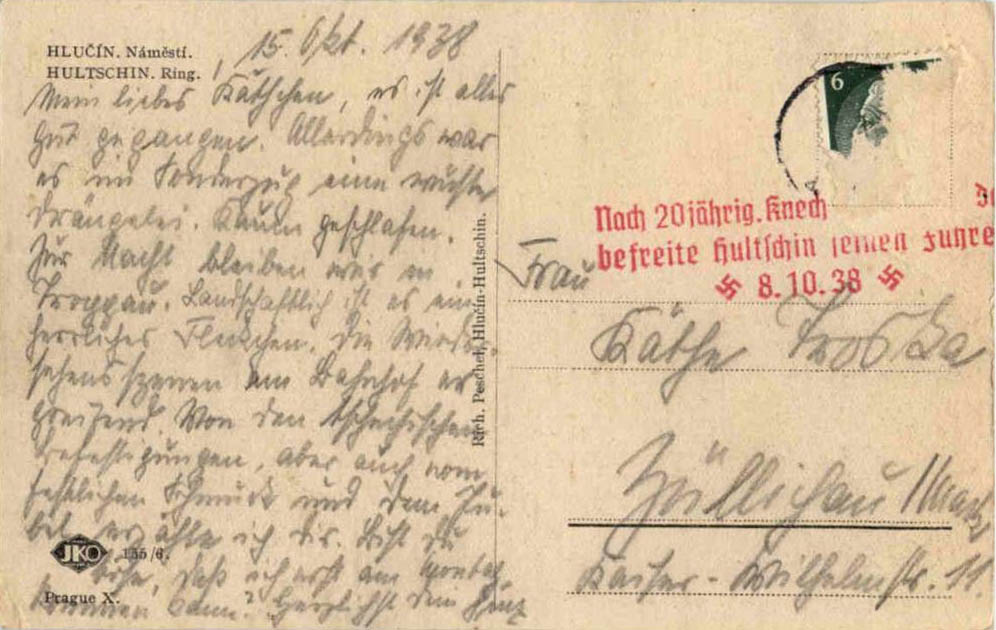
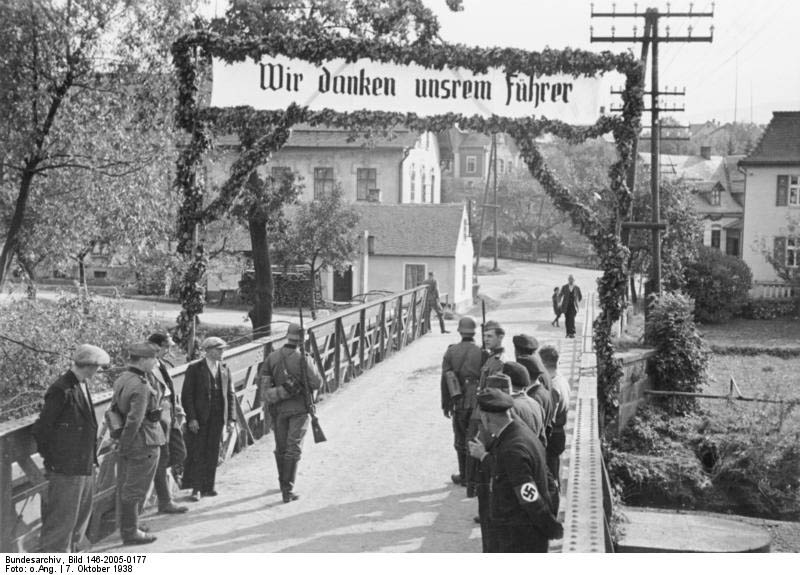 One day earlier at the border of Machendorf/Machnín, waiting for the German army.
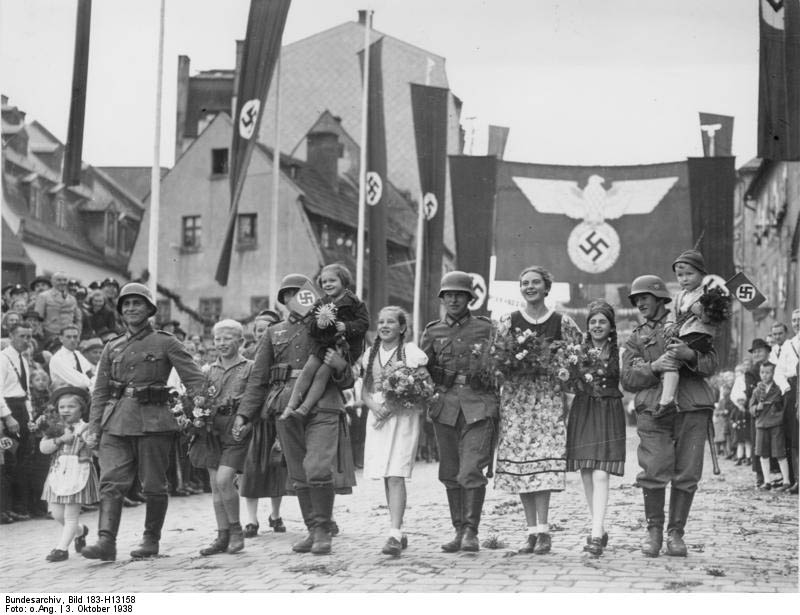 The German army marching into Asch/Aš
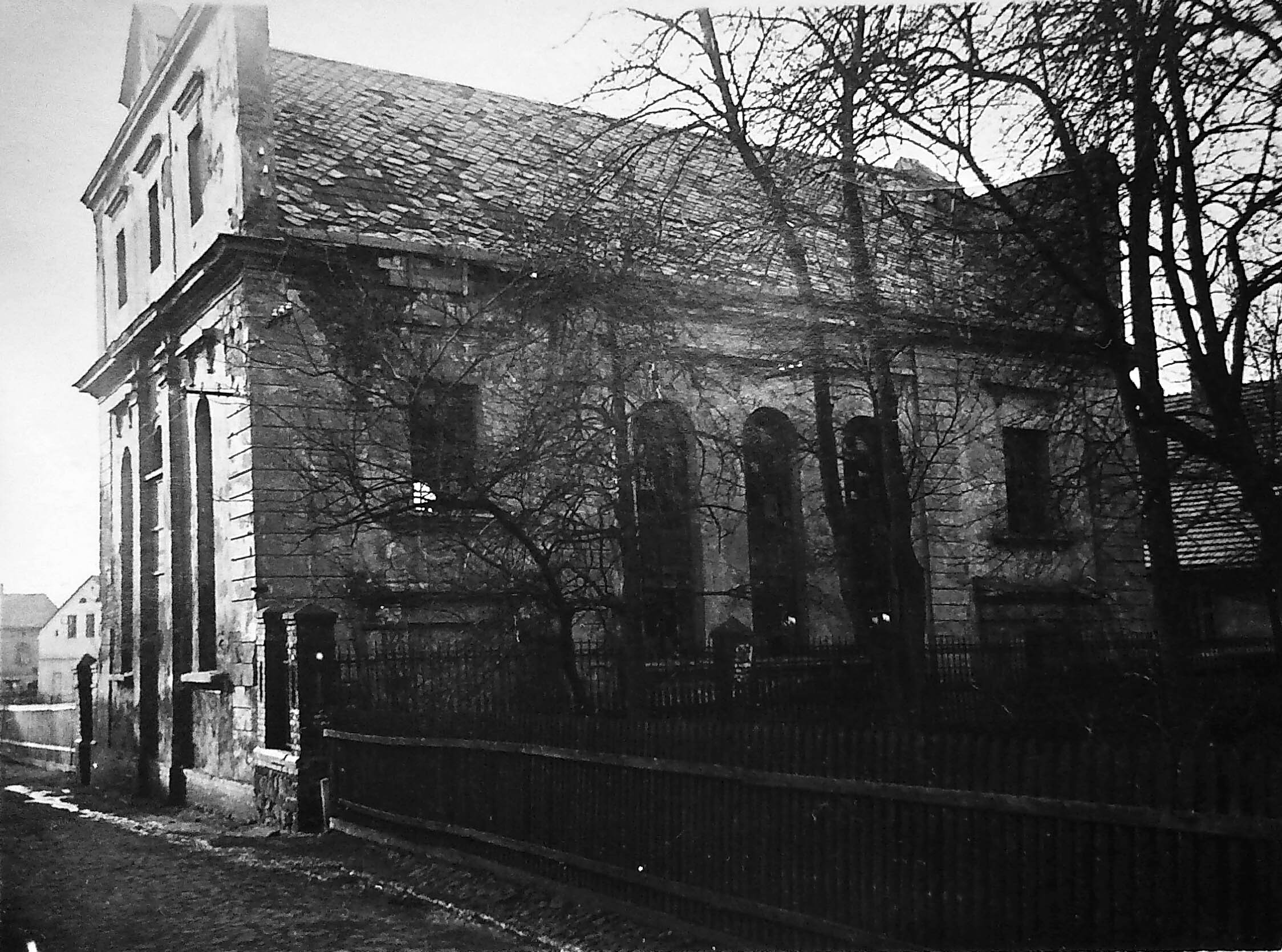 The synagogue of Hultschin/Hlučín. Built in 1840-43, destroyed on 9 November 1938, during Kristallnacht, one month after the marching in of the German army.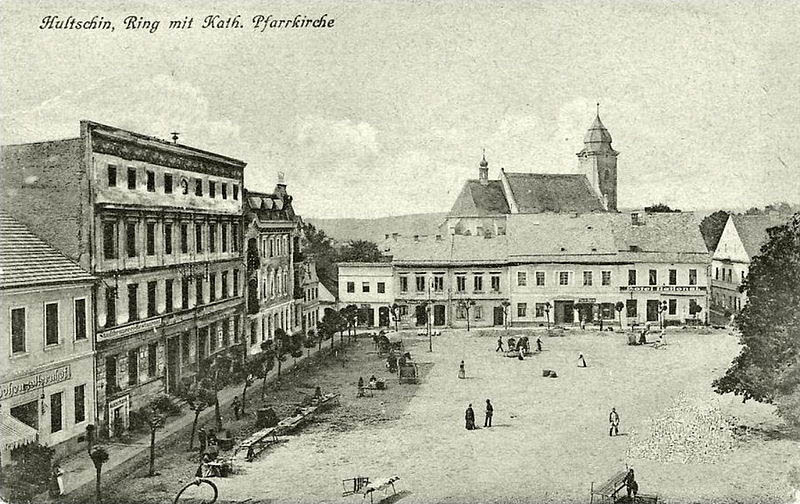
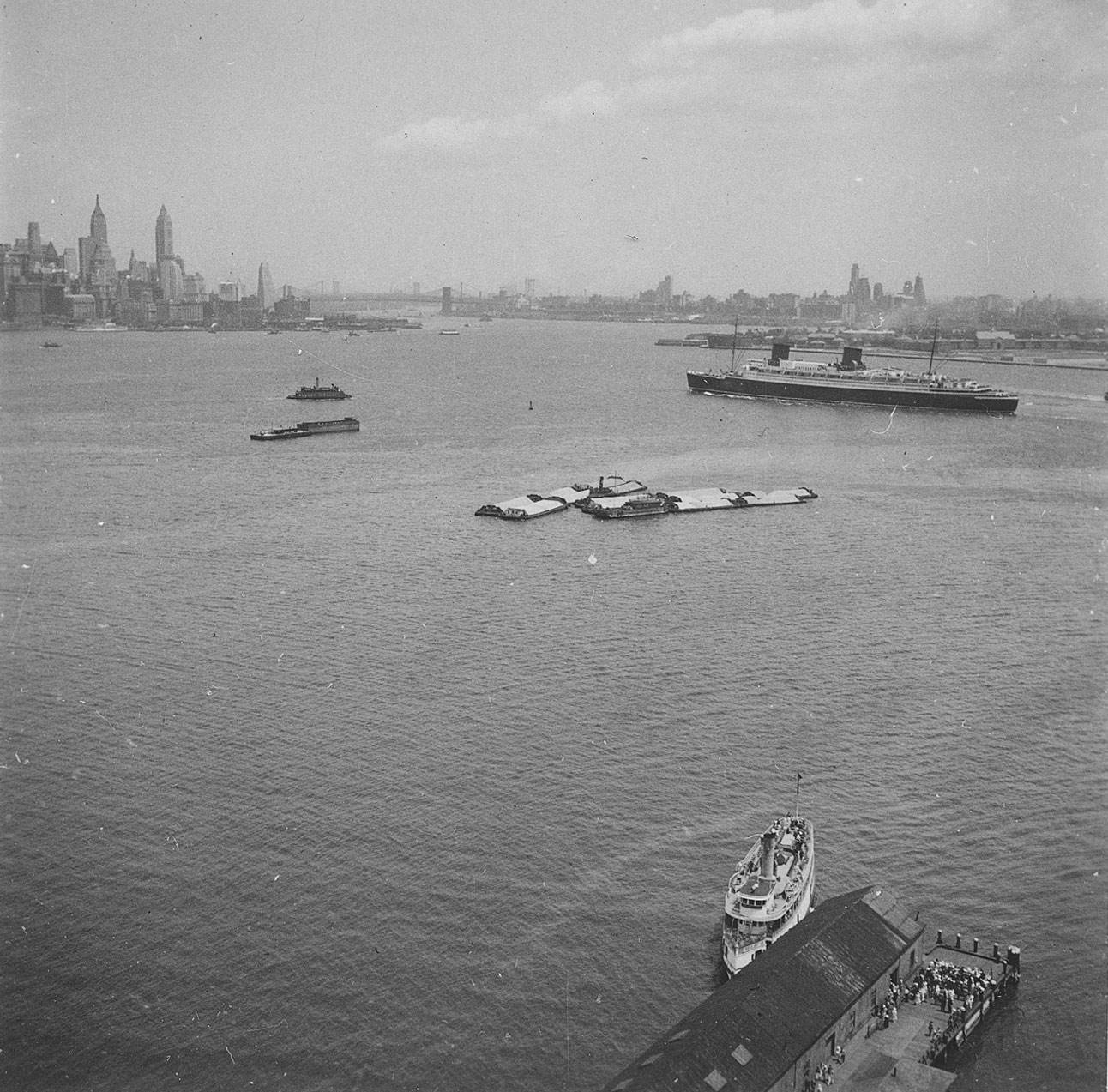 Newyorský přístav, třicátá léta.

 Ve třicátých letech podnikl český kněz Josef Baťka (Plzeň 1901 - 1979 Sušice) cestu zaoceánským parníkem Normandie z Čech do Ameriky - země, kterou jen o něco více než generaci předtím mohl ještě jeho krajan Antonín Dvořák nazývat „Novým světem“. Baťka studoval ve Vatikánu a pocestoval většinu Evropy a Blízkého východu jako papežský nuncius. Byl také vášnivým a schopným fotografem. Používal fotoaparát pro střední formát, do kterého se vkládaly negativy o velikosti 60 milimetrů čtverečních. Zůstal po něm poklad čtvercových obrazů, pečlivě uložený v malých krabičkách z fotolaboratoře.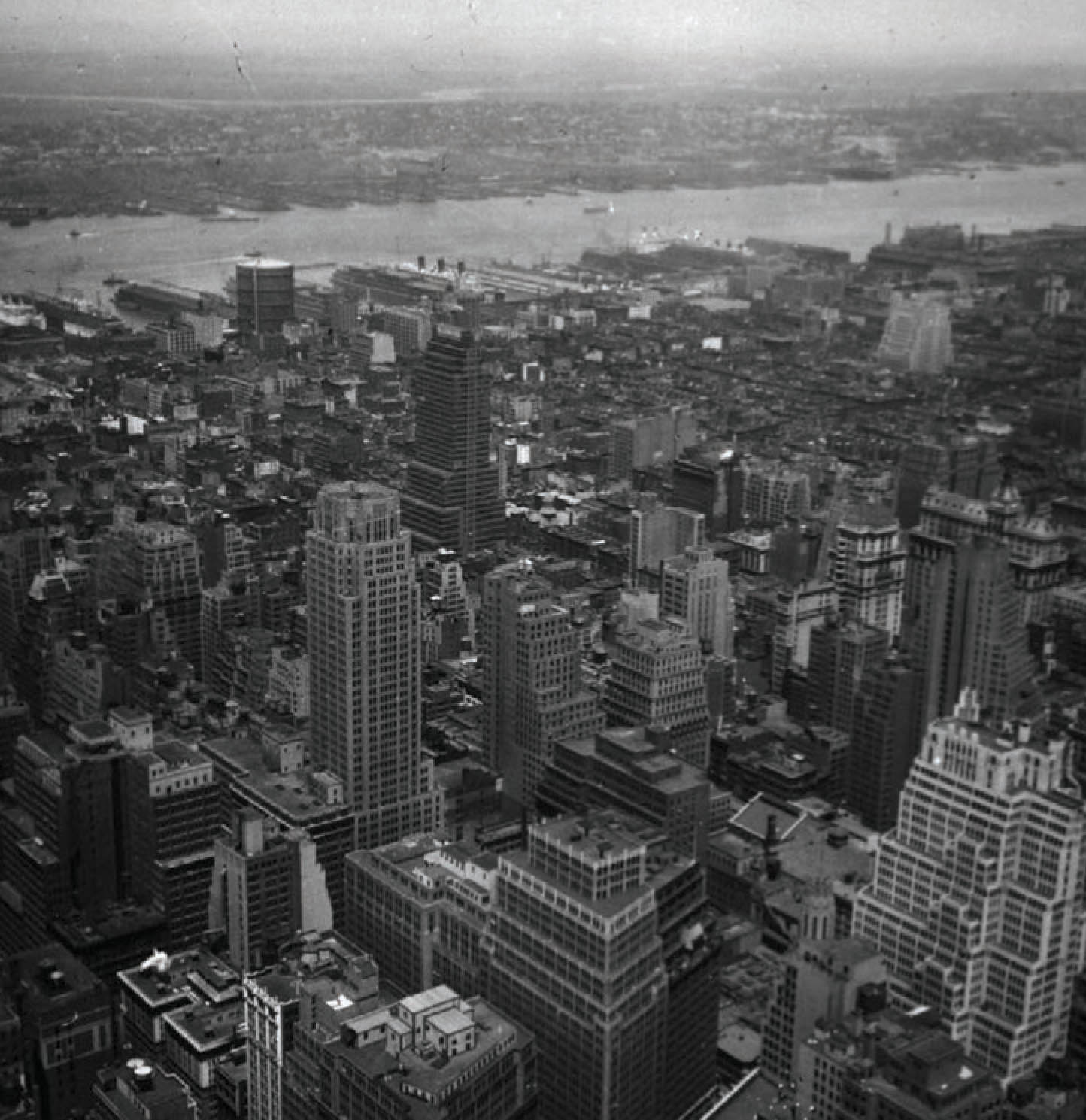


 Většina lidí na fotografii jsou členové českých přistěhovaleckých komunit ve východní Nebrasce
 El Paso, Texas nebo Ciudad Juarez, Mexico, třicátá léta
 Klikněte zde pro stáhnutí katalogu (pdf)
 where we daily publish new photos about our travels around the world:




 Come with us to…
 Atlantis
 Bestiary
 Books, exhibitions, music, film
 Brave old world
 Caucasus
 Cemeteries
 Crimea
 Get to know the
 Images of the East
 Lightwriting
 Lwów/Lemberg
 Mallorca
 Message on the wall
 Odessa
 Paper Museum
 Persian letters
 The Jewish heritage