 Something was in the air in Romania in 1939, as the Journalul Sonor, the Romanian newsreels began to travel around the cities of the country and showed their beauty and development. (This “something” soon became manifest: the press and other propaganda material coming from the Soviet Union, whose influence was already heavily felt for example in Estonia at the same time.)
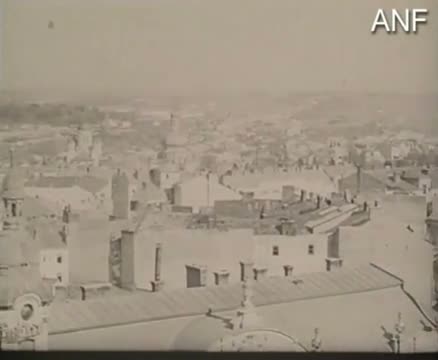
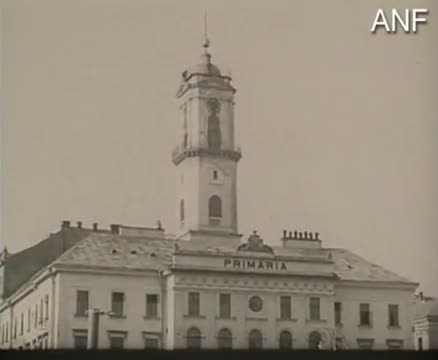
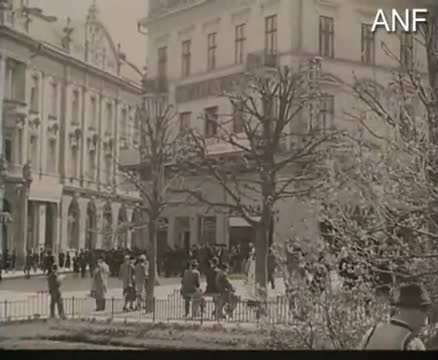
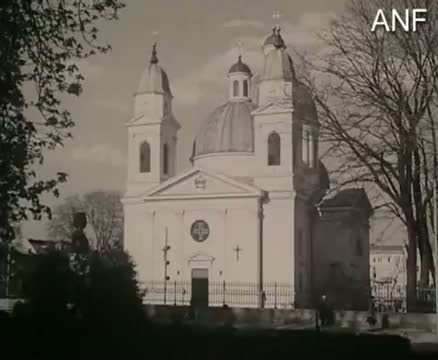
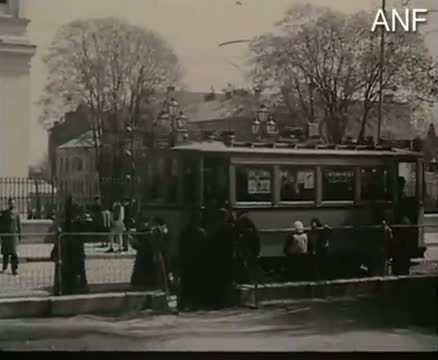
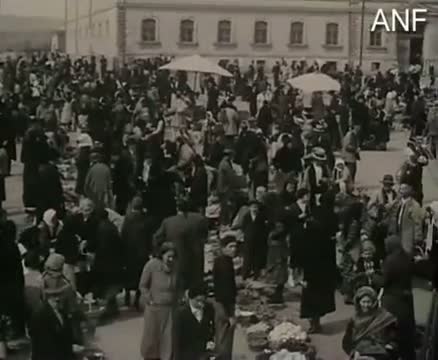
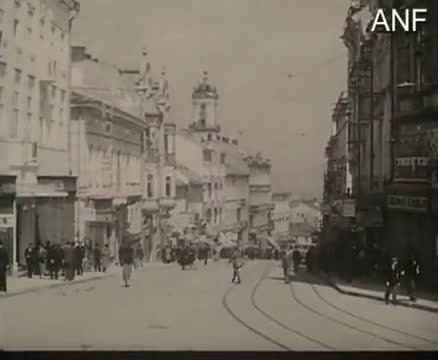
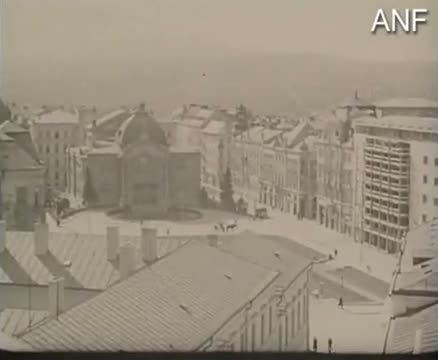
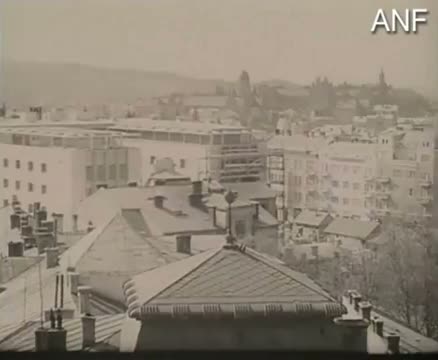
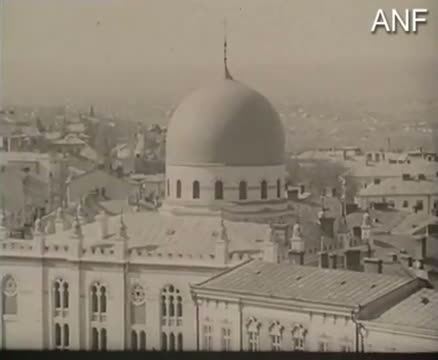
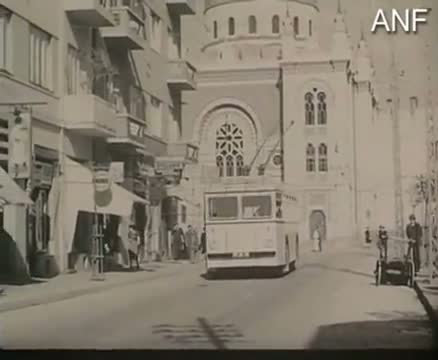
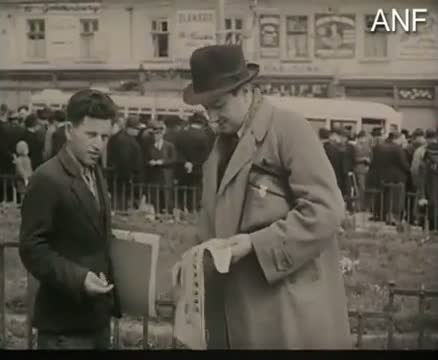
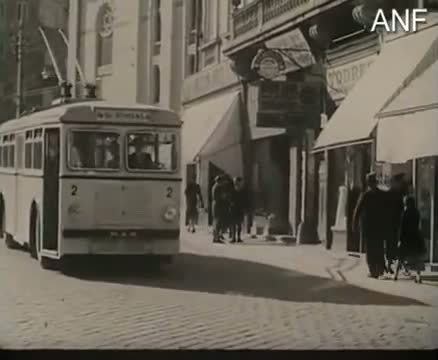
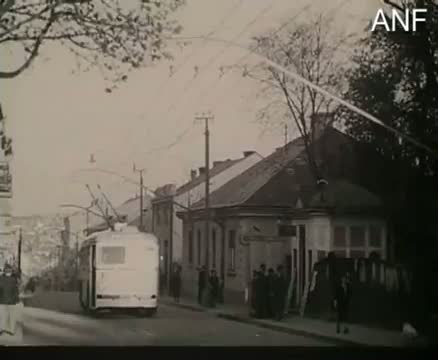
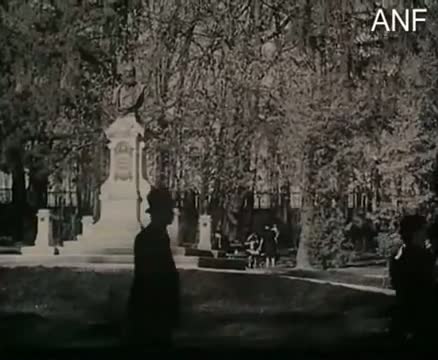
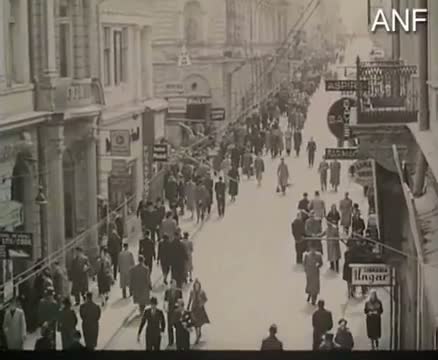
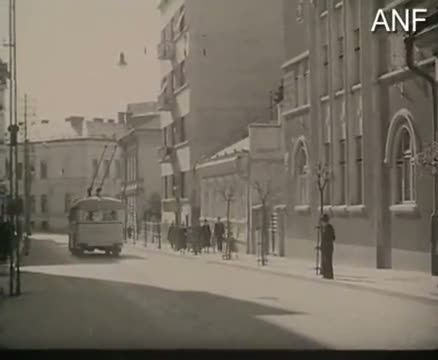
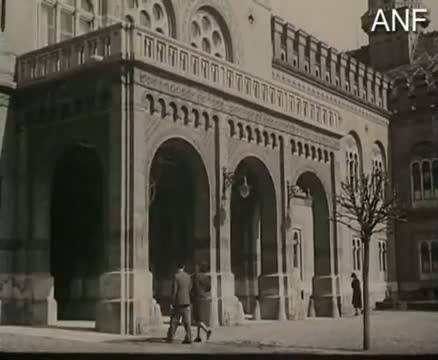
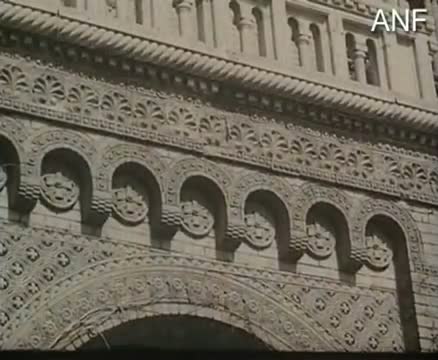
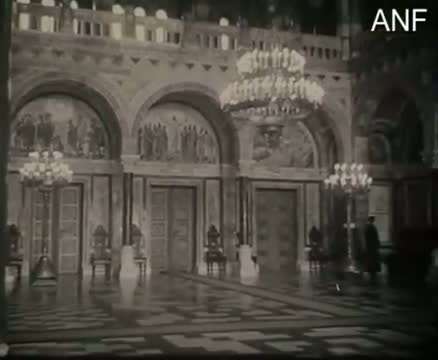
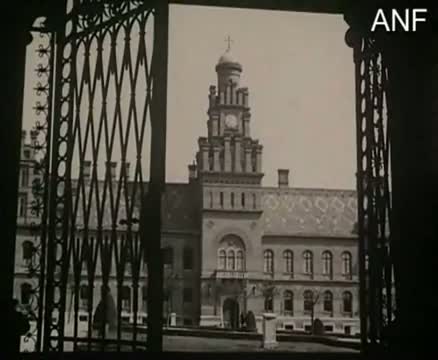
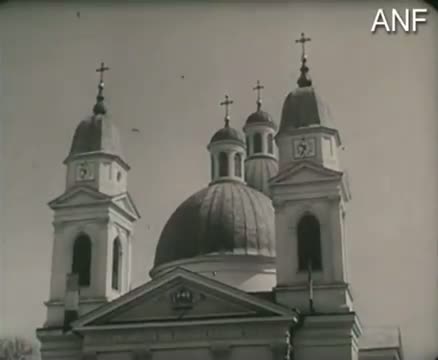
Thus the 8/1939 edition of Journalul Sonor guided the cinema audience to Cernăuți, proudly showing the sights of the city, its famous public buildings, and last but not least the brand new trolleybuses.
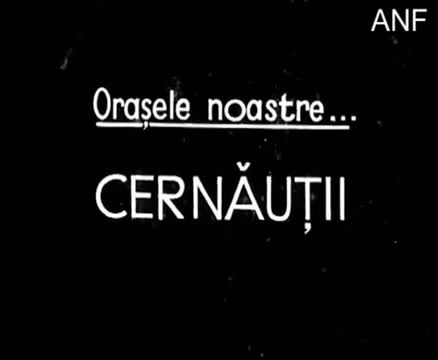 Our cities: Cernăuți. – By clicking on the images you can browse through the rest
|

|
|

|
|

|

|
|
|
|
|

|

|
|
|
|
|
|
|

|
|

|

|
|
|
|
 |
|
|
|

|
|
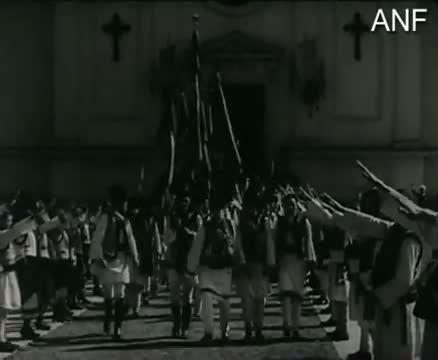
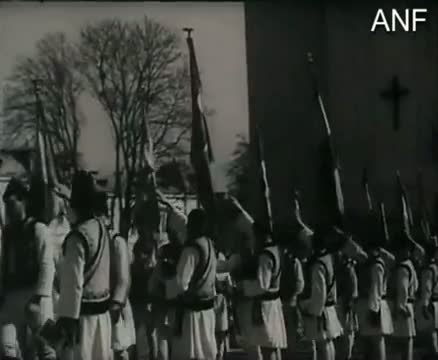
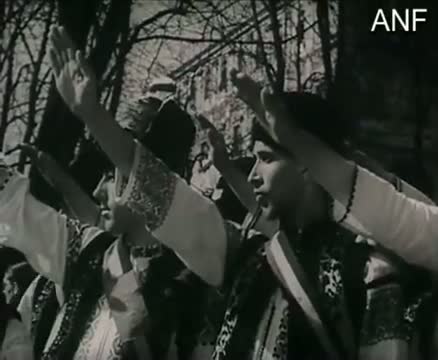
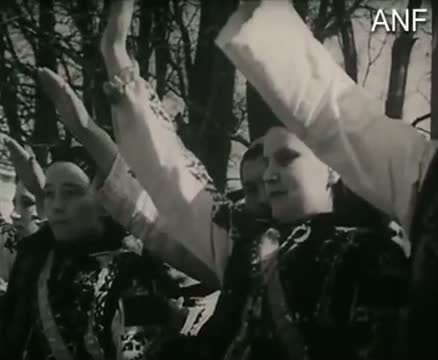
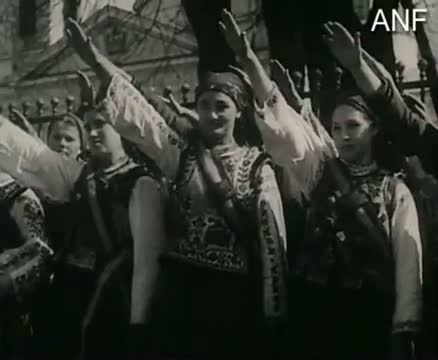
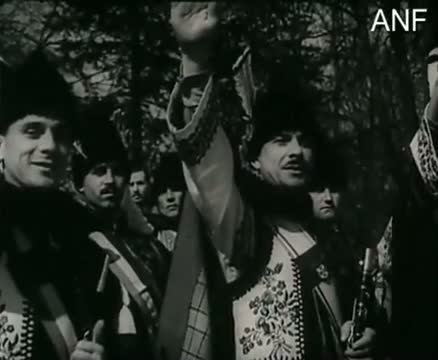
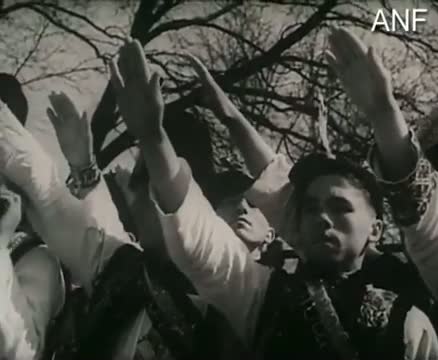
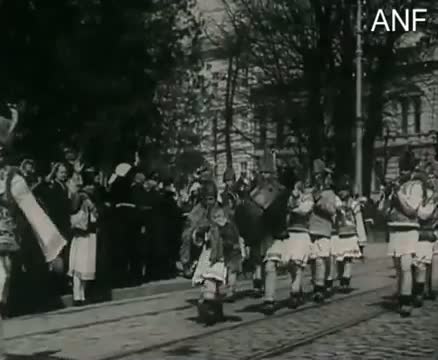
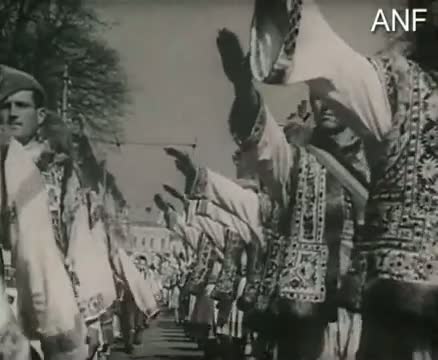
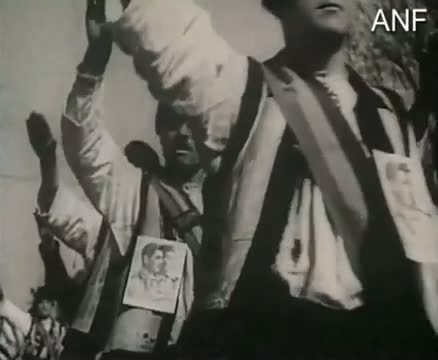
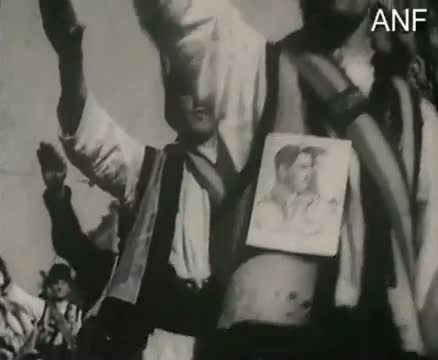
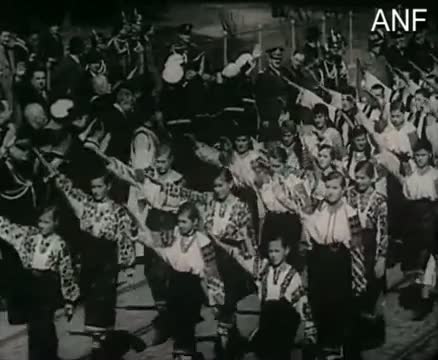
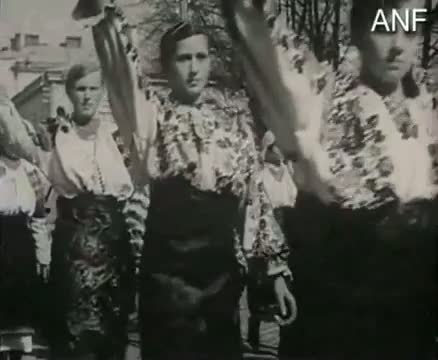
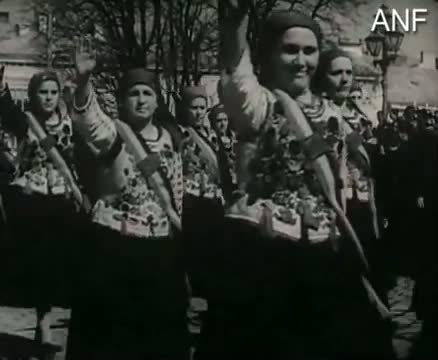
Studiolum has already suggested that the majority of the Jews of Cernăuți luckily survived the hard times, but this did not mean that all their days passed in peaceful harmony. The parade below from the early 1940 is a good example for that.
The participants are marching with the portraits of Charles, King of Romania.
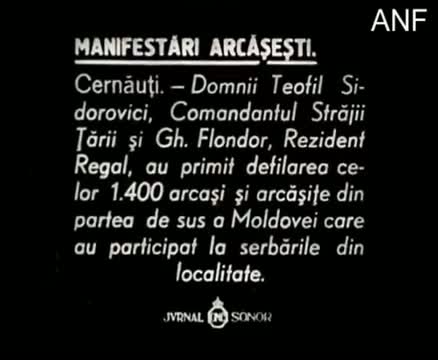 “Cernăuți. Mr. Teofil Sidorovici, Commander of National Defense, and Gh(eorghe) Flondor Royal Deputy received the parade march of the 1400 “archers” from all parts of Northern Moldova during the celebrations organized in the city.”
|
|
|
|
|
|

|
|
|
|
|
|
|
|
|
|
|
|
|
|
|
|
|
|

|
Not even half year later the area was already in Soviet hands. The camera of Alexandr Dovzhenko, who is well known to the readers of Río Wang from other cities with a similar fate, of course showed quite differently Chernovits.
 The synagogue of Chernovits… (which has survived the war unscathed, and was transformed into movie in Soviet times)
 …and the local Jews…
 …the popular entertainment: the merry-go-round
 …and the brothels…
 A Romanian pimp waiting for the woman “held” by him
 “Speak in Romanian!”
 “Only Romanian!”
 “Only Romanian!”
 Such is a factory under Romanian rule. And here is the oppressor, too: the Romanian gendarme.

It is obvious that this city, despite all superficial similarities, is not identical with the one in the previous film. And by the end of the film the viewer cannot have any doubt where is better to live: in Chernovits or in Cernăuți.


 Come with us to…
 Atlantis
 Bestiary
 Bohemia+Prague
 Books, exhibitions, music, film
 Brave old world
 Caucasus
 Cemeteries
 Crimea
 Get to know the
 Images of the East
 Lightwriting
 Lwów/Lemberg
 Mallorca
 Message on the wall
 The Museum of Propaganda
 Odessa
 Paper Museum
 Persian letters
 The Jewish heritage


No hay comentarios:
Publicar un comentario