Switch over to our new blog! • ¡Pásese a nuestro nuevo blog!

The renewed version of our blog, with more features, a richer design, and available in nine languages, can be read here: https://wangriver.com

The new version also includes the old posts, often in expanded form. If you are curious about the updated version of this post, replace “riowang.blogspot.com/” in the URL with “riowang.studiolum.com/”, and the new link will most likely lead you there.


La versión renovada de nuestro blog, con más herramientas, un diseño más rico y disponible en nueve idiomas, se puede leer aquí: https://riowang.com

La nueva versión también incluye las publicaciones antiguas, a menudo en una forma ampliada. Si tiene curiosidad por la versión actualizada de esta entrada, sustituya «riowang.blogspot.com/» en la URL por «riowang.studiolum.com/es/», y el nuevo enlace probablemente le llevará allí.

Tantour

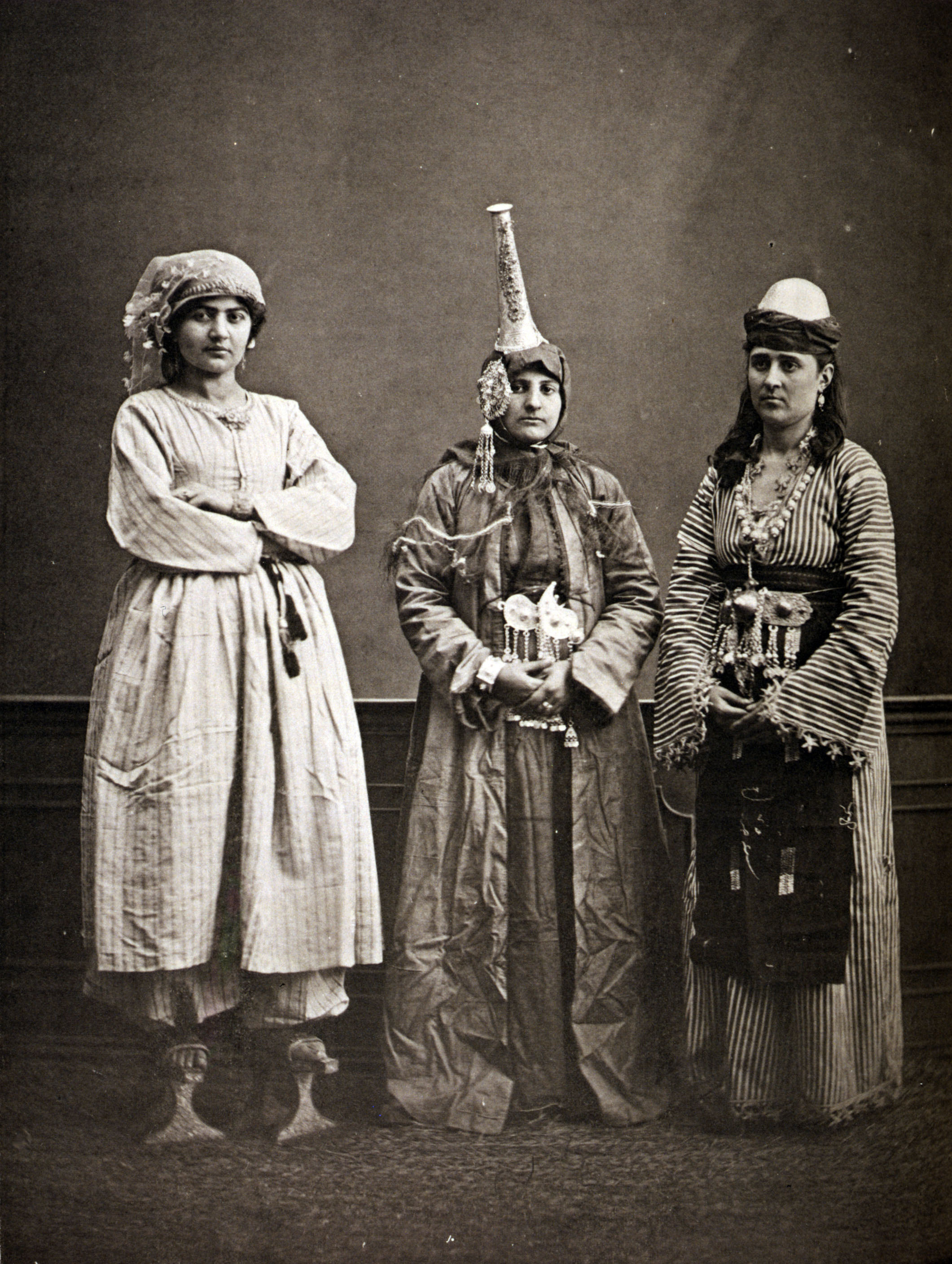
Mujer de ciudad, mujer drusa y mujer campesina de Damasco. Foto de Sebah, 1873

En un comentario a nuestra entrada «Damascus Anno», un lector se sorprendía ante la imagen del tocado de una mujer drusa. Podíamos pensar que, al ser él un ciudadano británico lo habría tenido que ver, quizá, en su infancia pues Children’s Magazine publicó este grabado y su descripción para los pequeños lectores ya en 1834:
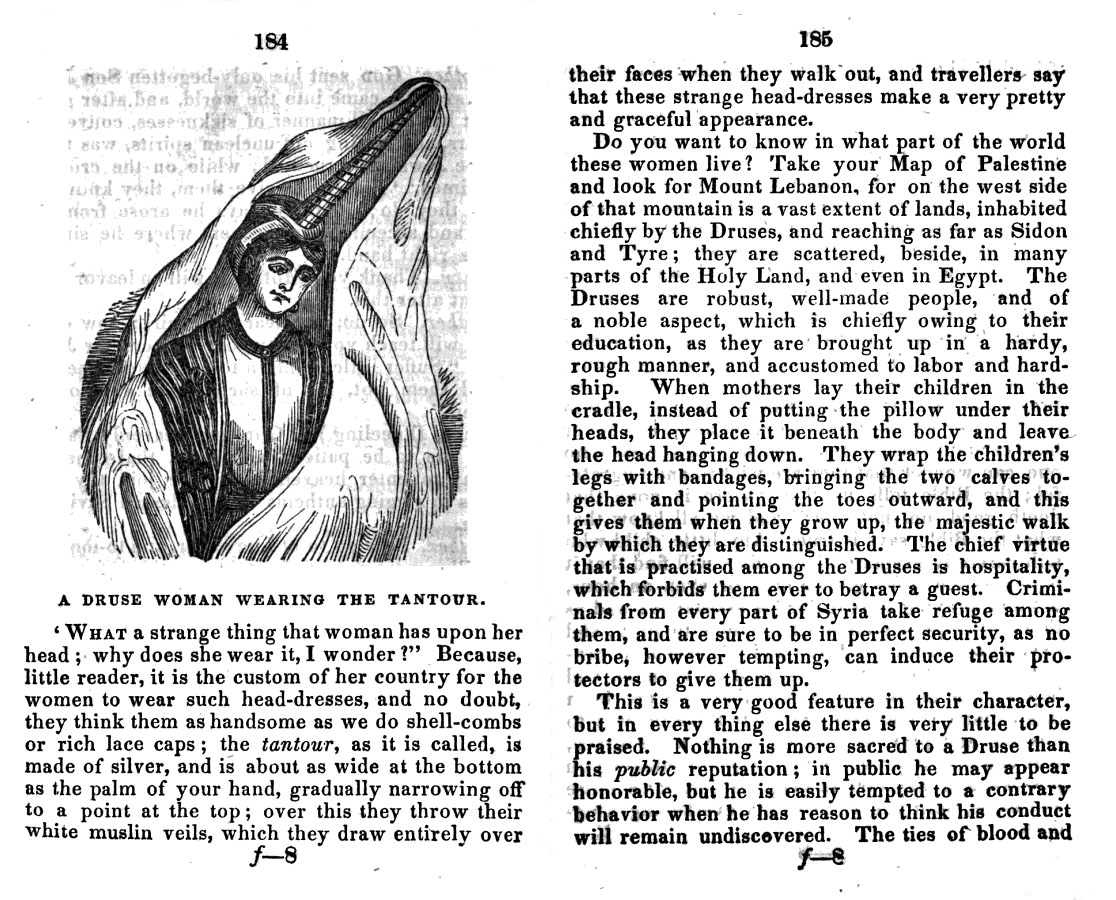

«'¡Qué cosa tan extraña tiene esta mujer sobre su cabeza! ¿para qué lo lleva, me pregunto?' Pues, pequeño lector, es costumbre en su país que las mujeres usen tales tocados, y sin duda se ven tan guapas con ellos como aquí con las peinetas de concha o las mantillas de lujoso encaje; el tantour, como se le llama, está hecho de plata, y es casi tan ancho en la parte inferior como la palma de la mano, estrechándose gradualmente hasta la punta en la parte superior; encima le colocan velos blancos de muselina con los que ocultan enteramente sus rostros cuando salen, y los viajeros dicen que estos extraños tocados les dan un aspecto muy bonito y elegante».

Mujer drusa de las montañas Shouf luciendo el tantour. Foto de Félix Bonfils, ca. 1870

Según la página del sitio levantino Al Mashriq que describe los trajes tradicionales del Levante, este tocado era usado por las mujeres casadas de las aldeas drusas en las montañas del Líbano, principalmente alrededor de Deir el Qamar, y por lo general lo recibían de su marido el día de la boda. Podía ser de hasta un metro de alto, según el prestigio y riqueza de la familia. El origen de esta moda es incierto. Algunos piensan que deriva de los altos sombreros persas o del interior de Asia, mientras otros creen que lo llevaron los cruzados hasta el Líbano. Esto se contradice con el hecho de que ya los relieves grecorromanos de Kartaba, en Líbano, muestran tocados similares. De acuerdo con la descripción del Museo Tareq Rajab de Kuwait, los cruzados lo importaron en sentido contrario, desde el Líbano a Francia, donde a menudo es identificado con el hennin desde finales del siglo XIV, y lo vemos en miniaturas y pinturas desde la década de 1420 en adelante.

Hans Holbein el Viejo: Presentación de Cristo en el Templo, 1500-1501, y Hugo van der Goes: Altar Portinari, 1476-78, detalles

Este peculiar complemento se menciona con frecuencia en los relatos de viajeros del siglo XIX a Tierra Santa.

«Nada de particular ocurrió durante nuestro regreso a Zahle, salvo que adelantamos a algunas mujeres a caballo que usaban el tantour, ese adorno extraordinario que portan en la cabeza las mujeres drusas; es un cuerno de plata o de cobre plateado dependiendo de la riqueza de la poseedora, de un pie y medio o dos de longitud, que surge de la parte superior de la frente como un cuerno de unicornio, y va adornado con figuras en relieve de estrellas o animales según variados patrones. Por encima se engancha un velo de muselina blanca, con el cual se puede ocultar el rostro a voluntad. Este cuerno se fija sobre una almohadilla en la cabeza con una tan engorrosa complicación que a veces no se lo quitan durante un mes —un incómodo gorro de noche, es de suponer, para cualquier mujer.» (James W. Parker: Three weeks in Palestine and Lebanon, 1836).
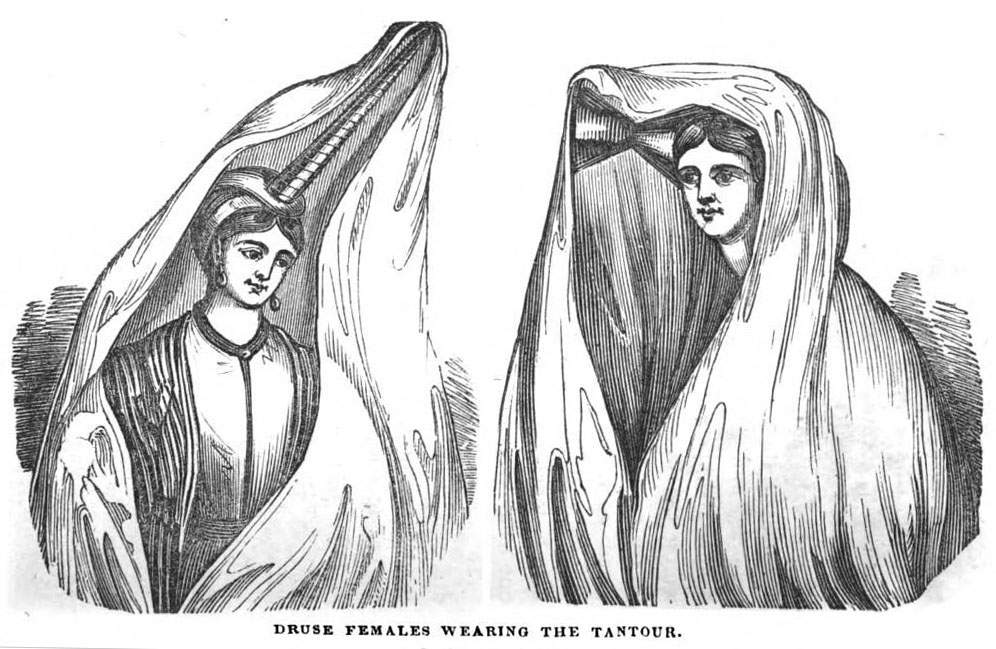
Parece que la ilustración de Parker fue la única representación europea contemporánea
del tantour, luego repetida en otras publicaciones. Con toda probabilidad
también Parker la copió de una anterior fuente impresa.

«Mientras esperaba al Emir, fui hasta el pueblo de Babdall, y al volver la esquina de una casa topé con media docena de niñas y mujeres que bajaban con dificultad por las peñas, tocadas con unos tantours cuyo notable tamaño indicaba que eran de la casta más alta. Los adornos pesados ​​y ruidosos barrían el suelo, sus velos blancos ondeando como banderas enmarcaban sus rostros risueños y sus cabezas eran cornucopias de joyas y flores; los cuellos como de ídolos de templos indios, amarillos de oro reluciente, y los trajes de un color marrón-rojizo, salpicados todos de estrellas y orlados con encajes del mismo metal. ... ¡Qué maravillosa costumbre la de este apéndice colocado en la cabeza el día de la boda y fijado allí hasta la muerte, durante el sueño, la enfermedad, en las fatigas del trabajo de casa o en el campo, siempre allí puesto, amarrado y seguro como el bauprés en la proa de un barco!. No le atañe ninguna superstición, no hay tradición que pretenda explicarlo ni religión que lo consagre. Ha atravesado por todas las religiones y cambios, se eleva más allá de cualquier circunstancia histórica y permanece entronizado en la frente de la matrona a pesar del anatema del sacerdote o la volubilidad de las modas. ... No es fácil adivinar por qué razón terrenal ofendía al clero, hasta que el obispo de Beirut me iluminó diciéndome con gravedad que ¡el tantour era el ídolo que adoraban los drusos! Los cristianos, dijo, sólo recientemente habían caído en esta práctica anticristiana. ... Una pequeña figura de bronce, eminentemente arcaica, encontrada en el barrio de Saida y actualmente en mi poder representa a una mujer desnuda salvo por una ligera ropa en la cintura, y llevando el tantour. Se encontró en uno de los sarcófagos primitivos abiertos en la roca o hechos de piedra, que tantas veces me llenaron de asombro al pasar inesperadamente sobre ellos.» David Urquhart: The Lebanon (Mount Souria), 1860.
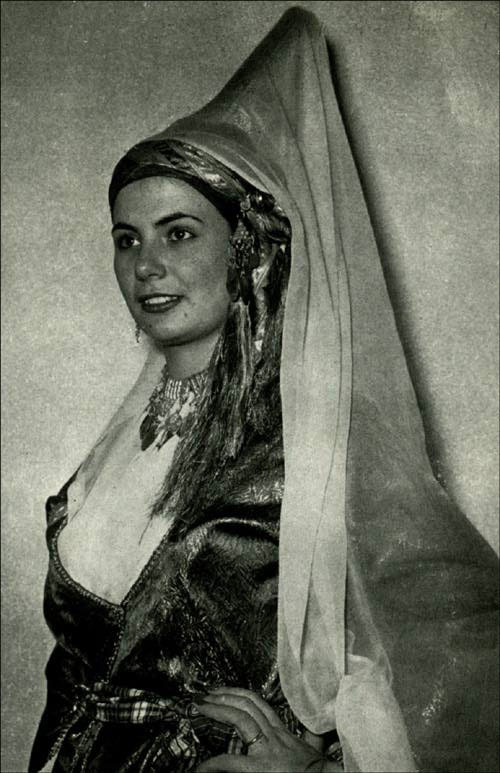
“Princesa libanesa del siglo XIX”. Traje reconstruido, de aquí

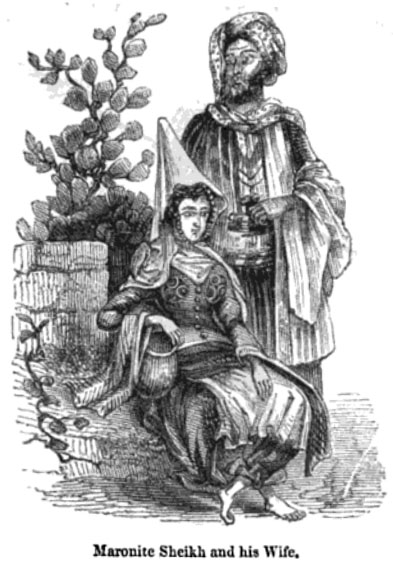
De la reciente prohibición cristiana del tantour informó la edición de 1861 de la London Review, explicando que en una ocasión «cuando una dama maronita estaba recibiendo el sacramento de mano de un obispo, por desgracia sacudió de repente la cabeza, el tantour golpeó el cáliz y derramó su contenido al suelo: en consecuencia, los sacerdotes denunciaron su uso». Esto es, con toda probabilidad, sólo una anécdota piadosa, y la verdadera razón debe haber sido el deseo de demarcación simbólica de la secta musulmana de los drusos. Sin embargo, varios viajeros notan cómo el tantour estaba difundido entre las cristianas maronitas del Líbano, mientras otros se esforzaban por descubrir en él la supervivencia de una costumbre presente en el Antiguo Testamento:

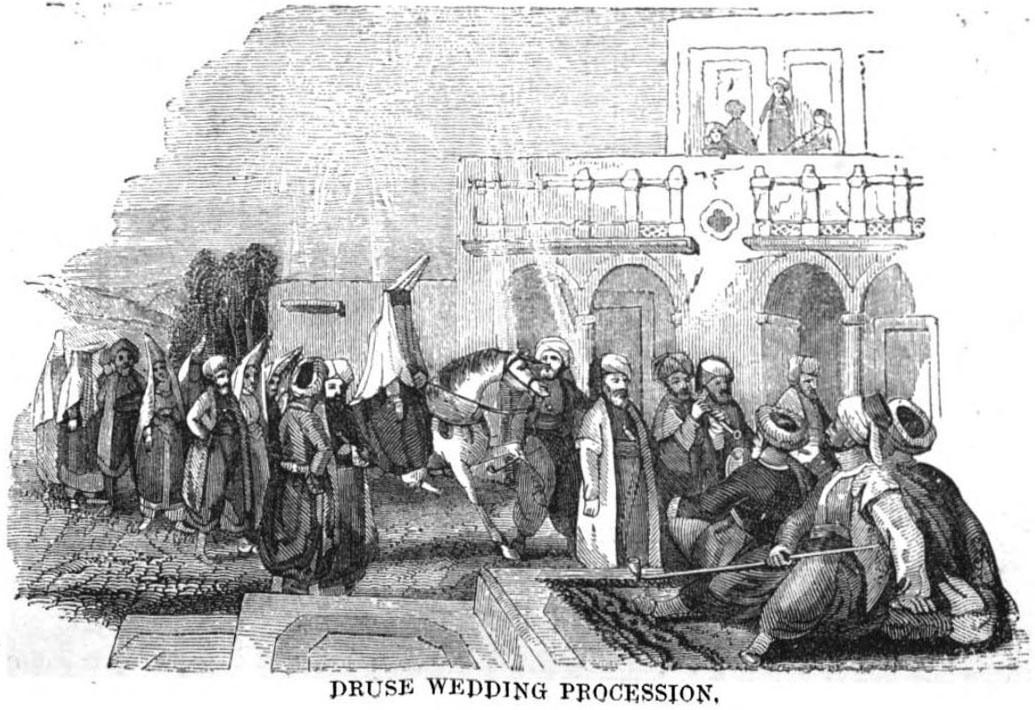
«También vi una procesión extraordinaria, y me dijeron que era una boda drusa. Había varias mujeres montadas en camellos y una a caballo, que Abdallah dijo que era la novia. Llevaba en la frente lo que se conoce como el tantour, es decir, un tubo de estaño de considerable longitud, con una proyección de quince pulgadas en disposición semi-horizontal, «como un cuerno de unicornio», y lo cubría con un ligero velo. Otras varias mujeres en la procesión también usaban el tantour. ... Algunos de estos tubos están hechos de plata y adornados con joyas, y otros que vi alcanzaban quizás veinte pulgadas de largo. De dónde surgió la moda de usarlo, no lo sé decir, pero no hay ninguna duda de que los han usado ​​las gentes de este distrito desde tiempos inmemoriales, y que el valor de estos tubos o cuernos está en consonancia con la riqueza de la persona que los lleva, del mismo modo como las cadenas de oro y los anillos suelen tenerse por signos de distinción en Inglaterra. Cada parte del atuendo, que ya era usado hace 3.000 años, con todos los matices del color, desde la piel de tejón, o la sandalia, (Ezequiel xvi. 10,) hasta la diadema o turbante, todavía está en uso. Las mujeres, según creo, rara vez se quitan el tantour, y me han dicho que lo llevan incluso de noche. Una cosa relacionada con el tantour es particularmente digna de atención, y es que mientras algunas lo llevan oblicuamente desde la frente, como he descrito, otras lo llevan en la coronilla, y otras casi perpendicularmente. En el primer caso denota a una mujer casada, en el segundo una mujer soltera o joven, y el último una mujer casada con hijos. Así era con Ana, como se registra en 1Sam. ii. 1, 10. Cuando Samuel nació, ella dijo: "Mi corazón se regocija en Jehová, mi poder [la Escritura usa aquí la metáfora cuerno] se exalta no sólo en mi cabeza, a pesar de que es una marca de honor entre las mujeres, (ya que muestra que Dios me ha bendecido con un hijo), sino— en el Señor, y eso es mucho mejor". La misma figura se utiliza en Sal. xcii. 10; cxii. 9, y en otros lugares. El grabado de al lado, aunque no exactamente igual a la procesión que vi, da una idea aproximada de la misma, así como del tantour» John Gadsby: My wanderings: being travels in the East in 1846-47, 1850-51, 1852-53, 1855.

La idea de que el tocado druso representara una tradición superviviente desde tiempos bíblicos deslumbró la imaginación de los orientalistas del siglo XIX. Las descripciones de tantours hablaban cada vez más de las citas bíblicas inscritas en los cuernos, y el tantour acabó entrando en la exégesis, los diccionarios bíblicos e incluso en los comentarios a la Sagrada Escritura.
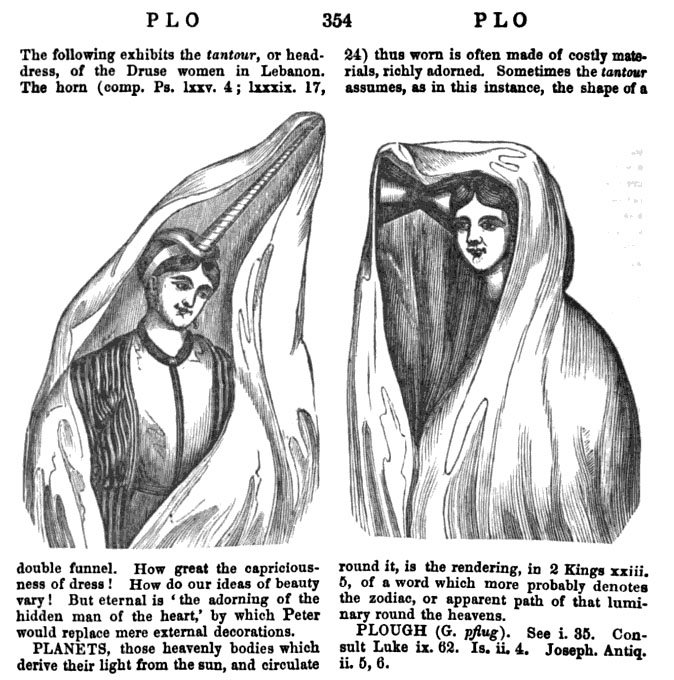
La explicación bíblica del tantour y su habitual ilustración, en la entrada «PLAITING of the hair» del People’s Dictionary of the Bible, 1850.
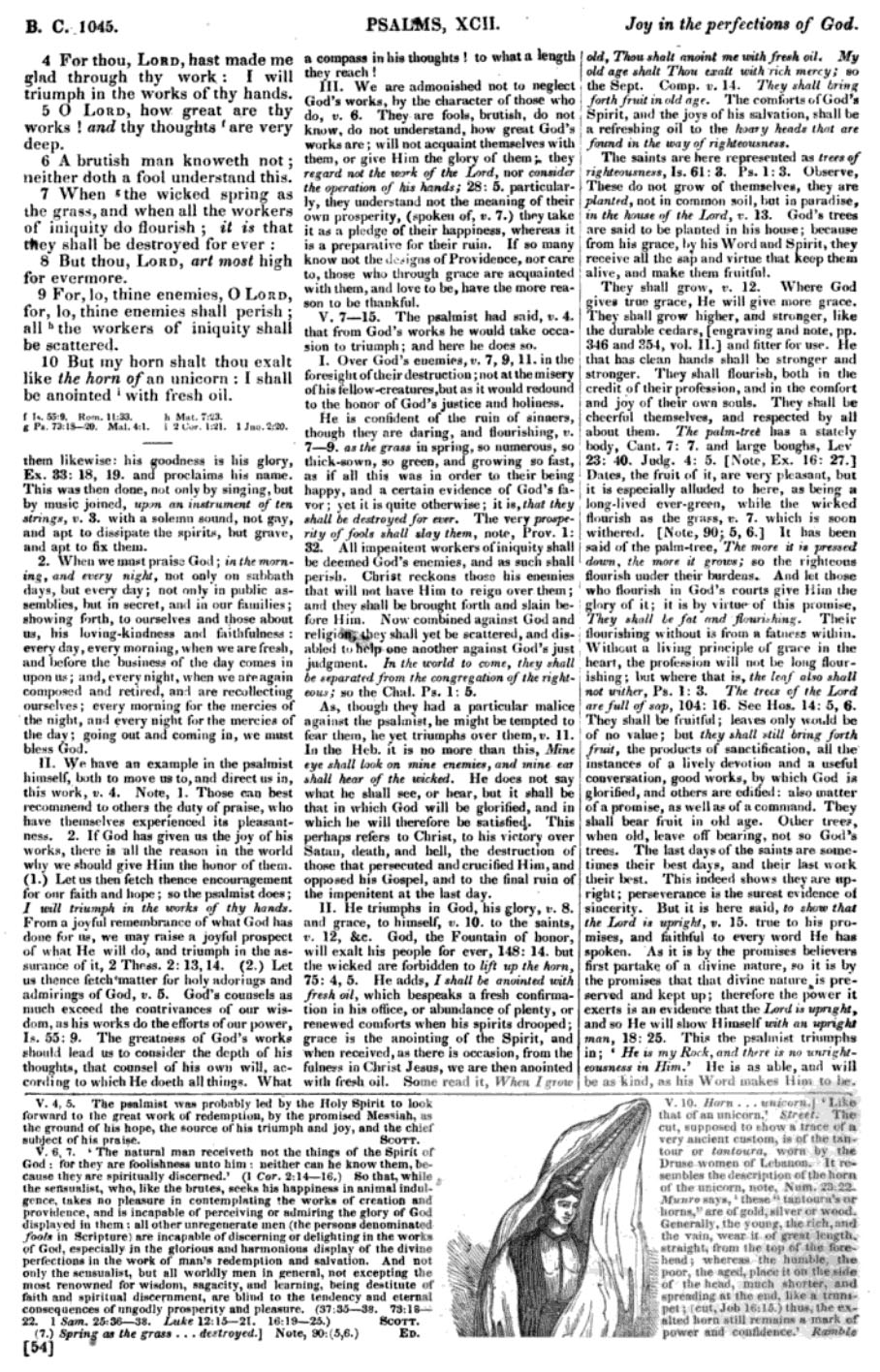

El versículo 10 del Salmo 92 —«Pero tú exaltarás mi fuerza [cuerno] como la del unicornio [en otras traducciones: toro salvaje]»— lo explicaba así The comprehensive commentary on the Holy Bible, Brattleboro 1837, ilustrado con la imagen ya bien conocida: «Calle. la cita muestra el vestigio de una costumbre muy antigua, la del tantour o tantoura, usado por las mujeres drusas del Líbano. Imita la descripción del cuerno del unicornio, nota, Núm. 23,22. Munro dice: «estos ‘tantoura o cuernos’ son de oro, plata o madera. En general, las mujeres jóvenes ricas y presumidas lo llevan de gran longitud, recto desde la parte superior de la frente, mientras que las humildes, pobres o ancianas, lo colocan ladeado, mucho más corto y abierto al final como trompeta (cita, Job 16:15). Así, el magnificado cuerno sigue dando un mensaje de poder y confianza». Ramble in Siria, 1833.”

Esta explicación, a pesar de ser ingeniosa y atractiva, es por completo infundada. Los versículos bíblicos sobre los cuernos, como ha comprobado Két Sheng en el texto hebreo, se refieren todos a los cuernos de los toros y es una antigua expresión idiomática que nunca adoptó el Corán ni la tradición musulmana. Y sería inútil buscar la supervivencia de las tradiciones judías del Antiguo Testamento en una comunidad musulmana étnicamente árabe de origen persa del siglo XI. Con el desarrollo de la arqueología bíblica, a medida que los investigadores que llegaban a Tierra Santa dejaban poco a poco de compulsar cada una de sus experiencias sobre una fuente bíblica inmediata, el tantour también fue desapareciendo de la exégesis.

La primera imagen de esta entrada da fe también de lo mucho que los orientalistas se aferran a sus propias tradiciones. De hecho, en la vida real, esta vista, es decir un tantour sin velo, era inimaginable. Se explica porque la foto fue tomada en la Exposición Universal de 1873 de Viena, donde lo más importante era mostrar al público uno de aquellos tocados, no cubierto por ningún velo, de los que habían leído en los relatos de viajes de todo el siglo anterior. Pero esta vista imposible en la realidad fue inmediatamente canonizada por la página que muestra los trajes sirios en el voluminoso álbum de Braun y Schneider, Geschichte der Kostüme (c. 1861-1880), obviamente copiando aquella foto de Viena.


Tan oscuro como el origen del tocado es el origen de su nombre —obviamente, los dos problemas están conectados—. El árabe clásico desconoce esta palabra. Két Sheng sólo lo ha encontrado en el diccionario de árabe levantino (J. Elihay: The Olive Tree Dictionary. A Transliterated Dictionary of Conversational Eastern Arabic (Palestinian), s.a.)::

ṭanṭūr(a) = 1) gorro alto 2) capucha (de una chaqueta, etc.).

Esta palabra — en árabe طنطورۃ — es sospechosa, ya que contiene cuatro consonantes en lugar de las tres obligatorias: ṭnṭr. Esto ocurre generalmente en las palabras compuestas o en palabras de origen extranjero. Aquí probablemente se trate del segundo caso..
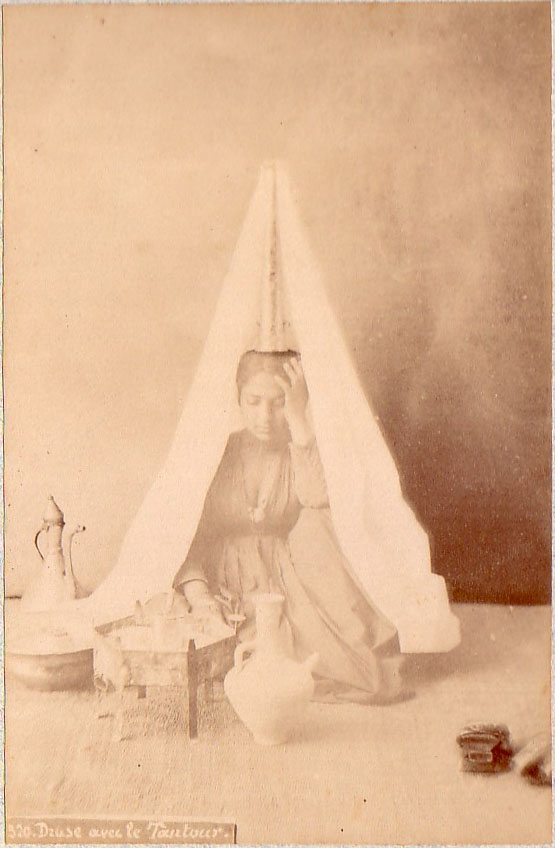
Mujer drusa, 1870s: tal vez sea una foto de Félix Bonfils, de aquí

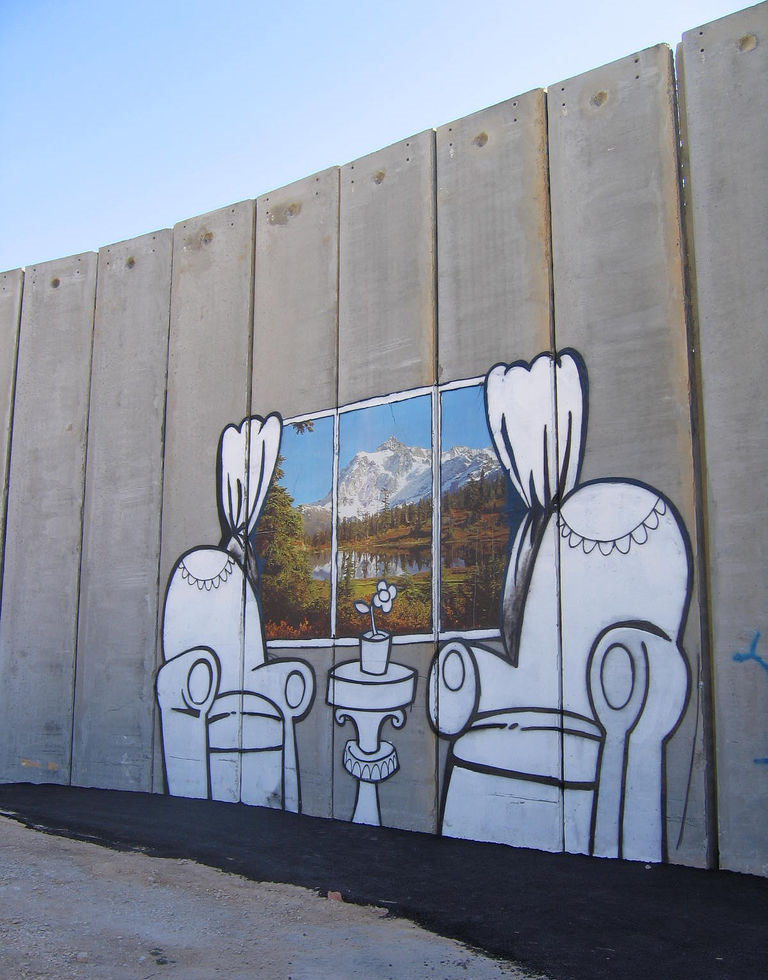
Conocemos otras tres apariciones de esta palabra. La primera está en el ecuménico —cristiano - ortodoxo, anglicano, protestante, católico— Instituto Tantur, entre Jerusalén y Belén, cuyo nombre, según consta en su página web, significa «loma» o «altozano» en árabe. De hecho, el Instituto se encuentra en lo alto de una hermosa colina, con una vista excelente sobre el puesto de control palestino-israelí número 300, popularmente conocido como «Puesto de control Tantur».
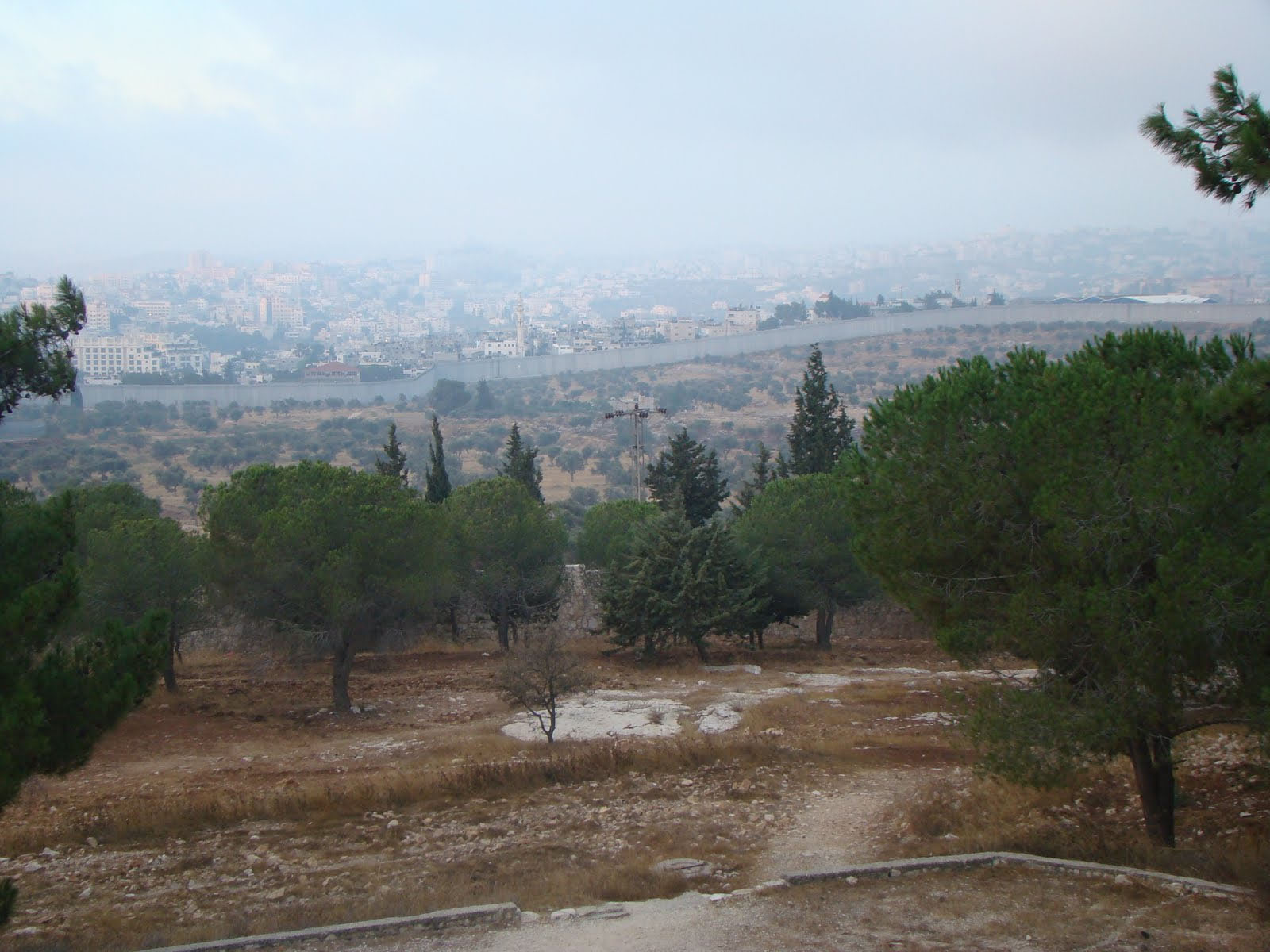
Vista de Belén desde el Instituto Tantur, y del mundo desde el lado palestino del Puesto de Control Tantur.

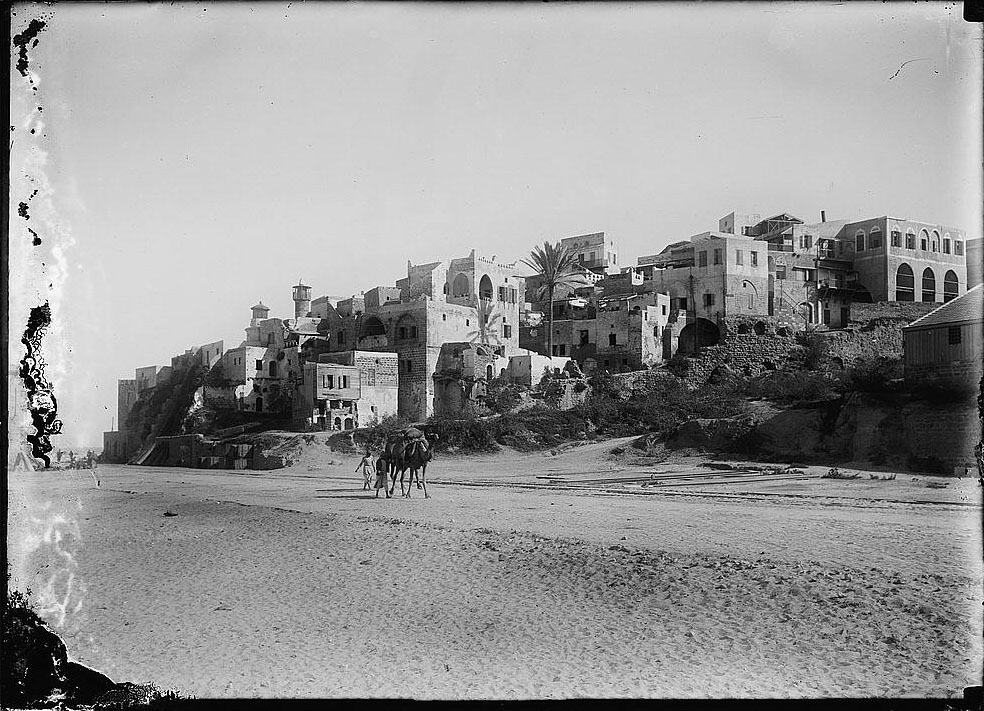
El segundo es el nombre de la antigua aldea costera árabe Tantura —الطنطورة— destruida en 1948 junto con otras 300 aldeas palestinas por el ejército israelí. Ahora los kibutz Dor y Nahsholim están al lado de sus ruinas; el aspecto antiguo y moderno del lugar puede contemplarse aquí, aquí y aquí. Según la Wikipedia inglesa el nombre significa «colina» en árabe local, y la Wikipedia hebrea añade que este cerro era el local Tel Dor.

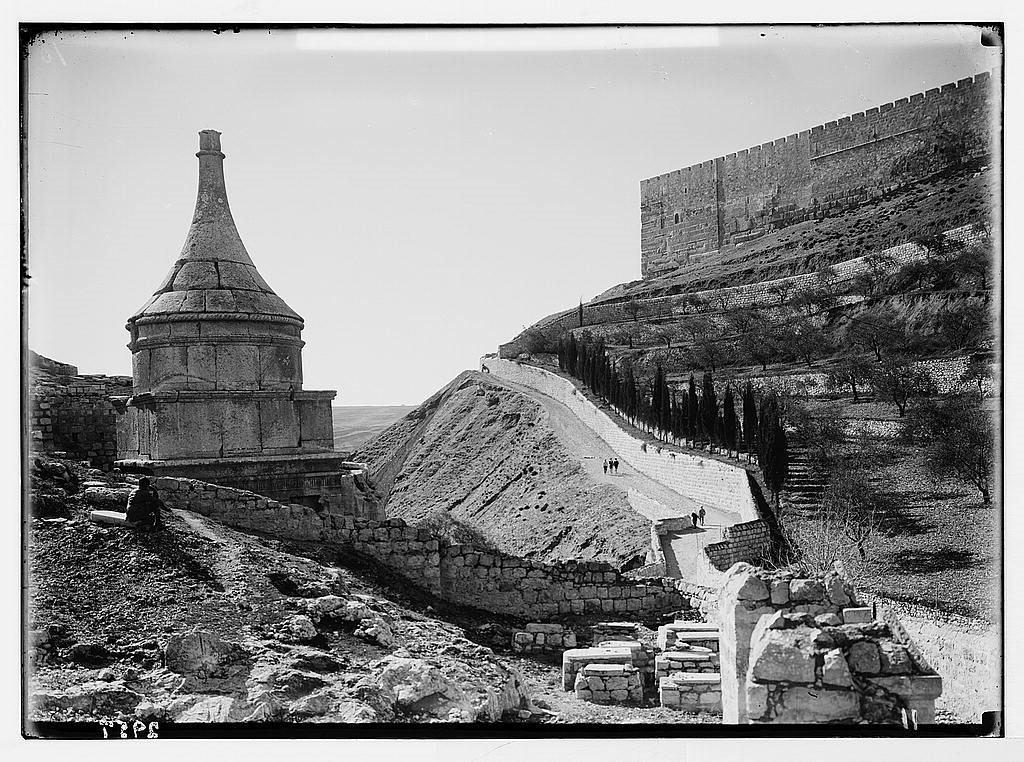
La tercera aparición de este nombre se encuentra en Jerusalén, en el valle de Cedrón. Aquí se alza un monumento funerario monolítico tradicionalmente llamado Tumba de Absalón, cuya lapidación ritual solía ser un programa ceremonial no sólo para los judios, sino también para los peregrinos cristianos medievales. En realidad el monumento no fue erigido hasta el siglo primero, y de acuerdo con su inscripción en griego recientemente descifrada por Joe Zias y publicada en Haaretz, los primeros cristianos veneraban en ella la tumba de Zacarías, padre de San Juan Bautista. En árabe se llama —inspirándose claramente en su forma— Tantour Pharoun, es decir, «el sombrero del faraón / rey». O, para ser más precisos, su tantour.

Szabadka Unlimited, 4. Globetrotters


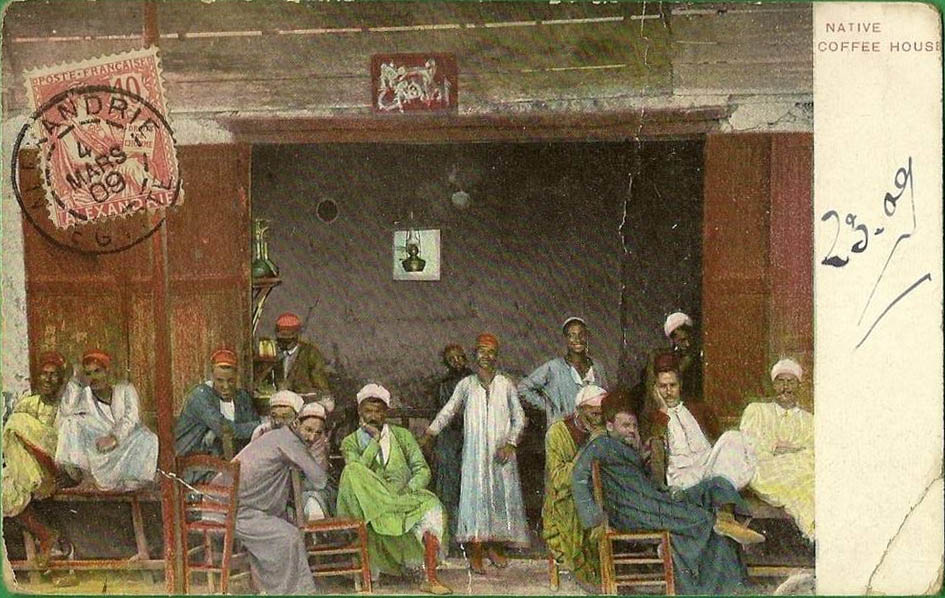
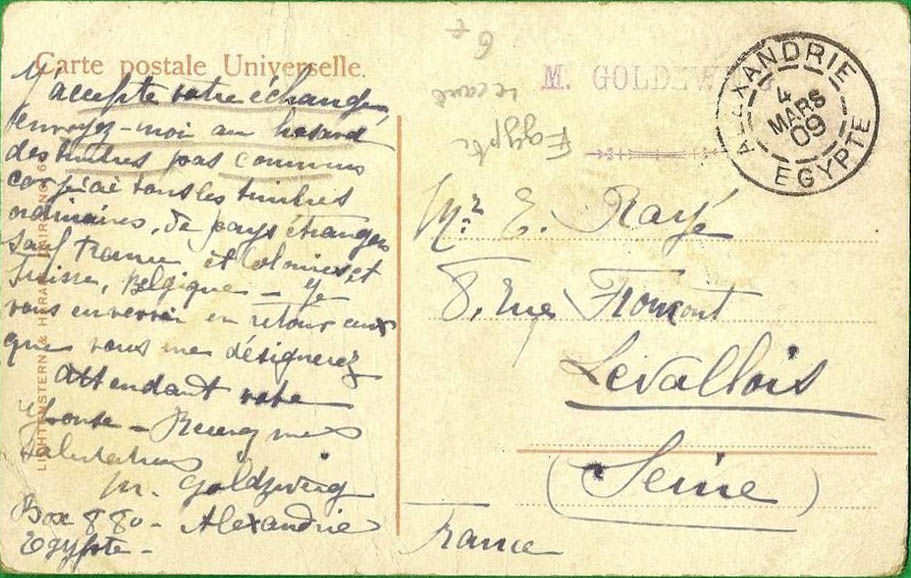
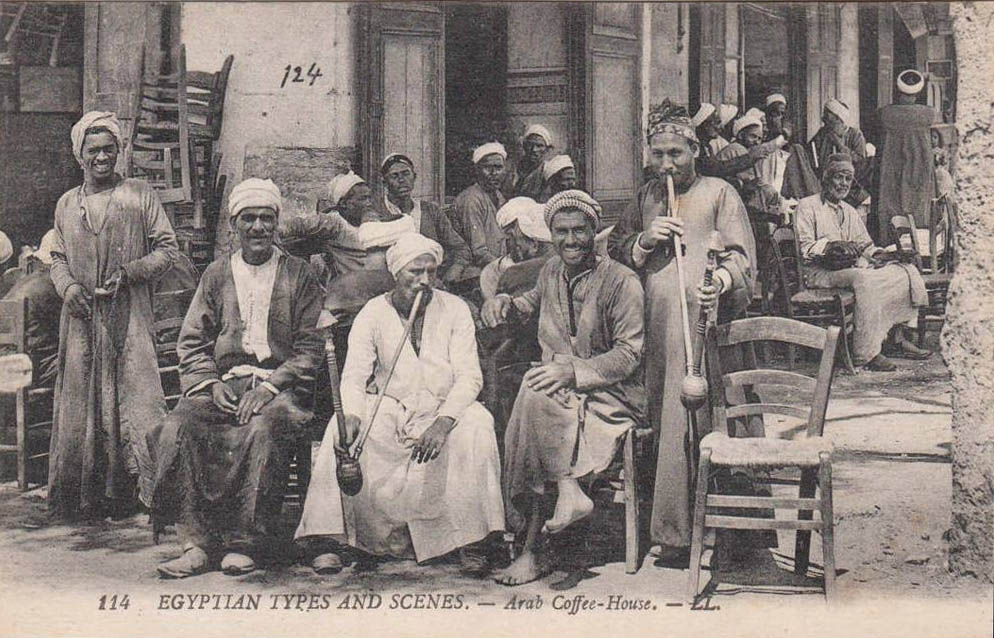
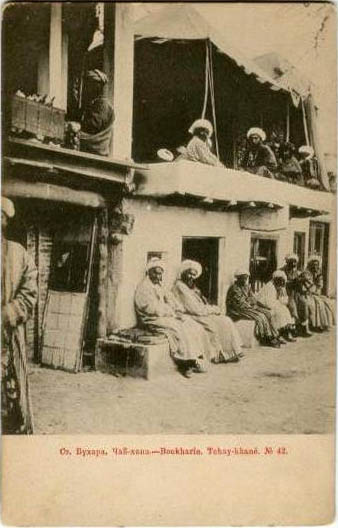
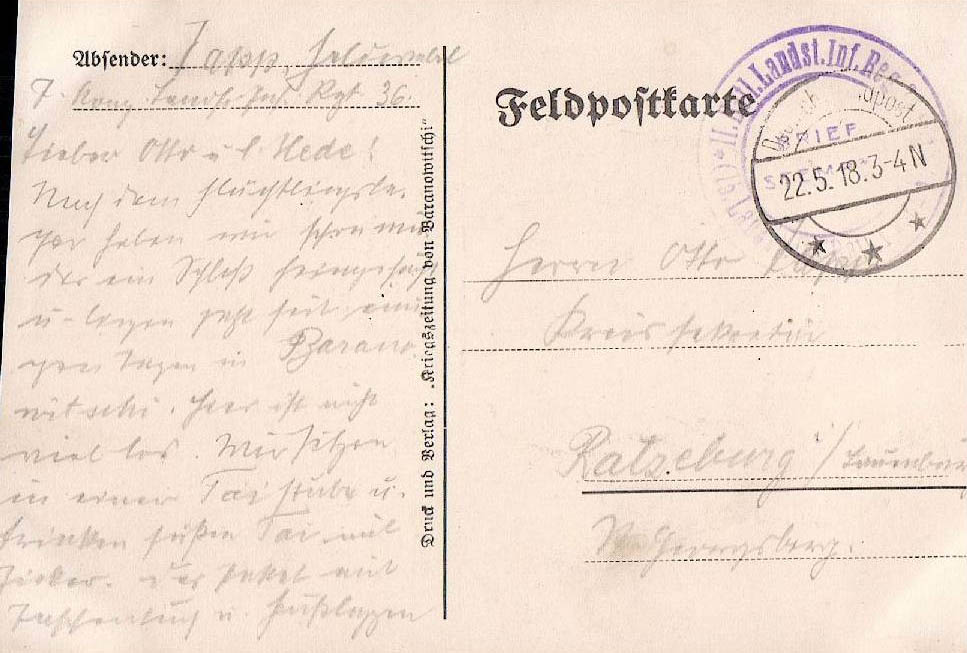
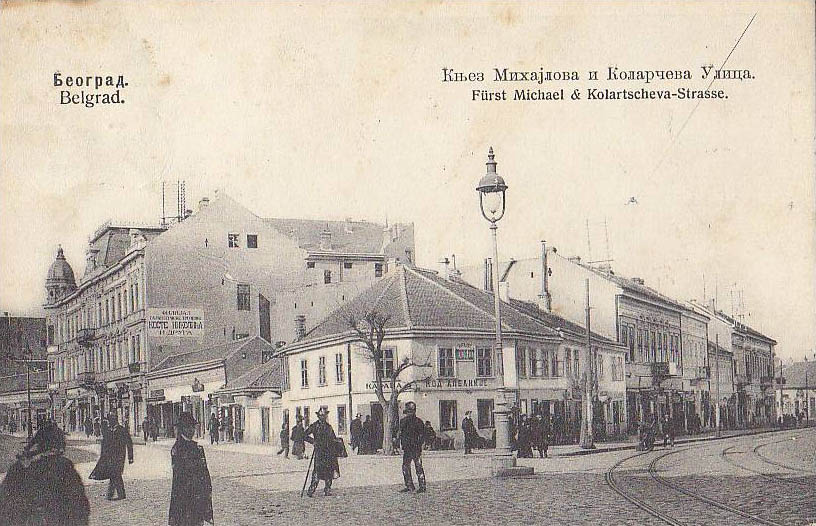
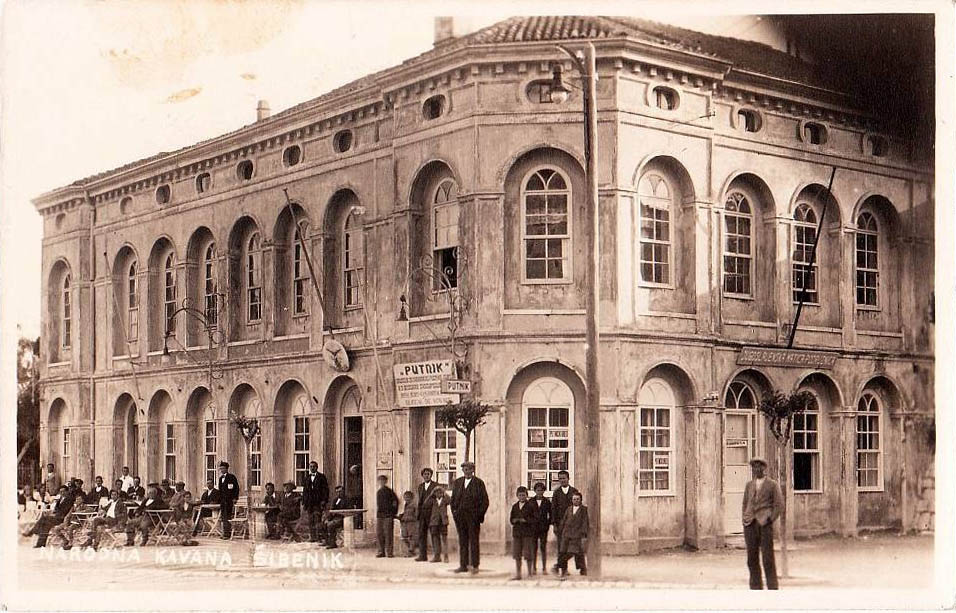
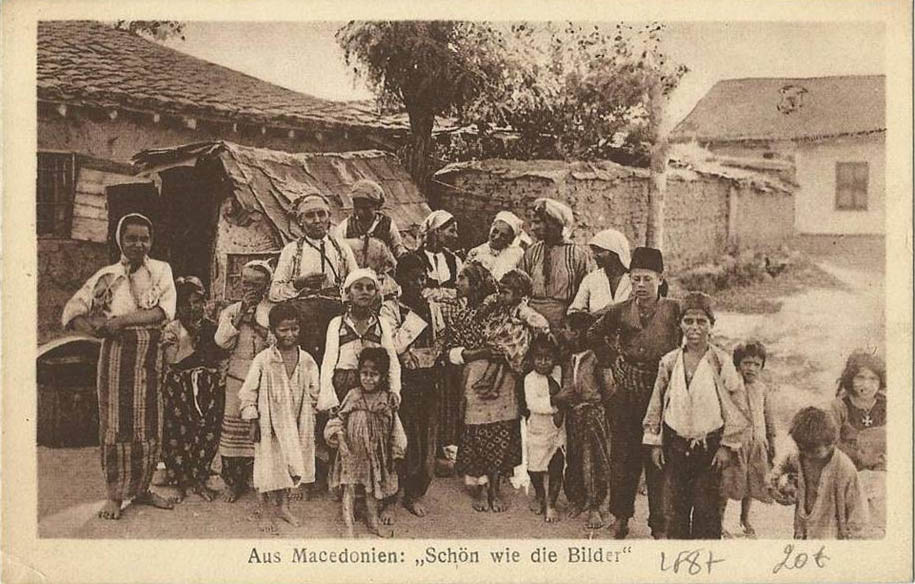
We will be not the first globetrotters in Szabadka/Subotica. The really unlimited character of the city – and of the whole contemporary world – is indeed indicated by the fact that, according to the news of a hundred years ago, globetrotting was an established industry in the already multinational Szabadka, which was open to everything new. It was pursued by the most various nations: mysterious Turkish diplomats, adventurous Serbian lads, German postcard sellers, Chinese idol figurine peddlers, as well as Transylvanian Gypsy vendors who guarded masses of silver museum pieces at home, in the Carpathian mountains. Postcards and coffee houses, as we will see, played a key role in this profession, and that’s good, because otherwise where else would have a journalist of Szabadka run across so many kinds of wanderers? Therefore we illustrate our report with postcards depicting coffe houses, but this time not from Szabadka – from where our only postcard on a café was already shot off in the previous post – but from the whole contemporary world, where just the Szabadka globetrotters could reach. Nevertheless, we will also get to know some surprising news on the city as well. Would have you thought that at the turn of the century a real Turkish café worked in Szabadka, and that the Gypsies from Transylvania purchased in the Jewish shops of Szabadka the authentic masterpieces of Transylvanian folk art en gros?


Bácsmegyei Napló, 14 July 1912

From vice-consul globetrotter. Mehmed’s mysterious guest
Our correspondent. Szabadka, 13 July
In this week, an interesting person stayed for two days in Szabadka. A middle height stranger with black English moustache and in elegant tourist dres, who, however, did not live in one of the red-carpet hotels in Kossuth Street, but in the modest room of a Turkish tavern in Jókai Street. Perhaps we will never get to know who this mysterious stranger was in the reality, so we will have to accept what he told about himself. Maybe everything he told was just a tale, and perhaps he has a much more interesting and sensational past, which he wanted to hide behind the fancy tale of another biography

Mehmed’s coffee house.

About 2-3 months ago a strange label was nailed above a shop door:


Arnaulovich Mehmed’s
Turkish coffee house

In fact, it is but a common tavern. The street side room is not much different from any other pub in Szabadka. Only the last, small, only a few steps wide and long room is interesting. The walls of this room are covere with Turkish carpets, Turkish cushions replace the chairs on the floor, and the guests are served with some strange-shaped coffee sets. This is the Turkish coffee house in Szabadka. Its usual guests are some clerks, painters and journalists. At Mehmed you get excellent black cofee, like in no other place, and superb, cheap wines.

The mysterious stranger.

A week ago, the visitors of the Turkish café found an interesting guest at Mehmed. He was a middle height, slightly stooped 35-ear-old man with a high forehead, piercing eyes and English moustache, wearing a modern, elegant tourist dress. He speaks in French, German, Russian and Turkish. He lived in a small courtyard room. In the evenings he sat in the larger room of the tavern, and while talking with the owner, he was watching the guests. First he behaved in the most reticent way with the guests of the “coffe house room”, just as the owner, Mehmed avoids any more intimate contact with them. Perhaps he has something to hide, and he suspects them to be detectives. Mehmed’s guest replied to the interest of the company only after a lengthy questioning. But what then he told about himself was almost unbelievable, it was so romantic and interesting.

The Turkish general’s son.

The stranger called himself Achmed Reif Bey, and told his life story as follows:

He was born in Constantinople. His father served as a general in the Turkish army. The boy was educated by a German-born military officer calle Henrik Schuller. As a result of this education, after the completion of the secondary school, Achmed Reif Bey went to university to Paris.

He stayed six years in Paris, and during that time he received a doctorate in jurisprudence. In Paris the young bey became a completely Western-minded person. He participated with a particular interest in the actions of the International Socialist and Philantrophic Society, as one of the most enthusiastic members of the association. In addition, he worked with particularly high ambitions in the interest of the small group which was the nucleus of the triumphant New Turkish movement.

The vice-consul.

After the completition of his university studies, Achmed Reif Bey returned to Constantinople. Not much later he was assigned to the Embassy in Belgrad with the protection of his father, where he soon became a vice-consul. He also married there the daughter of the former Serbian minister Popović, with whom he received as dowry a sizable estate in Temes County. The services of the young man with a Western education were often used in diplomatic missions. Thus he often traveled to Vienna, Berlin, St. Petersburg and Moscow. In the meantime he remained a fervent supporter of the International Socialist and Philanthropic Society.


The bet.

In 1907 Reif Bey spent a longer holiday in Paris. On one occasion, at a meeting of the Philanthropic Society they debated whether it is true that the Turks are one of the laziest races. Reif Bey obviously claimed the contrary, and in order to prove his truth, he accepted a bet to go around the world in eight years together with one friend, mainly on foot. The sum of the bet was 750 thousand francs: this much receives Reif Bey if he realized what he promised. He did it the more willingly, because a globetrotting adventure like this was one of his old favorite ideas.

In 1908 Reif Bey and his friend began their journey. They have hitherto traveled around America, Africa and Western Europe, partly on foot and partly by train, as Reif Bey receives a significant amount from home, but in the terms of the bet only a specific amount for a year.


The journey was recently marred by an incident. A month ago, while climbing a rock around Strasbourg, Reif Bey’s companion fell down, and suffered severe injuries. Thus Reif Bey continues his journey alone.

The Bey knows Mehmed still from his position of vice-consul in Belgrade, because Mehmed had a Turkish coffee house in Újvidék [since 1920 Novi Sad], often visiteby the members of the Turkish consulate in Belgrad. So Reif Bey stayed at Mehmed, because he especially wanted to watch the life of the lower classes, and the tavern in Jókai Street is especially suitable for that.

Who is Reif Bey?

Whether all this is true, it would be difficult to determine. Reif Bey’s registration certificate in French and German is really issued for the name of Reif Bey. He also has French language certificates that he is a foreign correspondent of the large Constantinople newspaper “Aden”. He is obviously a very intelligent man, truly educated in the Western sense, nevertheless the true purpose and direction of his way can be also different from what he told. One thing is sure, that he is not an ordinary rogue globetrotter.

As a very characteristic and in many ways justifying circumstance, consider the following:

Achmed Reif Bey’s traveler’s suitcase is the finest and most expensive British factory product. It includes a perfect and expensive drug set, and high quality instruments of fine workmanship, which all show that Reif Bey really cannot be a poor man.

From Szabadka he continued his way by an express train to Bucharest, Russia, Asia and Australia.


Bácsmegyei Napló, 3 April 1912

The adventures of a Bačka globetrotter in Turkey
Our correspondent. Szabadka, 2 April

About half a year ago, a 23-year-old high, black-haire young people, Petko Daškalov from the village of Stapar, with two elementary school classes, came to our editorial.

He stated that he was going to go on a journey around the world, and he asked us for stamped postcards for the purpose of reporting. He told so fantastic things on his journey and plans that we gave no credit to his words, and we believed that he, as most of the so-called globetrotters, would travel around the world through the coffee houses of New York, Abbazia, Ceylon and Japan in Budapest. In order to get rid of the fast-talking globetrotter, we gave him some postcards. Petko Daškalov thanked the cards, and then he proudly set on his way around the world.

Since then we have not heard anything about Petko Daškalov. We also forgot the case, until the post brought two postcards from him today. The cards are dated from Rogatica on the 29th of the past month. In one of them Daškalov informs us to have hitherto wandered about Romania, Bulgaria, Turkey, Macedonia, the Sanjak and Bosnia. He went through lots of adventures everywhere, and was in danger of life lots of times. Now he is going to go to Herzegovina, Montenegro, Italy, and from there to America.

In the other postcards he describes his Turkish adventure. The letter written with a deficient orthography is as follows:

Dear Editorial! I inform you that I was arrested in Turkey, in the city of Pristina, and I was put in prison for 24 as they took me for a spion. And when I certified myself, they set me free, and I went to Skopje where a Turk shot at me, because I was suspicious to him, and I ask you to address your letter to Mostar, Poste Restante. I greet you, Petko Daškalov, Tourist

Petko Daškalov has thus honored his word. He is traveling around the world, and who knows, after which adventures and experiences will he got back, perhaps as a world-famous rich person, to his native Ósztapár.


Bácsmegyei Napló, 17 December 1911

The globetotters. Those who walk about the world with railway ticket
Our correspondent. Szabadka, 16 December

In the streets of Szabadka we know well those eccentric-looking people in strange dress who spread about themselves that they walk around the world by bet. The one wears shorts, but long-stem shoes, the other an empty duffle bag on the back, of the third the hair and beard lacks constantly and consistently the barber’s intervention, but all of them have postcards in the hand.

The spontaneous question as to why the postcards are necessary to walking around the world is explained by these eccentric globetrotters. All of them have bet that they would support themselves by selling these postcards. They go from one city to another, and as the world is round, slowly they get back to where they started from. This is why after two or three months one encounters in Szabadka the same globetrotters who now should actually walk in Calcutta.

One of these globetrotters is Imre Fiebig, who has visited several times Szabadka. He says he is a German mechanical engineer, has a whole-year railway ticket, and when the weather grows colder, he moves up to the capital. In Budapest he walks from coffee house to coffee house, covering huge distances. From the Abbazia to the New York, from there to the London, the Ceylon, the Palermo, the Fiume, everywhere selling his postcards.

And when the weather becomes milder, he takes the train, traveling from one city to another, and as soon as he gets out of the wagon, he is converted into globetrotter, and starts to beg

This is also an existence, isn’t it.


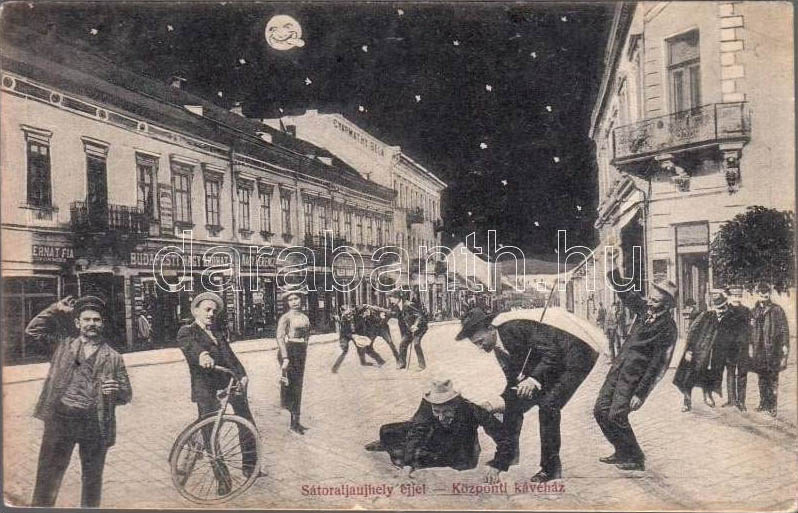
“Sátoraljaújhely in the night – Central Coffee House”

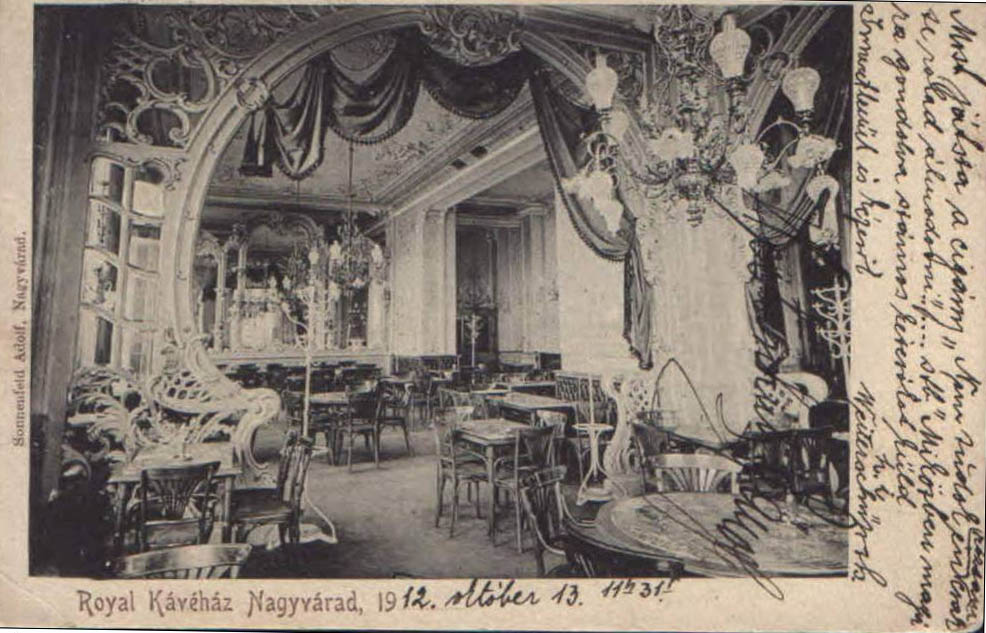
Royal Coffee House, Nagyvárad, 13 October 1912 11h 31m – “The Gypsy is now playing
«I cannot dream, my dear, but about you… etc.» While, thinking about you,
I send you infinite kisses on the hand, h. i. Weiterschütz …
Kiss the hand, unknowingly”

Bácsmegyei Napló, 15 October 1911

Ancient masterpieces among the Székely Gypsies
Our correspondent

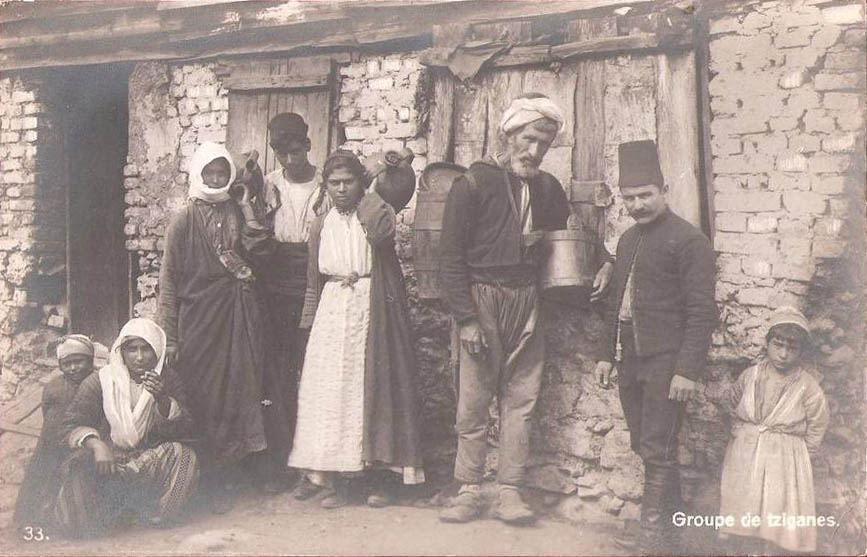
Those brown-faced, black-eyed people who from time to time appear on our streets to sell the products of Székely folk industry, at home among the Transylvanian mountains live a peculiar life, very different from our own. There are even Sabatarians among them, and their villages are full of hitherto undiscovered and unknown historical monuments.

There is only one modernity in these itinerant traders. Namely, that whatever they sell as Székely folk industry, is all Austrian and Czech products. The public wants cheap things, and they do not want to pay for the work the Székely women and girls invest into a carpet or tablecloth throughout the year. Therefore the Székely Gypsies bring us cheap ware. They buy the Székely folk industry directly from the factories.

These Székely Gypsies usually make shopping in Szabadka. They buy their wares in the Kállay Albert Street shop of Elijah Braun, and they go with them around all Hungary. Most of them have no money when coming for the merchandise, so they bring something to put in pawn. The pawn objects of the Székely Gypsies are ancient silver ware and valuable antique goldsmith’s works. Once they sell their merchandise, they redeem them from the pawn.

Yesterday a particularly valuable silver tankard left Szabadka in this way. Its owner is the Székely Gypsy Tócsi Máté from Bécsfalva, Udvarhely county. The tankard is divided in three parts and has three handles. Each part has a different portrait. The inscription of the first one is:

FRANCISCUS WESSELENYI GENERALIS COMES MURAKOESIENSIS 1645

The second portrait, according to its label, is

MISKEI ÁDÁM COLONELLUS 1646

And the third one

CAPITANEUS IOANNES BESSENYEI 1650.

The tankard, whose capacity is about two and a half liters, was probably the common drinking cup of the three Hungarian lords. They drank of it when they came together to be grieved above the fate of the homeland.

As to how this beaker came in the possession of the Székely Gypsies, Tócsi Máté told us that he already saw it at his grandfather, and it was left to him by his father. The bottom and the handle of the beaker seems to be a more recent work, but it is also clean silver, just like the other, ancient parts of the tankard.

A lawyer in Szabadka wanted to purchase the valuable tankard. The Gypsy, however, did not want to part of it for any money. He told that this was his children’s inheritance. He also told that at home he had about a half ton of other silver ware. But the other Gypsies in his village had even more.

It would be interesting to recover the works of art in the possession of the Székely Gypsies in Bécsfalva.


My ethnographer friend, Péter Berta is just working on the recovery of these treasures. Not in Bécsfalva and not in the Székely mountains, from where the “poharas cigányok,” beaker-holding Gypsies have disappeared in the past century, but in one of the most archaic Transylvanian Gypsy community, among the Gabor Gypsies. The Gabor Gypsies in Maros/Mureș and Kolozs/Cluj county still jealously guard and leave from father to son their Renaissance silver beakers and tankards, which they only sell in the hardest financial difficulty, only to each other, and on those occasions they change hands for several hundreds of dollars. Péter, who over the past twenty years learned their language and they accepted him in their community, presents through an incredibly interesting series of articles (also in English, as he mainly publishes in British anthropological journals) the complex and ritualized working of this prestige item economy, and its power of organizing their community and culture – I hope that he would sometime publish a summary also for Río Wang. Inspired by the above report, he sent now his study (in Hungarian, but with many illustrations) in which he collected the references to these “Gypsy treasures” around the turn of the century, which also prove that these treasures were then much widely possessed by the Transylvanian Gypsies and stood in the focus of their culture than nowadays. Such unexpected findings emerge in the century old, still really unlimited Szabadka.


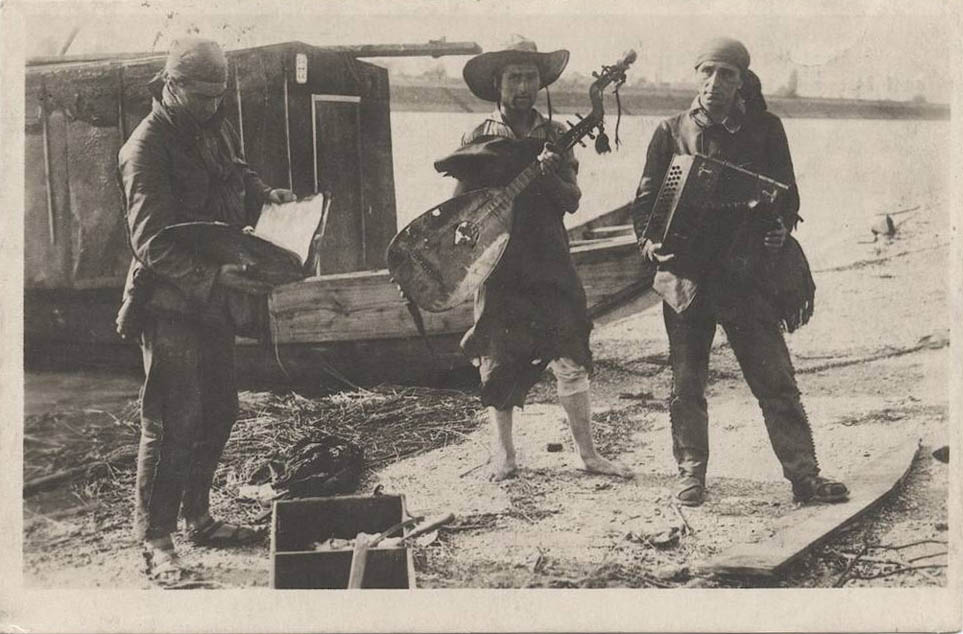
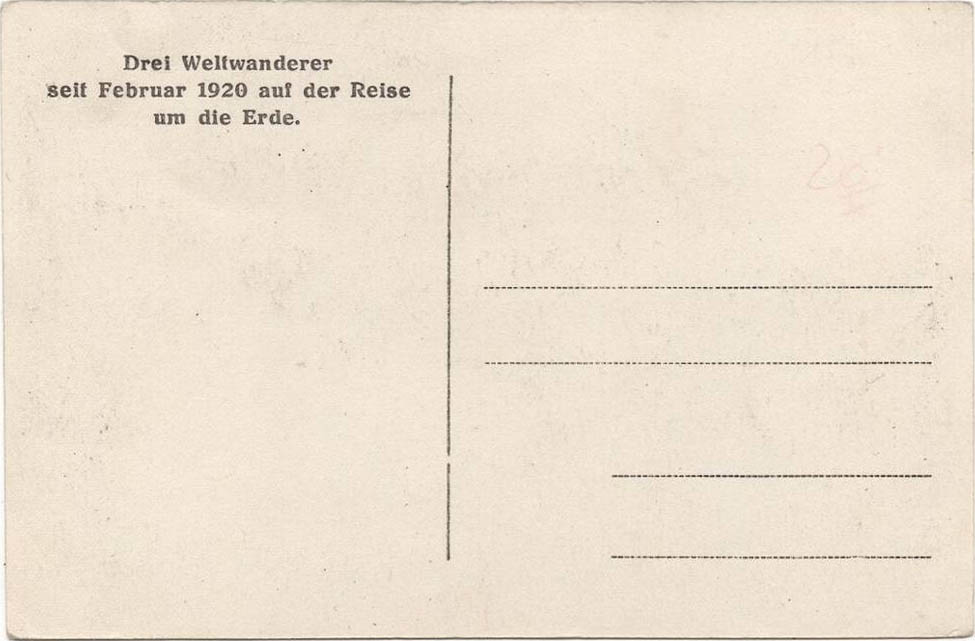
„Három világvándor, 1920 februárja óta tartó föld körüli útjukon”

Luz

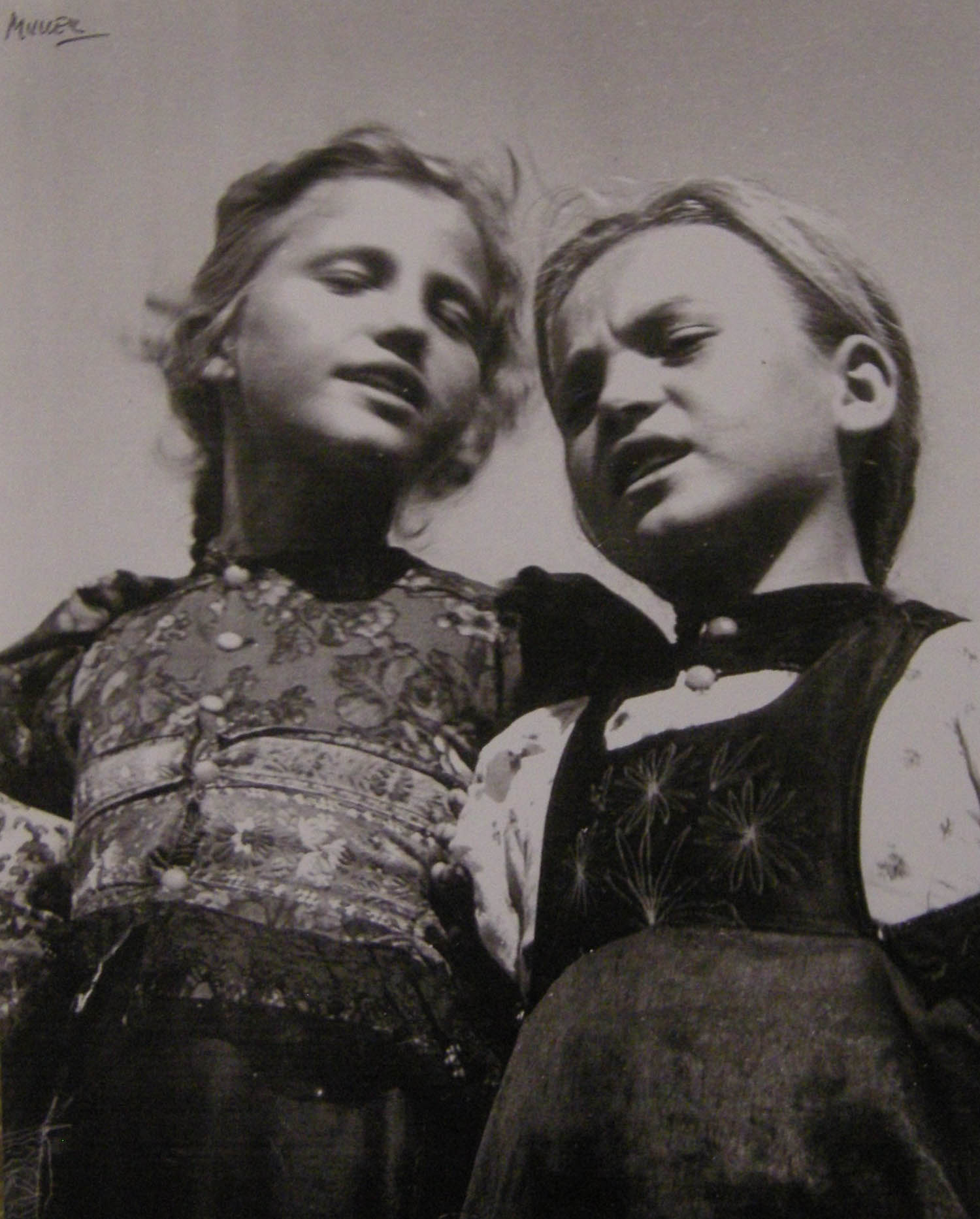
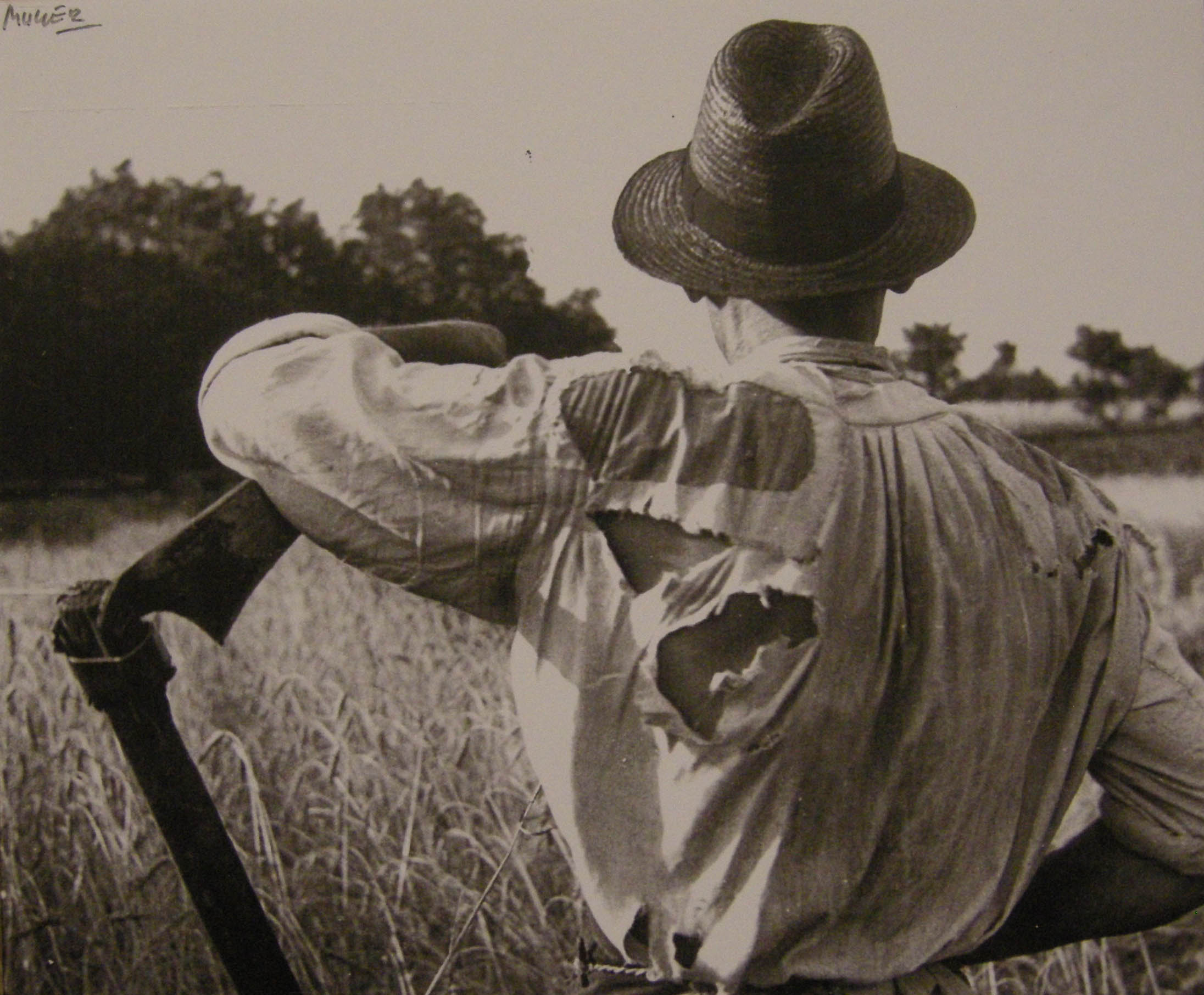
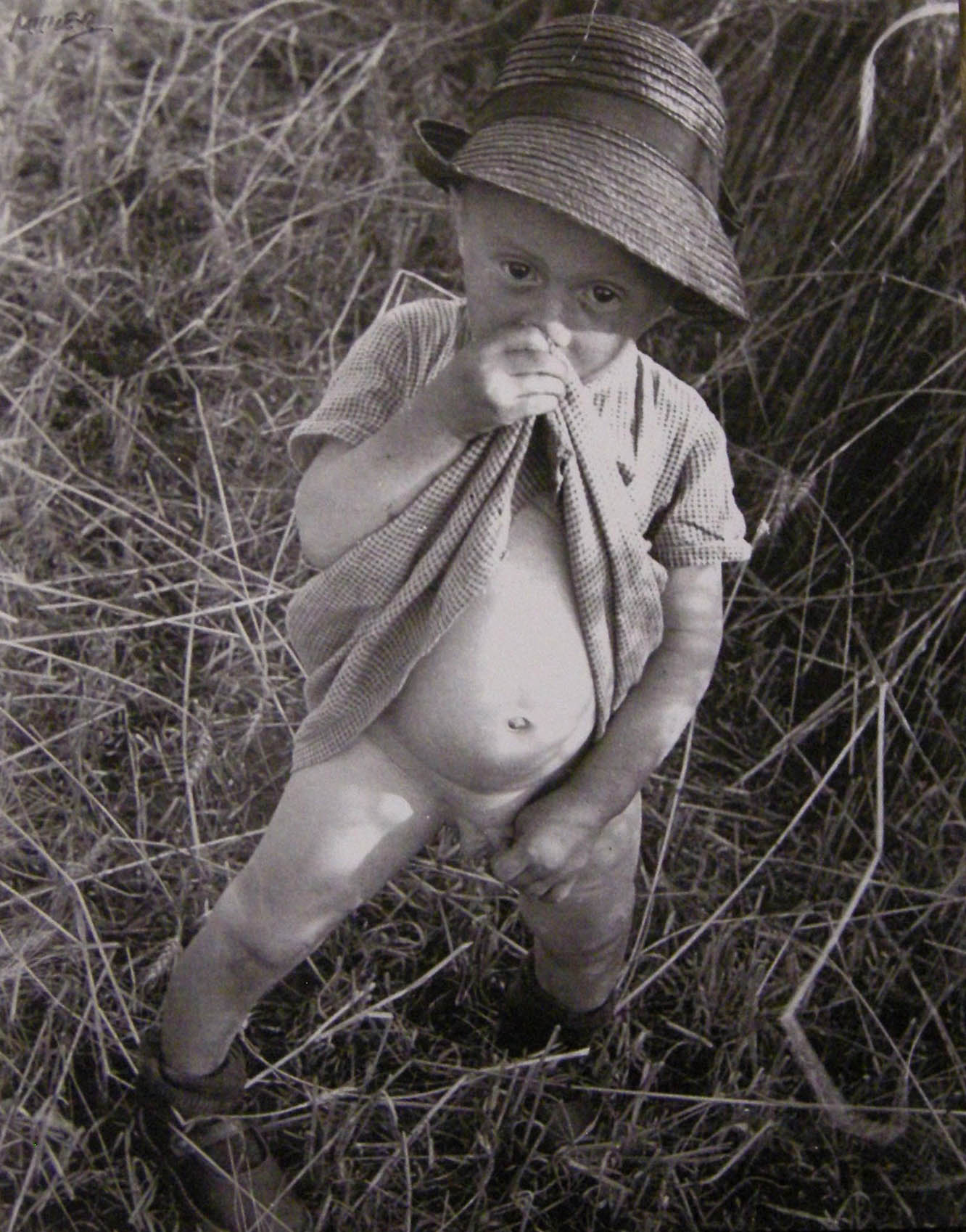
La Biblioteca Nacional Széchényi ha organizado una muestra del legado del sociólogo Zoltán Szabó —autor del magistral estudio La situación de Tard (1936), la primera monografía de investigación sobre un pueblo húngaro—, quien entre 1939 y 1944 organizó la «defensa intelectual nacional» contra el nacionalsocialismo, y que desde 1949 fue el editor húngaro de la BBC y de Radio Europa Libre. Paseamos lentamente entre sus libros, documentos y cartas organizados en pequeños expositores a lo largo de la pared de la sala de catálogos, y vamos reconstruyendo mentalmente su época y su carrera apreciando el rico material pieza a pieza, cuando de pronto algo destaca. Cinco fotos en la pared, cinco hermosas imágenes del legado cuya intemporalidad marca un fuerte contraste con la contextualizacion férrea de las que están abajo.


«La gran editorial Athenaeum sacó una serie de libros sobre la vida campesina húngara, y me contrataron por muy poco dinero para ilustrarla. … En tren, a pie y en bicicleta recorrí toda la llanura húngara, y así pude familiarizarme íntimamente con los enormes problemas de mi feudal y opresivo país antes de la guerra» (Miklós Müller: La luz domada, Szeged, 1994).


Miklós (Nicolás) Müller (1913-2000), una de las mayores figuras de la historia de la fotografía social húngara ilustró varias monografías de investigación popular desde principios de la década de los 30, incluyendo la influyente Encantadora miseria, de Zoltán Szabó (1938). En 1938 emigró a Francia y finalmente se estableció en España. Fue allí donde se convirtió en un fotógrafo verdaderamente reconocido.


La primera exposición de su obra se organizó en Madrid en 1994, y en el mismo año se publicó una antología. El importante centro de fotografía húngaro Mai Mano Ház expuso sus obras en 2006, y el blog del centro recientemente ha editado una biografía y algunas de sus fotos.


Sobre sus álbumes españoles —de los que poseemos dos— escribiremos más adelante.


Vals

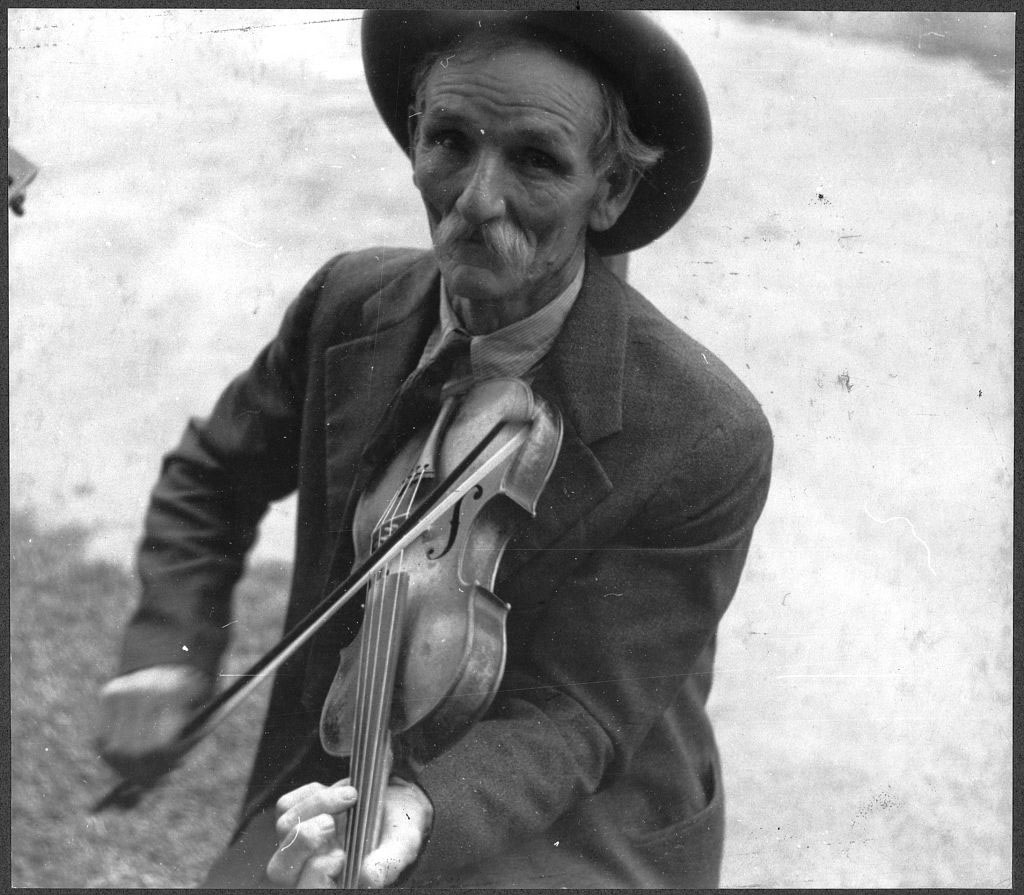
Bill Hensley, violinista de las montañas, Asheville, Carolina del Norte, 1937, tomado de aquí

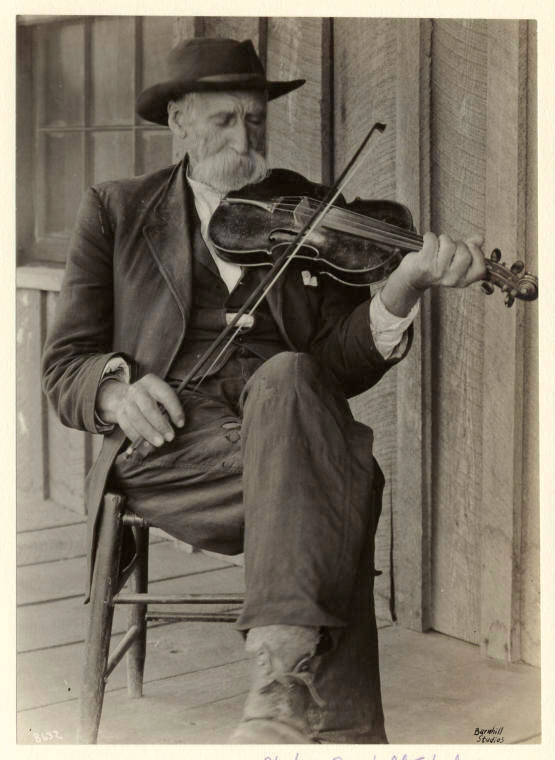
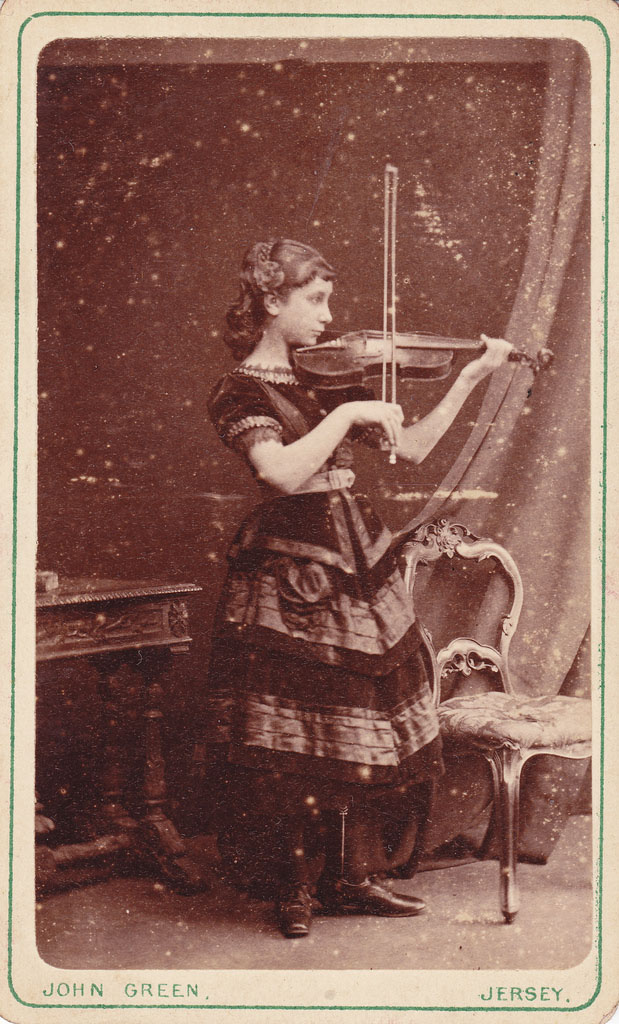
One-way publicó hace tiempo unas hermosas imágenes antiguas de violinistas, y nos da pie a publicar nosotros otras similares que guardamos con mimo, así como la canción más bonita que hemos escuchado sobre un violinista.

Violinista americano de las montañas, 1920, de aquí

Violinista de Navidad, Belgrado, 1919, de aquí

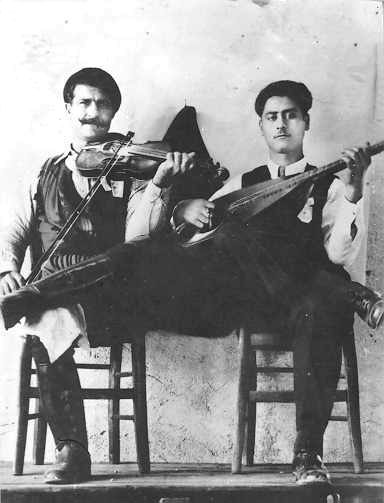
Papadakis, violinista de Creta, y Koutzourelis, tañedor de laúd

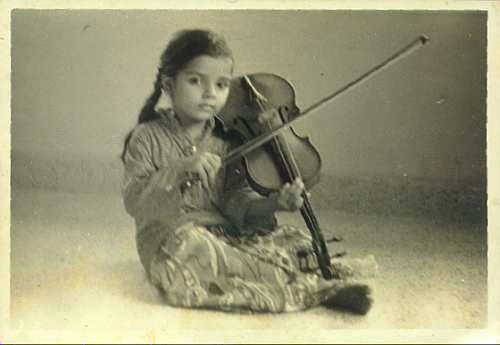
Kala Ramnath, violinista clásica india, hace veinte años

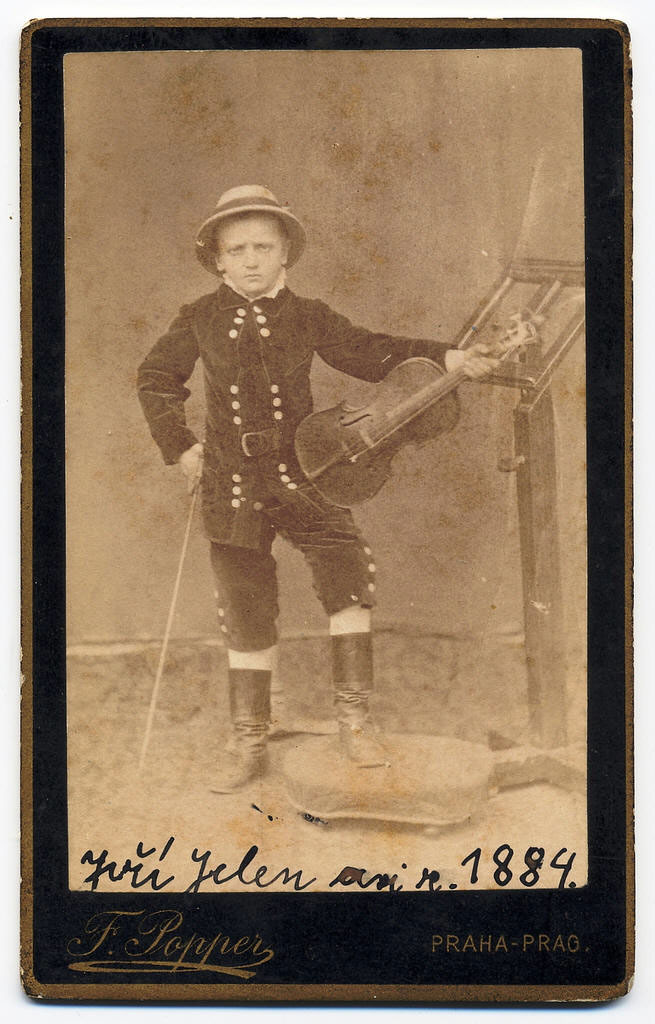
Tarjeta de visita del joven y prometedor violinista Jiří Jelen, Praga, ca. 1884

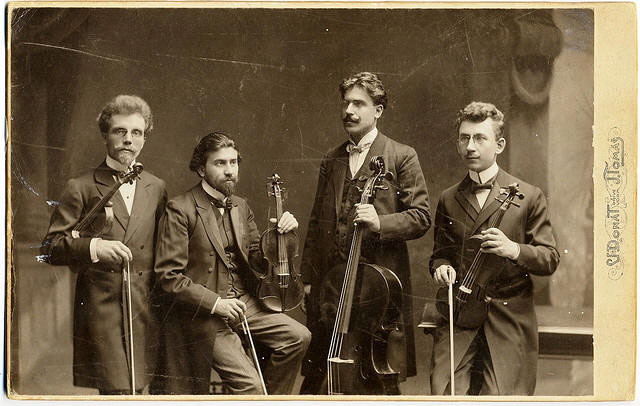
Tarjeta de visita de un cuarteto de cuerda, Praga, ca. 1905, foto de V. Donát

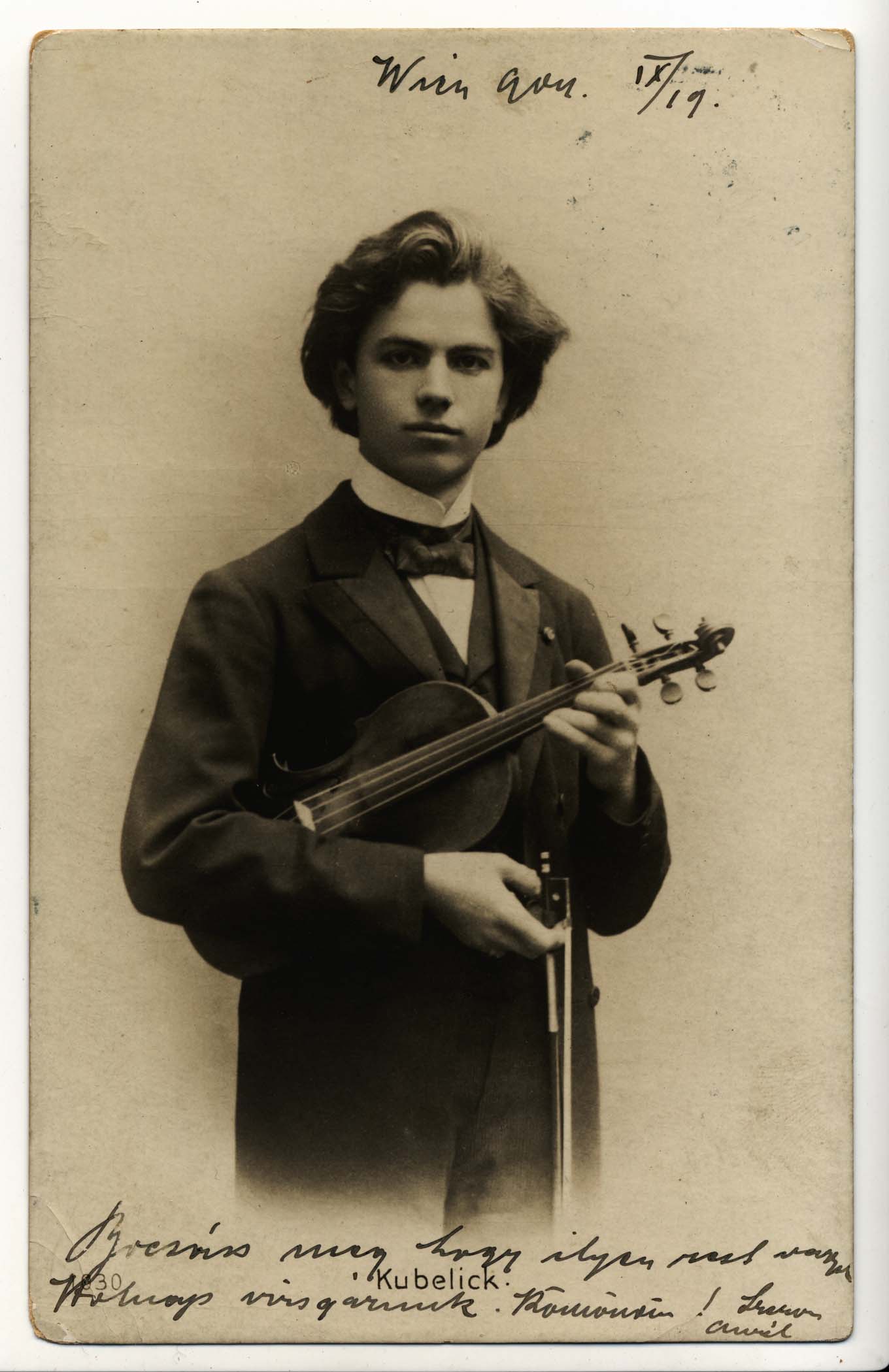
Tarjeta de visita del violinista y compositor checo Jan Kubelik (1880-1940) cuando era joven.
La inscripción, escrita en Viena en septiembre de 1919, está en húngaro: «Perdóname por
mi pereza. Mañana tengo un examen. ¡Gracias! Adiós, Aurel». Esto, por tanto, no fue
escrito por Kubelík, aunque él también hablaba bien en húngaro, y su esposa, la
condesa Marianne Csáky-Széll era húngara. Sus ocho hijos
fueron músicos; las cinco hijas, violinistas.

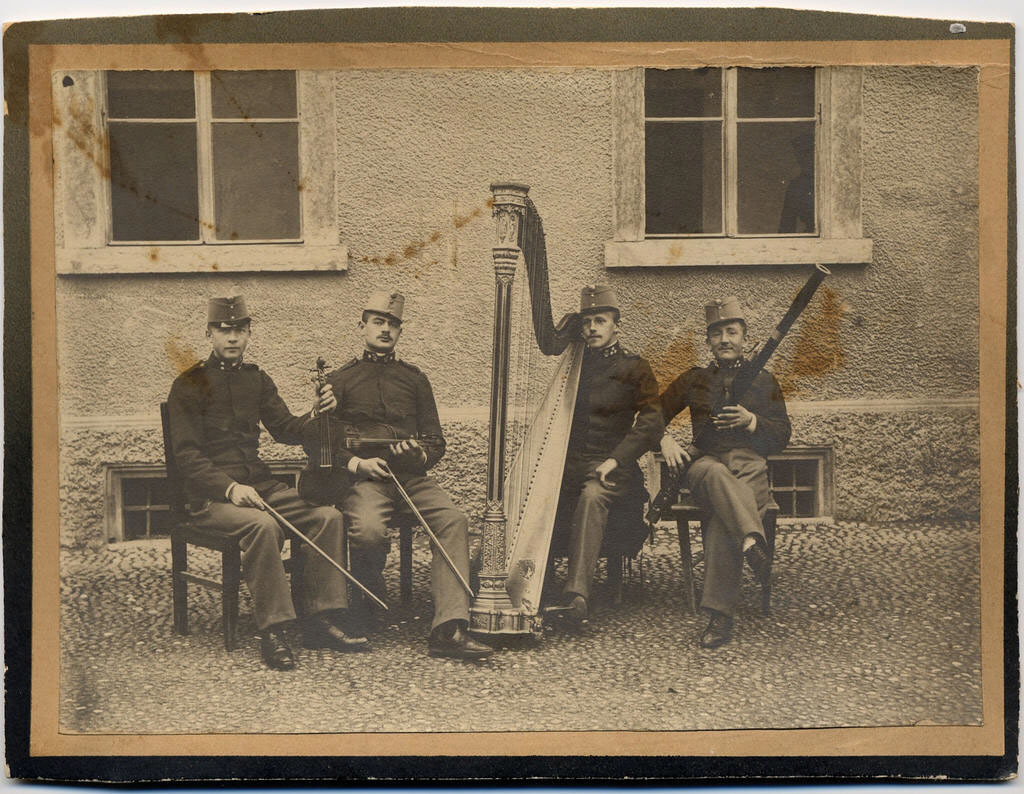
Orquestina militar austro-húngara, ca. 1900

Muchacha tocando el violín, tarjeta de visita. New Jersey, ca. 1870

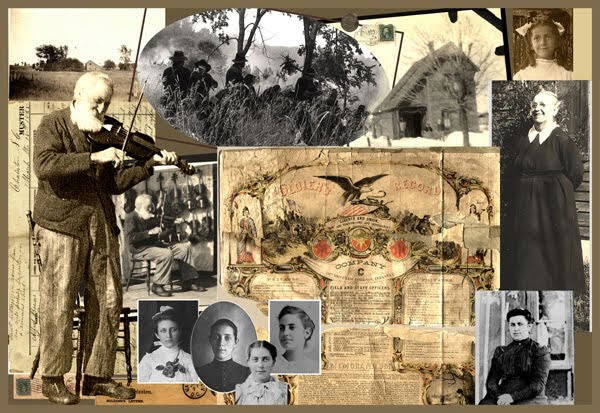
Fotomontaje de Ruth Zachary sobre su abuelo, el violinista y luthier Alfred
Bowers, héroe de la Guerra Civil Americana, de aquí

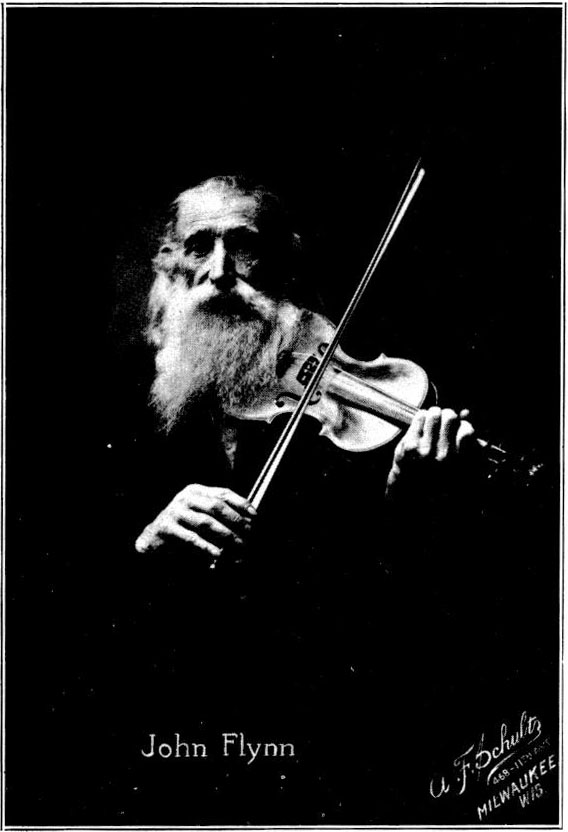
John Flynn, «el Bard de Erin”, Wisconsin (*1840), tarjeta de visita, de aquí


Bulat Okudzhava: El Músico

Булат Окуджава: Музыкант


Музыкант играл на скрипке, я в глаза ему глядел,

Я не то чтоб любопытствовал – я по небу летел.

Я не то чтобы от скуки, я надеялся понять,

Как умеют эти руки эти звуки извлекать


Из какой-то деревяшки, из каких-то грубых жил,

Из какой-то там фантазии, которой он служил.

А еще ведь надо в душу к нам проникнуть и поджечь.

А чего с ней церемониться, чего ее беречь.


Счастлив дом, где пенье скрипки наставляет нас на путь.

И вселяет в нас надежду; остальное - как-нибудь.

Счастлив инструмент, прижатый к угловатому плечу,

По чьему благословению я по небу лечу.


Счастлив тот, чей путь недолог, пальцы злы, смычок остер

Музыкант, соорудивший из души моей костер.

А душа, уж это точно, ежели обожжена,

Справедливей, милосерднее и праведней она.
Bulat Okudzhava:
El músico


Un músico tocaba el violín.
Le miré a los ojos.
No es que yo fuera curioso –
estaba volando a los cielos.
No es que estuviera yo aburrido –
sólo confiaba en entender:
cómo pueden estas manos
suscitar estos sonidos

de alguna especie de madera
de alguna especie de tripas rudas
de alguna especie de fantasía
que él usaba –
porque ahí debe haber
aún alguna cosa más
que penetra en nuestra alma
que festeja con ella
y que la salva.

Feliz es la casa donde
la canción del violín nos enseña
el camino y nos da esperanza –
todo lo demás irá de algún modo.
Feliz es el instrumento,
que se aprieta sobre el hombro huesudo
cuya bendición hace que
esté volando a los cielos.

Feliz es quien, directamente, con
dedos nerviosos y un arco
afilado, como músico, es capaz de
prender una hoguera en mi alma.
Y el alma, esto es seguro,
cuando ha ardido en este fuego,
es para siempre más limpia
más justa y misericordiosa.

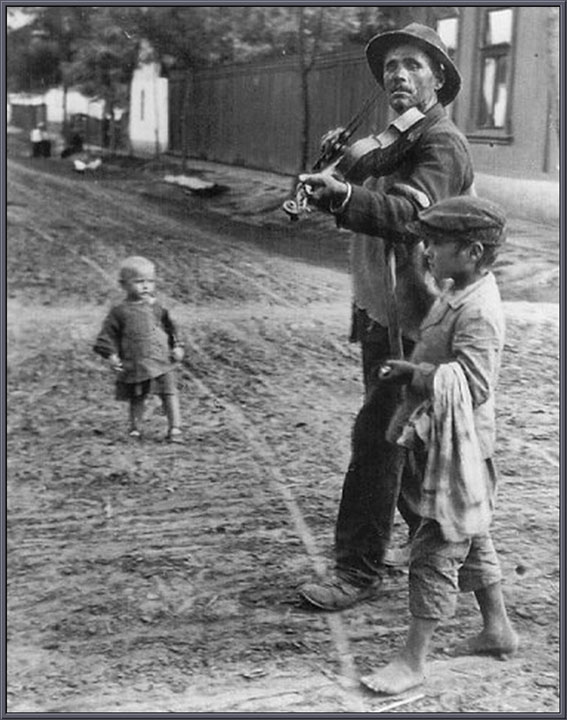
André Kertesz: El músico ciego. Abony, Hungría, 1921. «El músico ciego. Mirad la expresión
de su rostro. Era absolutamente extraordinaria. Si hubiera nacido en Berlín,
Londres o París habría sido un violinista de primera clase»
(André Kertész: Kertész sobre Kertész)

Entre las imágenes de One-way solamente una no revela su título, autor ni año. Es una foto de André Kertész, tomada hace ahora noventa años a pocos kilómetros de Budapest. Sobre ella Andrzej Stasiuk escribe estas reflexiones en en su Jadąc do Babadag (De camino a Babadag, 2004 —traducción de Alfonso Cazenave):

Puede que todo lo que he escrito hasta ahora haya partido de esta fotografía. Es 1921 en el pequeño pueblo húngaro de Abony, a siete kilómetros al oeste de Szolnok. Un violinista ciego atraviesa la calle tocando. Le guía un chaval de doce o catorce años, descalzo y con gorra. El músico lleva unos zapatos destrozados. Su pie derecho está cruzando el surco que ha dejado un carro con ruedas de hierro. La calle está sin pavimentar. No ha llovido. Los pies del chico no están embarrados y la huella de las estrechas ruedas es poco profunda, apenas marcada. Gira suavemente a la derecha y desaparece en el fondo algo borroso de la foto. A lo largo de la calle hay una empalizada de madera y se ve un fragmento de casa: en la ventana se refleja el cielo. Un poco más lejos hay una capillita blanca. Tras la valla crecen árboles. El músico tiene los párpados entrecerrados. Va caminando y tocando para sí mismo y para el espacio ciego que lo rodea. Aparte de la pareja de caminantes, en la calle no hay más que un niño de pocos años. Aunque está vuelto hacia ellos, mira más allá, fuera del encuadre, como si a espaldas de los vagabundos estuviera ocurriendo algo más interesante que en la fotografía. El día está nublado porque ni las cosas ni las figuras proyectan sombra. EL vilinista lleva colgado un cayado del brazo derecho (sí, es zurdo) y su lazarillo algo que parece ua pequeña mantilla. Del borde de la imagen los separan unos cuantos pasos. Enseguida desaparecerán y enmudecerá la música. En la foto solamente quedarán el pequeño, el camino y la huella de las ruedas.

Hace cuatro años que esta foto me obsesiona. Donde quiera que vaya, busco sus versiones tridimensionales y en color y a menudo me parece haberlas encontrado. Así fue en Podolínec, en las callejuelas laterales de Lőcse/Levoča, en el incandescente Gönc, donde estuve buscando una estación de tren que resultó ser un edificio vacío y en ruinas, y hasta la noche no salía ningún tren. Lo mismo en Vilmány, en un andén abandonado en medio de los campos infinitos sumergidos en un calor sofocante, lo mismo en la plaza del mercado de Dilyatin, donde unas ancianas vendían tabaco, lo mismo en Kvasy, donde el tren ya se había ido y no había ni un alma alrededor, a pesar de que las casas estaban pegadas unas a otras. Y en Solotvyn, en medio de los pozos mineros inmóviles y cubiertos de un polvo salino, y en Dukla, donde del desfiladero soplaba un viento pesado y monótono. En todos esos lugares, sobre la pantalla transparente del espacio se superponía el André Kertész de 1921, como si justamente entonces se hubiera parado el tiempo y a causa de ello el presente resultara un error, una burla o una traición, como si mi presencia en esos lugares fuera un anacronismo y un escándalo por haber venido del futuro, lo cual, aparte de no convertirme en más listo, me hacía estar más asustado. El espacio de esta foto me hipnotiza y todos mis viajes sirven tan solo para al final encontrar el acceso oculto a su interior.