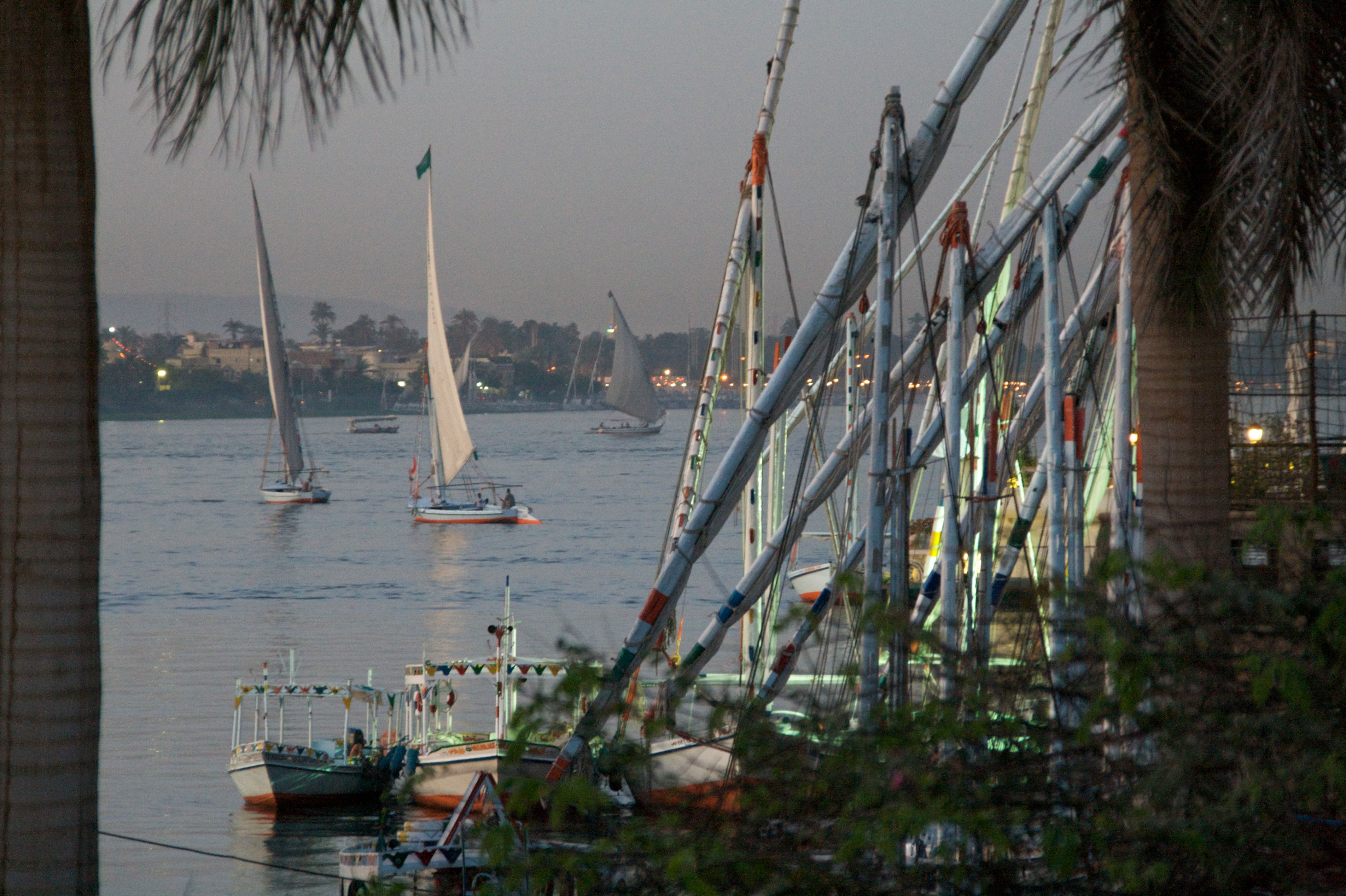
When using the adjective “Mediterranean” or the term “Mediterranean culture”, we usually understand. each other. More or less. But if we want to clarify this concept, its outlines become blurred. Egypt is an example of this blurring. Cairo is Mediterranean. Alexandria is undoubtedly even more. Luxor is still Mediterranean. But Aswan is no longer. Something has been lost on the road. Greece and Rome reached as far as Aswan. And they went much further southwards. Monasteries such as Saint Simeon witness the establishment of Christianity which is still there, with even more force than one might imagine. Aramaic and Jewish communities thrived on Elephantine Island. It is in Aswan that the same Nile which bathes Cairo quiets down, becomes wider, softer, kinder, more sea-like. The communication of Aswan to the north was always very sparse. It has always been a market (as the etymology of the Egyptian name, SWENET, and the Arabic As-suan indicate), a southern avant-garde of the civilizations of the north. Even with all that, this is not a Mediterranean city. Aswan reveals its being essentially an outpost towards an unexplored land in which the expeditions got lost or returned with stories about vast territories, forests, plains, animals, heat. Any traveler coming from the north immediately had to recognize that he was not at home any more in Aswan, even though Aswan has been a welcoming home to humanity since the Paleolithic age. Aswan is Egypt’s Finisterre, a place where legends begin, a melancholic point where you must change your look and forget the past.

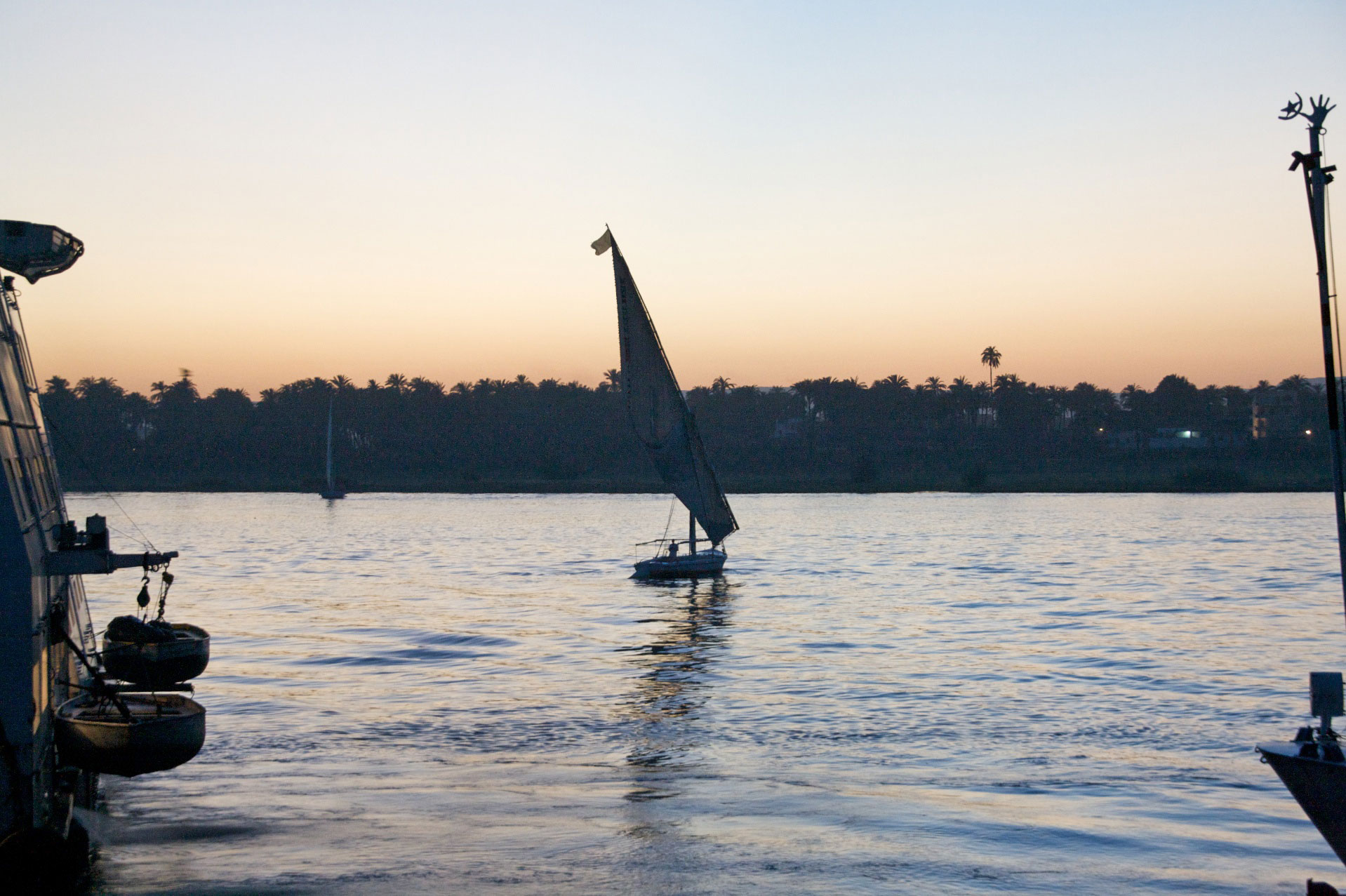
It is very hot in Aswan. The dammed river invites to swim, even at the risk of the dreaded schistosomiasis (in hotels and some bars with terraces overlooking the Nile there are swimming pools, but you have to pay.)
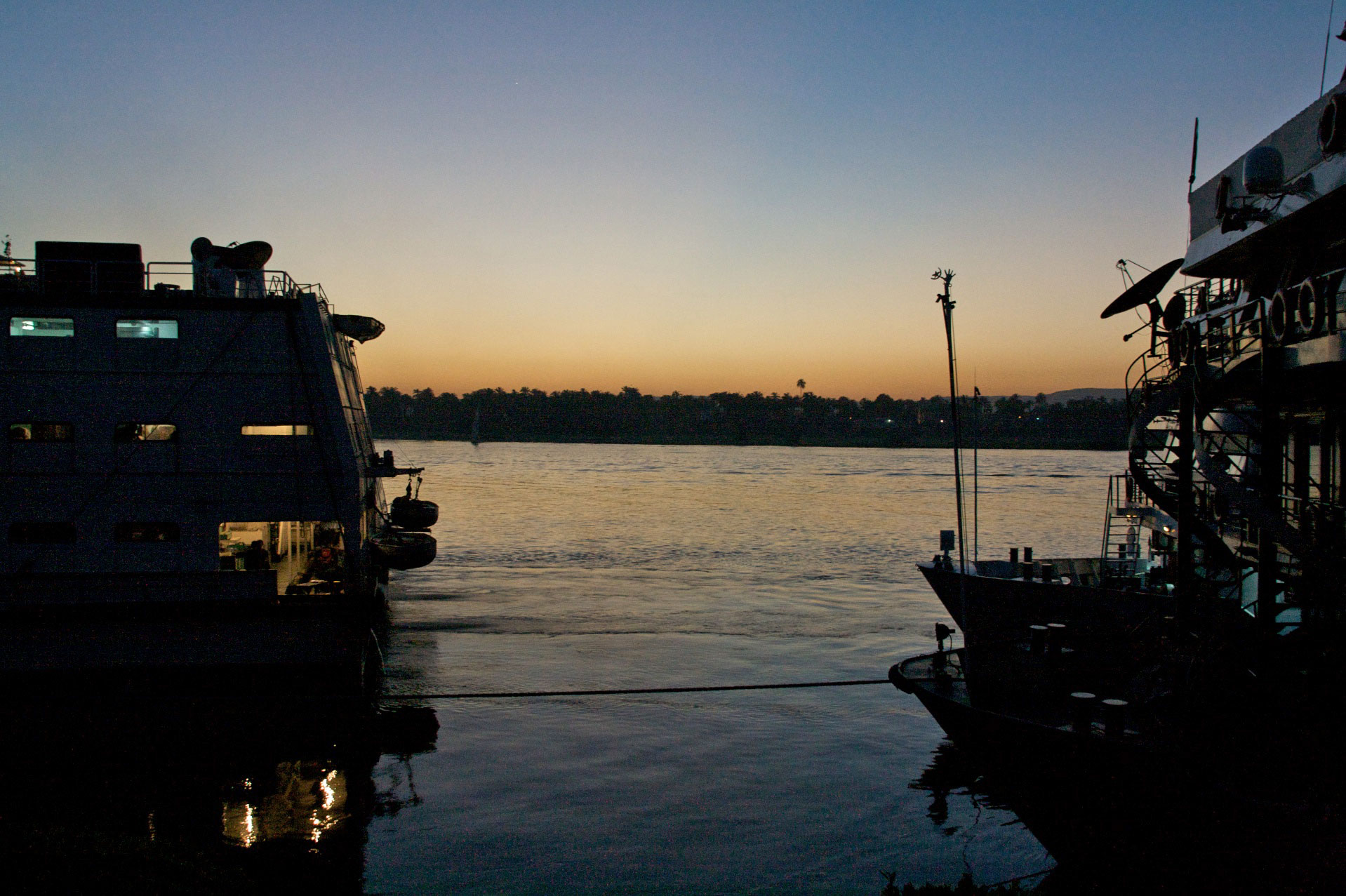
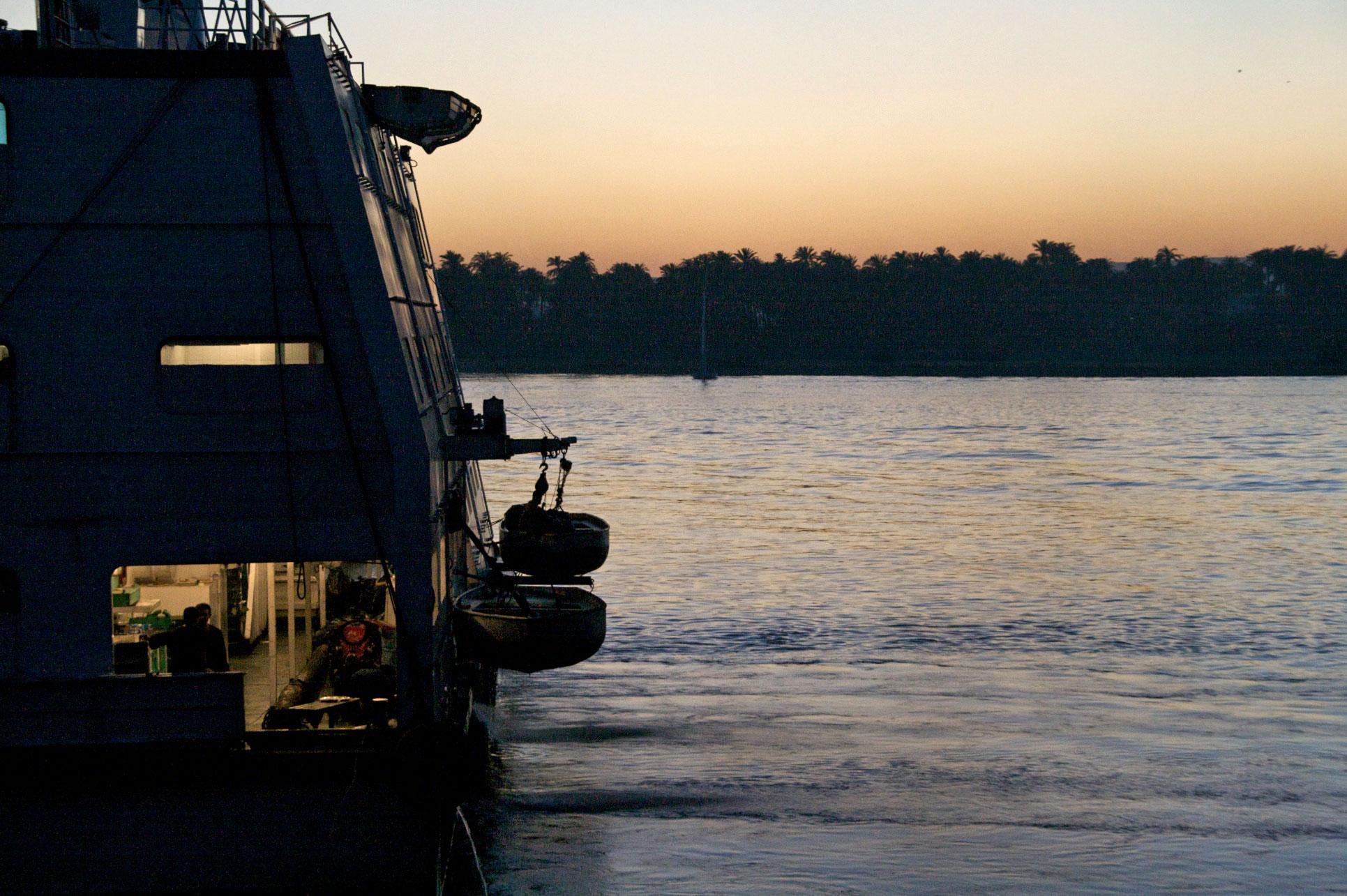
 The Nilometers of Elephantine nowadays lack their once absolutely essential role to measure the rising waters. However, the flow of wealth to Aswan is marked by the arrival, scheduled in perfectly regular periods, of the large cruise ships arriving from Cairo and leaving in the city their flow of cash. The merchants know well on what day of the week come the ships loaded with Spaniards, on which day the Germans, when the Italians... and prepare the harvest of each group according to their preferences and peculiarities.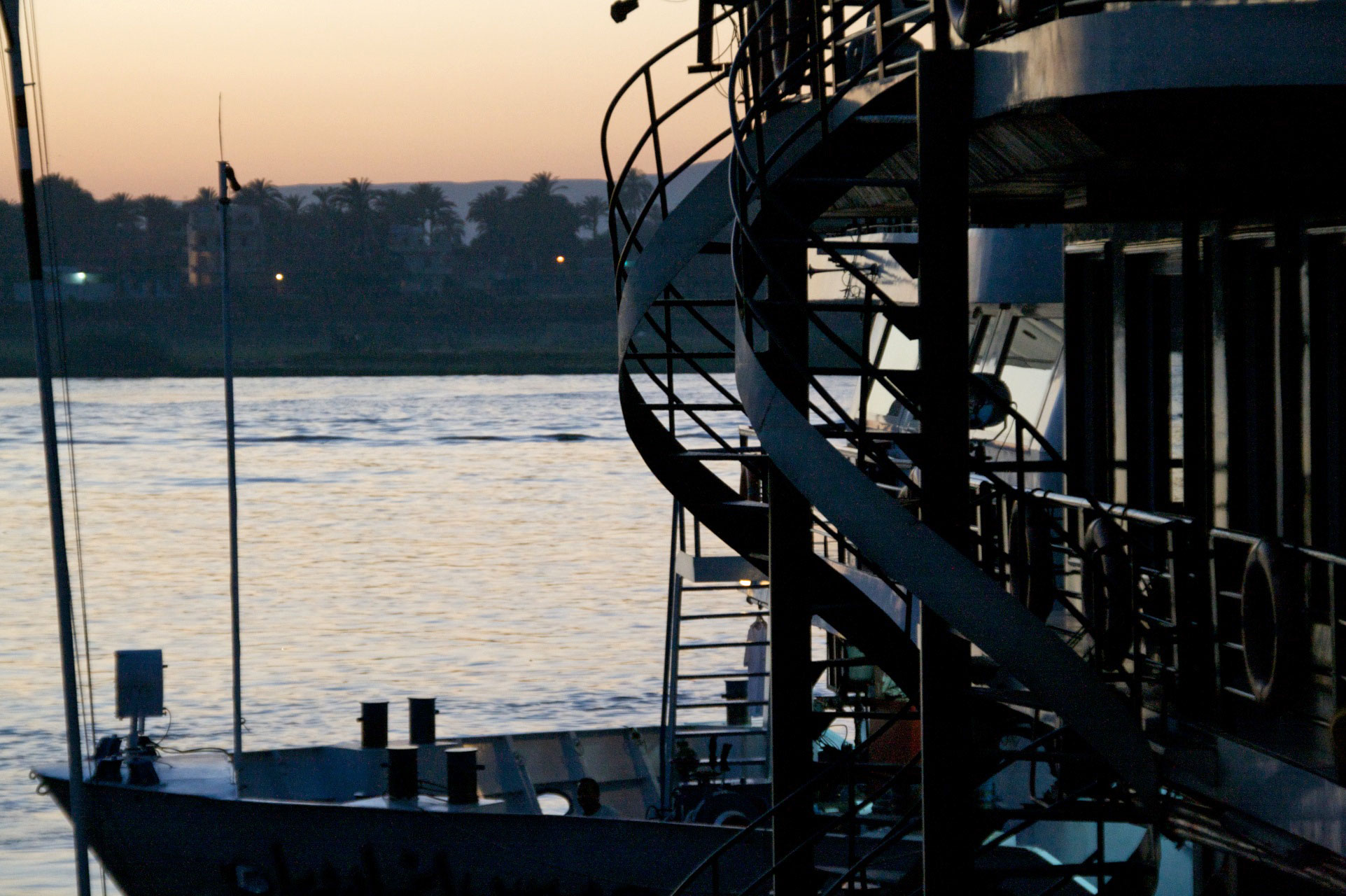


 Come with us to…
 Atlantis
 Bestiary
 Bohemia+Prague
 Books, exhibitions, music, film
 Brave old world
 Caucasus
 Cemeteries
 Crimea
 Get to know the
 Images of the East
 Lightwriting
 Lwów/Lemberg
 Mallorca
 Message on the wall
 The Museum of Propaganda
 Odessa
 Paper Museum
 Persian letters
 The Jewish heritage


2 comentarios:
great photos and narration about Aswan!
Thanks, Mariana! Hope it has incited you to visit all the Egyptian periplous.
Publicar un comentario