Last year at this time we gave an Easter report from the Eastern front of 1942. The tradition seems to be continued. Dr. Ferenc Síkhegyi – who recently gave an overview of the cartographic pedigree of “the pyramids of Nubia” – now shares with us some of his Easter post cards from the Eastern front, from 1941.

 This post is connected to several previously touched themes. Postcards from the bottom of the shoebox, at the crossroad of WWII, Easter and propaganda.

All of them are the works of Lajos Márton, a then court painter of boy scouts, who produced similar cards for decades.

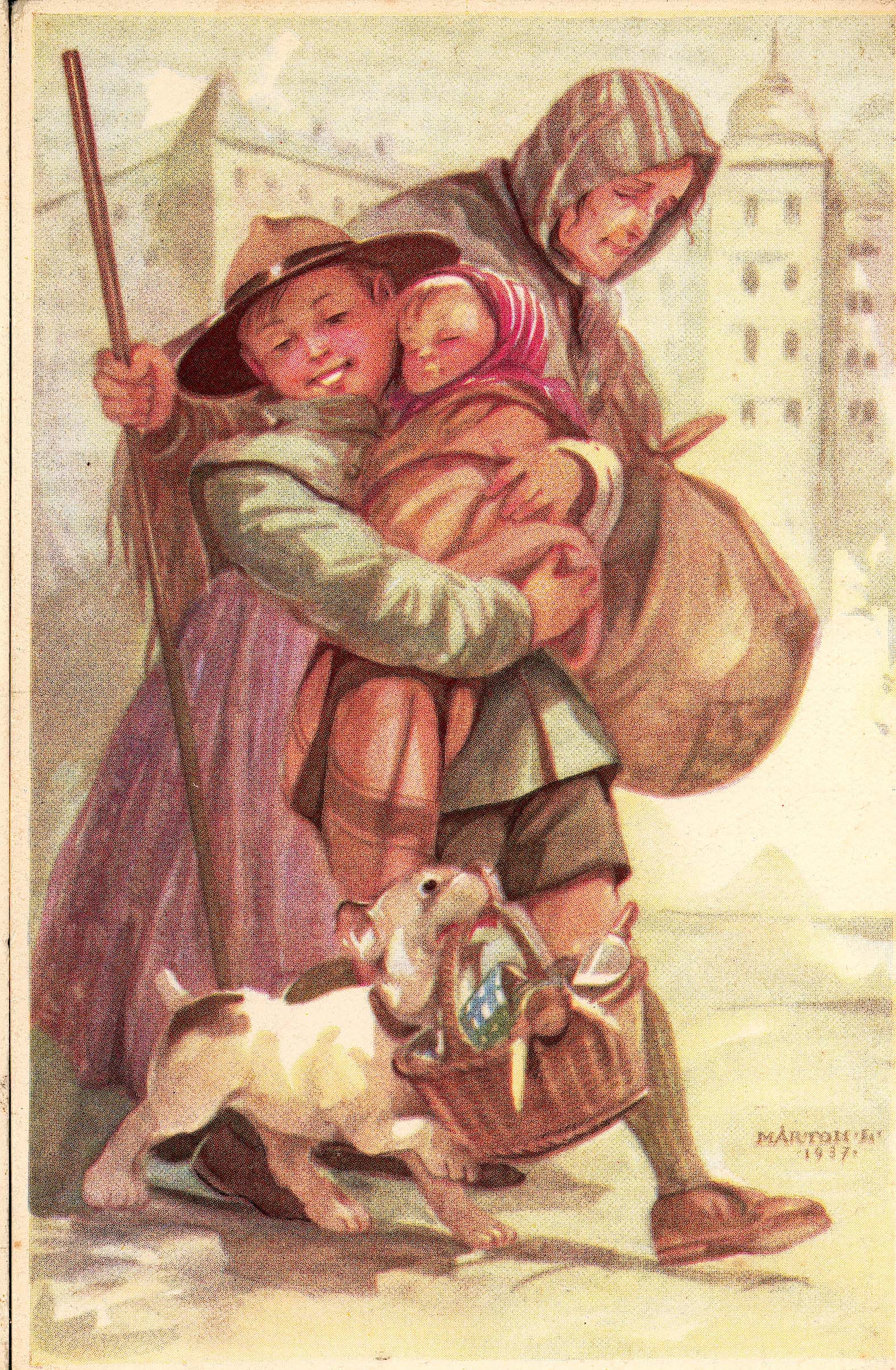
The first pictures encourage the ideal scout to proper everyday behavior, back in 1937 according to the date of the cards. A scout is helpful, wherever he can. He’ll thread a needle for the granny, hold the umbrella over the little neighbor girl, and there are certainly pictures of him somewhere out there lugging heavy bags or plying with a kitten pussy.

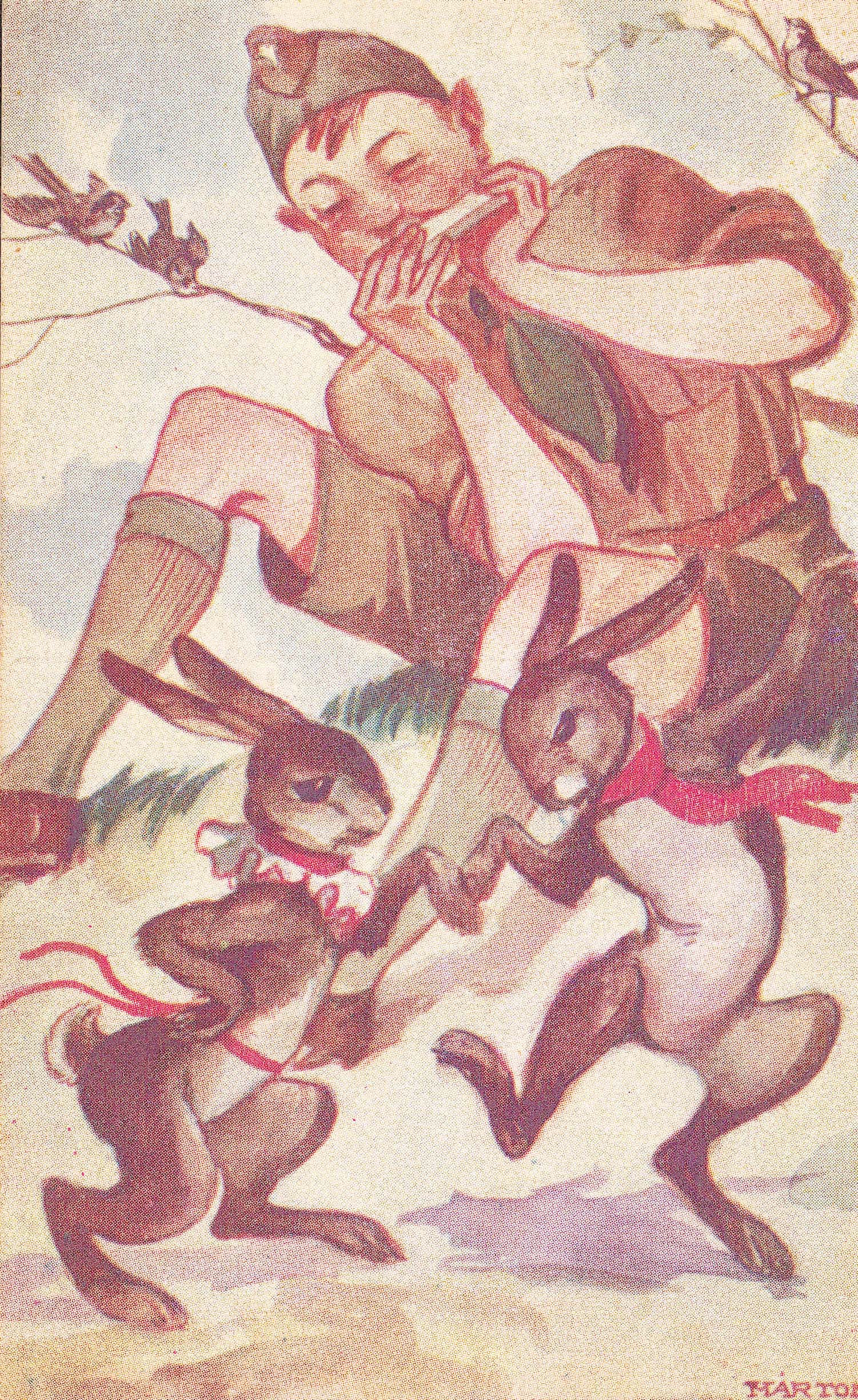
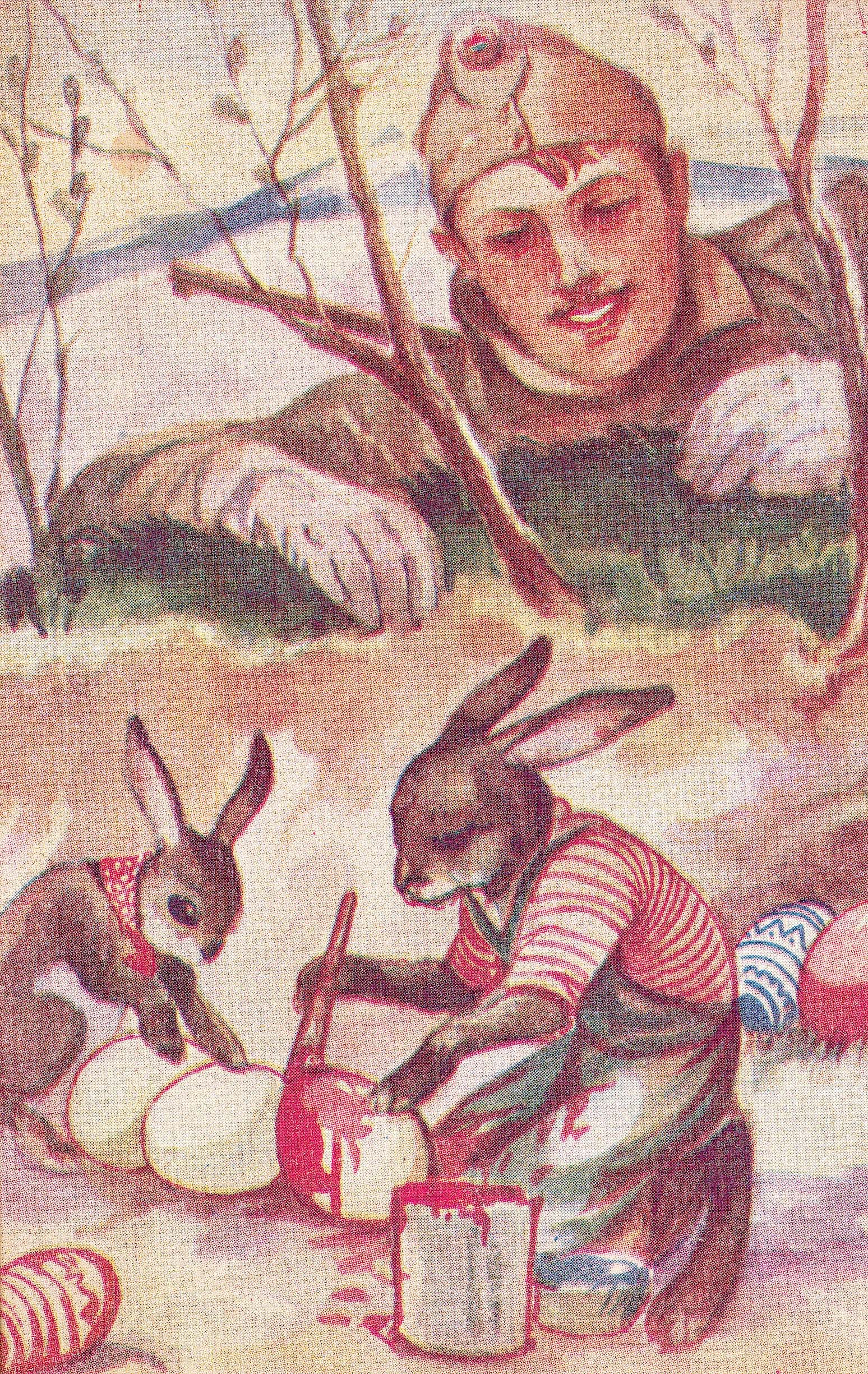
By 1941, mere four years later we see him huddled in the trenches, enthusiastically amid egg-painting Easter bunnies.

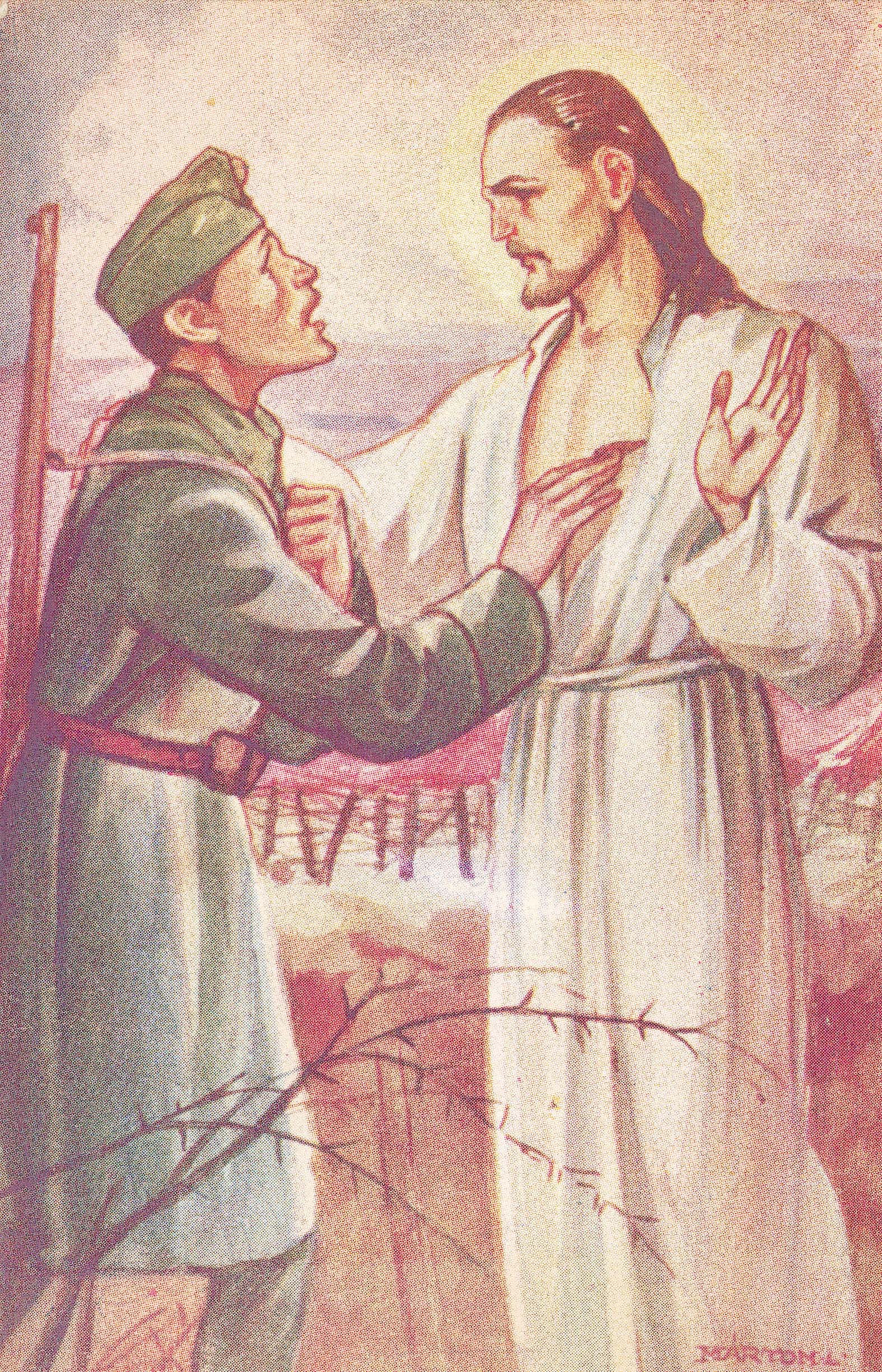
Much more sinister is the image of the frontline soldier’s – by now serving under German command in the Rapid Hungarian Reaction Forces – encounter with the Savior.

Easter has quickly passed. The concentration of the troops to set up the Second Hungarian Army – whose two hundred thousand members would perish almost to the last man at the Don – has begun. From Easter of 1942 there are no more post cards at the bottom of the shoebox.
 This post is connected to several previously touched themes. Postcards from the bottom of the shoebox, at the crossroad of WWII, Easter and propaganda.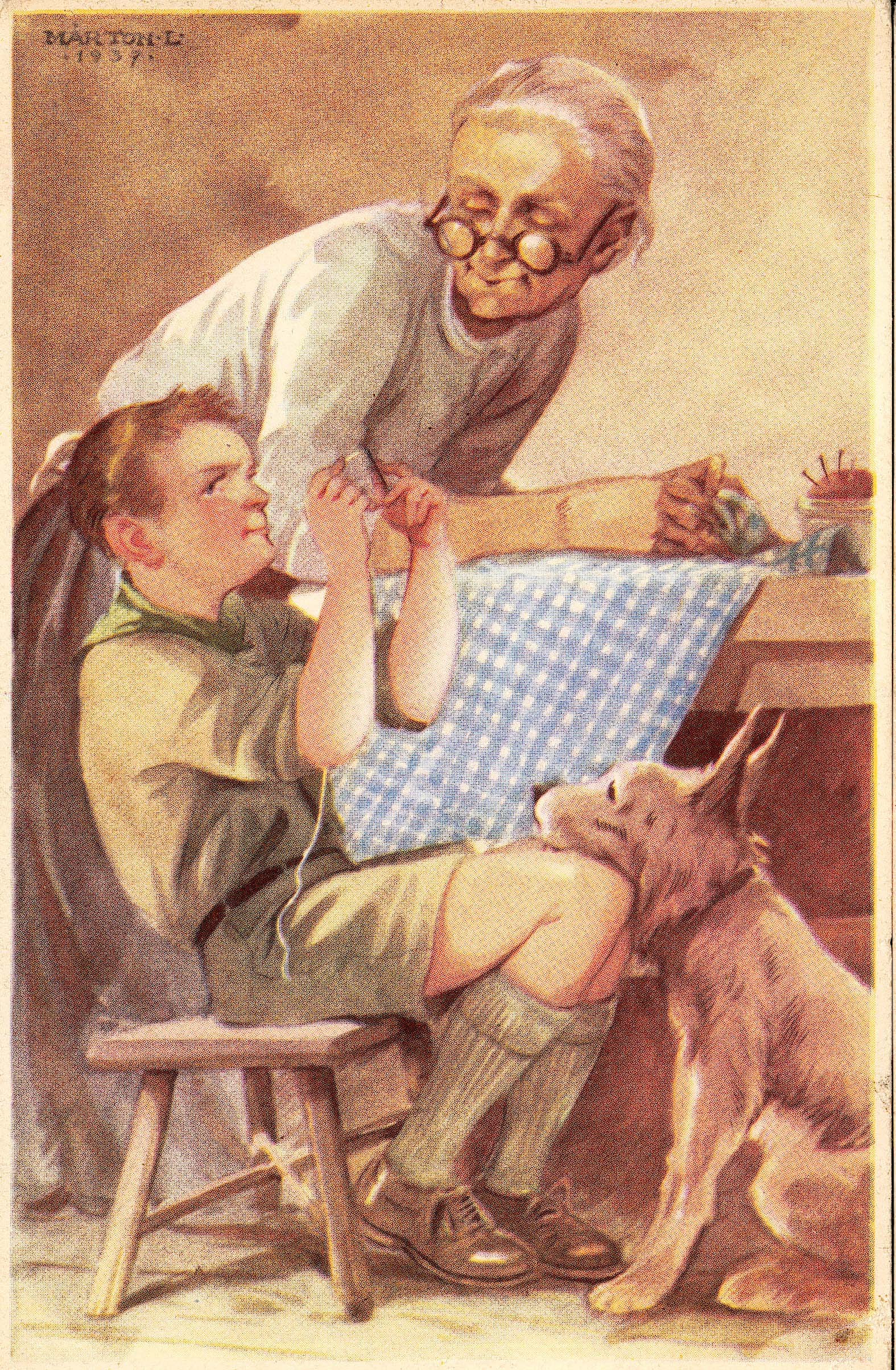
All of them are the works of Lajos Márton, a then court painter of boy scouts, who produced similar cards for decades.
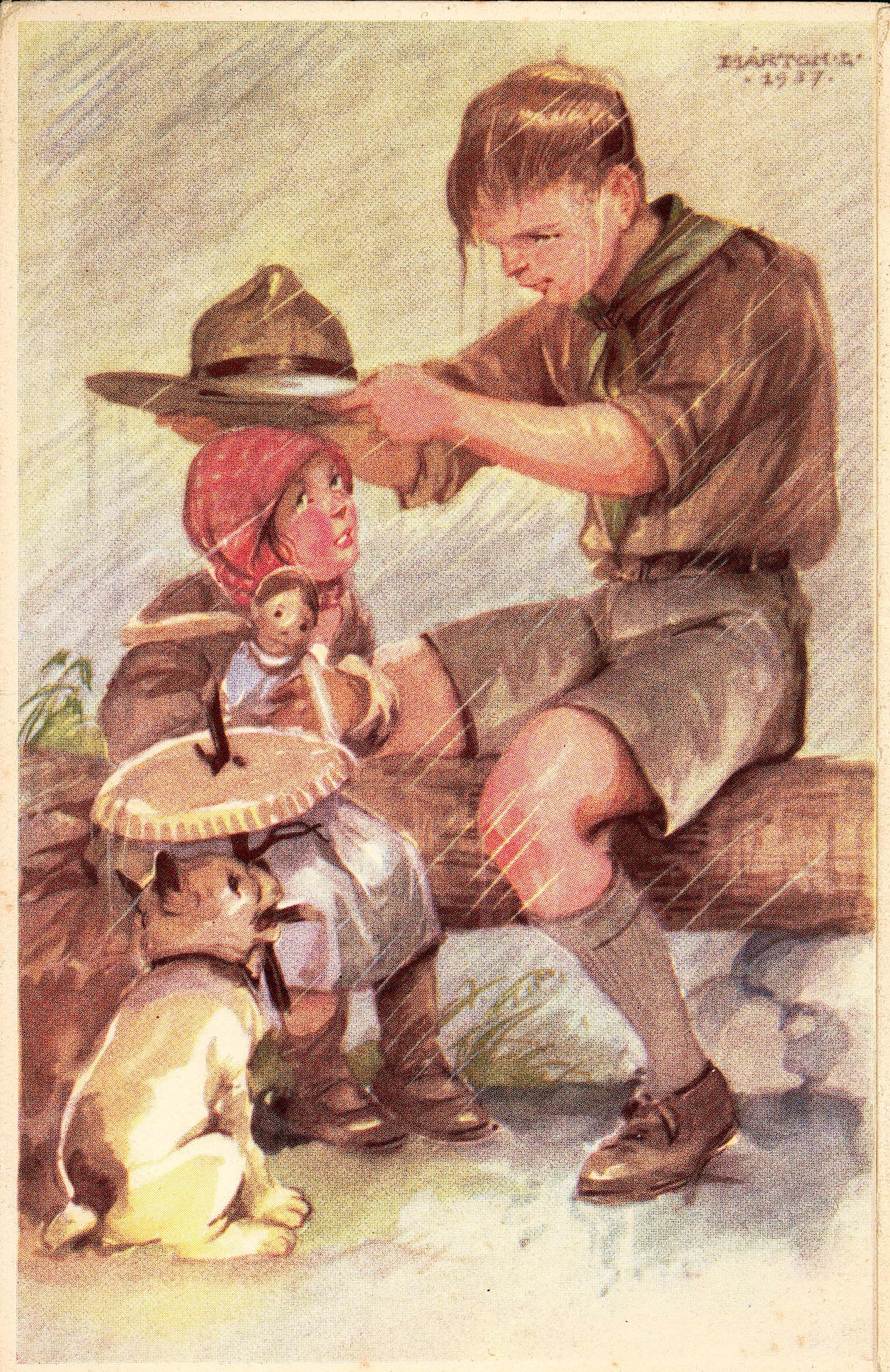
The first pictures encourage the ideal scout to proper everyday behavior, back in 1937 according to the date of the cards. A scout is helpful, wherever he can. He’ll thread a needle for the granny, hold the umbrella over the little neighbor girl, and there are certainly pictures of him somewhere out there lugging heavy bags or plying with a kitten pussy.
By 1941, mere four years later we see him huddled in the trenches, enthusiastically amid egg-painting Easter bunnies.
Much more sinister is the image of the frontline soldier’s – by now serving under German command in the Rapid Hungarian Reaction Forces – encounter with the Savior.
Easter has quickly passed. The concentration of the troops to set up the Second Hungarian Army – whose two hundred thousand members would perish almost to the last man at the Don – has begun. From Easter of 1942 there are no more post cards at the bottom of the shoebox.


 Come with us to…
 Atlantis
 Bestiary
 Bohemia+Prague
 Books, exhibitions, music, film
 Caucasus
 Cemeteries
 Crimea
 Get to know the
 Images of the East
 Lightwriting
 Lwów/Lemberg
 Mallorca
 Message on the wall
 The Museum of Propaganda
 Odessa
 Paper Museum
 Persian letters
 The Jewish heritage


No hay comentarios:
Publicar un comentario