   |
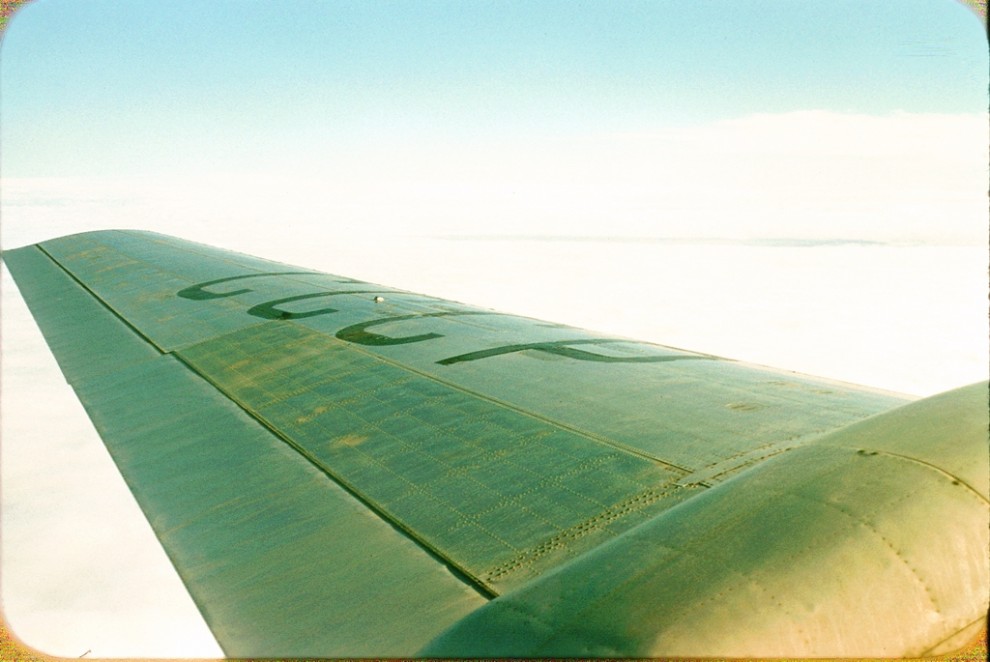
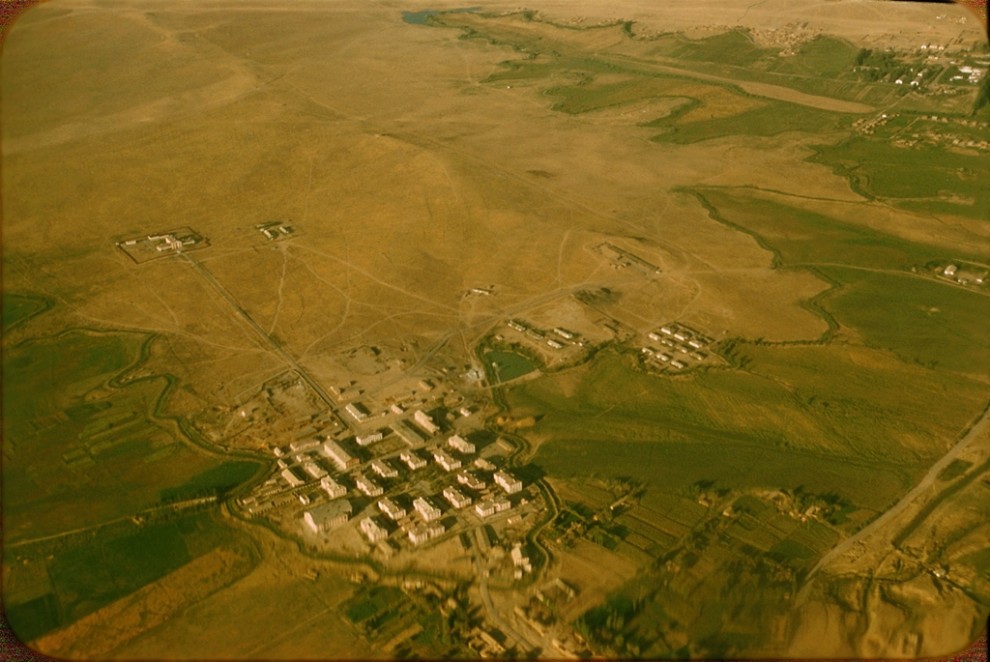
“We traveled on an old plane which did not rise higher than 3,200 meters, and so we could watch for hours Soviet Central Asia. I made a couple of pictures through the window. At one moment we flew over a forced labor camp. The stewardess came out of the cabin, and warned that photography is prohibited there. Then she went back to the cabin, so I urgently took some photos. The official interpreter sitting next to us said nothing."
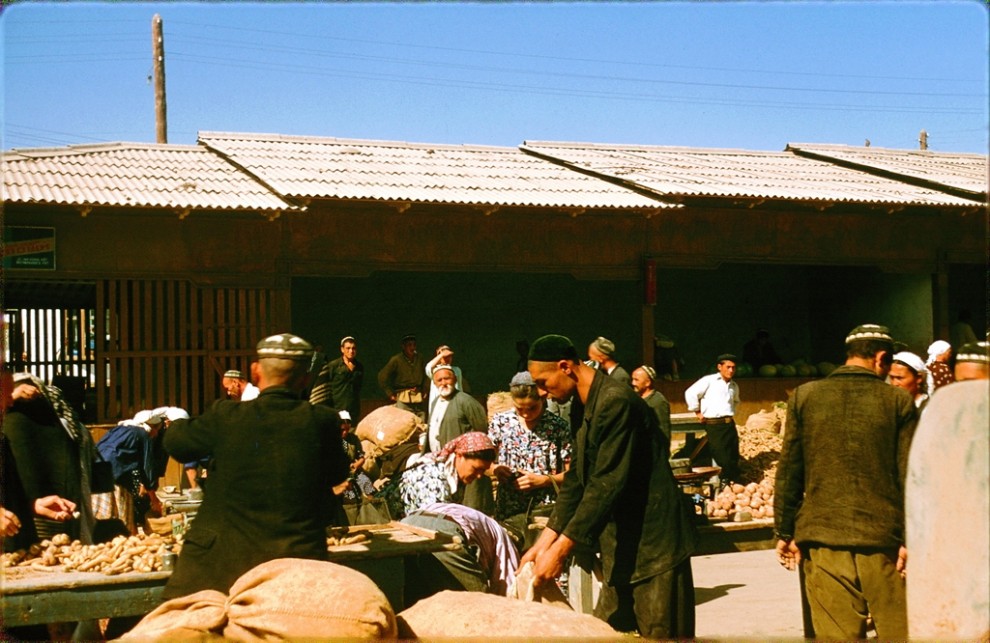
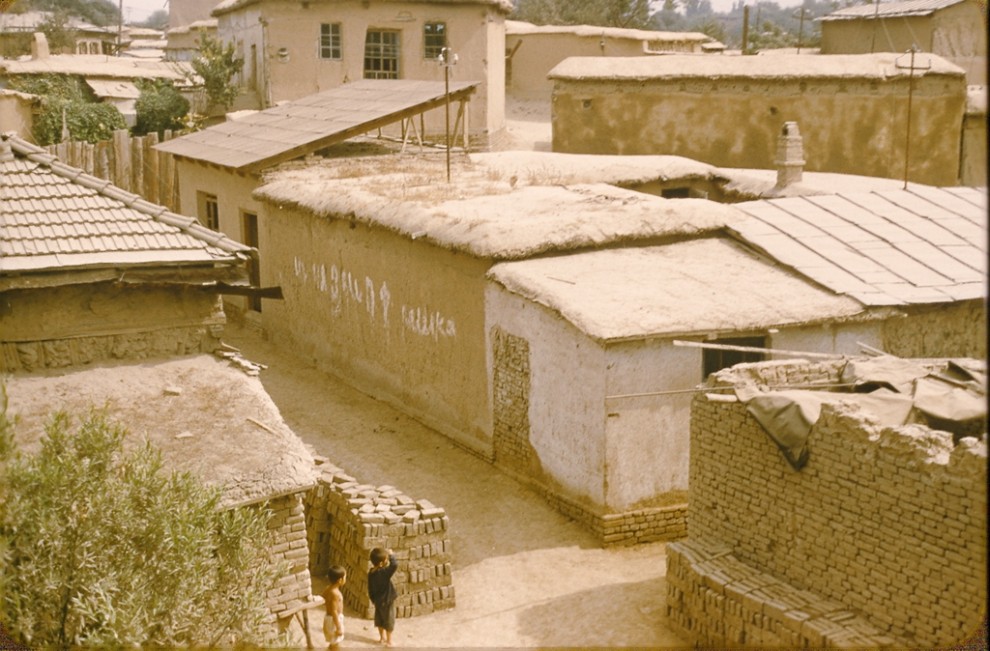
These images show the shrinking outlines of the Aral Sea, the last remnants of old Tashkent and the traditional costume of their residents, the bazaar which shrank just like the sea and where Dupâquier took most photos. His pictures do not surpass the average tourist standard either here. But their value is in the fact that all this would disappear within ten years, following the rebuilding of the city into a sea of socialist housing estates and – as Dupâquier already noticed and emphasized it – the strong influx of Russian inhabitants and culture accompanying it.
“They sat into an open cab. Meanwhile, their amiable guide at every moment forced them to look out from under the parasol, by showing the completed or half-finished buildings and the lots where soon they will build others. Koreyko looked angrily on Bender. Ostap turned away and cried out:
– What a wonderful Asian bazaar! Just like in Baghdad!
– On the seventeenth we will start to sweep it off – their guide said. – A hospital and the Cooperative Center will be built on its place.
– And do you not regret to disrupt this attractive and exotic picture? This is a veritable Baghdad!
– Extremely picturesque… – Koreyko sighed.
The young man got angry.
– For you, strangers, it might seem picturesque, but we have to live here!
– And how are we here… with that kind of… Asian-style little pubs? You know, where they play lute and flute? – the great combinator asked impatiently.
– We have burned them out – the young man replied nonchalantly. – It should have been eradicated long ago, this leprosy, these centers of infection. We have just liquidated the last nest of vice, the Moonlight Inn.”
– What a wonderful Asian bazaar! Just like in Baghdad!
– On the seventeenth we will start to sweep it off – their guide said. – A hospital and the Cooperative Center will be built on its place.
– And do you not regret to disrupt this attractive and exotic picture? This is a veritable Baghdad!
– Extremely picturesque… – Koreyko sighed.
The young man got angry.
– For you, strangers, it might seem picturesque, but we have to live here!
– And how are we here… with that kind of… Asian-style little pubs? You know, where they play lute and flute? – the great combinator asked impatiently.
– We have burned them out – the young man replied nonchalantly. – It should have been eradicated long ago, this leprosy, these centers of infection. We have just liquidated the last nest of vice, the Moonlight Inn.”
(Ilf-Petrov: The Golden Calf, 1931)




 Come with us to…
 Atlantis
 Bestiary
 Bohemia+Prague
 Books, exhibitions, music, film
 Caucasus
 Cemeteries
 Crimea
 Images of the East
 Lwów/Lemberg
 Mallorca
 Message on the wall
 The Museum of Propaganda
 Odessa
 Paper Museum
 Persian letters
 The Jewish heritage


No hay comentarios:
Publicar un comentario