
 Georgia
 Tbilisi
 Kutaisi
 Svaneti & Racha regions
 Imereti region
 Samtskhe-Javakheti region
 Mtskheta-Mtianeti region
 Kakheti region
 Tusheti region
 Abkhazia
 Armenia
 Armenians in Georgia
 Armenians in Azerbaijan
 Armenians in Turkey
 Armenians in Iran
 The Armenian diaspora
 Azerbaijan
 Baku
Baku Karabagh
 Iranian Azerbaijan
 Northern Caucasus


|
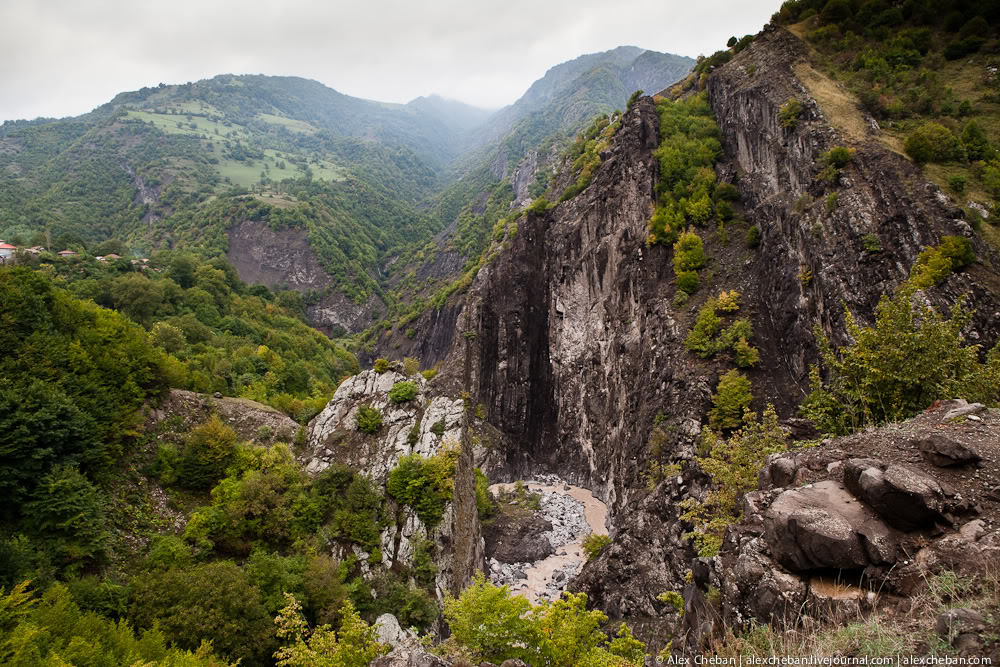
 Clouds squeezed between the mountains, directly underneath the narrow road carved into the rock, high above the river valley. Perhaps a taciturn taxi driver, who does not turn on the light even after dark, claiming in all seriousness that it consumes gasoline, and who tries to localize your country by asking you who your traditional enemies are. Perhaps a good friend, who quotes by heart the passages of Azerbaijani literature and movie on the region, but travels here for the first time with you, two hundred kilometers from his hometown Baku.
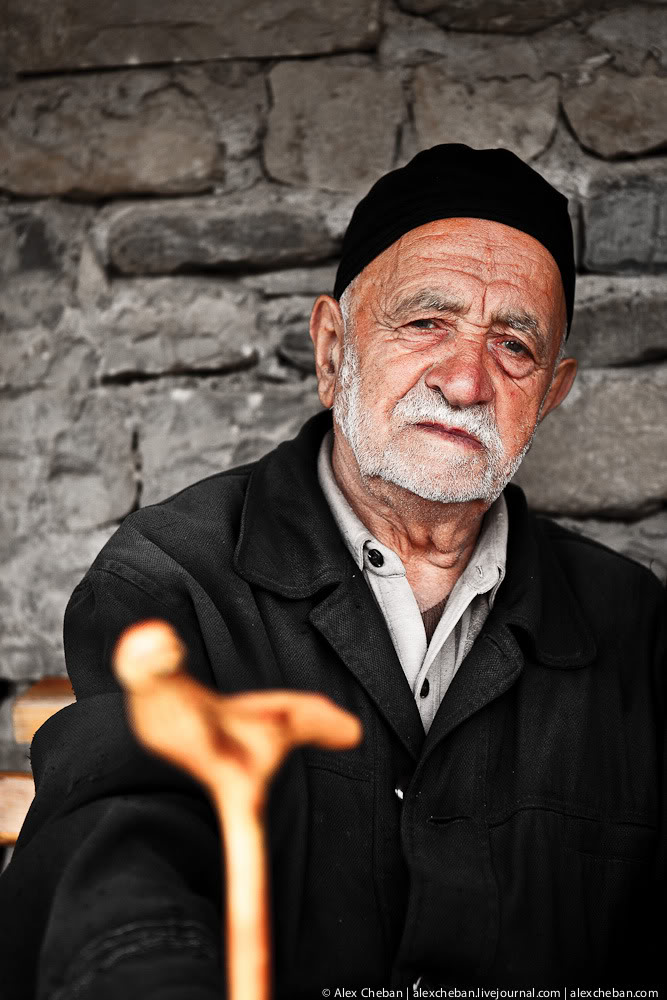
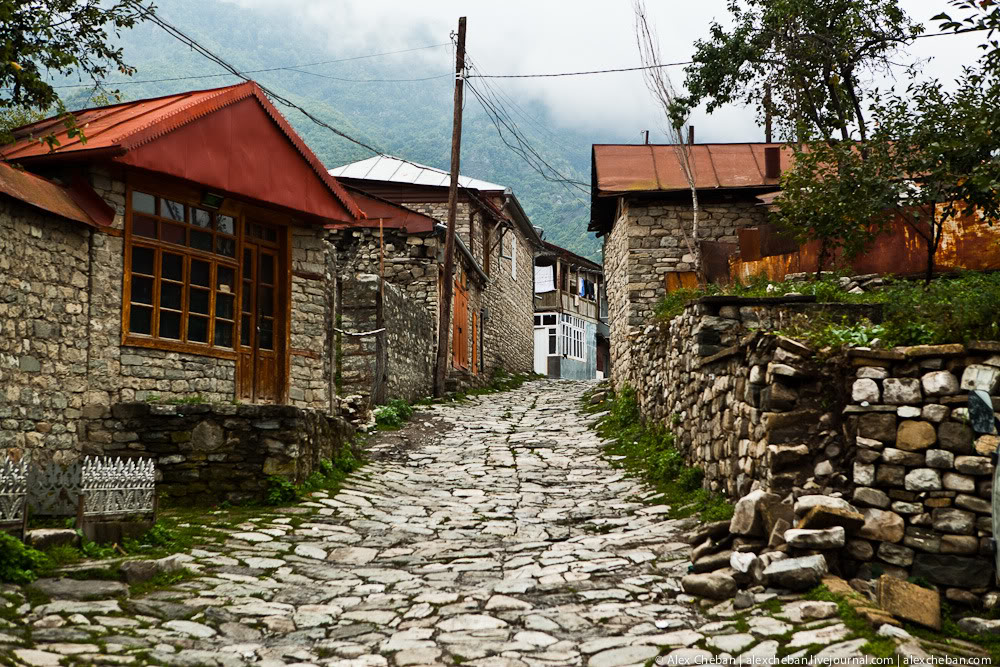

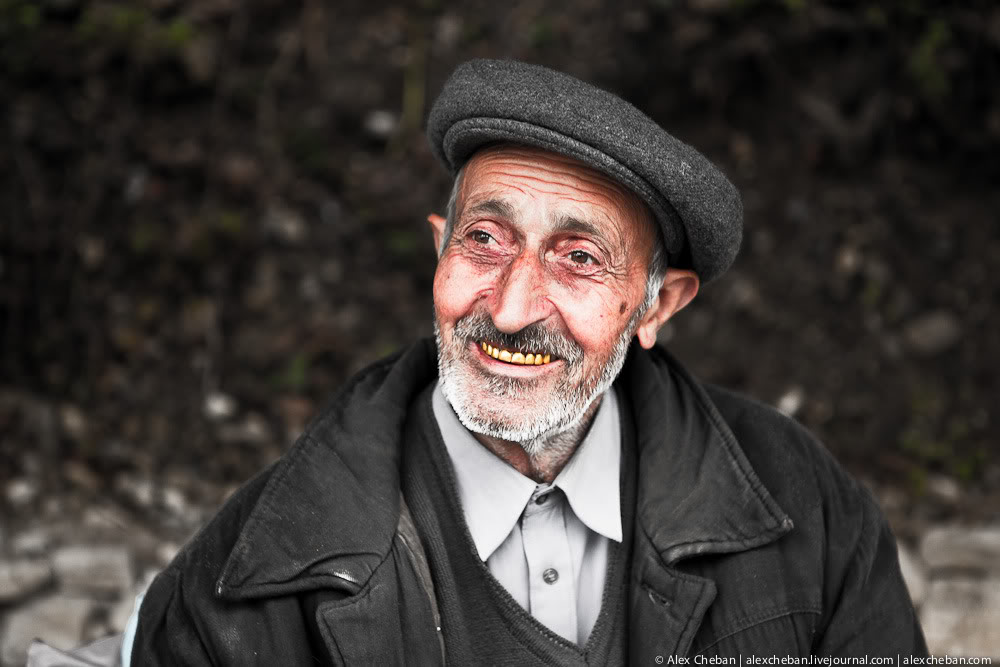


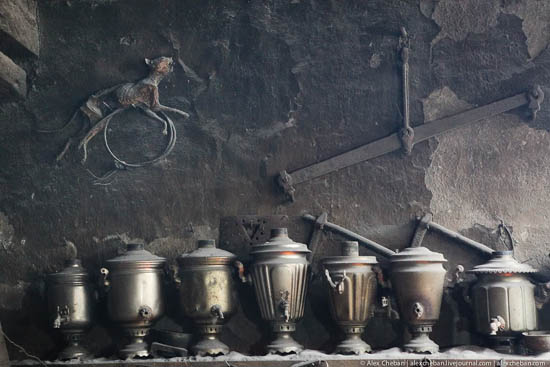 In the syncretic Muslim belief of the village the mummified cat wards off evil
 As it happens, I was looking for something else in a bookcase when I spotted my tattered 1981 paperback of “Tales and Legends of Sistan”, an annotated publication of the Soviet Academy of Sciences – and I was surprised to recognize that I can still recite a few verses of the beautiful Russian translation, and that I still remember how the book project was born, after a surprise discovery that an expat Sistani legend-teller lived, quietly, in a small town in Turkmenistan. But I realized that I knew nothing about the linguist and poet who recorded and translated these stories, some of them canonical Rustam legends from Shahnameh, the Book of Kings, and other, hitherto unknown legends also recited as historic truth, and others retold as fictionary fairy tales with their own canon.
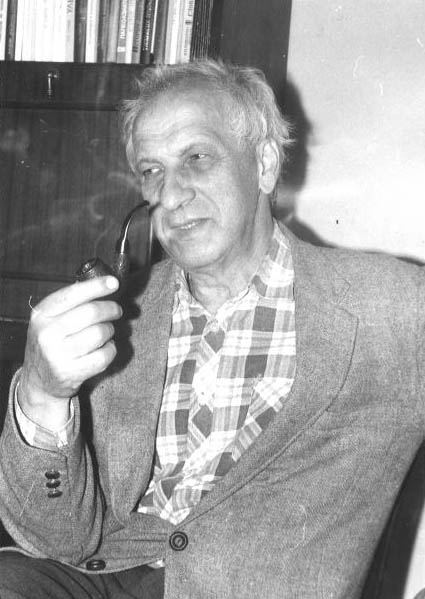 A. L. Gruenberg-Cvetinovic A. L. Gruenberg-Cvetinovic(also known in Western transliteration as Aleksandr Grjunberg) |
 Lahiji coppersmith at work, from a 2011 travelogue
 Lake Sarez, the supposed Golub-Yavan habitat according to Kirill Stanyukovich Lake Sarez, the supposed Golub-Yavan habitat according to Kirill Stanyukovich |
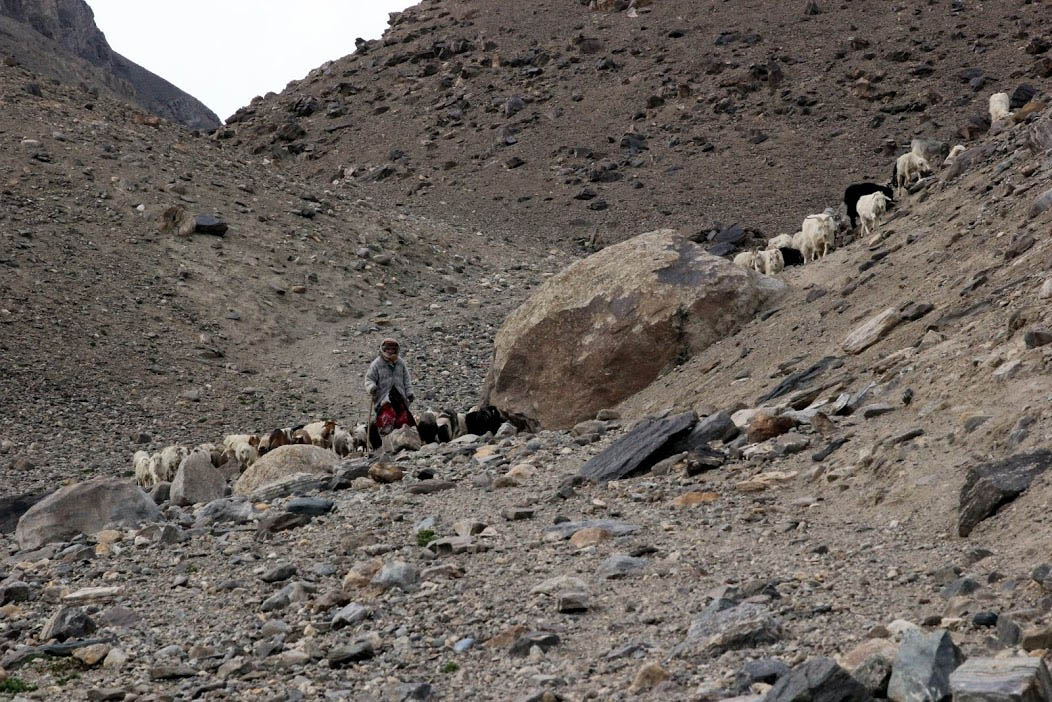 The same Badakhshani mountain ranges and villages, from a 2012 travelogue
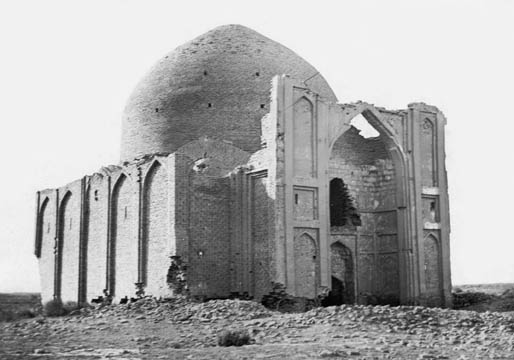 Saraghs-Baba Mausoleum, Turkmenistan, 1024 Saraghs-Baba Mausoleum, Turkmenistan, 1024 |
| Голос донесся с бескрайних небес, с синего купола дальних небес: «Мудрый рассказчик, дервиш-острослов не надевает на слово оков; страстным влюбленным, тоской обуянным, мчится оно фарсанг за фарсангом, ловко, как заяц, и сладко, как мед...». Шайтан приказал нам посеять табак, куришь — погибнешь, погибнешь и так! Курит Аббас, что в Иране царем, пусть себе курит, да дело не в нем... Слова — это шерсть, я же войлок валяю; слова — молоко, я же масло сбиваю. Ложь безграничная — вот мой рассказ. Верблюд на блохе едет в город Шираз. Ива и тополь, сосна и чинар сладких плодов не приносят нам в дар; гранат и айва, померанец и тут сочные щедро плоды нам дают. Хлебом пусть станет вершина Ходжа, в мясную шурпу Хильменд превратится. Явился старик, чтоб шурпой подкрепиться. «Много не съесть мне,— старик говорит.— Стар я, устал я, и почка болит. Съел я три сотни бараньих голов, ножек без счета — а все же не сыт!» | A voice has been heard from the boundless sky, From the blue dome of heavenly sky: “Wise storyteller, sharp-tongued dervish Set your word free, may it fly as you wish. Racing ahead like a yearning lover, Parasangs of distance at once may it cover, Swift like a hare and fluid like honey! Devil gave us tobacco and showed the way. Smoke will kill you; you’ll die anyway. Abbas the Shah has been smoking too; Just let him be, for this tale is for you. Words are like wool, I’m making some felts; Words are like milk, I’m beating some butter. My story is made of impossible lies, A camel rides a flea to the city of Shiraz. Poplar and willow, cypress and pine Won’t bear fruit for us to dine; Pomegranate and quince and mulberry trees With their sweet fruits everyone please. May Mountain Hojja be a mound of bread, May River Helmand be shurpa, rich of lamb! An old man rode in for the nourishing soup. I can’t eat much, so says the old man I’m tired and frail, and my gut hurts again I ate whole piles of boiled lamb legs, Three hundred lamb heads, And I still want some more.” |
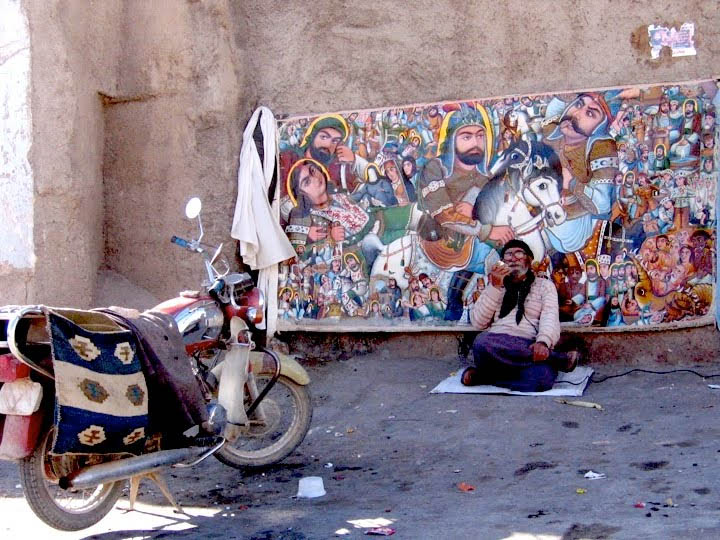 An old Shahnameh-singer, Iran
 Как порой случается, я искал другую книгу в своем книжном шкафу, когда мне попалась на глаза потертая мягкая обложка «Сказок и Легенд Систана», аннтированного издания АН СССР 1981-го года – и к моему собственному глубокому удивлению, я осознал, что еще могу без труда вспомнить несколько стихотворений из этого замечательного перевода на русский язык. И даже что я еще помню, как родился на свет проект этой книги, из неожиданного открытия, что далеко за пределами Систана, в маленьком городке на туркменской границе, жил себе традиционный рассказсчик Систанских эпических легенд. Но только я ничего не мог сказать о лингвисте и поэте, записавшем и переведшем эти сказания, некоторые из них канонические легенды о Рустаме из Шах-наме, другие легенды доселе неизвестные, но тоже пересказываемые как эпос и историческая правда, и еще восточные сказки пересказываемые как чистый вымысел, со своим собственным литературным каноном.
.
Как порой случается, я искал другую книгу в своем книжном шкафу, когда мне попалась на глаза потертая мягкая обложка «Сказок и Легенд Систана», аннтированного издания АН СССР 1981-го года – и к моему собственному глубокому удивлению, я осознал, что еще могу без труда вспомнить несколько стихотворений из этого замечательного перевода на русский язык. И даже что я еще помню, как родился на свет проект этой книги, из неожиданного открытия, что далеко за пределами Систана, в маленьком городке на туркменской границе, жил себе традиционный рассказсчик Систанских эпических легенд. Но только я ничего не мог сказать о лингвисте и поэте, записавшем и переведшем эти сказания, некоторые из них канонические легенды о Рустаме из Шах-наме, другие легенды доселе неизвестные, но тоже пересказываемые как эпос и историческая правда, и еще восточные сказки пересказываемые как чистый вымысел, со своим собственным литературным каноном.
.| А.Л. Грюнберг-Цветинович |
Лагич: медник за работой, из фотоотчета 2011-го г.| Озеро Сарез, предполагаемый хабитат голуб-явана по Станюковичу |
Горы и кишлаки Бадахшана, из фотоотчета 2012 г.| Мавзолей Серахс-Баба, 1024 г., Туркменистан. |
| Голос донесся с бескрайних небес, с синего купола дальних небес: «Мудрый рассказчик, дервиш-острослов не надевает на слово оков; страстным влюбленным, тоской обуянным, мчится оно фарсанг за фарсангом, ловко, как заяц, и сладко, как мед…». Шайтан приказал нам посеять табак, куришь — погибнешь, погибнешь и так! Курит Аббас, что в Иране царем, пусть себе курит, да дело не в нем… Слова — это шерсть, я же войлок валяю; слова — молоко, я же масло сбиваю. | Ложь безграничная — вот мой рассказ. Верблюд на блохе едет в город Шираз. Ива и тополь, сосна и чинар сладких плодов не приносят нам в дар; гранат и айва, померанец и тут сочные щедро плоды нам дают. Хлебом пусть станет вершина Ходжа, в мясную шурпу Хильменд превратится. Явился старик, чтоб шурпой подкрепиться. «Много не съесть мне,— старик говорит.— Стар я, устал я, и почка болит. Съел я три сотни бараньих голов, ножек без счета — а все же не сыт!» |
Старый рассказчик-певец Шах-наме в Иране
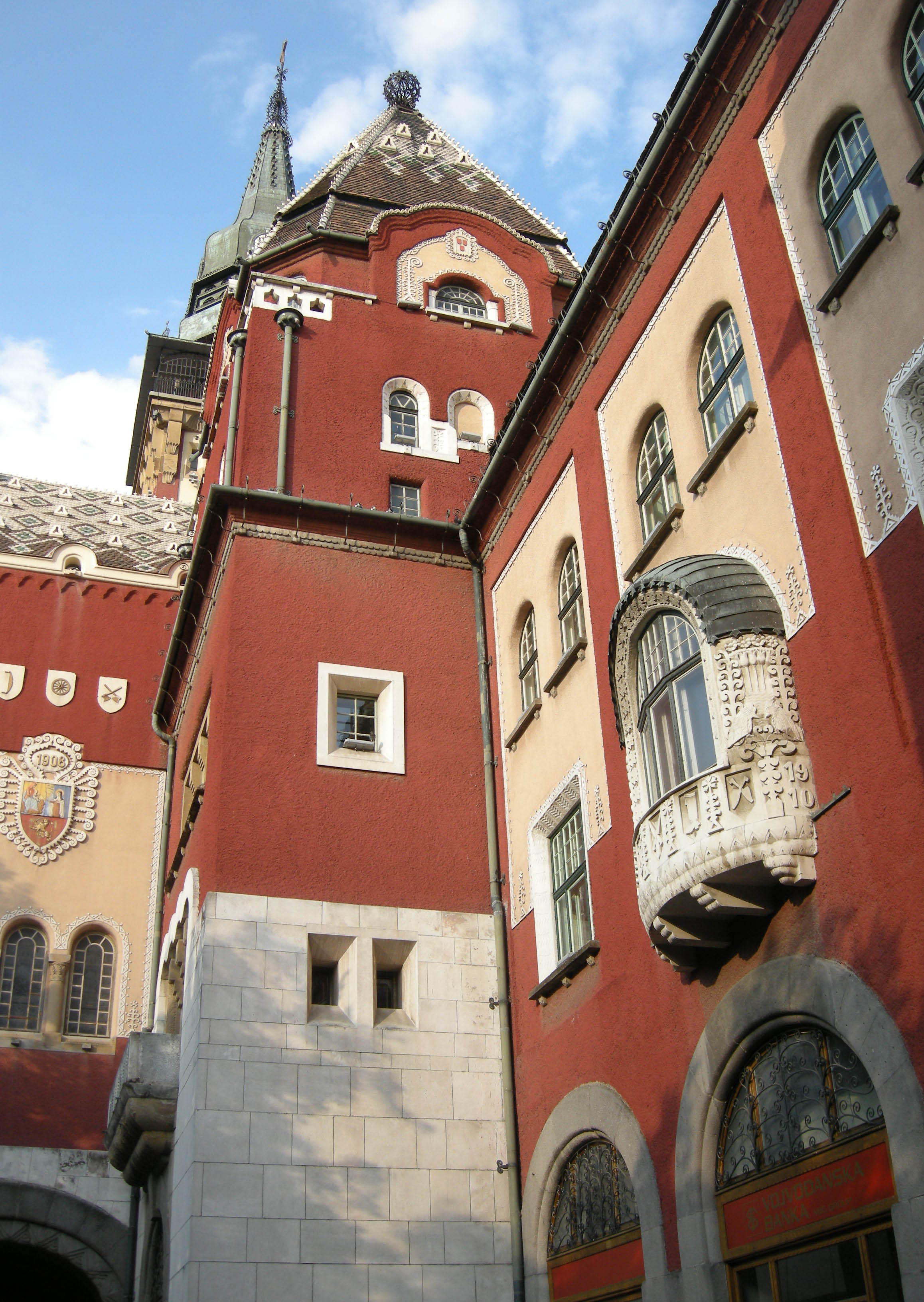
 Our trip to Subotica/Szabadka, Serbia, scheduled for March 15-16 is last minute not only because, due to a prolonged flu, I could organize and announce it just now, ten days before the event. But also because maybe this is the last moment that we can see still intact the city center of Subotica, the cradle of Hungarian Art Nouveau, as it thrived during the prosperity of the turn of the century, and was then stiffened in 1920 into a Sleeping Beauty’s dream by the new border which, annexing it to Yugoslavia, cut off all its traditional connections.
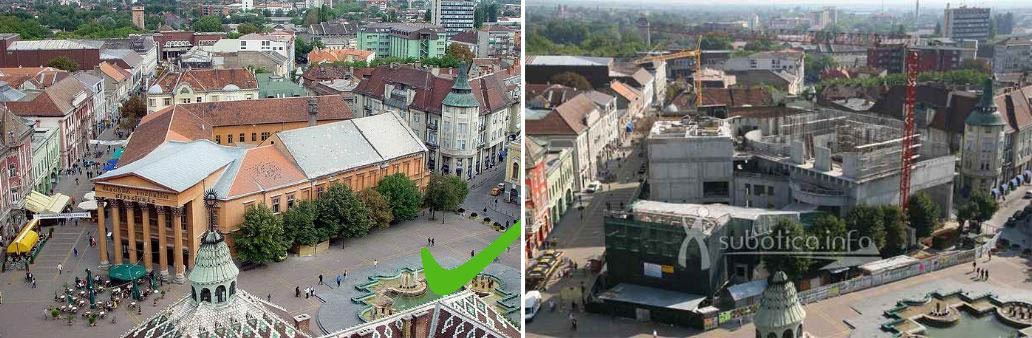 That was – this became. The People’s Theatre in the main square

 where we daily publish new photos about our travels around the world:


 Come with us to…
 Atlantis
 Bestiary
 Bohemia+Prague
 Books, exhibitions, music, film
 Brave old world
 Cemeteries
 Crimea
 Get to know the
 Images of the East
 Lightwriting
 Lwów/Lemberg
 Mallorca
 Message on the wall
 The Museum of Propaganda
 Odessa
 Paper Museum
 The Jewish heritage