‘The beer was better,’ he said finally. ‘And cheaper! When I was a young man, mild beer – wallop we used to call it – was fourpence a pint. That was before the war, of course.’
‘Which war was that?’ said Winston. ‘It’s all wars,’ said the old man vaguely. |
(George Orwell, 1984, 1.8.)
|
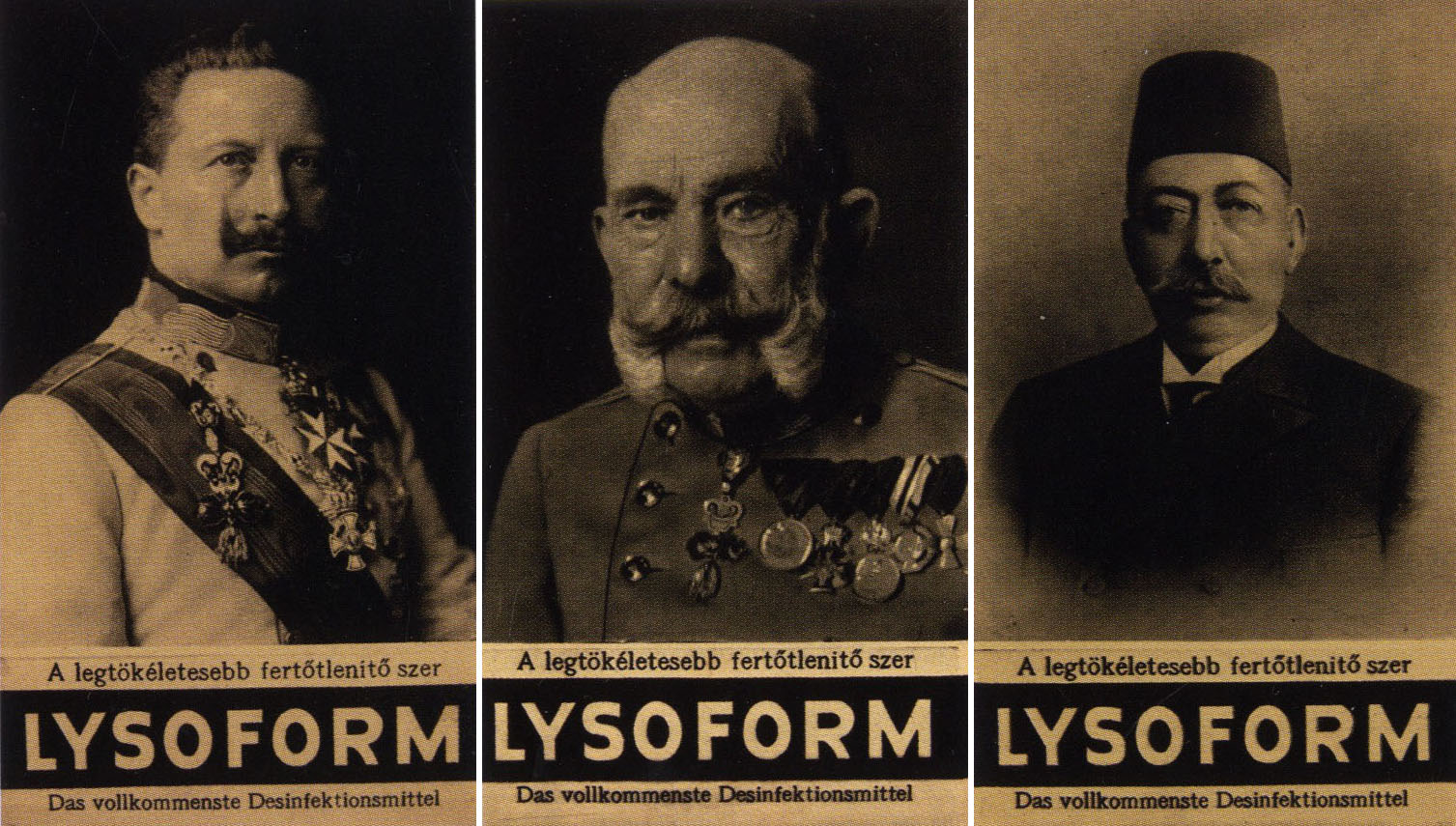
 The Hungarian term ántivilág – “ánti-world” – is a complex one, difficult to translate. It is used almost exclusively in the locative form: “in the ántivilág”, where the prefix is the abbreviation for ante bellum, “before the war”. But before which war? Because we have not been short of wars since 1914 when, as an old man told me in the Transylvanian Tibód, “they set ablaze the four corners of the world and it has been burning since ever”. With this term they usually refer to the “happy times of peace” before WWI, whose relative stability and prosperity has been long transcended into a Golden Age in the light – or rather darkness – of the continuous destruction, loss, insecurity, oppression and occupation since 1914. But every war embellishes the bygone peacetime, so the term is also used for the period between the two wars, and even – ironically – for the pre-1989 era of Socialism and Cold War.
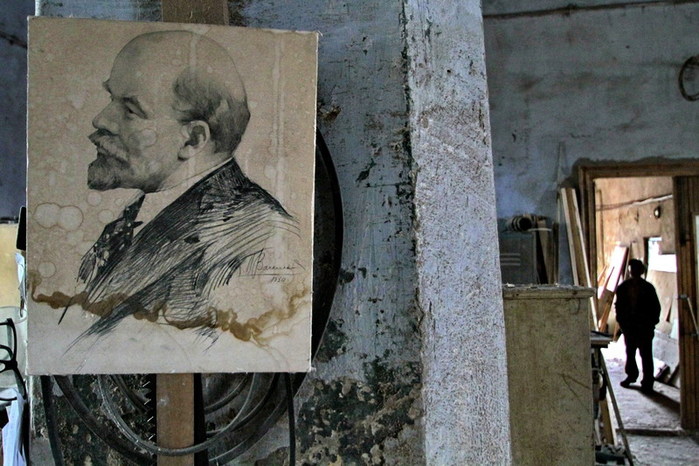
And this already takes us to the other meaning of ántivilág, where the prefix is not interpreted as “ante” but rather as “anti-”, that is the opposite and negative mirror of our world, such as the antipodes living upside down in the southern hemisphere. Ántivilág is not only the world which perhaps was not even true, but also the one in which nothing was true, * the world of manipulation and propaganda. Indeed it is usually the propaganda that creates the anti-worlds proclaimed as the best of all existing worlds, and which at the same time – when looking back or from the outside – exposes in the most absurd way the futility of such efforts.
This concept with a double meaning which – like all past ages – raises nostalgia and aversion at the same time, is translated by us to English as “brave old world” which, besides the feeling of the “good old times” also implies the irony of Huxley’s “brave new world”. We are curious to know how our readers would translate it to other languages.
 Belle époque
 Great Games
 The Great War
 Strange peaces
 The Mexican revolution
 The world revolution
 War against the alcohol
 Between two wars
 The Spanish civil war
 The Great Terror
 Drang nach Osten
 The non-war (1939-1941)
 The Great Patriotic War
 The world war
 Hungary in the war
 La Resistenza
 After the War
 The Cold War
 War on the front of the peace
 The Islamic revolution
 Brave new world
 After the turn: Russia
 After the turn: Ukraine
 After the turn: Central Europe
 The decadent West
 In search of lost time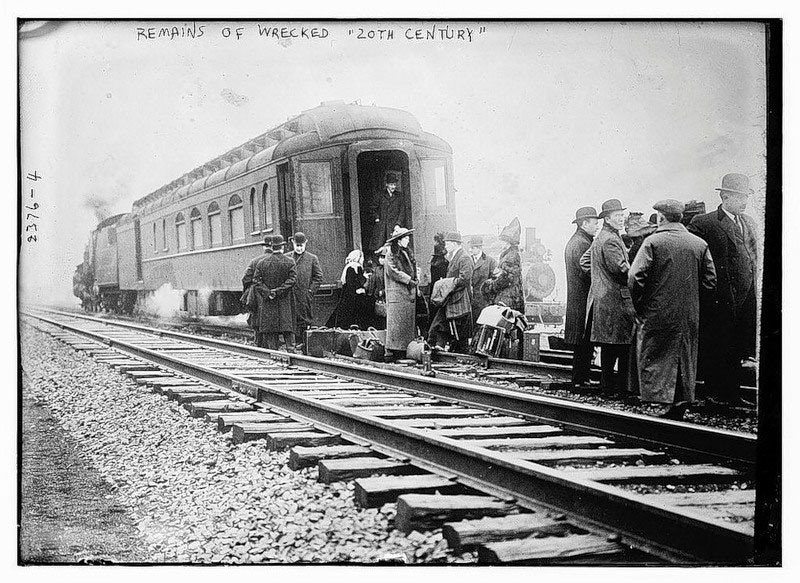


 Come with us to…
 Atlantis
 Bestiary
 Bohemia+Prague
 Books, exhibitions, music, film
 Brave old world
 Caucasus
 Cemeteries
 Crimea
 Get to know the
 Images of the East
 Lightwriting
 Lwów/Lemberg
 Mallorca
 Message on the wall
 The Museum of Propaganda
 Odessa
 Paper Museum
 Persian letters
 The Jewish heritage


2 comentarios:
Nell’ultimo dopoguerra c’era una locuzione, ormai desueta, nata da una falsa mitologia di un tempo aureo che in realtà è stato tutt’altro che dorato: “si stava meglio quando si stava peggio”.
F
Bella locuzione, paradigmatica per il primo significato dell’ántivilág che cerca di localizzare la sua utopia nel passato prima dell’ultimo grande cambio delle cose.
La sua controparte che invece cerca di localizzare l’utopia nel presente, così dando vita al secondo significato dell’ántivilág, sarebbe quello che si legge sotto l’ultima immagine di questo post: “Ogni giorno si vive più allegri!”
Publicar un comentario