Switch over to our new blog! • ¡Pásese a nuestro nuevo blog!
The renewed version of our blog, with more features, a richer design, and available in nine languages, can be read here: https://wangriver.com
The new version also includes the old posts, often in expanded form. If you are curious about the updated version of this post, replace “riowang.blogspot.com/” in the URL with “riowang.studiolum.com/”, and the new link will most likely lead you there.
La versión renovada de nuestro blog, con más herramientas, un diseño más rico y disponible en nueve idiomas, se puede leer aquí: https://riowang.com
La nueva versión también incluye las publicaciones antiguas, a menudo en una forma ampliada. Si tiene curiosidad por la versión actualizada de esta entrada, sustituya «riowang.blogspot.com/» en la URL por «riowang.studiolum.com/es/», y el nuevo enlace probablemente le llevará allí.
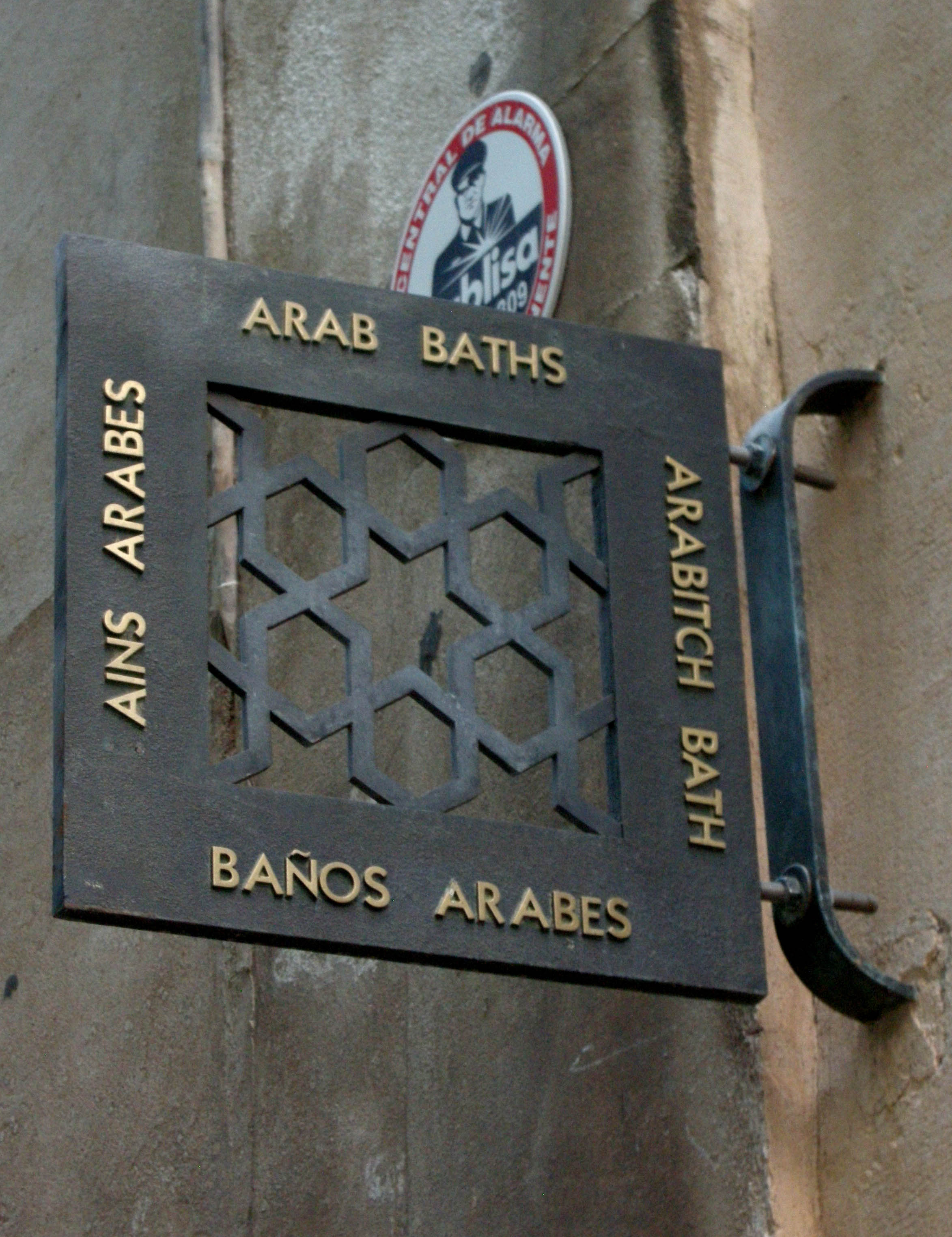


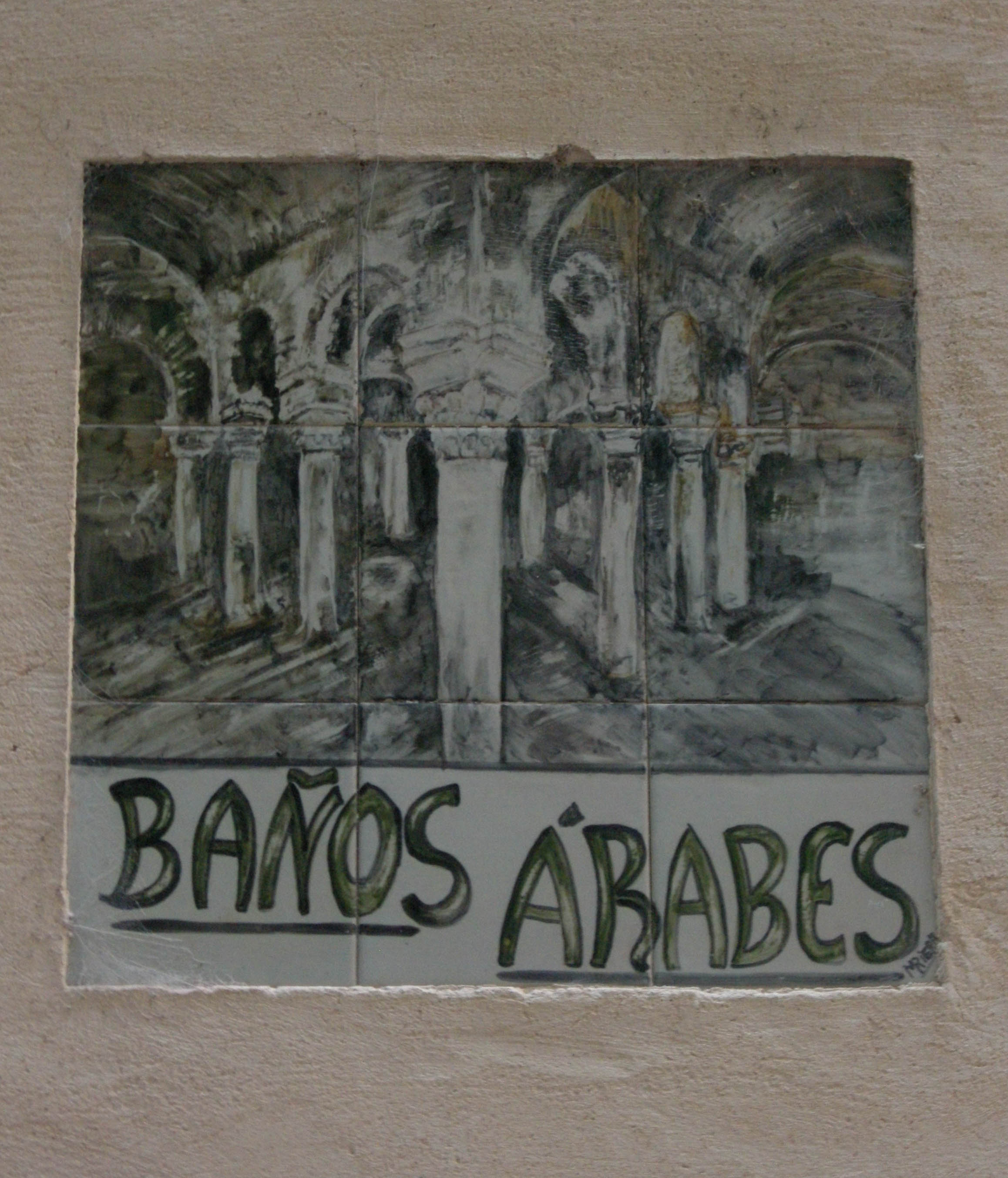
 In what language can the version at the right side mean the same as the other three, the 10th-century Arab baths?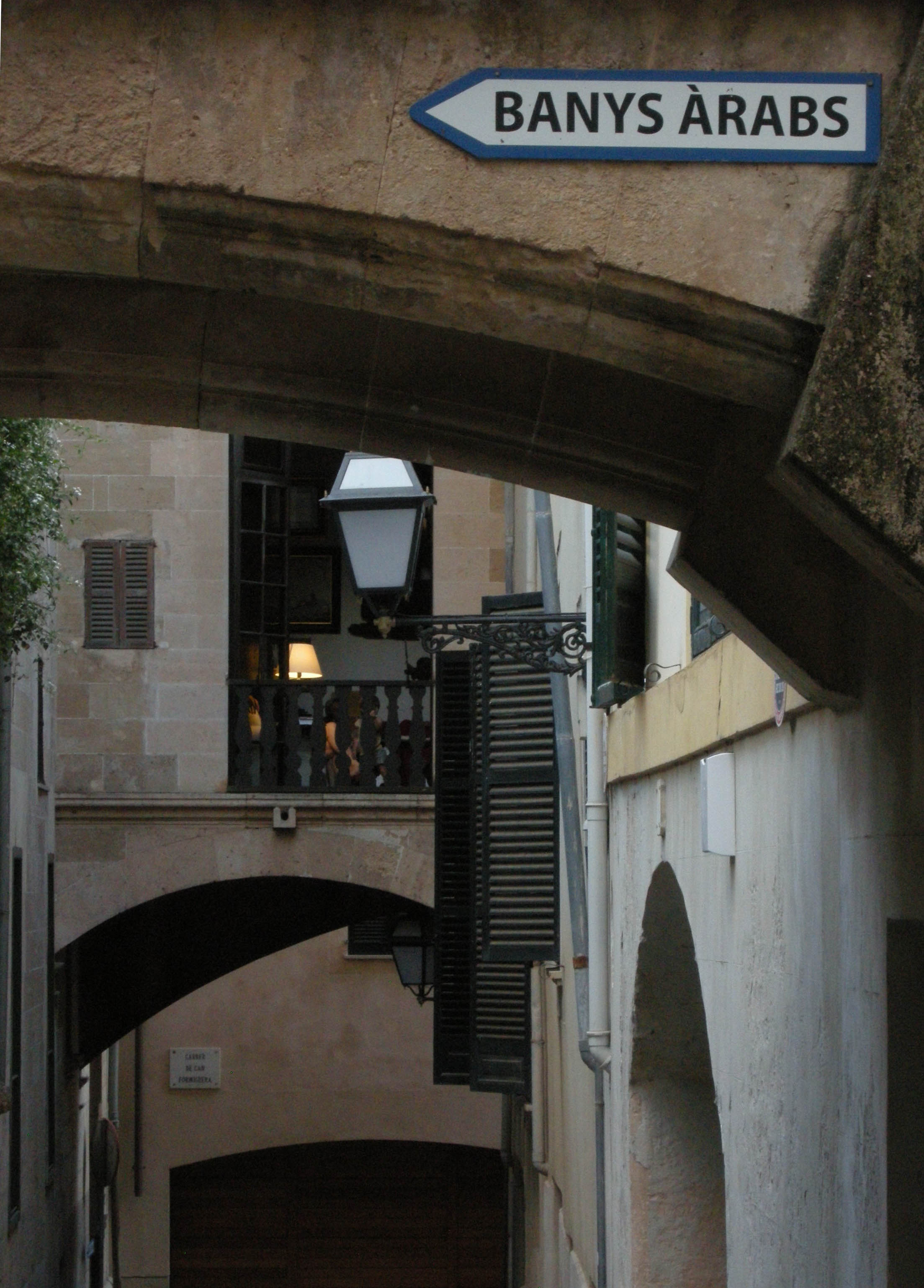

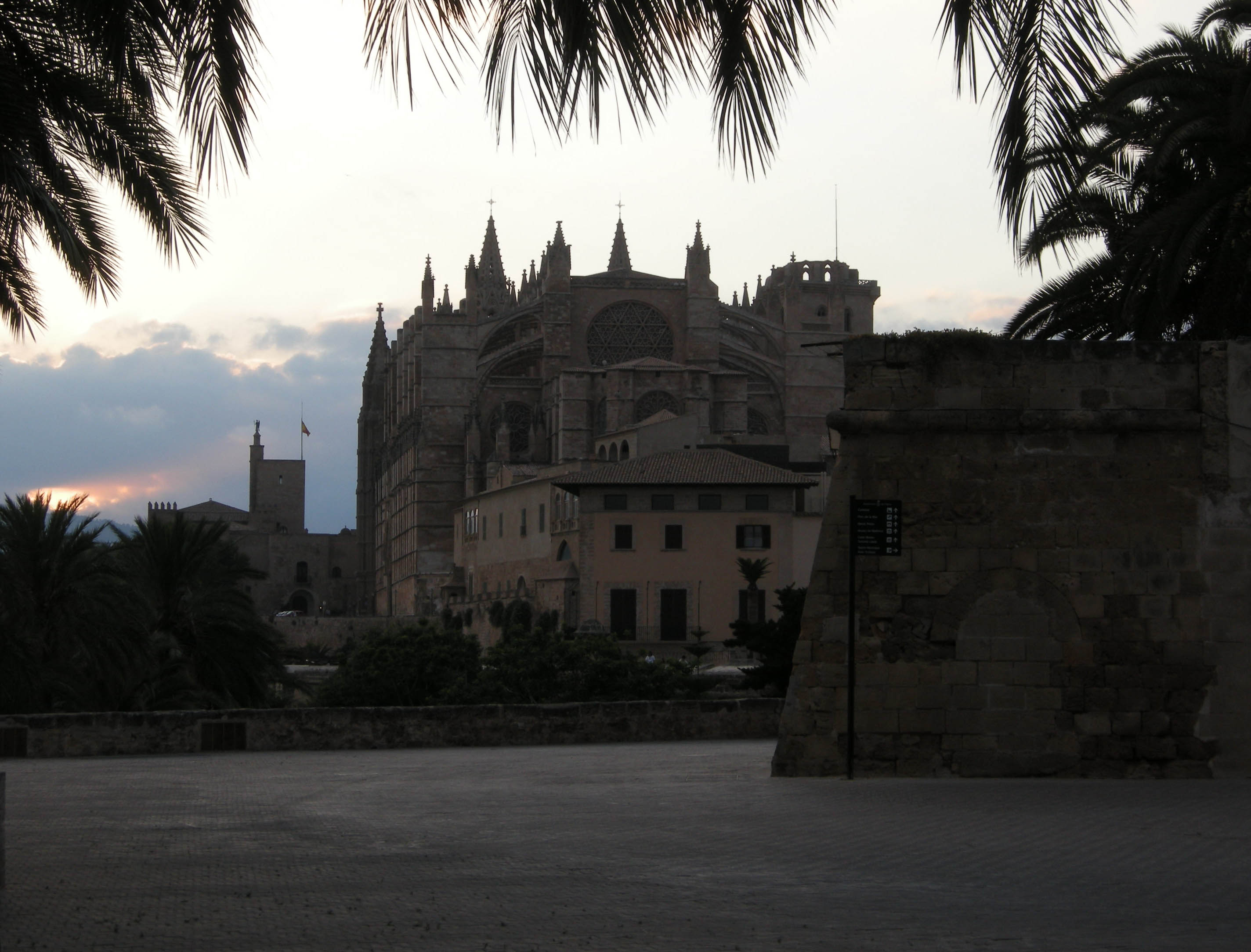 The Cathedral, built on the place of the former Great Mosque, and the Caliphs’ still standing palace right next to the baths. (The columns of the mosque are still extant, thanks to the pirates of Pisa.)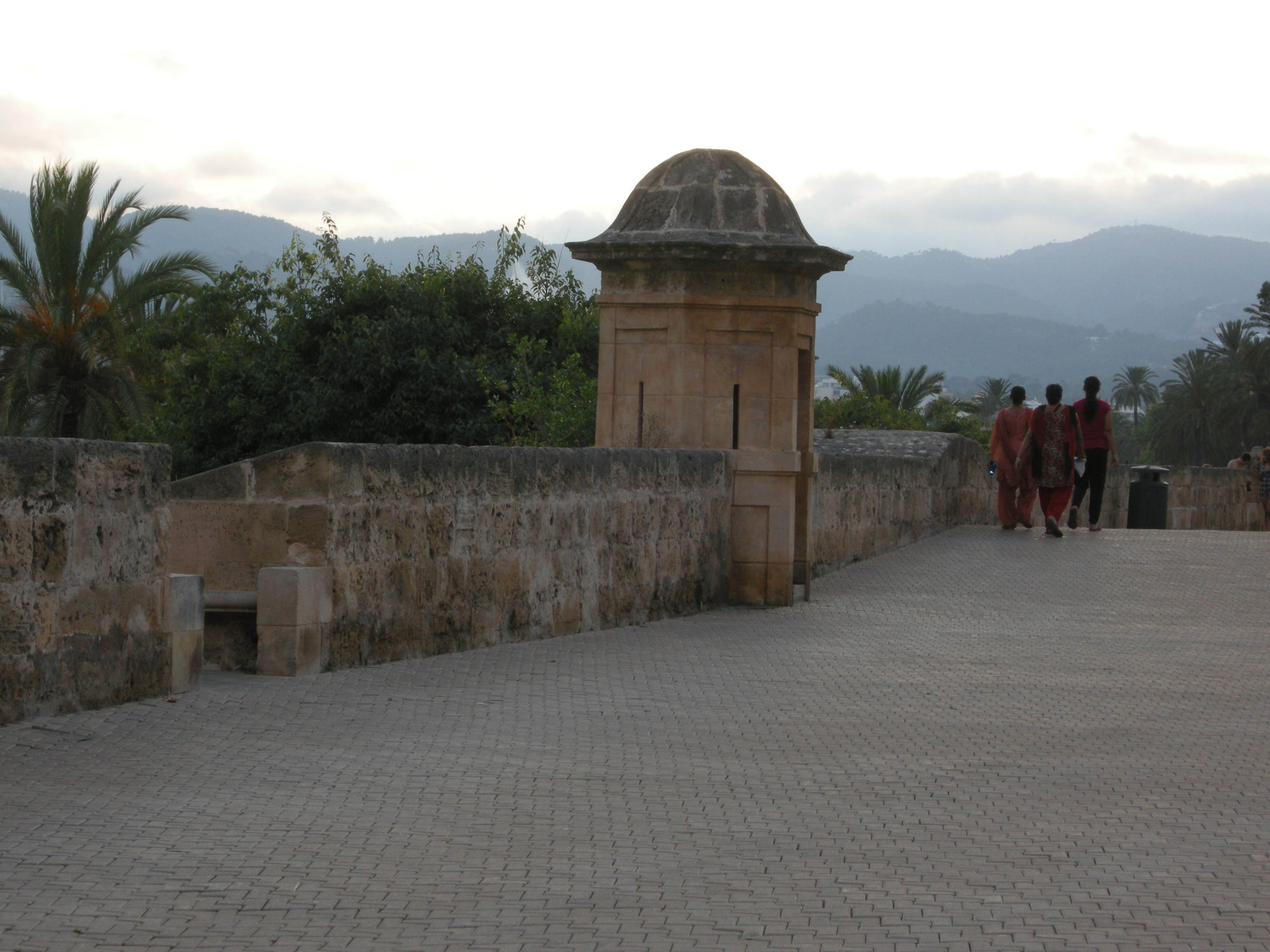


 Come with us to…
 Atlantis
 Bestiary
 Bohemia+Prague
 Books, exhibitions, music, film
 Brave old world
 Caucasus
 Cemeteries
 Crimea
 Get to know the
 Images of the East
 Lightwriting
 Lwów/Lemberg
 The Museum of Propaganda
 Odessa
 Paper Museum
 Persian letters
 The Jewish heritage


2 comentarios:
Now that we have the ultimate explanation of the word "Arabitch" from the authoritative Urban Dictionary, we have to turn our attention to another equally exciting section of this unique signboard. The text on the left side is written in an unidentified language. My guess is that it is a local dialect of the Mallorquin language, showing both Semitic and Romance traits. The first part shows the strong Arabic influence on the Mallorquin language: Arabic ʿayn means "spring" - like in "spring water" - and by adding the Romance plural marker "-s" we have the word "ains", meaning "springs", or "bath". The other part of the expression - "arabes" - can be a loan word either from Castilian or from French, via Catalan.
An explanation worthy of Covarrubias and his late disciple, although it would have been much more worthy if you had pointed out the Hebrew root of the word, the more so because recent researchers of the Call, Palma’s Jewish quarter, prefer to consider the building as a Jewish bath rather than an Arabic one.
Another explanation can be that here we confront a local French dialect (e.g. of the descendants of the French captives of 1809) which drops every initial “B”, so in standard French the inscription would be “Bains Barabes”, that is, the Baths of Barrabas, a fact that conveniently supports the Hebrew origin of the bath and of everything in general. Covarrubias would have been satisfied with it.
Publicar un comentario