Switch over to our new blog! • ¡Pásese a nuestro nuevo blog!
The renewed version of our blog, with more features, a richer design, and available in nine languages, can be read here: https://wangriver.com
The new version also includes the old posts, often in expanded form. If you are curious about the updated version of this post, replace “riowang.blogspot.com/” in the URL with “riowang.studiolum.com/”, and the new link will most likely lead you there.
La versión renovada de nuestro blog, con más herramientas, un diseño más rico y disponible en nueve idiomas, se puede leer aquí: https://riowang.com
La nueva versión también incluye las publicaciones antiguas, a menudo en una forma ampliada. Si tiene curiosidad por la versión actualizada de esta entrada, sustituya «riowang.blogspot.com/» en la URL por «riowang.studiolum.com/es/», y el nuevo enlace probablemente le llevará allí.
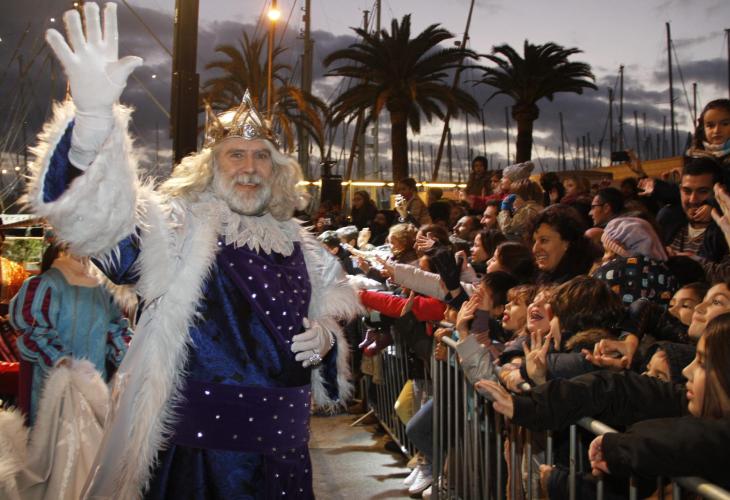
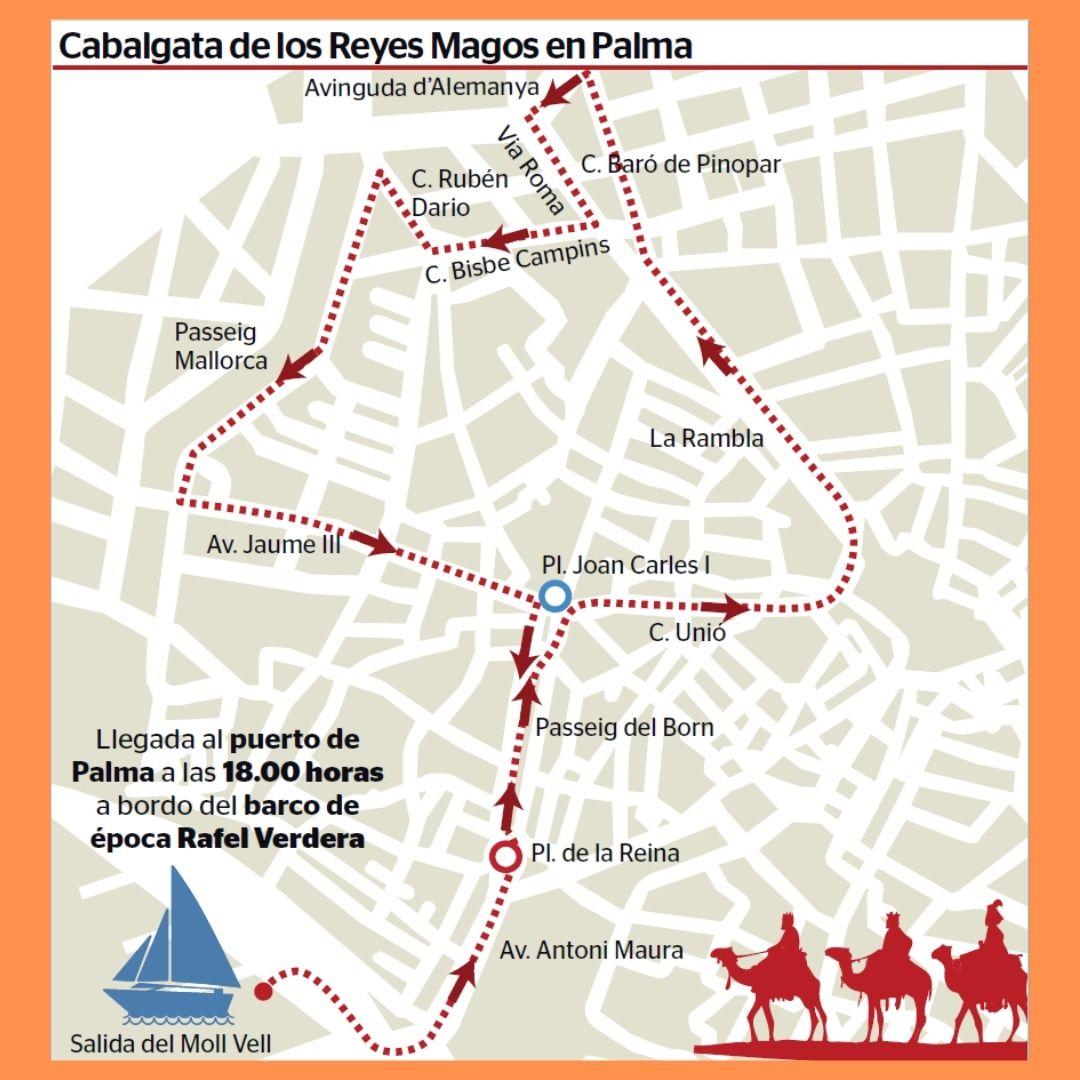
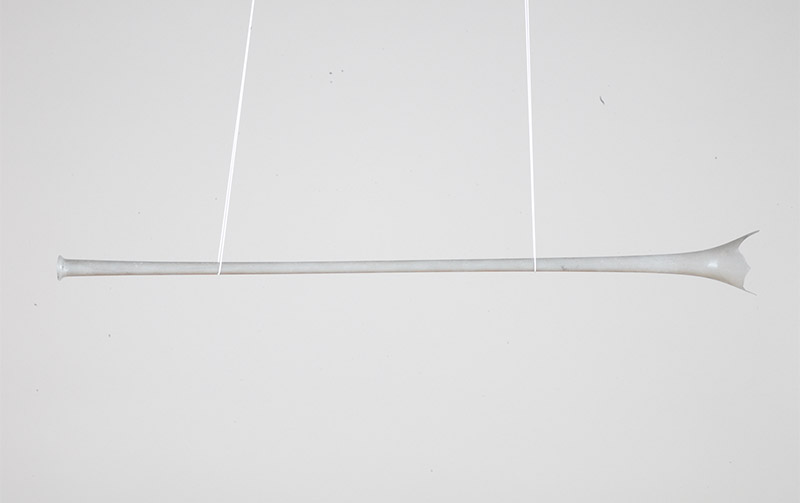
These days, the procession of the Magi is accompanied by a brass band that fills the streets with rumor commensurate with the importance of the procession. In the nineteenth century, however, the chaotic musical background was provided by the population itself, and its typical instruments were the conch horn and the glass trumpet. The Mallorcan ethnomusicologist Amadeu Corbera Jaume recently devoted a special study to the latter. In this, he pointed out that the glass instruments were prepared by the glass factory workers in the Santa Catalina district of Palma for fun, inbetween real jobs.
“Our joy reached its height when the shouts and screams of the crowd, mingling with the shrill sound of the apocalyptic glass trumpets and the deep bleat of the conch horns, filled the street, announcing that the Magi were here. «The Holy Magi!» we shouted. And we run out onto the balcony, watching the chaos, the children and lads waving burning torches, among them a figure with blackened face, dressed in dirty and ragged clothes, with a turban made of two different colors on his head, on top of a two-pronged ladder, which was carried by half a dozen street children on their shoulders, in the midst of a huge noise.” (Miquel Binimelis, La Tradición 1897)
The glass trumpets were mostly blown by unruly youngsters, into the faces of the passers-by, also engaging them in other ways. The procession of the Magi in Palma was also a more or less tolerated ritual occasion for street violence, like today’s fans’ parades before and after soccer matches.
“It is with the greatest indignation that we take up our pen to-day to condemn certain acts committed the night before yesterday by bands of boys who, without any consideration, provided with glass trumpets, conch horns and other various dissonant instruments, went about the streets of the city, brandishing torches in their hands, and throwing sparks to right and left, thereby causing considerable harm to the poor passers-by, whose bodies and clothing were in constant danger of damage.” (Diario de Palma Jan. 7, 1863)
However, the traditional objects of violence were not random passers-by, but certain well-established target groups. The Moors disappeared a long time ago, but the Jews were still there. It is true that the Mallorcan Jews, the Xuetas already converted to Christianity in 1391, as I wrote. But once a Jew, forever a Jew.
“I still remember that during the feast of the Magi, the suburban urchins marched up and down the city blowing their glass trumpets. And I also remember the rampage they had every year on Silversmiths’ Street [the main street of the Xueta neighborhood], breaking shop windows and damaging furniture. Fortunately, this came to an end during the time of Mayor Rubert, thanks to the measures of the silversmiths’ committee, whose president, Senyor Felicindo, as tall and fat as St. Paul, I even knew myself.” (From the memoirs of poet Miquel Forteza (1888-1968))
It is no wonder that in Palma the “old Christian” and the Xueta families did not intermarry, no matter how devoutly Catholic the latter were. So much so that even today the Israeli rabbinate recognizes the Xuetas as pure-blooded Jews, who only need to return to the Jewish faith in order to be readmitted to the People. And in the vestibule of the church of St. Eulàlia on Silversmiths Street, one of the three known medieval synagogues, there is still a marble plaque with the names of the Xueta families “who come here to Mass,” since traditionally no other local Catholic ever set foot there.
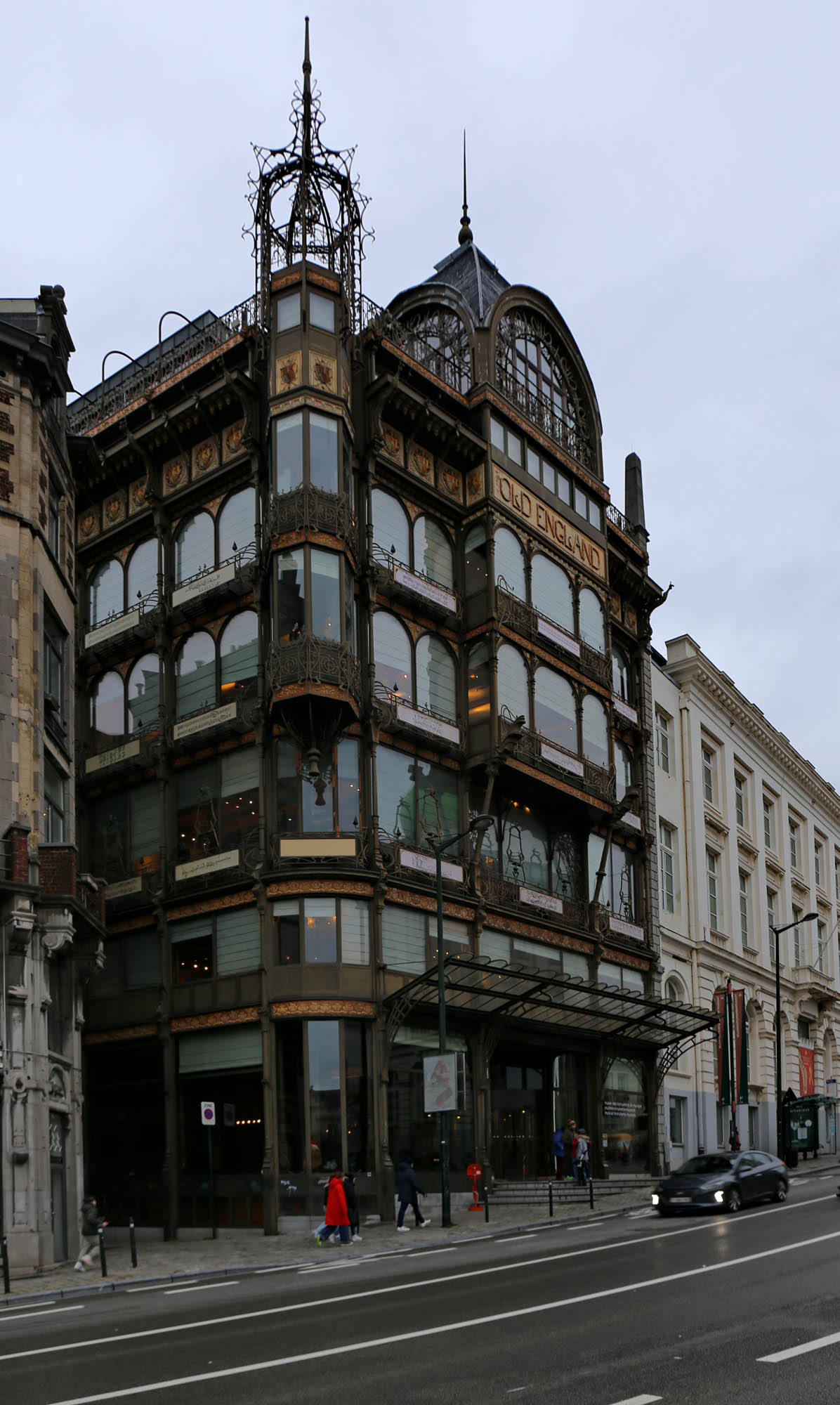
But times change, and with them the means of noise making. The glass trumpet as an instrument of the poor has disappeared from Mallorca, just as I think that not one of the New Year’s Eve paper trumpets of my childhood can be still found anywhere. It was such a common and cheap item that none were ever kept around. Where it survived, writes Amadeu Corbera Jaume, is in the Museum of Musical Instruments in Brussels. The museum, located in the Art Nouveau style building of the former Old England department store in the museum district of Brussels, was developed by its first curator, Victor-Charles Mahillon, into one of the largest musical instrument collections in the world at the end of the 19th century. He corresponded with folk music collectors worldwide, including Antoni Noguera i Balaguer (1869-1904) from Mallorca, who sent him three glass trumpets among several other Mallorcan folk instruments. They are still in the museum’s collection and are listed as number 1316 in the Mahillon catalogue.
When I got this far in reading the article, I got up and walked to the Museum of Musical Instruments, not far from my place, to see with my own eyes and capture with my own lens the famous noisemakers. But I had no luck. Only a fraction of the nearly four thousand musical instruments collected by Mahillon are exhibited, and they do not include the glass trumpets.
However, it is not pointless to visit the three floors of the Museum of Musical Instruments. You can see wonderful pieces from all over the world. And like the desert of the Little Prince, the collection is also beautiful because it includes three Mallorcan glass trumpets in one of its storerooms. Three items whose story is almost more interesting and important than the items themselves.
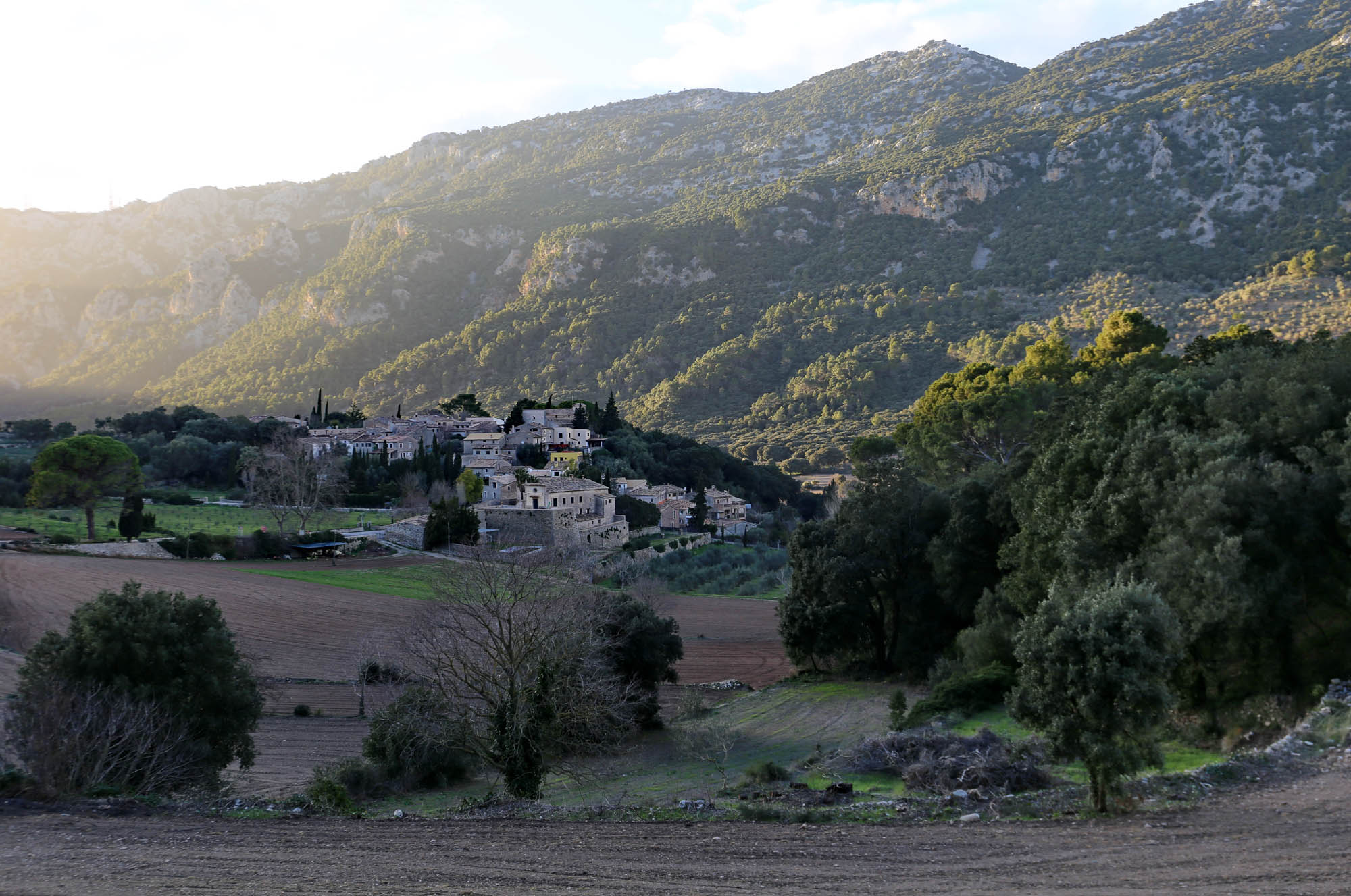
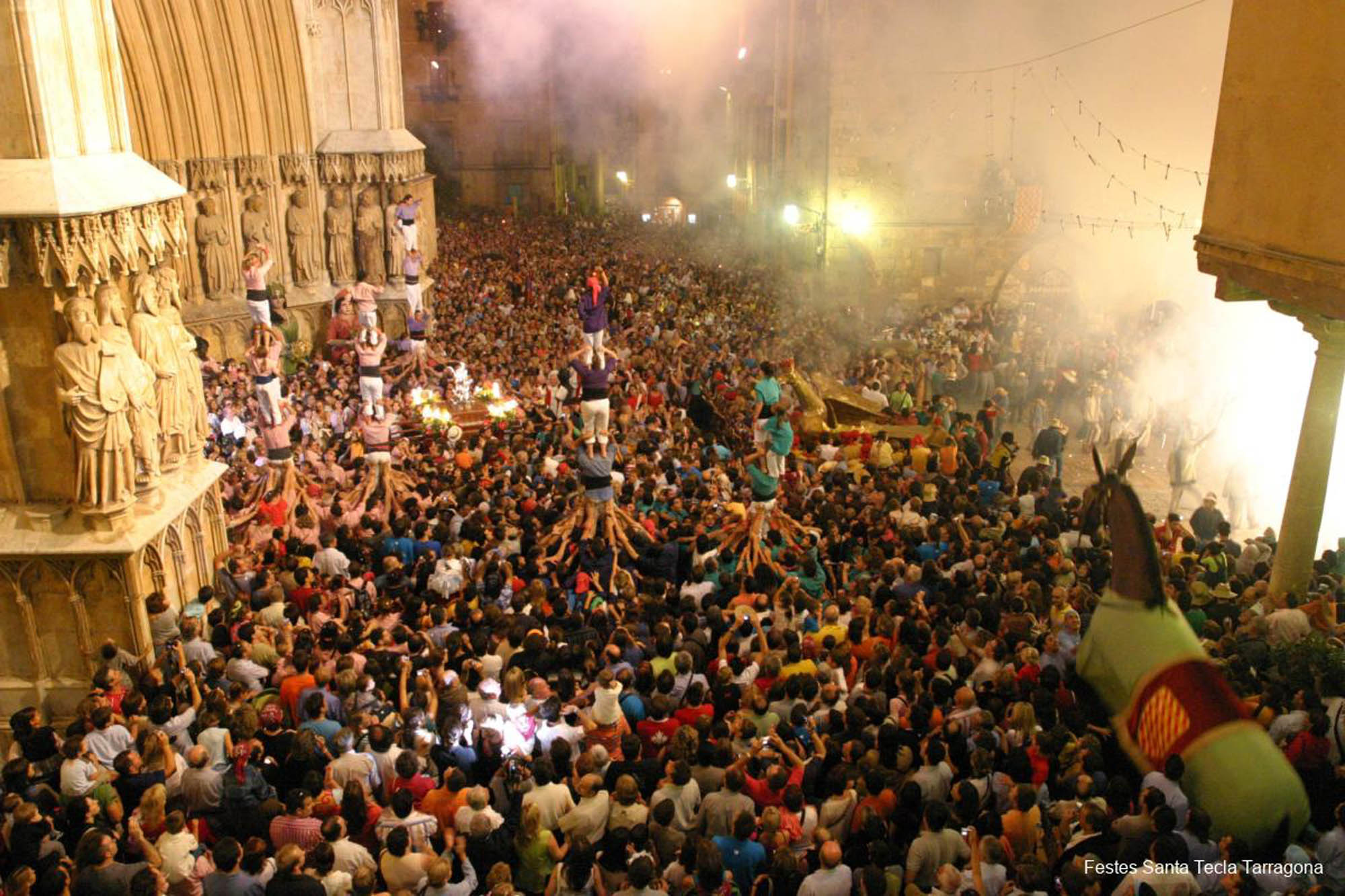
Biniamar is a small village of three hundred people at the eastern foot of the Sierra Tramuntana in Mallorca. Its name, like that of many other places in Mallorca beginning with Bini, comes from the fact that during the Muslim kingdom of Mallorca (902-1229), an Arab or Berber tribe lived here, who considered themselves the sons (bani) of a common ancestor, in the case of Biniamar, the sons of Amar (bani Amar). In the centuries following the Catalan conquest, Amar’s sons became Catalan peasants and good Catholics. Their medieval church was dedicated to Saint Thecla, disciple of Saint Paul and an early patron of female autonomy, whose veneration was widespread among the Catalan conquerors. The cathedral of Tarragona in Catalonia is also dedicated to her, where she is celebrated in every September with a spectacular ten-day (!) procession.
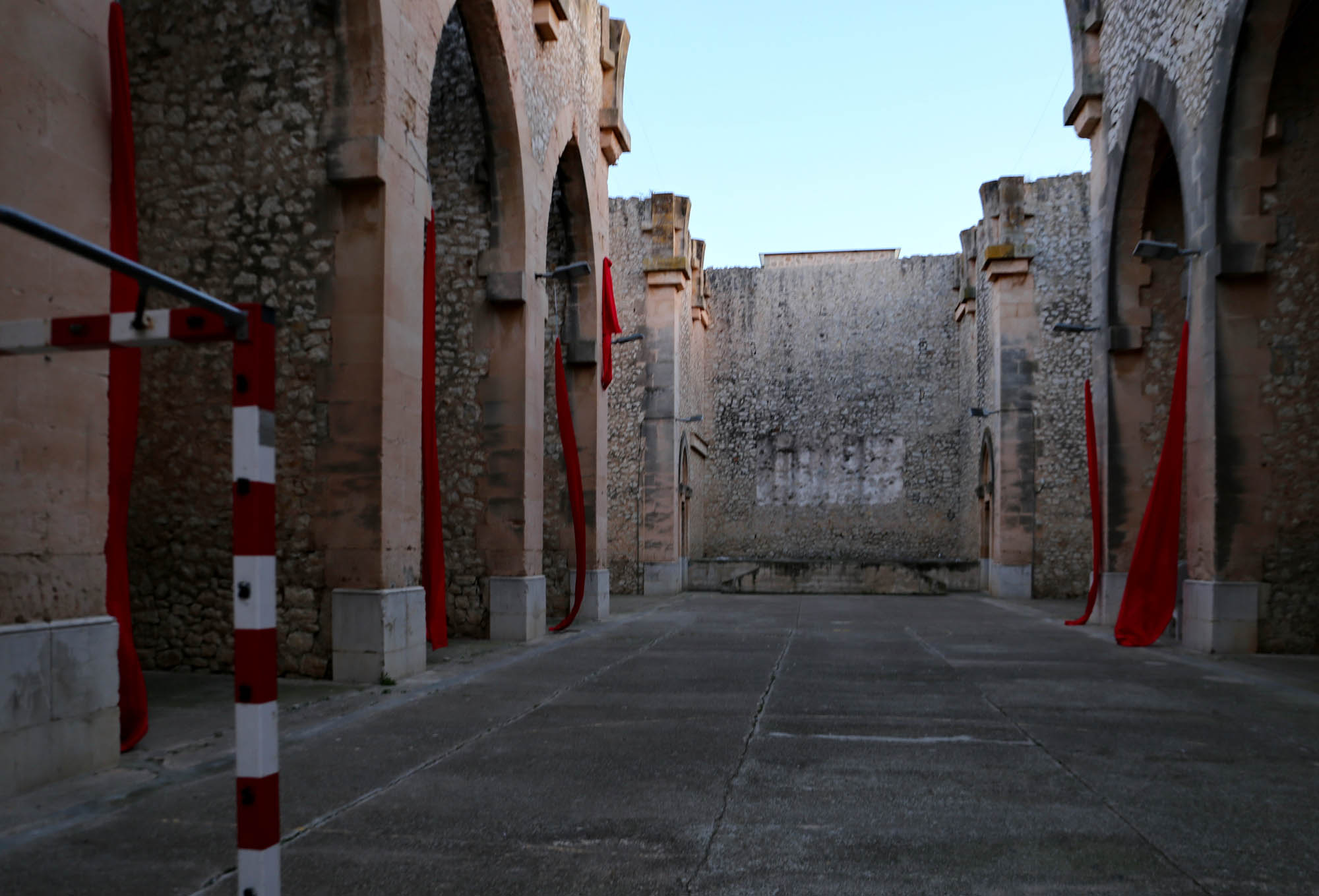
In Biniamar, however, the most famous shrine is not the church of Saint Thecla, but the one called Església Nova, the New Church. However, this building is not marked as a church on the map, and although the commemorative plaque bolted to its façade in 2010 celebrates its centenary, it was never actually consecrated. You can only see why on site: because it has no roof, and never had. The ribs that start as cross vaults from the consoles above the Gothic arches of the side aisles stop immediately after starting, and the building is open to the sky. That is why the church is also called the Unfinished Cathedral.
It is not uncommon for Gothic cathedrals to be left unfinished, such as the Dom in Cologne, which, as they say, “if will be finished, the world will end”. Or the Duomo in Siena with its large, empty main nave, or Beauvais Cathedral, where the five-hundred-year-old scaffolding itself is already considered a monument. This, however, had a reason as serious as the building itself: war, black death, earthquake. As comical as it was to build a Gothic cathedral in Biniamar, just as banal and farcical was the reason for its failure.
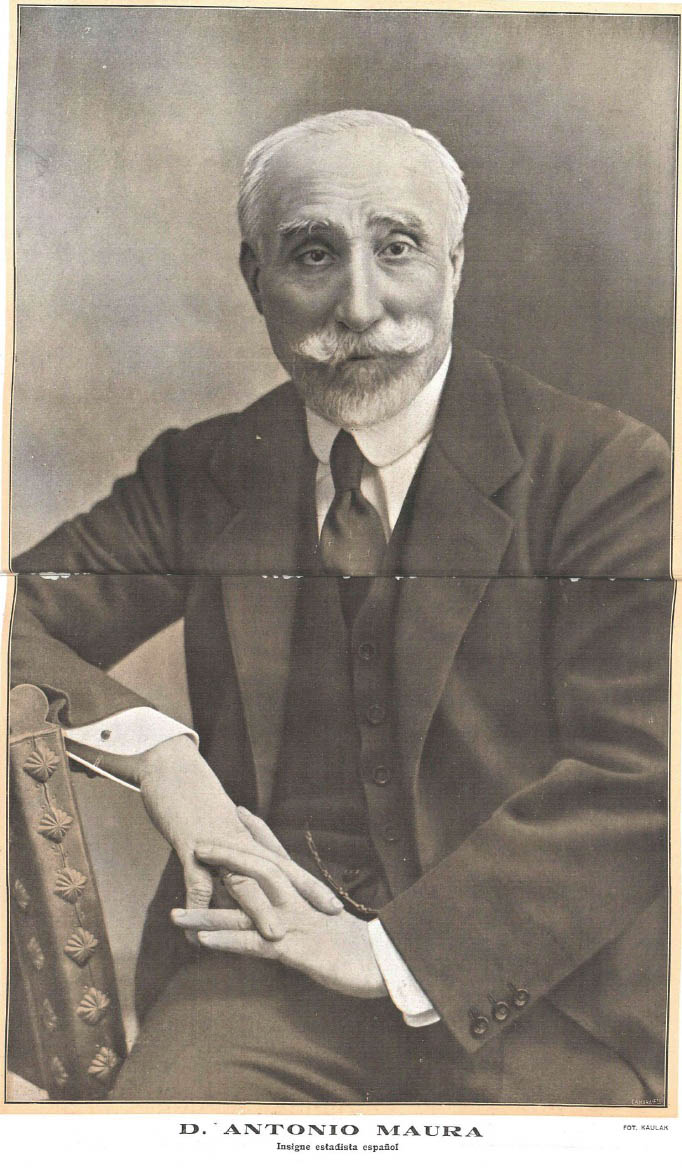
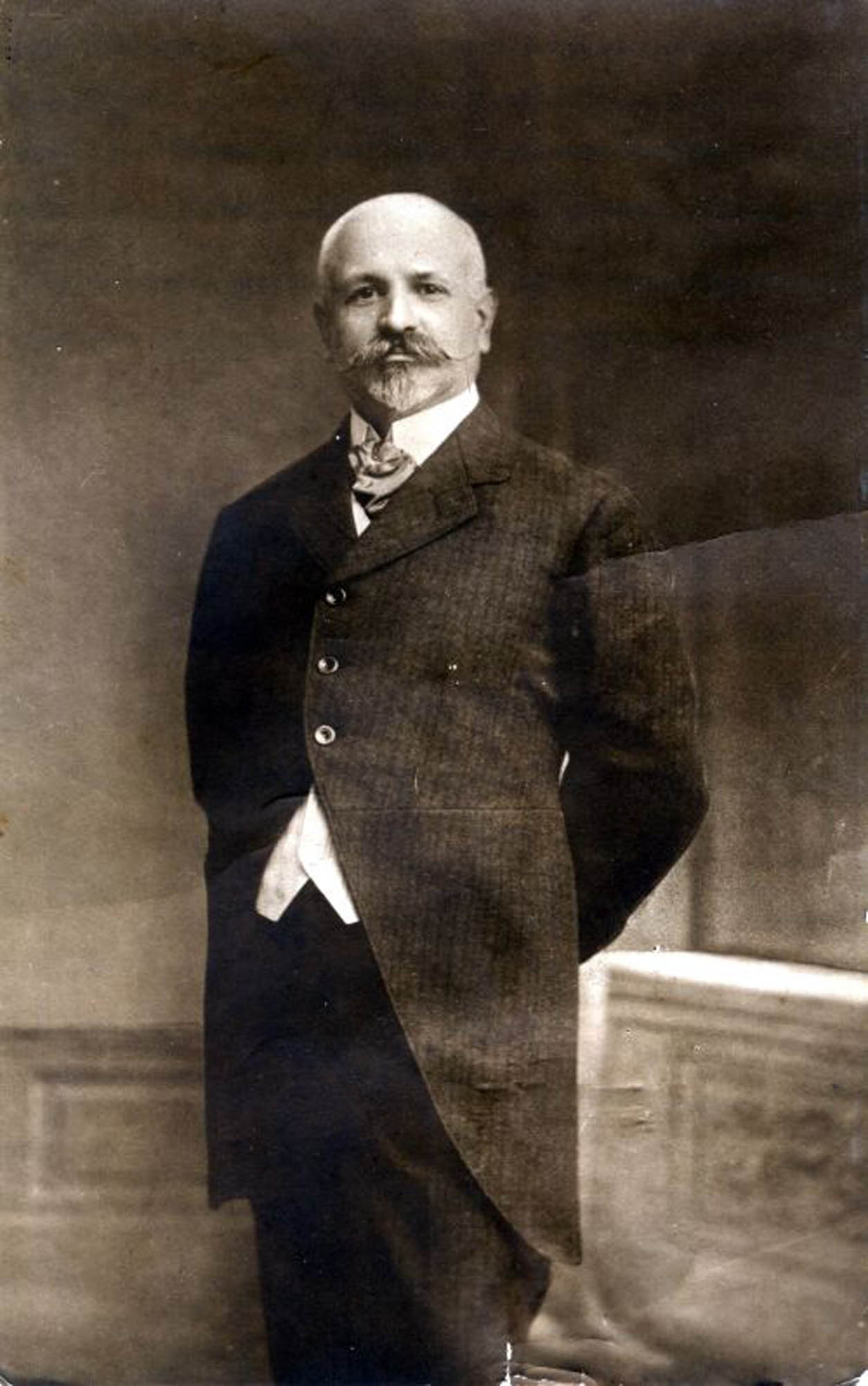
The village’s three hundred inhabitants would never have thought of building such a large church, if it had not happened that Antonio Maura (1853-1925), a six-time prime minister of pre-Franco Spain, born in Palma de Mallorca, spent his childhood summers with his uncle who lived here.
Antonio Maura. A portrait by photographer Kâulak (Antonio Cánovas del Castillo y Vallejo) on the double page of the May 5, 1917 issue of the magazine La Esfera
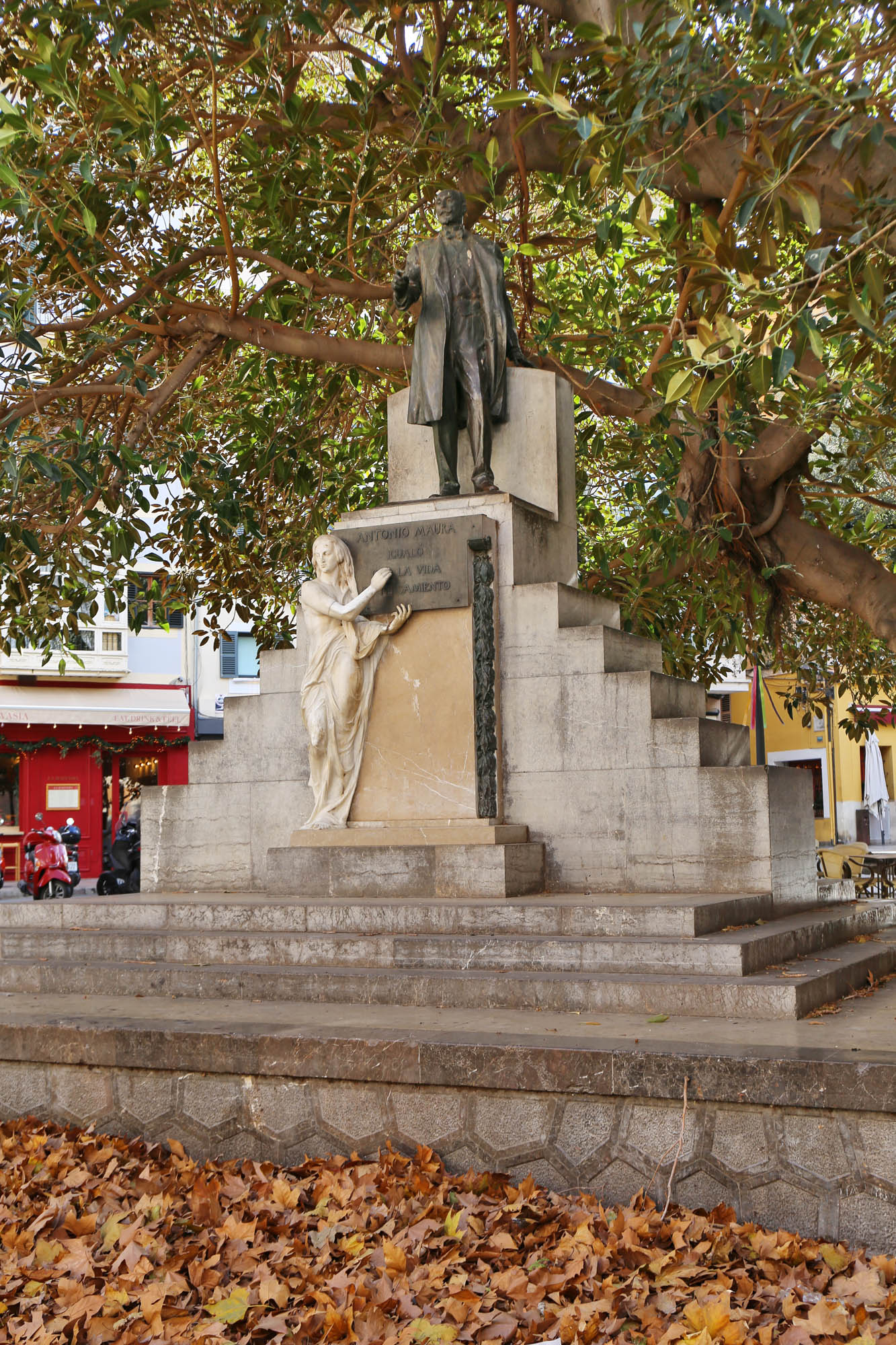
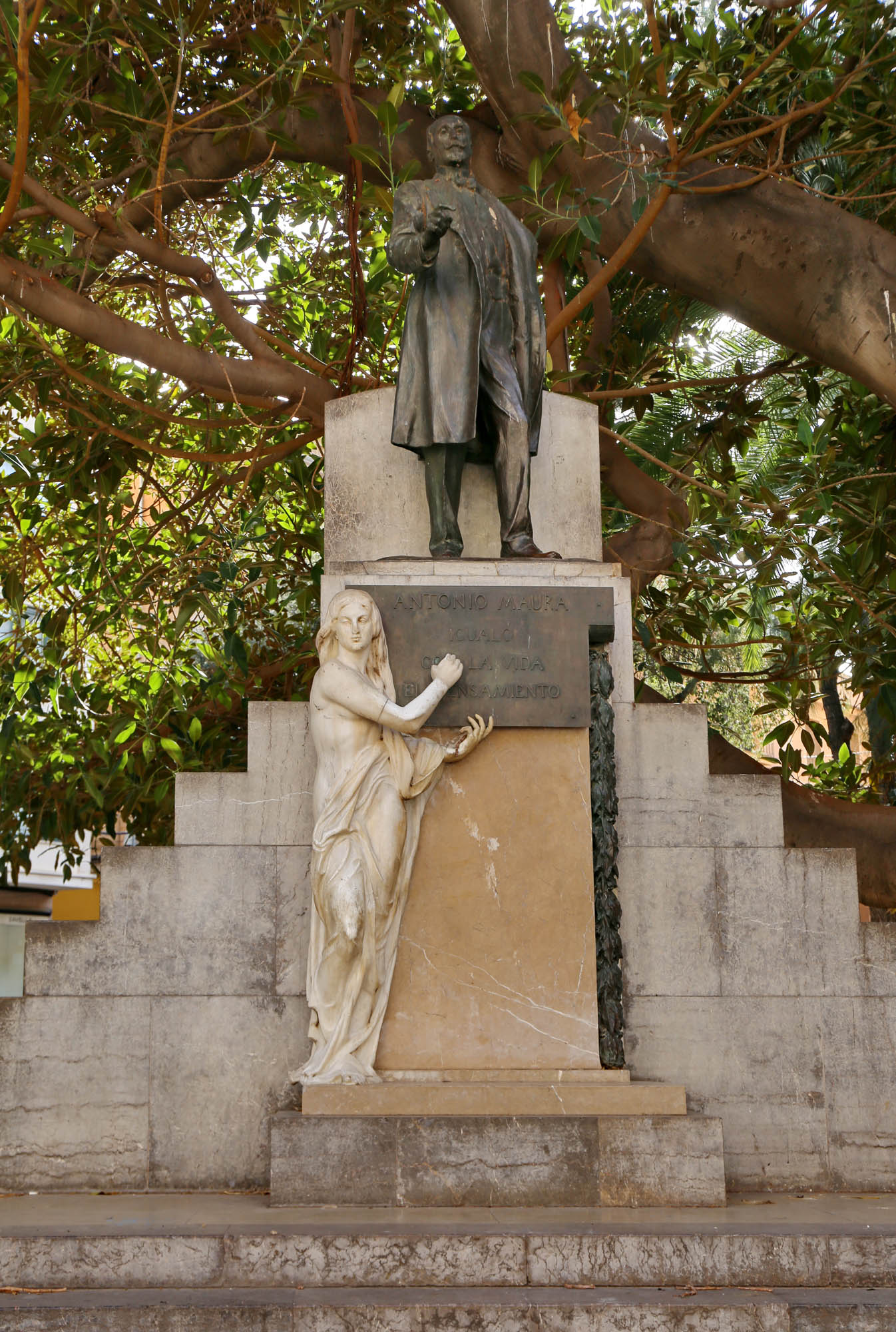
Already from the end of the 19th century, Maura clearly saw the structural problems of the Spanish state and the disasters to which they could lead (and did lead indeed). During his six governments, he consistently tried to change them with the reforms of his “revolution from above” and by breaking “caciquismo”, the power of rural landowner politicians (godfathers, oligarchs, or “NER knights”, as we would call them in Hungary, the beneficiaries of the System of National Cooperation). In contrast, as we will soon see, he was the first governor in 20th-century Spain who had to crush by force a revolution from below,and the first politician who, as a successful native of Mallorca, was surrounded in the island by a personal cult worthy of a “cacique”. The Art Nouveau monument erected by the city of Palma de Mallorca with the sculptor Mariano Benlliure in 1929 on the Plaça del Mercat is a witness to this.
Another witness is the “cathedral” of Biniamar, which could come to life only due to the fact that Maura wanted to set up a memorial commensurate with his own perceived importance in the scene of his childhood. During his second prime ministership (1907-1909), the great returner of Spanish politics “found” 100,000 pesetas for the new church of Biniamar. The foundation stone was laid on September 25, 1910, two days after the feast of St. Thecla, and the amount was enough to raise the walls up to the beginning of the vault. At that time, however, it was already apparent that there would be problems with the continuation.
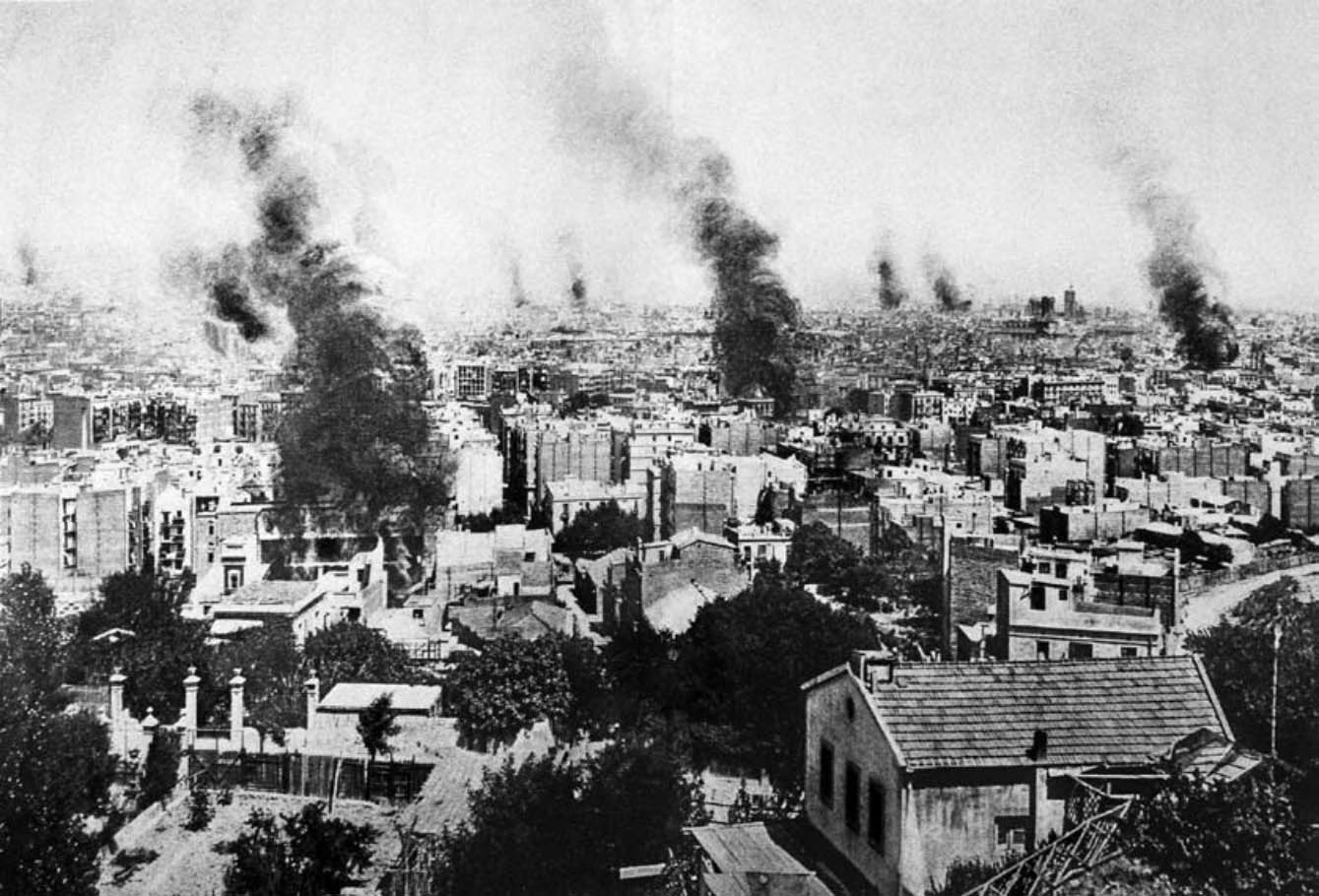
The so-called second Rif War that broke out around the Spanish enclave city of Melilla in Morocco, did not turn well for Spain, and Maura was forced to call up reserves. The conscript could be redeemed for 1,500 pesetas, which was a worker’s salary for one year. In this way, the rich got away, but the poor, many of whom were sole breadwinners, were dragged into a war that, in the eyes of the Spanish people, served only the interests of the rich mine owners around Melilla. Demonstrations and later uprisings broke out against the conscription, primarily in Barcelona, which was already an important center of Anarchism, which played a significant role in the later civil war. During the “Tragic Week” at the end of July, the government put down the rebellion with guns. More than a hundred people died. Five organizers of the uprising, including its leader Francesc Ferrer i Guàrdia, organizer of the “Free Schools” in Barcelona, were sentenced to death. The sentence and the execution were accompanied by a huge European protest, and as a result, King Alfons XIII replaced Maura as prime minister.
Francesc Ferrer i Guàrdia (1859-1909) free thinker, anarchist, educator
The burning Barcelona on July 28, 1909, about which Antonio Ribas made the film La ciutat cremada (The city burnt) in 1976
And everything happened as usual. The projects of public interest continued under the next prime minister, Segismundo Moret: the Berber fighters of the Rif Mountains were pushed back from the land they were fighting for, expropriated by the mining companies. But the private projects stopped immediately. The promised next 100,000 pesetas did not arrive in Biniamar. The arcs started, but they did not continue. The church was left without a roof.
And everything went on as usual with projects that only serve the pleasure and prestige of a powerful patron, but the local community does not really need them. The stadiums are overrun by weeds, the family estate built on the site of destroyed monuments becomes a sheepfold, drug addicts shoot themselves up under the torn ceilings of palaces of culture. * As Isaiah dramatizes it:
“Thorns will overrun her citadels, nettles and brambles her strongholds. She will become a haunt for jackals, a home for owls. Desert creatures will meet with hyenas, and wild goats will bleat to each other. There the lilith will also lie down and find for themselves places of rest. The owl will nest there and lay eggs, she will hatch them and care for her young under the shadow of her wings. There also the falcons will gather, each with its mate.”
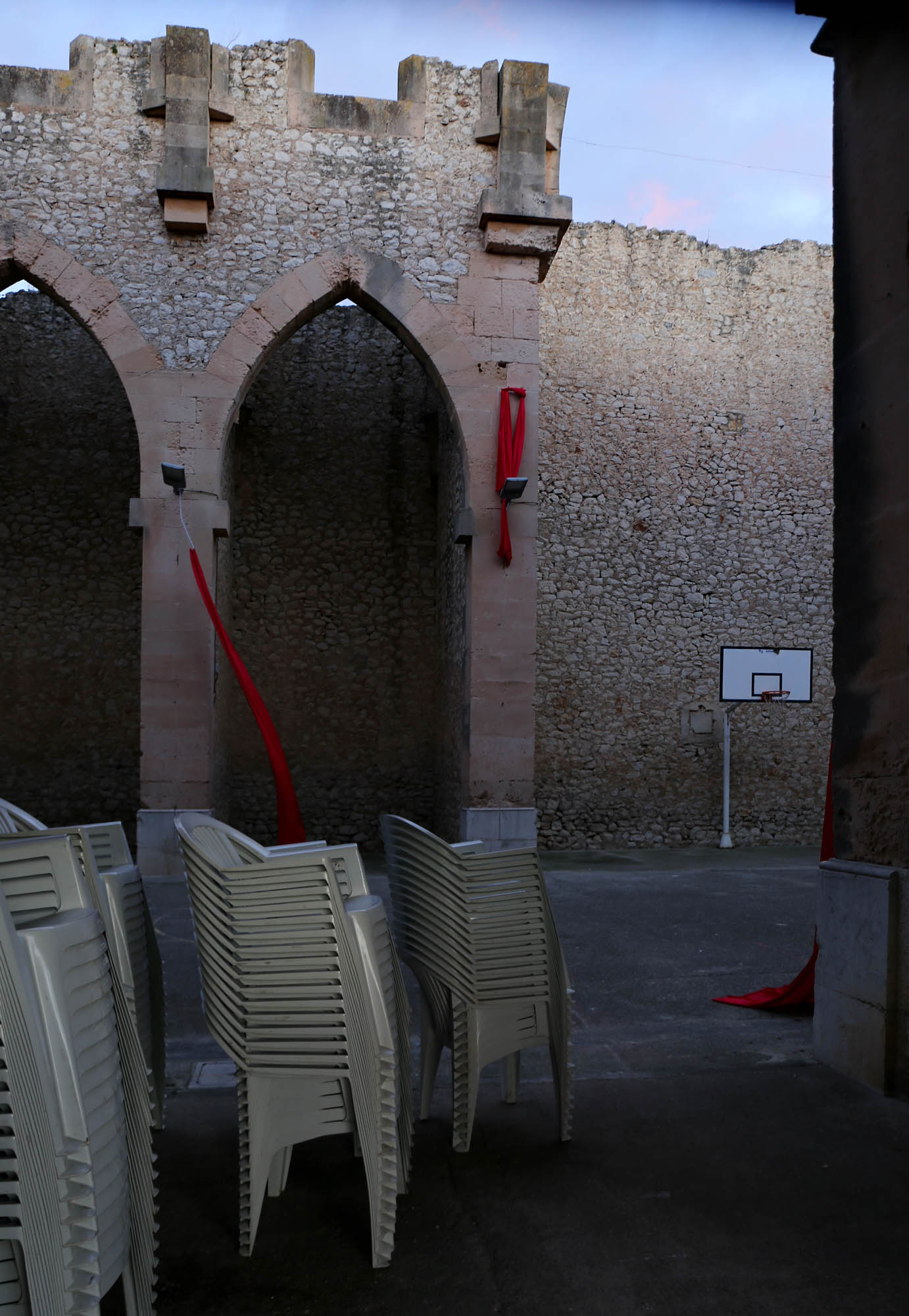
In Biniamar, the large space surrounded by four walls was turned into a sports field and a community space, because that was all what the local community needed. By peeking through the main gate, you can see the soccer goal pushed aside, and through the south gate, the basketball blackboard in the transept as well as the stacked plastic chairs of the open-air cinema.
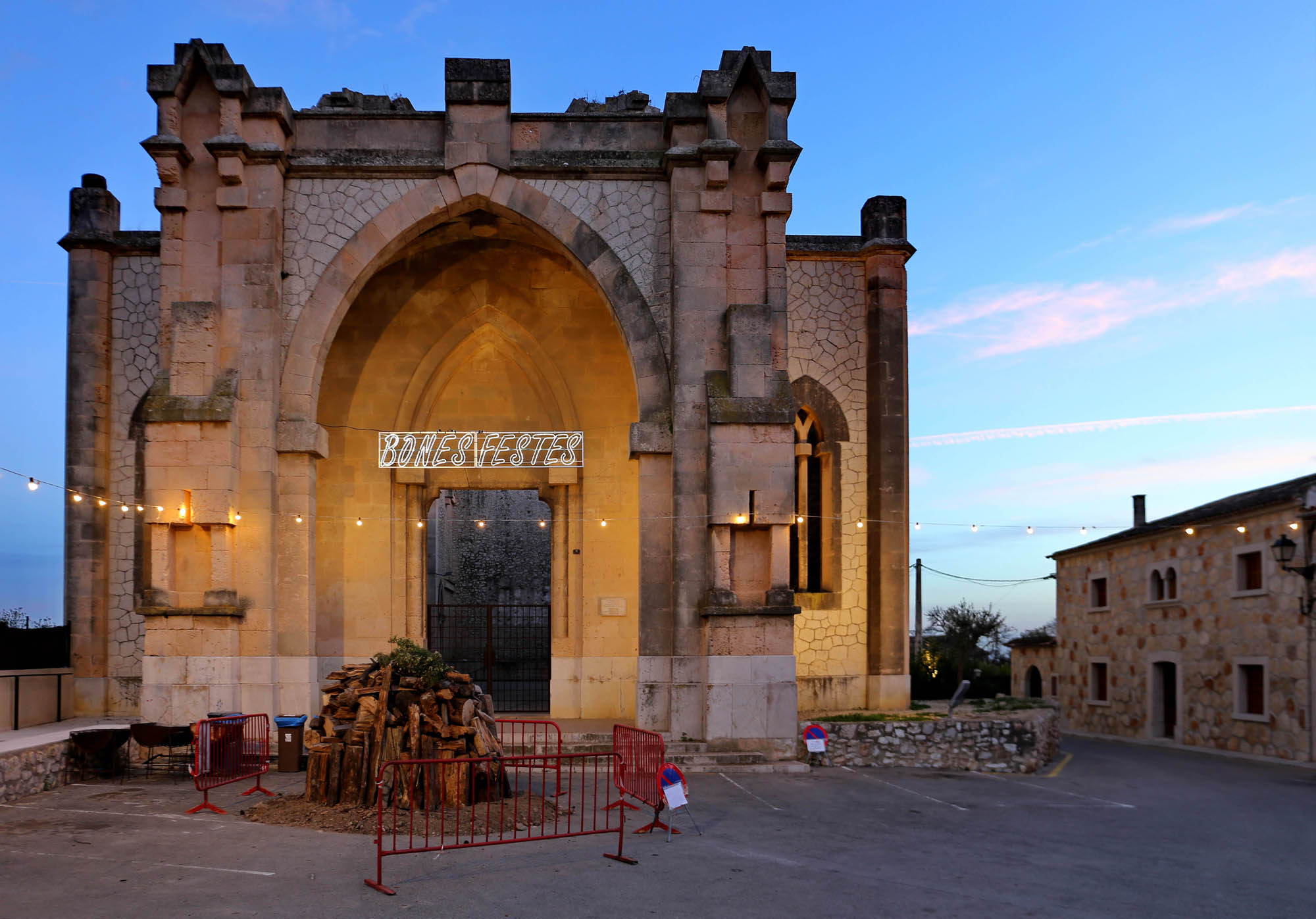
And today, on the evening of Saint Anthony, when every village on the island prepares for the holy theater of the temptation of the old hermit and the subsequent community pig roasting, you can already see the huge log of the community bonfire in front of the church, as well as the glowing “Happy Holidays!” inscription above the gate.
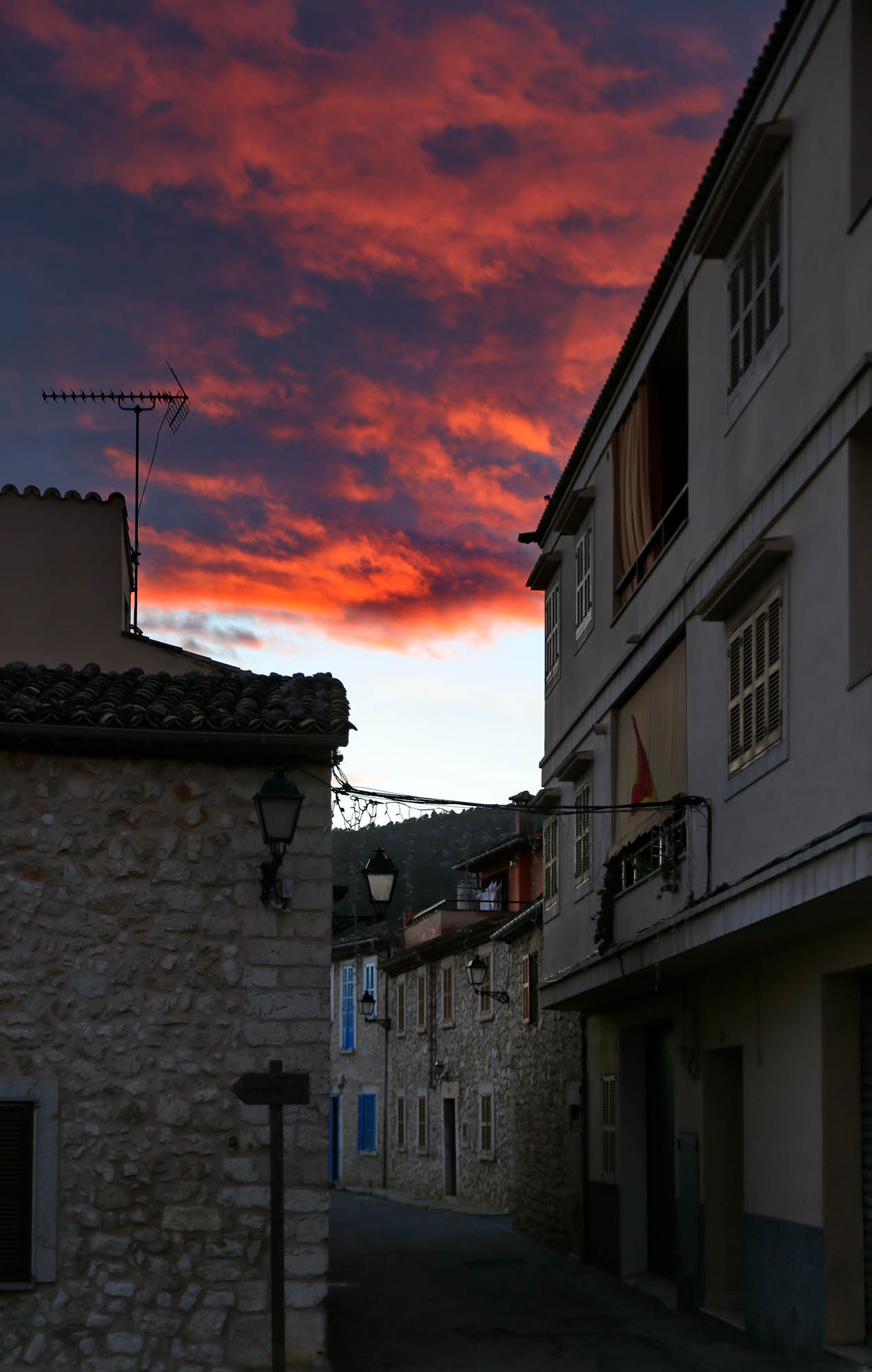
It’s dusk. The sun is setting blood red over the surrounding houses. Dezső must die today. *
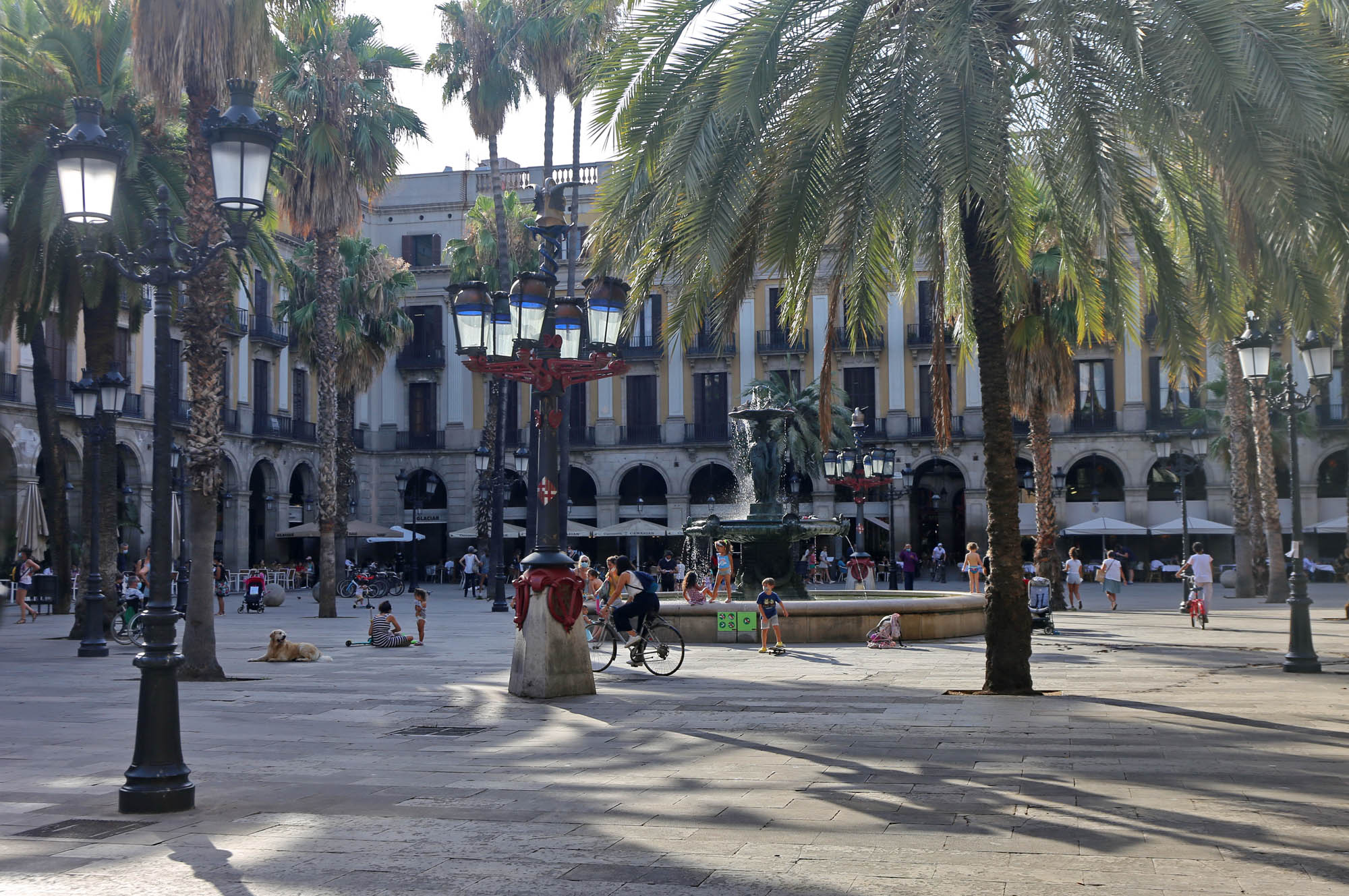
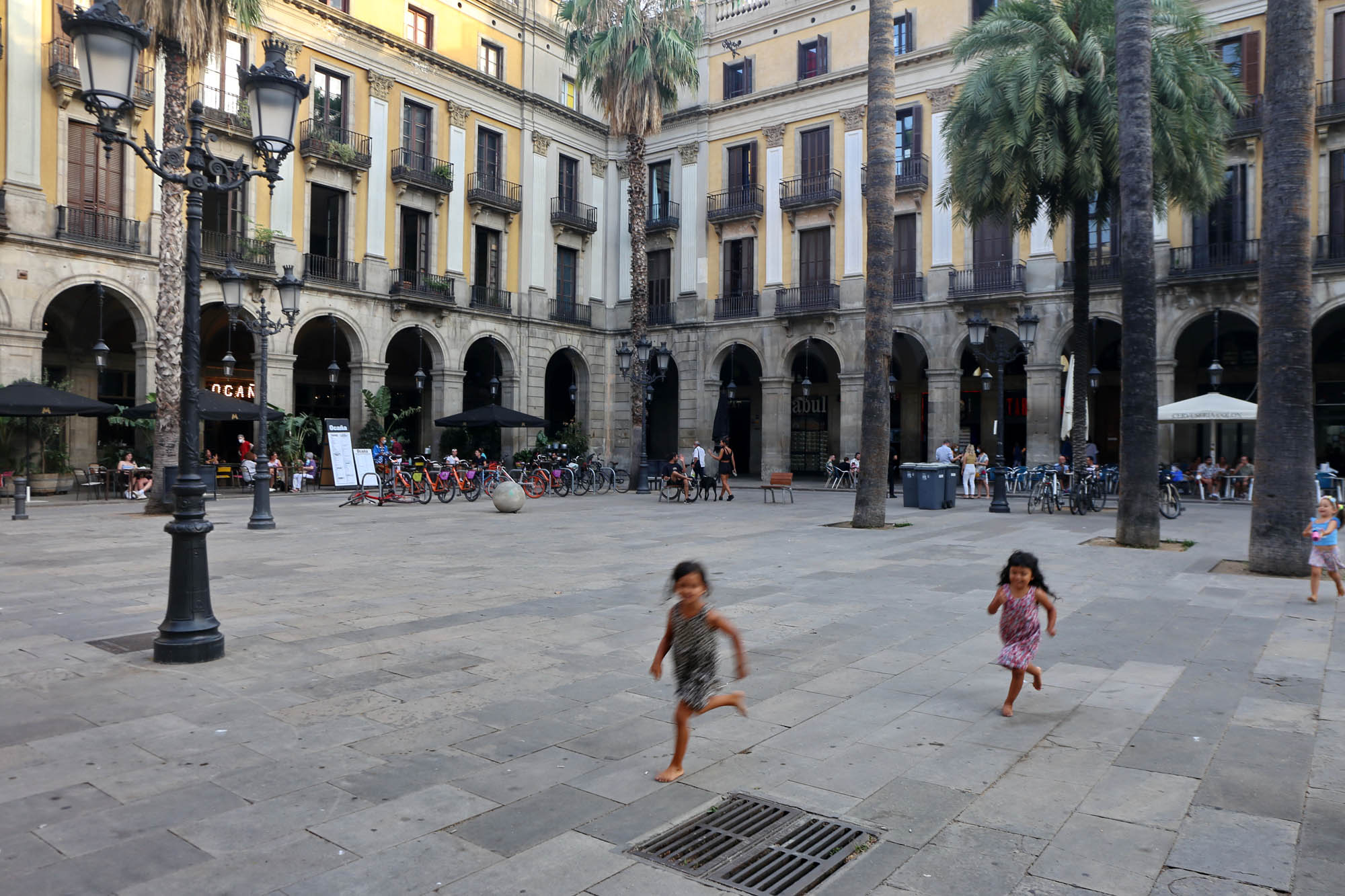
I have never seen the Plaça Reial like this. The main square of Barcelona’s old town, lined with restaurants and hostels, where if you drop a banana peel, three Japanese and two American tourists will slip on it, is now as peaceful and relaxed as the center of a Spanish small town on the way of depopulation. There is hardly anyone sitting on the terraces, prices have considerably fallen, and in the middle of the square, at the fountain, local families are talking, children playing. I sit down at a table for a glass of wine. From time to time, swarms of pigeons orbit the square like asteroids, green parrots chase each other, and occasionally a seagull sails through with dignity. Someone draws strings between the candelabra around the fountain, hanging on them foiled photographs of locals talking, sipping wine, playing on different squares of Barcelona. Large beer and wine cans are placed on a table, everyone can tap from them for free. A woman sets up a puppet stage out of cardboard boxes, the set is a single blue sheet that symbolizes the sea. He creates sea animals from various objects, and makes them float in front of the sheet. The seashore children stare in amazement. There is a treasure chest at the bottom of the sea, each water creature peeks into it. The little mermaid swims out among the kids, caressing everyone. Large, peaceful dogs walk up and down the rows. In the end, the woman carries the treasure chest around the spectators, so you can see the treasure. There is a mirror at the bottom of the empty chest. The title of the production is: Let’s take back the square.
In the bird’s-eye view, one might have the comforting illusion that country borders are also language borders. Especially where the borders follow the ranges of high mountains that separate peoples, like the Alps or the Pyrenees. In Germany they speak German, in Italy Italian. In France French, in Spain Spanish (all right, in Catalonia Catalan). This is supported by the historical experience that in Eastern Europe, in the past century, the changes of state borders were usually followed by the forced resettlement or assimilation of peoples speaking other languages. So that, for example, on the two sides of the Ukrainian-Polish border, arbitrarily drawn in 1939, or of the German-Polish border, also so drawn in 1945,
we can hardly find anyone speaking the language of the other side. However, when you happen to survey in the ant’s-eye view a more fortunate border zone, where neither the border nor the residents have moved very much over the past centuries, your experience will be quite different.
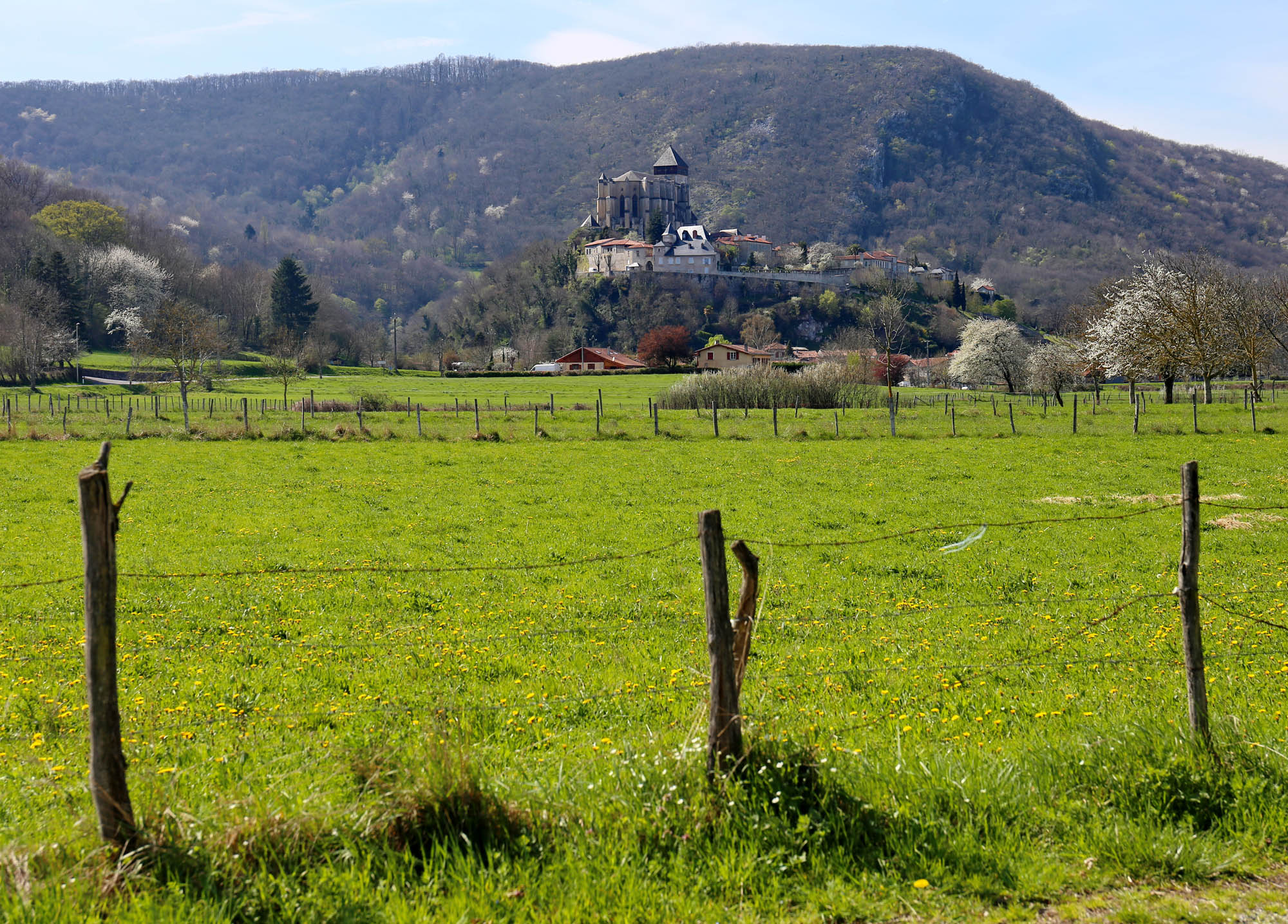
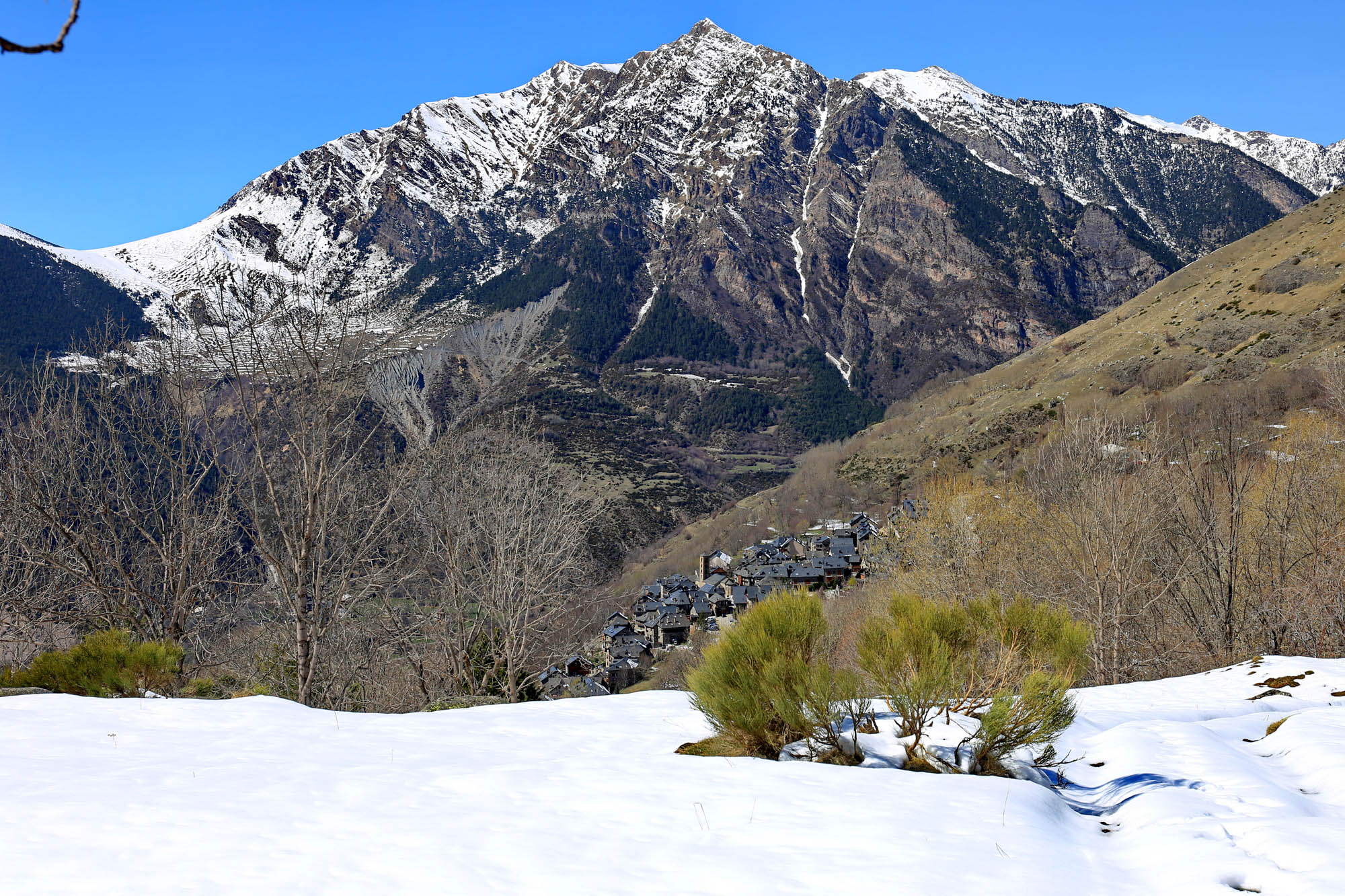
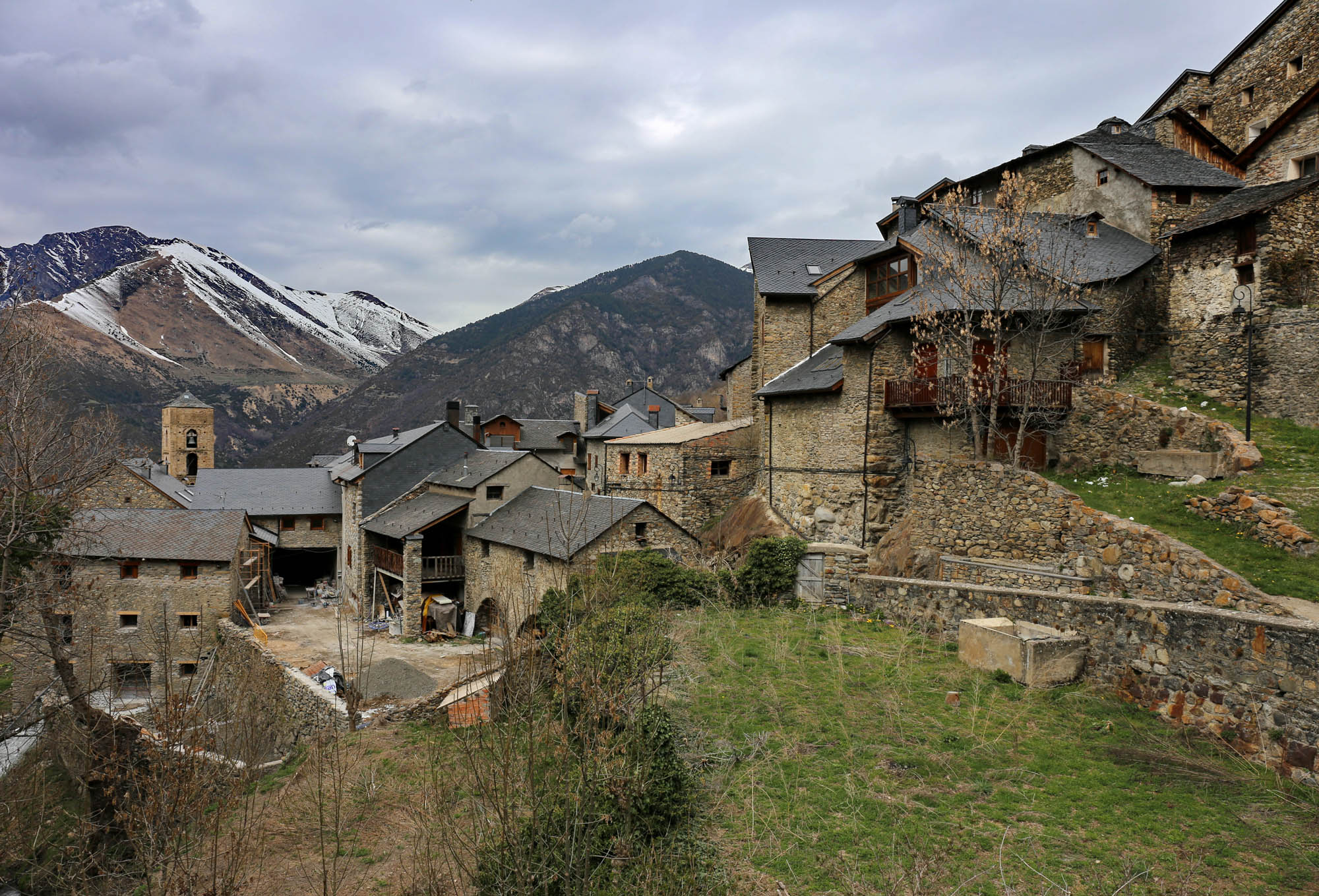
I want to go north from Catalonia’s northernmost region, the Boí Valley, one of the cradles of European Romanesque art, to France’s southernmost region, the Upper Garonne, to the pilgrimage church of Saint-Bertrand-de-Comminges, which was for the inhabitants of the valley the nearest connecting point to the great Compostela pilgrimage road throughout the Middle Ages. The distance from Castilló de Tor, which guards the entrance of the valley, to the cathedral of Comminges, is just ninety kilometers, which you can cover in one hour and a half by car, including the obligatory slow downs.
The Spanish-language Wikipedia site of the destination, Saint-Bertrand-de-Comminges informs us (the French one does not), that the little town is called San Bertran de Comenge in the Occitan language. Why is this interesting? Because the inhabitants of the town, although declining in proportion, speak this language. Occitan – the lengua d’oc, as Dante called it after the word oc meaning “yes”, and as opposed to his own lingua de sì –, the original Latin language version of Southern France has been increasingly pushed into the background by French in recent centuries.
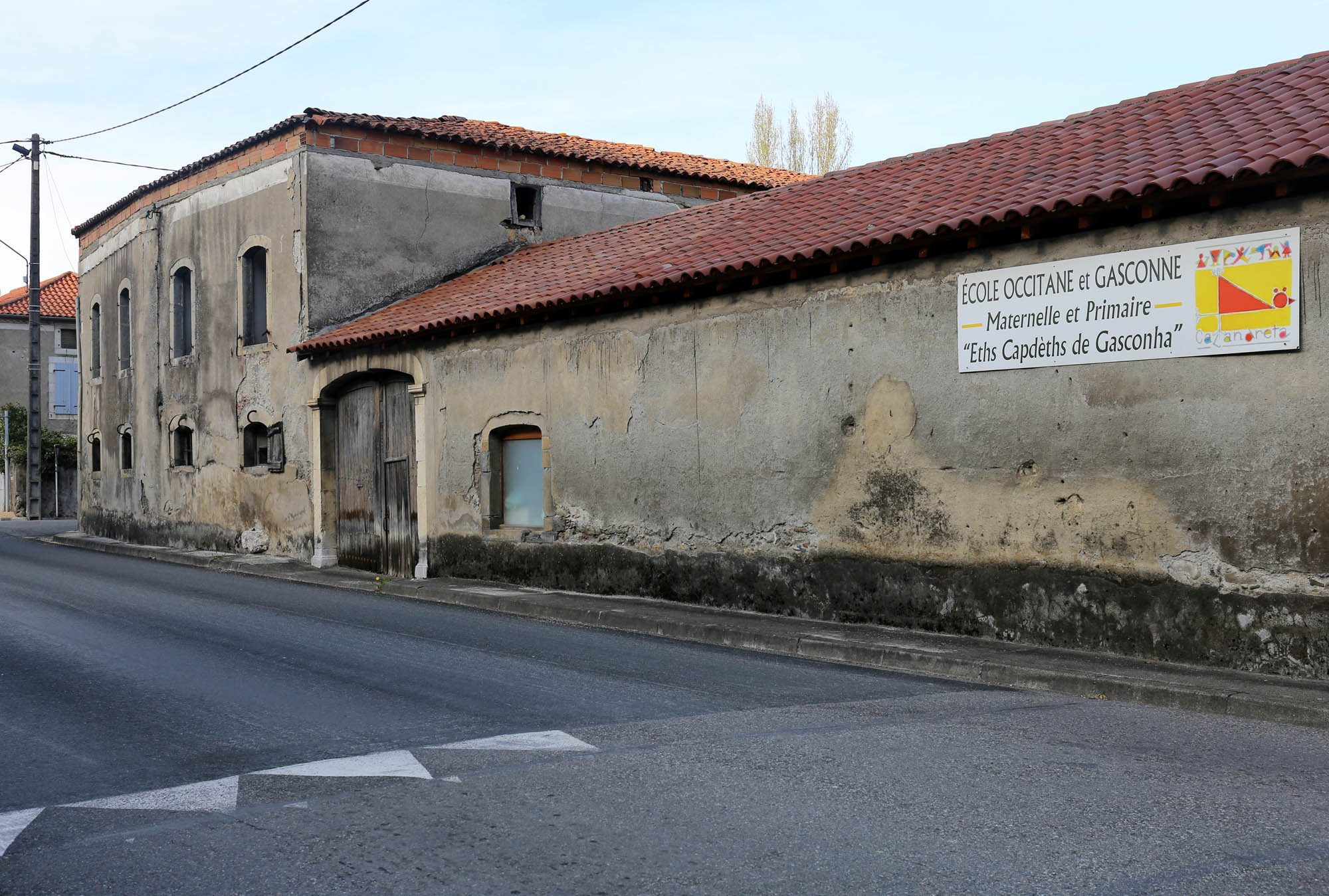
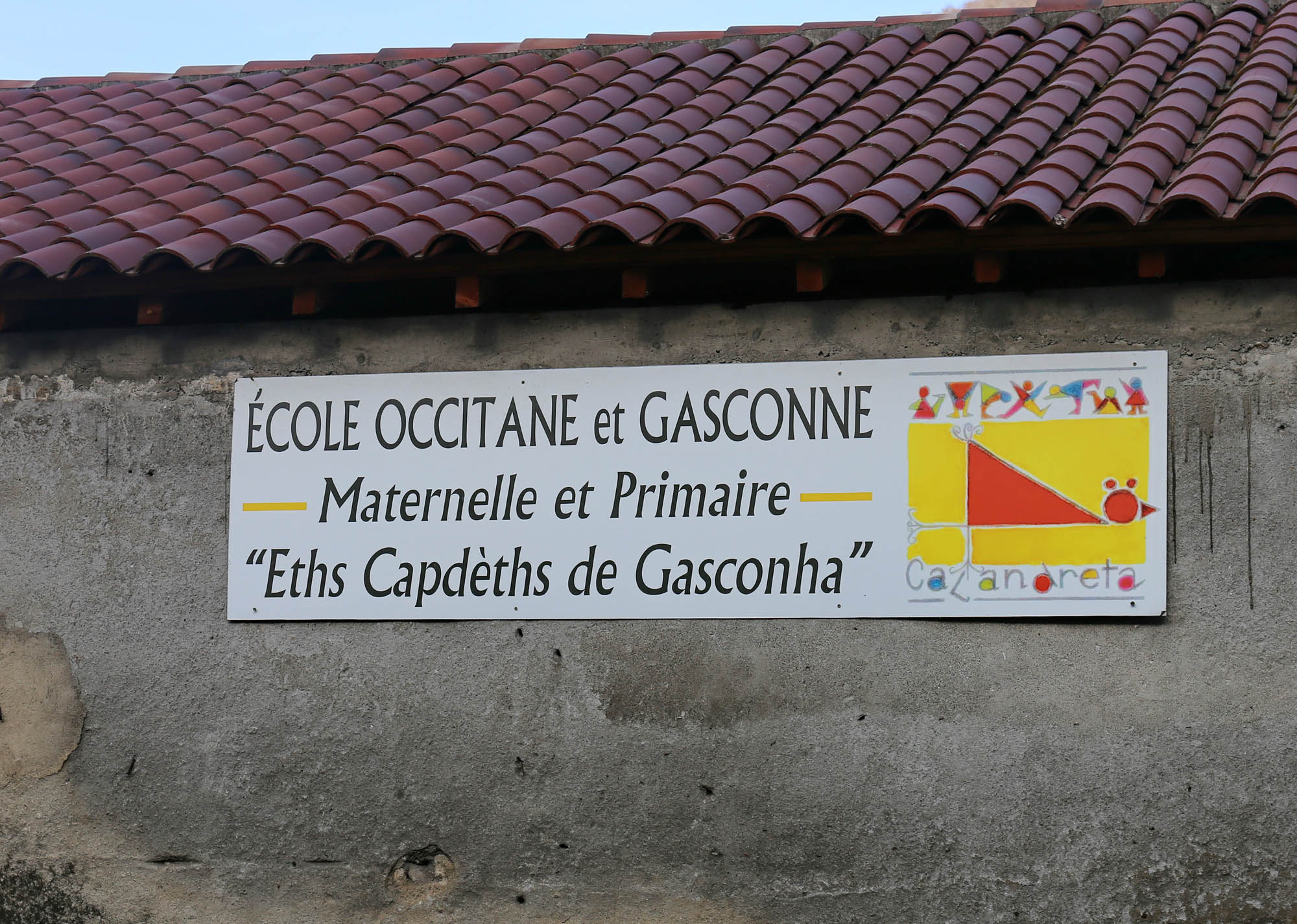
But Occitan is also divided into various dialects, from eastern Provençal to western Gascon, the latter being spoken here, in the region of Saint-Bertrand. This dialect is known to all of us, as one of its most famous speakers was D’Artagnan, the fourth musketeer, who, as a rookie in Paris, was mocked simply for his Gascon accent. The Gascons were excellent soldiers, they formed the backbone of the King’s musketeer guard, and also represented a peculiar linguistic patch of color in 17th-century Paris. Another famous Gascon speaker was none less than the Virgin Mary. At least, in 1858 she said to Bernardette Soubirous, the shepherd girl of Lourdes, in the latter’s native language: Que sòi era Immaculada Councepciou, “I am the Immaculate Conception”, which is still emblazoned on the pedestal of her statue in Lourdes. No wonder, then, that the locals are proud of their ancient tongue, and in more and more towns they operate a nursery and primary school in this language, although no version of Occitan is officially recognized in France.
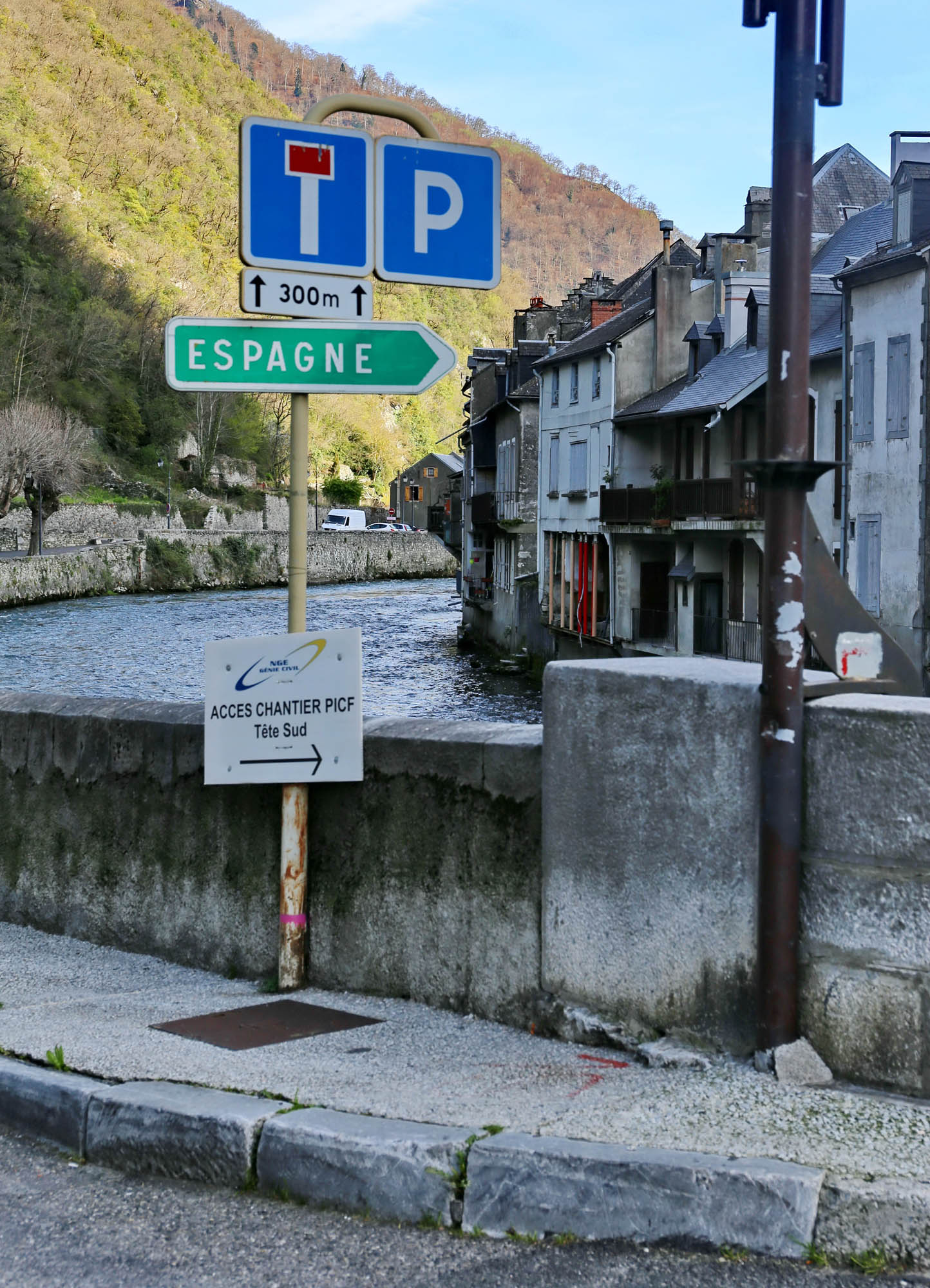
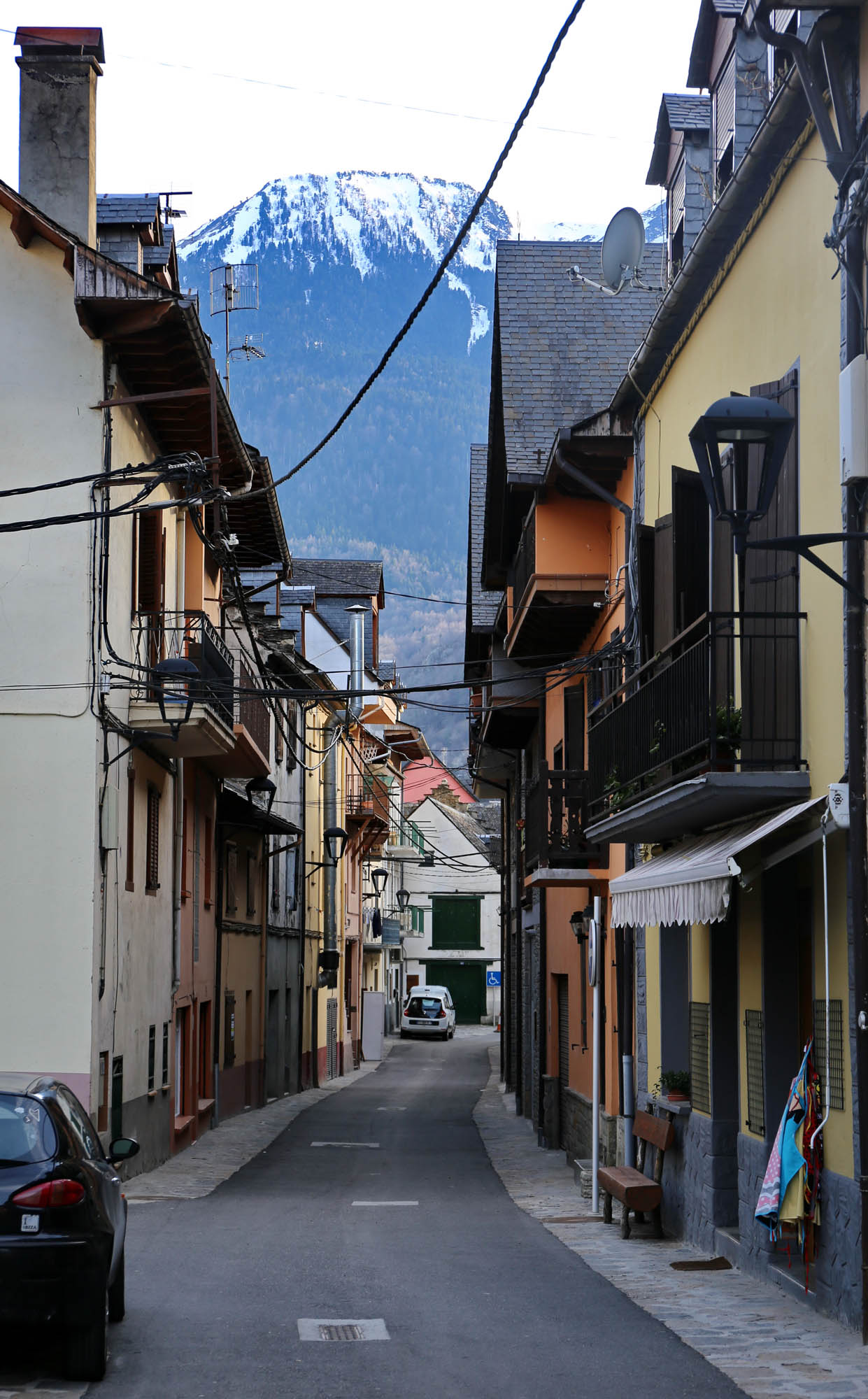
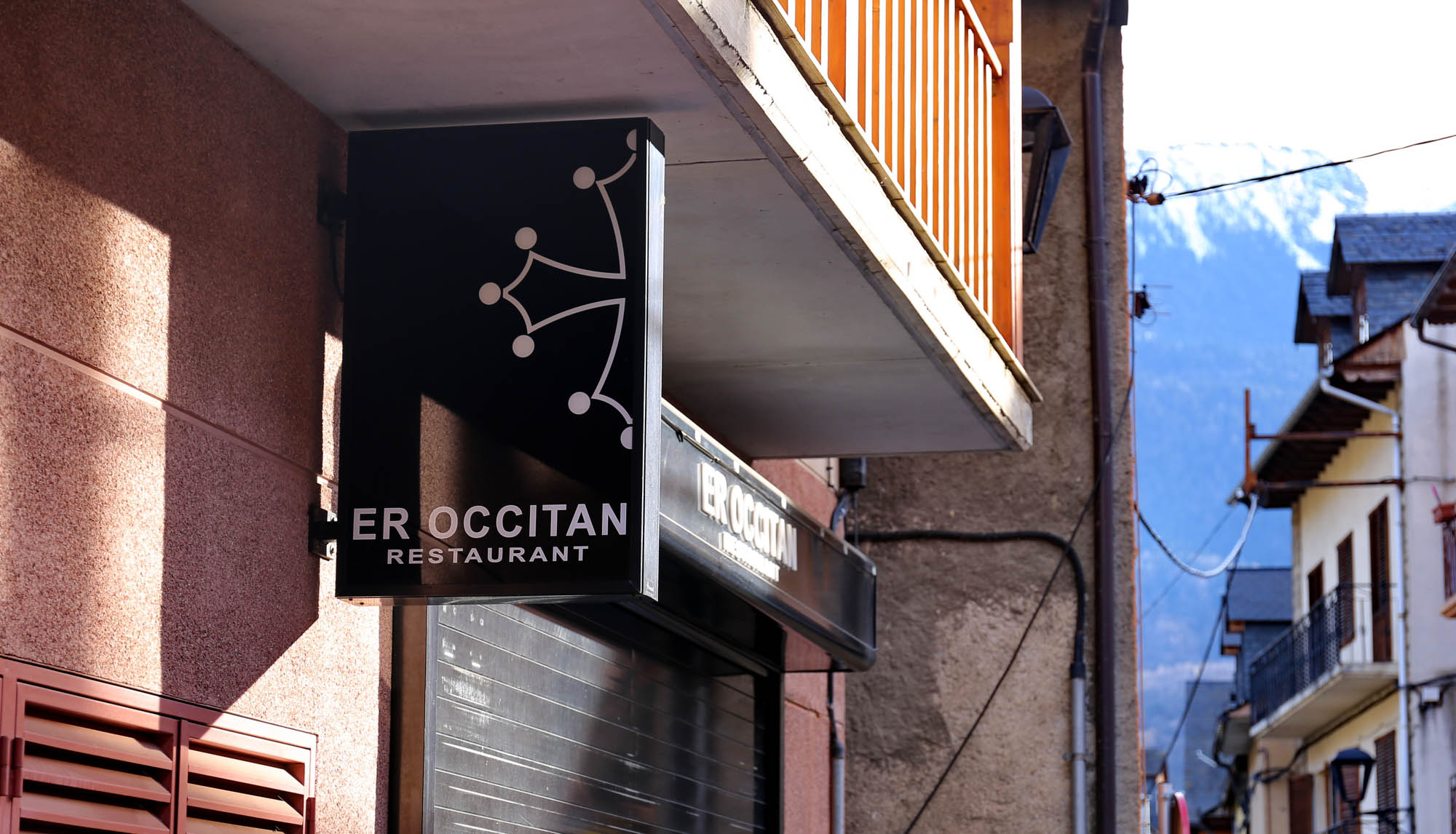
Crossing the Spanish or Catalan border, you would expect to hear only Spanish or Catalan. But the first café in the town of Bossòst, over whose streets the peak of Tuc d’Aubas hovers like Mount Fuji, bears the proud name Er Occitan – The Occitan –, and moreover, as marked by the peculiar definite article neither in Spanish nor Catalan, but in the Occitan language.
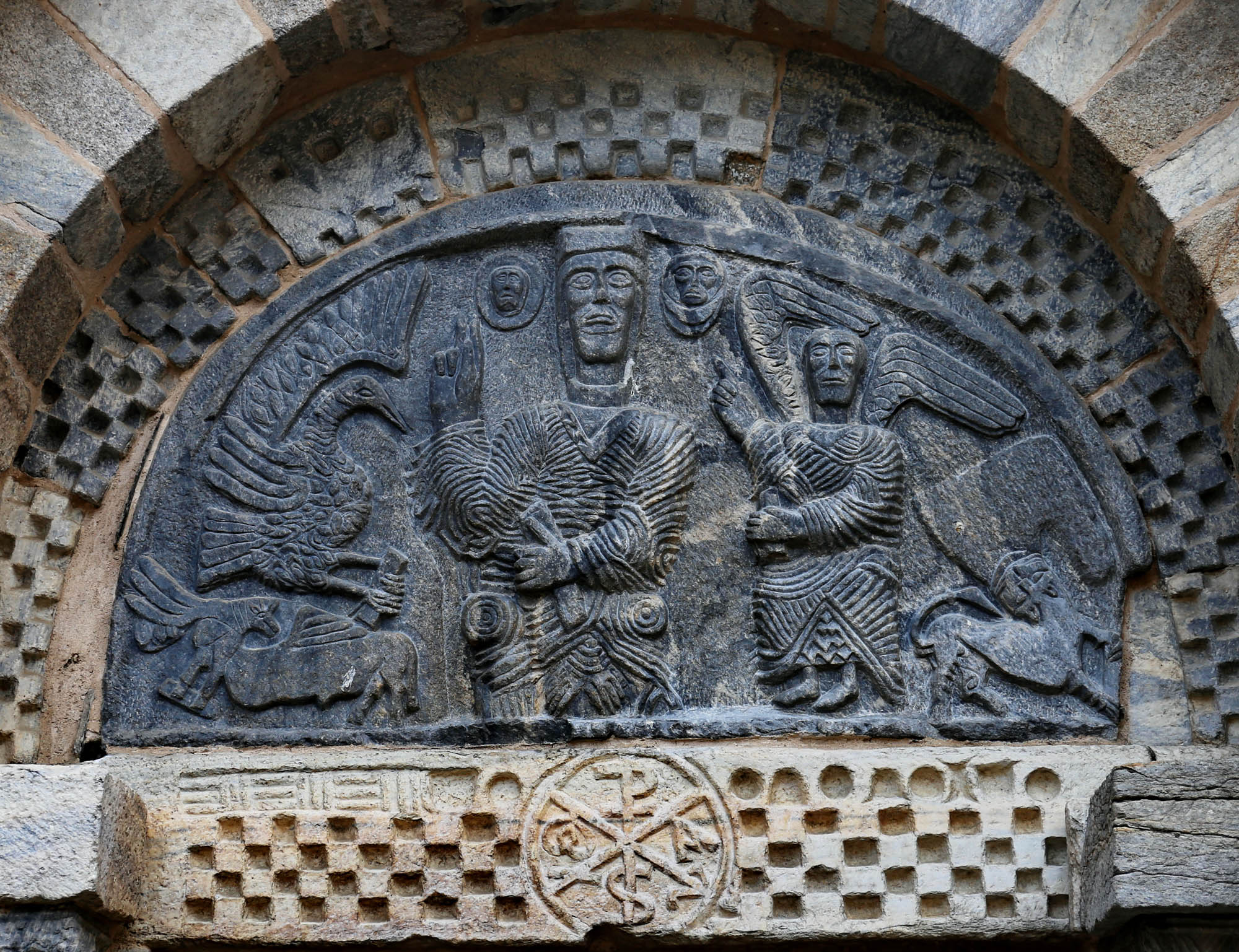
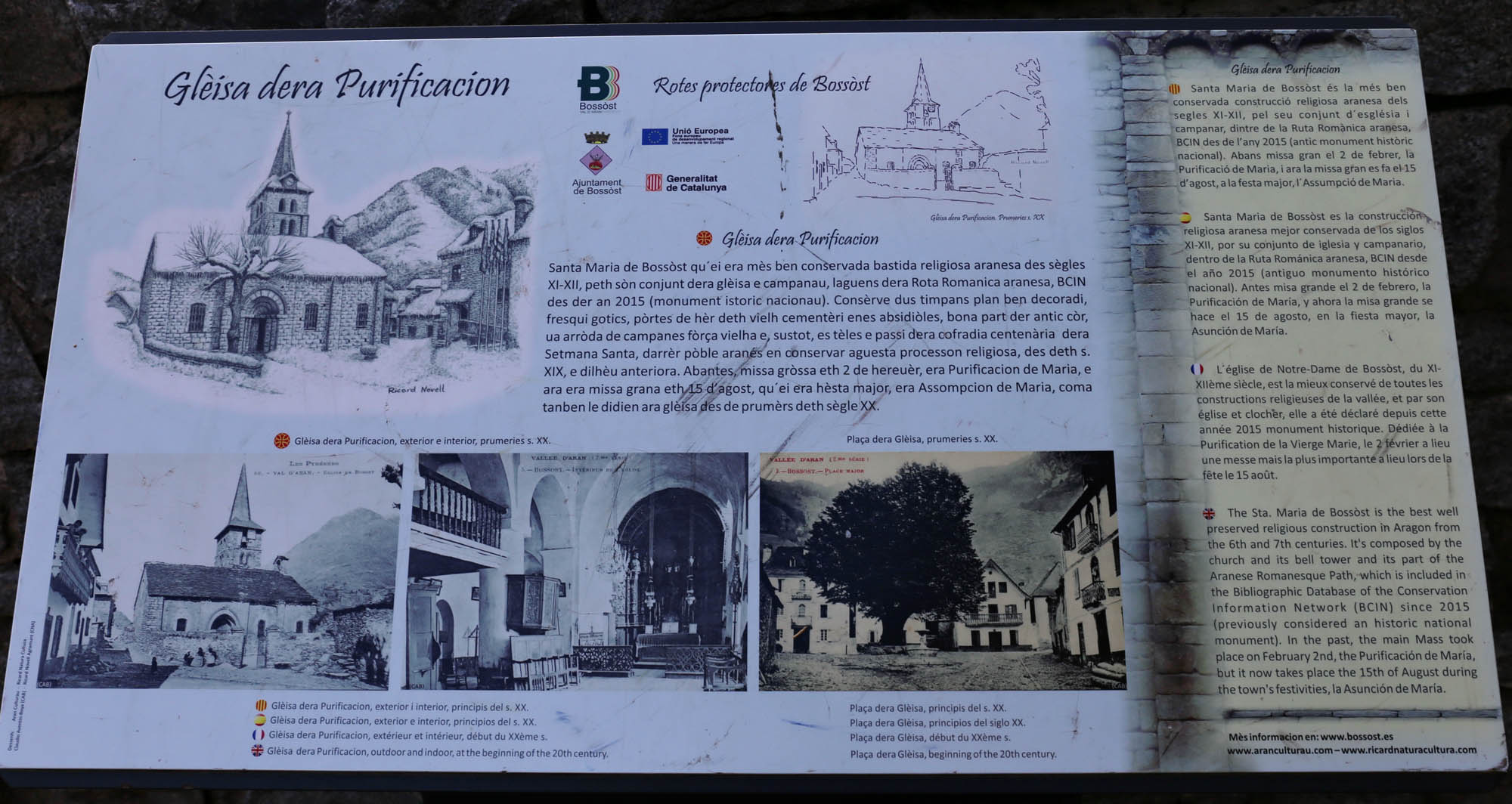
And the main language of the information board at the town’s 11th-century Romanesque church – whose northern gate is adorned with the loveliest Romanesque relief of the Virgin Mary – is also not Catalan or Spanish. But yet another, which I can only assume, for lack of competence, is Occitan. The assumption is correct, but not precise.
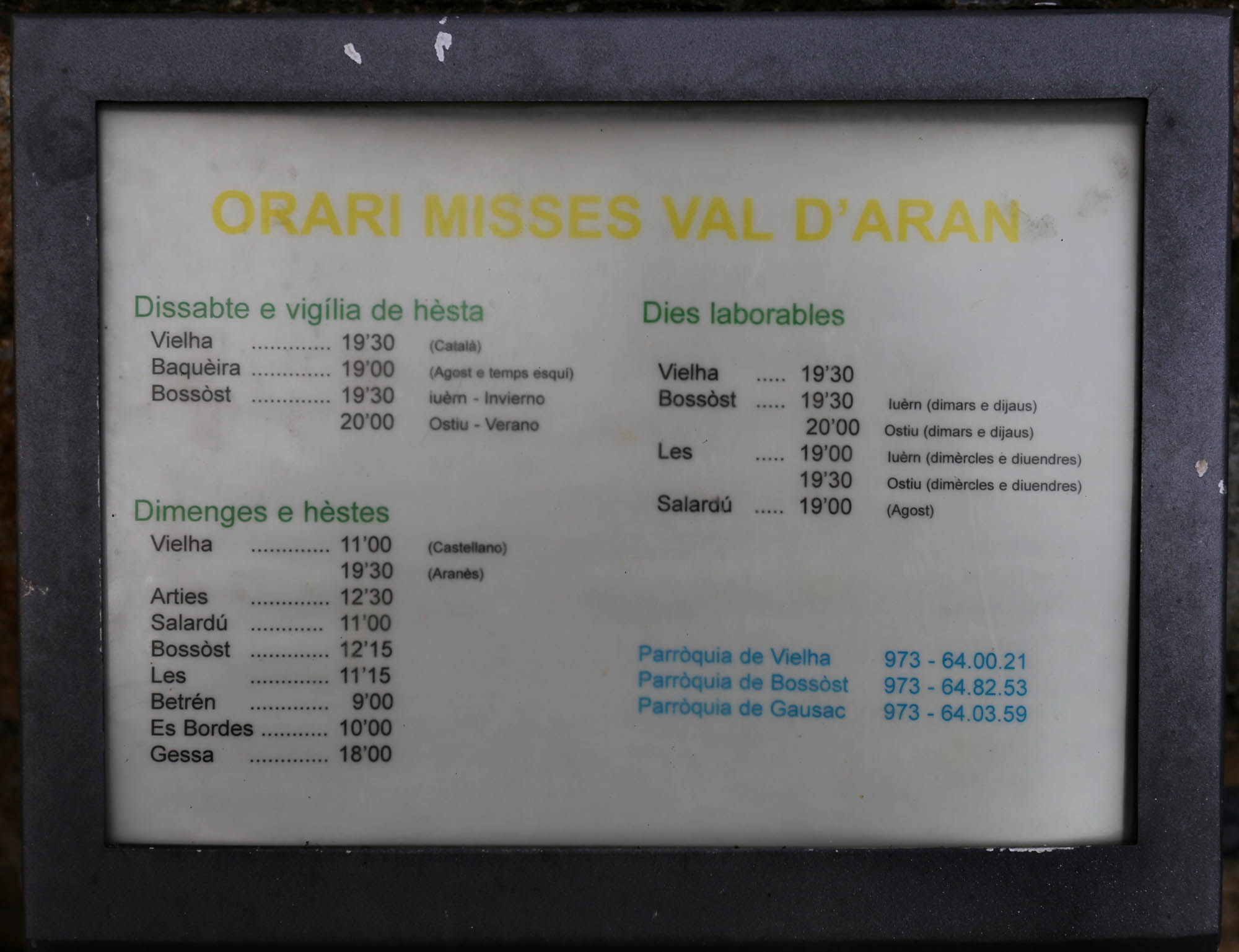
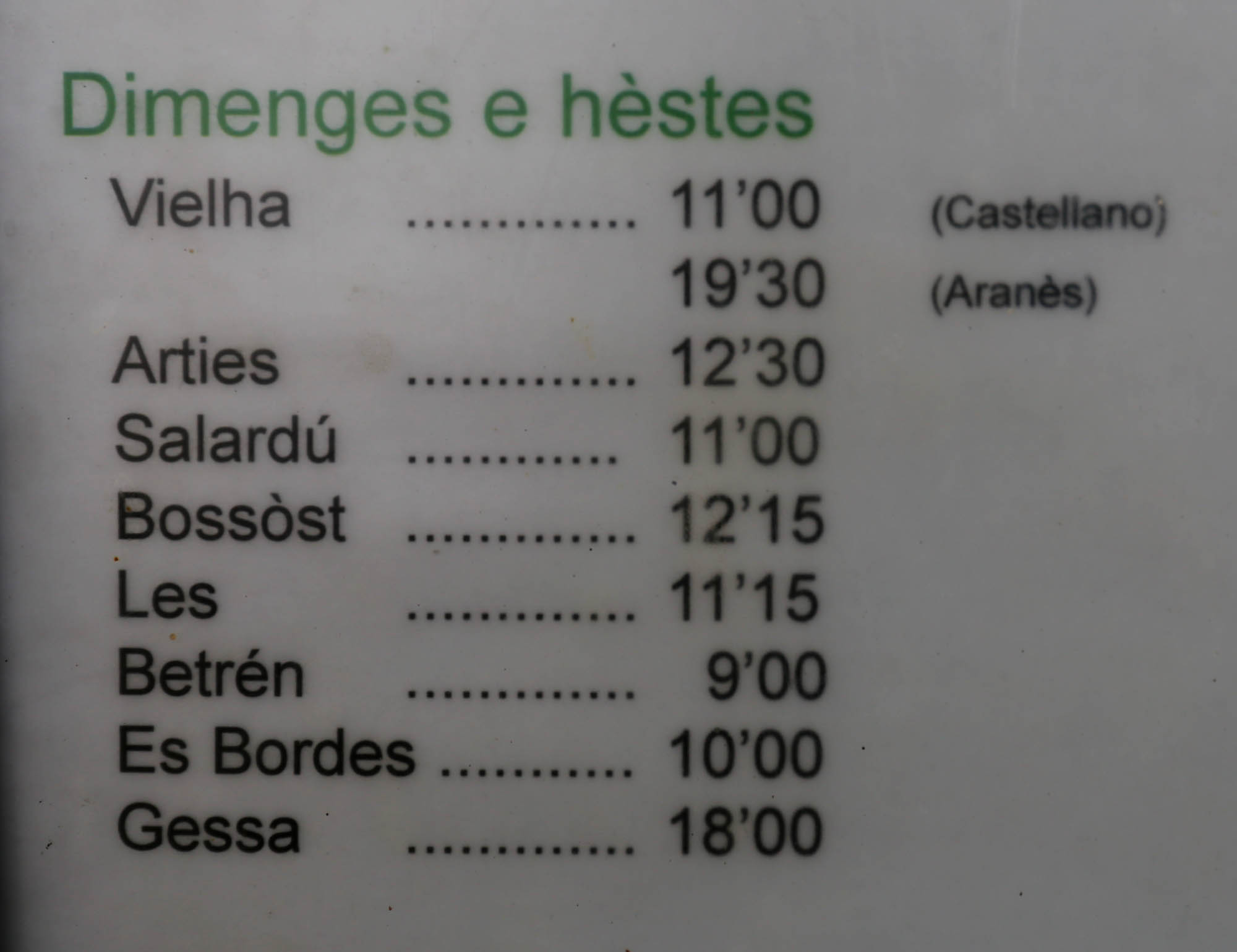
In fact, a few towns away, on the gate of the Romanesque church of Vila a board announces the hours and languages of the Mass for the settlements of the neighboring Aran Valley. Even the language of the board and the names of the days are peculiar. And in the center of the valley, in the town of Vielha – which is called Viella both in Catalan and Spanish, for nevertheless the former version is written at the entrance of the town – they celebrate Sunday Mass in the Aranès language.
Aranès or Aranese is the version of Occitan, more precisely of Gascon, or even more precisely, of Pyrenean Gascon, which, as the name indicates, is spoken in Aran Valley. This small area, which falls to the north of the ridge of the Pyrenees, but still belongs to Catalonia, and is home to the source of Garonne River. The dialect of its inhabitants is closer to the adjacent Occitan than to Catalan, from which they are separated by the ridge. The number of its speakers is less than ten thousand, yet it is the official language of the valley. Moreover, in 2010 it was adopted by the Catalan parliament as the third official language of all Catalonia, in addition to Spanish and Catalan. Thus Catalonia is the only state where a variant of Occitan enjoys official status.
Crossing the mountain, we get back to Boí Valley. This is already in Catalonia, therefore, we might assume, they speak Catalan. Yes, but what kind? The language they speak among themselves in the shops and pubs is appreciably different from the one you hear in Barcelona: it is deeper, they often say -a or -au instead of -e, the -er at the end of the words is pronounced -é, like in French, and a lot of Spanish words are used. This is the Ribagorçan dialect, spoken on both sides of the Catalan-Aragonian border instead of the official Catalan or Spanish. Even if the great linguist Joan Corominas considers this to be the “most archaic and purest” form of Catalan, you would have to cross quite a few valleys going south-east to hear the standard version of Catalan.
Romance linguistics teaches that by walking across the former Roman Empire from Sicily to Normandy, every pair of neighboring villages can understand each other. It is nice to see how this really works on a small scale.
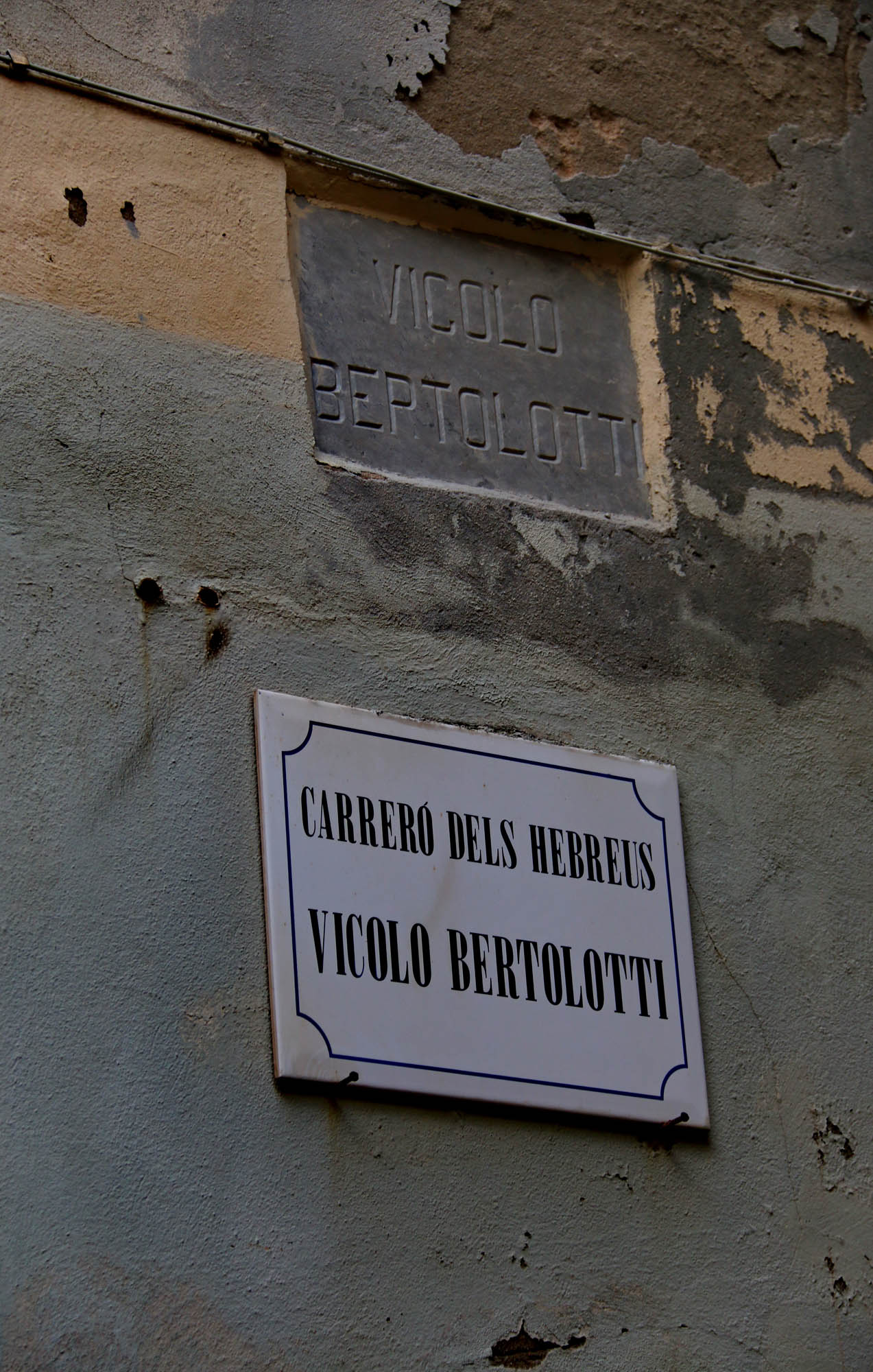
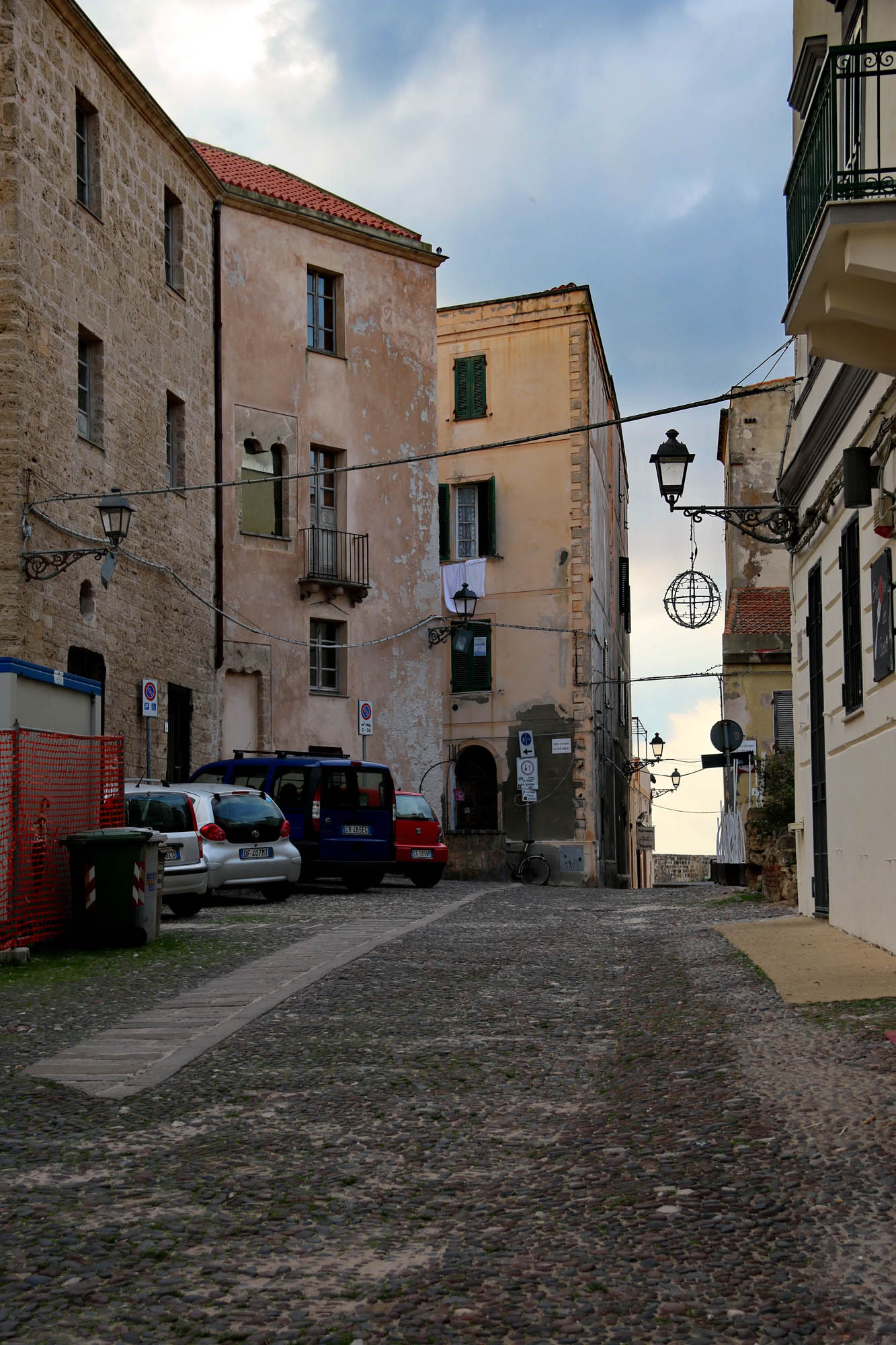
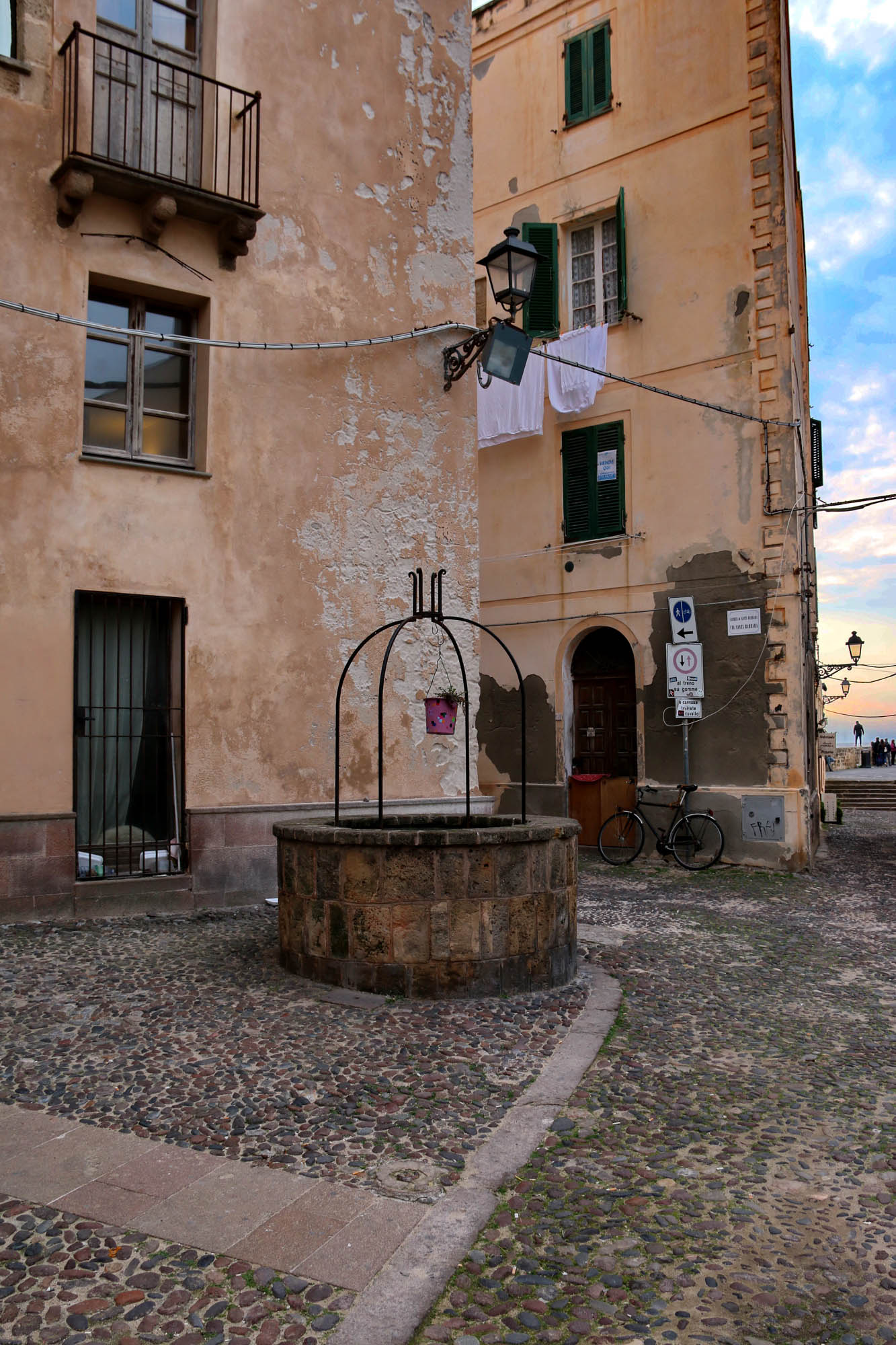
In Sardinia, in the old town of the bilingual Alghero/Alguer, the street signs are also bilingual. The two names, however, are not translations of each other. They belong to two completely different registers. The Italian names are the empire-uniting trademarks of Italian nationalism, to be found in every city, the symbols and heroes of the Italian nation constructed a hundred and fifty years ago. The Catalan names are the medieval street names of an introverted traditional town: saints, churches, local landmarks, imprints of a local history. The street of Carlo Alberto, King of Sardinia and Piedmont, is in Catalan St. Francis, that of the Garibaldist Ardoino is Street of the old post, the Street of Rome is on the one end St. Anne Street, and on the other Stairs to the bell tower, the Square of Citizens is the Square of the old well, and the street of the Italian politician Manno is in Catalan Street of the Cemetery.
The street named after the First World War hero Giuseppe Bertolotti is in Catalan Carreró dels Hebreus, Street of the Jews. In a city where there have been no Jews for more than five hundred years.
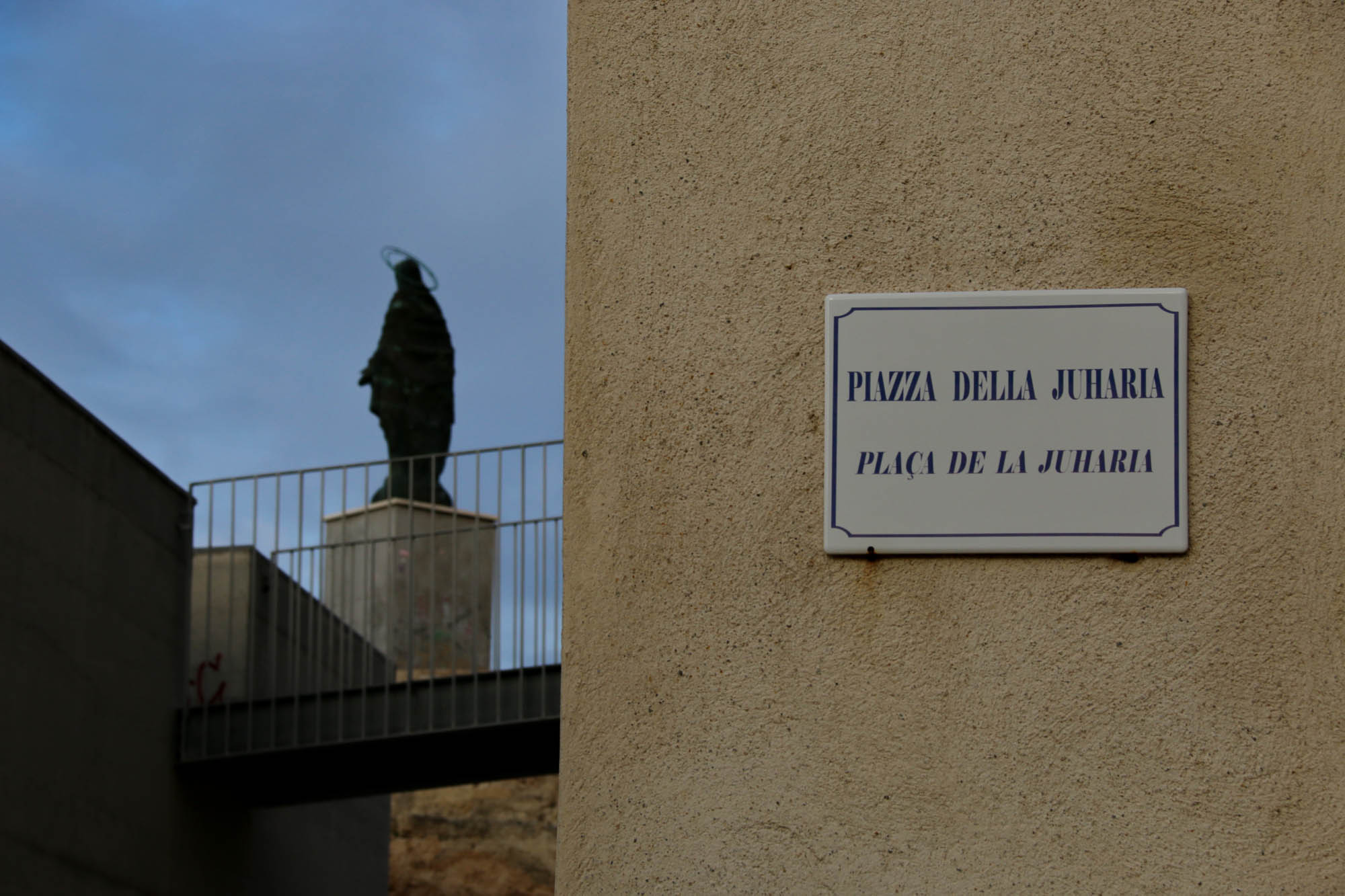
There is also another square in the old town, whose name is the same in both languages, but as it is not translated into Italian, the foreigners do not understand it, only the local Catalans. Piazza/plaça de la Juharia – the Square of the Jewish quarter.
Local memory retained in the street names the remembrance of the Jews exiled in 1492.
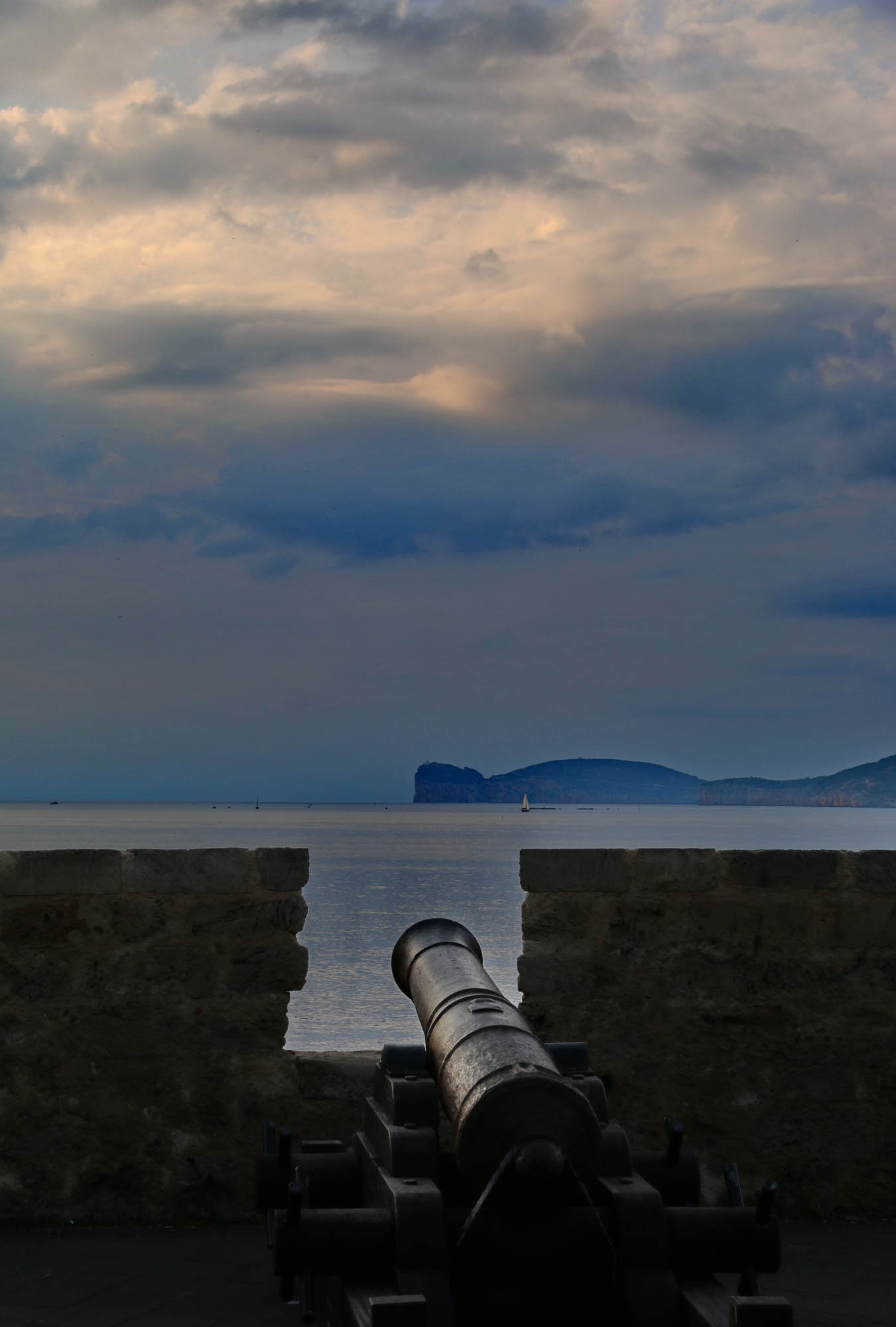
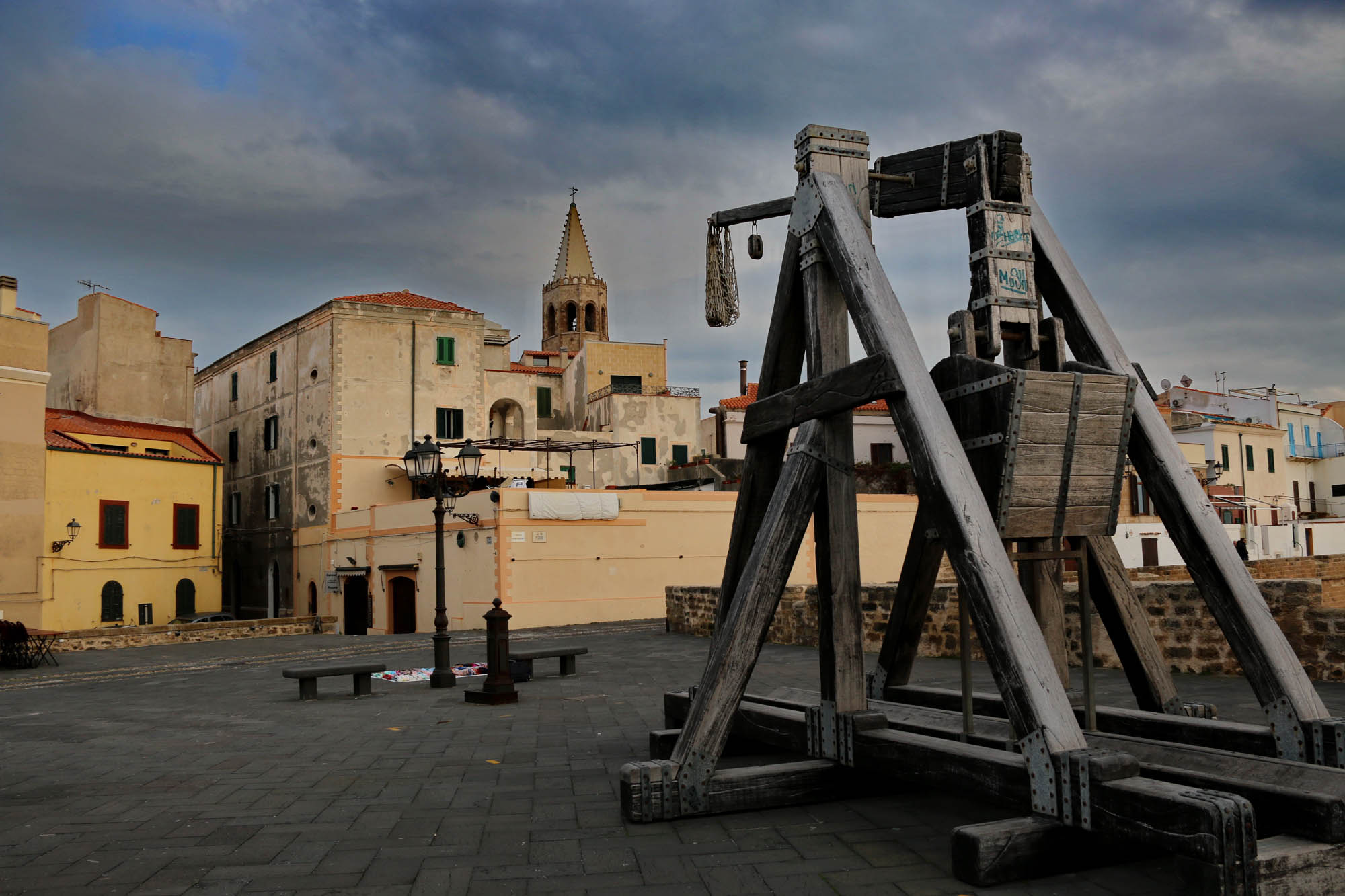
Even the weapons guarding on the sea bastion are of two types. Above, the one with which the Kingdom of Italy, below with which the Catalans guarded the peace of the port.
The first Jews, just like in Mallorca, arrived in Alghero with the Catalan conquerors, partly as investors, and partly as soldiers. In 1353, when Peter IV, King of Aragon set out to put an end to a centuries-old feud and conquer Sardinia from the Genoese, he previously had taken a major loan from the Jewish bankers of Catalonia, promising to compensate them with estates in the island to be conquered. His army also included a large number of Jewish soldiers, who – just like James I in Mallorca – were rewarded for their services with plots in Alguer. The preserved documents mention about twenty-five of them by name: Salamon and Jucef d’Alcatraz from Castilia, Murduto and Maymone Seciliano, Vital Codonyo and Jucef with his sons from Sicily, Isach Levi, Jahudano Ataf, Mosse Exalo, Isach Sucra and Abram Sanoga from the Catalonian Lerida, Mosse Amarello, Mosse Avempu, Samuel Botrom, Abraham and David Soriano from Calatayud, a certain Samuel from Segorbe, Isach Merdona from Mallorca, Janton Gabay from Zaragoza, Haim Crespin from Toledo, Samuel Juceff and David from the Valencian Jérica, Jucef Salamonis Argillet from Gerona. Abrahim Abenxeha provided two armored horses for the siege of the fortress, for which he received a generous reward. Ferrario de Santa Cruz was rewarded with an armored horse after the siege. Salamon Scarpa fought for his own life: he had been sentenced to death for murder in Catalonia, and he joined the army because of an amnesty promised to the participants of the campaign.
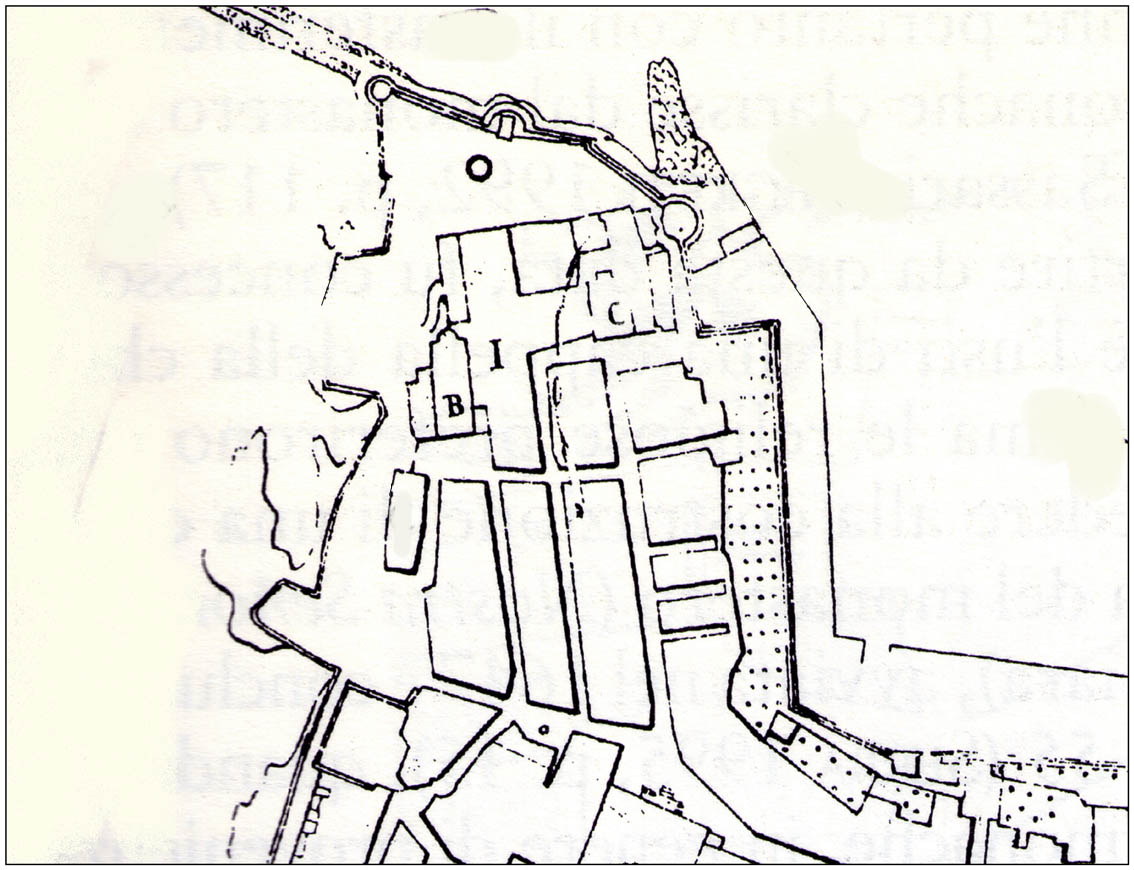
The first Jewish settlers were all given a plot in the northern “horn” of the old town, which is known since then as the Jewish quarter – aljama or juharia –, although, unlike later ghettos, it was never surrounded by walls. From the Christian city it was separated only by a broad street, which in the Middle Ages was called the Square of the old well, because here, between the two neighborhoods, stood the city’s public well.
The residents of the Jewish quarter from the outset had the right of self-adnministration. This was the kahal, which was simplified to call in the Catalan language. The community was headed by three elected secretaries, nemanim, who collected the taxes and kept contacts with the royal authorities. The kahal also judged the disciplinary affairs of the Jews. In 1408 for example, as Eliezer ben David recounts in the 1937 issue of La rassegna mensile di Israel, they summoned a Jew who had played an illegal dice game. The piquant thing was that his opponent in the game with none other than the King of Aragon himself while on a visit to the island, and the Jew had even won 160 gold florins. To save himself, he subsequently asked the king for a declaration that he had forced him to play under penalty of capital punishment. The case ended up before Rabbi Bonjua Bondavin, a Marseille-born doctor, the highest Jewish authority in Sardinia, whose judgement was, that even if the accused repented, he must give the winnings to the embellishment of the synagogue. However, the person in question preferred to accept excommunication, and kept for himself the hundred and sixty gold florins.
The archives of the kahal were scattered after the expulsion of 1492, so that our main sources on the life of the Jews are the royal land registers and the documents of the lawsuits. From here we know that the owners of the plots were mainly merchants, whose network of connections covered the whole island, the countries of the Hispanic Peninsula and Northern Africa, as well as money lenders, physicians, artisans and soldiers. An especially prominent doctor was Eahim de Xipre, who wrote a book on the medicinal plants of Sardinia, and another on the climate of the island. In the 1370s a lot of new land buyers are registered from Southern France in the wake of the persecutions of Jews there. In the early 1400s, a third wave arrives from Provence, including some extremely rich dynasties, such as the Bellcayre, Lunell and Carcassona families. Lawsuit documents from 1376 mention the wealthy merchant Jacob Bessach, who wounded the Christian barber Pietro Seguert with a sword. In 1381 the same merchant and his wife sell a plot of land to the kahal for the purpose of a synagogue. In 1448 the synagogue needed to be expanded, because at that time there lived more than 700 Jewish families in the quarter.
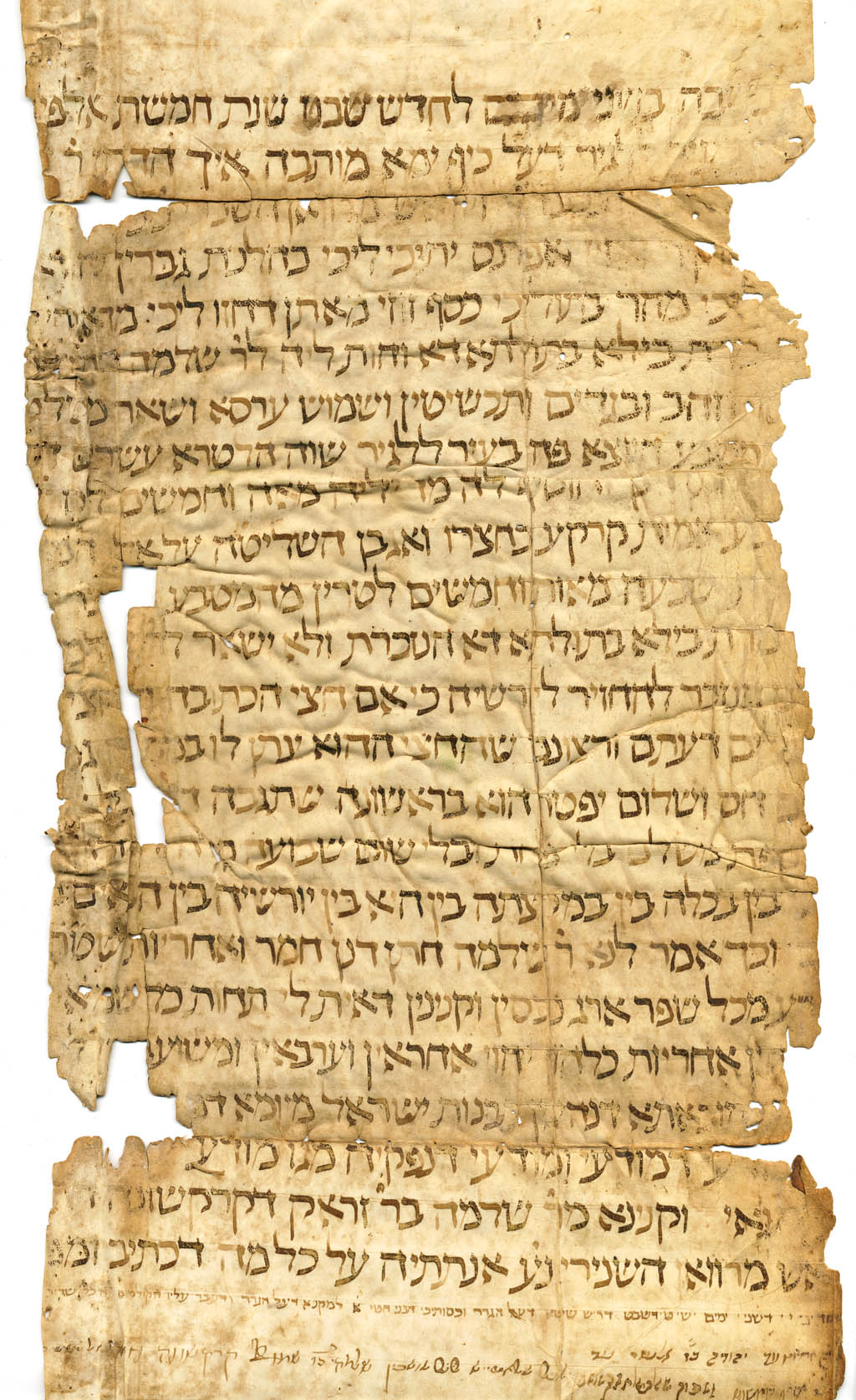
The only document originating from the kahal of Alguer, which has been preserved in a book-binding, is the ketubbah, marriage letter given by Shelomo ben Zarch de Carcassona to Bella bat Merwanha ha-Sheniri on the sixth day of the month of Shevat in 5216, that is, on 9 January 1456, “in the city of Alguer, on the seashore”. The groom promises the bride that he “…will provide for you and bury you and will give you to eat according to the custom of Jewish men”. According to the clause, Bella remains the owner of her entire dowry, as it was the custom among the Jews of Aragon. The document, which was analyzed in detail by Amira Meir in the 2009 issue of Materia Giudaica, has been also included in the World Digital Library.
The head of the wealthy Carcassona family, Samuele, came in 1422 from Provence to Alguer, where he immediately became a secretary of the call and the tenant of the royal customs. His sons, Maimone, Moisse, Zarquillo (Zarch, the father of the above groom) and Salomone (Nin) all occupied high positions both in the community and in the royal administration. They built their palace on the main street of the Jewish quarter, named after St. Erasmus.
It was so luxurious that Ferdinand II, King of Spain, wrote to the viceroy of Sardinia still before the publication of the decree on the expulsion of the Jews, that the house of “Nin de Carcassona” be held for him, for the purpose of royal accommodation:
“…que la casa del Nin de Carcassona se reserve segons nos ab aquesta la reservam per abitacio real.”
The palace still stands, and is still the largest house in the quarter. Its gothic windows have been bricked up and decorated with Art Nouveau sgraffiti, but its arched gate is late medieval, just like the surprised face on the façade of the building. Today it houses the “Restaurant O” by Master Chef Eoghain O’Neill, so it still receives the same rank of guests as in the time of the Carcassonas.
In 1492, the decree of expulsion did not come unexpectedly to the Jews of Sardinia. The royal decree of 31 March was promulgated in Sardinia on 28 September, so the well-informed Jews had some time to escape with the movable part of their assets. The last Jew left the island on 16 December. However, many of them were converted to the Christian faith, so that they could remain there. They as marranos got into trouble with the Inquisition even generations later, such as Antonio Angelo de Carcassona, who became a priest, and he was summoned before the court in 1580 because he preached from the pulpit – fully in line with St. Paul’s Letter to the Romans – the chosenness of the Jewish people. It was an aggravating circumstance, that many of his relatives who had fled abroad, returned to Judaism, such as his brother who was the Rabbi of Krakow. Elio Moncelsi in his book Ebrei in Sardegna (2012) has collected more than two hundred family names of Jewish origin, still in use in the island. A local converted Jew was the interpreter of Columbus, Luis de Torres, who in the New World addressed the Indians first of all in Hebrew, suspecting them to be the descendants of the ten lost tribes.
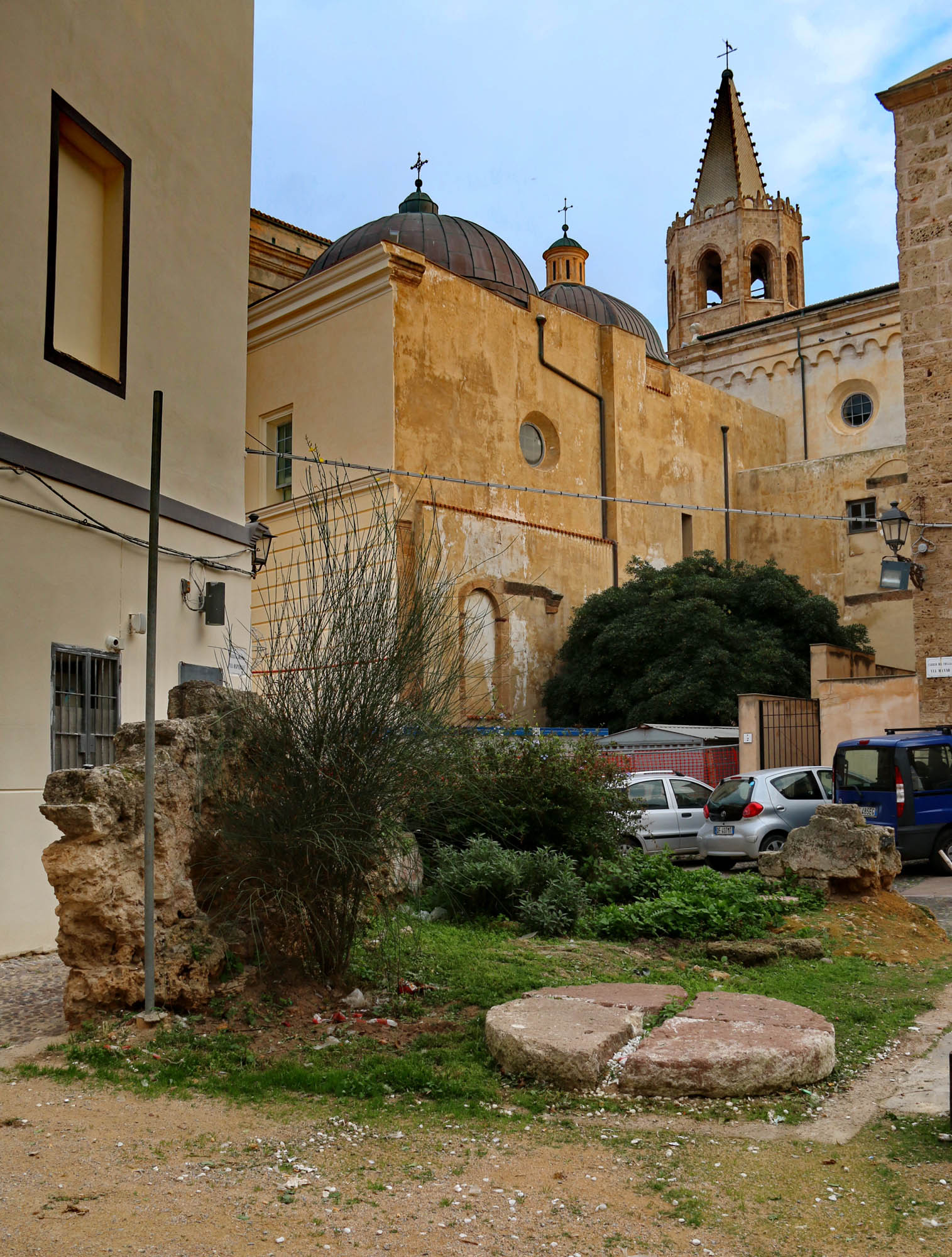
The synagogue was converted into a church, named in good taste after the Holy Cross, with which the Jews had to do a pretty lot. Near the church was built in 1641 the convent and church of Santa Chiara for the order of the Isabellines, that is, the reformed Clares. After the order was dissolved in 1855, the convent was turned into a hospital, which in 1902 also included the Church of the Holy Cross. In 1909 the church was finally pulled down, and the entire hospital rebuilt as Ospedale Marino “Regina Margherita”. Today only the little square in front of the building recalls the name of the former Chiesa della Santa Croce.
In the 19th century, the ghost of the Jews once more returned to the old synagogue. In 1820 the news spread that the exiled Jews had buried their treasures, lu sidaru, as they say in Sardinian, in the synagogue, before leaving the island. The news came from Cià Crara, who was considered a witch, and who in a number of occasions saw in a dream the devil in the church of Santa Croce, undoubtedly guarding the treasure. This case shows simultaneously that, not only the street names, but also collective memory clearly preserved the memory of the Jews, more than three centuries after their expulsion. The enlightened Sardinian-Piedmontese government took the news seriously, and appointed a committee to dig up the church. As one would expect, they did not find anything.
In 1847 the digging started again. This time, the parish priest and his three colleagues created a secret consortium, to which two city doctors were also enrolled. As to how secret the undertaking was, is shown by the fact that a long satirical poem was immediately made about them, which was published in La ilustració catalana some thirty years later. According to this, prior to the commencement of the excavations, someone – perhaps the author himself – as a joke had hidden a small iron box in the earth, with a worthless German-language book inside. The treasure seekers found it, and they believed that God wanted to show them with this book, written in an unknown language, where to search the treasure. They were thus looking for someone who understood the mysterious language, and they came across Ferrandino Simò, the town fool, who noted that the book was written in mussulmà language, and it includes invaluable tips on how to get rid of the white flies, and how to heal a crooked leg, an empty head, and him who speaks in French. The book, ends the poem, is still shown off to foreigners at the gate of the city by “the son of Chichu Piga”, in the original and together with the translation.
Since then, nobody has sought for treasure in Alghero, but lu siderubecame part of the folklore of the city. The last archaeological excavation in the place of Santa Croce was in 1997-1998, whereupon, aside from the traces of the former treasure hunt, they found the remains of the synagogue and of the mikveh.
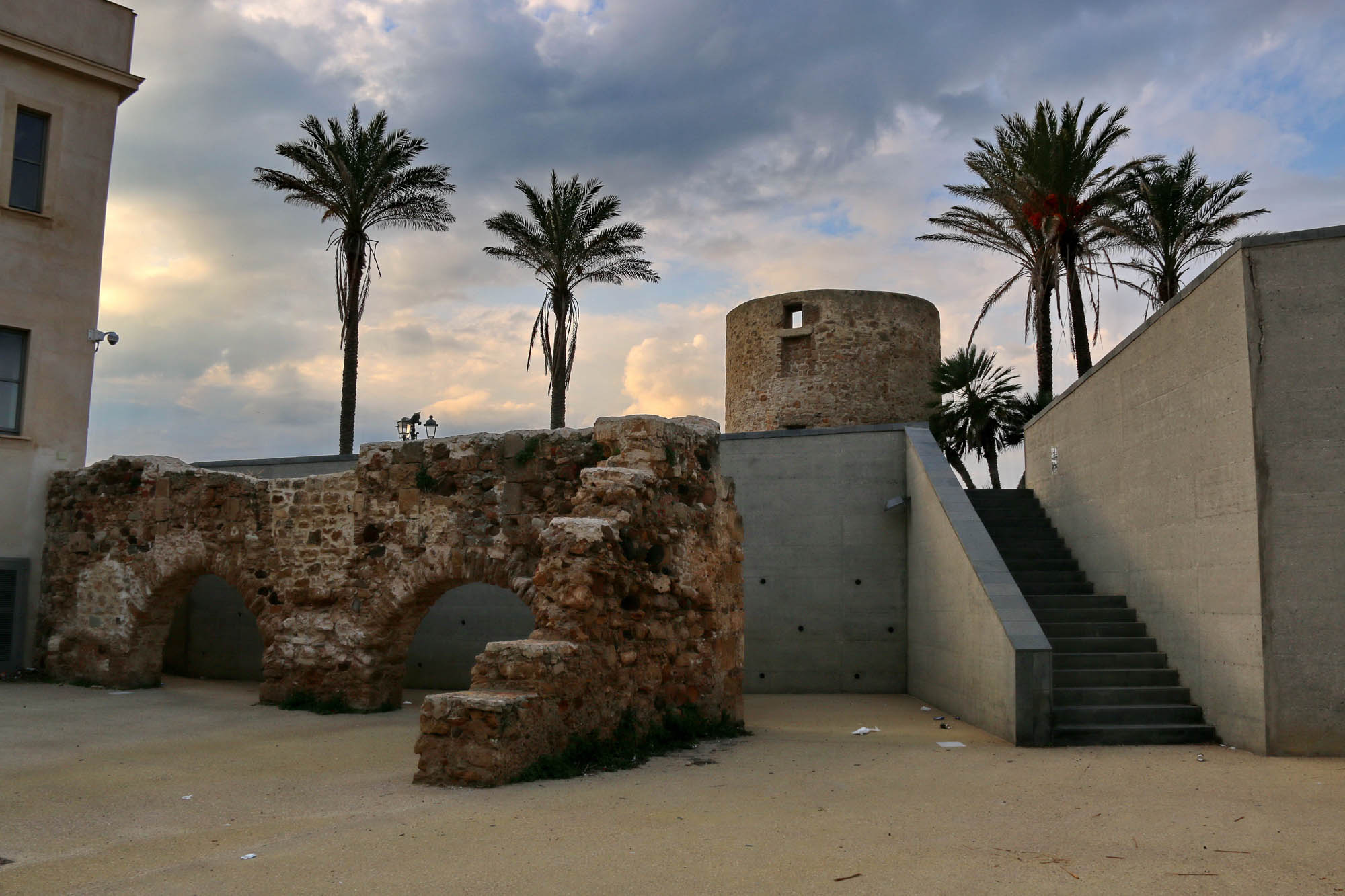
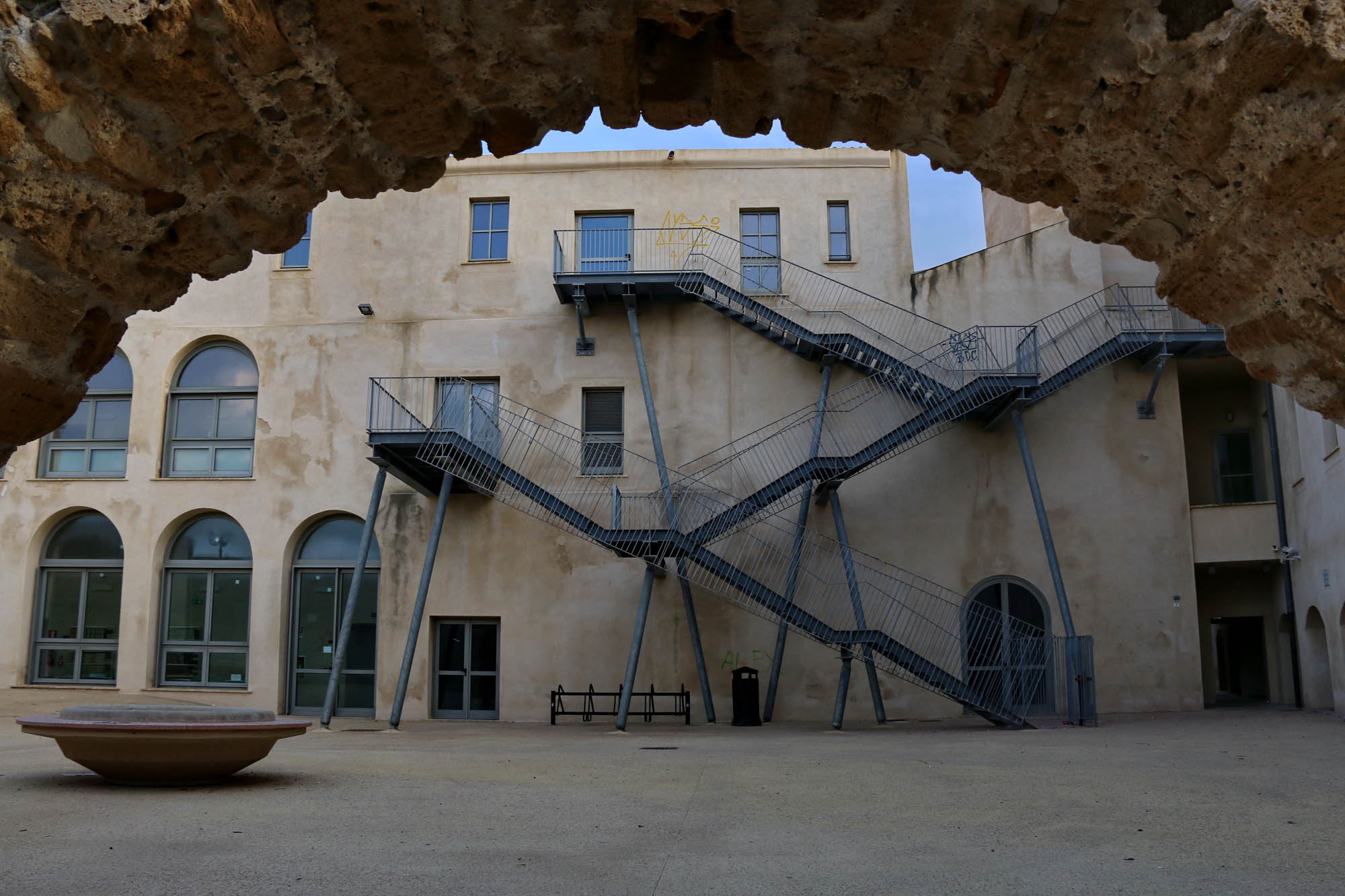
The former hospital is now partly a public library, and partly serves as the department of architecture and urban design. The Middle Eastern style elements adopted in the modern reconstruction suggest that consideration has been given to the Jewish tradition of the place as well. In the inner courtyard of the building, which is open to the sea, in front of the exciting exterior stair composition, a piece of an old wall of the former Jewish quarter stands, almost as if it were a sculpture. And on the wall of the building a plaque recalls the memory of the former juharia.
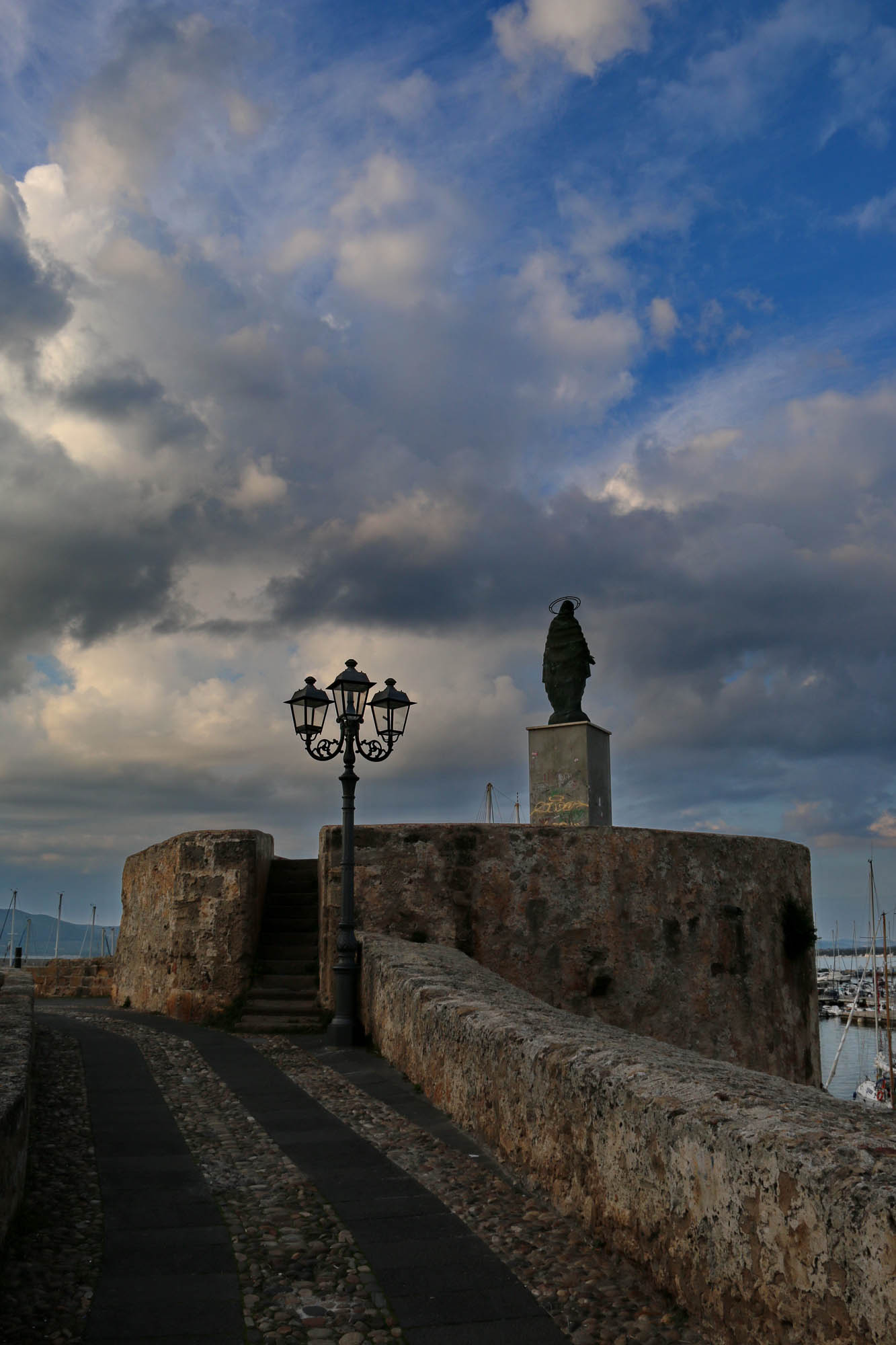
The Carreró dels Hebreus, the Jewish street starting from Santa Croce Square is flanked with cheerful Mediterranean flower pots cut from plastic bottles, praising the creativity of the residents. The plaster has been renewed a couple of times in the past five hundred years, but wherever it is lacking, there emerge the medieval carved stones, in front of which the Jewish inhabitants had passed day by day. The street emerges with a steep staircase to the seafront promenade, at the former Marine Gate, the guarding of which was once the responsibility of the Jews. On top of the St. Elmo Gate Bastion now stands the last Jewish woman who remained in the town, the Virgin Mary watching over the harbor.
Elena Ledda: Duru duru Deus Adonai. Sardinian urban music also preserving Sephardic melodies and texts
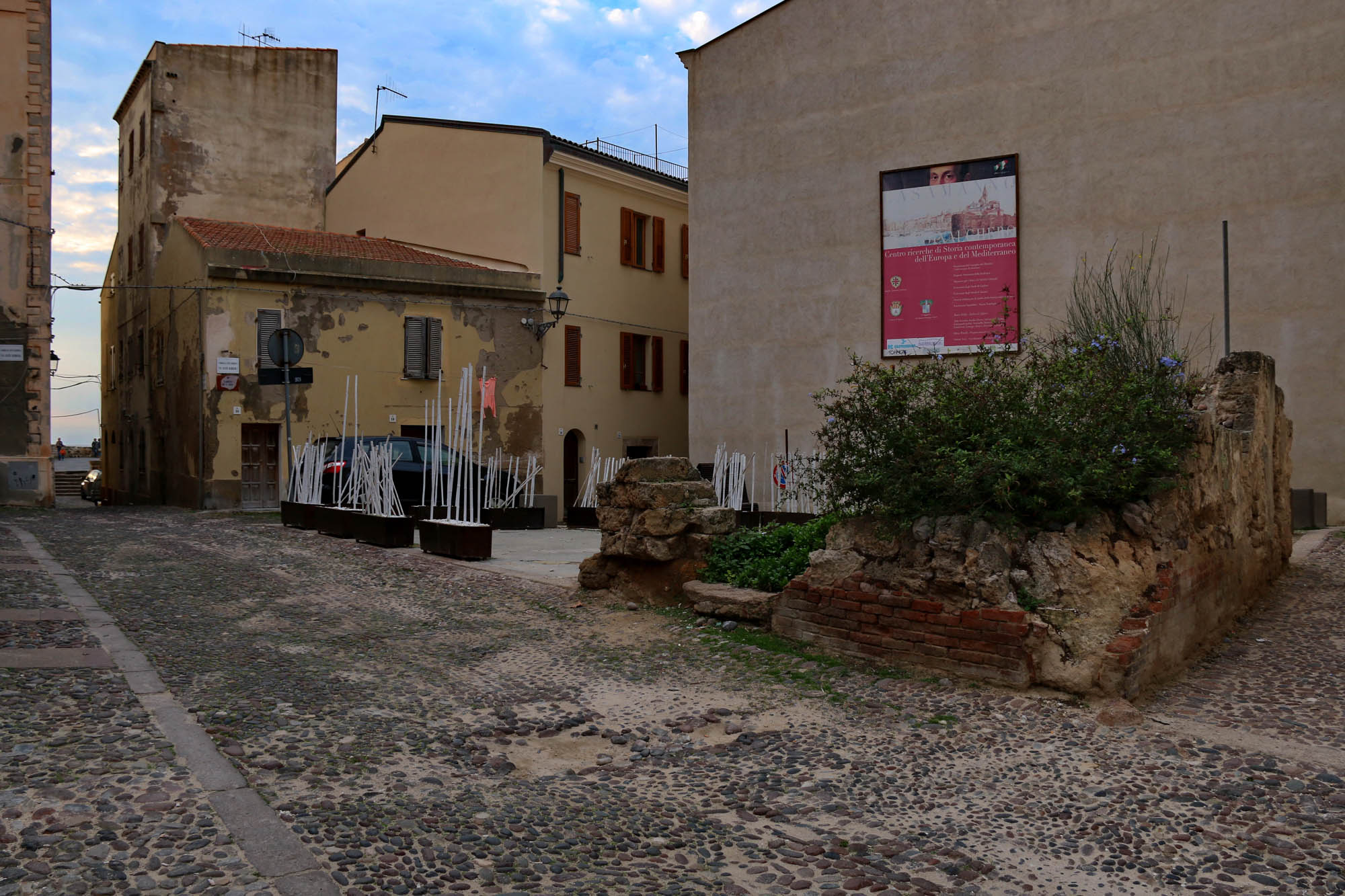
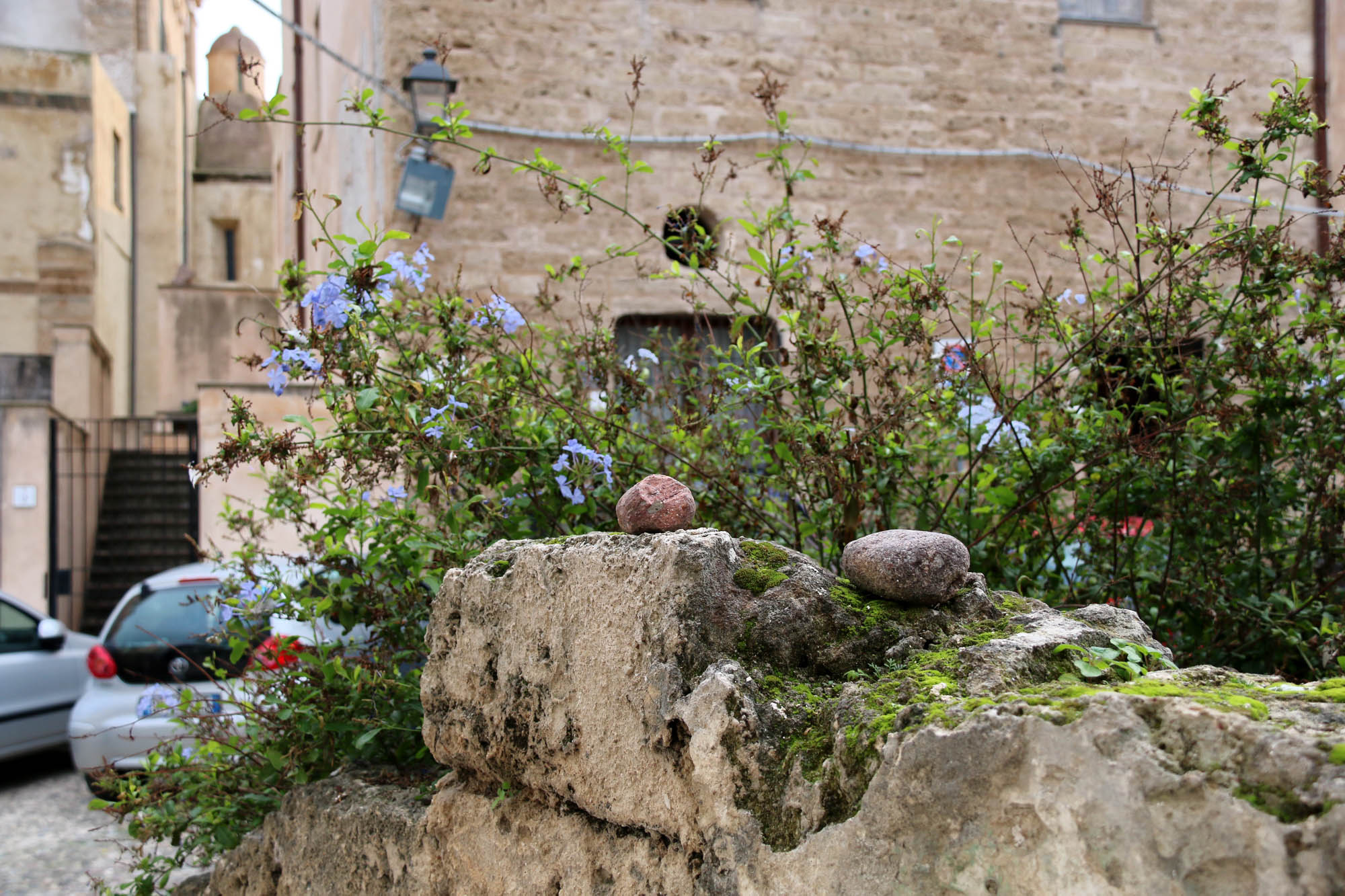
On Hospital street – in Catalan, Street of the nuns – we return to the Square of the old well, the border of the Jewish quarter. Across the square, or rather the broad street, the cathedral stands. On this side, a ruined medieval house, its knee-high wall has been overgrown by a bush with fragrant blue flowers. Someone, as in a Jewish cemetery, placed a pebble on top of the wall.








 In Sardinia, in the old town of






 Come with us to…
 Atlantis
 Bestiary
 Bohemia+Prague
 Books, exhibitions, music, film
 Brave old world
 Caucasus
 Cemeteries
 Crimea
 Get to know the
 Images of the East
 Lightwriting
 Lwów/Lemberg
 Mallorca
 Message on the wall
 The Museum of Propaganda
 Odessa
 Paper Museum
 Persian letters
 The Jewish heritage


