Switch over to our new blog! • ¡Pásese a nuestro nuevo blog!

The renewed version of our blog, with more features, a richer design, and available in nine languages, can be read here: https://wangriver.com

The new version also includes the old posts, often in expanded form. If you are curious about the updated version of this post, replace “riowang.blogspot.com/” in the URL with “riowang.studiolum.com/”, and the new link will most likely lead you there.


La versión renovada de nuestro blog, con más herramientas, un diseño más rico y disponible en nueve idiomas, se puede leer aquí: https://riowang.com

La nueva versión también incluye las publicaciones antiguas, a menudo en una forma ampliada. Si tiene curiosidad por la versión actualizada de esta entrada, sustituya «riowang.blogspot.com/» en la URL por «riowang.studiolum.com/es/», y el nuevo enlace probablemente le llevará allí.

Mostrando entradas con la etiqueta garden. Mostrar todas las entradas

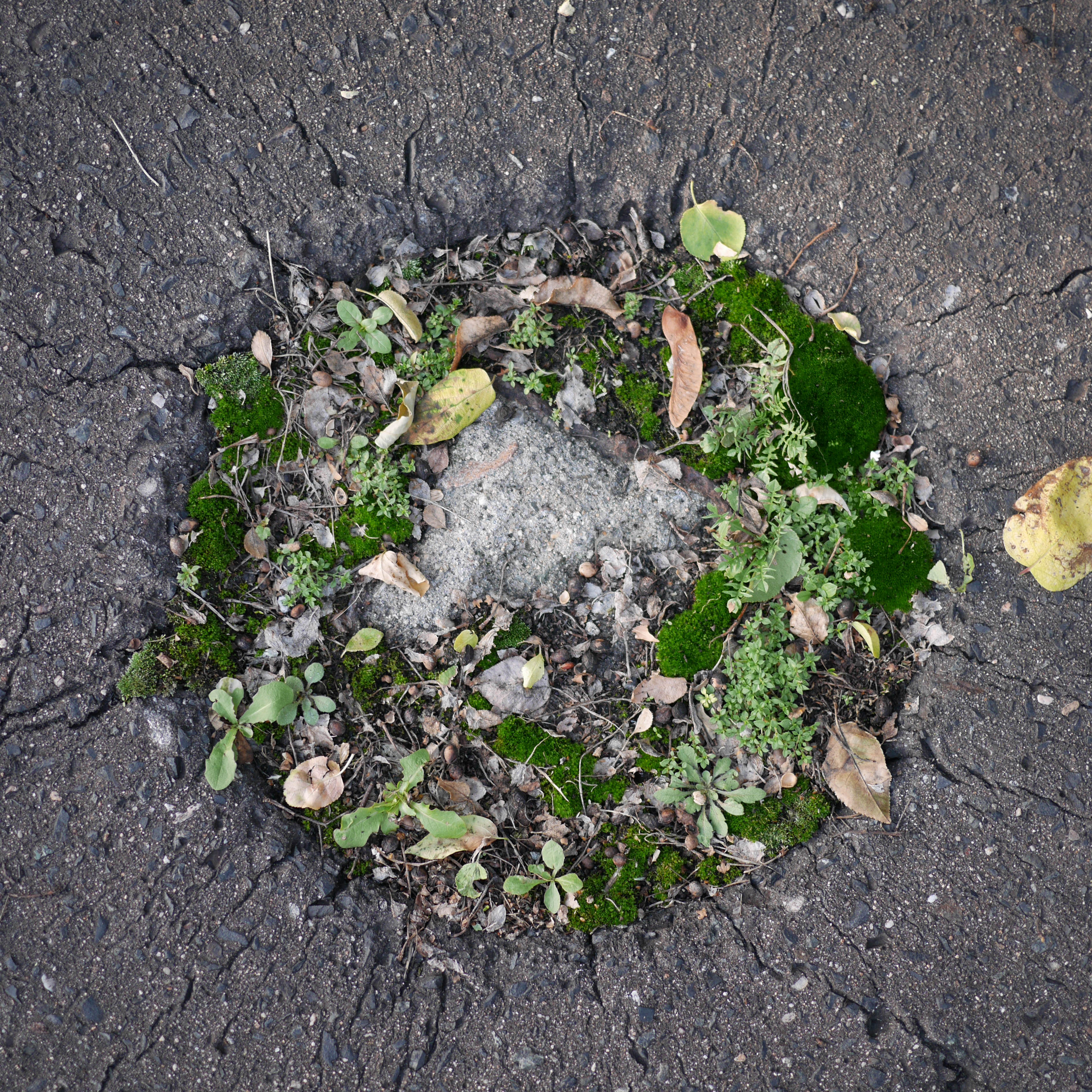
Little gardens in Prague

Vítkov, tram stop Ohrada

Strahov, stadium

Fragrant flowers


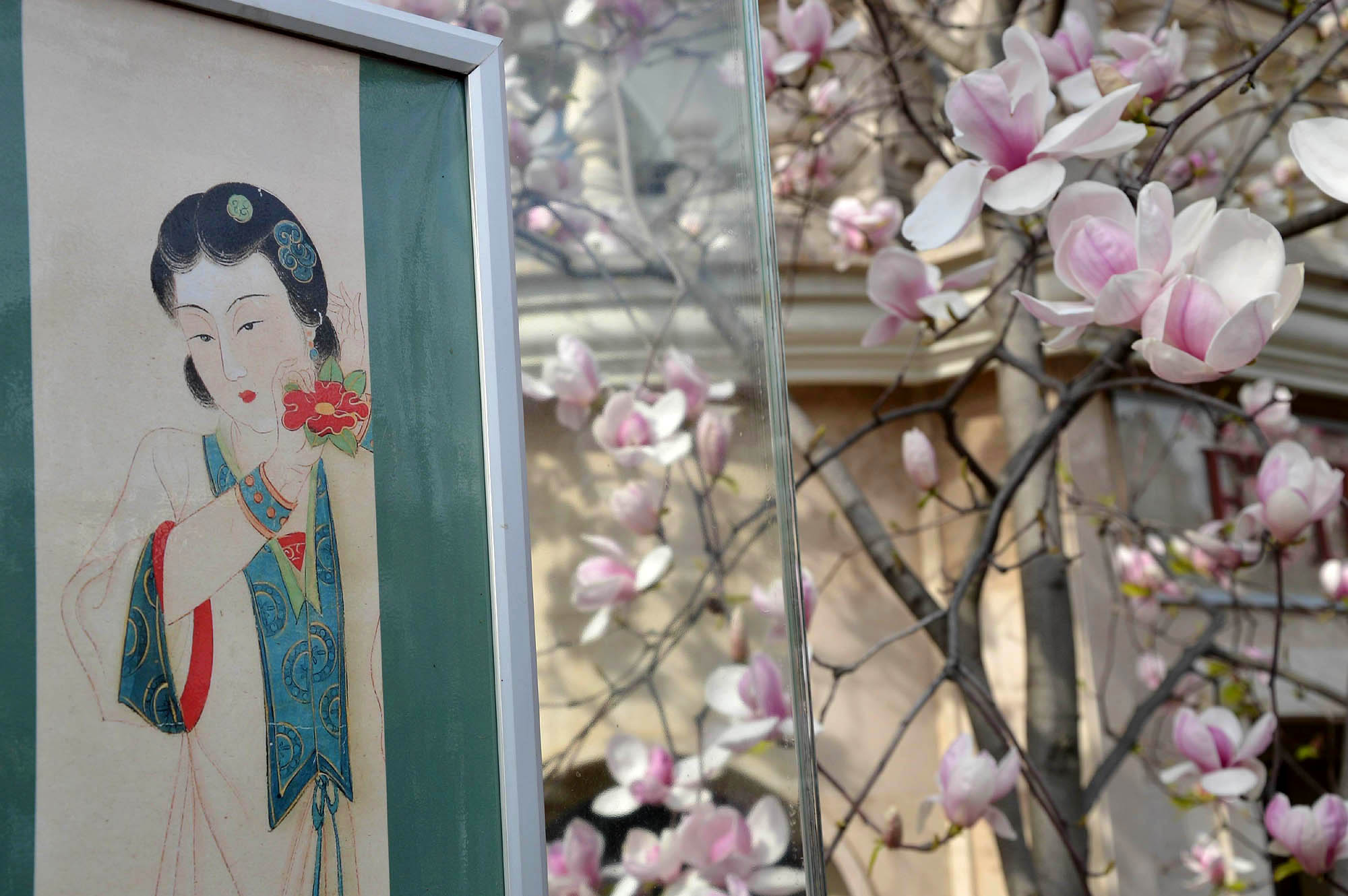
In the exhibition Hazy mountains, fragrant flowers – Traditional Chinese ink painting in the 19th and 20th centuries of the Kogart House in Budapest, nearly a hundred scroll paintings and calligraphy are on display from the Three Gorges Museum of Chongqing until 30 March. Almost all the paintings lent from China are from the late Qing era, academic works of conservative taste, which carefully imitate the great classical models. Perhaps only the three images by Liu Xiling (刘锡玲, 1848-1923) are truly original and exciting: their ragged brushwork and abstract forms already foreshadow the expressiveness of contemporary Chinese ink painting, as well as its ironic relationship to the classical canon.
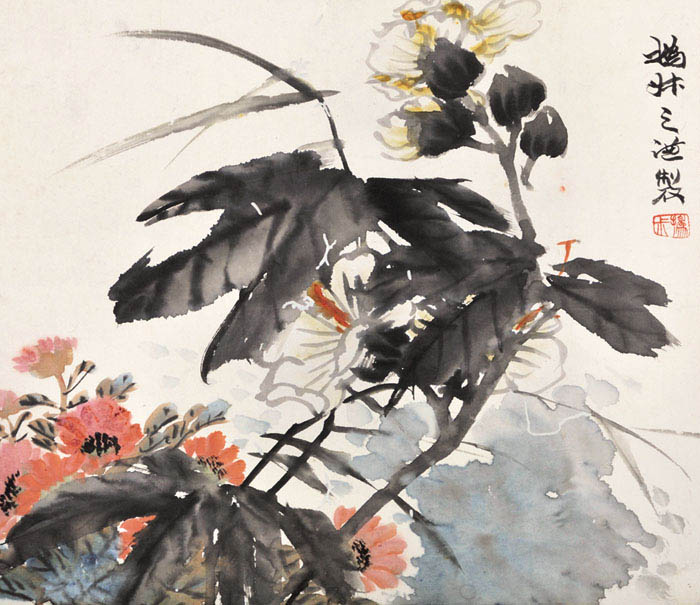
This illustration is a different work by Liu Xiling; his exhibited works do not figure in the catalog.
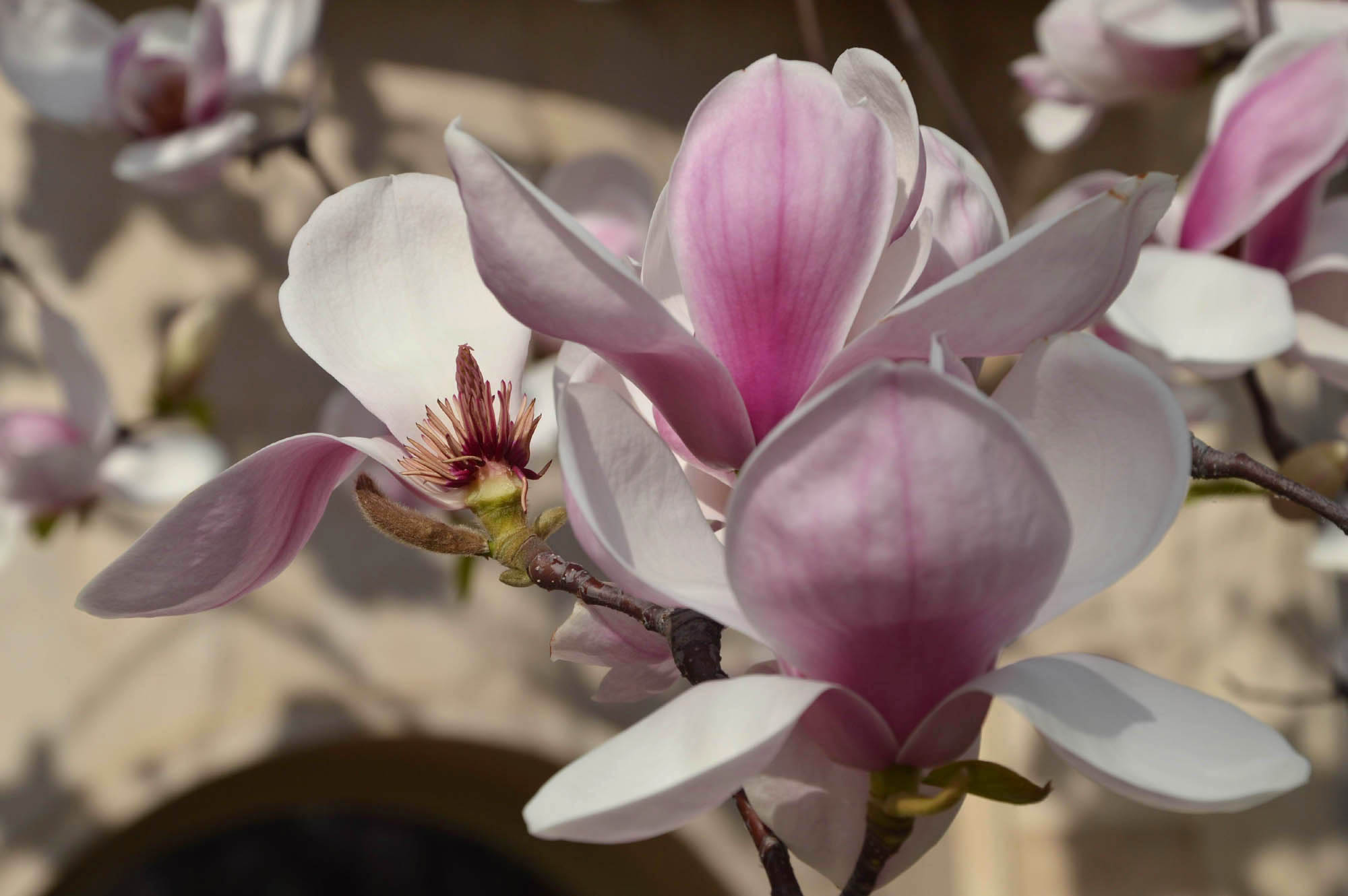
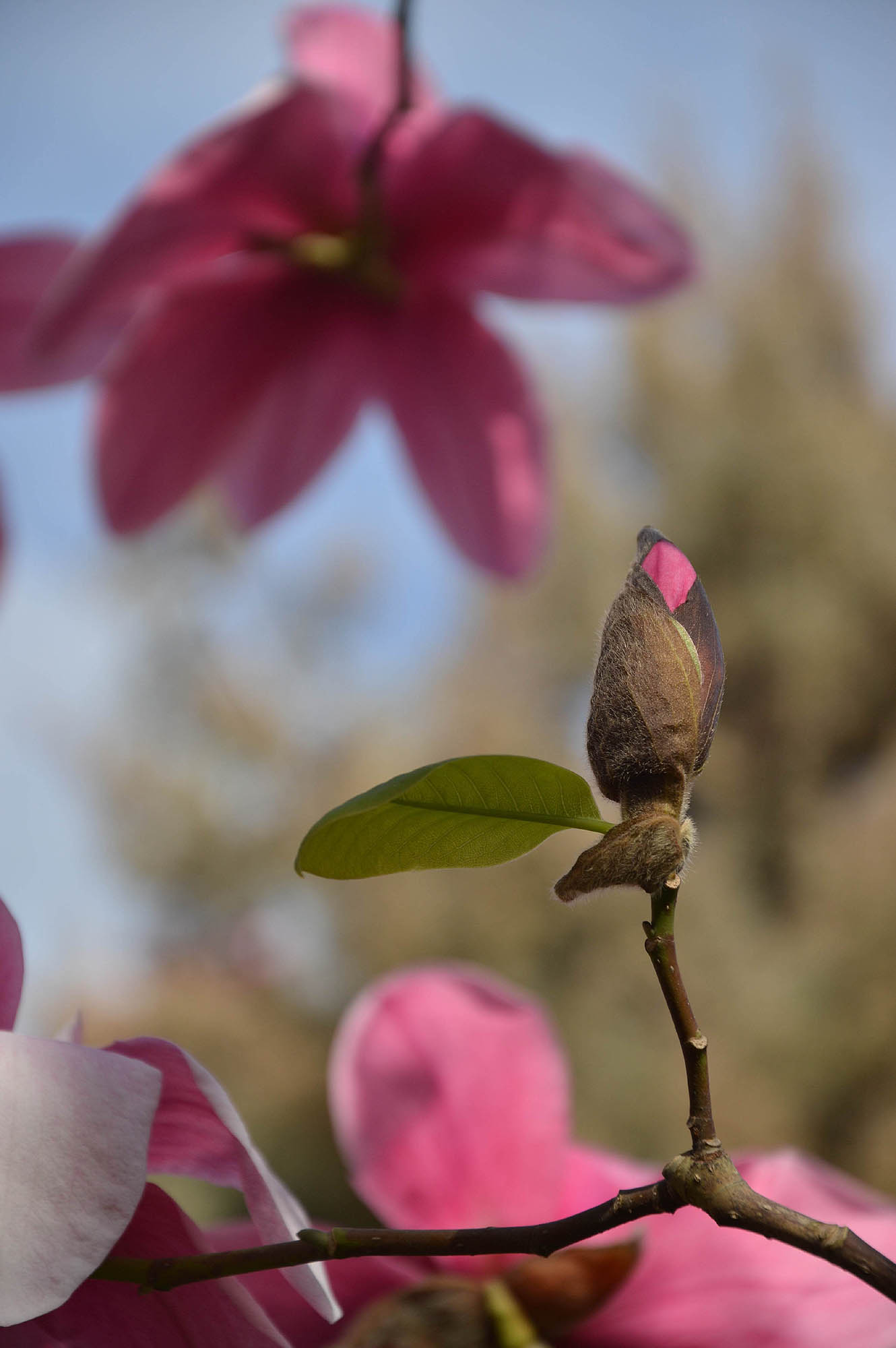
However, nature compensates us for the low-key intensity of the paintings. The four magnolia trees in full bloom at the street front of the Kogart House reveal with explosive force what the masters at the end of the imperial era tried to sublimate from the paintings of an earlier century they deemed happier. The visitors stop in the garden, just like the passers-by outside the fence. They happily photograph each other in front of the sea of flowers.


magnolia magnolia magnolia magnolia magnolia magnolia magnolia magnolia magnolia magnolia magnolia magnolia magnolia magnolia magnolia magnolia magnolia magnolia magnolia magnolia


Flora

Prislop, Borsai Pass, crossing from Maramureș to Bukovina

Who can name them?


Lanzado al viento


Что бежал заюшка по белу свету,
По белу свету да по белу снегу.
Он бежал, косой, мимо рябины дерева,
Он бежал, косой, рябине плакался.
Huía un gazapo por el blanco mundo,
por el blanco mundo, por la blanca nieve.
Huía el gazapo debajo del serbal,
huía, y debajo del serbal lloraba:


У меня ль, у зайца, сердце робкое,
Сердце робкое, захолончивое.
Я робею, заяц, следу зверьего,
Следу зверьего, несыта волчья черева.
¡Ay, que tengo, tengo el corazón cuitado,
corazón cuitado que se asusta mucho!
Soy gazapo y tengo miedo de las fieras,
de las fieras crueles y del vientre del lobo.


Пожалей меня, рябинов куст,
Что рябинов куст, краса рябина-дерево.
Ты не дай красы своей злому ворогу,
Злому ворогу, злому ворону.
Ten, hermoso serbal, piedad del gazapo,
ampárame, serbal, con tus bellas ramas.
No des tu belleza al mal enemigo,
al mal enemigo, al malvado cuervo.


Ты рассыпь красны ягоды горстью по ветру,
Горстью по ветру, по белу свету, по белу снегу,
Закати, закинь их на родиму сторону,
В тот ли крайний дом с околицы,
Esparce a puñados tus bayas al viento,
en el blanco mundo y en la nieve blanca,
haz que rueden lejos, a mi amada tierra,
a la última casa que está junto al bosque


В то ли крайнее окно да в ту ли горницу,
Там затворница укрывается,
Милая моя, желанная.
Ты скажи на ушко моей жалёнушке
Слово жаркое, горячее.
La última ventana y la alcoba aquélla
una prisionera allí está escondida,
es el amor mío, la que yo más quiero.
Y di tú al oído de la pobrecilla
cálidas palabras, palabras ardientes.


Я томлюсь во плену, солдат-ратничек,
Скучно мне, солдату, на чужбинушке.
А и вырвусь я из плена горького,
Вырвусь к ягодке моей, красавице.
Soldado de guerra, en prisiones vivo.
Soldado, estoy triste en tierras lejanas.
Pero huiré muy pronto de mi amarga cárcel,
huiré hasta ese serbal que es la amada mía.

Boris Pasternak: El Doctor Zhivago, 12.6. traducción de Fernando Gutiérrez
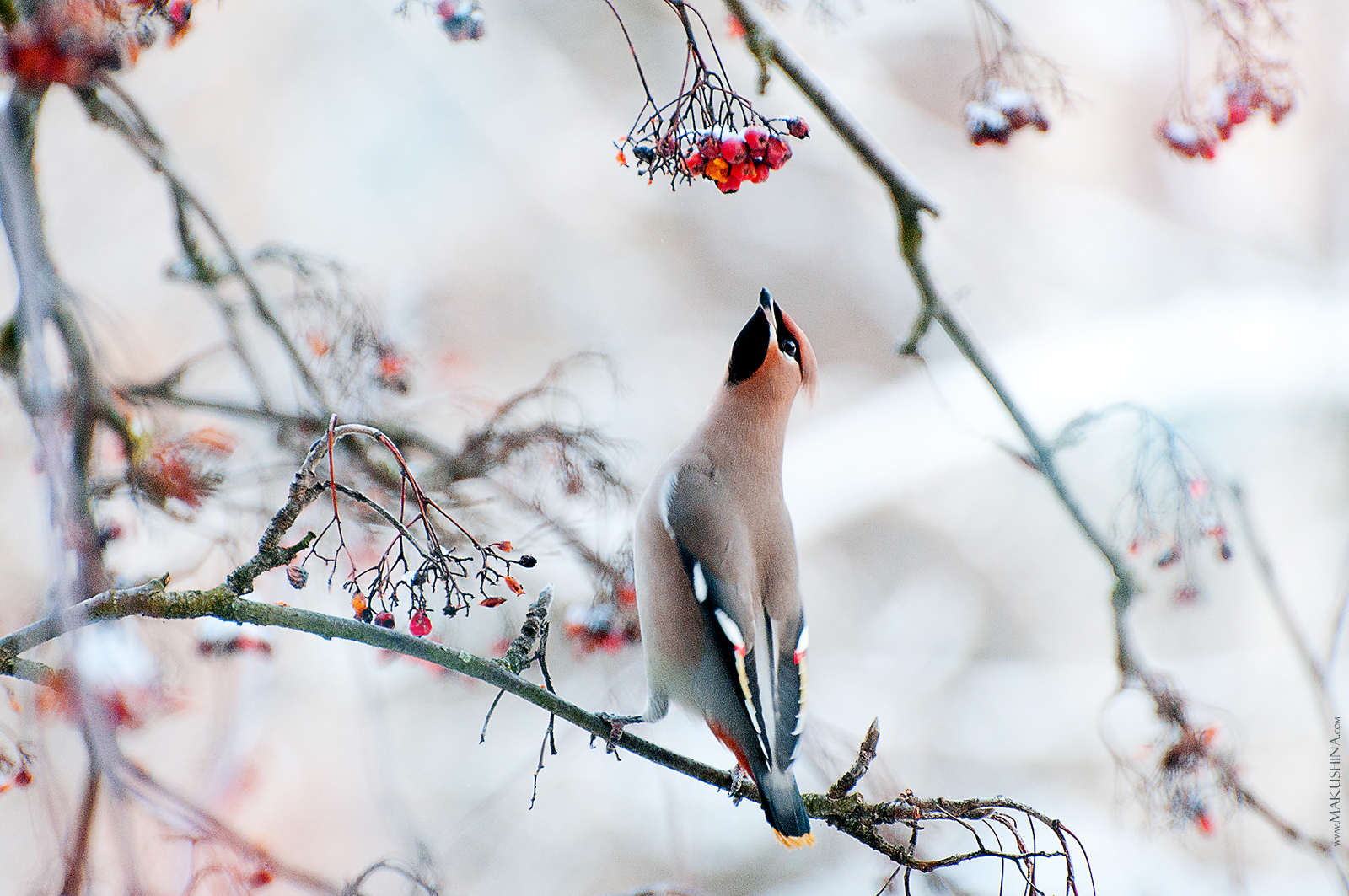
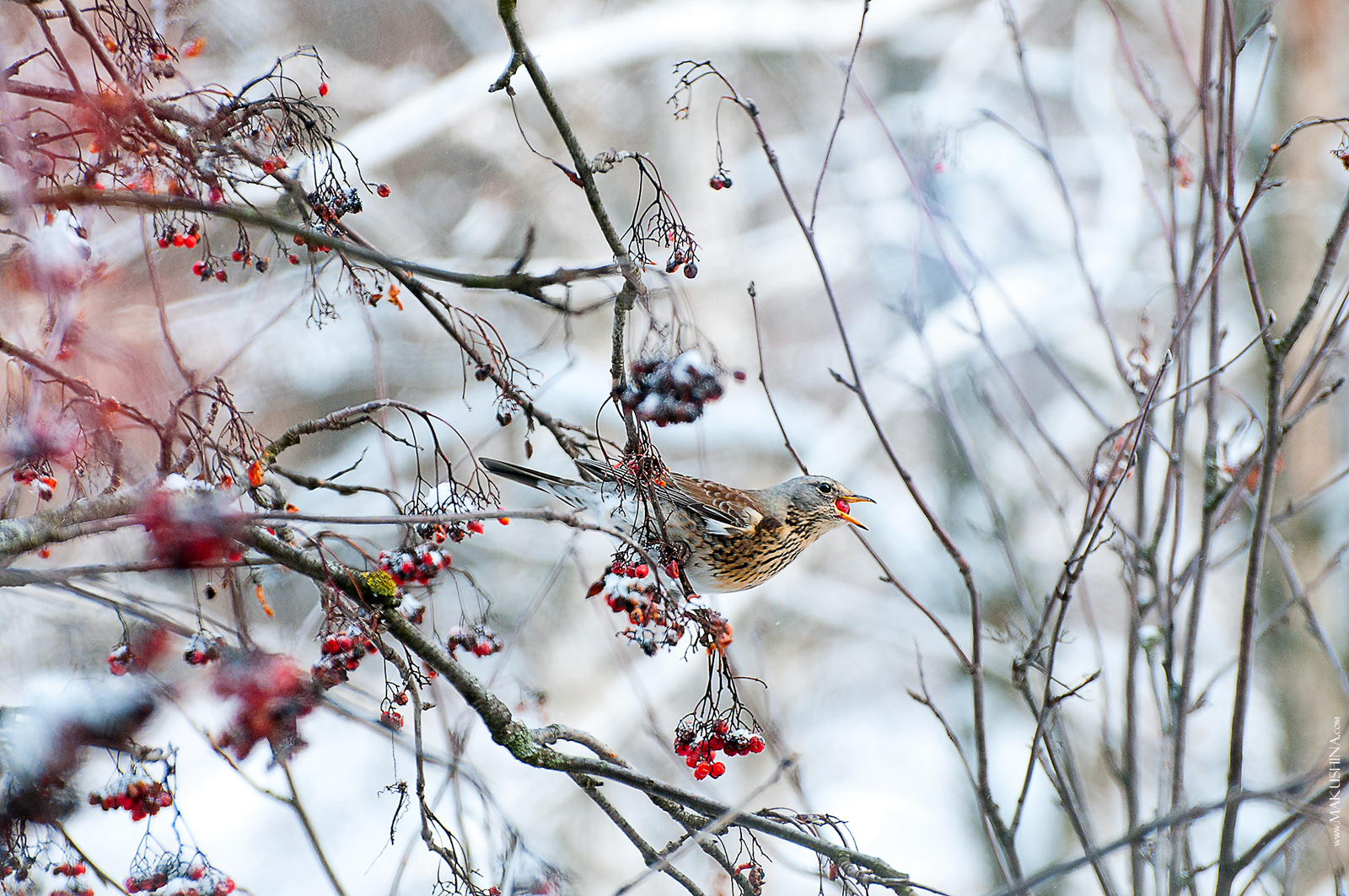
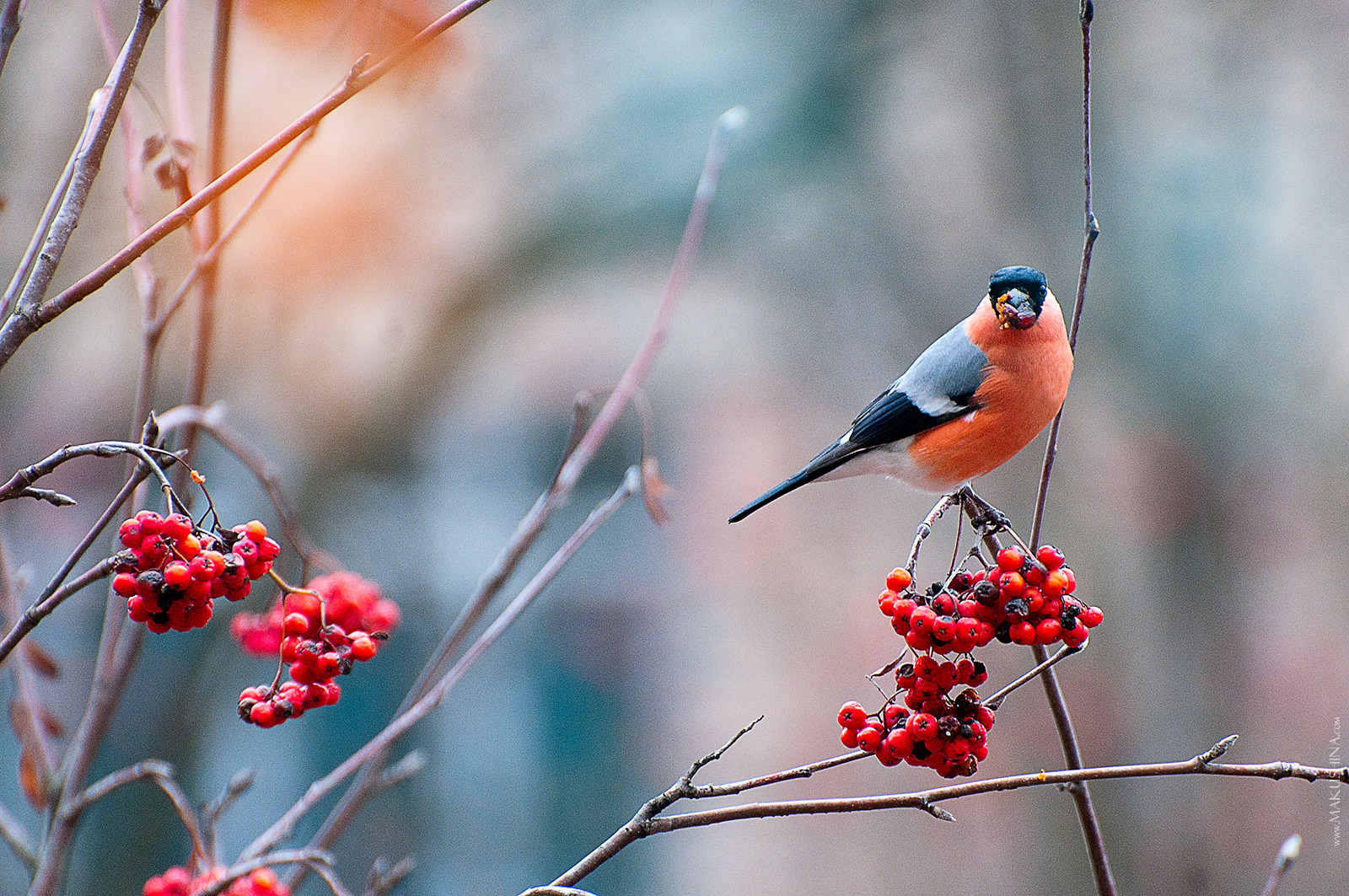
fotos: Irina Makushina


Scatter to the wind


Что бежал заюшка по белу свету,
По белу свету да по белу снегу.
Он бежал, косой, мимо рябины дерева,
Он бежал, косой, рябине плакался.
As a hare was running about the wide world,
About the wide world, over the white snow,
He ran, the lop-eared hare, past a rowan tree,
Past a rowan tree, and complained to it:


У меня ль, у зайца, сердце робкое,
Сердце робкое, захолончивое.
Я робею, заяц, следу зверьего,
Следу зверьего, несыта волчья черева.
Have I not, he said, a timorous heart,
A timorous heart, so faint and weak?
I am frightened, he said, of the wild beast’s tracks,
Wild beast’s tracks, the wolf’s hungry belly.


Пожалей меня, рябинов куст,
Что рябинов куст, краса рябина-дерево.
Ты не дай красы своей злому ворогу,
Злому ворогу, злому ворону.
Pity me, O rowan bush!
O rowan bush, O fair rowan tree!
Do not give thy beauty to the wicked enemy,
The wicked enemy, the wicked raven.


Ты рассыпь красны ягоды горстью по ветру,
Горстью по ветру, по белу свету, по белу снегу,
Закати, закинь их на родиму сторону,
В тот ли крайний дом с околицы,
Scatter thy red berries to the wind,
To the wind, over the wide world, over the white snow.
Fling them, roll them to my native town,
To the far end of the street, the last house,


В то ли крайнее окно да в ту ли горницу,
Там затворница укрывается,
Милая моя, желанная.
Ты скажи на ушко моей жалёнушке
Слово жаркое, горячее.
The last house in the street, the last window, the room
Where she has shut herself in,
My beloved, my longed-for love.
Whisper to my grieving love, my bride,
A warm, an ardent word!


Я томлюсь во плену, солдат-ратничек,
Скучно мне, солдату, на чужбинушке.
А и вырвусь я из плена горького,
Вырвусь к ягодке моей, красавице.
I, a soldier, languish in captivity,
Homesick, I am, poor soldier, kept in foreign parts.
I’ll break from durance bitter,
I’ll go to my red berry, to my lovely bride

Boris Pasternak: Doktor Zhivago, 12.6. translated by Max Hayward
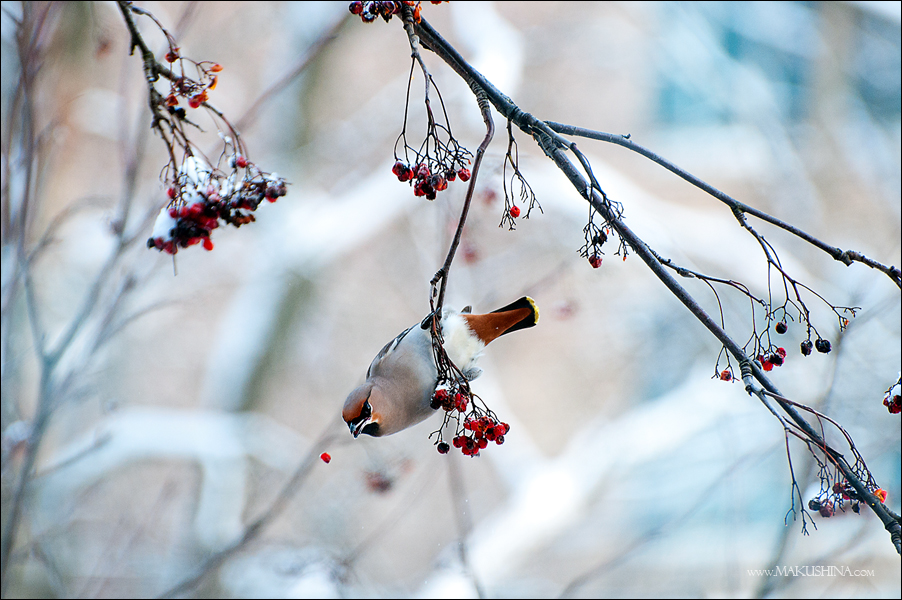
photos: Irina Makushina


Up the hill - Дорога к храму

To Hilary and Walter, in thanks for their visit

osz1 osz1 osz1 osz1 osz1 osz1 osz1 osz1 osz1 osz1 osz1 osz1 osz1 osz1 osz1 osz1 osz1 osz1 osz1 osz1 osz1 osz1 osz1 osz1 osz1 osz1 osz1 osz1 osz1 osz1 osz1 osz1 osz1

On the hill stands the church of my grandfather’s village, the oldest wooden building in present-day Hungary, constructed in 1670 in the honor of St. Nicholas the Miracle-maker. Its icons are from the 18th century, the furniture from the 19th, and in the 20th it was transferred here, in the open-air museum. As a child, I have not seen it any more, but my brothers saw it, down the street, on the hill of Bukots, and Bandi even preserves a postcard with its image, sent to him by our mother from the village. Just now I learned that the village as well as the surrounding Rusyn villages come together here, to the museum of Szentendre on every 8 September, the feast of the Birth of the Holy Virgin, and celebrate a mass in Rusyn and Hungarian. Next year I’ll also be there.

На холме стоит церковь деревни моего деда, самое старое деревянное здание в современной Венгрии, построенное в 1670 г. в честь святого Николая Чудотворца. Его иконы – 18-го века, мебель – 19-го, а в 20-ом он был переведен сюда, в музей под открытым небом. Я сам, будучи ребёнком, уже не успел его увидеть, но братья мои видели, вниз по улице, на холме Букоц, и самый старший, Банди хранит открытку с его изображением, посланную ему нашей мамой из деревни. Только сейчас я узнал, что каждый год 8 сентября, в праздник Рождества Пресвятой Богородицы приезжают сюда, в Сентендре из нашей деревни и из окрестных русинских деревень рядом с украинской границей, и проводят богослужения на русинском и венгерском языках. В следующем году я тоже буду там.

osz2 osz2 osz2 osz2 osz2 osz2 osz2 osz2 osz2 osz2 osz2 osz2 osz2 osz2 osz2 osz2 osz2 osz2 osz2 osz2 osz2 osz2 osz2 osz2 osz2 osz2 osz2 osz2 osz2 osz2 osz2 osz2 osz2

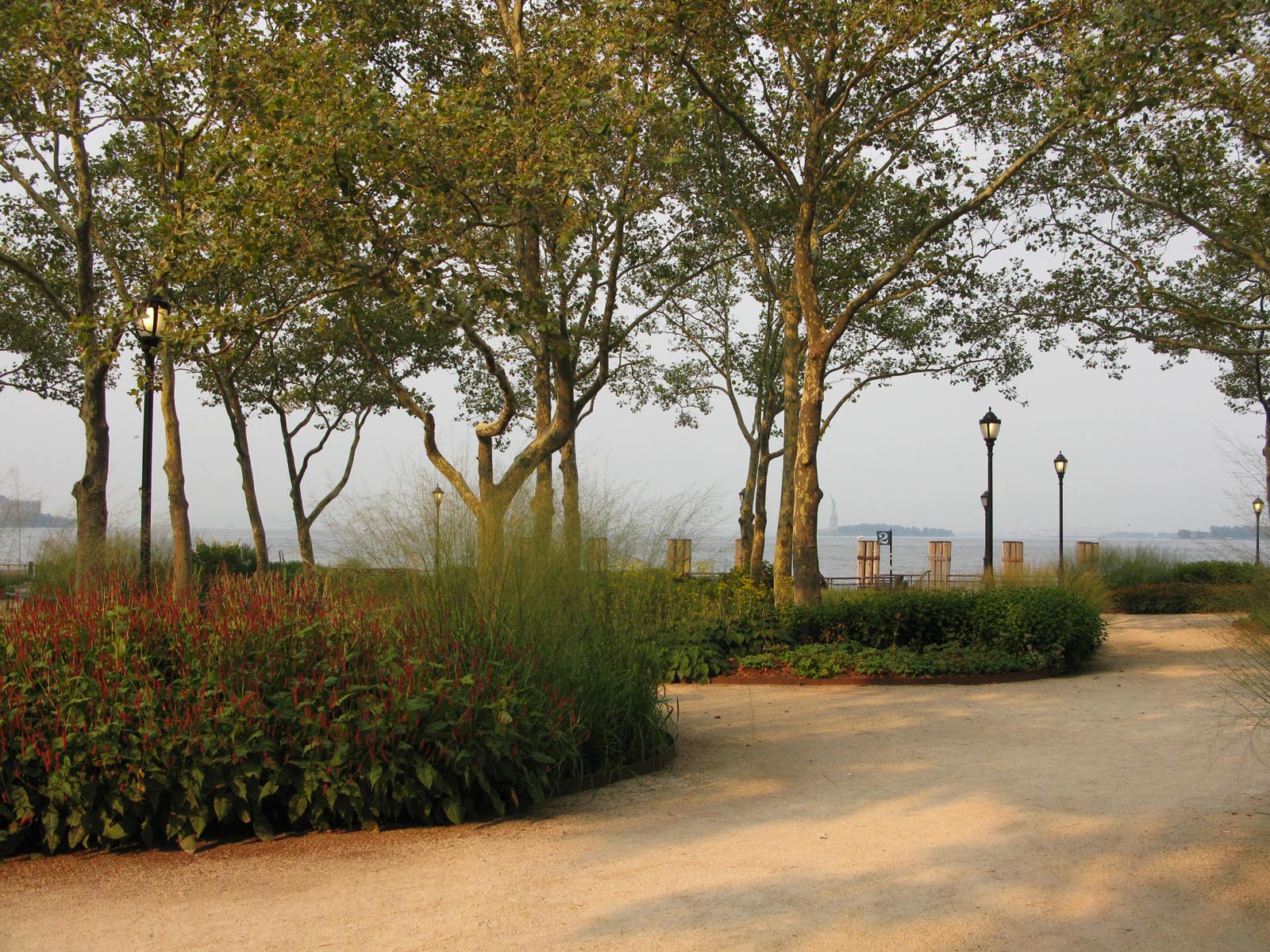
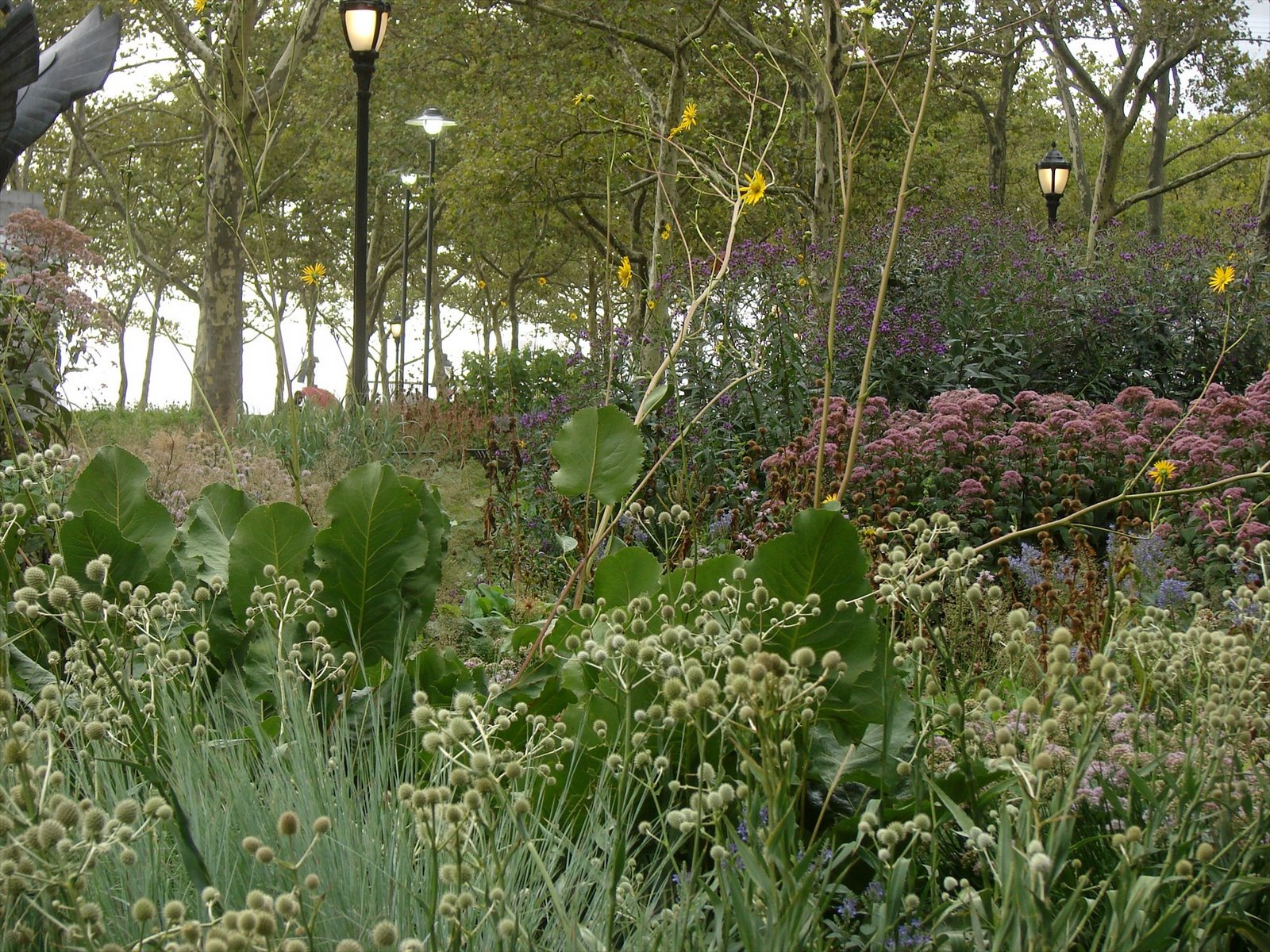
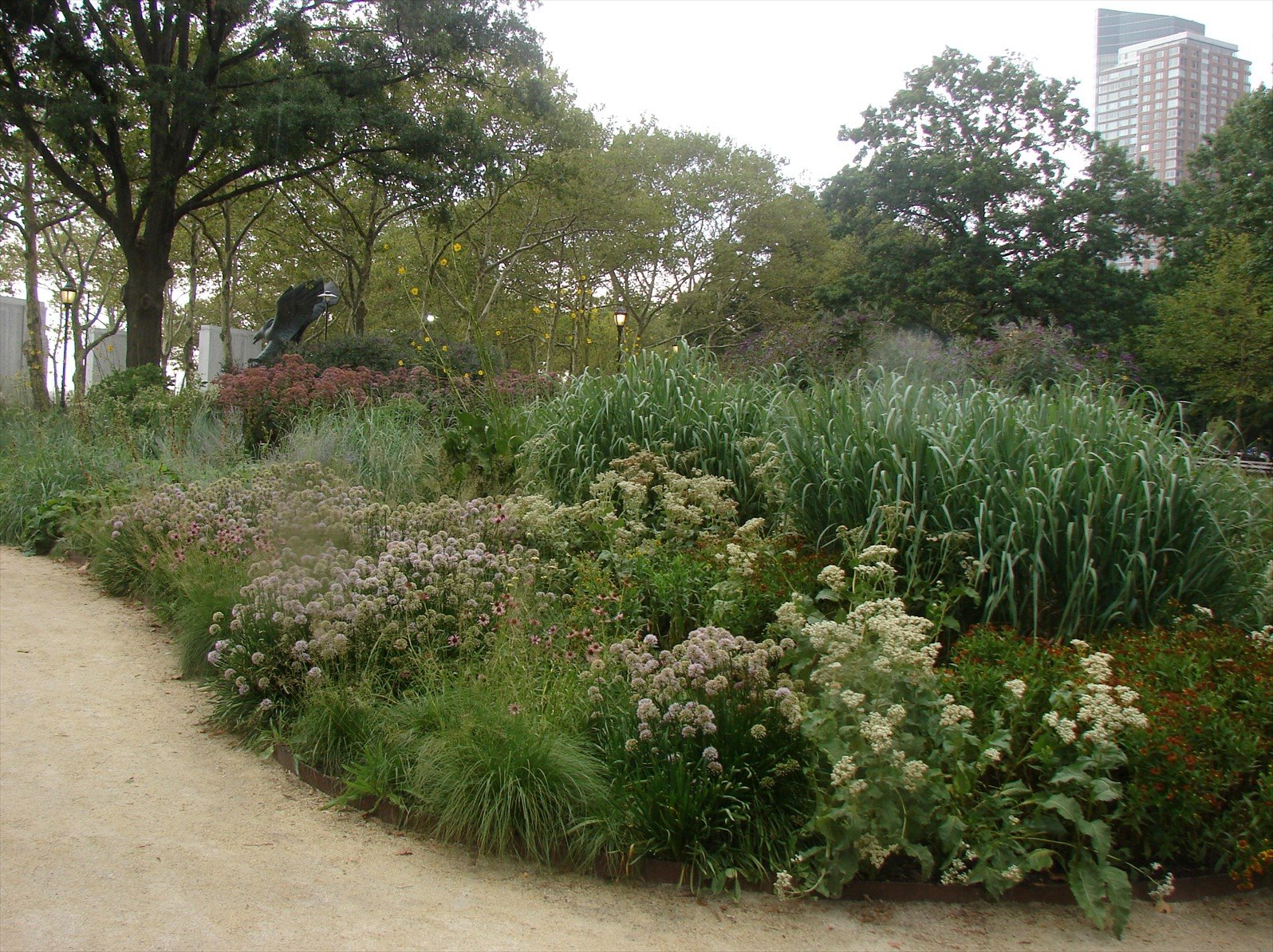
The Battery Gardens

On Monday, by taking advantage of the opportunity that on Saturday we would build one of the gardens planned by me, and at the last minute I can add to the order a few plants I want to be taken to Budapest together with the rest, I checked some Heleniums over the web, and thus again I ran across the Battery Plant Database. On this occasion I decided that I would put out these few links on The Battery Gardens.


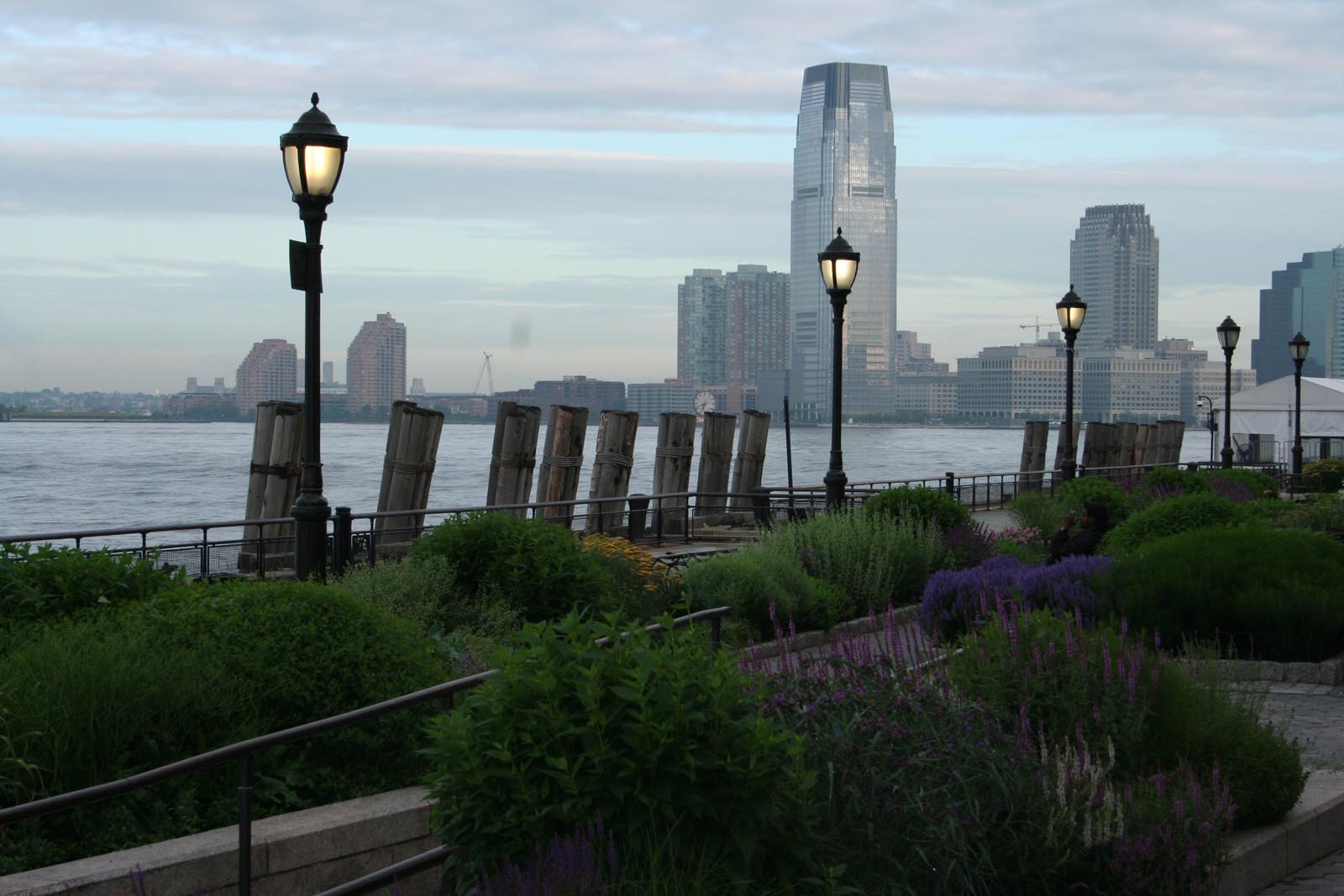
The Battery is the point of Mannhattan at the confluence of Hudson and East rivers where the first Dutch settlers landed. It got its name of the first artillery stationing here to defend the young city. The castle built here was New York’s first cultural center and later the first reception center for immigrants, converted in the early 20th century into the first aquarium of the city. After the renovation of the castle in the 1970’s a cultural and tourist center was established here again, and in recent years the hitherto quite neglected garden has been renovated, too.

The two gardens established here belong to the major jobs of the Dutch garden designer Piet Oudolf, a leading figure of the New Perennial movement. By entering the site of The Battery Conservancy and clicking on the Things to do above, the first option offered is the Gardens. By clicking on it, you can see a series of beautiful pictures on the park, you can check various information pages on Piet Oudolf, the details of the park and its plants, and if you think so, you can even buy plants from there.


The New Perennial movement has never belonged to the mainstream trends of gardening. In the last hundred years the main currents of gardening mostly regarded plants as objects to be used for various purposes, an element of the architectural concept, which as a living organism was of very little interest to the designer. What is important to him/her is the optical unit, the effect to be achieved with the plant as a bloc, and the individual features of the plants are completely irrelevant as long as the desired effect is achieved through it.

In modern gardens the plants often appear as an inarticulate green medium without any individual significance, whose only function is to provide a counterpoint to the concrete, metal or plastic objects placed in the given space. And when the plants are the main character in the garden, they usually create images with flowers, possibly of great size and strong colors. These images usually live only a few weeks, while in the rest of the year the gardeners dig out, distribute, cut down, force into artificial support system, tie and prune them, so that in those few weeks when in the given bed everything is blossoming and the image is ready, the plants would display the desired size and form, which is often very different from their natural size and form.

As these beds are attractive only for a short period, the gardeners often start the plants in the nurseries, they bed them out in full blossom, and after blossoming they take them out and throw them away – not only the yearlings, but also the perennials –, and plant a new set. In these perennial beds the gardeners usually adopt vivid colors, which act as a strong stimulus, and overshadow any other element.


The founder and still dominant personality of the New Perennial movement – in an interview Oudolf called him my hero –, Karl Foerster opened his nursery in 1903 in Berlin with the aim to realize his ideas which were completely opposite to the public opinion. The nursery, which today grows 2,000 different perennials on 70,000 square meters, begins the presentation of Foerster’s work on its site with the following phrases: „Contrary to the prevailing bourgeois conception, which regarded the plants as pigments, and after blossoming replaced them with new ones, to Karl Foerster every plant was an individual. Due to his enlightened, humanist intellectual character, his breeding work aimed at highlighting the inherent characteristics of every plant, without changing its essence.


The New Perennial movement, on the wake of Foerster, unfolded this relationship to plants. Here, the gardeners do not want to demonstrate the enforcement of their will, and they do not intend to maximize the sensory stimulus, but they are passionately interested in plants. The gardener knows exactly the environmental needs and tolerances of plants, so he is able to establish in any environment ensembles which develop well and require little maintenance. The thoughtful understanding of the growing, flower and leave forms and colors of the plants, and the humility with which the gardener do not want to put himself at the center, but wants to unfold the inherent beauty of the plants, opens a very large space to creativity. The fact that today the German gardens, for example, use perennials so widely and with such a high quality, is a good indication of what a huge job has been realized in this field by the gardeners.

However, the world fame was brought to the movement by the work of Piet Oudolf. Oudolf added to the results accumulated over the decades not only the extremely sophisticated visual culture of Flemish painting, but also his extraordinary talent. The result is a series of gardens where every plant is on the place best fitting to it, which show the beauty of the plant from sprouting to withering, which give a natural impression as a result of professional color management and richness of form, and nevertheless they are in fact an incredibly sophisticated combination of plants. Which touch your heart without being sentimental for a moment, and open you up to freedom without having any moment of destruction.


While the ideologists of the leading horticultural trends aestheticize and raise into high culture the destruction labeled as modern or postmodern art, and while mass culture is flooded with the magazines and coffee table books showing almost only three weeks old beds (and even this is not enough, because they sharpen and saturate these pictures so that the reader gets the maximum stimulation and does not fall out of the wheel of consumption), there are people who do not let themselves being swept with the mainstream. I find it beautiful that in the Battery, where 8.5 millions of immigrants – who mostly had to leave their country because of politically legitimized hatred or poverty – were received by America, now there are two New Perennial gardens.


If you are interested, check the pictures loaded on Piet Oudolf’s site, on The Battery page, too. (And once you are there, have a look at the other gardens of Oudolf as well.) If you are fascinated by this work of Piet Oudolf, be sure to read the excellent articles on the Battery in the great blog of James Golden. And if you have even more time, then – back to the stove – absolutely dig a bit into The Battery Plant Database, either in order to have a look into the workshop of the New Perennial, or just to marvel at these beautiful plants.


Transylvanian flavors


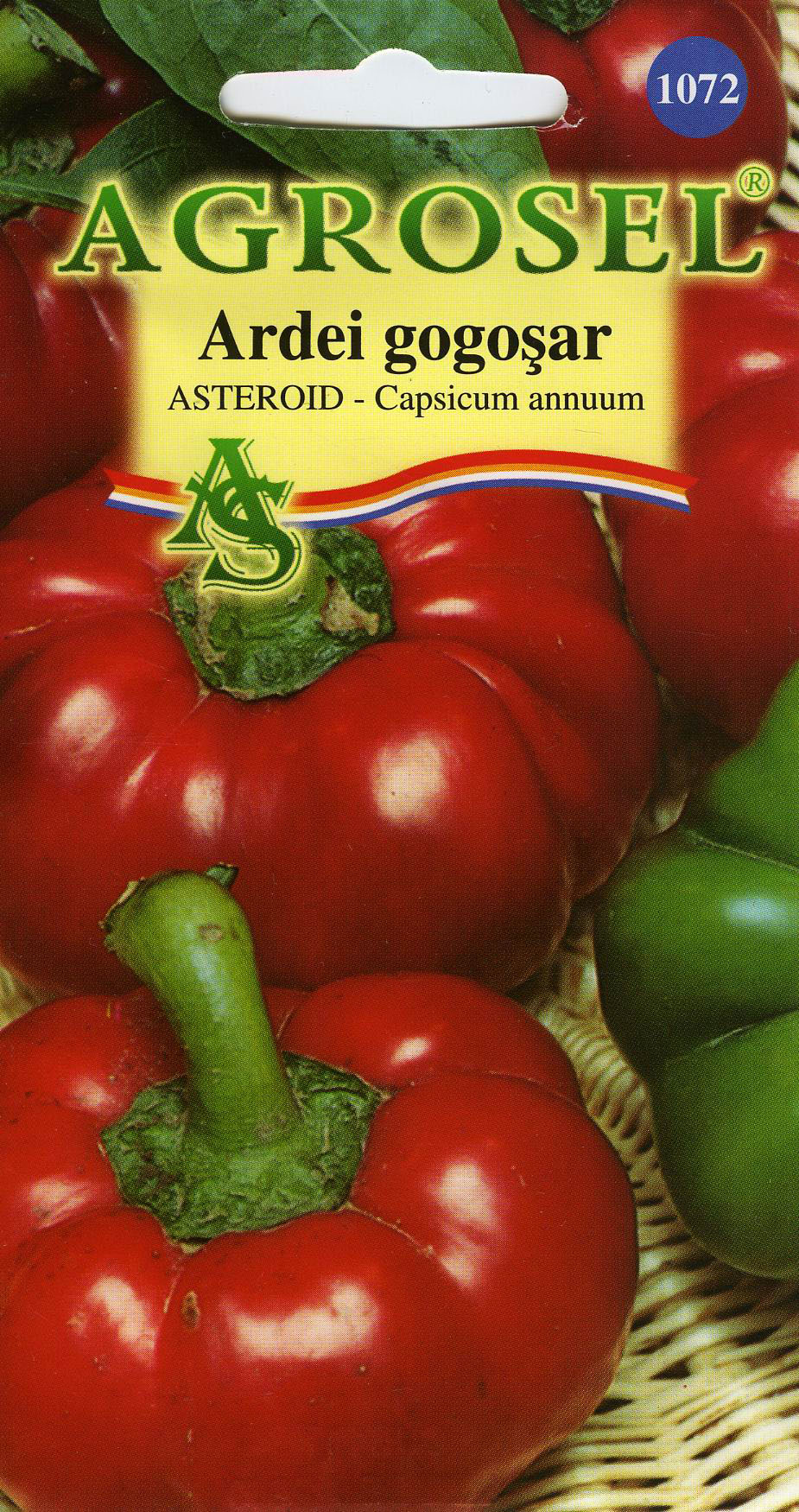
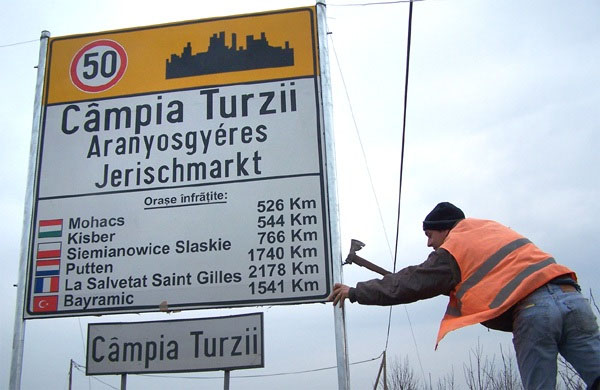
An infallible sign of spring is that the new seed supply appeared in the local farmers’ shop. This year’s lineup is entirely from Transylvania, the superb assortment of the Agrosel company from Aranyosgyéres/Câmpia Turzii.


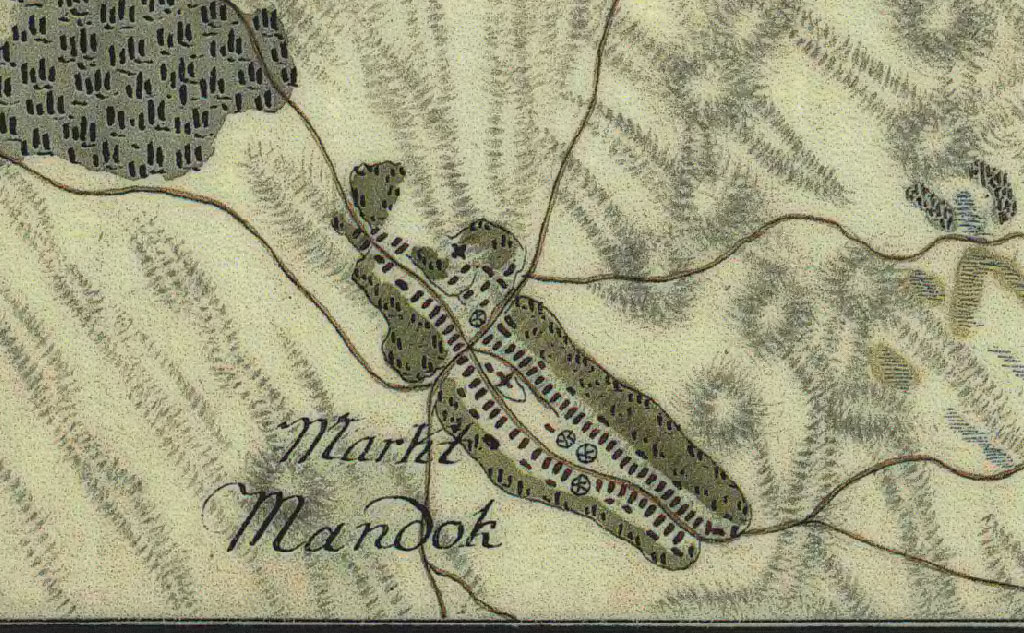
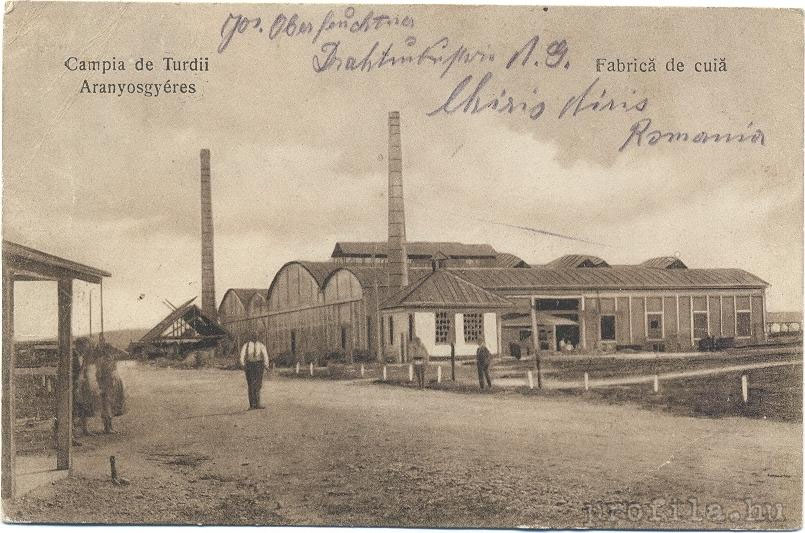
Aranyosgyéres (Jerischmarkt, until 1925 Ghiriş-Arieş, later Câmpia/Cîmpia/Câmpia Turdii/Turzii) was a terrible socialist industrial city when I courted there in the 80s. It was mainly the chemical works that vitiated the air: the penetrating odor covered all the main street of Laminariştilor, that is of Rollermen, where the center of the Agrosel company is now standing over the Calvinist church. It is a great news, therefore, if the area became so clean that they can produce and moreover export seeds.


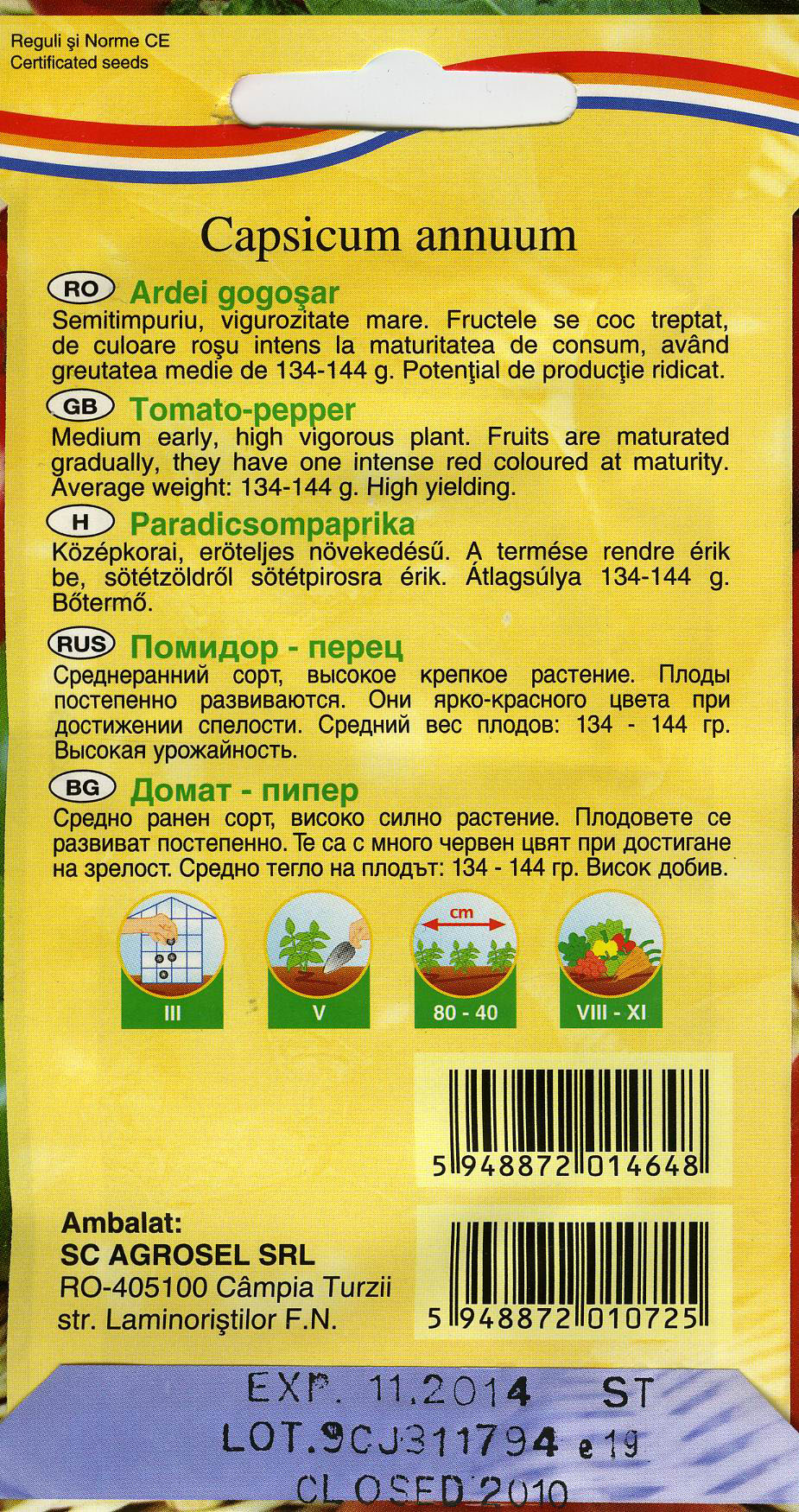
The descriptions of the plants on the bags are printed in five languages, and besides the Romanian and Bulgarian versions the Hungarian one was also made by a native translator. However, what is really special in it is that he or she made it in Transylvanian Hungarian.

Although the most characteristic Hungarian dialects are to be heard in Transylvania, they are strictly oral versions. Educated people exclusively use literary Hungarian in writing, which eventually can differ remarkably from how they would say the same thing. This is one of the reasons why the ten-piece video series Székely language course for Hungarians” of late 2009, offering an amusing introduction to the dialect spoken in the Eastern Carpathians, became so extremely popular over the Hungarian web (for non-Hungarians I especially recommend the lesson on the technical terms of brawl), as an important source of their humor was that many typical terms were seen in it written for the first time. Since that course it is now the first occasion that I encounter in a printed text such characteristic expressions as for example the red pepper “rendre érik be”, ‘growing ripe in an order’, instead of “fokozatosan érik”, ‘growing ripe gradually’ as we would say it in Budapest. Is this publication an isolated case, or rather a first sign of the development of a printed version of the Transylvanian Hungarian volgare?


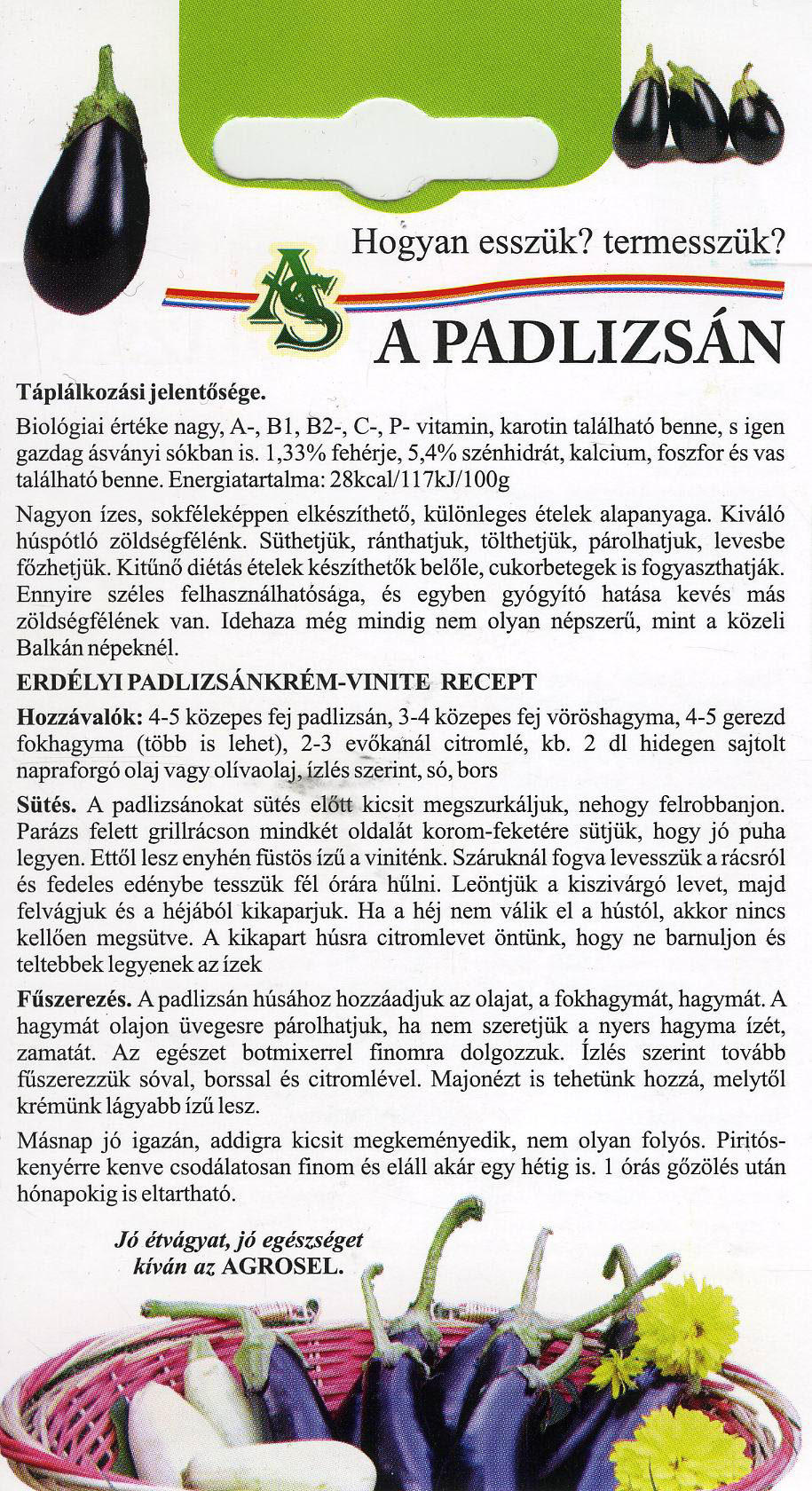
And the advance of Transylvanian culture is also marked by another element. The bag of the eggplant seeds – and only of these seeds – also includes an users instruction on how to plant and to prepare this characteristic fruit of the Balkans. This is really fitting, as the cuisine of Hungary does not really use this plant, while in Transylvania spiced eggplant cream, vineta is an indispensable part of any breakfast, accompanied by tomatoes, green onion and strong plum brandy. And this users instruction is precisely the recipe of the famous vineta. *


Transylvanian eggplant cream – Vineta

Ingedients: 4-5 medium size eggplants, 3-4 onions, 3-5 cloves or more garlic, 2-3 spoons of lemon juice, 2 deciliters of sunflower or olive oil, salt, pepper.

Before broiling, stab the eggplants a bit to prevent them from exploding. Broil them on a grill above living coal until both sides become coal black: this will give the characteristic smoky taste to the vineta. Take them from the grill and put them in a bowl for half an hour to get cold. Pour the leaking juice off, then cut the eggplants and scoop its flesh out of the skin. If the flesh does not come easily apart from the skin, it means you have not broiled it enough. Pour the lemon juice on the flesh to prevent it from getting brown. Add oil, garlic and onion to it. Instead of raw onion you can also fry it a bit before adding to the eggplant. Mix it all together until it becomes a fine cream. You can add salt, pepper and lemon juice to taste. You can even add mayonnaise [HERESY!] which gives it a softer taste.

It becomes really good on the next day; by then it also gets a bit harder. Serve it on toast.

But even apart from the fascinating texts, the assortment of Agrosel is rich, their photos are nice, and the products on them very promising. By the autumn we will also see how Transylvanian seeds work in a Slovak village next to Budapest.

One year of garden


Late in the autumn of  2009 Algeier Wendy, the editor in chief of the prestigious Hungarian Kertbarát Magazin (The Garden Lover’s Magazine) wrote me to congratulate to my gardening blog and to ask me whether I would feel like writing about something for the Magazine. I love to write, so I gathered a few themes to her to choose what to write about. She chose them all. This is how this series of articles was born.

In the January-February edition you can read Wendy’s interview with me. I am satisfied with it, and I even told to Wendy that if I made a sociological survey any more in my life, I would happily employ her as an interviewer. In the March-April edition I write about ground covers. In May-June about – what else – the roses. In July-August about hostas. In the September-October issue I published two articles, one on bushes with beautifully coloring leaves in the autumn, and another on alternative fruits. Finally, in the November-December edition I wrote about plants that are also decorative in winter.

Just now I received my articles also in pdf format, so from now on you can read them both here, on Río Wang and in my garden diary. Unfortunately in Hungarian only, but I hope my photos will compensate you for the mysterious content. Click on the thumbnails to read or download them in pdf, depending on how you have set up pdf management.


We have also agreed on a series of articles for 2011, to which I gave the title English garden – in collaboration with nature. It begins like this:

The English garden is similar to Chinese cuisine not only as far as it is the best in the world in its own genre, but also in the fact that in order to reach this, it does not use special and expensive materials but ingeniously simple techniques. With their help, you can create even at home a splendid garden without any particular and expensive plants, a lot of money and much work.

To be continued in the Kertbarát Magazin, in the next year. Happy New Year to you all!