Switch over to our new blog! • ¡Pásese a nuestro nuevo blog!

The renewed version of our blog, with more features, a richer design, and available in nine languages, can be read here: https://wangriver.com

The new version also includes the old posts, often in expanded form. If you are curious about the updated version of this post, replace “riowang.blogspot.com/” in the URL with “riowang.studiolum.com/”, and the new link will most likely lead you there.


La versión renovada de nuestro blog, con más herramientas, un diseño más rico y disponible en nueve idiomas, se puede leer aquí: https://riowang.com

La nueva versión también incluye las publicaciones antiguas, a menudo en una forma ampliada. Si tiene curiosidad por la versión actualizada de esta entrada, sustituya «riowang.blogspot.com/» en la URL por «riowang.studiolum.com/es/», y el nuevo enlace probablemente le llevará allí.

Mostrando entradas con la etiqueta meme. Mostrar todas las entradas

SOPA negra, or the black soup

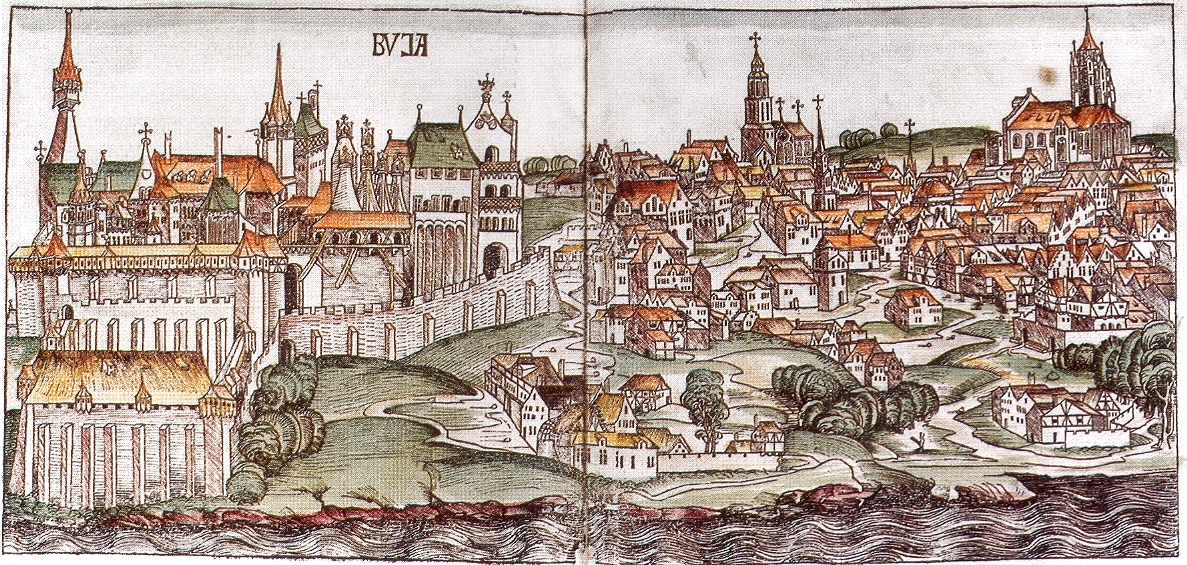
Representation of medieval Buda in Schedel’s Chronicle. The city looked more or less like this around 1500: unlike many other prints of Schedel, this is a rather true view of the castle and its surroundings.

We are living days of justified global turmoil because of the bill proposed some months ago in the House of Representatives of the United States, the SOPA (Stop Online Piracy Act). This is a law which perhaps has some laudable purpose at first sight, but which in the truth deeply threatens the existence of the web as an open place, arbitrarily criminalizing the flow of knowledge and ideas, making insecure its use, and destroying one of the few revolutionary socio-cultural developments realized on a global scale in the last century.

Una SOPA muy negra, a very black soup served on our table by the U.S. lawmakers, we commented it the other day in Studiolum, in whose working language, the noble castellano, this pun offers itself spontaneously. Something like that μέλας ζωμός, (melas zomós, black soup) mentioned by Plutarch (Life of Lycurgus, 12) and prepared by the Spartans, which was so downright bad that once he tasted it, he immediately understood why they were always ready to die.
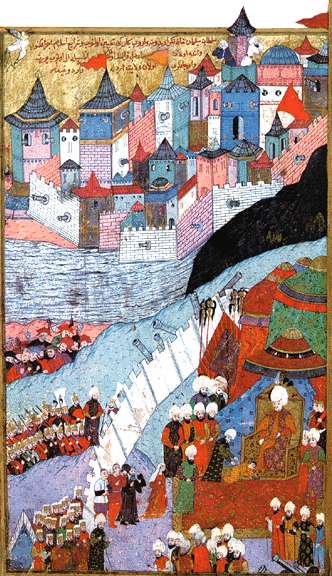
Turkish miniature on the occupation of Buda by Suleiman in 1541. From the chronicle of Seyyid Lokman
But permit us to also describe how the term “black soup” has for us one further, more precise and sinister meaning and threat. Since the early 15th century, the Turkish occupation of the Balkans, Hungary was in direct contact with the Ottoman Empire. It happened this way that the country got to know and began to consume the coffee, which at that time was called in Hungarian fekete leves, that is, “black soup”.

In 1526 the Ottoman army in the Battle of Mohács killed the young Hungarian king Louis II, whose wife, Margaret (later Spanish governor in Flanders) was of the house of Hapsburg. Ferdinand I of Hapsburg, brother of Emperor Charles V and husband of a sister of the late Louis II, immediately claimed his right to the Hungarian throne and was crowned. However, at the same time they also crowned as John I of Hungary the voivode of Transylvania John Zápolya who, after the devastating battle of Mohács, was virtually the only Hungarian baron with a powerful army.

In 1528 John I signed a treaty with Suleiman the Magnificent who in 1529 occupied Buda, sweeping away the remnants of the Hapsburg army, and pushing back Ferdinand I to Vienna. He then handed the city over to John I. In consequence, Hungary remained in a state of semi-independence until the death of John I.
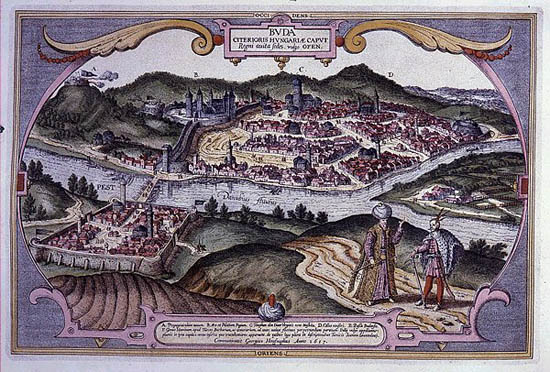
17th-century woodcut representing the then separate cities of Buda and Pest, both under Turkish rule

The Hungarian king died in 1540, leaving a single newborn son, John Sigismund, who would later become the first Prince of Transylvania. Upon learning of his death, Ferdinand of Hapsburg marched again to Buda to claim his ancient rights. At the same time Suleiman, a fierce enemy of the House of Austria, also started to march to Buda. The Hungarian barons observed with obvious nervousness the proximity of two large armies with which they could not compete, and were not even able to negotiate about the continuity of the newborn king on the throne, but as former allies of Suleiman, they decided to remain faithful to the Ottomans.

Aerial view of the castle of Buda. Marked in red, the destroyed village of Logod,
where Suleiman set up his tent. In blue, the cathedral of the Virgin,
converted into a mosque. View in Google Maps.

Suleiman set up his rich tent right under the walls of the castle of Buda, in the little, destroyed village of Logod, and he invited there the widow queen (daughter of the Polish king Sigismund I) as well as the most influential barons to a solemn banquet. While they were eating and drinking, the Turkish soldiers – faithful allies of the Hungarians – as merely curious visitors surreptitiously and apparently in a peaceful way infiltrated in the streets of the fortress. When their number was enough, they simply had to dispatch the Hungarian guard, pulling down the cross of the cathedral of the Virgin Mary, and planting the crescent moon in its place. Immediately, a muezzin began to sing the first prayer (the mihrab is still today visible in the wall of the sanctuary). The barons, when hearing it (they were at less than four hundred meters from the church) attempted to run up to the castle. But the sultan, as if nothing happened, said to them smiling: “But where do you go, where so fast…? The black soup is yet to come!” and they slowly took the coffee. After having taken it, the sultan sent the queen and the infant heir, with a handful of courtiers, to Transylvania which in the following years became a semi-independent principality, reserving for himself the central part of Hungary as a new vilayat with its seat in Budin. And the barons were arrested and taken to Istanbul where they ended their days in the prisons of Yedikule (“the Seven Towers”), where a commemorative plaque was placed in the last century. Since then, the term “black soup” means in Hungarian: “expect the worst”.
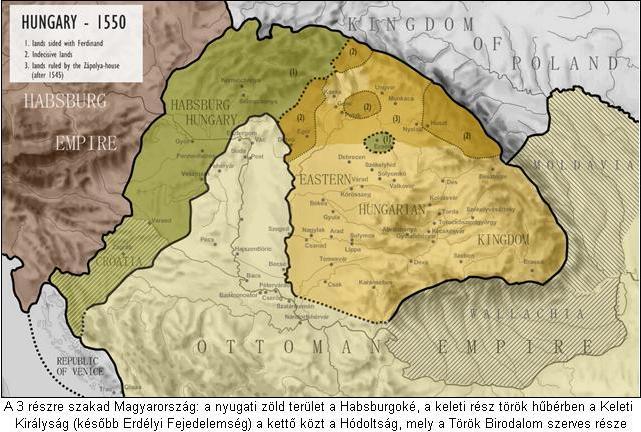
Division of Hungary after 1541, the founding of the wedge-shaped vilayat of Budin.
The western part remained forever in the hands of the Hapsburgs, while
the east, by an agreement with Ferdinand, in the hands of John
Sigismund, first King of Oriental Hungary and from
1570/71, in terms of the Treaty of Speyer,
Principality of Transylvania.

And now, thanks to the free Internet, you have also got to know how the term SOPA negra is loaded with all kinds of sinister meanings throughout the history of many nations. We do not like this soup cooked by some American politicians. It is – to use another term whose intercultural sinister meanings should be discovered in another post – black as pitch.

Turkish woman taking coffee. Anonymous painter, Pera Museum, Istanbul

SOPA negra

Representación de la Buda medieval en la Crónica de Schedel. Así era más o menos hacia 1500: a diferencia de otros grabados de Schedel, esta es una imagen fiel de la ciudadela y sus alrededores.

Vivimos días de justificada agitación mundial sobre el proyecto de ley que se presentó hace unos meses en la Cámara de Representantes de los Estados Unidos, la SOPA (Stop Online Piracy Act, o Acta de Cese de la Piratería en Línea). Es una ley que quizá albergue algún propósito loable en la superficie, pero lo cierto es que amenaza profundamente la existencia de la web como lugar abierto, criminalizando de manera arbitraria el flujo de conocimiento e ideas, volviendo inseguro su uso y destruyendo uno de los pocos avances socioculturales revolucionarios a escala planetaria que nos dejó el siglo pasado. Una SOPA muy negra, en suma, la que nos ponen sobre la mesa los legisladores estadounidenses. Algo como aquella μέλας ζωμός, (melas zomós, sopa negra) que cuenta Plutarco (Vida de Licurgo, 12) que preparaban los espartanos y que era tan redomadamente mala que tras haberla probado entendía por qué siempre estaban dispuestos a morir.

Miniatura turca de la ocupación de Buda por Solimán en 1541. De la crónica de Seyyid Lokman
Pero permitidnos referir cómo para nosotros la expresión «sopa negra» tiene un sentido de amenaza muy preciso y ominoso. Hungría estuvo desde los años 20 del siglo XV, tras la ocupación turca de los Balcanes, en contacto con el imperio otomano. Fue a través de este trato cuando entró y empezó a consumirse en el país el café. Se le llamaba en húngaro «fekete leves», es decir, «sopa negra».

En 1526 los turcos mataron en la Batalla de Mohács al joven rey húngaro Luis II, cuya mujer, Margarita (que luego sería gobernadora española en Flandes), era de la casa de Habsburgo. Inmediatamente, Fernando I de Habsburgo, hermano del emperador Carlos V y casado con una hermana del fallecido Luis II, reclamó su derecho al trono y fue coronado. Pero lo cierto es que también había sido coronado como Juan I de Hungría, a la vez, el voivoda de Transilvania Juan Szapolyai, que era prácticamente el único noble húngaro que mantenía un ejército poderoso.

En 1528 Juan I firmó un tratado con Solimán el Magnífico. Solimán tomó Buda en 1529, barriendo los restos del ejército imperial habsbúrgico y retirando a Fernando I hacia Viena. Acto seguido, se la entregó a Juan I. De este modo, Hungría se mantuvo en un estado de semiindependencia hasta la muerte de Juan I.

Grabado del s. XVII de Buda, donde ya se ve también la primitiva Pest. Ambas bajo dominación turca

El rey húngaro murió en 1540 dejando un único hijo recién nacido, Juan Segismundo —que luego sería el primer príncipe de Transilvania—. Al enterarse de la muerte de Juan I, Fernando de Habsburgo armó de nuevo el ejército y marchó a reclamar sus antiguos derechos. También partió hacia Buda Solimán, feroz enemigo de la Casa de Austria. Los nobles y señores húngaros, nerviosos frente a la proximidad de dos grandes ejércitos con los que no podían terciar, sin posibilidades de negociar tampoco la continuidad en el trono del rey recién nacido pero, de hecho, comprometidos con Solimán, decidieron mantenerse fieles al turco.

Vista aérea de Buda con el lugar preciso en que plantó la tienda Solimán, en el cruce
de las calles de Logod y Bugat, al pie de las murallas y donde estaba la destruida

aldea de Logod. En el punto rojo están los restos de la iglesia medieval.
En el azul la iglesia de la Virgen, convertida en mezquita.
Ver en Google Maps.

A los pies de la fortaleza de Buda, en la pequeña aldea de Logod, plantó Solimán su rica tienda e invitó enseguida a la reina viuda (hija del rey Segismundo I de Polonia) y a los más altos personajes de la corte a un solemne banquete. Mientras comían y bebían, los soldados turcos se iban infiltrando subrepticiamente y de manera al parecer pacífica en las calles de la ciudadela, como meros visitantes curiosos. Cuando el número de soldados fue suficiente, les bastó con despachar a la guardia húngara y, tirando abajo la cruz de la iglesia de Santa María, colocaron en su lugar la media luna que llevaban oculta. De inmediato, un muecín empezó a cantar el primer rezo (el mihrab aún se ve hoy en día en la pared del santuario de la iglesia). Los nobles y barones al oírlo —estaban a menos de cuatrocientos metros de la iglesia: hay una marca del s. XVII que indica el lugar exacto— intentaron salir corriendo hacia Buda. El sultán, como si nada ocurriera, les dijo sonriendo: «Pero a dónde van, a dónde van tan rápido... Si aún tenemos que tomar la sopa negra...». Y tomaron pausadamente el café. Y tras haberlo tomado, Solimán envió a la reina y al infante heredero, con un grupito de cortesanos, a Transilvania, entregándosela como principado independiente —pero vasallo—, y reservó para sí el centro de Hungría como un nuevo vilayato con centro en Budin. Casi toda la aristocracia fue presa y trasladada a Estambul, donde acabó sus días en la Yedikule («las siete torres»), y allí se ve ahora una placa conmemorativa. Desde entonces, la «sopa negra» (fekete leves) significa en húngaro: «espera lo peor».
División de Hungría después de 1541, y fundación del vilayato de Budin con aspecto de cuña
que se adentra en el país. La parte occidental quedó para siempre en manos de los
Habsburgo; y la parte oriental, por acuerdo con Fernando, en manos de Juan
Segismundo, príncipe desde entonces del Principado de Transilvania
(1571),  heredado al poco tiempo por István Báthory.

Y ahora, gracias a que Internet es libre, también tú, si has leído hasta aquí, acabas de descubrir cómo la historia carga de sentido todas las expresiones. No nos gusta nada esta SOPA negra de los políticos americanos. Es negra como boca de lobo.
Mujer turca tomando café. Pintor anónimo, Museo de Pera, Estambul

Just Say Nyet – Basta decir «no»

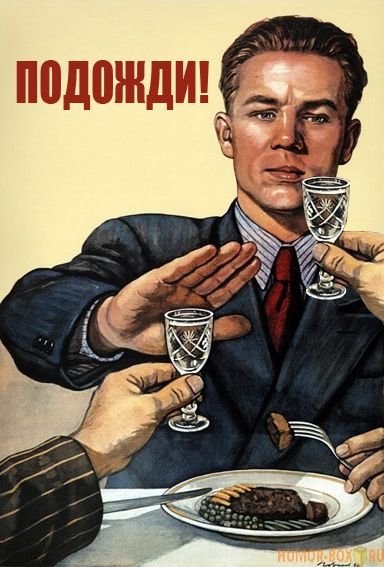
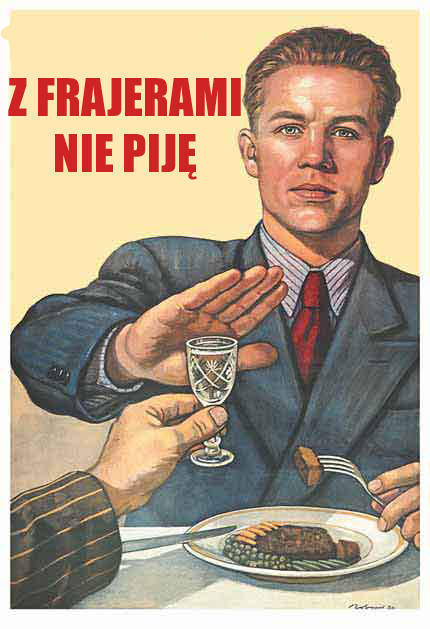
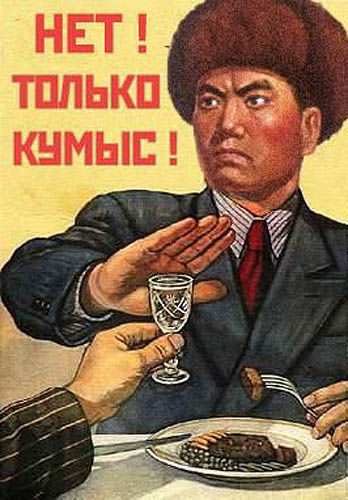
But among the Soviet temperance posters the most iconic is undoubtedly the one created by I. Govorkov in 1954, when the anti-alcohol campaign, after twenty-five year interval, flared up again after Stalin’s death.
Pero entre los carteles antialcohólicos soviéticos el más emblemático es sin duda el creado por I. Govorkov en 1954, cuando el combate contra el alcohol, después de veinticinco años de tregua, volvió a encenderse a la muerte de Stalin.


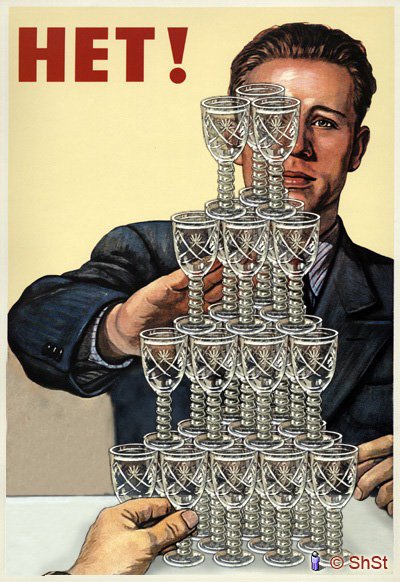
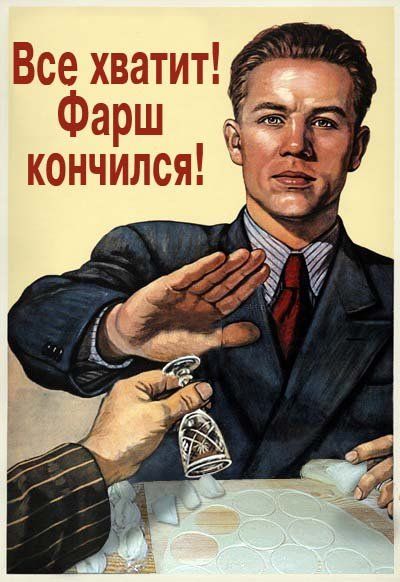
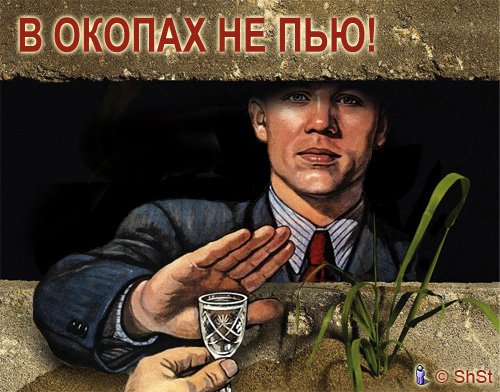
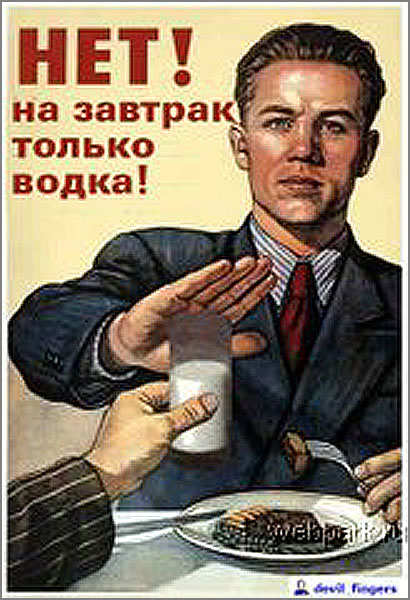
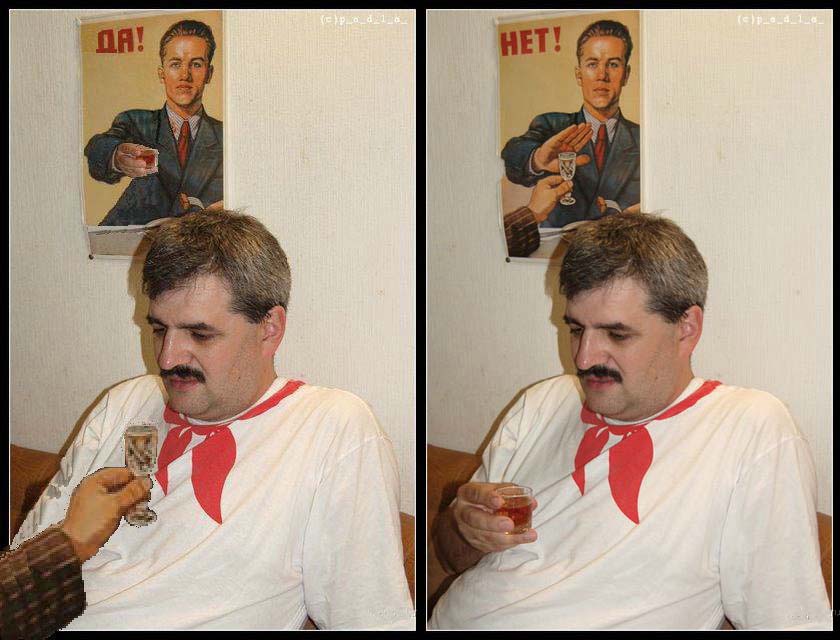
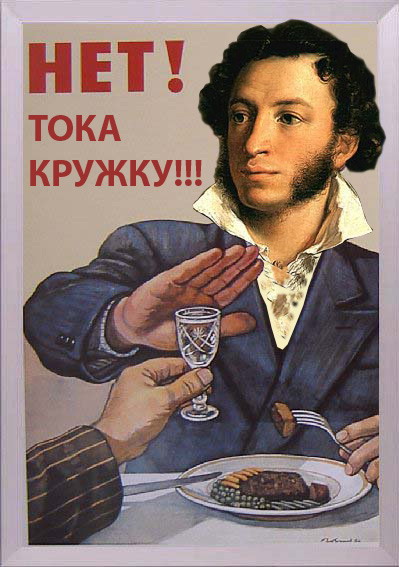
The haute école of Laconic conciseness. Someone (1) eating (2) refuses with a decisive gesture (3) the alcohol offered (4) and the caption with a single word makes unambiguous the message (5). Let us see what a Baroque richness the Russian soul is able to exploit from this concise meme. From the nearly hundred paraphrases over the Russian web I present only those two dozens which are more or less understandable without knowing your way around the labyrinth of Russian internal affairs.La haute école del laconismo. Alguien (1) que come (2) rechaza con un gesto firme (3) el alcohol ofrecido (4) y el texto de una sola palabra hace el mensaje inequívoco (5). Veamos lo que el barroquismo del alma rusa es capaz de destilar a partir de este meme tan conciso. De las casi cien paráfrasis que hay actualmente en la web rusa escogemos estas dos docenas que son esencialmente comprensibles sin necesidad de conocer sus alusiones al laberinto de los asuntos internos del país.

Wait a moment! – ¡Espera un momento!

It is not about the quantity, as you would think at first glance, but the assumed direction of displacement of the glass! – No se trata de negarse por cantidad, como se podría pensar a primera vista, sino del peligroso desequilibrio de la pirámide.

It’s enough! We’re out of mincemeat! – ¡Es suficiente! Nos hemos quedado sin carne picada!

In the trench I do not drink! – ¡En la trinchera no bebo!

Yesss! – ¡Sííí!

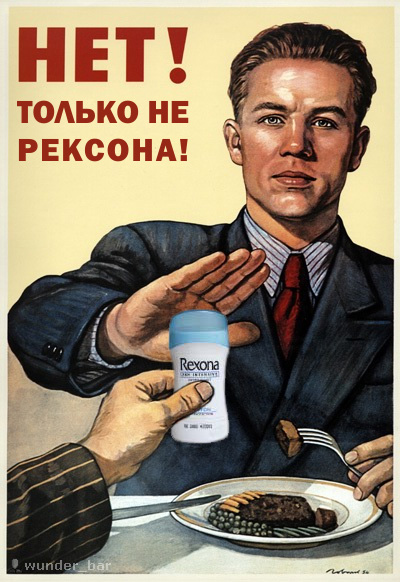
No! Just not Rexona! – For the rich variety of alcohols in Soviet times see this opening image – ¡No, Rexona justamente, no! Para la rica variedad de alcoholes en tiempos soviéticos, abrid esta imagen.

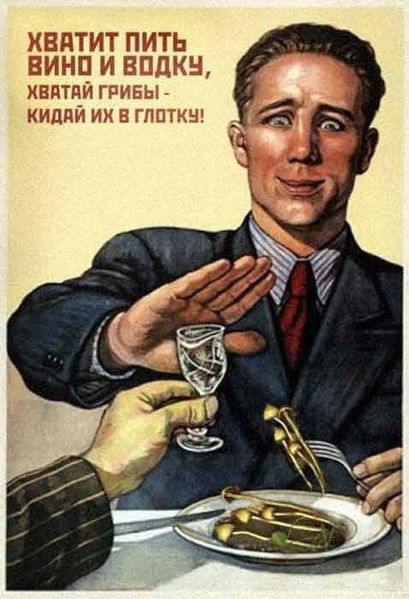
Enough wine, enough vodka / send some mushroom down your throat! – Basta de vino, basta de vodka / Engulle unos cuantos de estos hongos

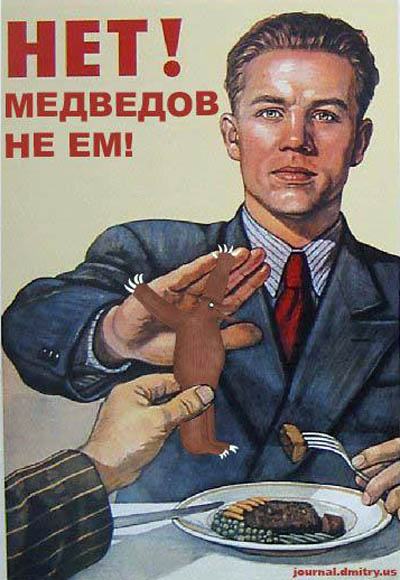
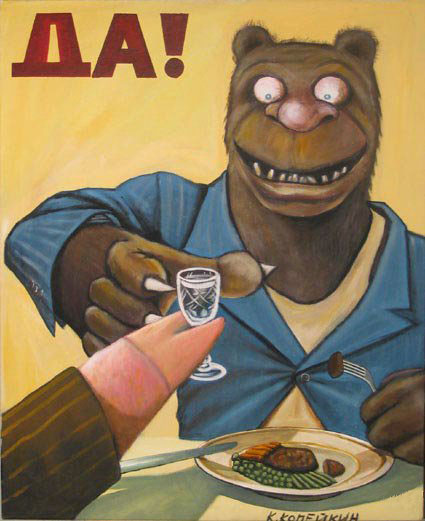
No! I do not eat bears! – A meme-in-the-meme, to show how many references are included in a Russian joke. We have already referred to the “preved-medved” meme which has its own universe of meanings, and we have promised to analyze it in detail. We will keep our promise. – No. No como osos. Un meme–dentro–del–meme, para mostrar cuántas referencias puede incluir una broma rusa. Ya nos hemos referido al «Preved-Medved» meme, que tiene su propio universo de significados, y nos hemos comprometido a analizarlo en detalle. Mantenemos la promesa.

A proof of Slavic brotherhood. A Polish cuckoo’s egg: I do not drink with losers! / Una muestra de la hermandad eslava, un huevo de cuco polaco: ¡no bebo con perdedores!

No! For breakfast, only vodka! – A reference to Putin and Medvedev’s temperance campaign, when during their breakfasts in the Kreml they ostentatiously drank milk – ¡No! Para desayunar, solo vodka - Referencia a la campaña antialcohólica de Putin y Medvedev cuando, durante sus desayunos en el Kremlin, solo bebían leche de manera ostensible.


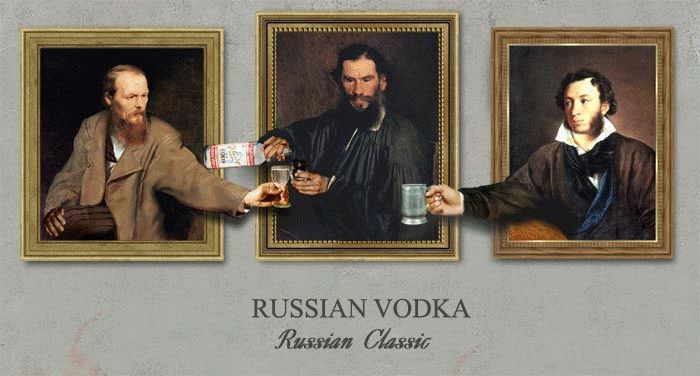
No! Only with a mug! (a reference to the verse “Выпьем с горя, где же кружка?” – “Let us drink out of grief, where is my mug?” of Pushkin’s Winter evening, which has also become a meme in itself – ¡No! ¡Sólo en jarra! (referencia al verso «Выпьем с горя, где же кружка?» - «Bebamos sin pena, ¿dónde está mi jarra?» de Noche de invierno, de Pushkin, que se ha convertido en un meme en sí mismo)


No! Only koumiss! – No. ¡Solo koumiss!

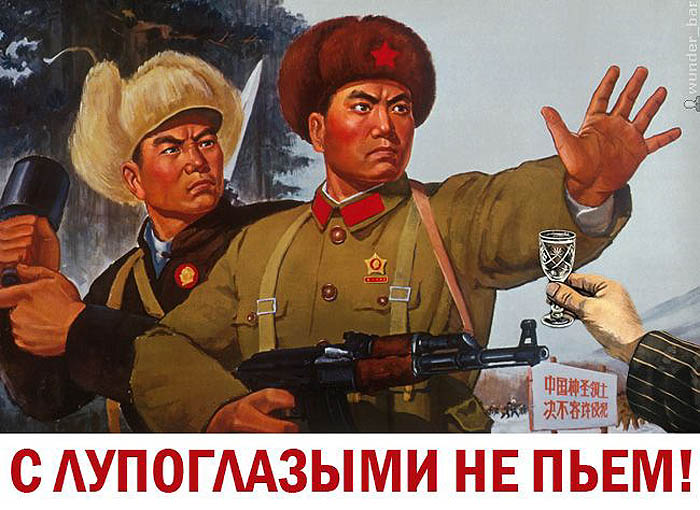
Chinese version: We do not drink with round-eyed ones! – Versión china: ¡No bebemos con los de ojos redondos!

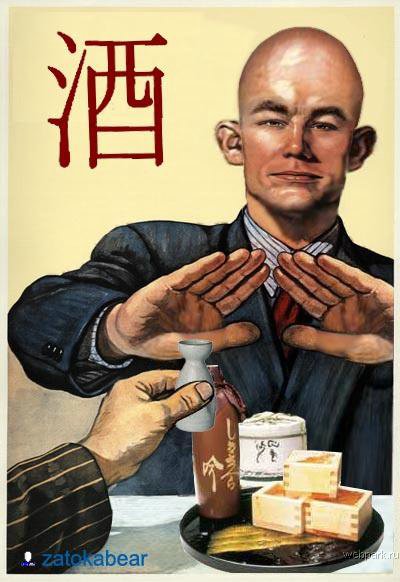
Japanese version (The character means “[strong] drink”) – Versión japonesa (Se lee en la botella: «bebida [fuerte]»)

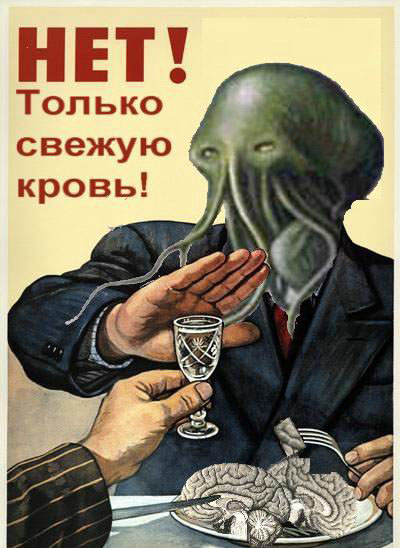
No! Only fresh blood! – ¡No! Solo sangre fresca.

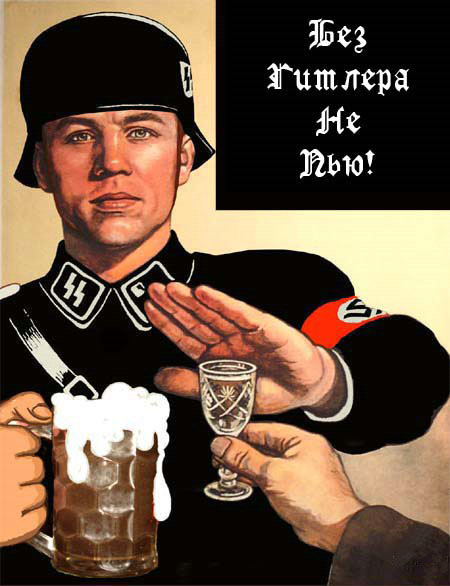
The last Nazist: “I do not drink without Hitler” – El último nazi: «No bebo sin Hitler»

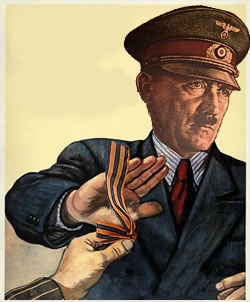
The rejected mind-altering is the St. George Ribbon, which is worn on the feast of the victory over Hitler – Lo que se rechaza con este gesto alterado es la Cinta de San Jorge, usada en la fiesta de la victoria sobre Hitler.

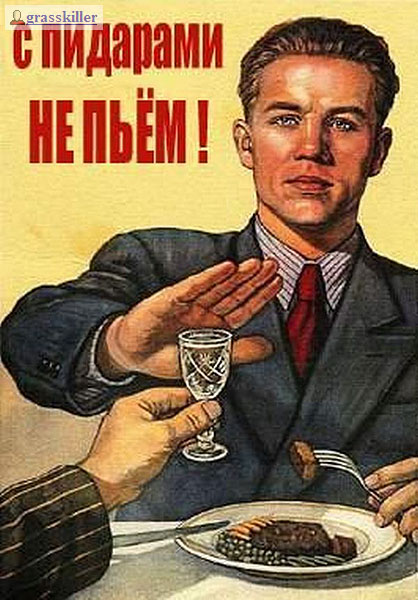
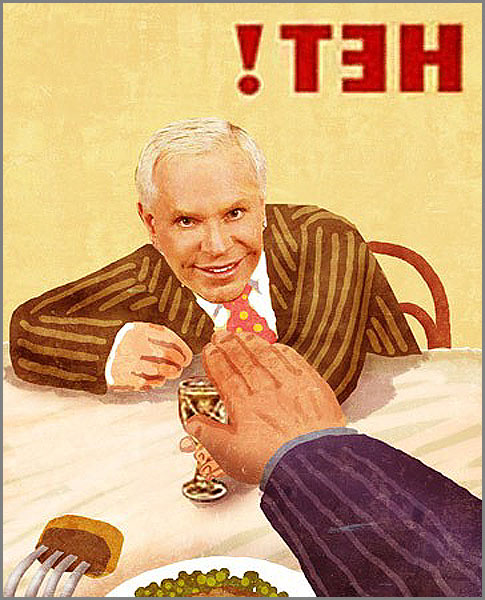
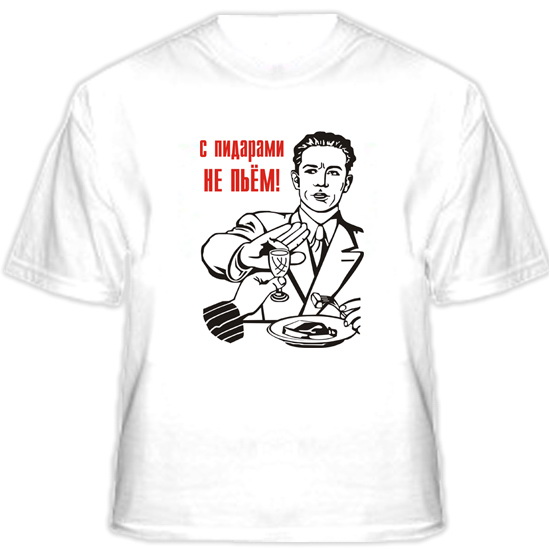
We do not drink with faggots! – ¡No bebemos con maricones!

But who’s the faggot? On the other side of the hand: singer, dancer and author Boris Moiseev, who – in an unusual way in Russia – openly declares himself homosexual – Pero, ¿quién es el maricón? Más allá de la mano: el cantante, bailarín y autor Boris Moiseev, quien, de una manera insólita en Rusia, se declara abiertamente homosexual


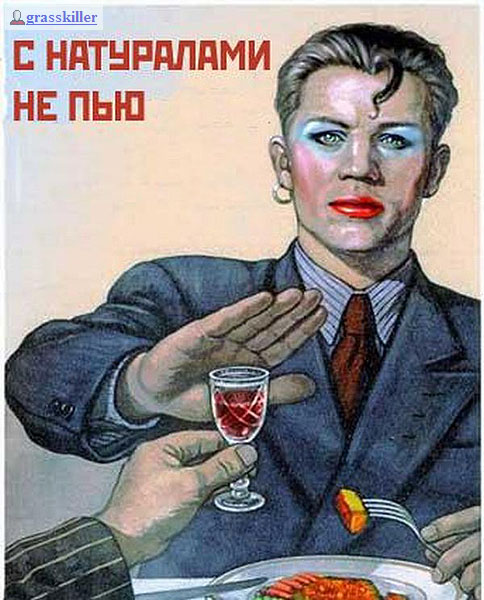
I do not drink with heterosexuals! – ¡No bebo con heterosexuales!

“Better in the abyss than in the ass – Better to drink with a Fascist than with a faggot” – «Mejor en el infierno que en el culo - Mejor beber con un fascista que con un maricón»

So this is what dining in Hades looks like? – ¿Así se debe cenar en el Hades?

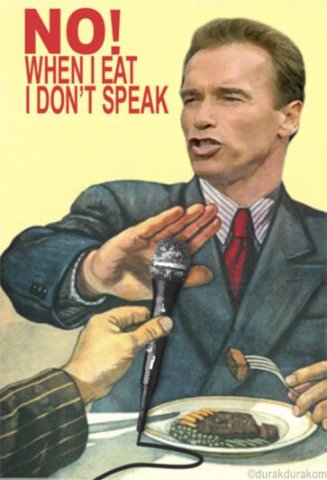
Arnold Schwarzenegger: “When I eat I don’t speak” – Arnold Schwarzenegger: «Cuando como no hablo»

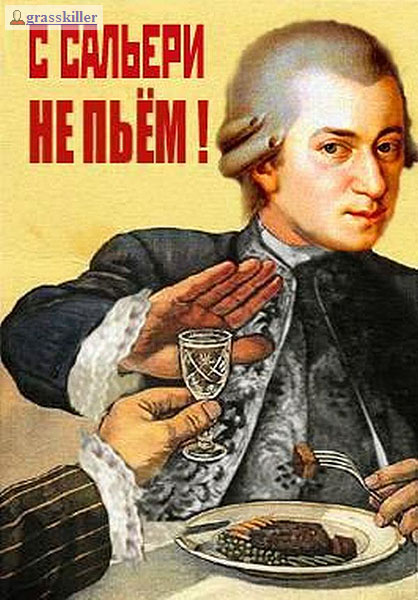
Mozart: I don’t drink with Salieri! – Mozart: «No bebo con Salieri»

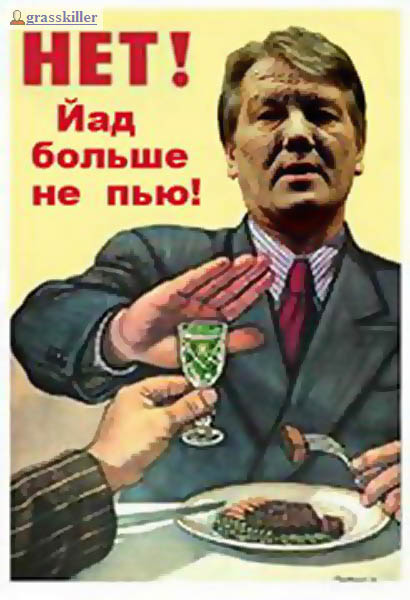
I do not drink any more poison! – Alcohol was usually called “poison” in Soviet temperance posters, but Ukrainian president Viktor Jushchenko (2005-2010) thinks about the poison given to him by his enemies during the electoral campaign – ¡Yo no bebo más veneno! - Al alcohol se le solía llamar «veneno» en los carteles soviéticos, pero el presidente de Ucrania, Viktor Yushchenko (2005-2010) alude al veneno que le dieron sus enemigos durante la campaña electoral.

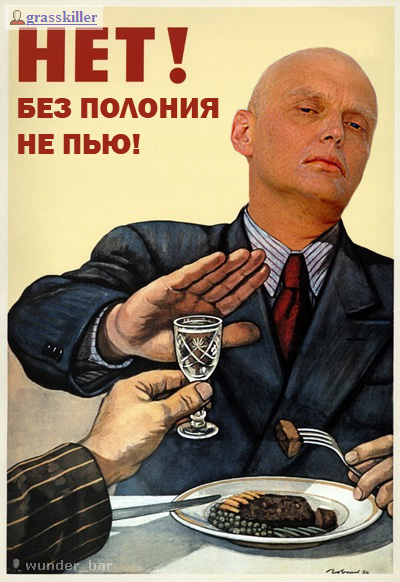
I do not take it without polonium! – The example of Alexander Litvinenko shows that it is easy to get used to the best – ¡Yo no bebo sin polonio! - El ejemplo de Alexander Litvinenko demuestra qué fácil es acostumbrarse a lo mejor.

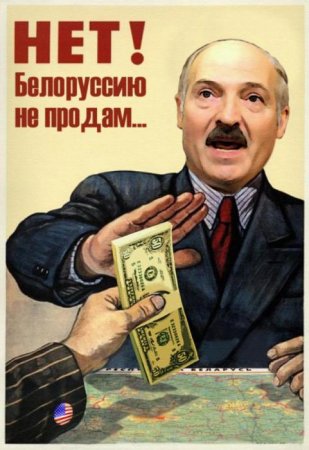
President Lukashenko: Belorussia is not for sale! – Presidente Lukashenko: ¡Bielorrusia no está en venta!

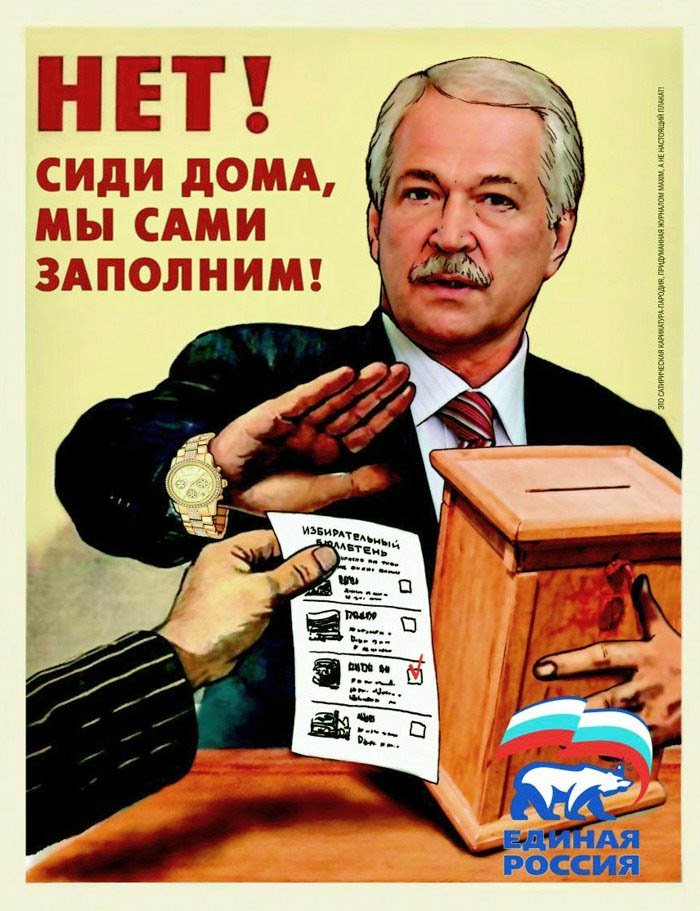
The United Russia (the governing party): “Just stay at home, we will fill it out!”

A very dense meme. Nikita Mikhalkov, the at once orthodox, ultra-nationalist and recently Stalinist film director, Russian front man of the Serbian nationalist party, a great friend of royalties, who in his “Burnt by the Sun 2” (2010) offers Stalin’s apotheosis through the WW2 adventures of the protagonist of his anti-Stalinist “Burnt by the Sun 1” (1994) resurrected for this film, here rejects the book “The Great Patriotic War for dummies”, which, however, would be an absolute must to him – Un meme muy denso. Nikita Mikhalkov, el director de cine a la vez ortodoxo, ultra-nacionalista y recientemnte estalinista, hombre del frente ruso del partido nacionalista serbio, gran amigo de regalías, que en su «Quemado por el sol 2» (2010) ofrece una apoteosis de Stalin a través de las aventuras en la II Guerra Mundial del protagonista de su antiestalinista «Quemado por el sol 1» (1994), ahora resucitado. Aquí rechaza el libro «La Gran Guerra Patriótica para Torpes» que, sin embargo, debería serle de lectura obligada.

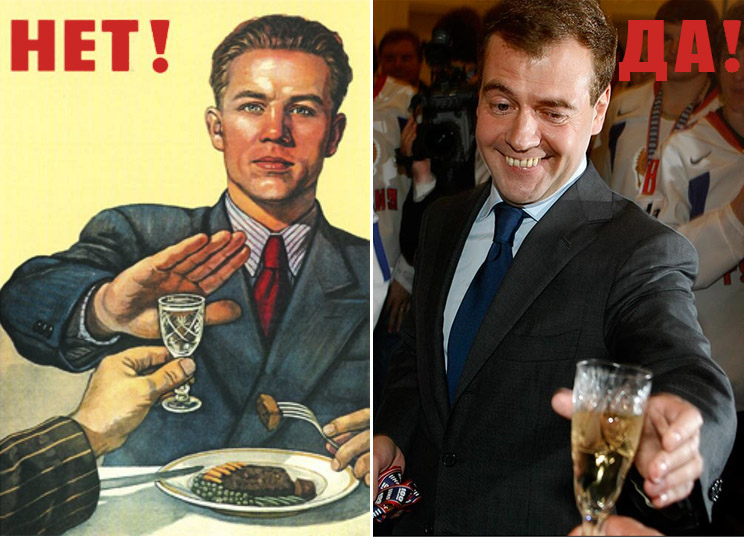
Everyone’s Medvedev… – Medvedev para todos…

…and everyone’s medved (bear) – …y todos para medved (oso).

And the unvarnished truth – Y la verdad desvelada.