Switch over to our new blog! • ¡Pásese a nuestro nuevo blog!

The renewed version of our blog, with more features, a richer design, and available in nine languages, can be read here: https://wangriver.com

The new version also includes the old posts, often in expanded form. If you are curious about the updated version of this post, replace “riowang.blogspot.com/” in the URL with “riowang.studiolum.com/”, and the new link will most likely lead you there.


La versión renovada de nuestro blog, con más herramientas, un diseño más rico y disponible en nueve idiomas, se puede leer aquí: https://riowang.com

La nueva versión también incluye las publicaciones antiguas, a menudo en una forma ampliada. Si tiene curiosidad por la versión actualizada de esta entrada, sustituya «riowang.blogspot.com/» en la URL por «riowang.studiolum.com/es/», y el nuevo enlace probablemente le llevará allí.

Mostrando entradas con la etiqueta Polish. Mostrar todas las entradas

Columbus’ coffin

“It floats between heaven and earth, like the coffin of Muhammad.” That’s how the old saying goes — though it’s not quite true, since Muhammad’s coffin rests peacefully in the soil of Medina. The image comes from Vita Mahumeti, an 11th-century European “biography” of Muhammad written by Embricho of Mainz, which claimed that the Prophet’s coffin was magically suspended by magnets — a clever trick meant to mimic the levitating Christian saints and impress gullible believers.

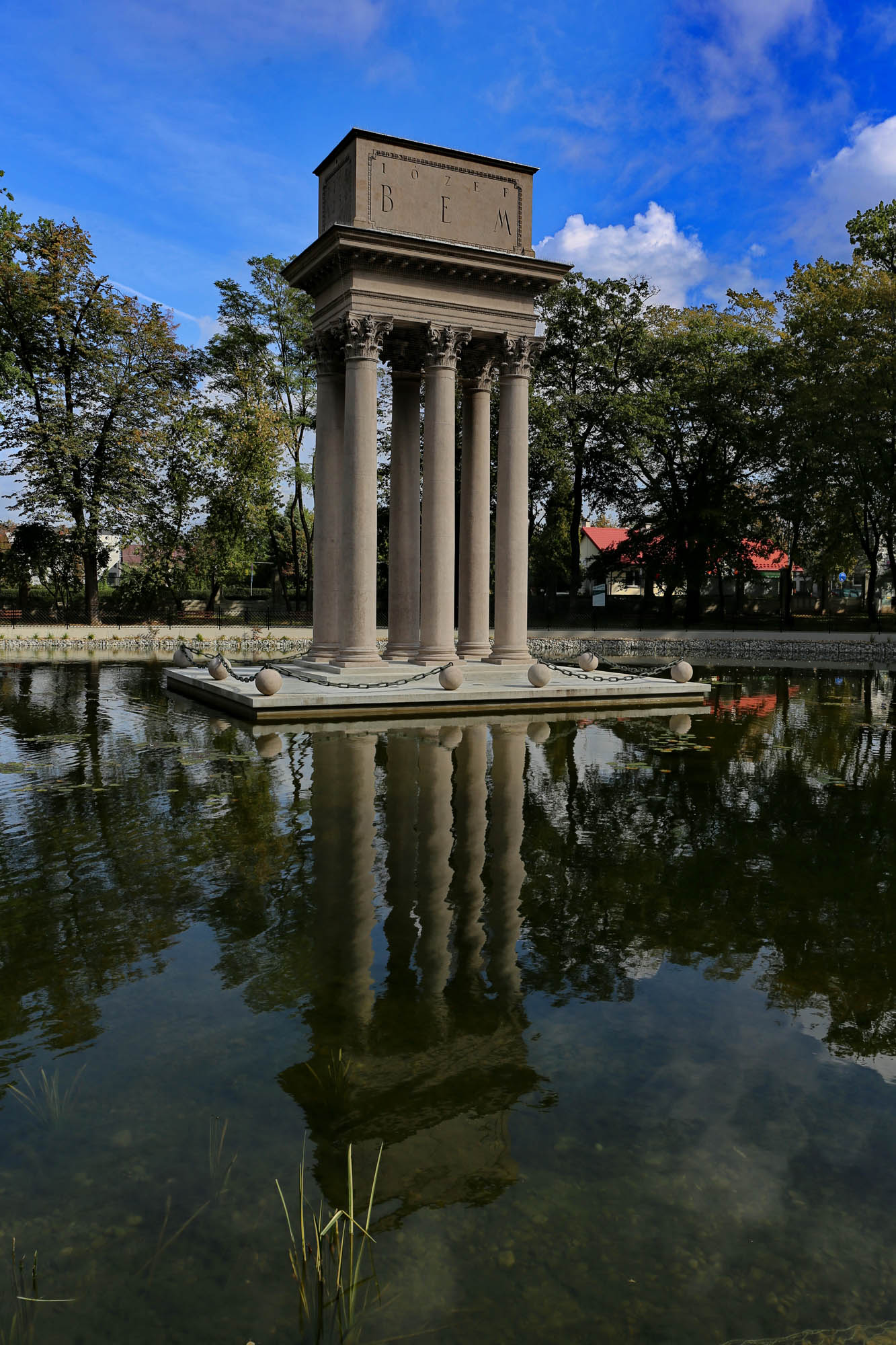
But there really are at least two coffins that hang between heaven and earth. One of them, surprisingly, belongs to a Muslim true believer — Father Bem.
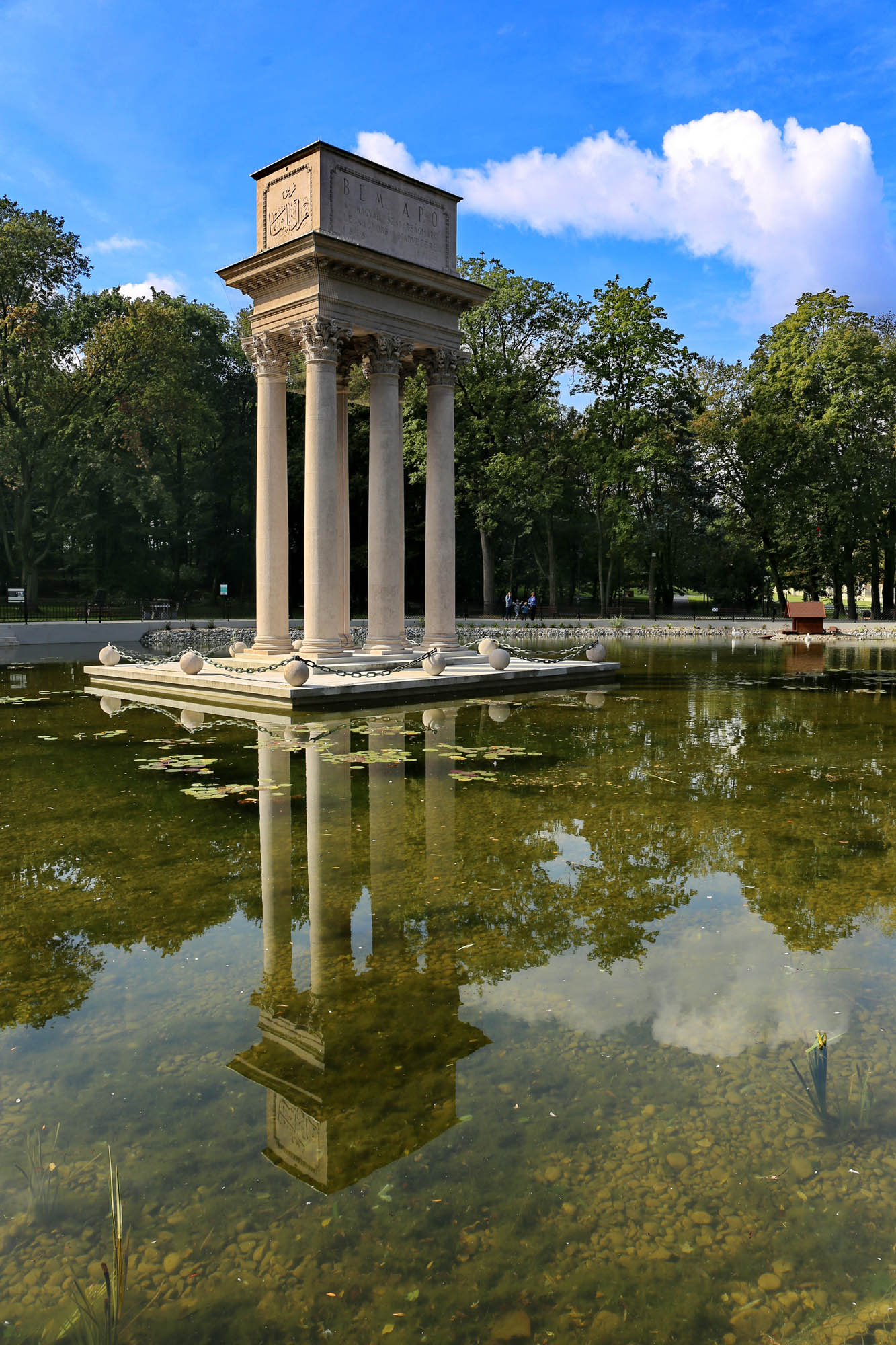
The floating coffin of a Muslim general

After losing the Battle of Temesvár on August 9, 1849, the Polish general of the Hungarian war of independence of 1848-1849, Józef Bem, fled to Constantinople. The Ottoman army, impressed by his reputation, gladly took him in — but military rank was reserved for Muslims only. So Bem, along with seventy-four officers, converted to Islam. He served faithfully in Aleppo until his death on December 10, 1850.

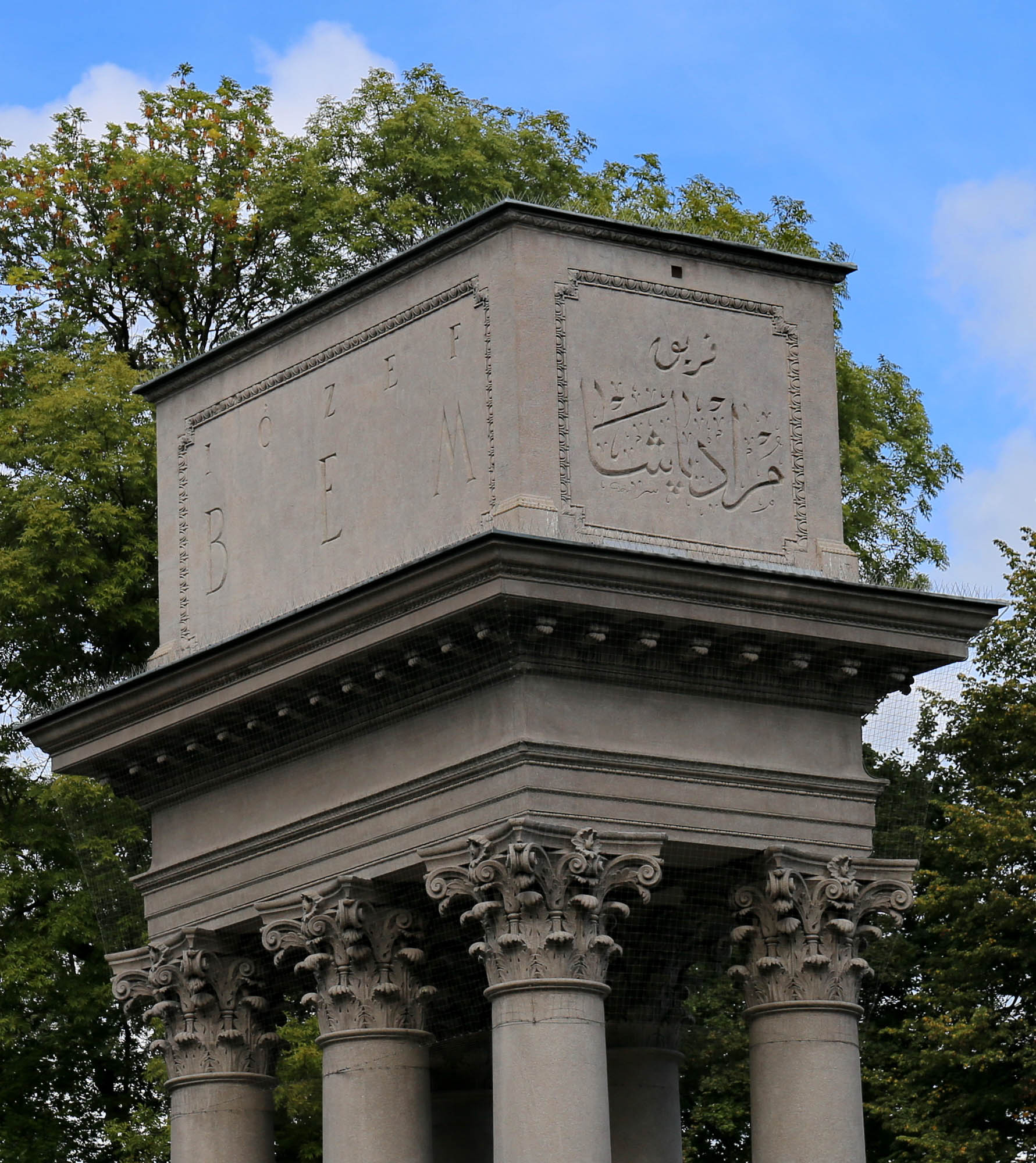
When his remains were returned to his hometown of Tarnów in 1929, the Polish Church refused to bury a Muslim in consecrated ground. There was no other cemetery — save for the Jewish one, which was deemed inappropriate — so the townspeople came up with an ingenious solution. They placed Bem’s sarcophagus on six Corinthian columns rising from the middle of an ornamental pond in a city park — suspended literally between heaven and earth. Even his Turkish name is inscribed on it: مراد پاشا, (Murad Pasha).

The other floating coffin

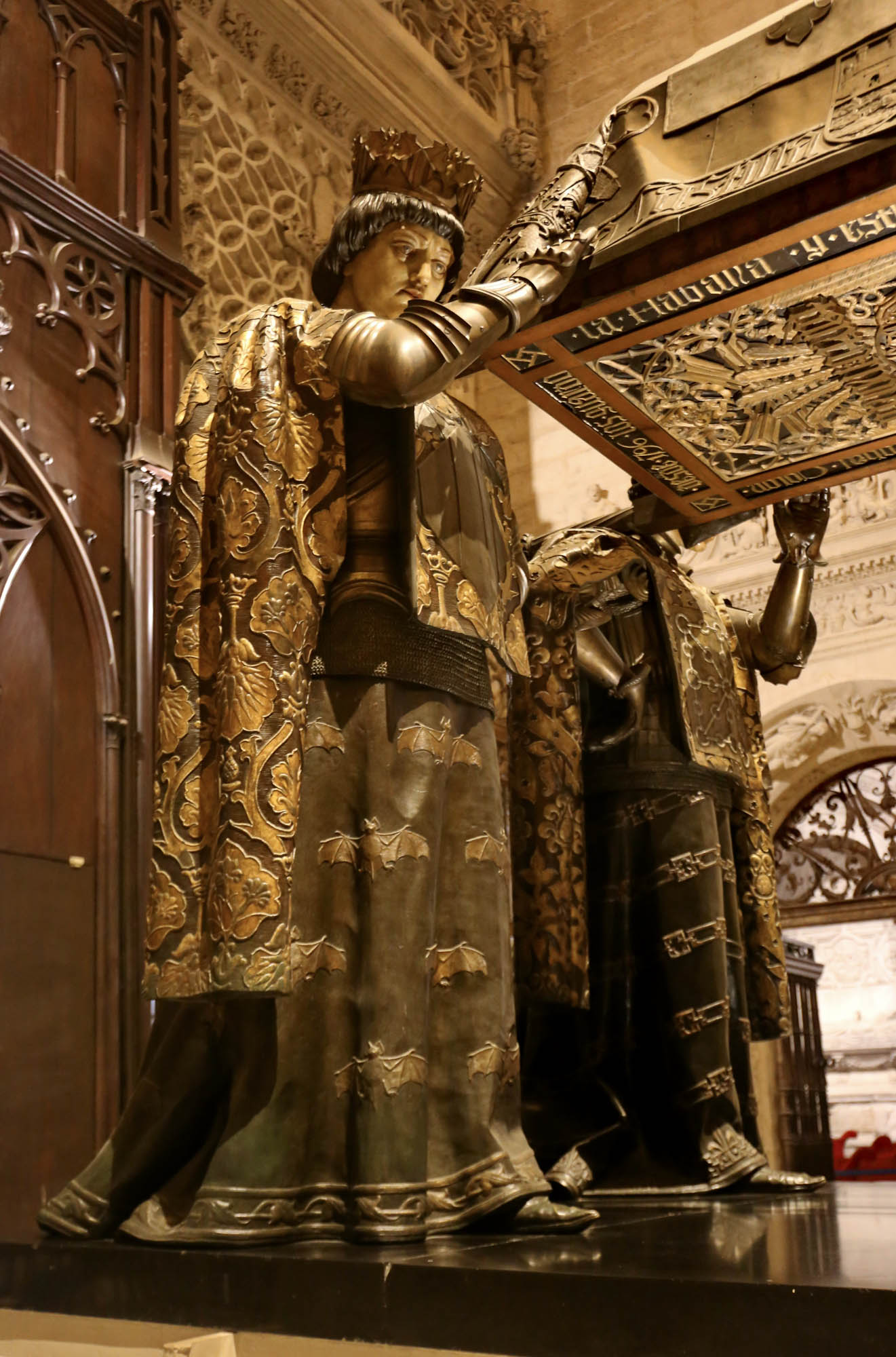
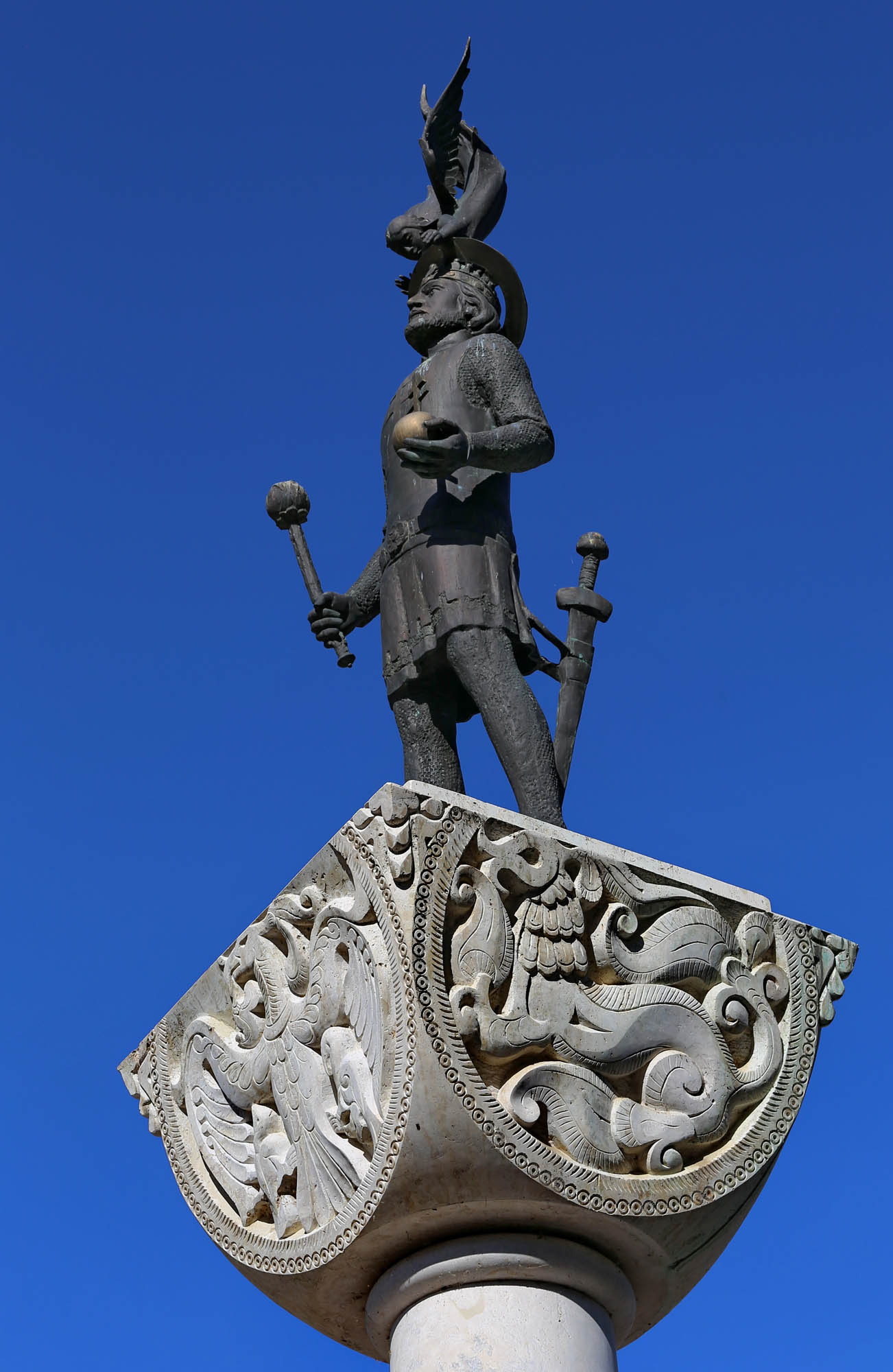
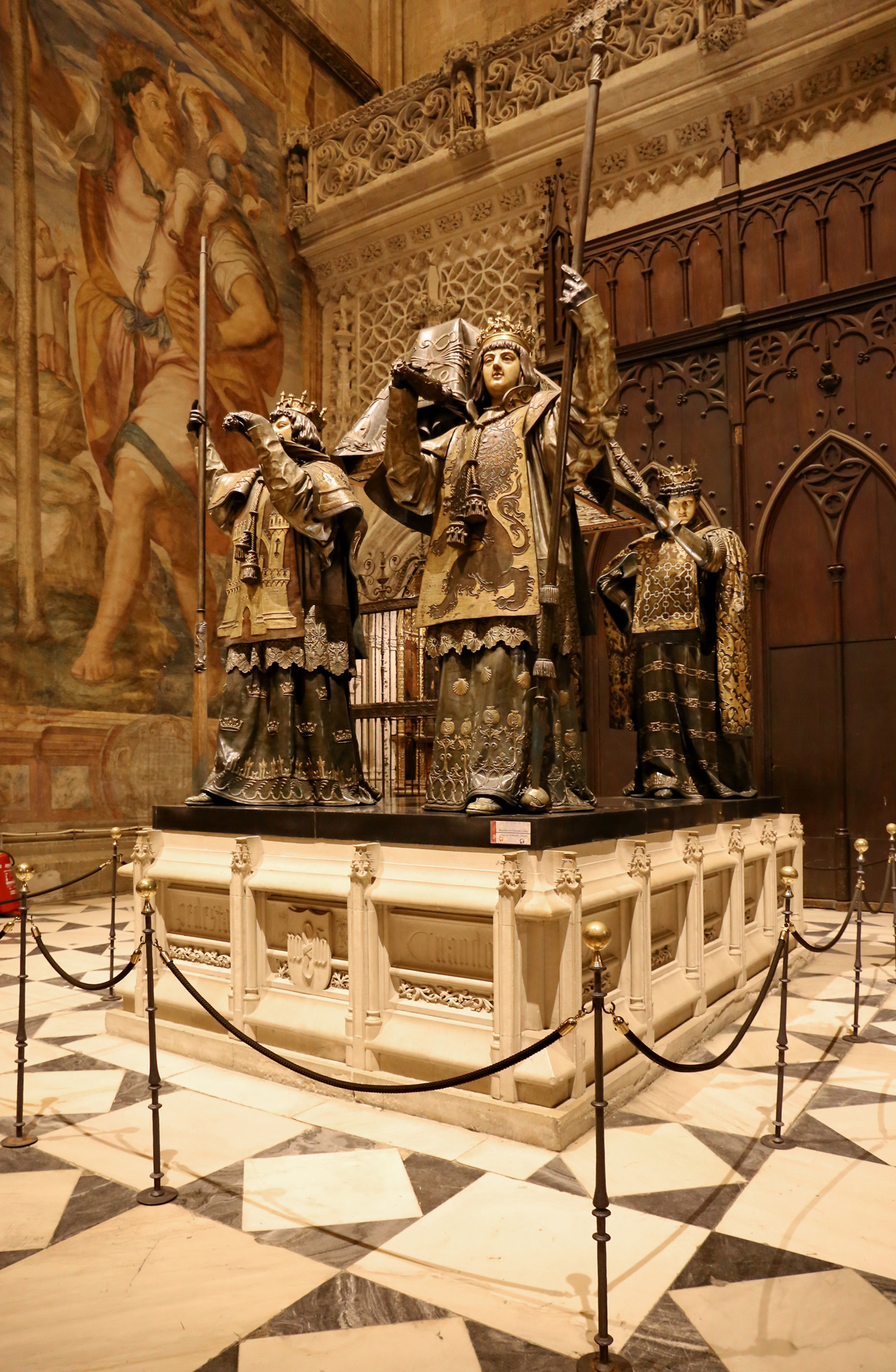
The other coffin that seems to hover above the ground belongs to Christopher Columbus, in Seville Cathedral. (Though if any “conversion” took place in his story, it had nothing to do with the coffin’s levitation.)

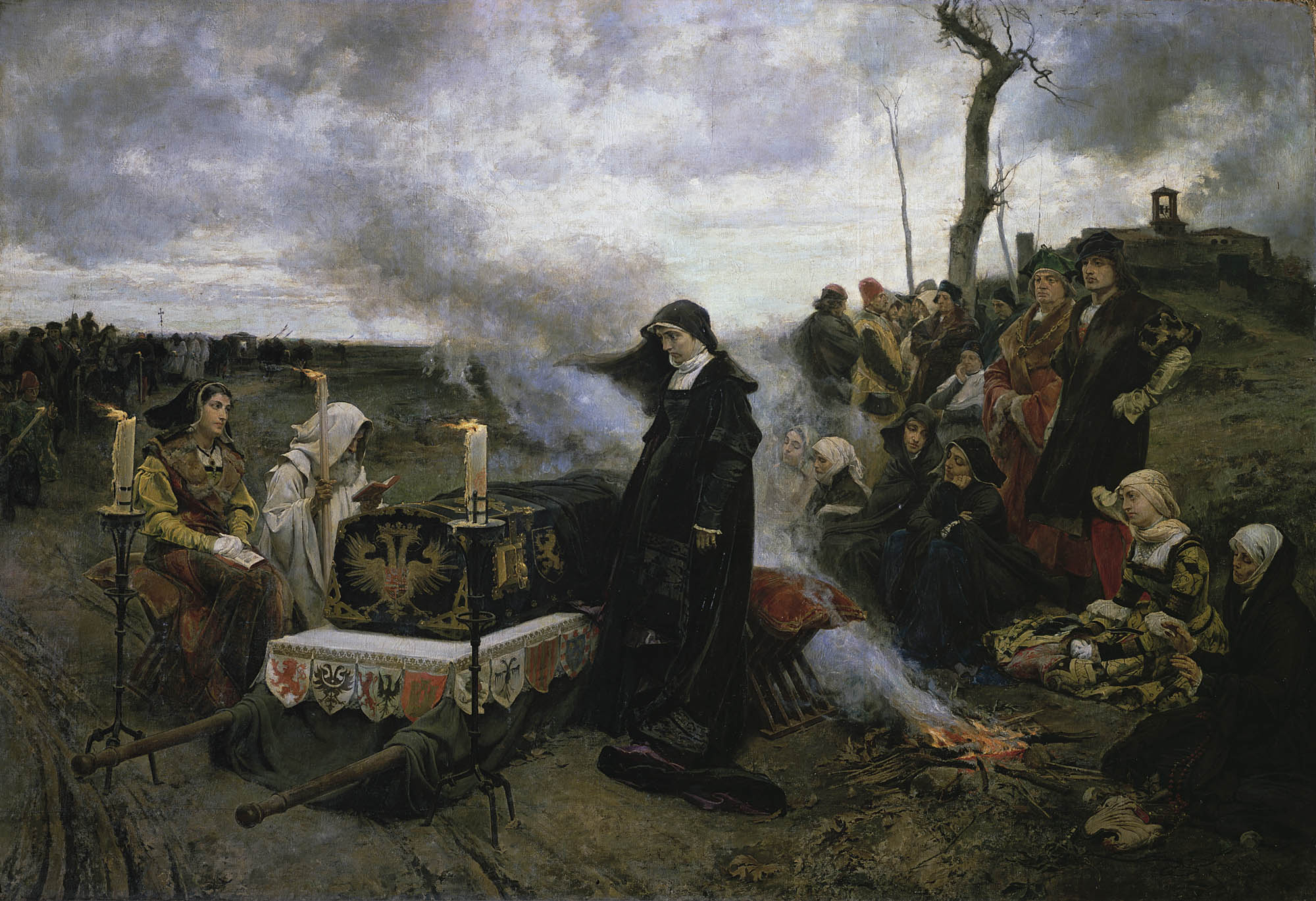
The monument’s designer, Arturo Mélida (1849–1902), was a historicist artist who looked to the grand funerary art of Columbus’s era — the tomb of Philippe Pot in the Louvre (c.1480), Hieronymus Cock’s 1559 engraving of Emperor Charles V’s funeral procession, as well as Francisco Pradilla’s wildly successful 1877 painting Doña Juana the Mad.
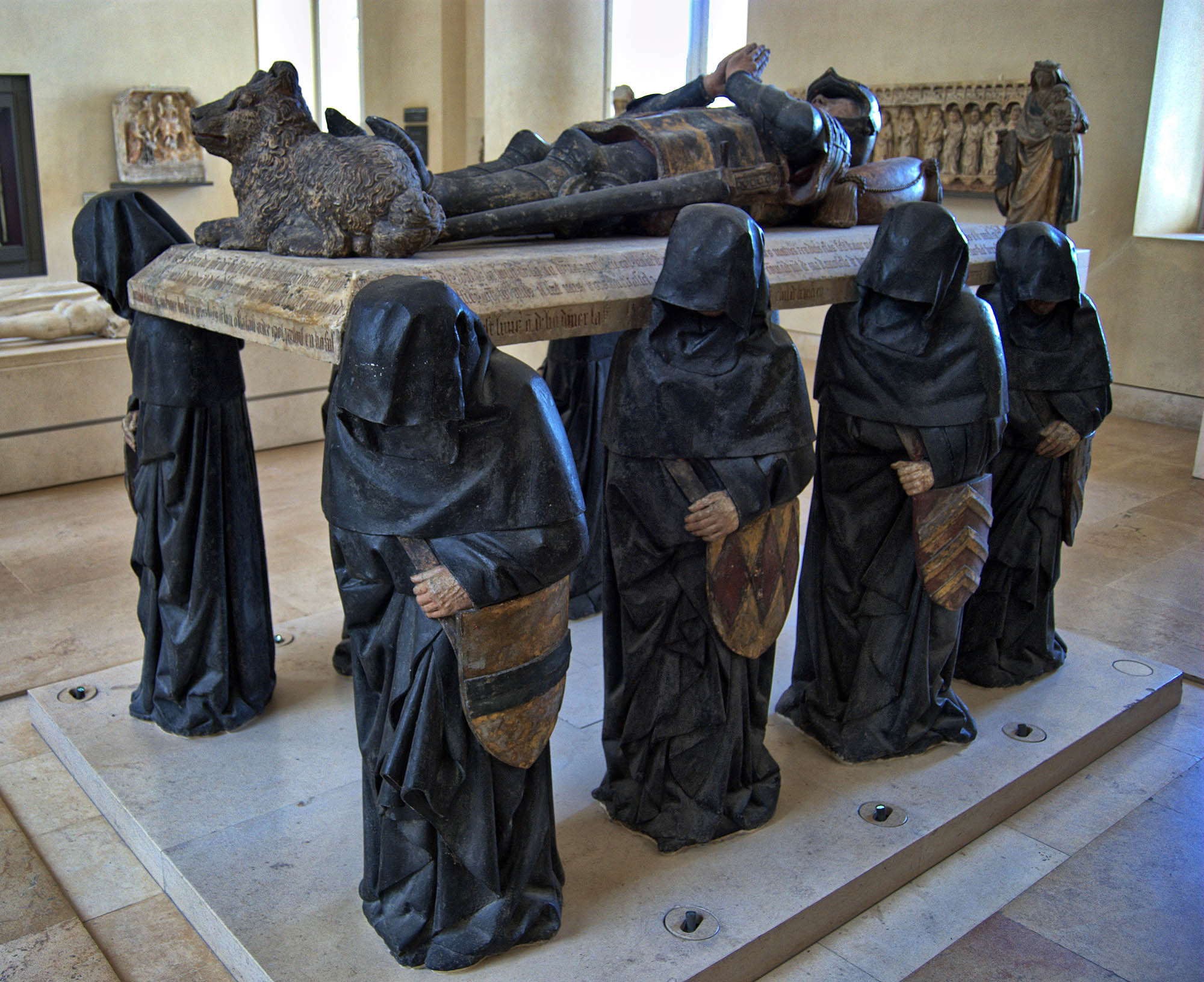
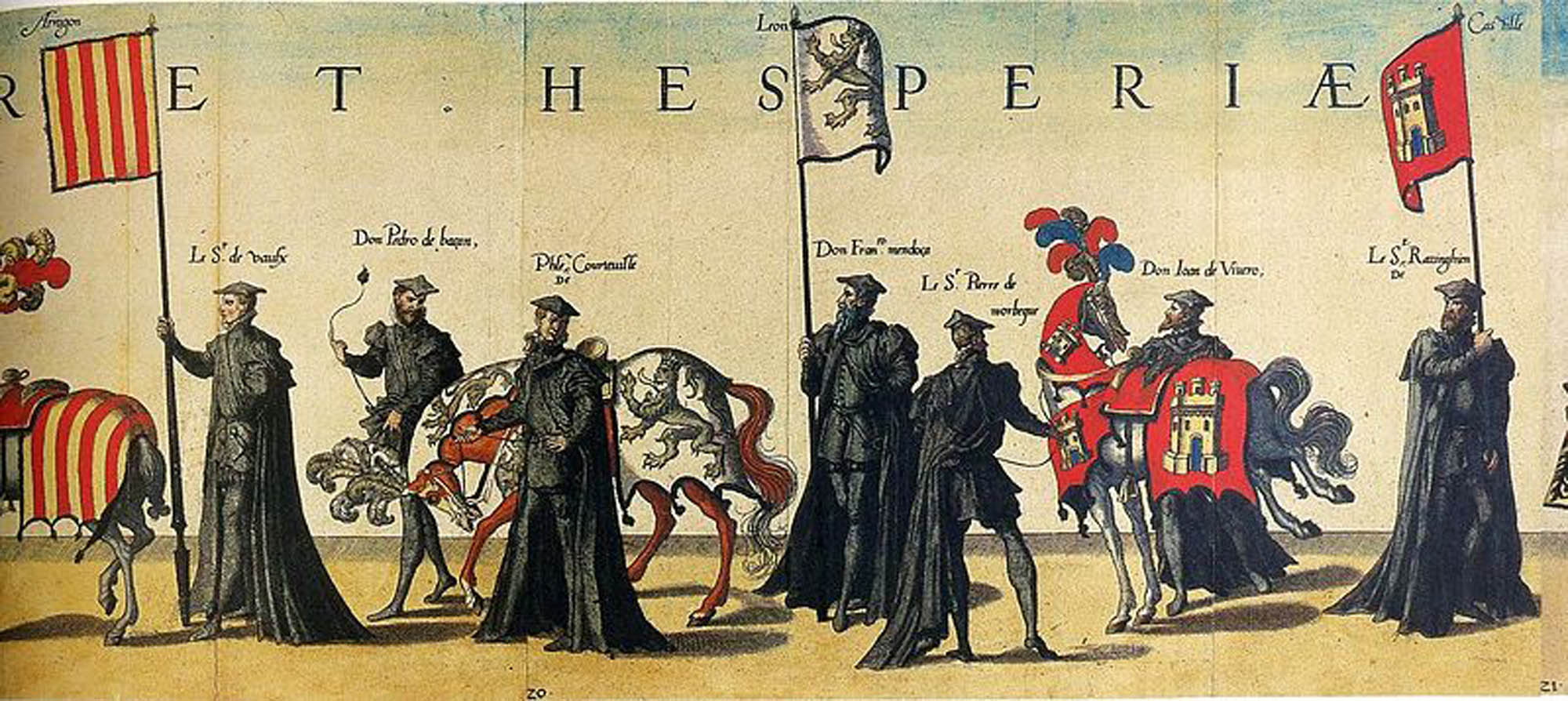
Columbus died in Valladolid on May 20, 1506, and was buried in the local Franciscan church. At his son Diego’s request, the remains were moved to Seville in 1509 — the very port from which he had set sail in 1492. There, in the Carthusian monastery he had loved during his lifetime, he was laid to what was supposed to be his eternal rest.

That eternity was short-lived.

In 1536 or 1544, Columbus’s bones — along with Diego’s — were shipped to Santo Domingo (today’s Dominican Republic), to rest in the newly completed Cathedral of Santa María de la Encarnación. When Spain ceded the island to France in 1795, the remains were moved again, this time to Havana.

In mid-19th-century Havana, plans were made to honor Columbus properly. A public monument was first proposed, then relocated to the cathedral. To strengthen the symbolic bond between Spain and the colony, the monument was commissioned from Madrid’s Royal Academy of Fine Arts. Arturo Mélida won the competition, and his majestic tomb was unveiled in 1891. When Spain lost Cuba in 1898, the coffin made one final journey — back to Seville, where it was installed in 1902 in the Cathedral.
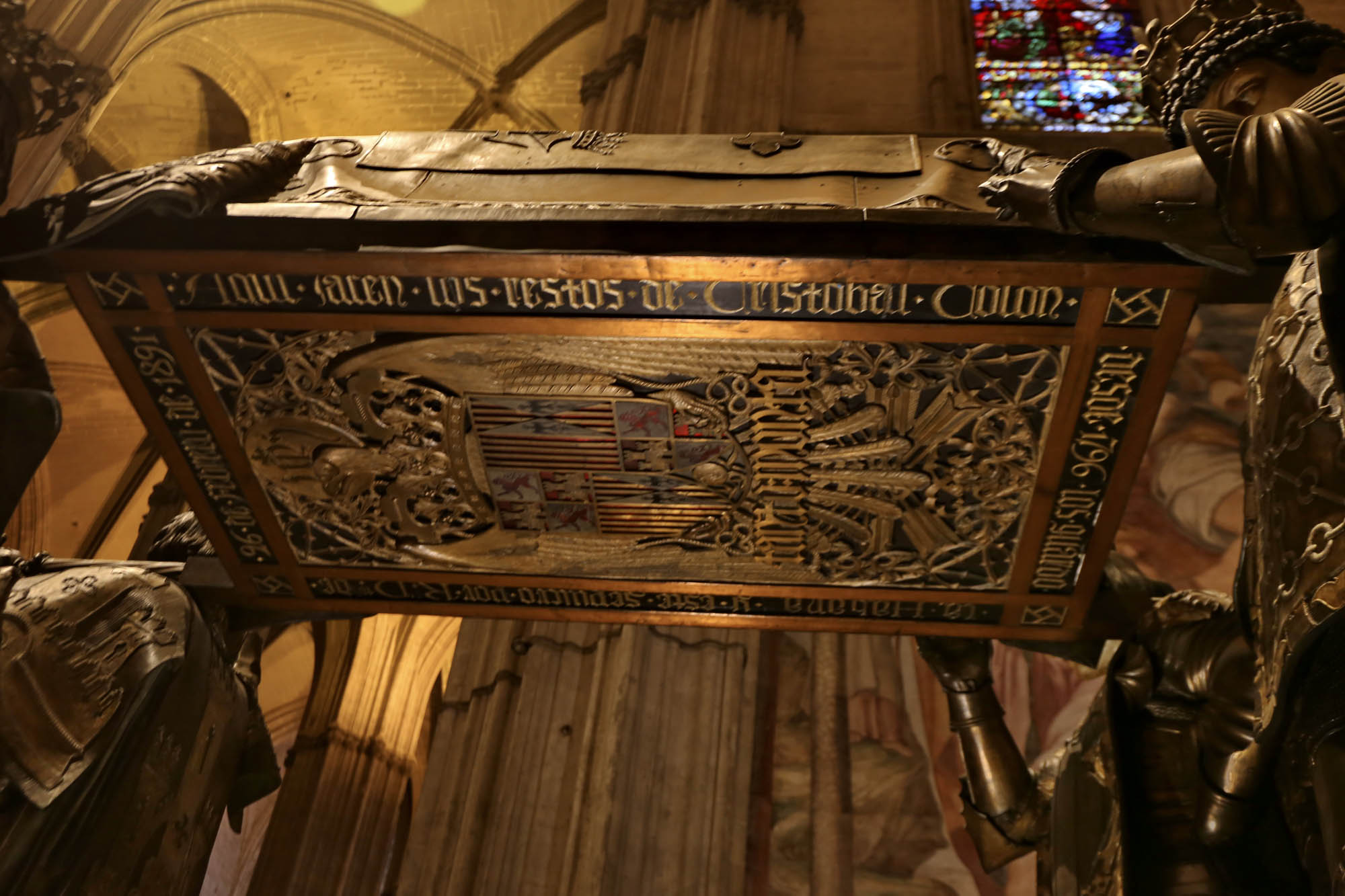
A rival tomb appears

Meanwhile, in 1877, an urn was discovered in Santo Domingo with the inscription: “To the illustrious and distinguished man, Don Colón, Admiral of the Ocean Sea.”

In 2006, scientists at the University of Granada tested the DNA from Seville’s coffin and confirmed that it matched Columbus’s brother Diego. So perhaps the Santo Domingo urn holds his son Diego’s ashes — who bore the same title

A remarkable life indeed for Don Colón — but what a restless afterlife.
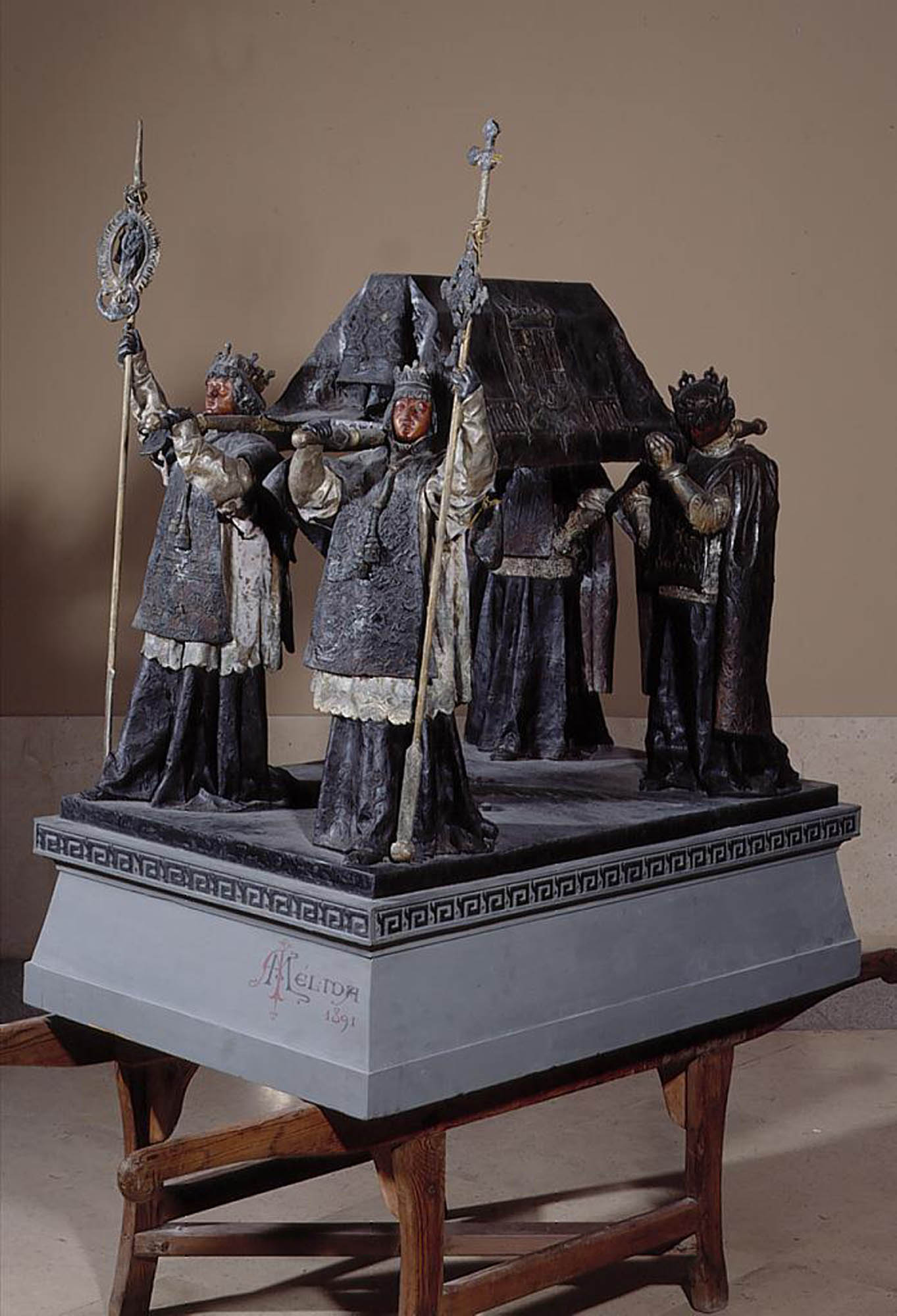
A wax model of Mélida’s Columbus monument can be seen today in Madrid’s Prado Museum

Designing glory

By 1891, Arturo Mélida was already one of Spain’s leading historicist architects and sculptors. He had studied the late Gothic and Renaissance styles of the 15th–16th centuries, including the mudéjar (Moorish-inspired) and plateresque (ornamental Renaissance) traditions. In 1881 he had even been chosen to restore Toledo’s Monastery of San Juan de los Reyes — the great national shrine founded by Ferdinand and Isabella in 1478. Within this same visual and ideological framework, he conceived Columbus’s tomb.

When the monument was finally brought back from Cuba in 1899 and destined for Seville Cathedral, a suitable location had to be found. The obvious choice was the “Old Virgin Chapel”, from where sailors had prayed to the Madonna before setting sail — and to which they returned to give thanks. But the grand monument would have overwhelmed the tiny chapel. So instead, it was placed in the transept, directly before a vast fresco of Saint Christopher, Columbus’s patron saint.
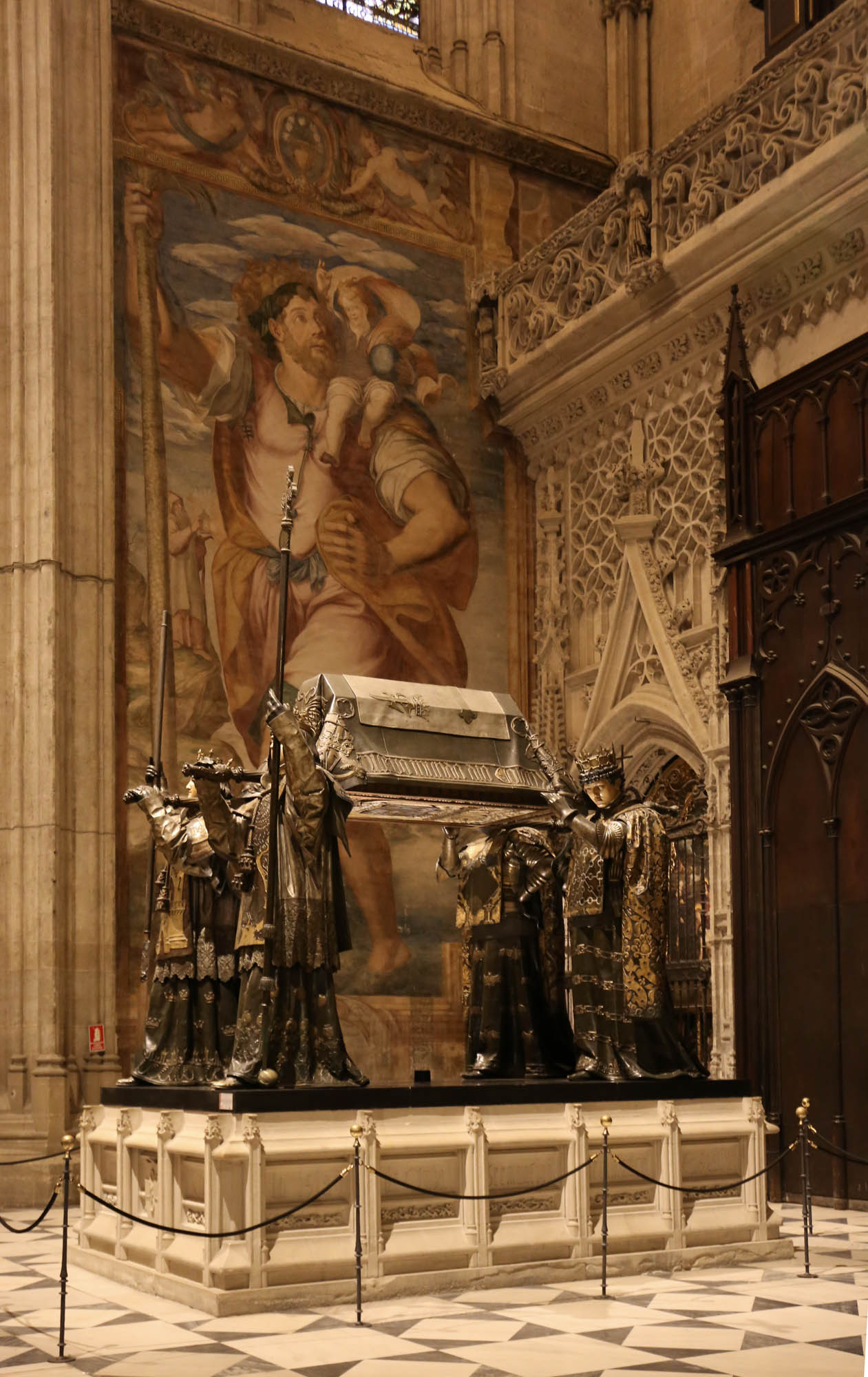
The bearers of Spain

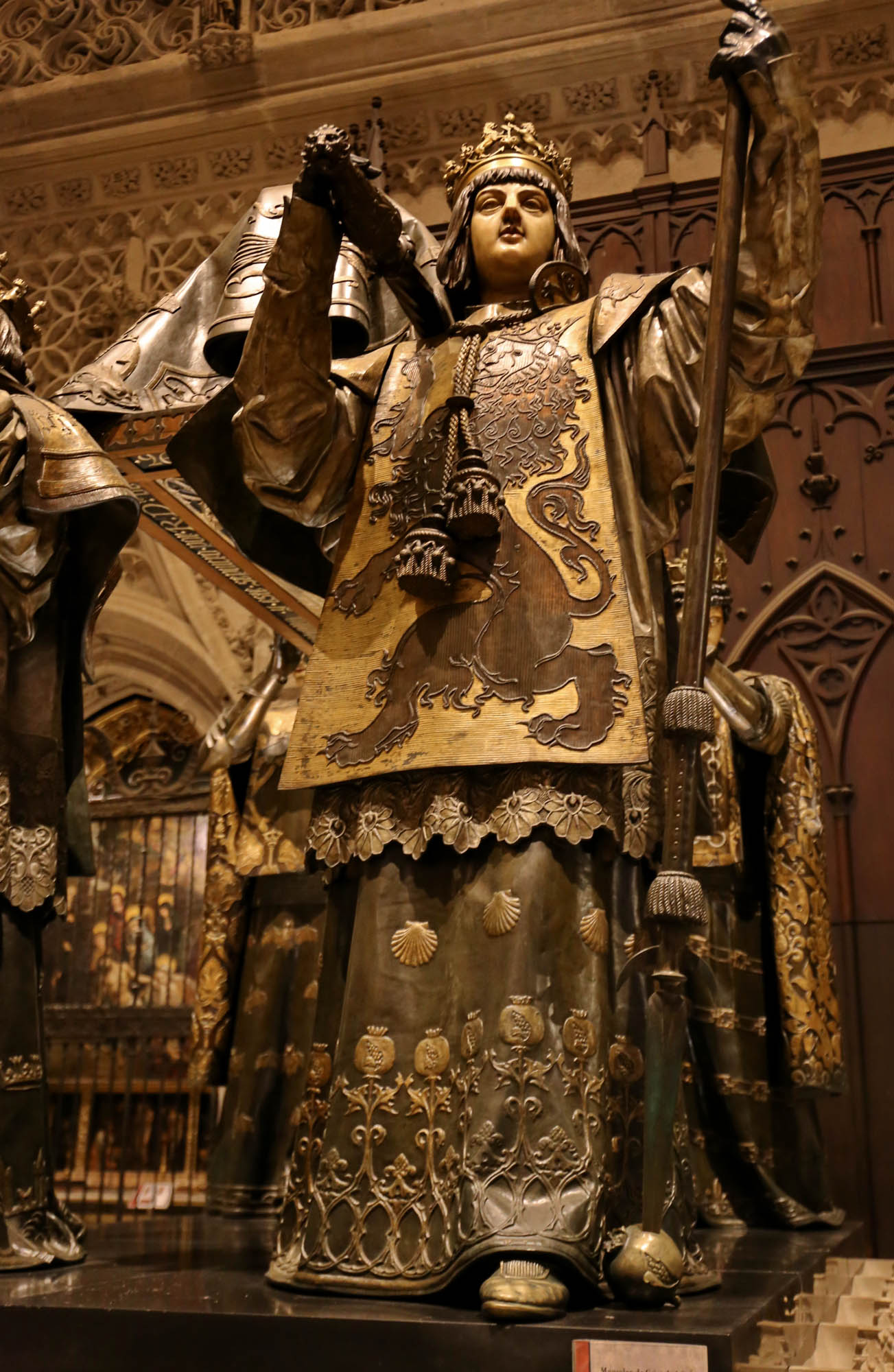
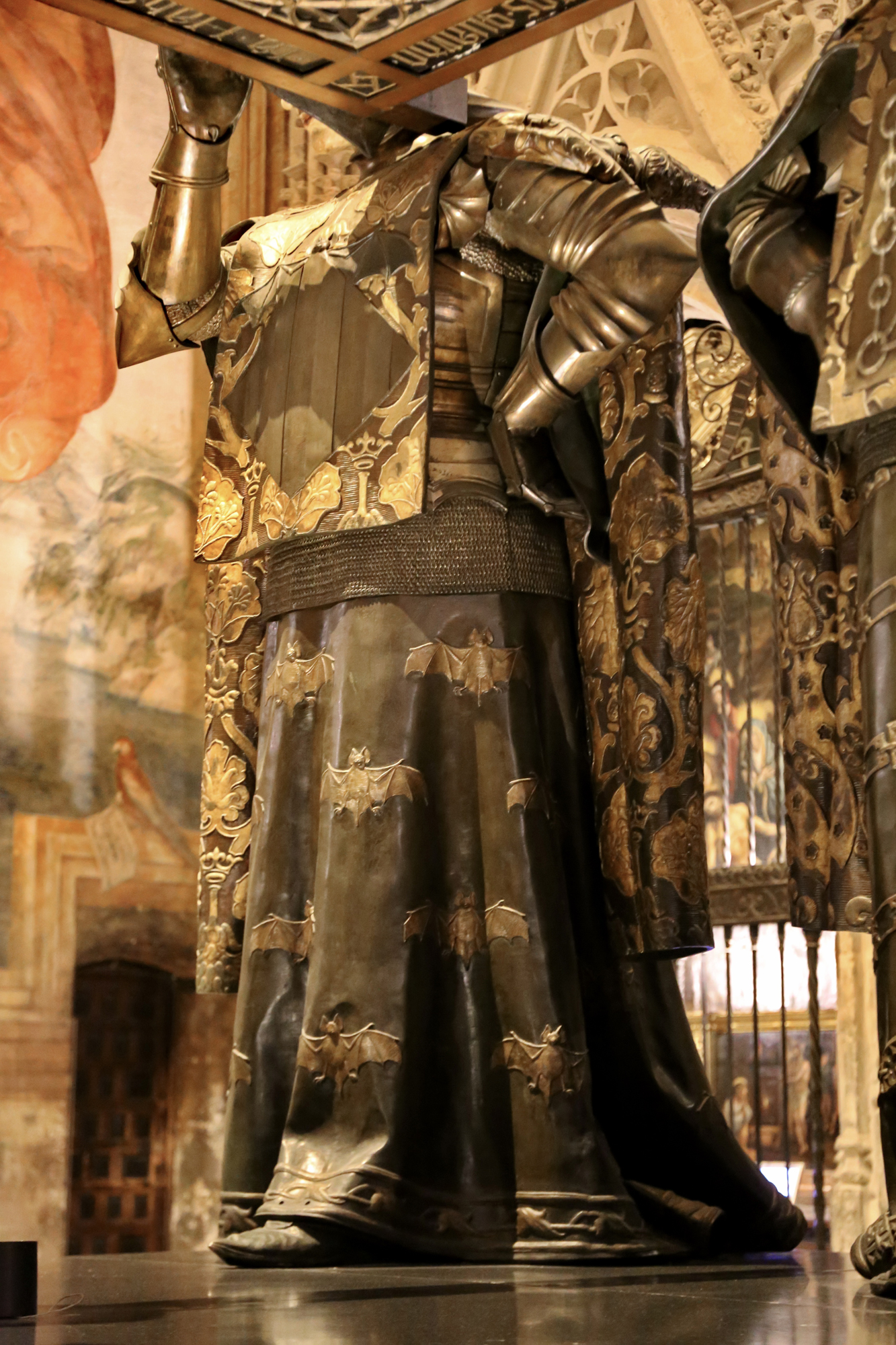
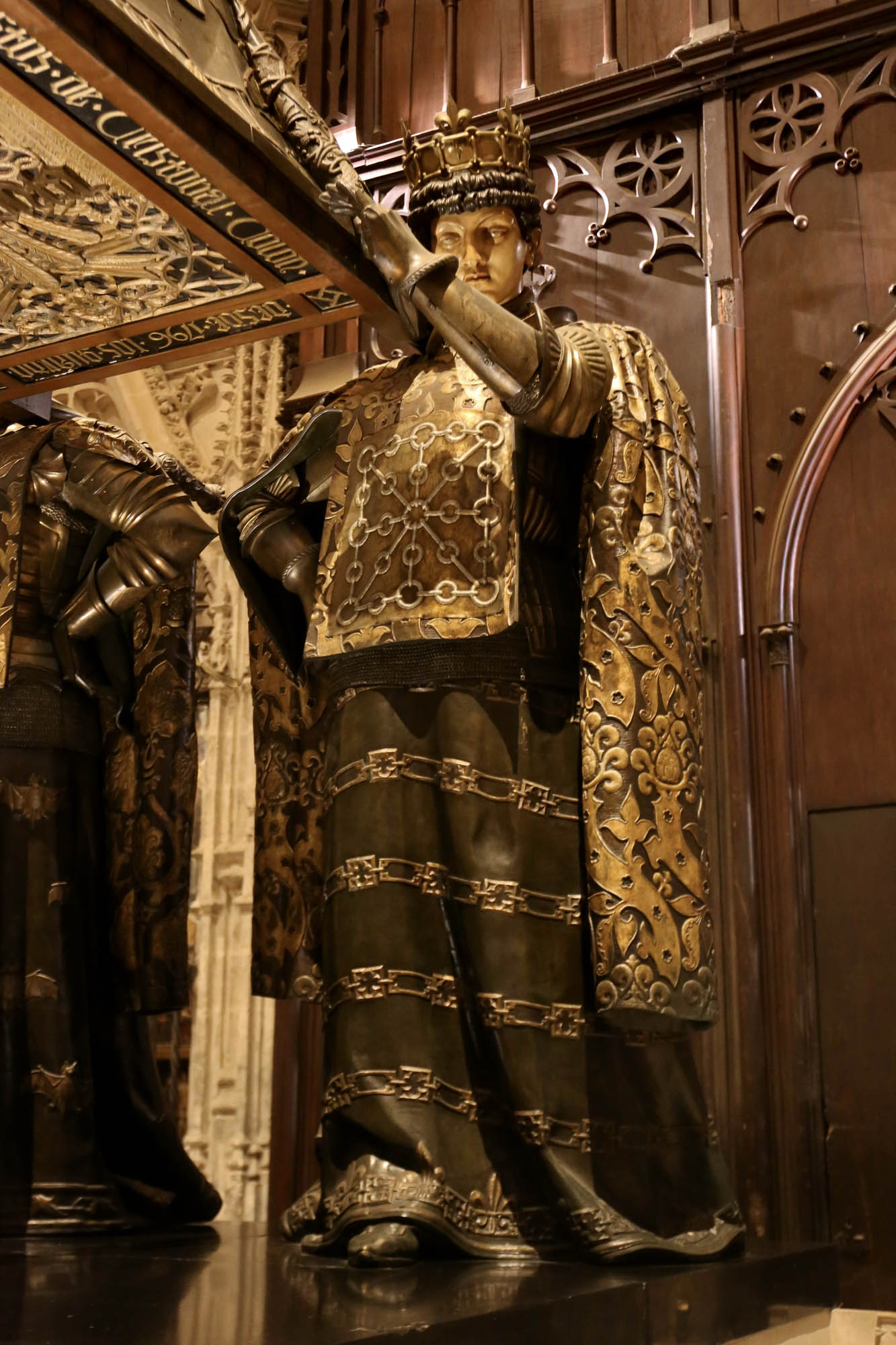
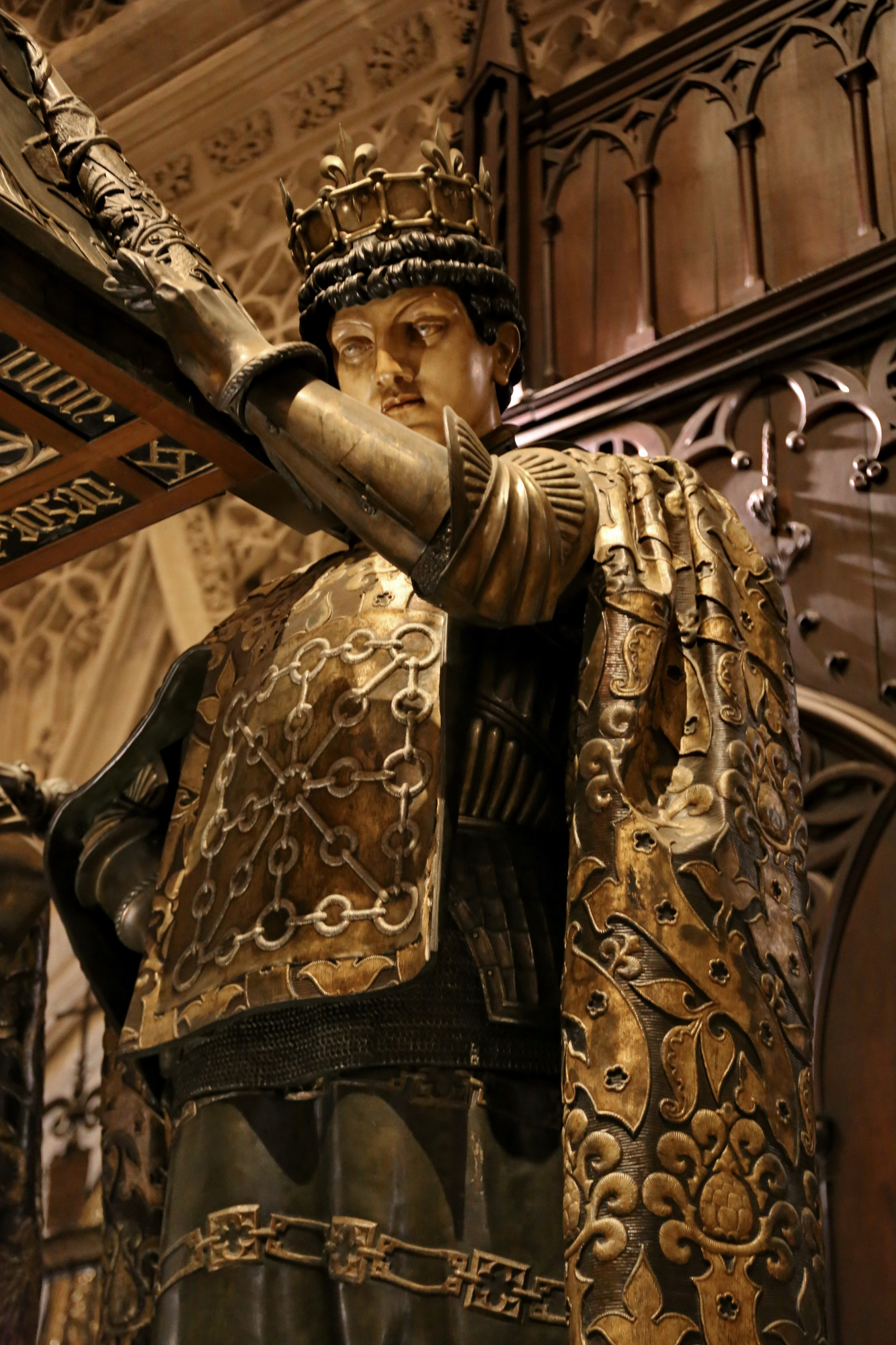
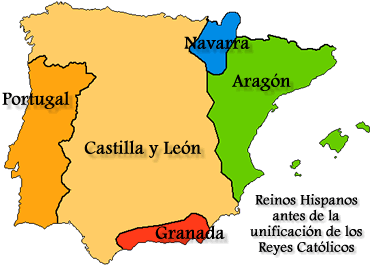
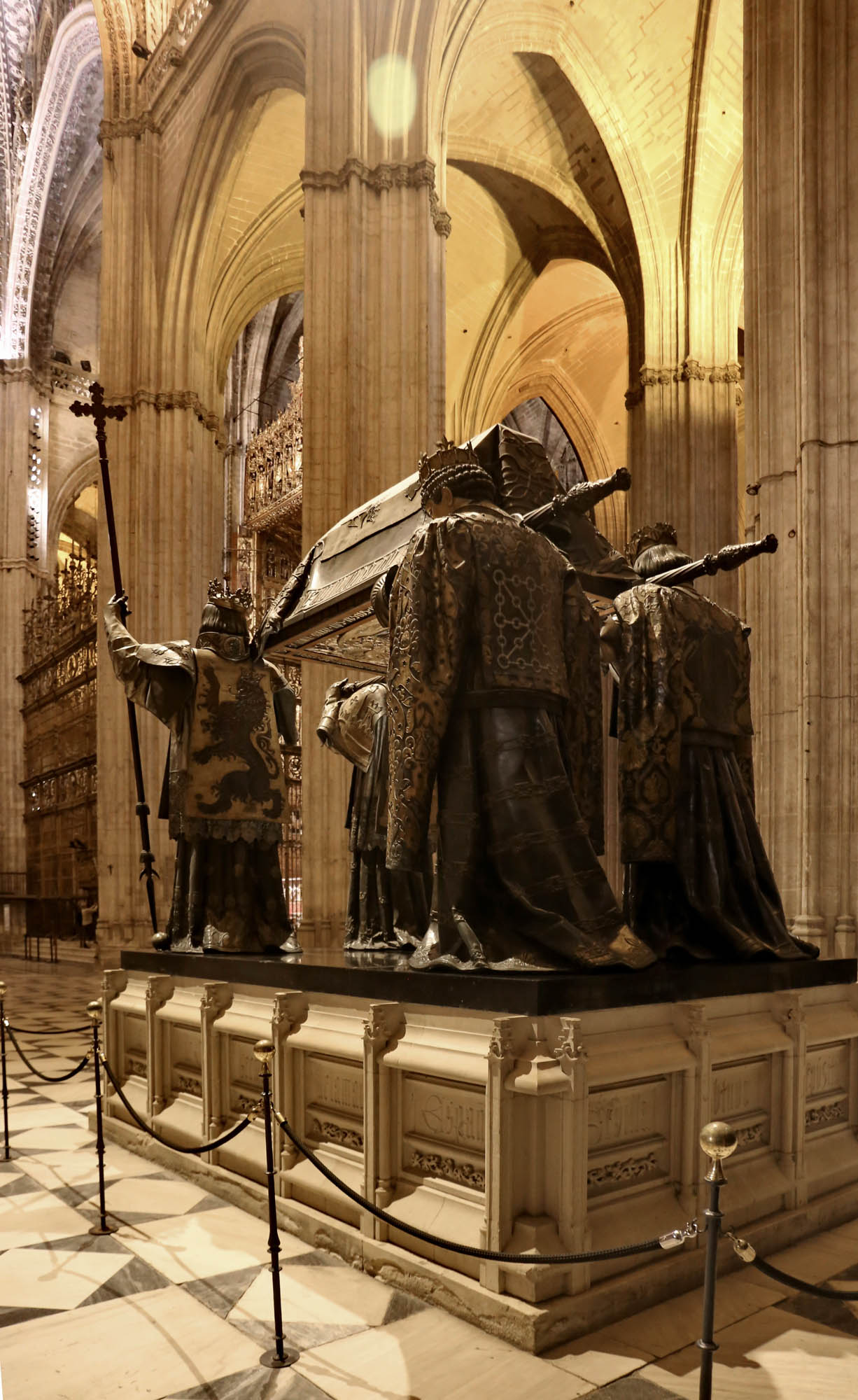
Four allegorical figures carry the Admiral’s coffin — representing Spain’s four historic kingdoms. The lineup, however, reflects a certain 19th-century nationalist bias.

At the front stand Castile and León — although these two realms had merged as early as 1230. Separated again here, they appear more than just one. Behind them are Aragon and Navarre. Mélida downplayed Aragon’s role, explaining that it had “little part in the discovery of the New World.” True enough: by royal decree, Aragonese merchants were banned from Atlantic trade. Even today, Barcelona’s Columbus statue faces away from the sea — as if to declare, “We weren’t part of that.”
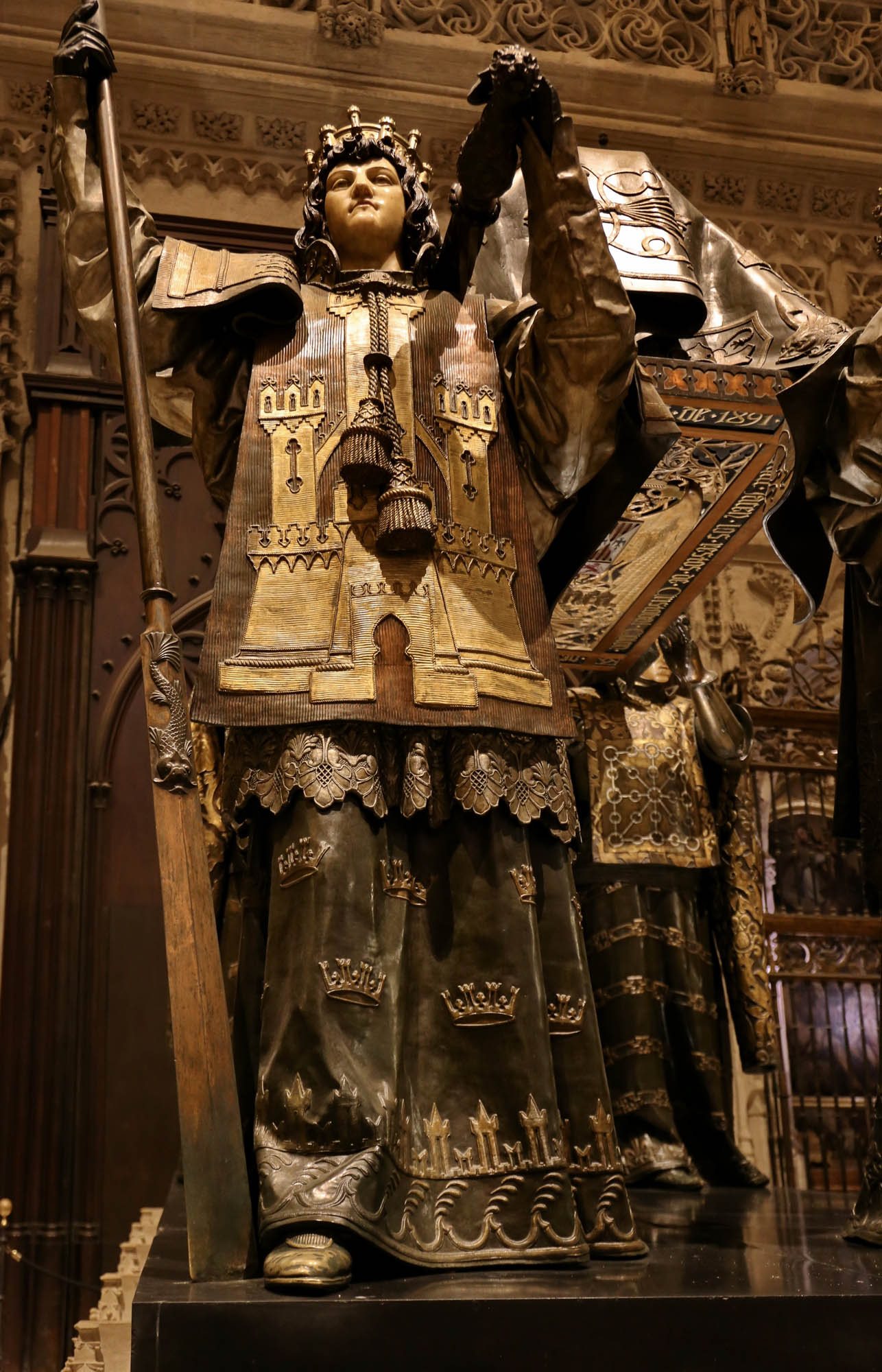
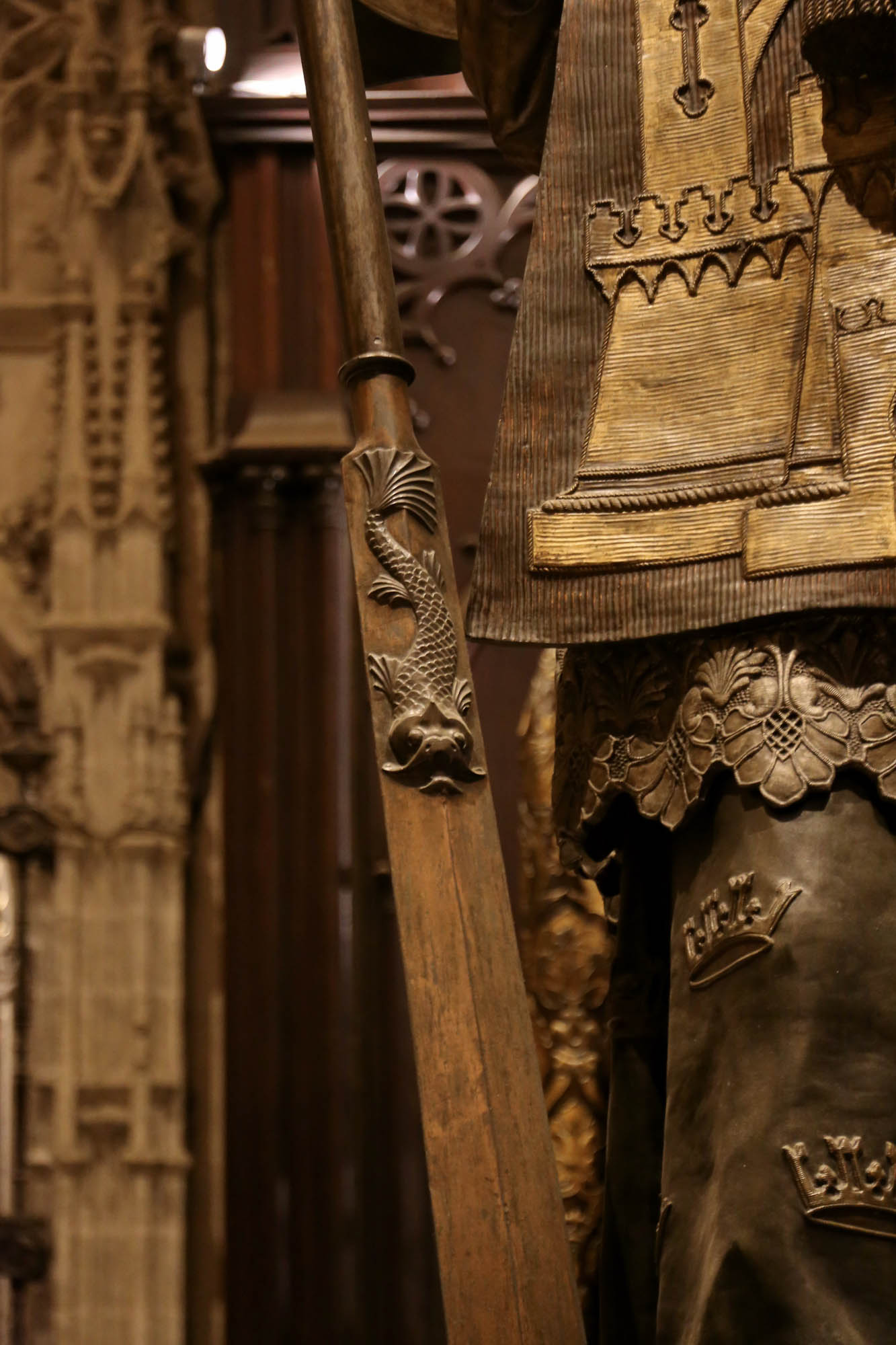
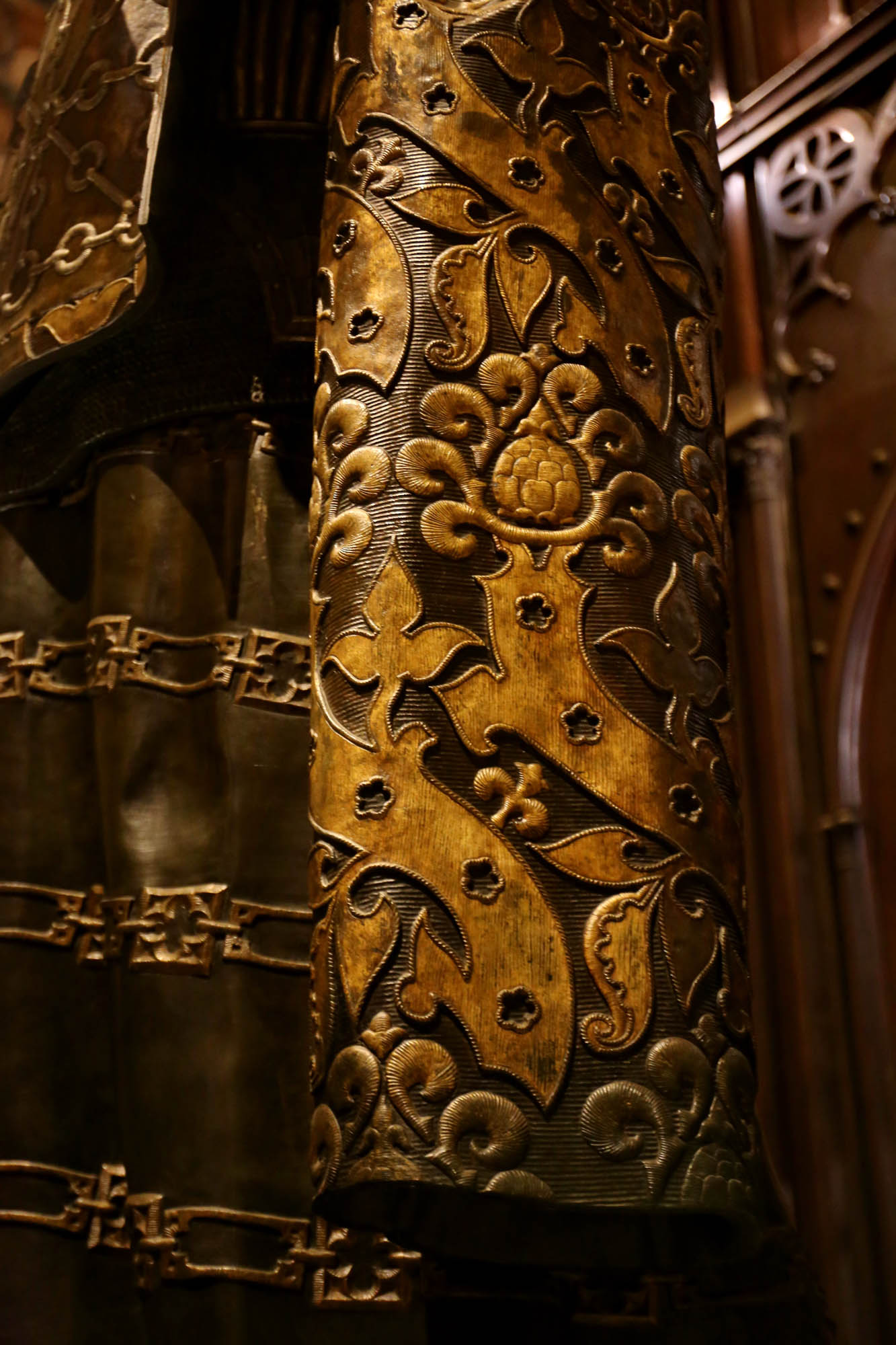
Castile wears a cloak emblazoned with a castle and holds an oar adorned with a dolphin — symbolizing royal permission for Columbus’s voyage

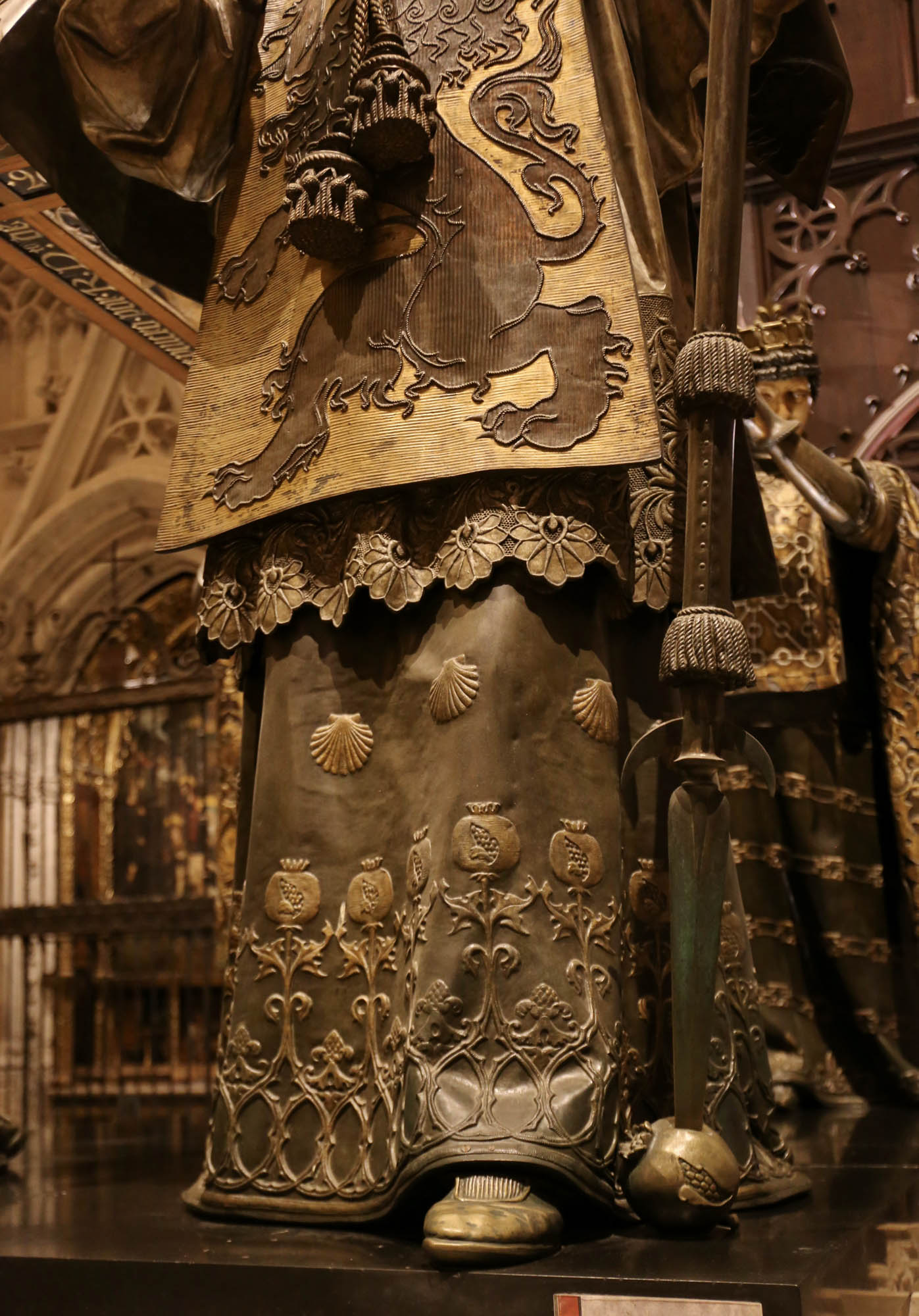
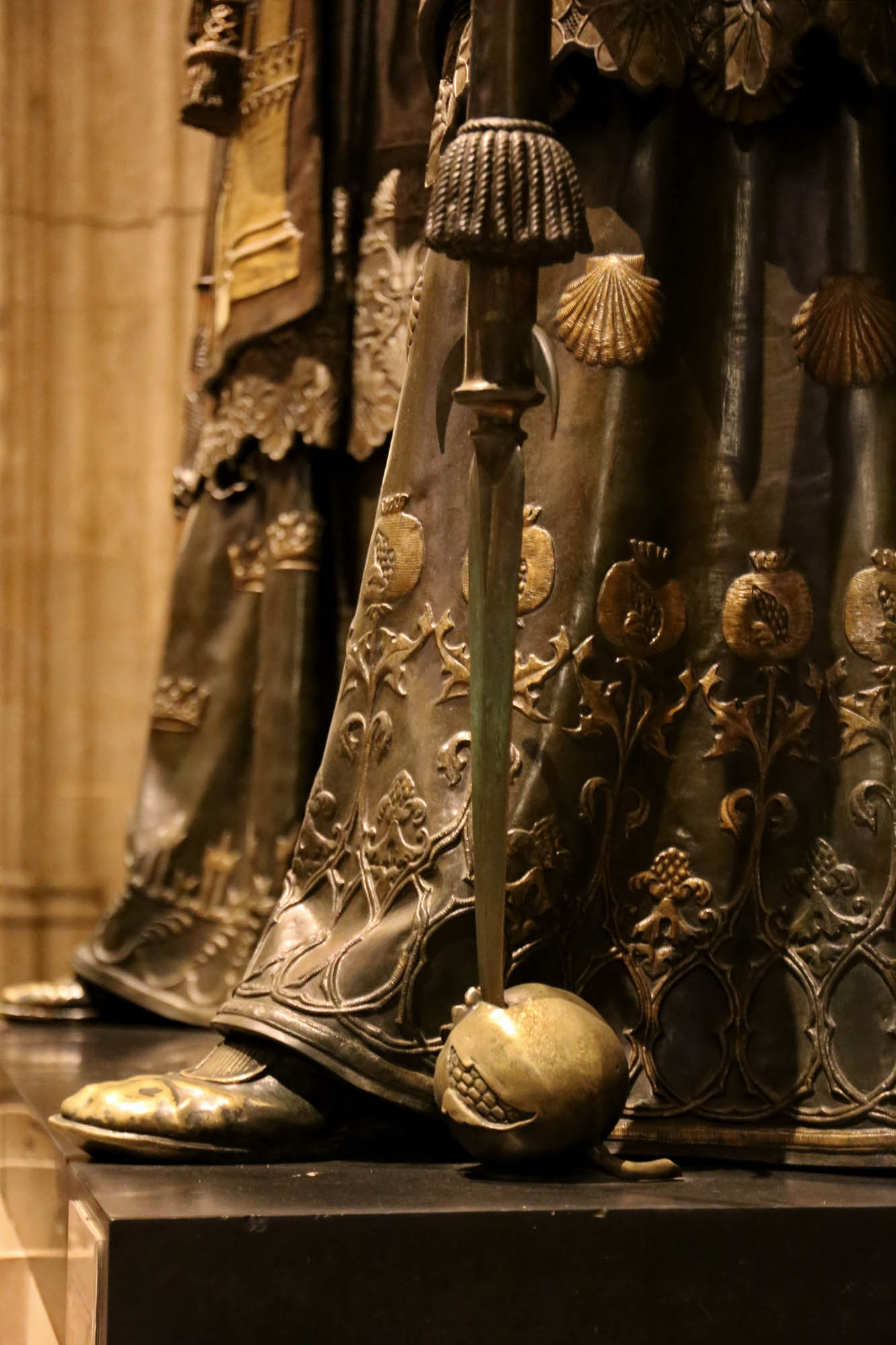
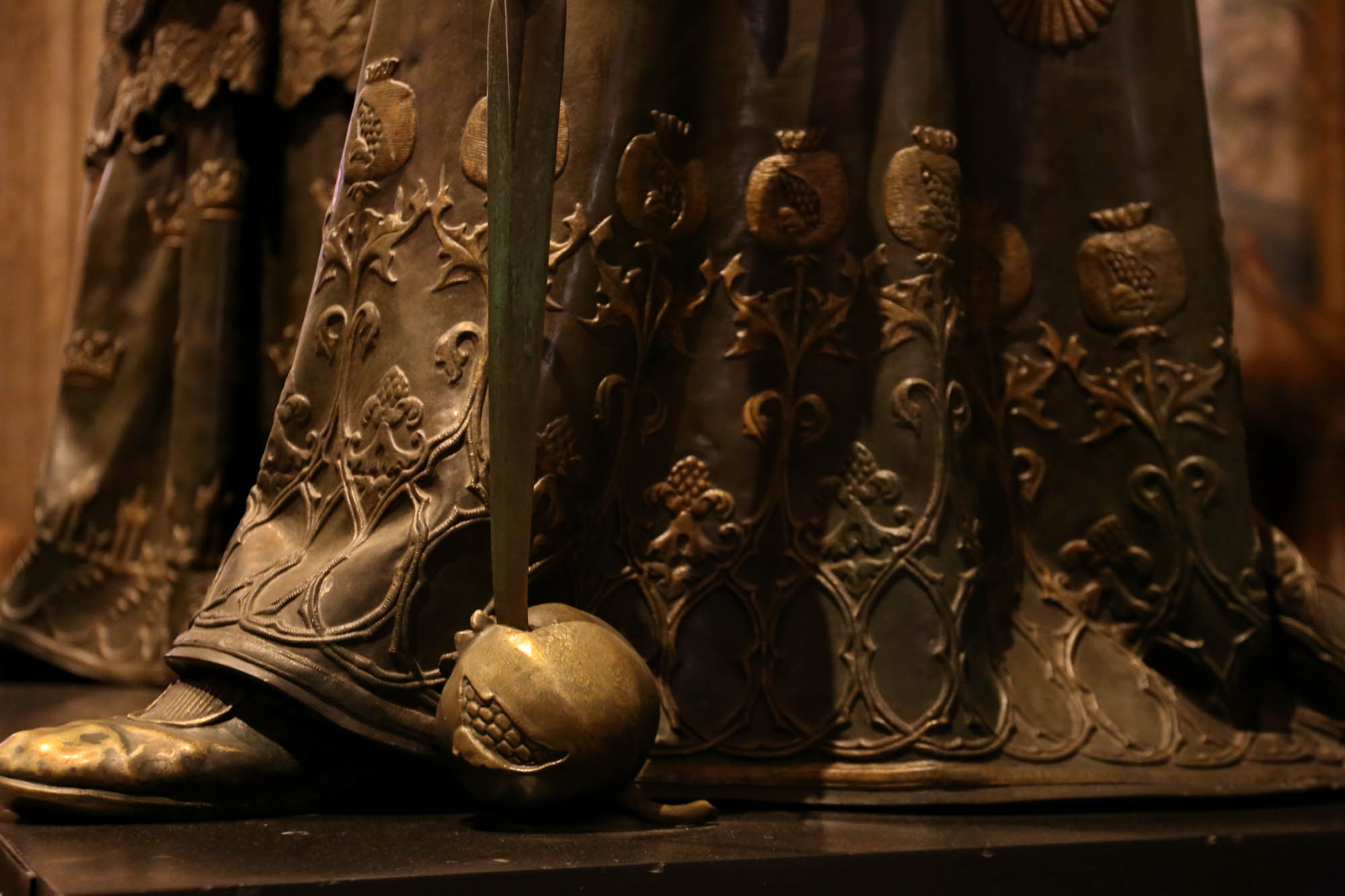
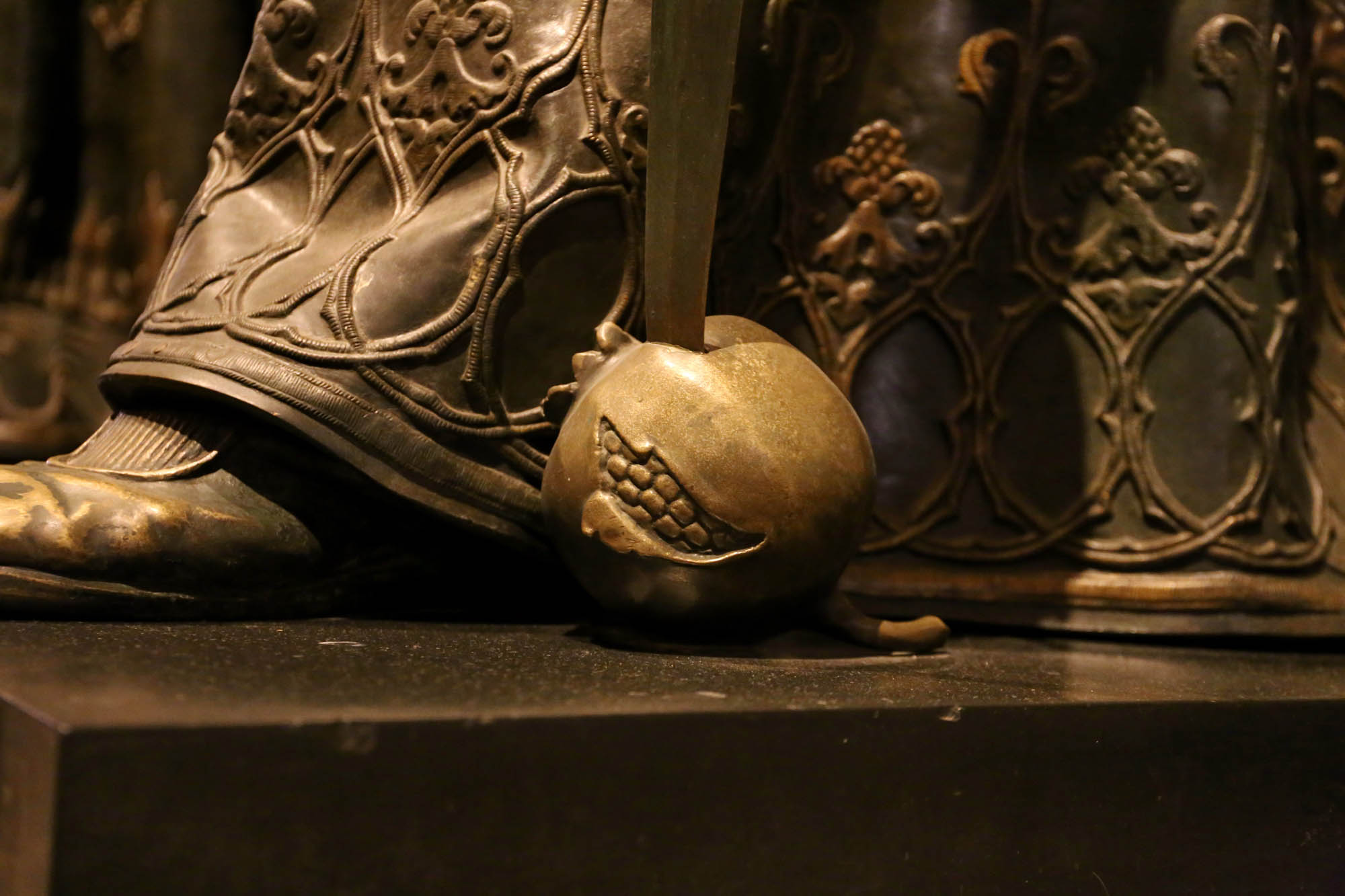
León, whose name comes not from the lion but from the Roman Legio VI, as is proved by its medieval name regnum Legionense, proudly displays the beast nonetheless, along with scallop shells for Galicia and pomegranates for Granada. His cross-tipped spear pierces a pomegranate — a direct allusion to Granada’s conquest in 1492, the same year Columbus set sail

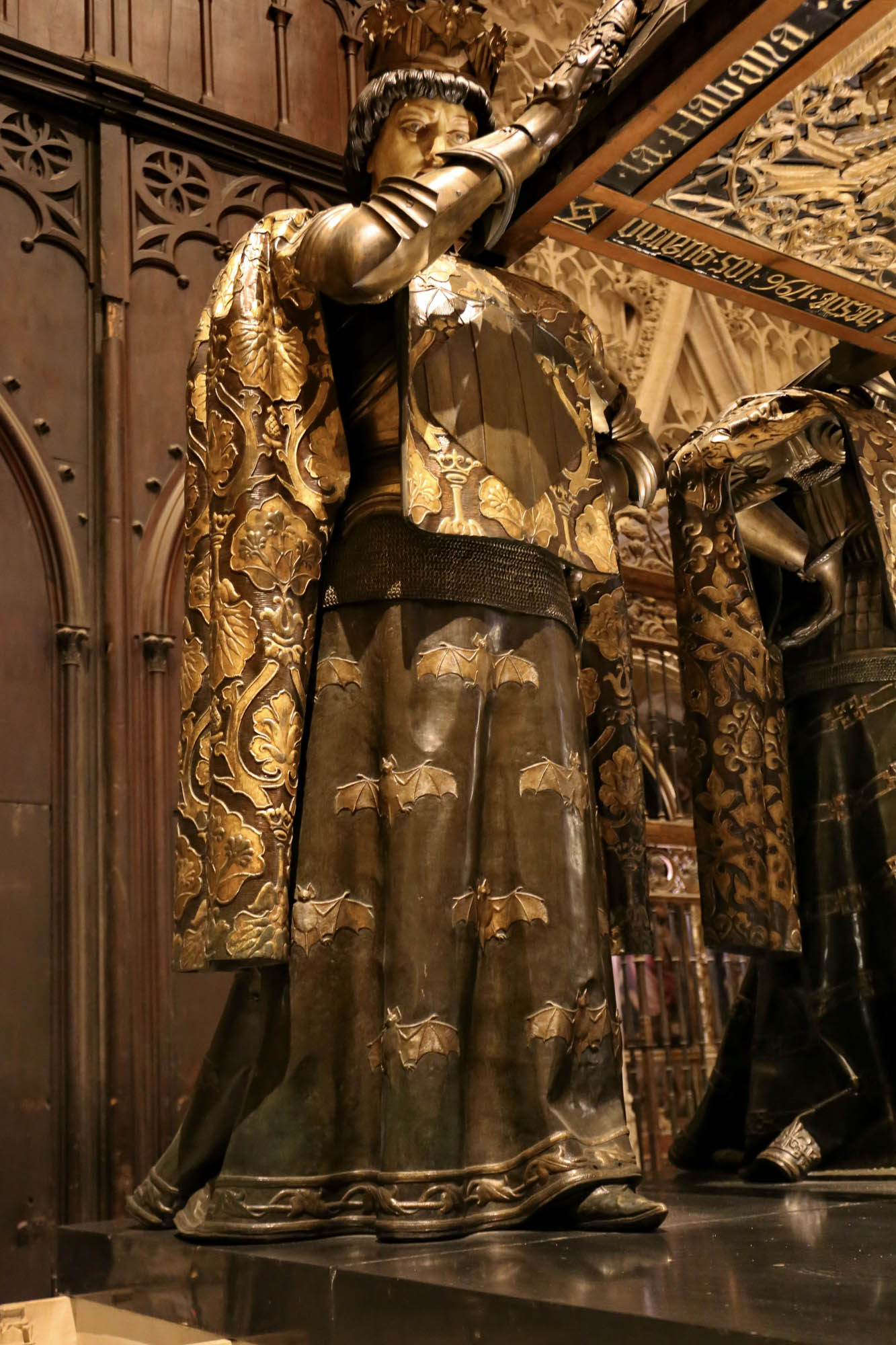
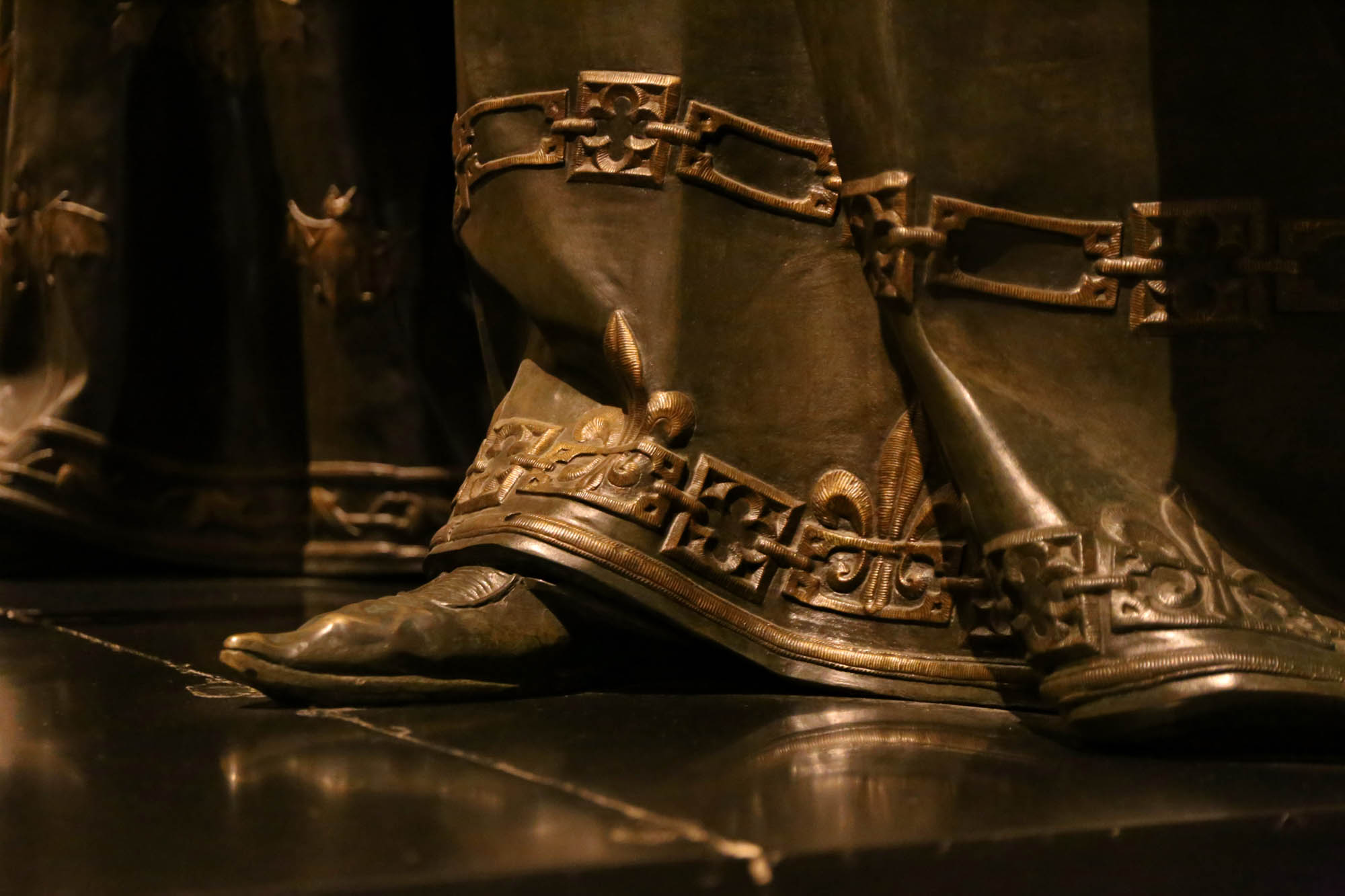
Aragon, Spain’s other founding kingdom of 1492, should wear the red-and-yellow stripes of its coat of arms. But by the late 19th century, those stripes had become a Catalan nationalist symbol, so Mélida substituted another regional emblem — a bat, borrowed from the kingdom of Valencia, which once belonged to Aragon. It was probably originally a dragon, a griffin, or some other more heraldic beast, but by the 13th century it had turned into a bat — accompanied by the legend that the army of King James I of Valencia, fighting against the Muslims, was awakened by the fluttering of bats just in time to repel a night attack by the enemy

Finally comes Navarre, which Spain annexed only in 1512. Its emblem is a chain arranged in a curious eight-pointed pattern, with a turquoise gem at the center. It also has its legend, according to which, in the victorious Battle of Navas de Tolosa in 1212 — known to the Andalusian Muslims as maʿerakat al-eikab, “the Battle of Punishment” — the Navarrese troops supposedly broke through certain chains, penetrated the Muslim leader’s tent, and seized his jewel. So be it.

Women in armor

Yet, for all their pomp, these coffin-bearers look oddly delicate. Shouldn’t an admiral’s coffin be carried by grizzled sailors or rugged soldiers? Instead, Mélida gives us smooth-faced, almost feminine figures — in fact, they are women dressed as men.

Women, dressed in men’s clothes and playing male roles — or maybe hermaphrodites? — in a cathedral? Wrap it up!

But not so fast.

Christian iconography is full of armed, armored women — personifications of virtues battling the equally female personifications of sin, in the psychomachia (“battle for the soul”) tradition dating back to Prudentius. They stand, sword in hand, at the north portal of Chartres Cathedral and are codified by Cesare Ripa’s 1593 Iconologia, the encyclopedic manual of allegory that defined such imagery for centuries.
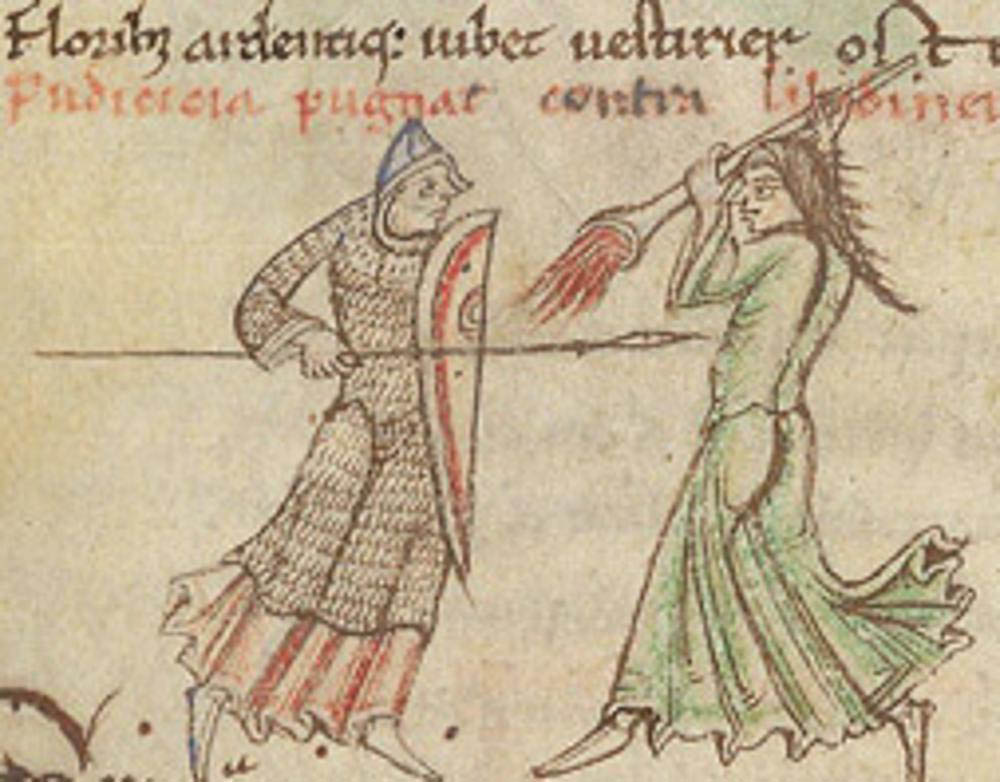
And why women? Because in the Romance languages, abstract nouns — and thus the virtues, and even “regions” (regiones) — are feminine. To depict Spain’s four realms as male warriors would have seemed just as jarring to a Spanish viewer as these female figures do to one whose language, like Hungarian, lacks grammatical gender.
My Tokajs


In September, we organized with Dani Ercsey a tour called “The Route of Jewish Wine”, as we followed the route from the Hungarian Tokaj to the Polish Galicia and to Lublin in the former Russian Poland, along which Jewish wine traders transported the wine of Tokaj to the north, and the “princes” of the Hassidic rabbinical dynasties descended to the south. We are still in debt with a detailed report on the tour. However, we received a short impression from one of the participants, Anna Gáspár (Kempfner), with the comment that if we consider it good, we can publish it on the blog. Two days after sending us her essay, Anna suddenly died of a heart attack. We publish her writing, the last harvest of a rich life, in her memory. Our illustrations were made during our last common tour.


ANNA GÁSPÁR: MY TOKAJS

Plural, possessive case?

It occurred to me near Mád, when I introduced myself to the hitherto unknown fellow travelers, while tasting Tokaj wines: I have Tokajs, in plural. I don’t think it meant anything to anyone else but me when I suddenly uttered it.

Mád, Tállya, Tolcsva. This is how we learned the most famous places of the Tokaj wine region. Mád, Tállya, Tolcsva, this is how I memorized them as a little schoolgirl in 1950.

Some ten years later, I became friends with Polish architects in a university internship. First we visited for three weeks their wonderful country, from the Hel Peninsula to Krakow. We were amazed at their astonishingly modern architecture and fascinating historical world, we listened to the Polish language full of consonants, enjoyed the fragranes and tastes, were fascinated with their fashion that was very different from ours. We were delighted to see their extremely imaginative design, witty posters, their so different culture.

And then they came to us, enchanted at the sight of our capital that survived the war, enjoying the summer atmosphere of Lake Balaton. I went with them to Eger, Miskolc, Tokaj. I was their interpreter. I thought, Russian will be no problem to a Slav. But Polish students did not like Russian, and hated the RUssians. They absolutely did not want to speak Russian.

I had to learn Polish. They helped me, laughed at me, corrected me. I listened to them, I fantasized. We were happy. They loved Hungary and loved me. And in Tokaj, when descending through some hole into a cellar, it turned out they also loved Tokaj wine.

It was cool down there. We also got some food, we tasted a lot of barrels. As we ascended to the open sky, on a bright day, if I remember well, we fell on our fours, unable to walk. We somehow pushed our way to the campsite at the foot of the Tisza bridge. Whoever saw us on the road, must have had fun.

I was shocked by the grayness and poverty of the town. Is this Tokaj?


It did not take another ten years for Tokaj to reappear in my life, already familiar. In my first workplace, my first and only husband, towards the end of his bachelor years, fully in love with me, invited me together with his colleague Pista, who came from Erdőbénye in the Tokaj region, to the Tokaj Wine Bar near the Opera House. We impressed each other a lot, the two drink-resistent men and myself, the resh graduate engineer. As they later told me, I drank a liter of Tokaj Furmint on the spot. I enchanted them. Laci then married me, we had three children, and we lived together as long as he was alive. Was Tokaj wine the cause of it all?

Our children grew up and flew away, and Laci had arrived to the end of his road, when, unexpectedly, I became a vineyard owner in Tokaj, in Erdőbénye, next to Mád, in the Omlás Slope. Some fifty years have passed since our drinking at the Opera House. Although I have not become a wine addict – for many reasons –, I lived as a wonderful adventure the decade of being transformed from an unexperienced city dweller into a Tokaj oenologist. The transformation was due to Alex, my sommelier friend from Barcelona, the descendants of Pista, Mari and Bálint, and Józsi Pethő of Erdőbénye, who cultivated my one-hectare “estate” as his own. And, of course, to the wine school I completed in the meantime.

The splendor of nature, the magical and unlearnable vine cut, the spring bud-opening full of hopes, the quiet, chubby, secret blooming, the growing tendrils, the slow ripening of the bunches, and the late October harvest with the fragrance of honey, walnut and plum. This is what the vineyard gave to me, with its fruit blessed with different treasures every year, created from the same minerals, the same soil, and the ever-changing weather.


Must and wine. In Tokaj, you don’t have to manipulate it. Here the wine is samo-rodni, born by itself, and who would understand it better than I?

We made good wine. Hungarians, Slovaks and Poles gladly consumed it at the inebriated Erdőbénye Festivals.

But I have no vineyard any more.

This year, in early autumn, the magical Tokaj wine enticed me to a new adventure: traveling, exploring and tasting a wide variety of Tokaj wines. Not only in the Tokaj wineries, but also in Slovakia, and in Polish Galicia. Many wines, many synagogues, many hills, many little towns, many Jewish cemeteries within and beyond the borders. I did not care that it hurted here and there, that I could walk only a little, that I had trouble to stand waiting.

And in the Polish Tarnów, a miracle happened.

Here was born and here is buried Bem Apó, floating between heaven and earth, because at the end of his life he converted to Islam, and he was not allowed to be buried in a consecrated land. His tombstone is worthy of his deeds: the sarcophagus hiding his mortal remnants is held by six snow-white pillars standing in the middle of a lake.


Still, this was not the miracle of Tarnów.

In the evening, in the restaurant of a funhouse-like hotel converted from an old-fashioned Monarchy-era post office, where every wall was covered by huge paintings, portraits and landscapes in the wildest and darkest colors, the works of a poor painter who paid for the room and board for his pictures (oh, horror, I wish he would have not done that) – so, in the evening in the restaurant we tasted Tokaj wines, just like on other days. At the end of a great dinner, this time three kinds of dry Tokaj samorodni.

A Mezőzombor Disznókő Wine House 2015, and an Olaszliszka 2009 samorodni from the French Samuel Timon. The third one I do not remember.

It took my breath away. I remained speechless. Never before I experienced this kind of enjoyment, beauty, dazzle and obliteration. Nothing and everything, a gift of nature, for which I am grateful from the bottom of my heart.

Wines of my body and soul, Tokaj wines, my Tokajs.


Blessing


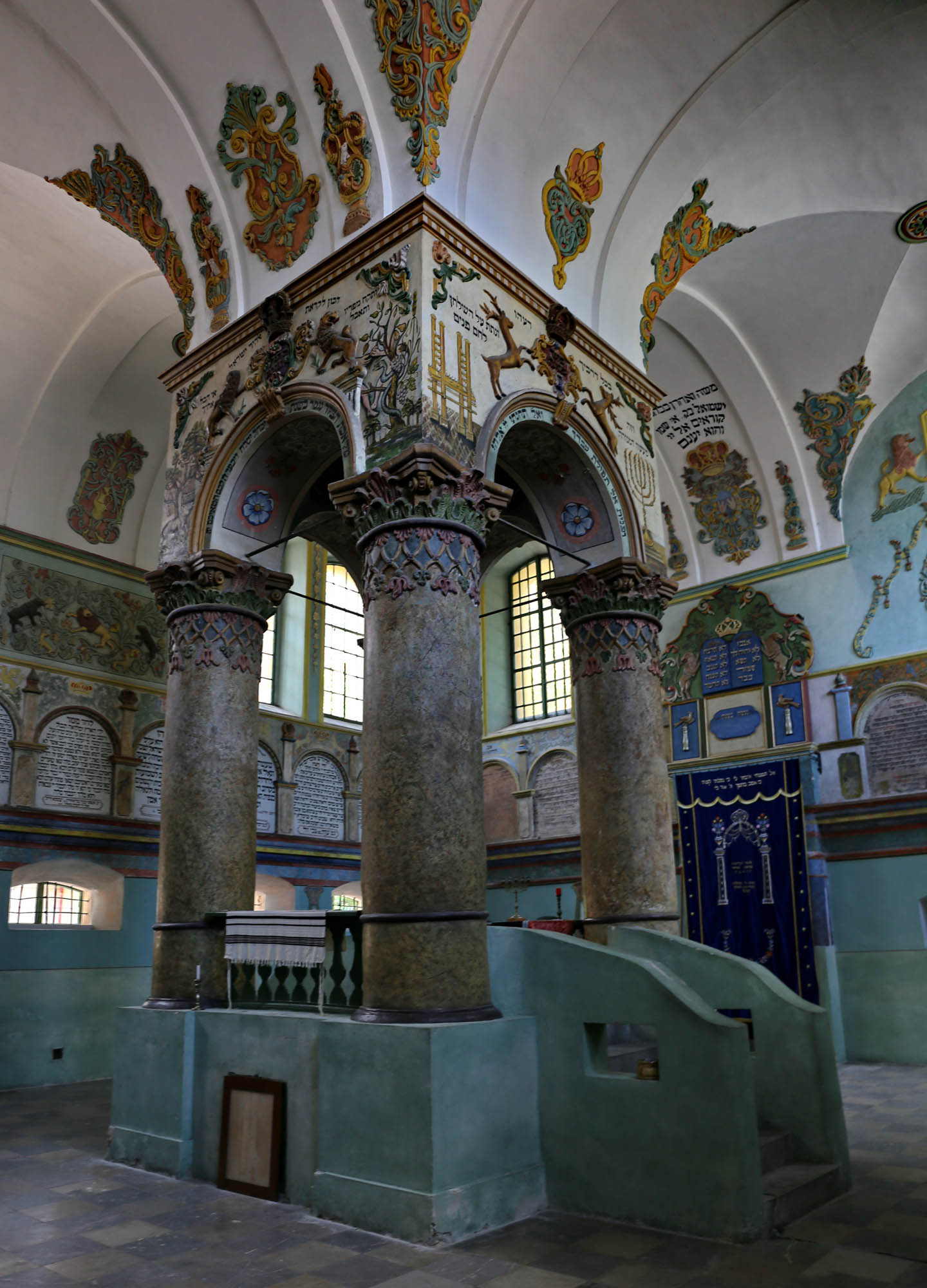
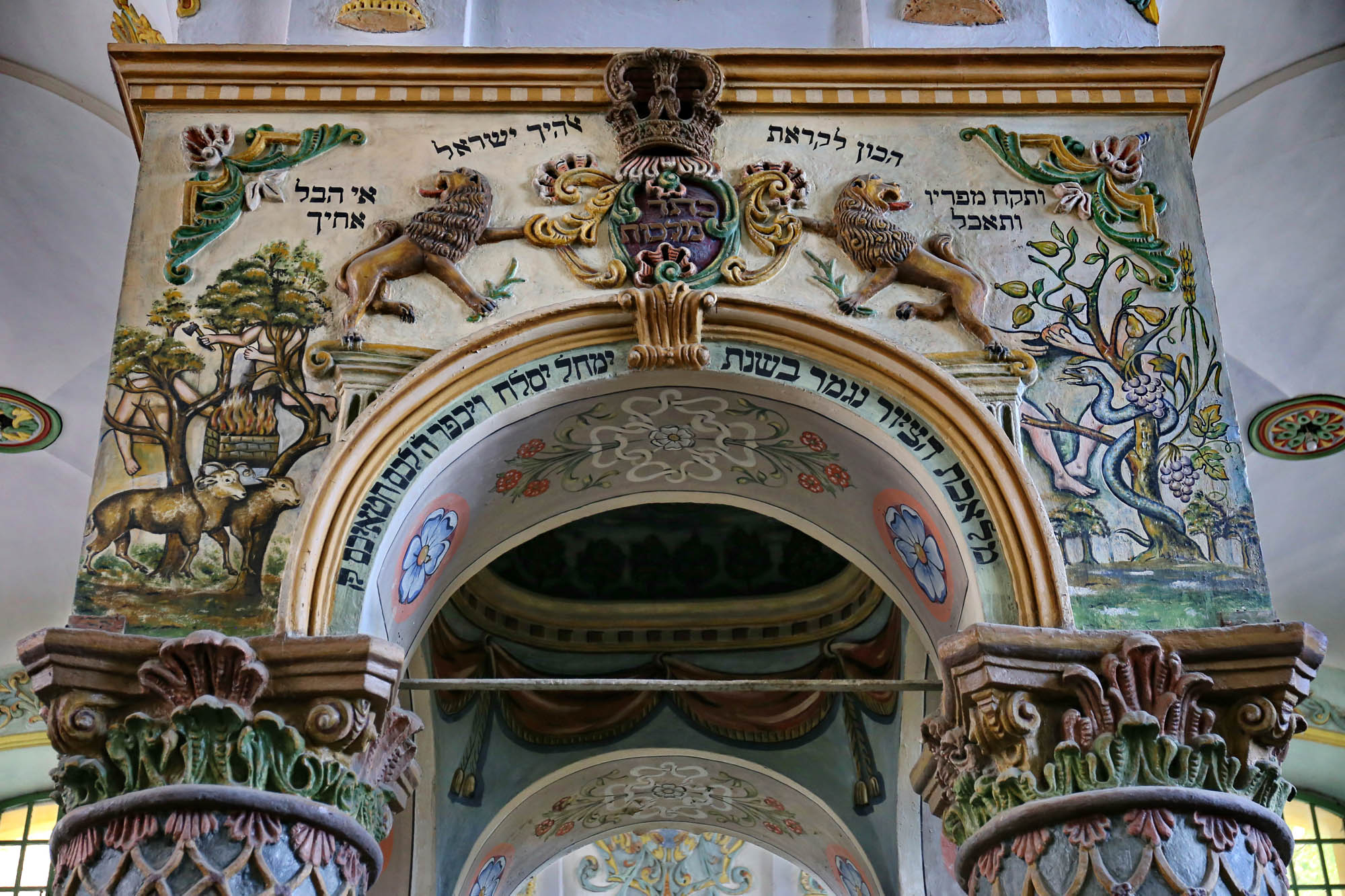
I have already written about the synagogue of Łańcut, the fantastic treasure trove of the Hasidic visual world. The most conspicuous motifs of the frescoes, completed in 1761, are the prominently placed lions, deer, griffins and bears, which also populate Hasidic cemeteries, and the bima with its scenes from the Scriptures, where the heads of the people are covered with foliage to prevent sacrilege, and the ceiling of the bima is adorned with the Leviathan.


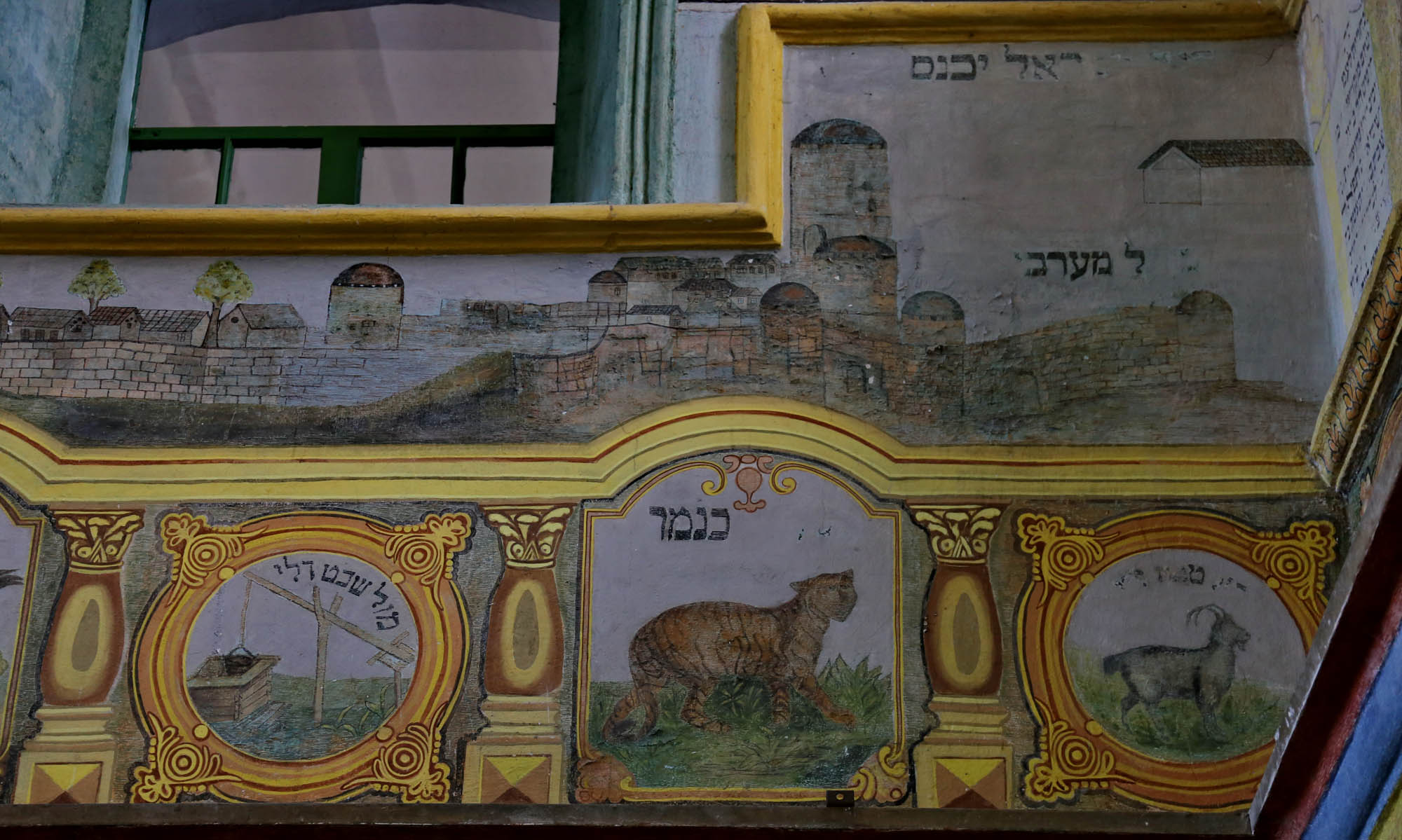
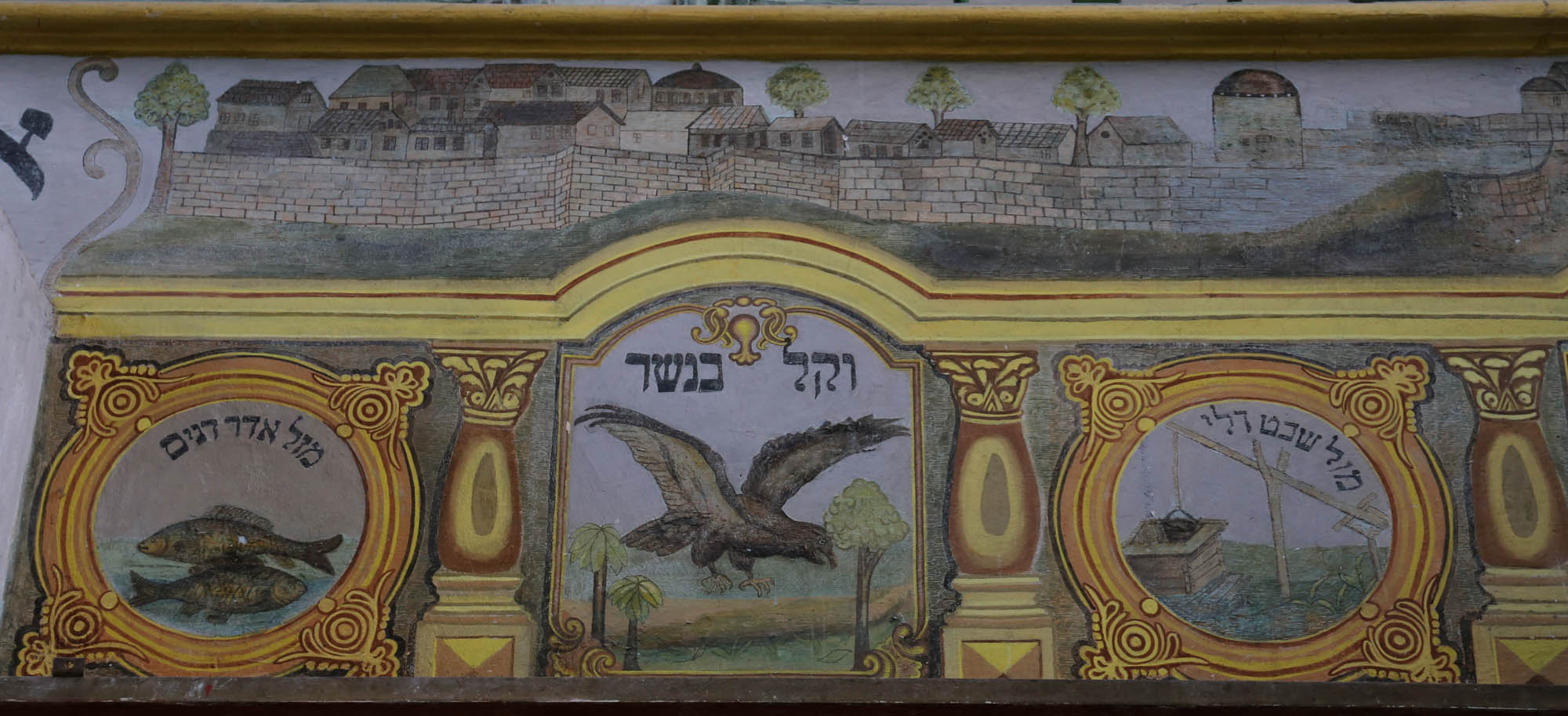
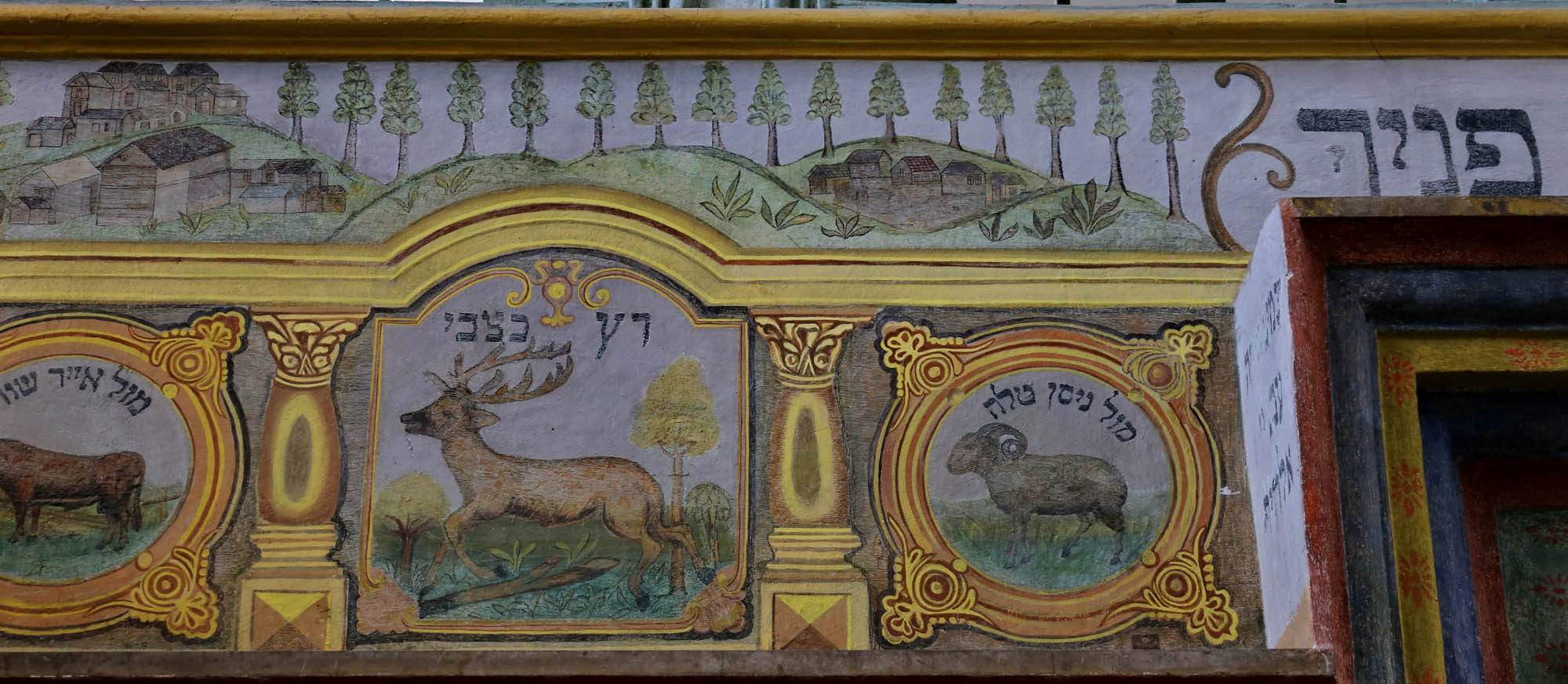
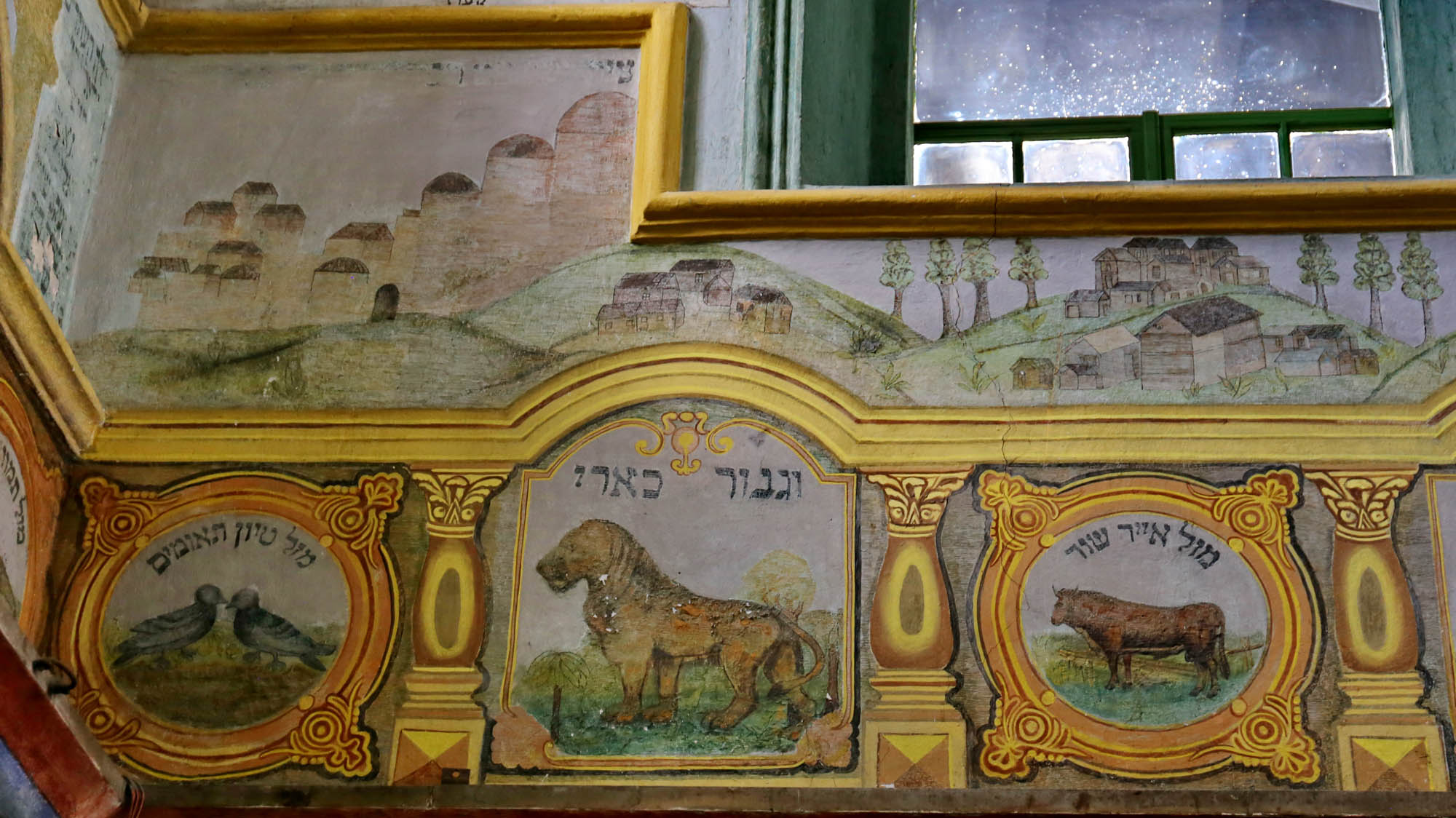
But the whole decoration of the synagogue is an inexhaustible gold mine. Among other things, the frieze running at the height of the ledge depicts the twelve signs of the zodiac, like in many other Galician Hasidic synagogues, implying the continuity of Jewish festivities throughout the year. Here, in Łańcut, however, four alien animals mingle among the celestial figures on the entrance wall. If you do not recognize them at first sight, their labels will identify them: כנמר ka-namer, “like the tiger”, וקל נשר ve-kal ka-nesher “and light as the eagle”, רץ כצב rats ka-tsvi, “running like the deer”, וגבור כארי ve gibbor ka-ari, “and hero like the lion”.


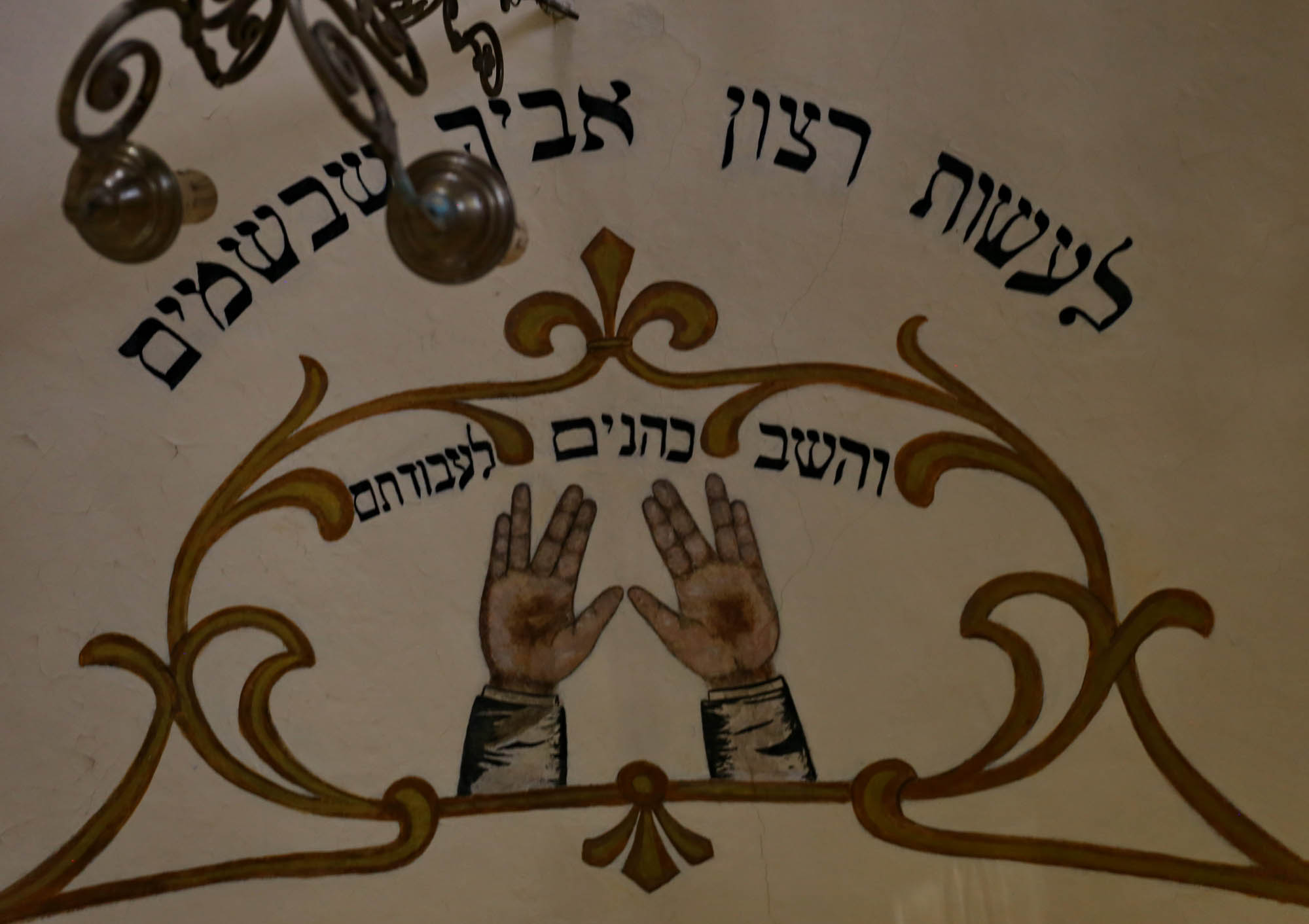
The four figures are repeated with the same labels in the small hall of the synagogue’s lobby, which was the workroom of the first and greatest rabbi of Łańcut, later Rabbi of Lublin, Jakub the Seer. Judging by its more recent, less Baroque, rather 19th-century style, the Rebbe may have painted these later, as a constant warning to himself.

pirkeiavot1 pirkeiavot1 pirkeiavot1 pirkeiavot1 pirkeiavot1 pirkeiavot1 pirkeiavot1

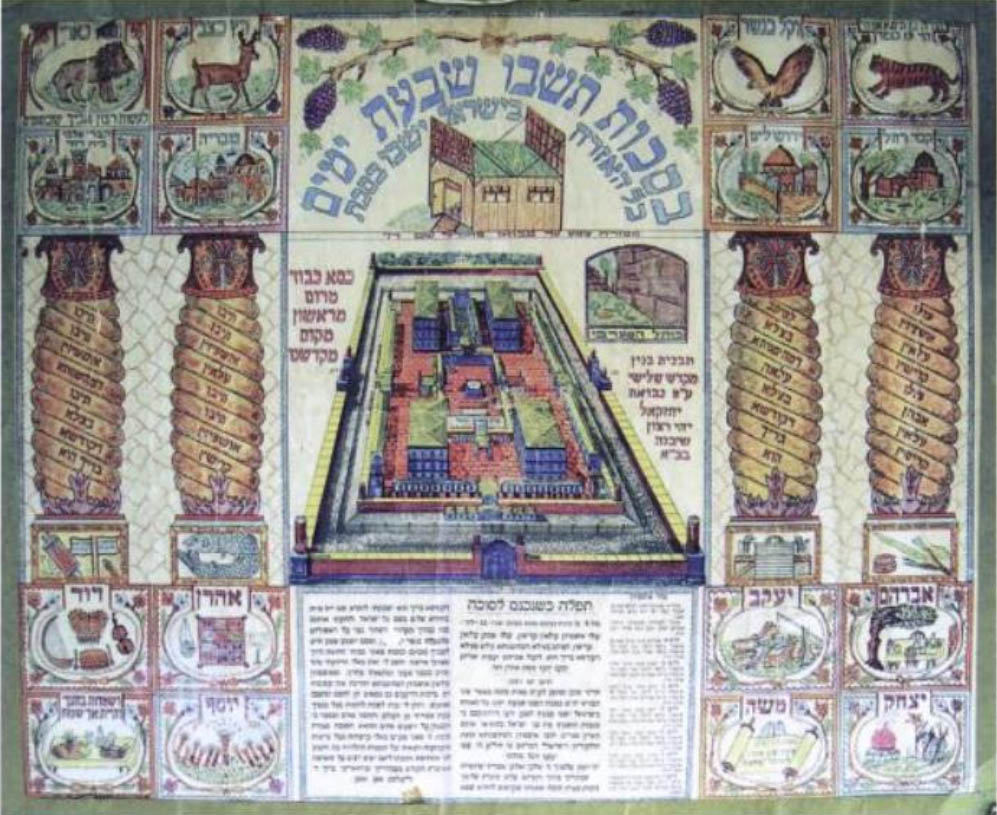
The four figures and the text of their labels refer to a moral maxim well-known in Talmudic education. Its source is the Mishnaic book Pirkei Avot, “Teaching of the Fathers” (5:20), which attributes it to Judah ben Tema, belonging to the tannaim, the great 1st to 2nd-century rabbis. The saying goes like this: הוי עז כנמר, וקל כנשר, ורץ כצבי, וגבור כארי לעשות רצון אביך שבשמים “Be bold as the tiger, light as the eagle, run like the deer, and be strong as the lion, to do the will of your Heavenly Father.”

“Ushpizim Tablet” for Sukkot, Canada, 1947. In the center, the Temple of Jerusalem, soon to be rebuilt, and above, the four Mishnaic animals, with the images of Israeli holy places below them, just as in the synagogue of Łańcut.

What better could we wish for for the year of 5780, set to begin tonight? Shana tova.


Two monkeys


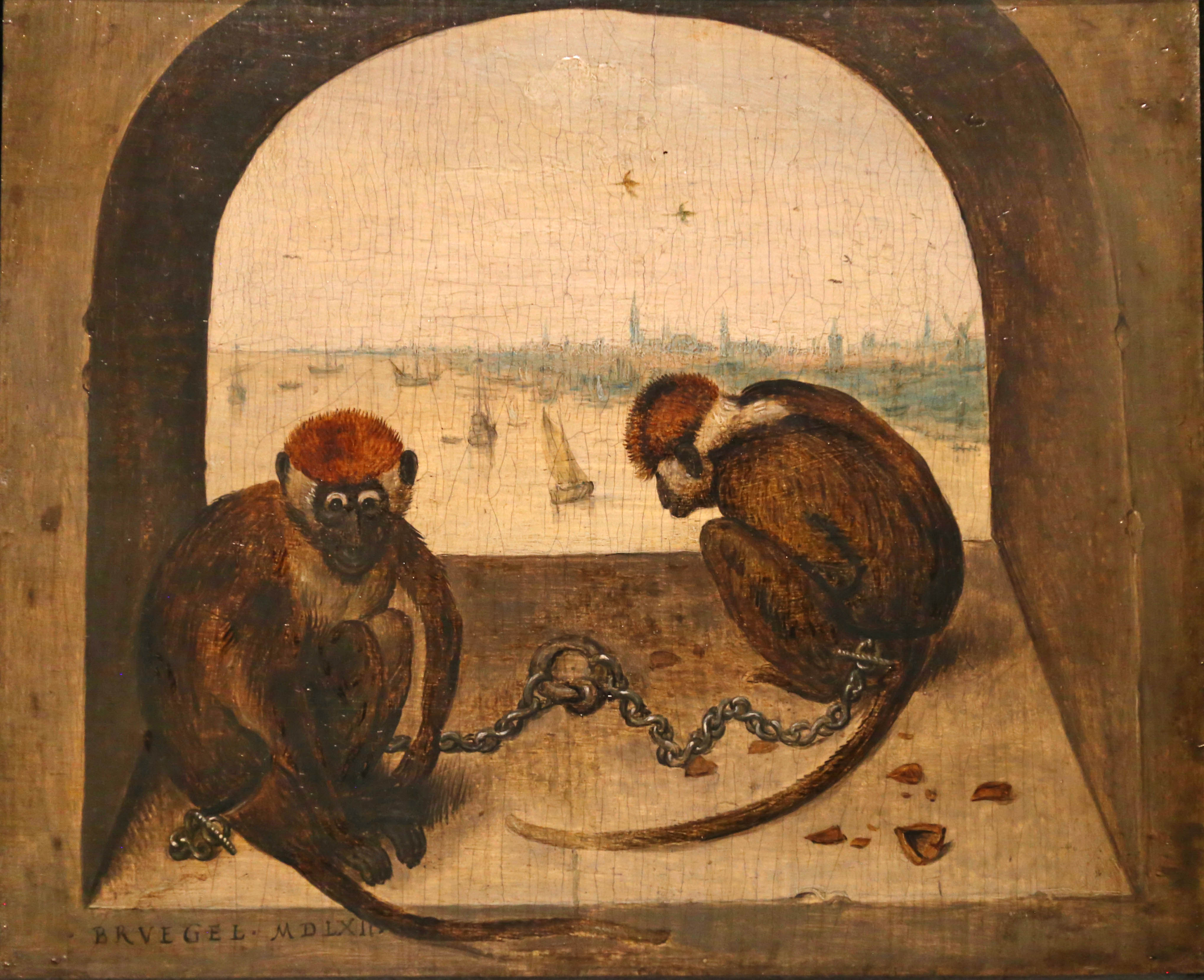
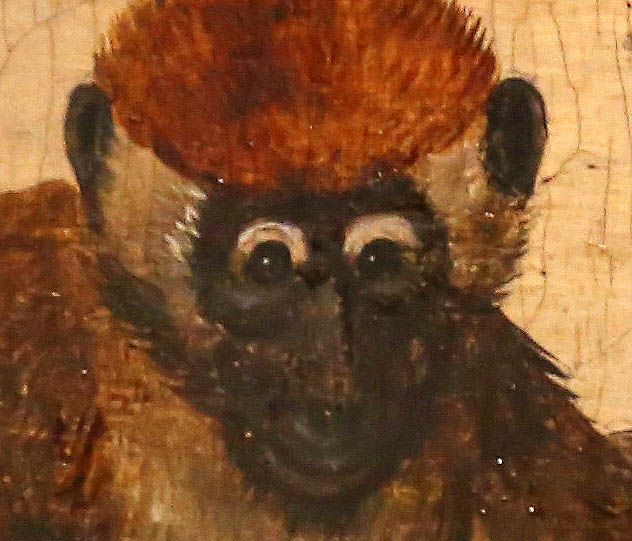
Bruegel’s smallest picture (only 19,8 × 23,3 cm, 1562, Berlin, Gemäldegalerie) depicts two monkeys. They are sitting in the window of a thick-walled building, chained to the windowsill, and beyond the window you see the port city of Antwerp. Next to them, on the windowsill, the empty shell of a crushed hazelnut.

If someone who usually expresses himself with two hundred figures, in one picture unexpectedly uses only two, that must mean something. But what?

According to some authors, the painting, like Bruegel’s many other small pictures, is an illustration of a Flemish proverb: “to go to court for a nut”. Whoever goes to court, should not be surprised for being arrested there. And if he went for nothing, then he himself was looking for trouble. The two free birds flying in the sky over the city form a sharp counterpoint to the two monkeys chained next to the hazelnut shell.

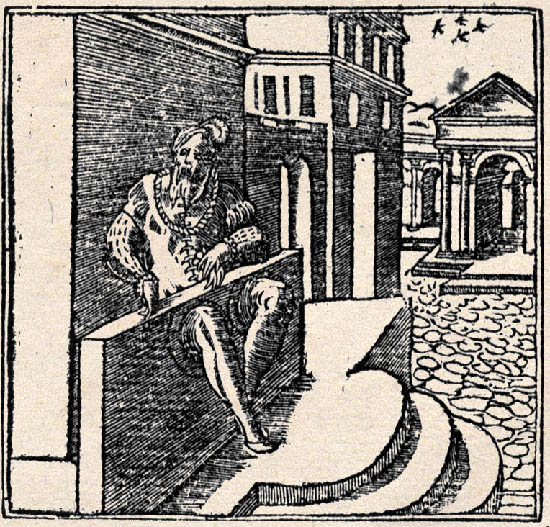
Andrea Alciato also imagines the courtier in chains, with freely flying birds above him. Los emblemas de Alciato traducidos en rimas españolas, Lyon: Roville-Bonhomme, 1549, «In aulicos» (on courtiers), p. 146.

In other opinions, the painting is only a study, in which the master depicted for later use two of the exotic animals regularly brought to Antwerp. However, we do not know any other similar sketch from Bruegel, and the detailed elaboration of the small painting also suggests a finished picture.


At the same time, it is a fact that Bruegel also produced two other pictures in the same year, where he used the lessons of this study. One is the painting Dulle Griet (Mad Meg, Amsterdam, Museum van den Bergh, inv. no. 788). In the picture, an uprooted, helmeted woman runs swiftly with a sword, with female soldiers behind her, who seem to want to lay siege on Hell. This hell is populated with the monster figures of Bosch, which Bruegel had imitated so many times; but this is the first time he also includes monkeys, and the two monkeys looking out of the round window of the castle are very similar to the two in the small painting. The interpretation of the picture is uncertain, but it might be an example of the carnivalesque swap of roles, so popular among Renaissance authors: here, women take on the role of warrior men. The monkeys emphasize this role change by playing a human role in the hellish castle.


griet griet griet griet griet griet griet griet griet griet griet griet griet

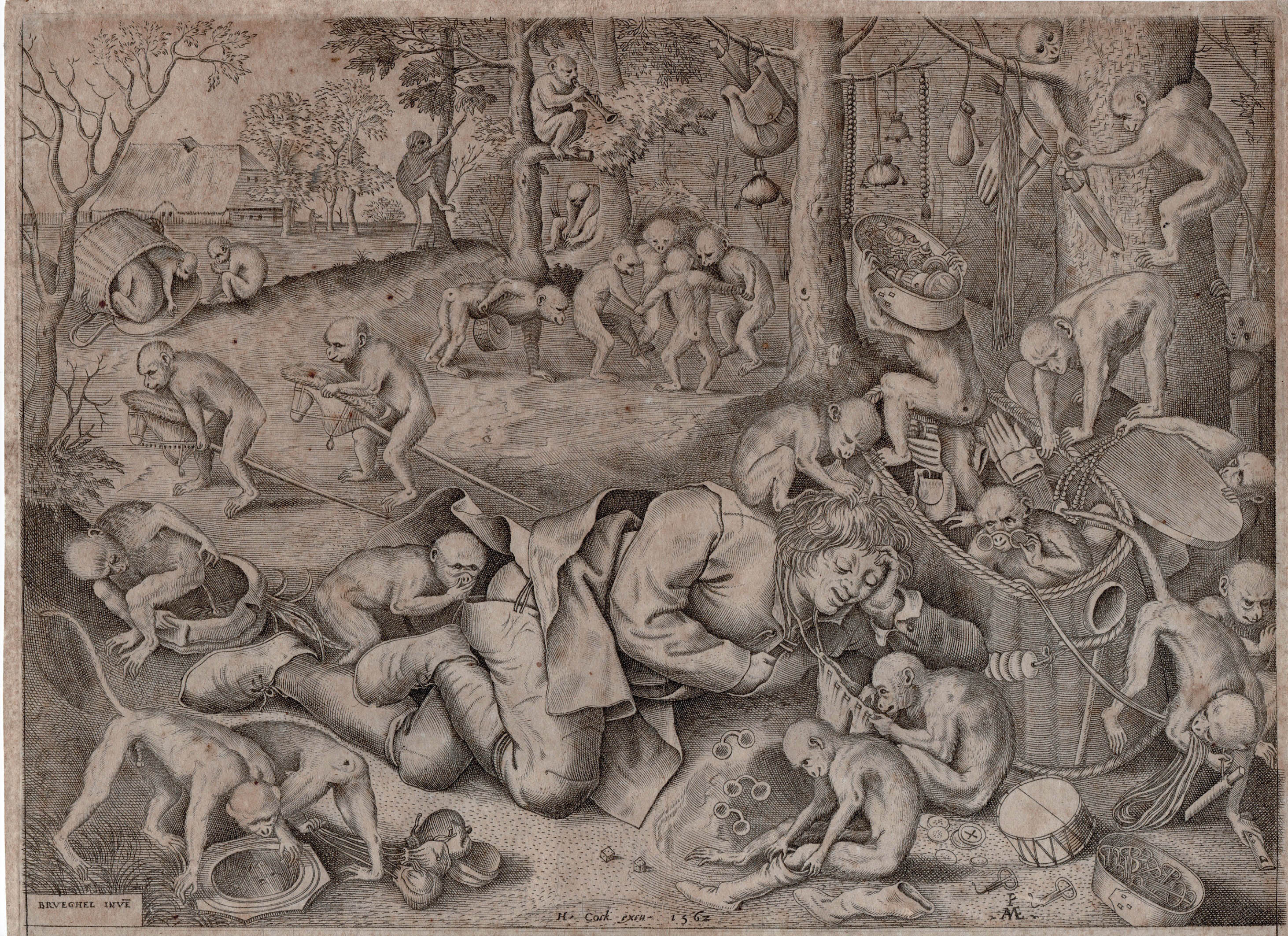
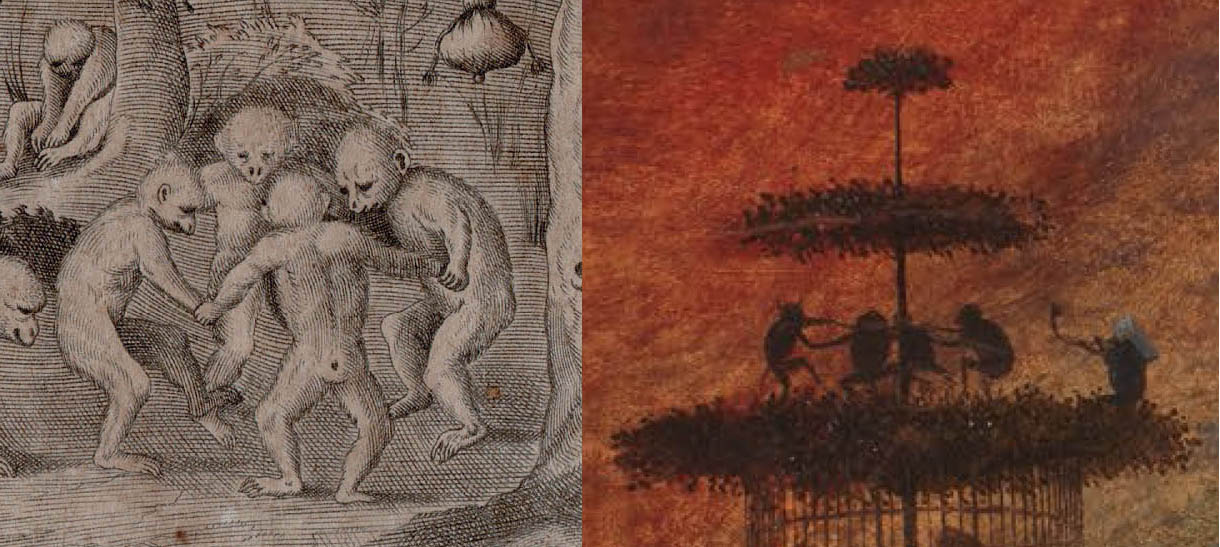
The other picture is the print The monkeys rob the sleeping pedlar, made by Bruegel for the publisher To the four winds of his regular companion, Hieronymus Cock. In this, the monkeys take on the goods pulled out of the pedlar’s basket, and the human roles associated with them. The great number of small figures amounts to a complete study of simian movement. The monkeys’ round dance in the middle evokes a similar motif from Dulle Griet.


We do not know what piqued Bruegel’s interest in monkeys that year, and why it abated later. He may have found some inspiration in the unexpectedly seen exotic monkeys, and he painted them with the exclamation this will be good for something, but then one of his humanist friends begged for the painting for his curiosity cabinet. He may have wanted to dominate the genre of exotic animals sought by the Kunst- und Wunderkammers and encyclopedias, similarly to the other contemporary themes, such as landscapes, peasant scenes or Bosch’s devilries, that he tried and succeeded in, but this time it somehow did not come in. Nevertheless, the master never discarded anything he had created, so he also used the motif of the Two monkeys in the later painting and print.

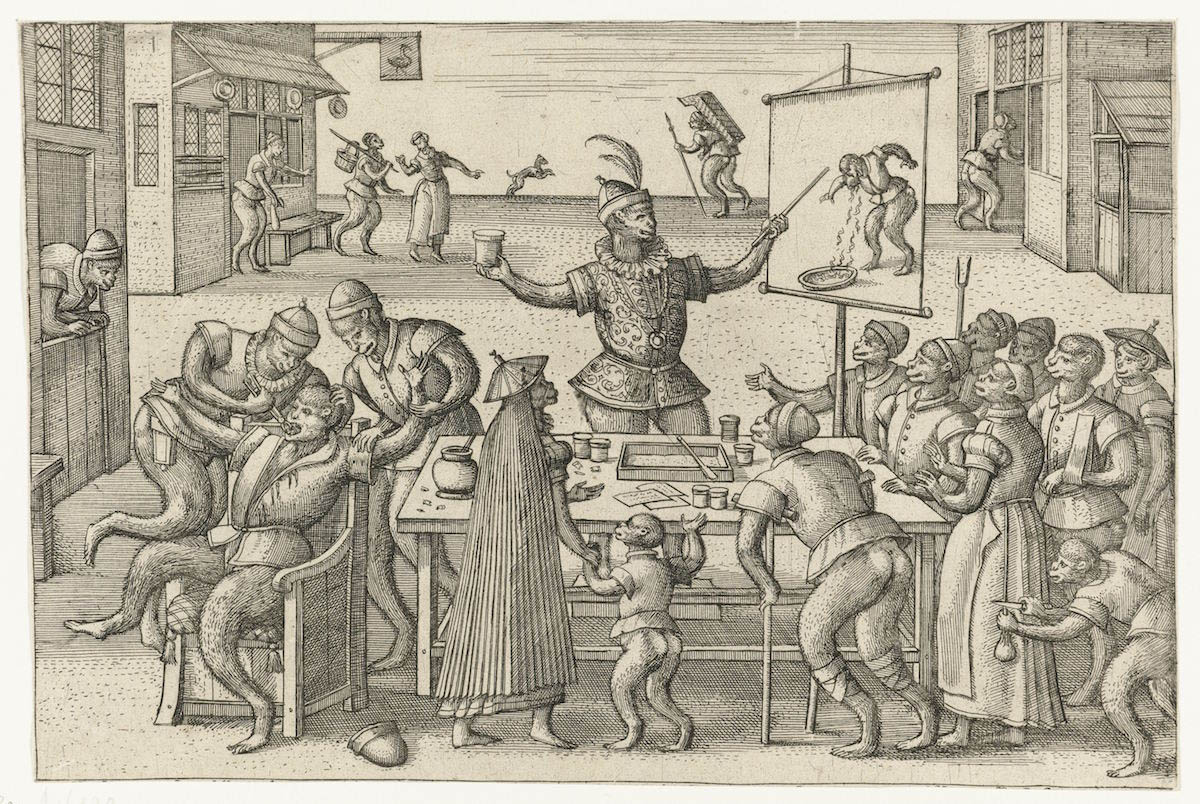
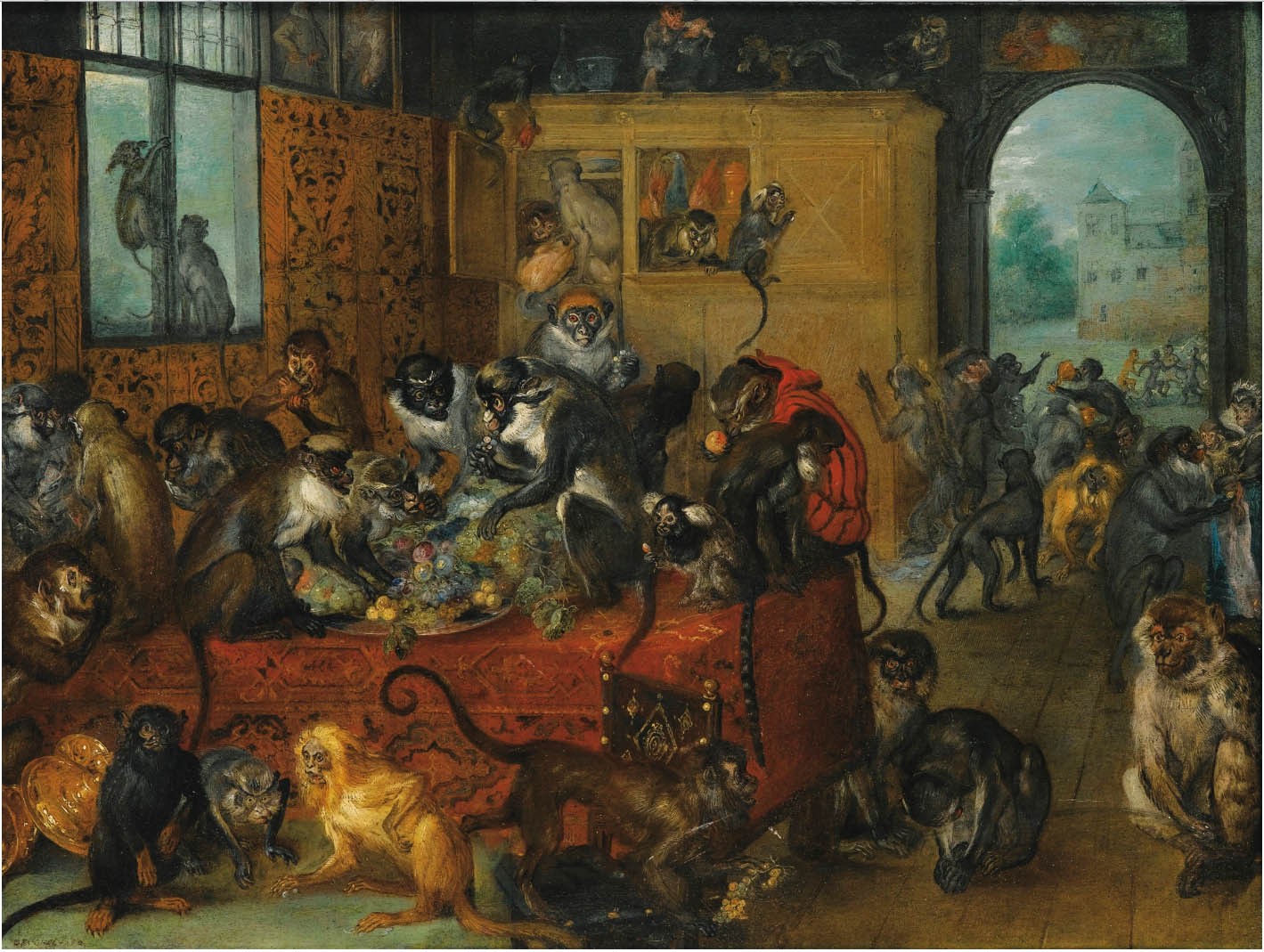
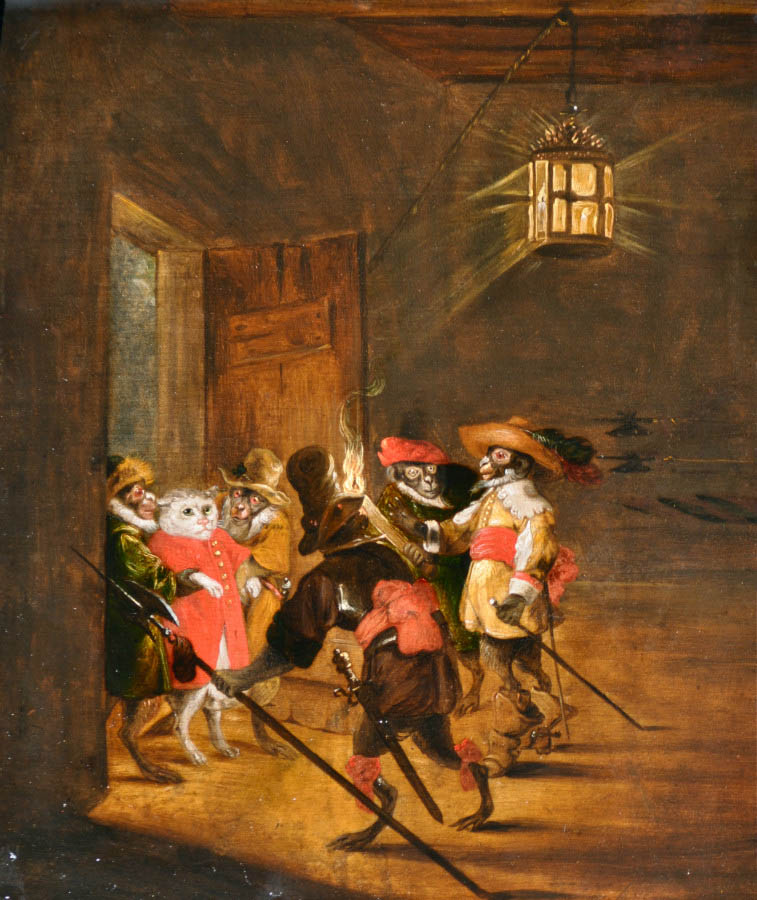
And just as Bruegel created the genre of modern landscapes and peasant scenes, so these few monkey representations also had an impact on later art. In 1575, his popular monkey print inspired Pieter van der Borcht to publish a whole print series, where monkeys behave like human beings, thus emphasizing the comicality of a situation. With this series starts the genre of singerie, the monkey scenes parodying human society, which holds its popularity from the late Renaissance to the 20th century. Bruegel’s son and grandson, the Elder and Younger Jan Brueghel also took part in the early dissemination of this genre.

Pieter van der Borcht the Elder, The Quack, 1575

Pieter Feddes Harlingen’s version on Bruegel’s print, early 17th c

Jan Brueghel the Elder and the Younger, Monkey feast, c. 1620

Abraham Teniers, Monkeys arresting a cat, mid-17th. c

But the genre’s most touching representative is not a painter, but a poet, the Nobel Prize winner Wysława Szymborska, who wrote her ekphrasis on Bruegel’s painting shortly after 1981, the ban on Solidarność and the introduction of martial law in Poland.

Dwie małpy Brueghla

Tak wygląda mój wielki maturalny sen:
siedzą w oknie dwie małpy przykute łańcuchem,
za oknem fruwa niebo
i kąpie się morze.

Zdaję z historii ludzi.
Jąkam się i brnę.

Małpa, wpatrzona we mnie, ironicznie słucha,
druga niby to drzemie --
a kiedy po pytaniu nastaje milczenie,
podpowiada mi
cichym brząkaniem łańcucha.
Bruegel’s two monkeys

This is my great dream about final exam:
two monkeys in chains sit in the window,
behind them, the sky is flying
and the sea taking its bath.

The exam is in the history of Mankind.
I stammer and hedge.

One monkey stares at me sardonically, silently,
the other naps,
but when the question is followed by silence,
he prompts me with a gentle
clicking of his chain.