Switch over to our new blog! • ¡Pásese a nuestro nuevo blog!
The renewed version of our blog, with more features, a richer design, and available in nine languages, can be read here: https://wangriver.com
The new version also includes the old posts, often in expanded form. If you are curious about the updated version of this post, replace “riowang.blogspot.com/” in the URL with “riowang.studiolum.com/”, and the new link will most likely lead you there.
La versión renovada de nuestro blog, con más herramientas, un diseño más rico y disponible en nueve idiomas, se puede leer aquí: https://riowang.com
La nueva versión también incluye las publicaciones antiguas, a menudo en una forma ampliada. Si tiene curiosidad por la versión actualizada de esta entrada, sustituya «riowang.blogspot.com/» en la URL por «riowang.studiolum.com/es/», y el nuevo enlace probablemente le llevará allí.
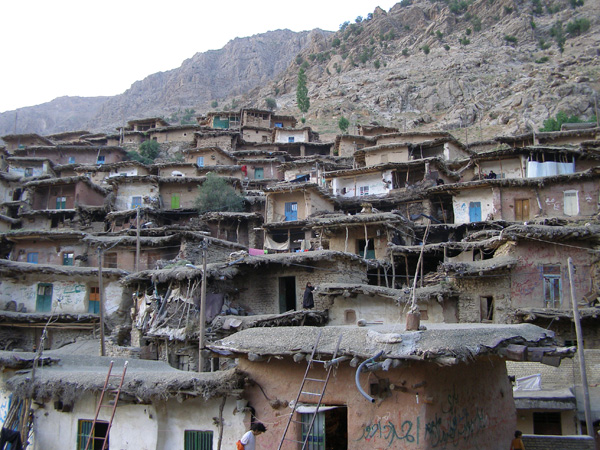
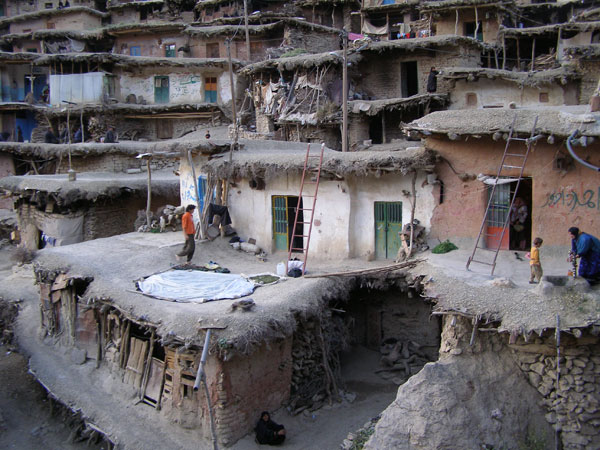
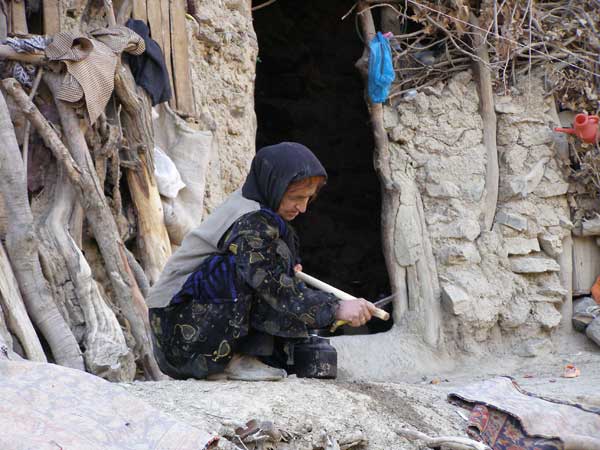
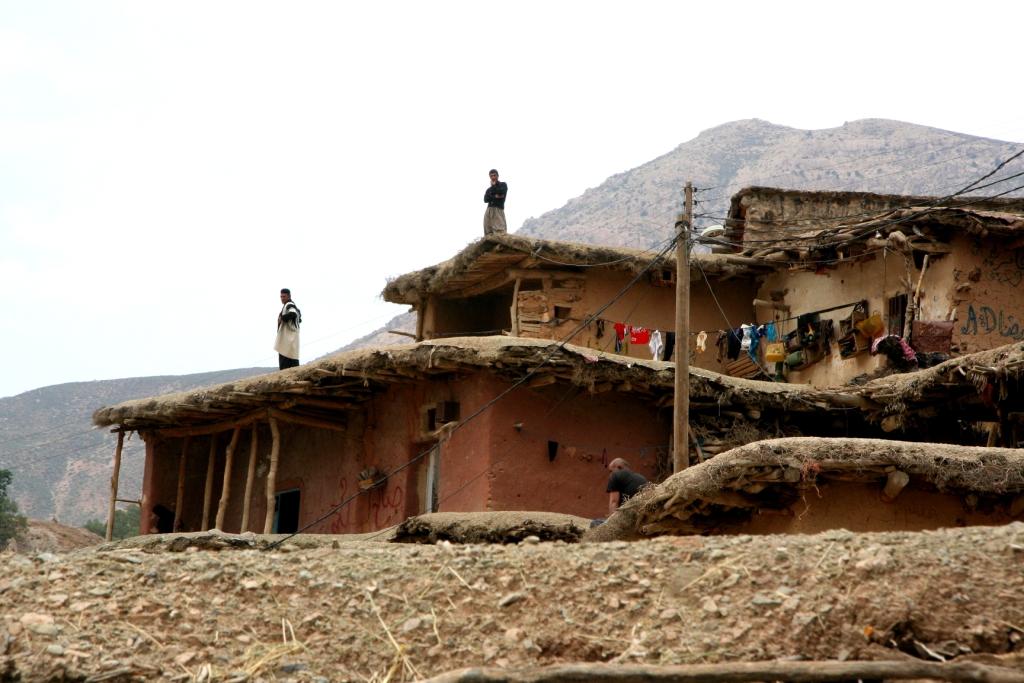
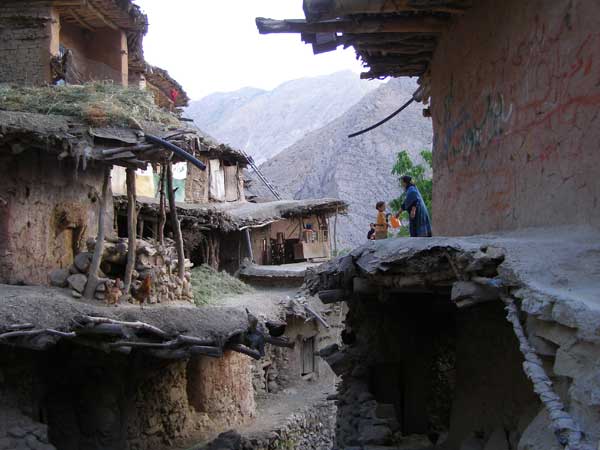
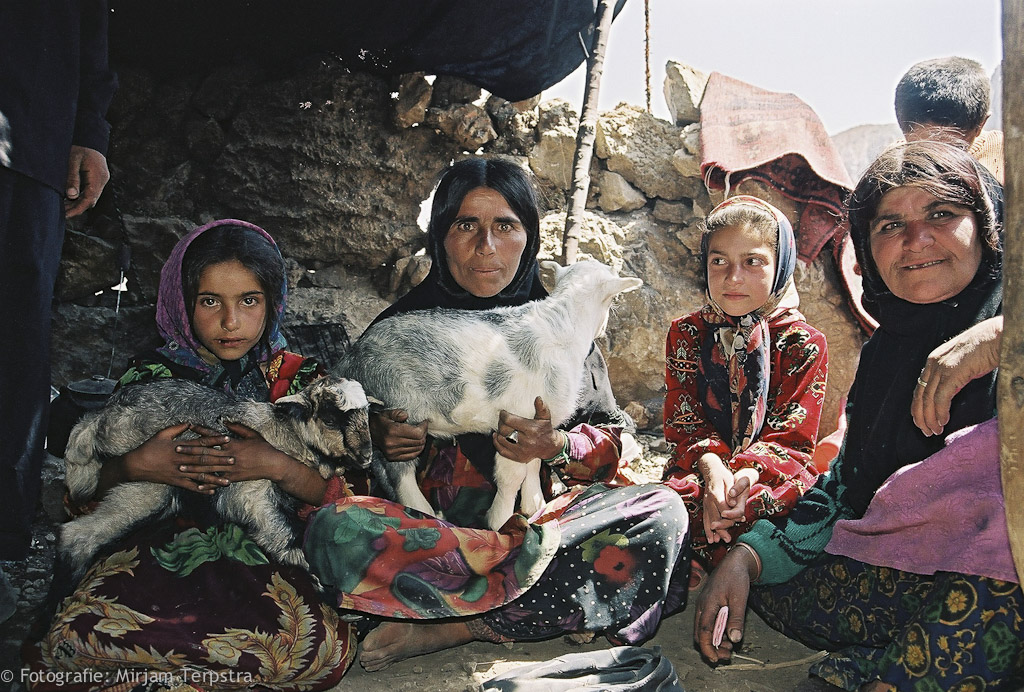
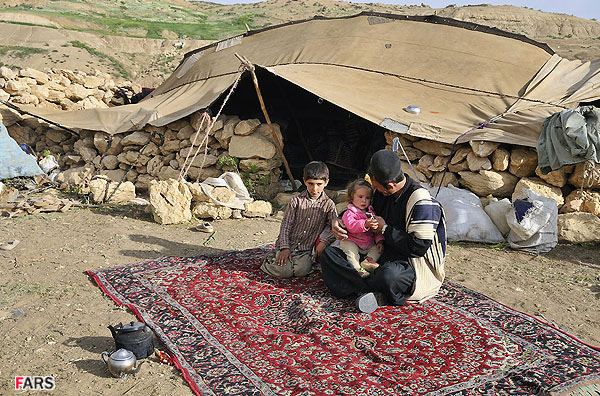
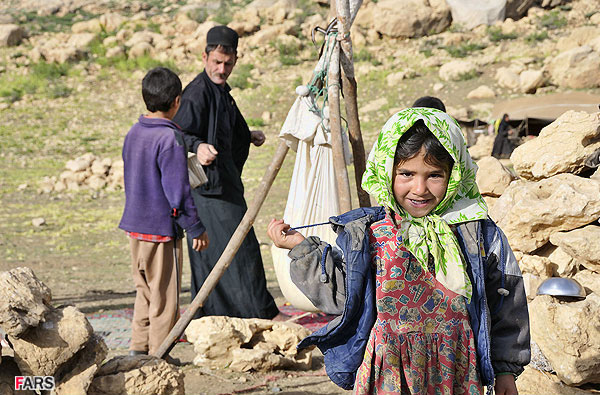
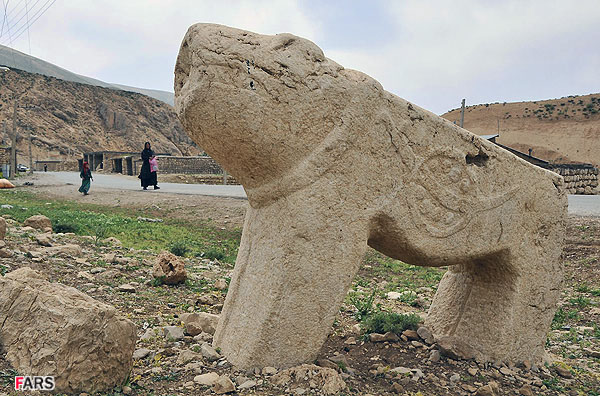
The mountain ranges of Zagros in western Iran are mainly inhabited by nomadic tribes: before Shah Reza Pahlavi’s reforms in the 1930s they made up about ten percent of Iran’s population. But only a few among them were always nomadic, like the Qashqais, the descendants of the Azeri and Turkmen tribes which migrated to the south, the mountains above Shiraz, who with their picturesque clothing vivify the bazaar of Shiraz just as the black and white Bakhtiaris that of Isfahan, and about whom we would also like to write later. However, the Iranian-speaking nomads, such as the Kurdish, Lori and Bakhtiari tribes, are probably the offspring of ancient peasant cultures, whose villages were destroyed during the centuries of the Mongol conquest and the Ottoman-Persian wars, and the survivors who found refuge among the mountains changed agriculture for herdsmanship. This is suggested by several signs, such as the stone lions seen at the end of the previous post, which are still erected above the tombs of eminent chiefs, and whose ancestors once stood in front of the palaces of the ancient Median empire extending to the Zagros. And also by the fact that the Bakhtiari shepherds, if they can, set up new villages among the mountains: no longer farming villages, because there are only rocks there, but kind of shepherd centers, from which the families go out for two or three months long grazing expeditions in the surrounding mountains. One such village is سر آقا سید Sar Agha Seyyed, that is the fountain of a certain Sayyid Agha, two hundred kilometers to the east of Isfahan, directly under the crest of the Zagros.
چشمی کوهرنگ Cheshme-ye Kuhrang (Kuhrang Fountain; one of the best known fountains in the Bakhtiari region). From the Mahoor Institute’s موسیقی بختیاری Musiqi-ye bakhtiâri (Bakhtiari ethnic music) album (2007).
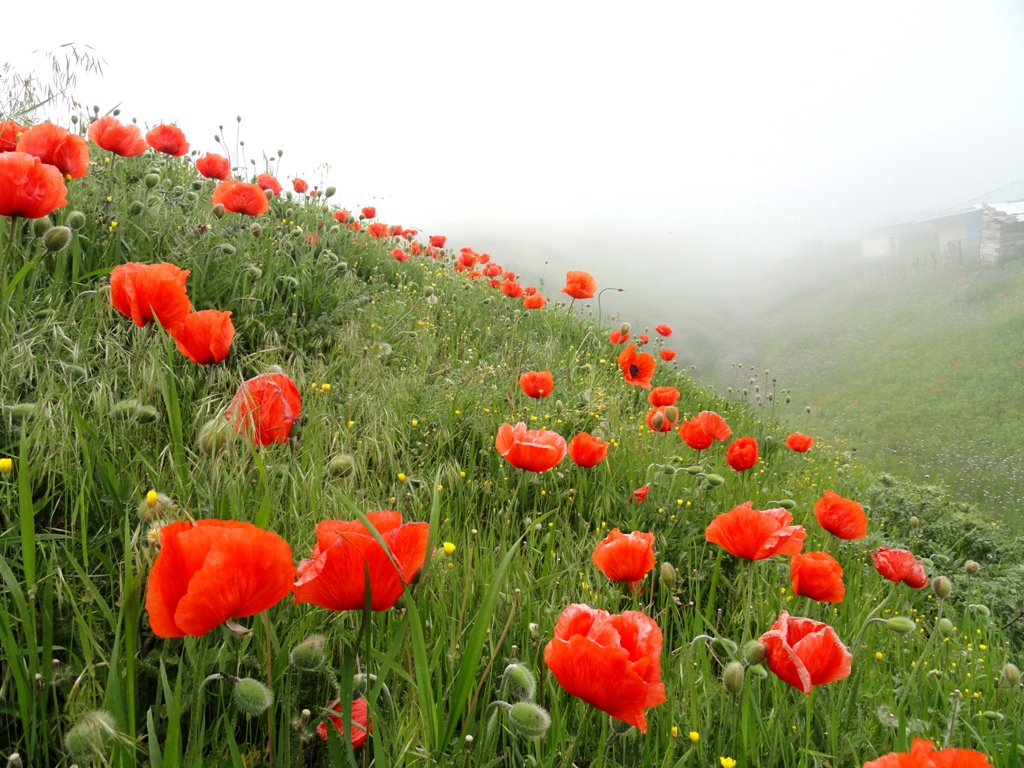
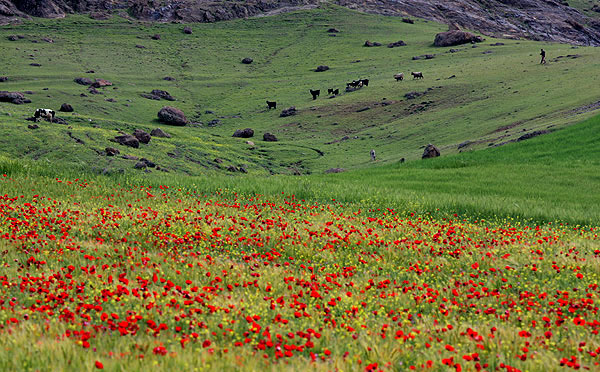
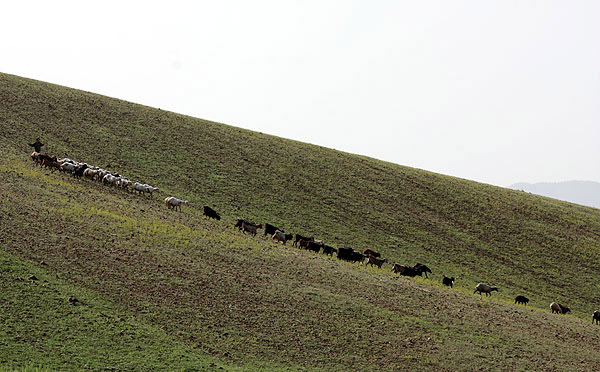
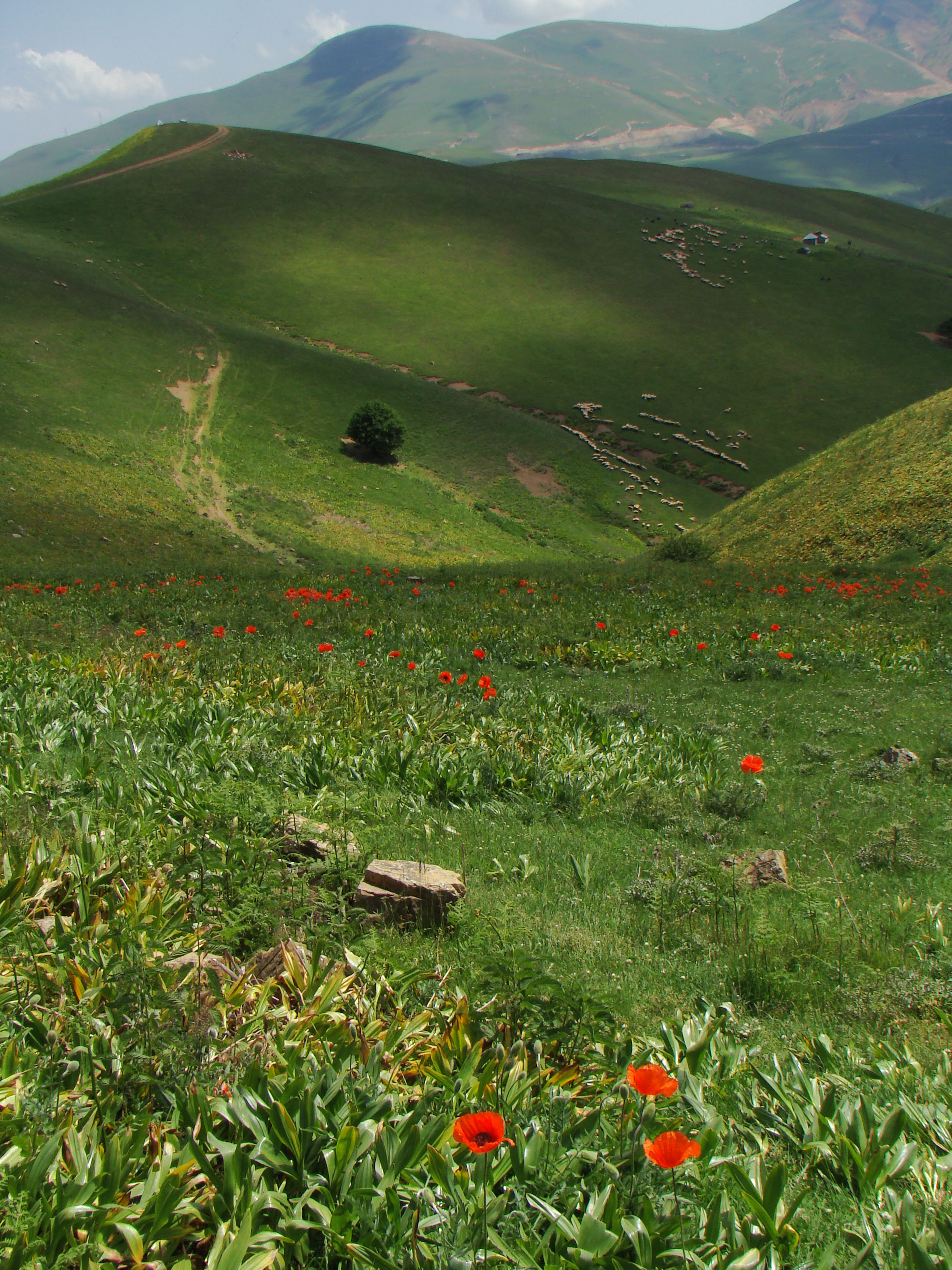
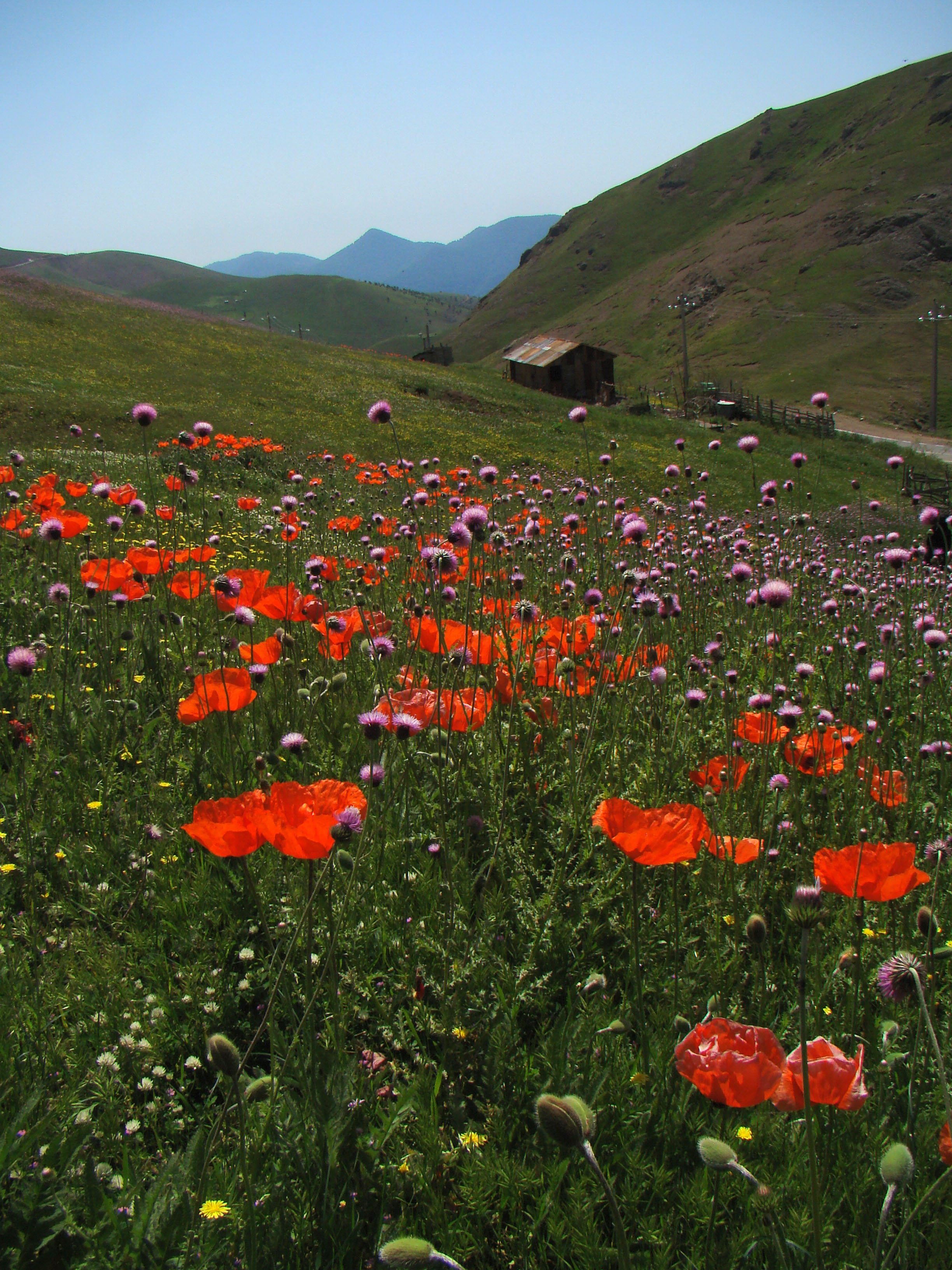
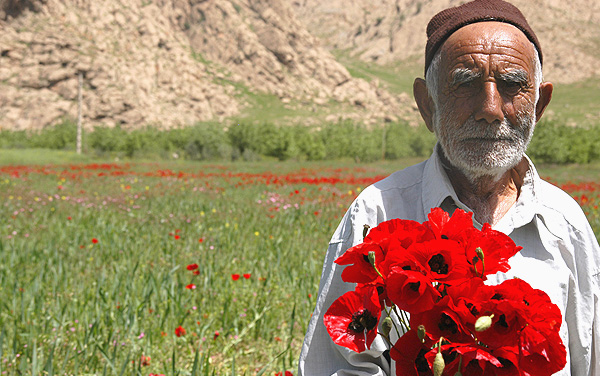
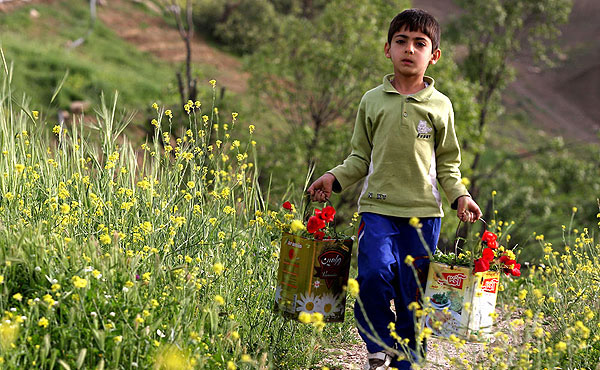
One of Iran’s many-star tourist attractions is the village of Masuleh on the Caspian shore, whose houses cling to the mountainside like swallow’s nests. However, Masuleh is almost only an artificial tourist show in comparison with Sar Agha Seyyed and the other similar unnamed villages, and perhaps owes its reputation to being accessible with tourist bus. To the Bakthiari villages no roads lead: the Bakhtiaris themselves arranged it so during the centuries, thereby defending themselves against the various invaders from the Mongols to the Persian state. And the region is anyway blocked from the outside world for eight months of the year. When, however, it can be visited, it is beautiful green, and in the short spring and summer the wild and “reverse” tulips, that is, the imperial crowns feverishly try to blossom. As you can see it in the photos by Maryam Zandi,Abbas Ghaderi and Mirjam Terpstra.
I long have wanted to write about the Bakhtiari nomads living above Isfahan, in the mountains of Chahar Mahal, who still today migrate by millions from the summer grasslands to the winter ones, from the valleys up the mountains, along spectacular roads, swimming over rapid mountain rivers together with their flocks, as it was shown in the first Iranian ethnographic film, the Grass (1925), and who in the spring descend with colorful carts to Isfahan to pass in the bazaar their rugs made in the wintertime. For a starter, let us see the photo series made on them by Alieh Sâdatpur – the photographer recording the old bicycles of Isfahan –, found on the blog of the Bakhtiari folk musician Bahman Alaeddin, that is Masoud Bakhtyari. The accompanying music is also taken from his album.
Masoud Bakhtyari (Bahman Alaeddin): Tey tum rah تی توم ره /Râh-e bârik راه باریک (Lane) (4'13"). From the CD Bahang بهنگ /Arus عروس (Bride) (2007).








 where we daily publish new photos about our travels around the world:


 Come with us to…
 Atlantis
 Bestiary
 Bohemia+Prague
 Books, exhibitions, music, film
 Brave old world
 Caucasus
 Cemeteries
 Crimea
 Get to know the
 Images of the East
 Lightwriting
 Lwów/Lemberg
 Mallorca
 Message on the wall
 The Museum of Propaganda
 Odessa
 Paper Museum
 Persian letters
 The Jewish heritage