Switch over to our new blog! • ¡Pásese a nuestro nuevo blog!

The renewed version of our blog, with more features, a richer design, and available in nine languages, can be read here: https://wangriver.com

The new version also includes the old posts, often in expanded form. If you are curious about the updated version of this post, replace “riowang.blogspot.com/” in the URL with “riowang.studiolum.com/”, and the new link will most likely lead you there.


La versión renovada de nuestro blog, con más herramientas, un diseño más rico y disponible en nueve idiomas, se puede leer aquí: https://riowang.com

La nueva versión también incluye las publicaciones antiguas, a menudo en una forma ampliada. Si tiene curiosidad por la versión actualizada de esta entrada, sustituya «riowang.blogspot.com/» en la URL por «riowang.studiolum.com/es/», y el nuevo enlace probablemente le llevará allí.

Mostrando entradas con la etiqueta Mallorca. Mostrar todas las entradas

The glass trumpet of the Magi

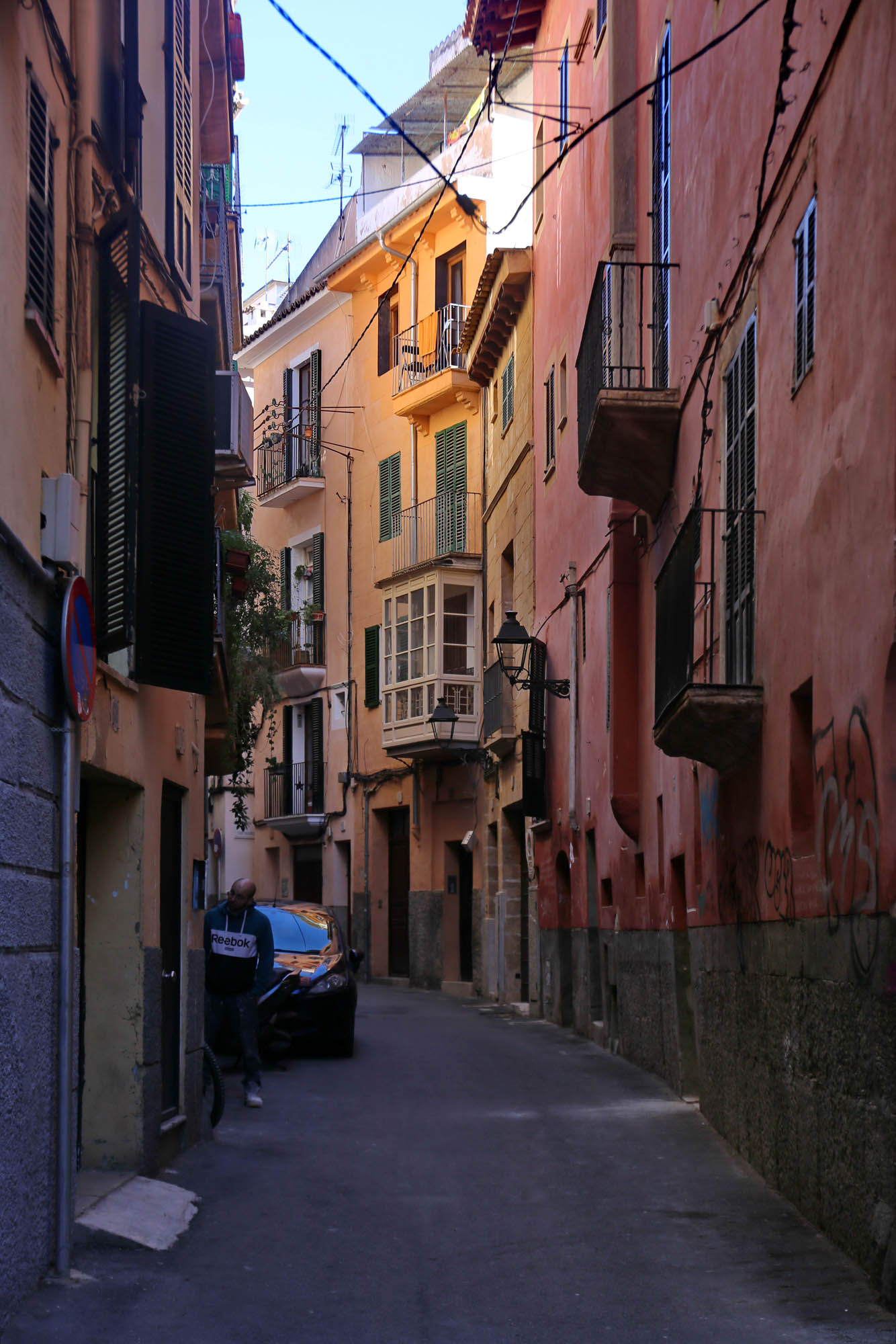
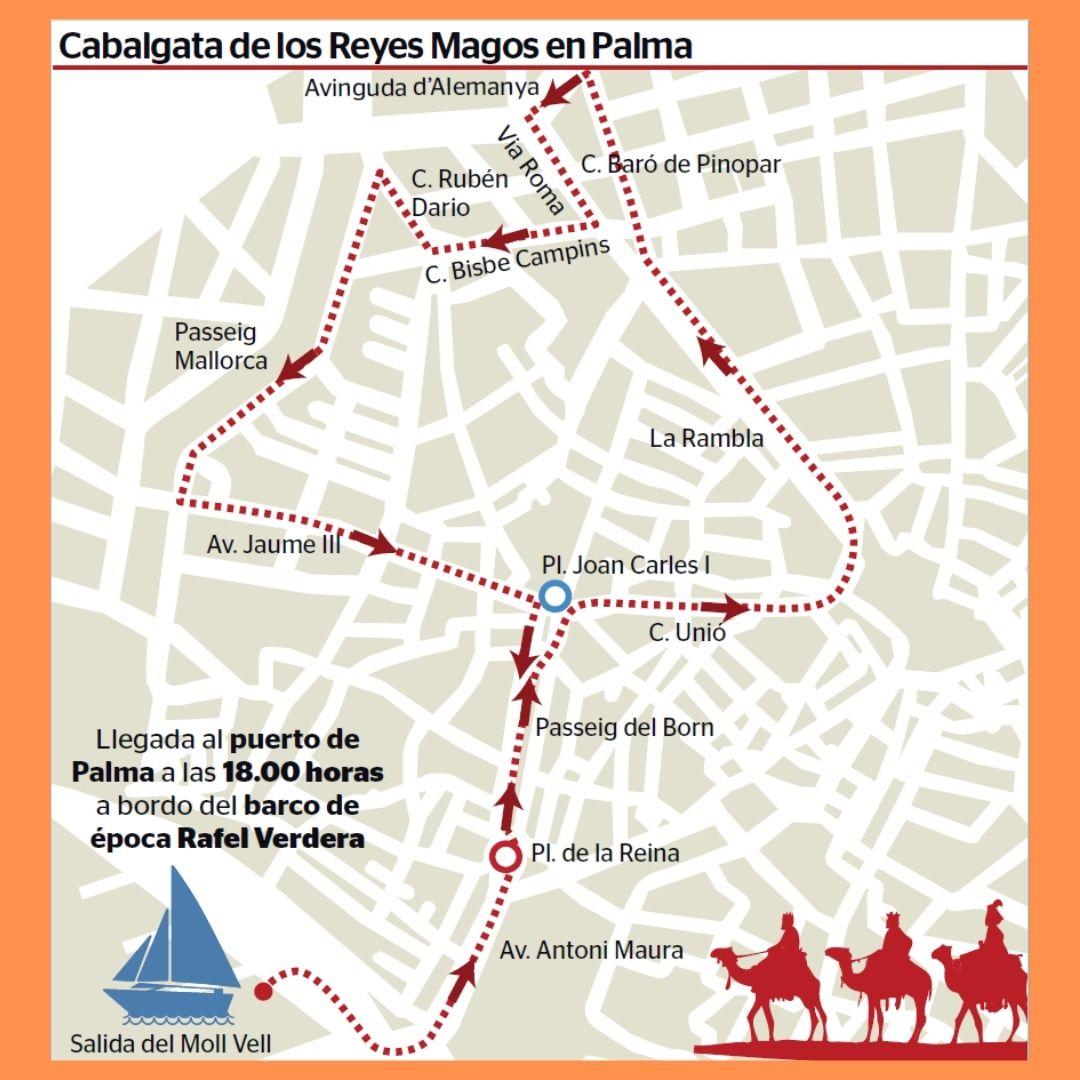
Every year now, the thre Magi pay their respects on their holiday here on the blog. This time, they are signing in from Mallorca, where they arrived last night on their fancy caravel, and then with their richly loaded camels and their luxurious entourage, they marched around the old town of Palma, distributing blessings and gifts, exactly along the route that the demons will march with their fiery chariots in two weeks.

These days, the procession of the Magi is accompanied by a brass band that fills the streets with rumor commensurate with the importance of the procession. In the nineteenth century, however, the chaotic musical background was provided by the population itself, and its typical instruments were the conch horn and the glass trumpet. The Mallorcan ethnomusicologist Amadeu Corbera Jaume recently devoted a special study to the latter. In this, he pointed out that the glass instruments were prepared by the glass factory workers in the Santa Catalina district of Palma for fun, inbetween real jobs.

“Our joy reached its height when the shouts and screams of the crowd, mingling with the shrill sound of the apocalyptic glass trumpets and the deep bleat of the conch horns, filled the street, announcing that the Magi were here.
«The Holy Magi!» we shouted. And we run out onto the balcony, watching the chaos, the children and lads waving burning torches, among them a figure with blackened face, dressed in dirty and ragged clothes, with a turban made of two different colors on his head, on top of a two-pronged ladder, which was carried by half a dozen street children on their shoulders, in the midst of a huge noise.” (Miquel Binimelis, La Tradición 1897)

The glass trumpets were mostly blown by unruly youngsters, into the faces of the passers-by, also engaging them in other ways. The procession of the Magi in Palma was also a more or less tolerated ritual occasion for street violence, like today’s fans’ parades before and after soccer matches.

“It is with the greatest indignation that we take up our pen to-day to condemn certain acts committed the night before yesterday by bands of boys who, without any consideration, provided with glass trumpets, conch horns and other various dissonant instruments, went about the streets of the city, brandishing torches in their hands, and throwing sparks to right and left, thereby causing considerable harm to the poor passers-by, whose bodies and clothing were in constant danger of damage.” (Diario de Palma Jan. 7, 1863)

However, the traditional objects of violence were not random passers-by, but certain well-established target groups. The Moors disappeared a long time ago, but the Jews were still there. It is true that the Mallorcan Jews, the Xuetas already converted to Christianity in 1391, as I wrote. But once a Jew, forever a Jew.

“I still remember that during the feast of the Magi, the suburban urchins marched up and down the city blowing their glass trumpets. And I also remember the rampage they had every year on Silversmiths’ Street [the main street of the Xueta neighborhood], breaking shop windows and damaging furniture. Fortunately, this came to an end during the time of Mayor Rubert, thanks to the measures of the silversmiths’ committee, whose president, Senyor Felicindo, as tall and fat as St. Paul, I even knew myself.” (From the memoirs of poet Miquel Forteza (1888-1968))

It is no wonder that in Palma the “old Christian” and the Xueta families did not intermarry, no matter how devoutly Catholic the latter were. So much so that even today the Israeli rabbinate recognizes the Xuetas as pure-blooded Jews, who only need to return to the Jewish faith in order to be readmitted to the People. And in the vestibule of the church of St. Eulàlia on Silversmiths Street, one of the three known medieval synagogues, there is still a marble plaque with the names of the Xueta families “who come here to Mass,” since traditionally no other local Catholic ever set foot there.

trumpet2 trumpet2 trumpet2 trumpet2 trumpet2 trumpet2 trumpet2 trumpet2 trumpet2 trumpet2

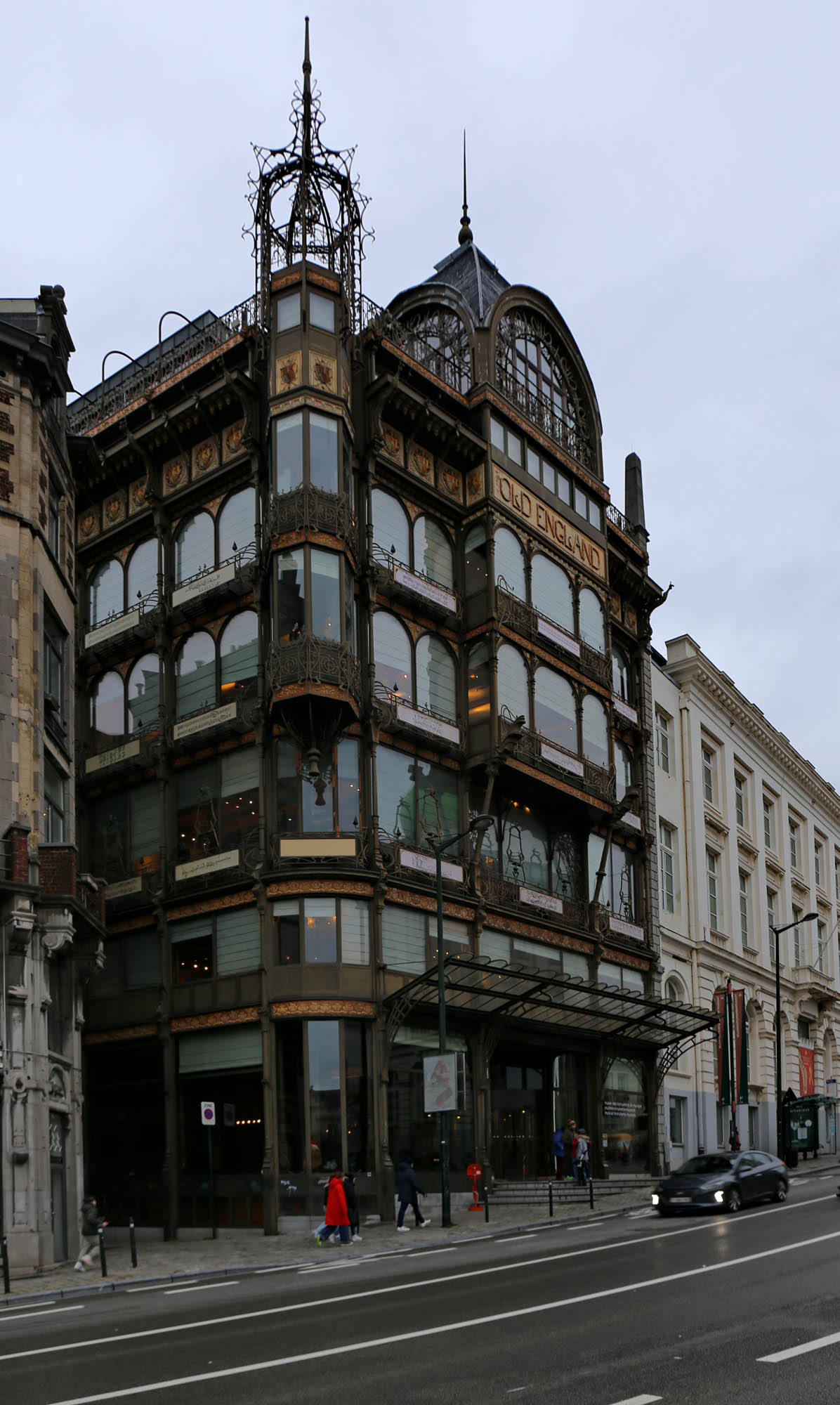
But times change, and with them the means of noise making. The glass trumpet as an instrument of the poor has disappeared from Mallorca, just as I think that not one of the New Year’s Eve paper trumpets of my childhood can be still found anywhere. It was such a common and cheap item that none were ever kept around. Where it survived, writes Amadeu Corbera Jaume, is in the Museum of Musical Instruments in Brussels. The museum, located in the Art Nouveau style building of the former Old England department store in the museum district of Brussels, was developed by its first curator, Victor-Charles Mahillon, into one of the largest musical instrument collections in the world at the end of the 19th century. He corresponded with folk music collectors worldwide, including Antoni Noguera i Balaguer (1869-1904) from Mallorca, who sent him three glass trumpets among several other Mallorcan folk instruments. They are still in the museum’s collection and are listed as number 1316 in the Mahillon catalogue.
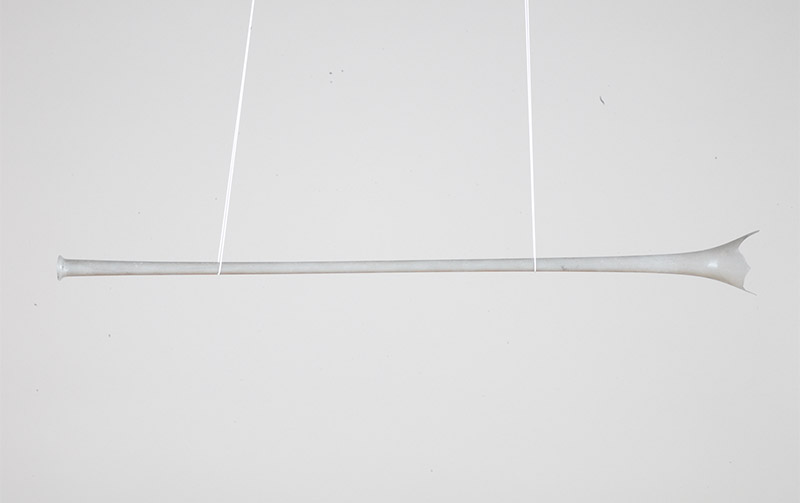
When I got this far in reading the article, I got up and walked to the Museum of Musical Instruments, not far from my place, to see with my own eyes and capture with my own lens the famous noisemakers. But I had no luck. Only a fraction of the nearly four thousand musical instruments collected by Mahillon are exhibited, and they do not include the glass trumpets.
However, it is not pointless to visit the three floors of the Museum of Musical Instruments. You can see wonderful pieces from all over the world. And like the desert of the Little Prince, the collection is also beautiful because it includes three Mallorcan glass trumpets in one of its storerooms. Three items whose story is almost more interesting and important than the items themselves.

trumpet1 trumpet1 trumpet1 trumpet1 trumpet1 trumpet1 trumpet1 trumpet1 trumpet1 trumpet1 trumpet1 trumpet1 trumpet1


The cathedral that failed

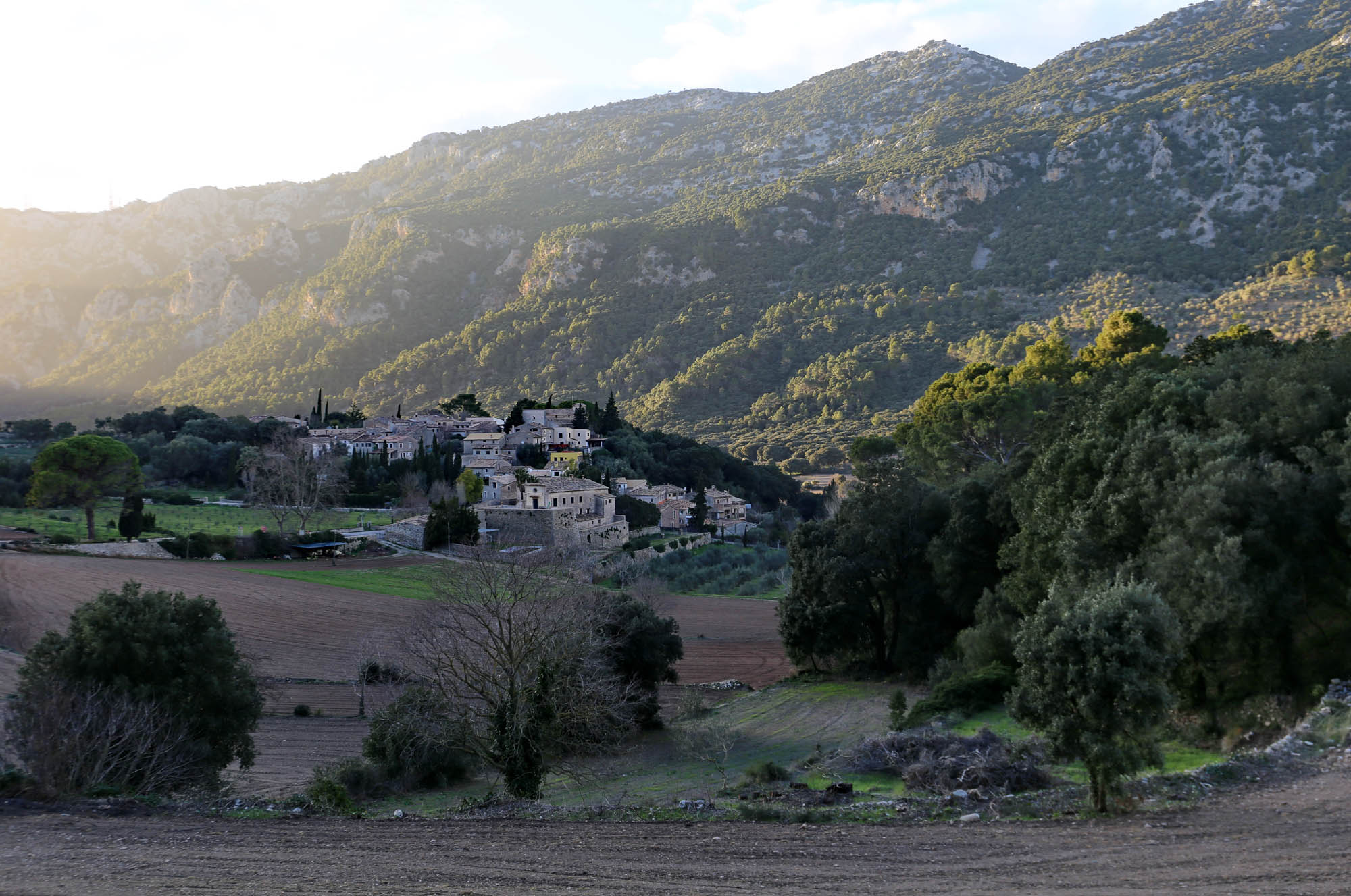
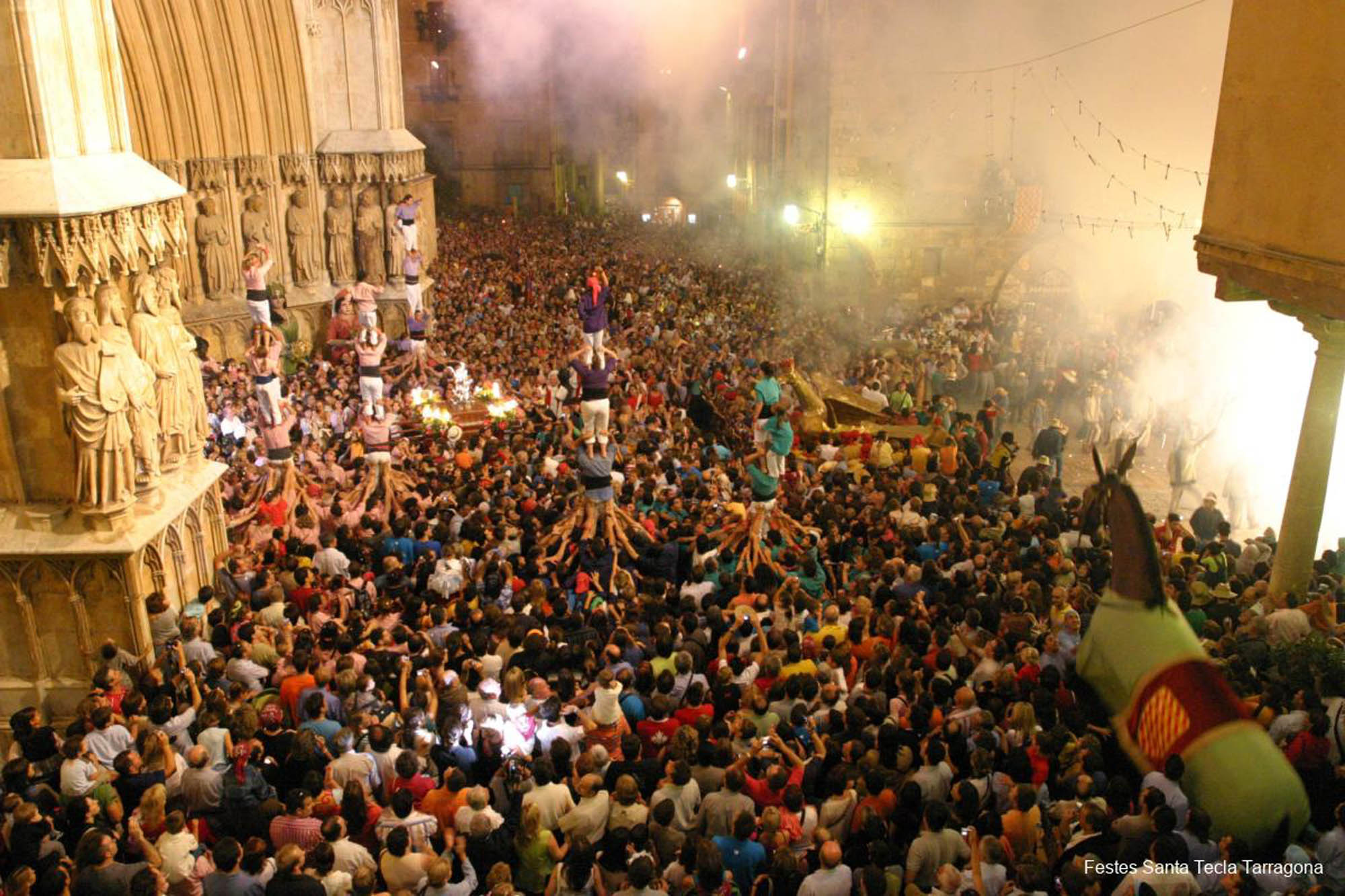
Biniamar is a small village of three hundred people at the eastern foot of the Sierra Tramuntana in Mallorca. Its name, like that of many other places in Mallorca beginning with Bini, comes from the fact that during the Muslim kingdom of Mallorca (902-1229), an Arab or Berber tribe lived here, who considered themselves the sons (bani) of a common ancestor, in the case of Biniamar, the sons of Amar (bani Amar). In the centuries following the Catalan conquest, Amar’s sons became Catalan peasants and good Catholics. Their medieval church was dedicated to Saint Thecla, disciple of Saint Paul and an early patron of female autonomy, whose veneration was widespread among the Catalan conquerors. The cathedral of Tarragona in Catalonia is also dedicated to her, where she is celebrated in every September with a spectacular ten-day (!) procession.

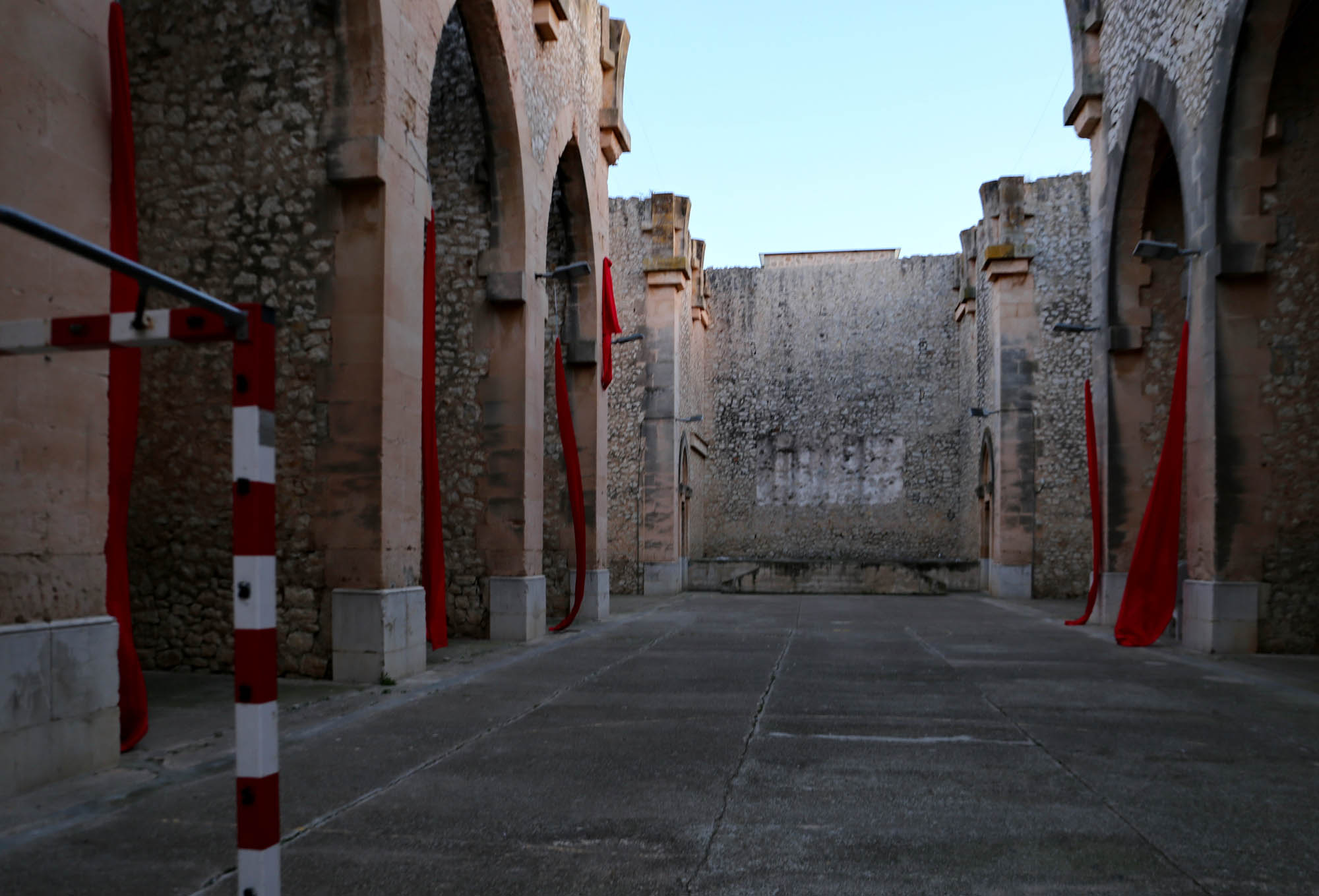
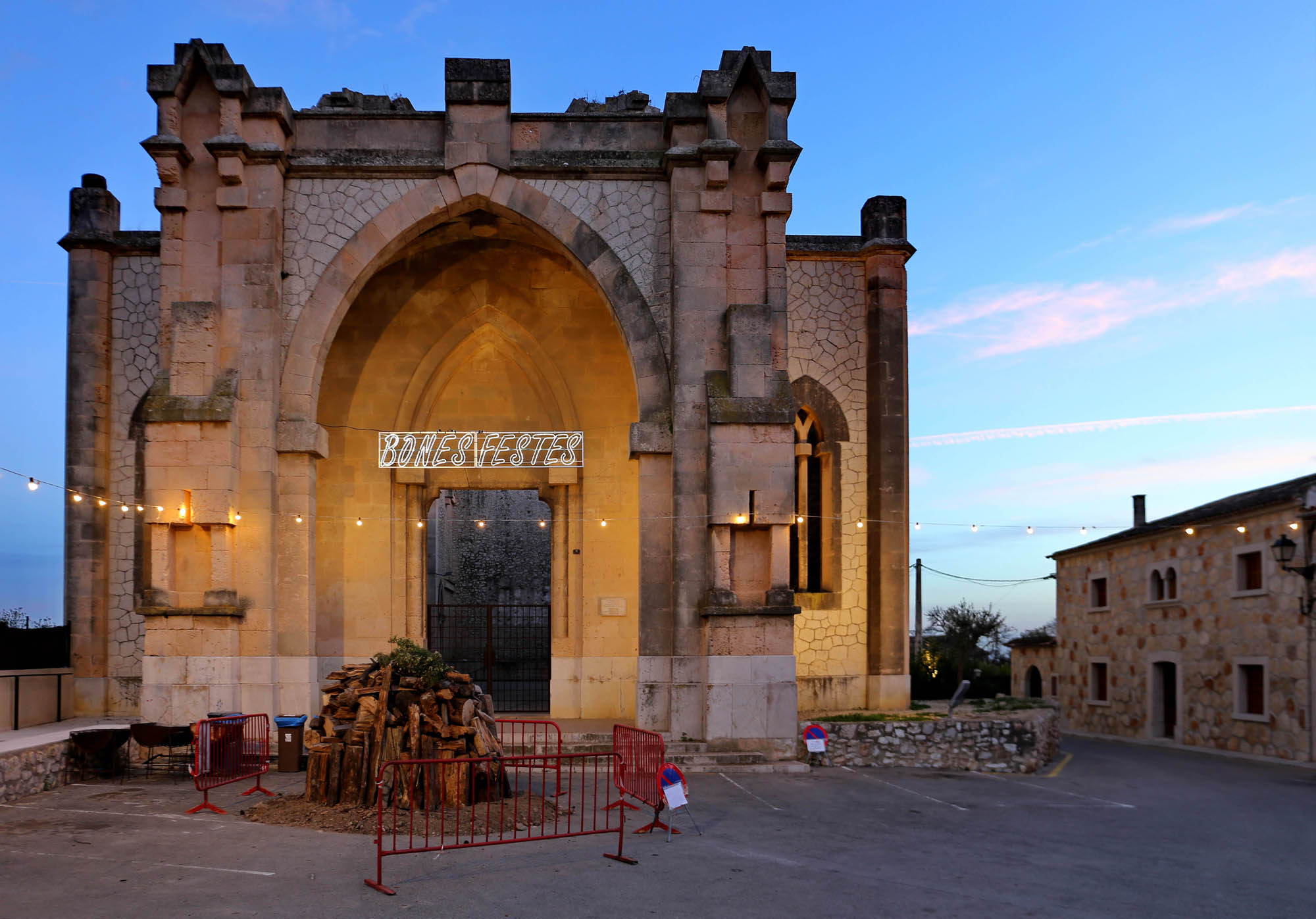
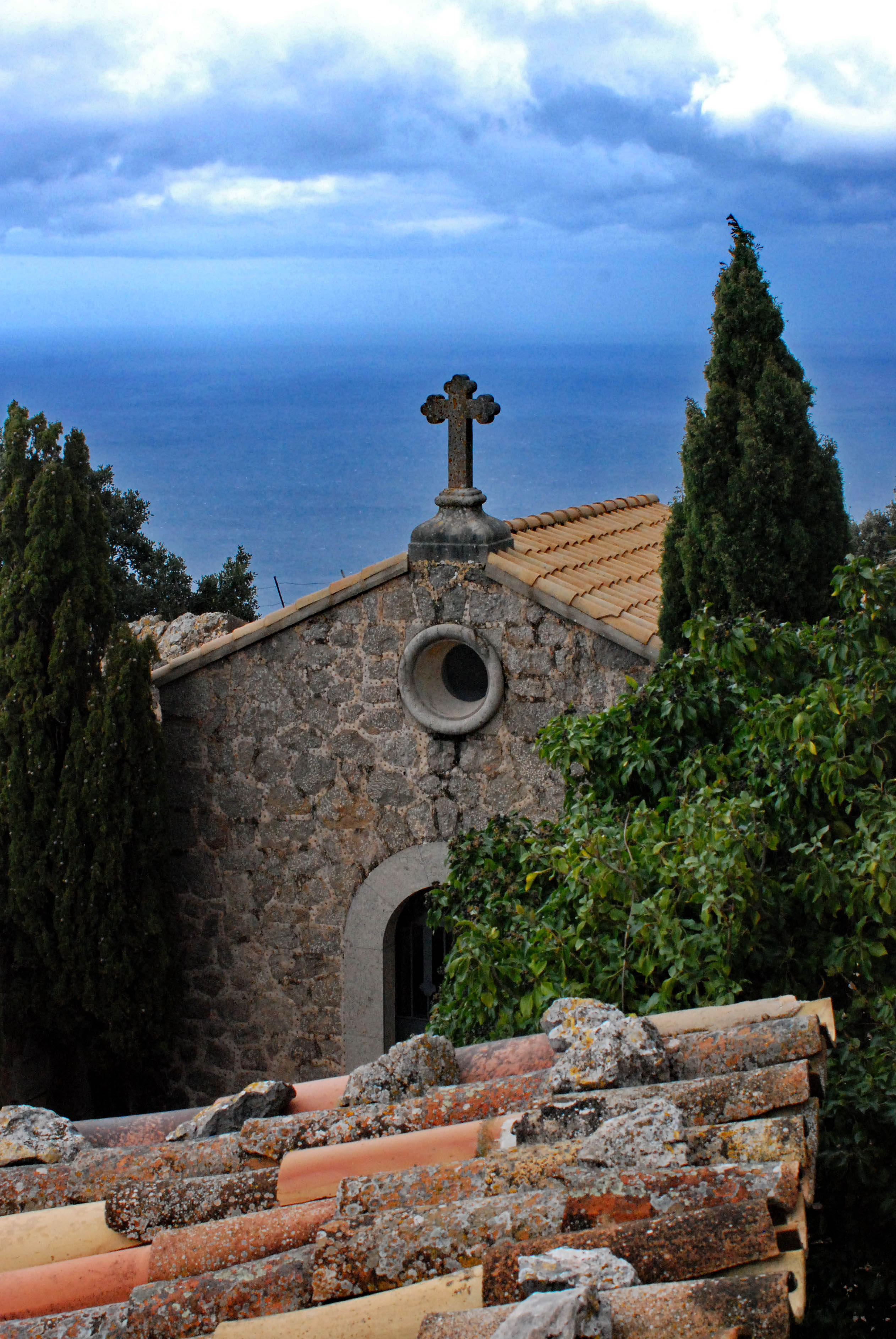
In Biniamar, however, the most famous shrine is not the church of Saint Thecla, but the one called Església Nova, the New Church. However, this building is not marked as a church on the map, and although the commemorative plaque bolted to its façade in 2010 celebrates its centenary, it was never actually consecrated. You can only see why on site: because it has no roof, and never had. The ribs that start as cross vaults from the consoles above the Gothic arches of the side aisles stop immediately after starting, and the building is open to the sky. That is why the church is also called the Unfinished Cathedral.

It is not uncommon for Gothic cathedrals to be left unfinished, such as the Dom in Cologne, which, as they say, “if will be finished, the world will end”. Or the Duomo in Siena with its large, empty main nave, or Beauvais Cathedral, where the five-hundred-year-old scaffolding itself is already considered a monument. This, however, had a reason as serious as the building itself: war, black death, earthquake. As comical as it was to build a Gothic cathedral in Biniamar, just as banal and farcical was the reason for its failure.

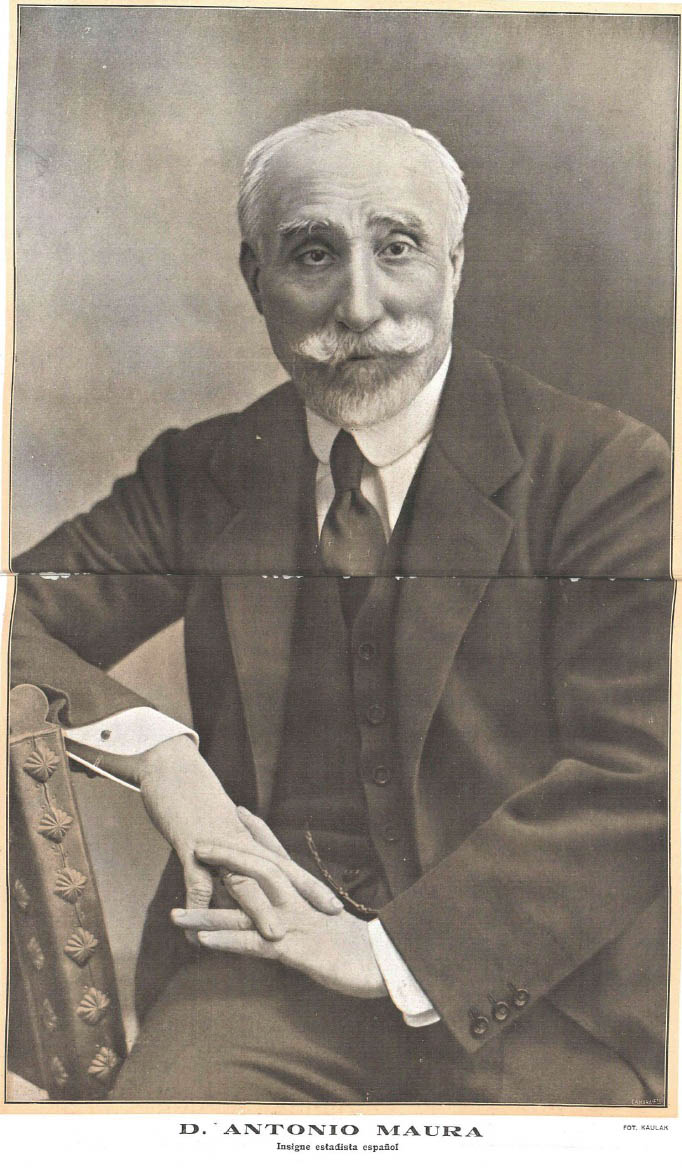
The village’s three hundred inhabitants would never have thought of building such a large church, if it had not happened that Antonio Maura (1853-1925), a six-time prime minister of pre-Franco Spain, born in Palma de Mallorca, spent his childhood summers with his uncle who lived here.

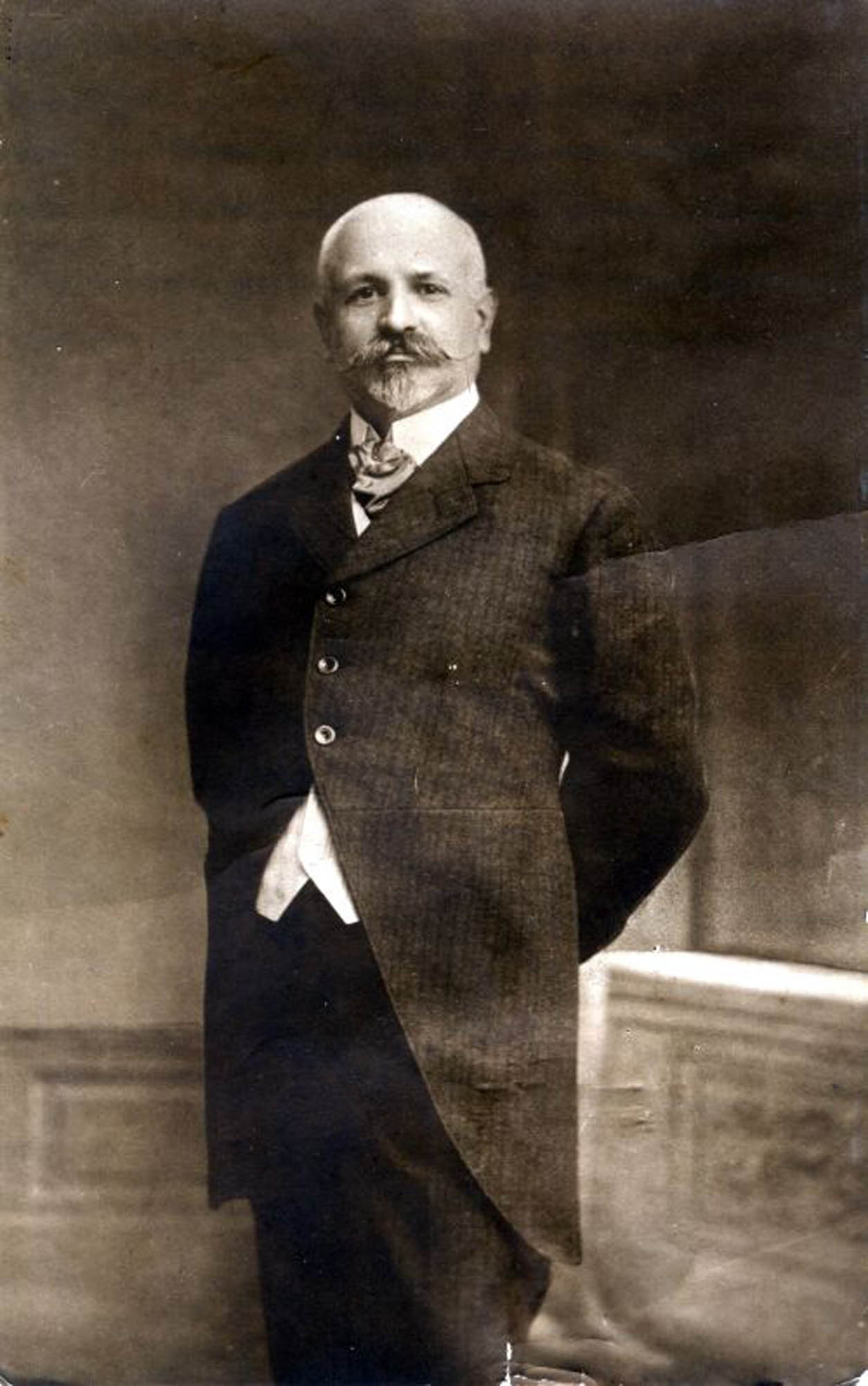
Antonio Maura. A portrait by photographer Kâulak (Antonio Cánovas del Castillo y Vallejo) on the double page of the May 5, 1917 issue of the magazine La Esfera

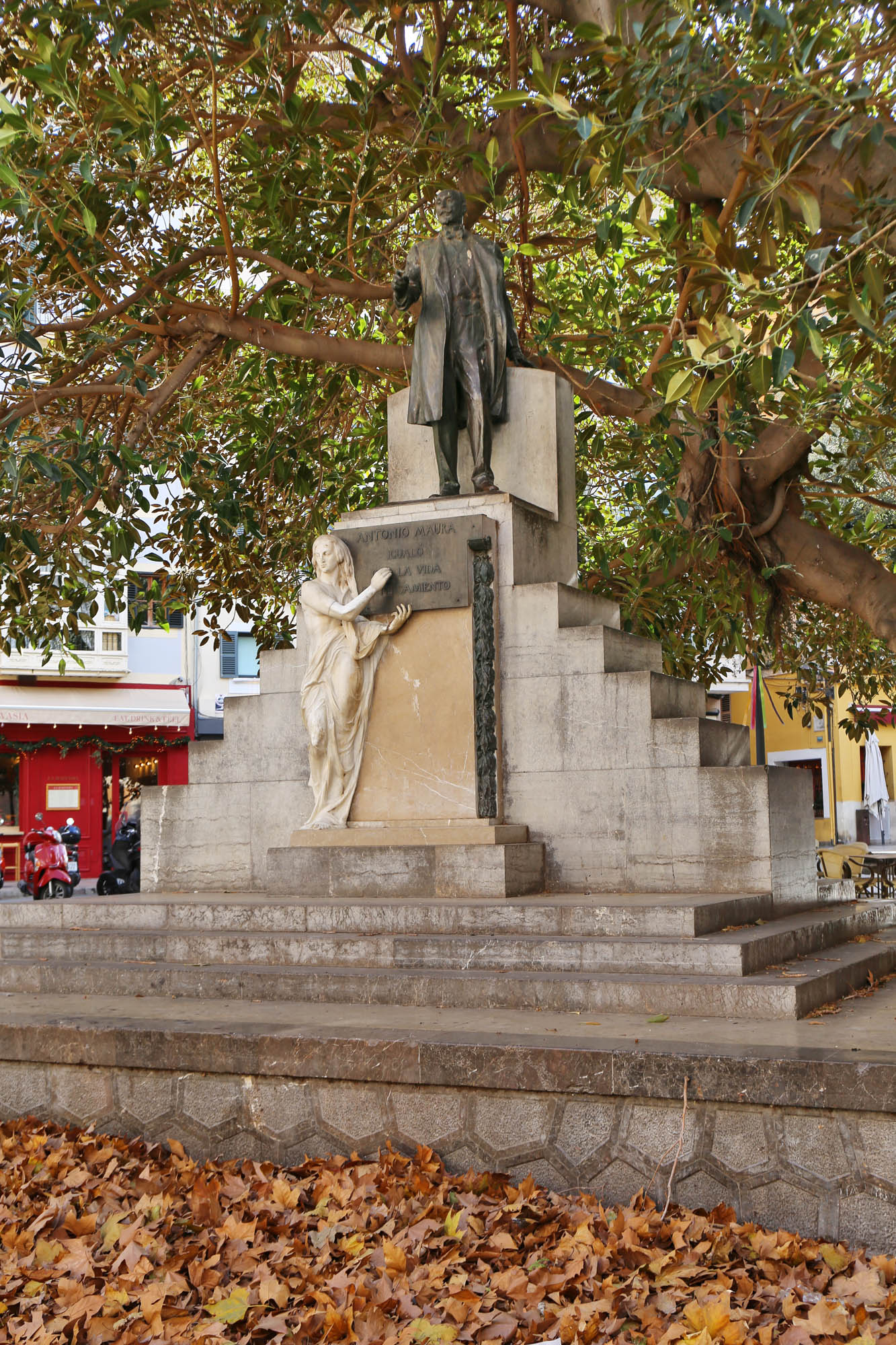
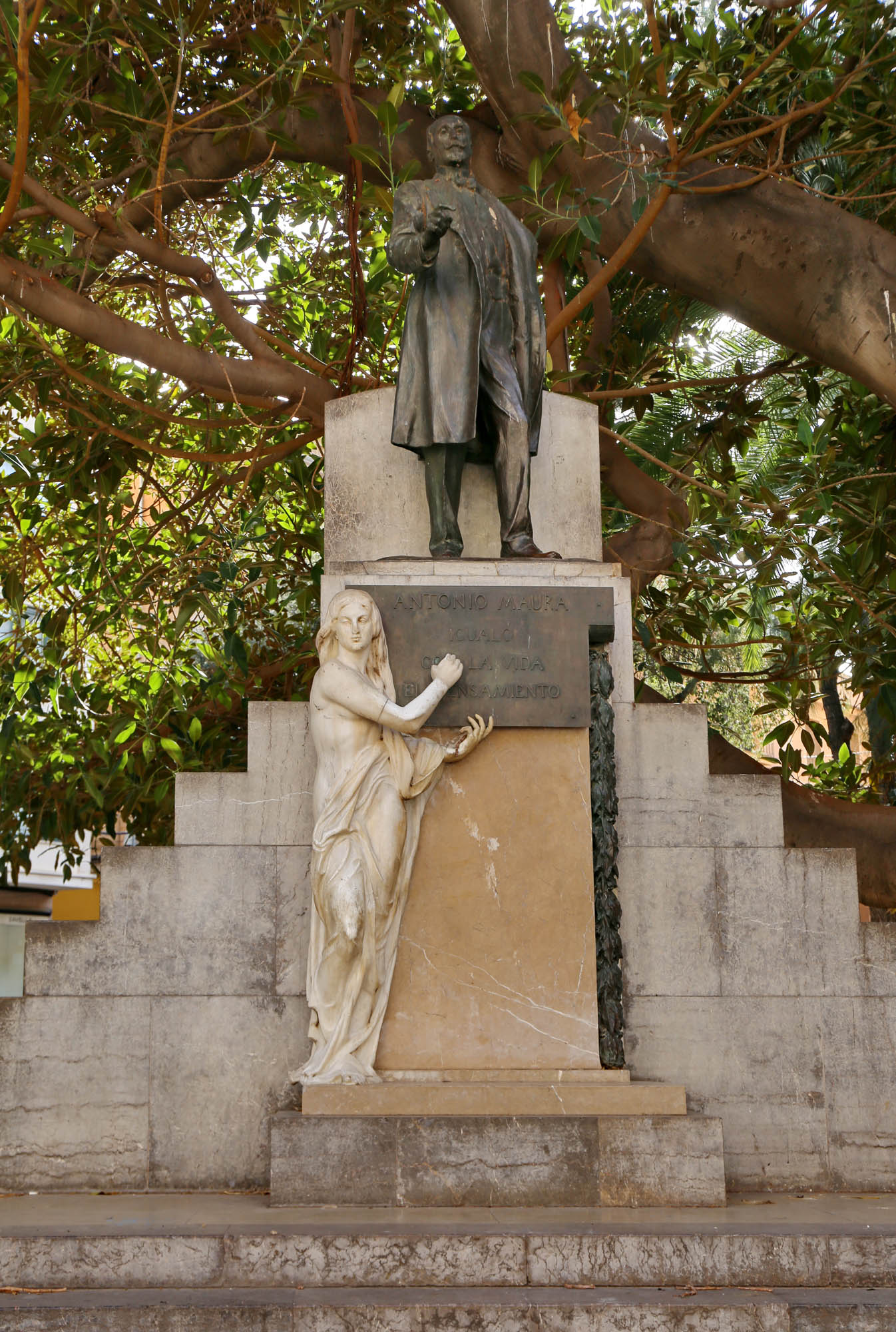
Already from the end of the 19th century, Maura clearly saw the structural problems of the Spanish state and the disasters to which they could lead (and did lead indeed). During his six governments, he consistently tried to change them with the reforms of his “revolution from above” and by breaking “caciquismo”, the power of rural landowner politicians (godfathers, oligarchs, or “NER knights”, as we would call them in Hungary, the beneficiaries of the System of National Cooperation). In contrast, as we will soon see, he was the first governor in 20th-century Spain who had to crush by force a revolution from below,and the first politician who, as a successful native of Mallorca, was surrounded in the island by a personal cult worthy of a “cacique”. The Art Nouveau monument erected by the city of Palma de Mallorca with the sculptor Mariano Benlliure in 1929 on the Plaça del Mercat is a witness to this.

Another witness is the “cathedral” of Biniamar, which could come to life only due to the fact that Maura wanted to set up a memorial commensurate with his own perceived importance in the scene of his childhood. During his second prime ministership (1907-1909), the great returner of Spanish politics “found” 100,000 pesetas for the new church of Biniamar. The foundation stone was laid on September 25, 1910, two days after the feast of St. Thecla, and the amount was enough to raise the walls up to the beginning of the vault. At that time, however, it was already apparent that there would be problems with the continuation.

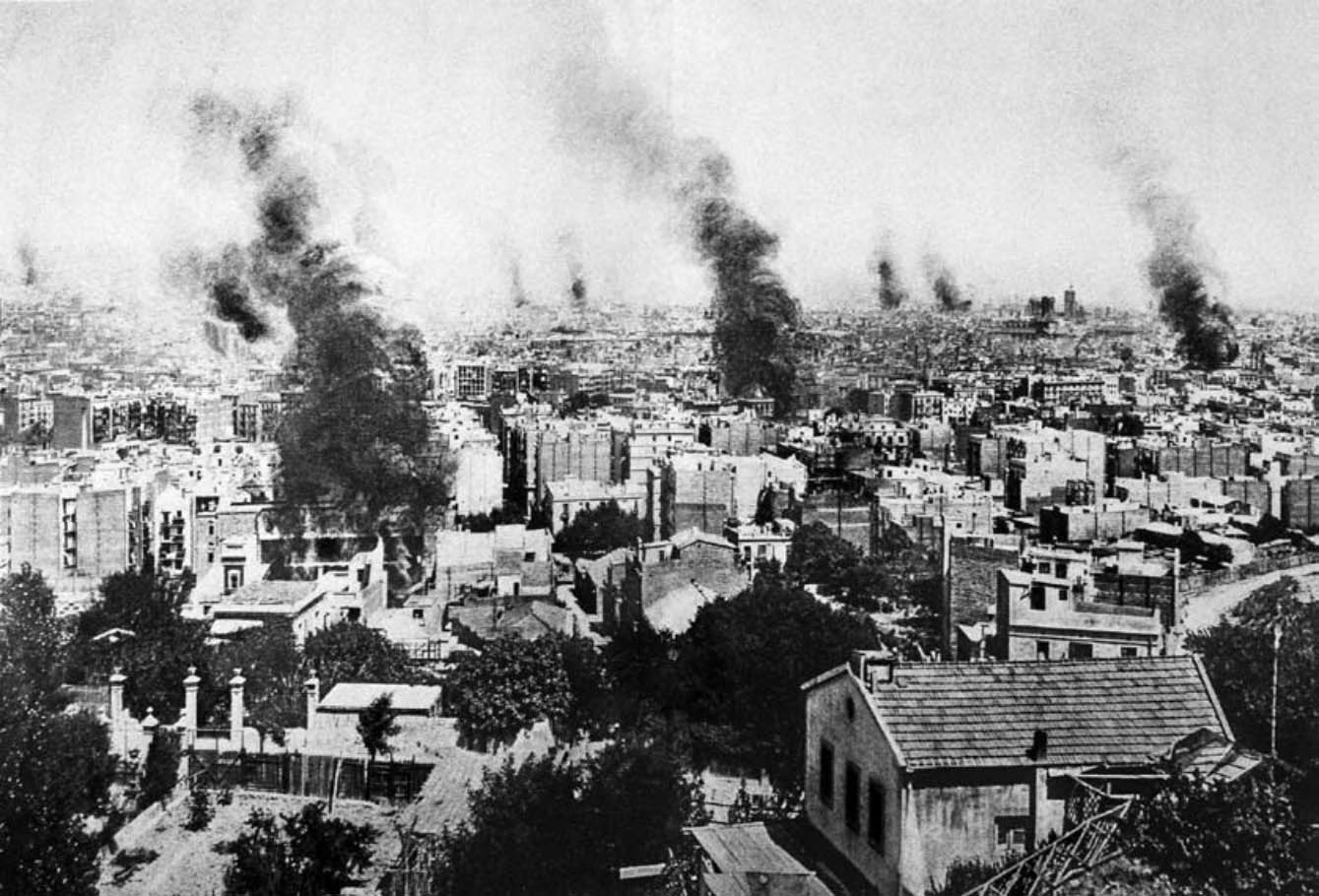
The so-called second Rif War that broke out around the Spanish enclave city of Melilla in Morocco, did not turn well for Spain, and Maura was forced to call up reserves. The conscript could be redeemed for 1,500 pesetas, which was a worker’s salary for one year. In this way, the rich got away, but the poor, many of whom were sole breadwinners, were dragged into a war that, in the eyes of the Spanish people, served only the interests of the rich mine owners around Melilla. Demonstrations and later uprisings broke out against the conscription, primarily in Barcelona, which was already an important center of Anarchism, which played a significant role in the later civil war. During the “Tragic Week” at the end of July, the government put down the rebellion with guns. More than a hundred people died. Five organizers of the uprising, including its leader Francesc Ferrer i Guàrdia, organizer of the “Free Schools” in Barcelona, were sentenced to death. The sentence and the execution were accompanied by a huge European protest, and as a result, King Alfons XIII replaced Maura as prime minister.

Francesc Ferrer i Guàrdia (1859-1909) free thinker, anarchist, educator

The burning Barcelona on July 28, 1909, about which Antonio Ribas made the film La ciutat cremada (The city burnt) in 1976

And everything happened as usual. The projects of public interest continued under the next prime minister, Segismundo Moret: the Berber fighters of the Rif Mountains were pushed back from the land they were fighting for, expropriated by the mining companies. But the private projects stopped immediately. The promised next 100,000 pesetas did not arrive in Biniamar. The arcs started, but they did not continue. The church was left without a roof.
And everything went on as usual with projects that only serve the pleasure and prestige of a powerful patron, but the local community does not really need them. The stadiums are overrun by weeds, the family estate built on the site of destroyed monuments becomes a sheepfold, drug addicts shoot themselves up under the torn ceilings of palaces of culture. * As Isaiah dramatizes it:

“Thorns will overrun her citadels, nettles and brambles her strongholds. She will become a haunt for jackals, a home for owls. Desert creatures will meet with hyenas, and wild goats will bleat to each other. There the lilith will also lie down and find for themselves places of rest. The owl will nest there and lay eggs, she will hatch them and care for her young under the shadow of her wings. There also the falcons will gather, each with its mate.”
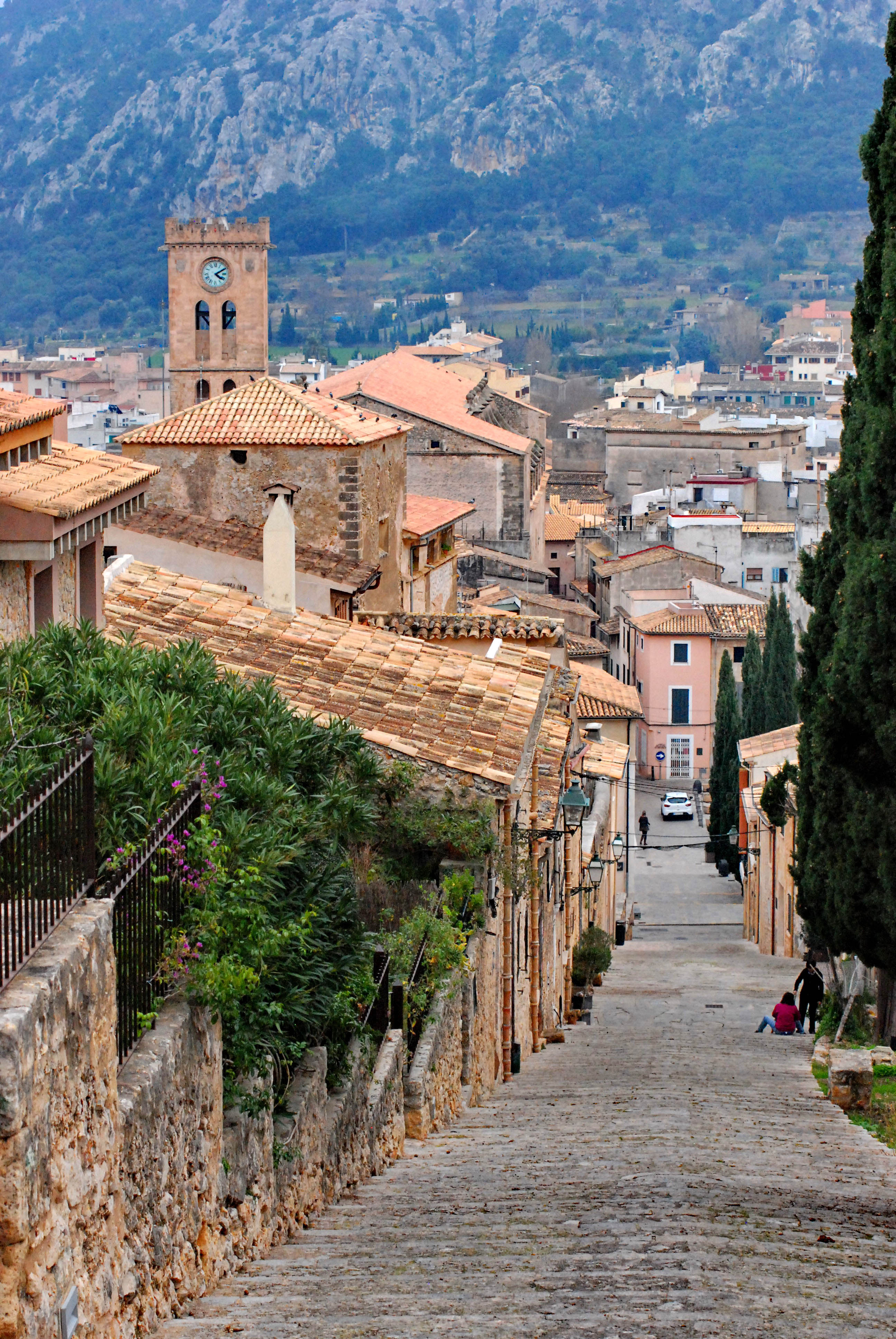
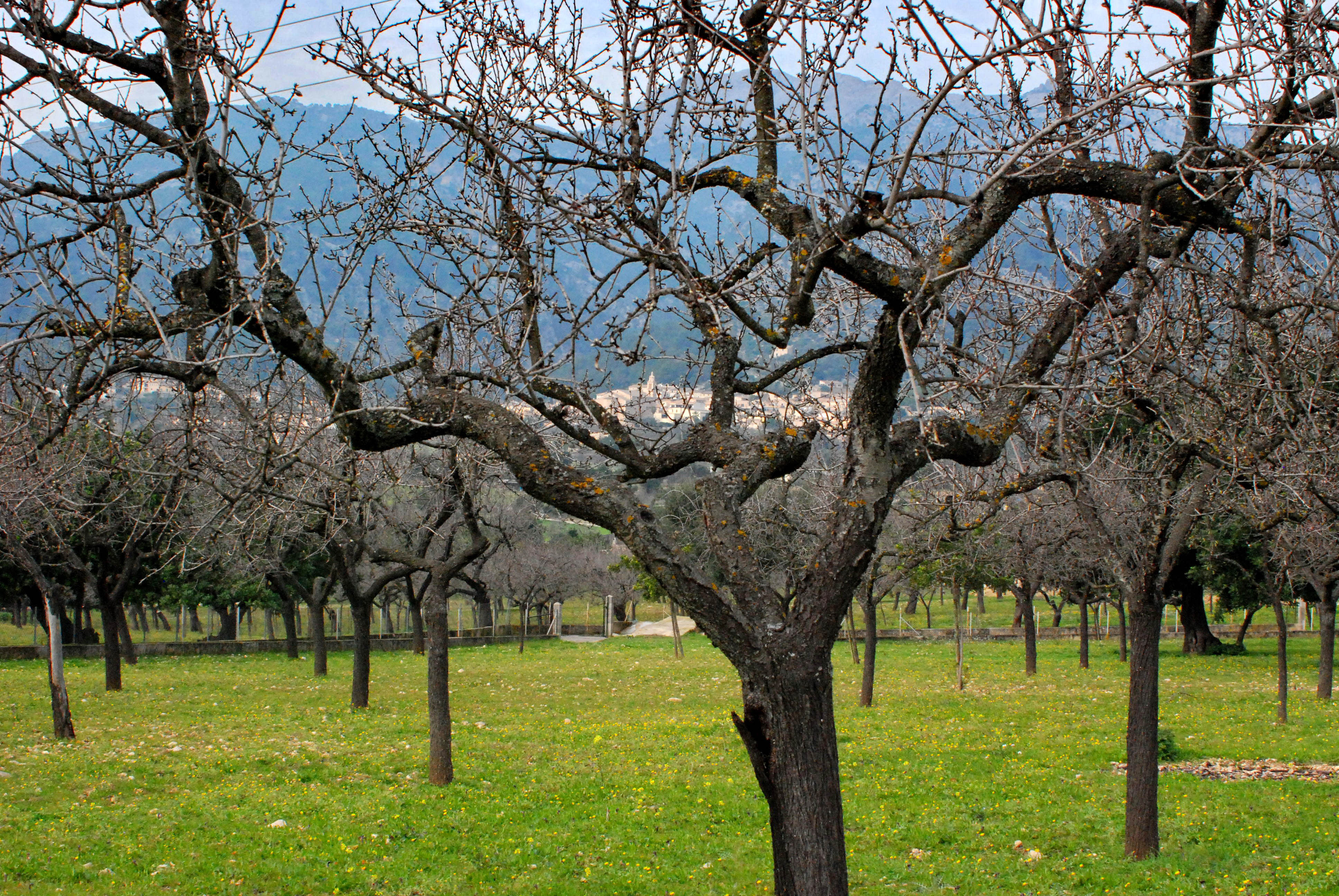
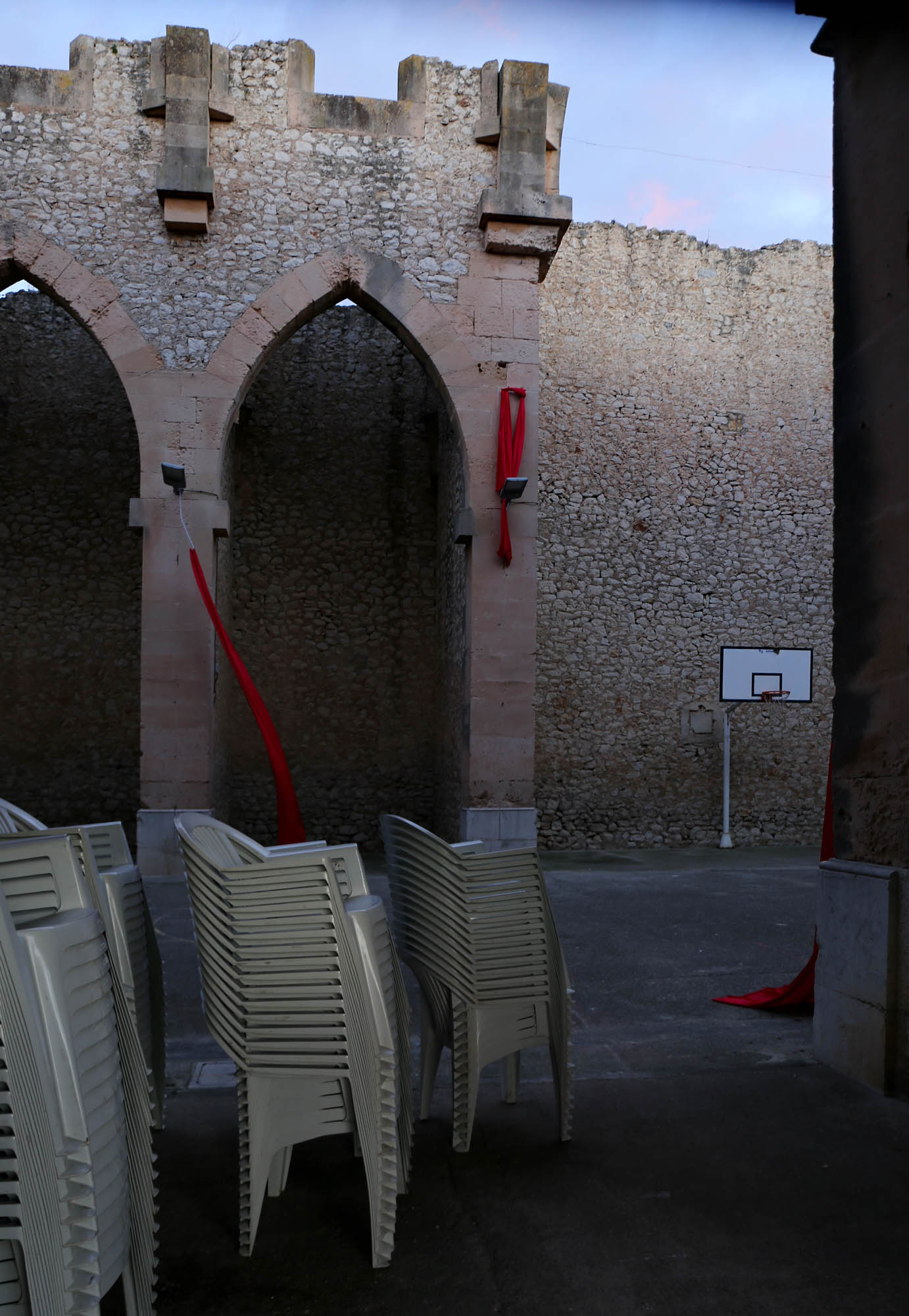
In Biniamar, the large space surrounded by four walls was turned into a sports field and a community space, because that was all what the local community needed. By peeking through the main gate, you can see the soccer goal pushed aside, and through the south gate, the basketball blackboard in the transept as well as the stacked plastic chairs of the open-air cinema.

And today, on the evening of Saint Anthony, when every village on the island prepares for the holy theater of the temptation of the old hermit and the subsequent community pig roasting, you can already see the huge log of the community bonfire in front of the church, as well as the glowing “Happy Holidays!” inscription above the gate.

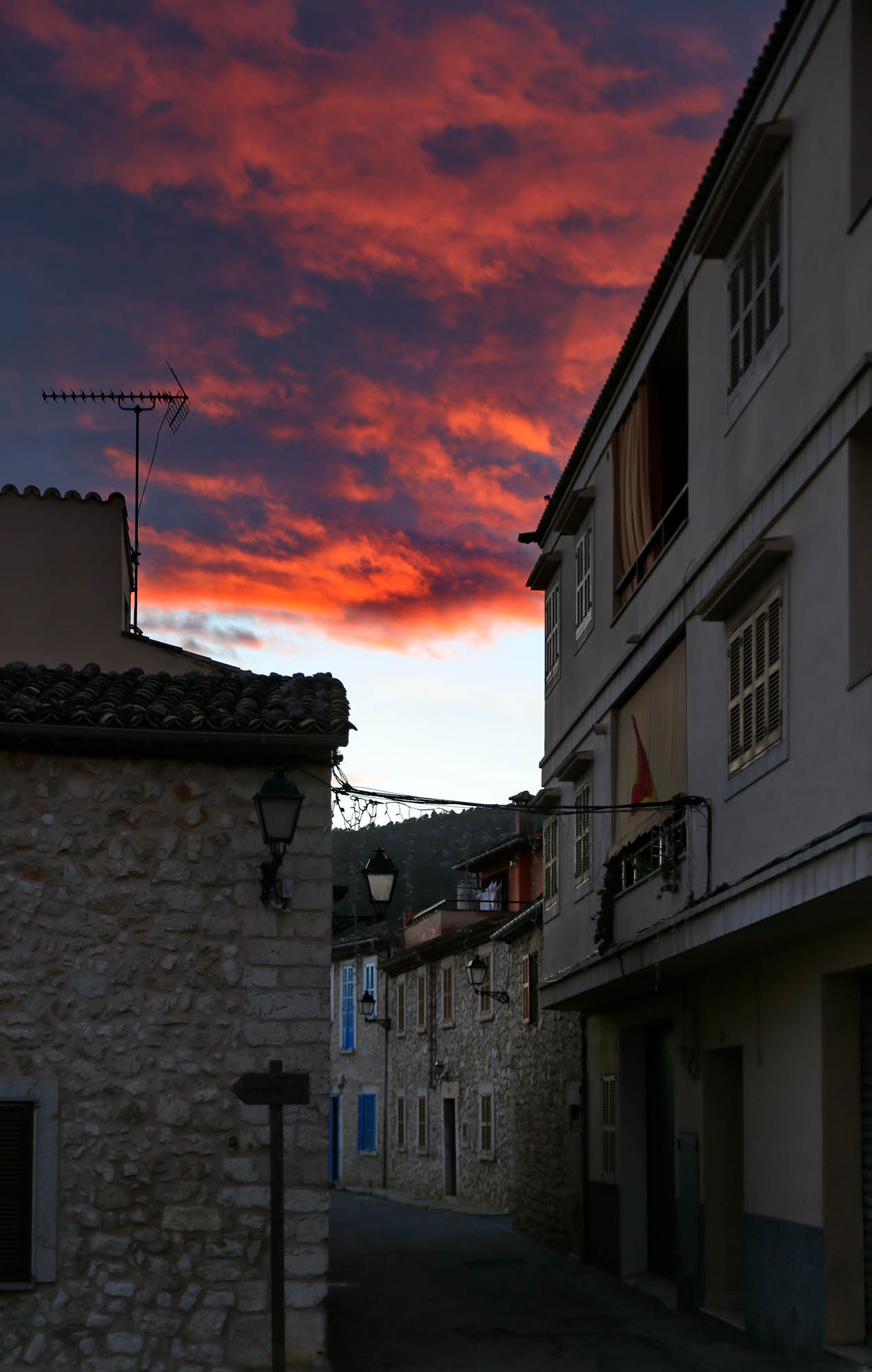
It’s dusk. The sun is setting blood red over the surrounding houses. Dezső must die today. *


Winter in Mallorca

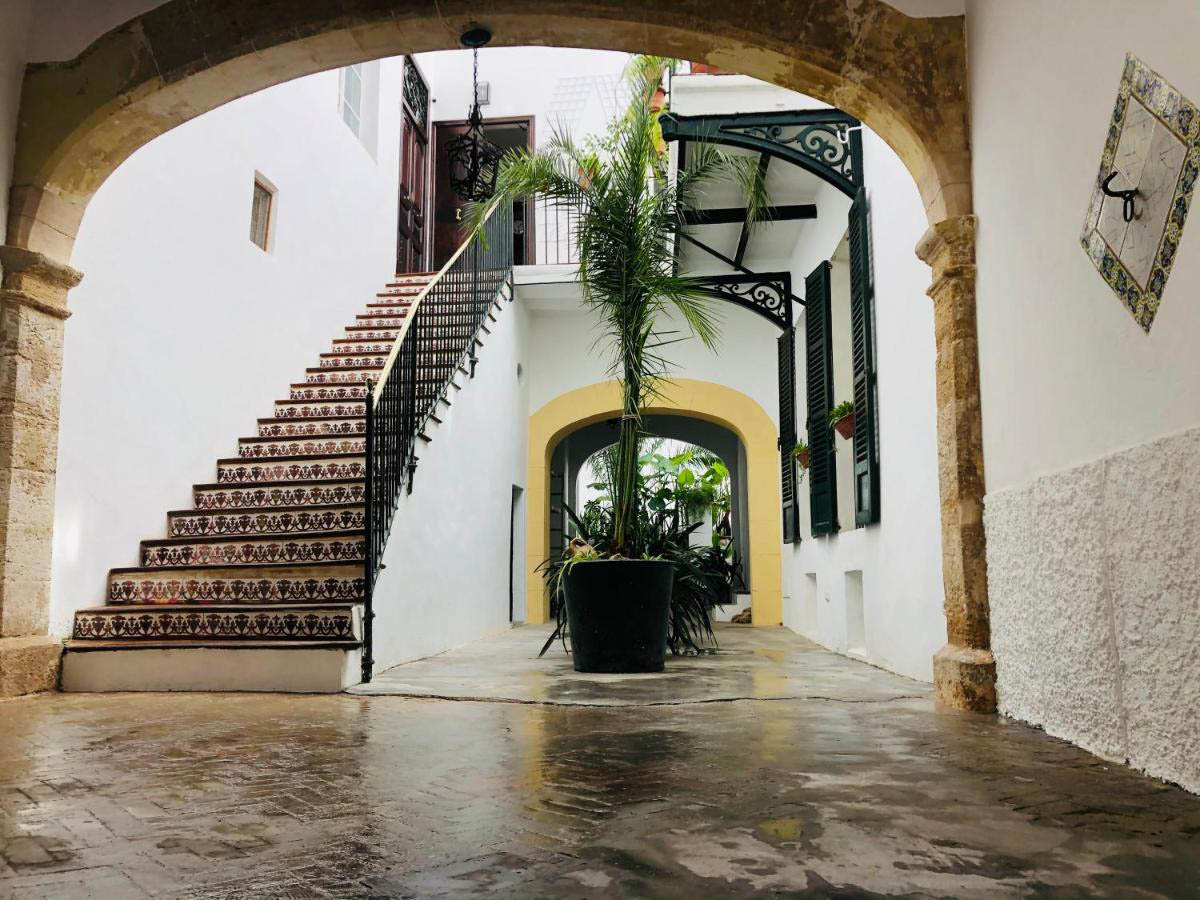
In Palma de Mallorca I usually stay at Hostal Pons in the heart of the old town, in Carrer del Vi, Wine Street. It is a small hotel converted from an old aristocratic palace, with an Arab-Renaisance columned patio, so characteristic of the city. The owners – a young brother and sister – also live here, in the back. It offers beautiful views, especially in the morning and early afternoon, as sunlight passes through and breaks in a thousand different ways in the columned courtyard, the windows of the hall and the small rooms. The only problem is that the rooms have no heating. Of course, it is not needed for most of the year, as it is mostly hot, and fortunately the tourist season also falls on that period. But Palma can also be cold, especially in January. Most other hotels are therefore not open either, since there are no visitors. I am also alone in Pons. The owners don’t show up very often, so I feel like the last bachelor descendant of a baronial family in his mountain mansion, as described by Llorenç Villalonga in his Bearn, or a mansion in Mallorca. Fortunately, the brothers were attentive enough to set up a mobile gas convector in the hall for the evening, so I can work at one of the tables without the risk of freezing. I remember when living in Rome, where, in early March, central heating is already switched off but the heat of the sun is not yet turned on, so that cold radiates profusely from the damp walls, my landlord consoled me that a Swede lived there before me, who complained that he had never had a cold in all his life as he did here in Rome.

The windows of the bathrooms overlook the courtyard of the St. Alfonso Liguori School. The sound of children chirping wakes me in the morning. As I slowly get up, the second-stage wake-up call comes on, the bells of the medieval Church of the Holy Cross behind the block of the hotel. It is one of the best preserved medieval churches in Palma, but its beautiful interior can only be seen once a week, at eleven on Sundays, when a Mass is held in German. I once mingled with the priest after Mass, and it turned out that not only was he from Berlin, but we even had a common regular pub on Yorckstraße. Of course, it is understandable that I never see him there, since he spends all his time in Mallorca.

Leaving the hotel, I head to the beach for the first coffee at Plaçe Drassana, the place of the former shipyard. In January, most of the bars, restaurants and shops in Palma are closed, which is now also justified by covid. The Drassana, usually throbbing from the crowds in the bars around it, is now completely abandoned. Only two places are open, a curry eatery and the Bar Arenas 1951, the area’s popular pub. I sit in there. While working on my laptop, I am listening to the girl at the bar serving guests. Altough I said there were no tourists, nevertheless occasionally some English and Italian slips in: probably expats living here. She speaks in excellent English and Italian with them, besides Spanish and Catalan, obvious here. “Enhorabuena, how many languages you speak and how well,” I congratulate her when I pay. “Oh, I also speak German and French”, she adds modestly. “Where did you learn so many languages? Here, in the bar?” “No, at home.” It turns out that she was born in Verona, in an Italian family, but her grandmother was Romanian, and her grandfather German, apparently a Saxon from Transylvania, and then she worked in many bars all over Europe. “Here in Mallorca is the best”, she says, “the freedom is great, and the guests are relaxed. This is better than anything else. But it’s very important that you work,” she underlines seriously.

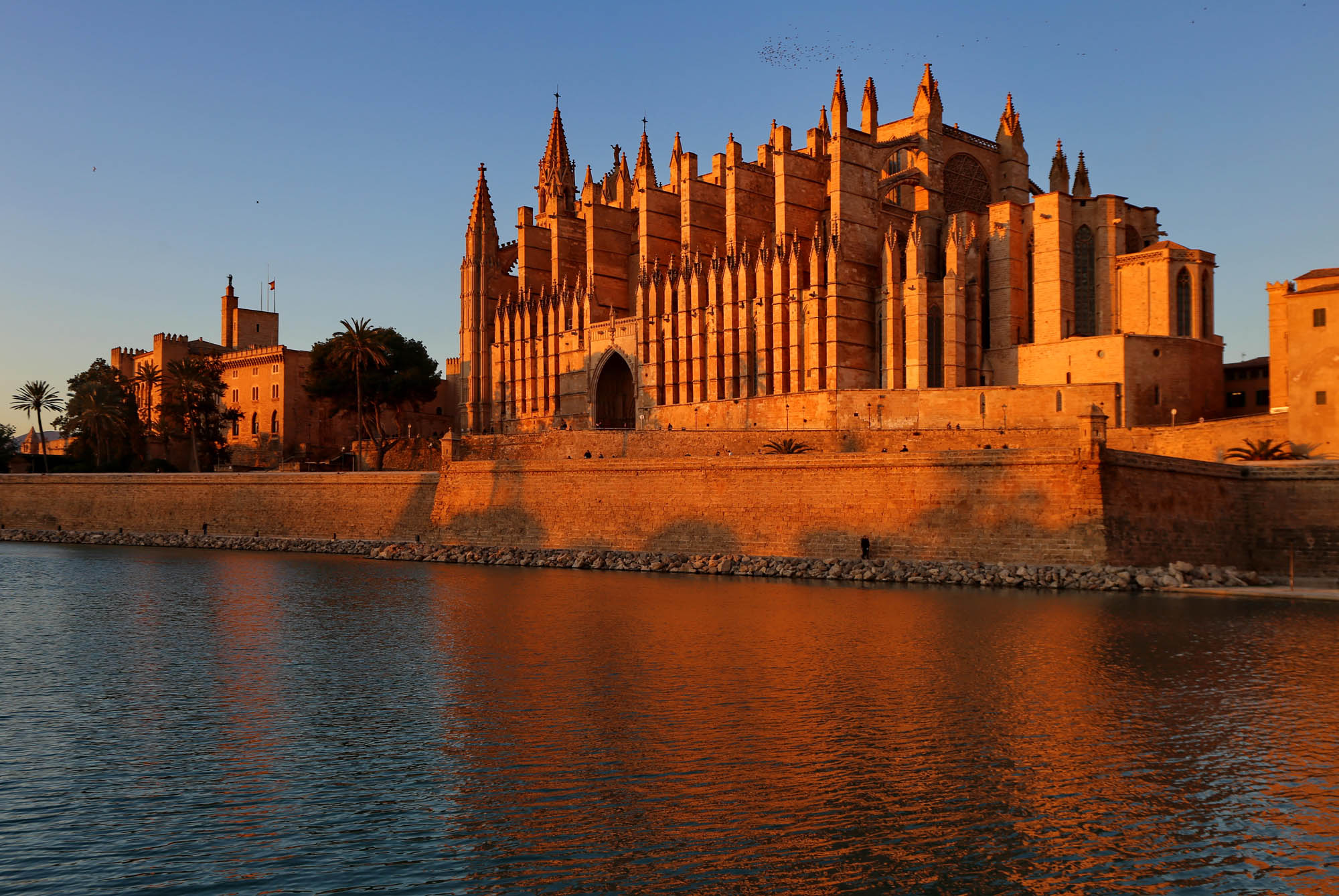
If they opened a window on the place of the giant poster, you would see more or less the same as on the poster: the Gothic cathedral of Mallorca:

On the way back, the “old gallery” almost opposite the hotel is also closed. Although I do not remember of having ever seen it open in the twenty years since I have been coming to Mallorca.

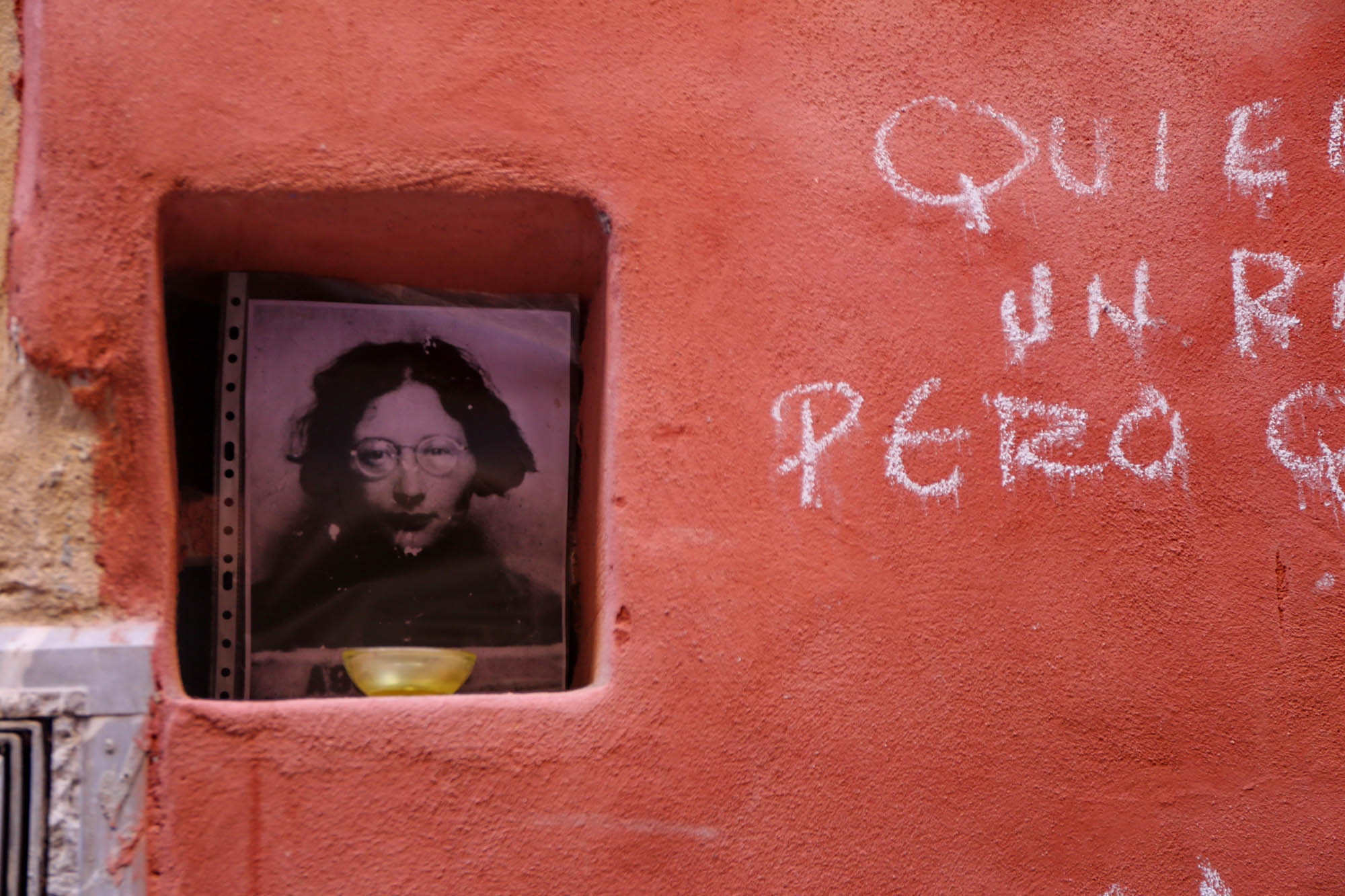
Its being a gallery is only confirmed by the ad hoc exhibition on the façade. To the left of the gate, a “found poem”, written in chalk:

I want to sleep a while. A while, a minute, a century. But all must know that I have not died, Federico is alive.


Federico García Lorca: Gacela de la muerte oscura (The ghazal of the dark death)

Quiero dormir el sueño de las manzanas
Alejarme del tumulto de los cementerios.
Quiero dormir el sueño de aquel niño
Que quería cortarse el corazón en alta mar.

No quiero que me repitan que los muertos no pierden la sangre;
Que la boca podrida sigue pidiendo agua.
No quiero enterarme de los martirios que da la hierba,
Ni de la luna con boca de serpiente
Que trabaja antes del amanecer.

Quiero dormir un rato,
Un rato, un minuto, un siglo;
Pero que todos sepan que no he muerto;
Que haya un establo de oro en mis labios;
Que soy un pequeño amigo del viento Oeste;
Que soy la sombra inmensa de mis lágrimas.

Cúbreme por la aurora con un velo,
Porque me arrojará puñados de hormigas,
Y moja con agua dura mis zapatos
Para que resbale la pinza de su alacrán.

Porque quiero dormir el sueño de las manzanas
Para aprender un llanto que me limpie de tierra;
Porque quiero vivir con aquel niño oscuro
Que quería cortarse el corazón en alta mar.

I want to sleep the dream of the apples,
to withdraw from the tumult of the cemeteries.
I want to sleep the dream of that child, who
wanted to cut his heart on the high seas.

I don't want to hear again that the dead do not lose their blood
That the putrid mouth goes on asking for water
I don't want to learn of the tortures of the grass
Nor of the moon with the serpent's mouth that labors before dawn

I want to sleep a while
A while, a minute, a century
But all must know that I have not died
That there is a stable of gold in my lips
That I am the small friend of the west wind
That I am the immense shadow of my tears

Cover me at dawn with a veil
Because dawn will throw fistsful of ants at me
And wet with hard water my shoes
So that the pincers of the scorpion slide

For I want to sleep the dream of the apples
To learn a lament that will cleanse me of the earth
For I want to live with that dark child
Who wanted to cut his heart on the high seas.

English version by Joan Baez

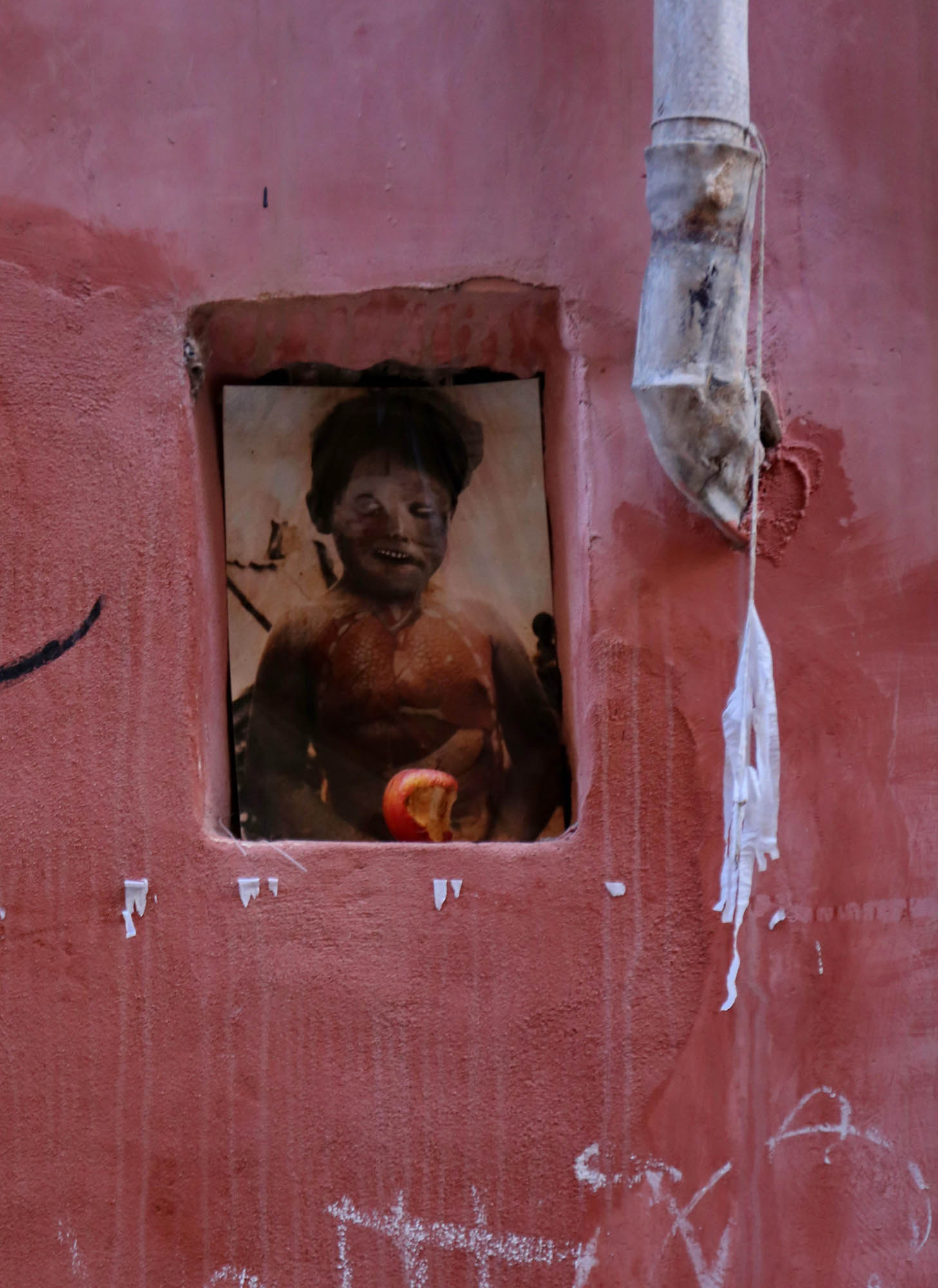
There are two small niches in the wall on each side. The installation arranged in them completes the experience. To the right is a distorted photograph of a child and a half-eaten apple, as if to hint at the poet’s dream.

And to the left, a peculiar association, the image of the philosopher and mystic Simone Weil, who fought on the side of the anarchists in the Spanish Civil War, although she was only allowed to shoot once, because she was nearsighted, and her target unsure.

In the evening, as I am coming home, a candle burns in front of the photo. I stop, but I don’t have a camera, I cannot take pictures. At the gate opposite, two boys are just saying goodbye. The one who stays turns to him: “Do you like it? I have put there the photo, because it fits so well. And I light the candle in front of it.” Then it turns out he does not even know who Simone Weil was. The absurd genius of Spain continues to work. Federico is alive.


Christmas in Mallorca

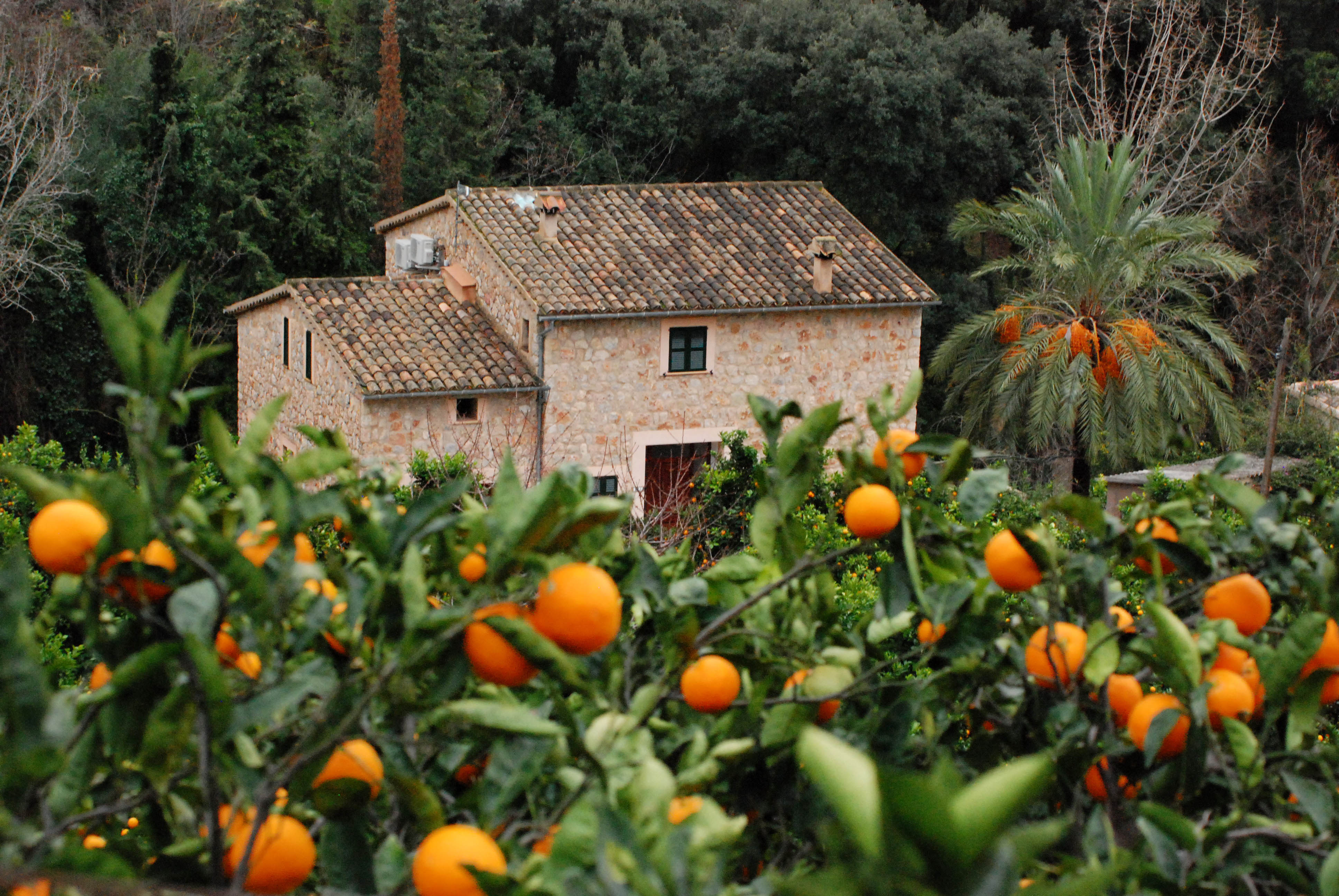
The question of “where is the most beautiful Christmas” touches emotional archetypes. To some in the high mountains, where there is still real snow and plenty of pine trees so huge that even the smallest one beats the Parliament’s Christmas tree. To some others, in the southern seas, where there is no snow and pines, but, in contrast, there are palm trees and heat. Both offer a way out of everyday life, to another, cleaner, ideal world. To me it is where so many other things are most beautiful: the beach, the orange and olive grove, and the seven-hundred-year-old sounding in a single soprano voice in the darkened cathedral on Christmas night.


El Cant de la Sibiŀla, Mallorca. Jordi Savall, Montserrat Figueras, La Capella Reial de Catalunya, 1998 (36'50)

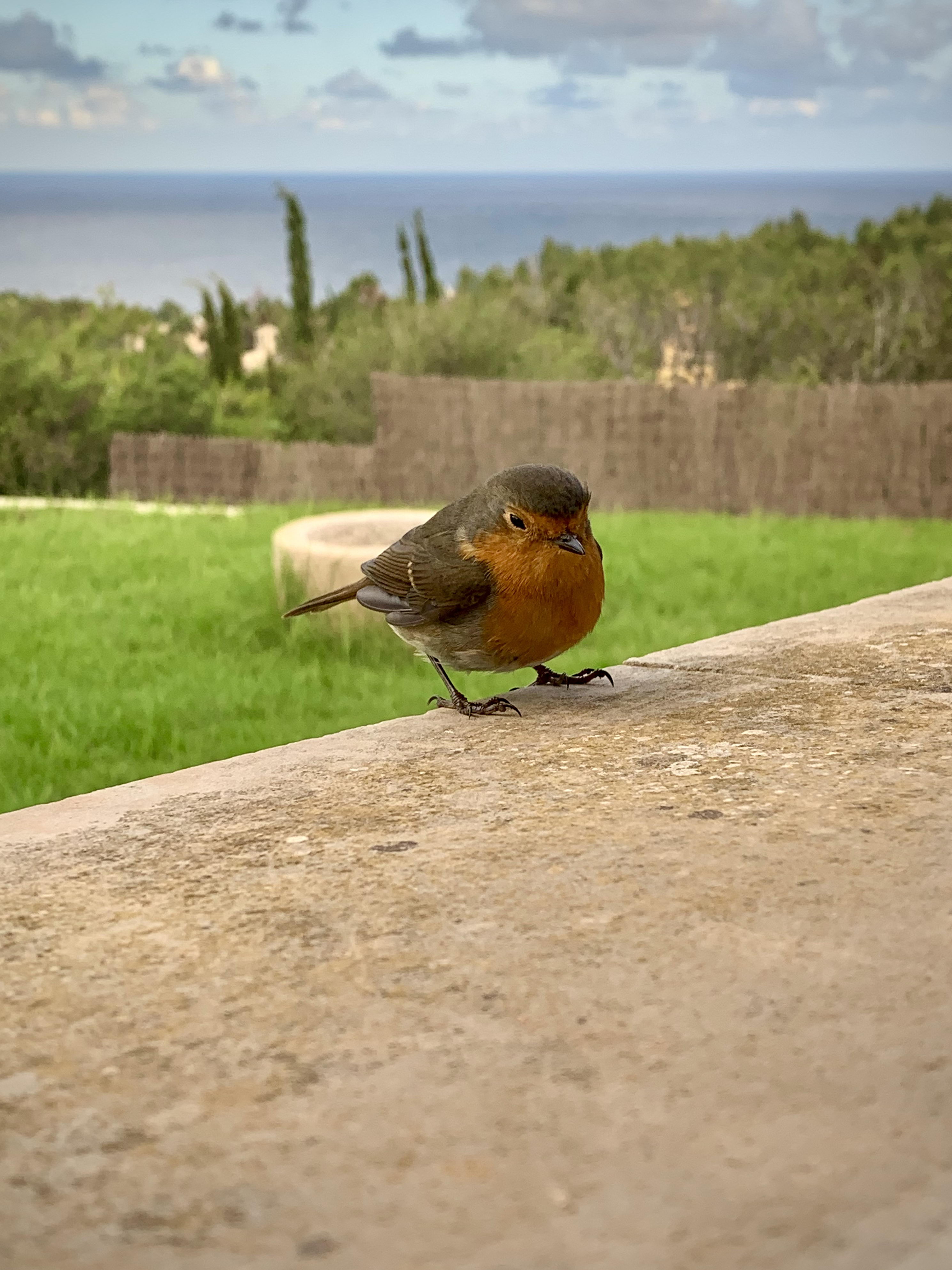
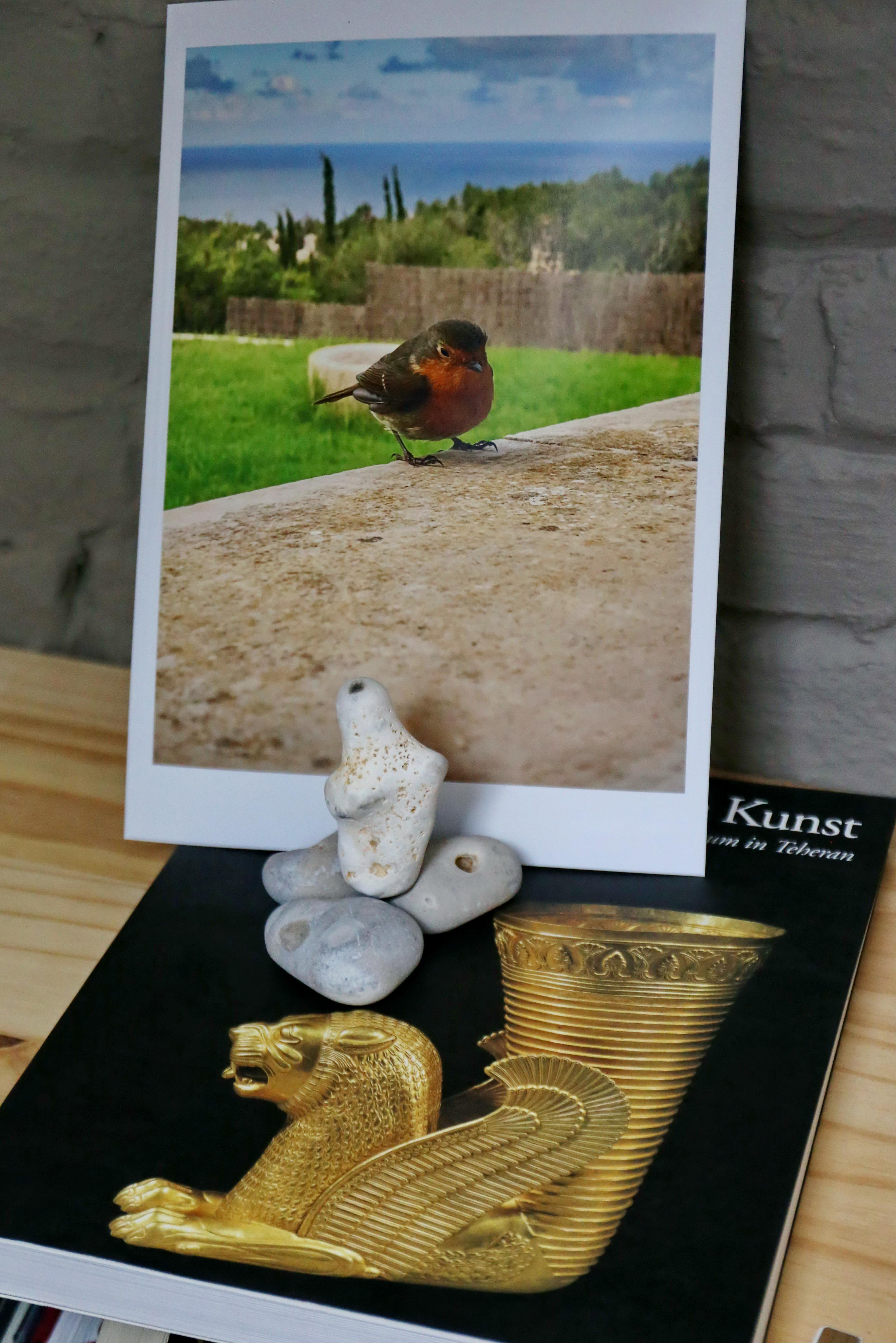
The ideal world also sends a message even when you cannot get there. No one would think of this picture as being a Christmas postcard, though it is. In the top, only indicatively, the same sea as in the pictures of the just linked post. In the middle, the tops of the olive trees. And in the foreground, the garden of Wang Wei, with a severe hiatus: the stump of the beautiful and beloved pine tree that the storm tore out a year ago. But the focus of the image is not this lack, not the loss, but the small red promise towering in front of it. Like in Fereidun Moshiri’s Believe in the spring.

The postcard in my little home Kunstkammer, together with a mediterranean Venus found on the other sea

The road of tea and horse


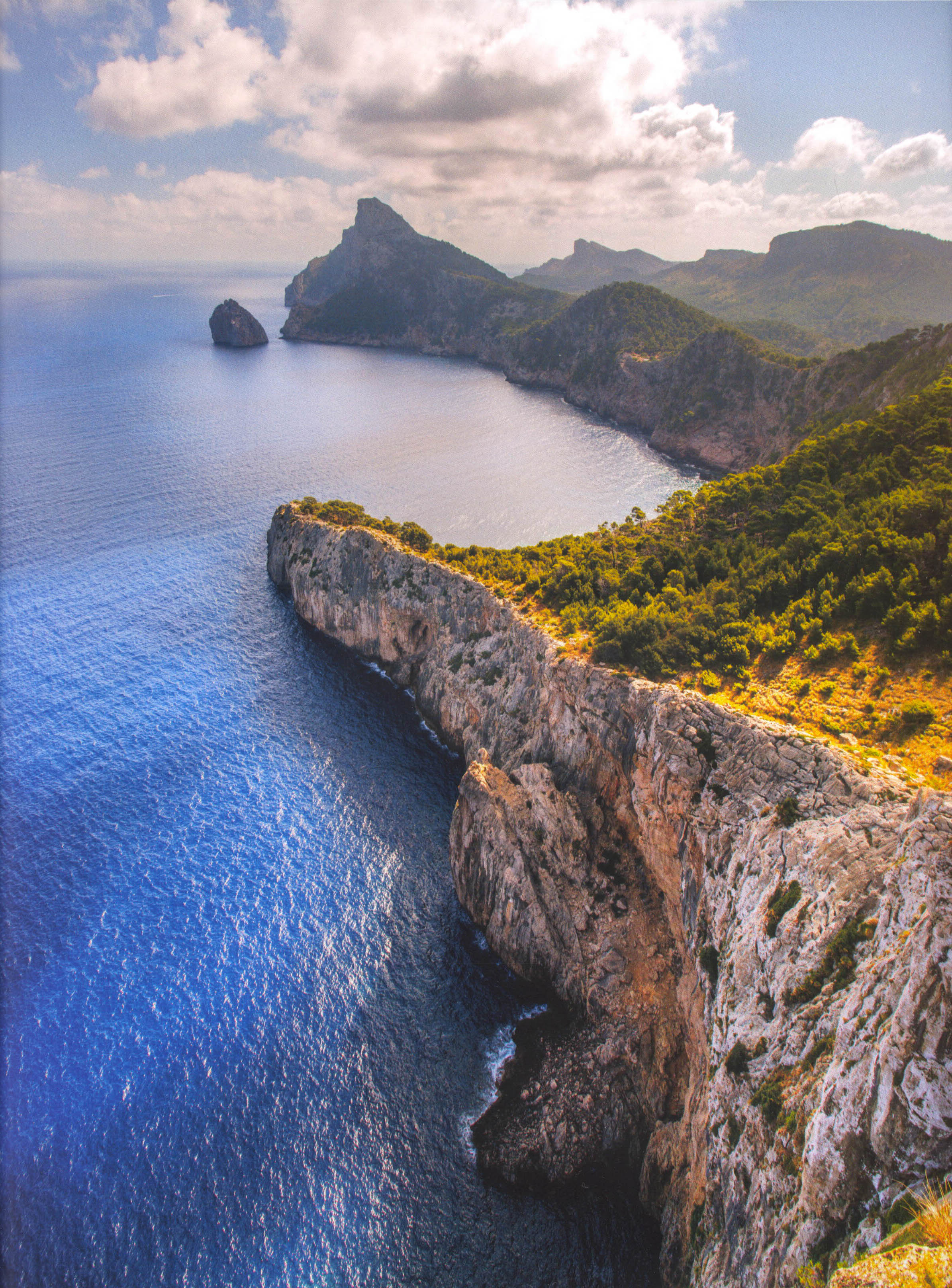
A week ago at this time, on Sunday morning I sat on the beach in Mallorca, and while the group was having coffee, I leafed through the elegant Spanish travel magazine Passion, whose copies there are on most coffee shop tables. The first article was dedicated to the number one tourist destination in Spain: Mallorca. The essay Walking around Mallorca was introduced with the photo of the island’s northern peninsula, the Formentor Cape. I only had to look to the right to find out how in step with fashion we are. I saw this, indeed:


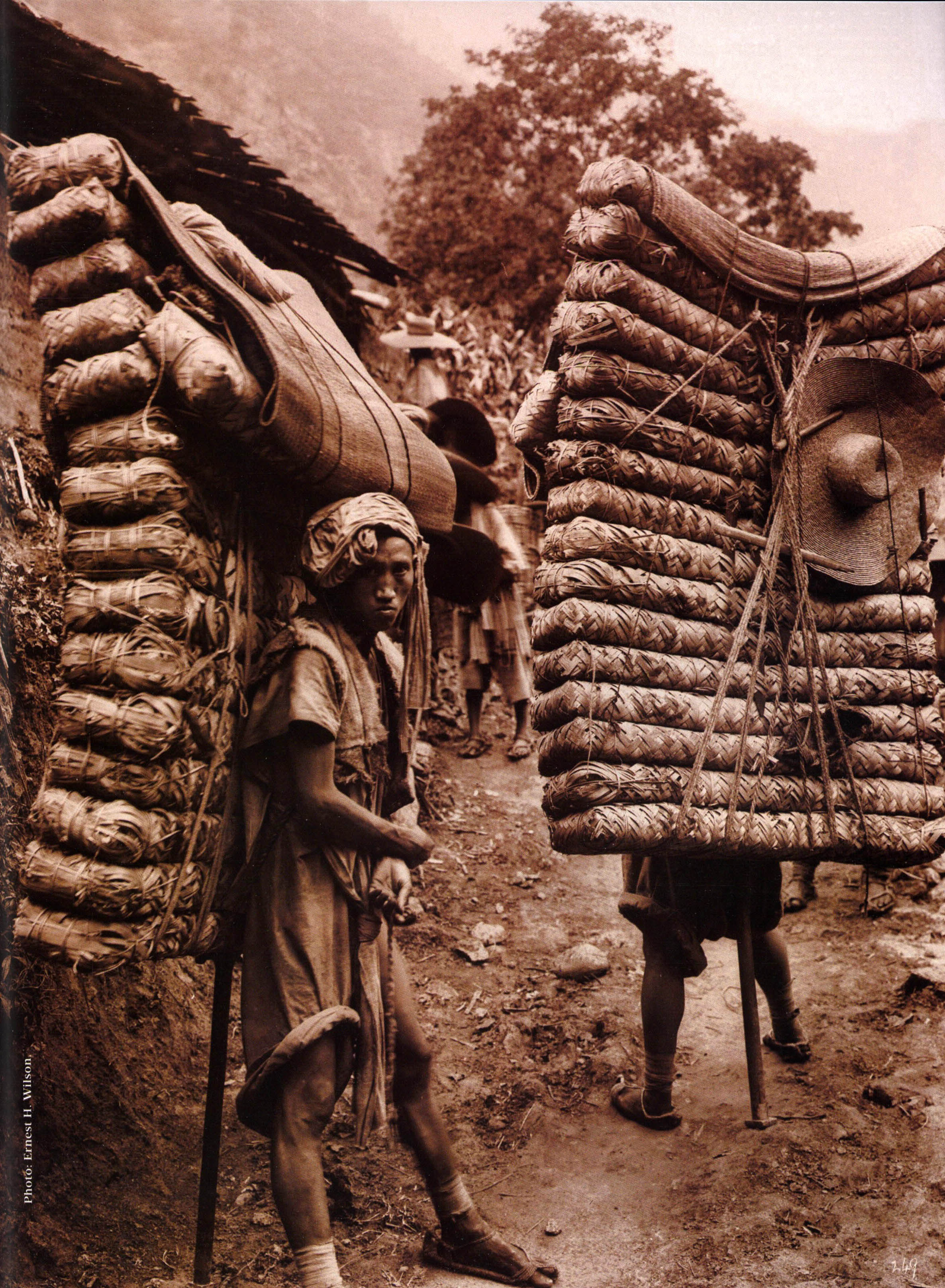
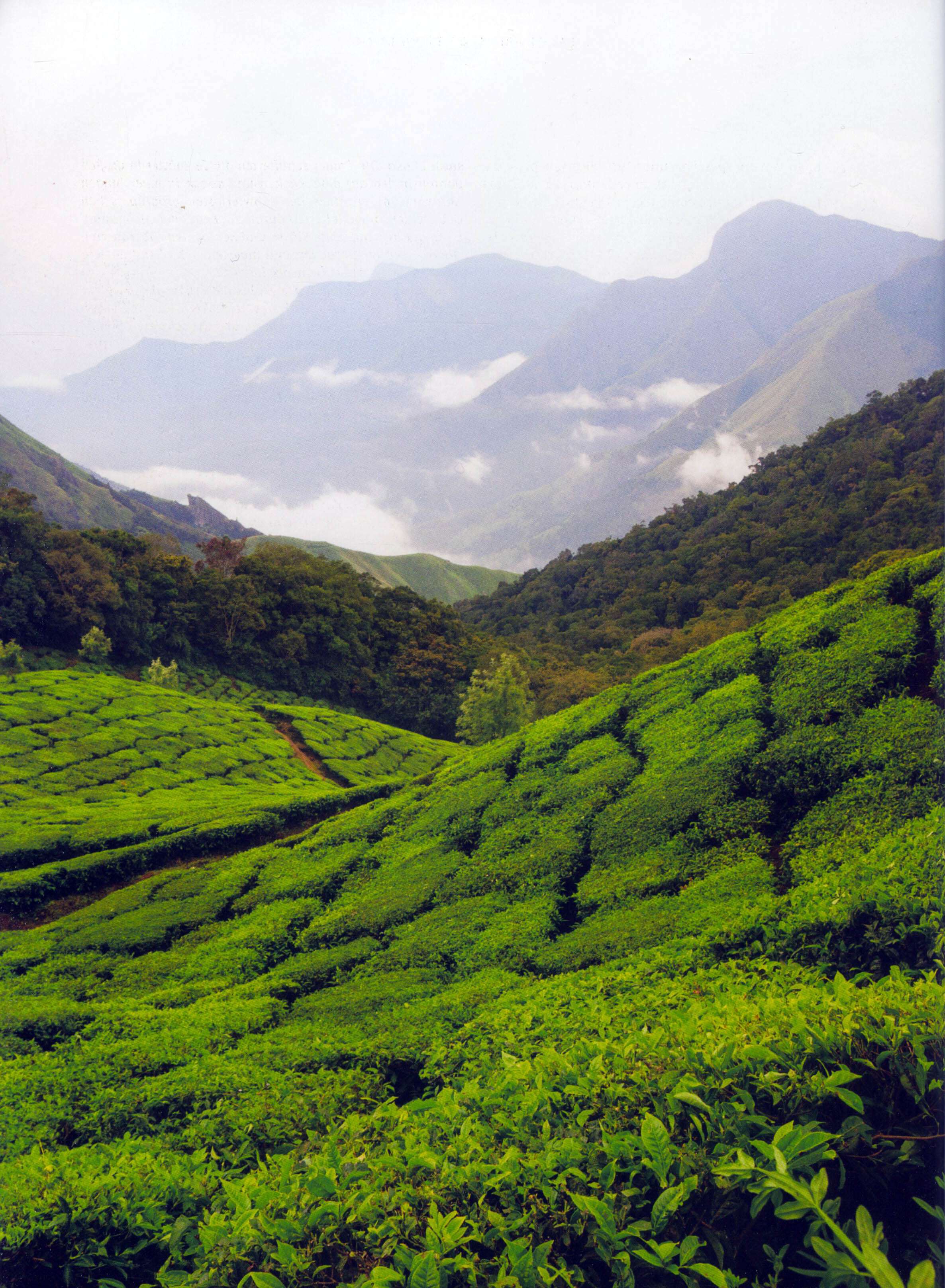
But it was the second article which really demonstrated, how sensitive the tours of Río Wang are to the latest tourist trends of the world. This one talked about an exotic destination, virtually unknown to Western travelers: the road of tea and horse. This path is winding beneath the Himalayas, between the mountains of Yunnan in southwestern China, in the source area of Mekong and Yangtze. For centuries, the caravans shipped along it the tea pressed in bricks from China’s best tea producing region, southern Yunnan, to the north, the tribes of Tibet, and brought back in return the excellent mountain horses to the south, the courts and garrisons of China. As the article writes in detail:

“It was never as famous as the Silk Road, but at one time, when tea could cost more than this delicate fabric, the winding Ancient Tea Horse Road, in Chinese Chamadao 茶马道, became an important trading route. Although the itinerary would vary, it ran over nearly 4,000 kilometres, from Yunnan and Sichuan, in China, to Lhasa, the capital of Tibet. On it, porters would carry tea leaves on their backs in great bamboo bundles, forming human caravans through some of the most complicated orography in the world, passing over the Hengduan Mountains, dozens of rivers, canyons, stone and rope bridges, and encountering bandits and avalanches.

The eagerly sought goal, glimpsed nearly five months after setting off, was the Potala Palace, the former residence of the Dalai Lama in Lhasa, when they could at last set down the heavy burdens which generally speaking weighed around 100 kilos per person, depending on each individual’s body weight. The caravan of porters was known as bā, and each one of them could bring a maximum of twelve horses back. To organise the bundles and facilitate the transport, the tea was pressed into cubes of bricks using cylindrical stones that weighed over 30 kilos, and which are still used artisanally today. Often, the tea order had to be taken to India too, lengthening the harsh journey to up to a year, going through the Himalayas.

Tea first reached Tibet in the year 641 when princess Wen Cheng, of the Tang dynasty, married the Tibetan king Songtsen Gampo. In a cold region such as this, Tibetans developed a taste for this instantly hot drink and since then, they have drunk on average 40 cups a day mixed with yak butter and a little salt and accompanied by what is a staple food for them tsampa, which is barley flour toasted on the fire. The low temperatures have always made it necessary for Tibetans to ingest very calorific foodstuffs, such as dairy and meat produce. Since they have no vegetables, tea appeared to be a magical solution for cleansing themselves and facilitating digestion, as well as helping them wake up and being consumed in their meditation temples. Tea was so successful in Tibet that by the 13th century China was transporting tons of tea every year in exchange for 25,000 horses.

The tea horse road, largely unknown to the West, was considered one of the most dangerous routes in the world. Nowadays both residents – for commercial reasons – and tourists captivated by its history travel along it once more, with variations in the path, and no longer on foot, but on four wheels.”


And now, one week later, on Sunday morning, I’m sitting on the airplane towards Yunnan, to prepare the autumn tour of Río Wang, on which we will follow the road of tea and horse from the southern tea plantations to the Tibetan foothills through emerald green valleys, dizzying canyons and thousand-year-old towns, where time stopped many centuries ago. I cannot yet post a photograph of mine under the respective picture of Passion, but in the next few weeks I will abundantly make up for it.


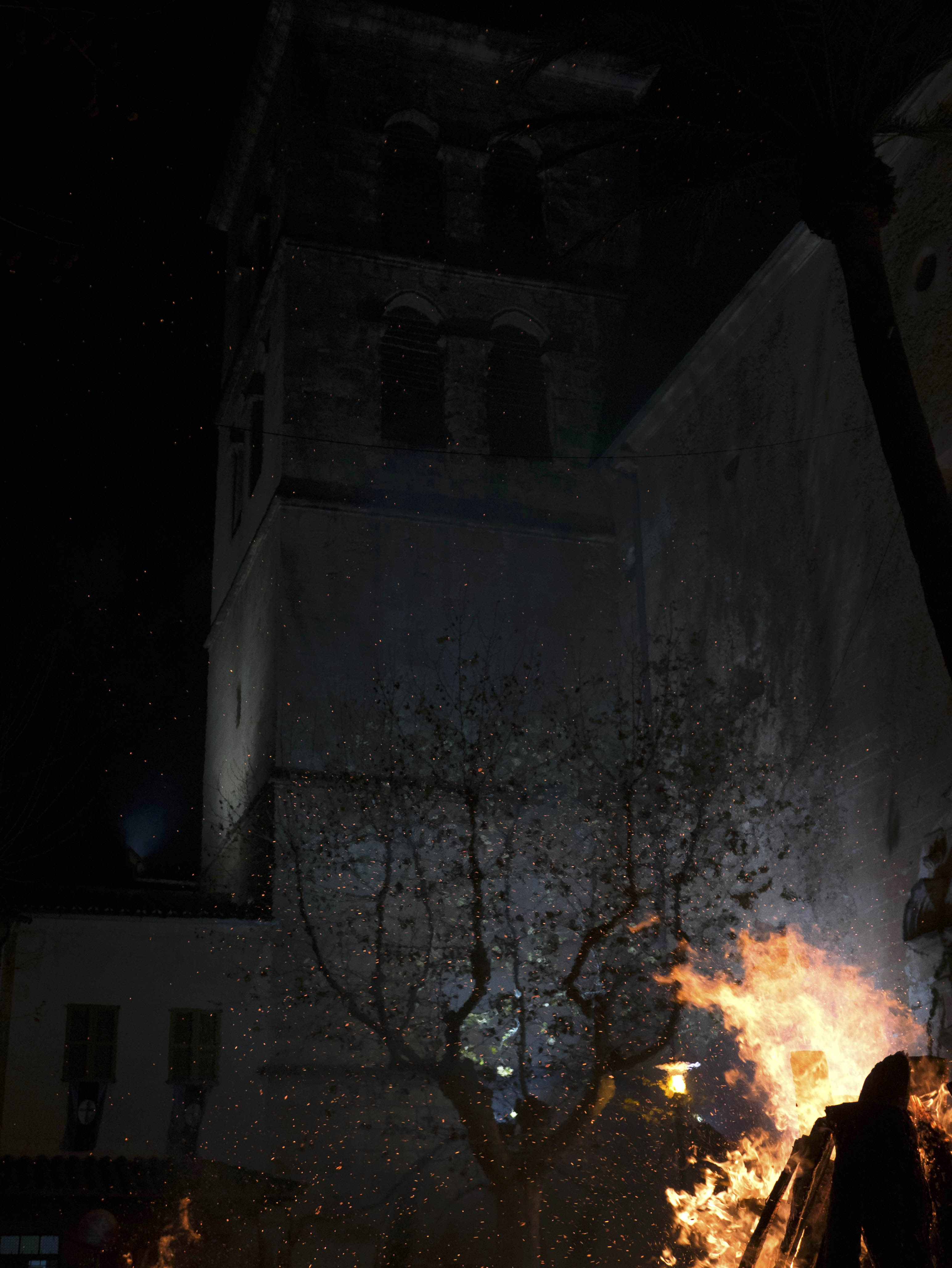
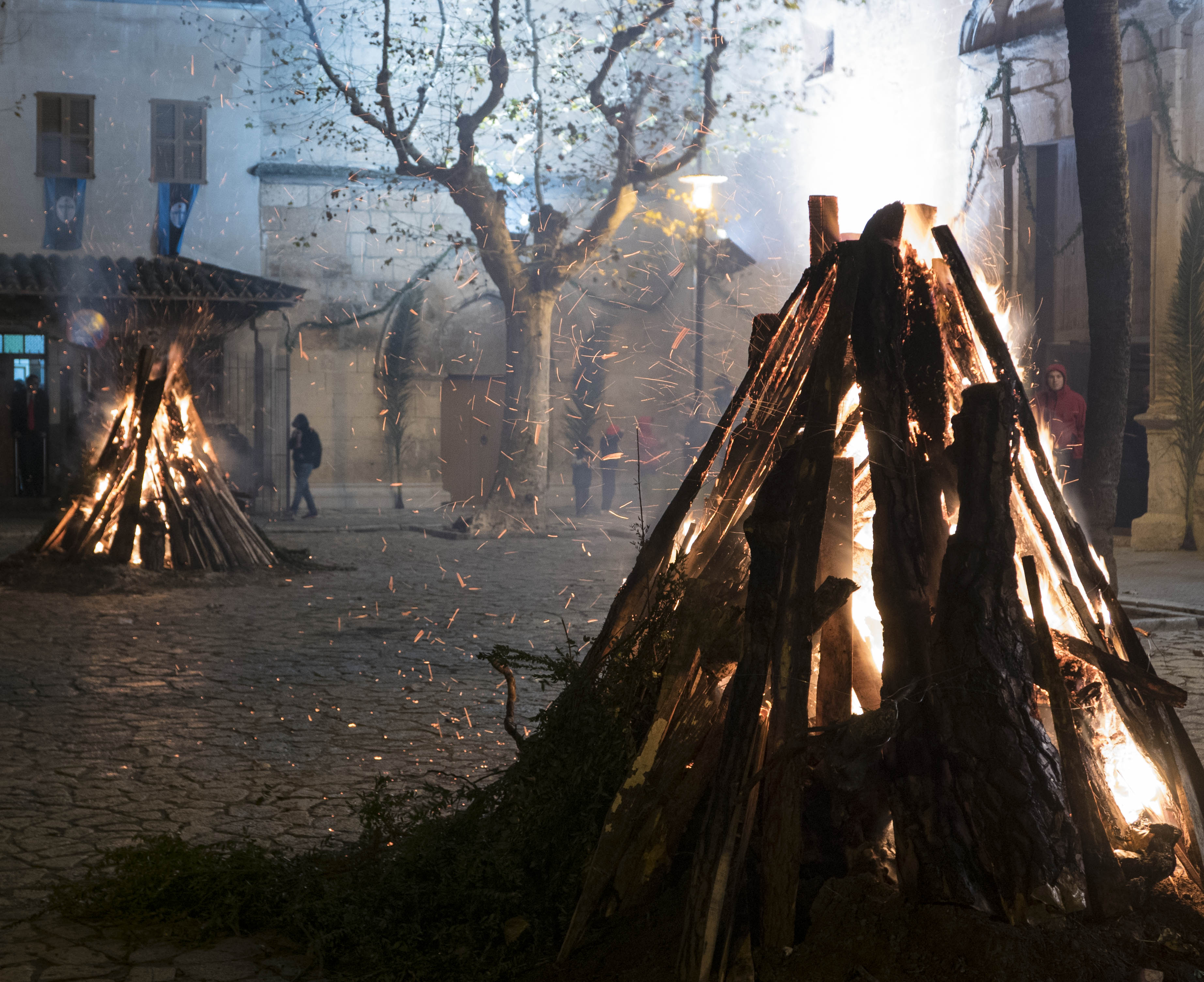
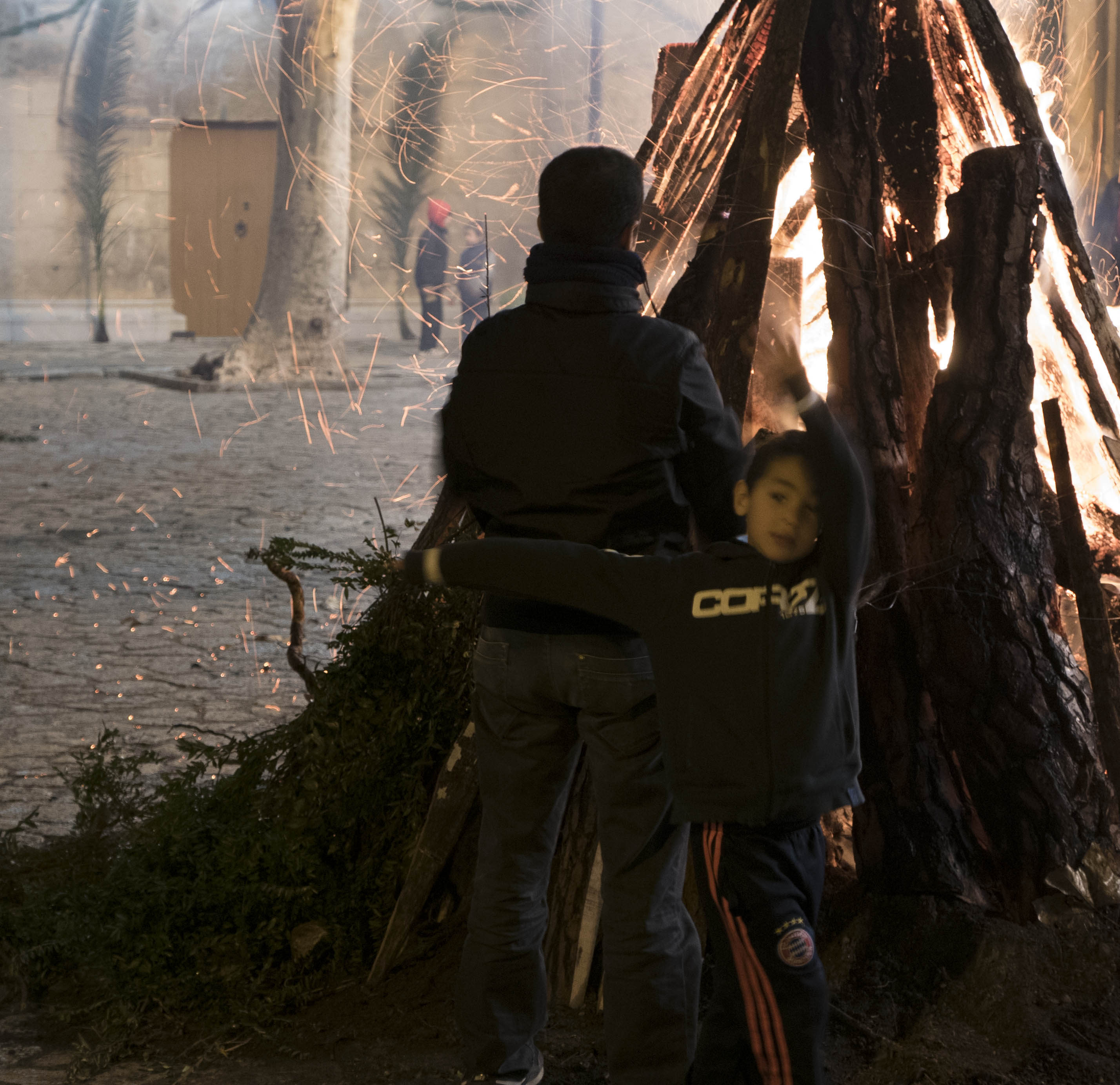
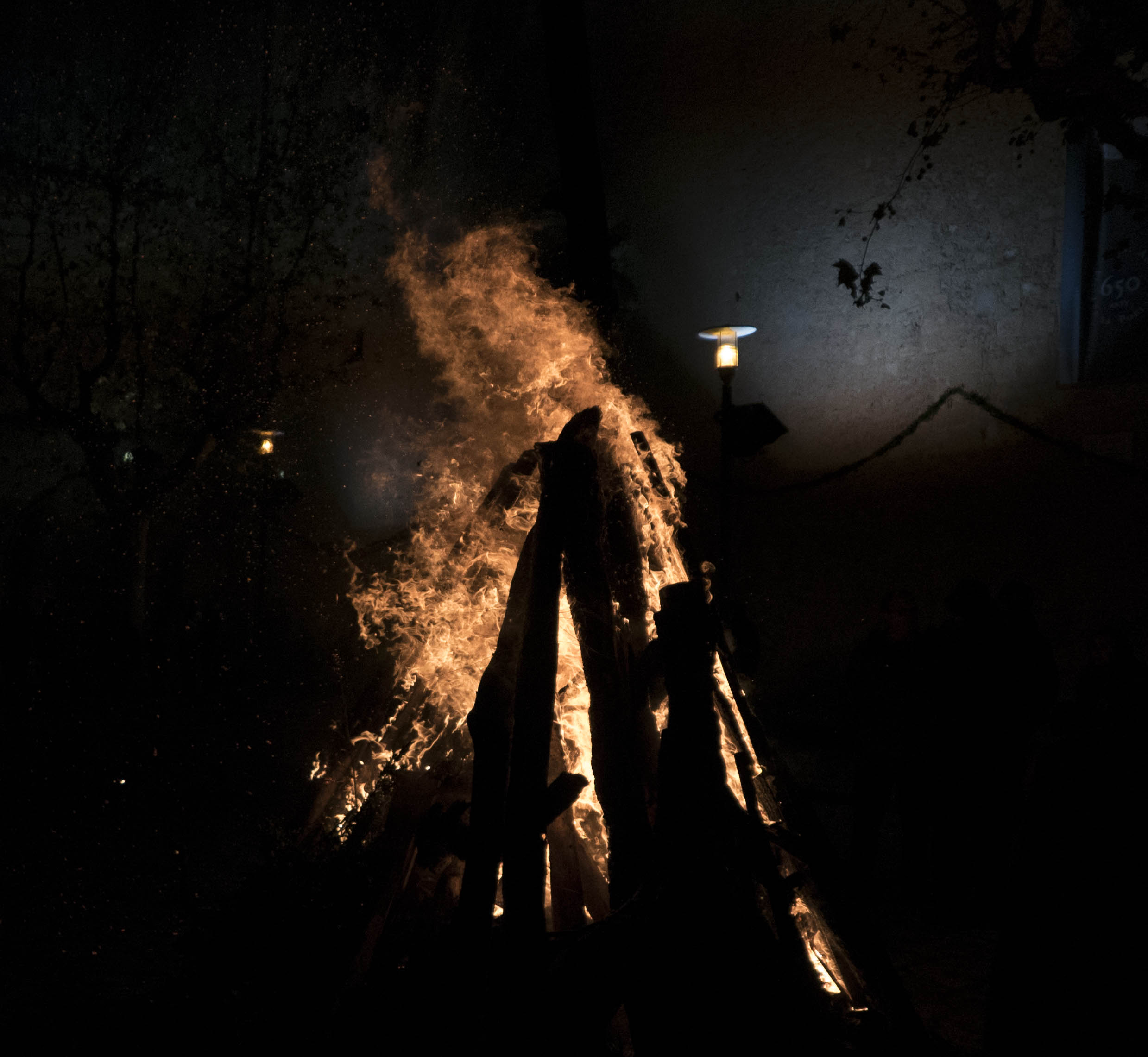
Fuegos de enero • Fires of January


«Solo una débil luz brilla con luz trémula, como un punto minúsculo en un enorme círculo de tinieblas. Esa débil luz no es más que una señal que el alma apenas tiene el valor de percibir, con la duda de que la luz misma no sea un sueño y el círculo de negrura la realidad.» (Vasili Kandinski) “Only a feeble light glimmers like a tiny star in a vast gulf of darkness. This feeble light is but a presentiment, and the soul, when it sees it, trembles in doubt whether the light is not a dream, and the gulf of darkness reality.” (Wassily Kandinsky)


«¿Has examinado la anchura de la tierra? Cuéntamelo, si lo sabes todo. ¿Por dónde se va a la casa de la luz? ¿Dónde viven las tinieblas?» (Libro de Job)“Have you comprehended the vast expanses of the earth? Tell me, if you know all this. What is the way to the abode of light? And where does darkness reside?” (Book of Job)


Sa Pobla, Mallorca, la noche de / the night of Sant’Antonio

Come with us to Mallorca!


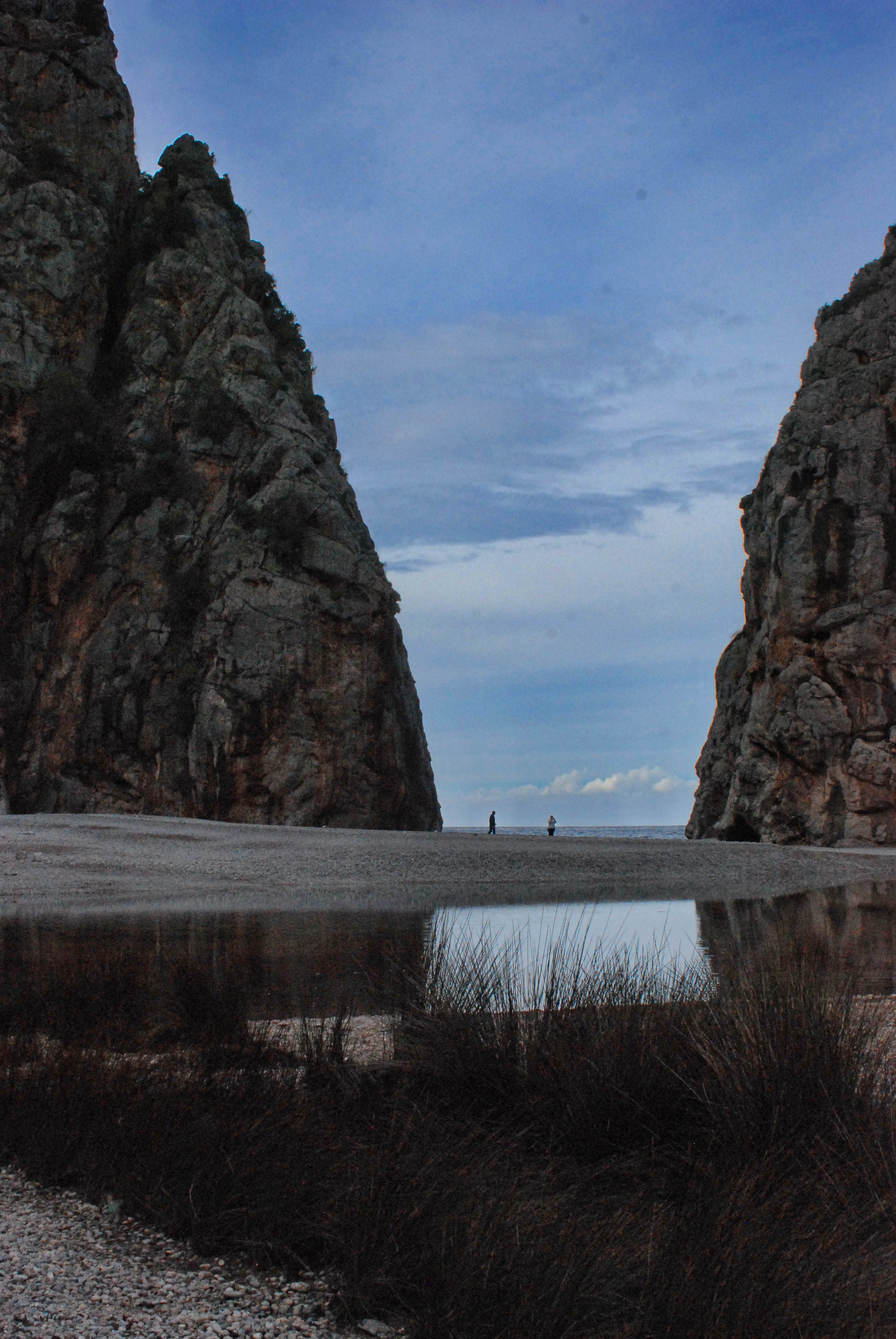
As it is already a tradition in río Wang, we invite our fellow travelers to the first trip of the new year to our second home, Mallorca, for a long weekend between 15 and 18 January, Friday to Monday. The old readers of río Wang, who have been following our adventures in Mallorca for almost ten years, already know what to expect. The new readers should have a look at the joint report of our last year’s trip to Mallorca.


The three highlights of our journey, just like last year, are the three great rural feasts of the Mediterranean: the temptation of St. Anthony on the eve of his feast, 16 January, and on the next day the blessing of the animals as well as the carnival march of the demons through the streets of Palma. But we go this time to Mallorca also in order to have a week of warm spring in the middle of the winter, in that single month when there are almost no foreigners there, and the island lives its own traditional life. We will make several excursions in the stunning Western Mountains, to the Valldemossa Abbey made famous by Chopin, the hermitage of Raimundus Lullus and the seaside castle of Archduke Ludwig Salvator of Hapsburg, the model of Verne’s Mathias Sandorf. We will walk along the pristine western coast, on the way of the messengers, and in the valley of the Pareis mountain river. We will see Arab castles turned into Renaissance manor houses ad Phoenician necropolis. We will visit the medieval old town of Palma, preserving ancient and Arab memories, and will make a special tour in the Jewish quarter, where – uniquely in Spain – still there live the descendants of the medieval Jewish residents. In short, we will see all what tourists never see in Mallorca, and about which most people do not even know that it exists in this beautiful and archaic island.


Our accommodation will be in Palma de Mallorca, near the old town. We will wander about the island by bus, train and on foot. We will visit a number of traditional and modern trattorias, except when we will eat roasted pig in the open air feasts. The participation fee is 350 euro, which includes accommodation (one bed in a two-bed room), bus and guide. Application deadline: the evening of 15 December. On the basis of the number of participants I will publish the next day the exact participation fee and the detailed roadmap. To our large-scale year-opening journey everyone is warmly welcome.


mallorcainvitation2 mallorcainvitation2 mallorcainvitation2 mallorcainvitation2 mallorcainvitation2 mallorcainvitation2 mallorcainvitation2 mallorcainvitation2 mallorcainvitation2 mallorcainvitation2 mallorcainvitation2 mallorcainvitation2 mallorcainvitation2 mallorcainvitation2 mallorcainvitation2 mallorcainvitation2 mallorcainvitation2 mallorcainvitation2 mallorcainvitation2 mallorcainvitation2 mallorcainvitation2 mallorcainvitation2 mallorcainvitation2 mallorcainvitation2 mallorcainvitation2 mallorcainvitation2