Switch over to our new blog! • ¡Pásese a nuestro nuevo blog!

The renewed version of our blog, with more features, a richer design, and available in nine languages, can be read here: https://wangriver.com

The new version also includes the old posts, often in expanded form. If you are curious about the updated version of this post, replace “riowang.blogspot.com/” in the URL with “riowang.studiolum.com/”, and the new link will most likely lead you there.


La versión renovada de nuestro blog, con más herramientas, un diseño más rico y disponible en nueve idiomas, se puede leer aquí: https://riowang.com

La nueva versión también incluye las publicaciones antiguas, a menudo en una forma ampliada. Si tiene curiosidad por la versión actualizada de esta entrada, sustituya «riowang.blogspot.com/» en la URL por «riowang.studiolum.com/es/», y el nuevo enlace probablemente le llevará allí.

Mostrando entradas con la etiqueta Etruscan. Mostrar todas las entradas

The Etruscan bronzes of San Casciano

A new exhibition at the James-Simon-Galerie in Berlin offers a vivid glimpse into how the Etruscans used their votive figurines, showcasing one of the most sensational Etruscan finds of recent years: the bronzes of San Casciano.

San Casciano dei Bagni, officially one of the most beautiful small towns in Italy, is located in Tuscany, within the UNESCO World Heritage site of Val d'Orcia, 70 kilometers southeast of Siena. With its 42 abundant hot springs, it is the largest thermal zone in Italy and the third largest in Europe. Before the Roman expansion, the area belonged to the Etruscan city-state of Chiusi. According to Livy, the Balnea Clusina was discovered and developed into a therapeutic bath by King Porsenna of Chiusi. The bath remained popular throughout the Etruscan and Roman periods, with Horace even mentioning it in his Satires.

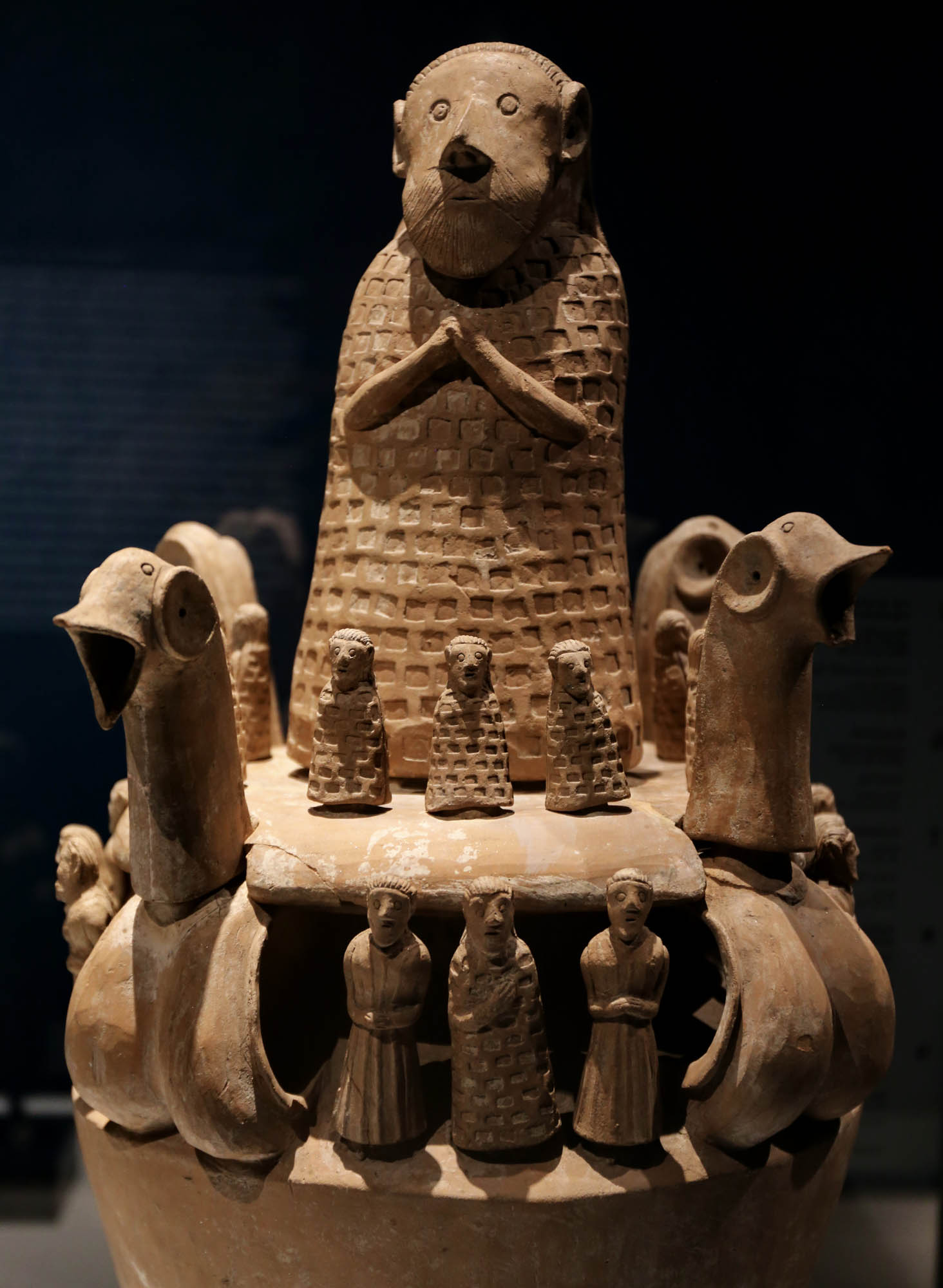
Etruscan funerary urn from Bettola, near San Casciano (debated in literature whether original or a 19th-century forgery)

sancasciano1sancasciano1sancasciano1sancasciano1sancasciano1sancasciano1sancasciano1sancasciano1sancasciano1sancasciano1

With the decline of the Roman Empire and its bathing culture, most of San Casciano’s thermal baths closed, though some are still in use today. Over the Bagno Grande, the Medicis built a new bath in 1575, during which several Etruscan-Roman relics were found. The exhibition includes an altar dedicated to Apollo, Asclepius, and Hygieia—the gods of healing—along with a statue of a Bathing Aphrodite (a popular Hellenistic sculpture type mentioned by Pliny as Venus Daedalsas), and numerous small bronze votive statues.
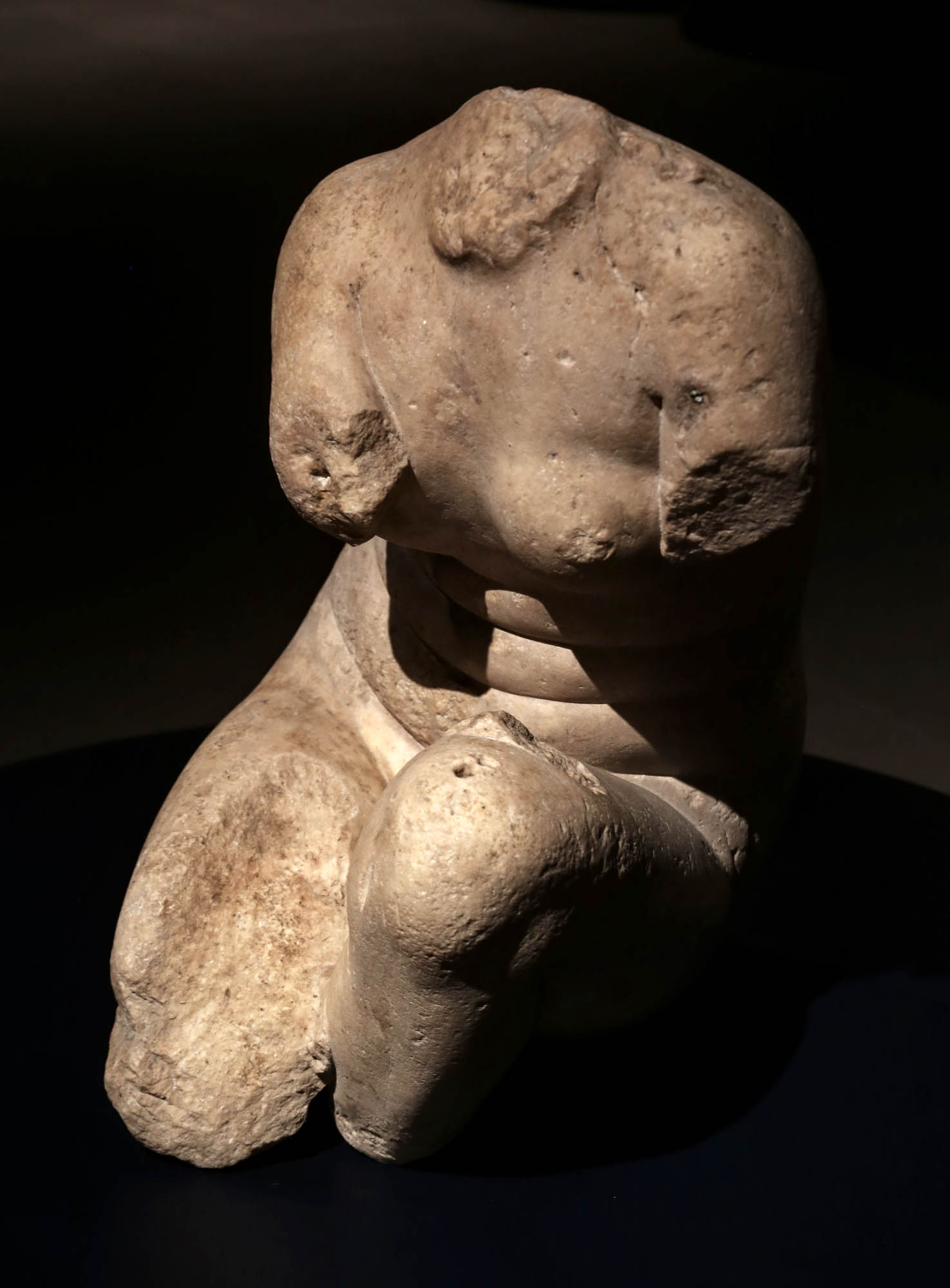
sancasciano2 sancasciano2 sancasciano2 sancasciano2 sancasciano2 sancasciano2 sancasciano2 sancasciano2 sancasciano2 sancasciano2 sancasciano2 sancasciano2 sancasciano2 sancasciano2 sancasciano2

In 2018, new excavations began in the Bagno Grande area. Notably, the entire excavation was funded by the municipality, and in return, the archaeologists published their latest results at the town hall and regularly held guided tours of the excavation site.

The excavations led to sensational results during the Covid (2020-2022). Next to the still-functioning bath, an Etruscan bath sanctuary was uncovered, dating back to the 3rd century BCE. For seven centuries, bathers hoping for healing continuously enriched the site with bronze and other votive offerings.
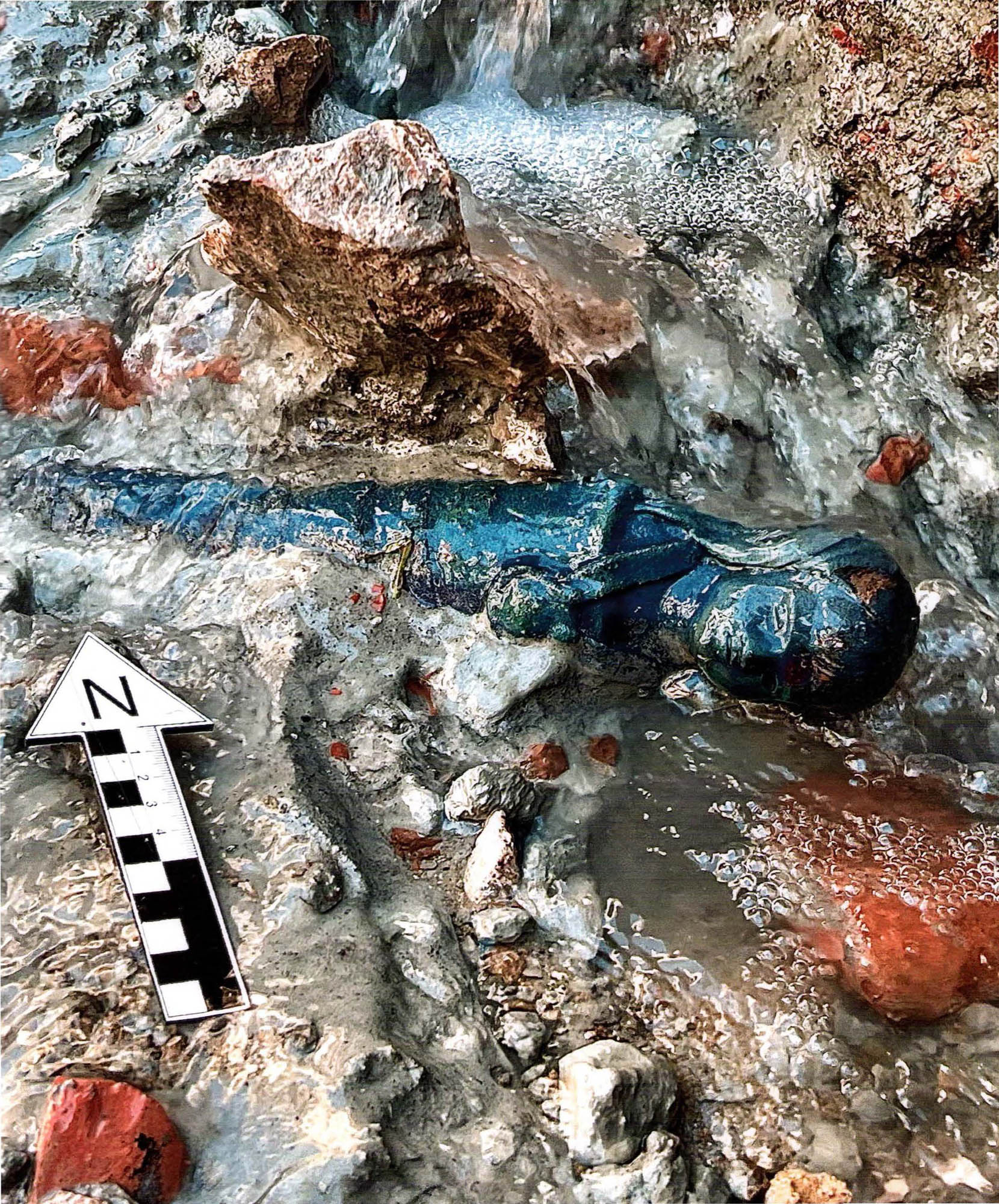
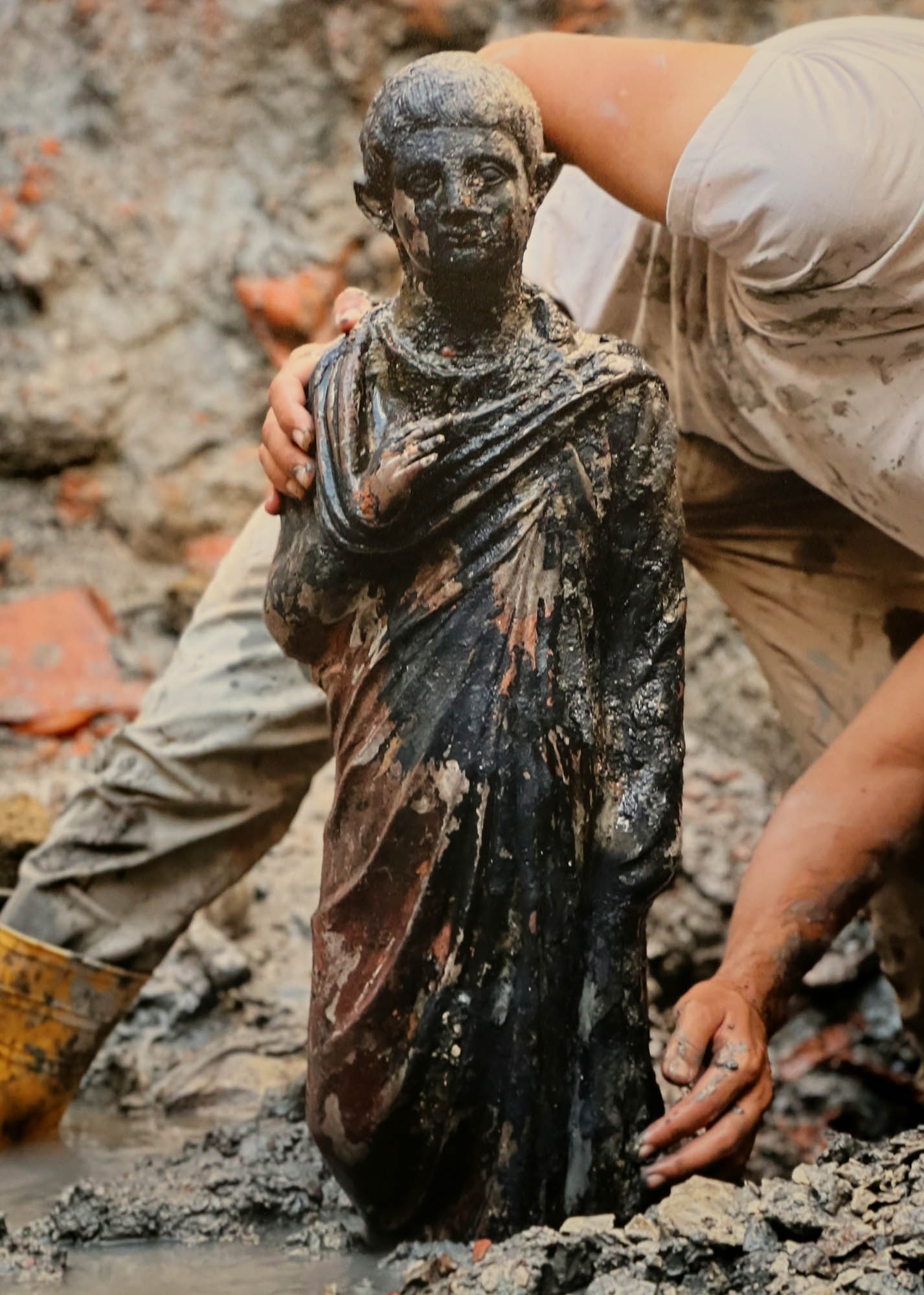
The earliest items, dating from the 3rd century BC to the 1st century AD, were found under a layer of terracotta tiles, on top of which a bronze lightning bolt had been placed. This suggests that the bath was struck by lightning in the 1st century CE. According to ars fulguratoria, the Etruscan “lightning interpretation”, objects kept in sacred spaces had to be buried when such a strike occurred. From then on, votive objects were placed on top of the tile layer, continuing until the 4th century.
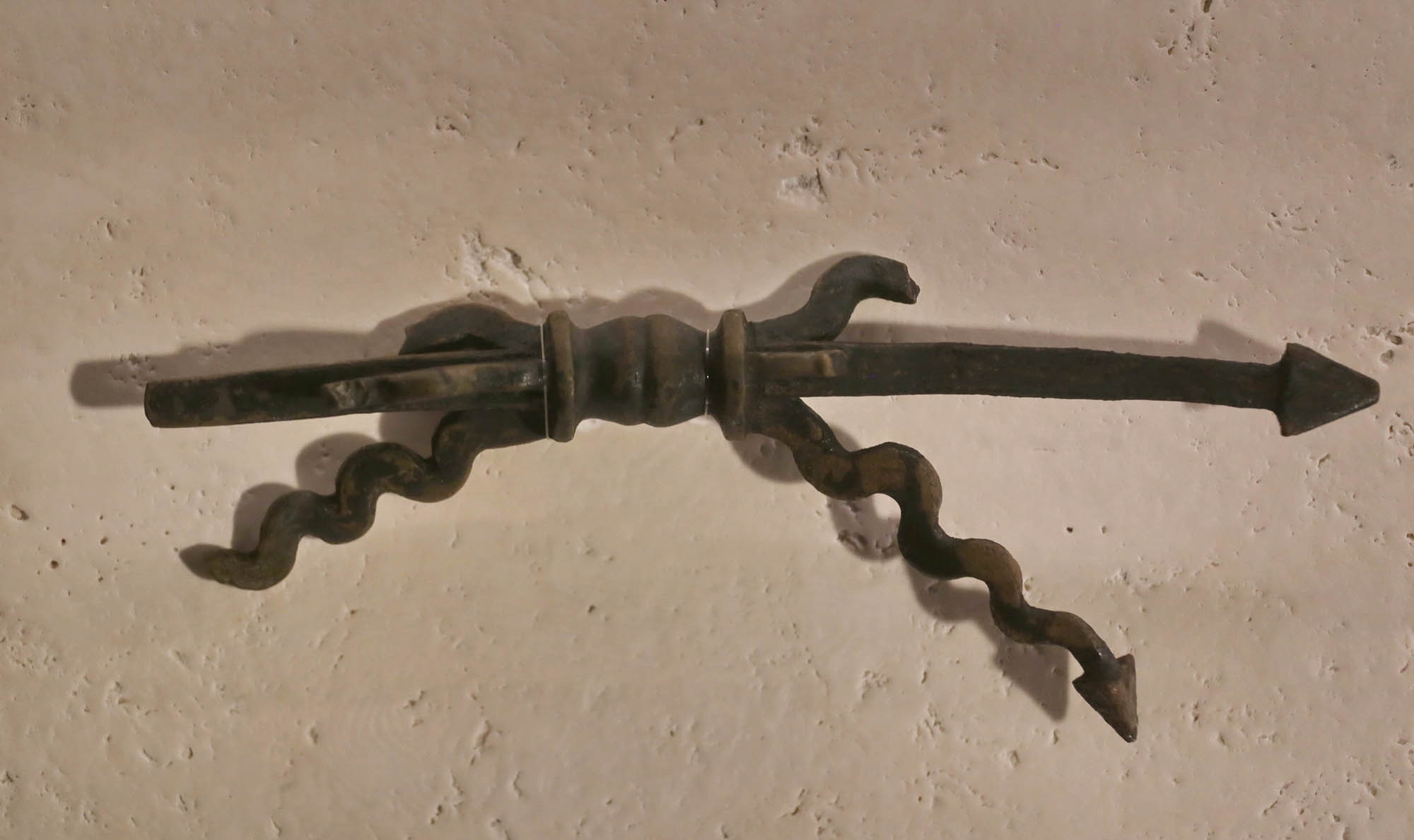
Bronze lightning bolt placed over votive objects

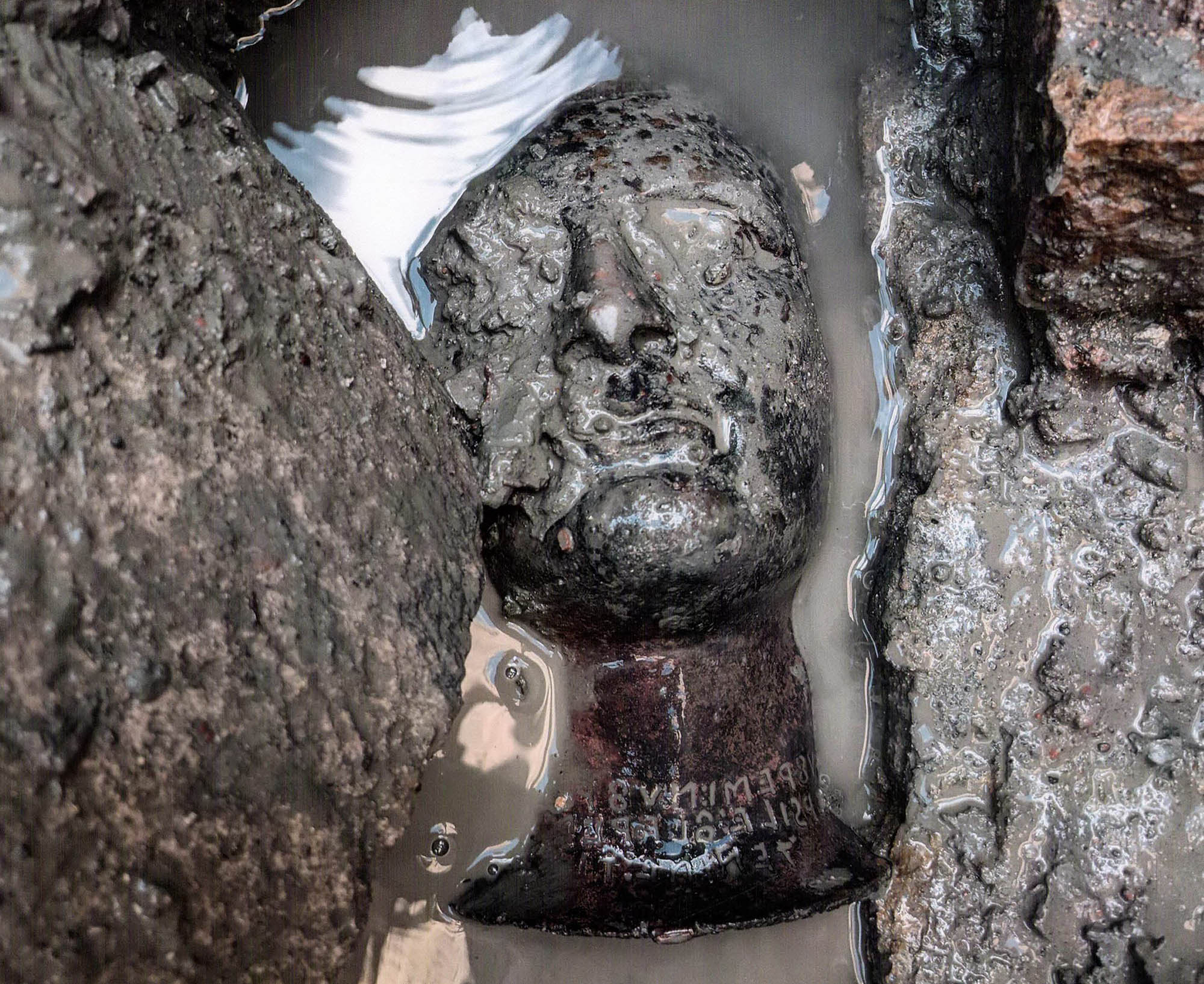
This ritual preserved for us many authentic Etruscan artifacts, even before Chiusi’s culture and language transitioned from Etruscan to Latin around the time of Christ’s birth. Some of these items bear donor inscriptions in Etruscan script. According to these inscriptions, the primary deity of the bath was the source goddess Flere Havens in Etruscan, or Fons Calidus in Latin. Alongside her were honored deities such as Fortuna Primigenia, Apollo (Aplus in Etruscan), and later Asclepius, Hygieia, and Isis.
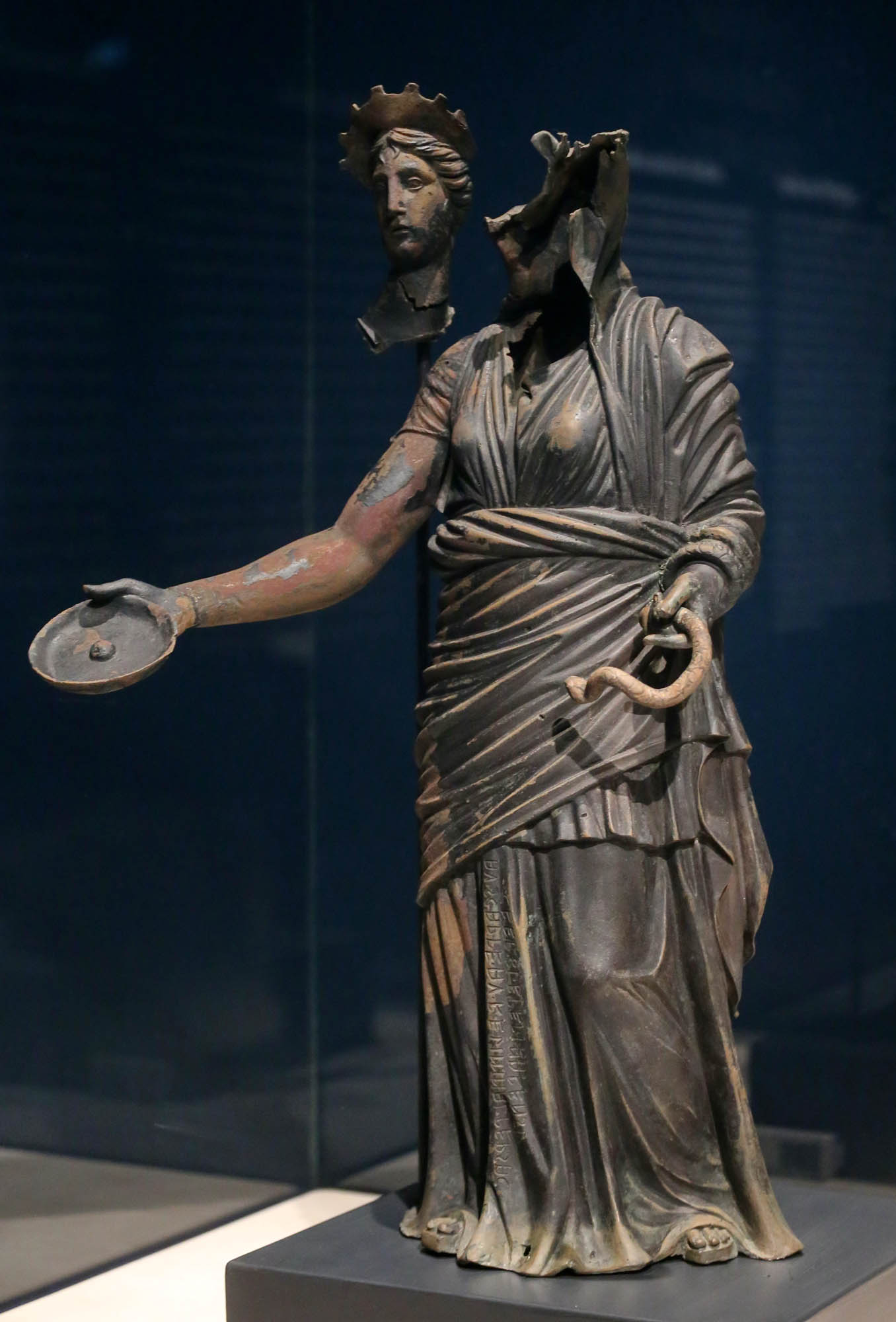
Flere Havens, Etruscan spring goddess among the buried objects, c. 150-100 BCE

sancasciano3 sancasciano3 sancasciano3sancasciano3sancasciano3sancasciano3sancasciano3sancasciano3sancasciano3sancasciano3sancasciano3sancasciano3sancasciano3sancasciano3sancasciano3sancasciano3 

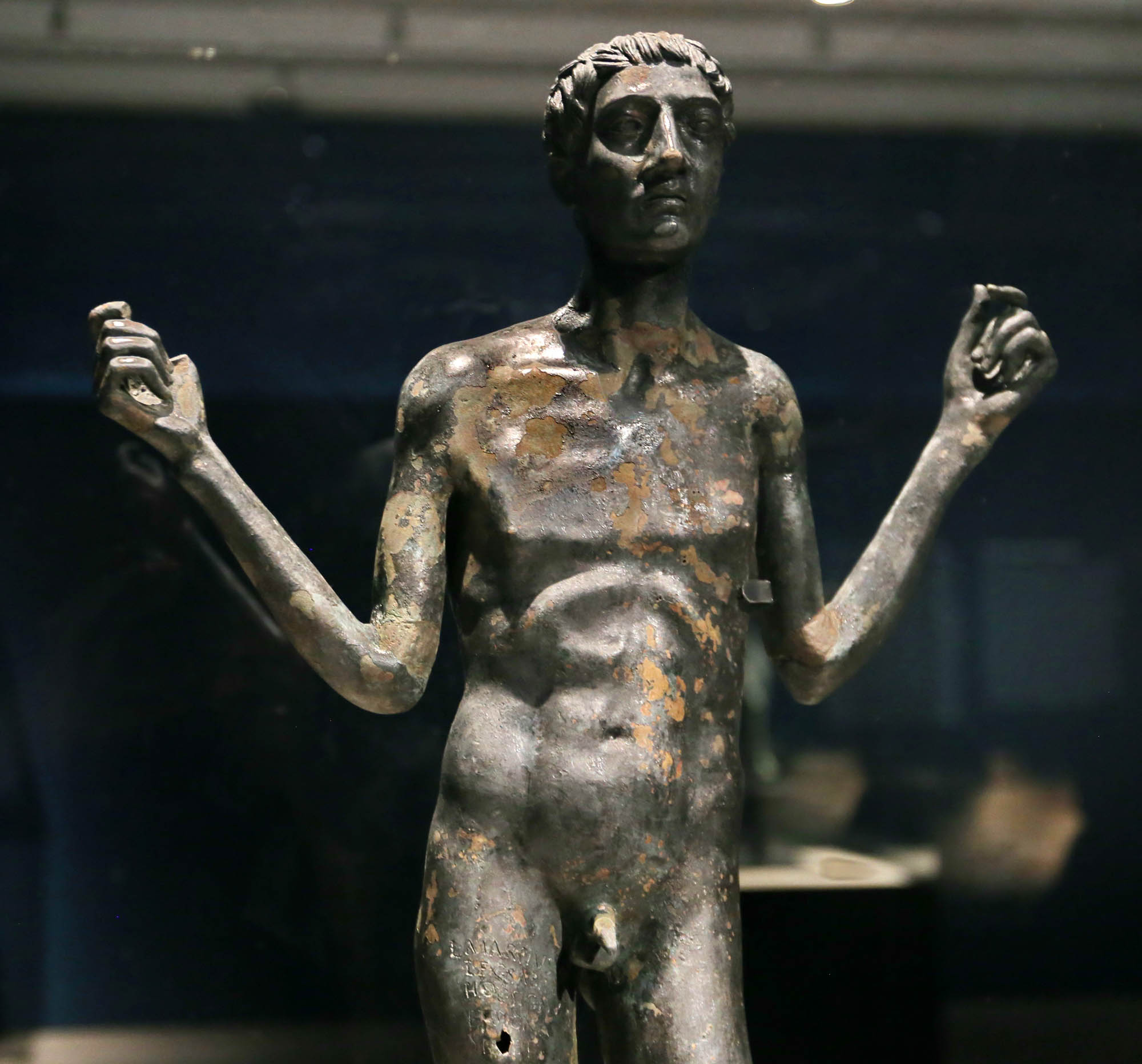
Lucius Marcus Grabillo’s votive statue to the spring goddess, Latin inscription, 1st century AD

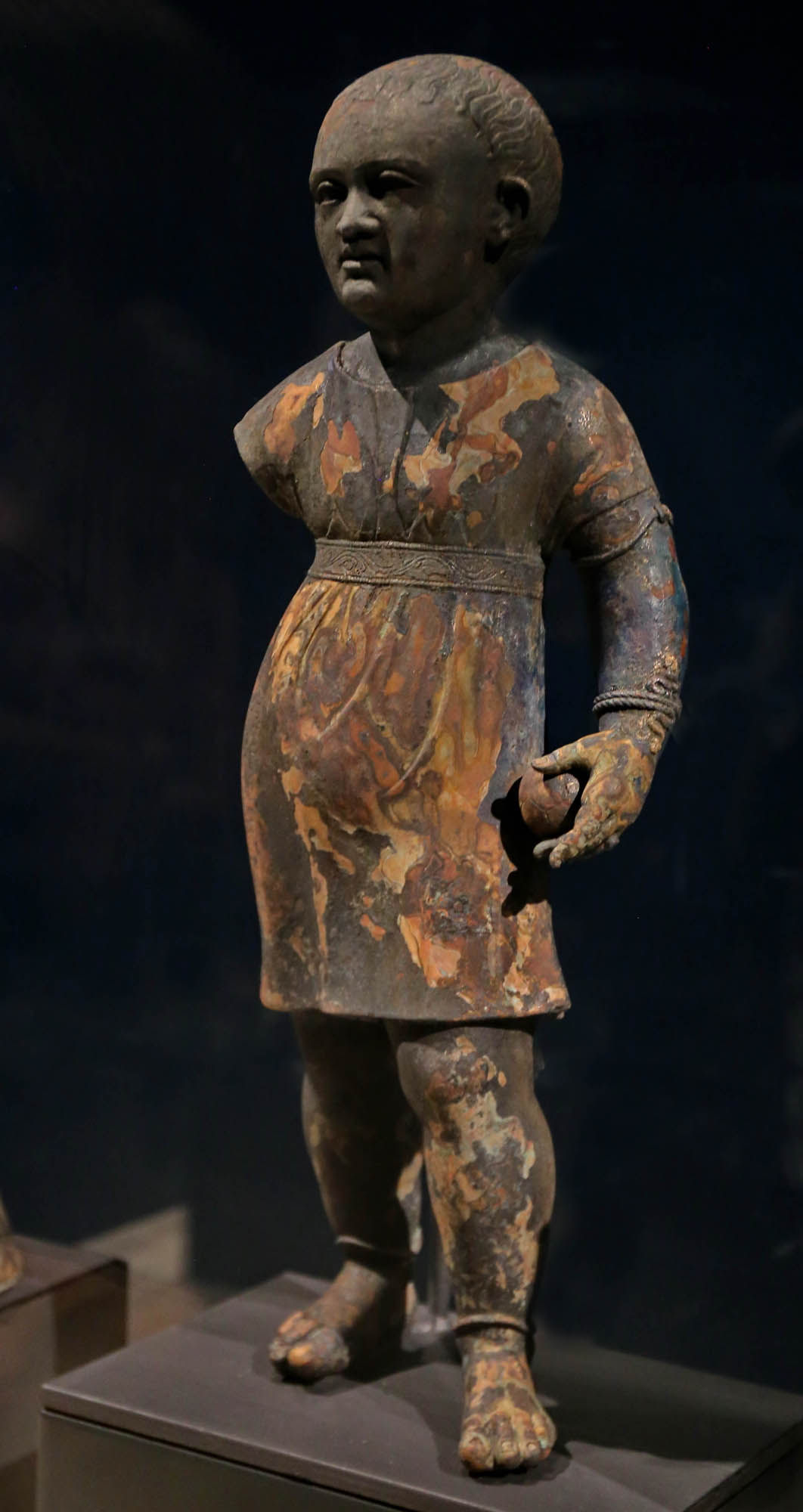
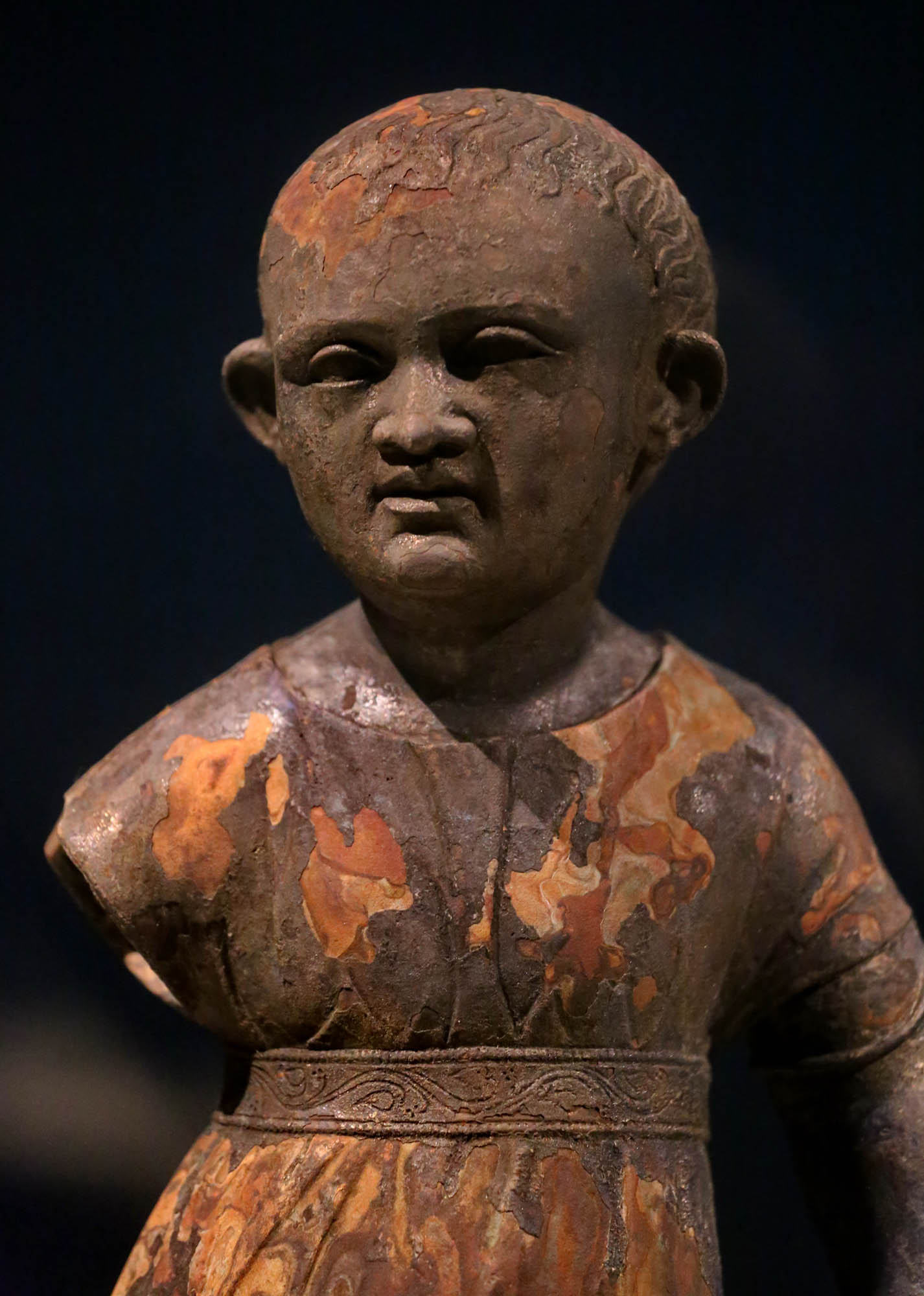
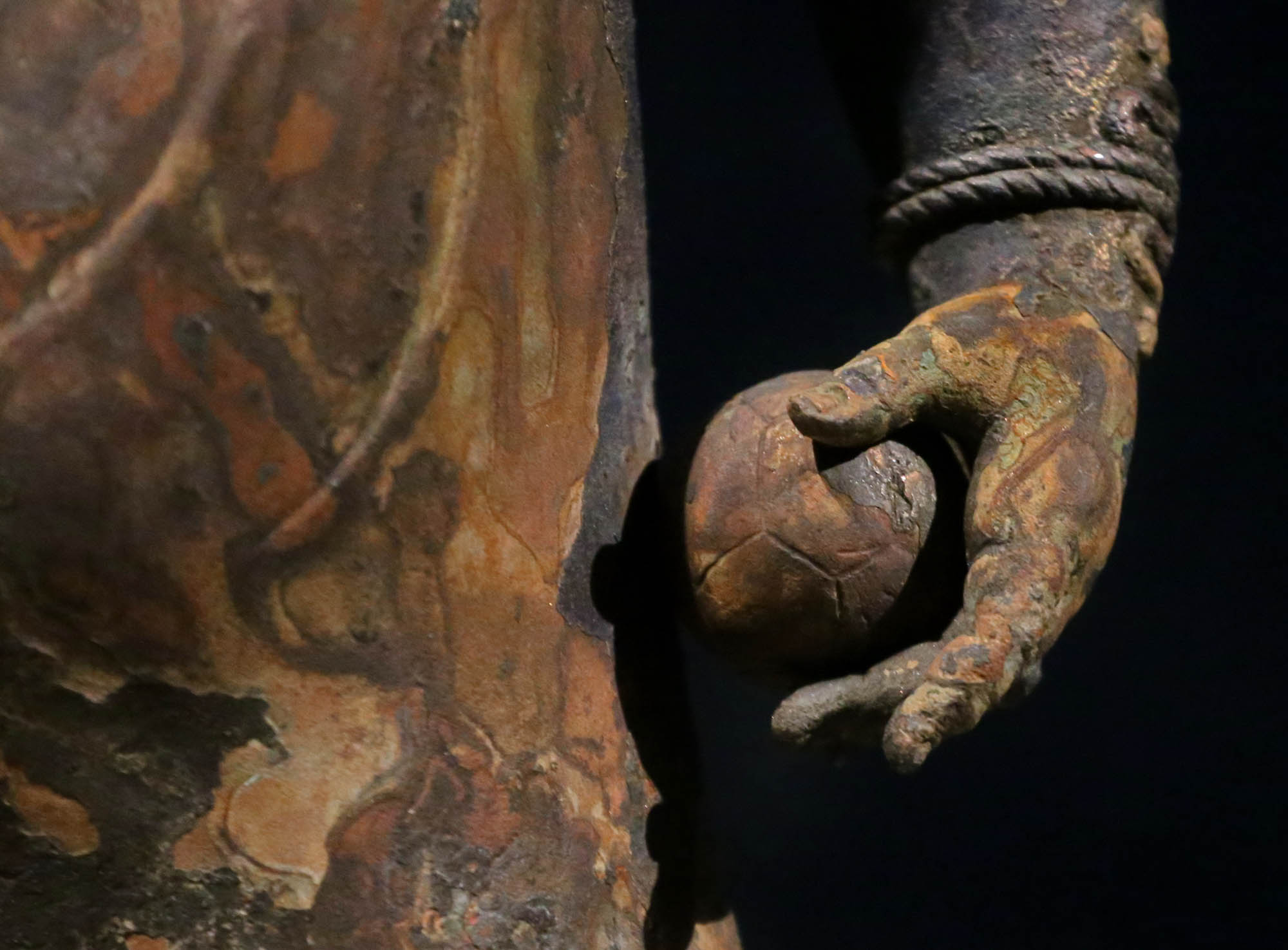
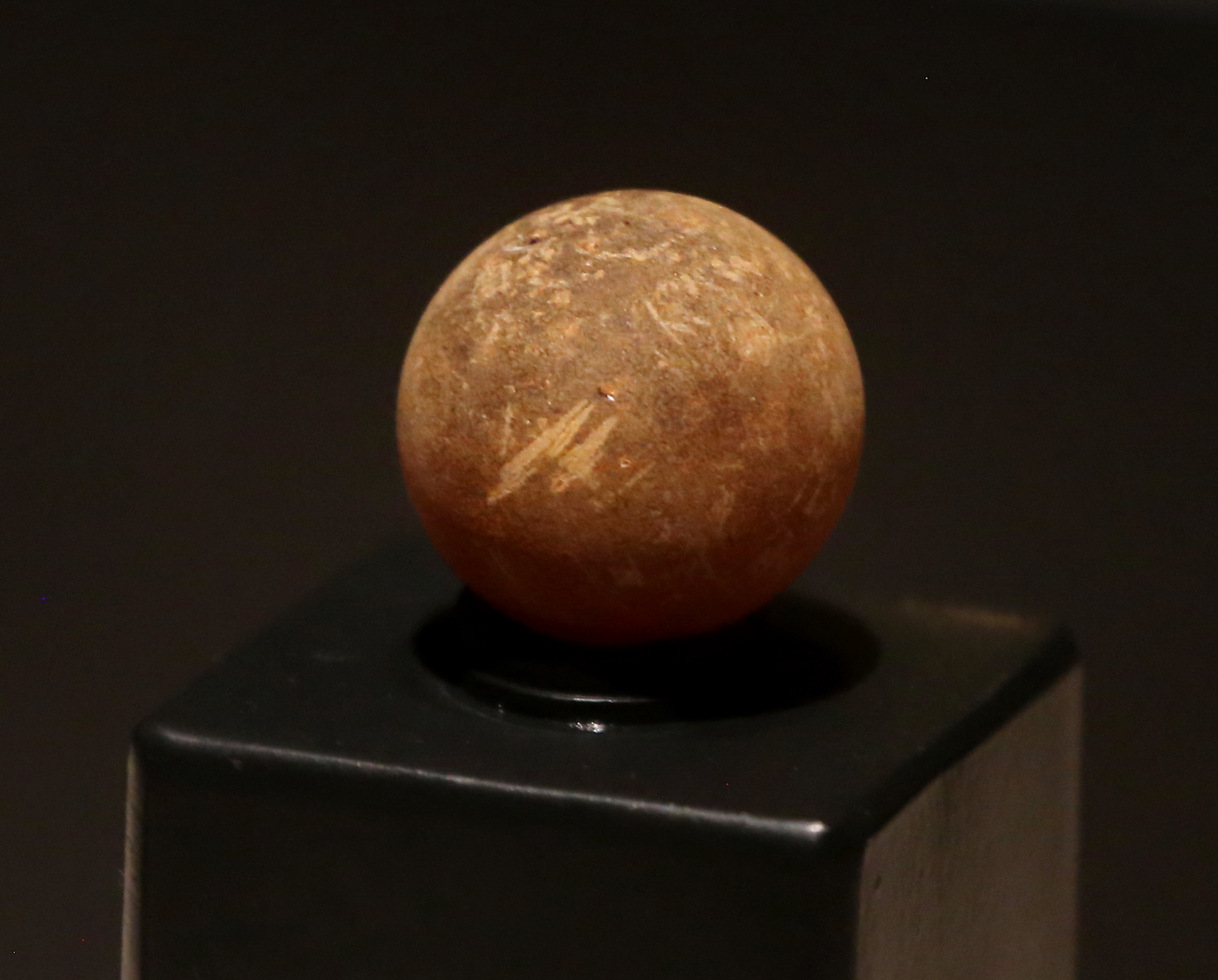
A small boy can be seen holding a sphere that still rolls—such spherical sculptures, even without the figures, were also found among the finds

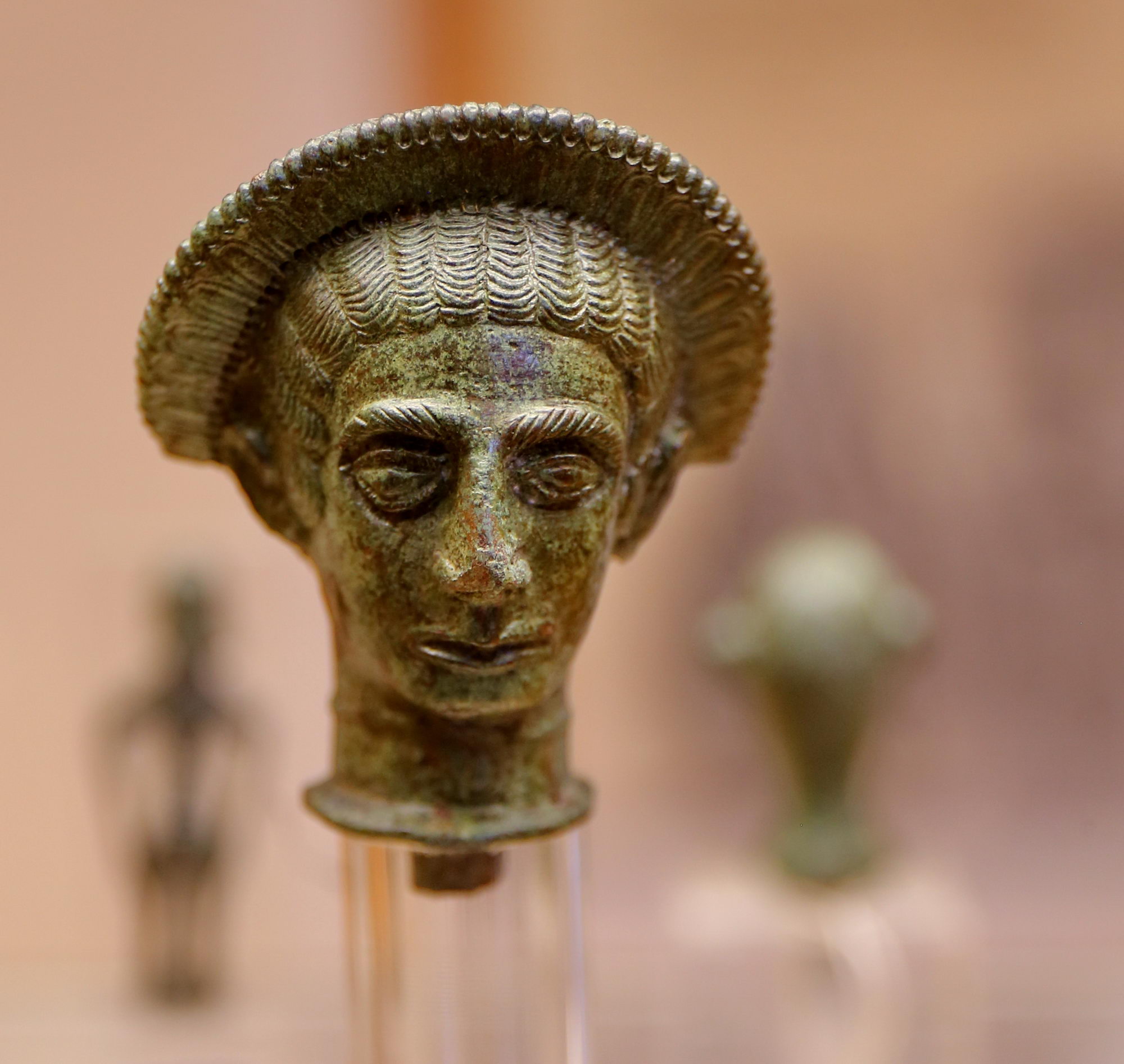
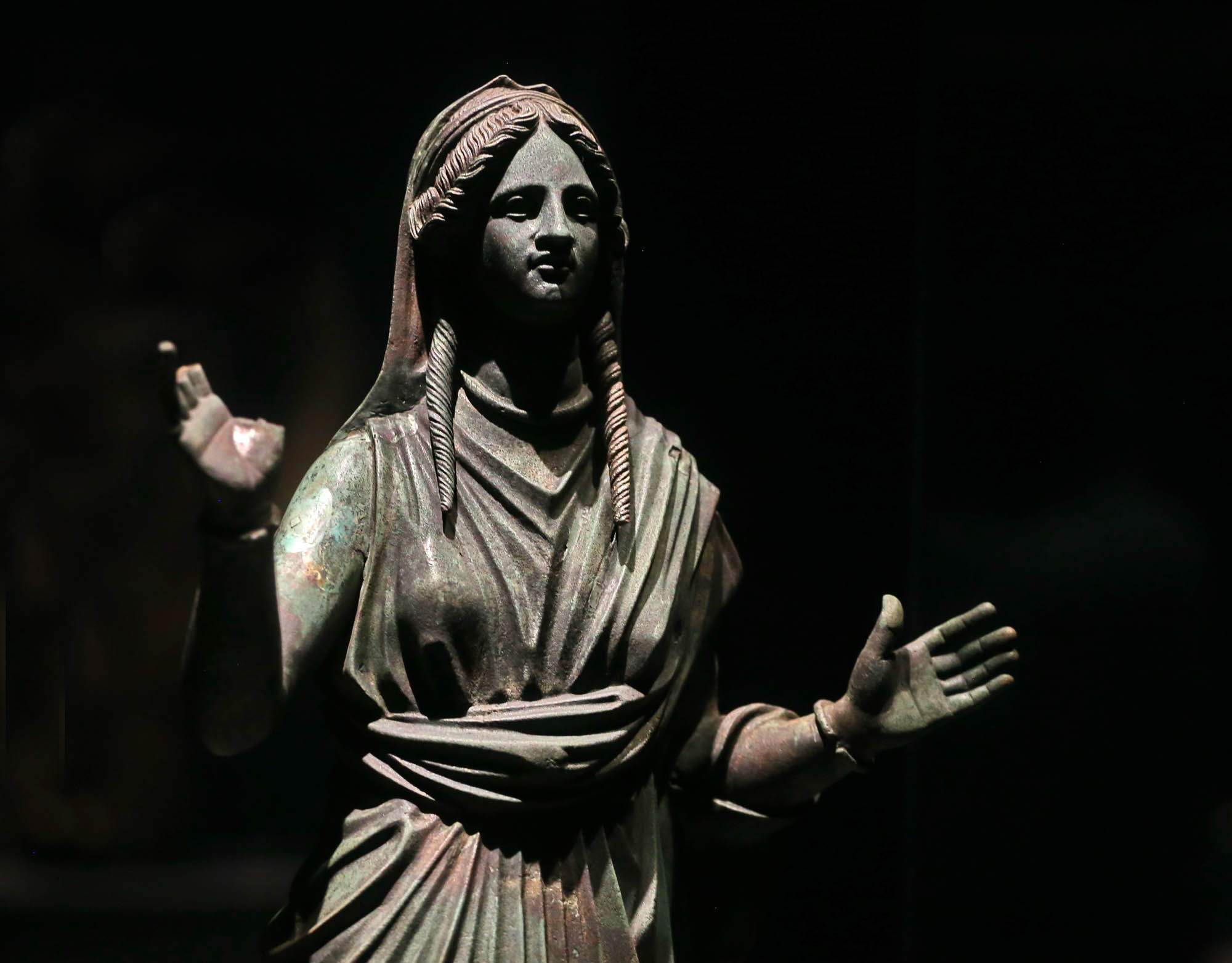
Numerous bronze male and female portrait statues have survived, most with Etruscan-language votive inscriptions on their necks or the back of their heads.
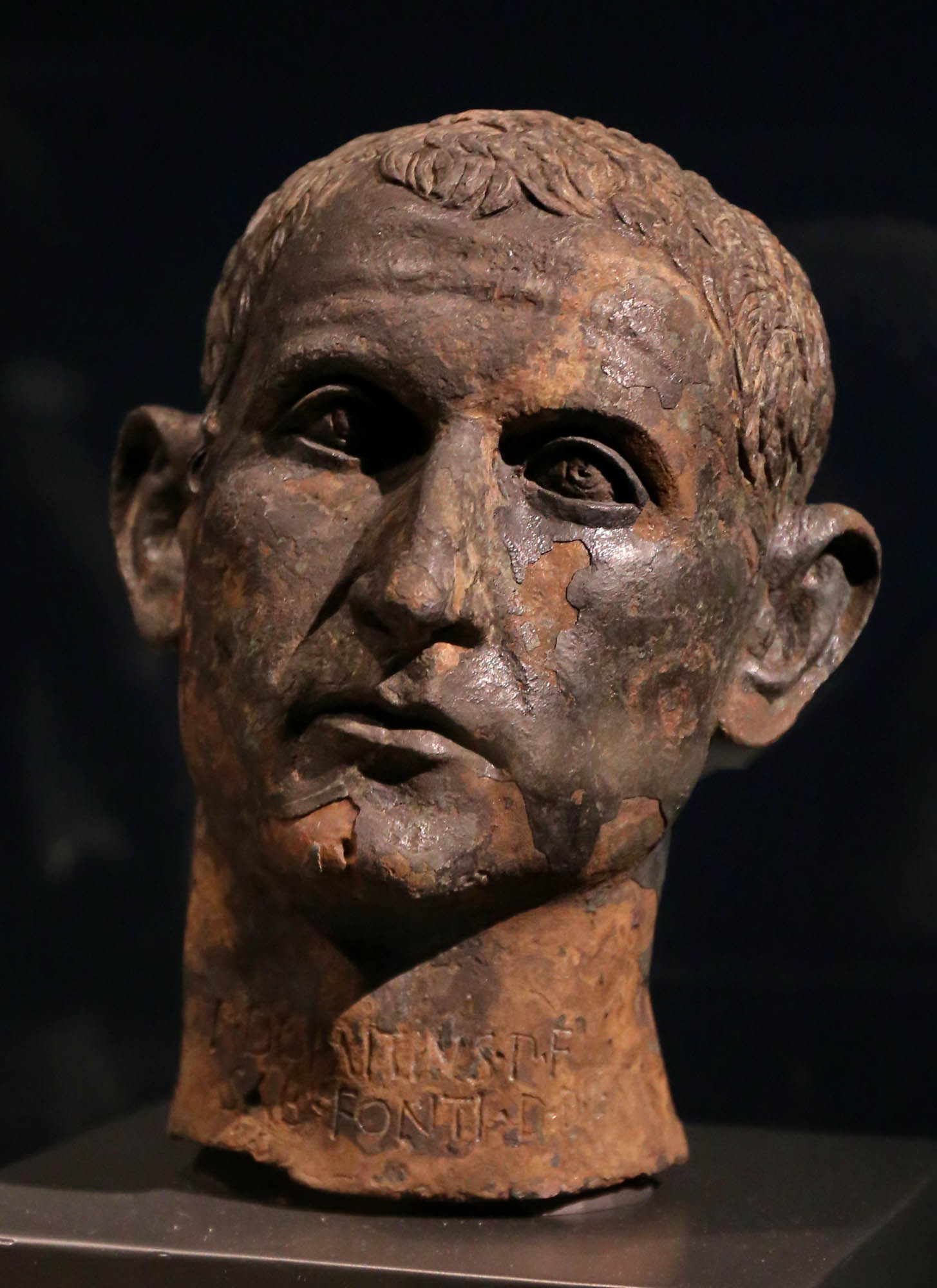
sancasciano4sancasciano4sancasciano4sancasciano4sancasciano4sancasciano4sancasciano4 

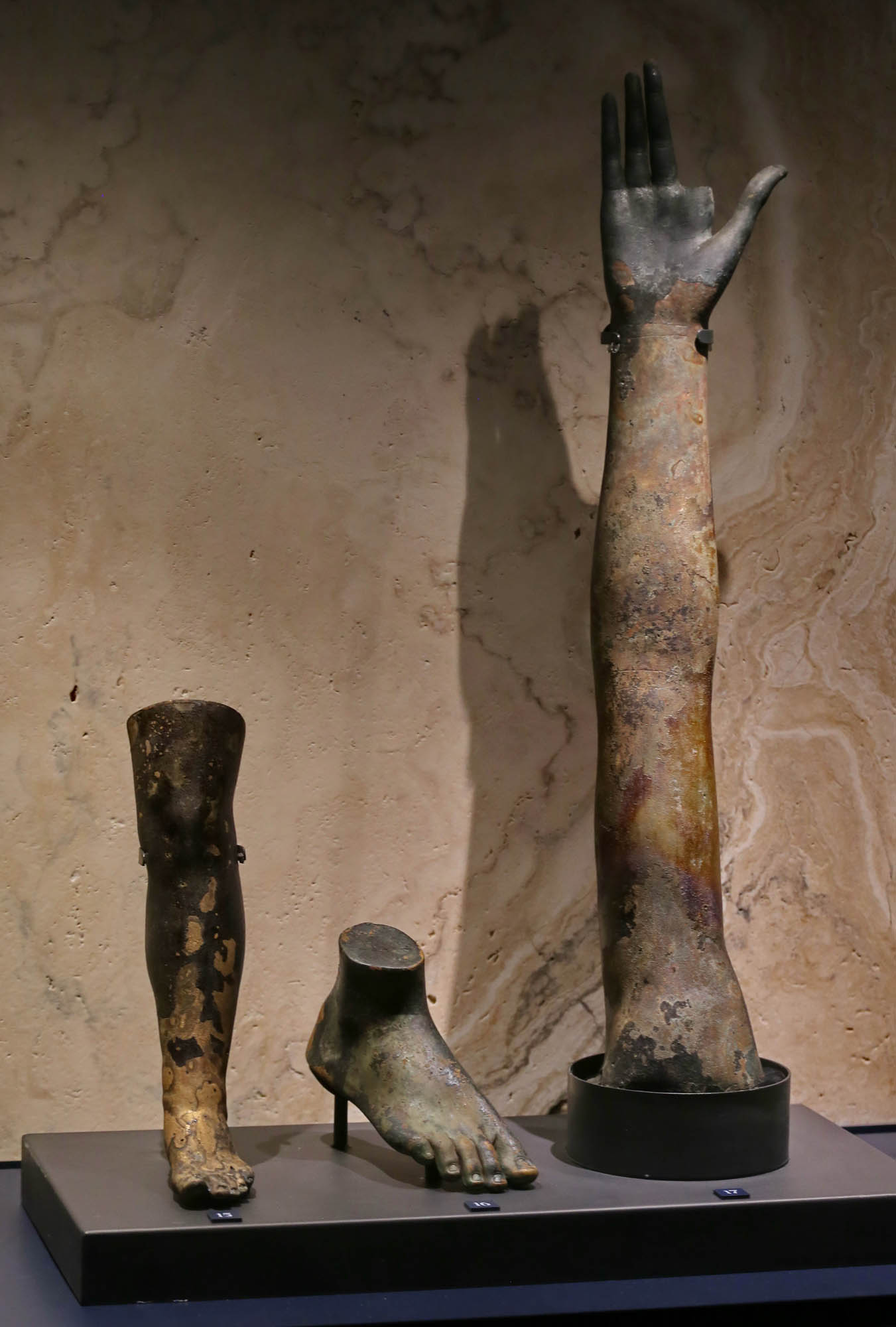
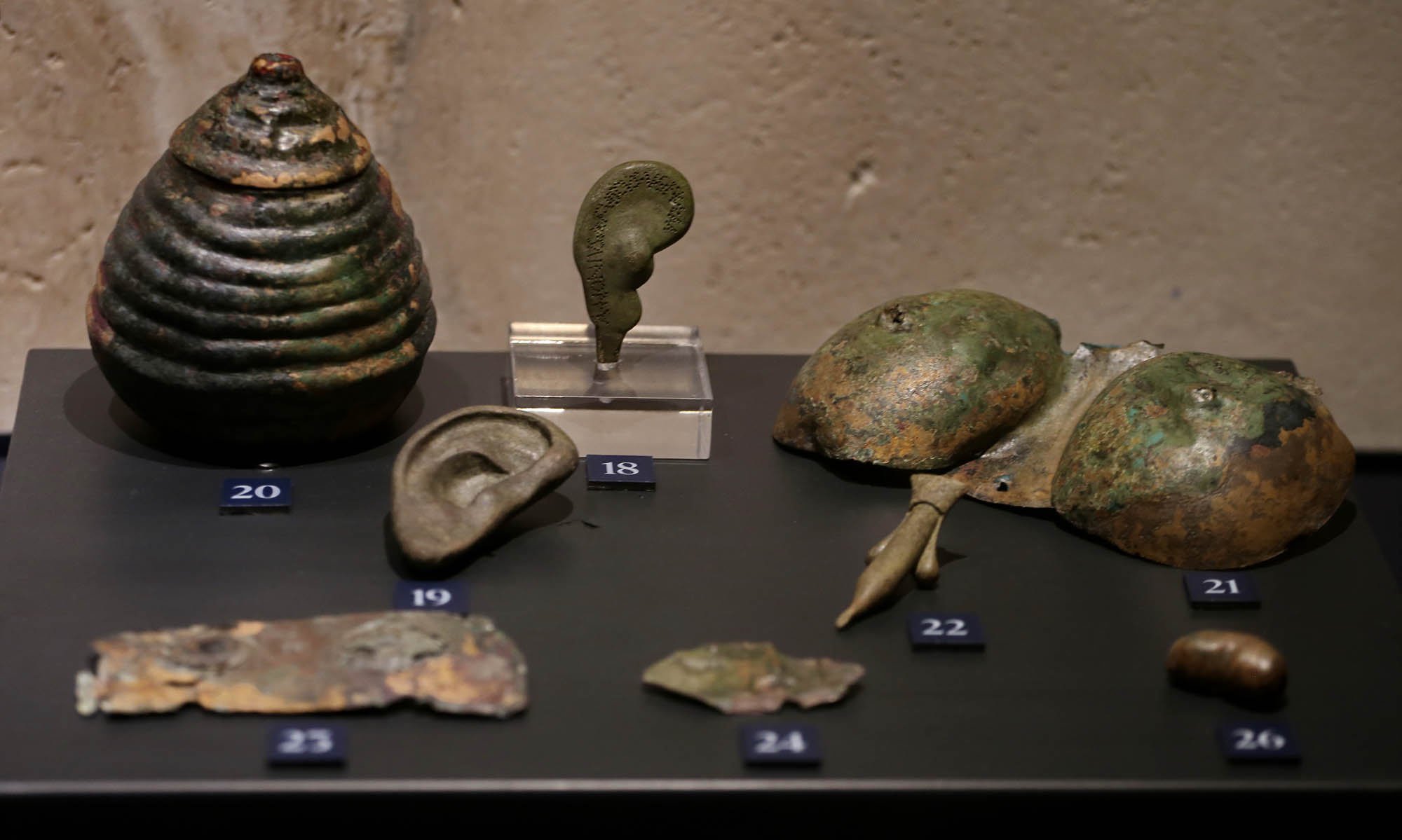
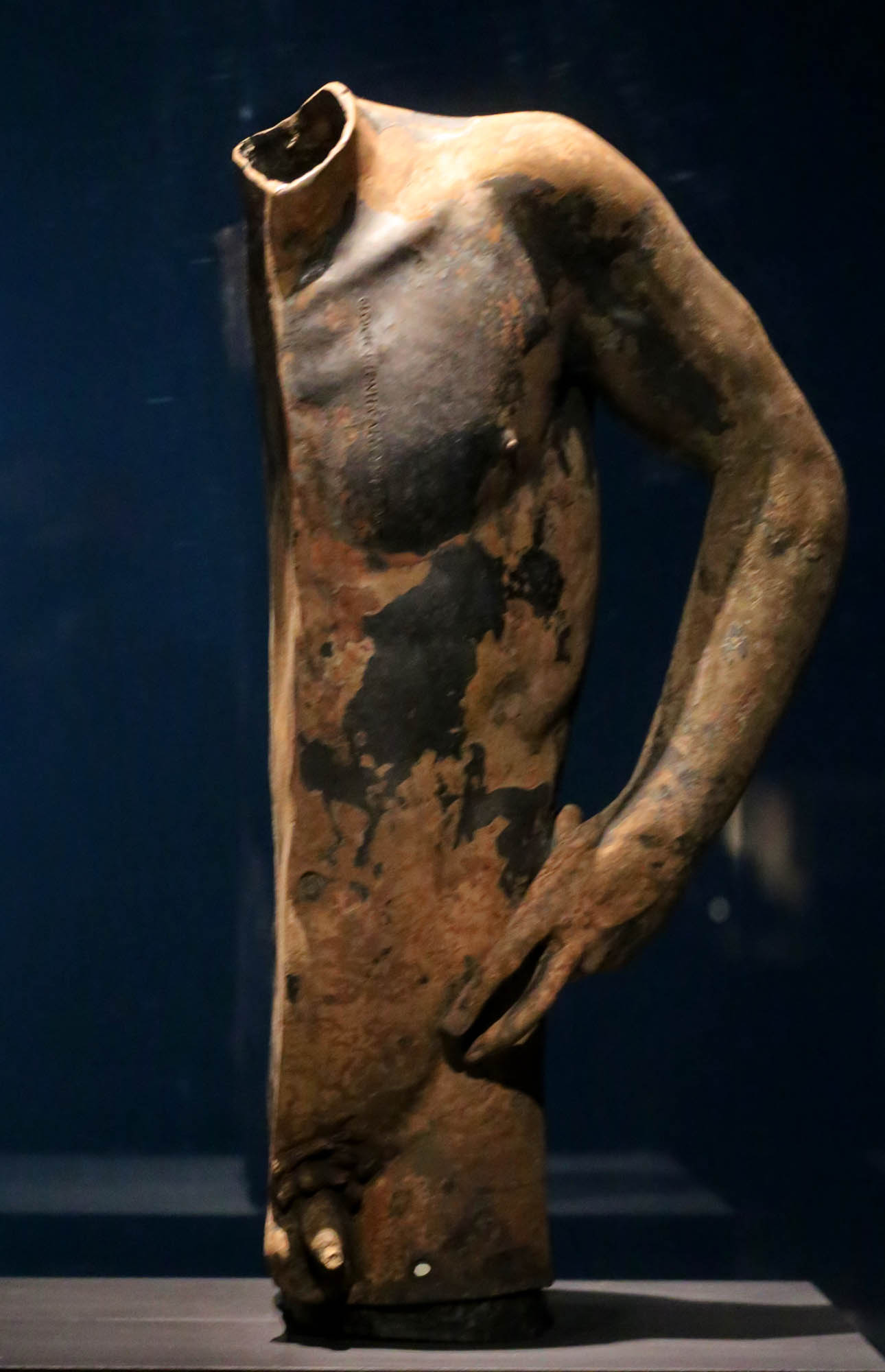
Many offerings were made in the form of bronze copies of body parts awaiting healing, including anatomical details like internal organs, limbs, breasts, and even a life-sized bronze male upper torso cut in half lengthwise.
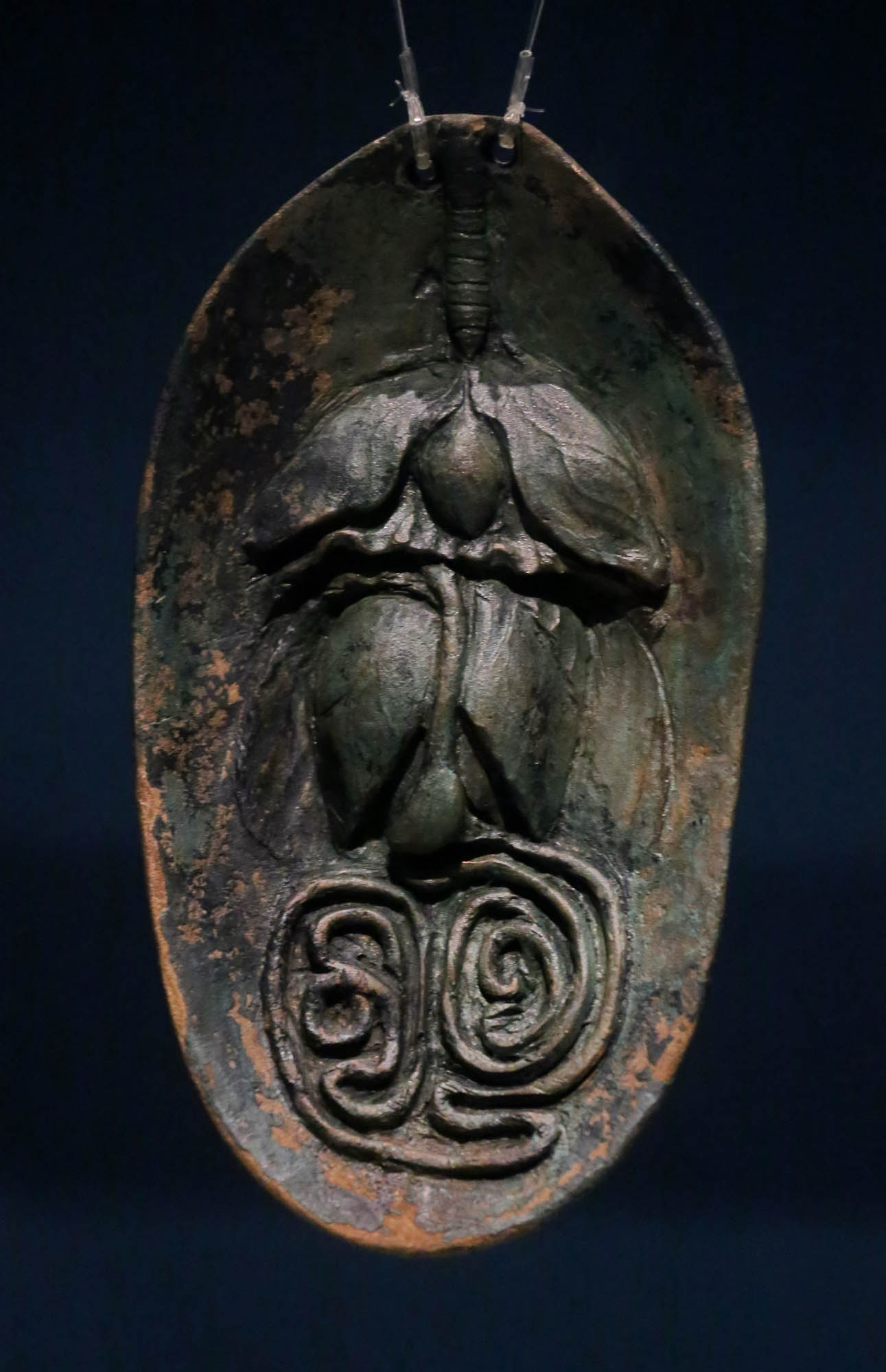
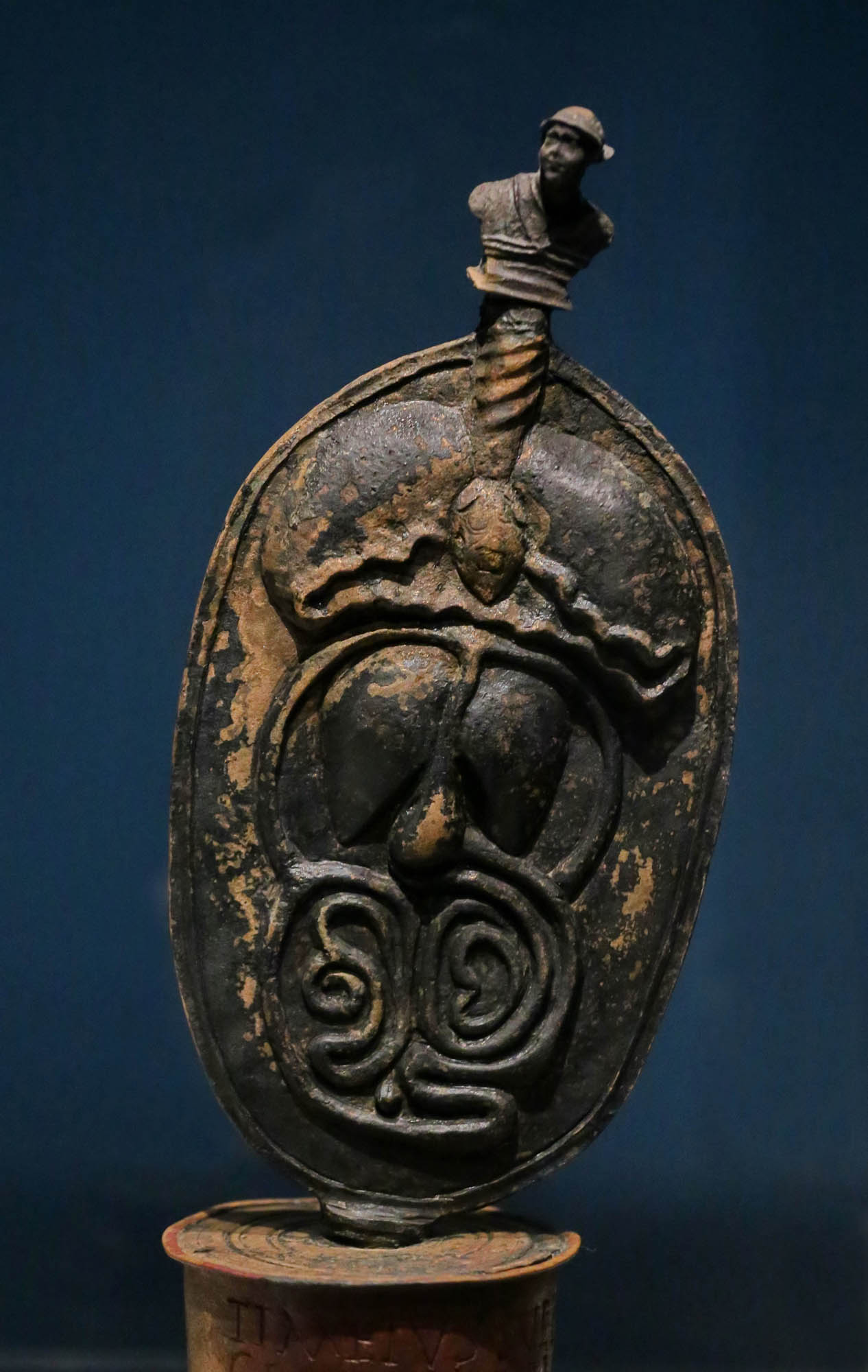
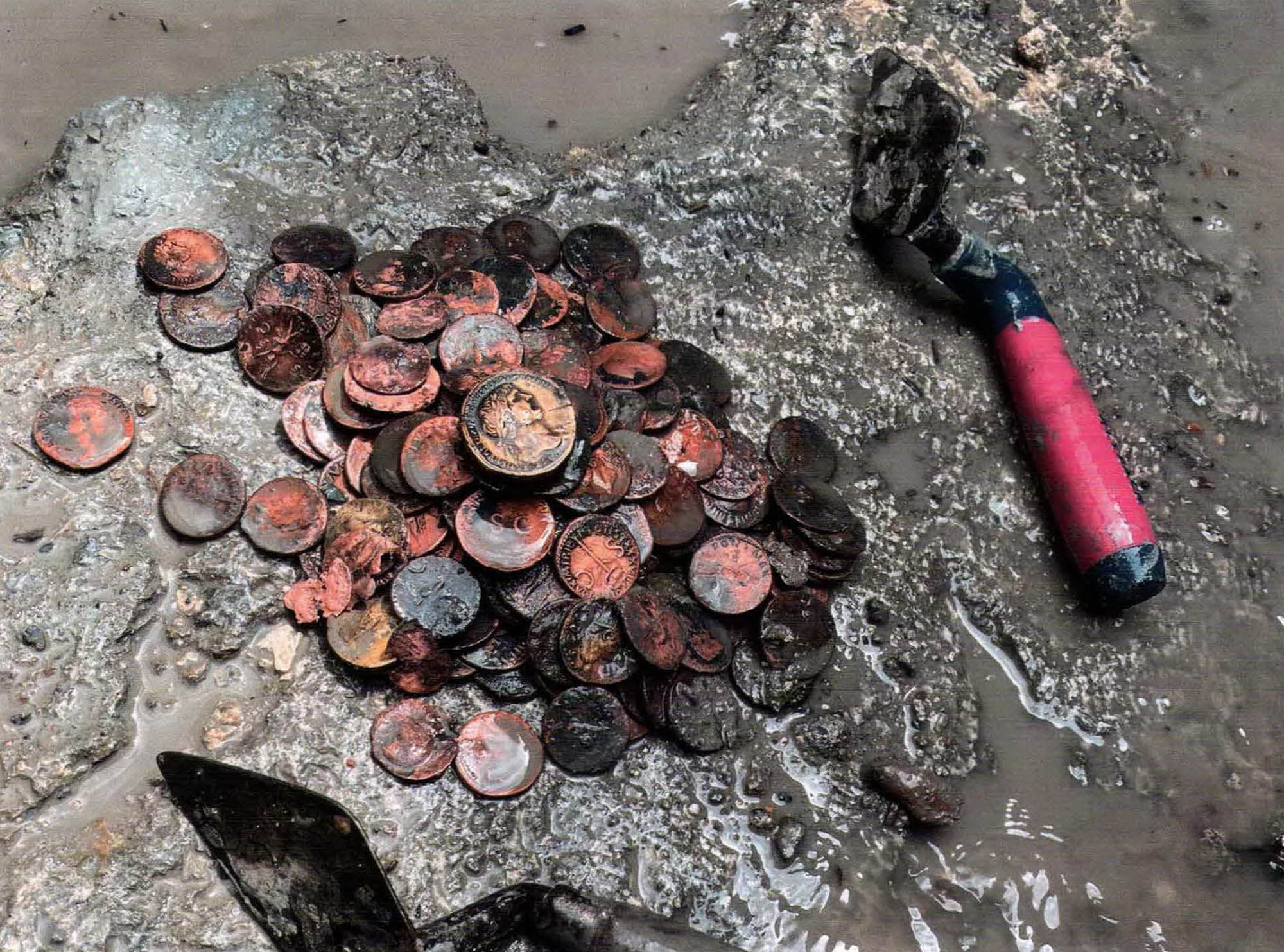
In addition to the bronze votive statues, the mud preserved remains of several crop sacrifices. Nearly 9,000 coins were also found, mostly gleaming copper coins, suggesting that the donors sourced them directly from the imperial mint.
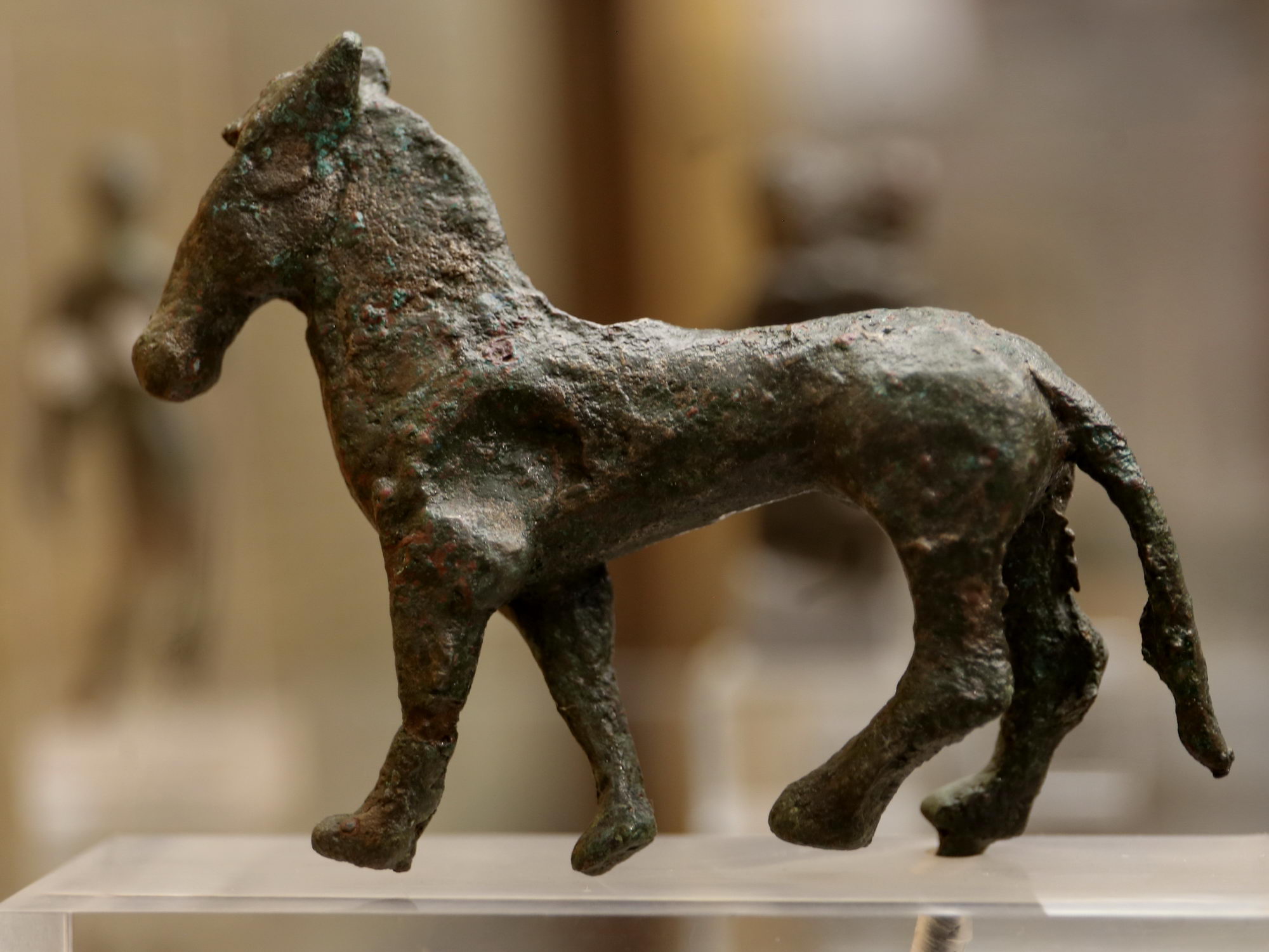
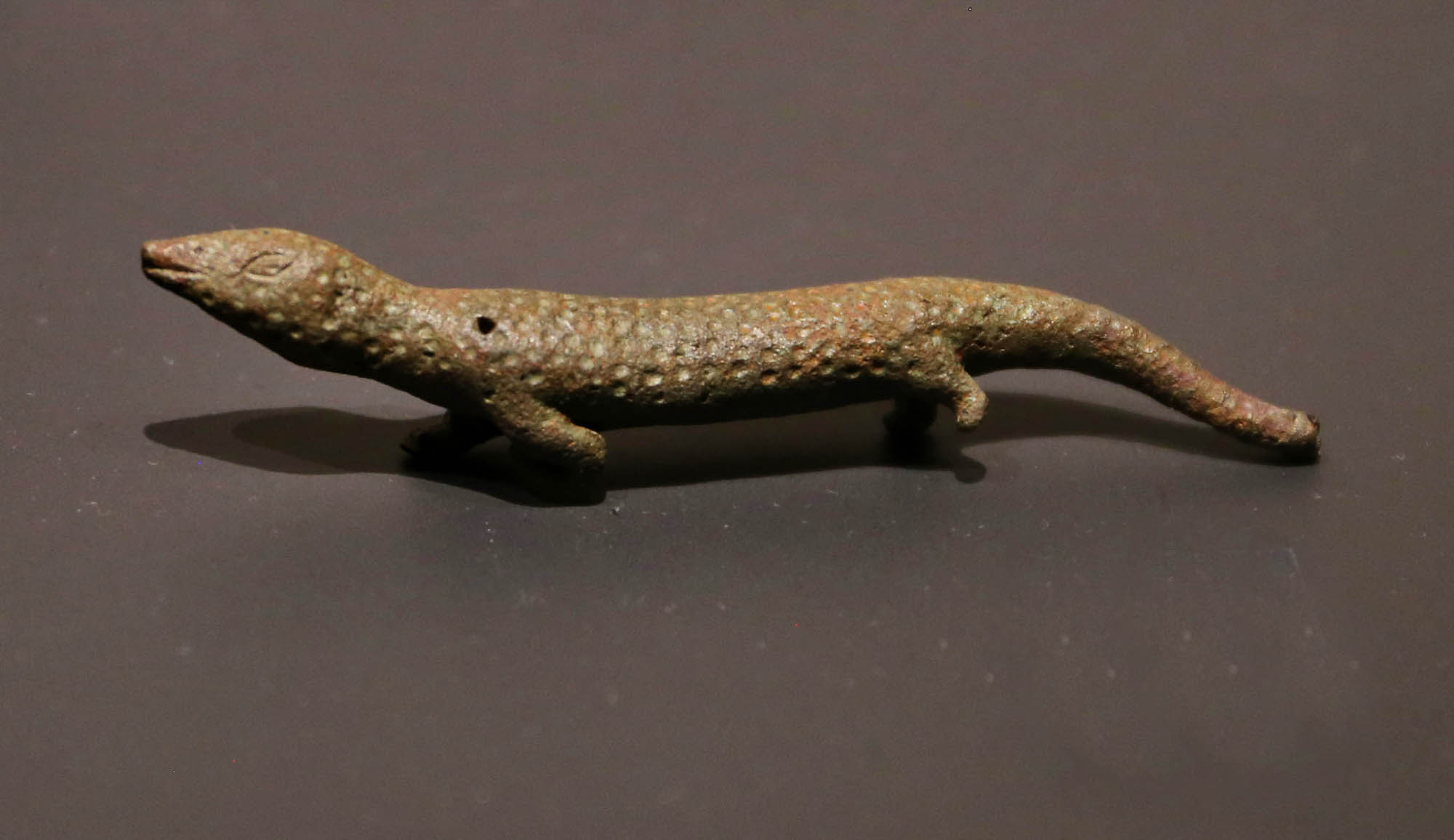
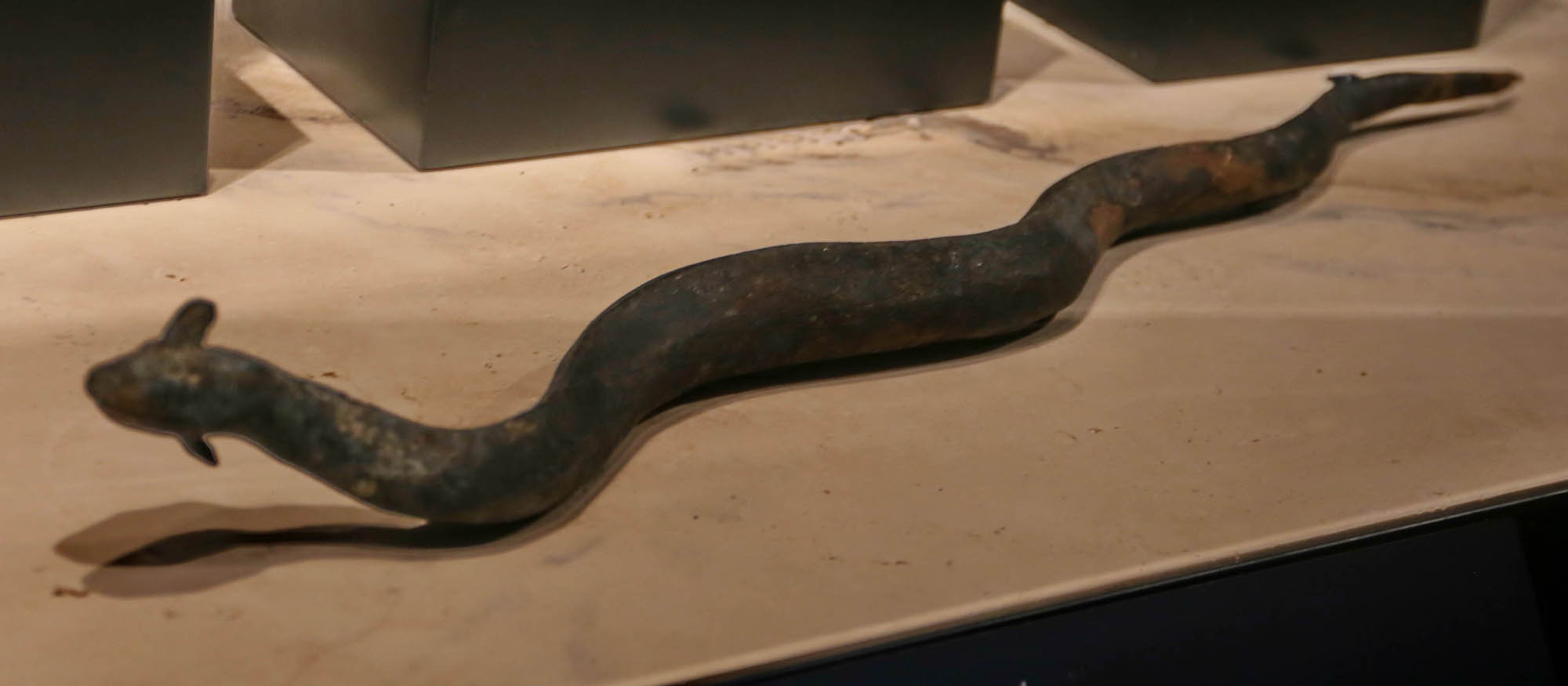
Animal figurines were also discovered, including a lizard, symbolizing disease, which had to be symbolically killed by Sauroktonos, that is, Lizard-killing Apollo. as well as a bronze snake, likely the guardian of the sacred spring.
The sacred bath was closed in the 4th century CE, likely in a ritual manner, as suggested by the careful placement of pieces of a marble bath gate and cult statues before the burial. It seems that the rise of Christianity did not allow for the continuation of the pagan cultic bath. Regardless, it is beautiful that, after seven centuries of use, its patrons gave it a proper farewell.
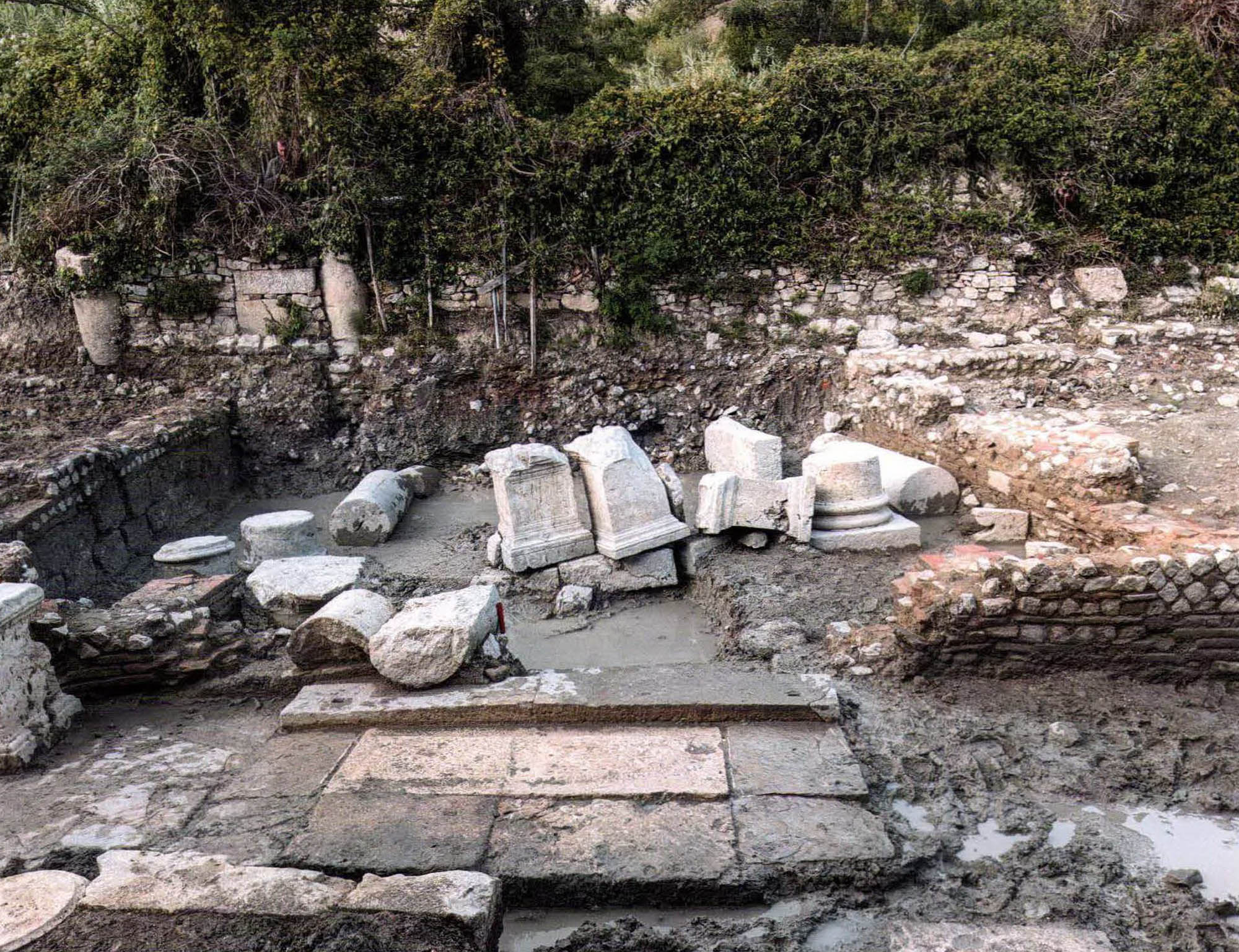
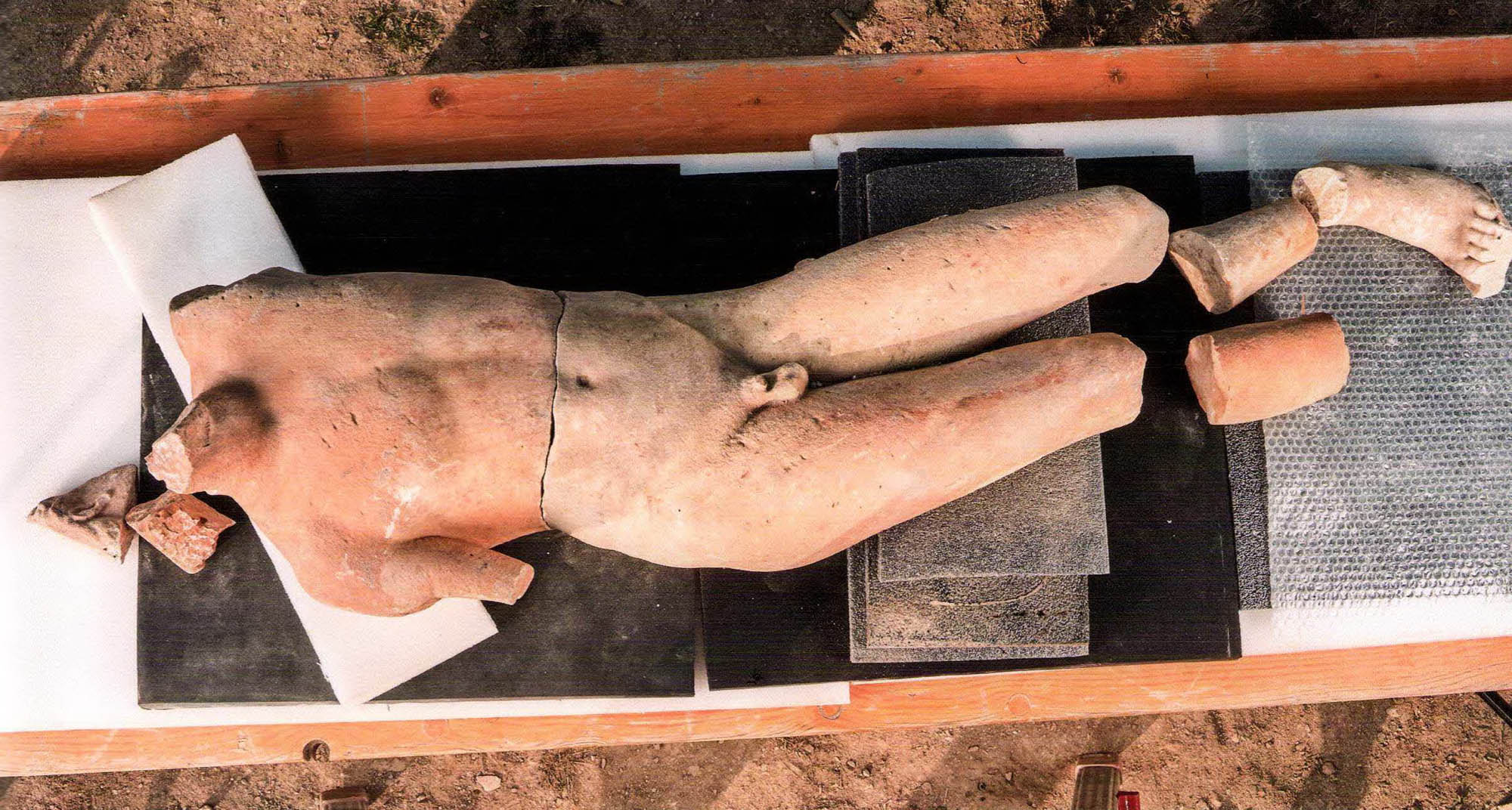
The ritually broken sanctuary gate and statue of Apollo Sauroktonos

Shadow folk

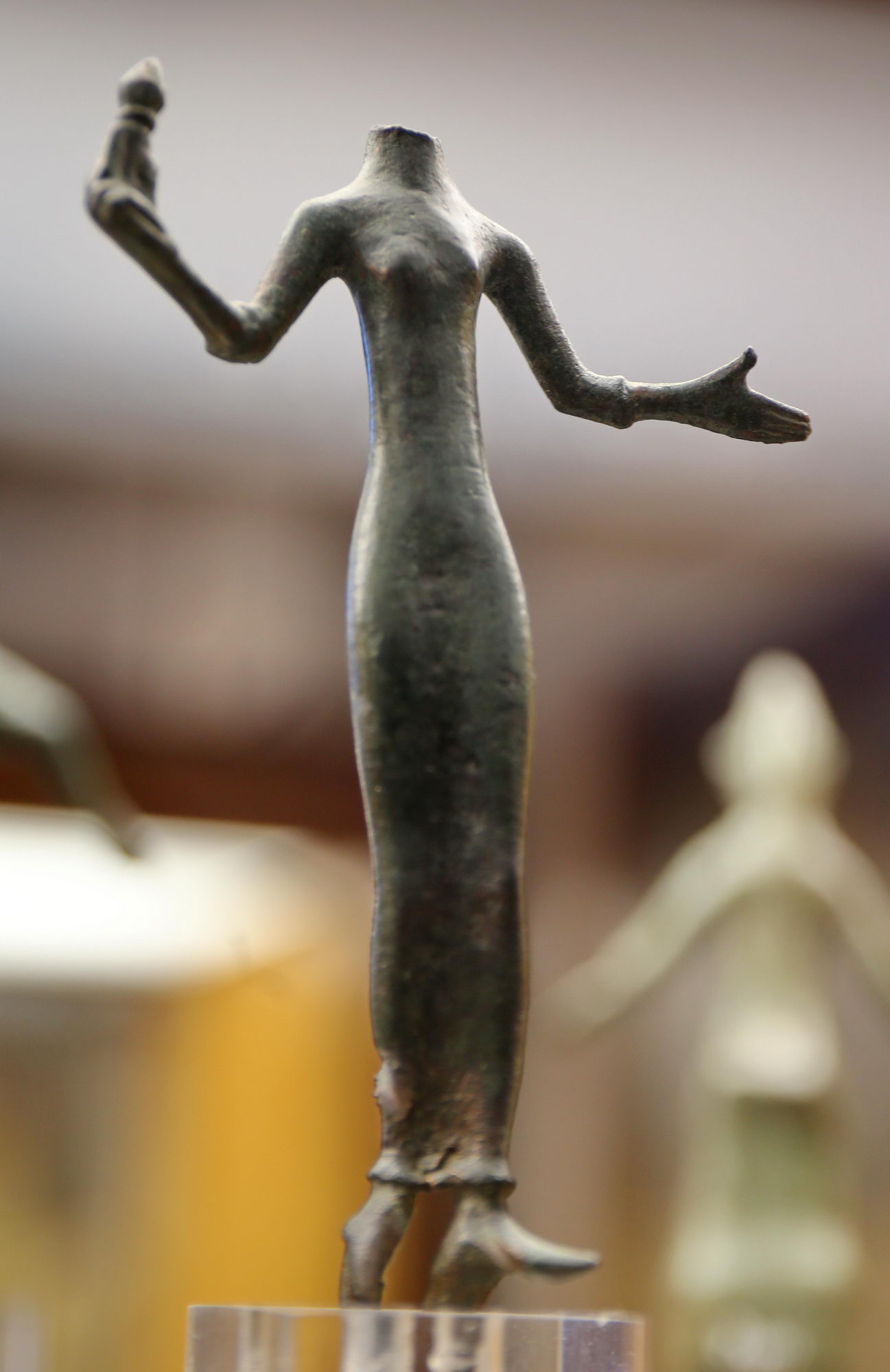
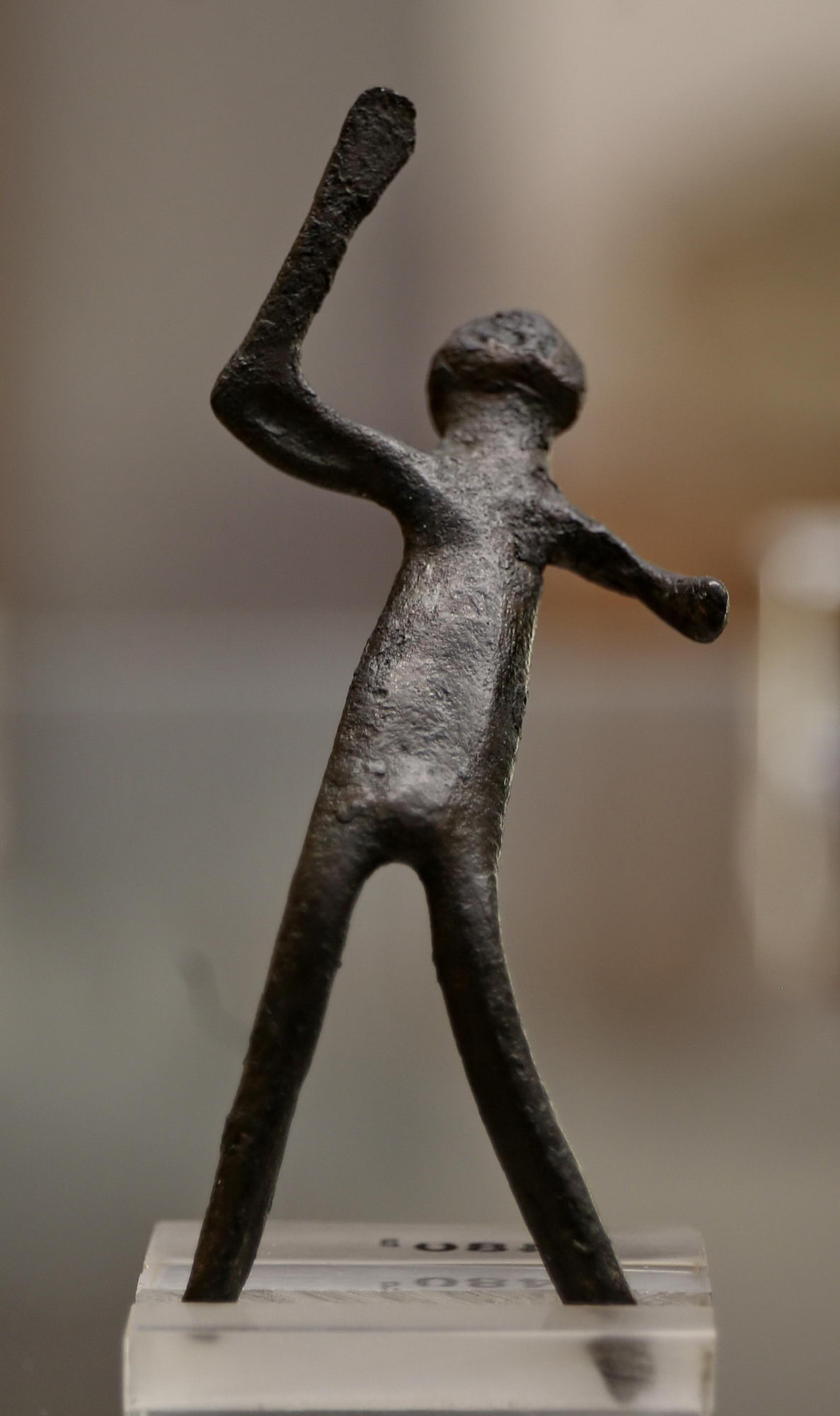
Etruscan votive (= offered to the gods) bronze figurines from the Archaeological Museum of Fiesole.

Small, light-footed, slender figures—refined, through endless repetition, into their purest, most elemental forms, like the letters of a handwritten script. Grotesque and cheerful at once. Yet they are not mere objects, not little knick-knacks for a shelf. Each one stands here in place of a real person, representing a moment of great need when divine help was sought: in illness, at a turning point in life, before a sporting contest, in the hope of victory that meant everything. A tiny, anxious people of shadows. The humans have long since vanished; only these remain—still clutching their troubles, no longer knowing for whom or where they should lay them down.

votives1 votives1 votives1 votives1 votives1 votives1 votives1 votives1 votives1 votives1 votives1 votives1 votives1 votives1 votives1 votives1 votives1 votives1 votives1 votives1 votives1 votives1 votives1 votives1 votives1 votives1 votives1

votives2 votives2 votives2 votives2 votives2 votives2 votives2 votives2 votives2 votives2 votives2 votives2 votives2 votives2 votives2 votives2 votives2 votives2 votives2 votives2 votives2 votives2 votives2 votives2 votives2 votives2 votives2 votives2

Etruscan angels

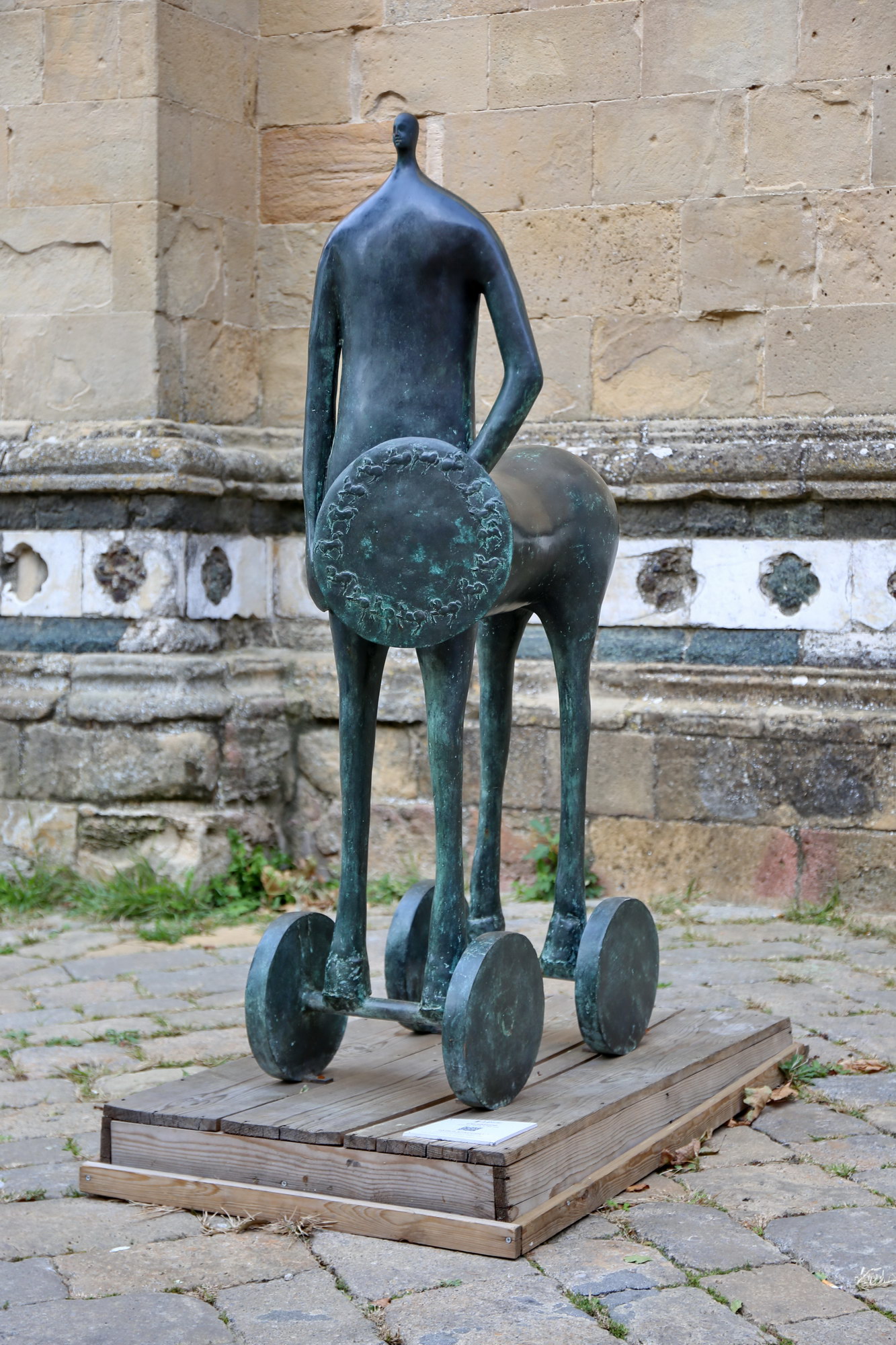
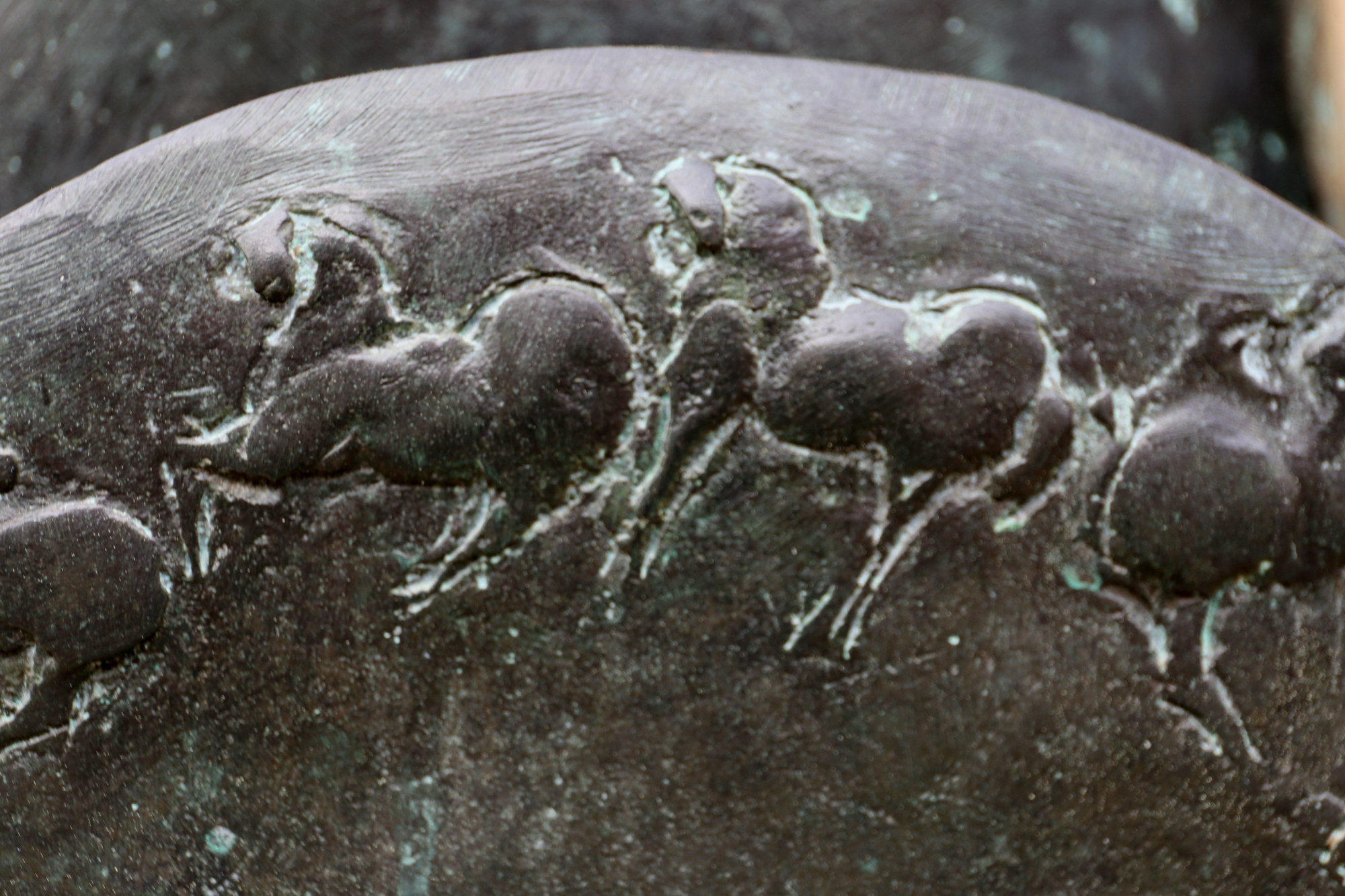
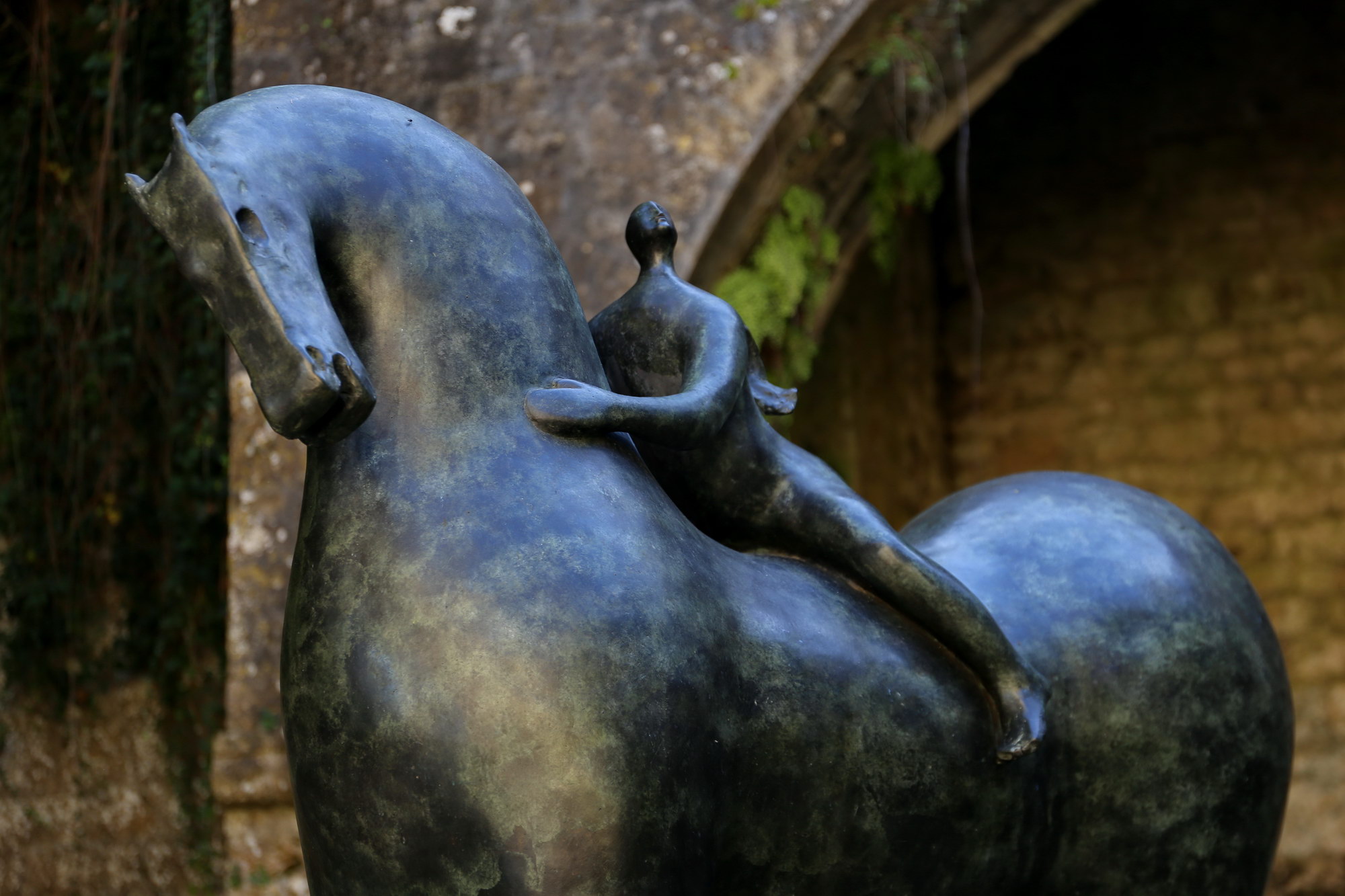
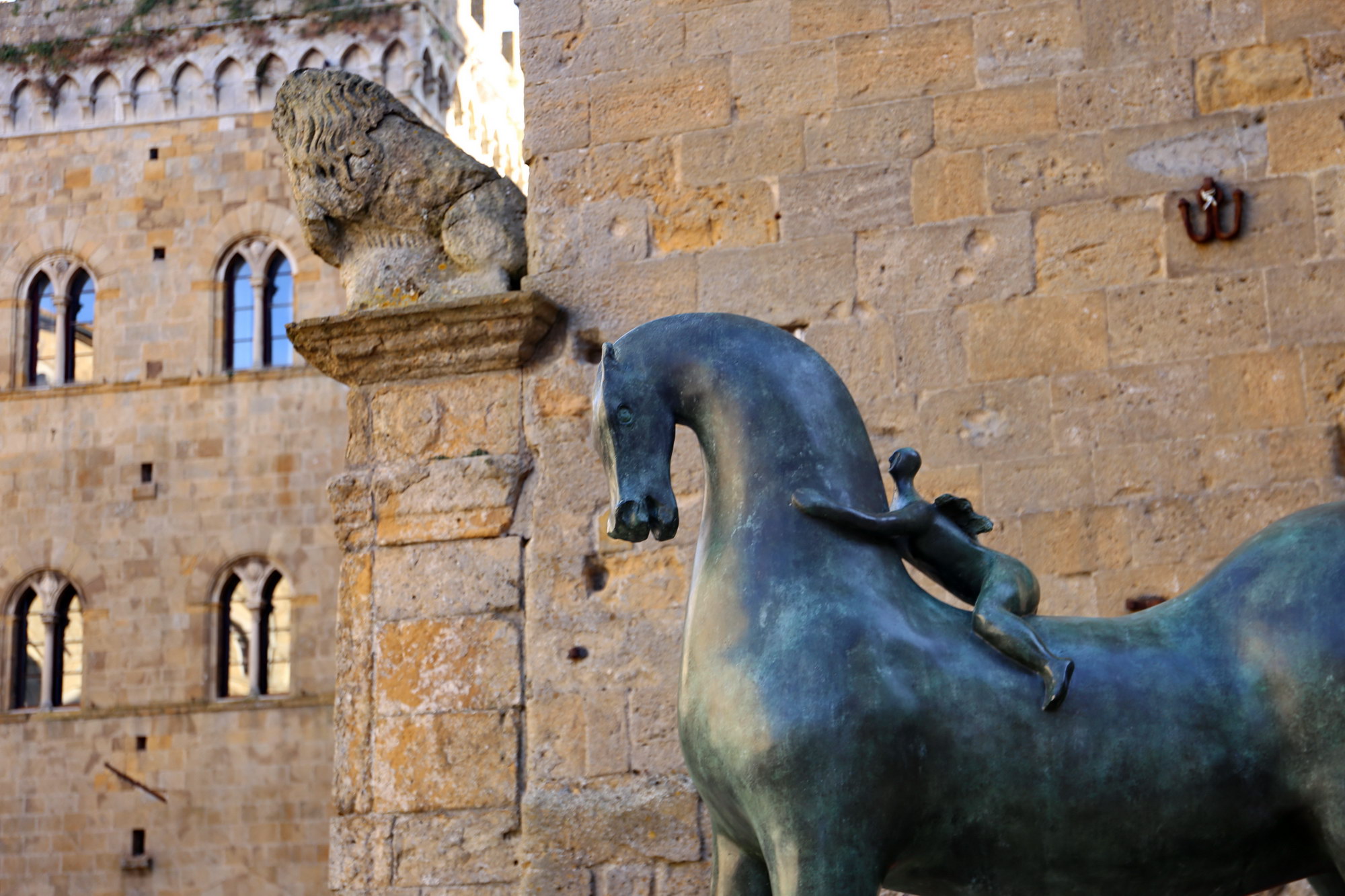
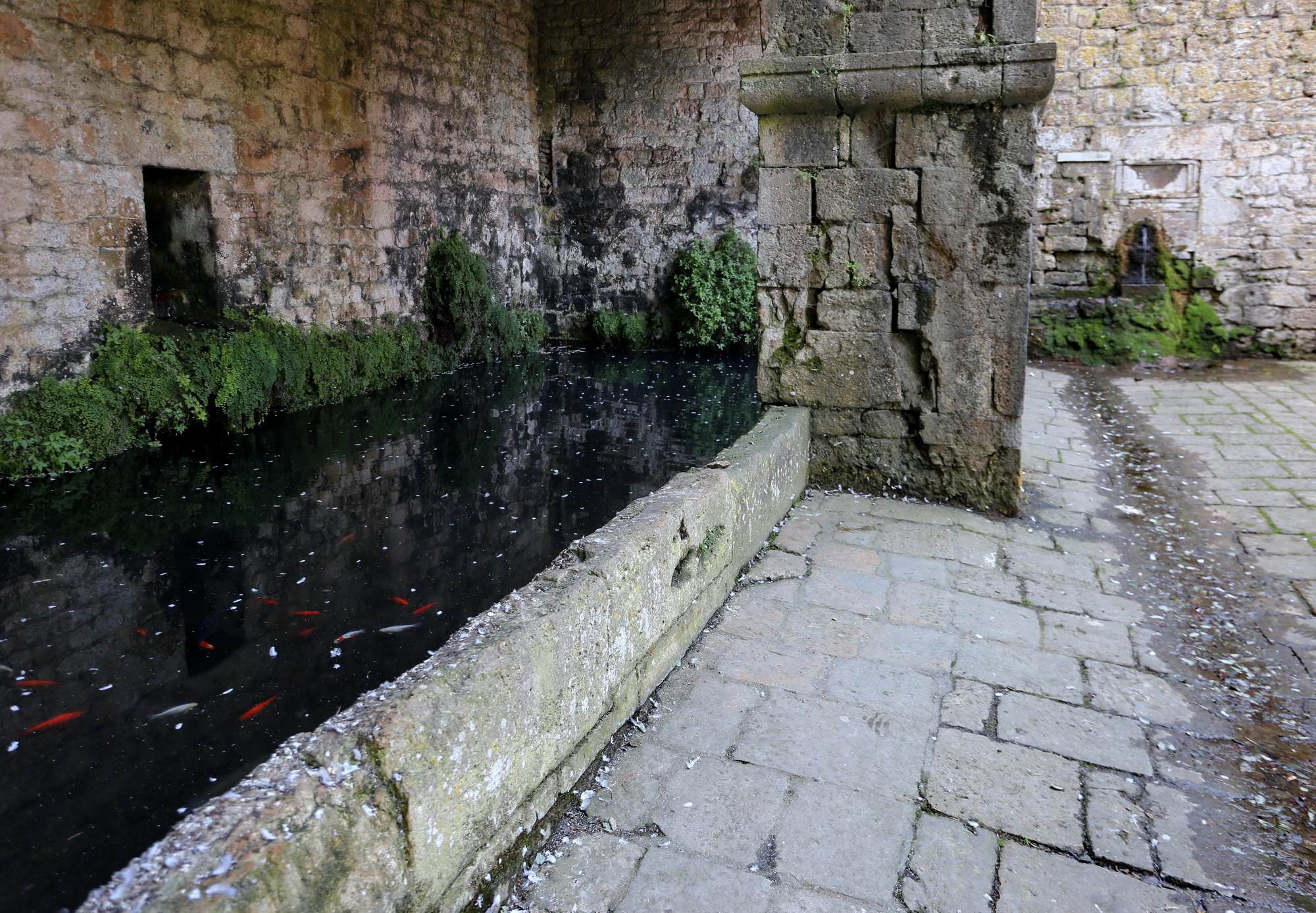
They stand in the main square of the old town, at the city hall entrance, in front of the Church of St. Michael, by the medieval laundry, in the Etruscan museum, and in the cloister courtyard of the art gallery. Men, women, and horses. It’s as if they were grotesque figures from László Réber's works – vulnerable yet protective, like angels or perhaps the genius spirits of the forgotten Etruscan mythology, the faceless, worn-down figures on the small sarcophagi of the Etruscan museum. Their shapes recall Etruscan figurines – not the slender elegance of the Evening Shadow, certainly not that, but rather their solidity, the lack of segmentation, the essential unity with the stones of the city, which they seem to repopulate, or perhaps they’ve always been here. Paolo Staccioli’s ceramic and bronze sculptures recreate a lost past in the squares of Volterra and the time capsules of its museums.

staccioli1 staccioli1 staccioli1 staccioli1 staccioli1 staccioli1 staccioli1 staccioli1 staccioli1 staccioli1 staccioli1 staccioli1 staccioli1 staccioli1 staccioli1 staccioli1 staccioli1 staccioli1 staccioli1 staccioli1 staccioli1 staccioli1 staccioli1 staccioli1

staccioli2 staccioli2 staccioli2 staccioli2 staccioli2 staccioli2 staccioli2 staccioli2 staccioli2 staccioli2 staccioli2 staccioli2 staccioli2 staccioli2 staccioli2 staccioli2 staccioli2 staccioli2 staccioli2

staccioli3 staccioli3 staccioli3 staccioli3 staccioli3 staccioli3 staccioli3 staccioli3 staccioli3 staccioli3 staccioli3 staccioli3 staccioli3 staccioli3 staccioli3 staccioli3

Ángeles etruscos

Allí están, en la plaza mayor del casco antiguo, junto a la puerta del ayuntamiento, frente a la iglesia de San Miguel, junto al lavadero medieval, en el museo etrusco y en el claustro de la pinacoteca. Hombres, mujeres y caballos. Parecen las figuras grotescas de László Réber: tan indefensos, y sin embargo protectores, como si fueran ángeles, o quizá los genios de una mitología etrusca olvidada, las figuras gastadas e impersonales de los pequeños sarcófagos del museo etrusco. Sus formas recuerdan también a las estatuillas etruscas —no por la esbeltez de la Sombra de la tarde, desde luego que no—, sino por su solidez, su falta de fragmentación, esa unidad esencial con las piedras de la ciudad que ahora vuelven a habitar… o tal vez nunca se marcharon. Las esculturas de cerámica y bronce de Paolo Staccioli recrean un pasado perdido en las plazas de Volterra y en las cápsulas del tiempo de sus museos.

staccioli1 staccioli1 staccioli1 staccioli1 staccioli1 staccioli1 staccioli1 staccioli1 staccioli1 staccioli1 staccioli1 staccioli1 staccioli1 staccioli1 staccioli1 staccioli1 staccioli1 staccioli1 staccioli1 staccioli1 staccioli1 staccioli1 staccioli1 staccioli1

staccioli2 staccioli2 staccioli2 staccioli2 staccioli2 staccioli2 staccioli2 staccioli2 staccioli2 staccioli2 staccioli2 staccioli2 staccioli2 staccioli2 staccioli2 staccioli2 staccioli2 staccioli2 staccioli2

staccioli3 staccioli3 staccioli3 staccioli3 staccioli3 staccioli3 staccioli3 staccioli3 staccioli3 staccioli3 staccioli3 staccioli3 staccioli3 staccioli3 staccioli3 staccioli3