Switch over to our new blog! • ¡Pásese a nuestro nuevo blog!

The renewed version of our blog, with more features, a richer design, and available in nine languages, can be read here: https://wangriver.com

The new version also includes the old posts, often in expanded form. If you are curious about the updated version of this post, replace “riowang.blogspot.com/” in the URL with “riowang.studiolum.com/”, and the new link will most likely lead you there.


La versión renovada de nuestro blog, con más herramientas, un diseño más rico y disponible en nueve idiomas, se puede leer aquí: https://riowang.com

La nueva versión también incluye las publicaciones antiguas, a menudo en una forma ampliada. Si tiene curiosidad por la versión actualizada de esta entrada, sustituya «riowang.blogspot.com/» en la URL por «riowang.studiolum.com/es/», y el nuevo enlace probablemente le llevará allí.

Mostrando entradas con la etiqueta Easter. Mostrar todas las entradas

Easter Sunday in Sardinia

Every year we return to Oliena for Easter Sunday, the feast of s’incontru, the meeting, when the statues of the risen Christ and Mary, carried by Sardinian men and women, meet each other on the lavender carpet of the main square, and Christ bows before His mother. The ceremony is the same every year, and yet it is always new. The faces are different, the children are a year older, their last year’s costumes are given to new little ones, other boys gather to sing four-part Sardinian folk songs, the young accordionist who last year led the dance in a girl’s dress, now wears a boy’s dress… And even what is the same seems new after a year: how they relive the centuries-old tradition, with full devotion, in traditional dress and ceremony, but as a part of their modern lives, not as a tourist attraction, but as a celebration for themselves, to affirm their own identity.

There had been heavy rain in Sardinia during the previous days, and this morning it was still drizzling, so it’s no wonder that at nine in the morning there are hardly any people in the usually crowded main square. Only the descendants of the bandits are firing rifles in front of the church, the eldest son of each clan with the ancient flint.

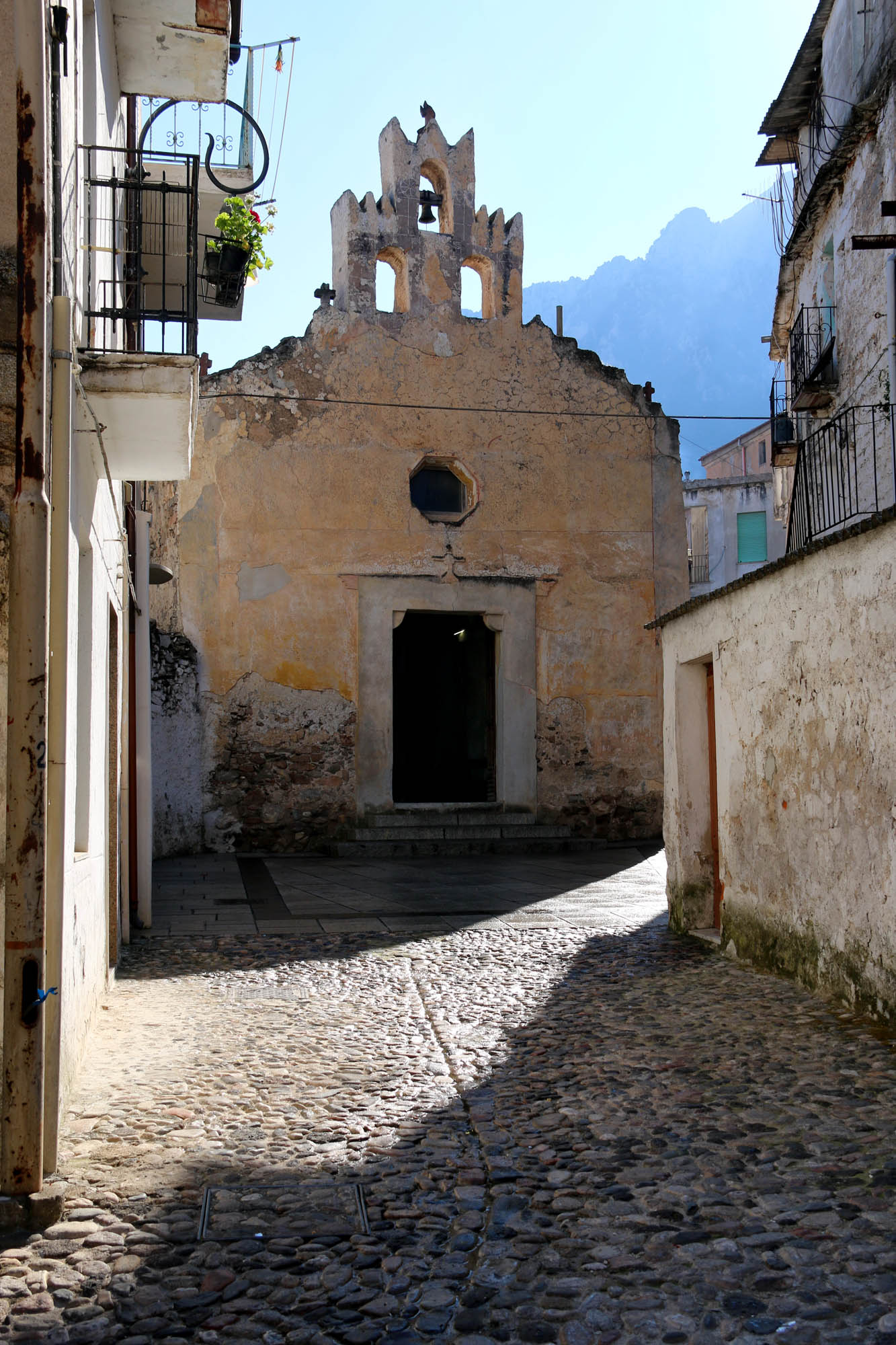
We go to the church of the Holy Cross on the edge of the old town, whence the procession of the statue of Christ will start. For now, the church is empty, only its floor is sprinkled with lavender, and a few woman are waiting in- and outside. But soon the procession arrives from the Franciscan church, where the body of Christ spent the previous day and two nights after the deposition from the cross on Good Friday evening. The statue is carried into the church. The assistants, chatting and offering cakes, are waiting for the ten o’clock bell to ring, when the procession will start for the main square.

oliena20251 oliena20251 oliena20251 oliena20251 oliena20251 oliena20251 oliena20251 oliena20251 oliena20251 oliena20251 oliena20251

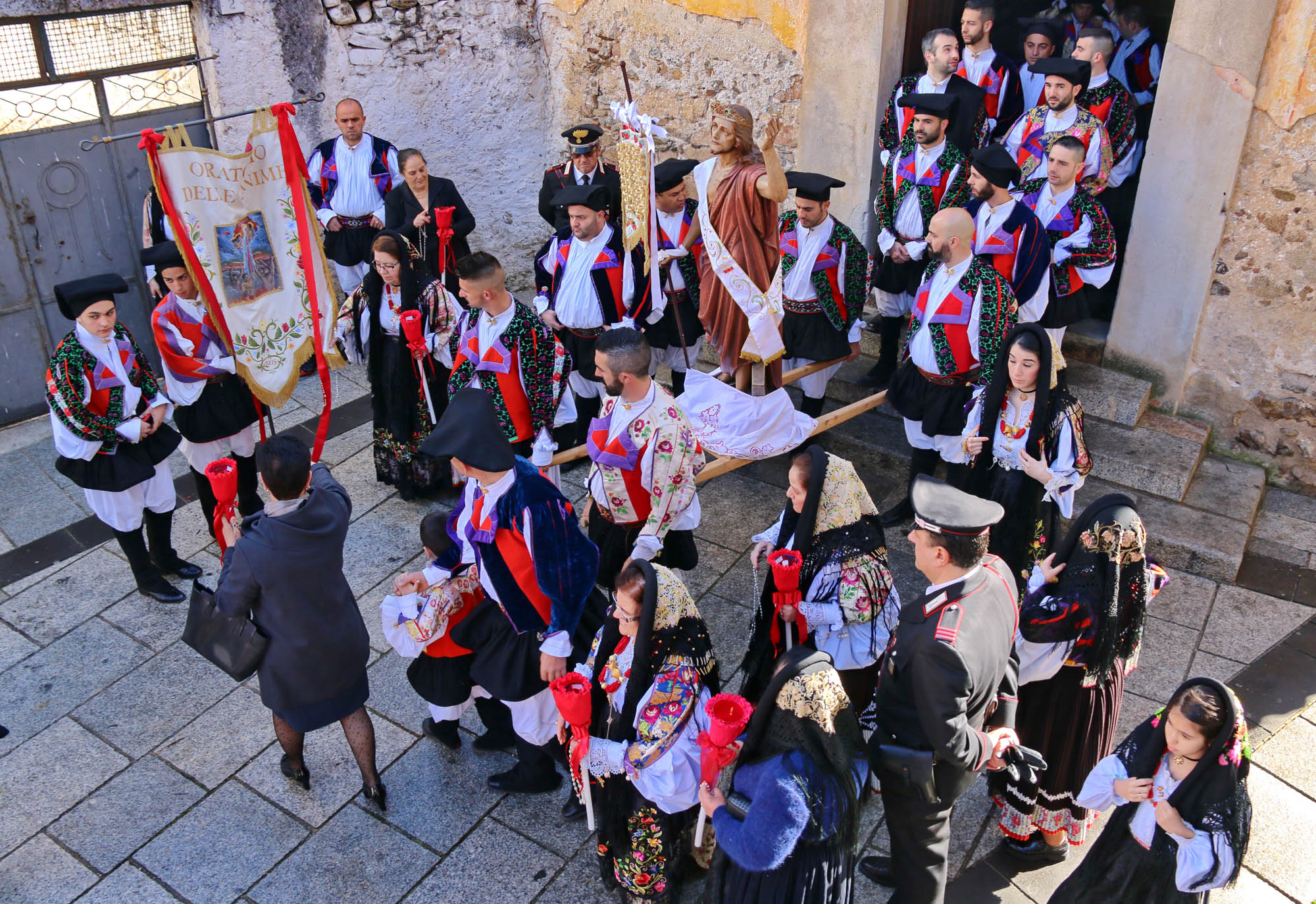
At the sound of the bells, the statue is raised. The flag bearers of the religious companies stand behind it, and the procession steps out of the church gate. They move slowly, stopping at every corner, waiting for news of how the other procession with the statue of Mary is progressing.

The main square is already full. The villagers, dressed in traditional costumes, stand in two lines on both sides of the path strewn with lavender branches, waiting for the two processions to enter and for the two main characters to meet. As the statue bearers see each other at the end of the two streets leading onto the square, the processions start, and the statue of Christ bows before His mother, the Sardinian men carrying it before the Sardinian women carrying Mary, amidst the deafening gunfire of the bandits.

oliena20252 oliena20252 oliena20252 oliena20252 oliena20252 oliena20252

Then the two processions, joined by the spectators, march up the main street to the parish church, where the Easter mass begins.

oliena20253 oliena20253 oliena20253 oliena20253 oliena20253 oliena20253 oliena20253 oliena20253 oliena20253 oliena20253 oliena20253 oliena20253

Only a part of the participants go into the church. Most of them stay on the church street, where all the bars are open and running at their peak. They huddle in groups, talking and drinking, and some boys practicing four-part Sardinian songs. Not as a performance for the audience: this is also part of the local identity, renewed every year.

At the end of the mass, the people in the church also come out. The accordionists rehearse in the middle of the church square, and then the round dance begins, in which the whole village participates, regardless of traditional costume. This year, another national dress appears on the square: the colorful outfits of four young women from Dubai, which look like Muslim national costumes. They clap and wave happily from the audience, but they do not join in the dance. In the intervals I hear local families coming up to them and inviting them to lunch in broken English.

This is the accordionist boy (?) who played last year as a girl

And the climax of the dance: when the villagers dance not to the accordion, but to a four-part Sardinian choir, as they did for centuries, before the arrival of the first accordion. Everyone feels the solemnity and historical depth of the moment, and at the end they applaud the singers for a long time.

Even in the day of Easter Sunday and s’incontru, in Italy the greatest sacrament is the Sunday family lunch. Being late for it is a bigger sin than being late for church. So after the choir, most of the spectators start to leave. The Dubai girls are herded home by an elderly couple dressed in traditional costume. We also head down to the beach of Cala Gonone, to eat fish at the cave of the sea cows.

Happy Easter

“Down with Easter!”

Easter – as we have amply documented here among the Poemas del Río Wang – is celebrated in many ways in many places around the world, where it is celebrated at all. It may sound surprising, but it was also celebrated in the Soviet Union in the 1930s. This 1933 photo testifies to this.

The inscription on the school board reads: “Who was in church at Easter?” and the little pioneers write down the names of those they know were there. We can only imagine what happens next: if you were lucky enough to experience similar harassment in Hungary in the 1970s, you have an advantage.

Some data: Between 1929 and 1941, only 500 of the 29,000 churches in the Soviet Union remained open, and in 1937 alone, 85,000 Orthodox priests were executed.
But let’s look at the bright side of life: according to this, during the bloody persecution of the church between 1929 and 1941, there was still a church somewhere in the Soviet Union where Easter services were held, a priest to hold it and some believers to attend it.

Although this is not certain either. After all, under what circumstances could this picture have been taken? It is unlikely that the official photographer was there at the time of a spontaneous school humiliation and caught it on camera. Most of the official photos taken in the 1930s are pre-arranged propaganda photos. This picture may also fit into the great anti-religious campaign between 1929 and 1941, and illustrates not an actual, but a desired practice. There may no longer have been a functioning church in the site. Just as the fat and greedy priests who were often paraded as enemies in the campaign had already been completely killed or deported to labor camps.

“Training for Easter”

However, if there was no church, then there were no churchgoers either. Then the picture does not depict a real humiliation, and the names are fictitious. Which also has its bright side.

The light in Armenia


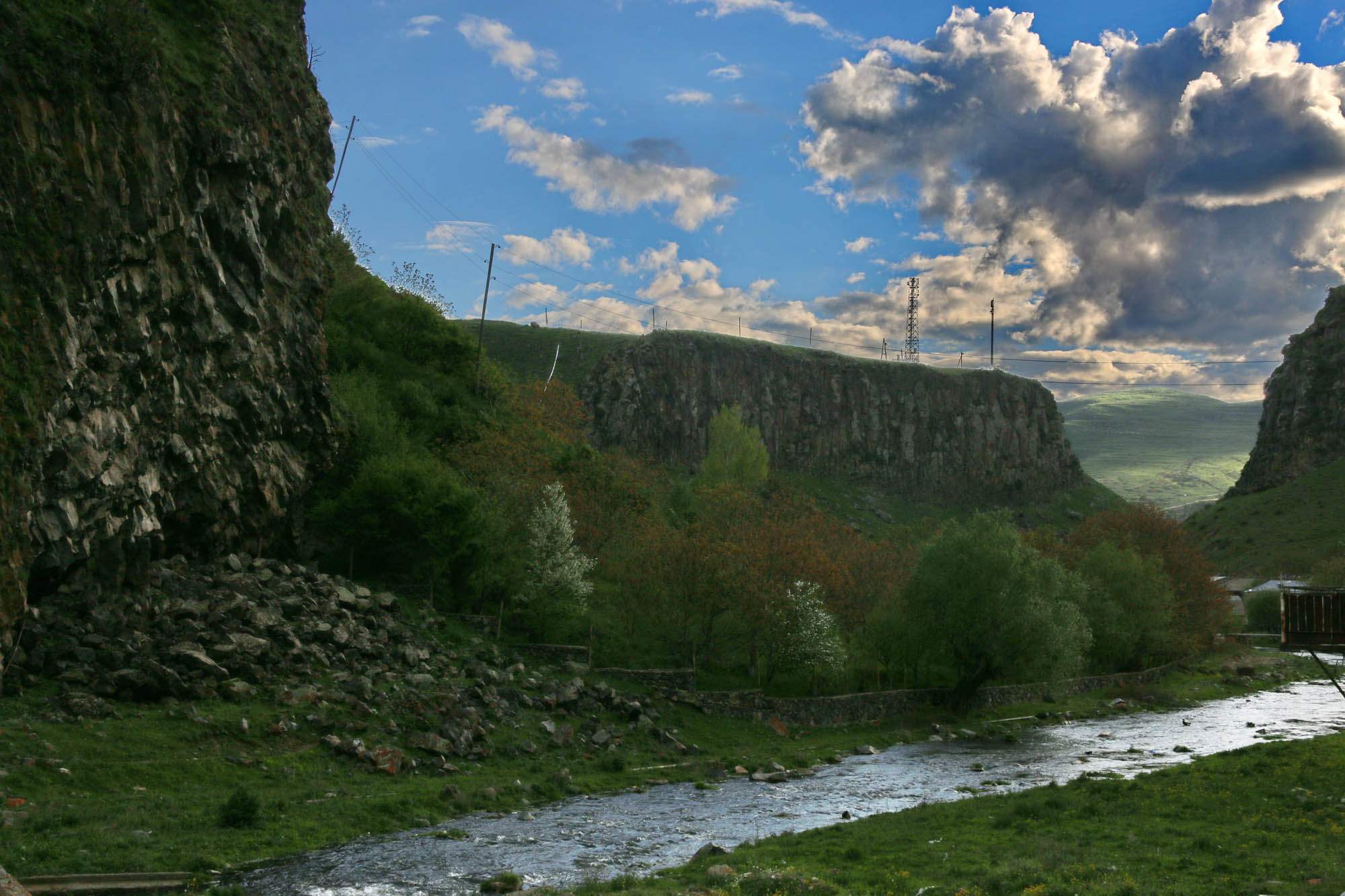
The old Armenian royal road leads through the canyon of Hrozdan river from Yerevan to Bjni. Large balls of purple flowers bloom next to us on the steep cliff walls, a thin carpet of fresh green grass covers the riverbank. The landscape has changed a lot since the winter, when we traveled here between walls of snow, on the single-lane road cut into the white blanket that evenly covered the region.


Arriving in the village, we stop on the bridge, below the castle, built by the Pahlavuni princes in the 11th century, just after the supervision of the military road from Sevan to Yerevan was entrusted to them by the Bagratuni kings. The handrail of the bridge is supported by the descendants of the ancient Armenian garrison soldiers, they shyly smile, and joke with each other, a bit confused when all the ladies in the bus direct their cameras at them. Old women are gathering something in the grass on the riverbanks. “What are they gathering?” asks Dorka of one of them, as she climbs up on the riverbank. “Herbs.” “And what are they good for?” “Everything, my sweetie, absolutely everything in the world!”


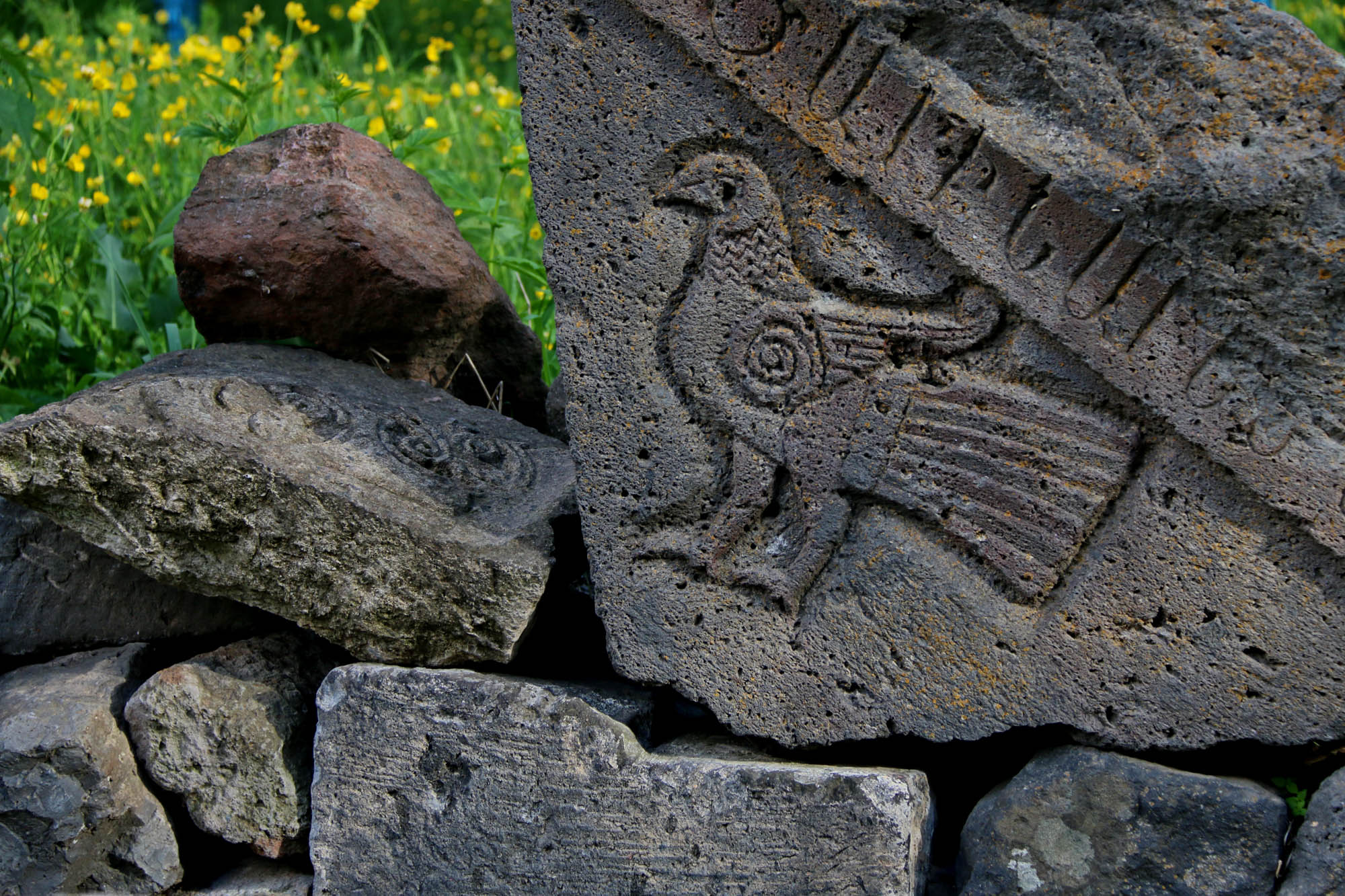
Among the khackars carved with birds, an old man is hoeing weeds in front of one khachkar, carved of white stone. “It belongs to my son. He fell in the war, so we were permitted by the Catholicos to bury him here, right into the church garden. The stone is a replica of a khachkar destroyed by the Azerbaijani army in the cemetery of Julfa. We carved it after a photo.”


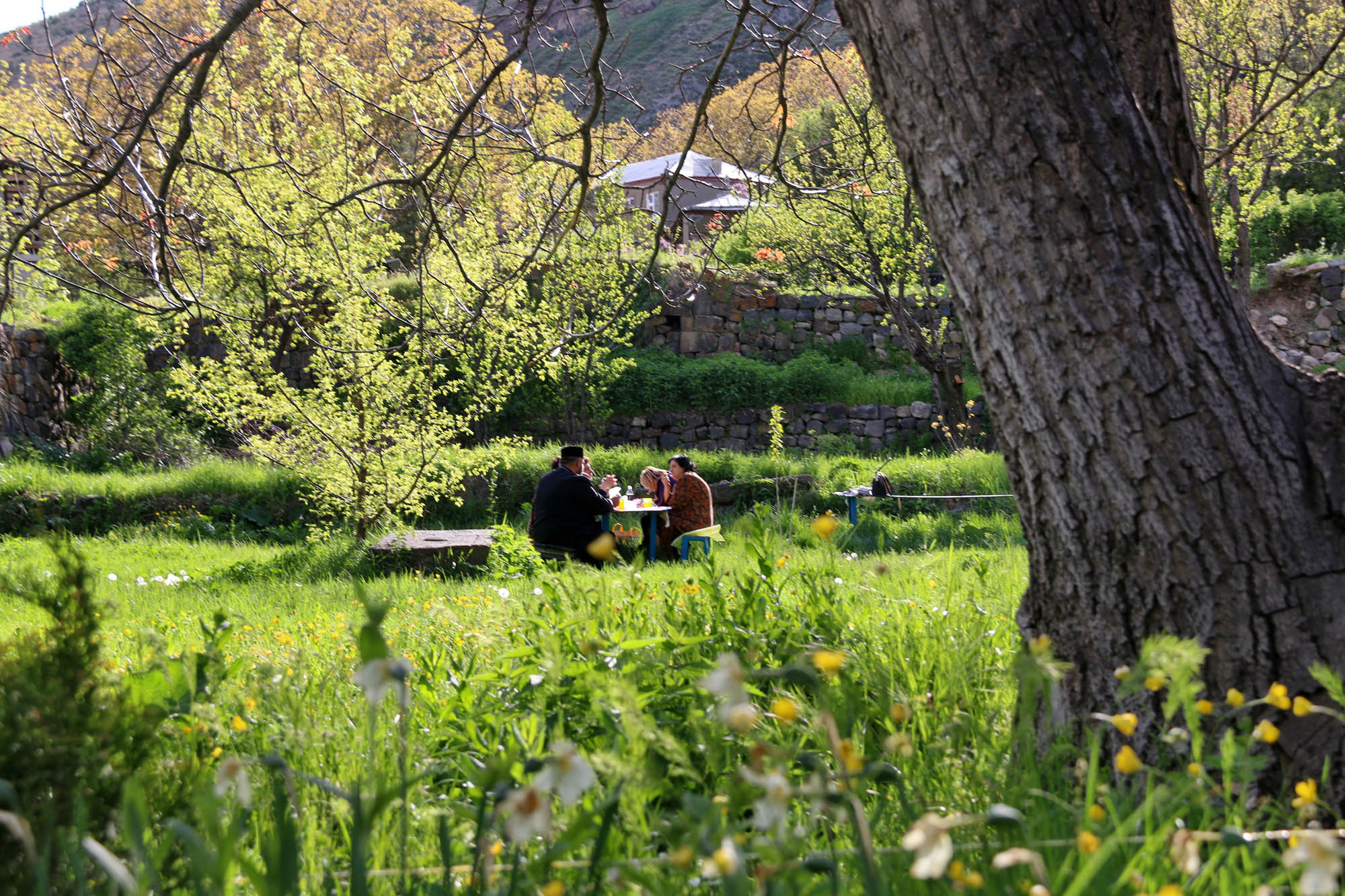
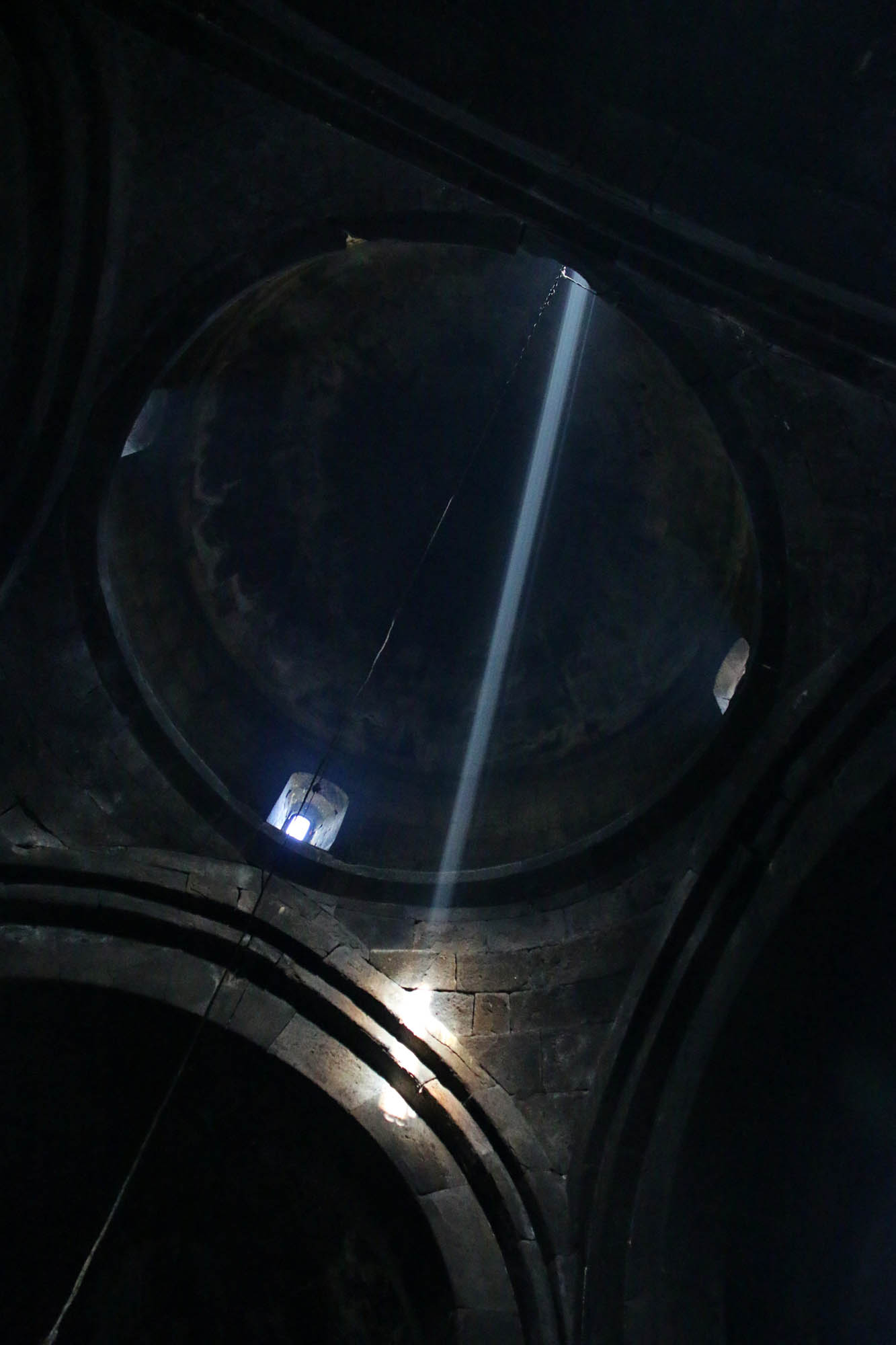
The Sunday Mass must have recently ended, the priest is having a snack with some women in the church garden. The light breaks through the darkness inside the church, a beam like a blade, just as it did one year ago in the Armenian church of Lemberg. I tell the others how at that time the director of the church choir came to us and how he sang us their Easter hymn. At this point the priest enters the church. Where did we come from, how do we like Armenia? Then, to illustrate the acoustics of the church, he goes to the lectern in front of the altar, opens the missal printed in Venice in the 17th century printed in the typeface of the Hungarian Miklós Kis of Misztótfalu, and he sings from it the hymn of the Sunday after Easter to the enthralled company.


Bjni, Easter hymn


Holy Saturday in Lemberg


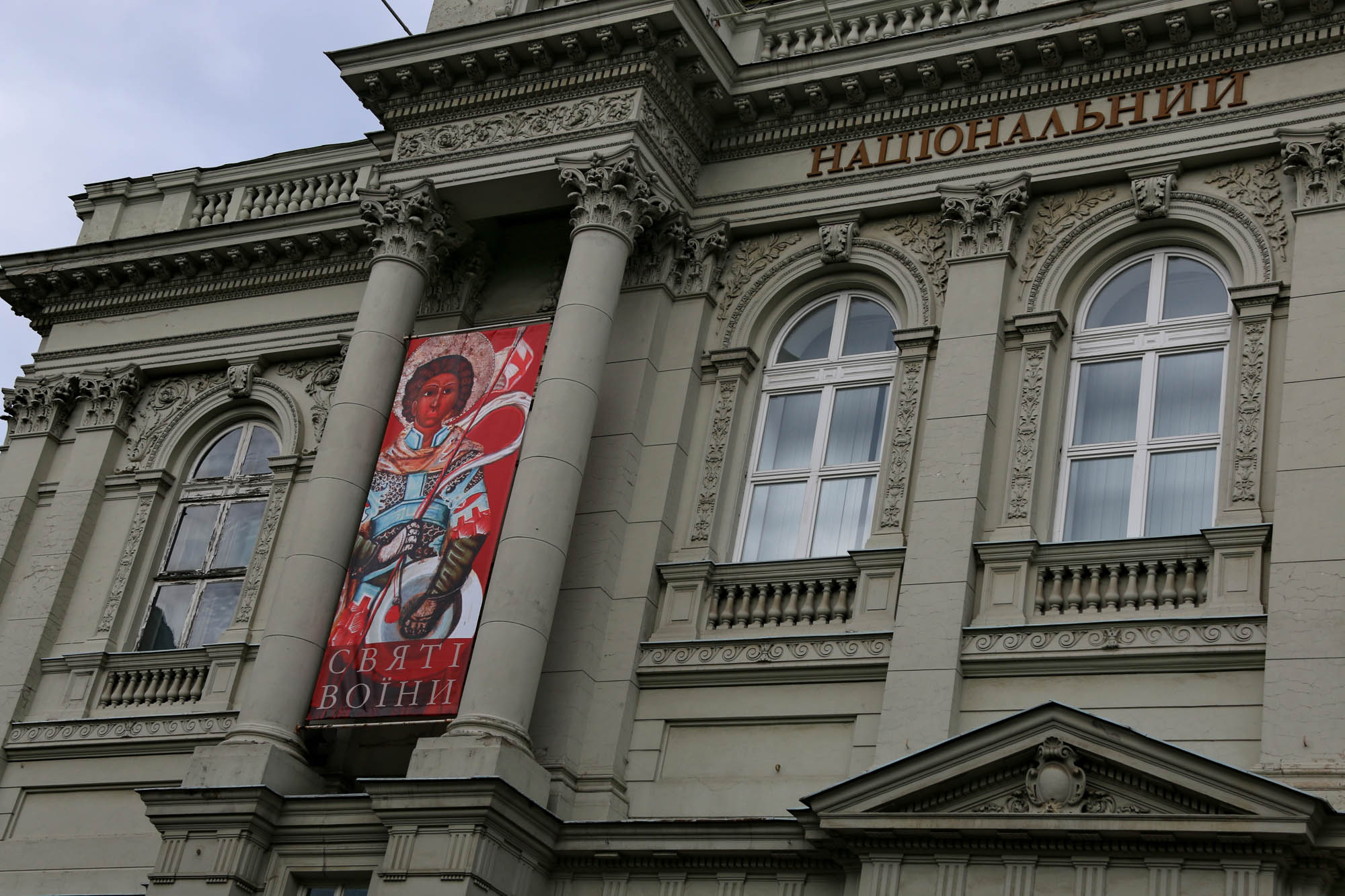
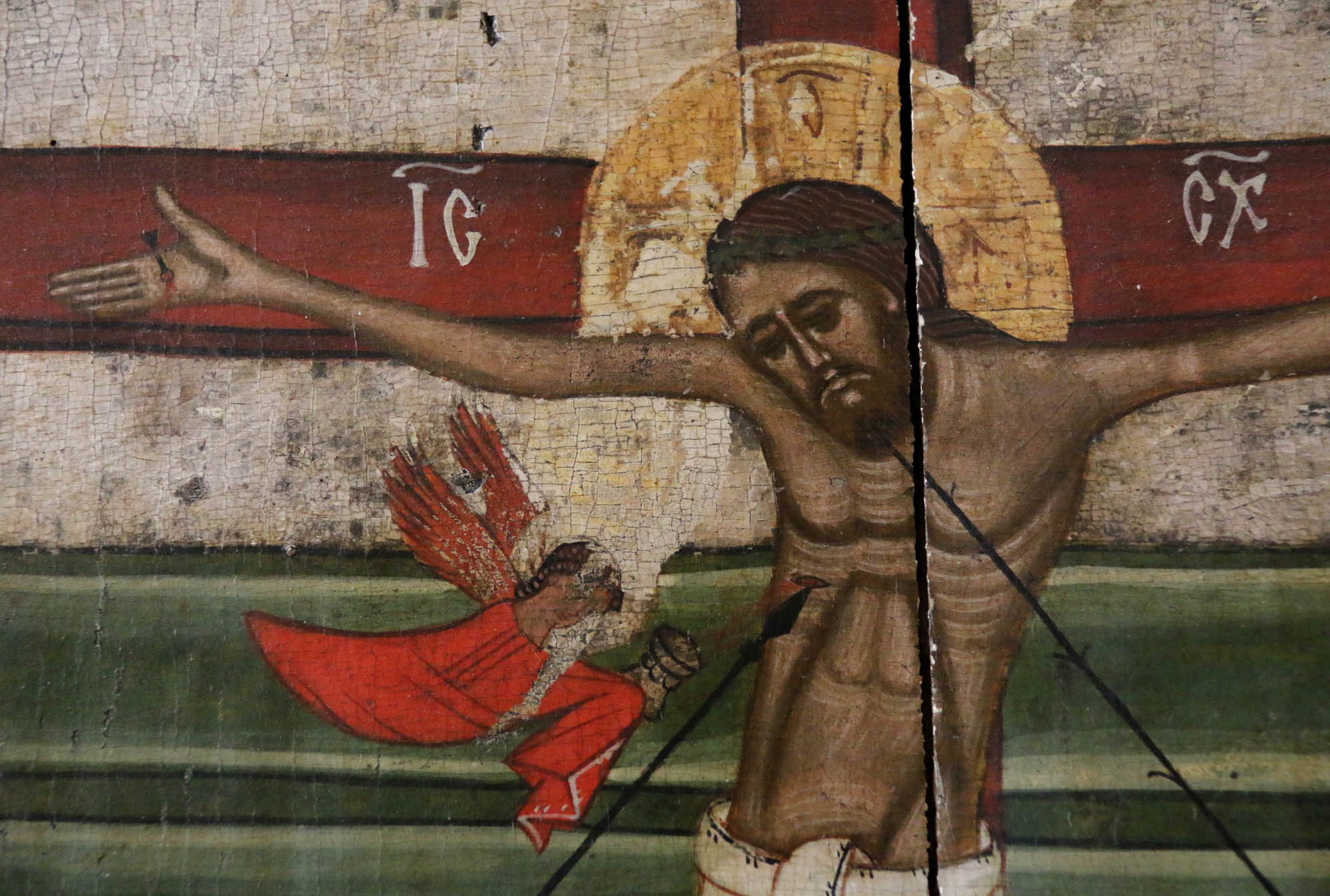
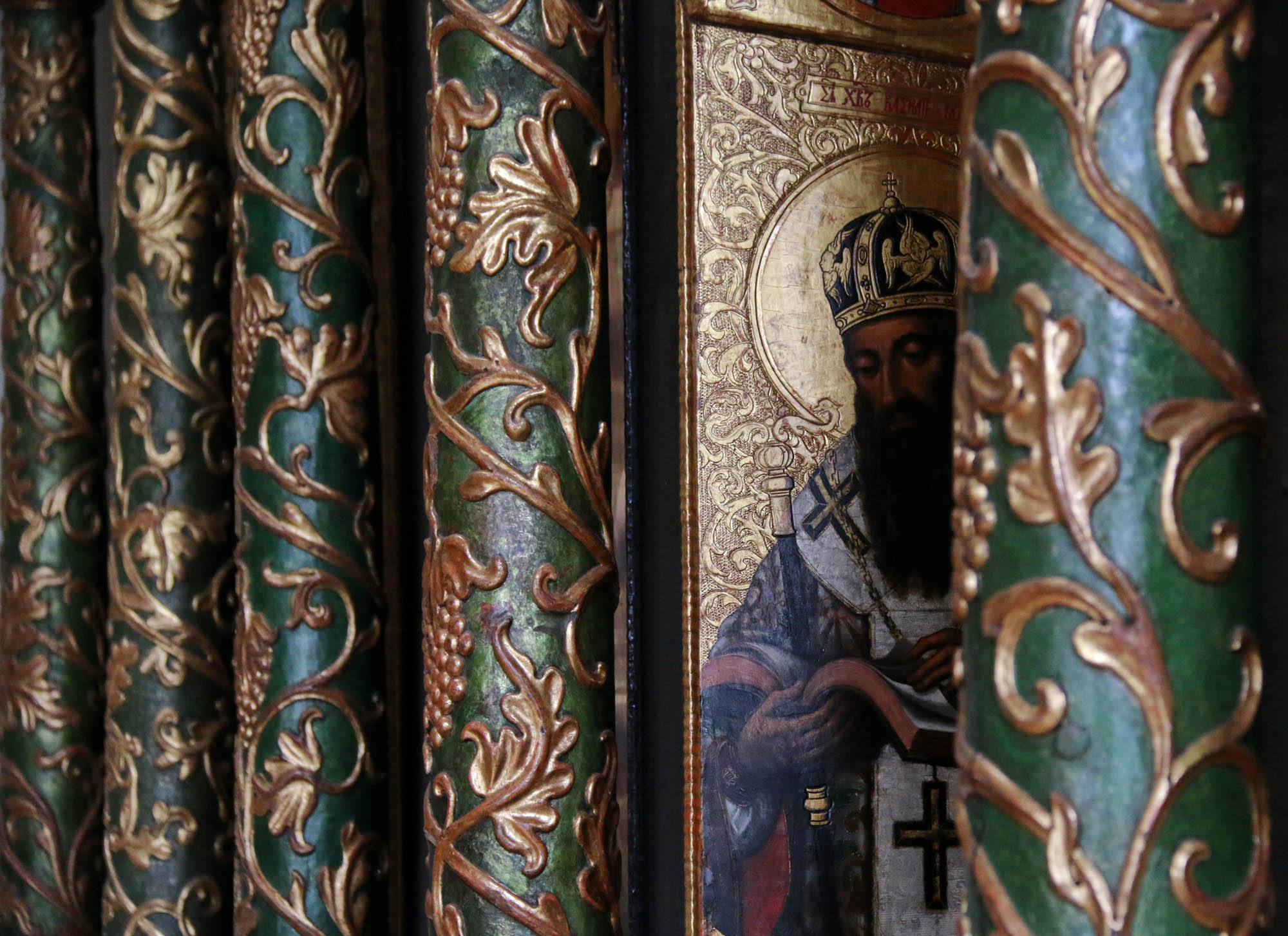
Святі воїни, holy warriors, proclaim the two icons of the two warrior saints, dressed in black and red, the colors of Bandera, on the facade of the Icon Museum in Lemberg/Lviv. The two icons are parts of the decoration of the exhibition St. George the Dragon-Slayer and the warrior saints on icons from the 14th to the 19th century, but in these colors, and without the poster of Saint George announcing the exhibition are rather symbols of the current public climate of Lemberg, and profess the immortal glory of the heroes fighting for the Ukraine героям слава –, like so many other things, from the fairy tale books through the pubs to the cemeteries. The permanent exhibition shows the most beautiful pieces of Ruthenian icon painting in Galicia, from the museum’s collection of seventeen thousand pieces. This is a strange and unknown world to the eyes accustomed to the Russian icons, just as intense and fascinating, but with less stiffness, much more popular features and playfulness, and a lot of Western influences. Icons of saints’ life stories with the scenes of everyday life, Passion cycles with rustic side episodes, Last Judgements with the encyclopedic representation of sins and punishments. In the Saturday of the Orthodox Easter they close two hours earlier, they are preparing themselves for the Resurrection Mass and dinner. Христос воскресе – Во истино воскресе, we say goodbye to the attendant nanny. I would like to take a picture of a Resurrection icon in memory of the feast, but I cannot find any at the exhibition. The resurrection did not figure among the themes of the painting of the future Ukraine.


lw lw lw lw lw lw lw lw lw lw lw lw lw lw lw lw lw lw lw lw lw lw lw lw lw lw lw lw lw lw lw lw lw lw lw lw lw lw lw lw lw lw lw lw lw lw lw lw lw lw lw lw lw lw lw lw lw lw lw lw lw lw lw lw lw lw lw lw lw lw lw lw lw lw lw lw lw lw lw lw lw lw lw lw lw lw lw lw lw lw

Easter Sunday in Sardinia


In Oliena, the pitch-note of Easter Sunday is given by the young men – and recently also women –, grandchildren and great-grandchildren of ancient bandits, who since the early morning are continuously firing from the rooftops. Wherever we go down there, lead, shot and shell casings are continuously falling on our heads.
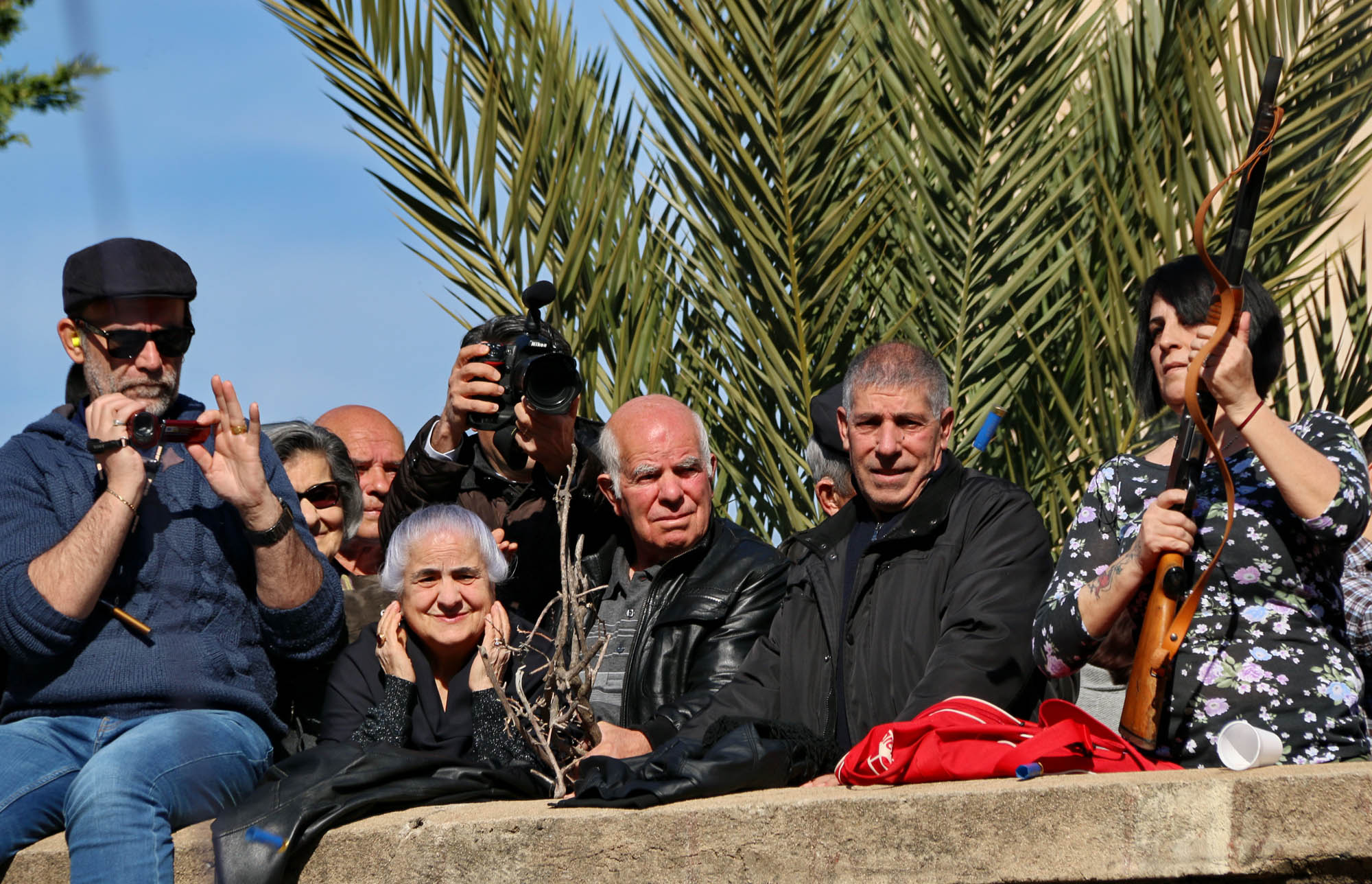

Oliena, Wild West. Recording by Lloyd Dunn, 27 March 2016


domenica1 domenica1 domenica1 domenica1 domenica1 domenica1 domenica1 domenica1

A procession starts from the church of St. Francis, with the statue of the Virgin Mary, who wanders the streets of the old town in search of her son. Meanwhile, in the church of the Holy Cross, amid polyphonic Sardinian folk songs, they decorate the statue of the Risen Christ, and then also another procession starts from the door of the church to the main square.


domenica2 domenica2 domenica2 domenica2 domenica2 domenica2 domenica2 domenica2 domenica2 domenica2 domenica2 domenica2 domenica2 domenica2 domenica2 domenica2 domenica2 domenica2 domenica2 domenica2 domenica2 domenica2 domenica2 domenica2 domenica2 domenica2 domenica2 domenica2 domenica2

I turn back to the Holy Cross church for a photo of the empty square. A young woman in an apron stands on the corner, looking anxiously back and forth. “Has Christ already gone?” “Five minutes ago”. “Oh, Madonna. Every year I’m late.”


On the main square, along a path bestudded with rosemary branches, the two processions are approaching each other. The encounter takes place, s’incontru, which gives name to the whole festival. Christ bows before her mother, the Sardinian men before the Sardinian women carrying her. Then all the participants, and the entire public dressed in traditional costume, retires in double row to the St. Ignatius church for the Easter high mass. Along the main street, every bar has already put out the tables and chairs. The locals – and with them we, too – go from place to place, tasting the almond cakes offered for free at this time in every bar. Friends meet, groups condense and disperse, like colorful flocks of bird they are swirling in the maze of the aviary of the town.


domenica3 domenica3 domenica3 domenica3 domenica3 domenica3 domenica3 domenica3 domenica3 domenica3 domenica3 domenica3 domenica3 domenica3 domenica3 domenica3 domenica3 domenica3 domenica3 domenica3 domenica3 domenica3 domenica3 domenica3 domenica3 domenica3 domenica3 domenica3 domenica3 domenica3 domenica3 domenica3 domenica3 domenica3 domenica3 domenica3 domenica3 domenica3 domenica3 domenica3 domenica3 domenica3 domenica3 domenica3 domenica3 domenica3 domenica3


Domingo de Pascua en Cerdeña


En Oliena, el pistoletazo del domingo de Pascua lo dan, literalmente, los hombres jóvenes del pueblo –y solo recientemente también la mujeres–, nietos y bisnietos de antiguos bandoleros, que desde primeras horas se dedican a disparar sin pausa en lo alto de los tejados. Por allá donde pasamos, plomo, proyectiles y cartuchos caen continuamente sobre nuestras cabezas.


Oliena, El Salvaje Oeste. Grabación de Lloyd Dunn, 27 de marzo de 2016


domenica1 domenica1 domenica1 domenica1 domenica1 domenica1 domenica1 domenica1

Una procesión parte de la iglesia de San Francisco con la estatua de la Virgen y recorrerá las calles de la ciudad vieja en busca de su hijo. Mientras, en la iglesia de la Santa Cruz, entre los tradicionales cantos polifónicos sardos, han decorado la estatua de Cristo Resucitado para también partir luego en procesión desde el portal mayor hasta la plaza principal.


domenica2 domenica2 domenica2 domenica2 domenica2 domenica2 domenica2 domenica2 domenica2 domenica2 domenica2 domenica2 domenica2 domenica2 domenica2 domenica2 domenica2 domenica2 domenica2 domenica2 domenica2 domenica2 domenica2 domenica2 domenica2 domenica2 domenica2 domenica2 domenica2

Volvemos a la iglesia de la Santa Cruz para tomar una foto de la plazoleta vacía. Una joven en delantal dobla la esquina mirando nerviosa atrás y adelante. «¿Ya ha salido el Cristo?» «Hace cinco minutos». «Oh, Madonna. Cada año llego tarde.»


En la plaza del pueblo, sobre un lecho de ramas de romero van acercándose las dos procesiones. Tiene lugar el encuentro, s’incontru, que da el nombre a la fiesta. El Cristo se inclina ante su madre, los hombres sardos ante las mujeres que la llevan. Luego, todos los participantes y el público, todos vestidos con trajes tradicionales, se retiran en doble fila a la iglesia de San Ignacio para el solemne oficio de Pascua. A lo largo de la calle mayor, los bares ya han dispuesto las sillas y las mesas. La gente –y nosotros con ellos– vamos de local en local probando el pastel de almendra que regalan por cortesía. Los amigos se juntan, se forman y se dispersan los grupos girando como bandadas de pájaros de colores en la pajarera laberíntica de las calles del pueblo.


domenica3 domenica3 domenica3 domenica3 domenica3 domenica3 domenica3 domenica3 domenica3 domenica3 domenica3 domenica3 domenica3 domenica3 domenica3 domenica3 domenica3 domenica3 domenica3 domenica3 domenica3 domenica3 domenica3 domenica3 domenica3 domenica3 domenica3 domenica3 domenica3 domenica3 domenica3 domenica3 domenica3 domenica3 domenica3 domenica3 domenica3 domenica3 domenica3 domenica3 domenica3 domenica3 domenica3 domenica3 domenica3 domenica3 domenica3