Switch over to our new blog! • ¡Pásese a nuestro nuevo blog!

The renewed version of our blog, with more features, a richer design, and available in nine languages, can be read here: https://wangriver.com

The new version also includes the old posts, often in expanded form. If you are curious about the updated version of this post, replace “riowang.blogspot.com/” in the URL with “riowang.studiolum.com/”, and the new link will most likely lead you there.


La versión renovada de nuestro blog, con más herramientas, un diseño más rico y disponible en nueve idiomas, se puede leer aquí: https://riowang.com

La nueva versión también incluye las publicaciones antiguas, a menudo en una forma ampliada. Si tiene curiosidad por la versión actualizada de esta entrada, sustituya «riowang.blogspot.com/» en la URL por «riowang.studiolum.com/es/», y el nuevo enlace probablemente le llevará allí.

Mostrando entradas con la etiqueta Budapest. Mostrar todas las entradas

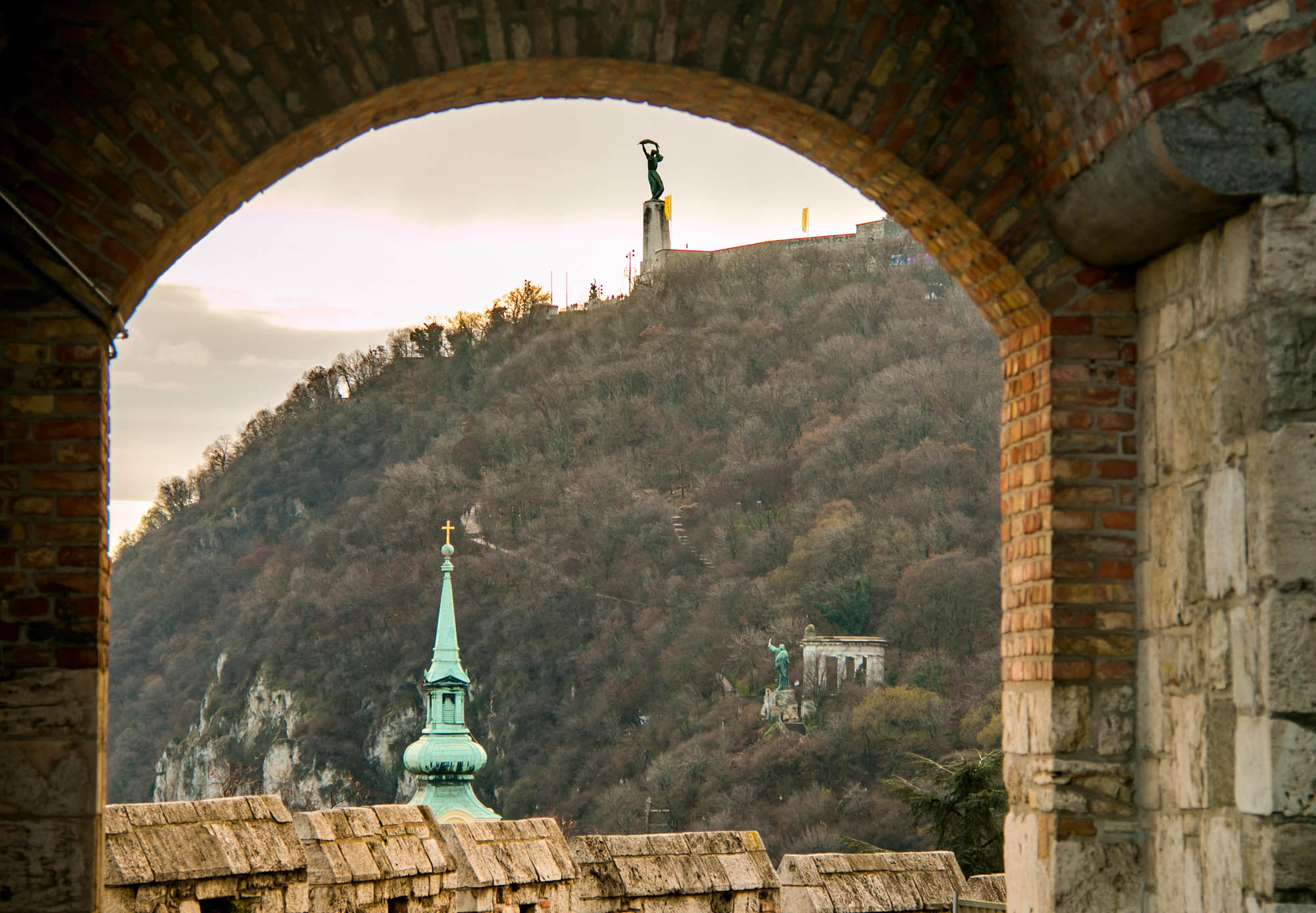
Buda Castle watch


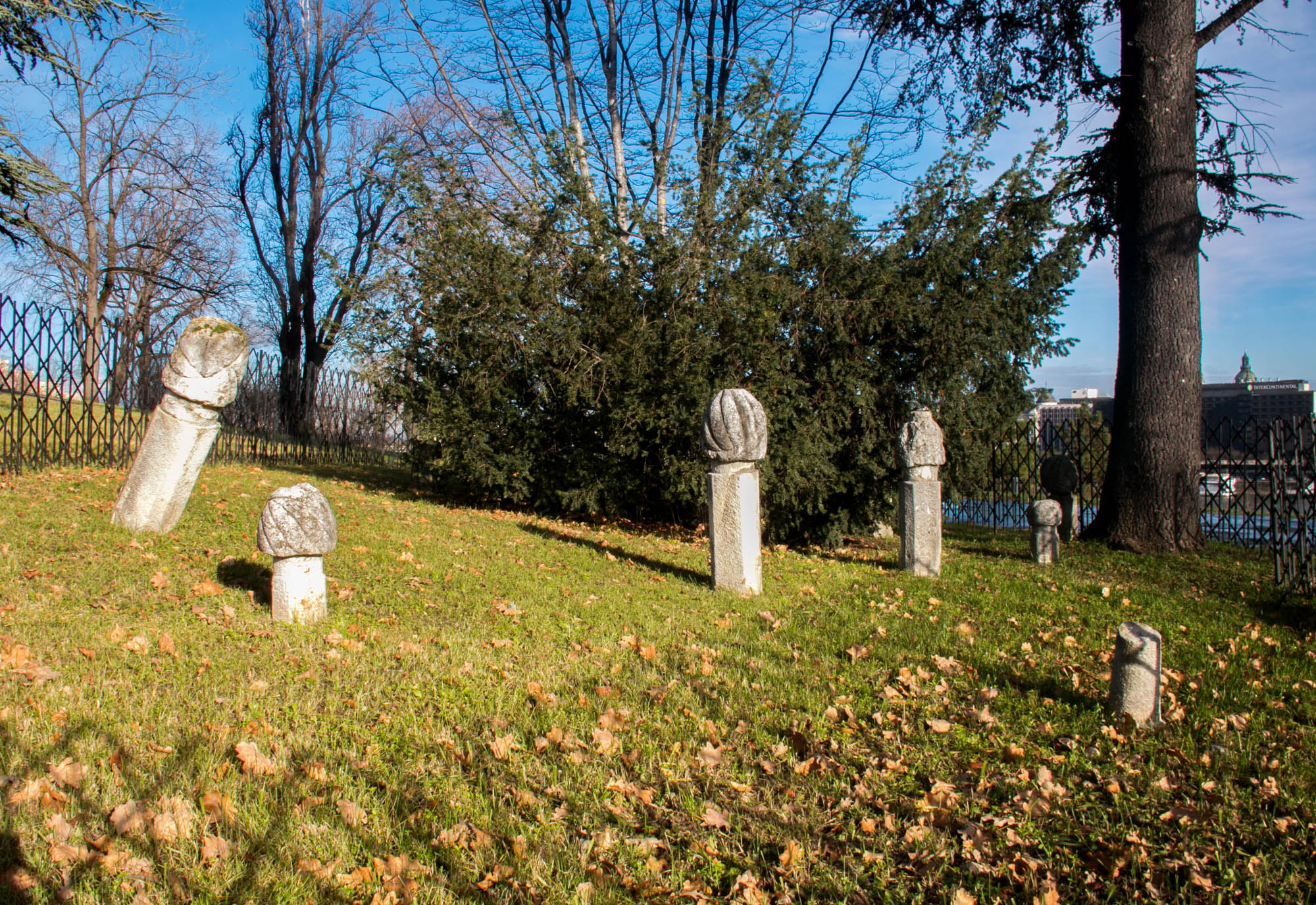
Ottoman “graveyard” on the slopes of Buda Castle, or rather a memorial place, actually. Though the headstones are indeed from the period of the Ottoman conquest of Hungary, they were excavated at other parts of the Castle Hill and its surroundings, and they have stood at their current place only from around the 1960s; at least the April 1967 issue of the review Budapest mentions the memorial site as new and displays it on its cover. Moreover, based on photographs from that time, they were more in number and there wasn’t a fence around them – this latter is probably a result of the renovation in 2000.
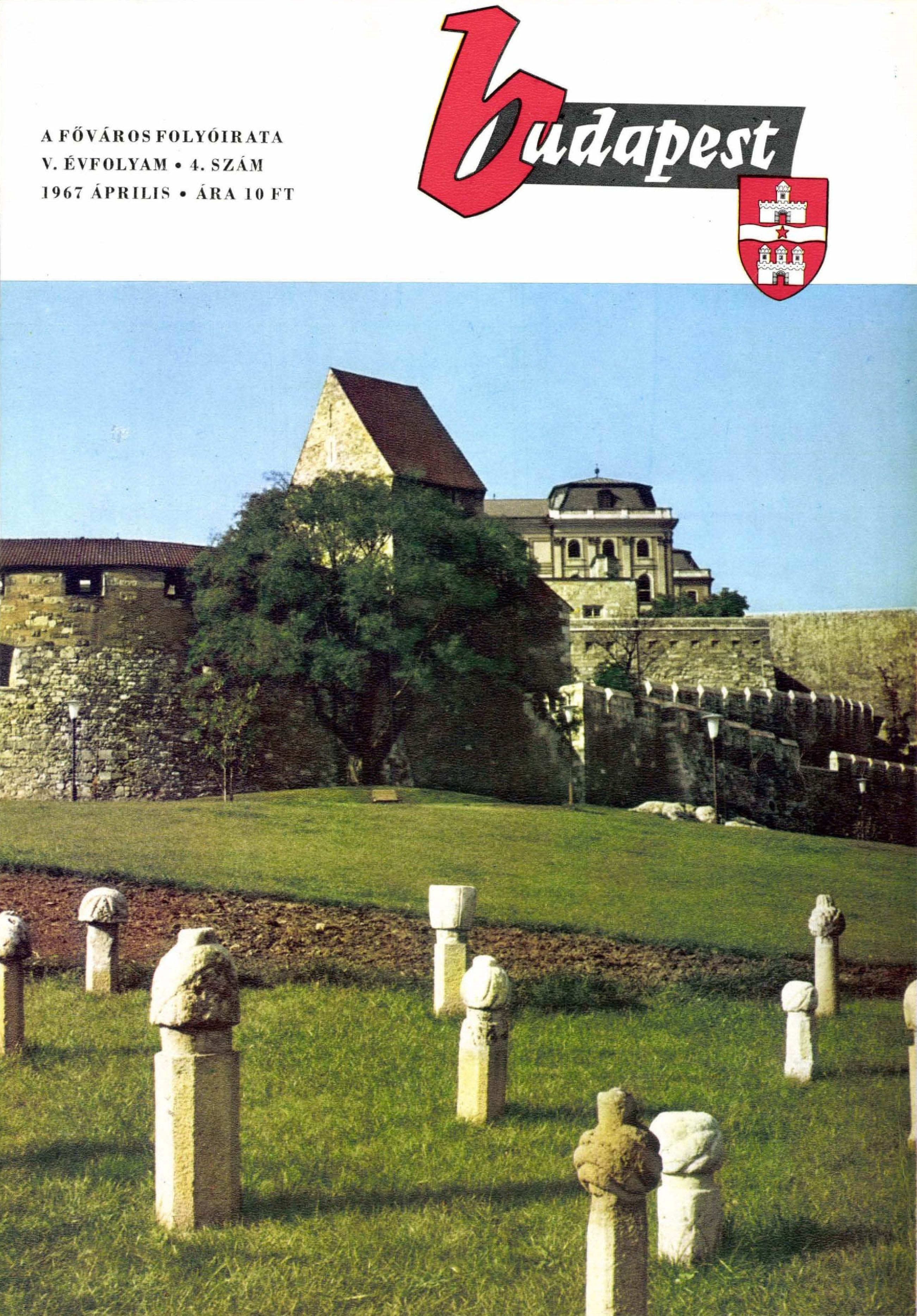
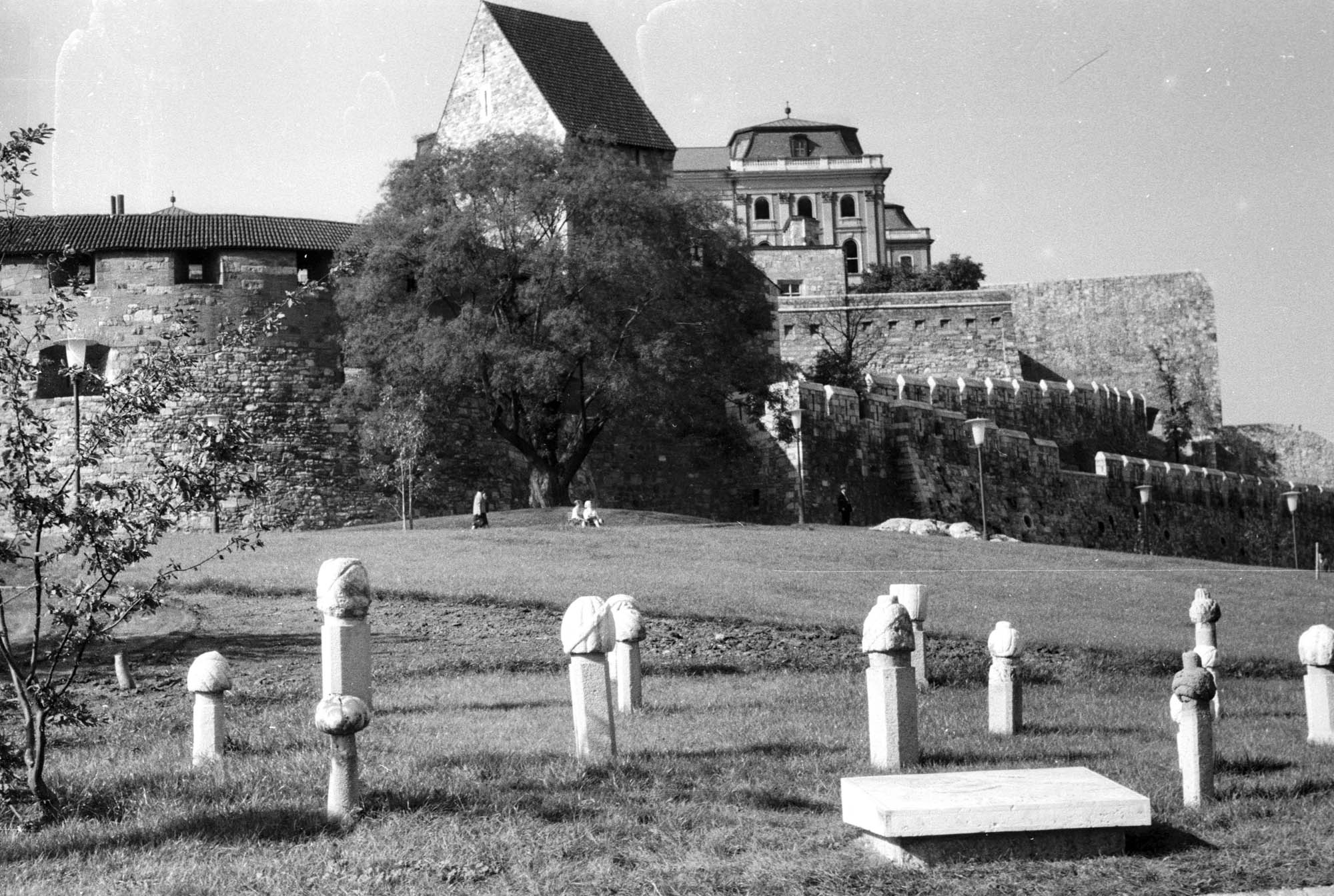

The Ottoman graveyard/memorial place on the slopes of the Castle Hill in 1966 and 1968 / source: Fortepan, from here and here

The location isn’t imaginary, though. A popular etching from 1686, labeled in Italian – made by Ludwig Nikolaus von Hallart, adjutant general of Maximilian II Emanuel, Elector of Bavaria at that time, later a general of the Russian army in the Great Northern War, and the Bavarian engraver Michael Wening – shows an Ottoman cemetery here, on the southern slopes of the Castle Hill, which is somehow unusual, so close to the fortifications, perhaps an ad hoc cemetery for military personnel.
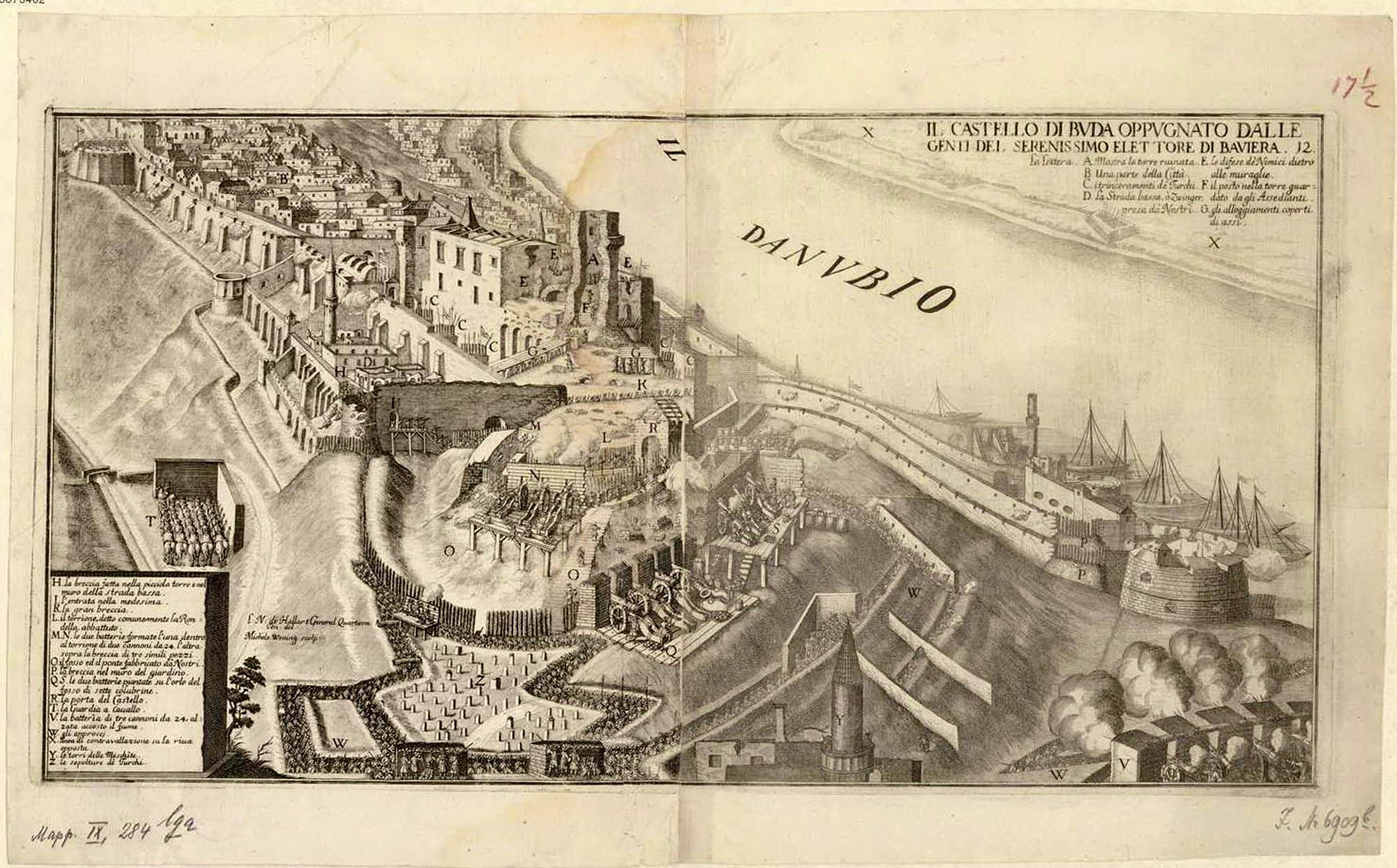
The Hallart-Wening etching, Il Castello di Buda oppugnato dalle genti del Serenissimo Elettore di Baviera. The cemetery is marked by the letter “Z”: le sepolture dei Turchi.

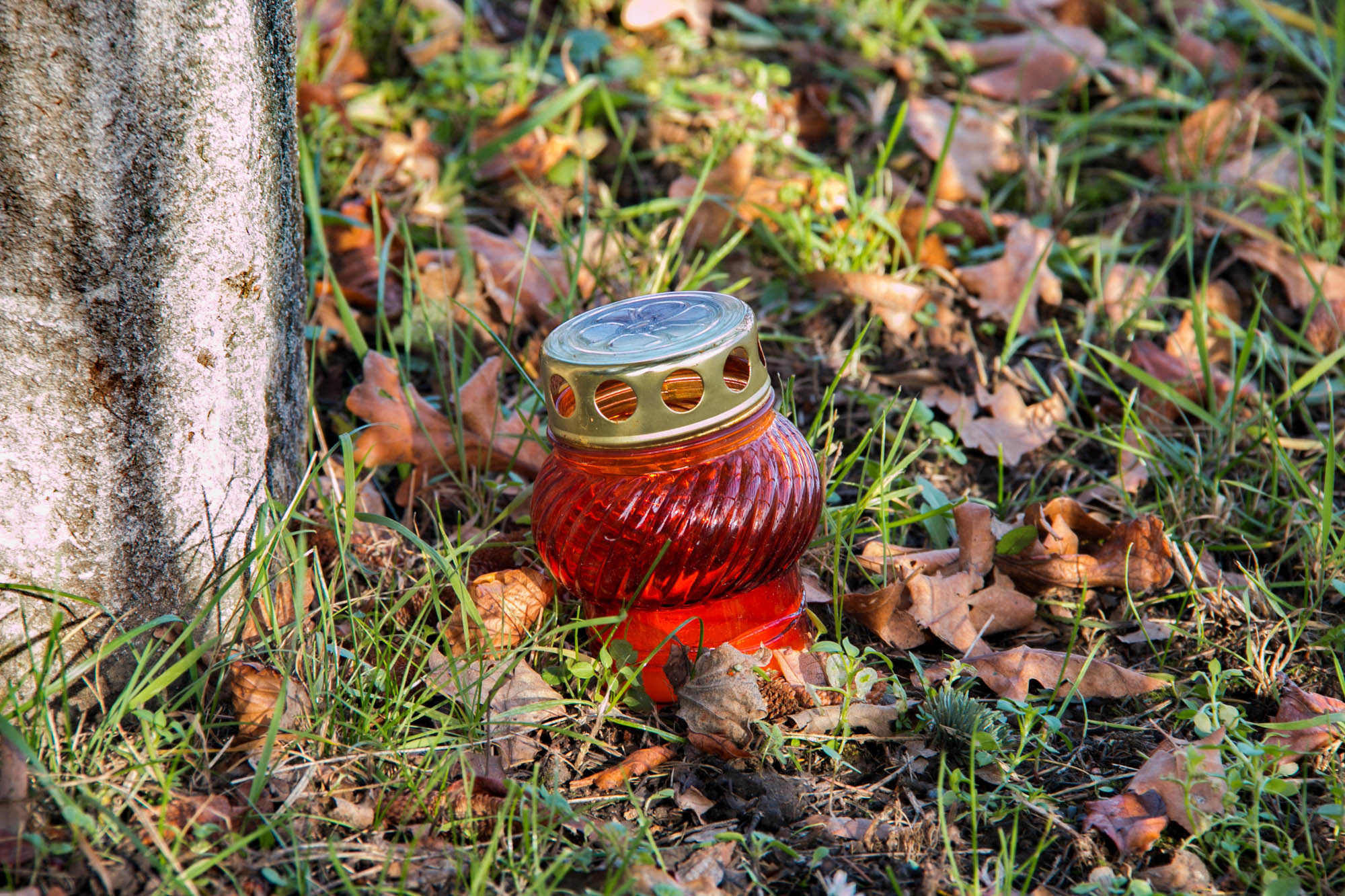
This very etching is shown on the stone right in front of the memorial place. Or at least it seems to be so, as the whole stone is so much worn out by the weather: “Turkish cemetery / based on the etching of Hallart-Wening (1686) / ترك مزارلق türk mezârliq”. There is a small candle at the foot of one of the headstones. I’m photographing those parts of the stone which still can be read when a Russian couple arrives. Пожалуйста, I tell to them, приходите, have a closer look. The women is encouraged a bit by the greetings in Russian, and she answers after a short pause: I speak a bit of Hungarian. We start to talk, and she asks about the cemetery: is it Turkish? how old is it? I tell her what I know of the place, she listens with interest, she thanks it, and then we part wishing each other a Happy New Year. They walk away while I stay a bit longer. At least some locals are interested, once there are no foreign tourists to be guided in the city.

budavari1 budavari1 budavari1 budavari1 budavari1 budavari1 budavari1 budavari1


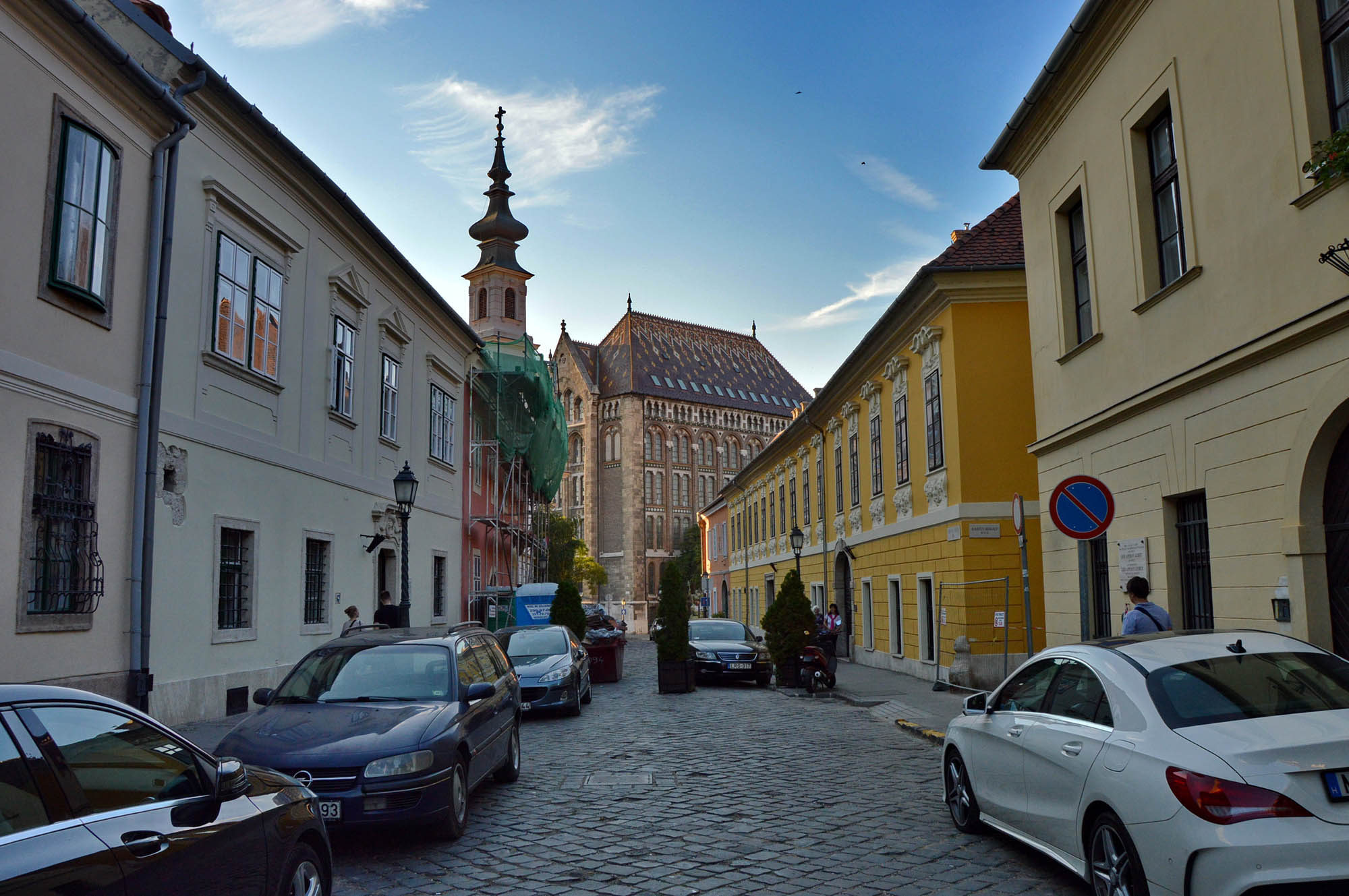
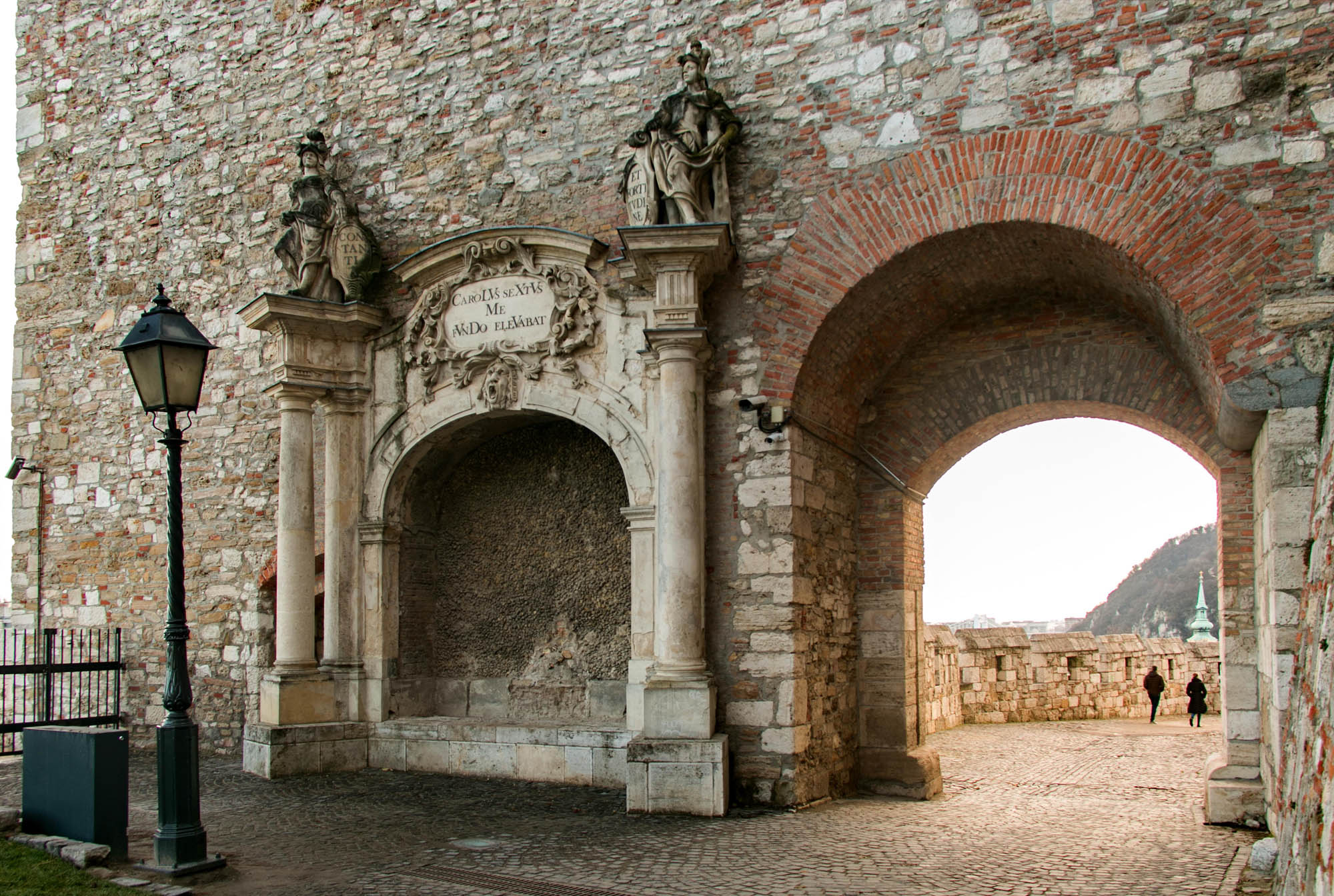
Further on, beyond the Southern Roundel, going towards the Castle, there is a Baroque gate in the northern face of the so-called Cortina Wall. It almost seems like quailing or stepped aside. It’s the former main gate of the Arsenal (Zeughaus) of Buda Castle. Armouries were typical buildings of the Kingdom of Hungary in the first half of 18th century when the period of Ottoman conquest lasting more than a century and a half ended and the country was mostly reconquered by the Habsburgs. At this time armouries were built in strategically important settlements, from Bratislava and Székesfehérvár through Slavonski Brod and Belgrade to Timişoara and Orşova.
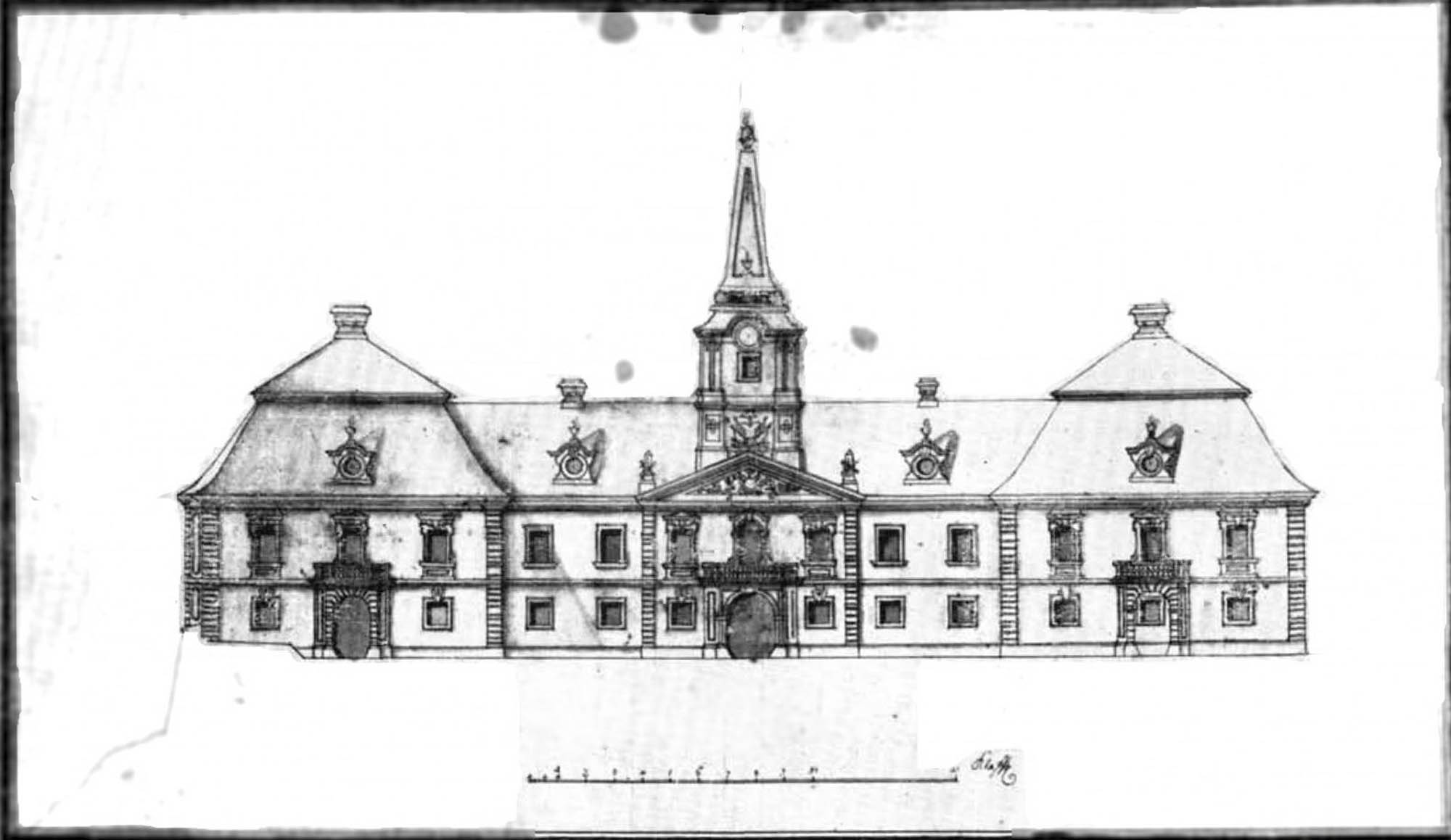
Matthey’s plan of the main façade, from here
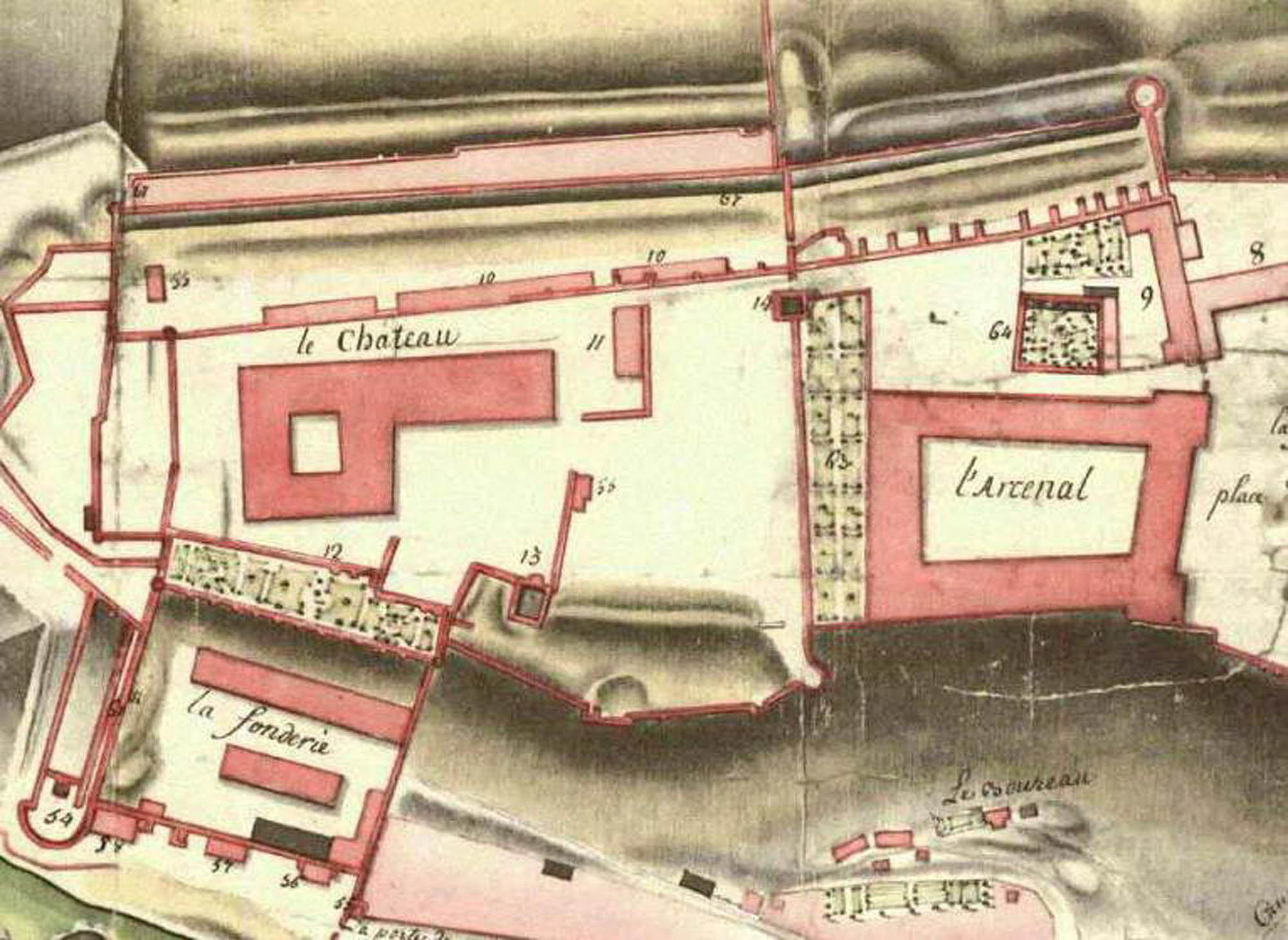
A Zeughaus épülete (l’Arcenal [sic!]) François Langer térképén (Plan de la Forteresse de Bude, 1749) / Budapest Főváros Levéltára, innen

The building of the Zeughaus (l’Arcenal [sic!]) on the map of François Langer (Plan de la Forteresse de Bude, 1749) / Budapest City Archives, from here


One of the most important was that of Buda, reasonably. Its importance – and generally the significance of armouries – is indicated by the fact that while during the fifty years after the reconquest in 1686 the Royal Palace wasn’t completely rebuilt, even two armouries were built on the Castle Hill. After the first one, built on the place of the arsenal used by the Ottomans, burnt down in the fire of Easter Sunday in 1723 it took only two years to begin the building of the second arsenal on the ruins of the first one, based on the plans of the military engineer Johann Matthey and Donato Felice Aglio/d’Allio. Being a functional building, the Arsenal itself was simpler than the main gate, not really dominating the townscape in the etchings and later the photographs of the time. However, based on the travelogues of the time it seems to be a more significant one as almost every traveler mentioned it writing about the Buda Castle.

budavari2 budavari2 budavari2from here"> budavari2 budavari2 budavari2

So the gate left without an entrance belonged to the second Arsenal of Buda Castle. Fortunately, its inscription isn’t Dantesque: Carolus Sextus me fundo elevabat, Charles VI built me from the very foundations. The text can be read as a chronogram, but if we begin to calculate, it turns out to be an anachronistic one. The large letters add as 1680 which is six years before the reconquest of Buda etched by Hallart-Wening, and thirty-one before Charles VI ascending the throne of the Kingdom of Hungary and the Holy Roman Empire. Only if we ass the small L of “elevabat”, the time out of joint is set right: by 1730, after five years of building the Arsenal was finally finished indeed, though it could begin to function only in 1731–1732.


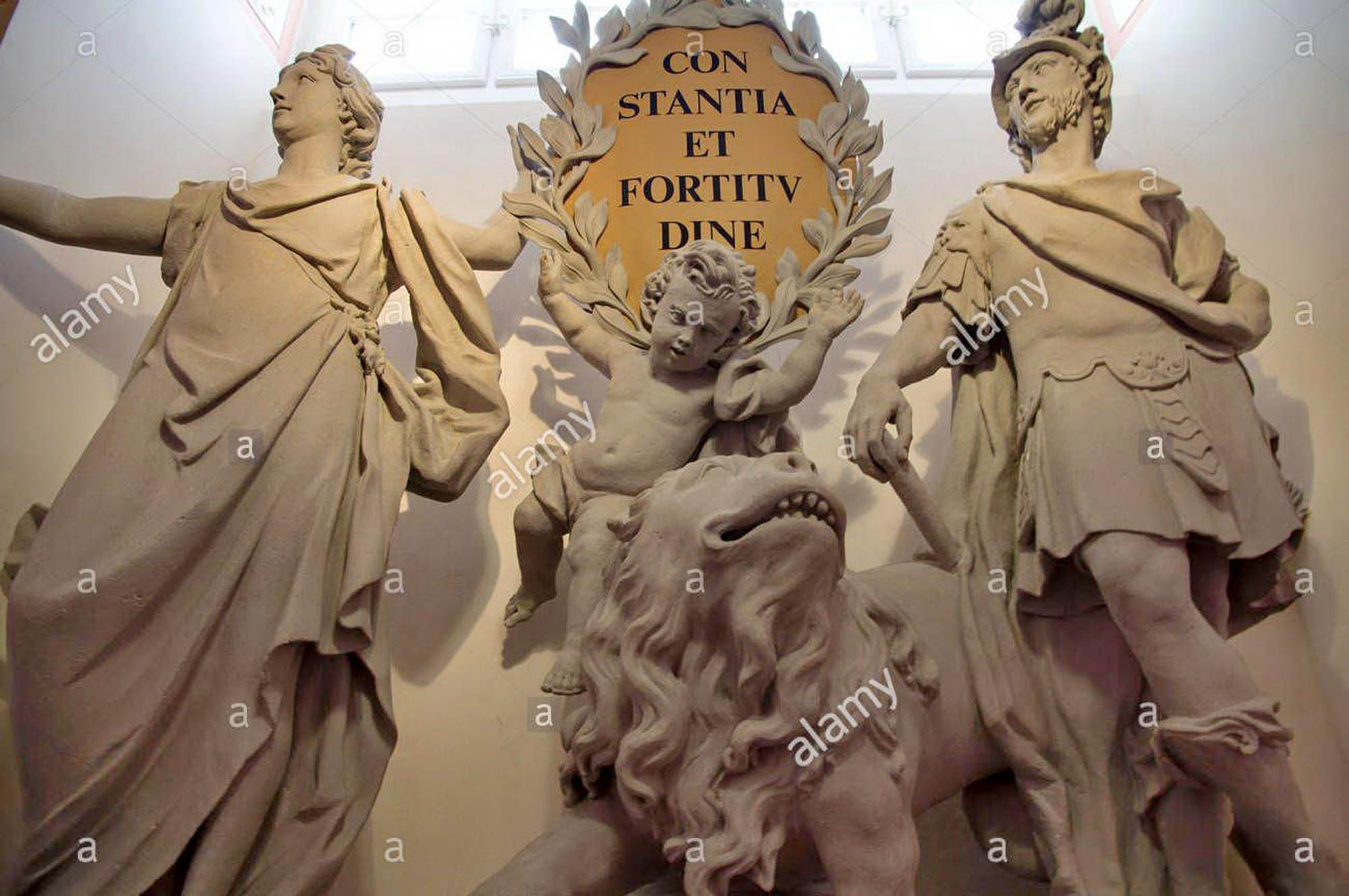
On the two sides stand the allegorical figures of Perseverance and Bravery, each of them holding a cartouche in their hands which reveals their identity and reading the words altogether they not just match the other inscription but we end up with the motto of Charles VI himself: Constantia et fortitudine, with perseverance and bravery. Their sculptor’s identity remains unknown, but they were perhaps influenced by a similar pair of statues which can be found in Melk Abbey. They were made in 1717 by the Vicenza-born Lorenzo Mattielli, court sculptor to Charles VI, and they represent the same allegorical figures, the only difference being that they hold one cartouche instead of two.


Mattielli’s statues of Perseverance and Bravery in Melk Abbey, from here

The motto turned out to be a good omen. Only the main gate survived the great rebulding of the end of the 19th century. Though some parts of the Arsenal was used as a kitchen and offices of the Royal palace since 1850, its fate was concluded by the rebuilding of the royal palace led first by Miklós Ybl then Alajos Hauszmann. By 1901 the entire building of the Arsenal was demolished. At the beginning of 1898 when the demolish began, Hauszmann – whose architectural legacy of the Buda Castle is being rebuilt nowadays – moved the Arsenal’s main gate to its present place. He also placed the statue of Hercules in the vault which was originally at the tympanum above the gate. The statue disappeared since then, maybe destroyed during World War II, as a paper written by the archivist György Bánrévy in 1933 (in Hungarian) mentions it as still standing. On the other hand the enlarged L of “elevabat” in the inscription can be seen on a couple of photographs from the ʻ30s, though the whole inscription is strongly damaged by then and completely undecipherable by 1982 as attested by an other photograph. Therefore the mistake in the chronogram isn’t a 18th-century typo, but rather made during the recent renovation.

budavari3 budavari3 budavari3 budavari3 budavari3

budavari4 budavari4 budavari4 budavari4 budavari4 budavari4 budavari4


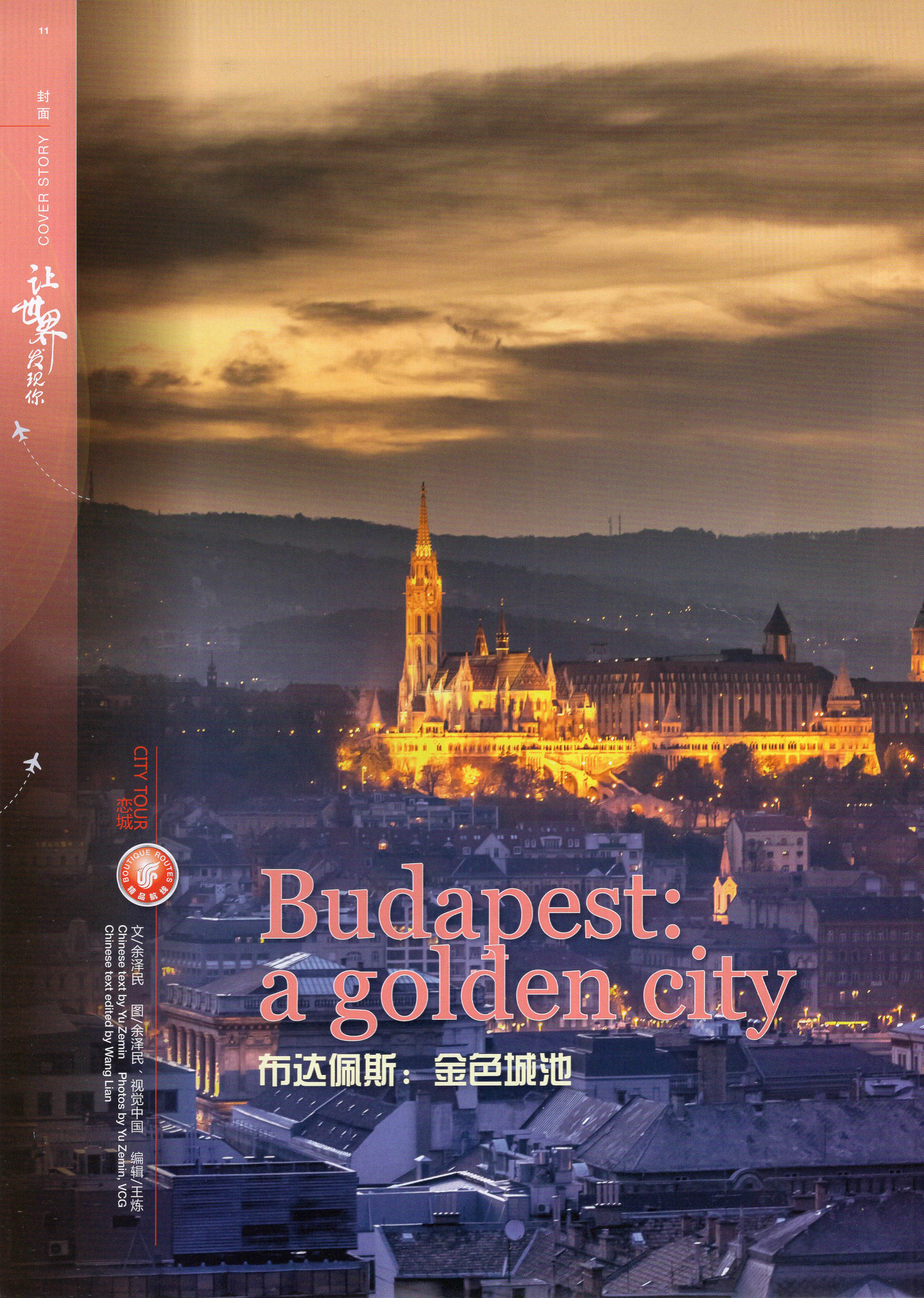
Budapest, a golden city

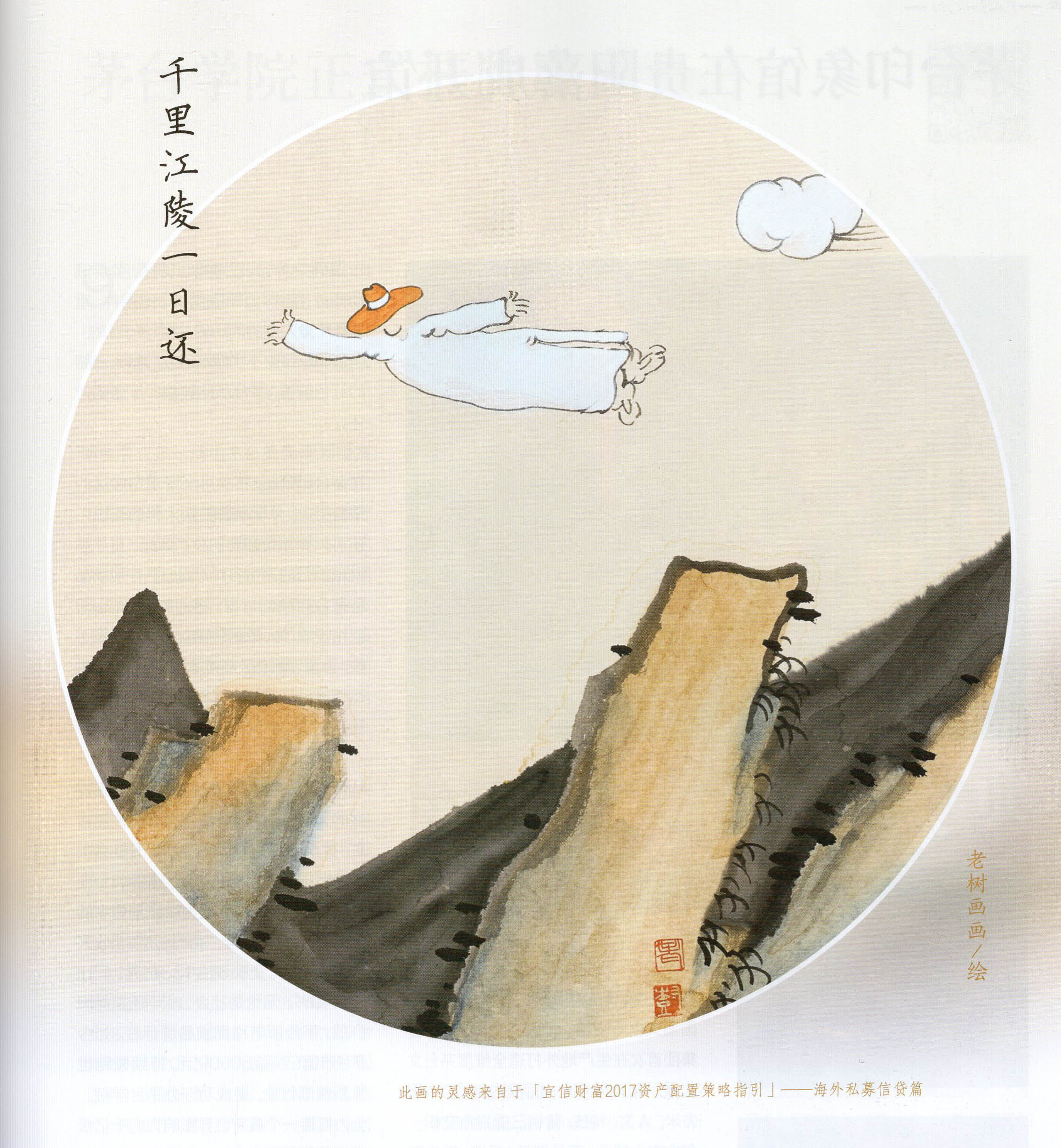
Lao Shu Huahua: “Jiangling is a thousand miles away, yet it is only one day”

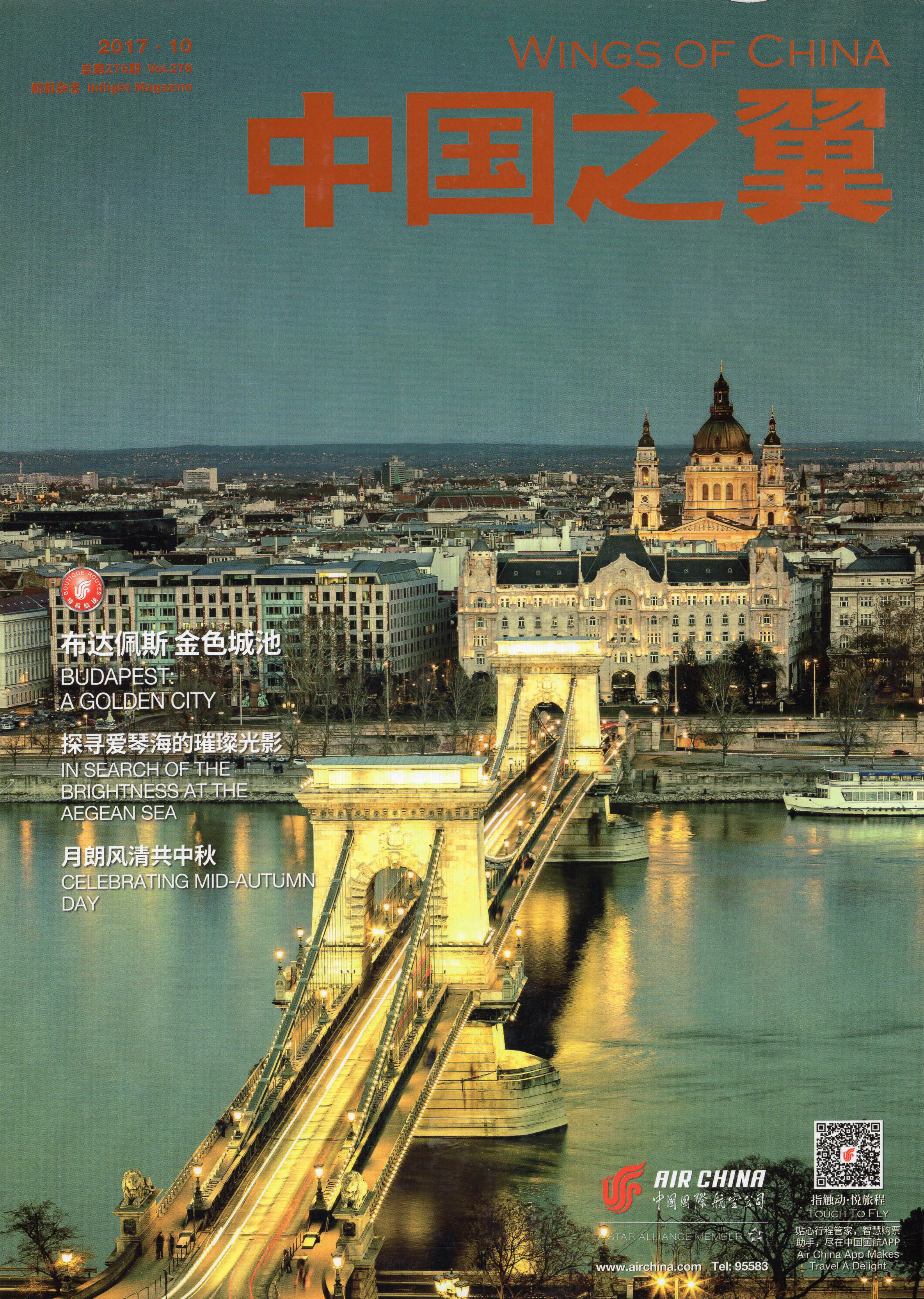
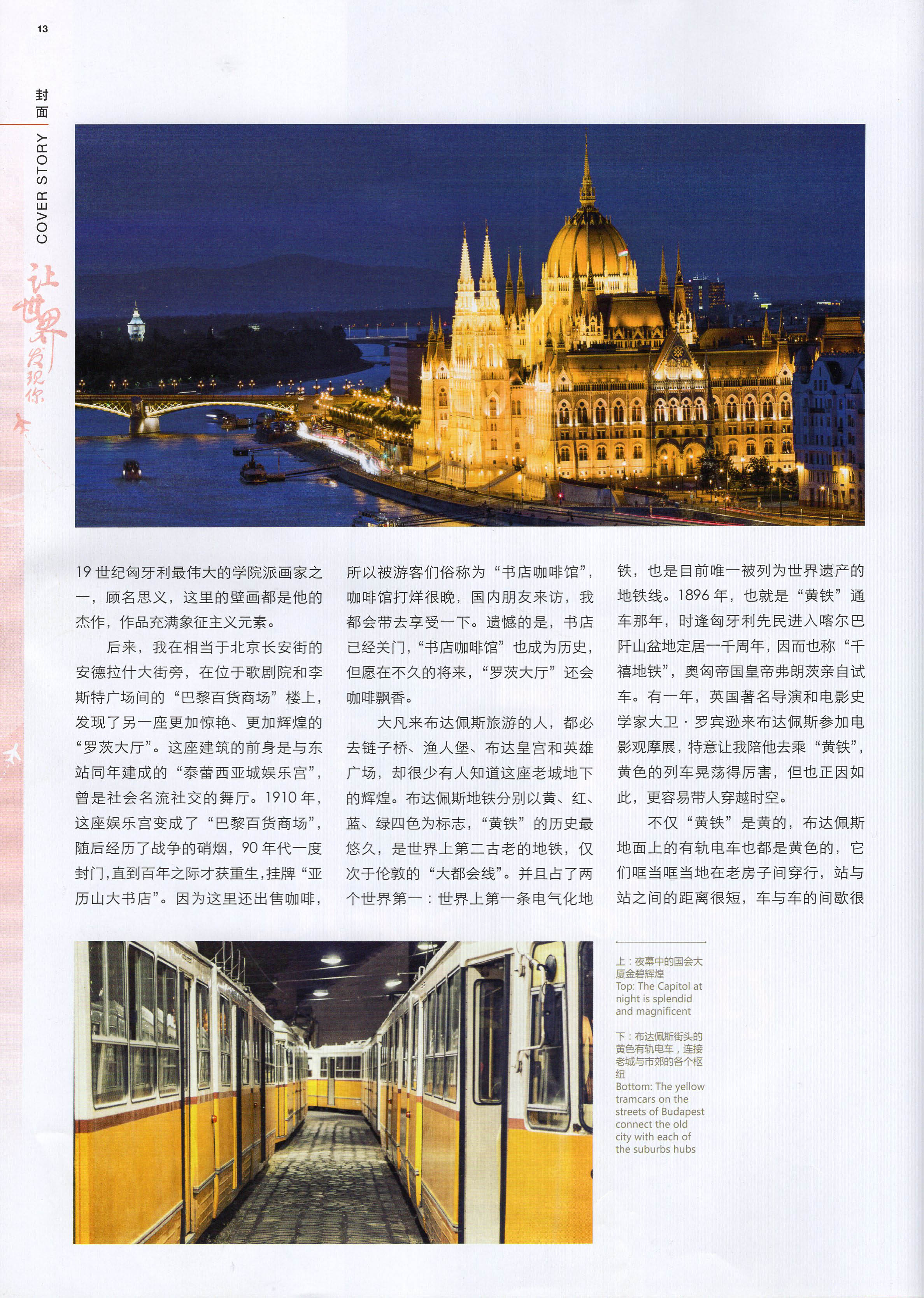
This verse, illustrated by the popular contemporary Chinese artist and media professor Lao Shu Huahua, is from the great Tang-era poet Li Bai’s Early morning departure from Baidi (759). Li Bai in this poem, getting to know that he had received the emperor’s pardon in his exile, feels an exuberant joy and considers himself able to return to his distant home within a day. Lao Shu represents this dreamlike travel with his constant figure, Mr. Minguo, floating above the mountains. But the Air China airline company, by including this drawing as an advertisement in the October issue of their board magazine Wings of China, provided it with a new meaning, almost declaring that they could have helped Li Bai in really getting to his home in one day.

At least they helped me to do so. Not that much the company, since I read the October issue on the inverse way, by traveling from my homeland to the country of Lao Shu Huahua and Li Bai. But rather the magazine itself. Each monthly issue of Wings of China focuses on a different city, entrusting a known author to write an essay about it, and provides short reviews and useful information about it on dozens of pages. And the city in the focus of the October issue is none else but Budapest. 布达佩斯,金色城池, Bùdápèisī, jīnsè chéngchí – Budapest, the golden city. And the author who writes an essay about it is the most important Chinese writer living in Hungary, Yu Zemin – the Chinese translator of Péter Esterházy, Imre Kertész, László Krasznahorkai, Sándor Márai and Péter Nádas, and author of eight volumes of essays written mainly on Hungary (but never translated to Hungarian), as well as of three European travelogues.

We can be grateful for this text not only because it brings close Budapest to eight million people – that is, one twelfth of the 90 million annual travelers of Air China, the readers of the October issue. But also because it shows to us, how beautiful, how intimately close it is considered by someone who had lived half of his life in a different culture on the other side of the Earth. His vision, however, is very close to ours, who have learned in Budapest how to see a city, and now we look at every other city in this way. As he slowly moves from place to place in the city, evoking history and musing on the details, and as the past, coming alive, merges with the present which is seen as soon becoming a nostalgic past.


Yu Zemin: Budapest, a golden city

As every man has a different smell, so every city has its own color. If Athens is enamel blue, and Rome is green, like old bronzes, and Vienna is coffee brown, then Budapest is the purest gold.

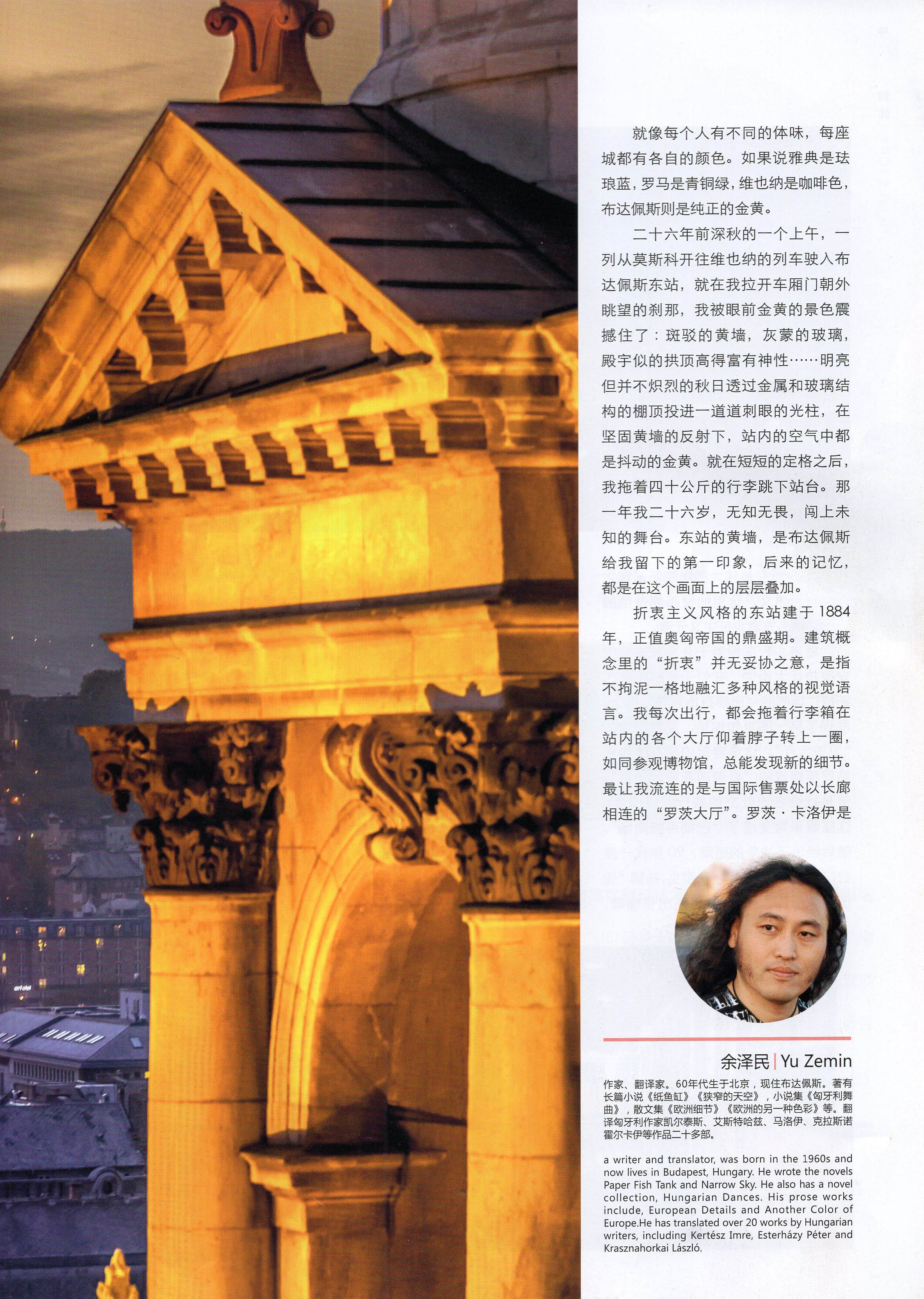
Twenty-six years ago, on a late autumn morning, a train from Moscow to Vienna rolled into Budapest’s Eastern Railway Station. As soon as I opened the door, and looked out, I was immediately grasped by the impressive golden view, the walls of golden shades pierced by opaque glass windows, and the huge glass dome, like that of the temple of a rich deity. The bright, but not burning autumn sunlight broke with golden bars through the metal and glass structure of the roof, and reflected on the solid golden walls. The air in the station trembled in one golden dazzle.


The main façade of the Eastern Railway Station. Photo by Péter Visontay

The eclectic-style Eastern Railway Station was built in 1884, during the heyday of the Austro-Hungarian Monarchy. “Eclectic” does not mean compromises in the spirit of the building, but rather that it combines the form language of multiple styles, instead of rigidly sticking to one of them. If I go to travel, and pull my suitcase along the halls of the station, I always look around like in a museum, and every time I found new details. I spend the most time in the Lotz Hall, attached to the long corridor of the international ticket office. Károly Lotz was one of the greatest Hungarian academic painters of the 19th century, and as the name of the hall shows, the frescoes here are his masterpieces, imbued with a rich symbolism.


Later I discovered an even more stunning Lotz Hall on the upper floor of the Parisian Supermarket, between the Opera House and Liszt Ferenc Square, along Andrássy Avenue, which is a local equivalent of the Chang’an Avenue in Beijing. The supermarket’s predecessor, the Terézváros Casino was a renowned dance and music venue, built in the same year as the Eastern Railway Station. In 1910, the casino was converted into the Parisian Supermarket, then it went through the smoke of the war, and was reborn in the 1990s as a member of the Alexandra Bookshops’ network. Coffee was also served, and the well-known bookstore café was open until late evening. They had many regulars, and I also often came here. Unfortunately, the network recently closed down, and the bookstore café became history. Nevertheless, I hope it does not take long, and the Lotz Hall will be again filled with the scent of coffee.

Most of Budapest’s visitors dutifully visit the Chain Bridge, the Fisherman’s Bastion, the Royal Palace and the Heroes’s Square, but very few know the charm of the underground city. The metro lines in Budapest are marked with four colors, yellow, red, blue and green. The history of the “yellow subway” goes back to the oldest times, since this is the second oldest underground line after that of London. But it is the first two respects. It is the first electric subway line, and the first one that was awarded the World Heritage title. It is also called “millennial subway”, because it was built in 1896, on the millennial anniversary of the Hungarians’ ancestors coming to and settling in the Carpathian Basin. Franz Joseph, Emperor of the Austro-Hungarian Monarchy personally tested the line. Some years ago the renowned British film critic and film historian David Robinson came to Budapest to watch some movies, and he invited me to keep with him on the yellow subway. The yellow wagons shook incredibly, but exactly that’s why we felt much more like traveling through space and time.

Not just the yellow subway, but the trams running on Budapest’s surface are also yellow. They meander between the old houses, there is almost no distance between two stops, and they follow each other by short intervals. This makes easier the life of the locals, and it also shows the small size of the old town. The yellow trams form a kind of yellow landscape on the boulevards, the banks of the Danube, and in the junctions connecting the old city to the suburbs. To me, they are much more lifelike symbols of the city life than the Chain Bridge or the Fisherman’s Bastion. The latter live in static, two-dimensional form in my memory, while these are dynamic and three-dimensional.


“This is a yellow city. Yellow is the tram convoy with rusty spots, which writhes with metallic noise between the yellow façades, blue-gray roofs, high-rise palaces with deep doorways and high windows, dang-dang, ding-ding, it is heard in both stops, as it passes from the one to the other. In this city, every sound is also yellow, a golden yellow sun casts ocher yellow shadows, the dim yellow street attracts yellowish moths. The park under the spring sky is full of yellow flowers, autumn leaves, dead leaves, yellow-green moss. Even the air tastes yellow, as it is penetrated by the sour smell of rusty river water and decomposing plants. A girl with long wheat-colored hair walks with her golden-brown beagle on the uneven, glittering dark cobblestones, the proud shining of both filling the whole unpopulated little street…”

This is the beginning of my novel 纸鱼缸 Zhī yúgāng (Aquarium), which I wrote in the yellow color of Budapest, from inside to outside, from near to far, from me to him, from the moment to the history. I emigrated here twenty-six years ago, and the number of years that had passed before it and after it is the same. The first half of my life I lived in the red-walled capital, the second half belongs to this golden city. To me, even the blue Danube is golden in color. If you come to this city, go to the golden-glittering Opera House for a performance, to the yellow-walled Széchényi Bath, where you can bathe in hot springs for a half day, or just sit down somehwere in the golden shade, drink a cup of coffee or a glass of beer, and let the golden time slowly infiltrate and settle in your memory.


Photo by ḆΞ₪¡

The last annexation


Alajos Hauszmann is one of the most significant representatives of Hungarian historicist architecture. Many buildings in Budapest are associated with his name. They include the splendid block of flats at Döbrentei street 8, whose commissioner was one of Hauszmann’s first clients and his old friend György Kégl (1822-1908) – a distant relative of Sándor Kégl, the renowned Iranologist and great friend of cats. The commission was probably also connected with an earlier, almost fatal accident. In fact, during a duck hunt, Kégl shot off an incisor of Hauszmann, who at that time was at the beginning of his career. Due to his guilty conscience, he payed close attention to him, as Hauszmann himself mentions in his diary.

On 22 and 23 April, during the Budapest100 festival of this year, this house was open to visitors. The stories of the former inhabitants were collected by Noémi Saly, the great monographer of Budapest, who also lives here. One of her own family stories was also included in her volume Példabeszédek (Parables, 2015):

“My mother moved to Döbrentei street in 1947. It was two years after the siege. Two of the three rooms in the flat were only covered by the starry or stormy sky, and the kitchen had no walls. The bathroom had also no roof, so the rain and snow fell steadily on the thick ceiling beams. […] She enters into the block of ruins, bathing in sunshine, and then, through the gilt beams, to the balcony. The Danube is blue, so she decides to stay.”

Some blocks away: Döbrentei street 16, seen from Attila street, in 1945. Source: Krisztián Ungváry / Fortepan

Many people spent shorter or longer time in the house from its construction to its nationalization in 1950. One of the first inhabitants was Rezső Abele, the former governor of Fiume, who moved to Budapest after his resignation in 1897, and lived here until his death in 1923. Although he changed the Adria for the Danube, nevertheless he kept the brand: both the governor’s palace in Fiume and the house in Döbrentei street were built by Hauszmann. Later, in the early 1920s, several prominent figures of the Russian monarchist emigration found new home here. Under the leadership of  Petr Glazenap, the former military governor of Stavropol, here operated from 1921 the administrative center of the White Legion, which tried to recruit former Russian prisoners of war in Hungary and anti-Bolshevist officers of the former Austro-Hungarian army for a war against the Soviet Union. Although Glazenap left to Munich in 1923, the former colonel of the Tsar’s body guard Vladimir Malama and his family, who had lived here since 1919, remained in the house. Their flat was home on a weekly basis for a political salon, whose purpose was to convince the local representatives of the Entente about the necessity to restore the monarchy in Russia. The club’s regular visitors included the Governor of Hungary, Miklós Horthy, who was on friendly terms with Malama. In 1925, the organization of the Russian emigrés was abolished by an order of the Foreign Ministry, but the Malama family remained in Döbrentei street. Vladimir Malama died in 1935 in Nice, but his wife, Anna Samoylova remained in Budapest. She died in 1950, allegedly due to the illness received in 1945 from the Soviet soldiers.

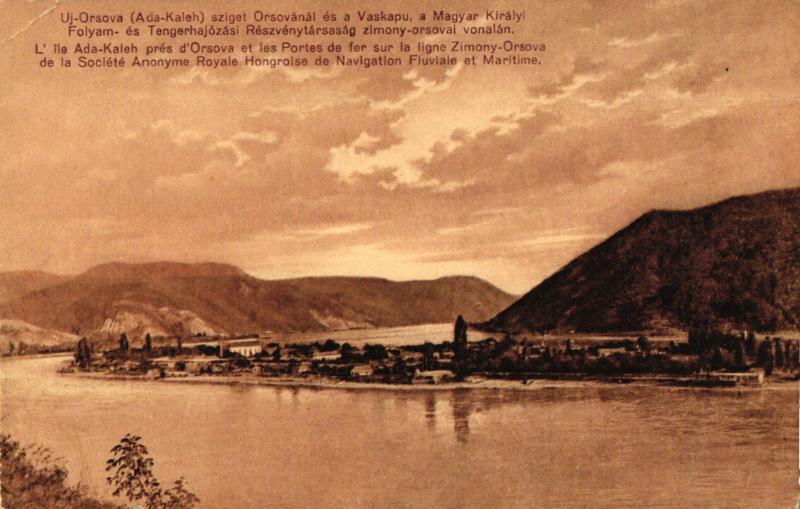
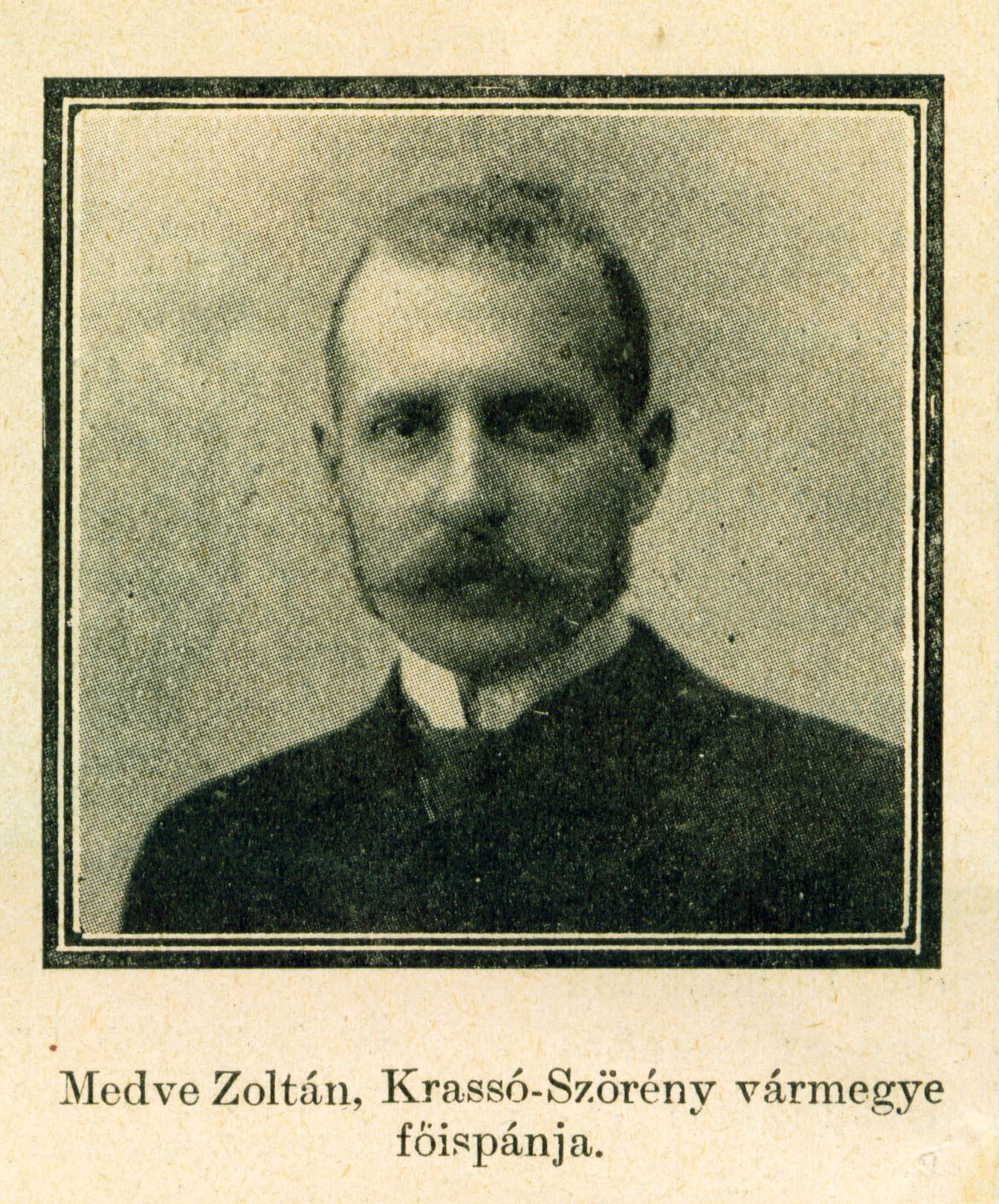
And towards the end of his life, from 1939 on, here lived Zoltán Medve Zoltán (1868–1943), the retired governor of Krassó-Szörény County, who at the peak of his career, on 12 May 1913 performed the last territorial expansion of Hungary, the annexation of the island of Ada-Kaleh.


Albeit the Interior Minister’s order required full confidentiality, the event quickly became known. The Népszava reported about it three days later, on 15 May, taking over the report of the Keleti Értesítő:

“On 12 May, the Monday of Pentecost, the Turkish island of Ada Kale near Orsova, was annected and immediately taken into possession on behalf of the Hungarian government by Dr. Zoltán Medve, Governor of Krassó-Szörény County.
It is reported from Orsova: On Monday at 12 noon, Governor Zoltán Medve, Vicegovernor Aurél Issekutz and Mr. Podhraczky, Chief Servant of Orsova, accompanied by a gendarme officer and four gendarmes, appeared in the island of Ada-Kaleh, and immediately went to the Governor’s building, where the Governor of the island, Sherif Eddin Bey received them.
Mr. Medve showed the decision of the Hungarian government, and he read its Hungarian text. This decision instructed the Governor to annex the island of Ada Kale in the name of His Majesty, and to immediately take it into possession.
Then, turing to the Vicegovernor and the Chief Servant, the Governor briefly outlined the importance of the event, and he entrusted them to strictly observe the traditions of the island’s population, especially the free practice of religion, and to act so that the inhabitants feel themselves equal to the other sons of the homeland. Finally he called on the Chief Servant as the administrative authority to take over the island as part of Krassó-Szörény County.
After the annexation was completed, a protocol was redacted. Governor Sherif Eddin Bey declared, that he cannot acknowledge the annexation, because he had received no instructions from the Turkish government. He is therefore obliged to refuse the signature of the protocol, and to protest against the occupation of the island. Governor Zoltán Medve referred to the decision of the Hungarian government, and declared, that he cannot take the protest into account. Nevertheless, he had no objections to the Governor’s remaining on the island, until he receives detailed instructions from his government. He also instructed the gendarmes to stay in the island as a sign of the annexation, and to take care of the order and peace. After this, the Governor and his escort left the island.
According to a more recent telegram from Orsova, on Tuesday evening Sherif Eddin Bey left the island, but nobody knows to where. Rumor says, that the Turkish government will oppose the annexation of the island in the most decisive way at the great powers.”


Despite the appearances, the annexation was merely a formal act, the last episode of the decade-long territorial debate. In fact, Ada Kale had previously been under Hungarian sovereignty. It was almost precisely thirty-five years earlier, on 25 May 1878, that the Monarchy, taking advantage of the Stan Stefano Peace Treaty which closed the Russian-Turkish war, occupied the Turkish island on the Lower Danube. The treaty, concluded on 3 March, had not decided about the possession of the island, only about its evacuation and the demolition of its fortress. Thus, the Ottoman empire in any case had to renounce the territory, whose possession was not irrelevant to the Danubian empire. In case they did not act, a neighboring competitor, Serbia or Romania could have laid hand on the island, laying in a comercially and tactically strategic point. In March and April 1878, the Austro-Hungarian diplomacy, which was already vigilant, made the decisive step, and after lengthy negotiations, on 21 May, with the tacit consent of the Russians, the representatives of the Austro-Hungarian and the Ottoman government agreed on the temporary Austro-Hungarian occupation of Ada Kale, postponing the final regulation.


The temporay occupation lasted forty years. The clearing up of the odd situation – a Turkish civil administration alongside with an Austro-Hungarian military presence – was from time to time on the agenda of the Hungarian party, but no progress was made until the annexation of 1913. The annexation took place in a political situation which was very similar to the occupation of 1878. The Monarchy wanted to prevent that during the new negotiations at the end of the first Balkan War any other Balkan state might require the island for itself. However, the integration into the Hungarian civil administration remained nominal – due not so much to Müdir Sherifeddin’s protest, but rather to the prudence of the Austro-Hungarian government, which did not want to overshadow the good relations with the Porta either in 1913, or later, in the war years. A Lex Ada Kale was never born. The “Ada Kale question” was finally resolved by the dissolution of the two parties, the Austro-Hungarian Monarchy and the Ottoman Empire. The 1938 Sèvres and the 1933 Lausanne Treaty awarded the island to Romania.


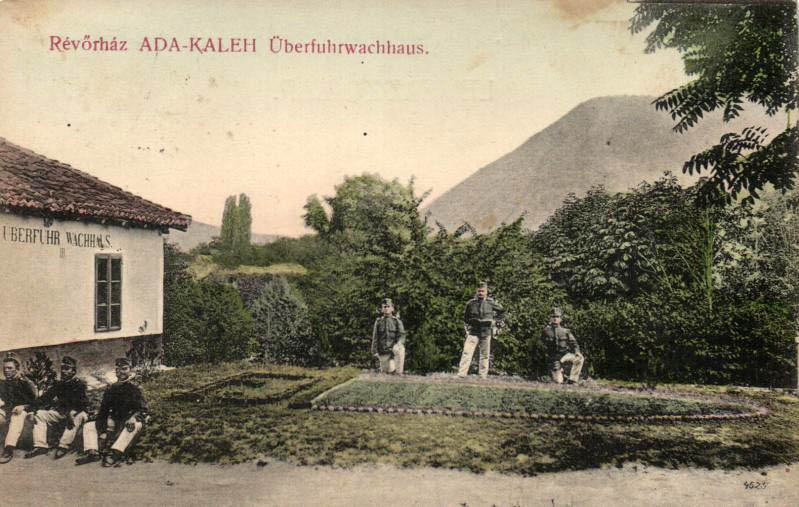
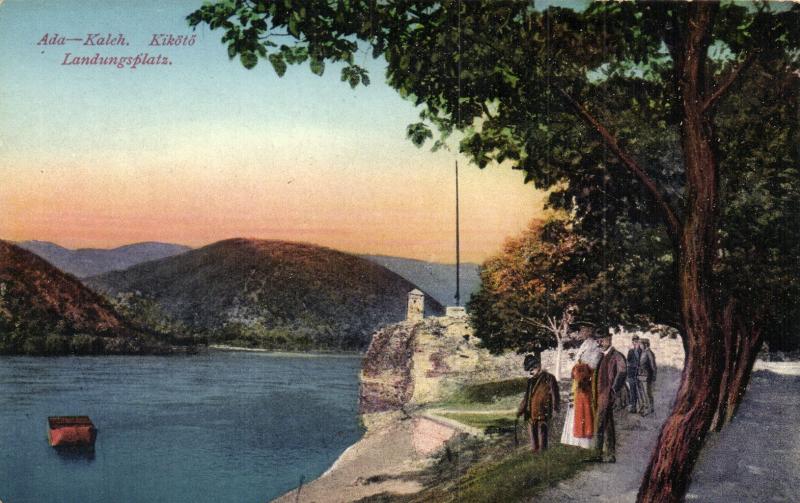
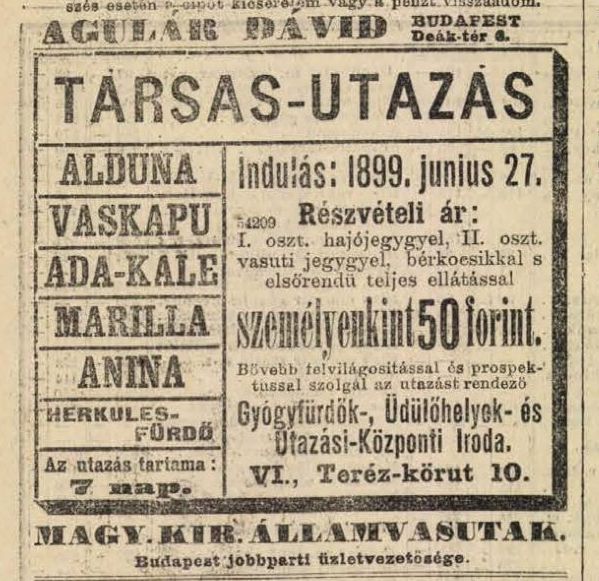
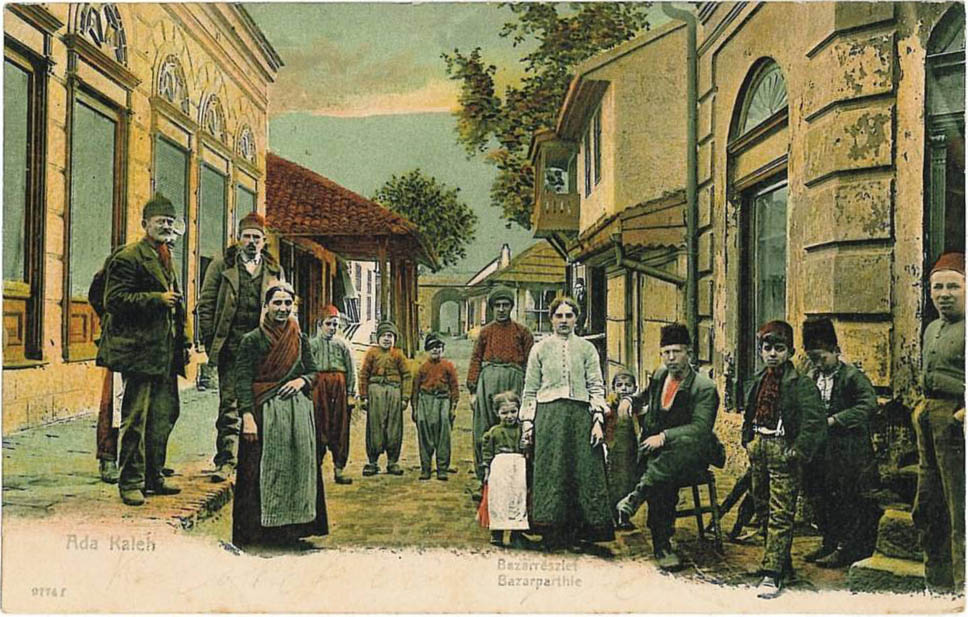
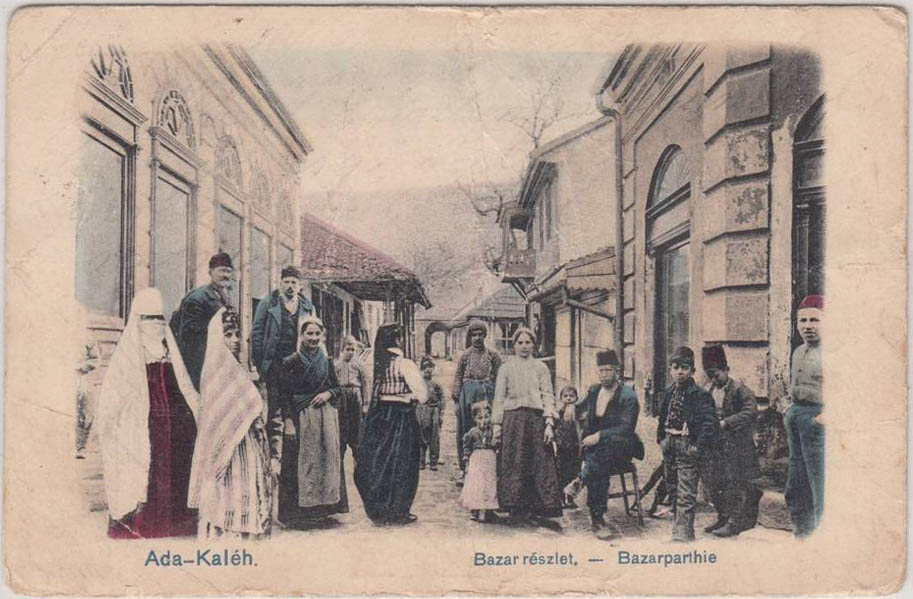
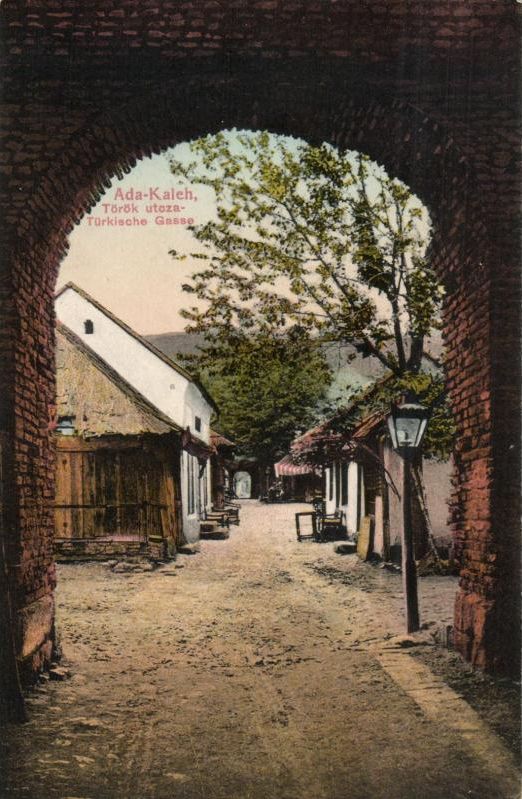
Forty years of Hungarian rule, however, did not pass without trace. In the years of the occupation, the strategic significance of the island declined (only during the war it became important again, when even Egon Erwin Kisch, “the frenzied reporter”, wrote articles from here. Nevertheless, due to its situation and the neighboring Orsova and Hercules Bath, the island soon became a popular tourist destination, as it is attested by newspaper ads and postcards sent from here. But it attracted not only the touirsts. Turcologist Ignác Kúnos visited the island several times. His ethnographic research was aided by the local teacher and merchant Mehmed Fehmi, who, as attested by the postcards, also operated a printing press, and who, as the leader of the anti-annexation movement, was elected in 1914 the deputy of Ada Kale in the constituency of Constantinople. Kúnos held lectures and published articles on his visits to the island, and he published the materials collected by him in several volumes: the folk songs in 1906, the folk tales first in 1907 in German, in two volumes, then in 1923 also in Hungarian. Thereby he virtually saved a great part of the island’s ethnography and of the archaic Turkish dialect spoken here, almost seventy years before its sinking under the water of the Danube. Kúnos probably would have got to the island without the Hungarian occupation as well, but, alongside with the gradual disappearance of the Rumelian Turkish world, the popularity of Ada Kale in Hungary also contributed to his interest in the island. Seen from this point of view, the decades long Austro-Hungarian aspirations were perhaps not completely useless.

The first summary blog post on Ada Kale in Hungarian was published on Falanszter. The Dunai Szigetek (Danubian Islands) regularly publishes information-rich entries on it, with many little-known infos and images. In 2011, a large exhibition on Ada Kale was organized in Bucharest, whose catalog, Marian Țuțui’s Ada-Kaleh sau Orientul scufundat (Ada Kale, or the sunken Orient) will be soon presented by us.

Package tour to Ada Kale. Ad in Budapesti Hírlap, 17 June 1899

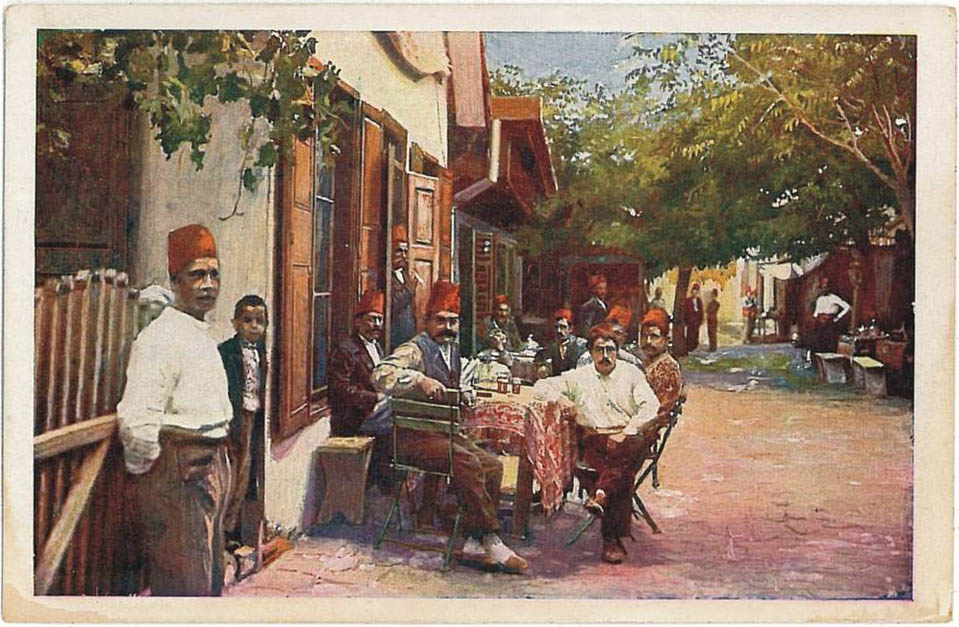
A genre postcard on Ada Kale: the original version (above), livened up with a few odalisques for a tourist trap (below)


adakalehdobr adakalehdobr adakalehdobr adakalehdobr adakalehdobr adakalehdobr adakalehdobr adakalehdobr adakalehdobr adakalehdobr adakalehdobr adakalehdobr adakalehdobr adakalehdobr adakalehdobr adakalehdobr adakalehdobr adakalehdobr adakalehdobr


Synagogue under the ground


“Old Prague, with its red roofs, zigzag streets and towers is the saddest city in the world”, writes Michael Chabon, referring to the devastation of World War II in the capitals of Central Europe, which comparatively spared this city. But we know well – from among others, the example of Prague –, that the destruction of the medieval or early modern heritage began much earlier, due to other wars or deliberate urban planning. The Jewish quarters were especially vulnerable to such destruction. While that of Prague was irrevocably reshaped by bailouts, in modern Ljubljana – at that time, Laibach – only two street names recall the former presence of the Jews, expelled in 1515. The Jewish monuments of medieval Buda in the Castle Quarter have fared somewhat better.

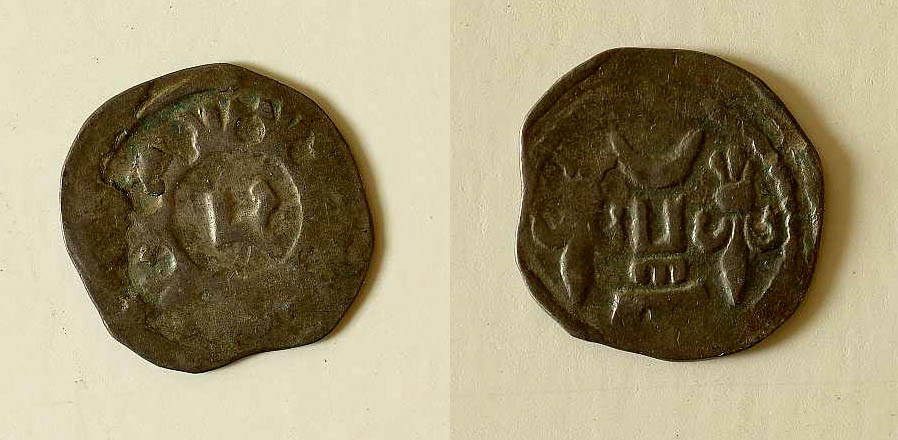
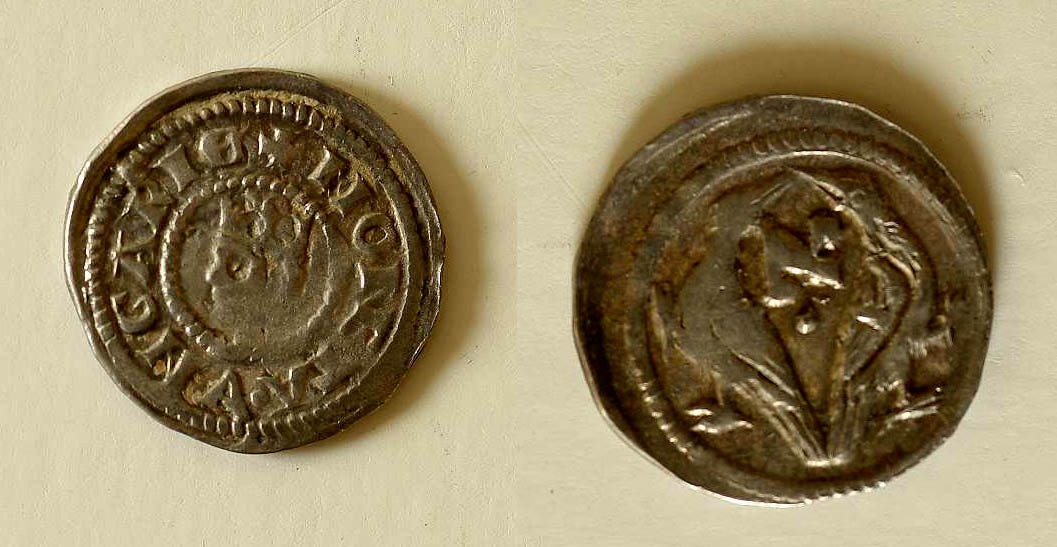
So-called “Tatar money”, in reality, coins with Hebrew letters as mint marks, referring to the head or to the place of the mint: צ (tsadi, above) and א (aleph, below). Reign of Bela IV (1235–1270) and Istvan V (1270–1272) respectively, auction material, from here and here.

The first Jewish settlers appeared in the territory of Buda – at that time called Novus mons Pestiensis, Pest’s new hill – shortly after its founding, following the Mongol invasion of 1241-1242. The first Jewish quarter was set up around today’s St. George (at that time, Jewish) Street, and today’s Palace Street, giving its name to the nearby Jewish (later, Fehérvári) Gate. Its location was uncertain until ten years ago, when the remains of the synagogue under today’s Palace Street, and those of the mikveh beneath the former Joseph Garden, were found. The later can be visited since last September, at times one day of the week. The Jewish quarter lay outside the city walls, between today’s Alagút, Roham and Pauler Streets. Here was also buried the judge of the Christians in Buda, István Verbőci, author of the Tripartite Law defining Hungarian law for centuries, after he was killed in 1541.


The first Jewish quarter ceased to exist in 1360 with the expulsion of its inhabitants. Nevertheless, only four years later the Jews were allowed to return to Buda. By then, their former houses had gone into the possession of Hungarian aristocrats, so the new Jewish quarter was established in the northern part of the civil town, in today’s Táncsis Mihály Street. This second foundation was more lasting. With minor interruptions, it remained the Jewish quarter of Buda until the recapture of the city from the Ottomans in 1686, and its name as Jewish Street survived for another half century. Its late Gothic synagogue was built in 1461. Under the reign of Matthias I, the office of the Jewish Prefect was created. It was provided from the beginning with the members of the Mendel family – first with Jacob, until 1516 –, who had two houses on the two sides of Jewish Street, linked by a bridge over the street at the height of the second floor. The Ottoman army, in sacking Buda after the Battle of Mohács in 1526, also took the Jewish population of the city to Constantinople. Until the definitive conquest of Buda by the Turks in 1541, the houses of the Jewish quarter periodically changed hands between the supporters of Ferdinand I of Austria and John I of Hungary. The role of the Mendel palace as a status symbol is demonstrated by the report of Court Chaplain György Szerémi:

“Fertur dixisse unus Judeus, tot dicias secum ducebat, quod solus spopondisset gubernatori Gritti, ut ipsum duceret ad Budam, et domum Mendel ac Judeorum vicium relaxaret ei, quod propriis expensis alevisset dominum gubernatorem ad decem annos, omni anno decem milia markas presentaret gubernatori ad manus.”

“They say that a Jew brought so great wealth with himself, that he promised to Governor Gritti [Lodovico Gritti, from 1530 to 1534 Governor of Hungary; his father, Andrea Gritti Doge of Venice between 1523 and 1538], that if he allows him to settle in Buda, and gives to him the Mendel house and Jewish Street, he would provide for the Governor for ten years, giving him ten thousand marks every year.”

(Epistola de perditione regni Hungarorum, cap. 107.)

In 1541, some of the former Jewish inhabitants returned to Buda. They restored the medieval synagogue which was damaged in the siege of 1530. During the Ottoman period, another, Sephardic synagogue was also active in the building of the former Mendel palace. The fate of the synagogue and of the medieval Jewish quarter of Buda were sealed by the recapture of Buda in 1686. The devastation was described by Isaac Schulhof (c. 1650 – 1733) in his Chronicle of Buda (Megillat Ofen). Schulhof was born in Prague, came as a prisoner to Buda, where he became Rabbi, and later victim and witness of the events that he described. During the siege, the majority of Jews fled to the synagogue, which was first defended by dragoons, but later the victorious Christian forces also invaded it, killing everyone inside, including the wife and son of Schulhof, and set the building on fire. Some of the survivors of the siege were scattered across the country and Europe: ten of them were brought to the Kismarton/Eisenstadt estate of the Esterházys, many of them to Győr and Komárom, and a few distinguished Jews to Berlin. The captives who remained in Hungary were ransomed for a high sum by the Jewish Viennese army contractor and banker Samuel Oppenheimer. Alexander Tausk of Prague, who worked on behalf of Oppenheimer, also bought out two hundred and seventy four Jews during the siege with the support of General Charles of Lorraine, covering their ransom with loans from the Jewish communities of Krakow, Amsterdam and Frankfurt, among others. Many of the rescued Jews – including Isaac Schulhof, who was saved due to a mysterious lady and her husband, as well as Oppenheimer – found a new home in Nikolsburg.

The former Jewish Street today

This is more or less all that is known about the late medieval synagogue of Buda from written sources. The exact location of the building was forgotten after the recapture of Buda. Its remains were brought to light on a plot on Táncsics Street 23 only in 1964, during the restoration of the Sephardic synagogue at No. 26, which is today a memorial museum. The excavations were led by László Zolnay, Rózsa Feuerné Tóth, and István Gedai. After the siege, the ruins were simply filled with debris, which preserved the original conditions relatively well. An ash layer, two to three fingers thick, mixed with human bones, came to light during the excavation, and serves as sad proof of Isaac Schulhof’s description. (The human remains were later buried in the Kozma Street cemetery.) The excavations also showed that the 26.26-meter long, 10.73-meter wide and 8.5–9 meter high building, had it survived, would be now a unique Central European monument, about twice as large as the Old-New Synagogue in Prague. In size and design it can be compared only to the hundred-year-earlier, and since also destroyed synagogue of Regensburg.

budasyn2 budasyn2 budasyn2 budasyn2 budasyn2 budasyn2 budasyn2 budasyn2 budasyn2 budasyn2 budasyn2 budasyn2 budasyn2

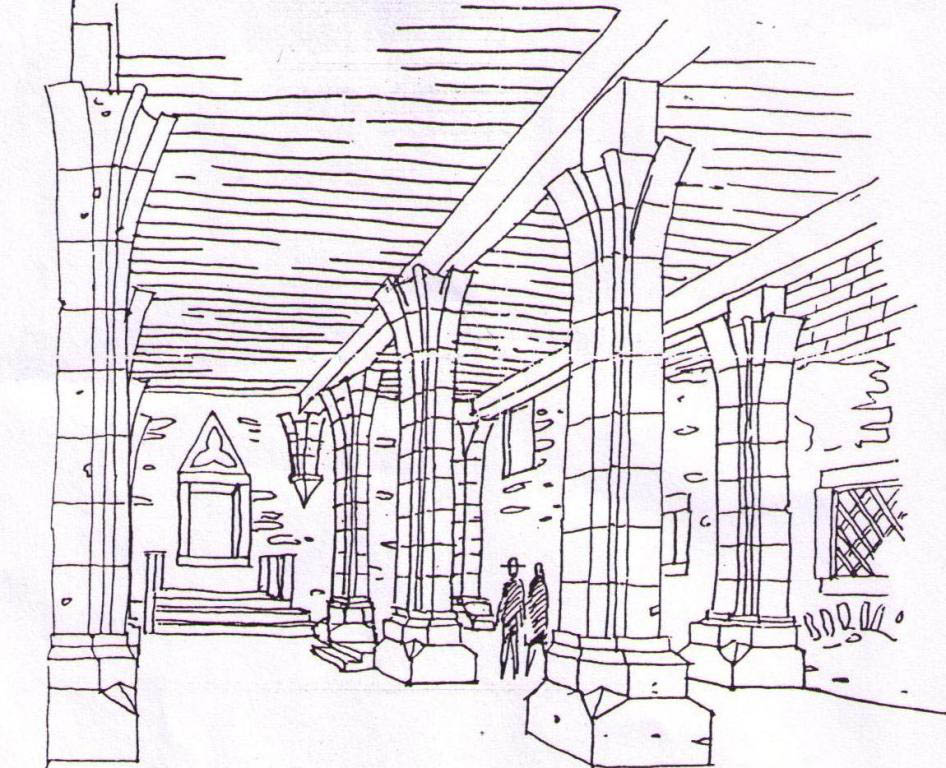
The interior of the synagogue. Reconstruction of Aurél Budai, from here

The further fate of the synagogue could be seen as a mirror of the present-day relationship of Hungarian politics and the protection of monuments. As the excavations of 1964 established, a partial reconstruction of the synagogue – if not to 1461 conditions, then at least to those of the Ottoman period – would be possible even today. Only the women’s gallery is covered by a modern building, the Horányi-Zichy Palace, which has also become “former” since 1945. However, Professor Sándor Scheiber, Director of the Jewish Theological Seminary – who helped identify the Hebrew inscriptions during the excavations – was not as fortunate as his predecessor, Alexander Tausk, who collected ransom for the prisoners from all over Europe. Although the “ransom” of the synagogue, the costs of the reconstruction of which would have been covered by the American Jewish sponsors, nevertheless the Hungarian State Office for Church Affairs did not give permission to use foreign – American, and, in addition, Jewish! – capital to do the work. As there was no other option, the excavation trench had to be buried again. They did so with an eye on the future, as the ruins were covered so that during an eventual new excavation only the surface layer would need to be removed before beginning the restoration work. Nevertheless, both individuals and organizations – most recently, the Ássuk ki! Egyesület (the “Let’s Dig It Out! Association”) – have to date unsuccessfully called for the opening of a new excavation and the restoration of the synagogue. For the time being, we have to rest content with the excavation photos published by László Zolnay, as the only documentation from an important monument of medieval Hungarian – and Central European – Jewish heritage. That is, almost the only one.

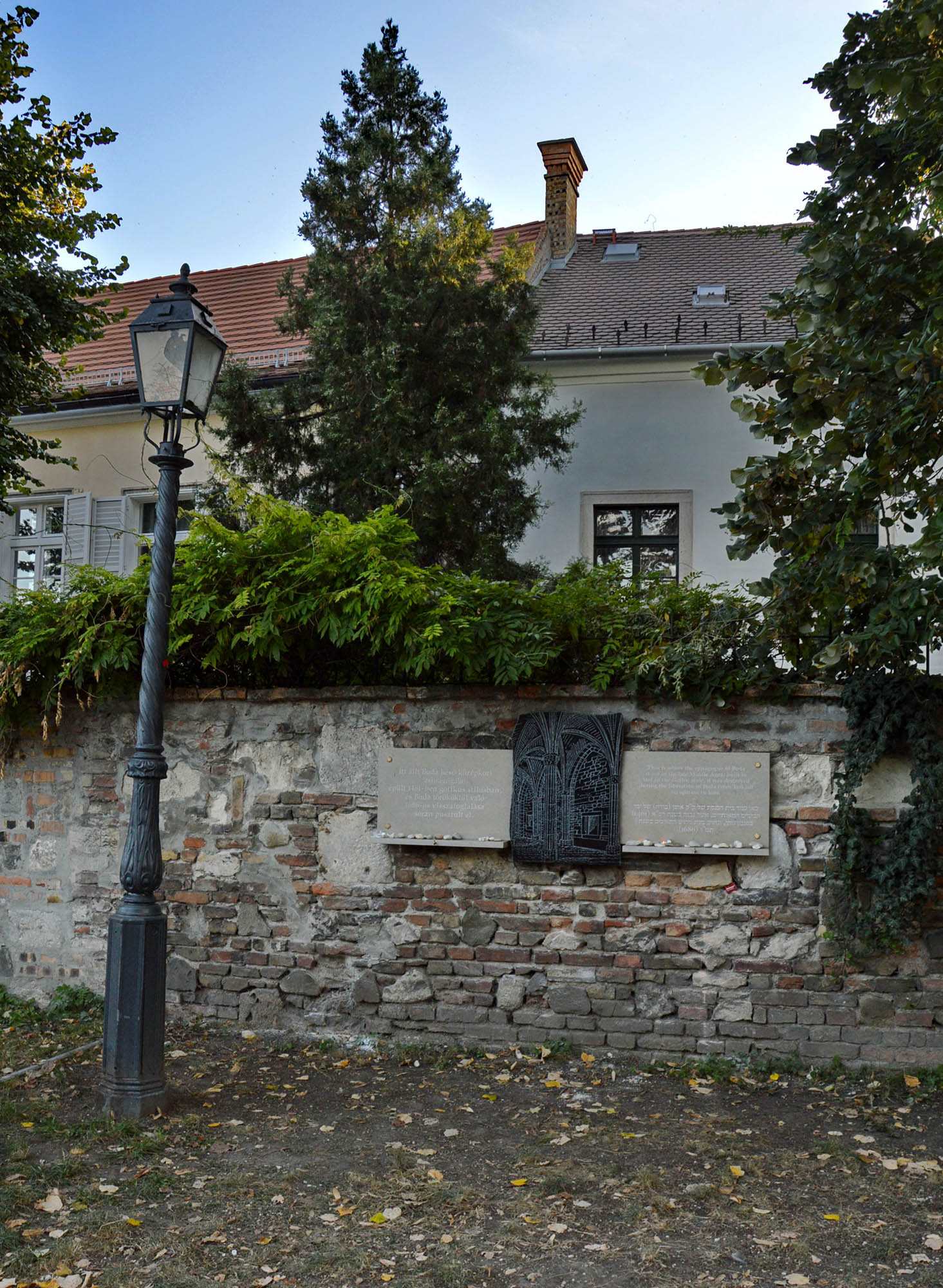
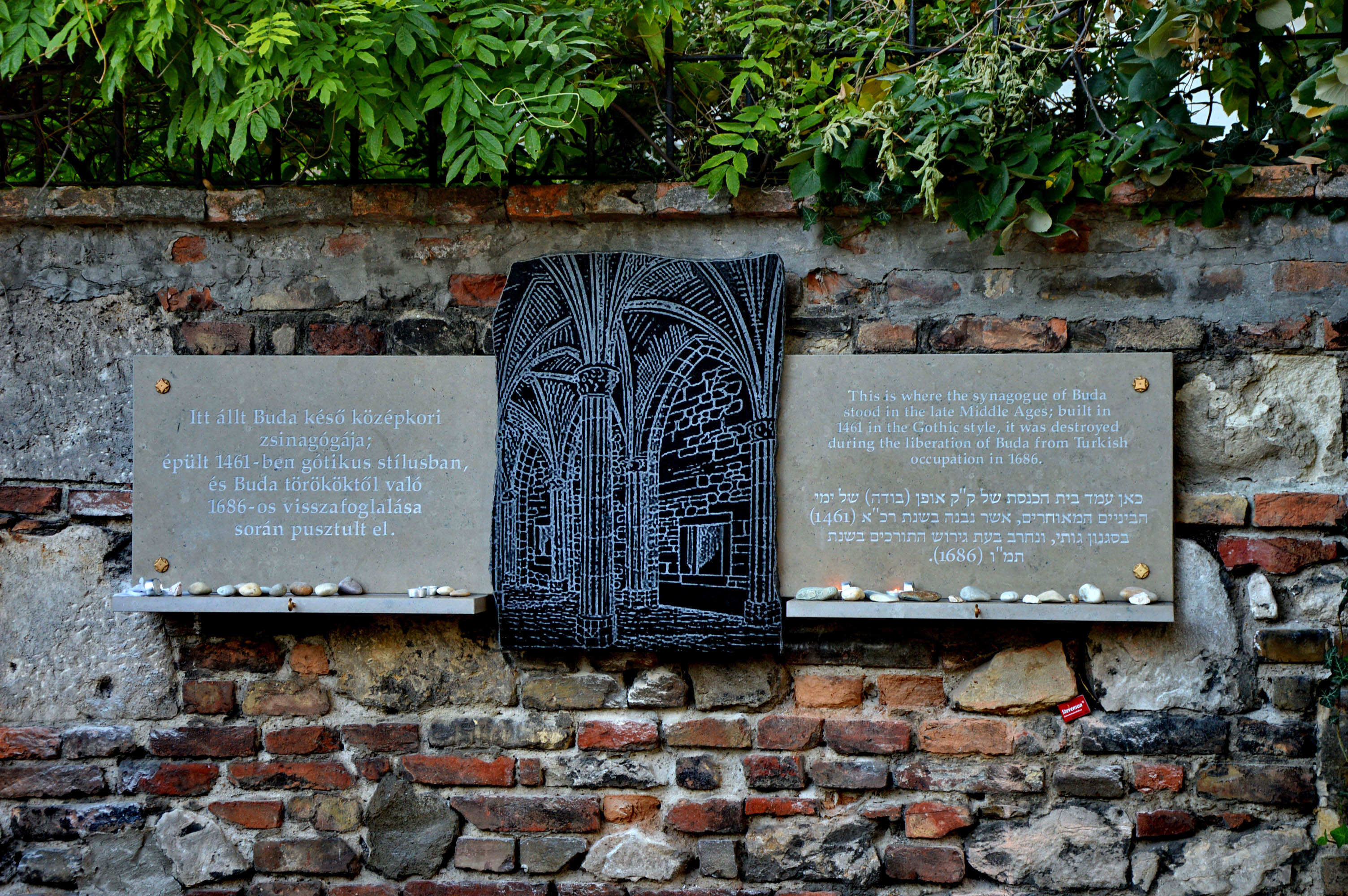
Indeed, on the Christian feast day of St. Michael the Archangel, on 29 September, the Hungarian Jewish Cultural Association and the Buda Municipality inaugurated a memorial plaque along Mihály Babits Walkway, reminiscent of the buried synagogue of the late medieval Jewish quarter, at least until the resumption of the excavations and the beginning of the restoration. There’s nothing better we can wish for for the Jewish New Year, which just begins today.

budasyn1 budasyn1 budasyn1 budasyn1 budasyn1 budasyn1 budasyn1 budasyn1