Switch over to our new blog! • ¡Pásese a nuestro nuevo blog!

The renewed version of our blog, with more features, a richer design, and available in nine languages, can be read here: https://wangriver.com

The new version also includes the old posts, often in expanded form. If you are curious about the updated version of this post, replace “riowang.blogspot.com/” in the URL with “riowang.studiolum.com/”, and the new link will most likely lead you there.


La versión renovada de nuestro blog, con más herramientas, un diseño más rico y disponible en nueve idiomas, se puede leer aquí: https://riowang.com

La nueva versión también incluye las publicaciones antiguas, a menudo en una forma ampliada. Si tiene curiosidad por la versión actualizada de esta entrada, sustituya «riowang.blogspot.com/» en la URL por «riowang.studiolum.com/es/», y el nuevo enlace probablemente le llevará allí.

Mostrando entradas con la etiqueta Baroque. Mostrar todas las entradas

Swallow calendar

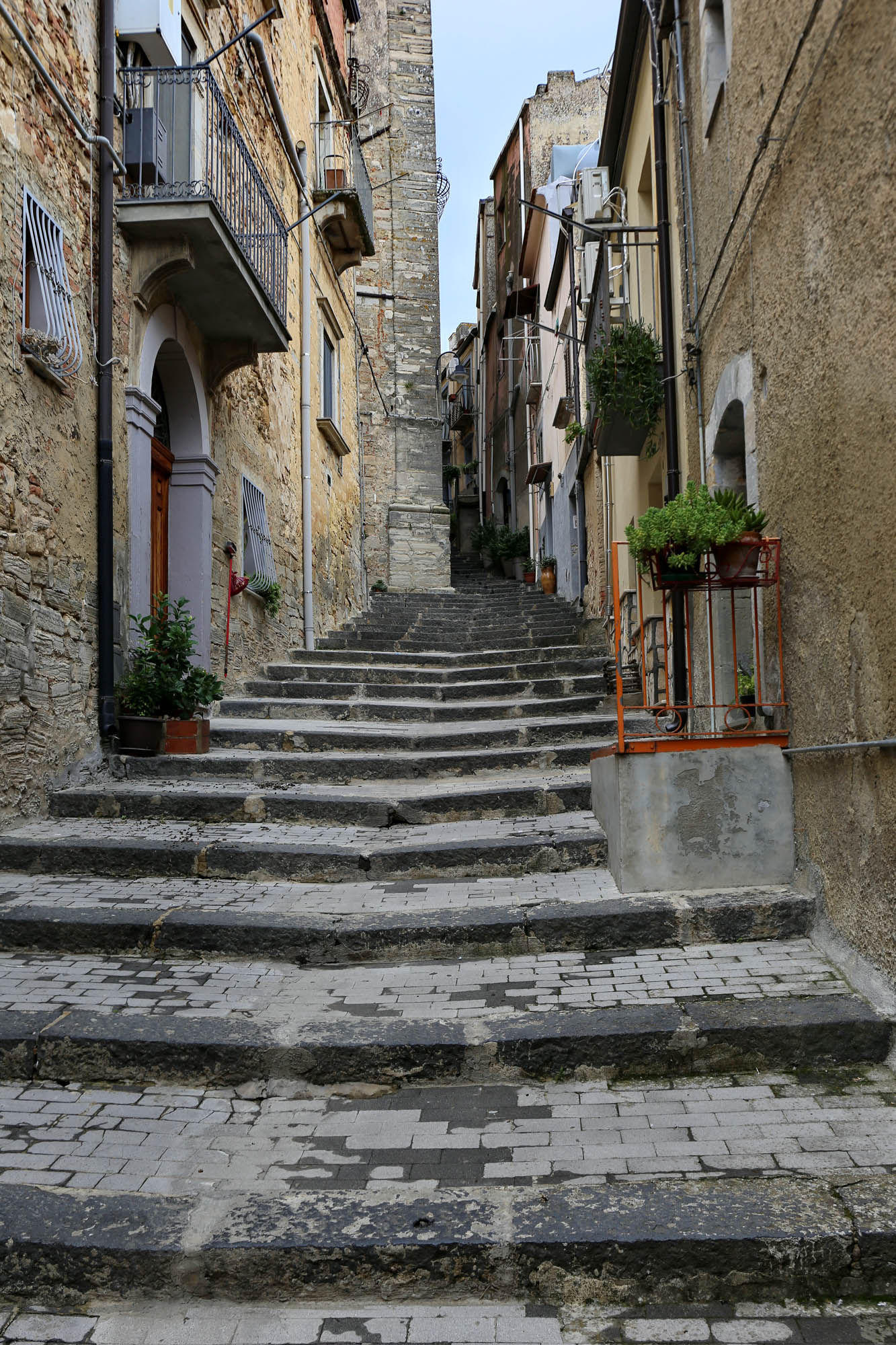
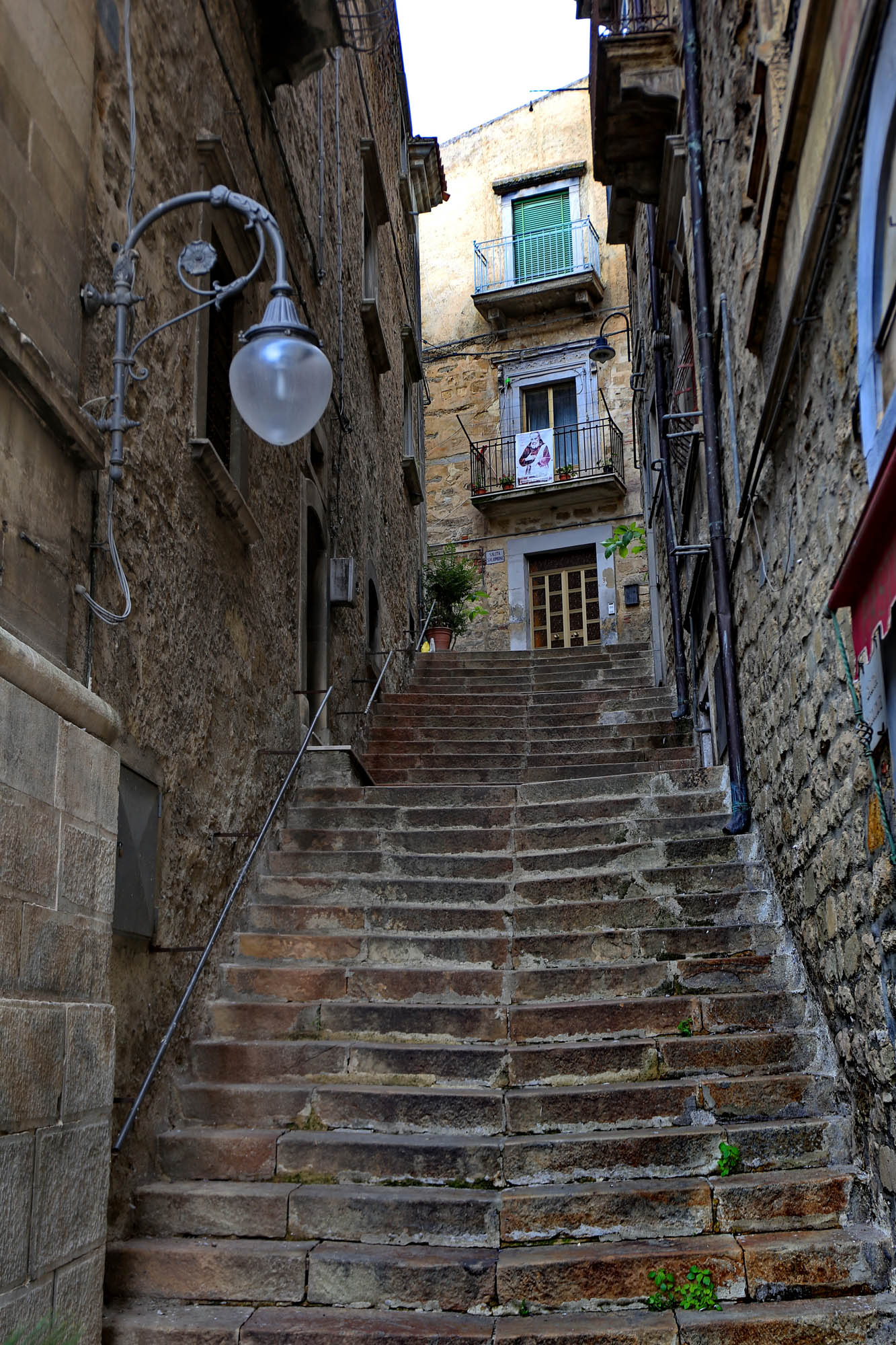
In the Sicilian Nicosia, next to Bar Antica Gelateria in the main square, on the façade of which fragments of Mussolini’s Victory Day speech of May 9, 1936 still can be read, a steep staircase leads up to the hill of the twenty-four barons.

The hill got its name from the fact that, after the conquest of the city at the end of the 11th century, the cream of the new Norman-Lombard nobility settled here. The name has since become a trademark of Nicosia, which is referred to as “the city of the twenty-four barons”, but it is also the name of a local restaurant, brewery and craft beer pub. The coats of arms of the twenty-four barons are displayed in the restaurant of the same name.
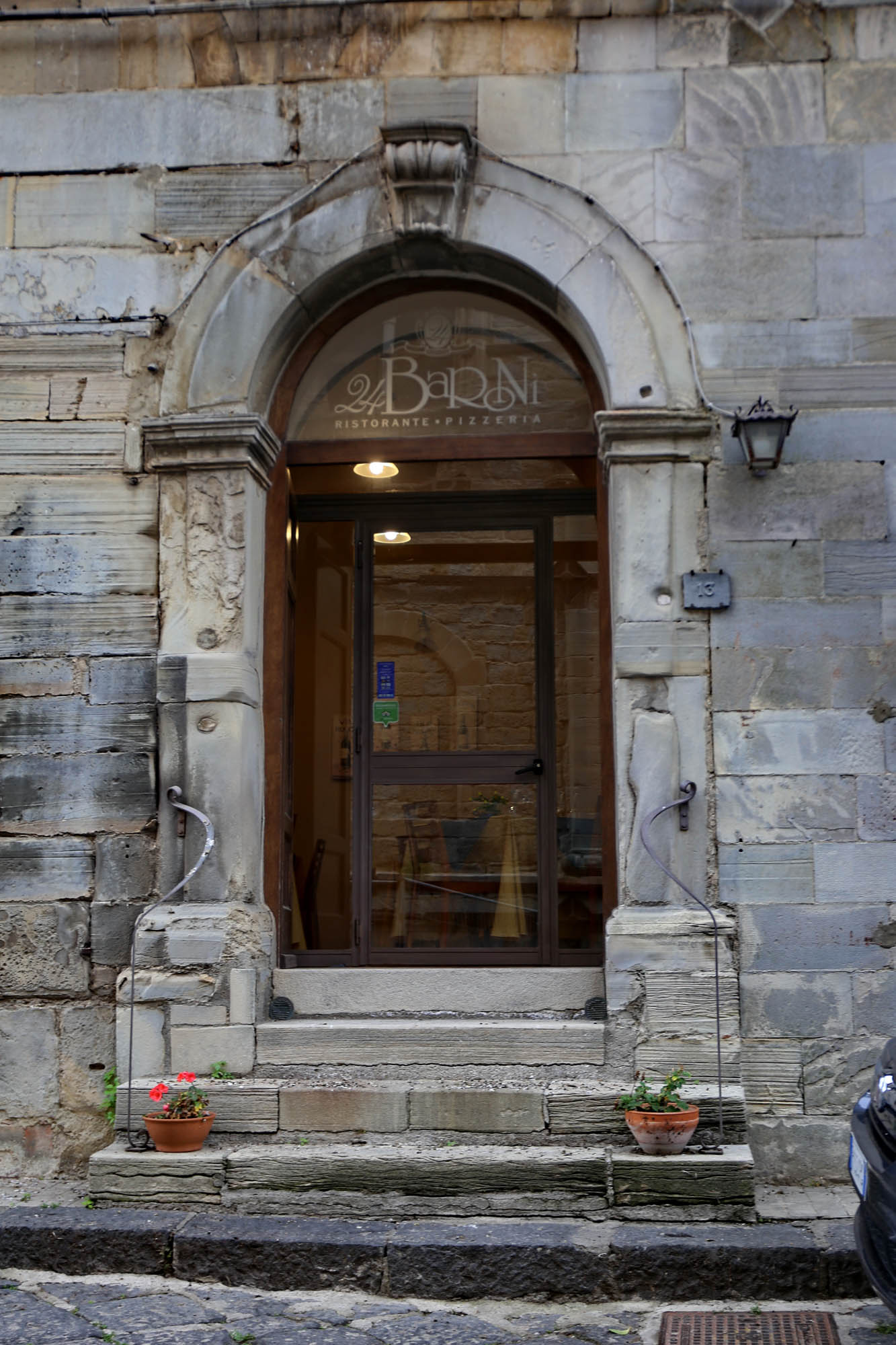
nicosia1 nicosia1 nicosia1 nicosia1 nicosia1 nicosia1

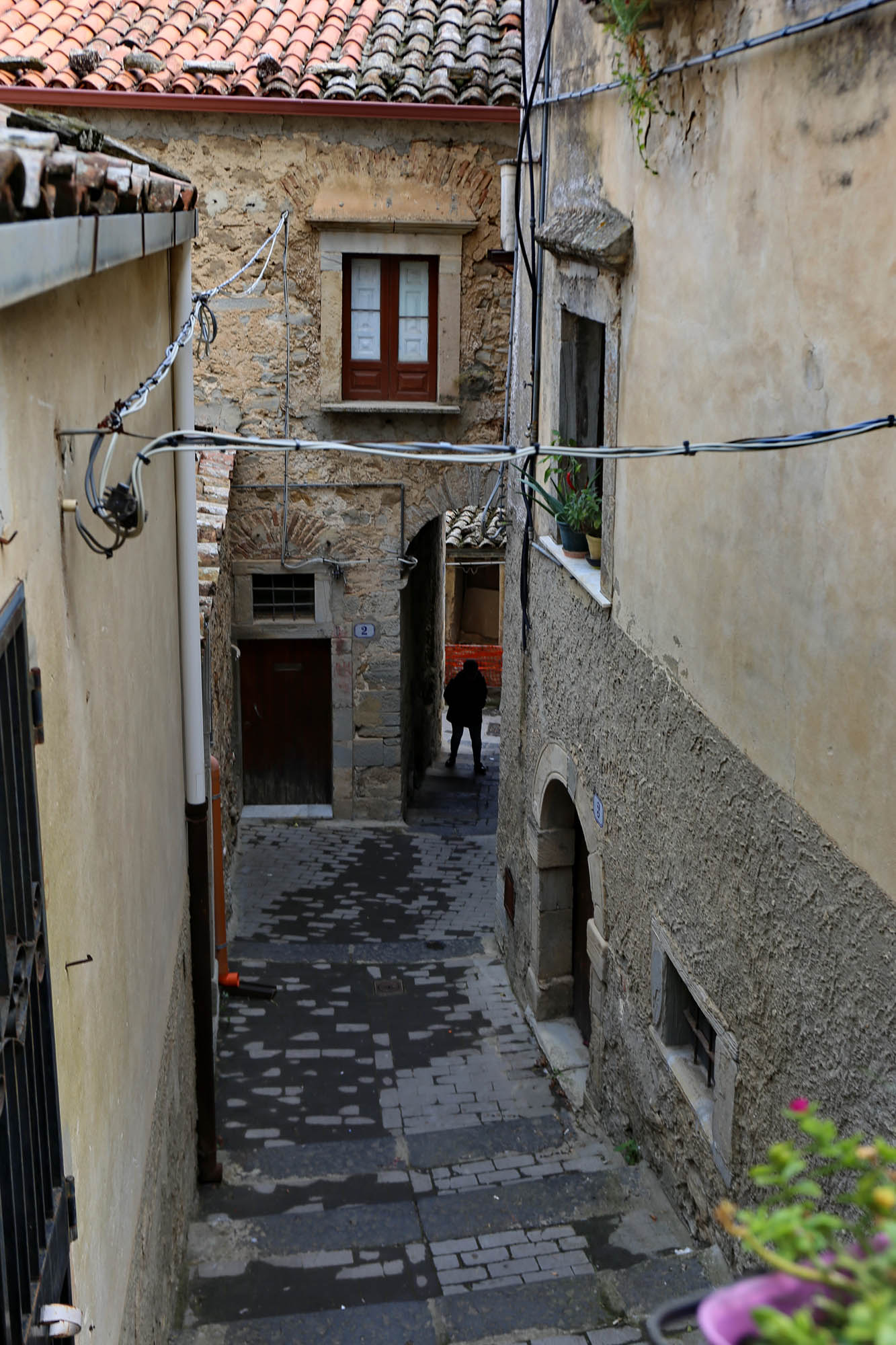
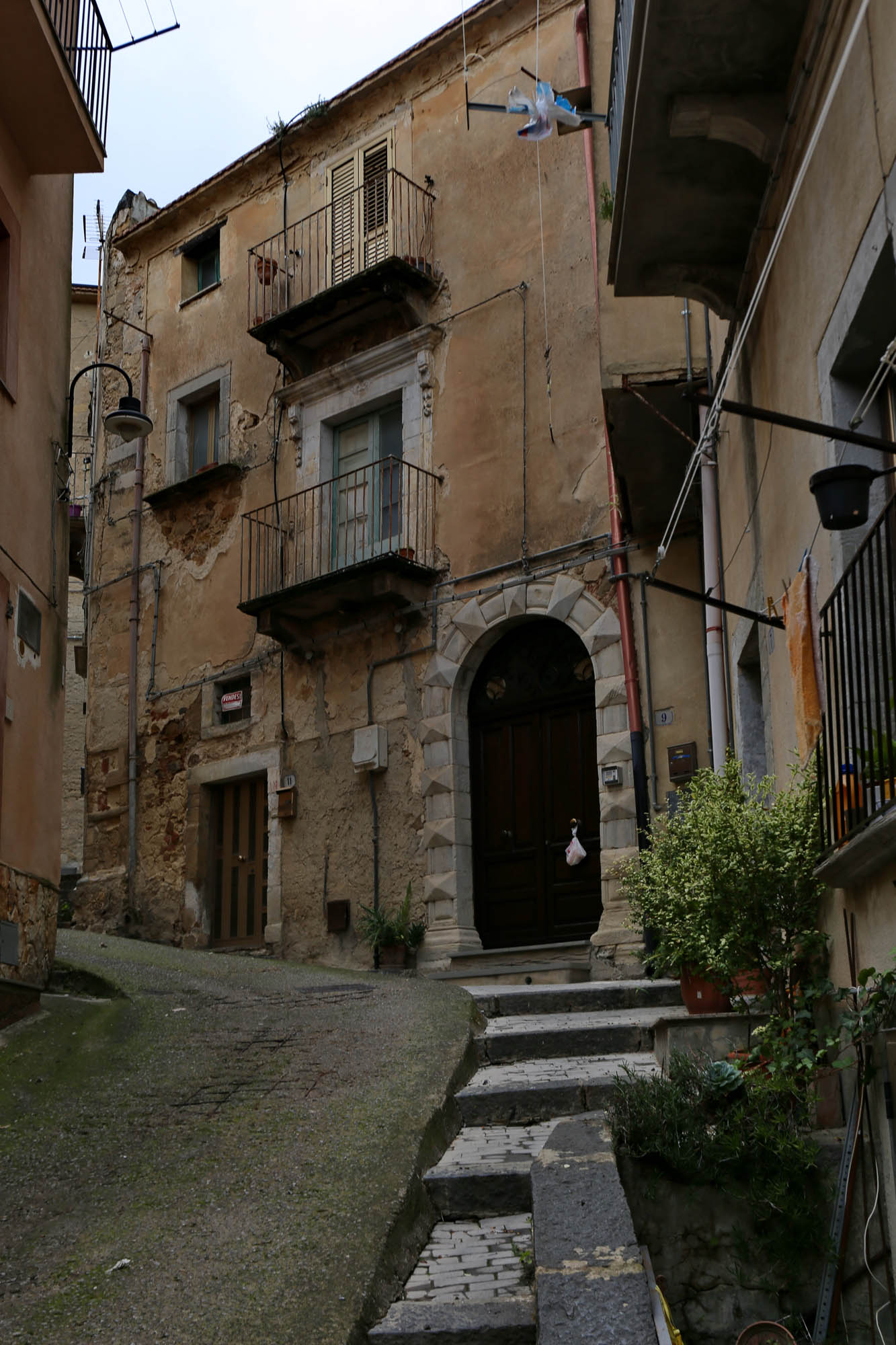
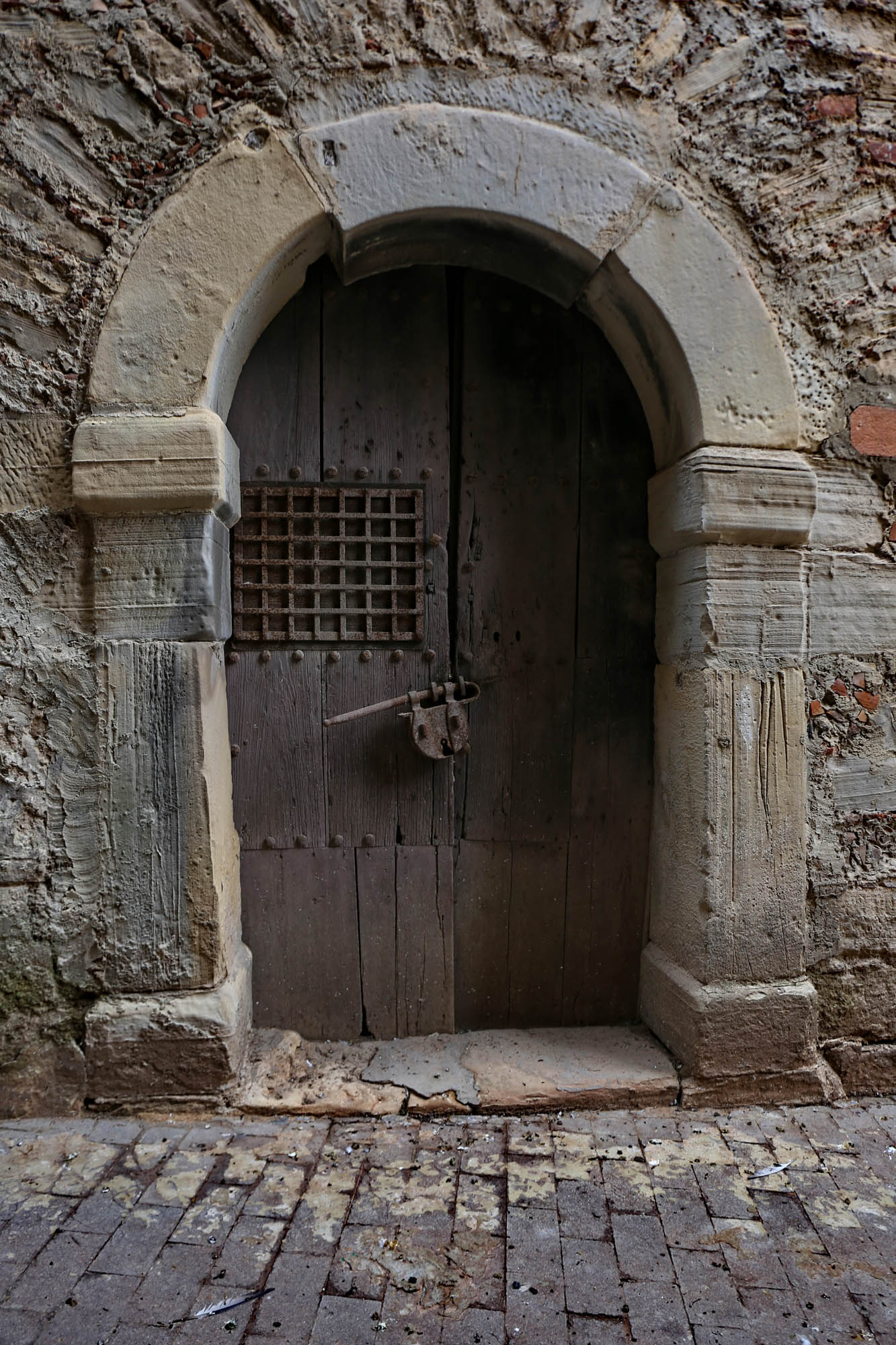
Although the names of the twenty-four barons have been brightly preserved by tradition, time has not been so clement to their legacy. Most of their palaces stand empty and decaying. Some of them were closed so long time ago that the lock itself is slowly becoming a thing of museum value.
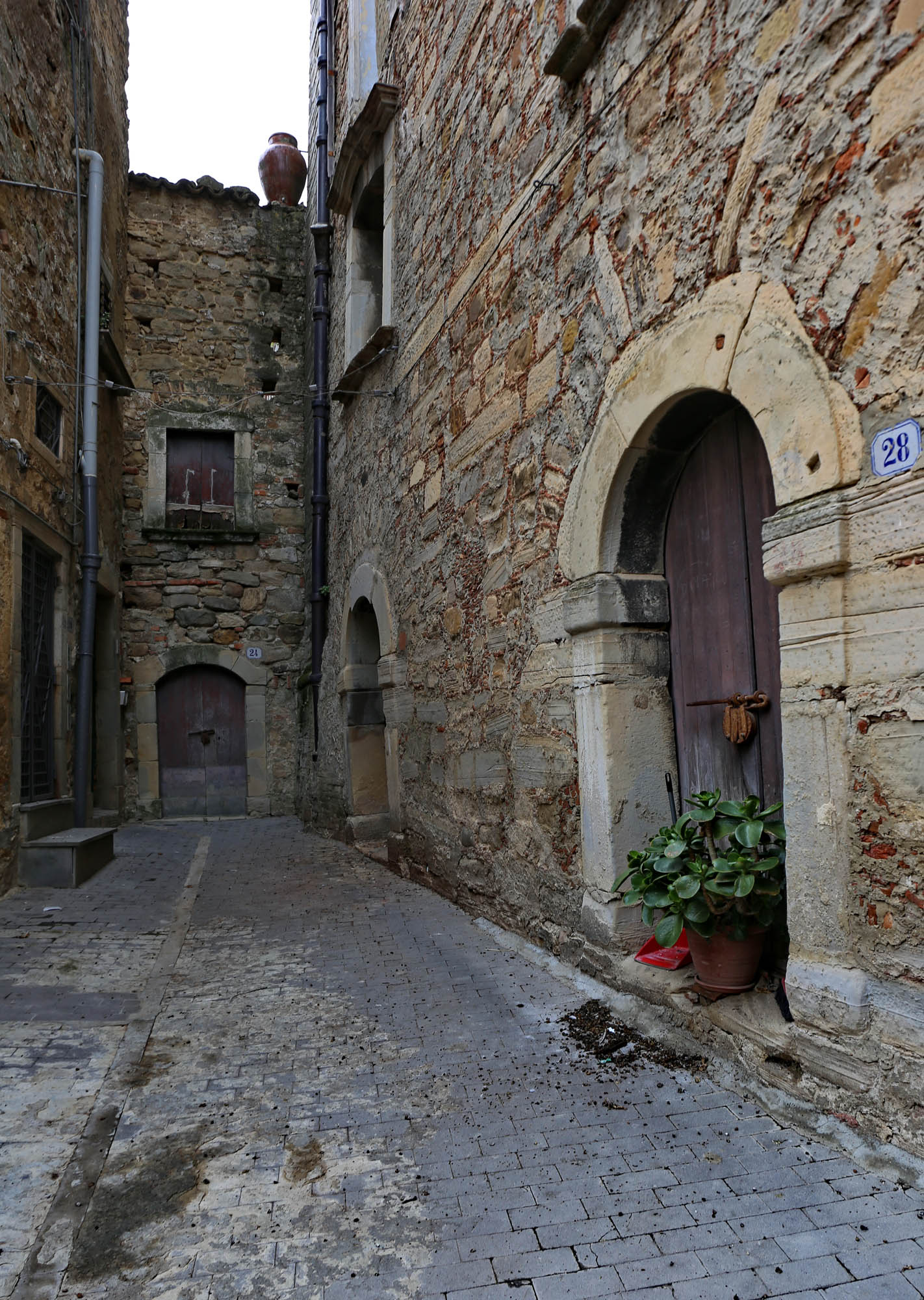
nicosia2 nicosia2 nicosia2 nicosia2 nicosia2 nicosia2 nicosia2 nicosia2 nicosia2 nicosia2 nicosia2 nicosia2 nicosia2 nicosia2 nicosia2

Since the earth is constantly moving gently in Sicily, the door jambs of some gates have also slipped apart, and there is no one to get them right again.
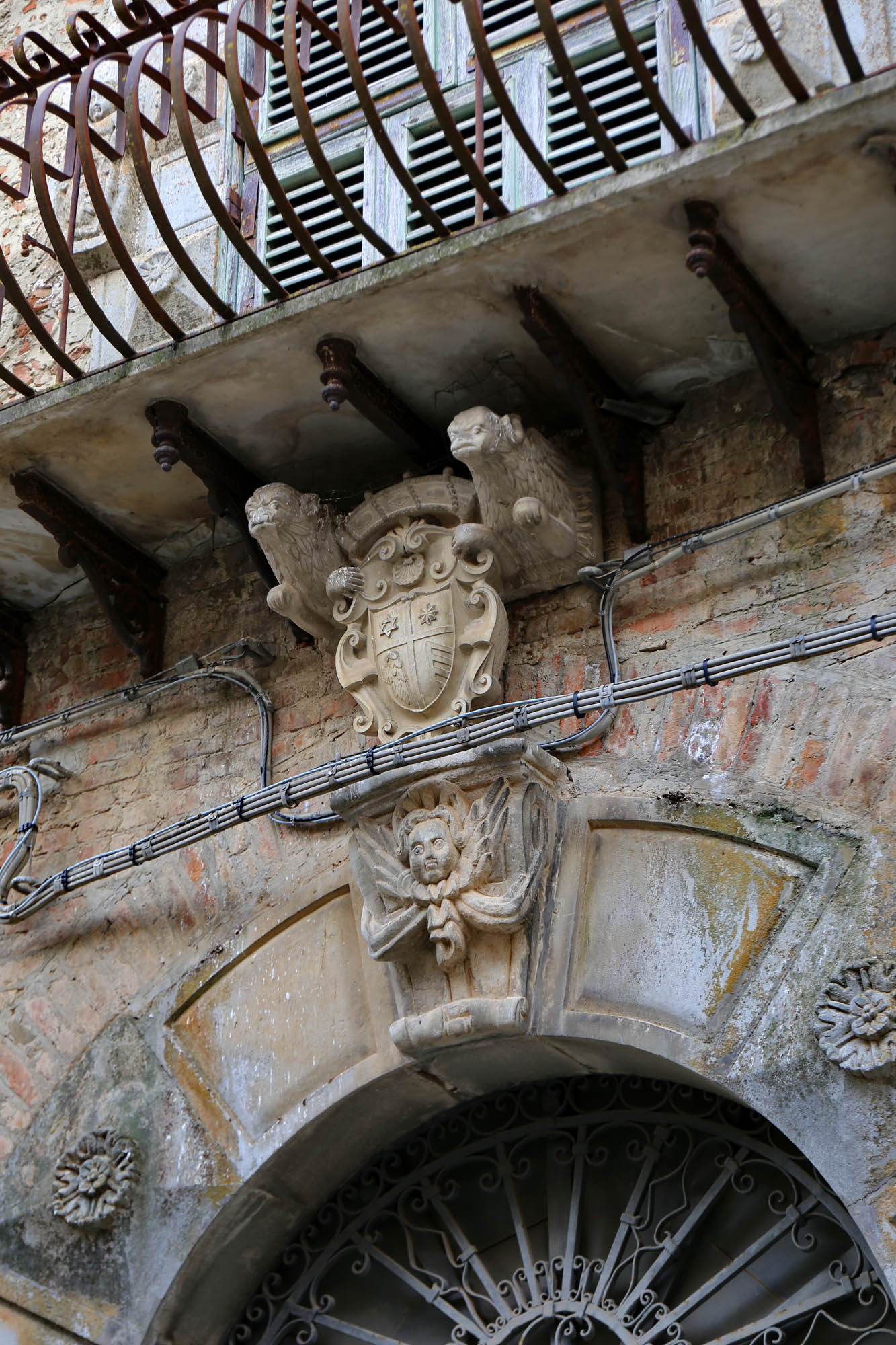
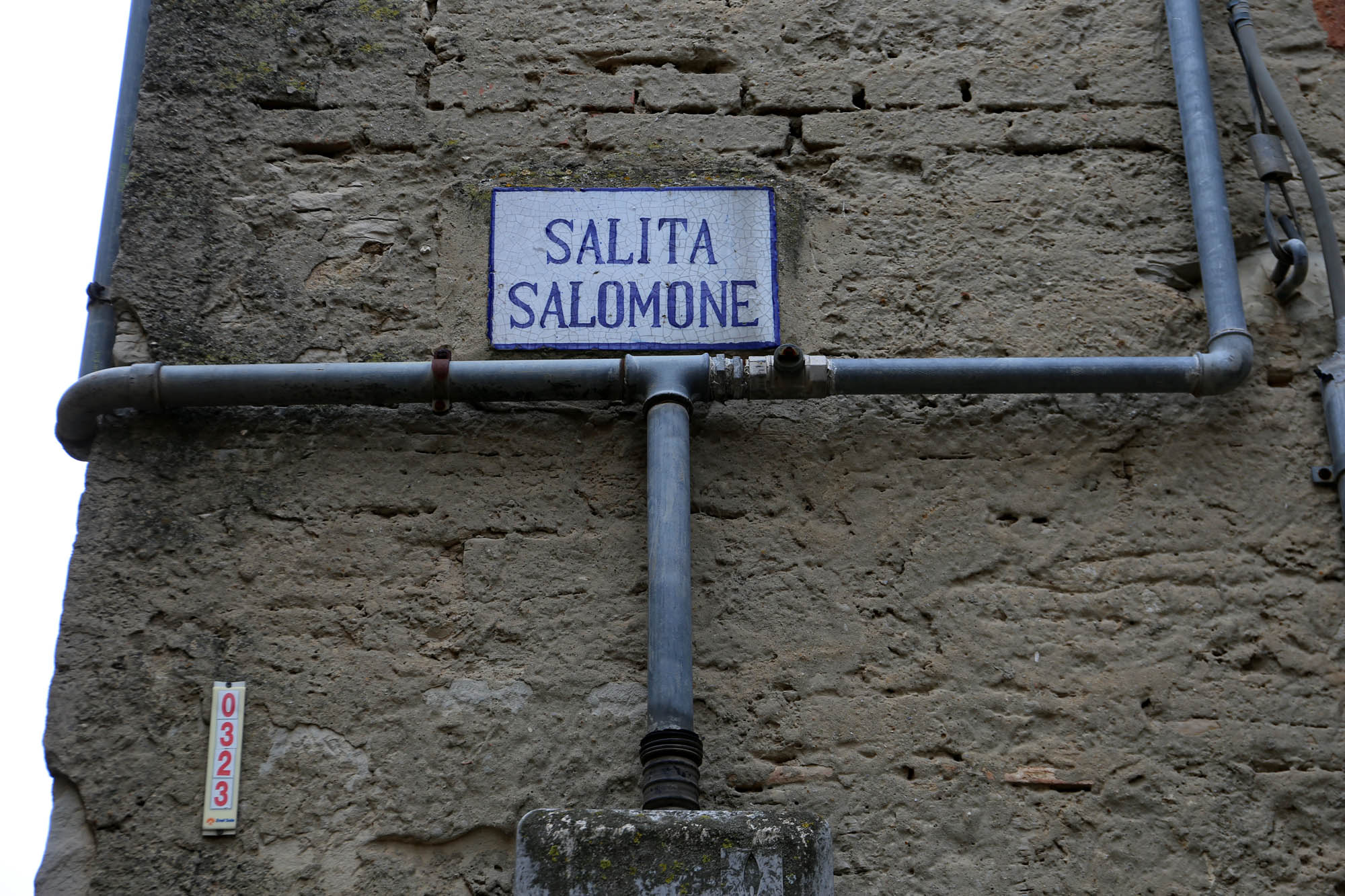
The Salomone Palace, the largest among them, after which the steep street is named, is in the best condition. One of the most valuable old libraries of Nicosia is kept here. Above the gate, the coat of arms of the converso family includes the Star of David, or rather Solomon’s Seal, and the two lions next to it look like the lions of Judah raising the crown of the Torah on Jewish tombstones. Other Jewish noble families also often preserved these symbols of their most ancient pedigree, as Jakob Bassevi von Trautenberg did on his palace in Prague.

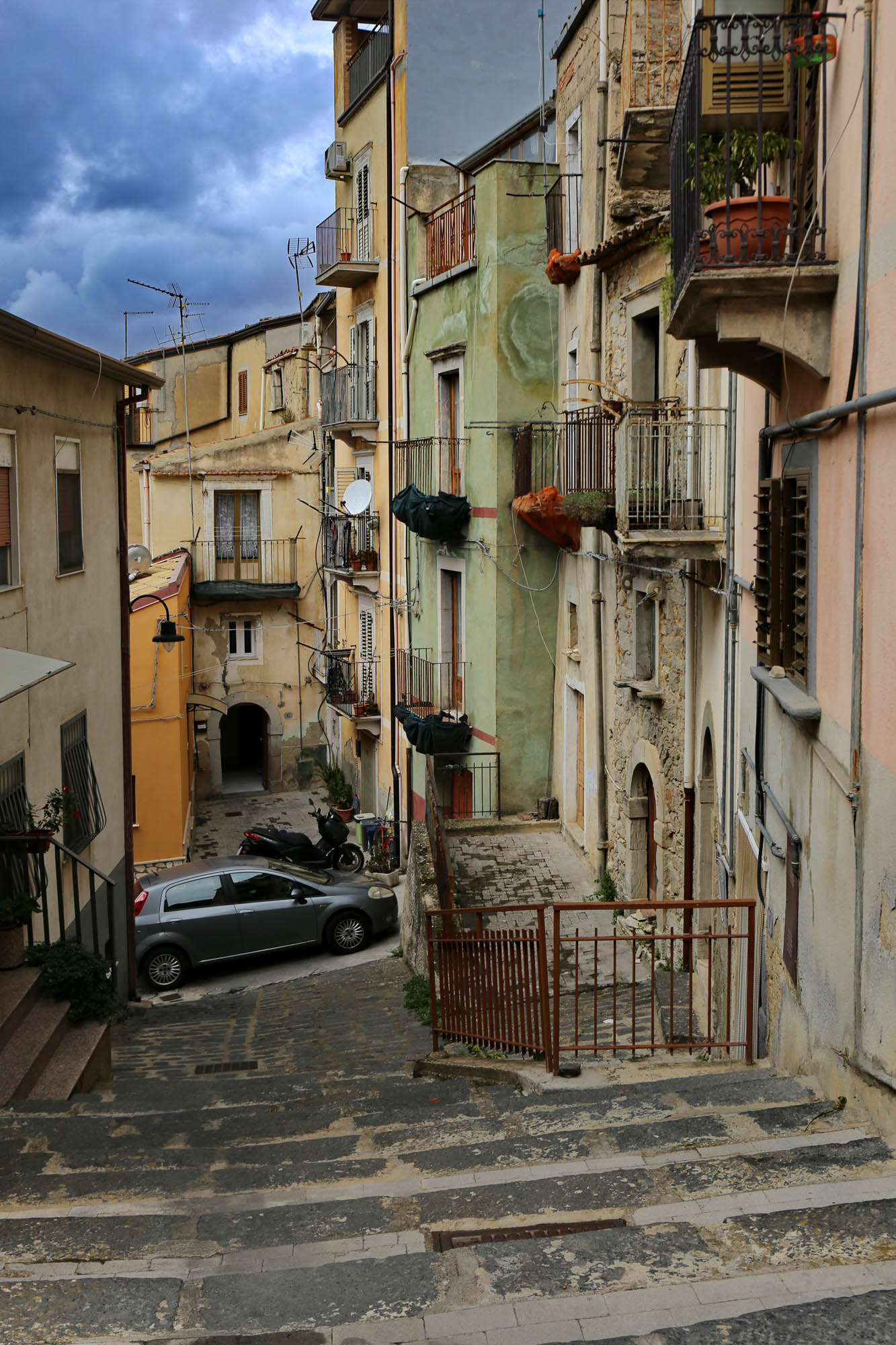
Steep streets climb up from the old and the lower town on both sides of the salita.

Soon the Lombard hill rising on the other side of the main square appears above the rooftops, with the “mother church” (madre chiesa) of Santa Maria Maggiore on the top. The Lombard warriors who were settled there by the Norman conquerors brought to Nicosia the typical Gallo-Italian dialect, which no one else in Sicily understands except them, and which does not even sound Italian. When sitting in the bar, I had to wonder for a long time what language they were speaking. Their church became a rival to the St. Nicholas church of the original Greek inhabitants in the main square, so it was necessary each year to change the title of the city’s cathedral between the two madre chiese. During their Holy Week processions, they regularly clashed, and struck each other with the procession crucifix. The same happened on the feast of St Nicholas, the original patron saint of the two churches. That is why the Lombard church had to be renamed Santa Maria Maggiore, so the two devotional processions would at least not meet during the feast of the patron saint.

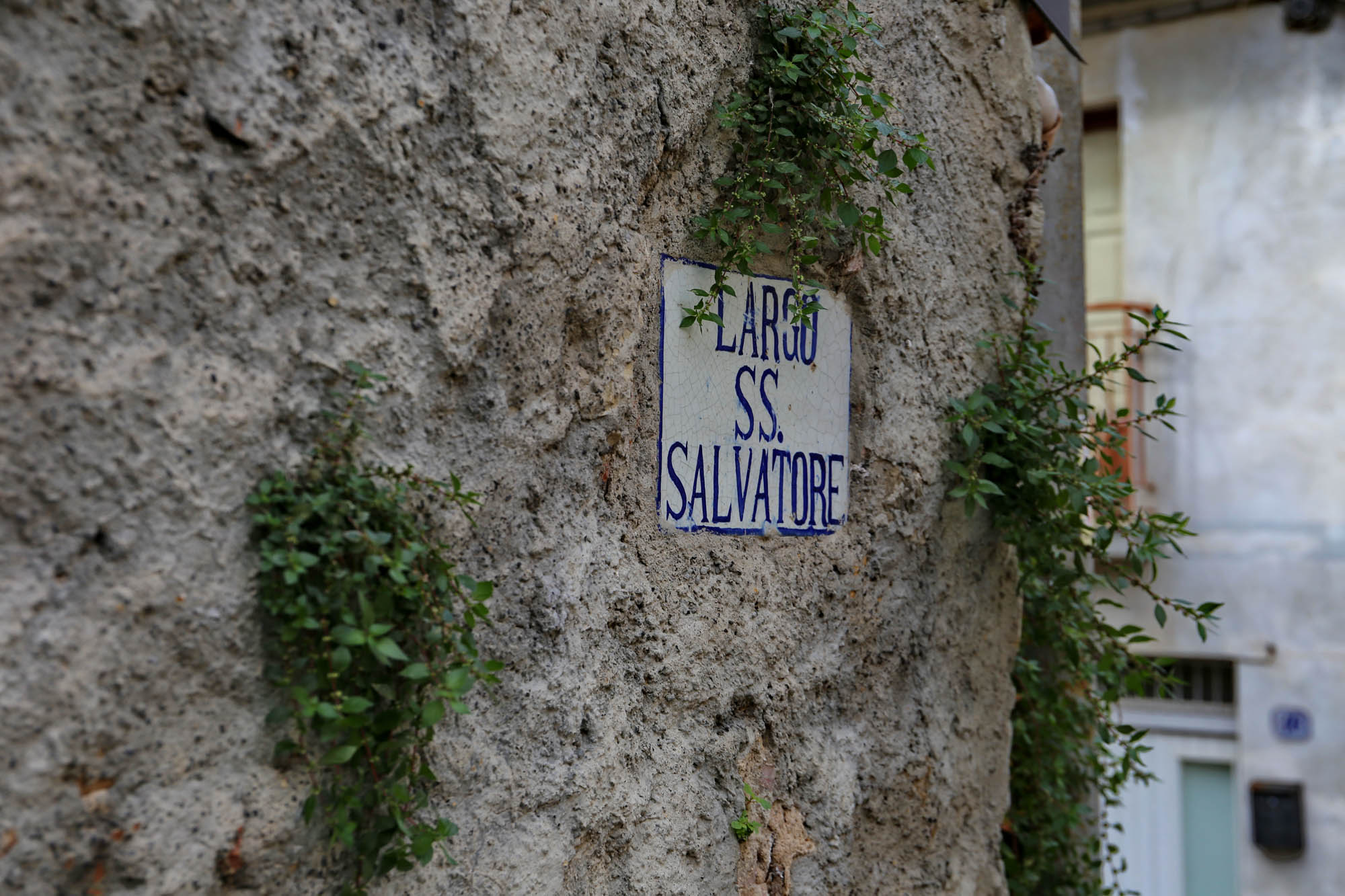
At the end of the road, you have to make one last effort to get up the steep SS. Salvatore stairs to the Church of the Savior on top of the hill.
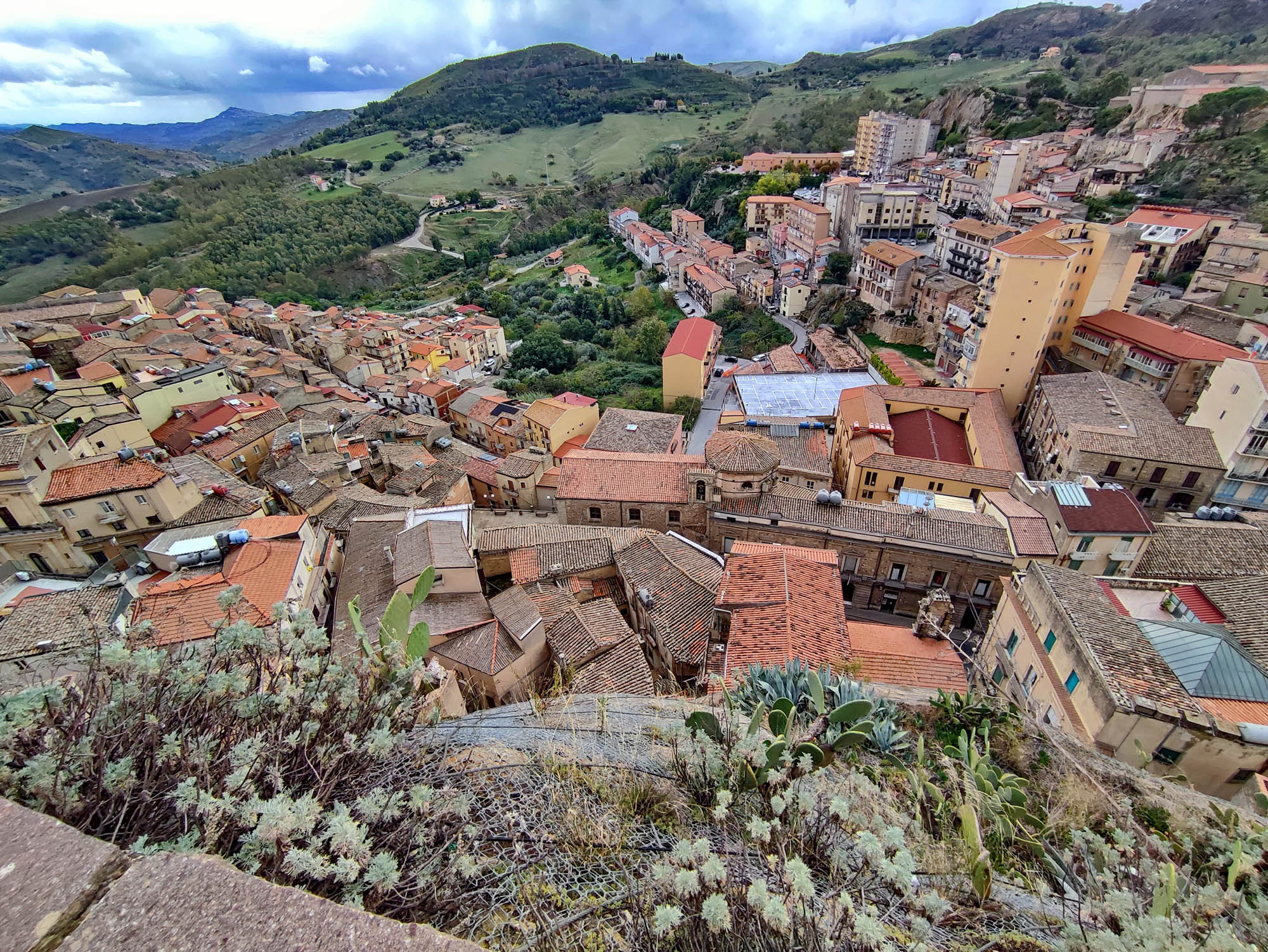
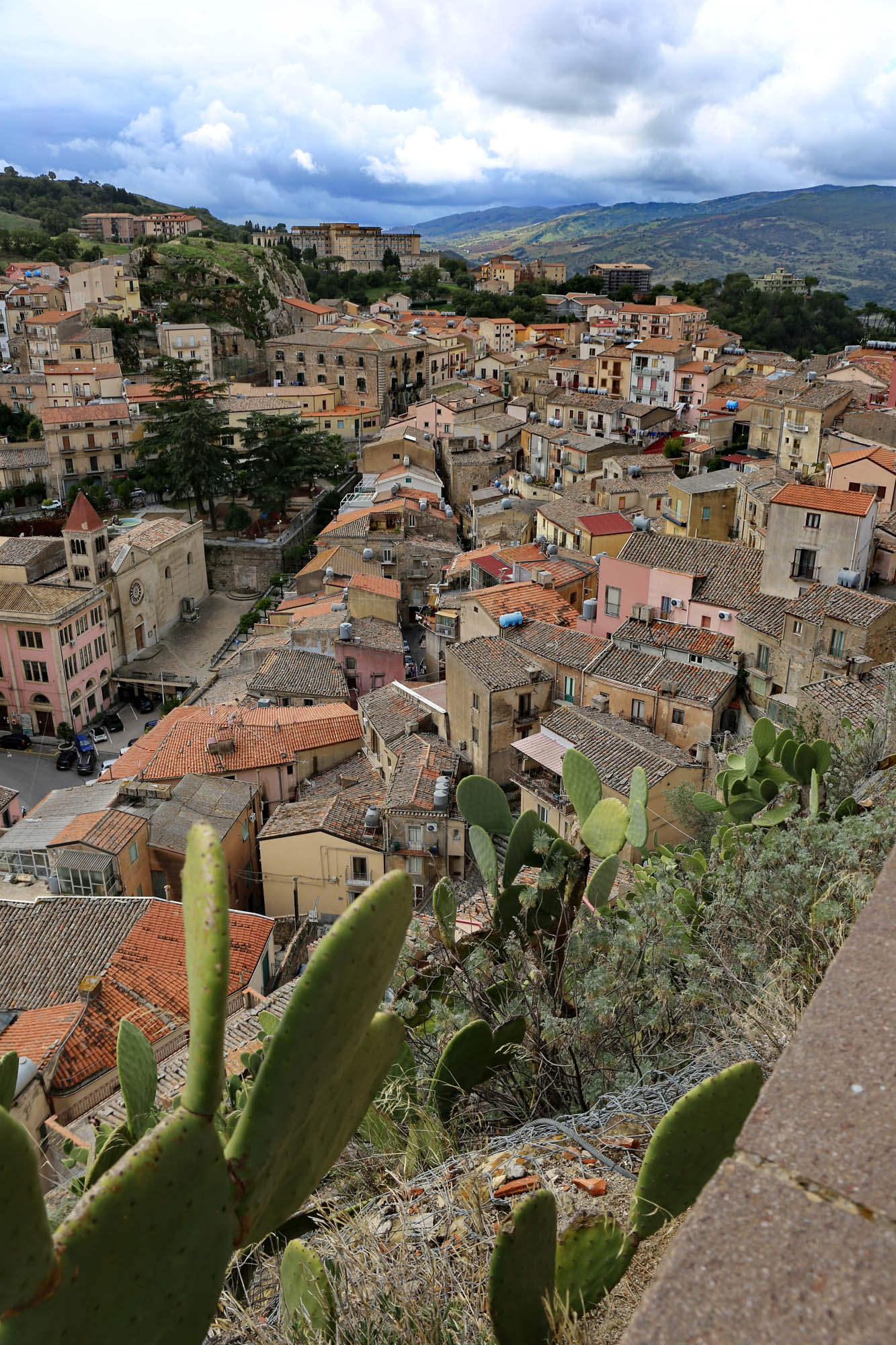
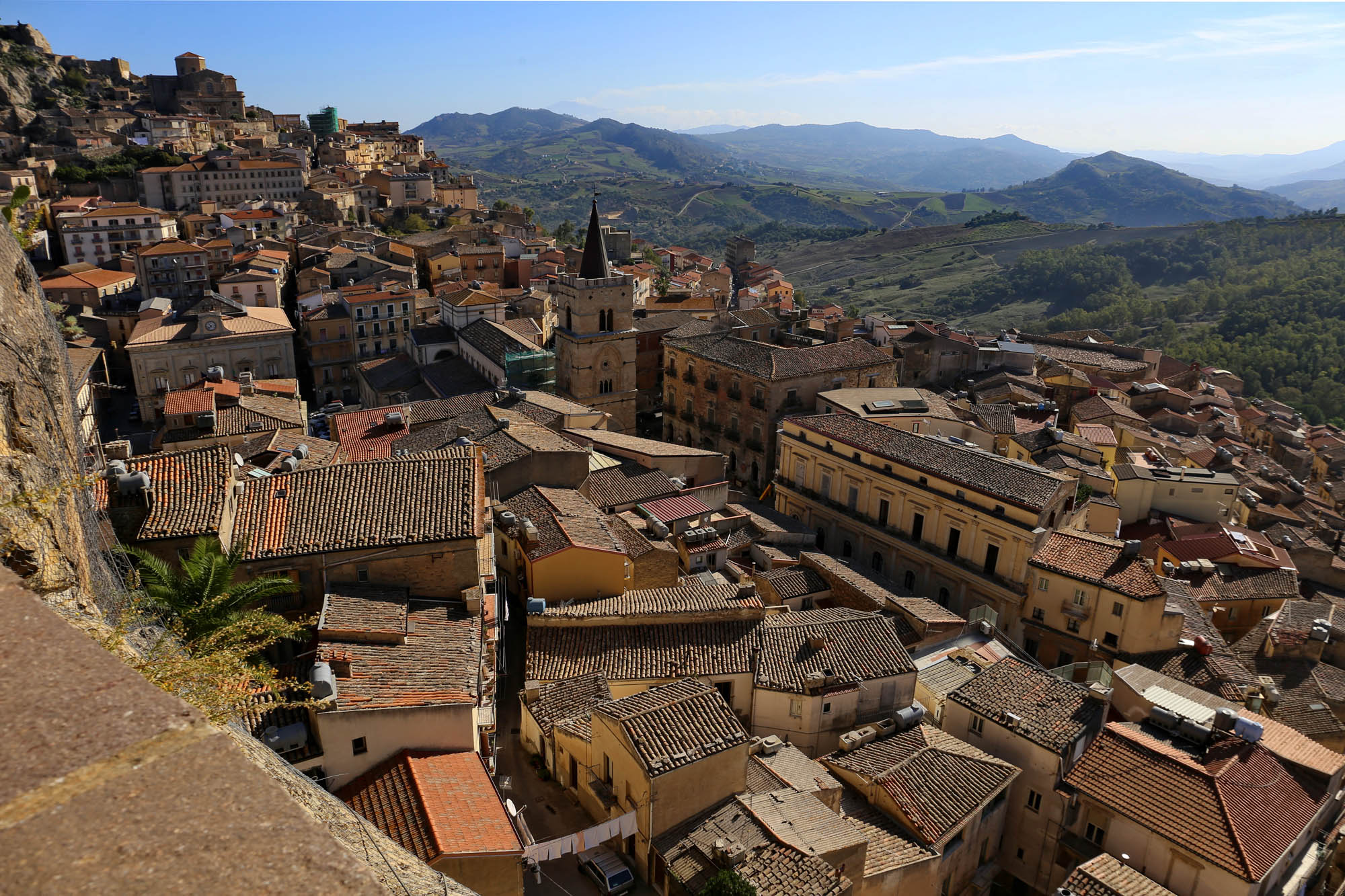
The effort is well worth it. From the small square in front of the church, you enjoy a gorgeous panorama of the old town of Nicosia and the landscape beyond it, all the way to Mount Etna, which is piping with a delicate white strip. The structure of the city unfolds below us in such detail and invites us to take a virtual walk like an animated Baroque city map, with its streets, squares, fountains, the façades of churches and palaces, the high towers and the inner courtyards lined with sloping tiled roofs, into which you can peer from above.

Directly below us is the main square with St Nicholas Church, which was rebuilt from a Greek church and an Arab tower in its current Renaissance-Baroque form after who knows how many earthquakes. Its Andalusian-style minaret tower is still surrounded by seven strong iron bands to at least somewhat counterbalance the inscrutable will of Allah.

nicosia3 nicosia3 nicosia3 nicosia3 nicosia3 nicosia3

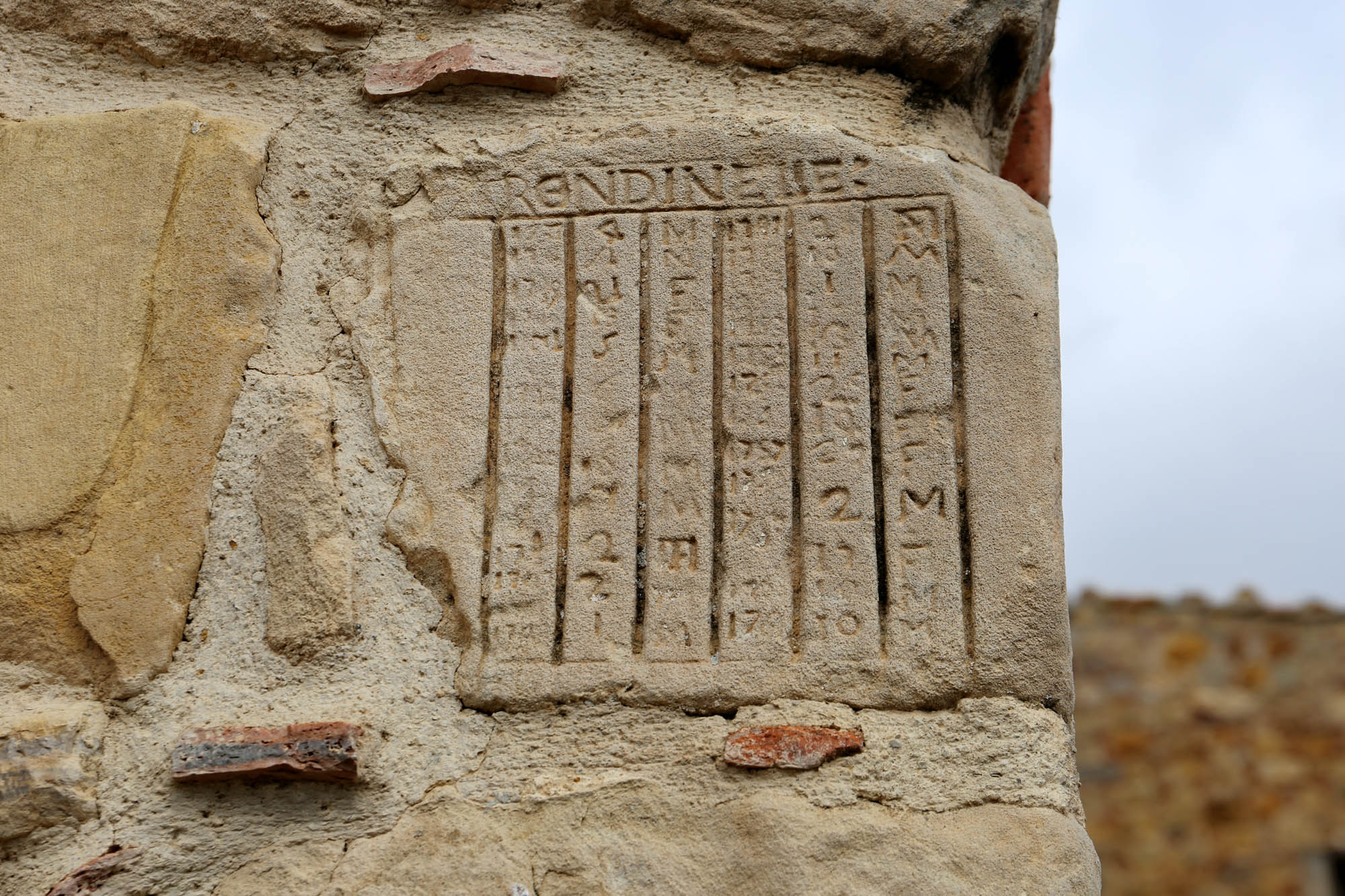
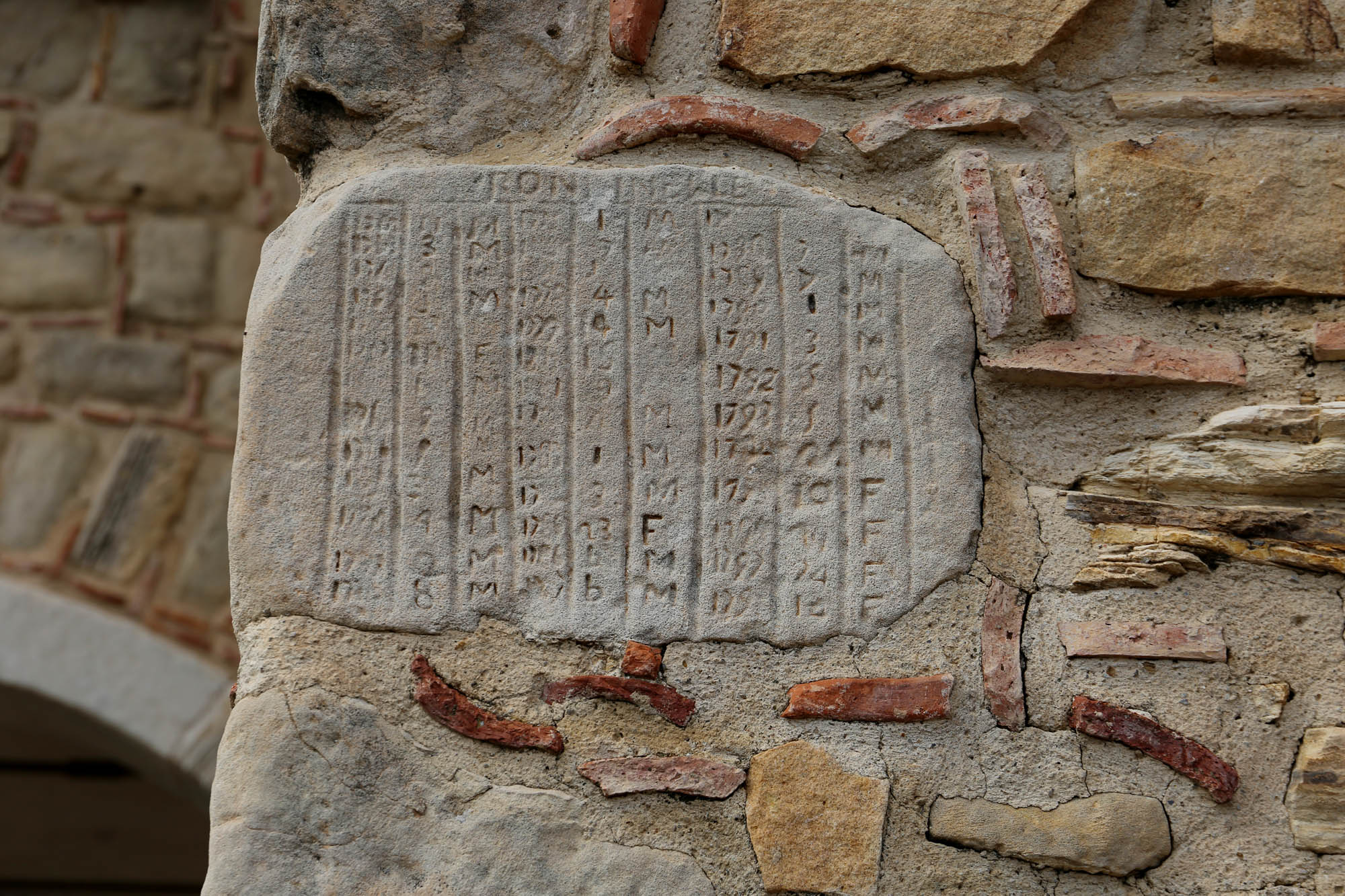
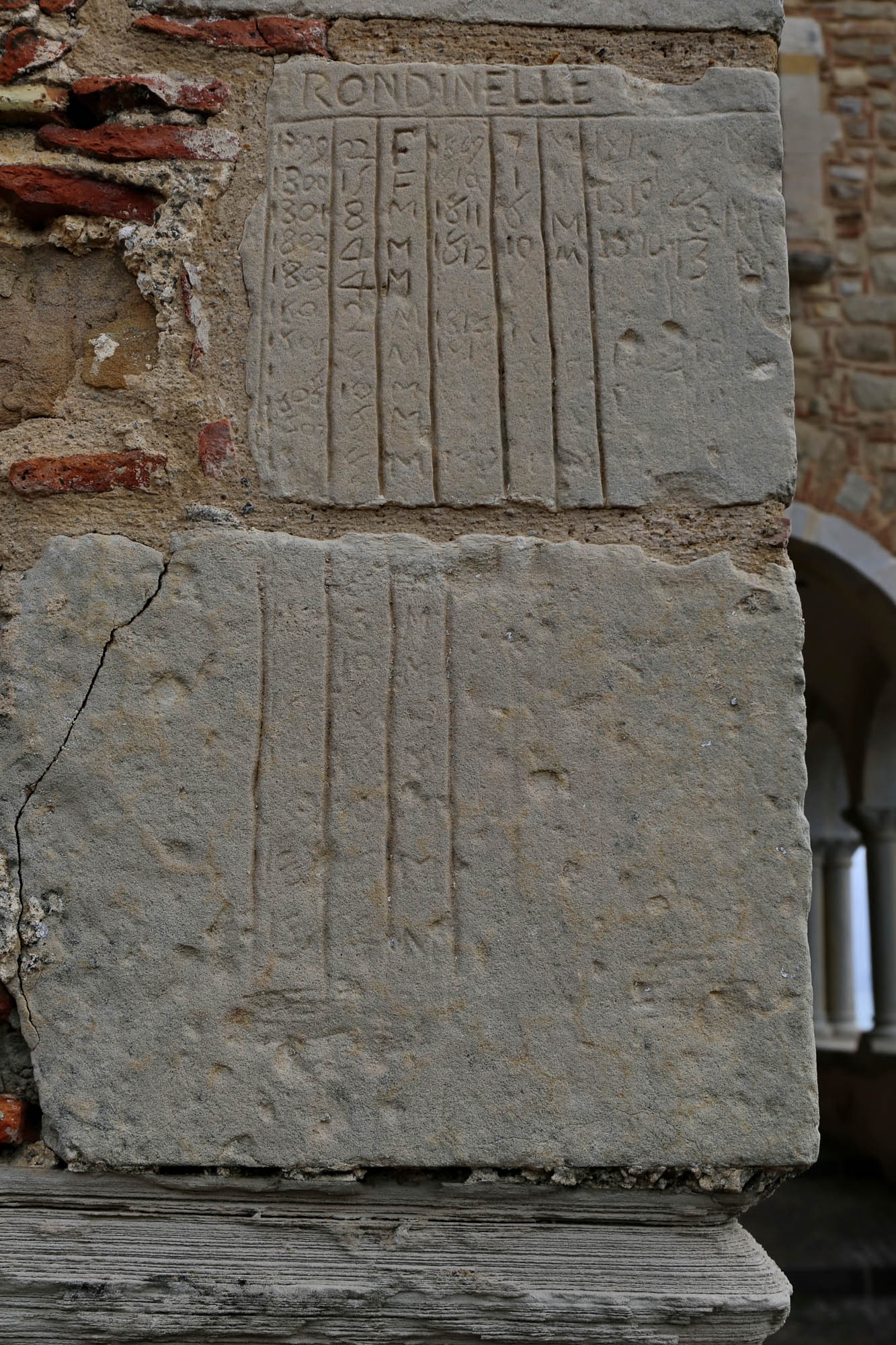
But the biggest surprise is that the south side of the Church of the Savior, which is normally closed off from the rest of the square by an iron-barred gate, is now open. Its key is kept in the Ecomuseo Petra d’Asgotto, with whom you can arrange a meeting in advance by e-mailing to pinalagiusa@tiscali.it. And it is worth it, because here is a unique monument of the city: the swallow calendar (calendario delle rondinelle).
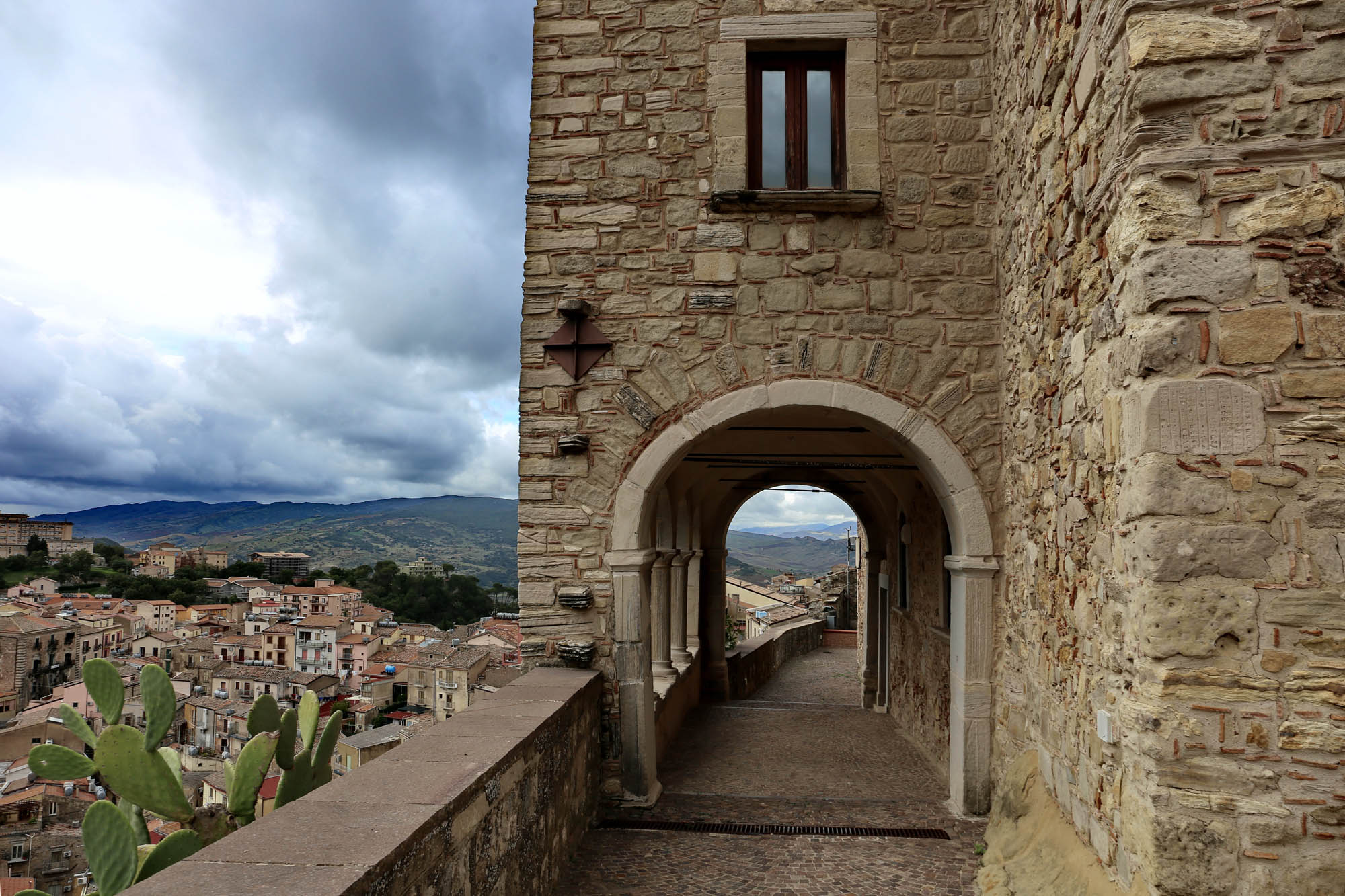
The southern wall of the church is enriched with a 13th-century arcaded porch. In the eastern corner of the wall, a large limestone block was inserted, on the two smoothed sides of which they engraved year by year from 1737 to 1798, which month and which day the first swallows arrived in Nicosia. This happened most often in the first days of March, but sometimes in the last week of February, and even in mid-February towards the end of the century. Would the weather have been that much warmer?
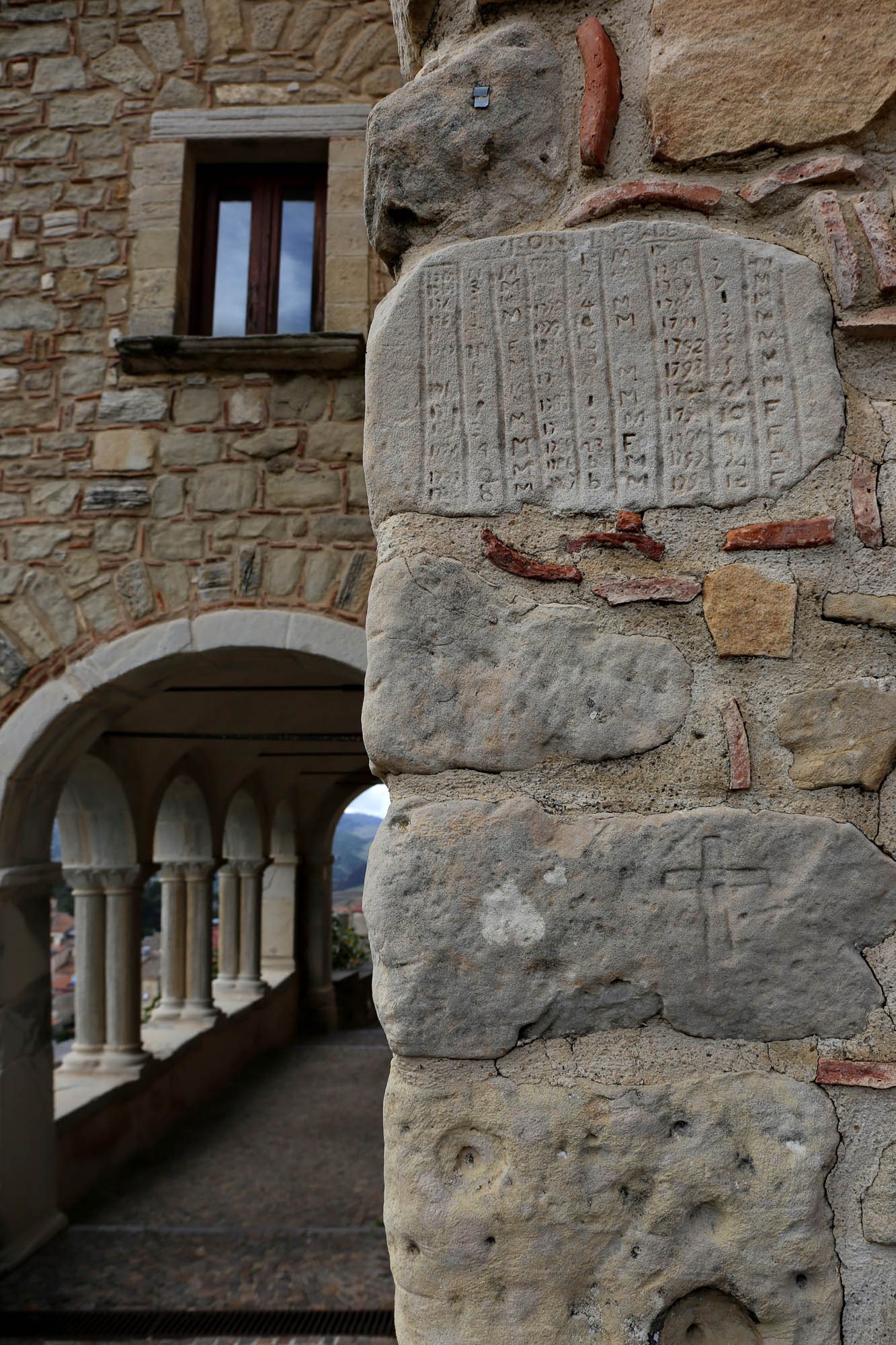
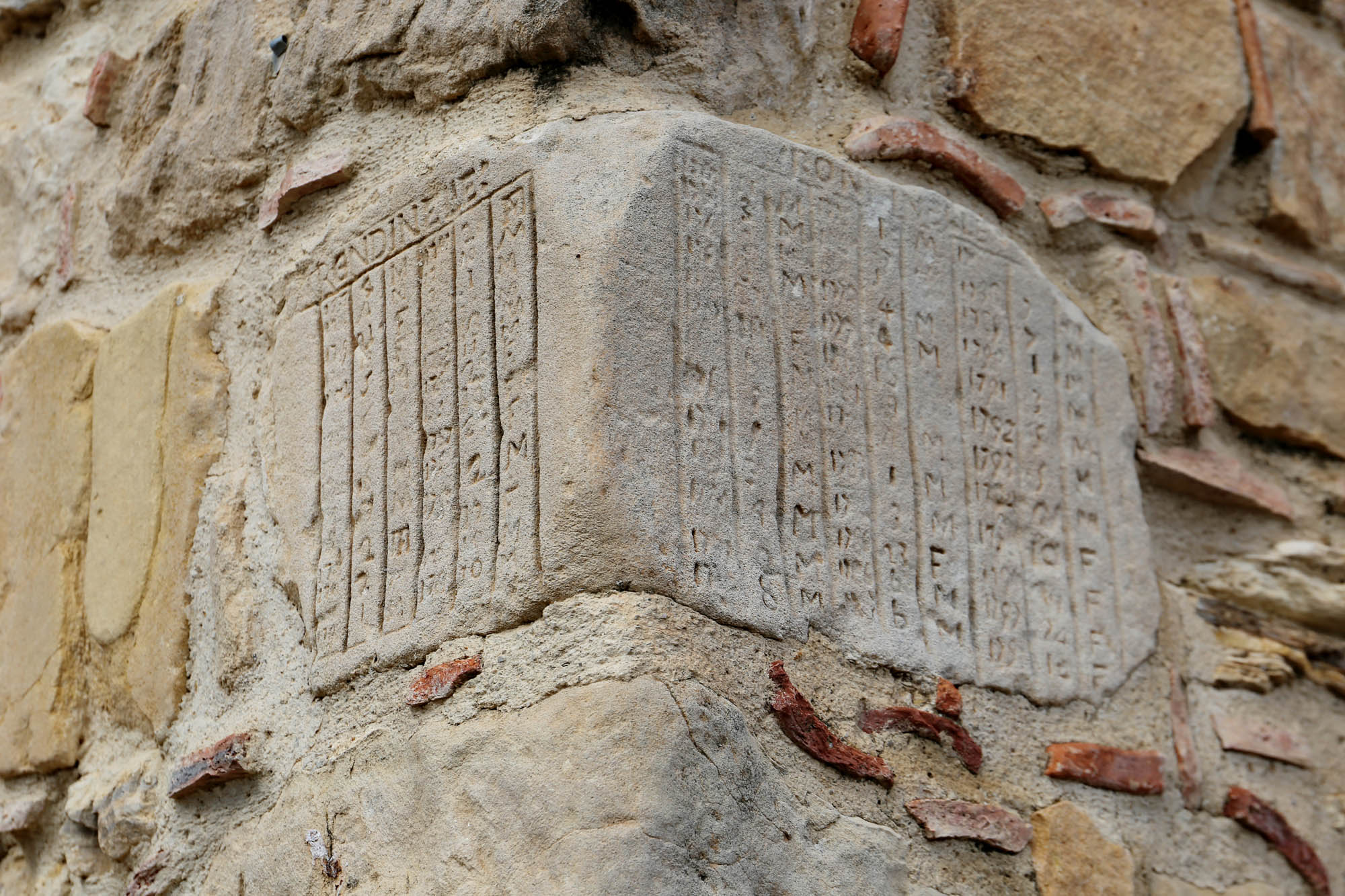
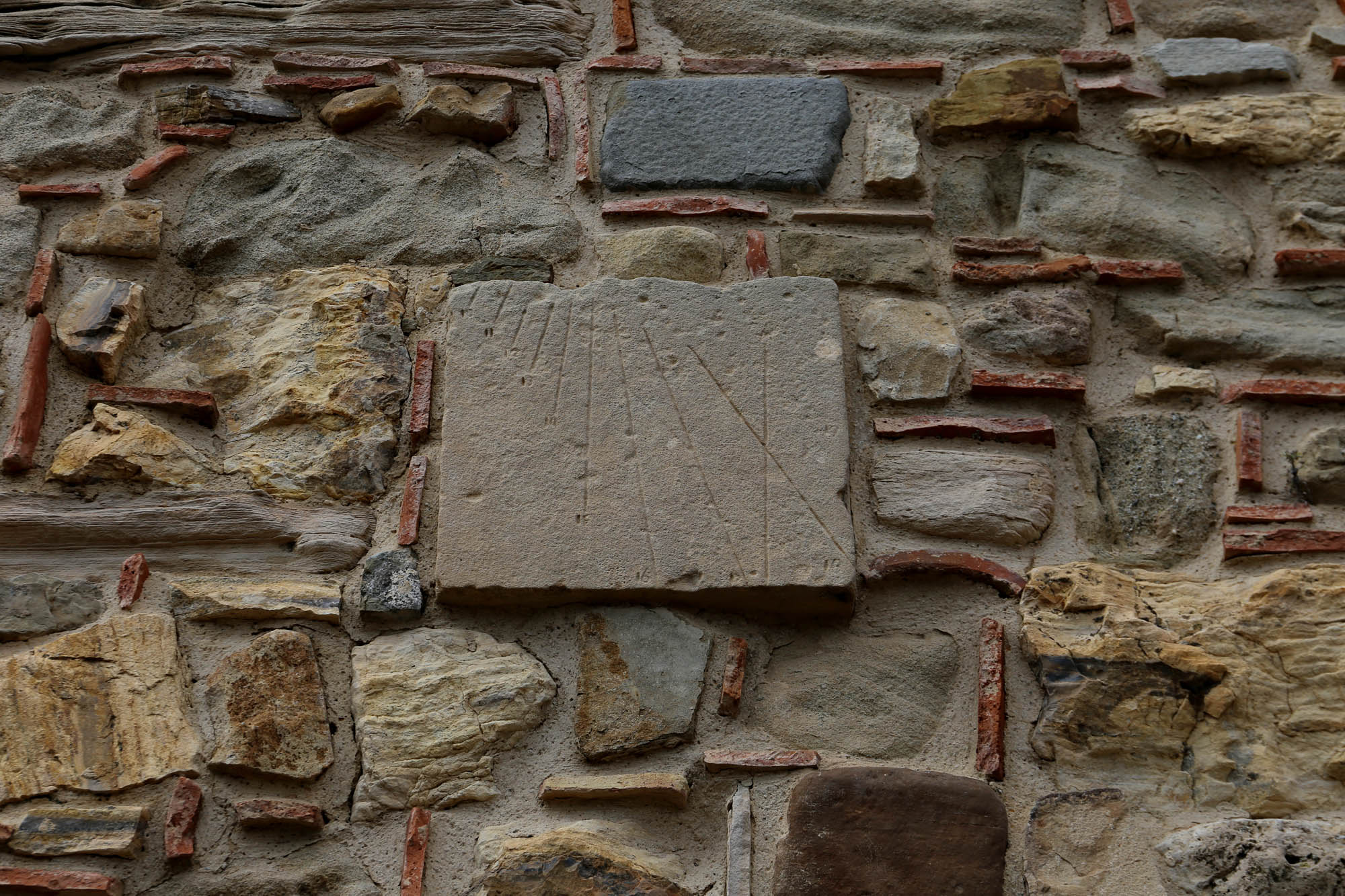
The continuation of the calendar can be found after passing through the arches, in the southwest corner of the church. Here, they inserted three block stones in the wall, but only the middle one has dates, from 1799 to 1820. Perhaps the lower one has some too, but you cannot read them any more.

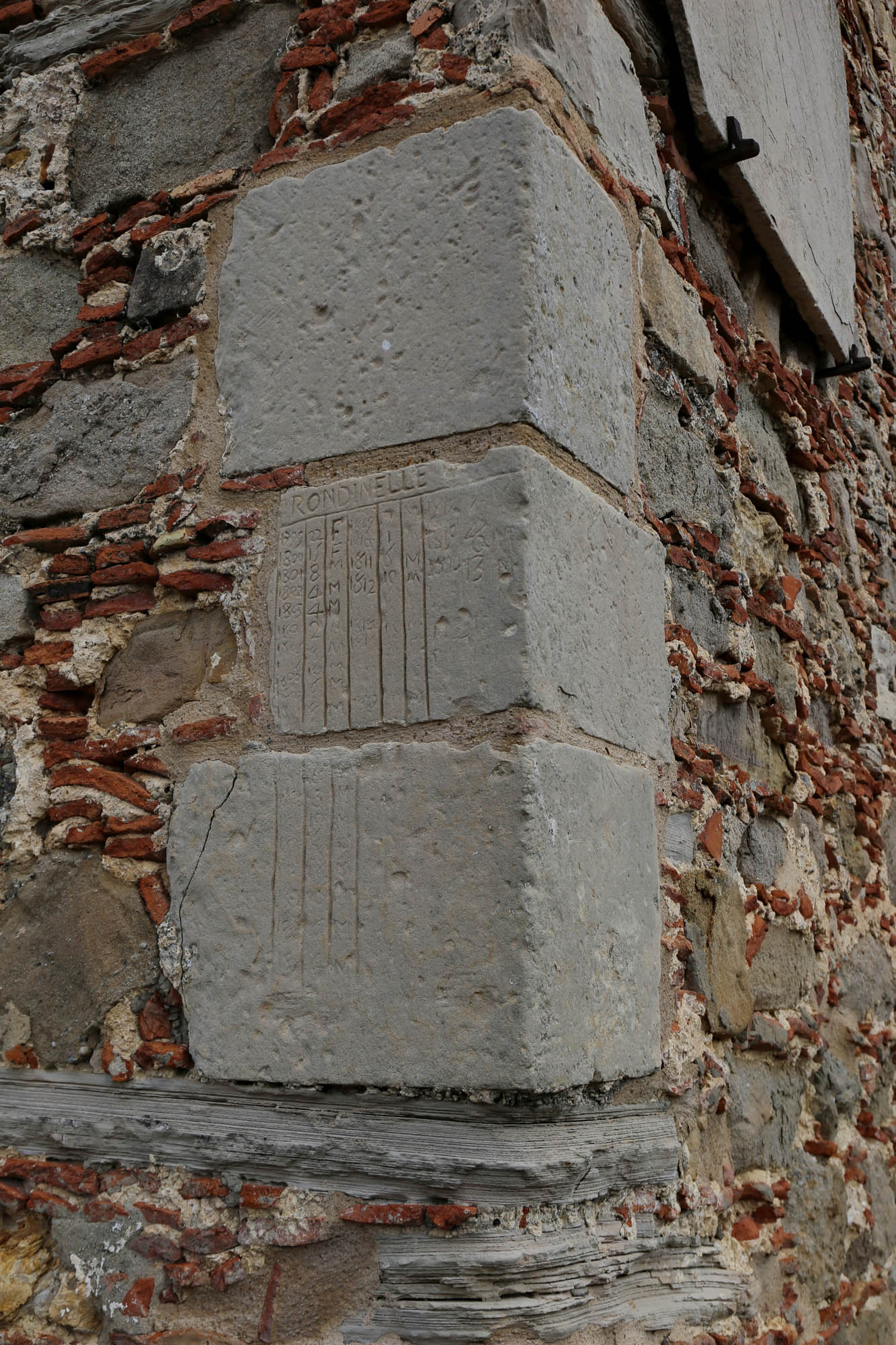
The arrival of the first swallows and the first storks, the official seal of the new spring, is a big event in the life of a small town. But since it is not about the visit of great people, saints or rulers, it rarely occurred to anyone to include this event in the local history.

History writing also has its history, as to in which age what was considered worthy of recording, of including into history books. Based on the ancient Roman-Greek model, for a long time they only focused on dicta et facta memorabilia, the memorable deeds and sayings of famous people, or major events affecting the lives of entire peoples. That simple folks, everyday mentality, man’s relationship with nature and animals, ad absurdum the swallows of Nicosia can also have a history, was only established in the 20th century by the French school of historiography Annales.

I wonder who thought of this in Nicosia, which churchman was so much channeled at the same time into the cycle of nature and the routine of written chronicles, to start keeping this calendar and to create micro-historiography two centuries before Annales.
Our reputation in the world

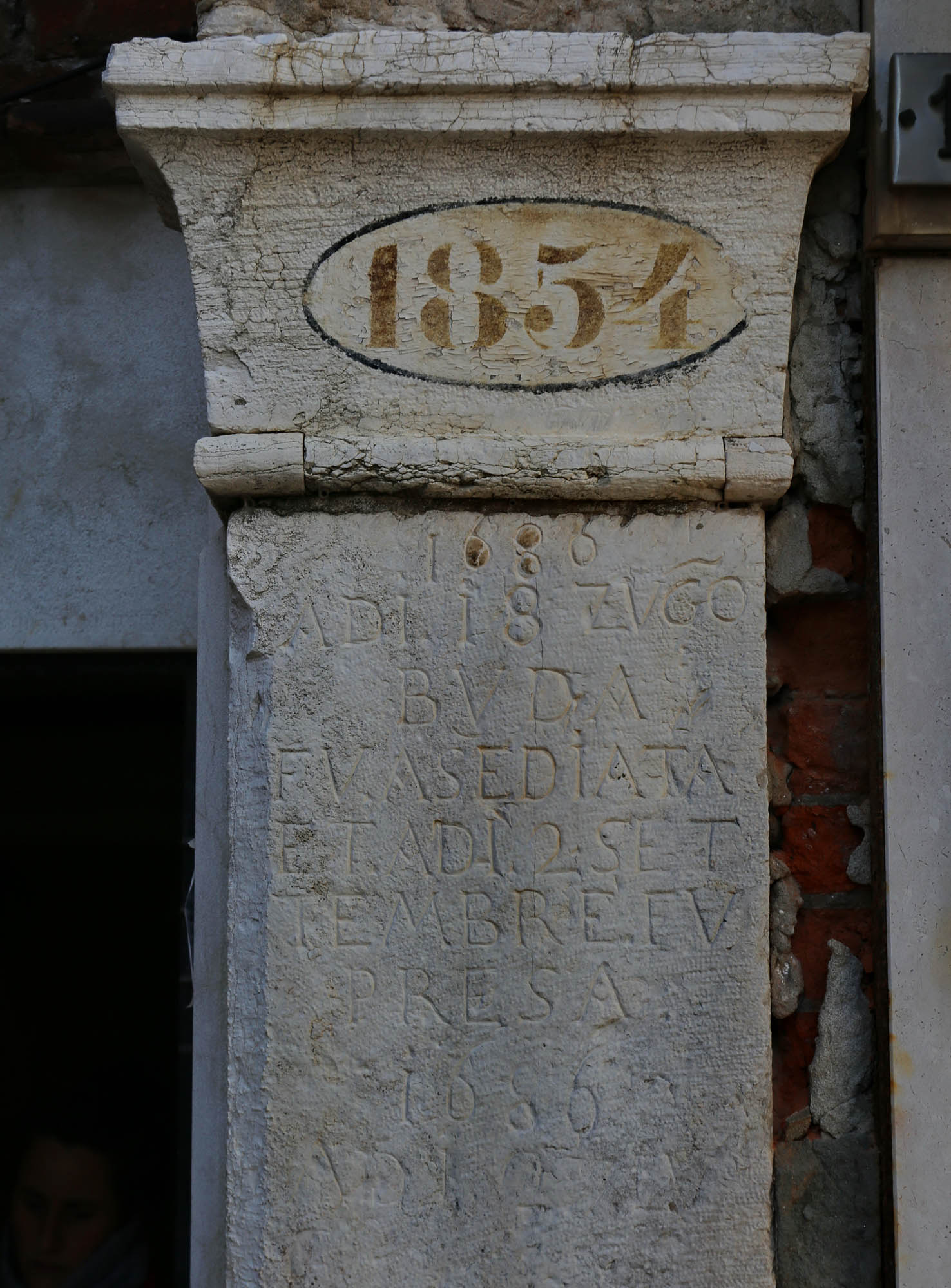
In Venice, a small square opens at the side of the San Cassiano parish church, where the Ponte de la Chiesa leads to the Calle dei Morti on the other side. This latter got its name from the parish cemetery that was once there. At the foot of the bridge steps, there stands the marble corner column of the only house in the square, which bears the house number 1854 on its capital. However, the inscription under the capital is only noticed by those who go close enough to see the letters engraved on it in low relief.

The upper, larger part of the inscription was engraved by a skilled hand in regular capital letters:

1686 A DÌ 18 ZUGNO BVDA FV ASEDIATA ET A DÌ 2 SETTEMBRE FV PRESA

Buda was besieged on June 18, 1686, and occupied on September 2

Beneath, another date was engraved in a freer hand:

1686 A DI 27 LV

On July 27, 1686

We do not know who considered it important enough to record the dates of the recapture of Buda from the Ottomans. But we know he was not alone.

The history of the liberation of Buda, occupied by Suleyman on August 29, 1541, goes back to September 1683, when the imperial German and Polish armies liberated Vienna from the Turkish siege, and a month later they also recaptured Párkány and Esztergom from the Turks. In the euphoria of the victory, Pope Innocent XI convinced the Hapsburgs, Poland and Venice to establish the Holy League for the recapture of additional Ottoman territories. The League’s troops already besieged Buda in 1684, but that time without success. In 1686, after a long preparation, they returned again and, after a three-month siege, at the cost of heavy losses, the finally took the city on September 2, after almost exactly 145 years of Turkish rule.

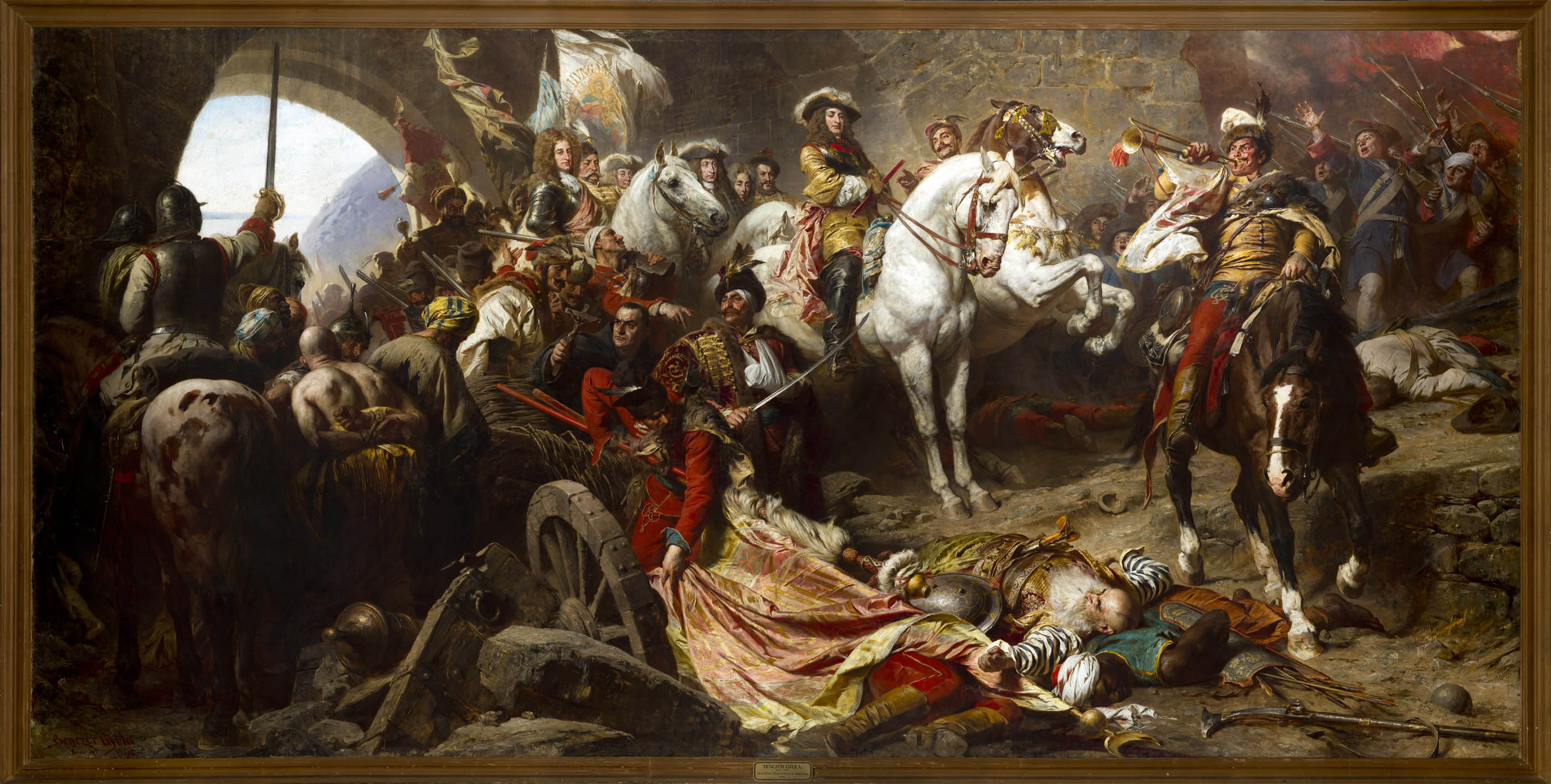
Gyula Benczúr: The recapture of Buda Castle, 1896. Entering through the castle’s Vienna Gate, Charles of Lothringen looks at the corpse of the Ottoman commander defending the castle, Arnavut Abdurrahman Abdi Paşa, whose monument stands behind the gate today

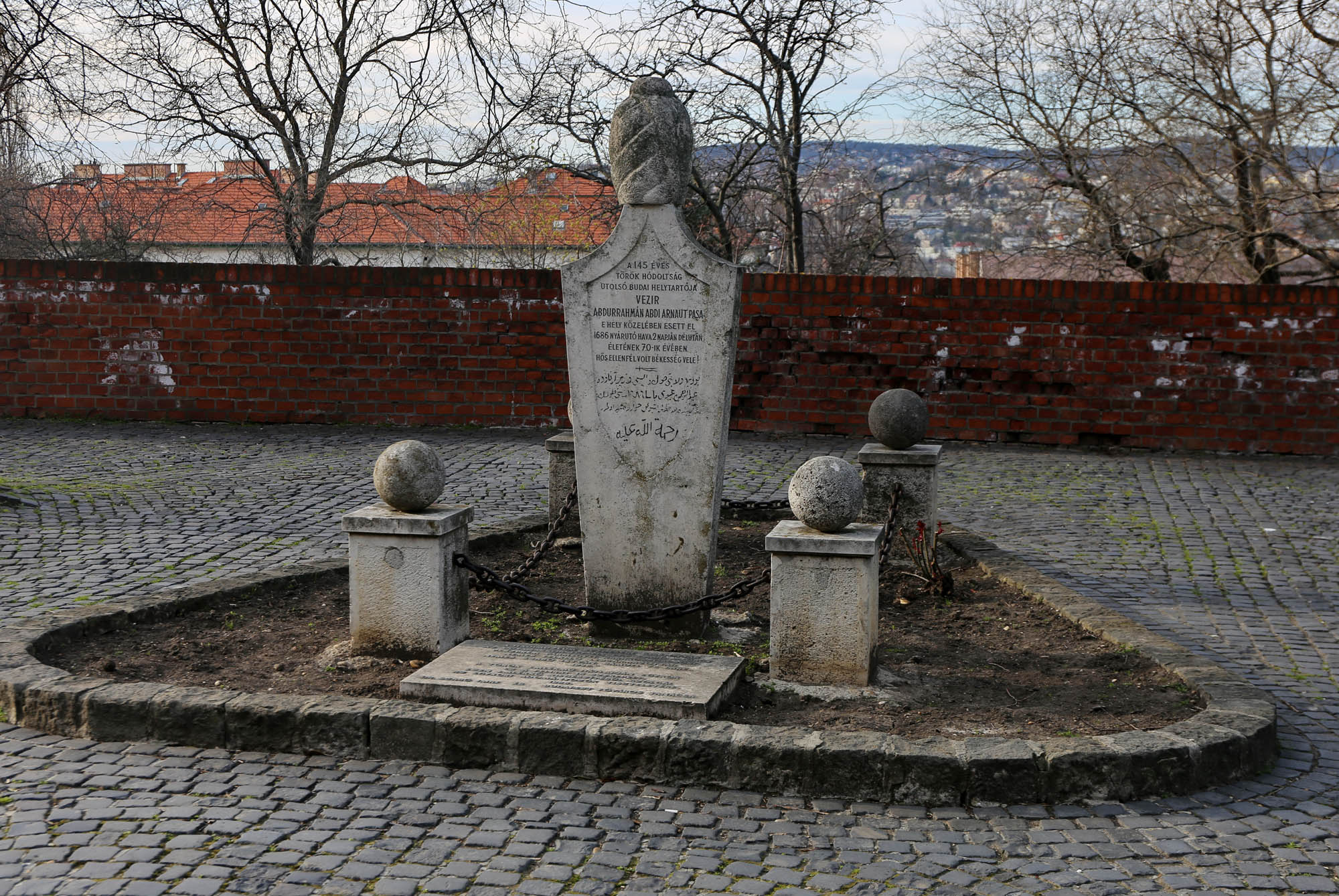
The monument to the Turkish commander of Buda stands at the place where he fell on September 2, 1686, defending the castle. It was erected in 1932 by the descendants of György Szabó, who fell in the same place, on the same day, besieging the castle. The inscription on the monument is in Hungarian, Ottoman Turkish and modern Turkish: “Arnavut Abdurrahman Abdi Paşa, the last governor of the 145-year Turkish occupation of Buda, fell near this place on the afternoon of the 2nd day of September of 1686, in the 70th year of his life. He was a heroic adversary, peace be upon him.”

The pasha’s death is also commemorated by Margit Kovács’s naive ceramics of 1977 at the Vienna Gate, at the beginning of Ostrom (Siege) Street. A particular blooper of the ceramics is that the castle in the background is besieged not by Christians, but by Turks, most probably under the influence of Géza Gárdonyi’s popular Stars of Eger, the most extensive romantic description of castle sieges in Ottoman-period Hungary

The recapture of Buda was celebrated all over Europe with fireworks, bell ringing and masses. This was especially the case in Venice, which, as a naval ally of the Holy League, liberated the Peloponnese from the Turks at the same time, which I will write about shortly. The inscription next to San Cassiano was also born out of this enthusiasm. It is not known, however, what the date of July 27 refers to. On that day, General János Eszterházy launched a major attack against the castle, but it was only partially successful, so it is unlikely that this is what the inscription reminds us of.

Fireworks on Brussels’ main square to celebrate the recapture of Buda

Among the celebrating cities was also Brussels, where, in addition to fireworks, several inns adopted Buda’s name. Around the lonely Buda Inn to the north of the city, a small village had developed by the early 19th century, which was later integrated into Greater Brussels as an industrial district.


Della Bosiers’ Fleur de Buda (1971) is about Brussels’ industrial district Buda

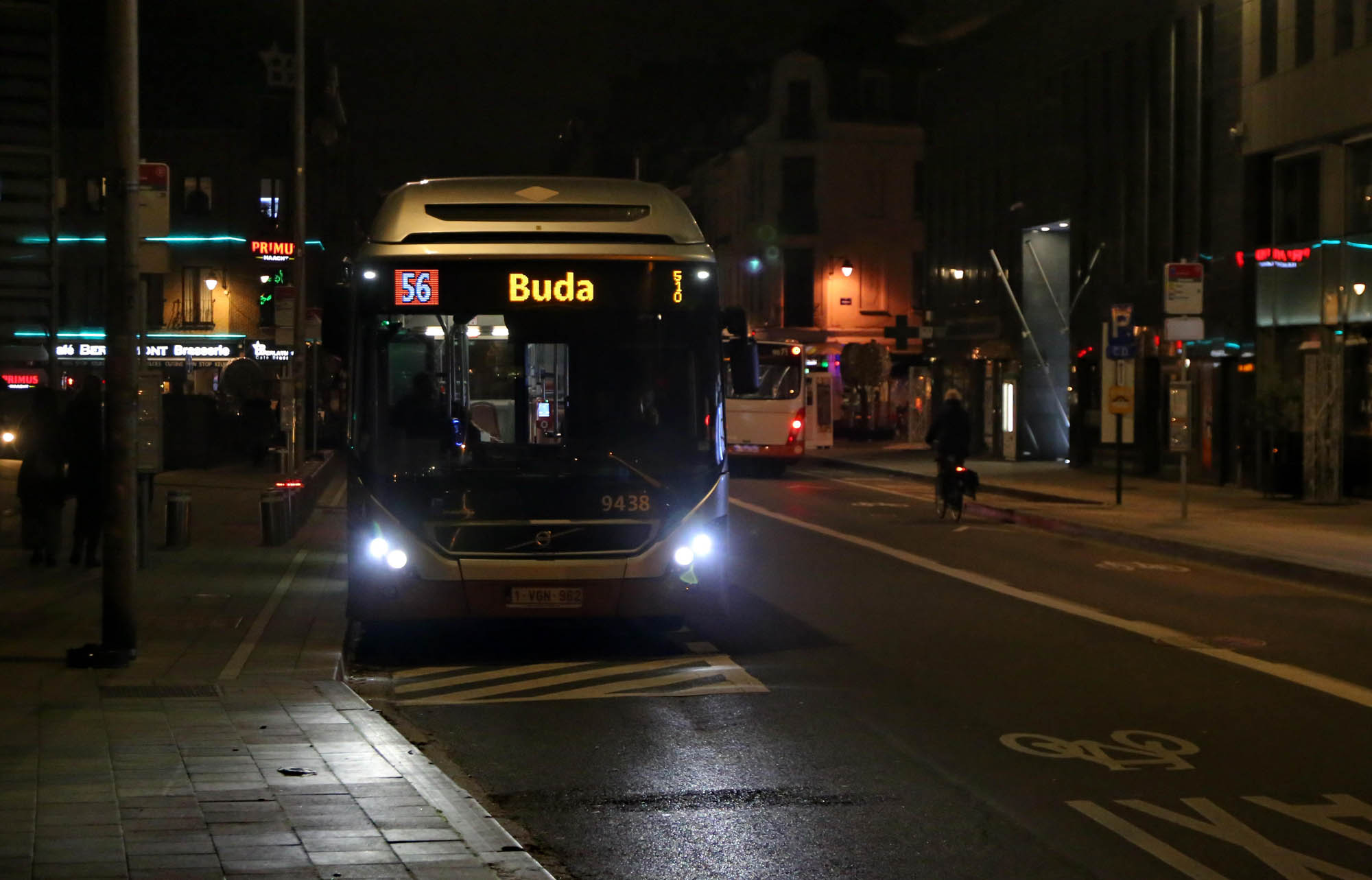
The next Hungarian historical event that made the hearts of all of Europe flutter was the revolution of 1956, after which squares and streets were once again renamed. Brussels already had its Buda, so what they did was to give number 56 to the bus going from the European Parliament to Buda quarter.

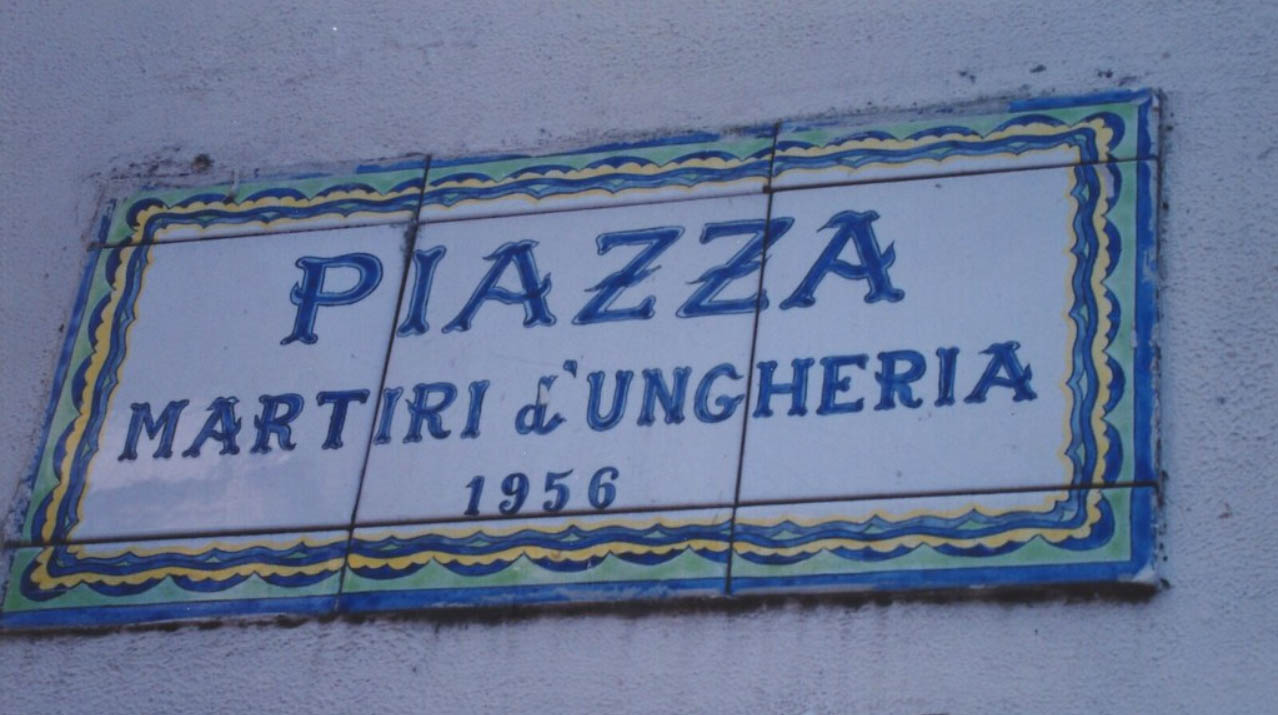
After the 1956 revolution, tens of thousands of Hungarian refugees were received in Italy as well, and squares in several cities were named after the Hungarian martyrs.

For example, in Capri (copyright by ribizlifőzelék)

Or in the Sicilian town of Piazza Armerina. On this October 23, we commemorated the anniversary here in a truly dignified place.

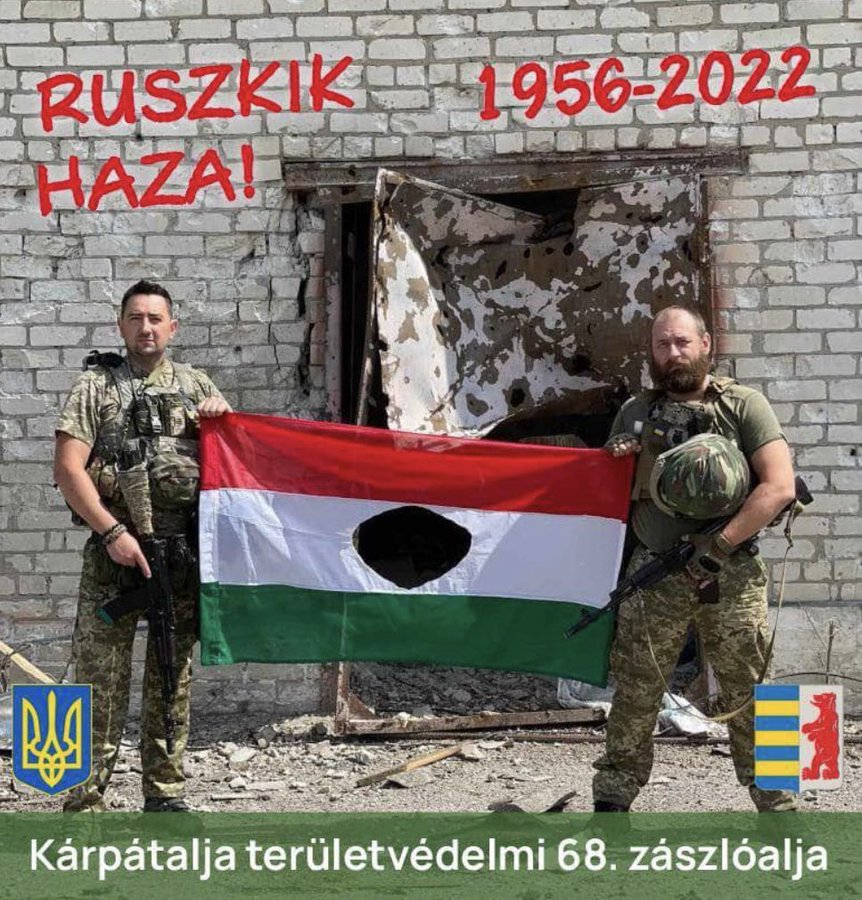
It was commemorated in a more dignified place by those Subcarpathian Hungarians, who in 1956 could not even dream of participating in the revolution, but now they are doing and promoting exactly what people of their age wanted to achieve in 1956, and what today’s Hungarian government wants to completely forget. After three hundred years, they are now improving our quite worn reputation in the world.    

“Russian, go home. 1956-2022. The 68th Territorial Defense Battalion of Subcarpathia, Ukraine”