
 “It was said well in advance by Grand Vizier Köprülü to Prince George Rákóczi: “Don’t go to Poland in search of a kingdom, because you will end like the camel, who went to Allah, demanding him to give it horns, and then Allah even cut off its ears.” So had it Prince Rákóczi. He was not content to be the great prince of that beautiful Transylvania, equally estimated by the Germans and the Ottomans: his sin, his ambition brought him to Poland in search of a crown; and not only he did not get the golden horns there, but he also lost the flower of his nation, the fighting army of Transylvania. They were all caught by the Khan of the Crimean Tartars, who was sent in the back of the Transylvanian troops.”
Mór Jókai: The Damokos, 1883
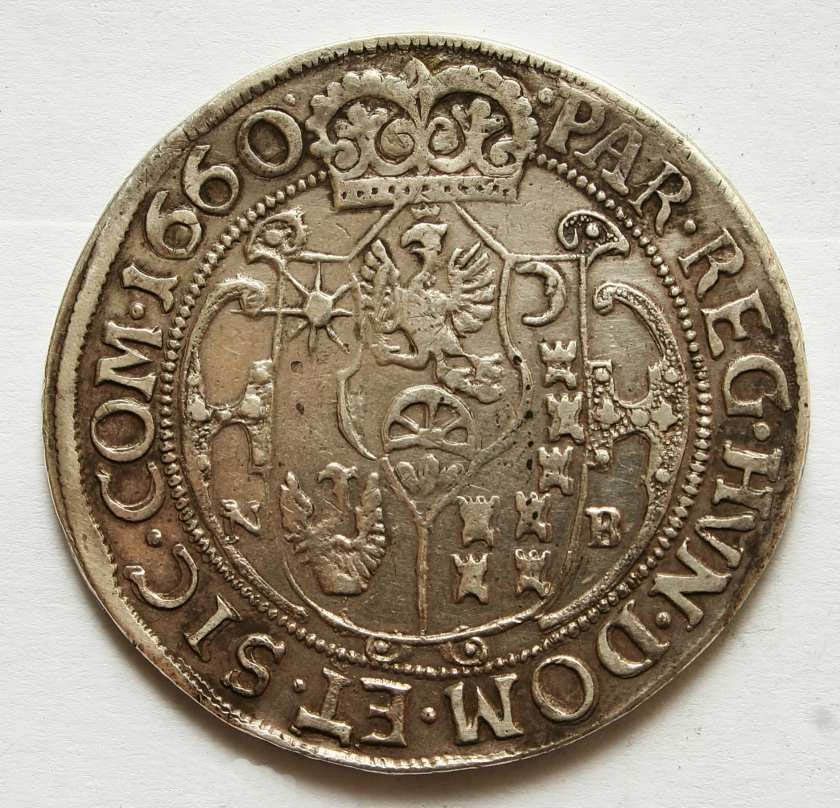
 Geor[gius] Ra[koczi] D[ei] G[loriae] P[rinceps] T[ransylvaniae] / Par[tium] Reg[ni]
Hun[gariae] Dom[inus] et Sic[ulorum] Com[es] 1660 – George Rákóczi [II.],
by the Grace of God Prince of Transylvania / Lord of some parts
of Hungary and Count of the Székelys, 1660
In 1657 George Rákóczi II, Prince of Transylvania, allied with the Swedish king and the Cossack hetman Bogdan Khmelnitsky, started off against the Poles, to be crowned the King of Poland. He was already deep inside the country, when the Swedes abandoned him, the Polish starosta of Zips in his back invaded Transylvania, and the Sultan sent against him the Crimean Tatar Khan, who dragged into slavery to the Crimea the forty thousand strong Transylvanian army. Then the Turkish and Tatar troops plundered Transylvania, driving another hundred thousand people into captivity. Thus began the destruction of the independent principality of Transylvania. Thus begins one of the less known short novels by
Mór Jókai, the extremely popular and fertile late 19th-century author of historical novels,
A Damokosok (The Damokos), which was one of my favorite childhood readings in this edition of the Cheap Library series.

In the adventurous story Boldizsár Czirjék, the shrewd Székely jack-of-all-trades (who here on the frontispiece is just slipping away from the Tatars) manages to save those two thousand gold coins, which serve as a ransom for the Székely captain Tamás Damokos, captured with the Transylvanian army, and to let it arrive to its destination against all the unexpected twists and turns. Meanwhile Tamás Damokos waits for the ransoming in the Crimean palace of the Tatar Murza Buzdurgan, working first in the garden and then in the tannery workshop, while he even has to resist the love siege of Kalme kadina,
the beautiful Circassian woman, the Murza’s wife.
As far as I know, this is the only book in the Hungarian literature – apart from Kassil’s
Volodya’s street and Ulitskaya’s
Medea and her children, translated in 2003, about which we will write later – which offered any image of the Crimea. (Do you know about any such books in your national literature?) This is why I thought to check again, after some forty years, how is this image like.
The Crimean scenes of the novel take place in a closed space, in the garden of the palace of Murza (from Persian
Mirza, ʻprince’, a chief leader of the Khan of Bakhchisaray) Buzdurgan, somewhere in the Crimean coast. Jókai, as usual, gives an eloquent description of the palace.
“The famous settlement of Murza Buzdurgan was there, where the Karasu and Salgir rivers flow together, and form a mountainous peninsula. This settlement was a whole city, or rather fortress, because the two rivers run down the mountains full of rapids, so that it was impossible to cross them with a boat, but even who wanted to swim across them, had to make account with his soul. And from the mainland side a strong stone wall run from one river to the other, which closed the triangle.
The peninsula was the last part of a gentle mountain chain, planted with vineyards and fruit trees, among which one could see from far away the white marble facade of the Murza’s palace, with the flat terraces, on which his harem enjoyed themselves in the twilight hours… Up there, around the palace, there is a veritable paradise… created by Nature herself, who led a strong mountain stream on the peninsula, which then falls with a high cascade into the Karasu.”
Where was this palace?
Where the Karasu and Salgir rivers flow together, on the northeast side of the Crimea looking toward the
Arabat Spit and the
Sivash lagoons, there is in fact a piece of land, a peninsula, or rather an island surrounded by the rivers and the sea. Where the Russian map of the Crimea in 1922 shows a multitude of Tatar settlements, in the modern atlas of the Crimea you can only read a handful of recently coined Russian names.


But as you can see in the atlas, and even more on the Google map below, in this land there are no gentle mountain chains, no cascades, no vineyards and terraces, but only plains and marshland. This is confirmed by the few photos of the region available on Panoramio and on the Russian web.

It seems as if Jókai only used the political map of the Crimea without a topographical one, and it was not clear to him that the whole peninsula is divided into two clearly distinct parts: the southern part meets the sea with high mountain chains, while the northern part is a flat plain land, the continuation of the steppe in the peninsula. It is possible that Jókai projected the engravings seen by him of the palaces nestled in the romantic southern mountains or rising on the coastal cliffs onto the north-eastern scene, seemingly so protected in the embrace of the two rivers, and embellished it with the popular oriental motifs of the period – in the same way as in his
A famous adventurer in the 17th century he imagined
labyrinths putting to shame Piranesi into the pious Jewish quarter of Lemberg.

But there is also another oddity in the description. Speaking about the wonderful garden of the palace, full of affluent fountains and exotic plants, Jókai says:
“The part of the Crimea over the mountain range blooms under the blessings of an Italian climate. Whole groves of laurel trees, pomegranates and oranges are blossoming, like around Rome, and the Asian-bred fruits, pears, apples and peaches are already at home among the silver-gray evergreen foliage of the olive trees… At the end of February, when the ancient wind of Nemere blows with anger over the Székely land, and shakes the snow from his beard, in the Crimea the fruit trees are in the full pomp of their flowers, and the colorful flower beds laugh with fully opened hyacinths and tulips. The cold winds of the north are broken on the high mountains of Chatir Dag, and a gentle breeze from the Black See hurries the spring to come.”
This is true, Jókai drew his image from an authentic source. However, this only applies to the southern Crimea. The Chatir Dag, which, worthy of its name, emerges as a protective tent over the southern coast, is only some ten kilometers from the sea. Jókai placed the Murza’s palace much further to the north, on the plains exposed to the cold northern winds.
 The Chatir Dag seen from the coastal Alushta
How did this image come together in Jókai’s mind? Did he imagine this protective mountain range much further to the north? Or brought down to the south the piece of land embraced by the Karasu and the Salgir? He, who used to give so precise and perceptive descriptions on the lands known to him, here let loose his imagination, thinking that not many of his readers would get to this distant part of the closed Russian empire anyway? He was probably right to think so.
Nevertheless, even if Jókai’s reader cannot find the Murza’s palace between the Karasu and Salgir rivers, he can still find in the Crimea the pieces of the mosaic put together by the great story-teller. Still today there are splendid gardens and palaces, magnificent mountains and waterfalls, exotic plants and affluent fountains. And even Tatars, at least for show.

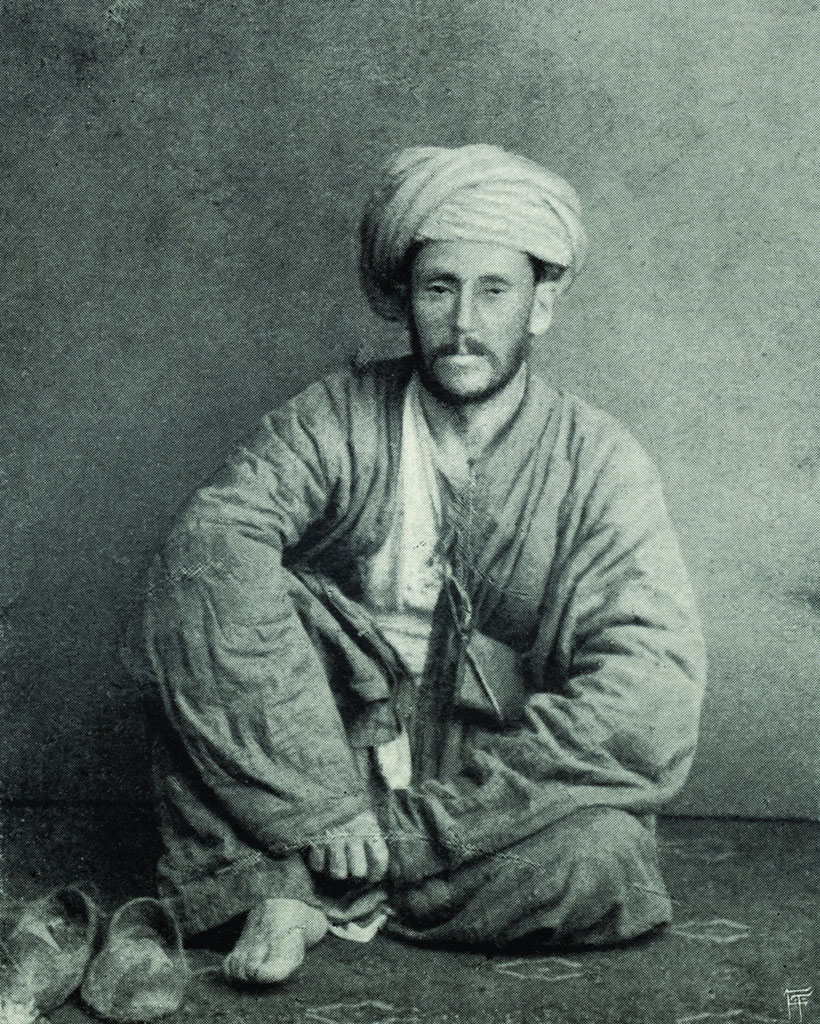 Ármin Vámbéry ataviado como derviche, después de su regreso del viaje por Asia Central,
  Cuatro años atrás sólo dimos con esta foto para ilustrar la entrada dedicada al mulá Ishak, el joven teólogo de Jiva que se convirtió en discípulo de Ármin Vámbéry cuando éste viajó luego por Asia Central ataviado como un derviche. Tan cercanos estaban que cuando Vámbéry se descubrió en Constantinopla, Ishak también lo seguiría hasta el infiel Frengistán, y acabó convirtiéndose en bibliotecario de la Academia Húngara de Ciencias. Murió en Hungría, y su tumba en el cementerio rural de Velence es una especie de centro secreto de peregrinación para los orientalistas húngaros.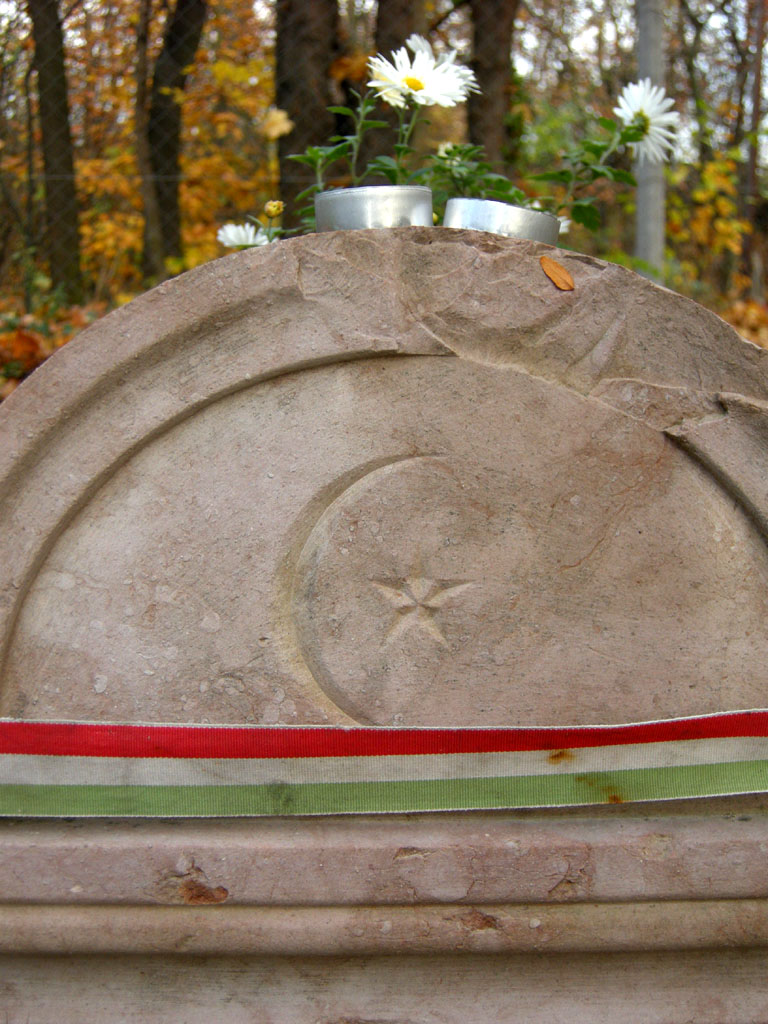
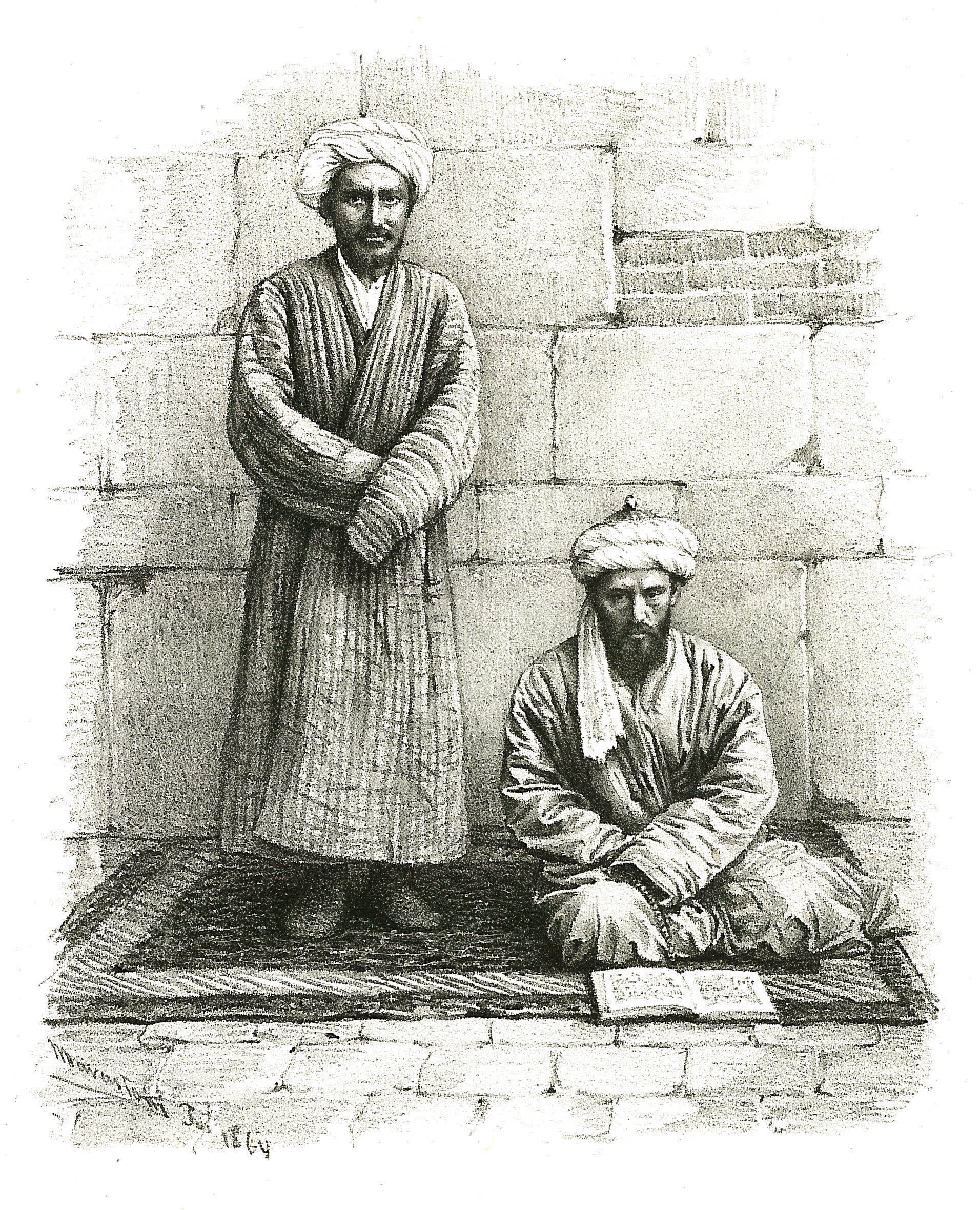
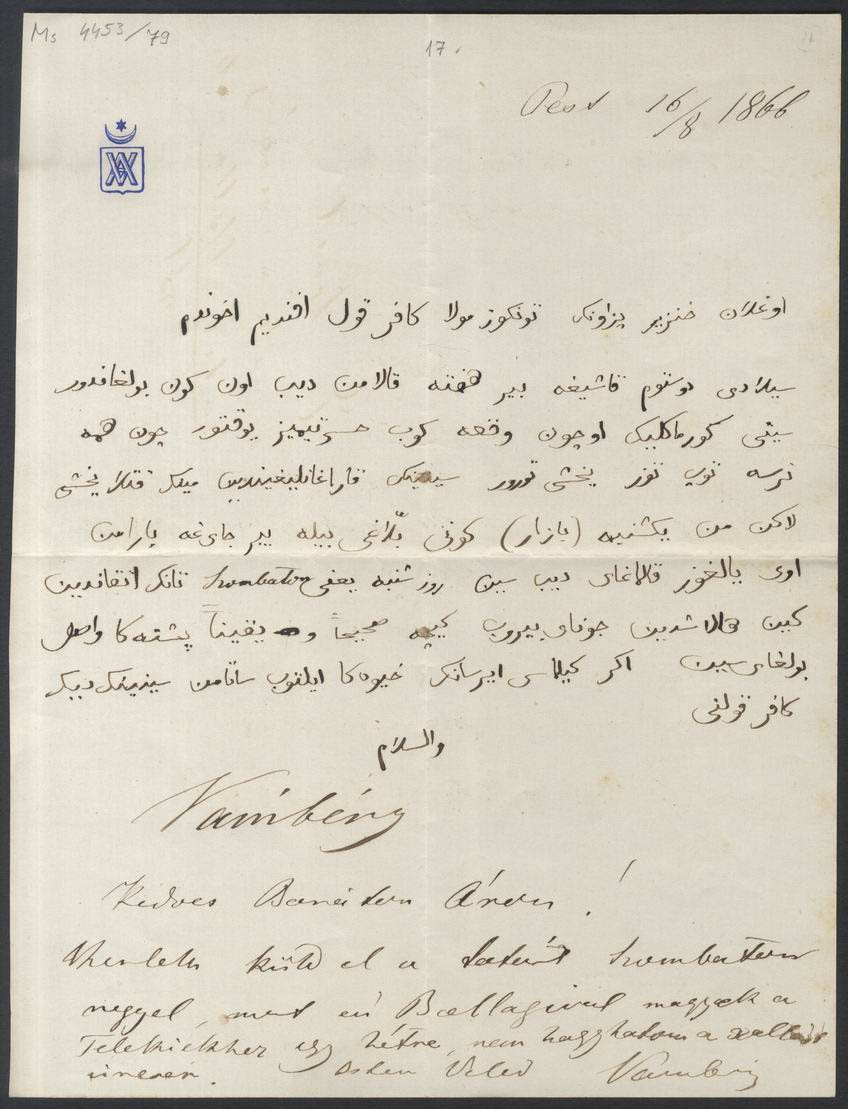
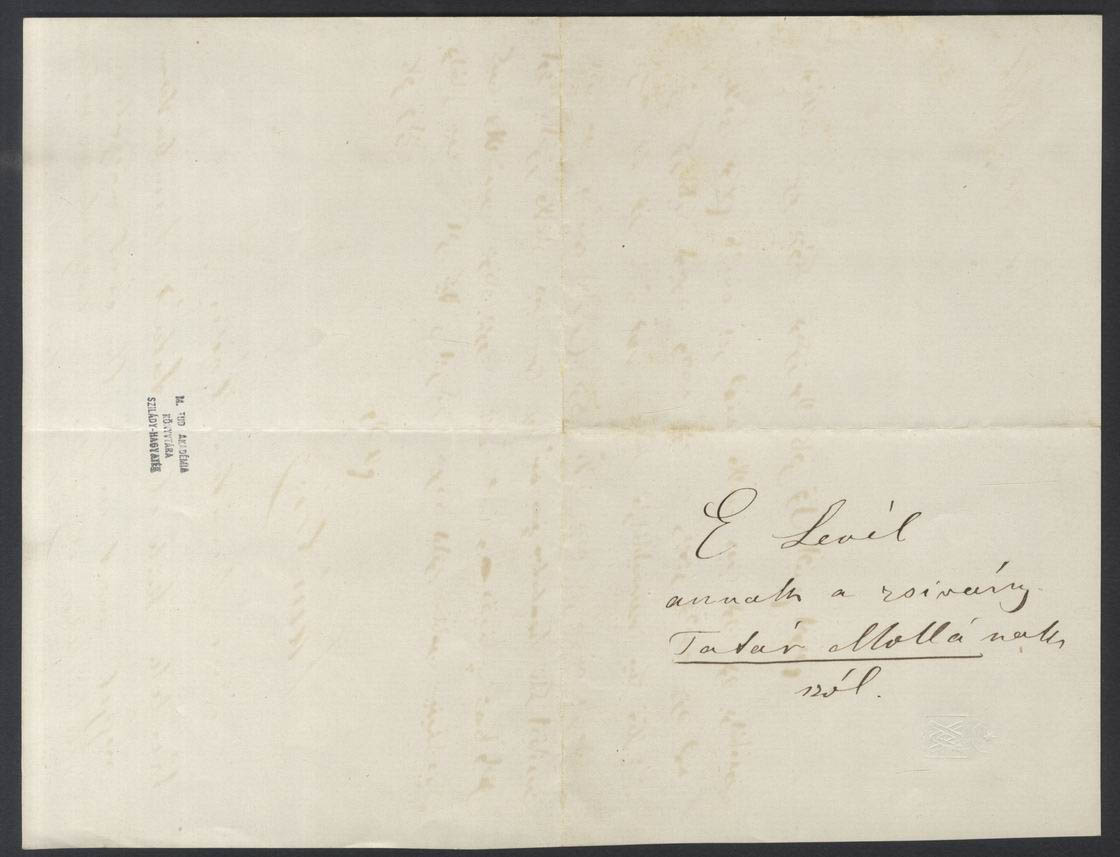
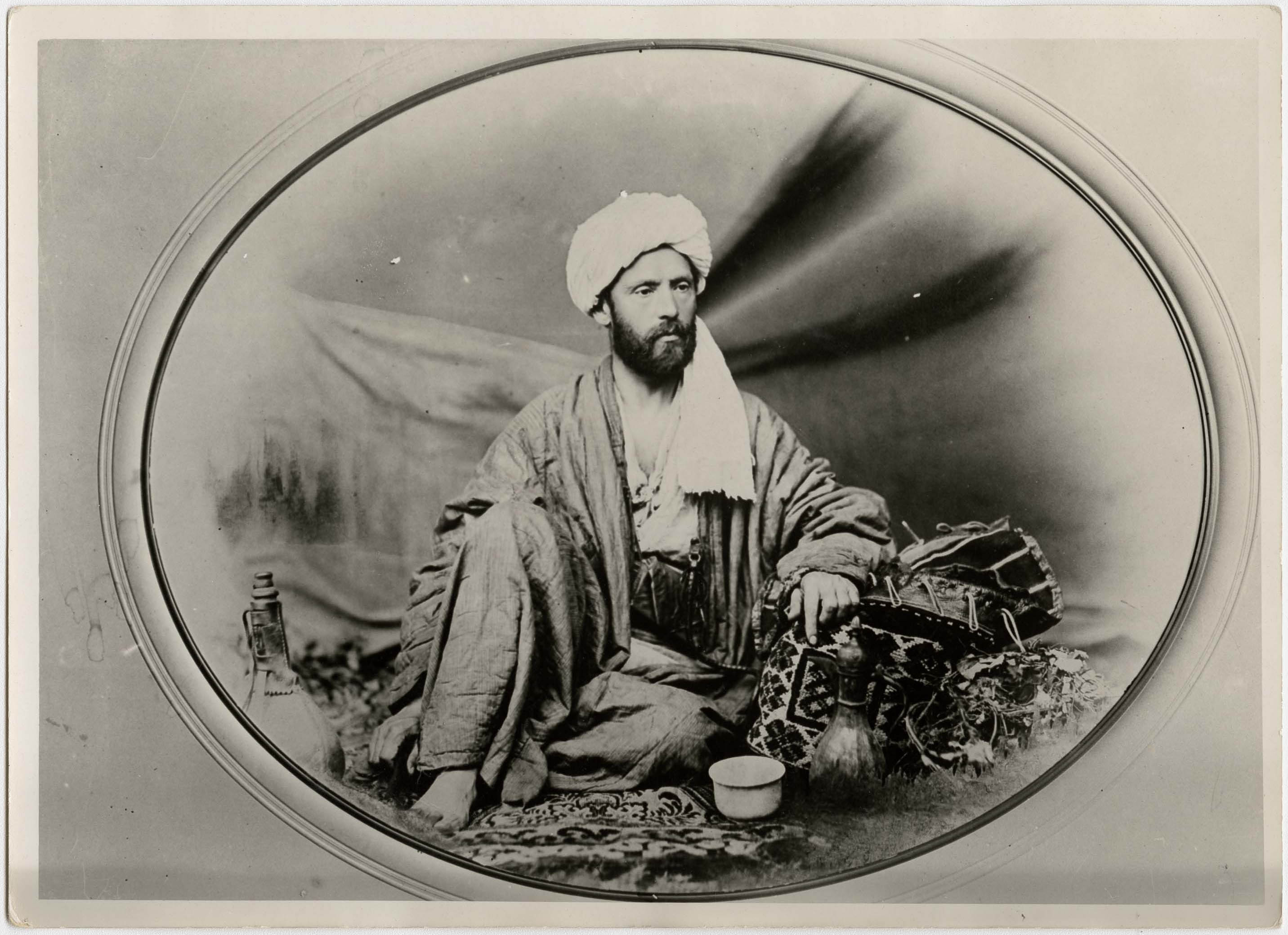
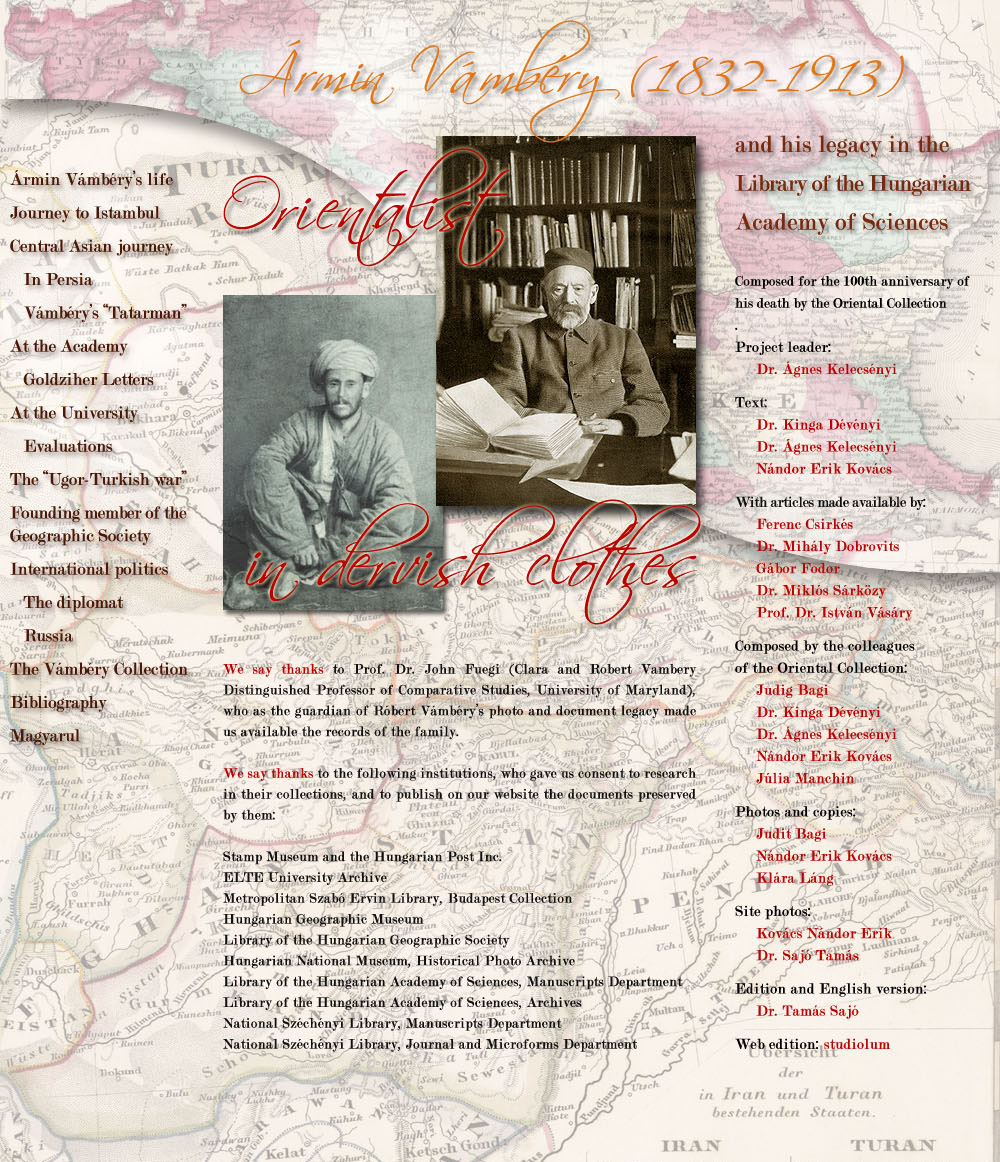


 Four years ago we were only able to illustrate with this photo the post devoted to Mullah Ishak, the young theologian of Khiva, who became a disciple of Ármin Vámbéry when this latter traveled about Central Asia in dervish guise. So much that when Vámbéry exposed himself in Constantinople, Ishak also followed him to the infidel Frengistan, and became librarian of the Hungarian Academy of Sciences. He died in Hungary, and his tomb in the rural cemetery of Velence became a kind of a secret pilgrimage site for Hungarian orientalists.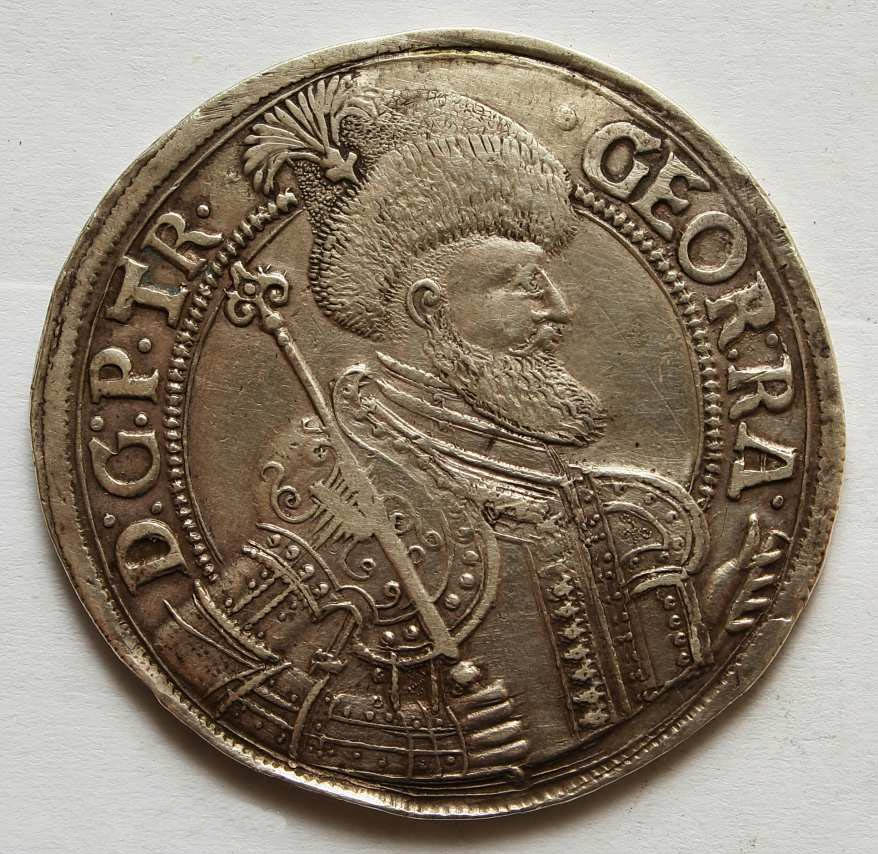




 Come with us to…
 Atlantis
 Bestiary
 Bohemia+Prague
 Brave old world
 Caucasus
 Cemeteries
 Get to know the
 Images of the East
 Lwów/Lemberg
 Mallorca
 Message on the wall
 The Museum of Propaganda
 Odessa
 Paper Museum
 Persian letters
 The Jewish heritage


