Mostrando entradas con la etiqueta Stein; Aurel. Mostrar todas las entradas

Dissolving

Roman bridge above the Wadi al-Murr near Mosul, Iraq. Photo by the German archaeologist
Max von Oppenheim researching the ancient city of Tell Halaf, 1920s.
First publication: National Geographic, November 2009

Roman bridge, Eski Mosul, with policeman on the right. Cat. Stein LHAS Photo 23/1 (38)
Photo by the Hungarian-British archaeologist Aurel Stein reconstructing the route
of Alexander the Great in Persia, 1930s. First publication: the Aurel Stein site
of the Library of the Hungarian Academy of Sciences
prepared by us, April 2008.

Totum devicerat orbem

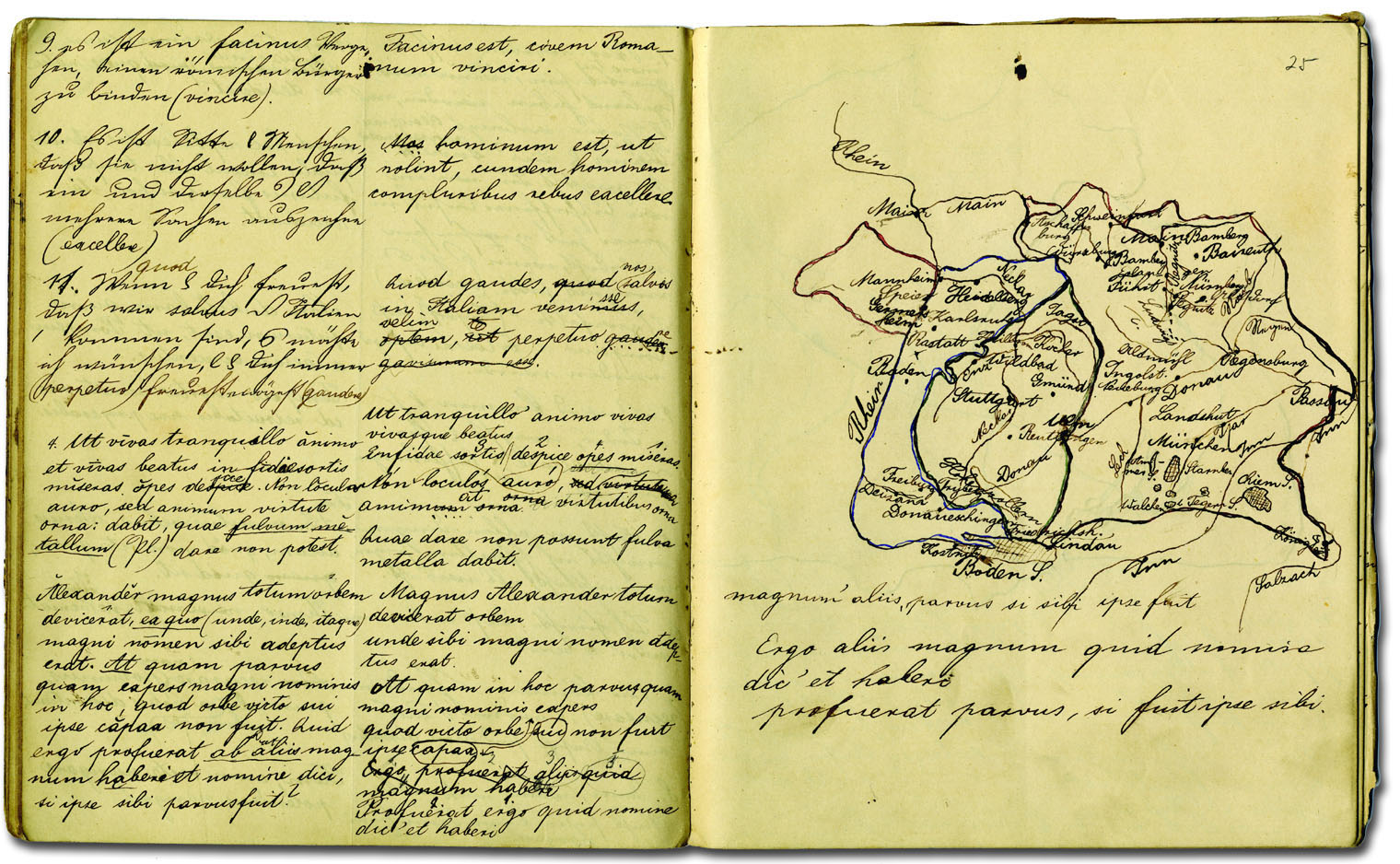
Exercise-book of Aurél Stein from the Dresden Kreuzschule, 1876
The exercise-book of fourteen-year old Aurél Stein from his Dresden school years was opened at these two pages on the Hong Kong exhibition, organized in this March-May by the Oriental Collection of the Hungarian Academy of Sciences to illustrate with manuscripts and photos from the Stein legacy his path of life from his native house in front of the Academy through the Silk Road to the cemetery of Kabul.

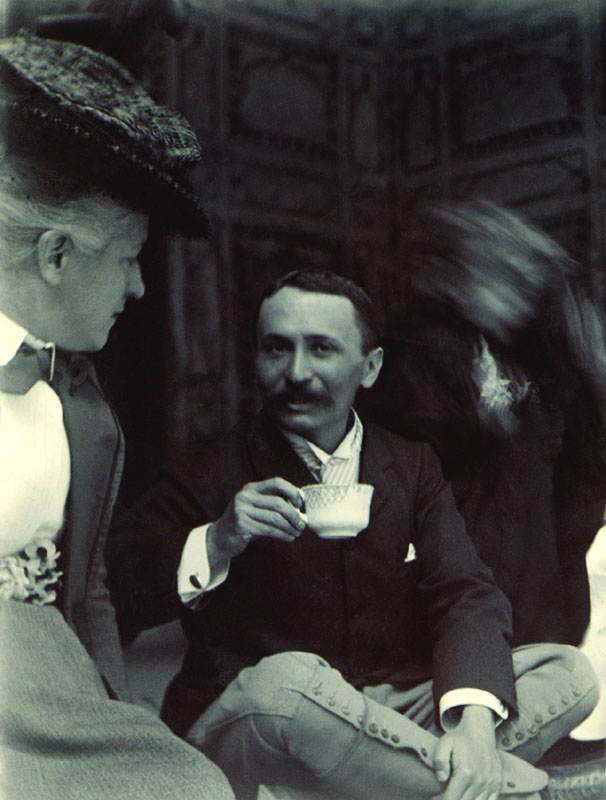
Aurél Stein drinking tea in India
It is not clear to which subject this exercise-book belonged, for it includes everything together, just like his later life, from cartography through languages to philological analysis. He failed to learn the lesson of the Ancient wisdom he even noted here in Latin and German. No wonder he did not receive the so much sought-for high school teachership in Kolozsvár, nor any other position in Hungary, never.

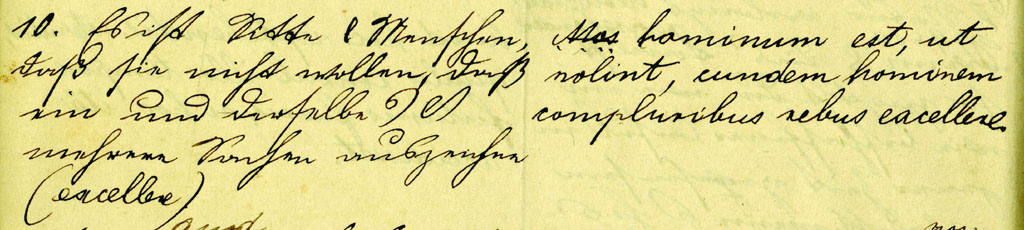
Exercise-book of Aurél Stein from the Dresden Kreuzschule, 1876, detailMos hominum est, ut nolint, eundem hominem compluribus rebus excellere.
It is customary of people that they do not like when one excels in more than one thing.


To the right, the sketch of the regions of Bavaria, Württemberg and Baden. The tracing is still uncertain, but the geographical structure is clearly built. To the left, Latin syntactical exercises, above with German translation and below with analyses of syntax and prosody.

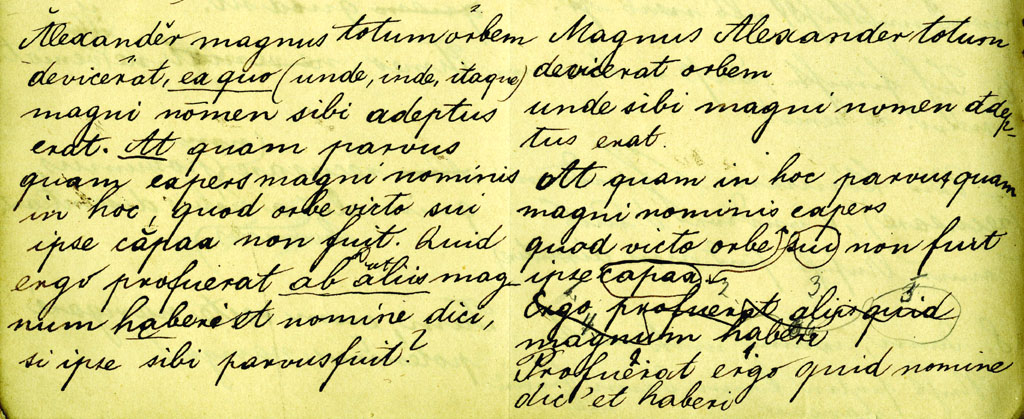
Exercise-book of Aurél Stein from the Dresden Kreuzschule, 1876, detailMagnus Alexander totum devicerat orbem
unde sibi magni nomen adeptus erat.

Alexander the Great conquered the whole world
thus seizing a great name for himself.


He has before him yet the Indian and Iranian studies in Vienna, Leipzig and Tübingen, the post-doctoral years in London, Cambridge and Oxford, the discoveries in India, Turkestan and Persia. He does not know yet that he will seize a great name for himself by walking through the Silk Road from China to Syria and by reconstructing for the first time the world-conquering path of Alexander the Great.

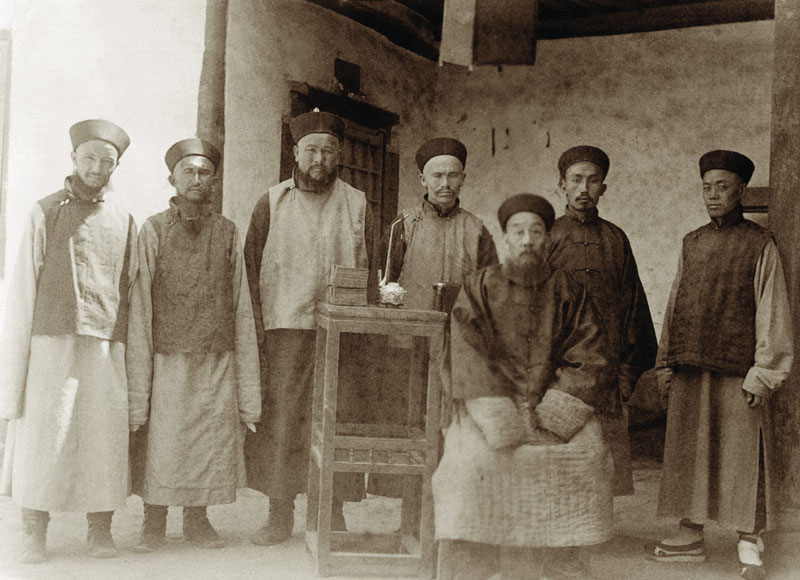
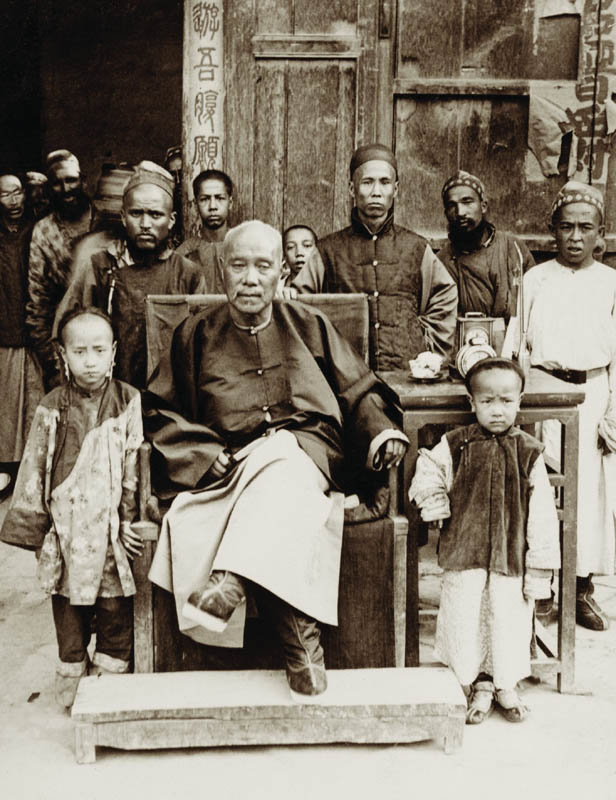
Photo of Aurél Stein on the Silk Road: Pan Zhen with attendants
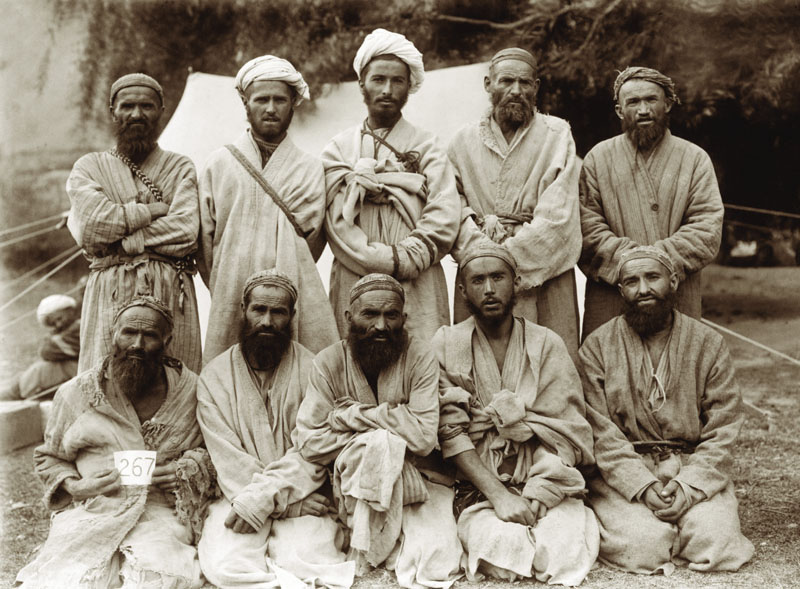
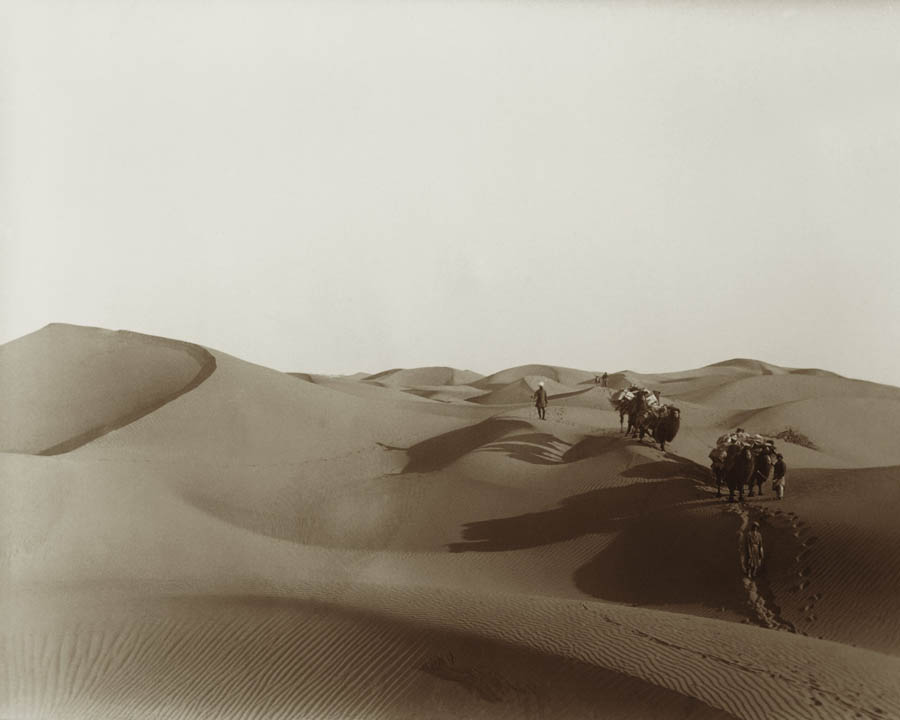
Photo of Aurél Stein on the Silk Road: Yazgulamis anthropometrically examined at Rokhar
In Studiolum we have just completed the four languages – English, Spanish, Chinese and Hungarian – web catalog of the Hong Kong exhibition. We have just uploaded it on the server of the Hungarian Academy: http://stein.mtak.hu/index-en.html. The day after tomorrow, on November 12, at 14 o’clock it will be solemnly presented to the Hungarian scholarly public at the Academy, together with the web edition of the medieval Hebrew Kaufmann Codices. The two collections will be introduced by professor and head of the department of Ancient history Gyula Wojtilla, and by chief rabbi Tamás Raj, respectively. After them, we will demonstrate the secrets of the web edition. Coffee and cakes will be provided by our host. All our readers are welcome.

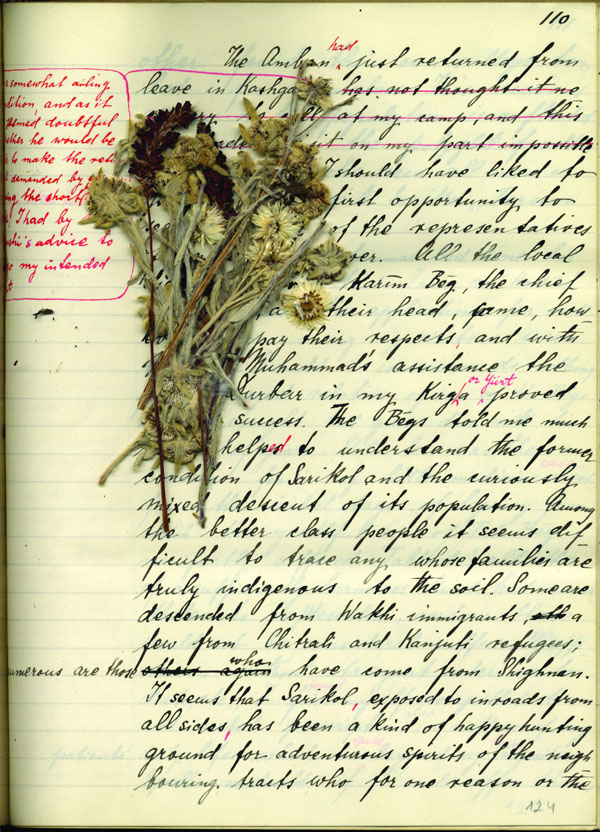
The Khotan manuscript of Aurél Stein with flower

Los molinos de Dios


Ha pasado algún tiempo desde que la edición húngara de GEO Magazine, en aras de una altruista difusión popular de la sabiduría –ya saben: lo que importa no es quién escribe, «basta con que la narración no se aparte un punto de la verdad»– ofreció un ejemplar ejercicio de corta-y-pega en su artículo sobre Aurel Stein, el gran explorador húngaro de la Ruta de la Seda, a partir de las imágenes y textos del web que preparamos en Studiolum sobre el fondo que el propio Stein legó a la Colección Oriental de la Academia Húngara de Ciencias. Omitieron cuidadosamente el nombre de Studiolum y el de la Academia, quizá para evitarnos cargar con los errores de bulto que cometieron en su artículo.

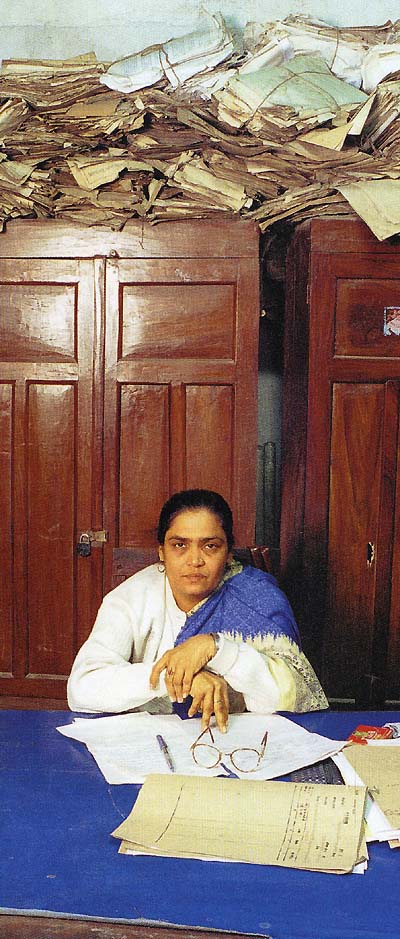
En el transcurso de dos meses, dos cartas del Jefe de la Colección (de tono muy educado) y luego otras dos del Director de la Biblioteca (un poco más encendidas) se enviaron infructuosamente al registro de entrada de la versión húngara de la revista, seguramente algo similar a la imagen de arriba. Las cartas solo pedían al equivalente de la señora de la foto que en el siguiente número de GEO fueran tan amables de publicar el nombre de la Biblioteca donde se guarda el único archivo gráfico relevante de Stein.

Pero todos tenemos un jefe. Y fue desde la sede principal de GEO en Hamburgo donde, tras un breve silencio estupefacto al oír la historia, acabaron tomando cartas en el asunto. A la mañana siguiente, llegó la respuesta del editor jefe de la edición húngara.

La causa de esta incómoda situación no puede explicarse apelando al inminente cierre de la publicación de la revista, por tanto no puedo ni excusarlo.

No, por Dios. La revista ha tenido dos cierres de redacción desde la primera carta. Qué desastre de acto de contrición.

La edición de agosto de la revista acaba de llegar a los quioscos. Una nota al final de las cartas dice:

Para reparar nuestra falta, corregimos ahora esta información: Colección Oriental de la Biblioteca de la Academia Húngara de Ciencias. La web de esta institución es: http://dunhuang.mtak.hu

La página principal de la institución es, en realidad, http://www.mtak.hu, mientras que la dirección de arriba es justamente la de las páginas de Stein. Esto remata definitivamente lo innecesario de leer el artículo de GEO: mucho mejor es ir en su lugar a las páginas originales (en inglés y español), ya que GEO ha sido tan gentil de publicar su dirección de internet. Pronto aparecerá, además, una edición ampliada con el material completo de la exposición fotográfica de Hong-Kong que abarca toda la vida de Aurel Stein.

La fuente de la ilustración que encabeza esta entrada es la edición de agosto de 2008 de la versión húngara de GEO Magazine.

Mills of God

Indian archivist in the August 2008 edition of the Hungarian edition of the GEO Magazine
It was already a long while ago that the Hungarian edition of the GEO Magazine, in the sign of altruistic popular instruction – the point is not who wrote it, only that it should be true – cut and paste their article about the great Hungarian discoverer of the Silk Road Aurel Stein from the images and text of the site prepared by Studiolum about the legacy of Stein preserved in the Oriental Collection of the Hungarian Academy of Sciences. They have only omitted the name of Studiolum and of the Academy, perhaps in order we should not be charged with the superficiality and gross misunderstandings of the article.

In the course of two months, two letters from the Head of the Collection (in a very polite tone) and then two more from the Director of the Library (somewhat more irritated) finished in some registrar’s office similar to the above one at the Magazine, although they only asked of the local equivalent of this lady to be so kind to publish subsequently, in the next edition the name of the Library where the uniquely valuable archive photos of Stein are preserved.

But everyone has a boss, and in the Hamburg mother editorial office of GEO, after a moment of stunned silence, they promised immediate action. In the next morning a reply arrived from the editor in chief of the Hungarian edition.

The emergence of this uncomfortable situation cannot be excused by any reference to the imminent deadline of the magazine, therefore I do not even apologize.

No, no, for God’s sake. The more so as the magazine has seen even two deadlines since the first letter. I do not even wish it to my enemy.

The August edition of the magazine has just arrived to the newspaper stands. The disclaimer at the end of the letters of the correspondents ends like this:

In order to remedy our fault, now we correct this oversight: Oriental Collection of the Library of the Hungarian Academy of Sciences. The homepage of the institution is: http://dunhuang.mtak.hu.

The homepage of the institution is in the reality http://www.mtak.hu, while the above address belongs to the Stein site. This illustrates well why it is not worth to read the article of the GEO. Read the Stein pages instead (in English and in Spanish) if already GEO was so kind to publish the address. Soon an enlarged edition will come out as well, with the complete material of the Hongkong photo exhibition embracing the whole life of Aurel Stein.

The source of the illustration of our post is the August 2008 edition of the Hungarian version of the GEO Magazine.

Discreción

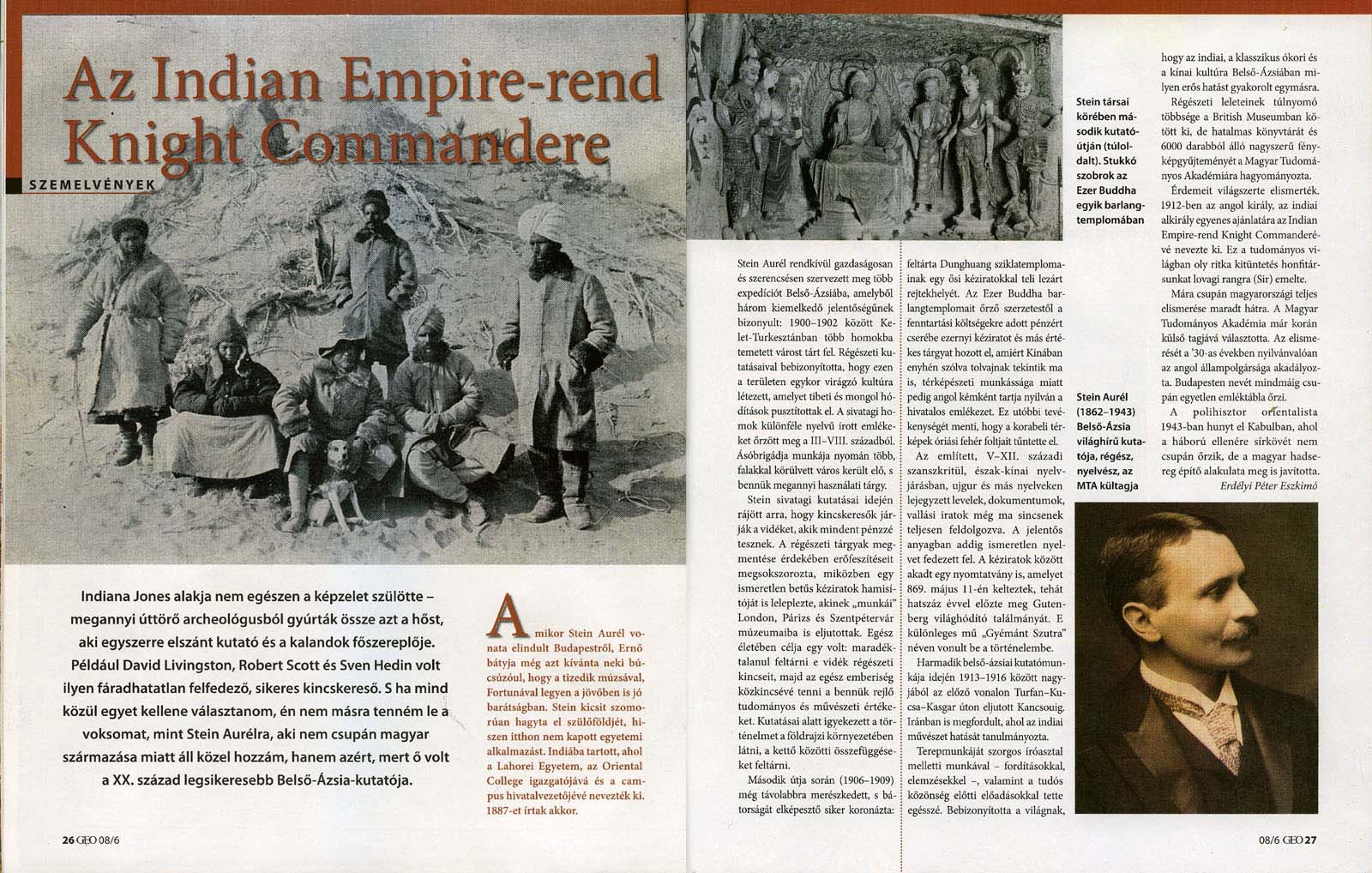
The article of Péter Erdélyi Eszkimó in the June edition of the GEO Magazine, with photos taken over without authorization from the Stein page (dunhuang.mtak.hu) of the Library of the Hungarian Academy of Sciences
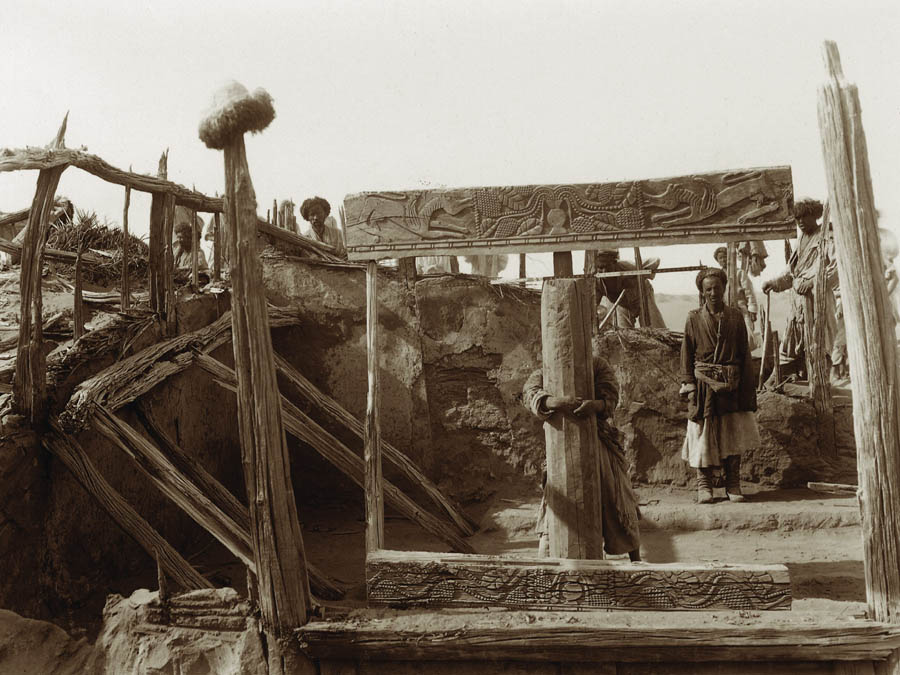
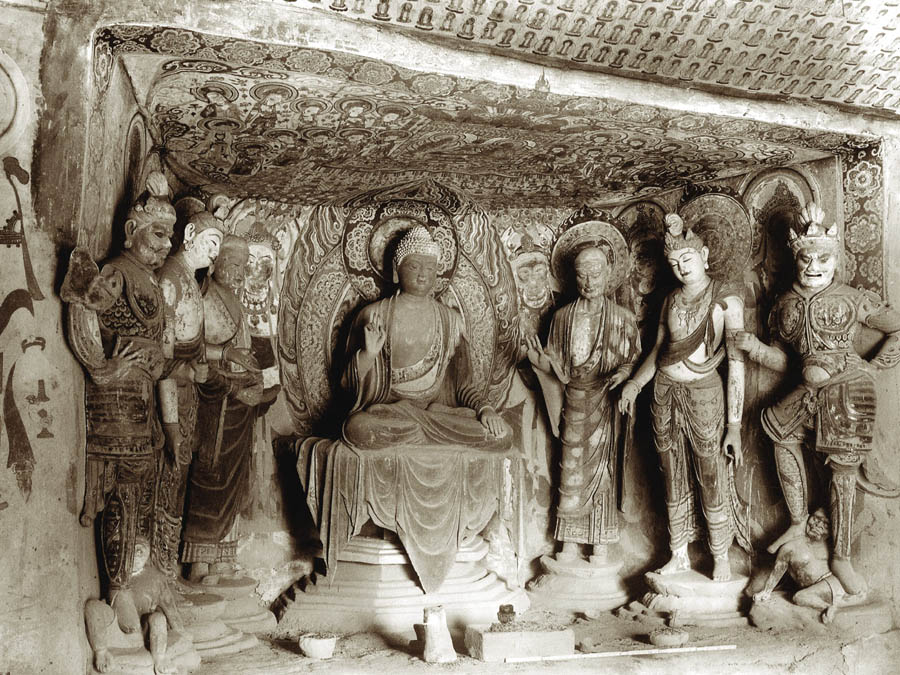
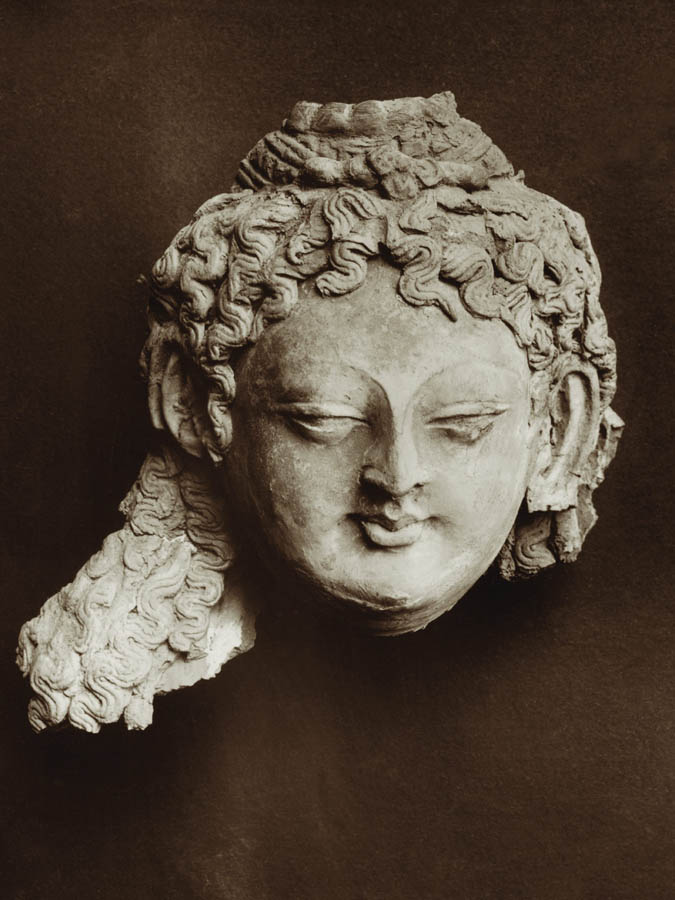
Hemos encontrado una prueba irrefutable de la popularidad de las publicaciones de Studiolum: la edición húngara de junio de 2008 de GEO magazine, dedicado a La Ruta de la Seda, incluye un artículo de dos páginas sobre Aurel Stein, ilustrado con tres fotos extraídas de la página sobre este personaje (http://dunhuang.mtak.hu) que preparamos entre Studiolum y la Biblioteca de la Academia Húngara de Ciencias, exactamente de la primera y la segunda página.

Lástima que este artículo no contribuirá a la bien merecida fama de nuestra página porque solo nosotros sabemos de dónde proceden las imágenes. En efecto, el autor del artículo Péter Erdély Eszkimó olvidó con todo cuidado mencionar su fuente.

Y ¿cómo podemos estar seguros? Muy simple. Las dos primeras imágenes eran inéditas hasta que fueron publicadas por nosotros, mientras que la tercera, el retrato de Aurel Stein, es en realidad una foto en grises que nosotros convertimos en sepia para darle ese aire de fotografía antigua. Además, las únicas copias de las dos primeras están guardadas en la Colección Oriental de la Academia. Habría sido un bonito detalle mencionarnos, aunque solo fuera en un pie de foto con tipografía menor.

Discretion

The article of Péter Erdélyi Eszkimó in the June edition of the GEO Magazine, with photos taken over without authorization from the Stein page (dunhuang.mtak.hu) of the Library of the Hungarian Academy of Sciences
The popularity of the publications of Studiolum is indicated by the fact that the printed Hungarian version of the June 2008 edition of the GEO magazine, dedicated to the Silk Road, also included a two-pages article on Aurel Stein, illustrated with three photos taken over from the Stein page (http://dunhuang.mtak.hu) prepared by the Studiolum and the Library of the Hungarian Academy of Sciences, right from the first and the second page, respectively.

What a pity that this article will not contribute to the growth of the well-deserved popularity of our page, for only we know where these images come from. In fact, the author of the article Péter Erdélyi Eszkimó carefully forgot to indicate their source.

And where do we know it from? Very simple. The first two images out of the three were published by us for the first time, while the third one, the portrait of Aurel Stein is in the reality just as black as the other two: we have converted it into this sepia tone for the sake of an old-fashioned impression. By the way, the only copies of the first two ones are preserved in the Oriental Collection of the Academy. At least this much should have been fair to be mentioned in a caption in small print.

Aurel Stein in China

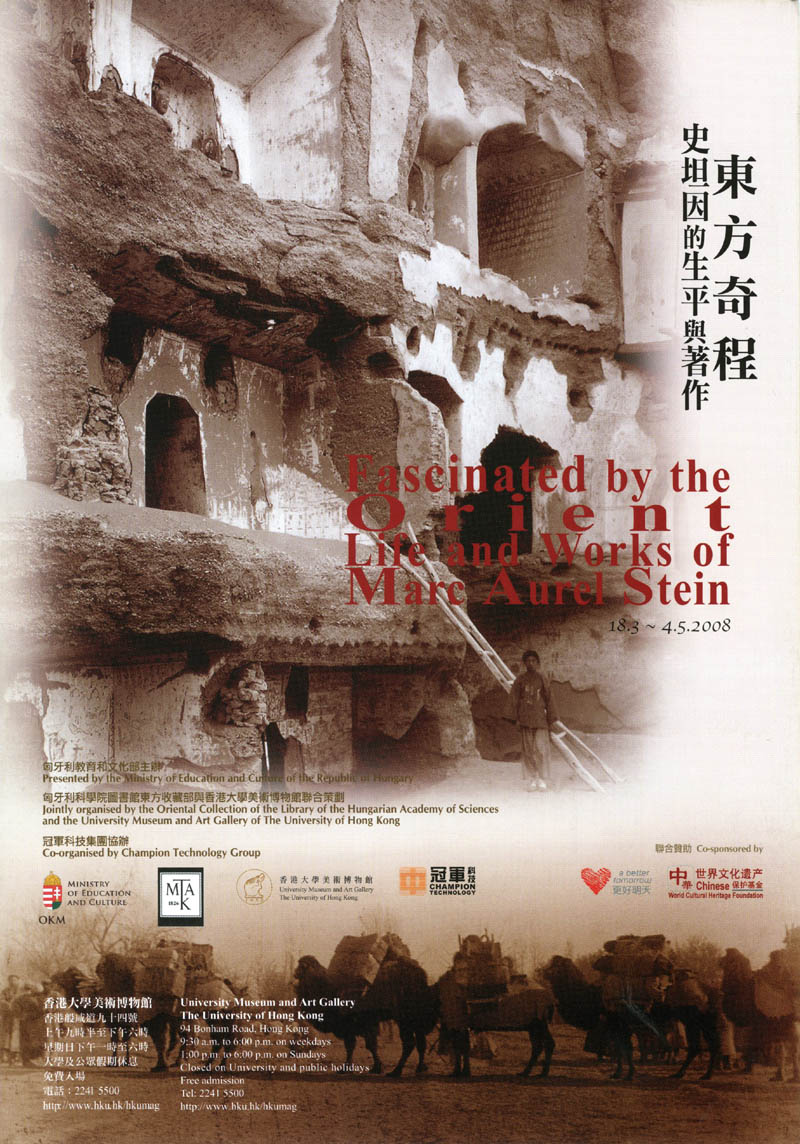
Fascinated by the Orient. Life and Works of Marc Aurel Stein Aurel Stein, discoverer of the sand-buried settlements of the Silk Road and of the manuscripts of Dunhuang, in his last will of 1934 bequeathed to the Hungarian Academy of Sciences all his library and almost five thousand archive photos. However, it took almost fifteen years until his legacy arrived at its place of destination.

Stein Aurél fotójaStein died on October 26, 1943, only some days after his arrival to Afghanistan where he intended to reconstruct the trace of the military expedition of Alexander the Great. “I had a wonderful life that could have not finished happier than by finally coming to Afghanistan, which I have been longing to see for sixty years.” – were his last words.

Stein Aurél fotójaHowever, his legacy left in London, as soon as it was legally passed to the Hungarian Academy, was seized by the Department of the Sequestration of Enemy Goods as property of a hostile state, and they set about its sale as ordained by law. The Academy could obtain only the books left in Kashmir that at the death of Stein were not in Britain. However, when after the conclusion of the war they could have started to take them to Budapest, the iron curtain fell, and the books remained in the custody of the Bodleian Library. Only by 1957 the international situation was eased that much that the legacy could be delivered to Budapest, including among others the unparalleled collection of archive photos taken by Stein in the course of his Central Asian expeditions.

Stein Aurél fotójaThis collection has been recently processed and digitized in collaboration of the specialists of the British Library and the Library of the Hungarian Academy of Sciences. The completion of the works coincided with the centenary of the discovery of the Dunhuang library cave, celebrated by the participants with an international conference organized in Budapest. To increase the solemnity of the conference, a first exhibition of a hundred selected archive photos of Stein was also opened at the Hungarian Academy on November 22, 2007, whose web edition was prepared by us in Studiolum in English, Spanish and Hungarian versions.

Stein Aurél fotójaThe news about this important international collaboration, about the conference and the exhibition spread quickly, and thus it happened that the Hong Kong bussinesman Paul Kan, Chairman of Champion Technology and sponsor of a number of exhibitions connected with the history and art of China, offered his support to the organization of a much larger exhibition presenting all the photo collection in the University Museum and Art Gallery of Hong Kong. This exhibition was opened some weeks ago – its beautiful leaflet can be found here in pdf format –, and now we are working on the preparation of its web edition in Chinese, English, Spanish and Hungarian.

Stein Aurél fotójaThe name of Aurel Stein – in Chinese 史坦因, Shĭtănyīn – has not sounded very well thus far in China. The Chinese official line regards him as one of the imperialists who used to steal the cultural values of the country, and not as the discoverer of the library cave who saved several ten thousands of unique documents from the devastation that soon fell on the rest of the Dunhuang monuments in the period of the civil war and of the Japanese occupation. An exhibition like this would have been unimaginable in China even only ten years ago. It is possible that Hong Kong, like so many times before in Chinese cultural politics, functions as a testing place and attests the silent change of this position.

Stein Aurél fotója