Switch over to our new blog! • ¡Pásese a nuestro nuevo blog!

The renewed version of our blog, with more features, a richer design, and available in nine languages, can be read here: https://wangriver.com

The new version also includes the old posts, often in expanded form. If you are curious about the updated version of this post, replace “riowang.blogspot.com/” in the URL with “riowang.studiolum.com/”, and the new link will most likely lead you there.


La versión renovada de nuestro blog, con más herramientas, un diseño más rico y disponible en nueve idiomas, se puede leer aquí: https://riowang.com

La nueva versión también incluye las publicaciones antiguas, a menudo en una forma ampliada. Si tiene curiosidad por la versión actualizada de esta entrada, sustituya «riowang.blogspot.com/» en la URL por «riowang.studiolum.com/es/», y el nuevo enlace probablemente le llevará allí.

Mostrando entradas con la etiqueta bird. Mostrar todas las entradas

Swallow calendar

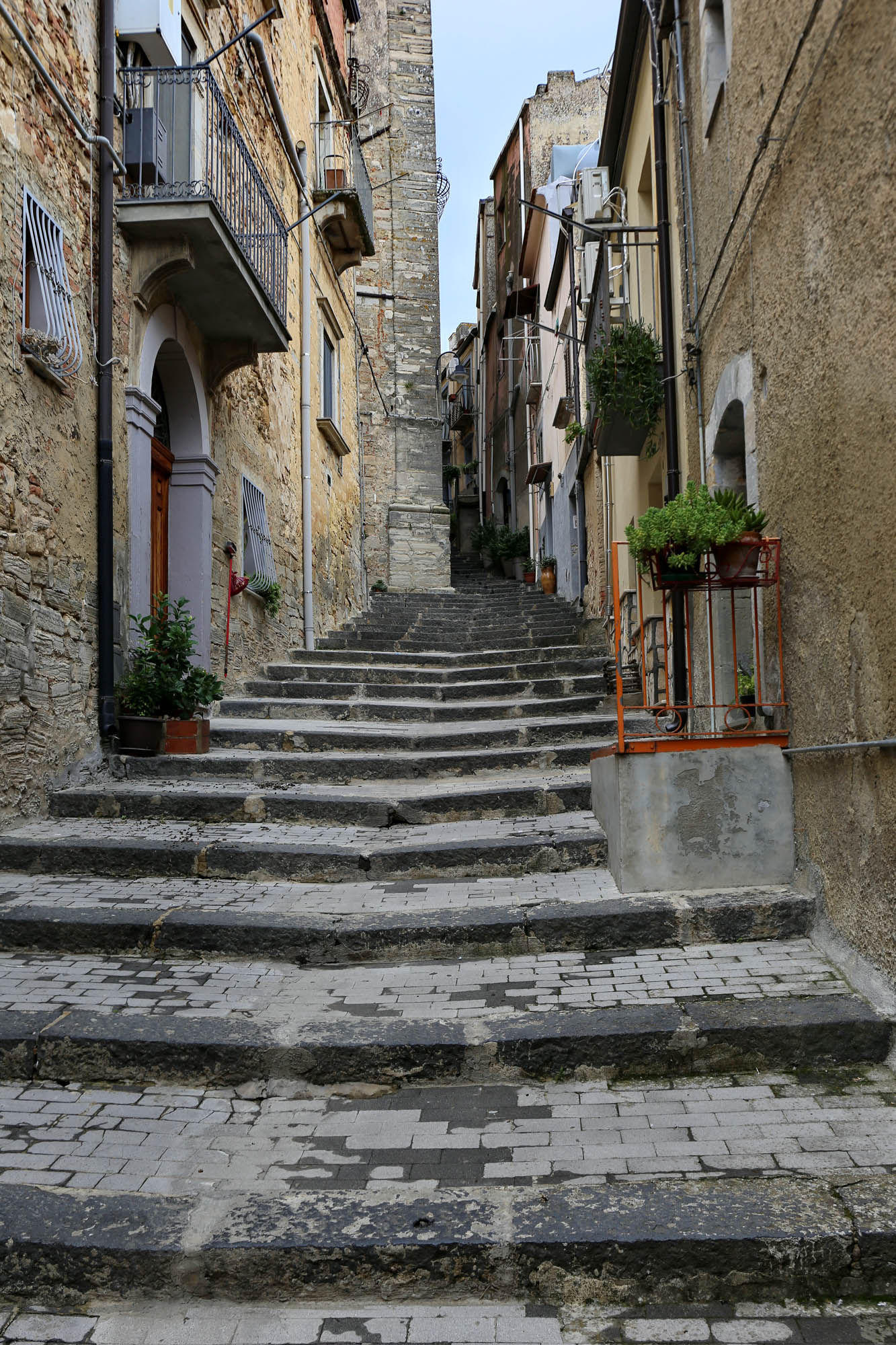
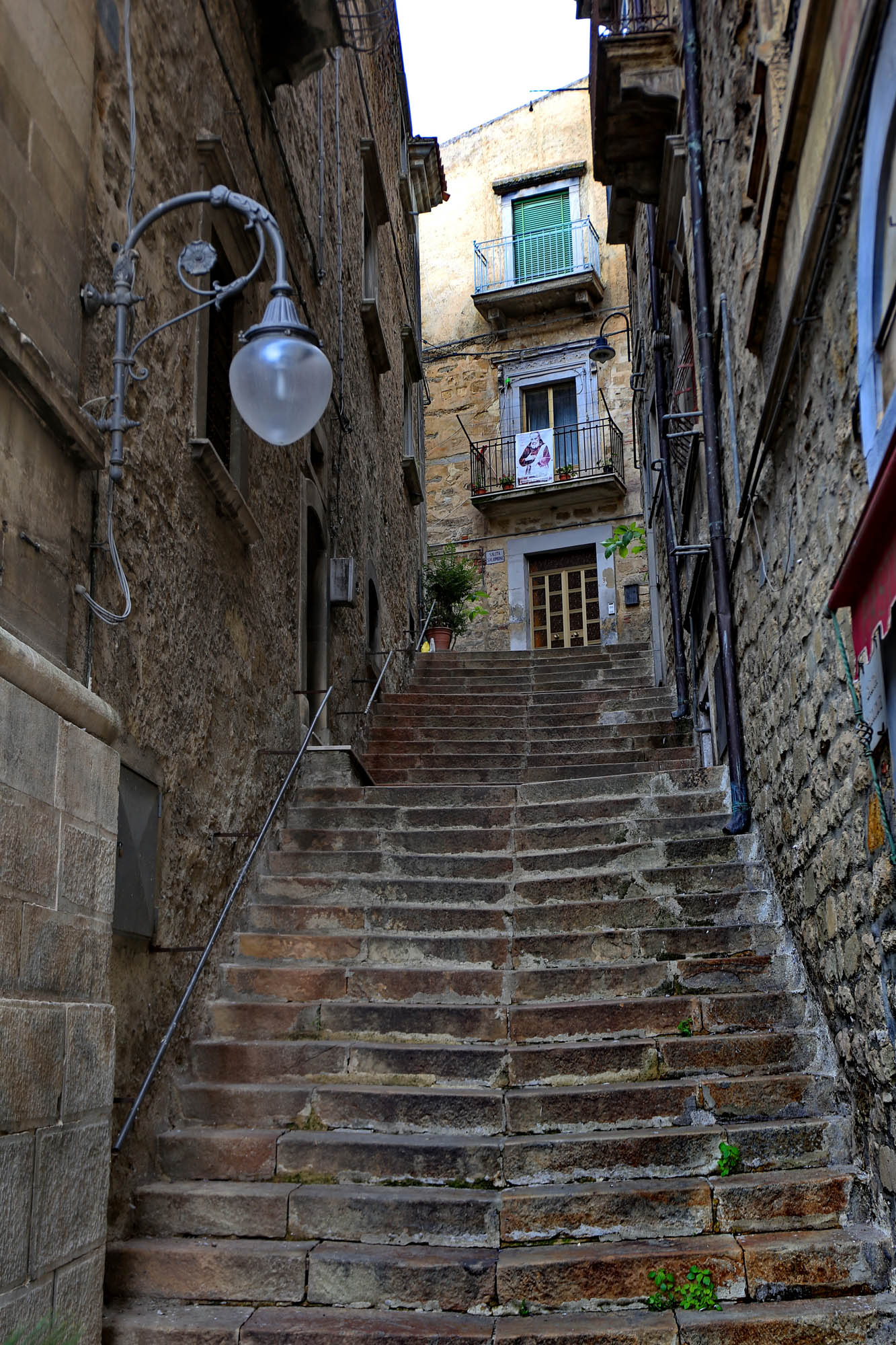
In the Sicilian Nicosia, next to Bar Antica Gelateria in the main square, on the façade of which fragments of Mussolini’s Victory Day speech of May 9, 1936 still can be read, a steep staircase leads up to the hill of the twenty-four barons.

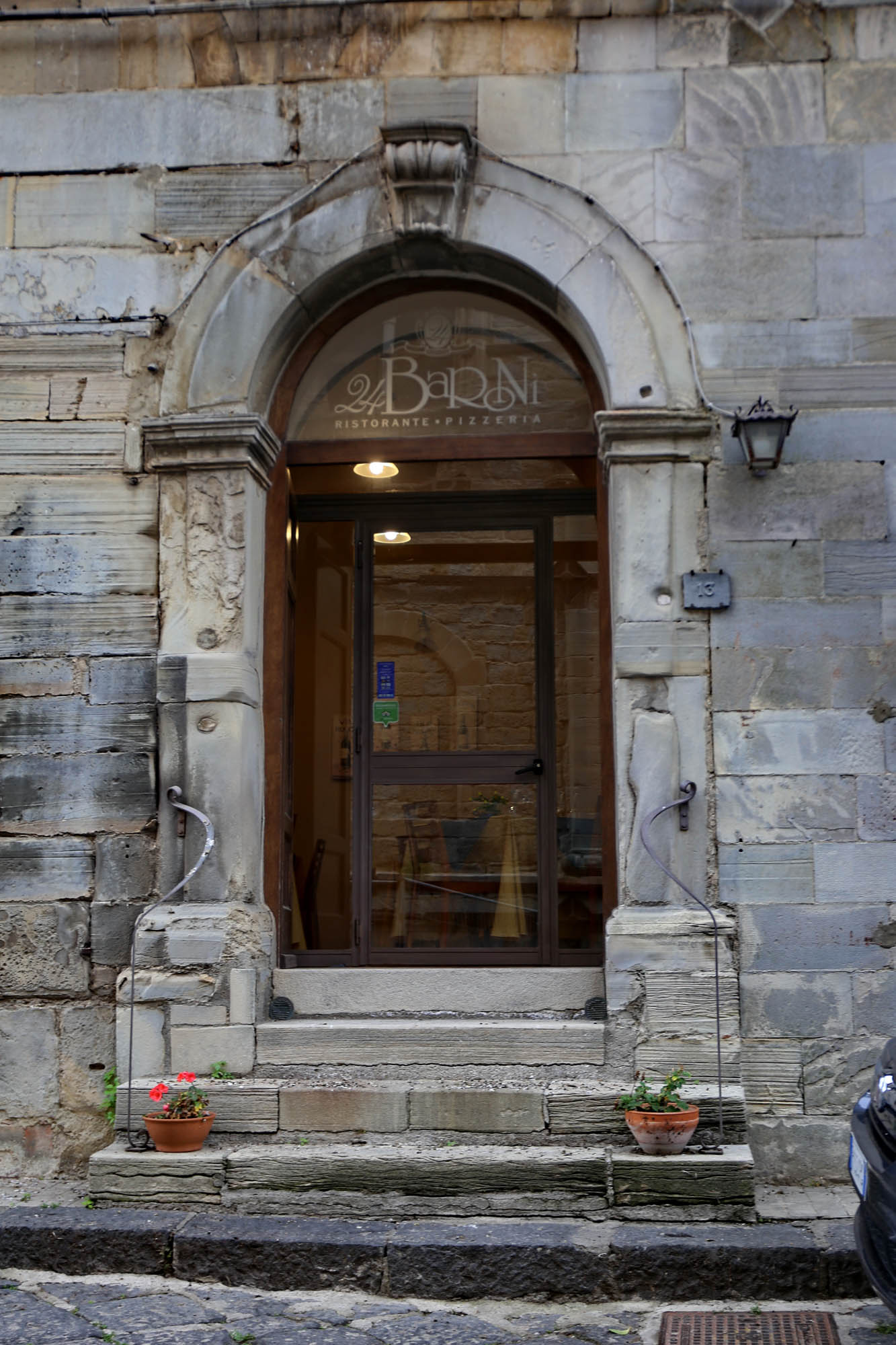
The hill got its name from the fact that, after the conquest of the city at the end of the 11th century, the cream of the new Norman-Lombard nobility settled here. The name has since become a trademark of Nicosia, which is referred to as “the city of the twenty-four barons”, but it is also the name of a local restaurant, brewery and craft beer pub. The coats of arms of the twenty-four barons are displayed in the restaurant of the same name.
nicosia1 nicosia1 nicosia1 nicosia1 nicosia1 nicosia1

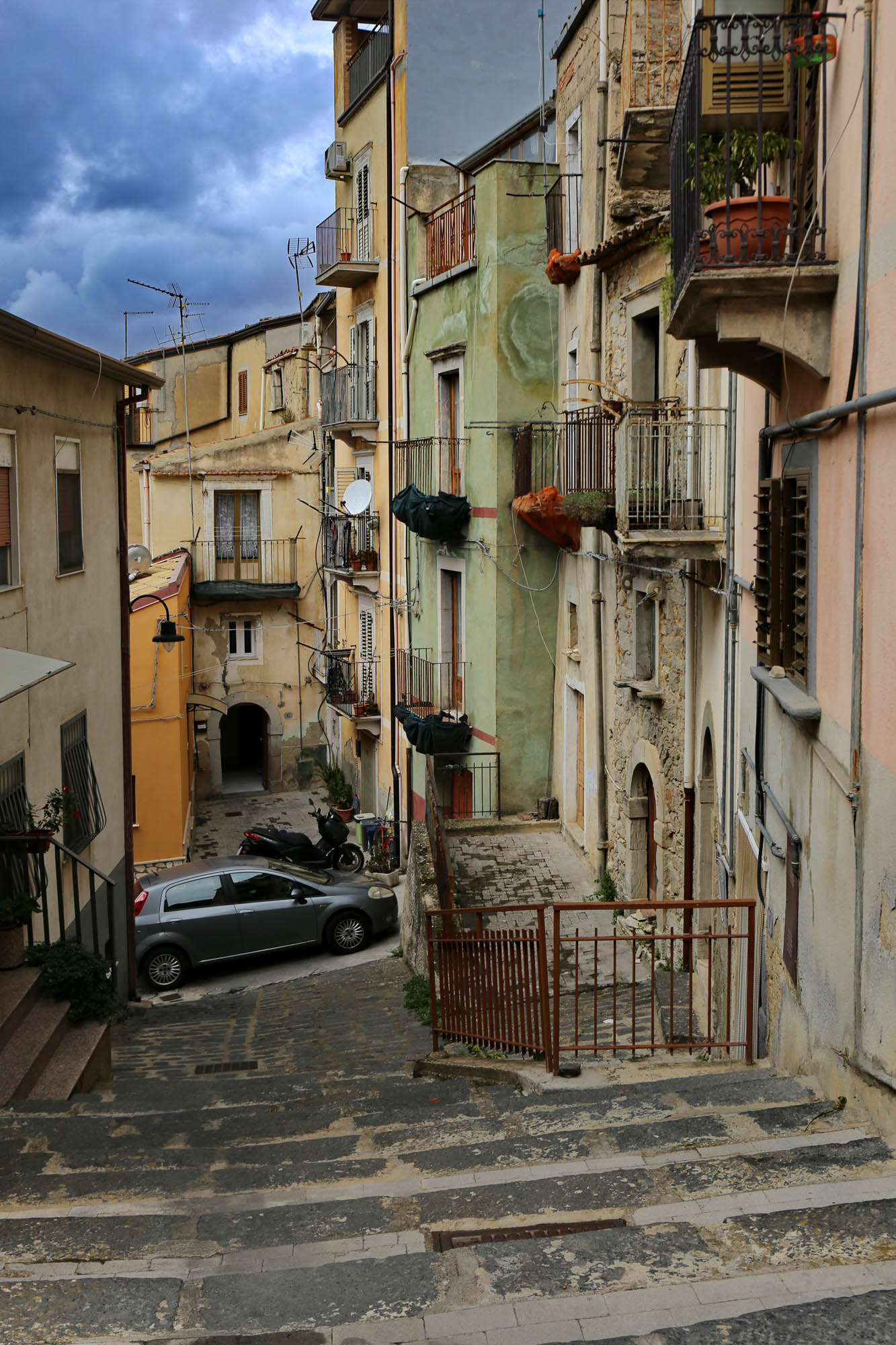
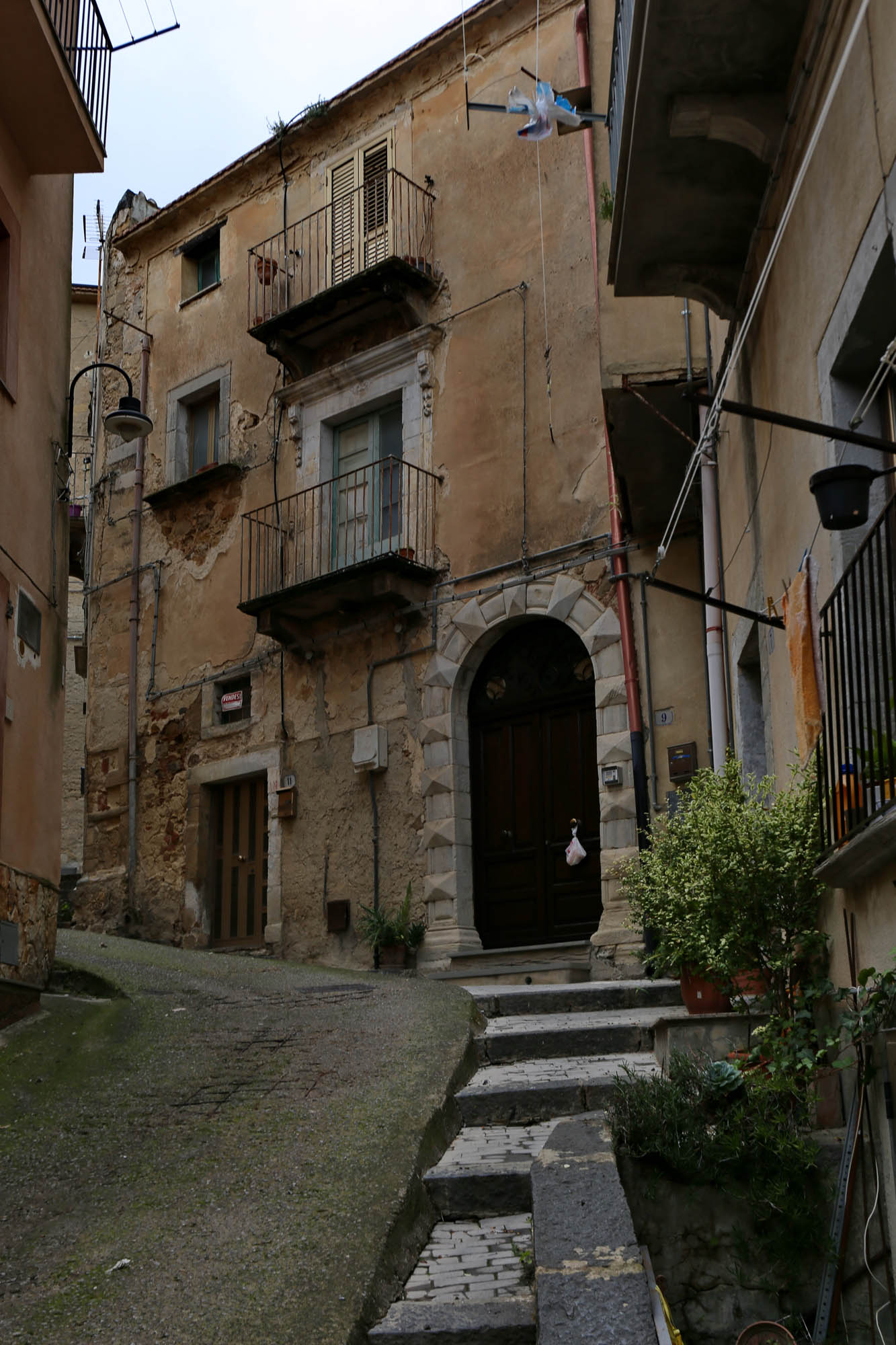
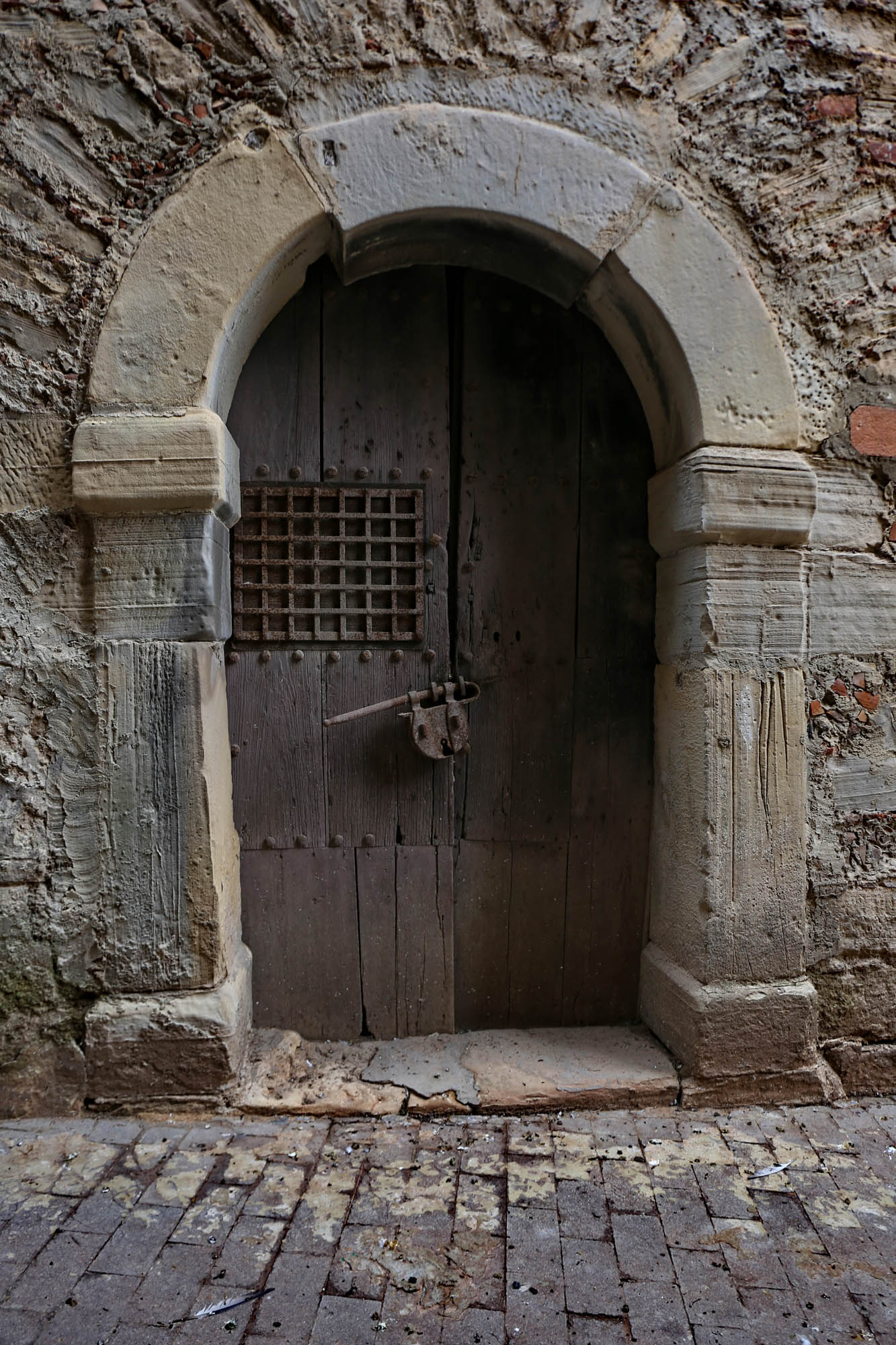
Although the names of the twenty-four barons have been brightly preserved by tradition, time has not been so clement to their legacy. Most of their palaces stand empty and decaying. Some of them were closed so long time ago that the lock itself is slowly becoming a thing of museum value.
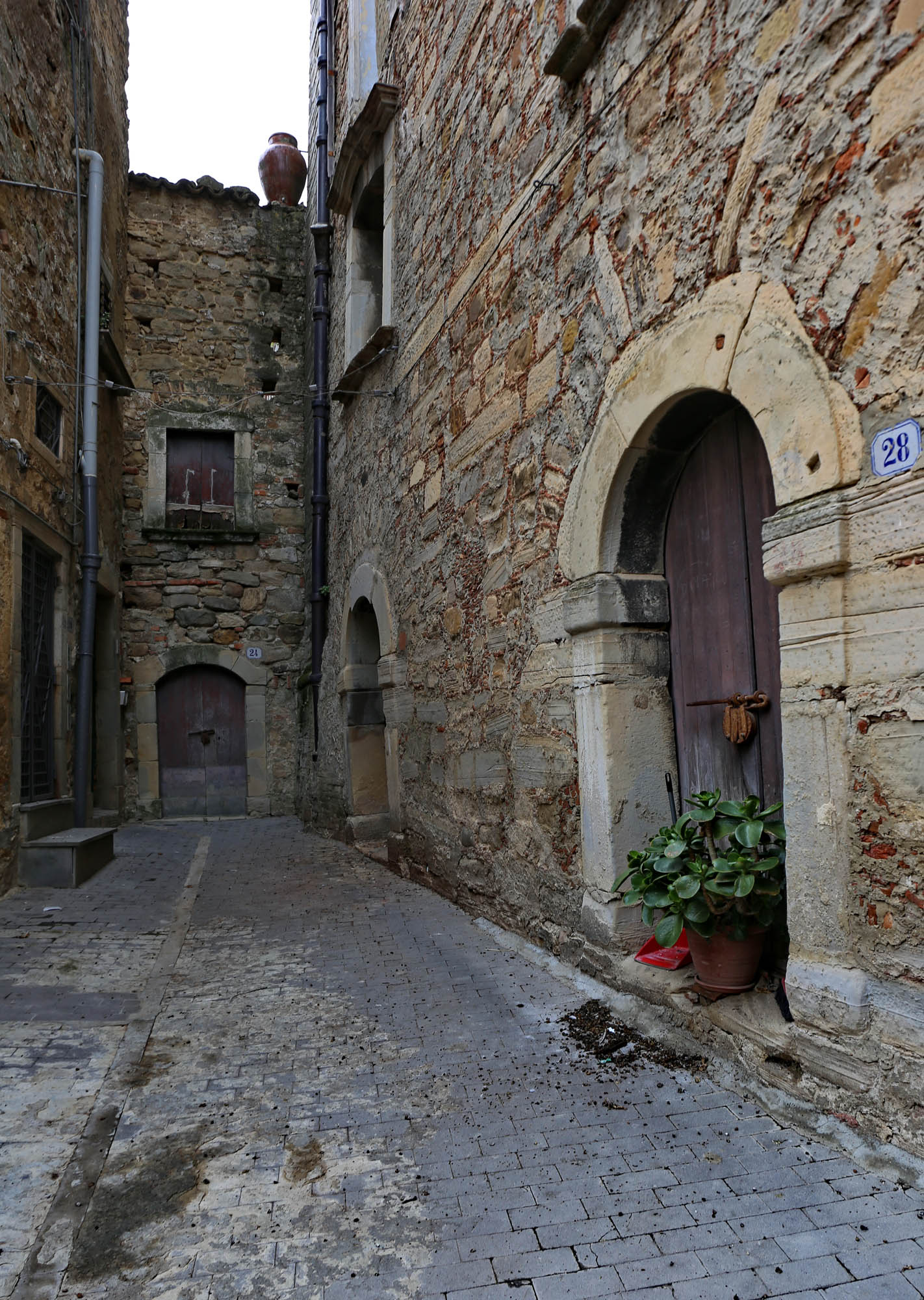
nicosia2 nicosia2 nicosia2 nicosia2 nicosia2 nicosia2 nicosia2 nicosia2 nicosia2 nicosia2 nicosia2 nicosia2 nicosia2 nicosia2 nicosia2

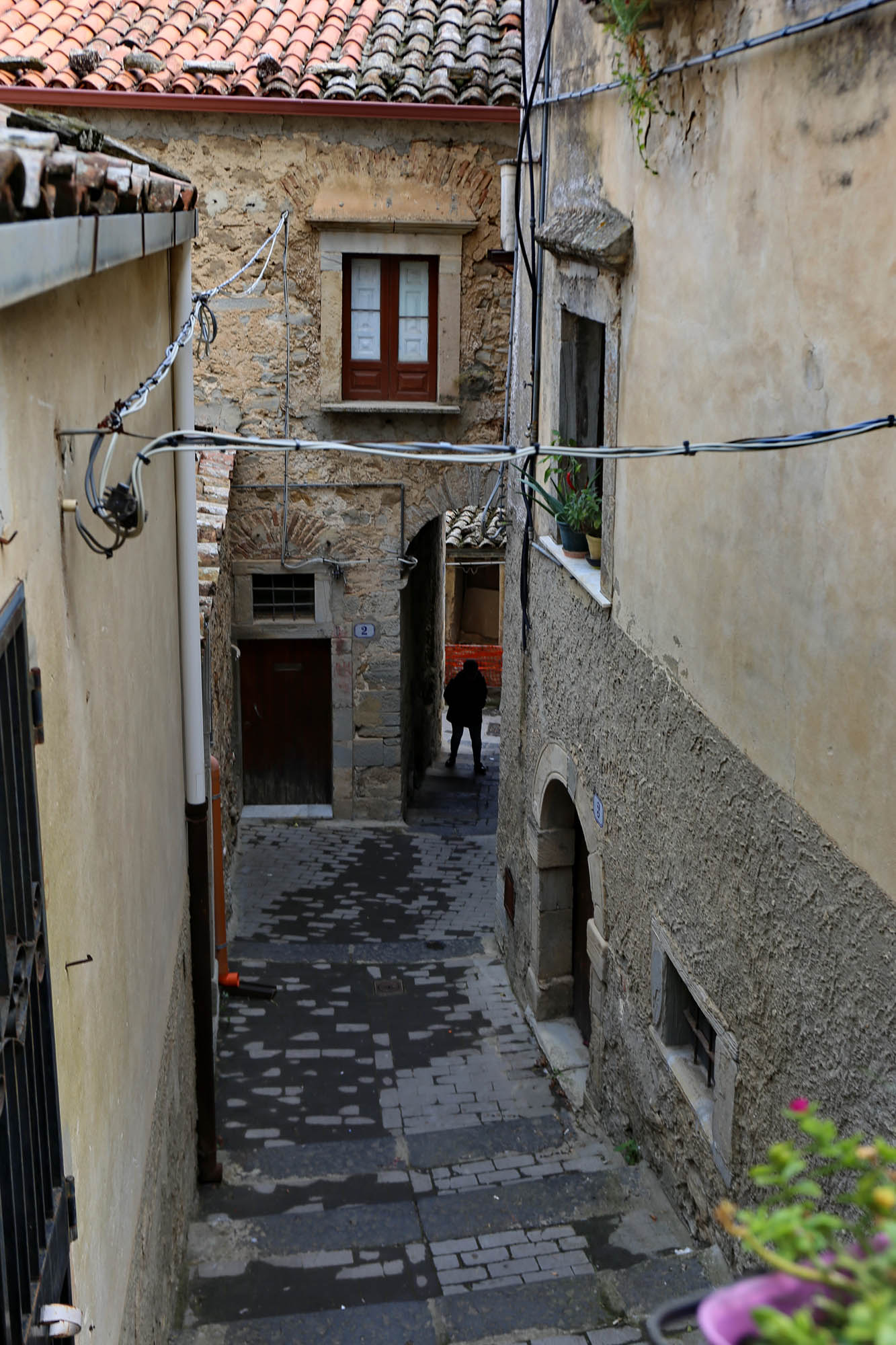
Since the earth is constantly moving gently in Sicily, the door jambs of some gates have also slipped apart, and there is no one to get them right again.
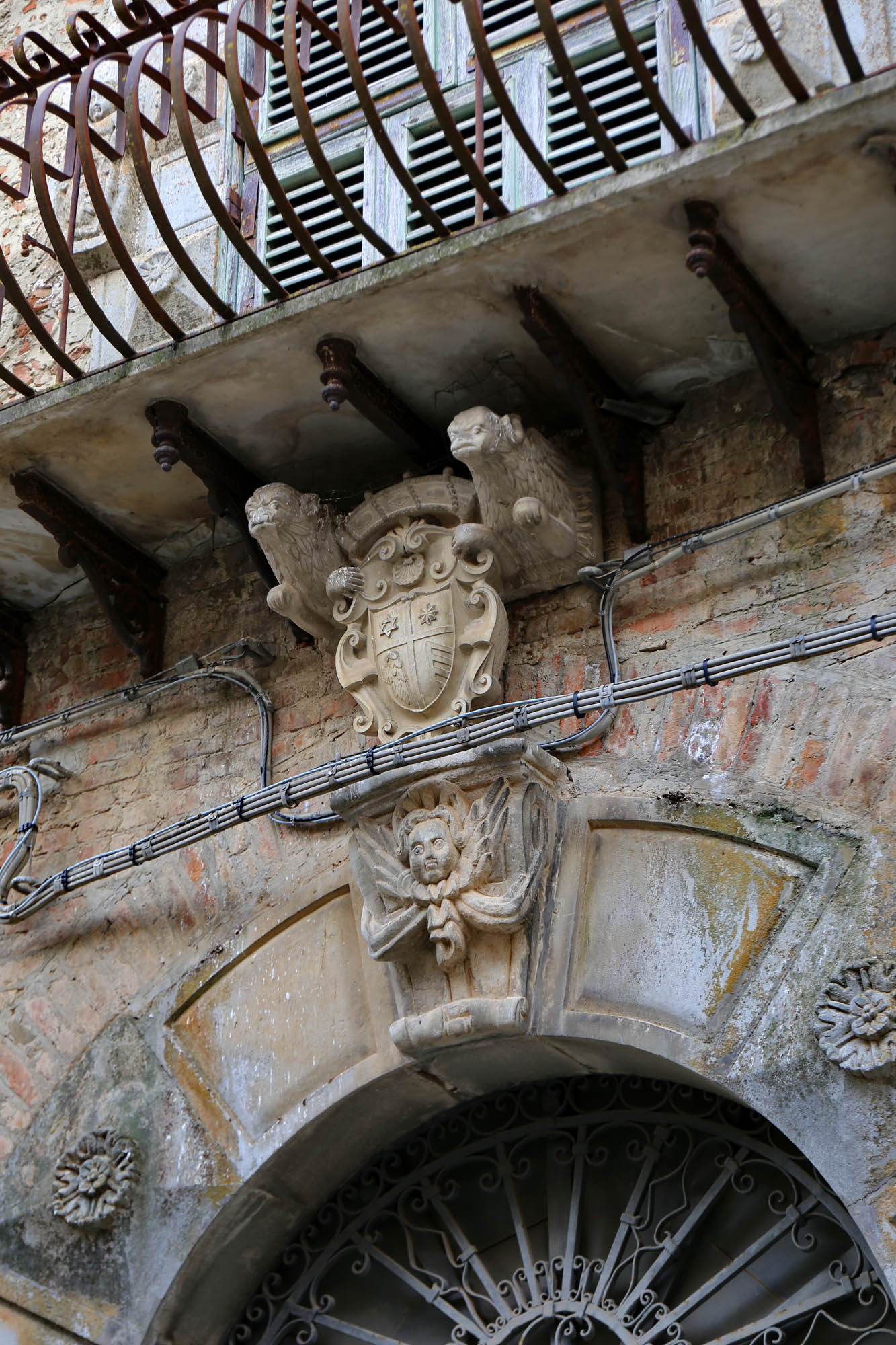
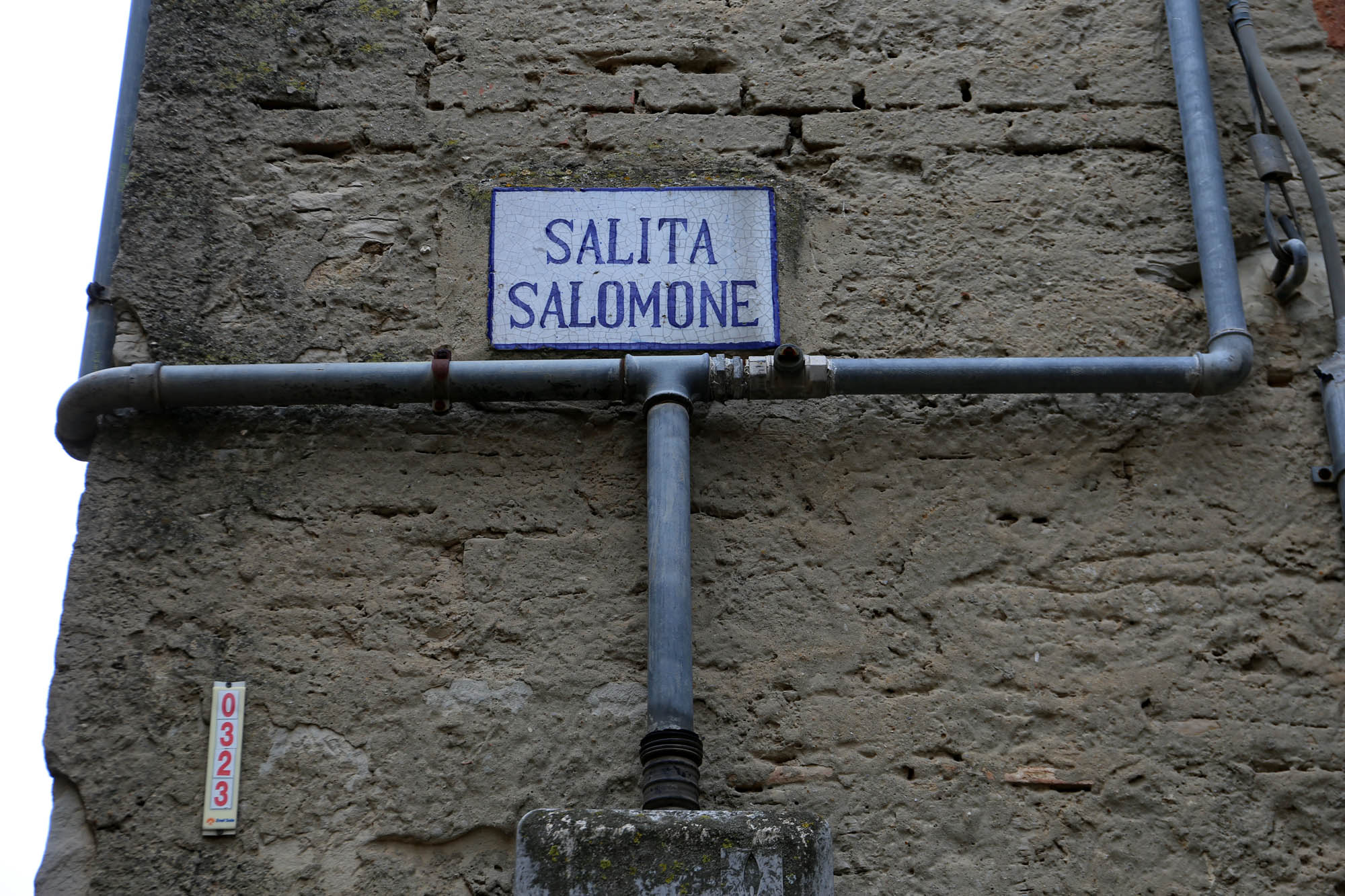
The Salomone Palace, the largest among them, after which the steep street is named, is in the best condition. One of the most valuable old libraries of Nicosia is kept here. Above the gate, the coat of arms of the converso family includes the Star of David, or rather Solomon’s Seal, and the two lions next to it look like the lions of Judah raising the crown of the Torah on Jewish tombstones. Other Jewish noble families also often preserved these symbols of their most ancient pedigree, as Jakob Bassevi von Trautenberg did on his palace in Prague.

Steep streets climb up from the old and the lower town on both sides of the salita.

Soon the Lombard hill rising on the other side of the main square appears above the rooftops, with the “mother church” (madre chiesa) of Santa Maria Maggiore on the top. The Lombard warriors who were settled there by the Norman conquerors brought to Nicosia the typical Gallo-Italian dialect, which no one else in Sicily understands except them, and which does not even sound Italian. When sitting in the bar, I had to wonder for a long time what language they were speaking. Their church became a rival to the St. Nicholas church of the original Greek inhabitants in the main square, so it was necessary each year to change the title of the city’s cathedral between the two madre chiese. During their Holy Week processions, they regularly clashed, and struck each other with the procession crucifix. The same happened on the feast of St Nicholas, the original patron saint of the two churches. That is why the Lombard church had to be renamed Santa Maria Maggiore, so the two devotional processions would at least not meet during the feast of the patron saint.

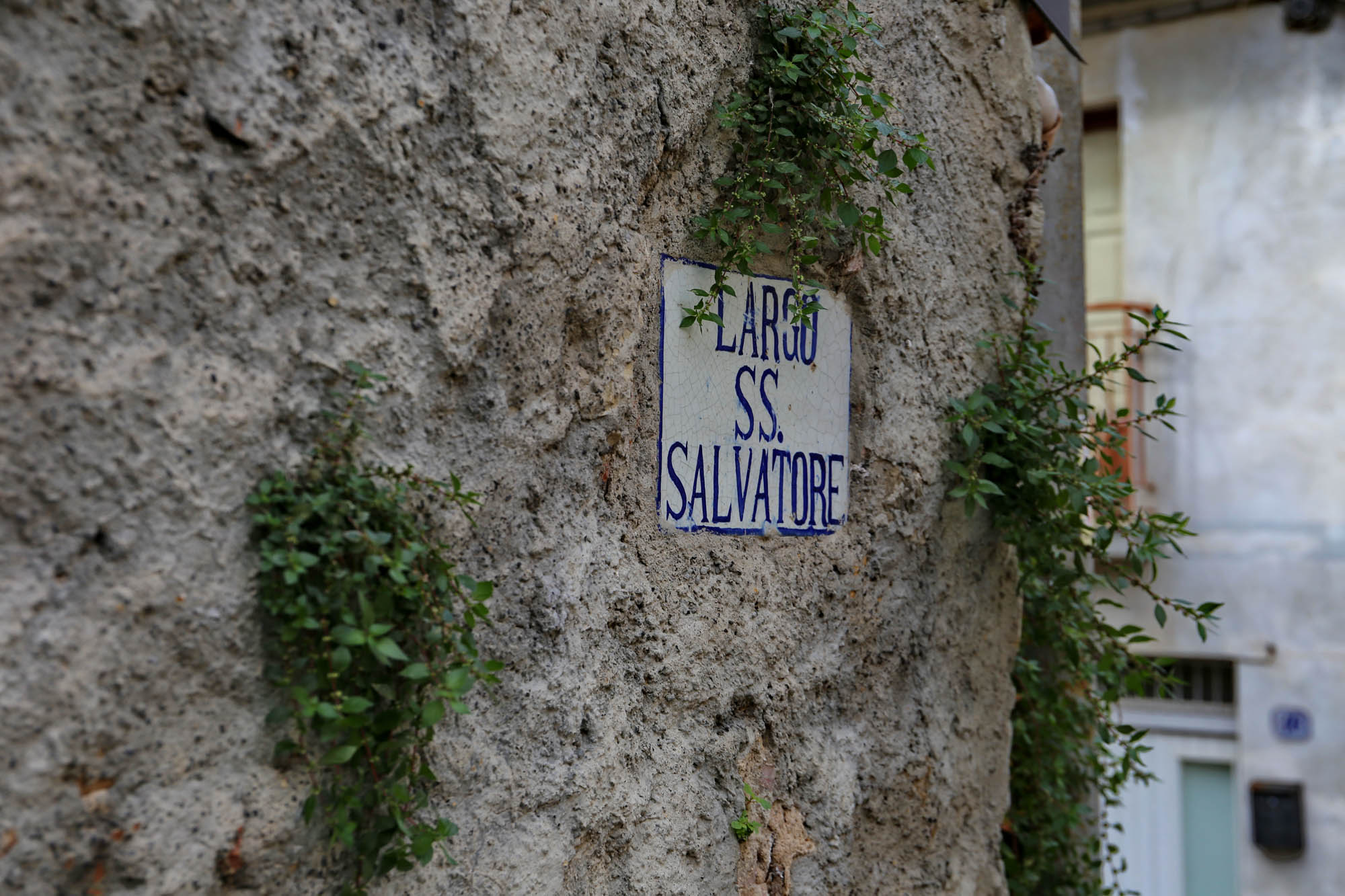
At the end of the road, you have to make one last effort to get up the steep SS. Salvatore stairs to the Church of the Savior on top of the hill.
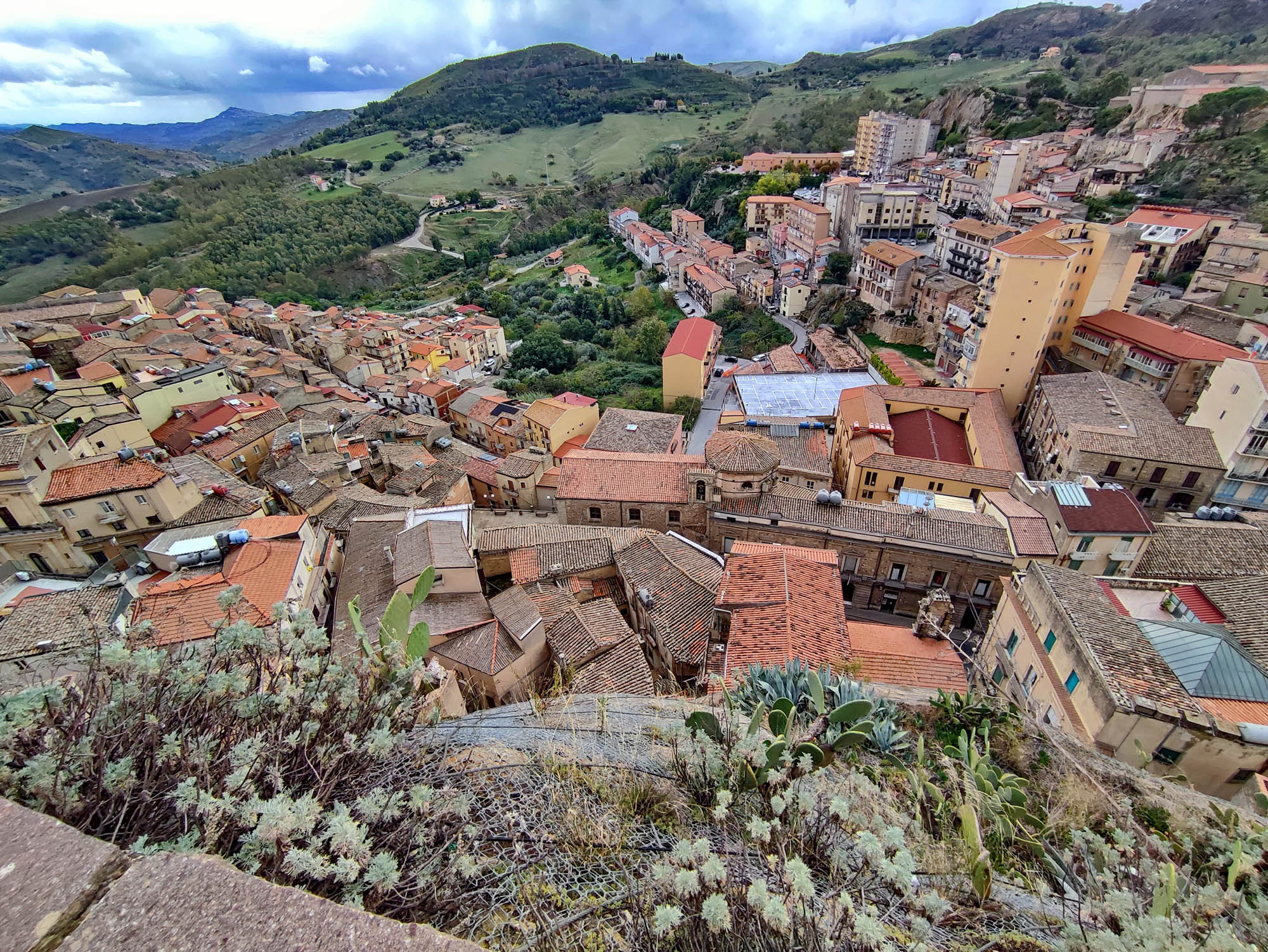
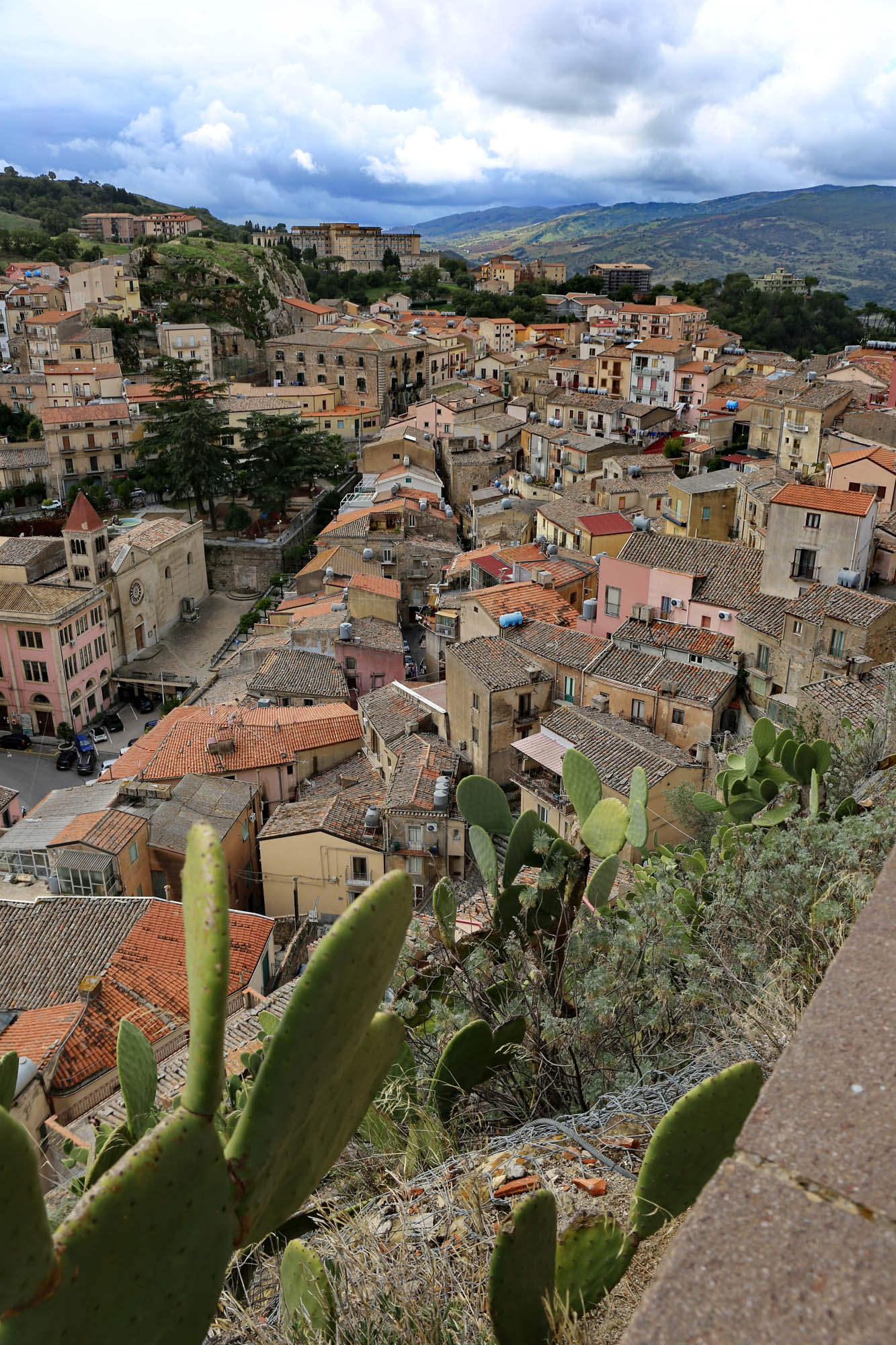
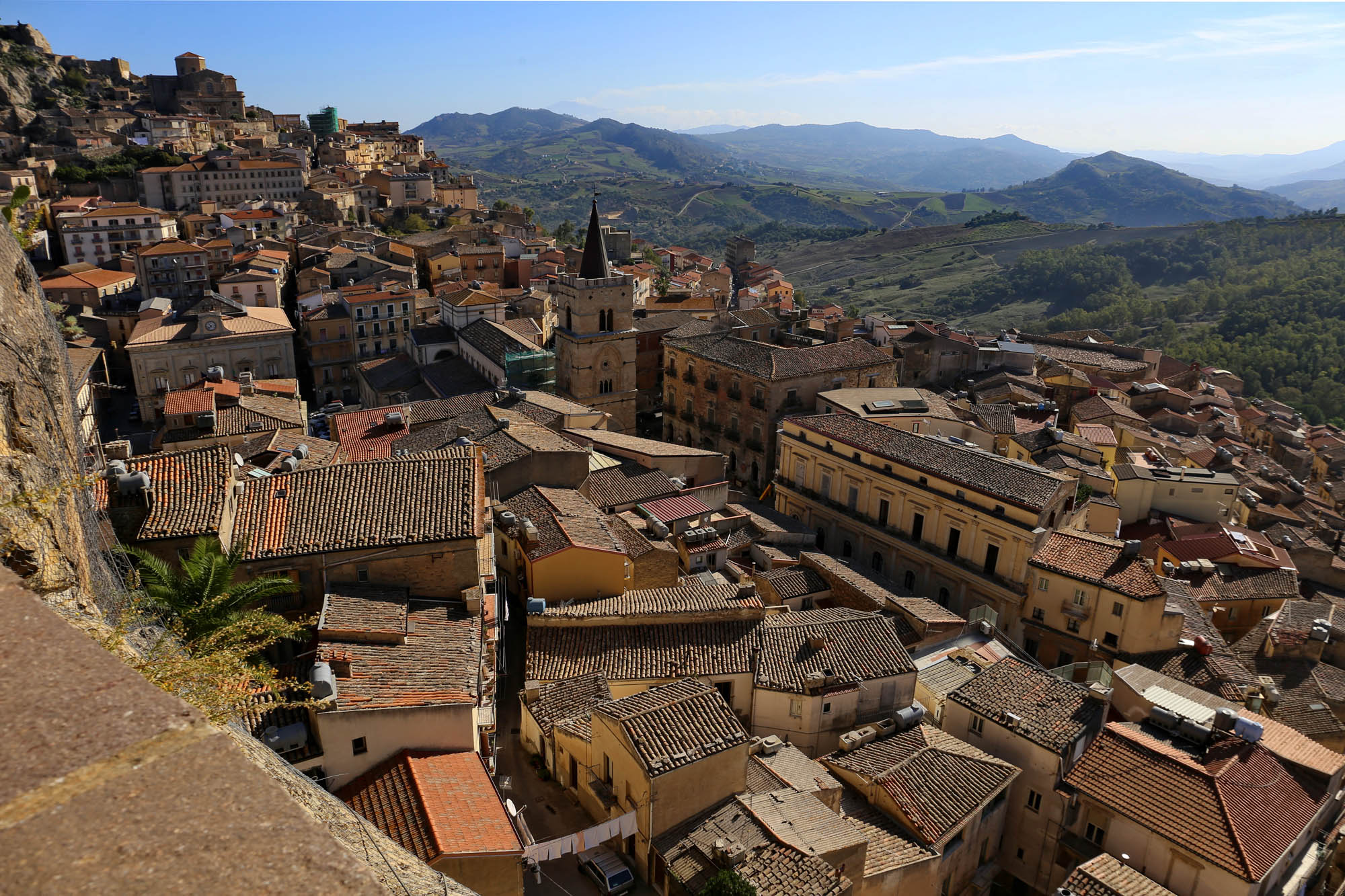
The effort is well worth it. From the small square in front of the church, you enjoy a gorgeous panorama of the old town of Nicosia and the landscape beyond it, all the way to Mount Etna, which is piping with a delicate white strip. The structure of the city unfolds below us in such detail and invites us to take a virtual walk like an animated Baroque city map, with its streets, squares, fountains, the façades of churches and palaces, the high towers and the inner courtyards lined with sloping tiled roofs, into which you can peer from above.

Directly below us is the main square with St Nicholas Church, which was rebuilt from a Greek church and an Arab tower in its current Renaissance-Baroque form after who knows how many earthquakes. Its Andalusian-style minaret tower is still surrounded by seven strong iron bands to at least somewhat counterbalance the inscrutable will of Allah.

nicosia3 nicosia3 nicosia3 nicosia3 nicosia3 nicosia3

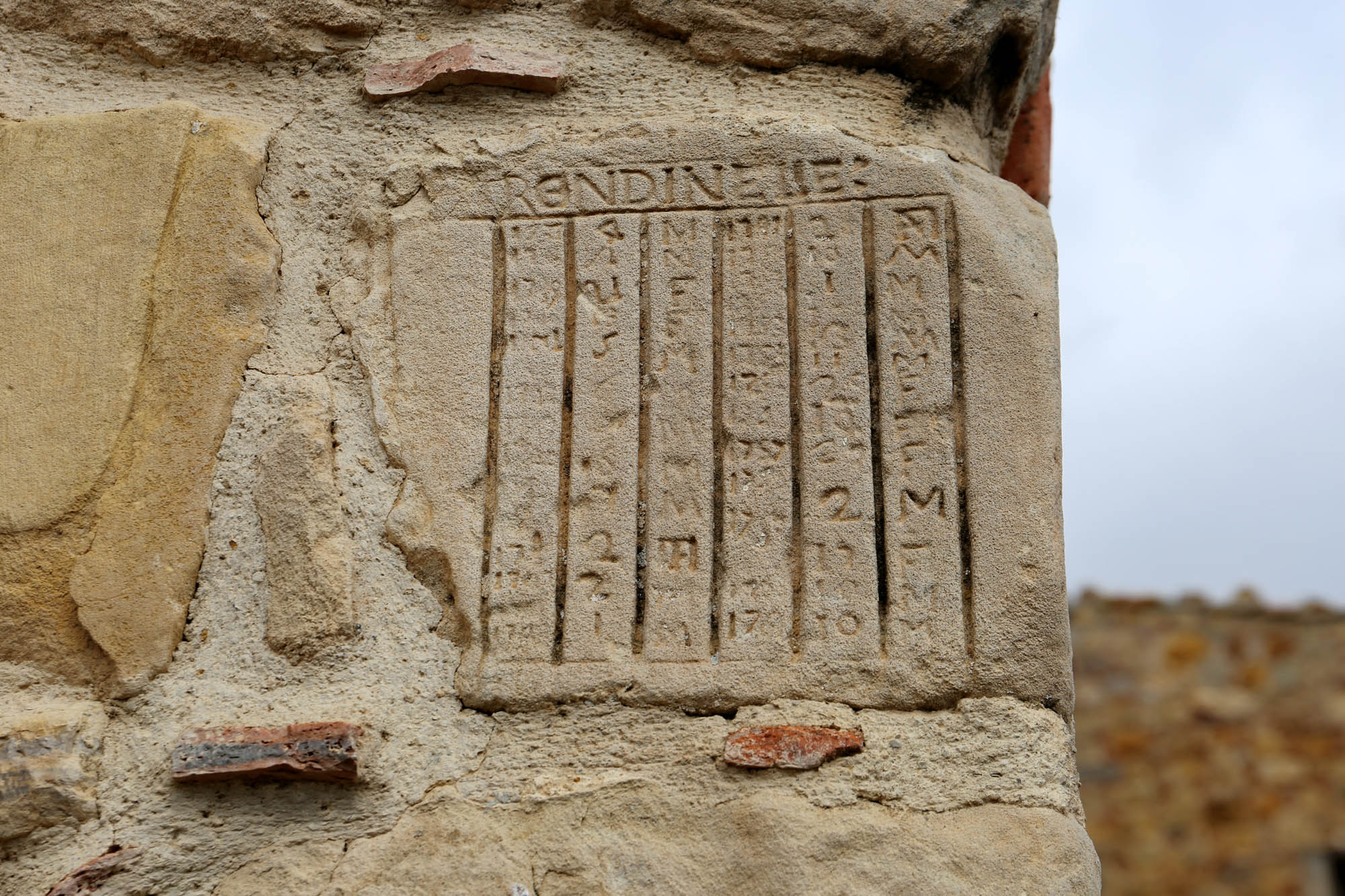
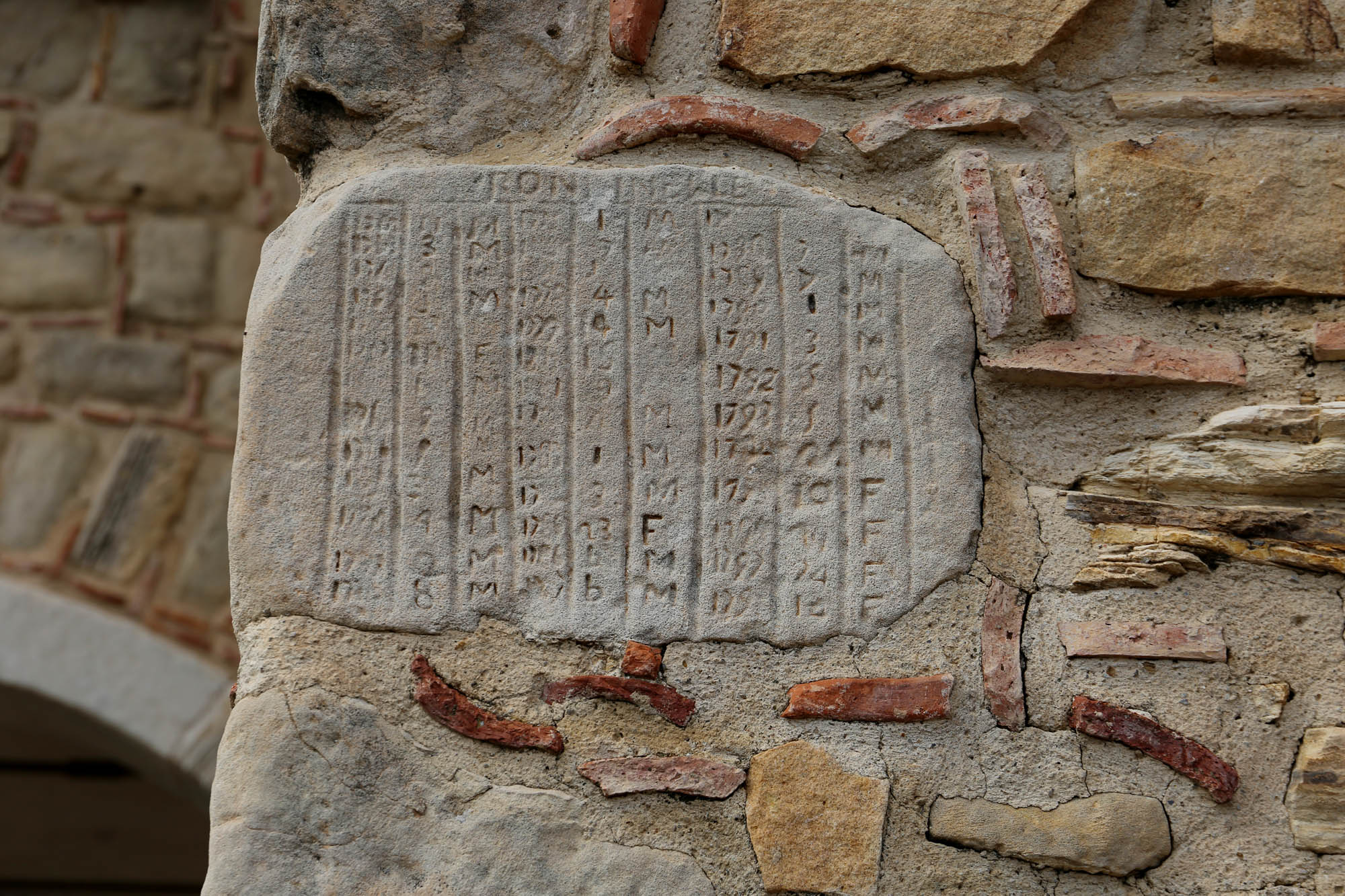
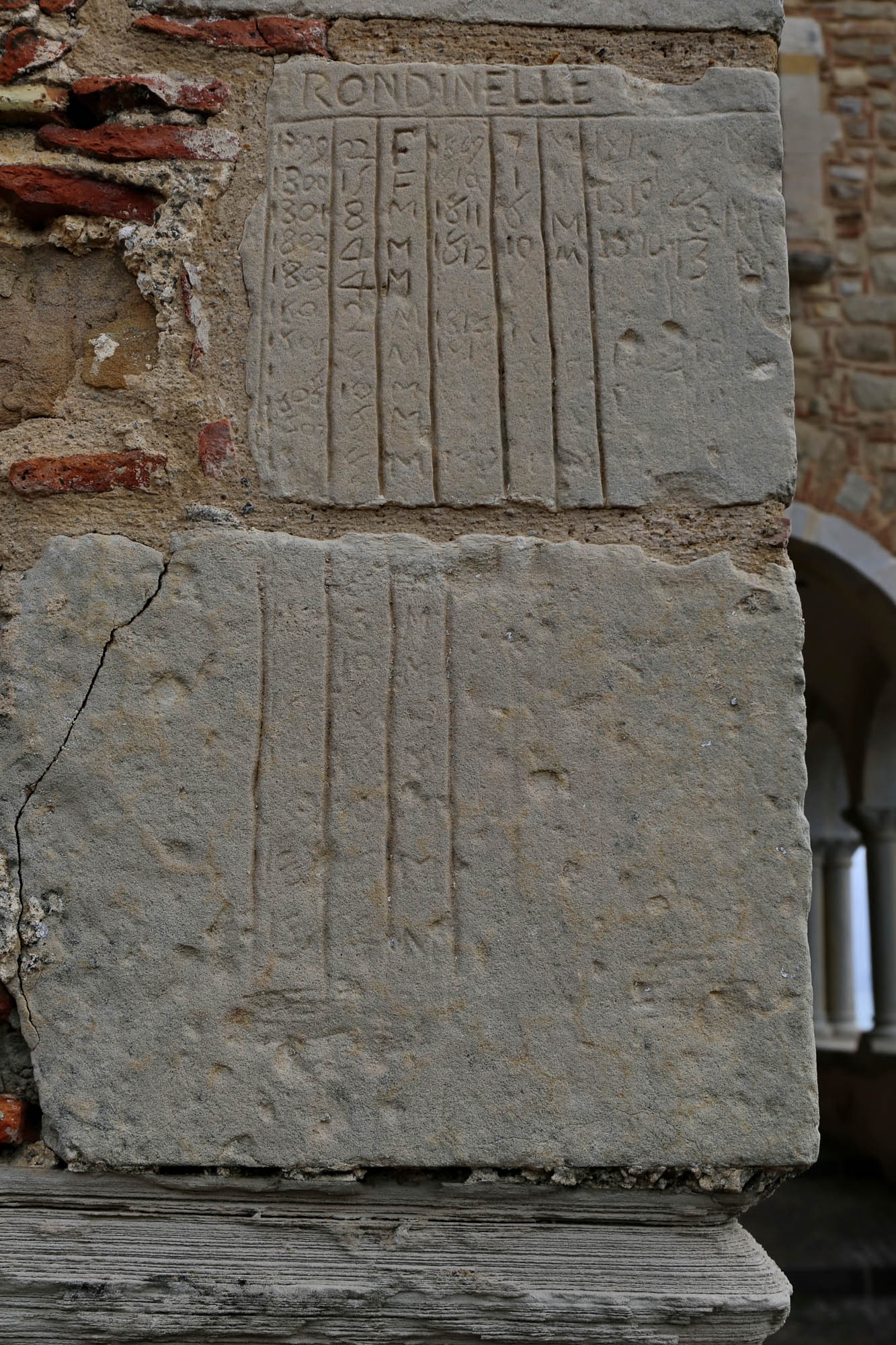
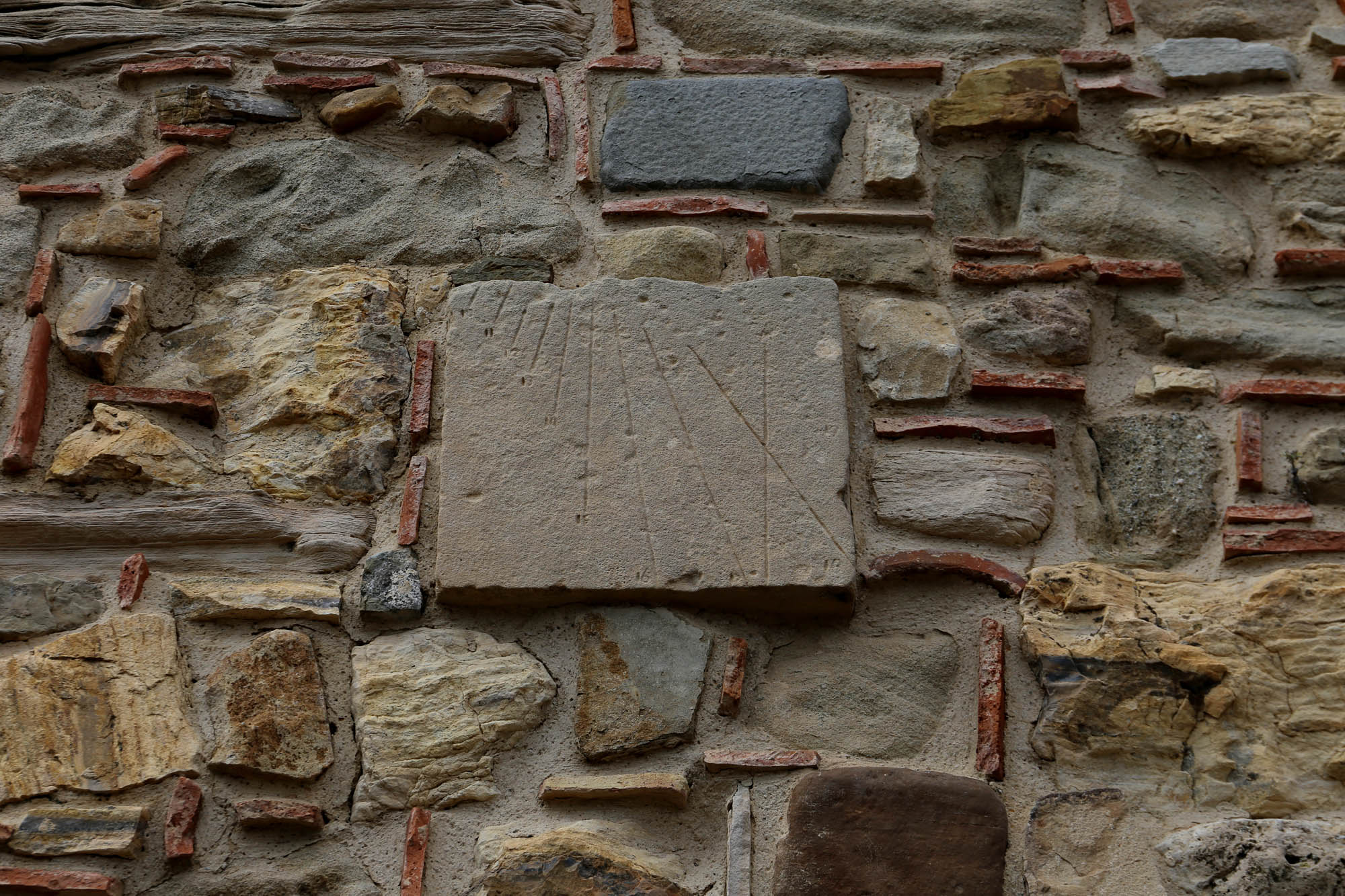
But the biggest surprise is that the south side of the Church of the Savior, which is normally closed off from the rest of the square by an iron-barred gate, is now open. Its key is kept in the Ecomuseo Petra d’Asgotto, with whom you can arrange a meeting in advance by e-mailing to pinalagiusa@tiscali.it. And it is worth it, because here is a unique monument of the city: the swallow calendar (calendario delle rondinelle).
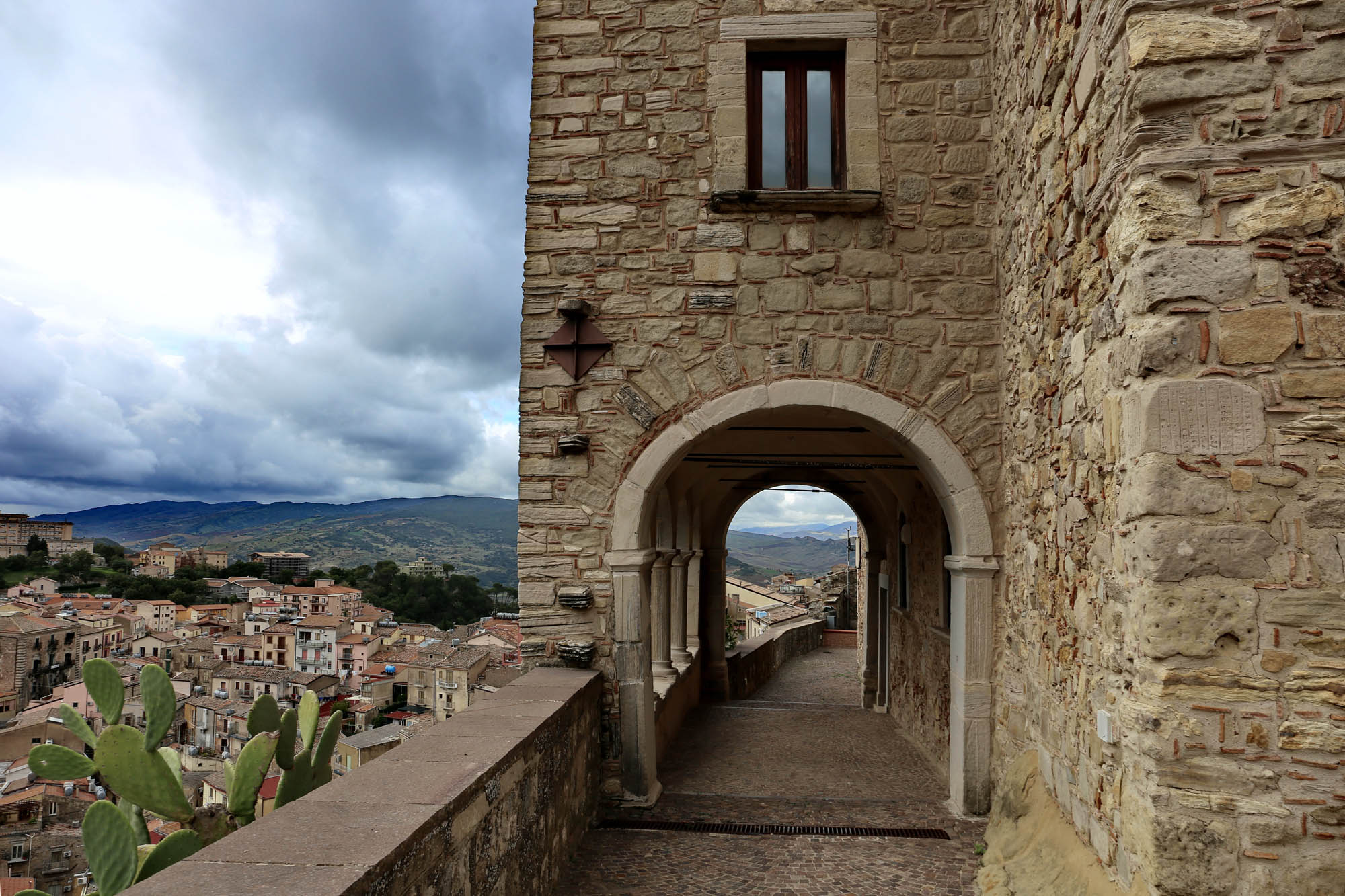
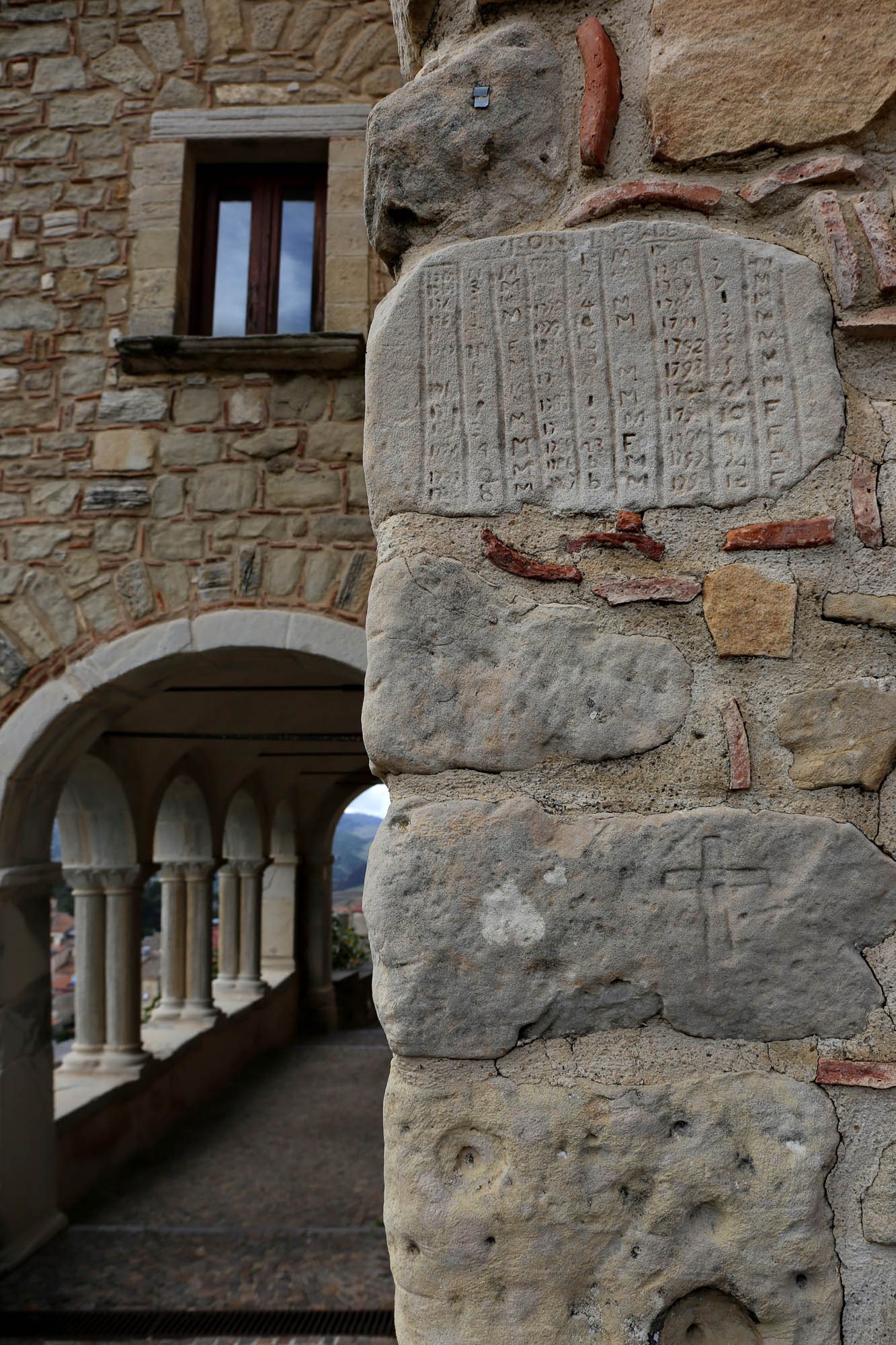
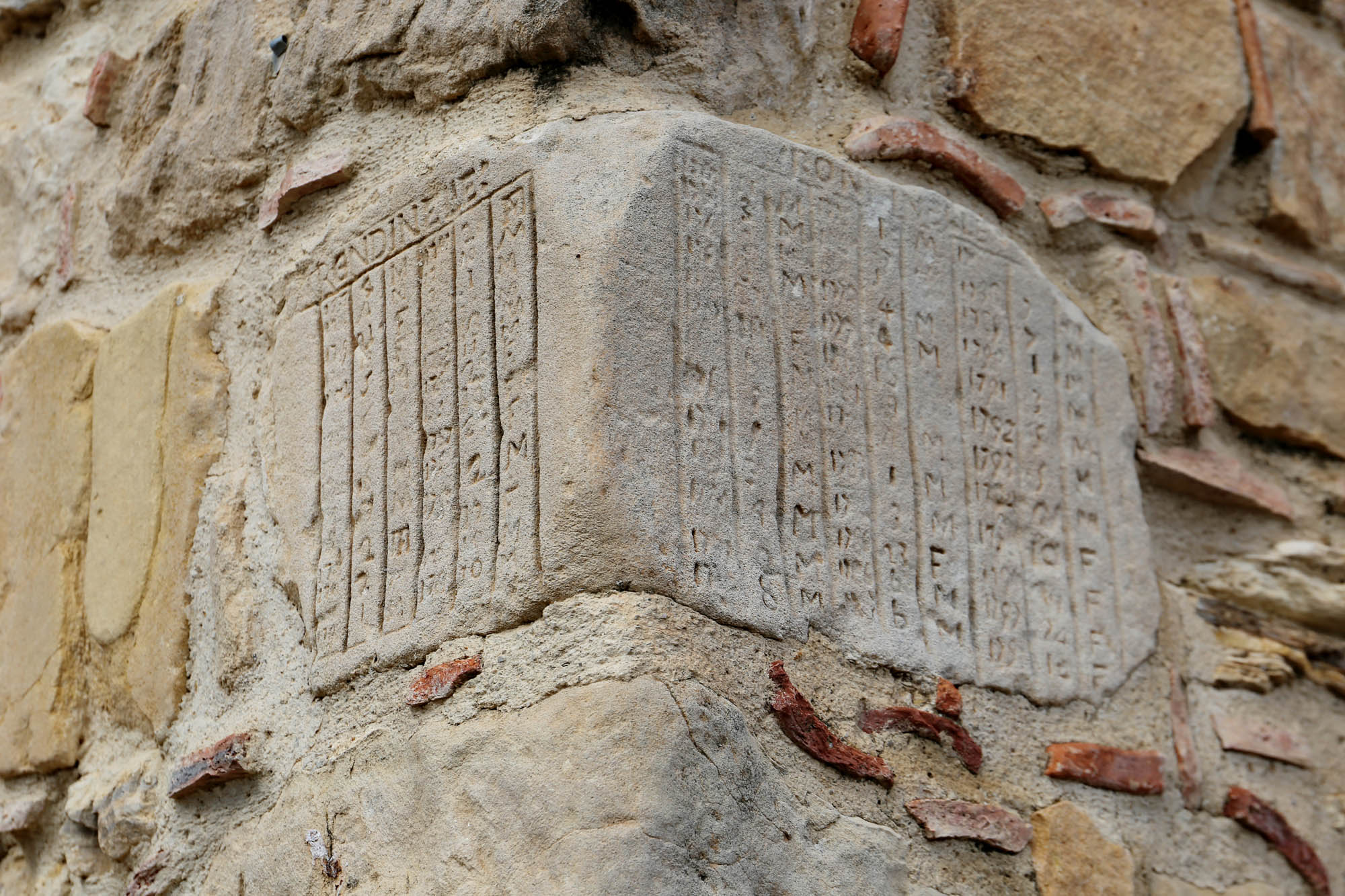
The southern wall of the church is enriched with a 13th-century arcaded porch. In the eastern corner of the wall, a large limestone block was inserted, on the two smoothed sides of which they engraved year by year from 1737 to 1798, which month and which day the first swallows arrived in Nicosia. This happened most often in the first days of March, but sometimes in the last week of February, and even in mid-February towards the end of the century. Would the weather have been that much warmer?
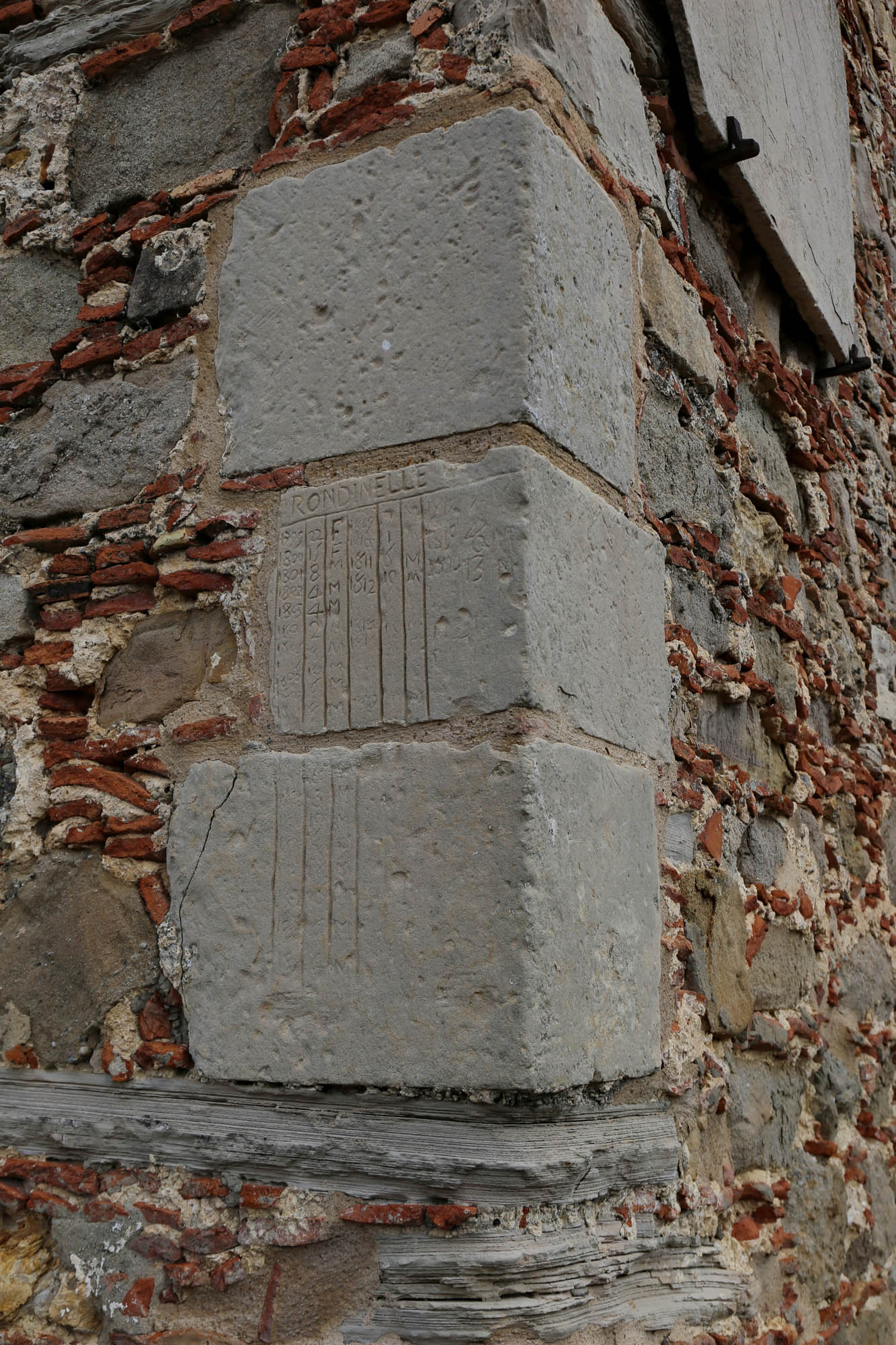
The continuation of the calendar can be found after passing through the arches, in the southwest corner of the church. Here, they inserted three block stones in the wall, but only the middle one has dates, from 1799 to 1820. Perhaps the lower one has some too, but you cannot read them any more.

The arrival of the first swallows and the first storks, the official seal of the new spring, is a big event in the life of a small town. But since it is not about the visit of great people, saints or rulers, it rarely occurred to anyone to include this event in the local history.

History writing also has its history, as to in which age what was considered worthy of recording, of including into history books. Based on the ancient Roman-Greek model, for a long time they only focused on dicta et facta memorabilia, the memorable deeds and sayings of famous people, or major events affecting the lives of entire peoples. That simple folks, everyday mentality, man’s relationship with nature and animals, ad absurdum the swallows of Nicosia can also have a history, was only established in the 20th century by the French school of historiography Annales.

I wonder who thought of this in Nicosia, which churchman was so much channeled at the same time into the cycle of nature and the routine of written chronicles, to start keeping this calendar and to create micro-historiography two centuries before Annales.
The birds of the air


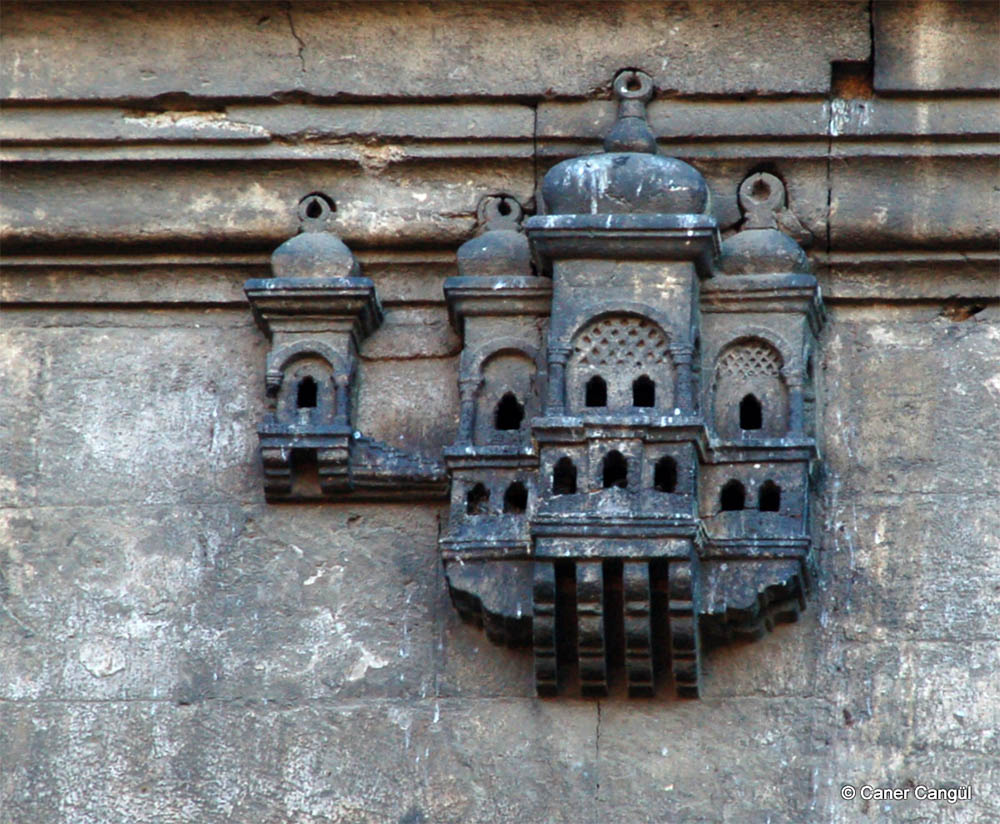
The Colossal portal recently published a nice post with Caner Cangül’s photos and Kate Sierzputowski’s brief text about those Ottoman-era “bird houses” that were carved in the form of miniature mosques and palaces, and embedded in the façades of real mosques and palaces. A larger, better illustrated version of this article had been published on Caner Cangül’s own Istanbulium blogj, és and in general, the topic is abundantly present on Istanbul’s city blogs. The “sparrow palaces”, as folk mouth has called them, were raised mainly by religious inspiration, as a good act towards God’s creatures. However, they fit nicely in the love of animals of the people of Istanbul, who seldom have their own pets, but devotionally provide for the city’s public dogs and public cats, as we have just seen in Kedi – Cats of Istanbul.


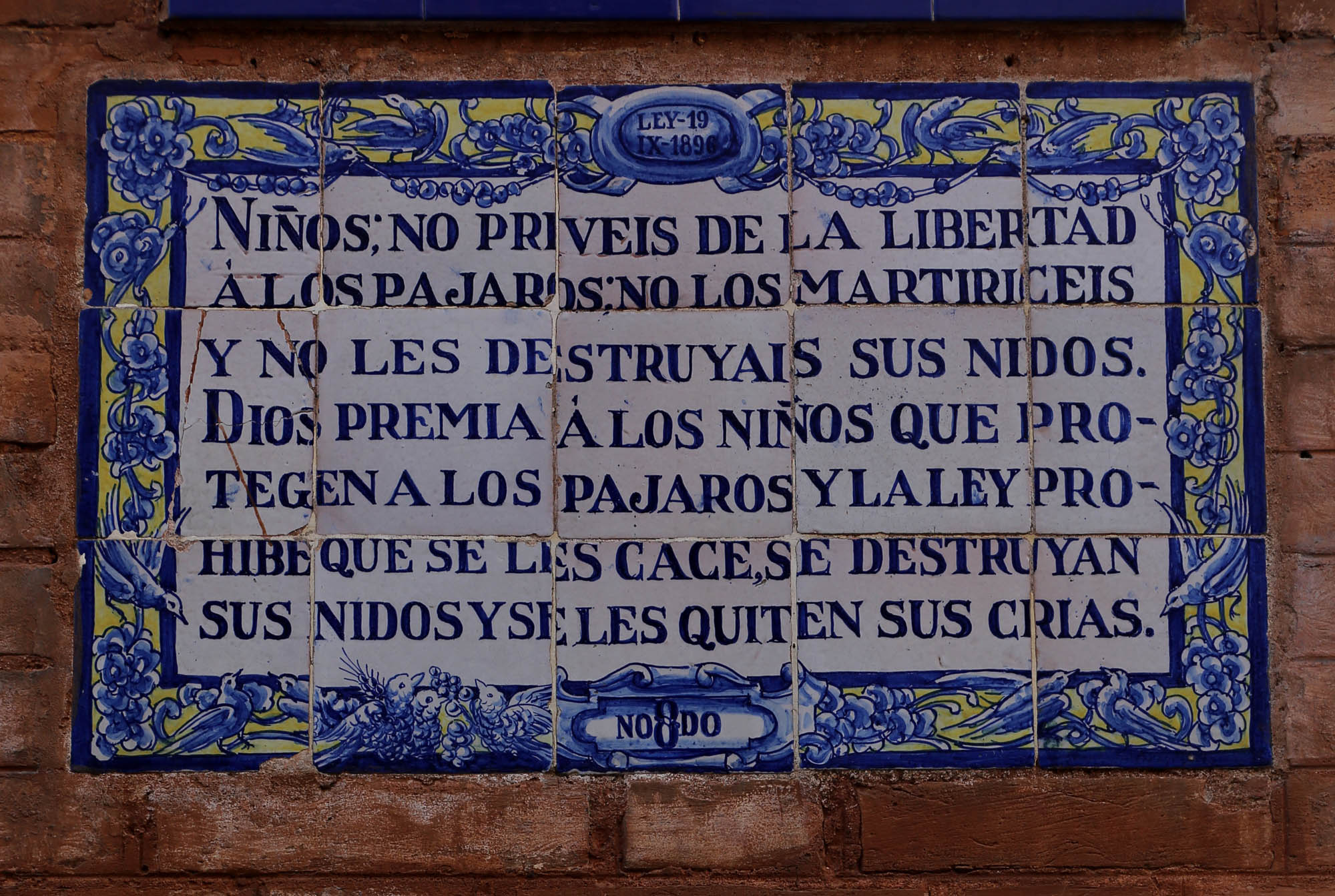
In Europe, care for public birds has rather secular rooots, from titmouse feeding through stork wheels to Bird Day. That is why it is so interesting that in Seville, the Law of 19.9.1896 on the Protection of Birds was published with reference to the children’s fear of God, in the usual way of the period, in azulejo inserted in the wall.

“Children, do not deprive birds from their freedom, don’t torture them, neither destroy their nests. God rewards those children who protect birds, and the law prohibits hunting them, destroying their nests, and kidnapping their nestlings.”

Dissolving: From sea to sea

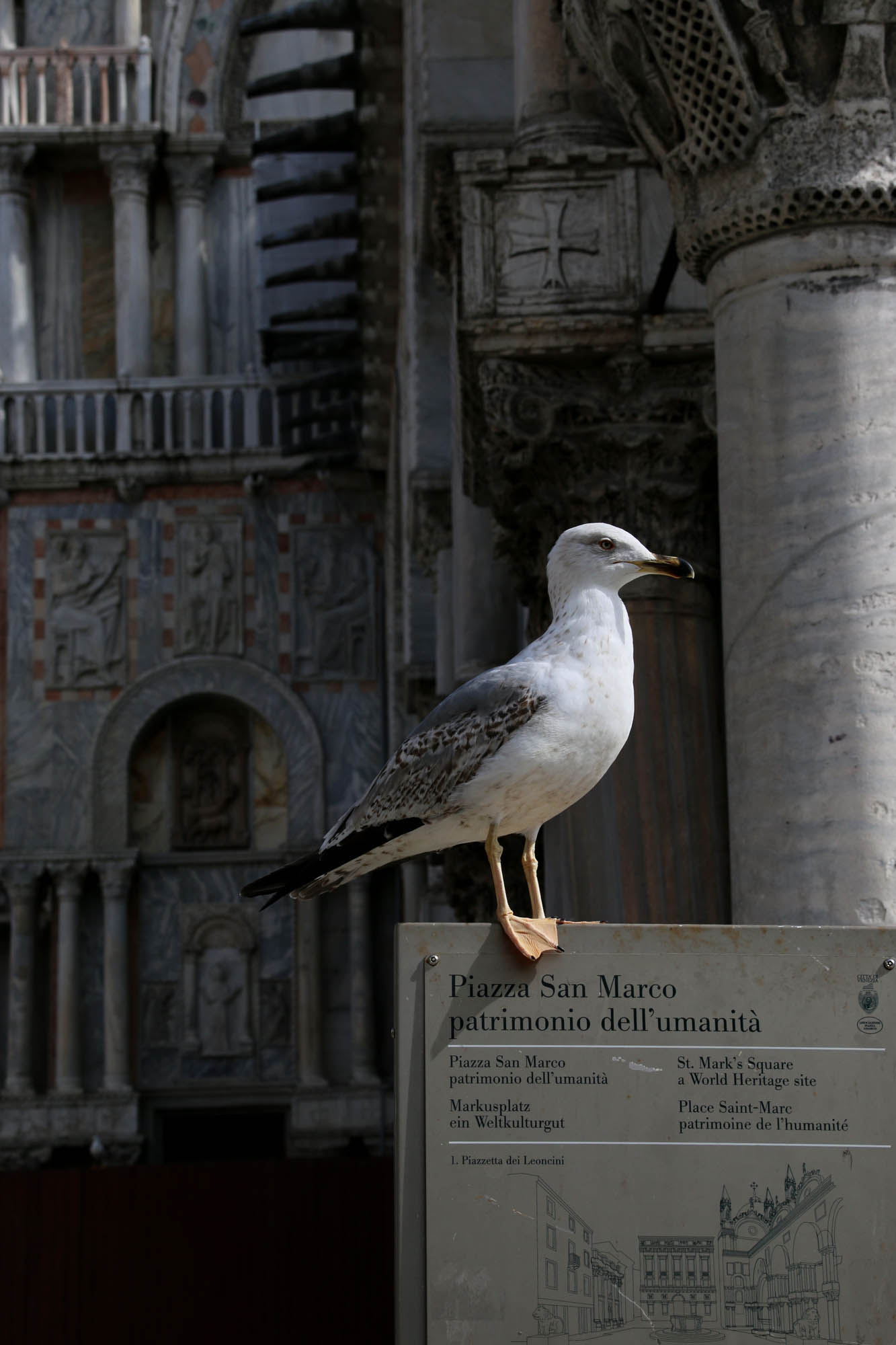
Bird in Byzantine ornamental frame. Venice, St. Mark’s Square, 12-13th century

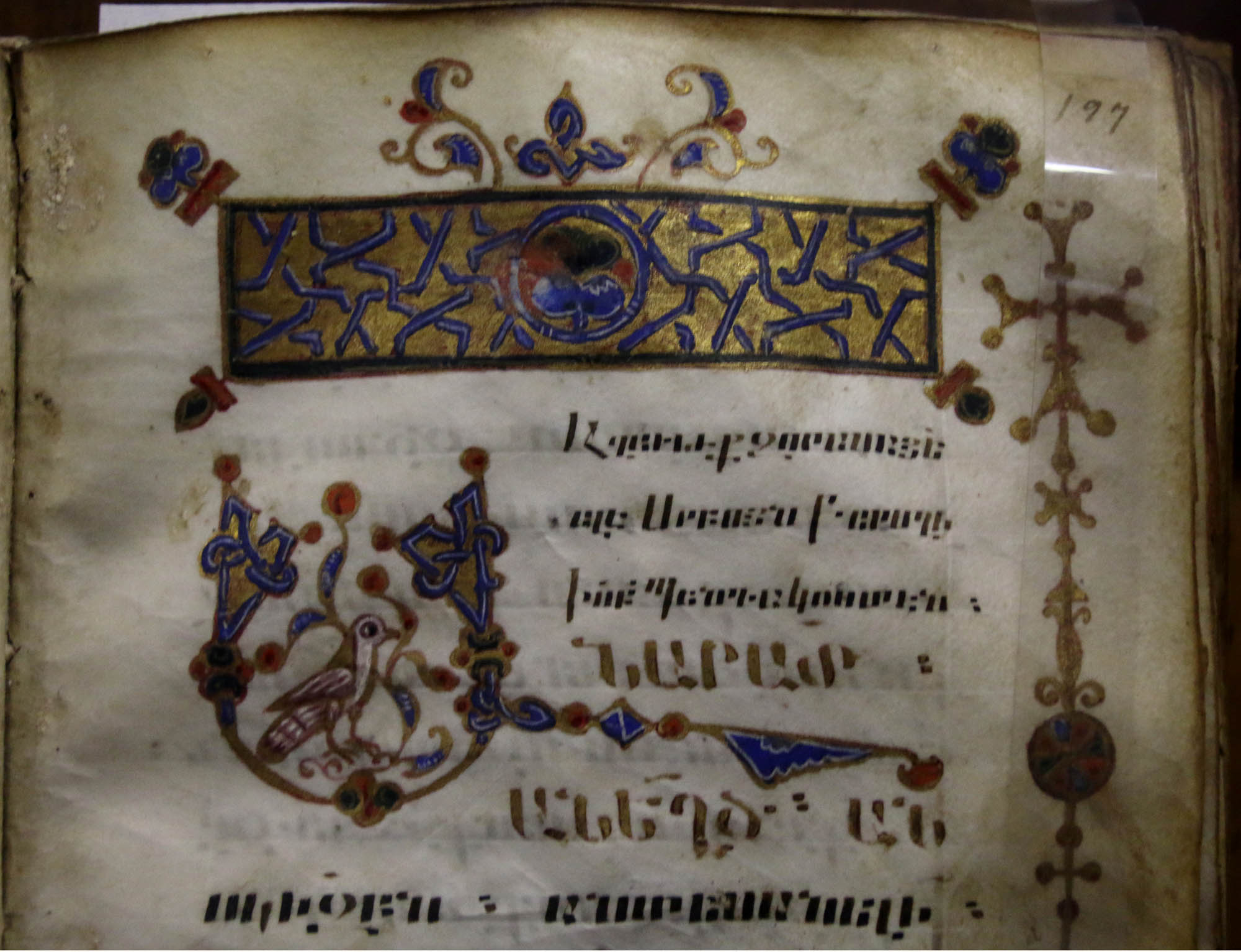
Bird in Armenian ornamental frame. Venice, St. Lazarus Island, Armenian monastery, MS 1159, 12-13th century

Deshielo • Thaw


Ayer al despertar oí el grito de la primera golondrina. Abrí corriendo la ventana y ya no estaba. No he vuelto a oírla pero esto quiere decir que en cualquier momento el cielo se llenará de sus gritos y carreras. En Islandia, muy cerca de este lago, nos adentramos en una playa donde anidan miles de charranes árticos. Son unos pájaros que van y vienen de un círculo polar al otro. Es el animal más viajero de la tierra. Cada año suele volar unos 80.000 kilómetros.

Las golondrinas y los charranes forman un griterío imparable, parlotean como si tuvieran muchísimo que contar, urgentemente. Los viajeros siempre tienen mucho que contar. Si no, es que no han viajado. El embajador holandés ante el rey de Siam pasó varias tardes contándole al monarca las maravillas de su lejano país, adornando vistosamente su relato acerca de cómo era aquel territorio tan llano y acosado por el mar, cómo construían sus casas, cómo tramaban los tejidos y teñían de colores sus ropas, las ceremonias sociales y los ritos religiosos. También le dijo que «algunas veces en su país el agua se endurecía tanto durante la estación fría del año, que los hombres caminaban encima, y que soportaría hasta el peso de un elefante, si estuviera allí. A eso replicó el rey: “Hasta este momento he creído las cosas extrañas que me has relatado, porque vi en ti un hombre sensato y de honor; pero ahora estoy seguro de que mientes.”» *

Los viajeros tienen que ir con mucho cuidado para no mentir cuando cuentan lo que han visto.
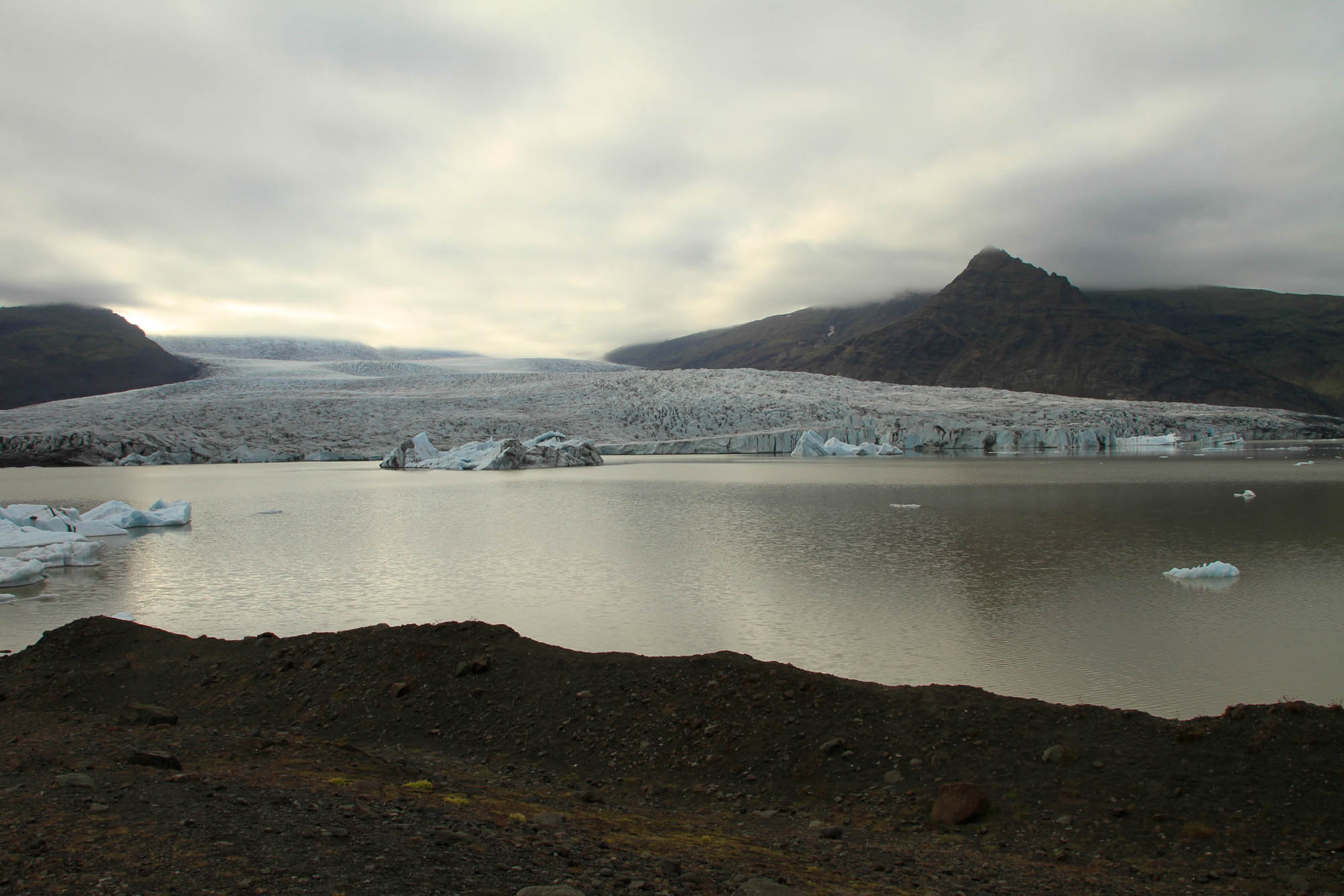
Yesterday, waking up, I heard the cry of the first swallow. I hurried to open the window, but it was gone. I did not hear it again, but this means that now at any moment the sky will be filled with their cries and zigzag. In Iceland, quite near this lake, we came across a beach where thousands of arctic terns nest. These birds come and go from one polar circle to the other. It is the most traveling animal of the Earth. It usually flies 80,000 kilometers a year.
The swallows and terns are engaged in an unstoppable crying, they chatter as if they had much to tell each other, urgently. Travelers always have much to tell. If not, they have not traveled. The Dutch ambassador to the King of Siam spent several evenings telling the king about the wonders of his distant country, plentifully adorning his story about how that land is, so flat and so much harassed by the sea, how they build their houses, how they weave their tissues, how they dye with colors their clothes, about the social ceremonies and the religious rites. He also told him that “that the water in his country would sometimes, in cold weather, be so hard that men walked upon it, and that it would bear an elephant, if he were there. To which the king replied, »Hitherto I have believed the strange things you have told me, because I look upon you as a sober fair man, but now I am sure you lie.«” *

Travelers have to be very careful not to lie when they speak about what they have seen.


deshielo deshielo deshielo deshielo deshielo deshielo deshielo deshielo deshielo deshielo deshielo deshielo deshielo deshielo deshielo deshielo deshielo deshielo deshielo deshielo deshielo deshielo deshielo deshielo deshielo deshielo deshielo deshielo deshielo deshielo deshielo deshielo deshielo deshielo deshielo deshielo deshielo deshielo deshielo deshielo deshielo deshielo deshielo deshielo deshielo deshielo deshielo deshielo deshielo deshielo deshielo deshielo deshielo deshielo deshielo deshielo deshielo

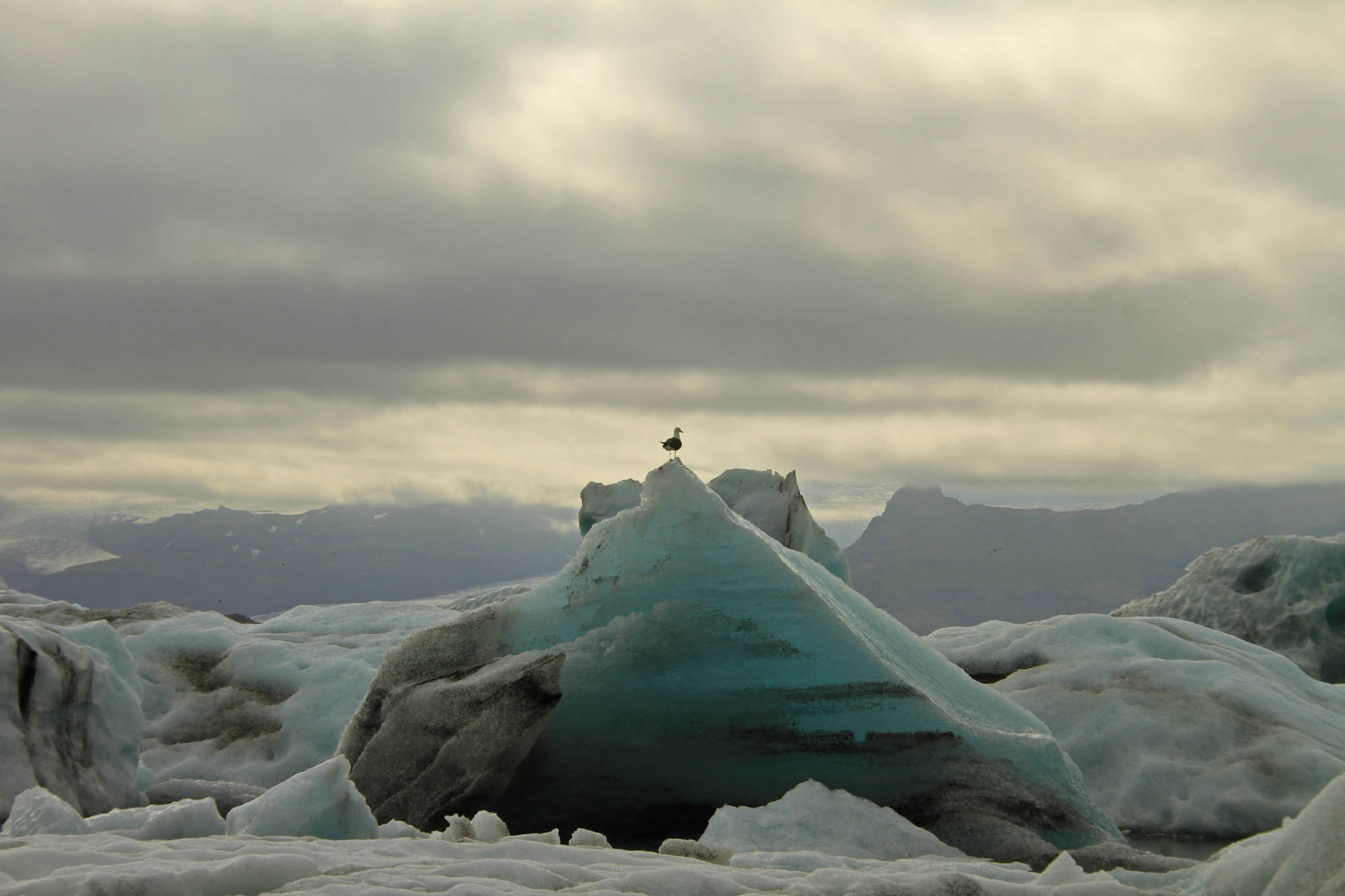
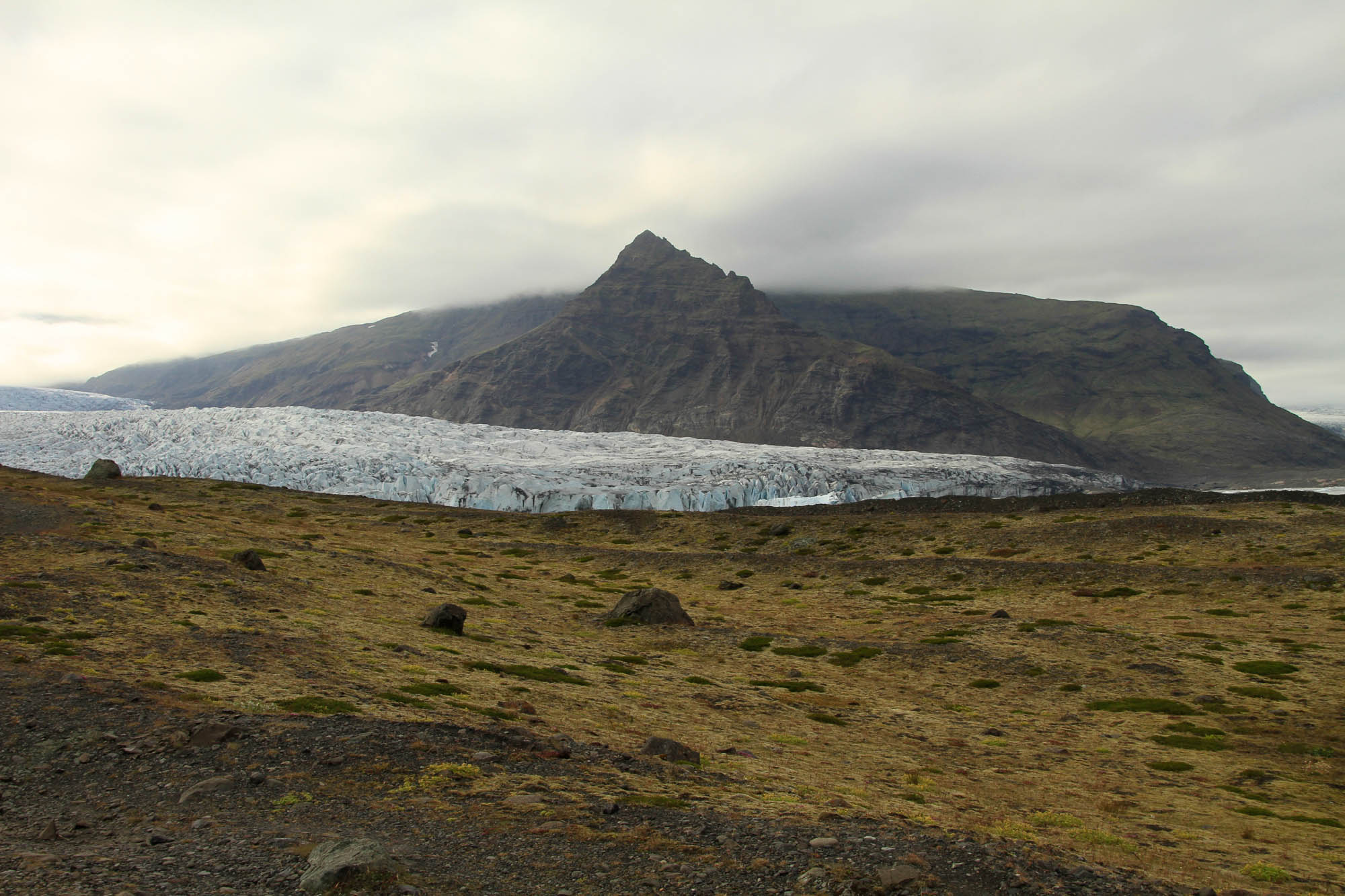
Tomamos todas estas fotos en la desembocadura del glaciar de Breiðamerkurjökull, en el lago de Jökulsárlón, Islandia • The photos were taken at the mouth of Glacier Breiðamerkurjökull, at lake Jökulsárlón, Iceland