Switch over to our new blog! • ¡Pásese a nuestro nuevo blog!

The renewed version of our blog, with more features, a richer design, and available in nine languages, can be read here: https://wangriver.com

The new version also includes the old posts, often in expanded form. If you are curious about the updated version of this post, replace “riowang.blogspot.com/” in the URL with “riowang.studiolum.com/”, and the new link will most likely lead you there.


La versión renovada de nuestro blog, con más herramientas, un diseño más rico y disponible en nueve idiomas, se puede leer aquí: https://riowang.com

La nueva versión también incluye las publicaciones antiguas, a menudo en una forma ampliada. Si tiene curiosidad por la versión actualizada de esta entrada, sustituya «riowang.blogspot.com/» en la URL por «riowang.studiolum.com/es/», y el nuevo enlace probablemente le llevará allí.

Mostrando entradas con la etiqueta Venice. Mostrar todas las entradas

Cabinets of wonders in Venice

If I were ever to build a studiolo again, I would choose a location like Giovanni Grimani’s, the Patriarch of Aquileia.

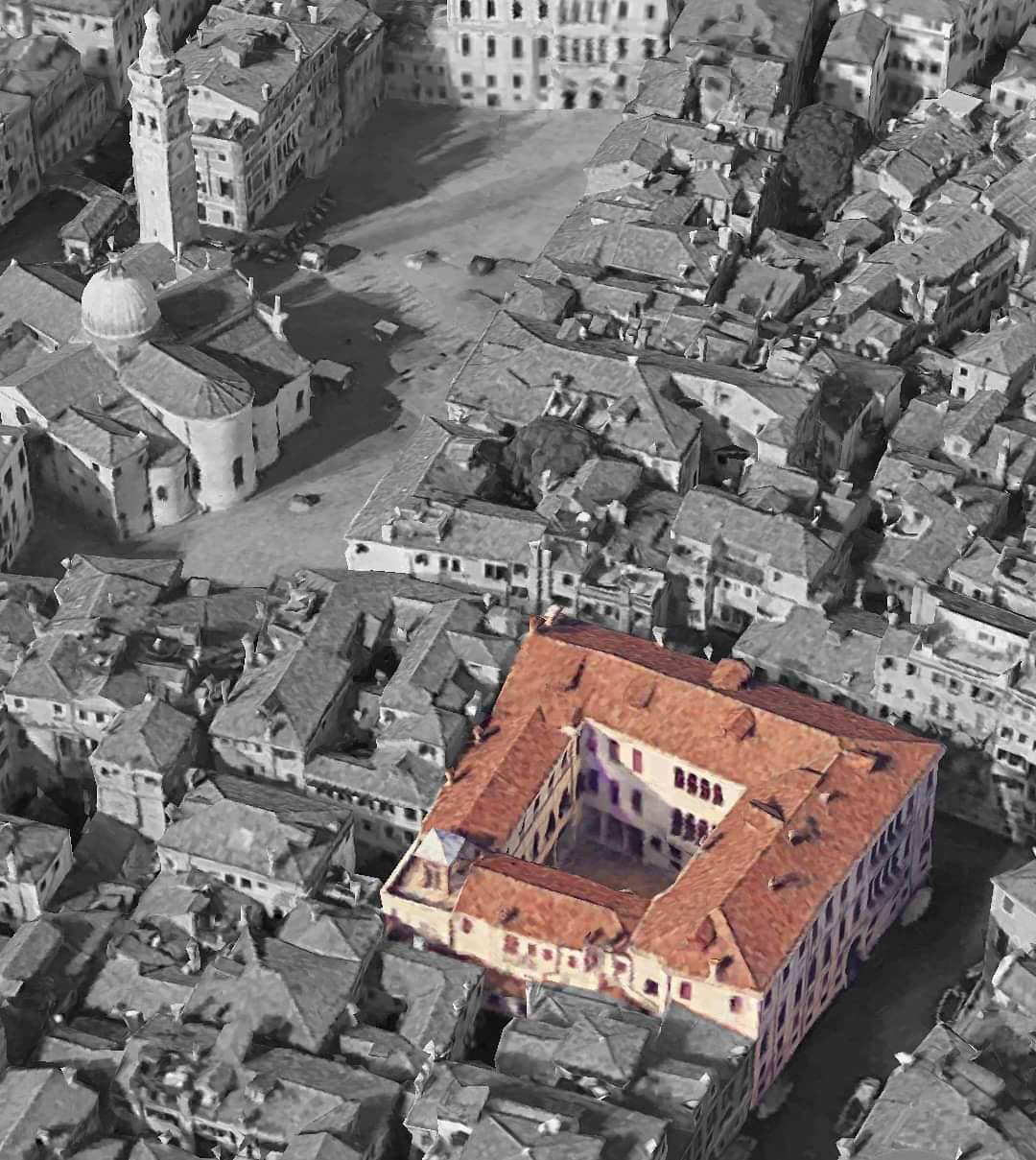
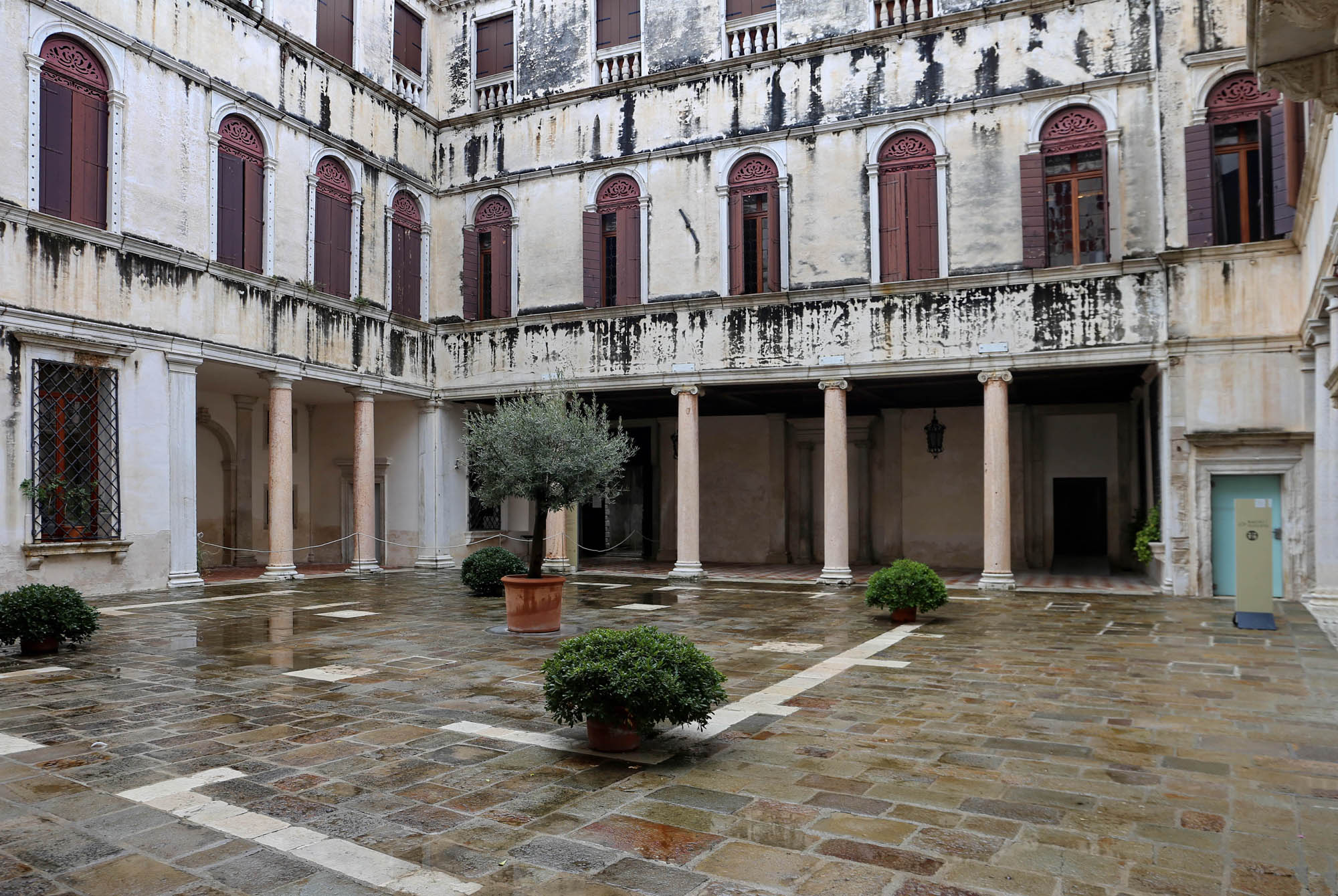
The Grimani Palace stands in the heart of Venice, just a bridge away from one of the city’s most vibrant social hubs, the Santa Maria Formosa Square. Once home to the famous courtesan Veronica Franco’s salon and the palace of Sebastiano Venier, the victor of Lepanto, the area around it was always buzzing with life. Right in front of the palace ran the Ruga Giuffa, a bustling main street for the Armenian merchants from New Julfa, as its name suggests. Yet, despite its proximity to the hustle and bustle, the building itself was secluded, surrounded on two sides by canals – the Rio de Santa Maria Formosa and the Rio San Severo – and isolated from the outside world by a neighboring house on the third side. The only entrance, from the Armenian street, was a narrow passageway from the fourth side. After returning from the whirlwind of the world’s one of the busiest cities, Grimani could immediately retreat to the solitude of his study.

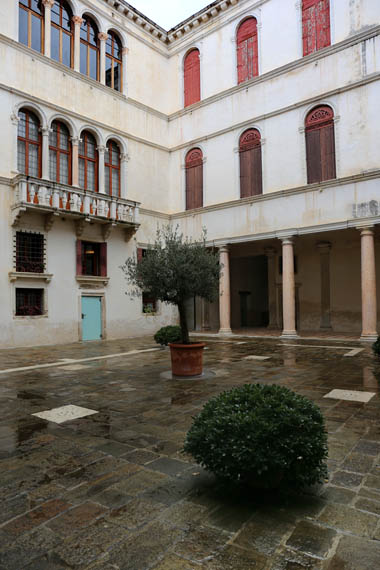
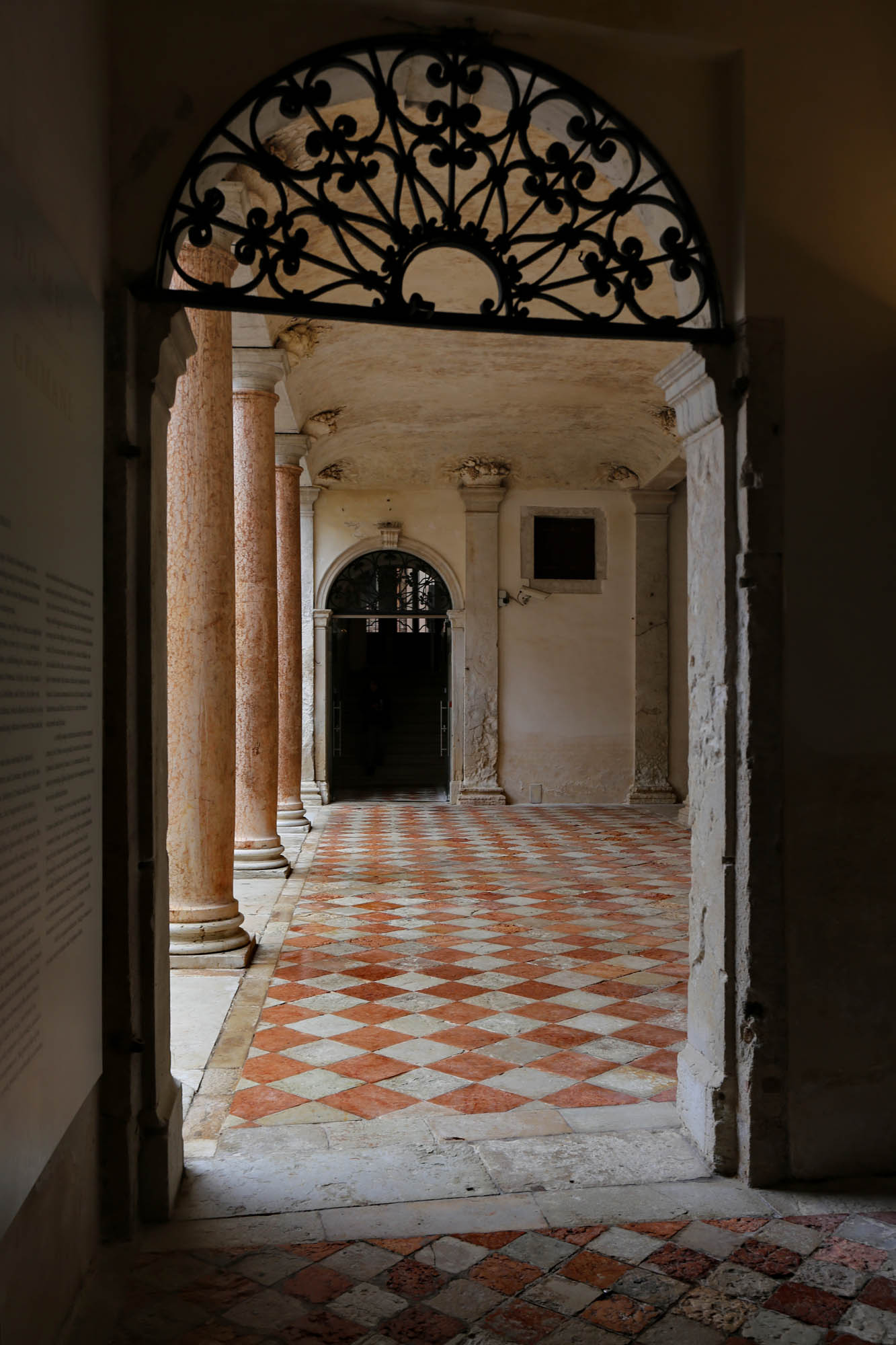
When he and his brother, Vettore, inherited the property from their uncle, Doge Antonio Grimani, in 1530, they immediately decided to build something new – something Venice had never seen before. The square courtyard, surrounded by red marble columns, wasn’t modeled on the typical Venetian merchant houses, but instead echoed the courtyards of ancient Roman domus, following the guidelines of the great Renaissance architectural theorists.
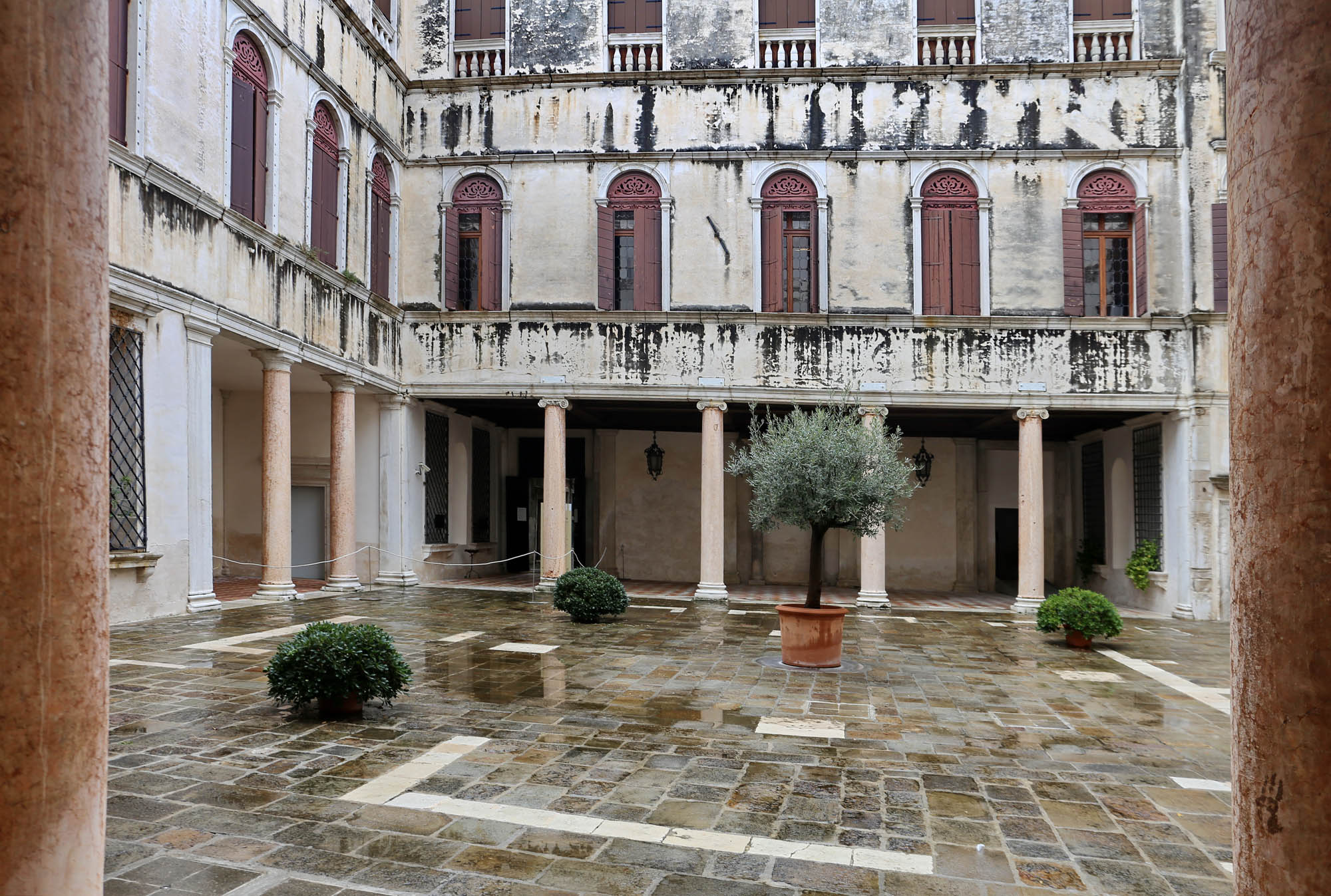
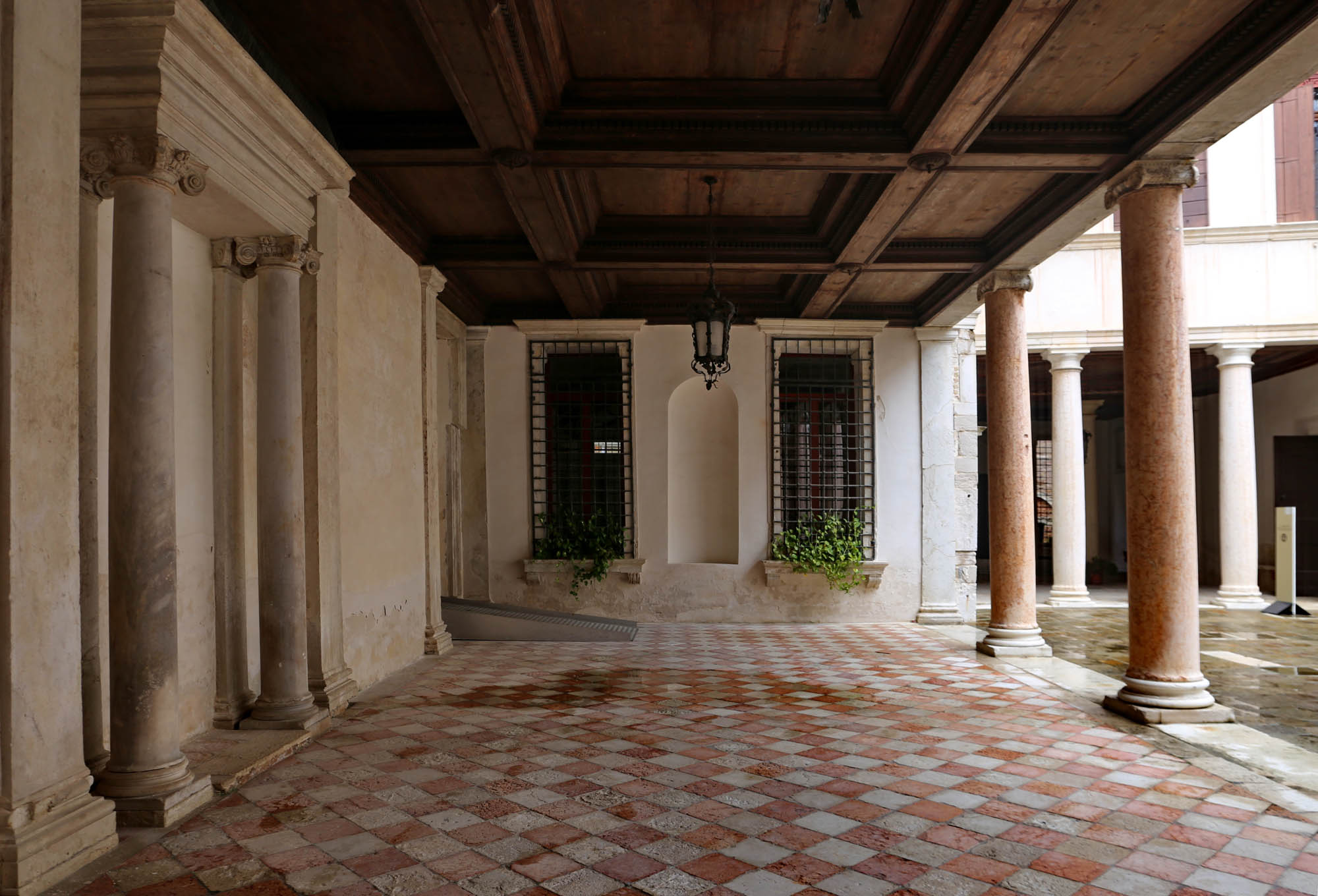
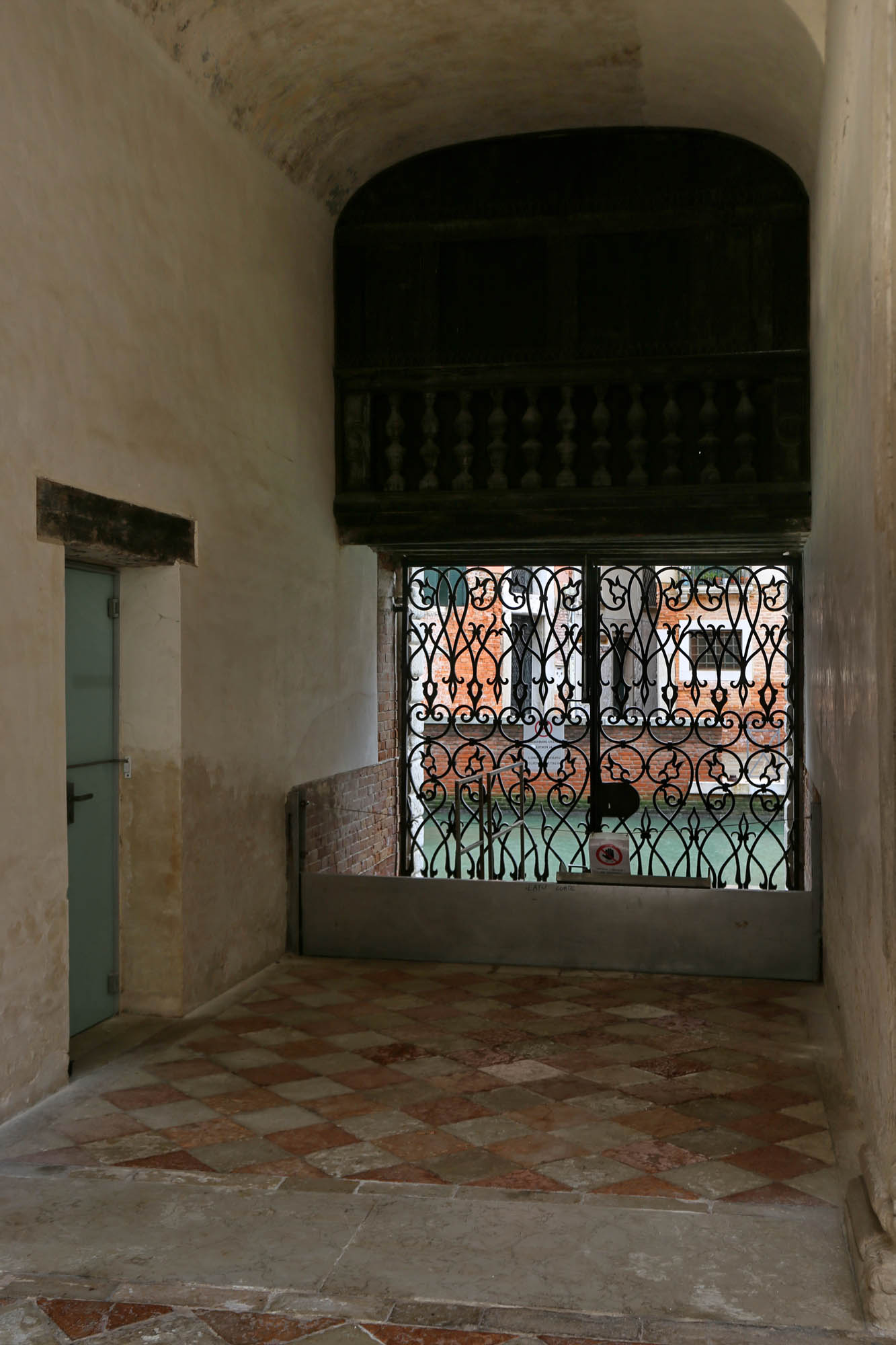
At one point, like every Venetian palace, the Grimani house’s main entrance faced the water – the Rio San Severo –, but with walking becoming the primary mode of transport in Venice, it was closed off

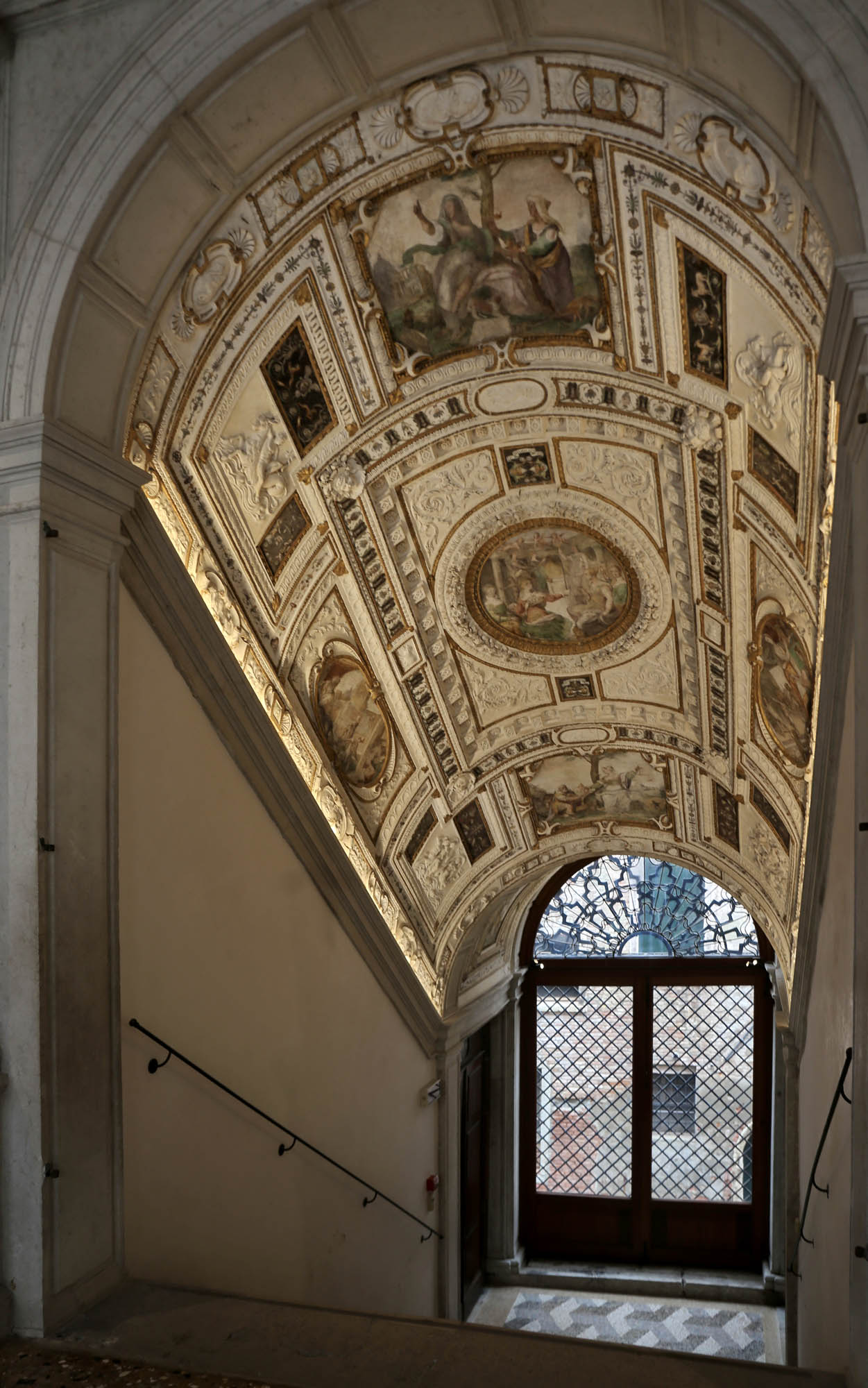
The staircase leading to the first floor was decorated between 1563 and 1565 by Federico Zuccari, an already famous Mannerist artist from Rome, at the request of Patriarch Grimani, after his brother’s death. Zuccari came to Venice specifically for Grimani, and besides this palace, he also painted frescoes and an altarpiece for the Patriarch’s chapel at San Francesco della Vigna. He even competed for commissions at San Rocco and the Doge’s Palace, but failed. Afterward, he continued his career in Florence, Rome, and Paris. On the ceiling of the staircase, alongside frescoes depicting the virtues of the patron, the rich stucco decorations echo the motifs of Grimani’s collection of ancient gems – a detail we will touch on later.
grimani1 grimani1 grimani1 grimani1 grimani1 grimani1 grimani1 grimani1 grimani1 grimani1 grimani1 grimani1

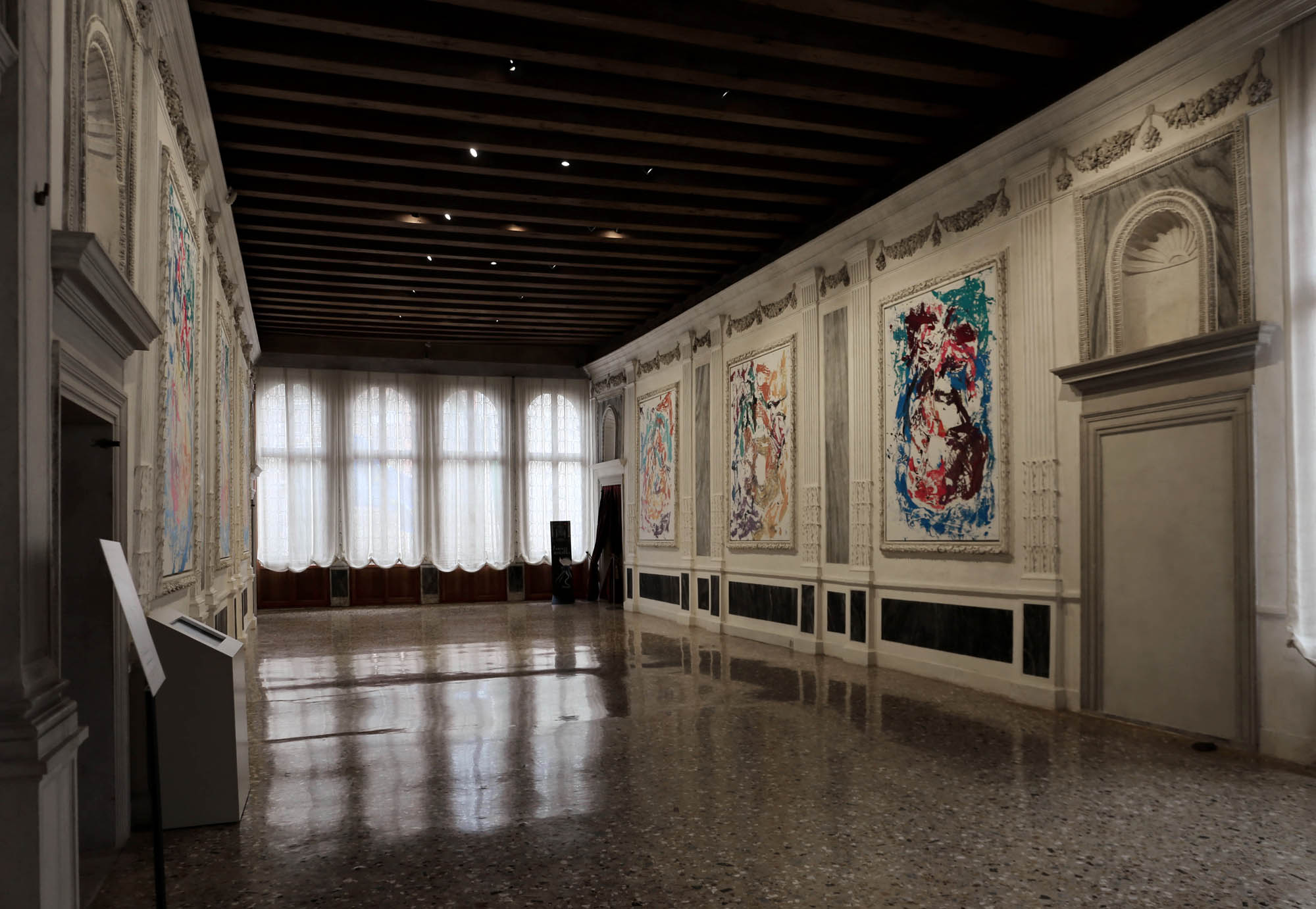
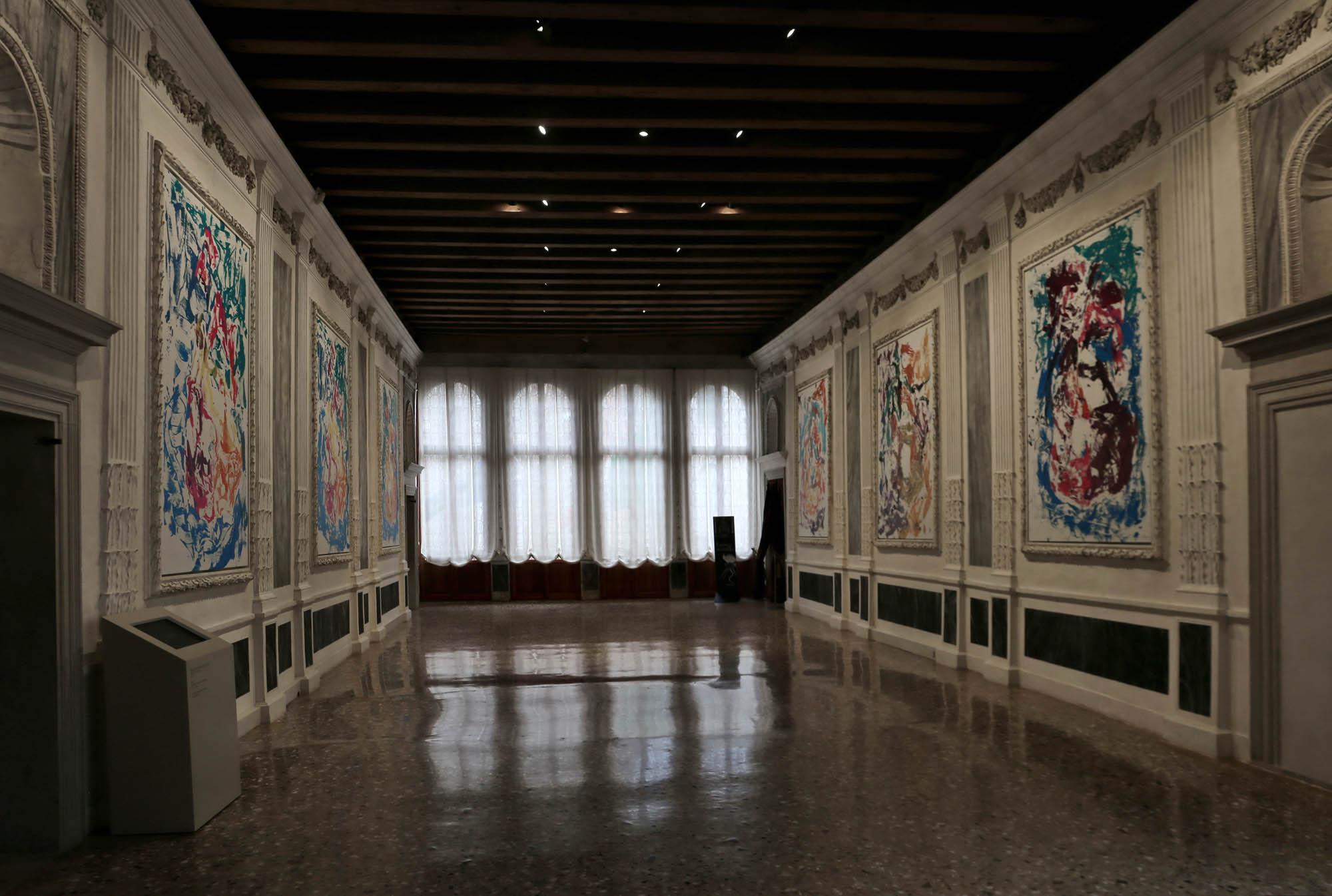
At the top of the stairs is the grand salon, occupying the entire northern wing of the palace. The walls of this room were once decorated with portraits of the Grimani family’s greats. Today, these are replaced by abstract paintings by Georg Baselitz, specifically created for the 2019-2022 Archinto exhibition. According to the artist, these works were inspired by Titian’s enigmatic portrait of Cardinal Federico Archinto (1558).

Giovanni Grimani was in fact a passionate collector. While collecting was not unusual in aristocratic circles, it was groundbreaking that he displayed his collection in dedicated exhibition rooms.

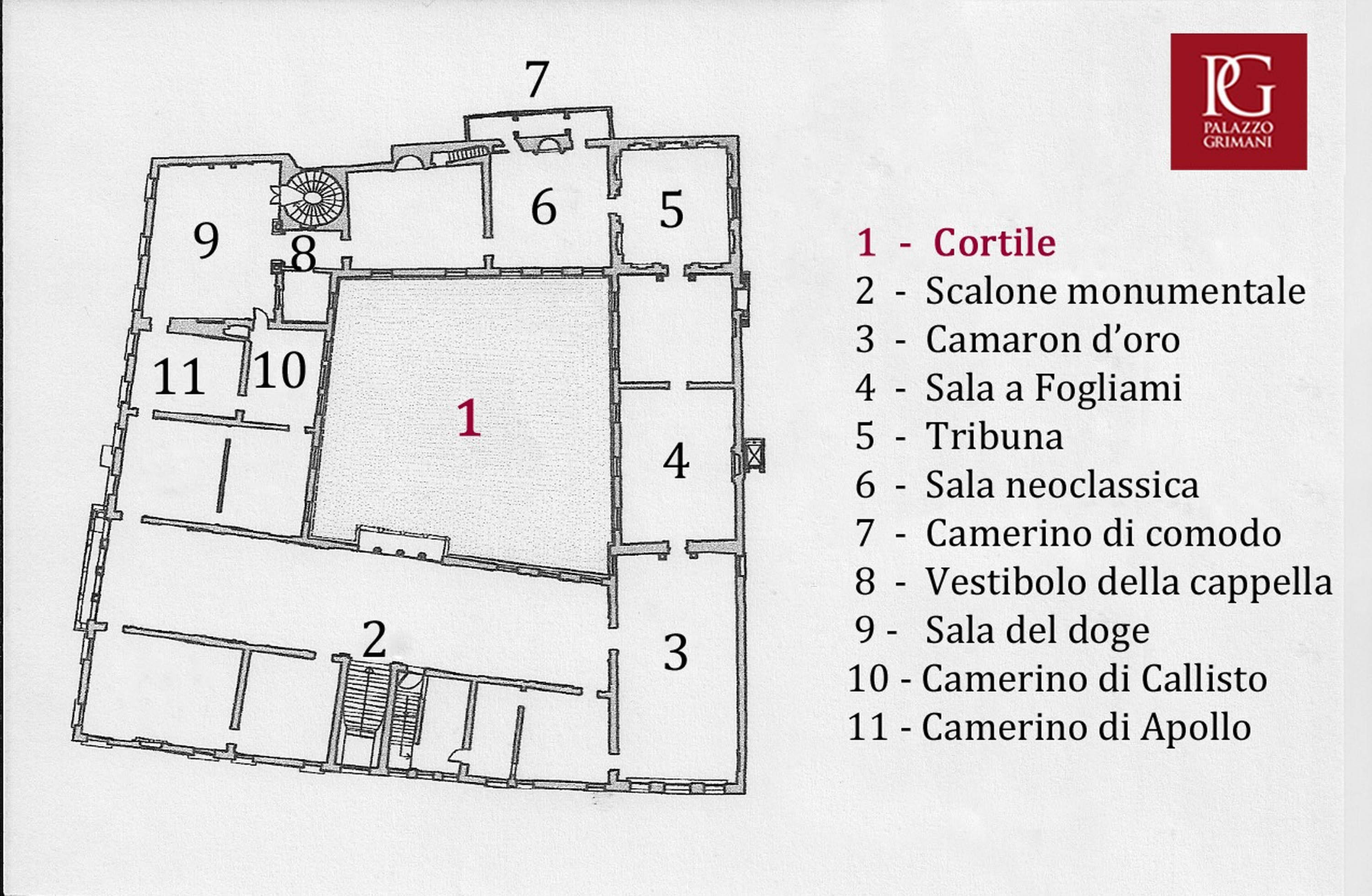
From the mid-1400s, Renaissance architectural theorists stressed that an ideal humanist should have a studiolo – a small space where one could consult ancient and Christian authors and display carefully selected wonders of nature and human craftsmanship to delight oneself and visitors. In an early period, the focus was on the rediscovered relics of antiquity, including sculptures and engraved gemstones. Grimani, too, amassed such a collection, displaying it in the western wing of the palace, open to guests (rooms 3-5 on the floor plan).
The patriarch left the sculptures to the Serenissima, and these became the foundation of the Museo Archeologico Nazionale di Venezia. After the palace's restoration in 2008, however, some of these sculptures were returned to their original place.
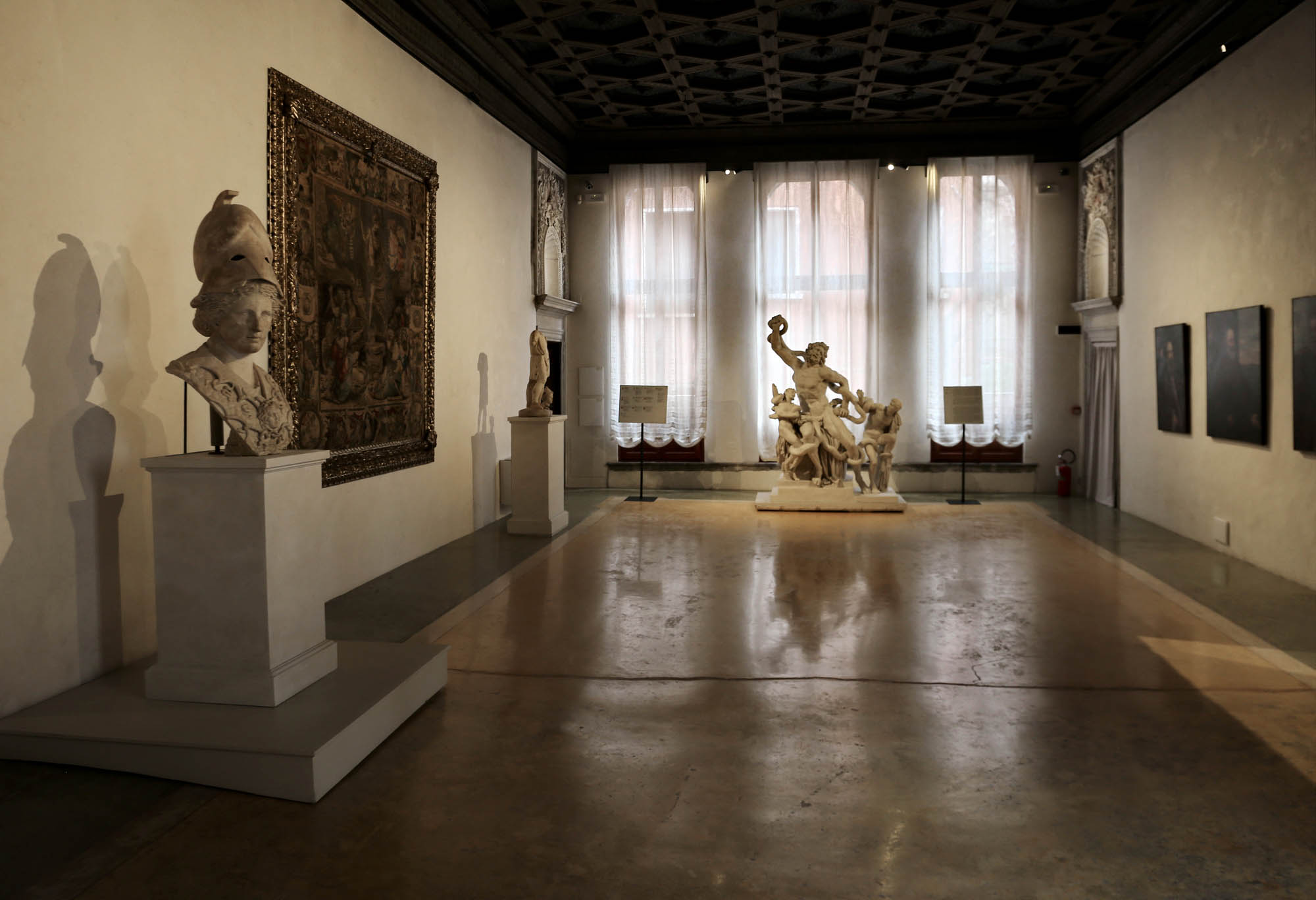
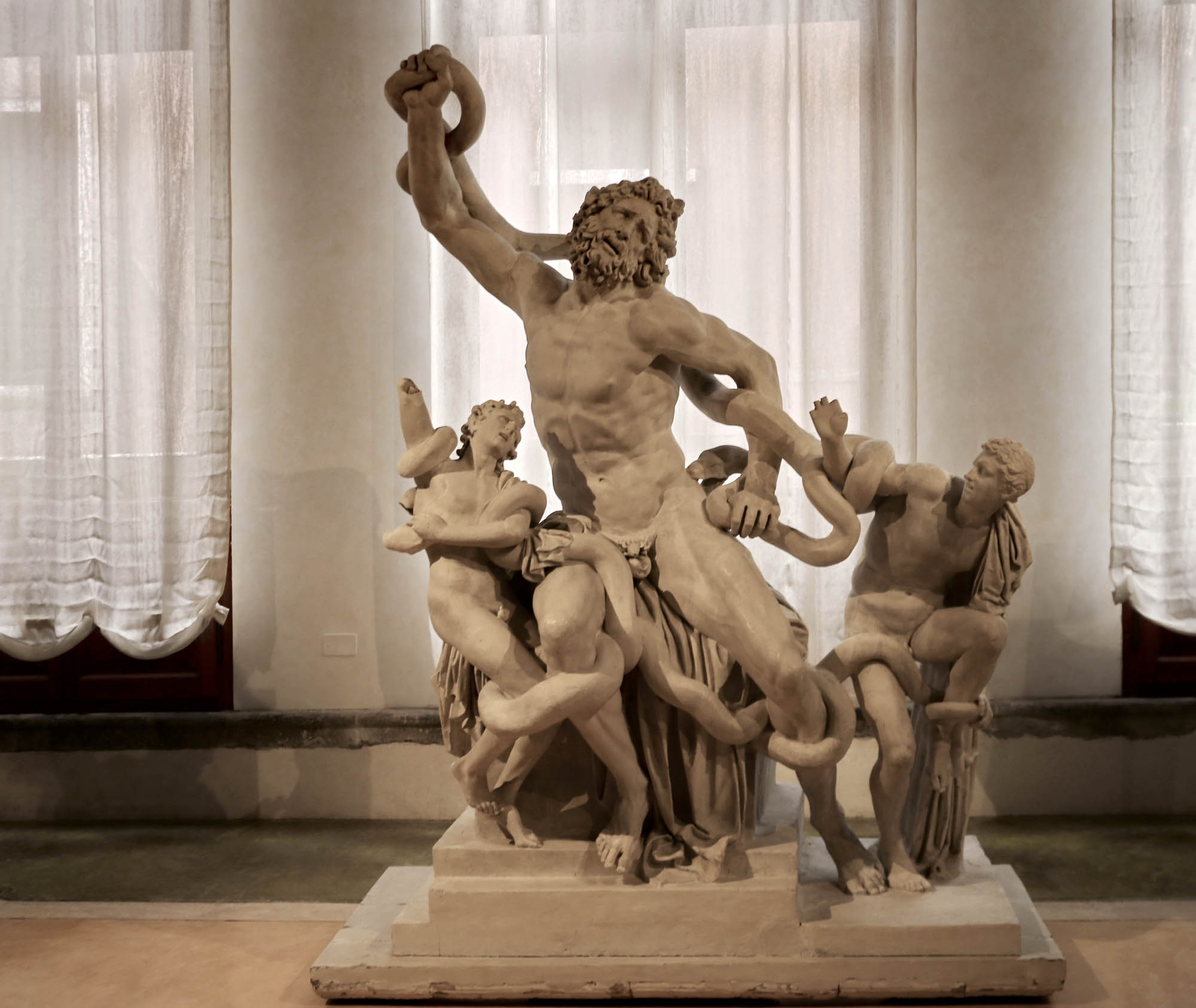
The Laocoön group is a 17th-century copy of the Vatican original

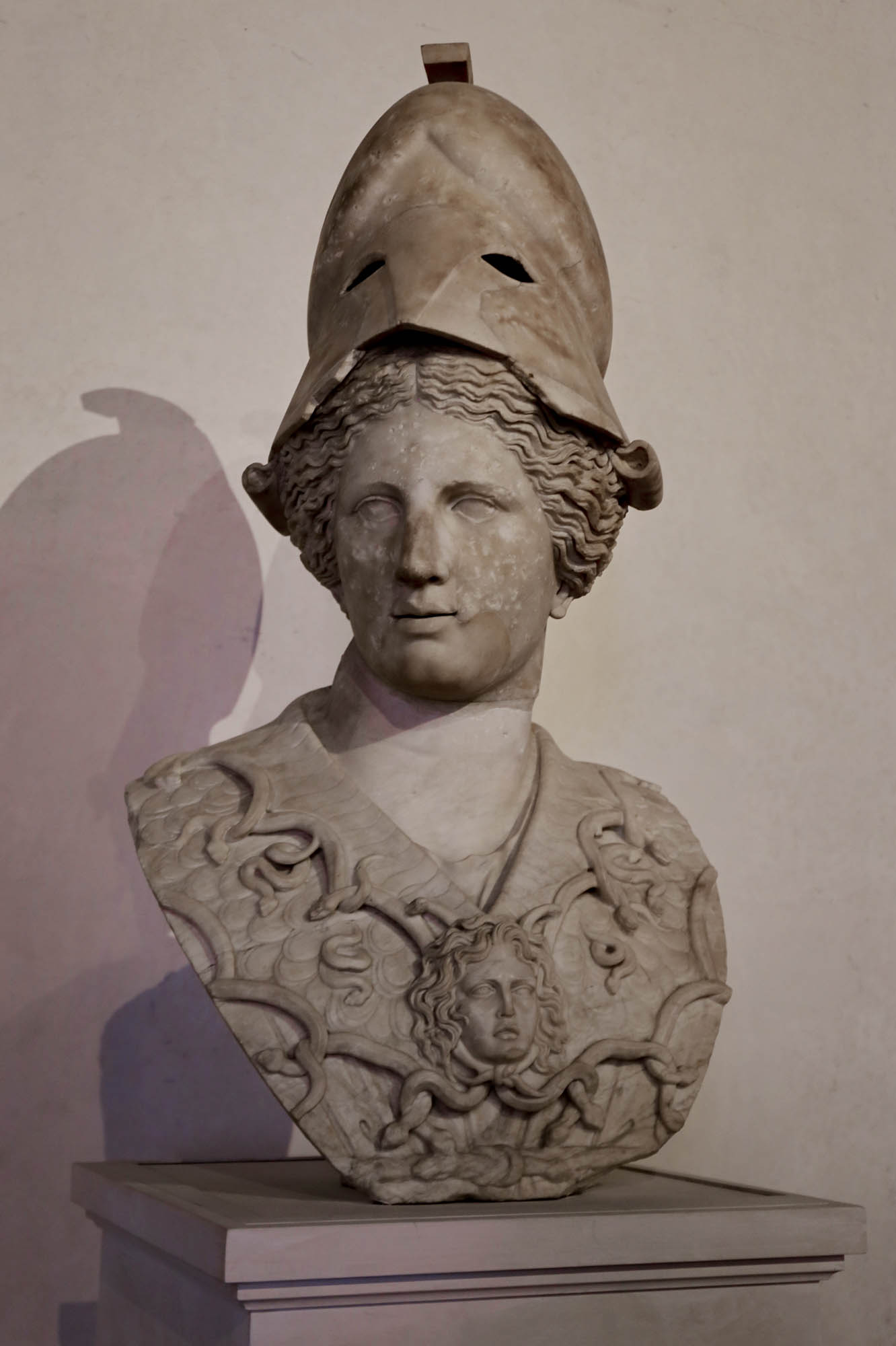
Pallas Athene Parthenos, a Roman imperial copy (1st-2nd century CE) of the 4th-3rd century BCE Hellenistic original

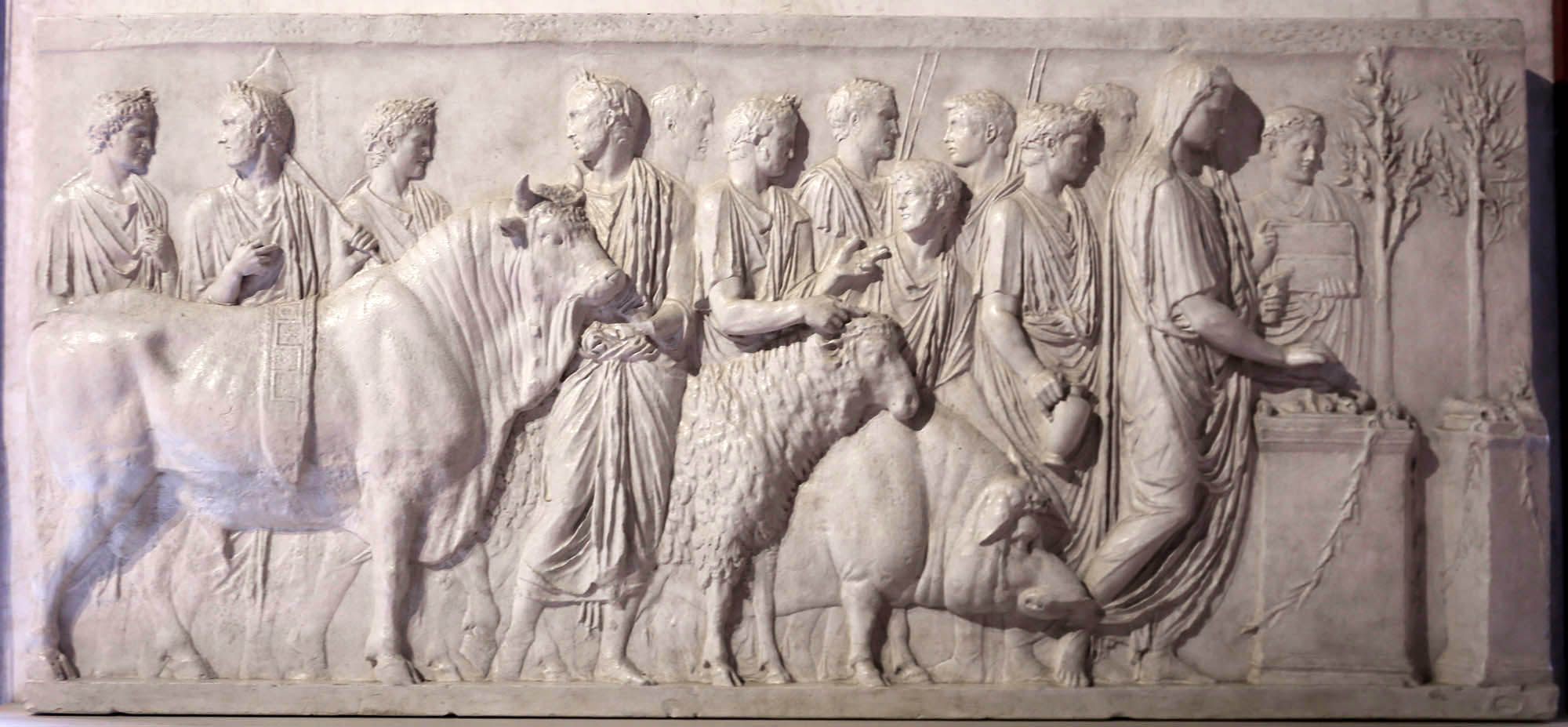
Suovetaurilia, a sacrificial offering of a pig, sheep, and bull for the community’s well-being and fertility – a 17th-century copy of a Roman relief unearthed in 1637 near Montalto di Castro and taken to the Louvre by Napoleon in 1801

The path leading through the four rooms culminated in the square-shaped Tribuna, with its coffered dome inspired by the Roman Pantheon. It was here that the majority of the returned sculptures were placed. The arrangement of the sculptures deliberately follows the tradition of Renaissance cabinets of curiosities, where the focus was not on chronological or stylistic order, but on curiosity, the decorative, trophy-like accumulation of objects that invited unexpected associations between the sculptures placed side by side.
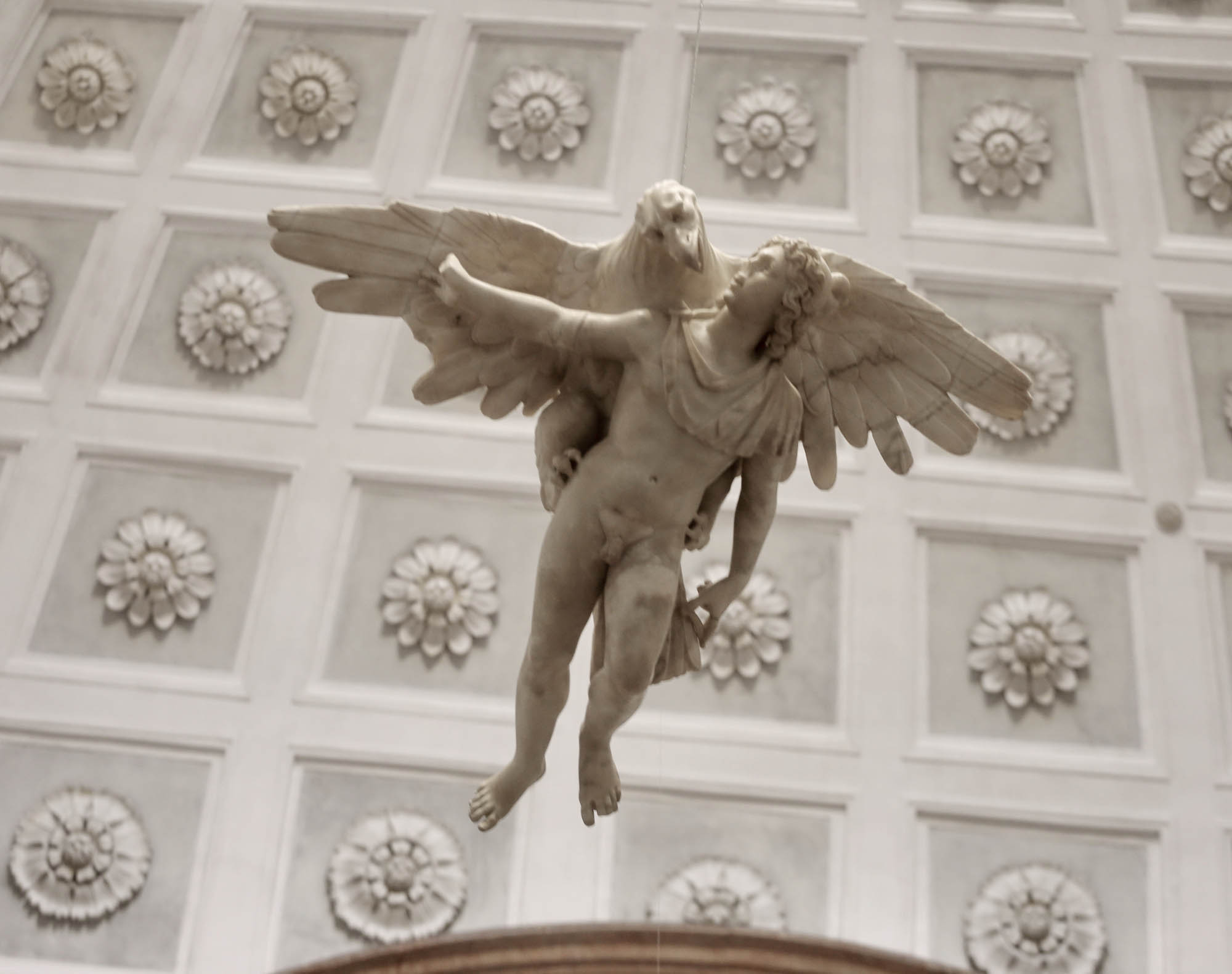
One of the most surprising placements is the 2nd-1st century BCE sculpture of the Rape of Ganymede, suspended directly beneath the dome opening, as if the eagle had flown through the opening to abduct the young cupbearer and take him to Zeus.

grimani2 grimani2 grimani2 grimani2 grimani2 grimani2 grimani2 grimani2 grimani2 grimani2 grimani2 grimani2 grimani2 grimani2

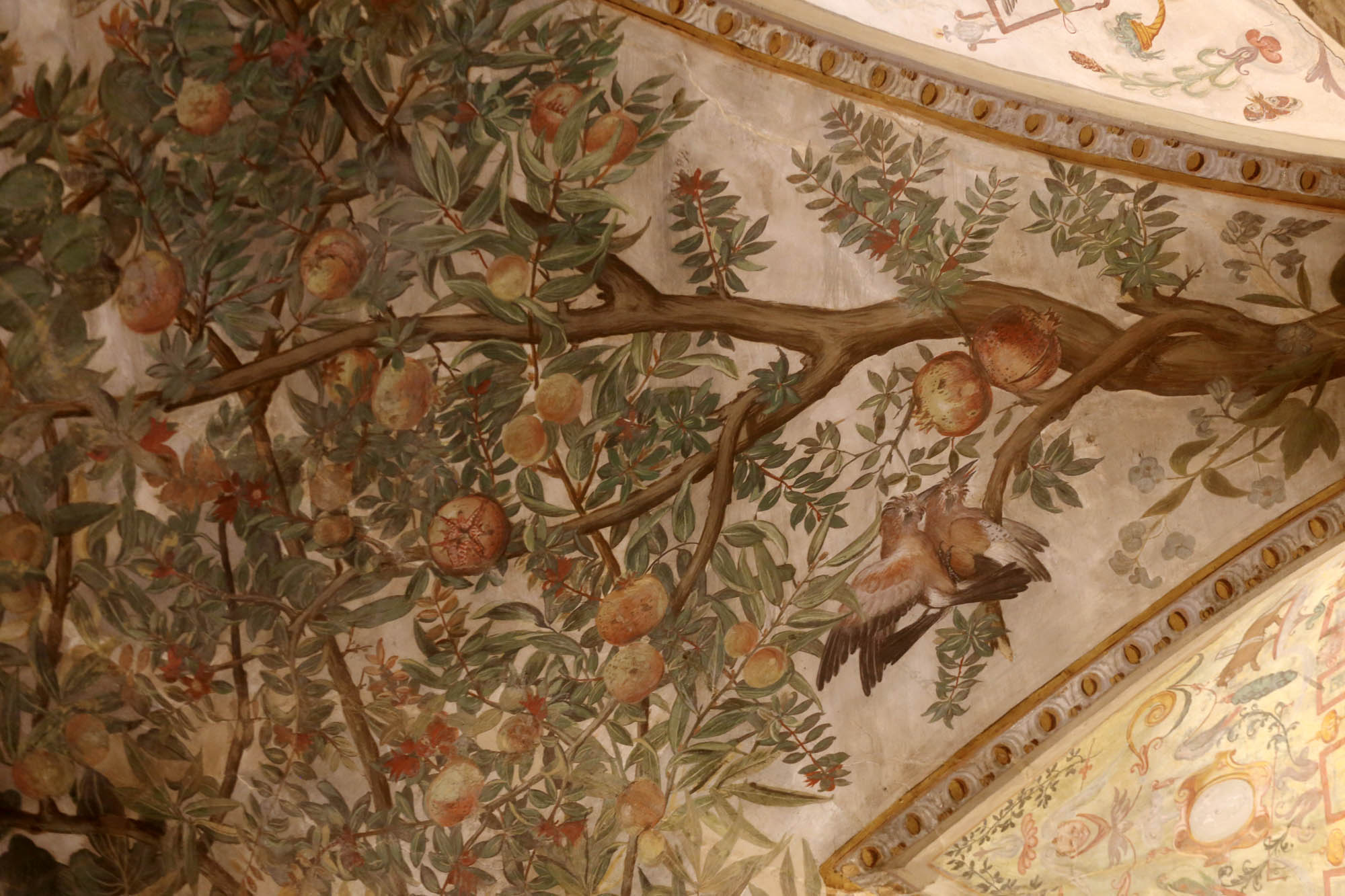
Another interesting room is the Sala a Fogliami, the Room of Foliages, named after the ceiling’s foliage decoration. The many trees, fruits, flowers, and the birds flitting and hunting between them are depicted with scientific precision, leading us into the next chapter of Renaissance wonder rooms – the shift from man-made wonders to those created by God.
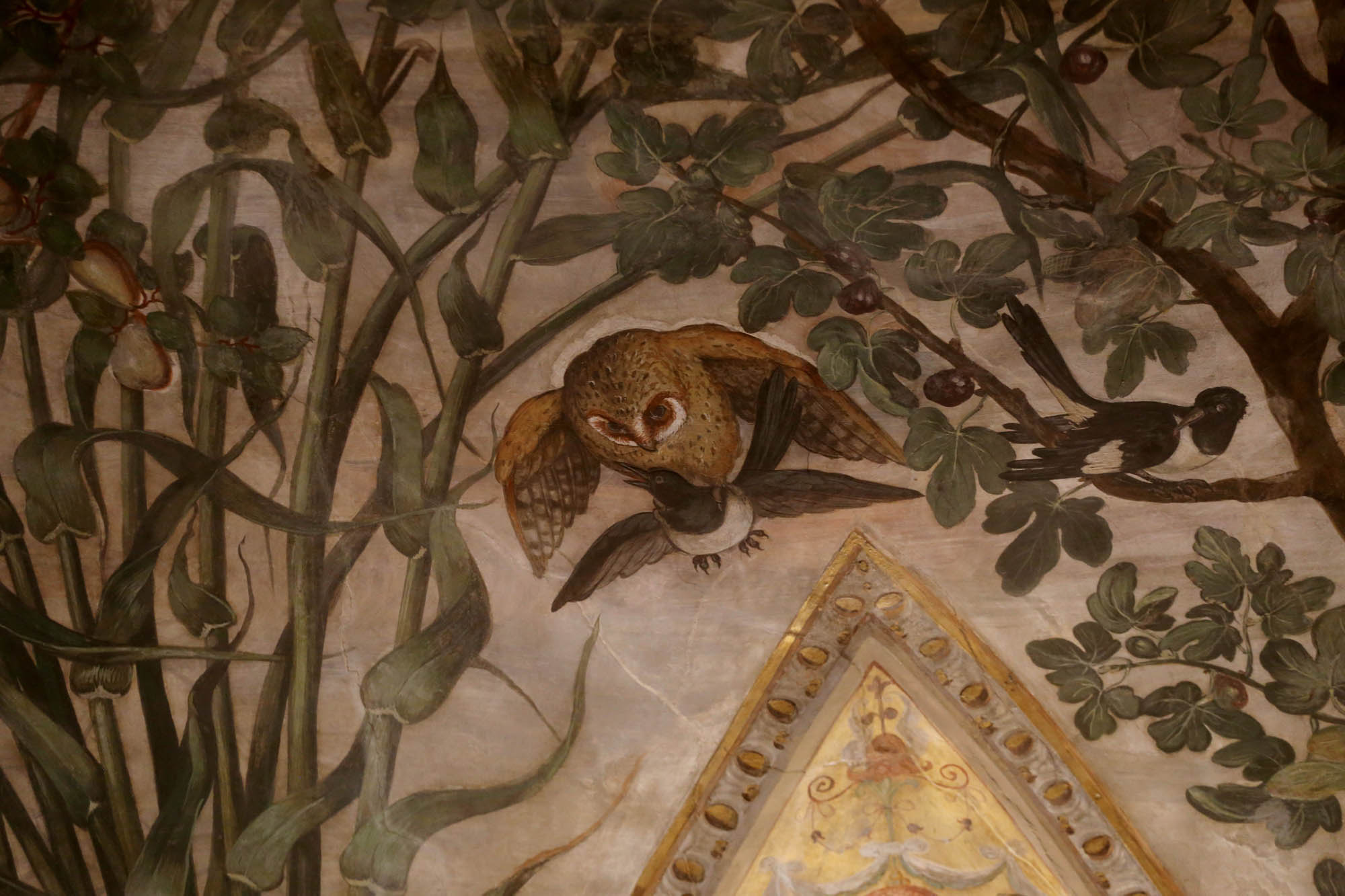
grimani3 grimani3 grimani3 grimani3 grimani3 grimani3 grimani3 grimani3

Natural curiosities – narwhal tusks, ostrich eggs, and deformities – had already found a place in medieval princely collections alongside artworks. However, it wasn’t until the flow of discoveries into Europe and the growing interest in natural sciences that these naturalia began to share equal footing with artificialia in cabinets of curiosities. This change took place in the 17th century, after the Grimani collection was completed, so from a Kunst- und Wunderkammer, Wunder is represented only on the ceiling of this room.

A new exhibition now aims to address this imbalance, hosted in the eastern wing of the Grimani Palace, facing the canal, under the title A Cabinet of Wonders.
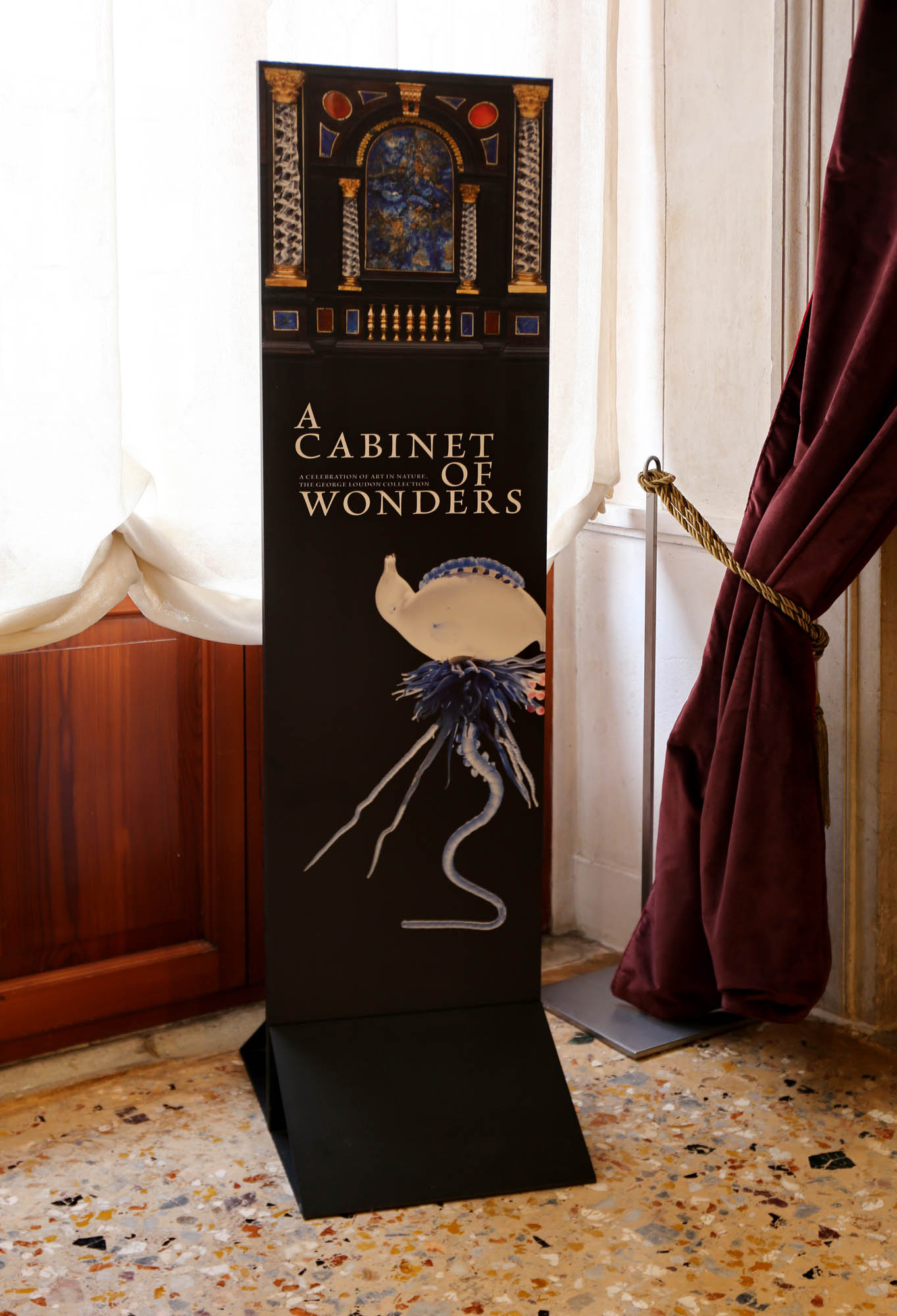
Inside the palace, the Camerino di Callisto and Camerino di Apollo are considered Giovanni Grimani’s former private studiolo, where he may have kept part of his collection – perhaps the gems and natural curiosities that hadn’t yet been organized into a Wunderkammer. In these rooms, alongside the Sala del Doge and the palace chapel, a dual exhibition was staged – a Kunst- und Wunderkammer that never existed here but could have, much like in the numerous 17th-century palaces in Venice and beyond.

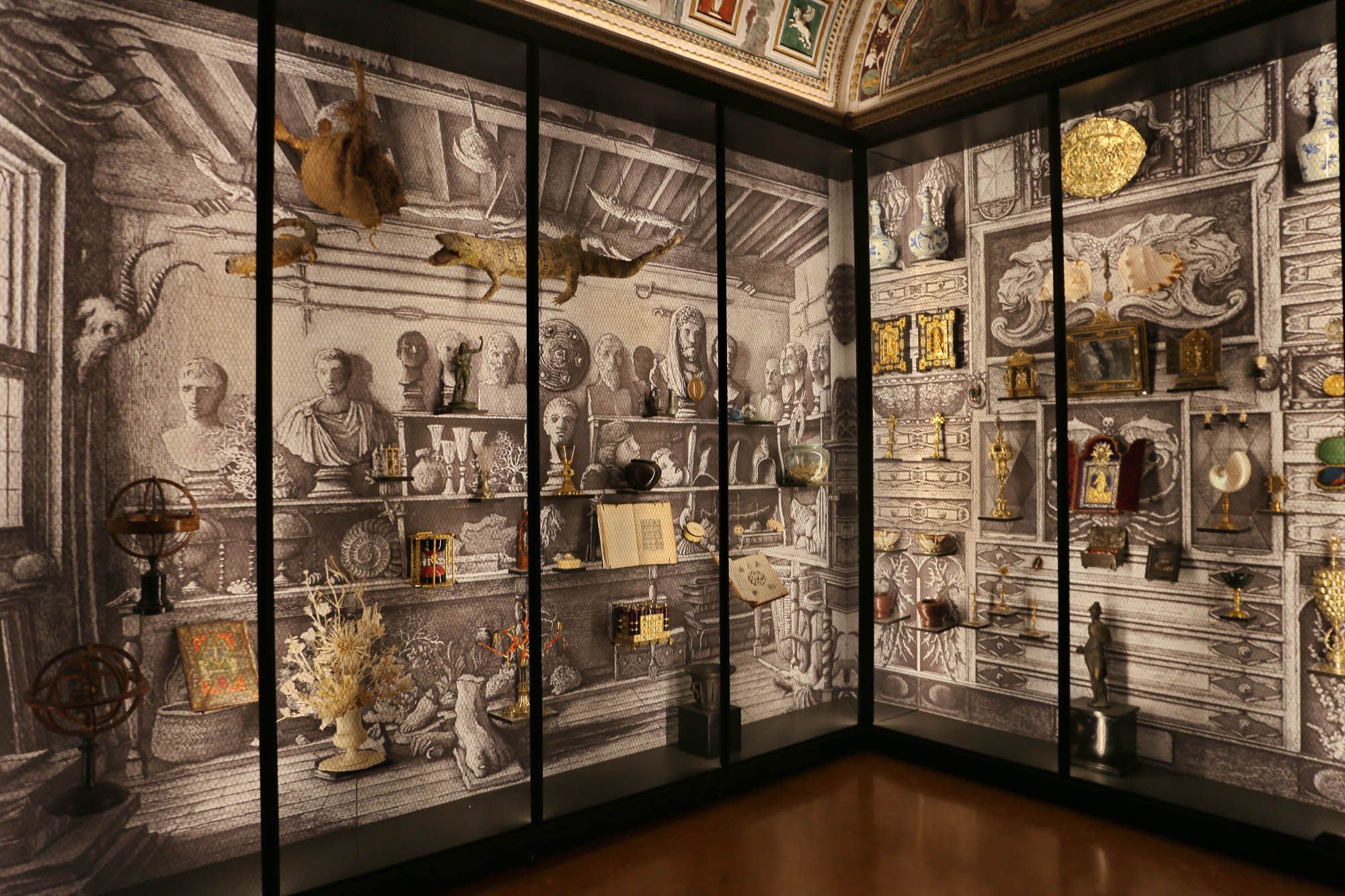
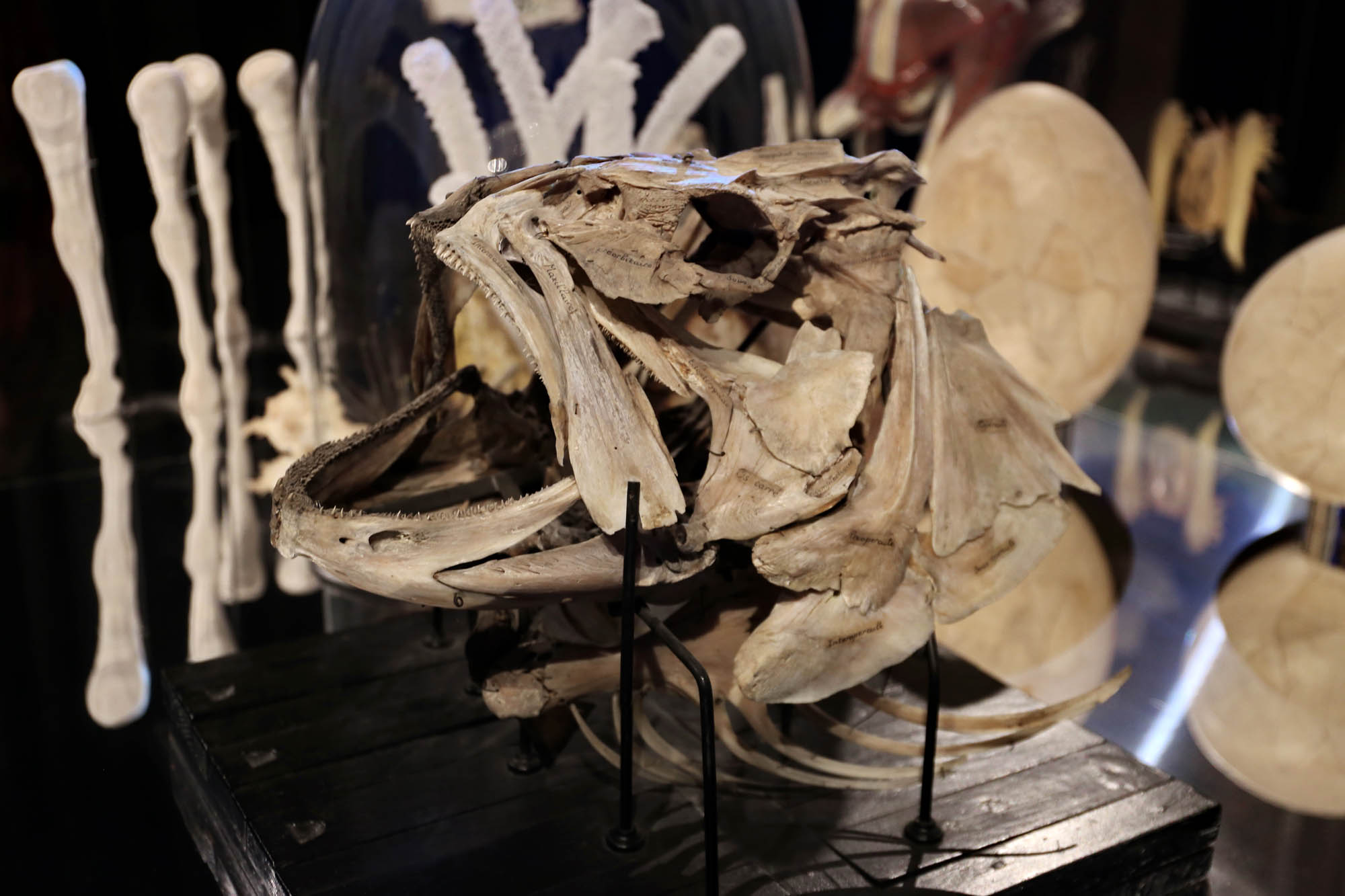
The first part of the exhibition reconstructs an authentic-looking wonder cabinet with objects selected from Venetian and other museums. The artificialia include works by Titian, Giambologna, young Brueghel, and Veronese, along with silverwork, inlaid cabinets, and gold automata. These are all scrutinized by the critical gaze of Grimani’s portrait, painted by Jacopo and Domenico Tintoretto, which hangs on the wall. The background of the naturalia is a 17th-century engraving of a Wunderkammer, from which emerge colorful specimens, corals, shells, fish, and, of course, crocodiles – essential elements in every cabinet of wonders.
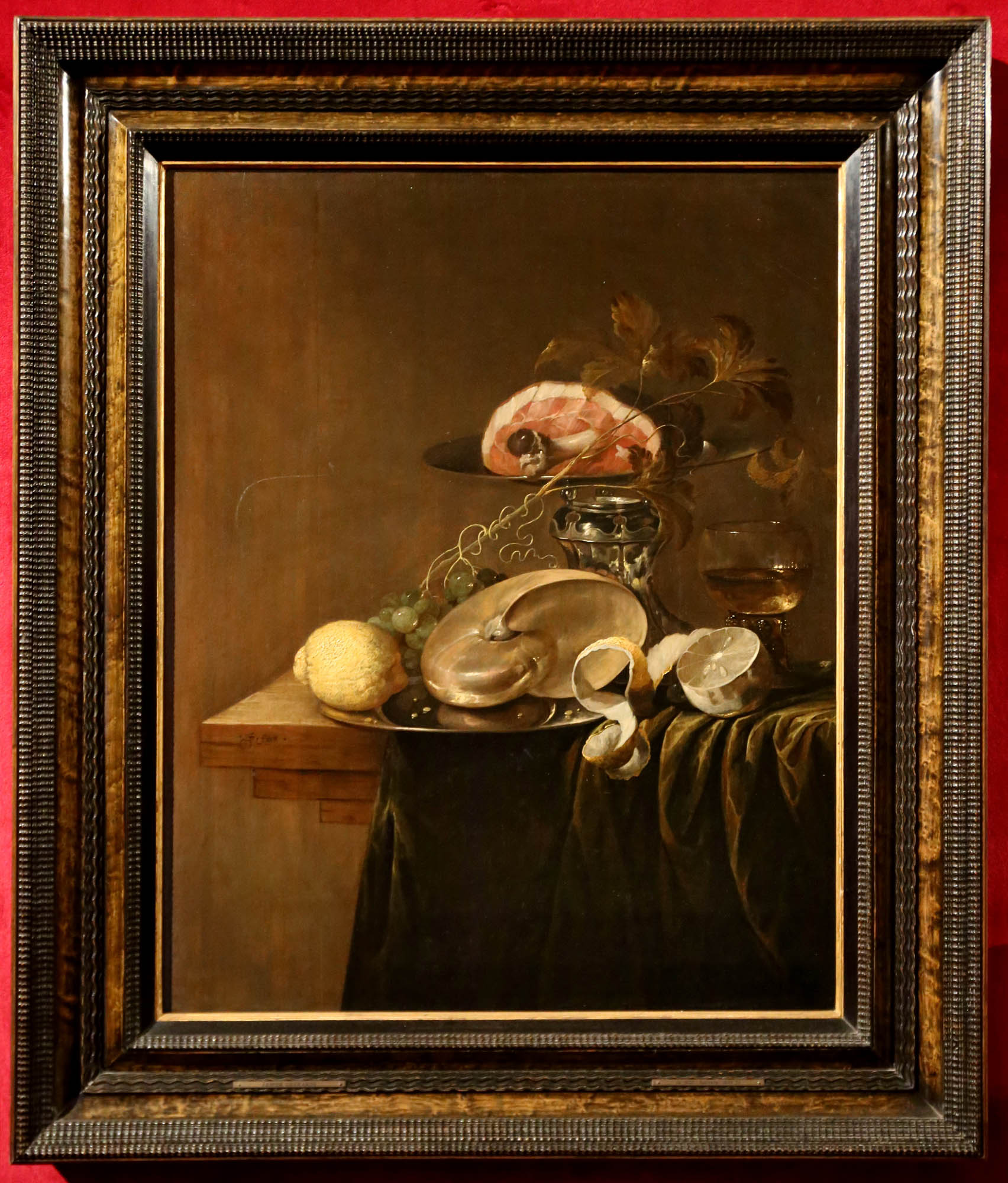
grimani4 grimani4 grimani4 grimani4 grimani4 grimani4 grimani4 grimani4 grimani4 grimani4 grimani4 grimani4 grimani4 grimani4 grimani4 grimani4 grimani4 grimani4 grimani4

grimani5 grimani5 grimani5 grimani5 grimani5 grimani5 grimani5

grimani6 grimani6 grimani6 grimani6 grimani6 grimani6 grimani6 grimani6 grimani6 grimani6 grimani6 grimani6

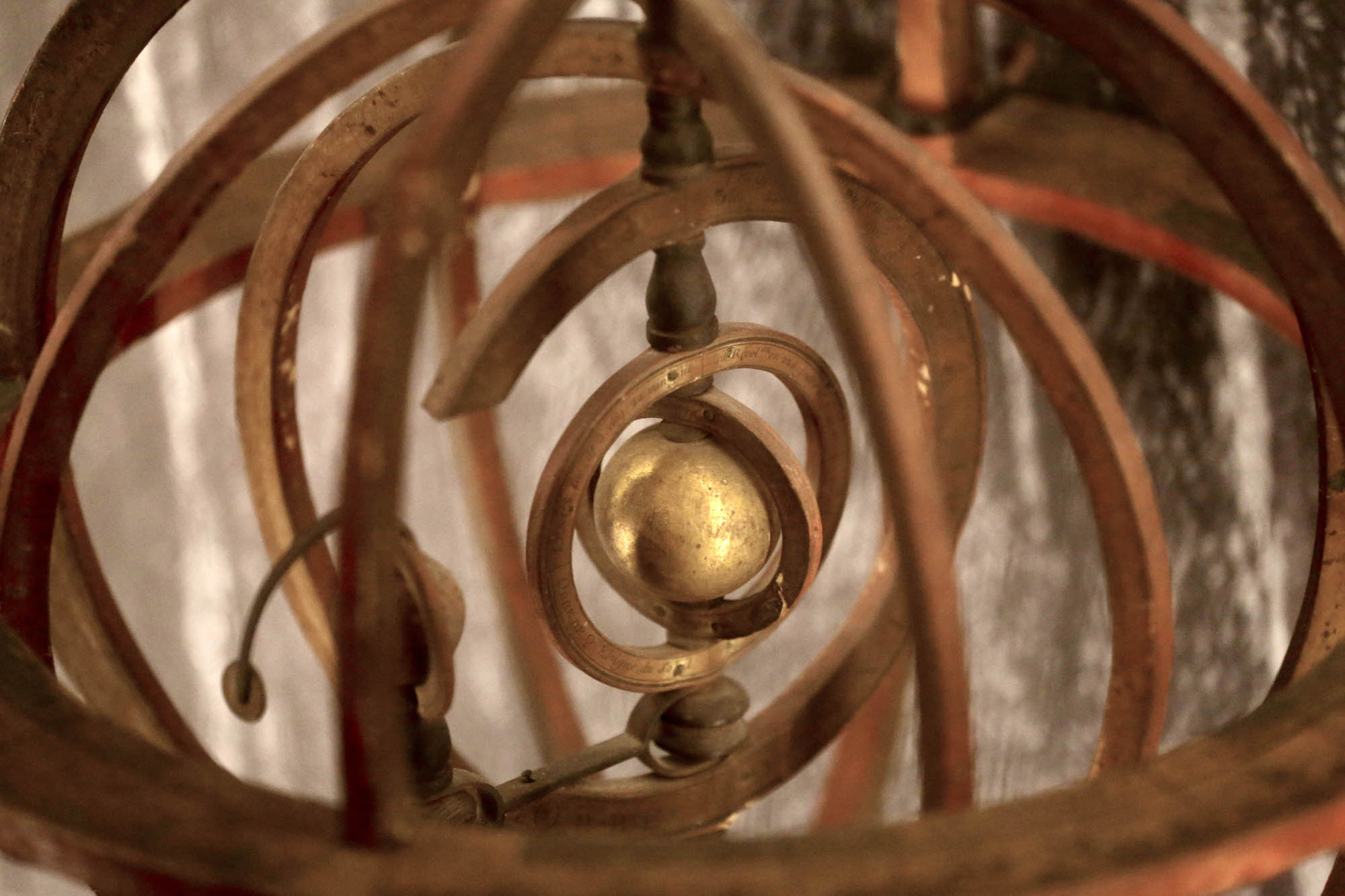
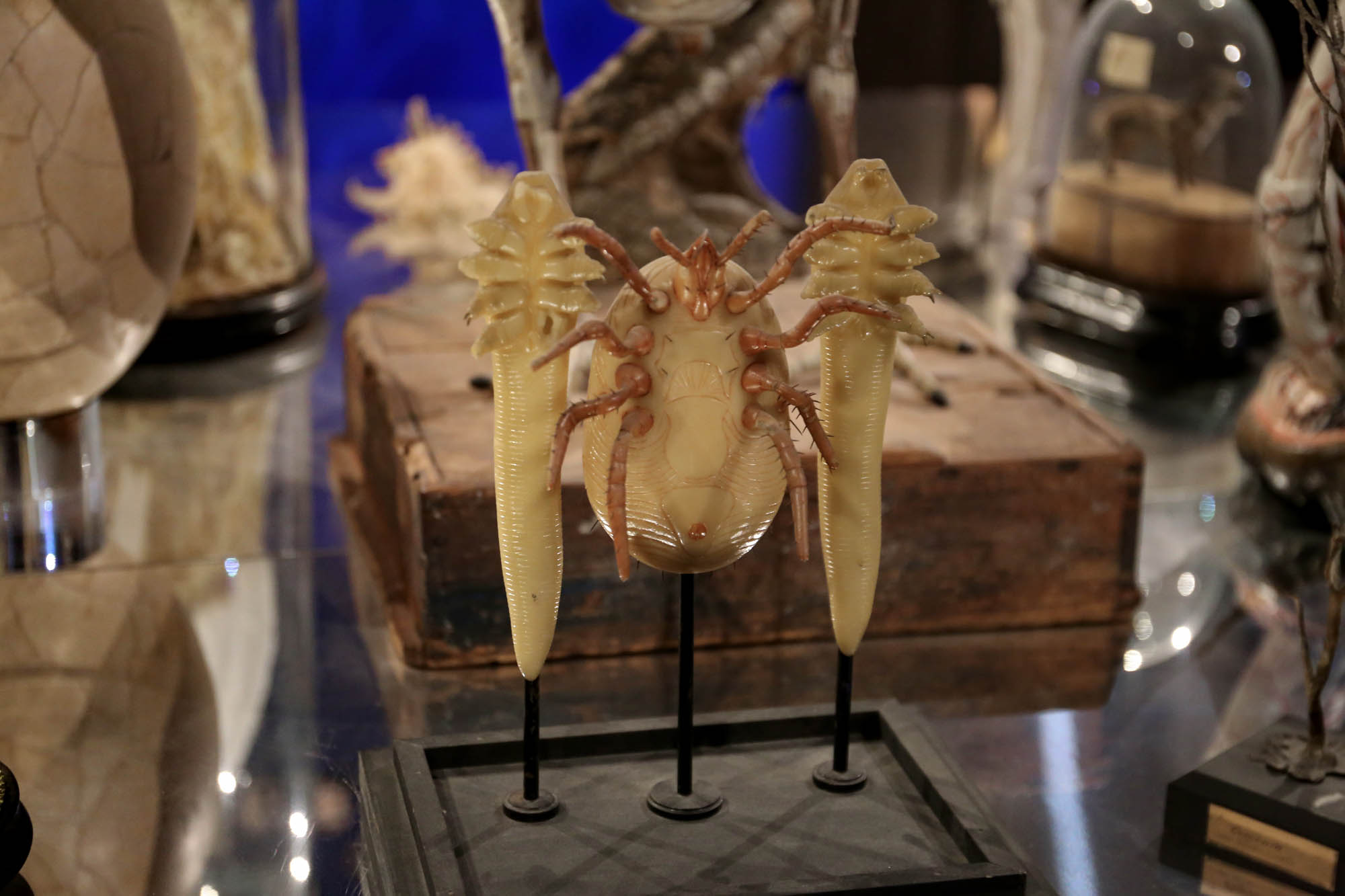
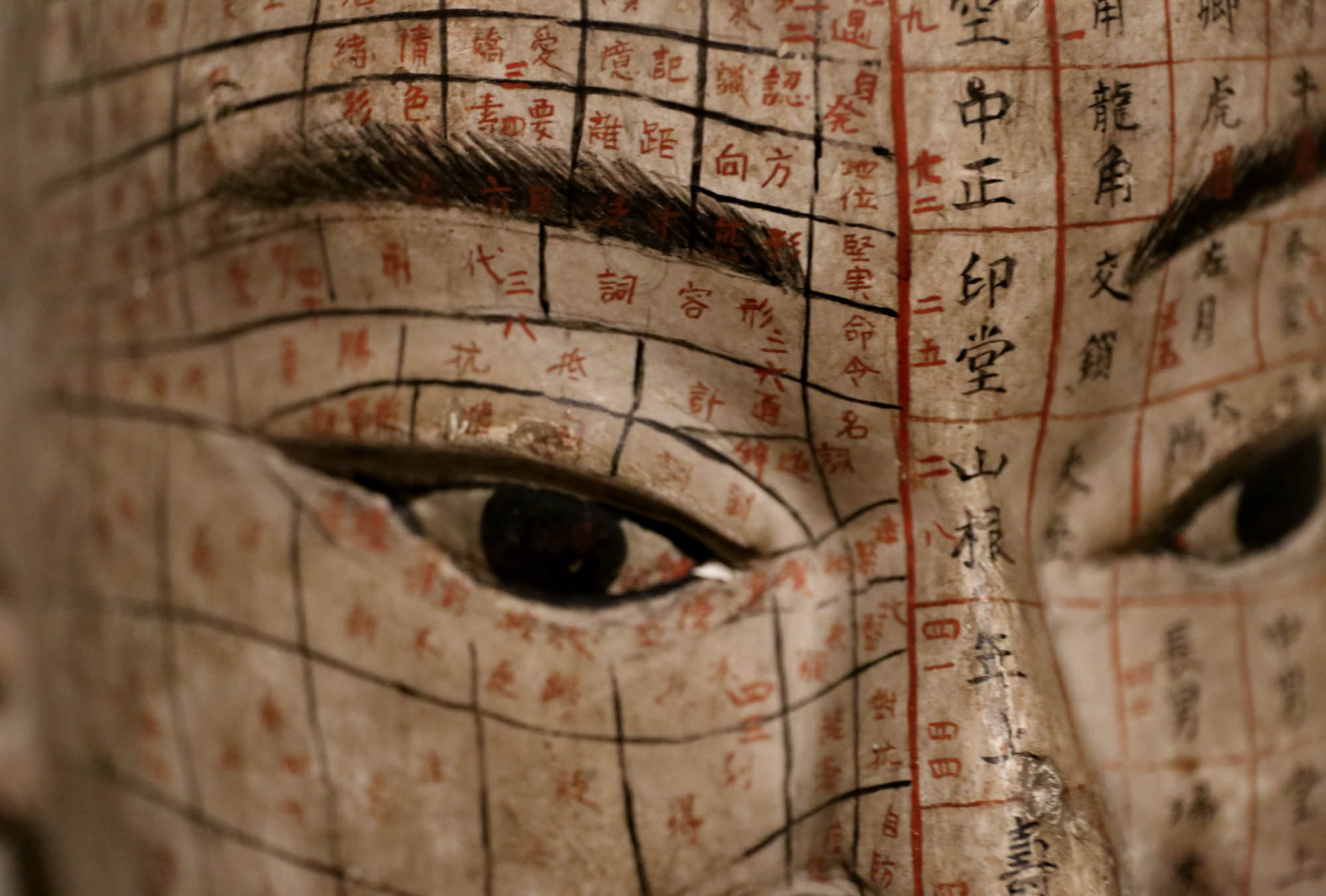
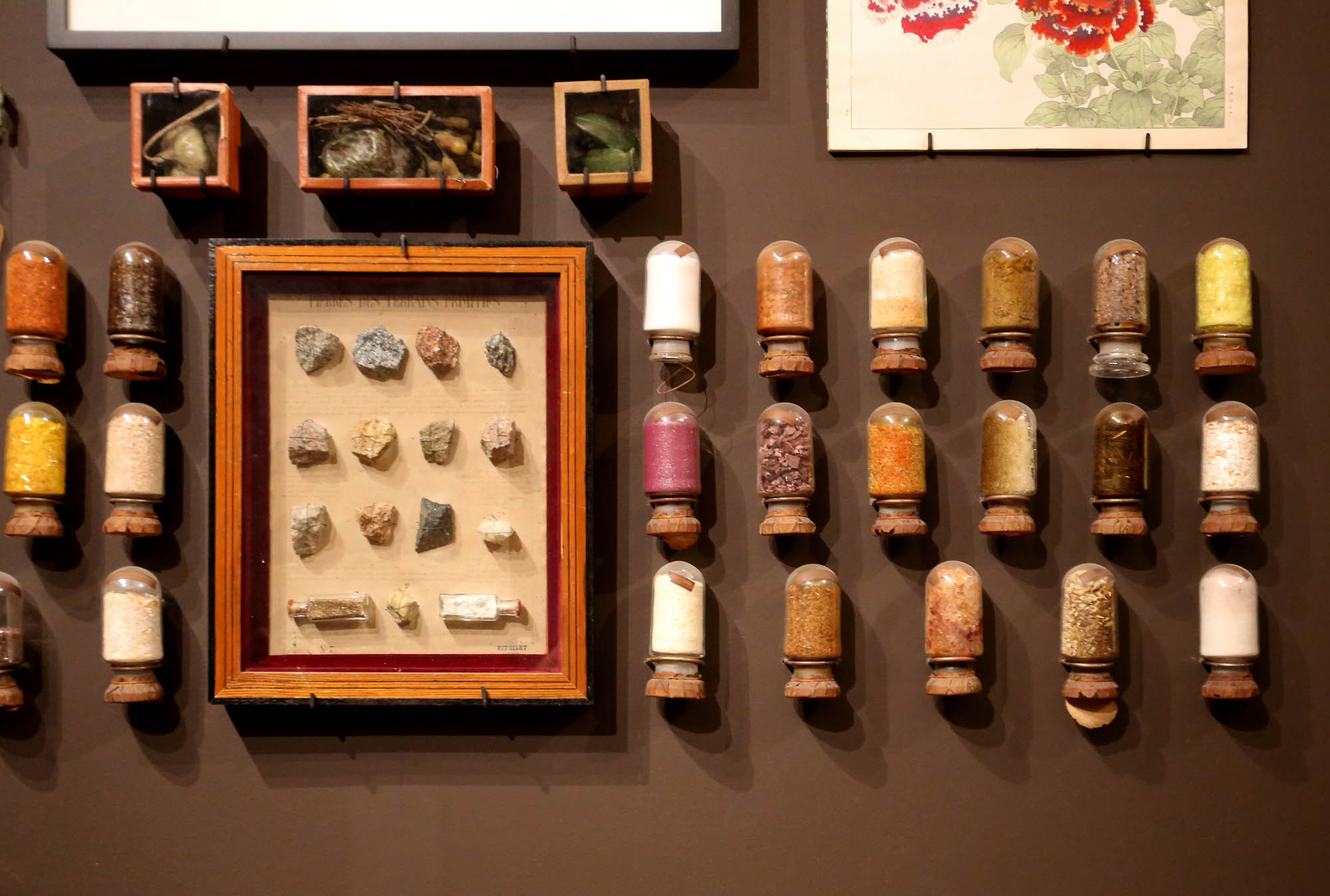
The three rooms following the two camerini display a contemporary Wunderkammer, almost complete, featuring the collection of George Loudon, a Dutch collector living in London. Loudon, who began collecting at a young age, finally found his true passion for contemporary art in the 1970s. This led to his next obsession – collecting scientific educational tools, as he says, “which have lost their didactic purpose, and now we can do whatever we like with them.” Thus, they can be viewed as art, appreciated for their beauty, craftsmanship, and the technical knowledge of their creators.
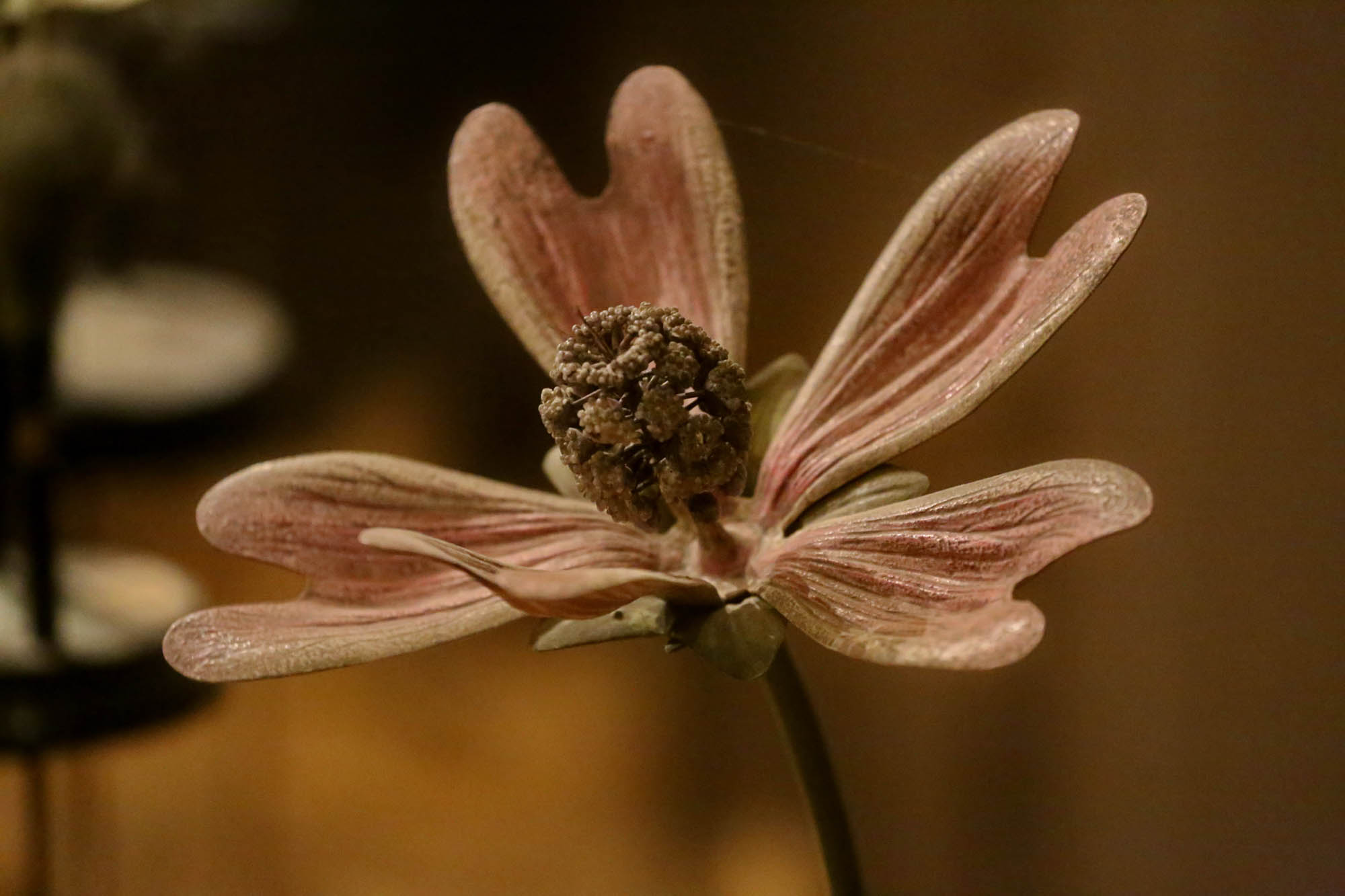
grimani7 grimani7 grimani7 grimani7 grimani7 grimani7 grimani7 grimani7 grimani7 grimani7 grimani7 grimani7 grimani7 grimani7

This viewpoint illustrates how the concept of the cabinet of curiosisties has evolved over the past century. Up until the late 18th century, its objects were regarded as creations of God, and collecting and studying them was a way to understand the secret order behind them. As natural sciences gained more ground in the 19th century and took over this function, the wonder room faded from fashion. It was rediscovered in Julius von Schlosser’s 1908 monograph, and soon after, artists – especially the surrealists – seized on them for the possibility of free association between randomly accumulated curiosities. The essence of the cabinet of curiosities has since shifted from understanding a hidden order to creating artworks from objets trouvés, with viewers establishing associations or simply enjoying their diversity.

Today, the cabinet of wonders has even become a design style, particularly in American and British contexts. Dedicated magazines and experts now offer interiors and décor in the Wunderkammer style. It’s no surprise that curator Thierry Morel enlisted professional scenographer Flemming Fallesen to design the exhibition at a professional level recognized by gourmands as well.
grimani8 grimani8 grimani8 grimani8 grimani8 grimani8 grimani8 grimani8 grimani8 grimani8 grimani8 grimani8

grimani9 grimani9 grimani9 grimani9 grimani9 grimani9 grimani9 grimani9 grimani9 grimani9 grimani9 grimani9 grimani9 grimani9 grimani9 grimani9

grimani10 grimani10 grimani10 grimani10 grimani10 grimani10 grimani10 grimani10 grimani10 grimani10 grimani10

This approach has also led to the democratization of the cabinet of wonders. Today, it’s not the strict rules from the handbooks of humanist antiquarians and natural historians that define a cabinet of curiosities but the viewer’s eye. If we look around at the objects scattered across our desks – stones and shells brought from the beach, driftwood, colorful leaves and chestnuts, orpictures pinned to the wall – we can see: we too have our own Kunst- und Wunderkammer.
Our reputation in the world

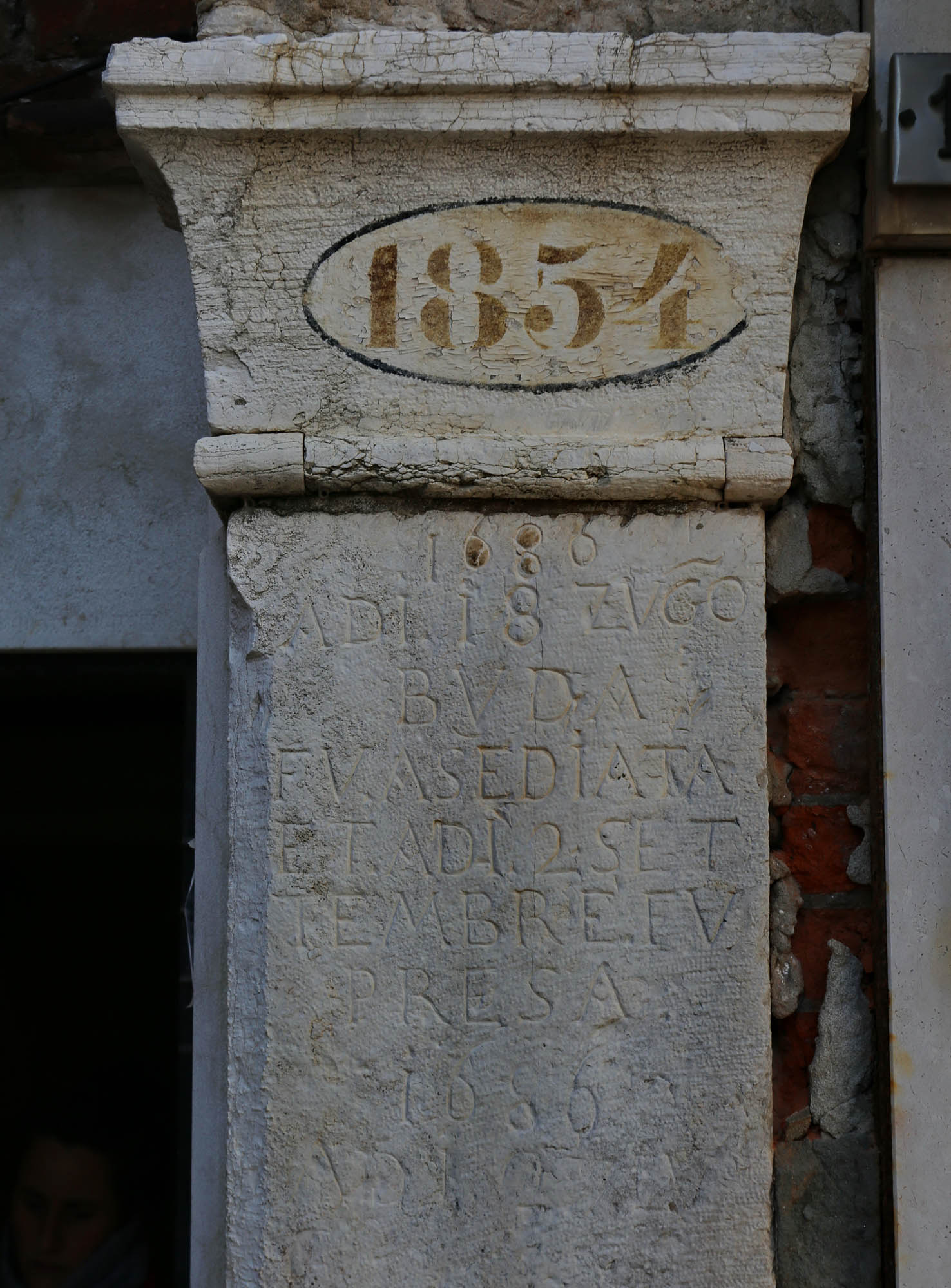
In Venice, a small square opens at the side of the San Cassiano parish church, where the Ponte de la Chiesa leads to the Calle dei Morti on the other side. This latter got its name from the parish cemetery that was once there. At the foot of the bridge steps, there stands the marble corner column of the only house in the square, which bears the house number 1854 on its capital. However, the inscription under the capital is only noticed by those who go close enough to see the letters engraved on it in low relief.

The upper, larger part of the inscription was engraved by a skilled hand in regular capital letters:

1686 A DÌ 18 ZUGNO BVDA FV ASEDIATA ET A DÌ 2 SETTEMBRE FV PRESA

Buda was besieged on June 18, 1686, and occupied on September 2

Beneath, another date was engraved in a freer hand:

1686 A DI 27 LV

On July 27, 1686

We do not know who considered it important enough to record the dates of the recapture of Buda from the Ottomans. But we know he was not alone.

The history of the liberation of Buda, occupied by Suleyman on August 29, 1541, goes back to September 1683, when the imperial German and Polish armies liberated Vienna from the Turkish siege, and a month later they also recaptured Párkány and Esztergom from the Turks. In the euphoria of the victory, Pope Innocent XI convinced the Hapsburgs, Poland and Venice to establish the Holy League for the recapture of additional Ottoman territories. The League’s troops already besieged Buda in 1684, but that time without success. In 1686, after a long preparation, they returned again and, after a three-month siege, at the cost of heavy losses, the finally took the city on September 2, after almost exactly 145 years of Turkish rule.

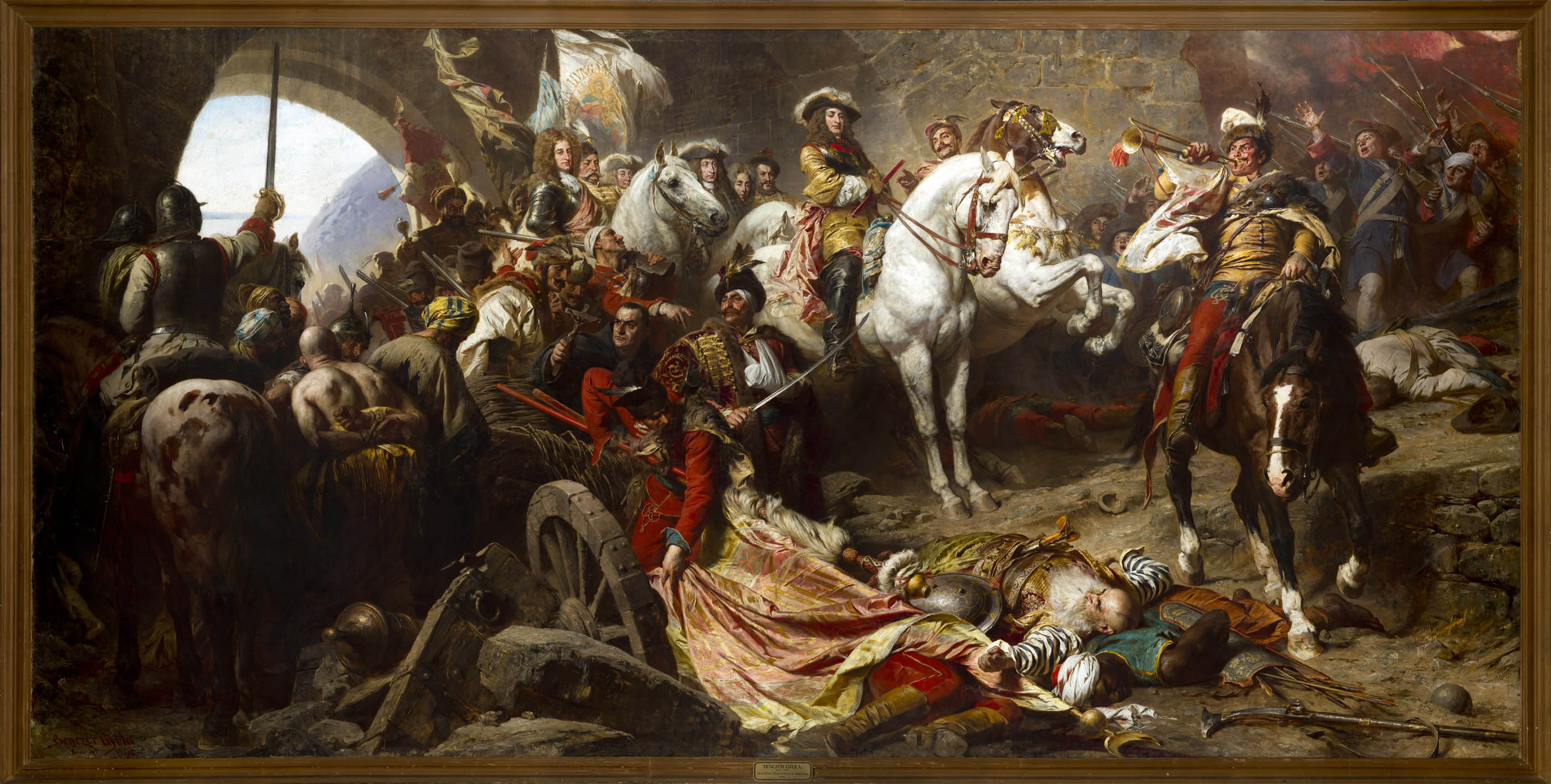
Gyula Benczúr: The recapture of Buda Castle, 1896. Entering through the castle’s Vienna Gate, Charles of Lothringen looks at the corpse of the Ottoman commander defending the castle, Arnavut Abdurrahman Abdi Paşa, whose monument stands behind the gate today

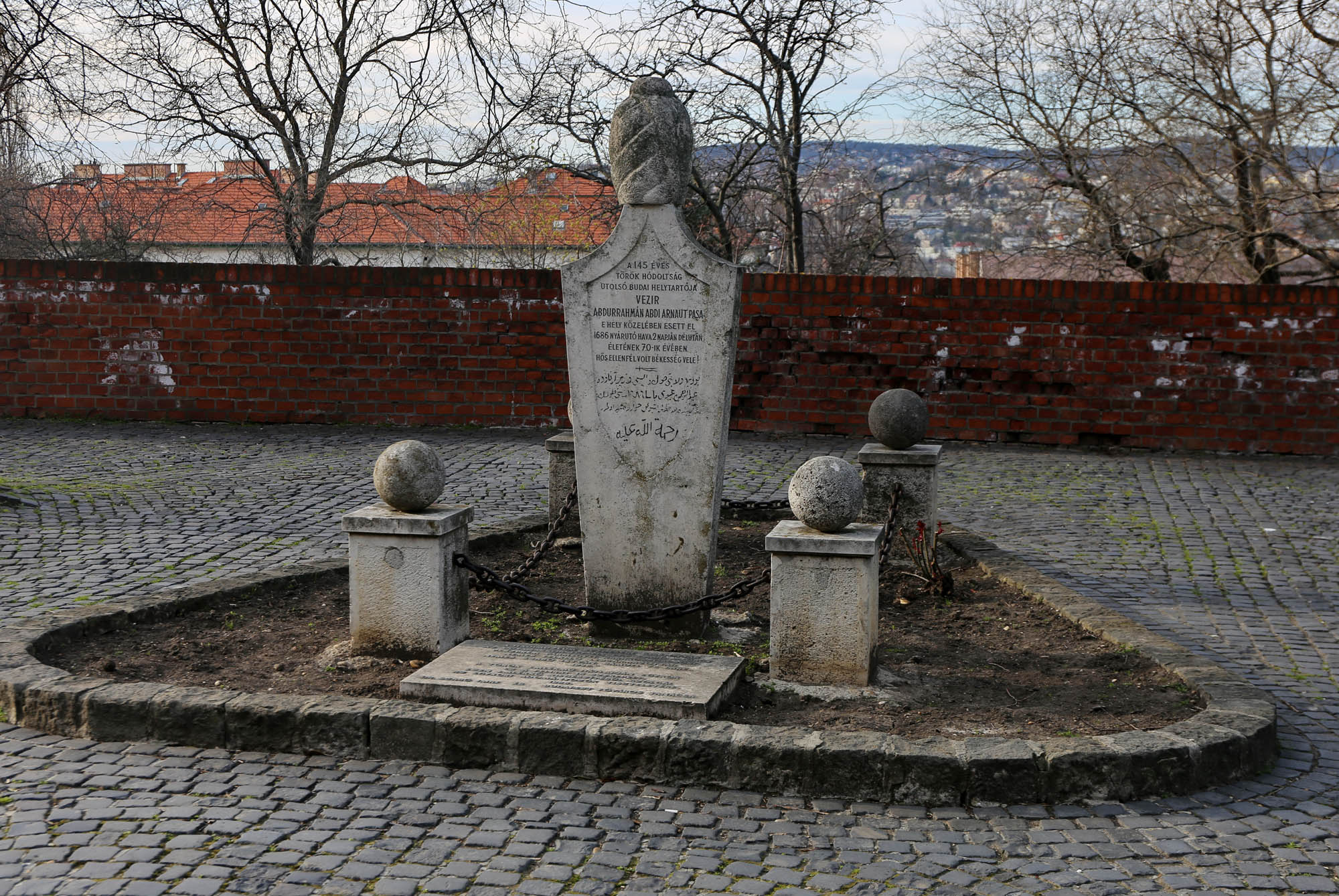
The monument to the Turkish commander of Buda stands at the place where he fell on September 2, 1686, defending the castle. It was erected in 1932 by the descendants of György Szabó, who fell in the same place, on the same day, besieging the castle. The inscription on the monument is in Hungarian, Ottoman Turkish and modern Turkish: “Arnavut Abdurrahman Abdi Paşa, the last governor of the 145-year Turkish occupation of Buda, fell near this place on the afternoon of the 2nd day of September of 1686, in the 70th year of his life. He was a heroic adversary, peace be upon him.”

The pasha’s death is also commemorated by Margit Kovács’s naive ceramics of 1977 at the Vienna Gate, at the beginning of Ostrom (Siege) Street. A particular blooper of the ceramics is that the castle in the background is besieged not by Christians, but by Turks, most probably under the influence of Géza Gárdonyi’s popular Stars of Eger, the most extensive romantic description of castle sieges in Ottoman-period Hungary

The recapture of Buda was celebrated all over Europe with fireworks, bell ringing and masses. This was especially the case in Venice, which, as a naval ally of the Holy League, liberated the Peloponnese from the Turks at the same time, which I will write about shortly. The inscription next to San Cassiano was also born out of this enthusiasm. It is not known, however, what the date of July 27 refers to. On that day, General János Eszterházy launched a major attack against the castle, but it was only partially successful, so it is unlikely that this is what the inscription reminds us of.

Fireworks on Brussels’ main square to celebrate the recapture of Buda

Among the celebrating cities was also Brussels, where, in addition to fireworks, several inns adopted Buda’s name. Around the lonely Buda Inn to the north of the city, a small village had developed by the early 19th century, which was later integrated into Greater Brussels as an industrial district.


Della Bosiers’ Fleur de Buda (1971) is about Brussels’ industrial district Buda

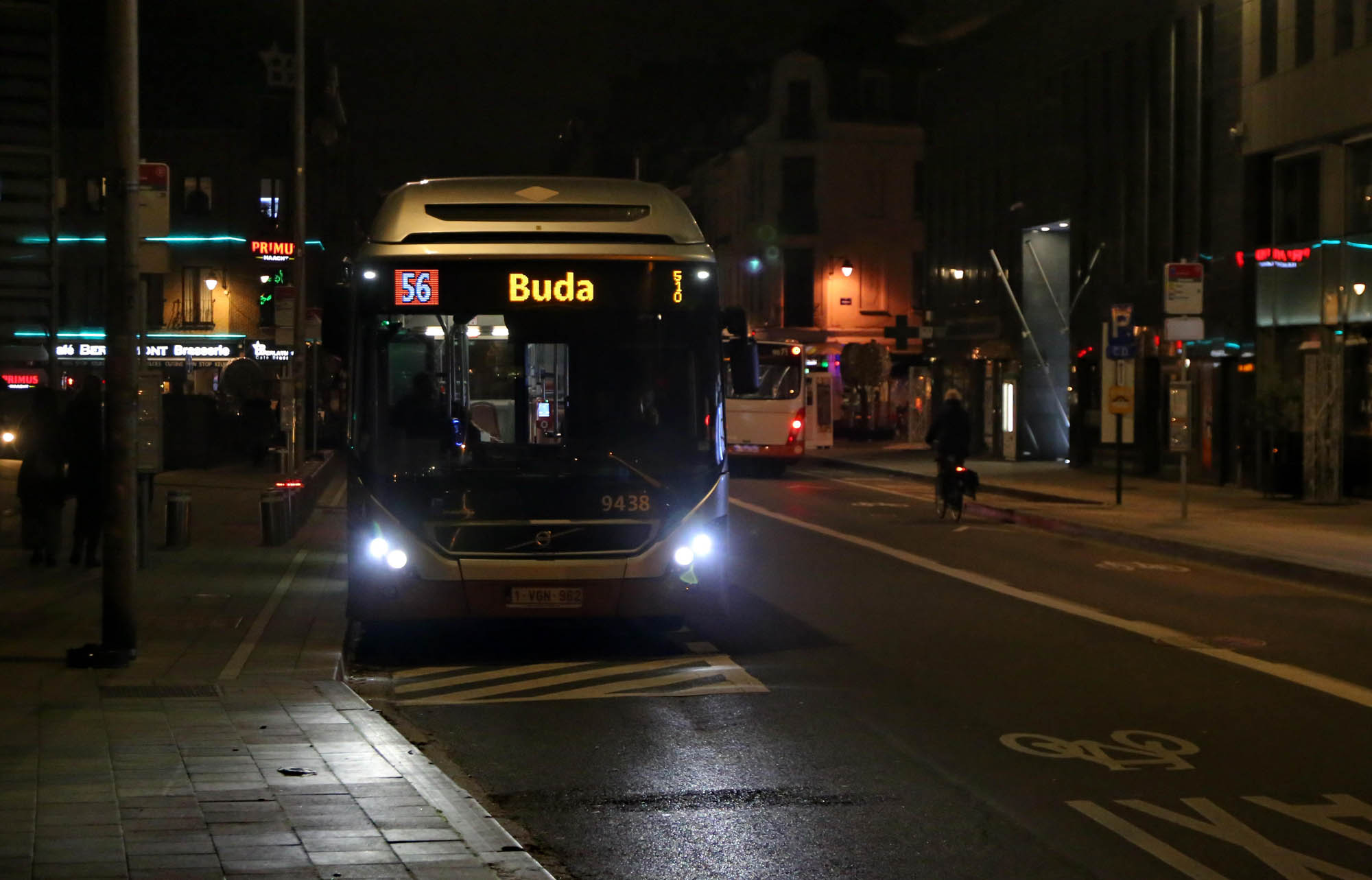
The next Hungarian historical event that made the hearts of all of Europe flutter was the revolution of 1956, after which squares and streets were once again renamed. Brussels already had its Buda, so what they did was to give number 56 to the bus going from the European Parliament to Buda quarter.

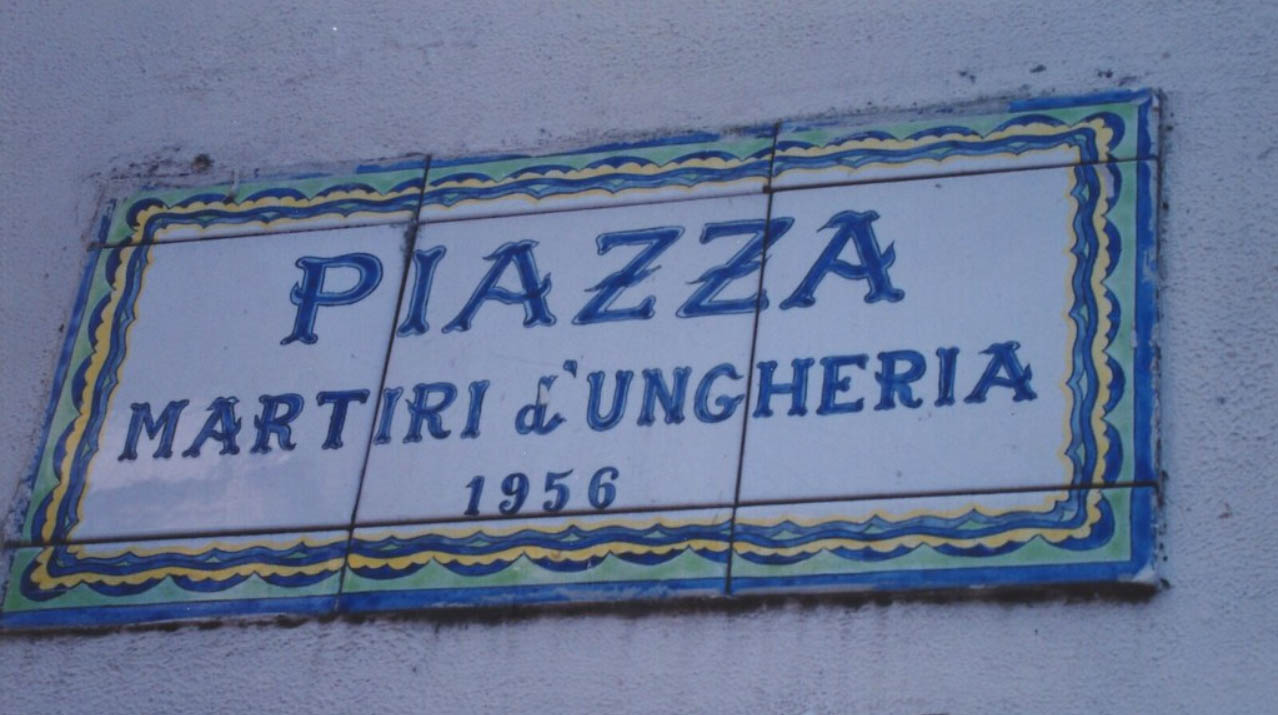
After the 1956 revolution, tens of thousands of Hungarian refugees were received in Italy as well, and squares in several cities were named after the Hungarian martyrs.

For example, in Capri (copyright by ribizlifőzelék)

Or in the Sicilian town of Piazza Armerina. On this October 23, we commemorated the anniversary here in a truly dignified place.

It was commemorated in a more dignified place by those Subcarpathian Hungarians, who in 1956 could not even dream of participating in the revolution, but now they are doing and promoting exactly what people of their age wanted to achieve in 1956, and what today’s Hungarian government wants to completely forget. After three hundred years, they are now improving our quite worn reputation in the world.    

“Russian, go home. 1956-2022. The 68th Territorial Defense Battalion of Subcarpathia, Ukraine”