Switch over to our new blog! • ¡Pásese a nuestro nuevo blog!

The renewed version of our blog, with more features, a richer design, and available in nine languages, can be read here: https://wangriver.com

The new version also includes the old posts, often in expanded form. If you are curious about the updated version of this post, replace “riowang.blogspot.com/” in the URL with “riowang.studiolum.com/”, and the new link will most likely lead you there.


La versión renovada de nuestro blog, con más herramientas, un diseño más rico y disponible en nueve idiomas, se puede leer aquí: https://riowang.com

La nueva versión también incluye las publicaciones antiguas, a menudo en una forma ampliada. Si tiene curiosidad por la versión actualizada de esta entrada, sustituya «riowang.blogspot.com/» en la URL por «riowang.studiolum.com/es/», y el nuevo enlace probablemente le llevará allí.

Mostrando entradas con la etiqueta Shajarian; Mohammad Reza. Mostrar todas las entradas

To the death of a master. Mohammad Reza Shajarian, 1940-2020


The day before yesterday, October 8, Mohammad Reza Shajarian, the greatest singer of Persian classical music, died in Tehran.

He has had kidney cancer for many years. As early as 2016, with characteristic sarcastic Persian humor, he referred to the disease as his “old friend”. But he kept performing. I, too, could hear him at concerts in Berlin and Isfahan, bony skin, but his voice… it was still the wonderful voice that dominated a thousand shades from pensive humming to roaring rebellion.

He was born in 1940 in Mashhad, Khorasan, one of the most conservative cities in Iran. His father was a Quran singer, who also taught his son to recite the Quran. For him, all other kinds of music were haram, forbidden, pagan music. His uncle, however, who was also a singer and a great music lover, introduced him to Persian classical and folk music.

Persian classical music is not yet well known in Europe, only a delicacy for gourmets. But it deserves to be paired with European classical music. Partly because it dates back many thousands of years. What is more, the music of Persian palaces even inspired European music through Greek music, being, among others, the source of the tonal system. And partly because it is just as sophisticated and stunning. The kind of music you listen to enchanted for hours, like a Bach solo sonata. I have already posted some examples here on the blog, you are invited to browse through them in the “Music” column of the Persian letters collective post.

By the age of twelve, Shajarian had learned the rigorously structured canon of Persian music, the radif, and at nineteen he performed on Radio Khorasan. and then on the Iranian state radio and television. Within two decades, he became one of the greatest figures in Iranian music. On September 8, 1978, when Shah Reza Pahlavi introduced martial law, and the army fired on the protesters gathered in Tehran’s Jaleh Square, the leading figures in Iranian music wrote a protest letter to the government, resigning from all appearances on state radio. The letter was written by Shajarian himself. It was during this period that he organized the Chavosh Cultural and Art Society, where, along with many other prominent classical musicians, revolutionary and protest songs were written and performed.

After the anti-Shah revolution won in January 1979, in February Ayatollah Khomeini arrived from the exile in Paris. Through his armed guerrillas he systematically destroyed the bourgeois and leftist organizers of the revolution, and established an Islamic republic. Shajarian withredw. The Islamic radio continued to play his songs as of the bard’s of the revolution, but it wasn’t until 1985 that he re-emerged, this time with songs against the new regime. The title of his new album, Bidâd both meant “injustice” and “without voice”. The lyrics of the classical melodies come from the 14th-century Hafez. “This home was the land of companions and the kindhearted”, sings Shajarian Hafez. “When did kindness end? What happened to the land of companions?”

Shajarian: بیداد Bidâd, “Injustice/Without voice”

From then on, he continuously performed and released a number of records with classical melodies and poems by classical Persian poets, and always with metaphorical allusions against the regime (which shows that the hidden rebellion against the oppressive system has long centuries of tradition in Persian poetry). I have already quoted one of his most popular songs, the Morning bird, widely sung today, along with a translation here on the blog, as well as the diagnosis of tyranny, It’s winter. These, although understood by all, did not yet blow the fuse of Iranian censorship. The regime needed him too much.

After the brutal crackdown of the “Green Revolution” of 2009, however, Shajarian openly announced – just as he did under the Shah –, that he would ban further performances of his 1979 revolutionary songs on state radio and television, because he considered it cynical from a regime that suppressed a revolution. The regime took primitive revenge, as is the custom of repressive regimes. The master was sentenced to silence, could no longer perform or record in Iran, and his famous Rabbana, the prayer breaking the fast of Ramadan each evening, that harkened back to his childhood roots as a Quranic reciter, and which had been continuously played by state broadcasters since 1979, was removed from programs. “Ramadan without Rabana is like Christmas without Christmas carols”, one of his fans explained to the Guardian. Since then, he could only tour abroad. I could listen to him several times in Berlin with the greatest performers of Persian instrumental music, Hossein Alizadeh on tar and Kayhan Kalhor on kamanche.

Speaking of personal memories: I first heard the Master live in 2007. We timed our trip to Iran so that we could attend the concert, the date of which I heard from my Persian friends. In Tehran, however, nobody knew about the concert announced in Vahdat Hall. For our ticket bought for the date, we could listen to an elderly chanson singer, a Persian Karel Gott (but during the break I was able to meet many figures from the elite of Tehran). Then it turned out that the concert had been moved to Isfahan. We immediately went there by train (which was not easy, since the train stations were still under military control), and we indeed found the temporary ticket office set up on the main square, in the ground floor of the Shah’s Palace. “But this is that kind of… Persian music, you know”, the ticket seller tried to explain so as we would not be disappointed later. “Of course. That’s why we came. I know the Master well, I have all his CDs”, I said with a radiant face. They called Shajarian’s personal manager, and I had to prove to him that I knew who I was talking about. When he finally believed it, we got VIP tickets in the front row, next to Shajarian’s daughter. And during the break the manager came to us. “The Master wants to see you.” We went up to the backstage locker room, where Shajarian thanked us infinitely modestly and gratefully for coming to hear him from far away Europe. He asked his photographer to make a joint photo, and presented us with dedicated CDs. On the way home – well after midnight, as the concert lasted four hours – the taxi driver put in a Shajarian tape. When it turned out I knew who was singing and what, he burst into tears and gave me the tape.

At the news of his death, thousands of his fellowers gathering around Jam Hospital converted public mourning into spontaneous anti-regime protests. “Death to the dictator. Shajarian does not die”, they chanted.

He was the best performer of one of the subtlest music in the world. A piece of the music itself died with him.

Shajarian: ببار بارون Bebâr bârûn, “Pour, rain”

pour, oh rain, pour, with tears
of my heart, pour blood, pour
like my love’s hear on a dark night
like Majnun for Leyli, pour
oh rain

my heart is full, pour blood
pour on mountains and plain
my heart is full, pour blood
pour on mountains and plain
for the love, for those who
love this land, for the lovers
without a grave, pour
oh rain

pour, oh rain, pour, with tears
of my heart, pour blood, pour
like my love’s hear on a dark night
like Majnun for Leyli, pour
pour, spring cloud, with my heart
for the scent of my love’s hair
mourn these times, when moon
was swapped for dark night
oh rain

pour, oh rain, pour, with tears
of my heart, pour blood, pour
like my love’s hear on a dark night
like Majnun for Leyli, pour
oh rain

my heart is full, pour blood
pour on mountains and plain
my heart is full, pour blood
pour on mountains and plain
for the love, for those who
love this land, for the lovers
without a grave, pour
oh rain

pour, oh rain, pour, with tears
of my heart, pour blood, pour
like my love’s hear on a dark night
like Majnun for Leyli, pour
oh rain

pour with tears of my heart, pour
like my love’s hear on a dark night
like Majnun for Leyli, pour
oh rain


ببار ای بارون ببار
با دلم گریه کن خون ببار
در شبهای تیره چون زلف یار
بهر لیلی چو مجنون ببار
ای بارون 

دلا خون شو خون ببار
بر کوه و دشت و هامون ببار
دلا خون شو خون ببار
بر کوه و دشت و هامون ببار
به سرخی لبهای سرخ یار
به یاد عاشقای این دیار
به کام عاشقای بی مزار
ای بارون

ببار ای بارون ببار
با دلم گریه کن خون ببار
در شبهای تیره چون زلف یار
بهر لیلی چو مجنون ببار
ببار ای ابر بهار
با دلم به هوای زلف یار
داد و بیداد از این روزگار
ماه رو دادن به شبهای تار
ای بارون 

ببار ای بارون ببار
با دلم گریه کن خون ببار
در شبهای تیره چون زلف یار
بهر لیلی چو مجنون ببار
ای بارون 

دلا خون شو خون ببار
بر کوه و دشت و هامون ببار
دلا خون شو خون ببار
بر کوه و دشت و هامون ببار
به یاد عاشقای این دیار
به کام عاشقای بی مزار
ای بارون 

ببار ای بارون ببار
با دلم گریه کن خون ببار
در شبهای تیره چون زلف یار
بهر لیلی چو مجنون ببار
ای بارون

با دلم گریه کن خون ببار
در شبهای تیره چون زلف یار
بهر لیلی چو مجنون ببار
ای بارون


It’s winter


Sándor Kányádi, when applying the image of the cycle of nature to history and thus making understandable and supportable with the metaphor of the approaching winter that massive and irreversible destruction which took place in the past century not only in Transylvania, but in the whole of Eastern Europe, either consciously or unconsciously followed the example of those – Transylvanian and European – Humanist predecessors who, perhaps also for their own comfort, explained and represented as inevitable with the cycles of human life and nature the rise and decline of nations. The winter as a metaphor for desperate historical situations has a long tradition and is still alive in the literature of various peoples.


In Hungarian its most famous example is undoubtedly the last two stanzas of Mihály Vörösmarty’s Foreword, written “in Baracska, in the late winter of 1850-51”, which expands to cosmic proportions the tragedy of the lost war of independence of 1848-49 and the subsequent bloody retaliation. The introductory verse of the penultimate stanza, “Now it’s winter and snow and silence and death” is a well-known topos for every Hungarian even if they do not remember anything else of the poem. The particular cruelty of the poem is that while the winter metaphor implicitly includes the possibility of a nearing spring, Vörösmarty explicitly states that the spring, even if it will come, will be just a lie.

(…)

Most tél van és csend és hó és halál.
A föld megőszült;
Nem hajszálanként, mint a boldog ember,
Egyszerre őszült az meg, mint az Isten,
Ki megteremtvén a világot, embert,
E félig istent, félig állatot,
Elborzadott a zordon mű felett
És bánatában ősz lett és öreg.

Majd eljön a hajfodrász, a tavasz,
S az agg föld tán vendéghajat veszen,
Virágok bársonyába öltözik.
Üvegszemén a fagy fölengedend,
S illattal elkendőzött arcain
Jókedvet és ifjuságot hazud:
Kérdjétek akkor ezt a vén kacért,
Hová tevé boldogtalan fiait?
(…)

Now it’s winter and snow and silence and death.
The earth has turned white.
Not hair by hair like a happy man:
it turned white at once, like God
who, having created the world and man,
this half-god and half-animal being
was horrified over the grim work
and turned white and old in his sorrow.

Later will come the hairdresser, the spring,
and the old earth will perhaps take a wig,
she will dress in the velvet of flowers
the ice will thaw on her glass eyes
and on her cheek camouflaged with perfumes
she will lie cheerfulness and youth.
Ask then this aged coquette:
where has she put her unhappy children?


For our generation, if on a different poetic level, but a similar role was played by a song written by János Bródy after the state of emergency introduced on 13 December 1981 in Poland and the suppression of the Solidarity movement. The song, though at that time was broadcasted on the radio, could be first published on LP only after the change of the regime, on the album “1977-1990” performed by Zorán Sztevanovity.


János Bródy – Zorán Sztevanovity: Do not wait for May. From the album 1977-1990 (1990)

Készülj a hosszú télre, kedvesem
Mert hosszú lesz a tél, én azt hiszem
A szíved melegét tedd el nekem
Én majd a szemed fényét őrizem

Szedd össze mindazt, ami megmarad
Csak lassan égesd el a vágyakat
Csavard a lángot lejjebb, kedvesem
A tűzre szükség lesz még, úgy hiszem

Ne várd a májust, hiszen közelít a tél
Ne várd a májust, kedvesem
Öltözz fel jól, ha az utcára kilépsz
S ha fázol, bújj az ágyba velem

Szelíd legyél, derűs és hallgatag
És bölcs mosollyal tűrd, ha bántanak
Legyél folyó, s ha támad majd a tél
Páncélod lesz kemény és hófehér

Készülj a hosszú télre, kedvesem
Mert hosszú lesz a tél, én azt hiszem
Get ready for the long winter, my dear,
because the winter will be long, I think
Keep the warmth of your heart for me
and I will guard the light of your eyes

Pick up everything that remains
and just slowly burn up the desire
turn the flame down, my dear
we will still need the fire, I think

Do not wait for May, for winter is nearing
do not wait for May, my dear
dress up well when you step out to the street
and if you’re cold, get down in the bed with me

Be gentle, serene and silent
and put up a wise smile if you’re hurt
Become a river, and when winter attacks
you’ll have an armor, hard and white

Get ready for the long winter, my dear,
because the winter will be long, I think

Kata remembers it like this: “I do not know whether János Bródy wrote it on that occasion or not, but to me this song is clearly linked to the suppression of Solidarność. We were then twenty years old, we were looking forward to life to open to us, to be in love and to be happy. We just wanted to go to a concert of Tamás Cseh when we learned the news. Life was all of a sudden darkened and locked away by Jaruzelski’s rise to power. We were sitting with my friend in my tiny room, the former servant’s hall of a former bourgeois apartment, and talking about that now everything is over, and that we have to expect a durable repression and the hardening of the dictatorship also in Hungary. Judit told that there was only a single slice left to us from life, and it was love. I heard this song immediately after that. And the coming years in fact were about this, that in the long winter people tried to obtain from each other the fullness and spaciousness of life, which necessarily led to tragedies. So this song still today evokes the servant’s hall, and still my stomach tightens just as thirty years ago, and I recall those people whom I saw getting spoiled in those years.”


One of the finest examples of the winter metaphor, however, comes from Iran, from one of the greatest Iranian poets of the 20th century, the creator of Persian free verse, Mehdi Akhavan Sales (1928-1990), of whom we have already translated some poems. His poem Zemestân ast – It’s winter is still so important in Iran that the greatest living musicians, the repeatedly quoted Mohammad Reza Shajarian (vocals) Hossein Alizadeh (tar), Kayhan Kalhor (kamanche) and the younger Shajarian (tombak) – the Masters of Persian Music – have set it to music and perform it, and this music accompanies also Rafi Pitts’ successful and gloomy film of 2006 about the daily life in Teheran’s poor neighborhoods, which also bears the same title.


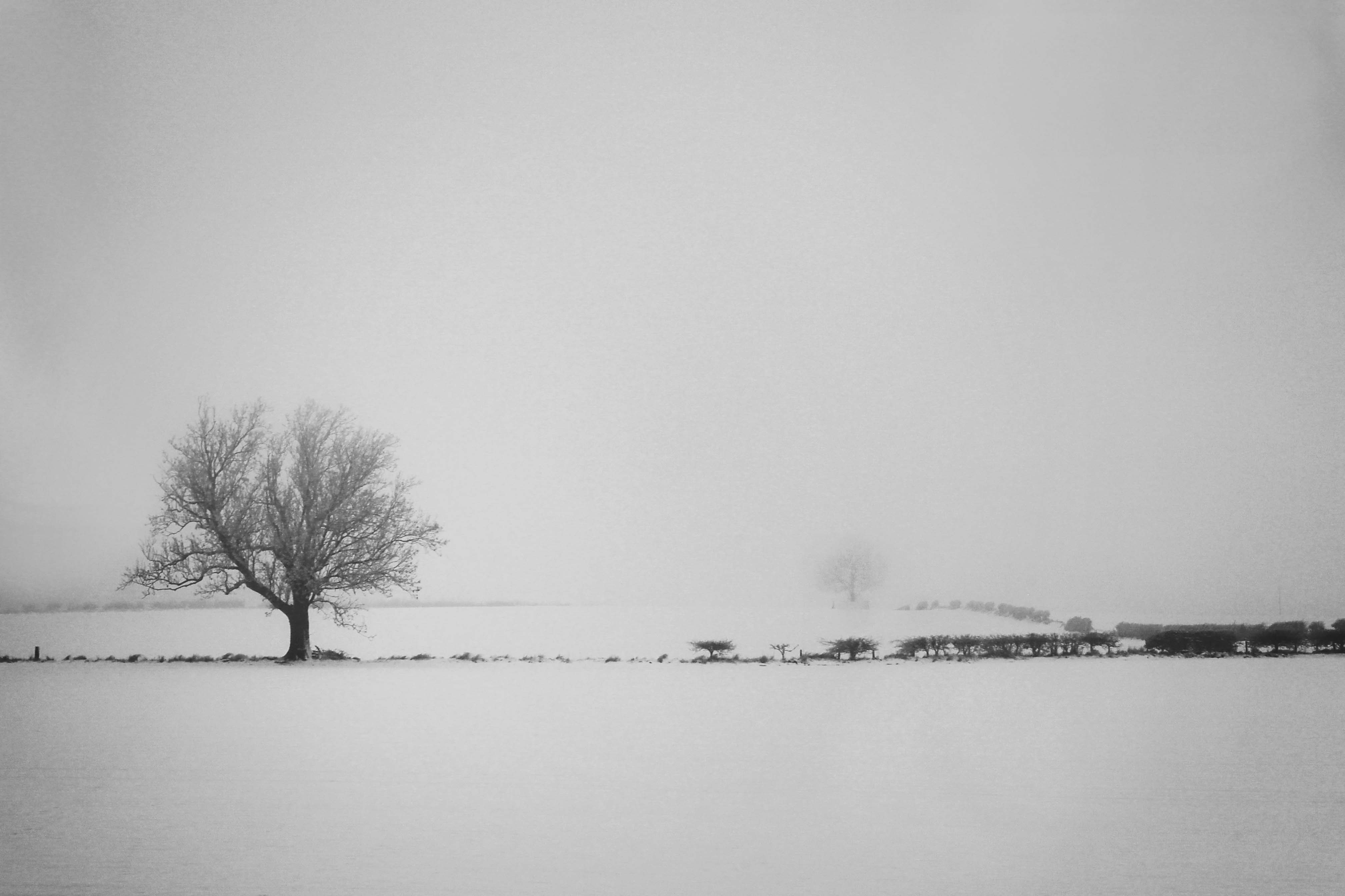
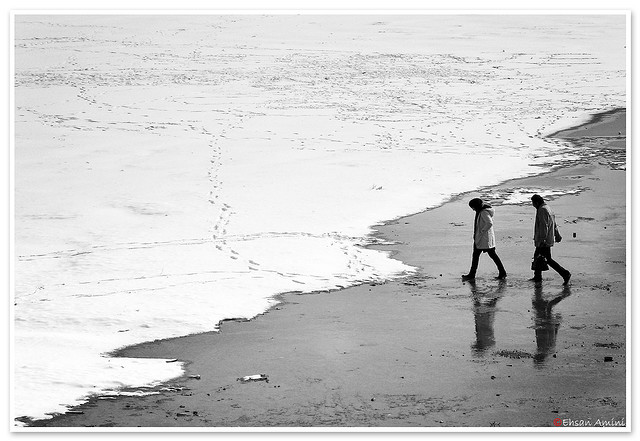
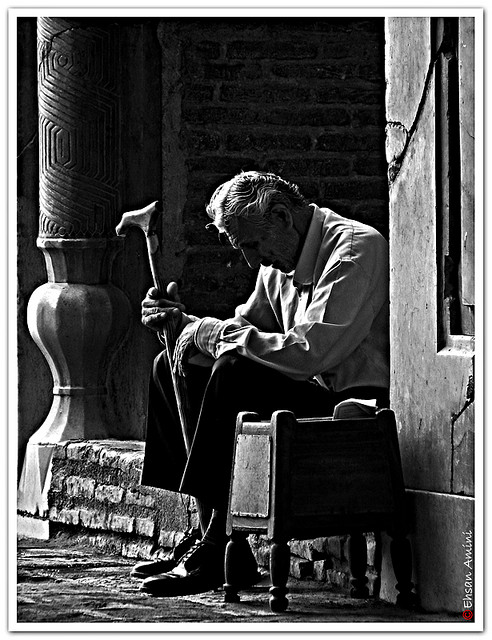
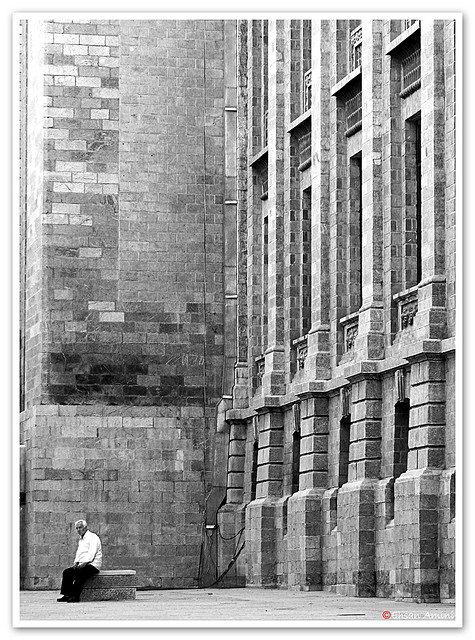
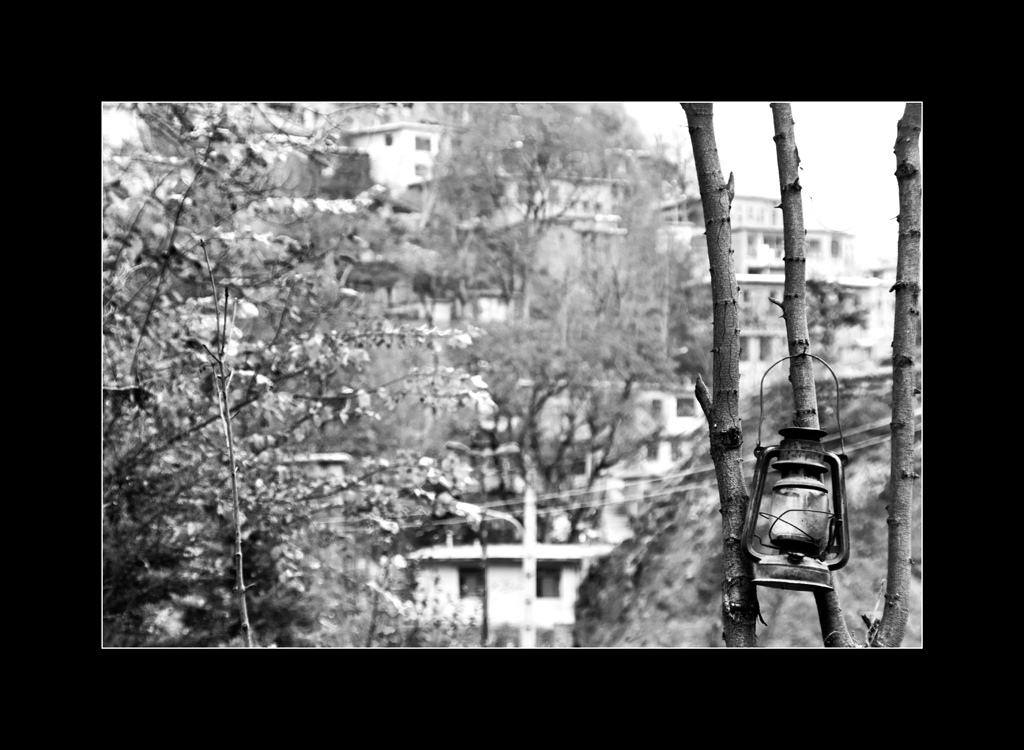
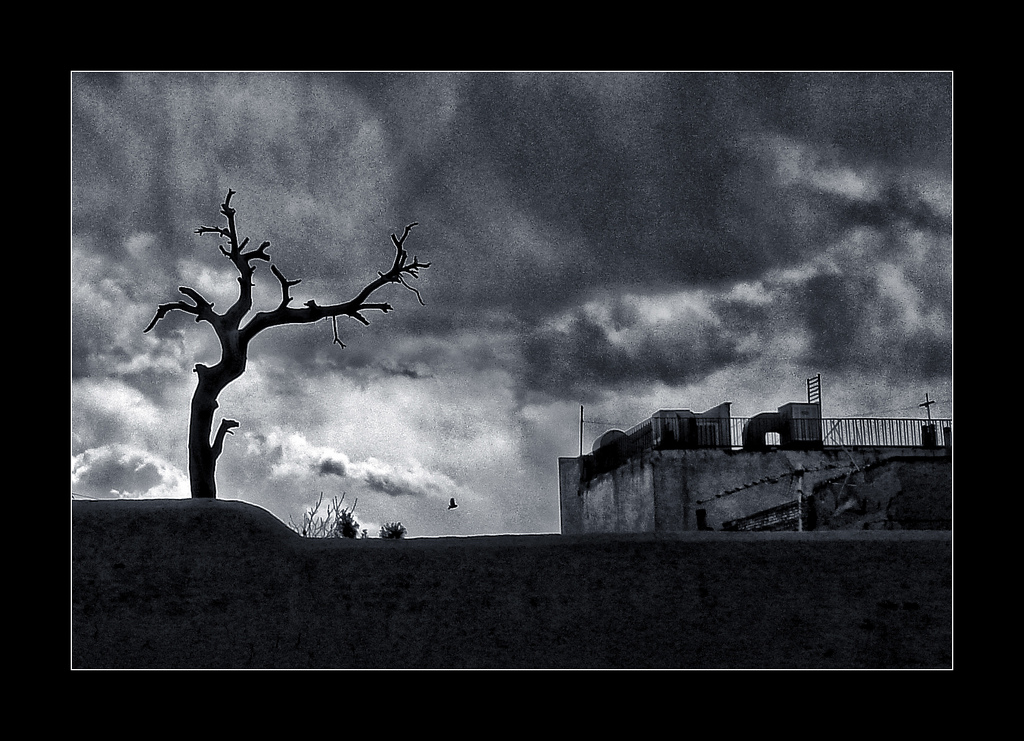
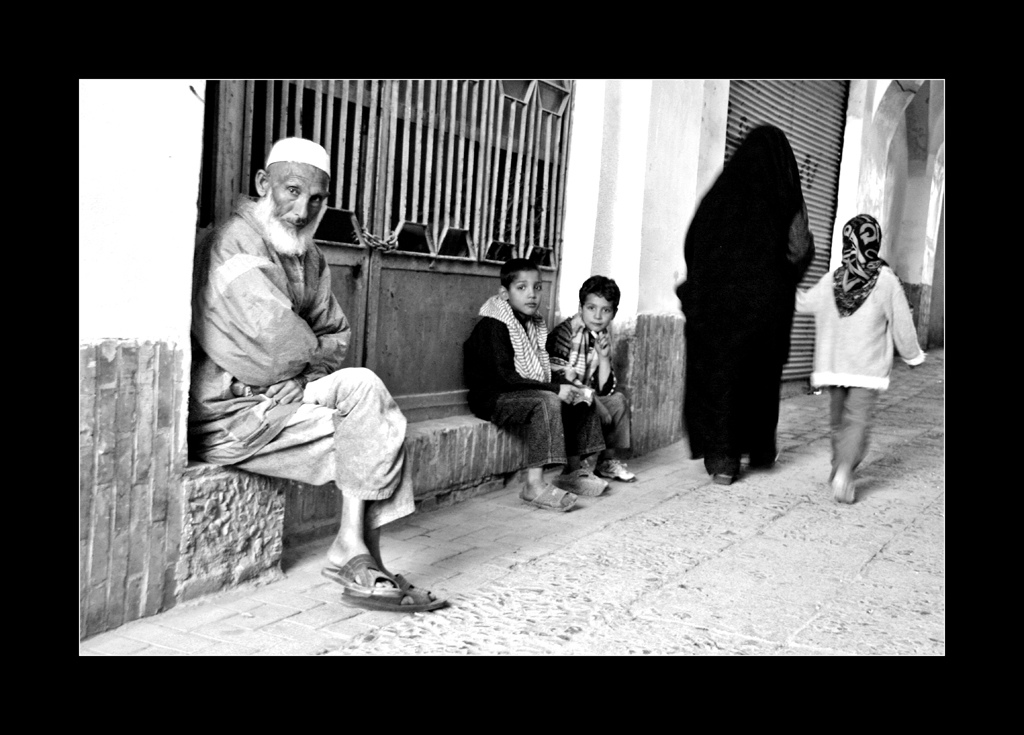
Here below, after the Persian text and English translation of the poem we also include the full concert recording of It’s winter by the Masters in Los Angeles, December 2001 (41 minutes). If you are not yet accustomed to the meditative Persian music, then listen first to the some minutes long detail of the concert illustrated with the photos of two young Iranian photographers, Ehsan Amini and Hamed Masoumi whose pictures also accompany this post. The flash video includes only the last stanza with English subtitles. We do not insert it here, just give a link to it, so you can watch it full size.

As we have written several times already, the musicality of the language and the play with the accidental assonance of words is such an integral part of Persian poetry that it is virtually impossible to translate it to any language. Therefore we only give a more or less literal translation, complemented below with the audio recordings of the poem. This time the translation is not ours, but the widely used one by Mahvash Shahegh, which in some places slightly differs from the original text, and to which we have added in gray the translation of those few verses which, for some unknown reason, were missing from her text.


زمستان است

سلامت را نمی خواهند پاسخ گفت
سرها در گریبان است

کسی سر بر نیارد کرد پاسخ گفتن و دیدار یاران را
نگه جز پیش پا را دید ، نتواند
که ره تاریک و لغزان است
وگر دست محبت سوی کسی یازی
به اکراه آورد دست از بغل بیرون
که سرما سخت سوزان است

نفس ، کز گرمگاه سینه می اید برون ، ابری شود تاریک
چو دیوار ایستد در پیش چشمانت .
نفس کاین است ، پس دیگر چه داری چشم
ز چشم دوستان دور یا نزدیک ؟

مسیحای جوانمرد من ! ای ترسای پیر پیرهن چرکین
هوا بس ناجوانمردانه سرد است … ای
دمت گرم و سرت خوش باد
سلامم را تو پاسخ گوی ، در بگشای

منم من ، میهمان هر شبت ، لولی وش مغموم
منم من ، سنگ تیپاخورده ی رنجور
منم ، دشنام پست آفرینش ، نغمه ی ناجور

نه از رومم ، نه از زنگم ، همان بیرنگ بیرنگم
بیا بگشای در ، بگشای ، دلتنگم
حریفا ! میزبانا ! میهمان سال و ماهت پشت در چون موج می لرزد
تگرگی نیست ، مرگی نیست
صدایی گر شنیدی ، صحبت سرما و دندان است

من امشب آمدستم وام بگزارم
حسابت را کنار جام بگذارم
چه می گویی که بیگه شد ، سحر شد ، بامداد آمد ؟
فریبت می دهد ، بر آسمان این سرخی بعد از سحرگه نیست
حریفا ! گوش سرما برده است این ، یادگار سیلی سرد زمستان است
و قندیل سپهر تنگ میدان ، مرده یا زنده
به تابوت ستبر ظلمت نه توی مرگ اندود ، پنهان است
حریفا ! رو چراغ باده را بفروز ، شب با روز یکسان است

سلامت را نمی خواهند پاسخ گفت
هوا دلگیر ، درها بسته ، سرها در گریبان ، دستها پنهان
نفسها ابر ، دلها خسته و غمگین
درختان اسکلتهای بلور آجین
زمین دلمرده ، سقف آسمان کوتاه
غبار آلوده مهر و ماه
زمستان است


zemestân ast

salâmat-râ nemikhâhand pâsokh goft
sarhâ dar geribân ast

kasi sar bar nayârad kard pâsokh goftan o didâr iârân-râ
negah joz pish-e pâ-râ did, natânad
ke rah târikh o laghzân ast
vagar dast-e mohabbat sui kasi yâzi
be ekrâh âvarad dast az baghal birun
ke sarmâ sakht suzân ast

nafas, kaz garmgâh sine miâyad borun, abri shavad târik
cho divâri isad dar pish-e chasmânat
nafas kinast, pas digar che dâri chasm
ze chasm-e dustân-e dur yâ nazdik?

masihâye javânmard-e man! i tarsâye pir-e pirhan cherkin
havâ bas nâjavanmardâne sar dast… ây
damat garm o sarat khosh bâd
salâmam-râ to pâsakh gui, dar bokshây

manam man, mihmân-e har shabat, luli vash-e maghmun
manam man, sang-e tipâkhorde i ranjur
manam, dushnam-e past-e âfarinesh, naghme-ye nâjur

na az rumam, na az zangam, hamân birang-e birangam
biâ bogshâ-ye dar, bogshâ-ye, dâtnagam
harifâ, mizbânâ, mihmân-e sâl o mâhat posht-e dar jun moj milarzad
tagargi nist, margi nist
sedâyi gar shanidi, sohbot-e sarmâ va dandân ast

man emshab âmadastam vâm bogzâram
hesâbat-râ kenâr-e jâm bogzâram
che miguyi ke miga shod, sahar shod, bâmdâd âmad?
faribat midahad, bar âsmân in sorkhi-ye ba‘d az sahargah nist
harifâ! gush-e sarhâ borde ast in, yâdegâr-e sili-ye sard-e zemestân ast
va ghandil-e sepehr-e tang midân, morde yâ zende
be tâbut-e setabr-e zolmat-e na tuye marg andud, penhân ast
harifâ! ro cherâgh-e bâde-râ befruz, shab bâ ruz yeksân ast

salâmat-râ nemikhâhand pâsokh goft
havâ dâgir, darhâ baste, sarhâ dar garibân, dasteha penhân
nafashâ abr, delhâ khaste va ghamgin
derakhtân eskelethâye bolur âjin
zamin delmorde, saghf âsmân kutâ
ghobâr âlude mehr o mâh
zemestân ast


It’s winter

They are not going to answer your greeting
Their heads are in their collars

Nobody is going to raise his head
To answer a question or to see a friend
The eyes cannot see beyond the feet
The road is dark and slick
If you stretch a friendly hand towards anybody
He hardly brings his hand out of his pocket
For the cold is so bitter

The breath coming out of your chest
Turns into a dark cloud
And stands like a wall in front of your eyes
While your own breath is like this
What do you expect from your distant or close friends?

My gentle Messiah, O, dirty dressed monk
The weather is so ungently cold
You be warm and happy
You answer my greeting and open the door

It is me, your nightly guest, an unhappy gypsy;
It is me, a kicked up, afflicted stone
It is me, a low insult of creation, an untuned melody.

I am neither white nor black, * I am colorless
Come and open the door, see how cheerless I am
O, my dear host, your nightly guest is shivering outside
There is no hail outside, no death;
If you hear any sound, it is the sound of cold and teeth.

I came tonight to repay the loan
to put down my bond beside your cup
What are you saying, that
It is too late, it is dawn, it is day?
That’s an illusion! What you see on the sky
Is not the redness after dawn
It is the result of the winter’s slap
On the sky’s cheeks
And the lantern of the sky, whether dead or alive,
Is covered by the thick coffin of the darkness.
O, partner go and get the wine ready
Days and nights are the same

They are not going to answer your greeting
The air is gloomy, doors are closed,
The heads are in collars, the hands are hidden,
The breaths are clouds, the people are tired and sad,
The trees are crystallized skeletons, the earth is low-spirited
The roof of the sky is low
The sun and moon are hazy
It’s winter

On this recording the poem is recited by Mahvash Shahegh, while on the following video by Mehdi Akhavan Sales himself, who was also an excellent performer.


And here you can listen to the complete concert recording of 2001:


Hossein Alizadeh - Kayhan Kalhor - Mohammad Reza Shajarian – Homayoun Shajarian: Zemestân ast (“It’s winter”). Recording of the December 2001 concert of California (41'47)


Dawn bird

“Bismillah bird” composed of the letters of the Quranic verse Bismillah al-rahman al-rahim, “In the name of God, the compassionate, the merciful. Calligraphy by Khaleelullah Chemnad.

Para significar la divinidad, un persa habla de un pájaro que de algún modo es todos los pájaros.

To signify the godhead, a Persian speaks of a bird that somehow is all birds.

Jorge Luis Borges, El Aleph, 1949

So distinguished is the place occupied by the bird in Persian art and poetry, like for example in the As strangers by the modern Sufi poet Hushang Ebtehaj, set to music by the Kamkars and illustrated by us with another Bismillah bird, or in the closing picture of the Budapest photo series by Omid H. Hassam, which immediately reminded me the cover of the beautiful album Saz-e khamush, “Silent lute” by Mohammad Reza Shajarian, the greatest singer of Persian classical music.

Shajarian, Saz-e khamush, Silent lute, album cover
On this album Shajarian is accompanied by Kayhan Kalhor on kamanche, and by Hossein Alizadeh on tar, the typical 8-shaped Iranian lute. Both are the most excellent Iranian masters of their instruments, and their music has been included more than one time in our blog. Tombak, the Iranian drum is played by Homayun, son of Shajarian.

The same four artists recite in the video below the poem Morgh-e sahâr, “Dawn bird” by the greatest 20th-century Persian poet Malek o-Sho’arâ Bahâr. The performance was registered at the famous Bam concert of 2003, organized by Shajarian in the aid of the survivors of the Bam earthquake which had produced 30,000 casualties. The audience cries in ecstasy just like we cried together with the whole audience when in 2007 the master sung this song in Isfahan.

Several versions of this song can be found on the net and on Persian albums: by the same group three years later, where the artists can be observed better, by the duo of Shajarian and the Azeri kamanche player Habil Aliov, transposed in an authentic Azeri style, or in the solo of the talented young tar player Sahba Motalebi. It is worth to read their comments as well, because they reveal a little bit what this song means for Iranians.

Since the 1960’s this poem has become one of the most popular Persian songs with the melody of Morteza Neydavud and in the performance of Shajarian. Perhaps also because 20th-century Iranian history was not in short of dawn-waitings, as it is attested by the earlier quoted Comets and nights.


Morgh-e sahâr nâle sar kon
dagh-e ma-râ tâzeh tar kon
z âh-e sharar bâr in ghafash-râ
bar shekan o zir o zebar kon.
Bolbol-e par baste-ze konj-e ghafash dar â
naghme-ye âzâdi-ye no'e bashar sar â
v’az nafasi
arse-ye in khâk-e tude-râ.
Zolm-e zâlem yor-e sayyâd
âshiyânem dâde bar bâd.
Ey Khodâ ey falak ey tabi'at
shâm-e târik mâ-râ sahar kon.
مرغ سحر ناله سر کن
داغ مرا تازه تر کن
ز آه شرر بار ، این قفس را
بر شکن و زیر زبر کن
بلبل پر بسته ز کنج قفس درا
نغمه آزادی نوع بشر سرا
وزنفسی عرصه این خاک توده را
پر شرر کن
ظلم ظالم ، جور صیّاد
آشیانم ، داده بر باد
ای خدا ، ای فلک ، ای طبیعت
شام تاریک ما را سحر کن


Dawn bird, sing with sorrow,
remind me of my fresh pain,
with your burning breath
break and open this cage.
Captive nightingale, fly out of your cage,
start to sing the song of freedom,
and with one breath
set to fire the sluggish earth.
The cruelty of tyrants, the injustice of hunters
has broken my nest put to winds.
Oh God, oh world, oh nature
turn our dark night into dawn.

Nightingale – as we would like to expose it in a later post – is a topos of Persian poetry for the human soul, or more precisely for the human soul longing for God. (It is not just a coincidence that Eastern Sephardic poetry also took it over in this meaning, just like the topos of the bird representing God.) And in Persian thought the longing for God is very closely connected with the longing for the liberation from the limitations of this world, for absolute freedom. Where a Hungarian, with the famous verse of Petőfi, says “Liberty, love”, a Persian says “Liberty, God” in a thousand sophisticated ways. This is why they can sing – and they indeed do sing – this song as a psalm, a hymn and a movement song in one.

A supporter of Mir Hussein Mousavi on the eve of the Iranian elections of 2009, with a bird on his leafletA leaflet advertising the name of presidential candidate Mir Hussein Mousavi
on the eve of the Iranian elections of June 12, 2009.

Rumi and Bach

It is a strange experience to see that not only our Western world cherishes fantasies on other civilizations, but they also do on us. True, for most of them the culture of the West is already a reality built in their everyday lives that does not leave much room for fantasy. However, there are also some exceptions like for example Persia.

I do not know whether the story I heard as a teenager that Khomeini, when asked about his opinion on the music of Bach and Beethoven answered like “I do not know these gentlemen” is true or not. However, that much is sure that nowadays there is not much possibility to get familiar with them in Iran.

The furnishings of the CD shops in Tehran are elegant, their supply of CDs majestic, and their assistants are entrancingly friendly. They can compete with any Western shop. We willingly spent several hours in them, listening to Persian classical CDs, slurping tea – in the Siyah o Sefid (“Black and White,” because it shares his premises with a movie theater) there was no tea, so we received peach drink in paper box with straw – and talking about the musicians with the assistants who often play some Iranian instrument themselves. The only thing that struck us was the supply of European classical CDs. Not that there were none, because indeed there were some. But that their supply was just as casual as that of Chinese, Arabic or Persian classical music in most European CD shops. Good and bad ones mixed up, randomly selected, and displayed without any internal principle of organization – we are so much accustomed to these uniform principles of organization applied in every European CD shop that their lack surprises us. All this made us suspect that local public knew this music no better than ours knows Chinese, Arab or Persian music. And we suspected it well.

Still at home we had invented that we would take with us some Bach CDs as a gift. Those musics we love the most and we esteem the highest – the solo violin sonatas performed by Grumiaux and the Art of the Fugue by Sokolov – and through which we can show the very best of our culture to those people whose culture had given so much wonderful music to us in the past years. It was peculiar to watch the faces of the people presented with these CDs. Apart from the novelty that the European man gives – as far as we saw, this was surprising to everyone –, they reflected a deep, but reserved reverence, as if they received the works of a great philosopher in deluxe binding, in the original language. They knew that Bach is a great name for a great civilization, but they had no personal link to him. It happened just in the Siyah o Sefid that talking about what makes good music we put one of the CDs in the player, and while Sokolov was playing, we analyzed why the music he was playing was good. The CD was over the half when the assistant – who was by the way very well versed in Persian classical music – got it that this was also music and not just a cultural icon, and that it can be played and analyzed just like his own well known music. That he can have a personal relation to it.

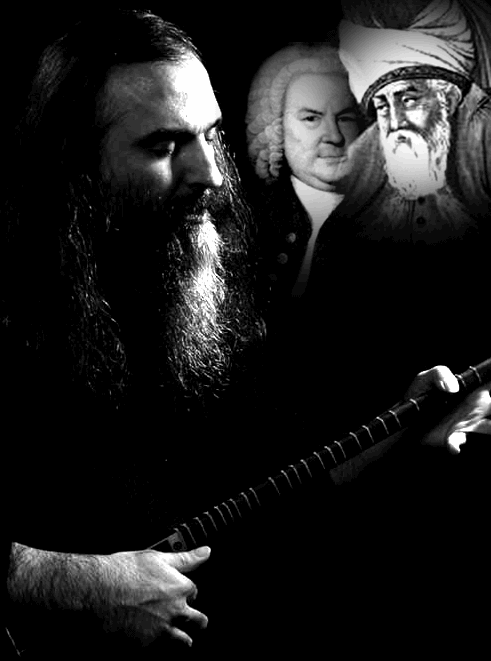
Davood Azad playing his CD Divan of Rumi and BachDavood Azad has not yet got it. As a well known Persian lute player and singer and, not least, as a real Sufi, two years ago, in the Year of Rumi he published in honor of his master Rumi his CD The Divan of Rumi and Bach, on which he sings the poems of Rumi accompanying himself on tar, the typical Northern Iranian lute of the shape of a number 8, while the ground is given by some piano works of Bach. This could theoretically result in something interesting, although I have never heard any rearrangement of Bach that added something to the value of the original instead of decreasing it. But the result is unconvincing. The music has a grotesque, comic effect. It is split in a strange way. The singing and the tar are up to the standards of Persian music, although their quality is undoubtedly harmed by the fact that they have to give up the meditative rhythm of Persian music and have to adapt themselves to the bound European rhythm. The piece of Bach, however, sounds as mechanical and primitive as a hurdy-gurdy.


Rumi: Blessings unto you + Bach: Third English Suite, Gavotte I and II (7'40")

Jean Durand writes in his great introductory monograph The art of Persian music (Washington, 1991): “When we do not understand a kind of music, we tend to find it monotonous and repetitive. Western music, in fact, seems very monotonous to many Orientals.” If this is true, then on this CD we can hear with our own ears how it seems to them.

It is a strange feeling to hear Bach in the presentation of a musician who is technically qualified enough for the acoustic reproduction of the score, but does not possess the tradition that could lead him how to perform it. In Europe, by the time one learns to master the piano at this level, he has already acquired – to a great extent without being aware of it – this tradition as well. He knows what this music is about, what its inner dynamic – in Bach, the counterpoint – is that he has to unfold in the performance, and how large room it leaves to him to unfold his own personality. He will have a personal relation to it. This relation can be of many kind, from the subtle, signal-like decorations of Perahia through the rich tones of Schiff to the tensions of Glenn Gould. Even the extreme aloofness of Robert Levin is not identical with the mechanical sound of Azad’s hurdy-gurdy: aloofness is also a relation you can like or dislike. (Nevertheless, I find it peculiar that the Bachakademie of Stuttgart selected exactly his performance for the Complete Works of Bach by Hänssler.)


Murray Perahia, Gavotte I (1'32") and Gavotte II (1'38")


Glenn Gould, Gavotte I (0'50") and Gavotte II (1'09")


Robert Levin, Gavotte I and II (3'48")


András Schiff, Gavotte I and II (3'21")


Ivo Pogorelich, Gavotte I and II (4'31")

The question is why one performs a music he has no relation to. By reading the Persian and Western press of Azad I see that most probably for the same reason which encourages European and American groups to perform – completely misunderstood – Tibetan or Arabic music: because there is a demand for it on the market. Persian blogs write with awe about “our son” who was able to put even Western music into the service of Islam mysticism, while Western esoteric circles listen with awe to the shreds of Oriental music, extremely simplified and forced into the frames of Western rhythm and melody, and played with an etherealized expression by an an enchantingly guru-looking Iranian Sufi. How much simpler and more rewarding is this than what the greatest living tar player Majid Derakhshani does, for example, by establishing in Germany an institution for the dissemination of real Persian music in the Western world, and by performing with such musical accompaniment the poems of Rumi, as in the following recording where he performs together with the greatest living Persian singer Mohammad Reza Shajarian.

Rumi - Shajarian, Derakhshani: Ân jâm-e jân afzâi-râ bar-riz bar jân sâqia!
(Pour that soul-increasing goblet in my soul, cup-bearer!)