Switch over to our new blog! • ¡Pásese a nuestro nuevo blog!

The renewed version of our blog, with more features, a richer design, and available in nine languages, can be read here: https://wangriver.com

The new version also includes the old posts, often in expanded form. If you are curious about the updated version of this post, replace “riowang.blogspot.com/” in the URL with “riowang.studiolum.com/”, and the new link will most likely lead you there.


La versión renovada de nuestro blog, con más herramientas, un diseño más rico y disponible en nueve idiomas, se puede leer aquí: https://riowang.com

La nueva versión también incluye las publicaciones antiguas, a menudo en una forma ampliada. Si tiene curiosidad por la versión actualizada de esta entrada, sustituya «riowang.blogspot.com/» en la URL por «riowang.studiolum.com/es/», y el nuevo enlace probablemente le llevará allí.

On one of the roofs of the world: Xinaliq


“When the Communists came, the books were evacuated from the village, and moved into the cave of the Şahdağ. They stood there, in a big pile this high”, the small man raised his hand to the height of his eyes. “But the Communists found them, and they set the whole thing on fire. Before that, the cave was white inside, but since then it has been completely blackened with soot.”

“My grandfather walled our books into a window when the Communists came. He put them in one of the windows, walled it up inside and outside, nobody could see anything. When he came back from the Gulag, because he was a rich sheep owner, a kulak, as they said, and they took him away for ten years, so when he came back, he immediately asked whether the house was still standing. It was, but by then it belonged to the kolkhoz, the kolkhoz office was set up there. In the night, when nobody was looking, he opened the window, and removed the books.”
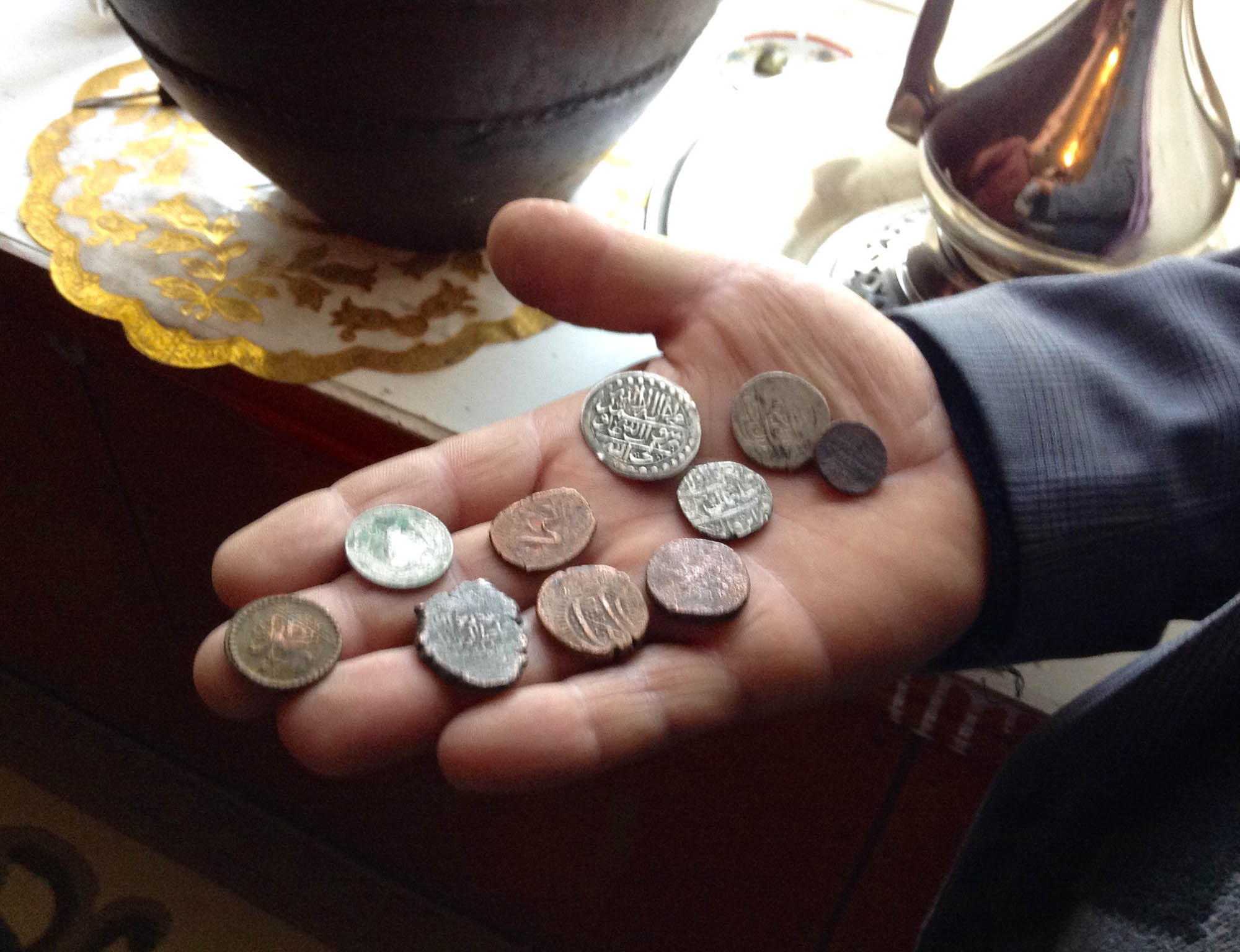

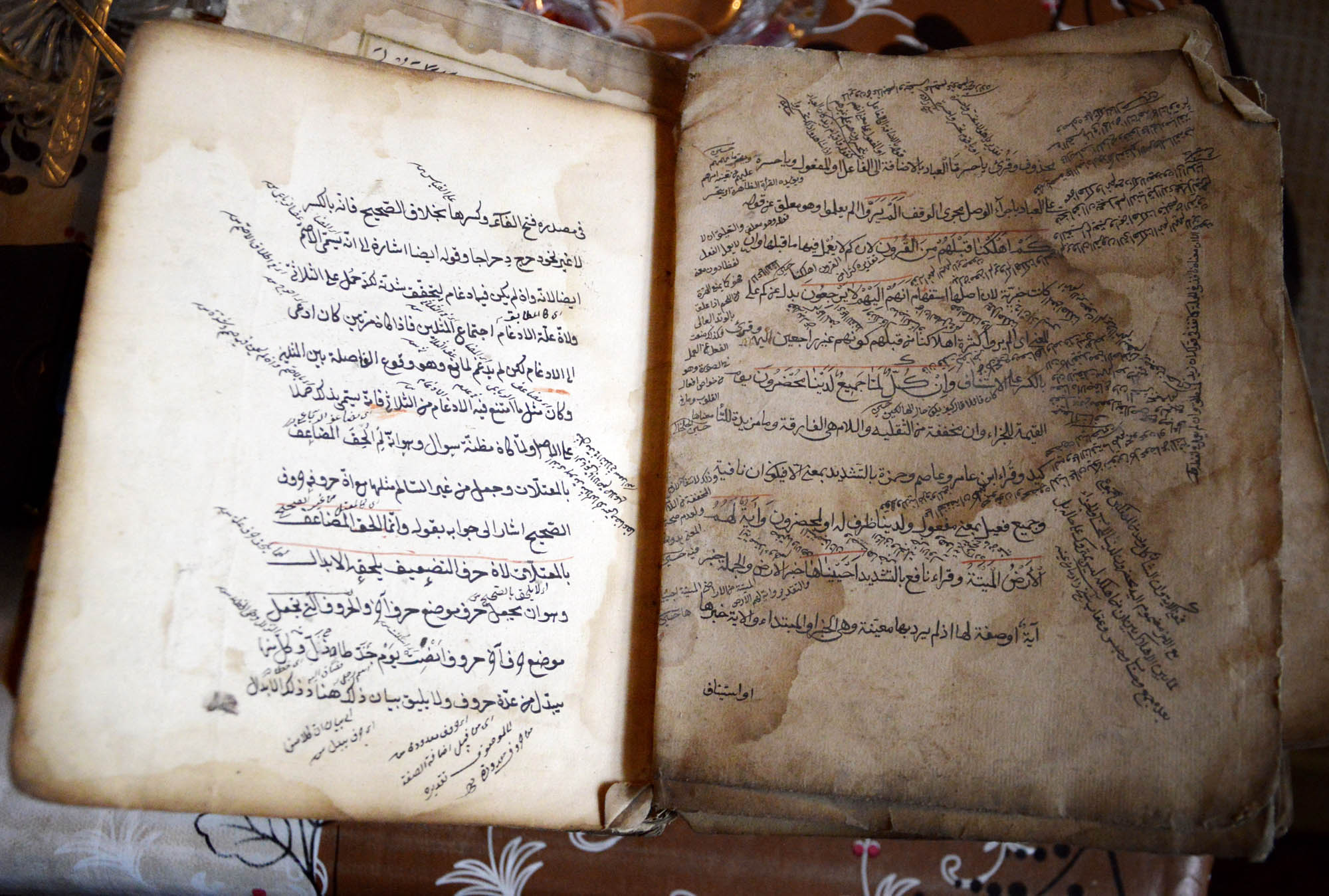
Our host, Gadjibala Badalov shows us his small private museum on display in a glass cabinet in his “nice room”, the work of a lifetime. Old jugs, coins, swords and guns, whatever he was able to collect from the neighbors over the years, in exchange for favors or for a sheep. The complete material culture of a village, two thousand strong, and at the same time of an entire people, one of the oldest peoples of the Caucasus, who live only in this village. And, of course, the books, the miraculously rescued books. He can no longer read them, he is asking me whether or not one of them is written in Arabic, in Persian or in Ottoman Turkish. Eighty years ago, together with the Muslim teachers and the books, they swept out the Arabic letters, too, from Xinaliq.
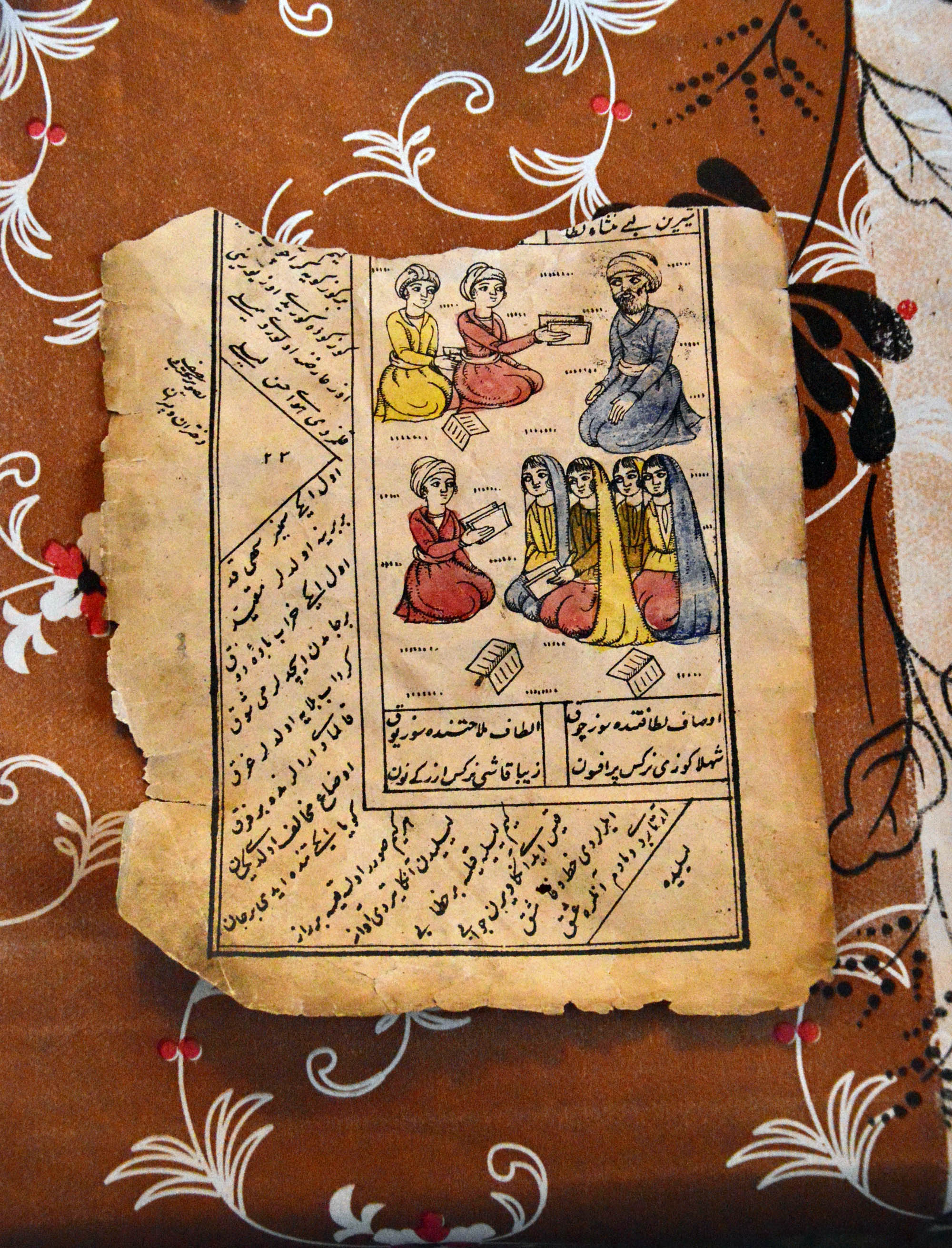

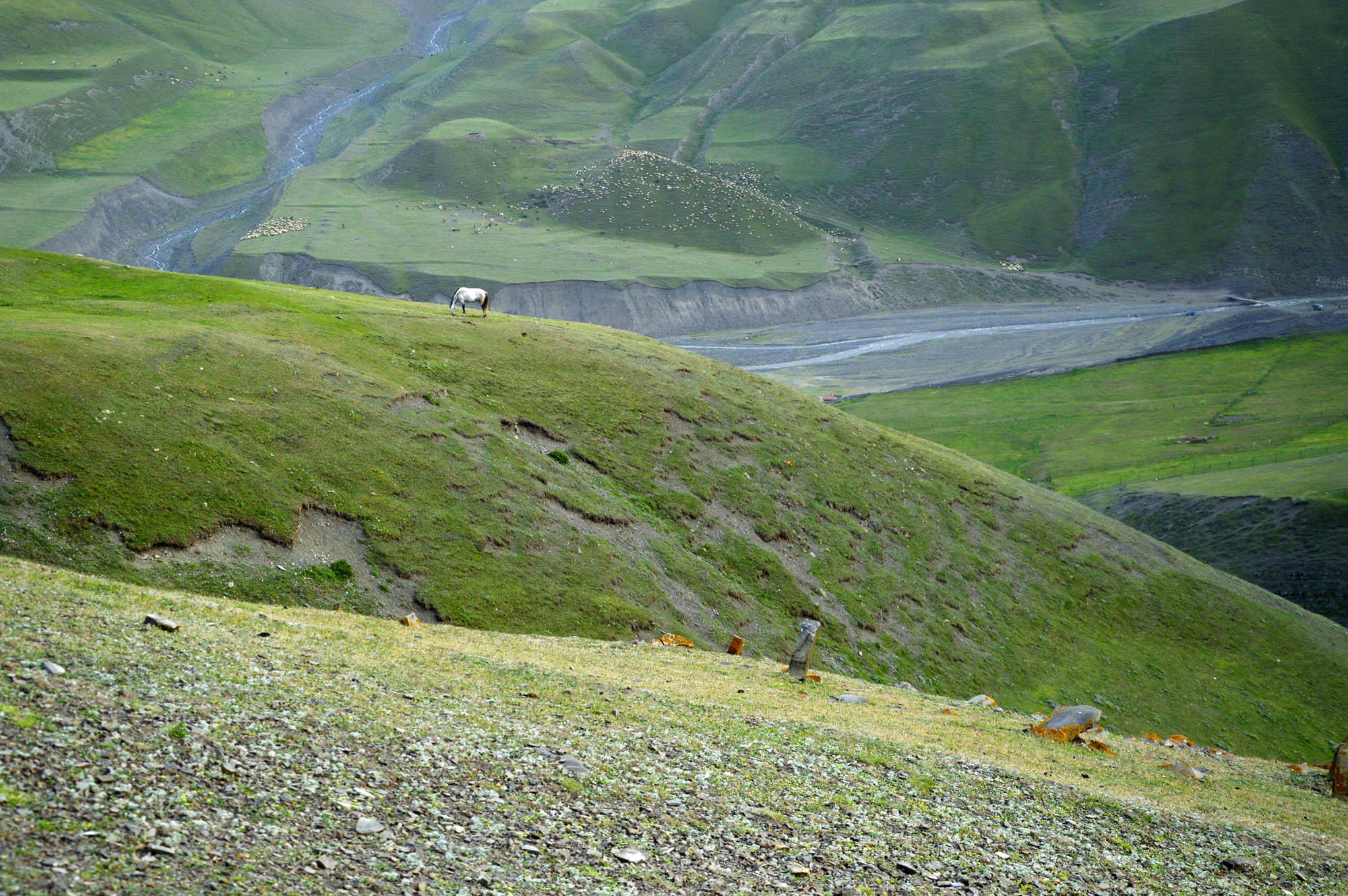
The village, which lies beneath the ridge of the Great Caucasus range, almost completely isolated from the outside world, was never reached by conquerors, but a few solitary wandering teachers, scribes and missionaries sometimes found their way here. Then the village took over from him what was brought, but also maintained a respect for their predecessors. At the highest point of the village stands the mosque, built around 1200, and slightly below it, the 7th-century house of a pir, a Zoroastrian holy man. In the woods there can be found a few âteshgâhs, Zoroastrian fire temples, and around the village are the tombs of many Zoroastrian, Christian and Muslim pirs, which are still worshiped by the villagers, who let them be buried around them. The newer graves even have names, but the older ones are marked only by a standing stone, thousands of stones all over the fields around the village, thousands of years old, with sheep and calves grazing among them.
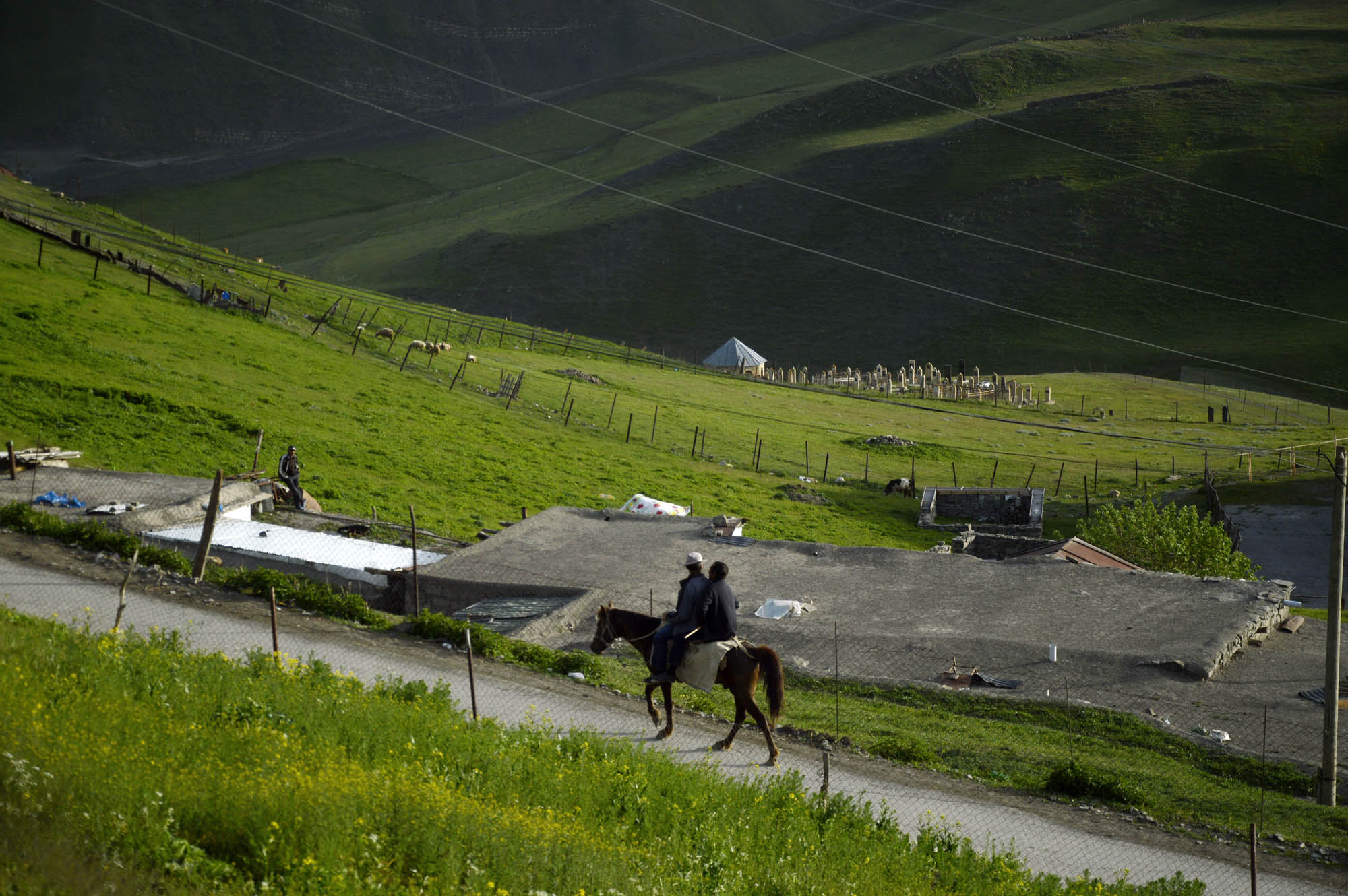
Tomb of Baba Jabbar (15th c.), with a small cemetery around it
xinaliq2 xinaliq2 xinaliq2 xinaliq2 xinaliq2 xinaliq2 xinaliq2 xinaliq2 xinaliq2 xinaliq2 xinaliq2 xinaliq2 xinaliq2 xinaliq2 xinaliq2 xinaliq2 xinaliq2 xinaliq2


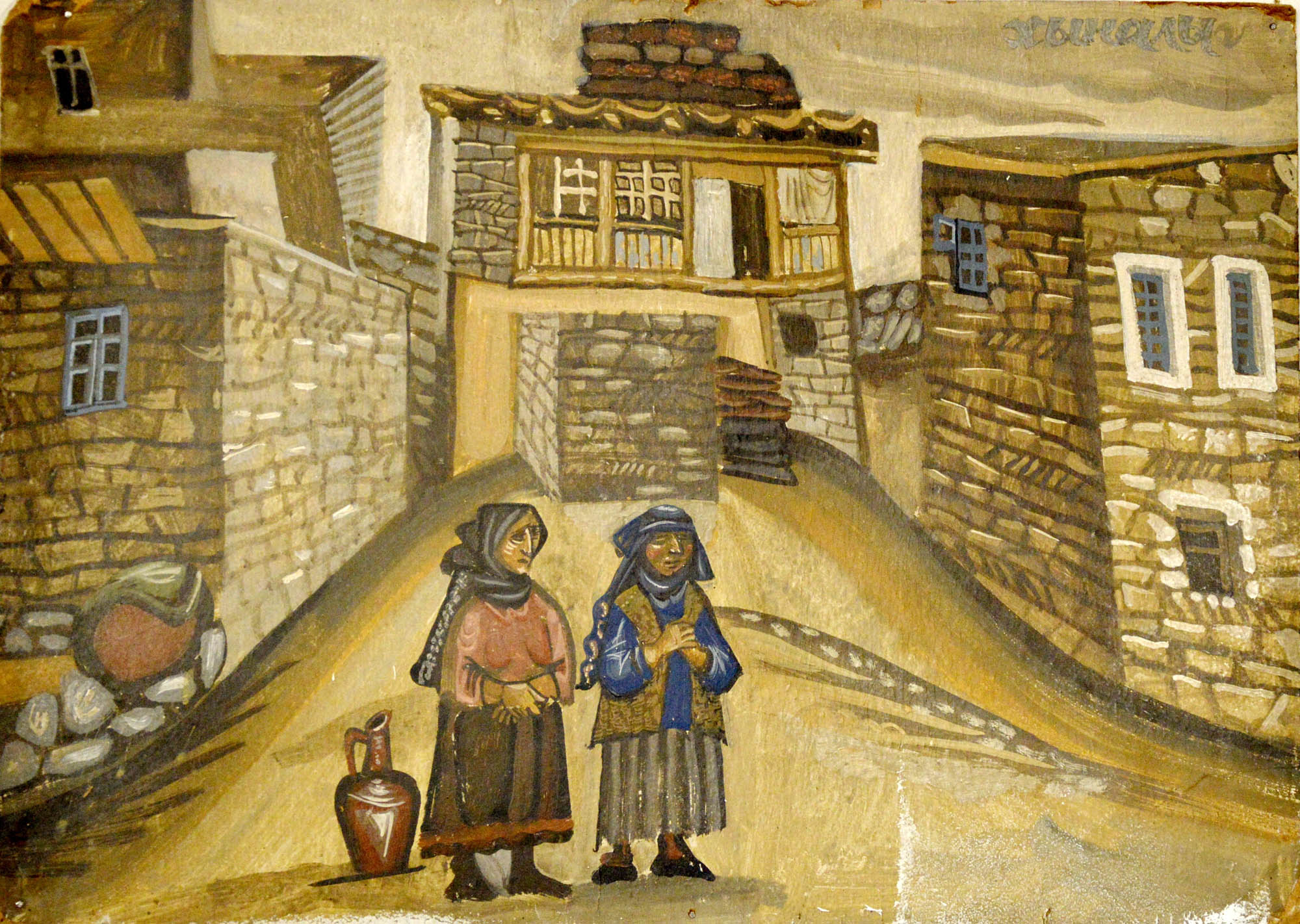
Arabic literacy, which was formerly so widespread that every family had its home library, came to an end, but the need for culture lived on among the local people. This can be seen by the many local poets who have published their Khinalug-language poems in thin booklets, printed in Cyrillic or Latin letters, or by the painters, with their typically grotesque landscapes of Xinaliq. And also by our host, the sheep owner and amateur historian, who has just published his fourth book, on the names and traditional uses of the medicinal plants known in Xinaliq, in the Khinalug and Azerbaijani languages.

xinaliq3 xinaliq3 xinaliq3 xinaliq3 xinaliq3 xinaliq3 xinaliq3 xinaliq3 xinaliq3 xinaliq3 xinaliq3 xinaliq3


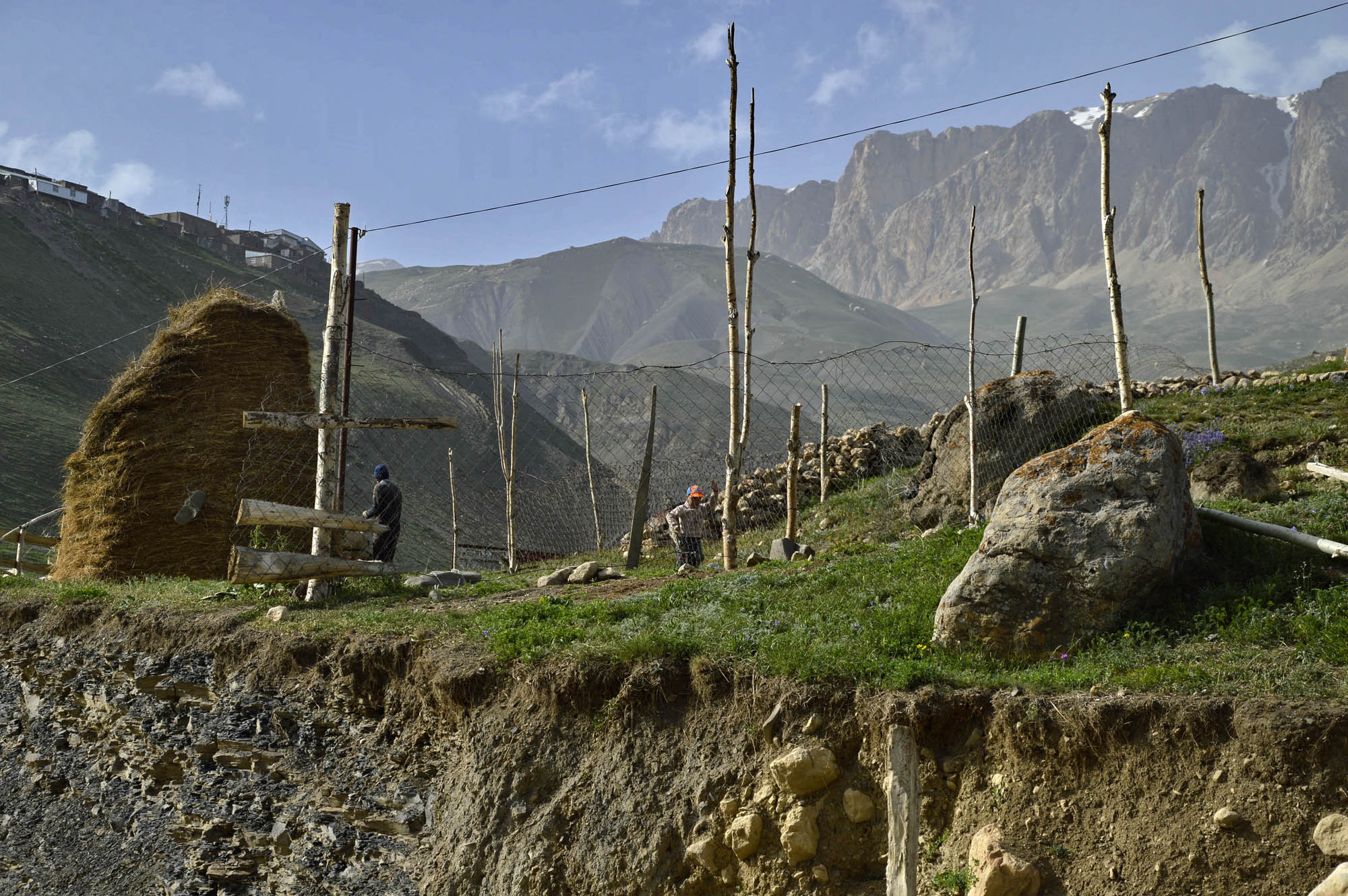
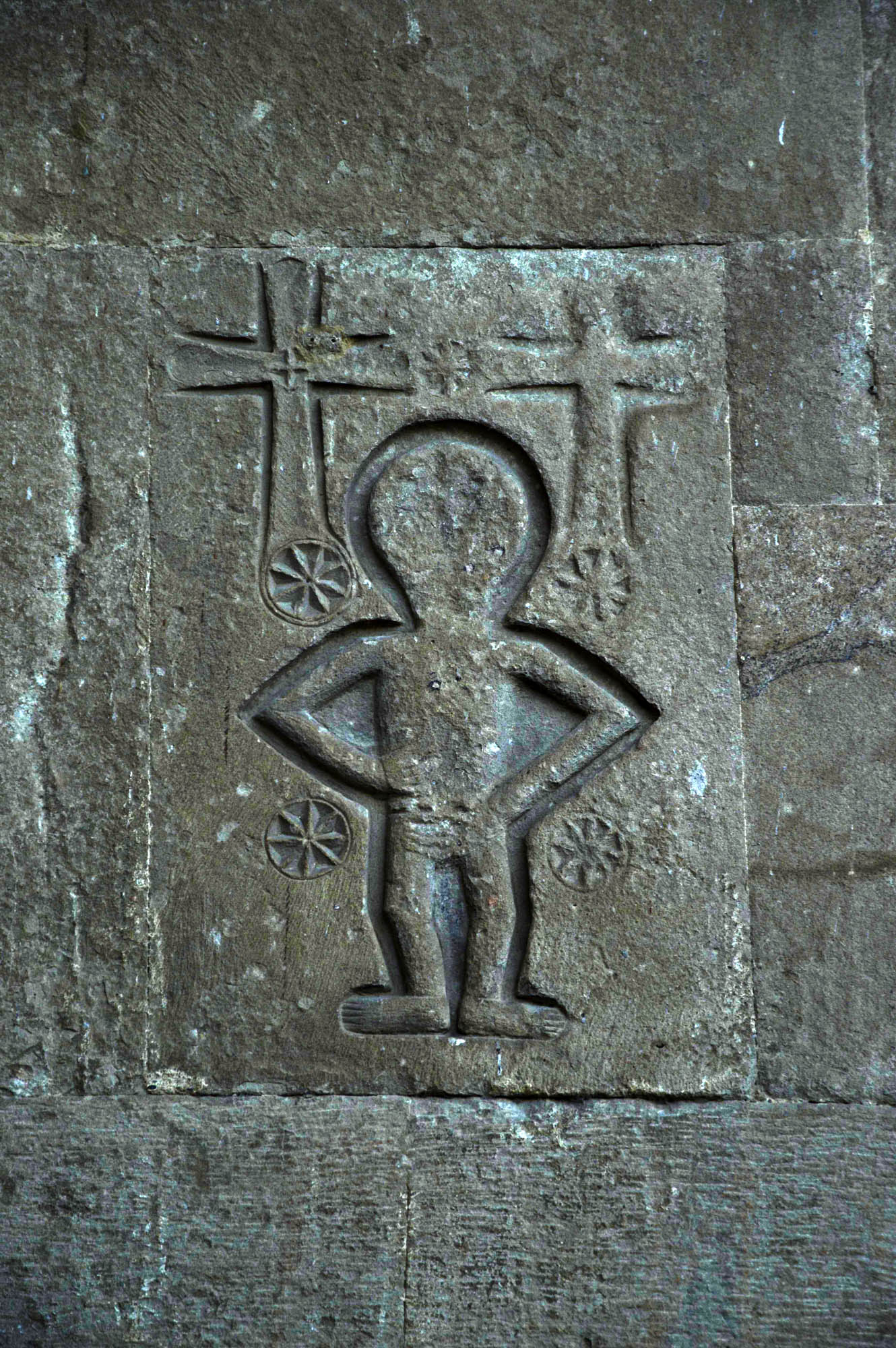
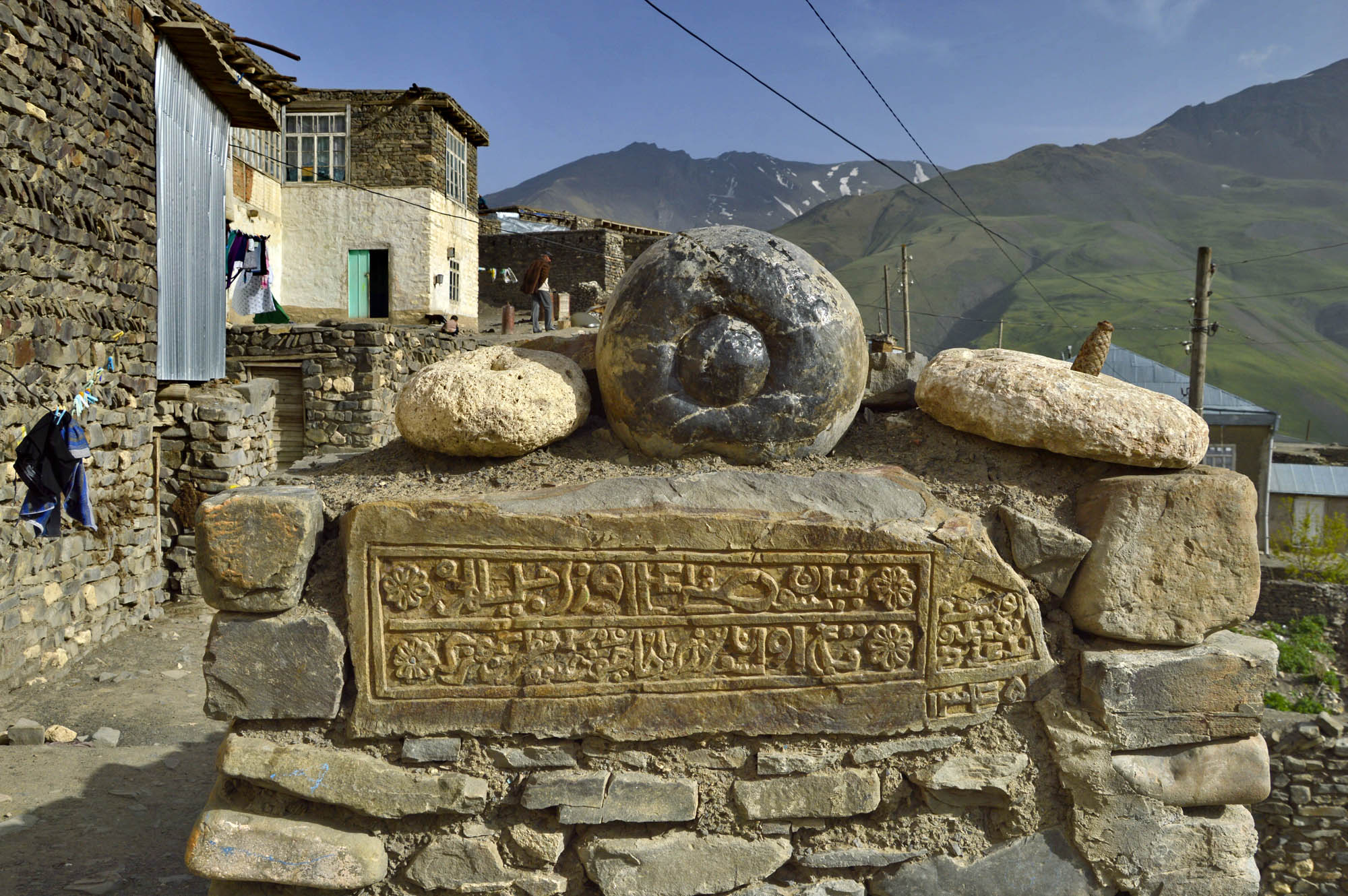
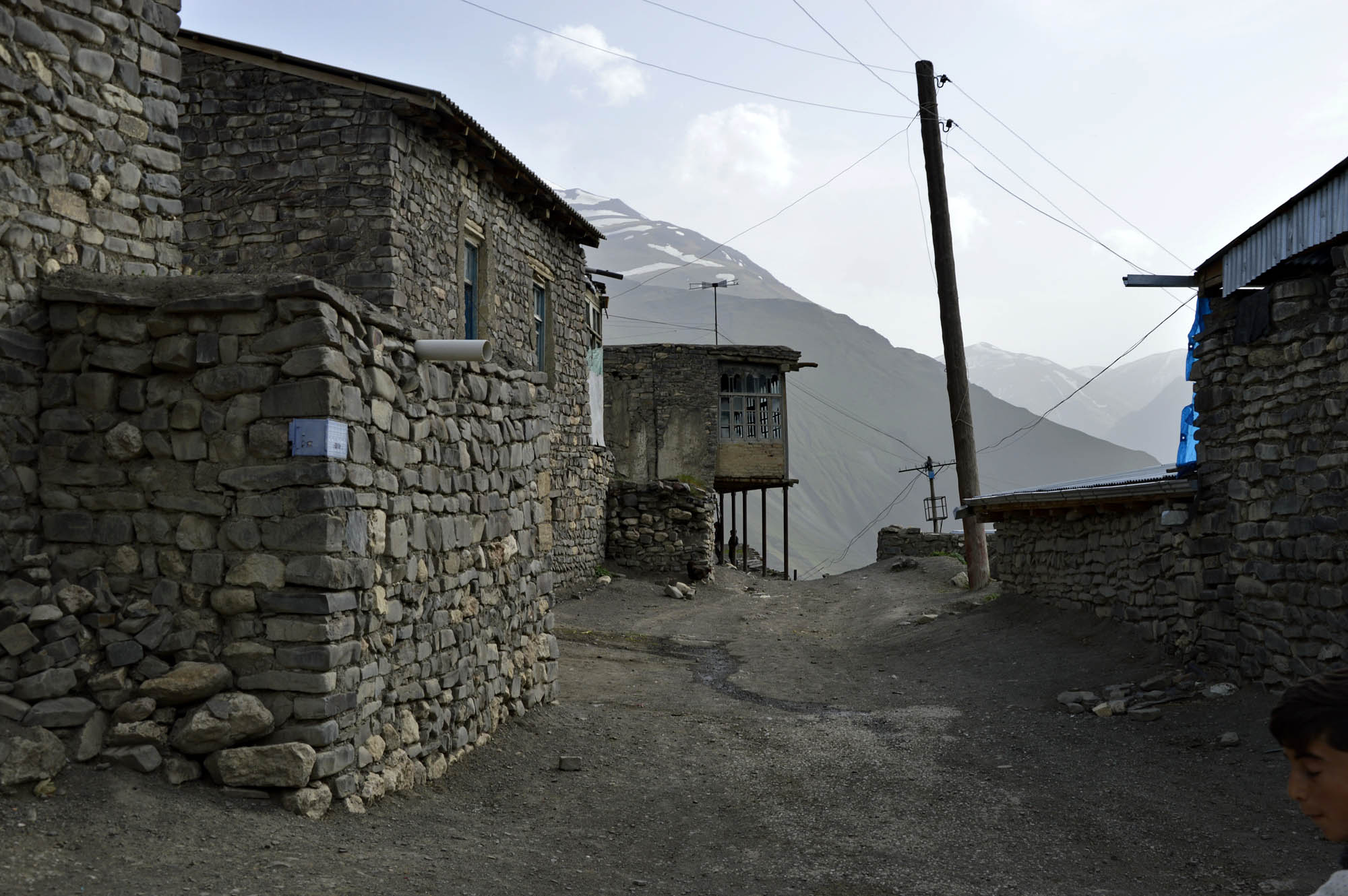
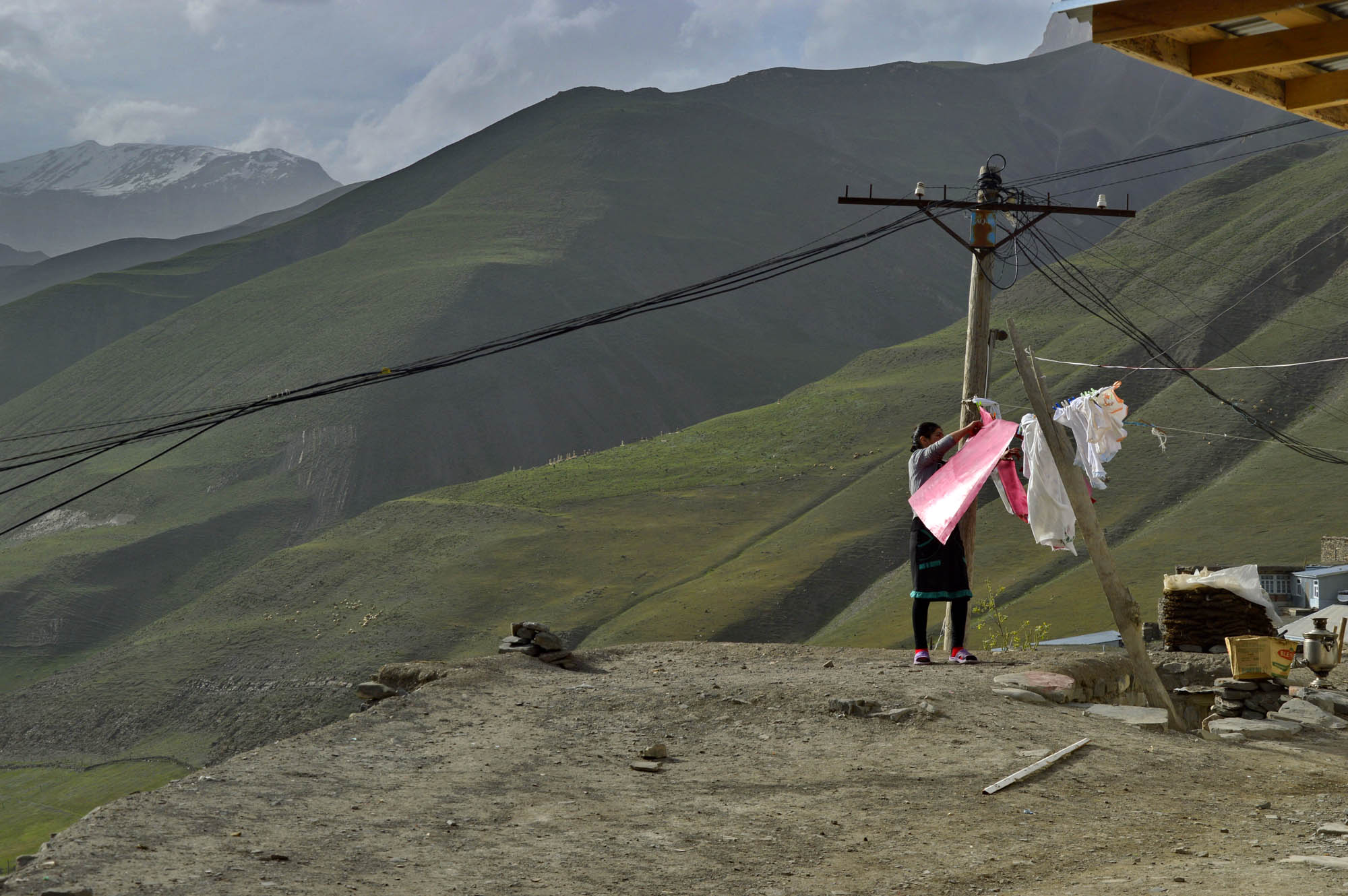
In the hilltop village you can still find Arabic and Persian inscriptions here and there. Even if they cannot read them any more, they are held in high esteem. The everyday life of the village goes on around them, women are washing in the mountain spring water that is led to common wells, children carry home the calves which still cannot find the way, men are kneading blocks of fuel for fire from manure and straw, old men are talking with one another on the flat rooftops. From below in the river valley you can hear the subsiding bleating of the flock that rolled along just a few hours ago. And although we see the signs of change – including the fact that we ourselves can now come to this place –, nevertheless, while sitting in front of the house in the twilight, and looking down on the village, we feel as if time, just like the pirs, the books and the letters, once it arrived in Xinaliq, did not pass along, but was forever accumulated and thickened.


Rovshan Gurbanov, Elshan Mansurov, Nadir Talibov, Kamran Karimov: Getme, getme (Don’t go away). From the album Azərbaycan Məhəbbət Təranələri (Azerbaijani Love Songs, 2014)

xinaliq4 xinaliq4 xinaliq4 xinaliq4 xinaliq4 xinaliq4 xinaliq4 xinaliq4 xinaliq4 xinaliq4 xinaliq4 xinaliq4 xinaliq4 xinaliq4 xinaliq4 xinaliq4 xinaliq4 xinaliq4 xinaliq4 xinaliq4 xinaliq4 xinaliq4 xinaliq4 xinaliq4 xinaliq4 xinaliq4 xinaliq4 xinaliq4 xinaliq4 xinaliq4 xinaliq4 xinaliq4 xinaliq4 xinaliq4 xinaliq4 xinaliq4 xinaliq4 xinaliq4 xinaliq4 xinaliq4 xinaliq4 xinaliq4 xinaliq4 xinaliq4 xinaliq4 xinaliq4 xinaliq4


Road to Xinaliq


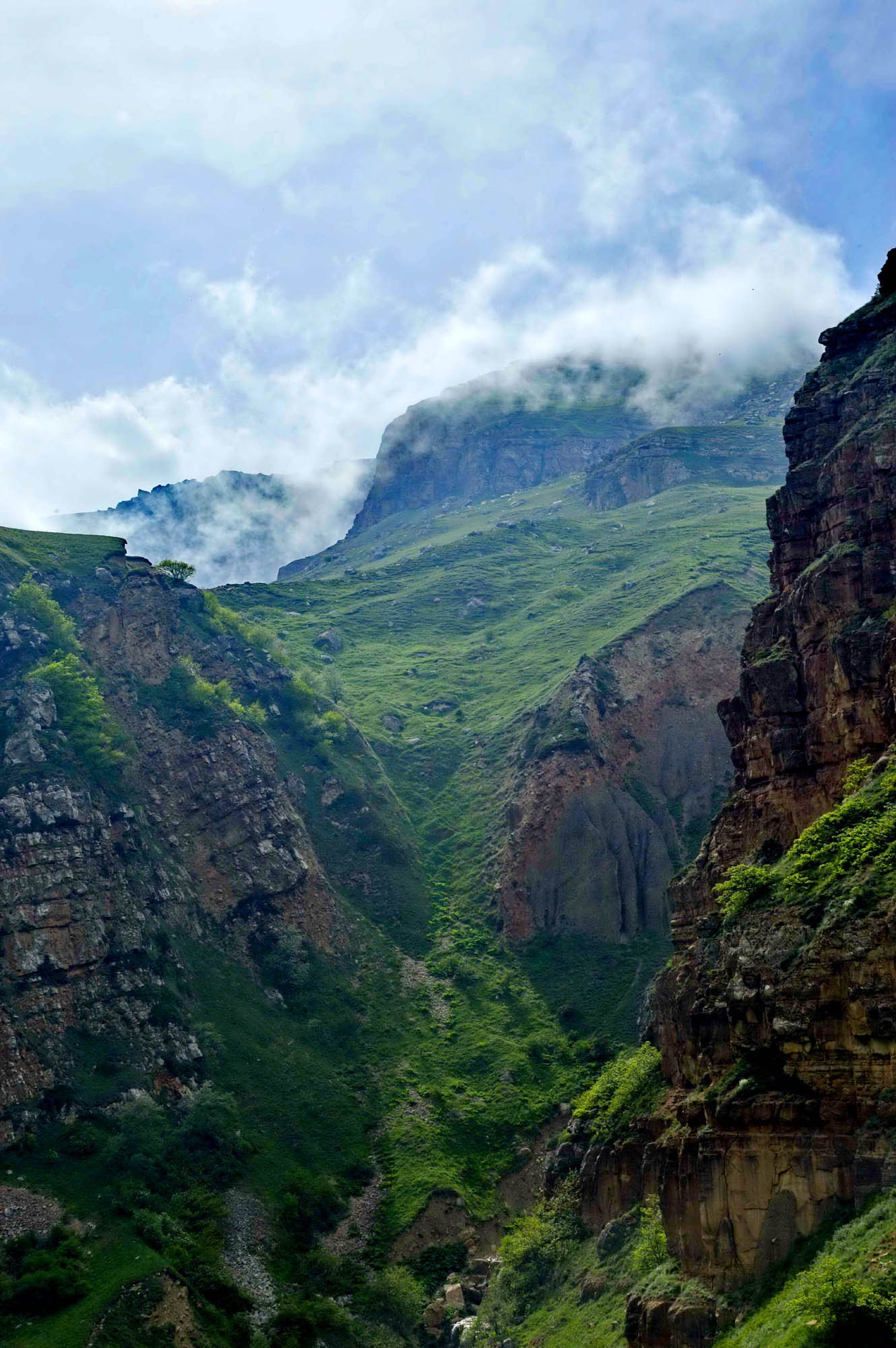
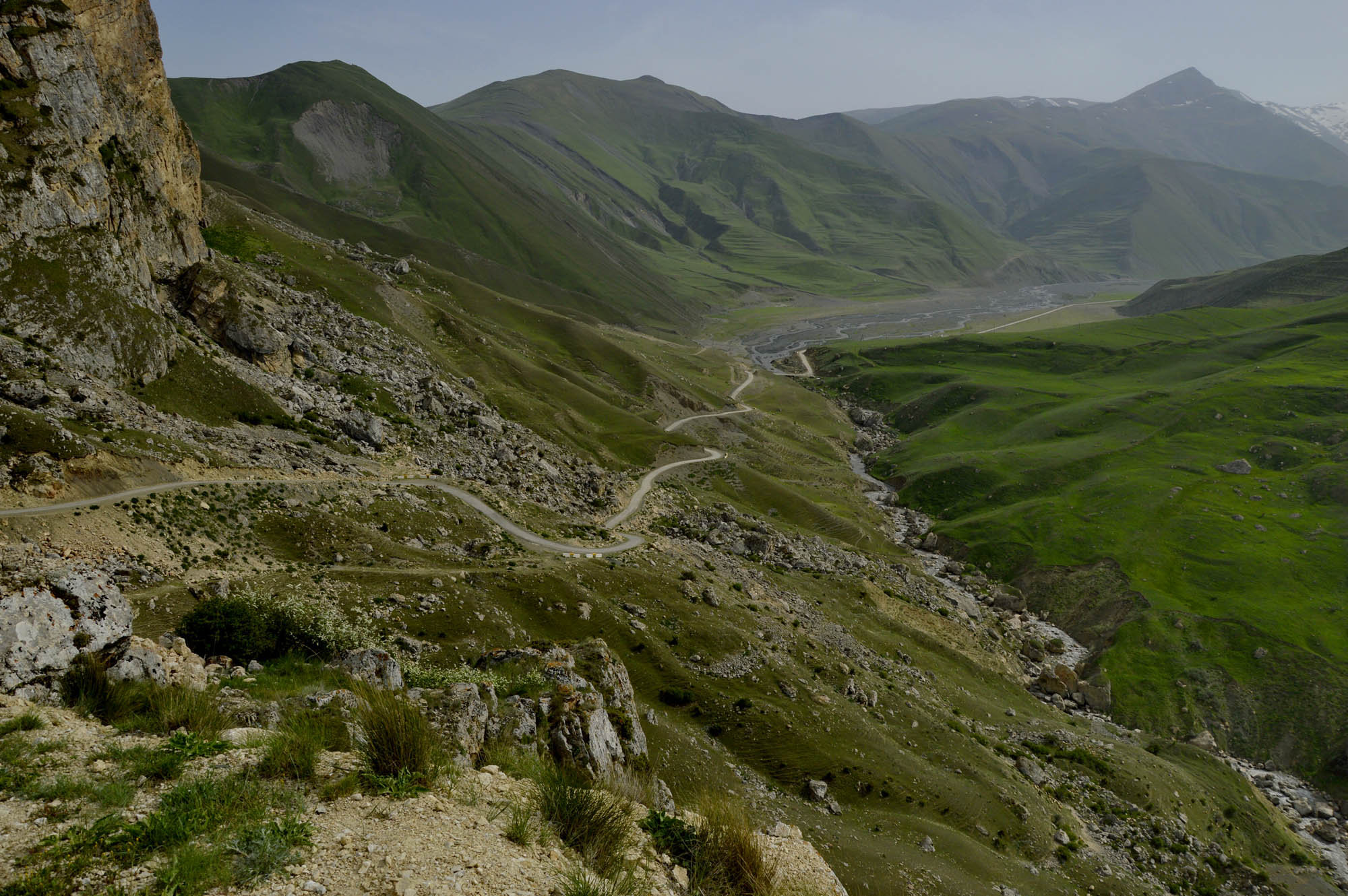
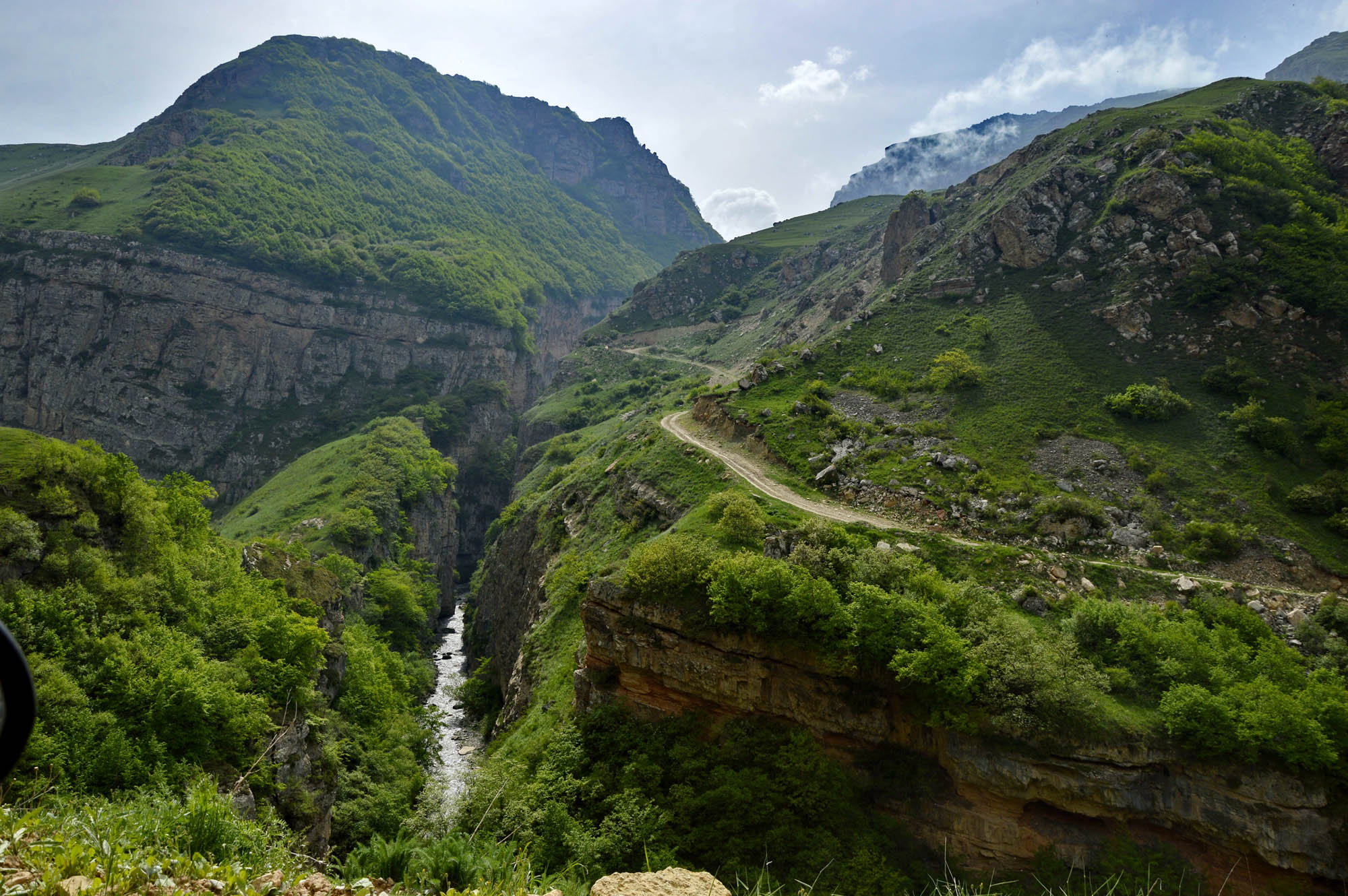
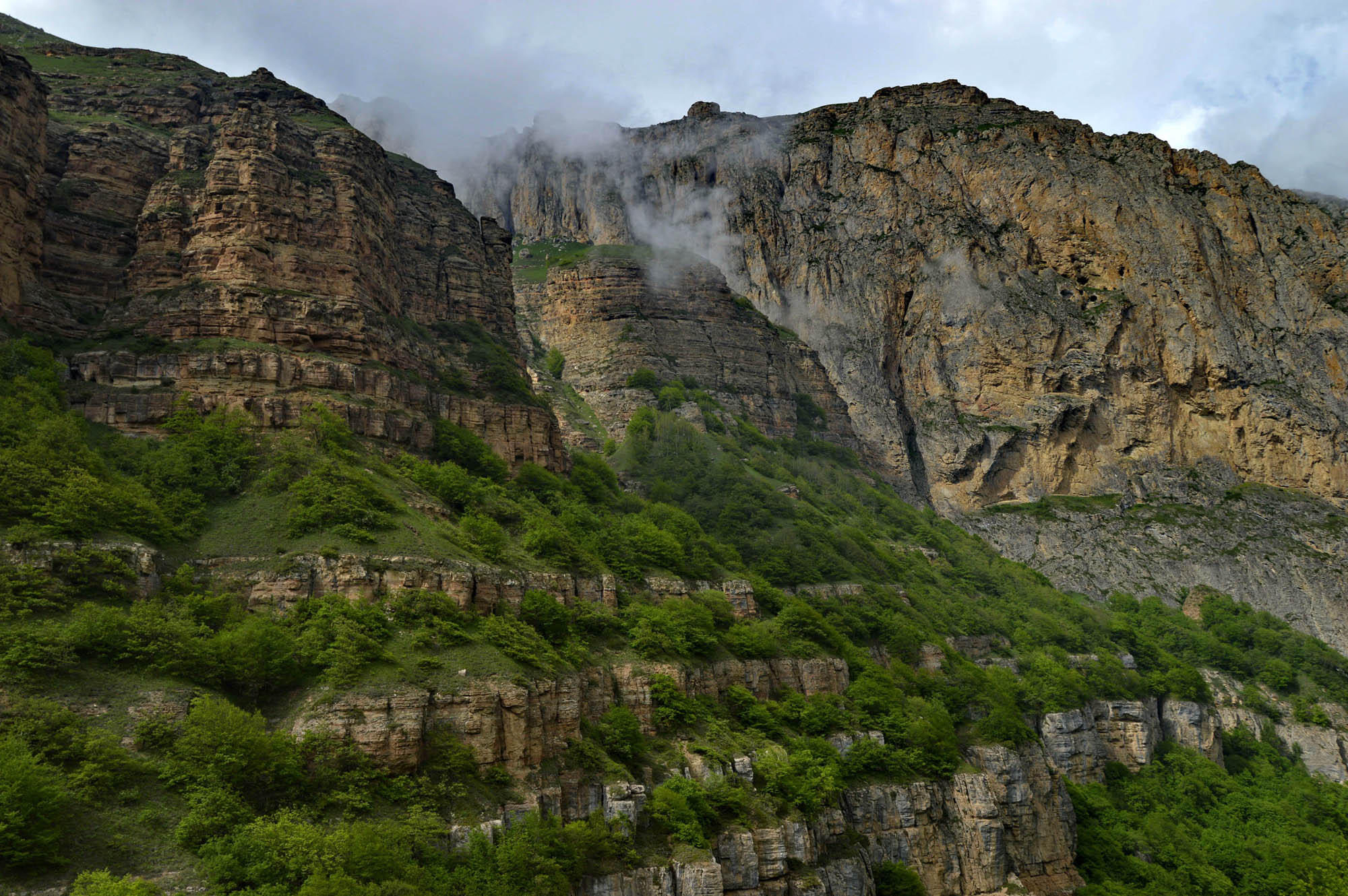
We travel to Xinaliq on a ribbon of asphalt, frayed at the edges, and flying; because that is what it feels like as we float high above the valley bottom, with its small hidden villages, green forests, the loops of road we earlier traveled, everything. We are in temporary kinship with the pair of eagles that floats magically up from beneath us as we peer over the high crest of the pass that leads to this ancient settlement. In rays of blinding sun against a smooth blue curtain of sky, the eagles’ feathers tousled by columns of wind, one of them looks at us, and seems to recognize us.


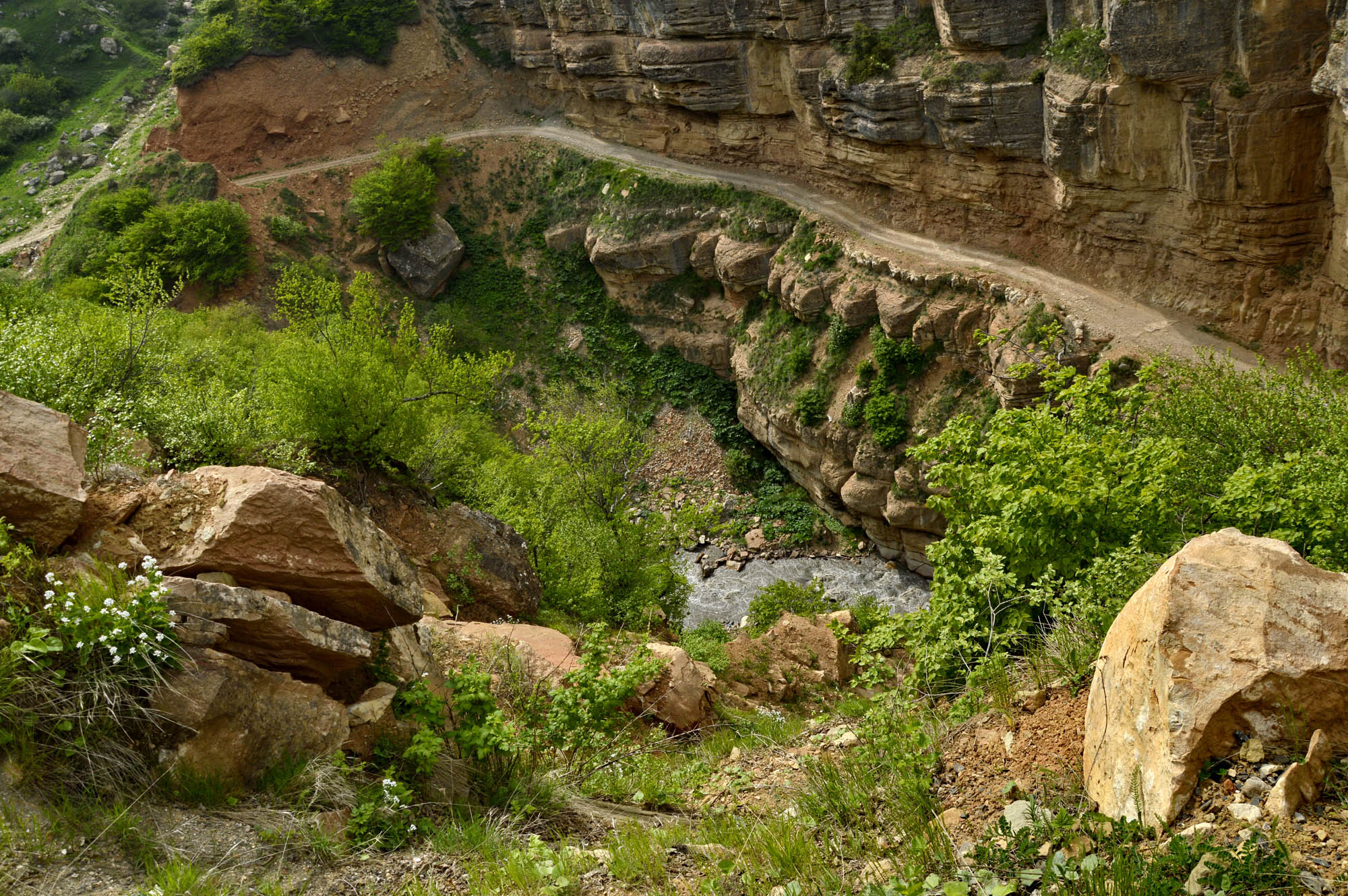
The road crumbles at the edges, and it sometimes seems ready to dissolve of its own accord, turning into simply more falling mountain rubble, the unavoidable advance of chaos in the face of human-imposed order. Its temporary time on the earth is about to come due. Perhaps the road itself will quickly crumble away, and no longer be here for us when we try to return.


The surrounding escarpments make dazzling, balletic leaps they hover over us at dizzying heights. The rock forms dance and whirl around us as we ply our undulating path, following the score of the engineers who cut this road into the mountain’s flank nine years ago. It makes our heads swim, and the effect is compounded with the sweet taste of the air, also laced with the earthier residues of transhumance; the tang of manure, human sweat, and dusty dry grass. Water clatters down the cliff face, and pours out from roadside pipes, utterly clear, shining, and tasting of snow.


Perhaps it is the effects of the thin air, or the untrammeled sunshine, or the serpentine movement of the automobile, but we are lifted to a state of excitement beyond the visual satisfactions of simply regarding beauty, perhaps like the ecstasies of the great painters of the Romantic movement. But we are here, this is real. The stones are hard, the wind is forceful, the sunshine browns and reddens the skin. Gravity forever leads us toward the abyss.


Road to Xinaliq. Habil Aliyev, kamanche

xinaliq1 xinaliq1 xinaliq1 xinaliq1 xinaliq1 xinaliq1 xinaliq1 xinaliq1 xinaliq1 xinaliq1 xinaliq1 xinaliq1 xinaliq1 xinaliq1 xinaliq1 xinaliq1 xinaliq1 xinaliq1 xinaliq1 xinaliq1 xinaliq1 xinaliq1 xinaliq1 xinaliq1 xinaliq1 xinaliq1 xinaliq1 xinaliq1 xinaliq1 xinaliq1 xinaliq1 xinaliq1 xinaliq1 xinaliq1 xinaliq1 xinaliq1 xinaliq1 xinaliq1 xinaliq1 xinaliq1 xinaliq1 xinaliq1 xinaliq1 xinaliq1 xinaliq1 xinaliq1 xinaliq1 xinaliq1 xinaliq1 xinaliq1 xinaliq1 xinaliq1


Up here live people who have eked out their livings for, incredibly, some 3000 years, in comparative isolation to everyone else. No one but they (and a few academics) can understand the language they speak. The phonology of Khinalug appears to be quite rich. According to Wikipedia, the Cyrillic alphabet for Khinalug contains 74 characters to represent its inventory of sounds, including digraphs, trigraphs, and tetragraphs. Recently, a Roman alphabet based on Turkish has been introduced which reduces the number of letters to 50. In any event, our local host, a native, regales us with examples of its gender formulations, demonstrating that the form of the verb changes depending on whether a male or a female is addressed.

“Xinaliq is believed to be an ancient Caucasian village going back to the Caucasian Albanian period. According to Schulze (1994), both the local history and the linguistics of Xinaliq clearly indicate that the early speakers of Xinaliq had once migrated into their present location, during the period from 1000 BC to 300 AD. It is believed by the Xinaliq residents that the ancestors of the Xinaliq people were followers of Zoroastrianism. In the 3rd century they converted to Christianity and then to Islam in the 7th century. All residents are Muslim. Because of the high altitude and its remoteness, the Xinaliq village and its residents have managed to survive and withstand many invasions the region has witnessed. The area has many historical sites including ancient holy caves.”

Xinaliq: Language, People and Geography, Tamrika Khvtisiashvili, University of Utah in Journal of Endangered Languages, Winter 2012.

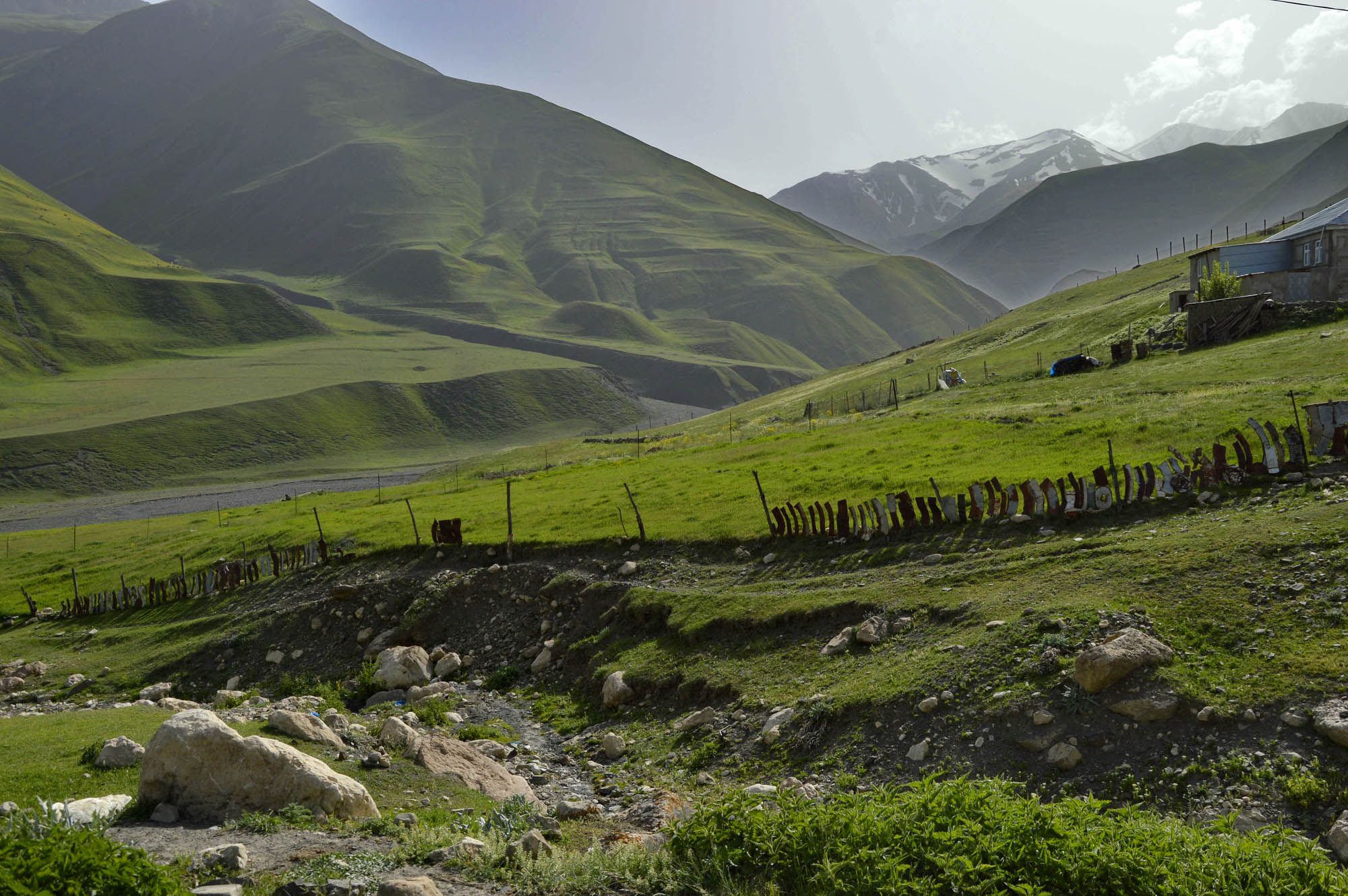
We pull off the road to admire the scene. Far below us, shepherds are moving their flocks of sheep, the wealth, treasure and industry of these communities, from one grazing pasture to another. They flow slowly over the rough surfaces of the valley floor, and the less-steep parts of the valley walls. From our vantage point, we see it as a quivering pool of yellowish-white dots that moves in concert, pushed forward by tiny men on horseback and dogs. As they come up off the rocky places and finally reach the fresher grazing grounds, a sea of chlorophyll, the sheep are excited, and they begin to run, drifting across the green tableau like a wind-driven cloud.


We watch this, standing high up on the side of the mountain, next to the road approaching Xinaliq. Across the sky there moves a broad stream of white vapor, a parade of low hanging clouds, drifting through the length of the valley, in accord with their master, the winds.


De camino a Xinaliq


Nos acercamos a Xinaliq por encima de una cinta de asfalto con los bordes deshilachados, volando. Es como si flotáramos muy alto sobre el fondo del valle, con sus pequeños pueblos escondidos, planeando sobre las manchas verdes de los bosques, sobre las revueltas de la carretera que dejamos atrás, sobre todas las cosas. Durante un rato nos emparejamos con dos águilas, sobrevolándolas como en un hechizo al cruzar la elevada cresta del paso que conduce a esta antigua población. En los rayos de un sol cegador contra una suave cortina de cielo azul, las plumas de las águilas se agitan por la columna de viento. Una nos mira como si nos conociera.


La carretera se desmigaja por los costados, y en ocasiones parece dispuesta a deshacerse y volver simplemente a ser parte del acantilado, ceder al inexorable caos precariamente sometido al orden humano. Es cuestión de tiempo. Puede ocurrir en cualquier momento, quizá ya no esté ahí cuando queramos volver.


Las escarpaduras nos rodean dando brincos brillantes, danzarines, hasta alturas vertiginosas sobre nuestras cabezas. Las formas de las rocas bailotean, giran alrededor mientras trenzamos nuestro ondulante avance interpretando la partitura de los ingenieros que cortaron el terreno y abrieron paso en la ladera de la montaña hace nueve años. Nuestras cabezas naufragan, y el efecto se completa con el sabor dulce del aire, veteado de residuos terrenales de la trashumancia, de un penetrante olor a estiércol, a sudor humano, a hierba seca y polvorienta. El agua gorgotea al caer por la cara limpia del cortado y verterse por las cunetas, nítida, bruñida, con gusto a nieve.


Puede ser por efecto del fino aire, de este sol desinhibido o del movimiento serpentino del coche, pero hemos alcanzado un estado de energía más allá del que provoca la mera satisfacción visual o la  contemplación de la belleza, quizá sea algo así como el éxtasis de los grandes pintores románticos, o como lo que se cuenta de Turner al cruzar los Alpes absorbiendo 
el paisaje con los ojos, erguido sobre el pescante del coche. Estamos aquí, esto es real. La roca es dura, el viento poderoso, el sol tuesta y enrojece la piel. La gravedad empuja siempre hacia el abismo.


Carretera a Xinaliq. Habil Aliyev, kamanche

xinaliq1 xinaliq1 xinaliq1 xinaliq1 xinaliq1 xinaliq1 xinaliq1 xinaliq1 xinaliq1 xinaliq1 xinaliq1 xinaliq1 xinaliq1 xinaliq1 xinaliq1 xinaliq1 xinaliq1 xinaliq1 xinaliq1 xinaliq1 xinaliq1 xinaliq1 xinaliq1 xinaliq1 xinaliq1 xinaliq1 xinaliq1 xinaliq1 xinaliq1 xinaliq1 xinaliq1 xinaliq1 xinaliq1 xinaliq1 xinaliq1 xinaliq1 xinaliq1 xinaliq1 xinaliq1 xinaliq1 xinaliq1 xinaliq1 xinaliq1 xinaliq1 xinaliq1 xinaliq1 xinaliq1 xinaliq1 xinaliq1 xinaliq1 xinaliq1 xinaliq1


Aquí arriba vive gente que ha subsistido increíblemente durante 3000 años en este aislamiento. Nadie a aparte de lols (y unos pocos eruditos) entienden su lengua. La fonología del khinalug parece ser muy rica. Según la Wikipedia, el alfabeto cirílico del khinalug necesita 74 caracteres para representar su repertorio fonético, incluyendo dígrafos, trigrafos, and tetragrafos. Recientemente se ha introducido un alfabeto romano basado en el turco que reduce el número de letras a 50. En cualquier caso, nuestro anfitrión local, nativo, nos obsequia con ejemplos de sus formulaciones del género, mostrándonos cómo las formas verbales cambian según se refiere a un hombre o a una mujer.

“Xinaliq is believed to be an ancient Caucasian village going back to the Caucasian Albanian period. According to Schulze (1994), both the local history and the linguistics of Xinaliq clearly indicate that the early speakers of Xinaliq had once migrated into their present location, during the period from 1000 BC to 300 AD. It is believed by the Xinaliq residents that the ancestors of the Xinaliq people were followers of Zoroastrianism. In the 3rd century they converted to Christianity and then to Islam in the 7th century. All residents are Muslim. Because of the high altitude and its remoteness, the Xinaliq village and its residents have managed to survive and withstand many invasions the region has witnessed. The area has many historical sites including ancient holy caves.”

Xinaliq: Language, People and Geography, Tamrika Khvtisiashvili, University of Utah in Journal of Endangered Languages, Winter 2012.

Nos apartamos de la carretera para admirar la escena. Allá abajo, los pastores conducen sus rebaños de ovejas –la riqueza, el tesoro y la industria de estas comunidades– de un pastizal a otro. Se deslizan lentamente sobre las rudas superficies del fondo del valle y las partes menos abruptas de las laderas. Desde nuestra cómoda atalaya, vemos un amasijo tembloroso de puntos amarillo pálido que se mueve concertadamente, empujado por pequeños hombres a caballo y perros. Al abandonar el suelo pedregoso y alcanzar por fin los prados más frescos, un mar de clorofila, las ovejas se animan y empiezan a correr esparciéndose sobre el mantel verde como una nube dispersada por el viento.


Observamos esto de pie en la ladera de la montaña, al lado de la carretera que llegará pronto a Xinaliq. Cruza el cielo una corriente ancha de vapor blanco, un desfile de nubes blancas flotando a lo ancho del valle, obedientes a su dueño, el viento.


Santa Ninó y la luz mística

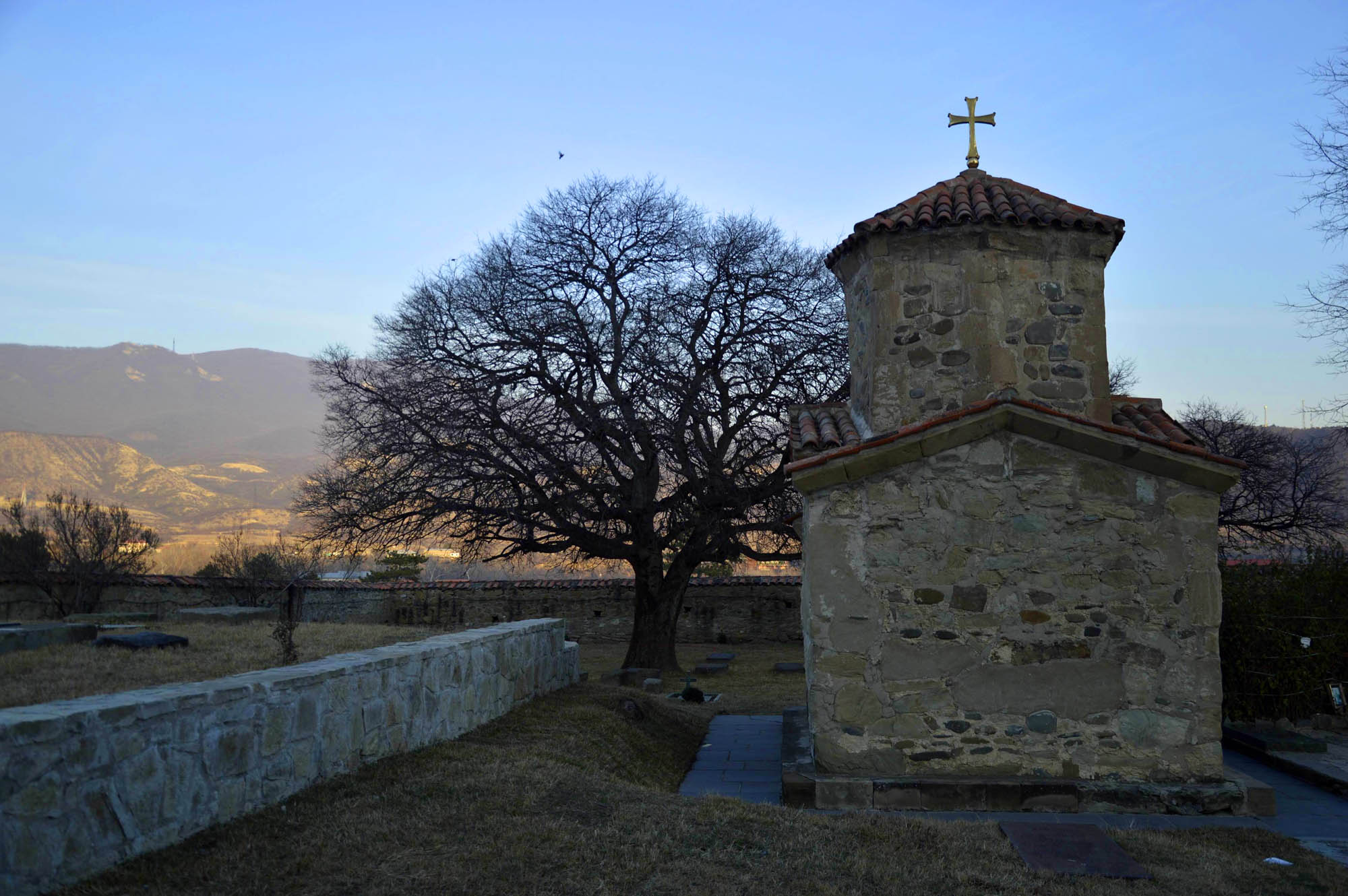
Muro exterior del monasterio de Samtavro, frente a la antigua celda de Santa Ninó

—«¿Mis ojos están oscurecidos, y vosotros veis la luz?» Ellos respondieron: «Brillante la vemos, la luz del sol.»

Santa Ninó (წმინდა ნინო) (Kolastra ca. 296 – ca. 338), tan venerada por la Iglesia Ortodoxa Georgiana, goza de dos festividades al año. La primera en pleno invierno, el 27 de enero, y la segunda es hoy, 1 de junio.

Santa Ninó llegó desde Constantinopla a Georgia (o, como entonces se llamaba, Iberia) para predicar la fe cristiana y convertir al país. Según la tradición, era originaria de la ciudad capadocia de Kolastra, y algunas fuentes la consideran pariente de San Jorge. Se le atribuye la conversión de la reina Nana y, más tarde, del rey Mirian III de Iberia.

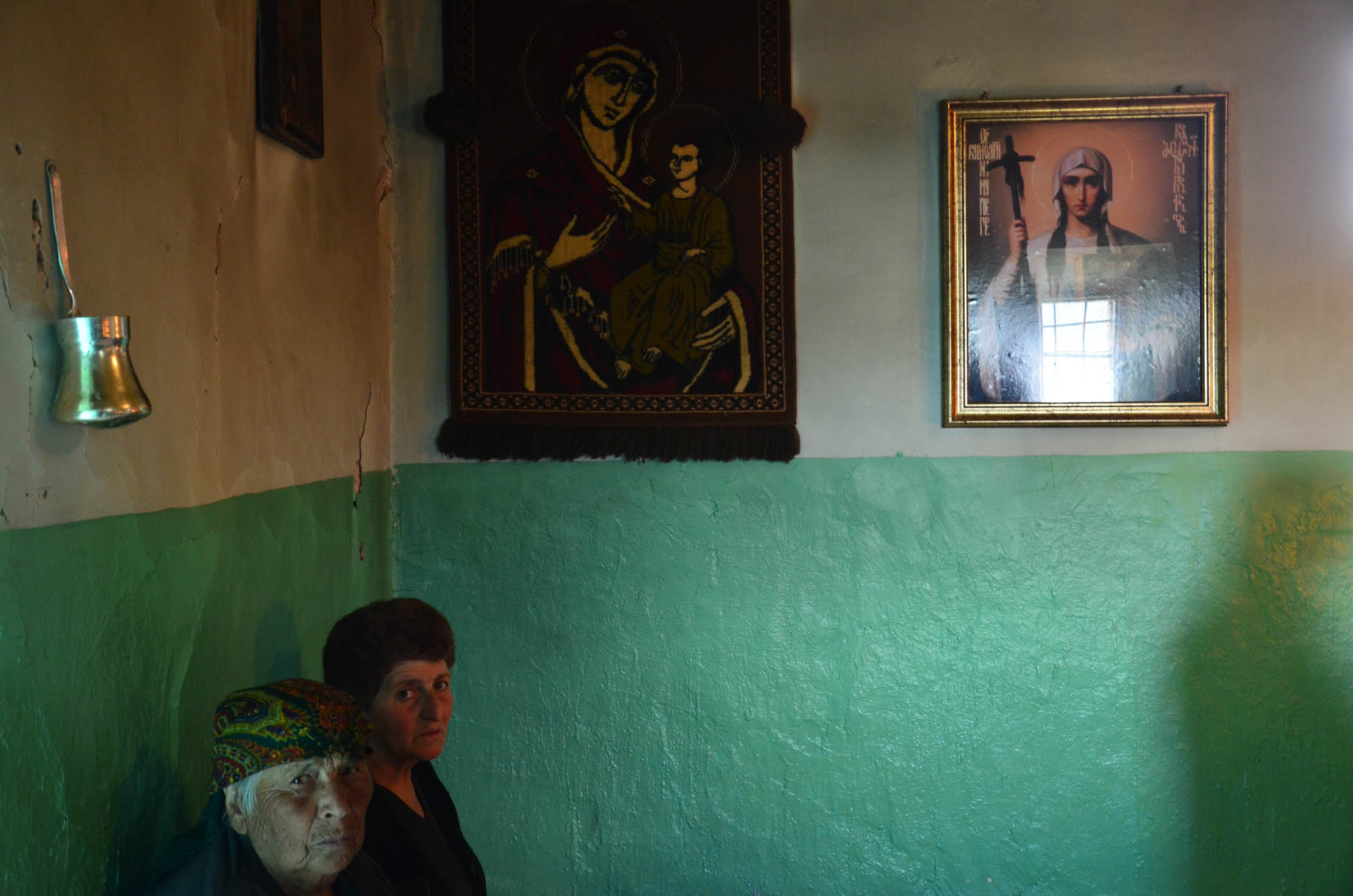
Imagen de Santa Ninó en la iglesia de un pueblo del sur de Georgia

«Yo veo, hija mía, que tu fuerza es igual a la fuerza de una leona, que ruge más fuerte que cualquier otro animal de cuatro patas; o como un águila hembra, que vuela más alto que el macho y abarca en la pupila de su ojo toda la tierra como una pequeña perla, y como fuego, busca alimento para sí misma, y al ver el alimento, pliega sus alas y se abalanza sobre él. ¡Sea tu vida así, guiada por el Espíritu Santo!» (ქართლის ცხოვრება –Kartlis Tskhovreba–, 47).)

Según la tradición, el rey, mientras cazaba en un bosque profundo y oscuro, perdió el camino, y solo lo encontró después de orar al «Dios de Ninó».

«Cuando el rey Mirian salió a cazar en un bosque, el sol se oscureció a plena luz del día, y cayó tiniebla sobre la tierra. El rey invocó desesperadamente a sus dioses Armaz y Zaden, pero en vano. Entonces recordó al Dios crucificado de Ninó, y pidió su ayuda, y hubo luz. El Dios de Ninó devolvió la luz al sol.» La versión de este relato hecha por el monje Arsen añade: «De repente, la oscuridad cayó sobre el rey Mirian, que cayó al suelo y no pudo continuar su camino. Sus compañeros de caza seguían viendo la brillante luz del sol y prosiguieron, pero el rey quedó paralizado, atrapado por una extraña ceguera, y fue presa del terror y del miedo a la muerte.»

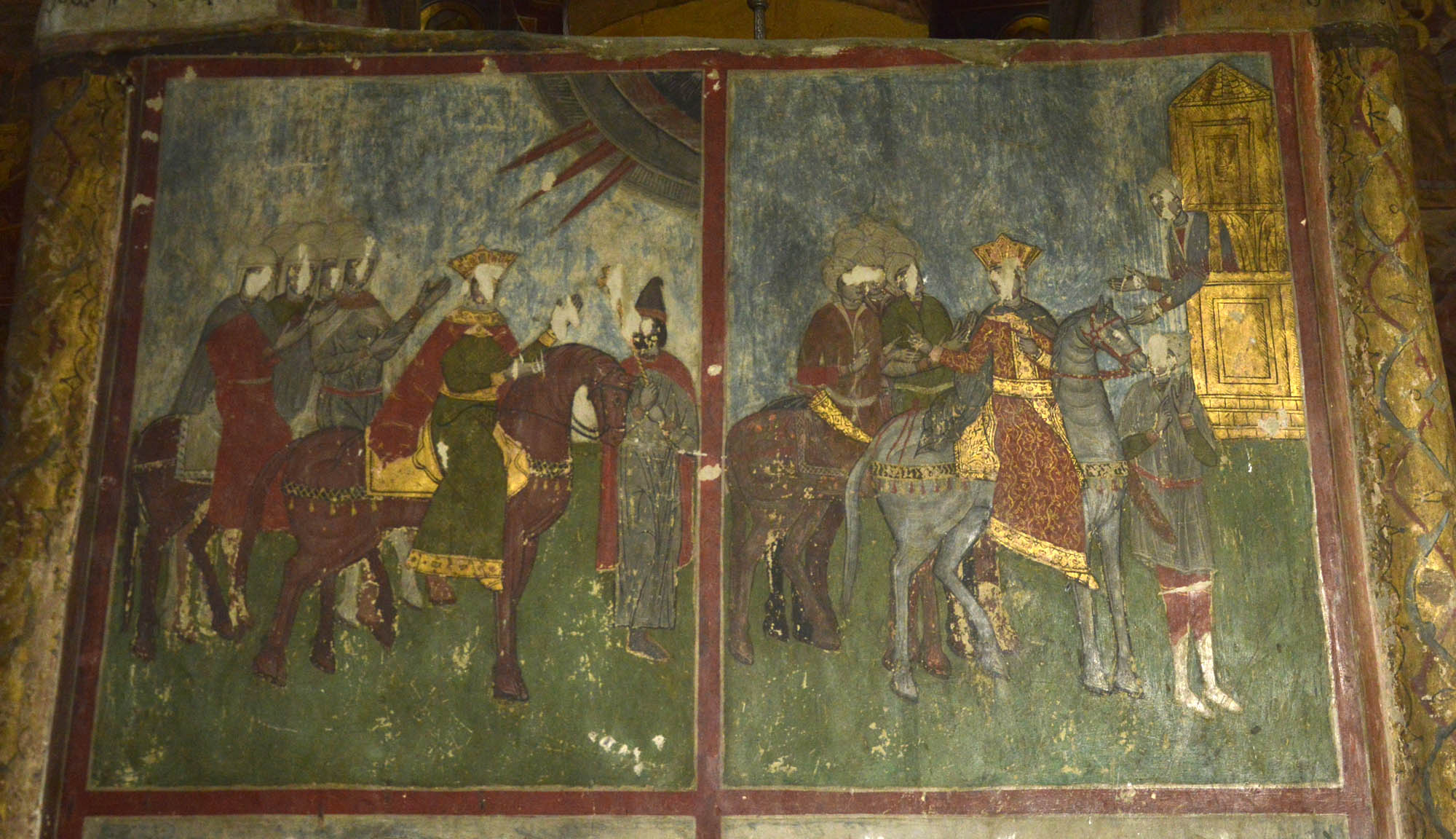
La escena de la caza en el Santo Pilar de la catedral de Mtsjeta

Como en la Divina Comedia de Dante, con el bosque oscuro se representa una vida (y el reino de Kartli/Iberia) que carece de la luz de Cristo, simbolizada en el sol. El rey Mirian y su reino habían vivido hasta entonces en la oscuridad, confiando en falsos dioses.

La conversión a la luz verdadera les permite ver el sol a medianoche, «el sol de la verdad en medio de la noche»

Nel mezzo del cammin di nostra vita
mi ritrovai per una selva oscura,
ché la diritta via era smarrita.

Ahi quanto a dir qual era è cosa dura,
esta selva selvaggia e aspra e forte,
che nel pensier rinova la paura!

Tant’è amara che poco è più morte;
ma per trattar del ben ch’i’ vi trovai,
dirò de l’altre cose ch’i’ v’ho scorte.

Io non so ben ridir com’i’ v’intrai,
tant’era pien di sonno a quel punto
che la verace via abbandonai.
A mitad del camino de la vida
me hallé perdido en una selva oscura,
porque me extravié del buen camino.

Es tan difícil relatar cómo era
esta selva salvaje, áspera y ardua,
que al recordarlo vuelvo a sentir miedo.

Solo la muerte es más cruel y amarga;
pero antes de hablar del bien que hallé,
diré las otras cosas que ocurrieron.

No sé explicar muy bien cómo entré allí,
porque tenía mucho sueño cuando
abandoné la senda verdadera.

(Dante Alighieri, Inferno I, 1-12, traducción de José María Micó)

En el momento de su conversión, San Pablo también vio una luz brillante:

«Pero aconteció que yendo yo al llegar cerca de Damasco, como a mediodía, de repente me rodeó mucha luz del cielo; y caí al suelo, y oí una voz que me decía: Saulo, Saulo, ¿por qué me persigues? Yo entonces respondí: ¿Quién eres, Señor? Y me dijo: Yo soy Jesús de Nazaret, a quien tú persigues. Y los que estaban conmigo vieron a la verdad la luz, y se espantaron; pero no entendieron la voz del que hablaba conmigo. Y dije: ¿Qué haré, Señor? Y el Señor me dijo: Levántate, y ve a Damasco, y allí se te dirá todo lo que está ordenado que hagas. Y como yo no veía a causa de la gloria de la luz, llevado de la mano por los que estaban conmigo, llegué a Damasco. Entonces uno llamado Ananías, varón piadoso según la ley, que tenía buen testimonio de todos los judíos que allí moraban, vino a mí, y acercándose, me dijo: Hermano Saulo, recibe la vista. Y yo en aquella misma hora recobré la vista, y lo miré. Y él dijo: El Dios de nuestros padres te ha escogido para que conozcas su voluntad, y veas al Justo, y oigas la voz de su boca. Porque serás testigo suyo a todos los hombres, de lo que has visto y oído. Ahora, pues, ¿por qué te detienes? Levántate y bautízate, y lava tus pecados, invocando su nombre.» (Hechos, 22:3-16)

«El que no era capaz de ver la luz en pleno día, llegó a verla en la oscuridad de la noche. […] Es la luz espiritual la que ilumina al sol real. Es la luz de este sol la que entra en la tierra de Kartli, el “reino del norte”, es decir, el reino carente del sol espiritual, oscurecido por el pecado, “cuyo velo cubre las cumbres más altas de sus elevadas montañas”.»

«Cerca de la ciudad de Urbnisi, [Santa Ninó] se encontró con gentes que adoraban dioses paganos: éstos personificaban el fuego, la piedra, la madera. Ella se unió a un grupo que iba a Mtsjeta, la gran ciudad y sede de los reyes, para vender sus mercancías y adorar al dios Armaz. “Lloré y oré a Dios” —dijo Ninó— “porque vi cómo este reino del norte está perdido, porque le falta la luz, y ha sido conquistado por la oscuridad.” […] Ninó, angustiada por este pueblo que vive en tinieblas, ora a su Dios, que se había hecho hombre para la salvación de los hombres, para que les muestre la luz verdadera.»

La celda de Santa Ninó en el antiguo jardín real de Mtsjeta, hoy del monasterio de Samtavro

La imagen de las montañas georgianas alude también a los lugares de culto y las estatuas idolátricas precristianos, que, vistas desde la perspectiva cristiana de la historia de la salvación, cubren con la niebla de la falsa fe.

Y así ocurrió:

«Cuando terminó su oración, un gran viento vino del oeste, se oyó un terrible trueno y aparecieron grandes nubes en el cielo, que comenzaron a moverse contra las estatuas idolátricas. La gente, sobrecogida por un gran terror, huyó. Las nubes se abrieron, y de ellas cayó granizo. Los ídolos fueron reducidos a polvo, y el viento esparció el polvo por las montañas. Solo permaneció intacto el rubí del casco de Armaz. Cuando la tormenta cesó, Santa Ninó lo encontró. Lo recogió y lo llevó a la antigua ciudad de Mtsjeta, que estaba destinada a convertirse en la cuna de la conversión. Así fue como se destruyeron el antiguo Kartli y sus antiguos dioses, aunque no del todo, pues los ídolos erigidos en las almas aún no habían sido destruidos.»

No es casualidad que, al inicio de su intento de convertir Kartli al cristianismo, Santa Ninó erigiera la primera cruz —hecha de madera de vid y atada con su propio cabello— en la alta montaña sobre Mtsjeta.

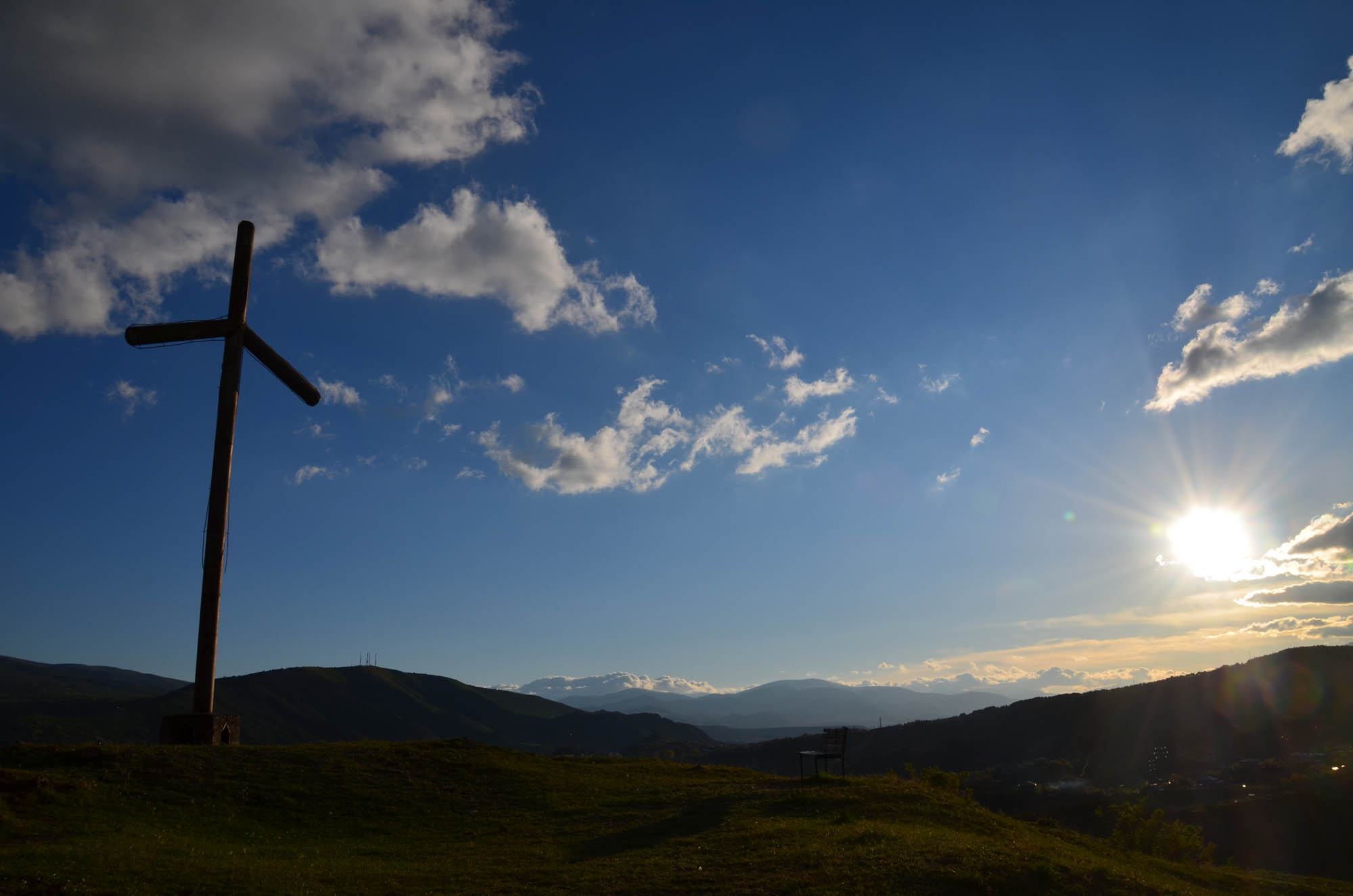
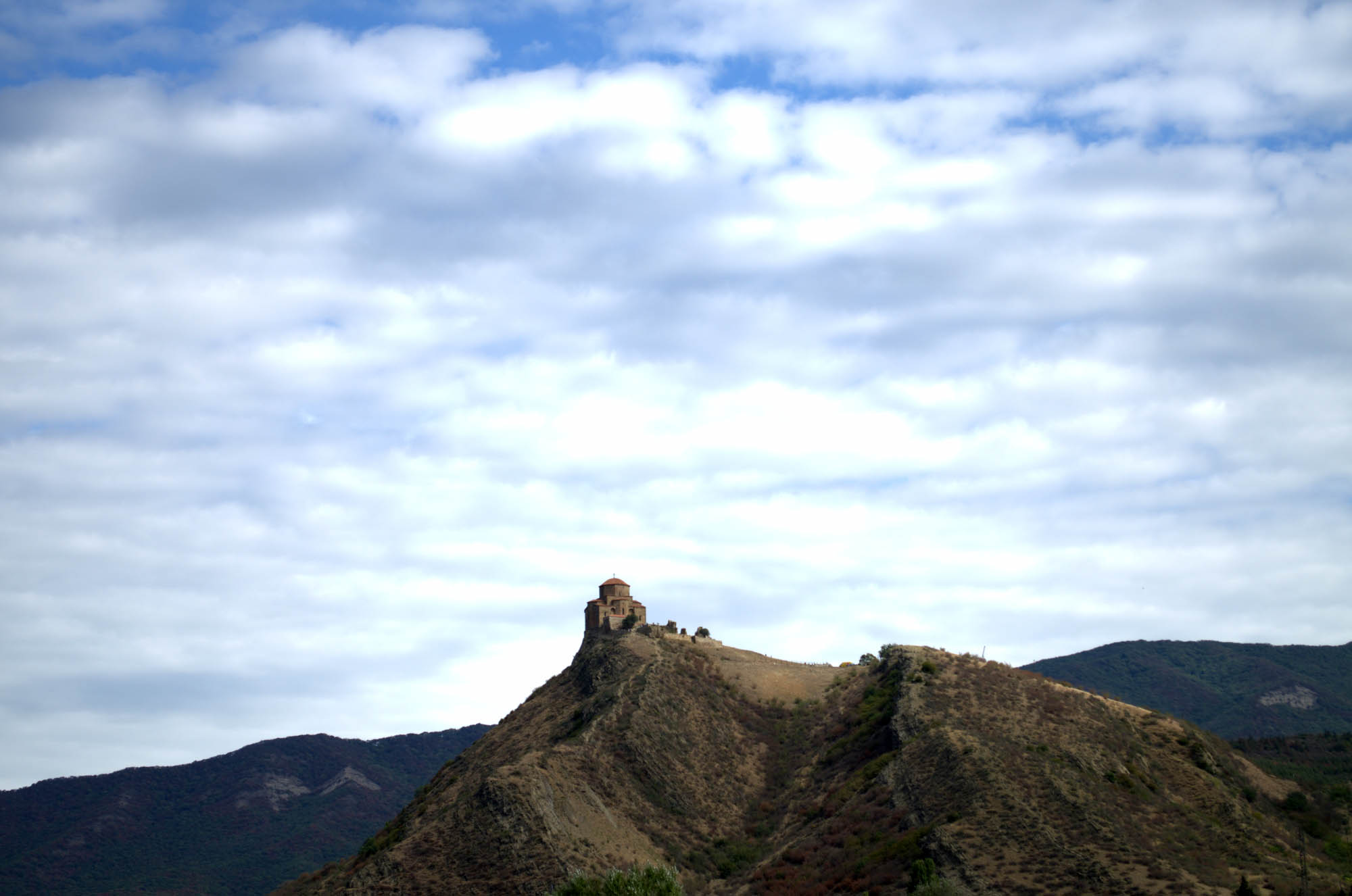
La «cruz de Santa Ninó» en las montañas del sur de Georgia, y la iglesia de Jvari (Santa Cruz) construida en el lugar de la primera cruz erigida por ella


Después de esto, hacia el año 327, el rey declaró el cristianismo como religión oficial. Así Georgia se convirtió en el segundo país cristiano (después del reino armenio, ca. 301)

«Mientras tanto, Santa Ninó fue al lugar donde había sido plantado el árbol sagrado, allí oró durante seis días por Kartli, y al séptimo regresó a Mtsjeta. Así repitió la obra de seis días de la creación, recreando un país moribundo. Al llegar, fue a vivir al jardín del rey. Era un jardín espléndido, con un árbol en medio y con aves que vivían en las ramas del árbol. Sin embargo, el verdadero sentido se reveló solo después de que Santa Ninó, inspirada por el Espíritu Santo, dio nombre a todas las criaturas del jardín. Así, el árbol se convirtió en el Árbol de la Vida, las aves en las Aves del Edén, que se bañan en el agua de la vida, se alimentan de la hierba de la vida y anuncian que el samotkhe se ha convertido en propiedad de Santa Ninó. En efecto, la antigua palabra georgiana სამოთხე significaba tanto jardín como paraíso. Así, el jardín del rey se convirtió en el Jardín del Edén, gracias a Santa Ninó.»

(Todas las citas sin indicación provienen del libro de G. Shurgaia Santa Nino e la Georgia)

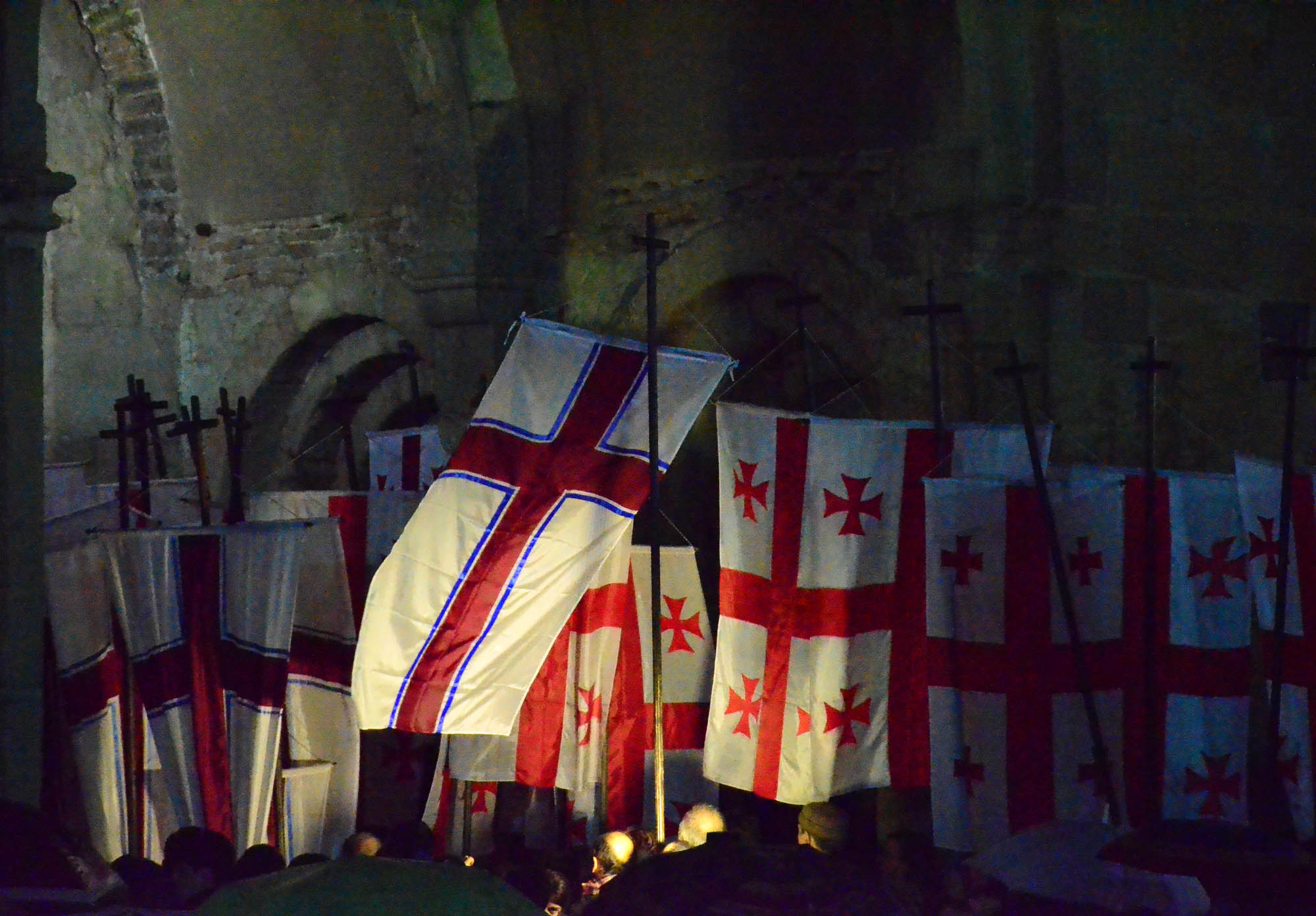
Procesión de Pascua en la catedral de Mtsjeta, hace apenas un mes.

Saint Nino and the mystic light

External wall of Samtavro Monastery, opposite St. Nino’s former cell

“My eyes are dimmed, and you see the light?” They answered: “We see it bright, the light of the sun.”

The feast of St. Nino (წმინდა ნინო) (Kolastra ca. 296 – ca. 338), so venerated is she by the Georgian Orthodox church, is celebrated twice a year. The first occurs on 27 January, and the second is today, June the first.

St. Nino arrived from Constantinople to Georgia (or as it was called then, Iberia) to preach the Christian faith and to convert the country. According to tradition, she is from the Cappadocian town of Kolastra, and some sources consider her to be a relative of St. George. They attribute to her the conversion of Queen Nana and later of King Mirian III of Iberia.

Image of St. Nino in a South Georgian village church

“I see my daughter, your power is equal to the power of a lioness, which roars louder than any other four-footed animal, or like a she-eagle, which flies higher than the male and encompasses in the pupil of her eye the whole of the earth like a small pearl, and like fire, seeks food for herself, and seeing the food, folds her wings and falls upon it. Let your life be like this, guided by the Holy Spirit!” (ქართლის ცხოვრება, 47)

According to tradition, the king, while hunting in a deep and dark forest, lost his way, and found it only after praying to “the God of Nino”.

“When King Mirian went out to hunt in a forest, the sun went dark in broad daylight, and darkness fell on the ground. The king desperately invoked his gods Armaz and Zaden, but to no avail. Then he remembered the crucified God of Nino, and he asked His help, and there was light. The God of Nino gave back the light to the sun.” The version of this tale by the monk Arsen adds: “Suddenly darkness fell on King Mirian, he fell to the ground, and could not continue his way. His hunting fellows kept seeing the bright light of the sun, and they went on, but the king was paralyzed, he was caught by a strange blindness, and he was seized with terror and fear of death.”

The scene of the hunt on the Holy Pillar of the cathedral of Mtskheta

As in Dante’s Divina Commedia, the dark forest is the representation of a life (and of the kingdom of Kartli/Iberia), that lacks the light of Christ, which is symbolized with the sun. King Miriam and his kingdom had so far lived in darkness, putting their confidence in false gods.

The conversion to the true light allows them to see the sun at midnight, “the sun of truth in the middle of the night”.

Nel mezzo del cammin di nostra vita
mi ritrovai per una selva oscura,
ché la diritta via era smarrita.

Ahi quanto a dir qual era è cosa dura,
esta selva selvaggia e aspra e forte,
che nel pensier rinova la paura!

Tant’è amara che poco è più morte;
ma per trattar del ben ch’i’ vi trovai,
dirò de l’altre cose ch’i’ v’ho scorte.

Io non so ben ridir com’i’ v’intrai,
tant’era pien di sonno a quel punto
che la verace via abbandonai.
Midway upon the journey of our life
I found myself within a forest dark,
For the straightforward pathway had been lost.

Ah me! how hard a thing it is to say
What was this forest savage, rough, and stern,
Which in the very thought renews the fear.

So bitter is it, death is little more;
But of the good to treat, which there I found,
Speak will I of the other things I saw there.

I cannot well repeat how there I entered,
So full was I of slumber at the moment
In which I had abandoned the true way.

(Dante Alighieri, Inferno I, 1-12, translation by H. W. Longfellow)

At the time of his conversion, St. Paul also sees a bright light:

“About noon as I came near Damascus, suddenly a bright light from heaven flashed around me. I fell to the ground and heard a voice say to me, ‘Saul! Saul! Why do you persecute me?’ “‘Who are you, Lord?’ I asked. “ ‘I am Jesus of Nazareth, whom you are persecuting,’ he replied. My companions saw the light, but they did not understand the voice of him who was speaking to me. “‘What shall I do, Lord?’ I asked. “ ‘Get up,’ the Lord said, ‘and go into Damascus. There you will be told all that you have been assigned to do.’ My companions led me by the hand into Damascus, because the brilliance of the light had blinded me. “A man named Ananias came to see me. He was a devout observer of the law and highly respected by all the Jews living there. He stood beside me and said, ‘Brother Saul, receive your sight!’ And at that very moment I was able to see him. “Then he said: ‘The God of our ancestors has chosen you to know his will and to see the Righteous One and to hear words from his mouth. You will be his witness to all people of what you have seen and heard. 16 And now what are you waiting for? Get up, be baptized and wash your sins away, calling on his name.’ (Acts, 22:3-16)

“He who was unable to see the light in the middle of the day, became able to see it in the darkness of the night. […] It is the spiritual light that gives light to the real sun. It is the light of this sun which enters the country of Kartli, the ʻnorthern kingdom’, that is, the kingdom lacking the spiritual sun, obscured by sin, ʻwhose mist covers the highest peaks of its hight mountains’”.

“Near the city of Urbnisi, [St. Nino] met the people who worshiped pagan gods: these personified fire, stone, wood. She joined a company which went to Mtskheta, the big city and the seat of kings to sell their goods and worship the god Armaz. ʻI shed tears and to God I prayed’, said Nino, ʻbecause I saw how this northern kingdom is lost, because it lacked the light, and was conquered by darkness.’ […] Nino, anxious for this people who live in darkness, prays to her God who had become man for the salvation of men, to show them the true light.”

The cell of St. Nino in the former royal garden of Mtskheta, today of Samtavro Monastery

The image of the Georgian mountains also refers to the pre-Christian cult sites and idol statues, which, seen from the Christian perspective of salvation history, cover them with the mist of false faith.

And so it happened:

“As she finished her prayer, a great wind came from the west, a terrible thunder was heard, and great clouds appeared on the sky, which started to move against the idol statues. The people, overwhelmed with a great terror, ran away. The clouds opened up, and hail came out of them. The idols were crushed into dust, and the wind scattered the dust into the mountains. Only the ruby of the helmet of Armaz remained intact. When the storm subsided, St. Nino found it. She picked it up, and took it to the ancient city of Mtskheta, which was intended to become the cradle of conversion. This is how the old Kartli and its old gods were destroyed, but they nevertheless survived, as the idol statues set up in the souls had not yet been destroyed.”

It is no coincidence, that at the beginning of her attempt to convert Kartli to Christianity, St. Nino sets up the first cross – made of grape wood and tied up with her own hair – on the high mountain above Mtskheta.

“The cross of St. Nino” in the South Georgian mountains, and the church of Jvari (Holy Cross) built on the place of the first cross erected by her


After this, around 327 the king declared Christianity the official religion. Thus Georgia became the second Christian country (after the Armenian kingdom, ca. 301).

“Meanwhile St. Nino went to the place where the sacred tree was planted, there she prayed for six days for Kartli, and on the seventh day she returned to Mtskheta. Thus she repeated the six-day work of creation, recreating a dying country. On her arrival, she went to live in the garden of the king. It was a splendid garden, with a tree in the middle, and with birds that lived in the branches of the tree. However, the true meaning of it was revealed only after St. Nino, inspired by the Holy Spirit, gave name to all the creatures in the garden. Thus, the tree became the Tree of Life, the birds the Birds of Eden, who bathe in the water of life, and feed upon the grass of life, and announce that the samotkhe has become the property of St. Nino. In fact, the ancient Georgian word სამოთხე meant both garden and paradise. Thus the king’s garden has become the Garden of Eden, thanks to St. Nino.”

(All unmarked quotation come from G. Shurgaia’s book Santa Nino e la Georgia.)

Easter procession in Mtskheta Cathedral, just a month ago